1/8
What’s the most efficient way to heat a house? How to heat your home for less, according to experts
As winter approaches and energy bills continue to rise, many homeowners are seeking the most efficient and cost-effective methods to heat their homes. This guide provides expert advice on various heating systems and practical strategies to reduce energy consumption without sacrificing comfort. The discussion begins by emphasizing the importance of evaluating current heating practices and considering potential changes to improve efficiency.
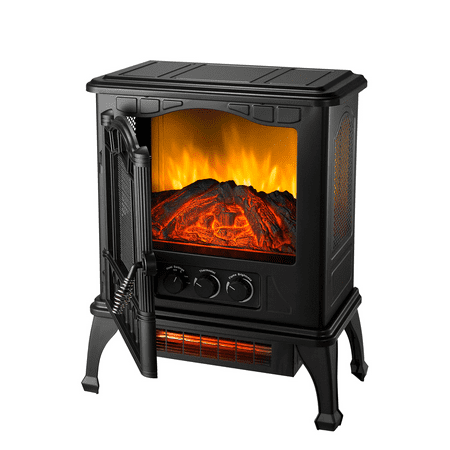
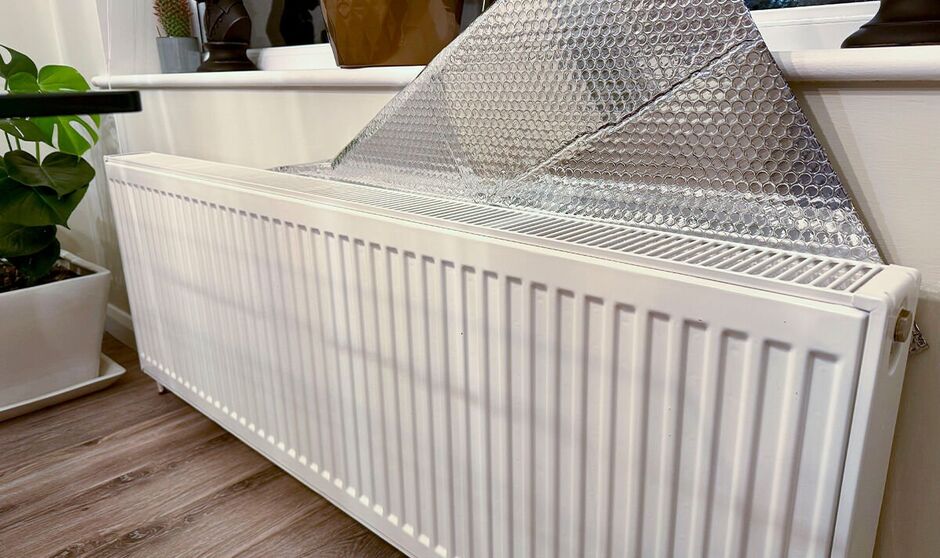
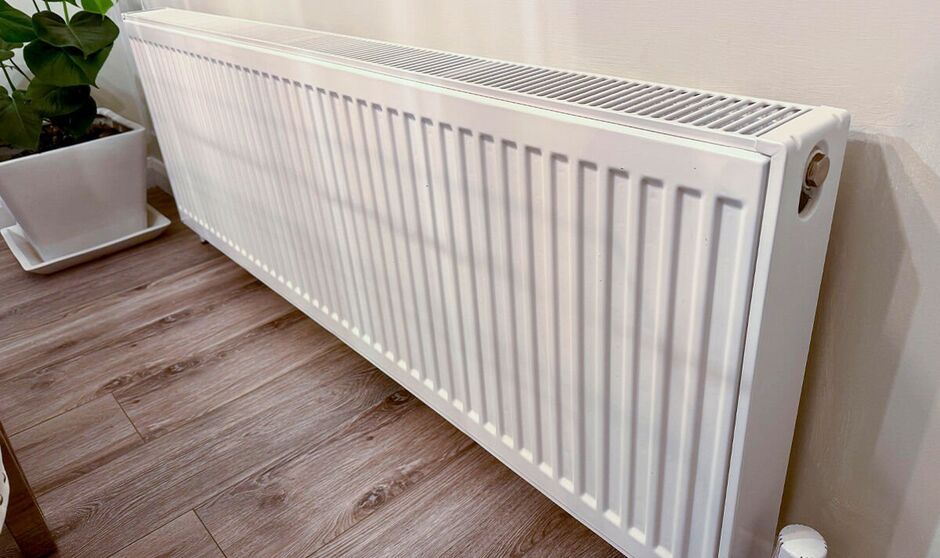
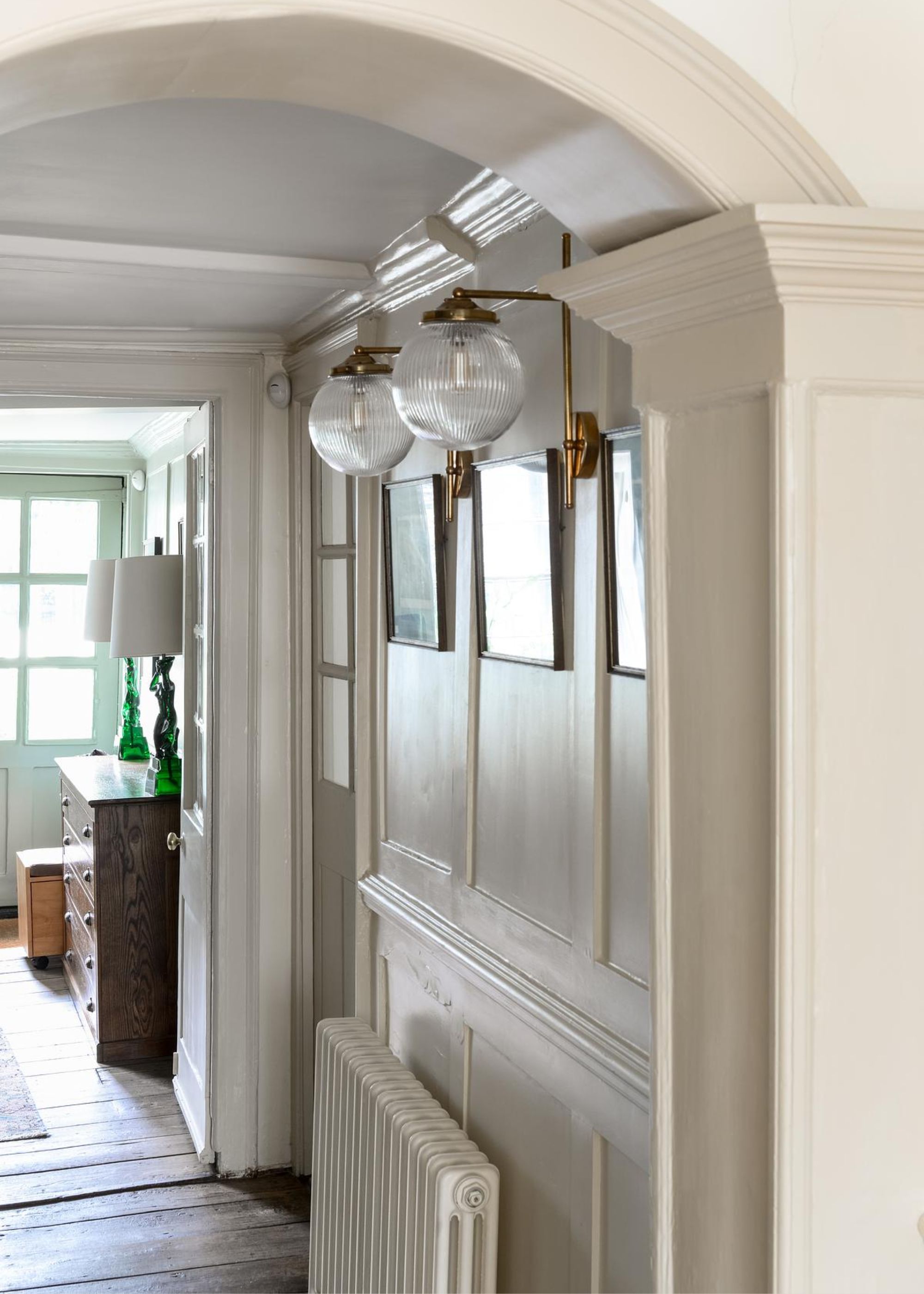
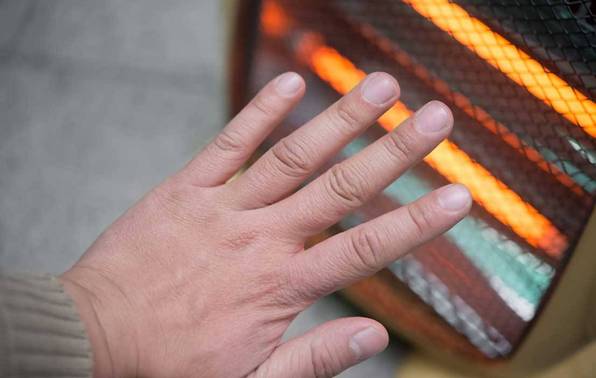
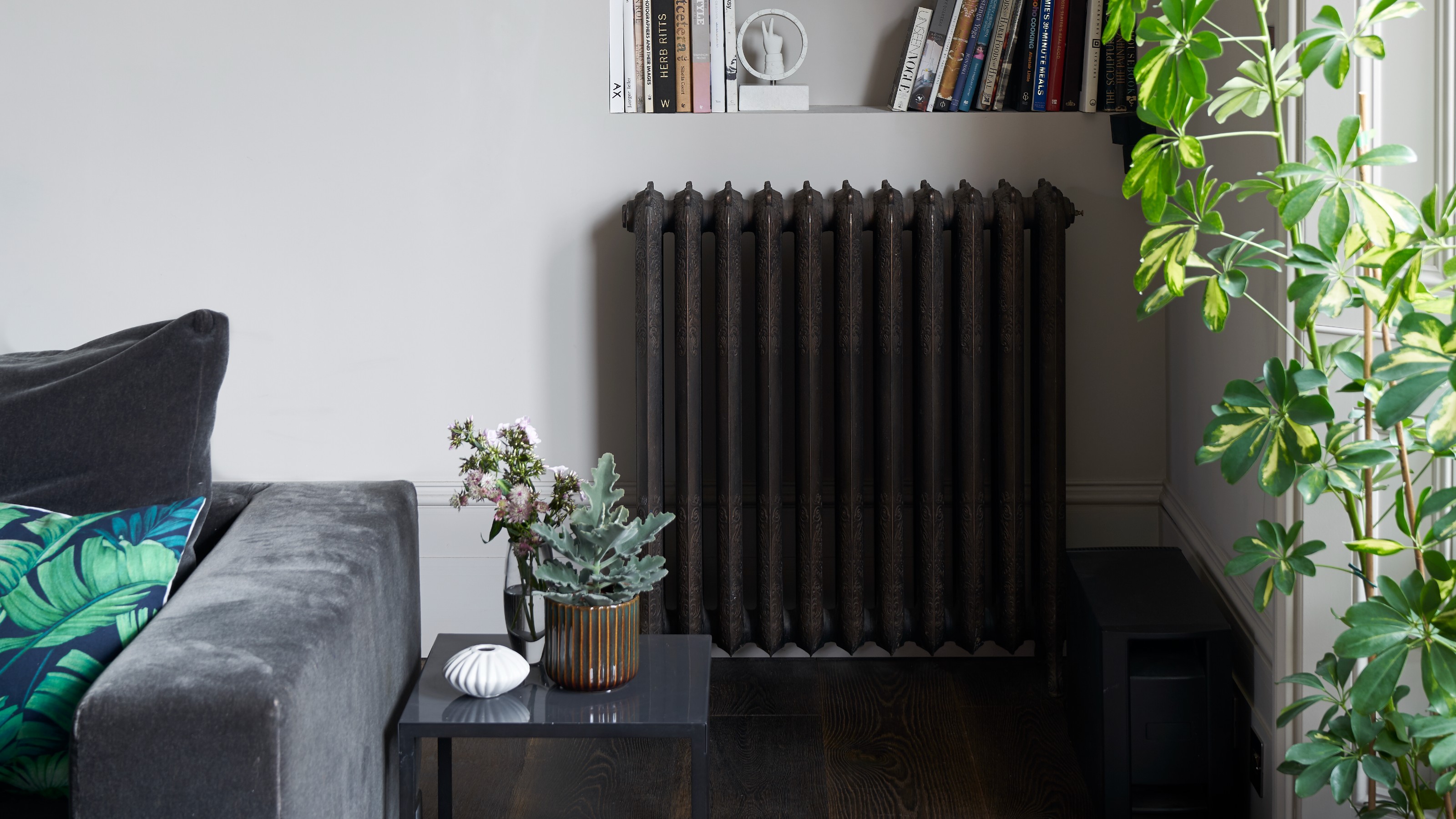
The article highlights three primary efficient heating systems for the average UK household. Gas central heating is presented as the most common and generally efficient option due to its widespread use and established infrastructure. It relies on a gas boiler to heat water, which then circulates through radiators and pipes. Regular maintenance of the boiler is crucial for sustaining its efficiency over decades, and gas is typically more affordable than electricity, making it a cost-effective choice, though its expense can fluctuate with the energy price cap. Heat pumps, including air-source and ground-source variants, are introduced as a greener alternative. These systems extract heat from the air or ground and transfer it into the home, making them highly efficient in terms of energy conversion. However, their installation and running costs can be significantly higher than gas central heating, and their efficiency is heavily dependent on a home's insulation. Electric radiators are noted as suitable for smaller homes or flats, particularly where gas access is unavailable. They offer precise temperature control, often with smart technology integration, and are relatively inexpensive to purchase, though running costs can vary.
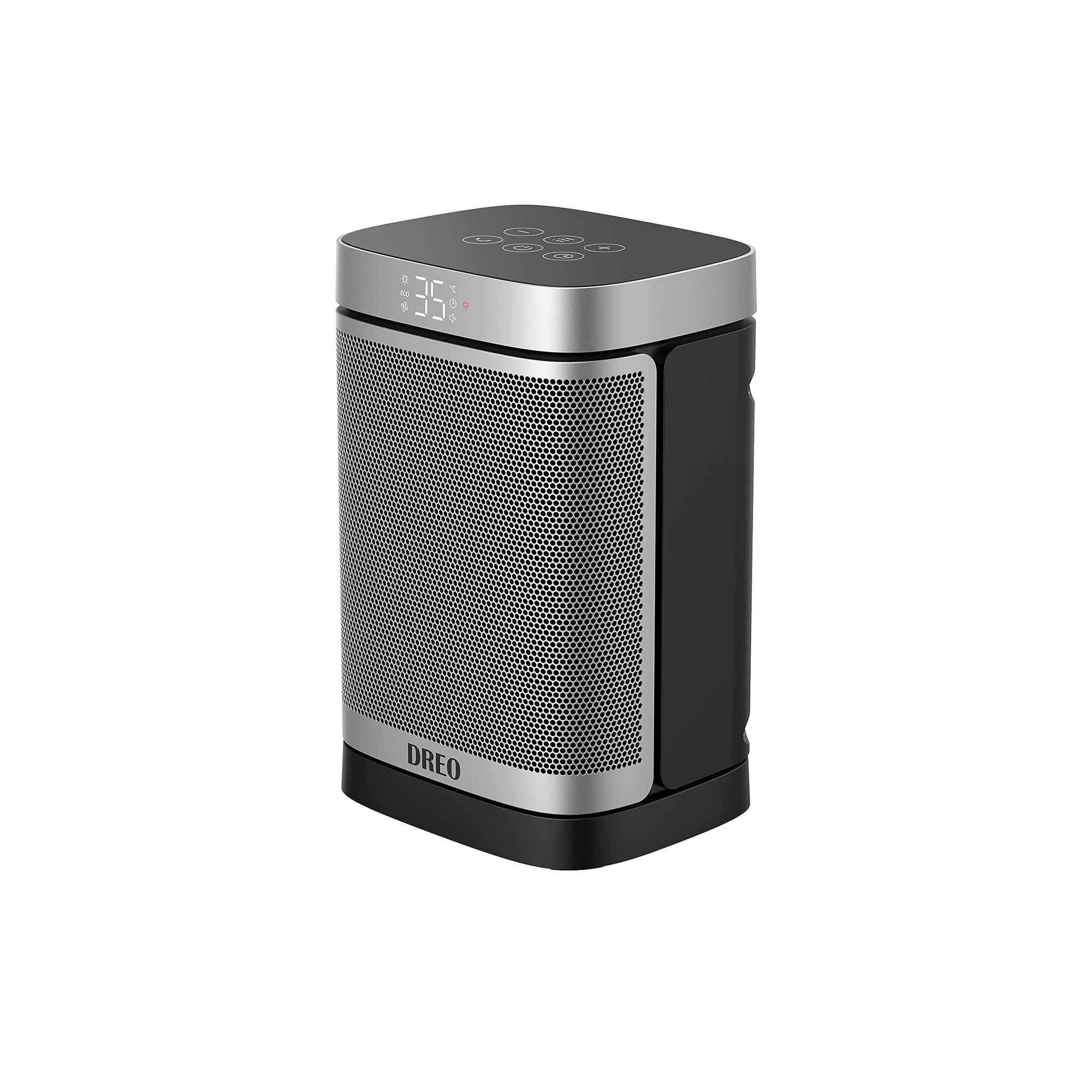
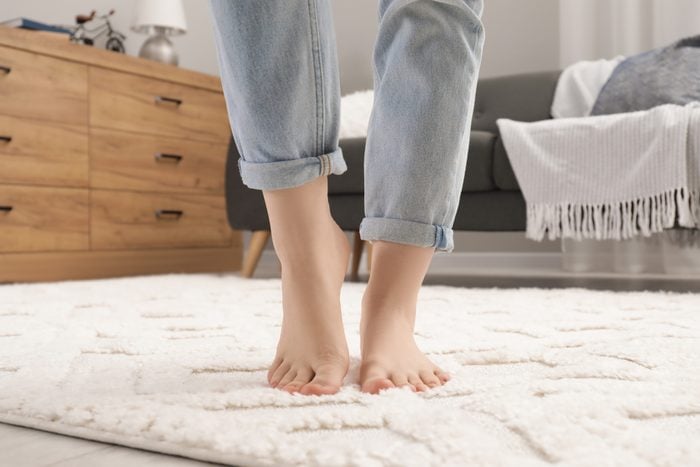
Beyond system choice, several cost-efficient strategies are crucial for effective home heating. Foremost is ensuring proper insulation, as poorly insulated homes can lead to substantial heat loss and increased energy bills. Key areas for insulation include walls, under floorboards, and especially lofts, as heat naturally rises. Effective insulation is also critical for maximizing the efficiency of heat pumps. Regular servicing or replacement of boilers is another vital step. Modern boilers boast significantly higher efficiency ratings (90%+) compared to older models (50-85%), translating into considerable long-term savings on gas consumption and potentially adding value to the property. Even for newer boilers, annual servicing and basic maintenance, such as bleeding radiators, are recommended. The article also suggests combining different heating options for optimal results. For instance, pairing gas central heating with underfloor heating can provide even warmth at a comfortable, consistent temperature, which is more energy-efficient than relying solely on radiators. Electric heaters or blankets can supplement central heating for added warmth in specific areas without increasing the overall thermostat setting.
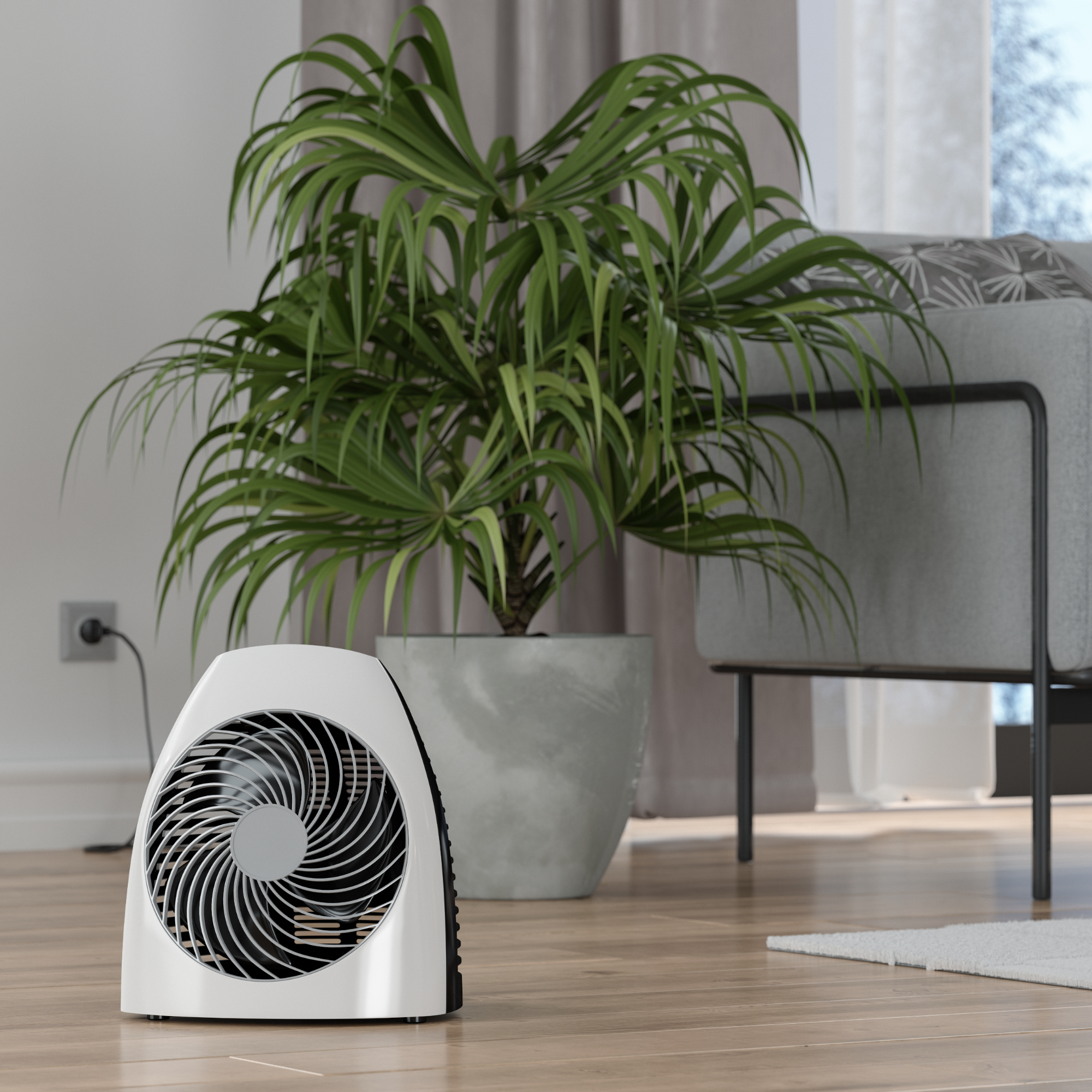
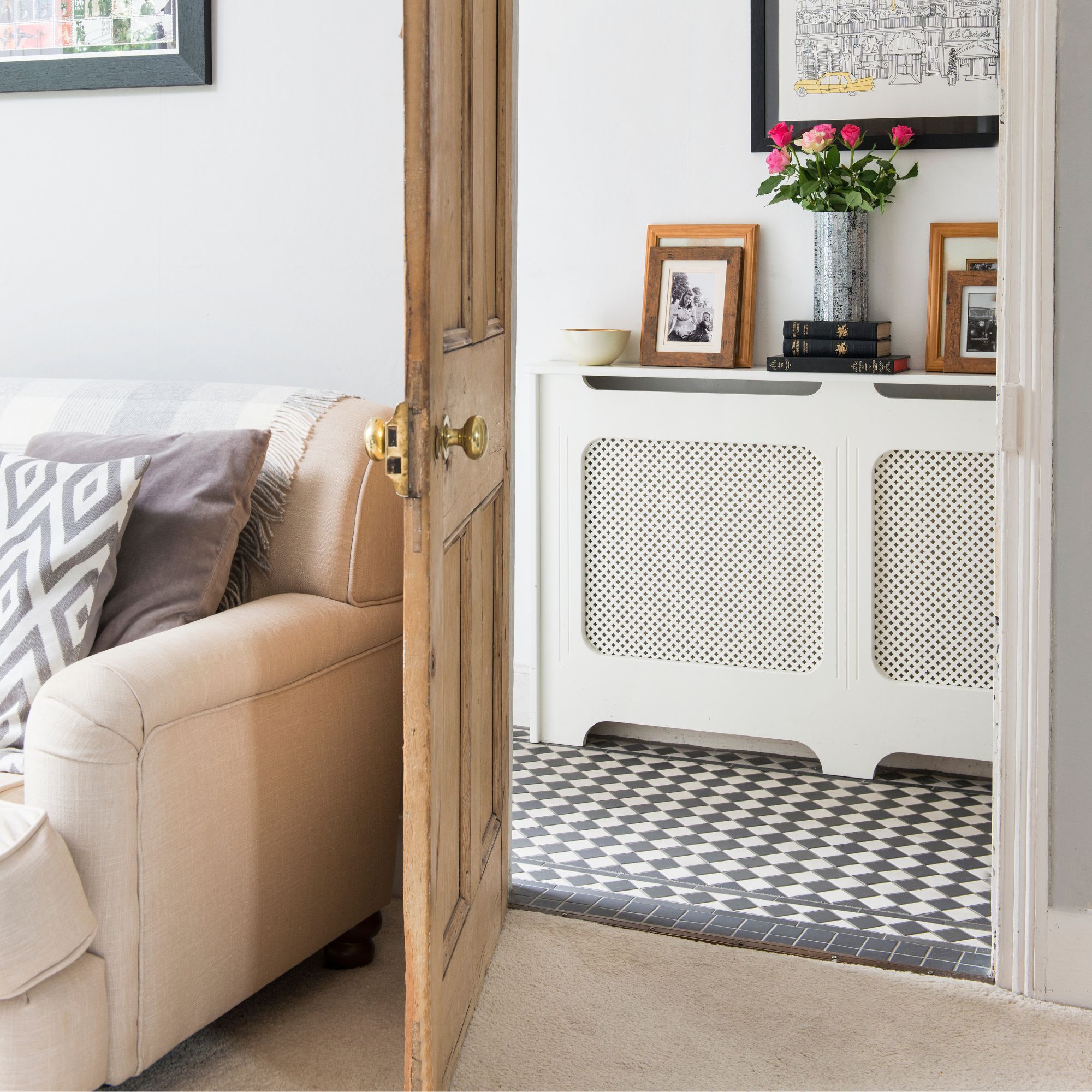
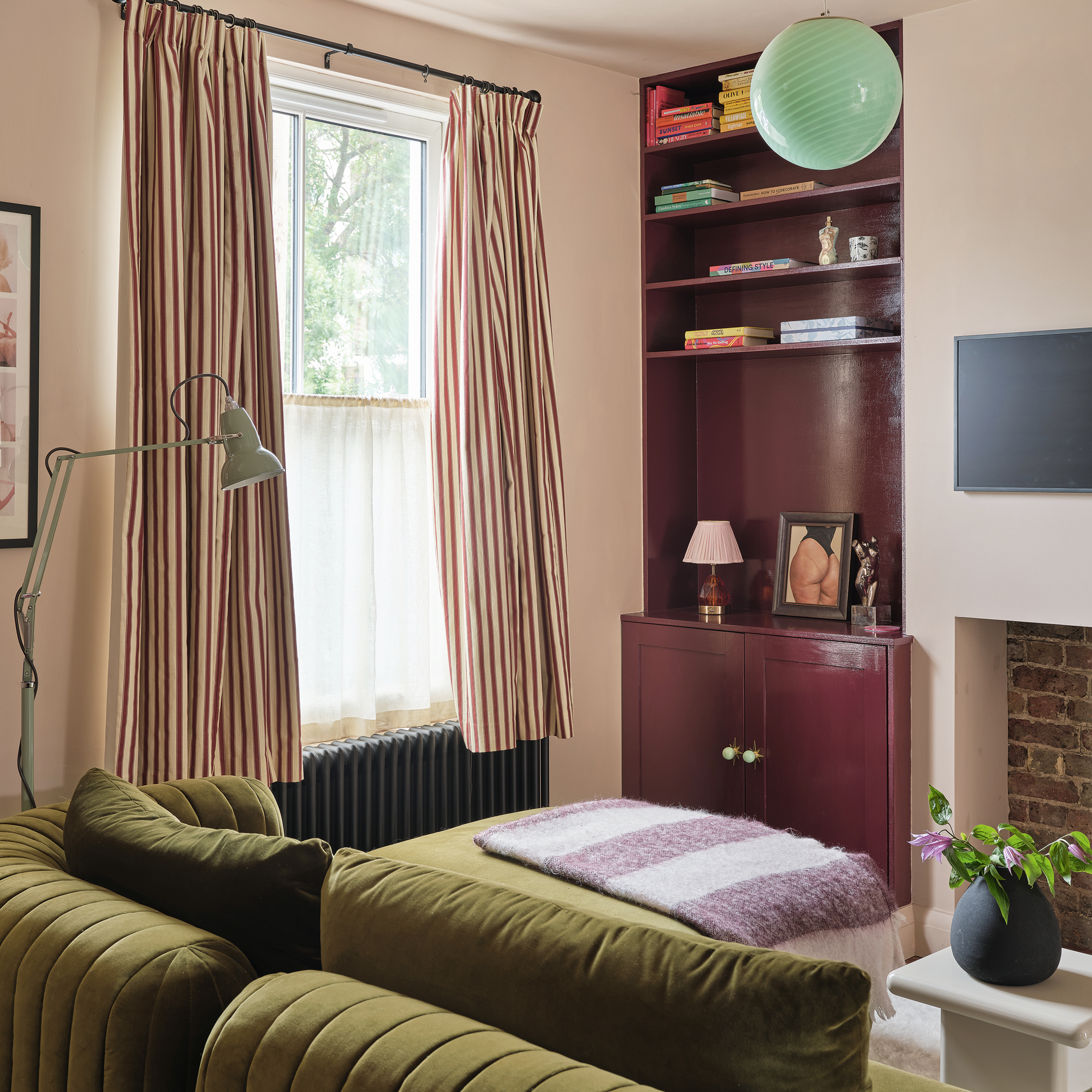
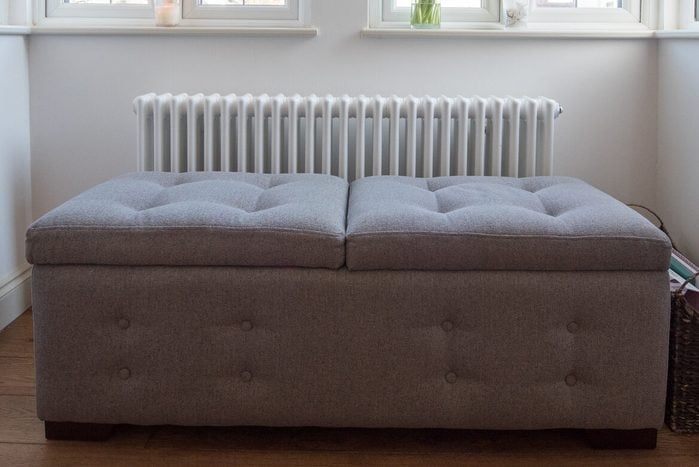
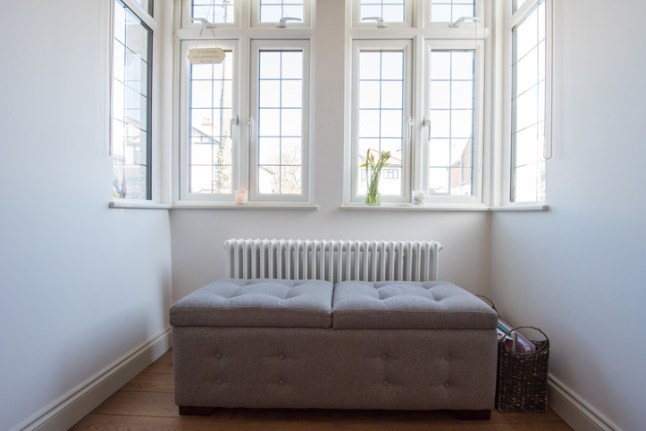
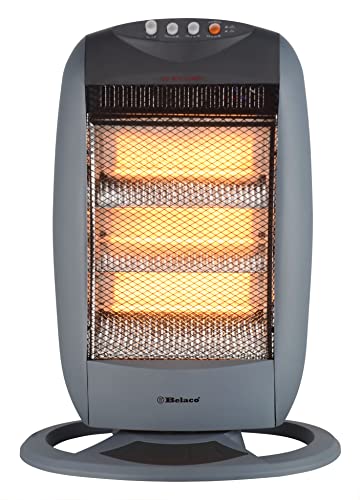
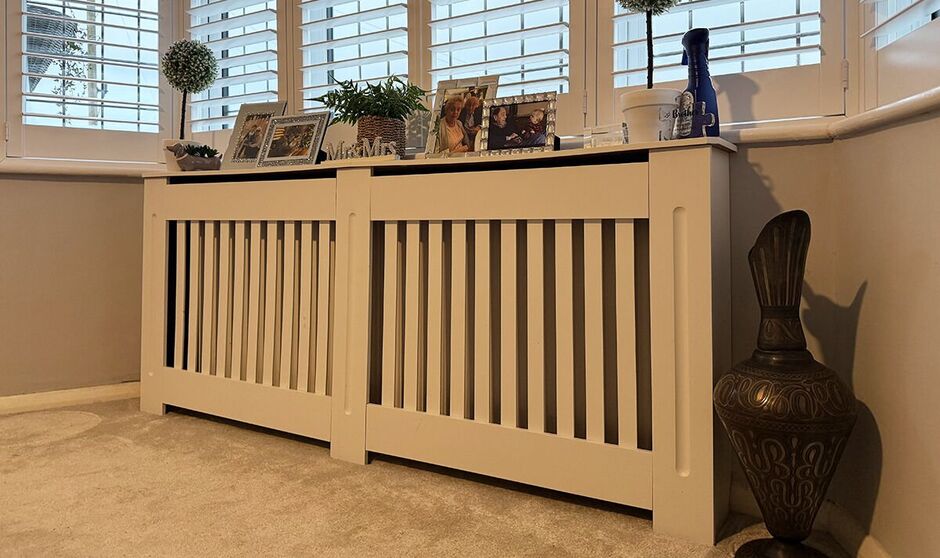
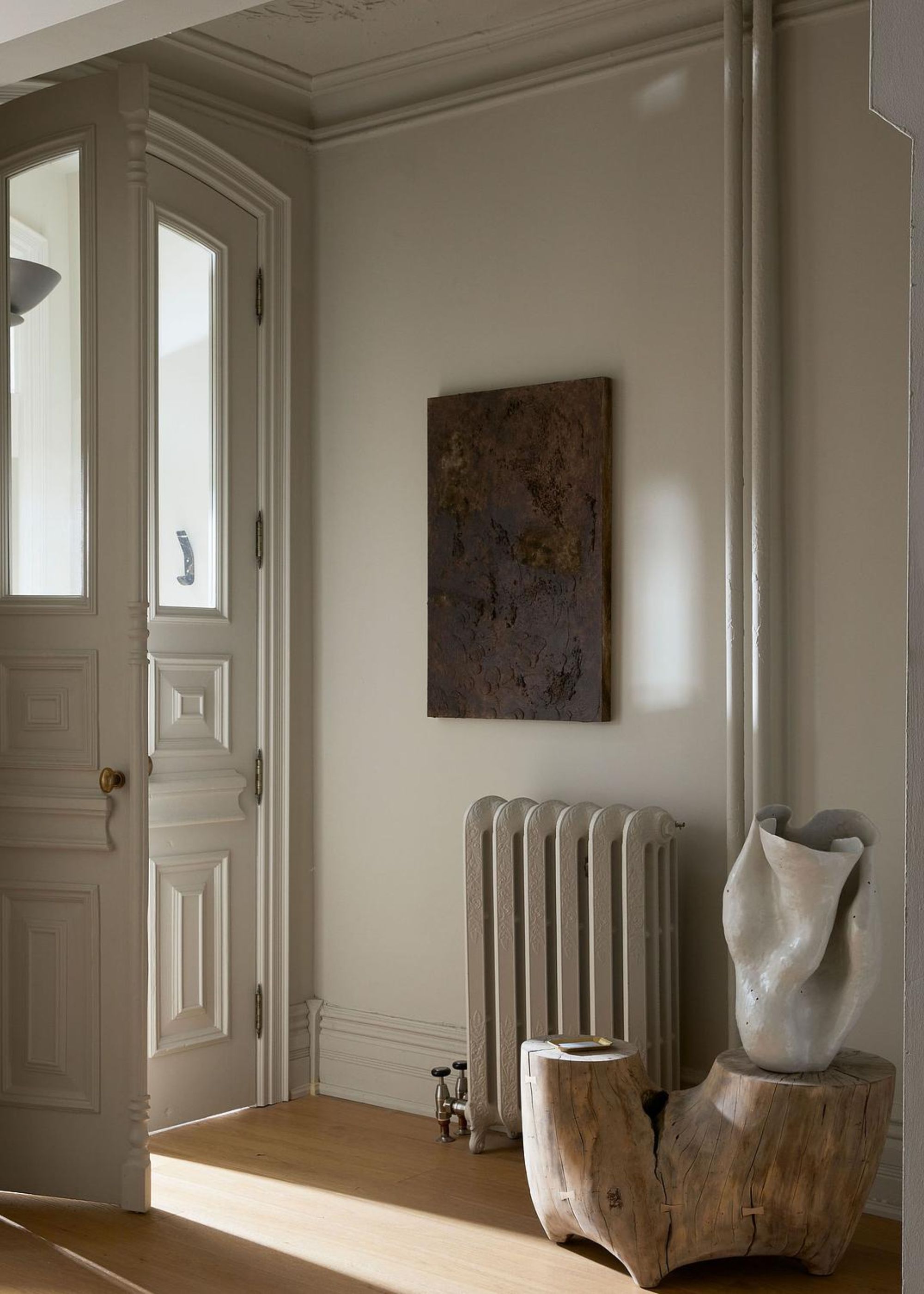
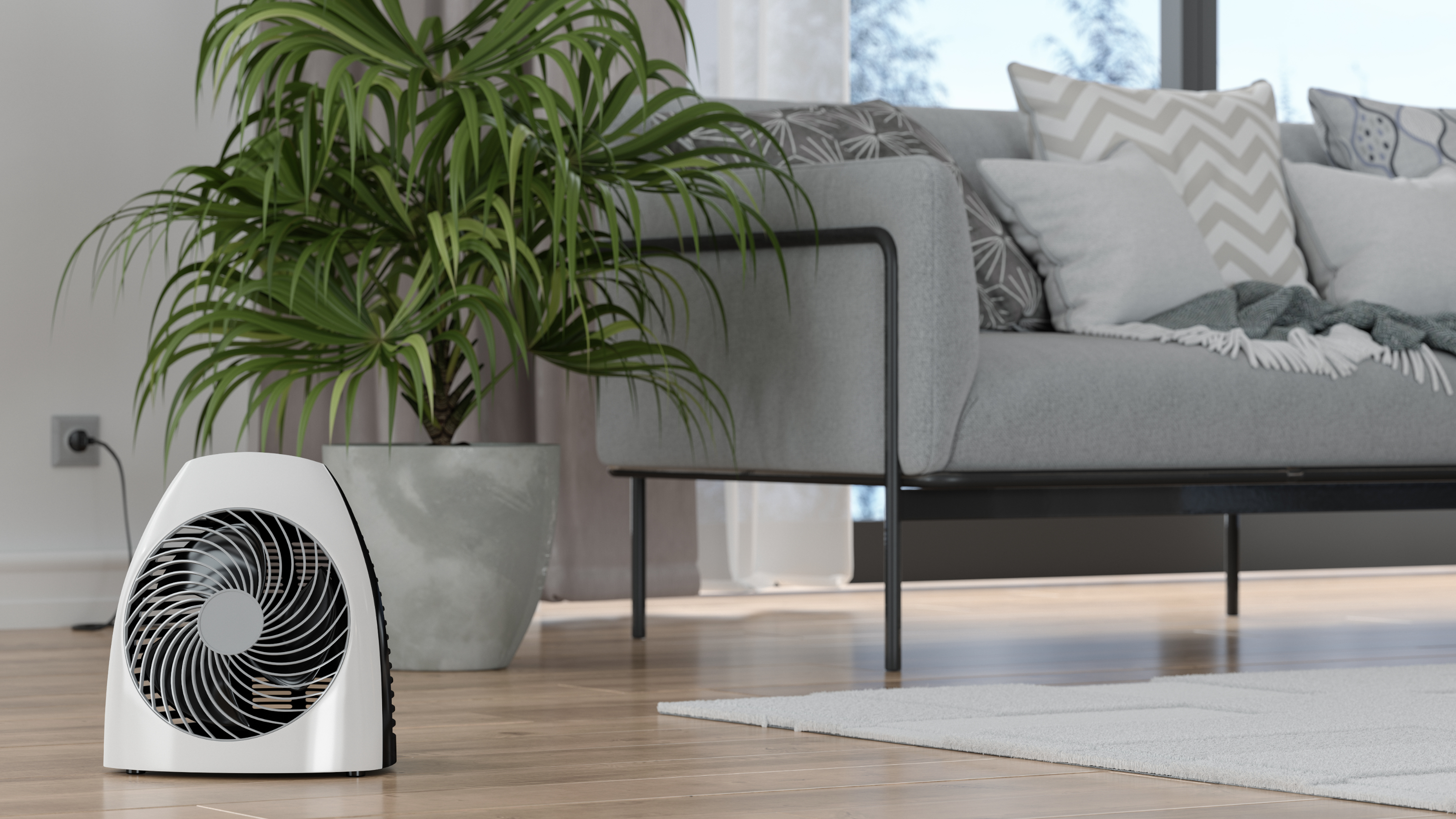
Finally, personal decisions significantly influence heating efficiency. Homeowners should consider which rooms they heat; while heating only occupied rooms seems logical, a small, well-insulated home might benefit from whole-house heating, whereas a large, poorly insulated one might require targeted heating. Furniture placement is also key; blocking radiators can hinder airflow, forcing the heating system to work harder. Repositioning furniture to allow free heat circulation is advised. Smart technology, including smart meters, thermostats, and radiator valves, can further optimize heating usage by allowing precise monitoring and control, though its value depends on the home's size and individual needs. Regarding common questions, keeping heating on low all day is generally not more cost-effective than turning it on as needed, as continuous operation leads to more energy consumption and heat loss, though personal comfort preferences may influence this choice. Plug-in electric heaters are safe when used correctly, serving as a supplementary heating source, but require adherence to safety precautions, such as placement on flat surfaces, distance from combustible materials, and avoiding unattended operation.
#HomeHeating #EnergyEfficiency #GasCentralHeating #HeatPumps #ElectricRadiators #Insulation #BoilerMaintenance #SmartHeating #EnergySavingTips #HomeHeating #EnergyEfficiency #GasCentralHeating #HeatPumps #ElectricRadiators #Insulation #BoilerMaintenance #SmartHeating #EnergySavingTips
0 comment in total
 No comments yet
You may also like
What is the cheapest electric heater to run? Experts reveal

How to arrange a room to maximize heat and cut your energy costs

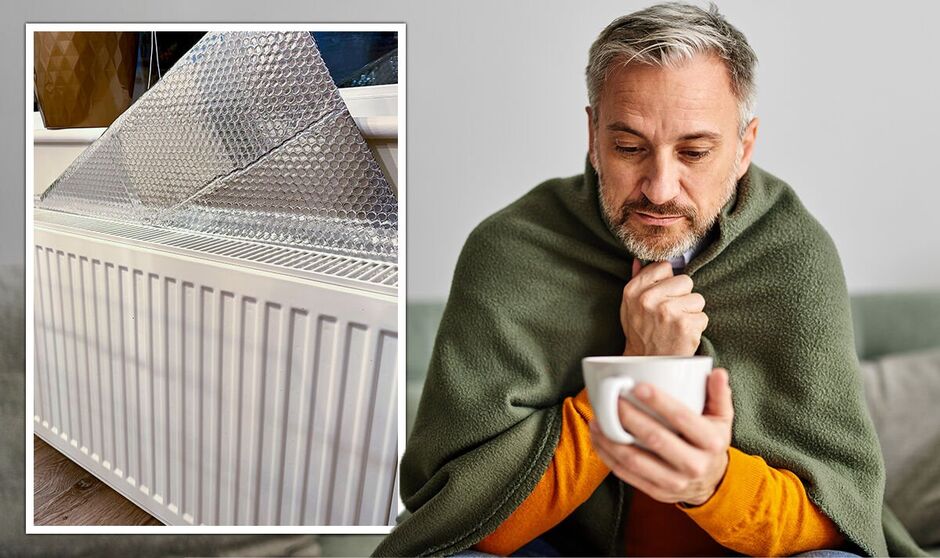
£14 heating trick has kept my house warm and thermostat lower as energy bills set to rise

Should You Turn Your Heat Down When You're Not Home?
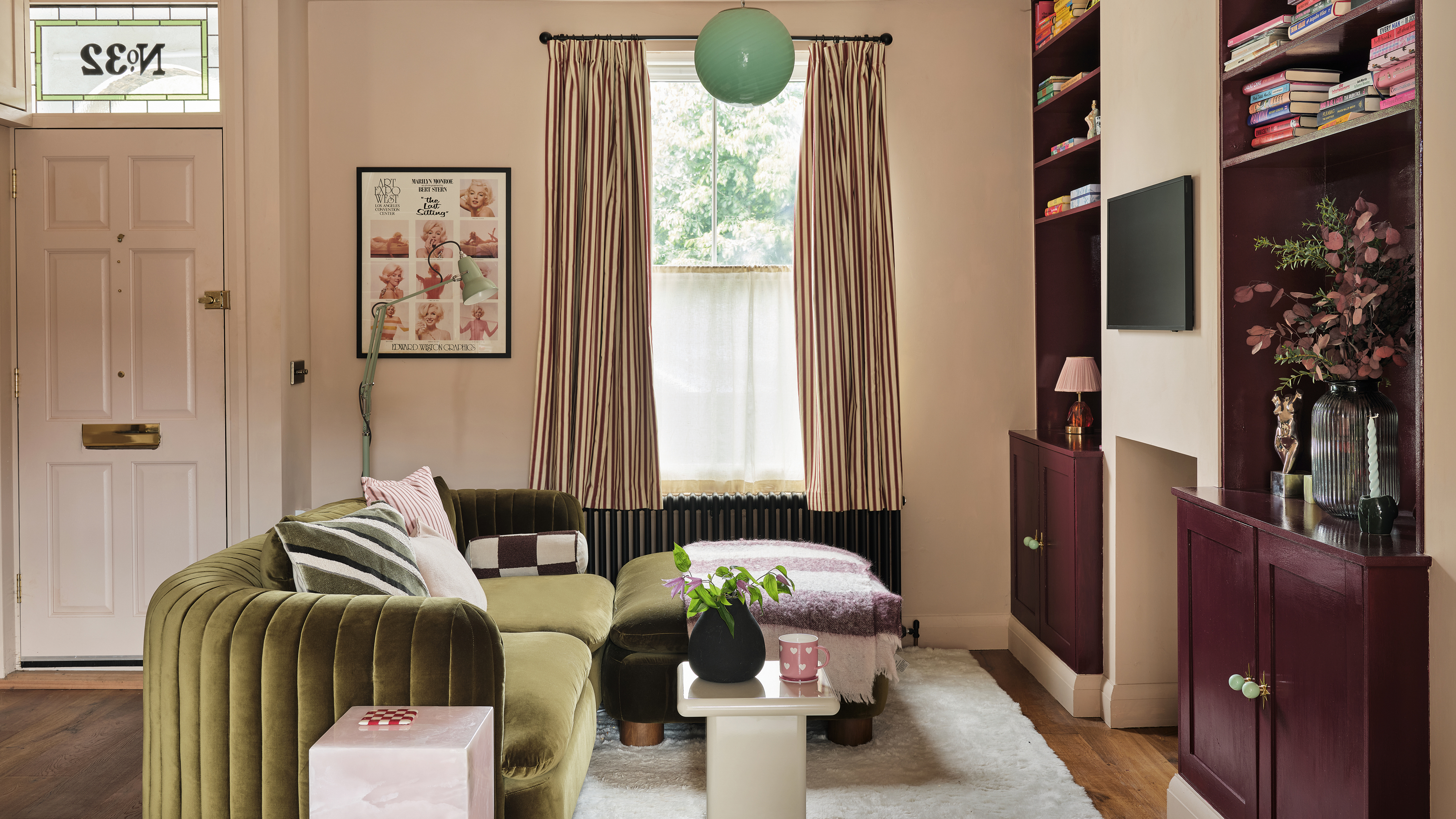
3 home design choices that were increasing my heating bills

6 Ways to Get More Heat From Your Fireplace and Stop Wasting It
Upgrade your heating system to reduce bills and energy usage

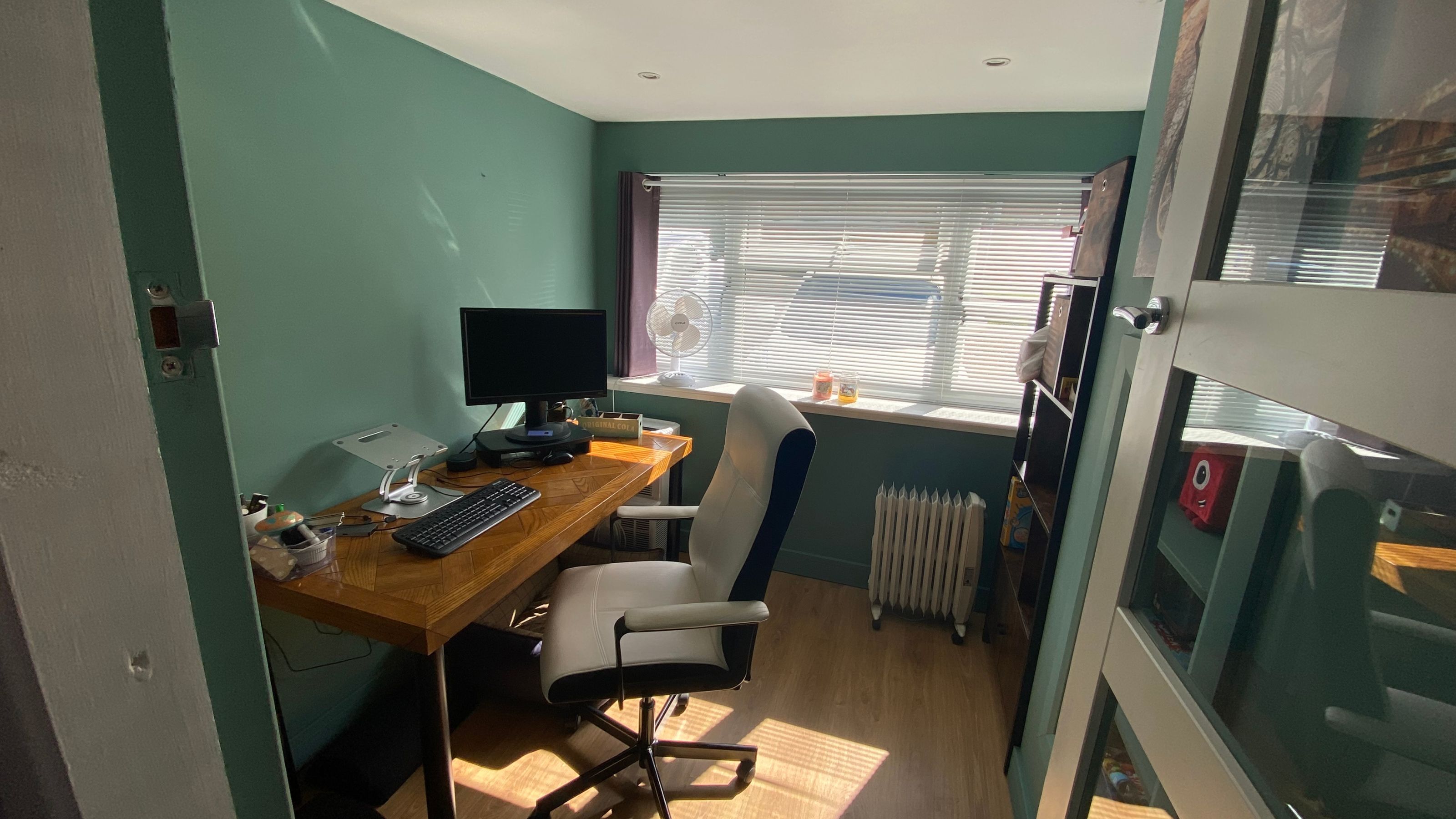
3 reasons I regret not putting underfloor heating in my home office – it’s definitely moving up my priority list
17 Tips and Hacks to Help Keep Your House Warm This Winter


How to Save Money and Energy Heating Your Apartment (Published 2018)
Experts Urge Homeowners to Avoid This Radiator Mistake That 'Exaggerates' How Well It Will Heat Your Home

Choosing a heater


Heat your home efficiently this winter
How to keep your house warm in winter — 29 budget-friendly and easy ways to stay cosy
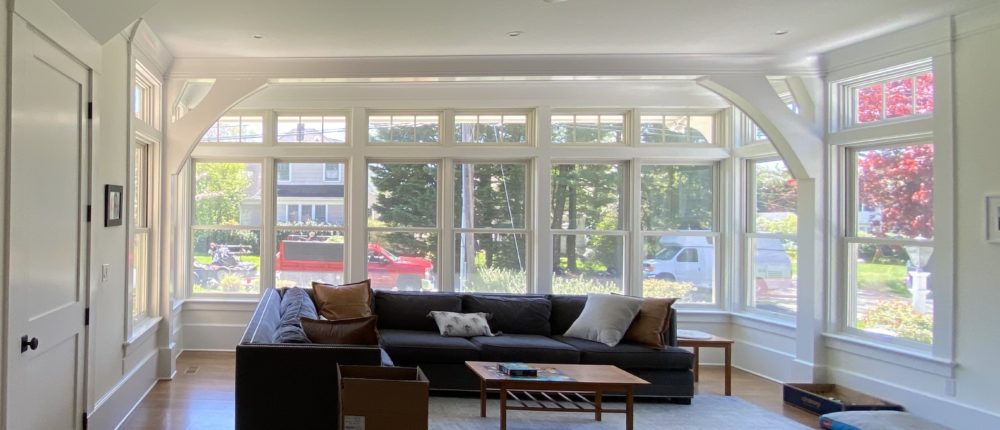
Five Simple Rules For House Design That Drastically Lower Energy Costs


7 easy and efficient ways to keep your house warm this winter
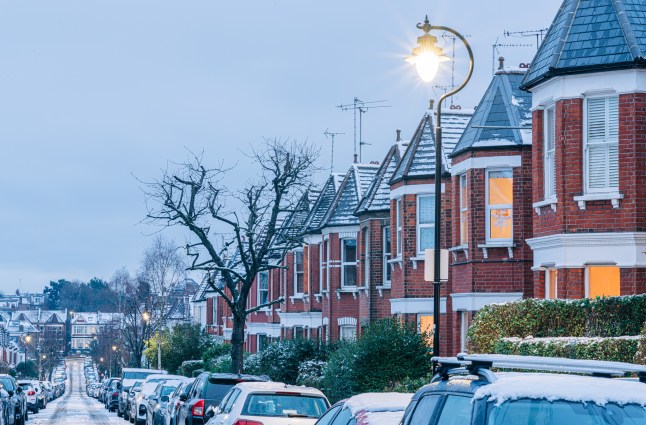
9 cheap ways to heat your home this winter for under £10 each


How to warm up your first floor – 7 expert tricks to hold heat downstairs for a cozy winter
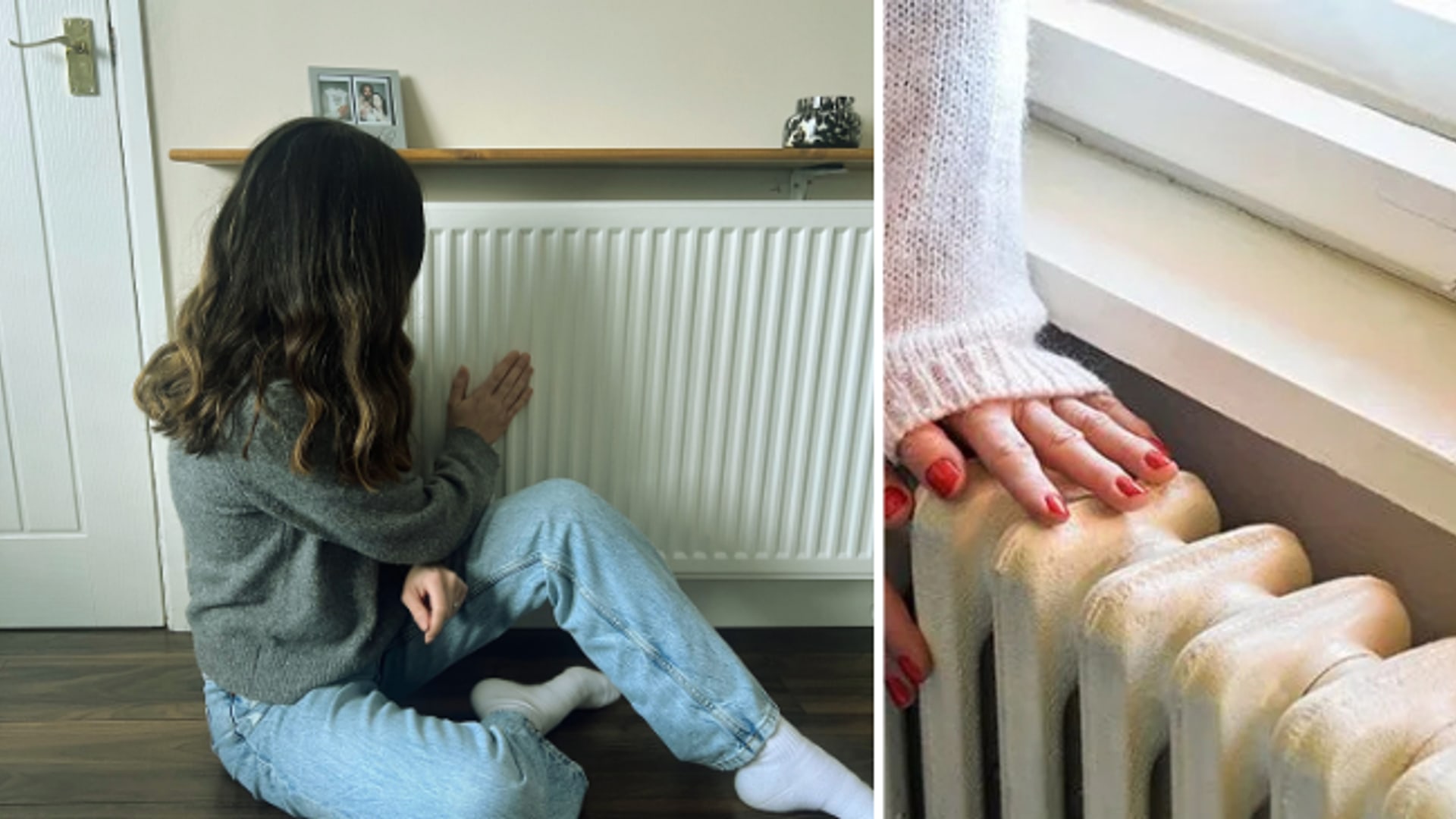
Discover the lesser-known hack to power up your struggling radiators

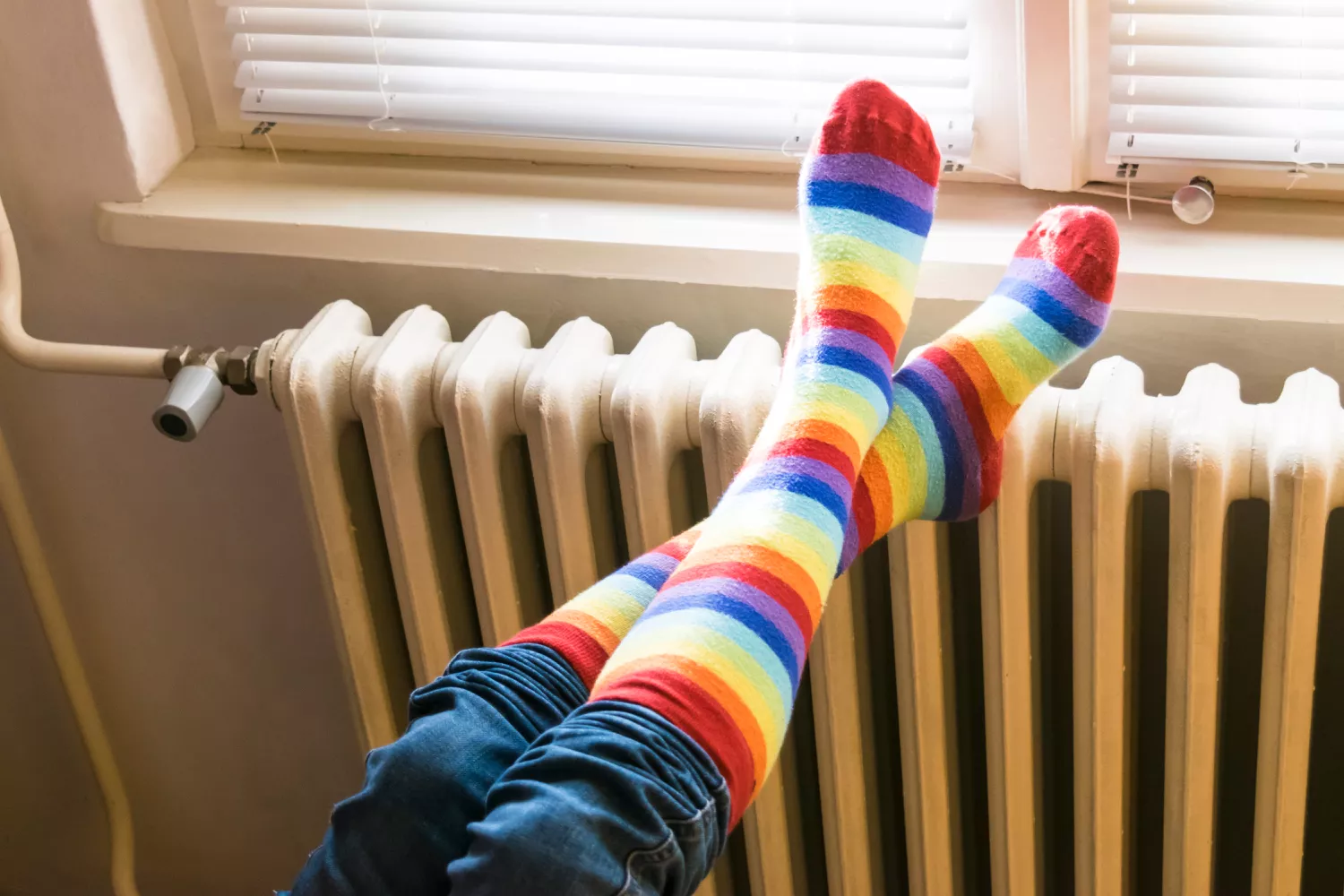
Could This Ancient Relic Still Be the Best Way to Heat Your Home?