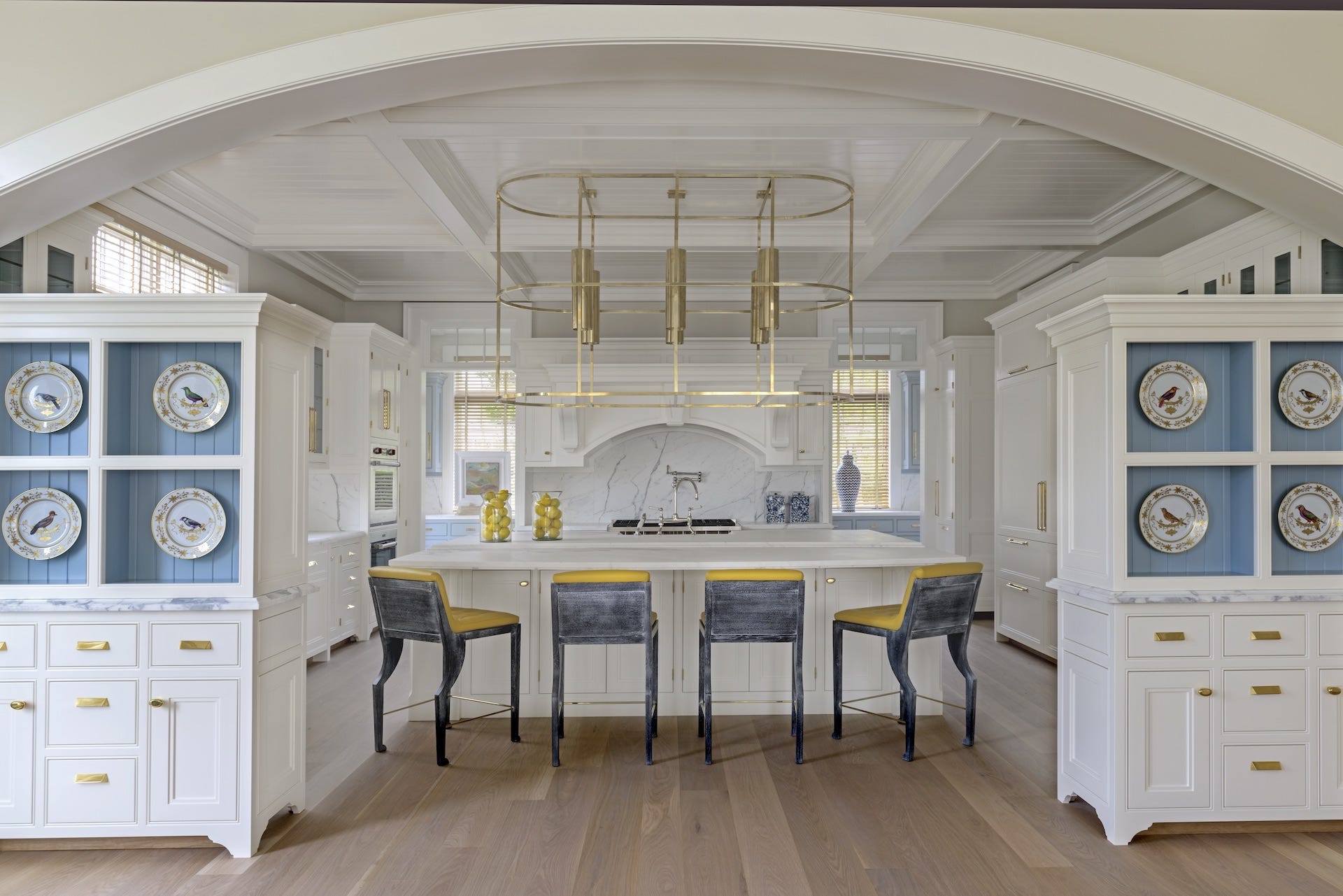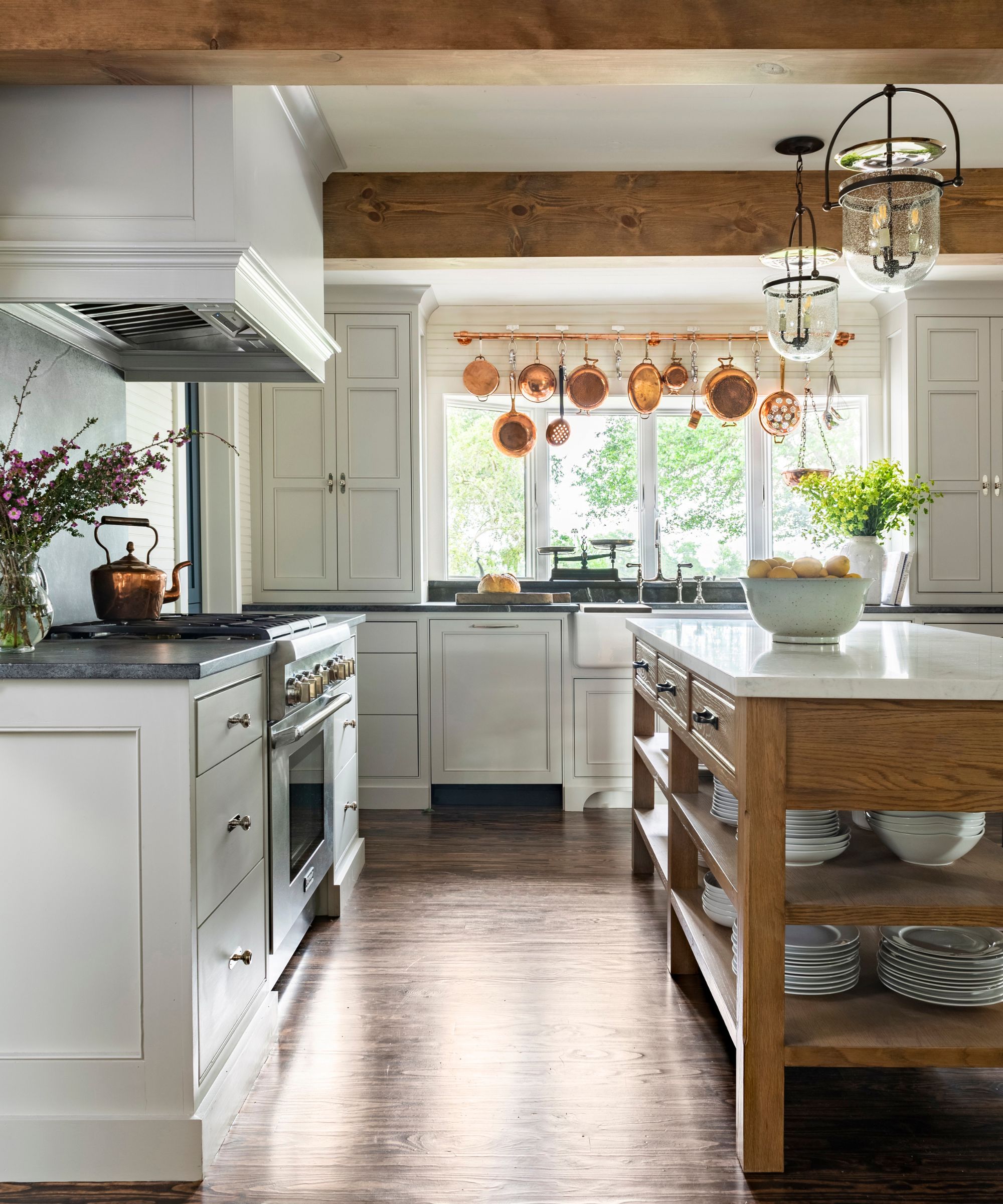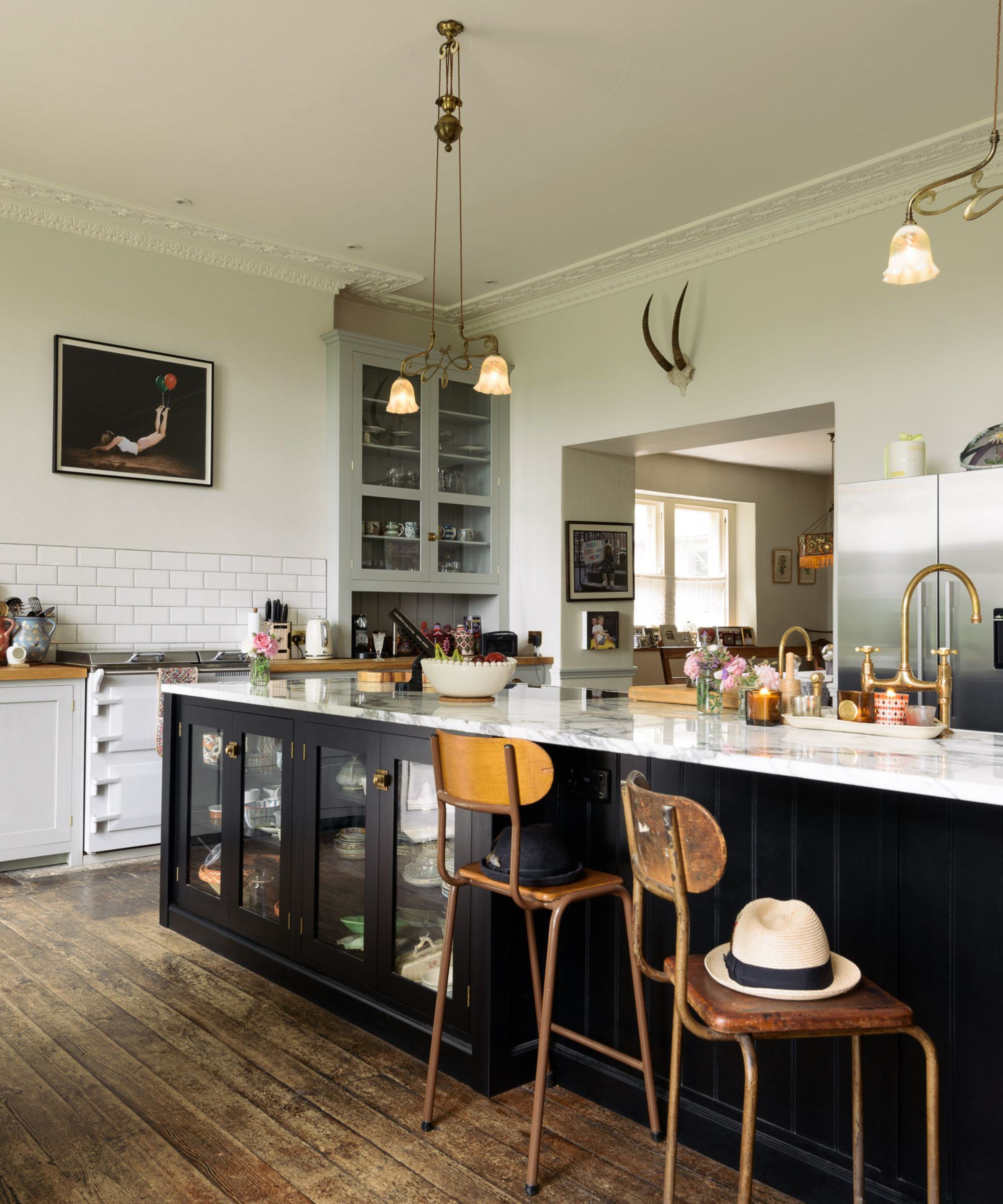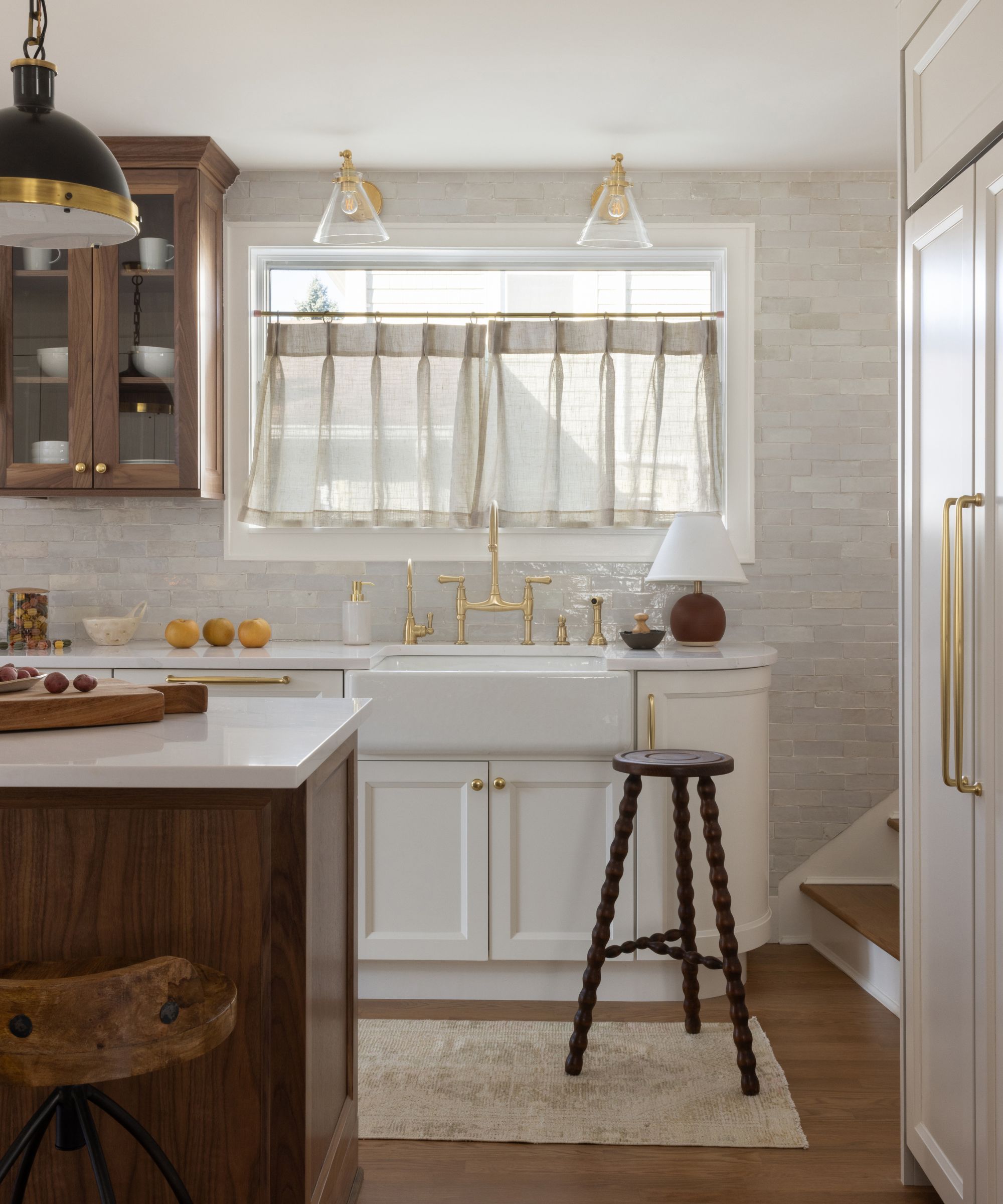
1/8
7 Vintage Kitchen Design Trends Boomers Remember Fondly
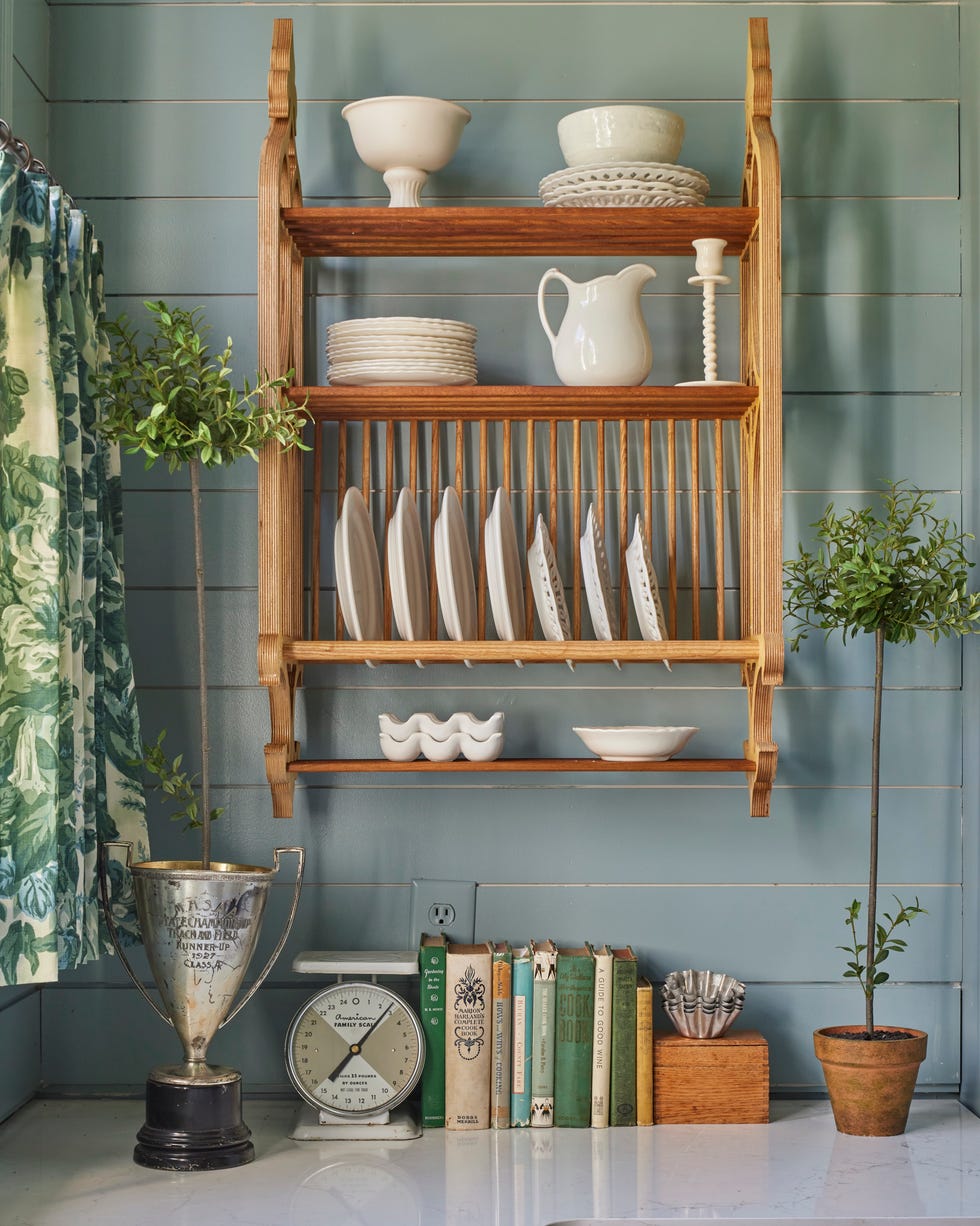
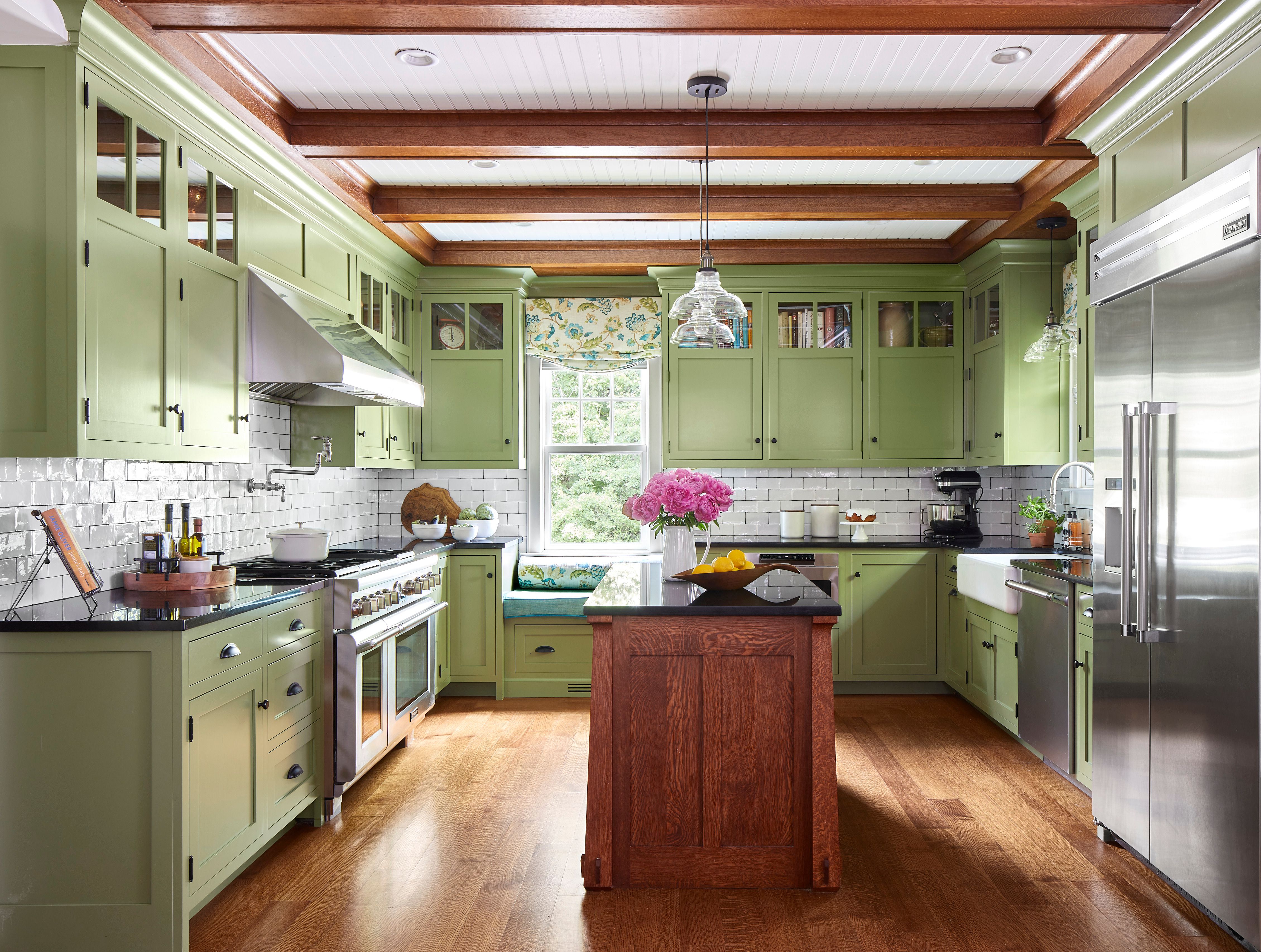
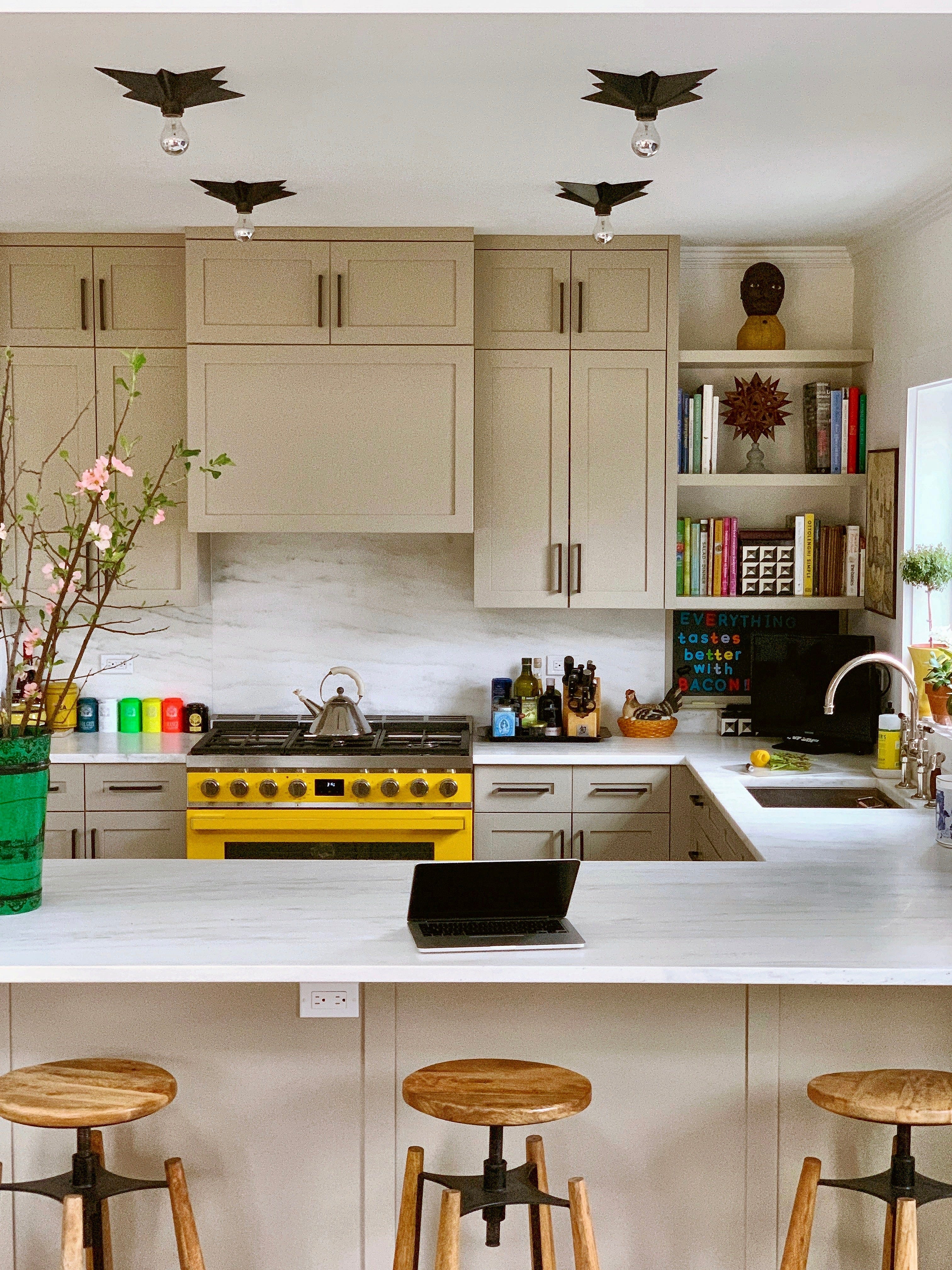
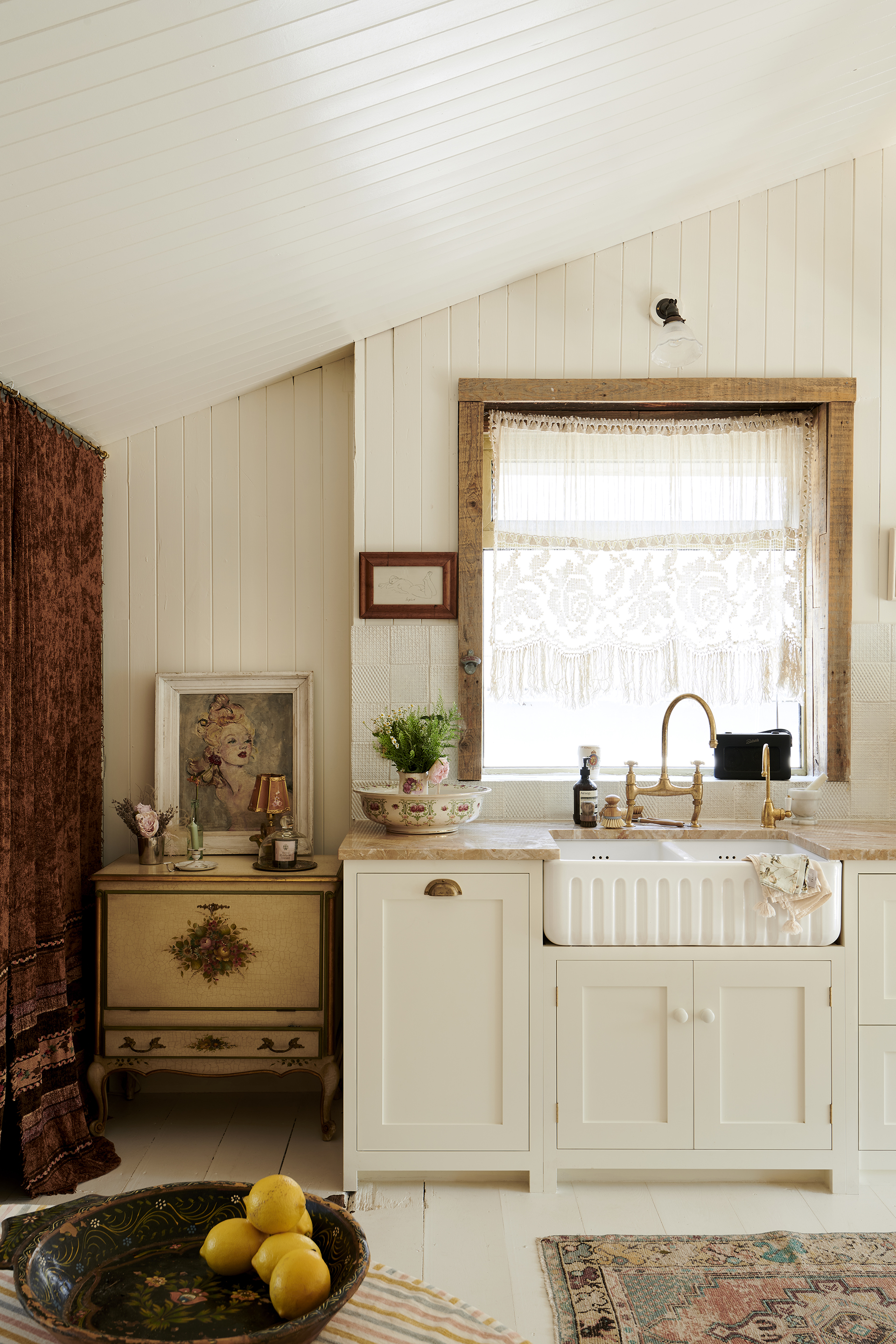
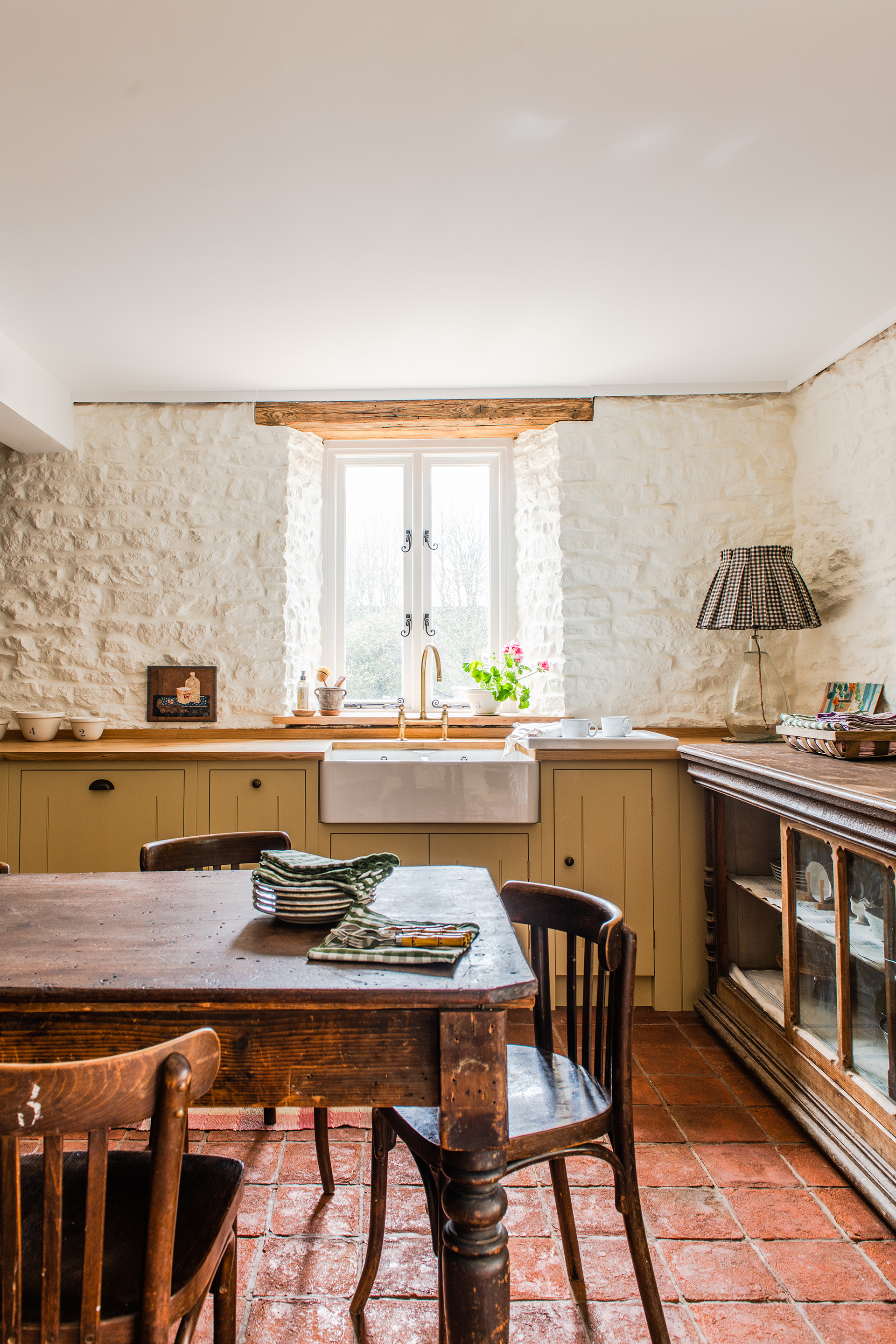
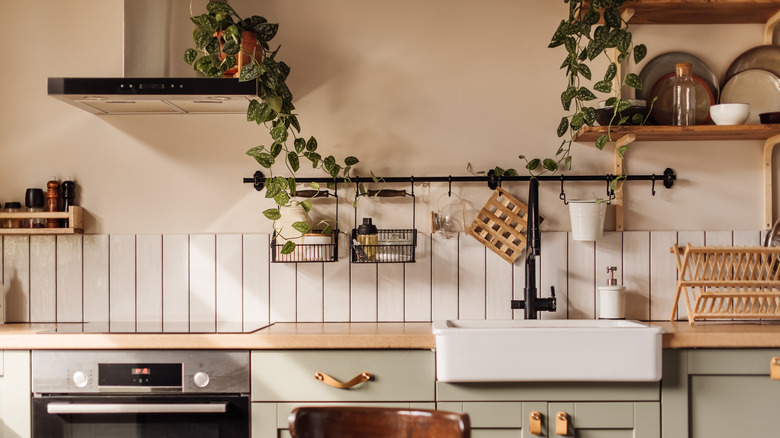
Interior design trends frequently change, with styles cycling in and out of popularity over decades. Unlike easily modifiable living room decor, kitchen renovations typically involve more extensive changes. This article examines seven kitchen design trends from the 1950s, 1960s, and 1970s that are fondly remembered by the Boomer generation. These decades were marked by significant home development, and with more women entering the workforce post-World War II, there was a growing demand for functional and practical designs.
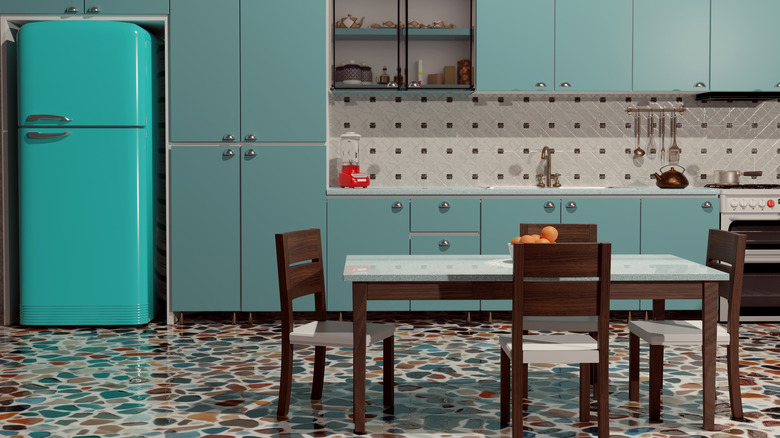
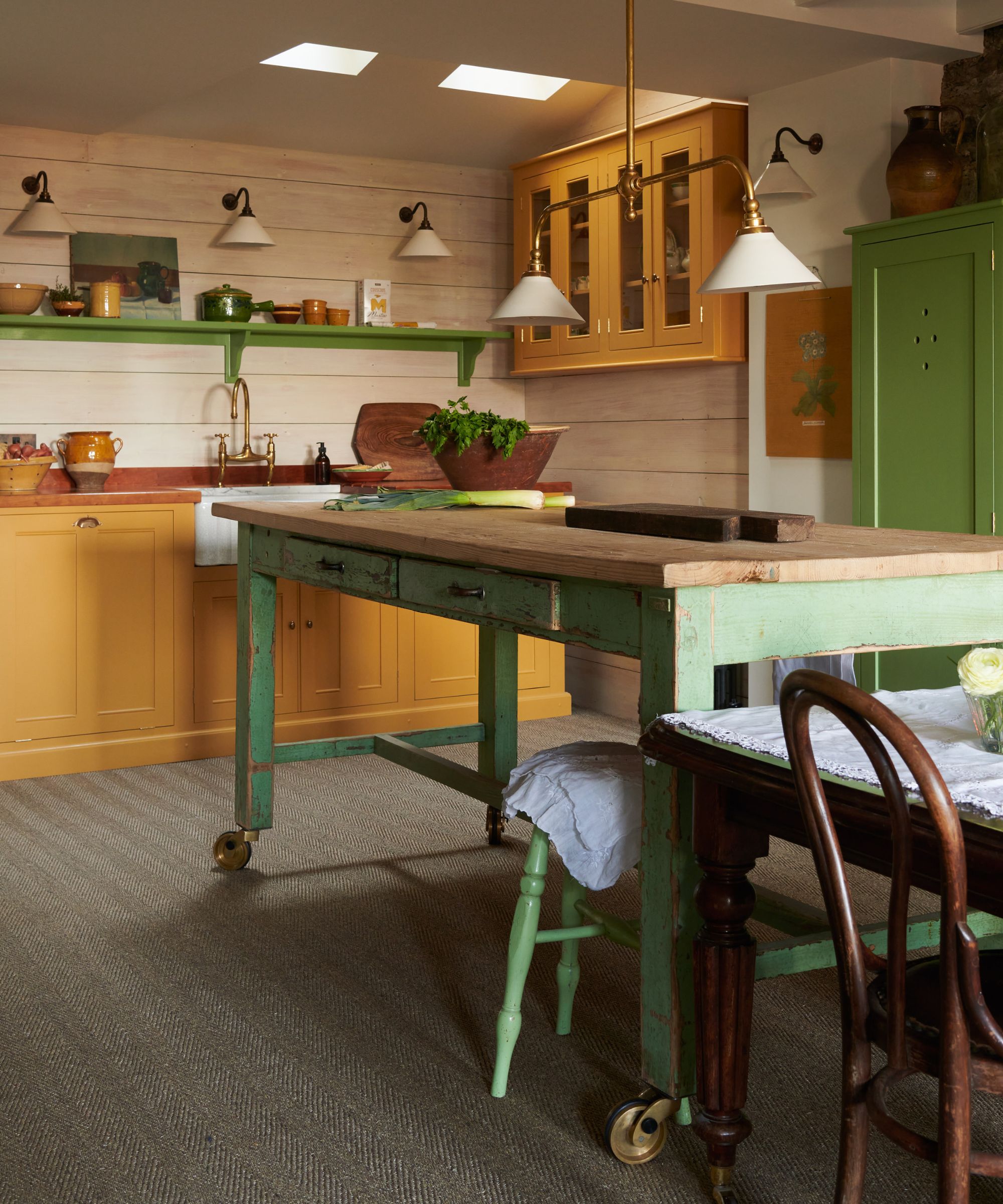
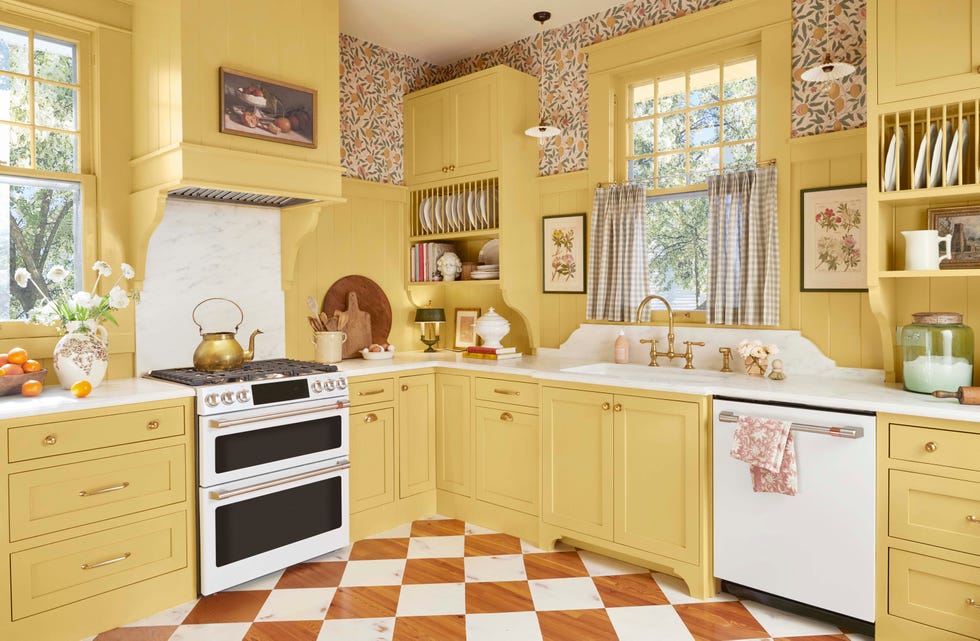
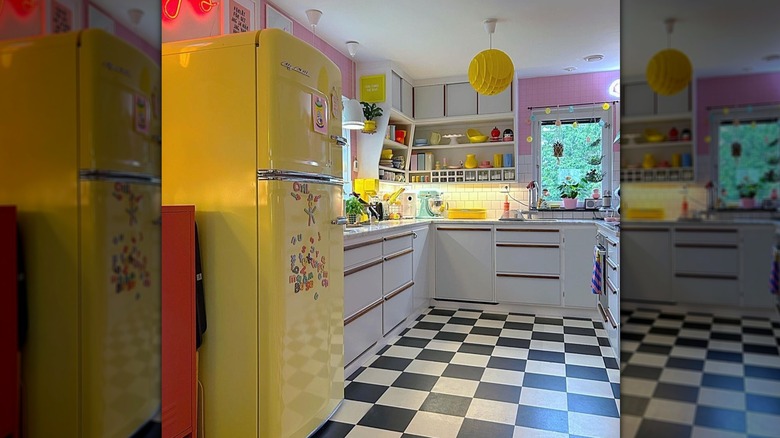
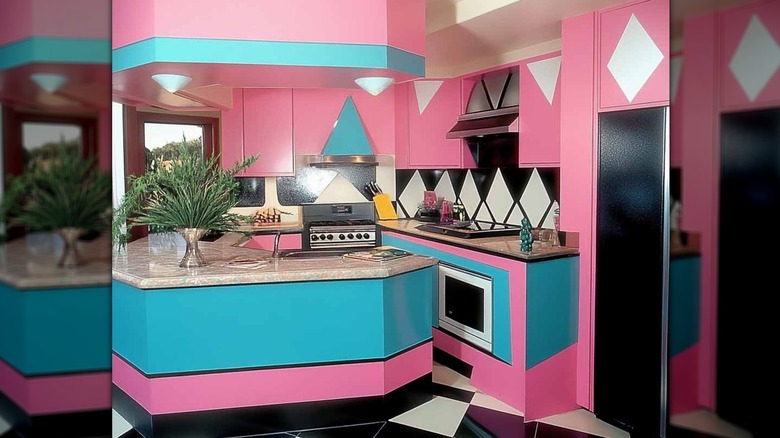
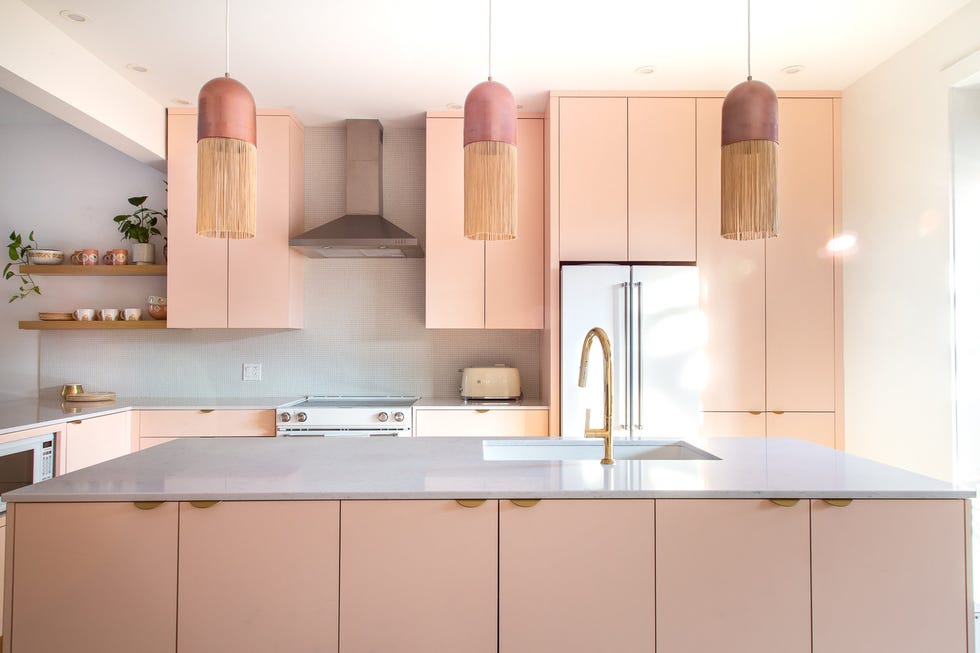
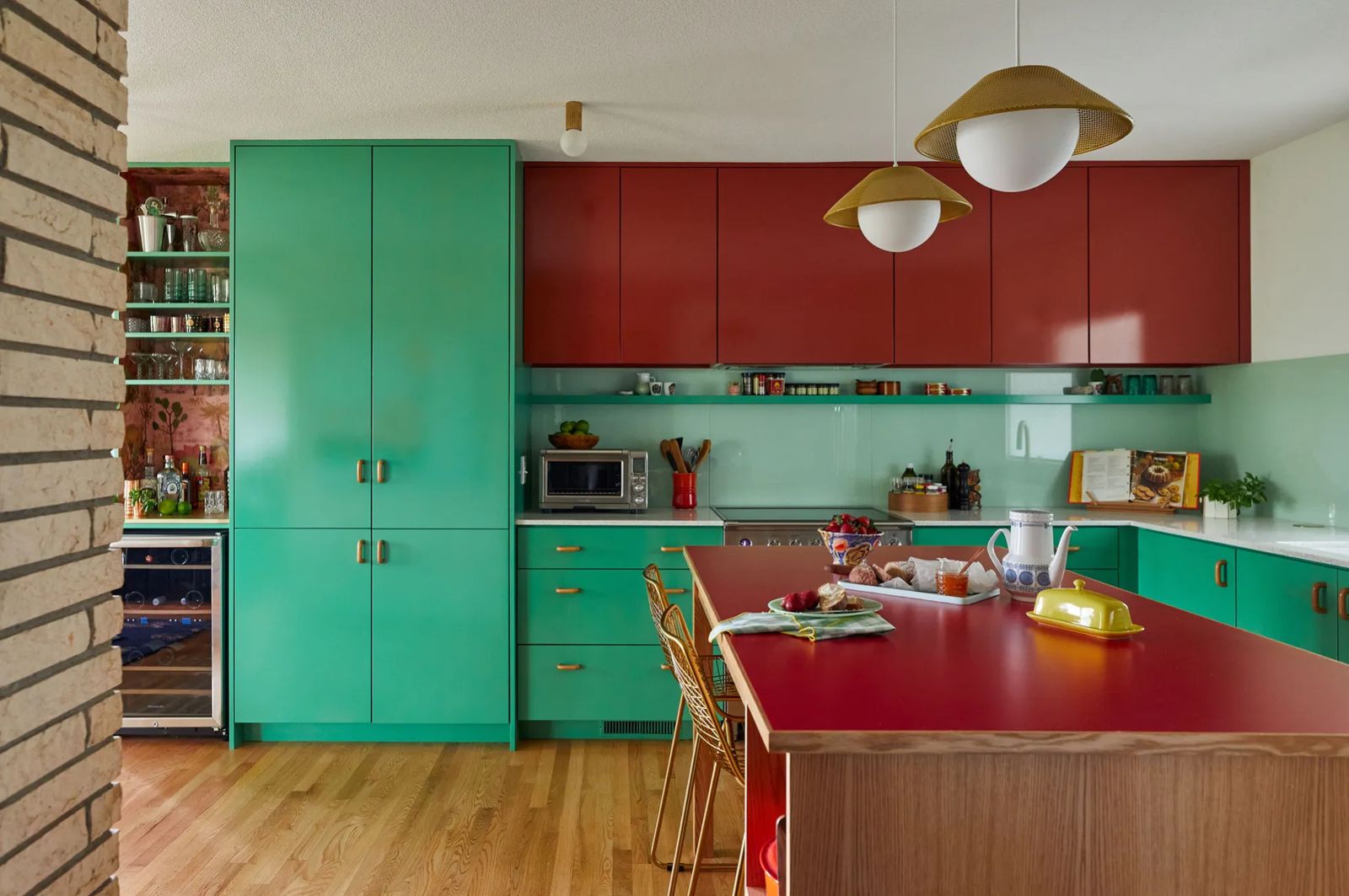
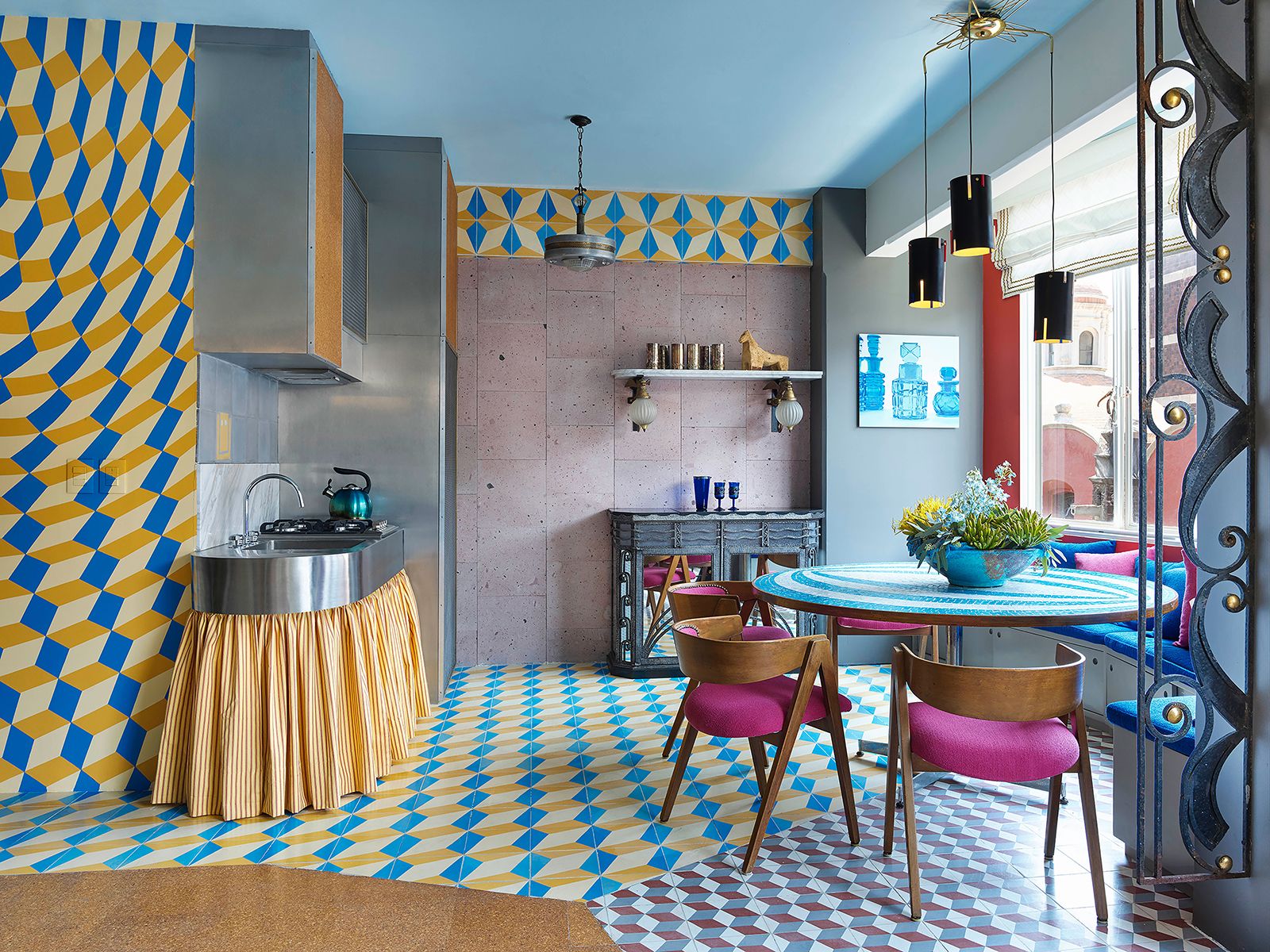
One prominent trend was the widespread use of vibrant colors. While contemporary designs are seeing a resurgence of color, the mid-century era embraced it far more boldly. Hues like yellow, orange, turquoise, avocado green, gold, pink, and blue brought an energetic dimension to kitchens, transforming them from purely utilitarian spaces into statement-making ones. Painted walls and cabinets were common, often in two-toned schemes, creating dynamic visual effects that were precursors to modern color-drenching techniques.
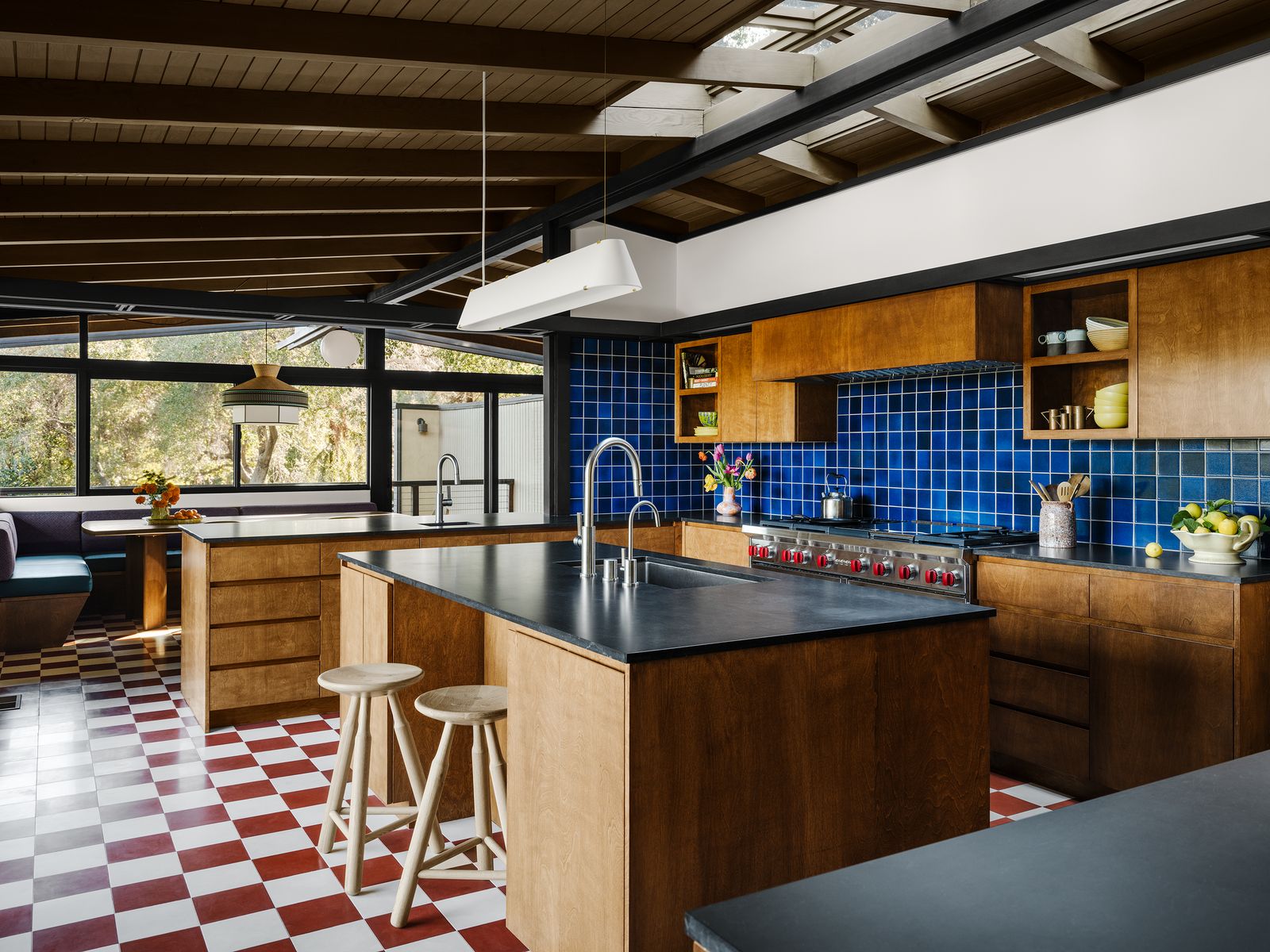
Patterned linoleum floors were another hallmark of vintage kitchens. Despite linoleum's current reputation, the patterned versions, especially the black and white checkered style reminiscent of diners, were highly popular in the 1950s and beyond. Beyond checkerboard, linoleum offered a multitude of colors and patterns, including faux tiles, brick, stone, and wood. Its durability, ease of cleaning, and resistance to wear made it a practical and popular choice for busy kitchens.
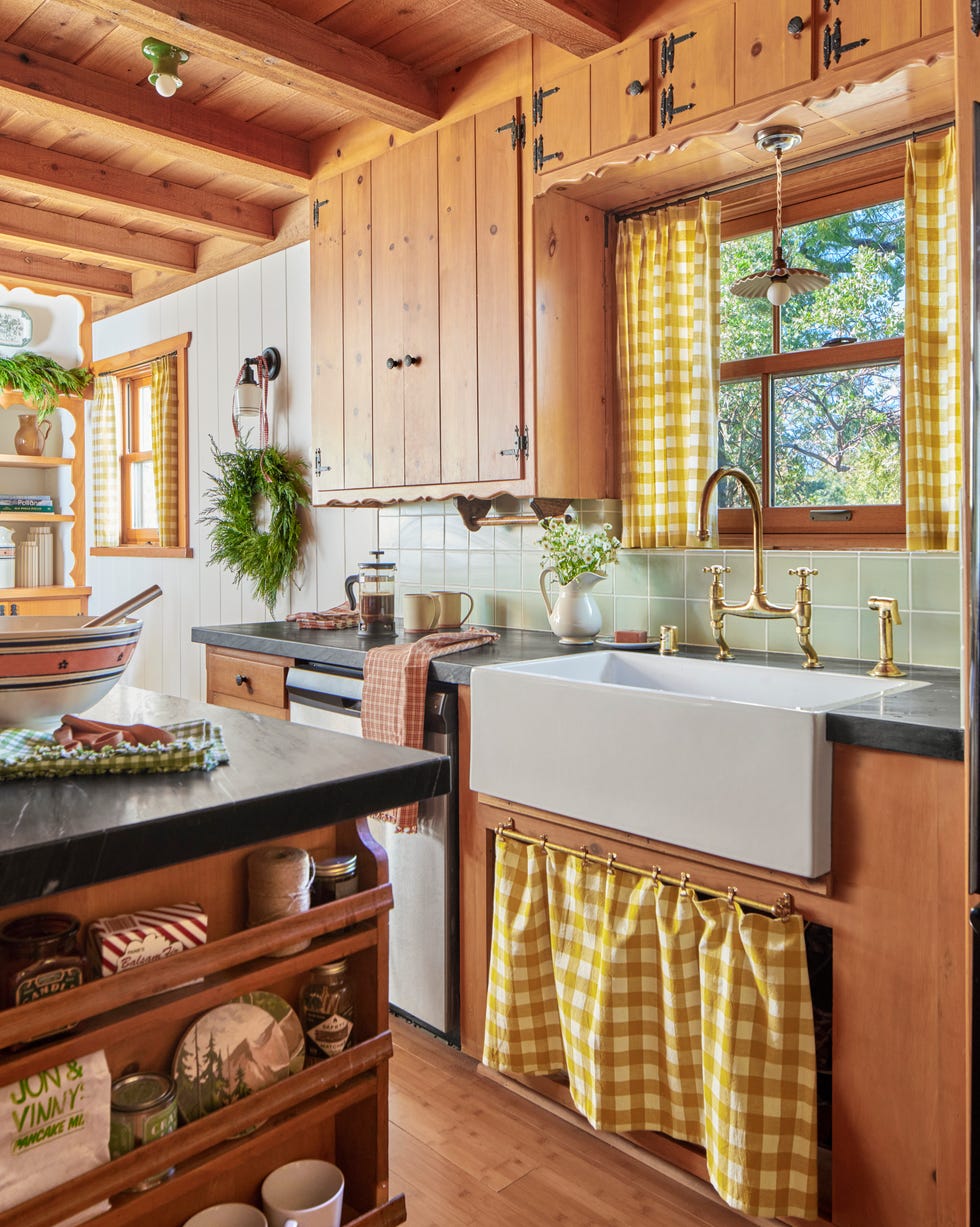
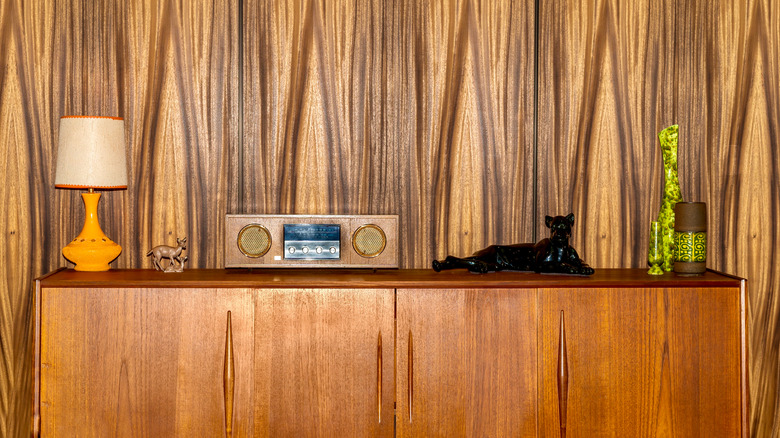
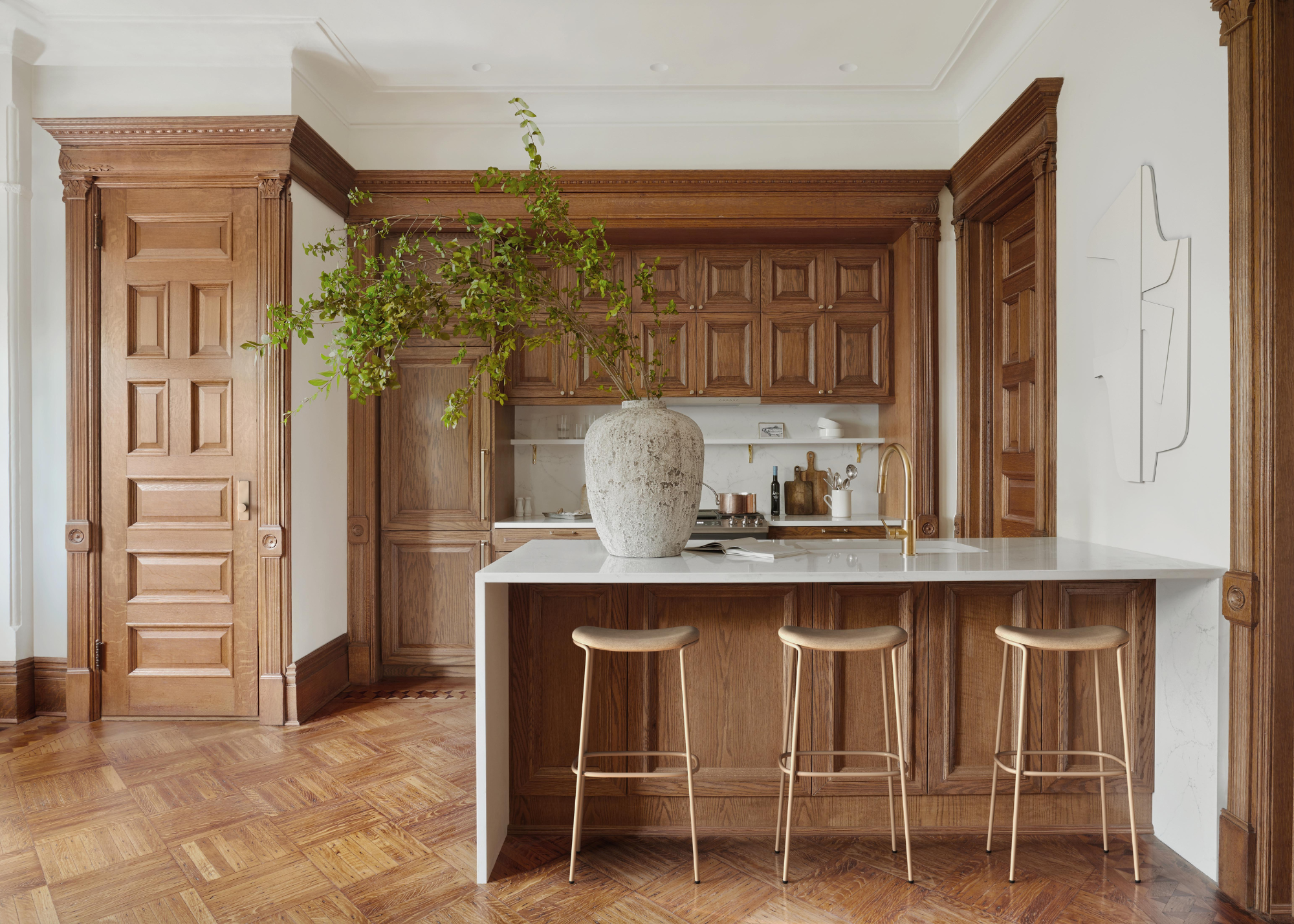
Wood paneling also gained traction amidst the colorful trends. Available in various colors and styles, it was an affordable and easy-to-install option for homeowners. Unlike drywall, wood paneling provided a quick solution to update old walls. Solid brown tones were favored, adding warmth and coziness. While modern versions offer more sophisticated twists and are often used as accents, the fundamental appeal of wood in kitchens, whether through paneling or unpainted cabinets, is resurfacing.
Formica countertops were introduced in the 1920s and became exceedingly popular by the 1950s. This laminate material was durable, heat-resistant, affordable, and easy to clean, aligning with the era's focus on functionality. Formica was produced in a vast array of colors and patterns, mimicking mosaics, stones, and wood, or coming in solid shades. Though its bold designs eventually fell out of favor, Formica is seeing a comeback, especially as technological advancements make it harder to distinguish from natural materials.
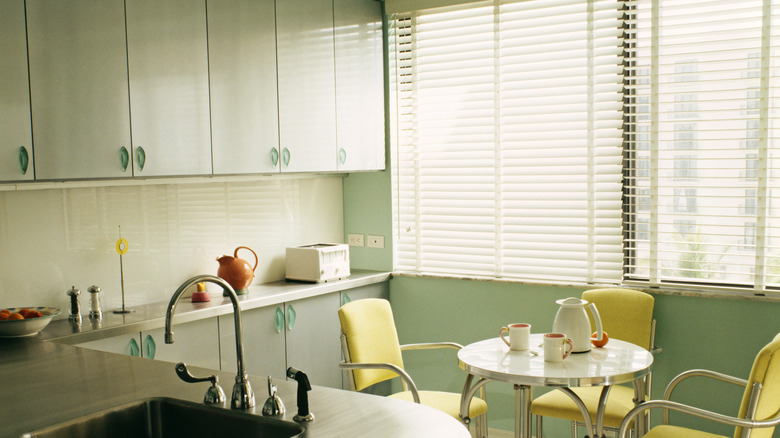
Metal cabinets were a common choice in the 1950s, prized for their durability and modern aesthetic. Steel, in particular, became popular after World War II. These cabinets were low-maintenance, resistant to heat and moisture, and could be powder-coated in various colors to match the vibrant kitchen decor. While metal cabinets are slowly re-emerging, modern versions tend to be less colorful than their vintage counterparts.
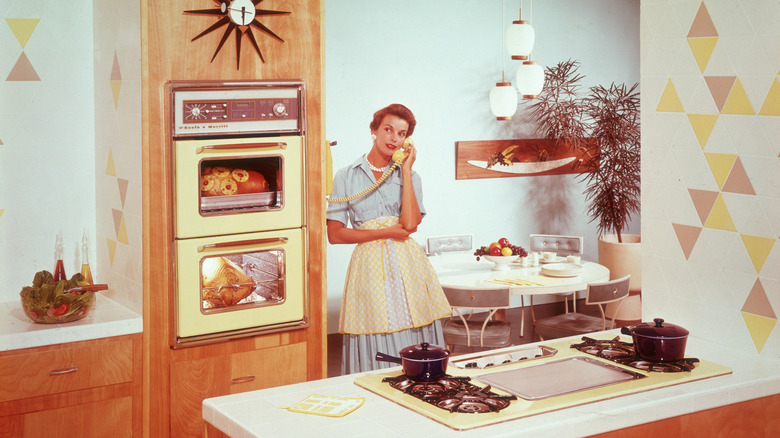
Finally, colorful appliances were integral to the vibrant kitchen aesthetic. Starting in the 1950s with pastel shades like pink, pale yellow, and turquoise, appliance colors became bolder in the 1960s with reds, lime green, and orange, and then shifted to earthier tones in the 1970s. Refrigerators and stoves were considered decorative elements, not just utilitarian devices. While retro-style colorful appliances are popular in niche designs today, they lack the ubiquity they once had.
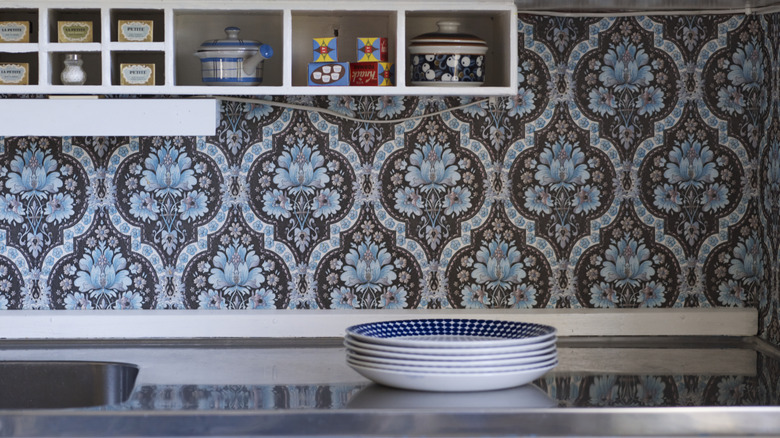
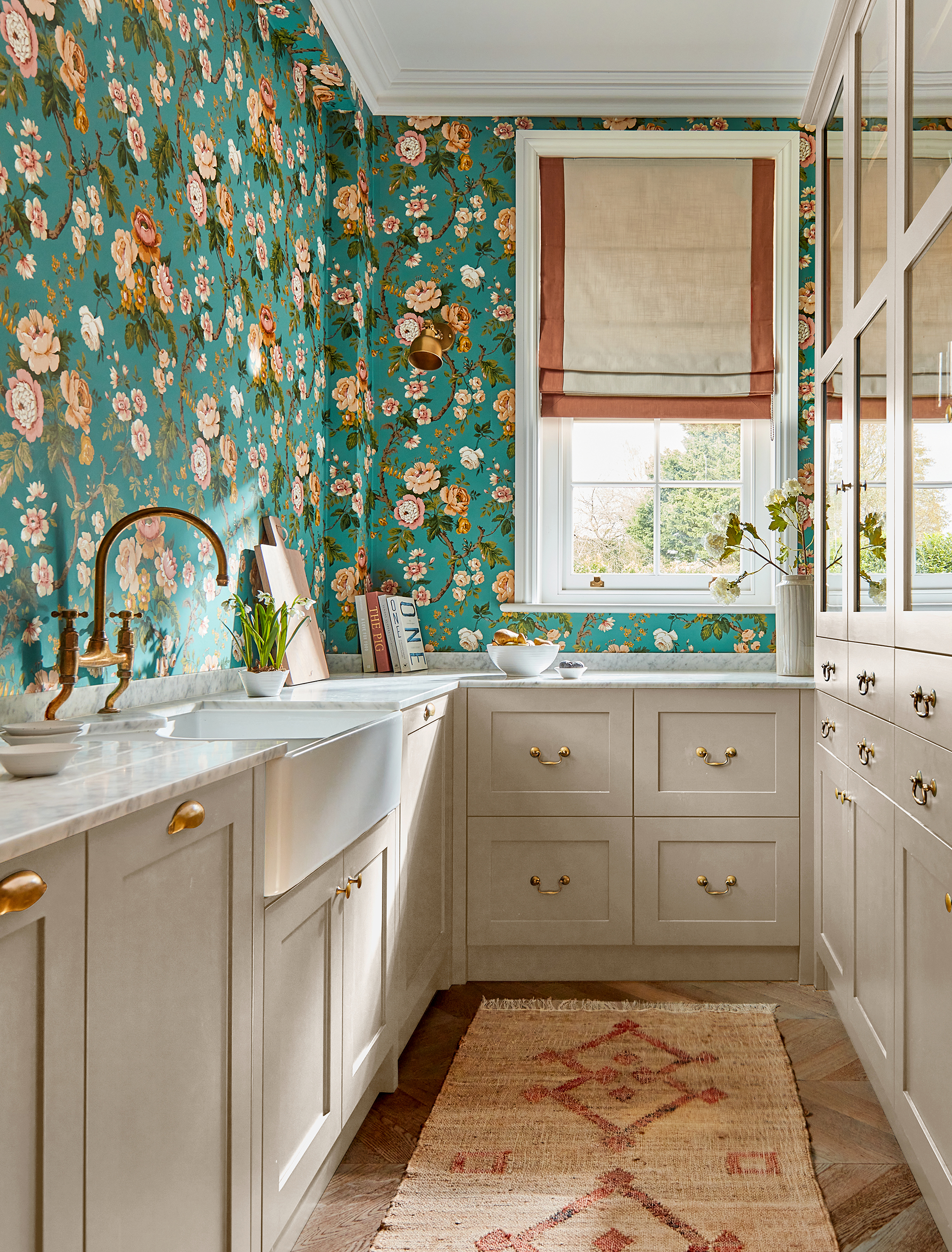
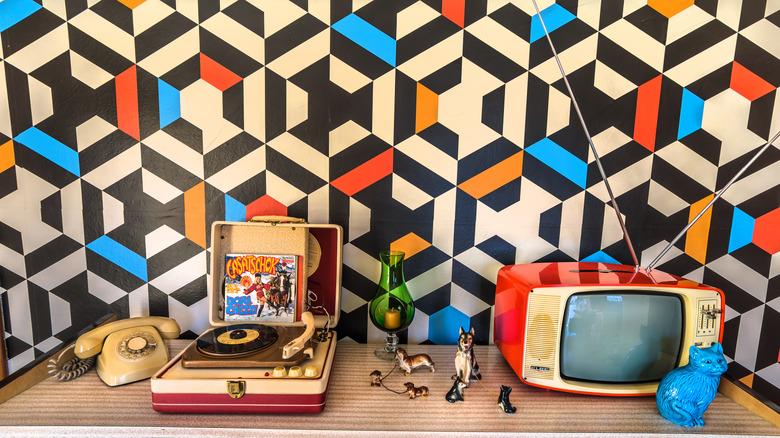
Decorative wallpaper, featuring geometric shapes, bold florals, abstract nature scenes, or even food-related imagery, also contributed to the eclectic interiors of the 1960s and 1970s. These patterns often complemented the overall color scheme, though in a more assertive manner. Contemporary interior designers are reintroducing wallpaper, albeit often with earthier tones to align with current trends. These seven trends reflect a distinct period in kitchen design history, blending functionality with a vibrant, often bold, aesthetic that continues to resonate with those who experienced them.
#VintageKitchen #KitchenDesignTrends #BoomerGeneration #MidCenturyDesign #RetroKitchen #InteriorDesignHistory #ColorfulAppliances #WoodPaneling #FormicaCountertops #VintageKitchen #KitchenDesignTrends #BoomerGeneration #MidCenturyDesign #RetroKitchen #InteriorDesignHistory #ColorfulAppliances #WoodPaneling #FormicaCountertops
0 comment in total
 No comments yet
You may also like
12 Vintage Kitchen Design Trends We Want To Bring Back

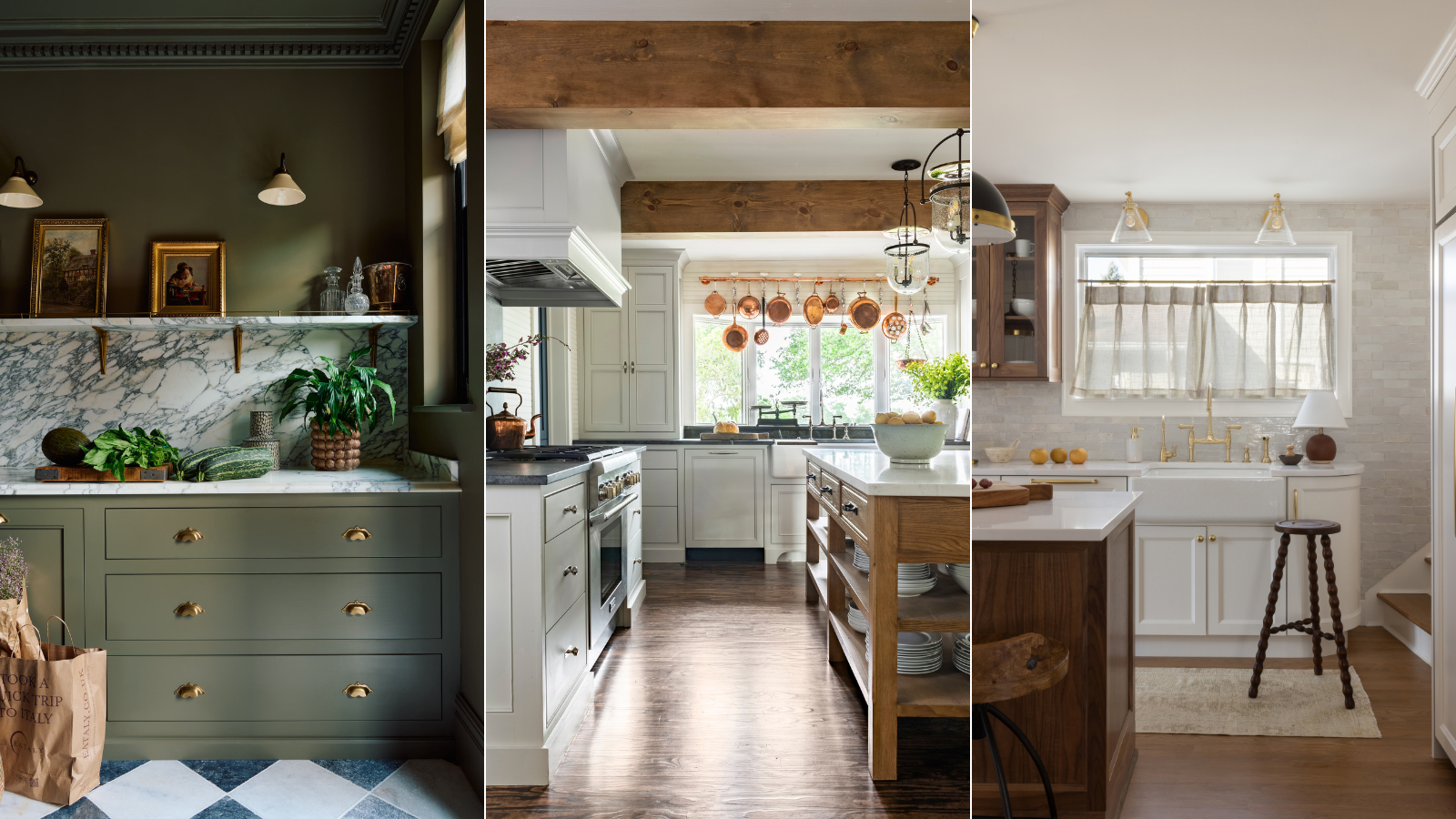
How to bring vintage pieces into a kitchen – 6 easy ways to add instant charm

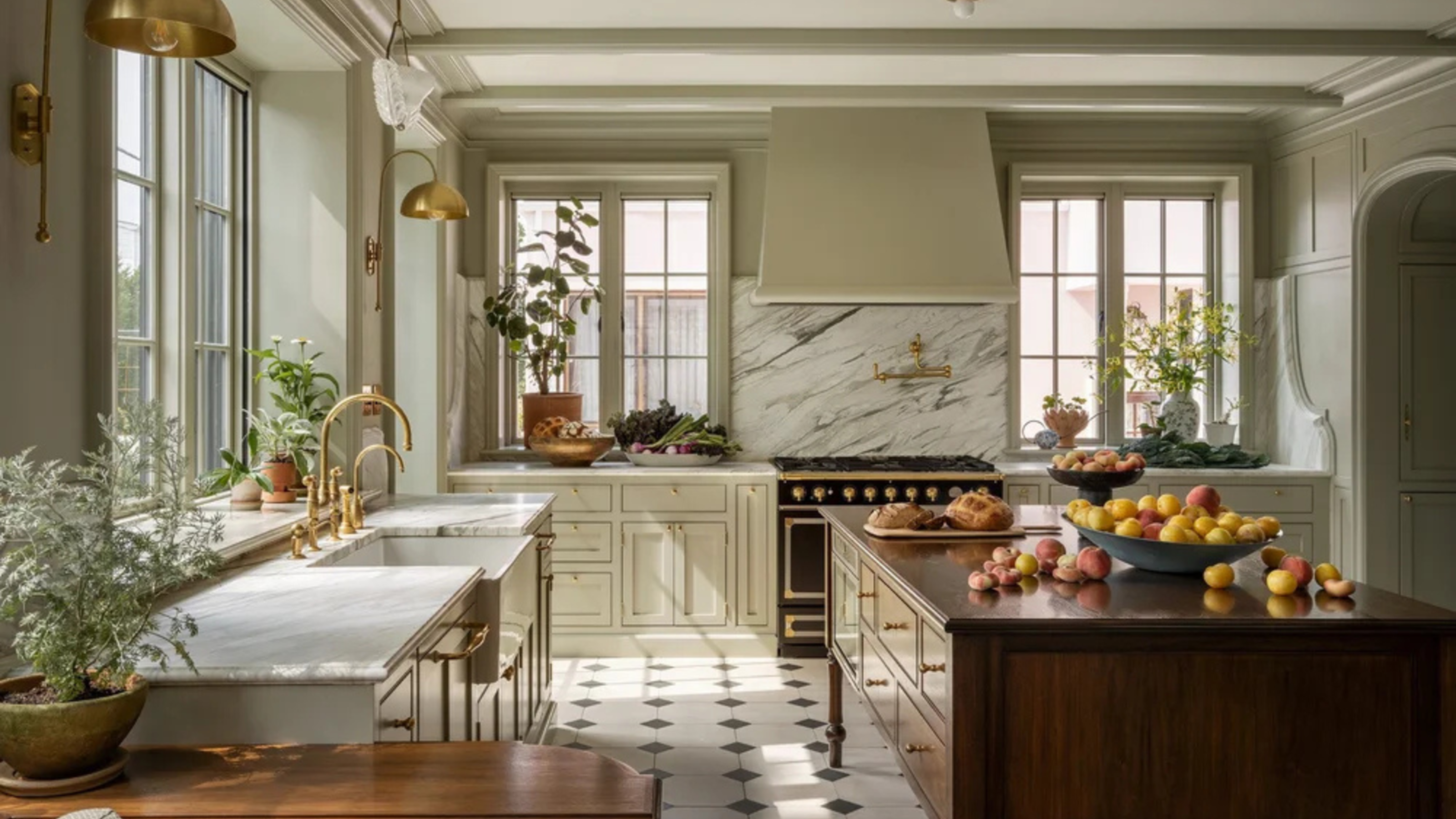
7 Traditional Kitchen Features That Are Making a Comeback in 2026 — Experts Are Saying 'the Older, the Better'

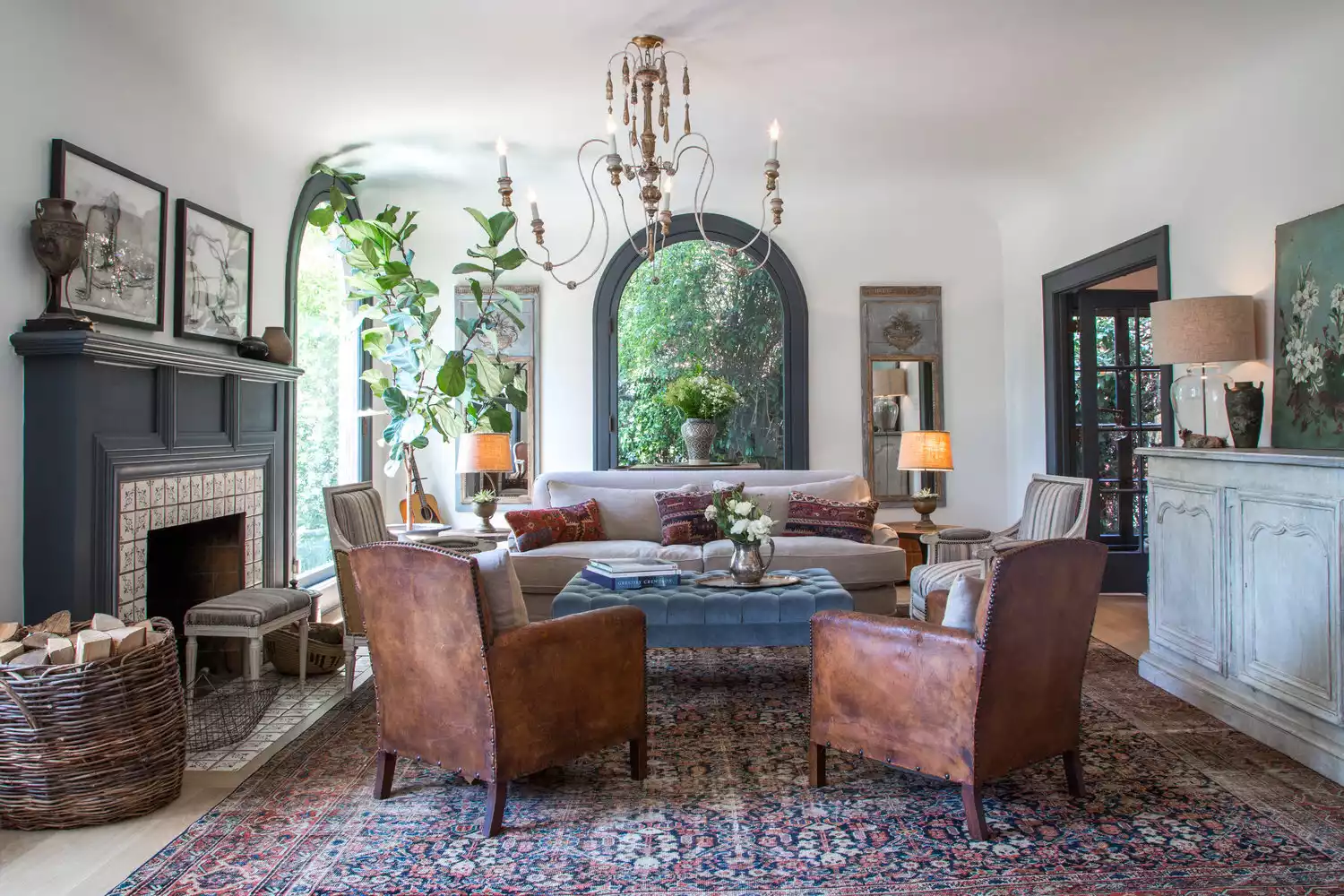
7 Vintage Trends That Are Everywhere Right Now, According to Interior Designers
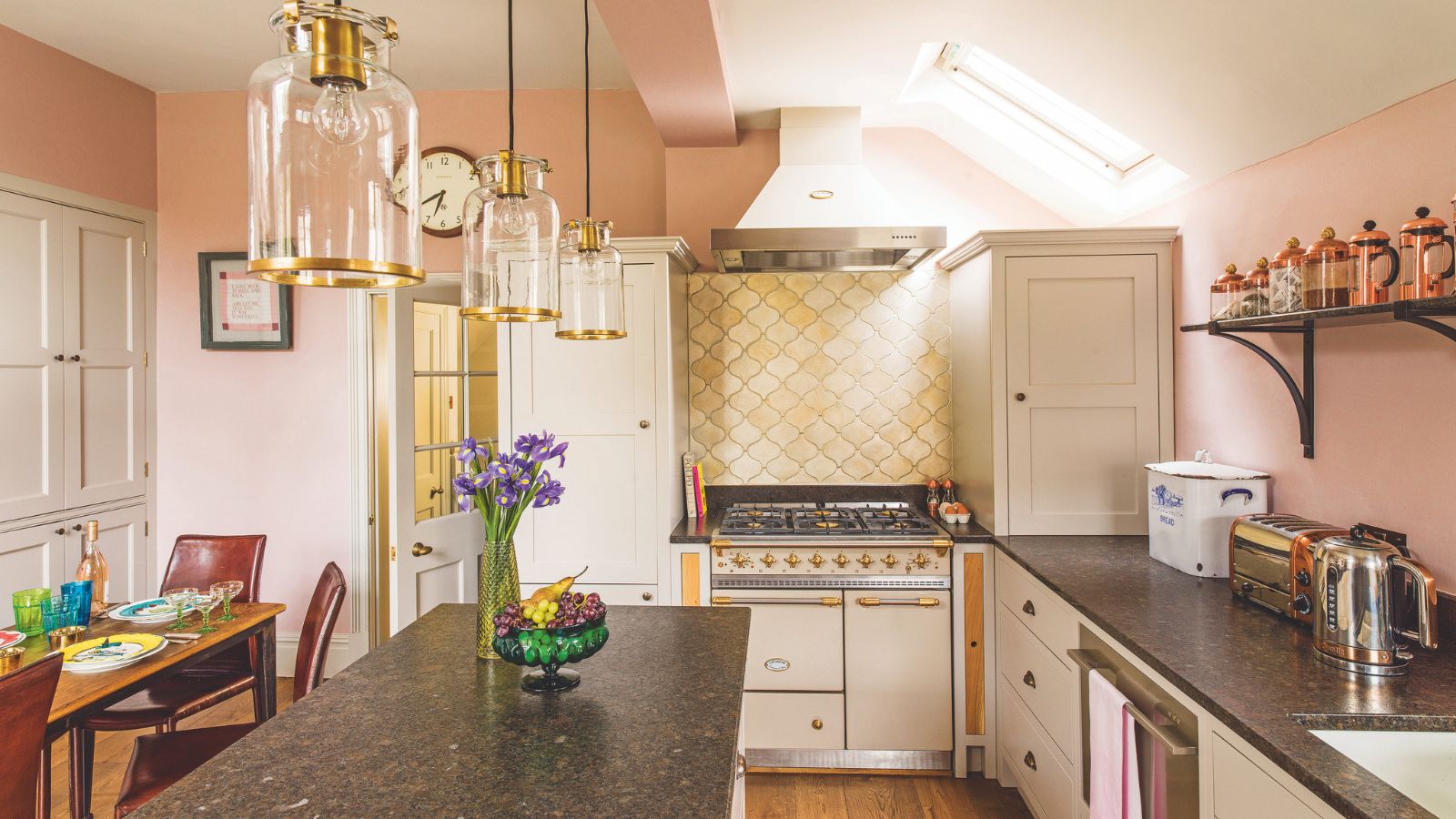
5 vintage pieces every kitchen should have, according to designers
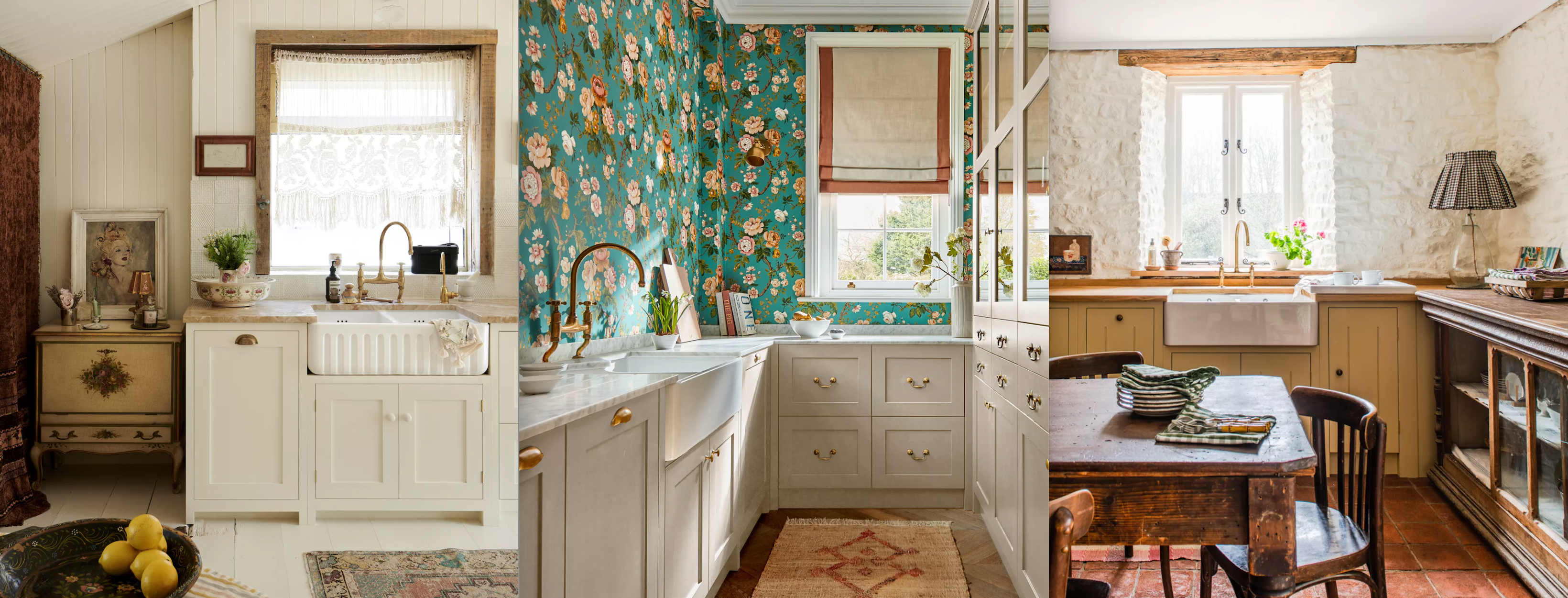
Vintage kitchen ideas – 12 designs for character and charm
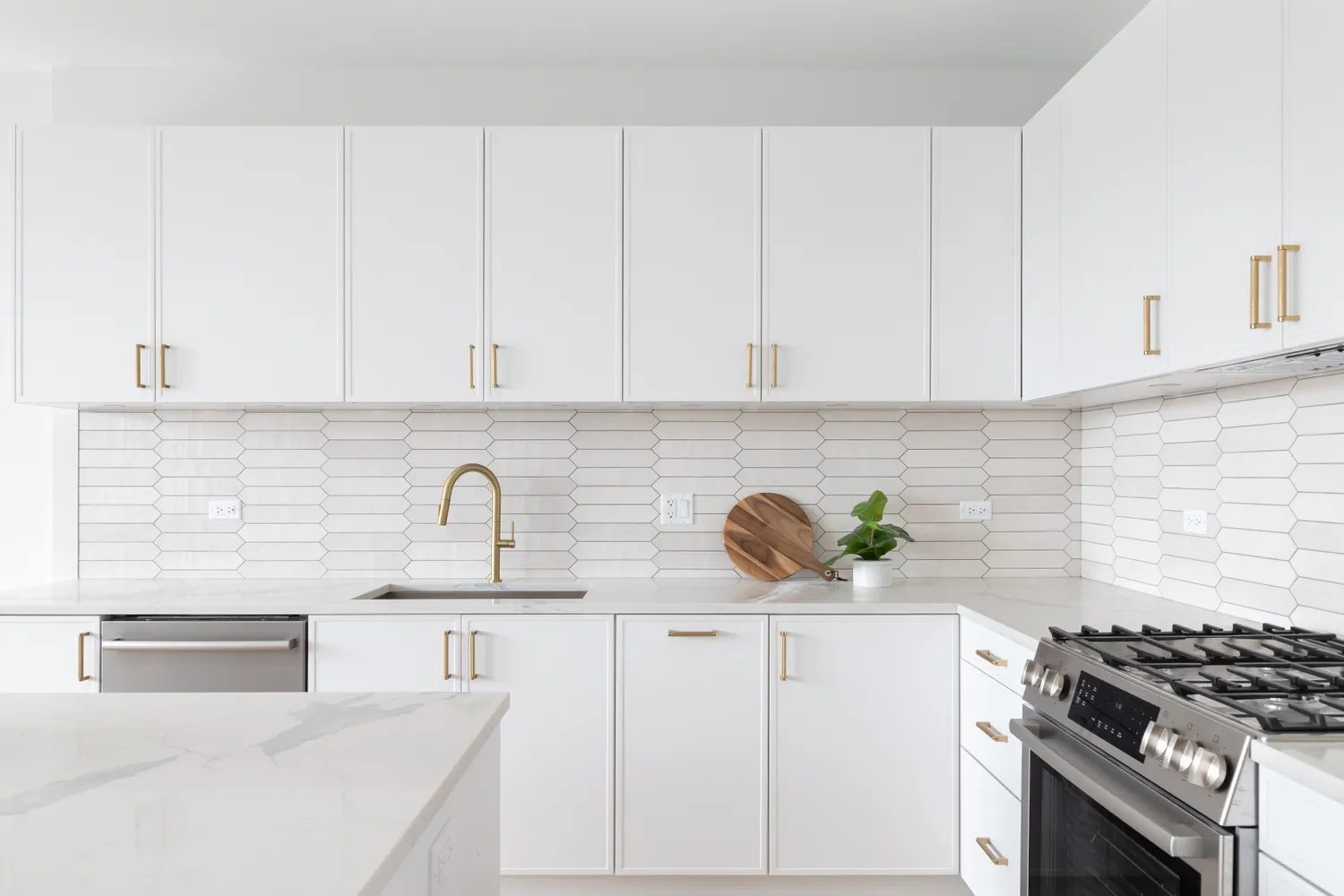
5 Kitchen Styles That Are Definitely Out of Style, Designers Say

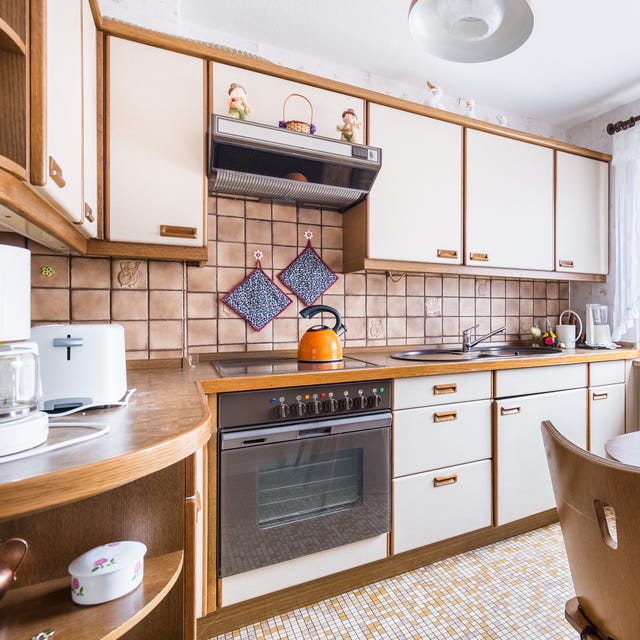
22 Outdated Things You Should Avoid in Your Kitchen, According to Designers

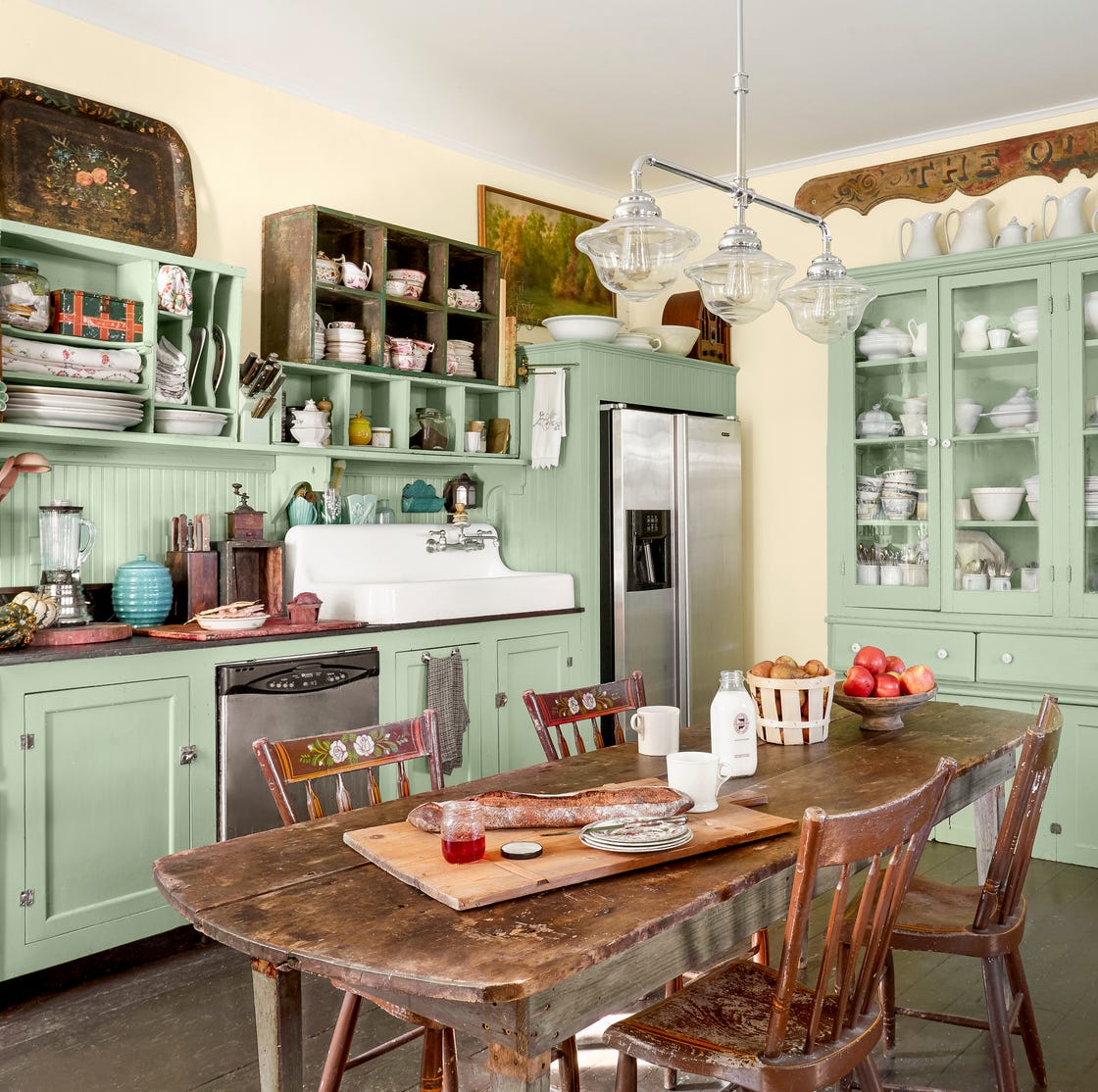
7 Nostalgic Kitchen Details That Take You Back to Grandma’s House
The Classic Kitchen Design Trend That Might Never Go Out Of Style

11 80's Kitchen Design Trends No One Remembers Anymore

This Is the Old-World Interior Design Trend Taking Over Kitchens Again
Retro Kitchens Are Back—Designers Share Their Best Tips to Get the Nostalgic Look

Vintage Home Design Trends That Are Making Huge Comebacks

9 Outdated Kitchen Trends to Watch Out For

11 Retro Kitchens We Love From AD PRO Directory Designers

Top Designers Say These Kitchen Trends are Long-Lasting

12 "Outdated" Kitchen Trends You Should Ditch In 2025 (But You Probably Have)

The Surprising Retro Kitchen Design That's Making a Major Comeback

7 Kitchen Trends That Will Never Go Out of Style