
The green wall revolution: how vertical gardens are purifying urban air
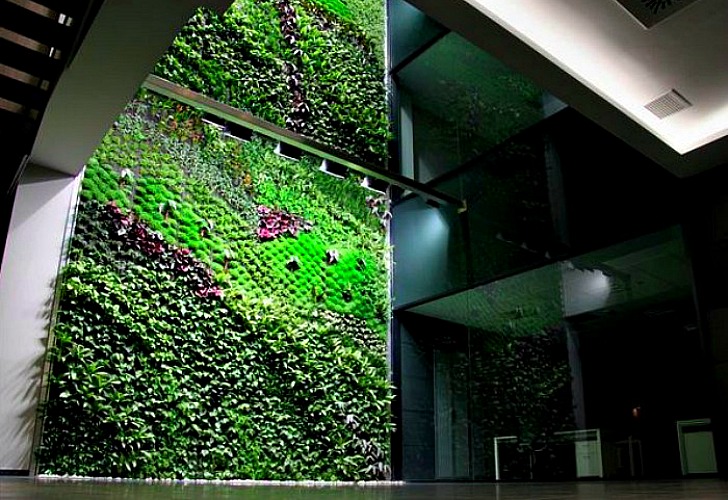
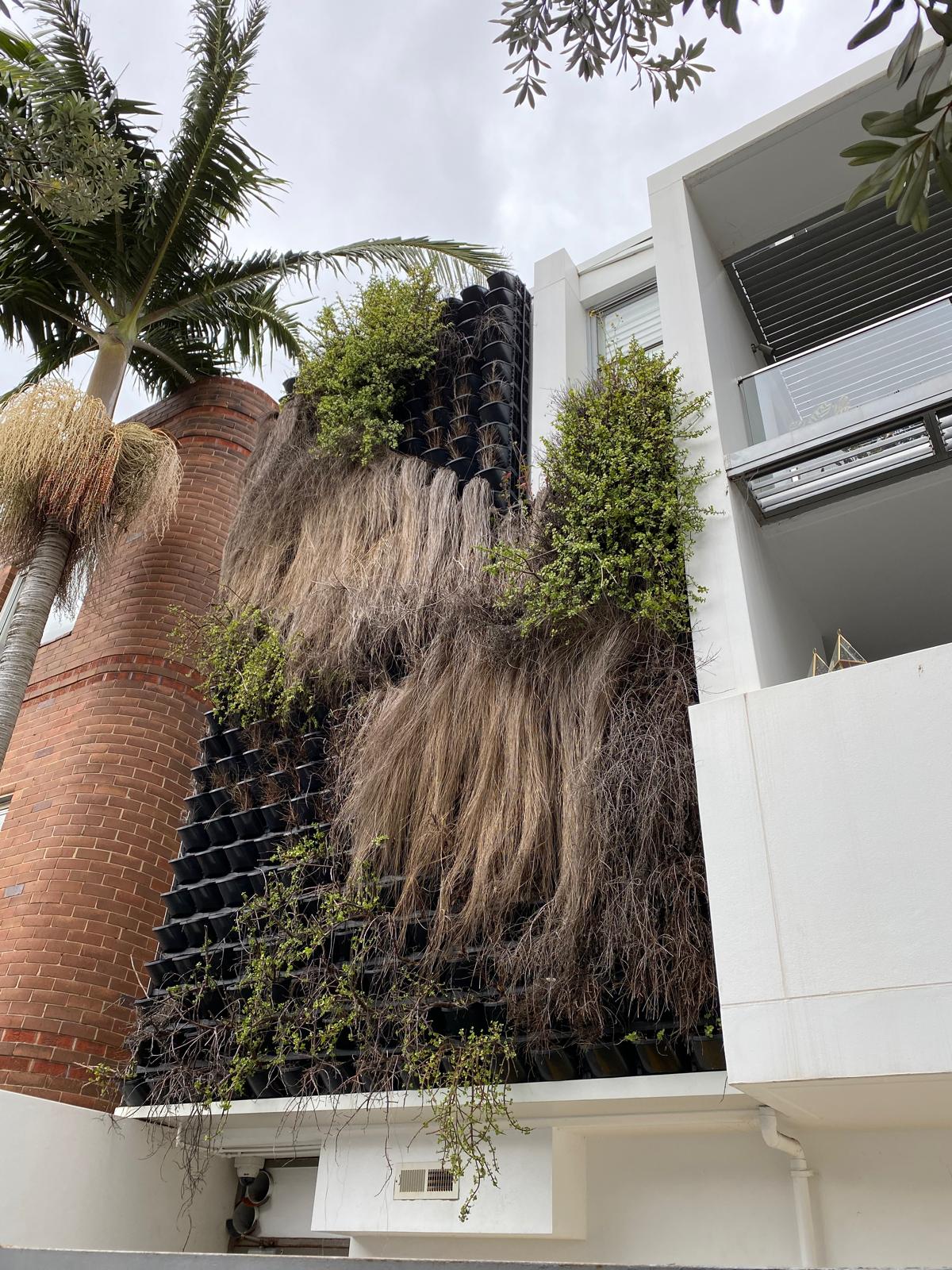
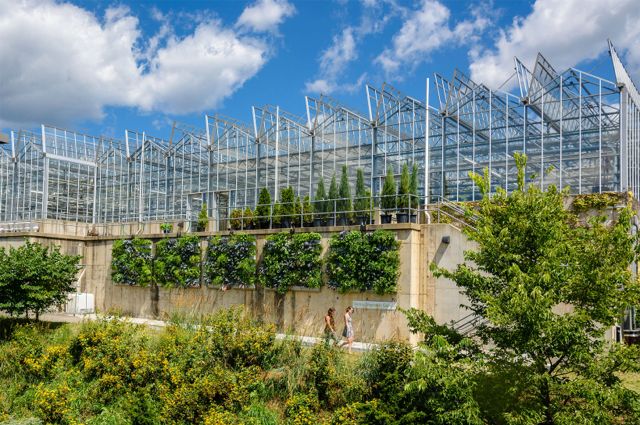
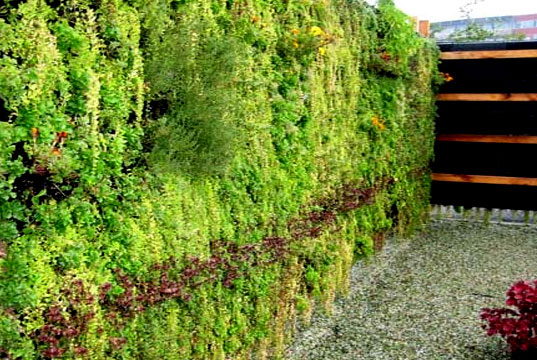
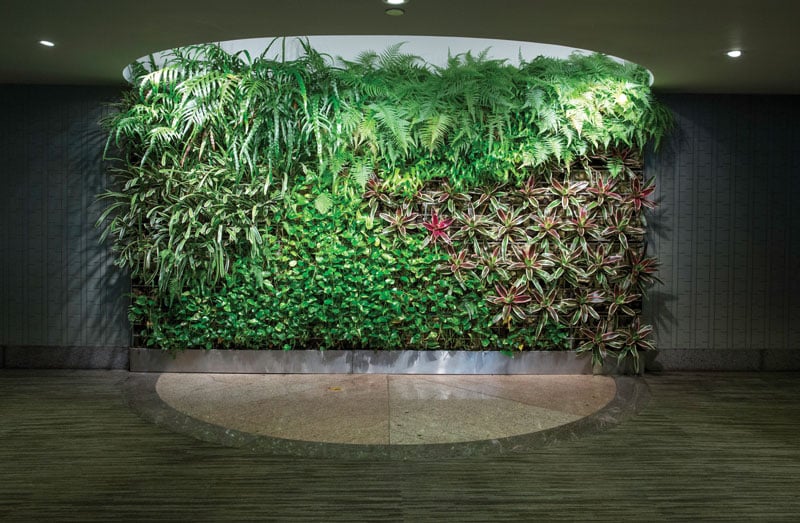
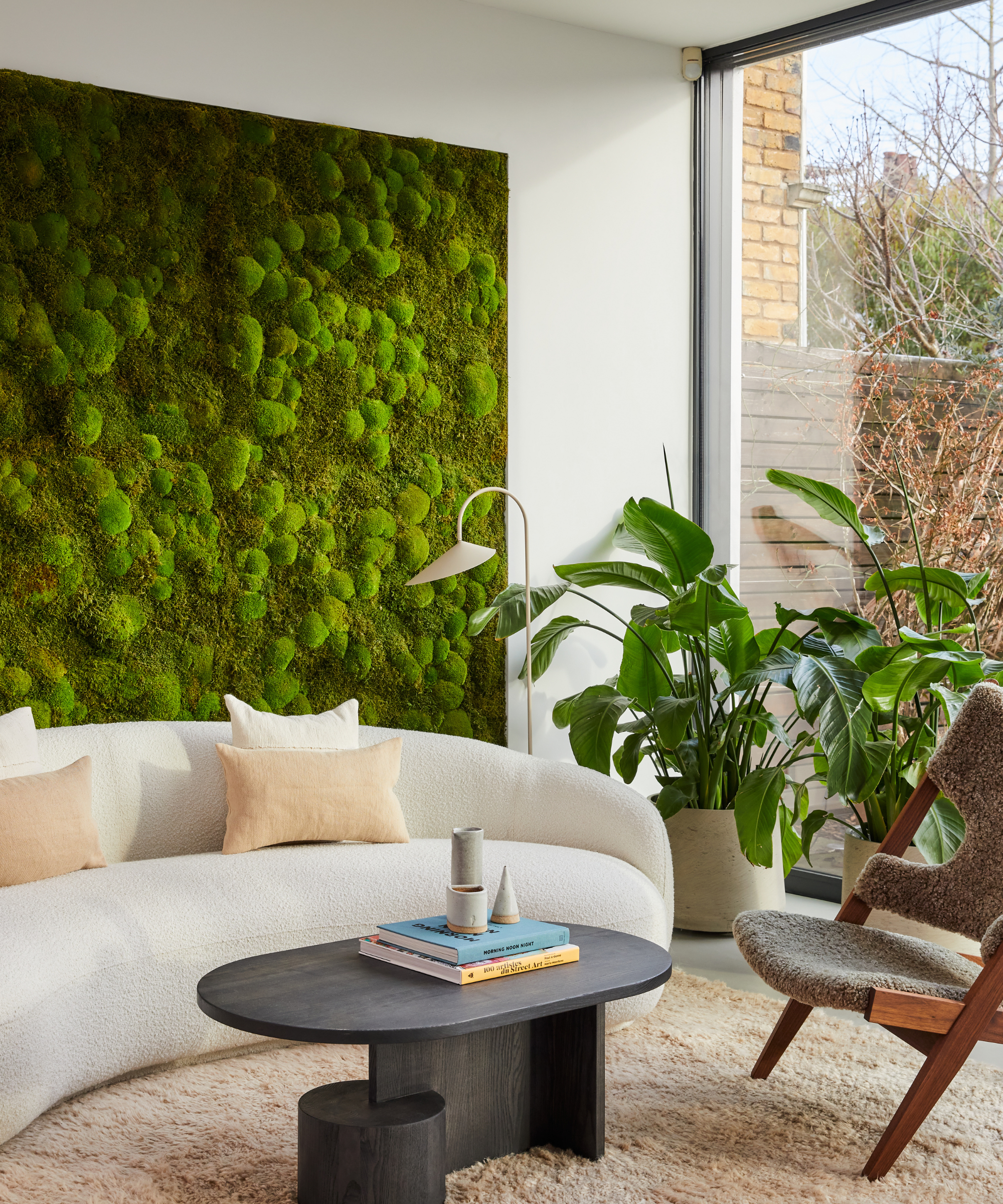
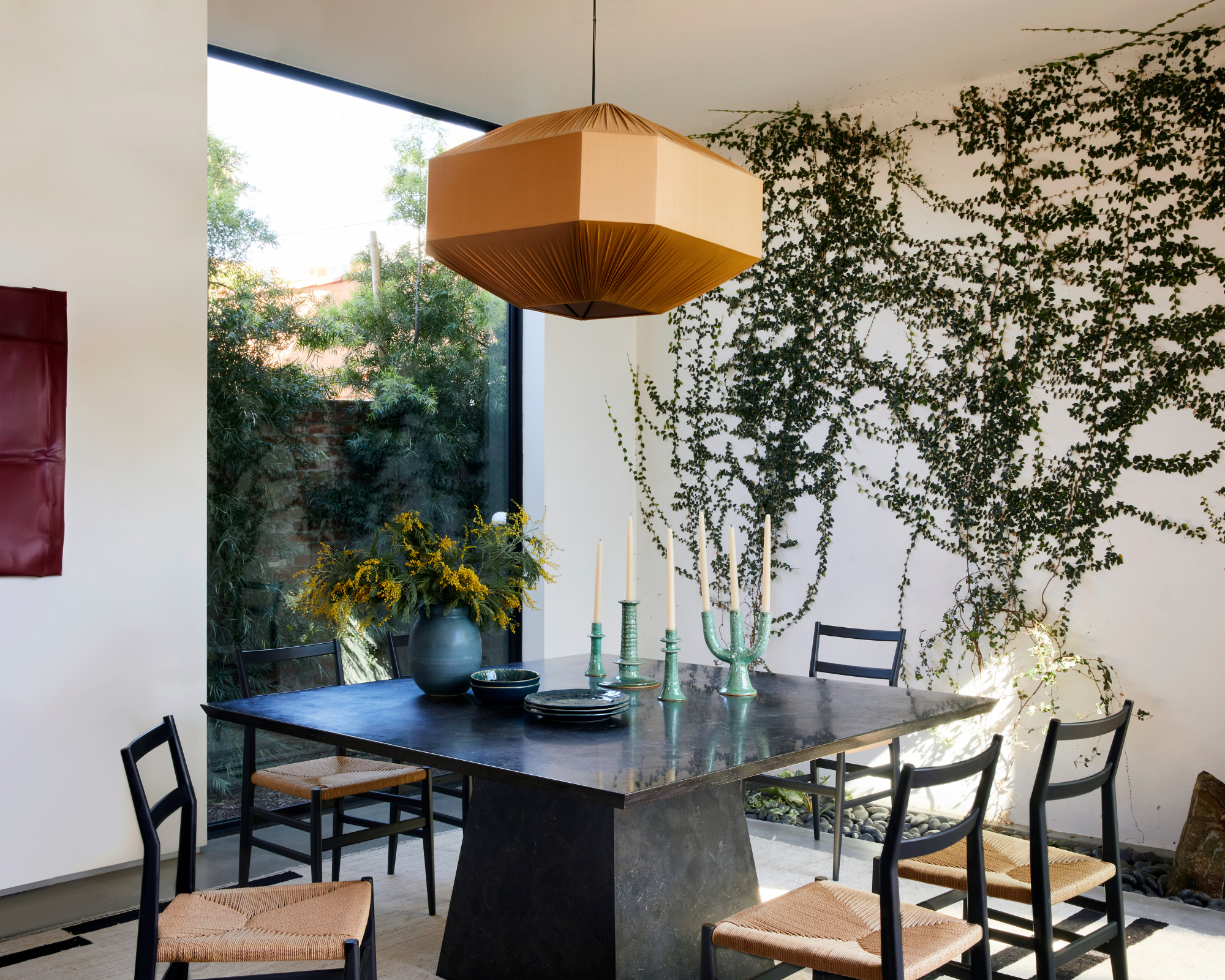
Vertical gardens, also known as living walls, are increasingly transforming urban landscapes by integrating lush greenery onto buildings and structures. These innovative installations serve as a promising solution to the growing concern of air pollution in cities. Beyond their aesthetic appeal, vertical gardens actively purify urban air through the natural air-filtering properties of plants. They effectively reduce harmful pollutants like carbon dioxide and particulate matter, contributing to healthier and more breathable urban environments.
Urban air pollution is a critical issue stemming from high concentrations of emission sources such as vehicles, factories, and construction sites within densely populated areas. The ingestion of air toxins can lead to severe health problems, including respiratory issues and cardiovascular diseases, while also impacting the quality of life and increasing healthcare costs. Given these challenges, there is an urgent need for creative solutions to enhance urban air quality and foster healthier living conditions.
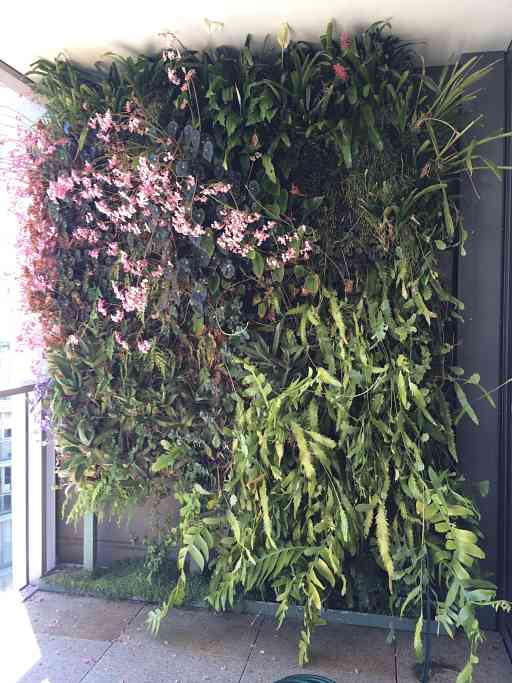
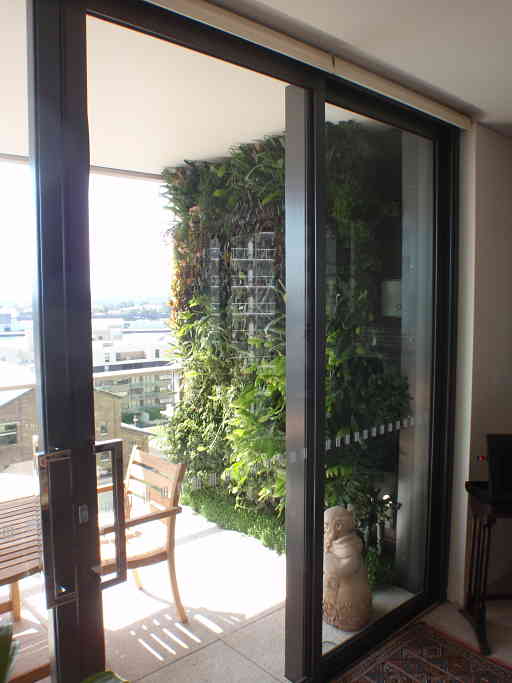
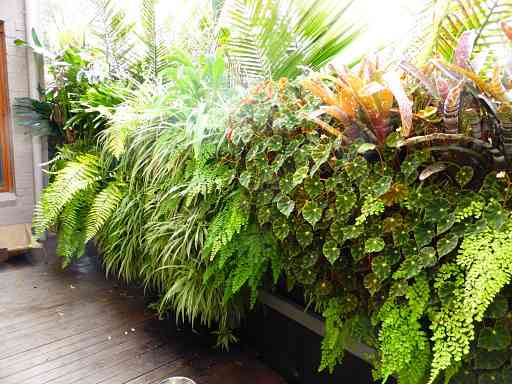
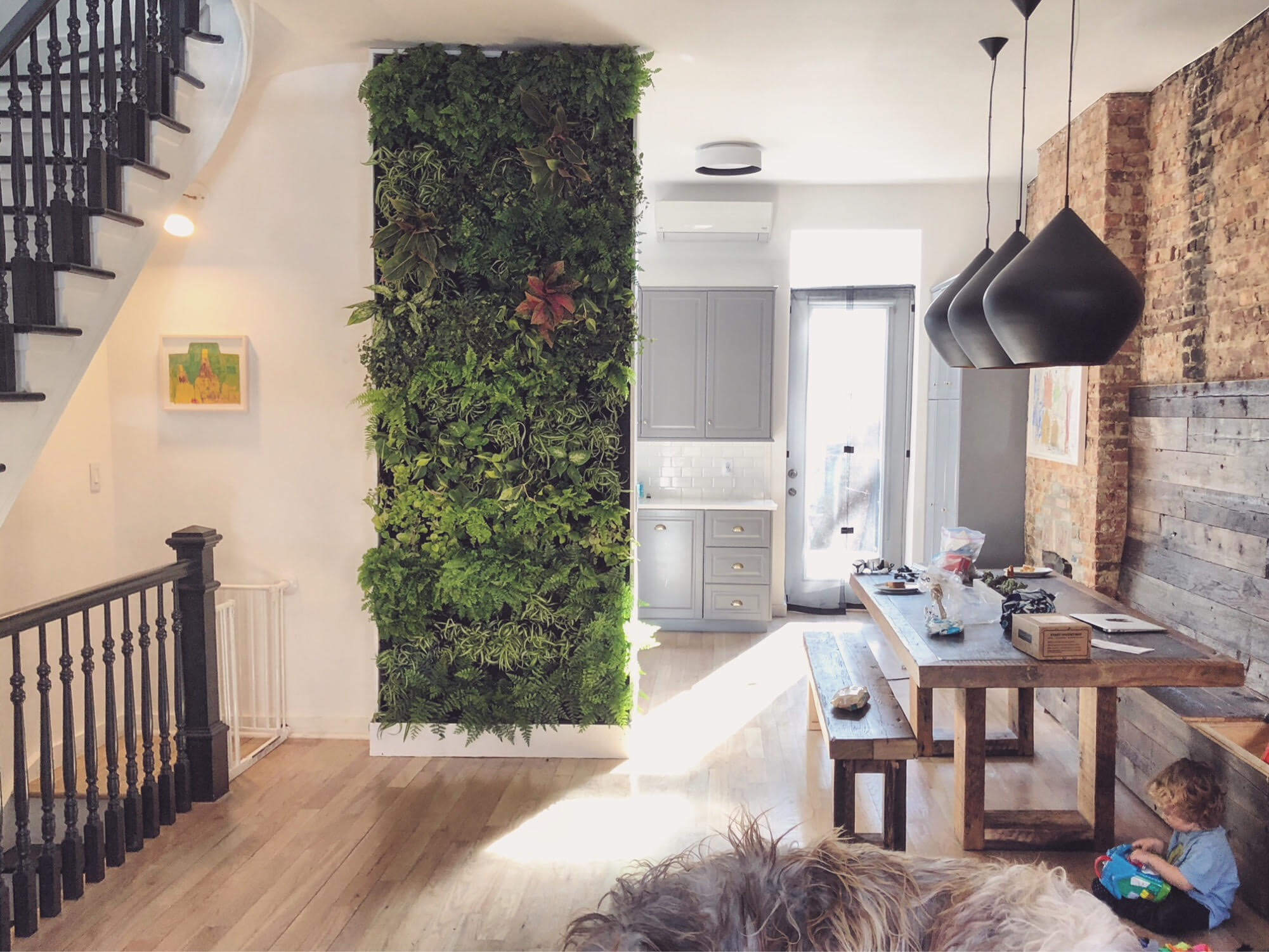
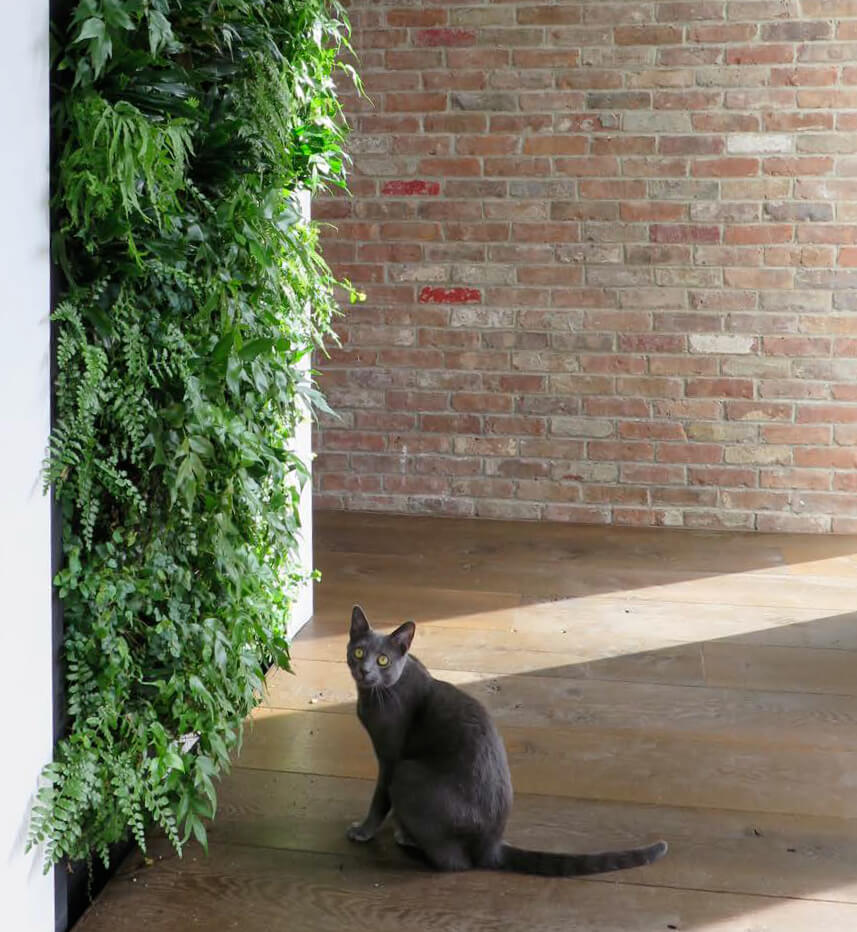
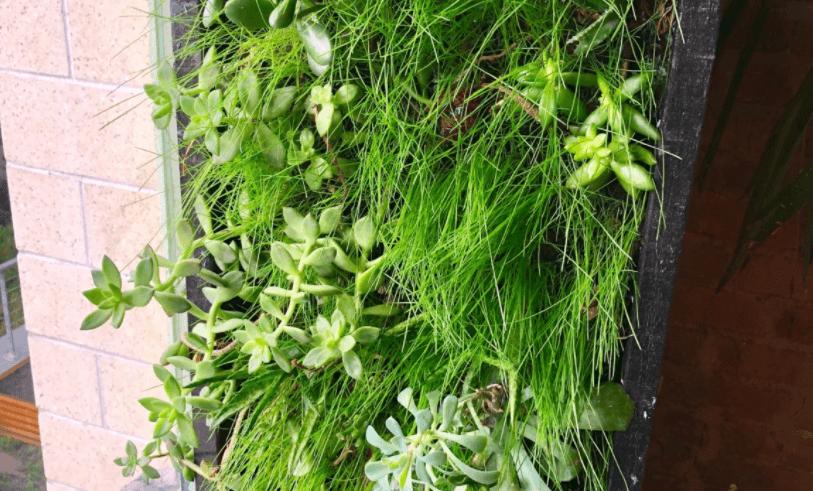
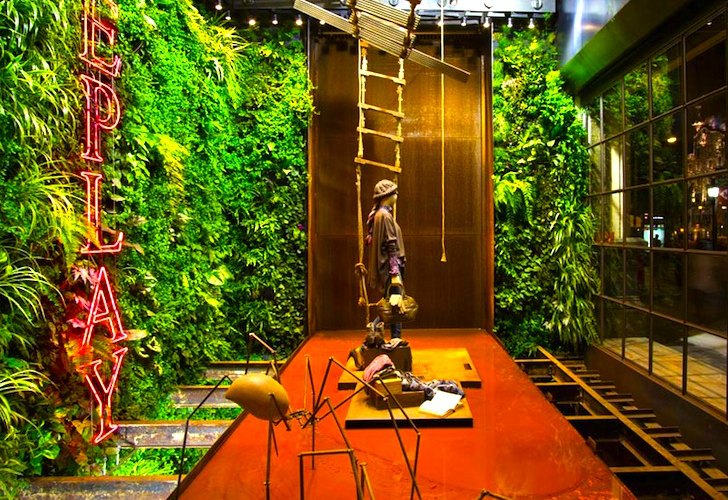
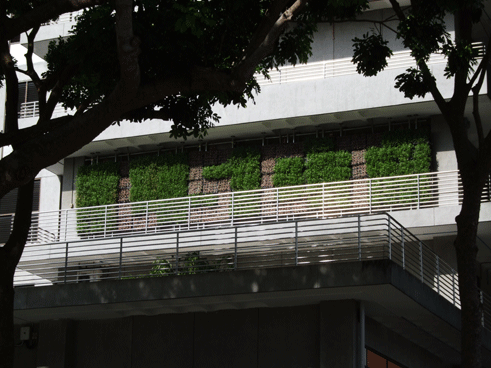
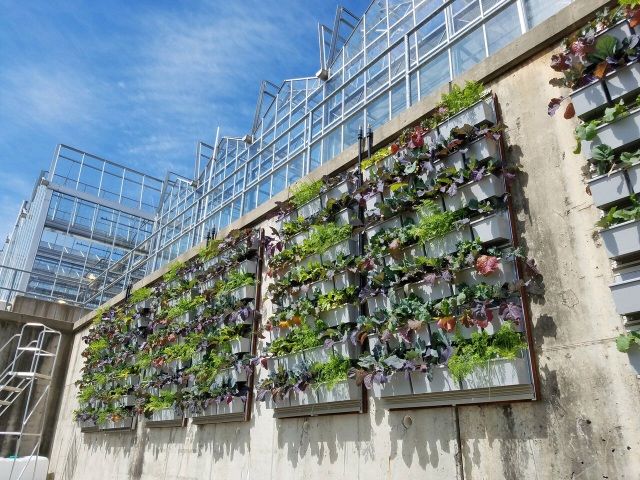
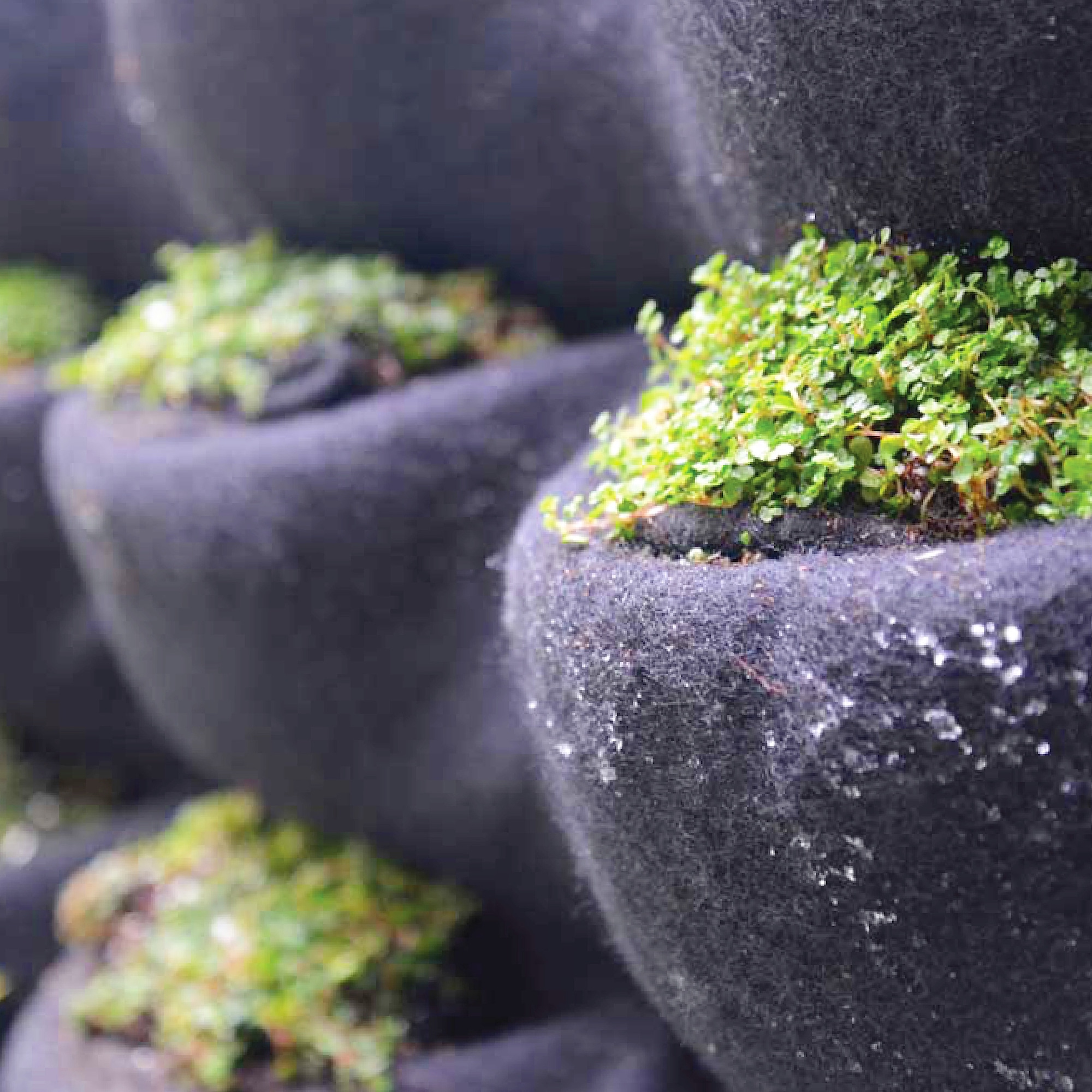
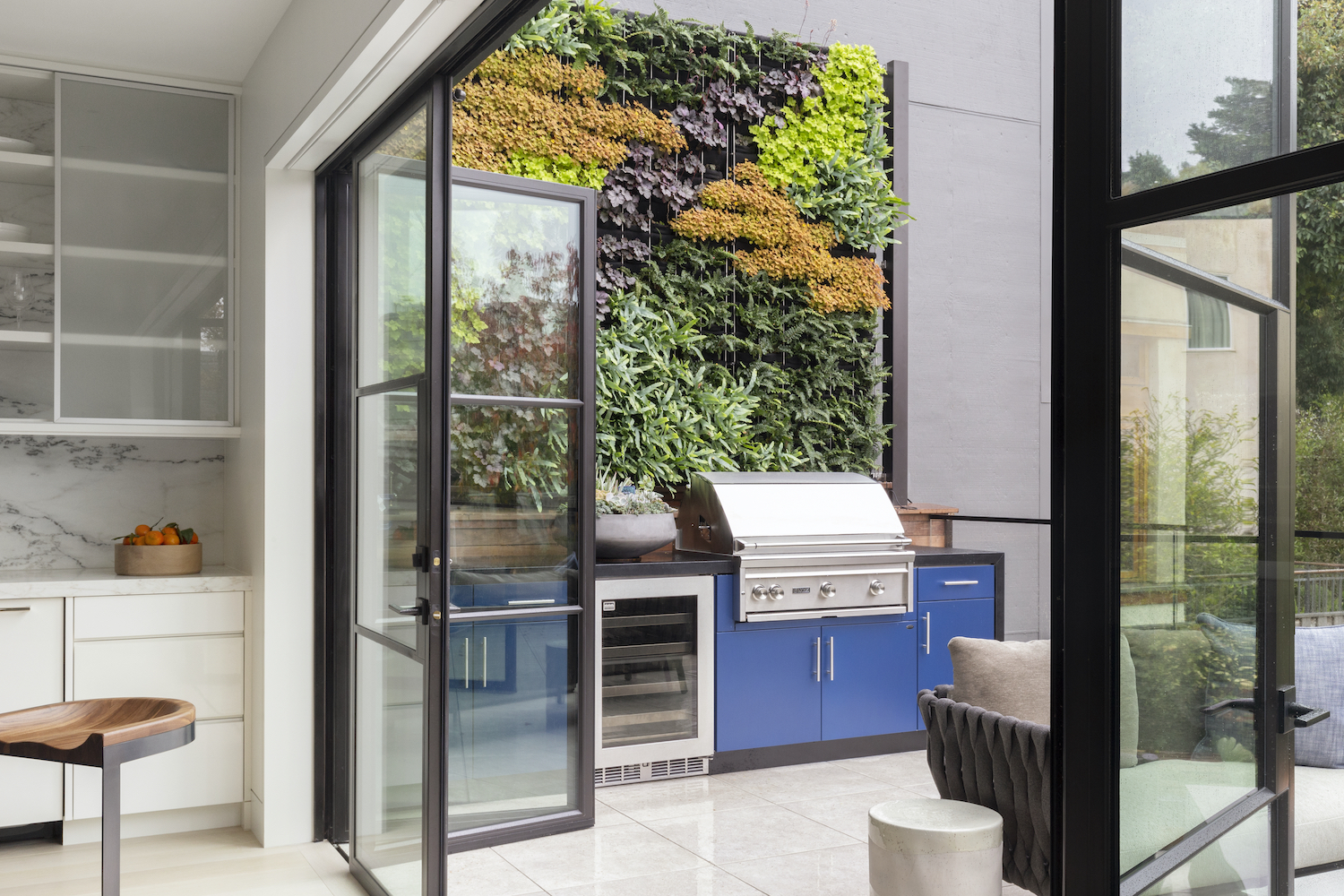
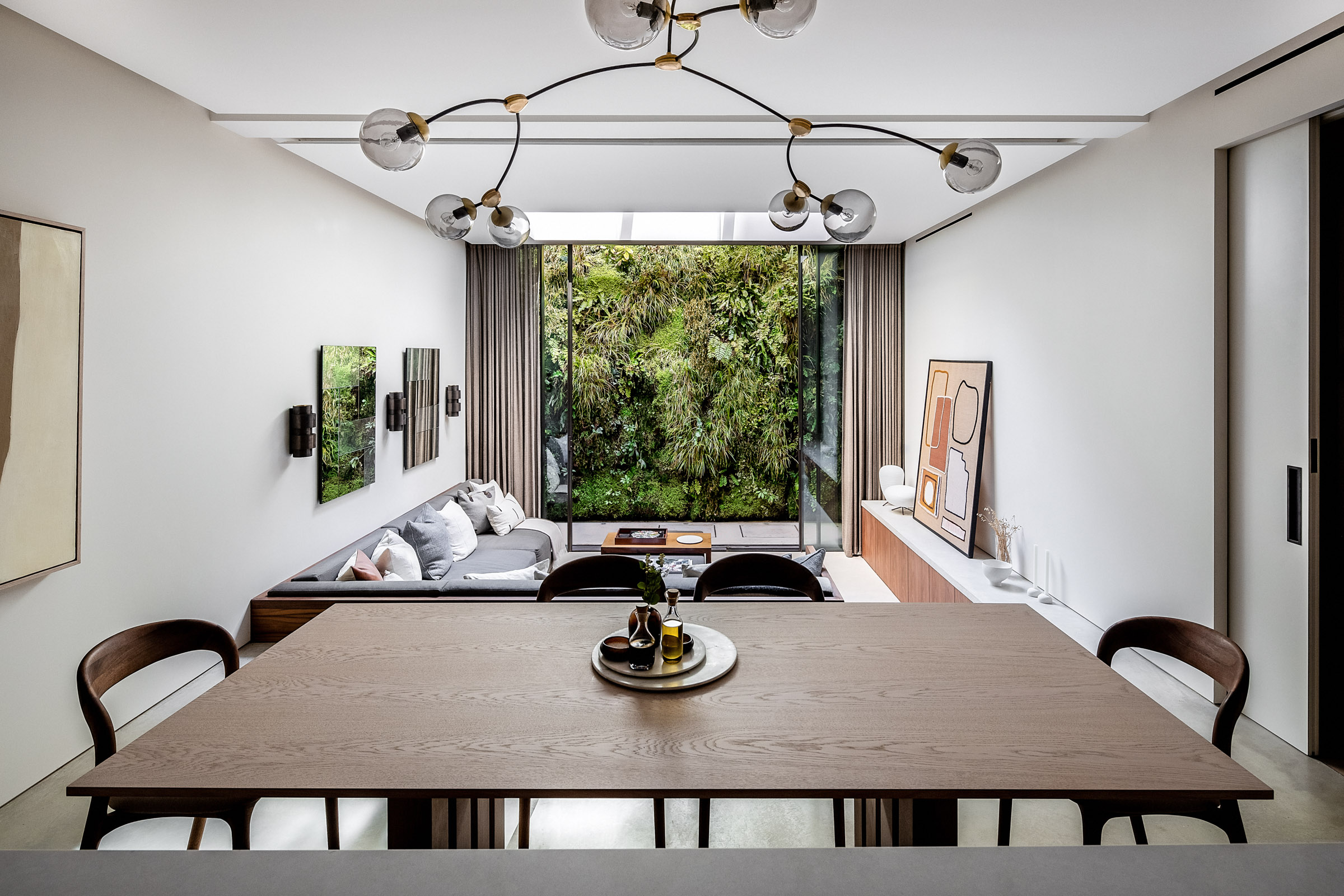
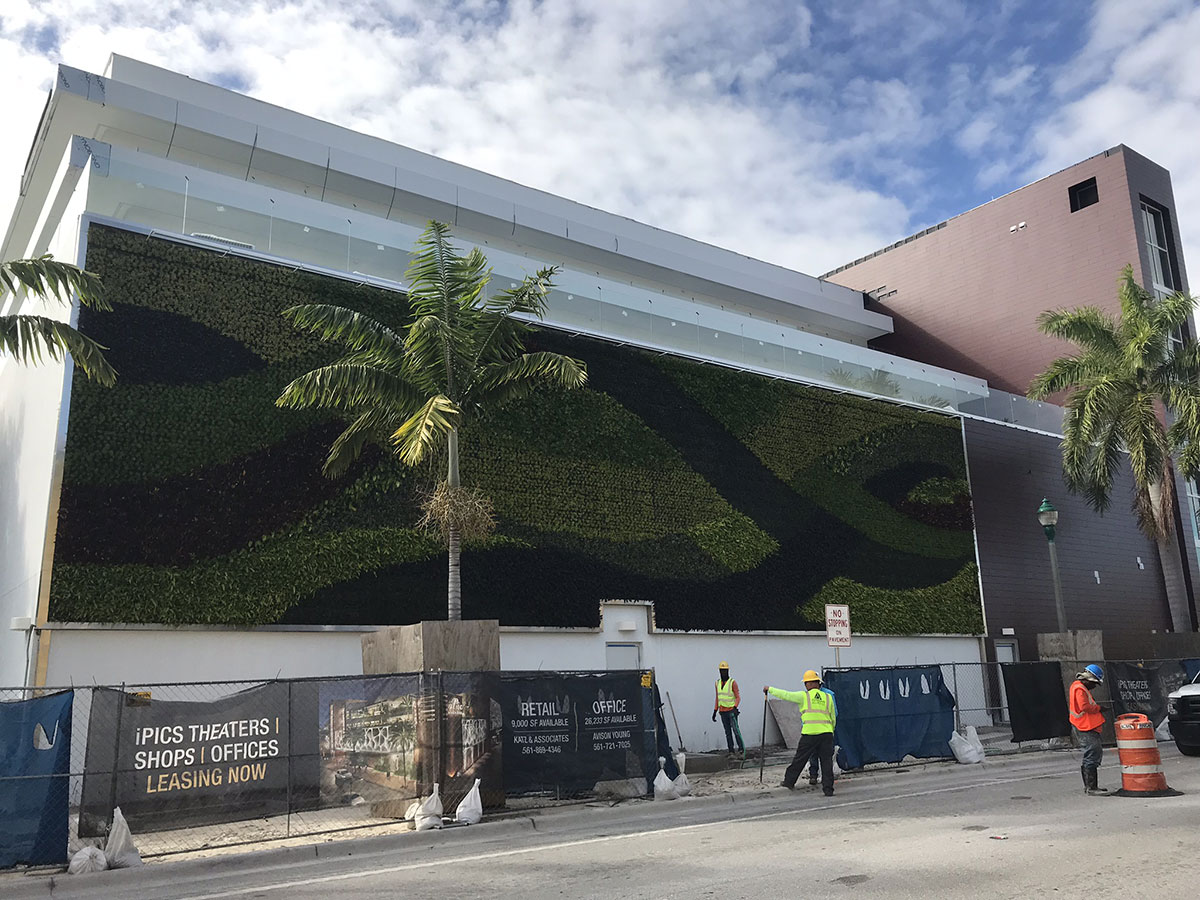
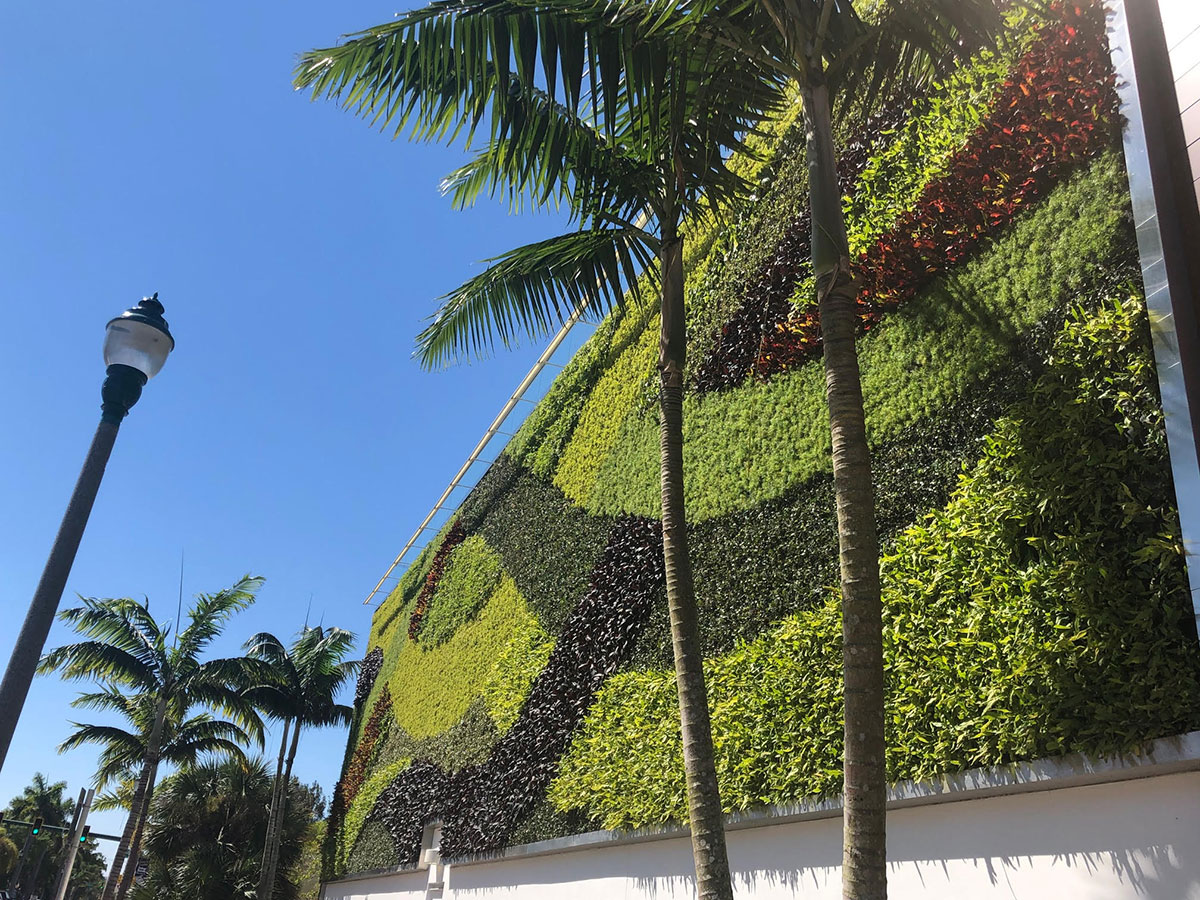
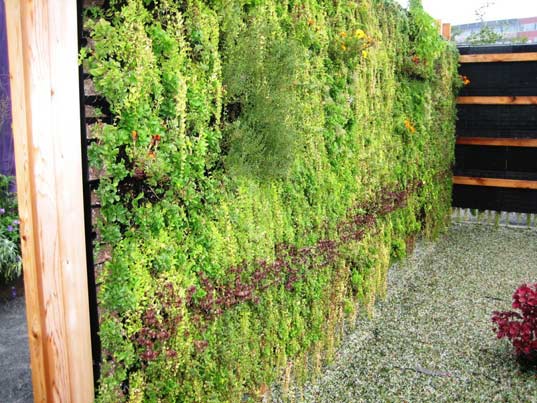
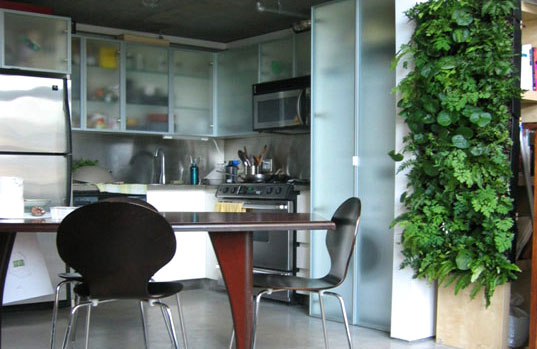
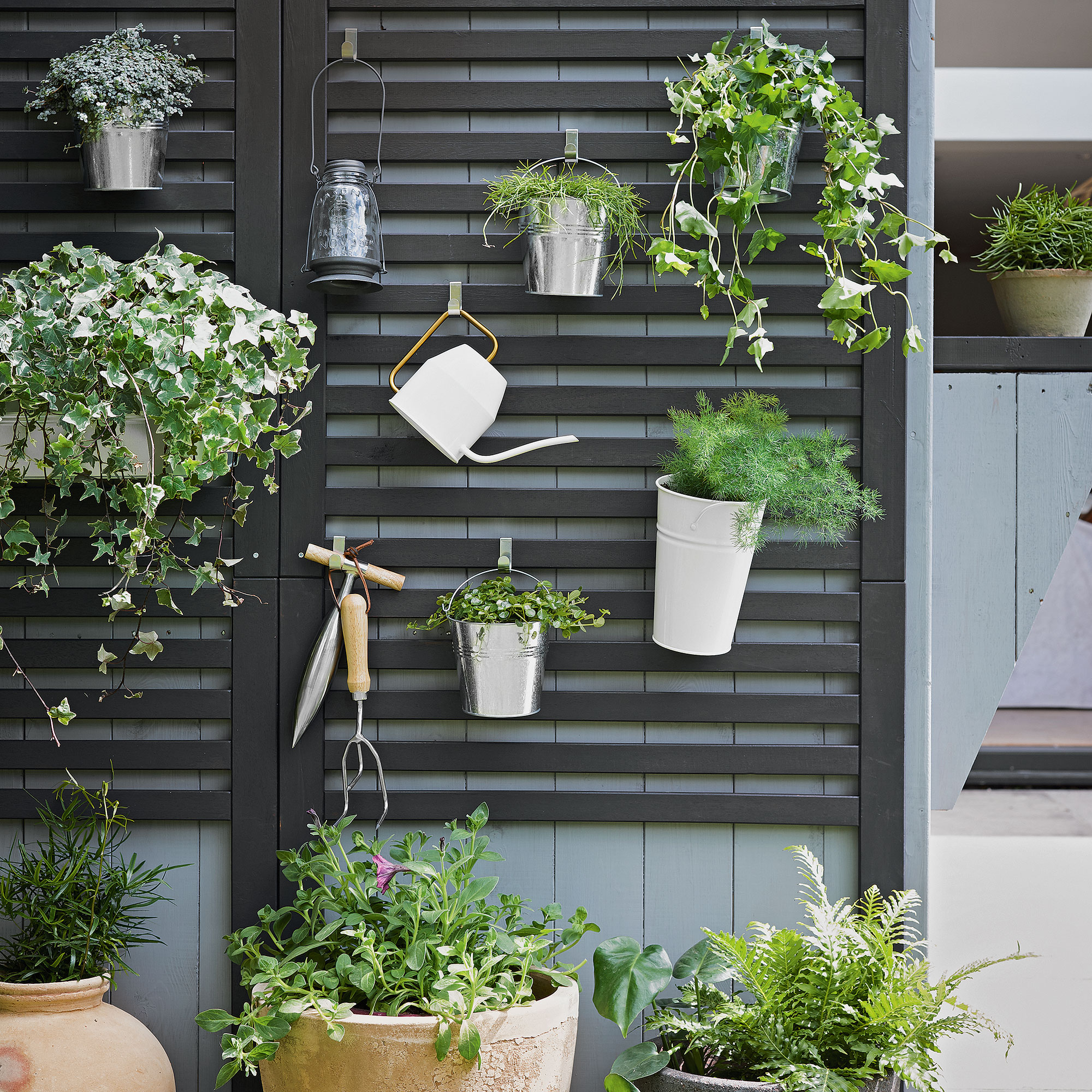
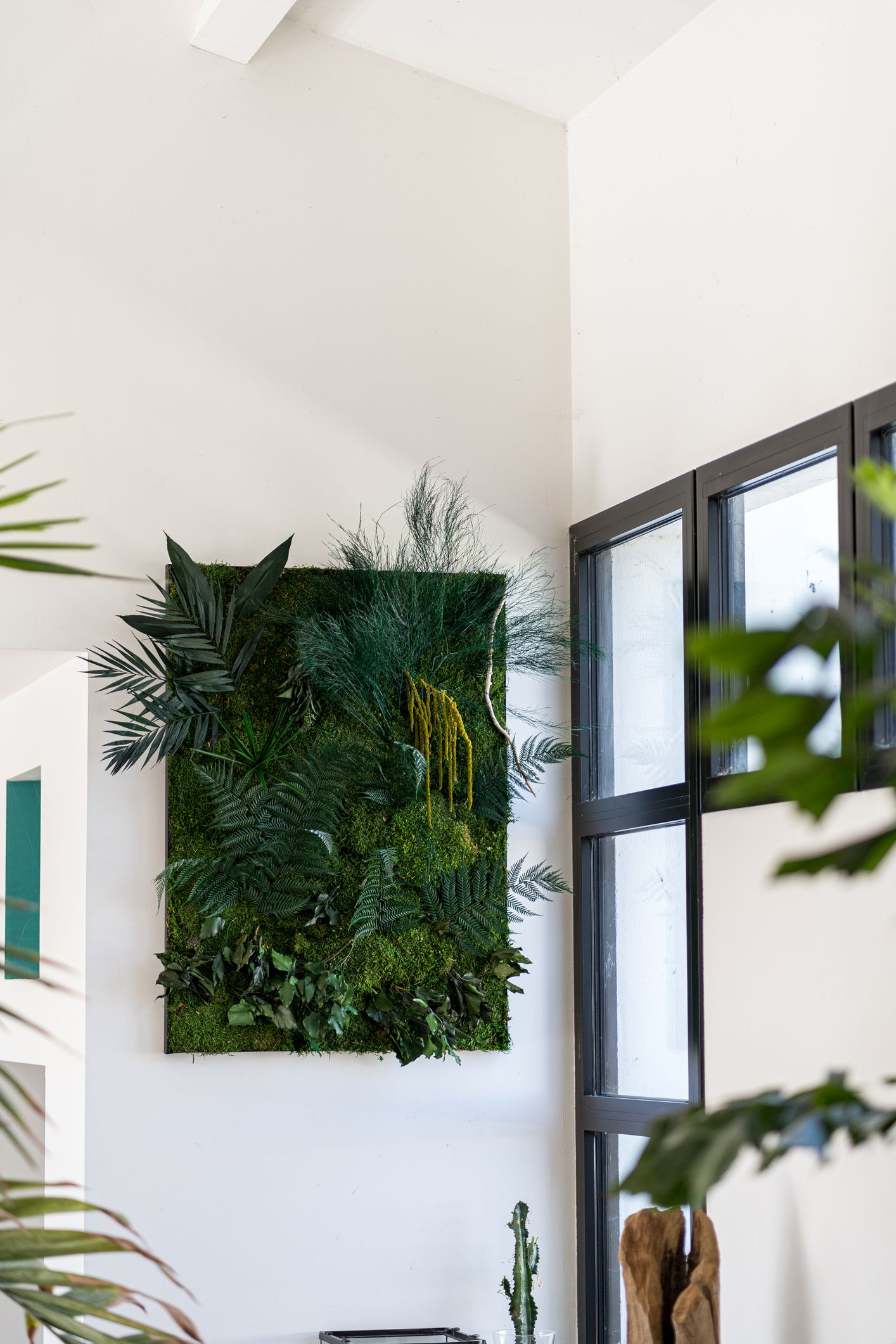
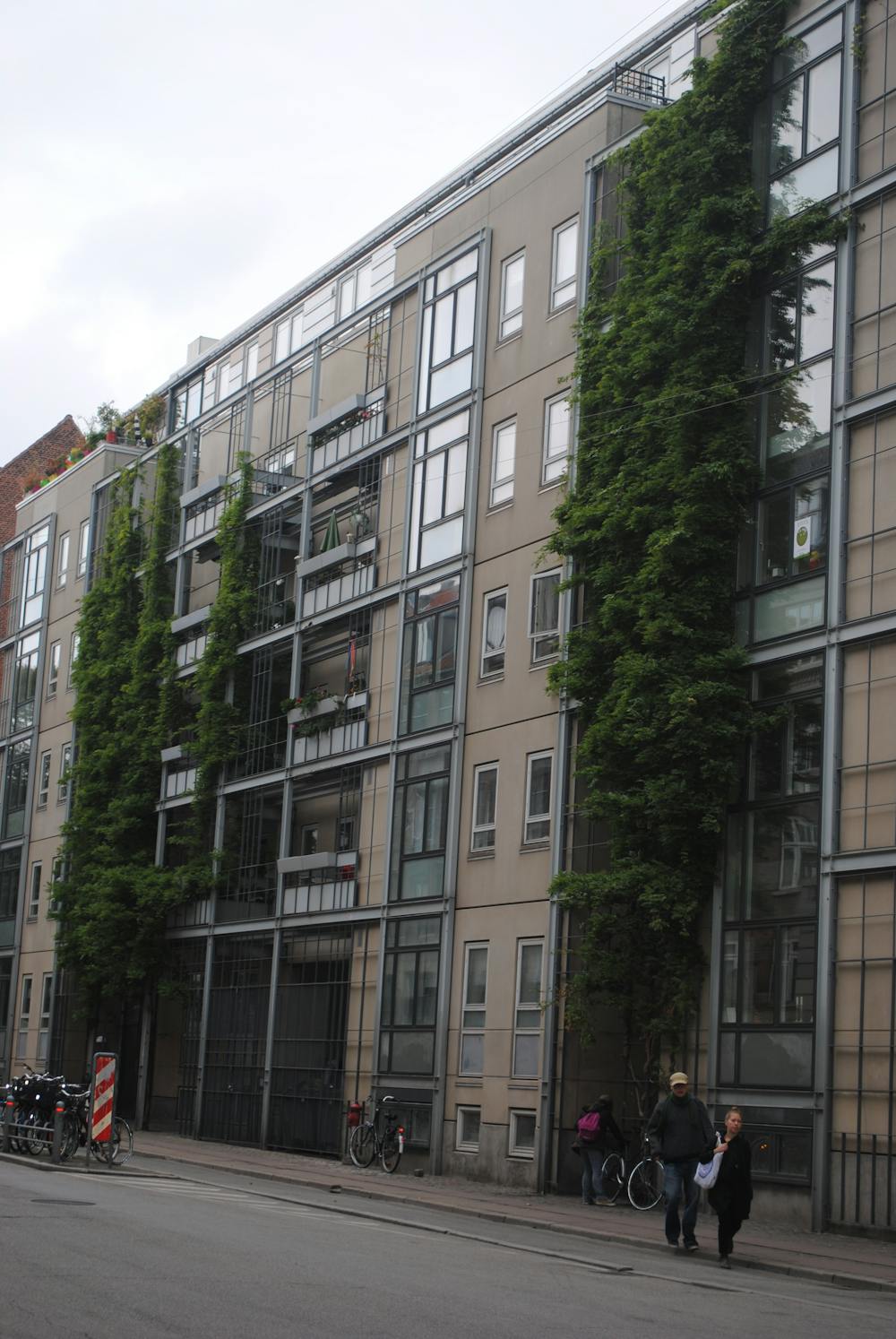
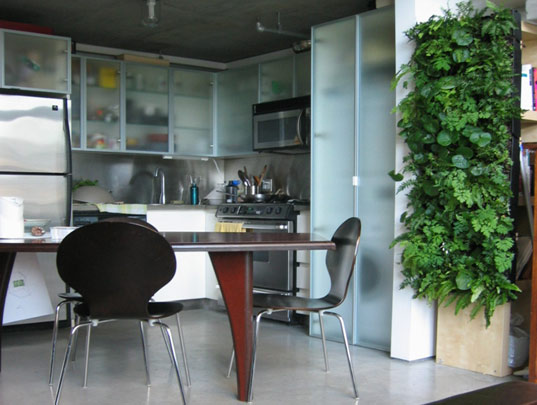
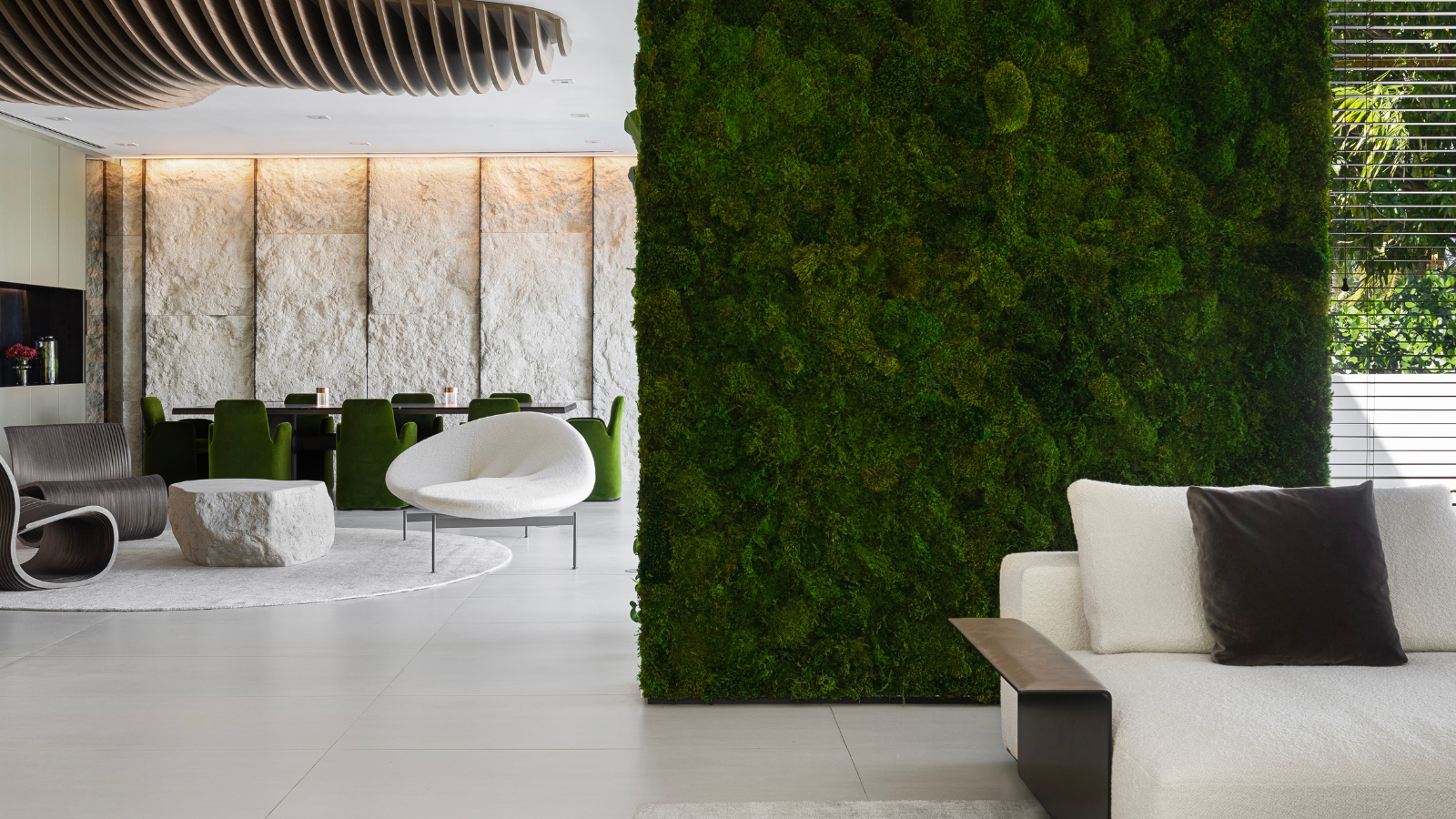
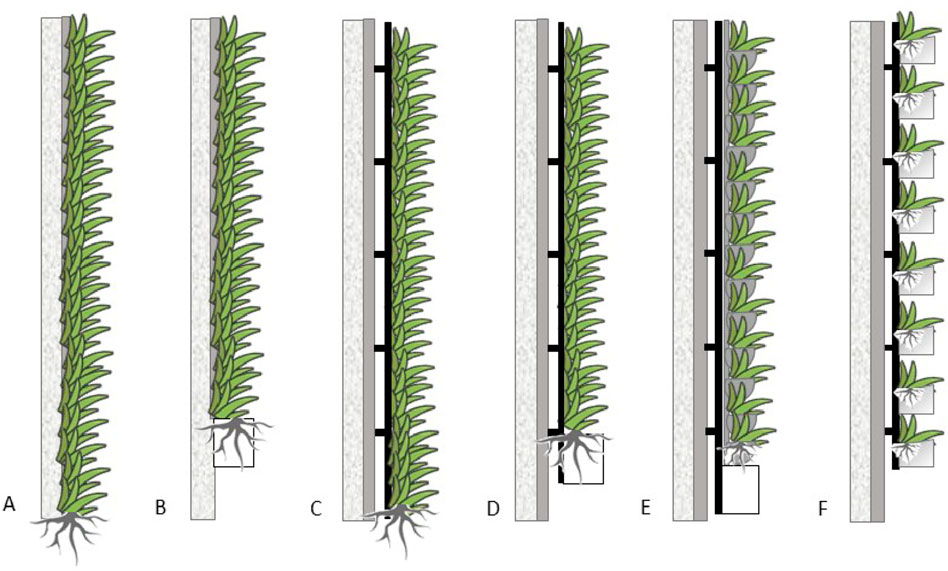
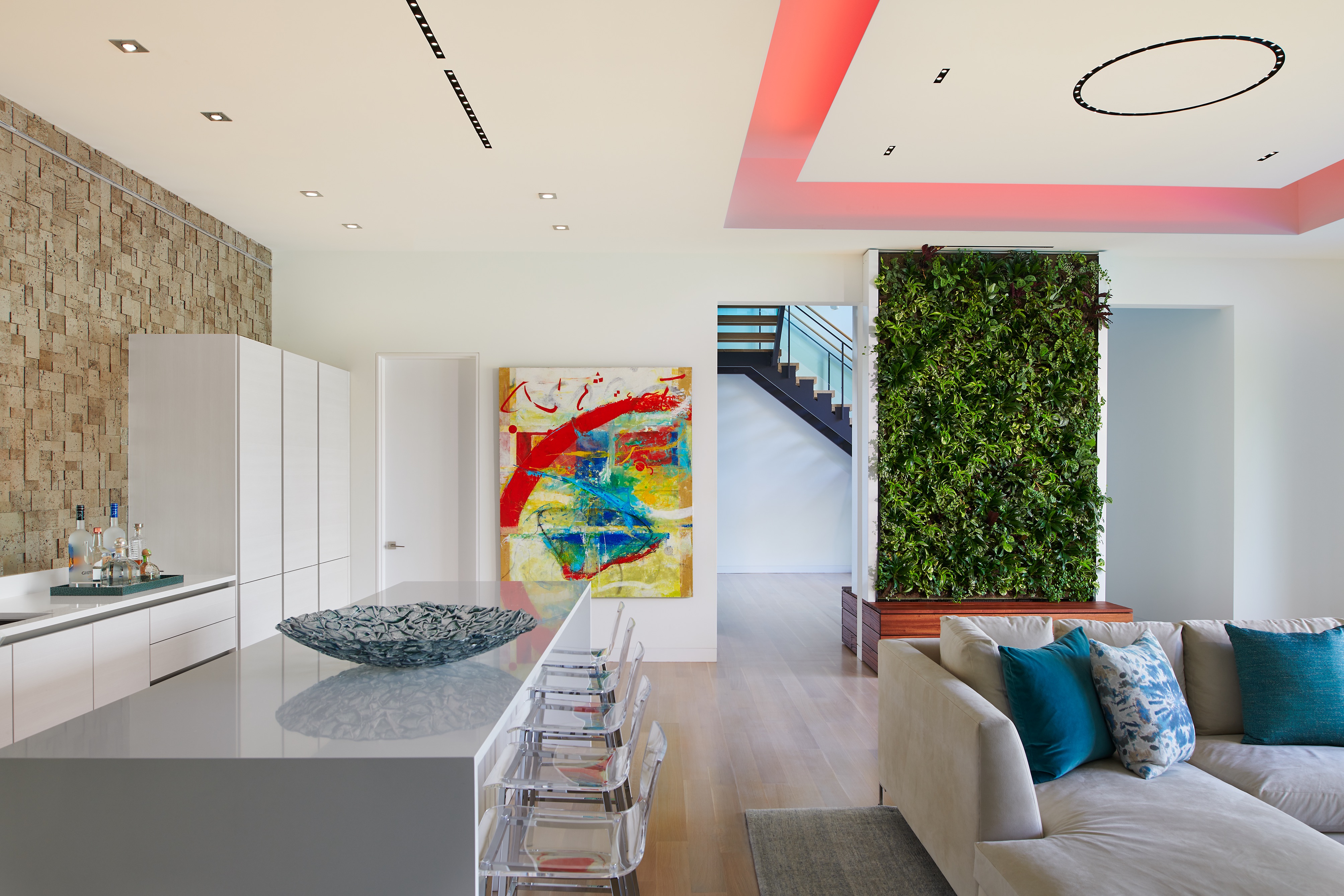
Vertical gardens are structures where plants are cultivated vertically, employing either hydroponic or soil-based methods. These gardens can be freestanding or affixed to buildings, introducing vibrant greenery into cityscapes. Available in various forms, including modular panels, pocket gardens, and trellis systems, they cater to diverse aesthetic and functional requirements. In addition to their primary role in air purification, vertical gardens offer numerous other benefits, such as boosting local biodiversity by providing habitats for different plant and insect species. They also act as natural cooling barriers, helping to lower indoor temperatures, conserve energy, and improve the overall comfort of urban residences and commercial properties.
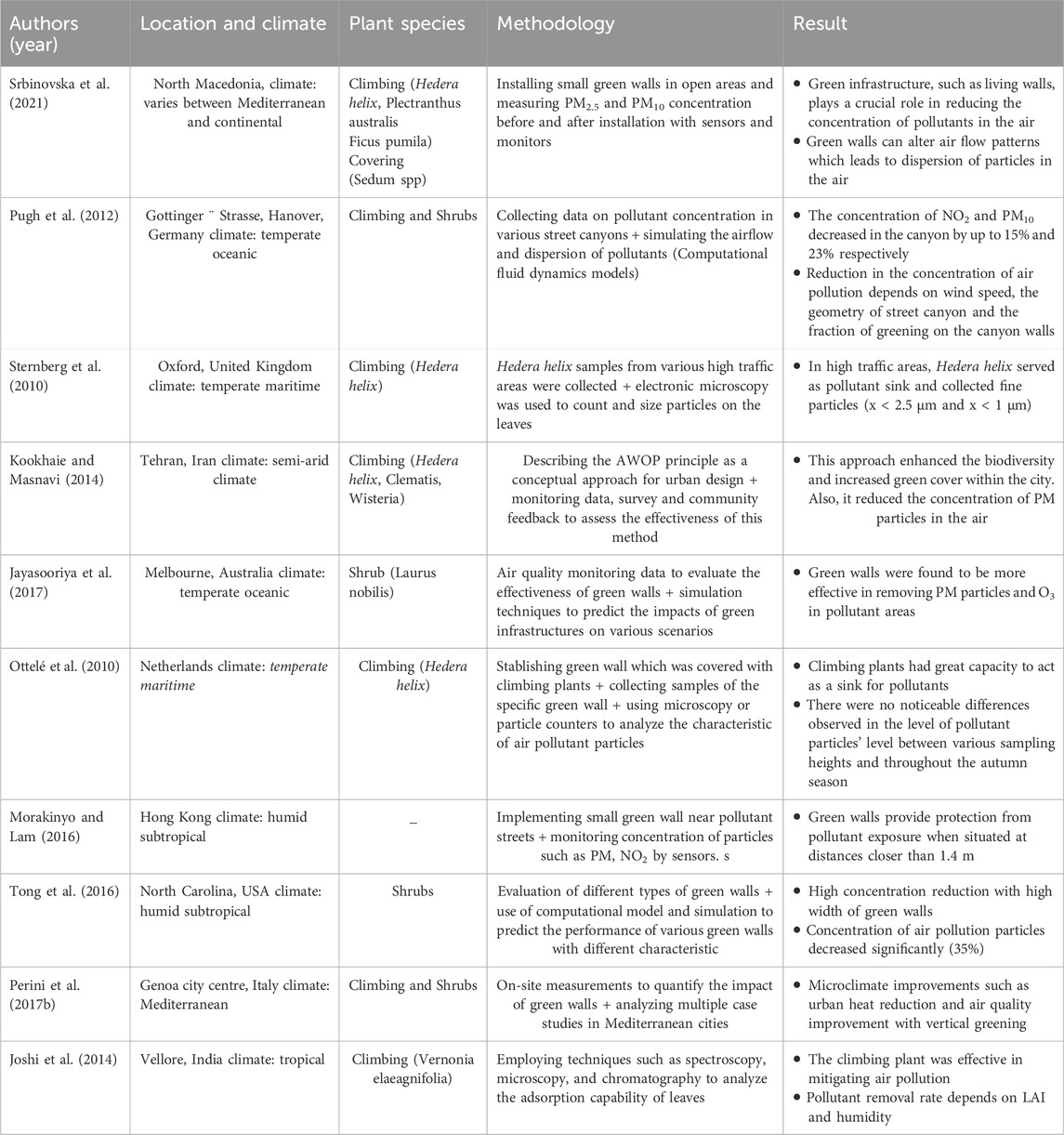
The air purification mechanism of plants in vertical gardens involves phytoremediation, a process where plants absorb, sequester, and detoxify harmful substances from the air. This process is particularly vital in urban settings, where indoor air pollutants can be two to five times more concentrated than outdoor air, posing significant health risks. Vertical gardens effectively mitigate pollutants such as carbon dioxide, nitrogen oxides, and particulate matter. Common plant species recommended for air purification in these gardens include spider plants, peace lilies, and Boston ferns, all of which contribute to cleaner, healthier air in urban environments.
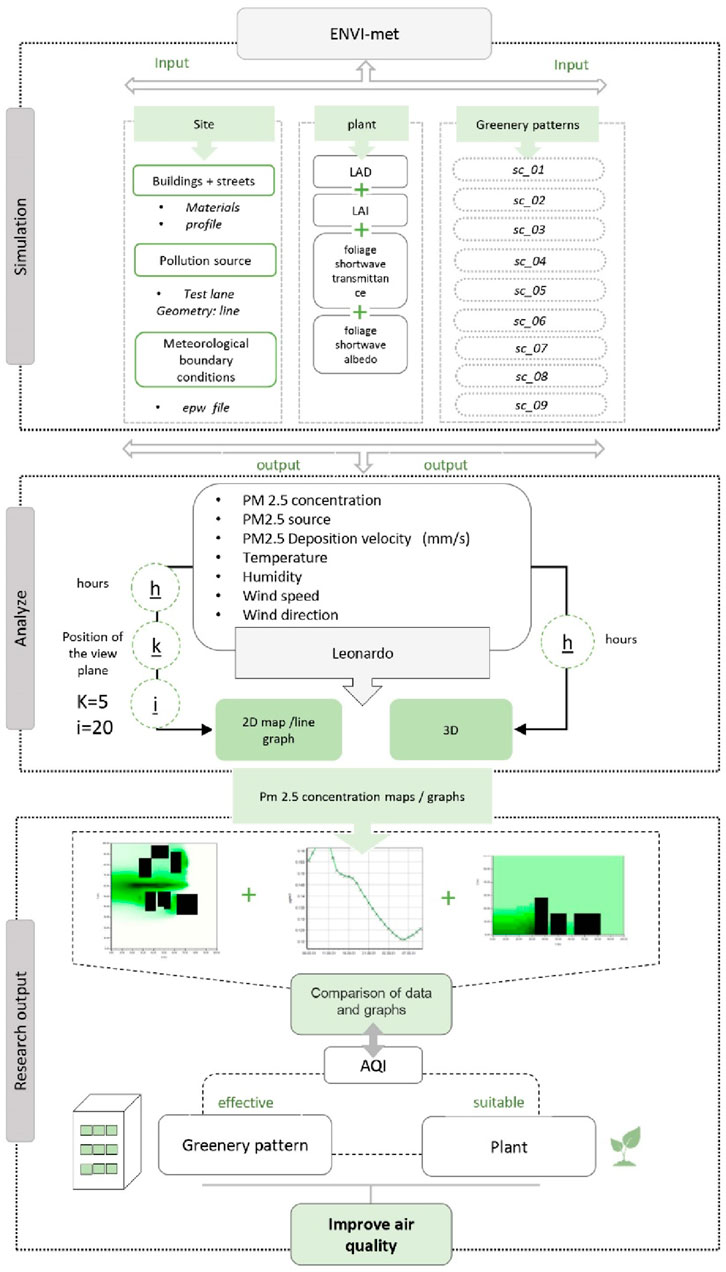
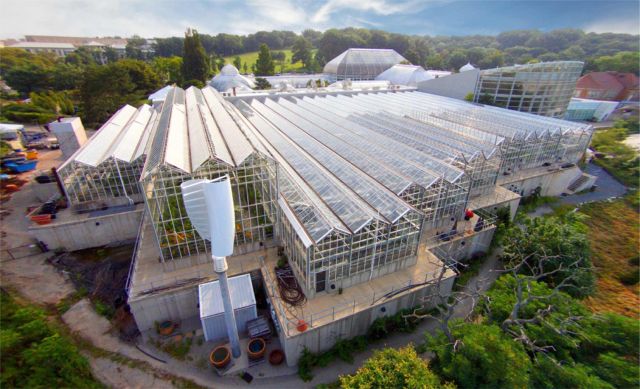
Technological advancements are continuously improving the efficiency and sustainability of vertical gardens. Innovations like robotic planters and automated nutrient management systems streamline gardening operations, reduce labor costs, and ensure consistent plant care. These technologies facilitate automatic watering, nutrient level adjustments, and optimal repositioning for sunlight exposure. Furthermore, advanced monitoring systems equipped with sensors track plant health in real-time, enabling early detection of issues such as pest infestations or nutrient deficiencies. This continuous monitoring is crucial for maintaining optimal plant health and maximizing the air purification process.
Both cities and individuals are encouraged to adopt vertical gardens as a viable strategy for achieving cleaner air. These green solutions not only enhance air quality but also significantly improve urban aesthetics and biodiversity. By embracing these innovative green technologies, urban living conditions can be elevated, making cities healthier and more sustainable for present and future generations.
#VerticalGardens #UrbanAirPurification #GreenInfrastructure #SustainableCities #EnvironmentalInnovation #Phytoremediation #SmartGardening #UrbanPlanning #VerticalGardens #UrbanAirPurification #GreenInfrastructure #SustainableCities #EnvironmentalInnovation #Phytoremediation #SmartGardening #UrbanPlanning
0 comment in total
 No comments yet
You may also like

How to grow a vertical garden at home
GPW: Ngee Ann Polytechnic"™s Vertical Extensive Green Wall Testing Facility
Green Wall Ferrara
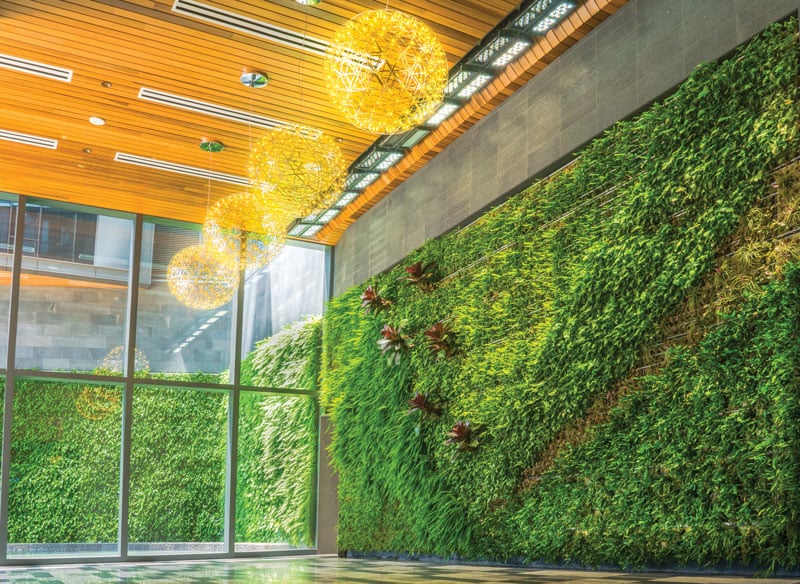
Trend Alert: Living Walls Add a Pop of Nature to Urban Honolulu Spaces


Living Green Walls of Plants Refresh Brooklyn Homes
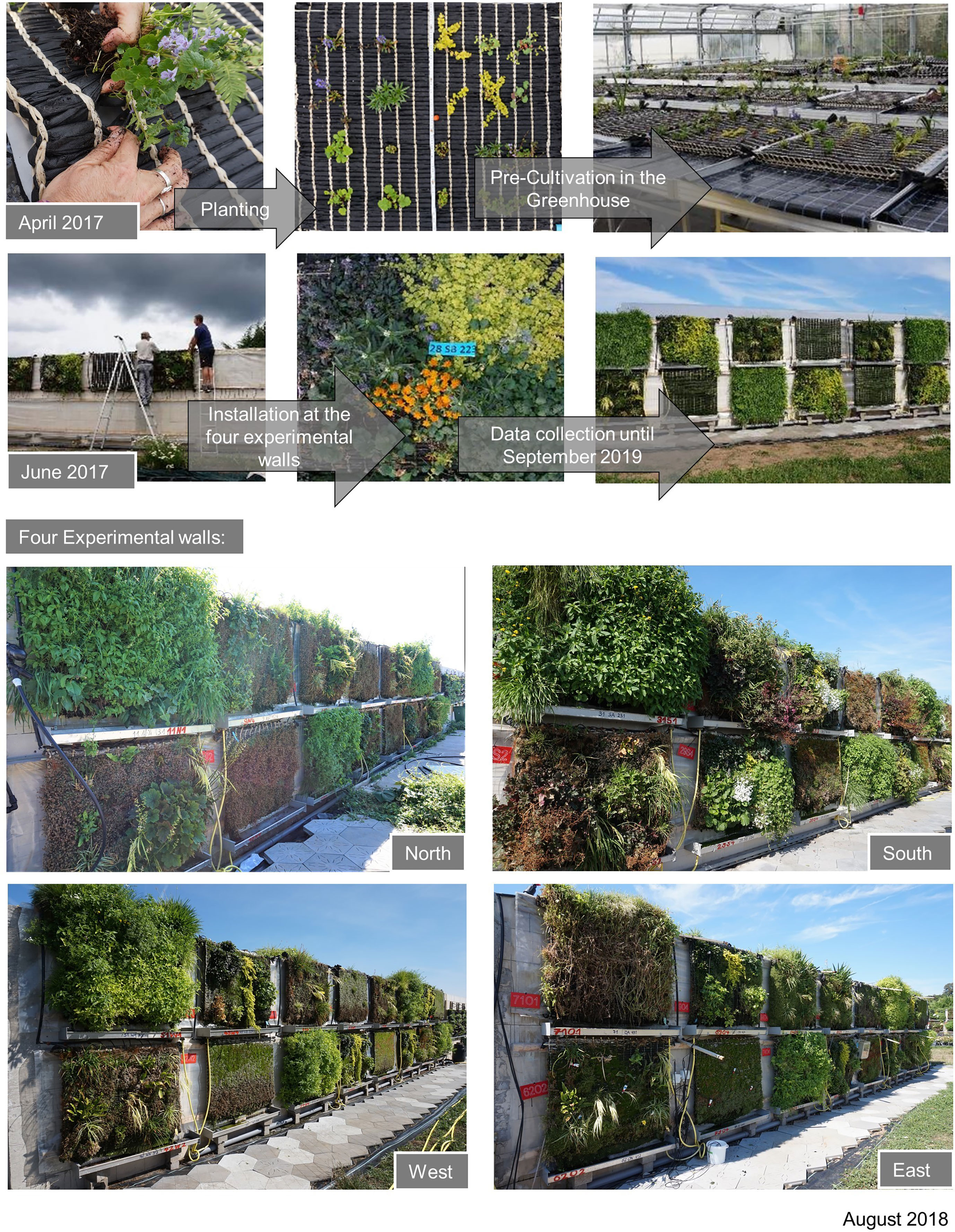
Vertical plants: Plant design of Living walls – evaluation of 34 perennials in a textile based Living wall over a three years experiment
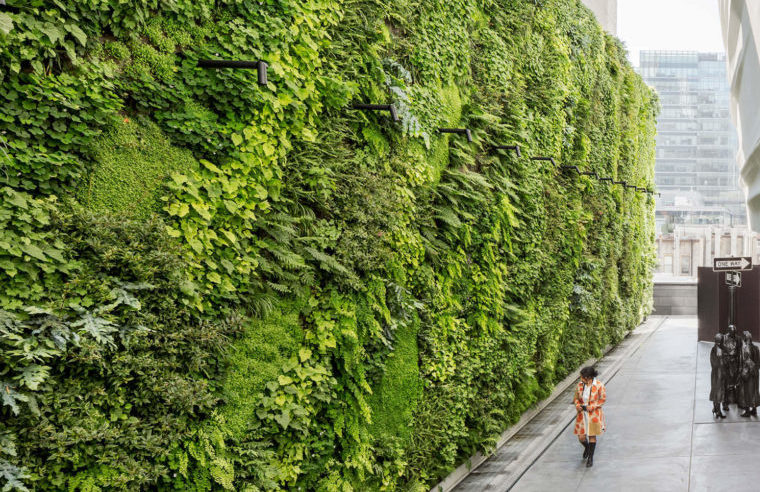
Turf wars: 13 reasons why you would install a green wall and 3 reasons why you might not

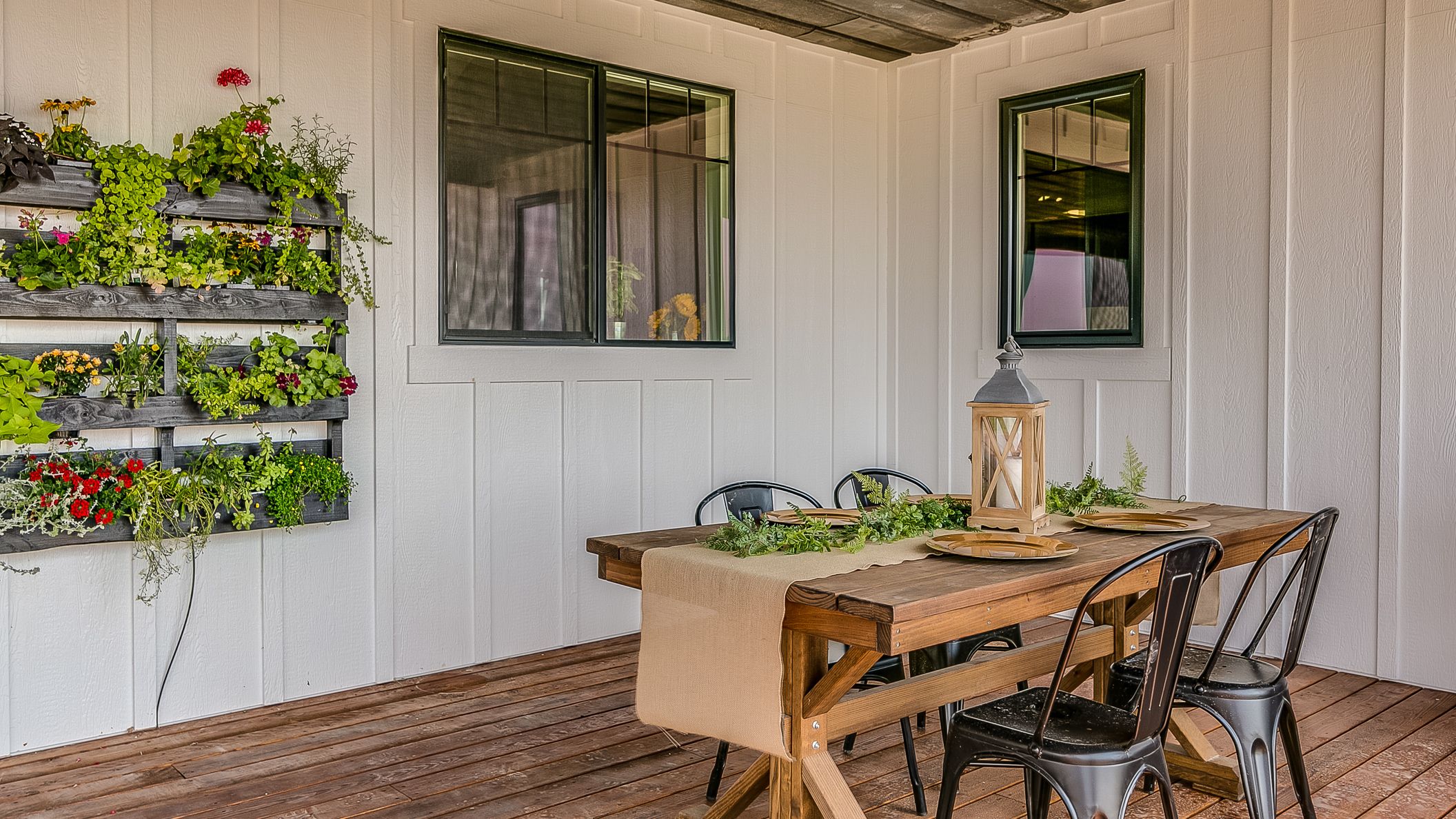
15 Vertical Garden Ideas, From Living Walls to Botanical Libraries

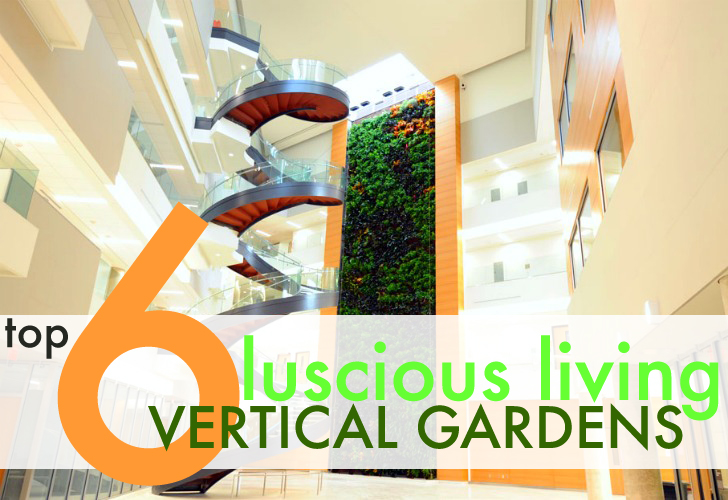
6 Luscious Living Vertical Gardens That Bring A Breath Of Fresh Air Indoors

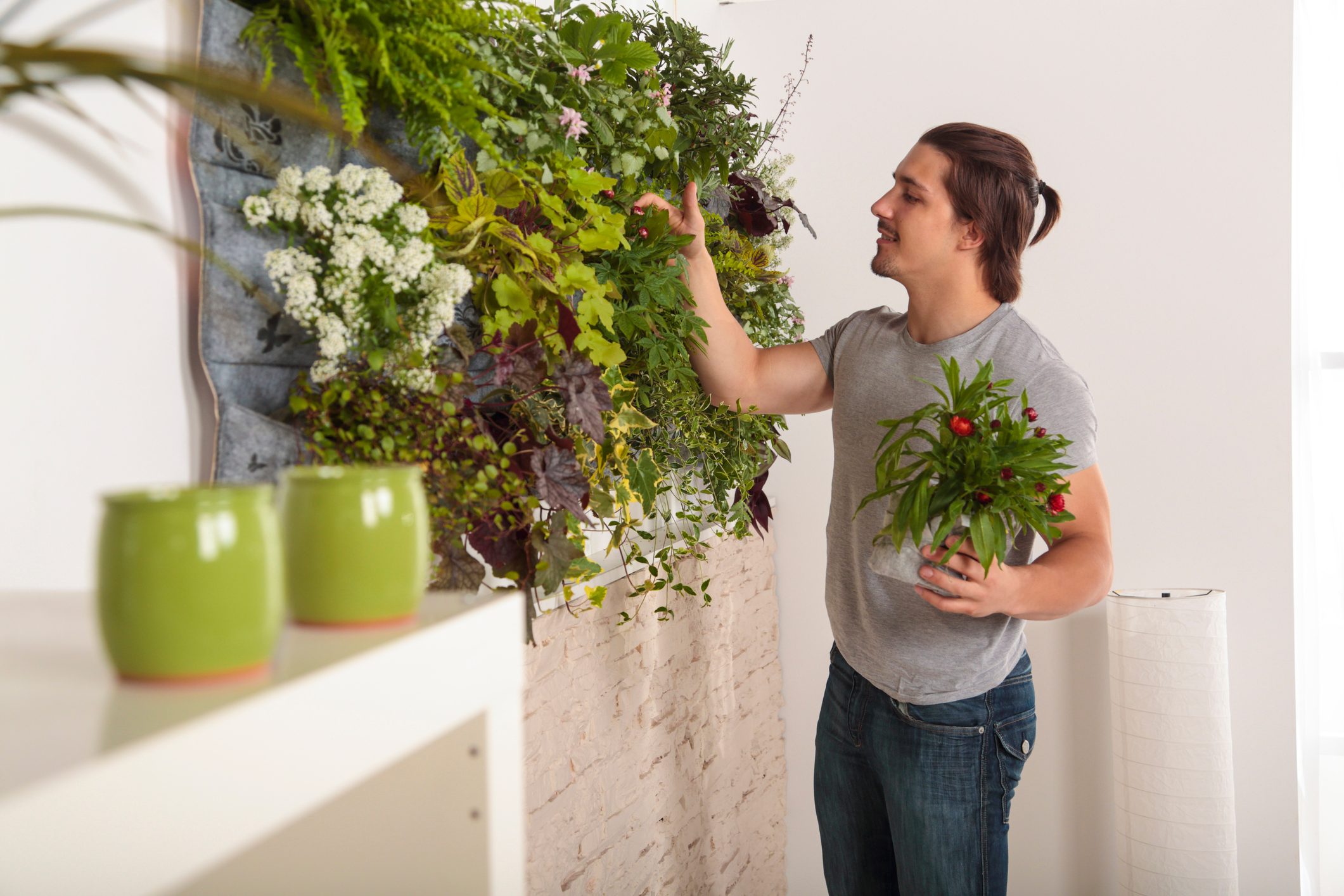
Homeowner’s Guide To Living Walls


IPIC Delray Beach Greenwall

Green roofs and walls – a growth area in urban design

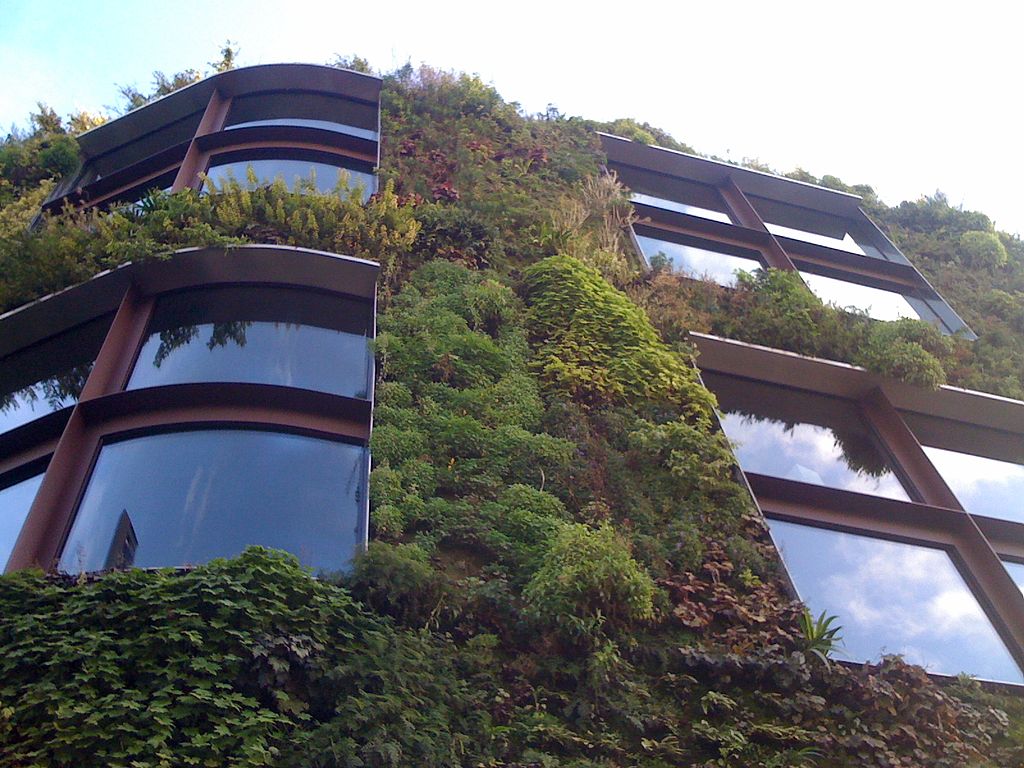
Living green walls are having a moment but face a steep challenge

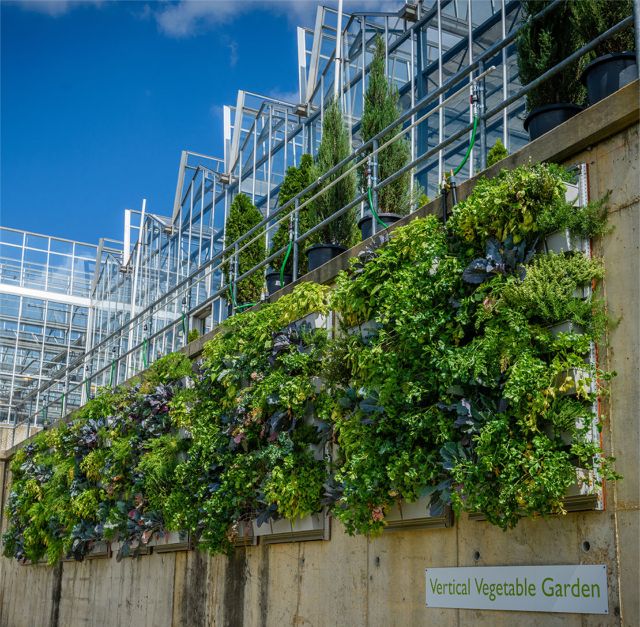
Phipps Conservatory Showcases Vertical Gardening with LiveWall by Amber Ponce and David Aquilina
ELT EASY GREEN LIVING WALLS
9 Genius Ways to Do Living Walls in 2025 That Take This Idea in a Style-Forward Direction

Analysis of the impact of growing green walls based on the reduction of PM
19 vertical garden ideas - landscape experts show how plants thrive in small spaces inside and outside the home

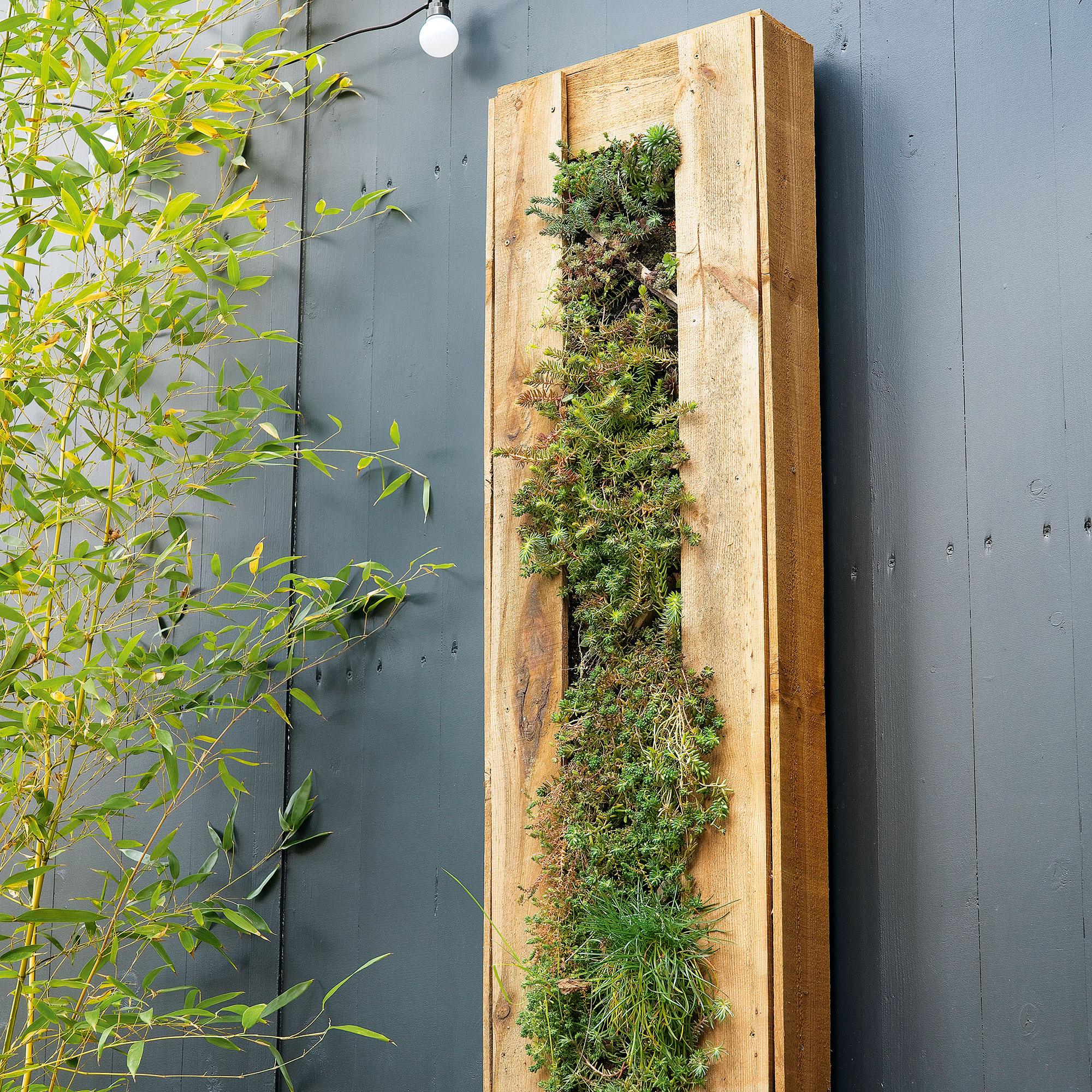
Living wall ideas to create a stylish vertical garden in your space
Maximize limited space with vertical gardens