1/2
Expert Speak: What are the most soothing colours for the home?
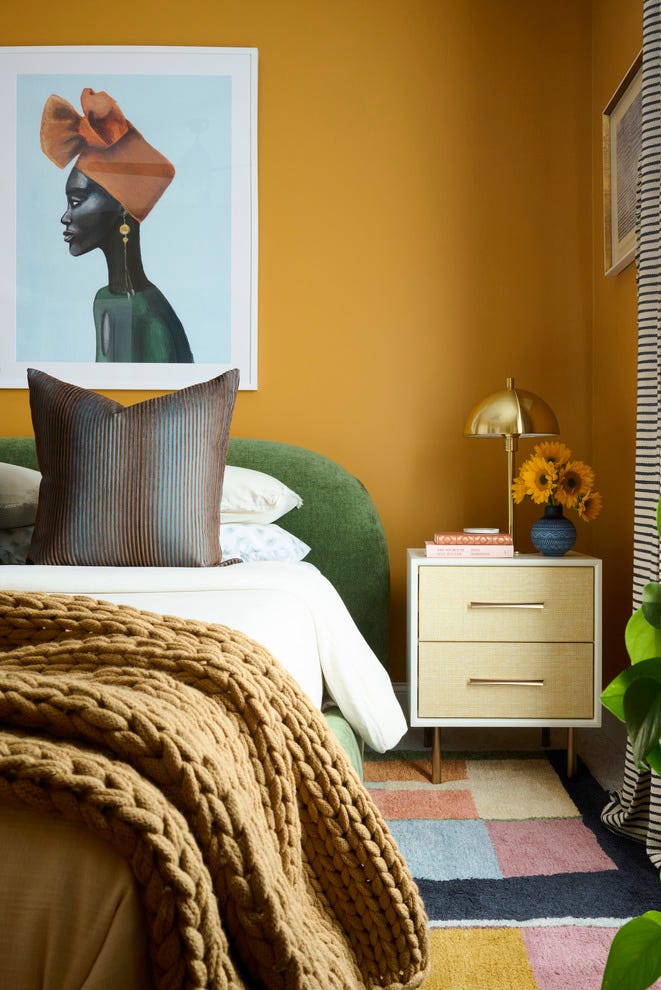
As individuals spend an increasing amount of time within their homes, the significance of creating a calm and stress-free environment becomes paramount. The psychological impact of interior colors on mental well-being is a key consideration in home design. Experts in art, color therapy, and psychology emphasize that colors possess inherent energy and elicit distinct emotional responses, making their strategic application crucial for fostering harmony and promoting mental clarity within living spaces.
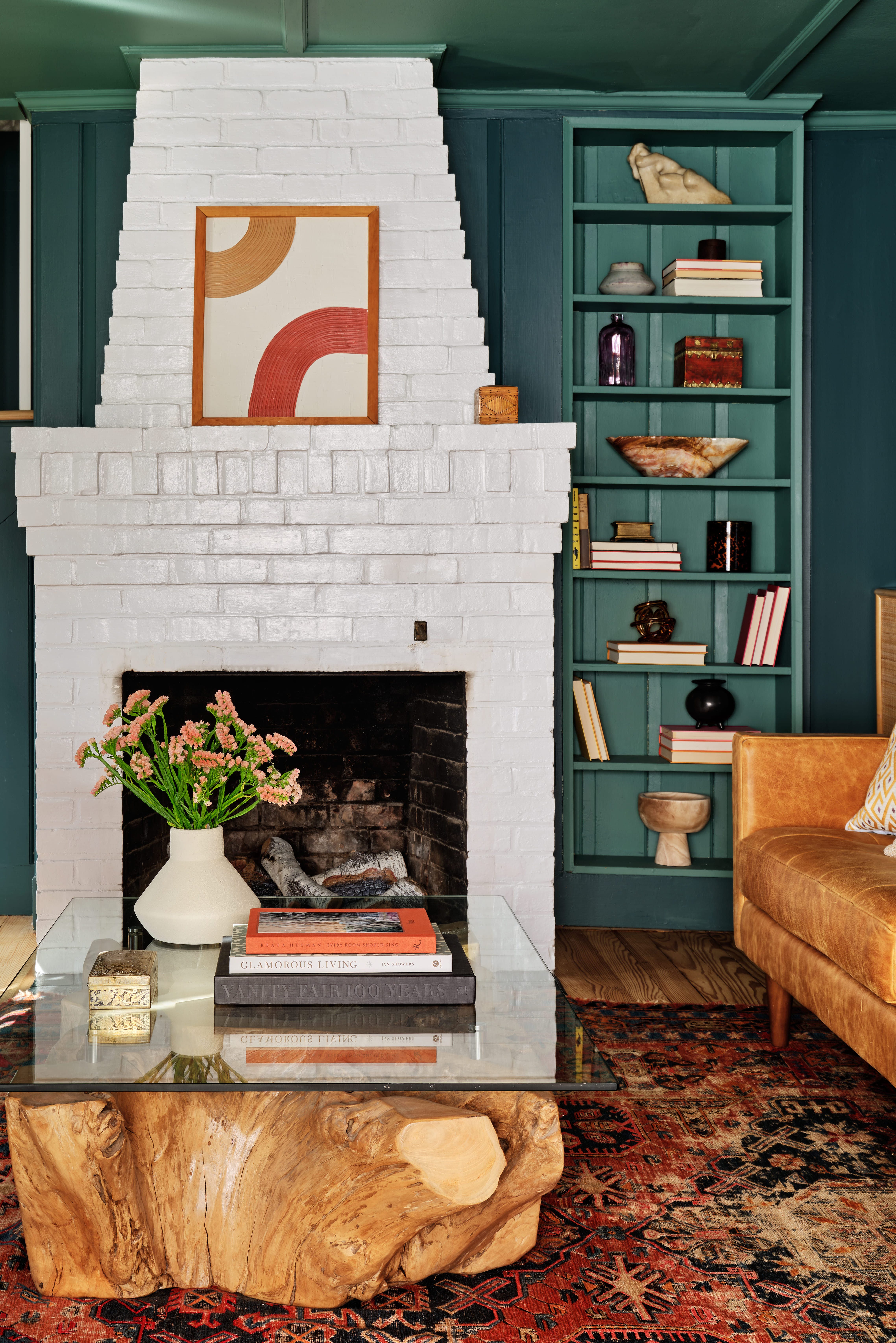
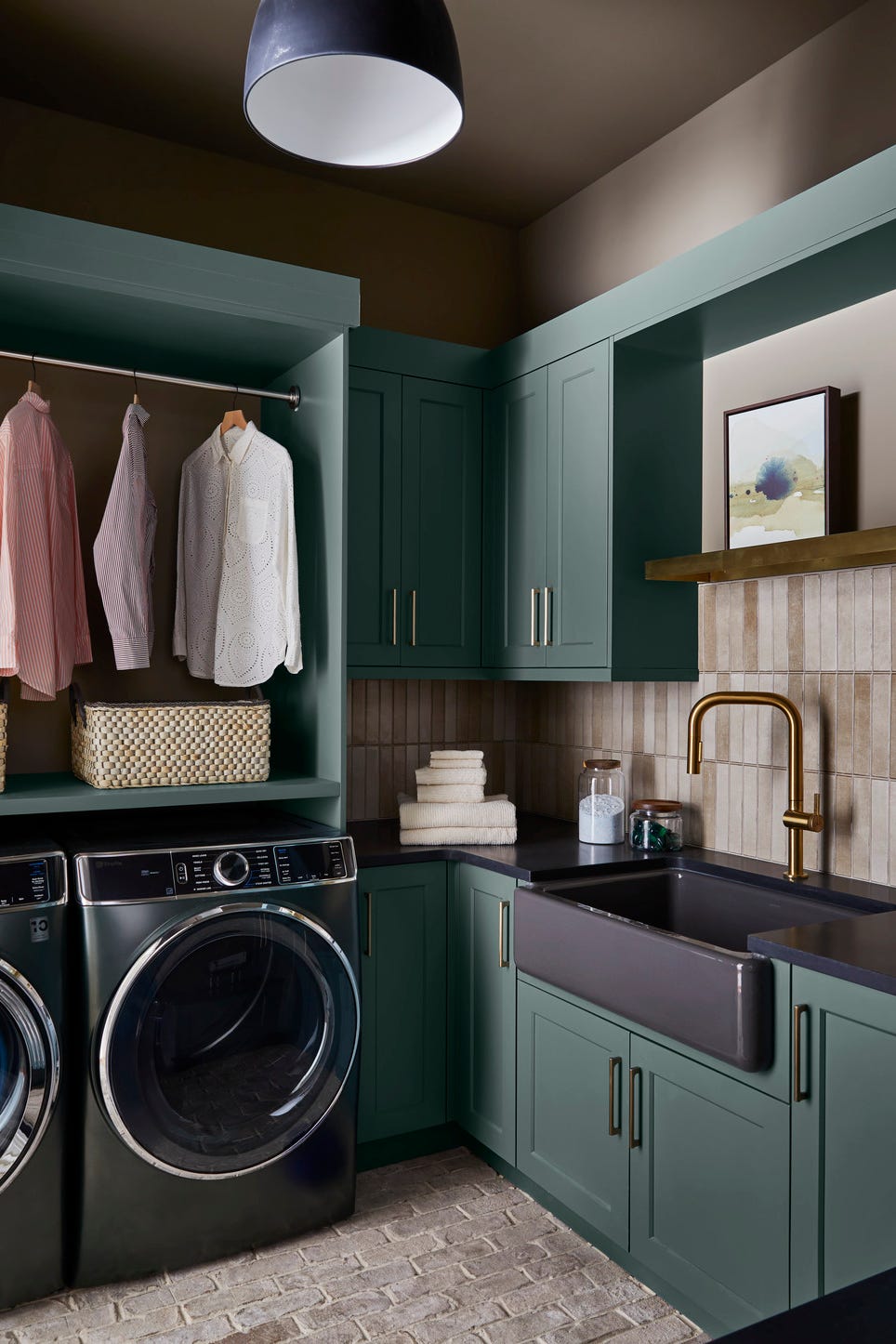
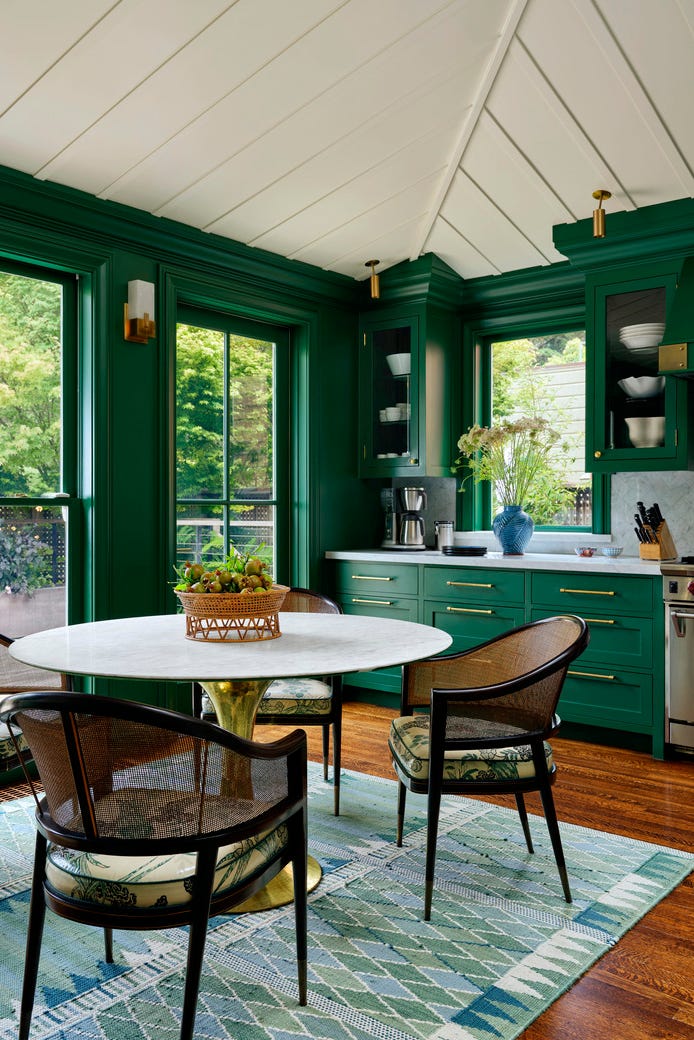
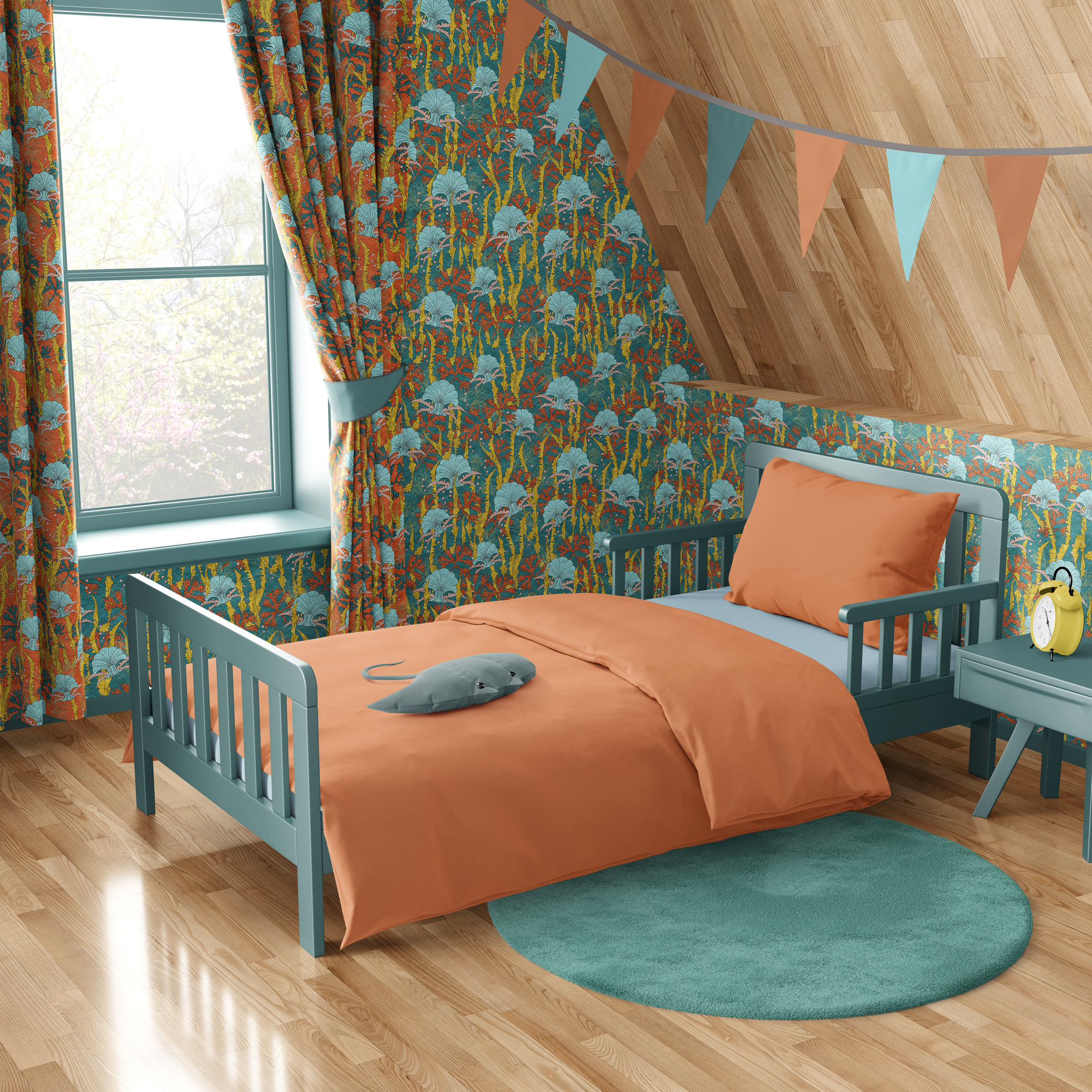
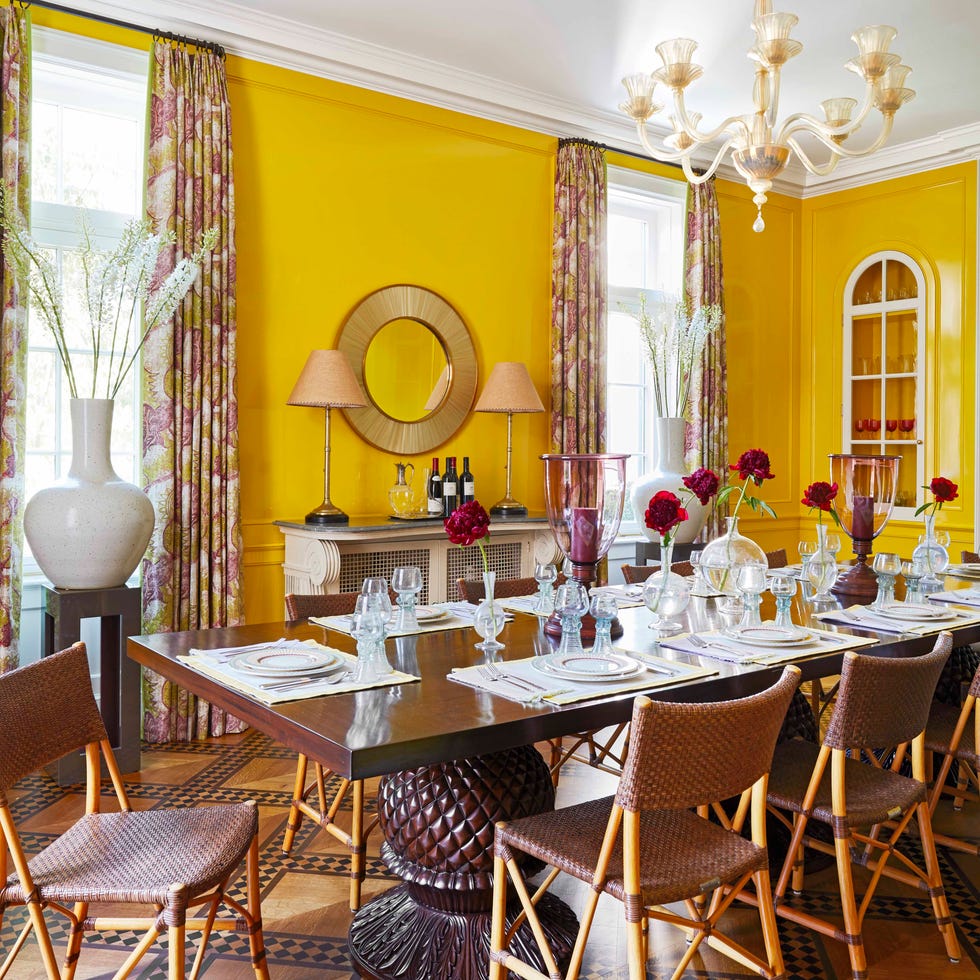
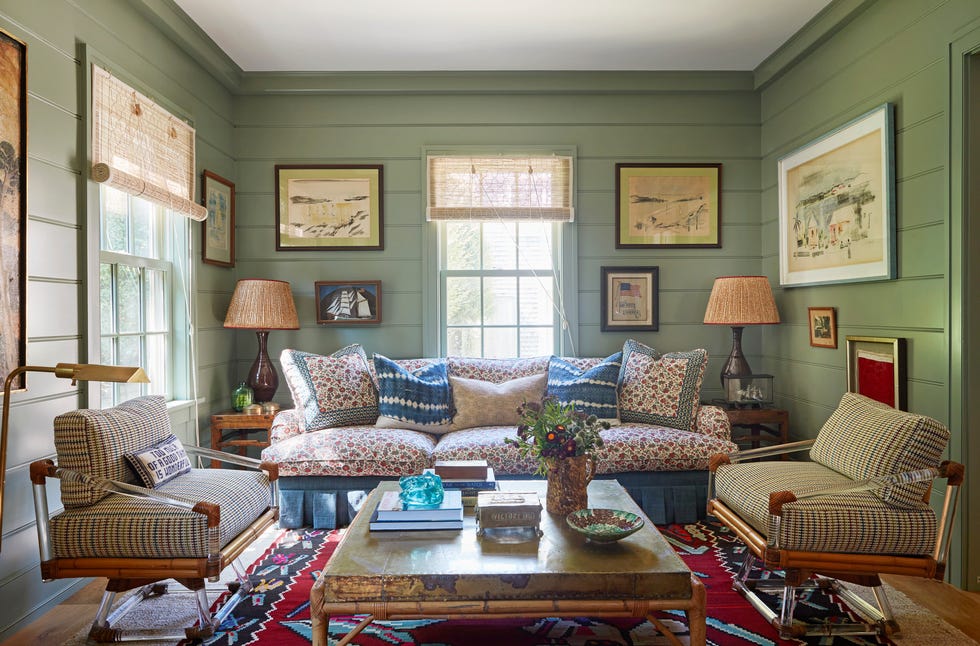
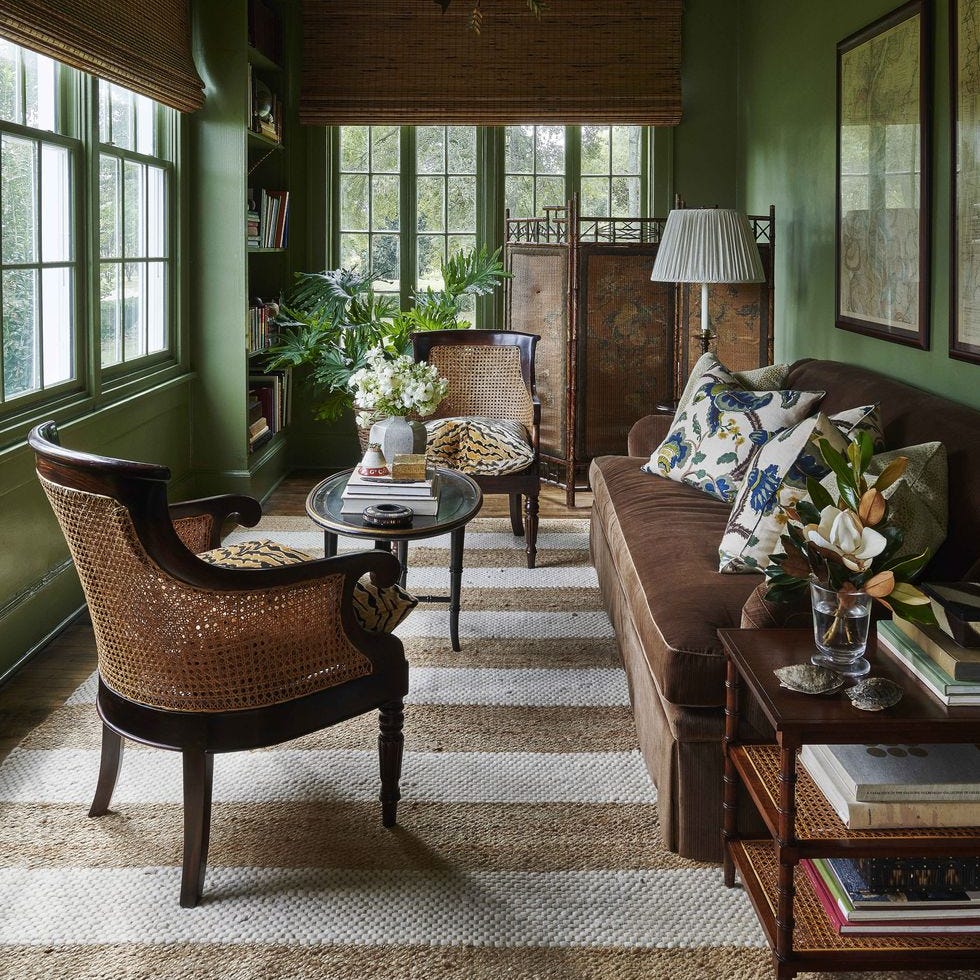
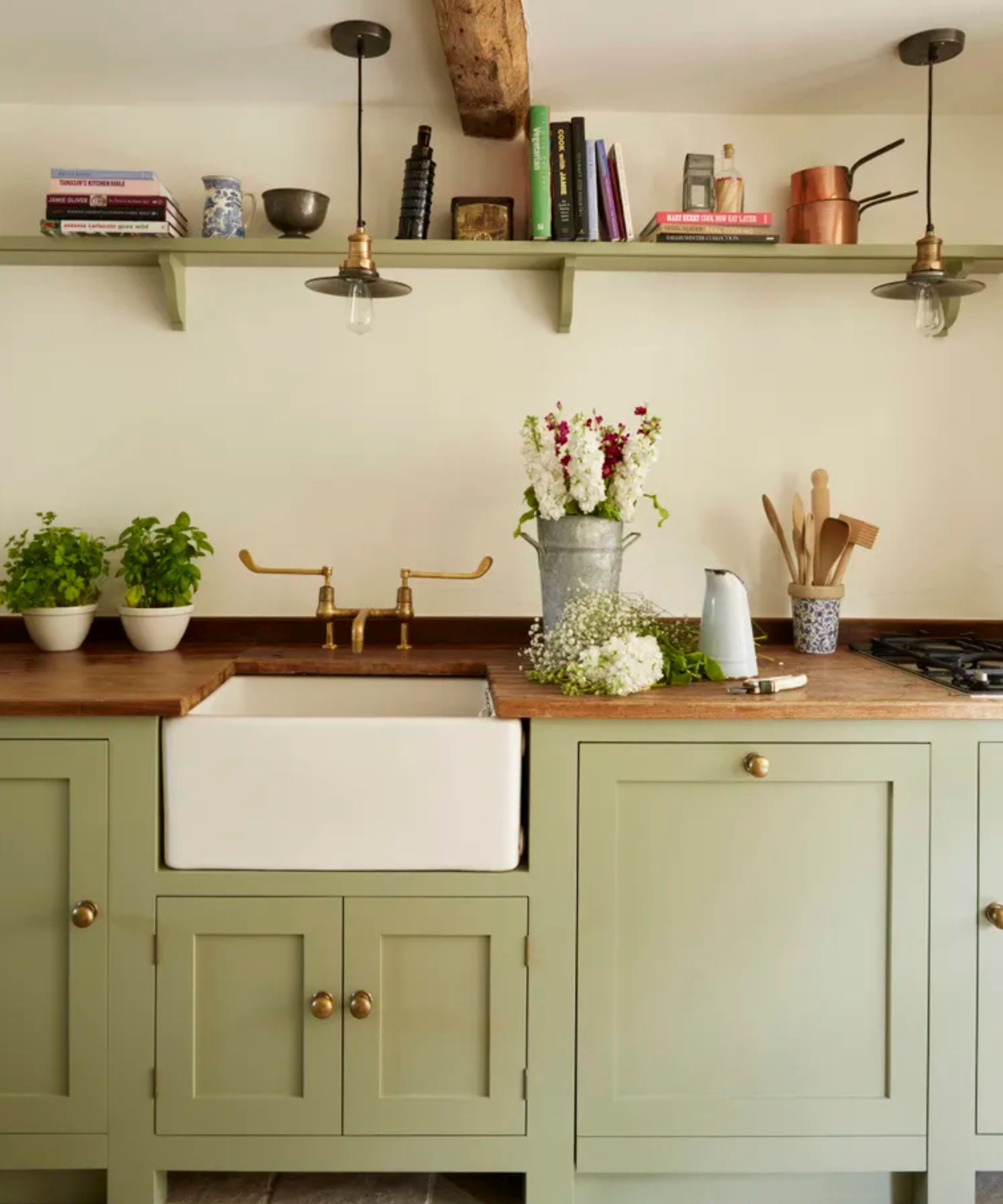
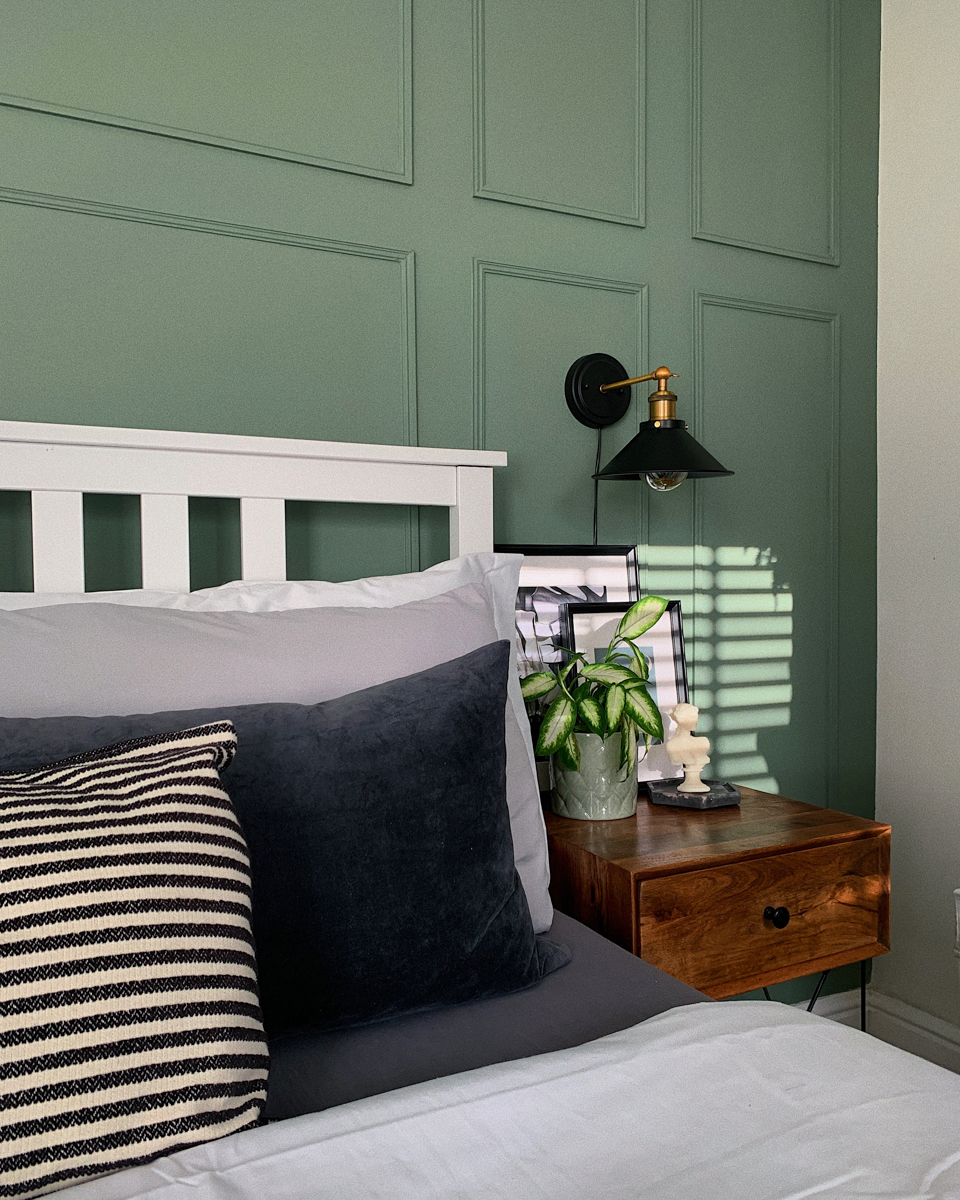
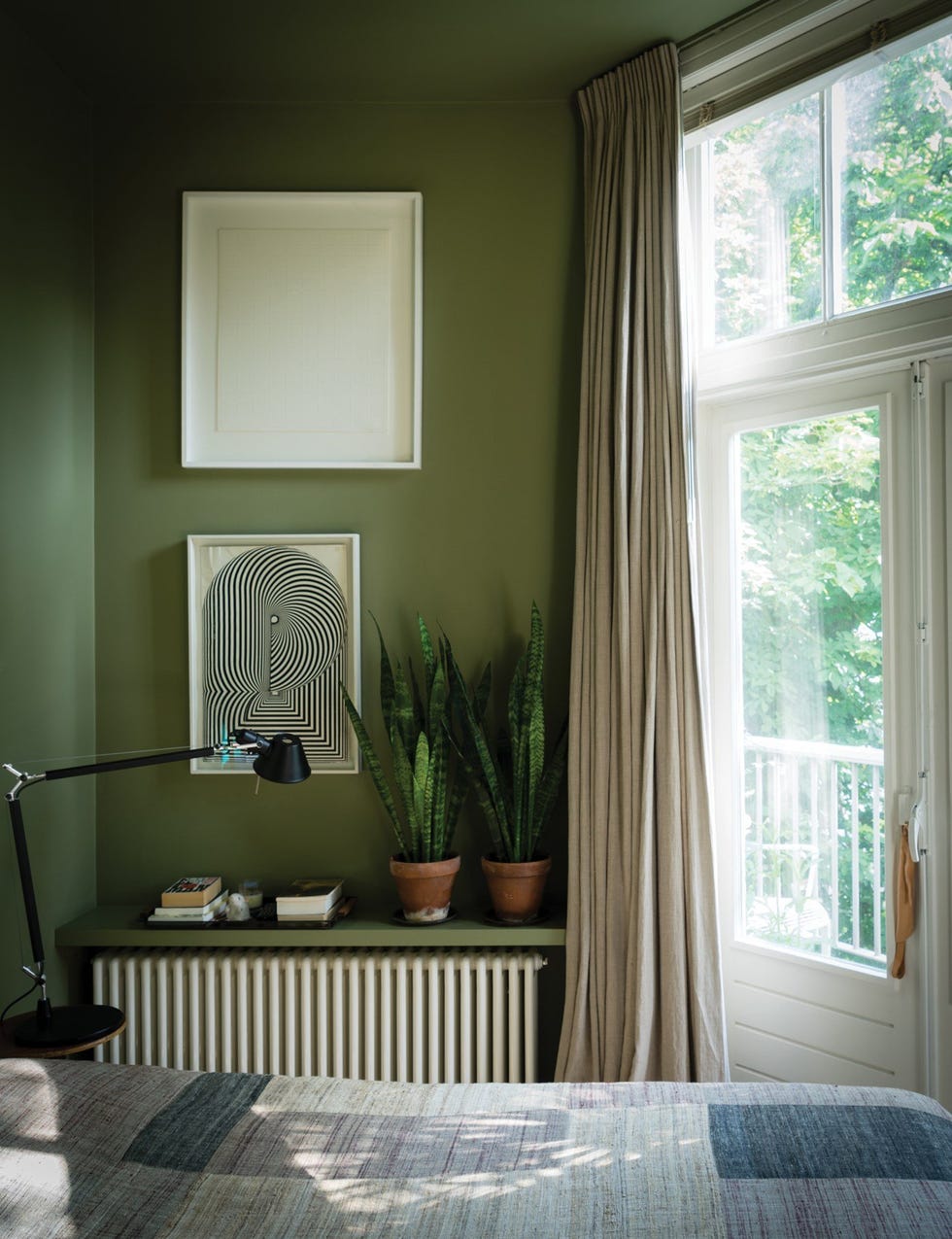
Color perception is a constant in daily life, influencing mood and behavior through various visual stimuli, from clothing to nature and home interiors. The color spectrum, comprising violet, indigo, blue, green, yellow, orange, and red (VIBGYOR), categorizes colors based on their wavelength and emotional effects. Cool colors, such as violet, indigo, and blue, characterized by shorter wavelengths, are associated with meditative and restful states. Conversely, hot colors like yellow, orange, and red, possessing longer wavelengths, tend to evoke stress and anxiety. Green, with its medium wavelength, stands out as a particularly restful and quiet color.
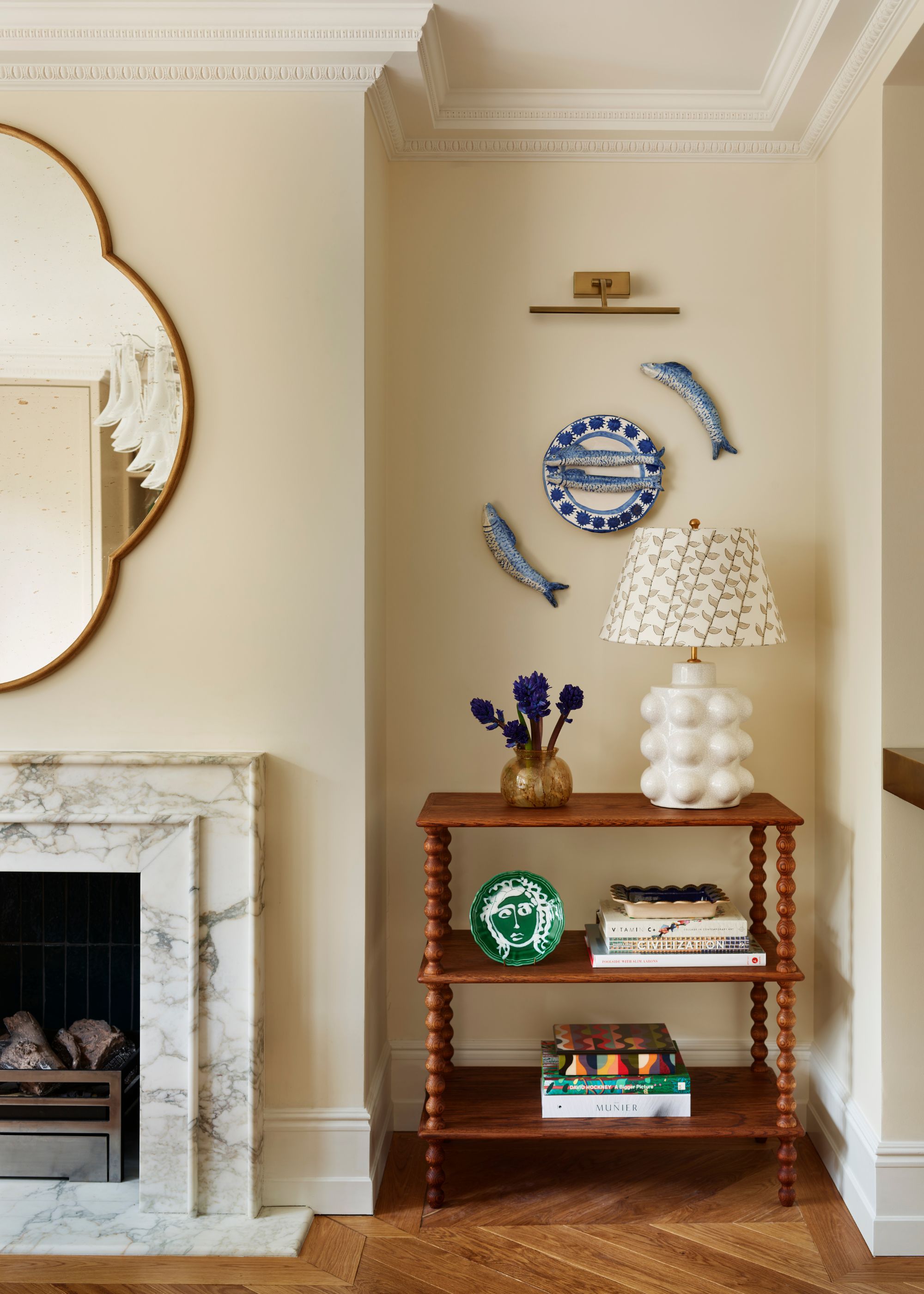
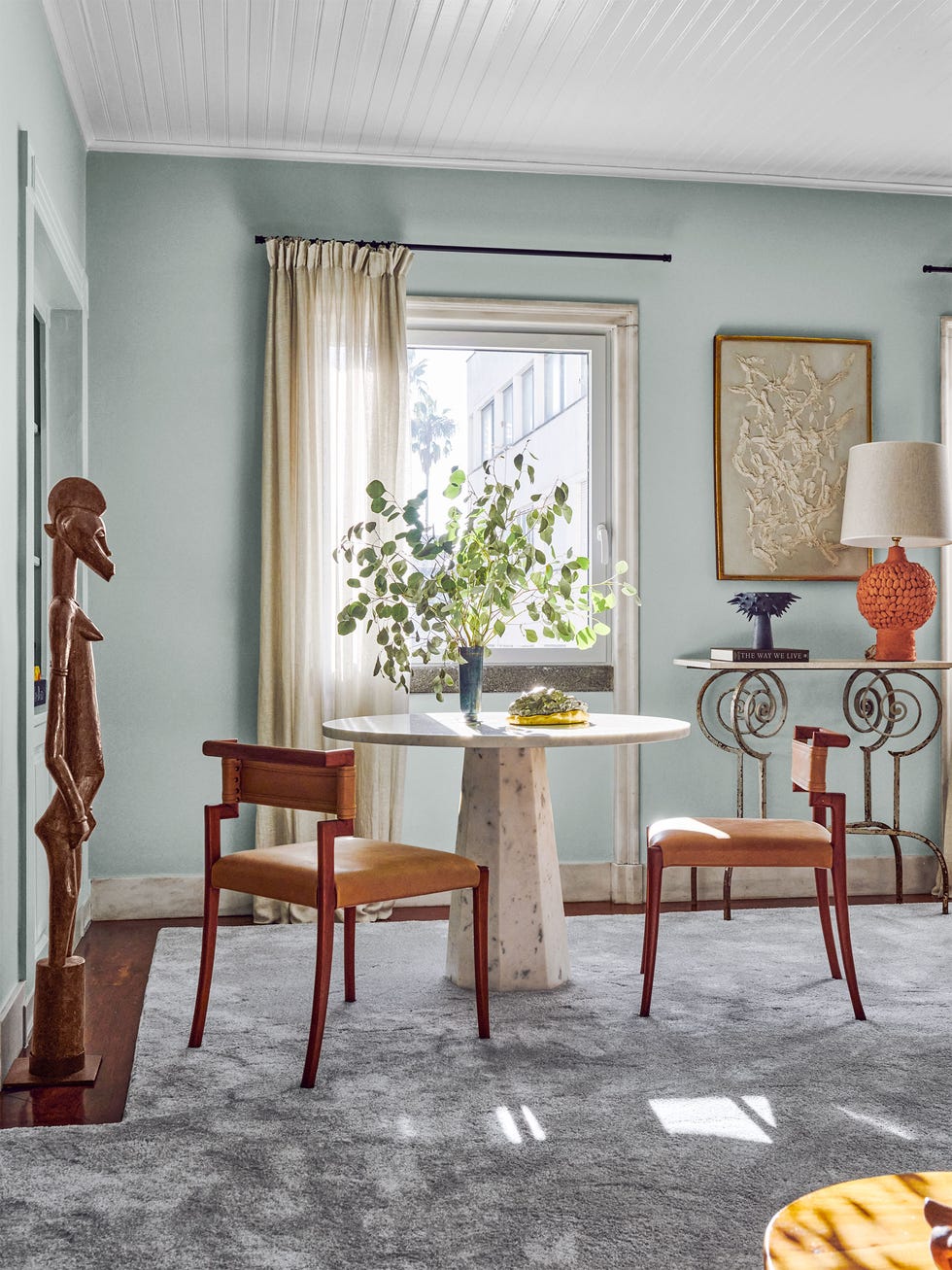
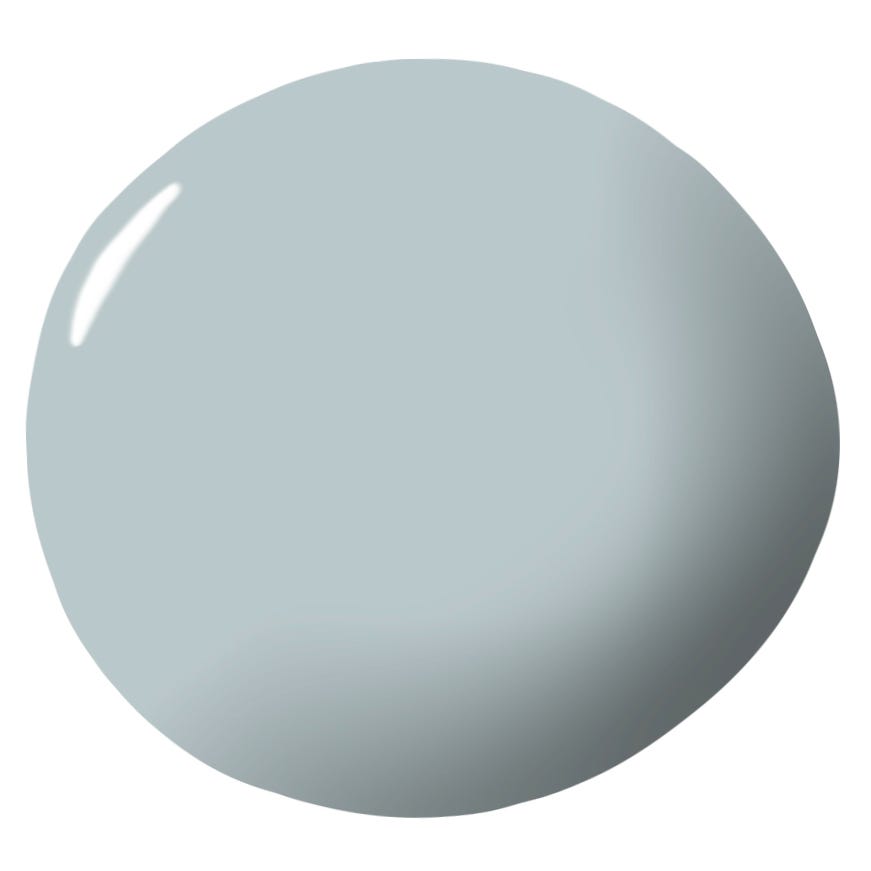
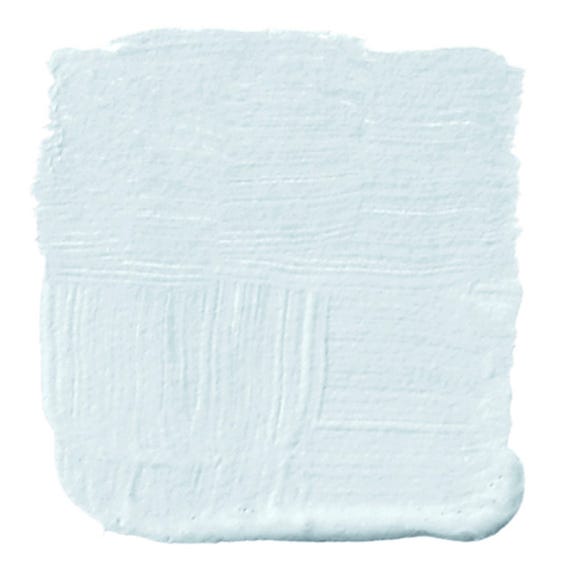
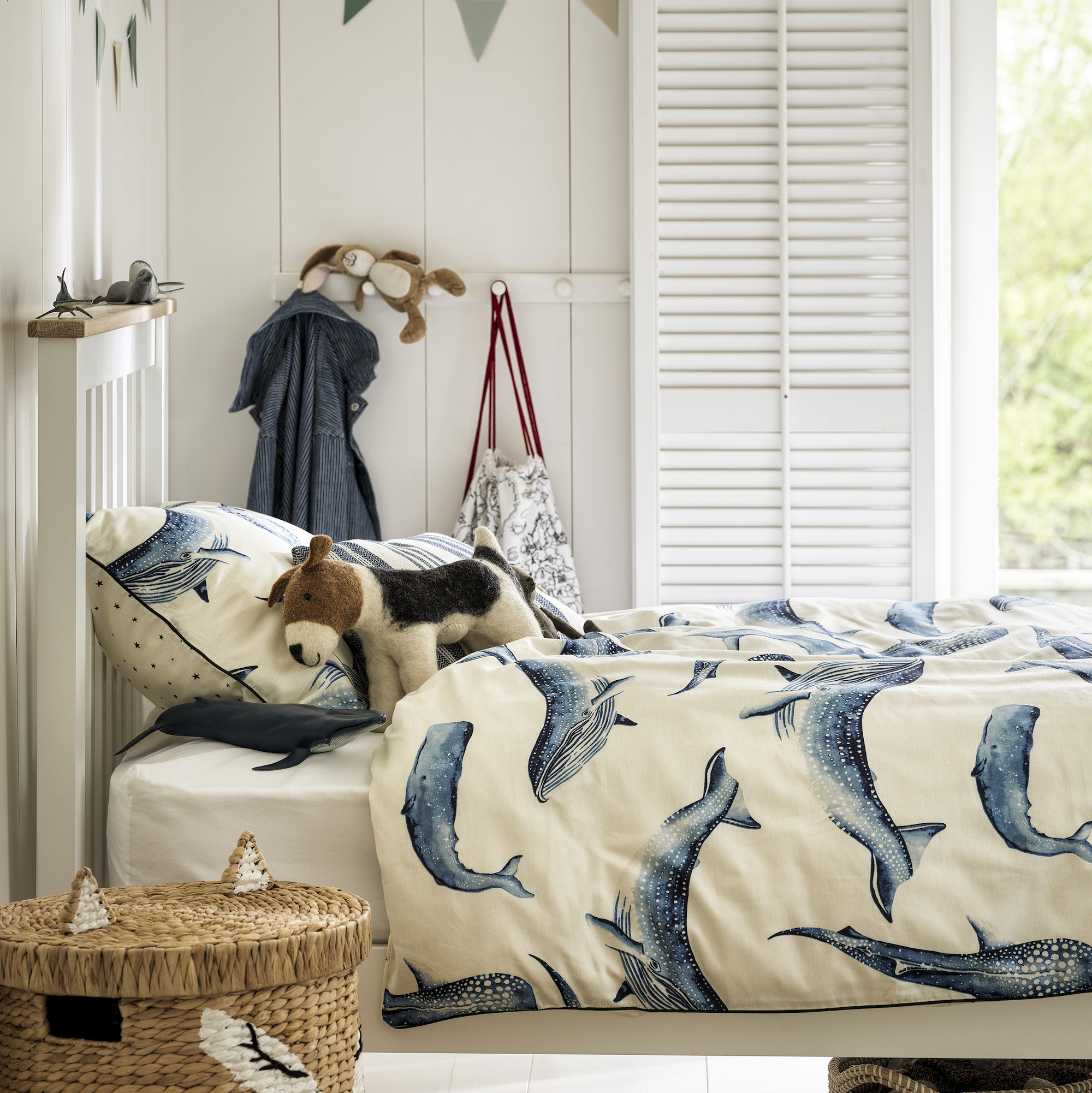
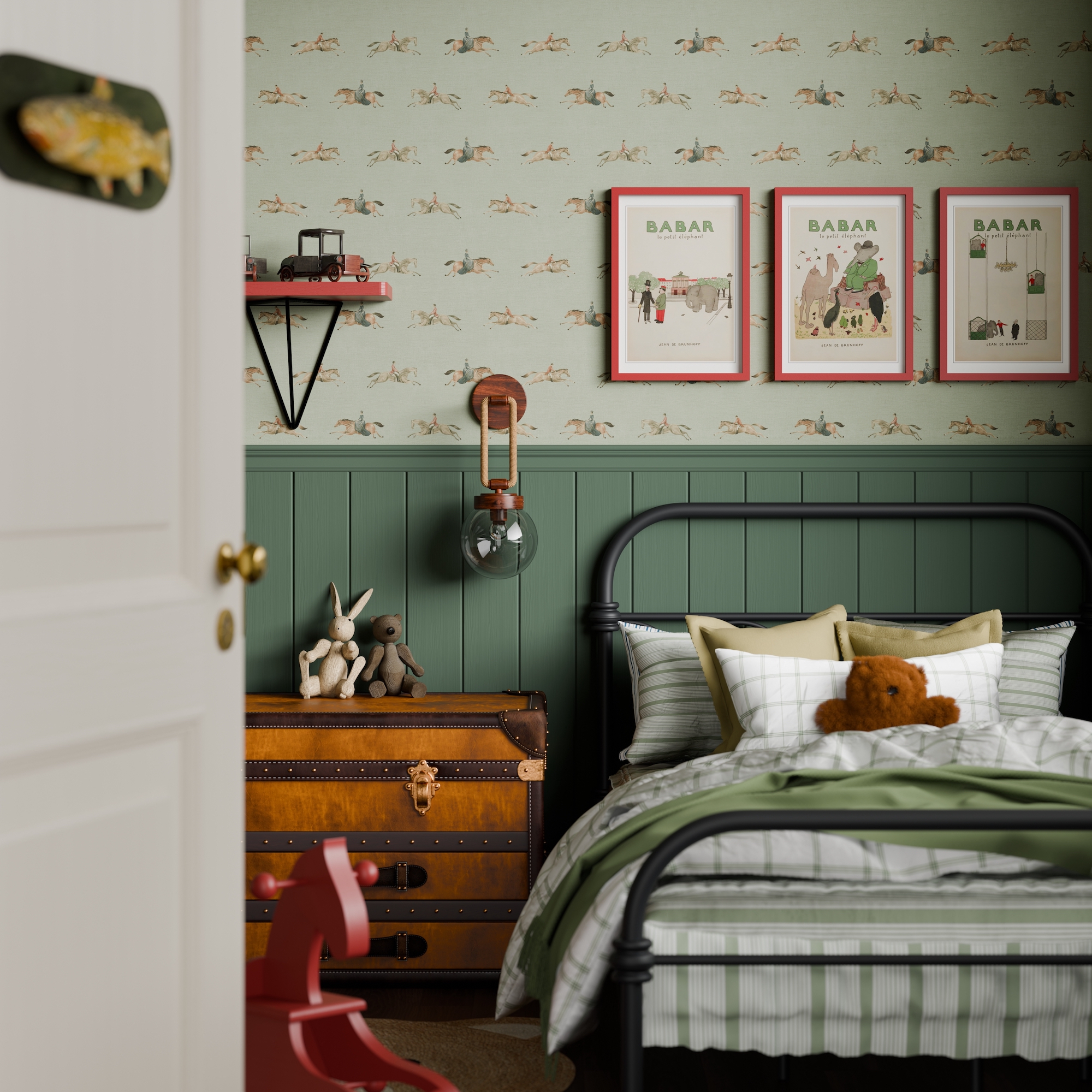
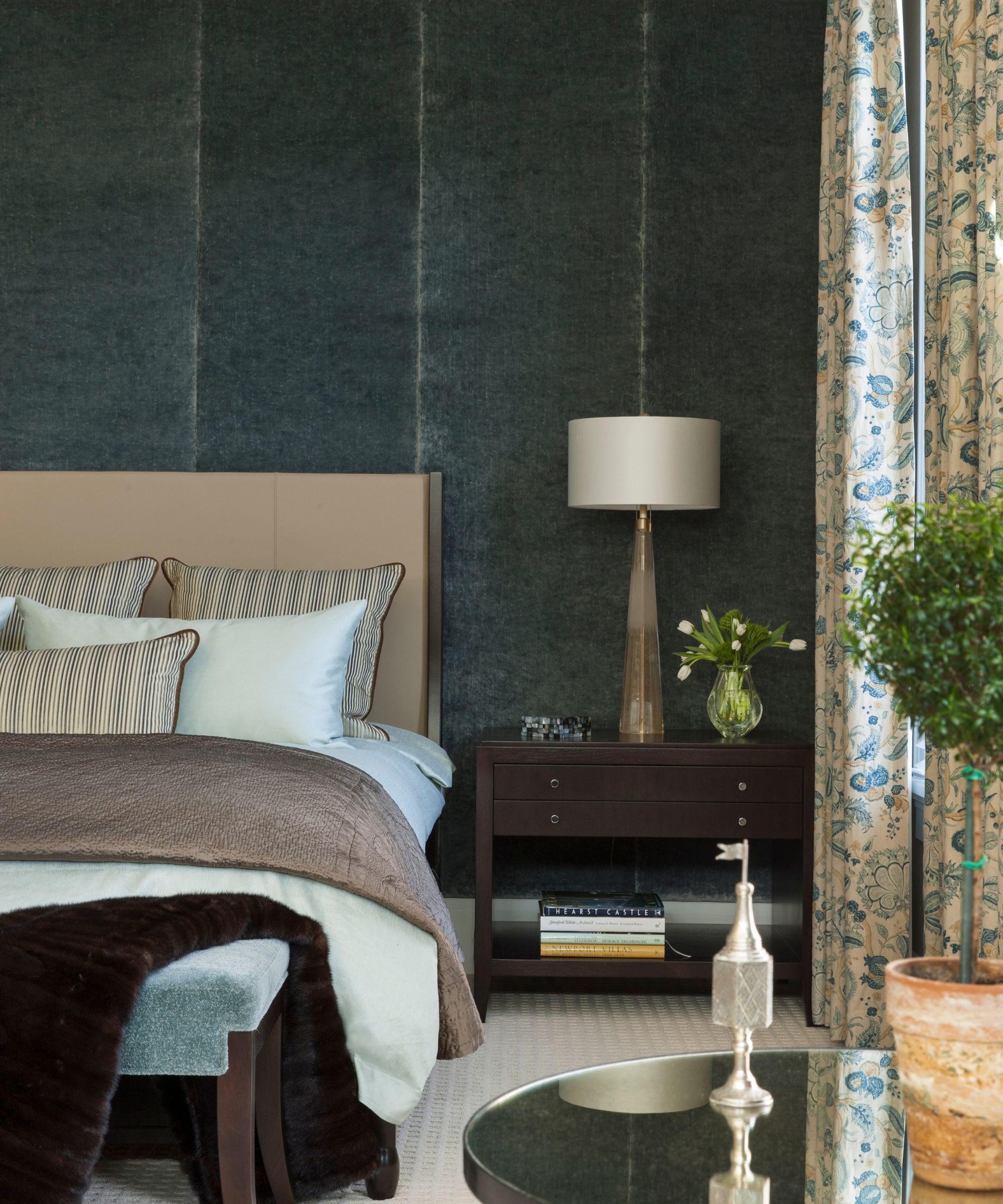
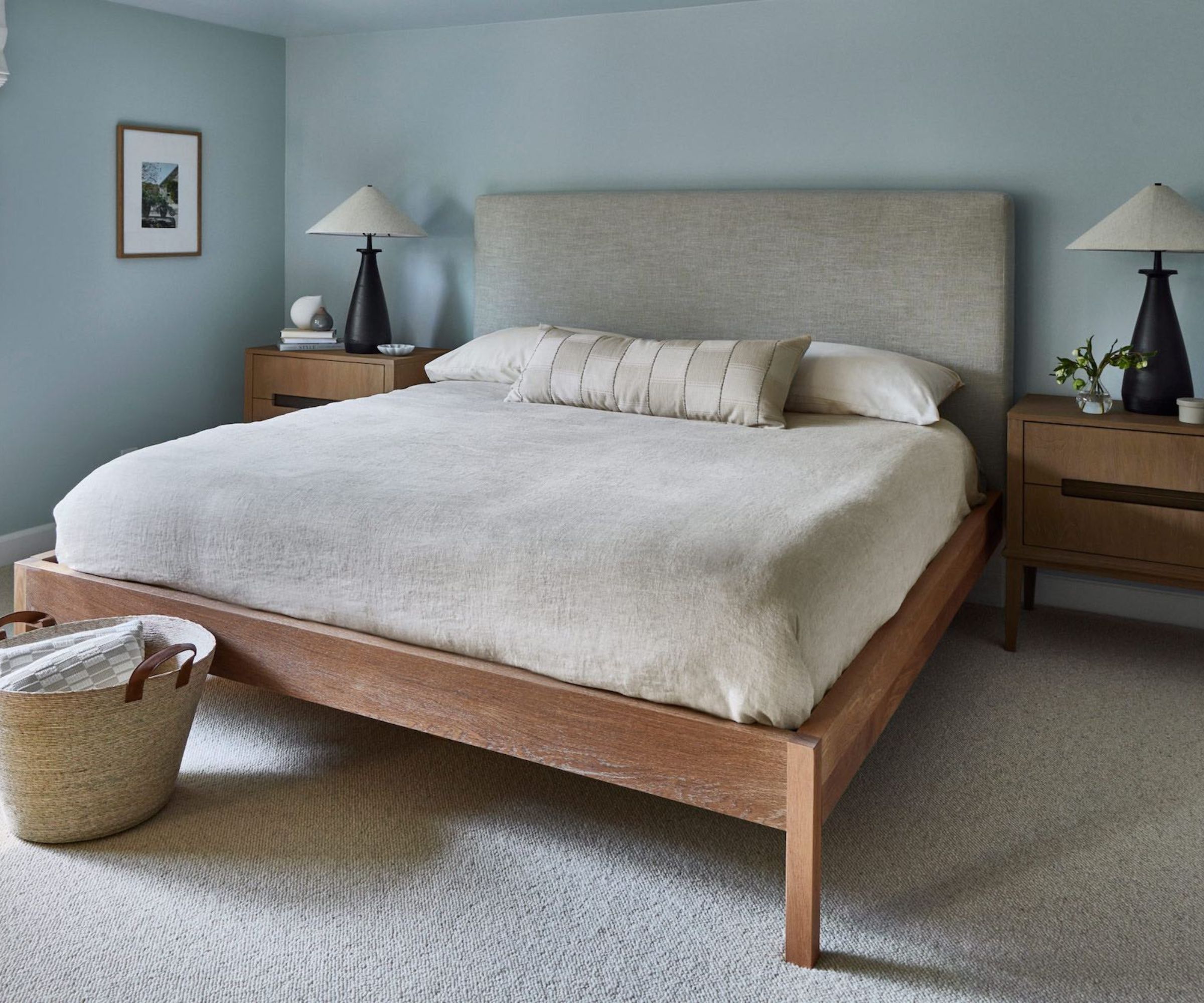
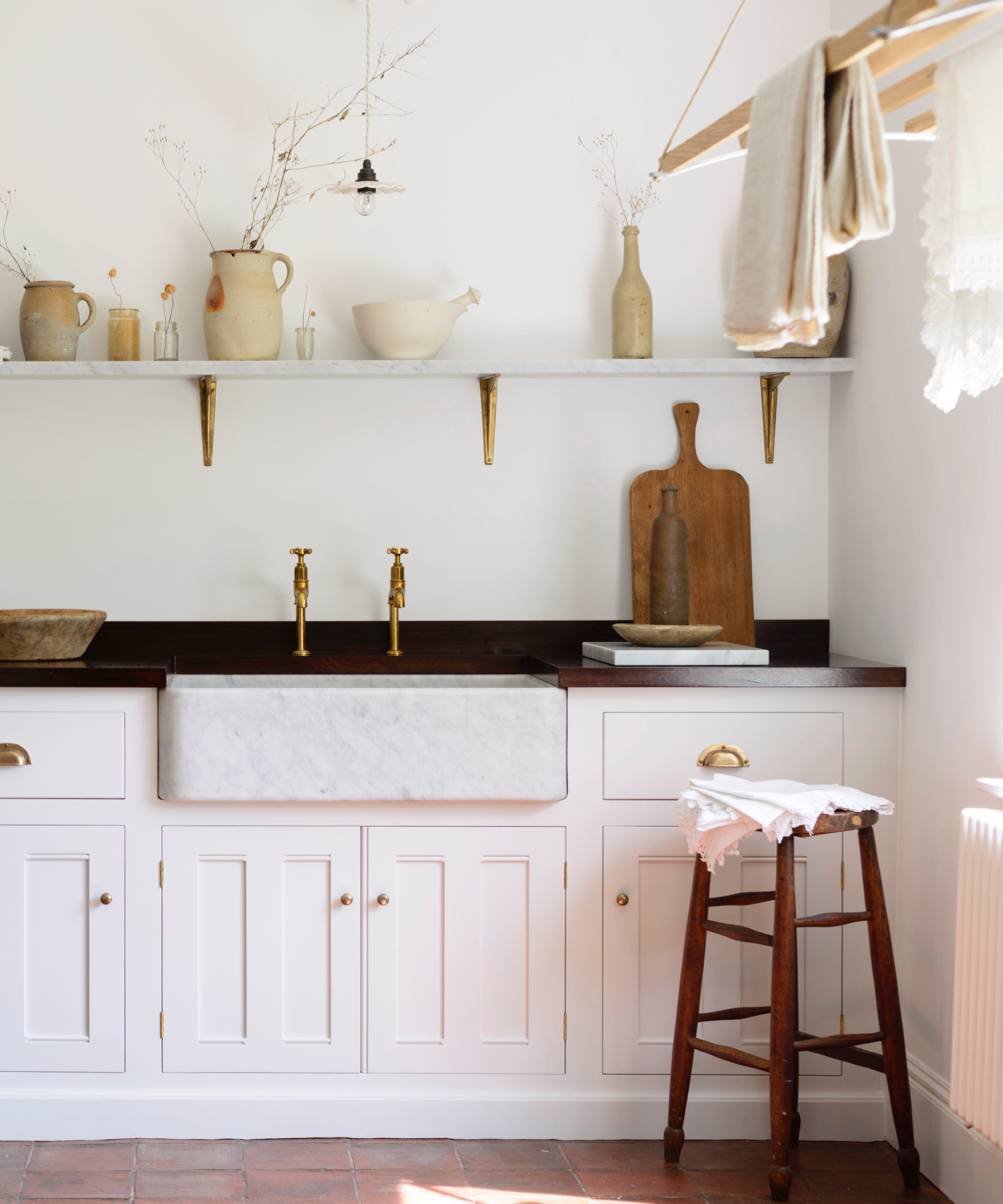
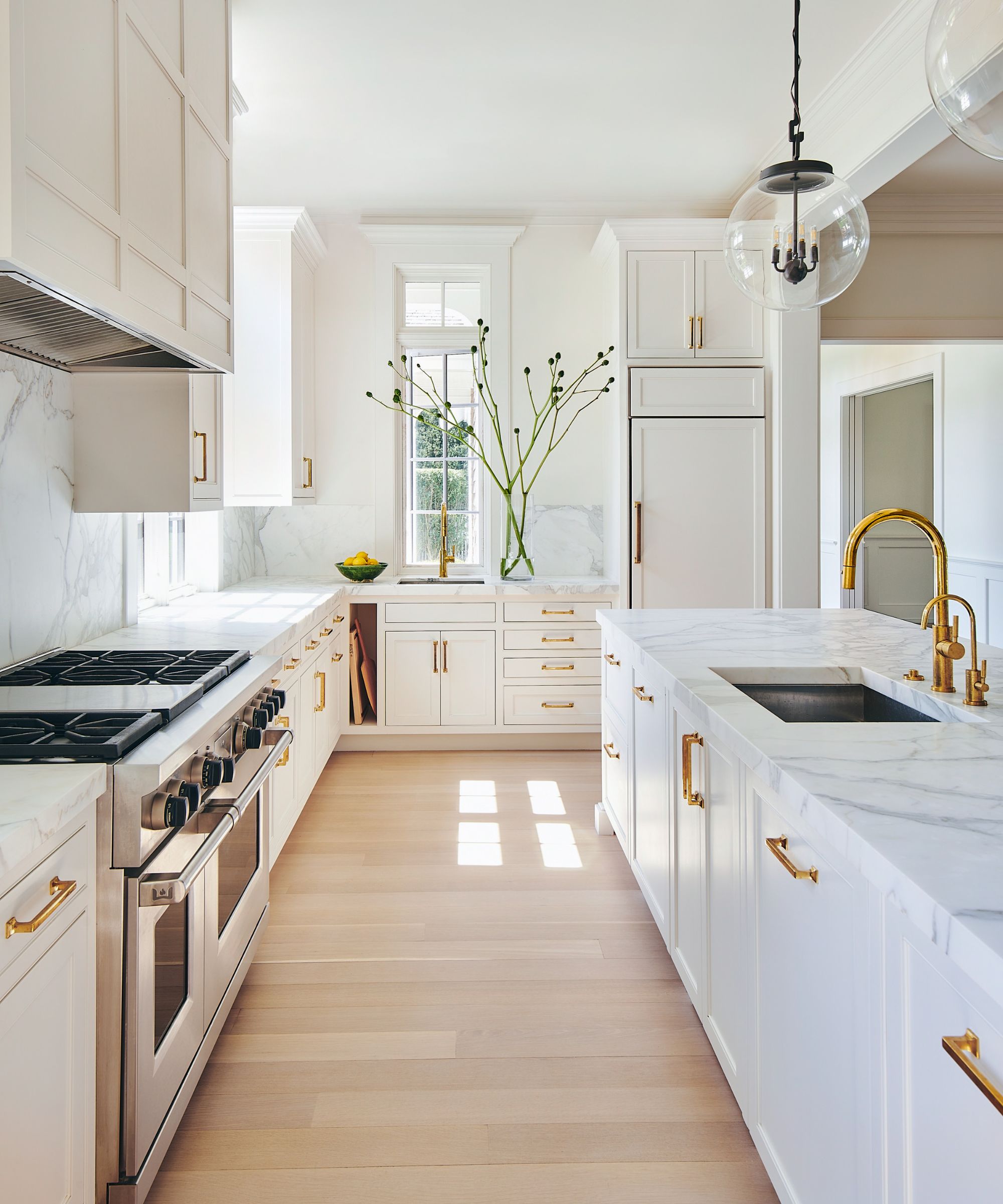
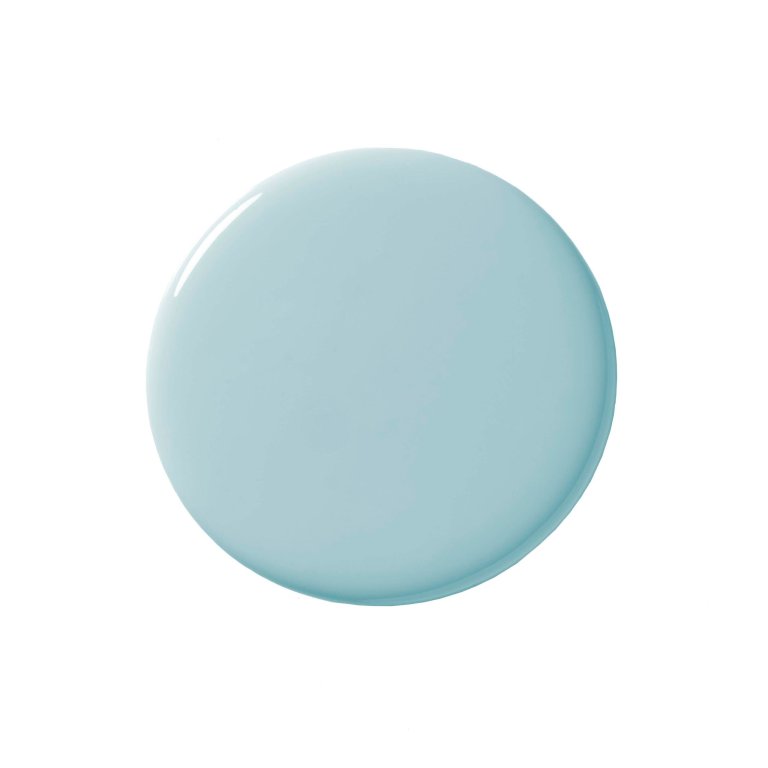
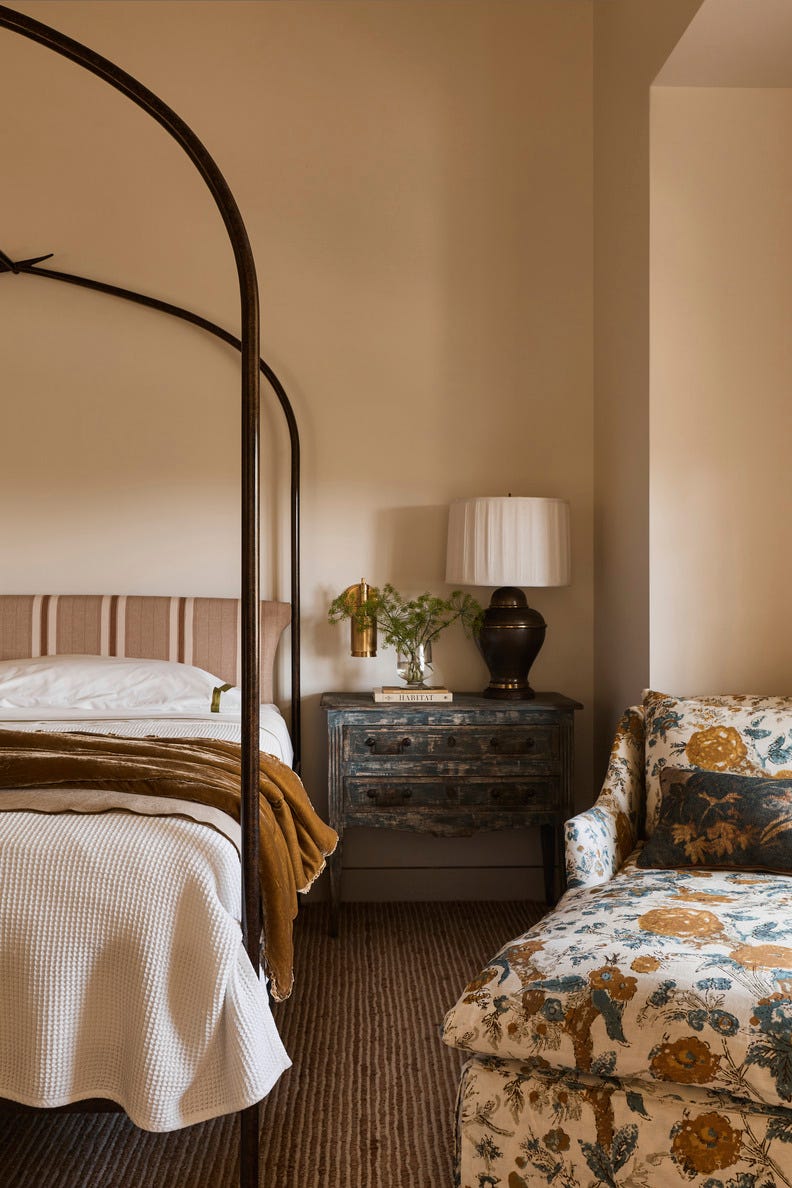
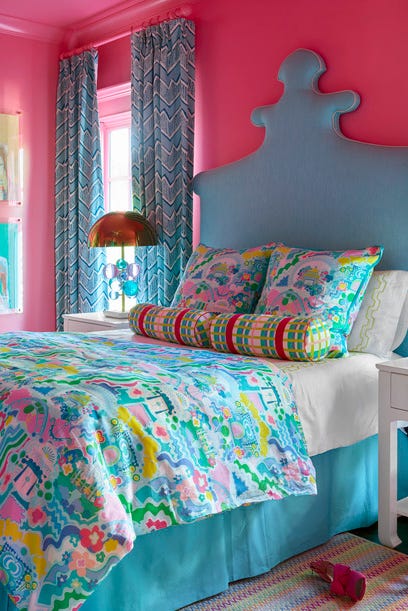
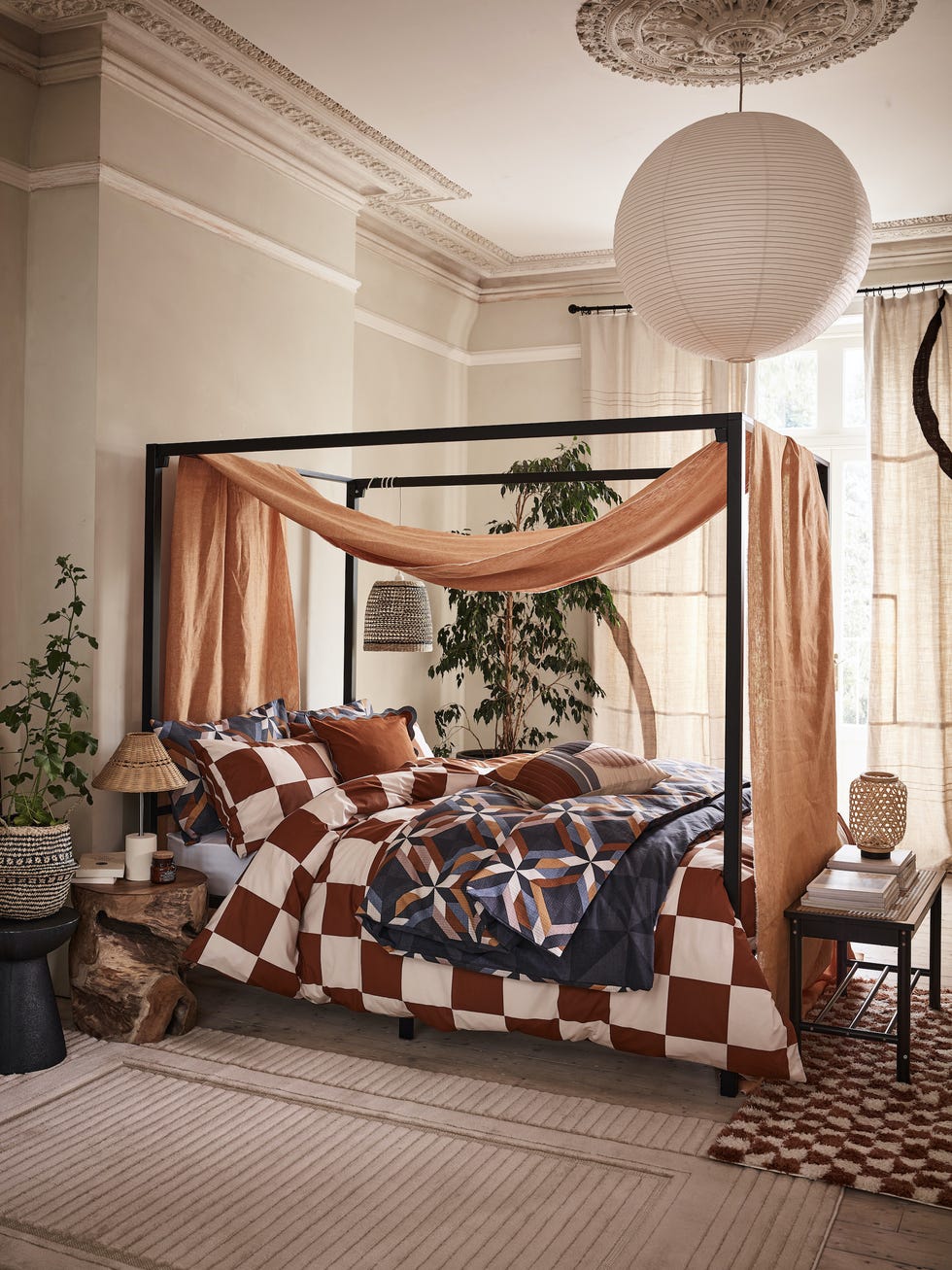
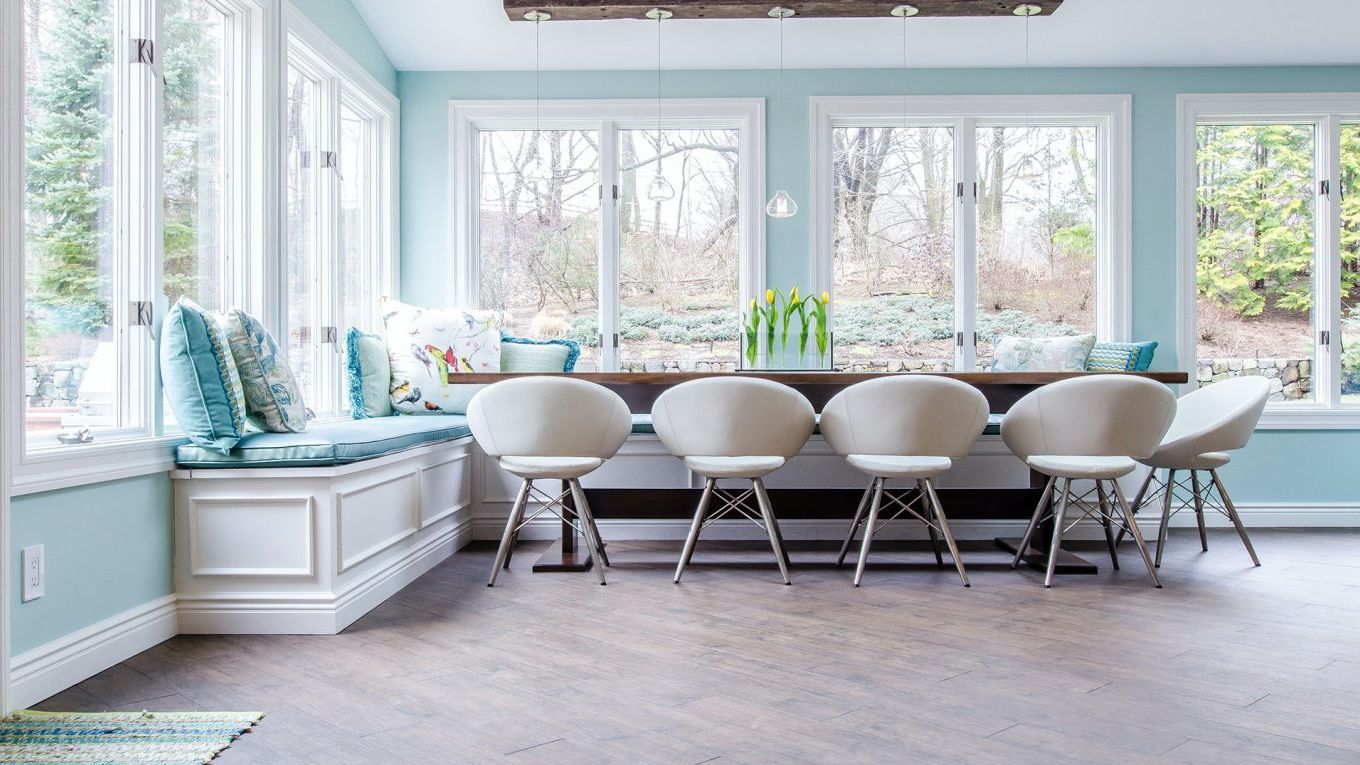
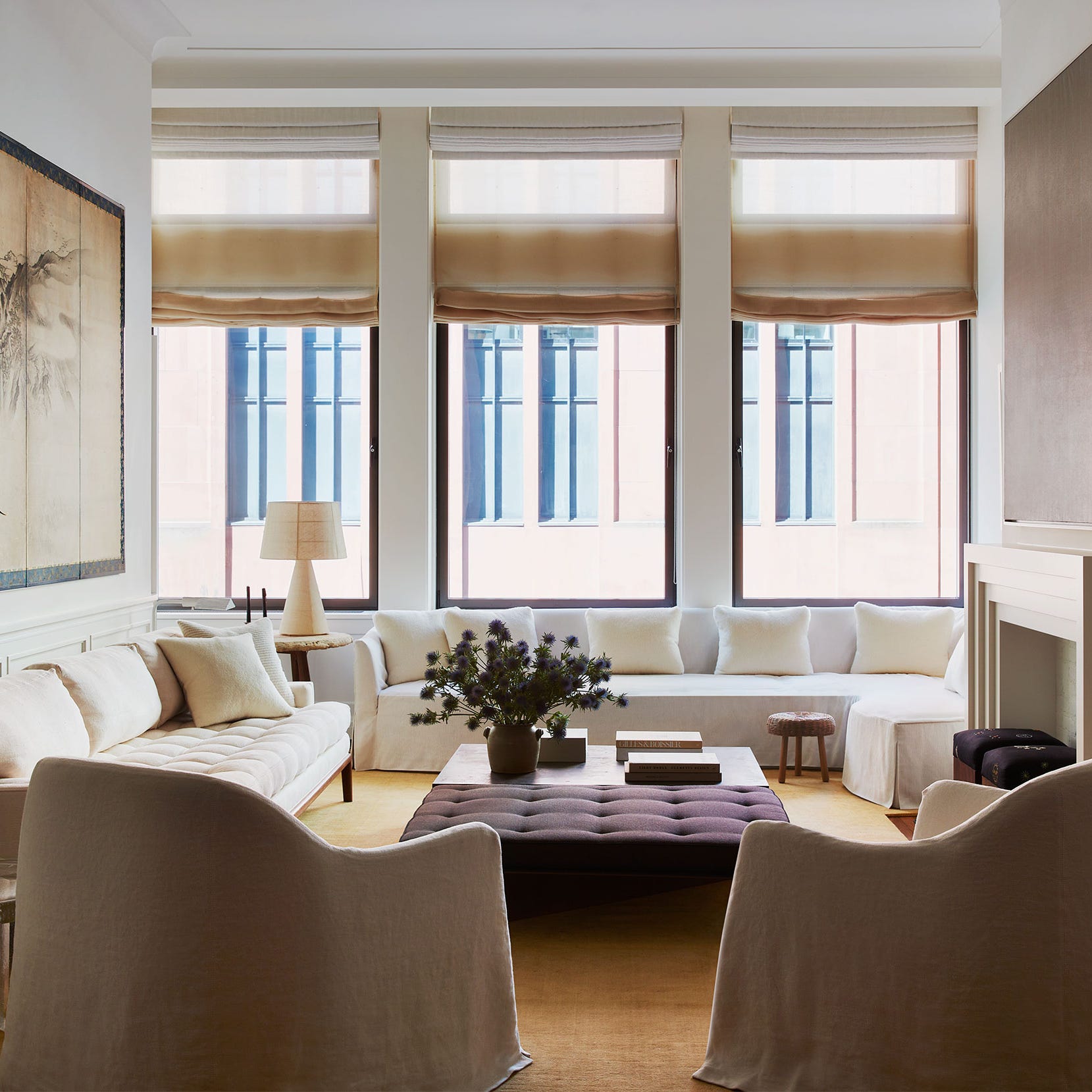
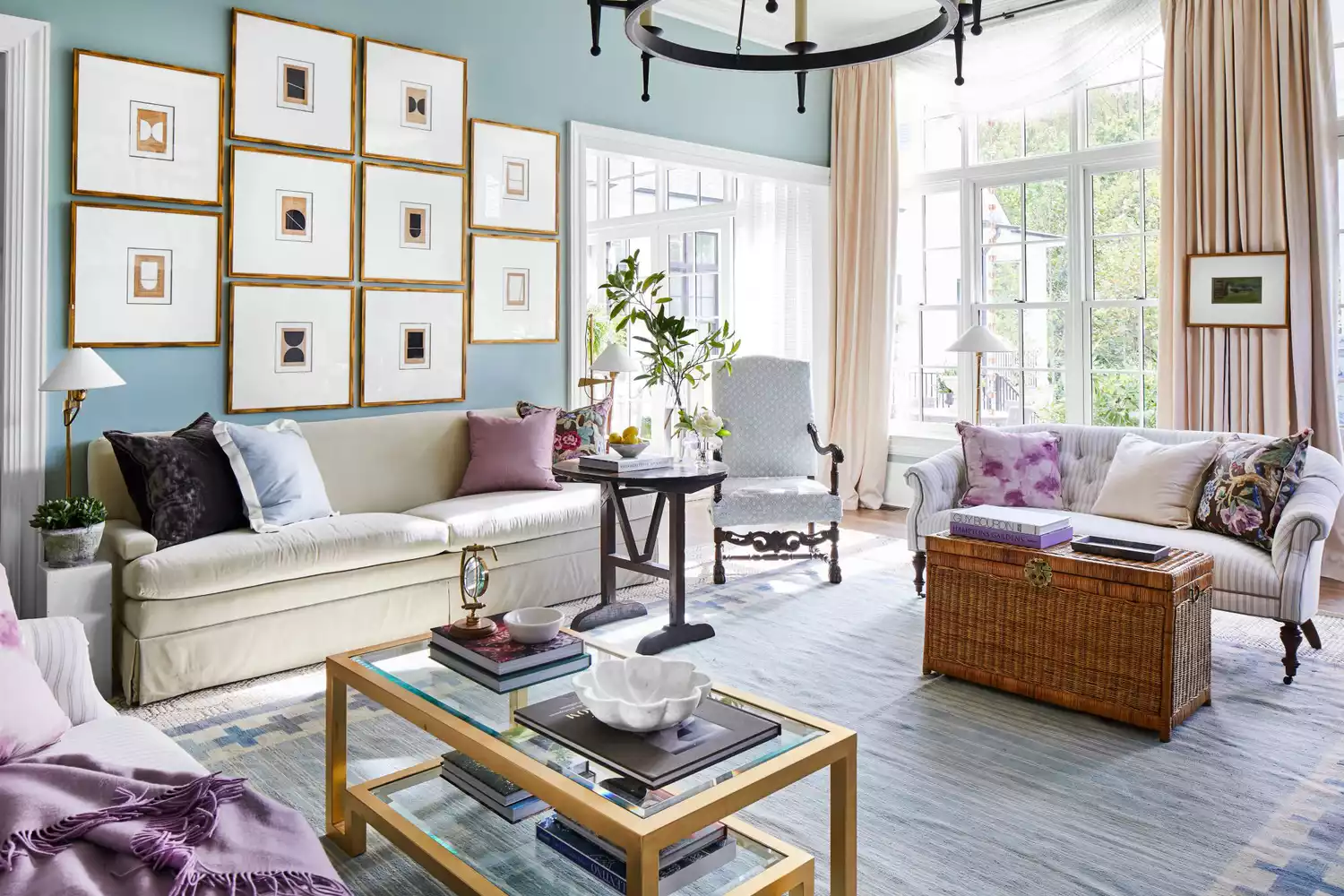
For those seeking a conservative aesthetic, off-white and neutral tones are recommended to create an expansive and open feel. Light blue is also highly suggested for its profoundly soothing properties. Psychologists advise against the dominant use of red due to its anxiety-inducing nature and caution against yellow, which can potentially lead to feelings of melancholy when used excessively.
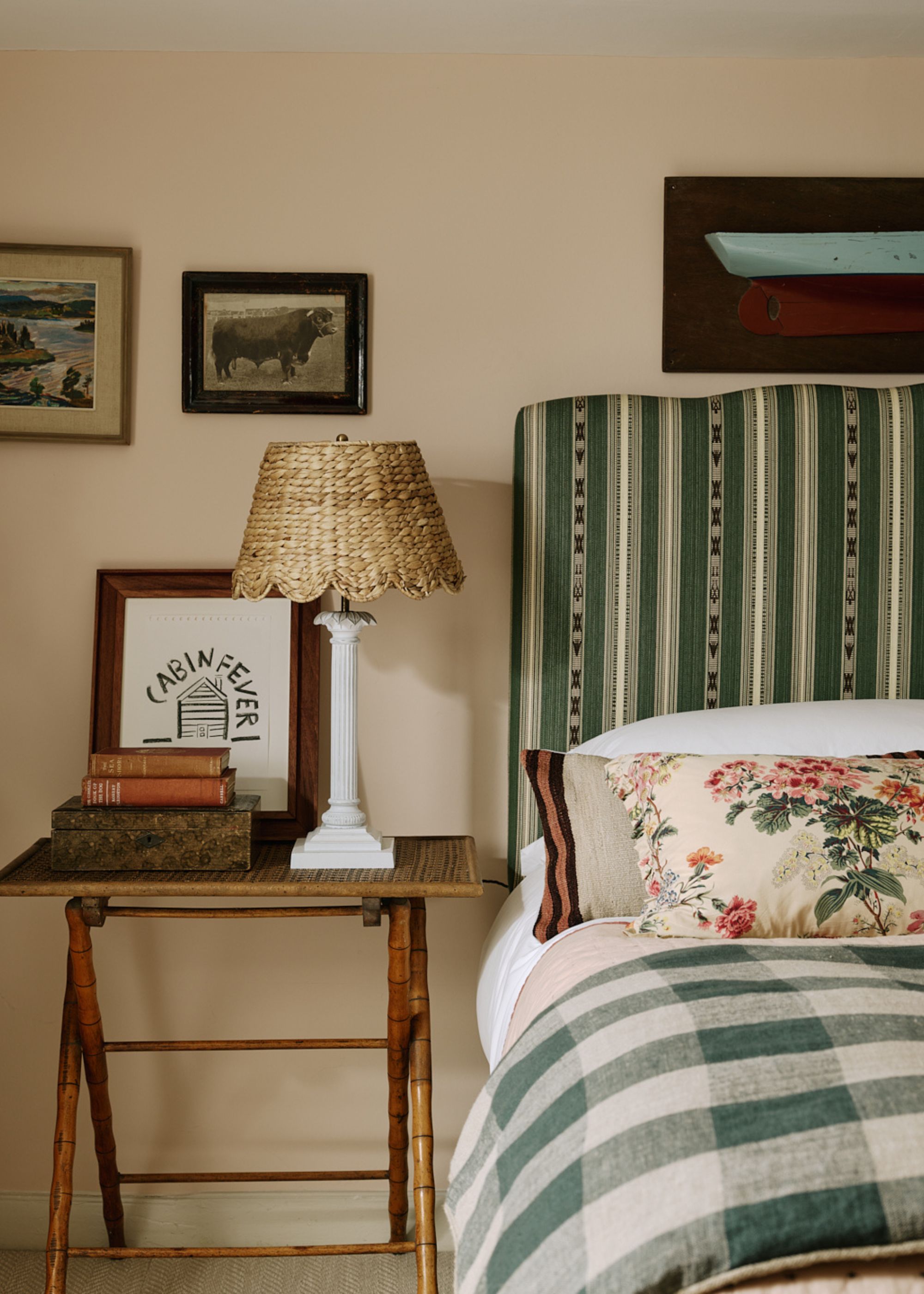
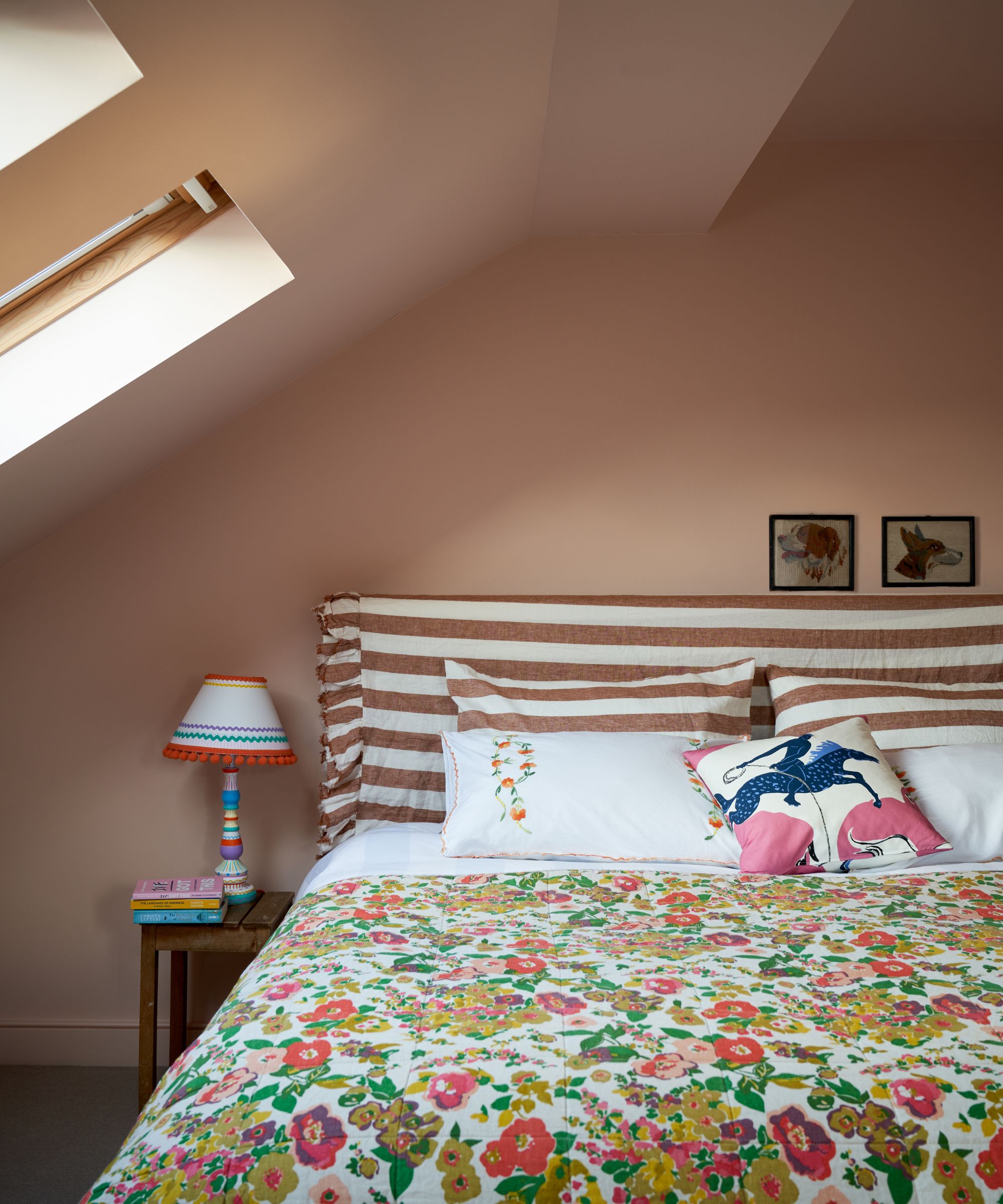
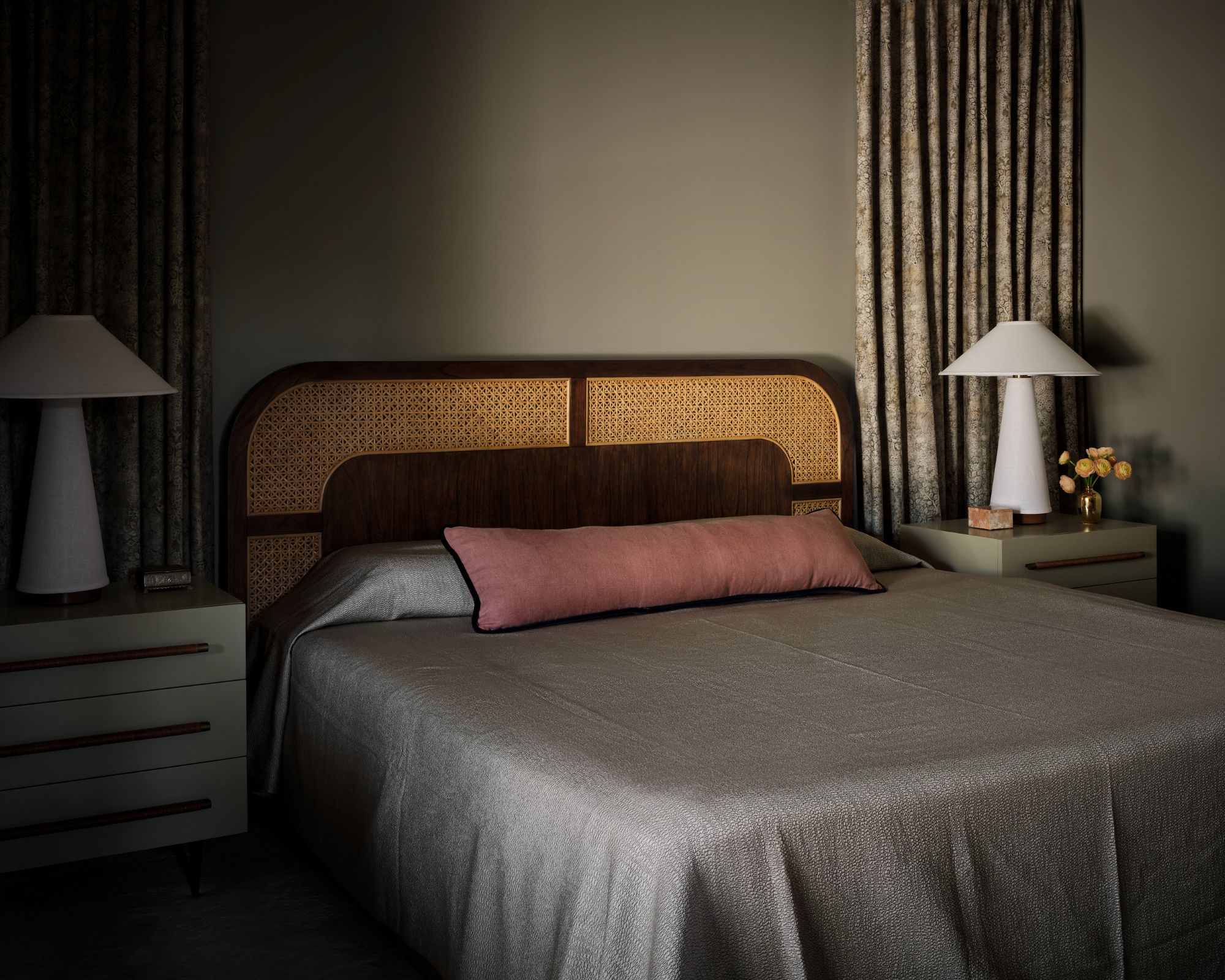
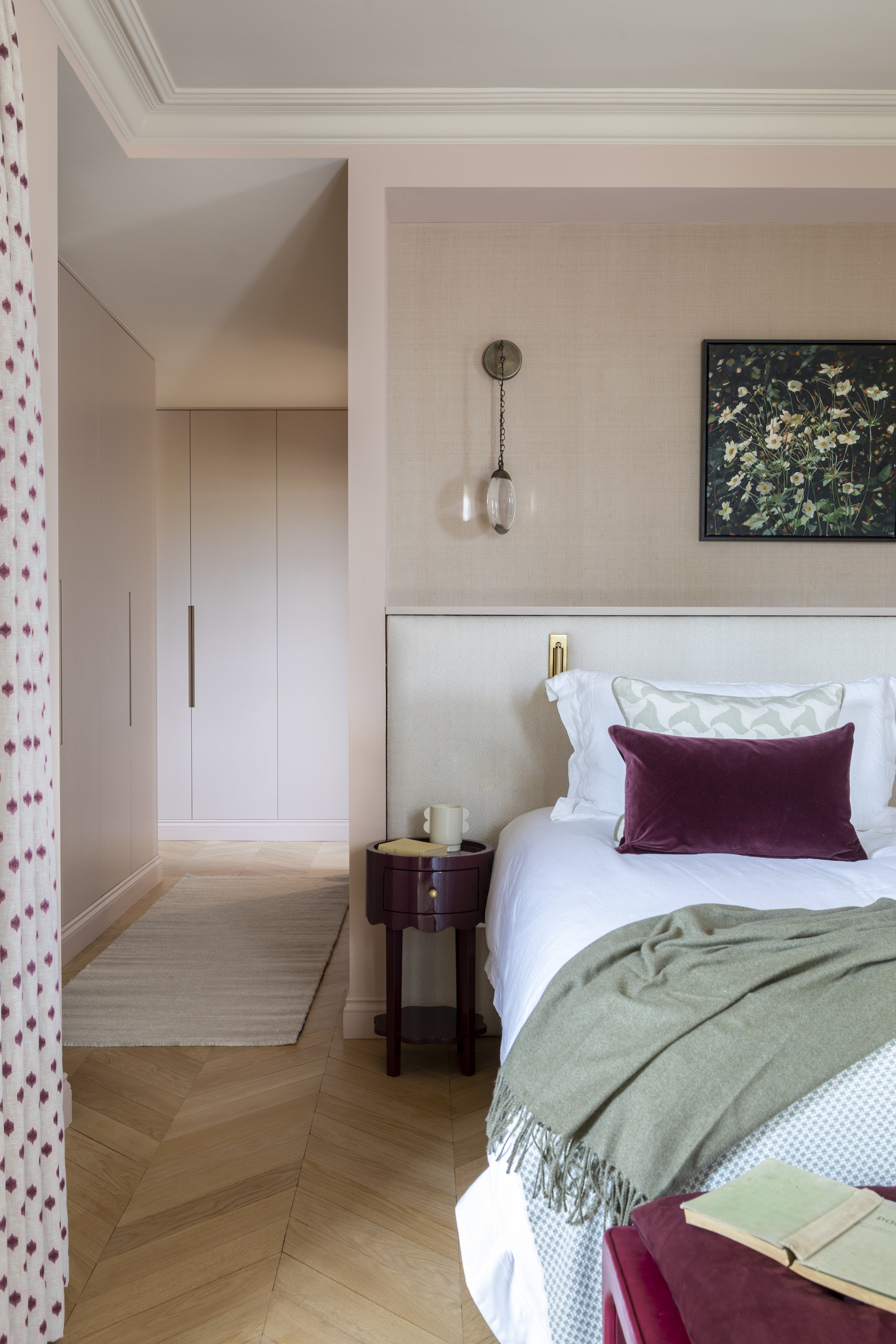
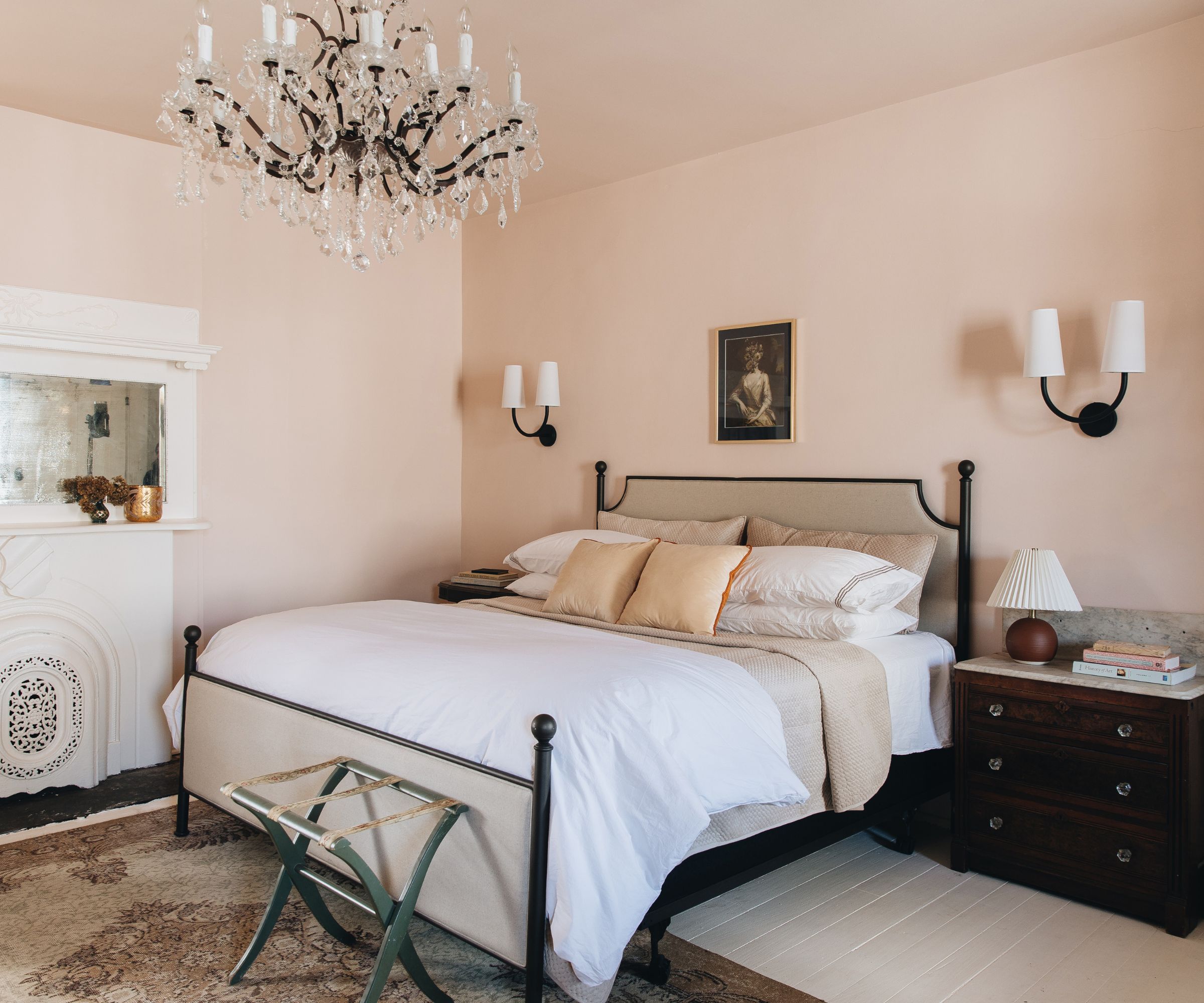
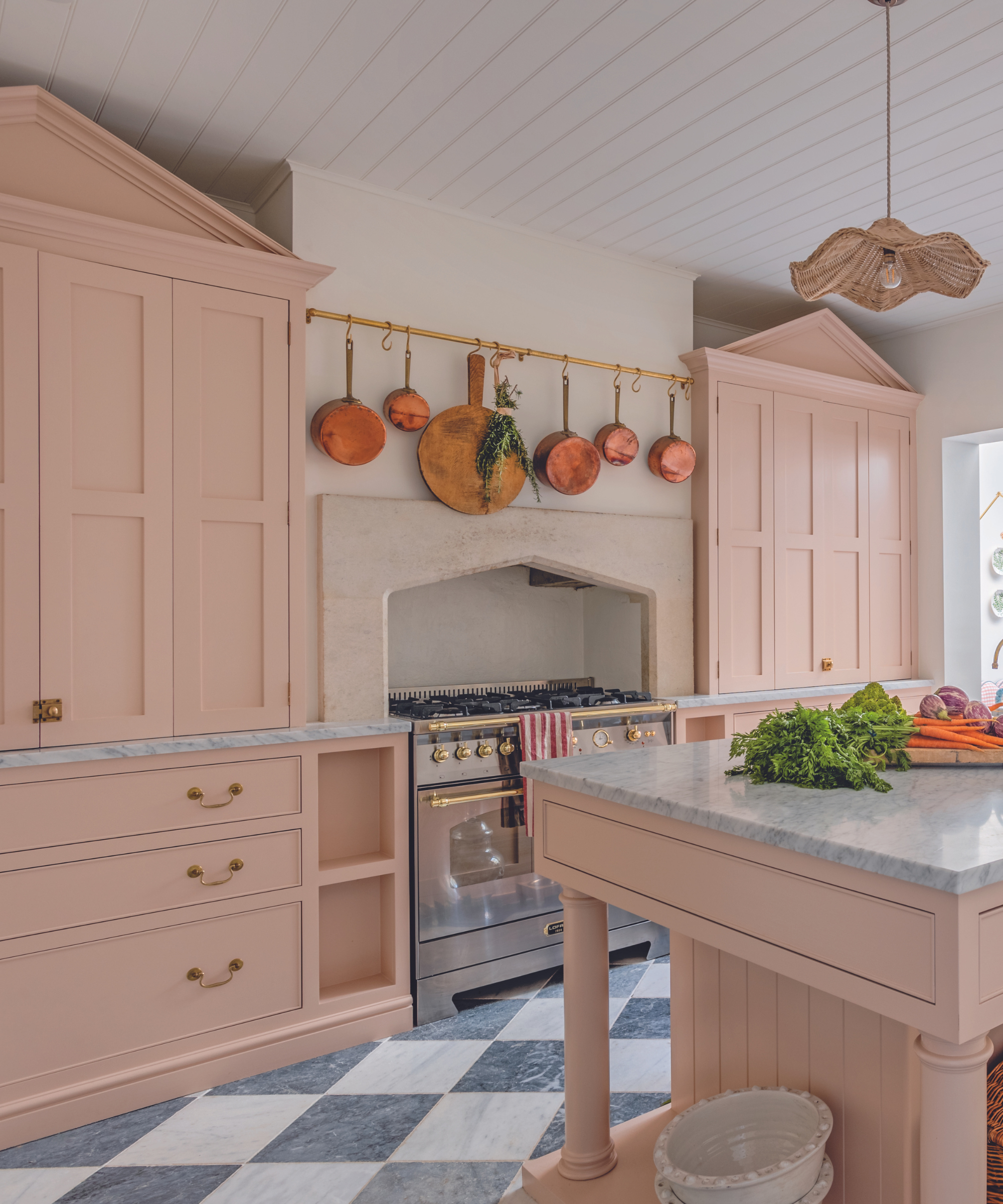
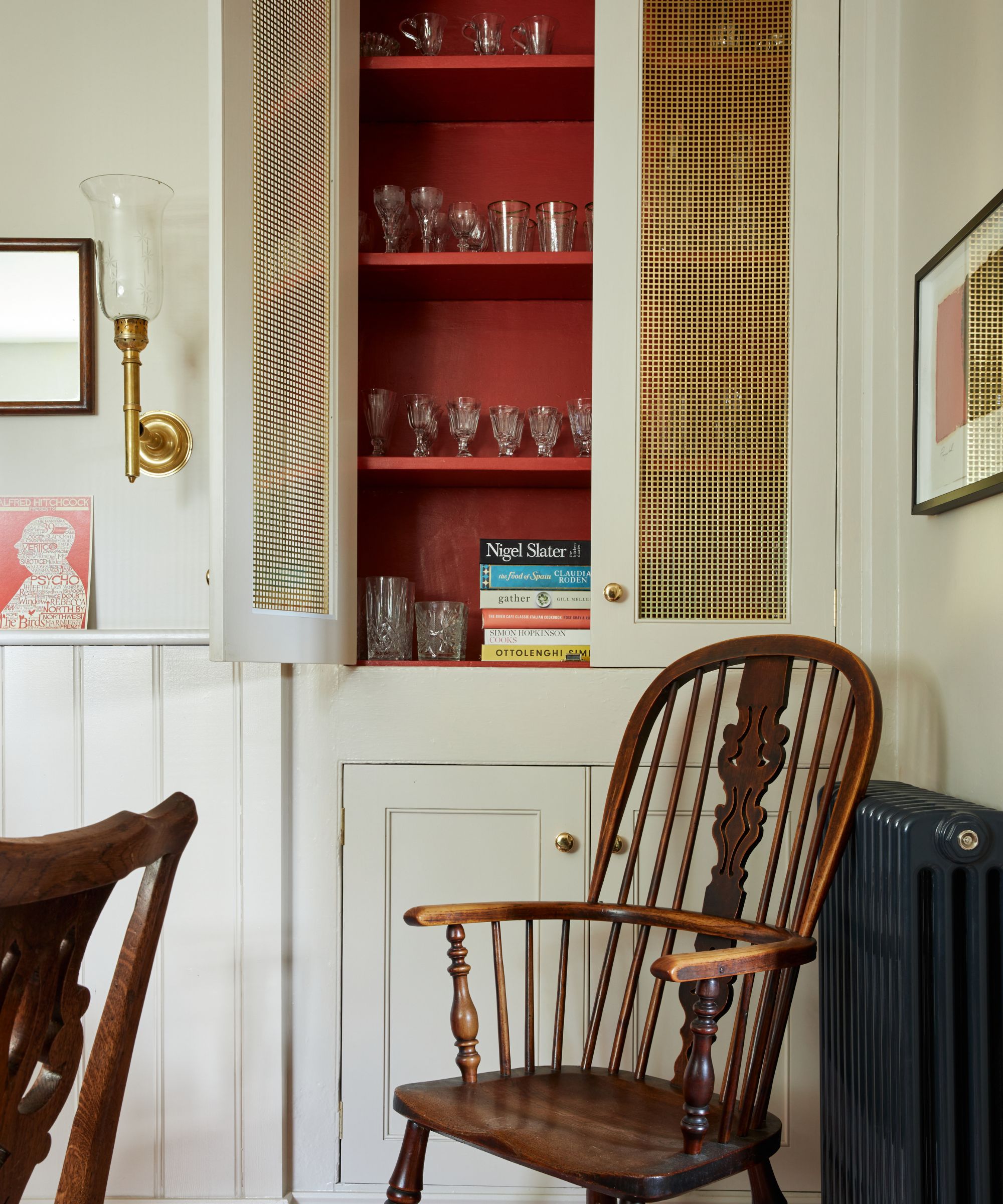
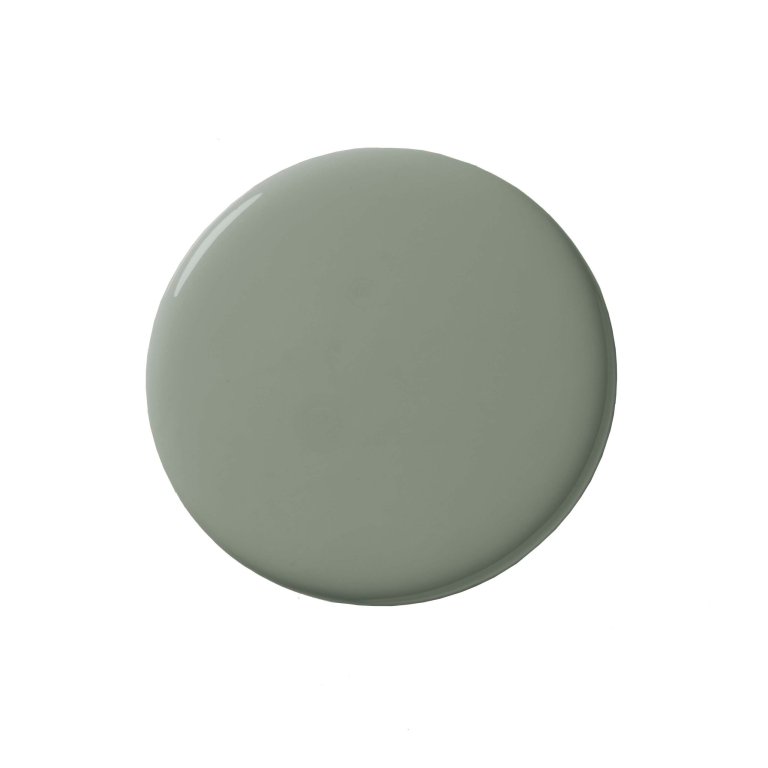
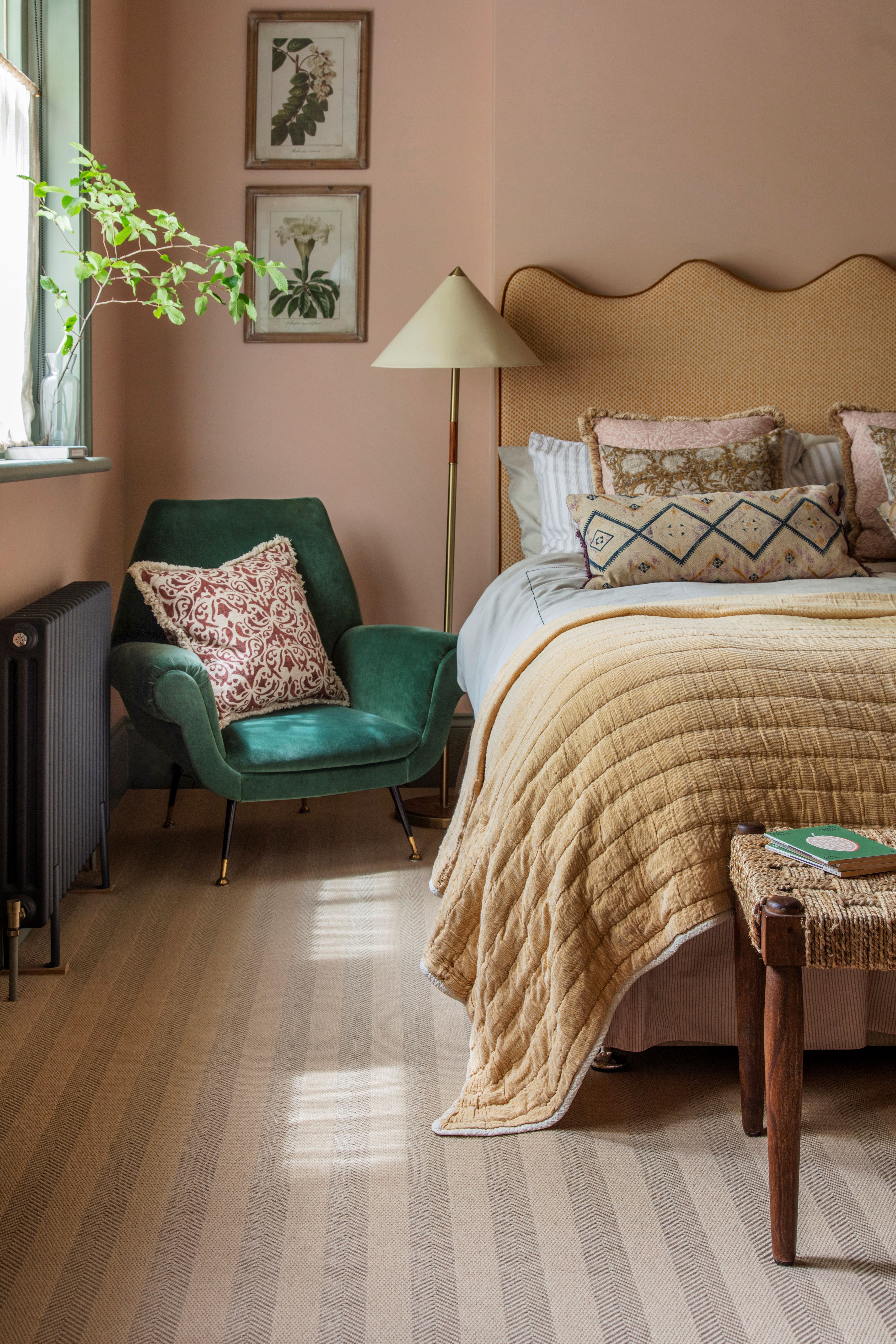
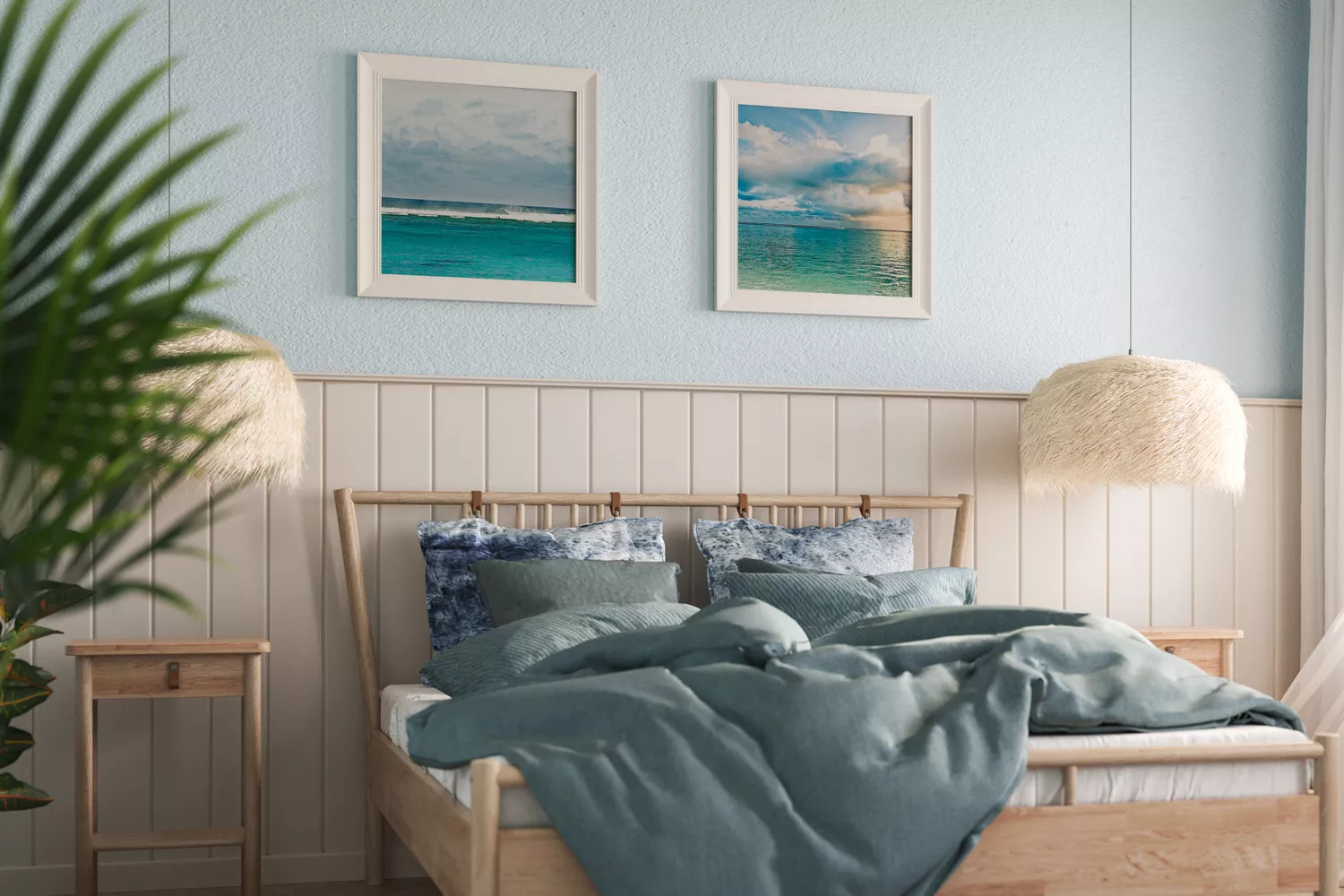
However, for individuals who find neutral palettes uninspiring, a judicious incorporation of color can invigorate a home's ambiance. Sky blue is lauded for its mind-calming attributes, while muted grey conveys tranquility. Pale yellow can introduce an element of warmth, and light pink serves effectively as an accent color. Integrating earthy tones through wooden furniture and abundant indoor plants is also recommended to bring natural elements indoors.
Personalized touches, reflecting the color preferences of individual family members, can be woven into the design through accessories such as vases, throw cushions, and decorative items. In intimate spaces like a couple's bedroom, a red painting can activate a sense of intimacy. Study areas benefit from cheerful colors like yellow and orange, which are believed to enhance creativity. Bathrooms can be transformed into spa-like retreats with the use of turquoise shades, further contributing to a relaxing home environment.
#HomeDecor #ColorPsychology #InteriorDesign #SoothingColors #MentalWellness #ColourTherapy #HomeStyling #ExpertAdvice #ArchitecturalDigest #HomeDecor #ColorPsychology #InteriorDesign #SoothingColors #MentalWellness #ColourTherapy #HomeStyling #ExpertAdvice #ArchitecturalDigest
0 comment in total
 No comments yet
You may also like
13 Calming Paint Colors Designers Use to Make Rooms Feel Soothing — And No, They're Not All Neutrals

5 Paint Colors That Will Help You Sleep Better if You Use Them in Your Bedroom
Tips on Calming Colors Schemes From a Workout Guru

11 Calming Bedroom Paint Colors to Help You Relax and Wind Down at the End of the Day

20 Calming Paint Colors That Will Change the Way You Live

Designers Declare This Color the Ultimate "Chill-Pill" for Your Home

16 Calming Paint Colors That Will Make Your Home a More Restful Place

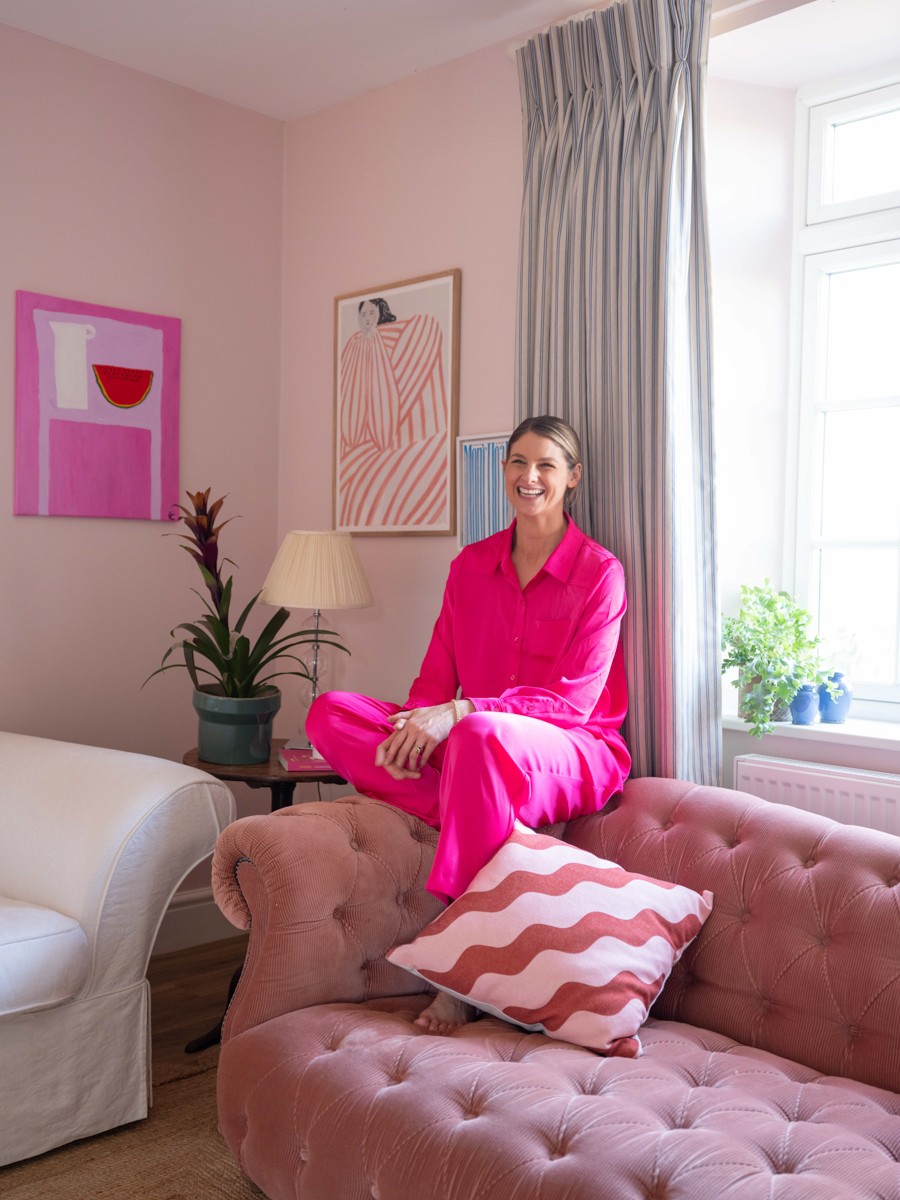
A Color Psychologist Says This Is the Most Relaxing Paint Color

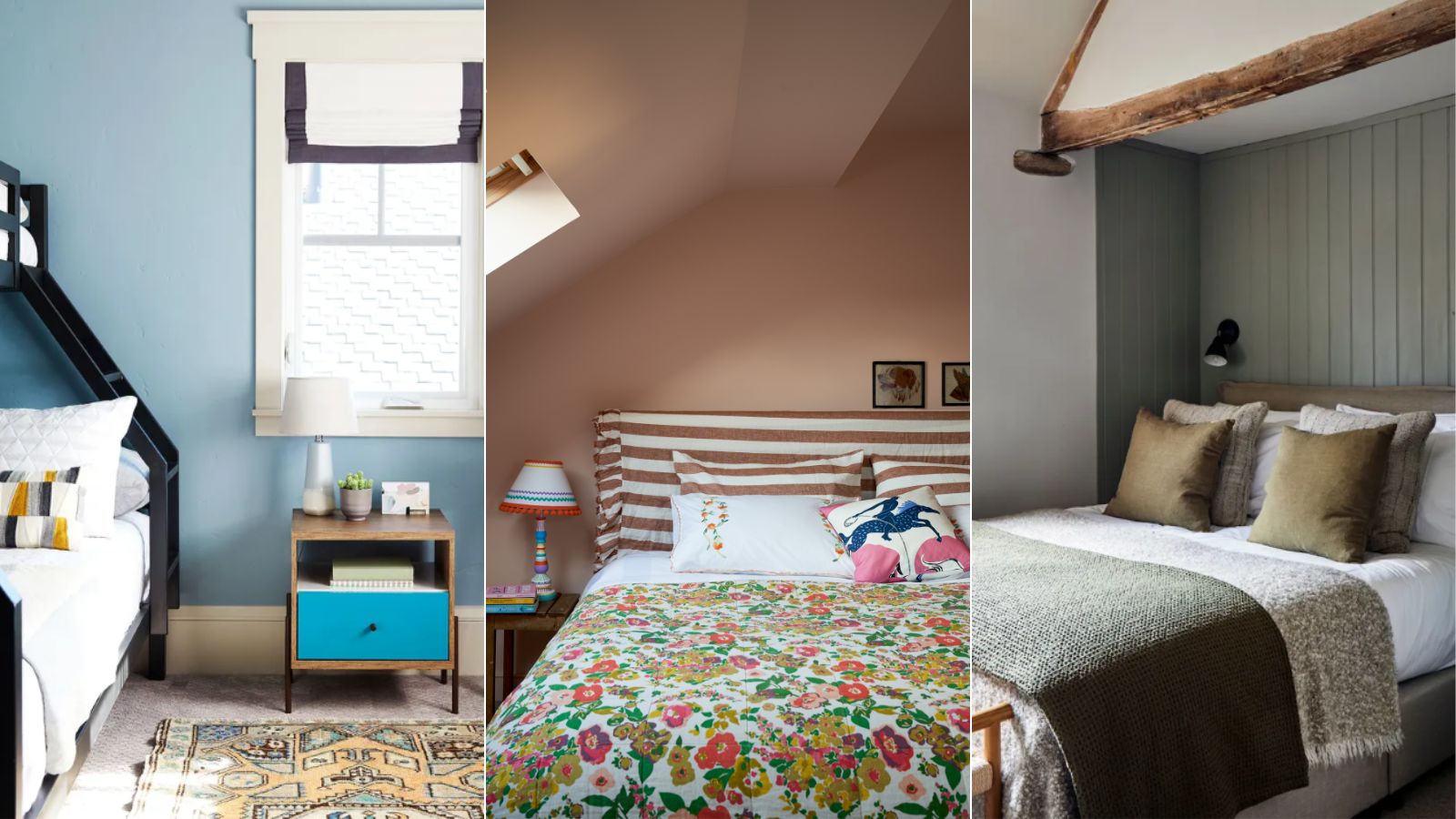
5 colors that will make your bedroom feel calmer, according to designers
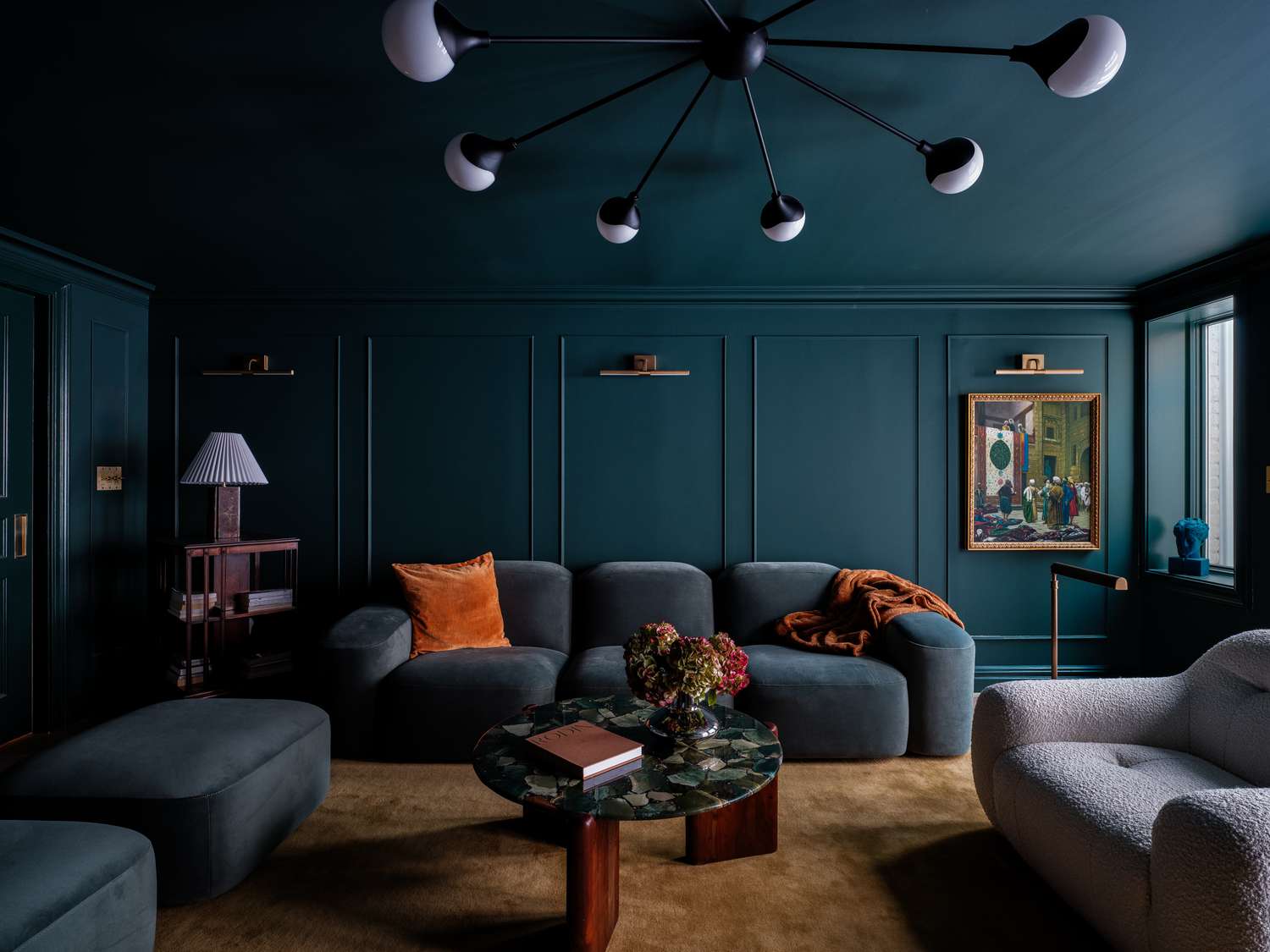
8 Calming Colors to Paint Your Living Room—and Make the Space More Relaxing

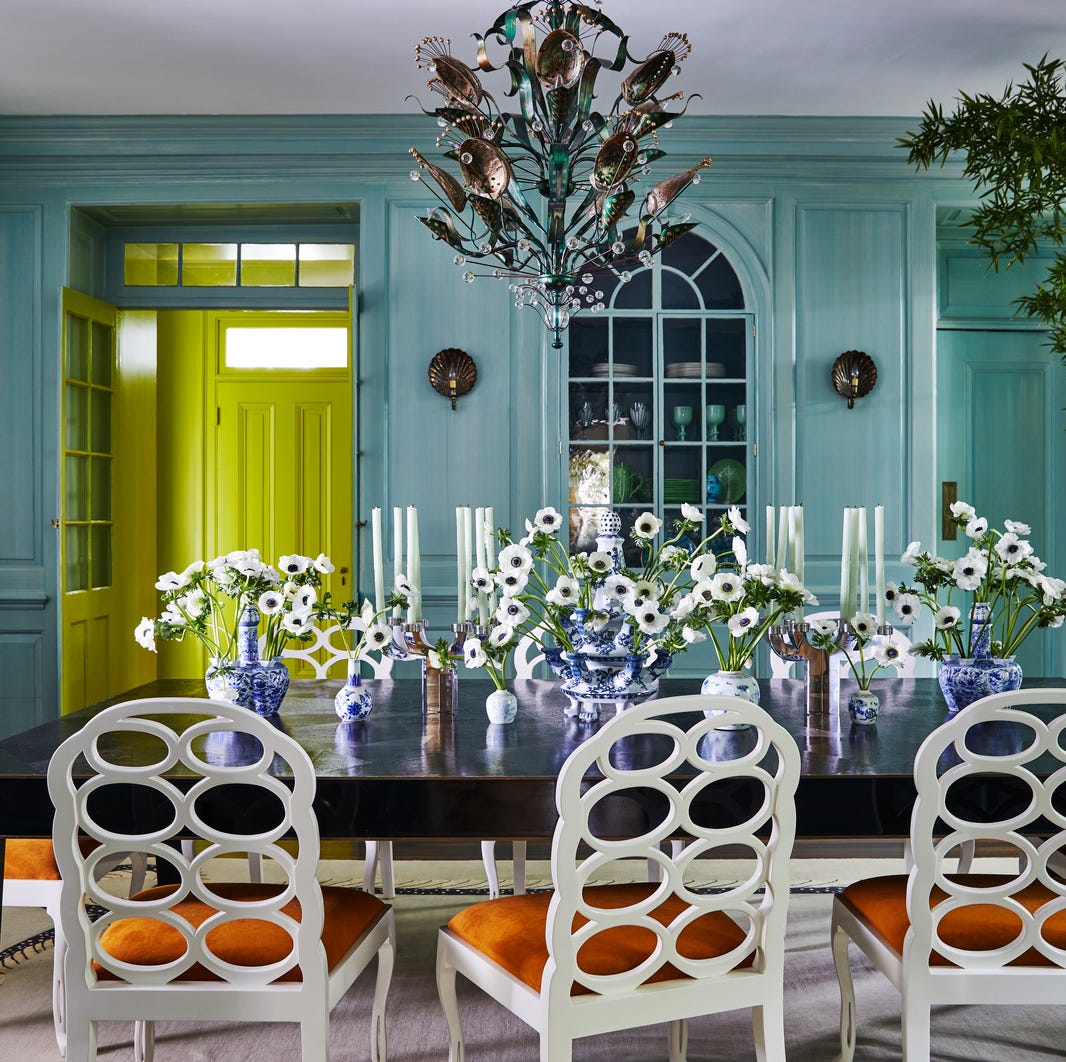
How Your Home's Paint Colors Can Make You Happier, According to Experts

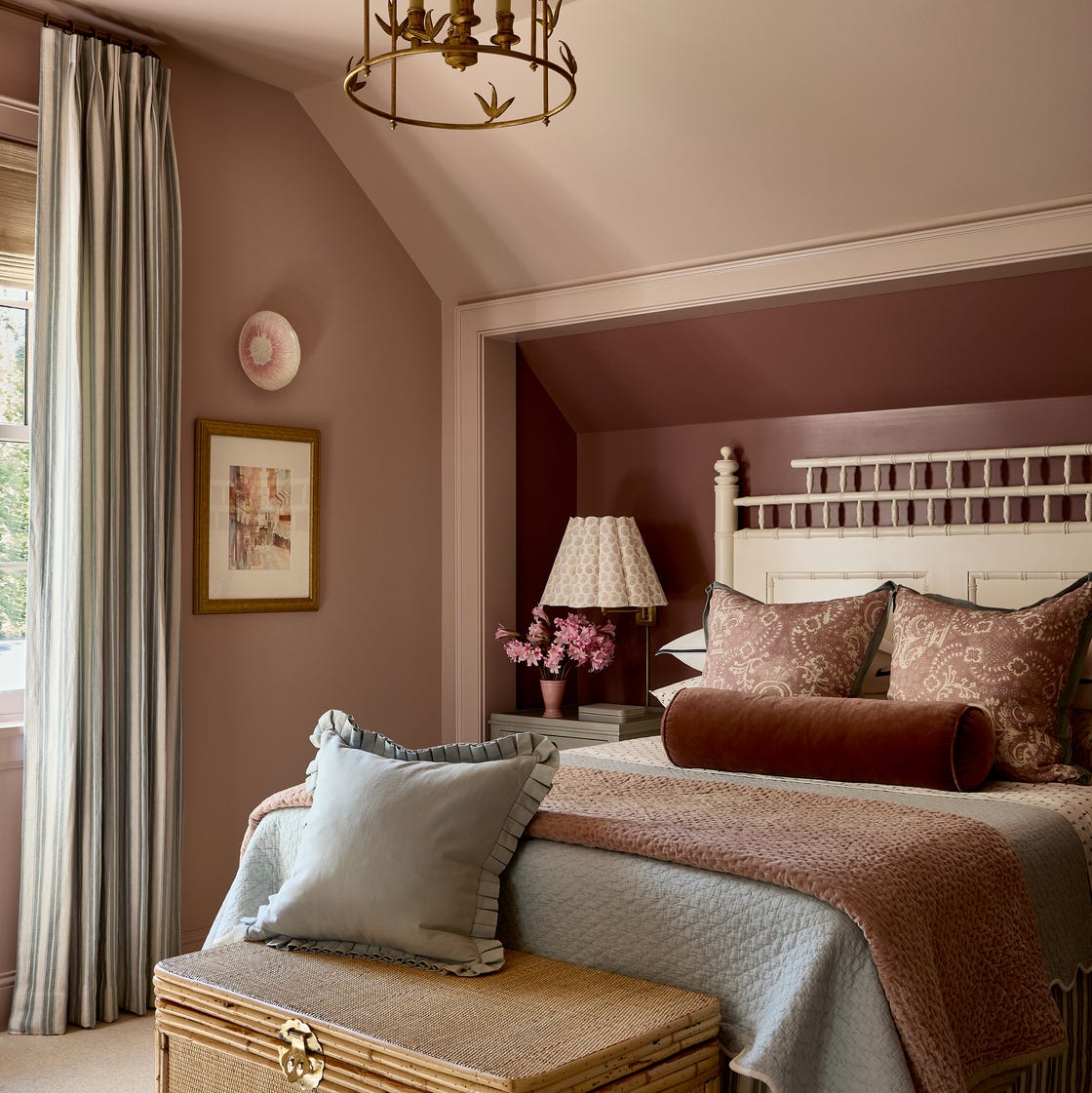
You Can Wake Up HAPPIER Just by Painting Your Bedroom—Here Are the Colors Designers Love
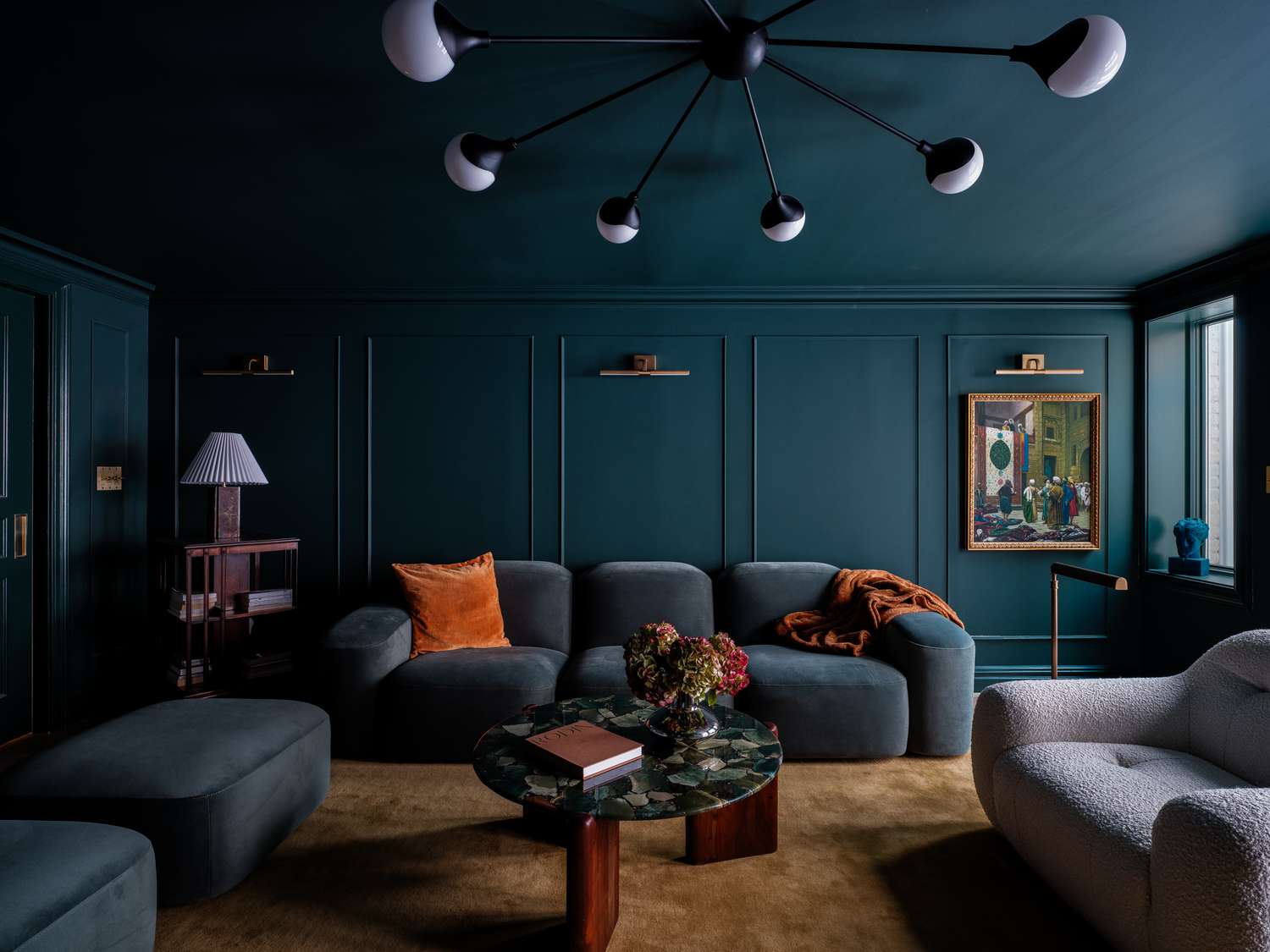
12 Calming Colors to Paint Your Walls, According to Interior Designers
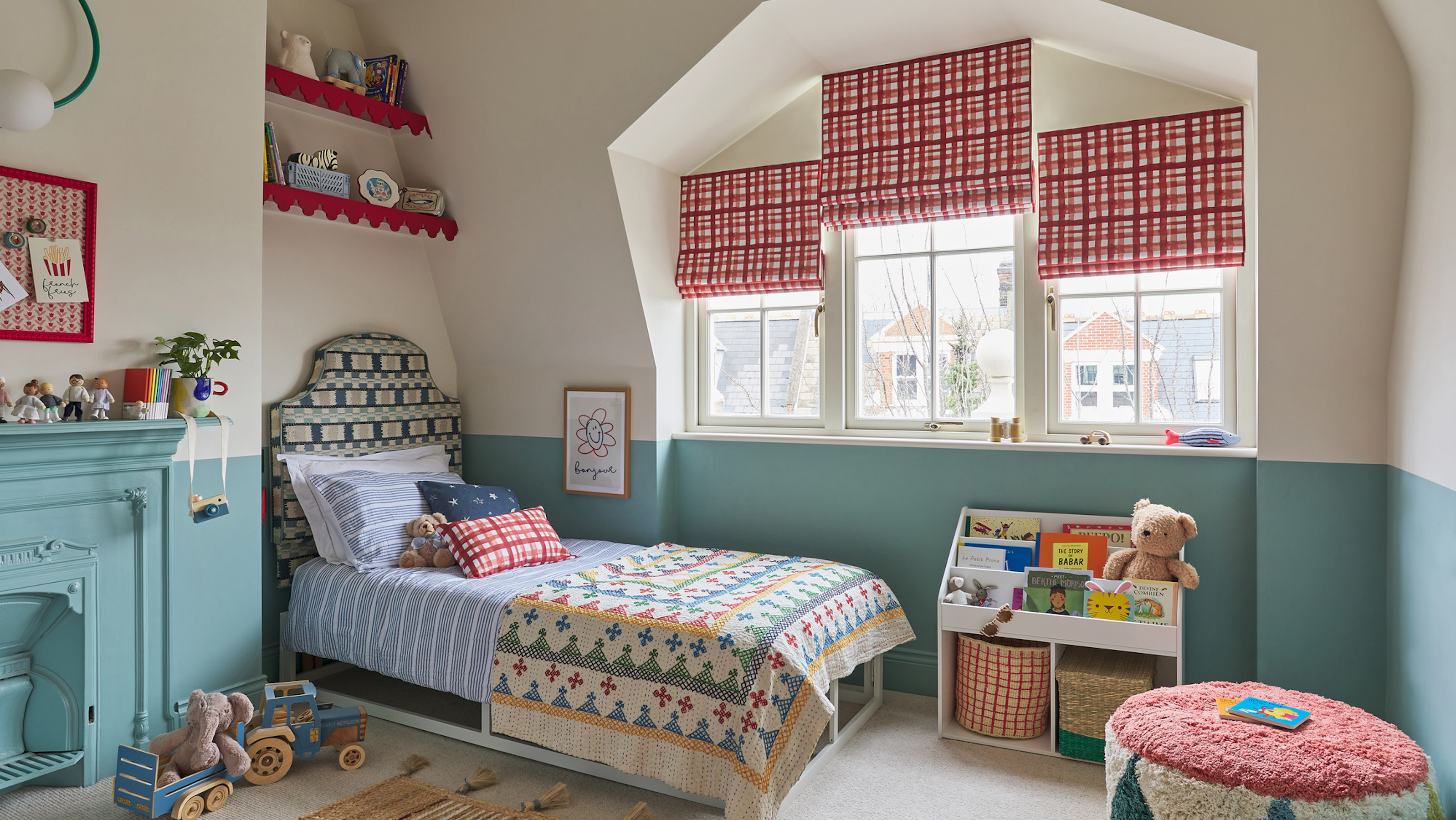
The best calming colours for kids' bedrooms to create a soothing and stylish scheme for little ones

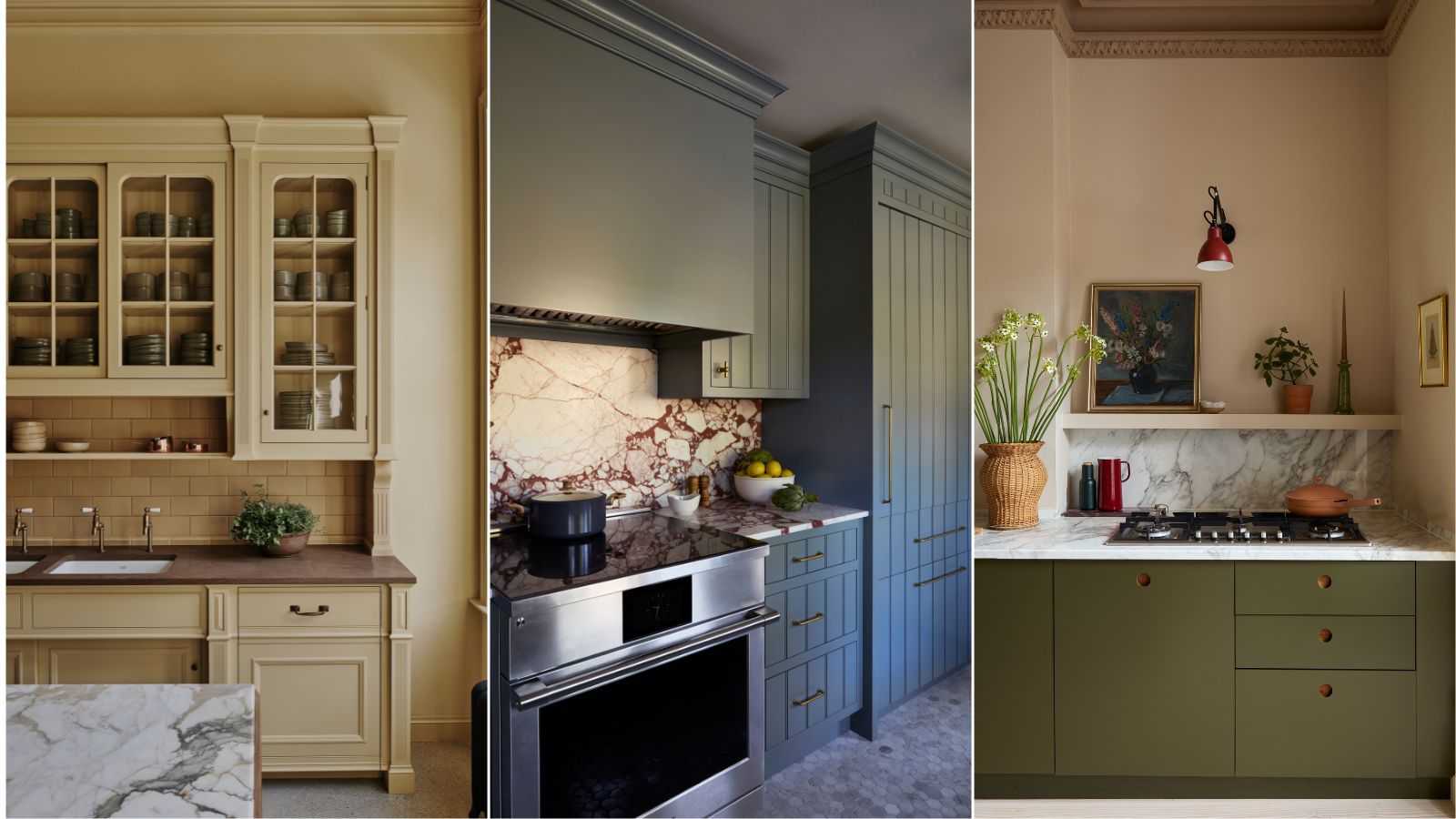
6 calming kitchen colors that will make this hardworking space instantly more serene

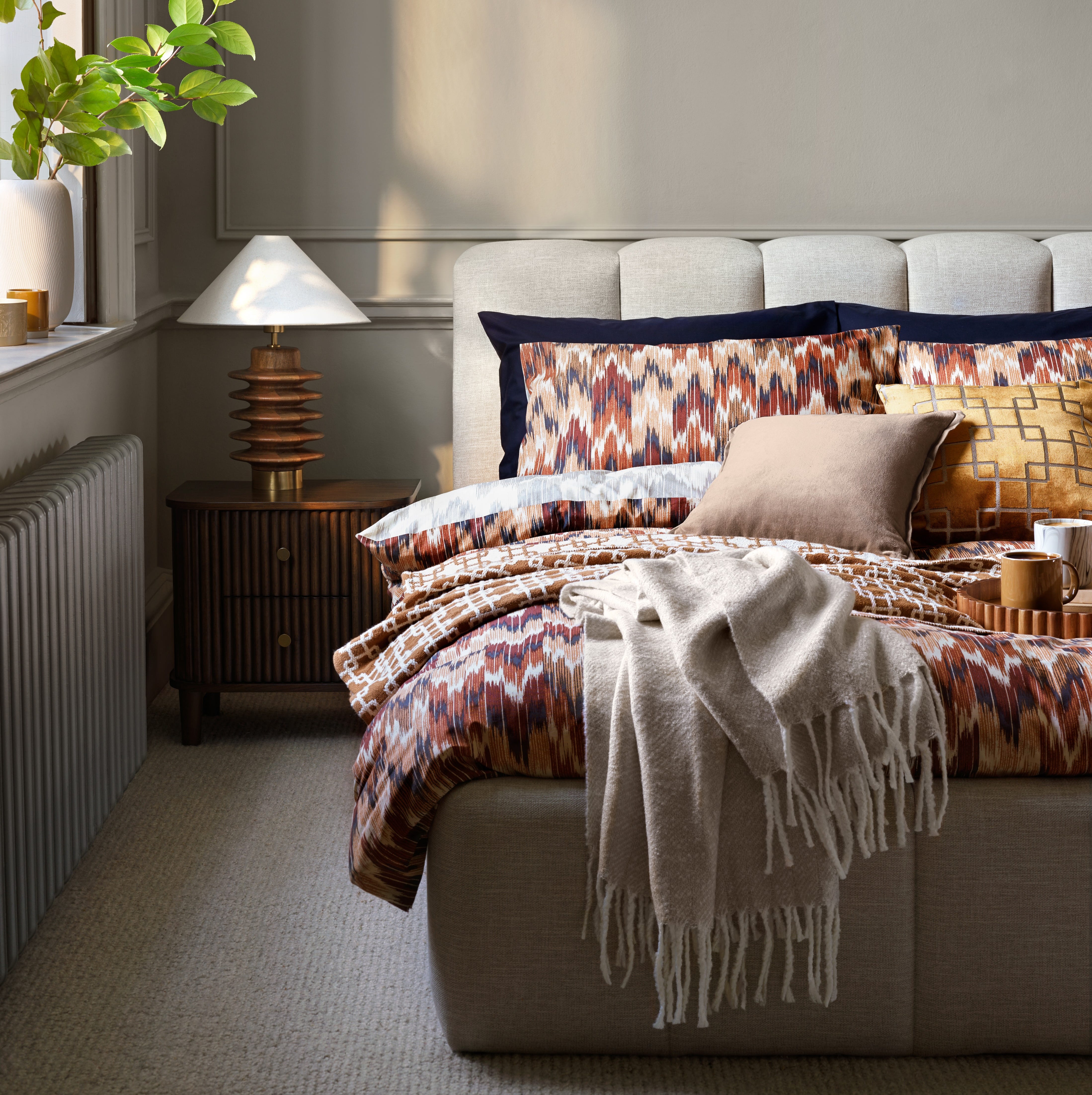
16 beautiful bedroom colour ideas and how to use them
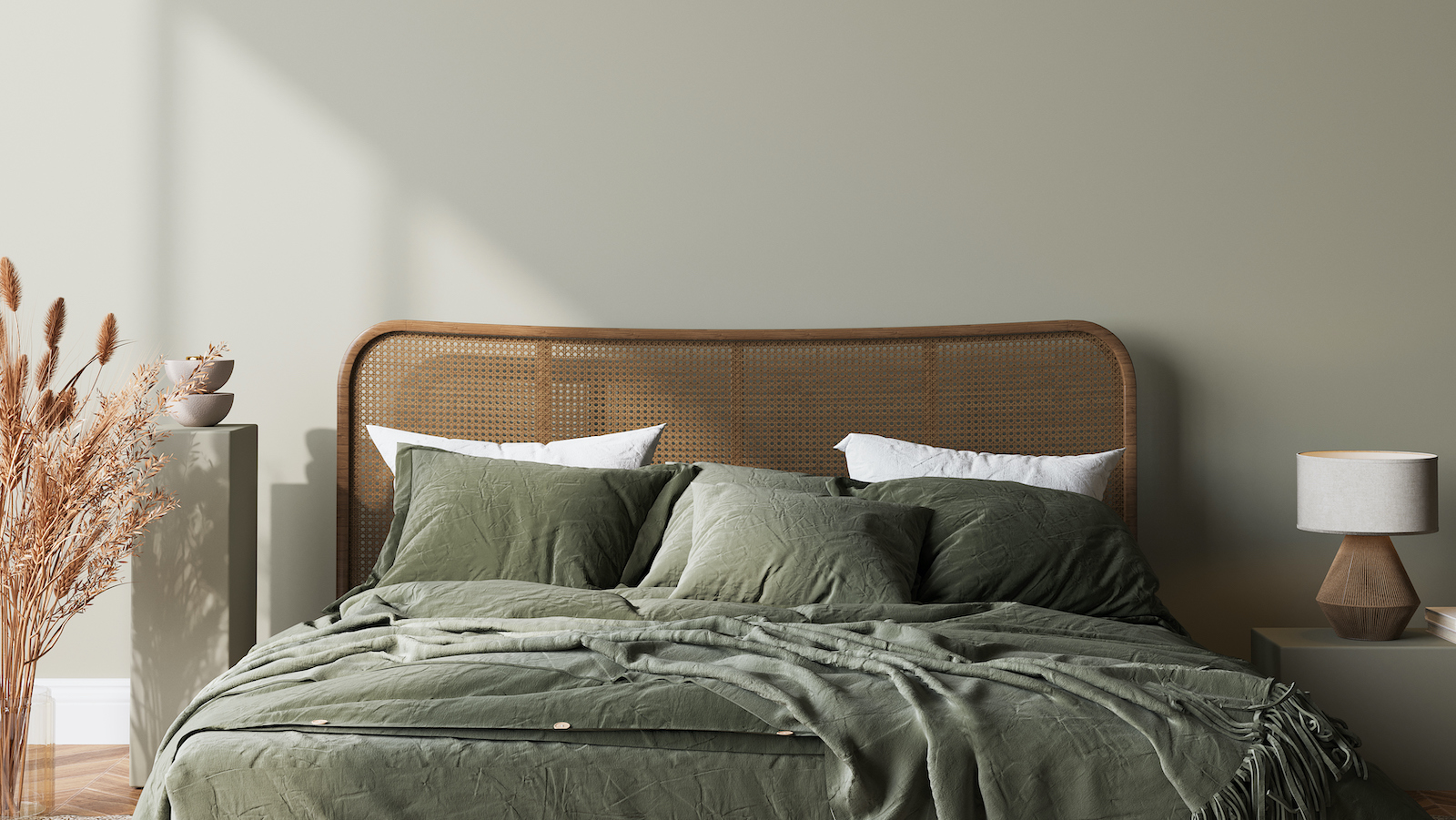
What is the most calming color for a small bedroom? Experts weigh in on what works and what to avoid

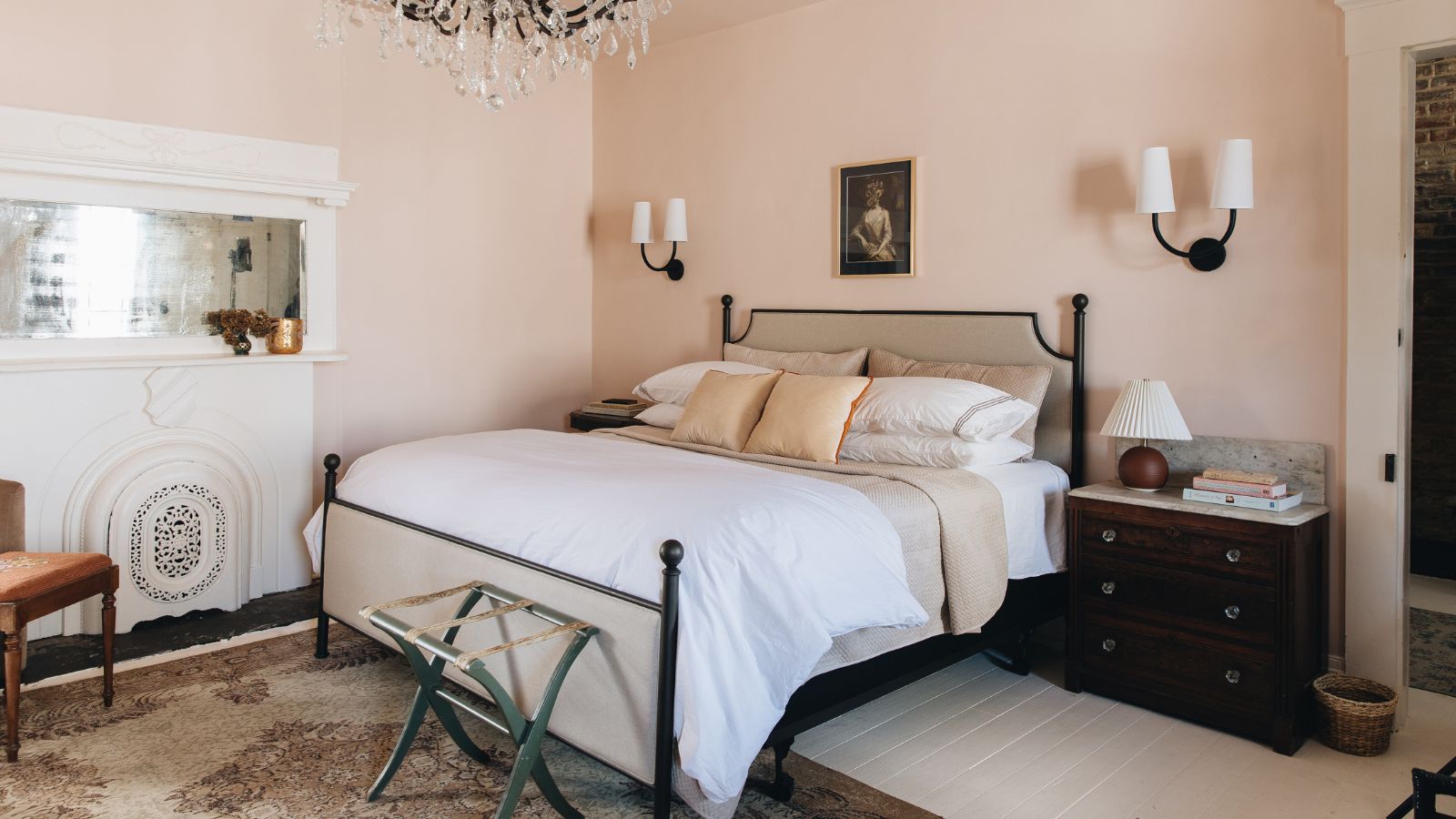
10 designers on the bedroom colors they always recommend
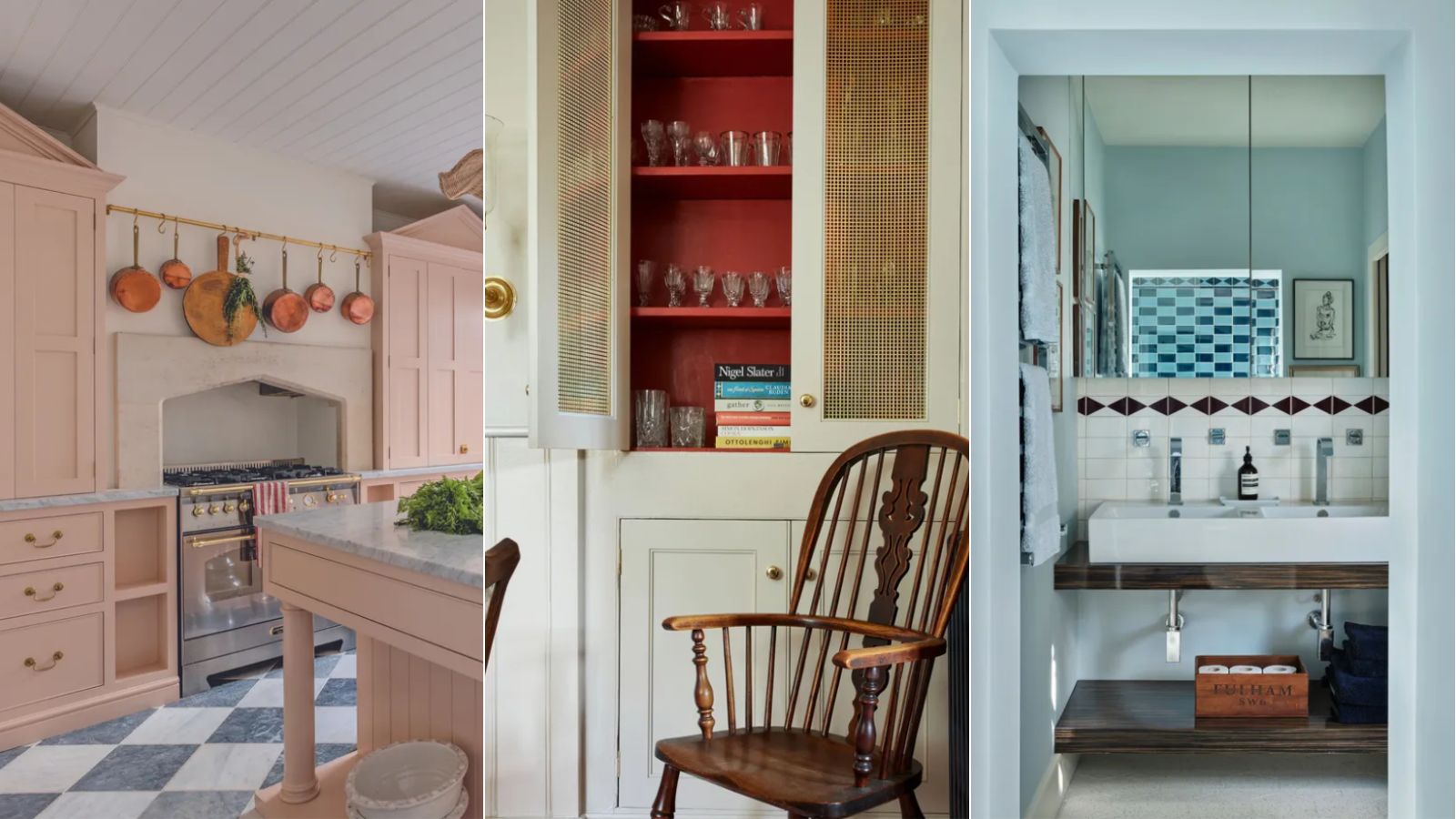
A color psychologist says these color schemes are the most likely to boost your mood
6 Calming Paint Colors Designers Swear By For A Relaxing Living Room