Oil vs Latex Paint for Millwork (Ben Moore Aura Review)
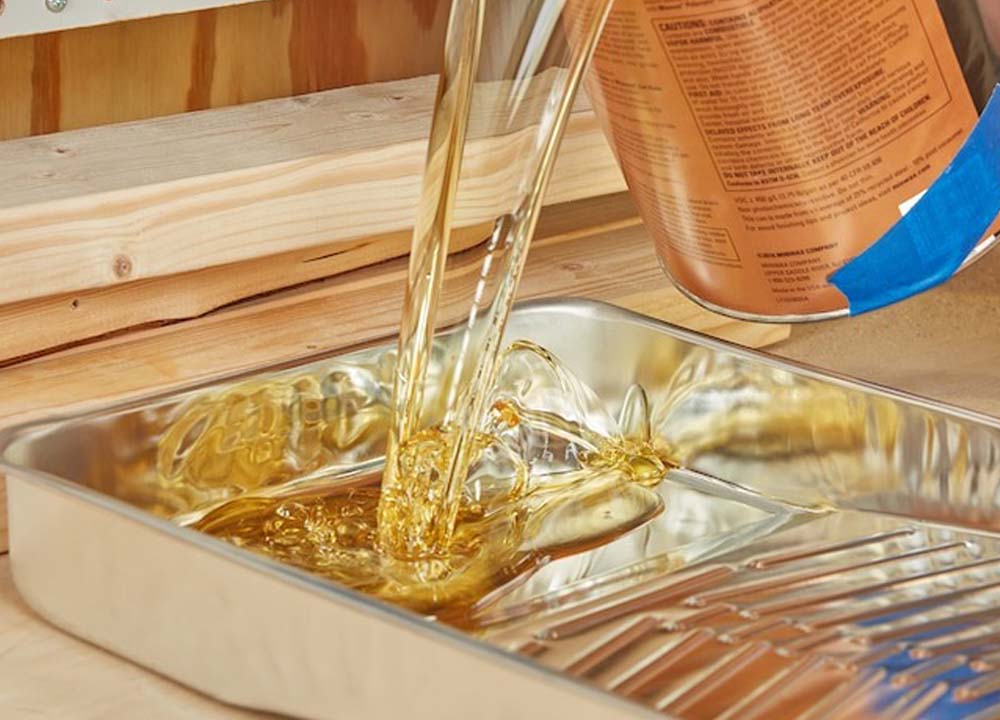
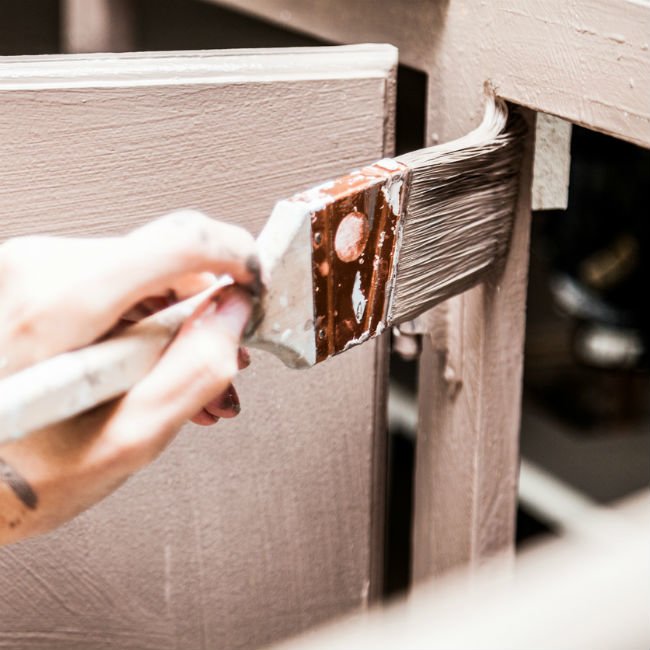
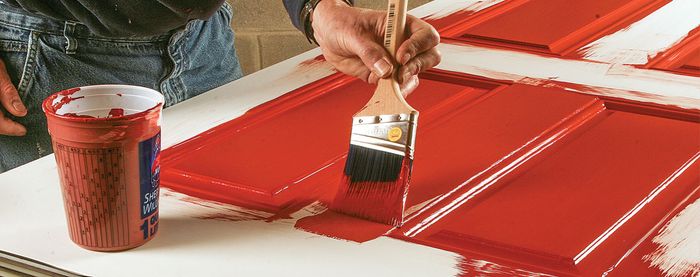
The quality of a home's paint finish significantly impacts its overall aesthetic and perceived value, often serving as a readily discernible marker of craftsmanship. While complex structural elements might be overlooked by an untrained eye, a subpar paint job is easily identifiable. Historically, oil-based paints have been favored for millwork, such as trim and doors, due to their ability to provide a smooth, fine finish, good sandability between coats, and a durable, scrubbable, and long-lasting surface. This makes them ideal for high-touch areas where longevity and a pristine appearance are crucial.
However, oil-based paints come with several disadvantages. Their cleanup requires solvents, posing environmental and recycling challenges, and adding to project costs. They also have extended drying times, often requiring over 24 hours between coats, which can significantly delay project timelines. Furthermore, oil paints contain high levels of volatile organic compounds (VOCs), contributing to poor indoor air quality and potential health concerns. A less commonly known drawback is their tendency to yellow over time, especially in areas with limited light exposure, such as the inside of a wall cavity where a pocket door might reside.
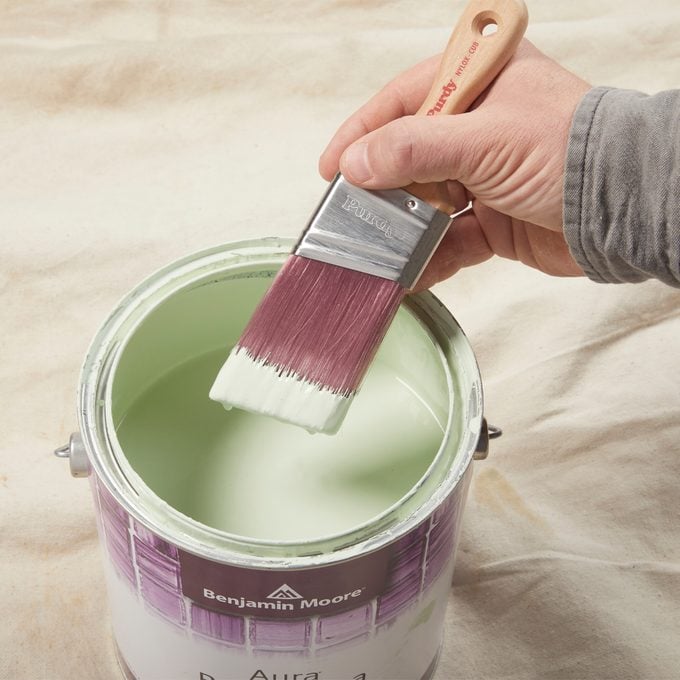
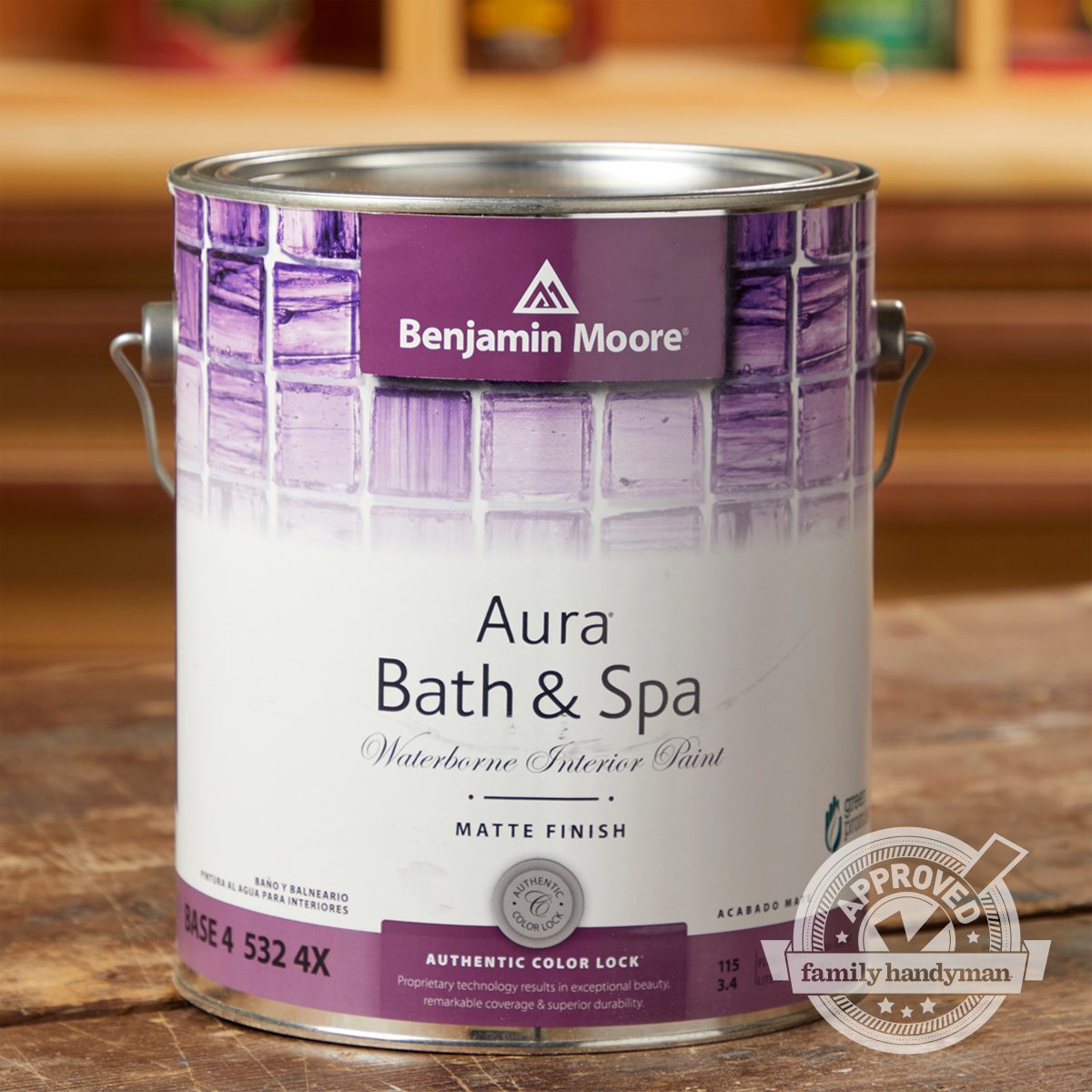
In the pursuit of a superior alternative, water-based (latex) paints have been explored for millwork, although finding one that replicates the benefits of oil paint without its drawbacks has historically been challenging. The Benjamin Moore Aura waterborne interior paint is presented as a potential solution that combines the desirable characteristics of oil paint with the advantages of a water-based formula. This product is particularly noted for its ability to "lay down" smoothly, mimicking the fine finish traditionally associated with oil paints, while being water-based.
This paint is being tested in a remodel project with a tight schedule, demonstrating its potential for high-quality results even under time constraints. The discussion also touches upon the application methods, specifically mentioning the use of a Graco Rac X fine finish sprayer tip for optimal results. The author expresses confidence that the Benjamin Moore Aura paint could be a viable, and perhaps superior, replacement for traditional oil-based millwork paints, effectively addressing concerns related to drying time, VOC content, and environmental impact.
Further comments from readers and professionals offer additional perspectives on water-based alternatives. Some users attest to Aura's performance with brush application, noting its oil-like flow but faster drying time, which necessitates quick work to avoid brush marks. The product's coverage is also praised. Other professional painters mention using acrylic latex paints with additives like Floetrol to achieve a smooth, high-gloss finish similar to old oil paints, emphasizing the rapid curing, sandability, and durability of modern water-based options. The consensus points towards water-based finishes becoming the industry standard due to lower VOC requirements, faster project completion, and environmental benefits, despite challenges such as the need for specialized spray equipment and the difficulty in achieving a true high-gloss finish comparable to traditional oil paints without extra steps like clear topcoats. Practical concerns regarding the tackiness of cured finishes and their performance on moving parts like double-hung windows and exterior doors against weather stripping are also raised, highlighting crucial considerations for real-world application.
#PaintReview #MillworkPainting #WaterBasedPaint #OilVsLatex #BenjaminMooreAura #HomeImprovement #PaintingTechniques #VOCCompliance #PaintReview #MillworkPainting #WaterBasedPaint #OilVsLatex #BenjaminMooreAura #HomeImprovement #PaintingTechniques #VOCCompliance
0 comment in total
 No comments yet
You may also like
15 Best Oil Paint Brands


These Master Tips Will Help You Avoid Choosing The Wrong Type Of Paint

Solved! The Best Paint for Trim

The Best Roller For Your Painting Projects, According To An Expert

Understanding paint finishes

Why Benjamin Moore’s Aura Bath and Spa Paint Is the Best – An Honest Review

The Best Brushes for Polyurethane Applications

Solved! The Rules for Painting Over Oil-Based Paint
When Should You Use Oil-Based vs. Water-Based Paint?

In Depth: Moulding, millwork & trim

The Best Painting Tools
Undercoat & Primer Paints