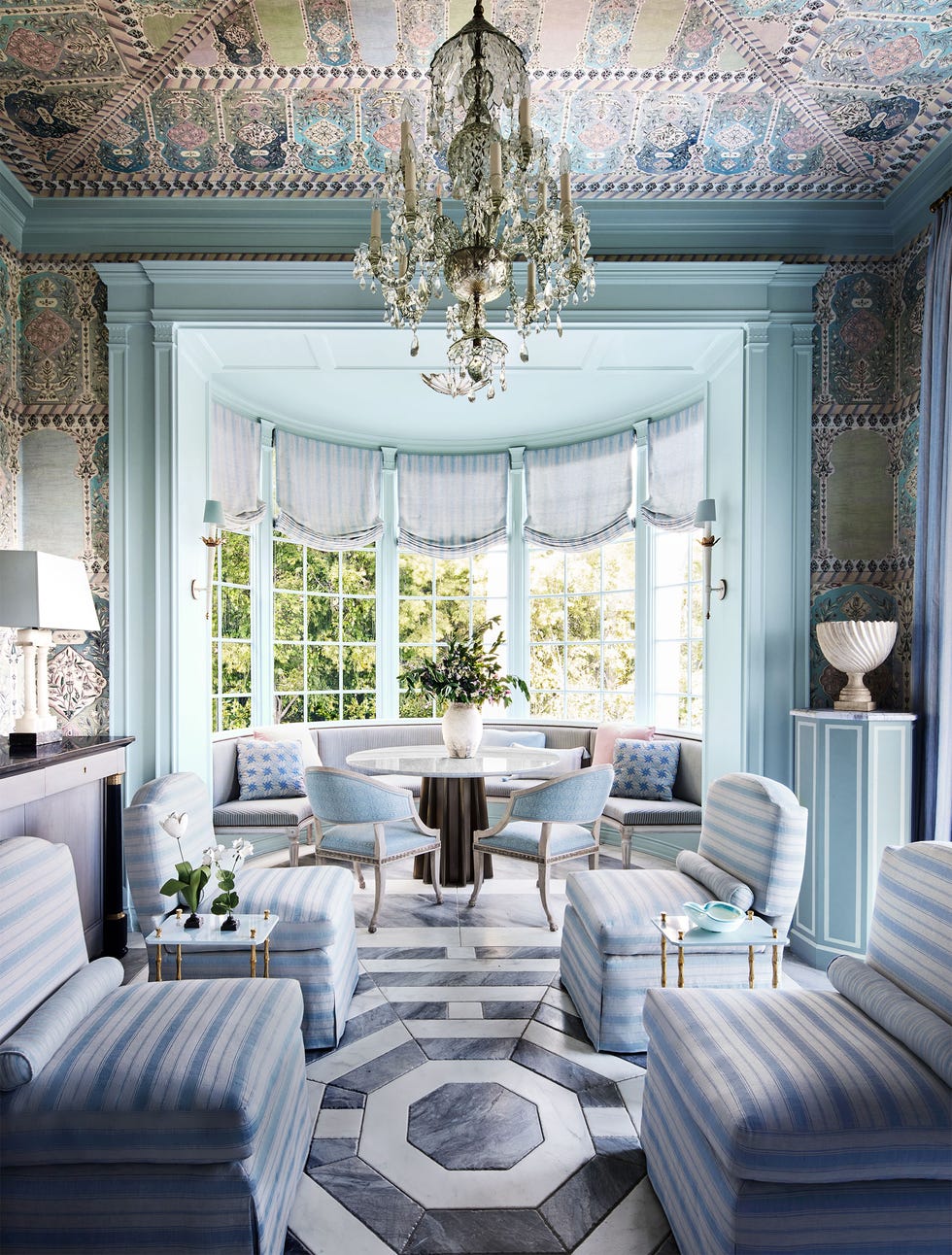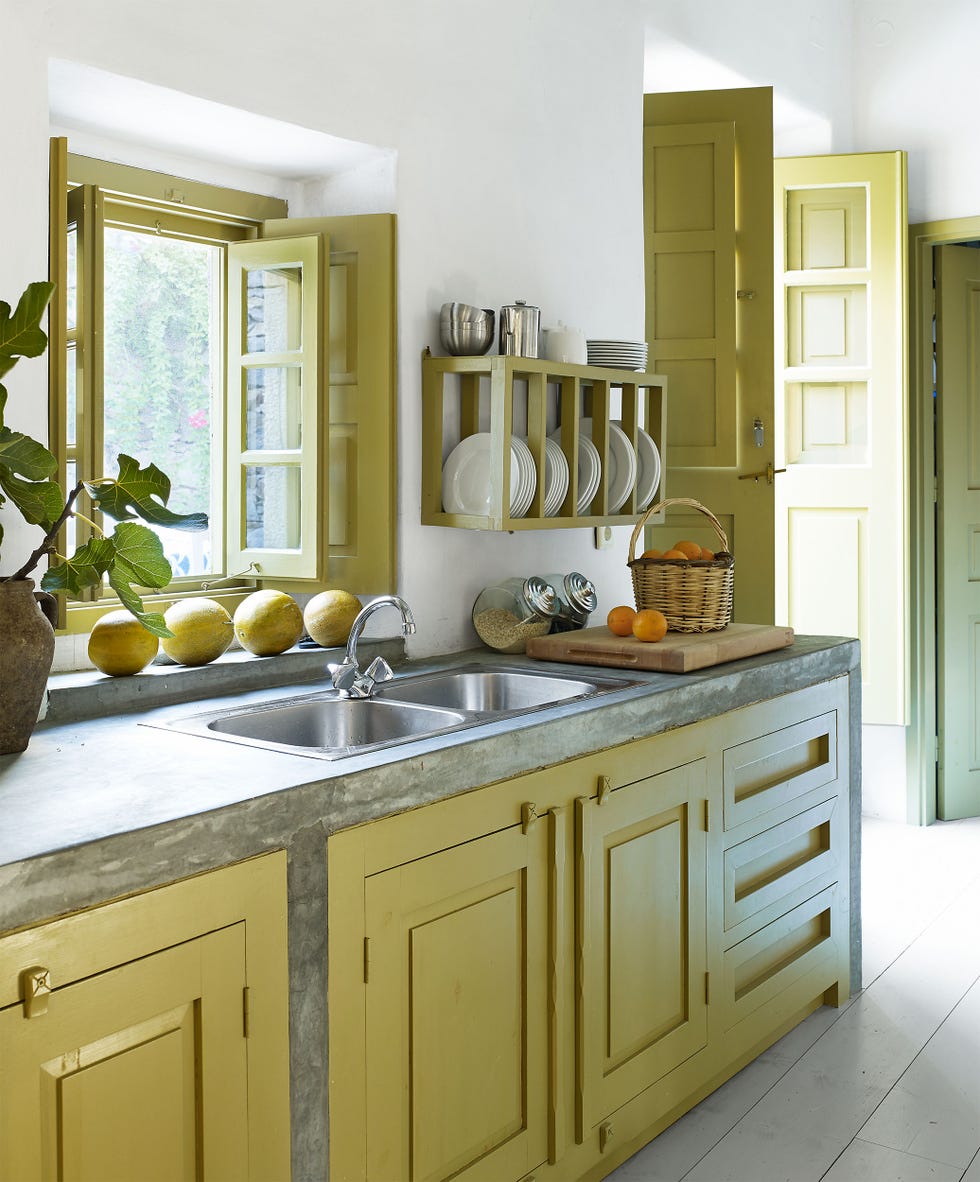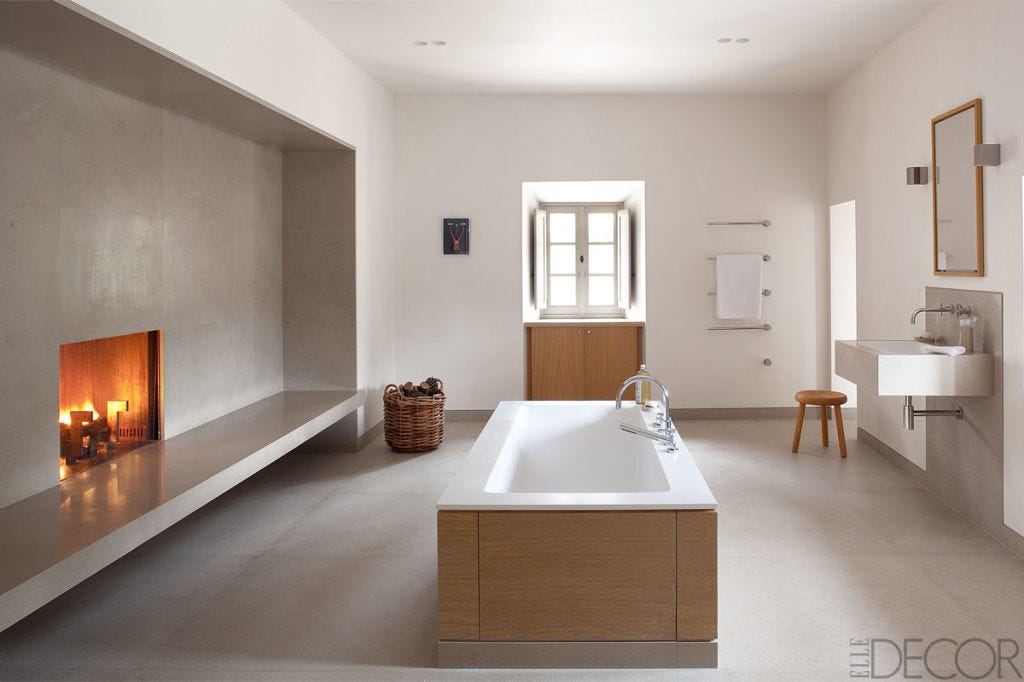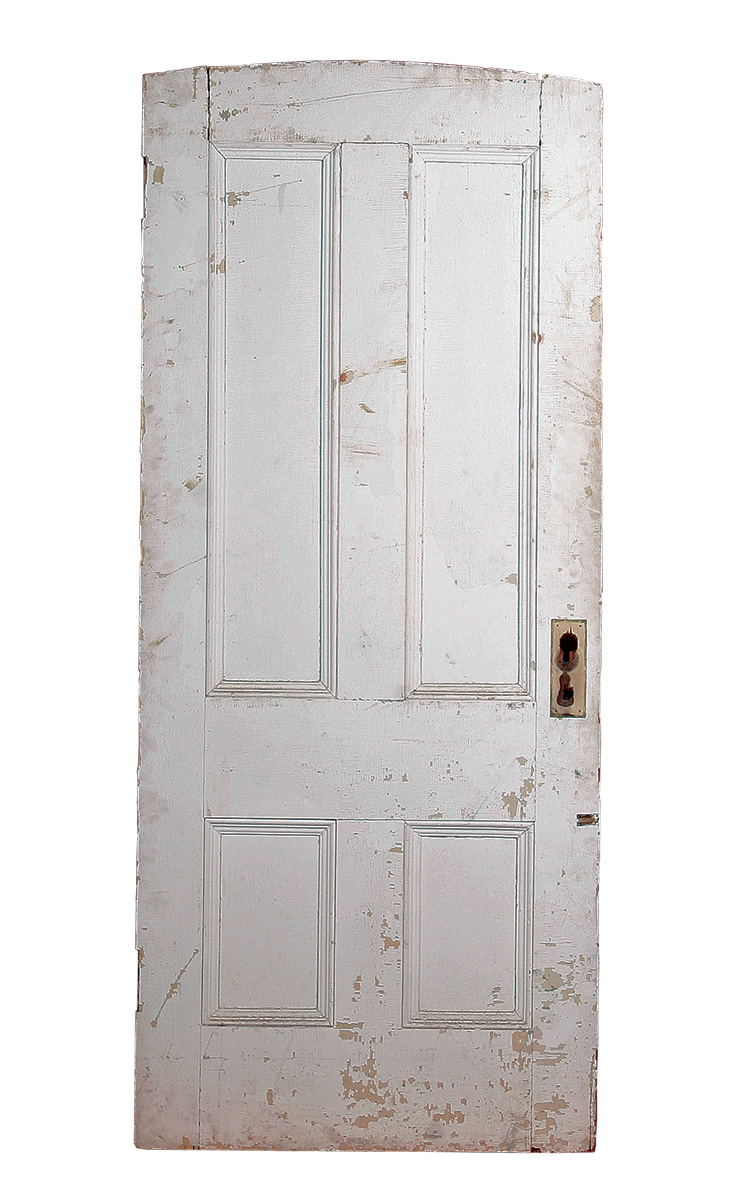
1/3
Solved! The Best Paint for Trim
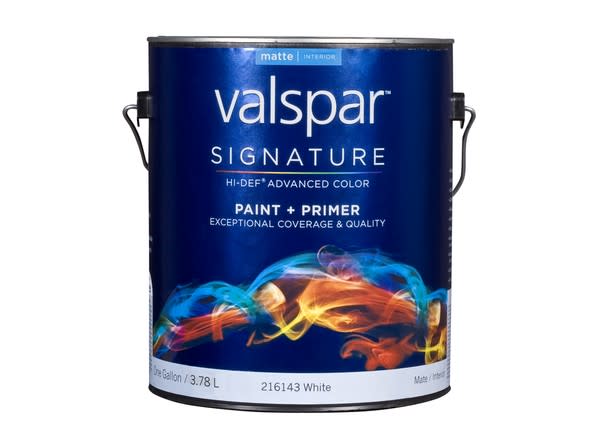
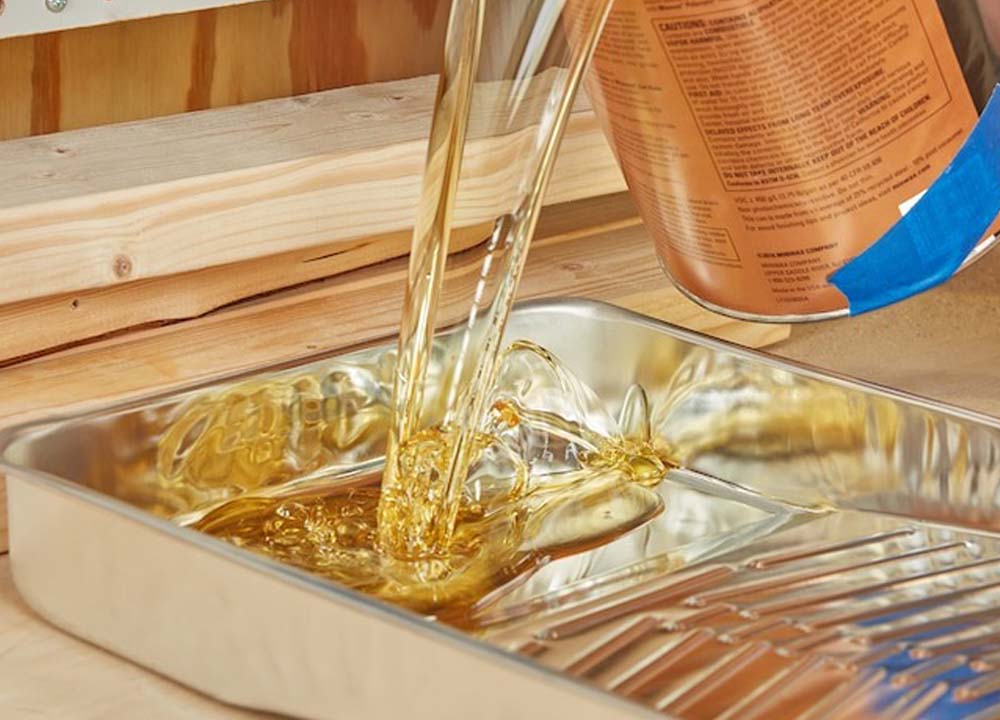
This article provides guidance on selecting the optimal paint for trim, covering both interior and exterior applications, while also offering advice on cost-saving measures. The author addresses a common concern about the perceived higher cost of specialized trim paints, clarifying that while such paints are suitable, ordinary paints with similar properties can achieve comparable results at a lower price point. The discussion begins by recommending oil-based paint for trim due to its thicker consistency and longer drying time, which are beneficial for filling minor imperfections and preventing sagging. The alkyd or natural oil binders in oil-based paints also provide enhanced resistance to moisture and wear, making them ideal for high-traffic or water-prone areas like bathrooms and hallways.
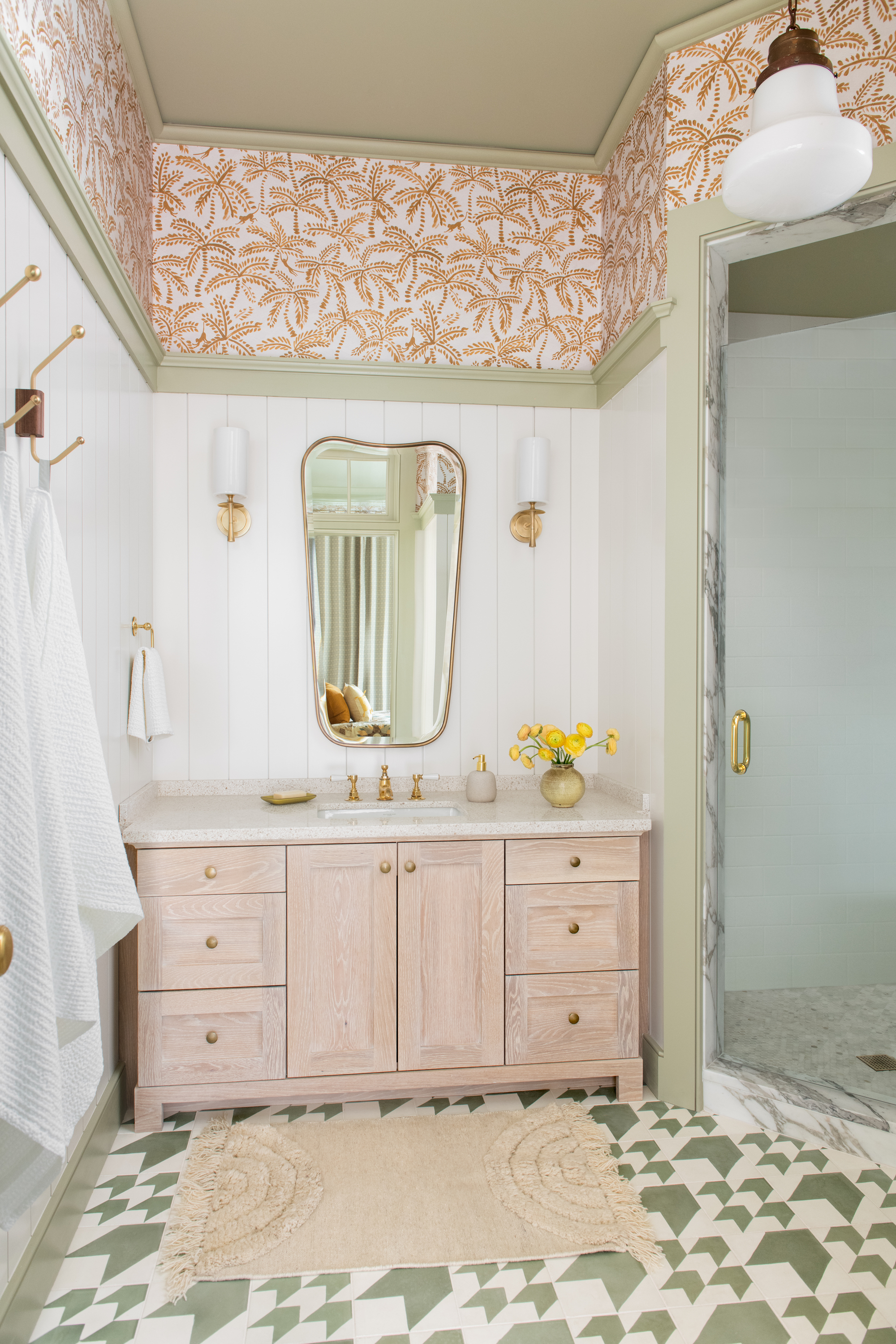
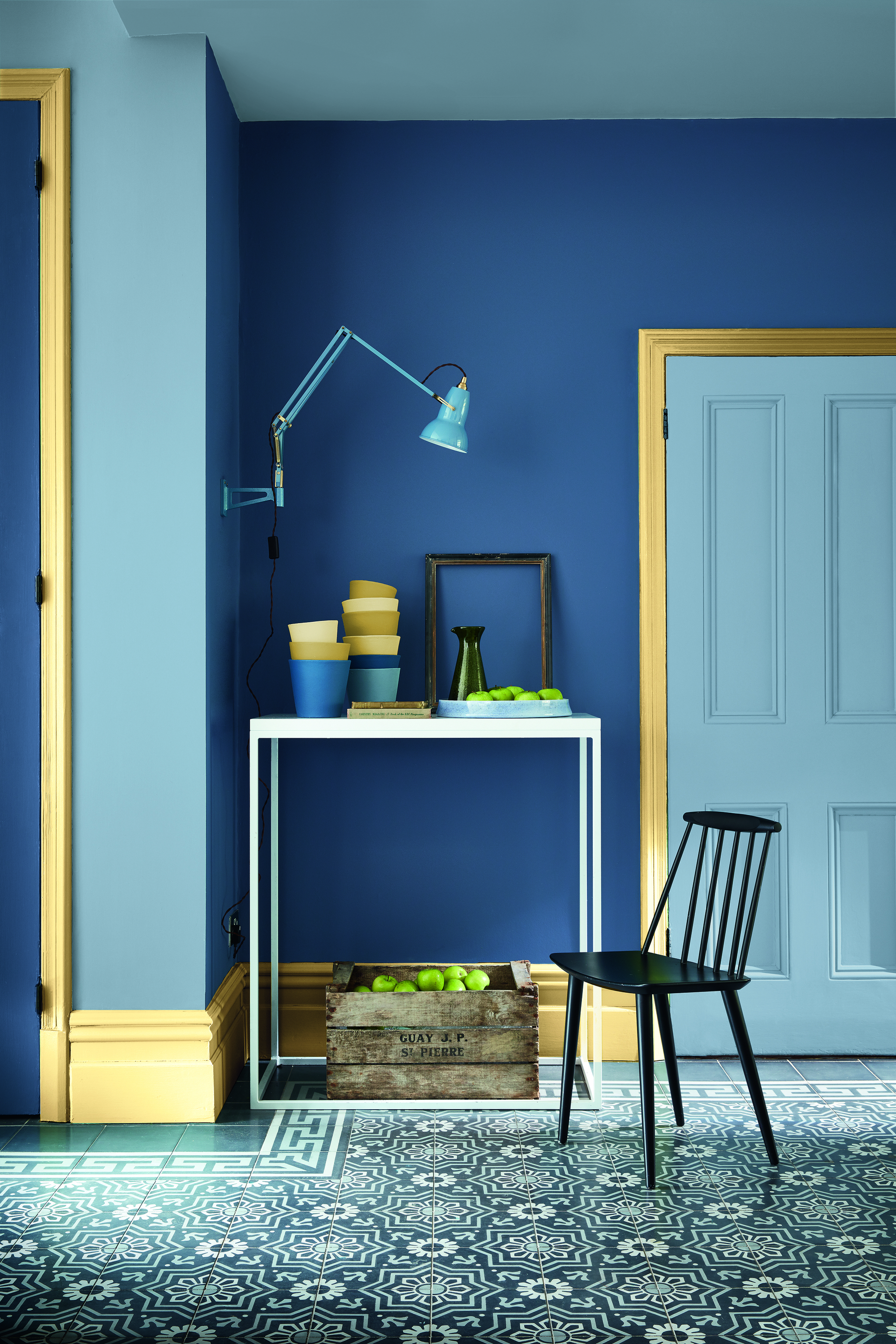
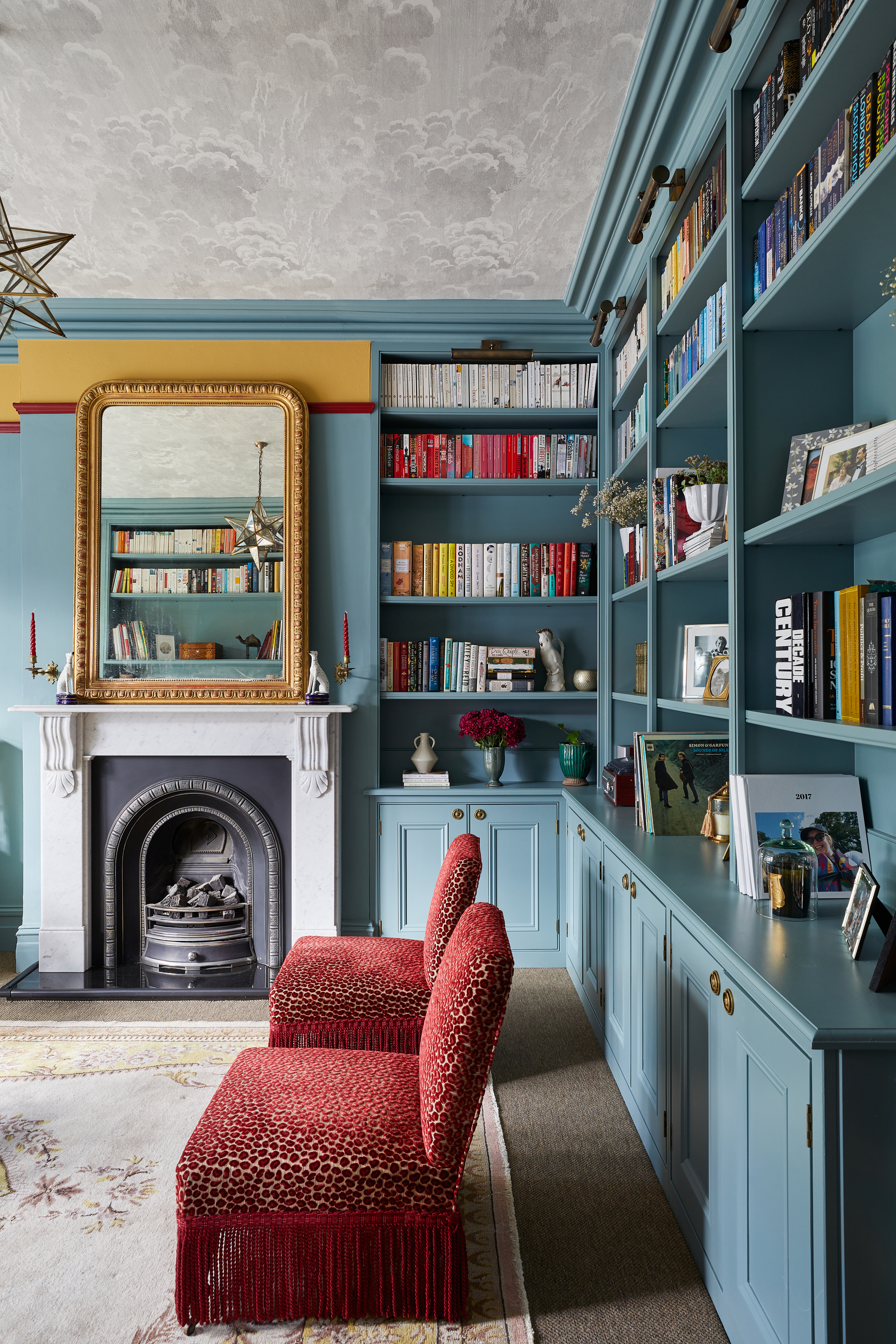
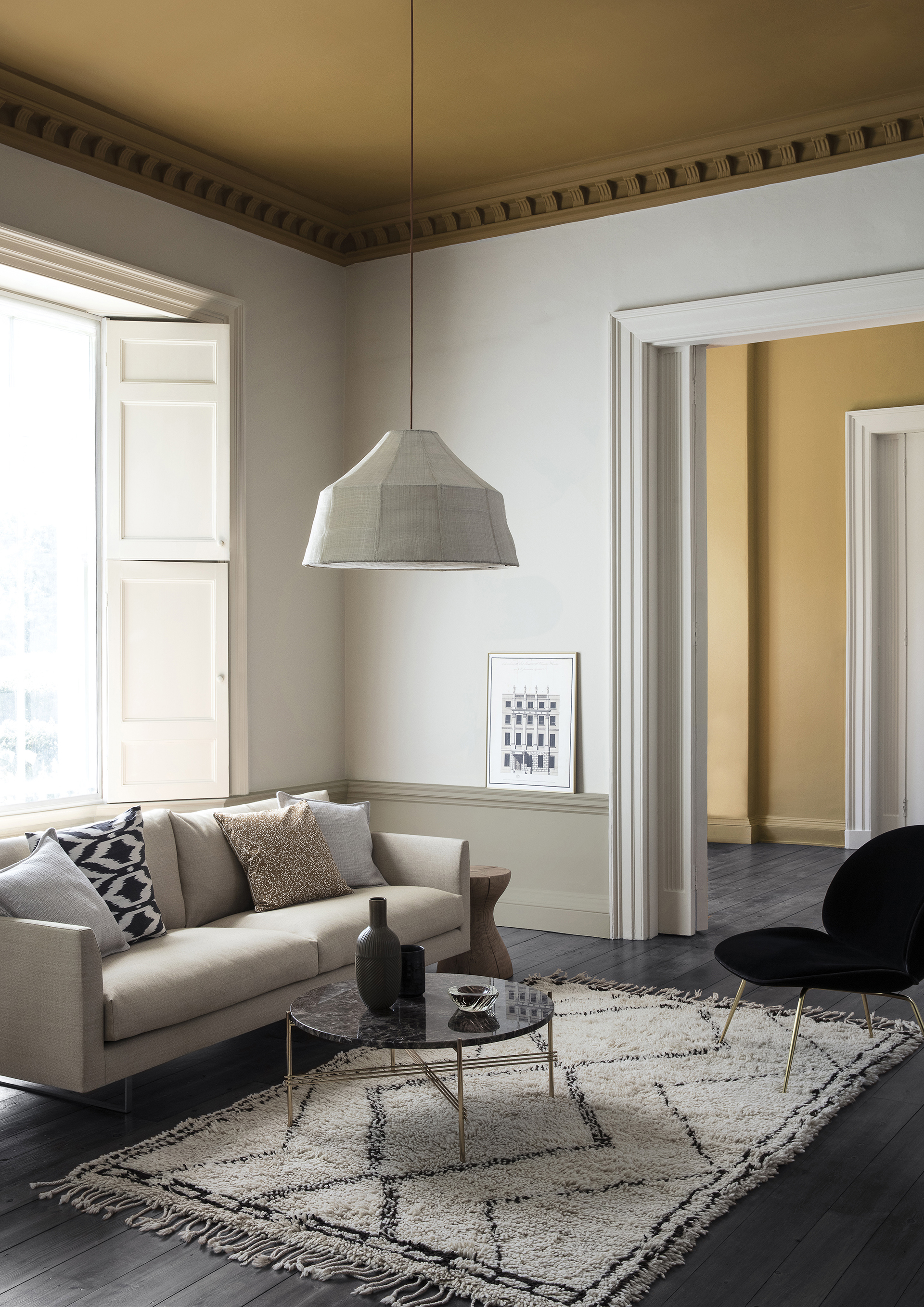
Next, the article emphasizes the importance of choosing paint based on its intended placement. For interior trim like baseboards and door casings, an oil-based paint labeled "interior" or "interior/exterior" is suggested. However, for exterior trim, an "interior/exterior" label is crucial as these paints are specifically formulated to endure varying weather conditions, including heat, cold, and rain. The article further recommends selecting an oil-based interior/exterior paint with mold and mildew resistance for superior moisture protection on exterior trim. The ideal sheen for trim is then explored, with semi-gloss being highlighted as the industry standard. Flat and matte finishes are deemed less suitable because their coarse texture makes them harder to clean and their low reflectivity fails to accentuate decorative trim details. While satin, gloss, and high gloss are also acceptable, semi-gloss offers a balanced combination of aesthetic appeal and practicality, being smoother and more reflective than satin while effectively masking imperfections better than higher gloss options.
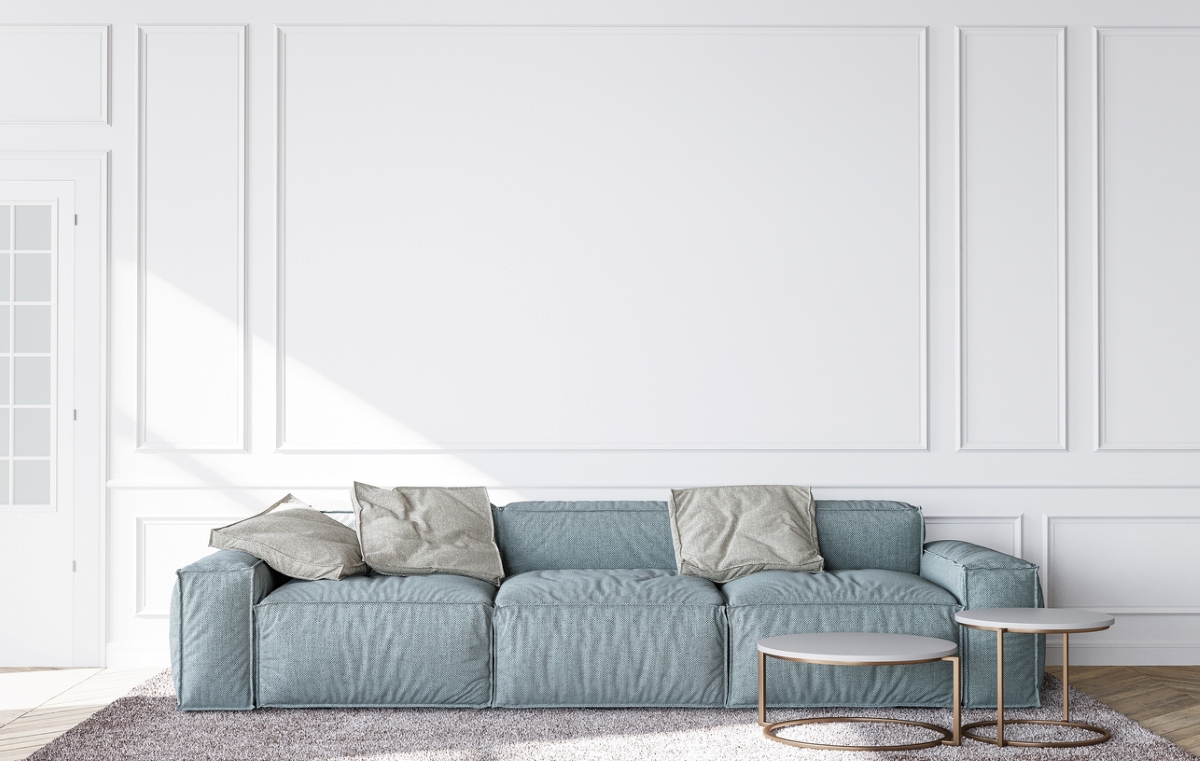
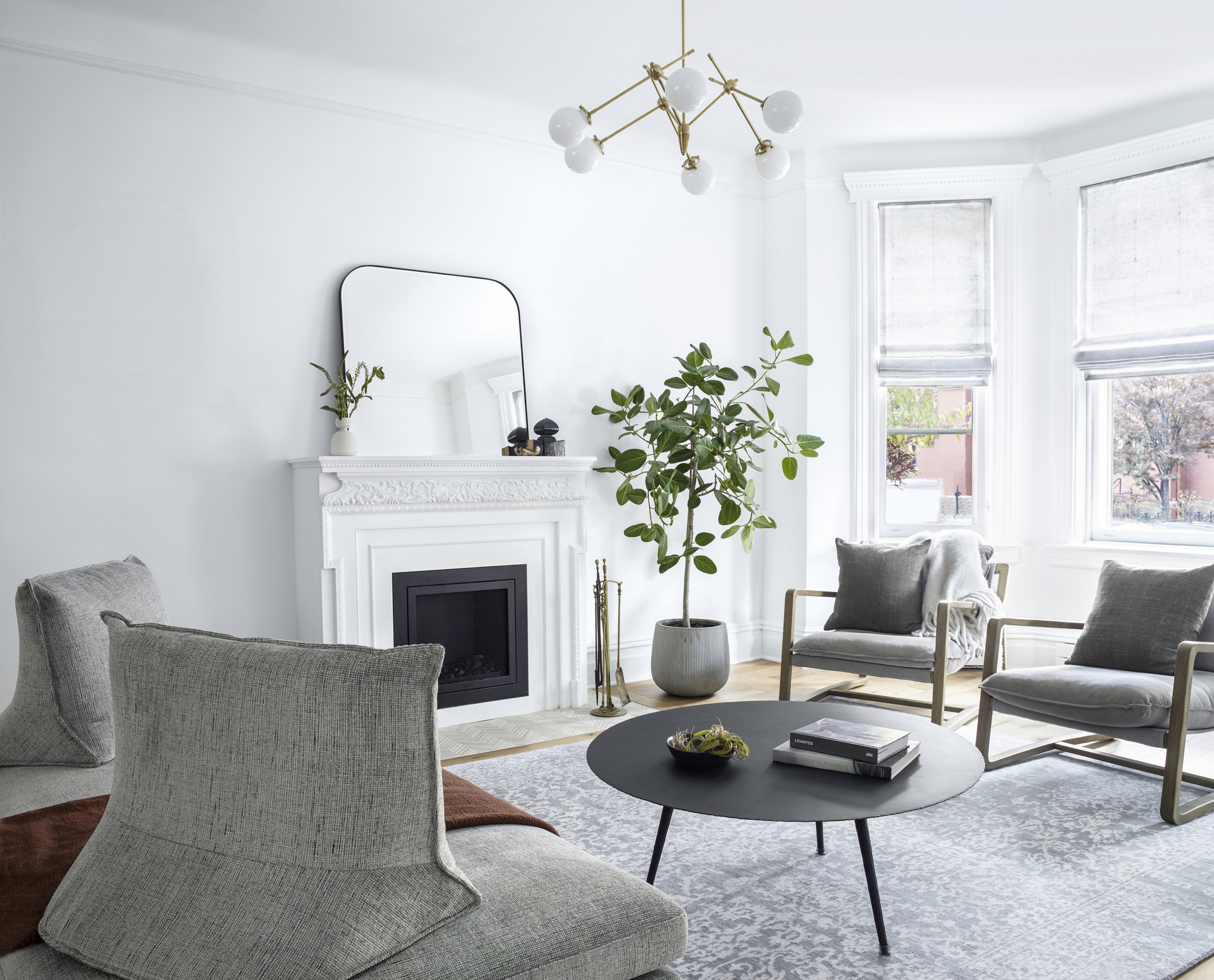
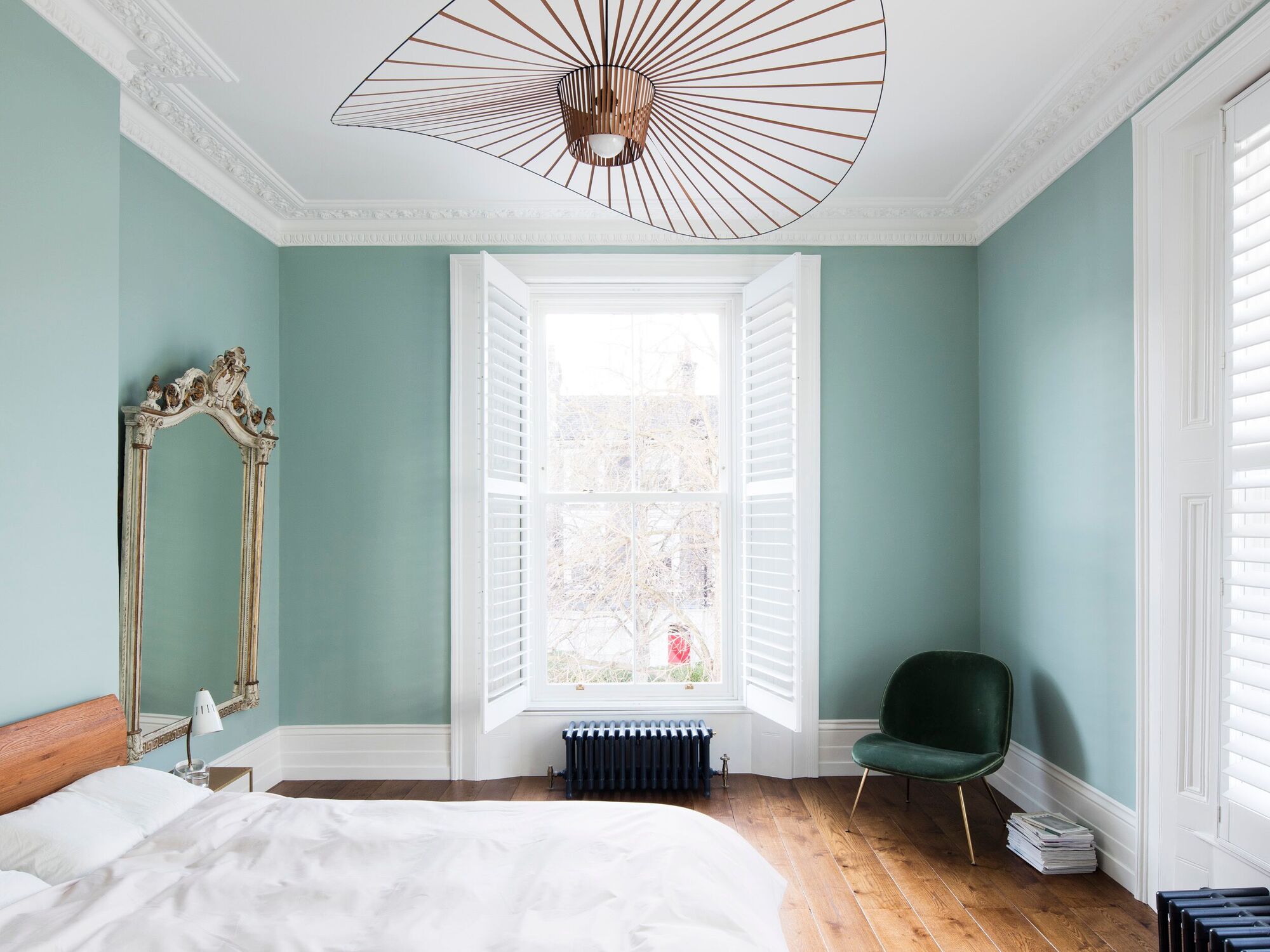
The article also delves into color selection, identifying white as the most popular and versatile choice for trim. White complements a wide range of design schemes, from modern to rustic, harmonizes well with neutral-colored walls, and provides a visual break from brighter hues. Its versatility ensures that it remains appropriate even if wall or siding colors are changed. A crucial consideration for white oil-based paint is its tendency to yellow when exposed to sunlight and heat. Therefore, for trim located near windows, in poorly ventilated rooms, or outdoors, the article advises opting for an oil-based paint specifically formulated to resist yellowing, such as Manor Hall Interior Alkyd.
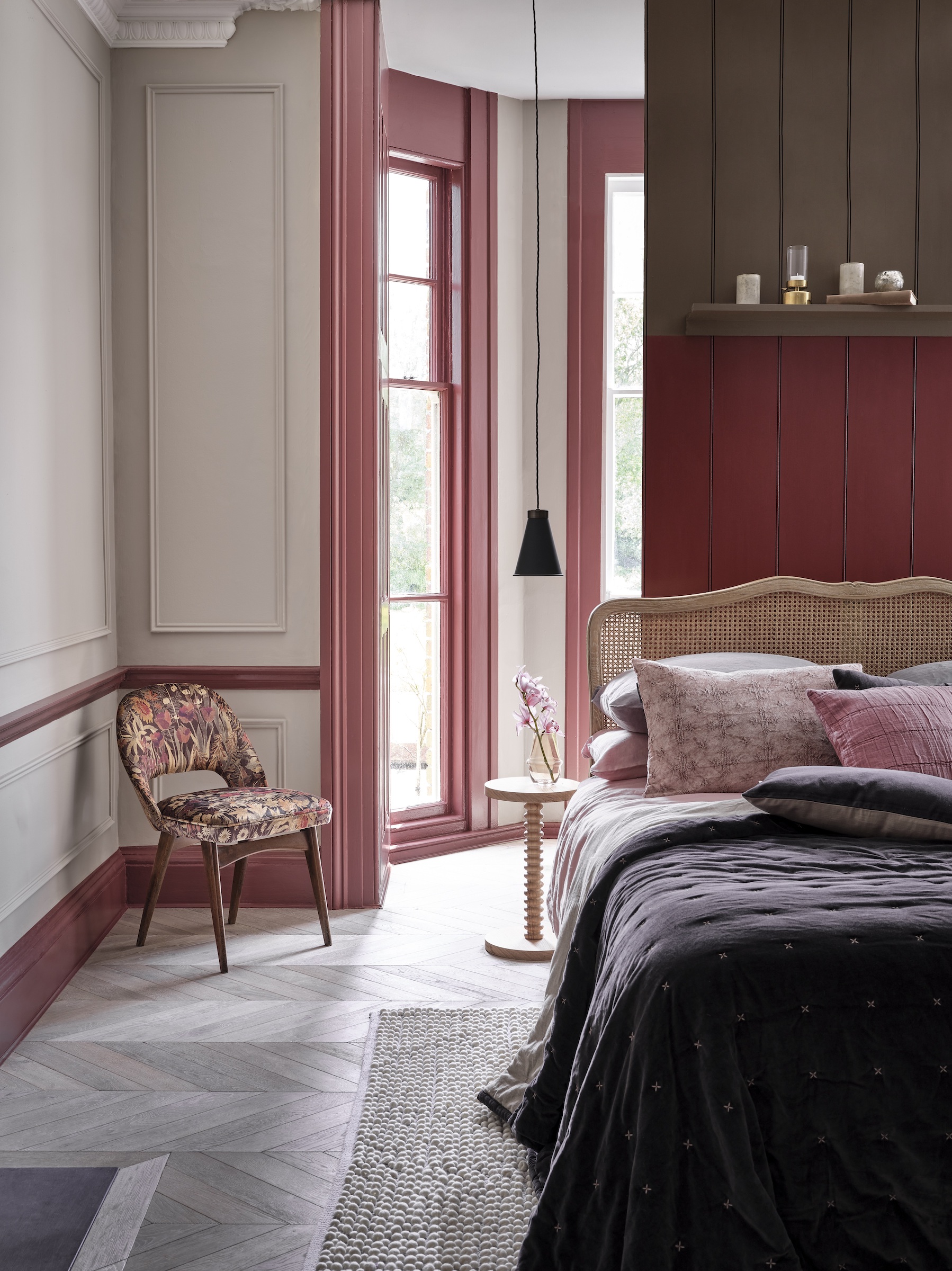
Finally, the article covers the use of primer. For new trim, when changing from a dark to a light color, or if the previous paint coat is flaking, a dedicated oil-based interior or interior/exterior primer is recommended over a paint-and-primer-in-one product. An oil-based primer, like KILZ Original Oil-Based Interior Primer, ensures better paint adhesion and offers superior durability, moisture, and wear resistance compared to water-based alternatives. For white trim, users are advised to bring a paint swatch to the store to find a closely matching primer. For colored trim, selecting a white primer and having it custom-tinted to match the chosen shade is the recommended approach to achieve optimal results.
#PaintForTrim #OilBasedPaint #InteriorPainting #ExteriorPainting #SemiGloss #WhiteTrim #PaintPrimer #HomeImprovement #DIYPainting #PaintForTrim #OilBasedPaint #InteriorPainting #ExteriorPainting #SemiGloss #WhiteTrim #PaintPrimer #HomeImprovement #DIYPainting
0 comment in total
 No comments yet
You may also like
11 Pro Tips for How To Paint Trim

What are the best trim colors? 7 alternatives to white paint to elevate your room's palette

Why the Correct Trim Color Can Totally Transform Your Home
13 Paint Colors That Pair Well With Wood Trim

9 Best Paint Edging Tools for Painting Trim
The best paint stripper: 6 best buys for easy paint removal

How To: Choose a Paint Finish
8 Best Paint Brushes for Painting Trim, Cabinets, Walls and Furniture in 2025
The Best Paint Brushes for Trim, Tested for Crisp, Clean Lines

Choose The Best Paint Then The Color | Interior Paint Reviews
Torture Test: Paint Strippers

Should I paint my wall trim white? The pros and cons to painting your molding
Brush Up Your Trim Game With These Top Paint Brushes
The Best Painting Tools
Paint finishes explained – an expert guide to choosing the perfect type of paint for your projects
Paint finishes – a guide for every room


5 Classic Wall and Trim Color Combinations—and 5 for Rule-Breakers Only
How to Paint Wood Paneling and Its Best Friend, the Trim

The 7 Best Paint Strippers and Removers of 2025
Types of Paint: A Guide to Paint Finishes and Surfaces