1/12
An Interior Stained-Glass Window Casts an Amber Glow on This Once Drab L.A. Home
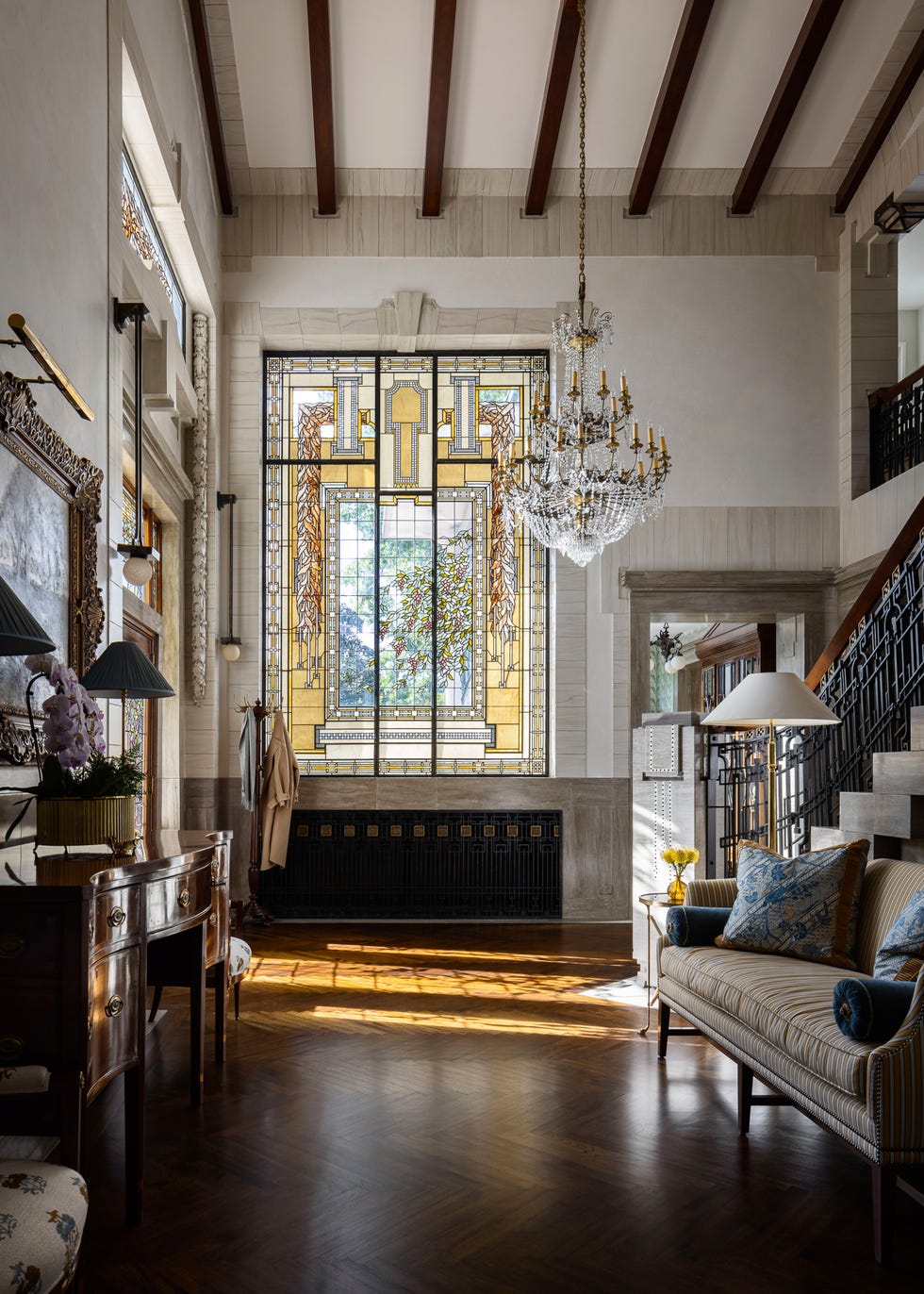
This article highlights the transformation of a Los Angeles home, originally designed in 1951 by Chinese American architect Gilbert Leong, who notably incorporated an ornate stained-glass window. Decades later, interior designer Sarah Zachary-Jones took on the task of updating the home for a young couple working in comedy, aiming to refresh the entry, dining space, and two living rooms while preserving its mid-century character.
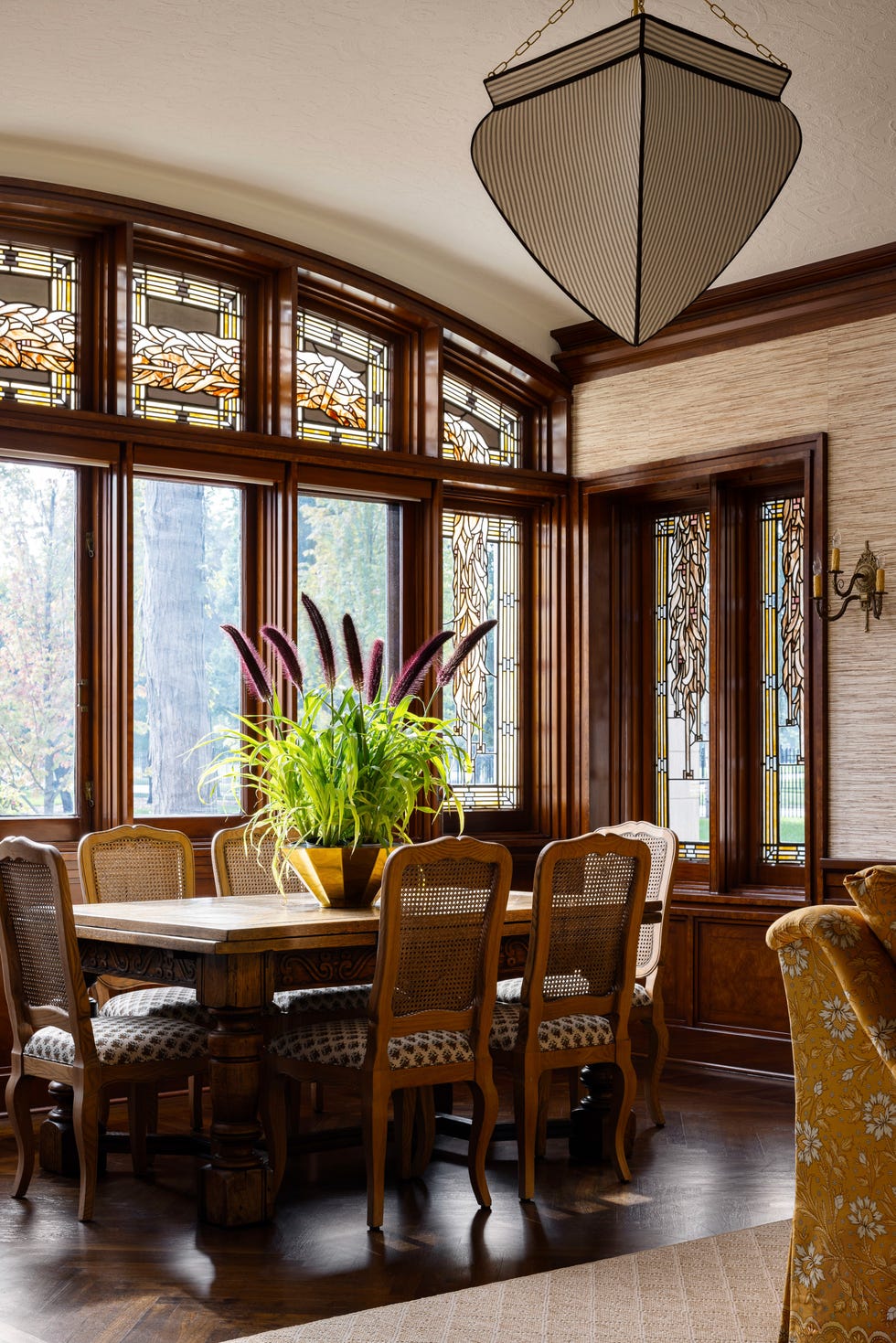
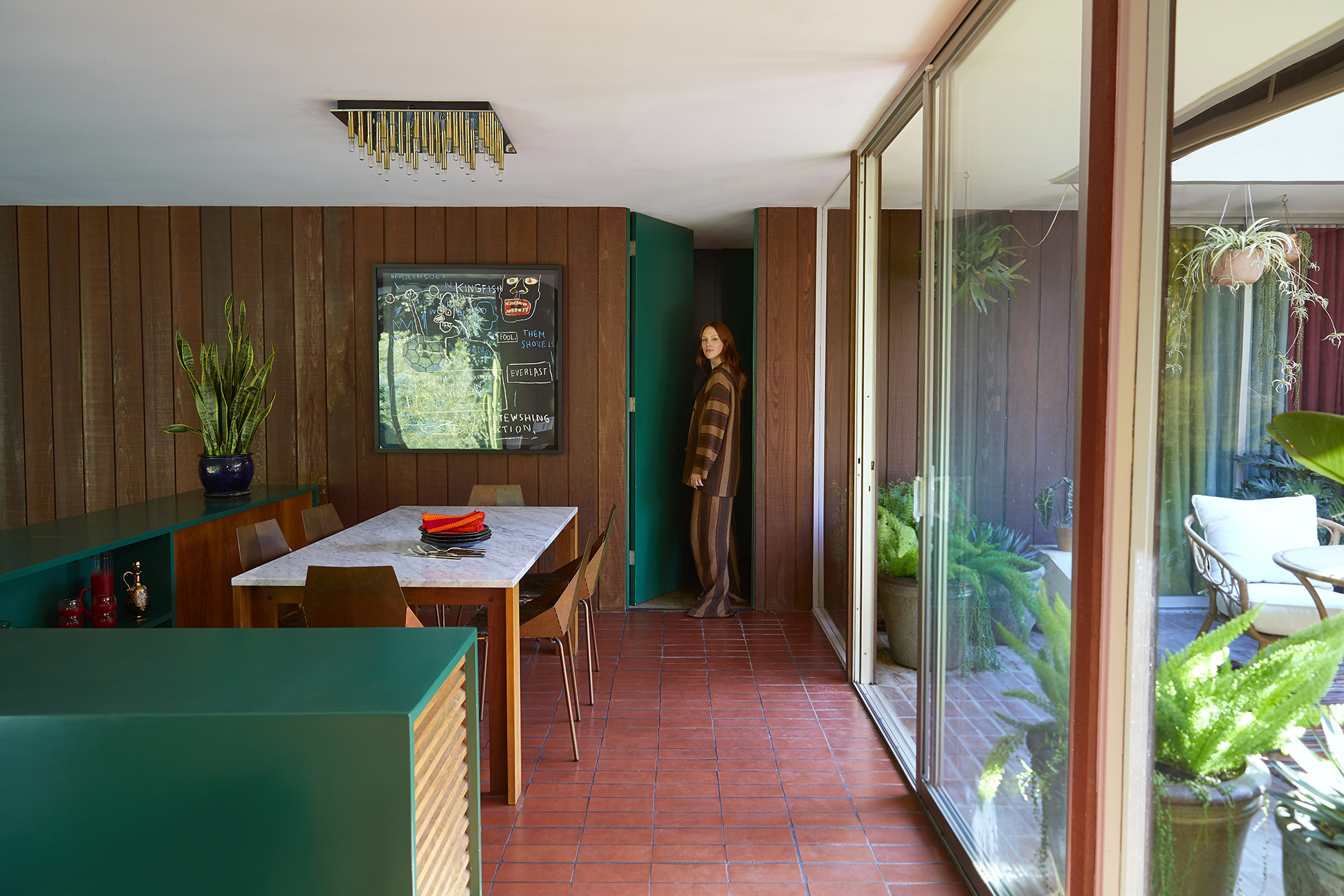
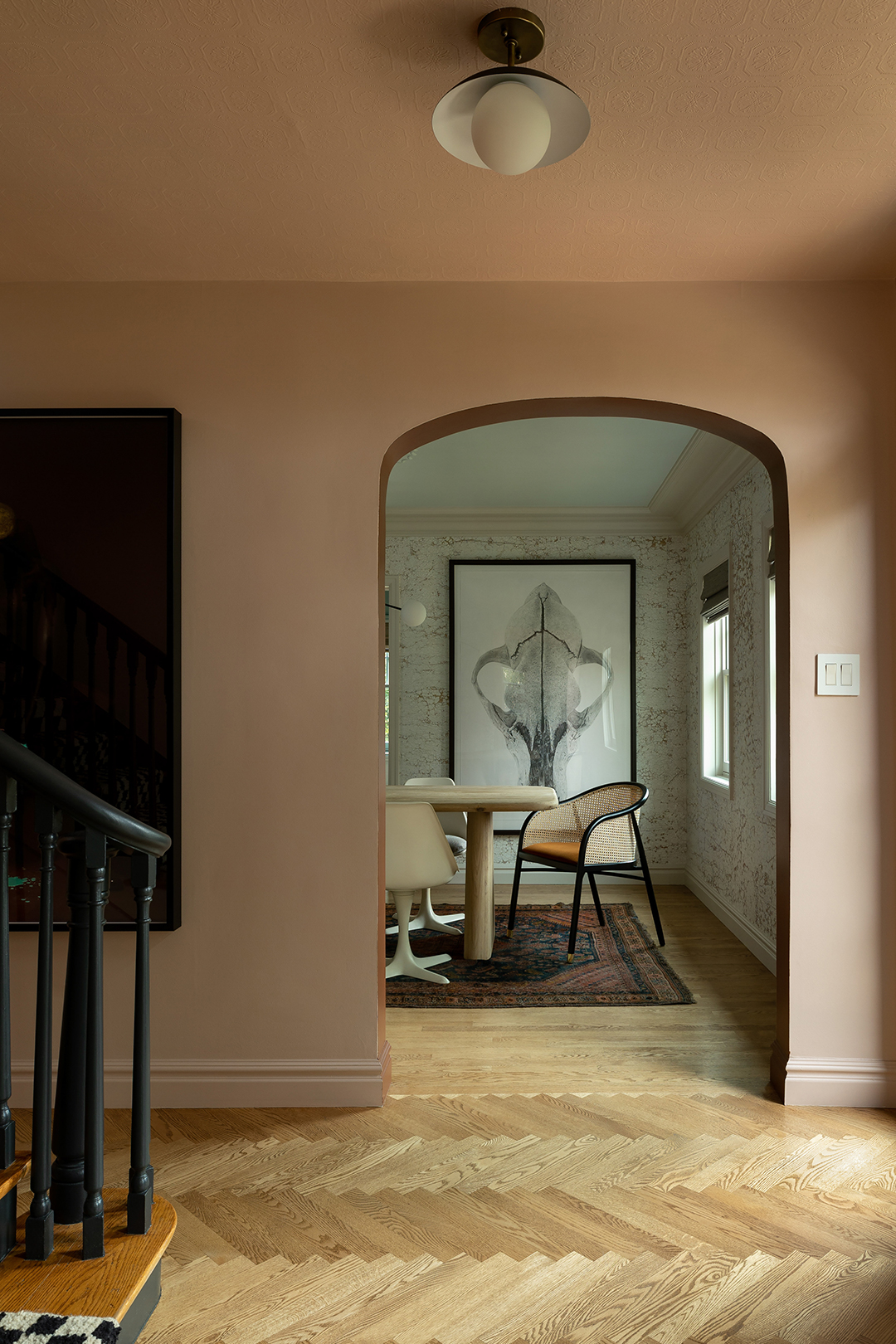
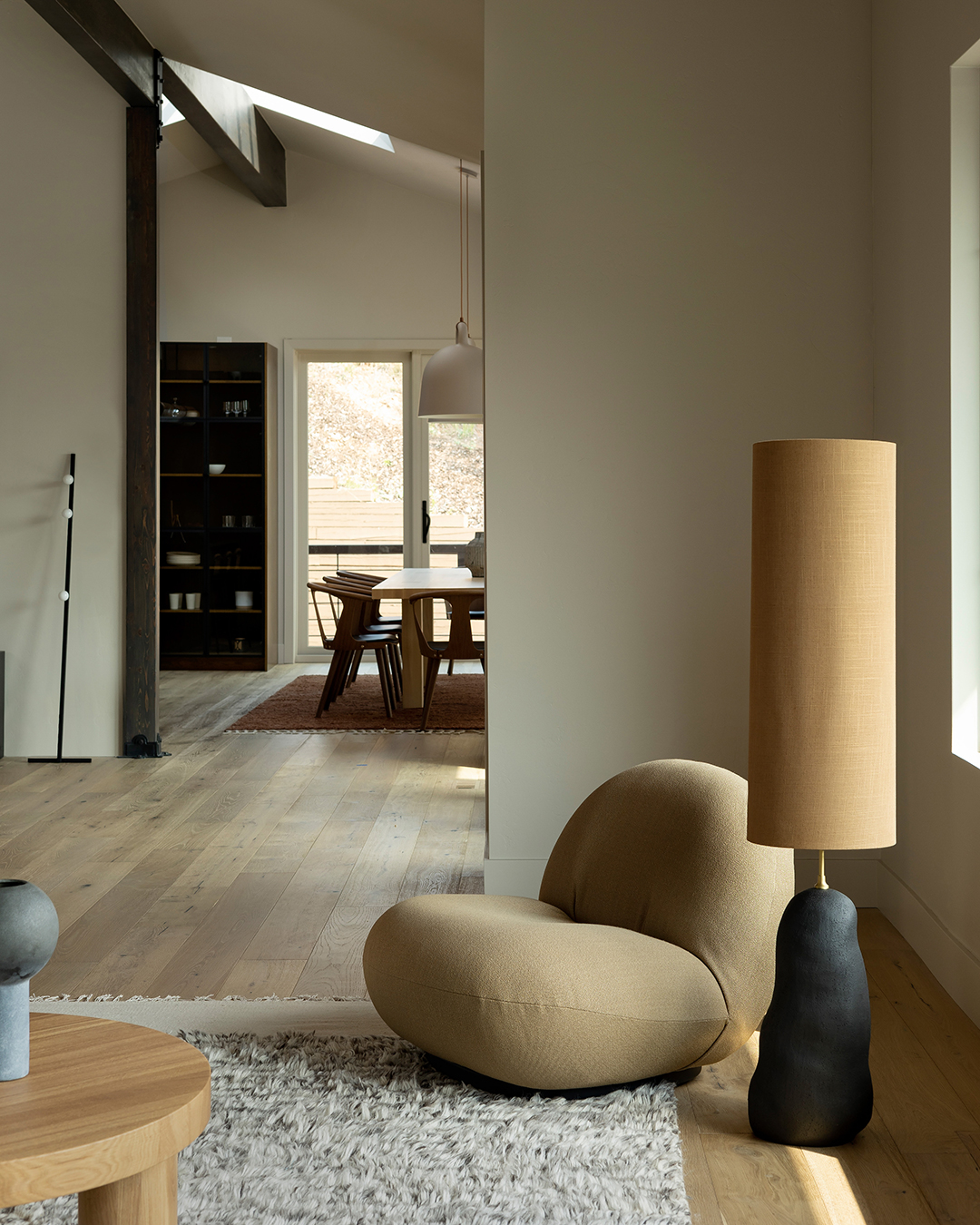
The design approach was heavily influenced by a postcard depicting a poppy field in Yosemite, inspiring a palette of red-orange and emerald green. In the dining room, Zachary-Jones maintained an original fluted plaster wall, revitalizing it with several coats of Ash Grey by Farrow & Ball, a color chosen for its classic appeal and dynamic interaction with light. Furnishings were carefully selected, with an emphasis on vetted reproductions from brands like Lawson-Fenning and Design Within Reach, providing mid-century aesthetic without the extensive search for vintage pieces. The dining area's layout was optimized by repositioning the table and light fixture, and introducing a larger rug to enhance spaciousness and functionality.
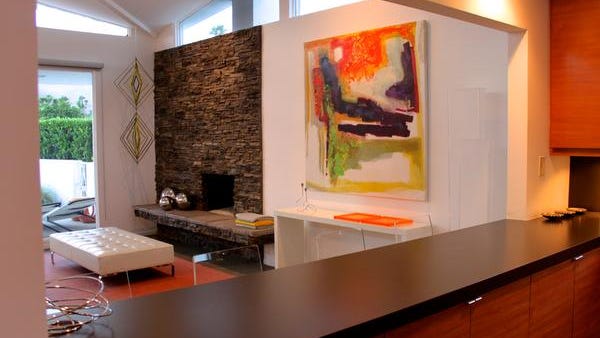
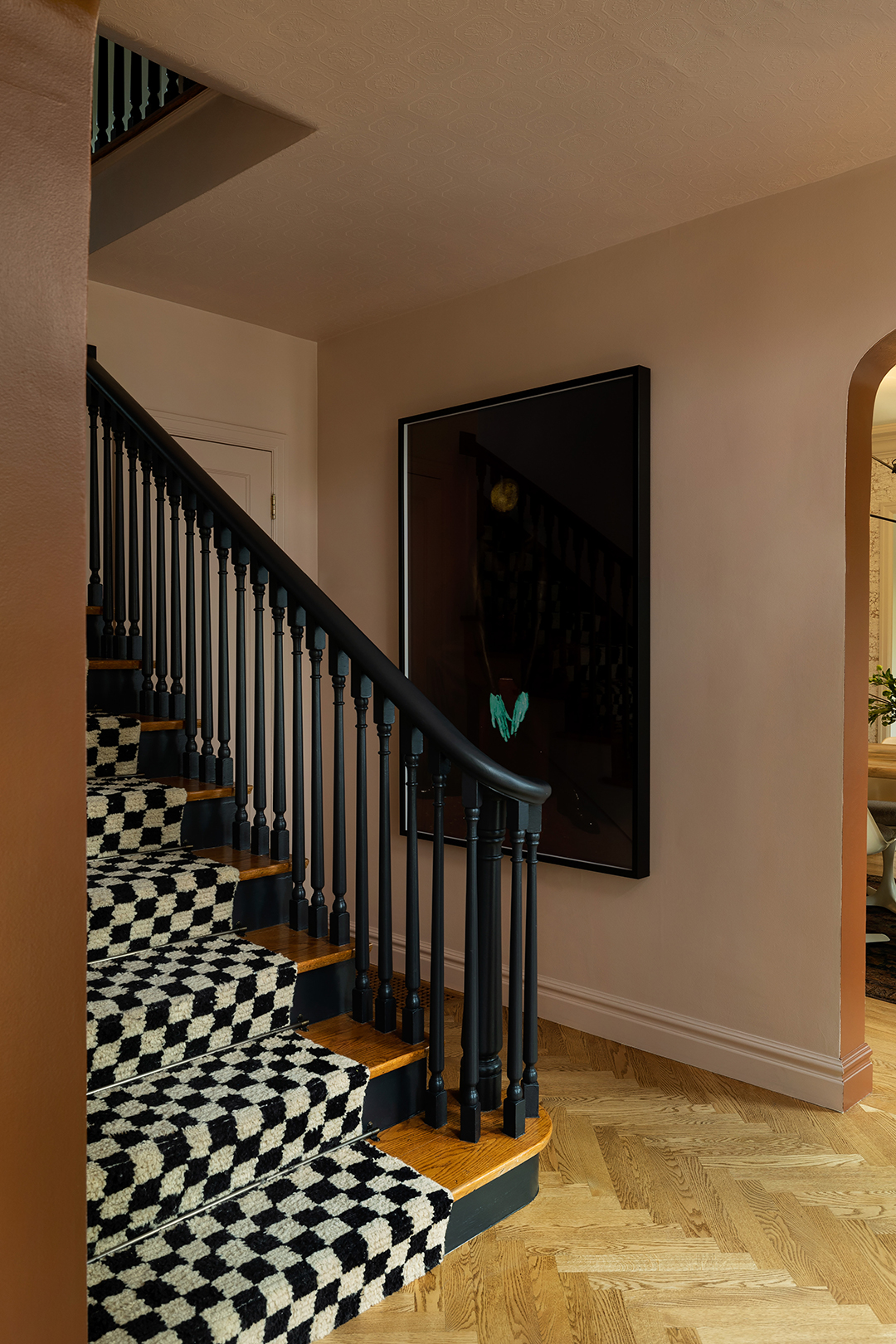
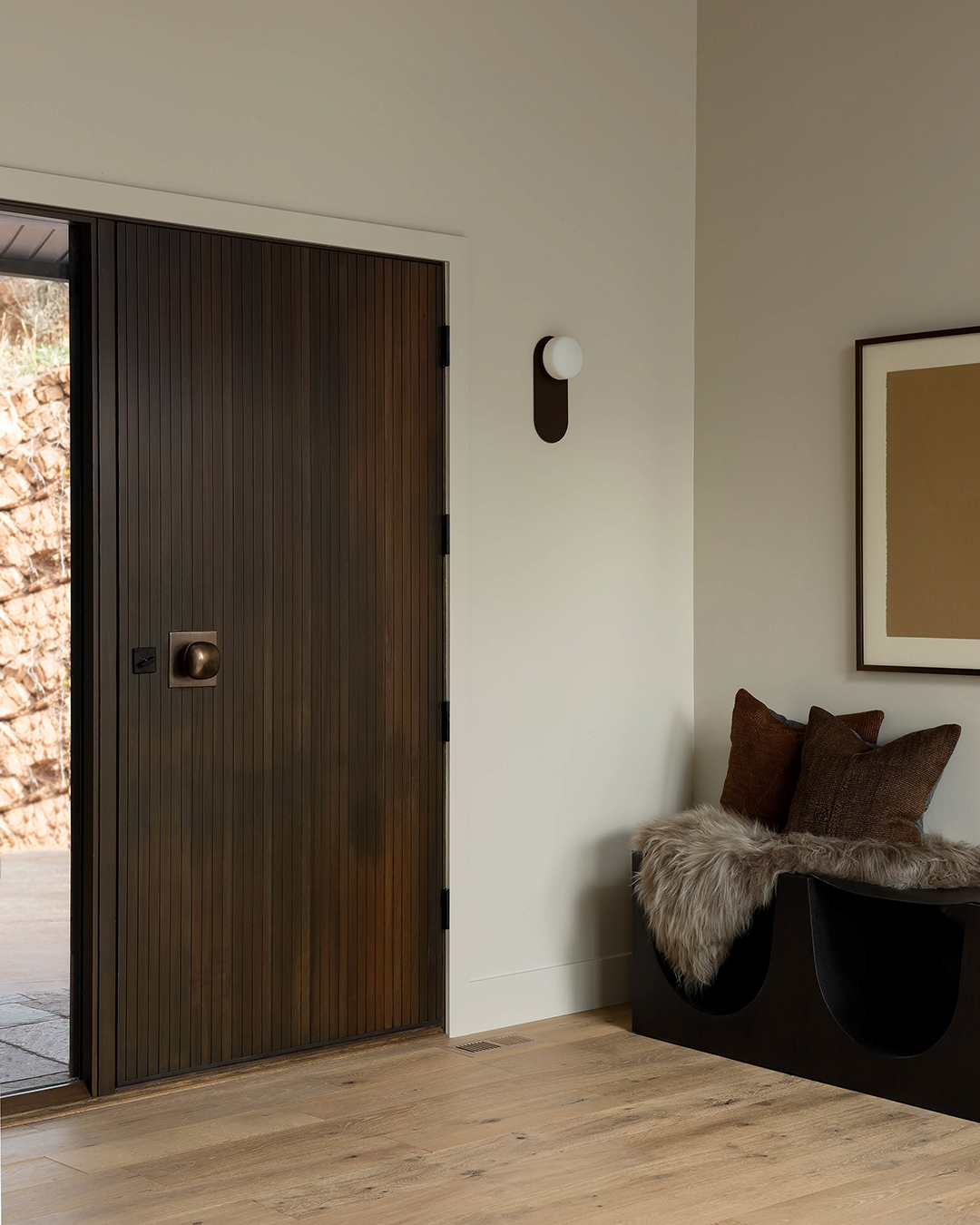
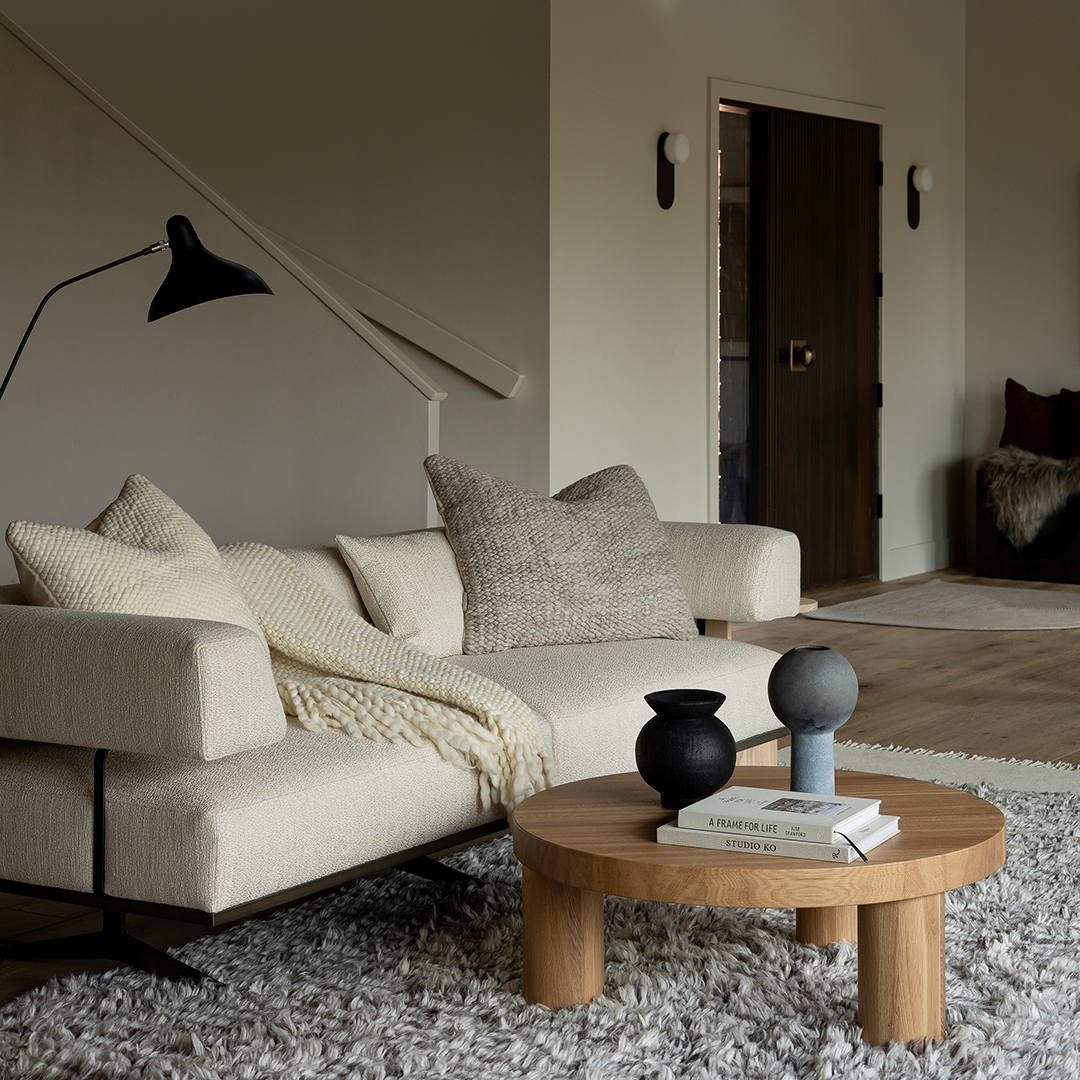
The entry, though compact, was enhanced by filling previously empty corners with living elements, including a tall, freestanding planter and large, graphic art pieces on the ledge above the door. The living room features Leong’s original metallic wallpaper. Zachary-Jones addressed a fading tree trunk pattern on the wallpaper by designing an 11-foot-long walnut storage bench with grasscloth doors, suggesting it replaced a custom cabinet that likely existed when the house was first built. The living room's proximity to the kitchen necessitated a modular sofa with a movable ottoman, offering flexibility for entertaining.
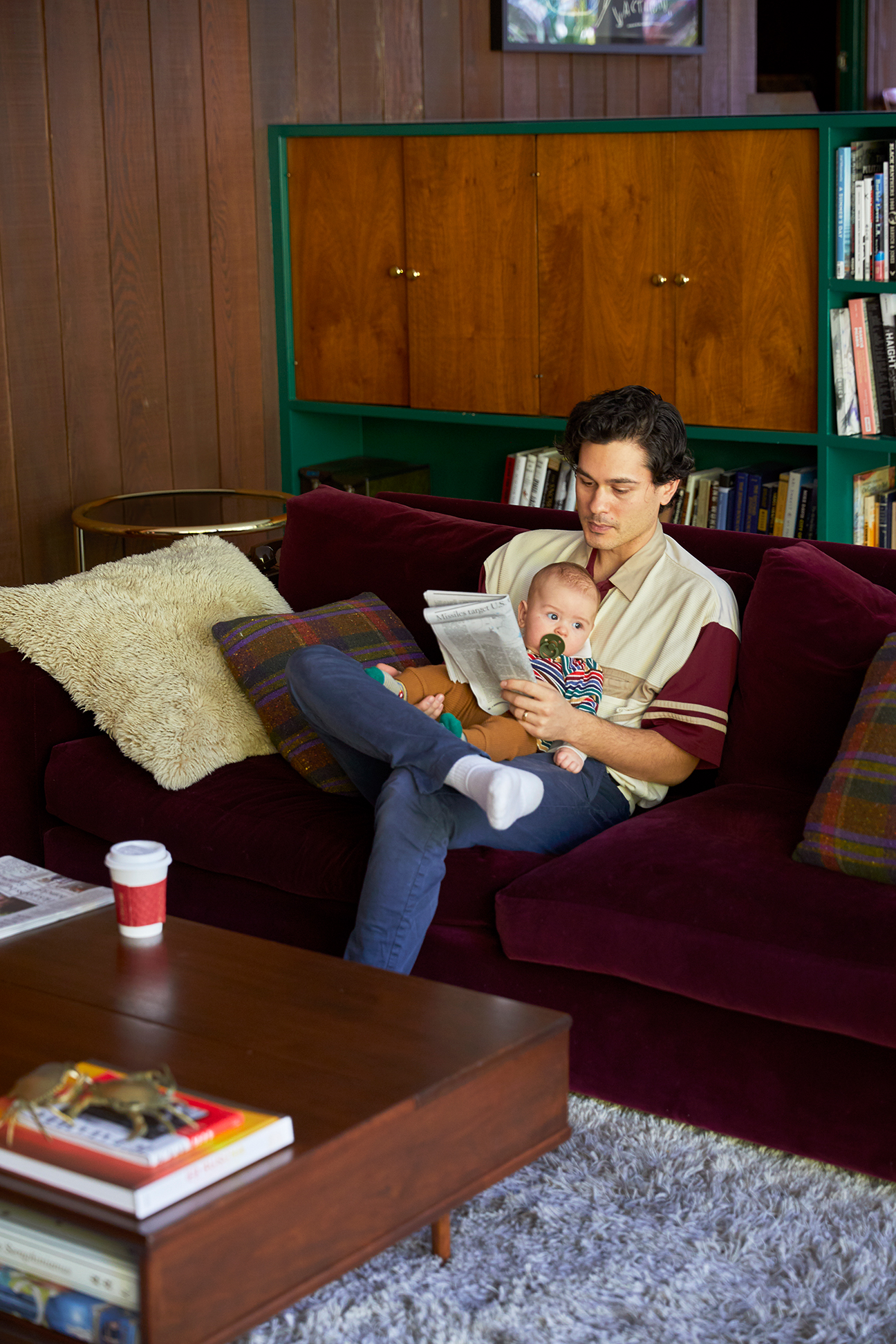
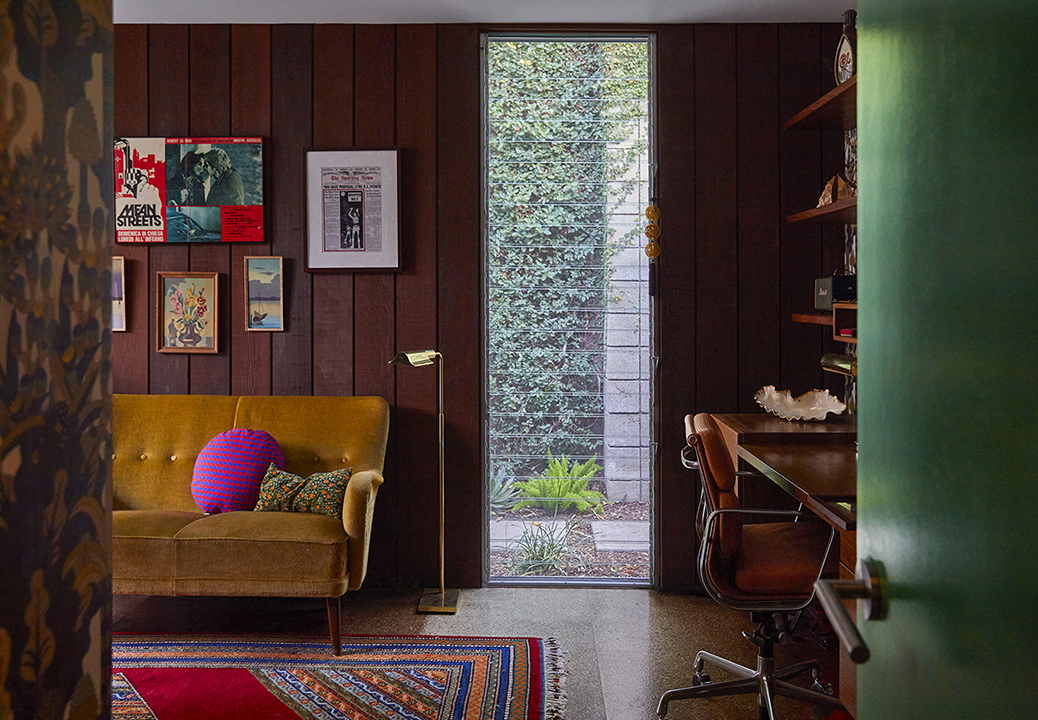
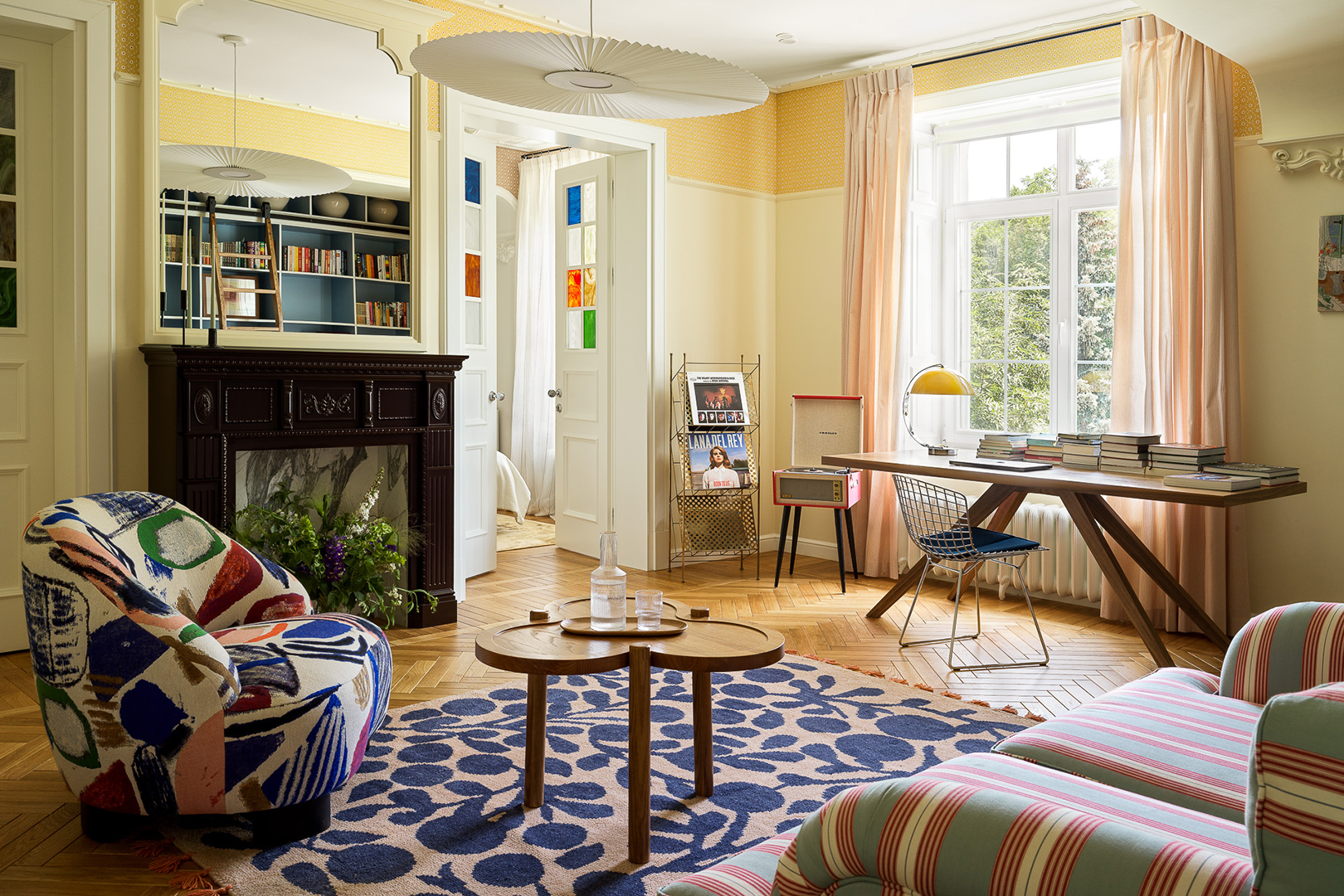
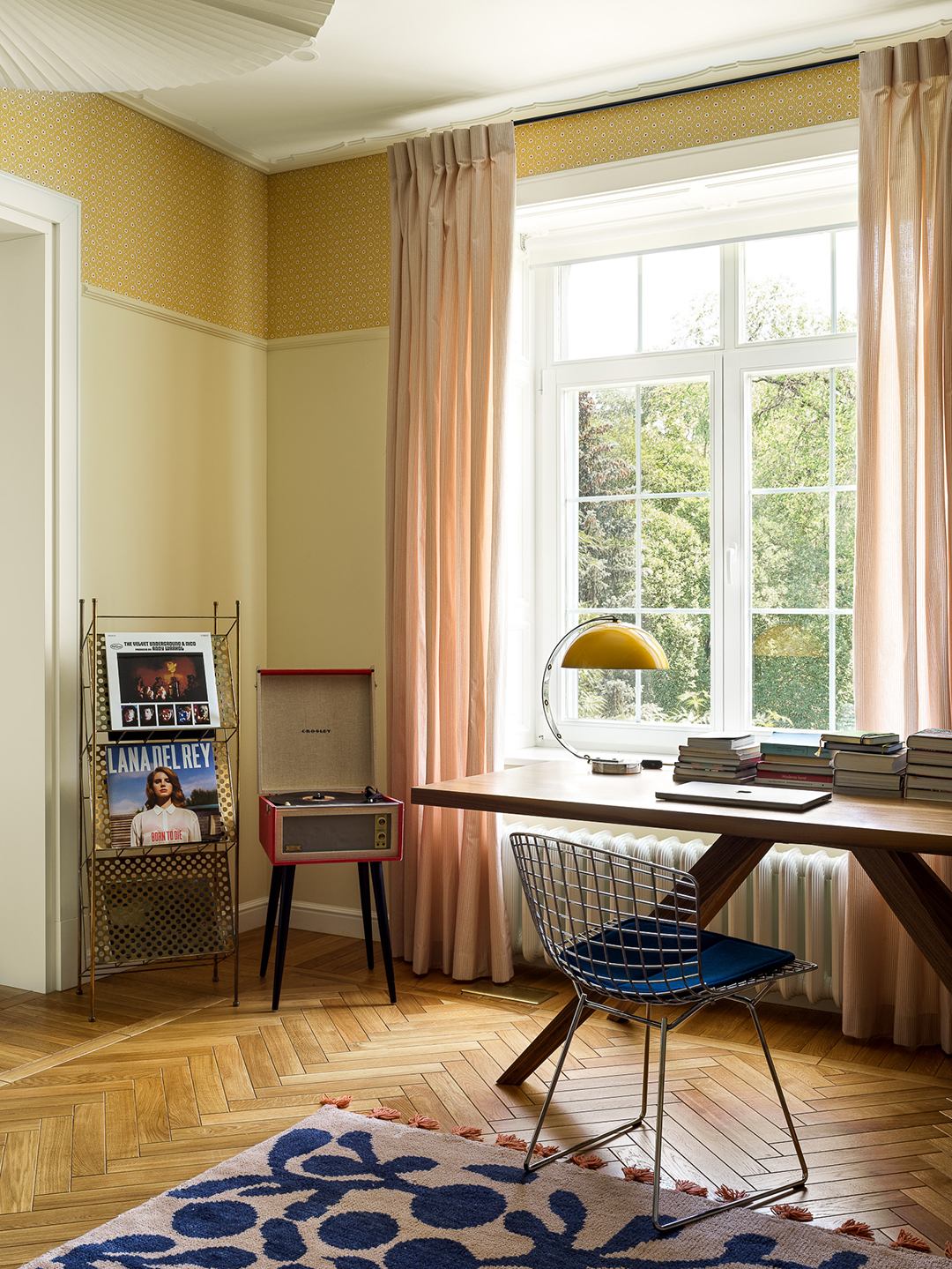
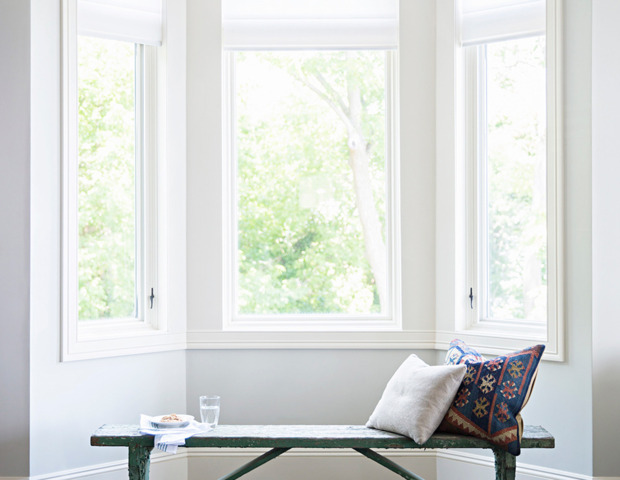
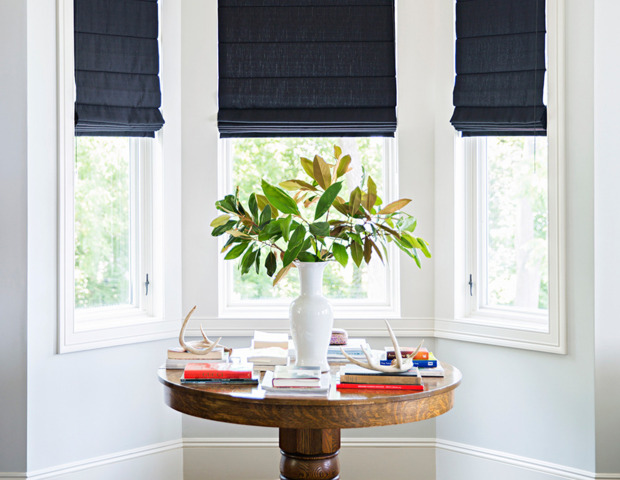
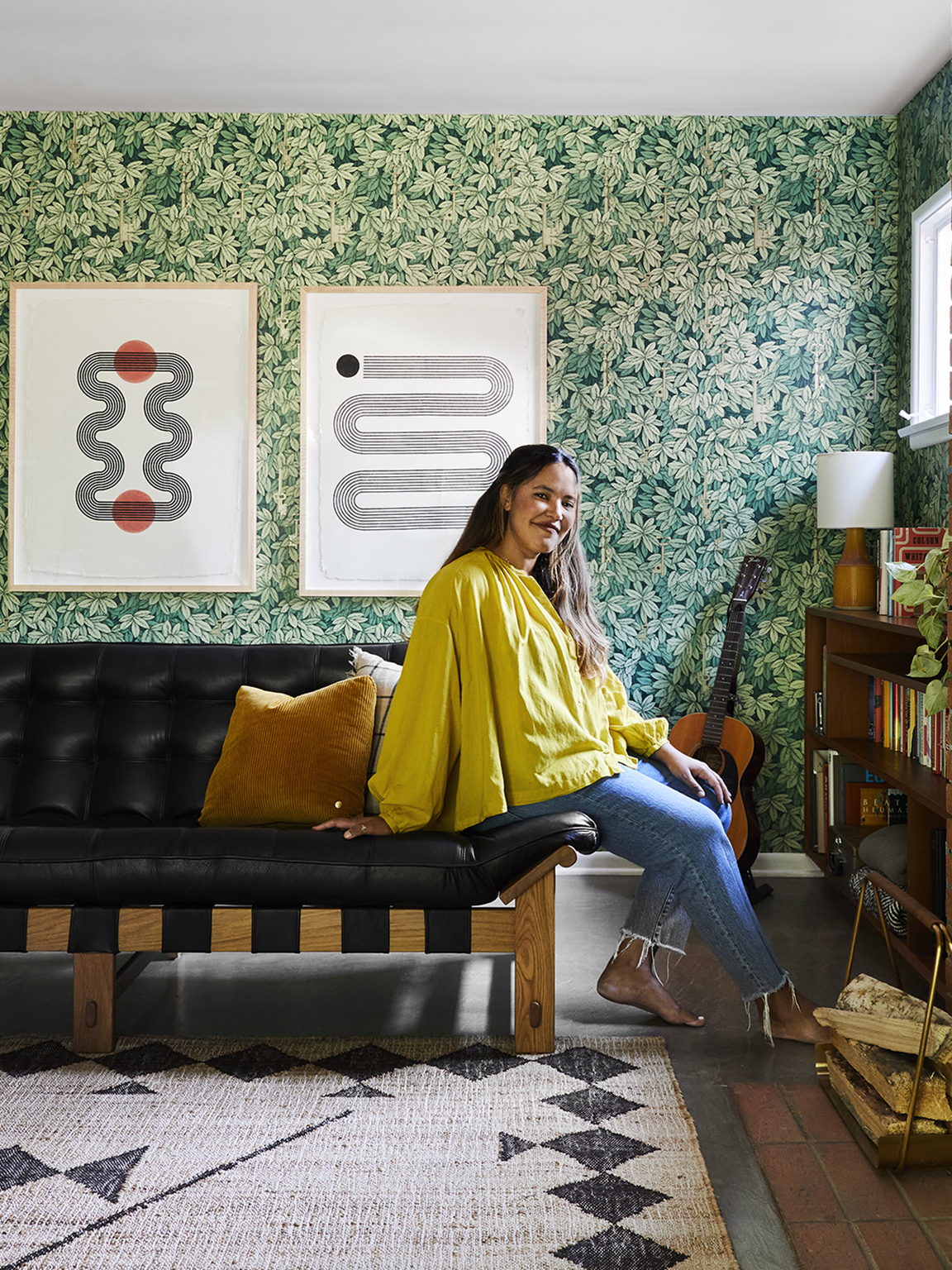
For the casual TV room and office, a leafy wallpaper print was chosen for all four walls, with the ceiling left white to prevent overwhelming the space. In line with the home's 1950s origins, window treatments in both the TV and dining rooms were ceiling-mounted using a track system. This design choice, eschewing traditional iron rods, facilitates a ripple fold effect, creating a continuous wall of yellow when the curtains are closed, ensuring a consistent warm ambiance throughout the day and evening.
#HomeRenovation #InteriorDesign #MidCenturyModern #LosAngelesHomes #StainedGlass #HomeDecor #DesignInspiration #SarahZacharyJones #DesignRevitalization #HomeRenovation #InteriorDesign #MidCenturyModern #LosAngelesHomes #StainedGlass #HomeDecor #DesignInspiration #SarahZacharyJones #DesignRevitalization
0 comment in total
 No comments yet
You may also like
Walls of windows illuminate midcentury home
'I Tried Artscape's Stained Glass Window Film and Here's My Full Review'

‘Blowing Out the Back’ Brings Light Into Dark Brooklyn Row House Interiors
Jessica Simpson's stained glass windows are dreamy — renter-friendly ways to get the look

This ’90s L.A. Home Got a Major Glow Up With Fluted Wood and Arches | domino

Burnt Cinnamon Arches and a Glass Slipper Ceiling—The Paint in This Home Looks as Cool as It Sounds | domino

Thank These 2 Chain Restaurants For Today's Vintage Lamp Nostalgia

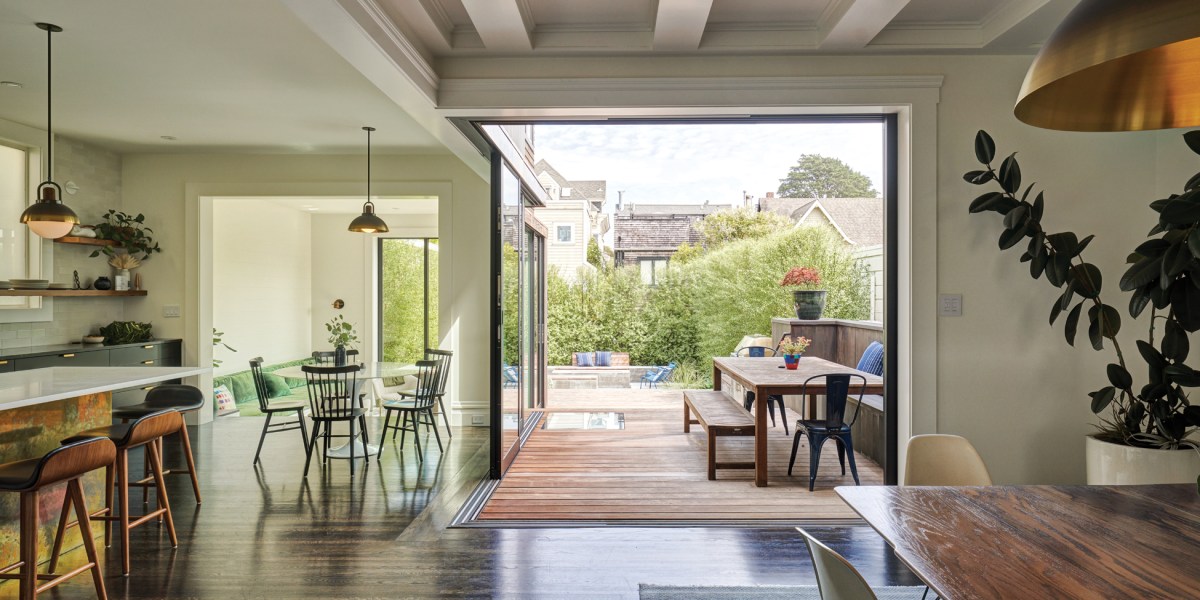
Skylights and Massive Glass Walls Transformed This Dramatic Black Home from Brooding to Bright

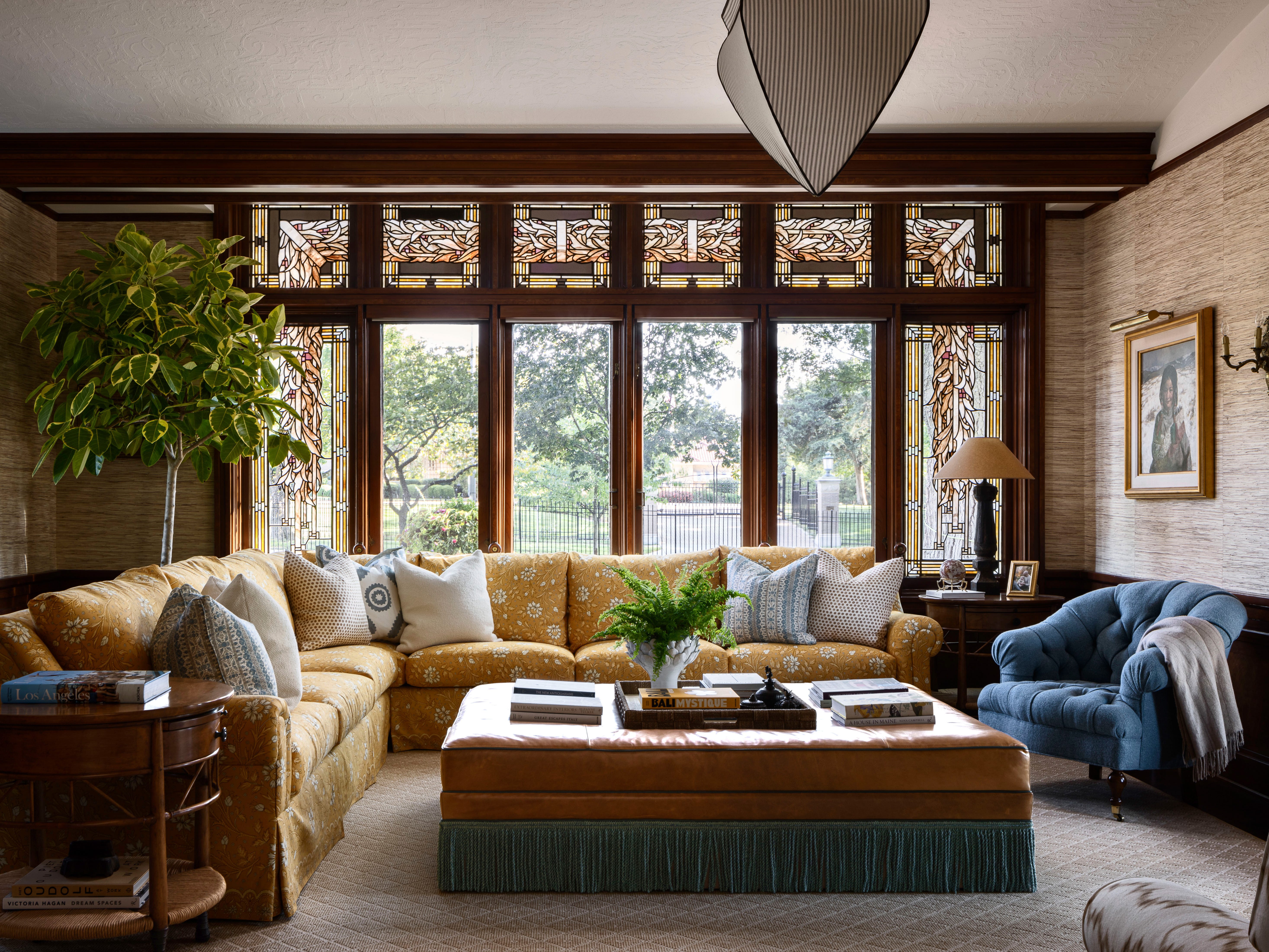
Original Stained Glass Windows Inspired This Historic Home's New Look

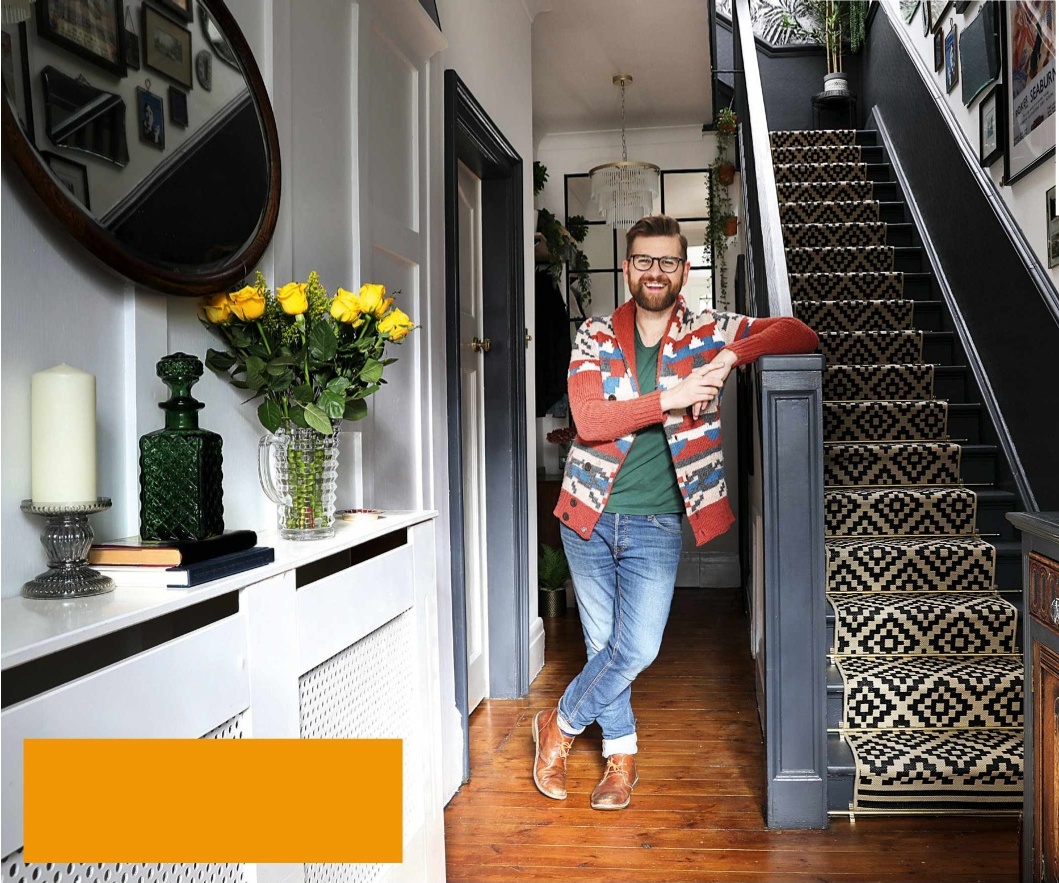
‘our hall is as beautiful as its stained-glass door’ - 22 Dec 2022 - Your Home Magazine

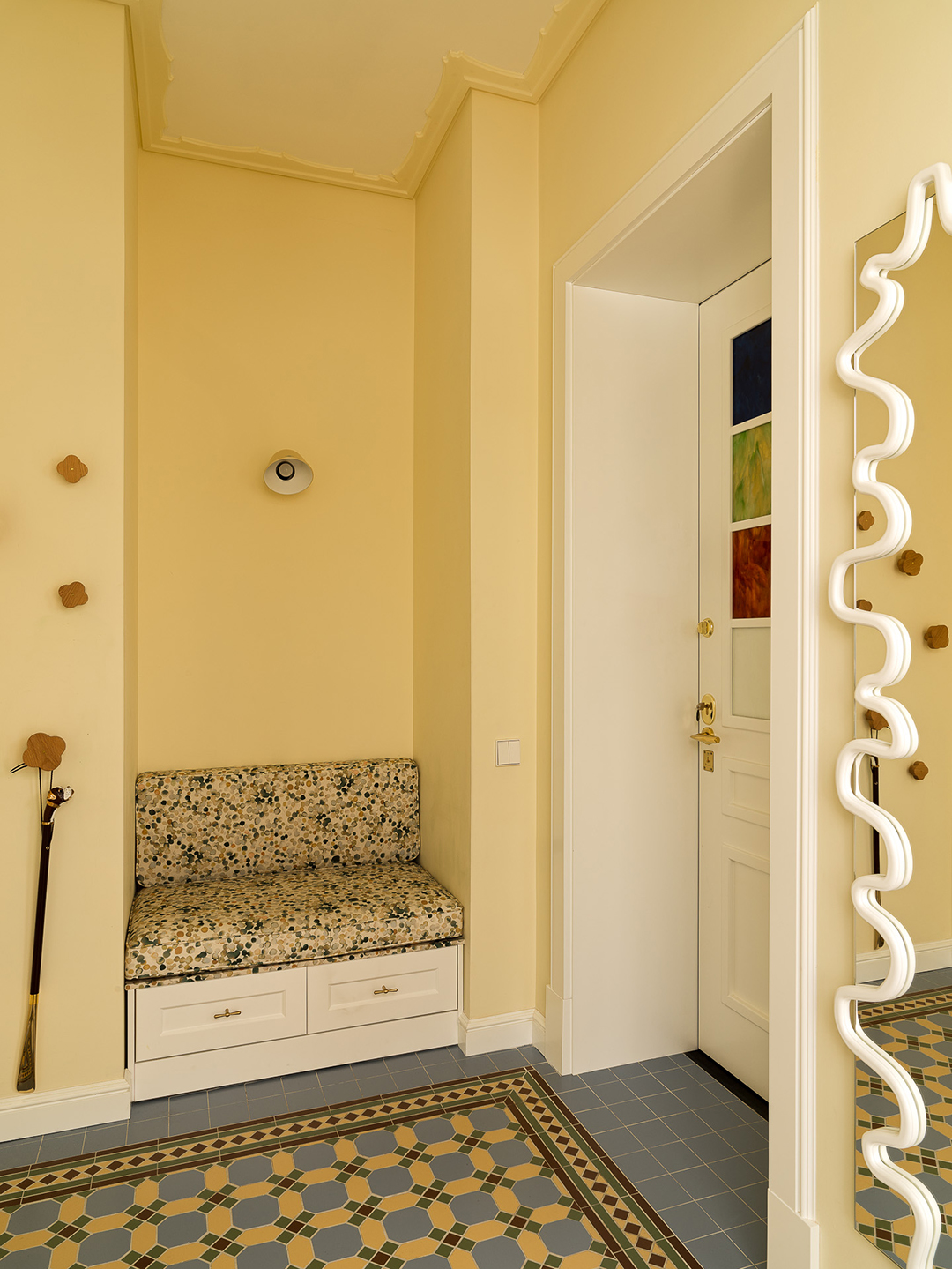
Stained-Glass Doors Unveil Room After Room of Bold Color in This Narrow Apartment
A Modern California ADU With a Unique Curved Wall of Windows
Sue Chan’s Minimalist L.A. Home Is the Antidote to Her Hectic Day Job

At This Accessories Designer’s NYC Home, Design Rules Go Out the High-Gloss Purple Window
At This Soothing Utah Home, Circular Windows Turn Daylight Into Art
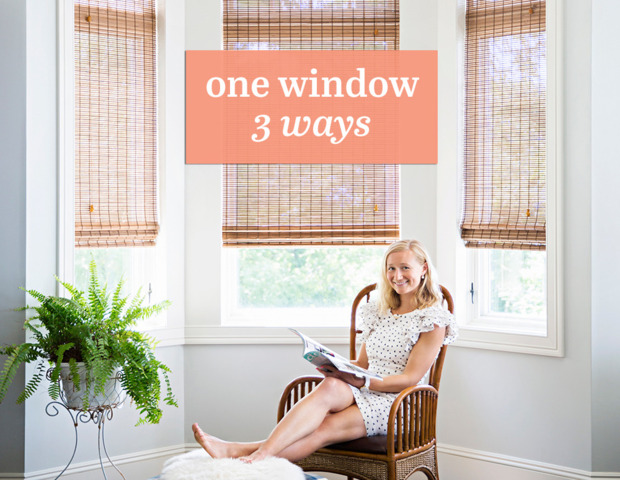
One Window, Three Ways
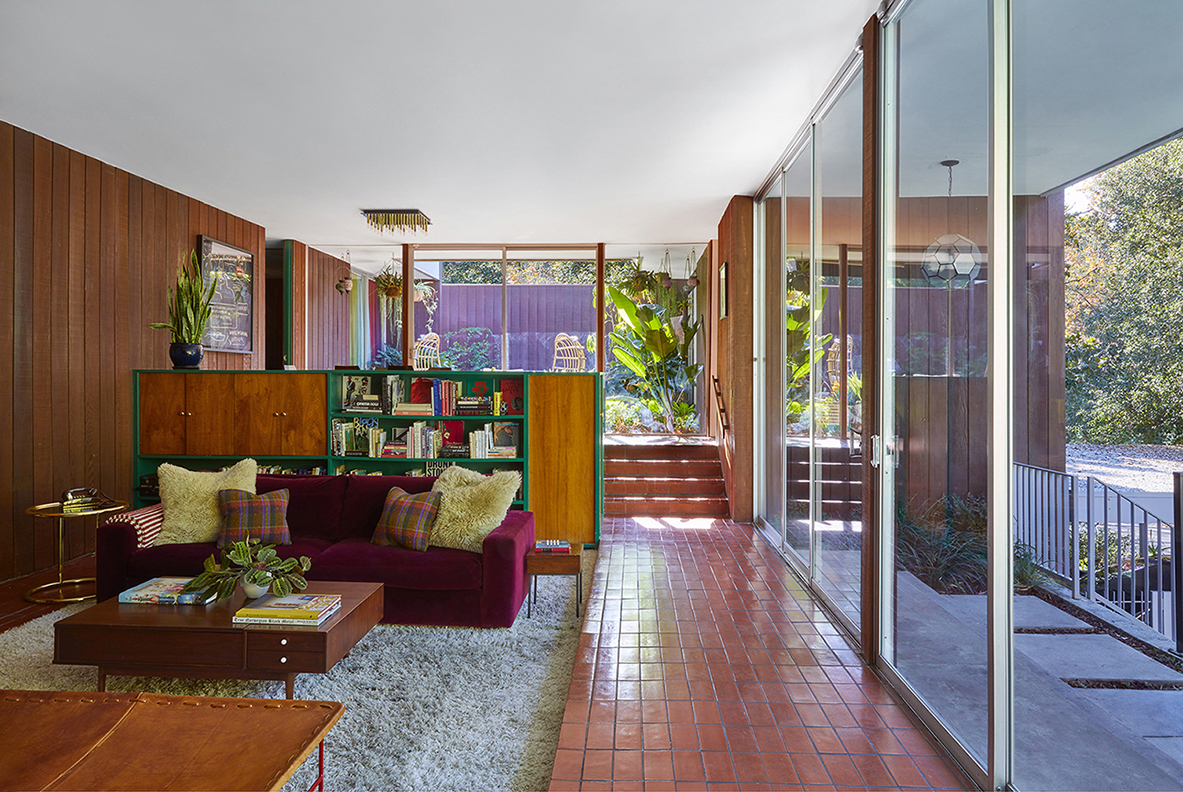
Trippy Prints and Jewel Tones Make This L.A. Home's Retro '70s Paneling Look Fresh as Ever

I Used to Think Amber Glass Instantly Dated an Interior, but This Store Has Just Revived the Retro 70s Trend

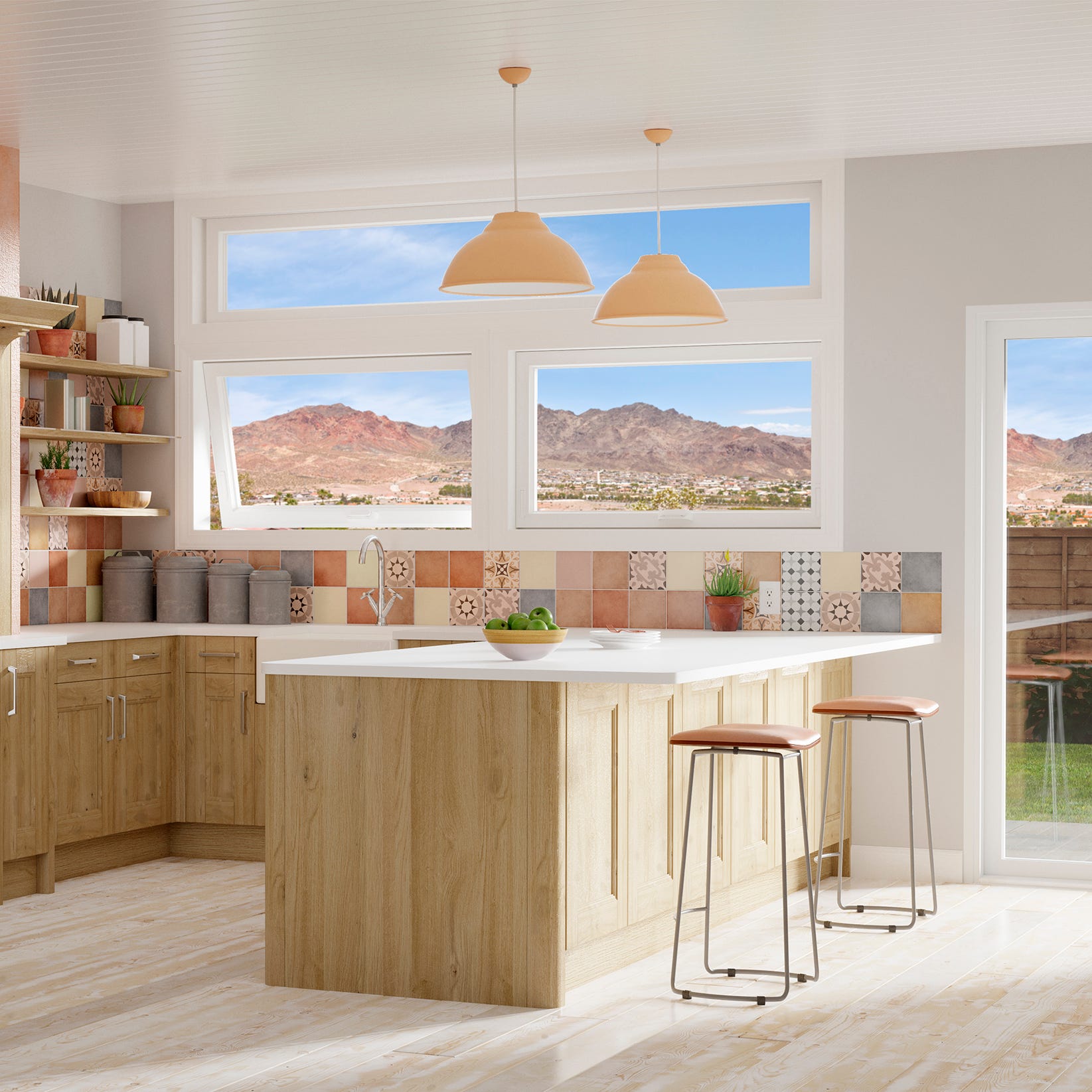
8 Best Window Brands, According to Home Renovation Experts

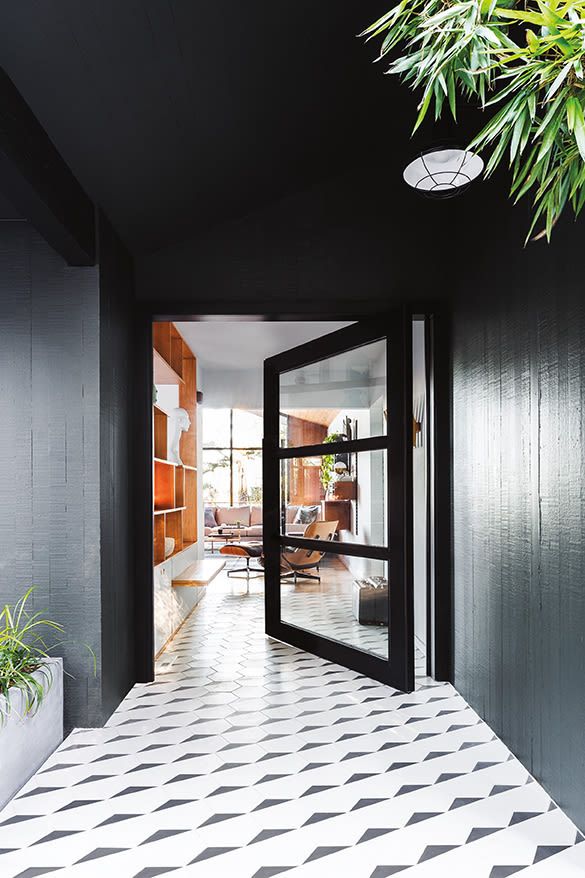
A Stunning, Storybook Open Entryway Brightens This West Hills Midcentury Home