1/16
Meet the designers using revolutionary eco materials
The increasing scrutiny on environmental impact has led designers to innovate, creating solutions that combine creativity with sustainability. This movement is spearheaded by both established and emerging talents who are developing projects ranging from microalgae-powered items to furniture made from paper pulp and fully compostable seating, all while maintaining high aesthetic standards.
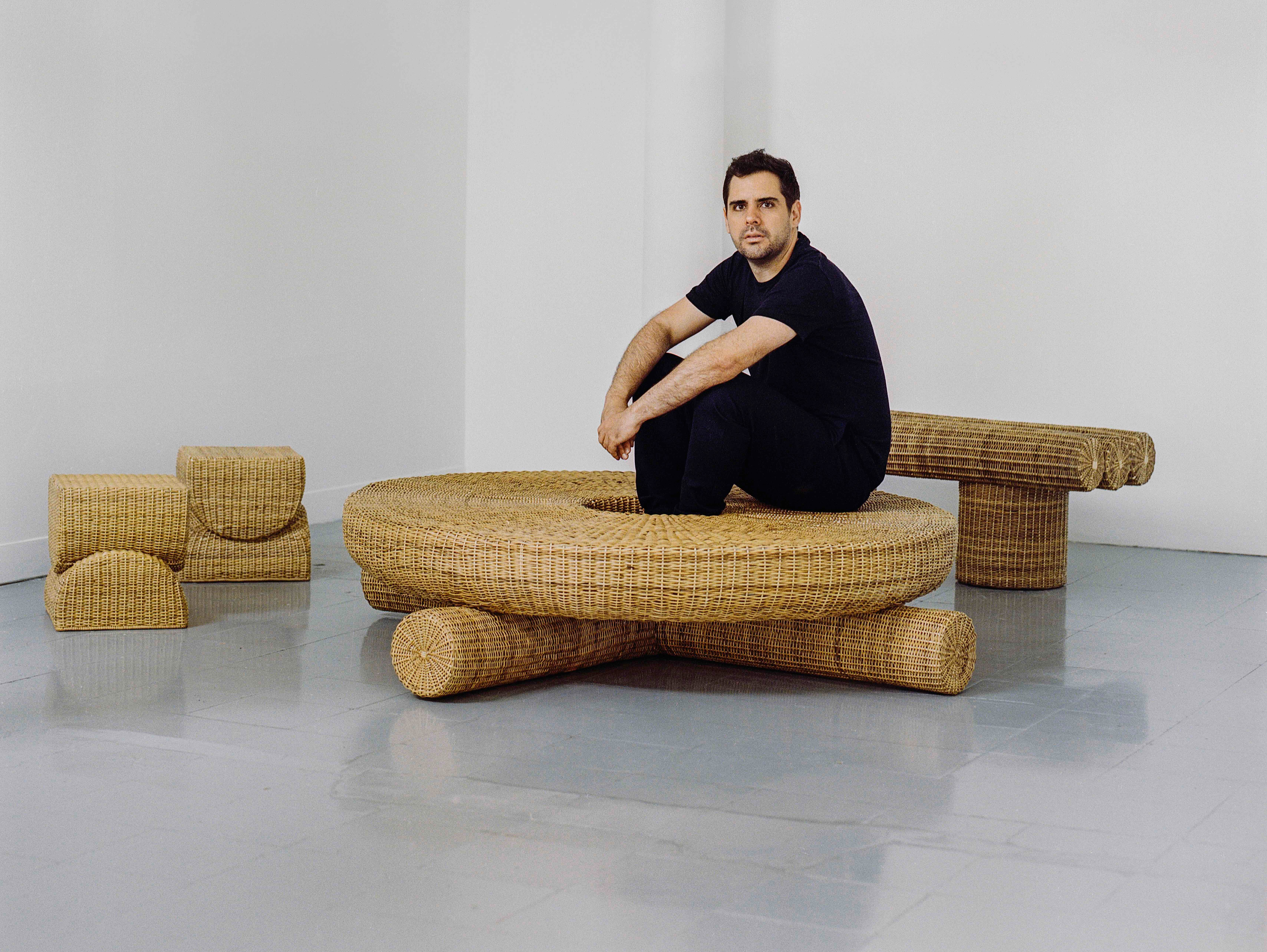
Fango, founded by Colombian designer Francisco Jaramillo, addresses deforestation by utilizing Yaré, a fast-growing natural fiber, in his 'Ibuju' furniture collection. This project collaborates with local weavers in Colombia, highlighting the relationship between artisans, sustainable materials, and contemporary design through pieces that respect indigenous traditions and environmental needs.
Prowl Studio, comprising Baillie Mishler and Lauryn Menard, introduced the 'Peel' chair at Milan Design Week 2023. Developed with M4 Factory, this chair is made from a hemp-based bioplastic derived from industrial hemp waste and biopolymers. The chair's frame composts within six months in an industrial facility, while its hemp foam cushion, upholstered in hemp bio-leather, decomposes as quickly as an orange peel and can be composted at home. Creative director Menard emphasizes a design philosophy that considers the entire lifecycle of materials and products.
German designer Stefan Diez, inspired by Japanese bamboo furniture, partnered with Norwegian aluminum manufacturer Hydro to create the 'Boa' table for Hay. This table uses 75% recycled, post-consumer aluminum scrap, employing a unique folding technique reminiscent of traditional bamboo artistry. Its lightweight, flat-packed design and production facility powered by hydropower significantly reduce its carbon footprint. Buyers can customize the tabletop with various finishes or source it locally to fit their style.
Alted Materials, founded by Berta Julià Sala, aims to disrupt the building industry by offering architectural products based on circular economy principles. Their 'Alted H01' collection features decorative wall panels made from 'Honext,' a material derived from cellulose waste from the paper industry. These waste-based, plant-based, non-toxic, and recyclable panels come with a take-back scheme, ensuring materials are recycled back into the production loop at the end of their life.
Patricia Urquiola, Cassina's art director, designed the 'Moncloud' sofa with a strong focus on sustainability. The sofa features a metal frame wrapped in recycled PET wadding, and the use of polyurethane is minimized by incorporating Circularrefoam, a foam made with recycled polyols. The design allows for complete disassembly, making individual material recycling and recovery easier.
Federico Peri collaborated with Bentley to create furniture using Paper Factor, an innovative paper-pulp surface material developed by Riccardo Cavaciocchi. This material, crafted by hand, offers a luxury aesthetic similar to marble, with organic coloring and intricate veining, but with significantly reduced waste and water usage during production. This initiative is part of Bentley's broader sustainability efforts, emphasizing the durability of the material when treated.
Chinese designer Fengfan Yang's 'Light on Lives' project explores plant-powered electricity generation using microalgae contained in the lamp's base. While producing minimal power, it is sufficient for a night light, requiring regular water changes. Yang aims to integrate existing technology with everyday products to demonstrate the potential of plant power, highlighting the importance of interdisciplinary collaboration for future applications.
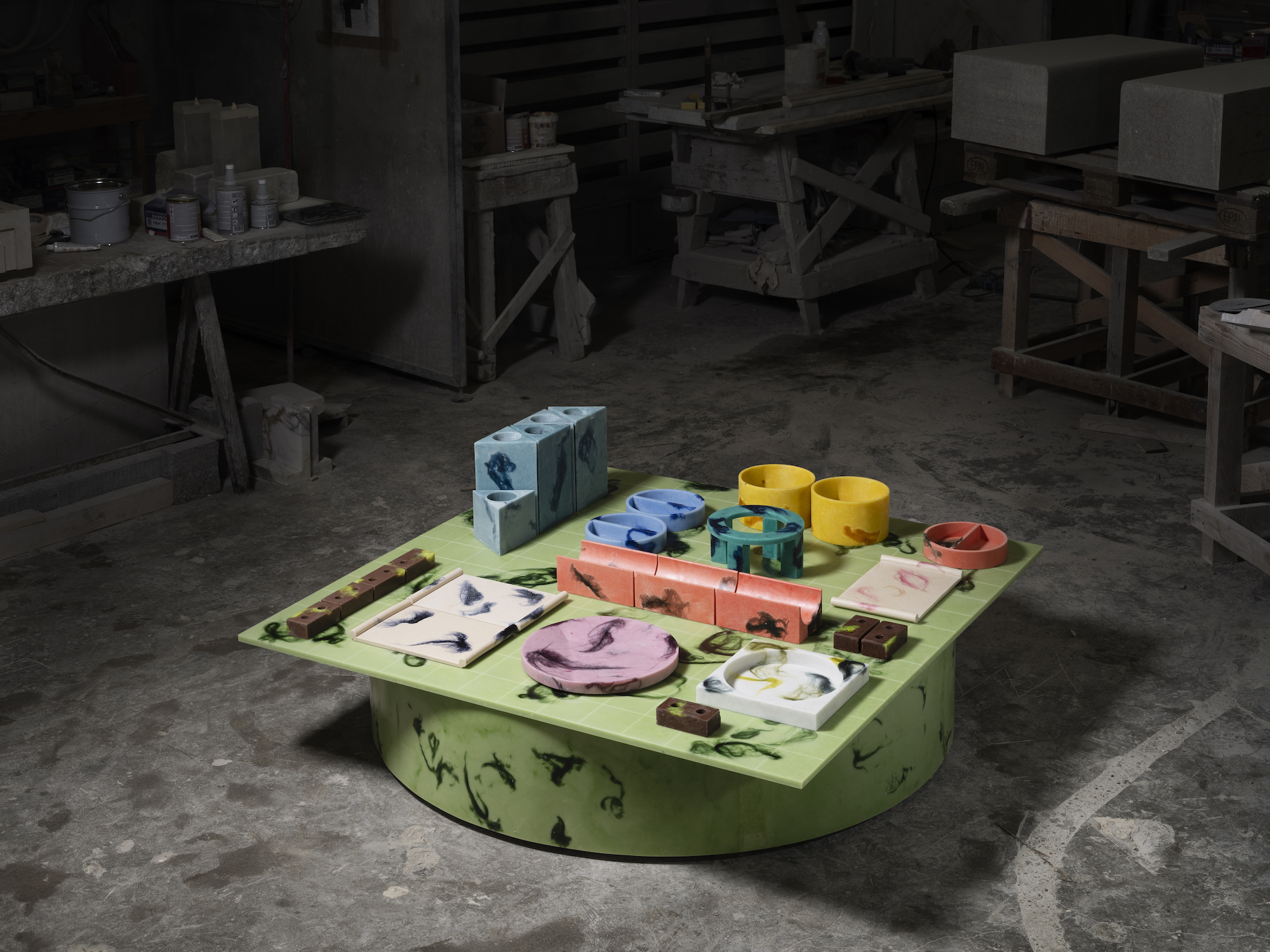
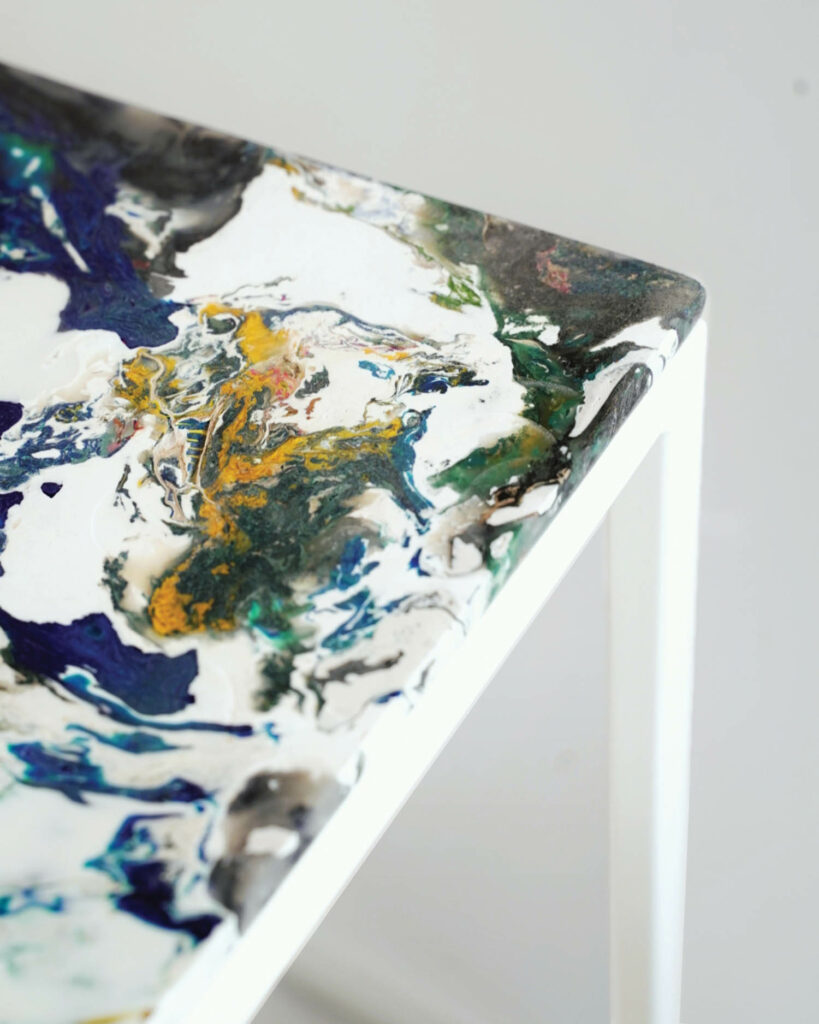
Yuma Kano, a Japanese designer, created 'ForestBank' after being inspired by the Hida region's forgotten forest elements. This material combines organic waste such as small branches, leaves, and nuts with resin, showcasing the beauty and unique characteristics of these natural resources. Each design is distinct due to the organic variations and can be applied to various forms like tabletops.
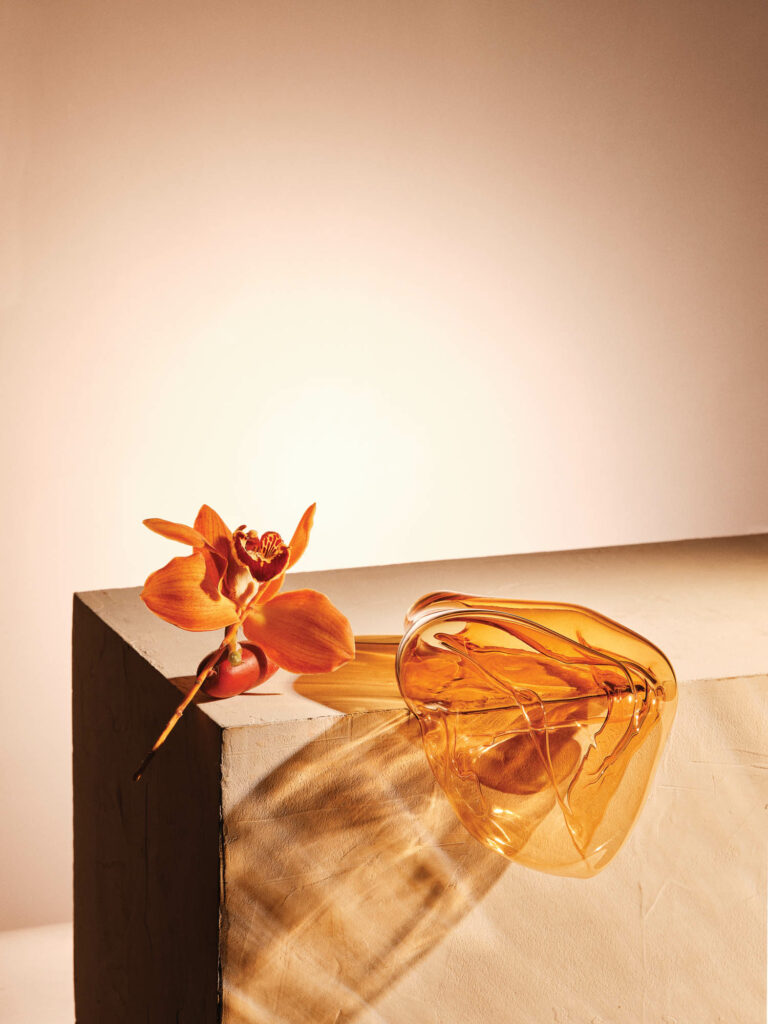
Estudio Rain, founded by Mariana Ramos and Ricardo Innecco, developed the 'Rícino' lighting collection from a plant-based castor oil resin. This project, which began in 2018, offers translucent amber fixtures as an ecological alternative to petroleum-based resins. The material is cold-pressed and manufactured without water consumption, indicating a significant step towards sustainable material innovation in design.
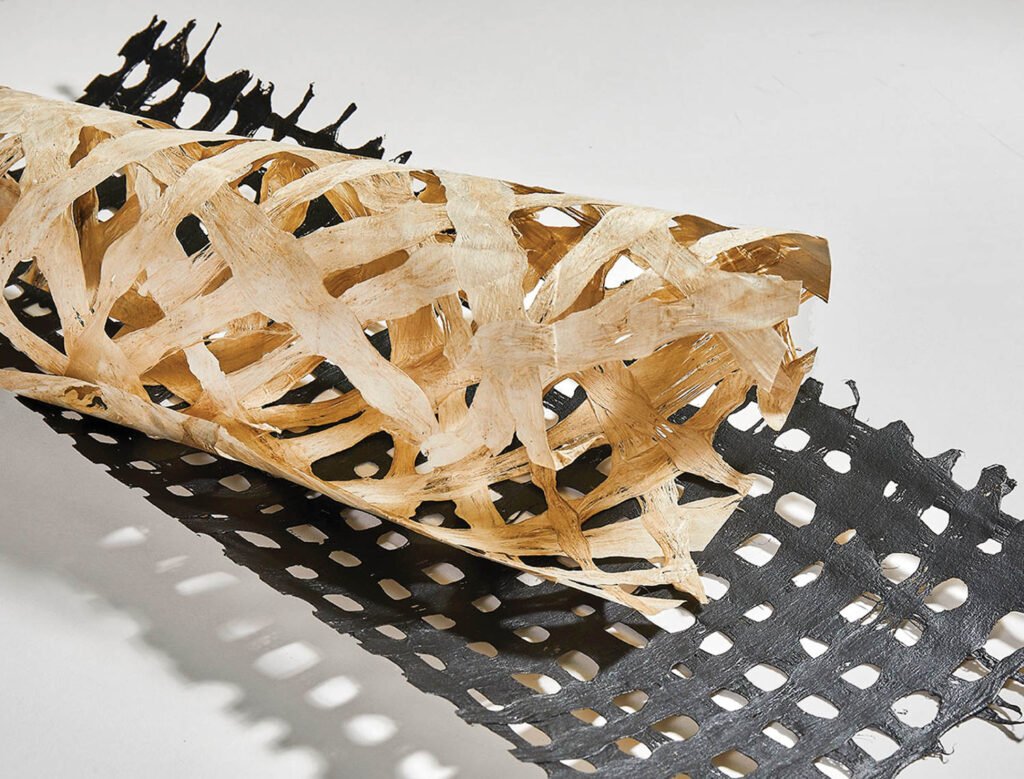
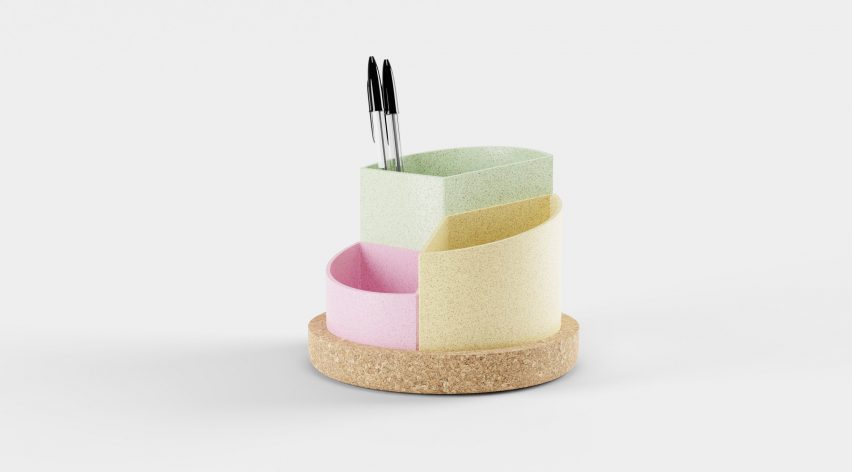
Honoka Design Lab, a collective of Japanese designers, presented the 'Tatami Refab Project,' a furniture series made from discarded Tatami mats combined with bioplastic to form a green resin-like substance. By transforming Igusa grass mats into striking furniture and lighting with the help of 3D-printing experts ExtraBold Inc, the project seeks to reintroduce the beauty of traditional Tatami to younger Japanese homeowners influenced by Western design trends.
#SustainableDesign #EcoMaterials #CircularEconomy #BioplasticFurniture #RecycledMaterials #PlantPoweredDesign #TraditionalCraftsmanship #InnovationInDesign #GreenArchitecture #SustainableDesign #EcoMaterials #CircularEconomy #BioplasticFurniture #RecycledMaterials #PlantPoweredDesign #TraditionalCraftsmanship #InnovationInDesign #GreenArchitecture
0 comment in total
 No comments yet
You may also like
A next-generation material for sustainable padding applications

econitWood™ turns timber scraps into new material resources
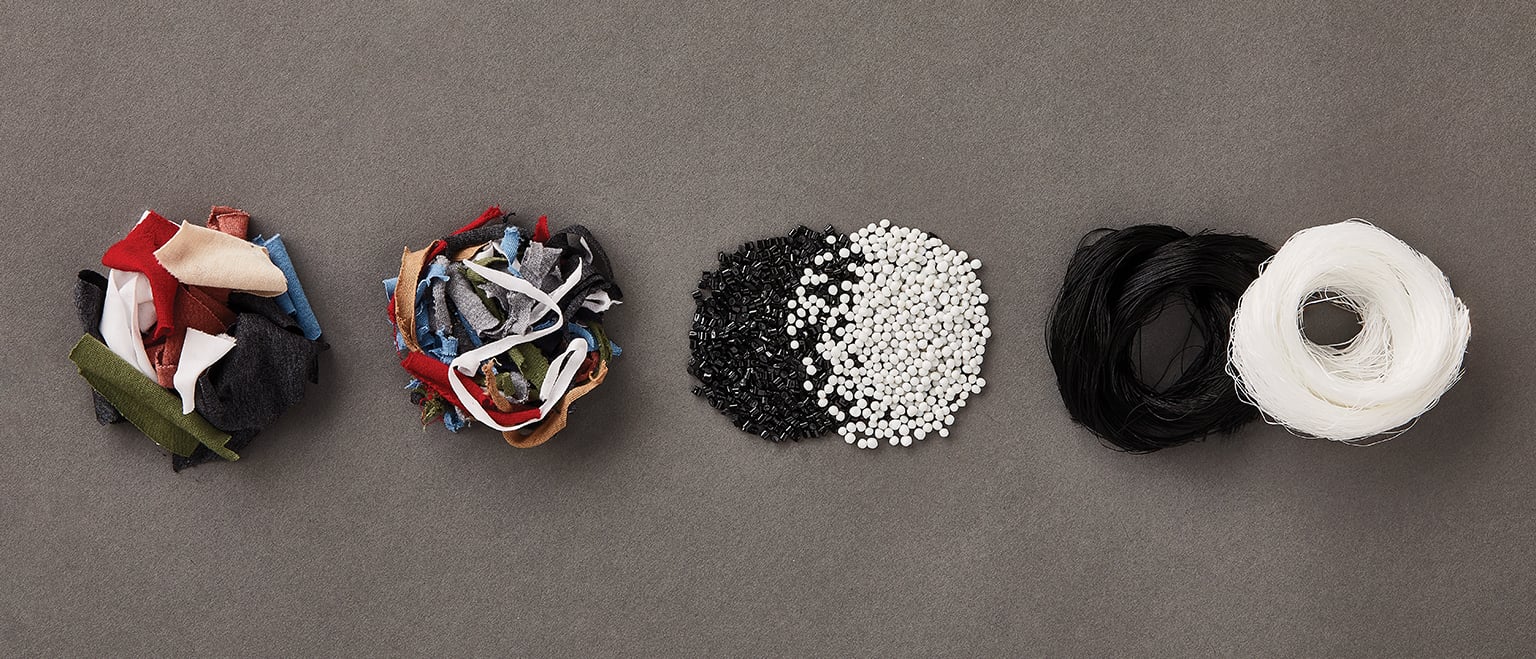
Inside METROPOLIS’s Sustainability Lab at NeoCon

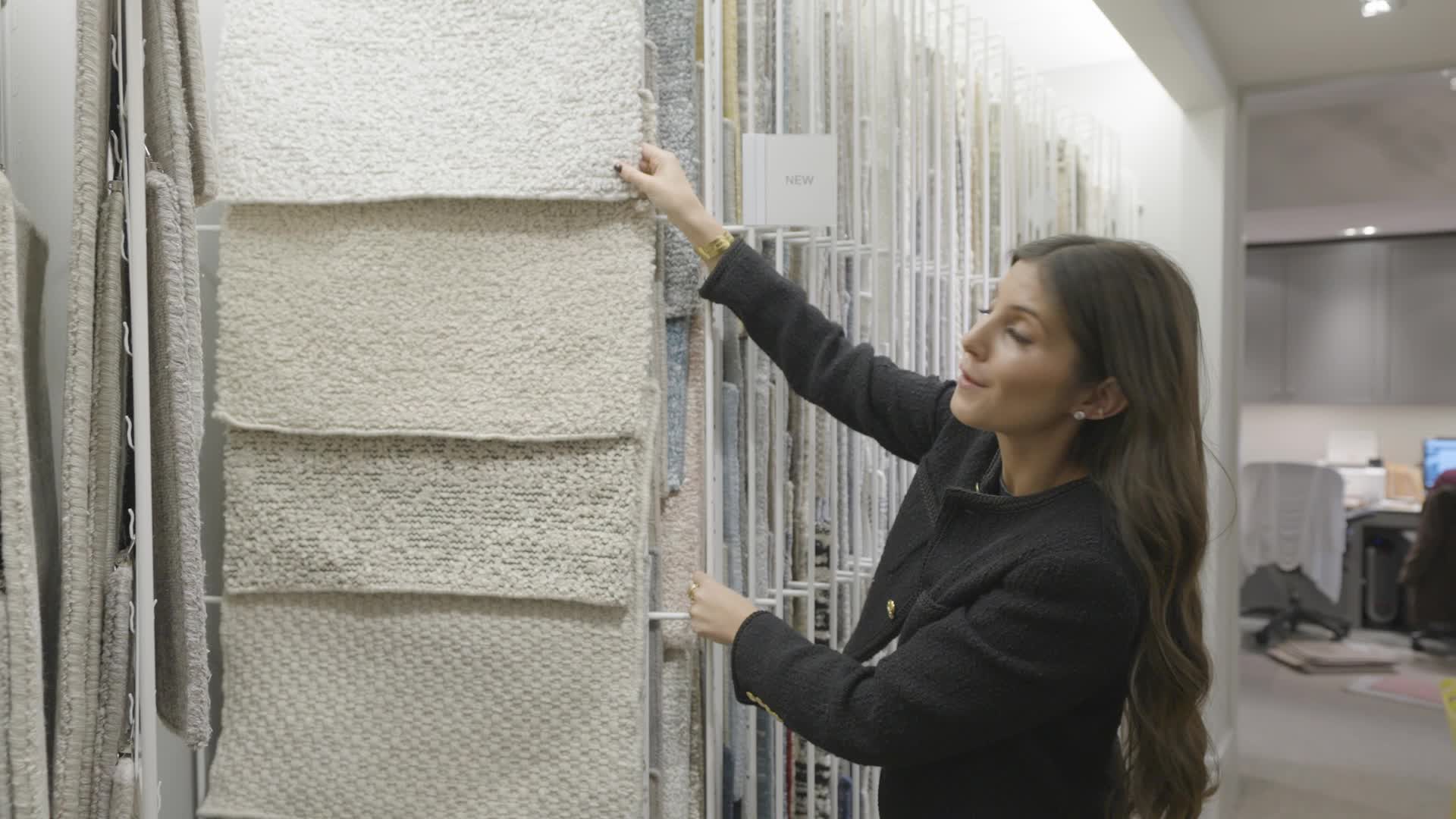
Watch Two Next Wave Designers Choose the Ideal Materials for Their Projects
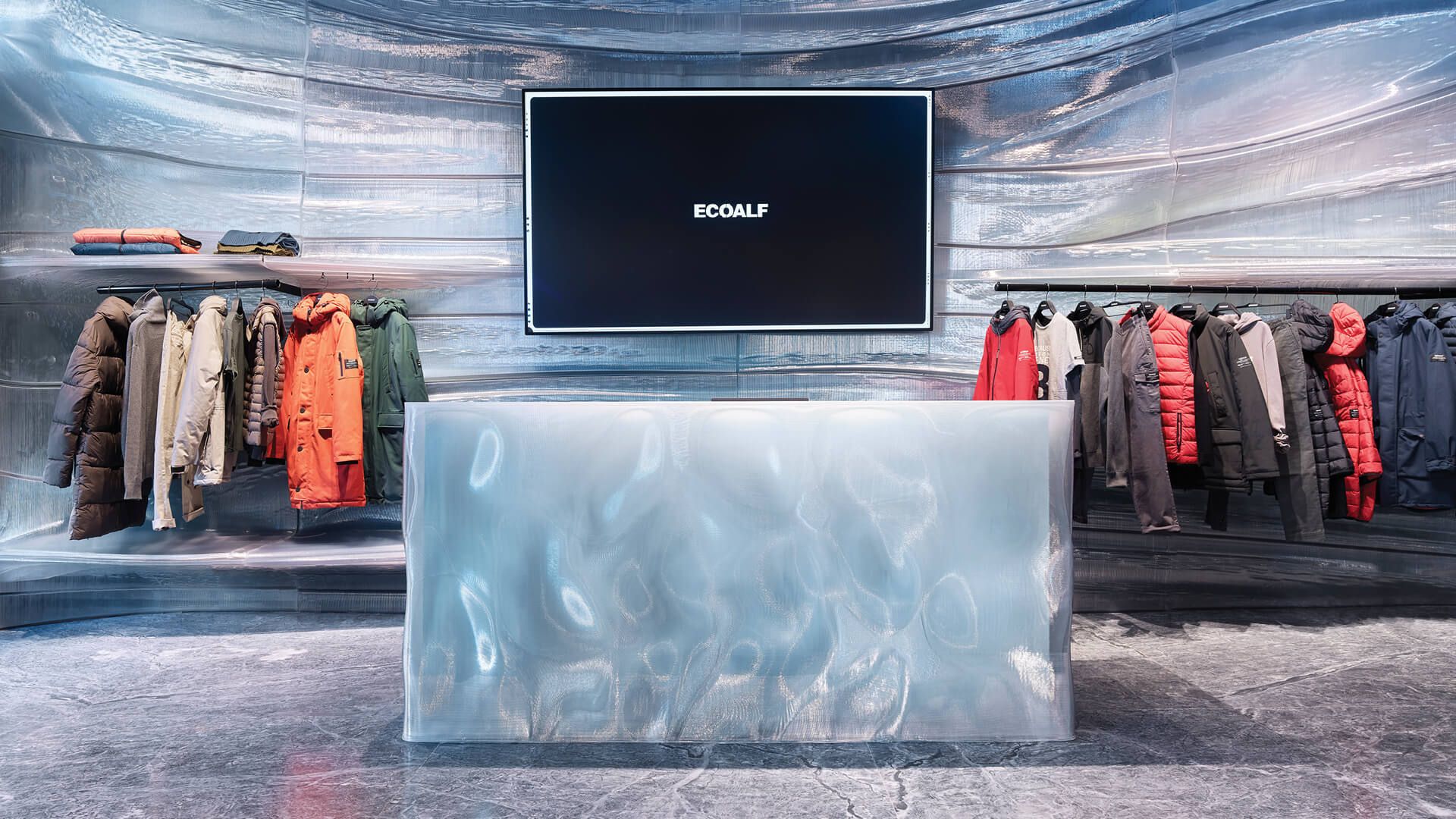
Sustainable retail design – 8 stores give us a glimpse of a green future
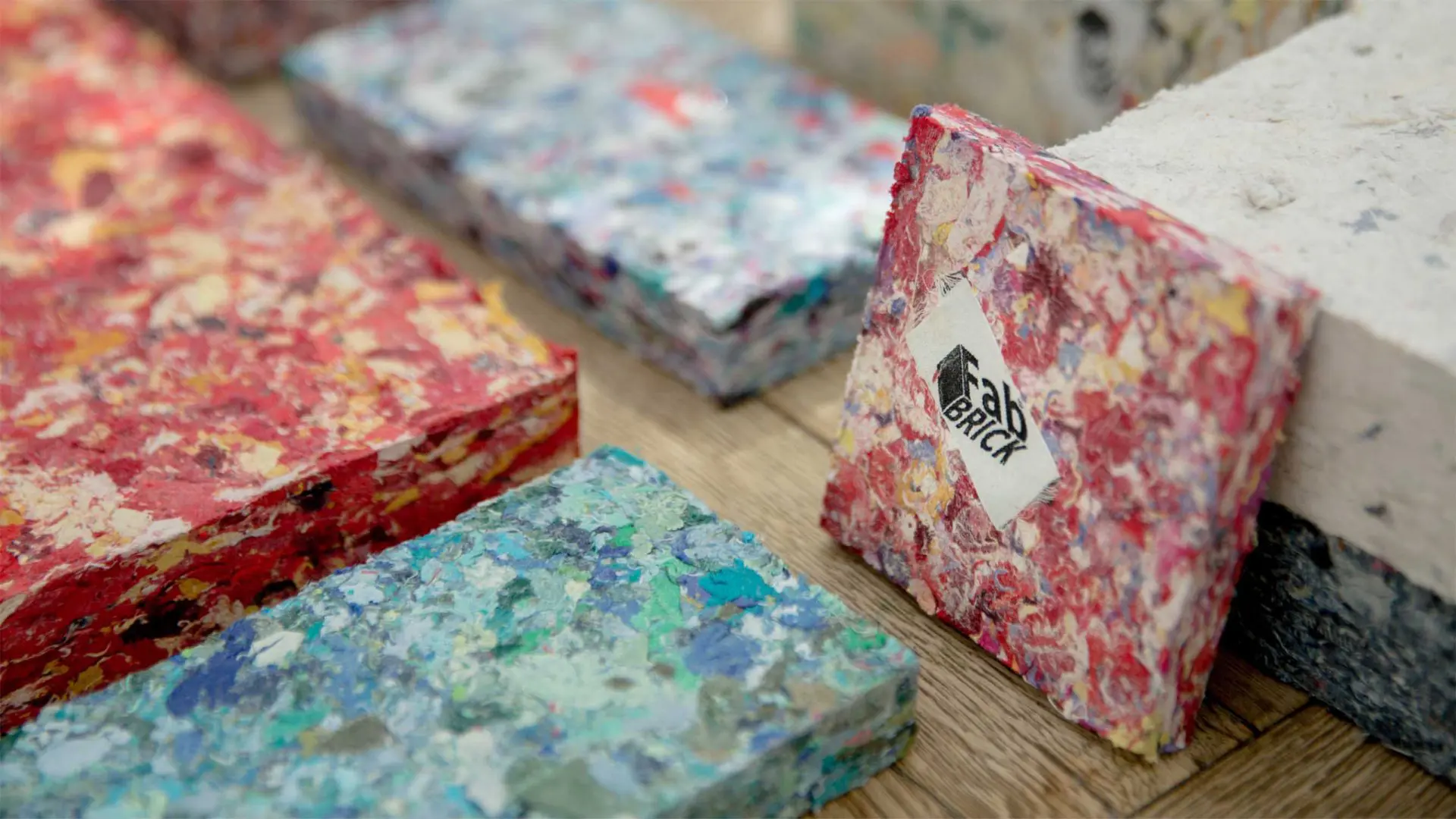
FabBRICK reinvents construction materials with recycled textile waste
W Tiles: Behind the Great Walls

7 Innovative Home Decor Items With Sustainable Origins

6 Sustainable Material Trends That Prove It's No Longer Just a Buzzword, but an Exciting Design Opportunity

from waste to functional art: remli by we+ transforms recycling into portable lighting fixture
RCA Product Design Student Invents Stone-Like Material Made from Fish Scales

Material Innovation At Its Best: Explore Design Standouts
Sustainable home decor: Eco-friendly interior design trends to watch

A new vision for cork, that is attractive and utilizes contemporary digital designs

From Fringe Idea to Mainstream Imperative: The Future of Design Depends on Biomimicry
Amorim Cork Composites spotlights the versatility of cork
17 Projects That Use “Ugly” Materials in Beautiful Ways

Marble-look surfaces top 3D-printed plastic bases in Elli’s furniture collection
This Multitasking Lighting Fixture Dampens Sound Using Recycled Plastic Bottles

Trash to treasure: Upcycling and repurposing in sustainable interior design | Hindustan Times