Shady claims on shade sails
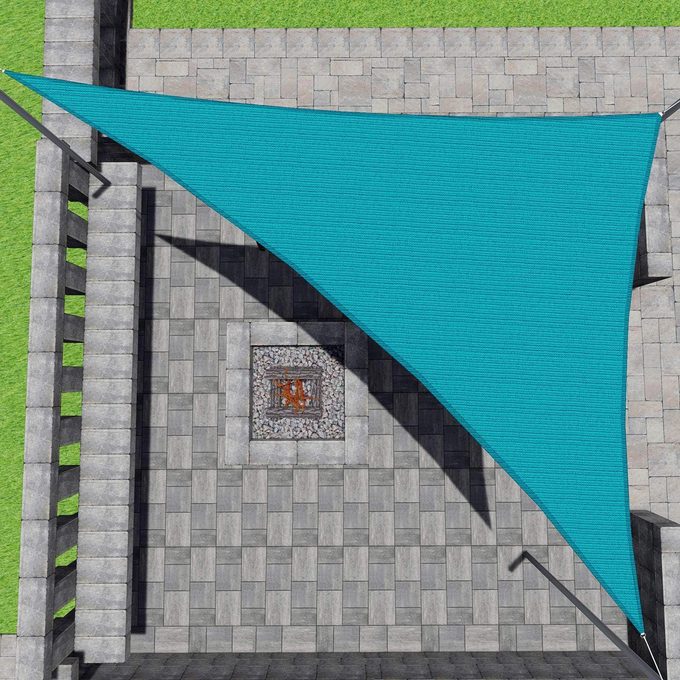
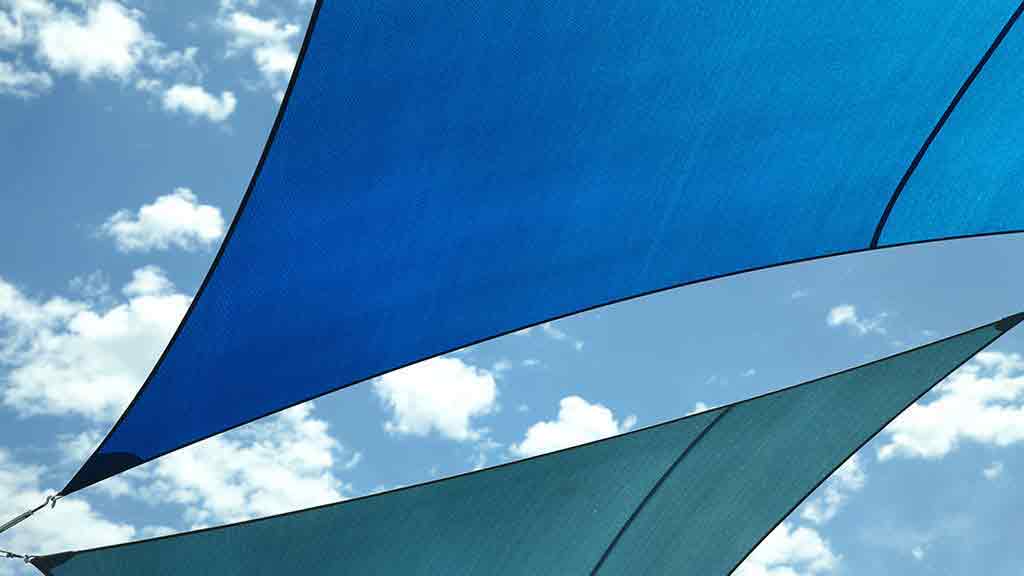
Shade sails, also known as shade cloths, are a popular solution for outdoor sun protection, yet the actual level of UVR protection they offer can be misleading. While many manufacturers advertise high UVR protection, the effectiveness of a shade sail is not solely dependent on the material's inherent rating. A significant issue lies within the largely unregulated installation industry in Australia. In most states and territories, aside from Queensland and Victoria, anyone can present themselves as a shade installer without specific qualifications or advanced knowledge of shade device design and installation. This lack of regulation means that even a shade cloth with a high UVR rating can have its protective qualities compromised through improper installation.
The stretching of shade cloth during installation is a critical factor affecting its UVR protection. Laboratory tests for shade sails assess the material's UVR transmission and its tear and tensile strengths in an unstretched state. However, if the cloth is stretched too much during installation, its ability to block UVR can be significantly reduced. Professor Stephen Dain of the University of NSW's School of Optometry and Vision Science highlights that the degree of stretching varies greatly with installation methods and support structures. While knitted shade cloths are more prone to stretching and thus potentially transmit more UVR, woven ones tend to stretch less. Given these variables, Standards Australia finds it challenging to classify shade cloth protection levels in a manner similar to sun-protective clothing, which uses categories like “Good,” “Very good,” or “Excellent protection.” The complexity arises from numerous factors, including the shade structure's design and size, its distance from occupants, the levels of reflected and diffused radiation, and a person's exact location under the shade.
The absence of a comprehensive classification system and regulation creates difficulties for consumers, including childcare centers. Childcare centers are legally required to provide adequate shade, but without clear Australian Standards for shade cloth and a single accountable body, it's hard for them to ensure compliance. The Cancer Council Australia's SunSmart Early Childhood Program offers guidelines and certification for childcare centers, but it operates on a voluntary basis, without mandatory inspections or shade audits. Consequently, centers are advised to conduct their own shade audits to assess current shade conditions and plan effective shade designs.
To ensure proper sun protection from shade sails, consumers are advised to engage experienced and skilled designers and installers. Key recommendations from the Cancer Council NSW include choosing dark, closely woven, and heavy fabrics that offer better UV radiation blocking. It is also important to conduct a shade audit of the site, considering the types, times, and months of use, and to verify local council permit requirements. Before proceeding, consumers should scrutinize the installer's credentials, requesting structural engineer's reports, understanding warranties, inquiring about ongoing services, checking fabric specifications, and confirming independent testing of the UV radiation protection level and durability of the cloth. This proactive approach is essential to avoid investing in a shade solution that does not provide the expected level of sun protection.
#ShadeSails #UVProtection #HomeImprovement #OutdoorLiving #ConsumerProtection #InstallationStandards #SunSafety #CancerCouncilRecommendations #ProductClaims #ShadeSails #UVProtection #HomeImprovement #OutdoorLiving #ConsumerProtection #InstallationStandards #SunSafety #CancerCouncilRecommendations #ProductClaims
0 comment in total
 No comments yet
You may also like
Making waves: A sleek sailing yacht sets a course for nautical style

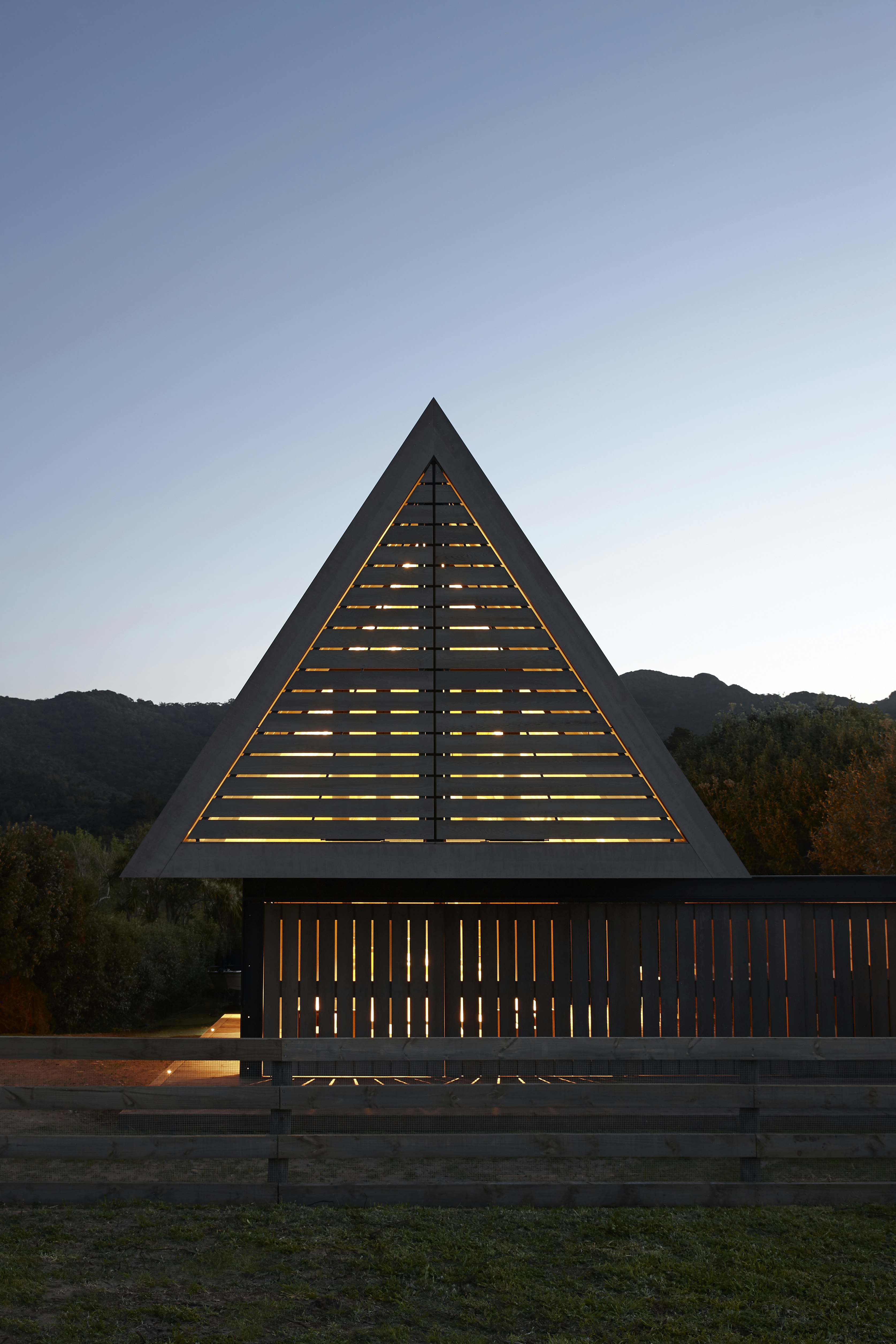
This Coastal New Zealand A-Frame Looks Like a Floating Prism

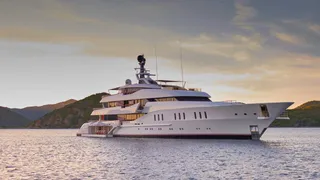
Vanish: The 66m Feadship designed for outdoor living

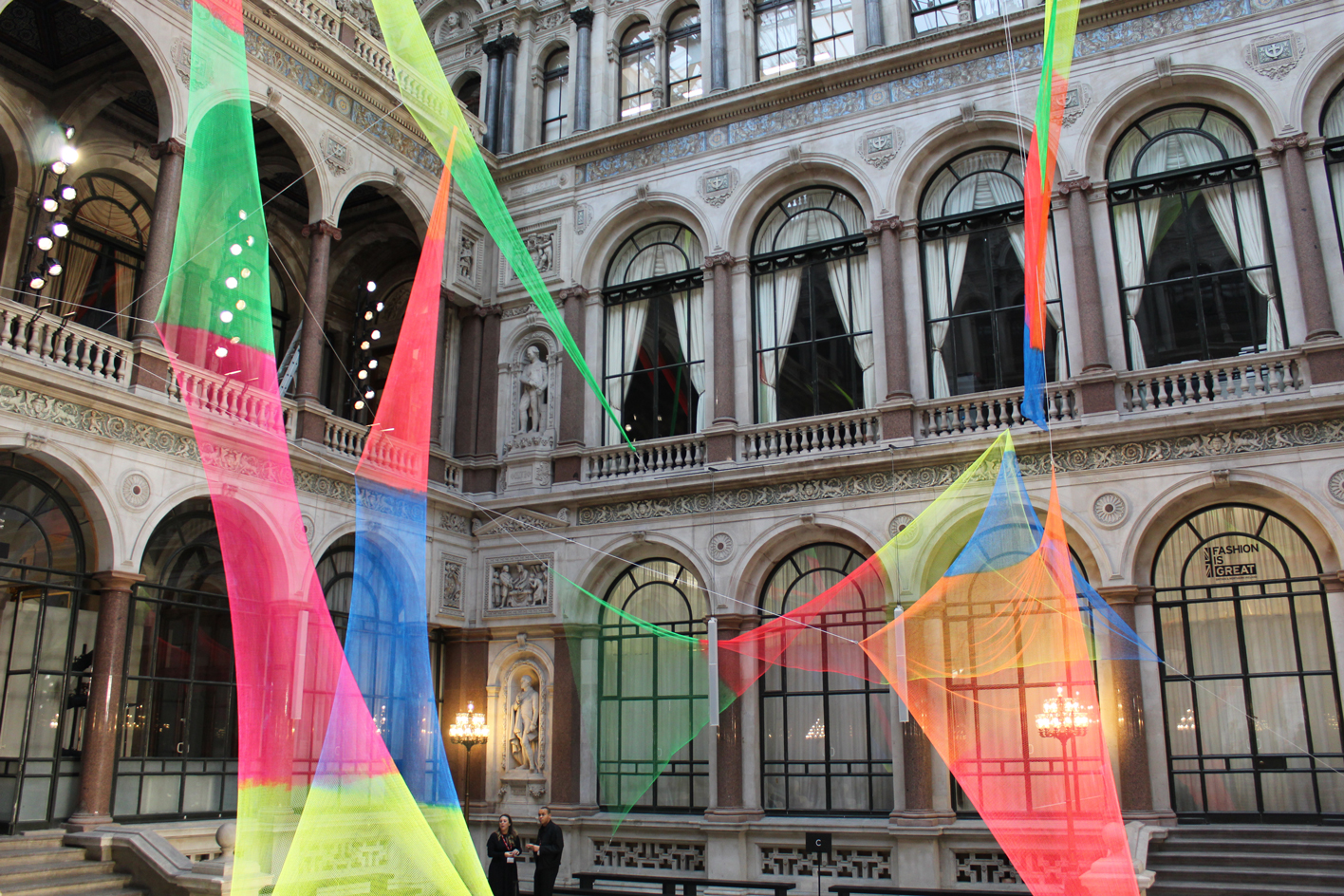
Sail away: Rana Begum creates fishing net installation for Roksanda
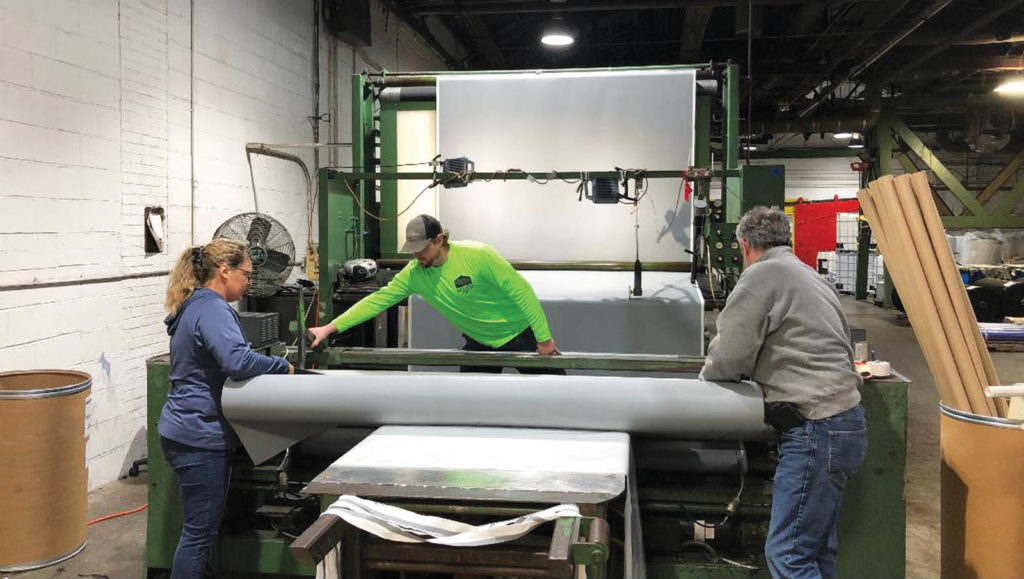
Flame-retardant shade sails


Seashell Decor Is Everywhere Right Now—Here's How to Decorate With It


Shiplap Cladding
How To Hang a Shade Sail

How to Reel in the Fisherman Aesthetic at Home (Coastal Colors Are Key!)

We Talk To Cristiano Gatto, Interior Designer For Heesen's Project Altea

Coastal cool: Top nautical-inspired interior design tips for summer home makeover | Hindustan Times