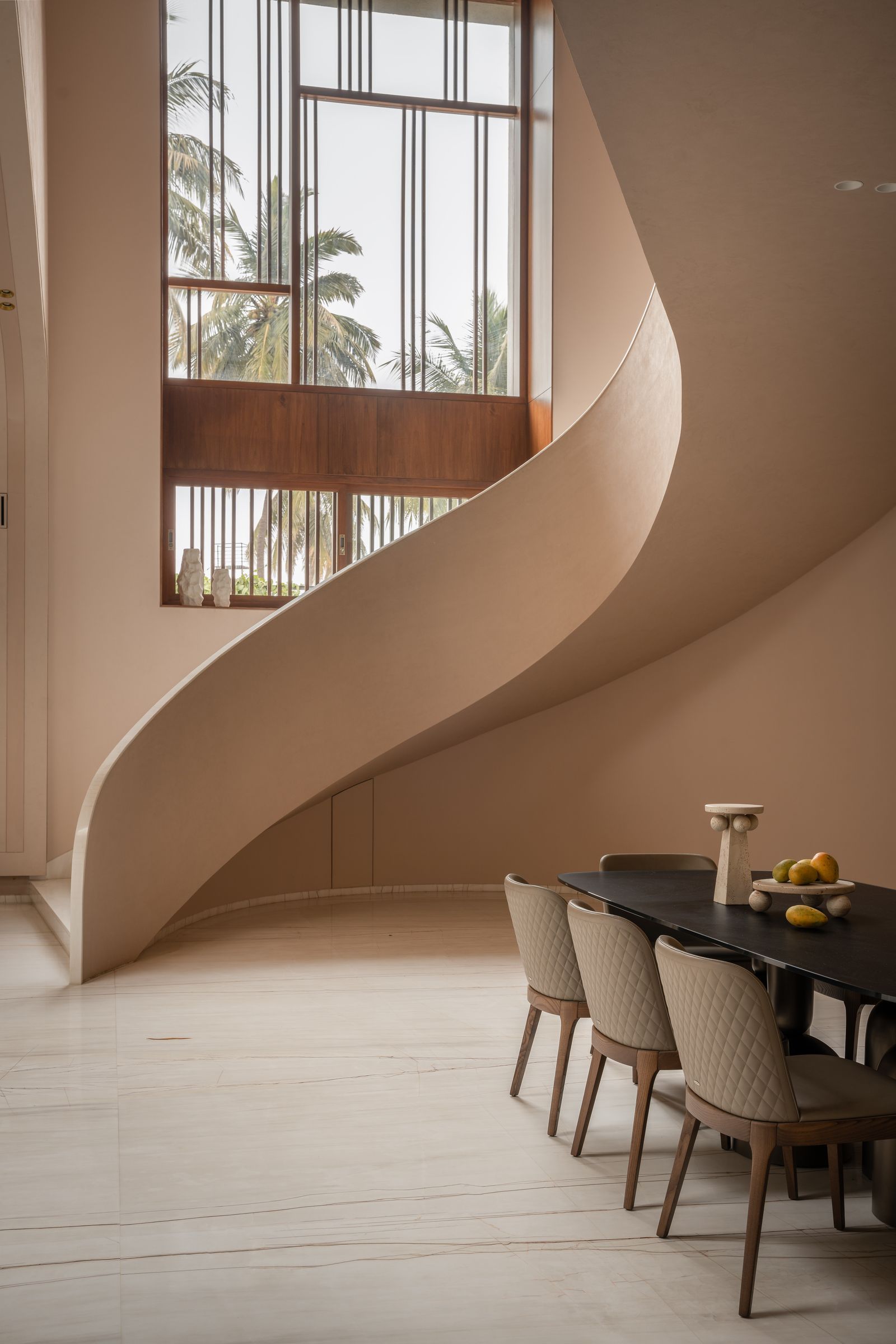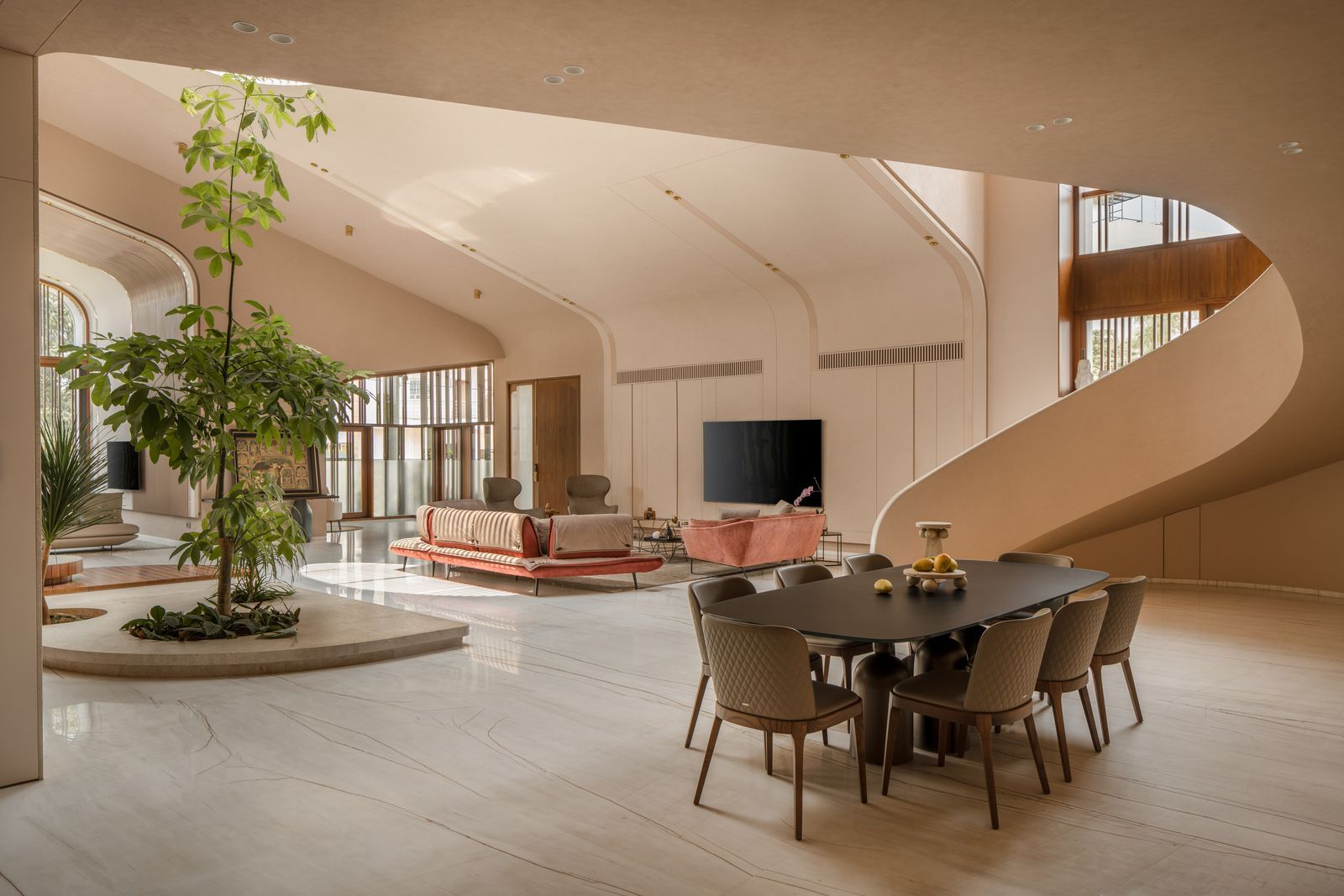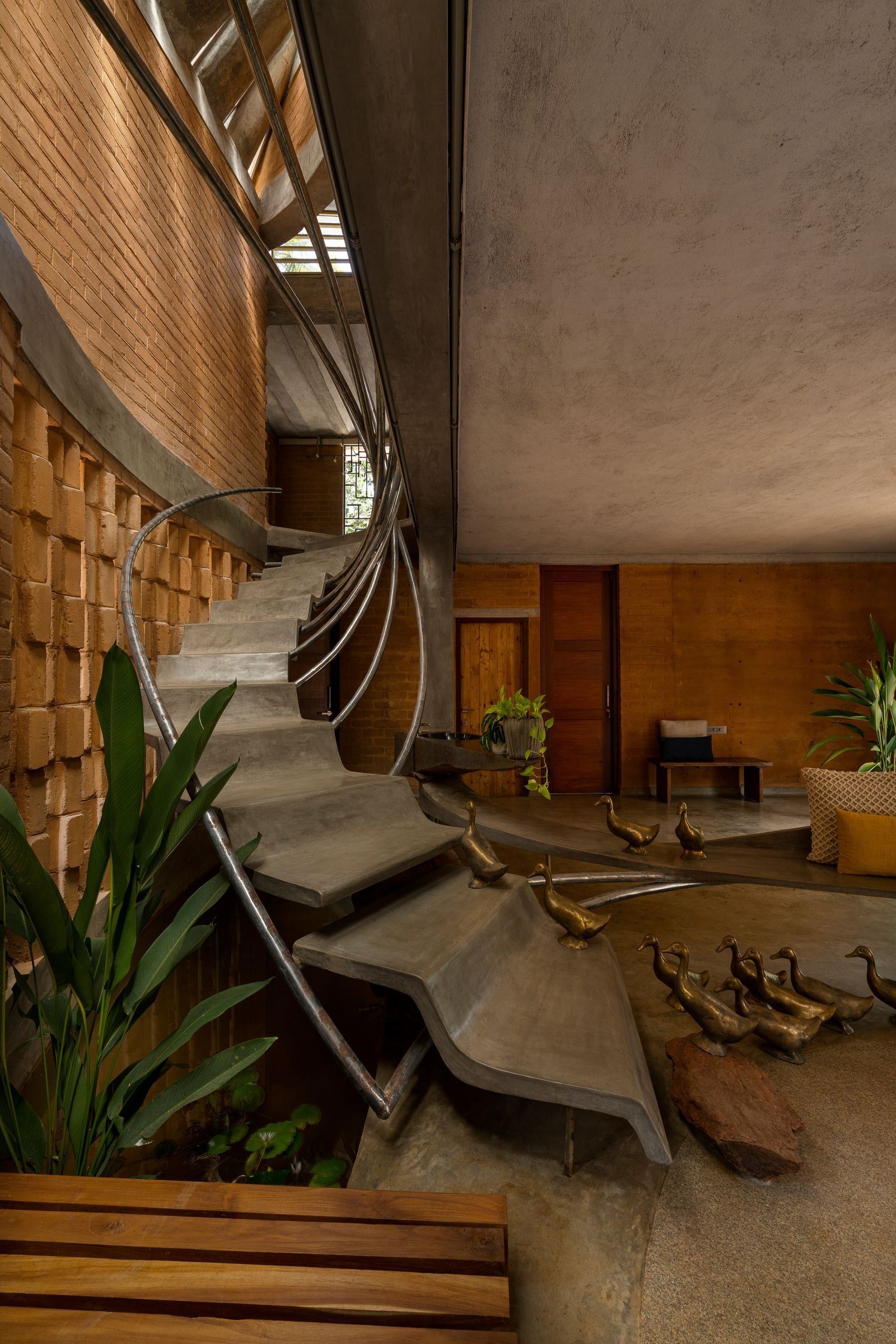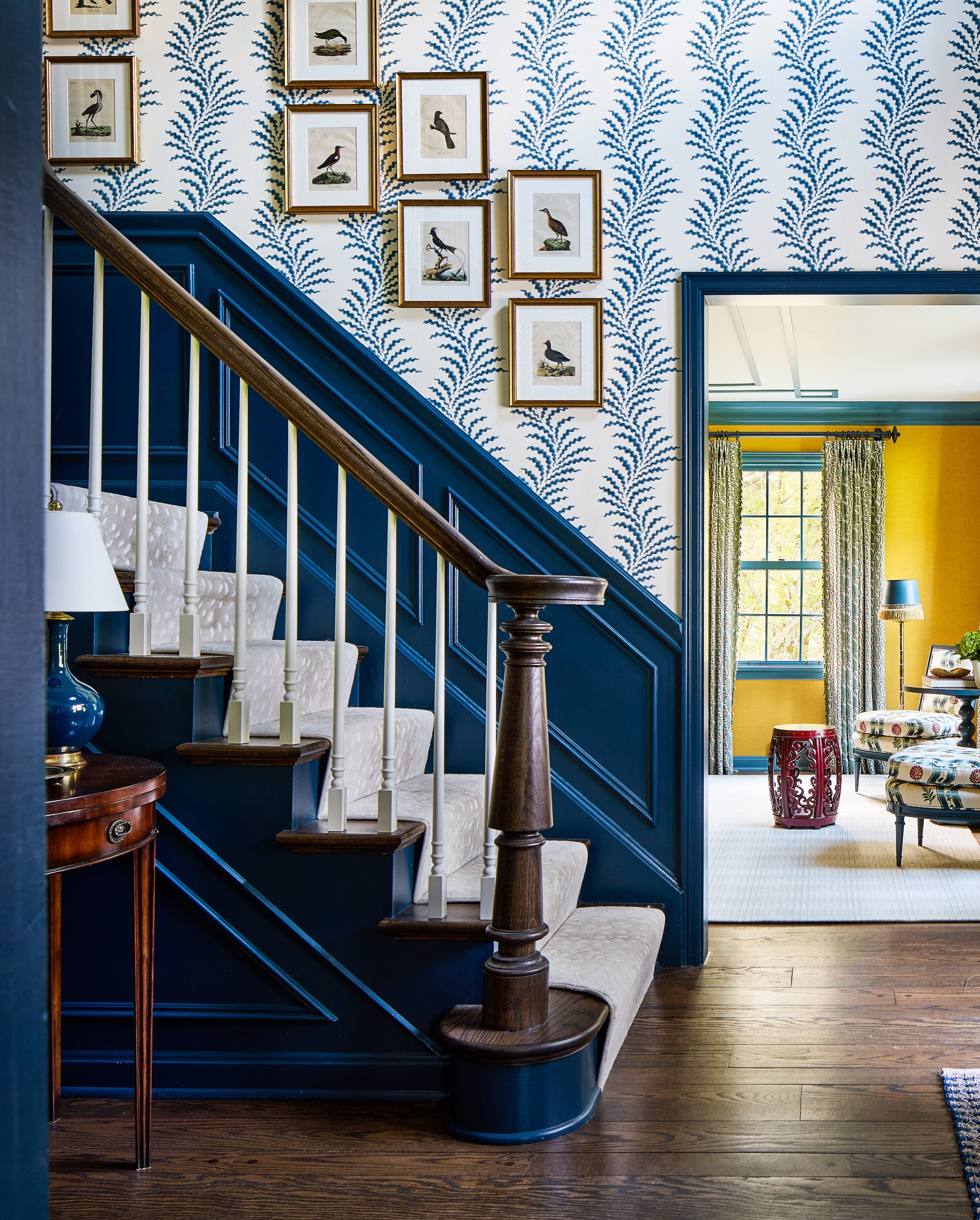
How these woodworkers turn staircases into art
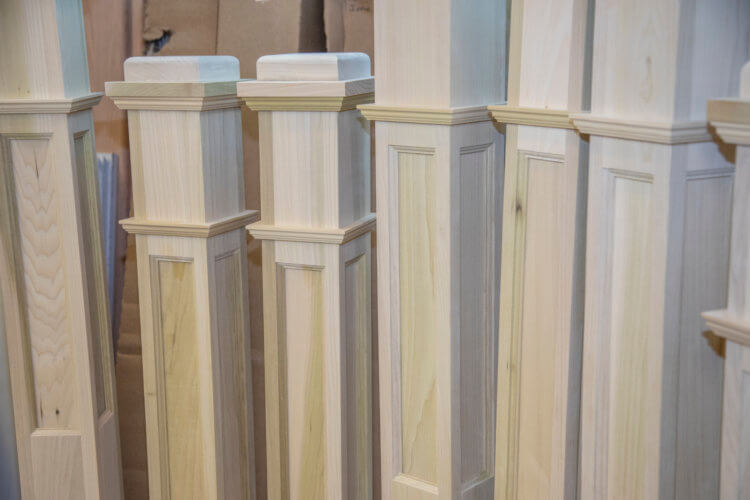
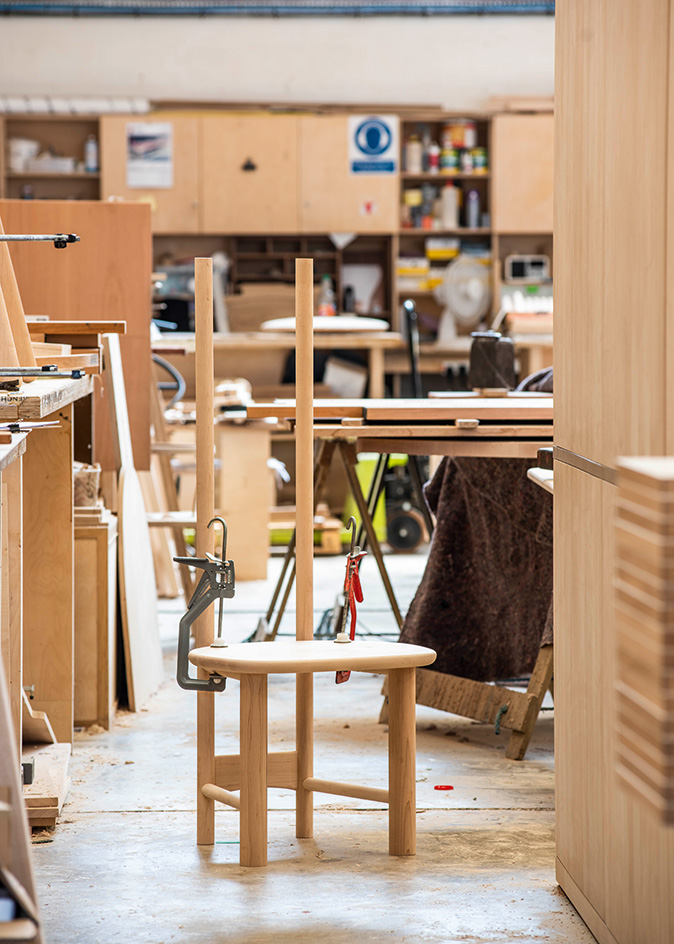
JMP Wood, a family-owned business established in the 1970s in Brooklyn, New York, specializes in crafting custom stair parts. The company is renowned for its exceptional woodwork and meticulous attention to detail. Their process involves a combination of advanced computer-controlled tools and traditional wood-turning techniques to produce intricate and decorative elements for staircases.
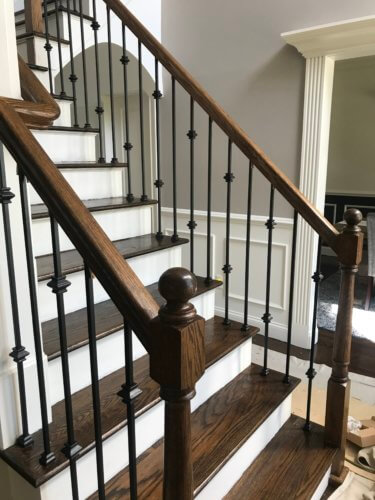
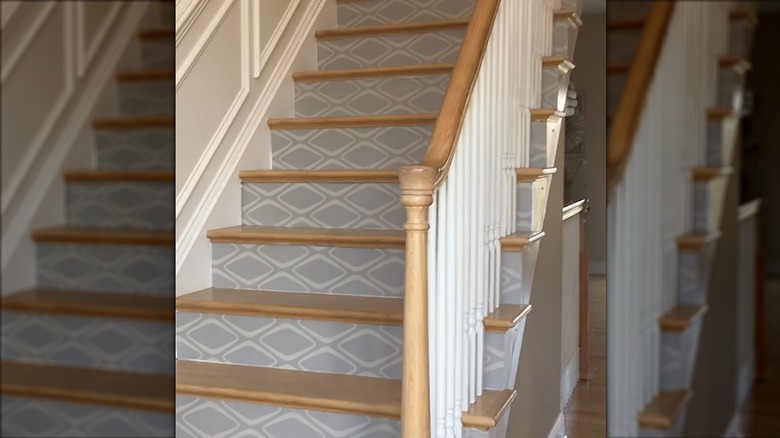
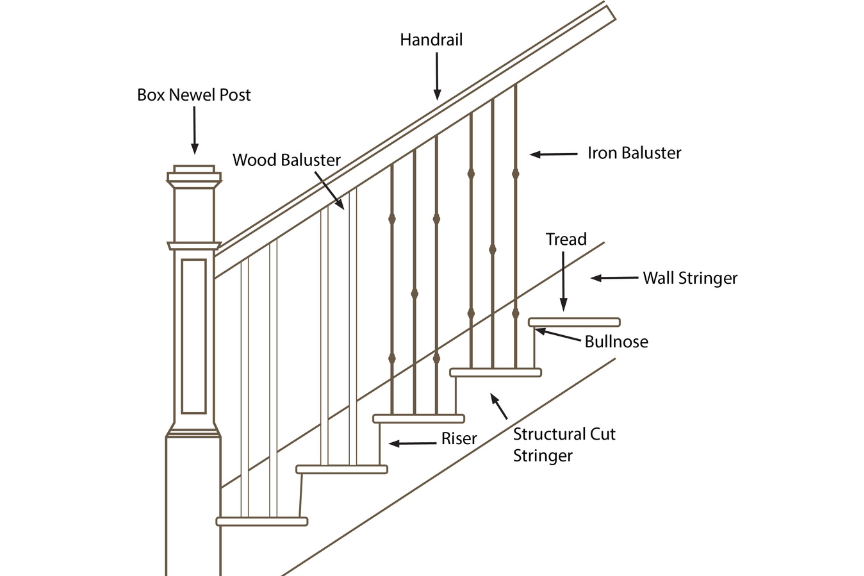
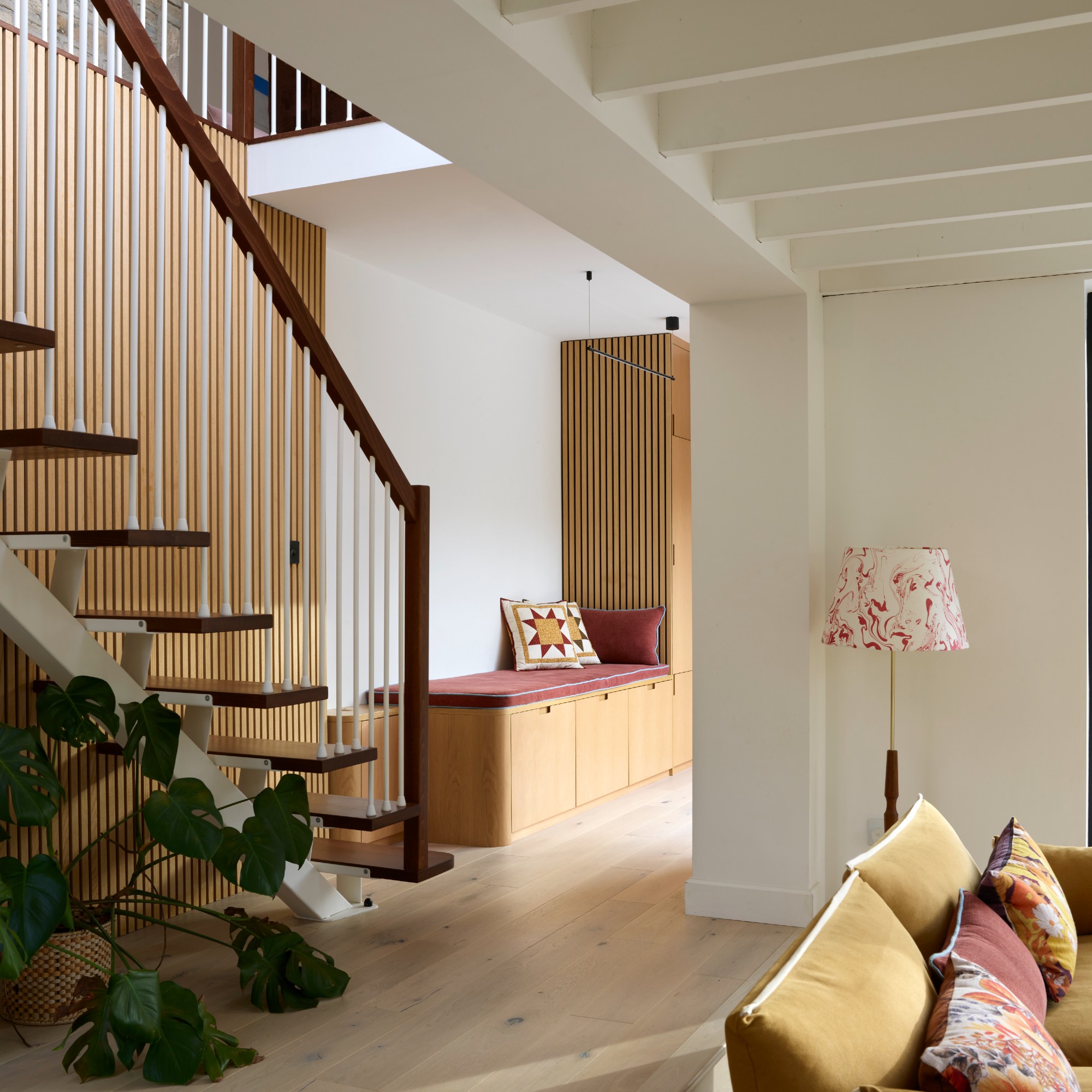
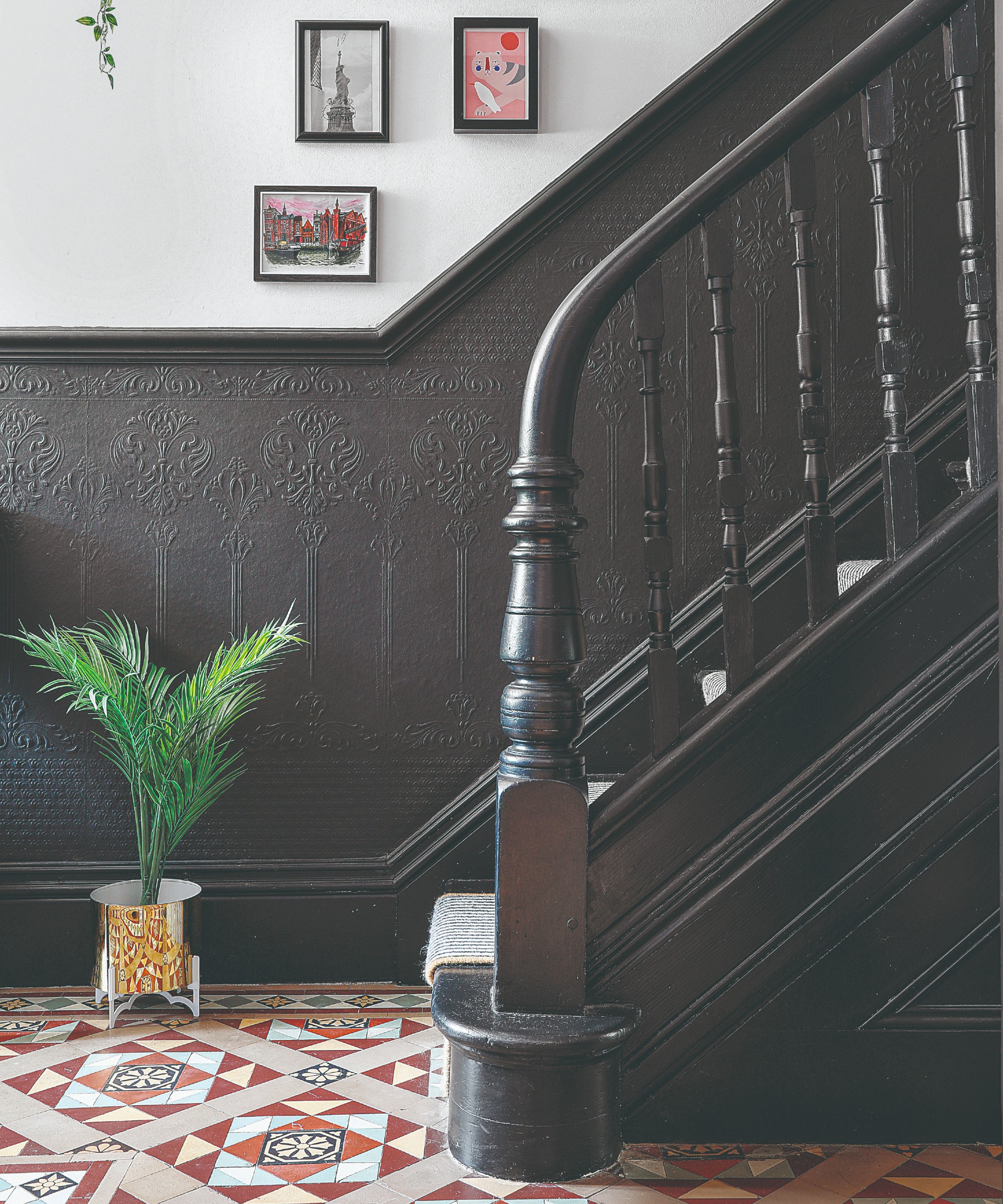
A significant component of their work involves creating balusters, which are decorative vertical supports that fill the space between the handrail and the stair tread or floor. The production of a baluster begins with selecting wood from JMP Wood's inventory, which is then cut to the required size. Each piece undergoes a thorough inspection for any defects such as cracks or imperfections before further processing. For efficiency in crafting multiple balusters, particularly for orders exceeding 20 pieces, JMP Wood utilizes Computer Numerical Control (CNC) machines. These machines are programmed with precise cutting coordinates, allowing them to replicate designs accurately and consistently, a process that would be considerably more time-consuming if done entirely by hand. However, for smaller orders of fewer than 20 pieces, the craftsmen at JMP Wood employ traditional hand-turning methods, showcasing their versatility and skill.
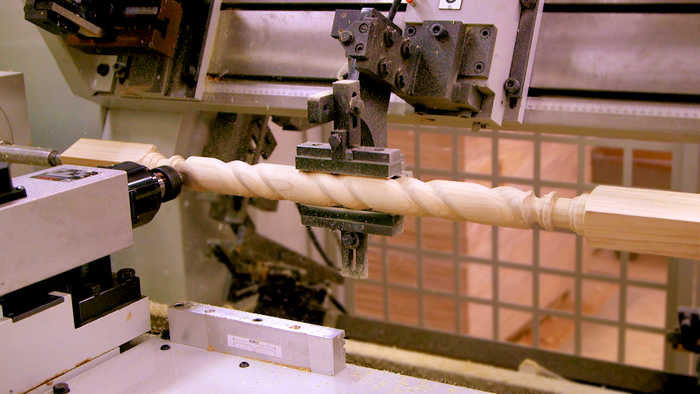
After the initial shaping, the wood piece intended for a baluster is transferred to a CNC lathe machine. This specialized machine rotates the wood while a knife precisely cuts twisted designs into its surface, adding to the baluster's aesthetic appeal. Post-machining, each baluster is meticulously inspected for any remaining imperfections and then sanded to achieve a smooth finish.
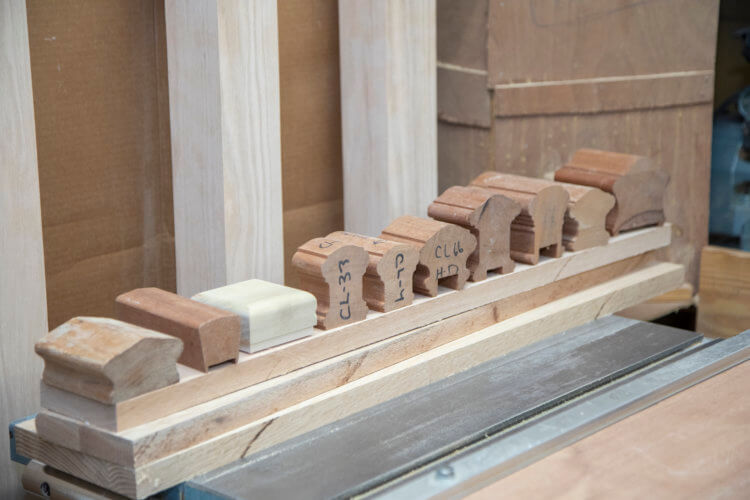
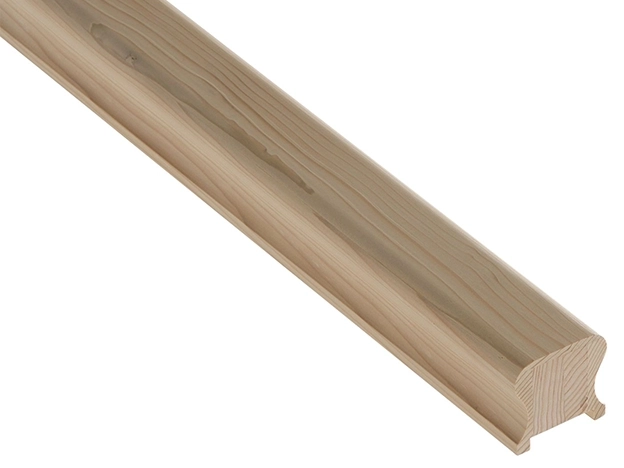
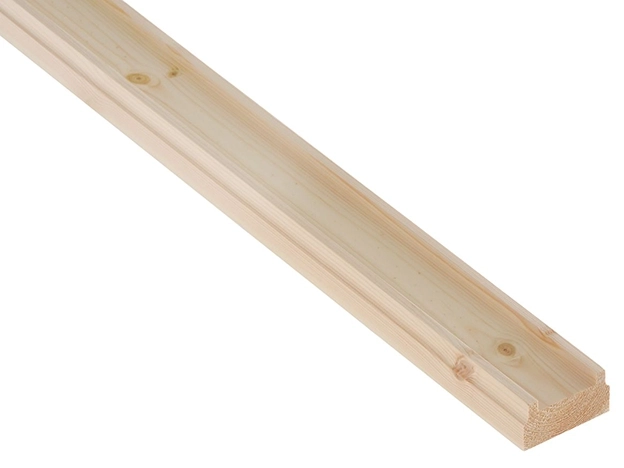
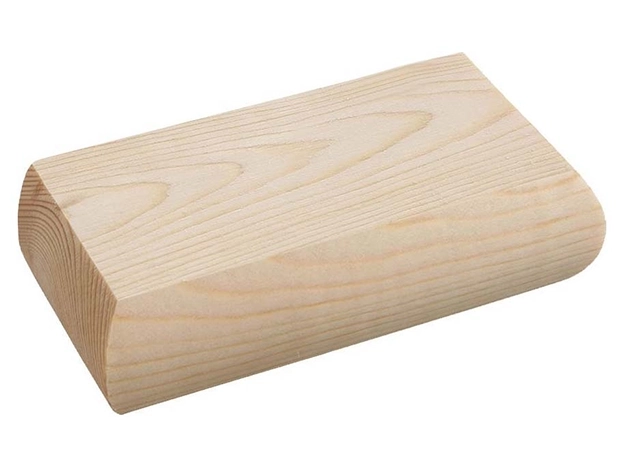
The creation of handrails follows a similar sophisticated process. A block of wood is prepared to the appropriate size and then digitally programmed using a 3D scanner. This scanner plays a crucial role in configuring the exact dimensions and curves required for the handrail. The data from the 3D scanner generates precise tool paths, guiding a five-axis CNC machine. A five-axis machine offers greater flexibility and precision, as its cutting tool can move in multiple directions, enabling complex cuts and shapes. Once the handrail is cut to form, it is detached from its support legs and undergoes a final sanding process.
Upon completion of both balusters and handrails, the finished parts are carefully packaged and prepared for shipping. JMP Wood demonstrates considerable operational capacity, capable of processing between 20 and 100 custom orders weekly. This blend of traditional craftsmanship and modern technology allows JMP Wood to produce high-quality, custom staircase components efficiently, highlighting the artistry and engineering involved in each piece.
#JMPWood #StaircaseDesign #Woodwork #CustomFabrication #CNCMachining #WoodTurning #Balusters #Handrails #HomeImprovement #JMPWood #StaircaseDesign #Woodwork #CustomFabrication #CNCMachining #WoodTurning #Balusters #Handrails #HomeImprovement
0 comment in total
 No comments yet
You may also like
Sculptural staircases that elevate home design

5 spiral staircases that will make you look twice
Let the Staircase Set the Stage for Style
21 Best Painted Stair Ideas to Revamp Your Space

Master Craftsman: Steven Lang of Lang Stair & Rail

Step Up Your Staircase With These Decorating Ideas
2024's hot new staircase trend

7 wow factor staircases
Nine designers work socially distanced wonders with wood

Stair Base Rails

Toronto Woodworkers Making Heirloom-Quality Wares

Staircase ideas – 23 ways to turn this transitional area of your home into a standout feature
Stairs well done
Staircase Parts

An Oft-Overlooked Staircase Project Is Gaining Traction With Remodelers

Staircase decorating ideas - be inspired by colour, pattern and material wizardry


Customize Your Staircase With These 13 Bold Ideas For A New Look In 2025

The best contemporary staircases

An Oft-Overlooked Staircase Project Is Gaining Traction With Remodelers

In Praise of Stairs