1/6
Learn about Amazon HQ2's sustainable construction and design
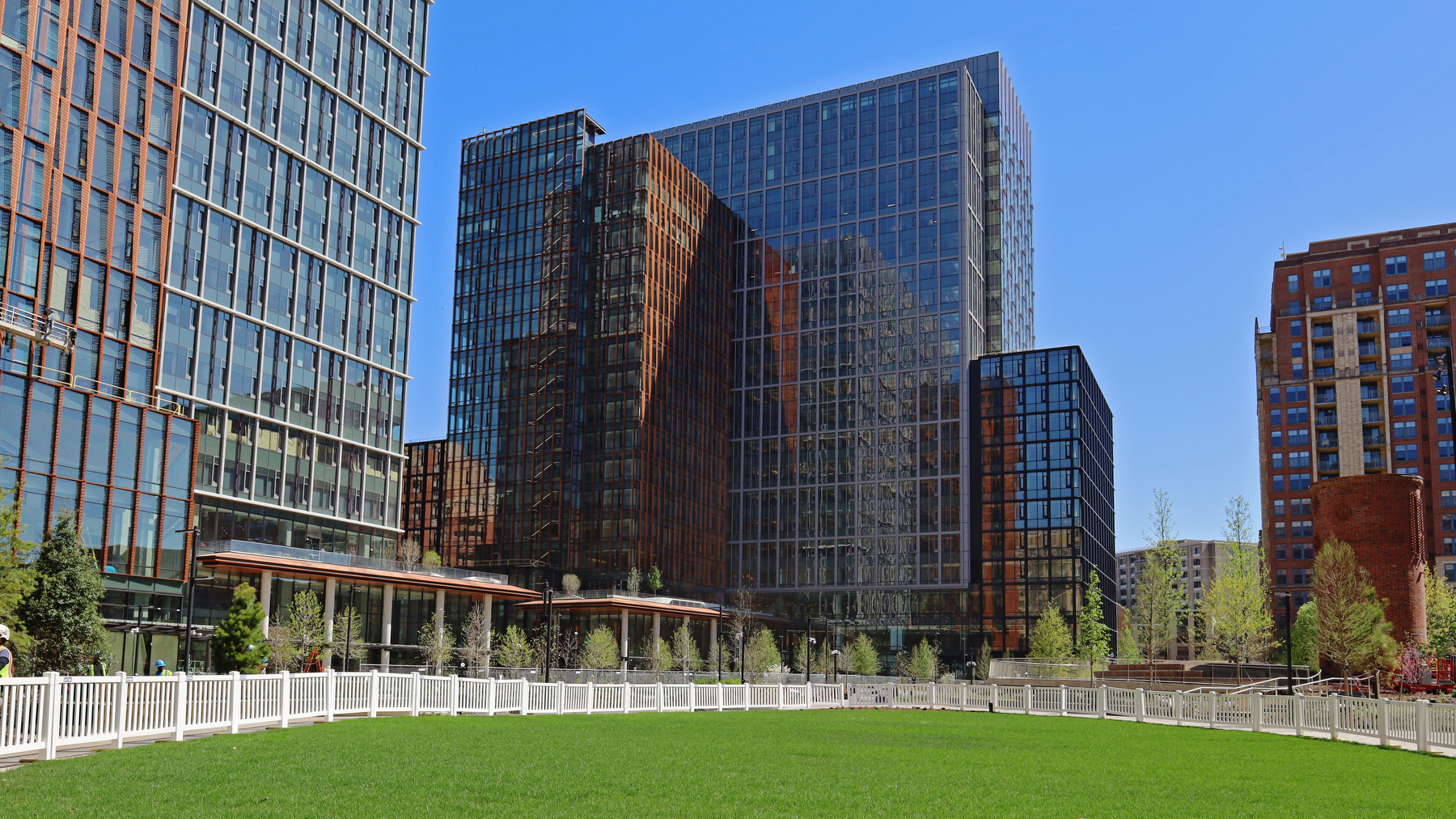
Amazon's second headquarters in Arlington, Virginia, known as Metropolitan (Met) Park, was developed with a strong focus on sustainability, aiming to be a benchmark for climate-friendly construction and design. The campus is designed to operate with zero operational carbon emissions, meaning it does not rely on fossil fuels for its daily functions.
The Met Park campus integrates various sustainable solutions on a large scale. This includes the use of low-carbon concrete and mass timber in its construction, which significantly reduces the embodied carbon footprint. The concrete structures achieved a 20% carbon footprint reduction compared to industry standards, saving over 14,700 metric tons of carbon by incorporating CarbonCure technology that injects recycled carbon dioxide into fresh concrete. The meeting center's ceiling, made with cross-laminated timber and large glue-laminated timber beams, further lowers embodied carbon and provides a biophilic environment. Additionally, Amazon is extending the use of CarbonCure technology to over 40 other sites globally.
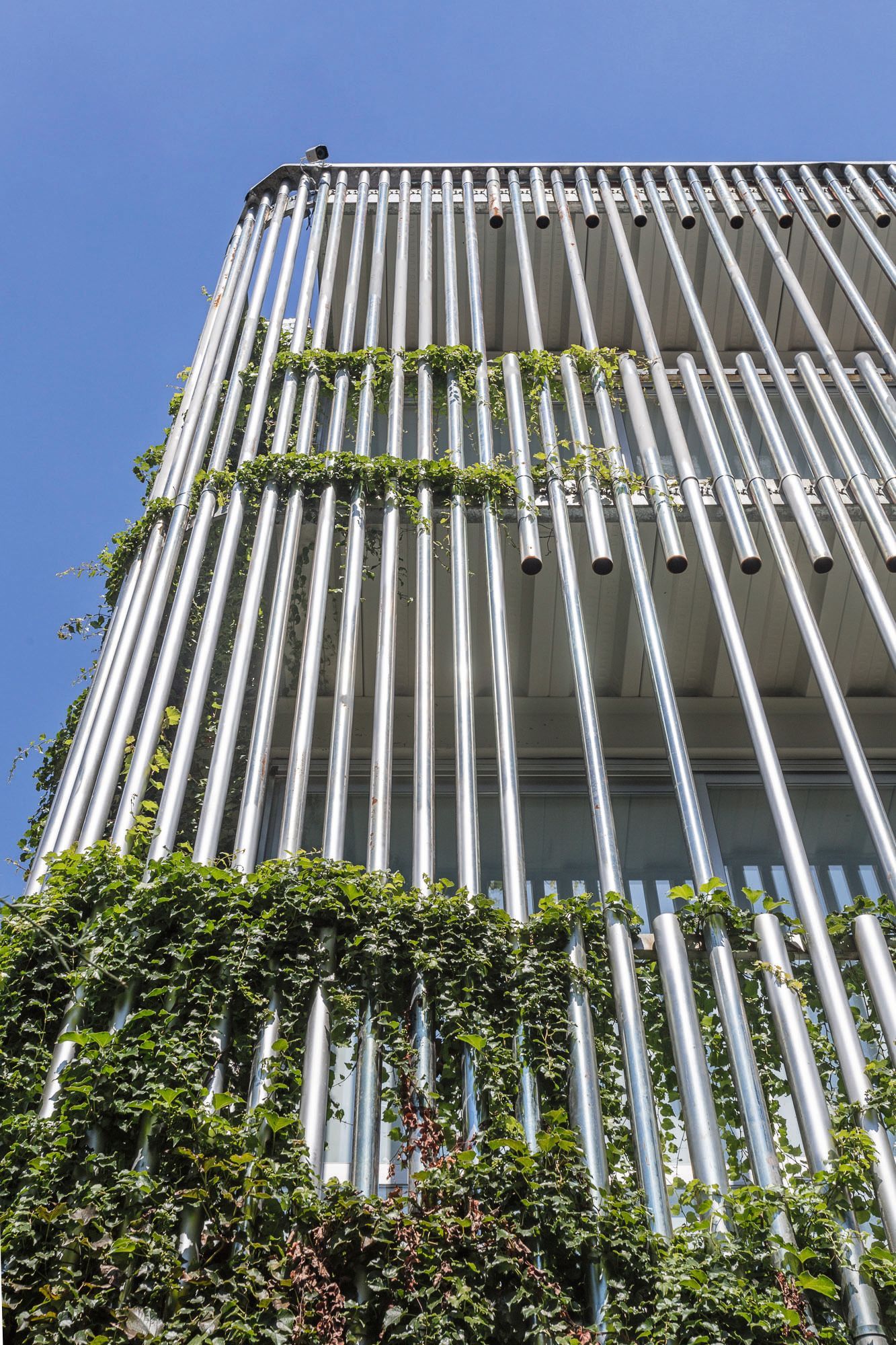
Energy efficiency is a key aspect of the design, leading to a 24% overall energy saving compared to a typical new office building, which is enough to power 572 U.S. homes annually. The campus is entirely powered by renewable energy, sourced from a solar farm in Virginia. All HVAC systems, water heaters, and food service equipment within the buildings are electrified, eliminating fossil fuel use for daily operations. Passive design elements, such as "Eco-Lobbies" with large operable walls that connect indoor and outdoor spaces, and overhead high-volume, low-speed fans coupled with hydronic radiant floor heating, contribute to a thermally comfortable environment while minimizing energy consumption. External sunshades are also installed to reduce direct sunlight, thereby lowering cooling energy demand and glare.
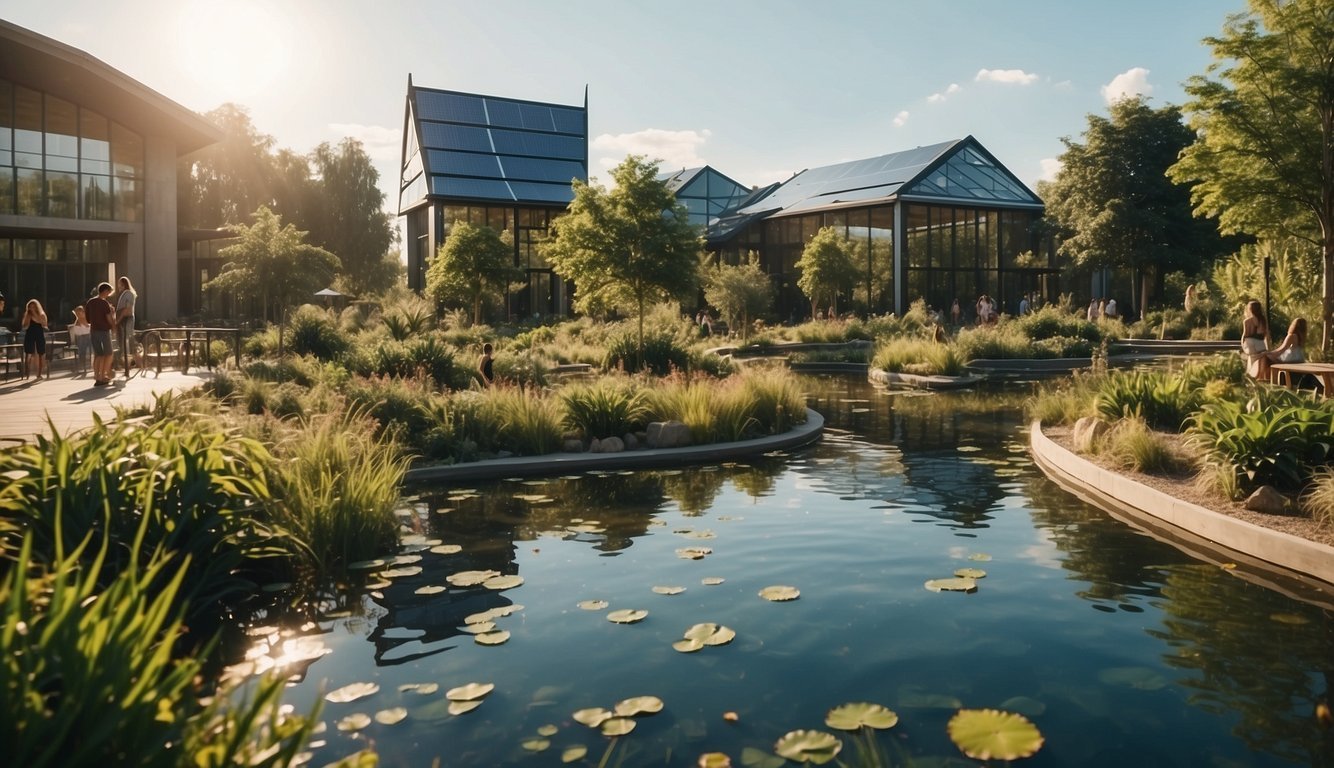
Water conservation is another critical component. Met Park is designed to reclaim and recycle water for cooling towers, landscape irrigation, and flushing fixtures. Low-flow urinals, toilets, and lavatories exceed U.S. Environmental Protection Agency (EPA) requirements by nearly one-third. By capturing and reusing rainwater, shower water, and HVAC condensate, the building is projected to achieve a 50% water saving below building code, recycling 7.5 million gallons per year.
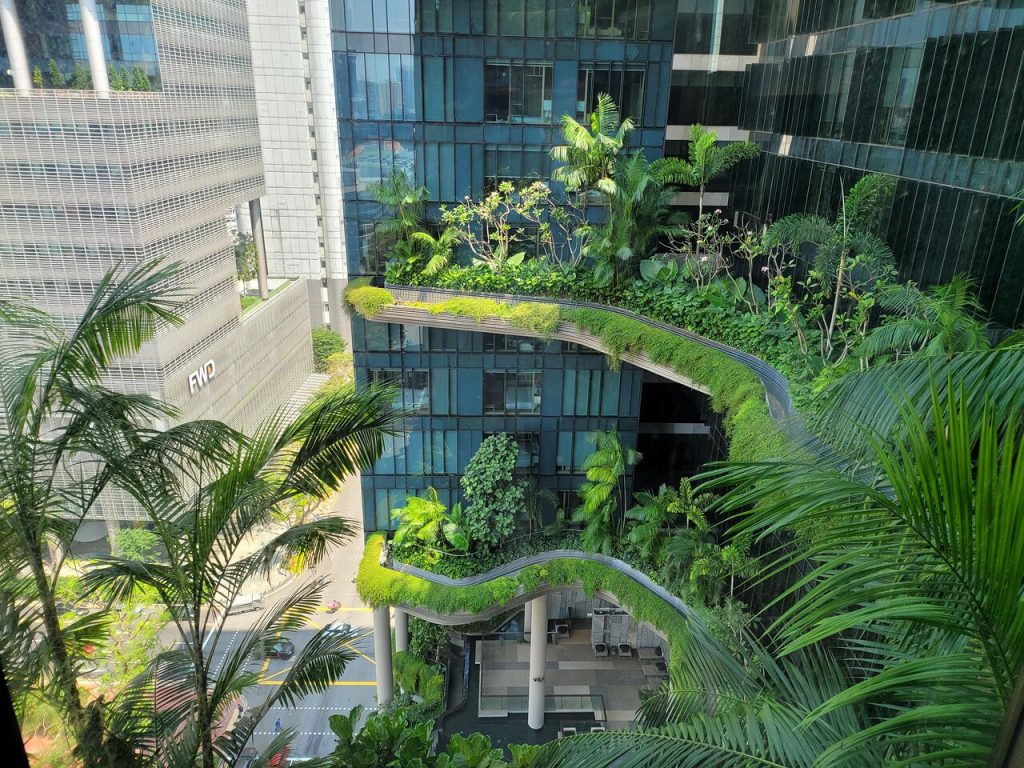
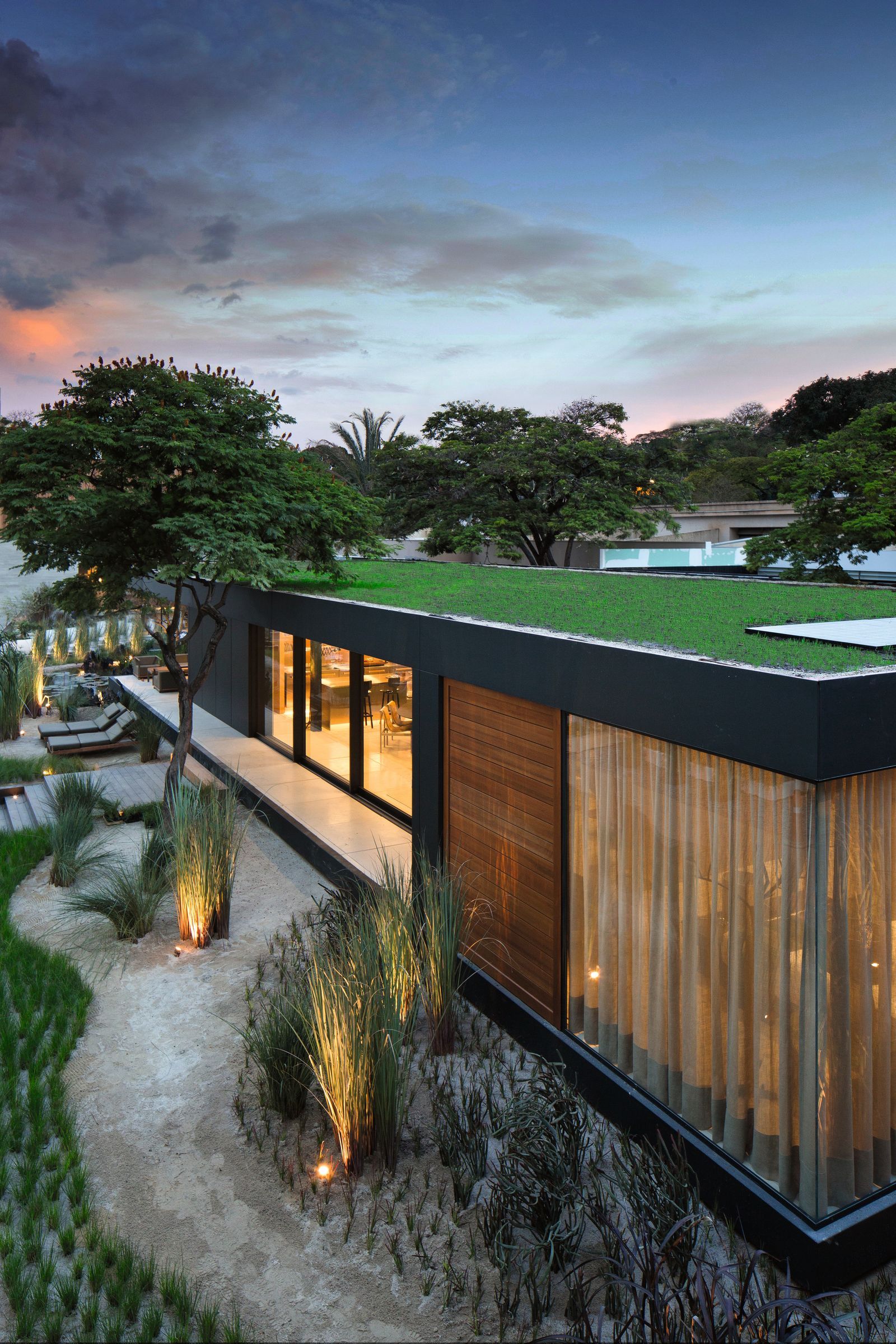
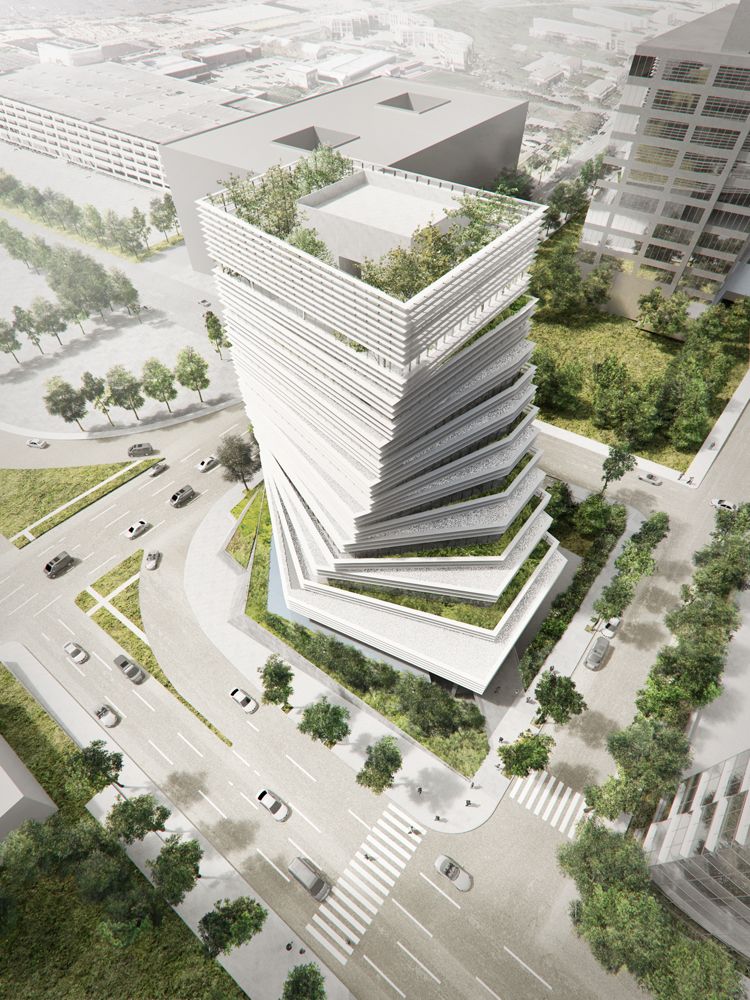
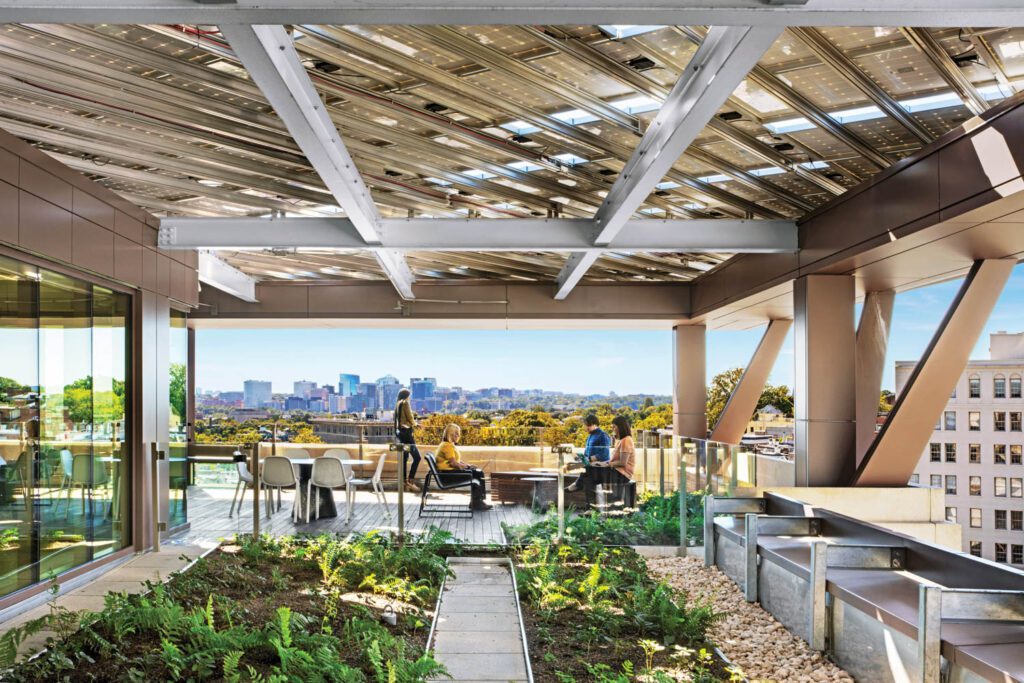
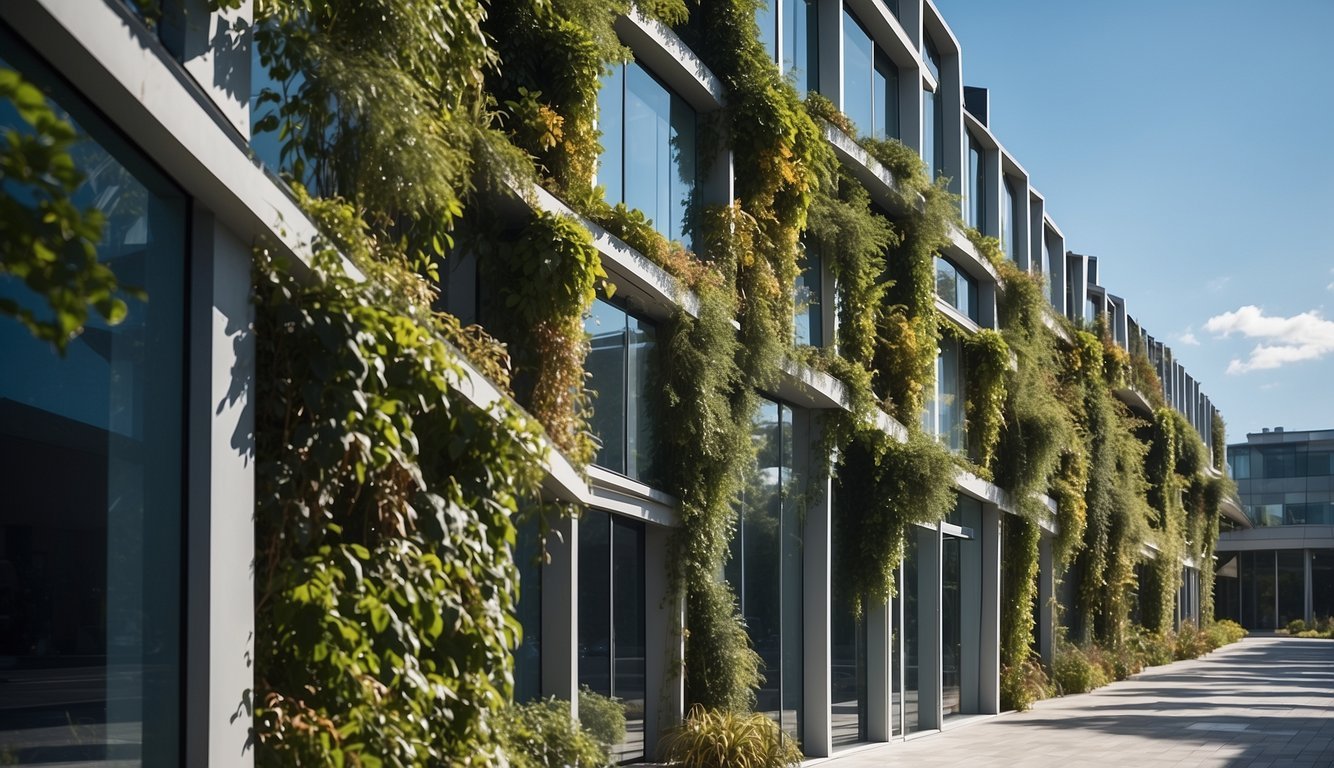
The campus features two acres (90,000 square feet) of landscaped green roofs with native plants. These green roofs mitigate the urban heat island effect by reflecting solar energy and cooling through evaporation, reducing strain on HVAC systems. The landscaping utilizes native and adaptive plant species to attract local pollinators, and smart, low-flow irrigation systems are optimized to reduce water consumption. Some terraces also host urban farms that partner with local organizations to grow and deliver produce to nonprofits. The building's design also considers local wildlife, with dot frit patterns on lower glass levels to improve visibility for birds and prevent collisions.
Amazon also collaborated with small businesses occupying the 50,000 square feet of retail space at Met Park, encouraging electrification to reduce their carbon impact. All retail spaces, including restaurants, are entirely electric. Furthermore, during construction, 82% of all construction waste materials, totaling over 17,000 tons, were diverted from landfills, encompassing concrete, drywall, metals, wood, cardboard, and plastic, thereby preventing ground and water pollution and promoting material reuse.
#AmazonHQ2 #SustainableConstruction #ZeroCarbonEmissions #RenewableEnergy #WaterConservation #GreenRoofs #LowCarbonConcrete #MassTimber #LEEDPlatinum #AmazonHQ2 #SustainableConstruction #ZeroCarbonEmissions #RenewableEnergy #WaterConservation #GreenRoofs #LowCarbonConcrete #MassTimber #LEEDPlatinum
0 comment in total
 No comments yet
You may also like
Rammed Earth Fits Into Urban Architecture’s Sustainable Future
7 breathtaking sustainable homes around the world

Application of bionic architecture in low-carbon design: a systematic review from nature inspiration to architectural practice
The future of sustainable building materials
Sustainable architecture: 46 innovative and inspiring building designs

8 Remarkable Buildings That Use Trees as a Design Element

Want an Eco-Friendly Home? Everything You Should Know About Sustainable Architecture

7 sustainable homes with style

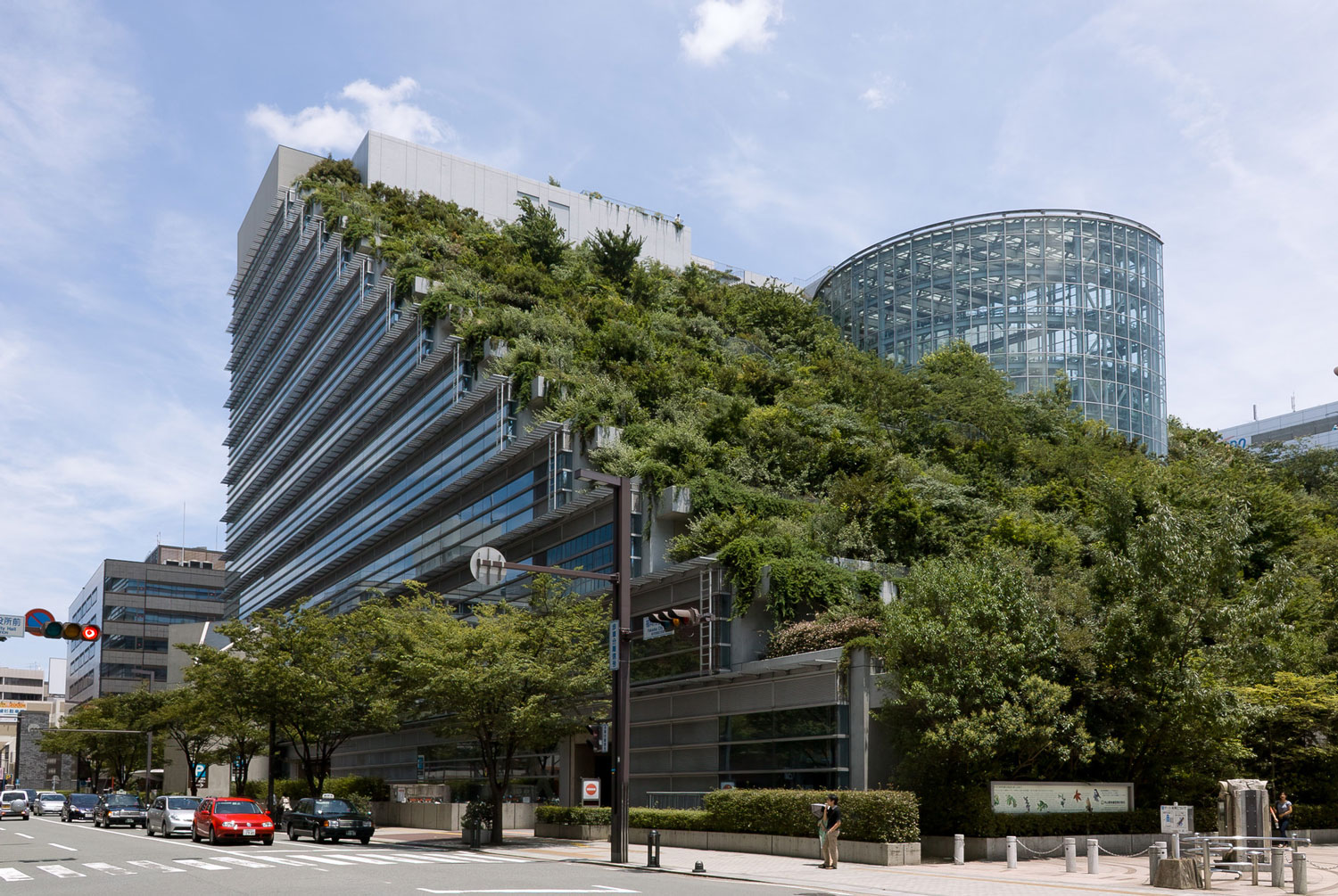
Top 10 Examples of Most Sustainable Architecture in 2025
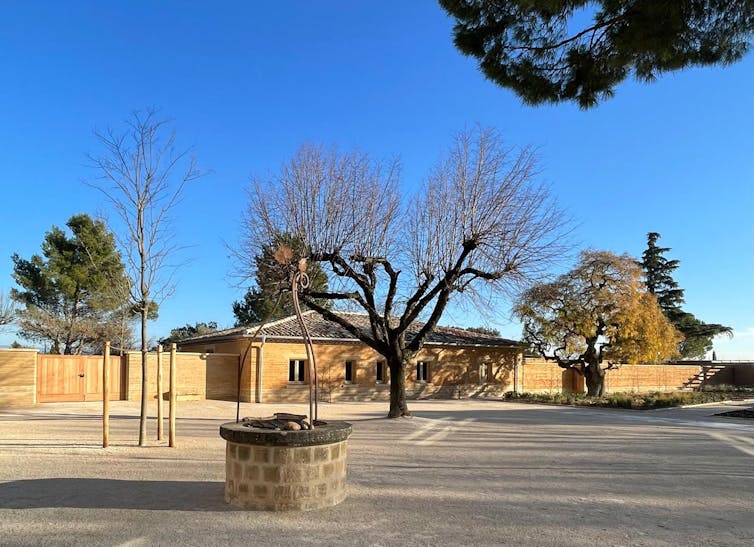
Building with earth could transform sustainable construction – here’s how

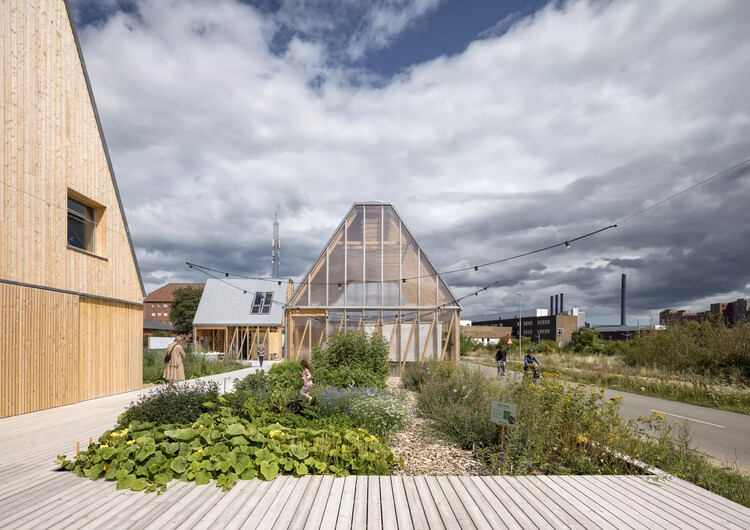
From Prototype to Progress: How Small-Scale Sustainable Housing Models Are Shaping Our Future

The Miller Hull Partnership Designs a Sustainable Home Overlooking Puget Sound

Innovations Driving Sustainable Building and Architecture Forward
Saving the earth: making the case for rammed earth architecture
“Cannabis walls” add warmth to this eco-friendly home in Israel
10 Must-Watch Documentaries on Renewable Architecture: Innovations & Insights

Sustainable Buildings: Pioneering a Green Revolution in Urban Design

30 Sustainable Projects Leading the Way for Green Design
Eleven rammed-earth buildings from around the world
CLT House by Susan Jones Shows the Future of Sustainable, Green and Healthy Housing