1/4
Putnam Rolling Ladder Is Tops, Says Architect
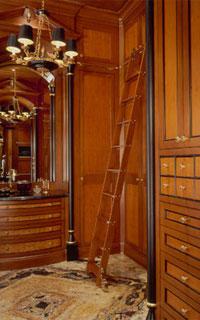
Architect Annabelle Selldorf highlights the 1906 Pierpont Morgan Library in New York City as a significant inspiration for design, particularly its triple-tier Circassian walnut bookcases. She notes the innovative design where the stairs appear to be invisible, contributing to the bookcases' seemingly floating appearance. These hidden stairs are described as narrow due to space constraints within the original structure. In her own contemporary library projects, Selldorf frequently integrates rolling ladders instead of concealed staircases, often sourcing them from Putnam Rolling Ladder Co. She praises Putnam as a significant New York company known for its enduring quality and design.
Samuel Putnam founded the company at the turn of the 20th century, initially producing trestle ladders, step stools, pulpit ladders, industrial steel ladders, and the iconic "Classic No. 1" rolling library ladder. Gregg Monsees, the current president of Putnam, emphasizes that the core design of their rolling ladders has remained unchanged since 1905, reflecting its timeless functionality and aesthetic. Historically, Putnam's residential rolling ladders were predominantly specified by high-end architectural firms for the private, wood-paneled home libraries of affluent clients.
During the mid-20th century, specifically from the 1920s through the 1970s, Putnam's primary clientele shifted to commercial sectors, with telephone companies, dry-goods stores, and prominent clothiers like Brooks Brothers being their largest customers. The building and renovation boom that commenced in the 1970s played a crucial role in the company's survival as demand from traditional commercial clients began to decline. This period allowed Putnam to adapt and maintain its business.
Before 1980, Putnam exclusively manufactured its ladders using red oak. However, in response to evolving market demands and design preferences, the company expanded its material offerings to include a wider variety of wood species. Currently, Putnam provides ladders crafted from cherry, ash, hickory, beech, walnut, birch, maple, teak, and mahogany, catering to a broader range of interior design schemes and customer tastes. These ladders are described as robust enough for industrial use yet possess the refined appearance of fine furniture.
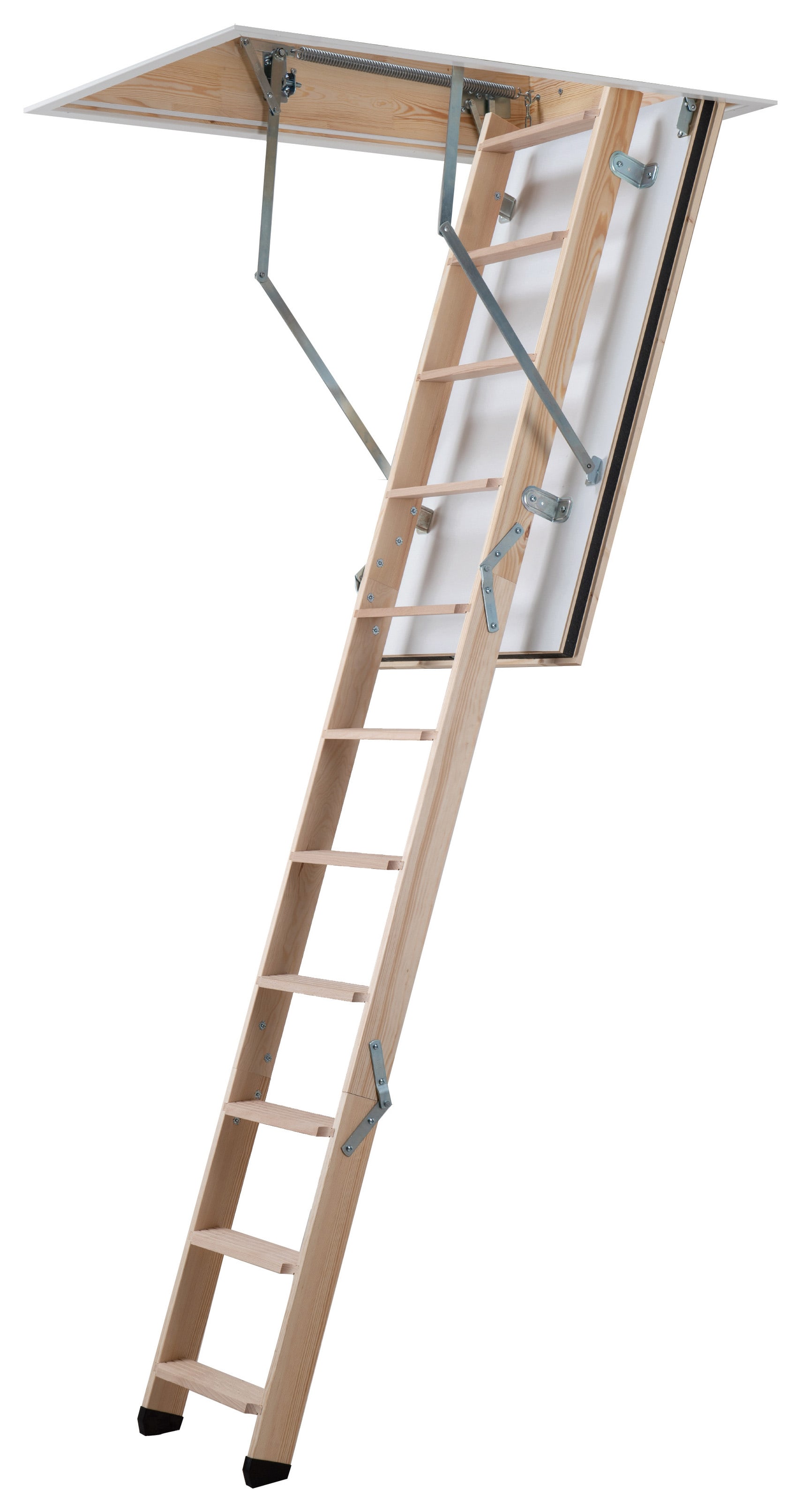
Putnam Rolling Ladders are also supplied to retailers like Rockler, which promotes them for diverse applications beyond traditional libraries. These uses include wine cellars, lofts, stock rooms, kitchens, and closets, showcasing the versatility and practical appeal of the product. The standard Putnam ladder is constructed from high-grade red oak, which is then filled and varnished. Each step is 4.5 inches deep, dadoed, and screwed into the 13/16-inch thick rails, further reinforced with rods beneath each step for added stability and durability. The ladders are typically measured vertically for tracks up to 8 feet 11 inches from the floor, though custom lengths and various wood species are available, delivered either finished or unfinished to meet specific project requirements.
#PutnamRollingLadder #AnnabelleSelldorf #LibraryDesign #CustomLadders #Woodworking #ArchitecturalDesign #InteriorDesign #WoodSpecies #HomeLibraries #PutnamRollingLadder #AnnabelleSelldorf #LibraryDesign #CustomLadders #Woodworking #ArchitecturalDesign #InteriorDesign #WoodSpecies #HomeLibraries
0 comment in total
 No comments yet
You may also like
An Oft-Overlooked Staircase Project Is Gaining Traction With Remodelers


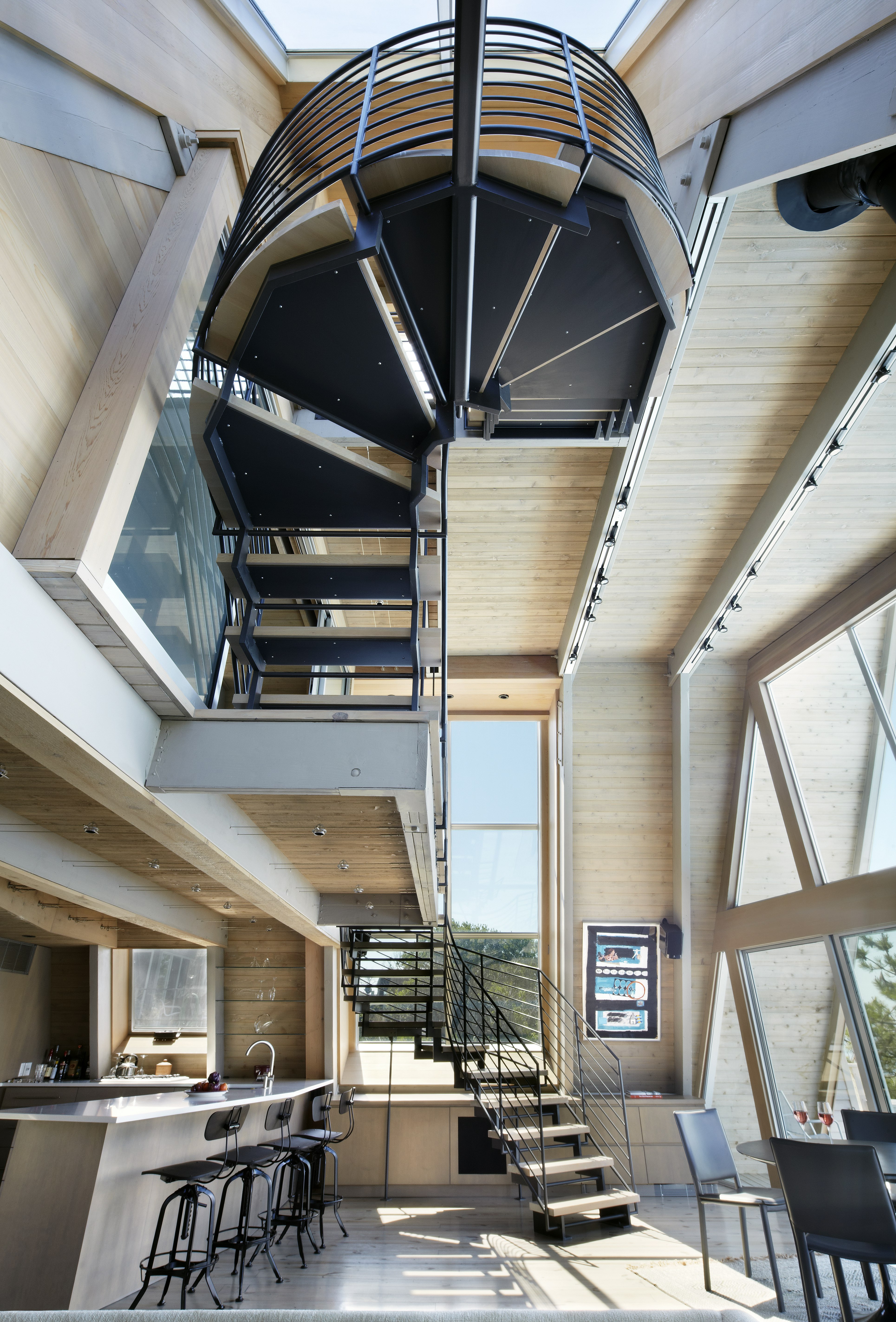
A Sculptural Staircase Anchors This A-Frame Getaway on Fire Island


Championing Chief Architects
An Oft-Overlooked Staircase Project Is Gaining Traction With Remodelers


Loft Ladders

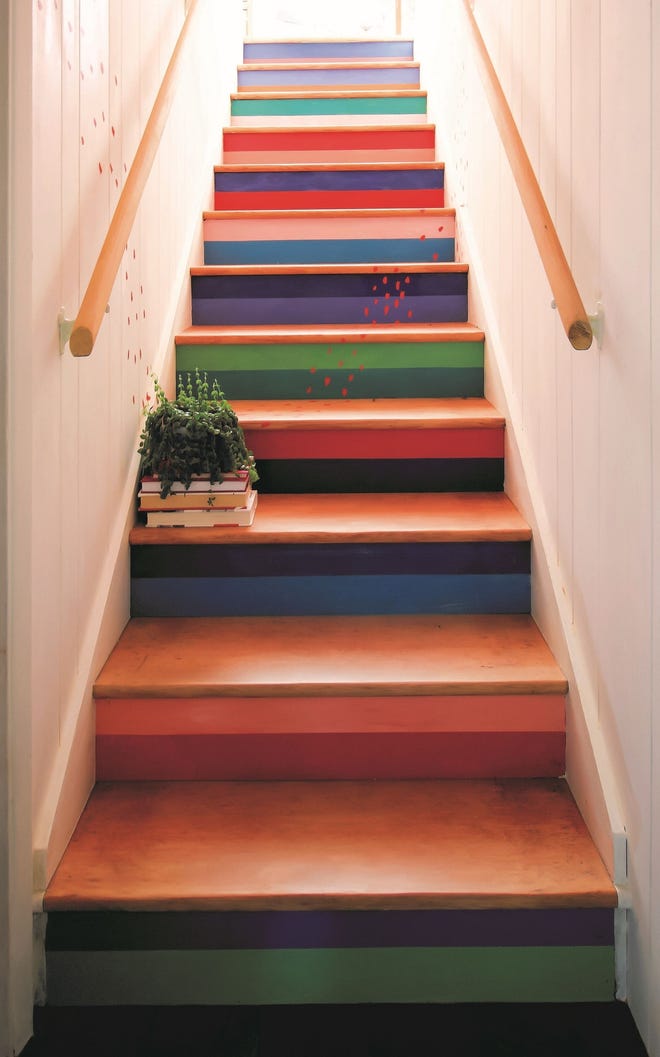
Stairs well done
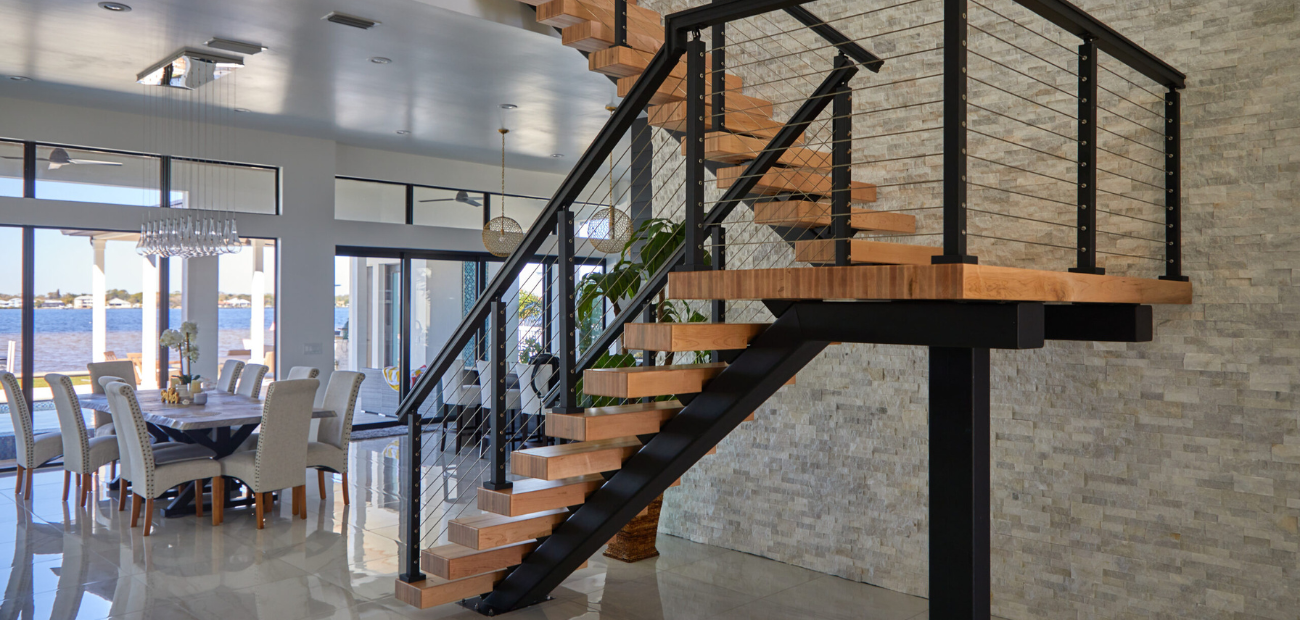
Let the Staircase Set the Stage for Style
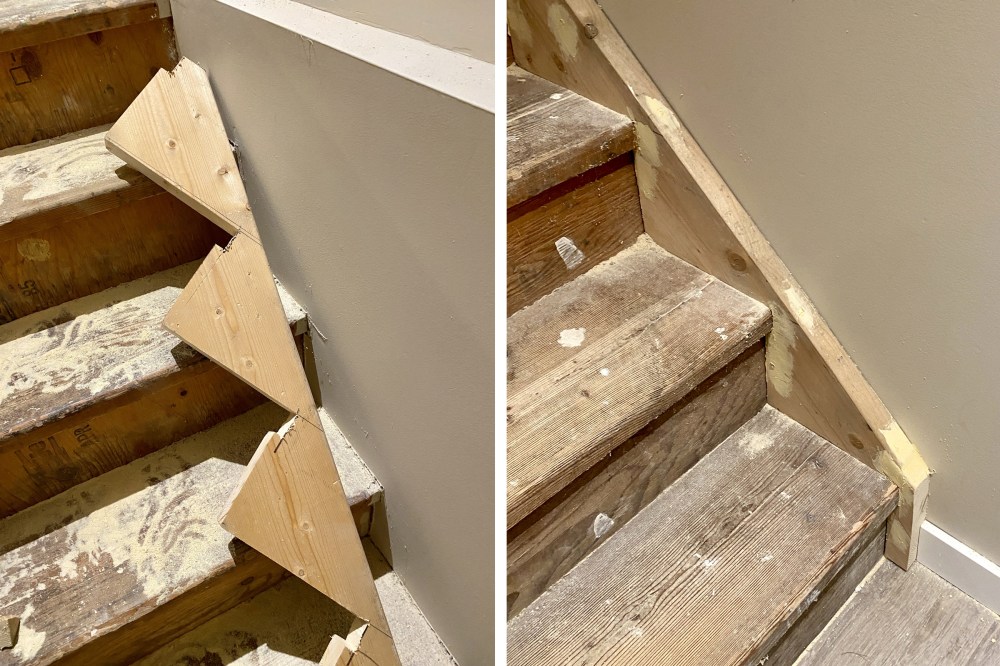
Sep 2024: Finally, a completed stairway


In Praise of Stairs

Divine Design: Basement crosses the finish line

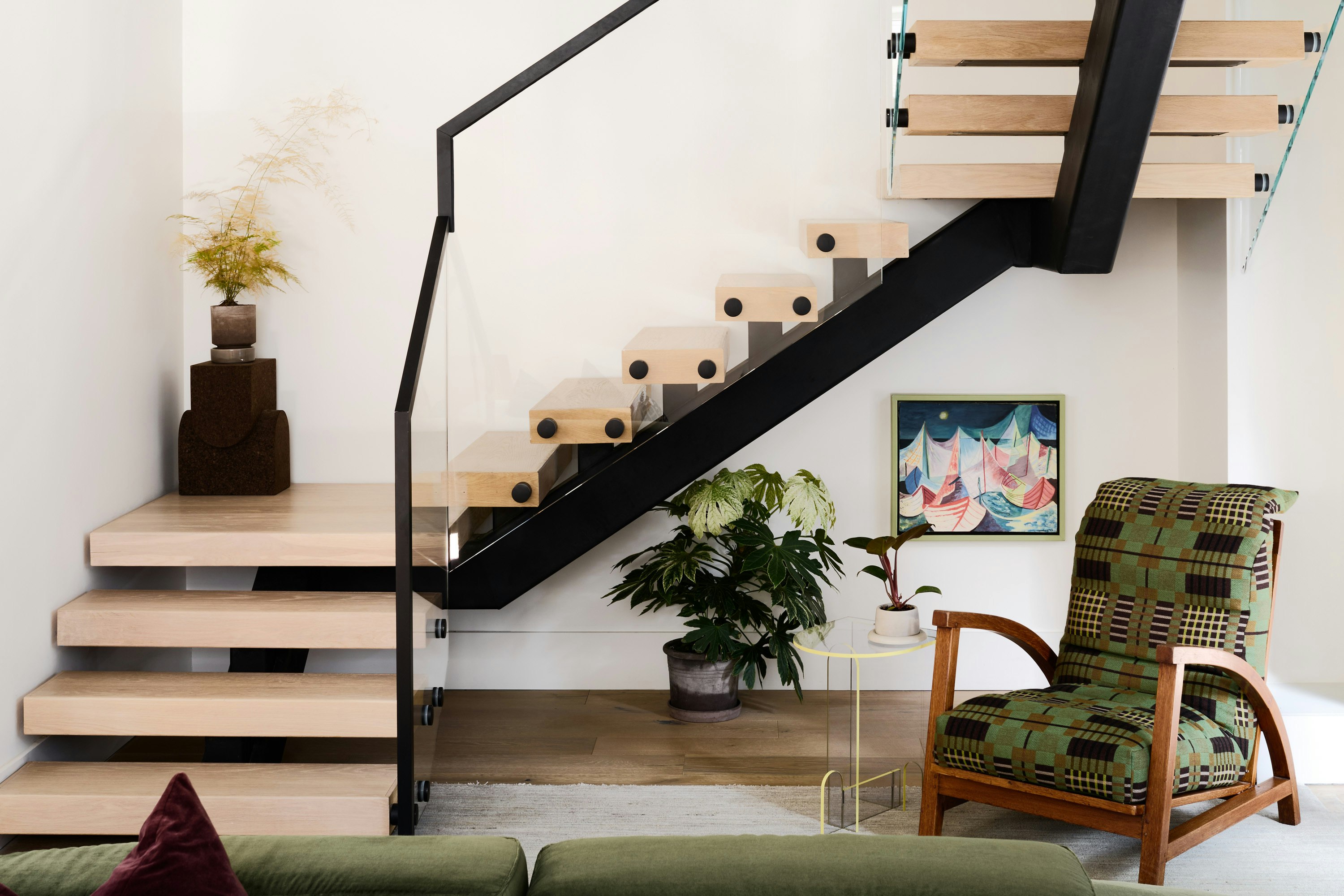
How They Pulled It Off: A Twisty, Floating Staircase for a 14-Foot Ceiling

Raising the roof!