1/7
Best cascading plants: 5 joyful plants for pots and retaining walls
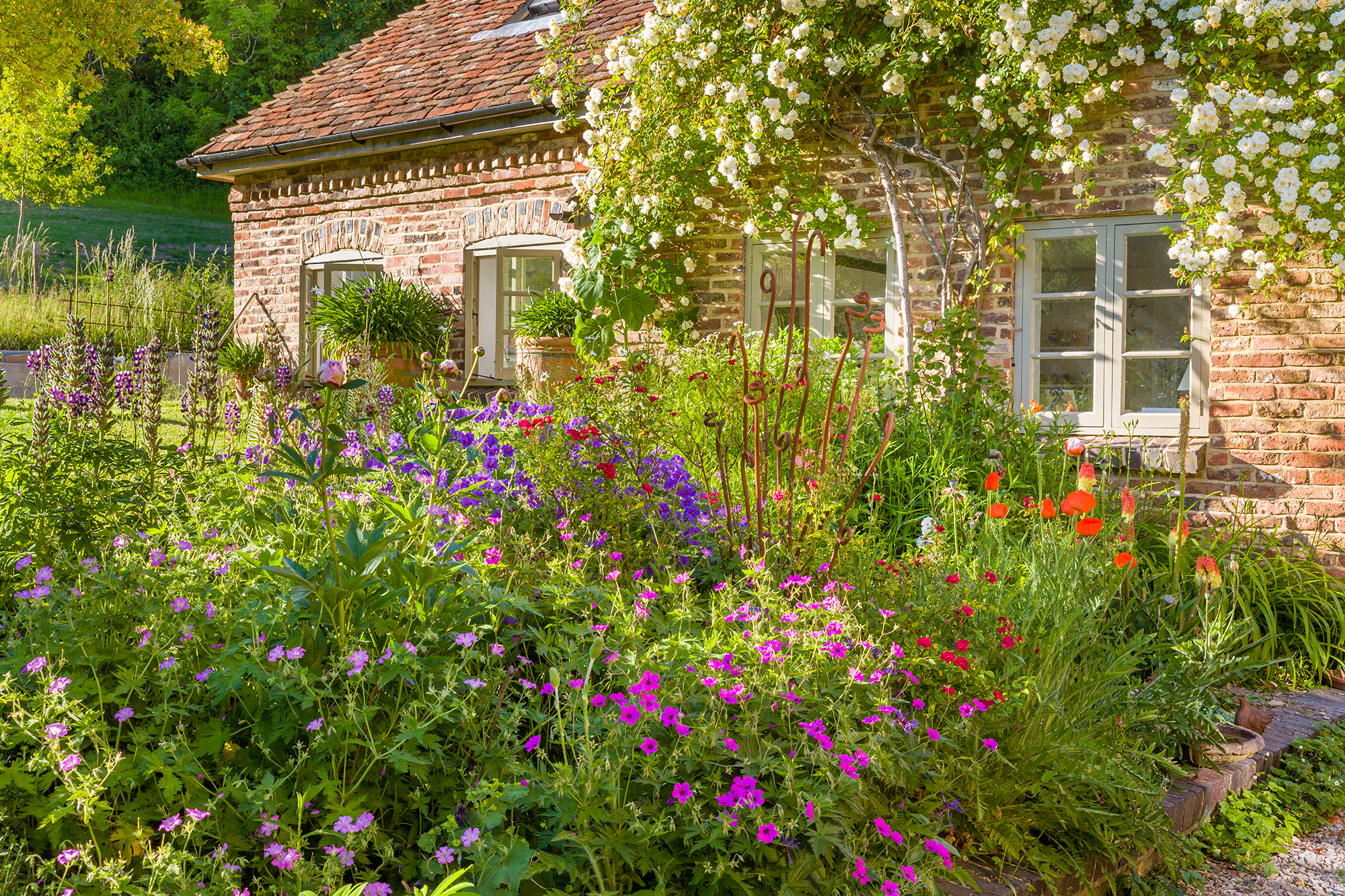
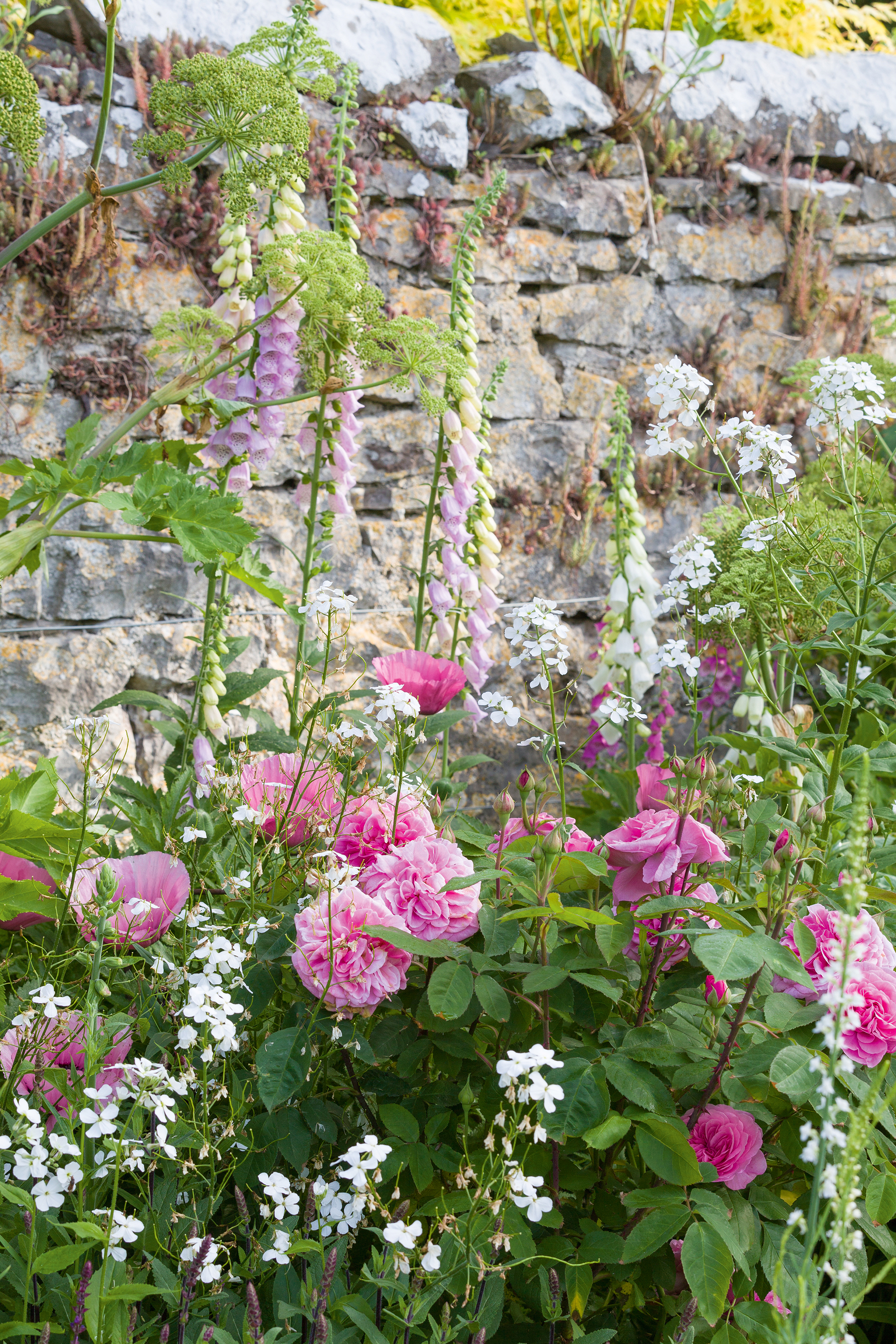
This article highlights the benefits and specific examples of cascading plants for enhancing various garden features such as retaining walls, garden fences, and hanging baskets. These plants are especially useful for covering awkward or overlooked spaces, softening hard edges, and adding visual impact to a garden.
The author, drawing on personal experience as a horticulturalist, emphasizes the low-maintenance nature and hardiness of the selected species. The recommendation is to use plug plants or grow from seed to allow roots to establish effectively in confined spaces, noting that even small plugs can quickly grow to cover surfaces as the weather warms.
Five specific cascading plants are detailed:
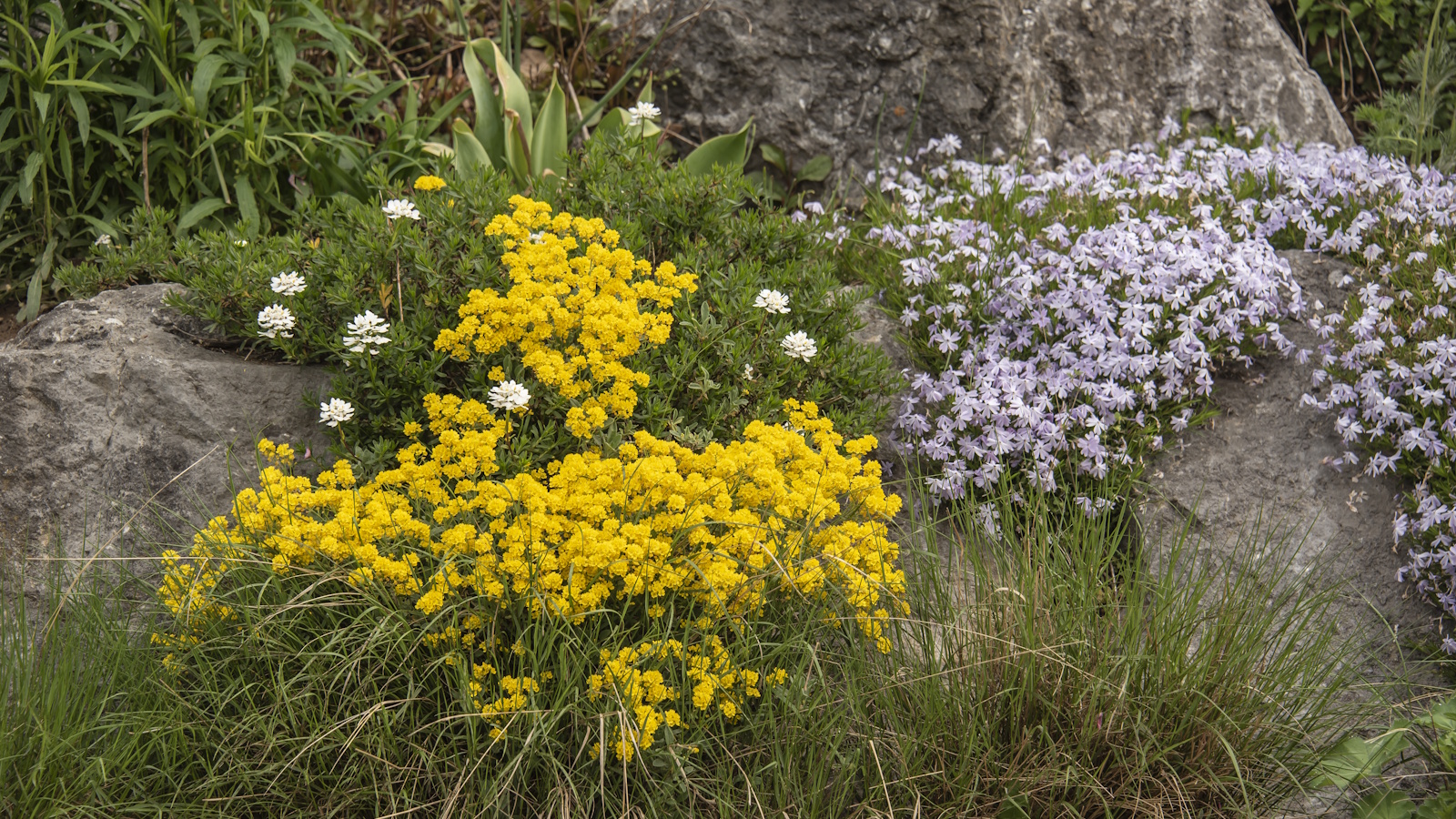
1. **Corydalis (Corydalis lutea)**: This yellow-flowering perennial is praised for its toughness, minimal watering requirements, and long flowering period. It thrives in various conditions, from shade to sun, and prefers well-draining or even poor soils. Hardy down to USDA Zone 5, it is also drought-tolerant once established and self-seeds readily, filling gaps and softening edges. A 'Porcelain blue' variety is also mentioned as an option for different aesthetics.
2. **Creeping Phlox (Phlox stolonifera)**: Native to the Appalachian Mountains, this plant produces blooms in white, pinks, and purples. It prefers well-draining soil and at least two hours of direct sunlight, hardy from Zone 5 to Zone 8. Creeping phlox is known for spreading between rocky areas and tumbling over walls, offering early spring blooms that last about three weeks, with foliage remaining green for most of the year.
3. **Sedum (Stonecrops)**: These succulents are ideal for trailing over garden walls and are generally cold-hardy, suitable for USDA Zones 3 to 9 depending on the species. The cascade stonecrop (Sedum divergens), for example, is a perennial creeping variety that grows well in sunny spots with well-draining soil down to Zone 4. The 'Atlantis' sedum is highlighted for its variegated appearance, suitable for rockeries or retaining walls.
4. **Spurge (Euphorbia)**: While not an obvious choice, varieties like Euphorbia myrsinites (myrtle spurge) are excellent for cascading. They tolerate poor, rocky soil and spread effectively over walls. These evergreen ground cover plants are tough and require little fuss, growing well in sunny spots from Zone 5 upwards. A caution is issued regarding their poisonous sap, which can irritate skin, necessitating the use of gloves during handling.
5. **Creeping Thyme**: This aromatic herb is highly recommended for growing between paving slabs or cascading over walls. It forms dense mats that release a pleasant scent when brushed and produces tiny pink or purple flowers in summer that attract bees. Creeping thyme thrives in full sun and dry, well-drained soil down to Zone 4, making it suitable for sheltered walls or south-facing container gardens.
The article concludes by offering advice on deep watering for new plants, especially in challenging locations, and suggests periwinkle (Vinca minor) as another evergreen cascading option, though with a warning about its potential invasiveness in some regions.
#CascadingPlants #GardenDesign #TrailingFlowers #RetainingWalls #HangingBaskets #GardeningTips #Perennials #GroundCover #PlantSelection #CascadingPlants #GardenDesign #TrailingFlowers #RetainingWalls #HangingBaskets #GardeningTips #Perennials #GroundCover #PlantSelection
0 comment in total
 No comments yet
You may also like
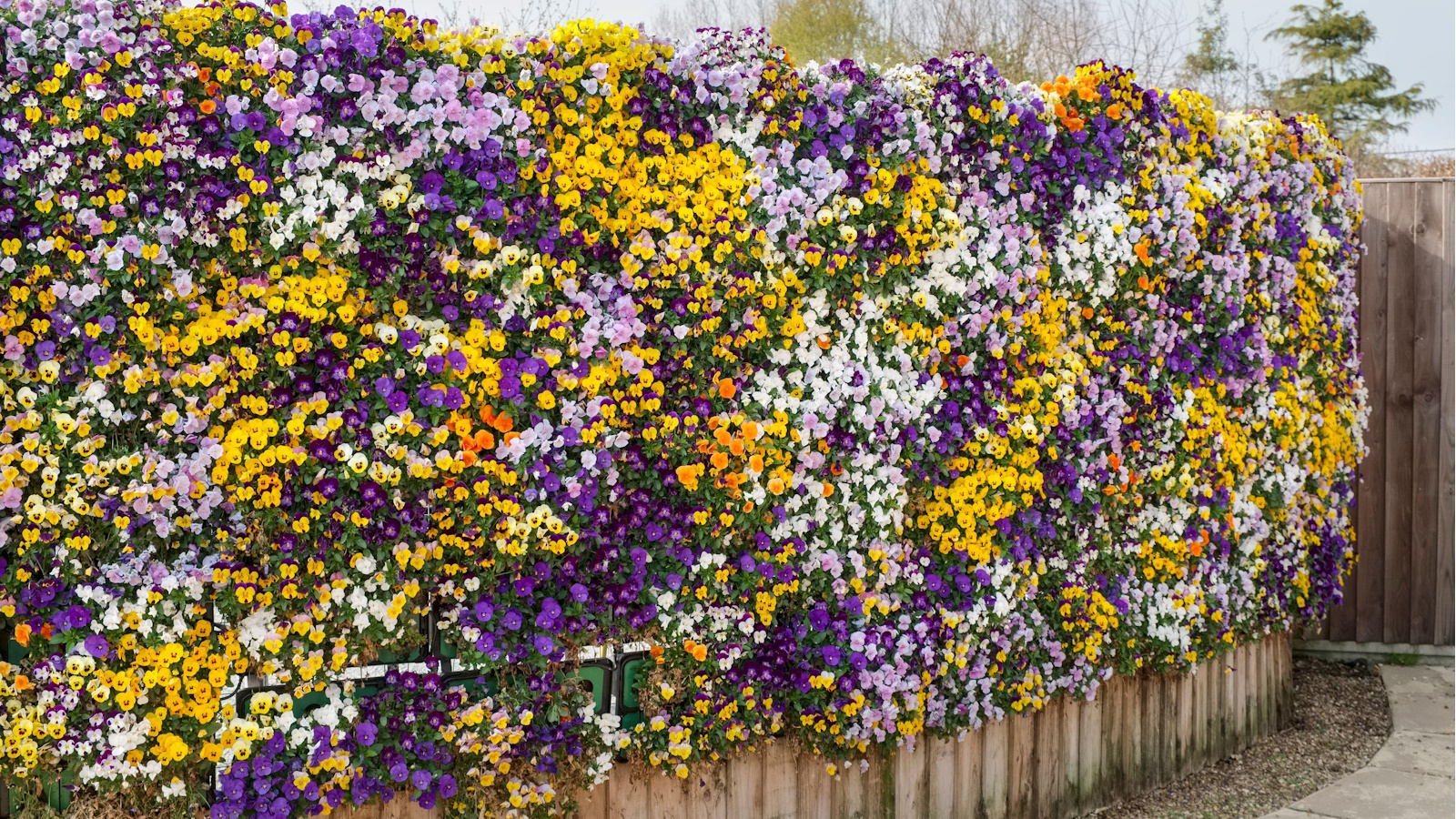
Best plants for a flowering living wall – 5 vertical blooms for a beautiful garden feature
The Prettiest Pots for All Your Plants

I write about houseplants for a living and these are 5 indoor plant trends worth jumping on in 2026
29 Flower Pot Ideas for Stunning Mixes of Blooms and Foliage

The 5 best outdoor potted plants to grow on your balcony or tiny patio

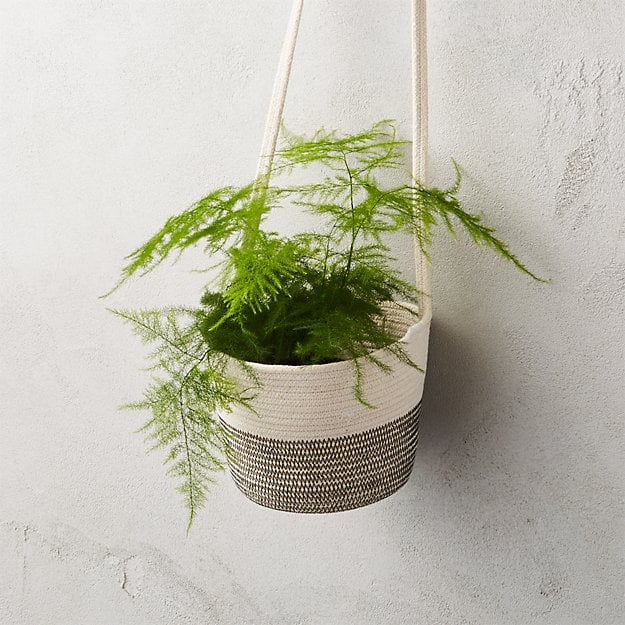
20 Hanging Planters That Will Take Your Indoor Plant Wall to the Next Level
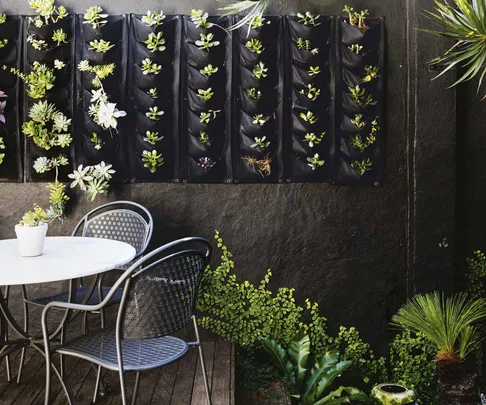
9 of the best plants for vertical gardens

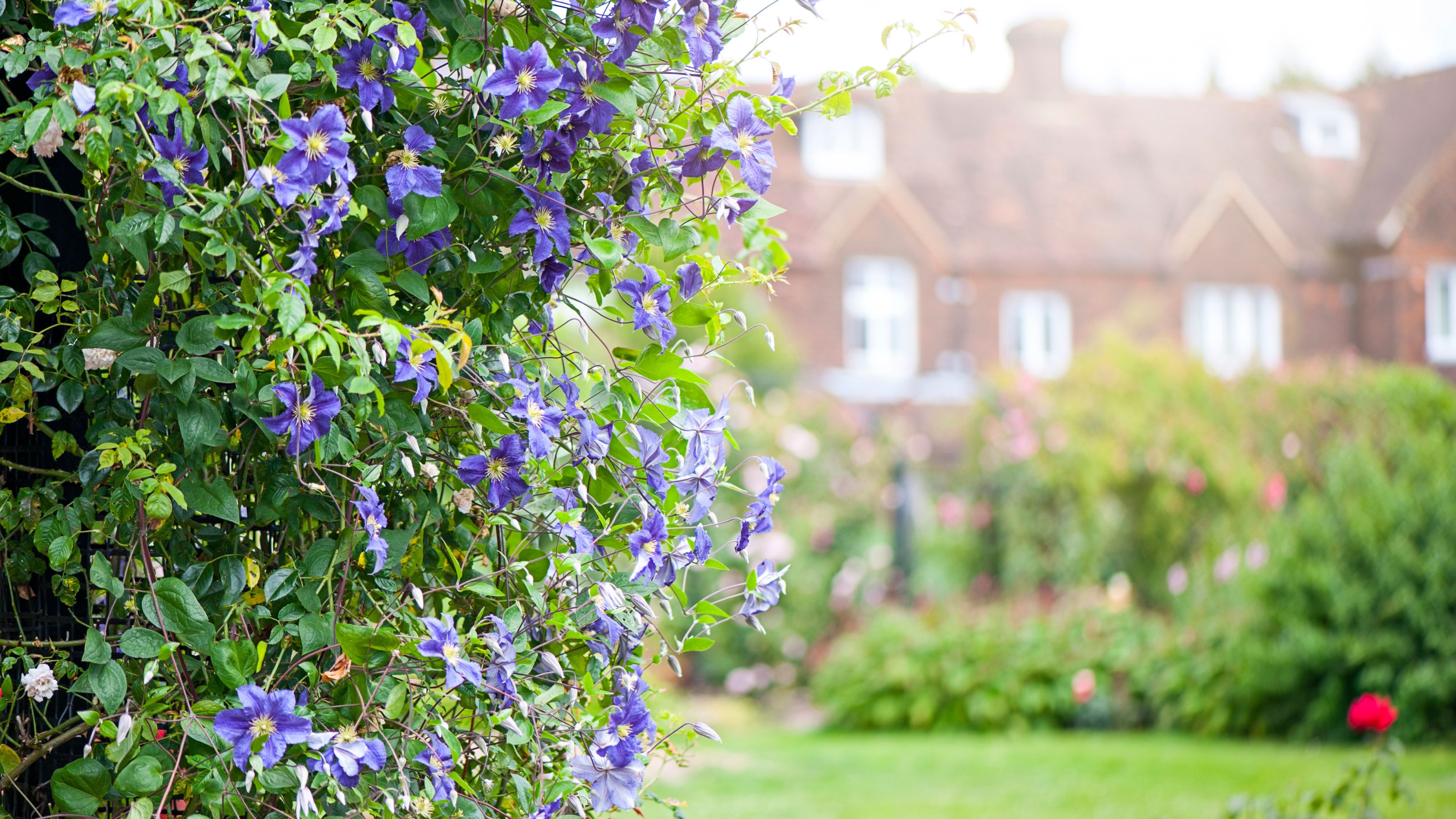
The 5 best climbing plants to cover an ugly fence, add privacy, and beautify your garden
5 Aquatic Plants to Brighten Up Your Water Feature

4 Fuss-Free Container Planting Ideas

Best plants for a courtyard garden – 8 favorites to grow for maximum impact in a small space
5 climbing plants perfect for your pergola

14 Indoor and Outdoor Hanging Plants for Your Home

Cottage backyard ideas – 25 ways to bring a rural, rustic feel to any garden plot
Vertical indoor garden ideas: 7 elevating ideas
15 Colorful Plants to Brighten Up Your Landscape

21 Best Wall-Mounted Planters to Infuse Your Space With Greenery

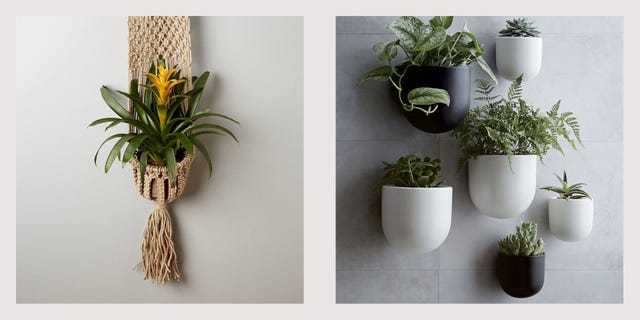
Give Your Blank Walls New Life With These Stunning Planters
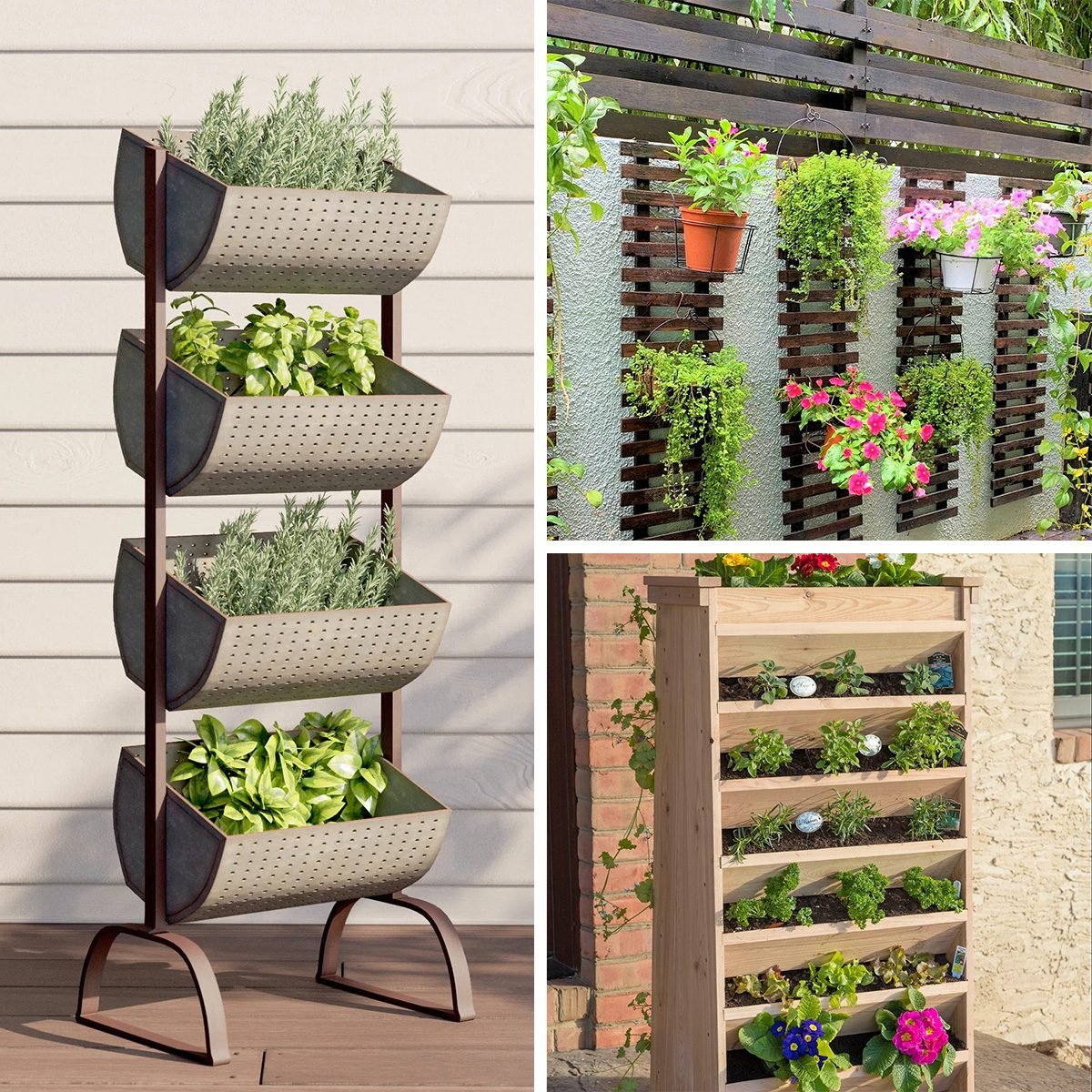
10 Best Vertical Garden Planters
We Found the Perfect Planters for Monsteras, Snake Plants, and Every Other Plant in Your Home