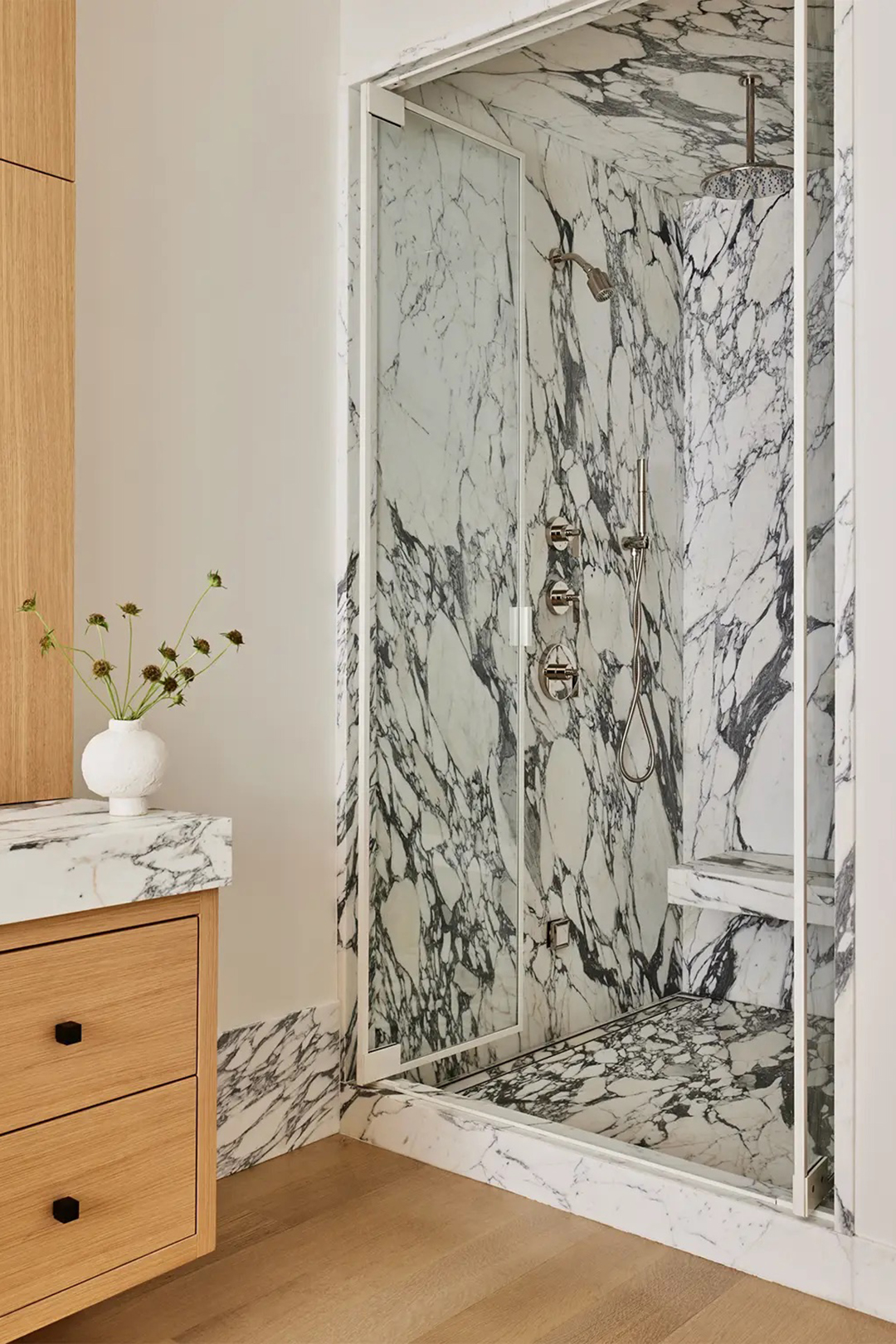
1/8
This Zen Home Upgrade Is Picking Up Steam—We Asked Designers to Weigh In
The integration of steam showers into home design is a growing trend, moving beyond luxury new builds to become a sought-after feature in a variety of residential projects. This trend is driven by an increased desire for wellness practices within the home, especially as more individuals work and exercise from home. Designers anticipate a continued rise in popularity for steam showers, recognizing their potential to transform a regular bathroom into a personal spa-like retreat.
A steam shower system typically involves a compact generator that heats water into vapor, which is then released into the shower enclosure via a steam line and steamhead. The leading brand in this sector, Mr. Steam, is frequently chosen by designers for its longevity, product range, and advanced features such as music streaming and aromatherapy. Users often report various health benefits, including stress reduction, muscle recovery, and improved skin hydration, attributing to the appeal of this home upgrade.
Regarding the cost, a steam shower installation can range from approximately $2,000 to $7,000, with high-end options featuring additional functionalities potentially reaching $10,000. However, more basic setups can be acquired for under $2,000. When considering this investment, it's important to weigh it against the expenses of frequent spa visits or gym memberships that offer similar amenities. Budget-friendly alternatives also exist, as demonstrated by designers who have successfully integrated more affordable generators into smaller bathroom spaces to create effective steam environments.
The installation of a steam shower is a complex process that is not suitable for DIY enthusiasts and requires professional planning. It's crucial to incorporate a steam shower into the initial stages of a bathroom remodel, as retrofitting is challenging. Key considerations include the power line for the generator, the steam line, and a dedicated drain line. The generator's power should be matched to the shower's size, with a helpful calculator available from brands like Mr. Steam to determine appropriate sizing based on the desired steam volume and speed. Ceiling height is also a critical factor, ideally between 7 and 8 feet, to effectively contain the rising steam. The generator itself needs to be placed in an accessible, yet concealed, location near an electrical outlet, such as a crawl space, a built-in shower bench, or within cabinetry.
Further installation details include positioning the steam outlet low on the wall, typically 6 inches to 1 foot from the floor, to maximize steam distribution. Control panels for temperature and features, especially if a shower bench is included, should be placed at an accessible height. Advanced systems offer integration with entertainment platforms like Spotify and Netflix, and some can be controlled remotely via a smartphone. Proper lighting, specifically wet-rated fixtures, and effective ventilation are also essential. Ventilation is crucial to prevent mildew by removing moist air, as the shower enclosure must be watertight to retain steam.
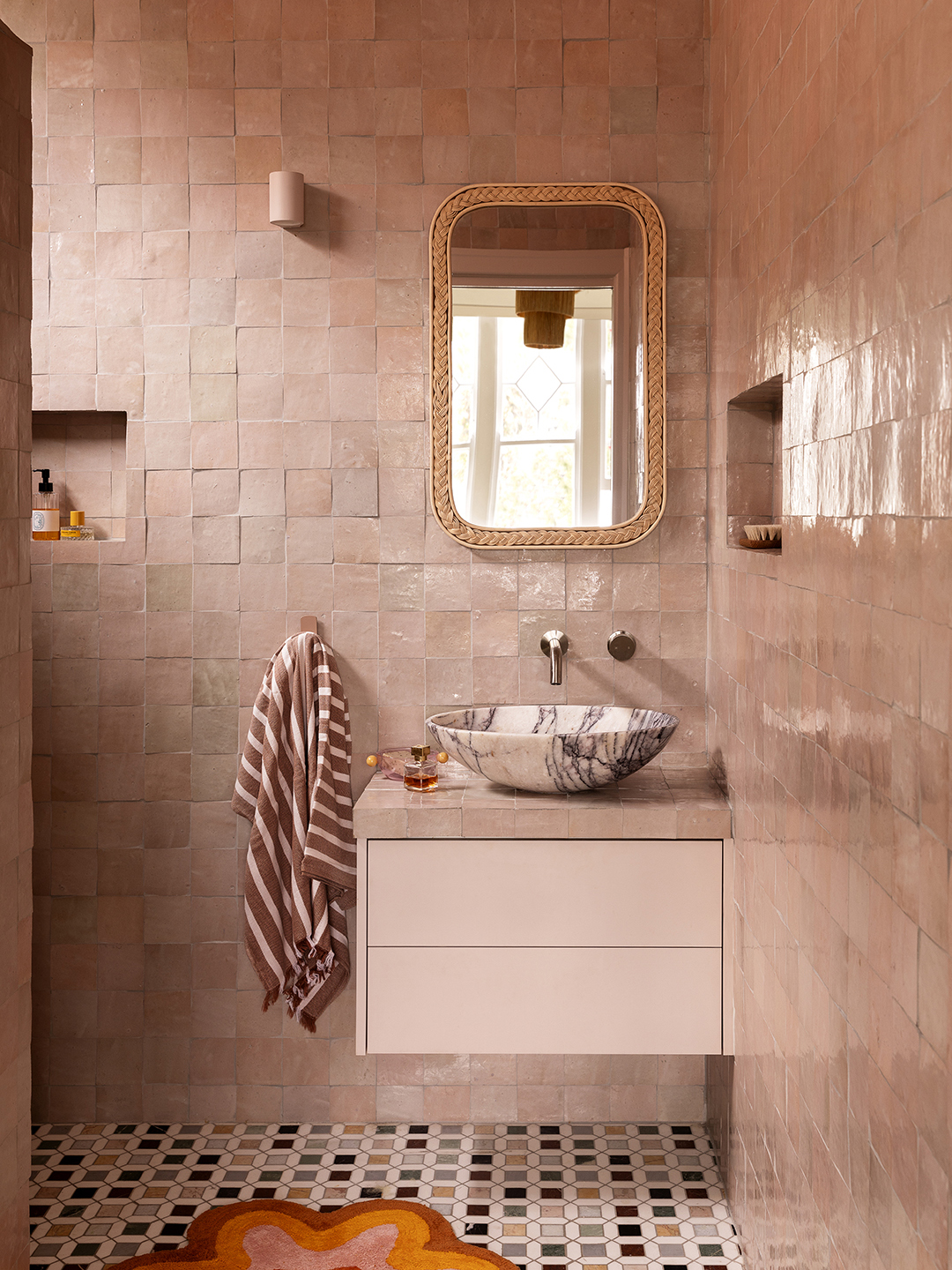
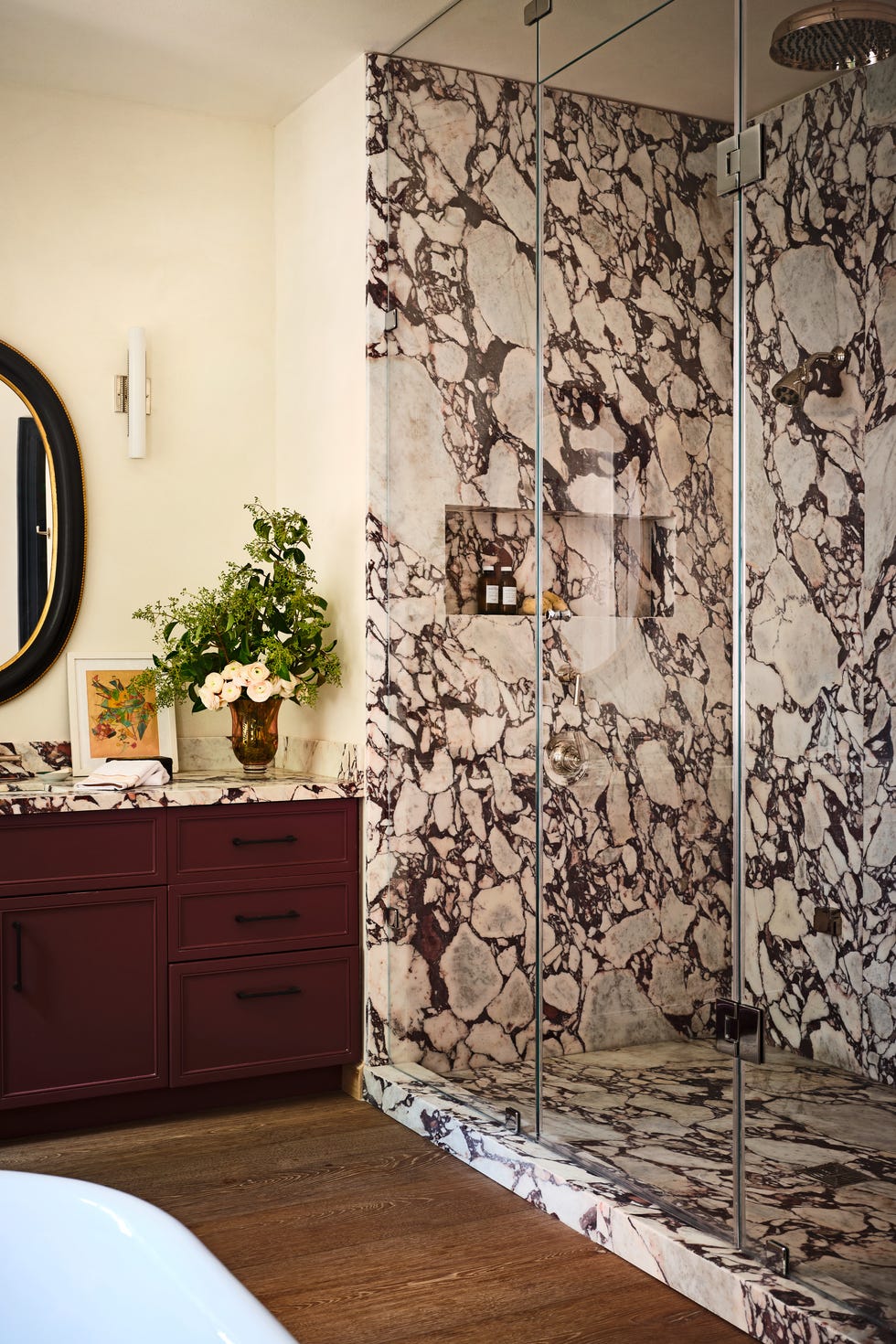
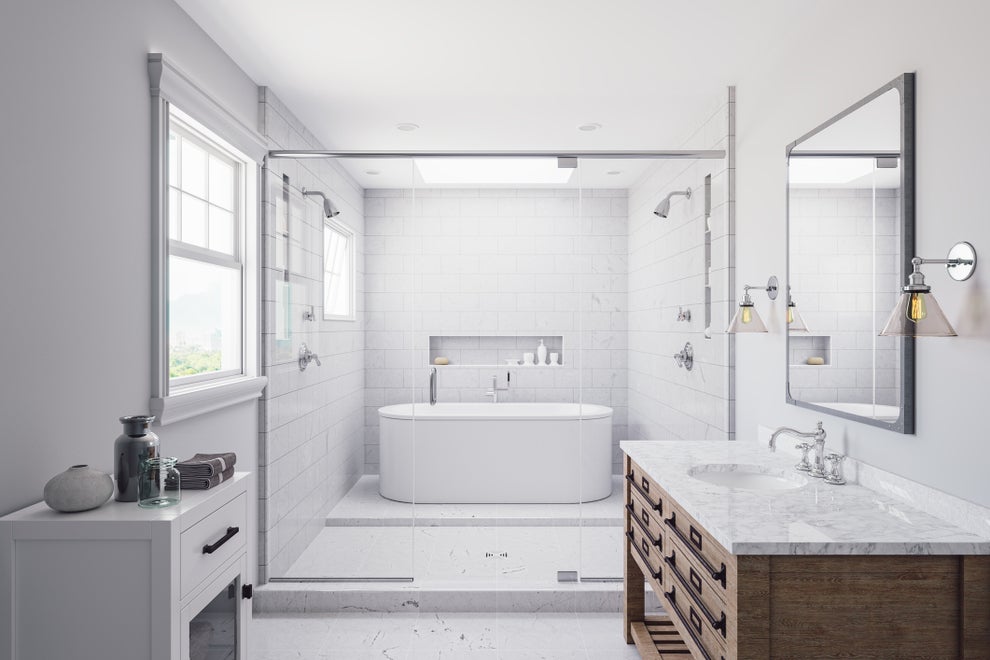
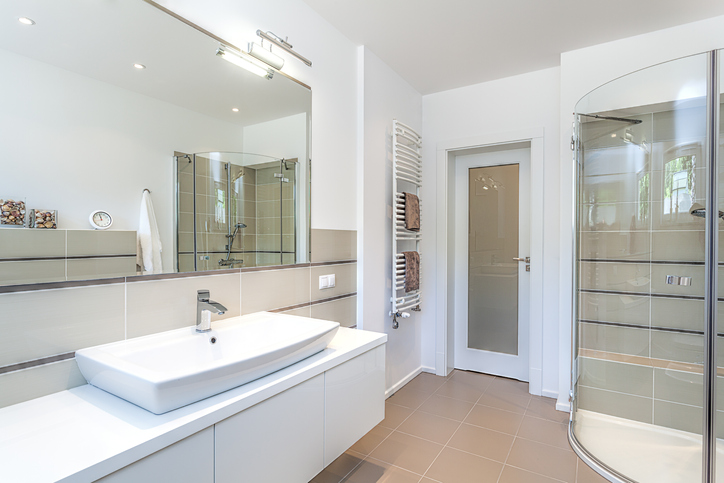
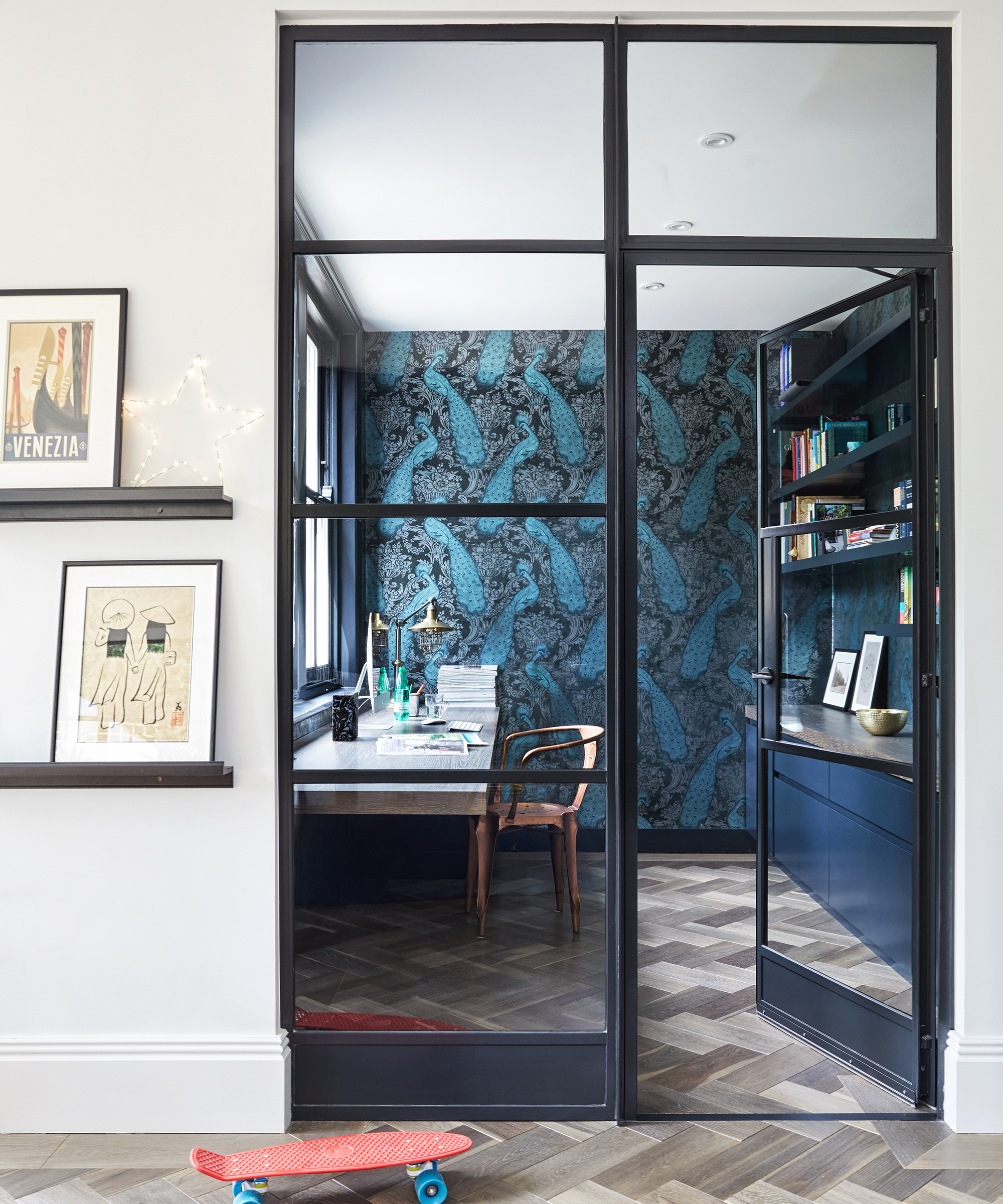
Material selection is another significant aspect of steam shower design. Nonporous stones and, ideally, porcelain tile are recommended due to their excellent sealing properties and ease of maintenance. Porcelain and ceramic tiles are preferred over natural stone as they retain heat more effectively, preventing steam dissipation. For safety, mosaic tiles on the shower floor provide a non-slip surface. While wood is generally avoided for full interiors, teak can be used for benches. For the shower doors, two smaller pivot-hinged doors are often suggested over a single large partition, as they minimize steam escape during entry and exit and can be swung inward to dry. Some designers also opt for fully enclosed showers with transom windows as an alternative to traditional steam units, allowing for manual control over steam containment and ventilation after use.
#SteamShower #HomeWellness #BathroomRenovation #LuxuryBathrooms #HomeDesign #WellnessTech #InteriorDesignTrends #SmartHomeFeatures #HealthBenefits #SteamShower #HomeWellness #BathroomRenovation #LuxuryBathrooms #HomeDesign #WellnessTech #InteriorDesignTrends #SmartHomeFeatures #HealthBenefits
0 comment in total
 No comments yet
You may also like

Designers Reveal the Surprising Home Trend That's Taking Over Right Now

11 Design Features That Make a Home Sell for More, According to a Real Estate Expert

6 Tips For Creating The Perfect Home For Any Life Stage

You Should Probably Stop Watching Home Improvement Shows

This Kitchen Countertop Boosts Home Value Even More Than Quartz

10 Horrifying Home Design Trends: 2023 Edition
9 "Overdone" Gen Z Design Trends That TikTok Has Officially Ruined
Designers Say This Vintage Home Feature Is Back

Designers definitely approve of this statement trend that elevates a cozy room

Interior Designers and Stylists Can’t Get Enough of This New Target Line

"Frankly, It's Tacky": People Are Revealing Common Interior Design Trends They Can't Stand

“It Instantly Becomes Tacky": 22 Home Design Trends That Are Mega-Popular For Reasons Many People Will Never Understand
Home Trends

"It's Like I'm On An HGTV Acid Trip": People Are Denouncing The Worst Home Design Features
10 Horrifying Home Design Trends: 2022 Edition
“It Instantly Becomes Tacky": 22 Home Design Trends That Are Mega-Popular For Reasons Many People Will Never Understand

Home & Design | Midwest Zen


Twitter was obviously hilarious after last night's Feng Shui-enhanced 'Room to Improve'

These 2024 home remodel trends are here to stay – here's how to try them


When Moving Isn't an Option, How to Turn Your Old Home Into Your Dream Home