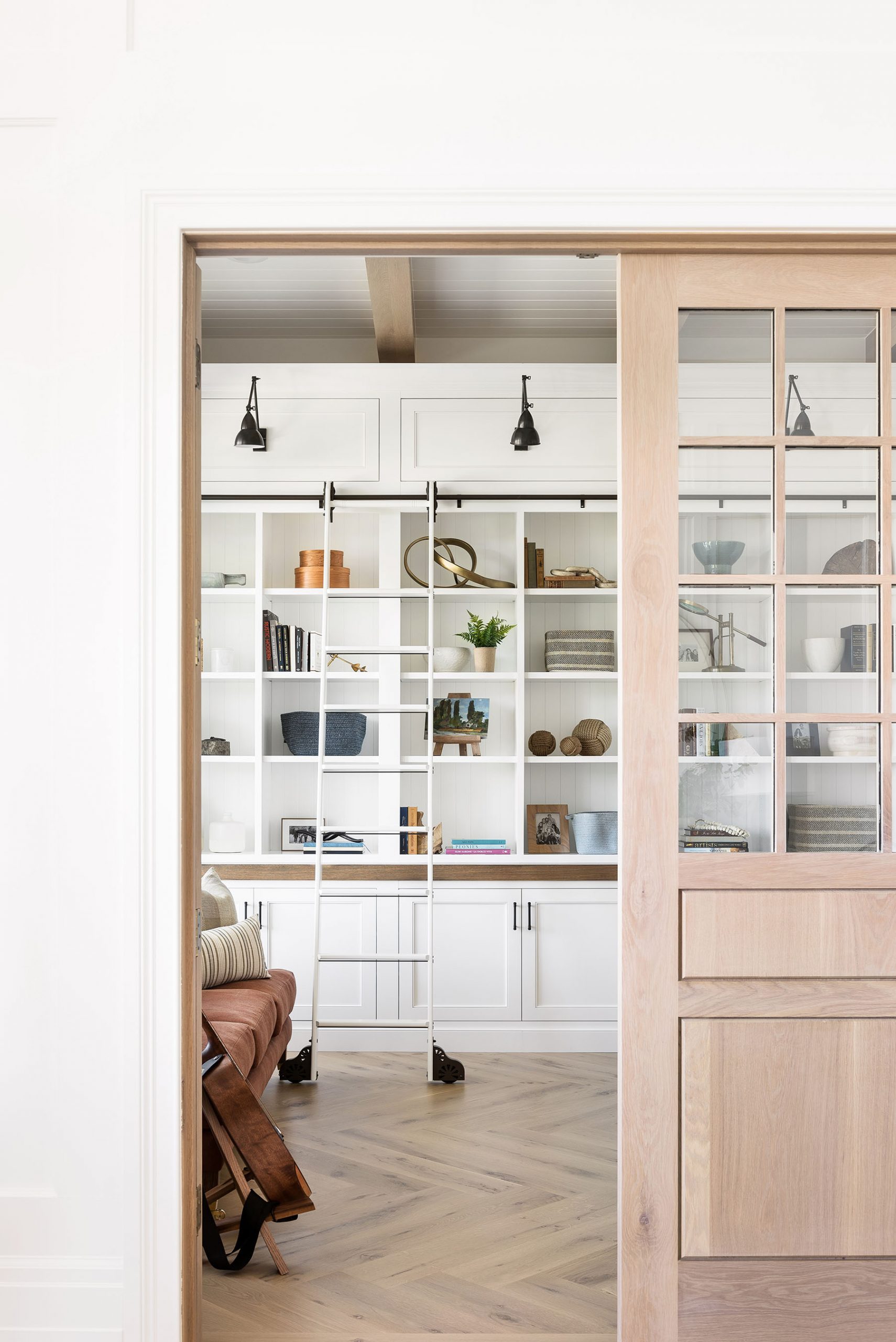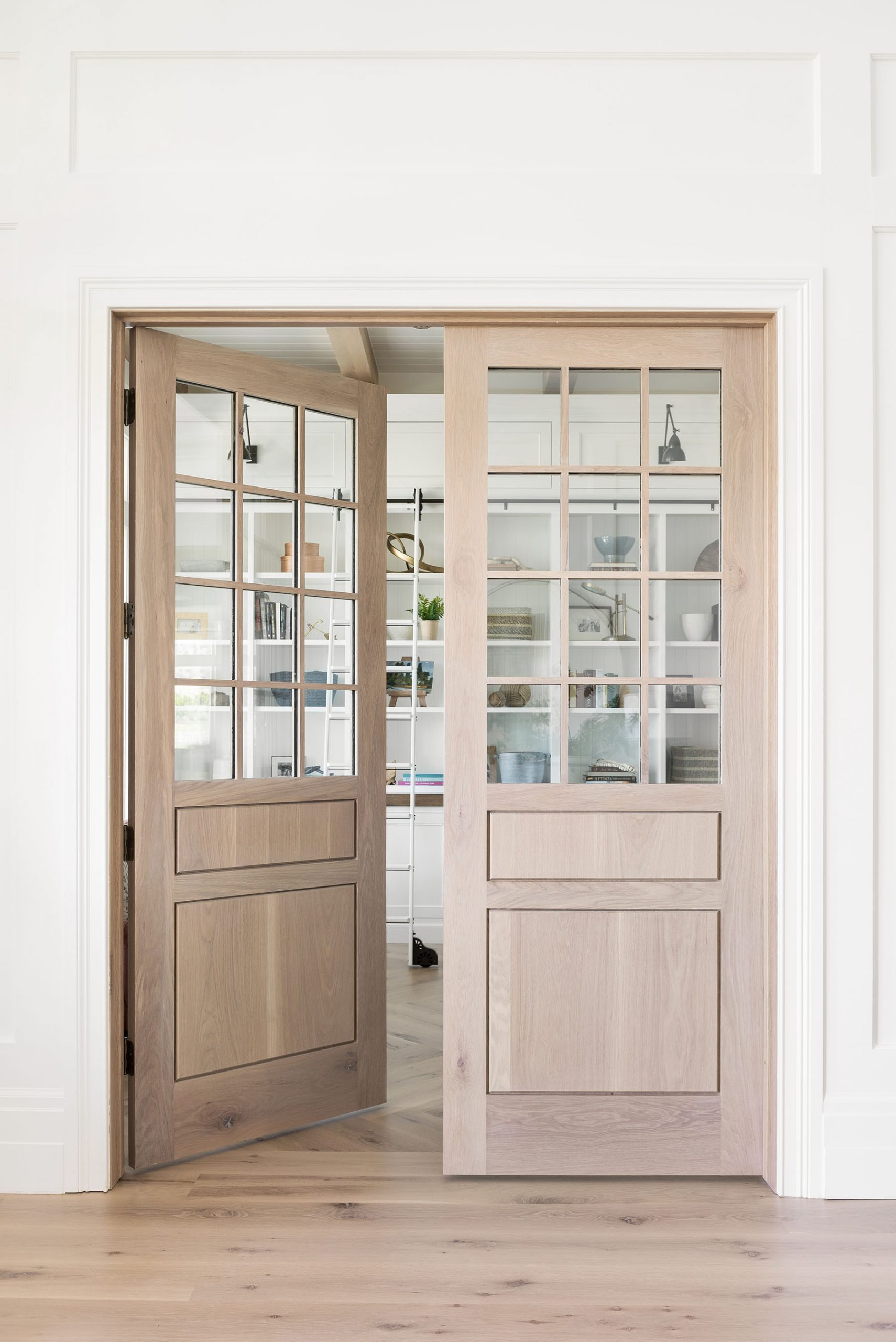
At Home: The Door
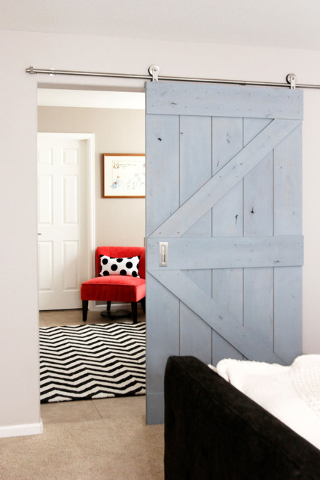
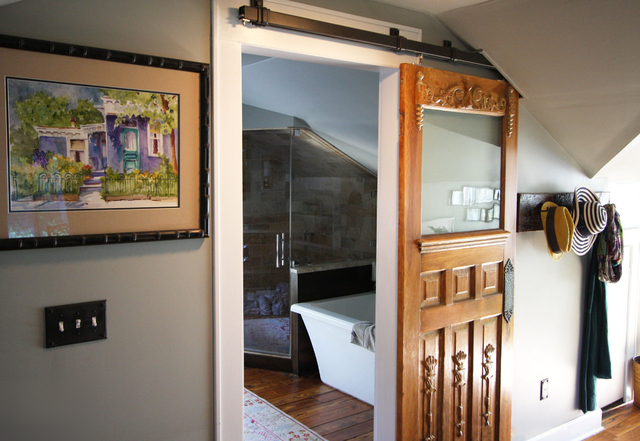
Doors serve as fundamental architectural elements, deeply embedded in language and psychology, facilitating the transition between spaces and defining boundaries between public and private realms. Historically, early European settlers in America utilized simple plank doors for protection from elements and intruders, a design known as board and batten. These early doors, including their hinges and hardware, were entirely wood-fabricated. While board and batten designs persisted in rural areas, residential architecture in more populous towns evolved through distinct styles such as Georgian, Federal, and Greek Revival between 1750 and 1840.
These foundational styles shared a common architectural language, primarily drawing decorative elements from classical architecture. A notable feature, the raised-panel door, and a strict adherence to symmetry characterized these styles, despite variations and occasional overlaps. The advent of woodworking machinery in the 1830s revolutionized door manufacturing, leading to a wider selection of manufactured doors by the late 19th century. Both exterior and interior doors shared some design characteristics, though interior doors were typically thinner and initially utilized thumb latches rather than doorknob assemblies, remaining relatively thin until the 1840s.
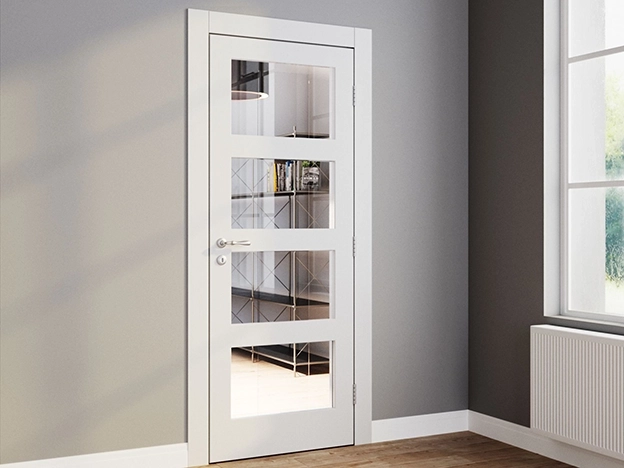
Technological advancements permitted greater embellishment, leading to more elaborate designs, particularly in the Greek Revival style. This style featured intricate molding designs, often nailed on, creating a layered panel-within-panel effect that could reach several inches in thickness. Victorians, known for their elaborate decorative tastes, further exploited machine-made door ornaments, leading to a proliferation of intricate door designs. Stained and etched glass emerged as Victorian innovations; initially, only the two upper panels were glazed, but by the 1880s, entire top halves of doors might feature leaded panes and patterned, colored stained glass. Despite the integration of traditional elements like fanlights, common in Georgian style, Victorians introduced intricate ironwork and brighter door colors.
Later, a simpler, more modern yet almost medieval-looking design, the Arts & Crafts door, gained prominence at the turn of the 20th century. This style became a defining feature in bungalows, Foursquares, and Prairie School-inspired homes. Throughout history, door styles have continuously adapted, with material trends influenced significantly by cost. While wood remains a popular choice for its aesthetic appeal, insulated doors made of fiberglass and steel offer energy efficiency for entryways. Plastic and composite interior doors saw a boom in the early 2000s due to their perceived low maintenance and affordability.
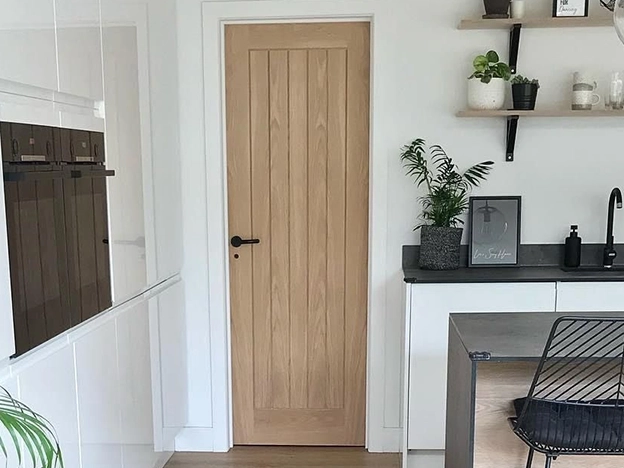
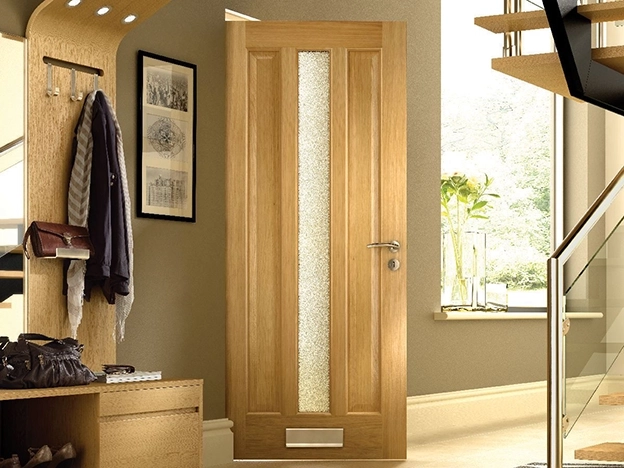
Despite radical changes in building technology, wood has consistently been the primary material for doors, even interior ones, owing to its superior thermal efficiency and dimensional stability compared to other materials. Wood's cellular structure acts as a natural insulator, proving significantly more efficient than steel. The sustainability of wood also appeals to environmentally conscious consumers. However, wood doors are not maintenance-free and require protection from constant exposure to full sun, often necessitating porches or hoods to preserve their finish. Expert craftsmanship emphasizes the satisfaction of transforming high-quality raw materials into durable and beautiful doors.
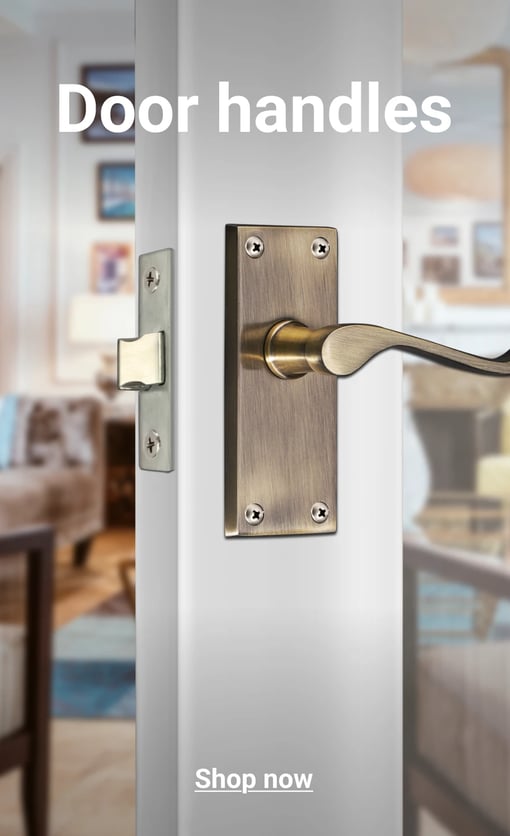
Door security has also evolved dramatically. Robert Barron's 1778 patent for a double-acting tumbler lock marked an early serious attempt to enhance entrance door security. The Industrial Revolution in the 19th century spurred the production of metal and metal parts, leading to more secure locks. Even after World War I, some communities still relied on door shakers to ensure home security. While innovations like Marie Van Brittan Brown’s 1960s invention of the video monitoring and remote door operating system have modernized security, the basic principles of door locks endure. Today, 21 types of locks, from padlocks to deadbolts, serve various purposes, with materials and designs continually evolving for greater streamlining. The door's journey from a basic barrier to a complex, multi-functional element reflects ongoing human innovation, enriching daily life in countless ways.
#DoorDesign #ArchitecturalHistory #HomeInteriors #BuildingMaterials #HomeSecurity #Woodcraft #VictorianArchitecture #ArtsAndCrafts #Sustainability #DoorDesign #ArchitecturalHistory #HomeInteriors #BuildingMaterials #HomeSecurity #Woodcraft #VictorianArchitecture #ArtsAndCrafts #Sustainability
0 comment in total
 No comments yet
You may also like
Internal Doors

External Doors
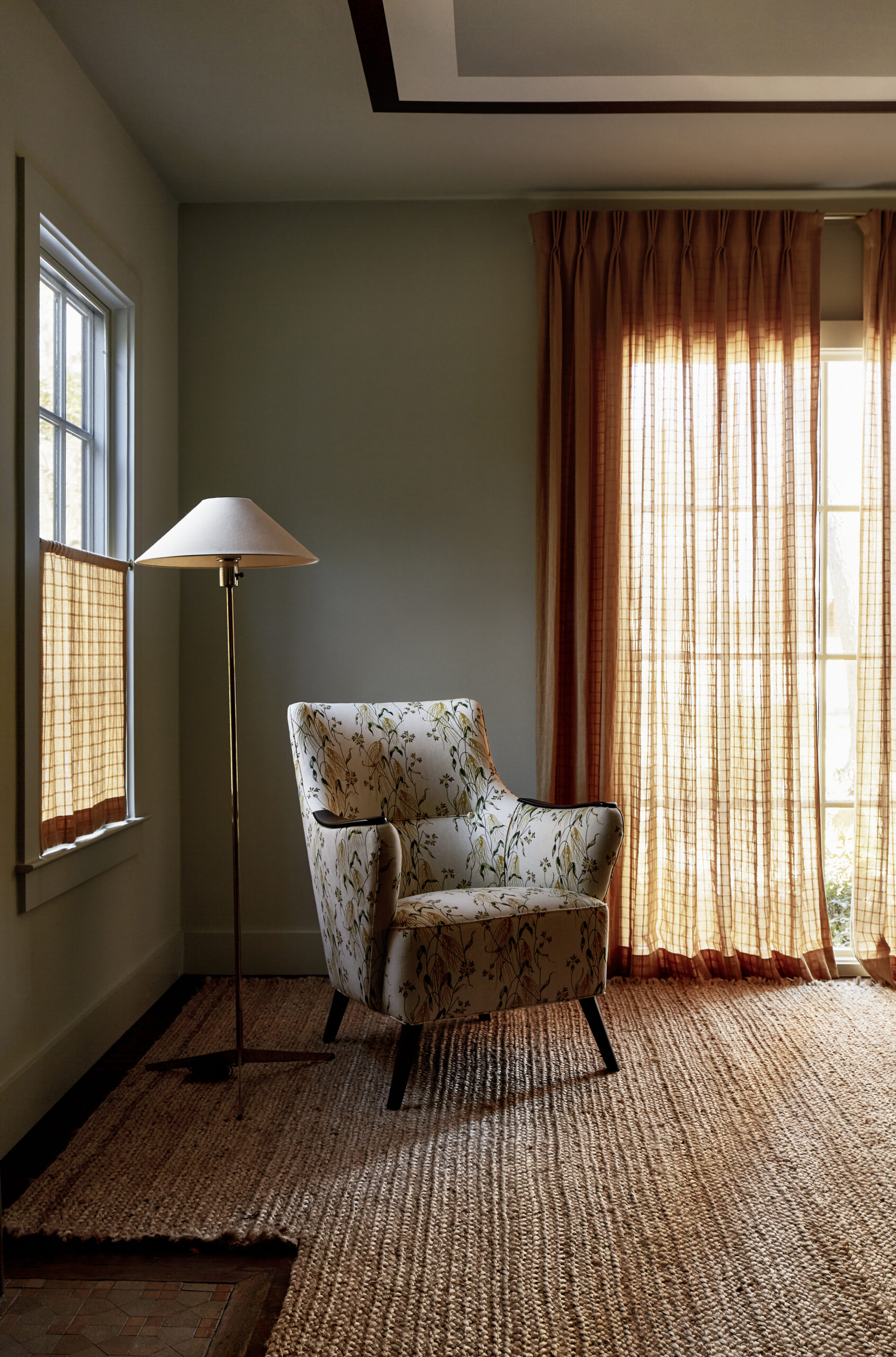
One of This Dallas Home’s Design Dilemmas: The Front Door That Opens Into the Living Room


Every Wall is a Door
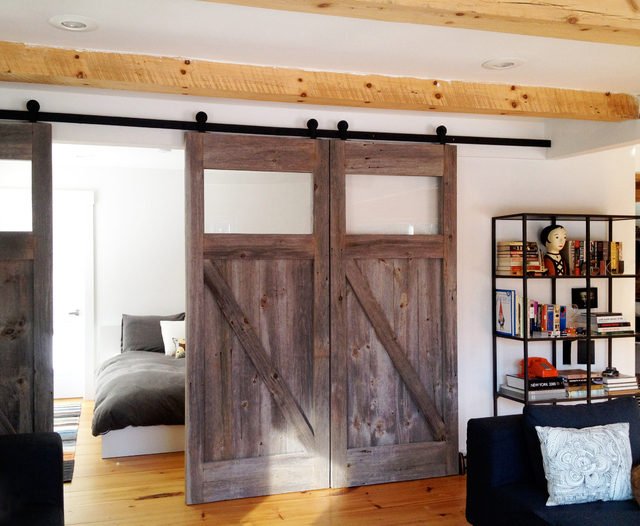
Sliding Into Home | Home and Garden | Life

White Internal Doors


Fendi Casa

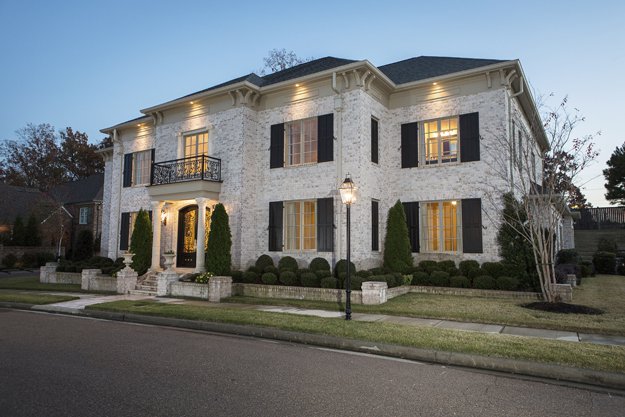
Home is Where the Art Is

Welcome to the Great Indoors

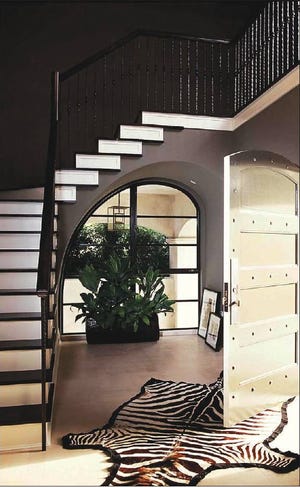
Doors: A forgotten design element
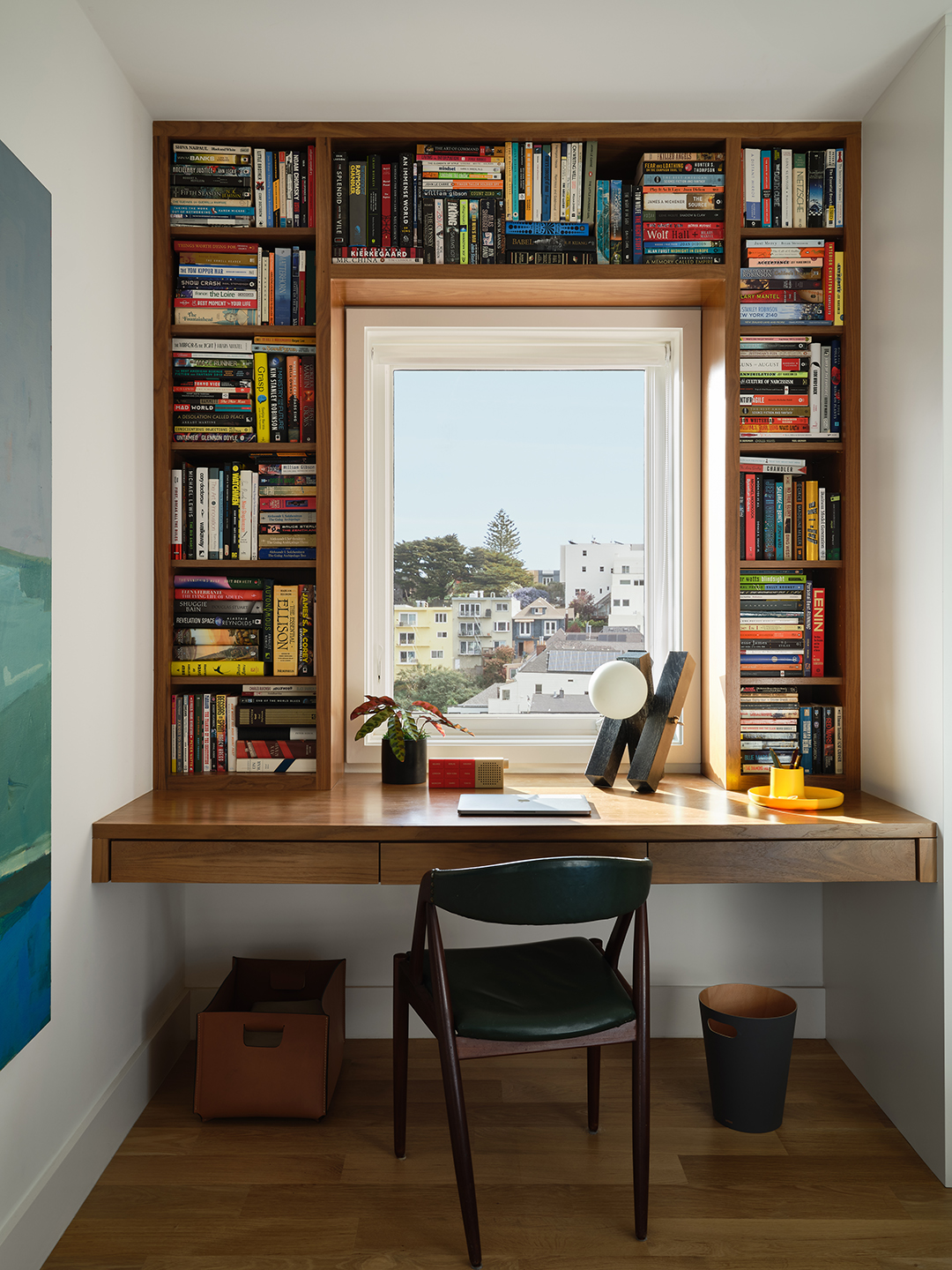
Moving the Front Door Unlocked the Floor Plan of This Olympian’s San Francisco Home

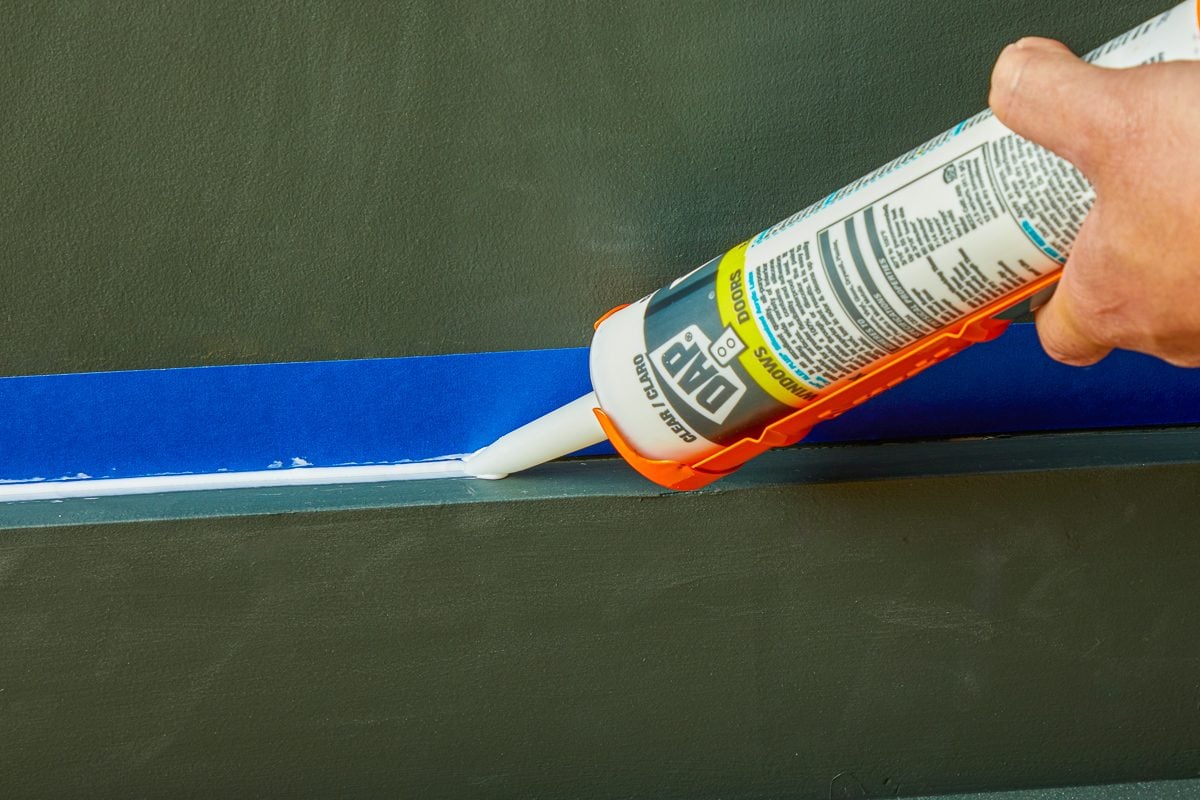
Parts of the House

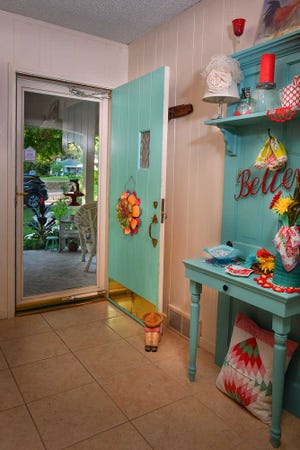
At Home: Entryways: A visitor's first impression on your home

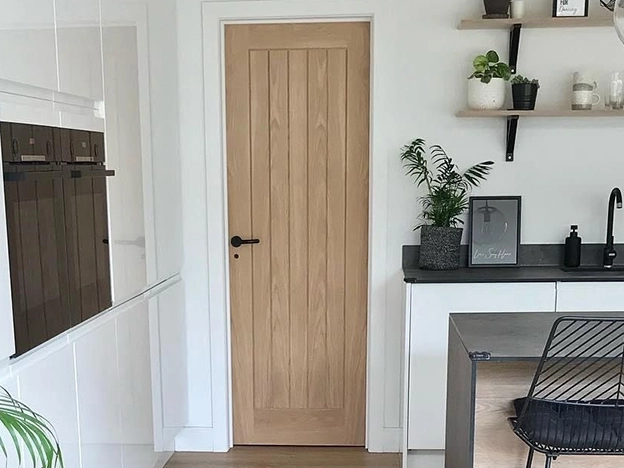
Doors & Windows
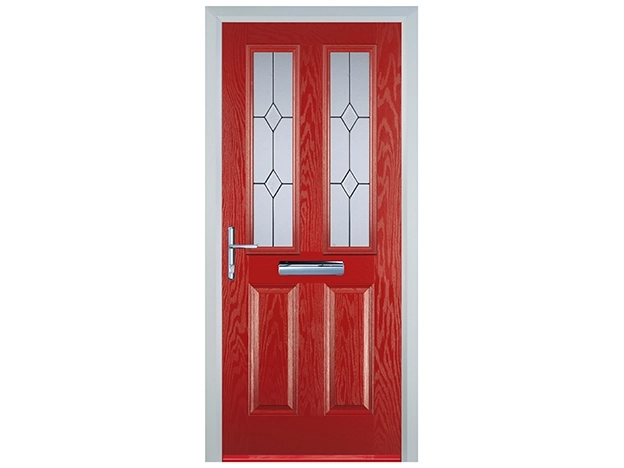
Front Doors | Back Doors
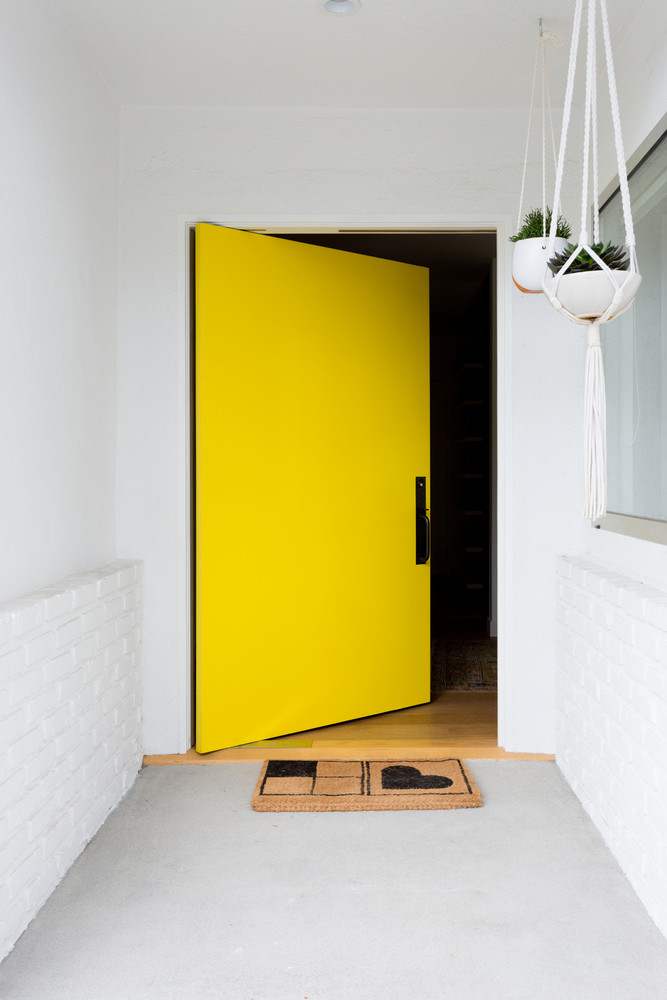
The Best Doors We’ve Seen This Year

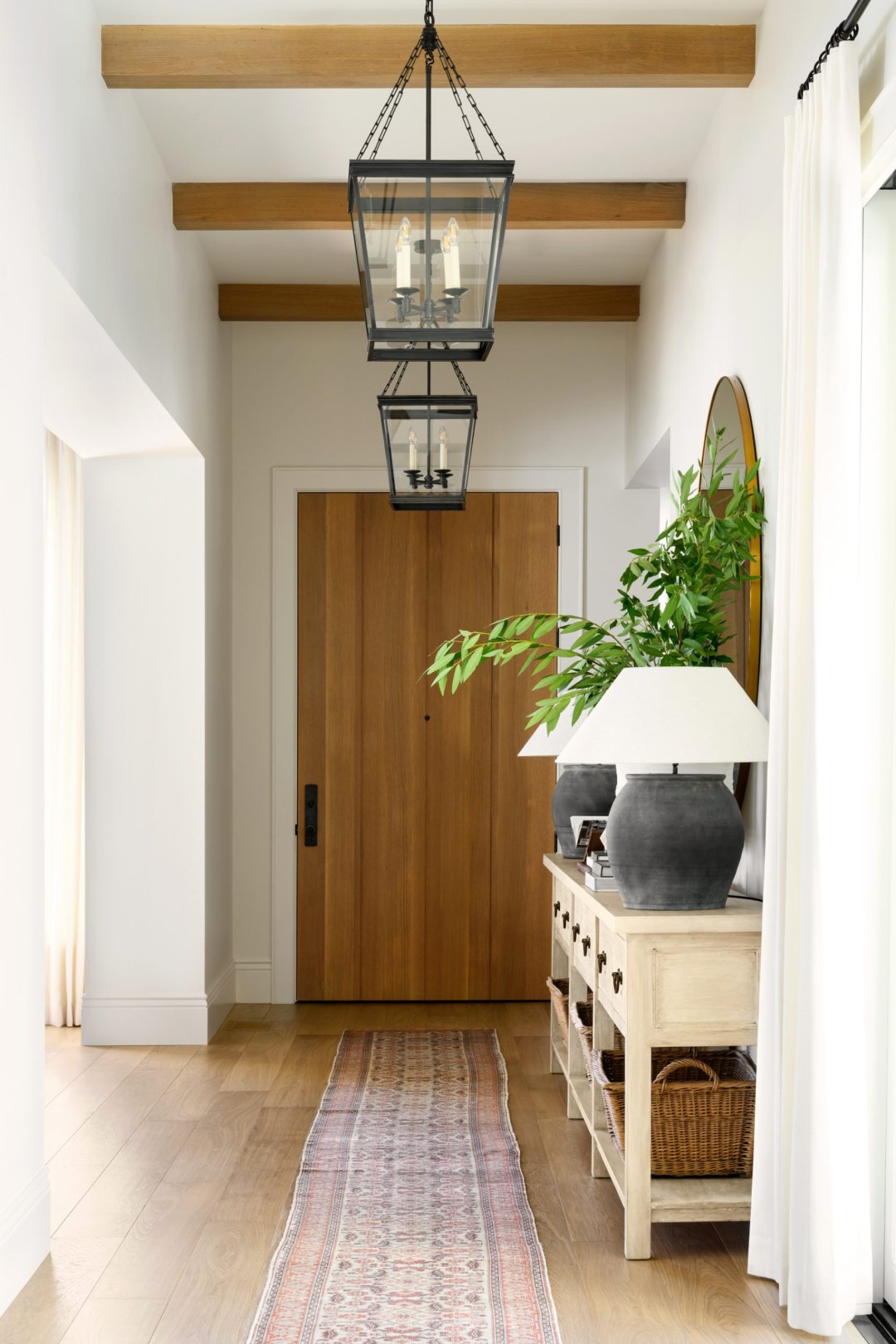
Home On The Bay Project: The Entryway
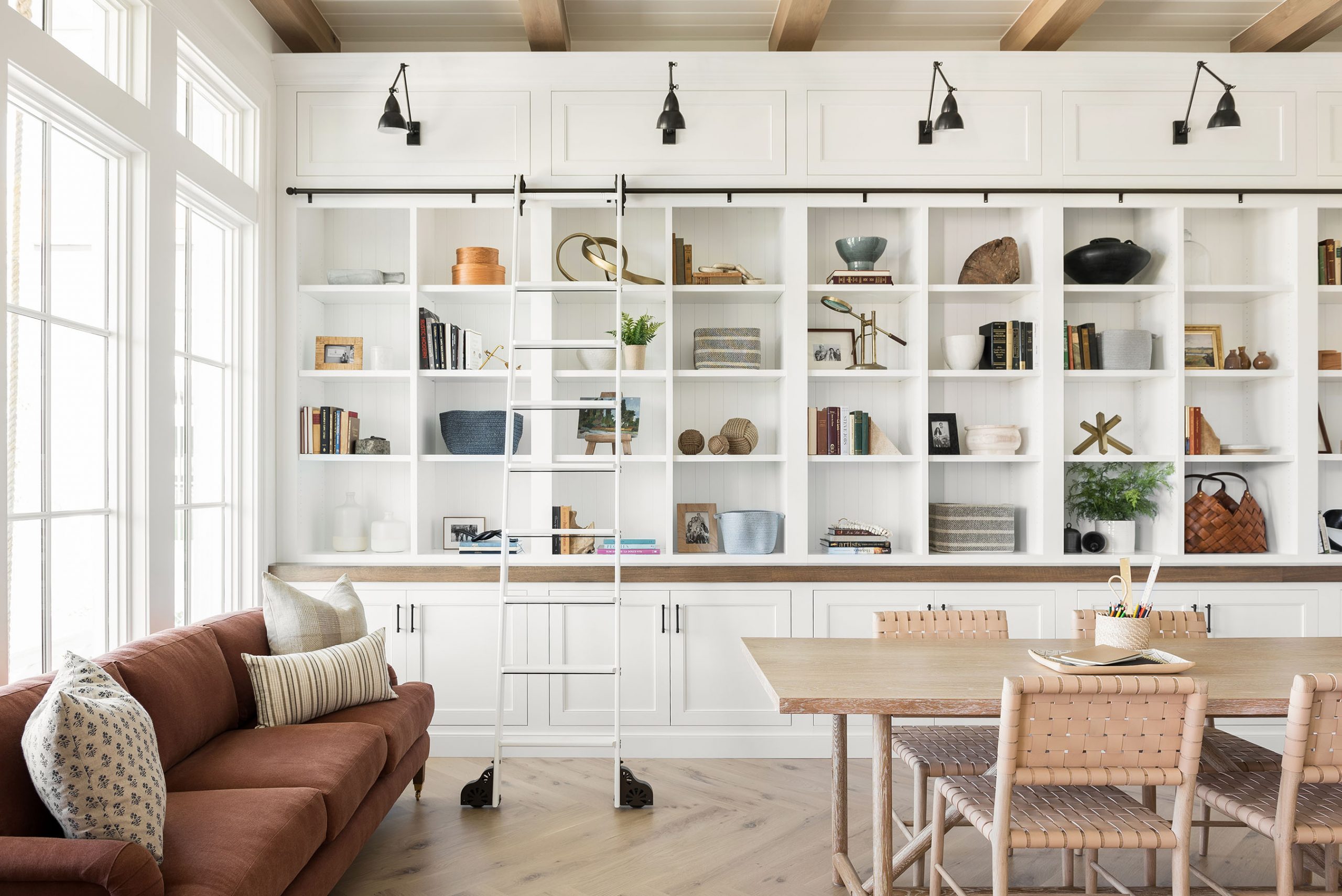
Home On The Ranch: Entry Library & Mudroom
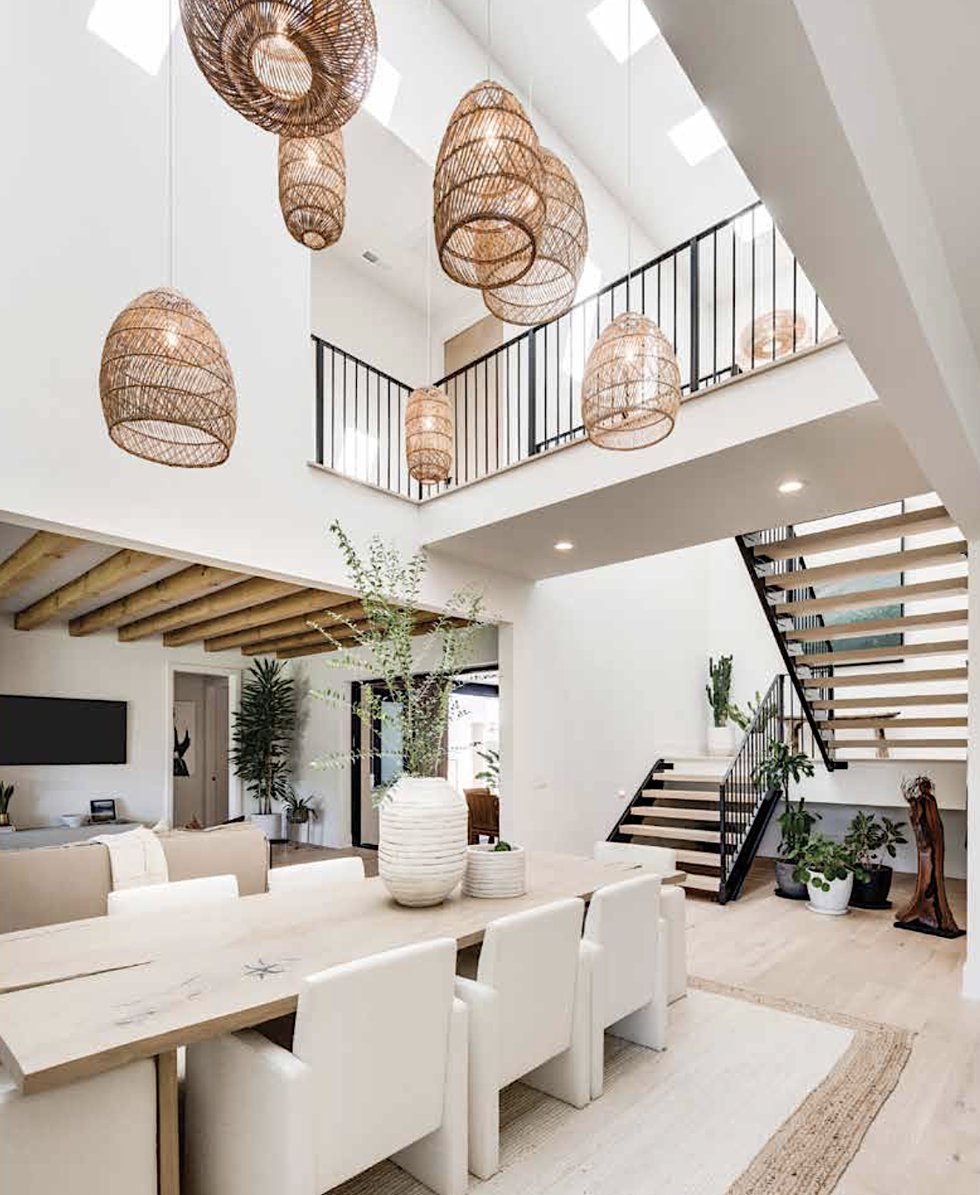
At Home: a Zen Abode

Inside Out | An Entrance Hall That Really Cooks