At Home: Entryways: A visitor's first impression on your home
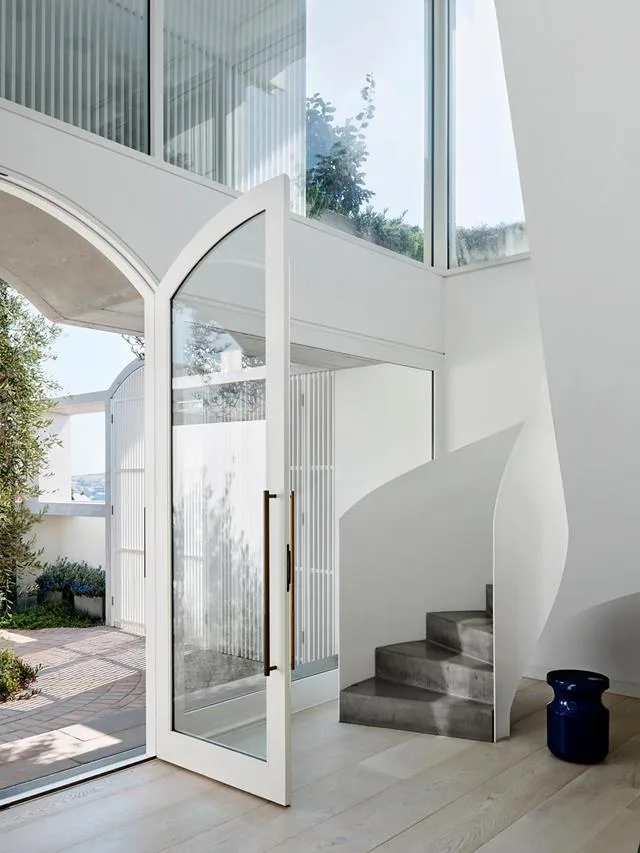
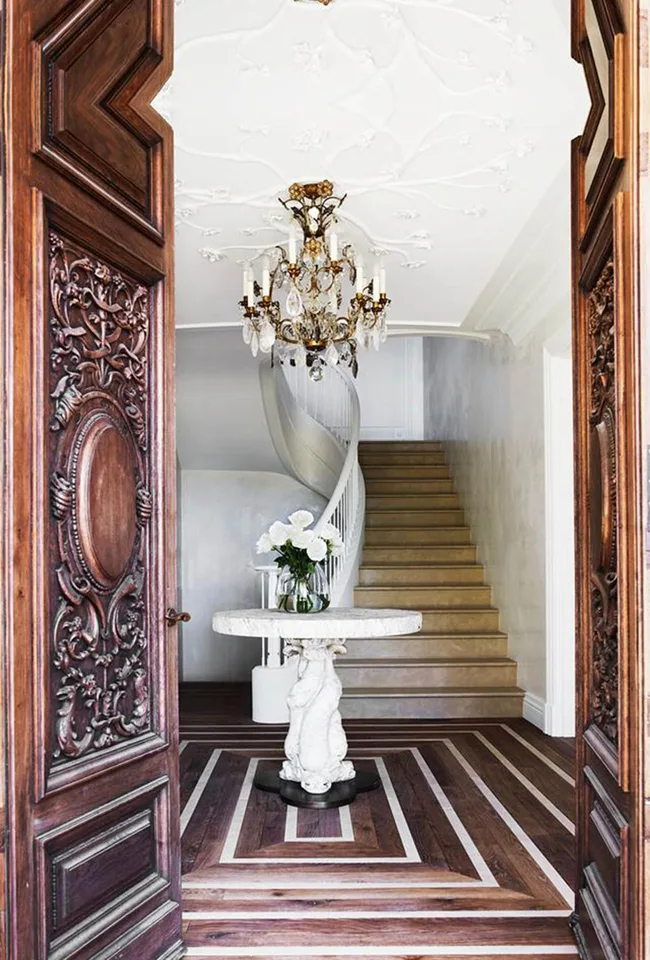
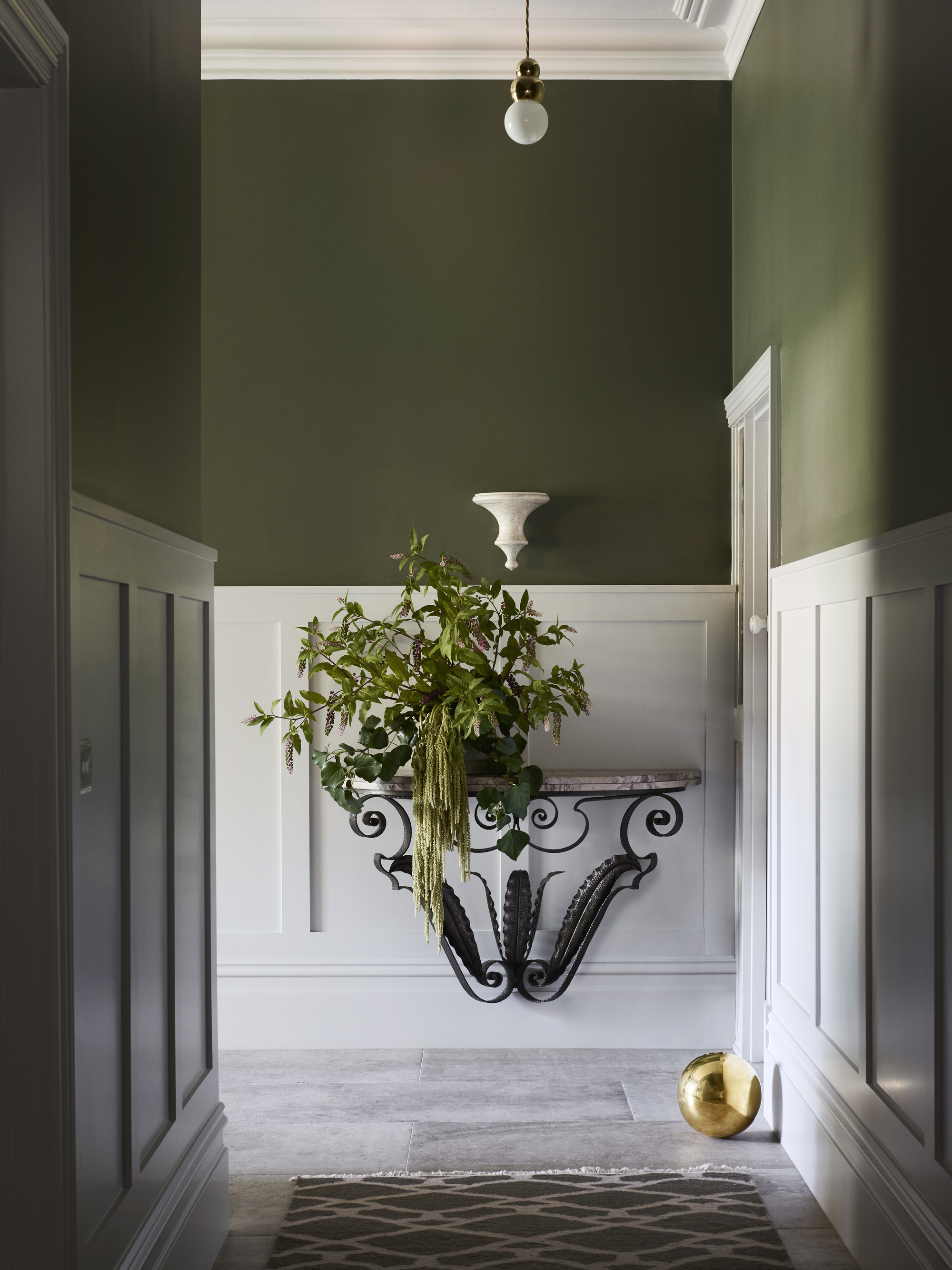
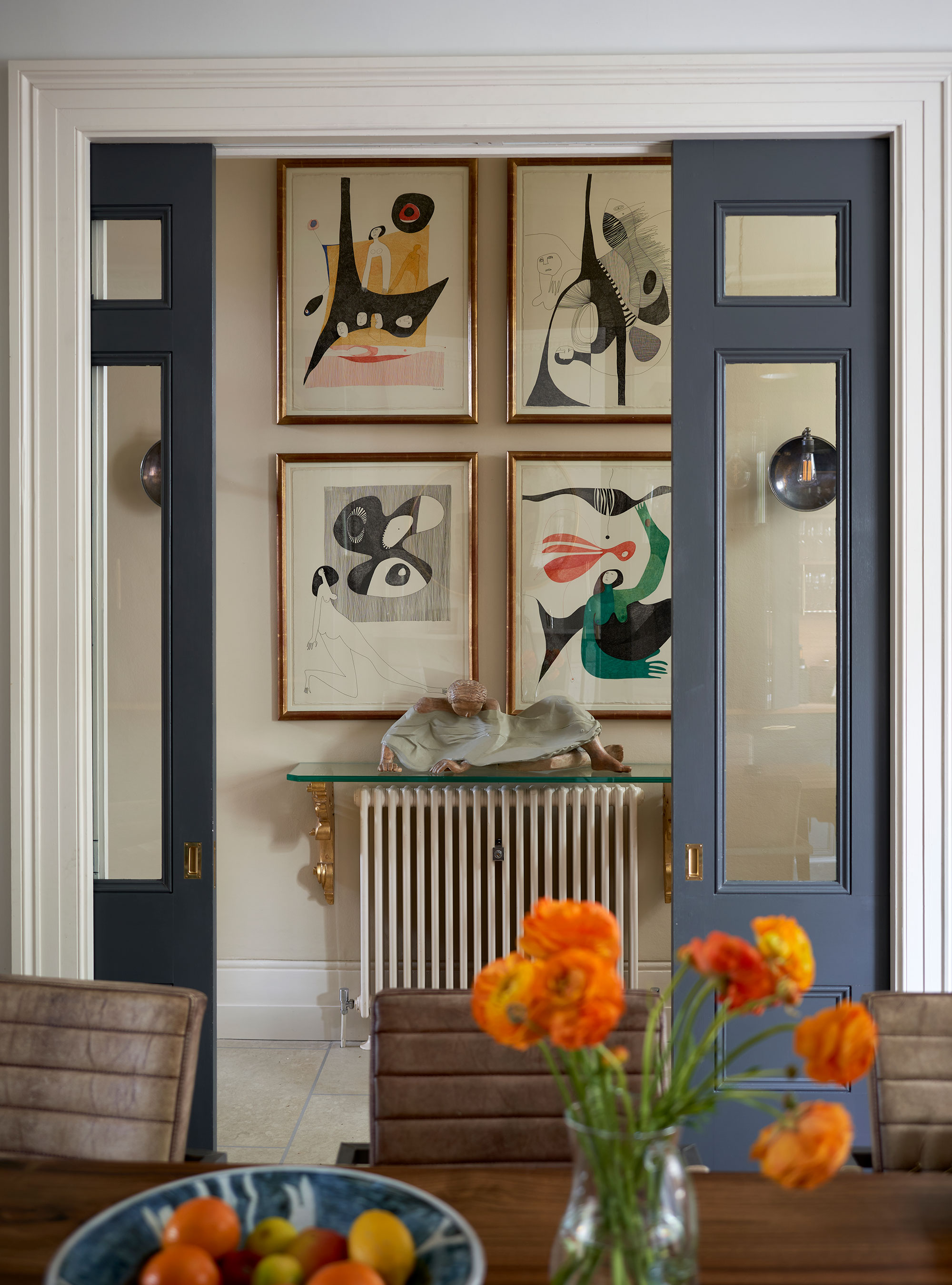
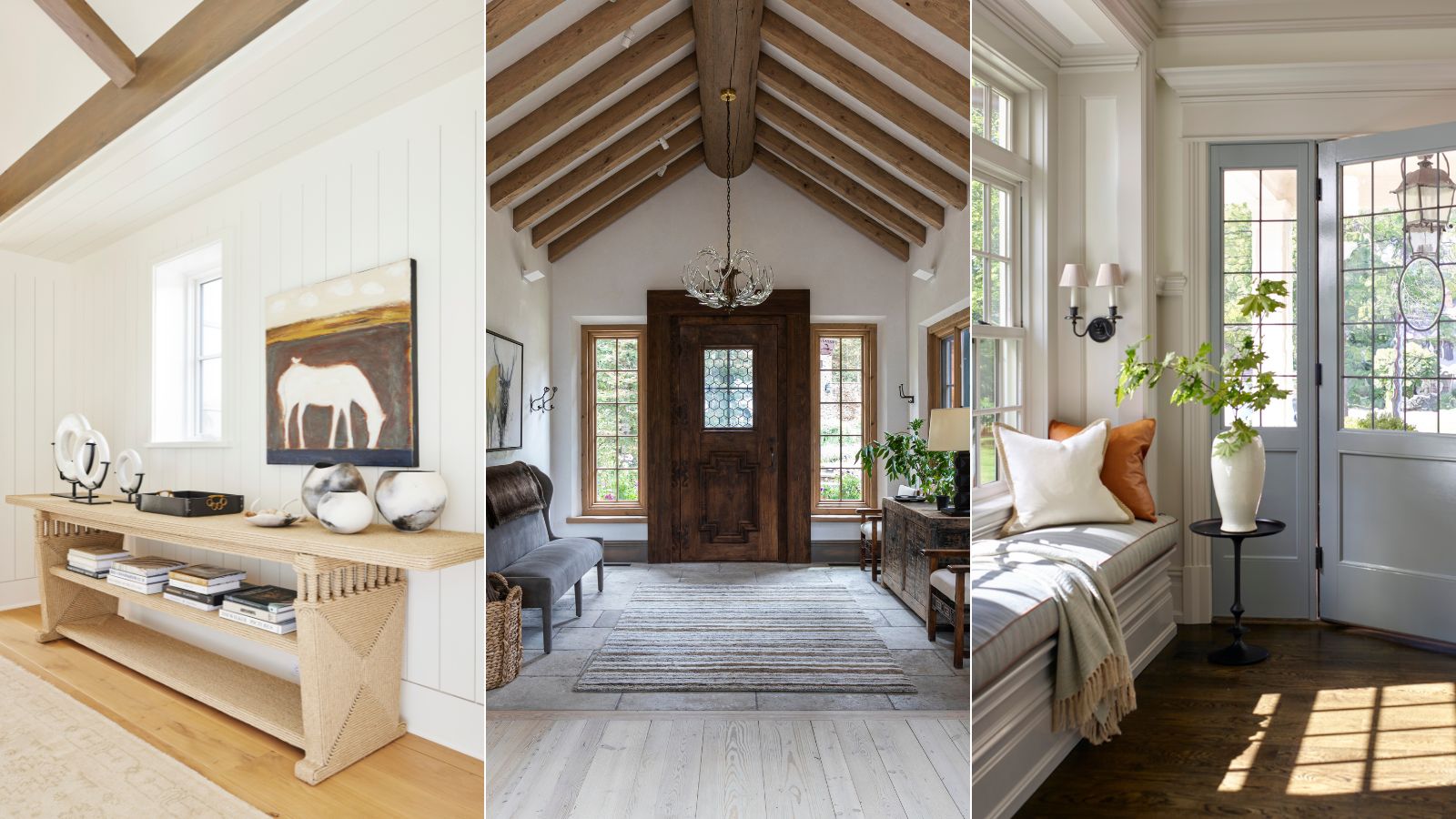
The entryway or hallway of a home is a frequently traversed but often underutilized space, playing a crucial role in shaping a visitor's initial perception. Design experts emphasize that a well-executed entryway not only creates a positive first impression but also establishes design cohesion throughout the home and can visually expand smaller spaces. Dan Brungardt, a designer and owner of Home at Last, suggests extending the design concept from the driveway to the front walk and consistently carrying it through the interior. He highlights the importance of blurring the lines between indoor and outdoor areas, noting that repeating colors and design themes from the entryway to the back patio or deck can make a smaller house appear larger by presenting these spaces as extensions rather than enclosed areas.
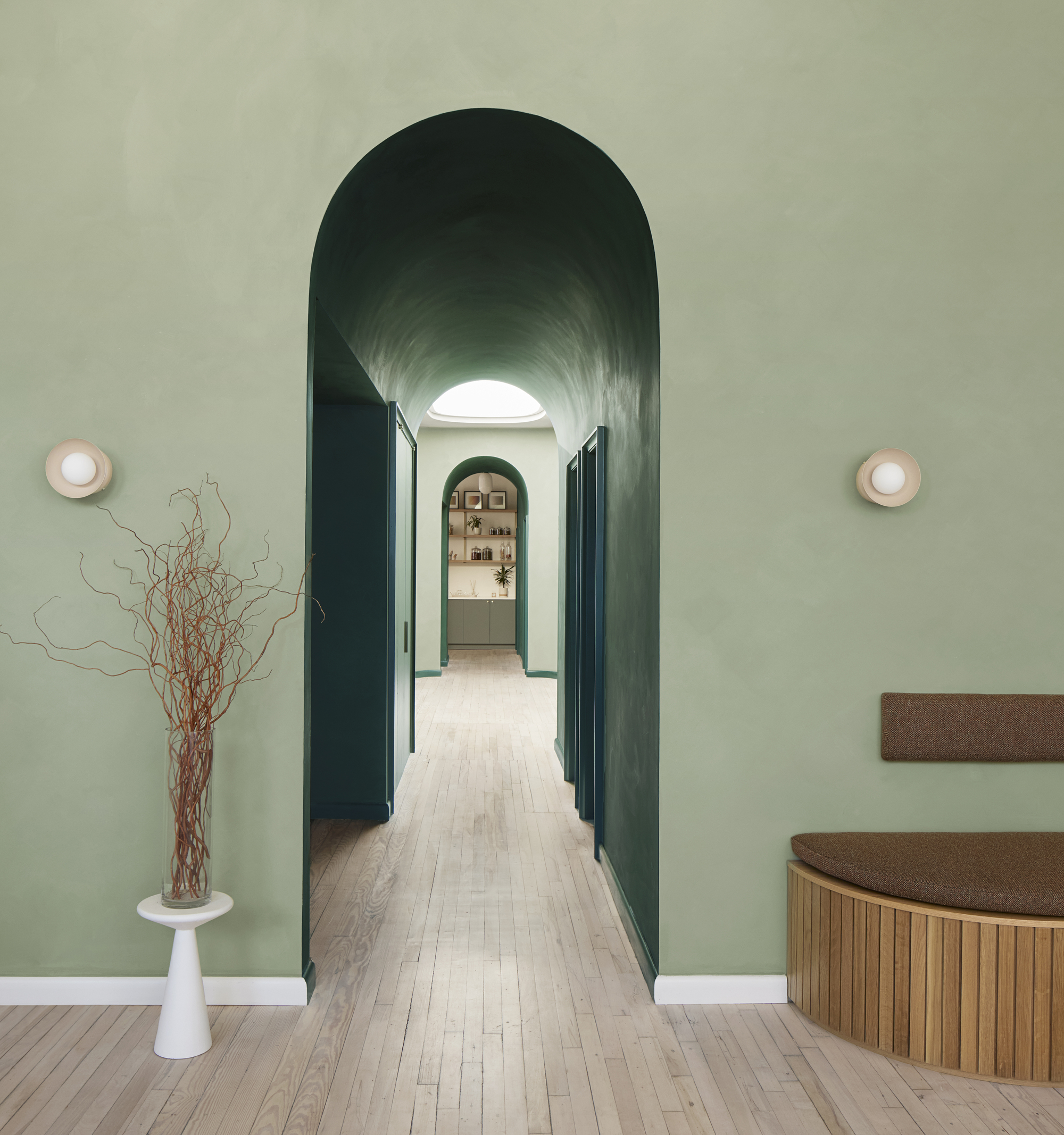
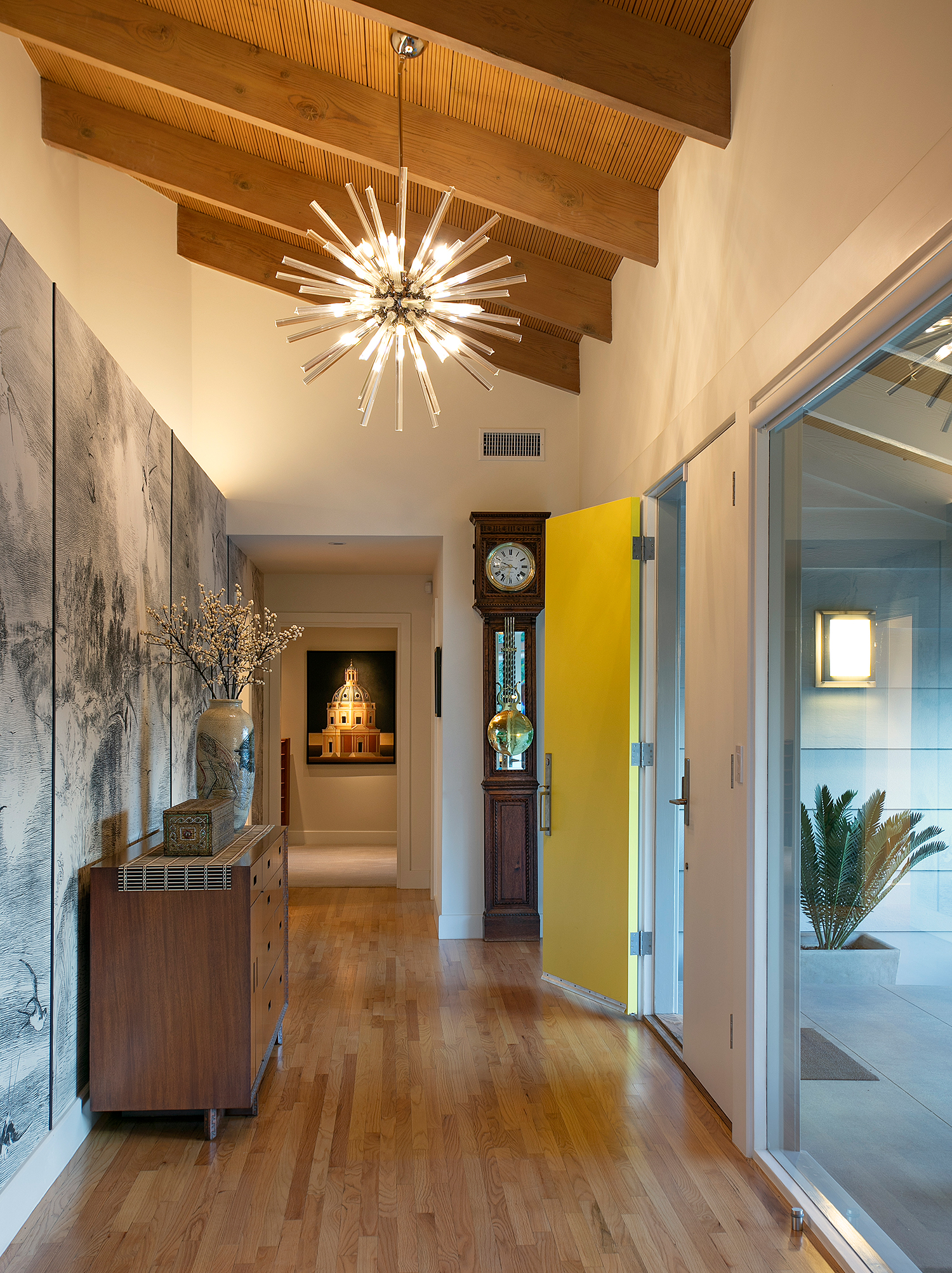
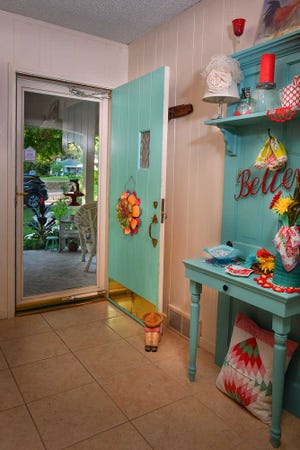
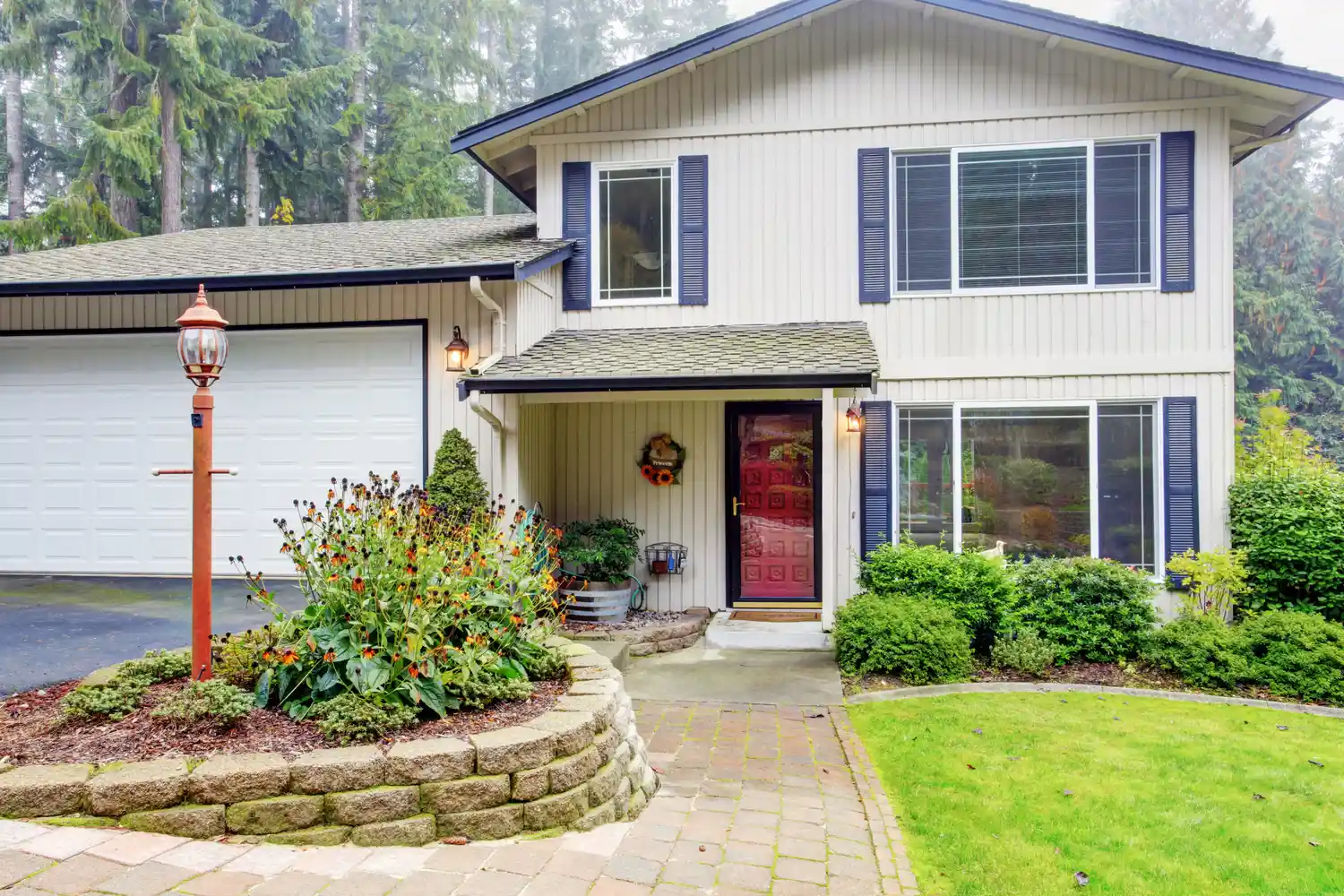
Color is identified as a powerful tool for attracting attention and revitalizing a space. While grays are currently fashionable, Brungardt recommends bold colors like reds and kelly or grass greens for front doors, drawing inspiration from his travels in Dublin, Ireland. He also advises using a high-sheen finish to enhance light reflection and create a softer lighting effect. Vickie Lynch, a designer and owner of Soho Interiors, agrees that front door color should reflect personal style, also favoring greens, blues, and salmon hues.
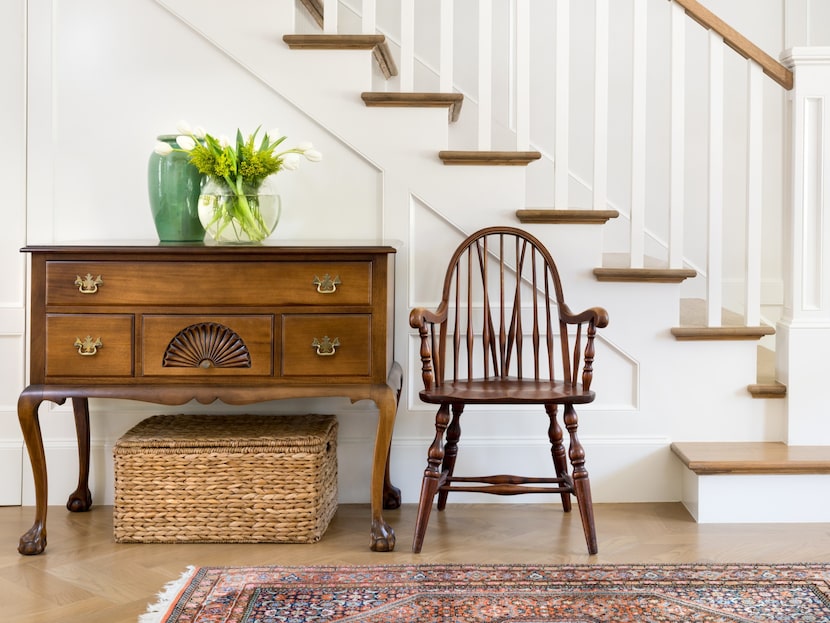
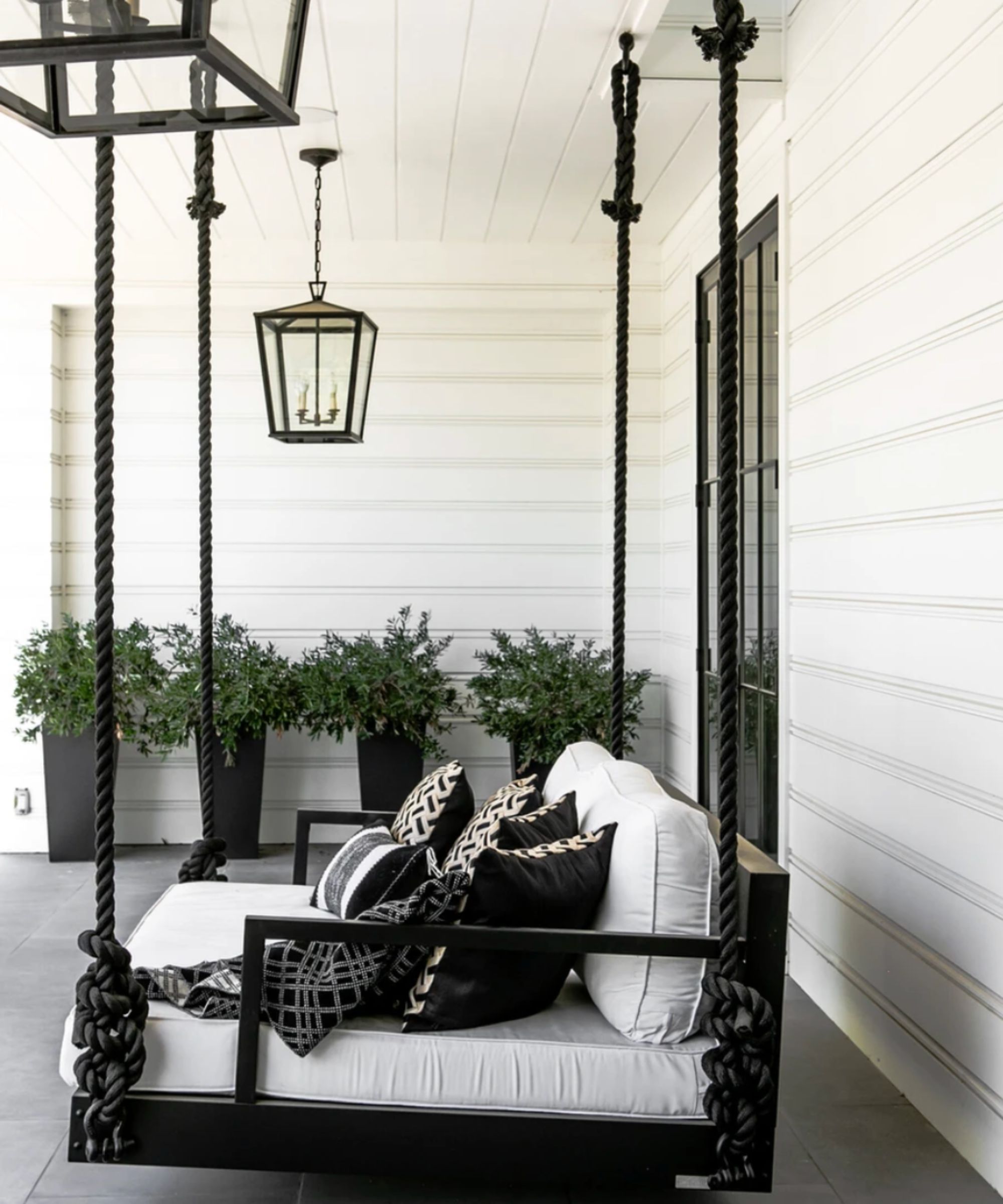
For those hesitant to paint their front door, adding colorful accessories offers an alternative. Repurposing a thrift-store chair with a bold paint color for the porch or entryway can add visual interest and provide a spot for a planter, offering a flexible design solution. Incorporating planters, pots, or urns that complement the home's architectural style and color palette is also recommended. Careful plant selection, considering color, texture, and scale, is essential, with Brungardt suggesting one large pot over several small ones to avoid a cluttered look. Indoor/outdoor area rugs, available in various mildew- and fade-resistant colors, and brightly colored welcome mats for smaller spaces are other ways to introduce color.
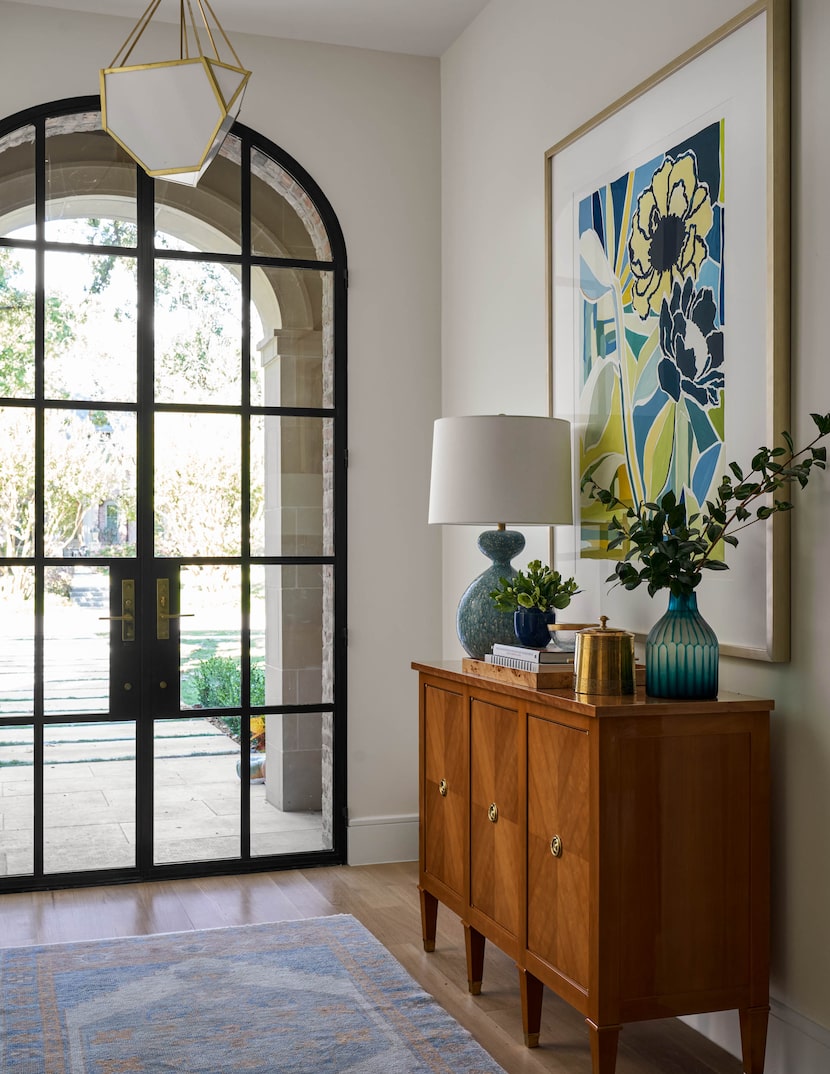
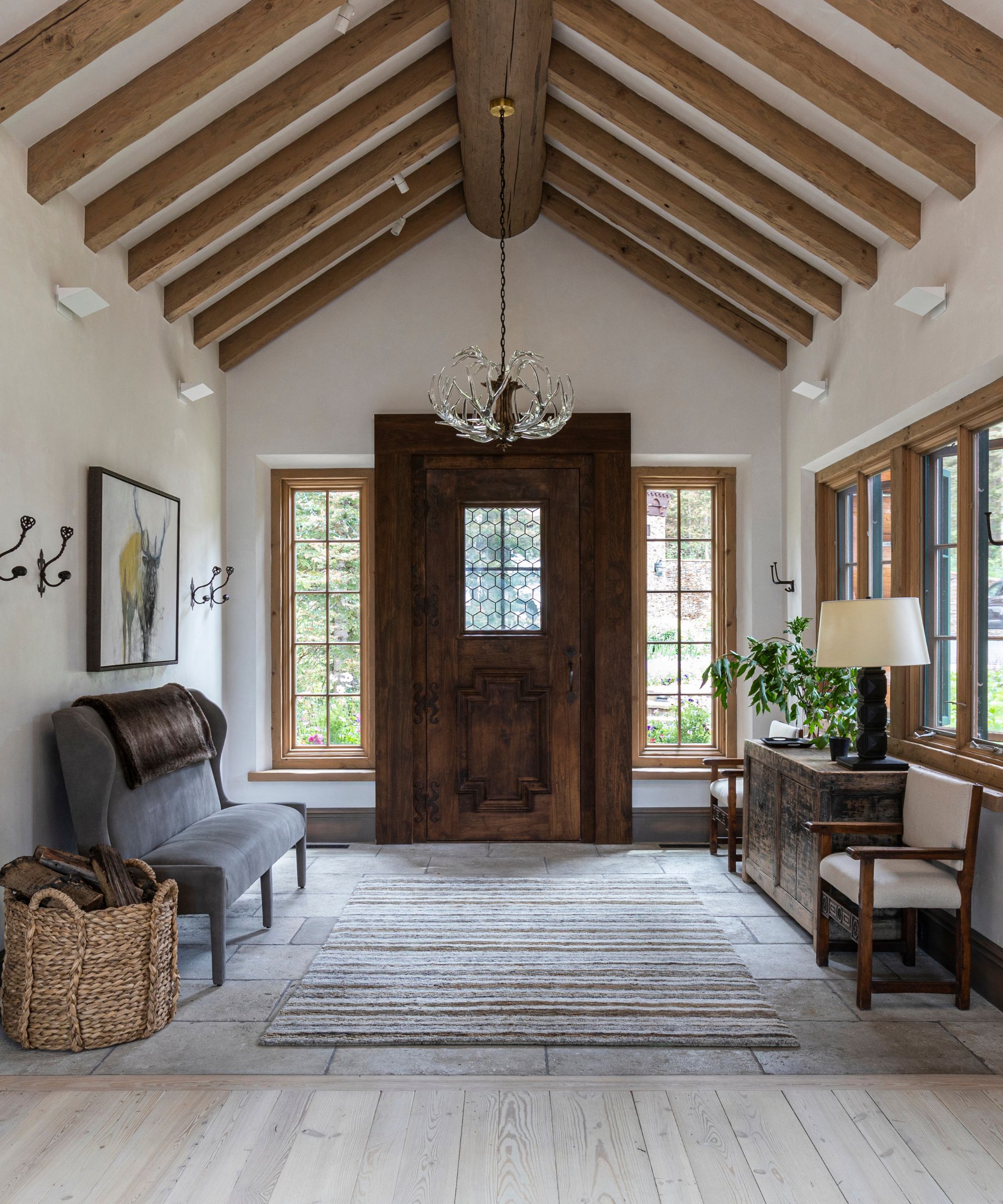
Beyond color, functional and aesthetic upgrades include replacing door glass with artistic options like leaded or stained glass, updating worn door handles or light fixtures, and coordinating hardware. Outdoor furniture should be high-quality, durable, and functional, with Lynch advising against cushions due to wear and soiling, instead preferring easily wipeable hard surfaces. Her guiding principle for entryways is "Less is more," advocating for good function and efficient use of space without overcrowding.
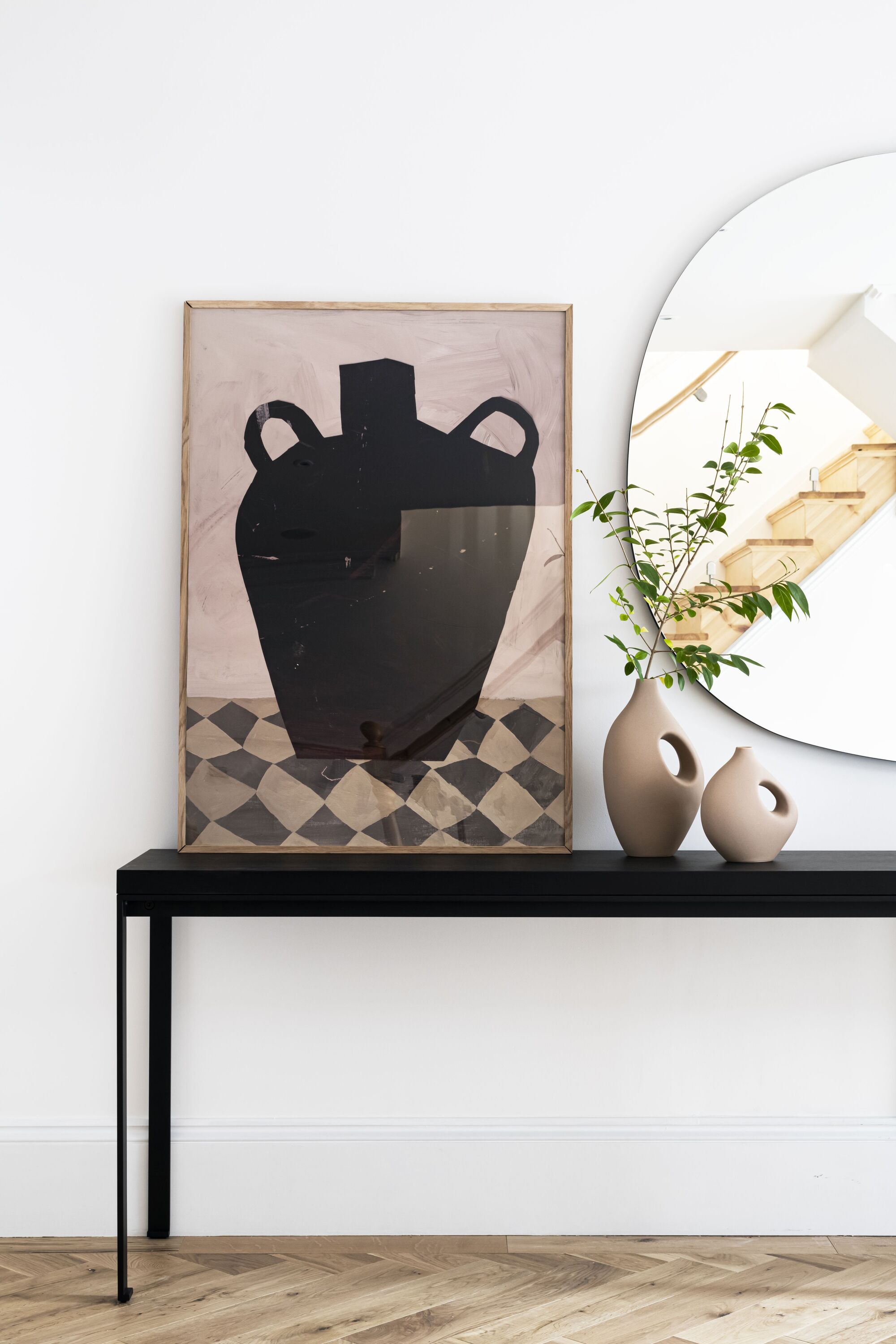
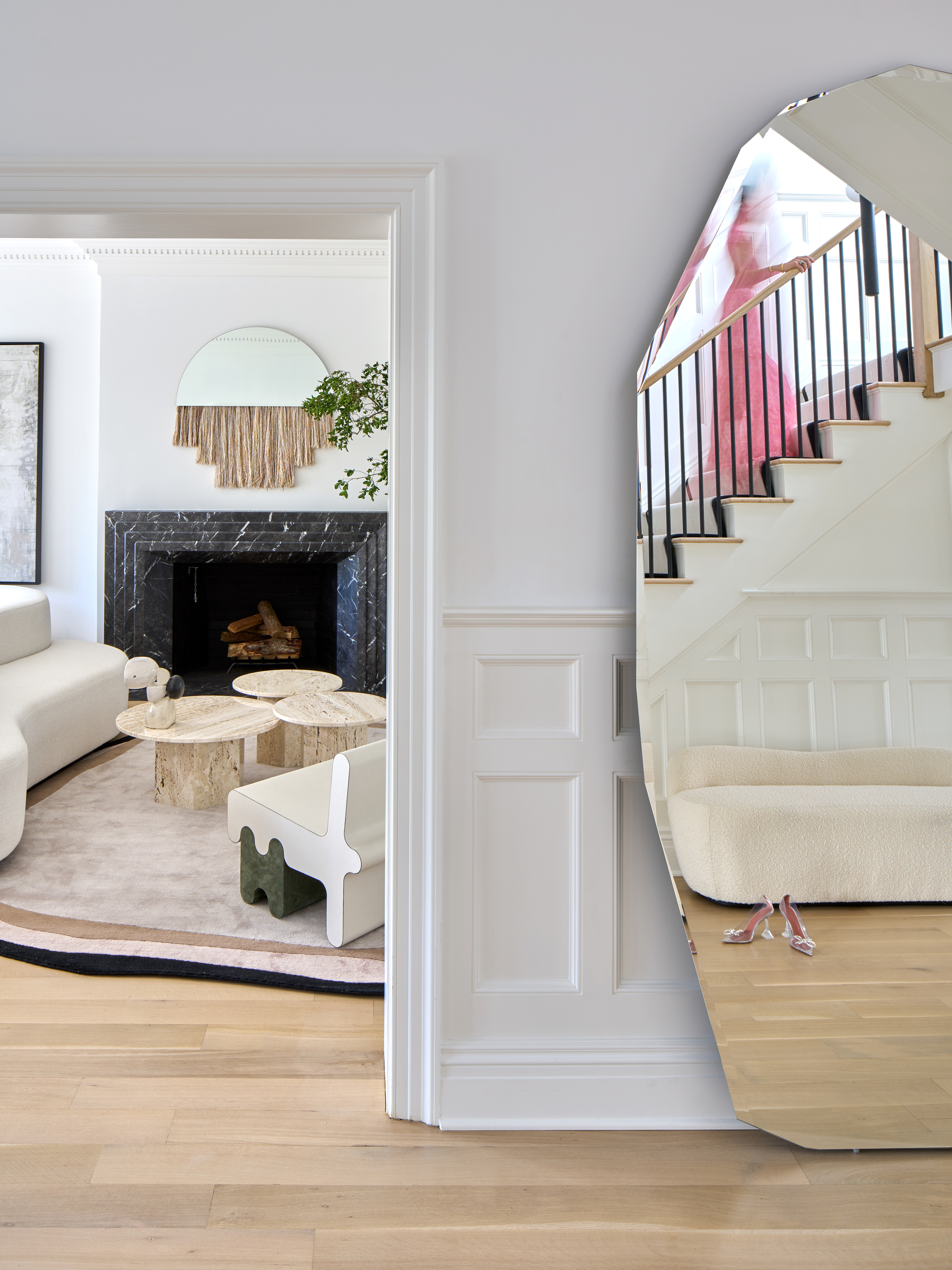
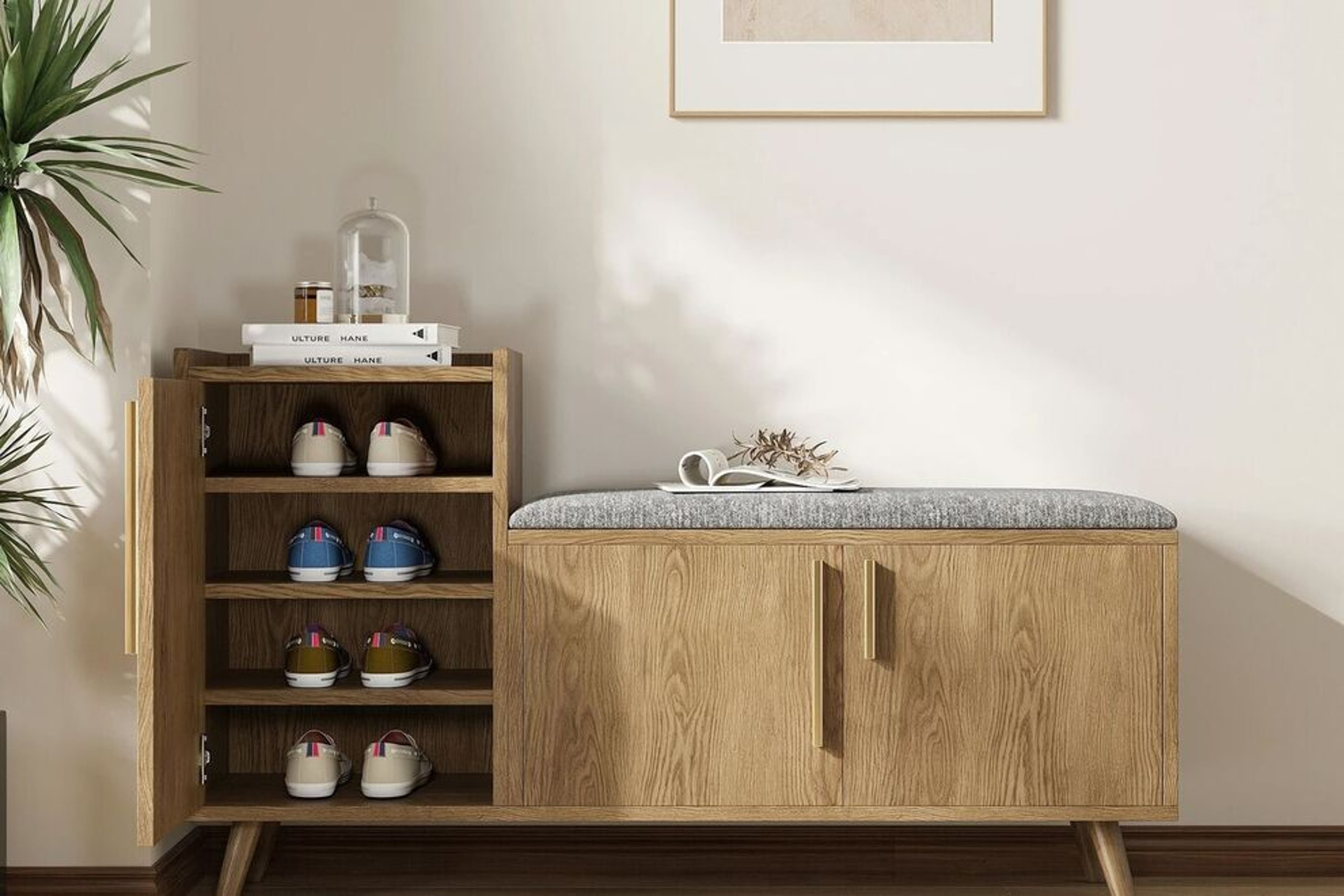
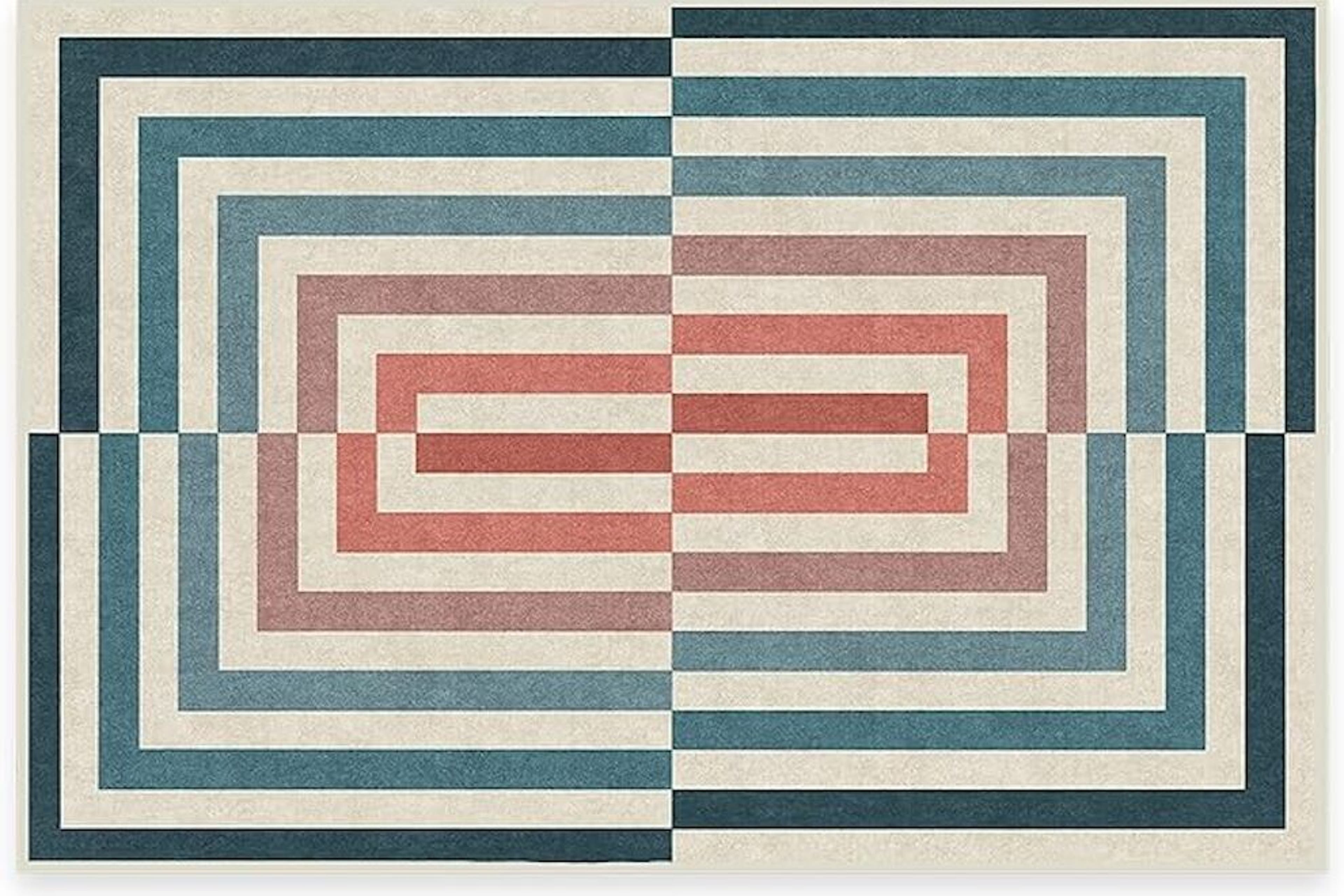
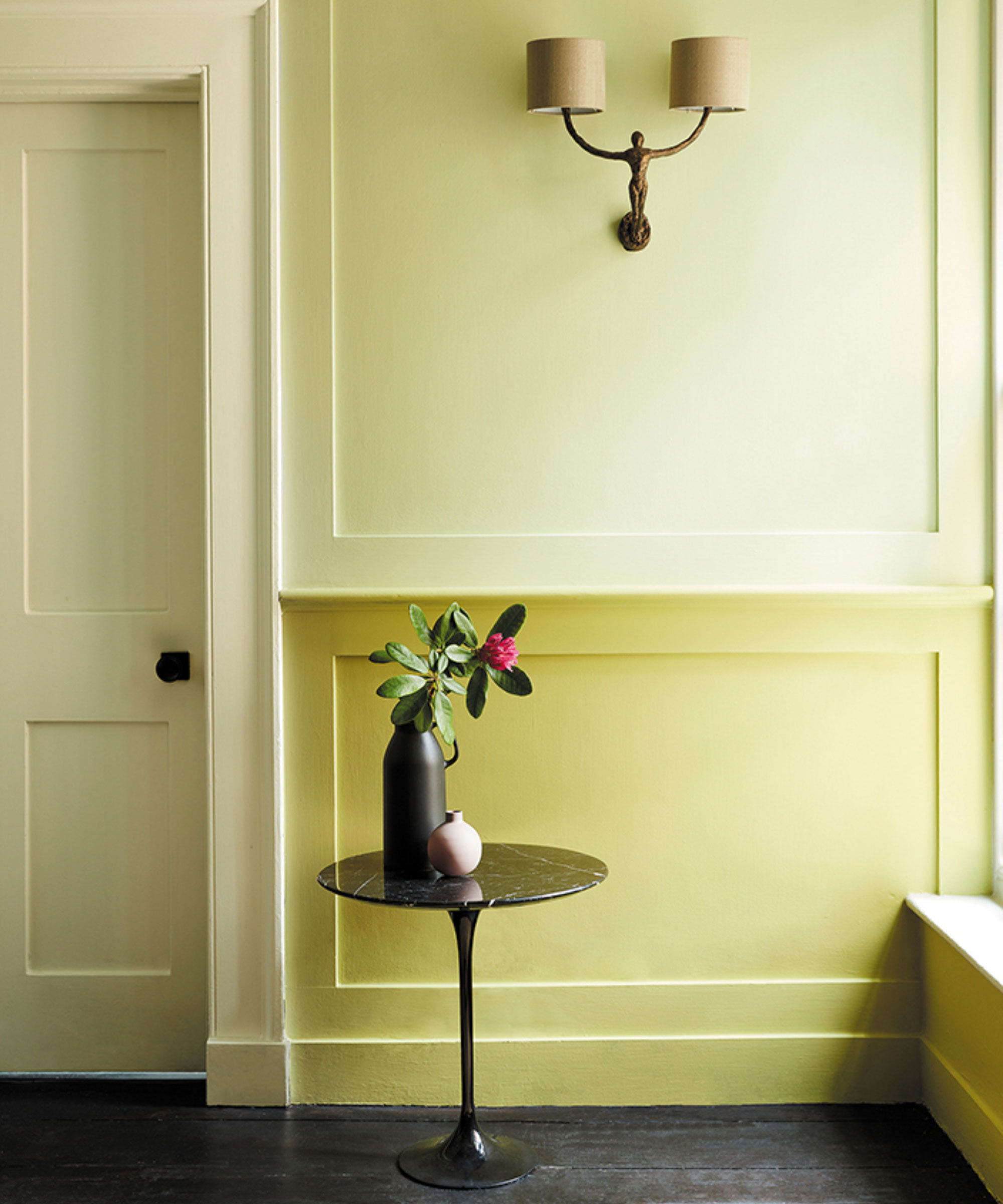
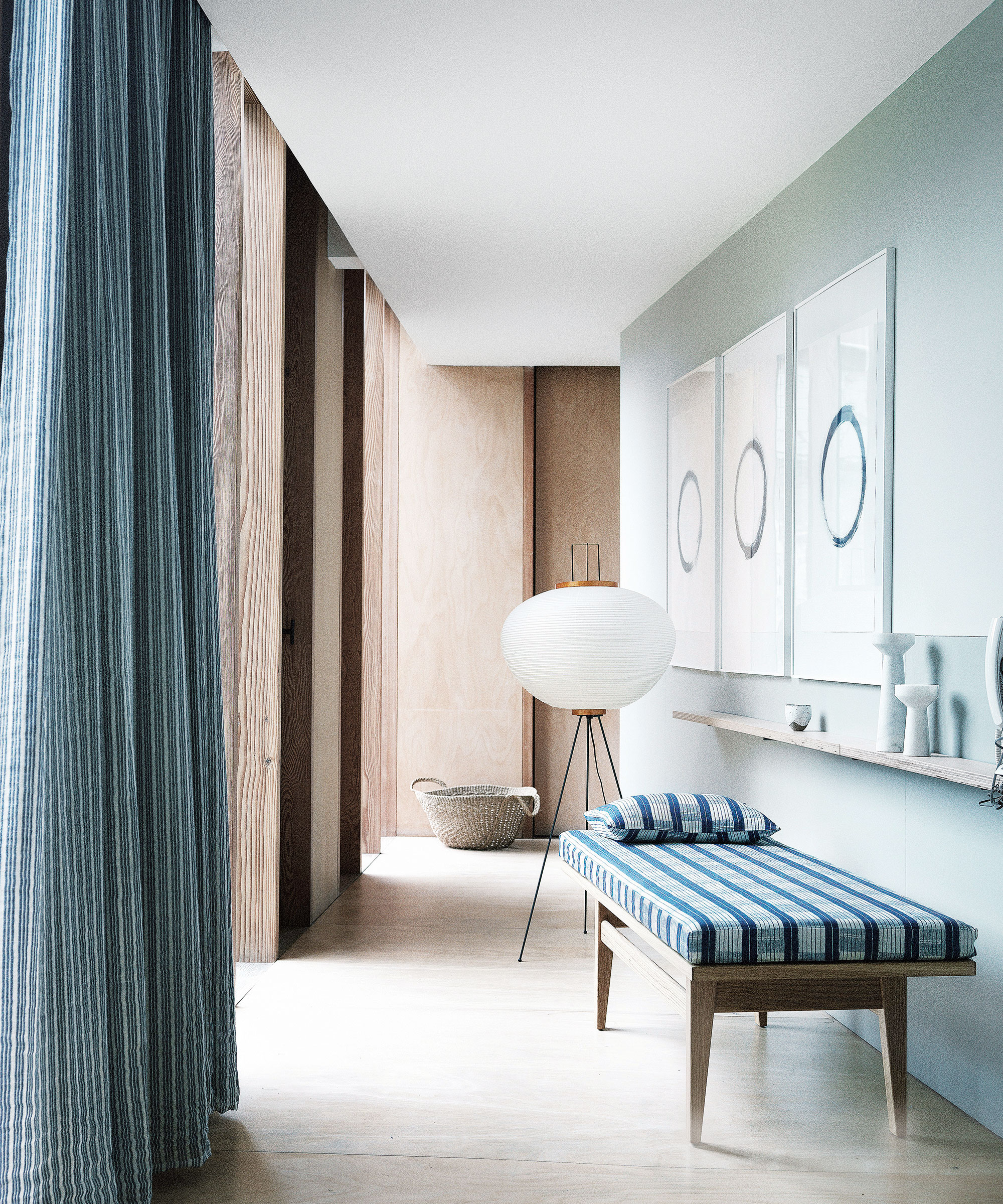
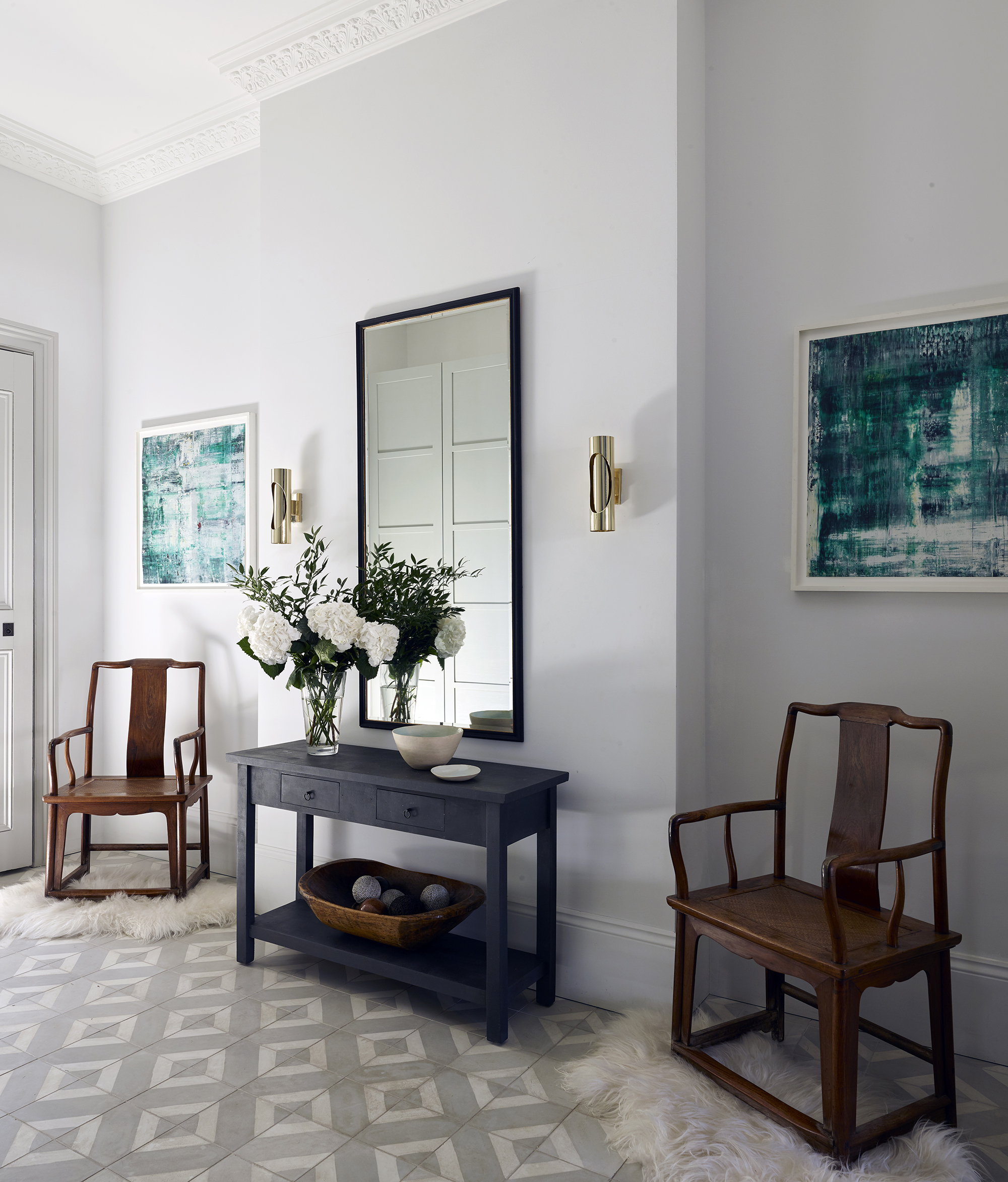
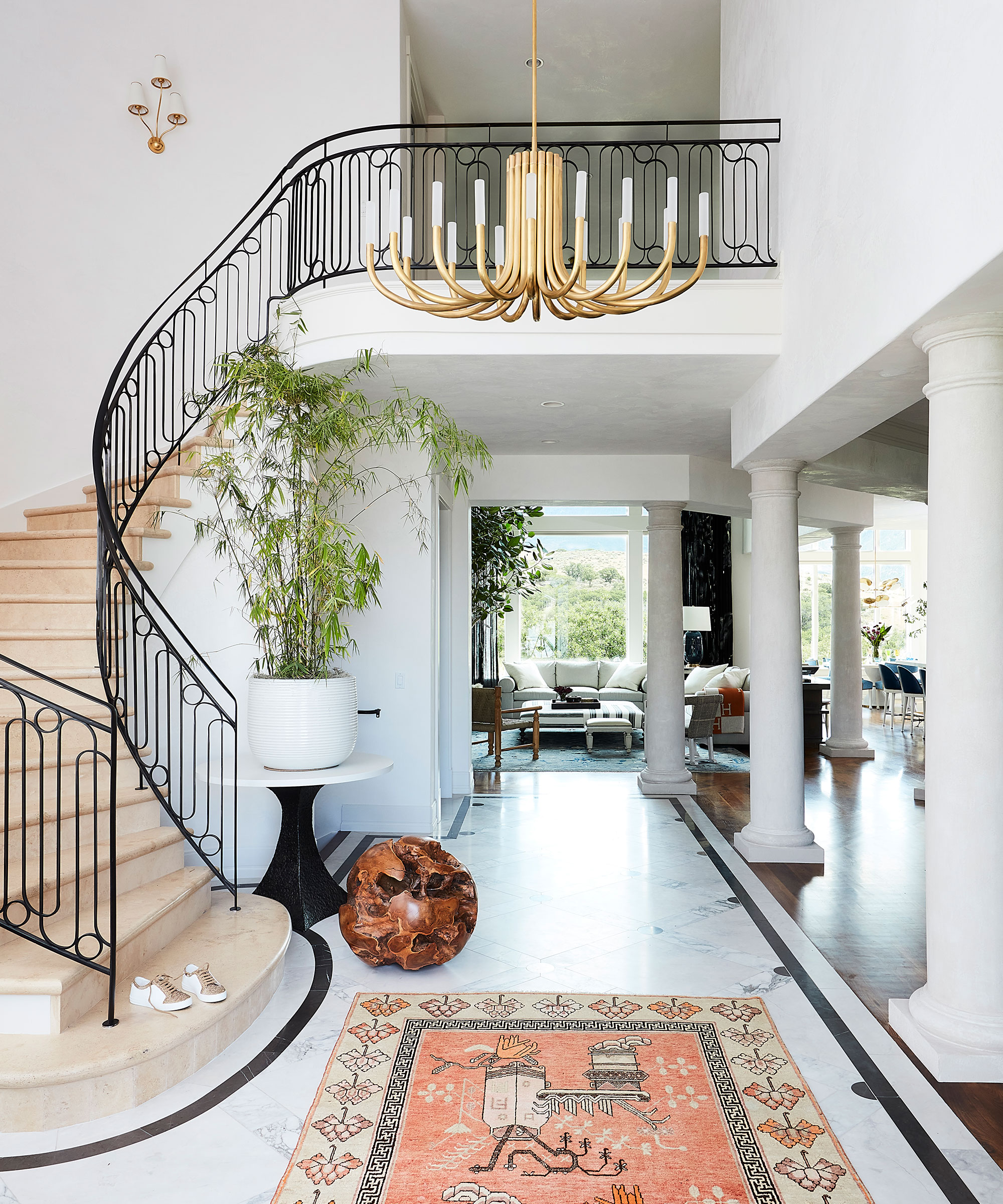
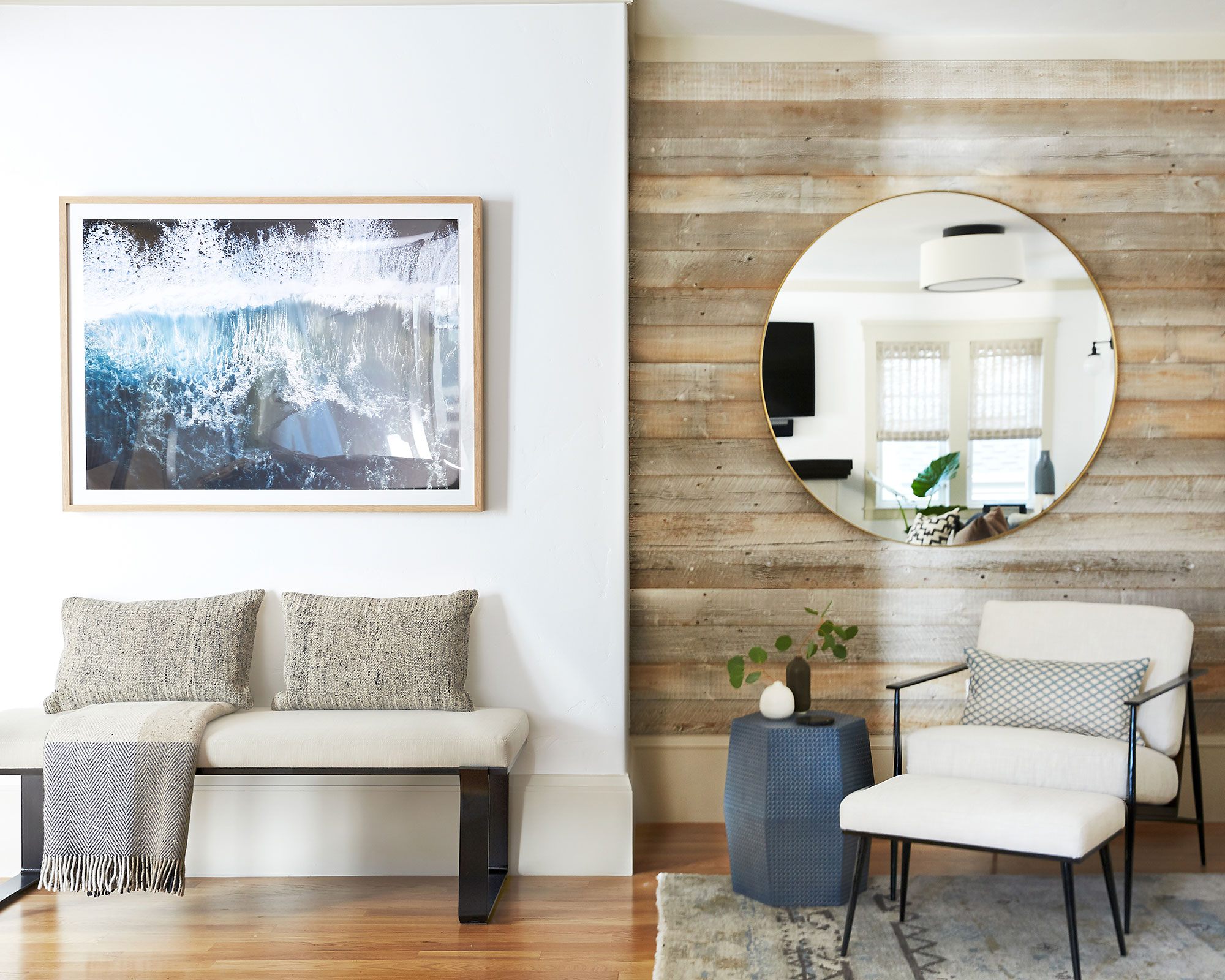
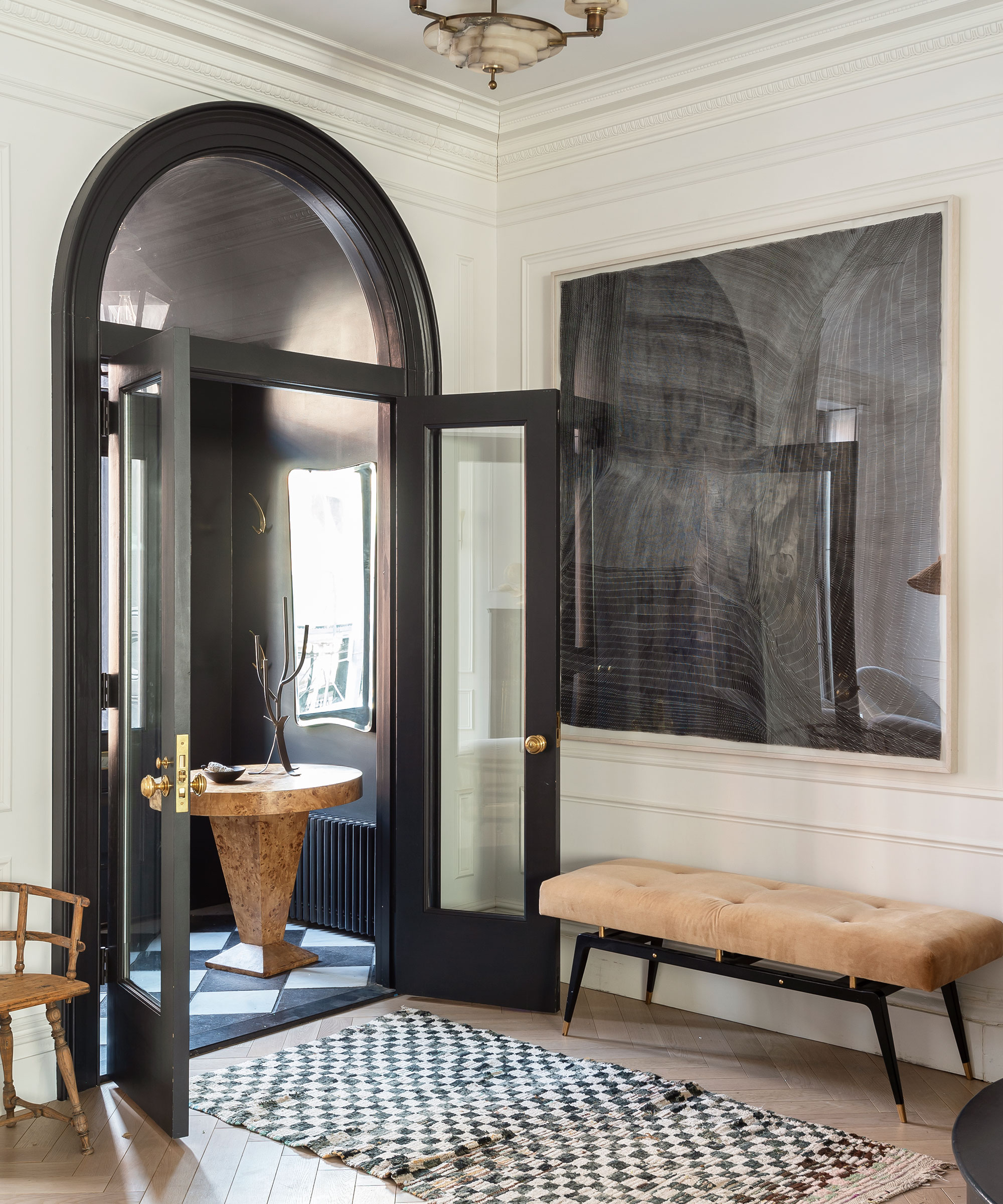
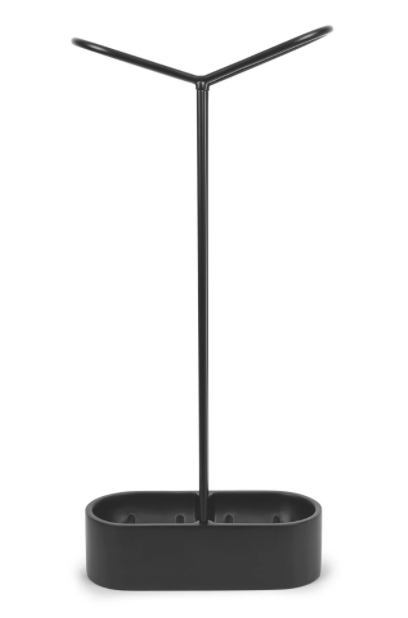
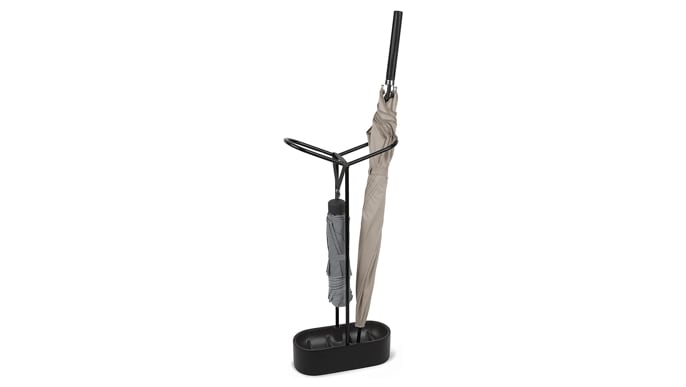
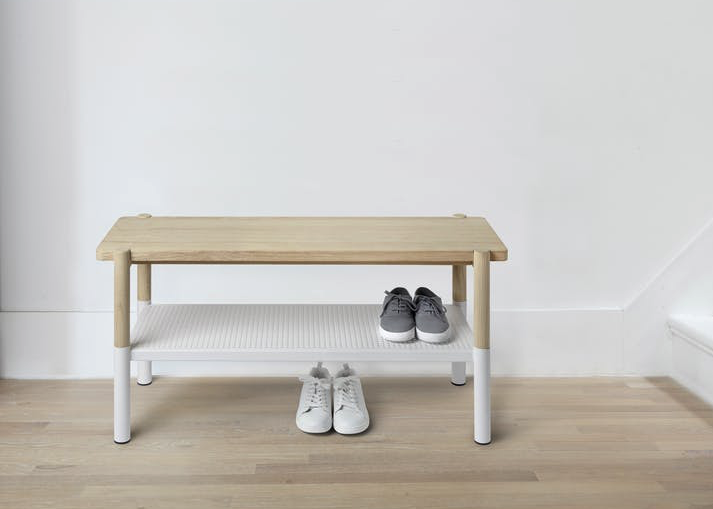
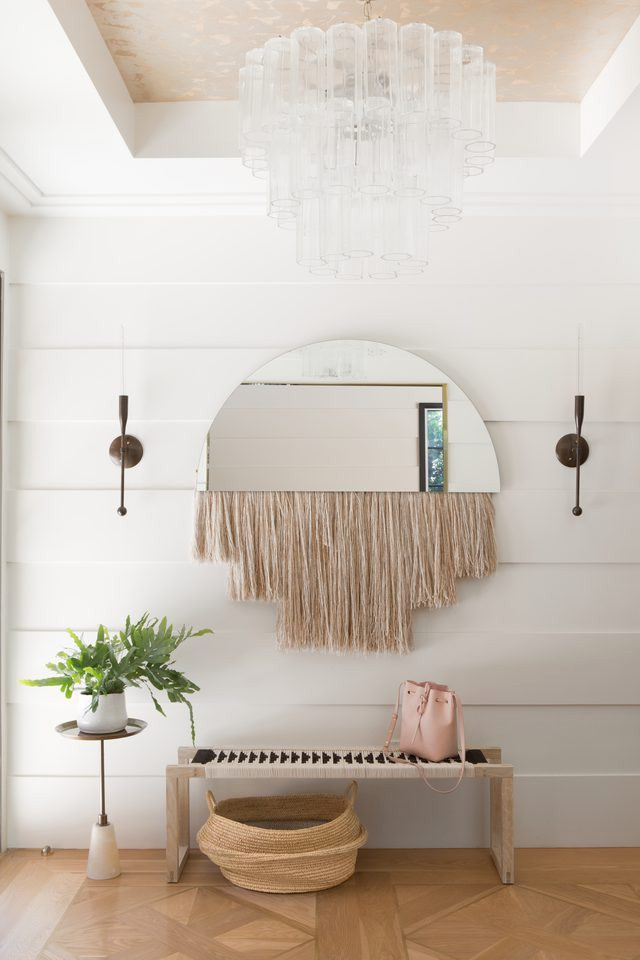
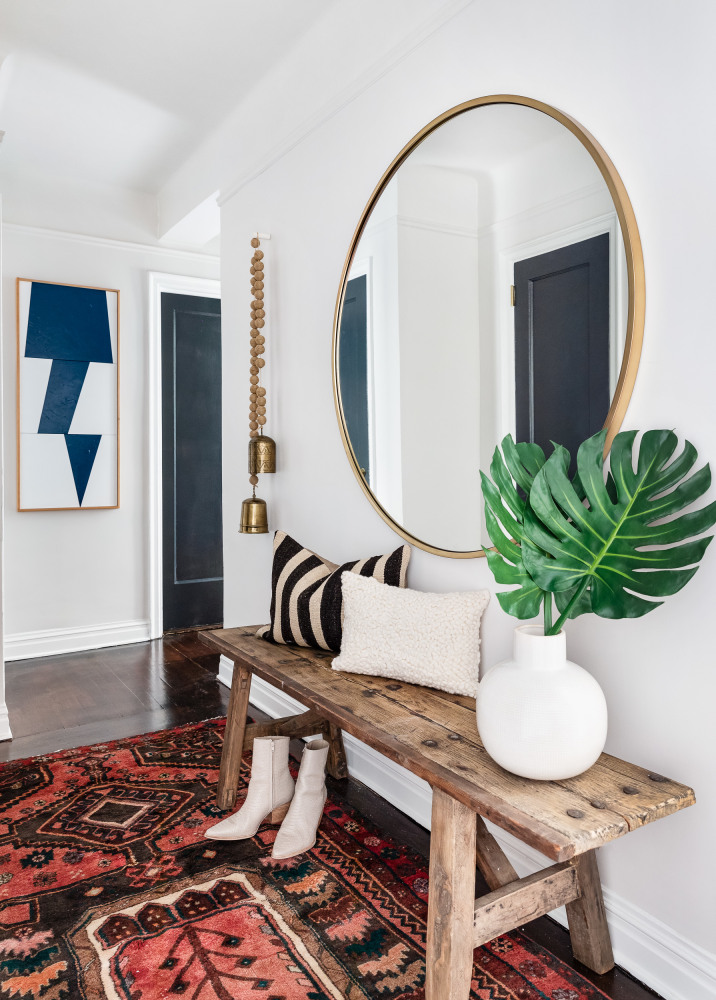
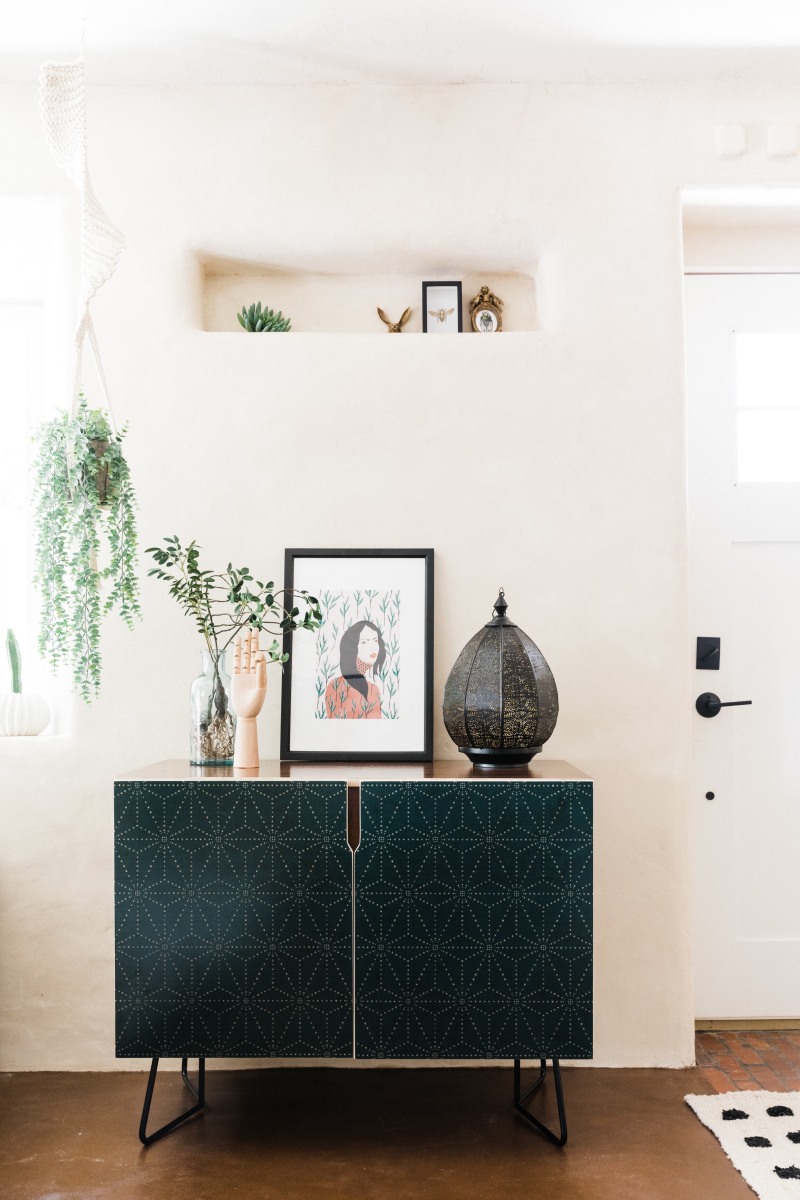
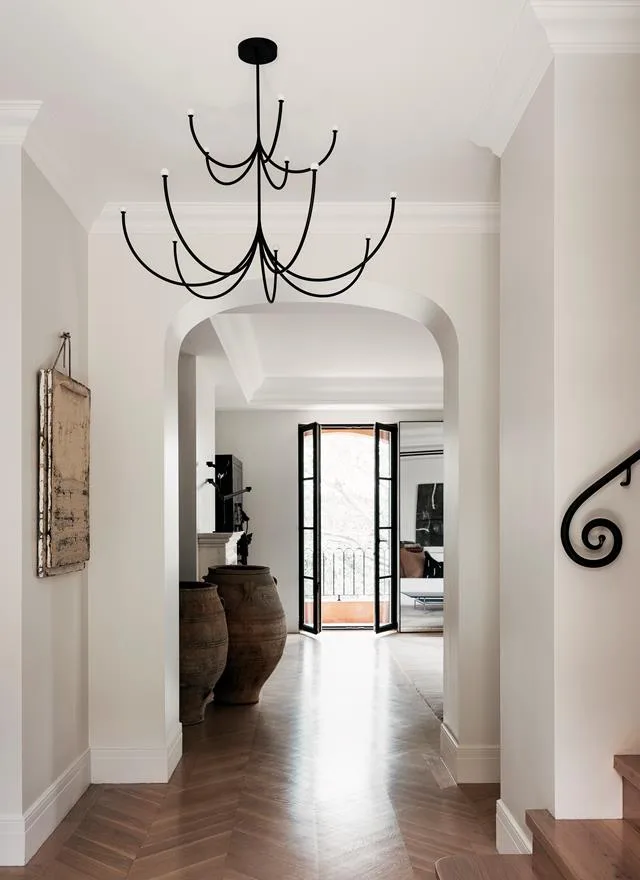
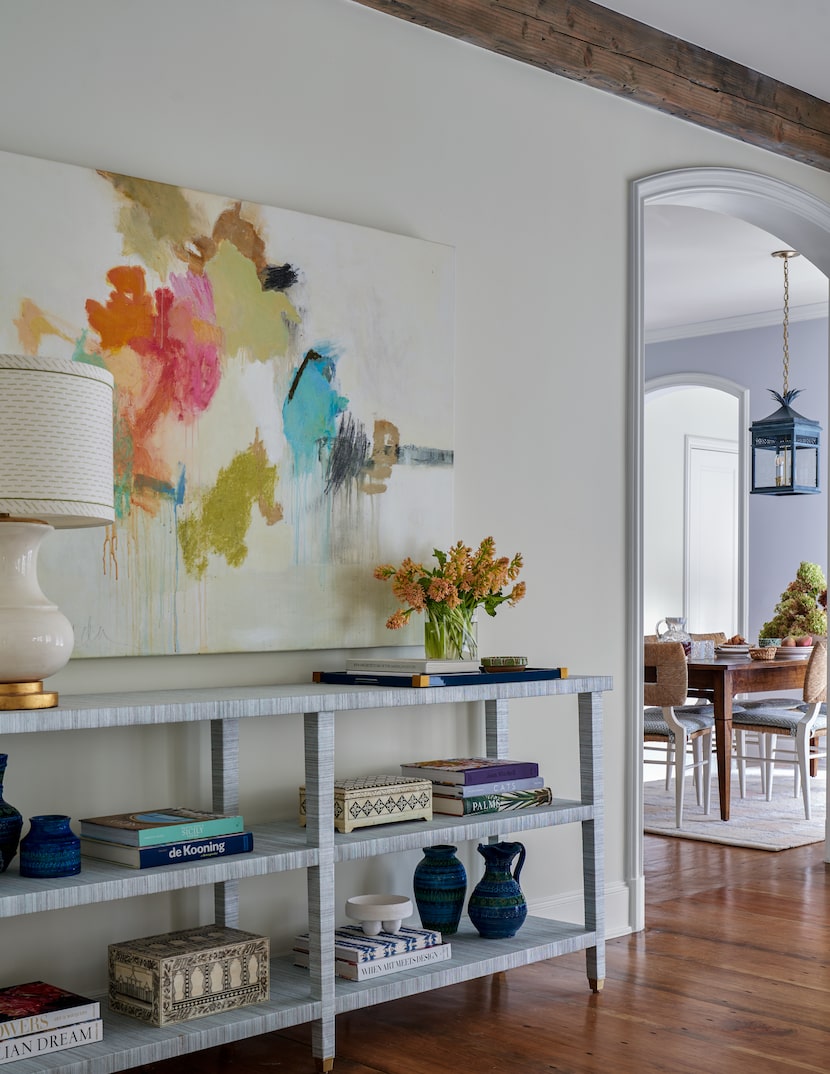
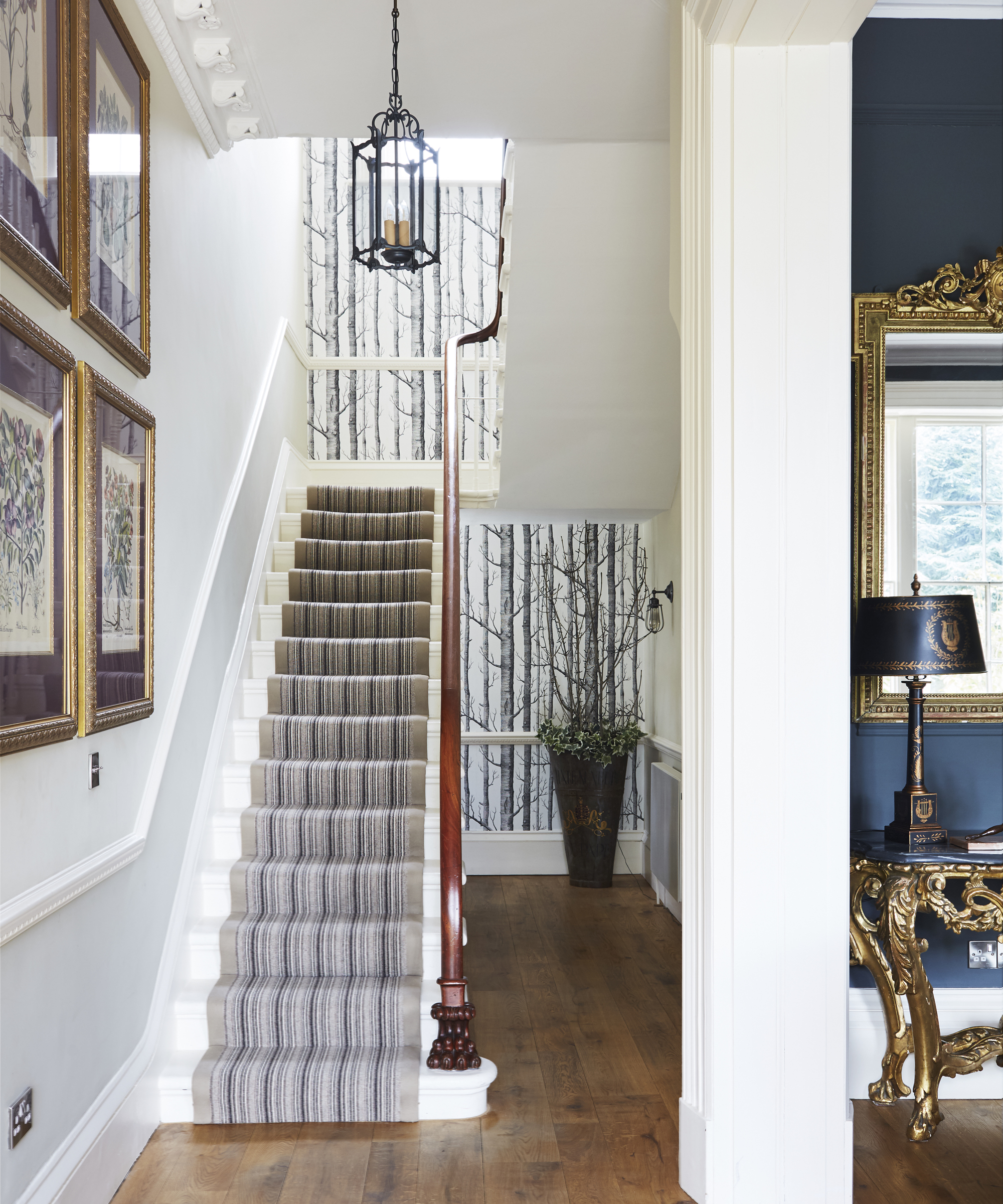
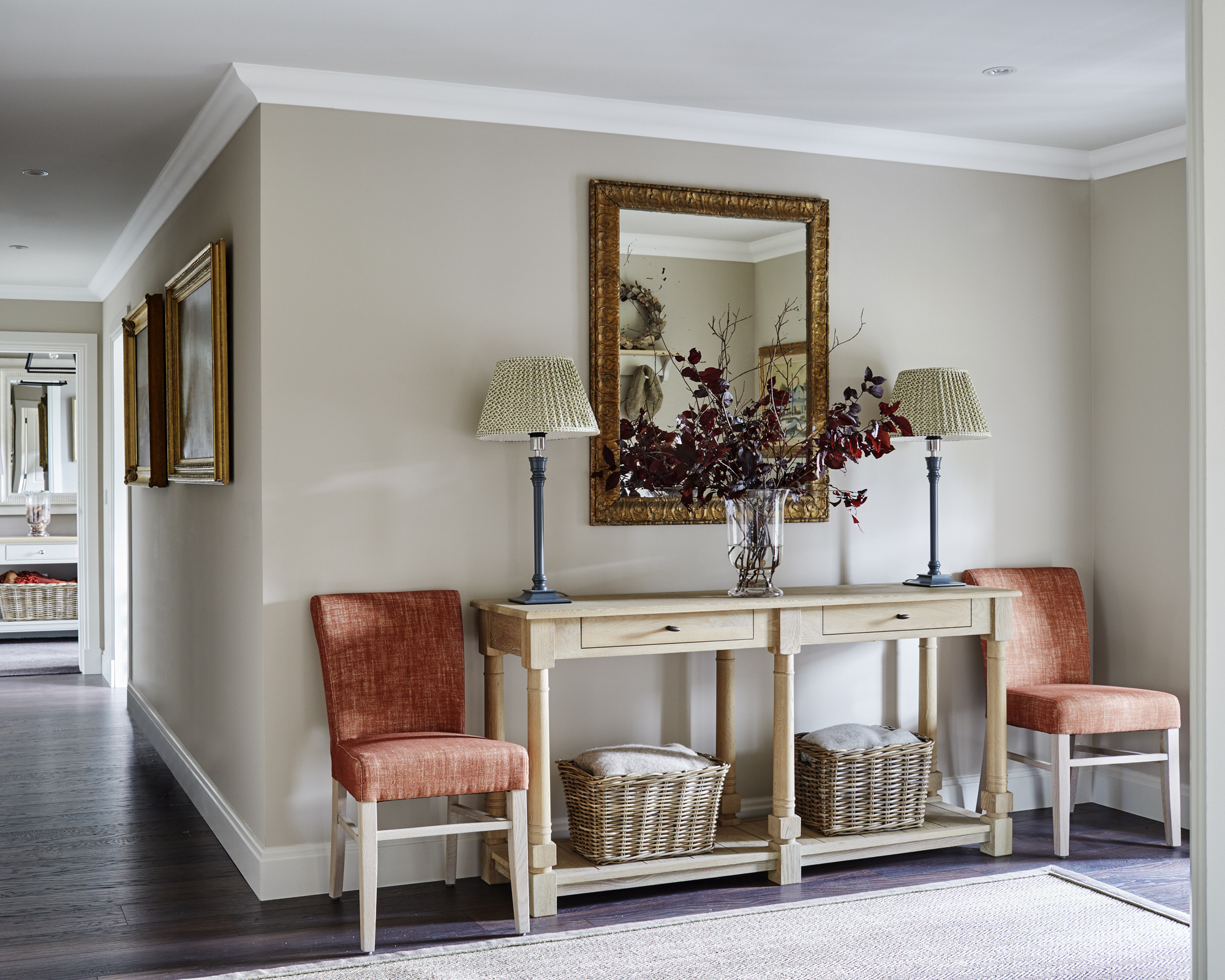
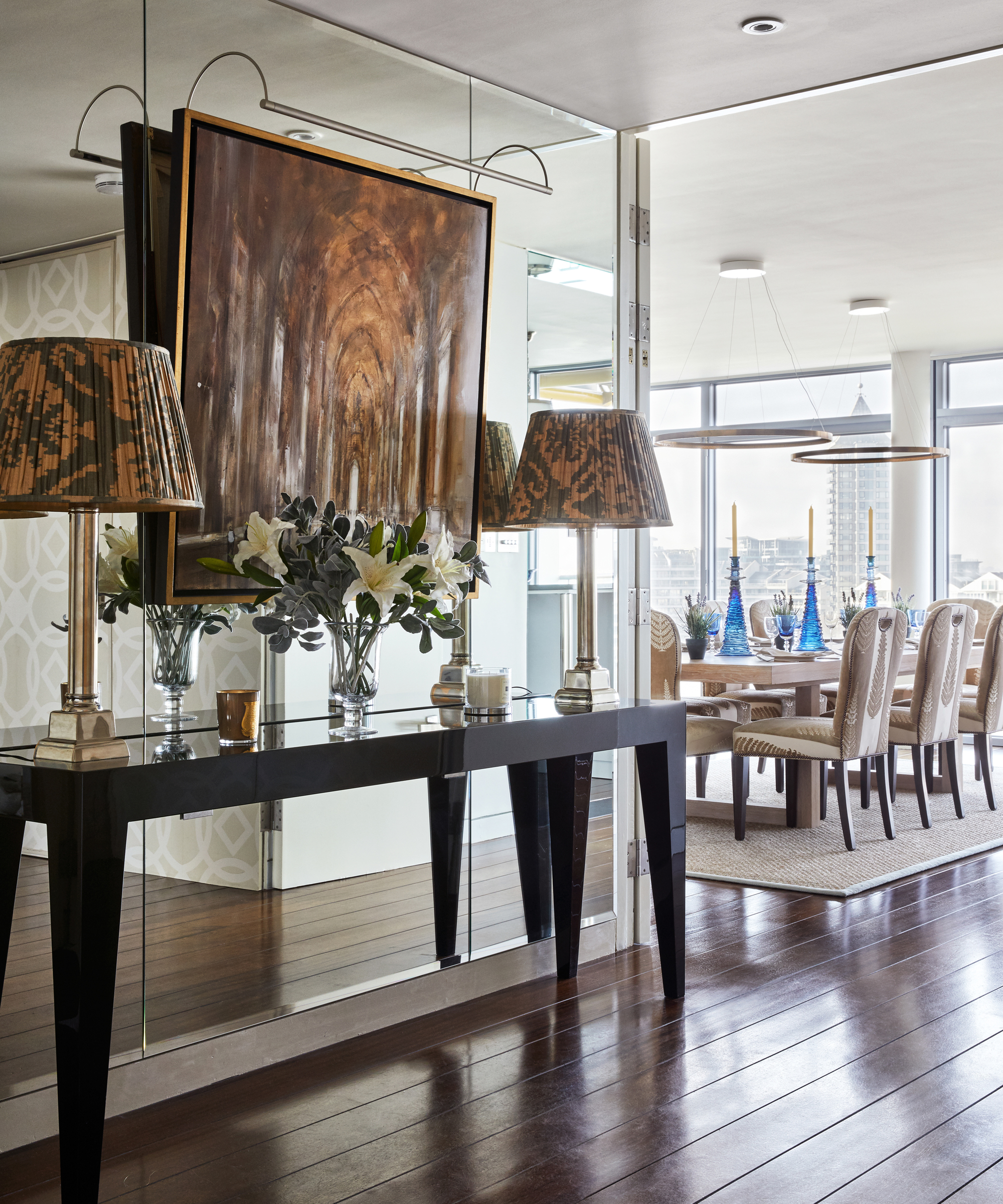
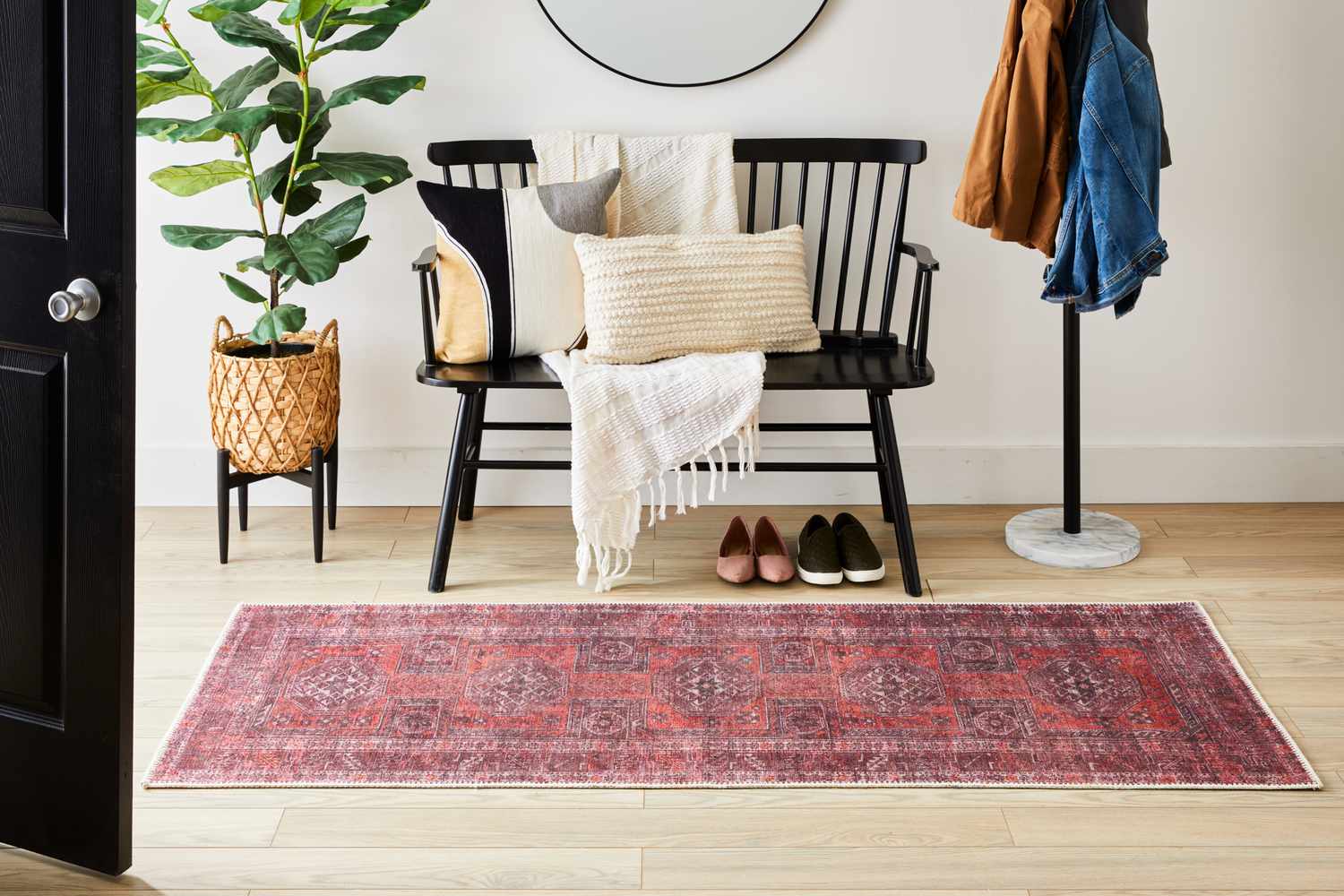
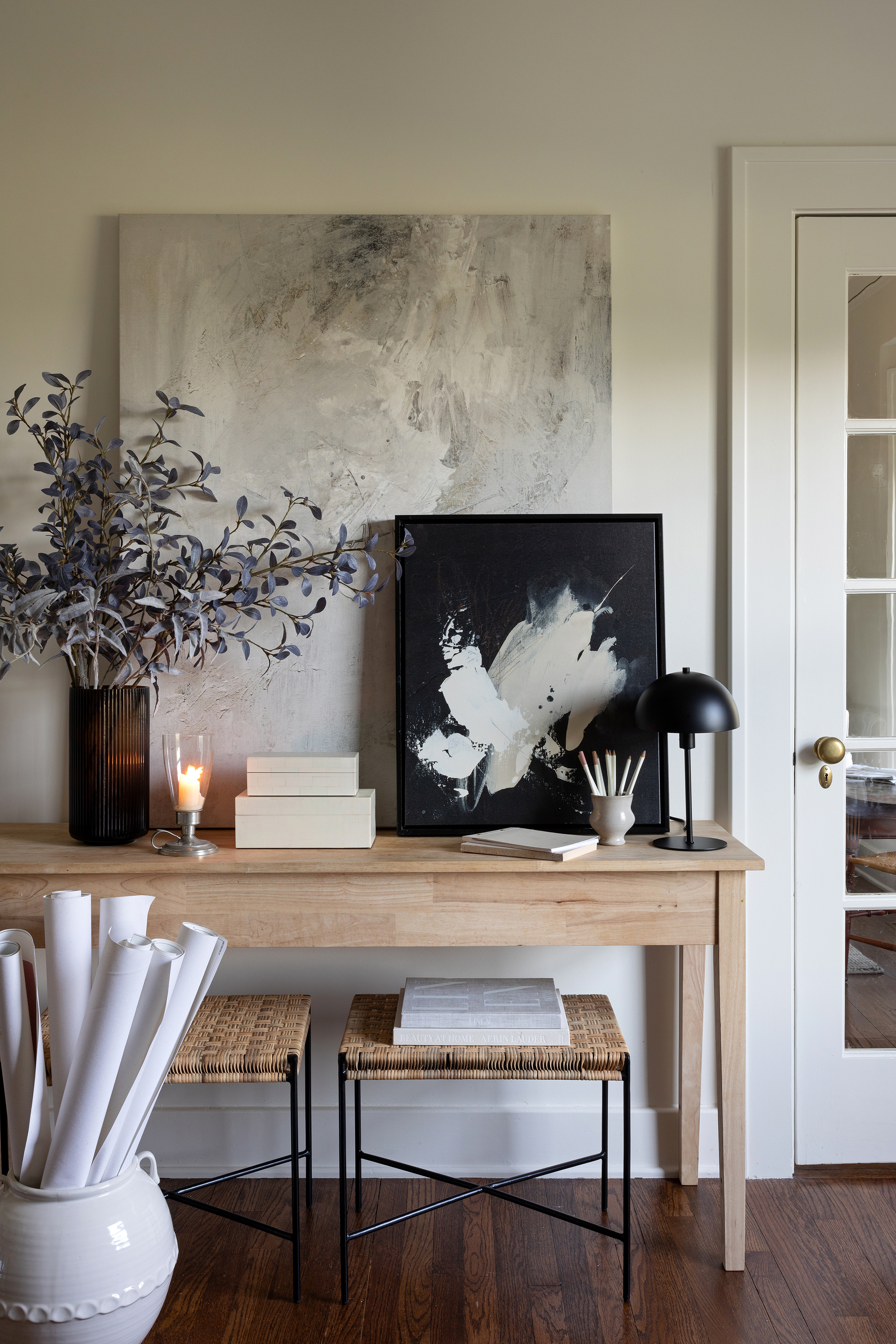
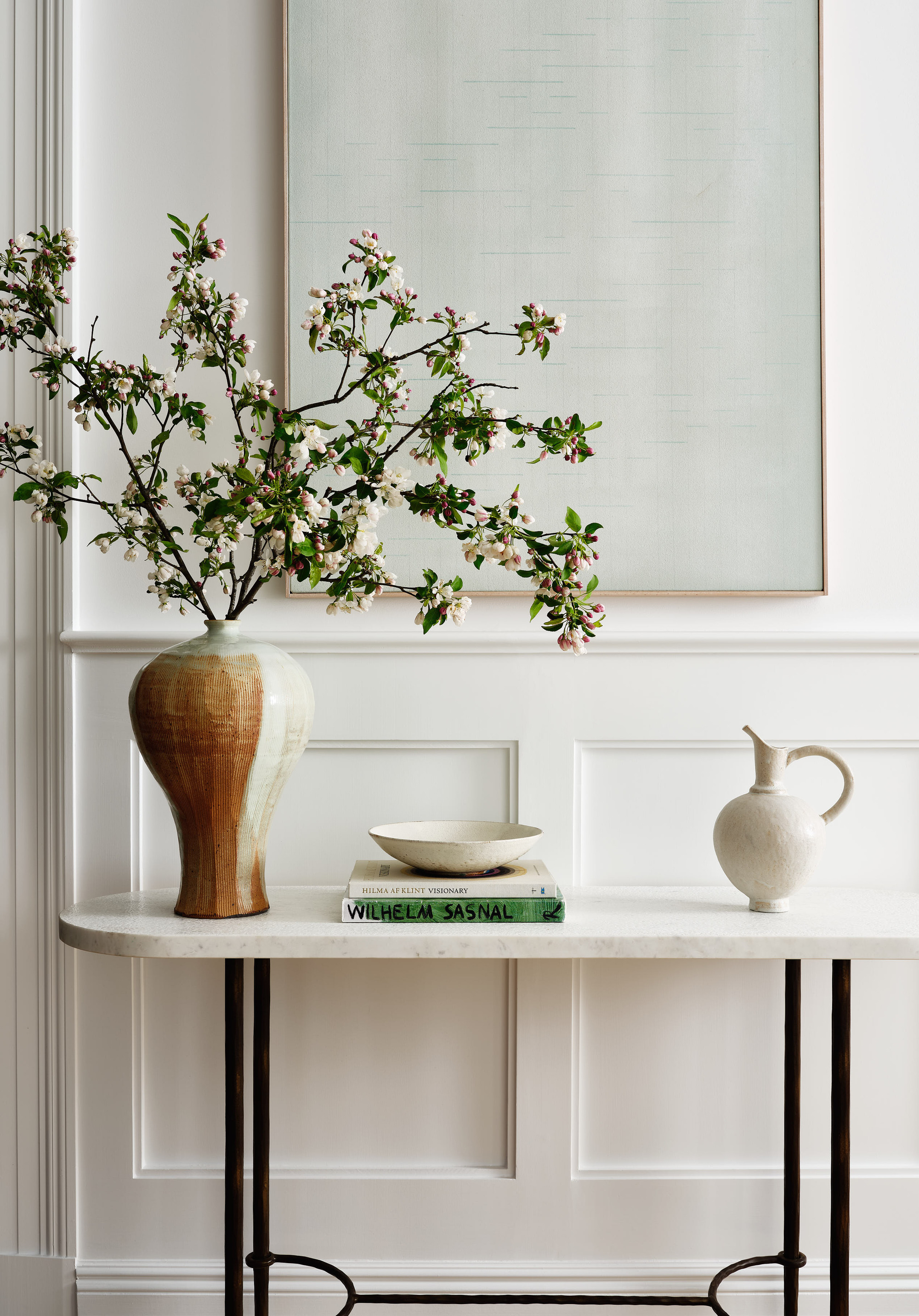
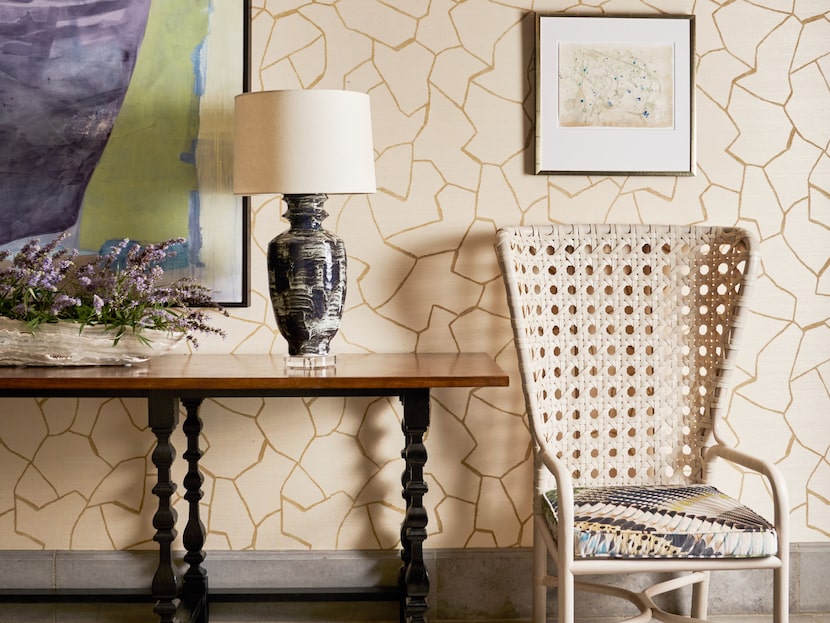
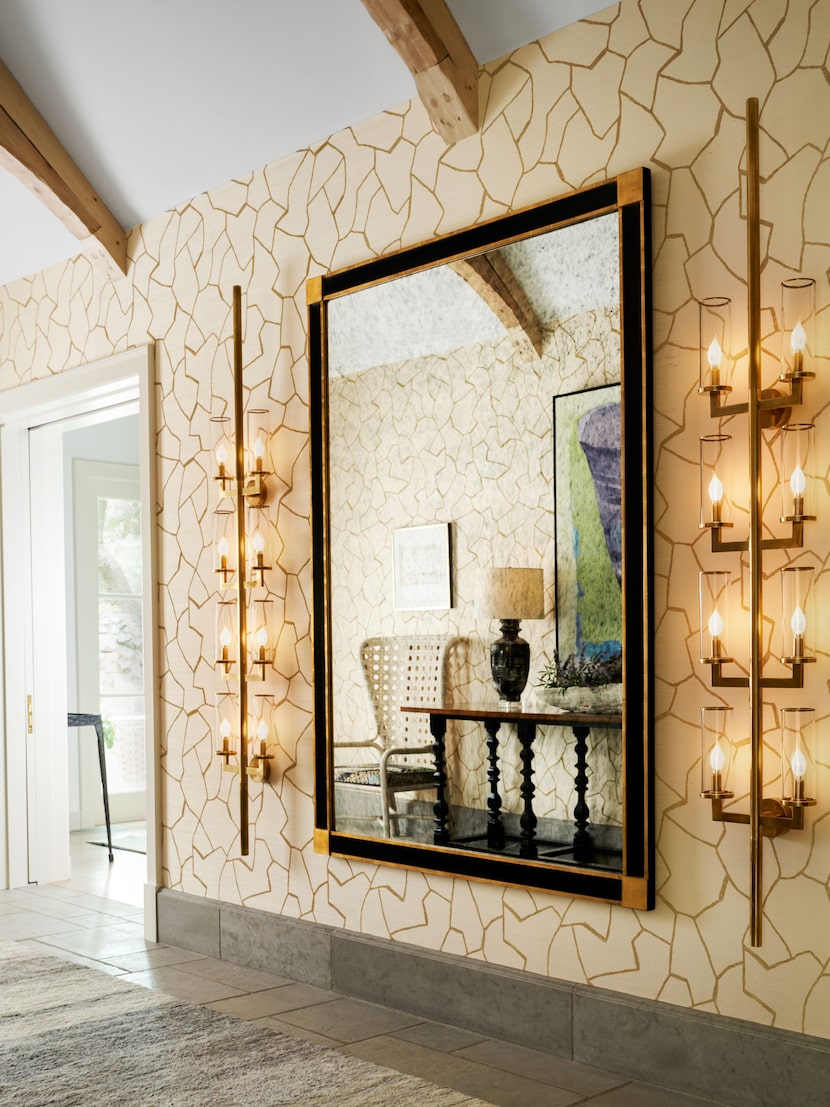
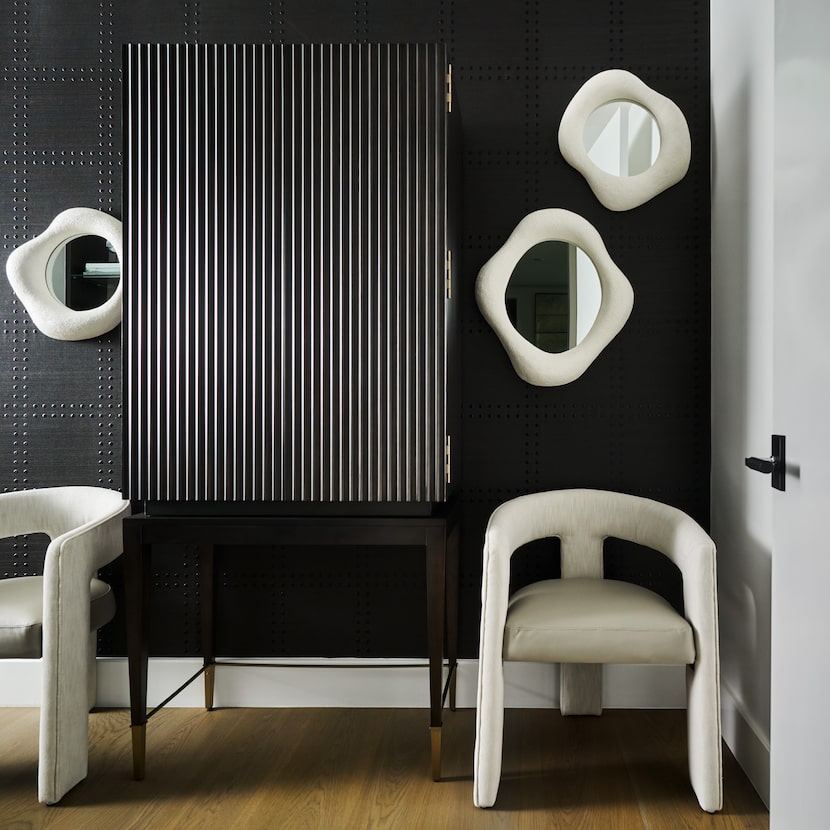
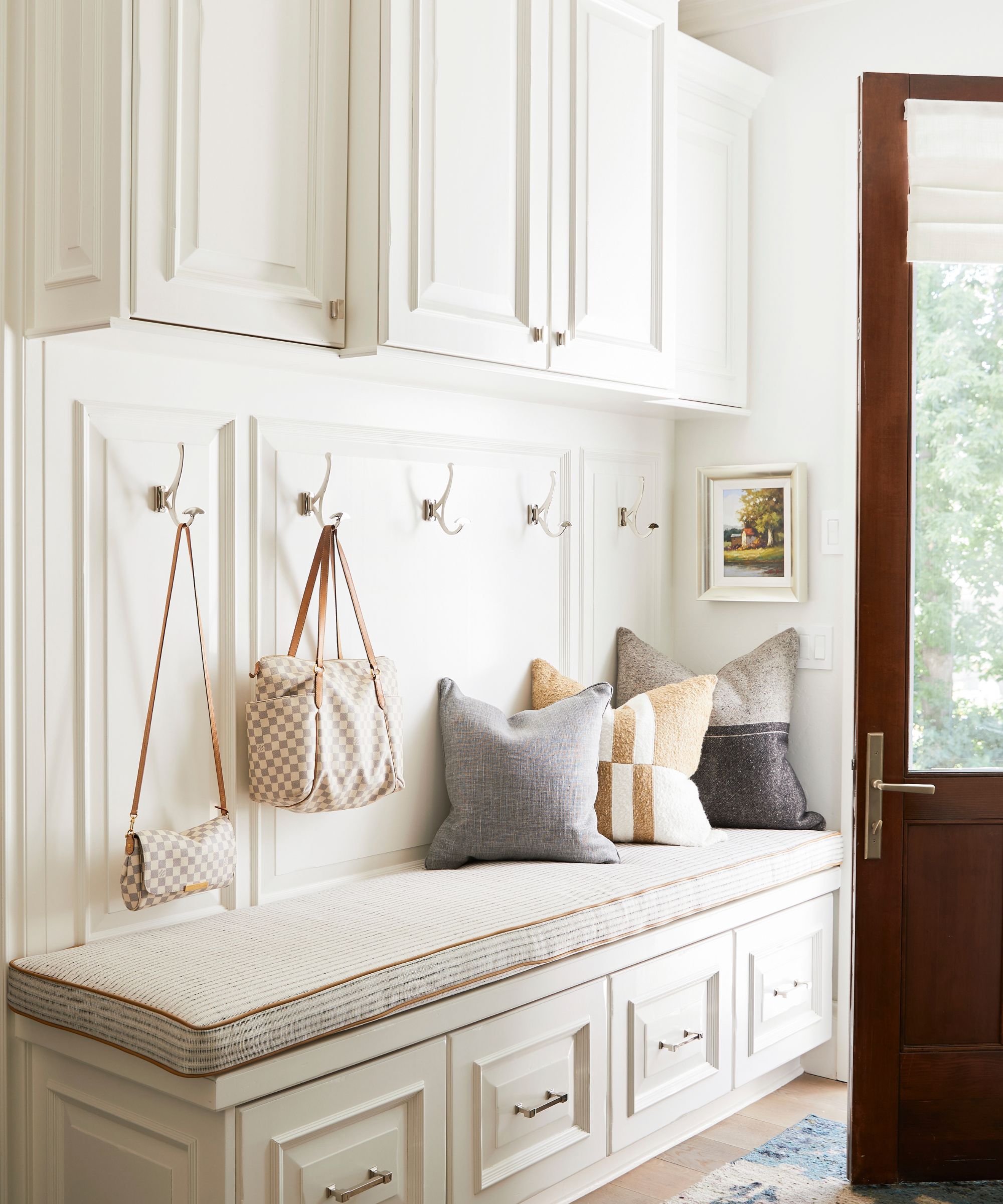
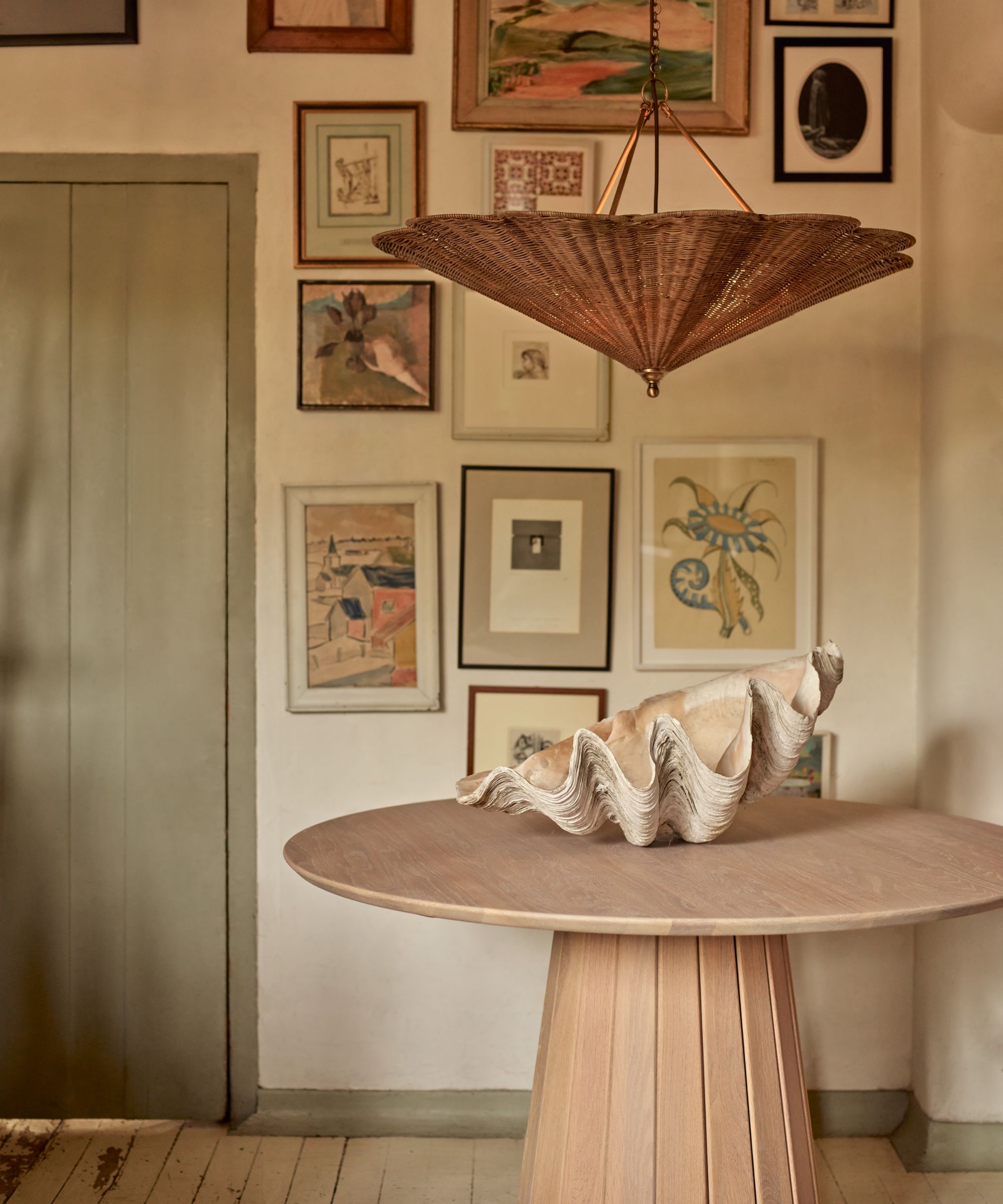
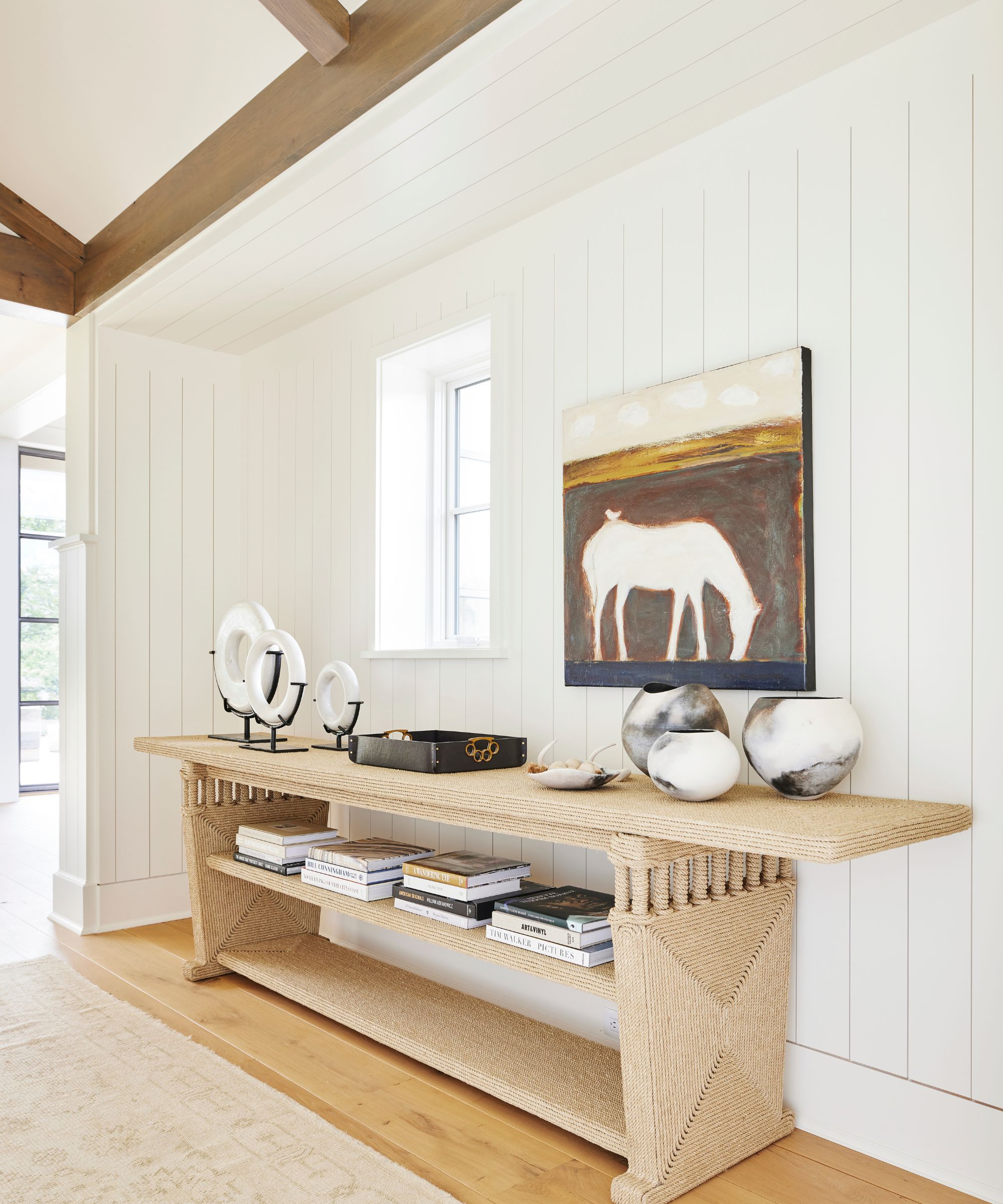
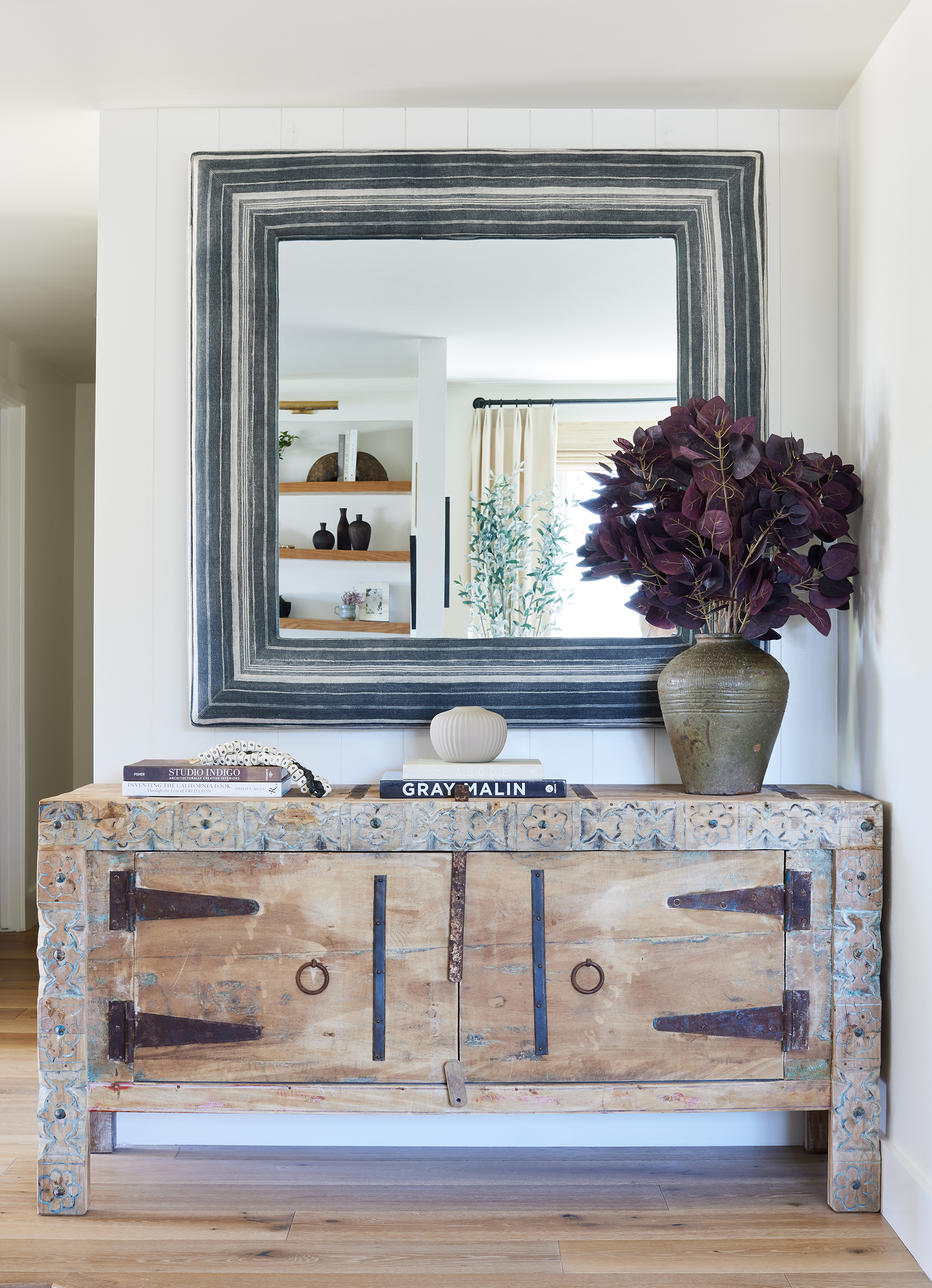
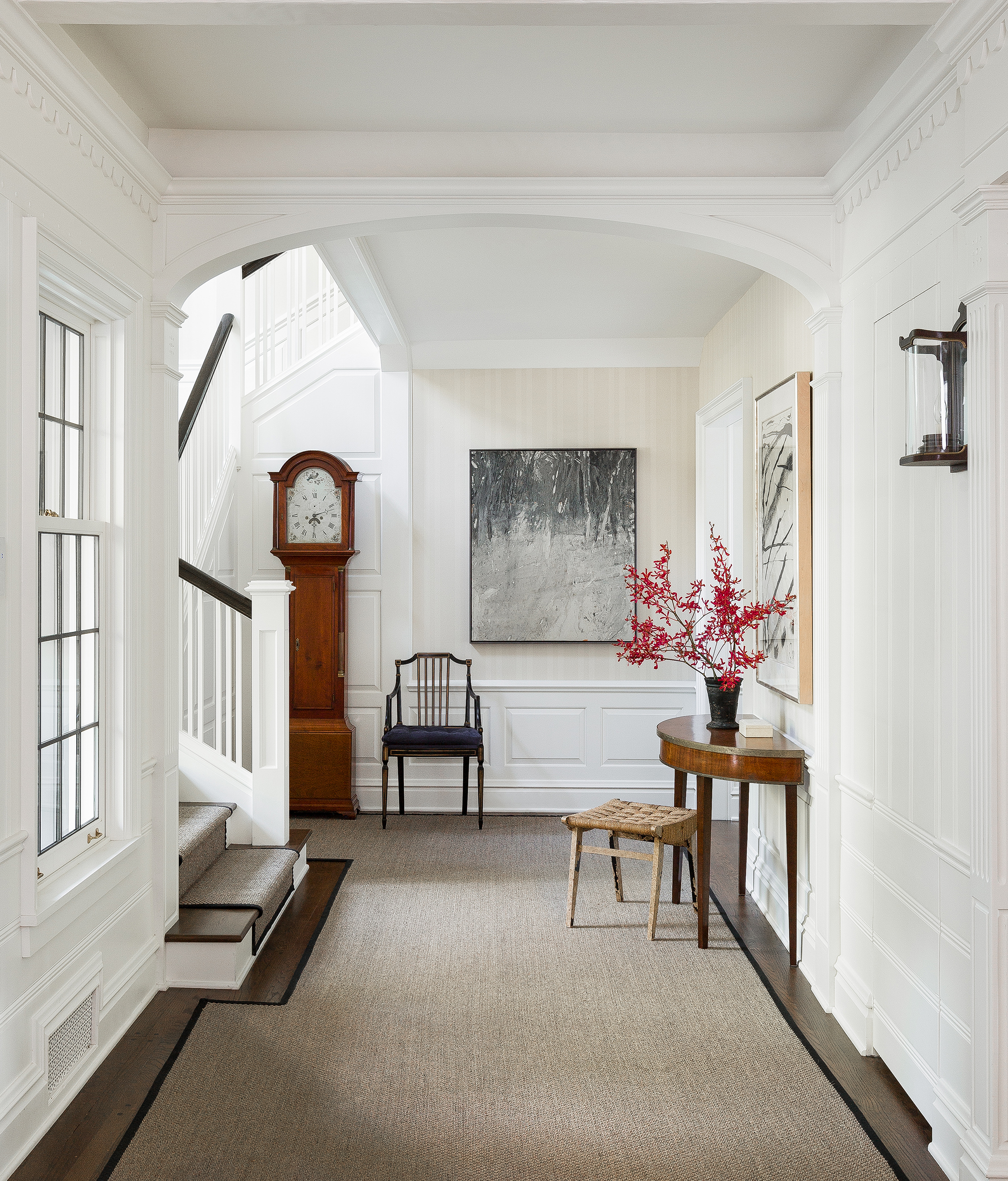
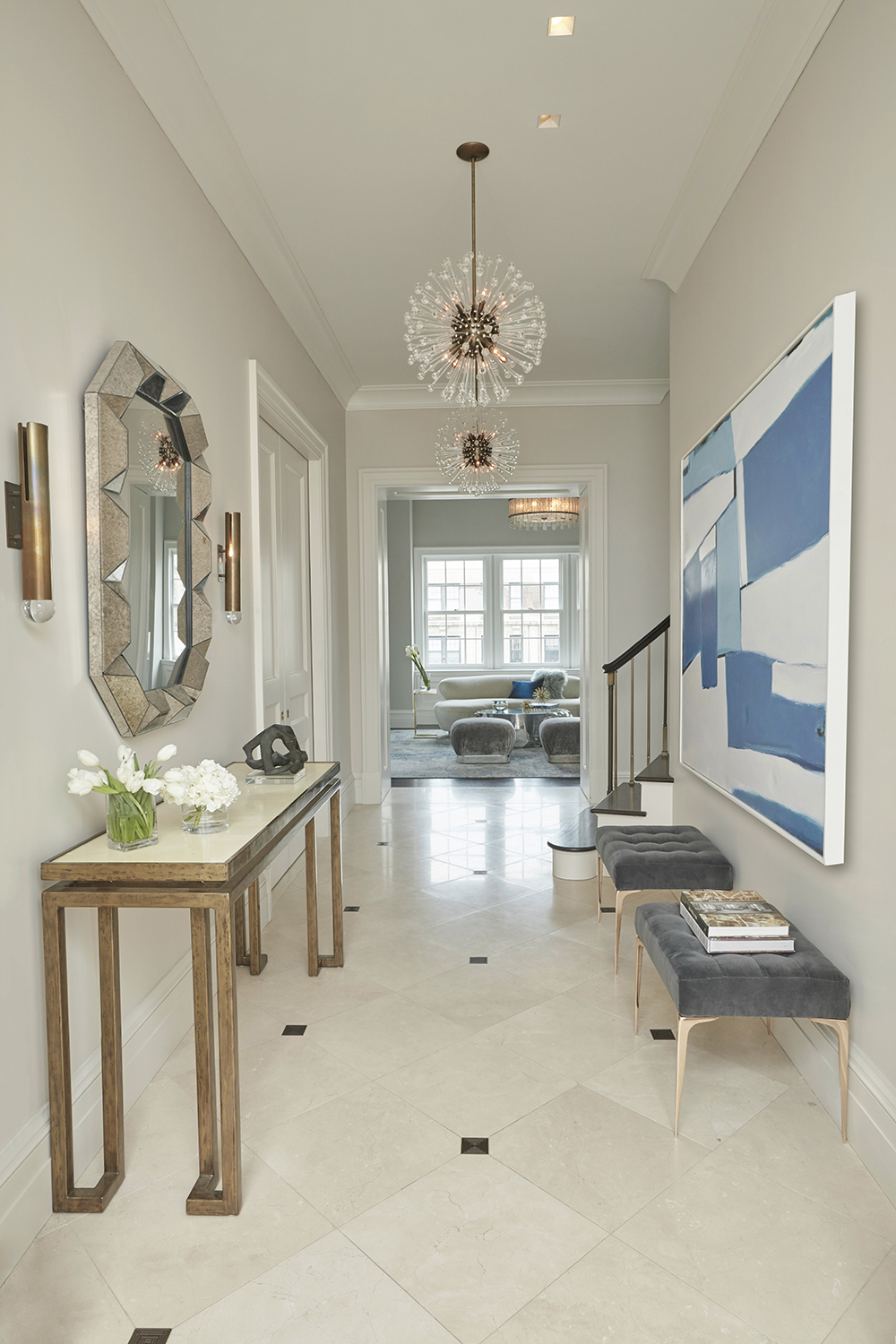
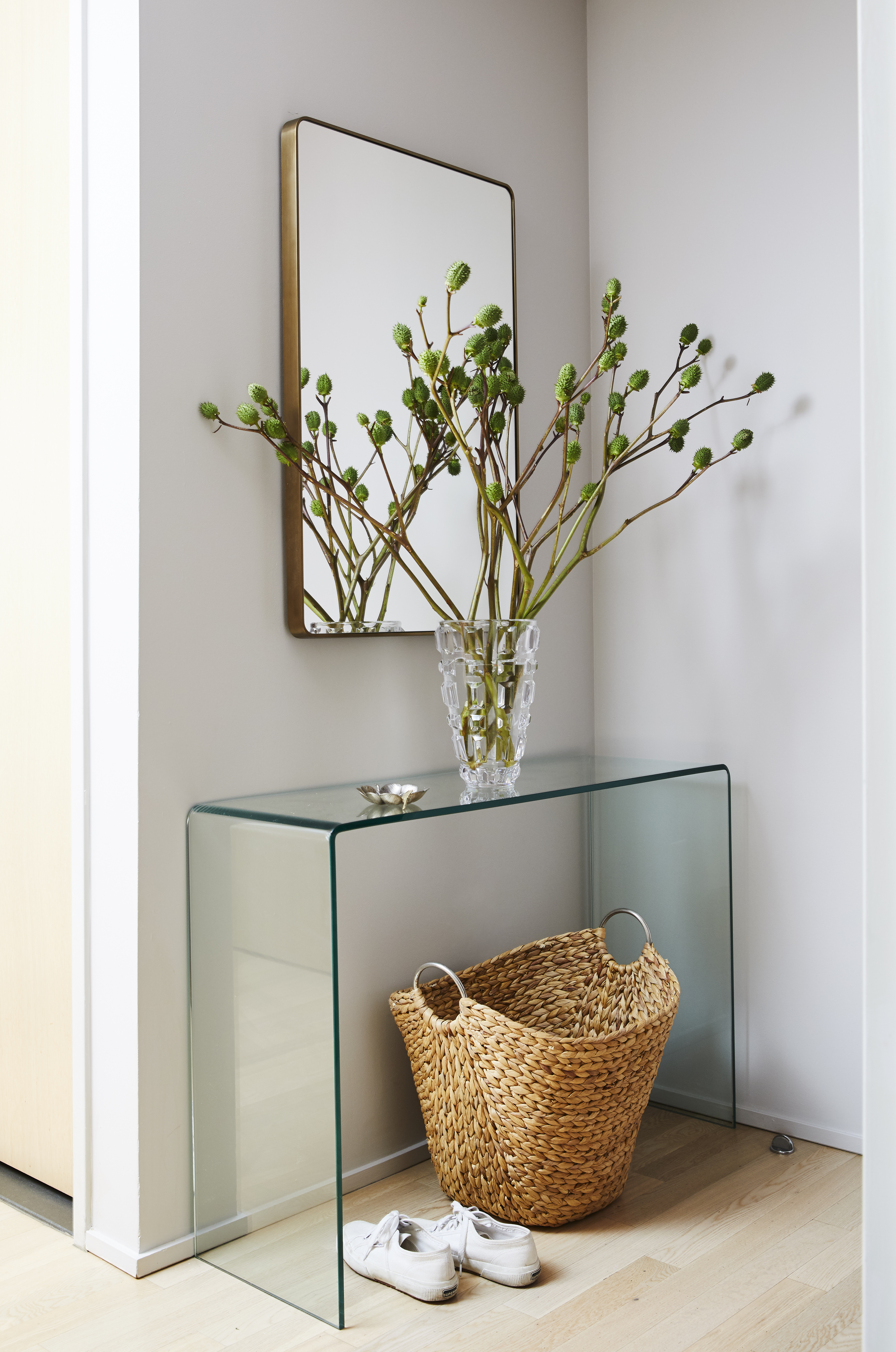
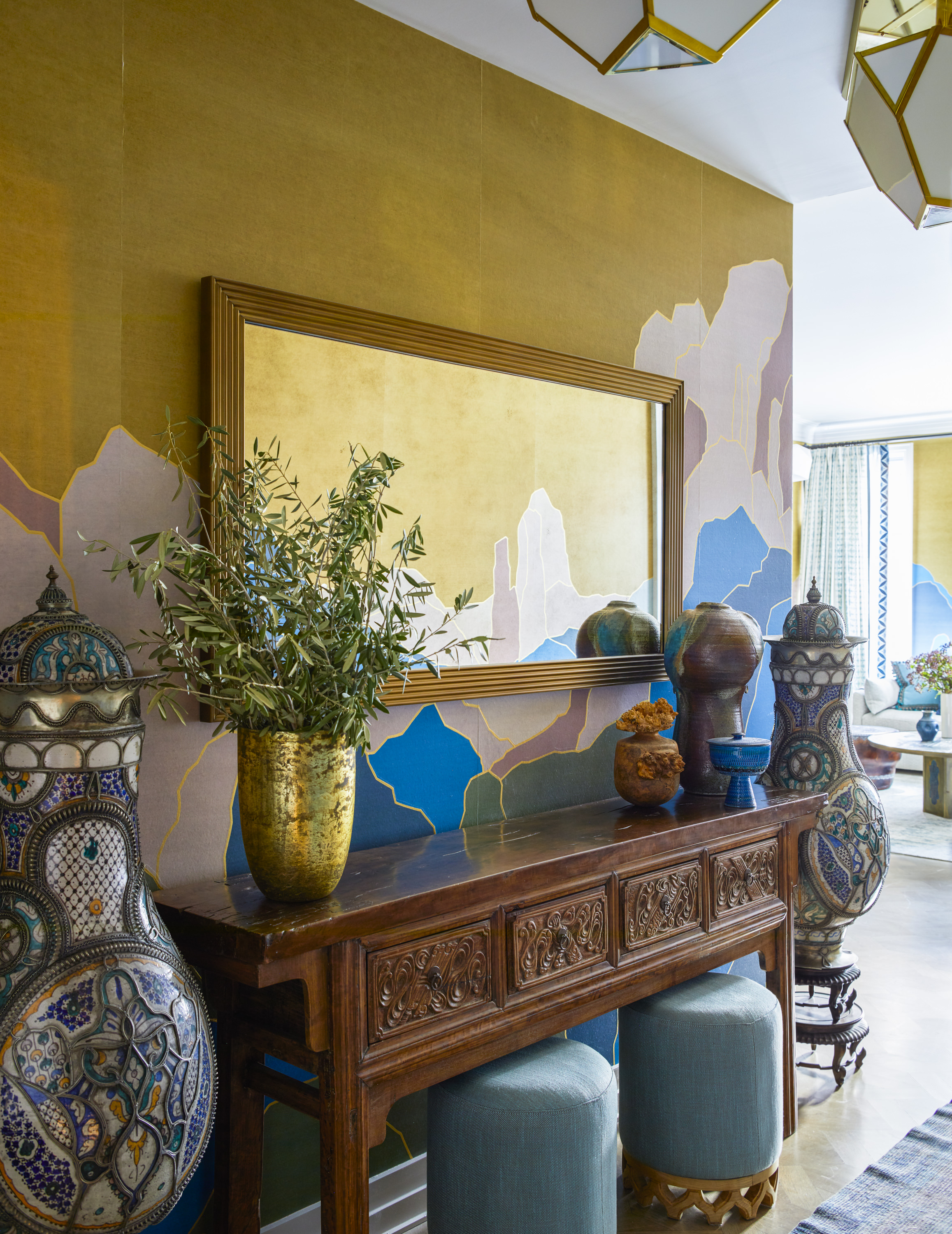
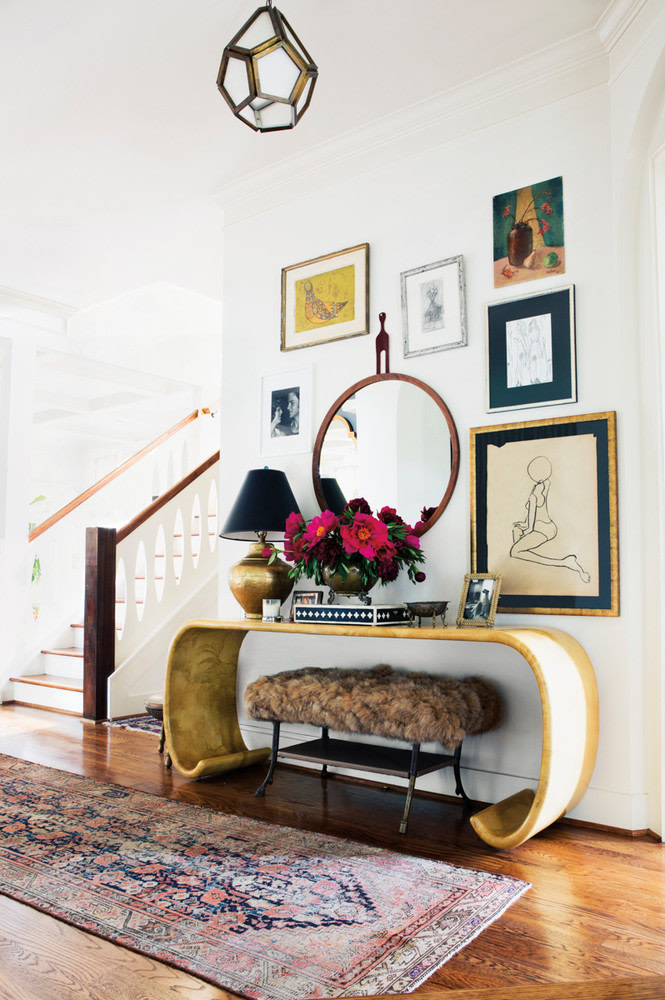
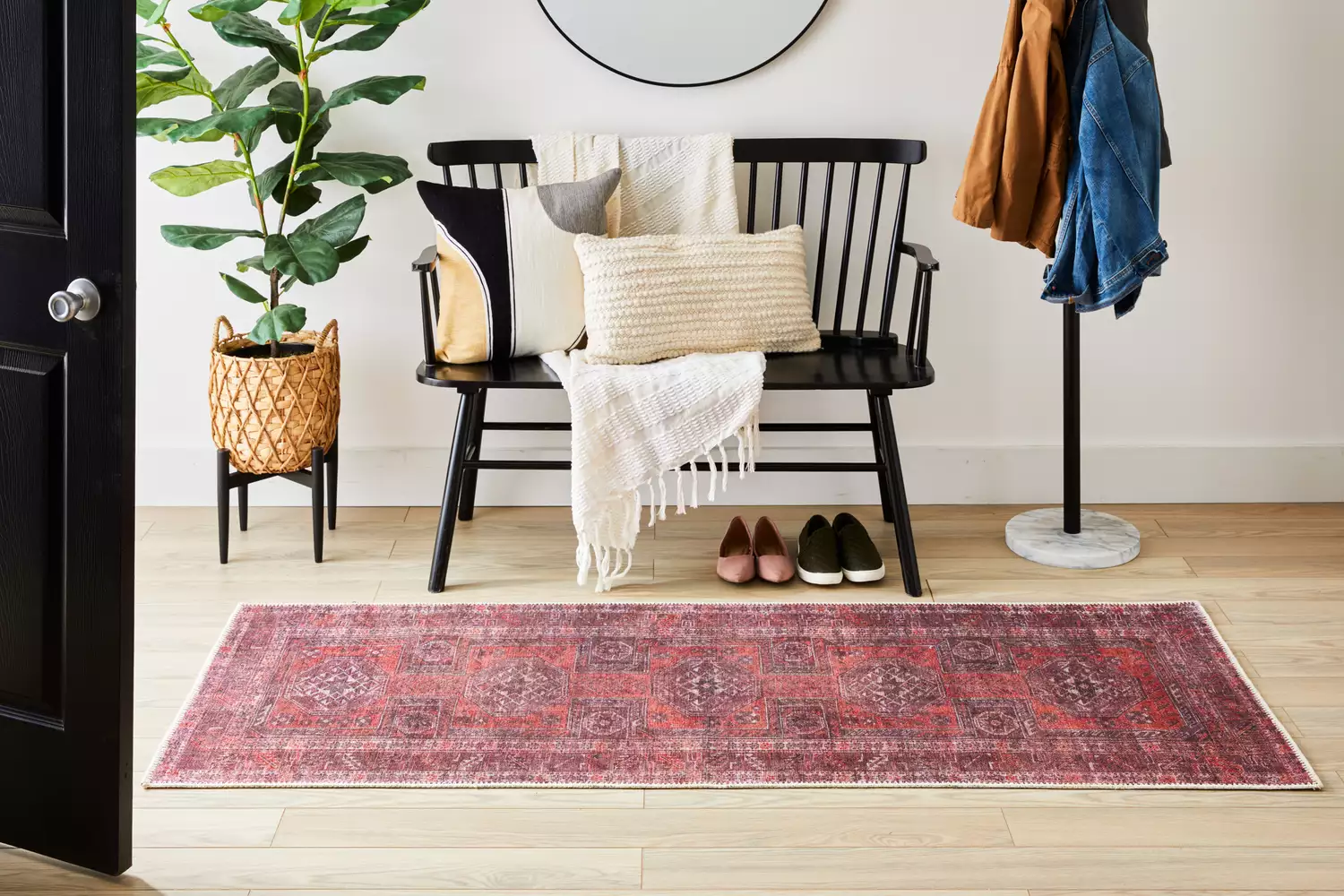
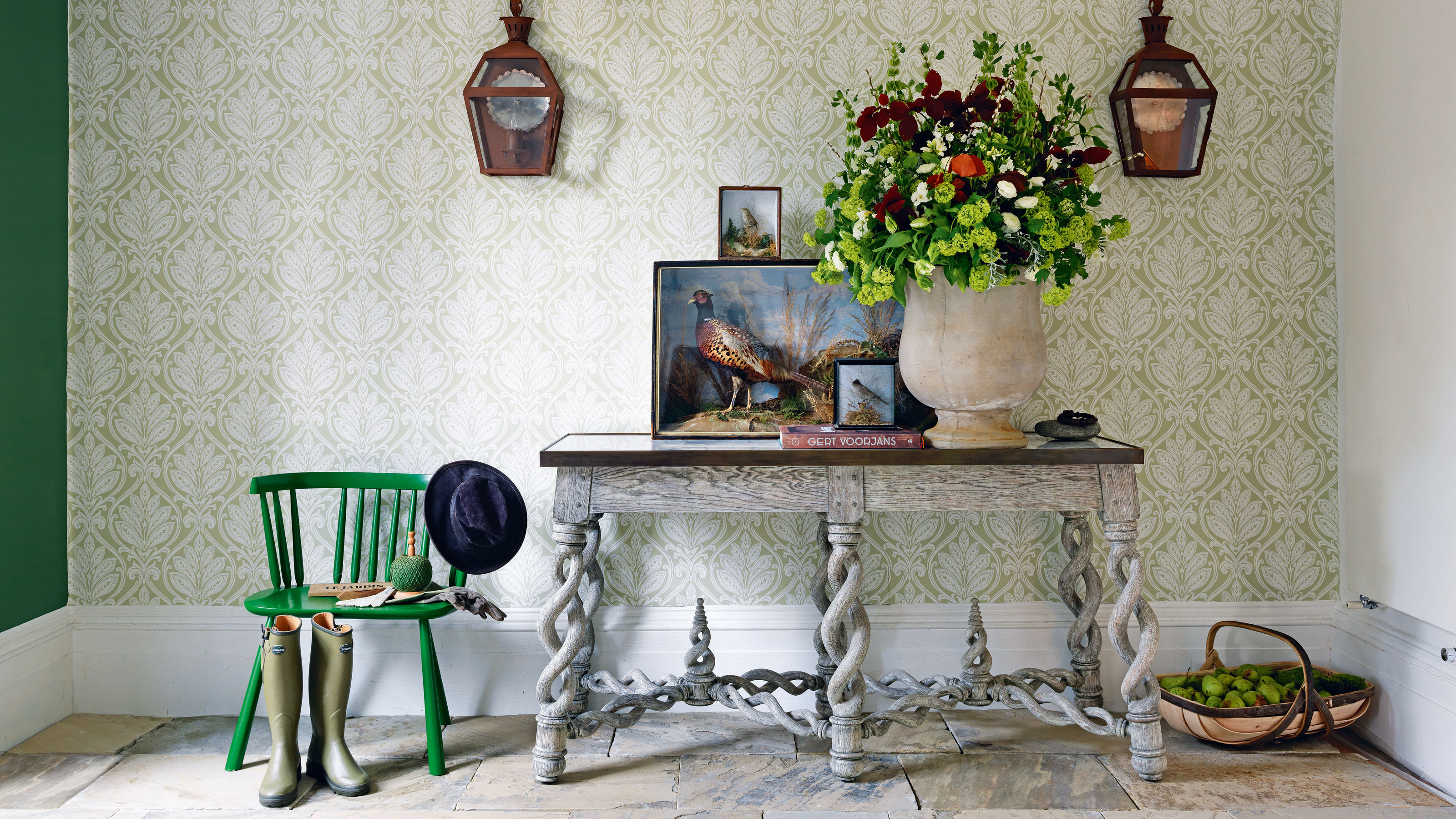
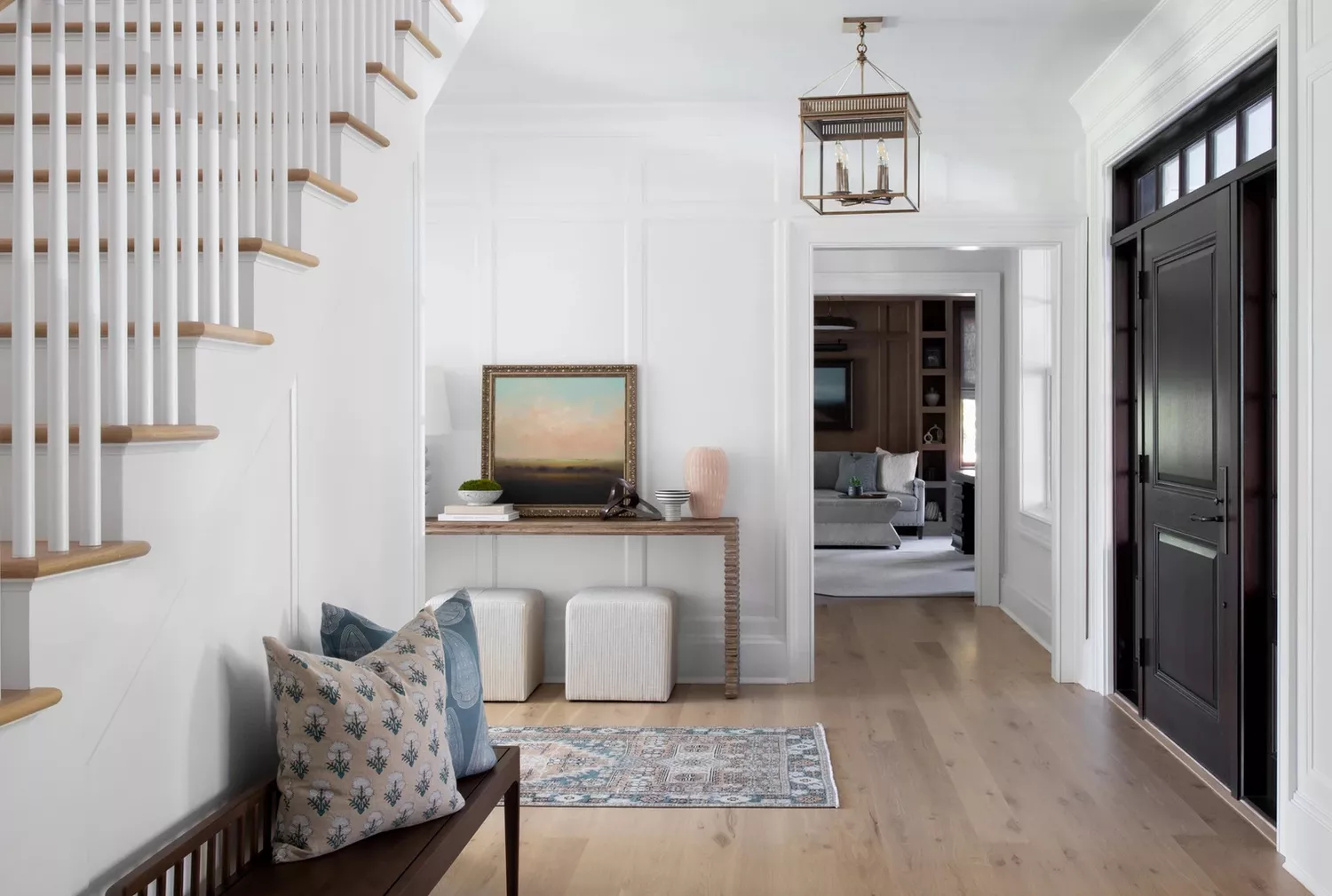
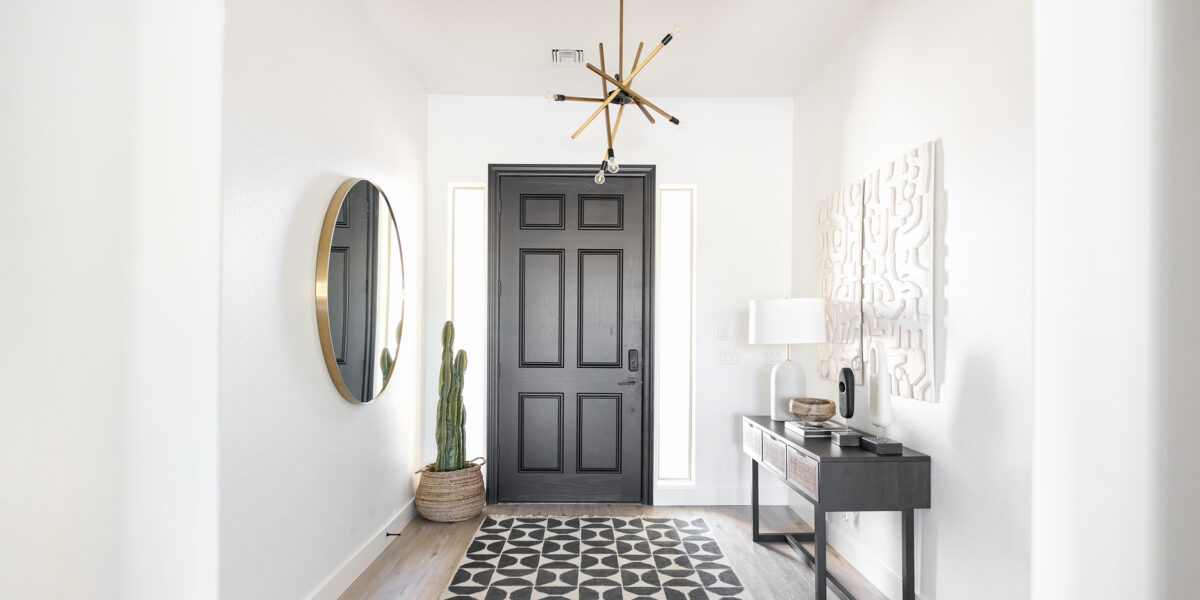
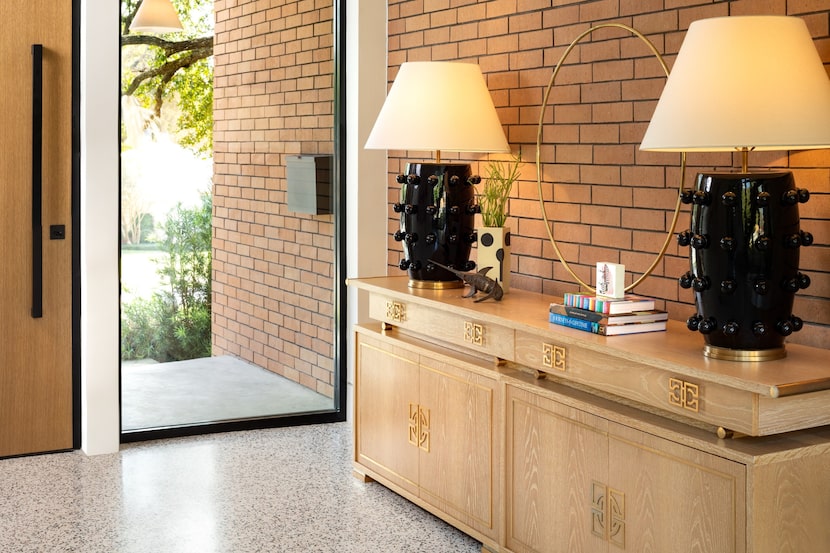
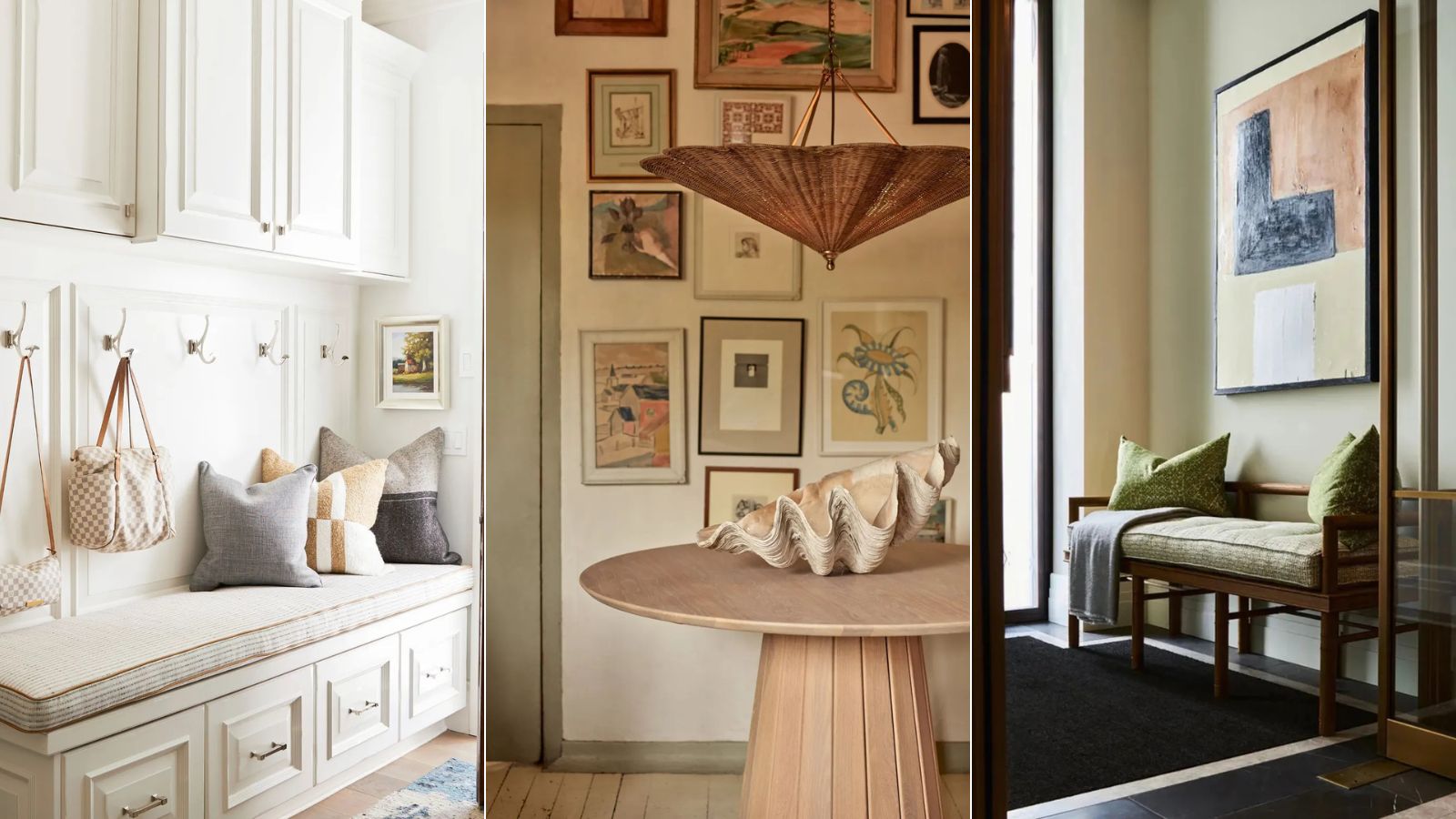
Indoors, the design scheme should continue with coordinating area rugs and artwork. Mirrors or reflective pieces can be strategically placed to enlarge small entryways. Functional items such as a console table for keys and other essentials, or a coat rack and umbrella stand, add both utility and interest. The overall aim is to create a warm, welcoming, yet minimalist, elegant, and functional space. The article concludes by reiterating that the first impression of a home starts from the driveway, emphasizing the importance of well-manicured lawns and landscaping that seamlessly transition into the interior design. This holistic approach not only enhances living space but also significantly contributes to resale value.
#HomeEntryways #HomeDecoration #InteriorDesign #ExteriorDesign #ColorPalette #FirstImpression #HomeImprovement #SpaceUtilization #HomeStyling #HomeEntryways #HomeDecoration #InteriorDesign #ExteriorDesign #ColorPalette #FirstImpression #HomeImprovement #SpaceUtilization #HomeStyling
0 comment in total
 No comments yet
You may also like
First impressions count! 8 guaranteed ways to make your entryway feel more welcoming and wonderful

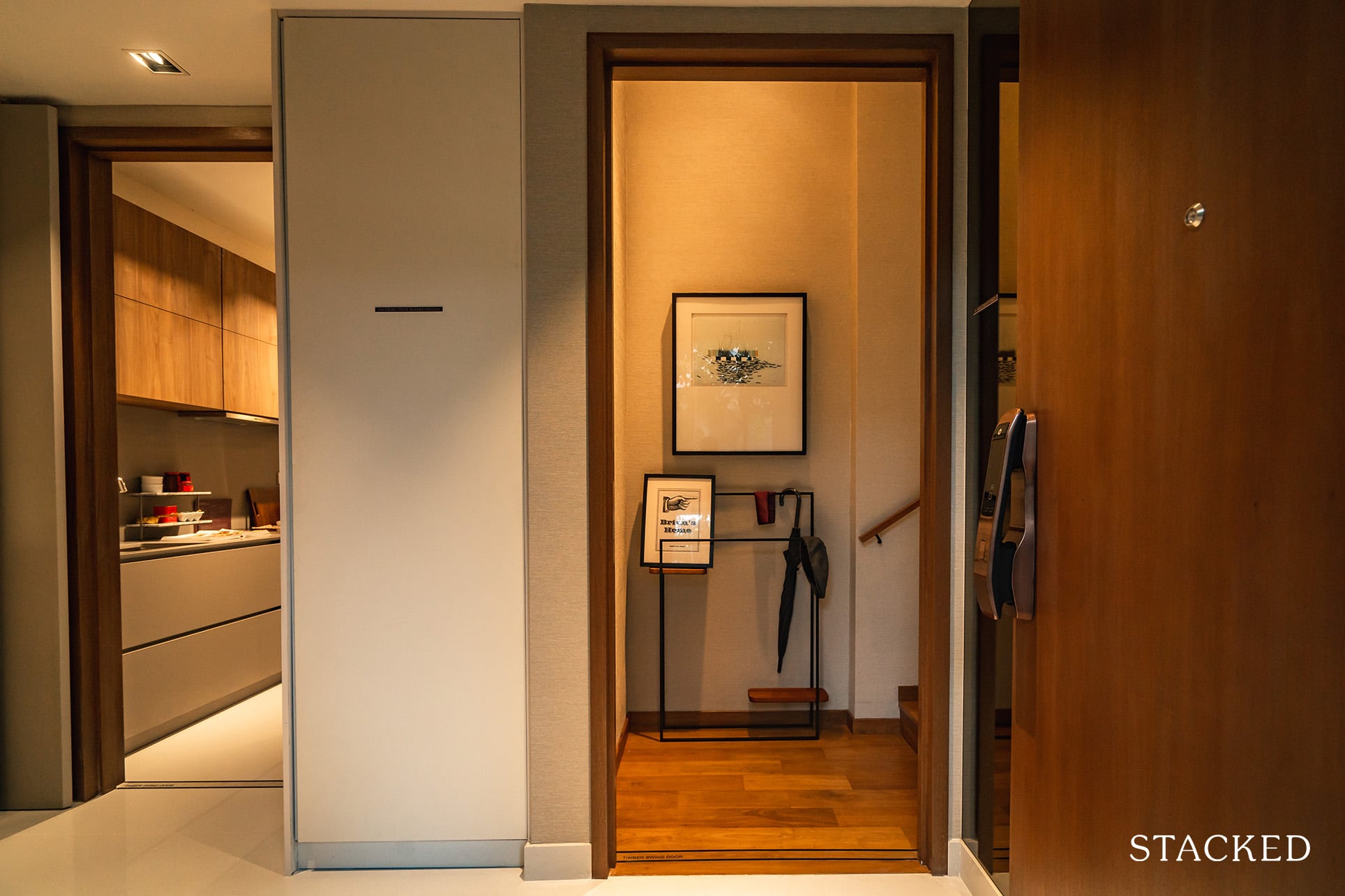
10 Entryway Items For A Stylish Welcome Home

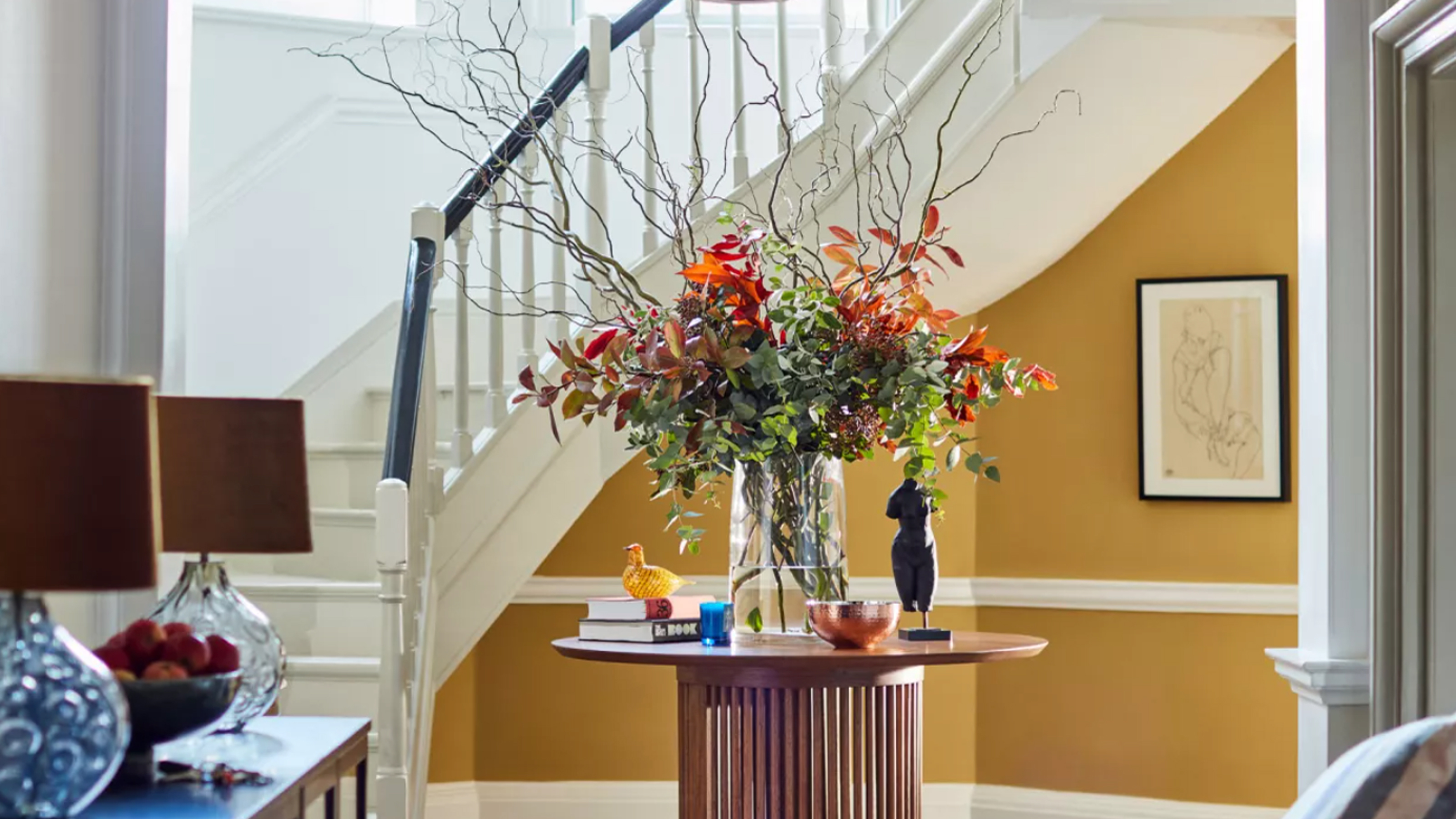
Staging a hallway – top tips from real estate professionals

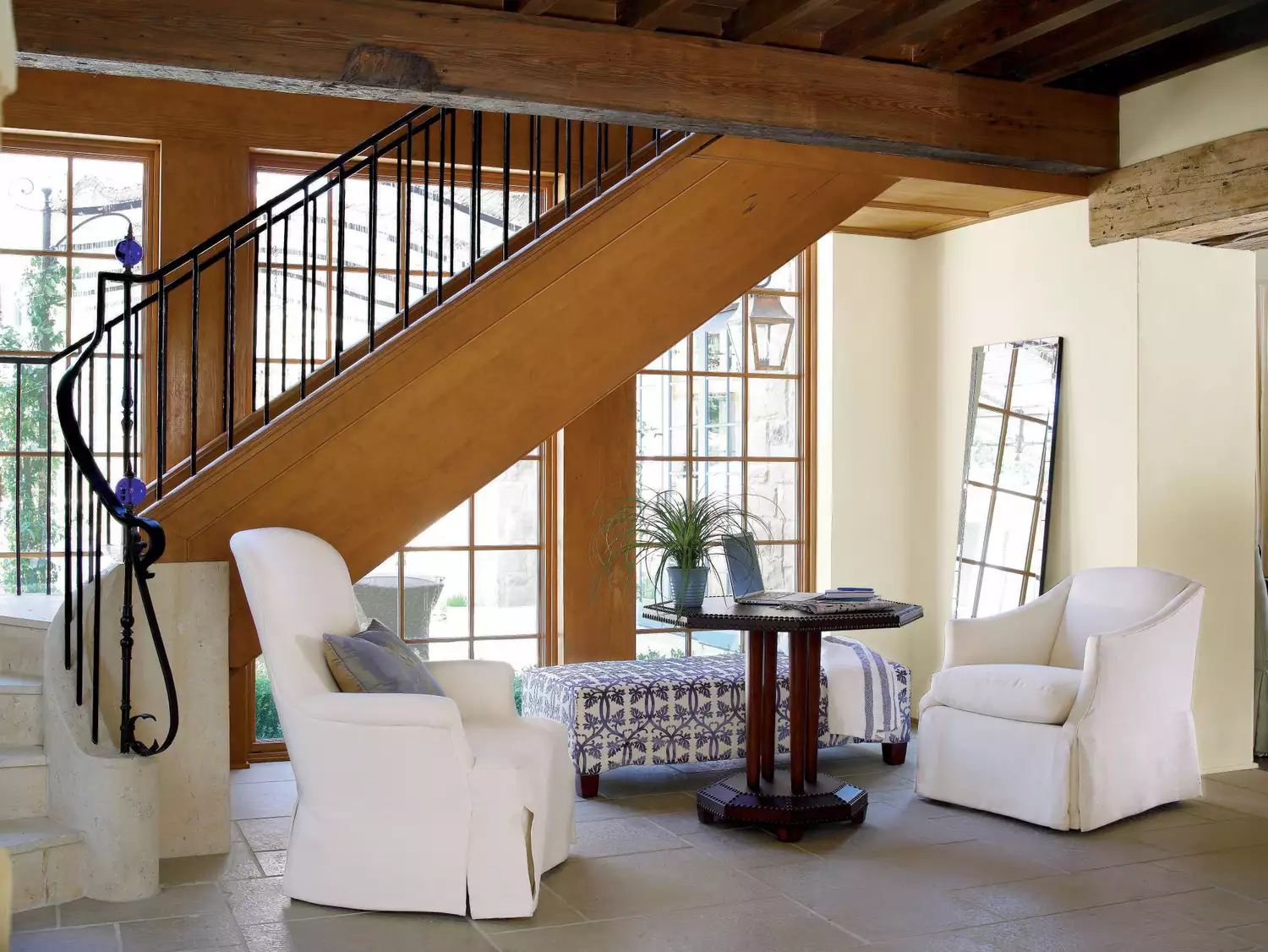
5 Common Entryway Mistakes That Make The Wrong First Impression
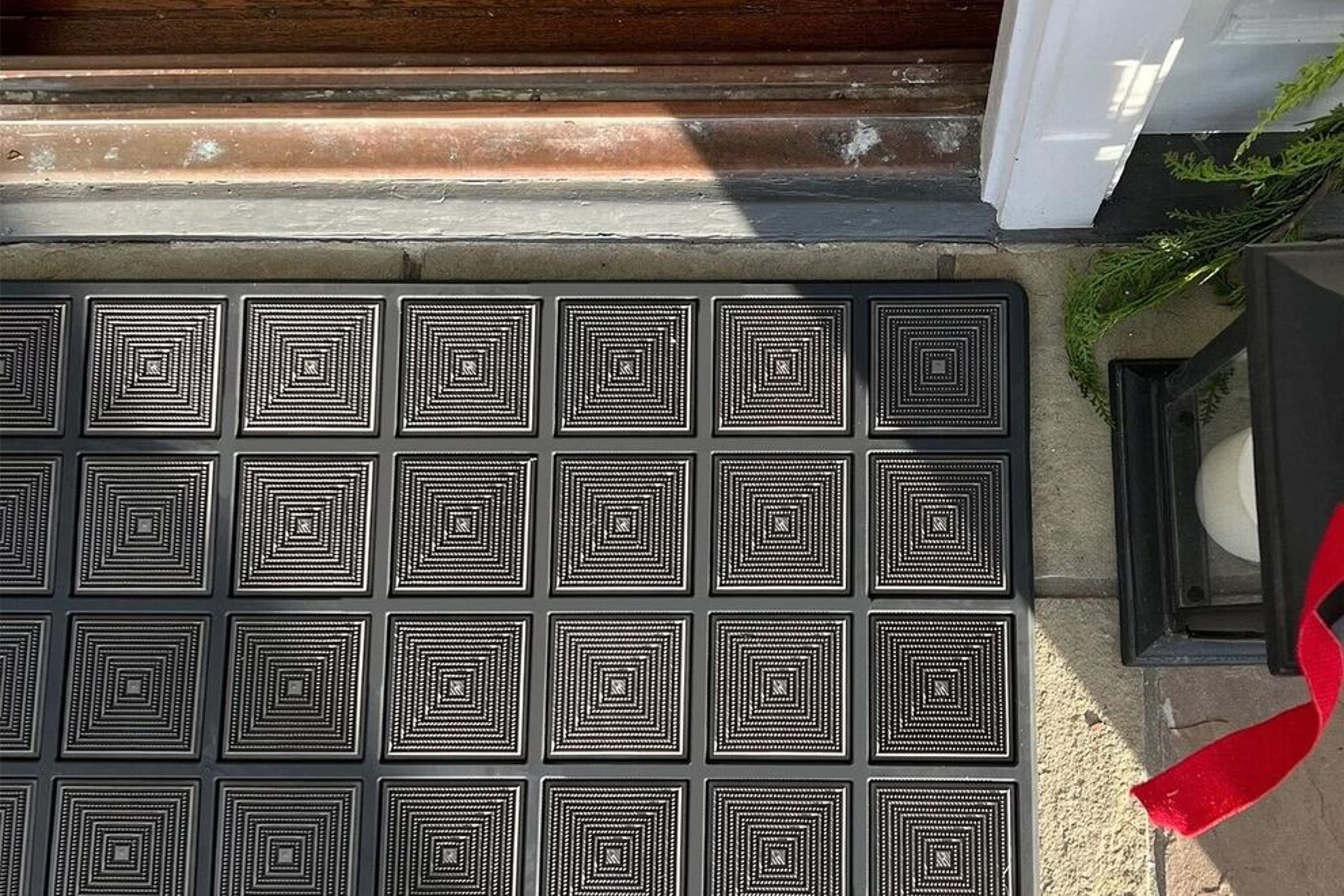
7 simple entryway decor ideas to make a great first impression

Anatomy of a Great Entryway: 7 Things No One Tells You
5 Entryway Decorating Tips Designers Always Follow for a Lasting First Impression

How can you make an entryway more relaxing? 8 expert tips for a comforting welcome home
5 entryway staging tricks to sell your home fast – according to estate agents
Designers Swear These 8 Staples Make Any Entryway Look Polished and Put-Together

5 finishing touches interior designers never forget to instantly elevate your entryway
These Are the First Things Designers Will Always Notice in Your Entryway
5 Outdated Entryway Trends That Ruin a First Impression, According to Designers
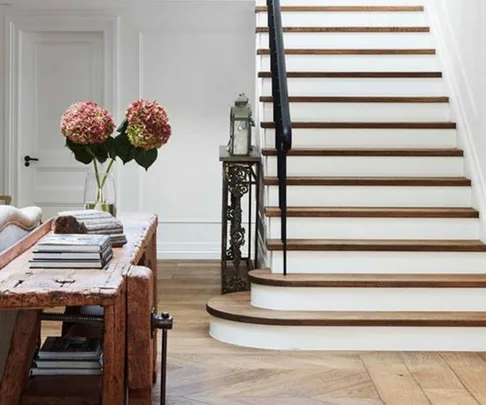
15 elegant entryway ideas for a stylish first impression

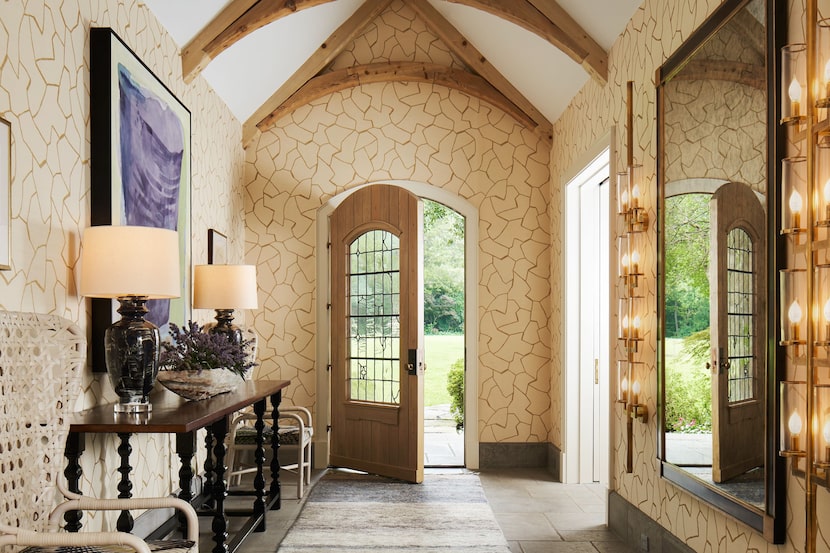
Dallas designers’ favorite entryways leave a lasting first impression

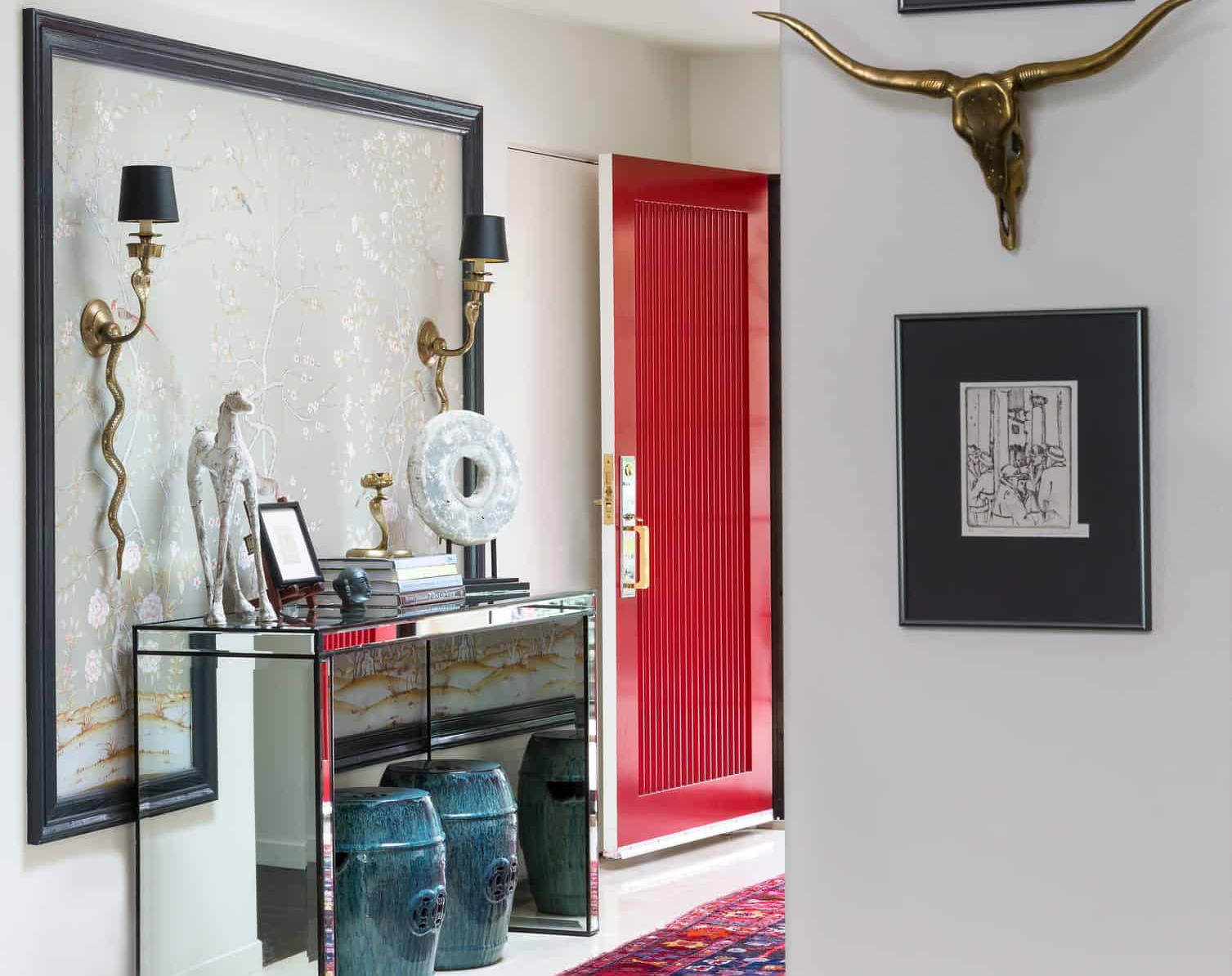
6 amazing apartment entryway ideas, because anywhere can have a grand entrance
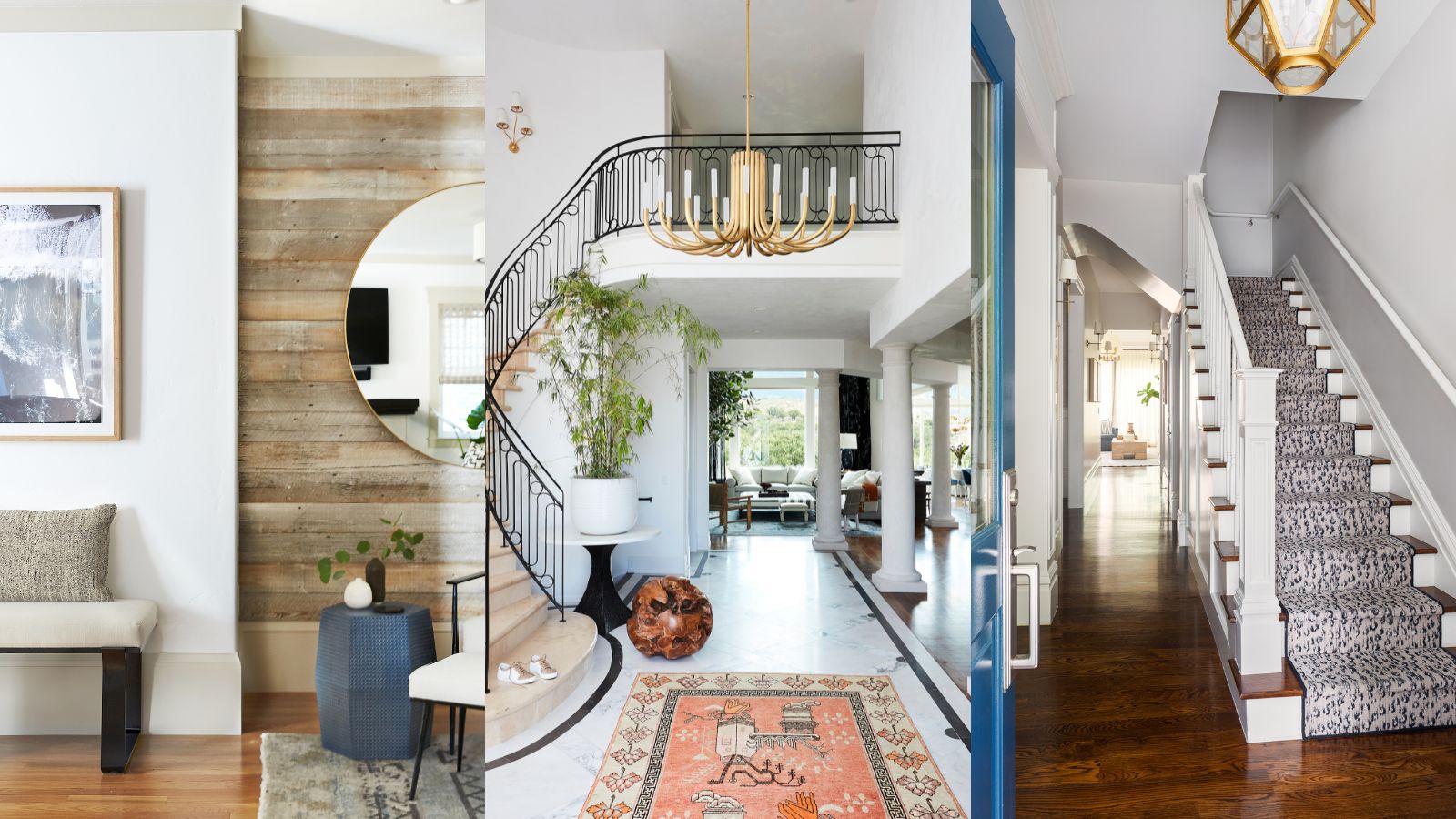
How do you make an entryway inviting? Expert tricks to make a home instantly welcoming
Set the tone for your home with these entryway styling tips from Dallas designers

What makes an entryway look cheap? 6 mistakes to immediately switch out in 2025
Yes, These 5 Front Entrance Features Still Count as Eyesores in 2025