1/19
Earn your stripes with the versatile pattern ready to give your interiors a boost
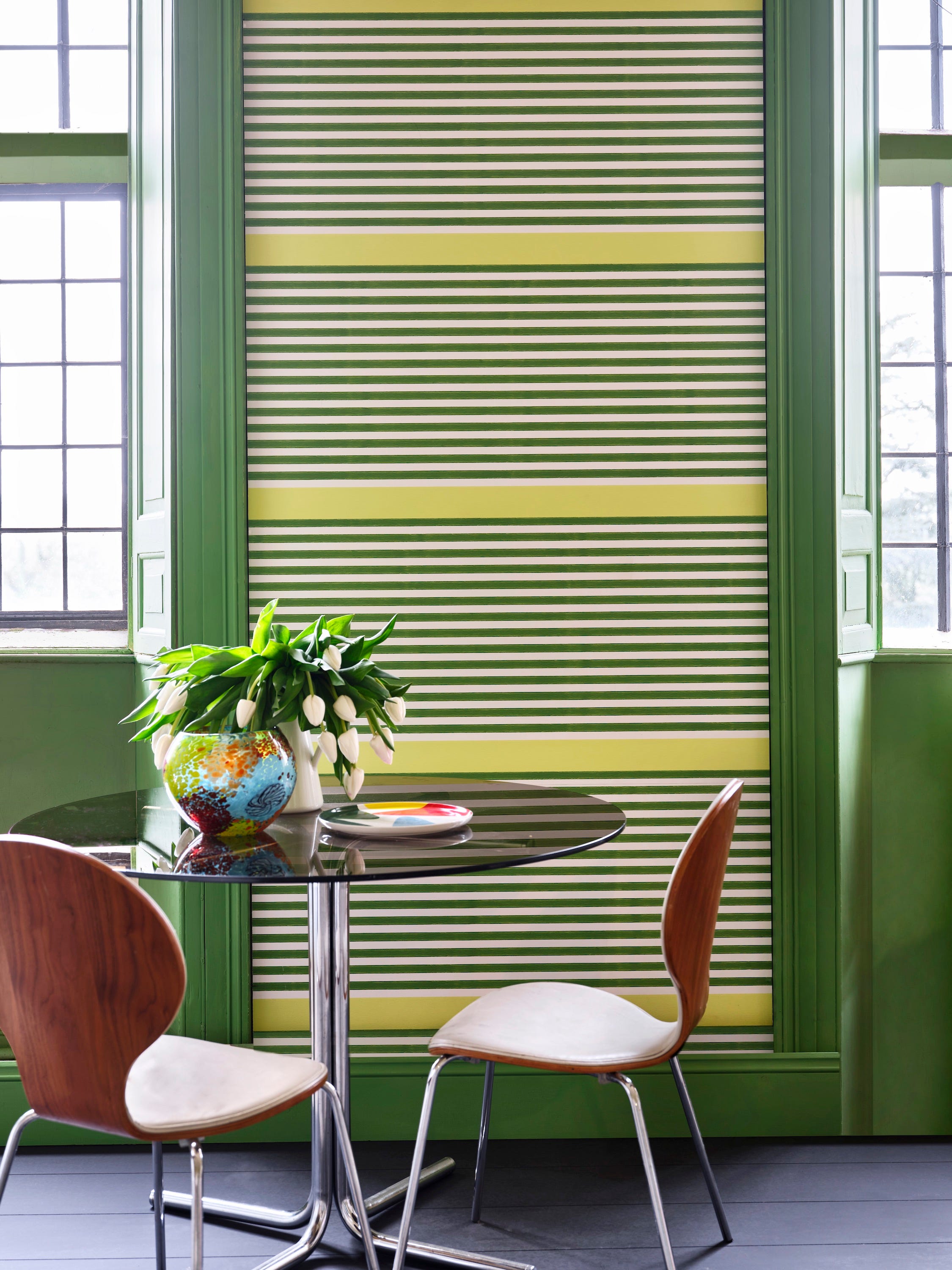
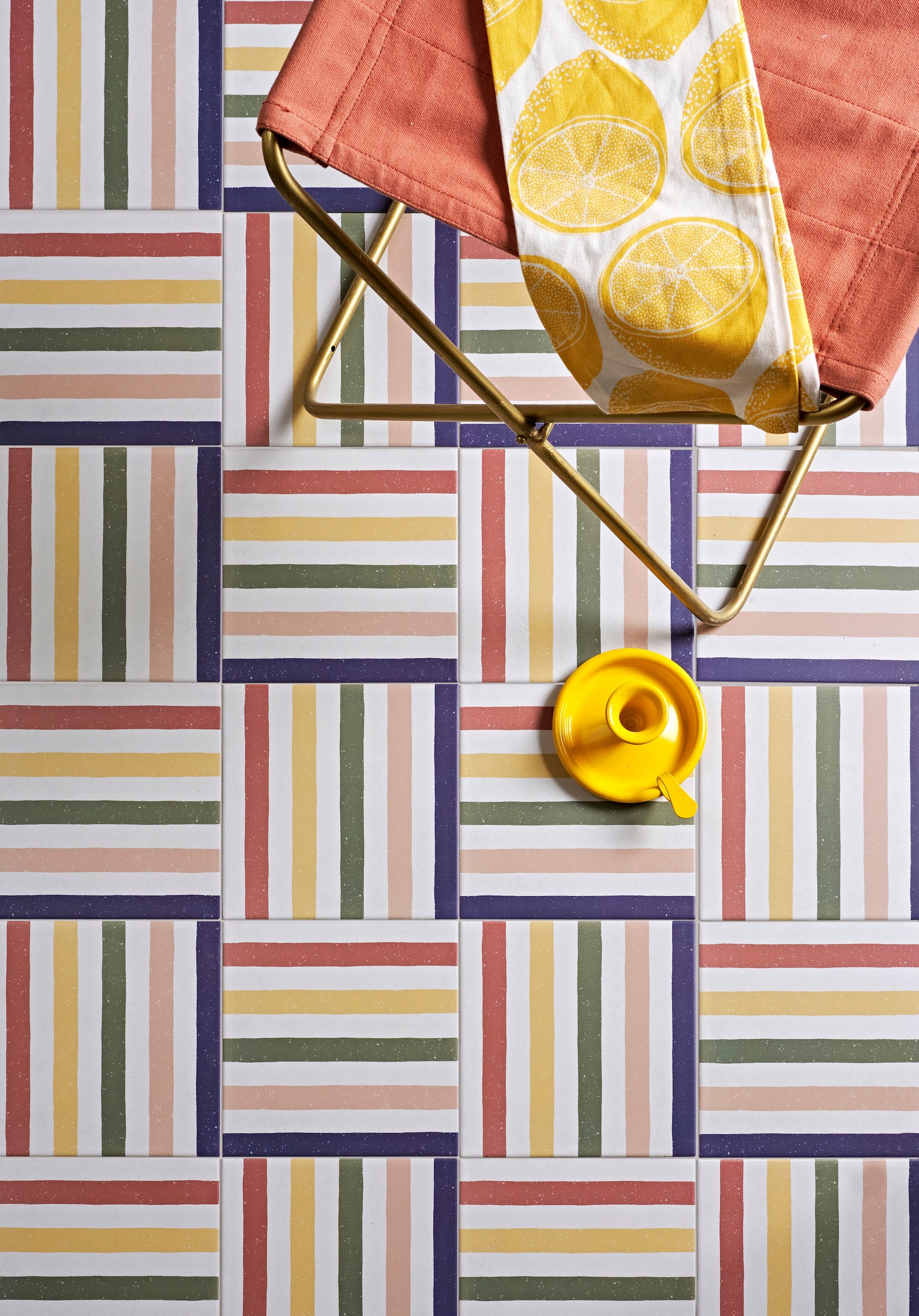
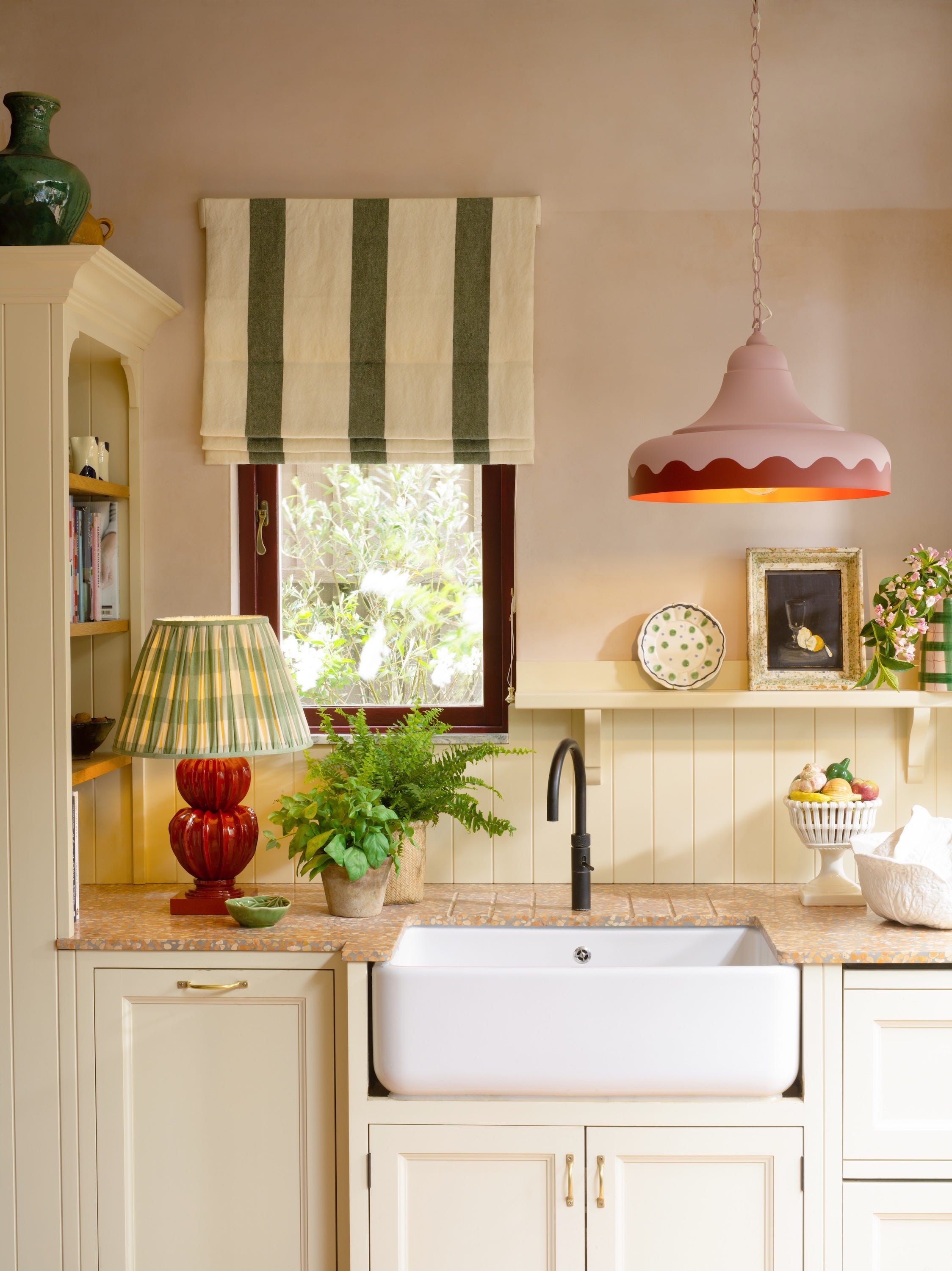
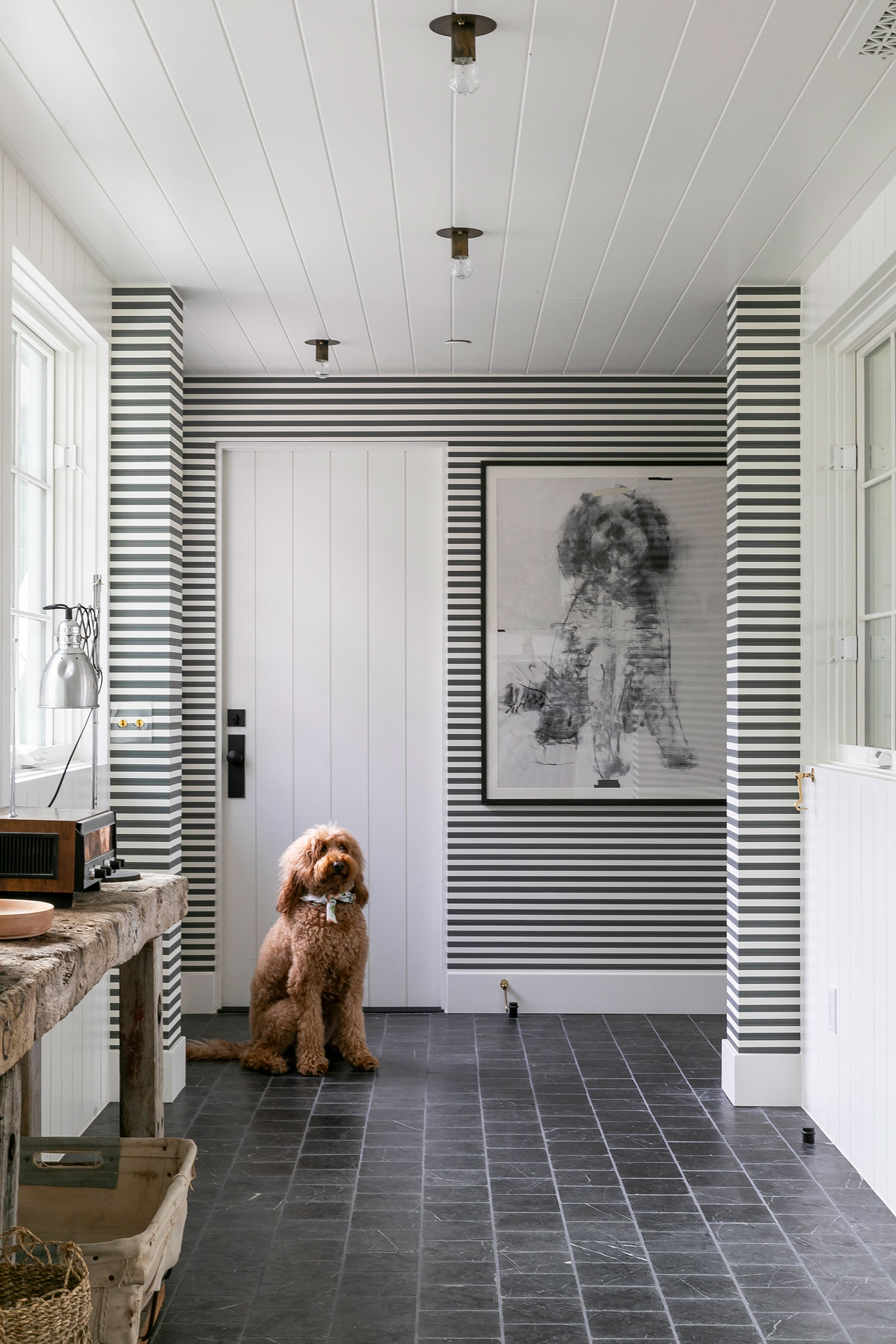
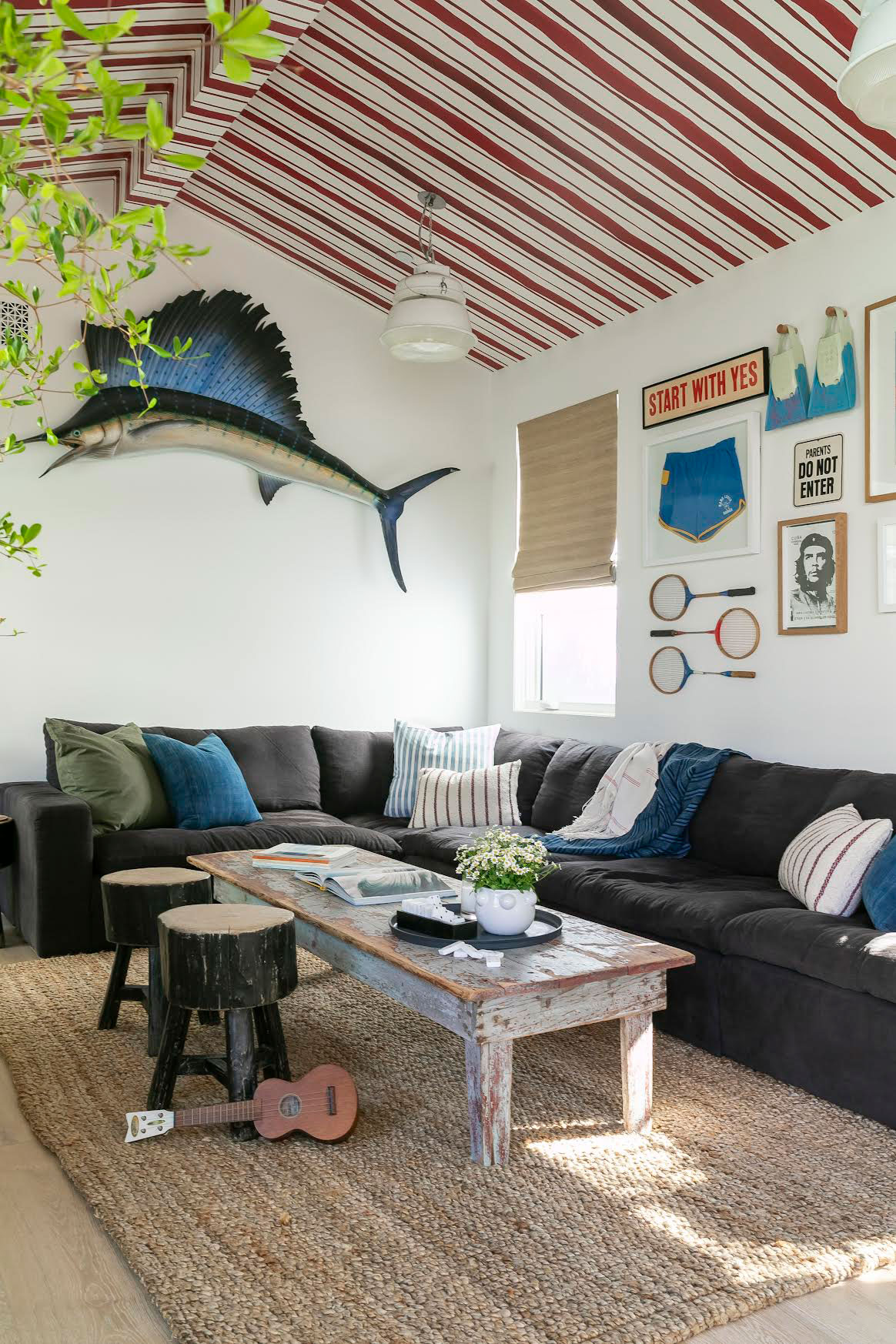
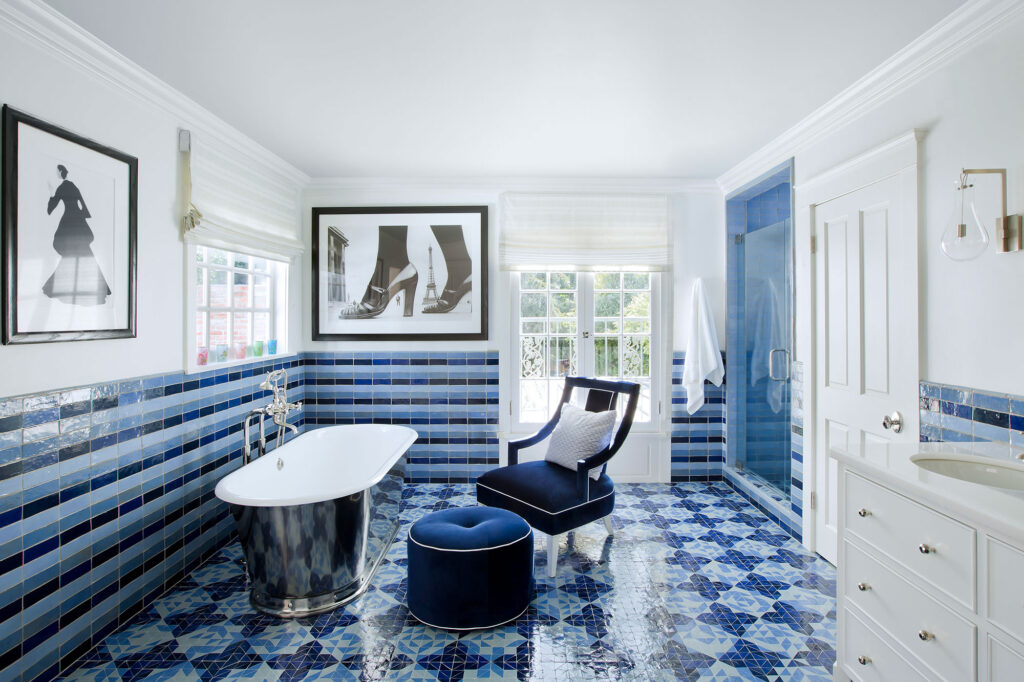
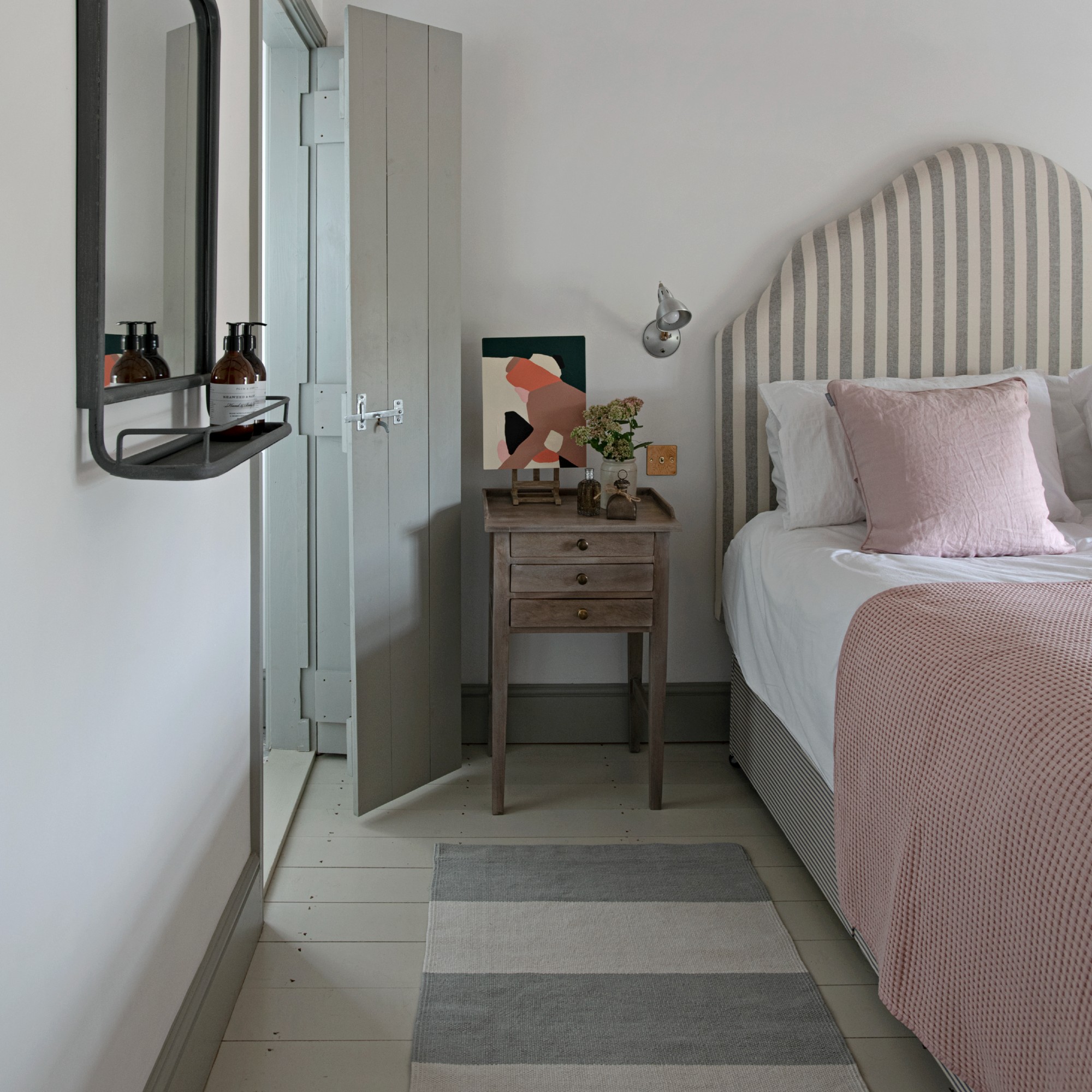
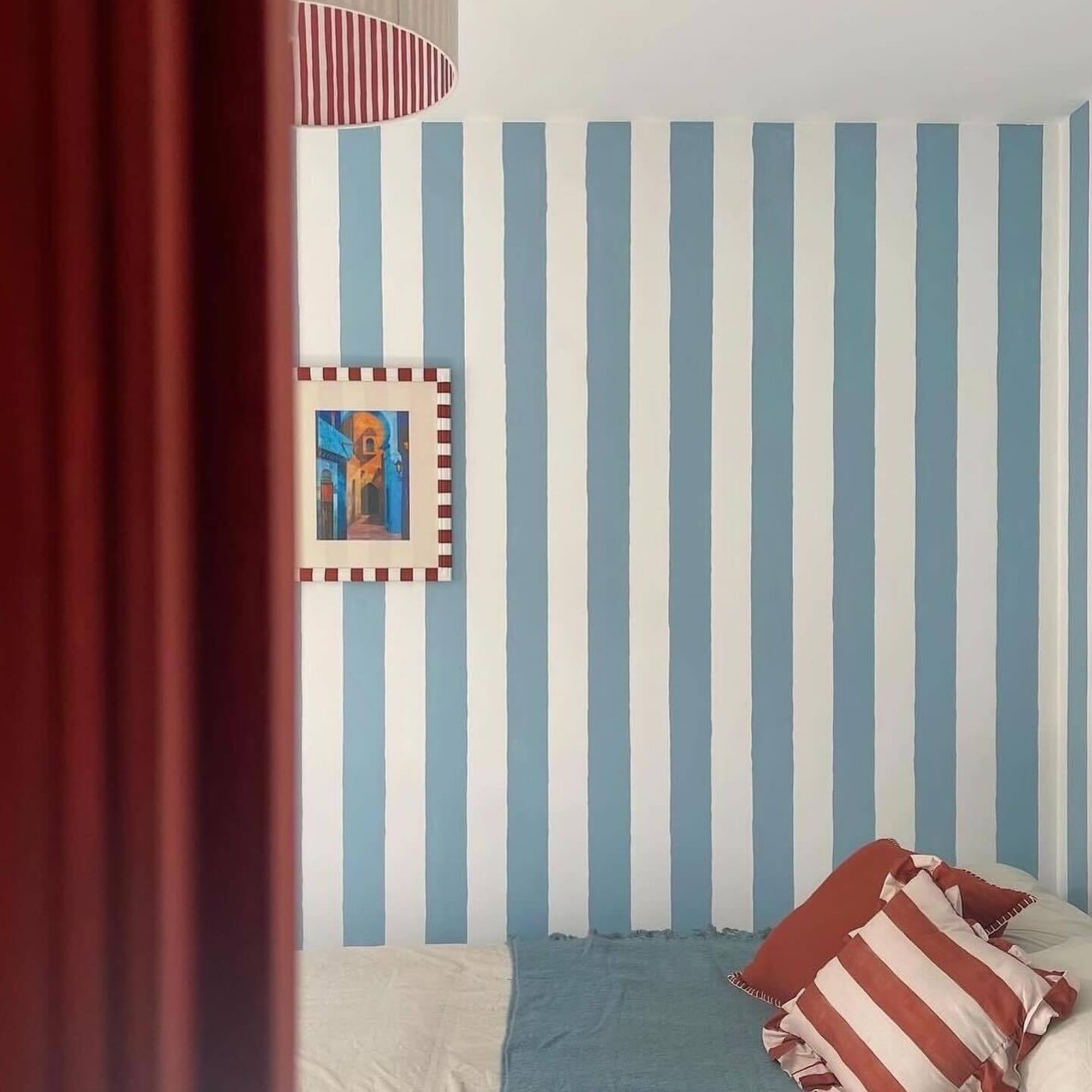
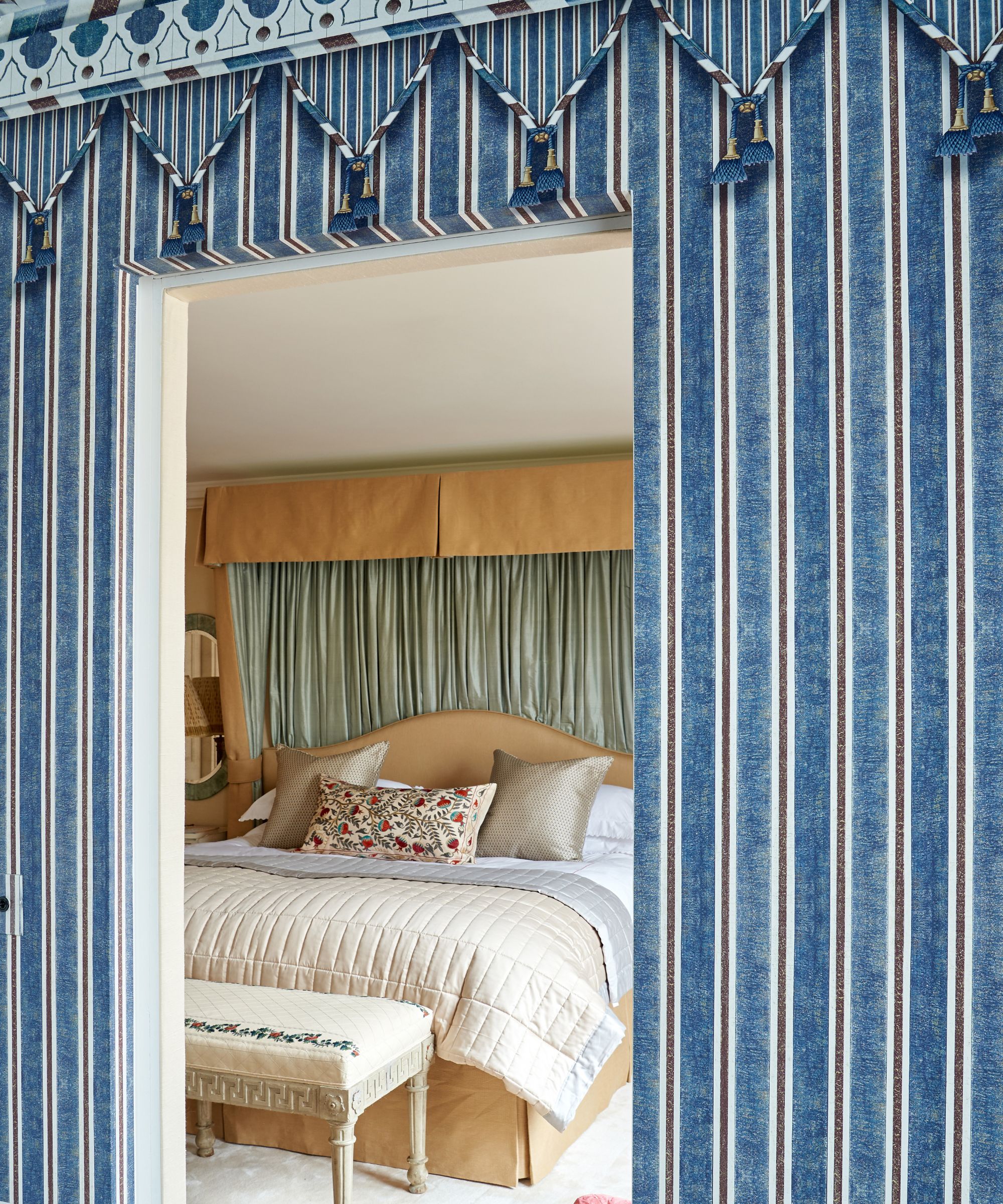
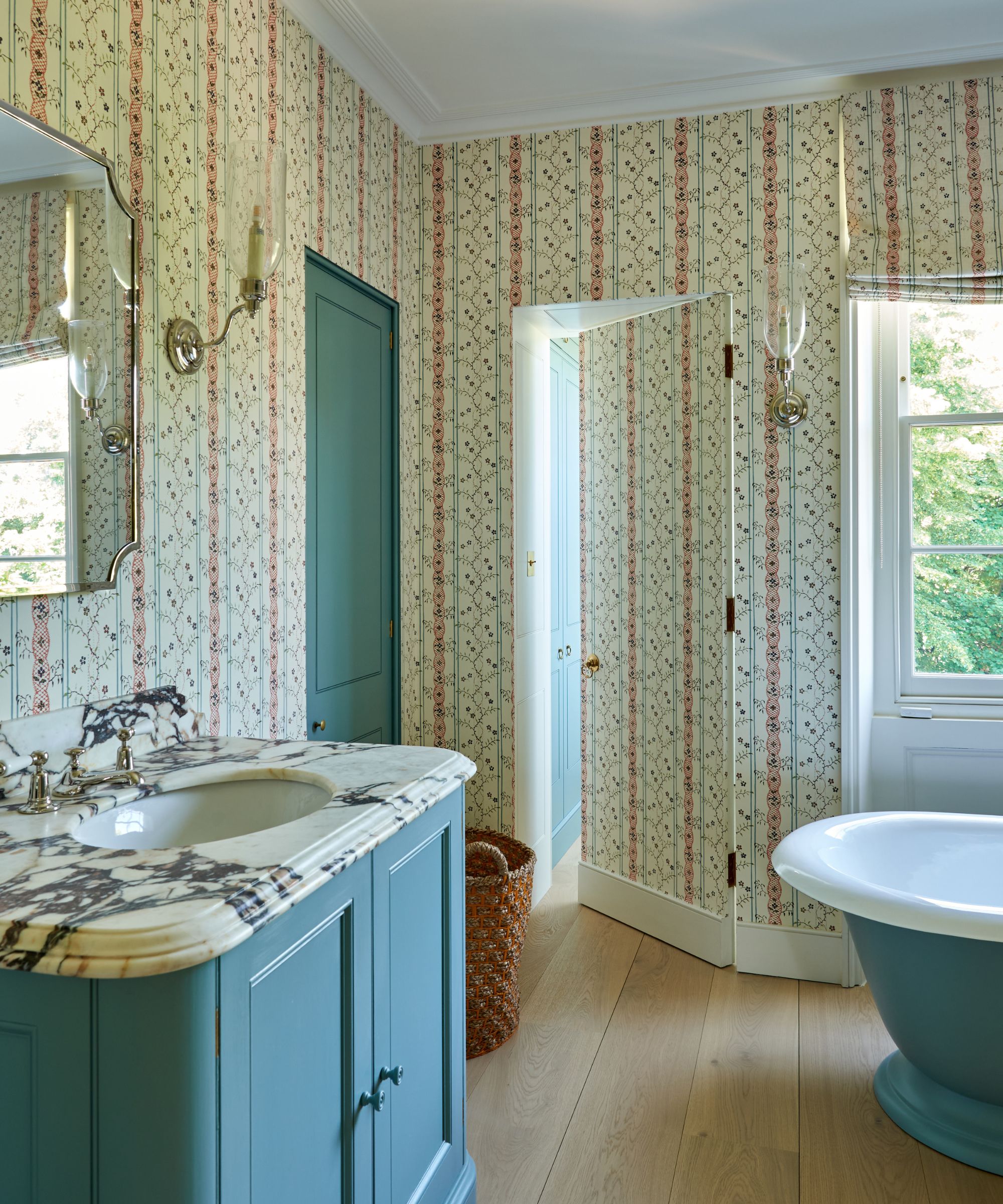
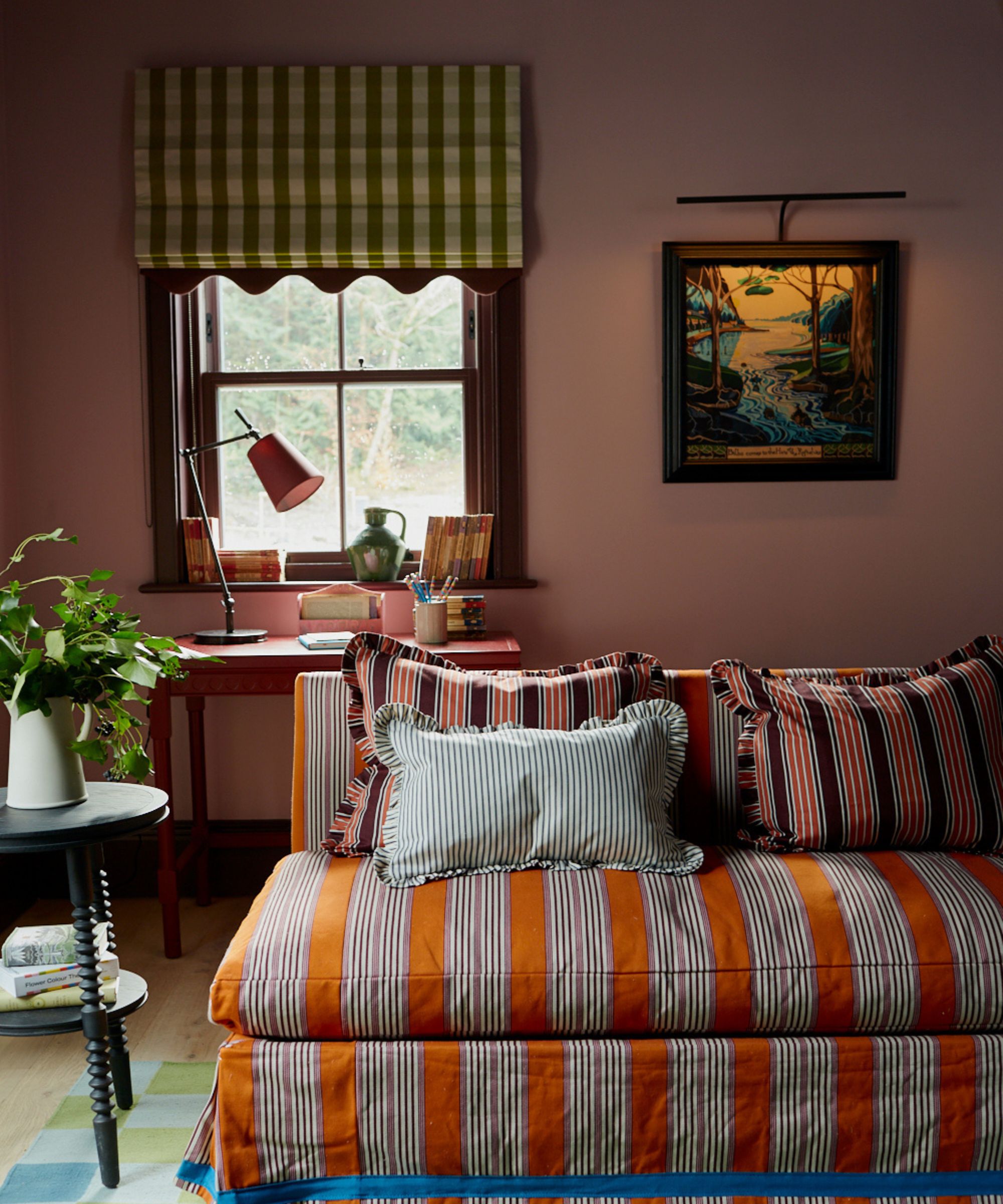
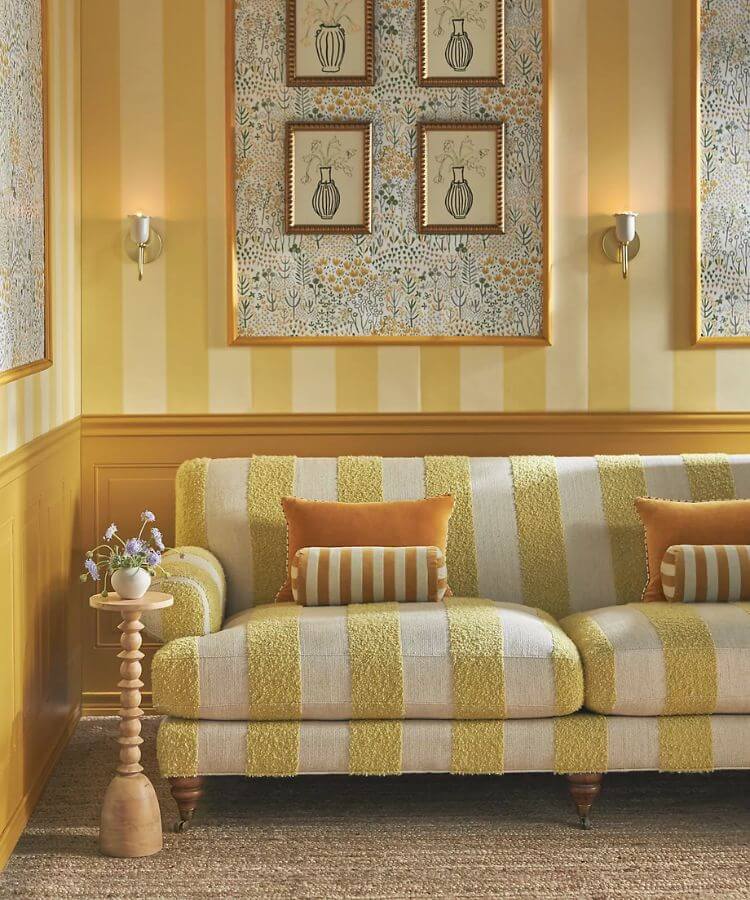
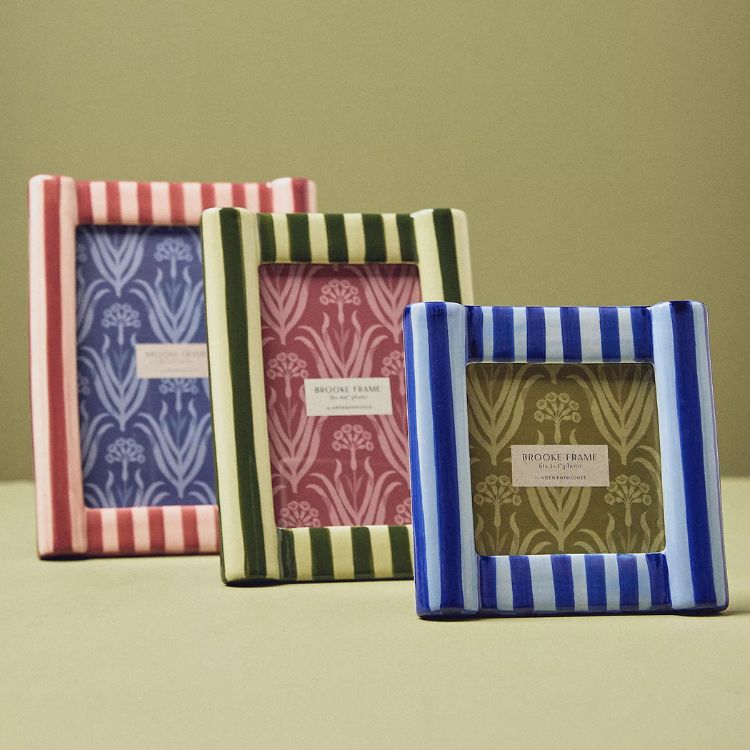
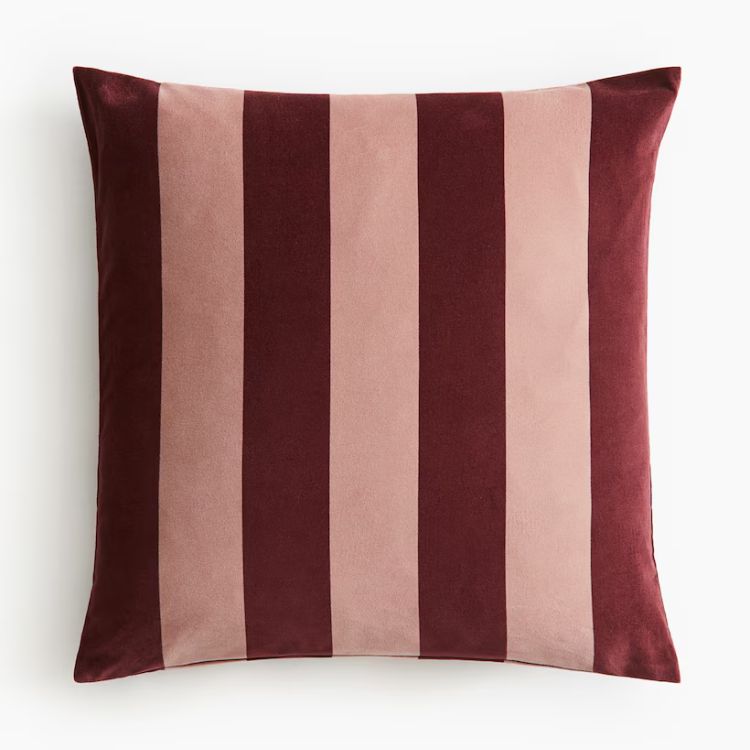

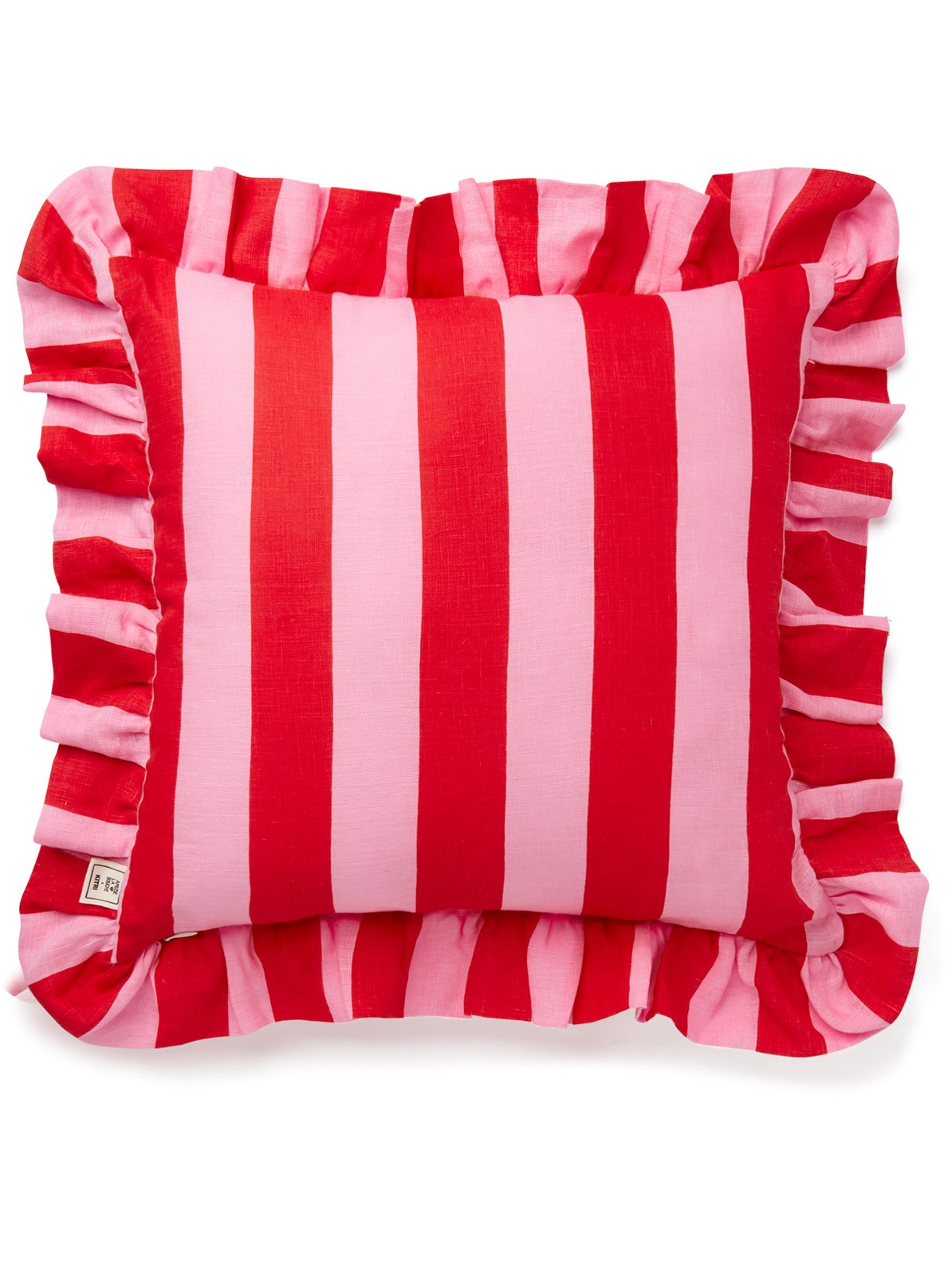
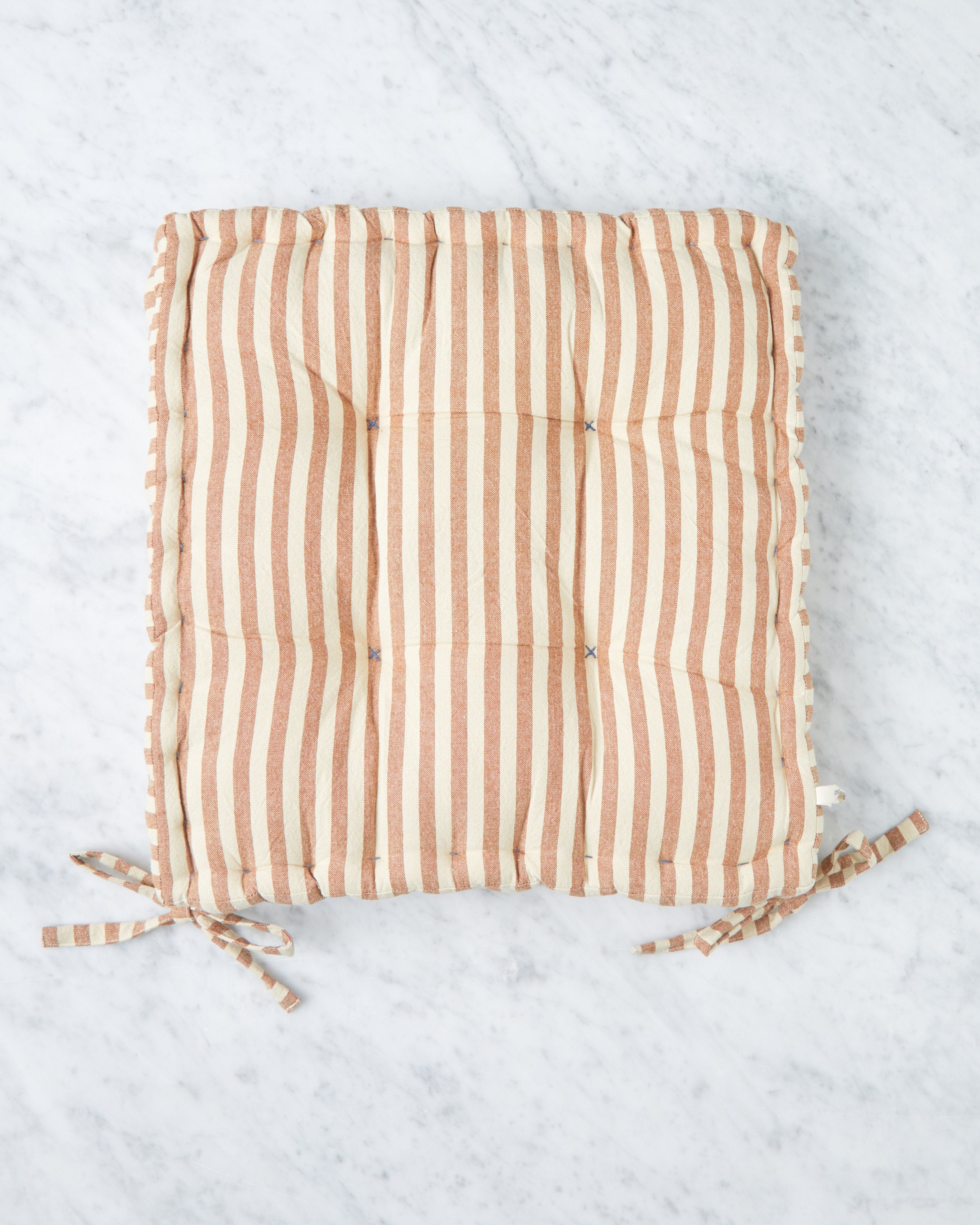
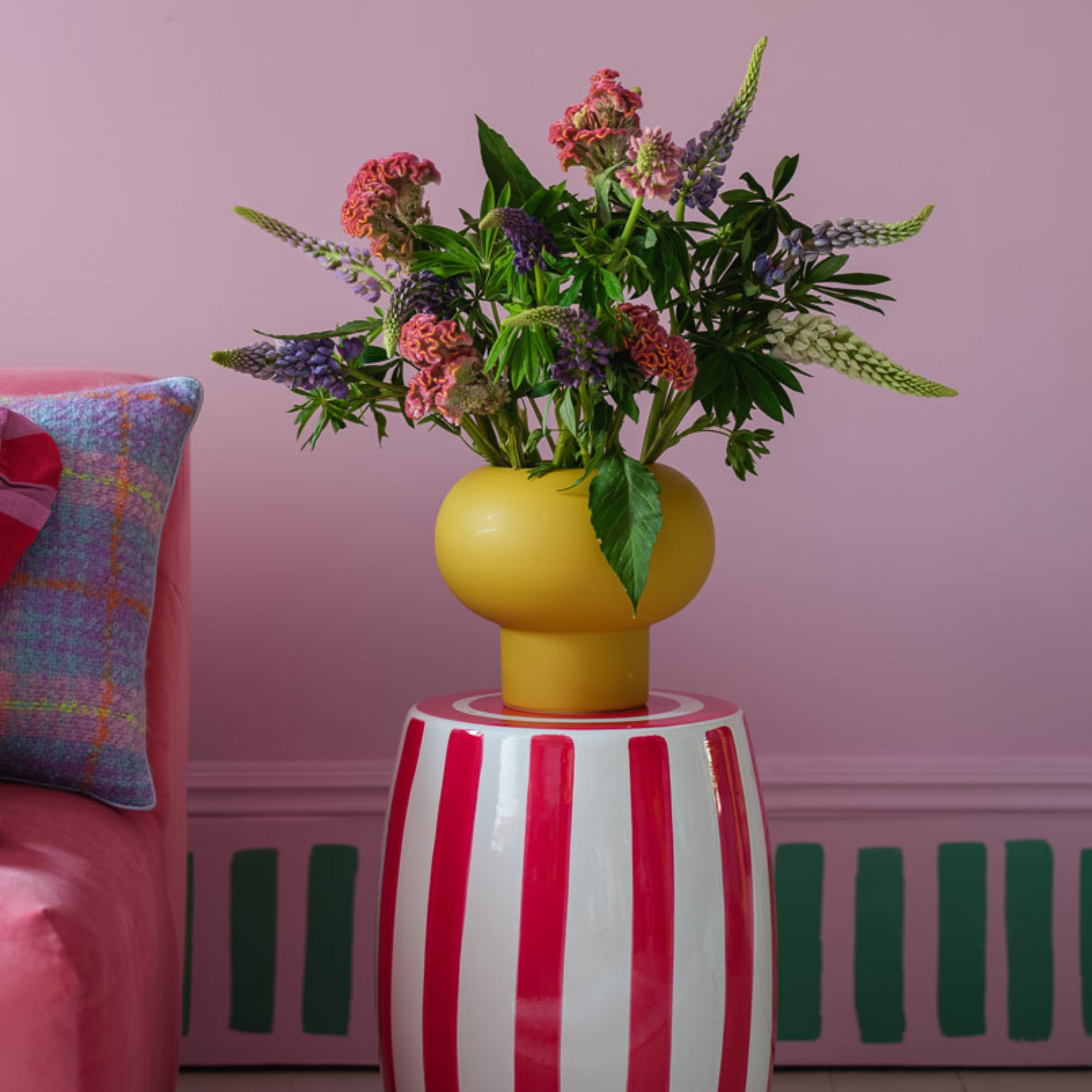
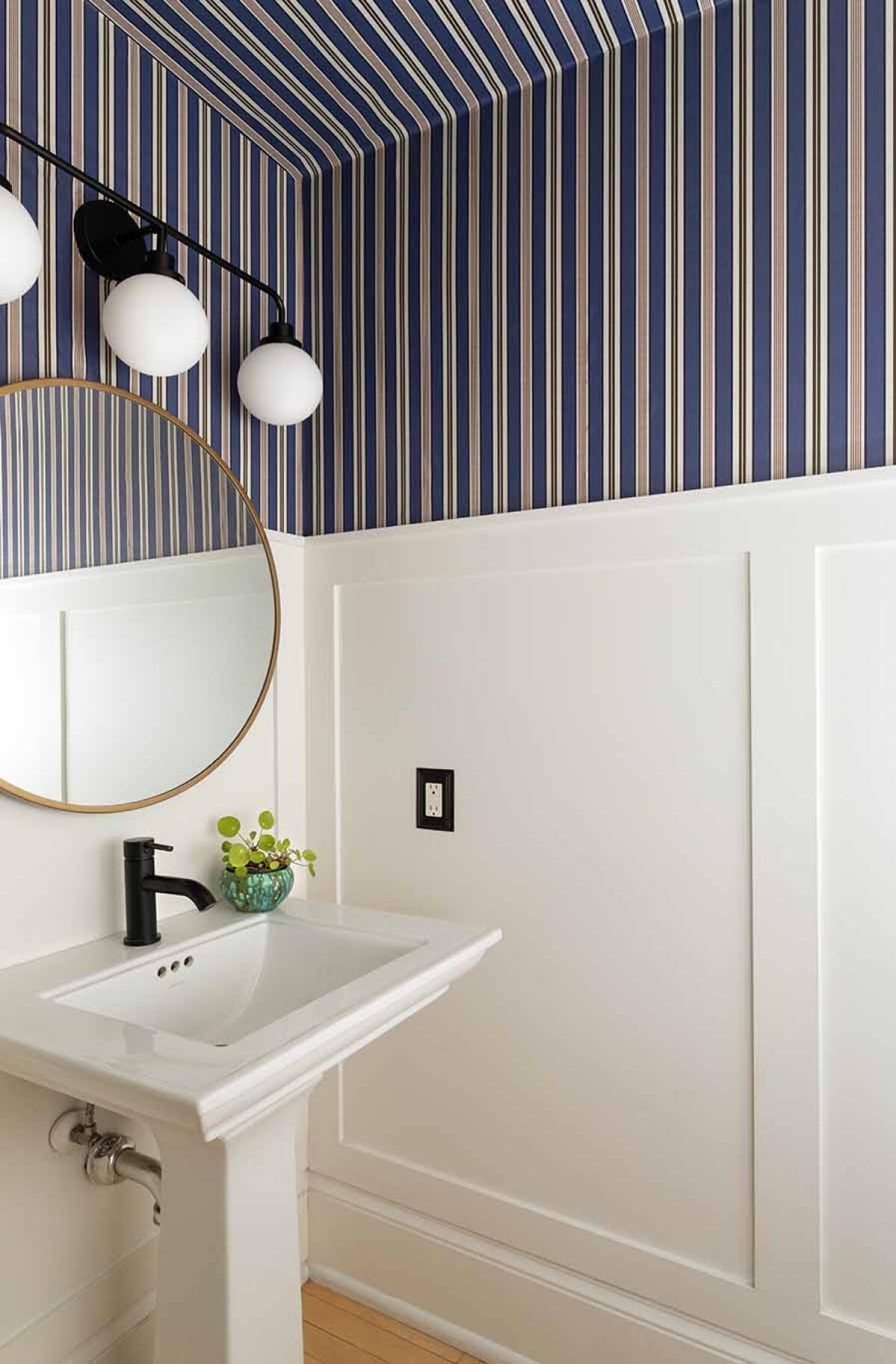
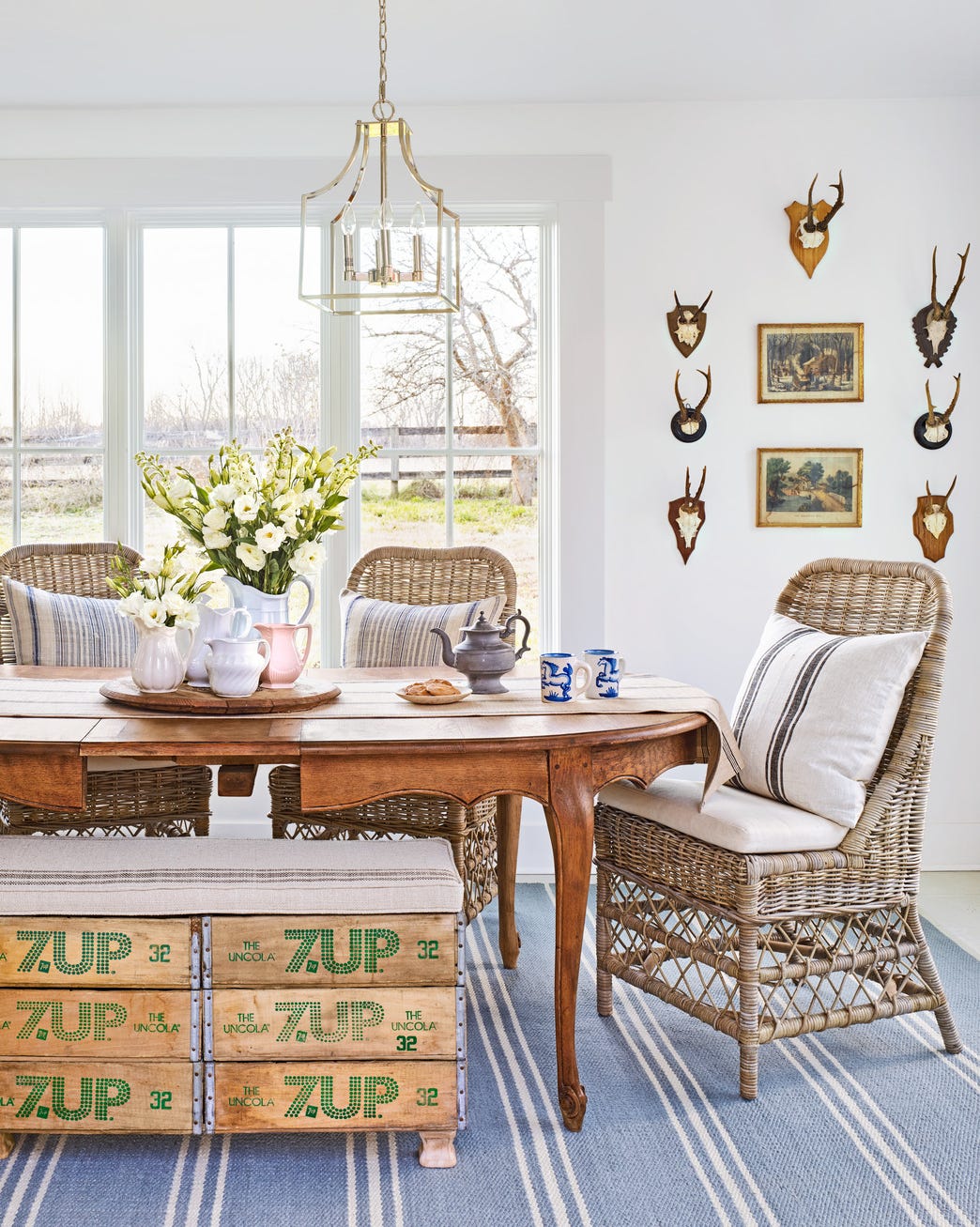
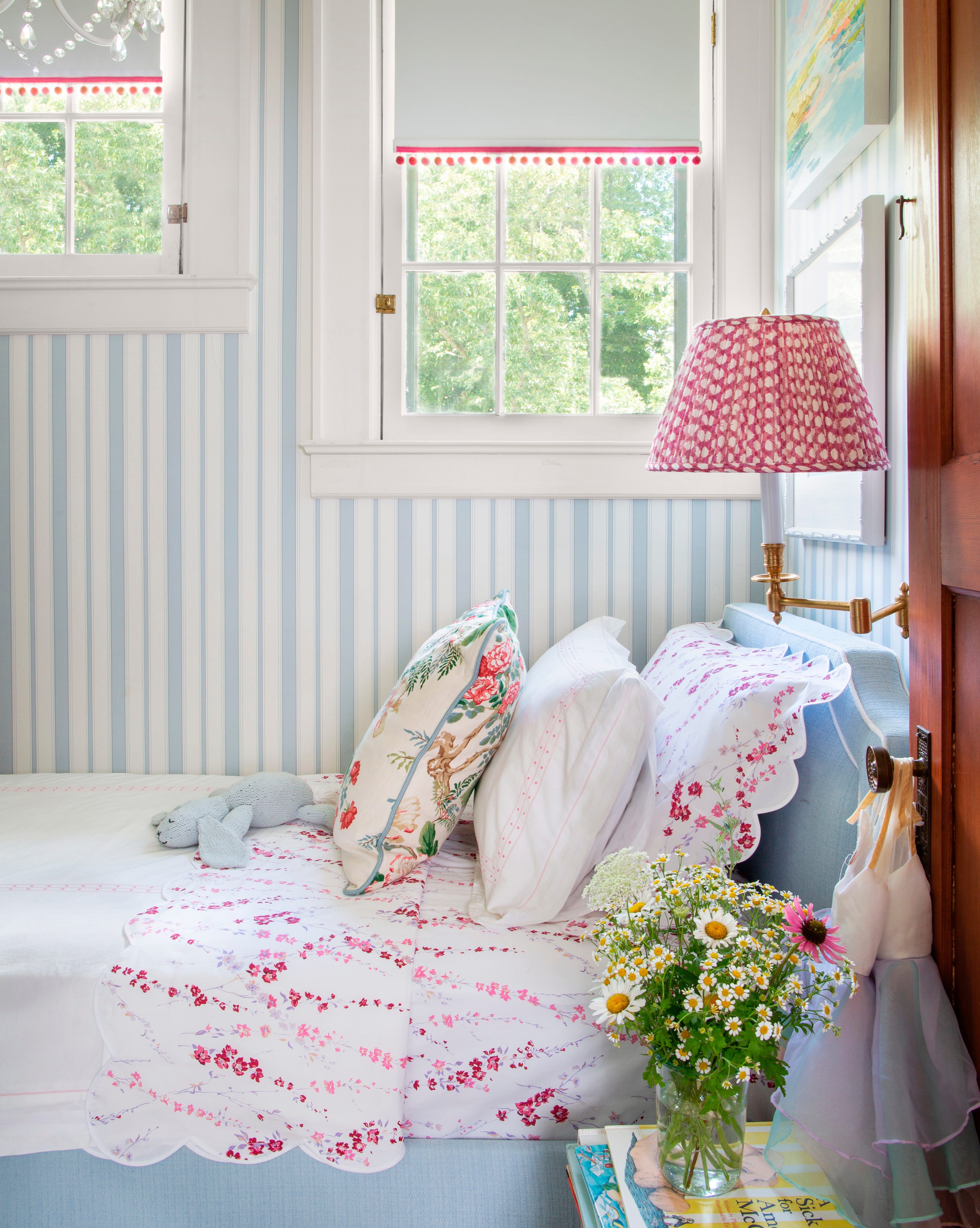
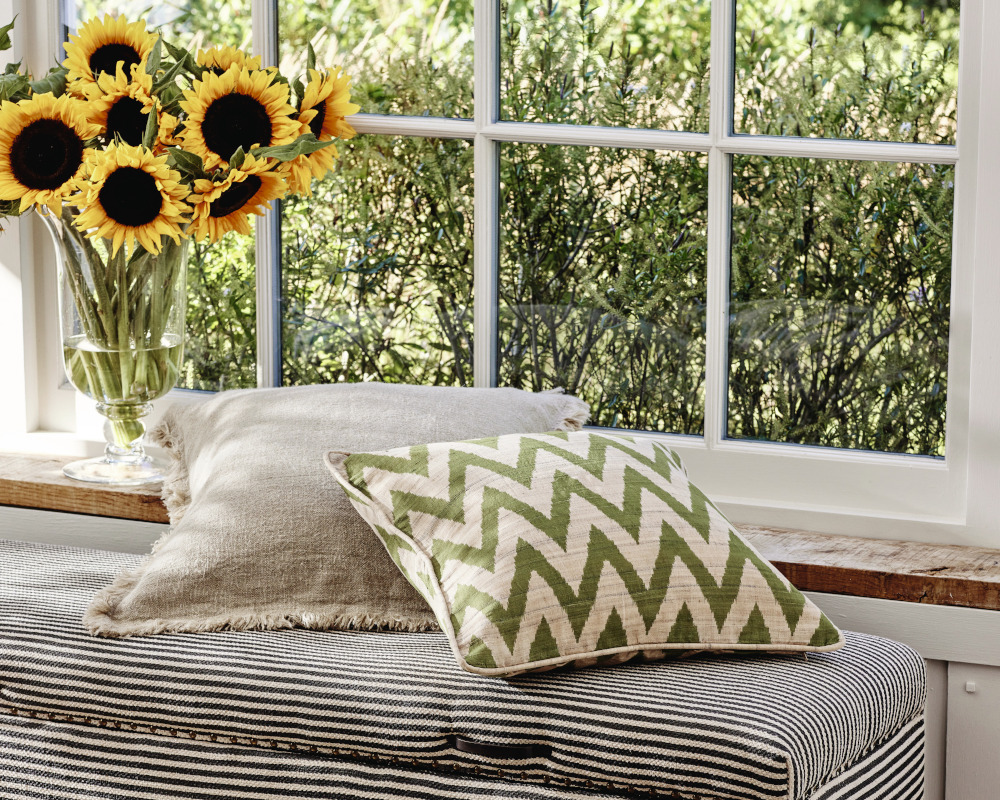
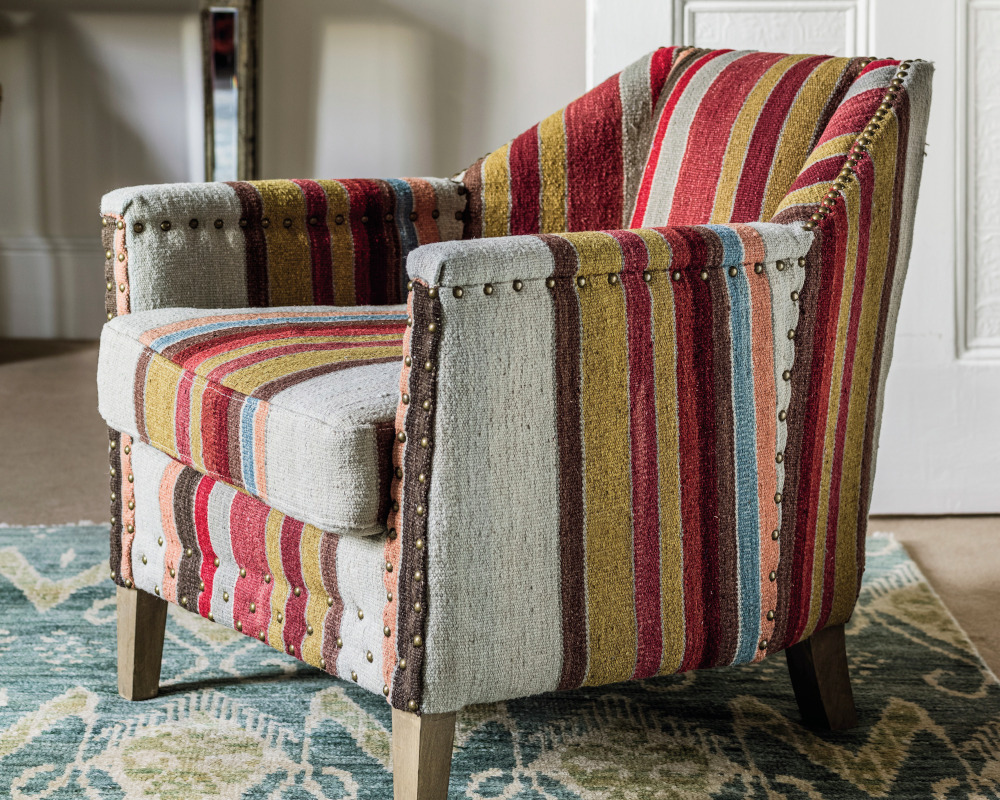

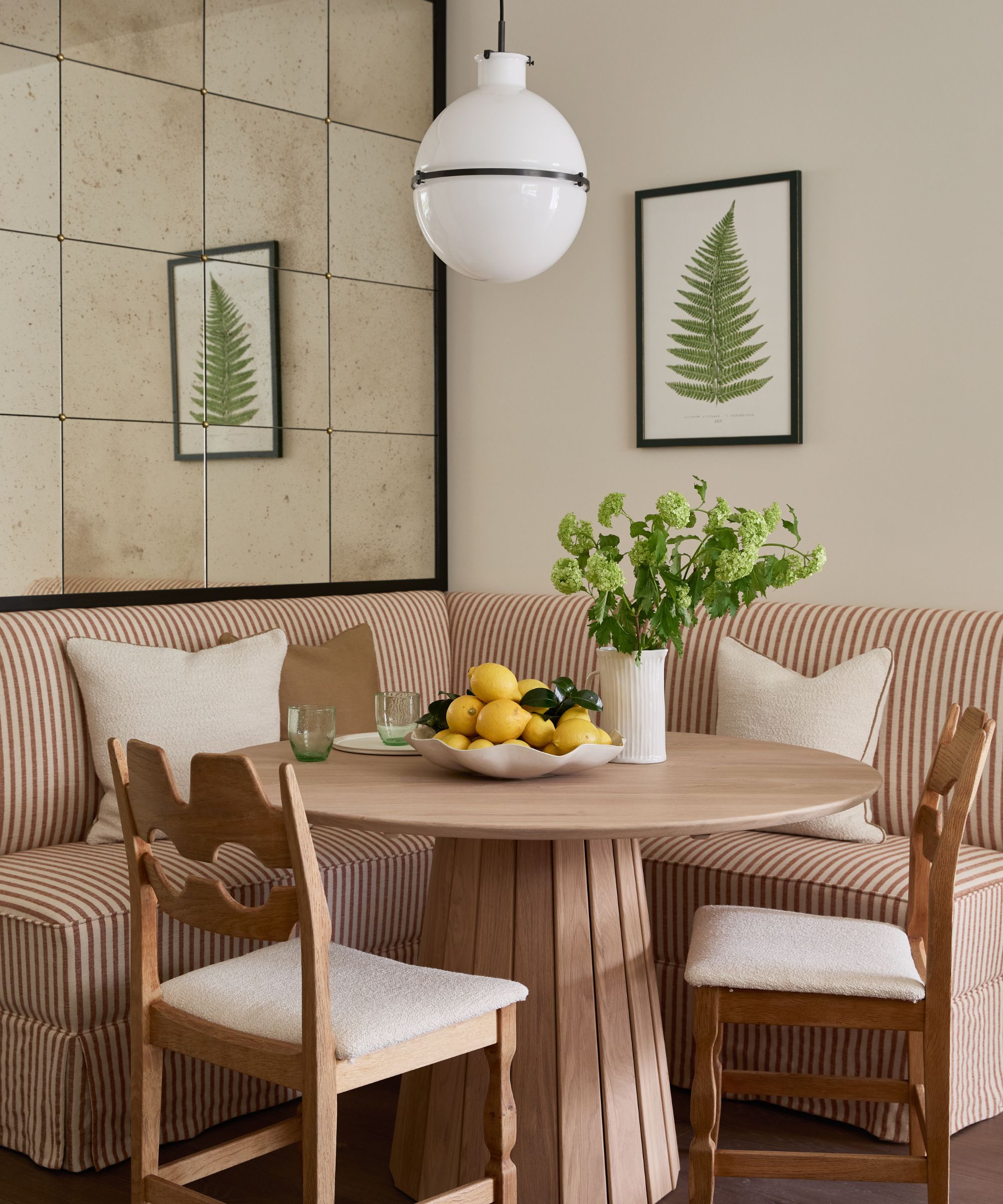
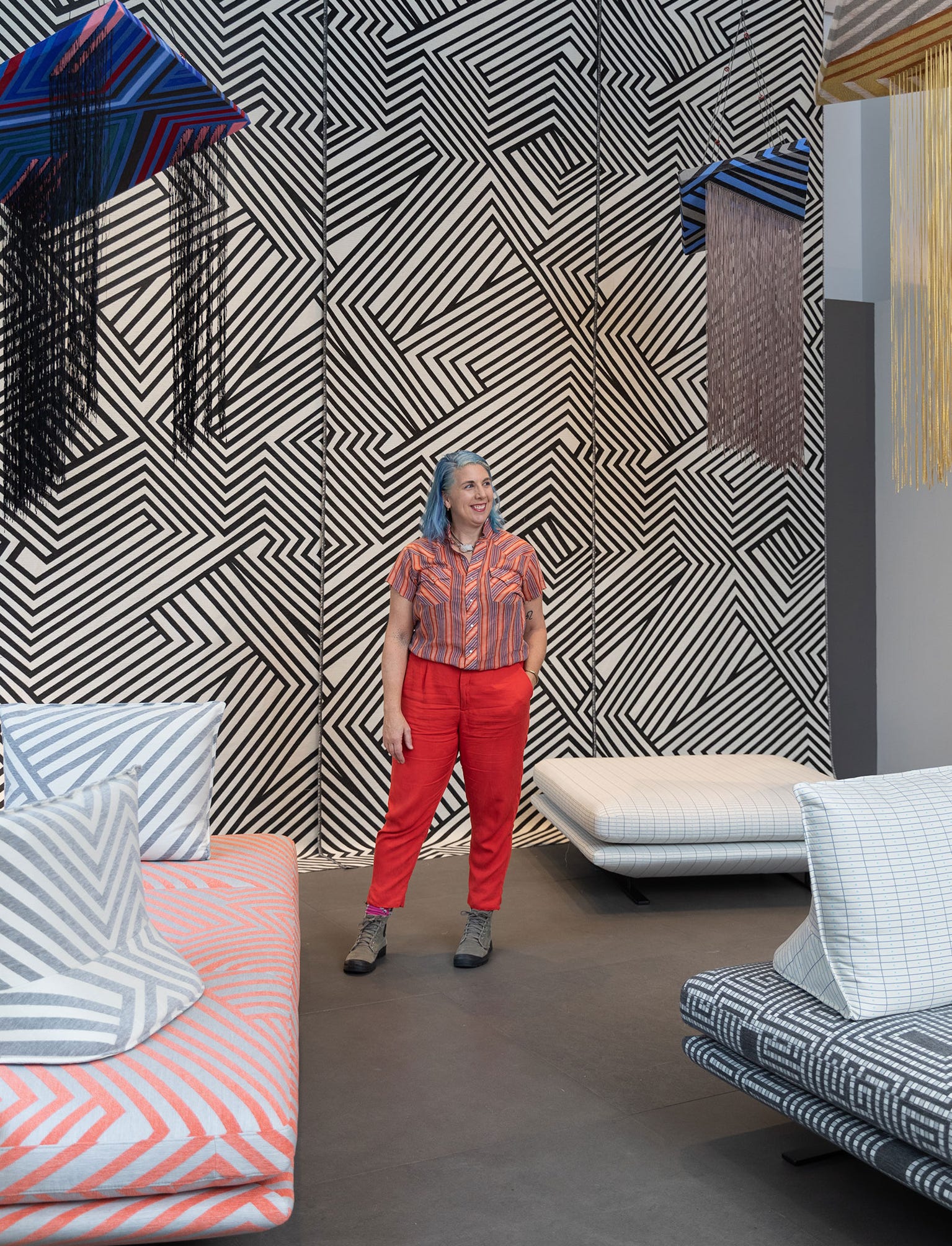
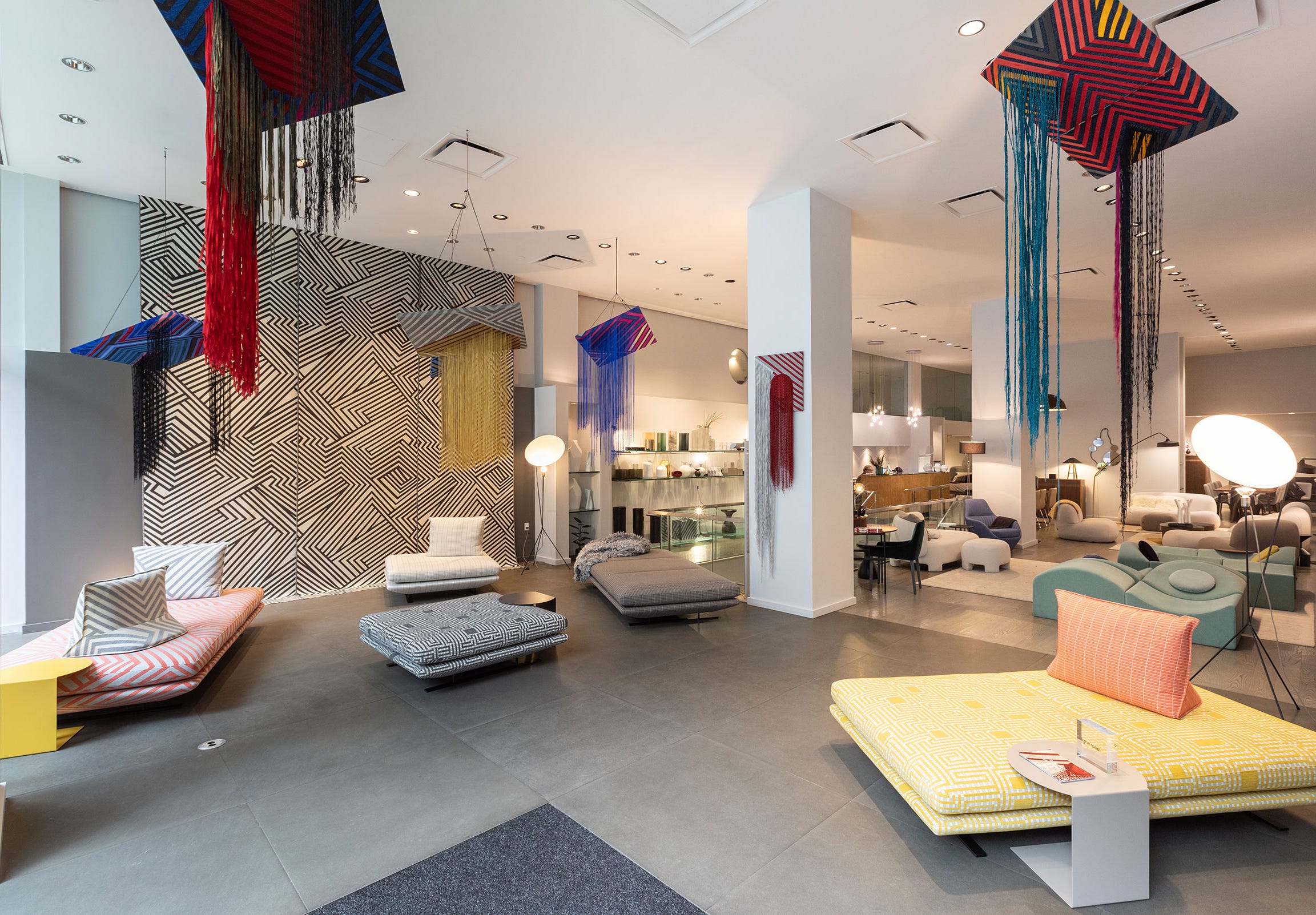
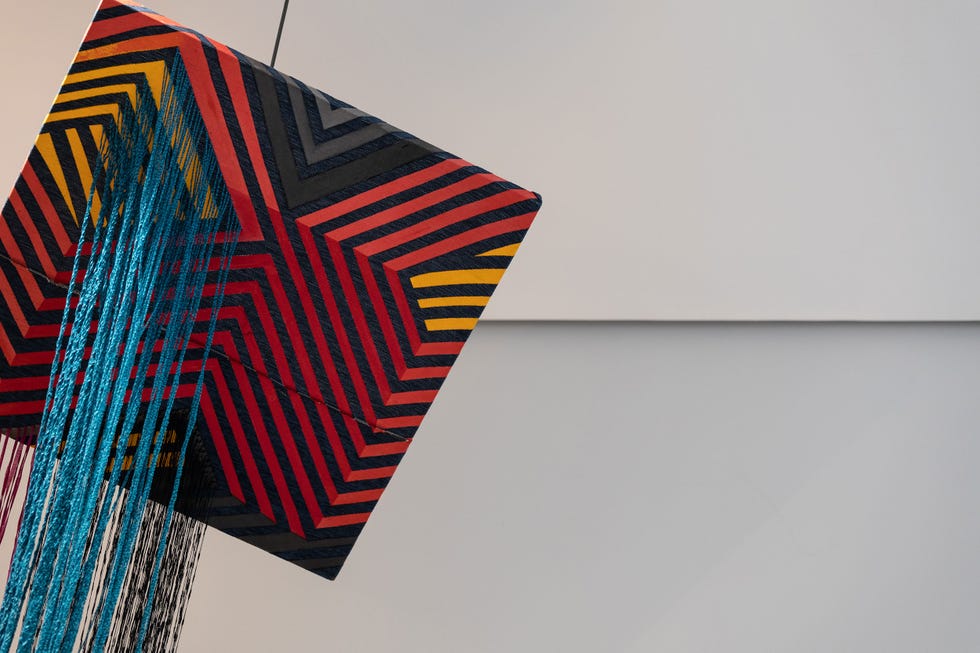
Stripes, a classic and enduring pattern, are experiencing a resurgence in interior design, offering versatility for various aesthetic preferences. From wide, vertical awning stripes that evoke a beach-like atmosphere to narrower candy stripes with a sweeter palette, the current trend favors bold, joyful, and often colorful stripe applications. Despite their cyclical popularity, stripes are considered a timeless design element, adaptable to diverse contexts. For instance, pinstripes in navy or green are suitable for traditional spaces, while ticking stripes, historically used for mattresses, create a subtle yet distinct visual effect with their characteristic broad central stripe flanked by thinner lines.
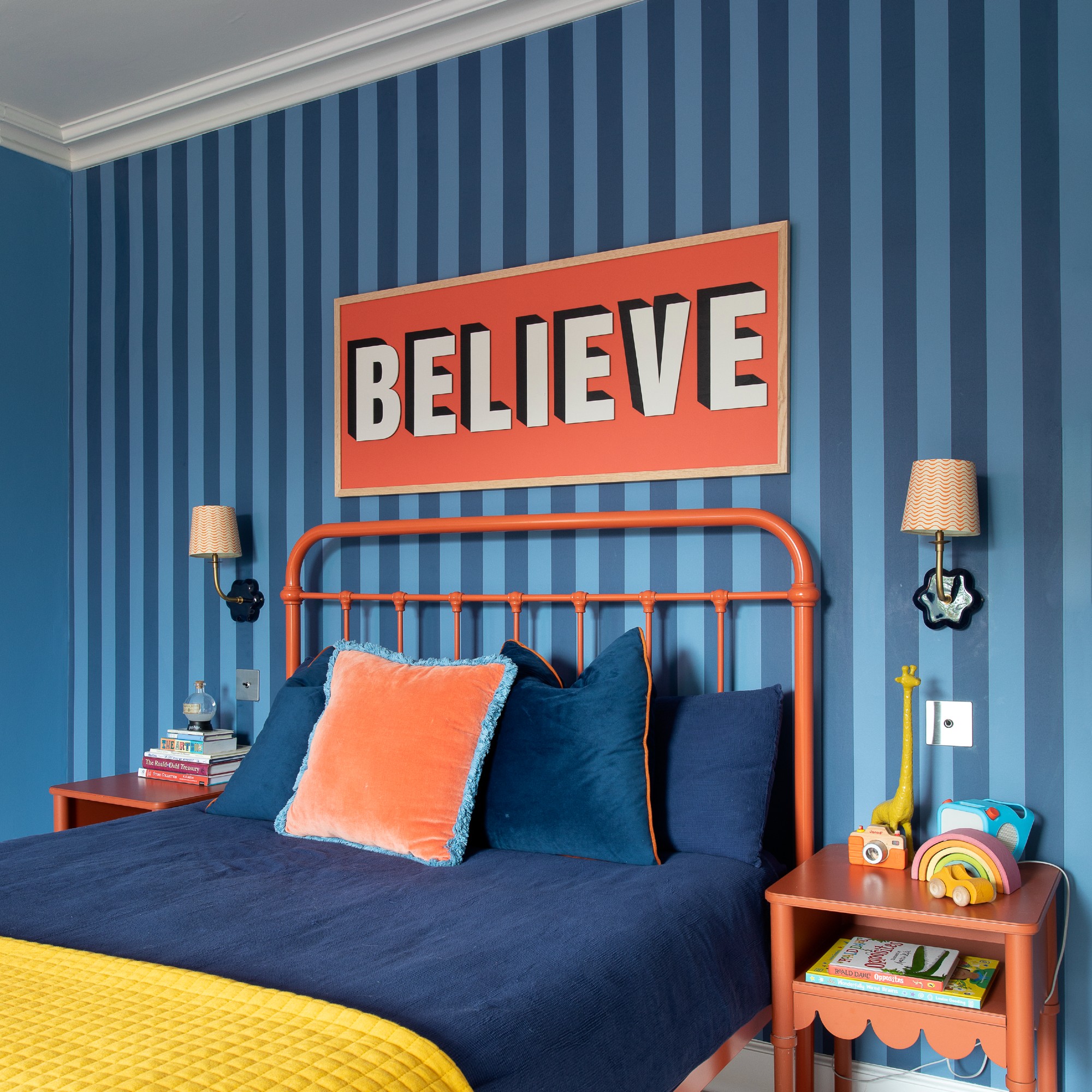
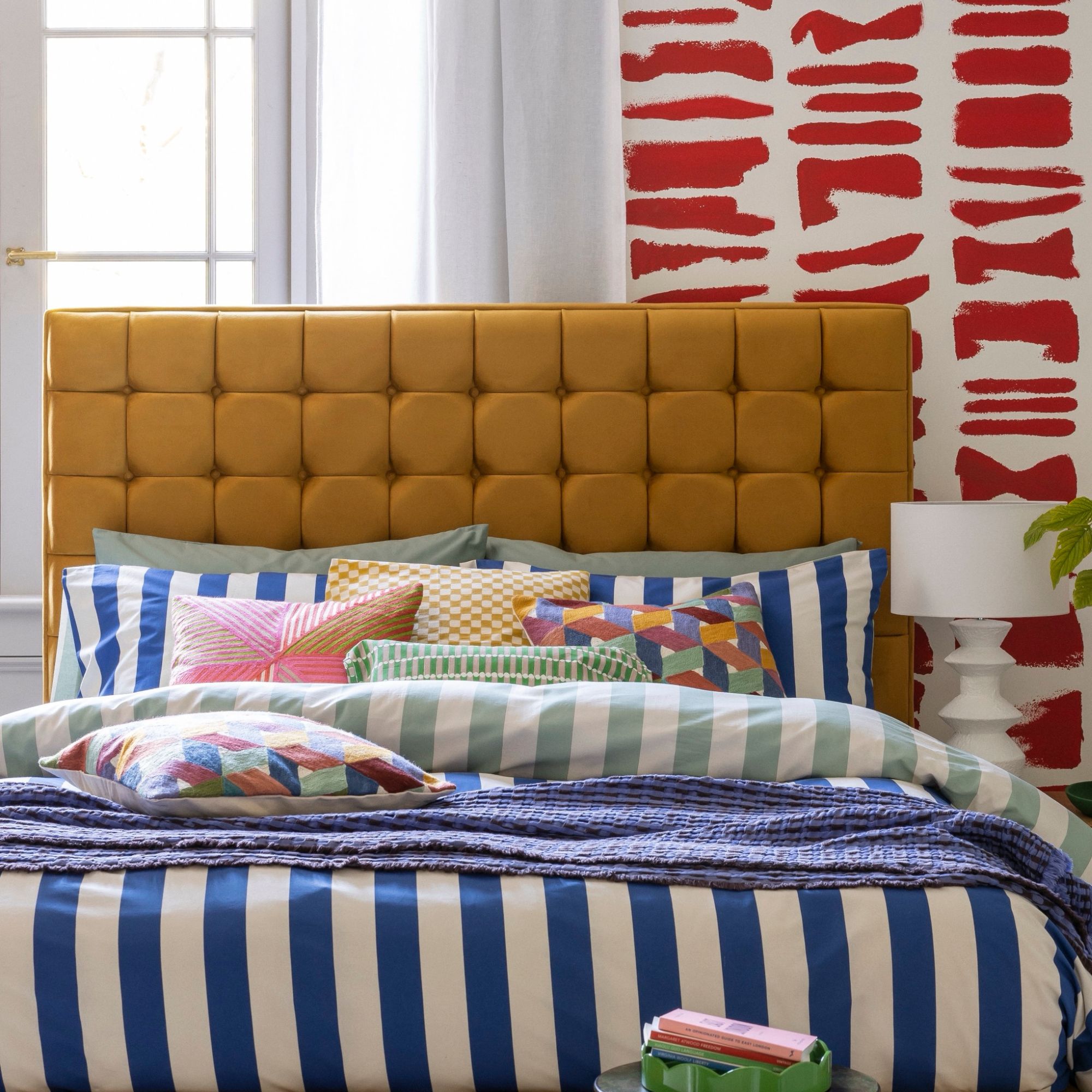
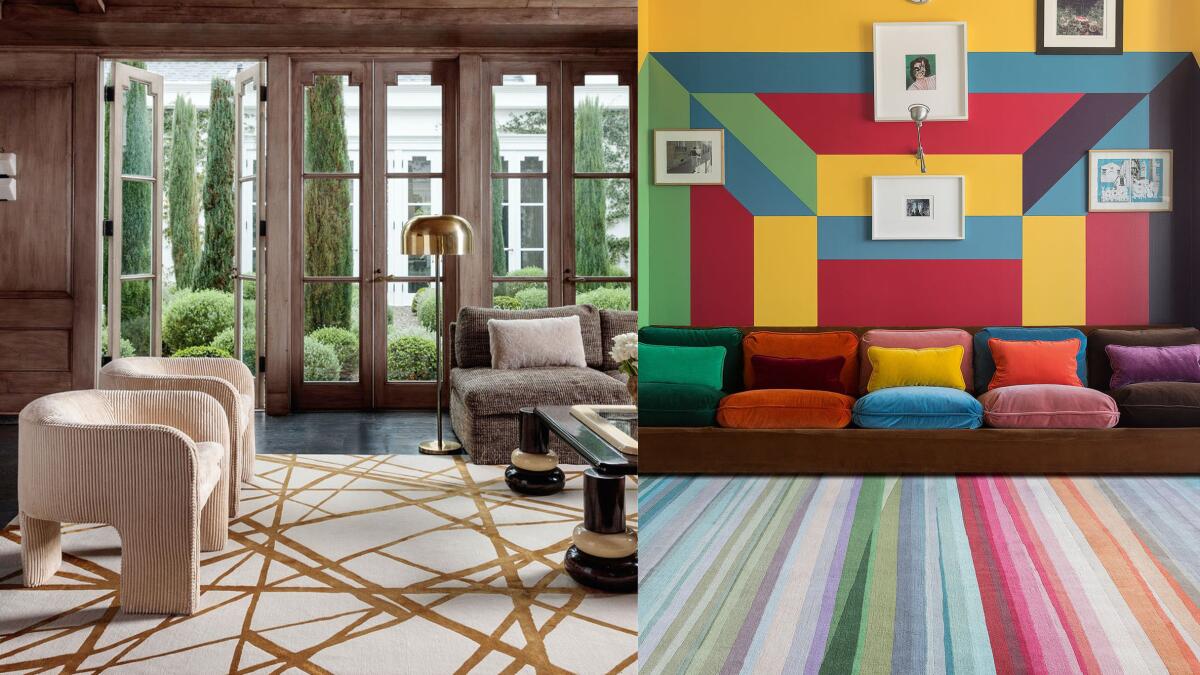
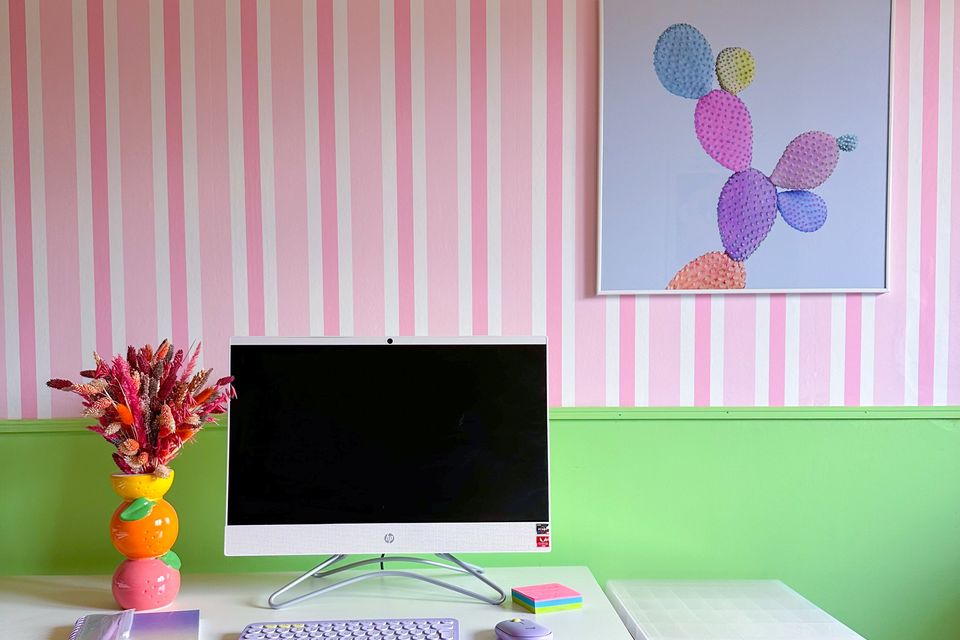
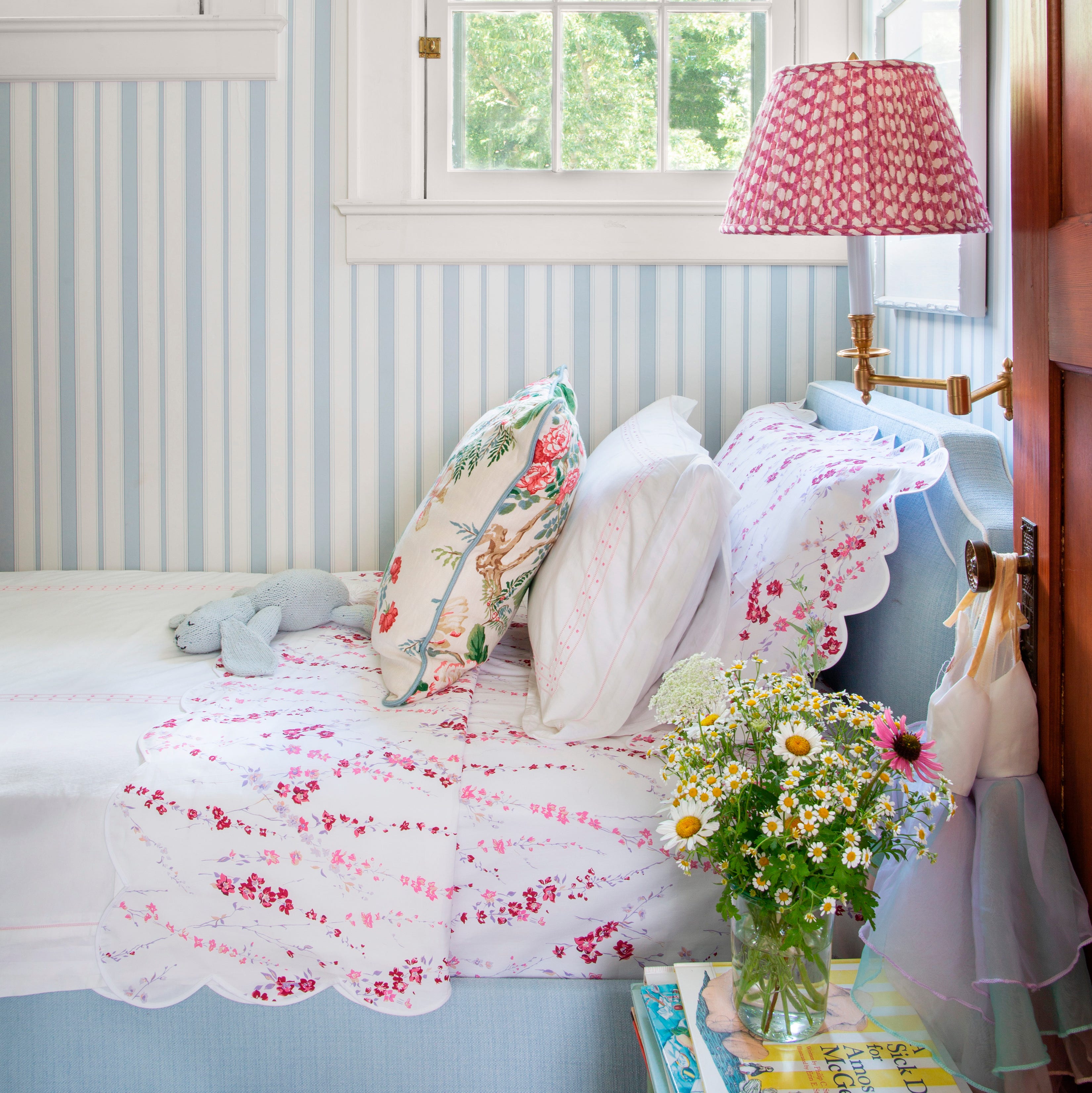
Interior designer Siobhan Lam of April and the Bear emphasizes the enduring appeal and versatility of stripes, noting their ability to be both graphic and non-overwhelming. She advocates for integrating stripes boldly, even layering them within the same room for a dynamic and whimsical effect, particularly in bedrooms. The key is to select stripe types and colors that align with the desired mood of the space. Wide stripes lend an impactful and bold statement, while thinner stripes offer a more classical and timeless feel. Stripes of varying widths contribute to an eclectic and whimsical ambiance. The market offers a wide array of striped options, including wallpapers from brands like Sorbet Dreams, which feature fresh, tangy palettes with bright pastels, and unique designs such as Cherrylicious and Don't Be Crabby, incorporating playful motifs over stripes.
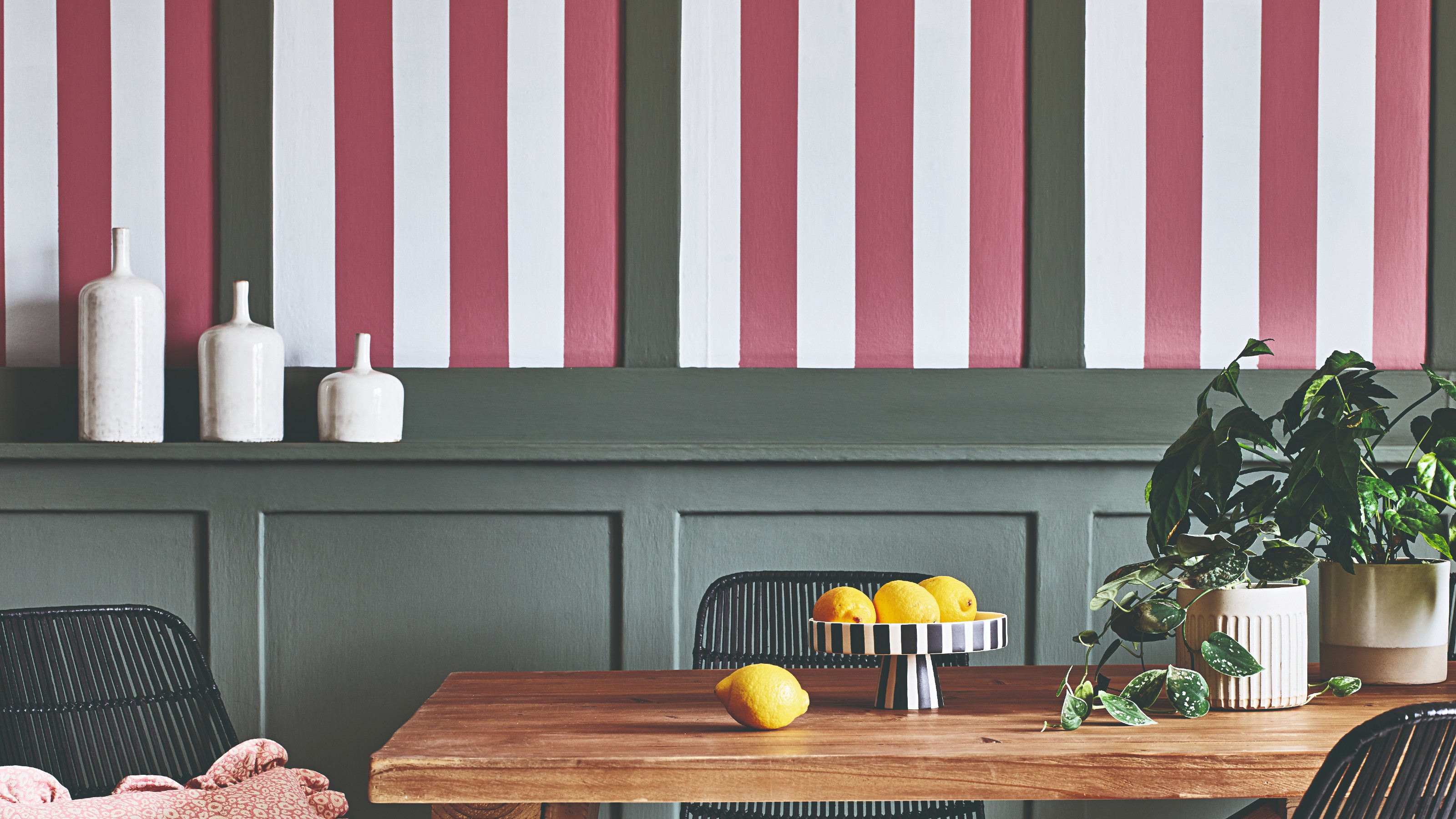
For those interested in DIY stripe application, painting stripes on walls is a viable option, though it requires meticulous execution. Alison Eaton, a colour consultant with Colourtrend, highlights the popularity of stripes for feature walls and children's rooms. The current preference leans towards single-color stripes separated by a compatible neutral shade. Common stripe widths range from 20-30cm for a modern, bold look to 2.5-10cm for a more playful or traditional aesthetic, depending on the color choice. When selecting colors, it is important to be comfortable with the bolder shade and then pair it with a neutral that possesses compatible undertones, a task that can be simplified with expert consultation.
The process of painting stripes involves applying the lighter base color first, followed by precise measurement and marking with high-quality masking tape to ensure clean lines. A light layer of the base color is then applied over the tape edges to prevent bleeding before two coats of the darker shade are applied. The masking tape should be removed while the paint is still wet, pulled at a 45-degree angle. The choice of paint finish should consider the room's function and traffic levels, with Interior Matt suitable for low-traffic areas, Soft Sheen for damp environments like bathrooms and kitchens, and Ceramic Matt for high-traffic zones. For wood panelling, trim finishes such as Satin, Eggshell, or Gloss are recommended based on the desired sheen level.
#InteriorDesign #StripedDecor #HomeStyling #WallpaperTrends #PaintTechniques #HomeRenovation #DecoratingTips #InteriorDesign #StripedDecor #HomeStyling #WallpaperTrends #PaintTechniques #HomeRenovation #DecoratingTips
0 comment in total
 No comments yet
You may also like
18 looks that prove stripes will always be in vogue

This Summer’s Hottest Decor Trend Will Never Go Out of Style
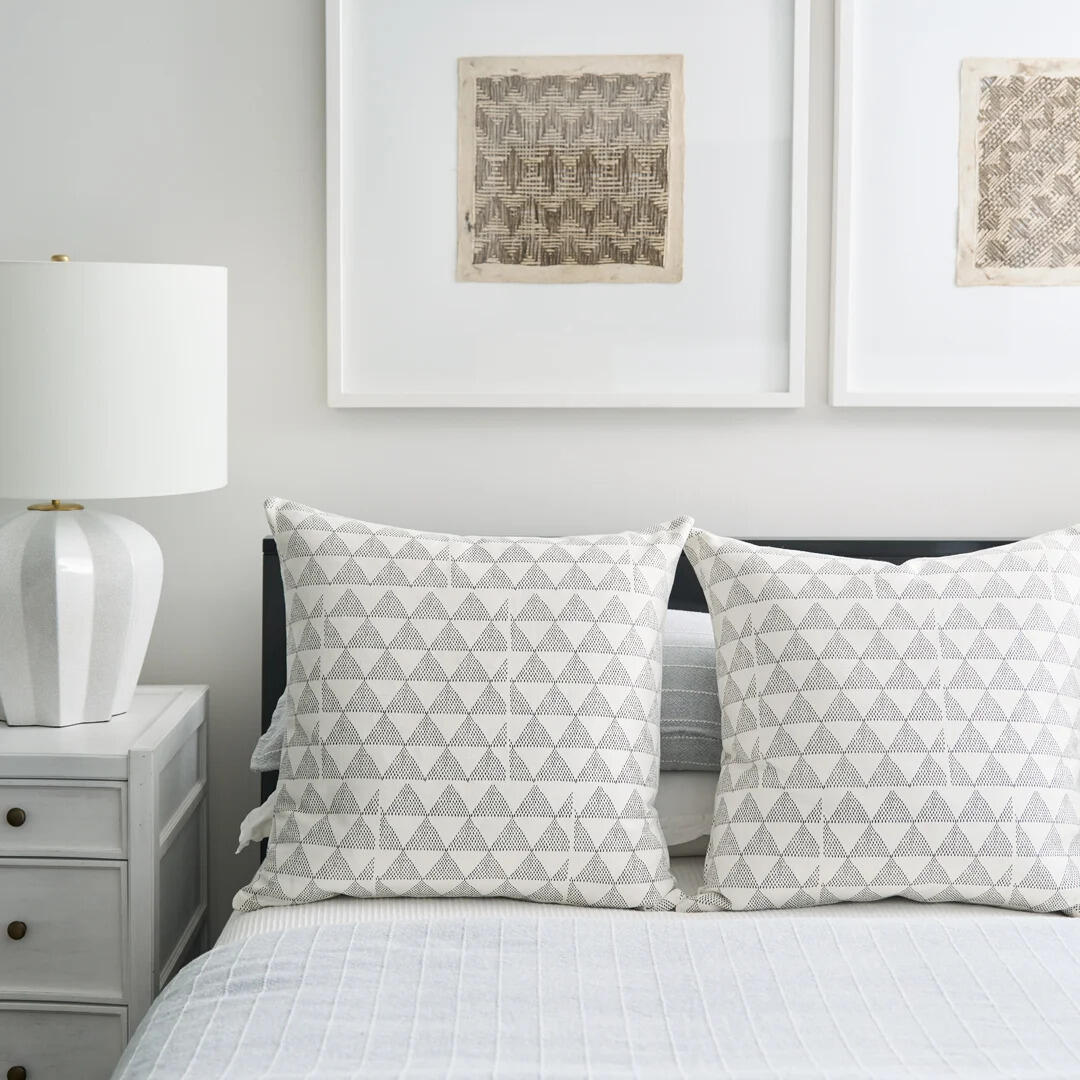
6 splendid stippled patterns for a textural touch

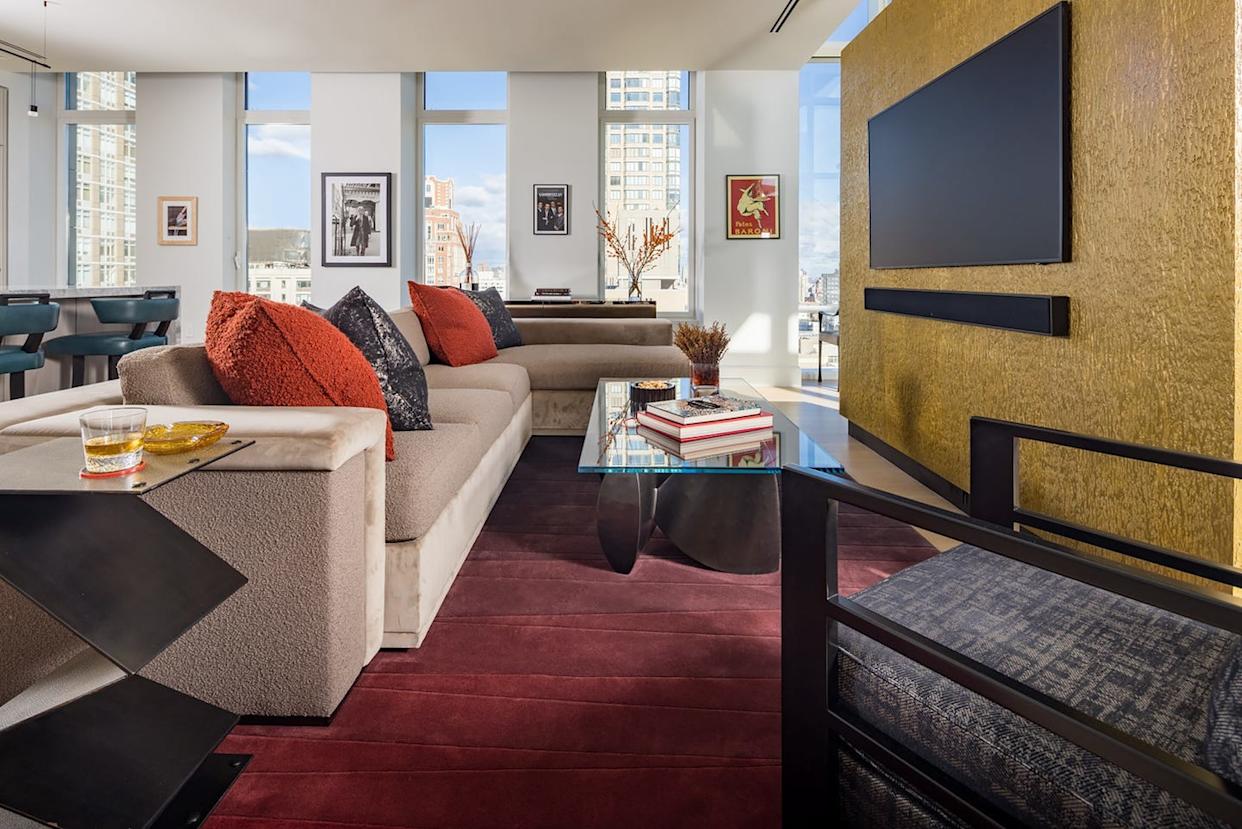
Designers Say You Might Be Mixing Textures in Your Home All Wrong

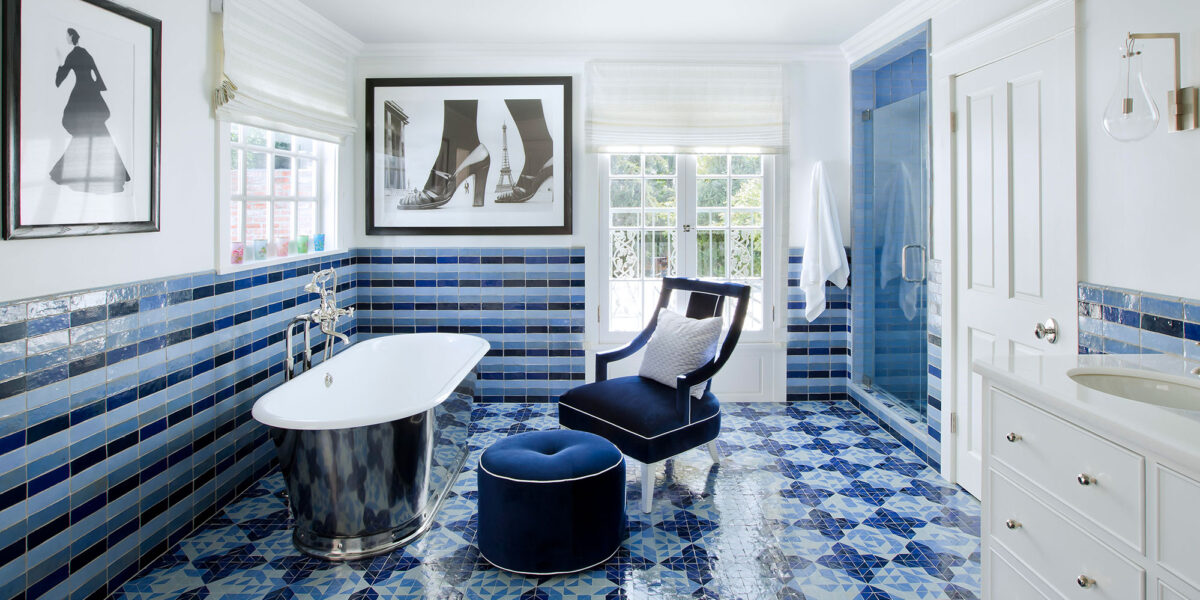
Stripes Will Never Go out of Style—Here’s the Correct Way to Decorate with Them
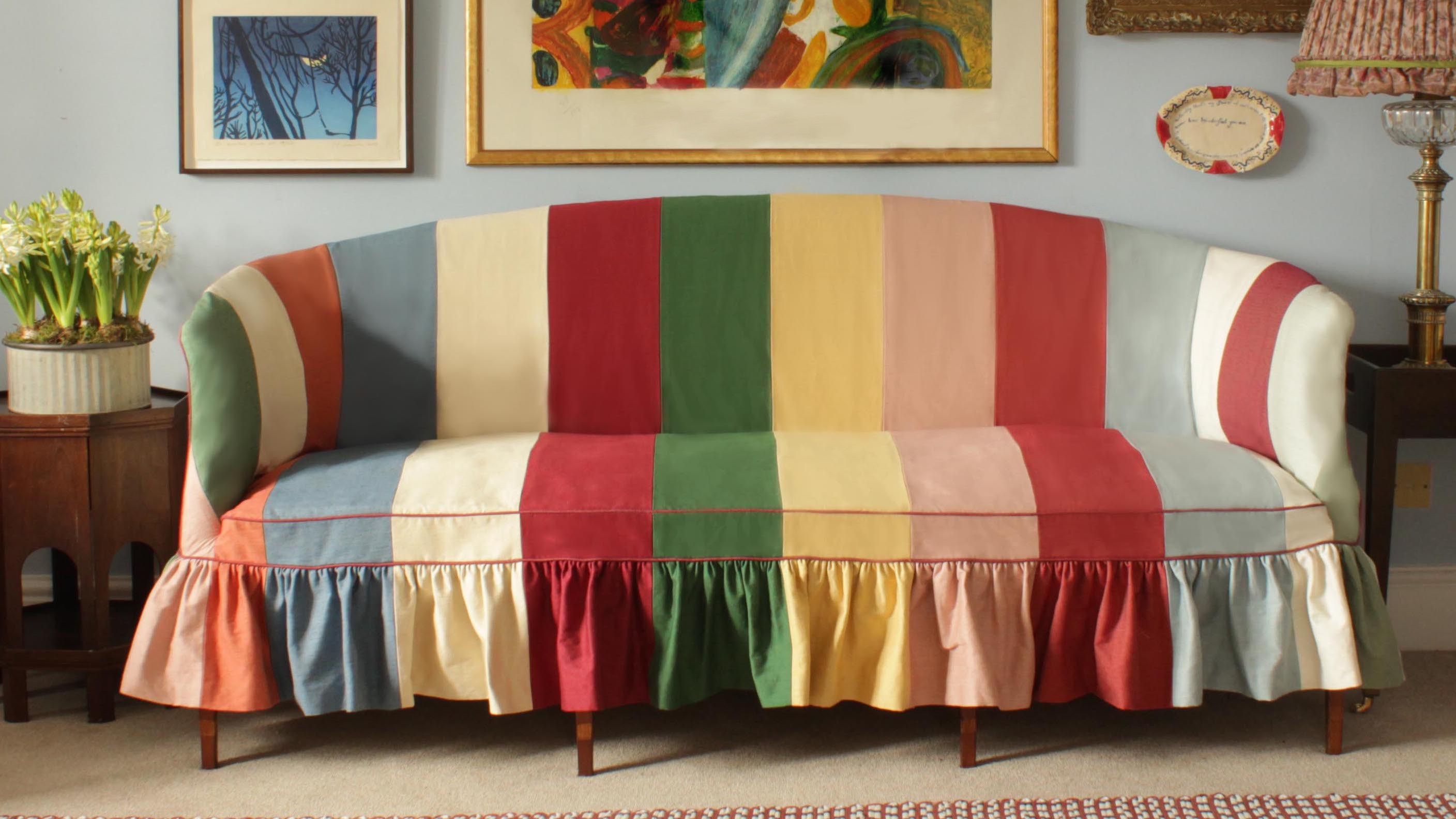
Interior design ideas — adding quirky stripes for summer
This Bold Decor Trend Is Proof That Grandma Is Always Right
More is more: Mastering the art of pattern drenching
Stripe drenching is the hot new twist on colour drenching
Pattern Drenching Is the Latest Maximalist Approach to Home Decor—Here’s How to Embrace It Without Feeling Overwhelmed

Are Stripes the Chevron of the 2020s? Let’s Discuss.
These are the biggest pattern trends designers are using in 2025 and beyond

2024 Is the Year of Stripes—Are They Here to Stay for Good?

Stripes have got a bold new look – here’s how to make the trend work in your home, according to interior experts
Interiors expert reveals 5 reasons why you should be decorating with stripes

These Dynamic New Fabrics Will Make Any Room Come Alive
Stripes are the on-trend pattern that never really went away – here's how to decorate with them in 2025
Looks Like Bold Stripes Will Have Their Moment in 2026

The 8 Dos and Don’ts of Mixing Patterns in Your Home
Make a bold statement with custom draperies, shades