1/4
Stripes Will Never Go out of Style—Here’s the Correct Way to Decorate with Them
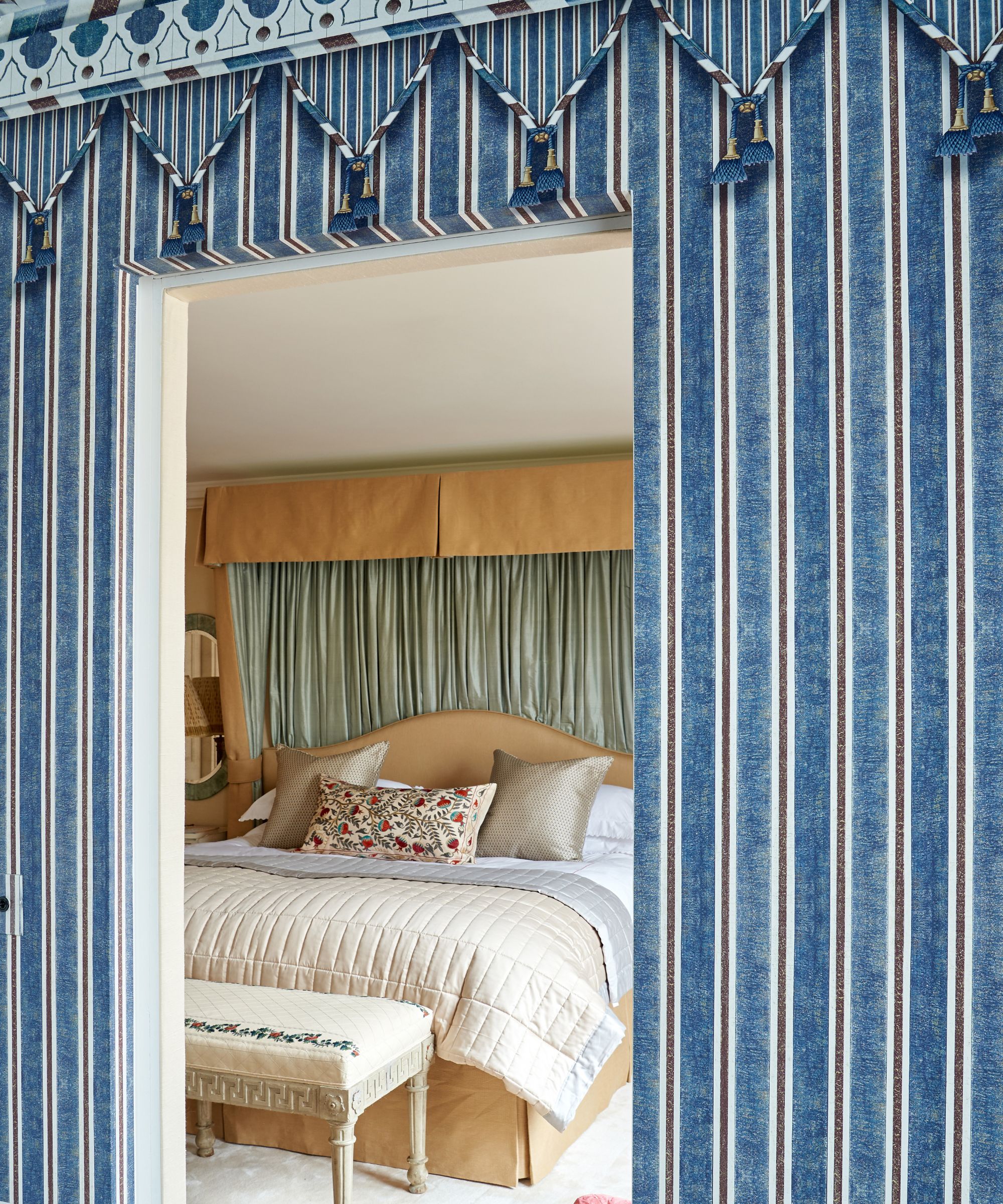
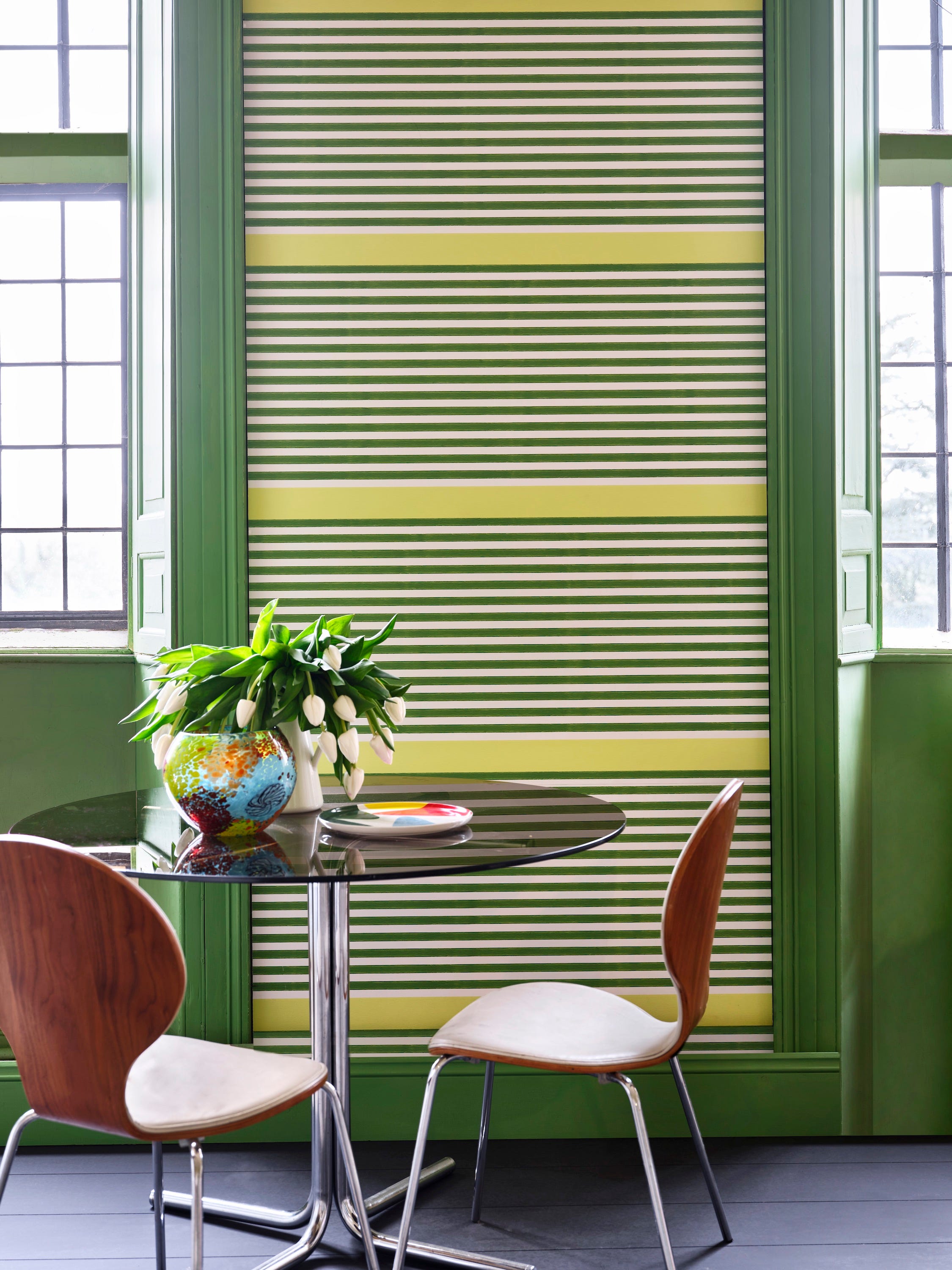
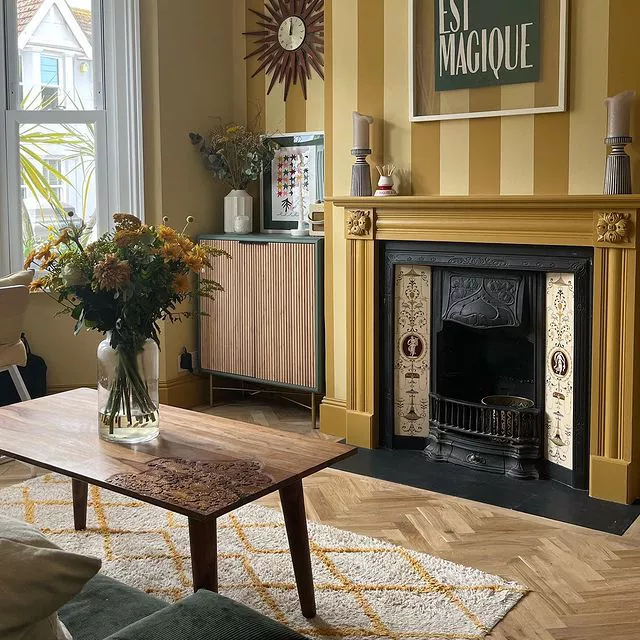
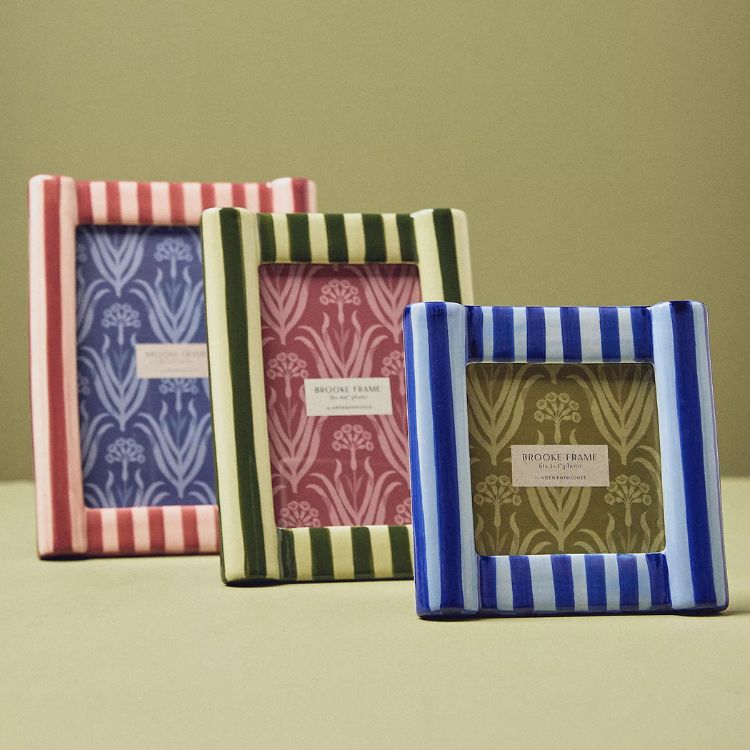
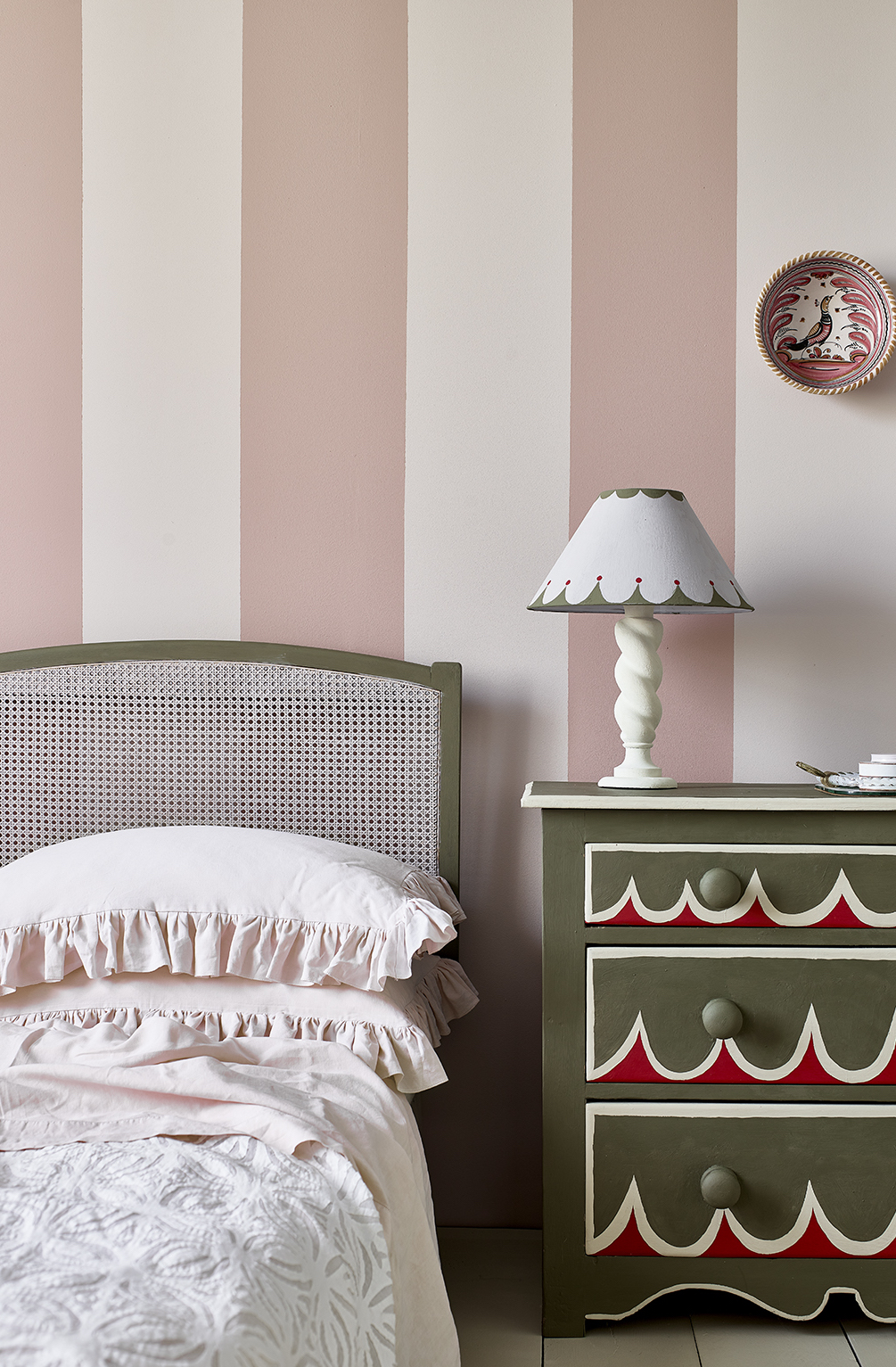
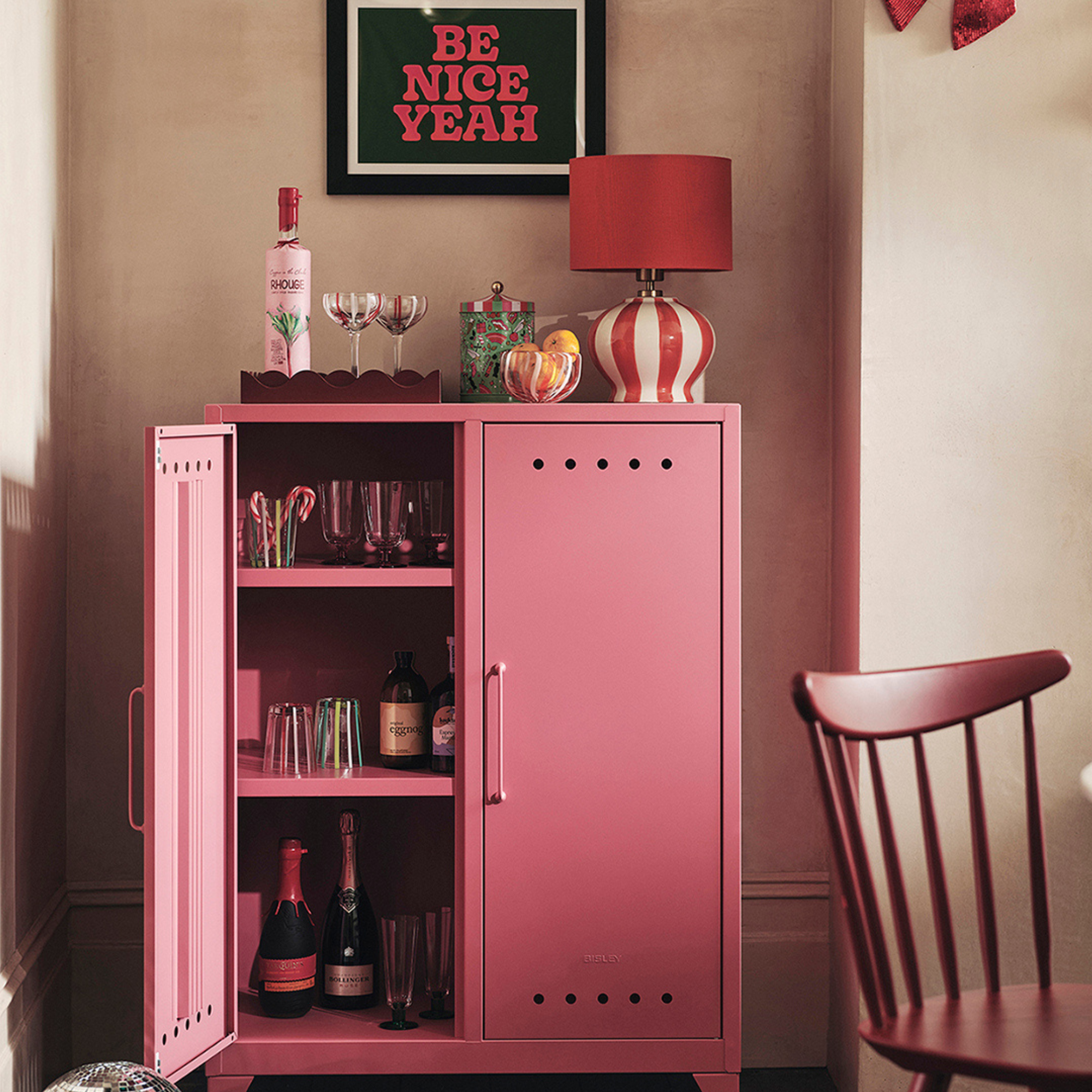
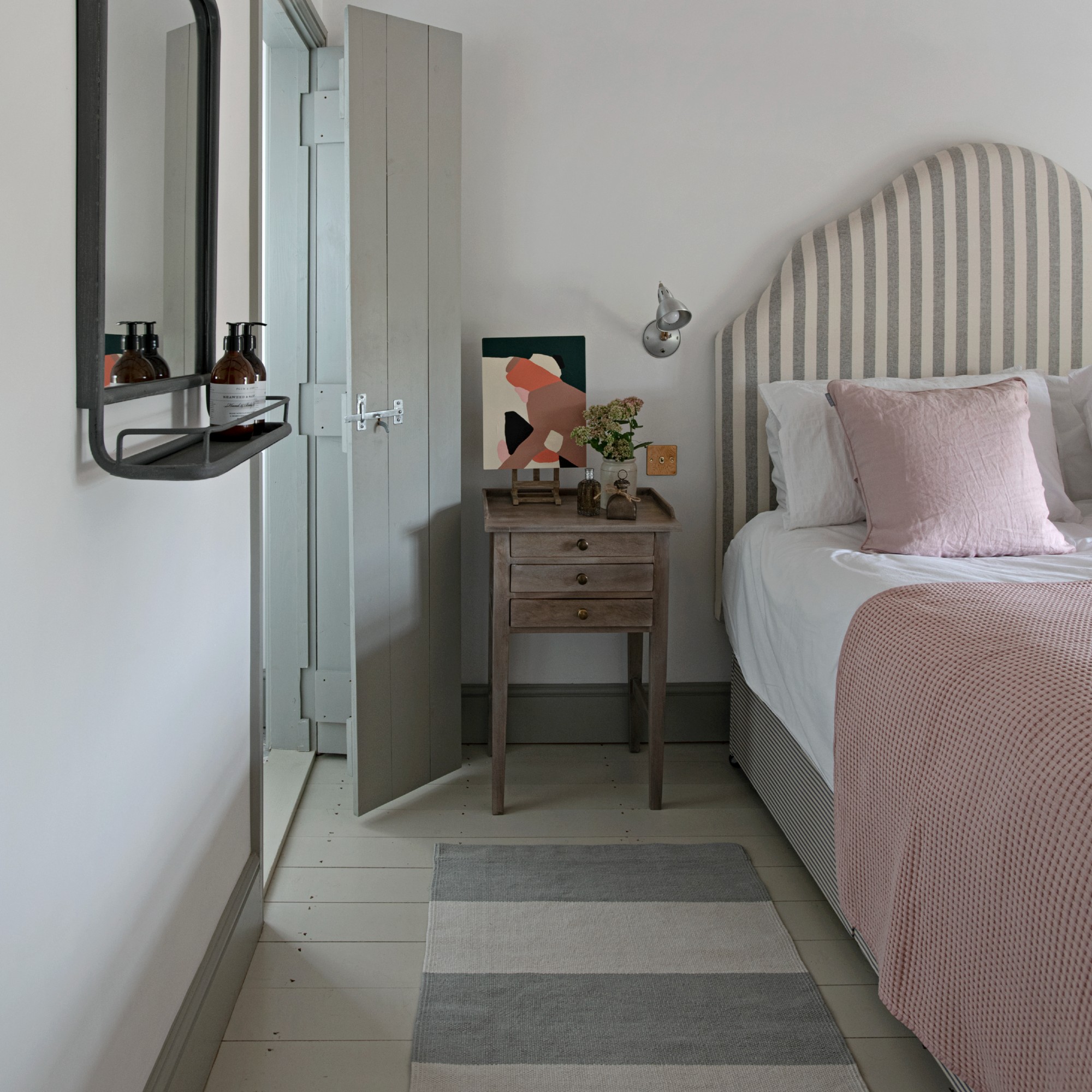
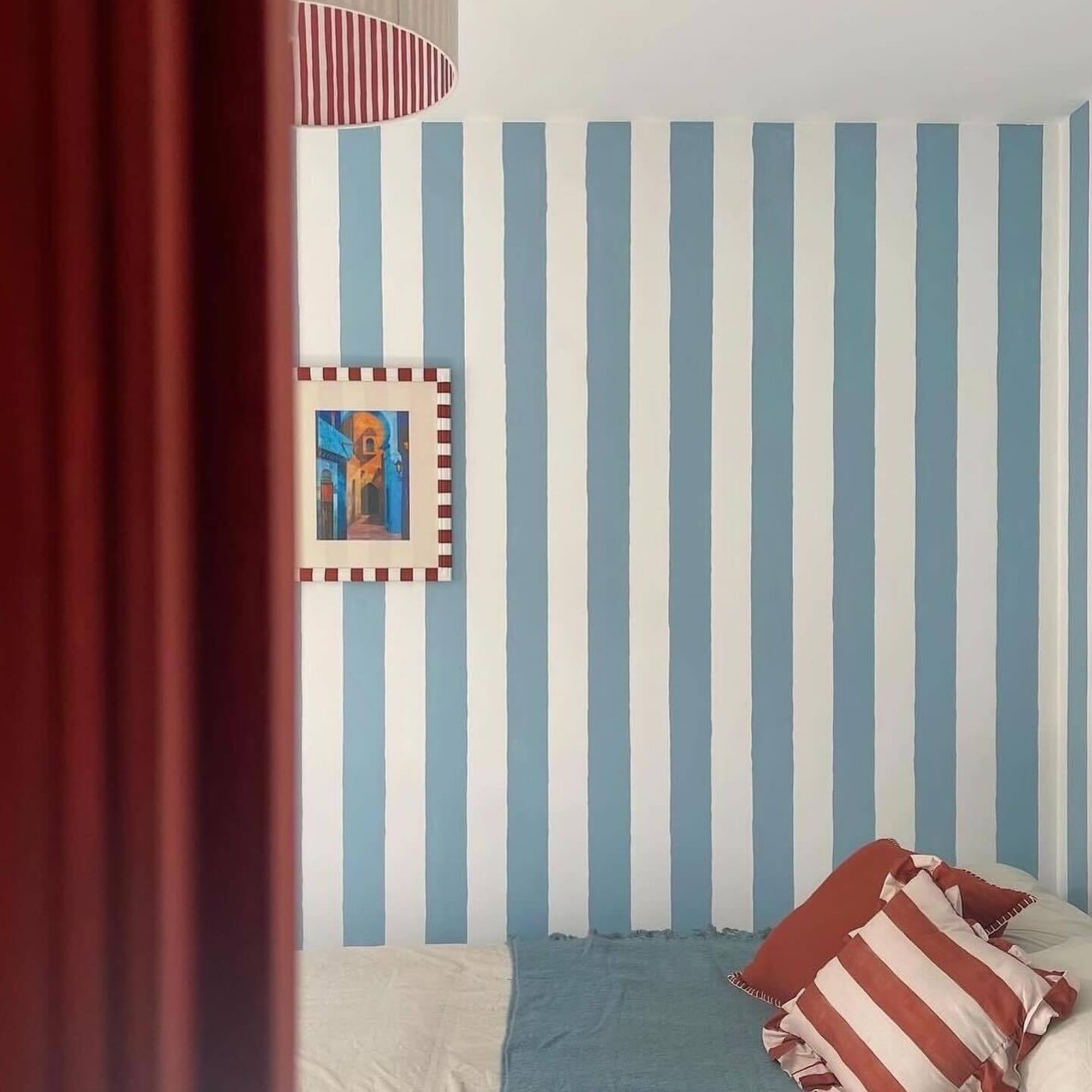
Stripes, a timeless and versatile pattern, continue to be a staple in interior design. Far from being a mere trend, stripes offer numerous interpretations, ranging from horizontal to vertical, wide to narrow, and colorful to monochromatic. Design experts emphasize that stripes can seamlessly integrate into any space, functioning almost as a neutral element that complements various styles and patterns. Ashley Clark of sKout Interiors notes their classic appeal combined with a fun aesthetic, advocating for their use alongside other stripes and patterns.
Liad Schwartz of Interiors with Liad highlights the versatility and timelessness of stripes across all design styles, from traditional to contemporary, emphasizing that effective integration hinges on mastering scale, direction, and color palette. Christine Markatos Lowe of Christine Markatos Design aligns with this, preferring more vibrant stripes in traditional and coastal settings, and monochromatic versions for modern homes.
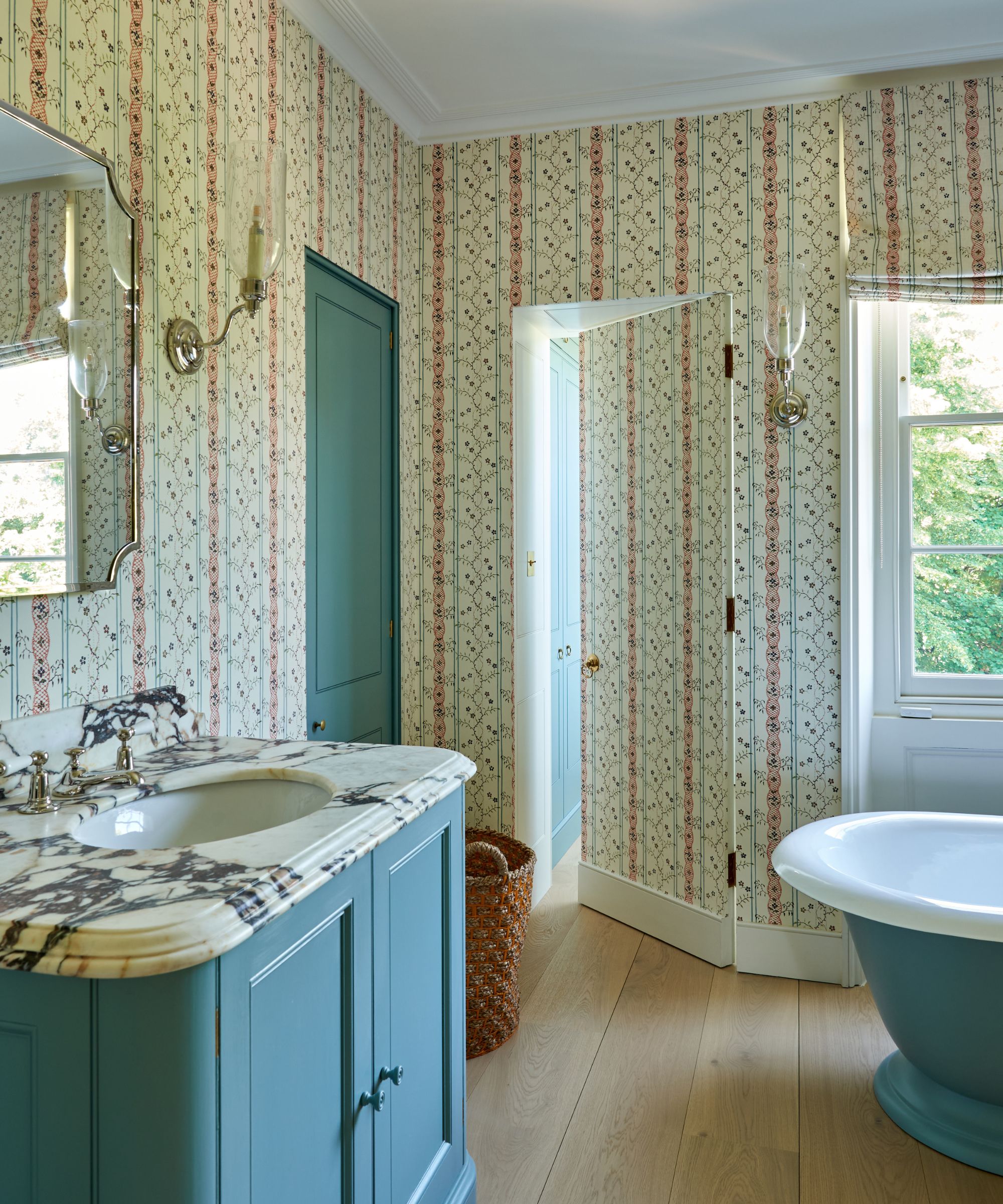
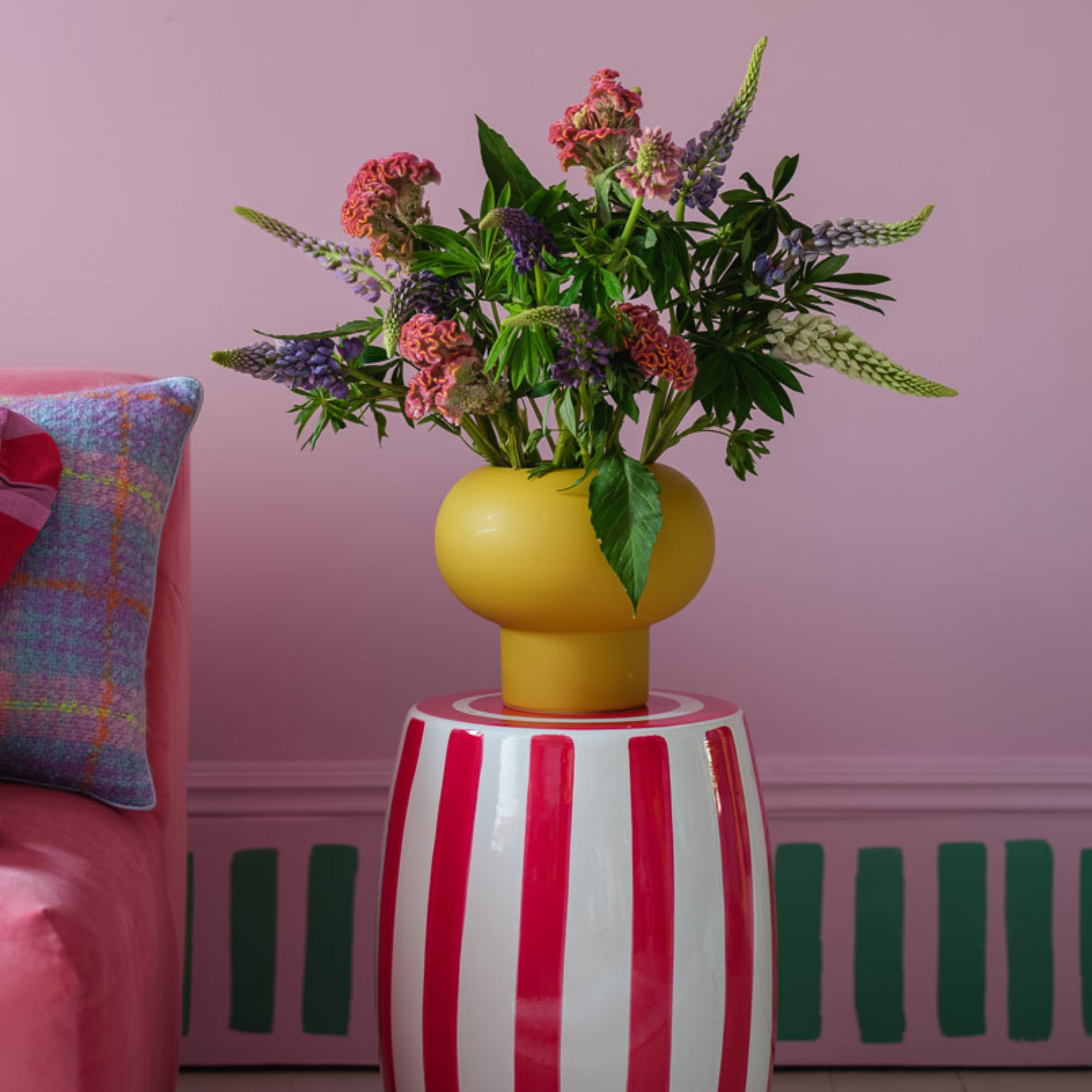
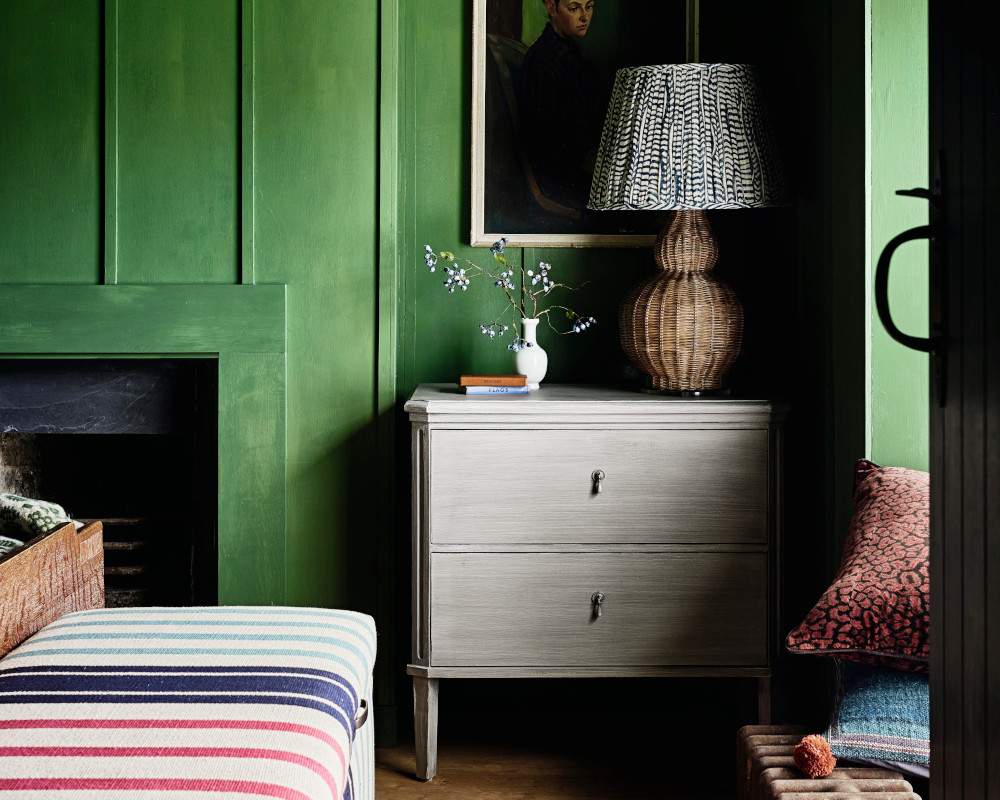
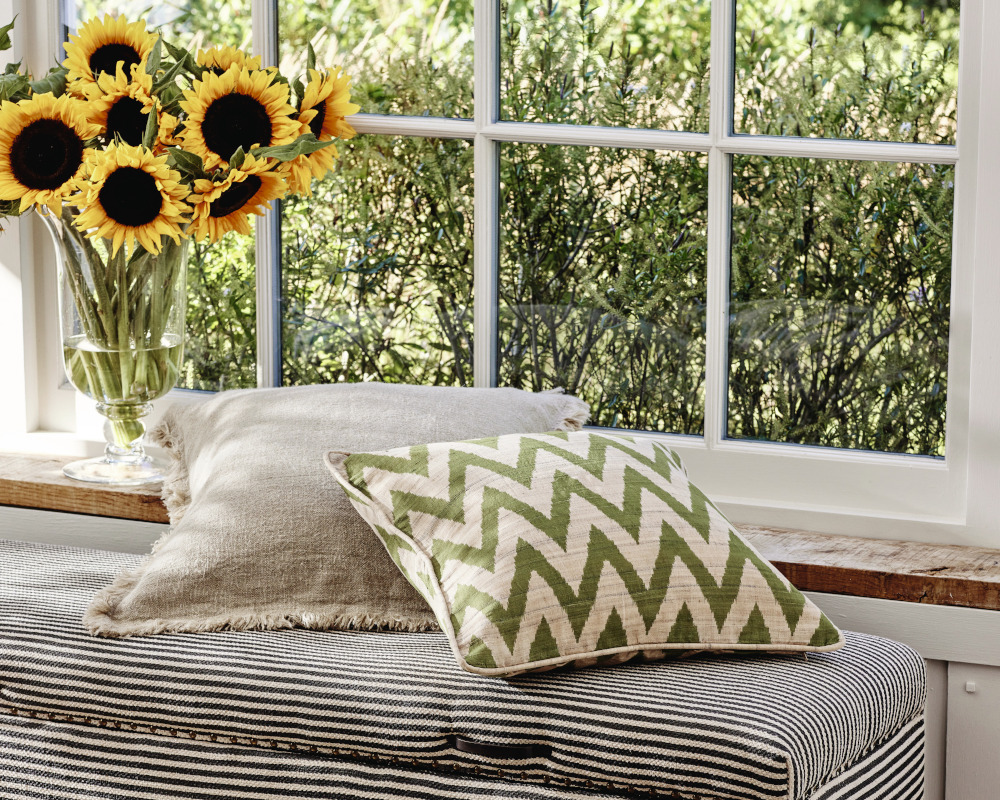
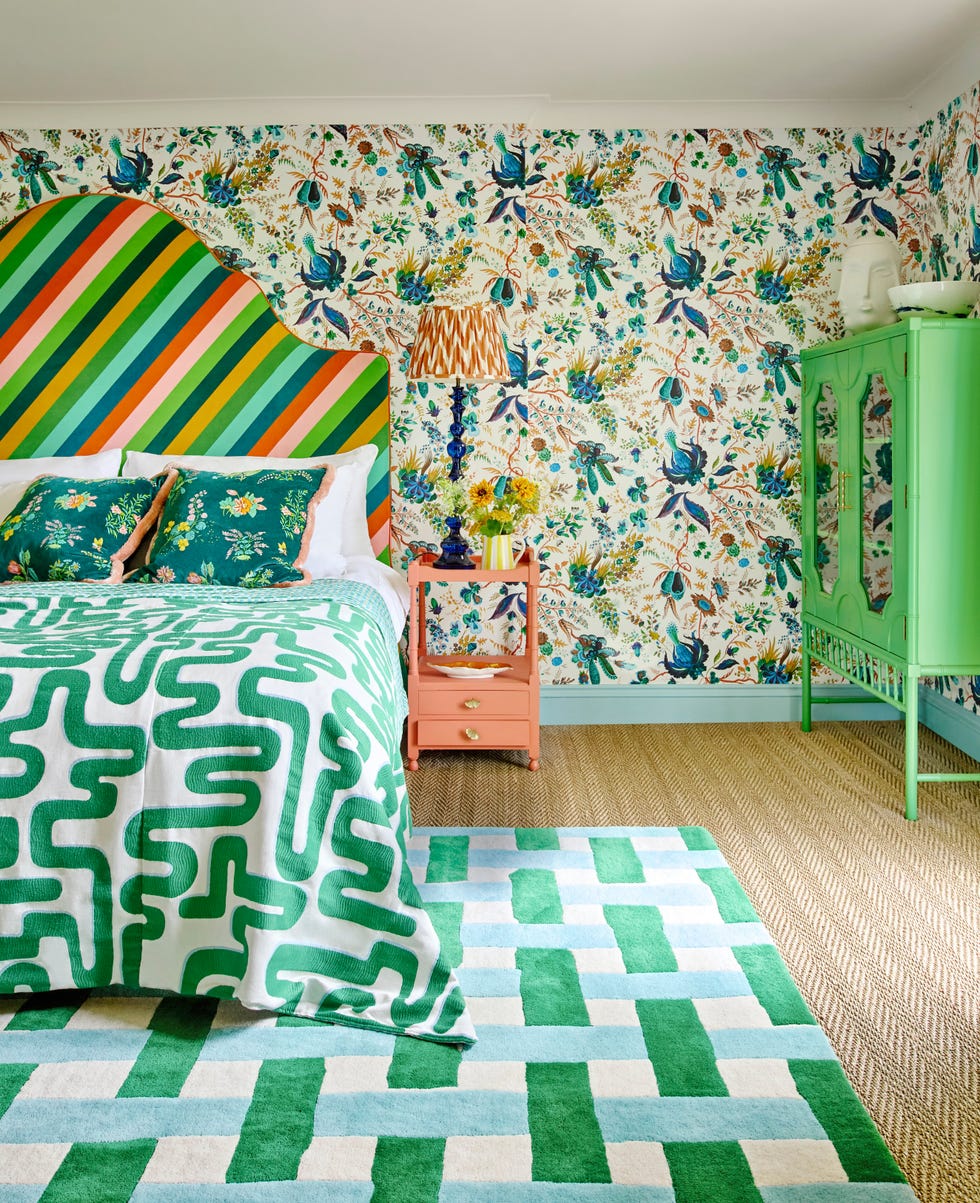
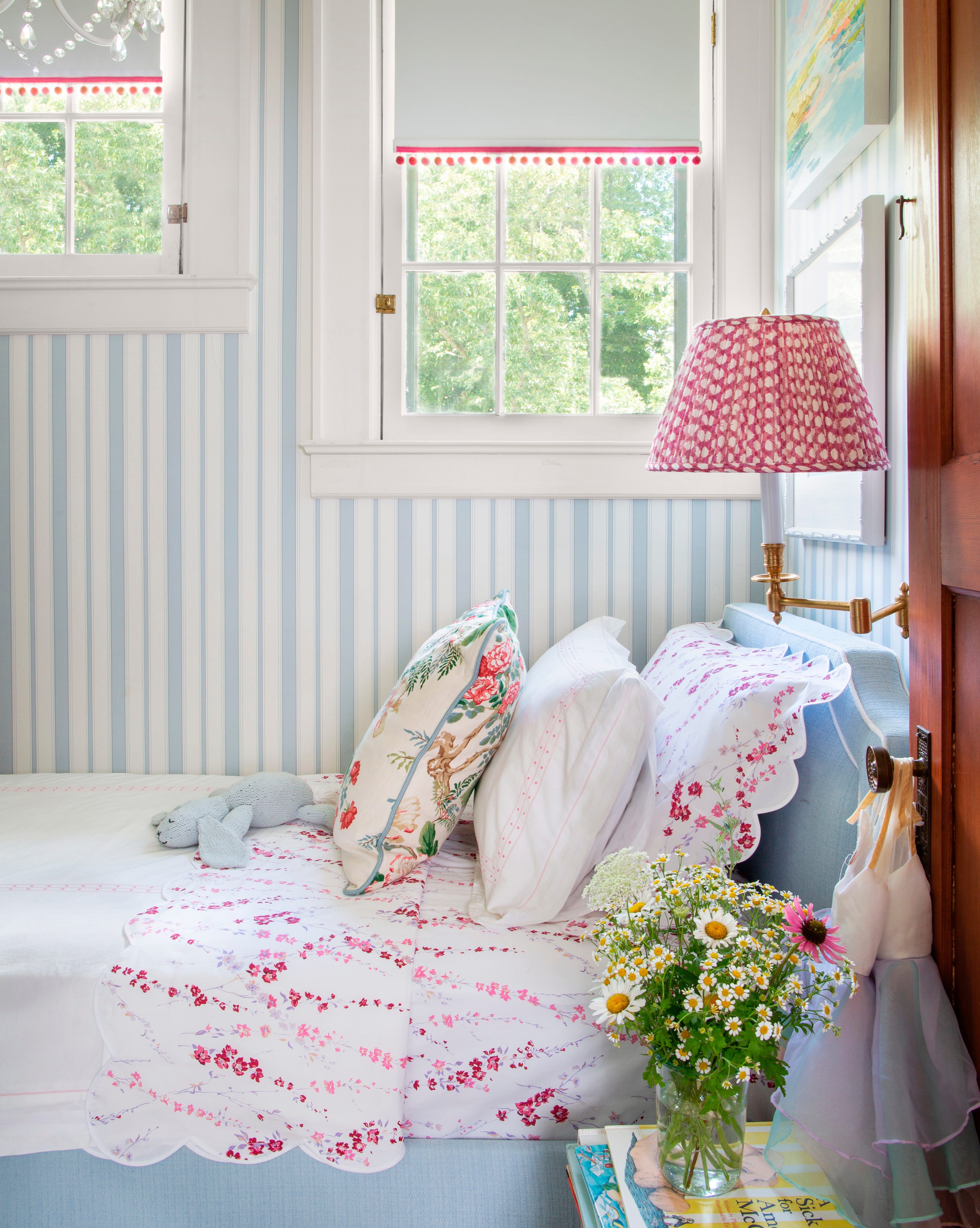
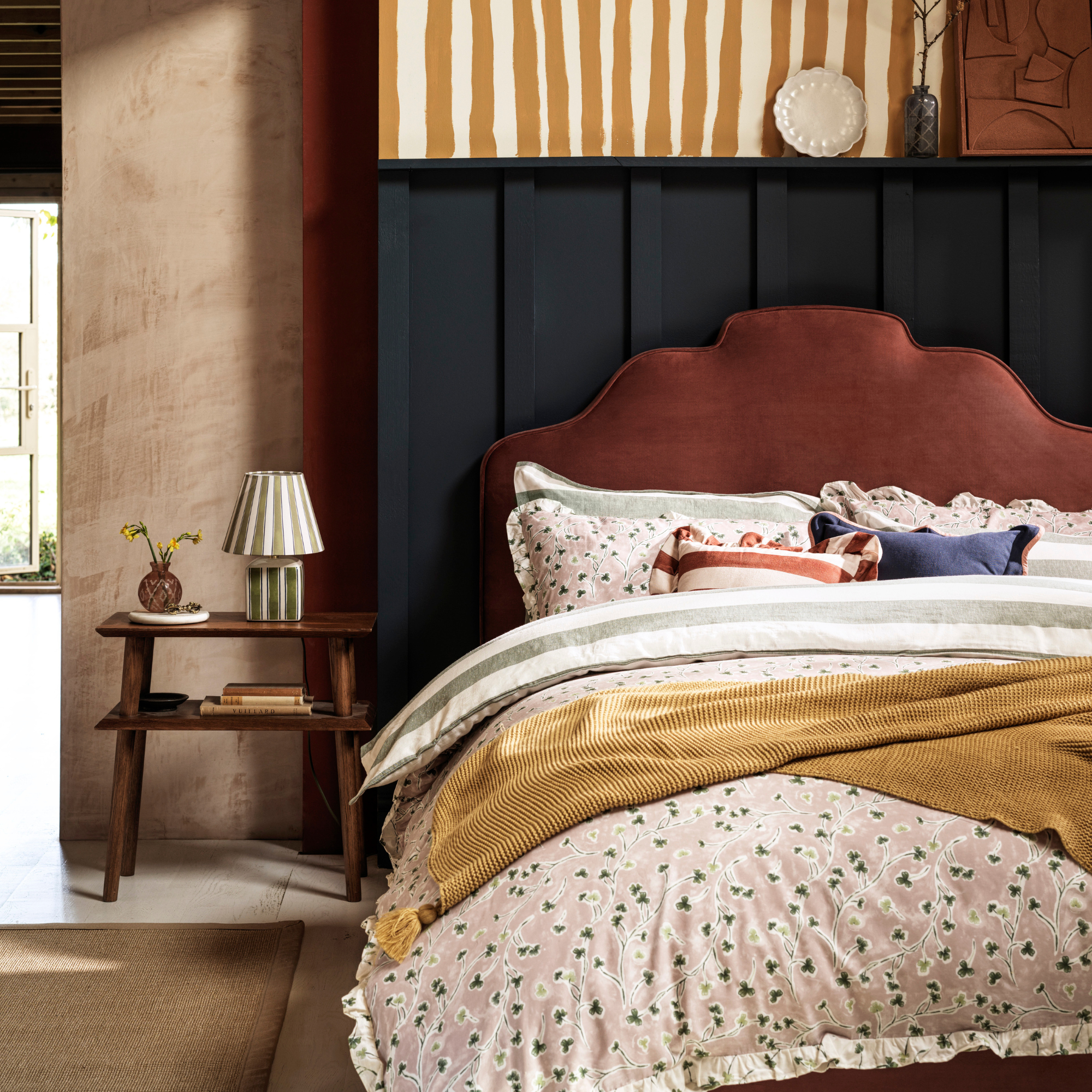
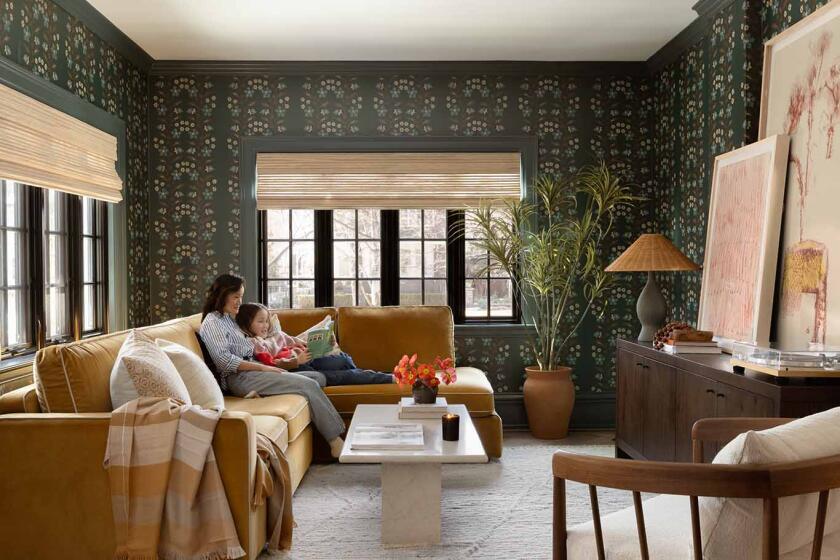
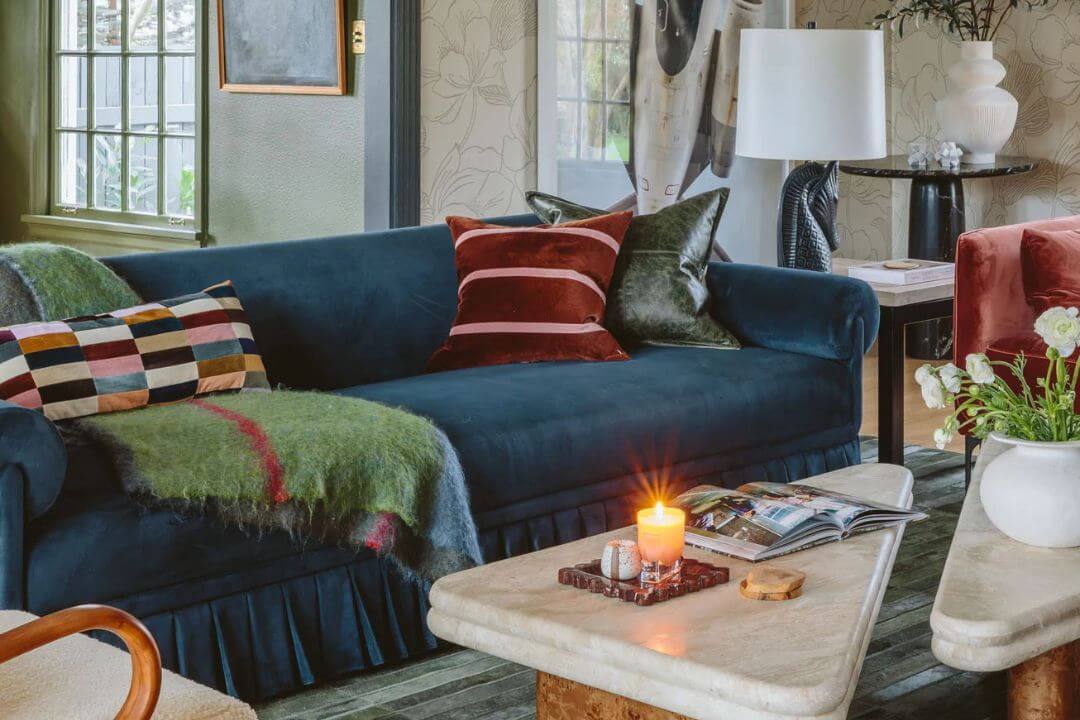
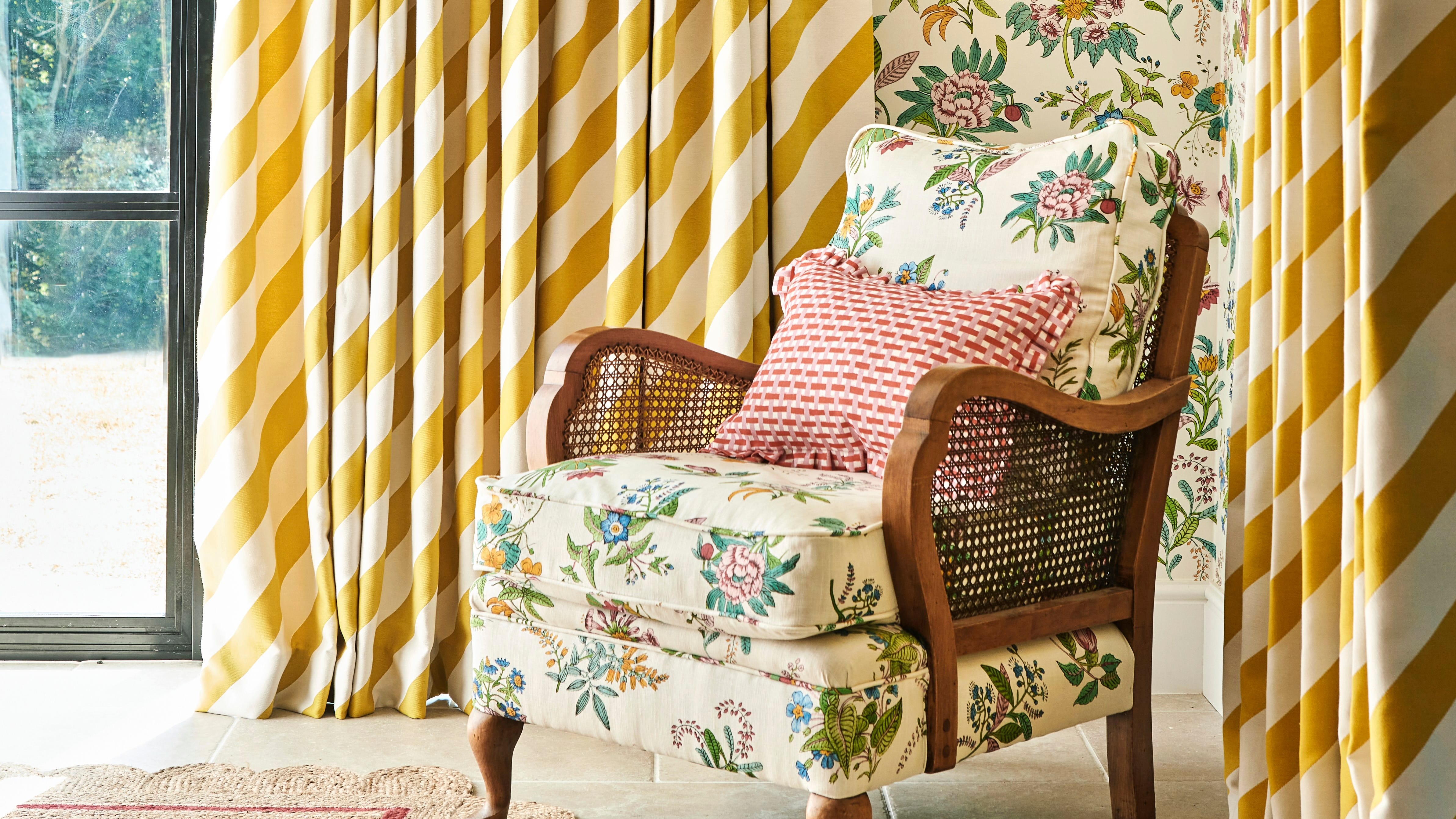
One of the more innovative applications of stripes involves pairing them with organic patterns. Vyanca Soto of Market Studio Interiors provides a formula for this, focusing on contrast and cohesion. The strategy involves juxtaposing stripes with organic motifs such as florals, block prints, or abstract designs to introduce movement and balance. Soto advises varying the scale and weight of the patterns to prevent them from clashing, suggesting a thin ticking stripe next to a bold ikat or large botanical print. Maintaining a tight and intentional color palette is crucial to ensure the mix appears curated rather than chaotic.
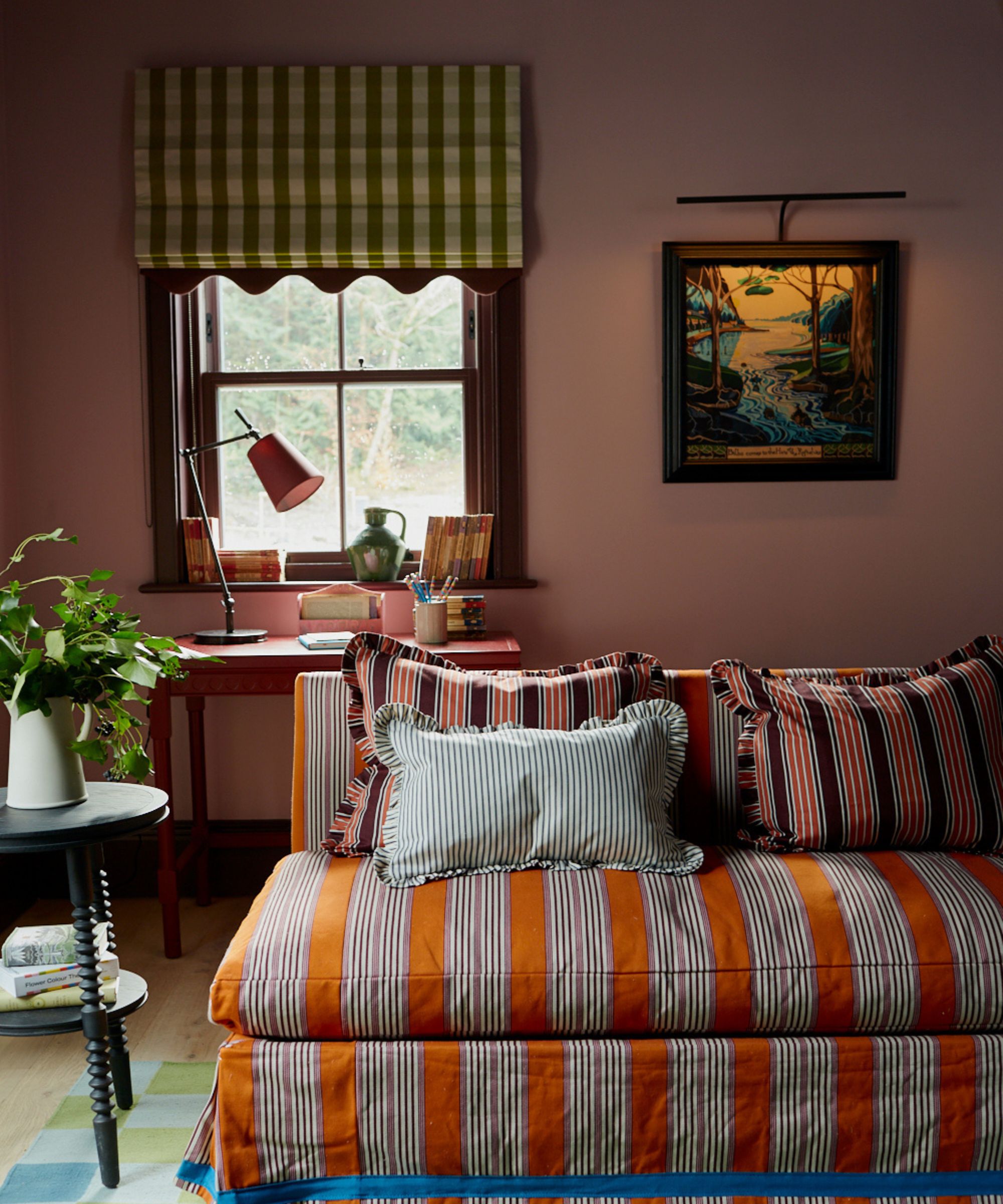
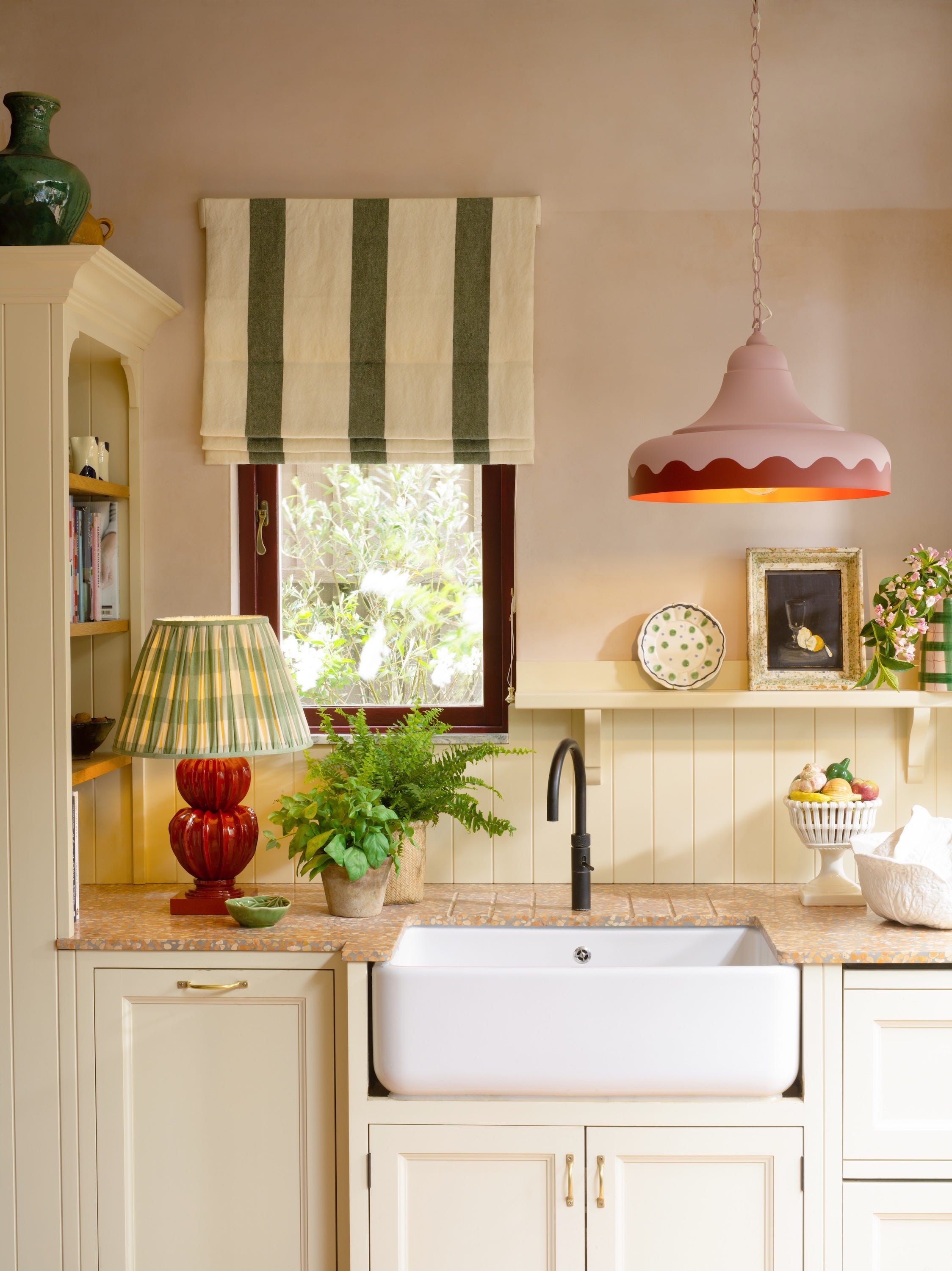
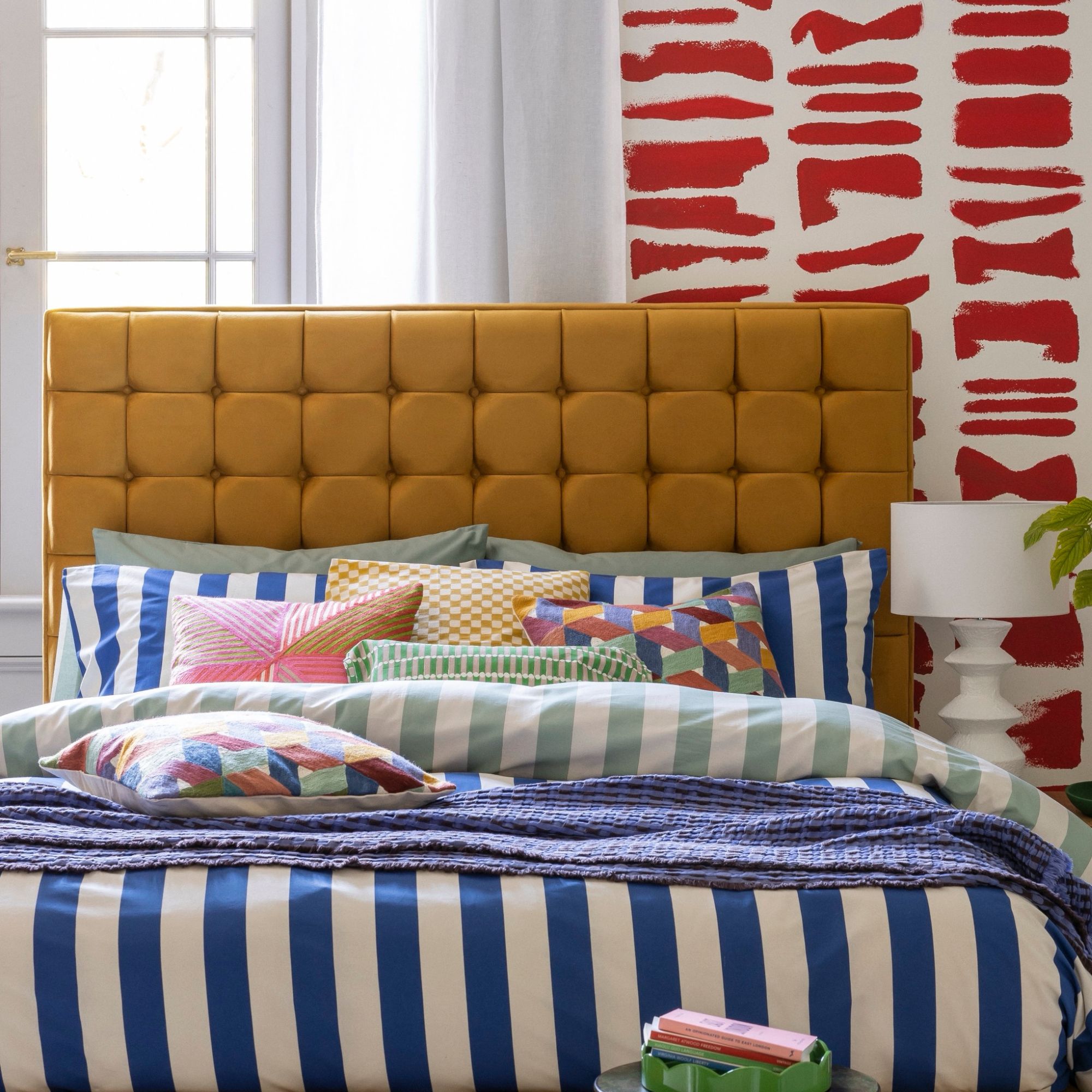
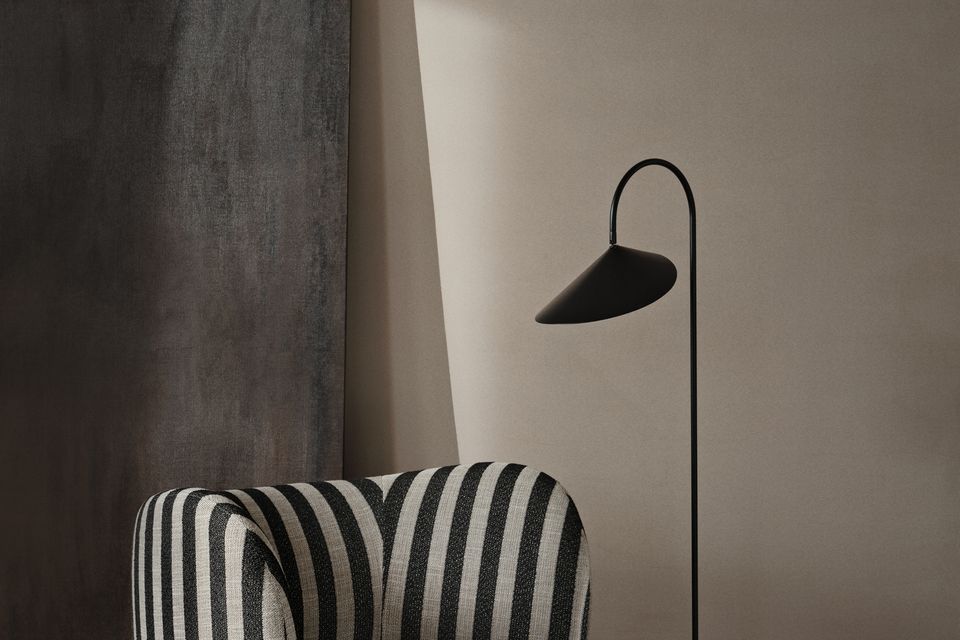
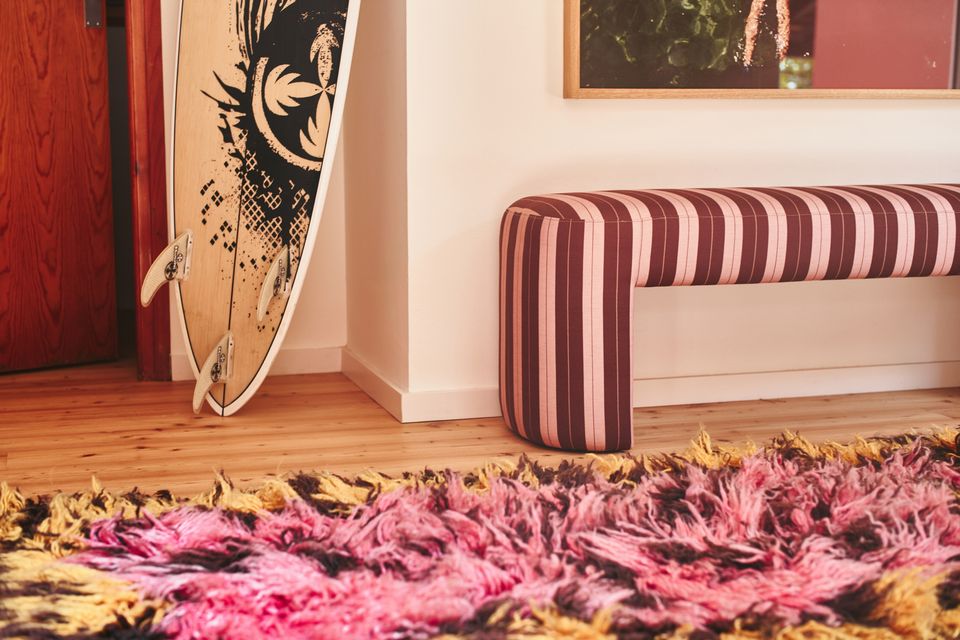
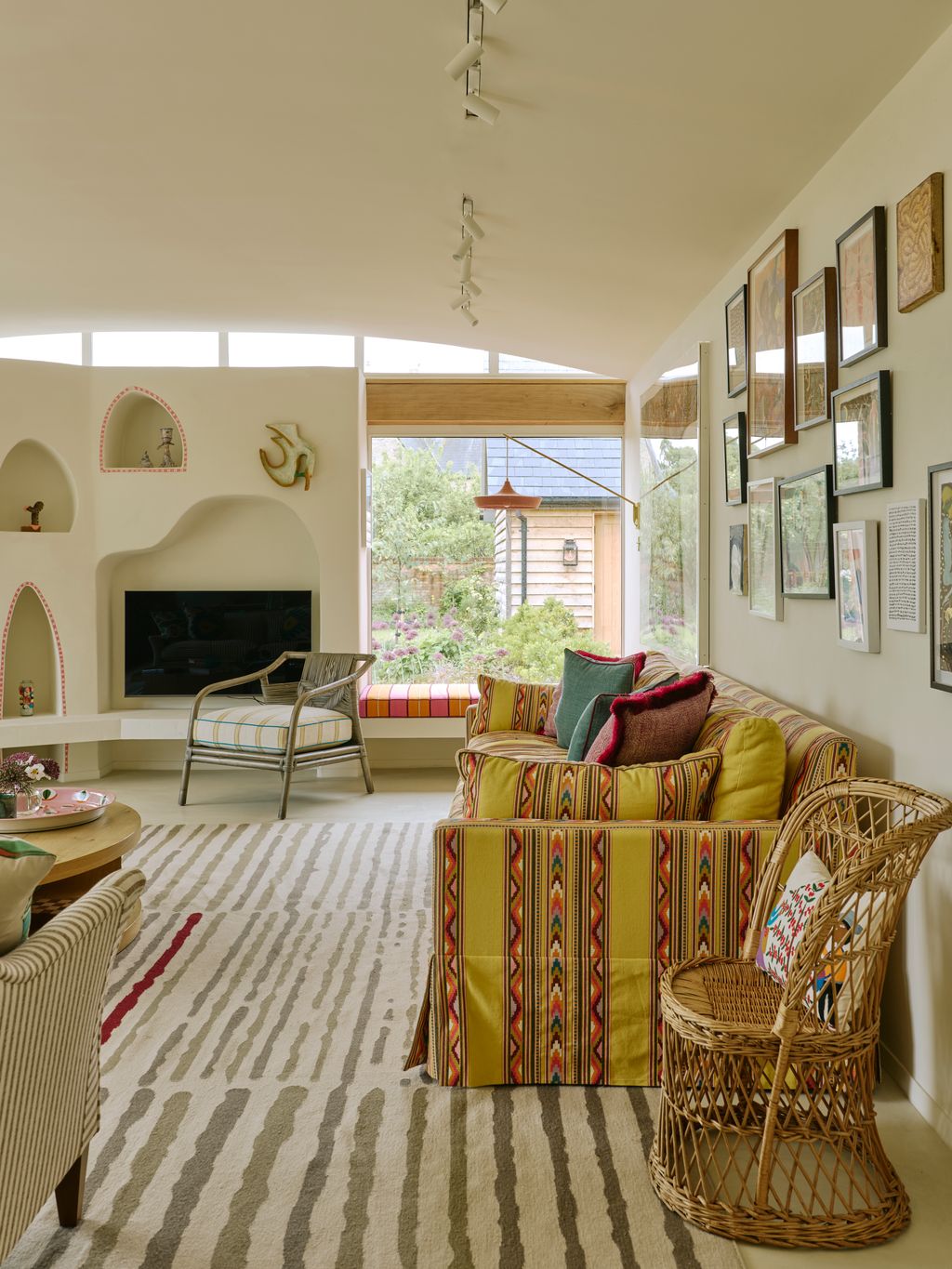
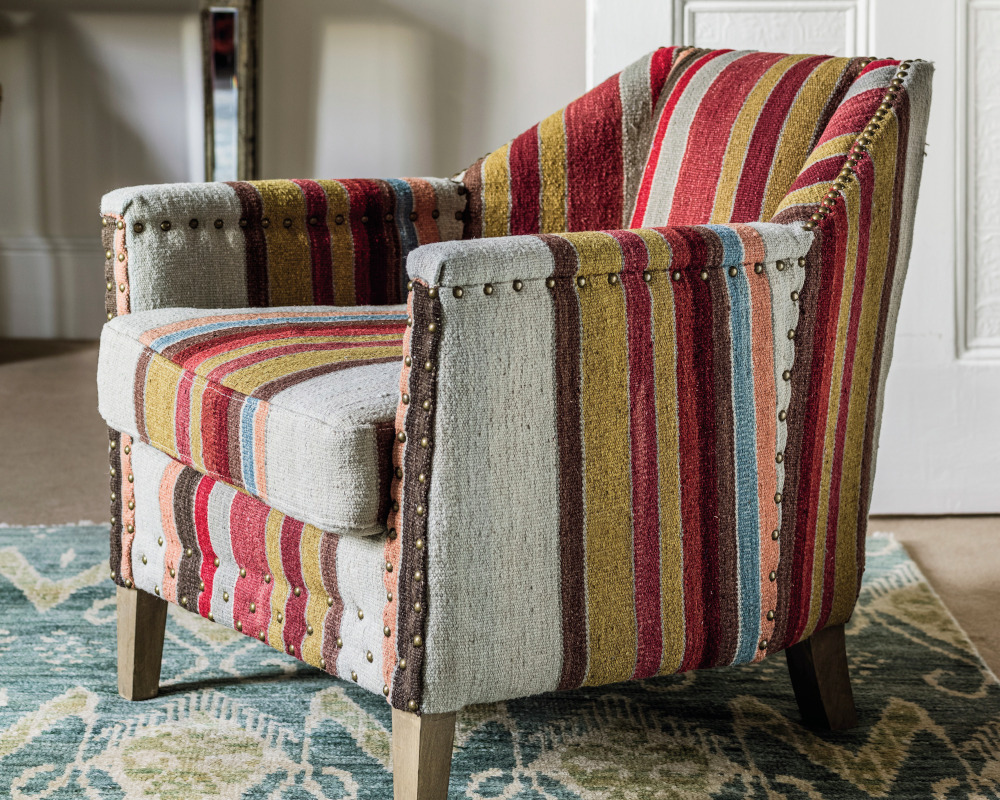
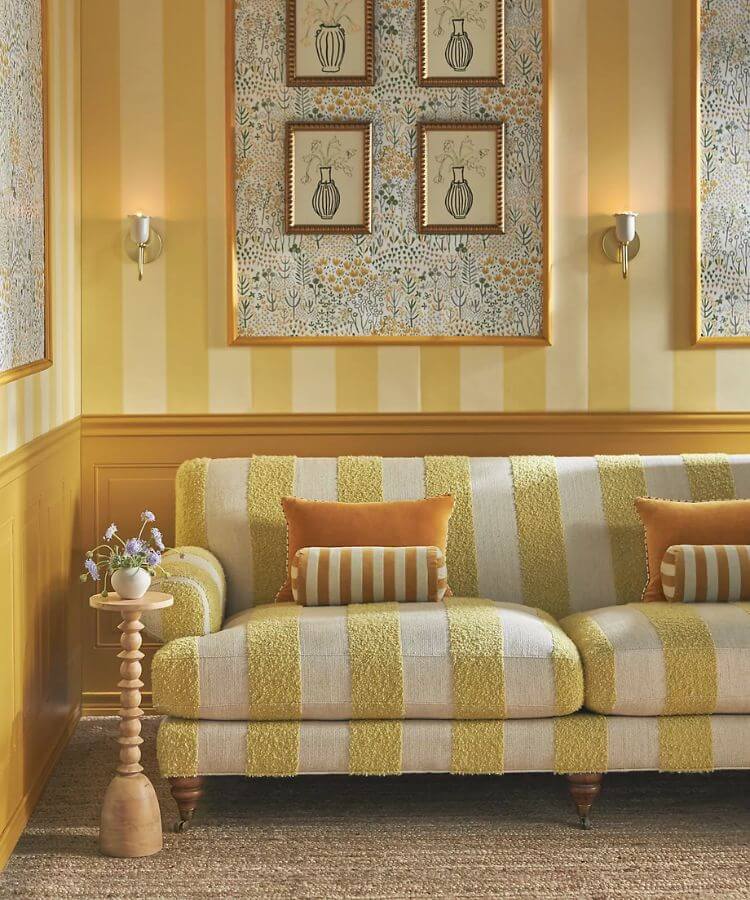
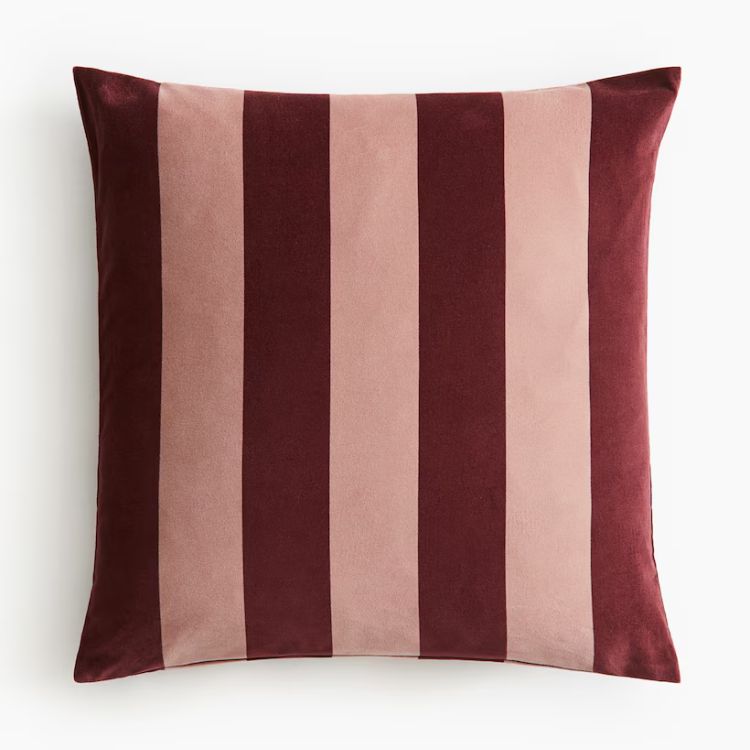
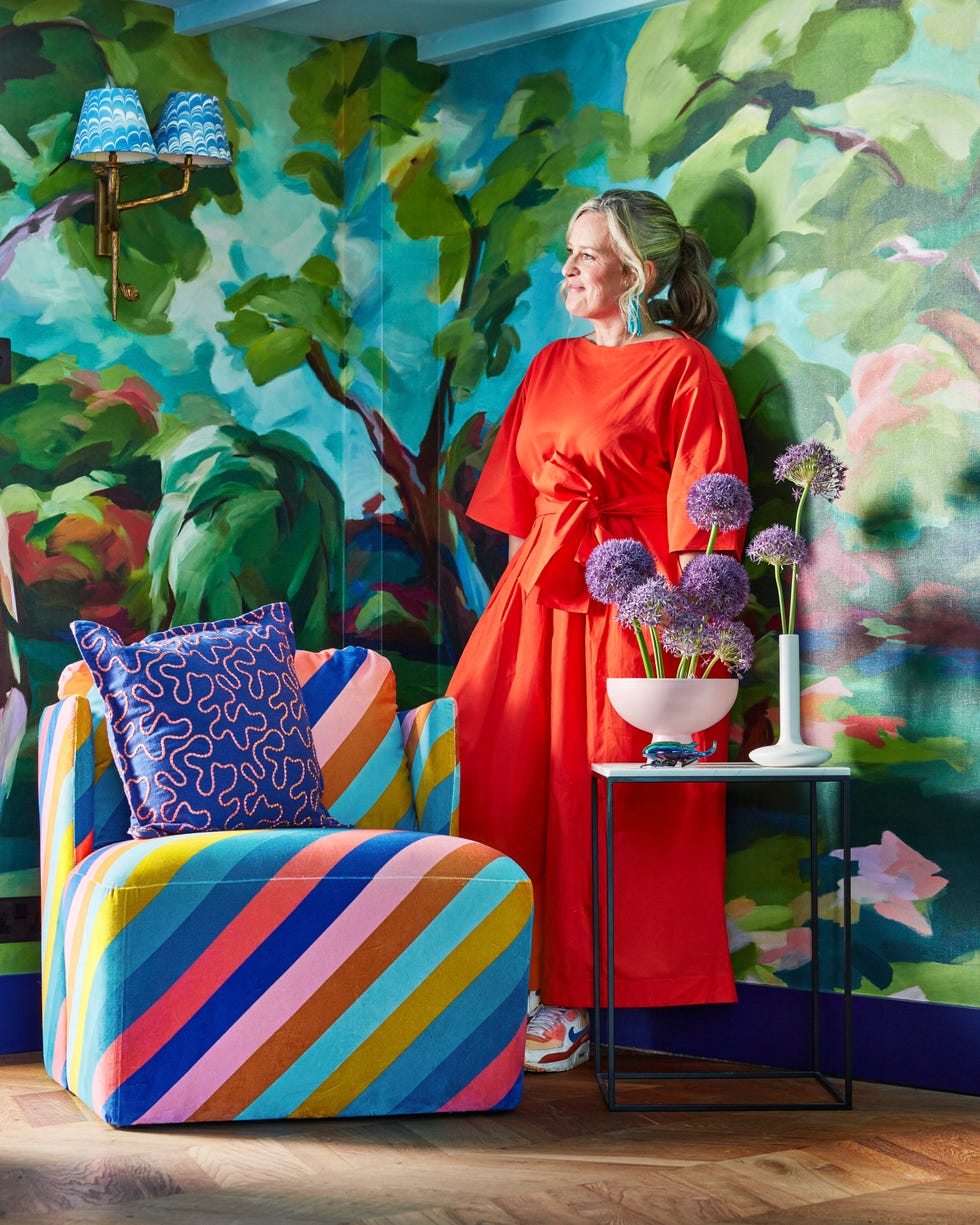
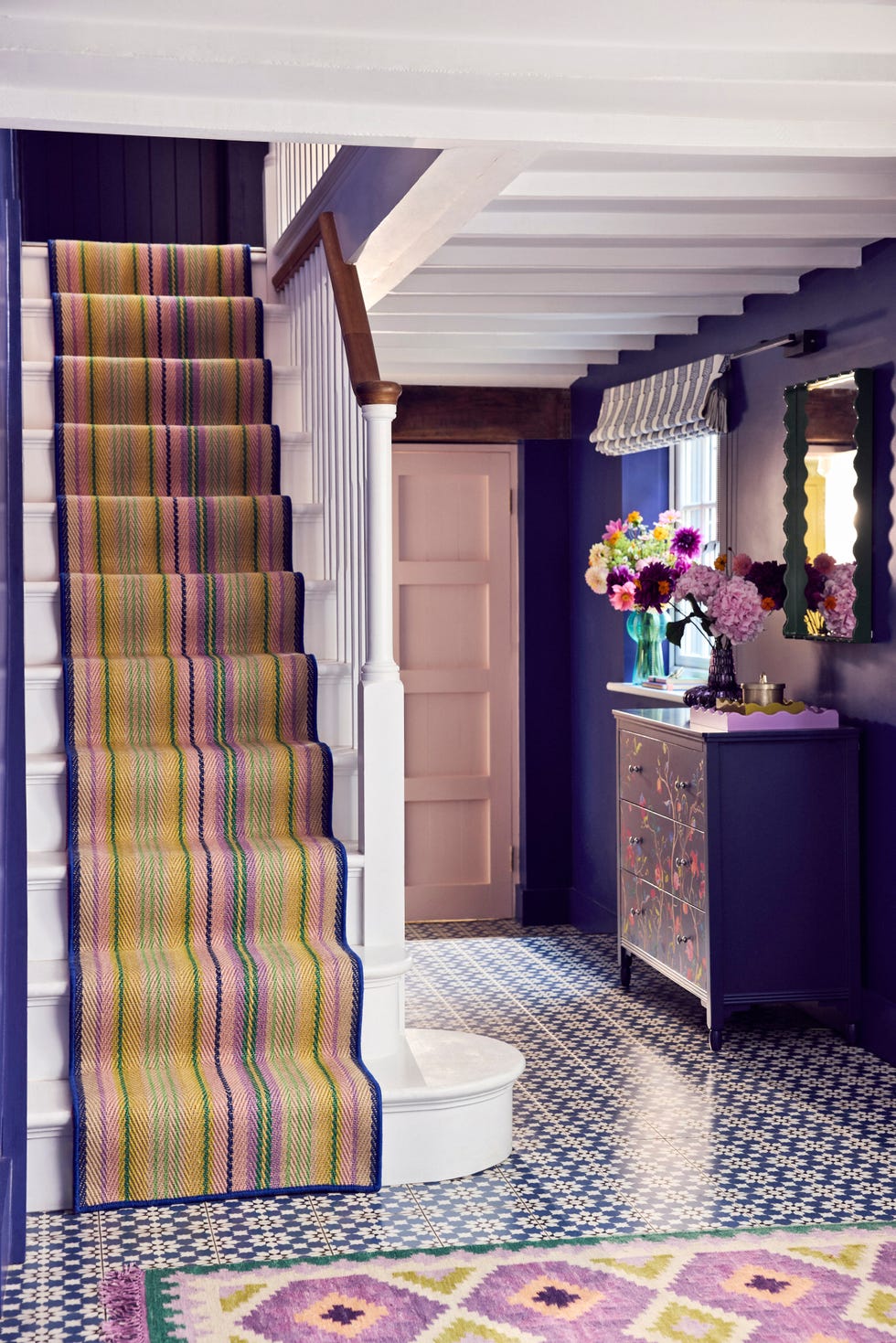
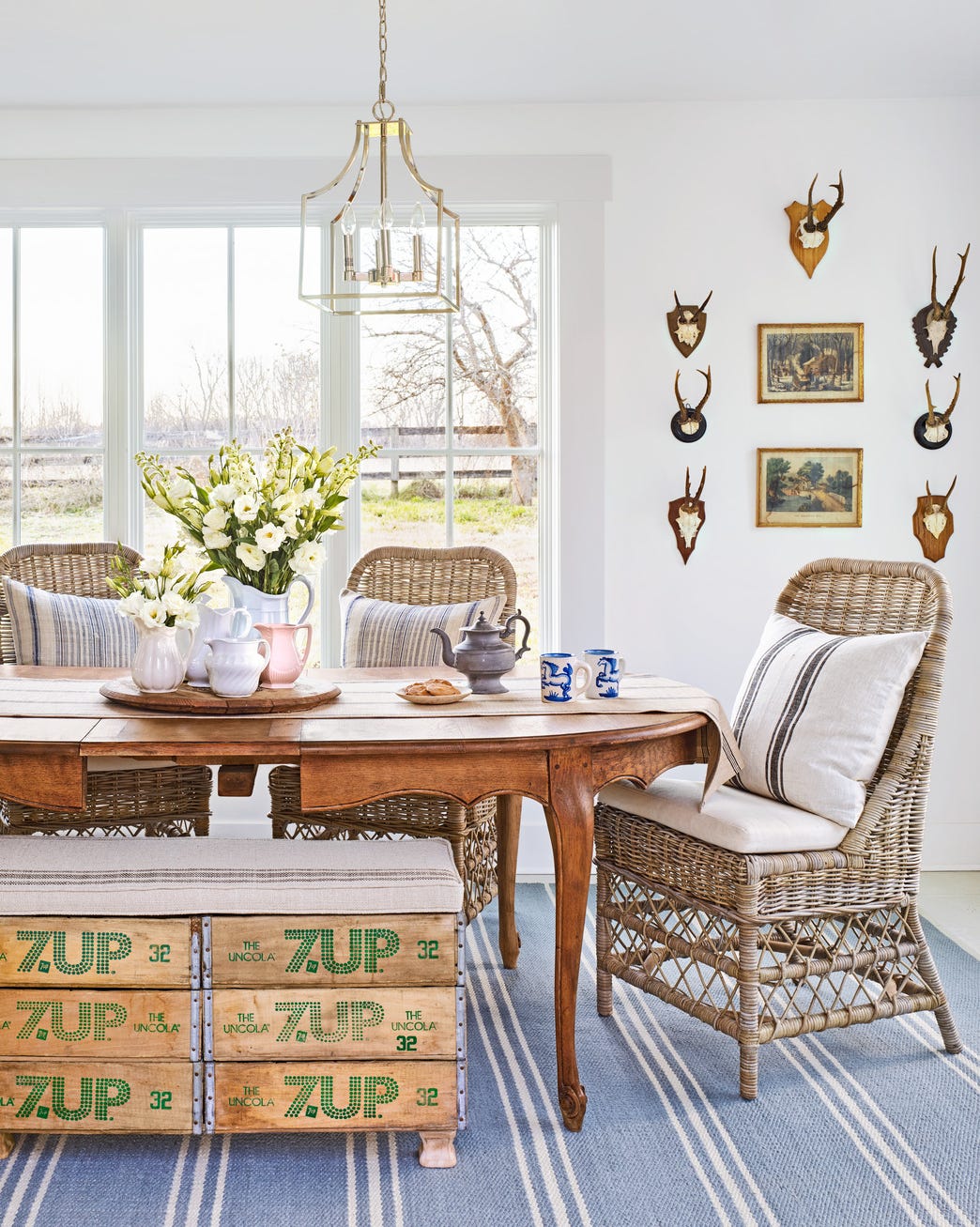
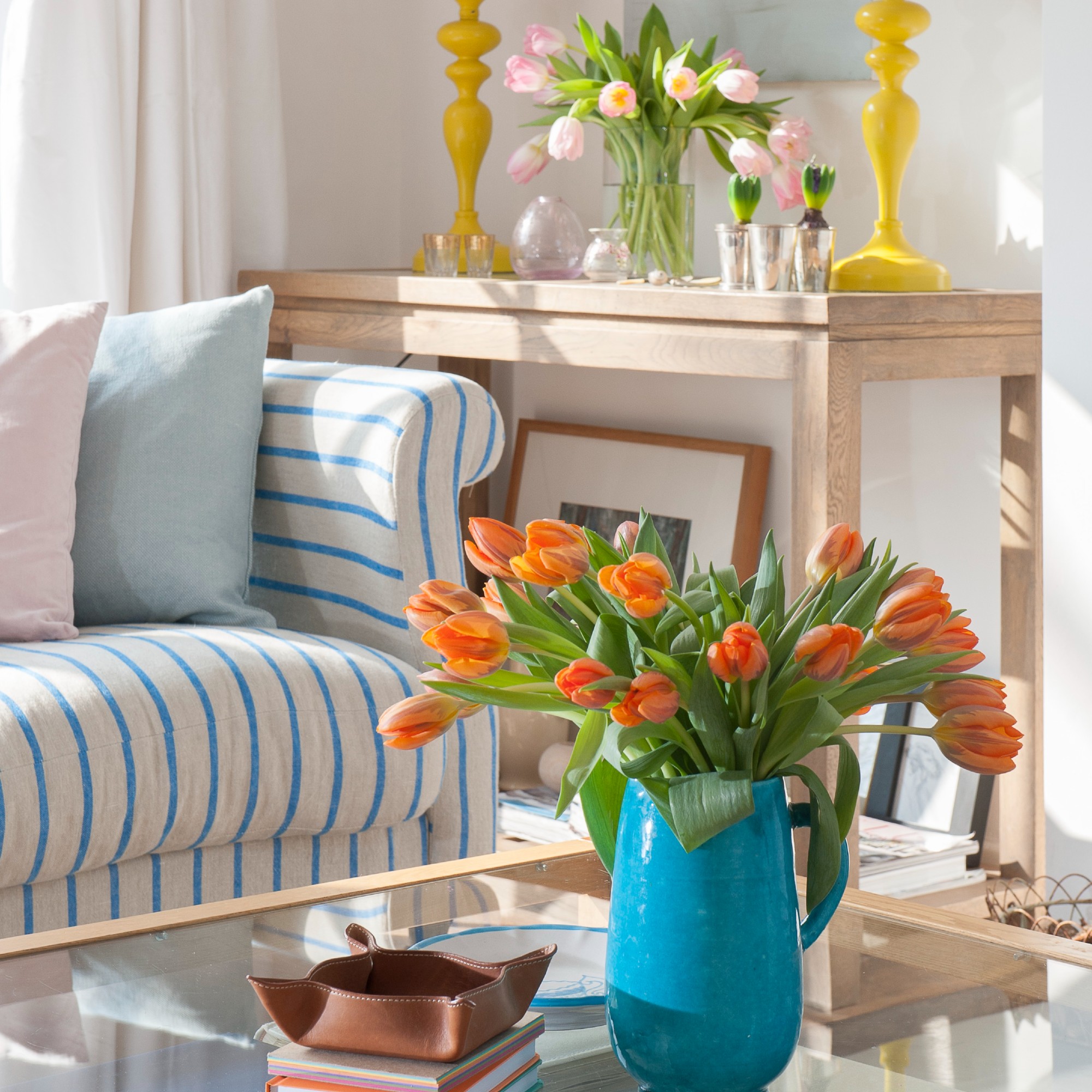
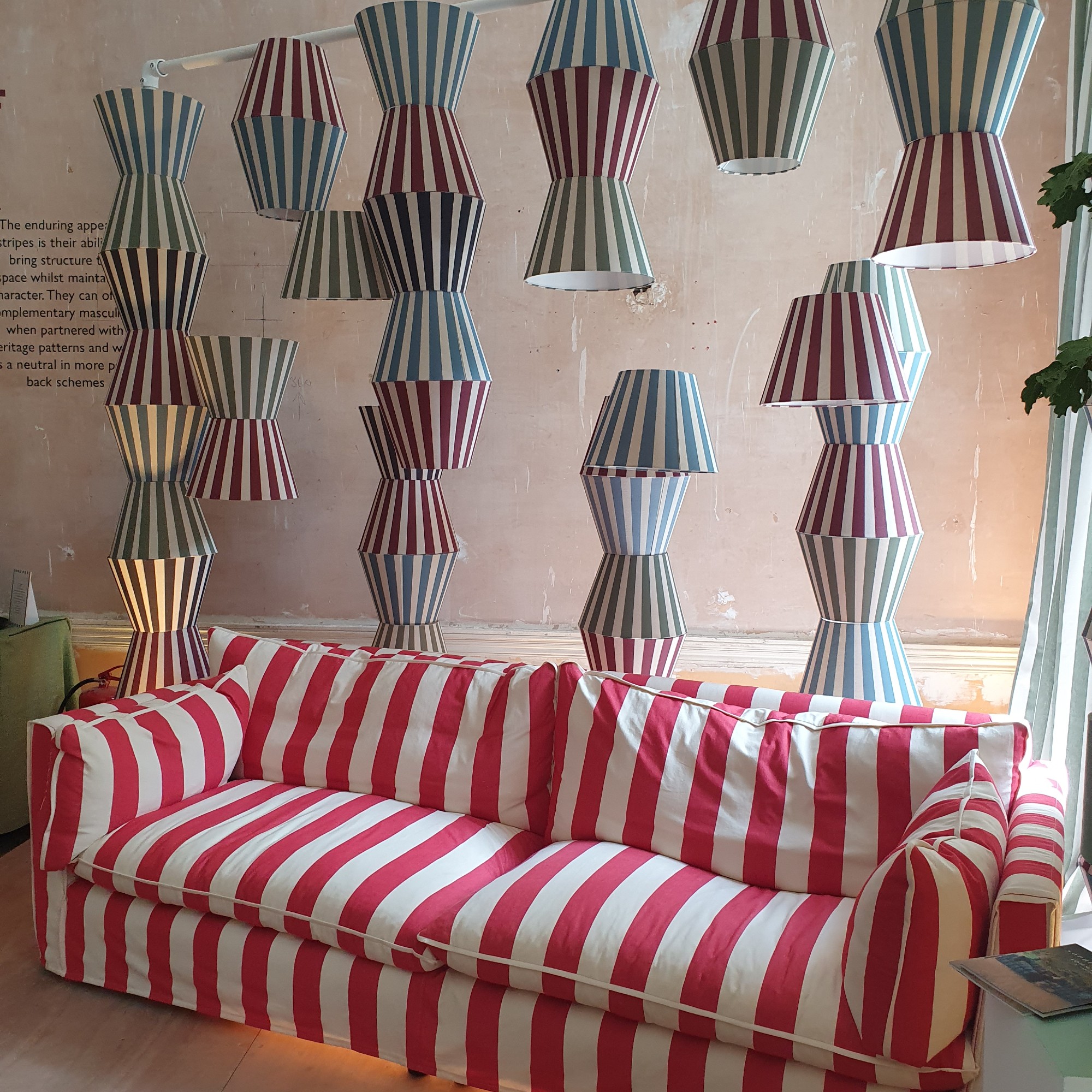
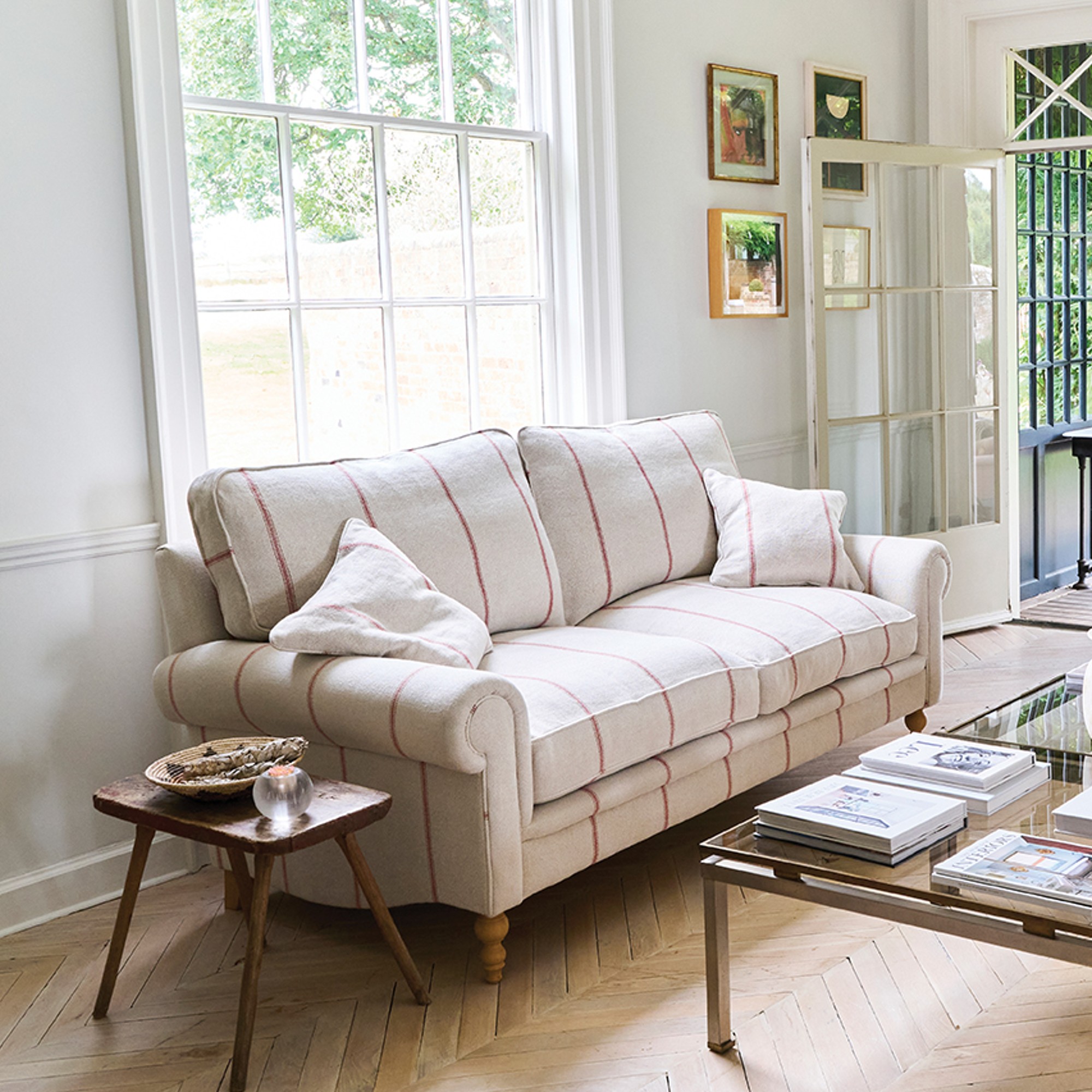
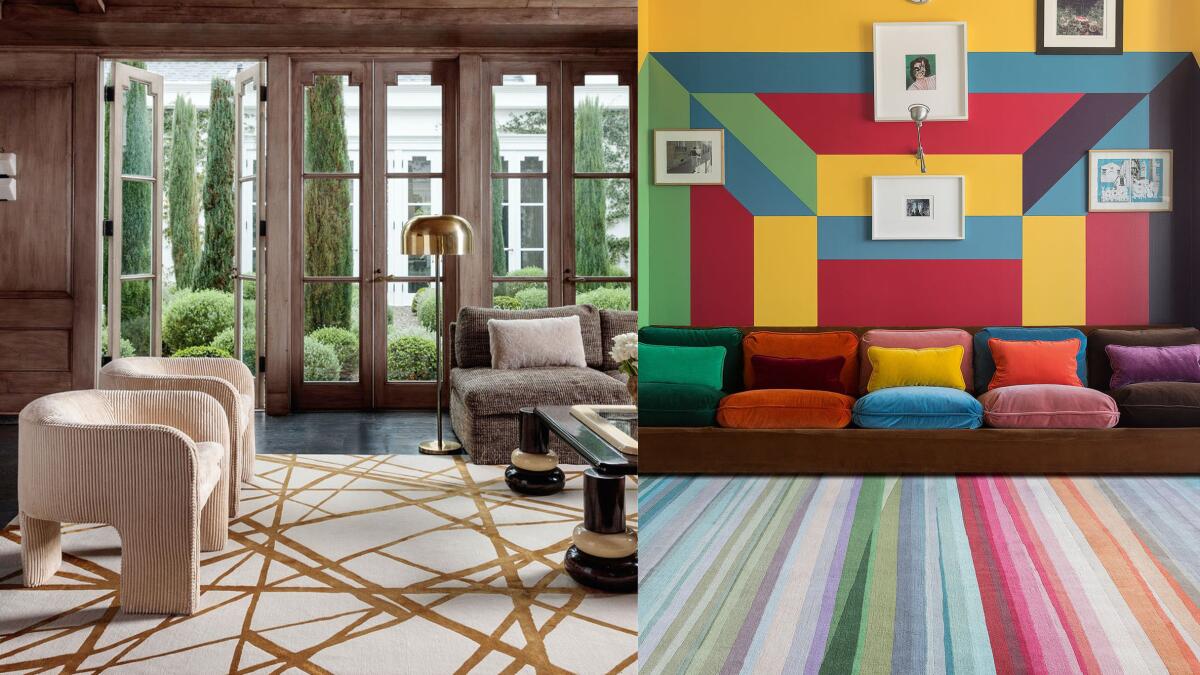
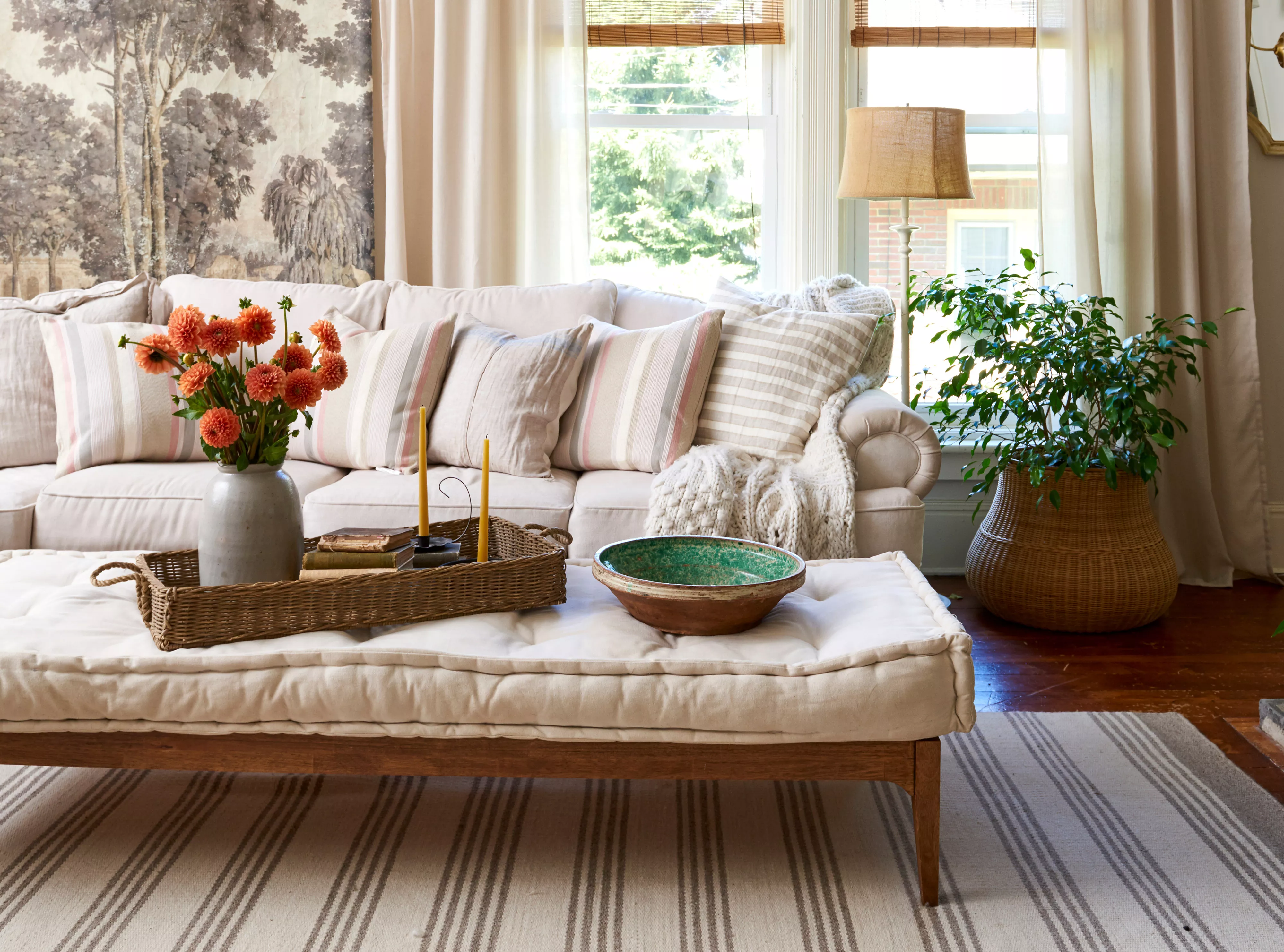
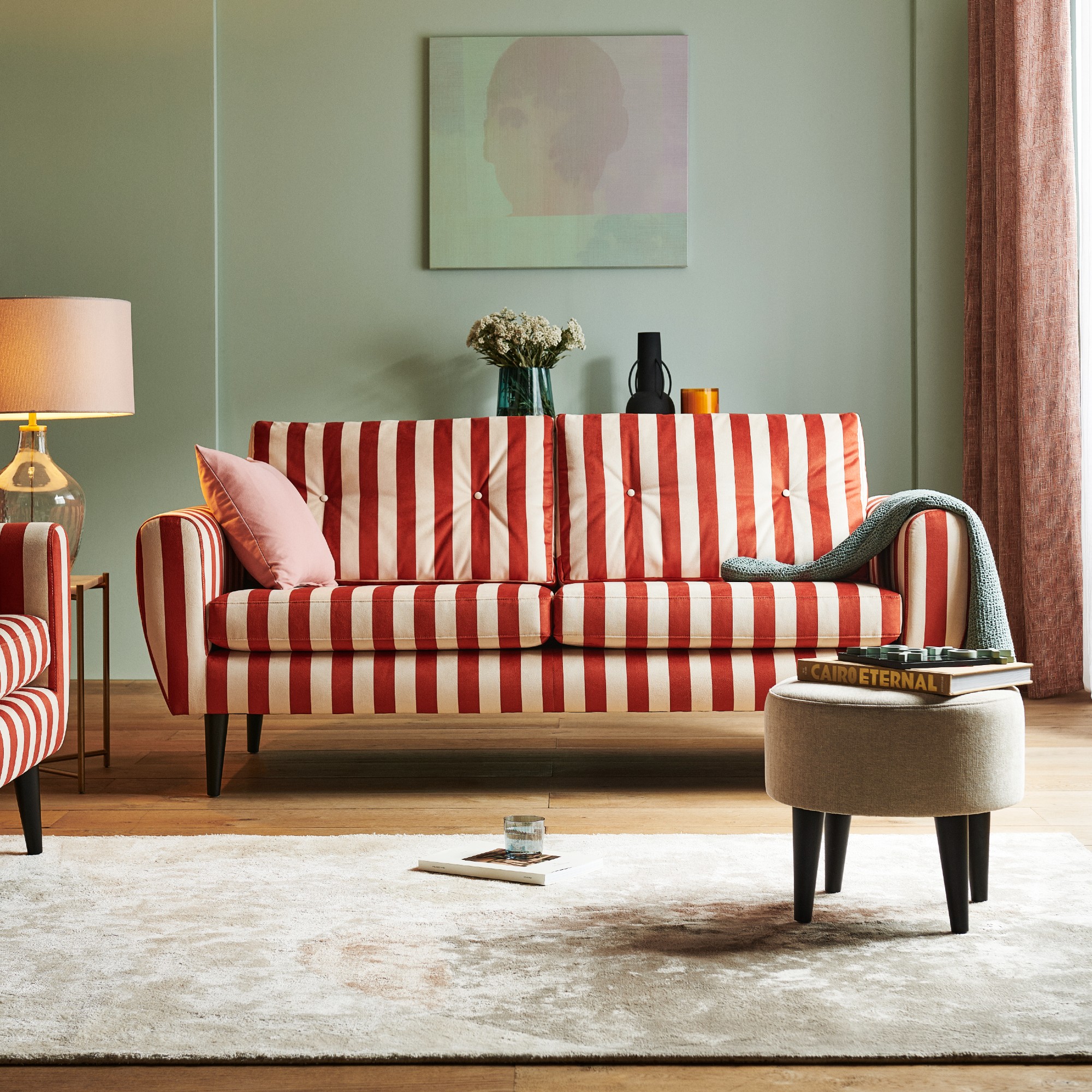
Designers also encourage bolder uses of stripes beyond small accents like decorative pillows. Schwartz recommends incorporating stripes into drapery, noting that striped curtains can instantly add interest and rhythm to a room. Upholstery is another significant area where stripes can make a substantial impact. Markatos Lowe favors multicolored stripes on sofas for a graphic punch, while Soto suggests them for accent chairs or Roman shades, especially in breakfast nooks or studies. When mixing stripes with other patterns in upholstery, Markatos Lowe advises considering scale: a large, wide stripe on a sofa can be balanced by smaller-scale geometric patterns on accent chairs, maintaining a tonal palette to ensure harmony.
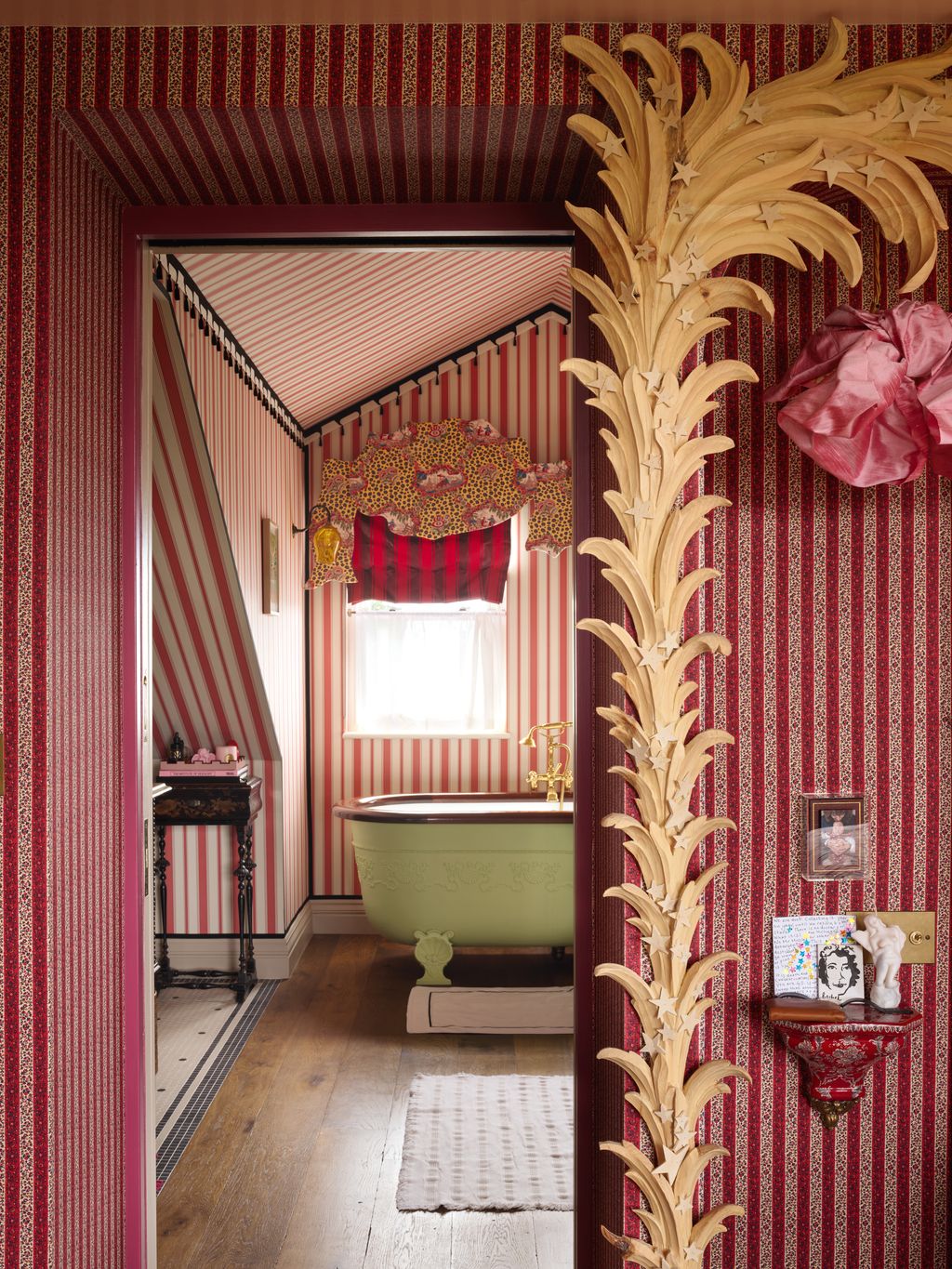
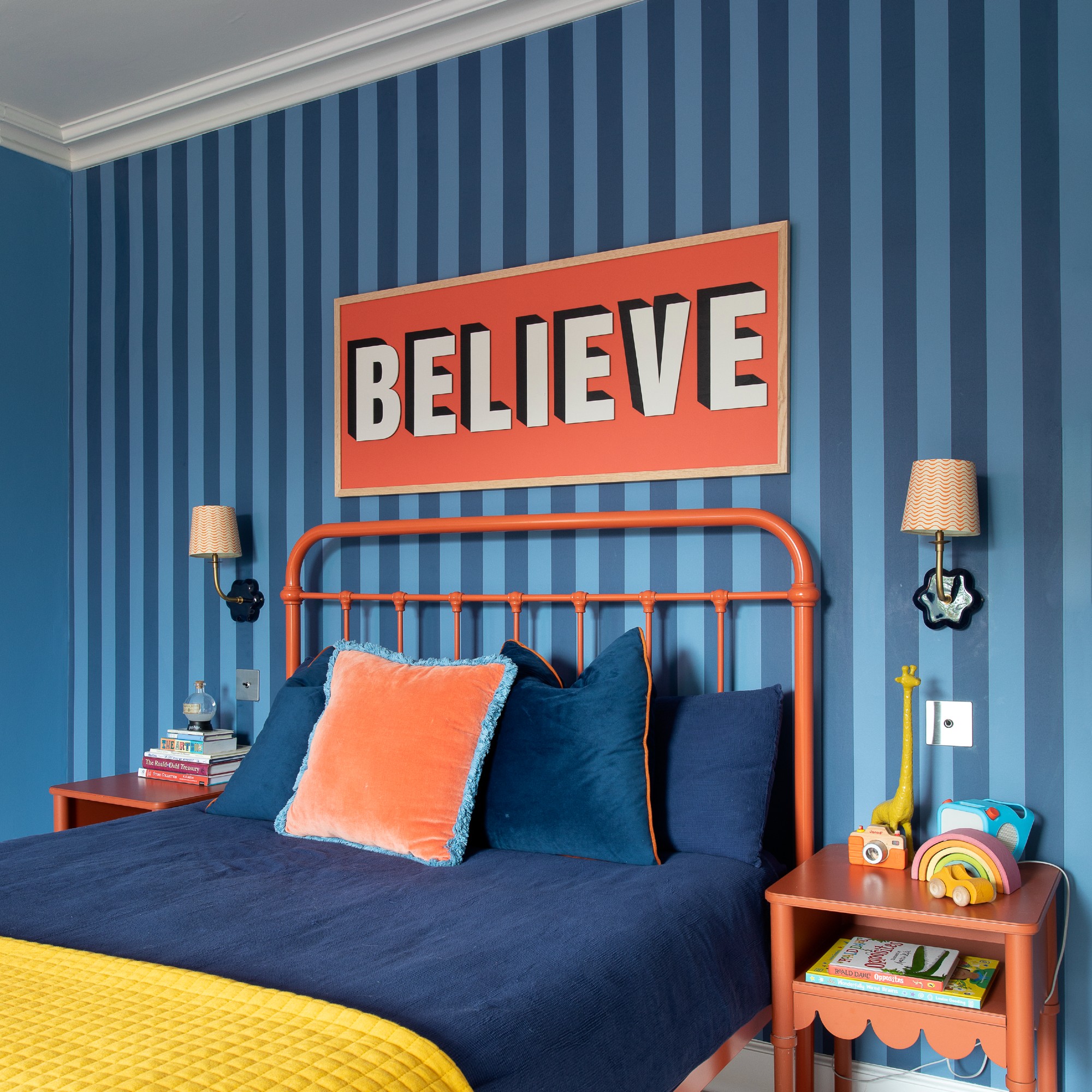
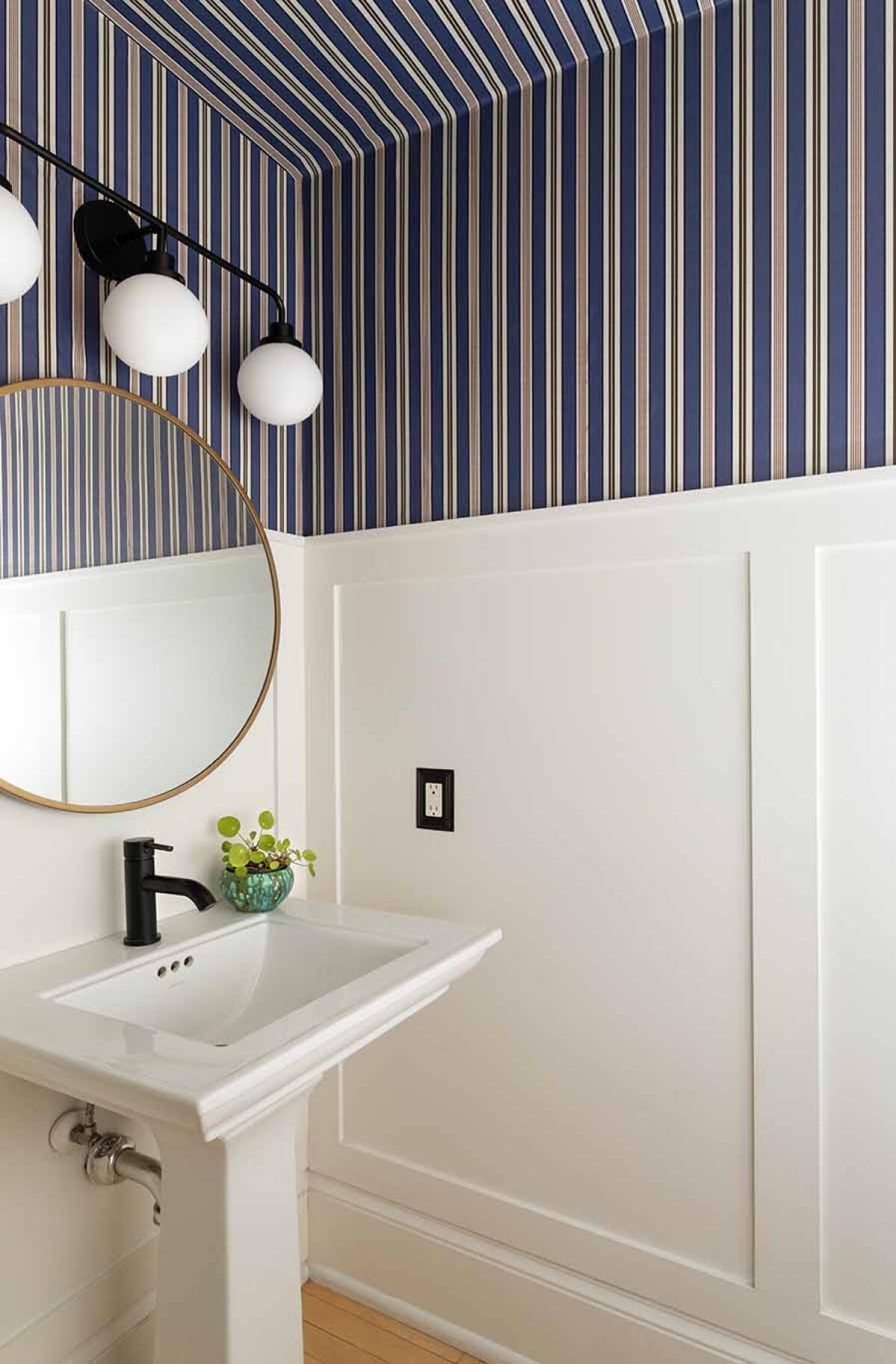
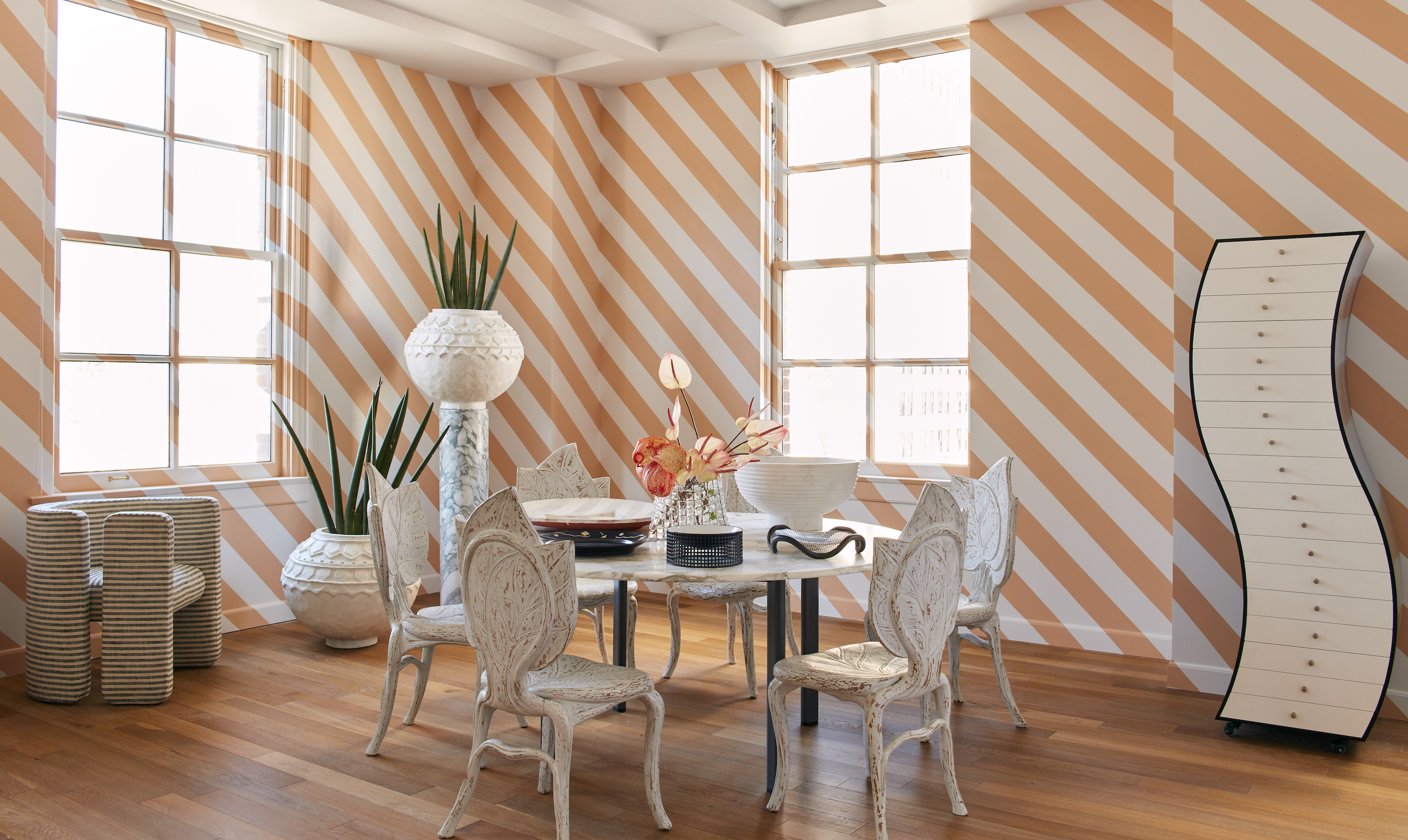
Beyond traditional surfaces, stripes can be elevated to new heights, quite literally, by applying them to ceilings. Both Soto and Schwartz advocate for this unconventional approach, whether through wallpaper—like Farrow & Ball’s Closet Stripe, a favorite of Clark’s—or paint. Soto describes ceiling stripes as underrated, drawing the eye upward and adding architectural interest in a manner that is both unexpected and refined.
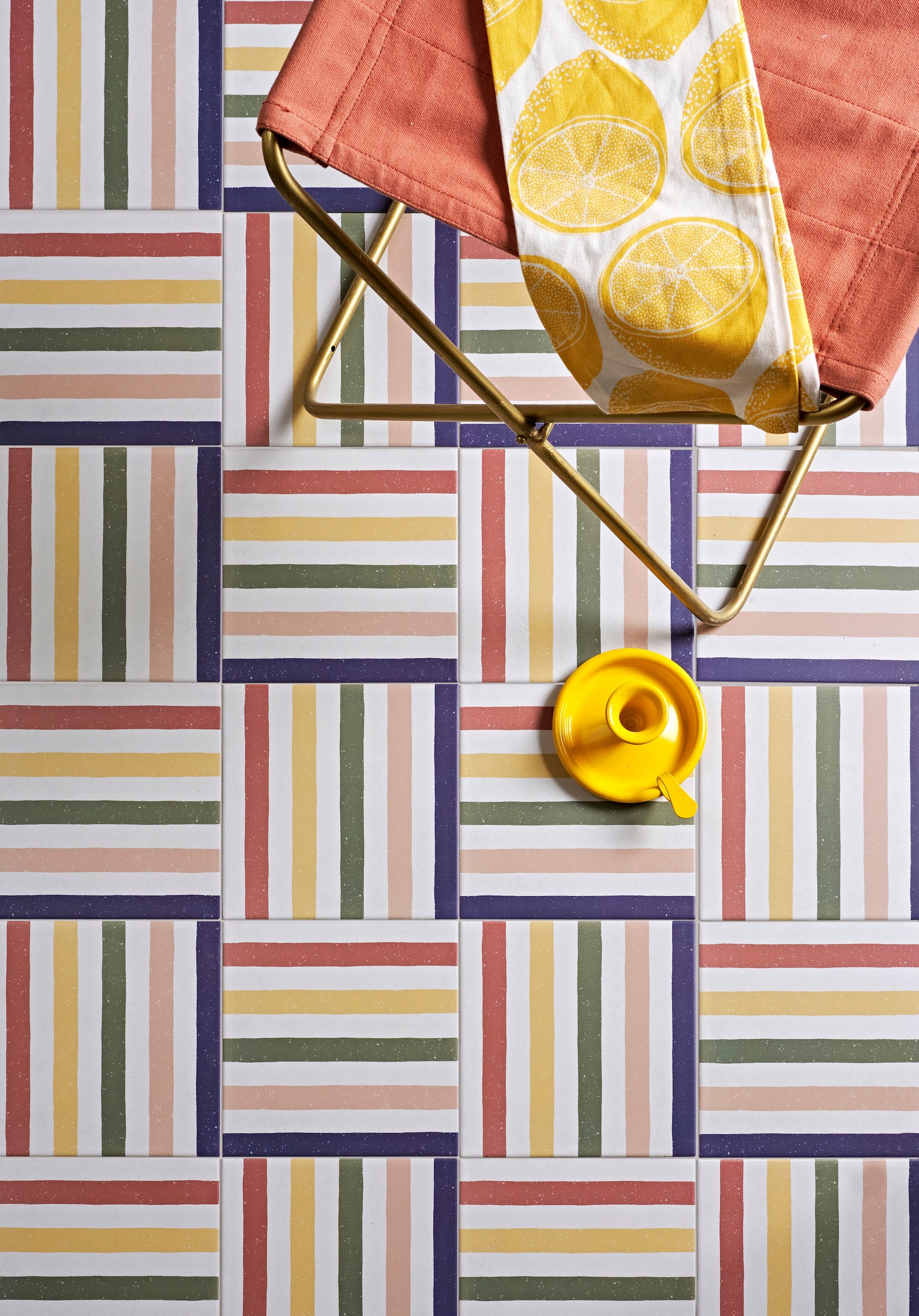
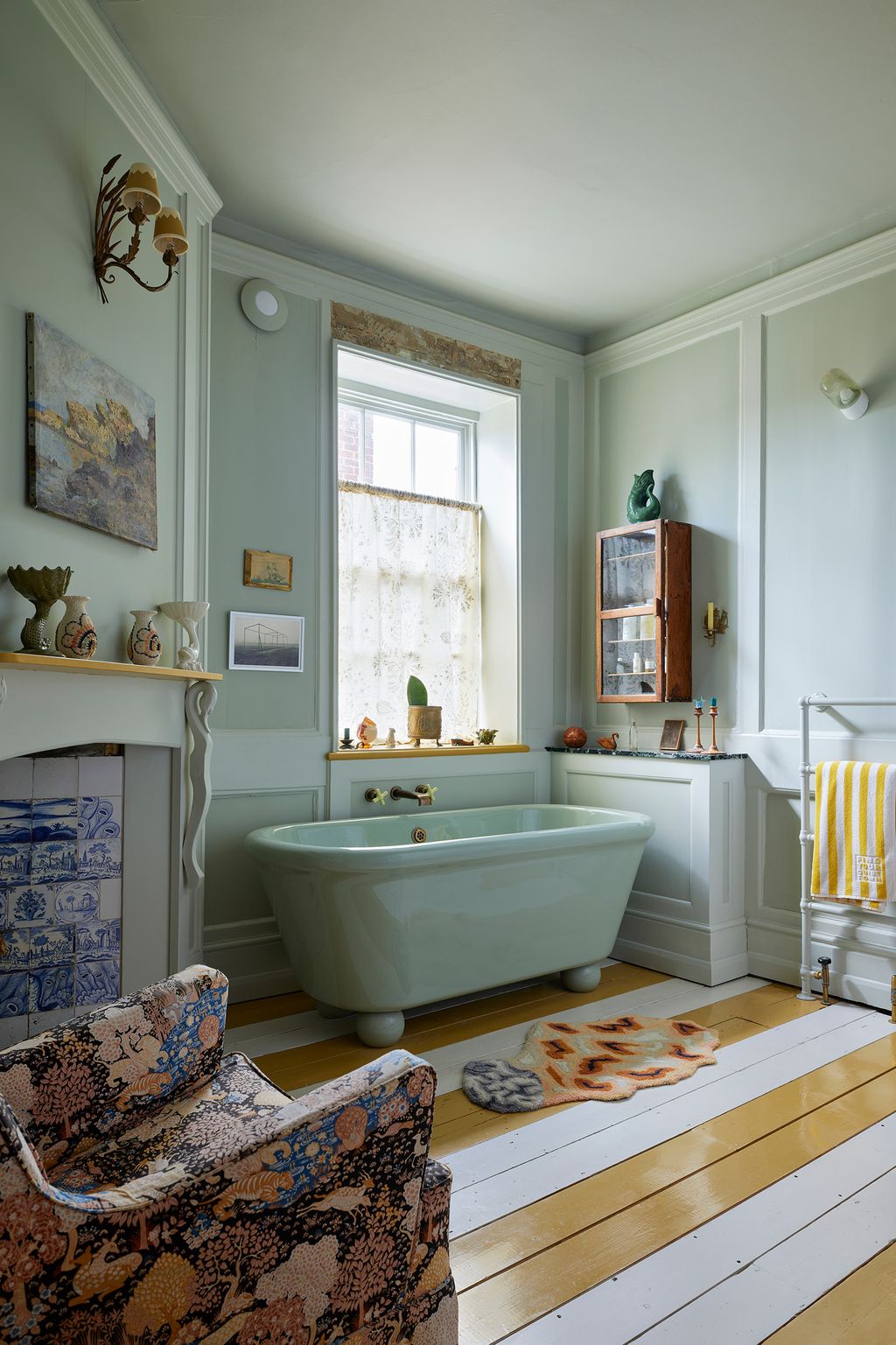
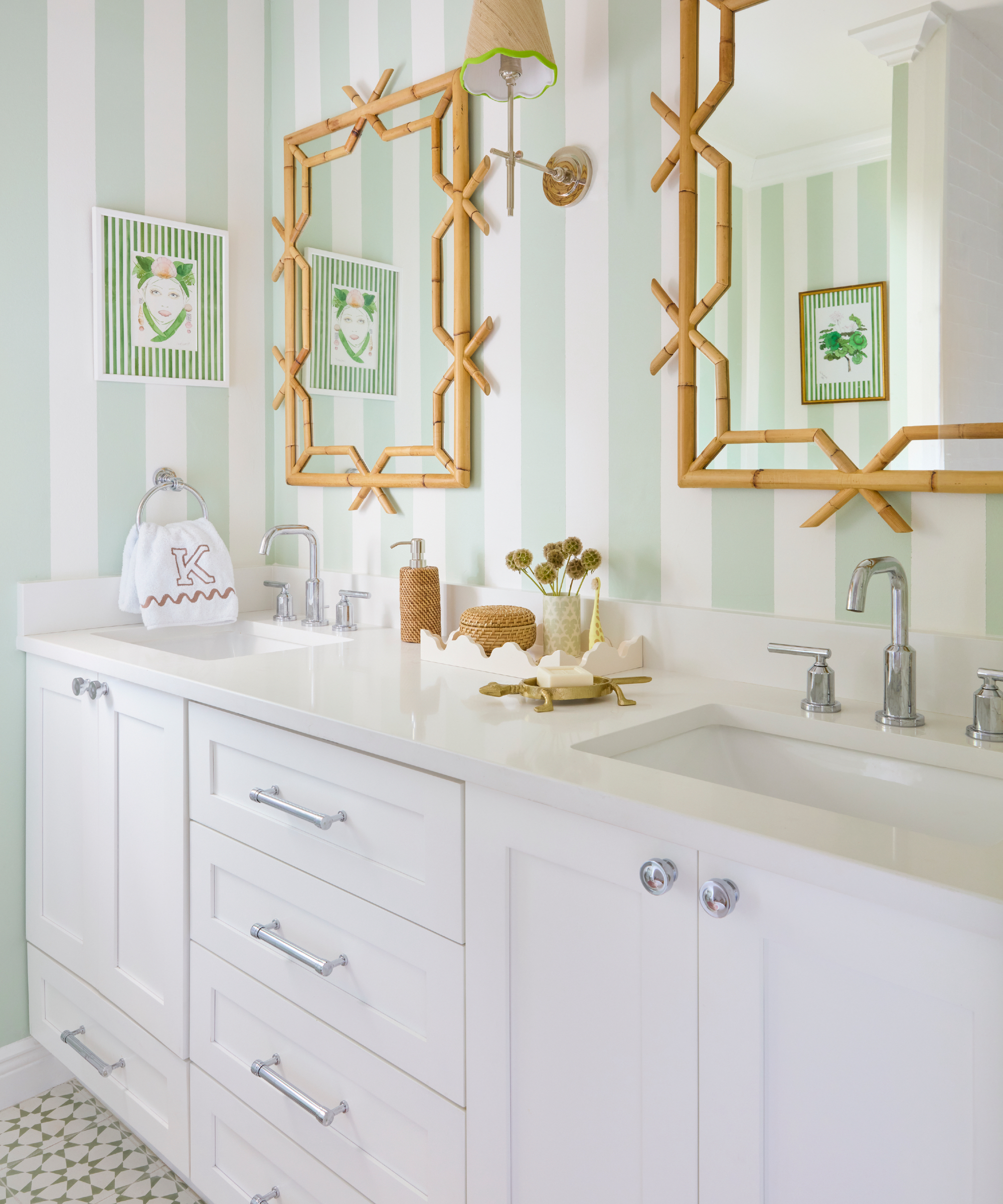
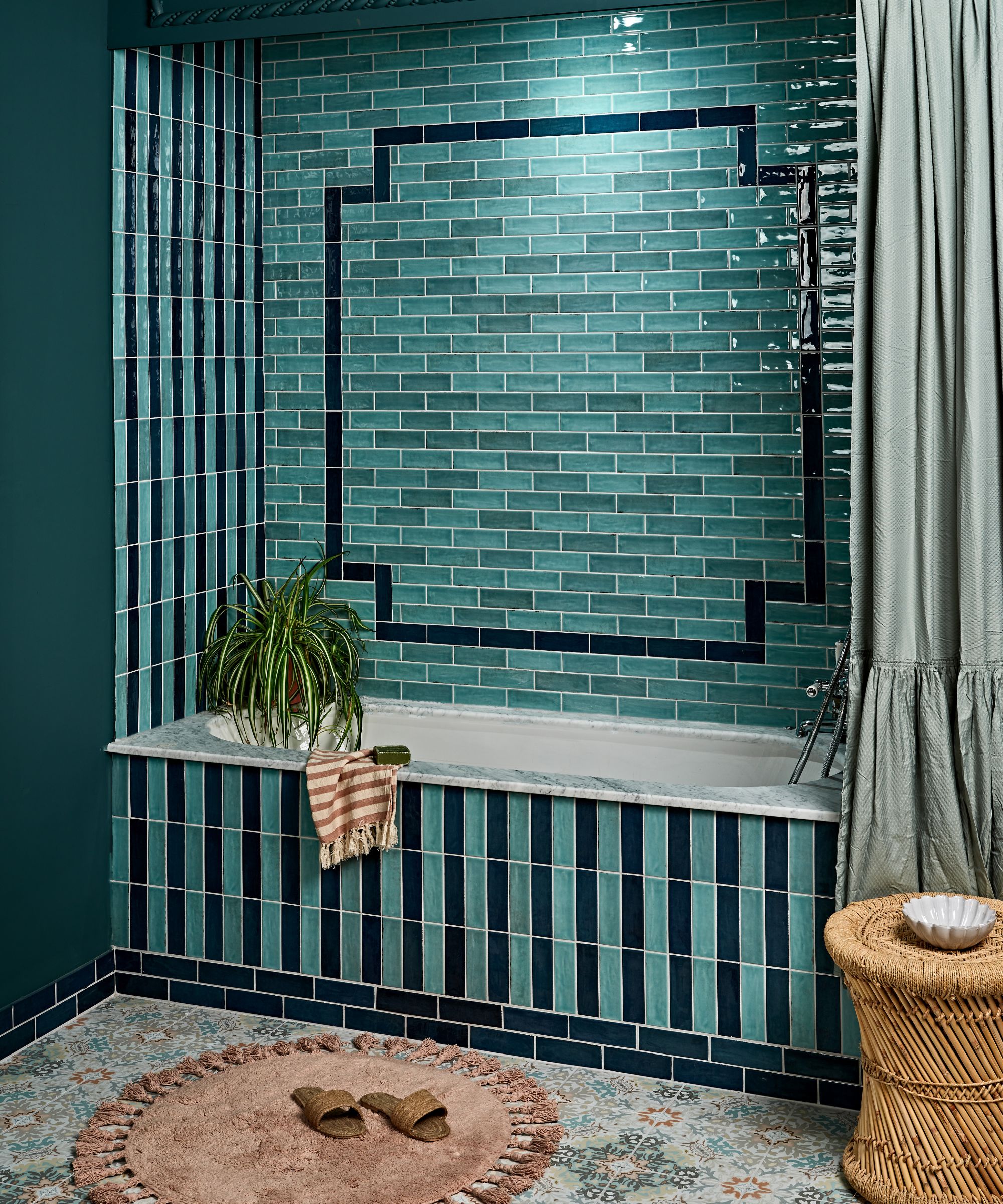
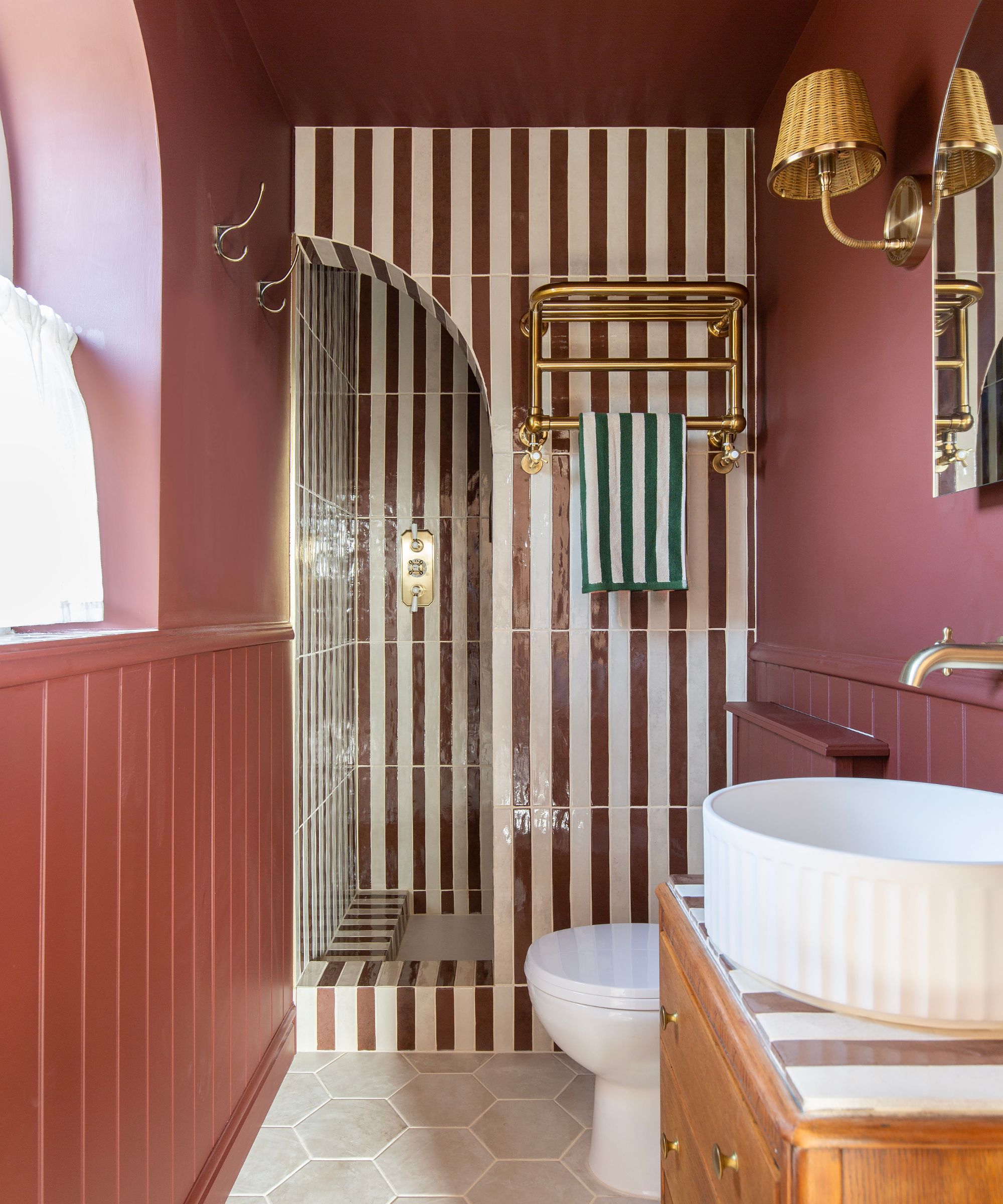
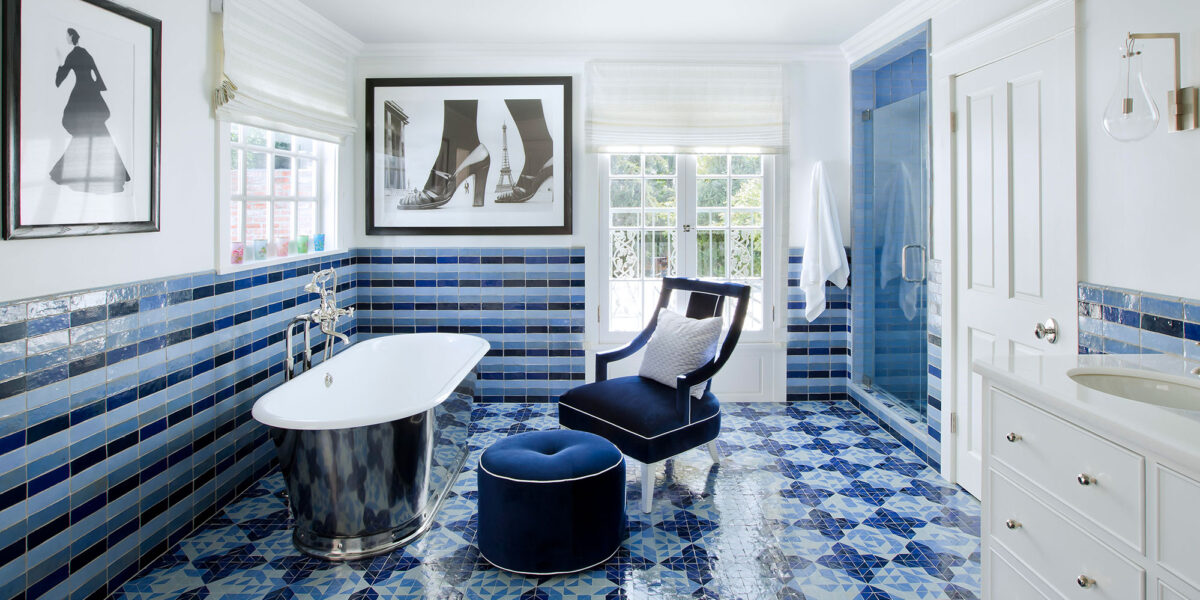
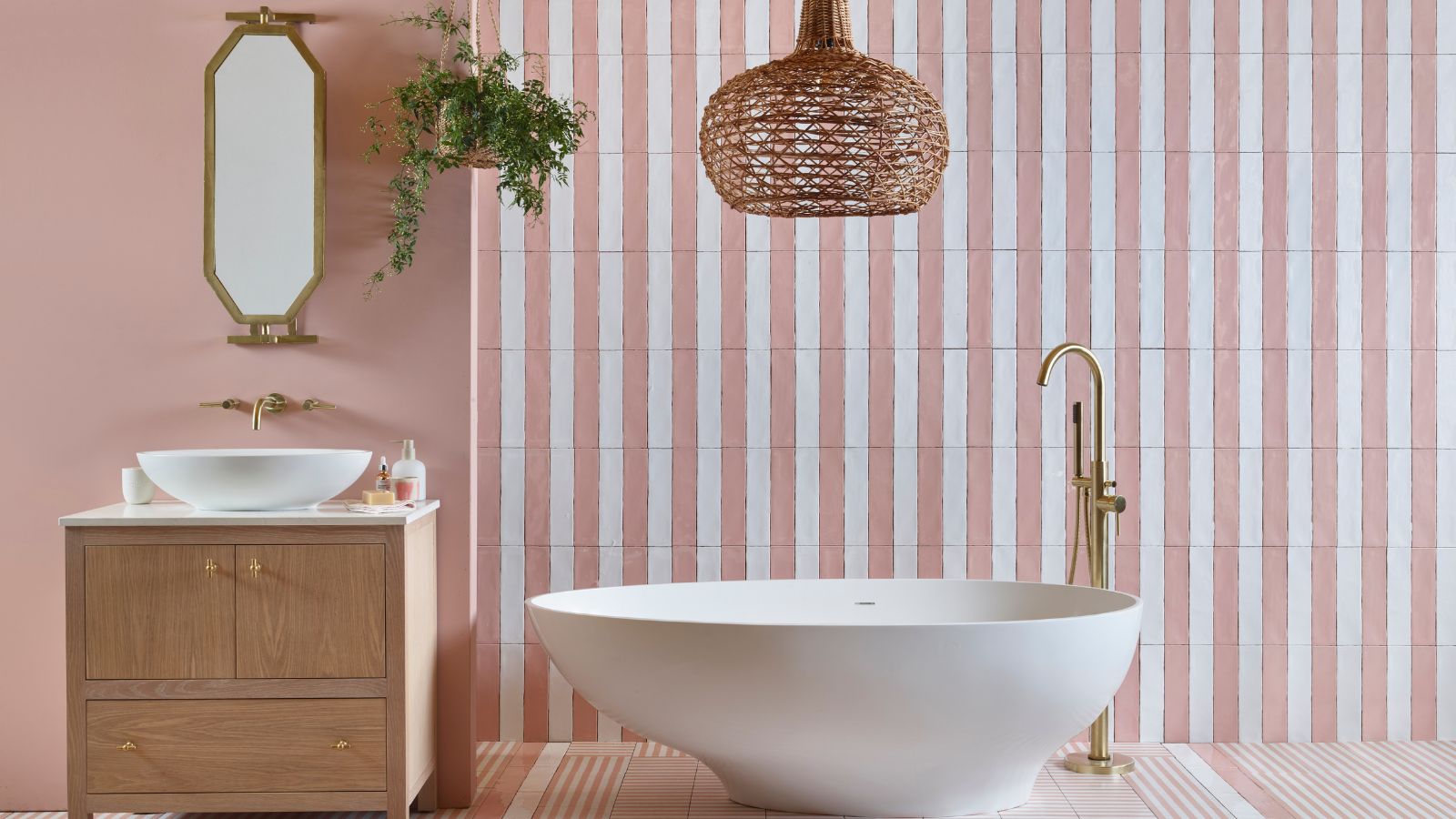
Creative use of tile layouts in bathrooms also provides an opportunity for striped patterns. Schwartz highlights how tile can introduce both structure and playfulness. Markatos Lowe recounts a project where she used rectangular tiles in various blue shades to create a striped half-wall paneling, achieving a wallpaper-like effect. Clark considers tile a 'secret weapon' for adding personality, showcasing a kids' bathroom renovation where stripes run from the floor up the shower wall. For those ready to experiment with stripes, smaller items like striped duvet covers, towels, or bath runners offer an accessible starting point.
#InteriorDesign #DecoratingTips #StripePatterns #HomeDecor #PatternMixing #UpholsteryDesign #WallpaperCeiling #TileDesign #DesignVersatility #InteriorDesign #DecoratingTips #StripePatterns #HomeDecor #PatternMixing #UpholsteryDesign #WallpaperCeiling #TileDesign #DesignVersatility
0 comment in total
 No comments yet
You may also like
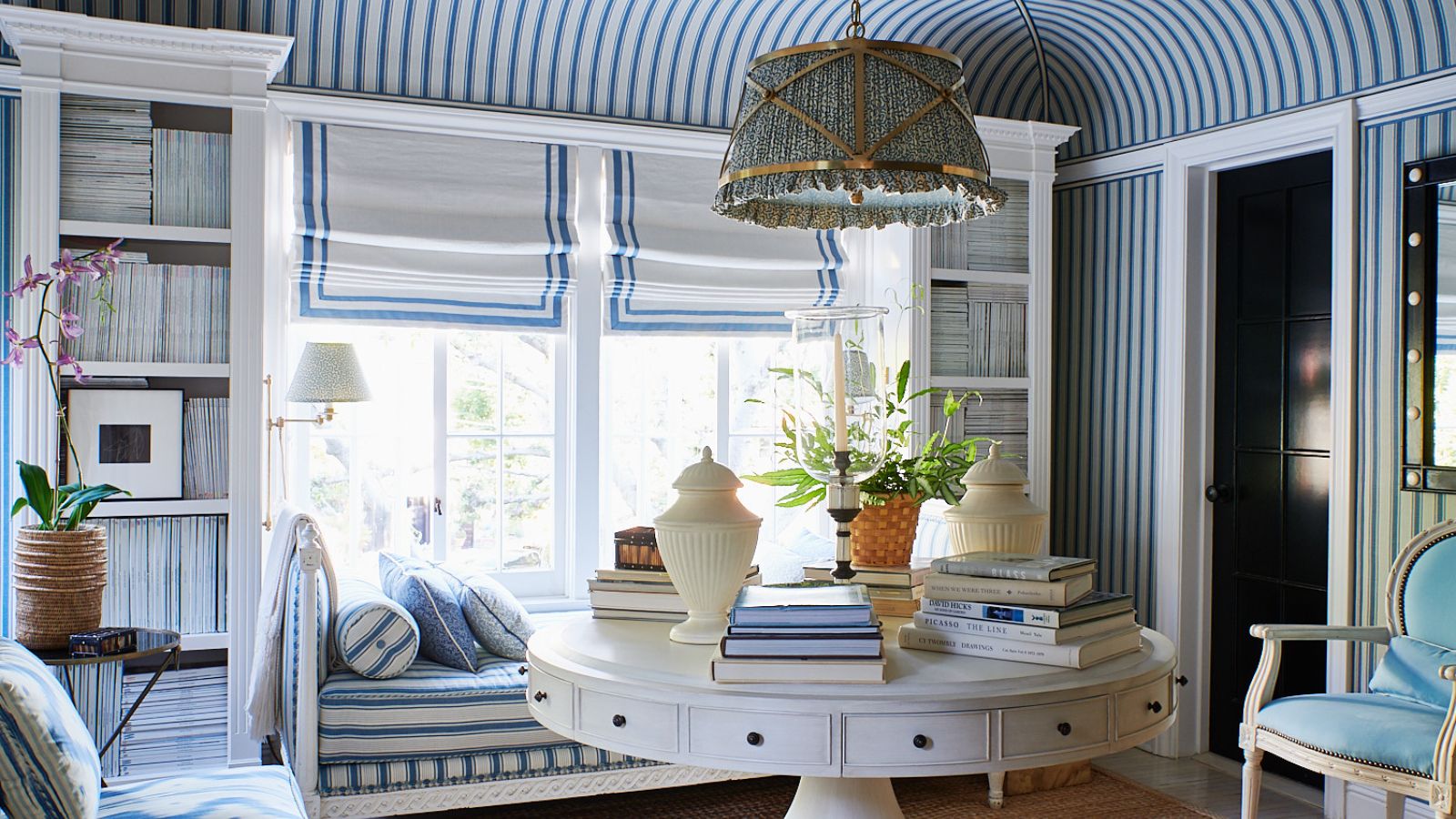
Stripes are the on-trend pattern that never really went away – here's how to decorate with them in 2025

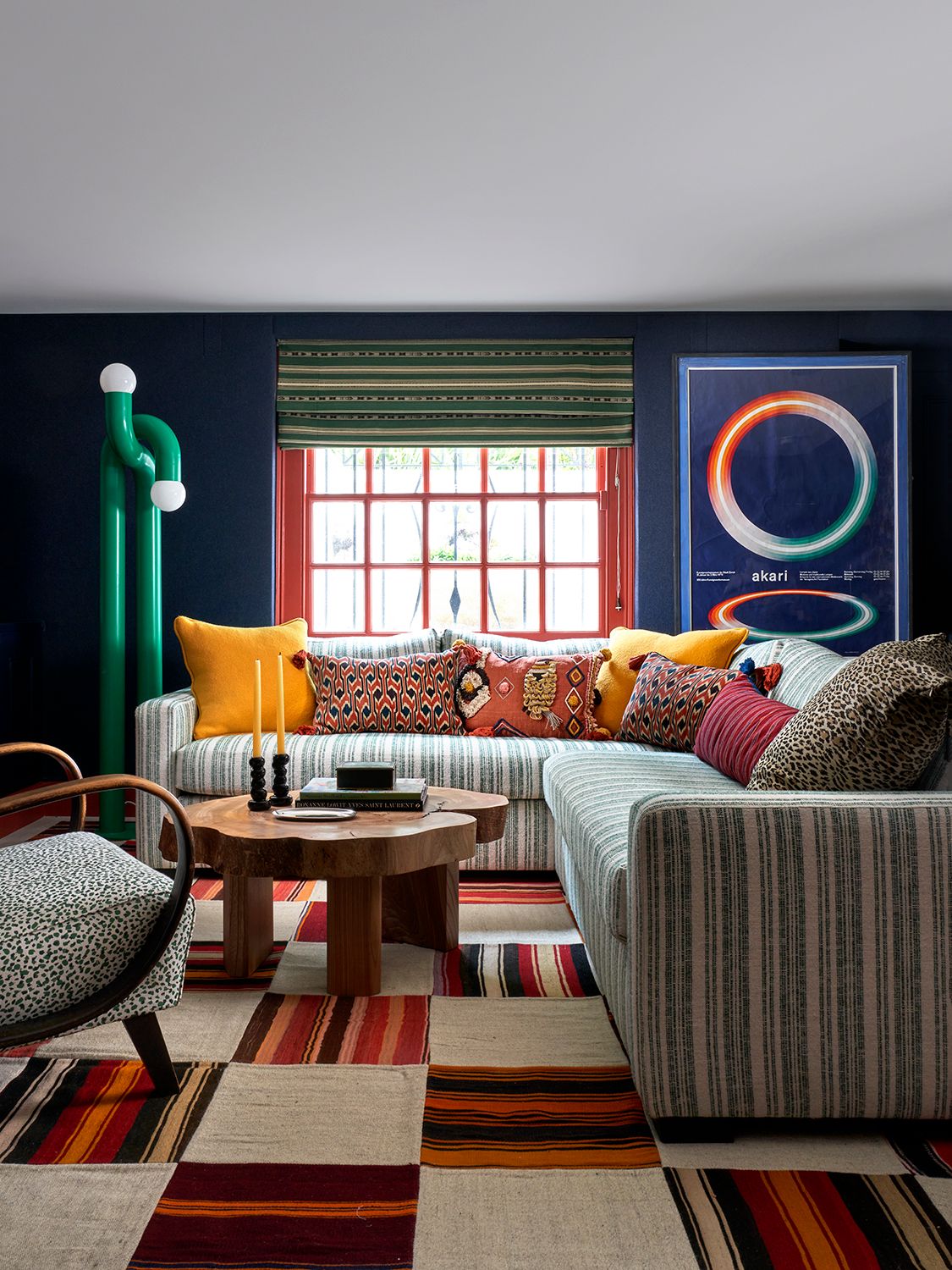
31 brilliant ideas for decorating with stripes
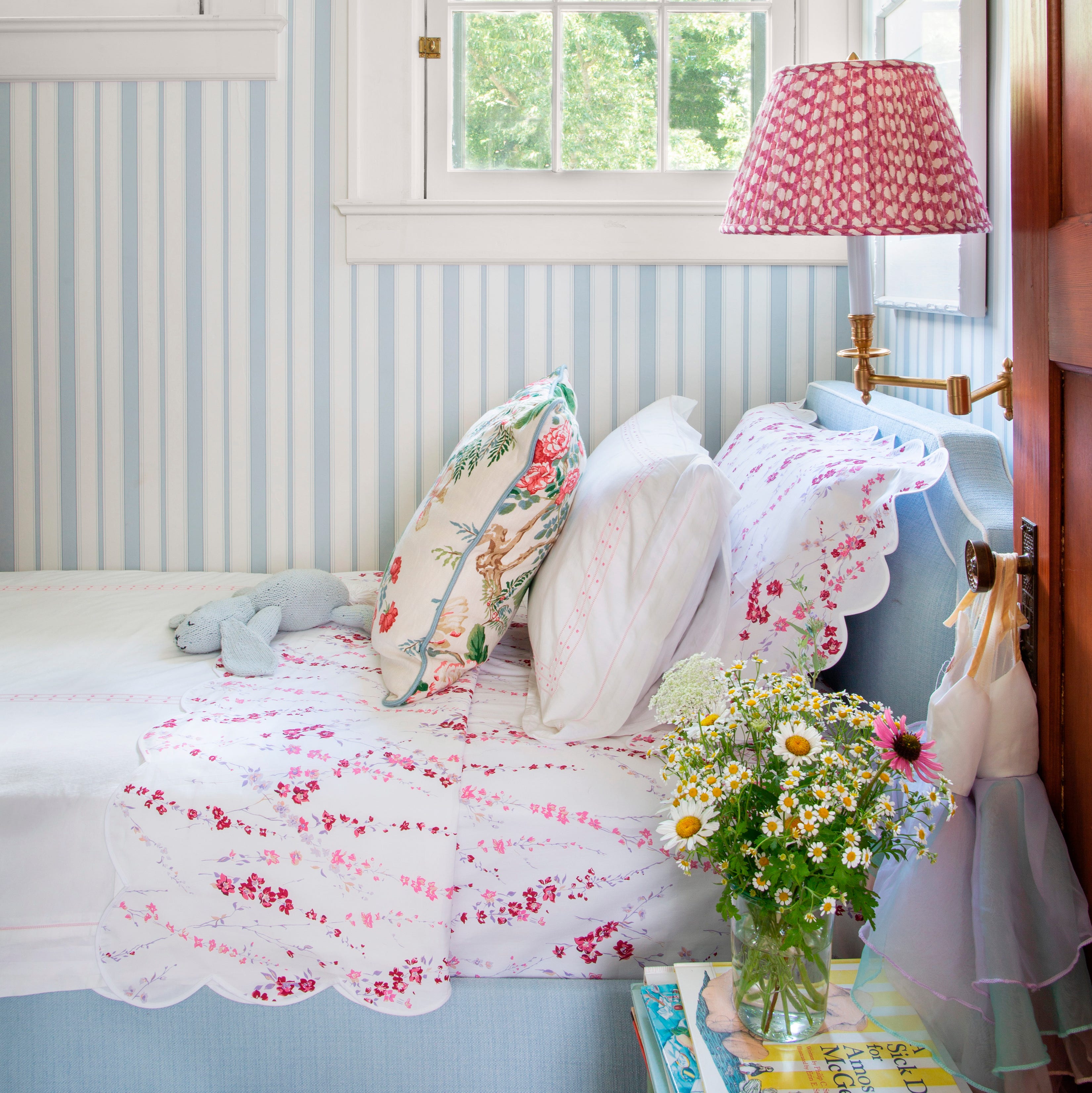
Are Stripes the Chevron of the 2020s? Let’s Discuss.

Interior Designers Reveal the Must-Try Spring Decor Trends for 2025

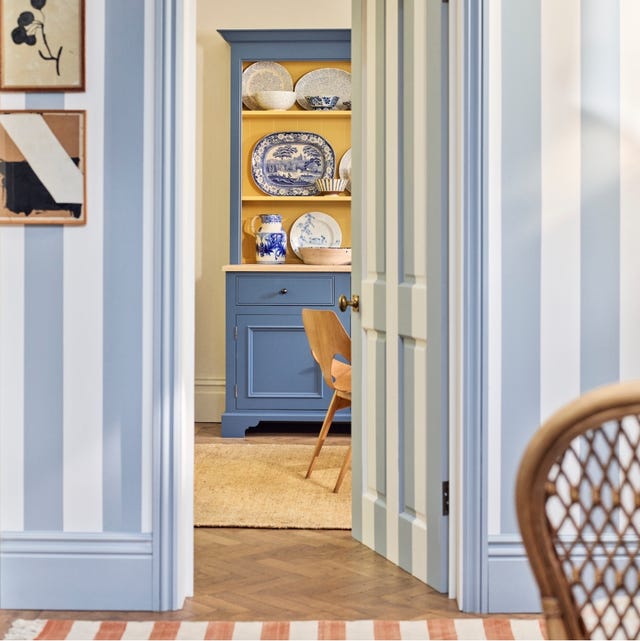
18 looks that prove stripes will always be in vogue

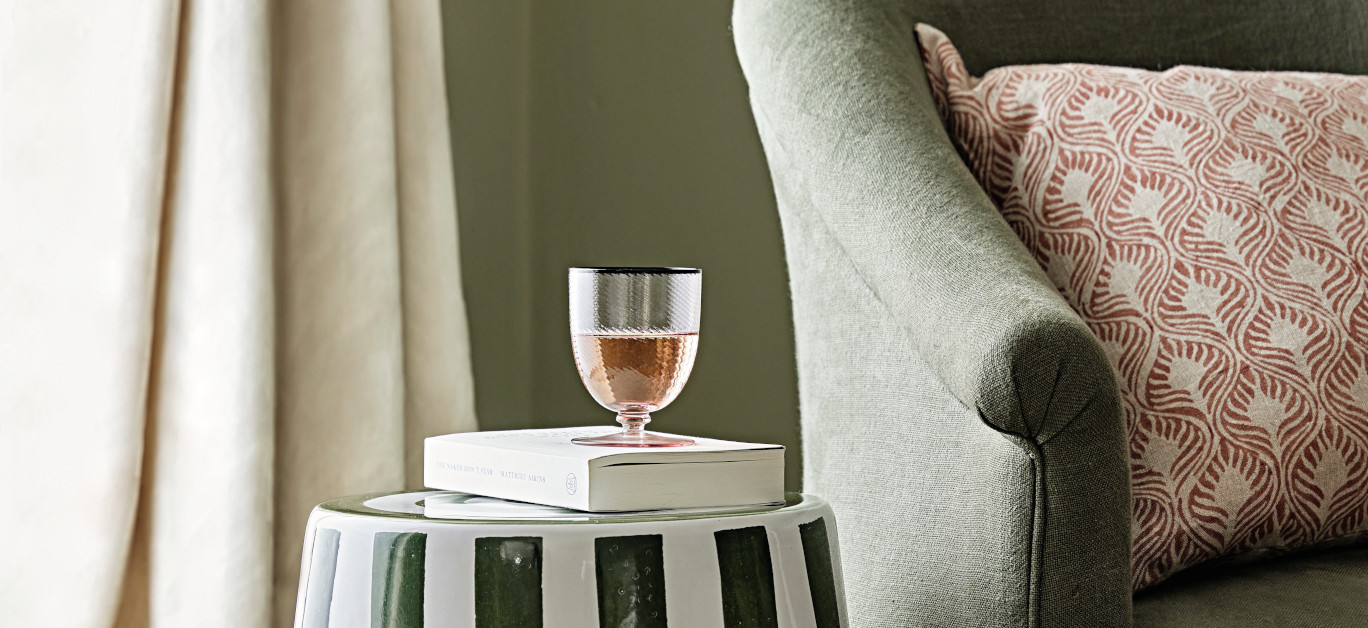
Interiors expert reveals 5 reasons why you should be decorating with stripes

7 Fabric Trends Taking Over Interior Design in 2024
Striped lamps are the foolproof way to add flair to any room
Stripes have got a bold new look – here’s how to make the trend work in your home, according to interior experts
18 Stunning Striped Wall Ideas That Put Solid Colors to Shame

5 on-trend ways to bring stripe decor into your bathroom
Stripe drenching is the hot new twist on colour drenching
2024 Is the Year of Stripes—Are They Here to Stay for Good?
This Summer’s Hottest Decor Trend Will Never Go Out of Style
How to paint stripes on a wall - the expert guide to creating show stopping decor

Looks Like Bold Stripes Will Have Their Moment in 2026

Earn your stripes with the versatile pattern ready to give your interiors a boost
Stripes Done Right: Sophie Robinson's Expert Styling Tips For Every Space
Experts say this timeless pattern is the next big upholstery trend – here's how to style it in your living room

Classic Color Schemes That Never Go Out of Style