1/2
‘Clever design tricks’ can create the illusion of space in homes - ‘feels much larger’
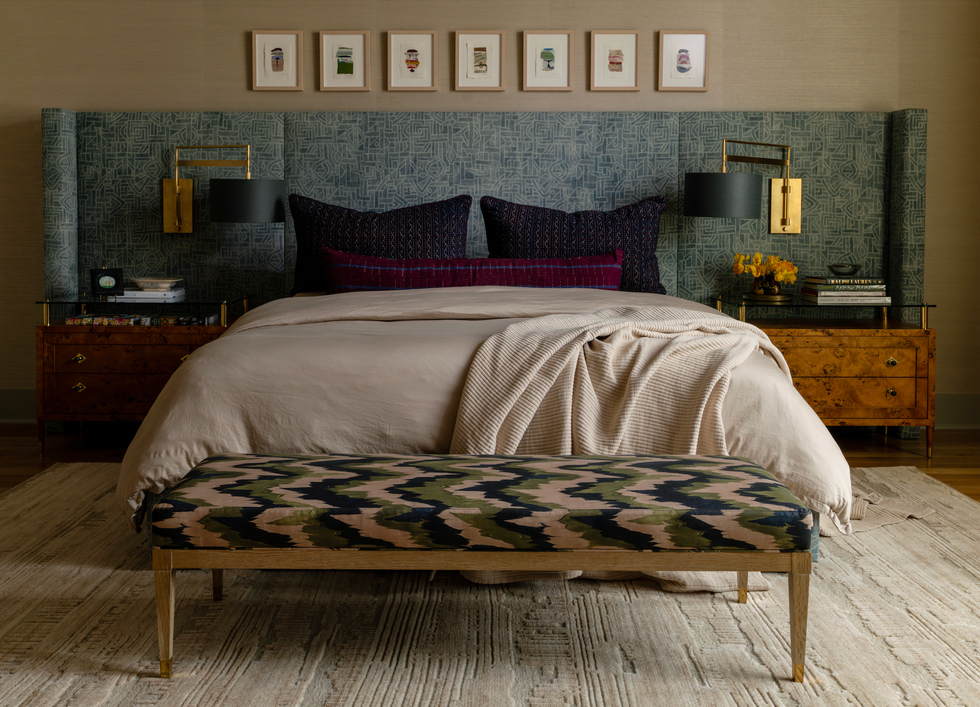
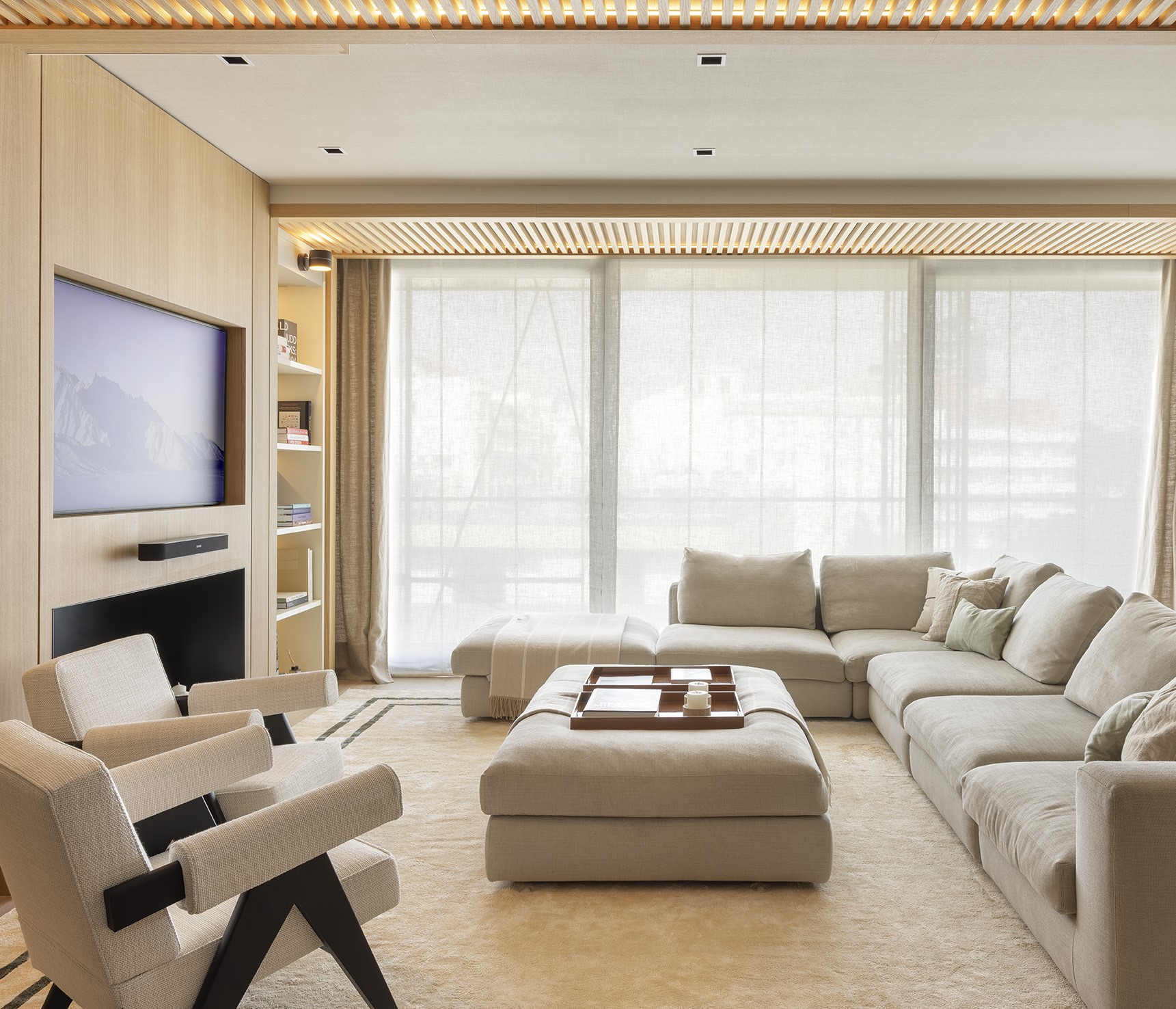
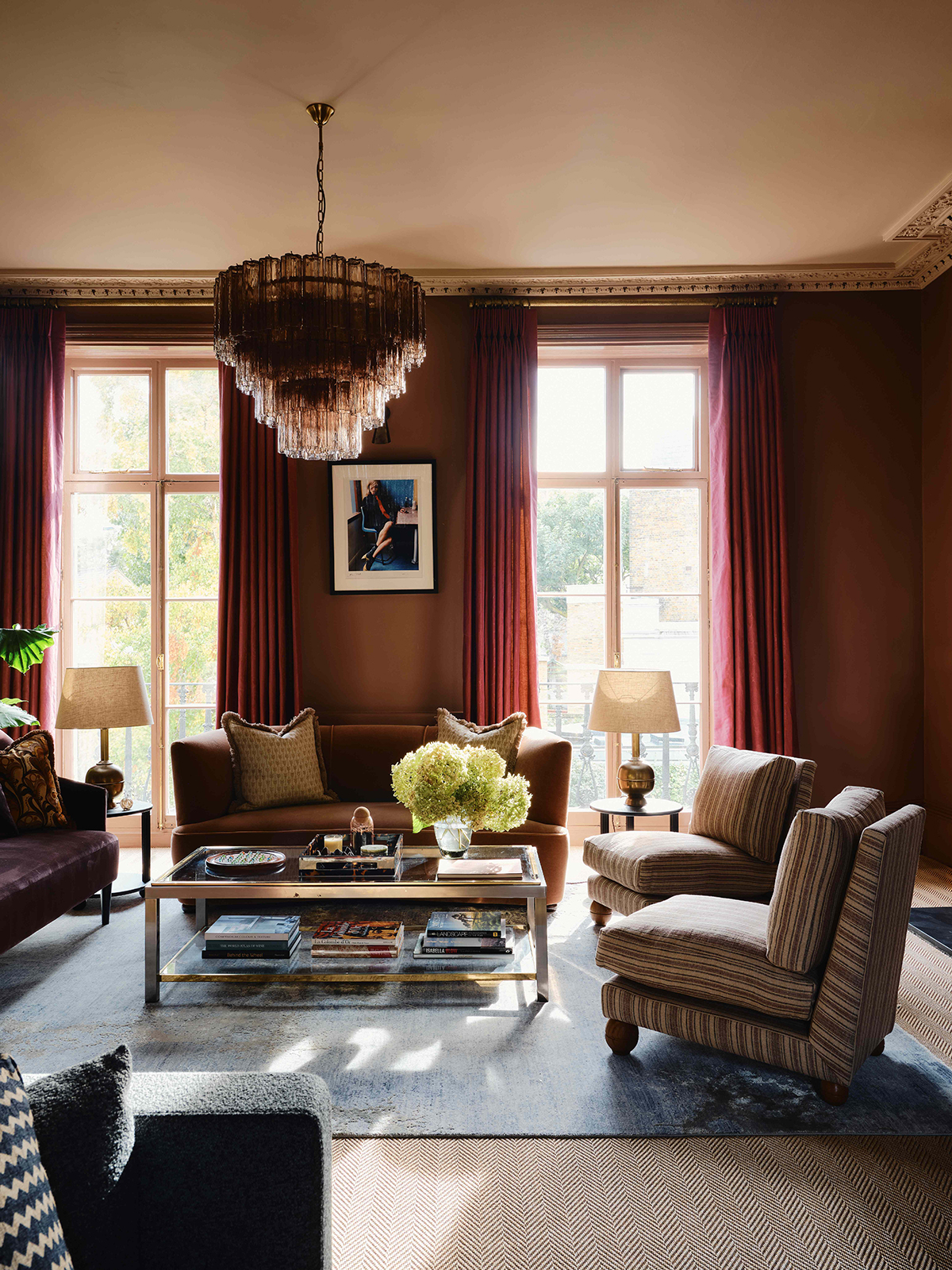
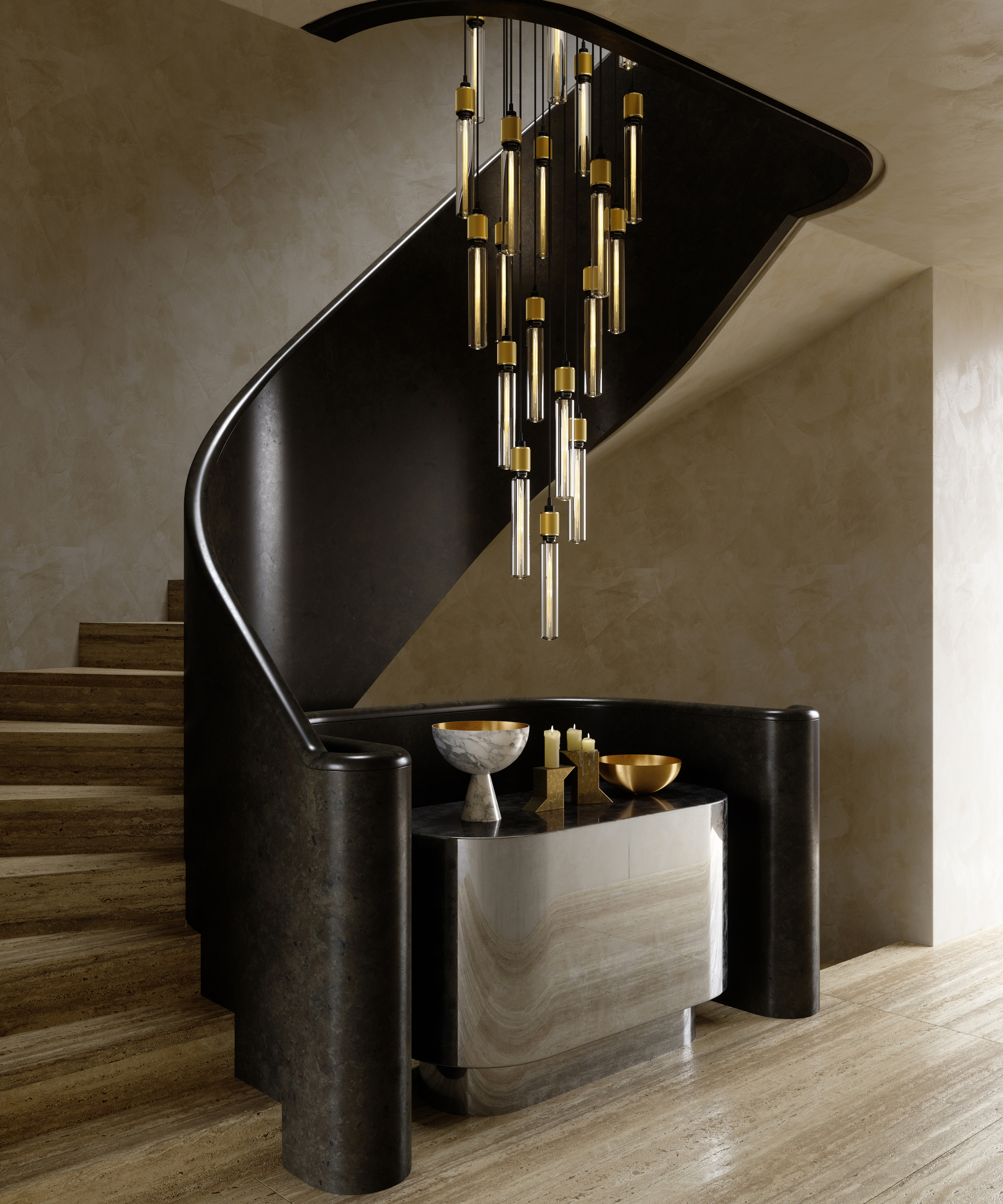
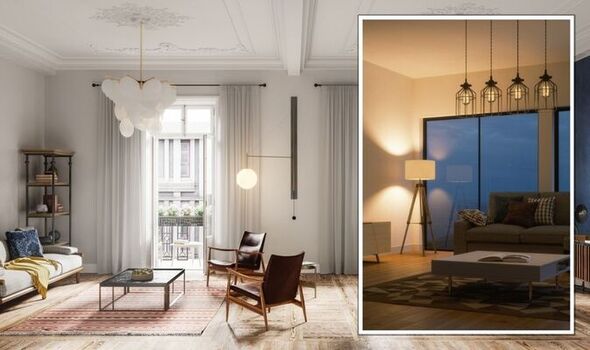
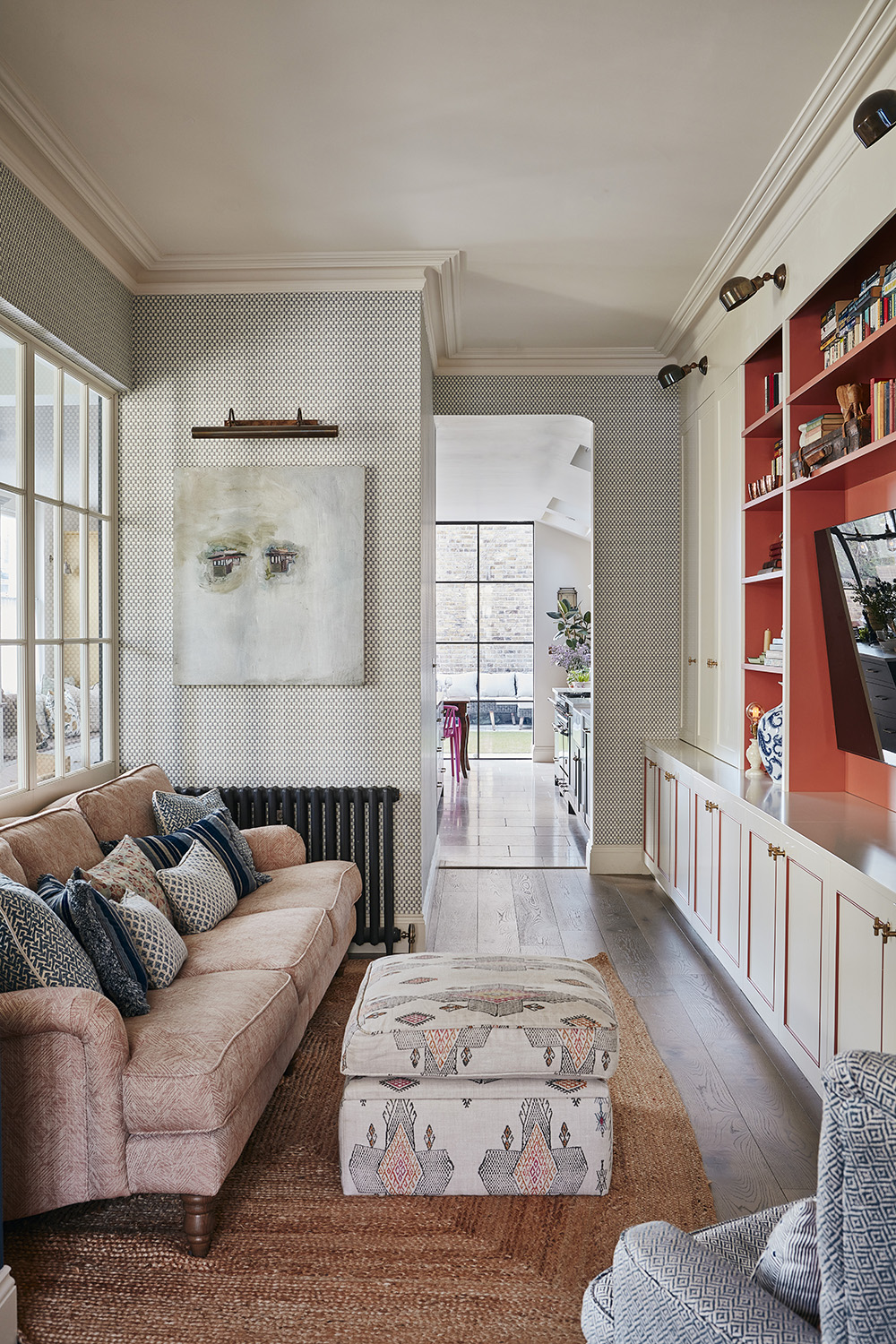
Lighting plays a pivotal role in interior design, extending beyond mere illumination to impact the perception of space within a home. One effective strategy for making smaller rooms appear more expansive involves strategic lighting. Michael Meiser, a lighting specialist from Lumilum, highlights that certain 'clever design tricks' can distribute light in a way that significantly enlarges a space visually.
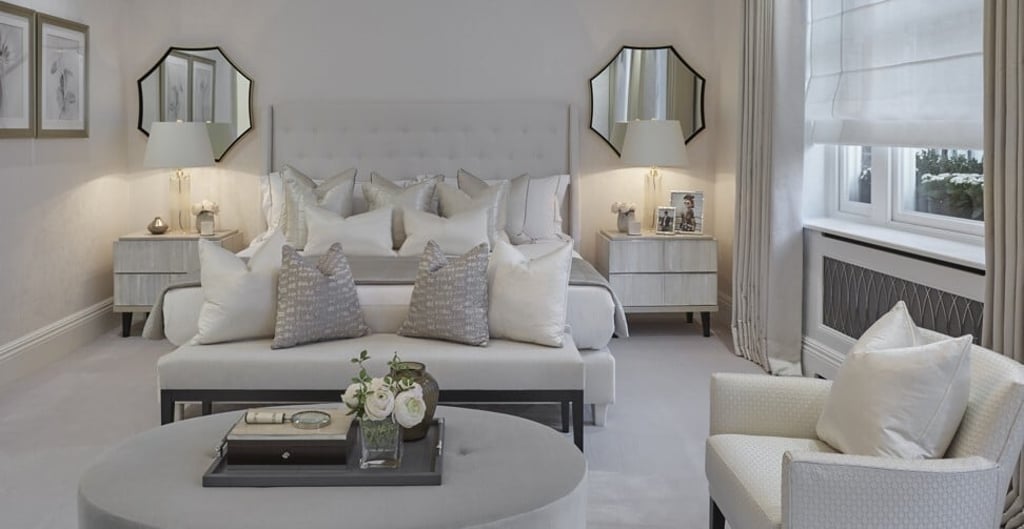
Key to this approach is the thoughtful placement of lighting alongside reflective surfaces. Mirrors, for instance, can be positioned directly across from light sources or at a 90-degree angle to effectively bounce light around a room, enhancing its brightness and creating an open feel. LED lights are particularly advantageous in this context due to their ability to provide a more direct and focused distribution of light, as opposed to diffuse illumination, which further contributes to the illusion of space.
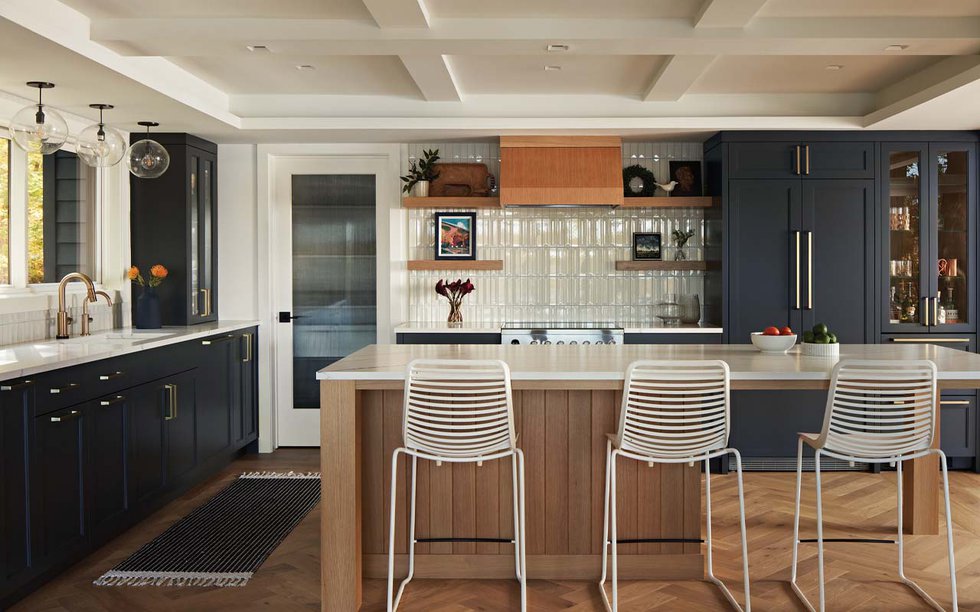
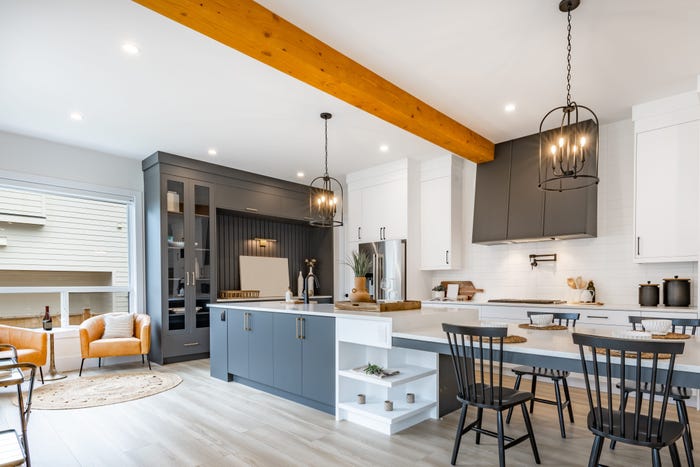
Beyond creating visual expansiveness, lighting can be instrumental in defining and segmenting multi-functional areas within a home. Layering various types of lighting allows homeowners to establish distinct zones for different activities, whether for comfort or utility. For example, a kitchen that also serves as a dining area can utilize bright overhead lighting, such as LED or spotlights, for task-oriented activities. Conversely, under-counter LED strip lighting or a pendant light with a dimmer switch can be employed to create a more intimate and relaxed atmosphere suitable for dining. Similarly, in a bedroom that doubles as an office, task lighting can be used for work, while ambient lamps can transform the space into a relaxing sanctuary once work is concluded.
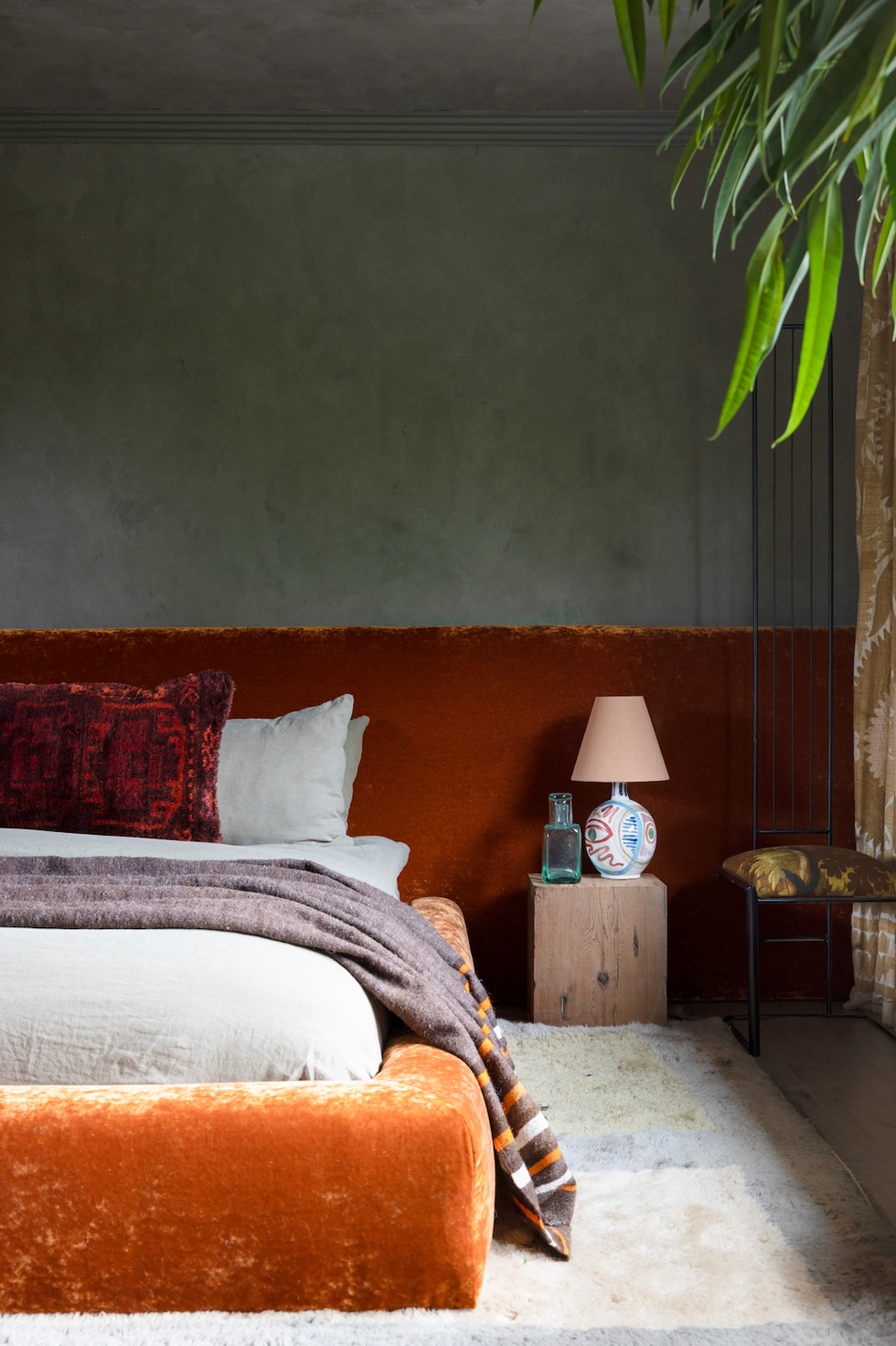
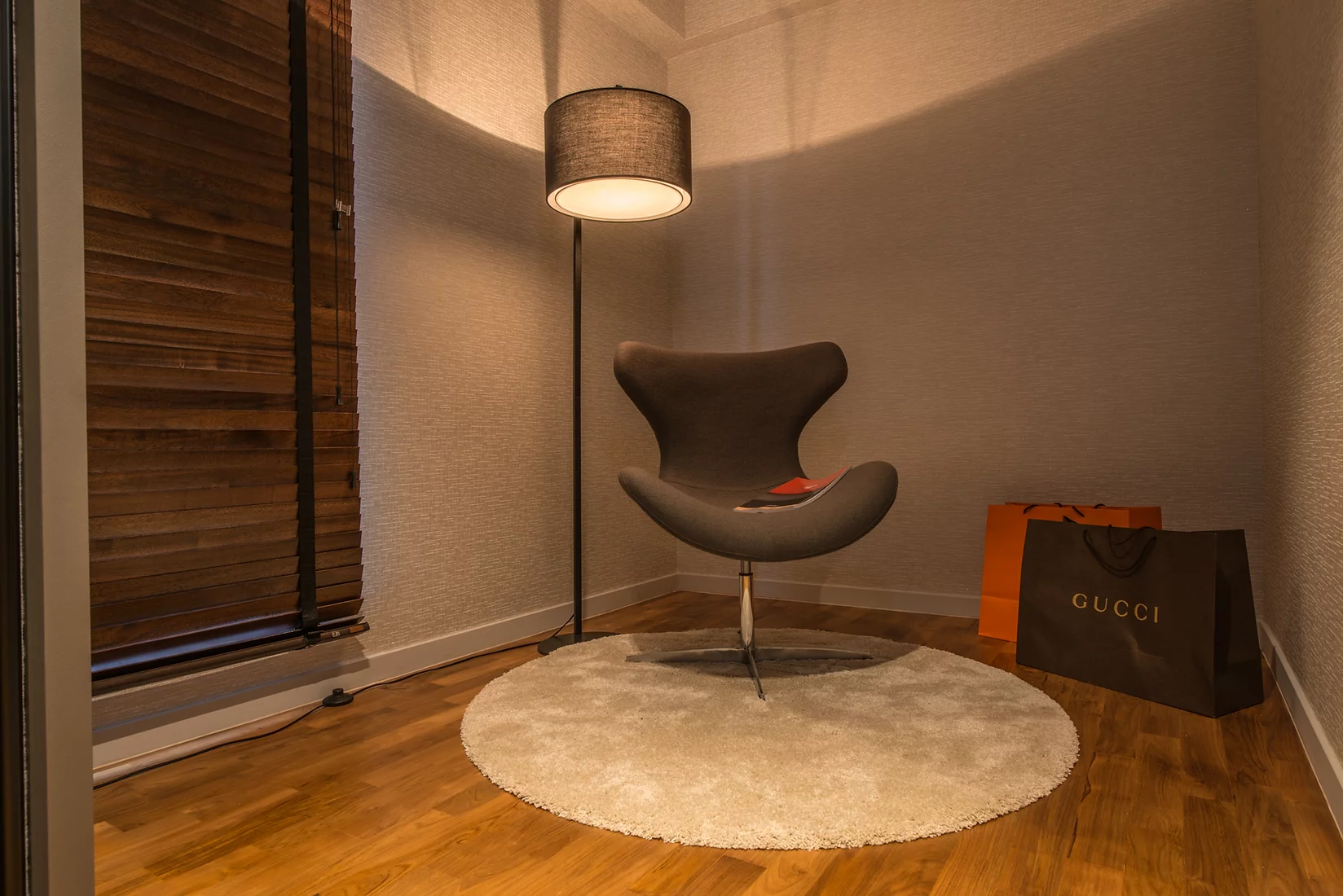
The color temperature of light bulbs also significantly influences a room's mood and perceived spaciousness. Cool, bright bulbs, which mimic natural daylight, are well-suited for high-activity areas like kitchens or offices, where clear visibility is essential. However, these can be harsh for relaxation. For evening hours or in relaxation zones, warmer-toned bulbs in lamps can create a cozy and inviting ambiance. This deliberate shift in lighting color can also serve as a psychological cue, helping individuals transition from work mode to relaxation, especially in combined living and working spaces. Floor lamps, offering direct light without the intensity of overhead fixtures, are also beneficial for specific tasks while maintaining a softer overall room illumination.
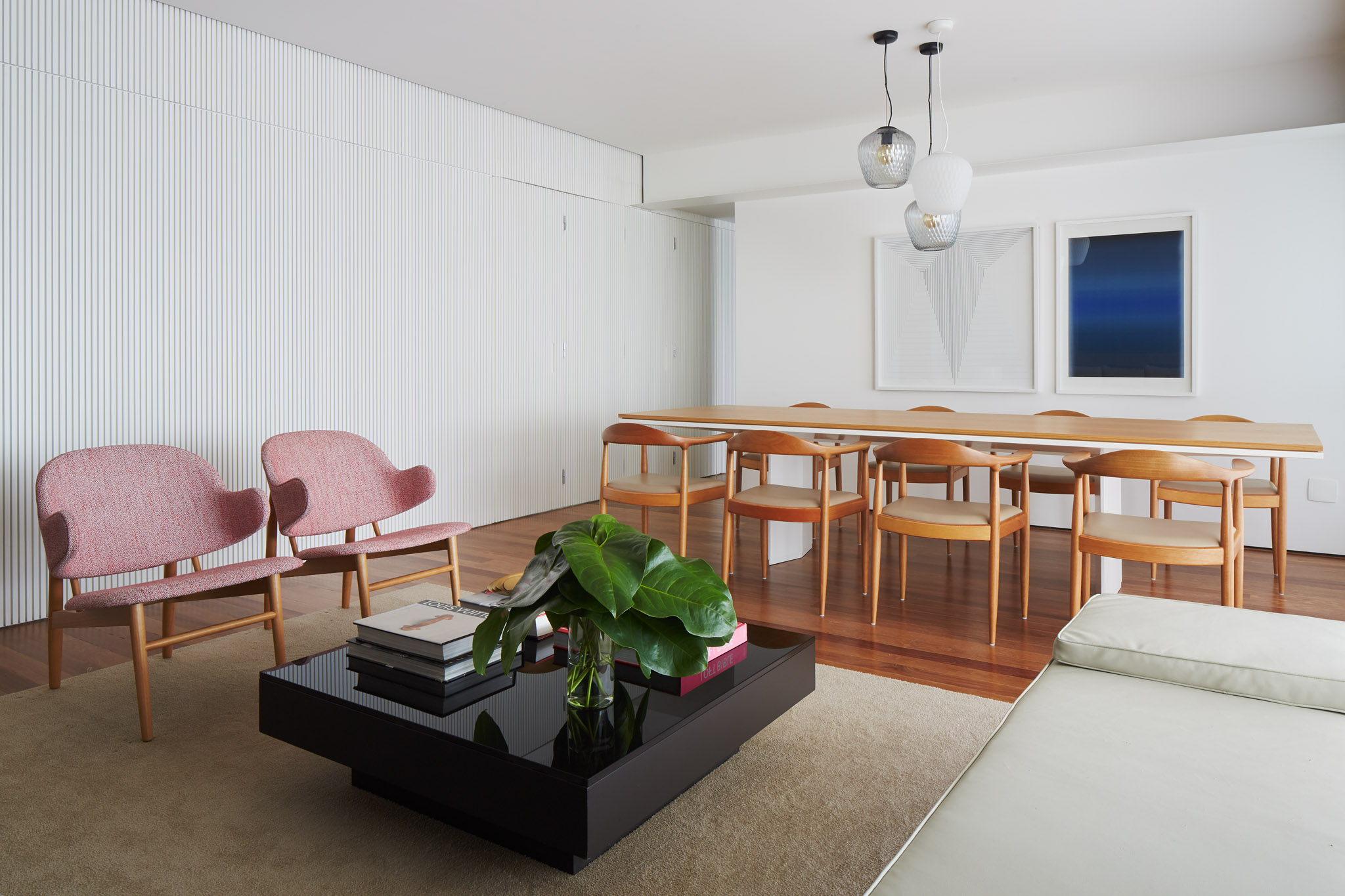
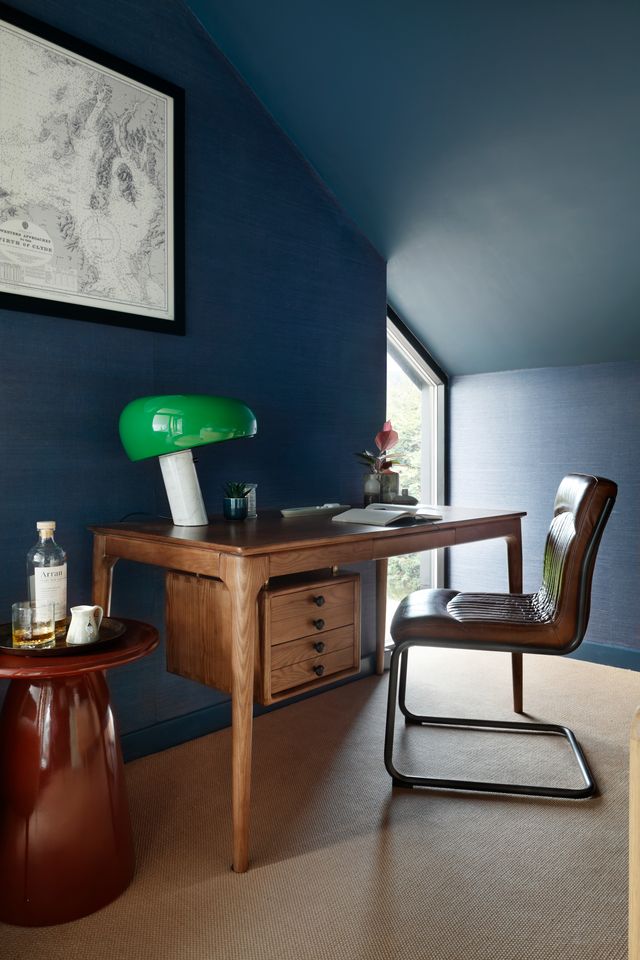
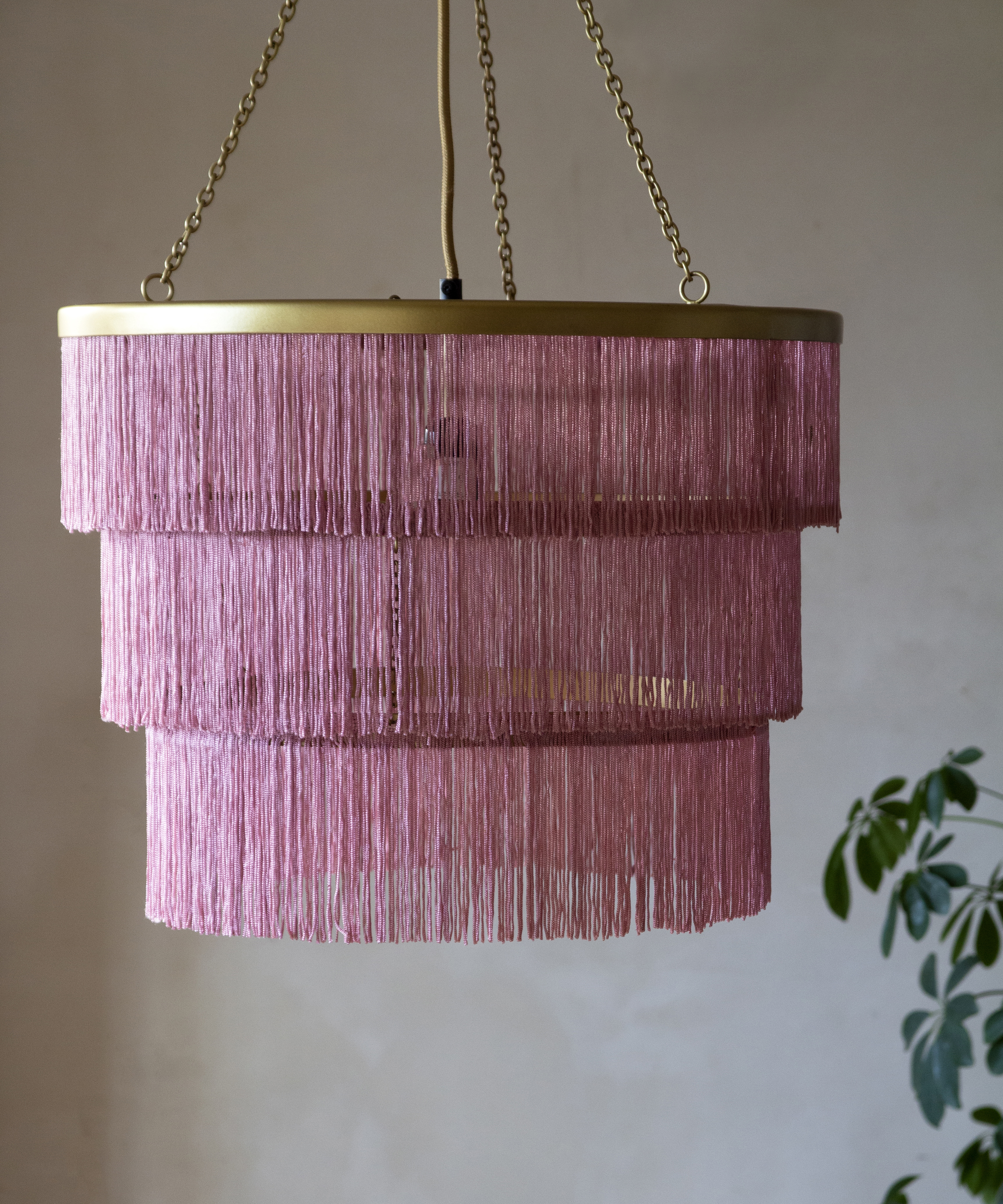
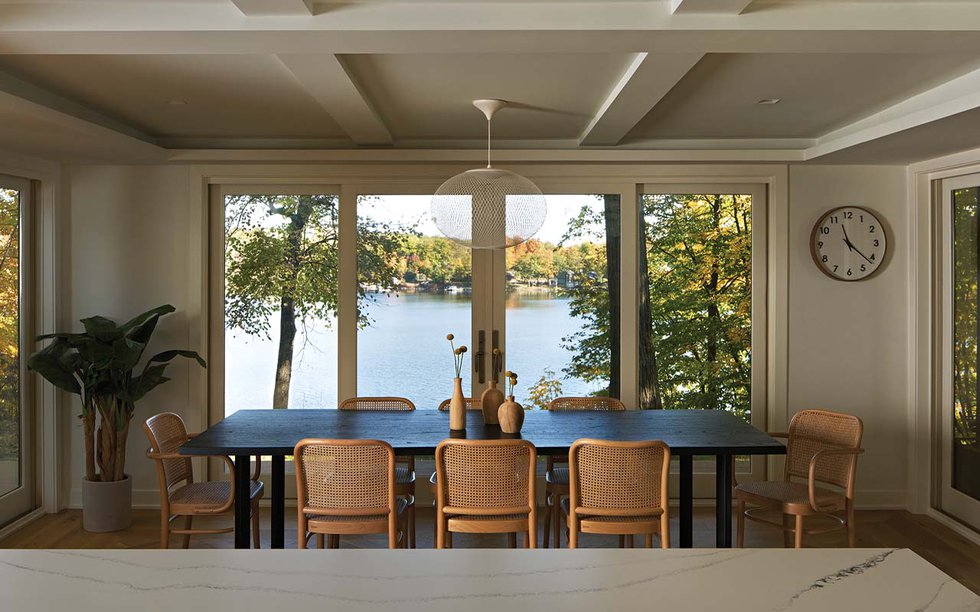
For those looking to make a design statement, bold lighting fixtures can define different zones in an open-plan living area, such as a prominent light over a dining table or kitchen island. In a dedicated workspace, a bold floor lamp can provide focused brightness without altering the ambient light of the entire room. Innovative options like color-changing LED strip lighting can further enhance a room's aesthetic appeal and functionality, particularly in alcoves or dedicated nooks, allowing for dynamic changes in mood and a personalized 'wow factor'.
#LightingDesign #SpaceIllusion #HomeDesign #InteriorLighting #LEDLighting #ReflectiveSurfaces #MultiFunctionalSpaces #LightingTemperature #HomeDecorTips #LightingDesign #SpaceIllusion #HomeDesign #InteriorLighting #LEDLighting #ReflectiveSurfaces #MultiFunctionalSpaces #LightingTemperature #HomeDecorTips
0 comment in total
 No comments yet
You may also like
The Counterintuitive Secret to Making Your Home Feel Twice as Big
This Designer's Clever Trick Will Transform Any Open-Concept Living Space

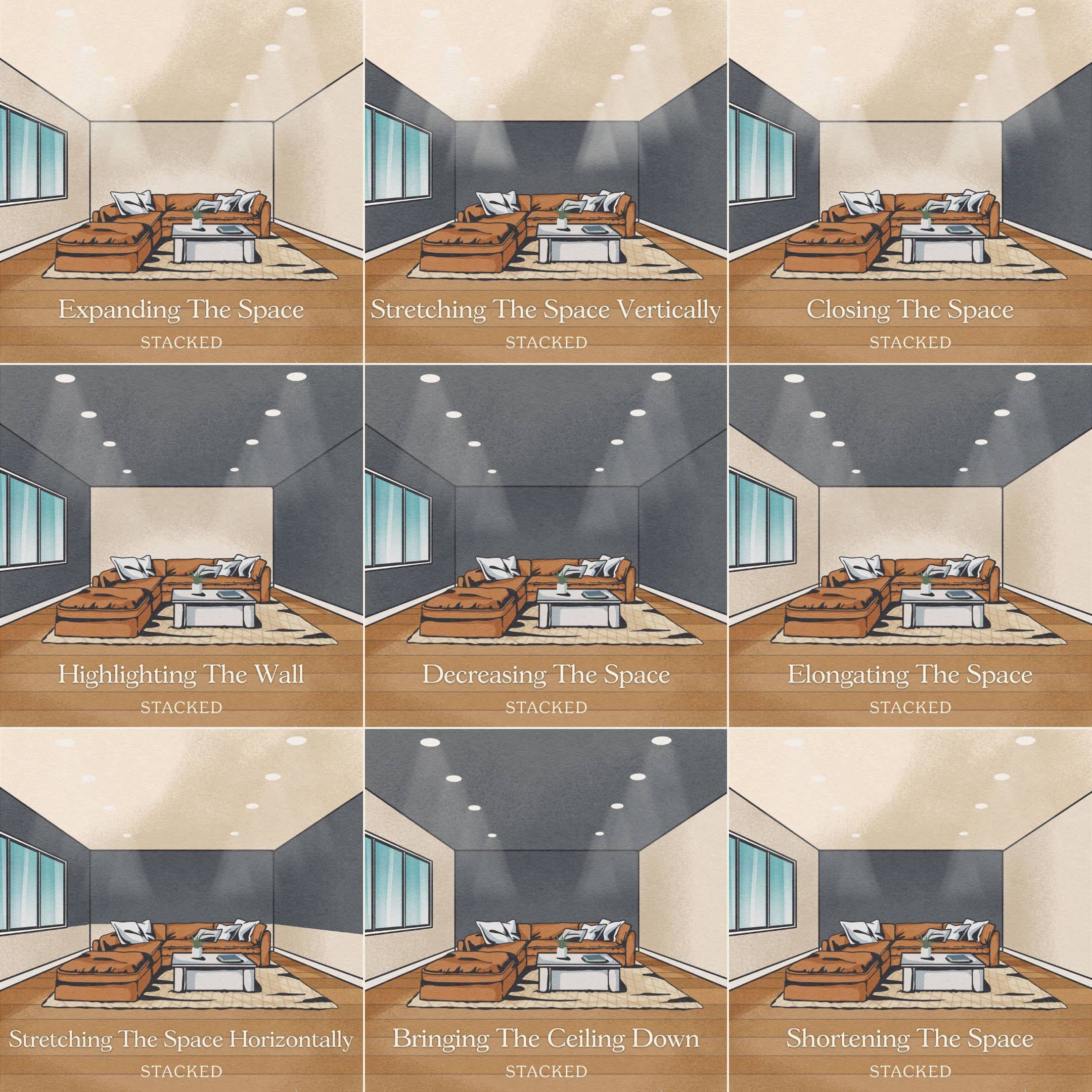
9 Amazing Illusion Tricks To Make A Small Space Look Bigger
Designers Reveal the TINY Detail That Instantly Adds Character to Any Home
This Everyday Item INSTANTLY Makes Small Bedrooms Feel Bigger, According to Designers
The subtle 'vertical decorating' technique designers use to make small rooms look bigger and brighter

Common design mistakes you're making in every room of your house
The Secrets to a High-Functioning “Does It All” Room

Designers swear by this small living room layout - 'it makes the space feel bigger'

The Surprising Interior Design Trick That Can Make Your Floors Pop
11 Pro Tricks to Make It Look Like You Have High Ceilings
14 clever ways to make small rooms look bigger

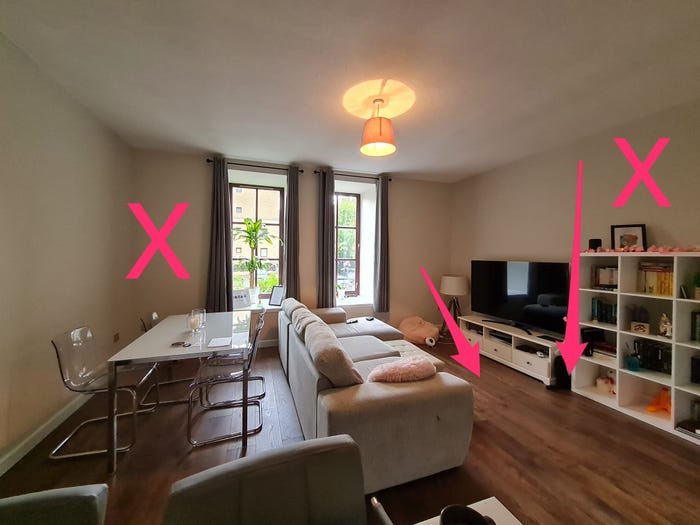
Interior Designer Shares How to Make 1-Bedroom Apartment Look Bigger
Top design tips to make your home look bigger

Experts reveal the one furnishing that will instantly make a small hallway feel bigger
Home & Design | Style Multiplier

How to make small spaces look bigger
The Stylish Trick for Creating an Extra Room in Your Home
9 rooms that prove color drenching makes small spaces look bigger
The One Design Feature You're Overlooking That Will Instantly Elevate Any Room