1/10
The 3-5-7 styling rule is how to make your shelves look good
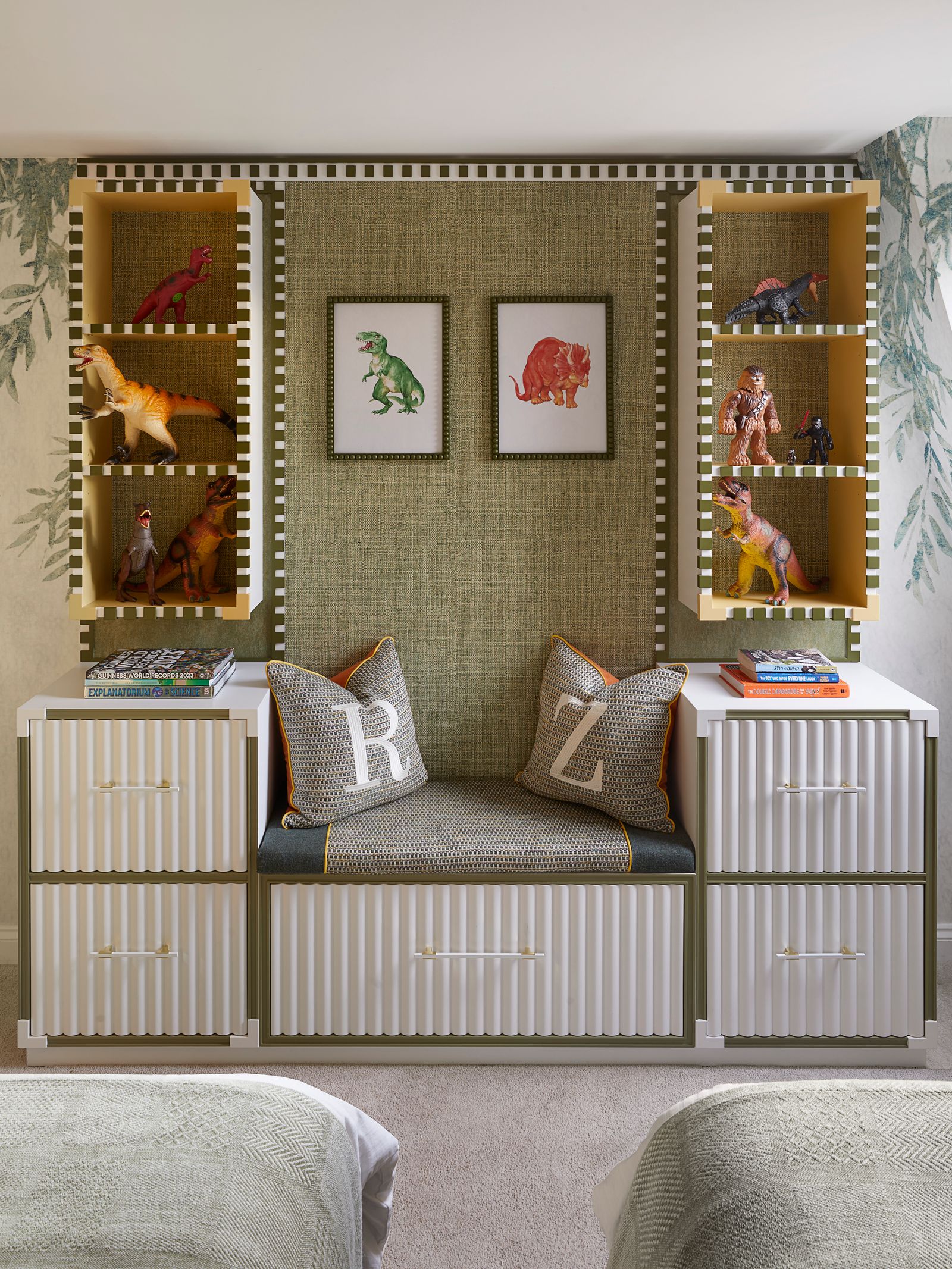
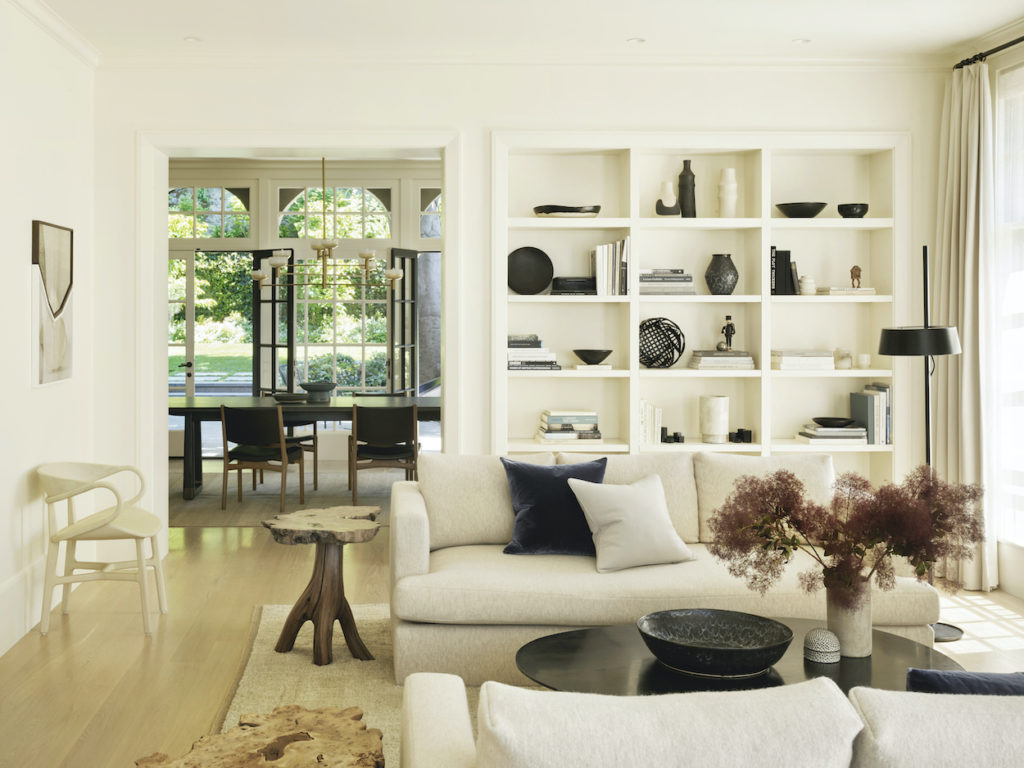
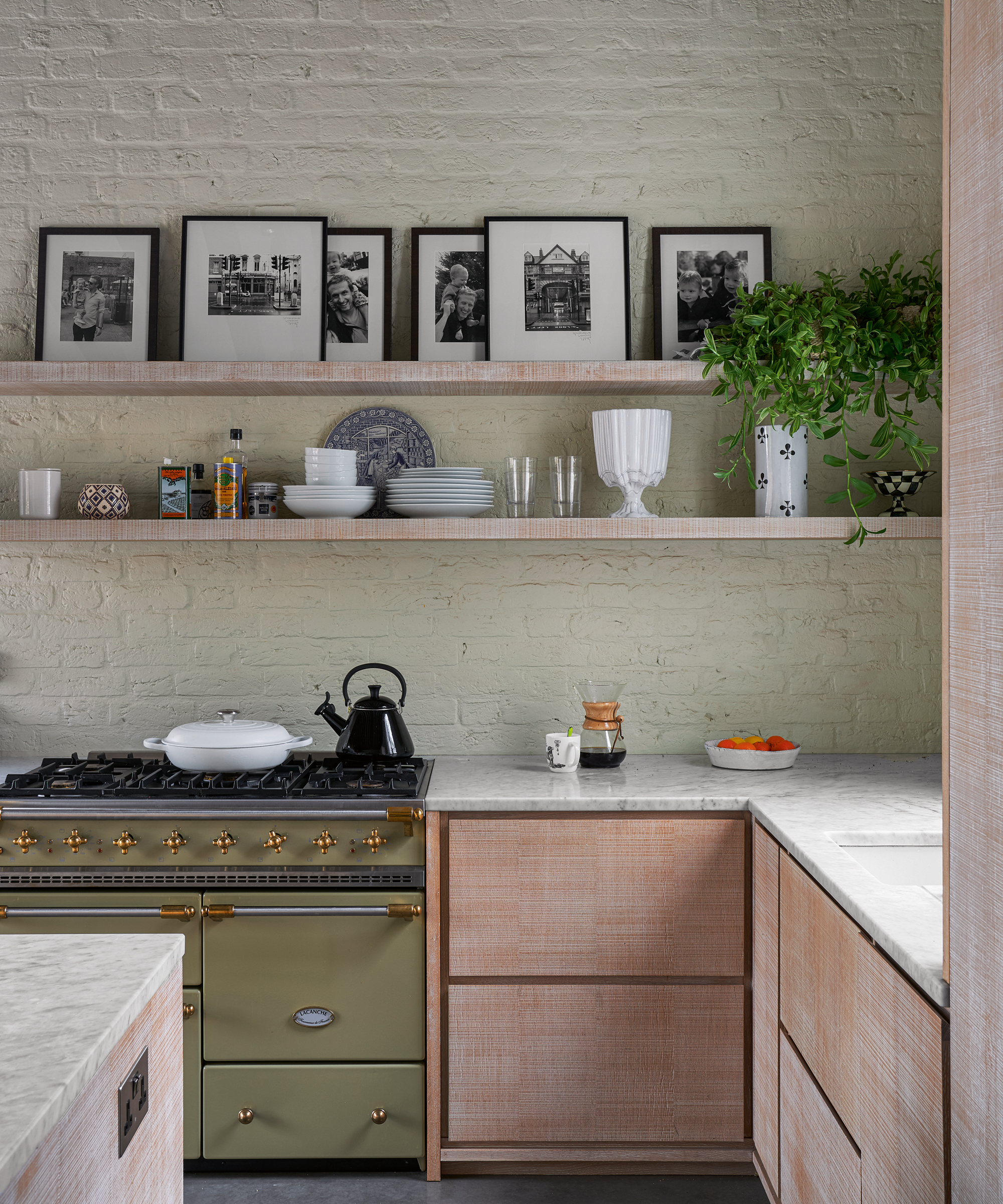
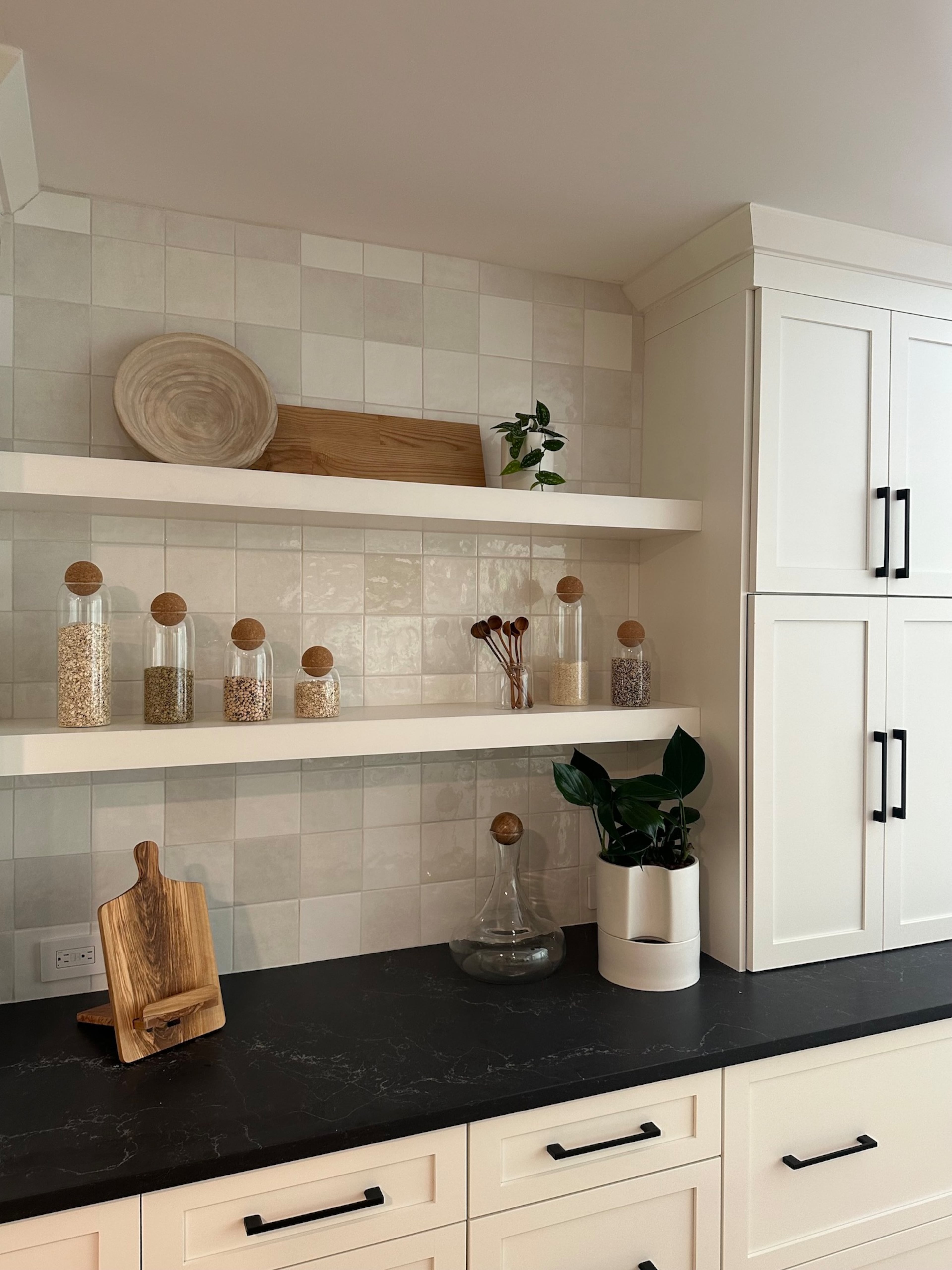
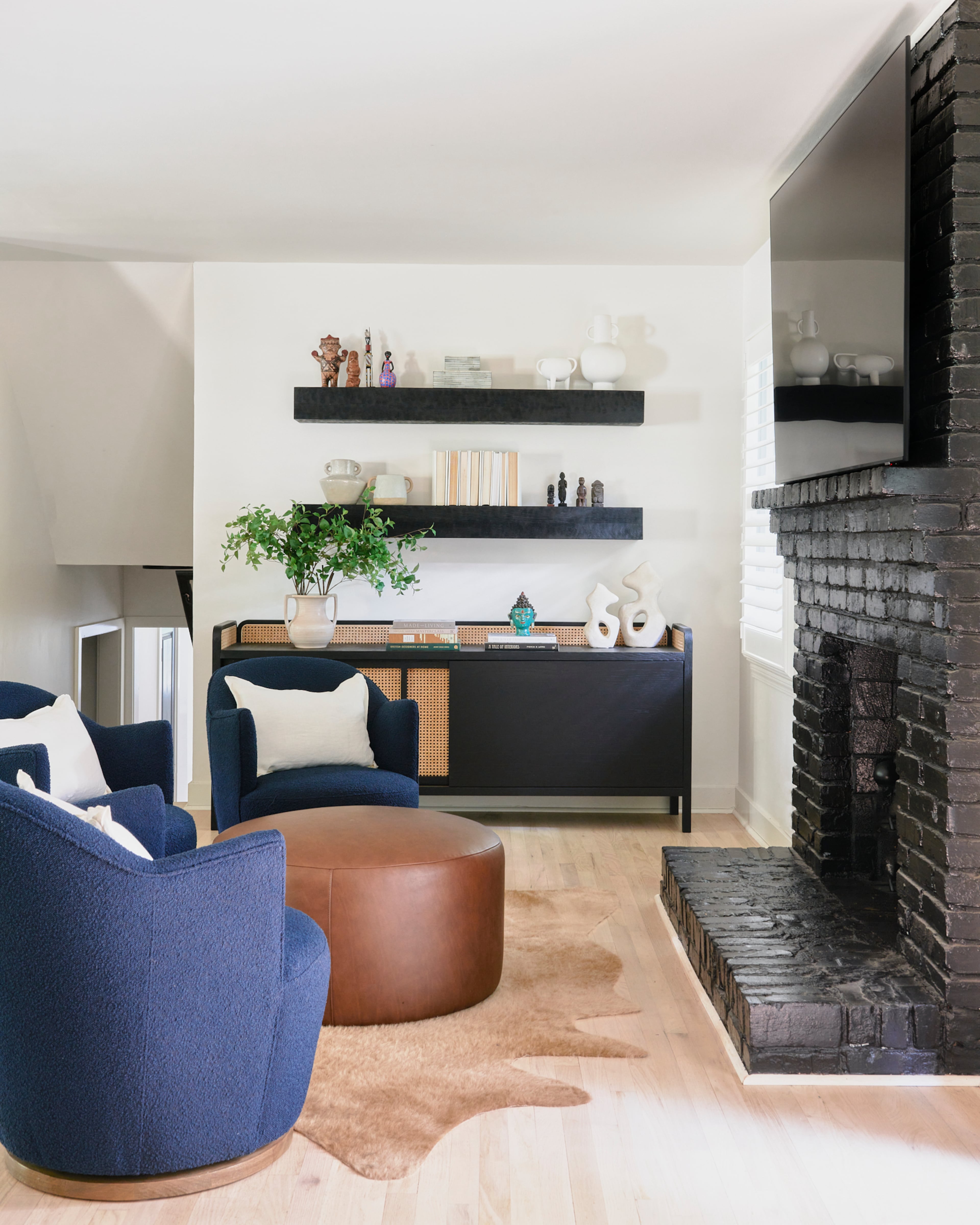
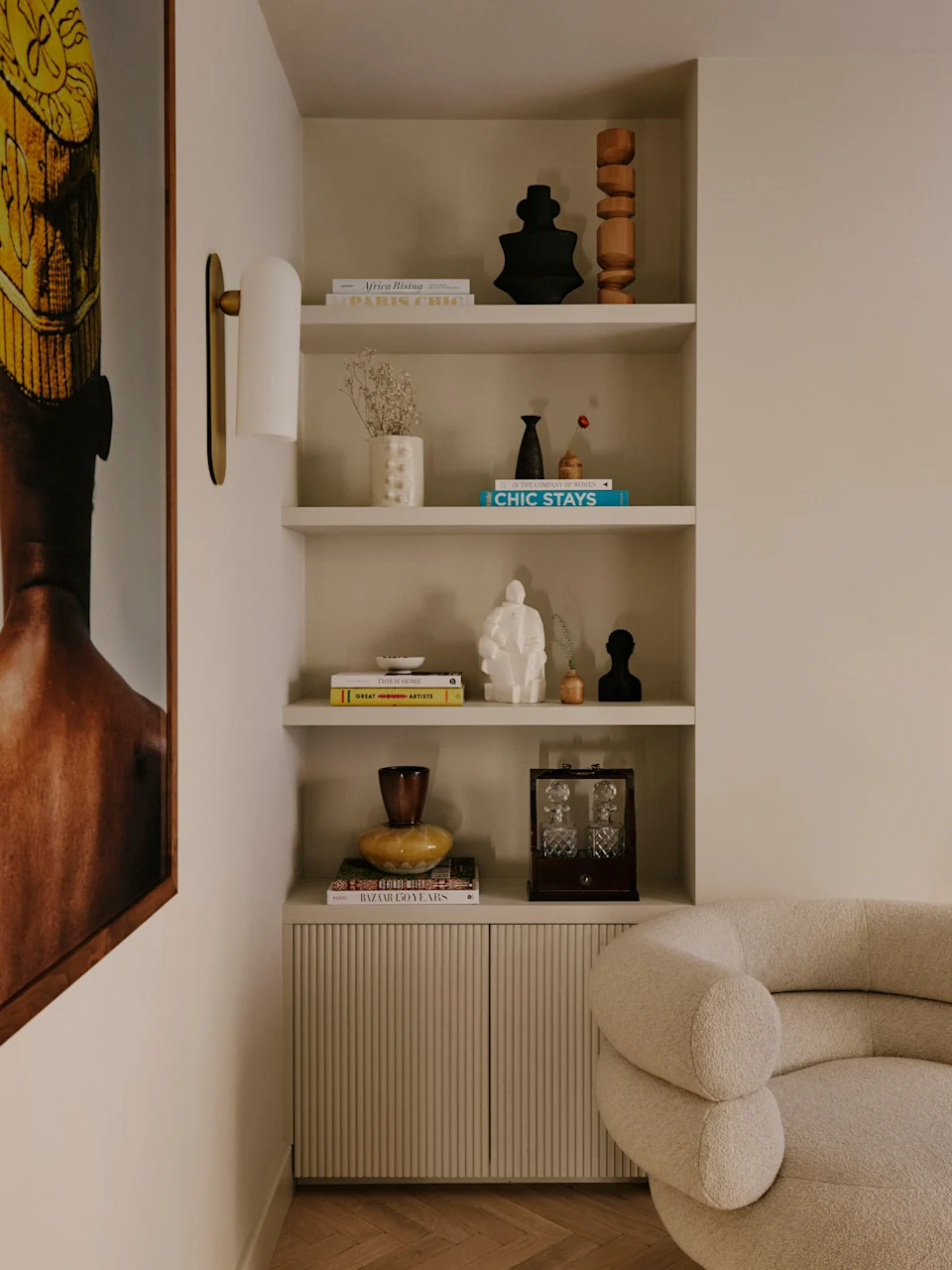
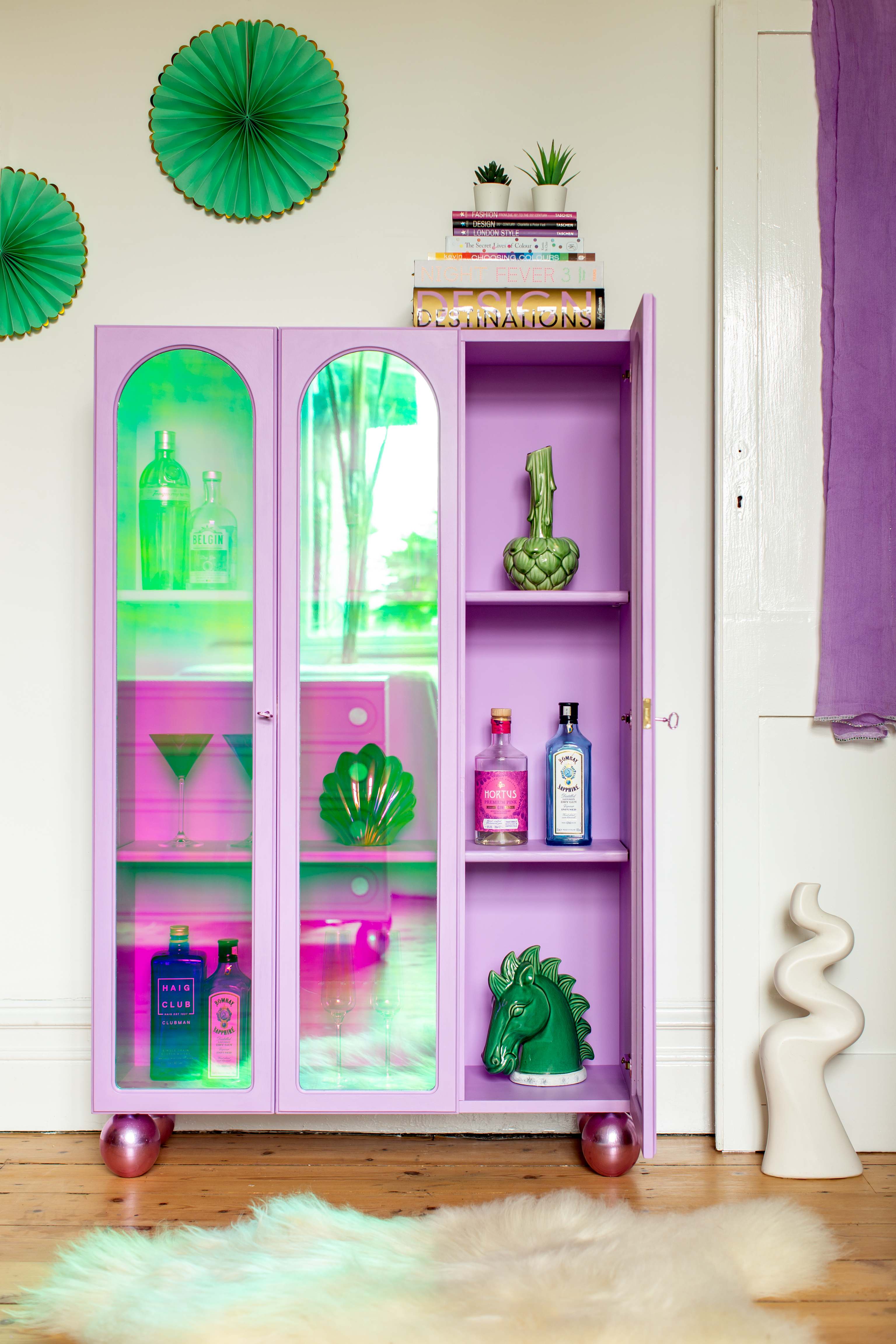
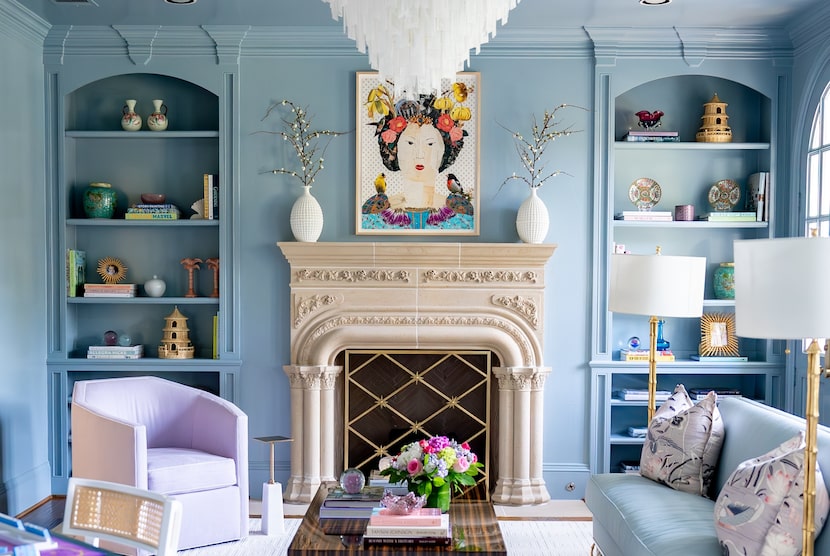
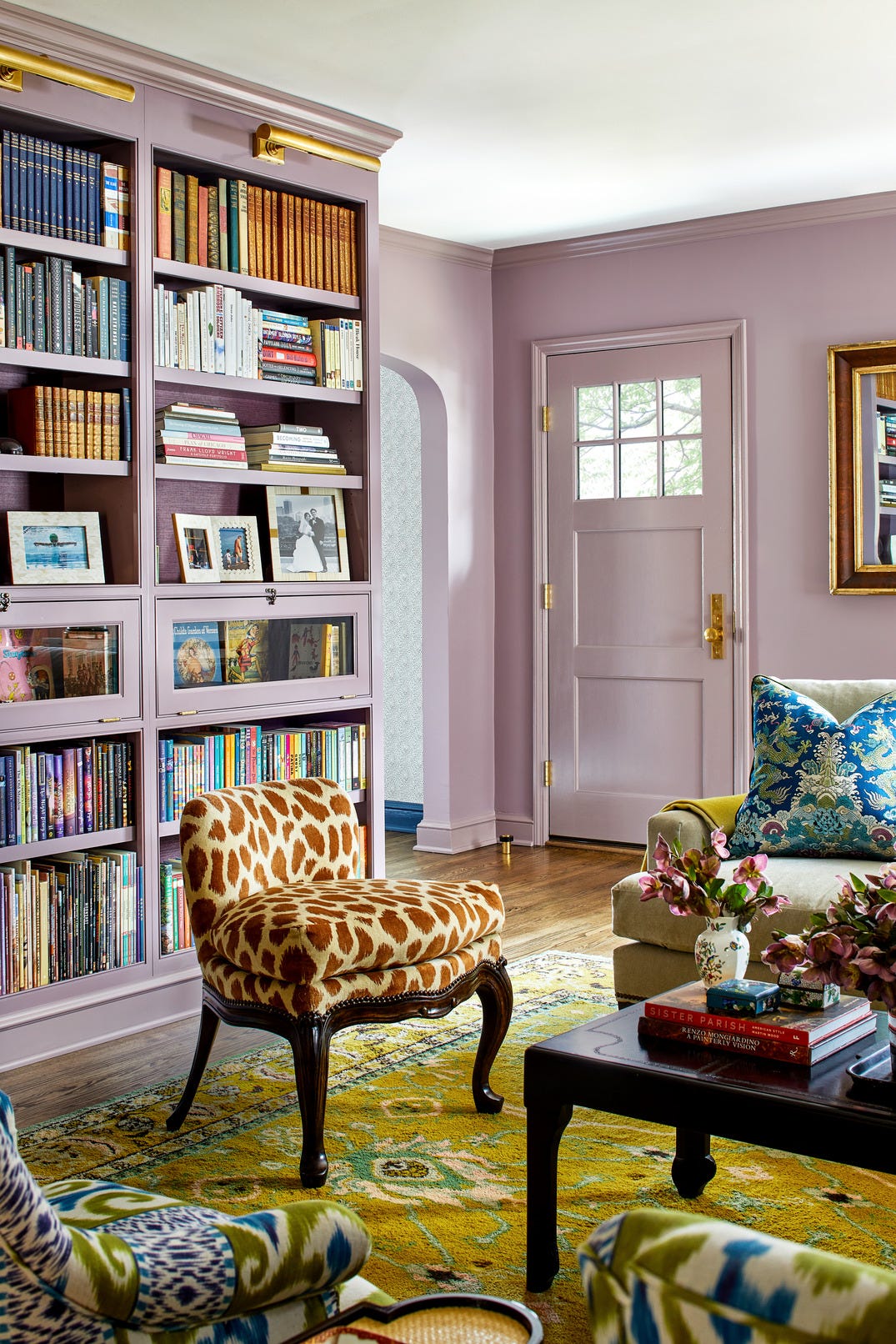
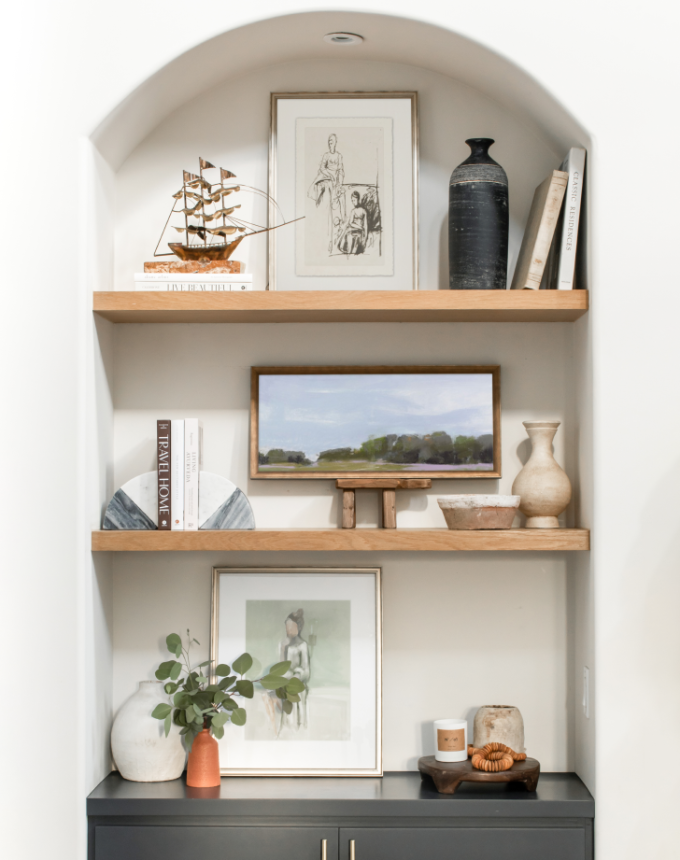
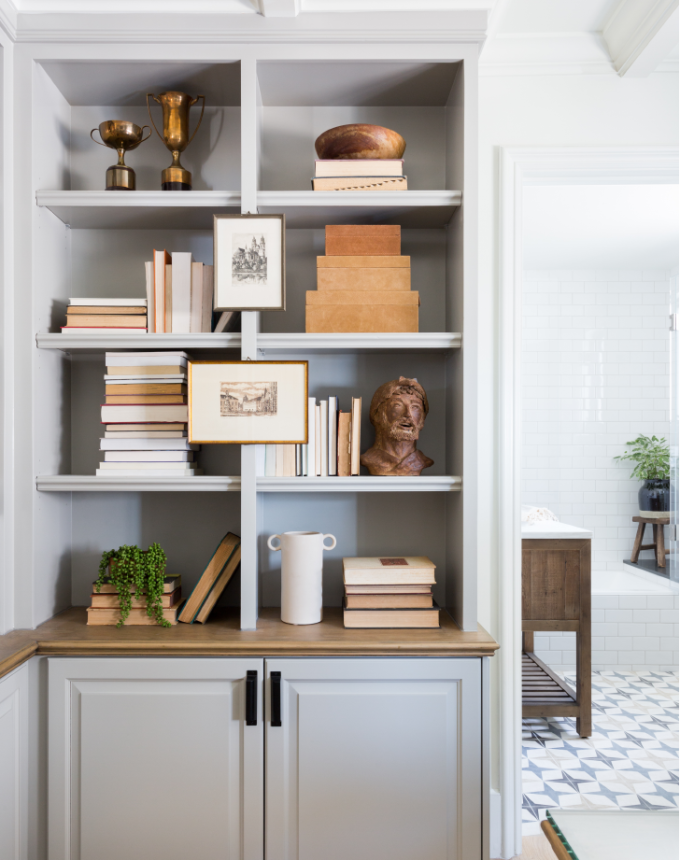
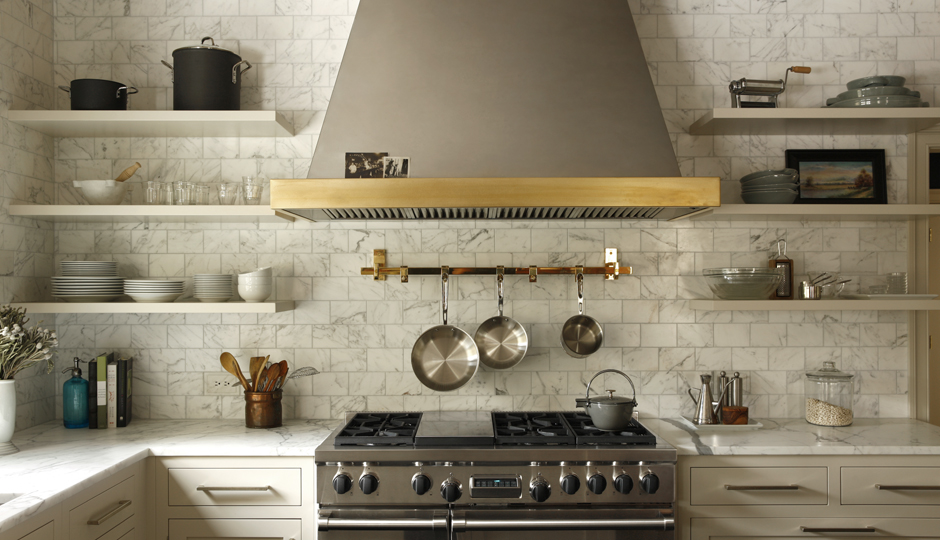
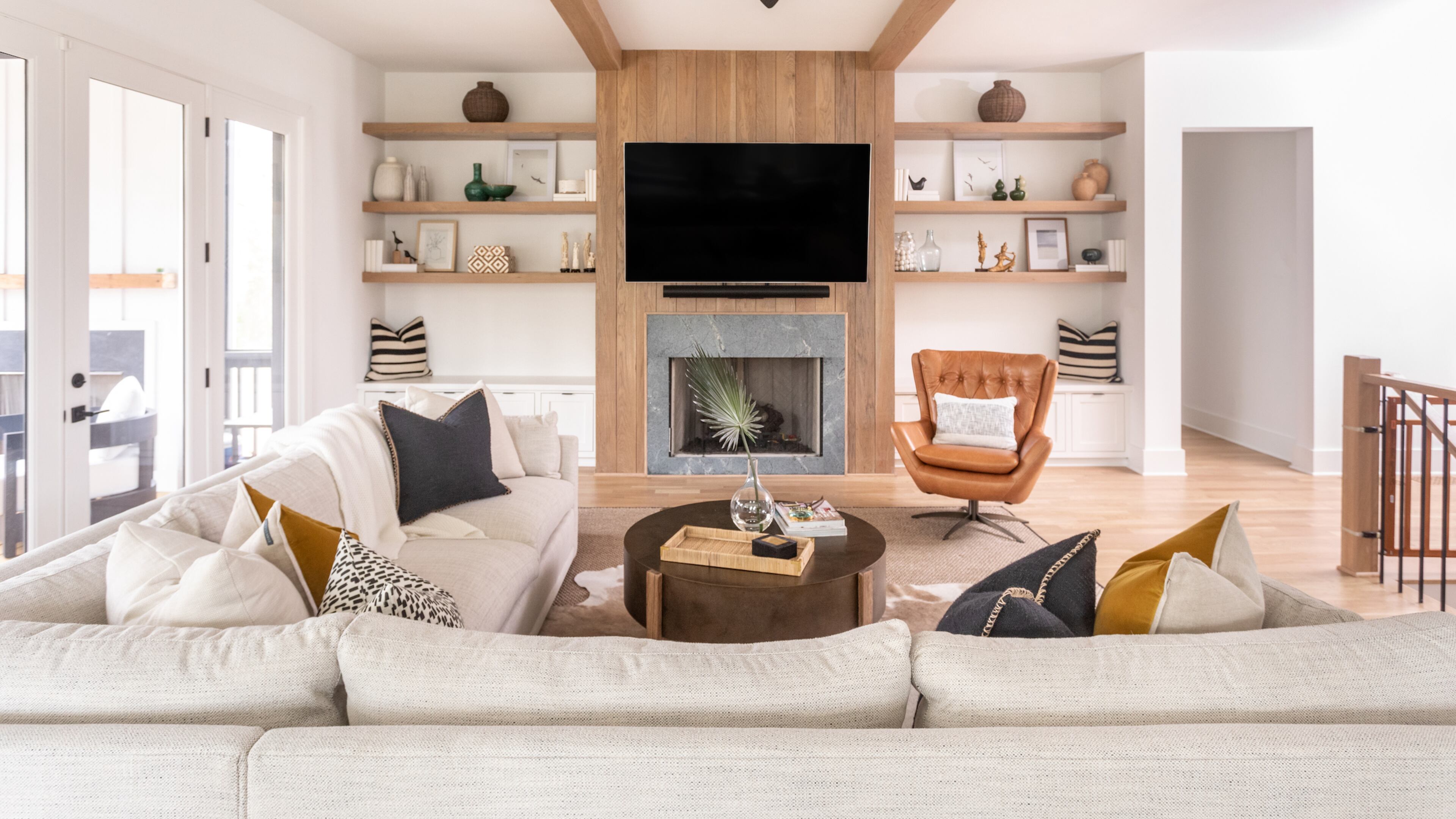
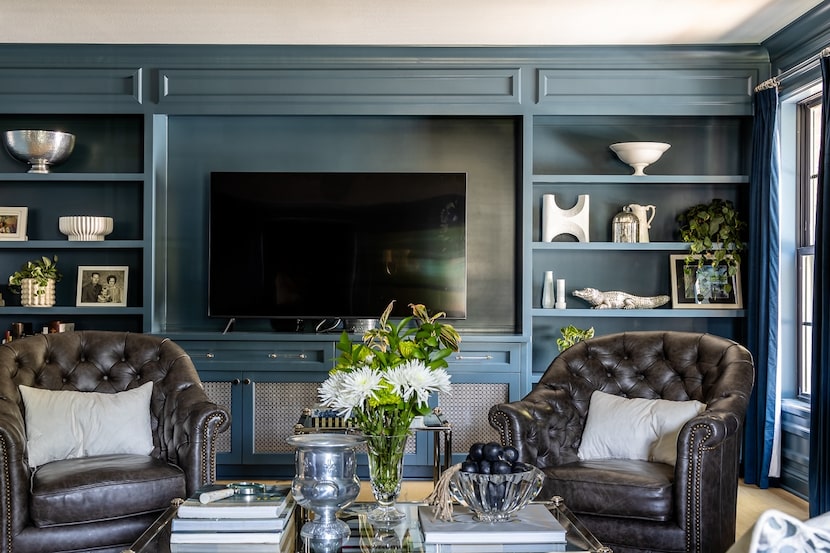
The 3-5-7 styling rule, also known as the rule of odd numbers, is an expert-approved technique for elevating home interiors, particularly when styling shelves, mantels, and coffee tables. This method, which expands upon the basic rule of three, suggests grouping items in odd numbers such as three, five, or seven. Interior designers and stylists advocate for this approach as it creates visual balance and interest, appearing more natural and less rigid than arrangements with even numbers of items. Over time, this becomes an intuitive practice for seasoned professionals, but it offers a valuable framework for those seeking guidance in decorating their homes.
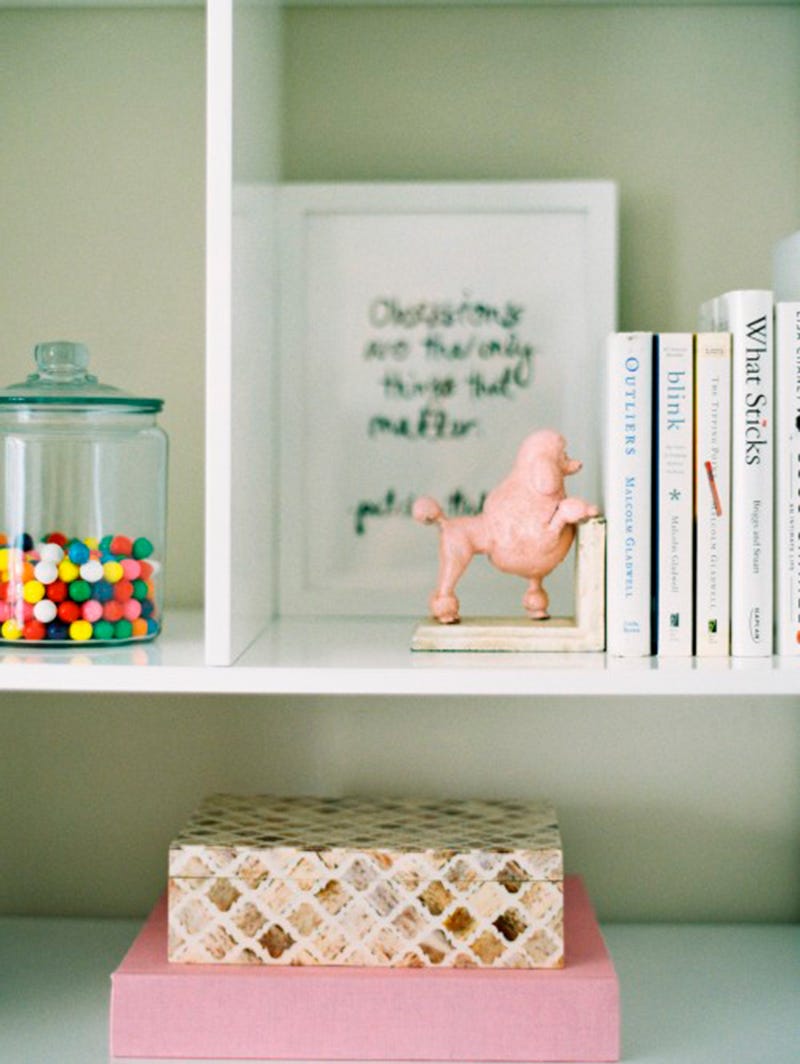
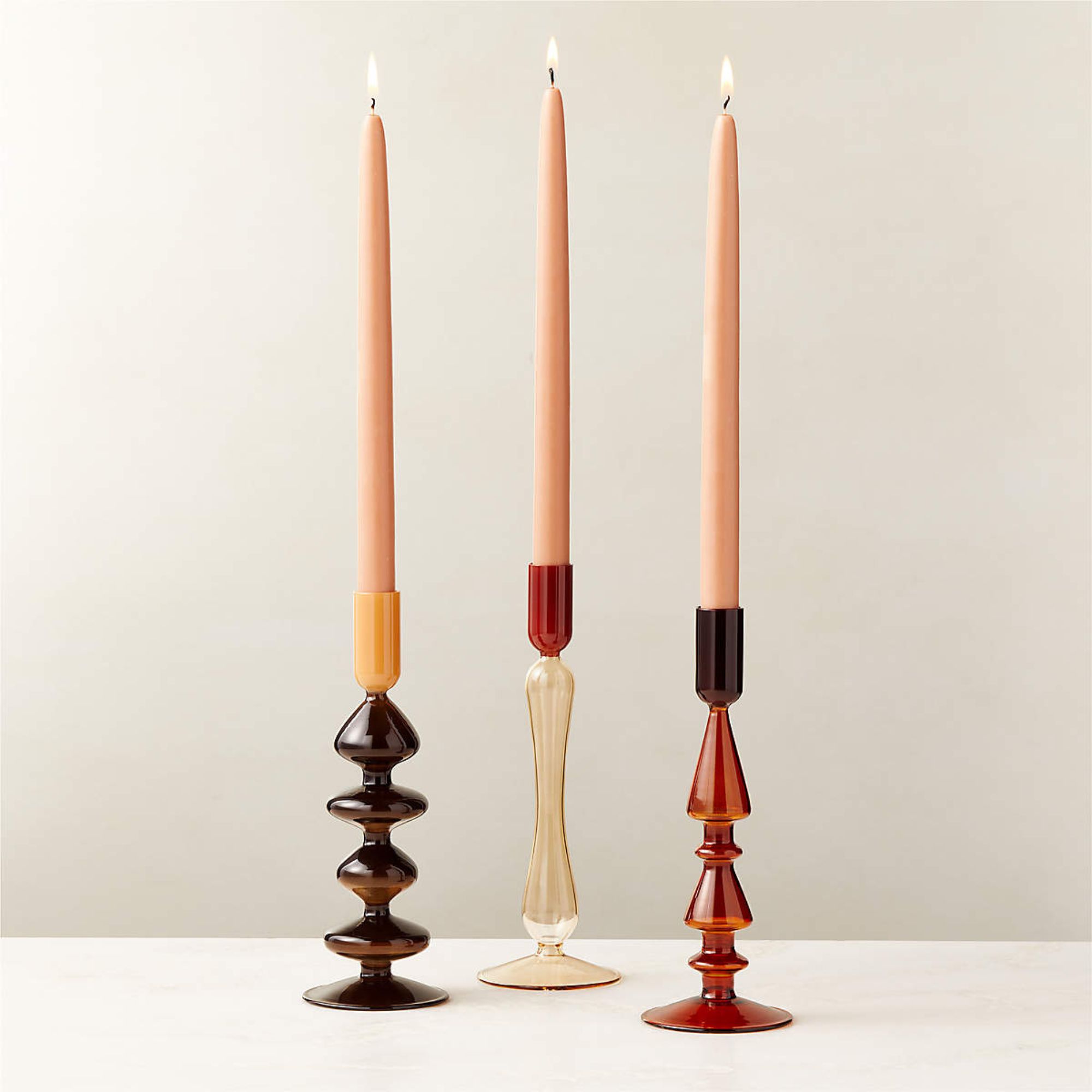
Chloe Barrow, an interior expert at Laura James, acknowledges that while she doesn't follow the rule religiously in her own work, it serves as an excellent starting point for individuals who feel uncertain about how to achieve a cohesive and layered look. The rule helps in creating a space that feels more intentional and aesthetically pleasing. Sam Sutherland, an interior stylist at Flitch, explains that the core idea is to group items in odd numbers because these arrangements are perceived as more natural to the eye, fostering a relaxed yet intentional rhythm within the design. Danielle Le Vaillant, Head of Photography and Film at Cox & Cox, further supports this by stating that collating items in odd-numbered groups, particularly threes and fives, promotes a harmonious and cohesive scheme by diversifying sight lines, leading to a less regimented feel. This principle is so ingrained that items are often sold in sets of three, such as baskets, planters, or bud vases, and even faux flower stems.
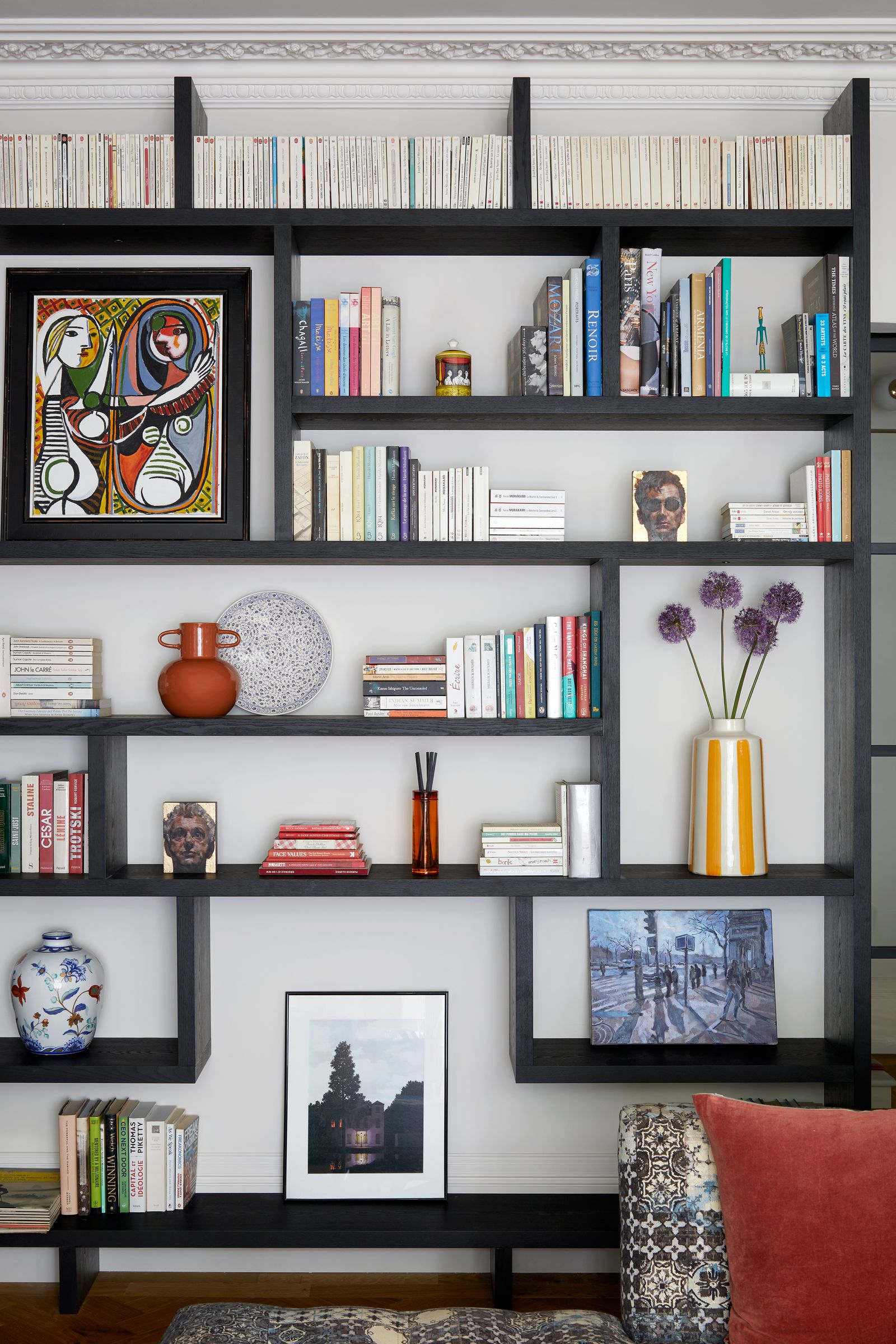
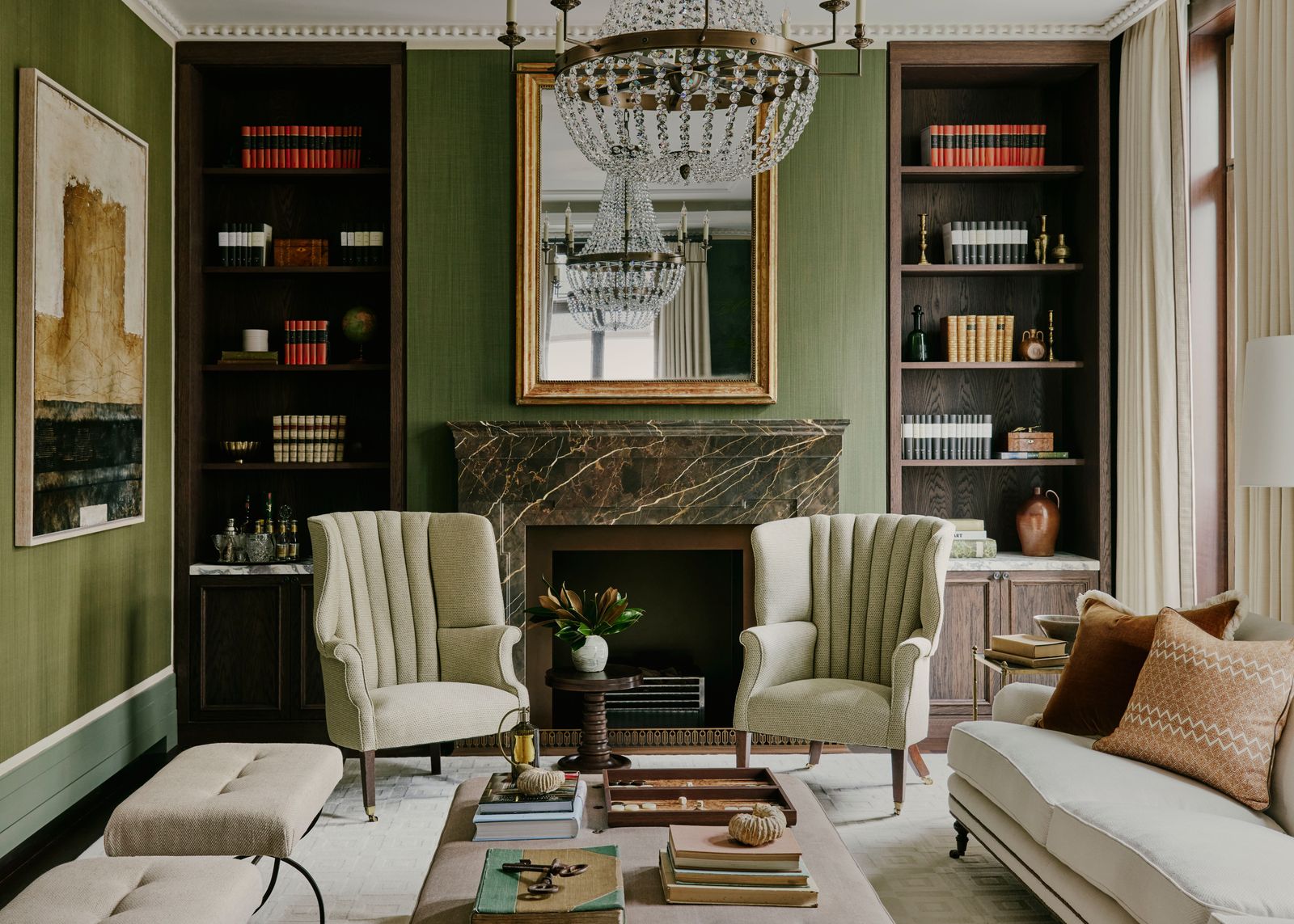
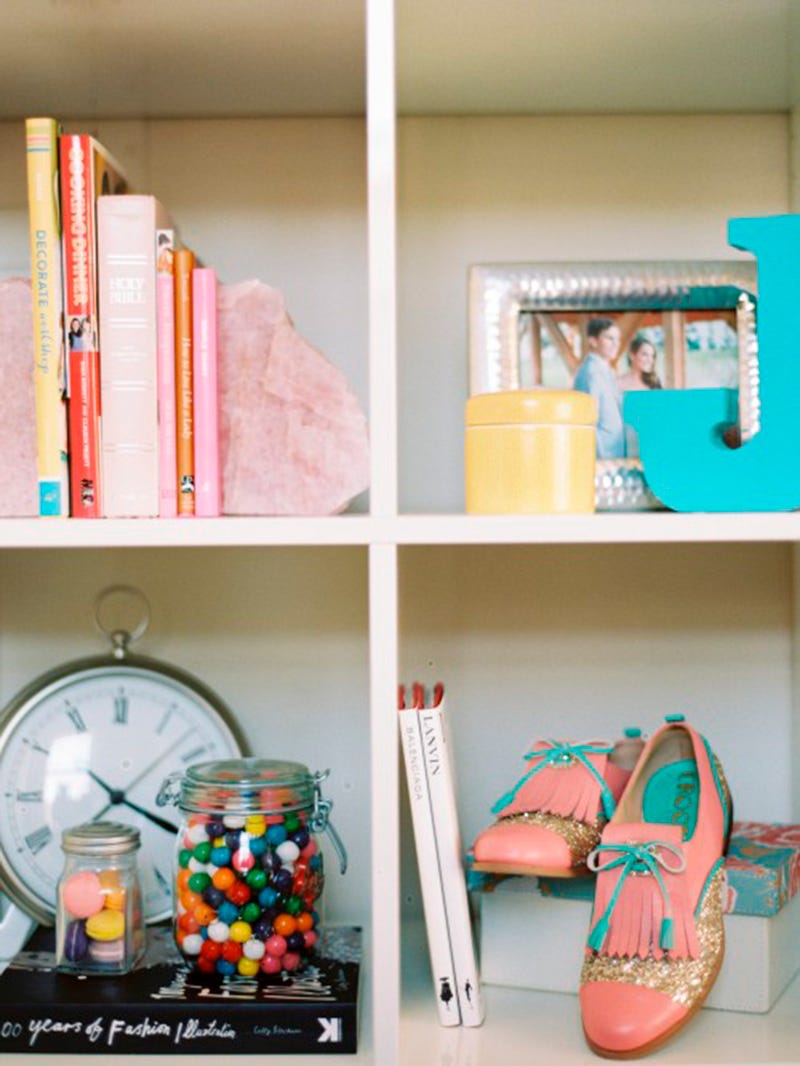
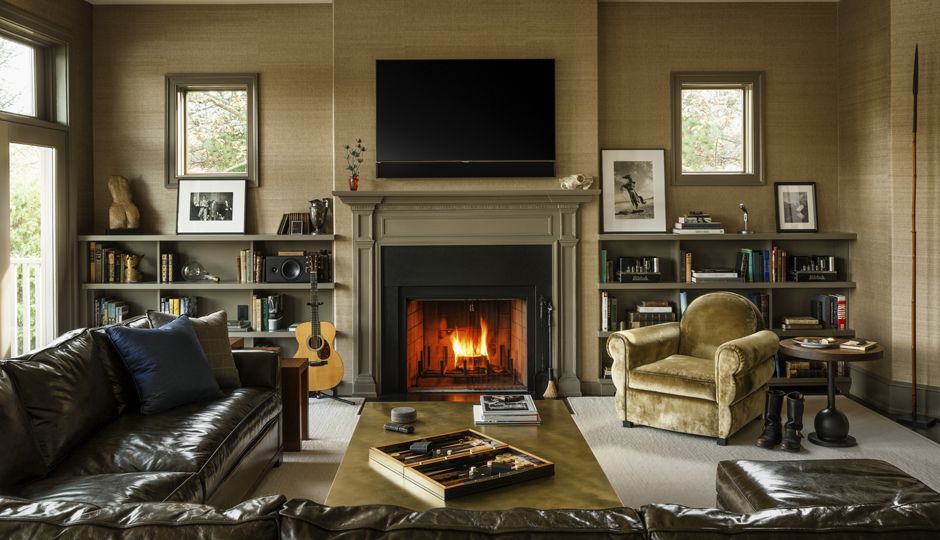
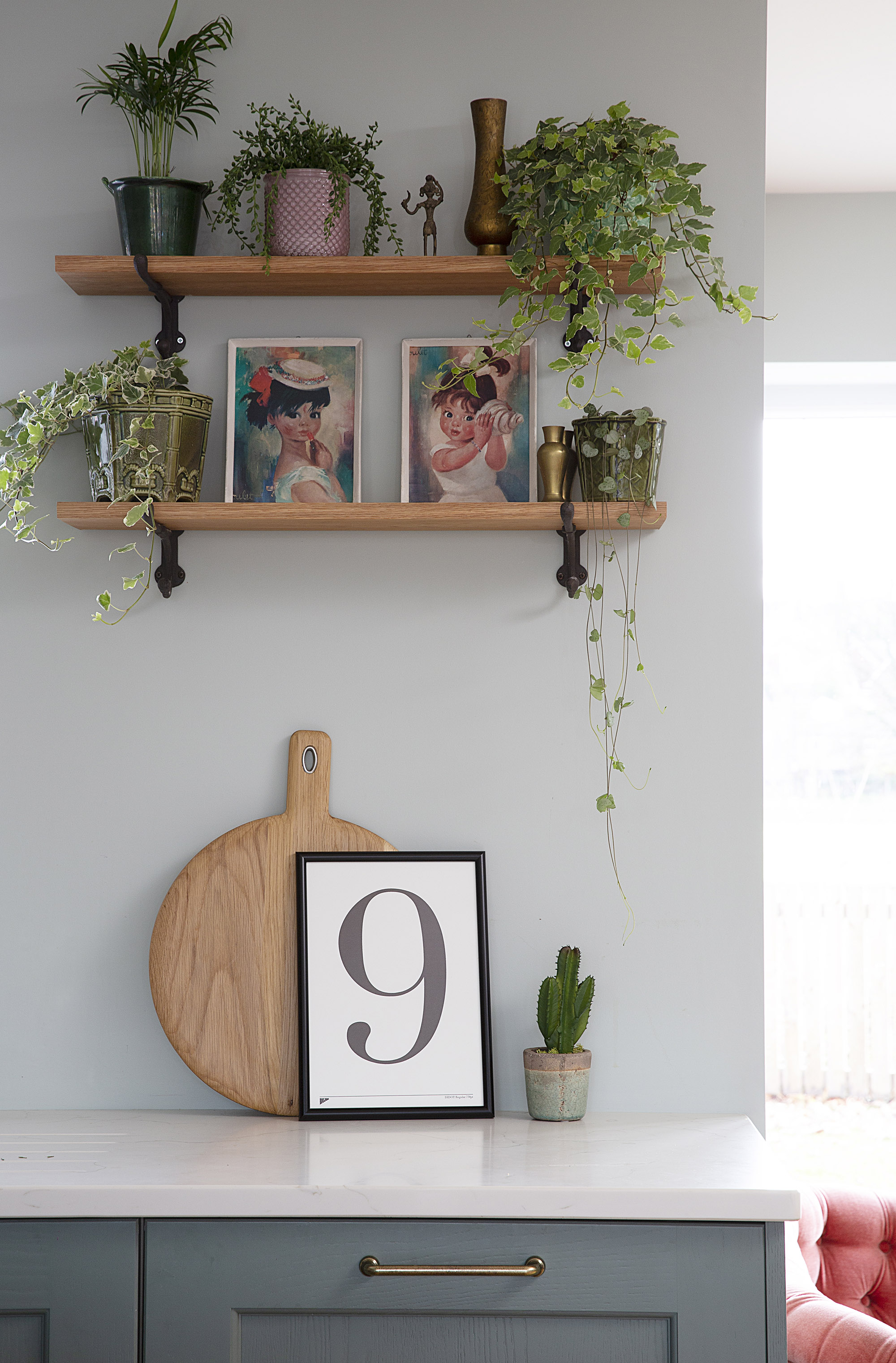
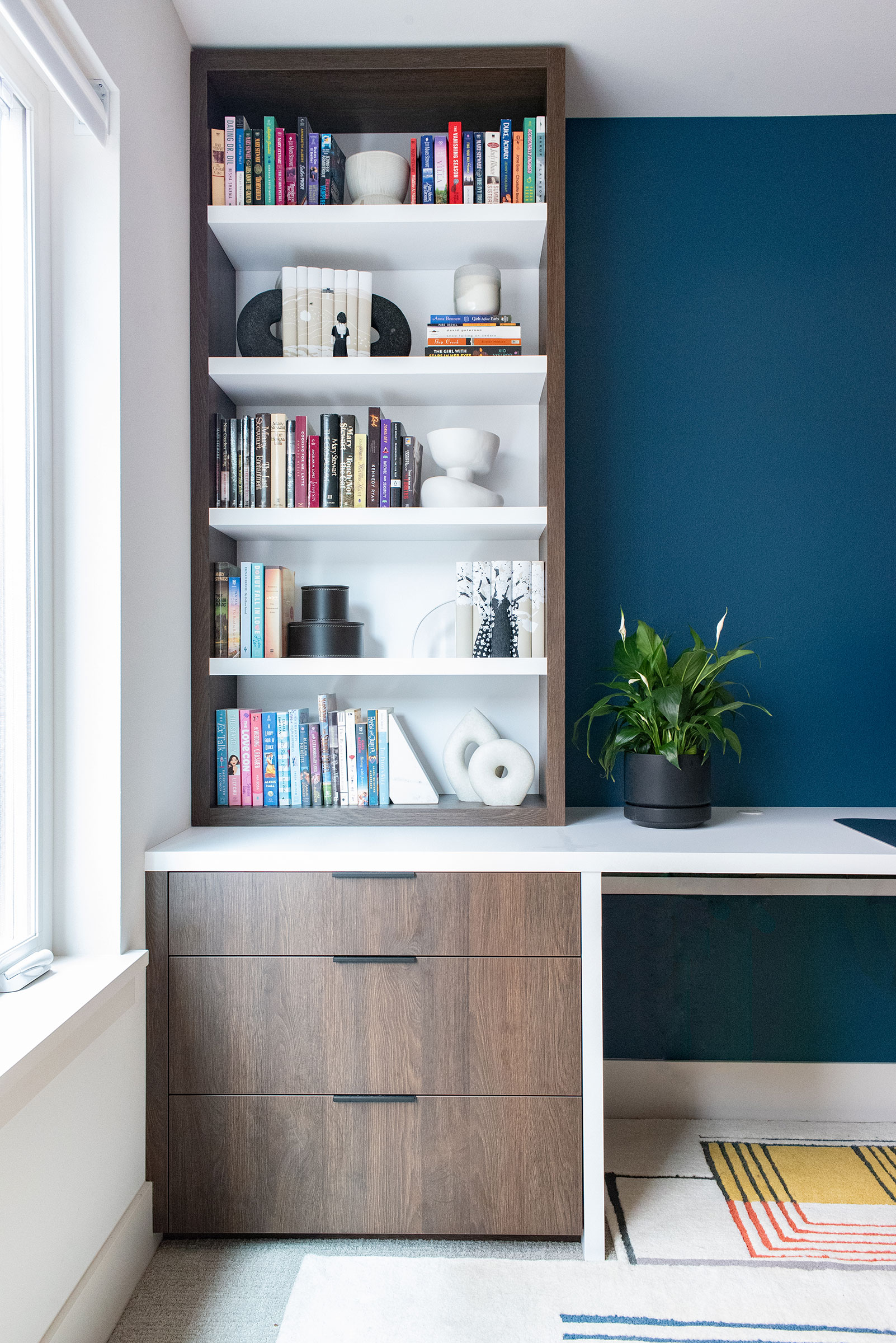
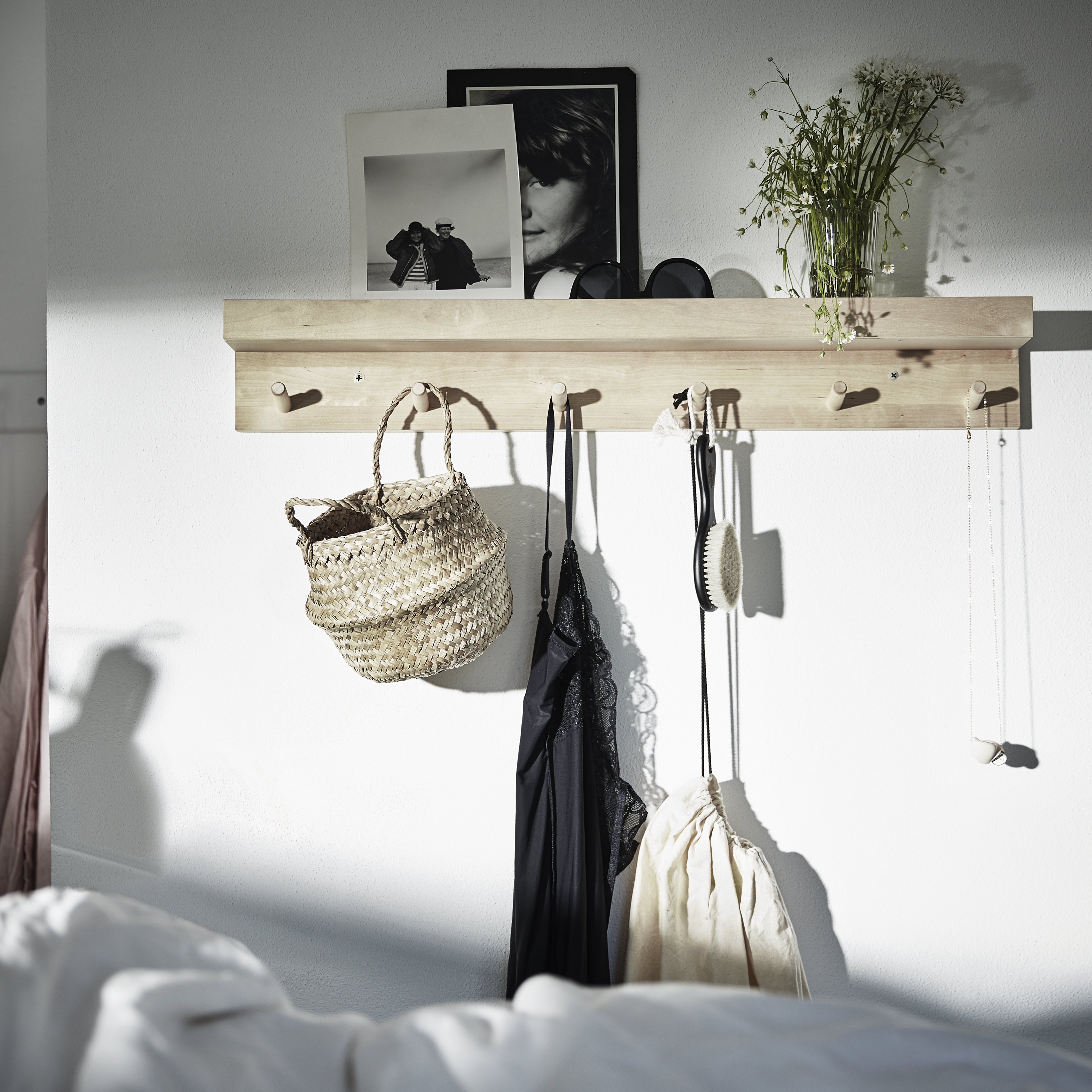
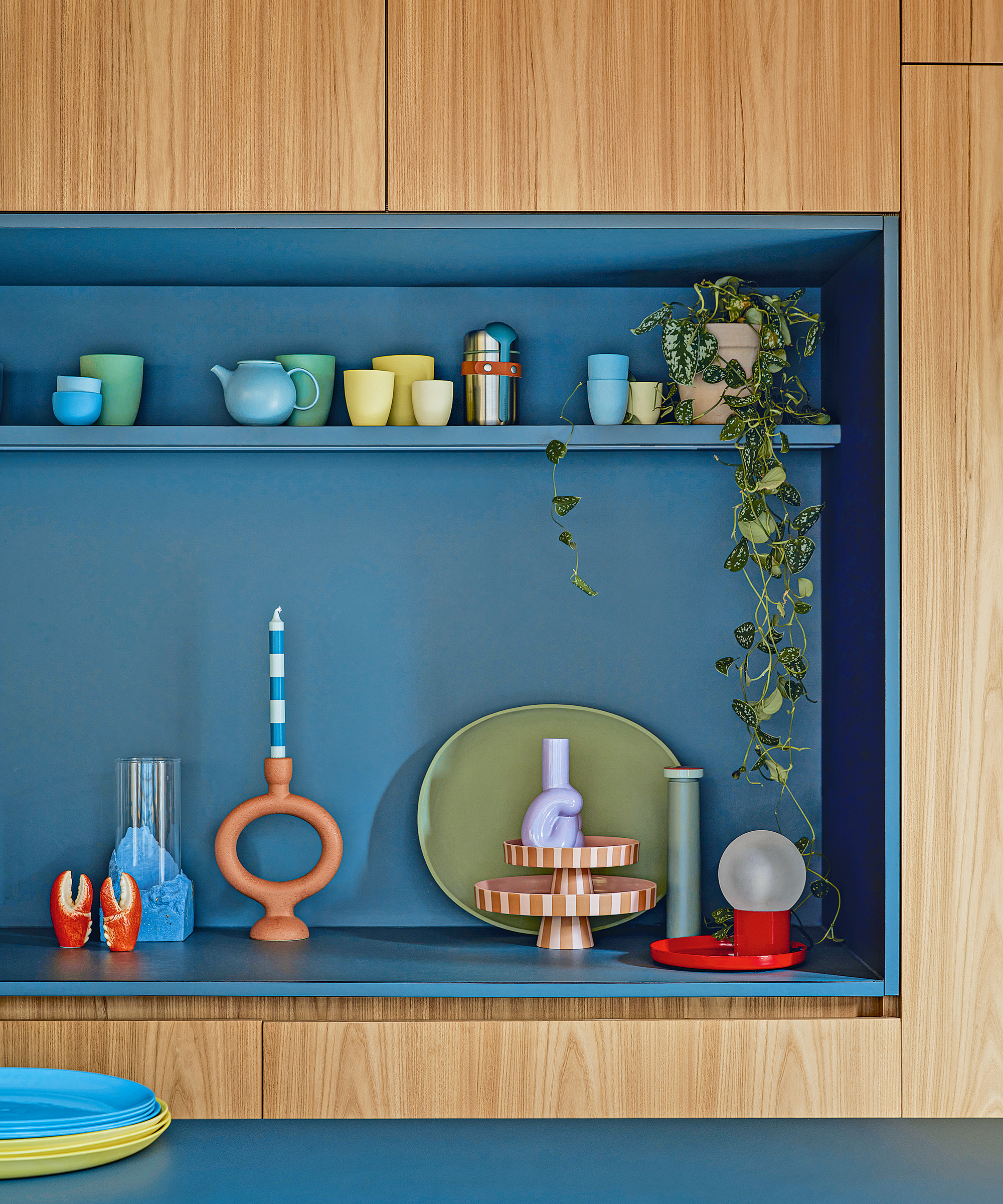
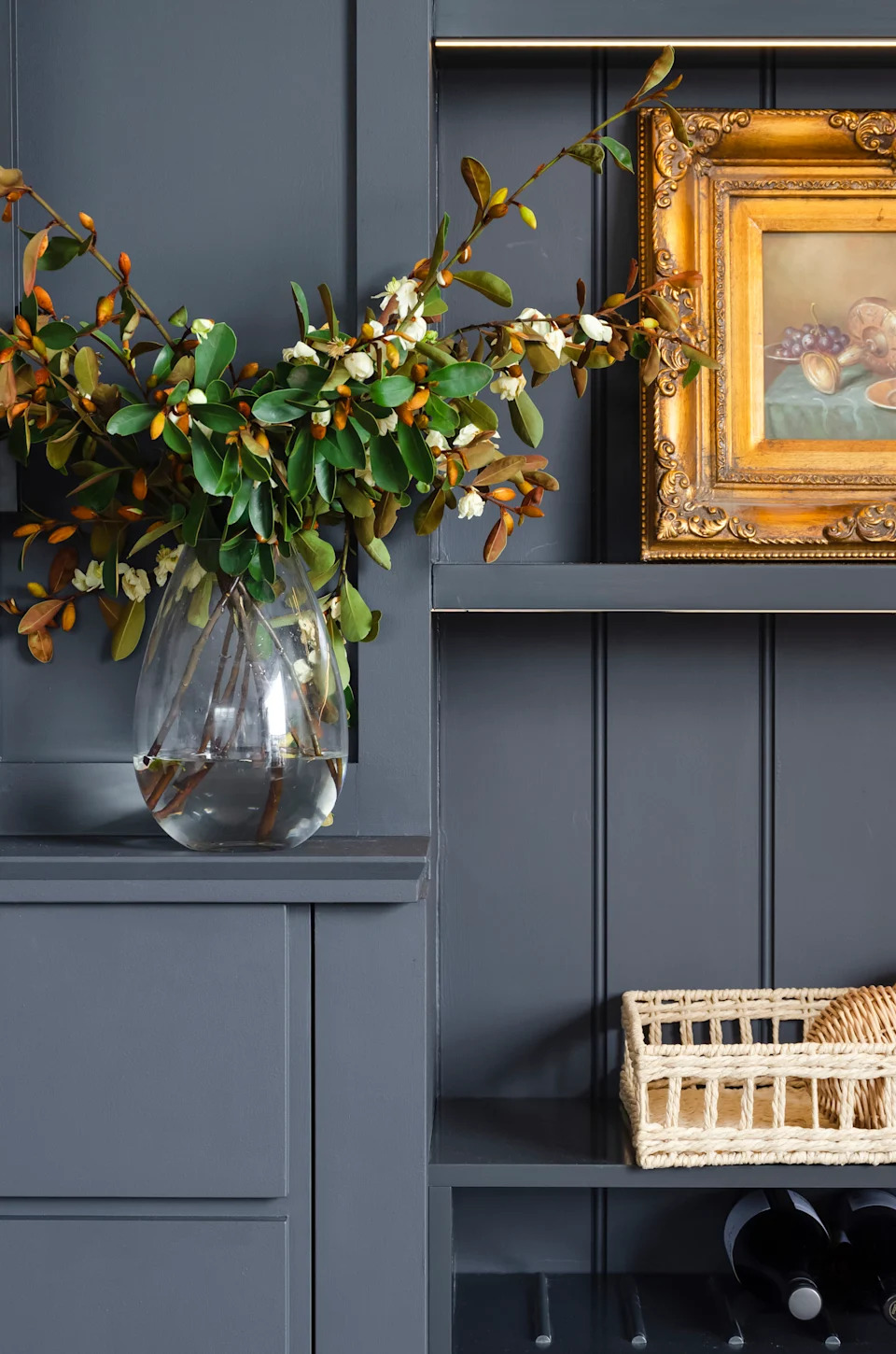
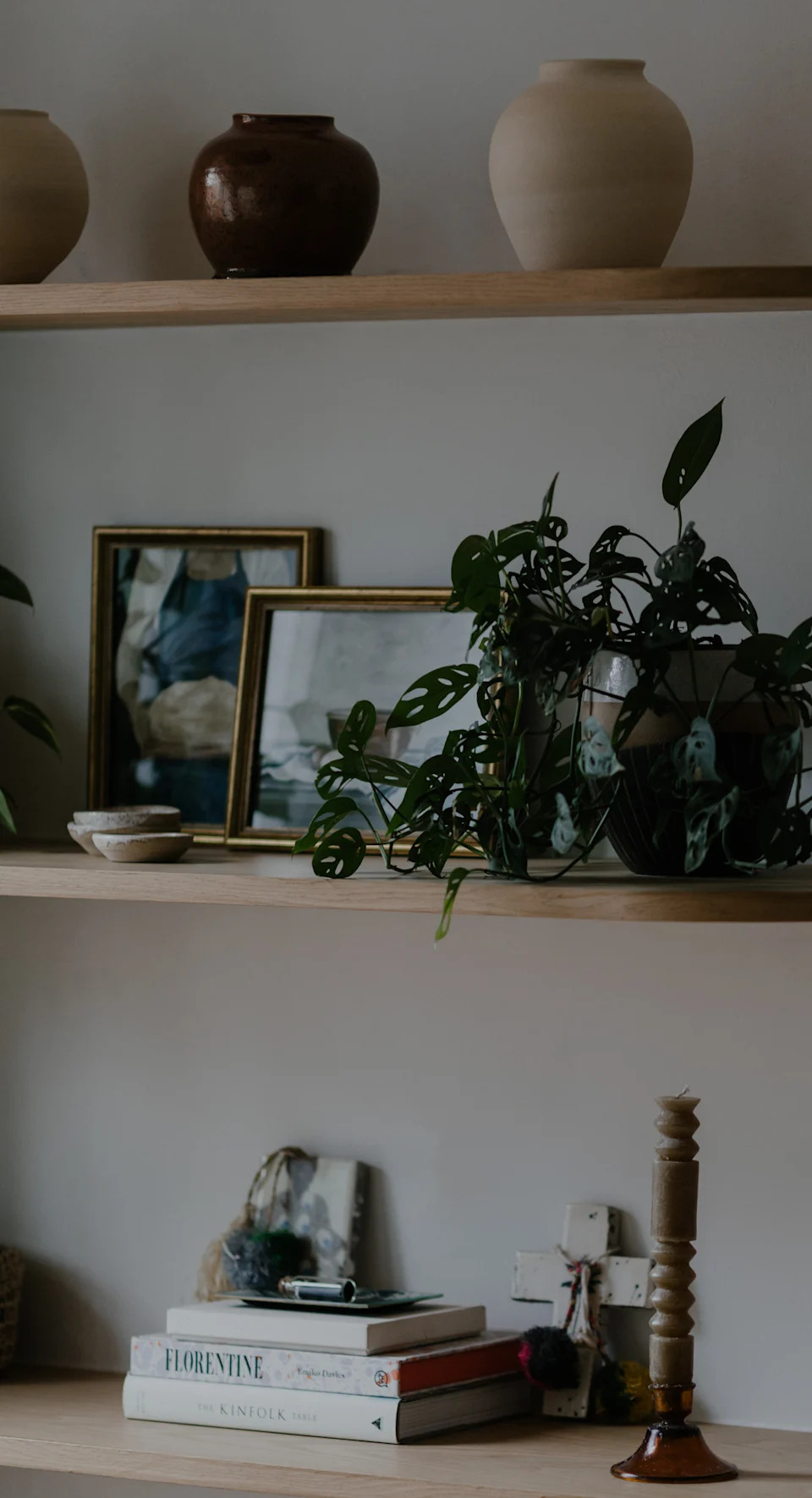
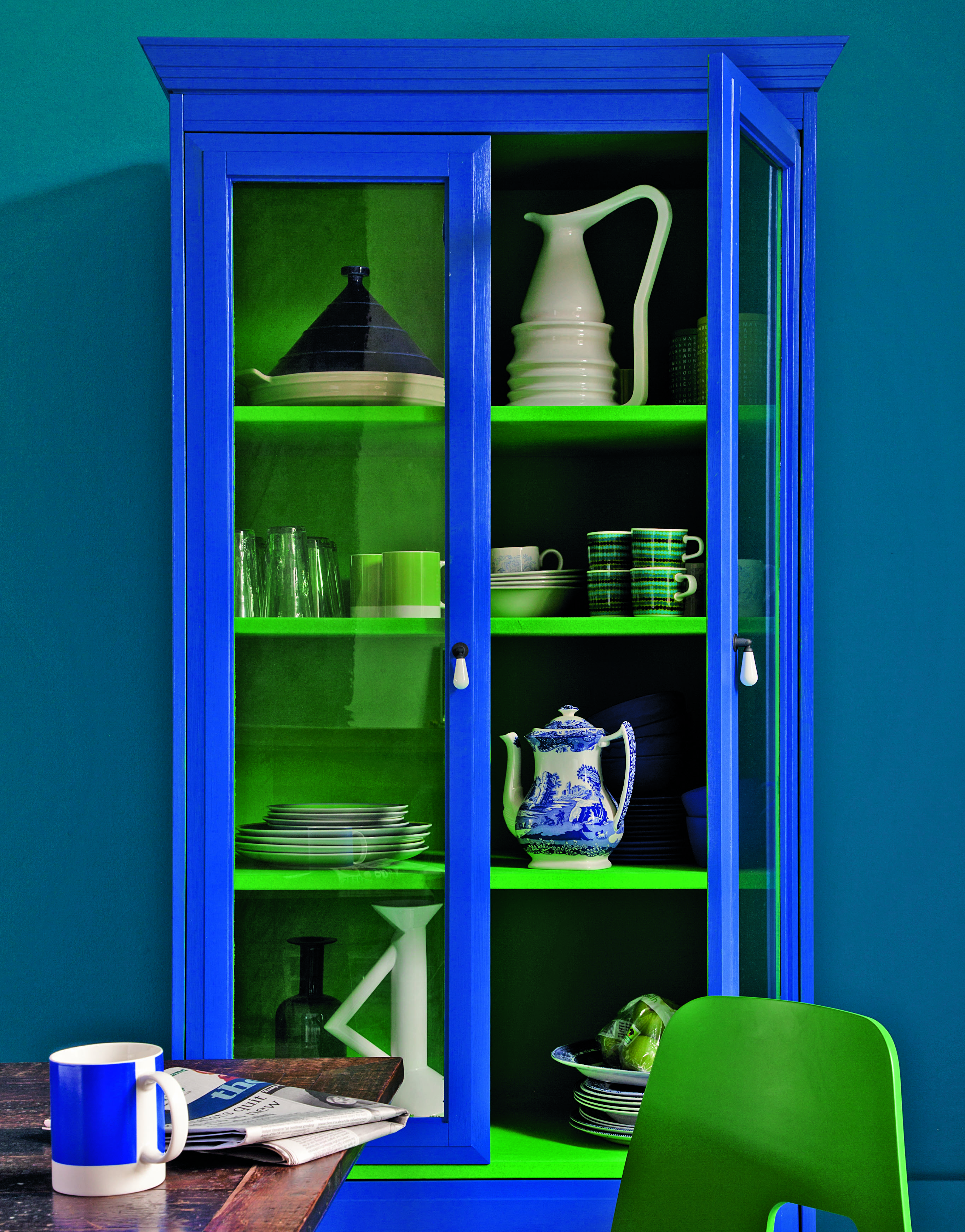
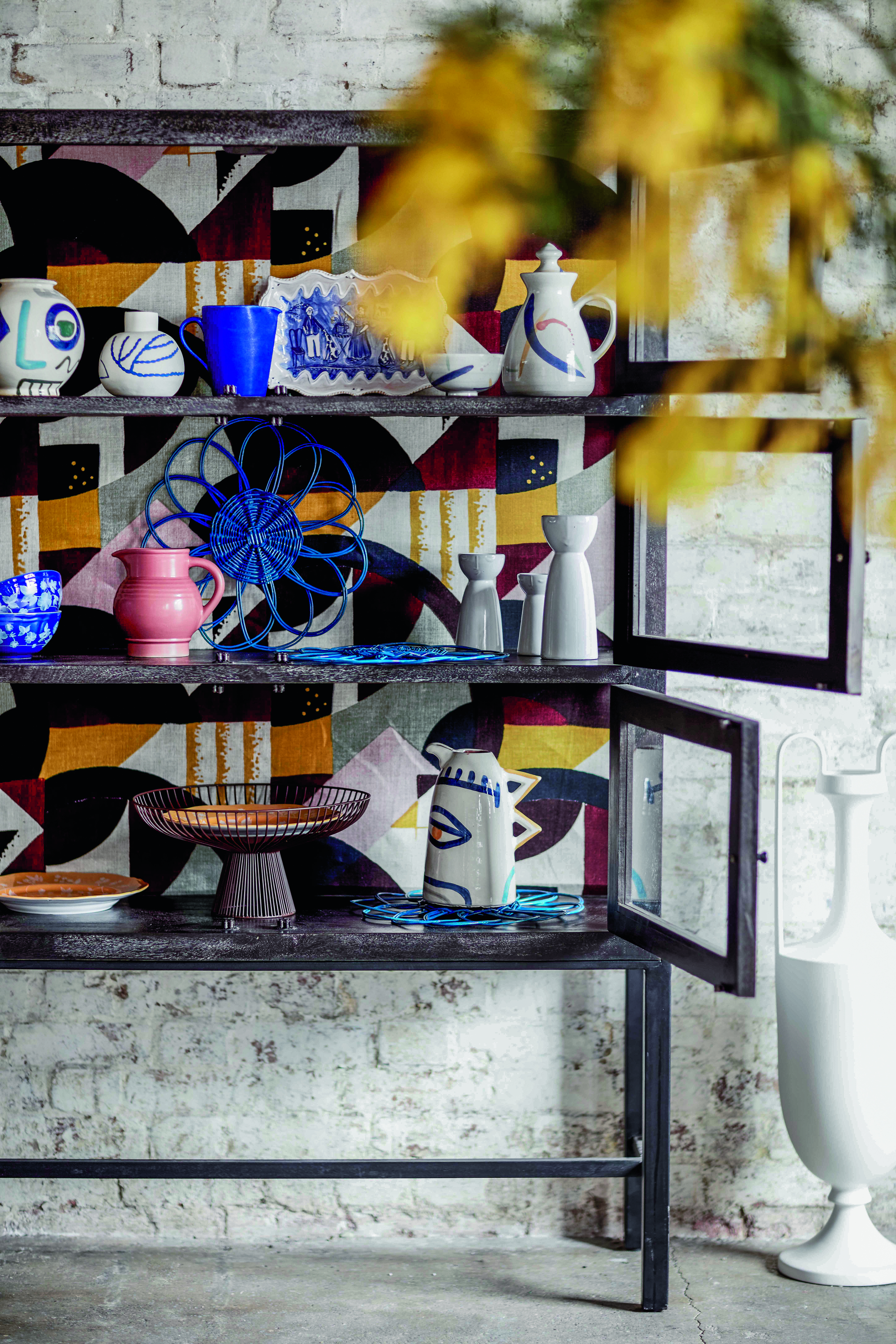
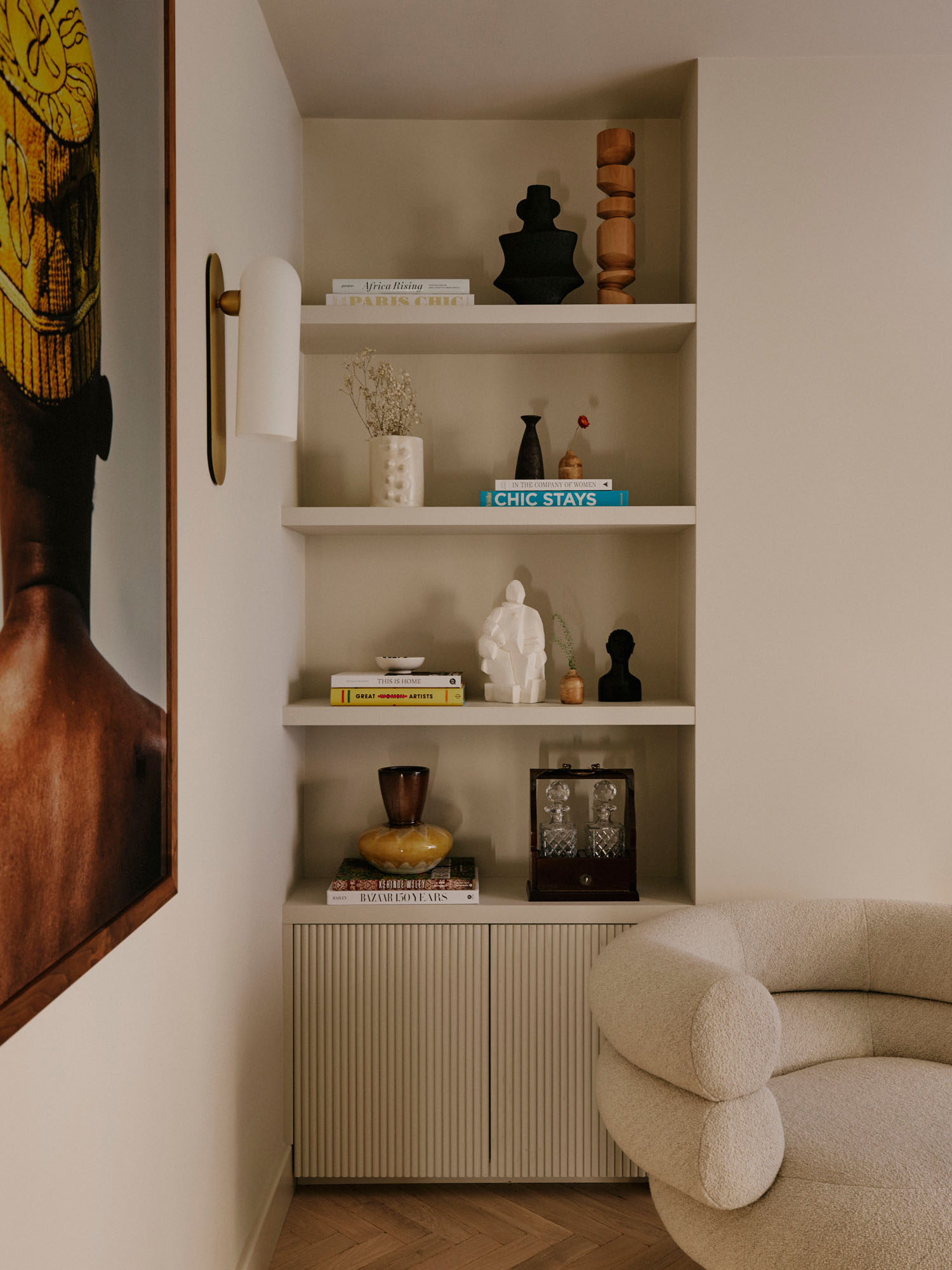
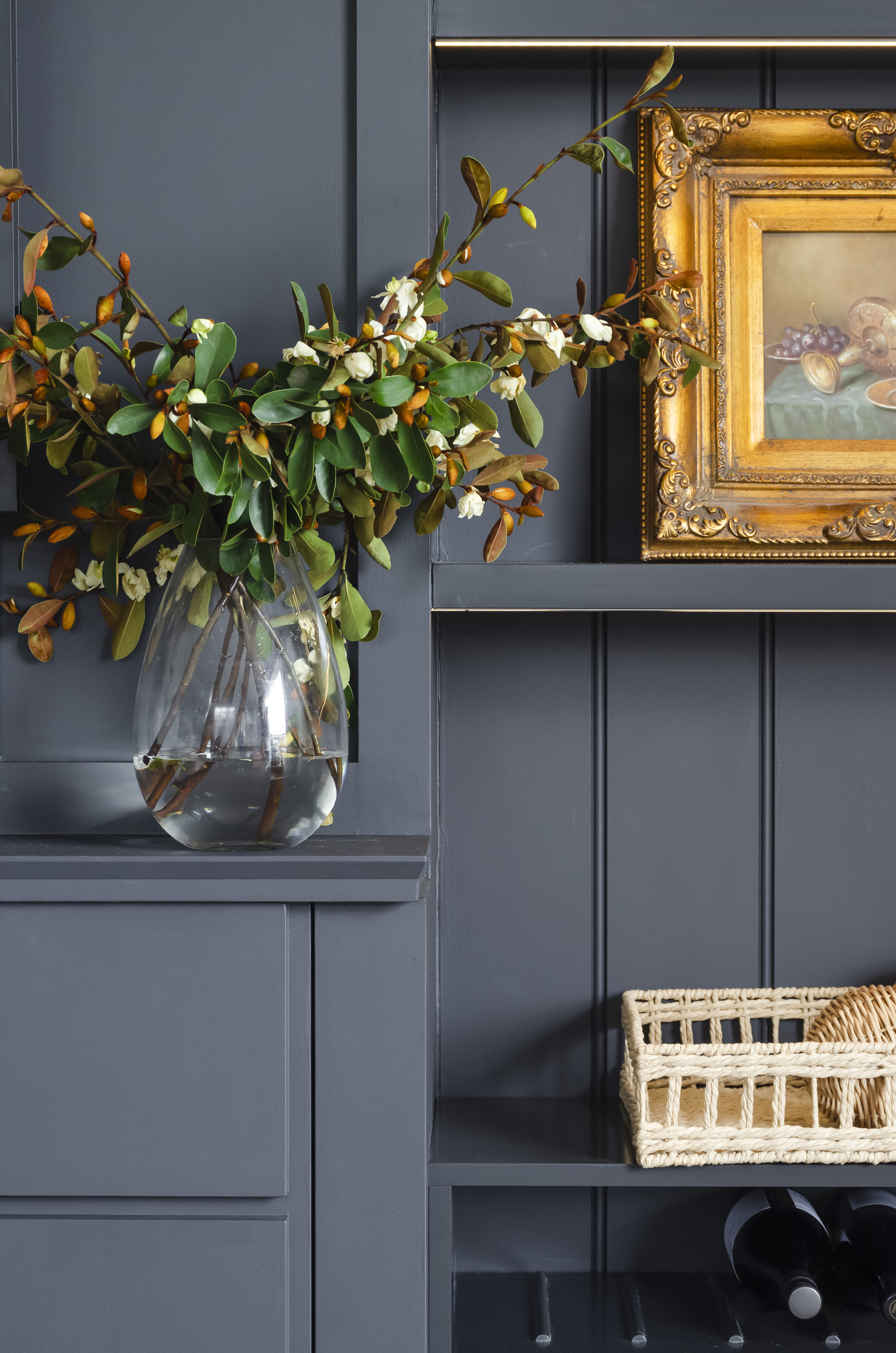
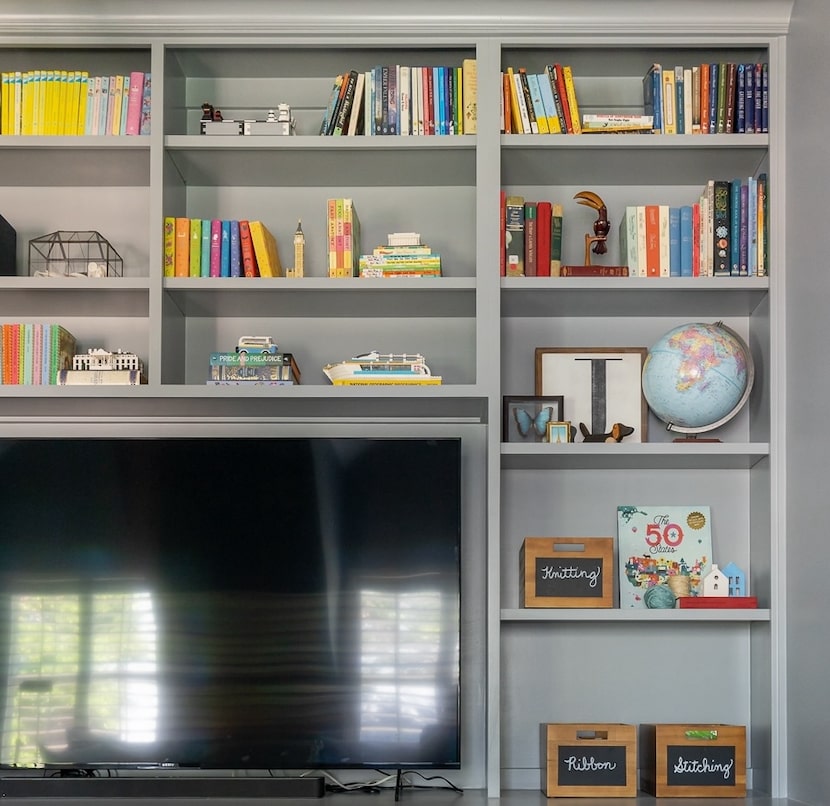
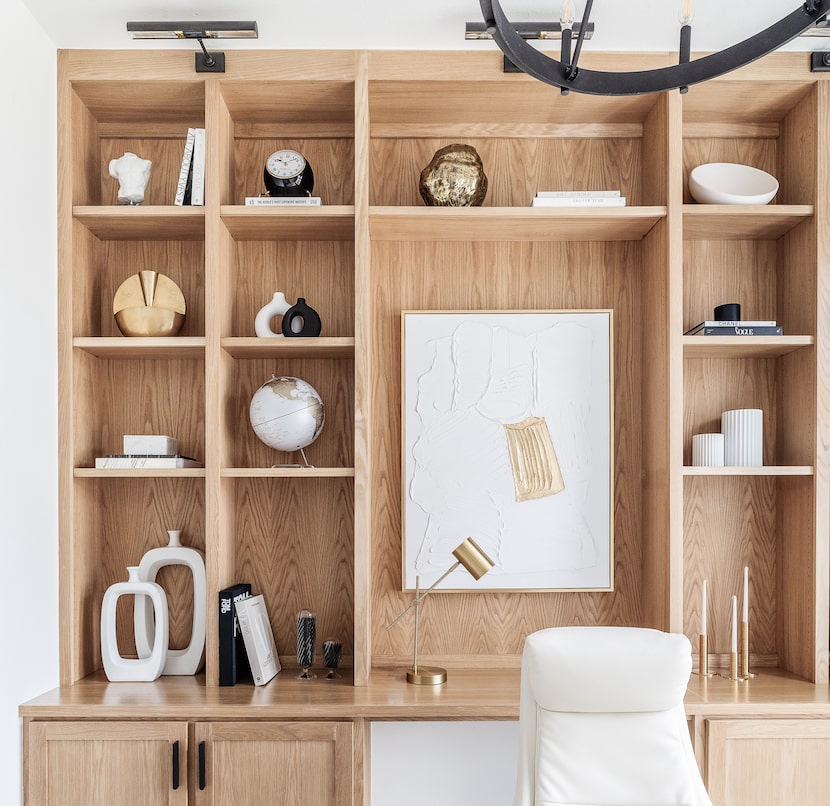
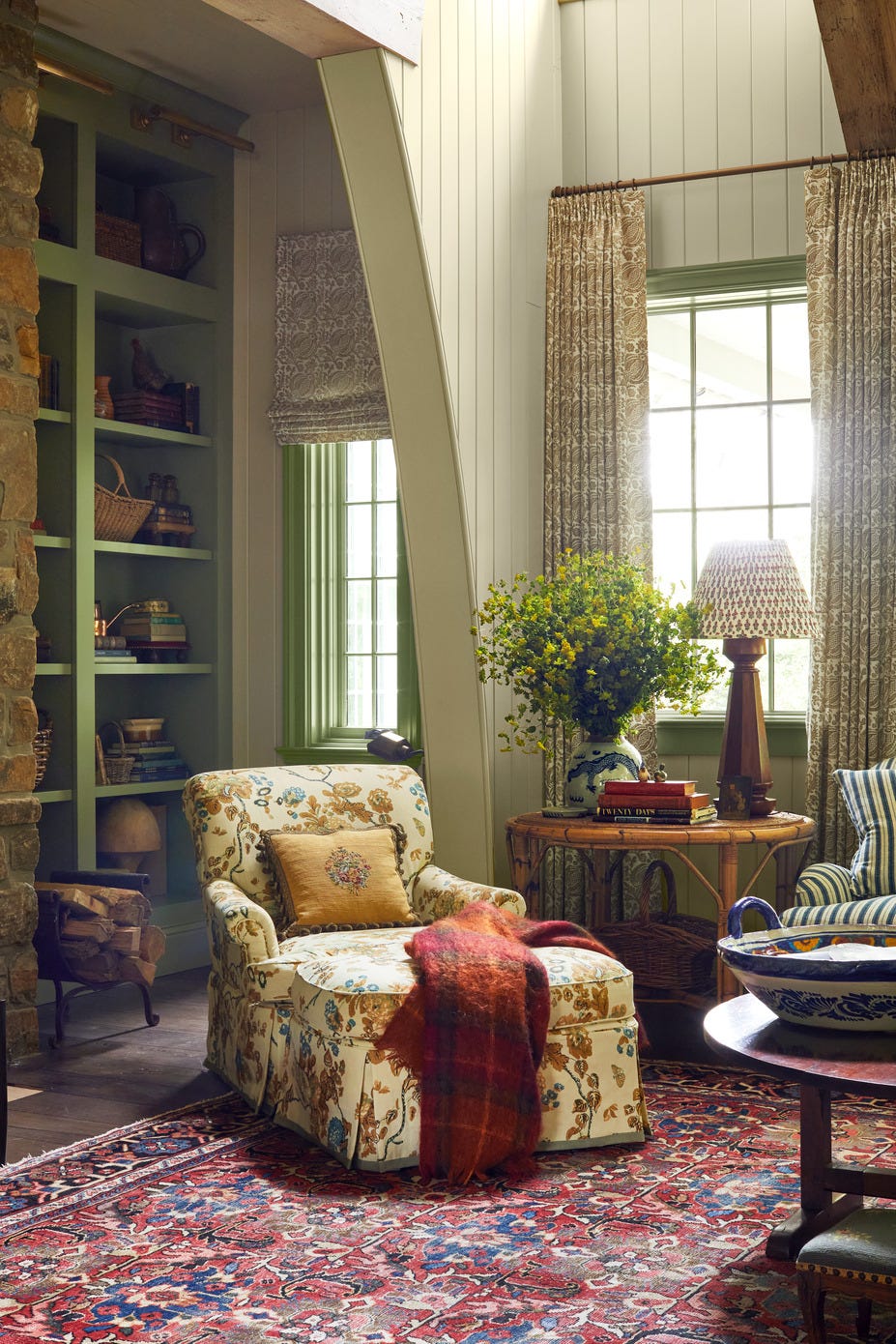
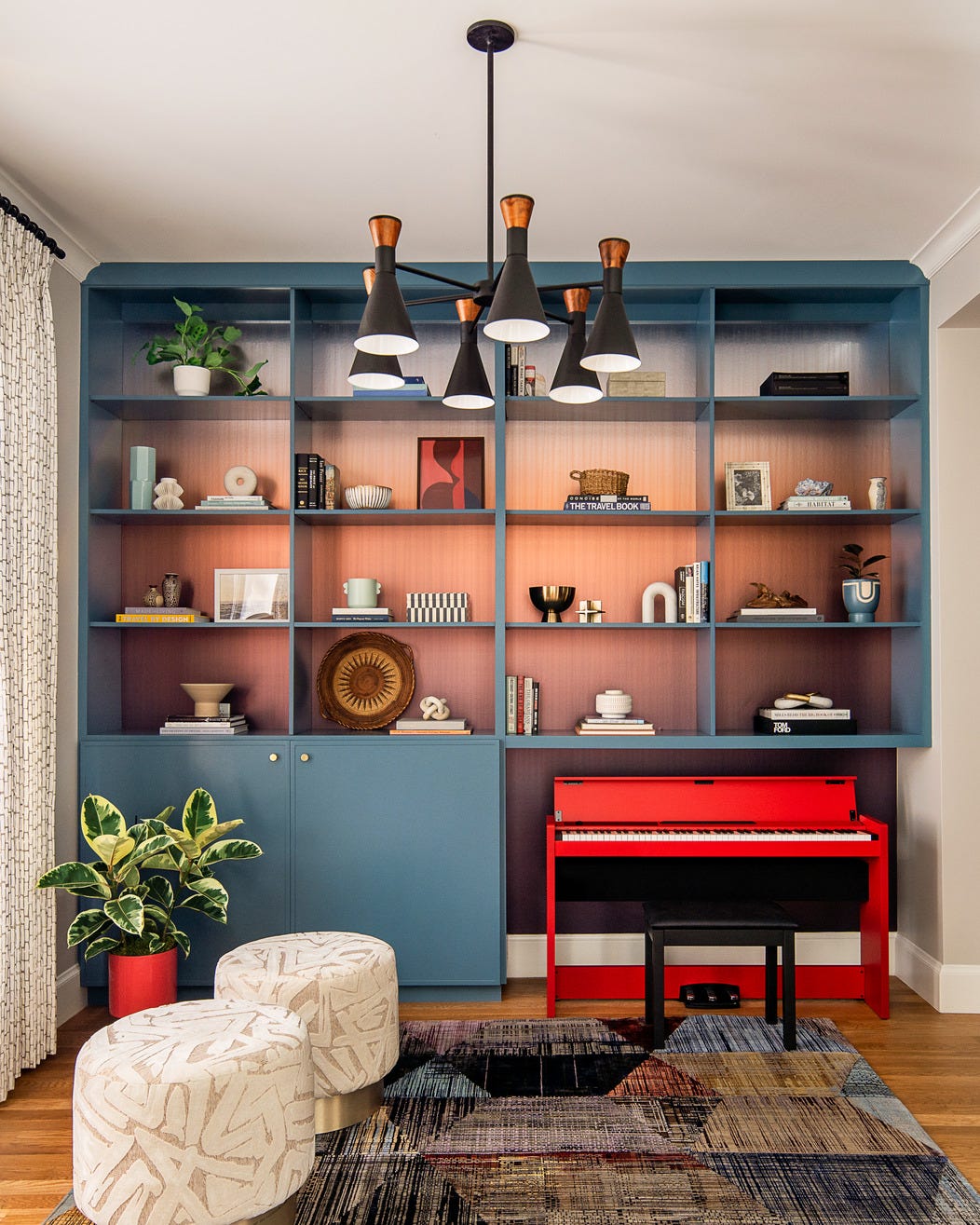
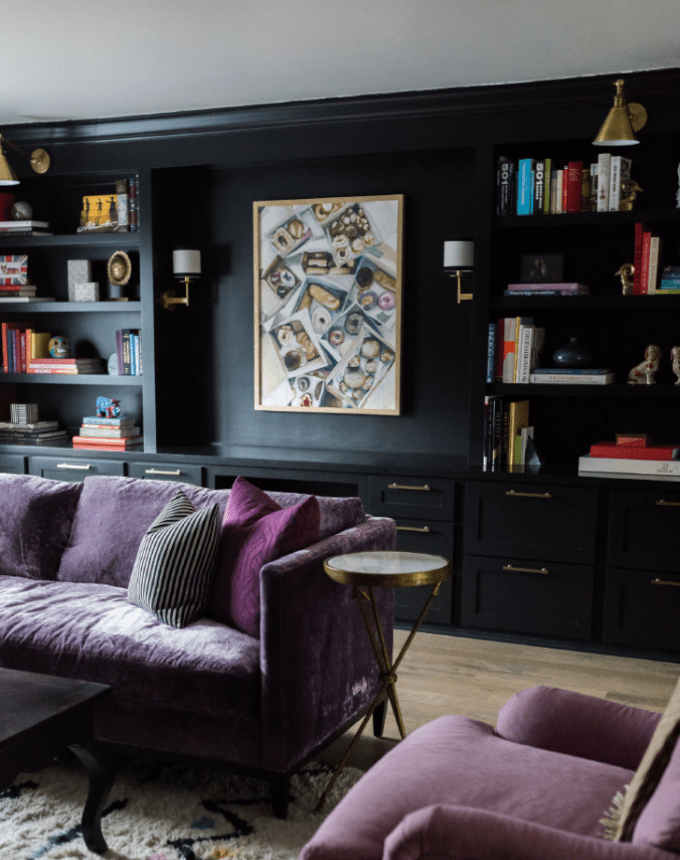
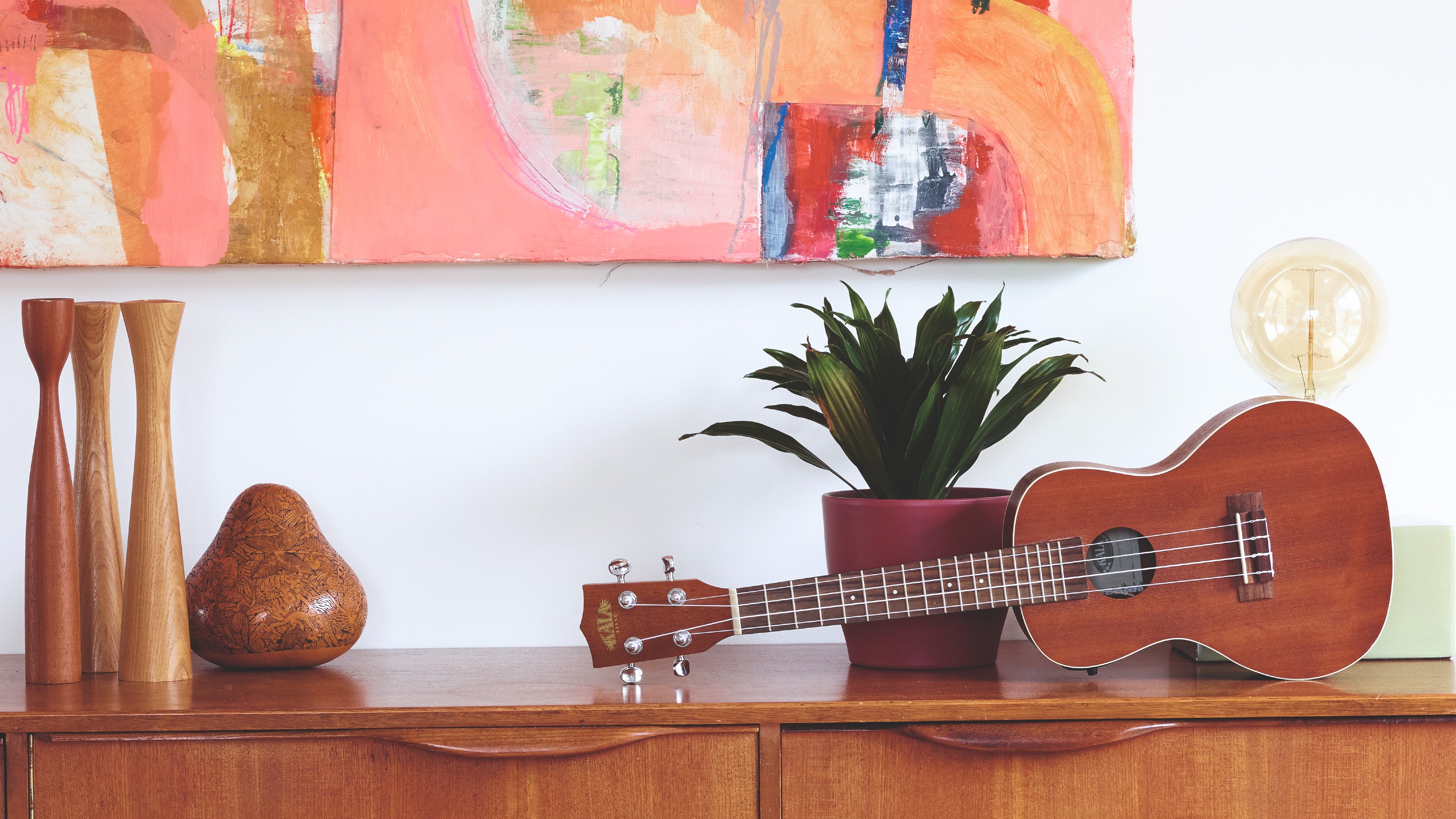
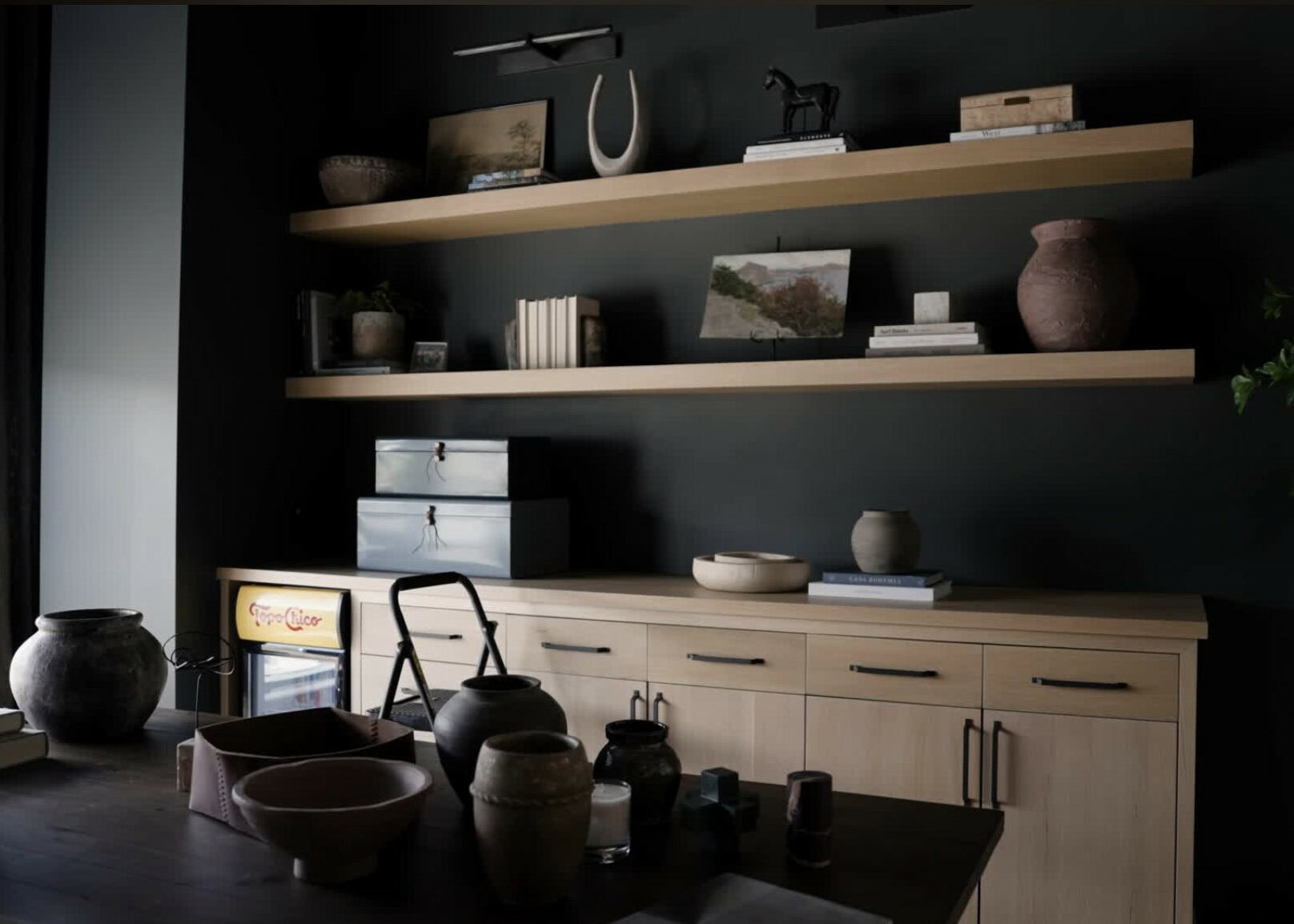
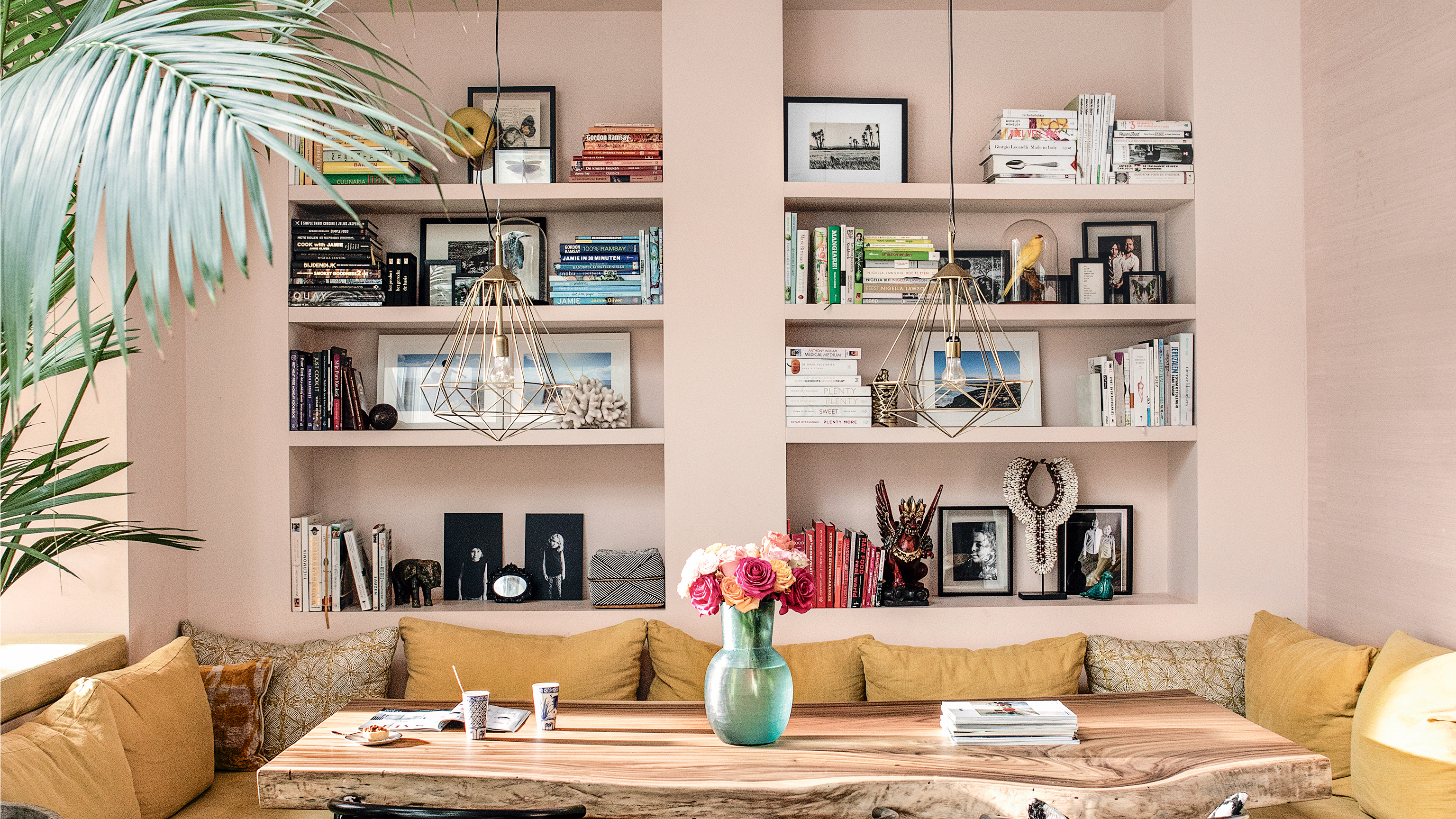
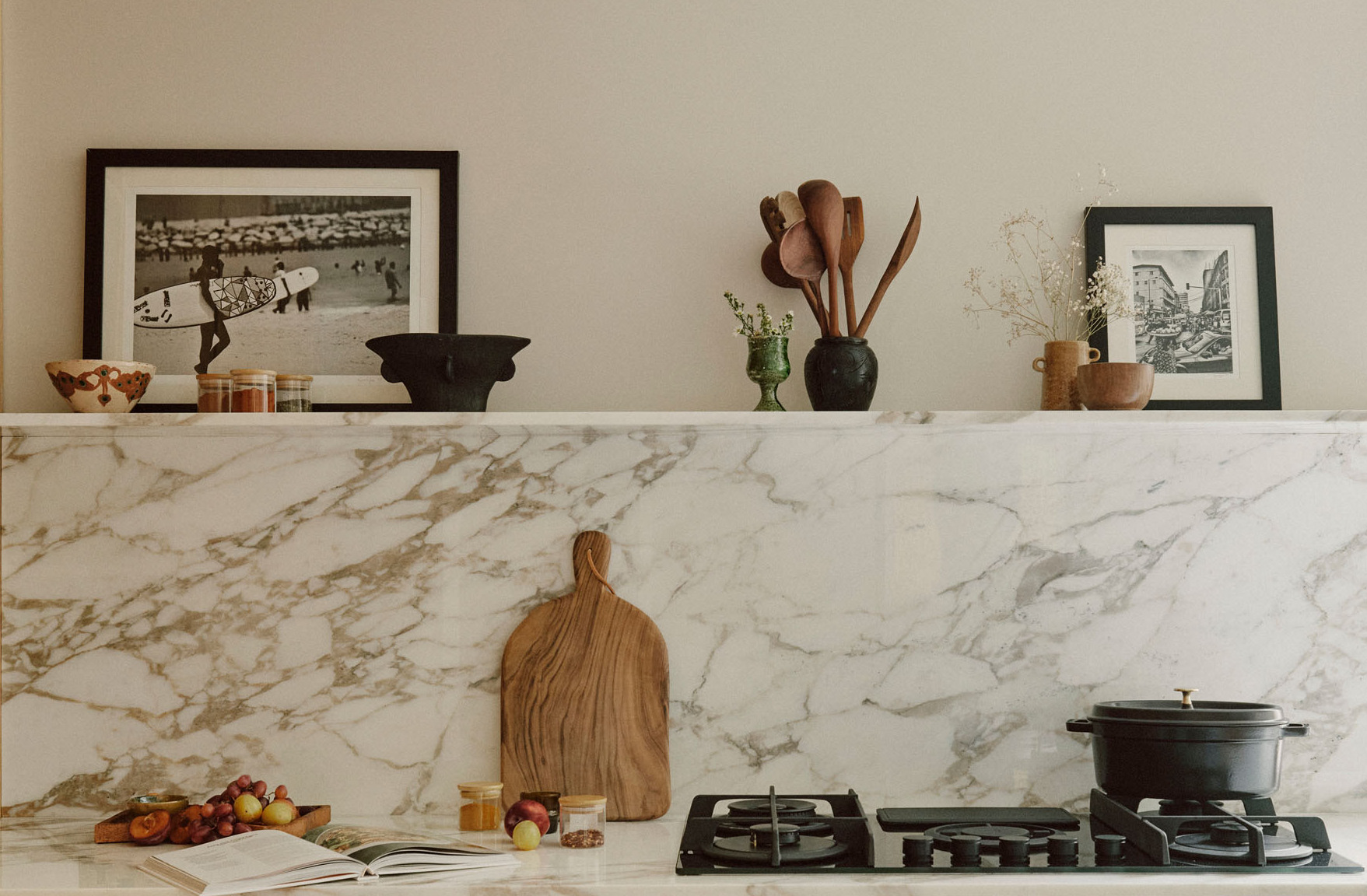
The 3-5-7 rule is highly versatile and can be applied to various surfaces throughout the home. It is particularly effective on open shelving in living rooms and kitchens, mantelpieces, coffee tables, console tables, and sideboards. The rule also extends to elements like cushions on a sofa, akin to the 2-2-1 cushion styling rule. When applying the rule, it is crucial to consider the types of pieces being grouped. Sam Sutherland emphasizes the importance of varying height, texture, and proportions within the arrangement. For instance, on a sideboard, five pieces of differing heights, such as a lamp, a vase, framed art, and a couple of small accents, can create a layered and cohesive look.
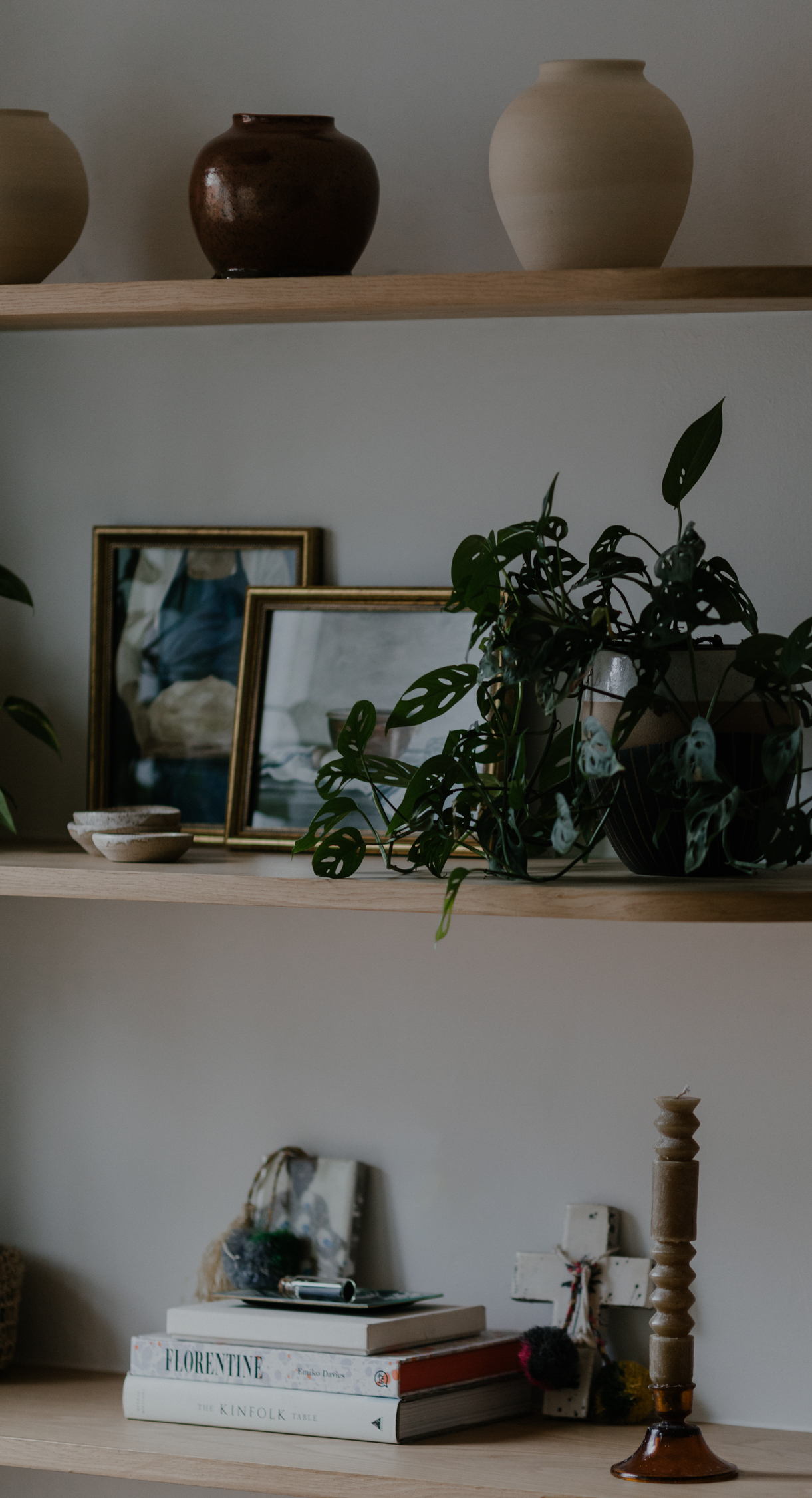
Chloe Barrow highlights that the primary focus should be on creating visual flow with pieces that complement each other in tone and style. Grouping items like stoneware pieces with candlesticks of varying heights can introduce dimension and a lived-in warmth, giving the arrangement a well-styled appearance. The mix of heights, textures, and proportions is essential for elevating a styled surface from flat to characterful. Examples of items that can be grouped include pillar candles, ceramic vases, small framed art, retro radios, coffee table books, and asymmetric dishes. These items, when arranged according to the 3-5-7 rule, contribute to a sophisticated and balanced display. Ultimately, while the 3-5-7 rule provides a robust guideline, designers acknowledge that once confidence in styling is built, the application of the rule can become more instinctive, and it can even be intentionally broken for specific effects, such as creating a more formal look with symmetrical pairs.
#HomeStyling #InteriorDesign #DecoratingTips #RuleOfOddNumbers #ShelfStyling #CoffeeTableDecor #HomeDecorIdeas #HomeStyling #InteriorDesign #DecoratingTips #RuleOfOddNumbers #ShelfStyling #CoffeeTableDecor #HomeDecorIdeas
0 comment in total
 No comments yet
You may also like
Styling Shelves: Your Expert (Five-Point) Guide
I asked an interior designer how to style shelves, and I learned 4 awesome tips

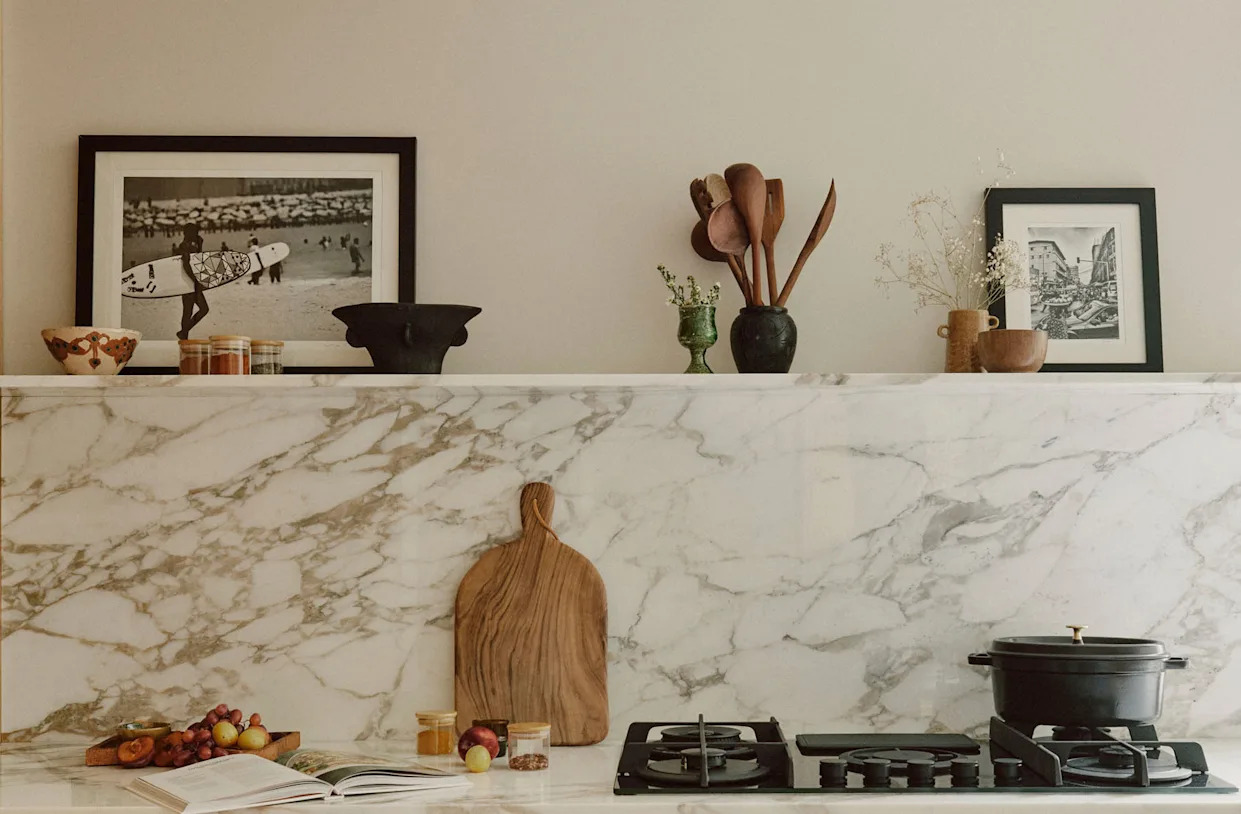
5 shelf styling trends for 2024 designers are using now to create rooms full of personality
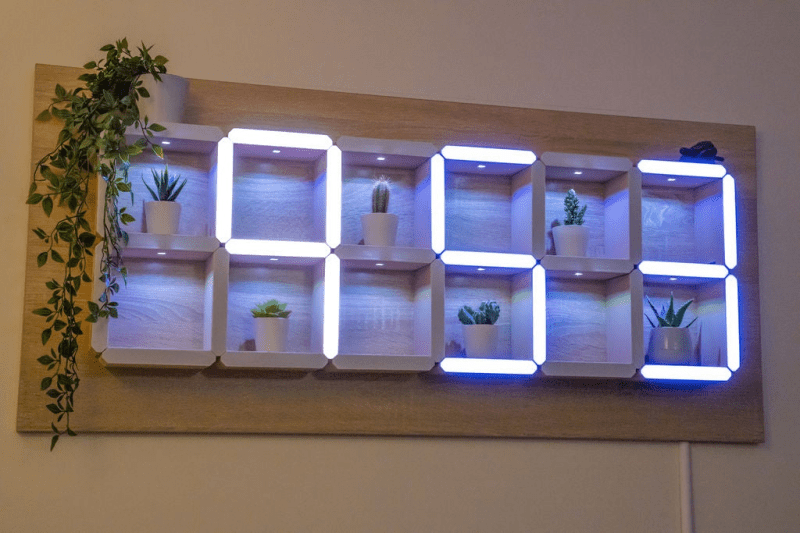
Seven-Segment Shelves Do Double Duty

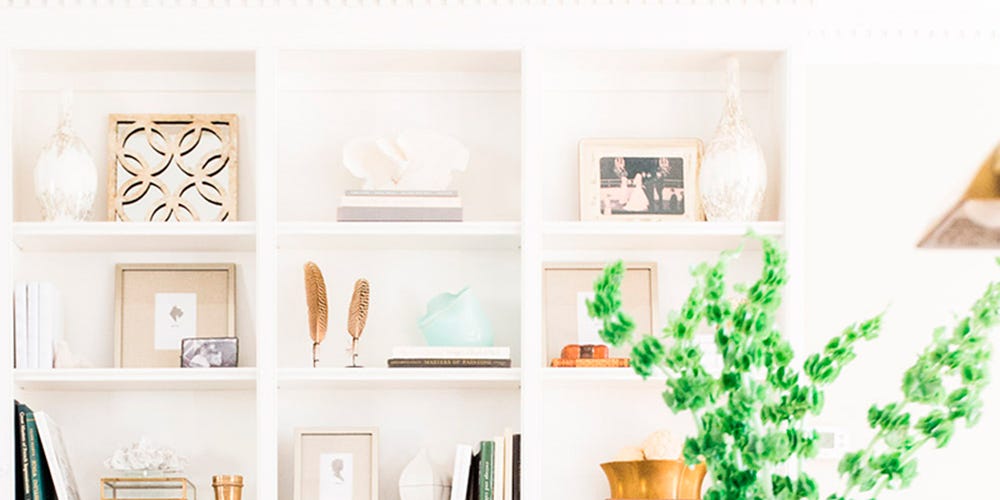
How to style your shelves

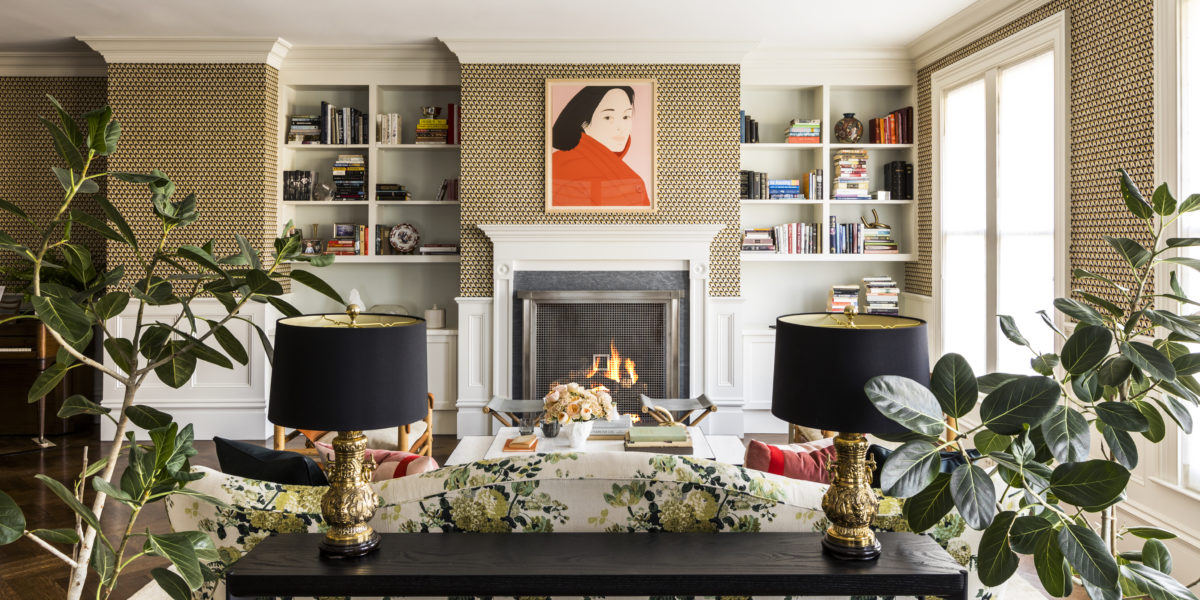
A Book Lover’s Guide to Styling Your Shelves
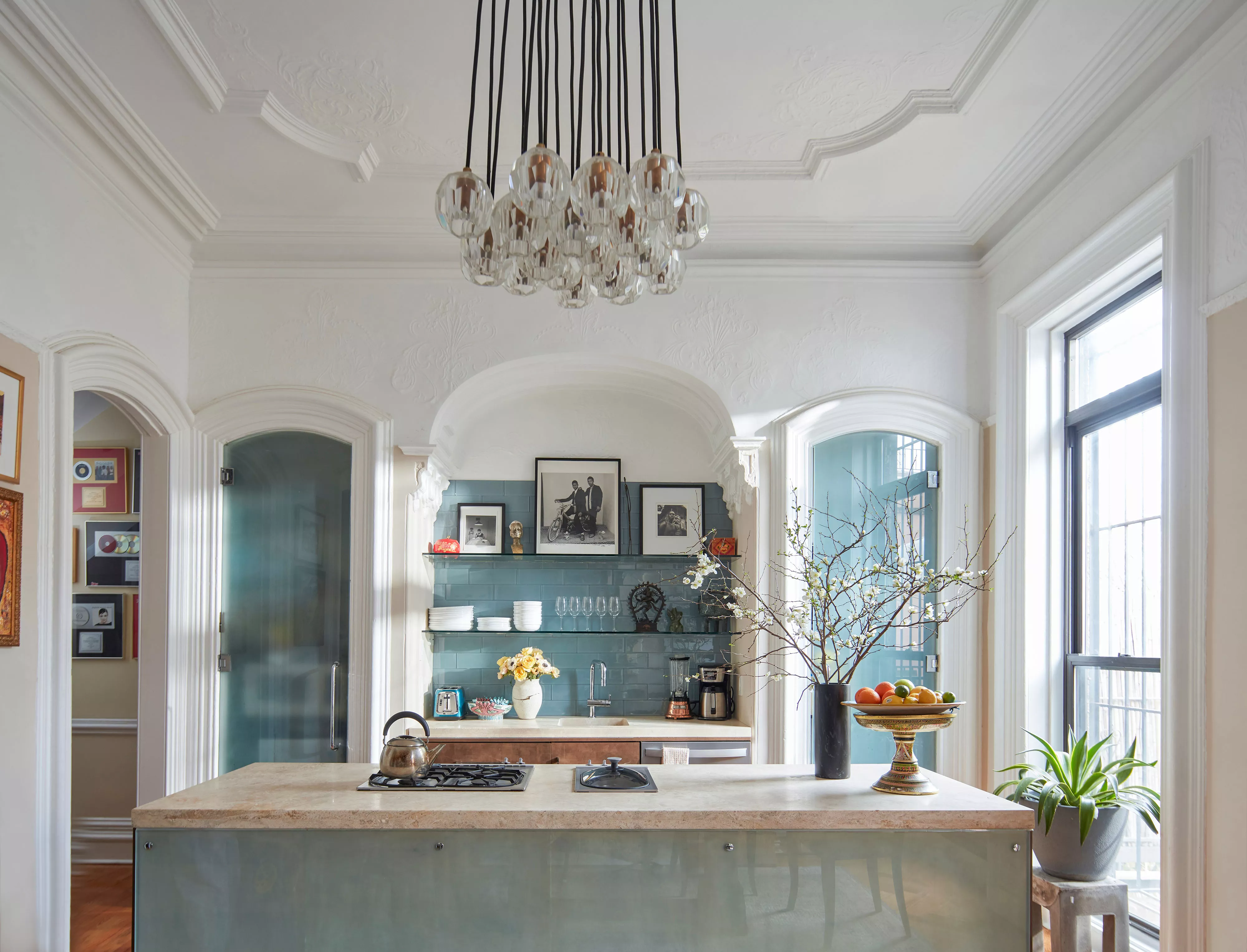
Ina Garten Swears by These 6 Styling Tips for Kitchen Shelves That Instantly Elevate the Room


How To Style Your Bookshelves Perfectly, According to Designers

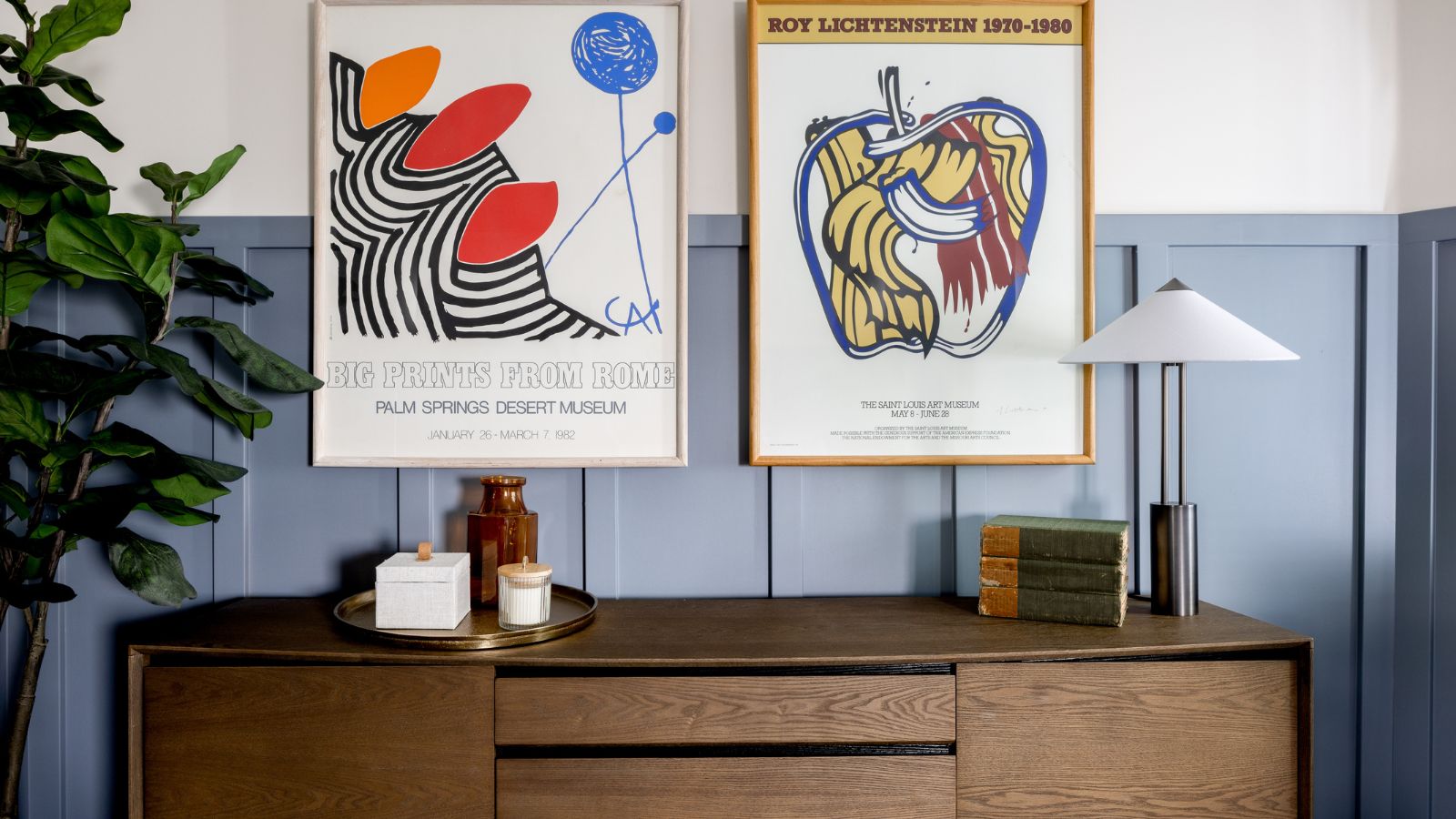
I tried the 3-5-7 styling rule – and it made my home feel more curated

Ina Garten’s 5 Shelf Styling Rules You’ll Want to Copy Immediately

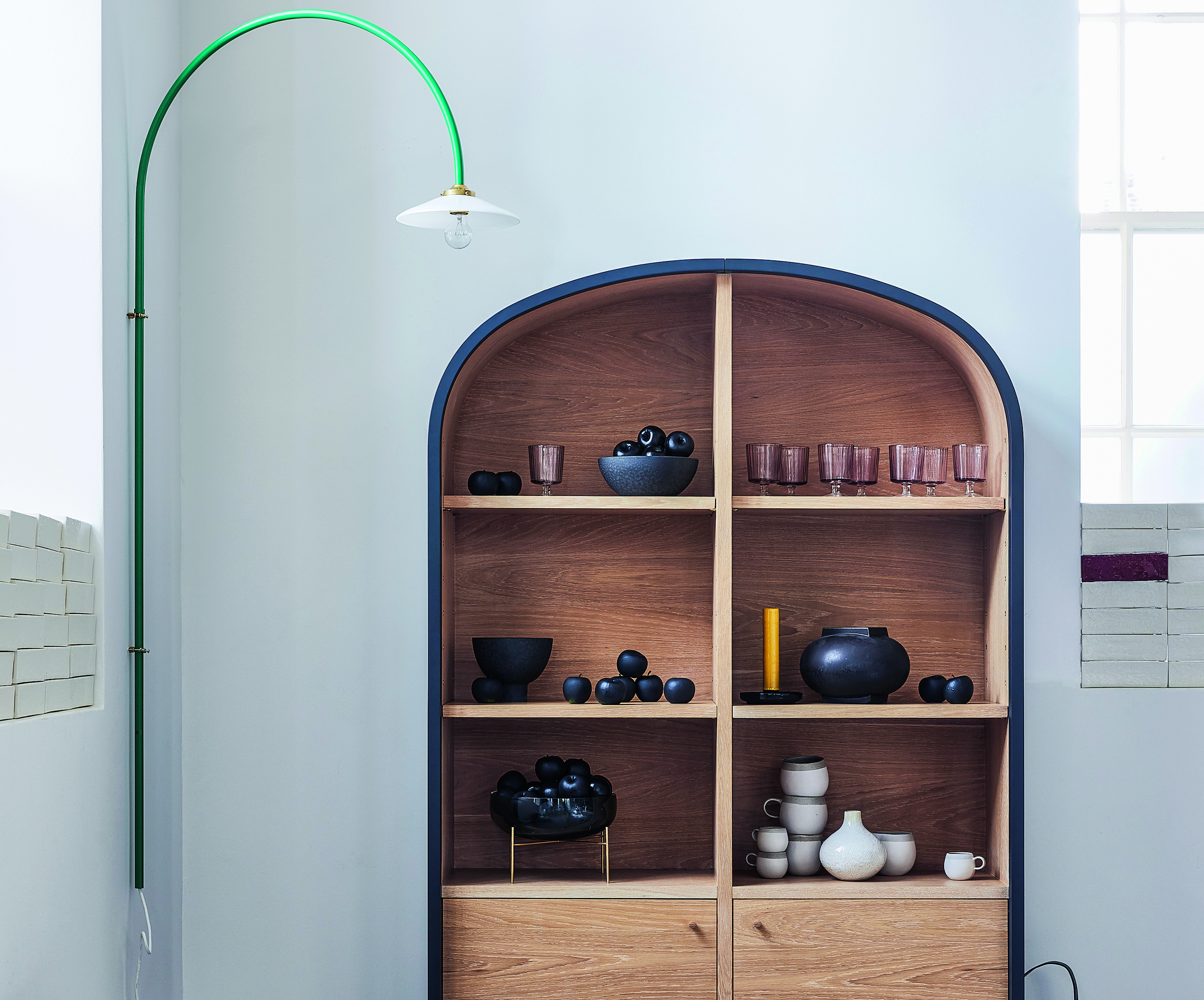
These designers have 5 rules for getting the curiosity cabinet trend right, including how not to over-style one

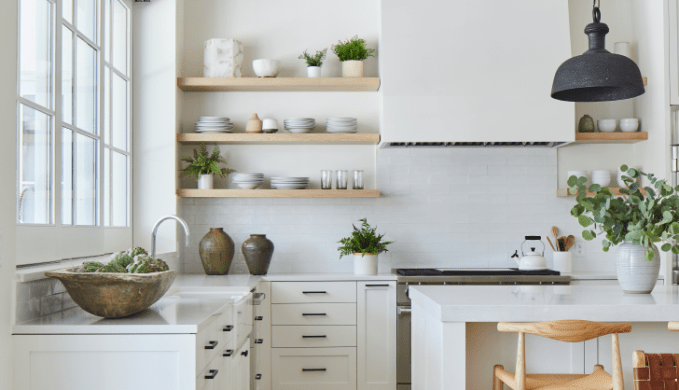
How to Rock Open Shelving in 2021 (Plus, 2 things to Avoid), According to Designers
The Art Of Shelf Styling
Shelving ideas – how to add personality, style and storage to any room

5 shelf styling trends for 2024 designers are using now to create rooms full of personality
The 7 Best Shelf Liners of 2025

7 Pro Tips for Creating Magazine-Worthy Open Shelves
Experts suggest ways to make your shelfie shine
Master the art of styling bookshelves with these tips from design experts

These 7 Shelf Liners Transformed Our Cabinets, Drawers, and Pantries