1/28
The Kanna Finish: How to Get Glass-Smooth Surfaces in Wood Without Sandpaper or Varnish
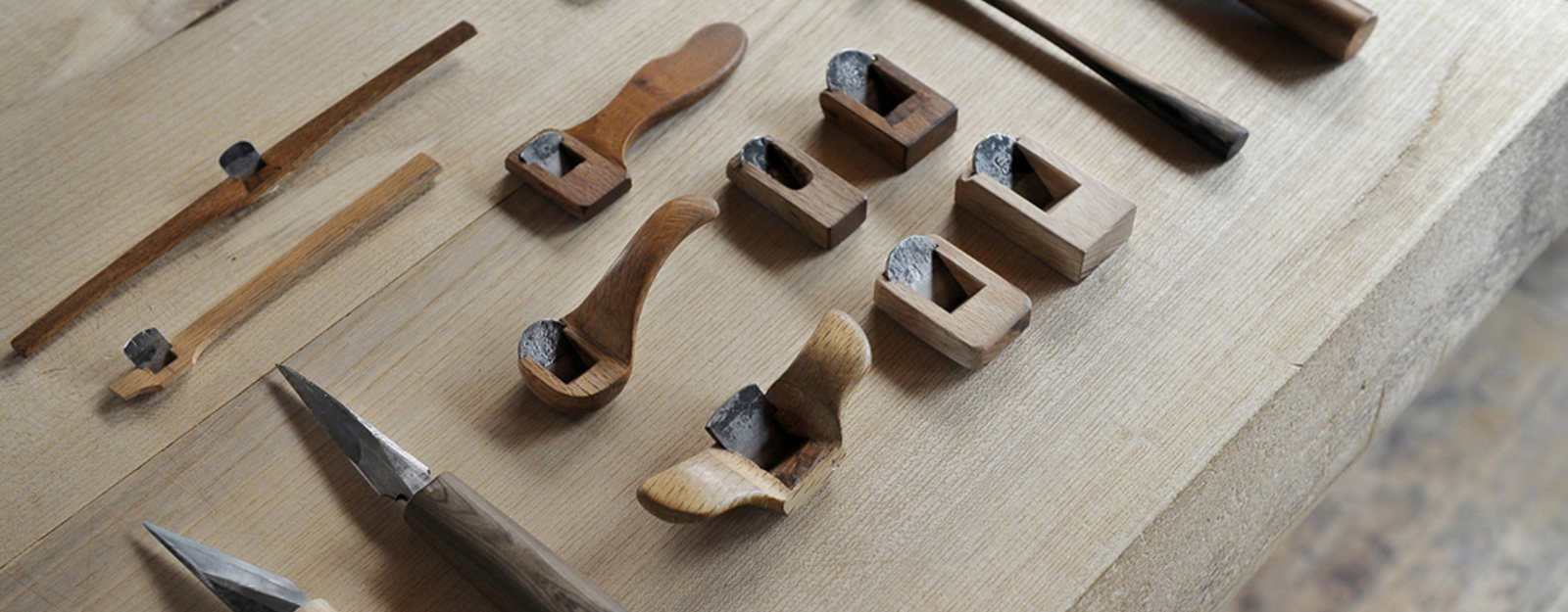
The traditional Japanese woodworking technique of using *kanna* (handplanes and spokeshaves) offers an alternative to sandpaper for achieving incredibly smooth, glass-like finishes on wooden furniture. Unlike Western planes made with cast-iron or bronze bodies, *kanna* are constructed with wooden bodies that support an iron cutter. This method is employed by craftspeople like Toshio Tokunaga and his apprentices, who deliberately avoid sandpaper in their furniture production. They contend that sandpaper abrades the natural grain of wood, creating an artificial smoothness that diminishes the wood's inherent characteristics. In contrast, the *kanna* precisely shaves off successive layers of wood, thereby preserving its natural appearance.
A key distinction lies in the action of the tools: *kanna* blades cut, while sandpaper tears. This fundamental difference results in a superior finish from *kanna*, perceptible both microscopically and to the touch. Tokunaga, a master craftsman, not only utilizes *kanna* but also designs and fabricates his own tools, ranging from those for initial roughing work to specialized planes for fine, final shavings. His extensive collection of *kanna* encompasses a wide array of shapes, enabling him to expertly handle various contours—flat, concave, and convex—required in his furniture designs.
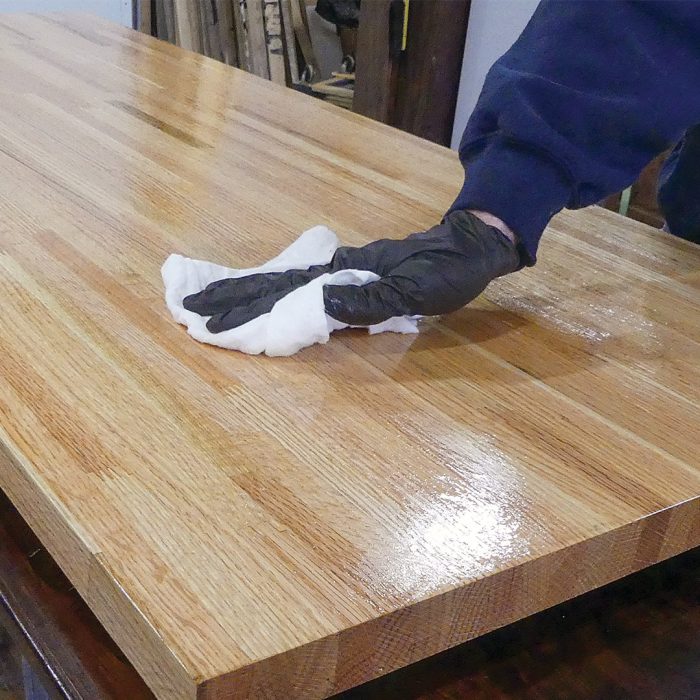
The *kanna* technique produces a distinct finish that many consider to be more authentic and natural than finishes achieved with sandpaper. While the final appearance can be incredibly smooth, the discussion within the woodworking community often revolves around whether a true 'glass-like' gleam is achieved solely through planing or if it requires additional elements like natural oils from handling or even a minimal finish. Some experts suggest that while *kanna* provides an exceptionally smooth surface, a highly reflective, glossy finish might also be influenced by factors such as burnishing or the presence of oils, similar to how western woodworking scrapers, when properly sharpened, can achieve comparable results by shaving thin layers.
The efficacy of the *kanna* finish relies heavily on the meticulous maintenance of the blades, which are regularly sharpened on waterstones by apprentices. The irons themselves are not mass-produced but are custom-made locally, highlighting the specialized nature of these tools. This commitment to traditional methods and bespoke tooling underscores a philosophy that prioritizes the natural beauty and integrity of the wood, offering an enduring finish that respects the material's innate qualities.
#woodworking #JapaneseCraftsmanship #Kanna #woodFinish #furnitureDesign #handTools #traditionalTechniques #artisan #woodworking #JapaneseCraftsmanship #Kanna #woodFinish #furnitureDesign #handTools #traditionalTechniques #artisan
0 comment in total
 No comments yet
You may also like
How to restore hardwood floors without sanding – a step-by-step guide

The 6 Best Wipe-On Wood Finishes

This Texture-Rich Finish Is Designers' Go-To for Instant Patina

How to smooth walls without plastering, according to design experts

An Honest Review of LED-Cured Hardwax Oil for Wood Finishing

Bouclé Without the Fuzz: Hanna Anonen Translates Texture Into Timber
This viral paint effect for creating realistic wood-grain is such an easy way to transform lackluster surfaces

How to Fall in Love with Your Furniture (Again)


Wood Dyes & Waxes | Wax for Unfinished Wood

Is There a Way To Paint Something So It Looks Like Wood?
Ronseal Woodcare | Paints, Stains & Varnishes

How to paint interior woodwork
Chalk Paint Requires No Priming or Sanding—Here's How to Use It

This Trick for Faking Wood Grain Using Paint is Next Level Faux Bois

Wood Stain | Exterior Wood Stain & Paints
How to Paint Wood Paneling and Its Best Friend, the Trim

Wood Treatments
How to Prepare Interior Woodwork For Painting
Senso designs "world's first seamless flooring" with plant-based resins
Our Favorite Wood Stains Will Make Your Furniture Look Like a Million Bucks