Gen Xers reminisce about wood paneling being 'everywhere' in their childhoods. Here's why it was.
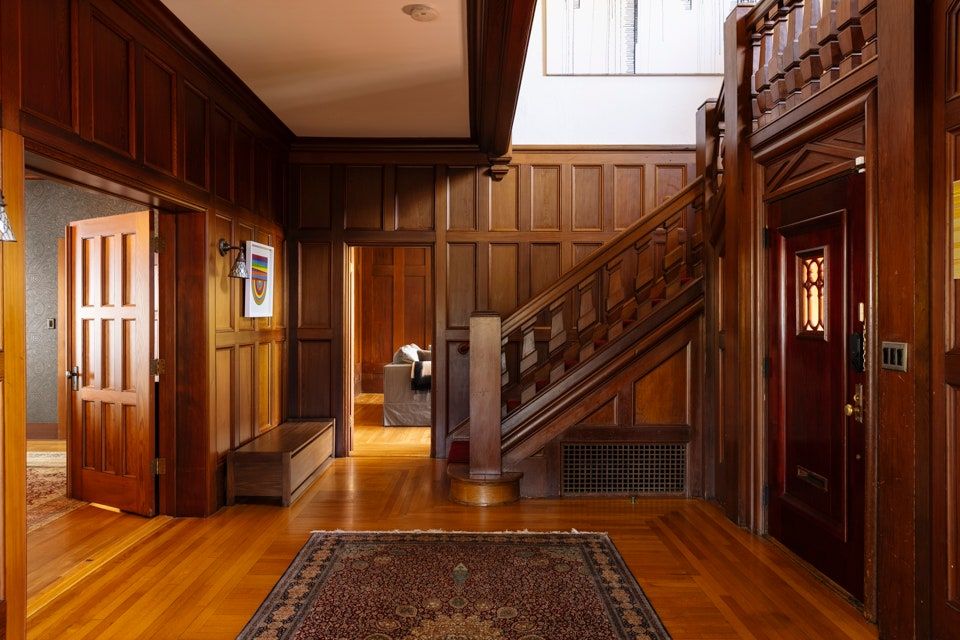
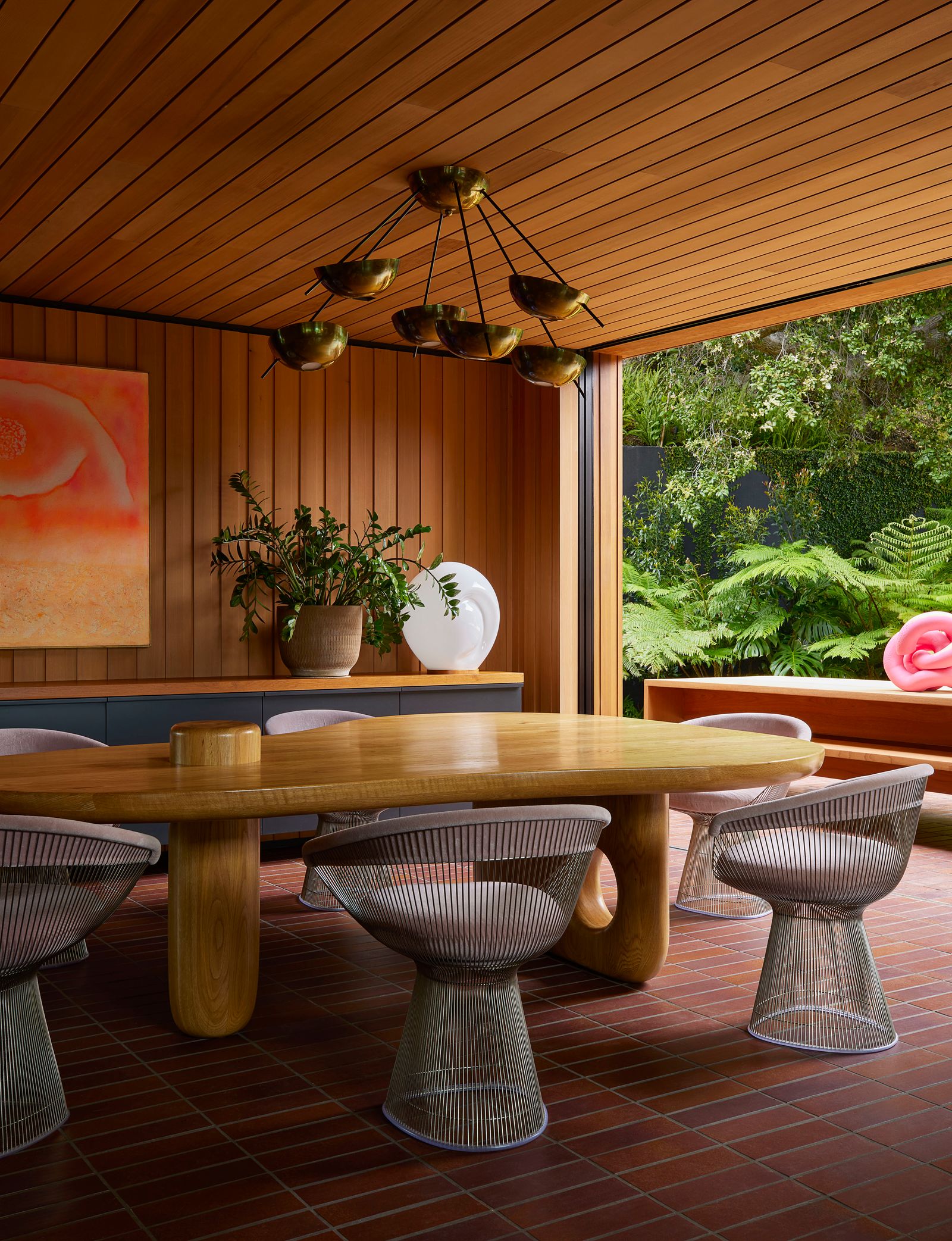
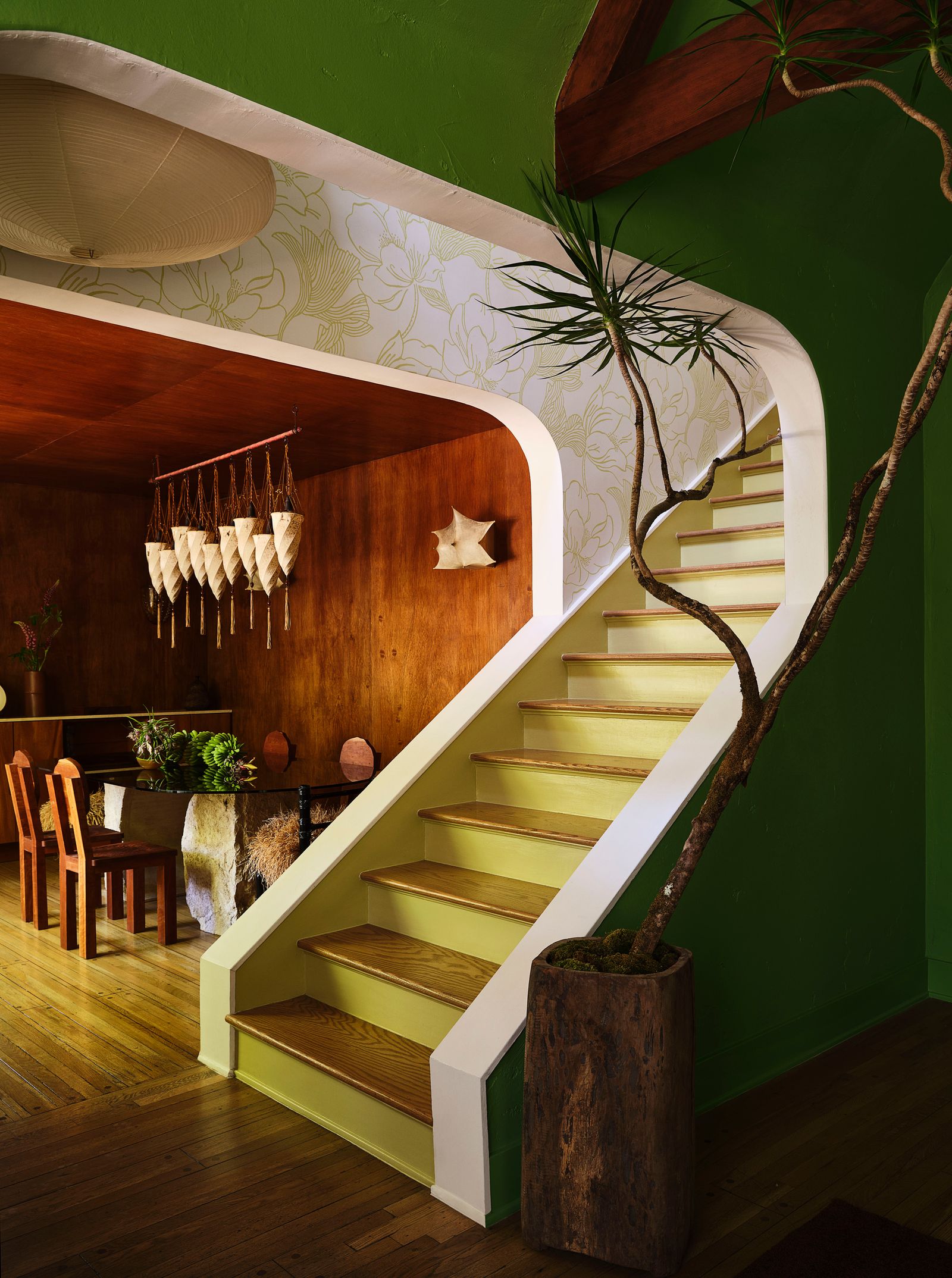
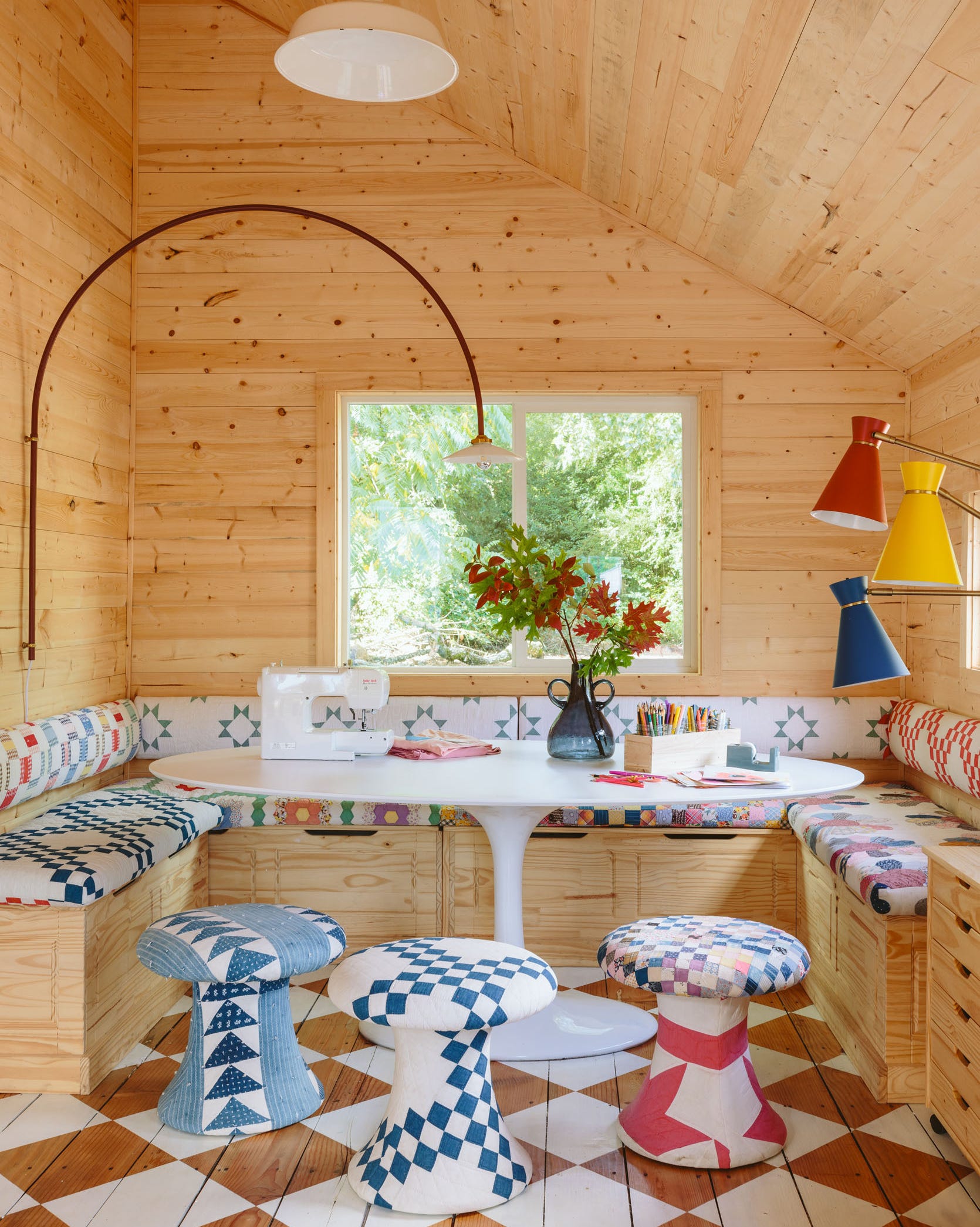
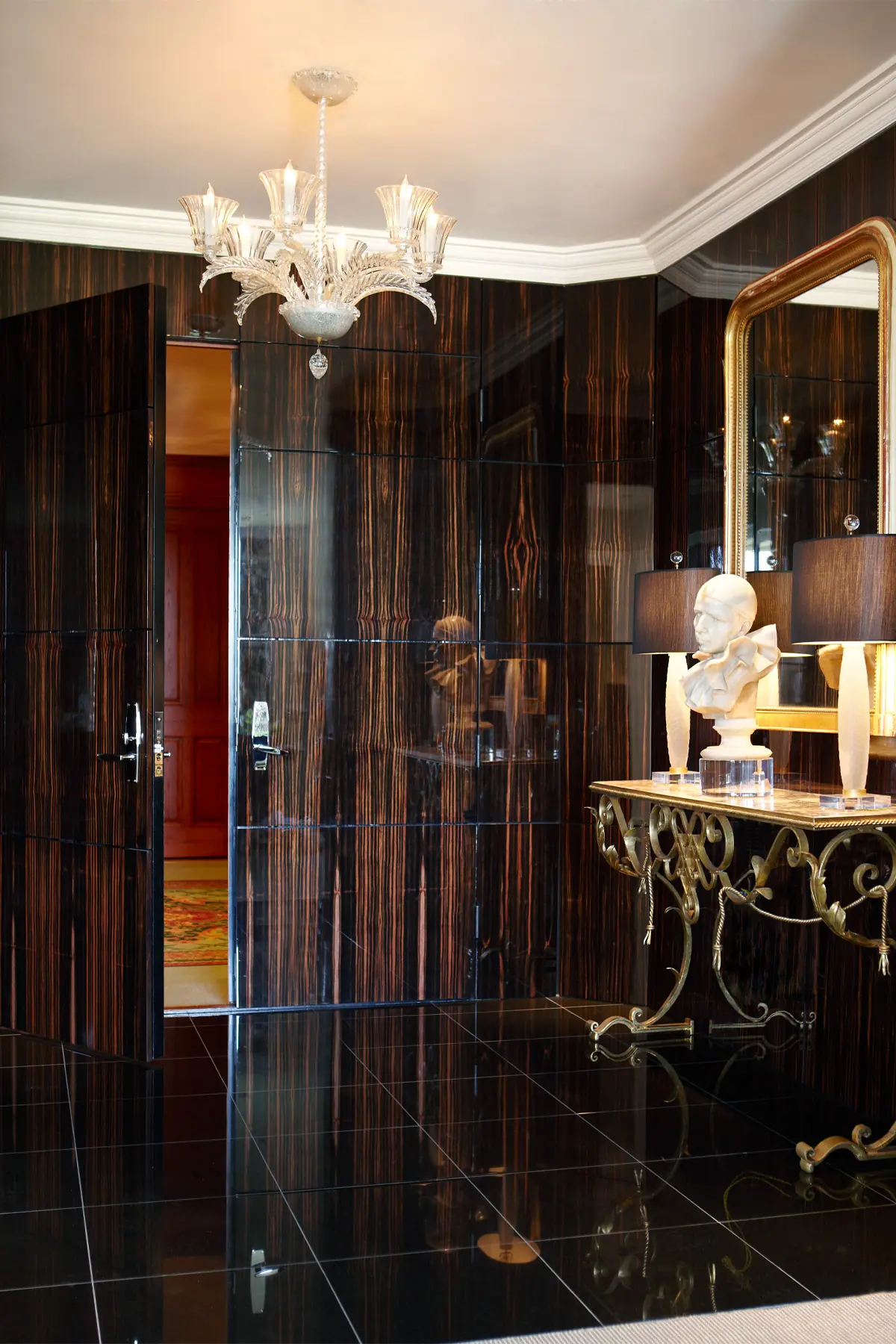
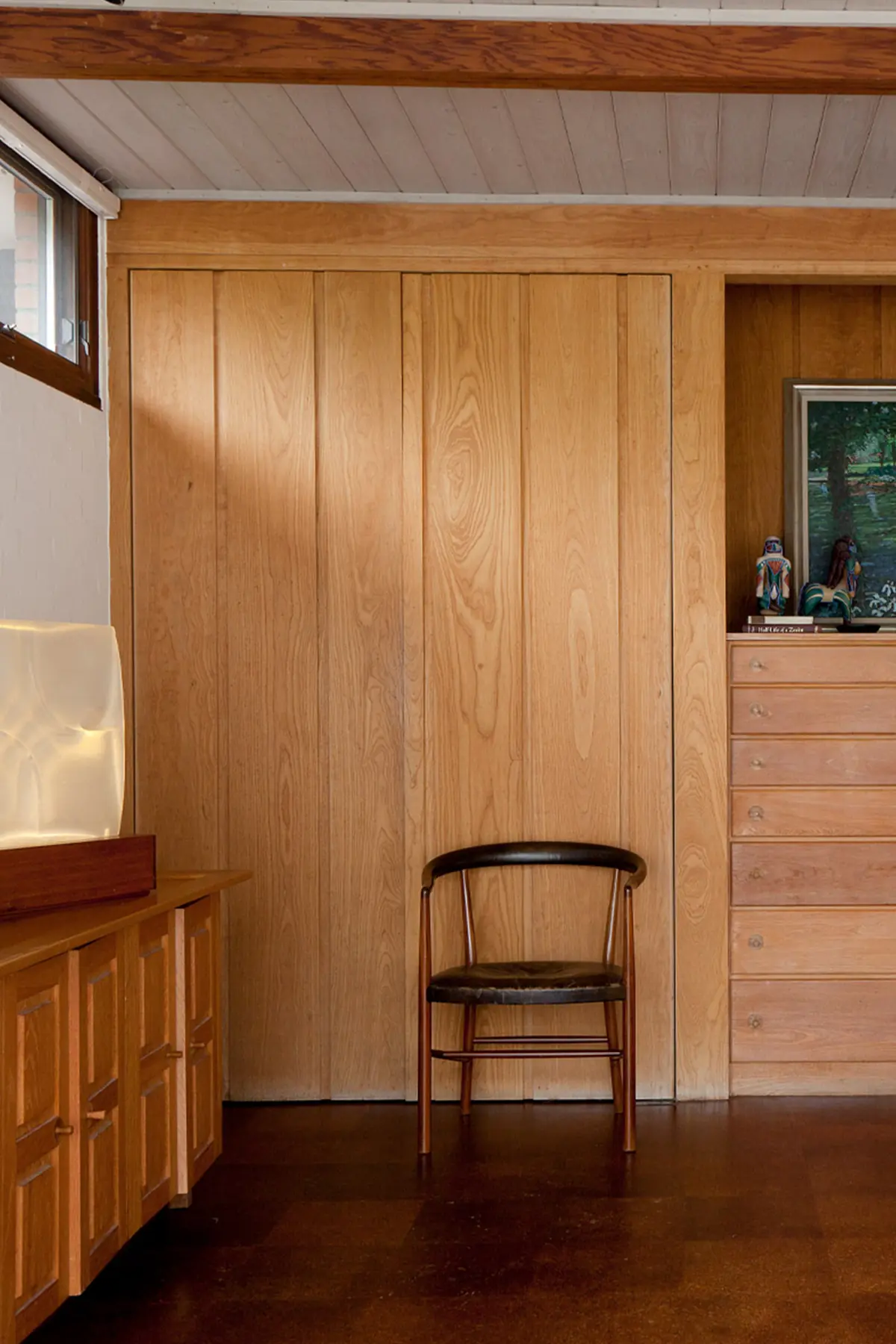
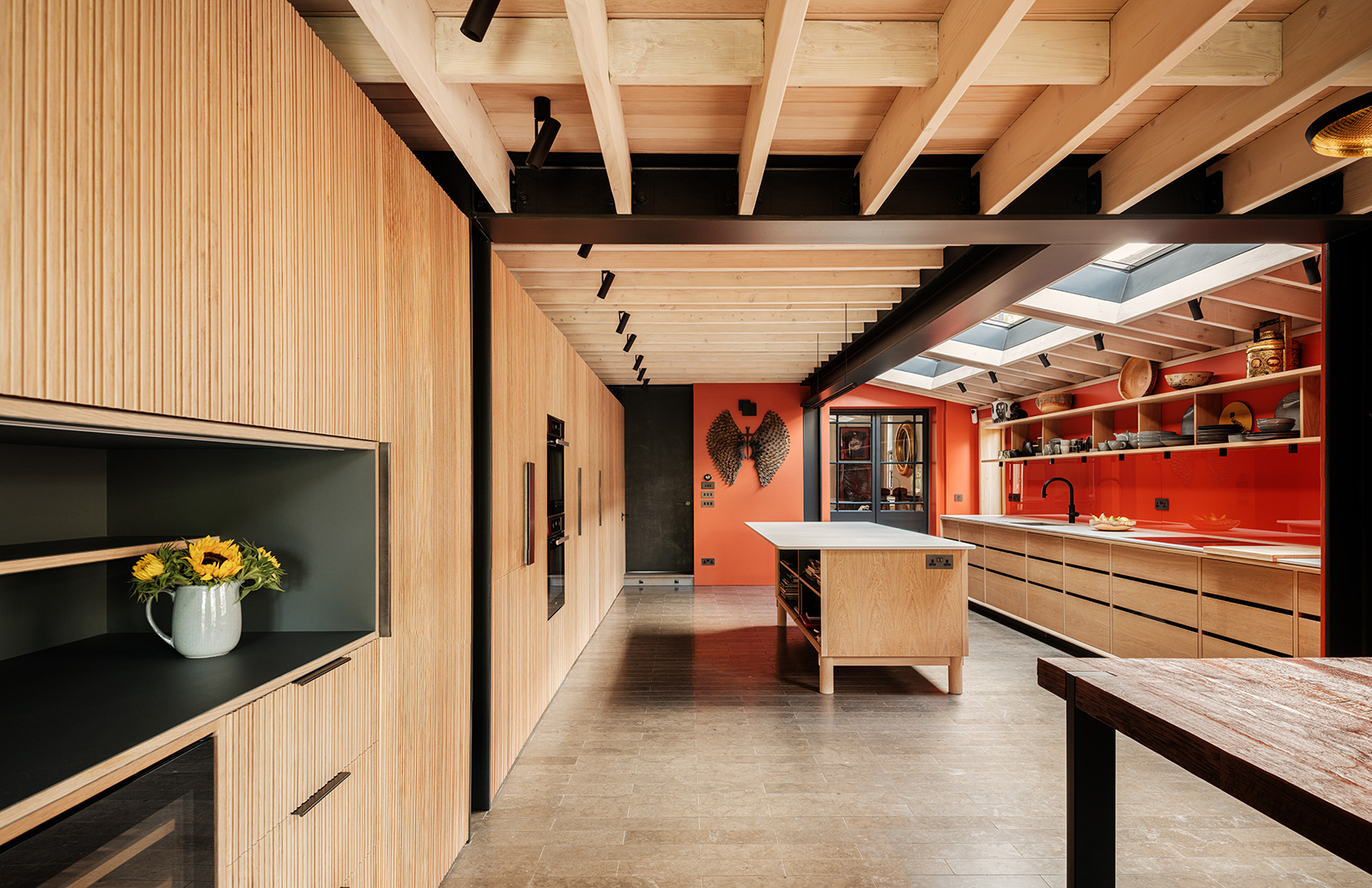
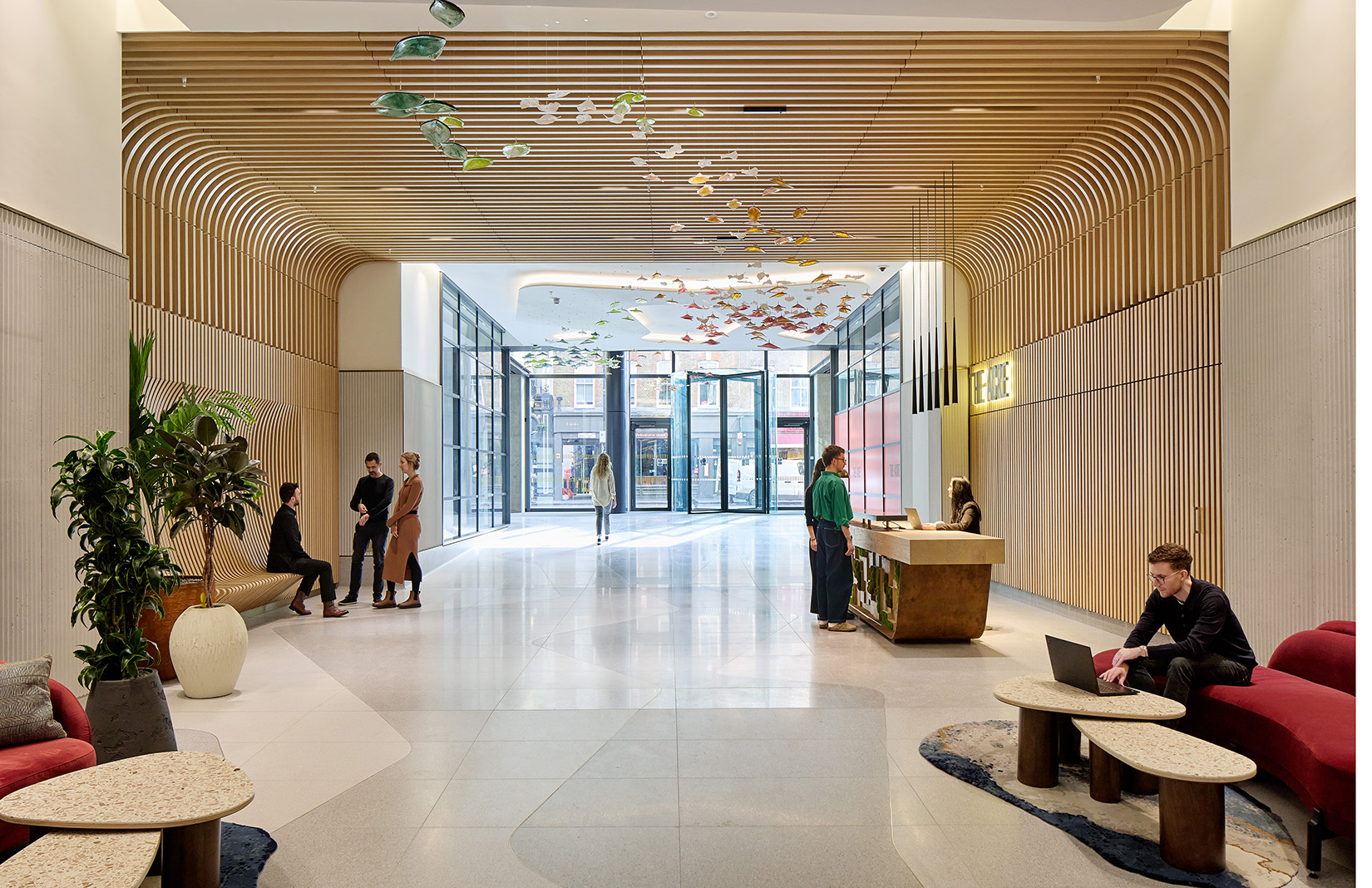
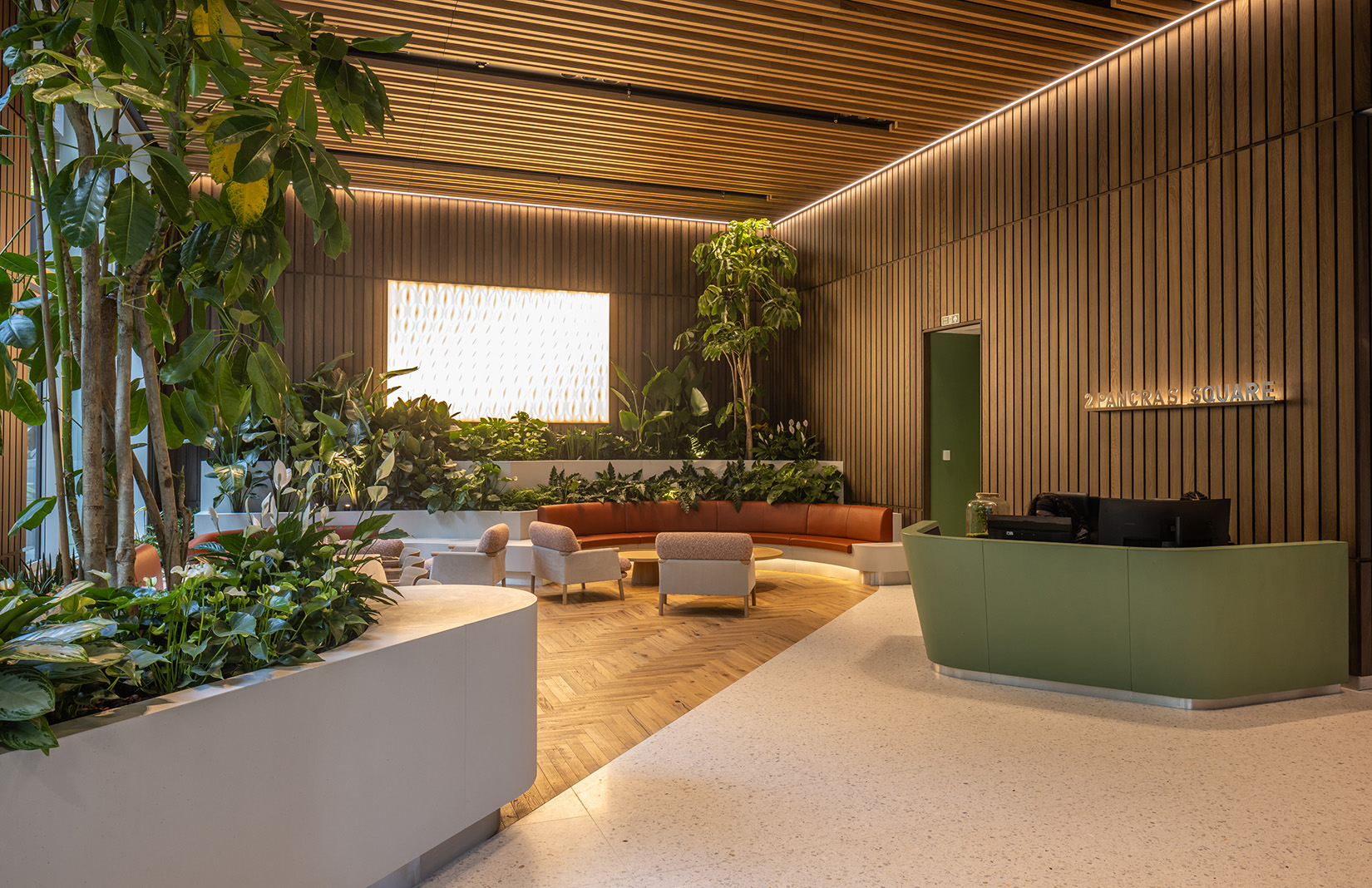
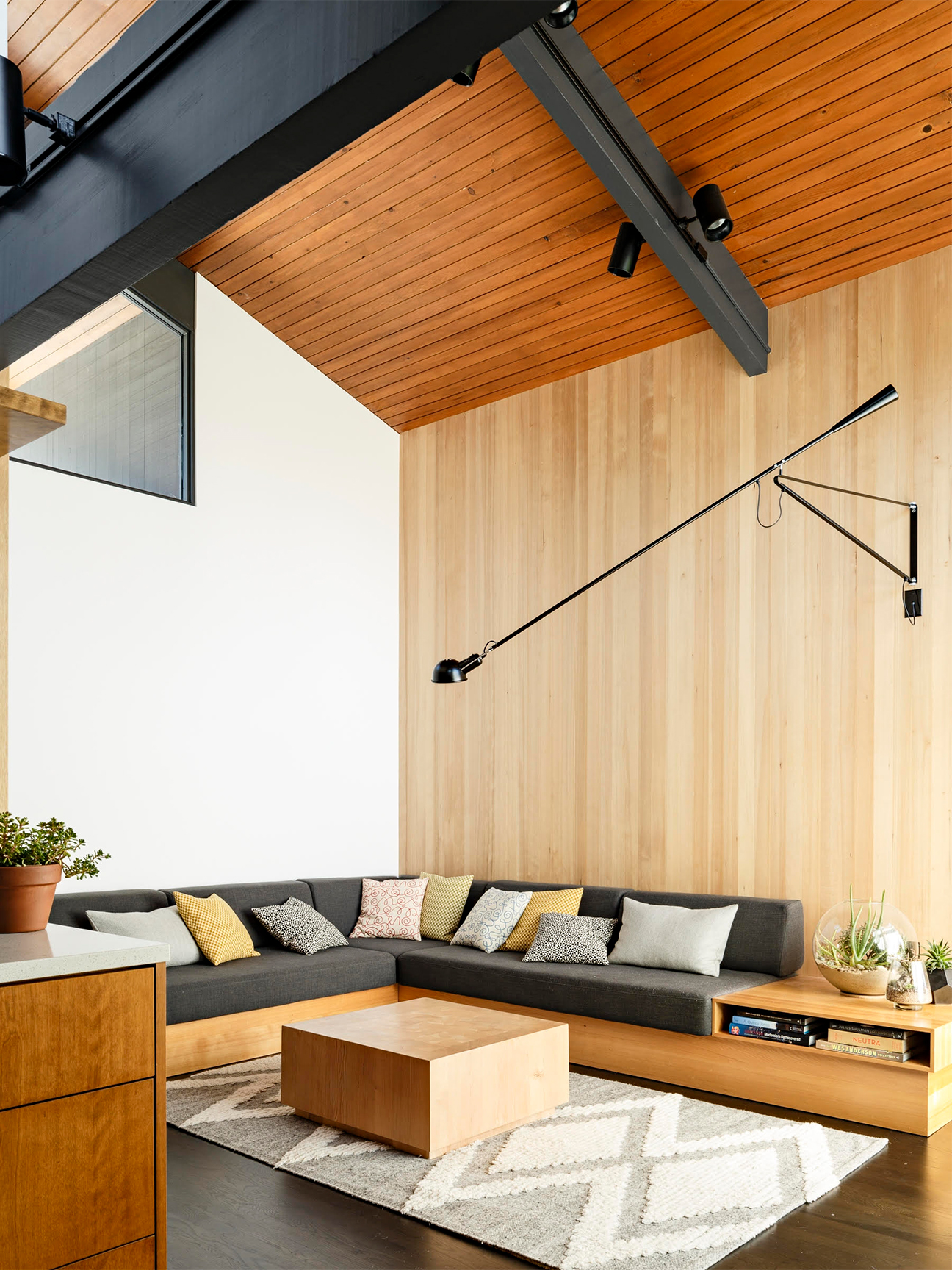
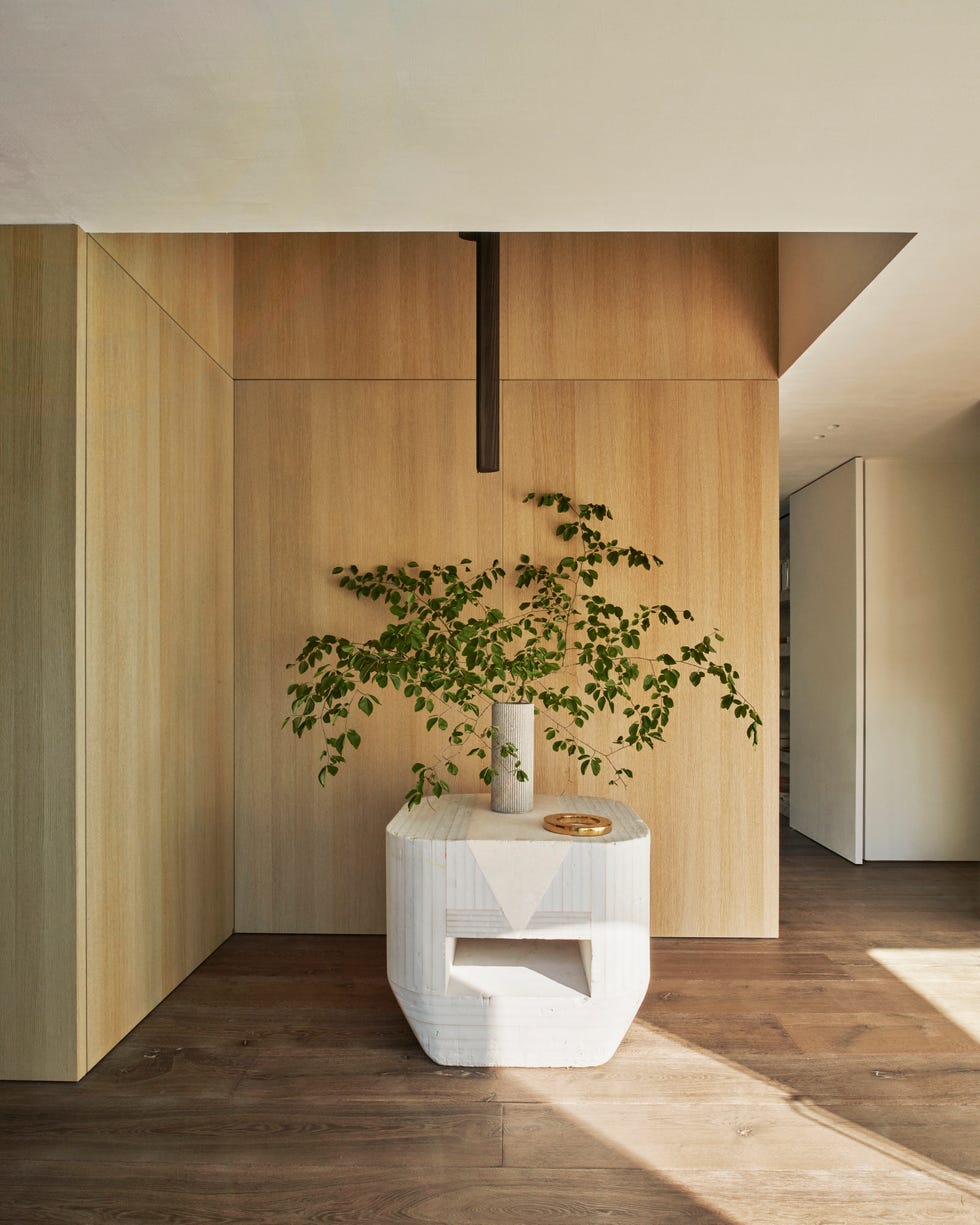
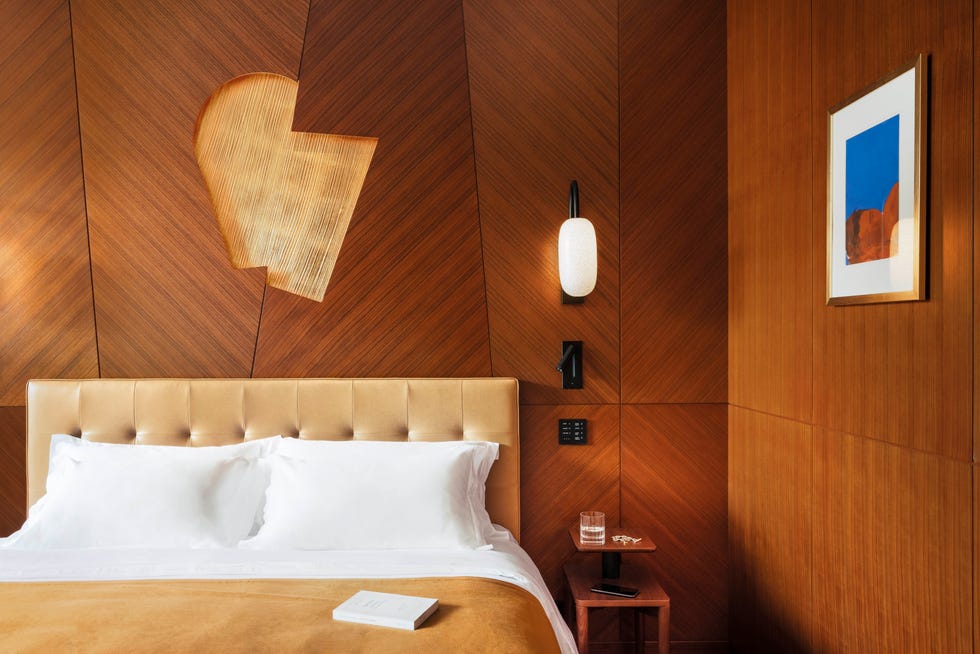
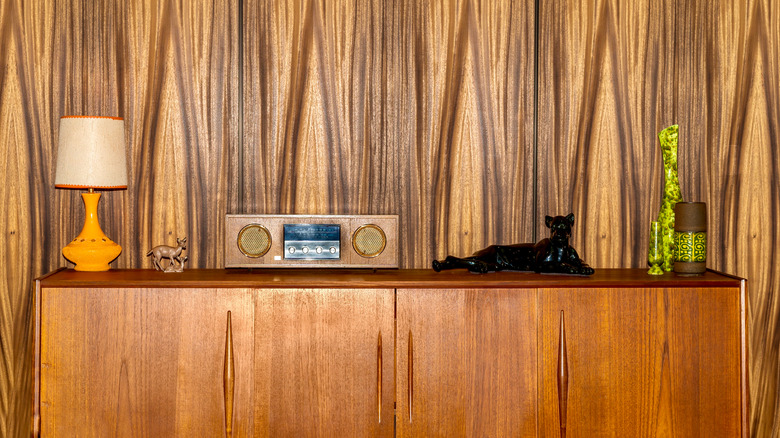
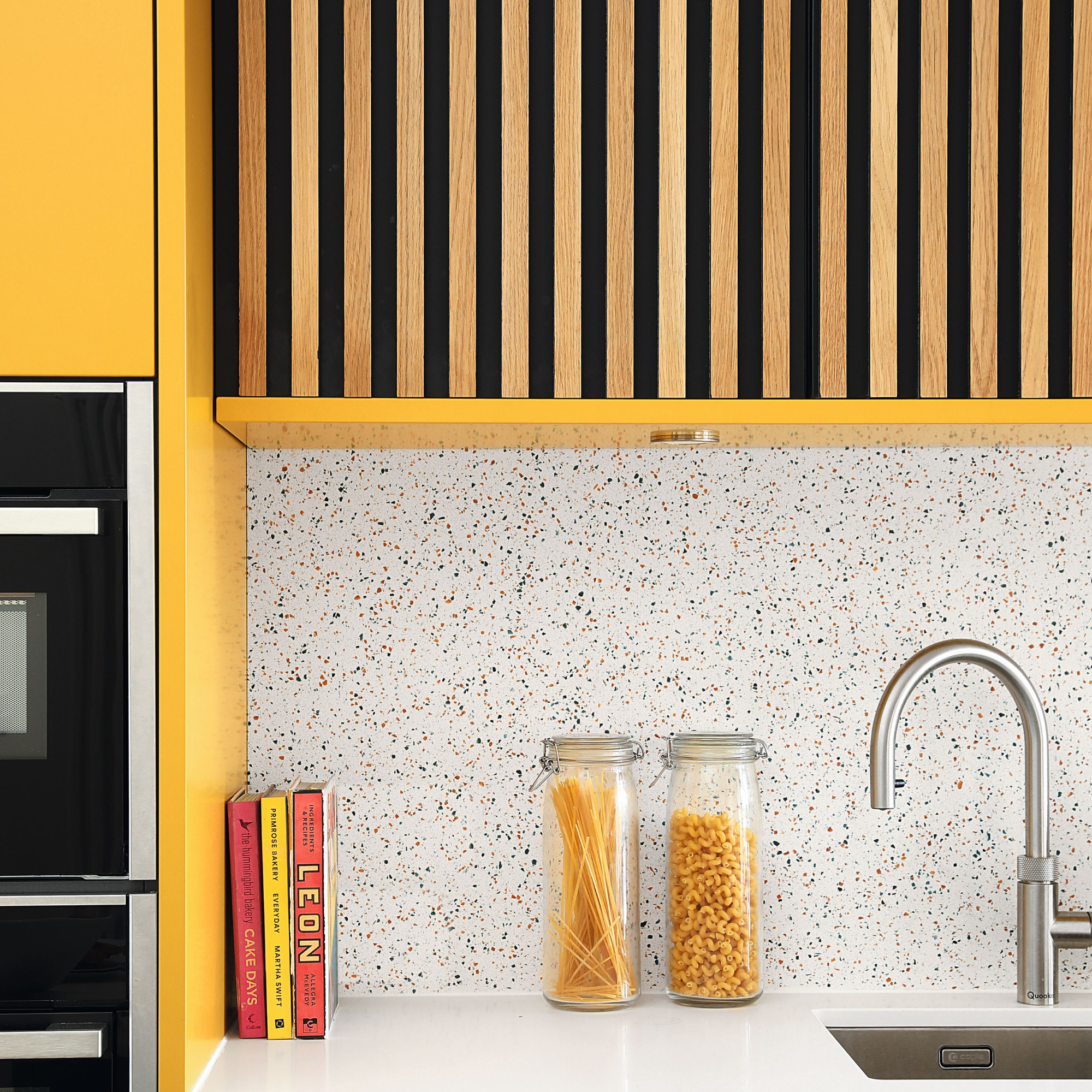
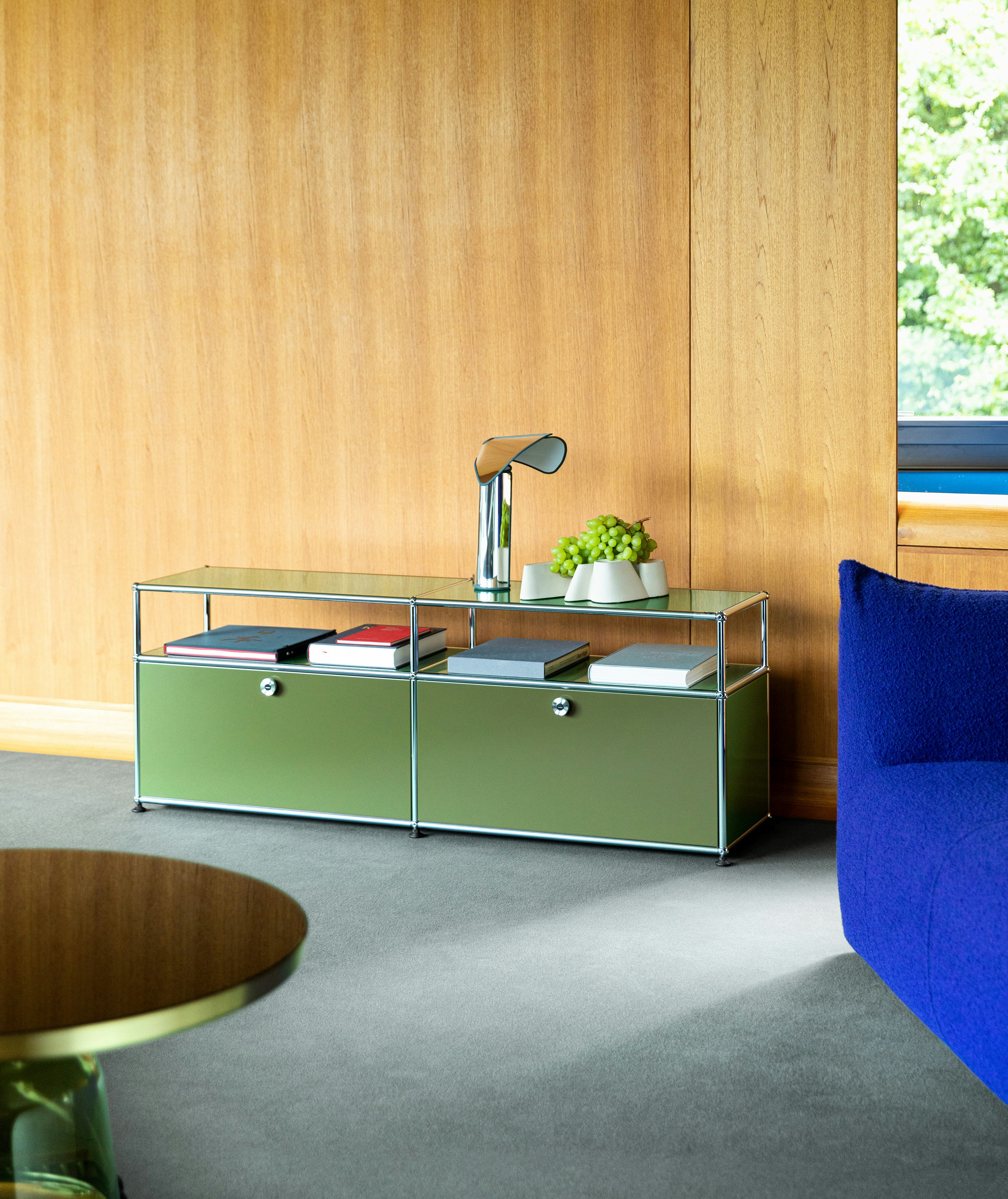
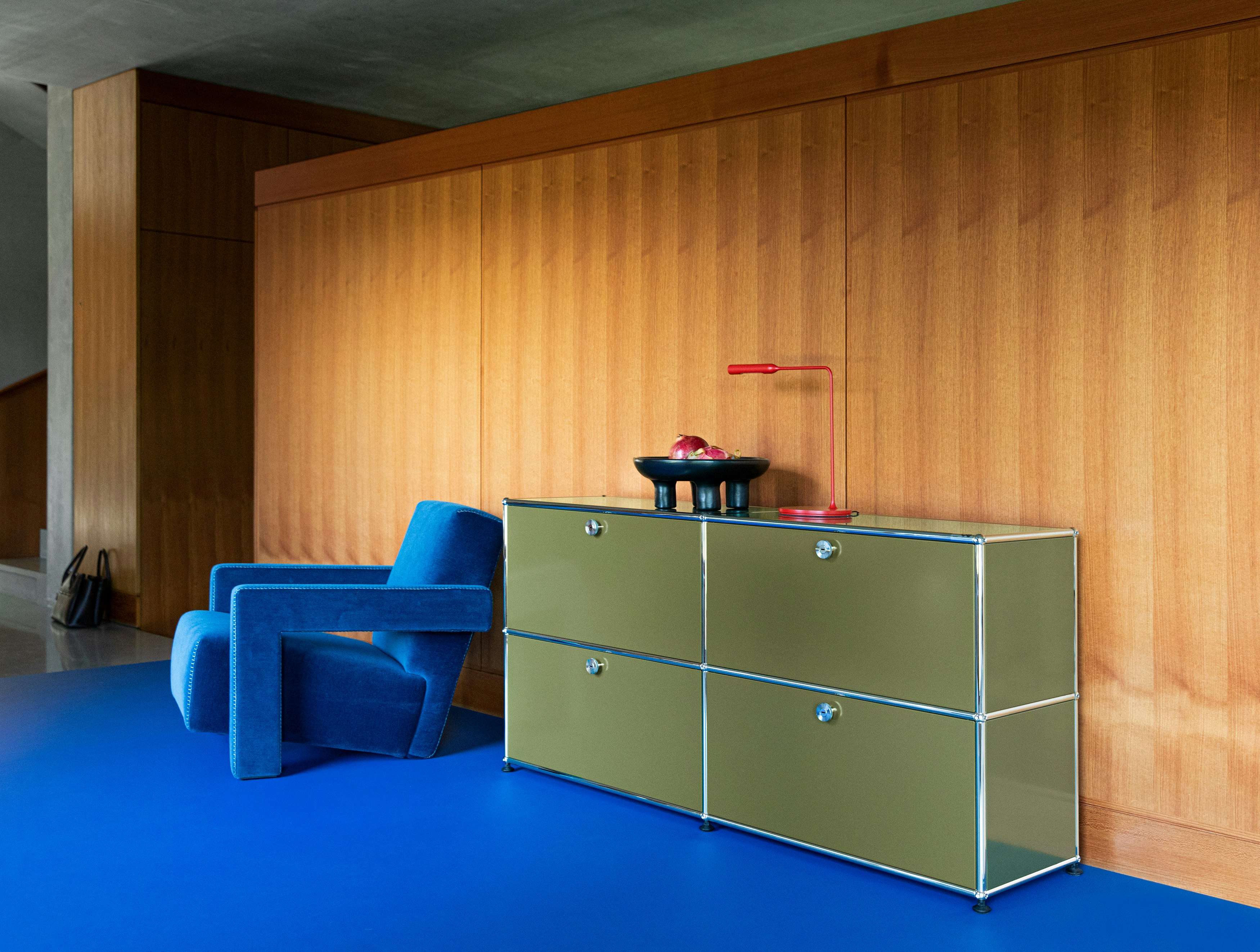
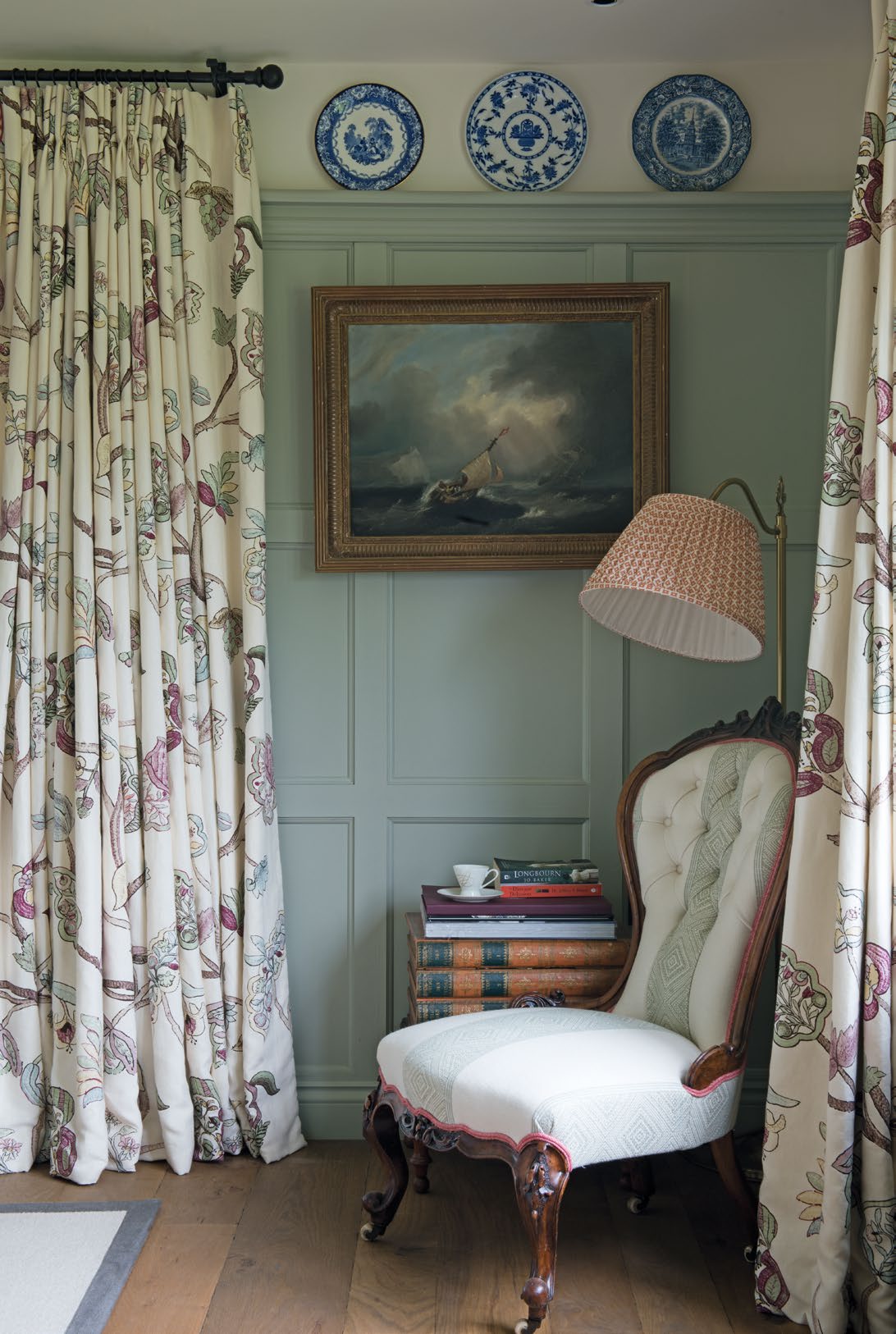
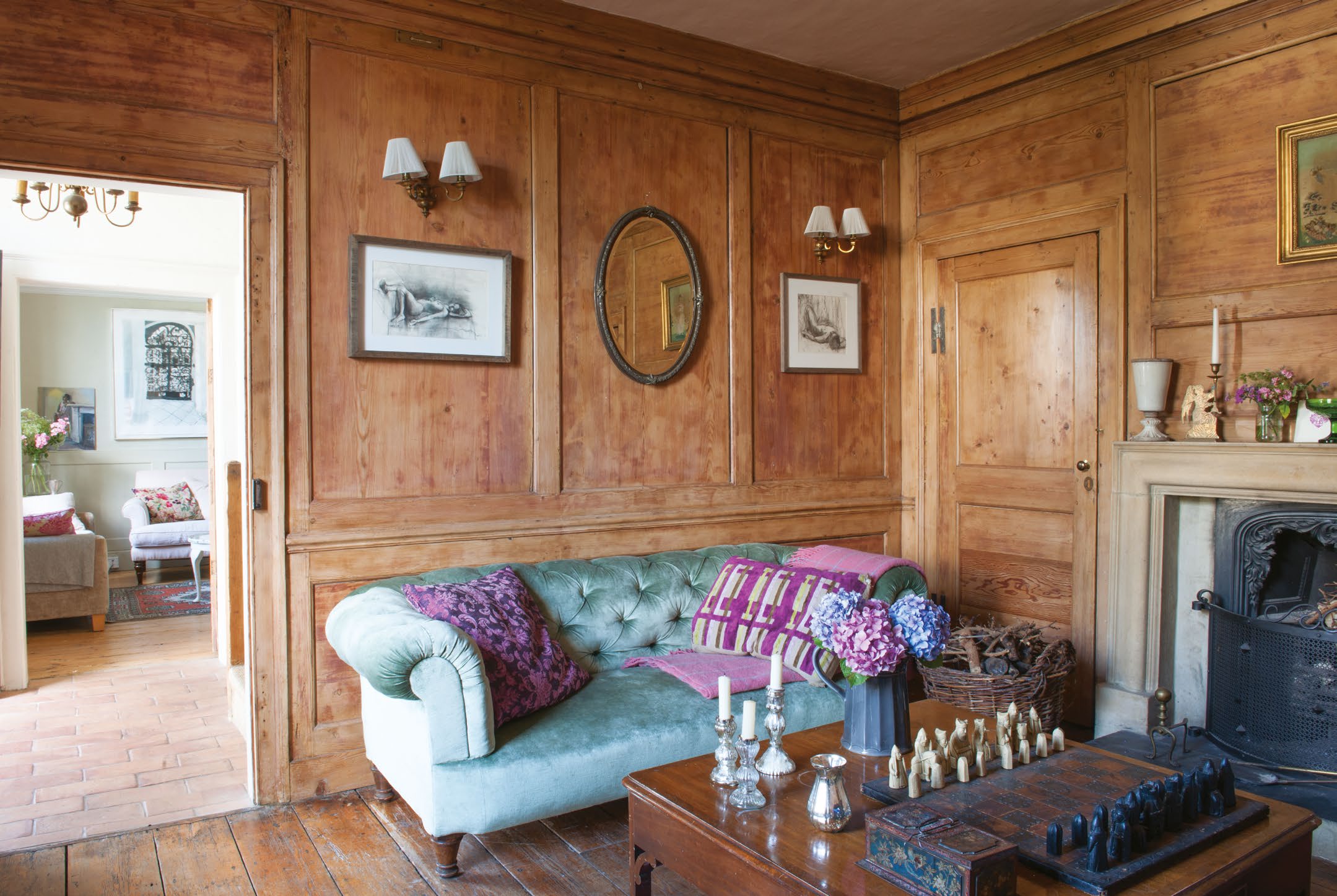
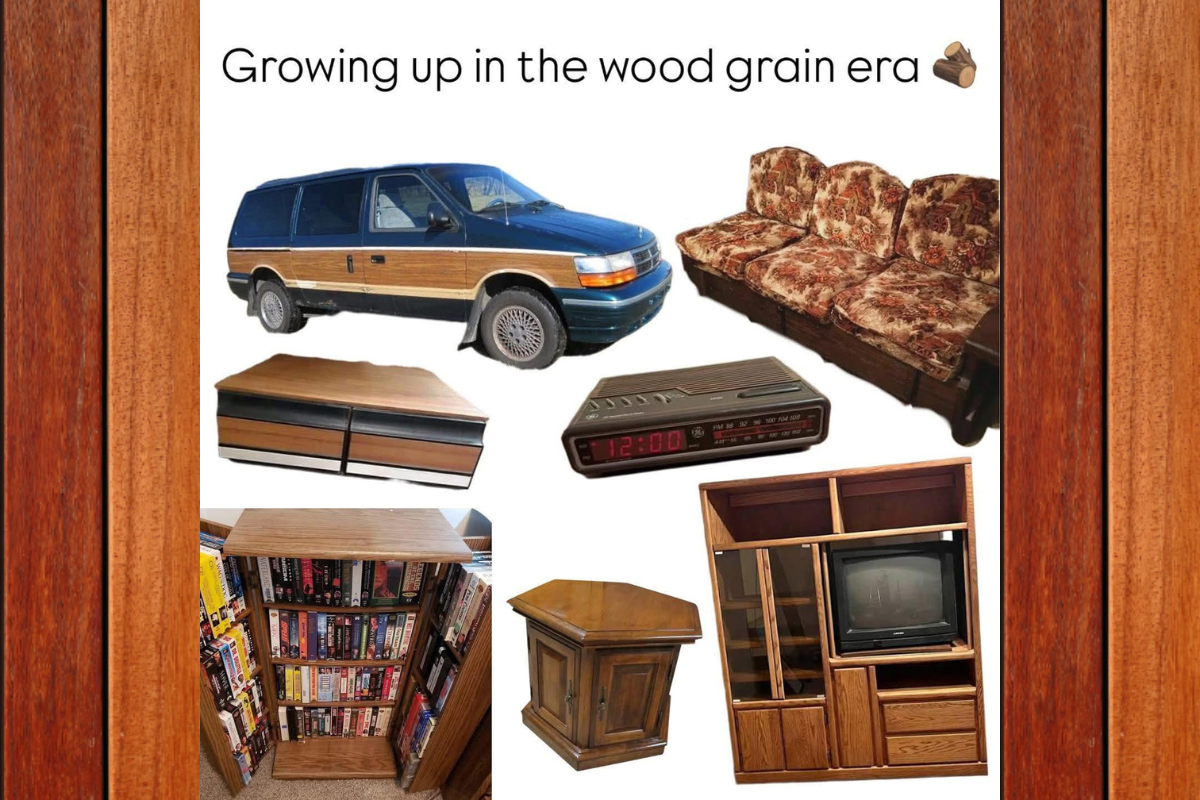
Design trends, characterized by their cyclical nature, frequently experience resurgence or obsolescence. For instance, while Generation Z exhibits a preference for the color yellow, Generation X holds a notable association with the wood grain aesthetic, particularly wood paneling, which was ubiquitous across various surfaces during the 1970s and 1980s. This design choice permeated not only homes but also vehicles and furniture, becoming a defining visual element of the era.
The widespread adoption of wood paneling in the 1970s can be attributed to several contributing factors. A primary influence was the prevailing trend of warm and earthy color palettes, which harmonized effectively with the natural tones of wood grain. Beyond aesthetic considerations, the practicality and cost-effectiveness of wood paneling played a significant role in its popularity. Historically, plaster was the dominant material for interior walls throughout much of the 19th and early 20th centuries. However, plaster's susceptibility to cracking and crumbling, especially in older structures, presented maintenance challenges. Wood paneling offered a convenient and economical solution for concealing these imperfections. The cost of plaster repair, which was typically calculated by the square foot, often proved to be more expensive than installing wood paneling, making the latter an attractive alternative for many homeowners.
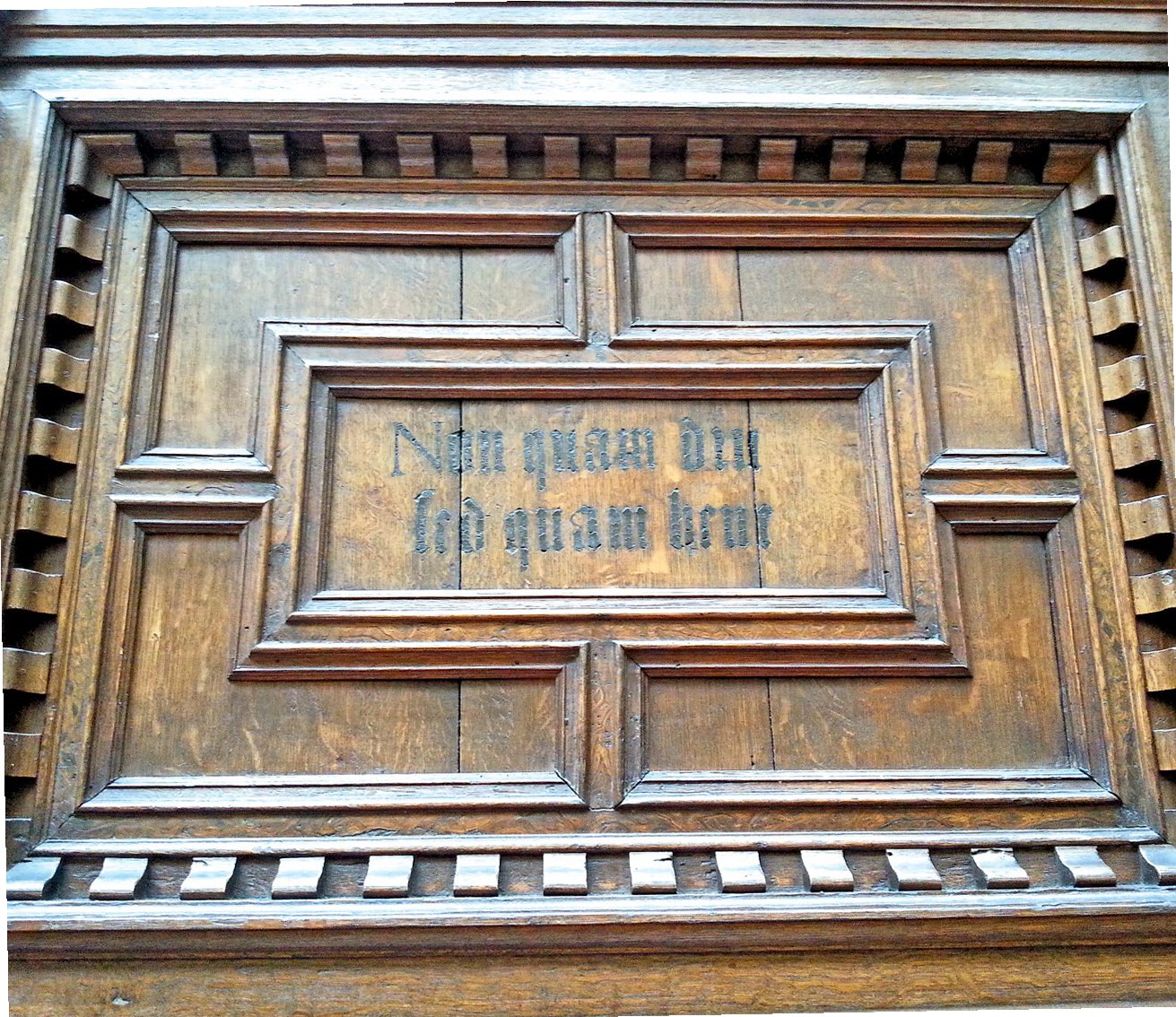
Elaborating on the composition of wood grain, it is explained that these panels frequently comprised wood fibers that were pressed and bound together with resin, or alternatively, wooden sheets topped with a thin veneer of more expensive woods like oak. This technique, known as wood graining, has historical roots dating back to the 18th and 19th centuries, where common woods such as pine were painted to mimic the appearance of premium woods like mahogany. This practice aimed to convey an impression of higher expenditure on a particular space, even when more economical materials were used. Consequently, the affordability and ease of installation contributed to the oversaturation of the wood grain trend within American households, eventually leading to its decline in popularity.
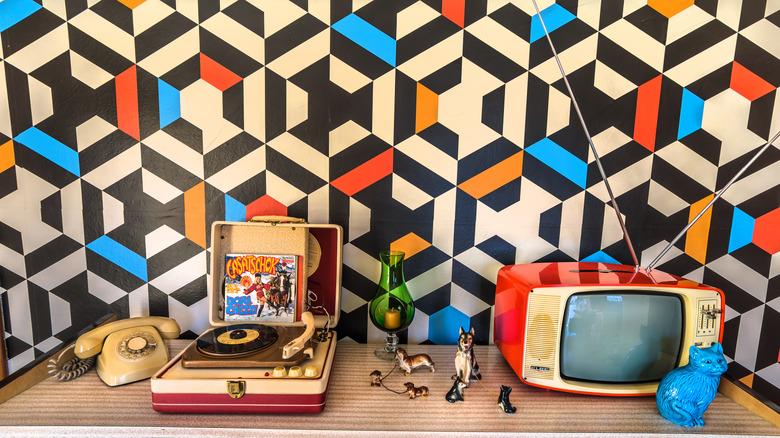
Presently, Generation X individuals often recall wood grain with a sense of nostalgia. Online forums and discussions reveal various anecdotes and memories associated with this design element. Some recall specific furniture pieces, such as hexagon tables that doubled as liquor cabinets, while others express a fondness for vehicles featuring wood paneling, like the Grand Wagoneer. The sheer prevalence of wood in interiors of the era is a common theme, with individuals noting the dominance of brown and heavy furniture. The sentiment is encapsulated by comments suggesting a preference for the wood-heavy aesthetic over contemporary particle board furniture. The colonial furniture era, characterized by reliance on walnut, oak, pecan, or pine finished with brown stain, further highlights the pervasive nature of wood in home interiors. The influence of wood grain extended beyond furniture and walls to consumer electronics, with mentions of wood grain on Atari 2600 consoles and VHS players, underscoring its widespread presence in everyday objects during the childhoods of Gen Xers. The enduring memories associated with wood paneling in various forms demonstrate its significant impact on the cultural and aesthetic landscape of the time.
#GenX #WoodPaneling #InteriorDesign #DesignTrends #Nostalgia #1970s #1980s #HomeDecor #RetroAesthetic #GenX #WoodPaneling #InteriorDesign #DesignTrends #Nostalgia #1970s #1980s #HomeDecor #RetroAesthetic
0 comment in total
 No comments yet
You may also like

Wood Paneling Is Back—and Better Than Ever

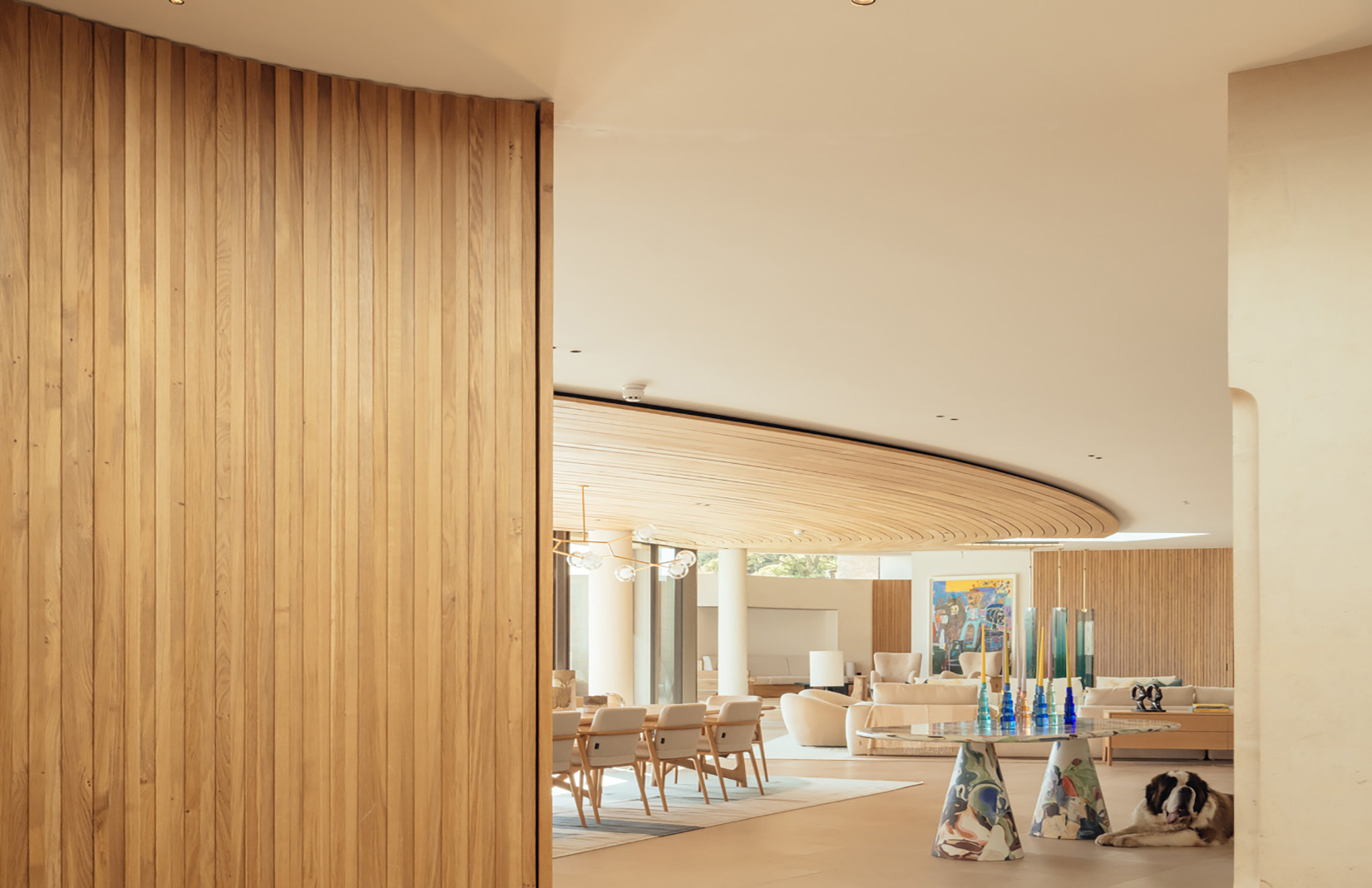
Wood slats are everywhere. Why are designers such fans?
Why a 111-Year-Old Kitchen Countertop Material Is Suddenly Popular with Gen Z

The Decades-Old Decor Trend That Everyone's Putting Back In Their Homes Today
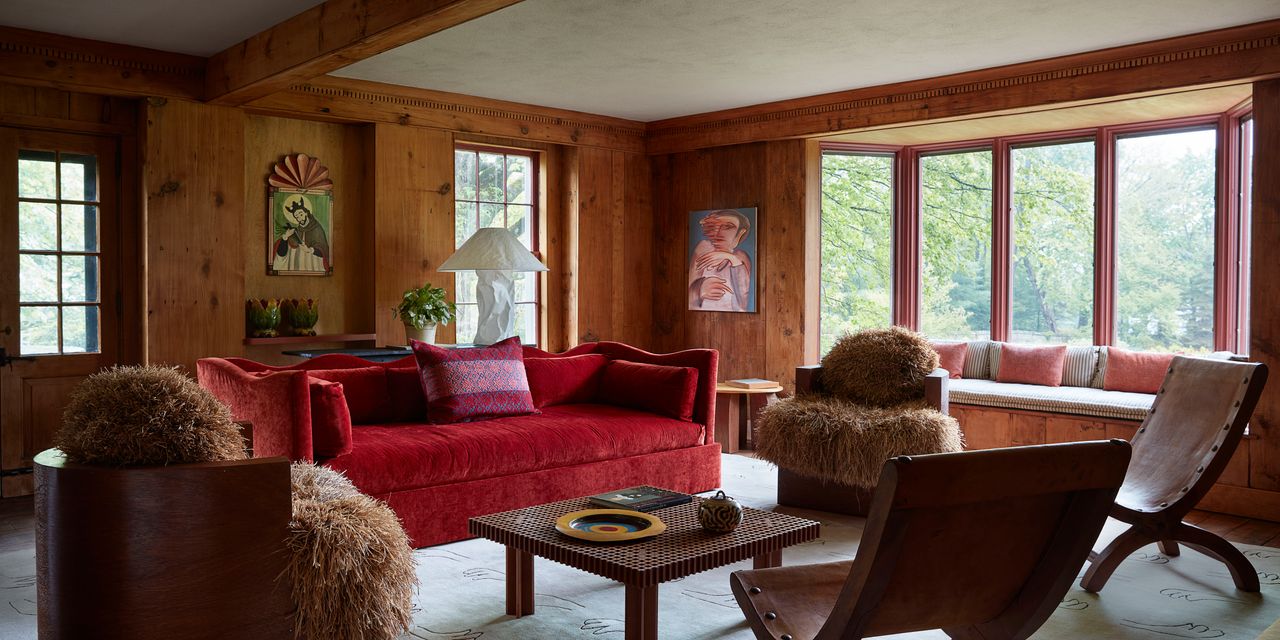
Allover Wood Interiors Are Having a Moment

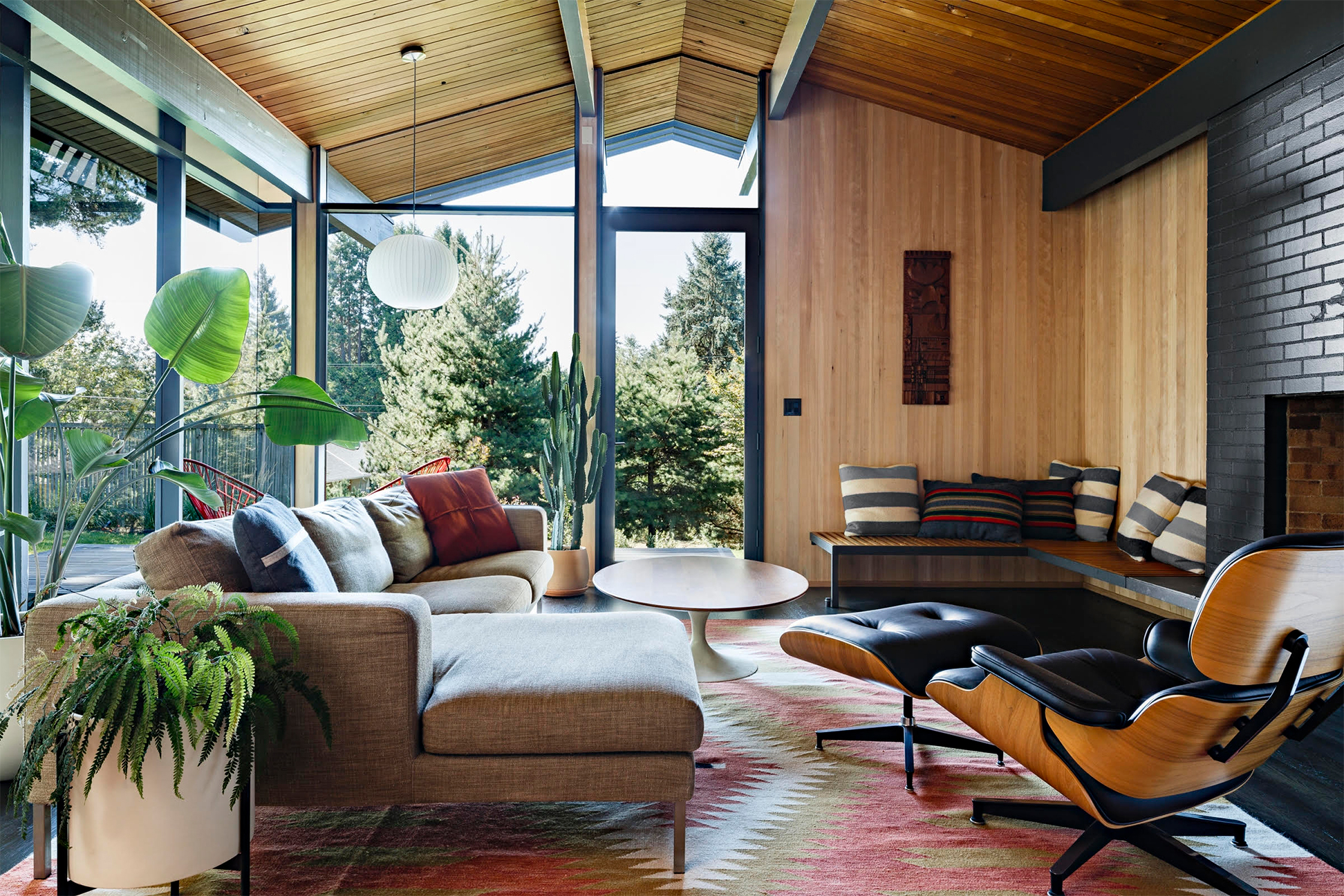
Wood Paneling Doesn’t Have to Remind You of Your Parents’ Basement
Why wood floors are design of the moment
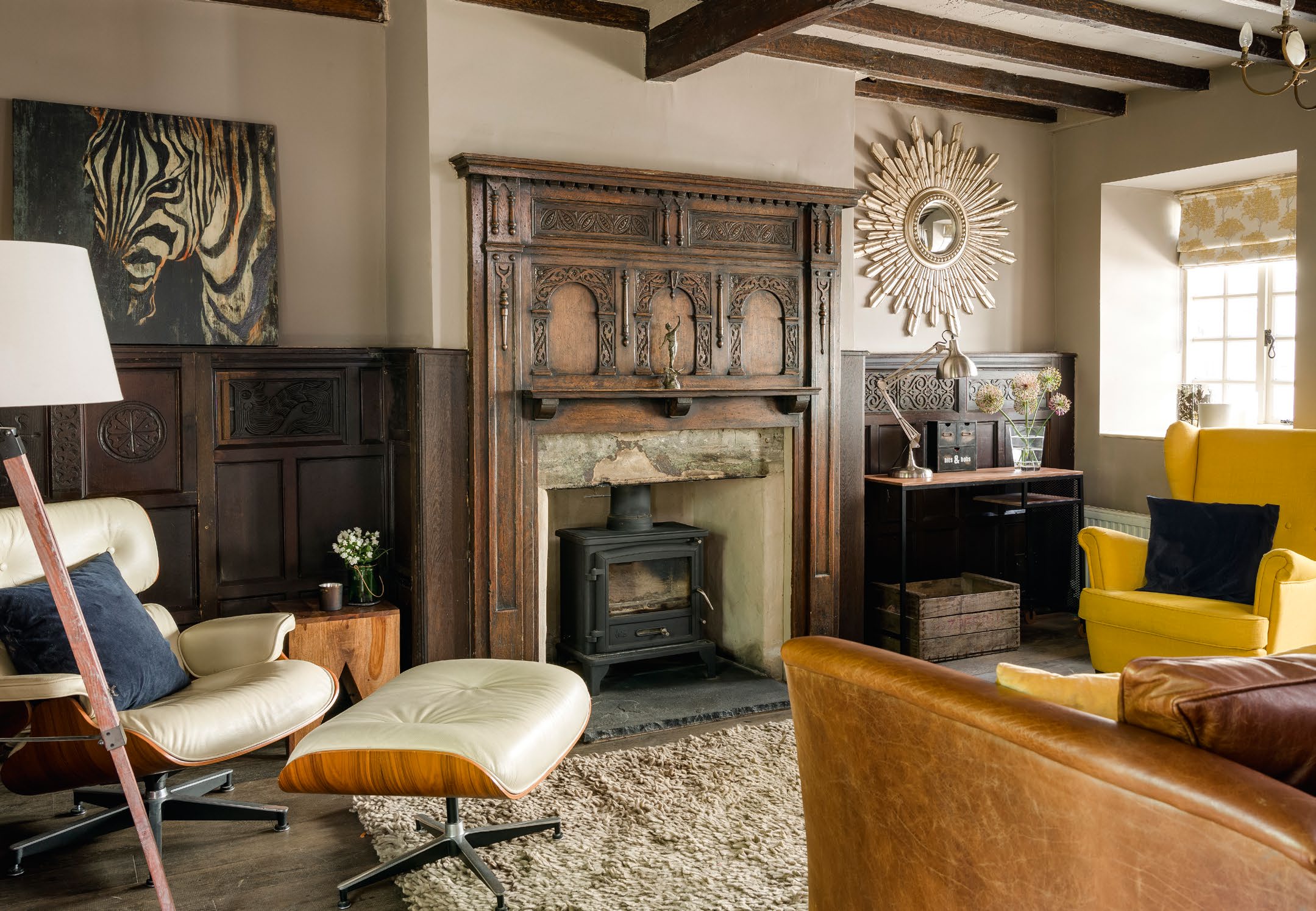
Panelling - 28 Jan 2021 - Period Living Magazine
Wood Paneling and 11 More Vintage Decor Trends Making Huge Comebacks
Do You Decorate Like a Boomer or Gen Z? Designers Define All the Generational Styles

Vintage Home Design Trends That Are Making Huge Comebacks


"I Grit My Teeth When I See It": People In Their 60s, 70s, And 80s Are Sharing The Modern Home Trends They Simply Cannot Stand

Wood Paneling Is Officially Cool Again—Here's How Designers Are Using It Now

From Gen Z To Boomers, Here Are The 16 Home Decor Choices That Perfectly Summarize Each Generation
'Potential buyers may see it as a DIY job gone wrong' – this popular interior trend may be devaluing your home
This Is Why Everyone’s Obsessed with Traditional Decor Right Now
Wood as a Home Design Trend: Through the Archives to Today
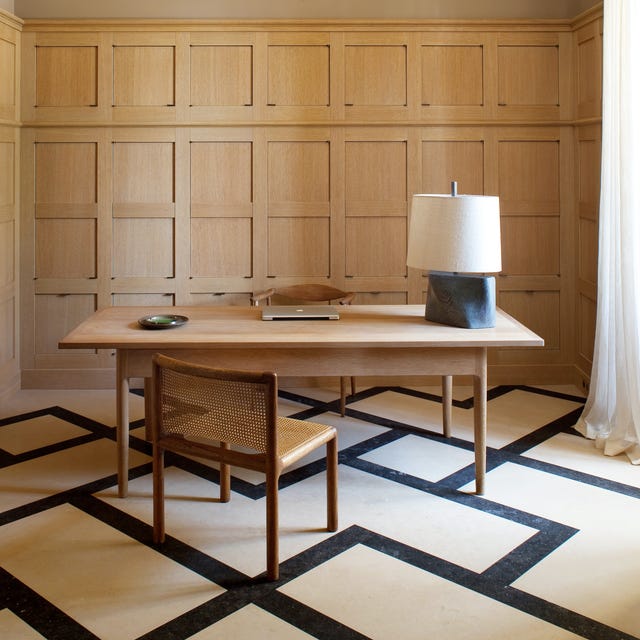
Wood panelling: an essential guide to the big decorating trend

Why Are These Sleek Shelving Systems From the ’60s Suddenly Everywhere?

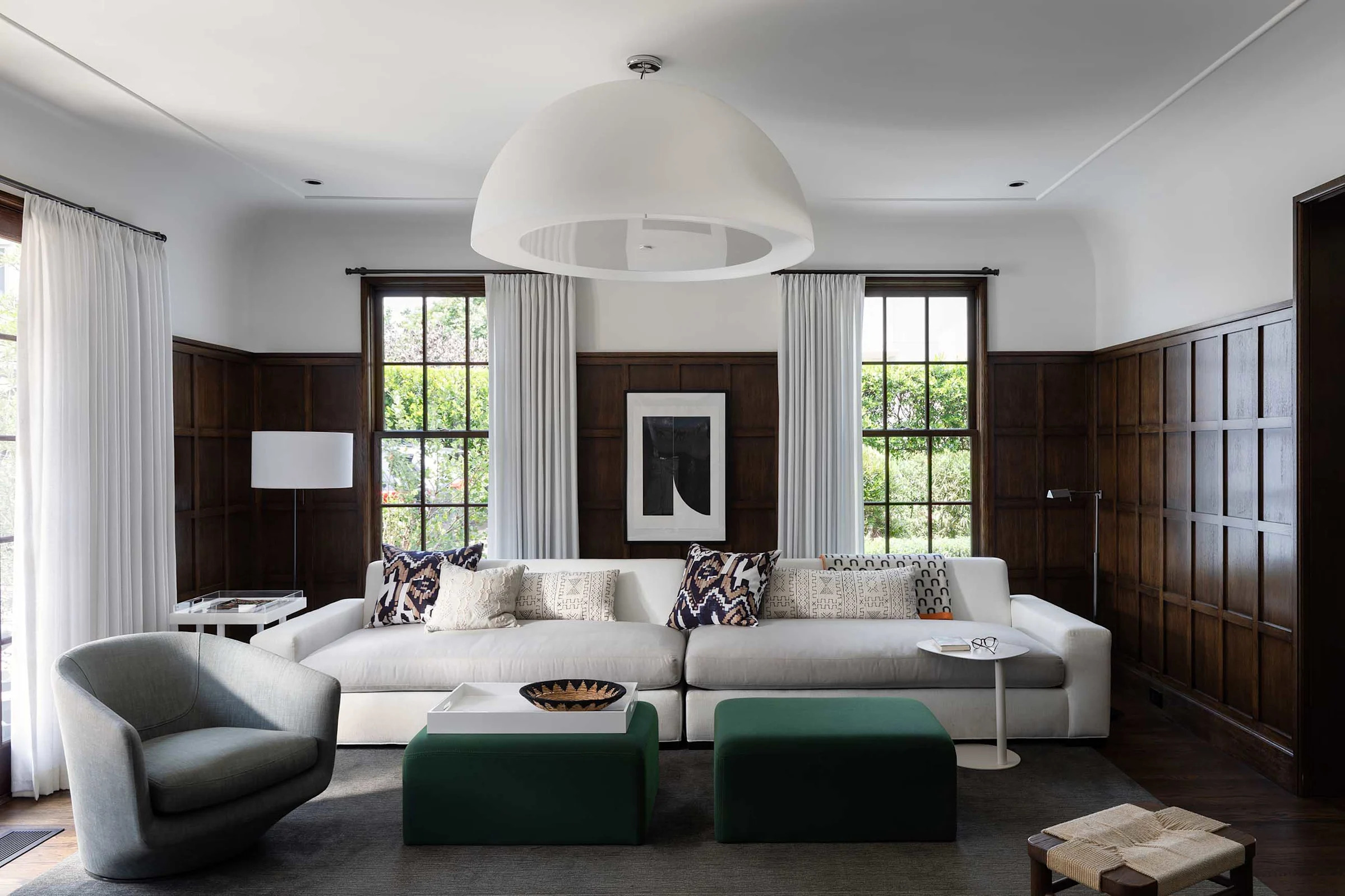
This Once-Dated Wall Paneling is Now Making Homes Look so Elegant and Sophisticated