1/4
Panelling - 28 Jan 2021 - Period Living Magazine
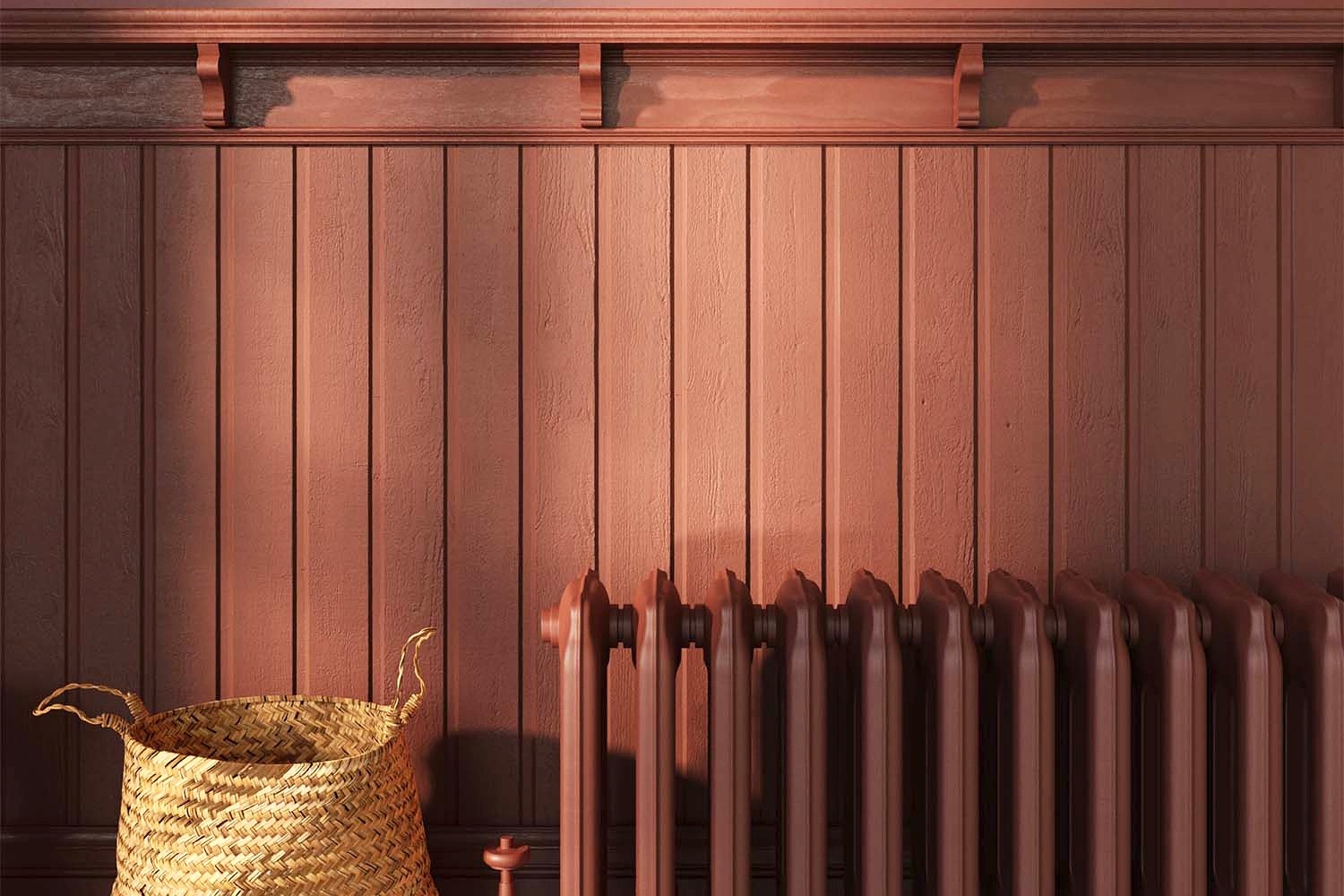
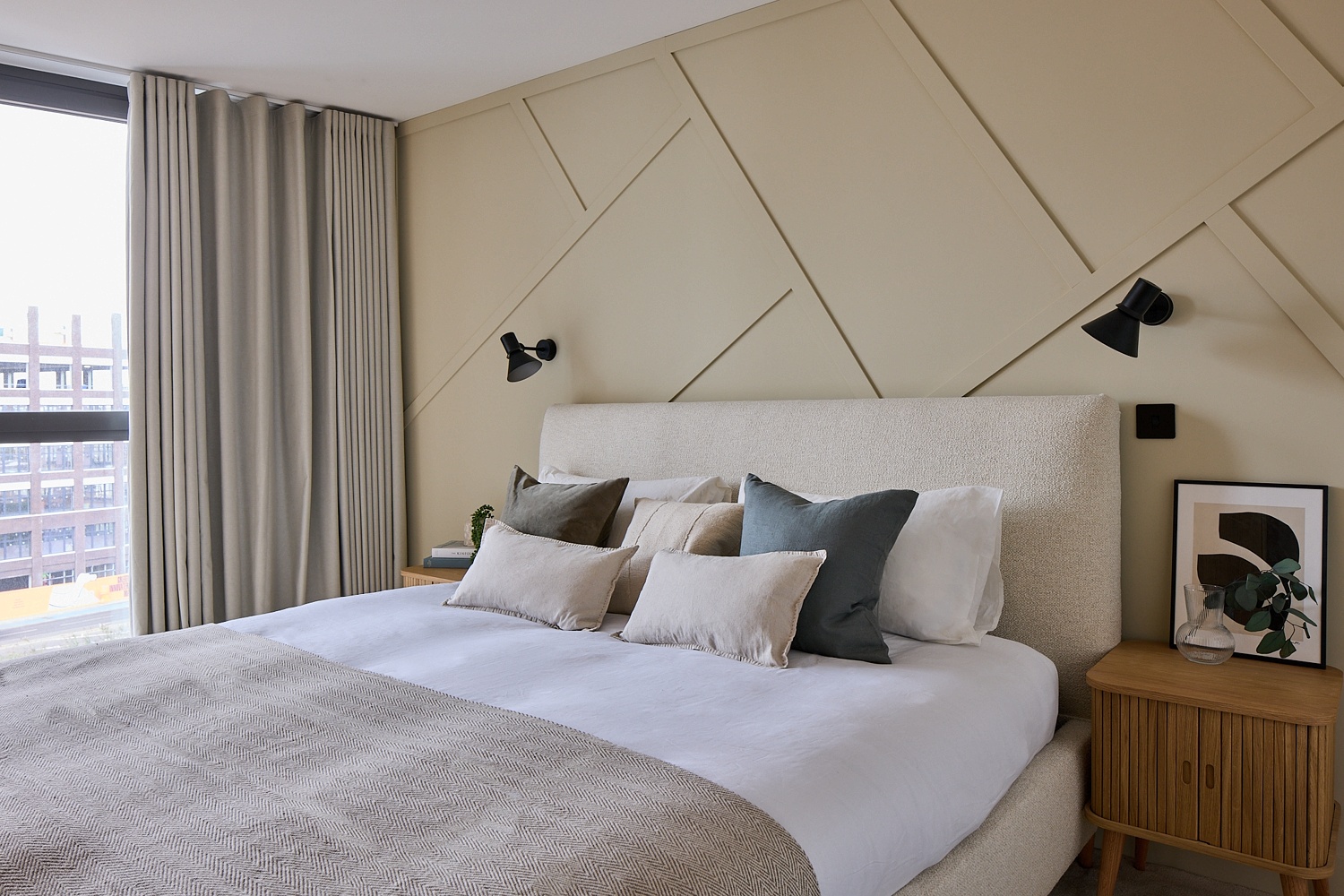
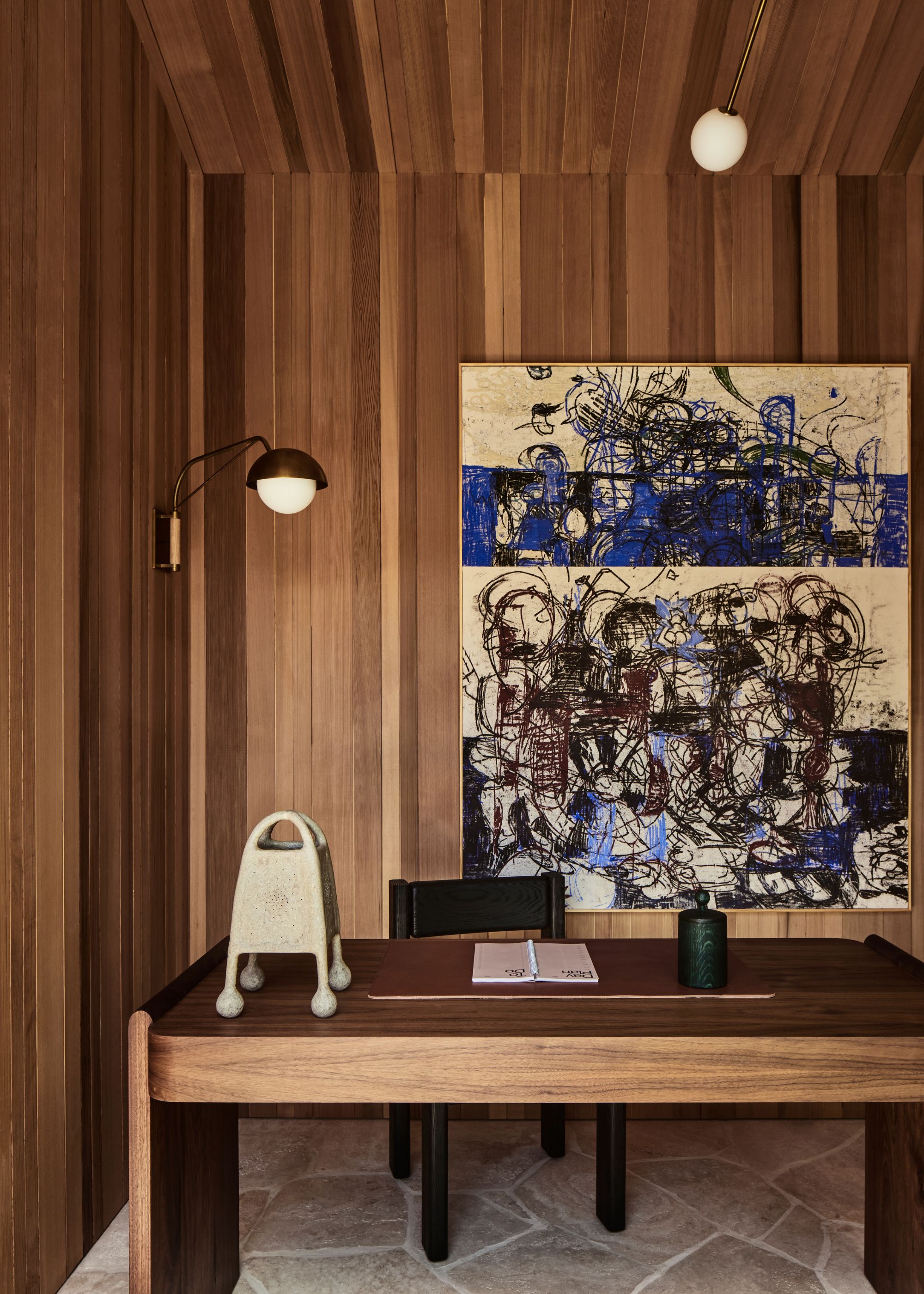
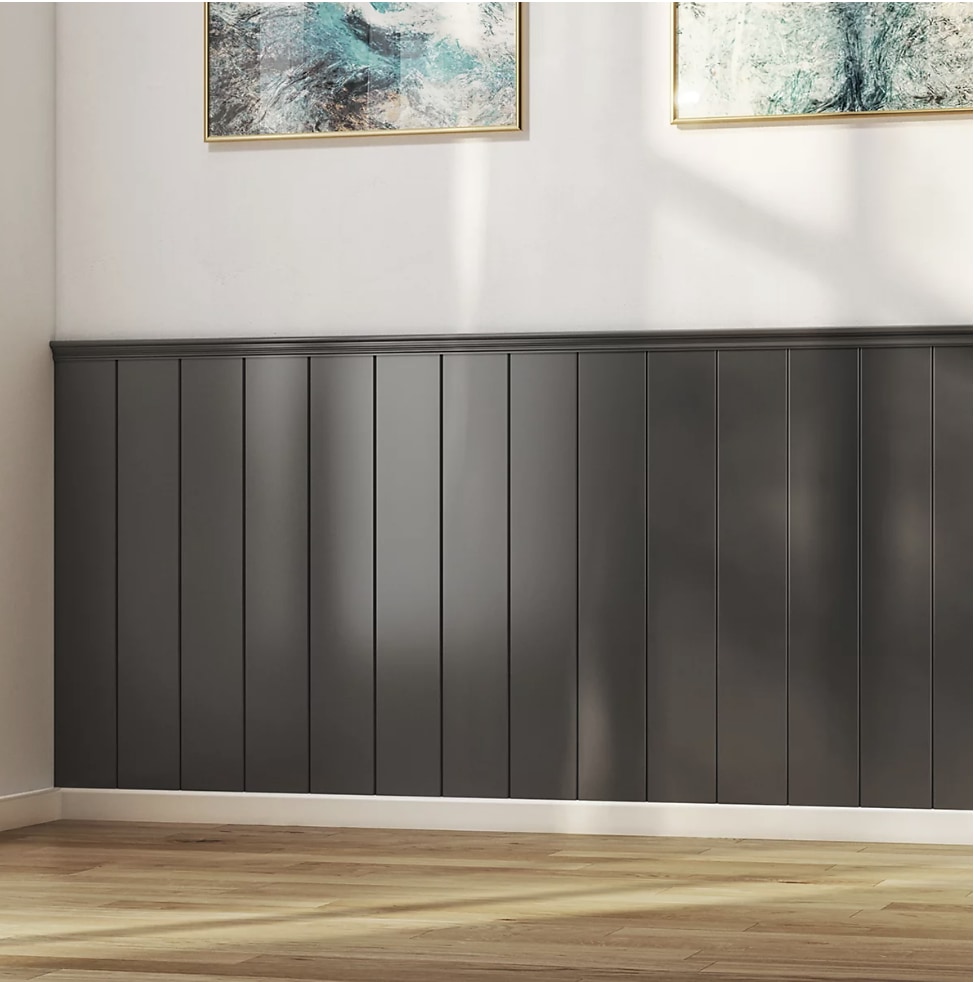
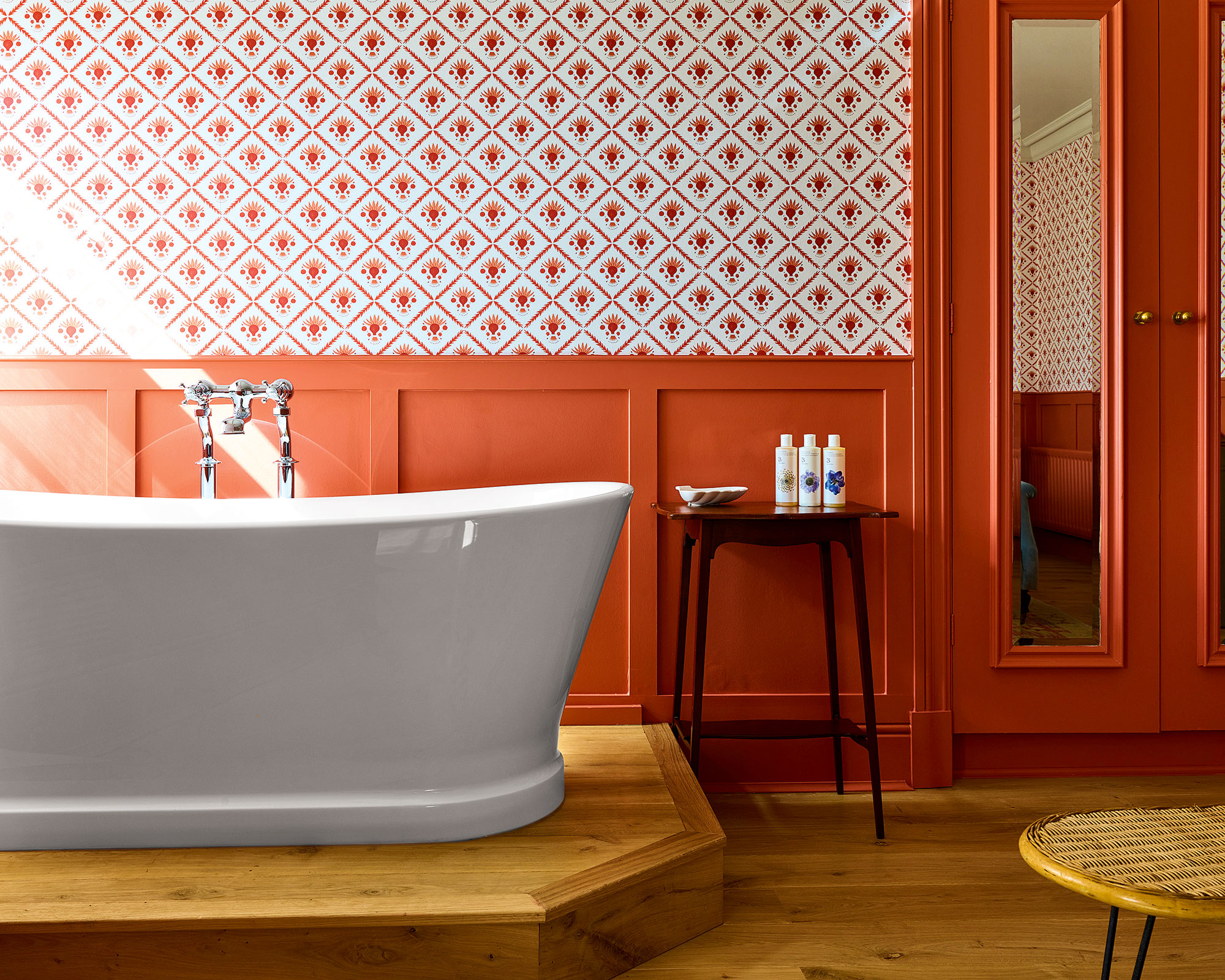
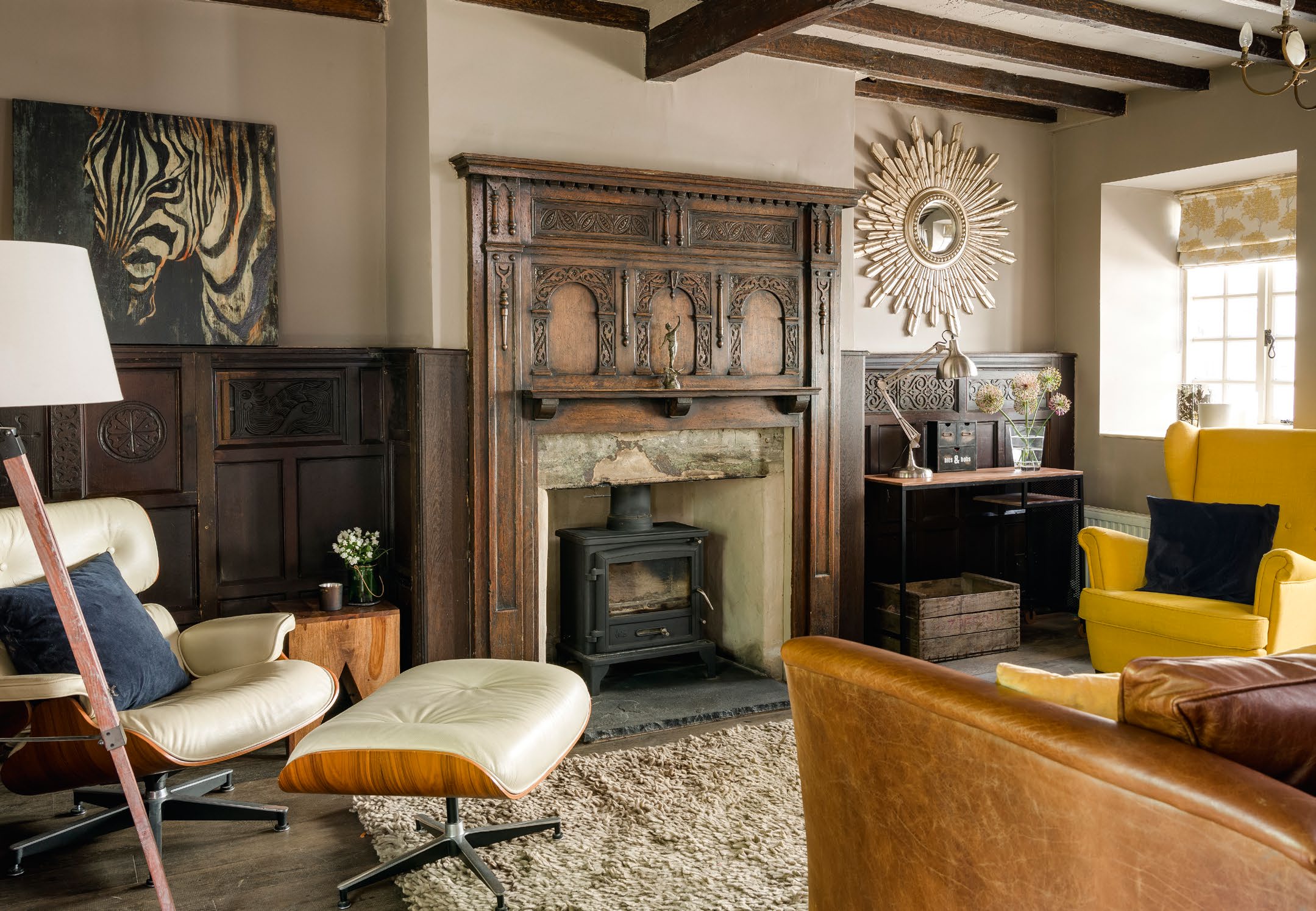
Wood panelling, a striking feature in period homes, has a rich history that evolved from a humble insulating element to a highly decorative design feature. Early forms of panelling were simple vertical timbers without moulding or panels, primarily serving to warm rooms. These early timber walls were sometimes painted to mimic wall hangings. However, the potential for incorporating artistic and fashionable decoration quickly transformed their purpose.
By the late 15th century, the innovative linenfold panelling emerged. This style featured intricate carvings designed to resemble folds of linen, reflecting a new level of craftsmanship and aesthetic ambition. Its enduring popularity ensured its presence in many period homes, often seen through later revivalist interpretations. This development marked a significant shift from purely functional wall coverings to those that also served an aesthetic purpose, adding character and sophistication to interiors.
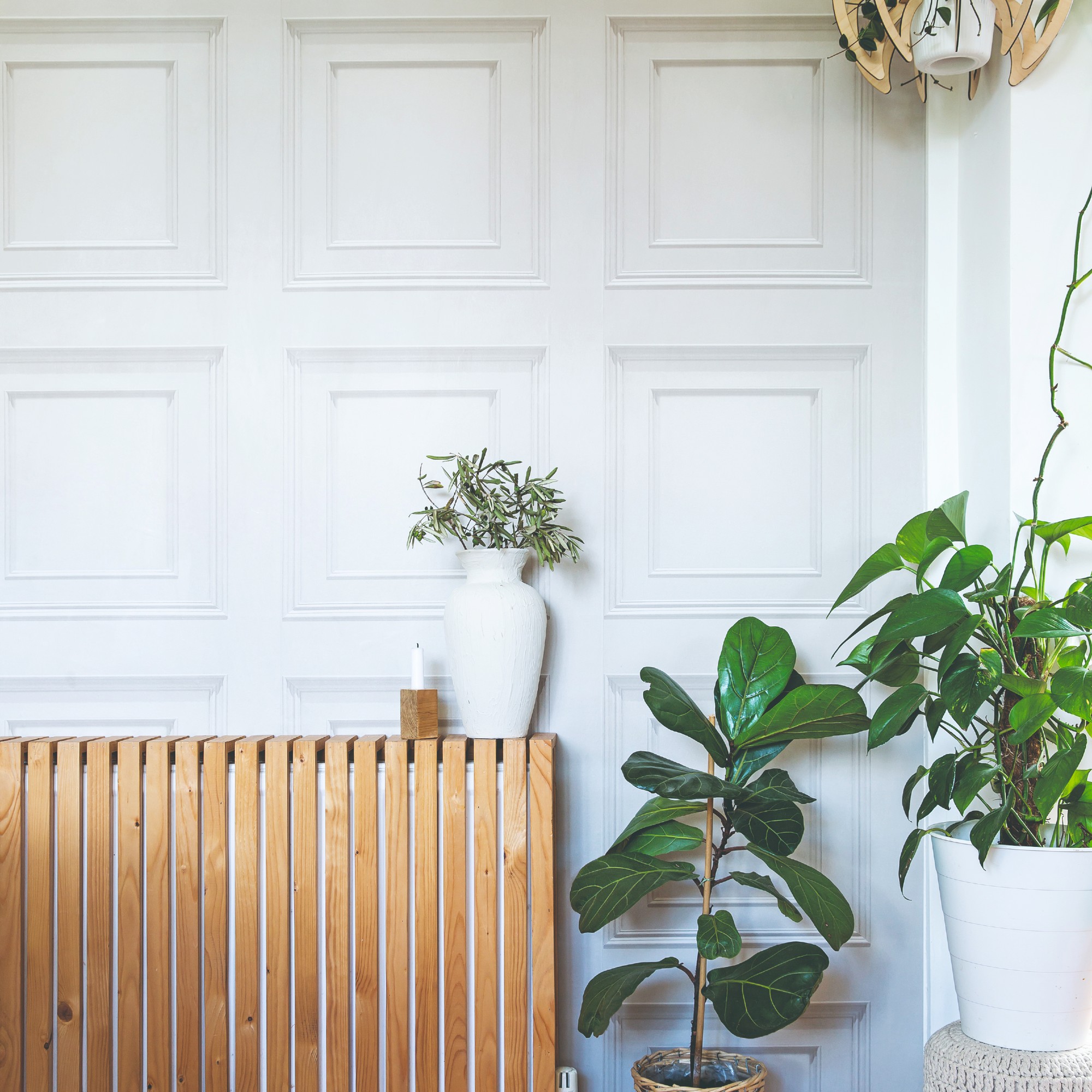
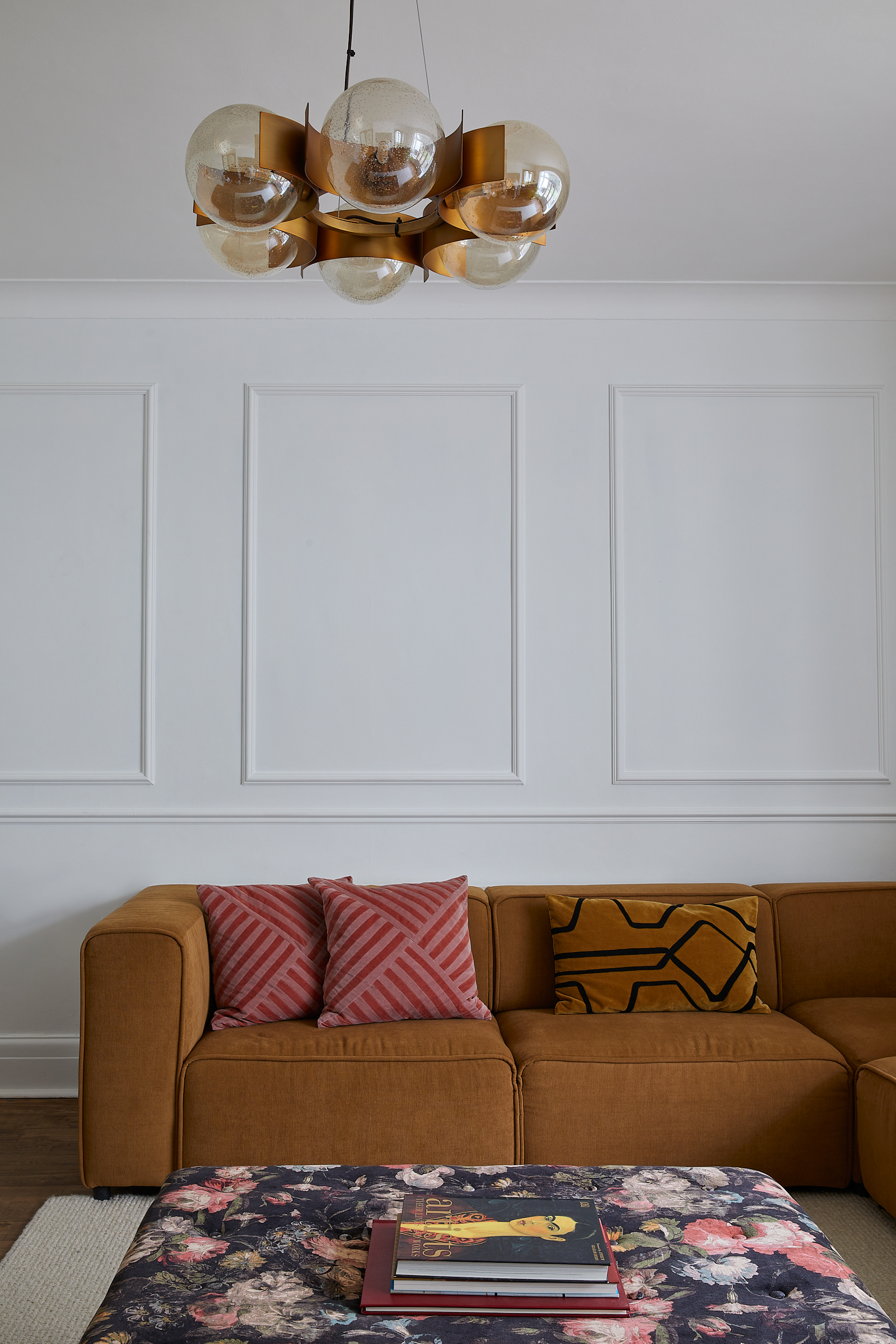
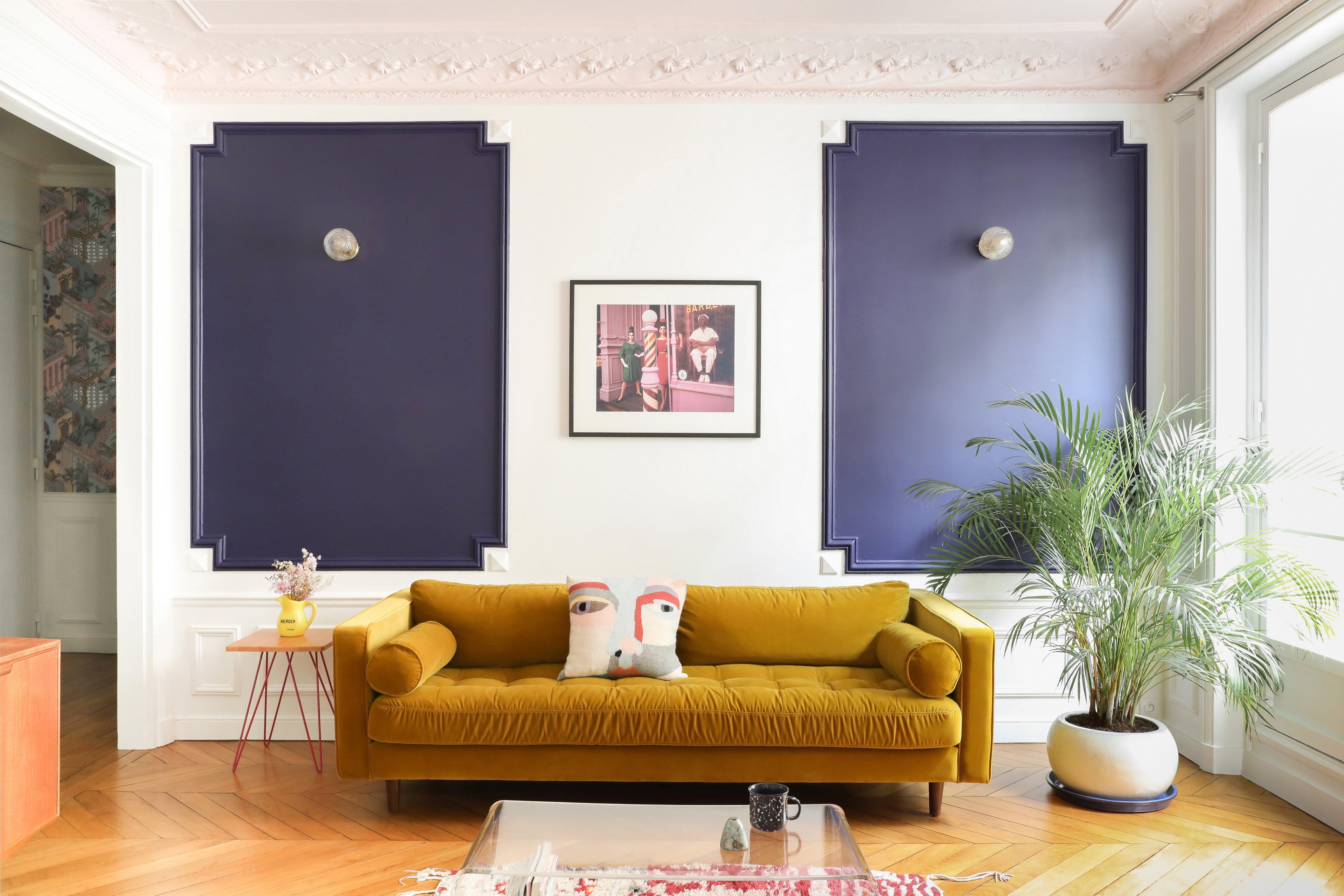
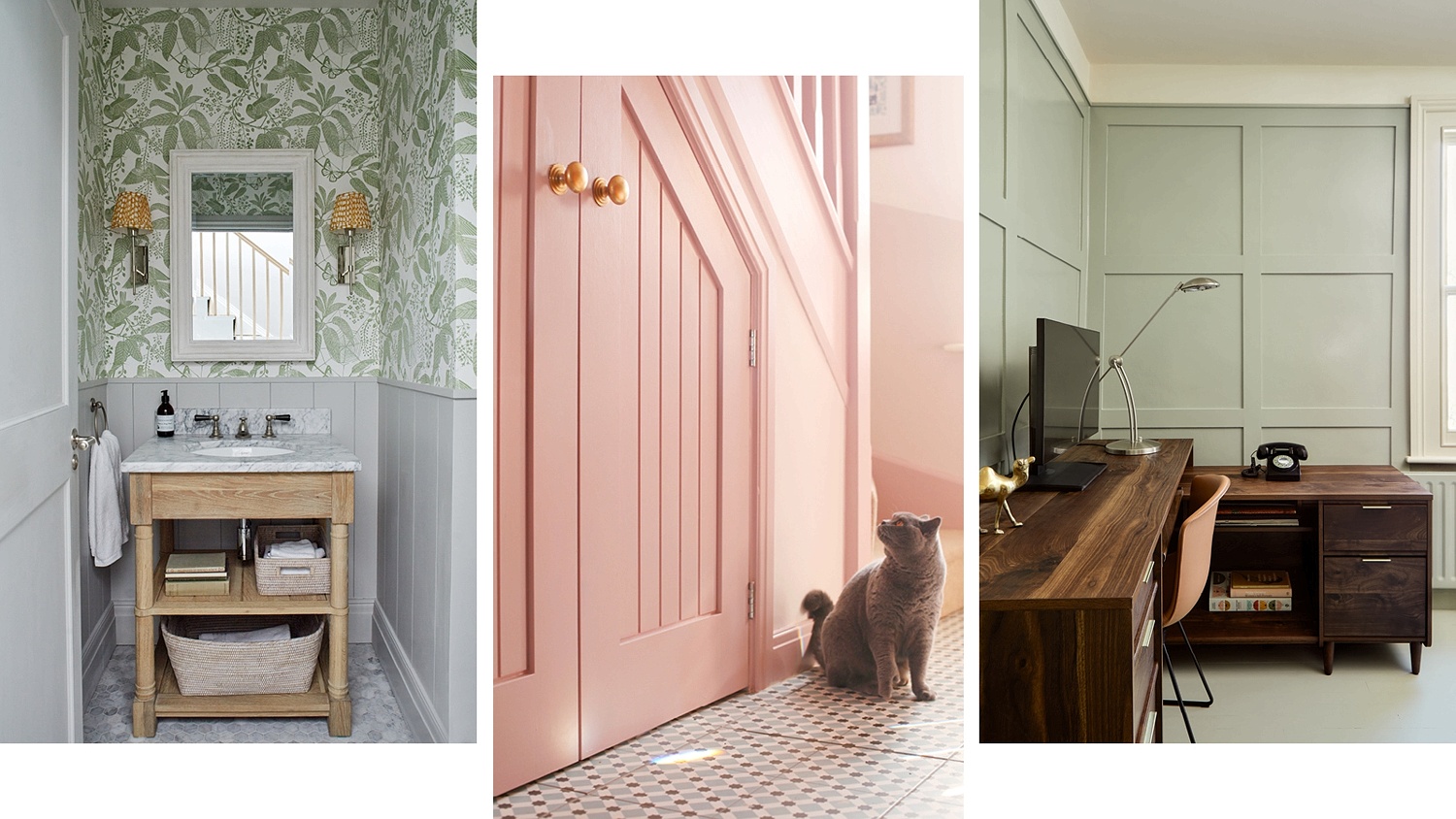
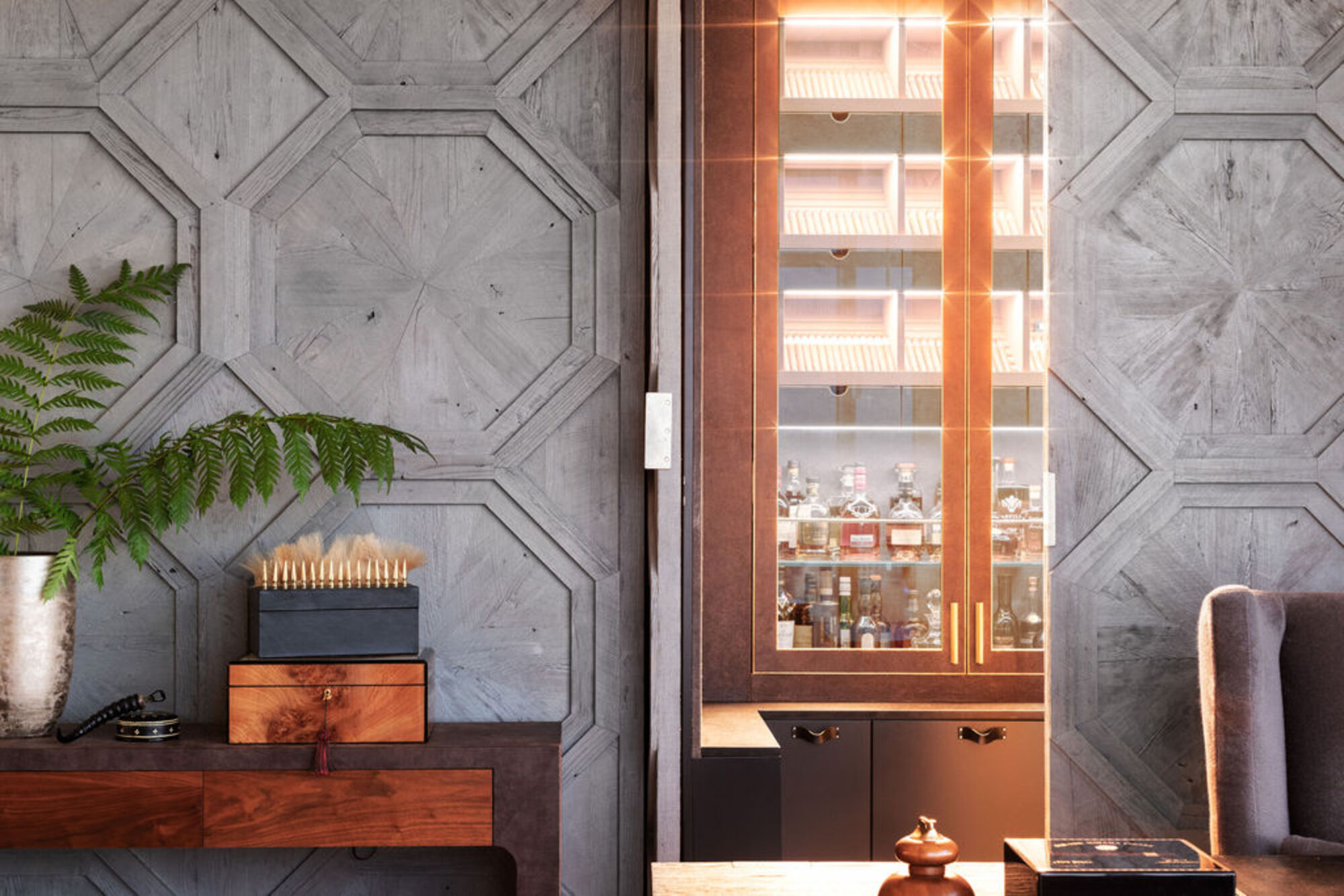
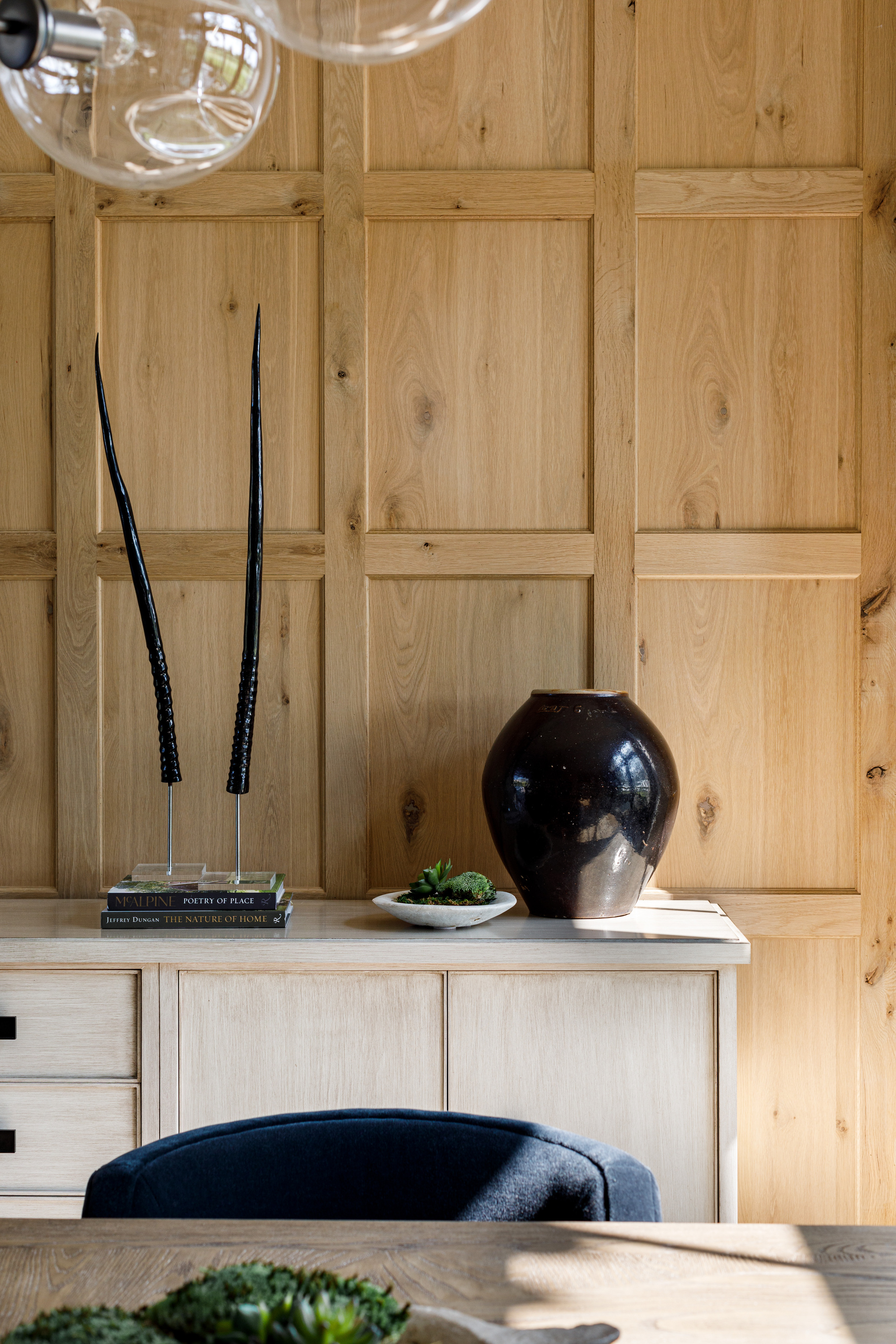
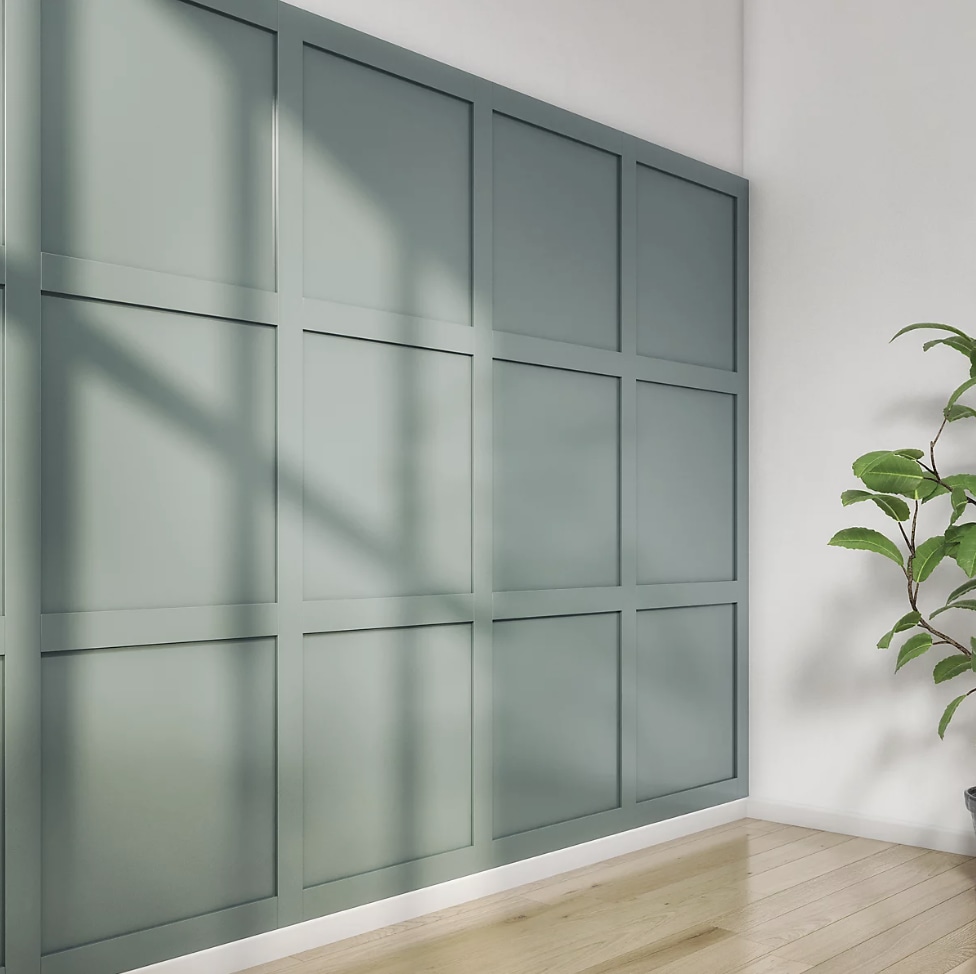
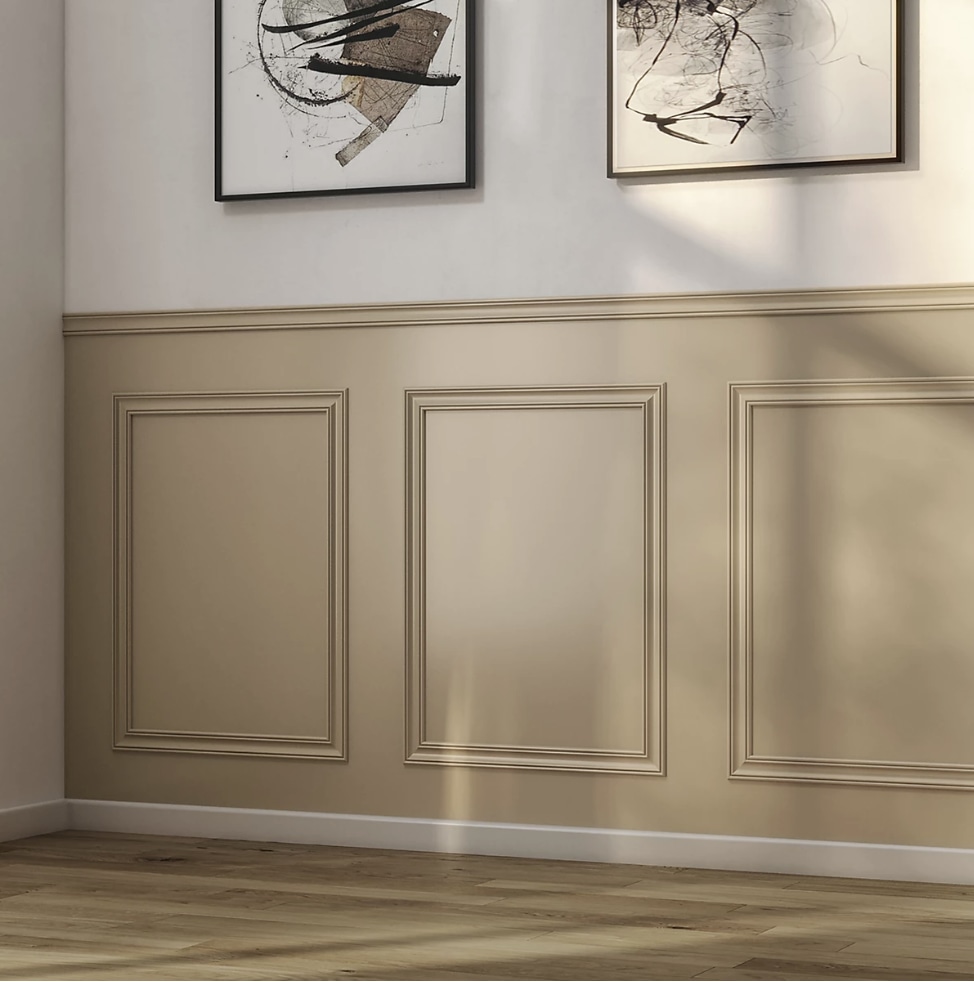
The most widespread style that eventually developed was a plain, uniform design consisting of square or rectangular panels. These panels were constructed using a framework of vertical stiles and horizontal rails, meticulously joined together with tenons and pegs. Smaller square panelling gained prominence in the late 16th century, particularly in grander country houses where frieze details were often incorporated. Simpler versions, often without or with undecorated friezes, were also common.
Notably, these early panelling styles were designed to sit directly on the floor, lacking skirting boards. If skirting is present in panelling from this period, it is almost certainly a later addition. Due to the high cost of panelling in these early eras, only the most important rooms in smaller homes, such as those belonging to aspiring merchants and yeoman farmers, would be panelled. Typically, the parlour and the bed chamber above it were chosen, reflecting their status as the best rooms in the house.
The Renaissance brought new inspiration from continental Europe, leading to the first attempts at classical styling in British homes. During the Elizabethan and Jacobean periods, panelling became a standard feature. Elizabethan designs favored square or geometric patterns, while the Jacobeans increasingly adopted classical motifs and proportions. These classical details were often directly copied from drawings or etchings derived from studies of ancient ruins, introducing fashionable architectural elements previously unavailable to a wider audience. This evolution solidified wood panelling's role not just as a practical element but as a significant artistic and historical marker within interior design.
#WoodPanelling #PeriodHomes #InteriorDesign #ArchitecturalHistory #ElizabethanDesign #JacobeanDesign #ArtsAndCrafts #HomeDecor #Conservation #WoodPanelling #PeriodHomes #InteriorDesign #ArchitecturalHistory #ElizabethanDesign #JacobeanDesign #ArtsAndCrafts #HomeDecor #Conservation
0 comment in total
 No comments yet
You may also like
12 panelling ideas to add instant character to living room walls, from modern new-builds to elegant townhouses
Home & Design | Conversation Piece
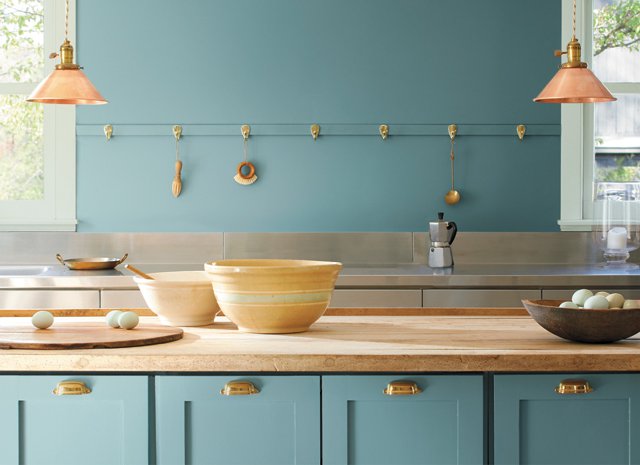
2021’s Palette of Possibilities
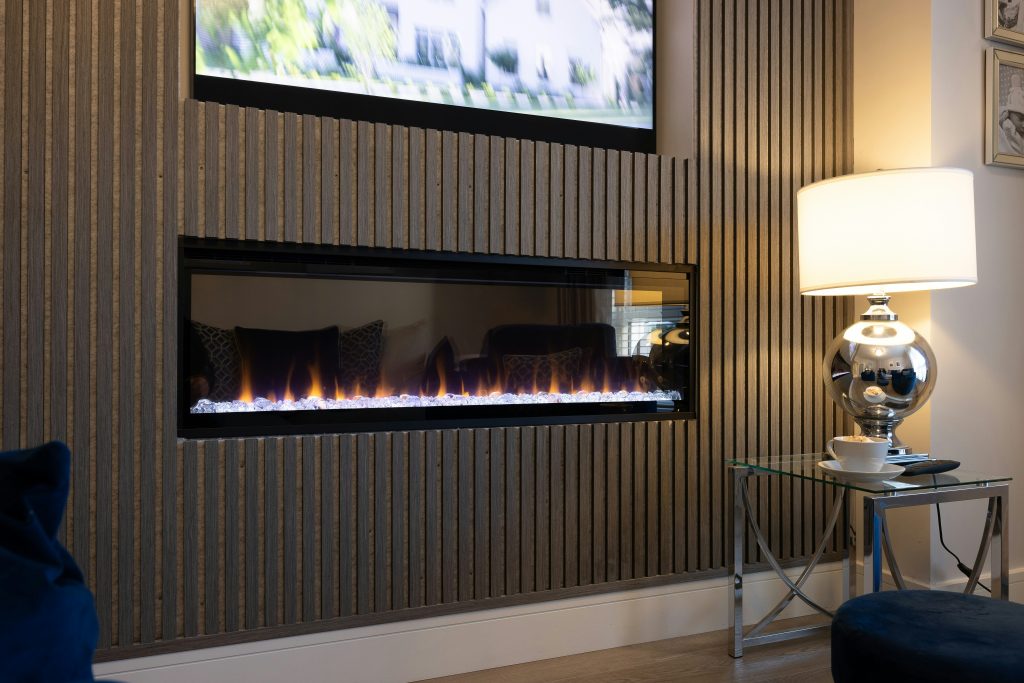
Wall Panelling – the 2024 Home Improvement Trend
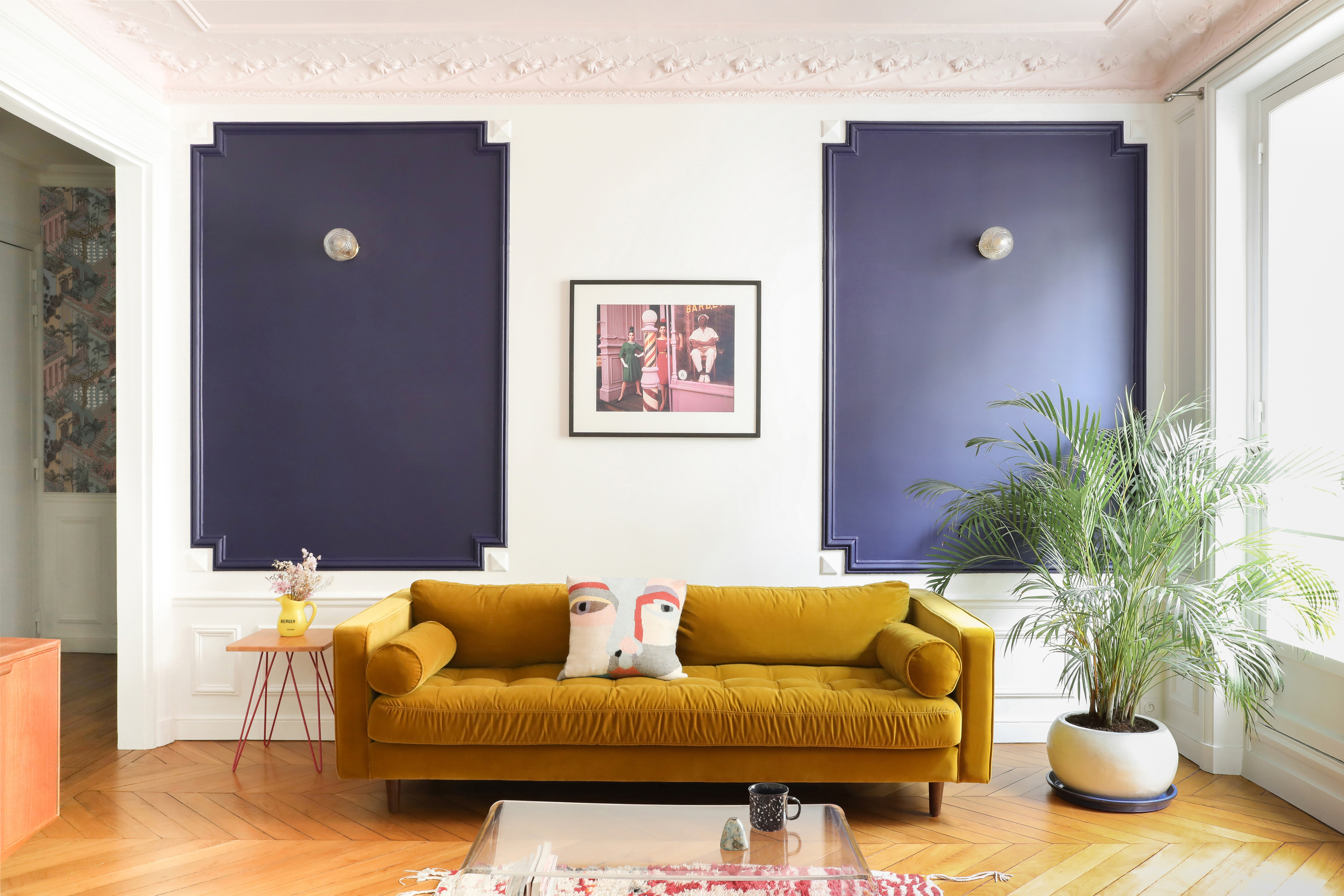
Living room paneling ideas – from rustic to sleek, try these 9 styles for your space

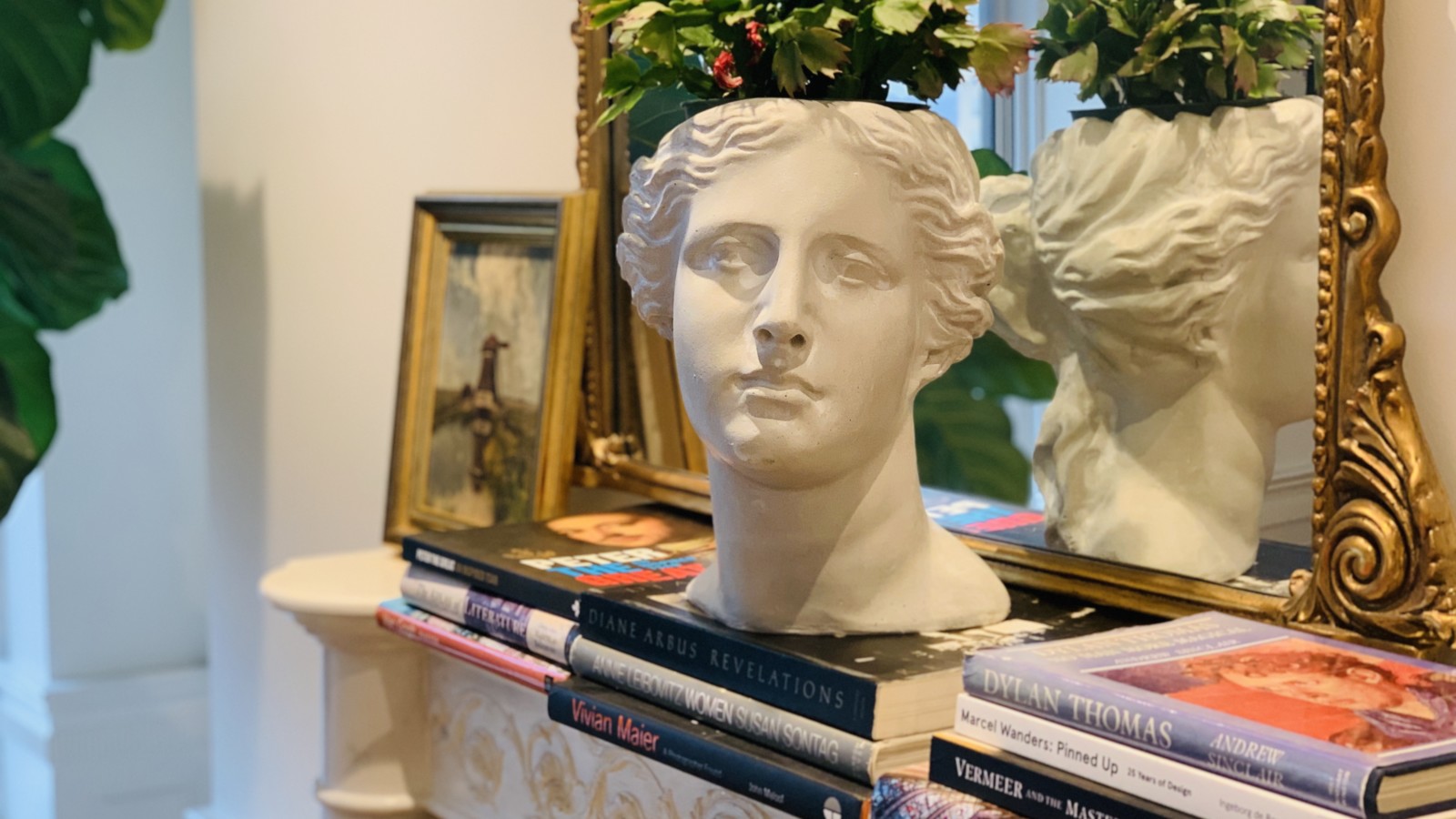
Make a (Pandemic) Statement. With a Coffee Table Book.
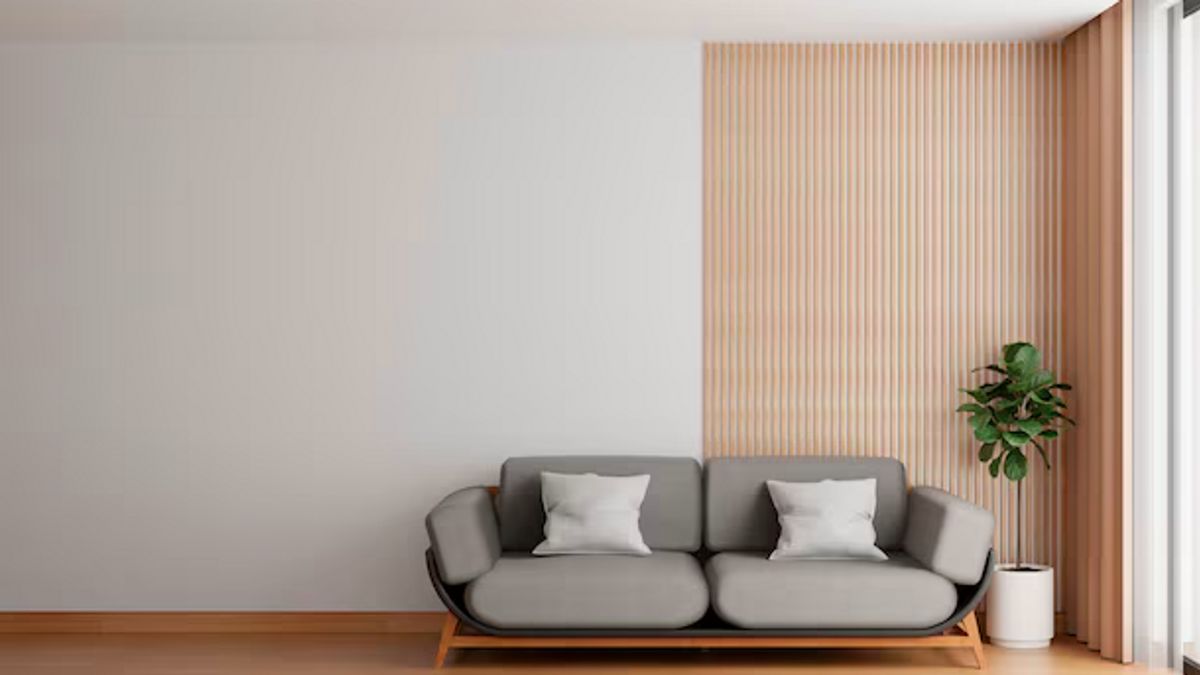
Rapi Wall And Lasting Long, Check Out 5 Tips For Choosing Wall Panels For Modern Housing

Trellis Panels and Screening

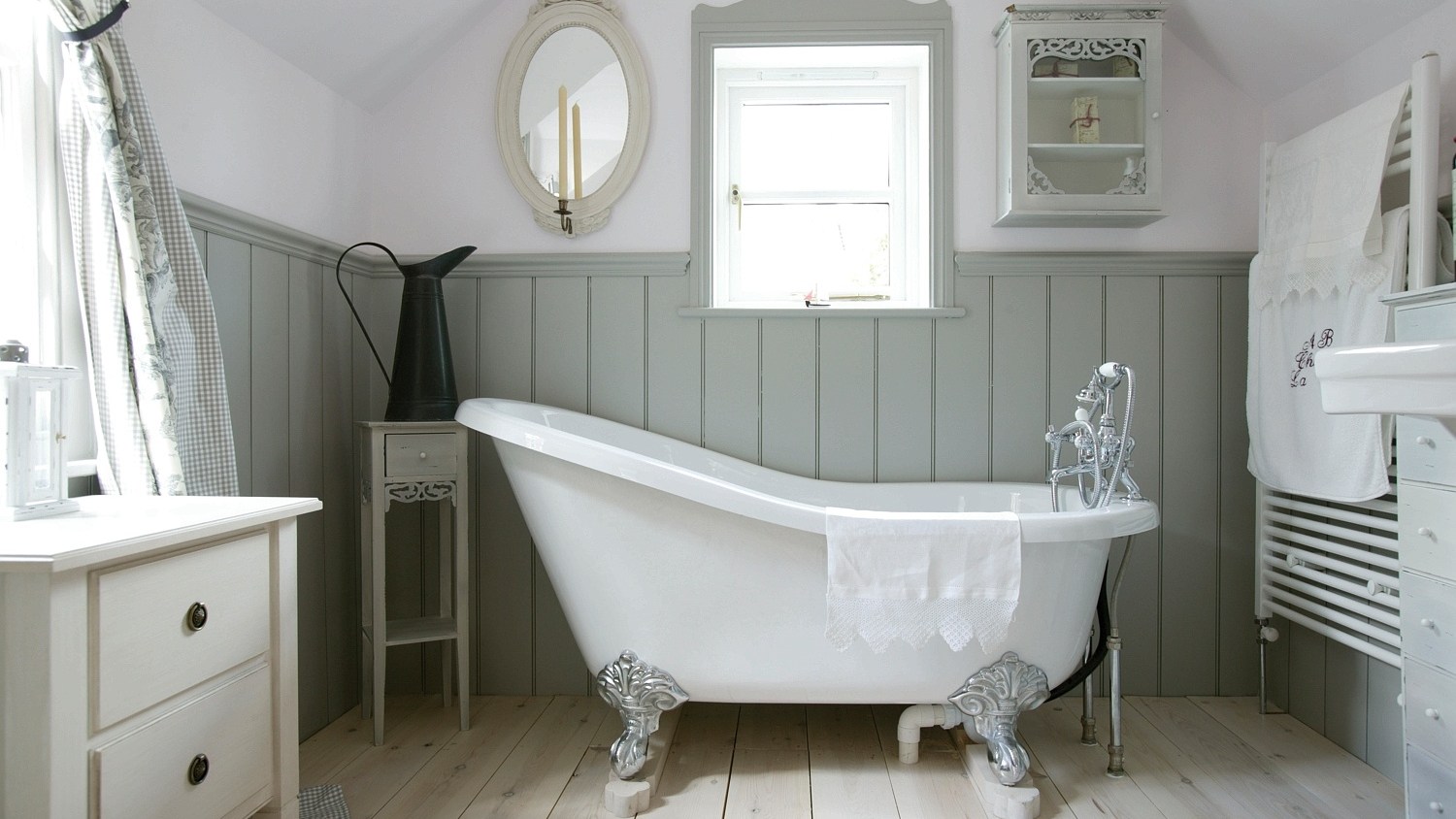
Practical ways to make panelling look good
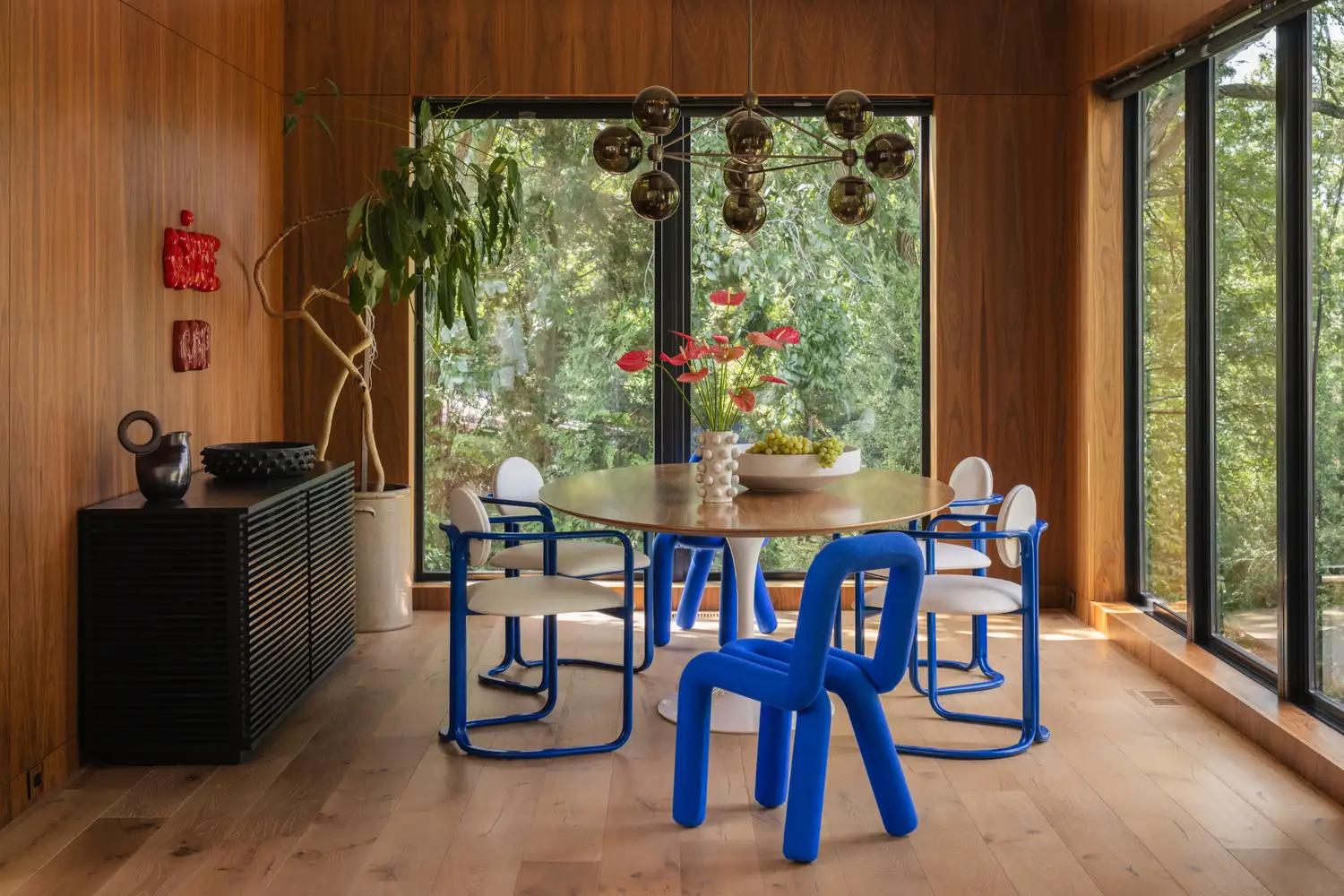
Wood Paneling Is Officially Cool Again—Here's How Designers Are Using It Now

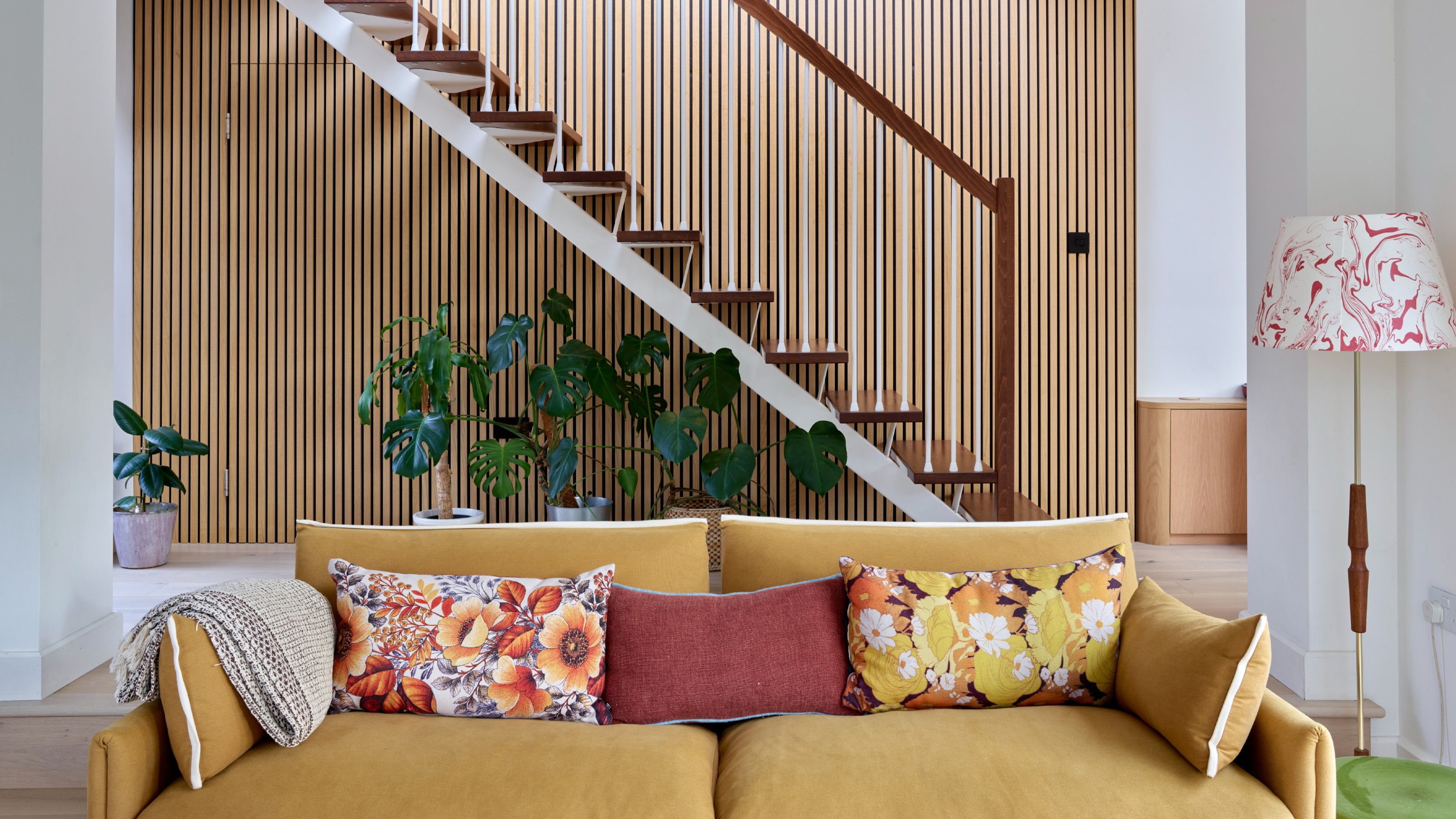
Is wall panelling still on trend in 2025? Yes, but not as you've seen it before with 3 new looks
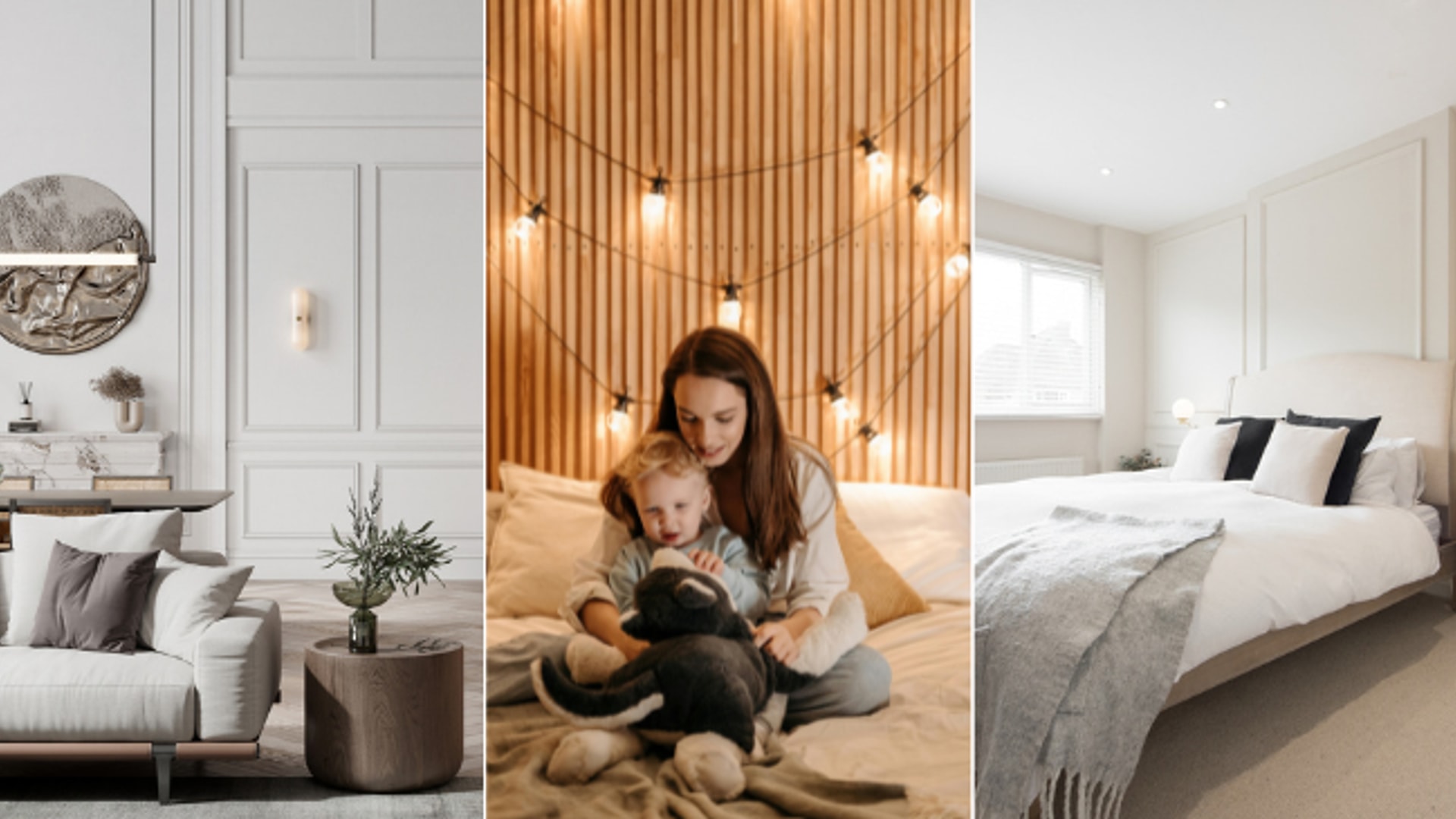
TikTok's 2025 panelling trends and how to ace them

It’s epic: the bumper October 2025 issue of Wallpaper* is on sale now

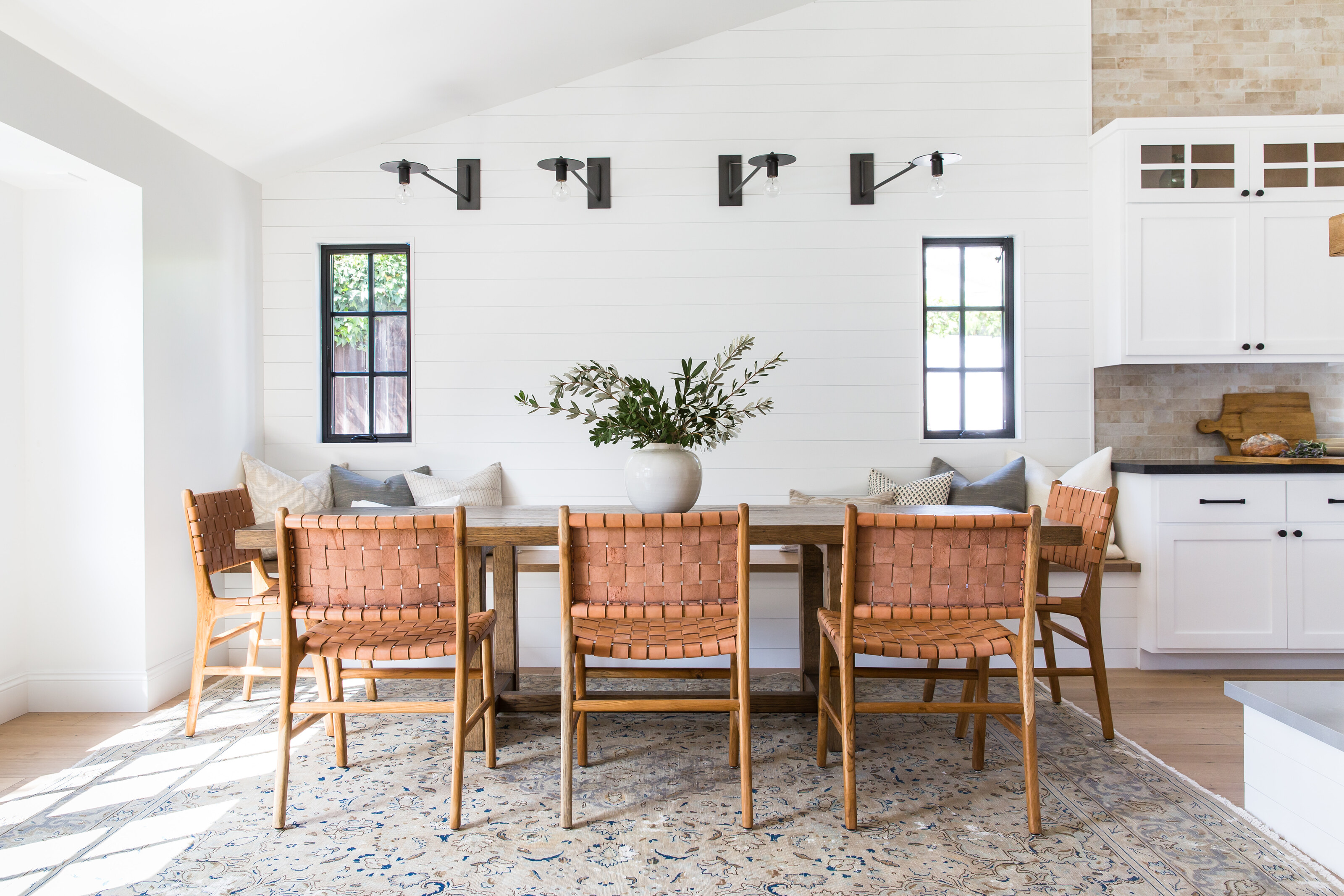
Wall paneling ideas – experts offer 9 simple tricks to wake up your walls

What are your tips for getting published?

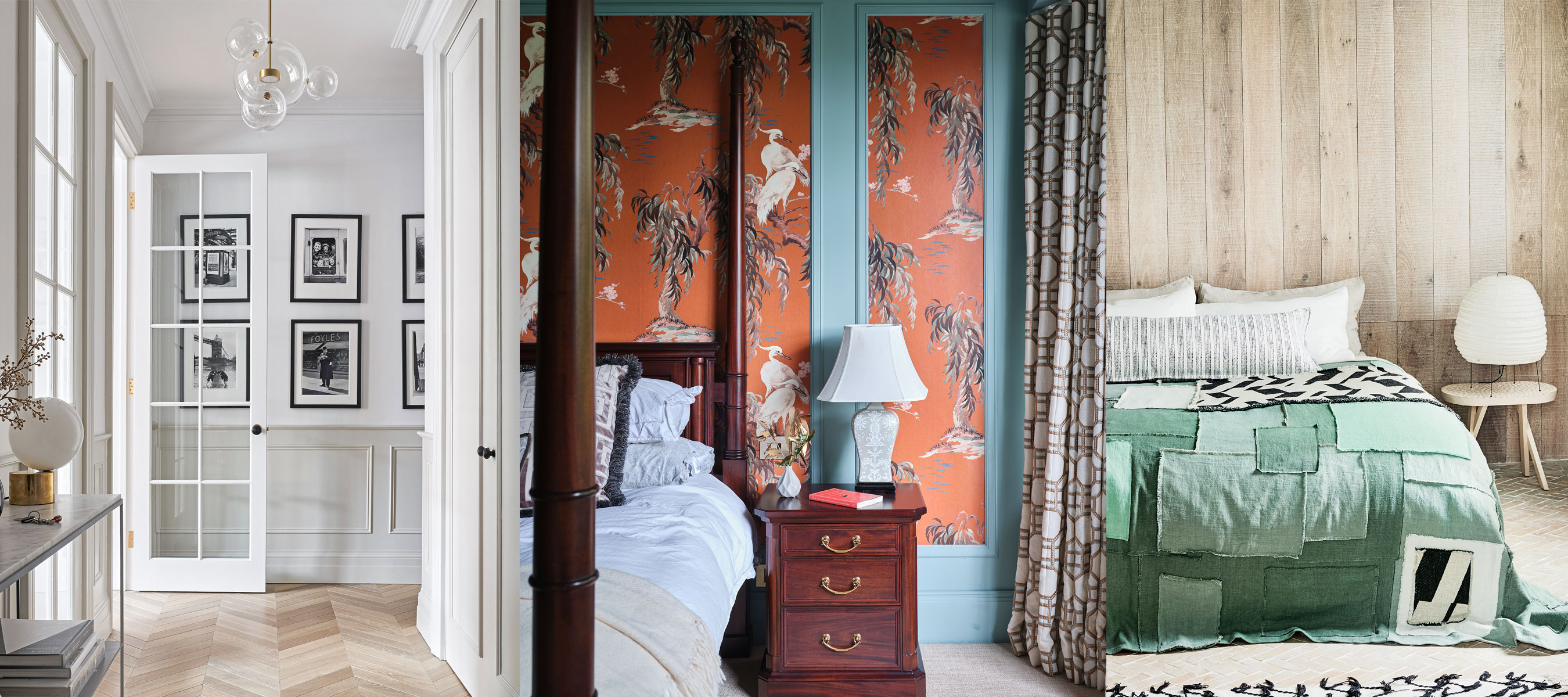
Wall paneling ideas – 18 ways to add decorative cladding and moulding

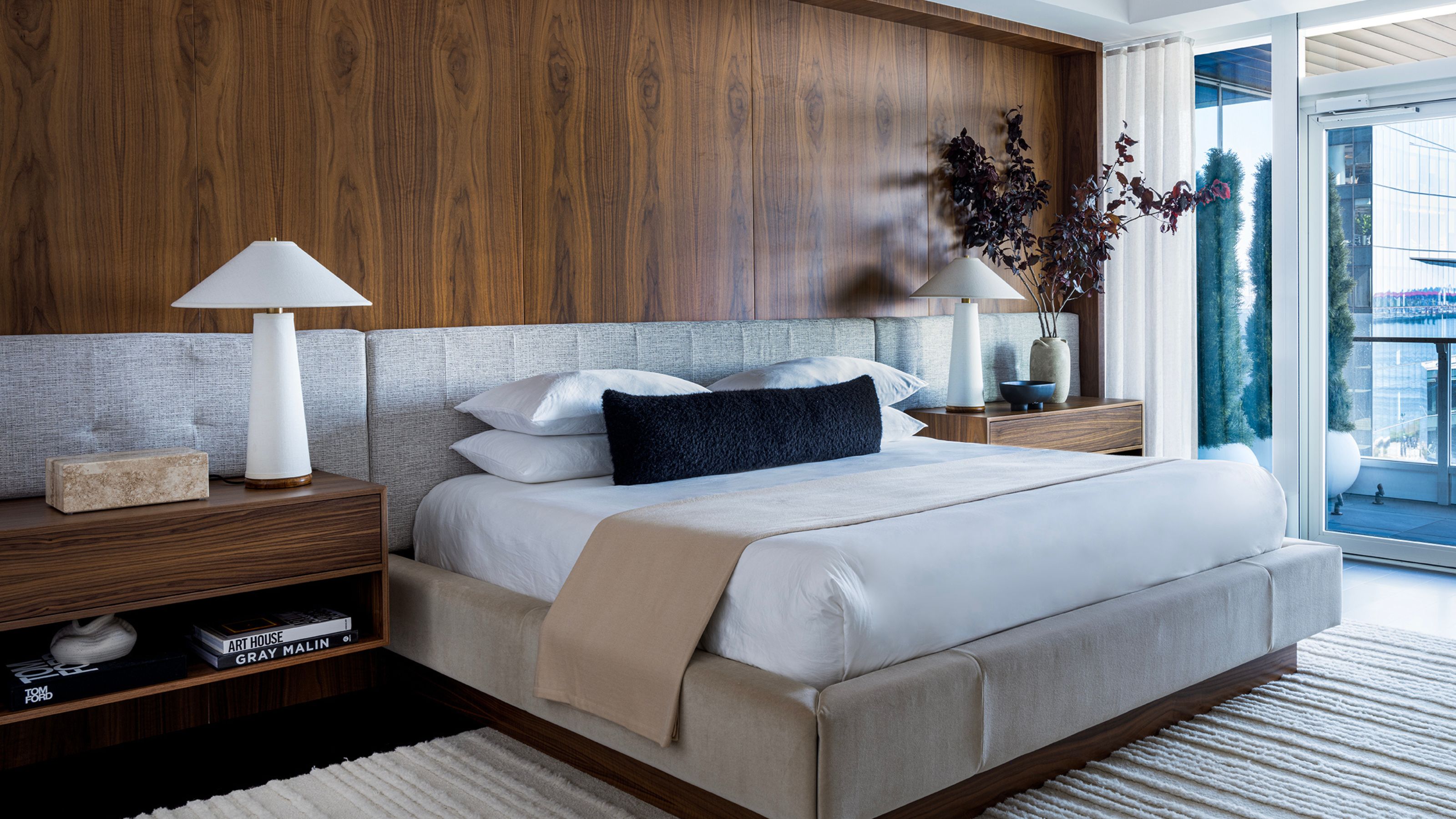
The 13 Types of Wall Paneling That Interior Designers Are Using in Their Projects Right Now, Ranked in Order of Style
Vant Panels Reviews- Decorative Wall Paneling

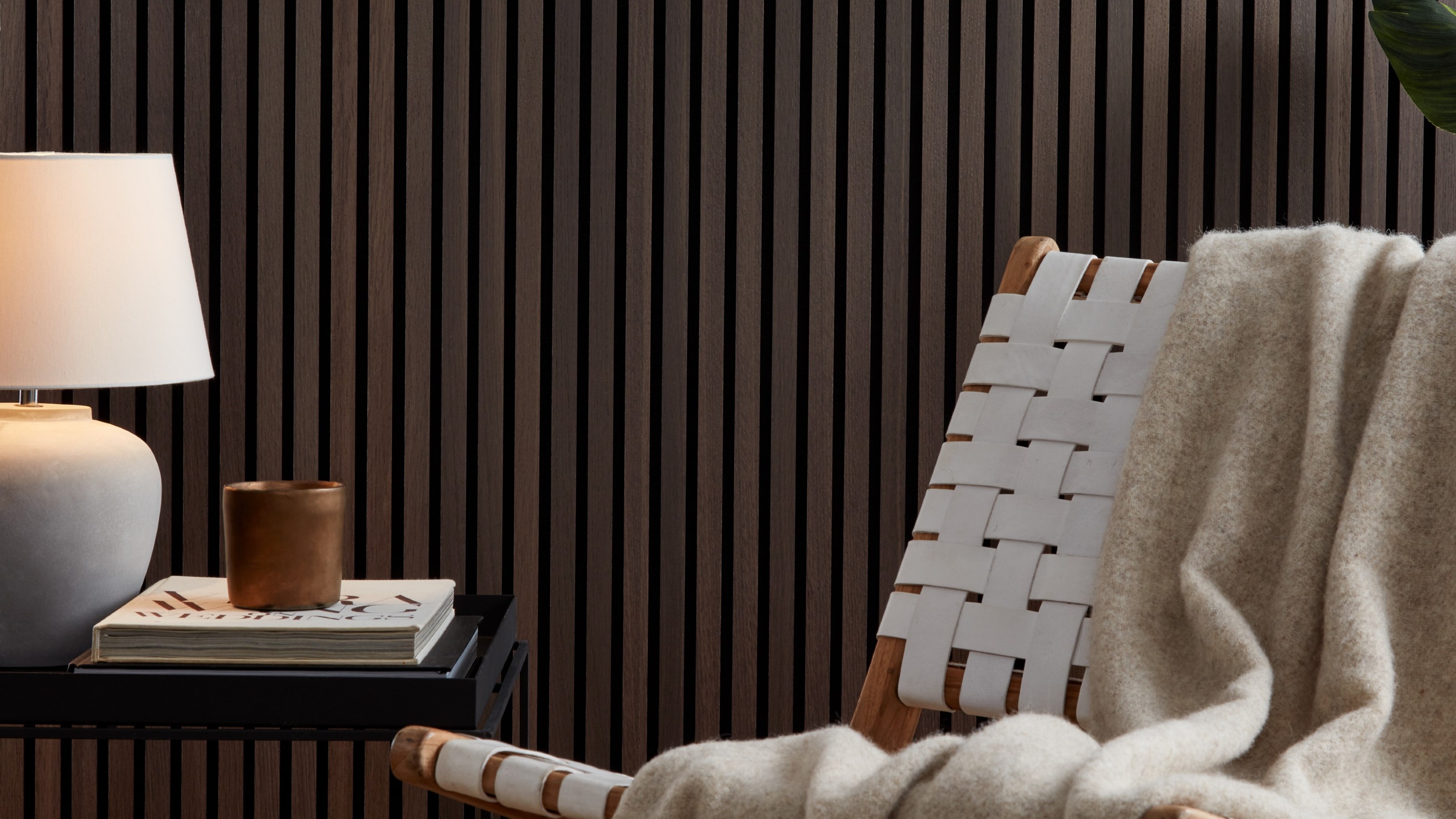
28 wall panelling ideas to add depth and character to any room in your home
Blog Section