5 Outdated Kitchen Cabinet Trends That Interior Designers Say You Should Skip
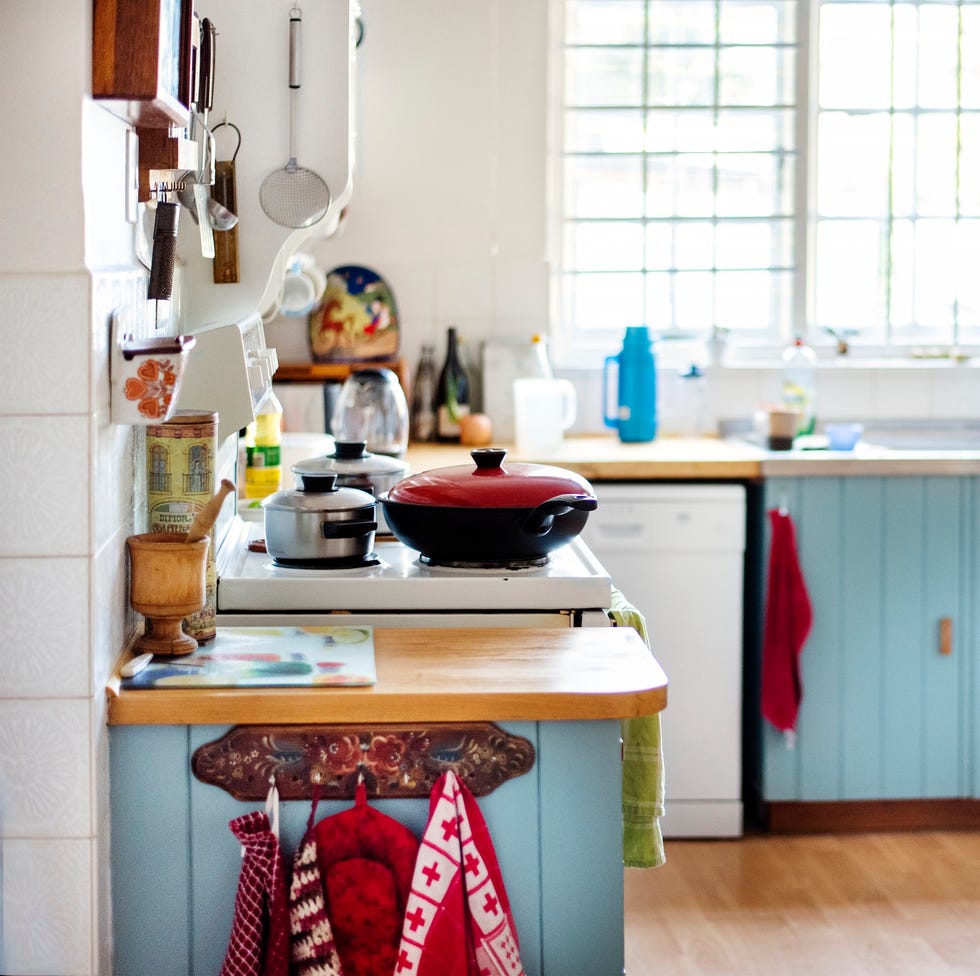
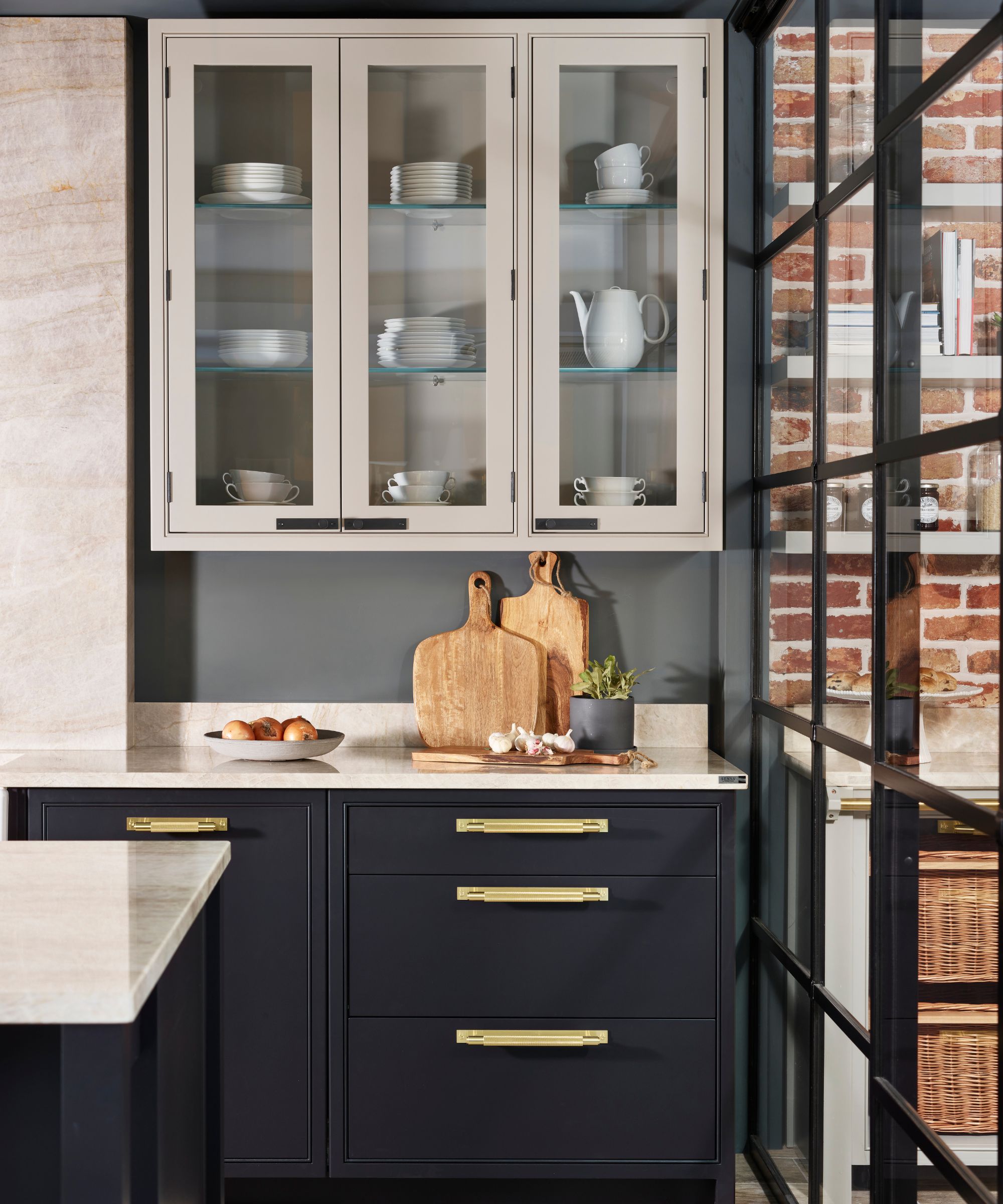
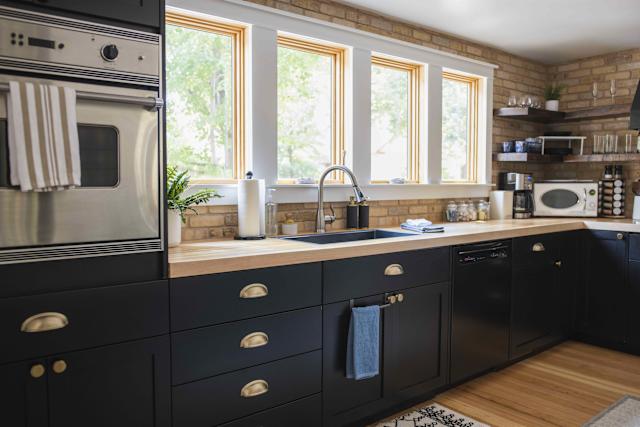
The kitchen's cabinets are foundational to its overall aesthetic, and choices in their design can quickly render a space dated. While trends continuously evolve, certain styles, such as pale gray doors and glossy white laminates, which were once highly popular, are now being replaced by preferences for warmer, textured appearances. This shift in design philosophy emphasizes the importance of selecting cabinet styles that offer longevity and adaptability, rather than strictly adhering to transient trends. The article consults with interior designers to identify five specific kitchen cabinet trends that are now considered outdated, offering modern alternatives to help homeowners create a fresh and enduring kitchen design.
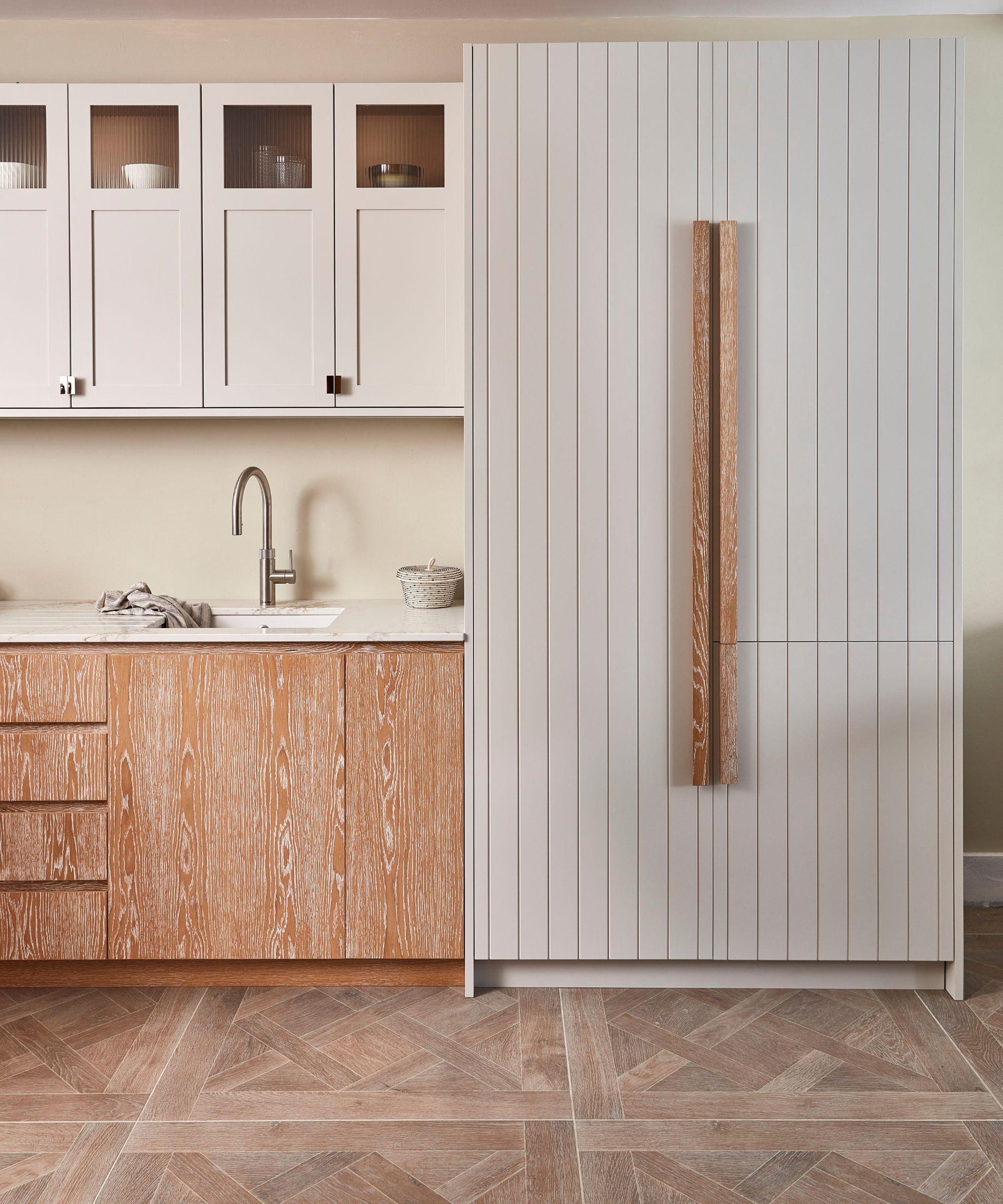
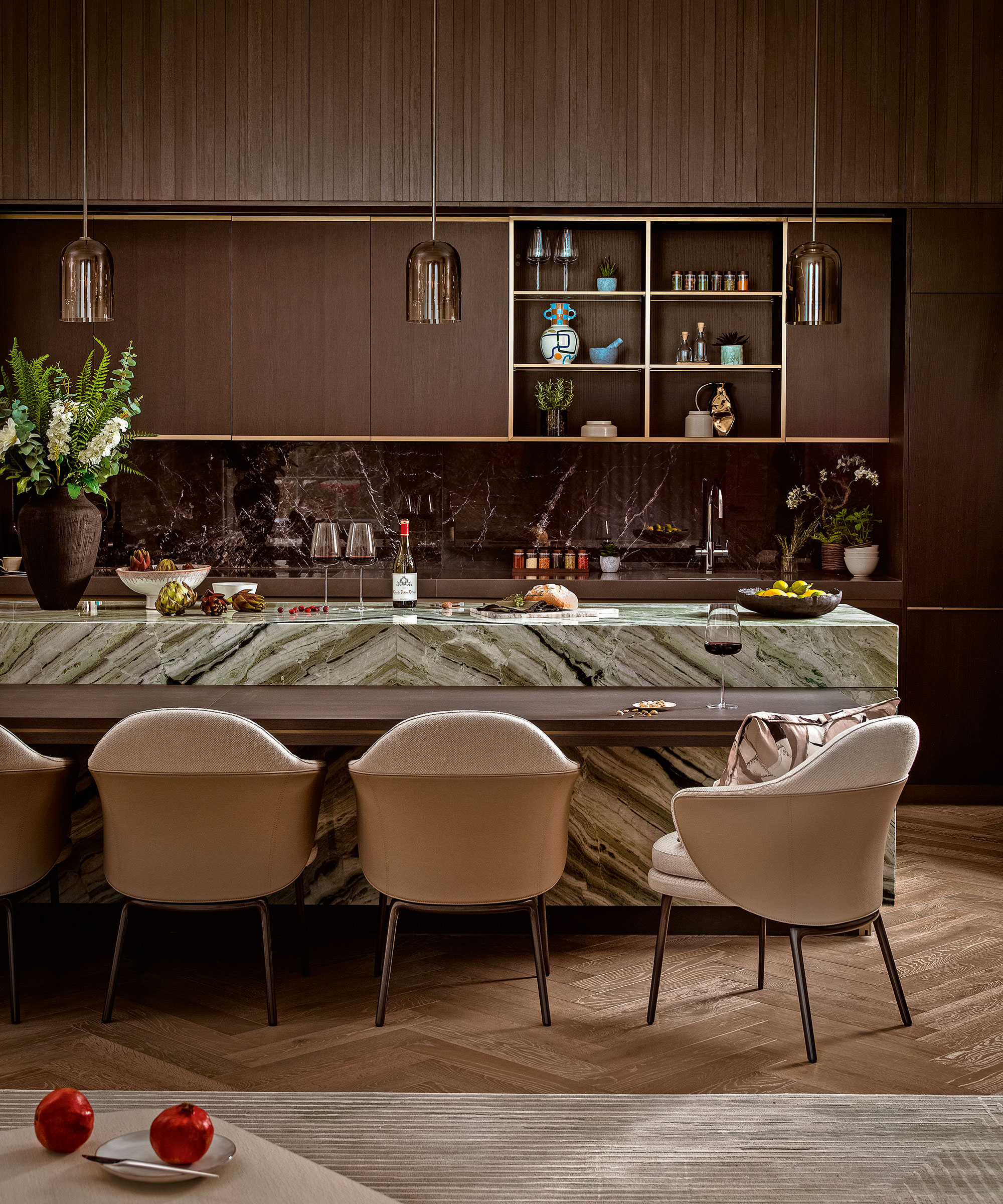
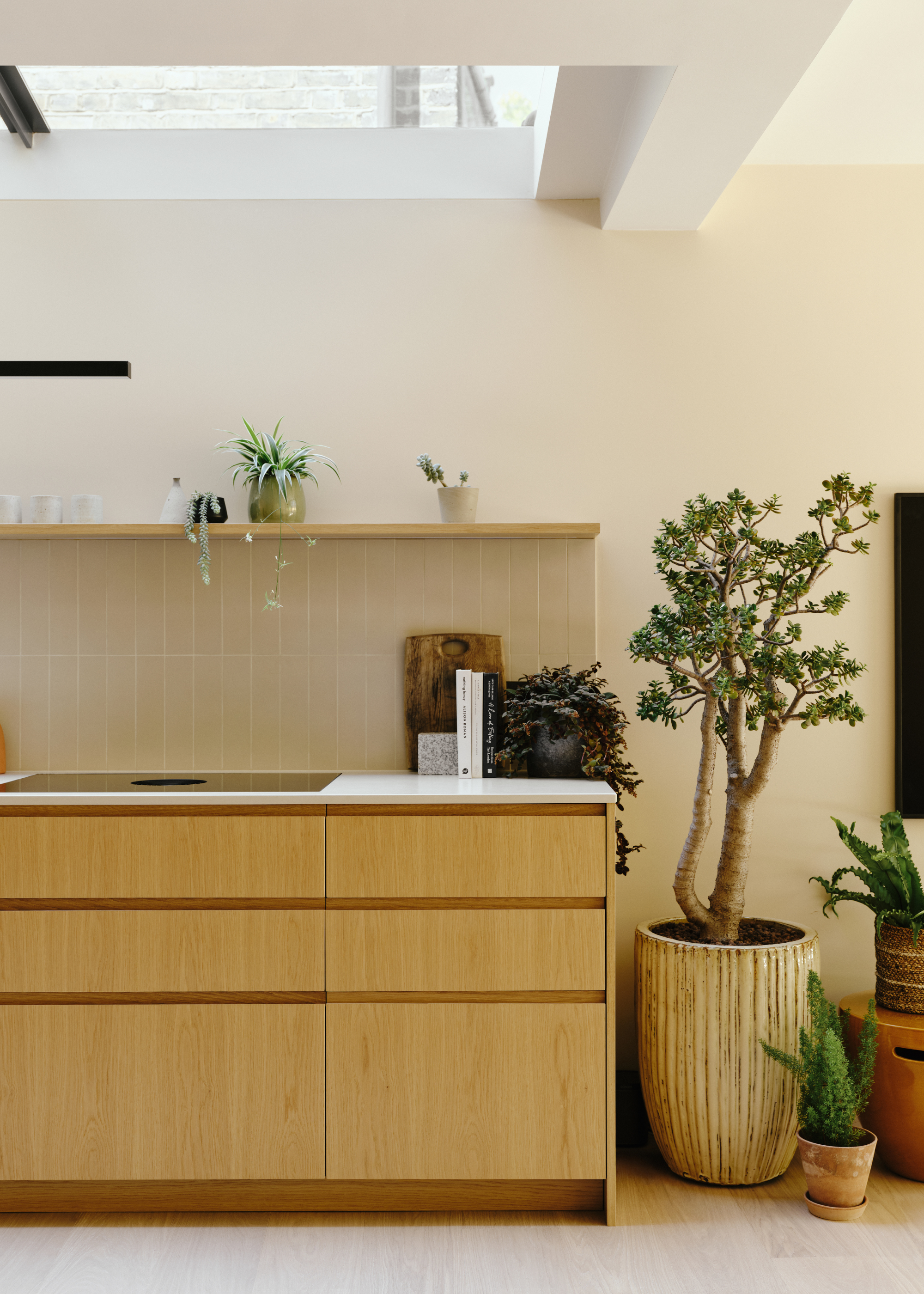
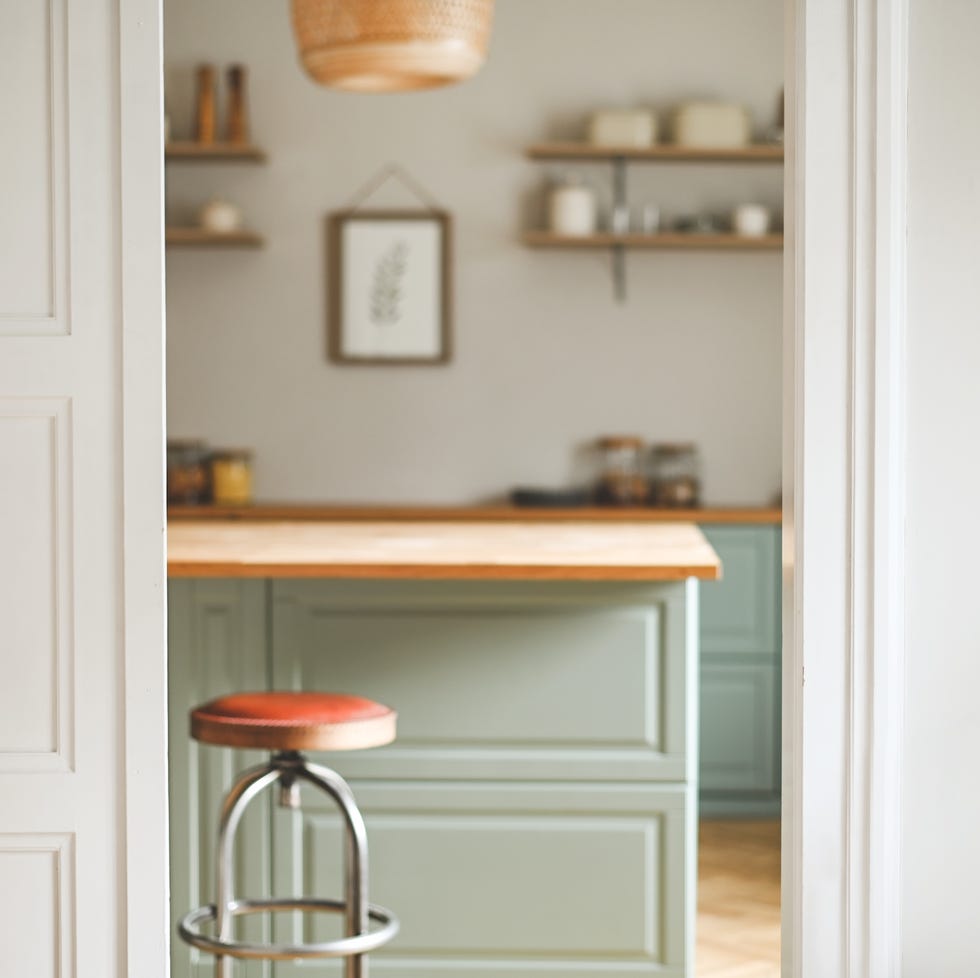
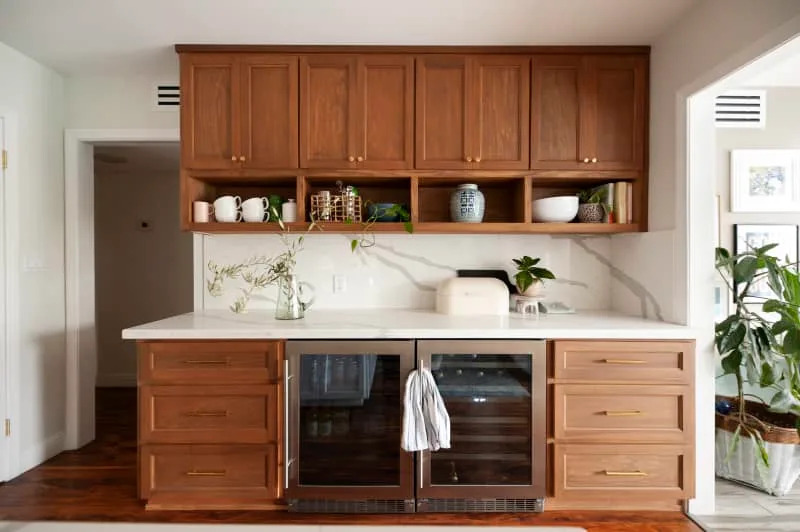
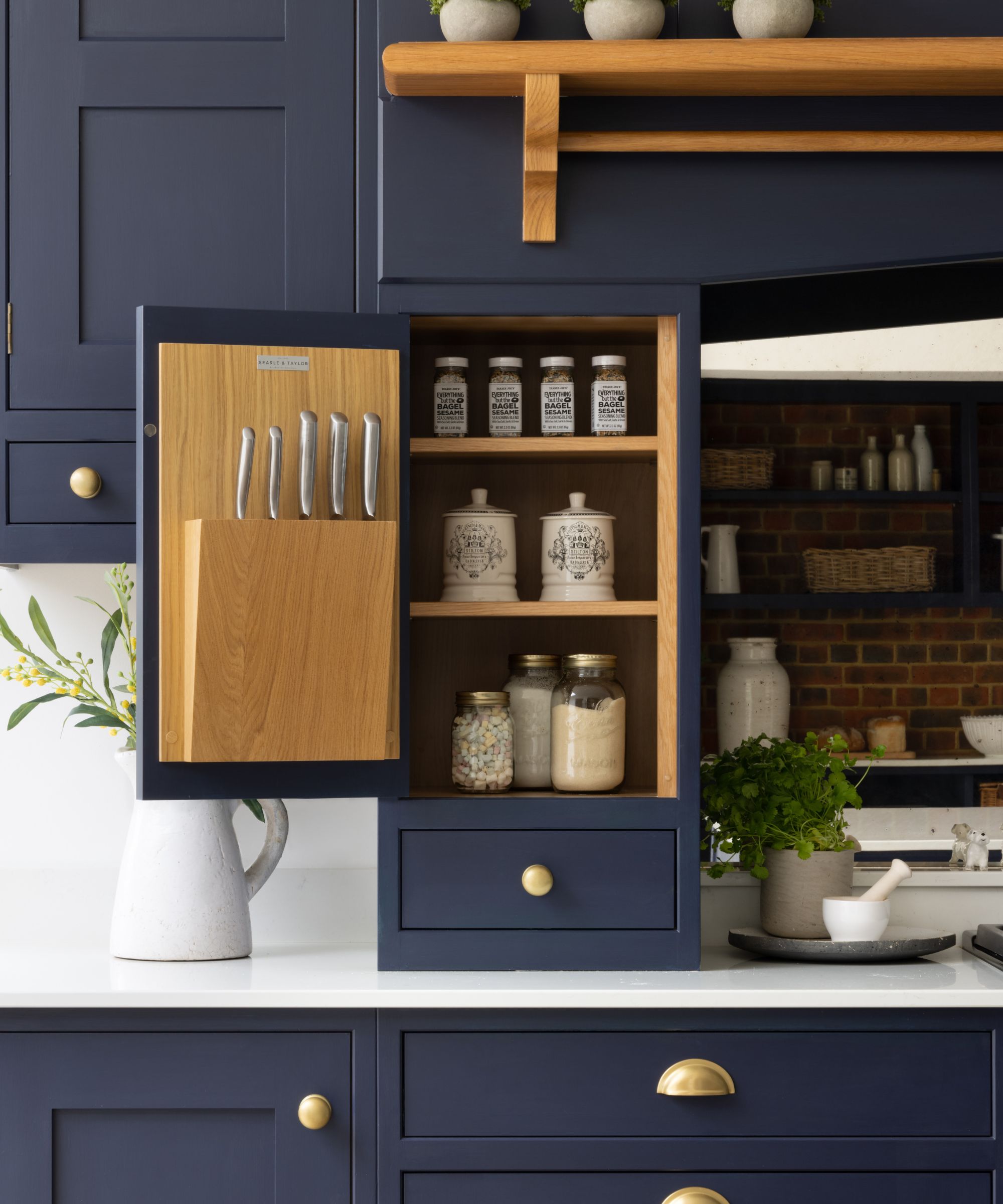
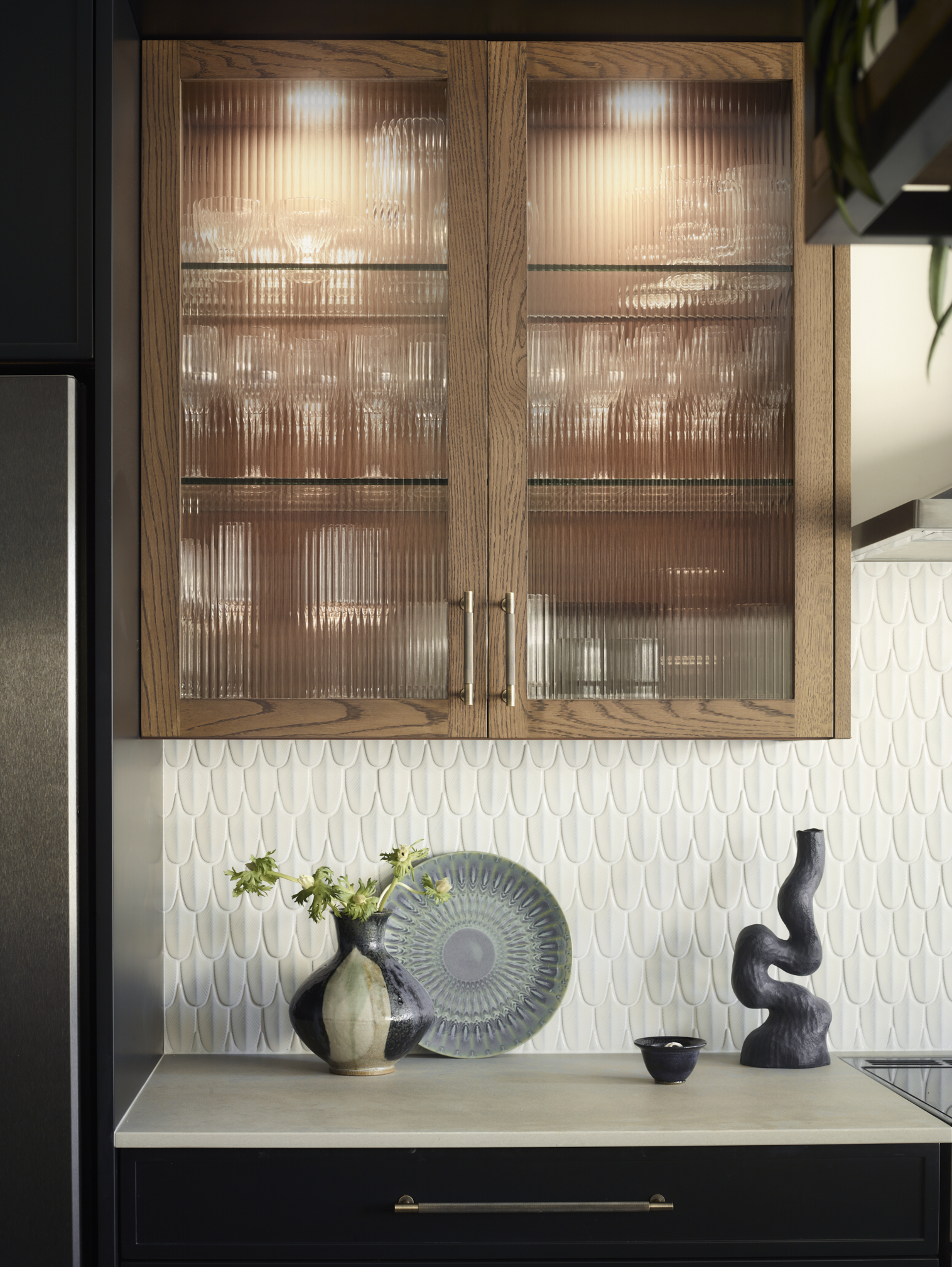
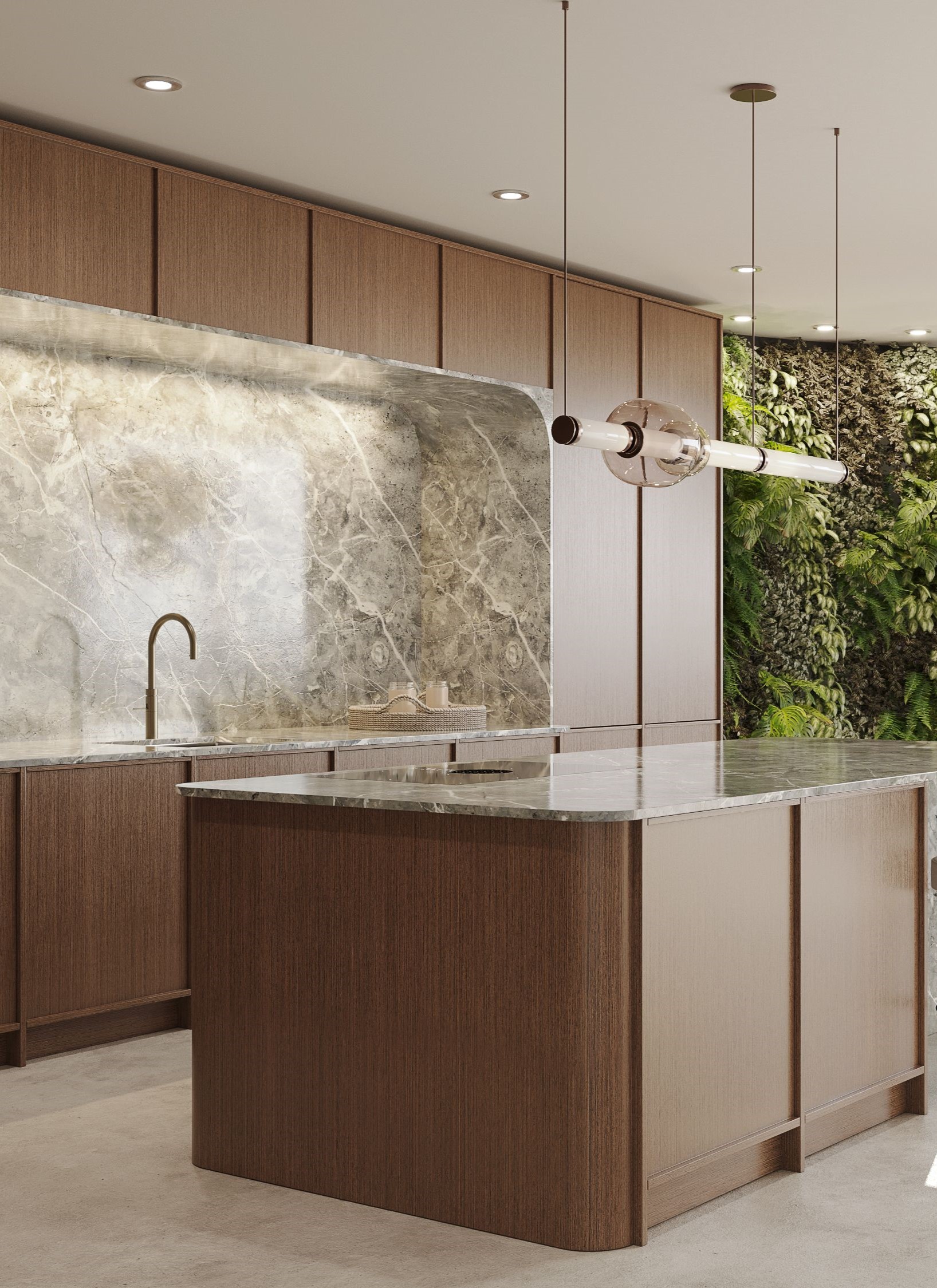
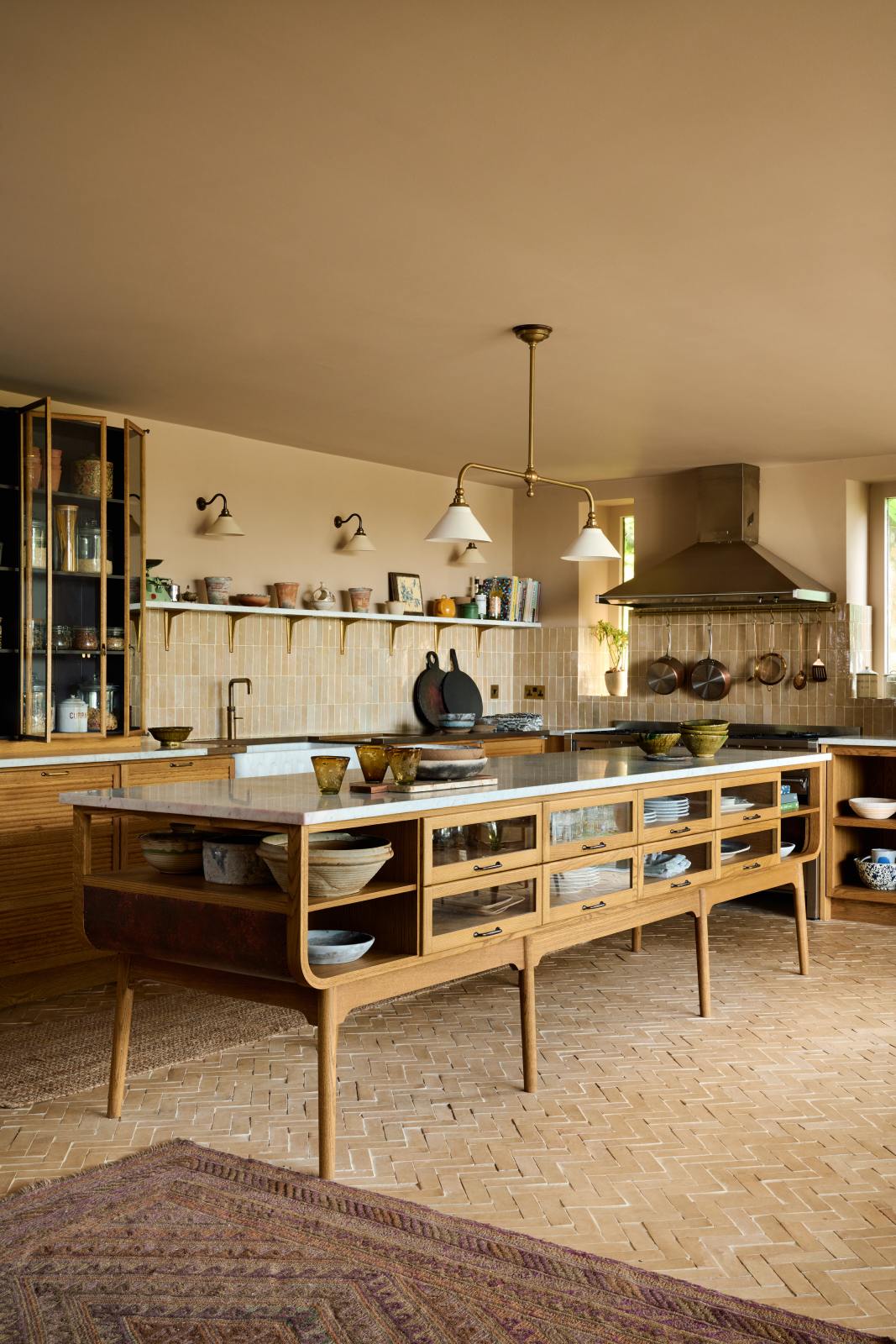
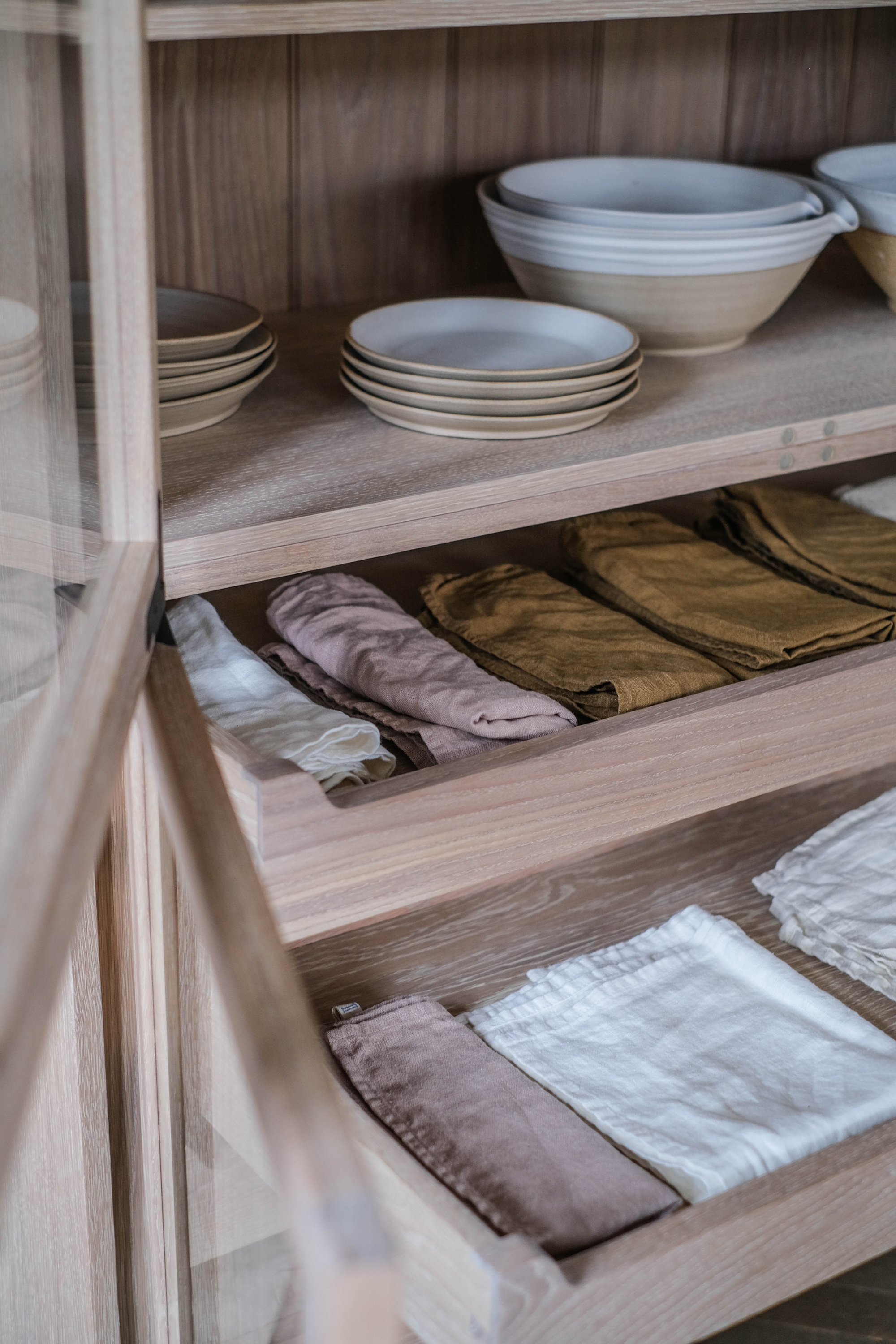
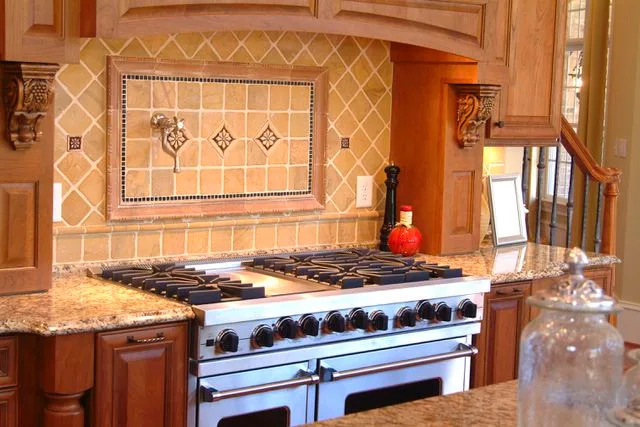
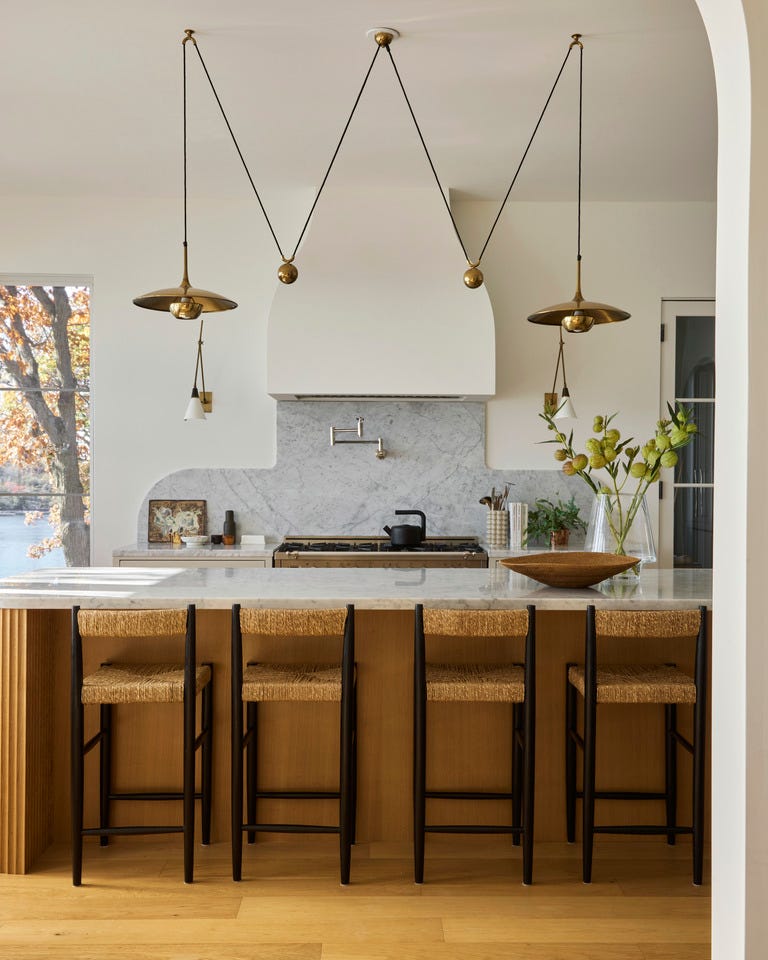
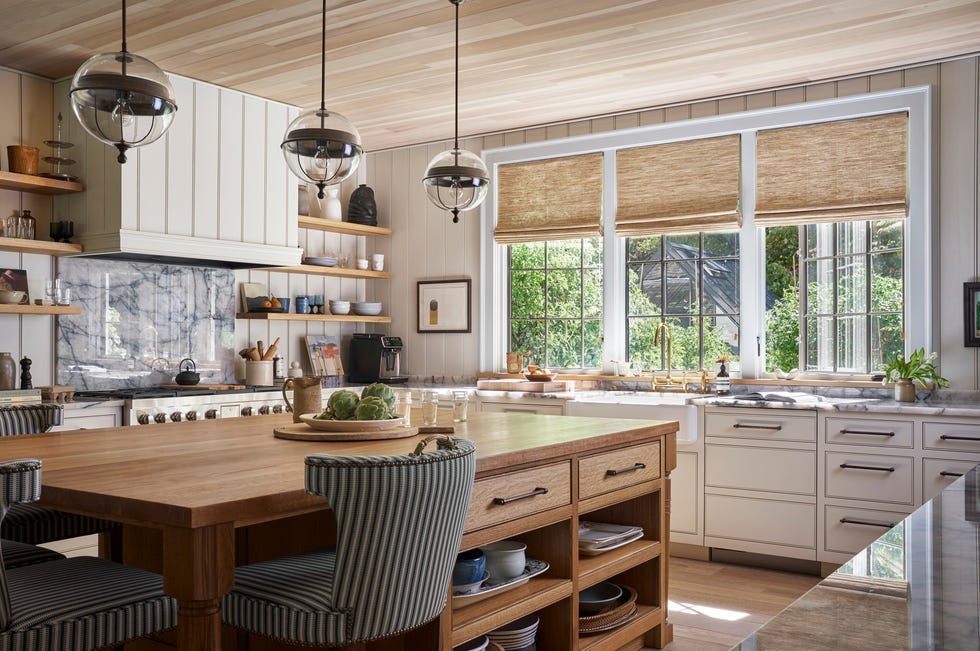
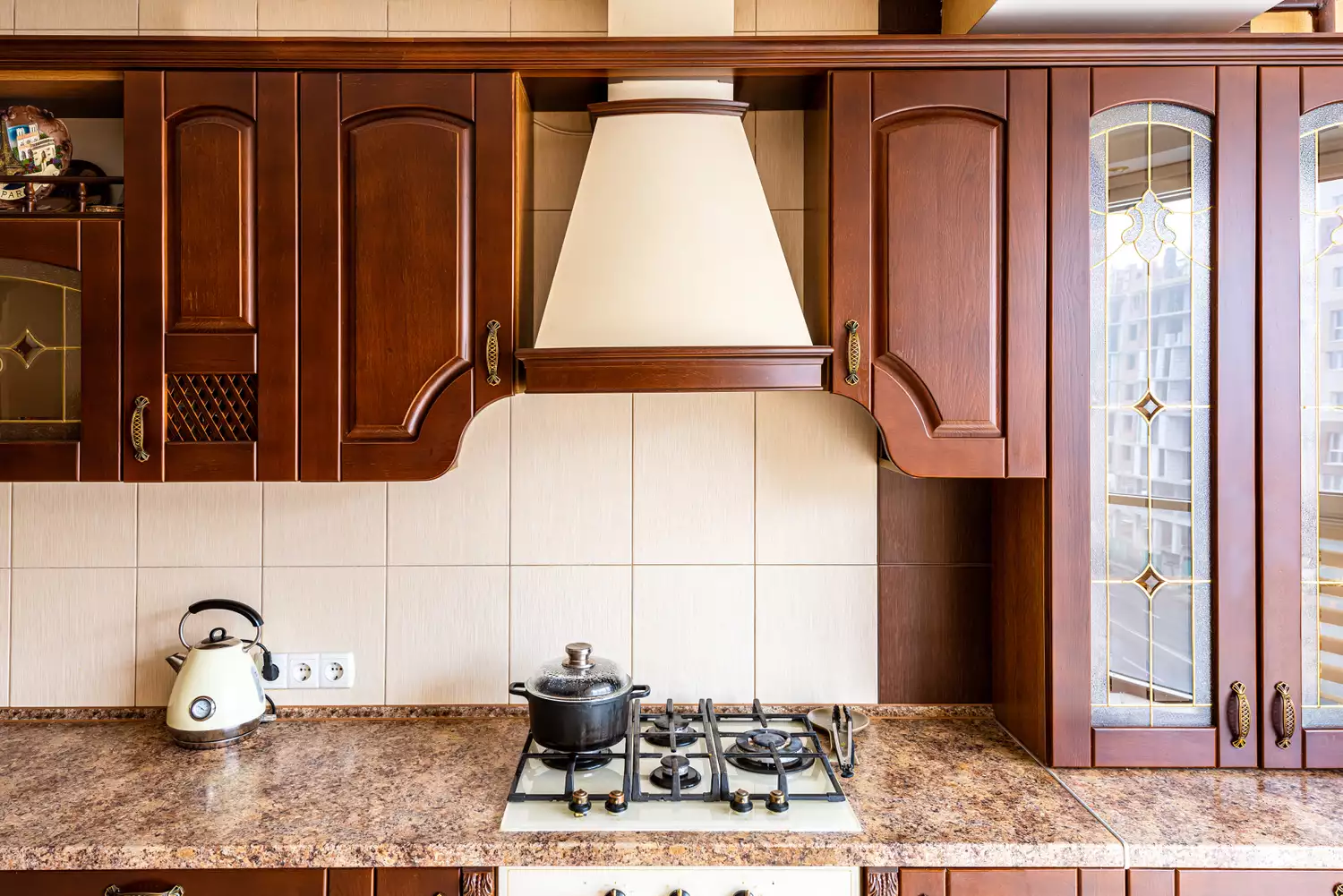
One of the first trends identified as outdated is honey oak wood cabinets. Popular in the late 1980s and 1990s for their warm, golden hue, these cabinets are now seen as contributing an orange tint to the space, often perceived as builder-grade rather than custom. The recommended alternative is natural white oak, which retains warmth but offers a lighter, more neutral tone. Its subtle grain adds texture and dimension, allowing other kitchen elements like countertops and hardware to stand out.
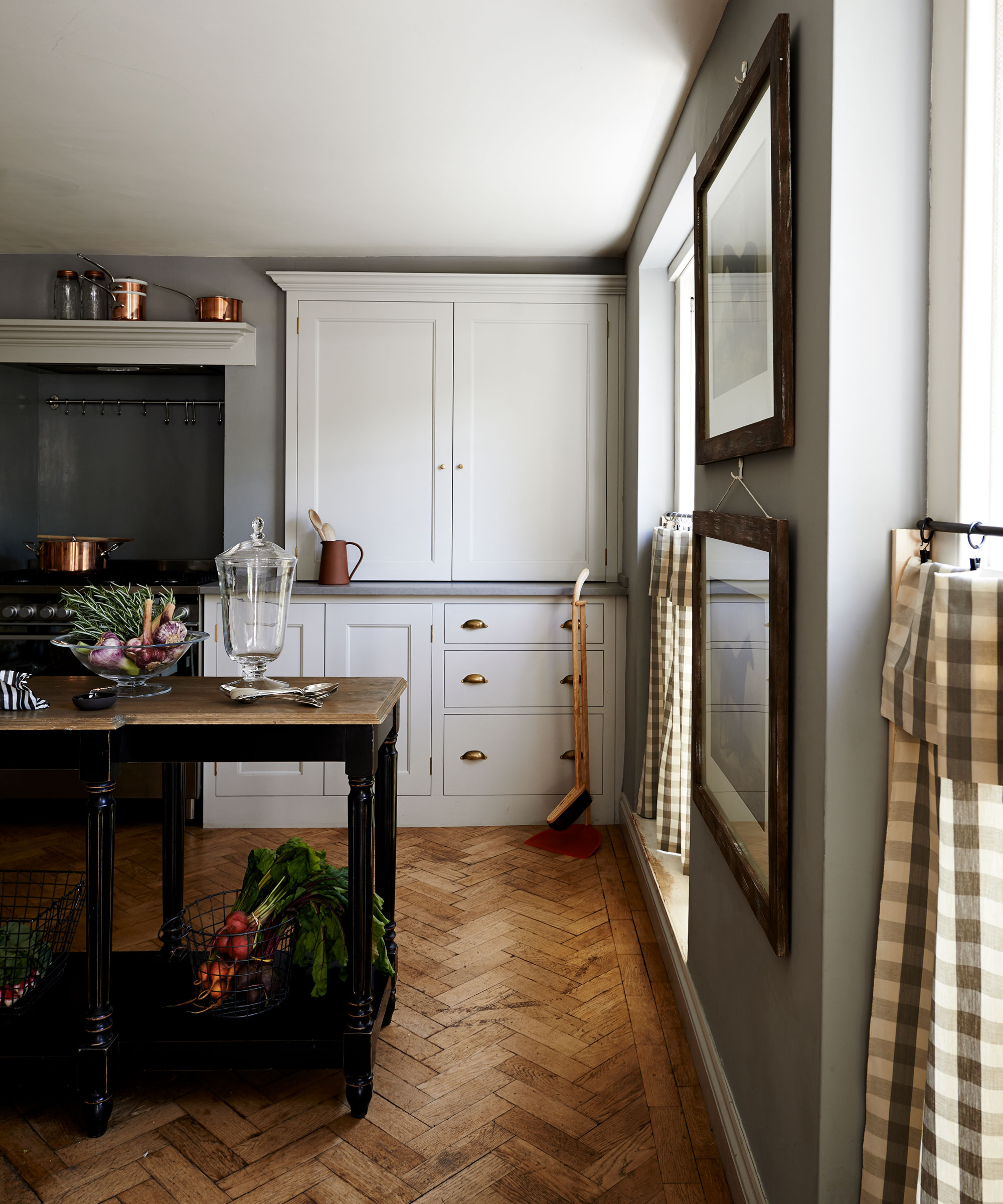
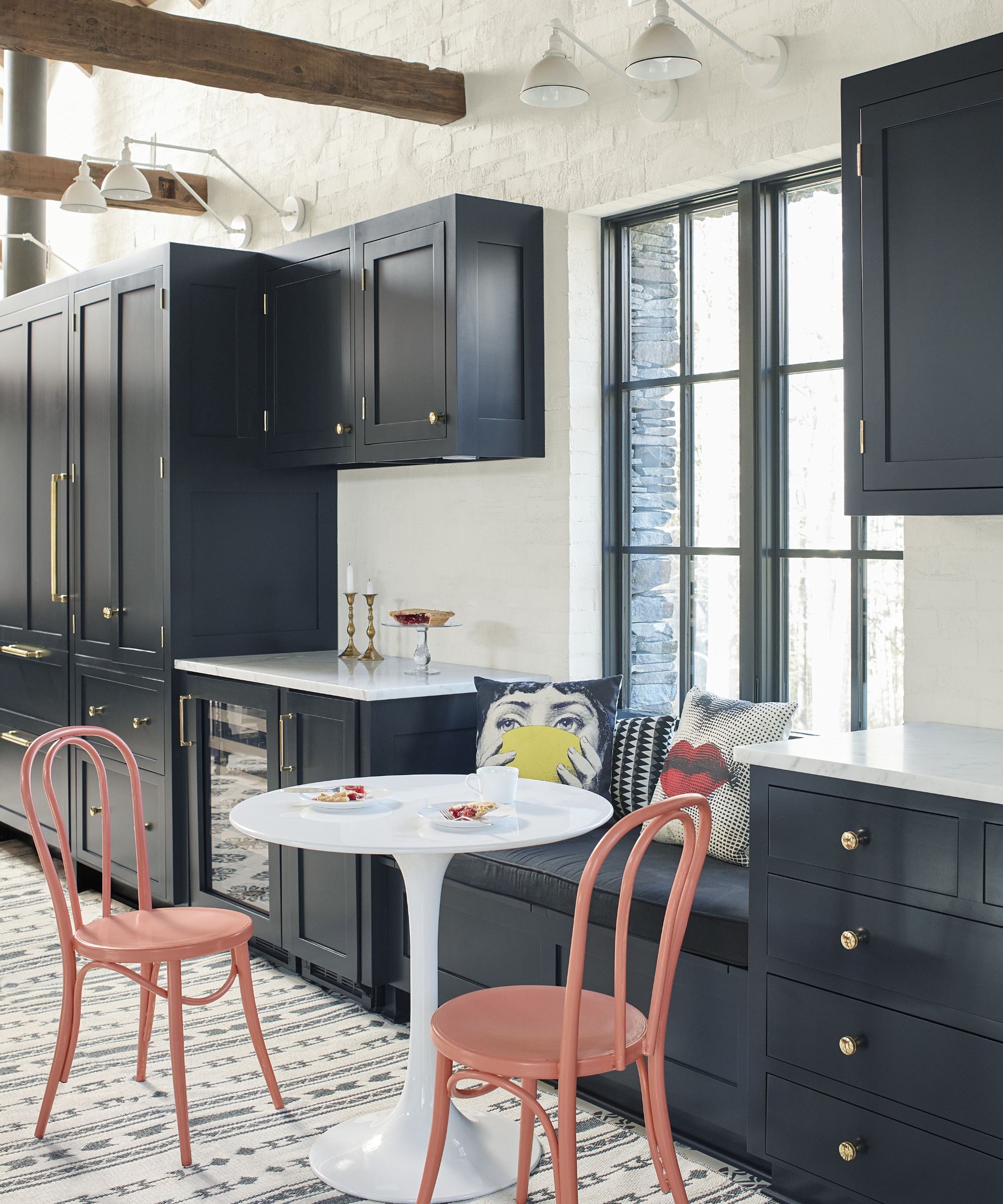
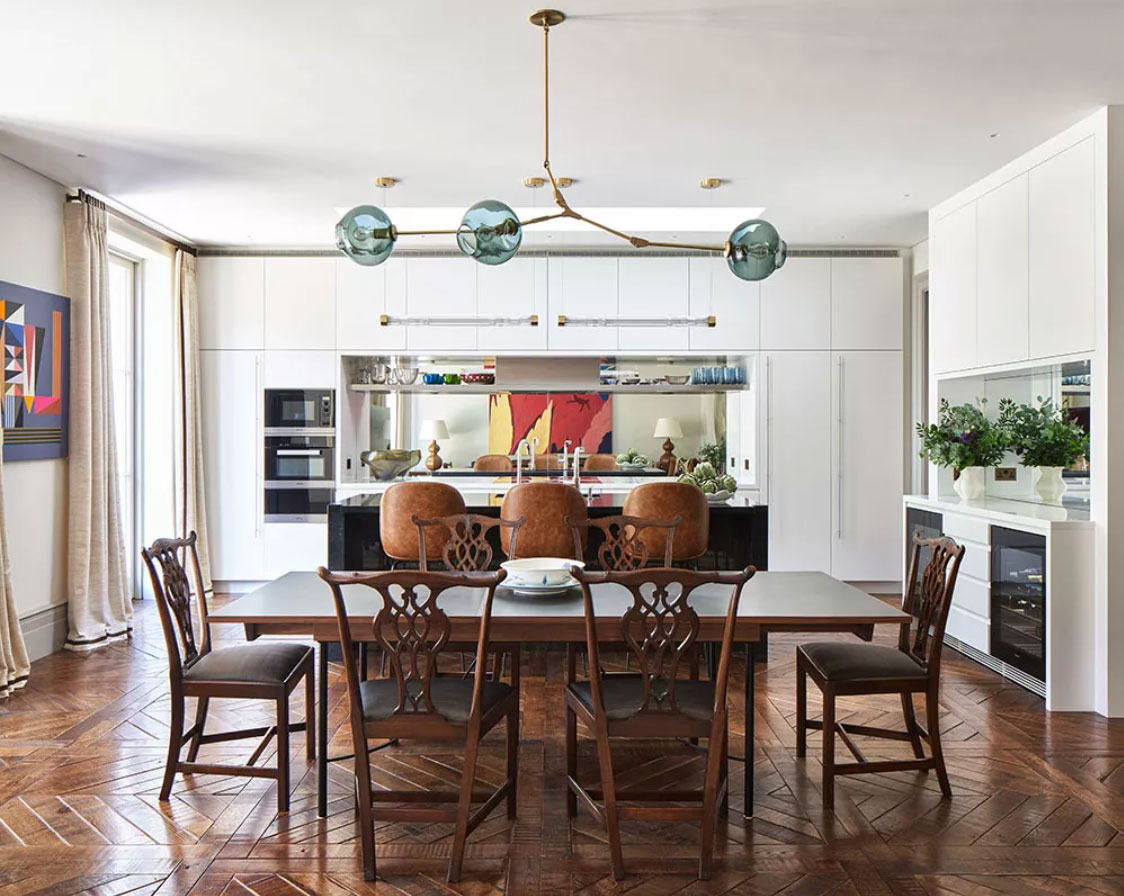
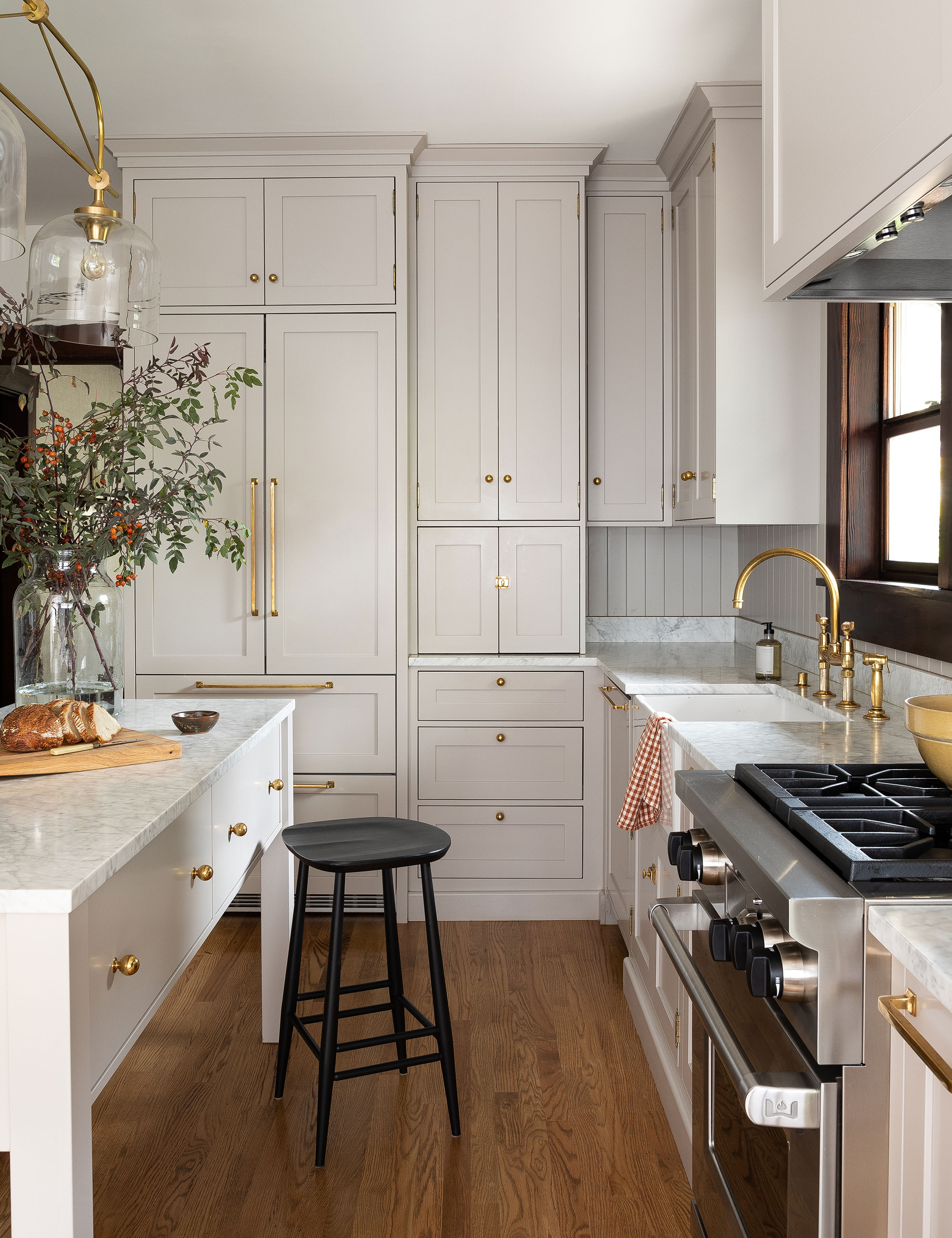
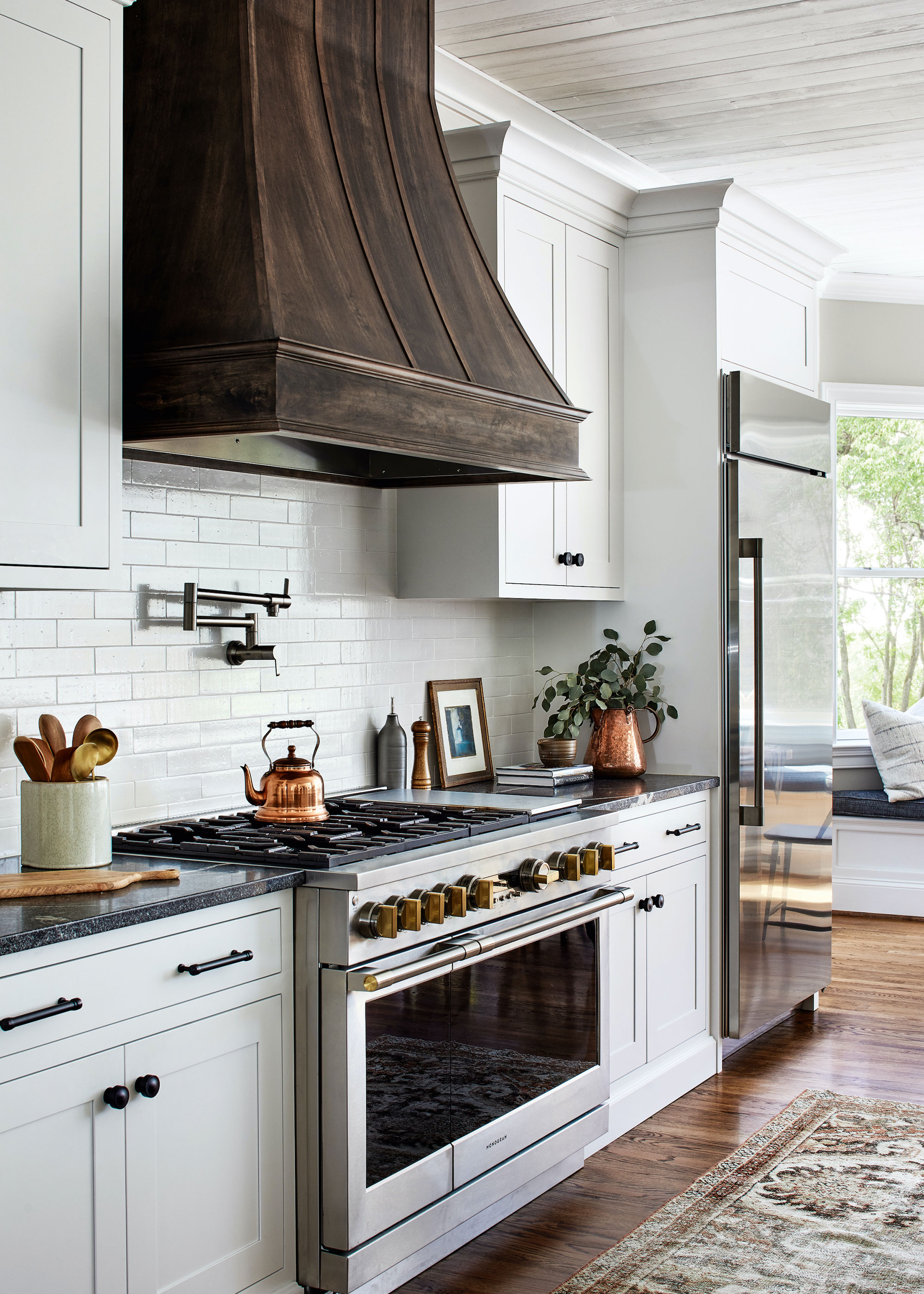
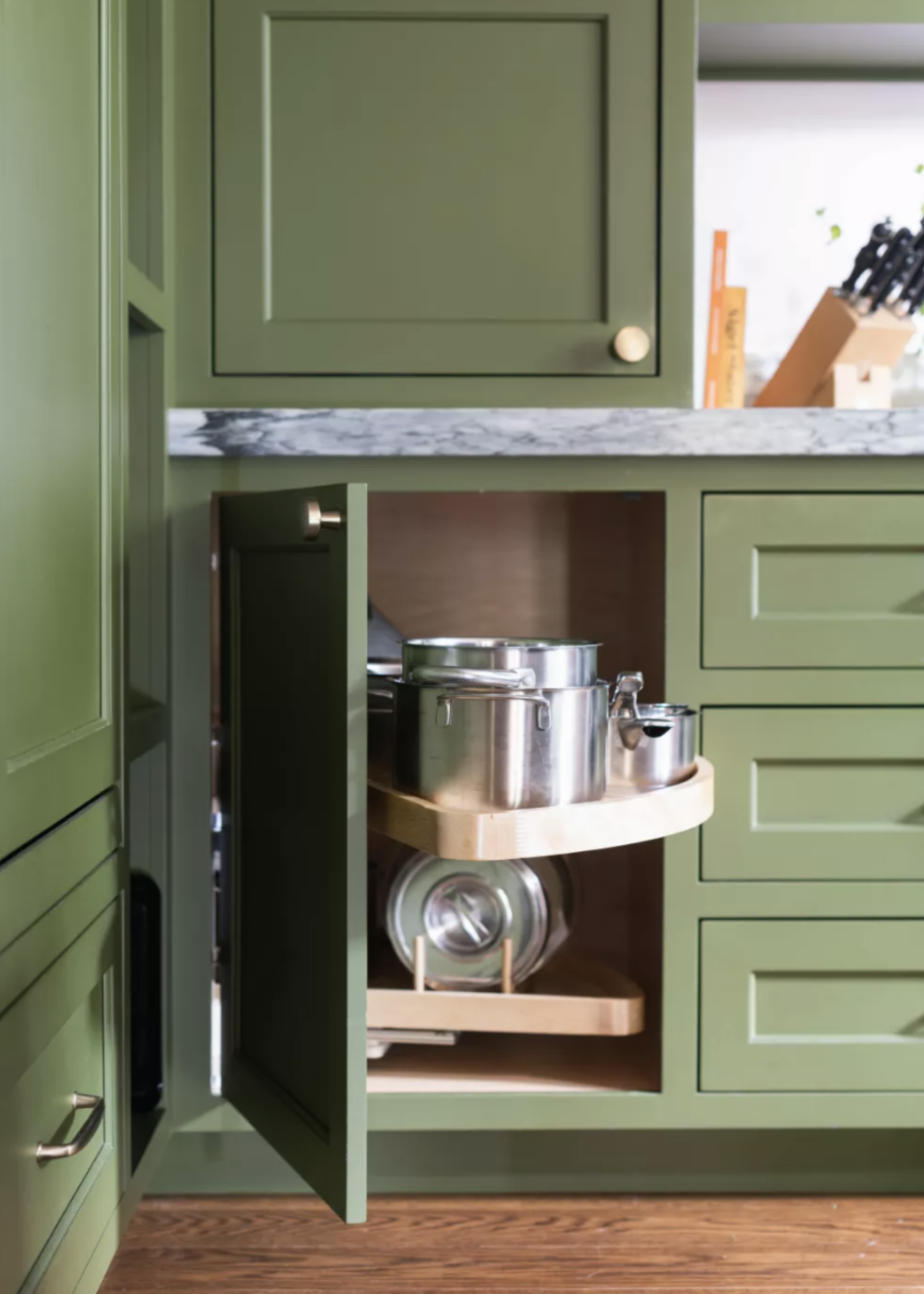
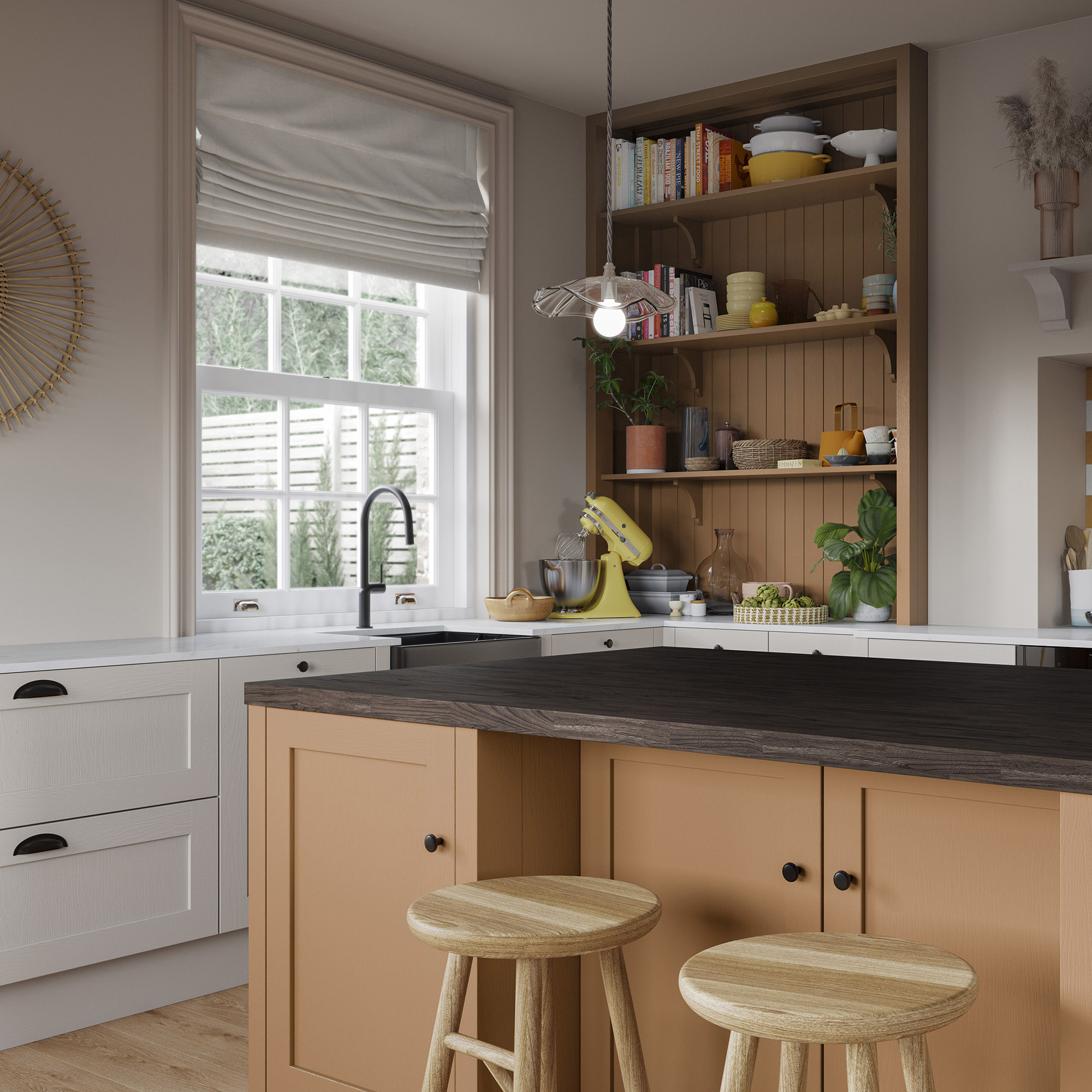
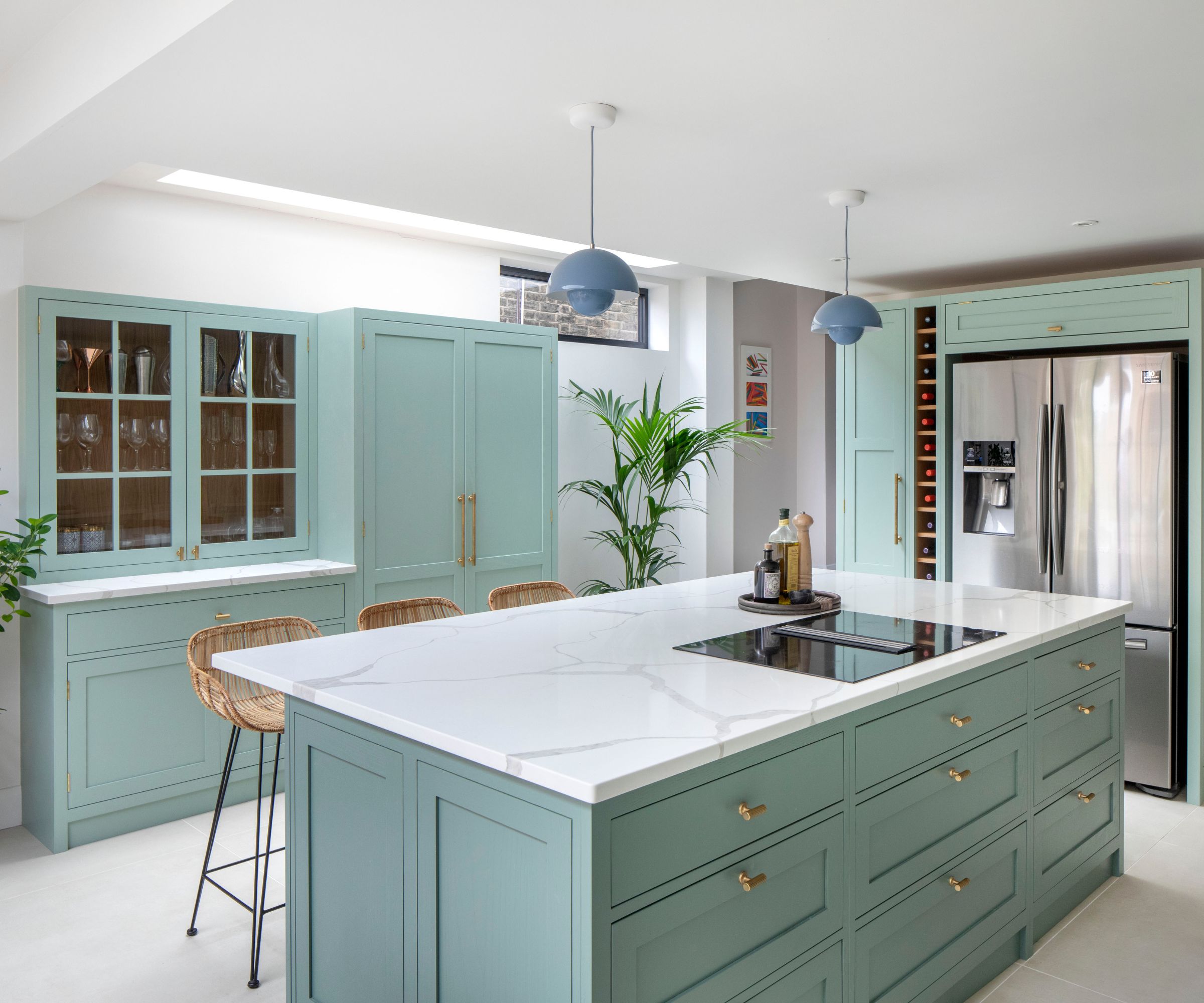
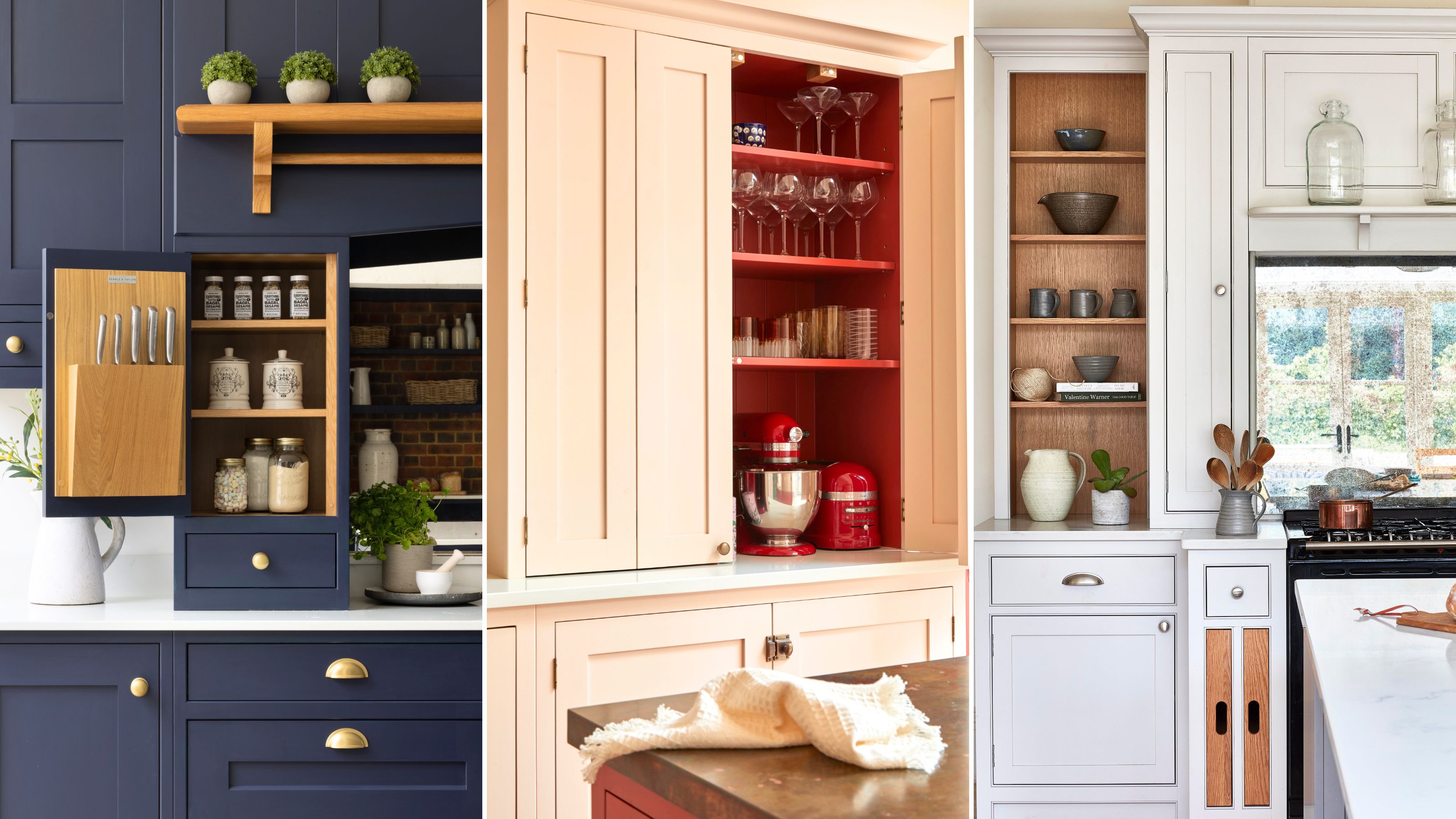
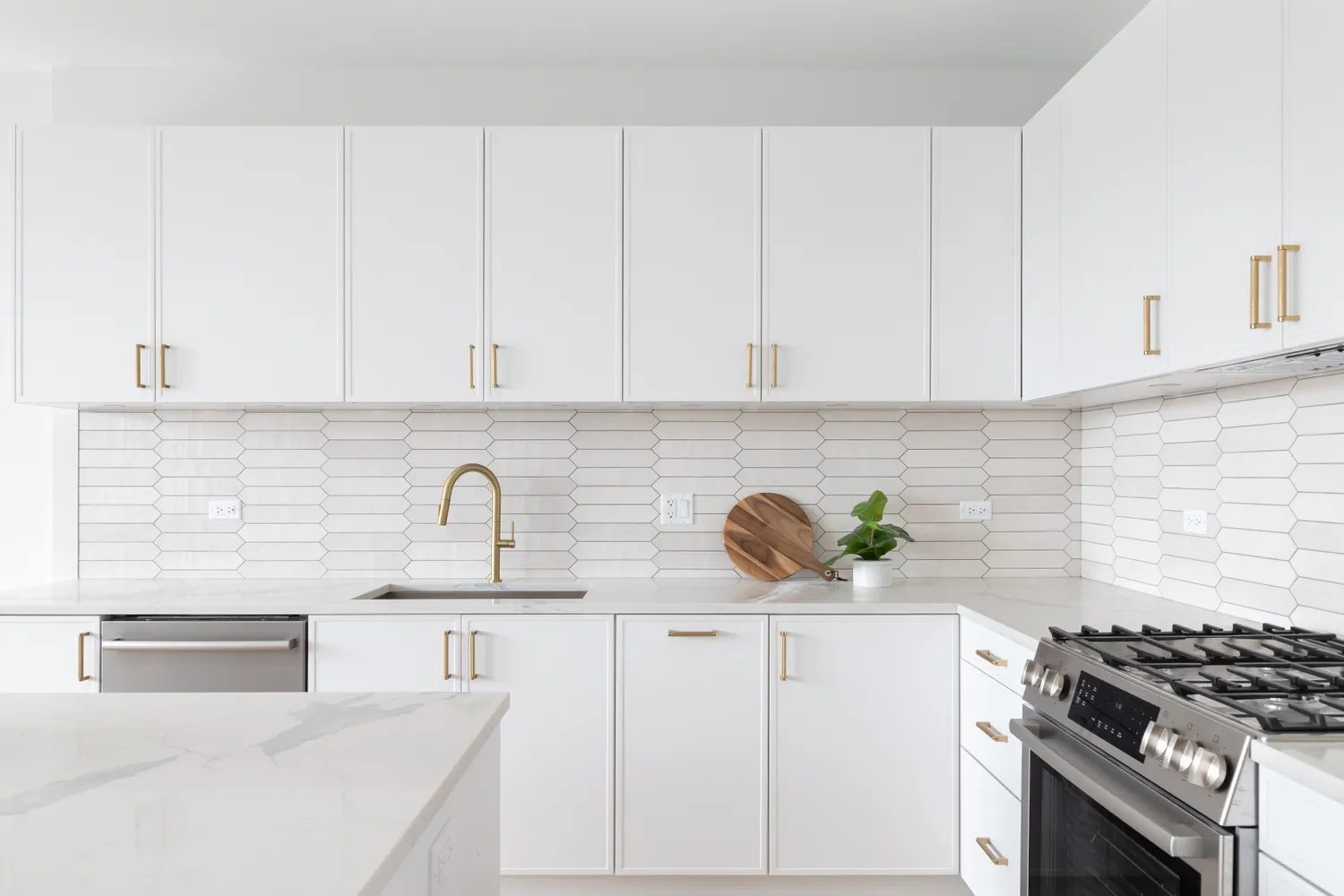
Another trend to avoid is heavy-molded, raised-panel cabinet doors. These were a hallmark of early 2000s kitchens, symbolizing a formal and polished look. However, current design preferences lean towards a cleaner, more adaptable aesthetic. Shaker-style doors are presented as a timeless alternative, known for their simplicity and ability to integrate seamlessly with various finishes, paint colors, and hardware, enabling the kitchen to evolve without needing a complete renovation.
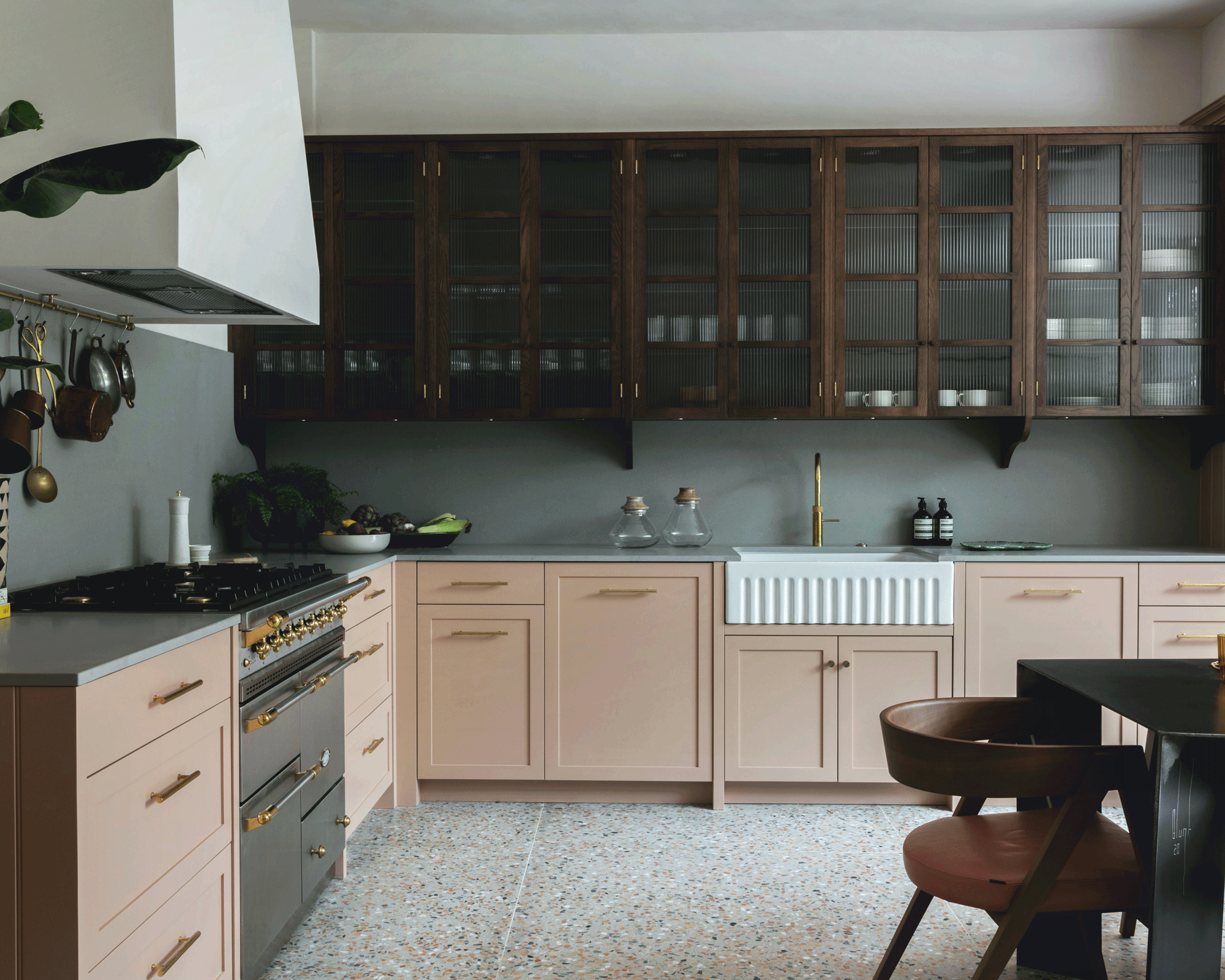
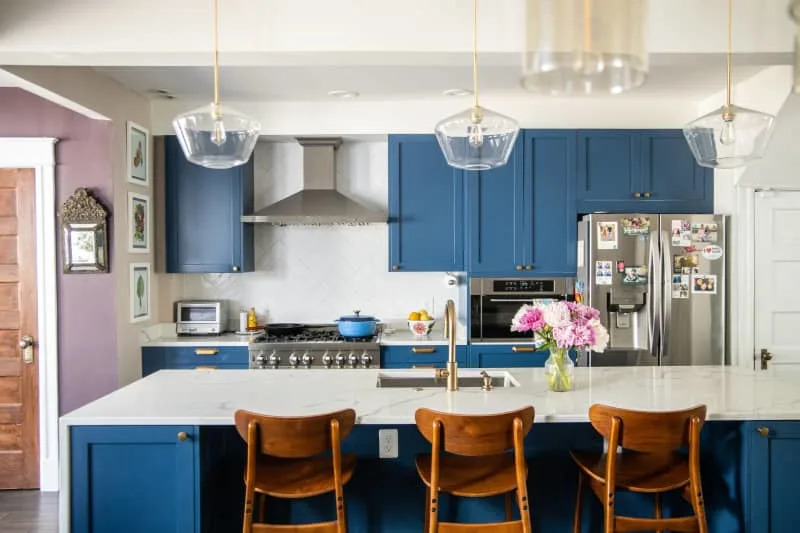
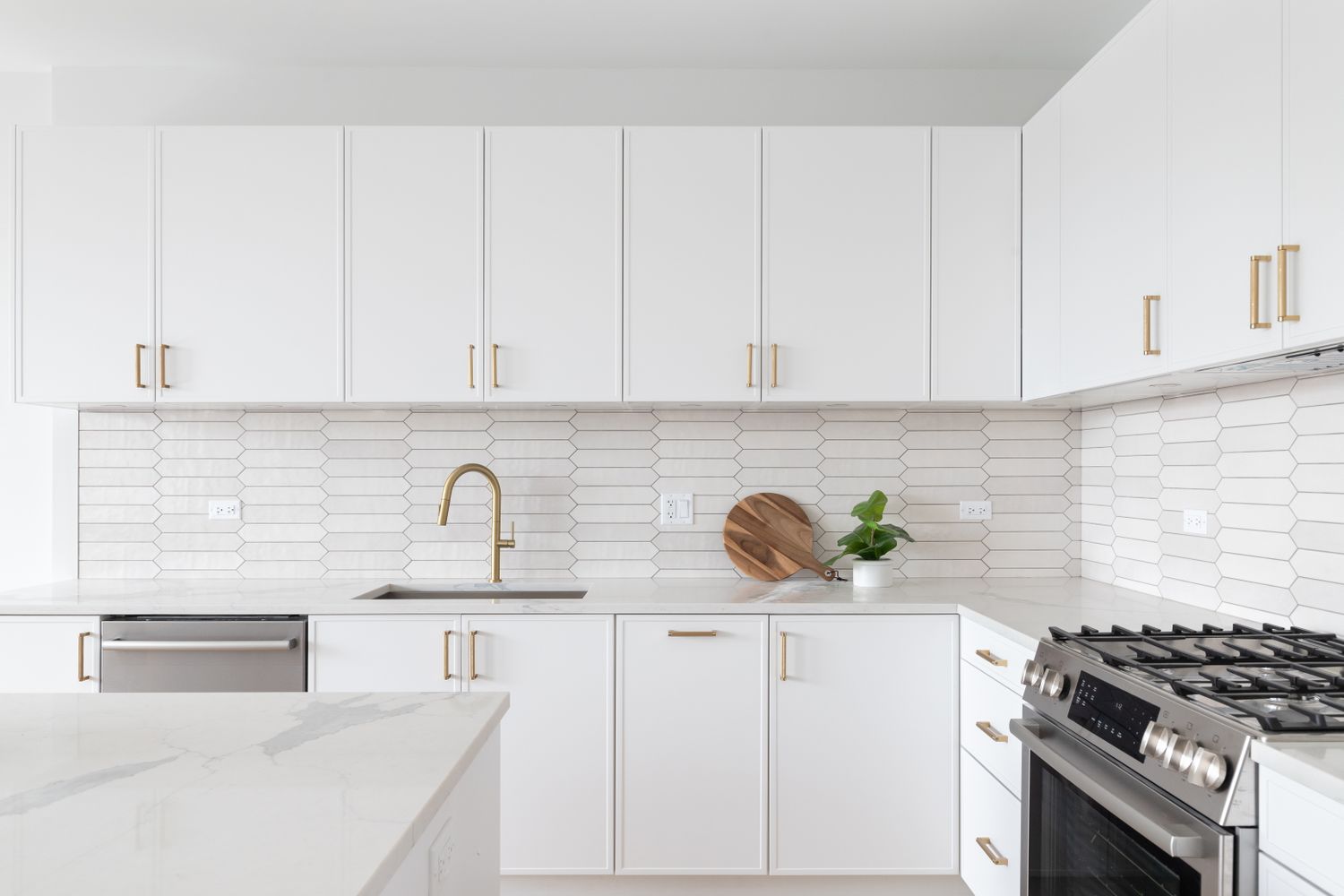
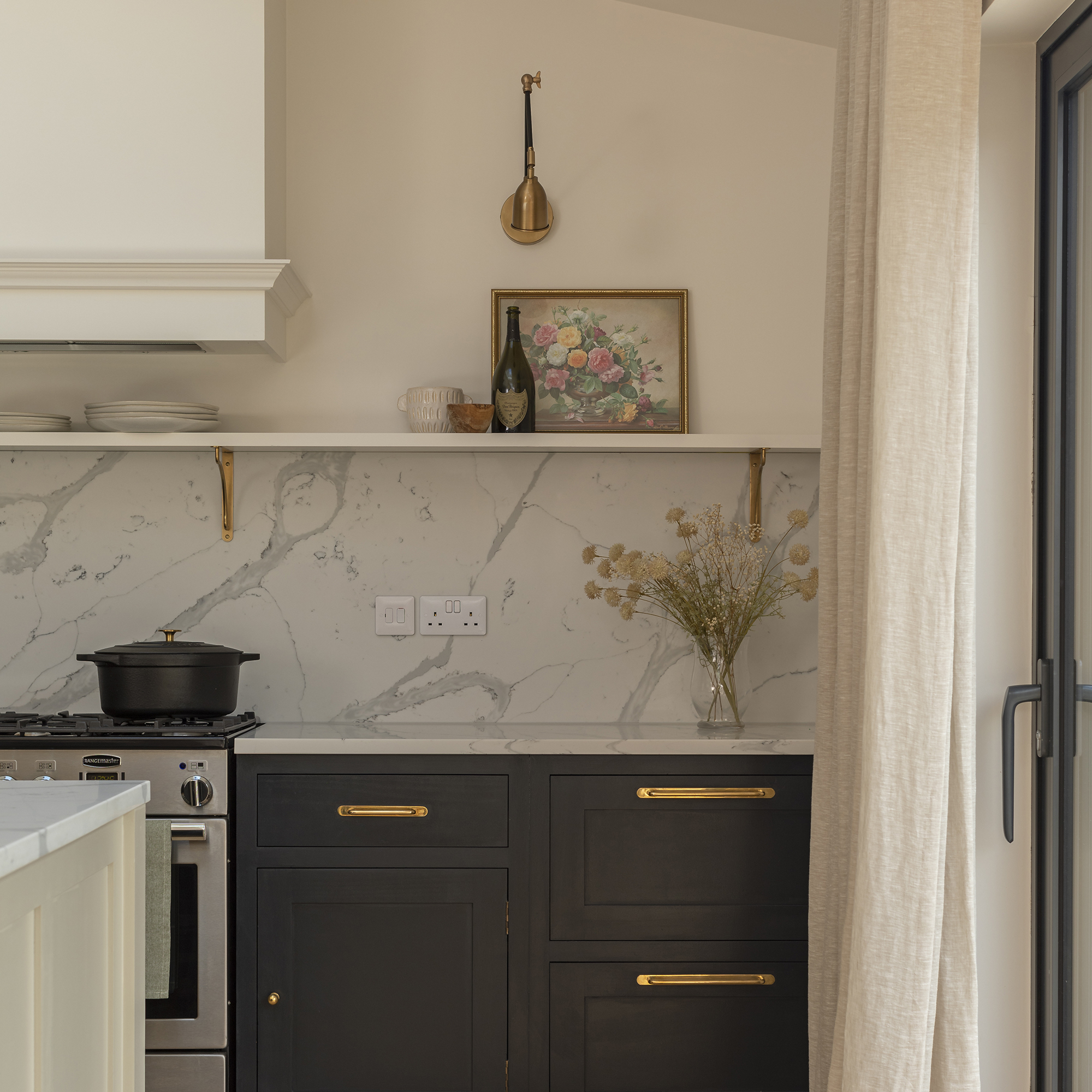
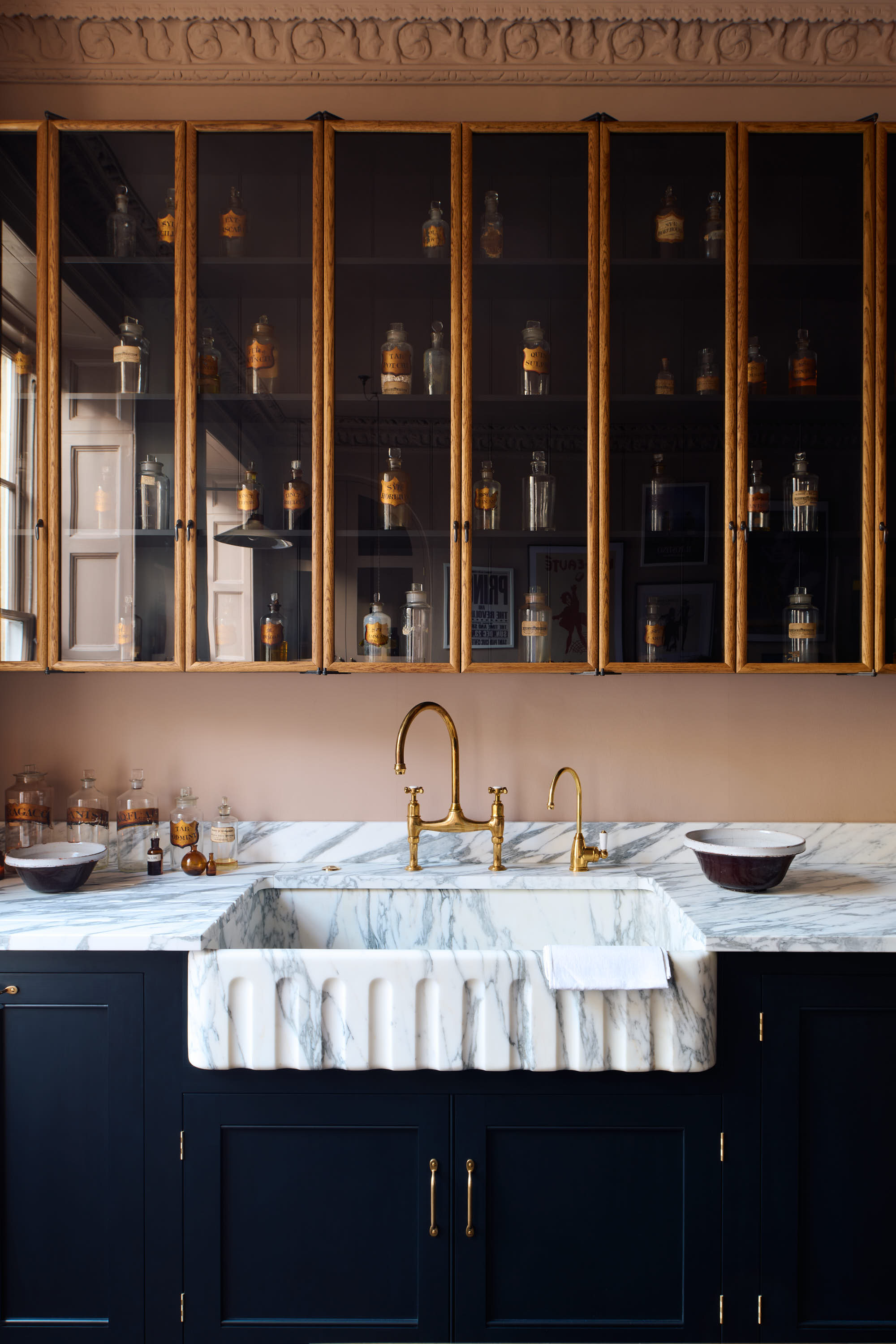
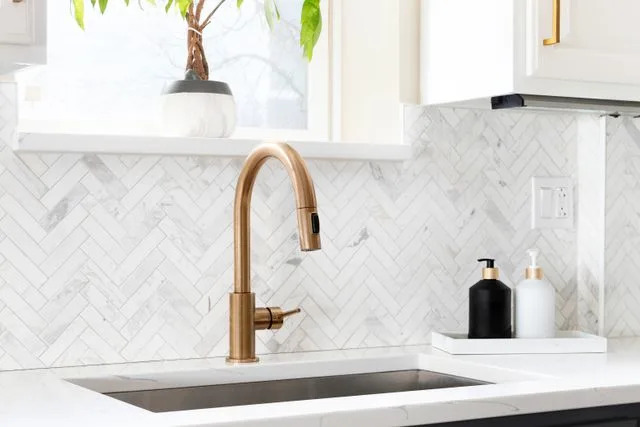
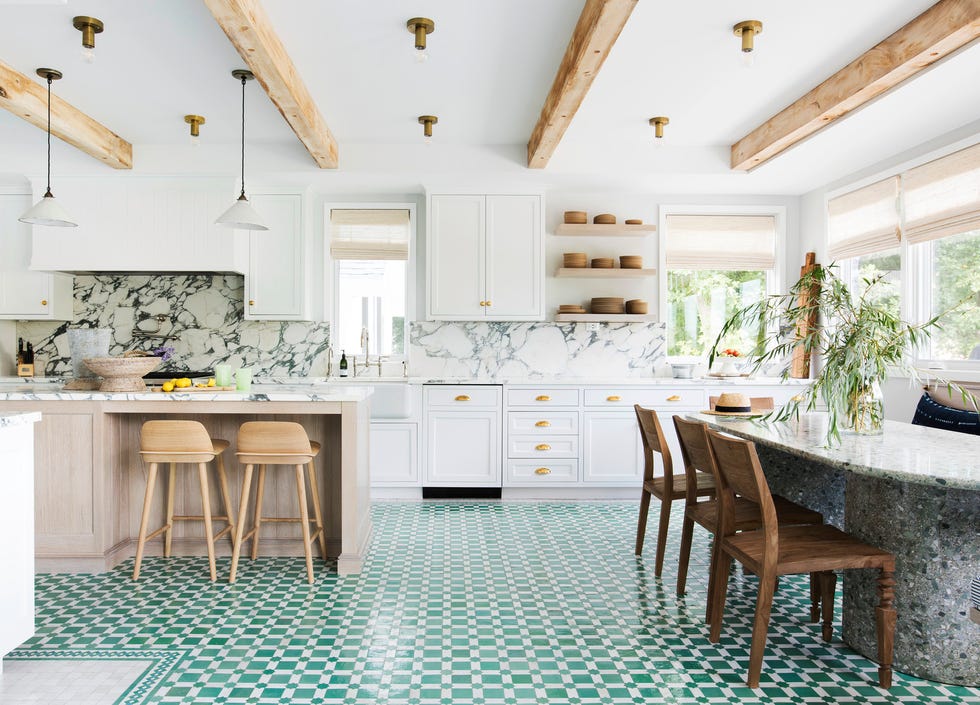
Flashy gold hardware is also listed as an outdated trend. While shiny gold hardware once provided a bold and contemporary touch, its mirror-like plating is now considered to age poorly, appearing more theatrical than classic. Interior designers suggest opting for materials that develop a graceful patina over time, such as unlacquered brass. For those seeking a crisper look, polished nickel is recommended for its versatility across different design styles.
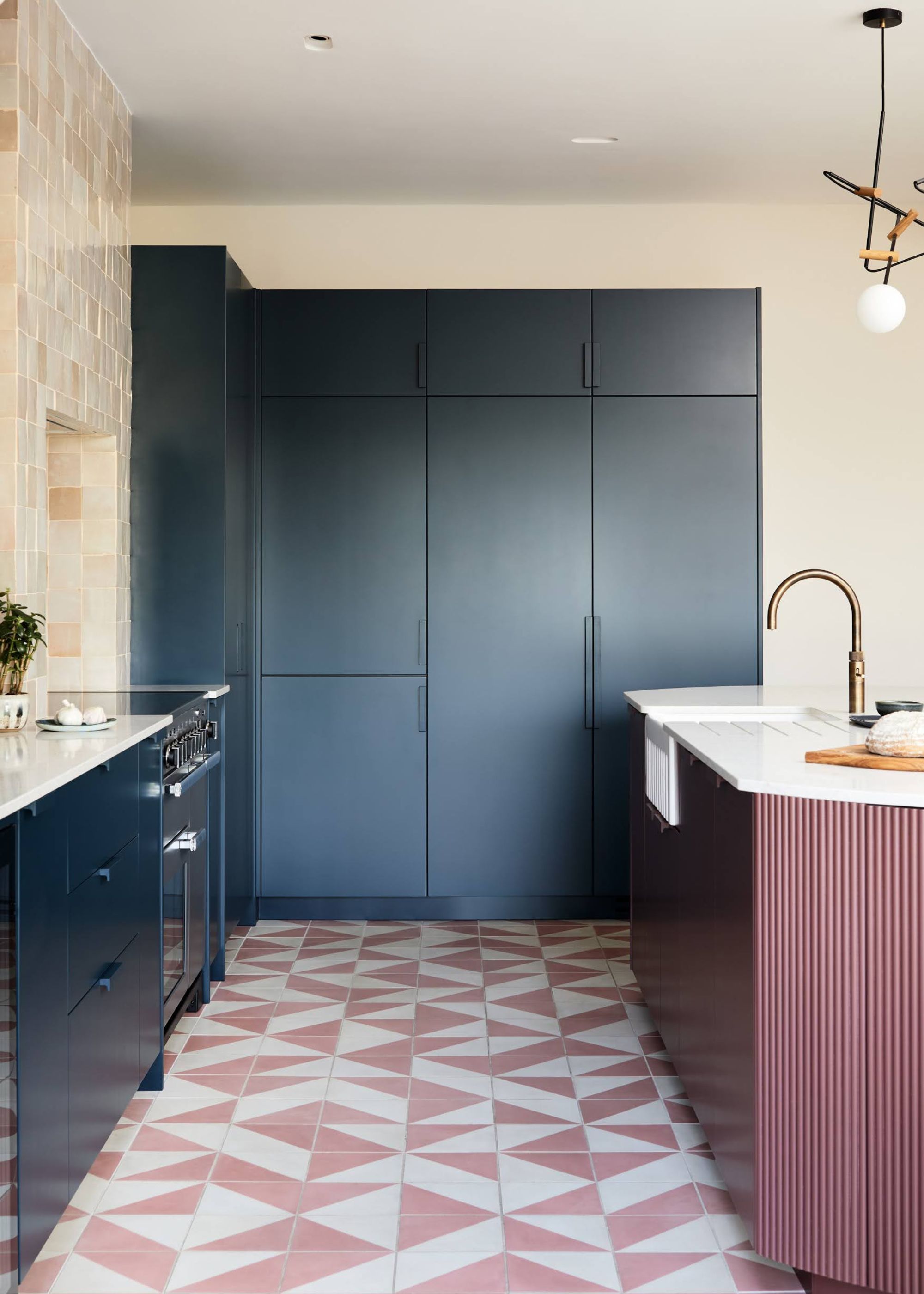
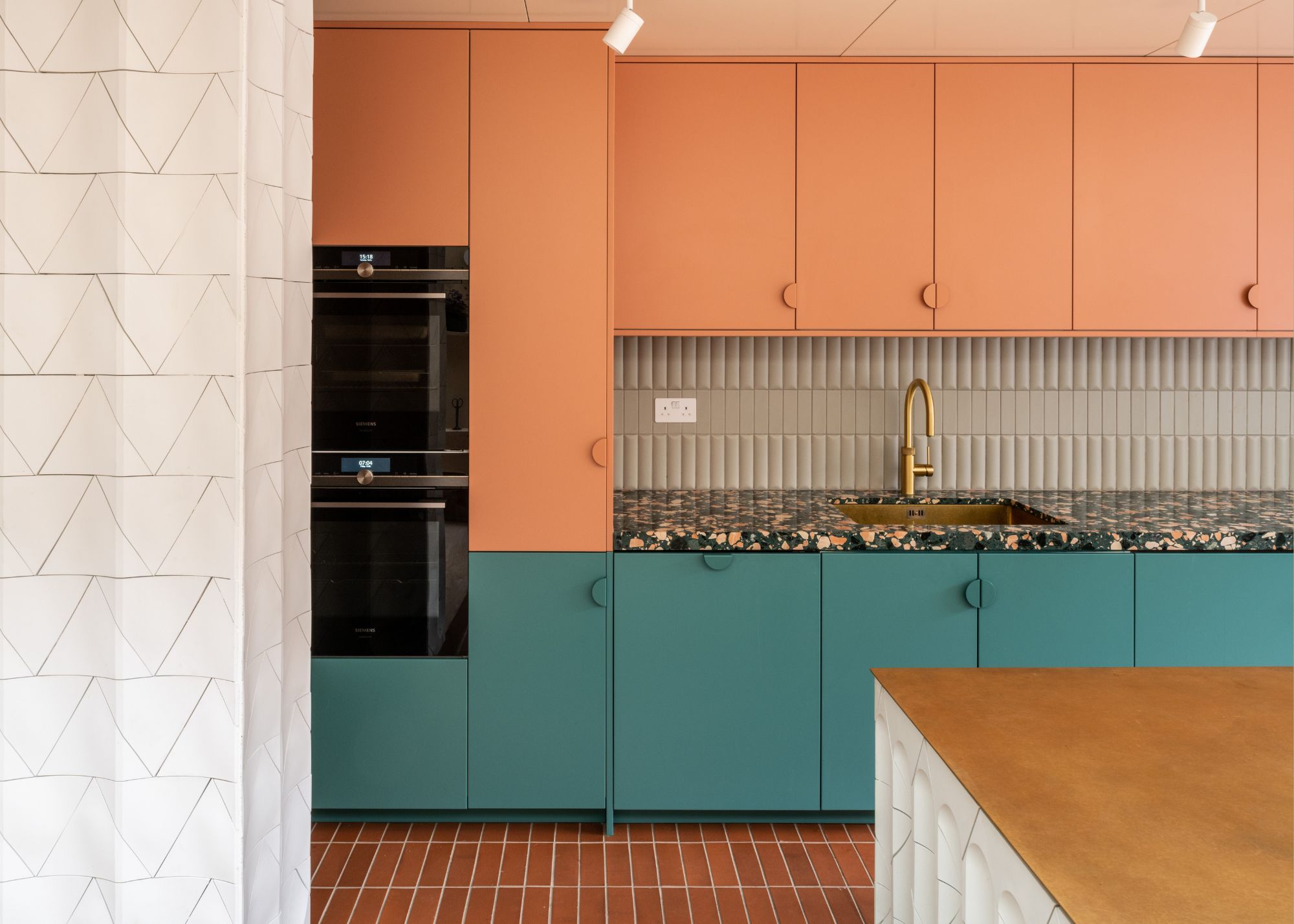
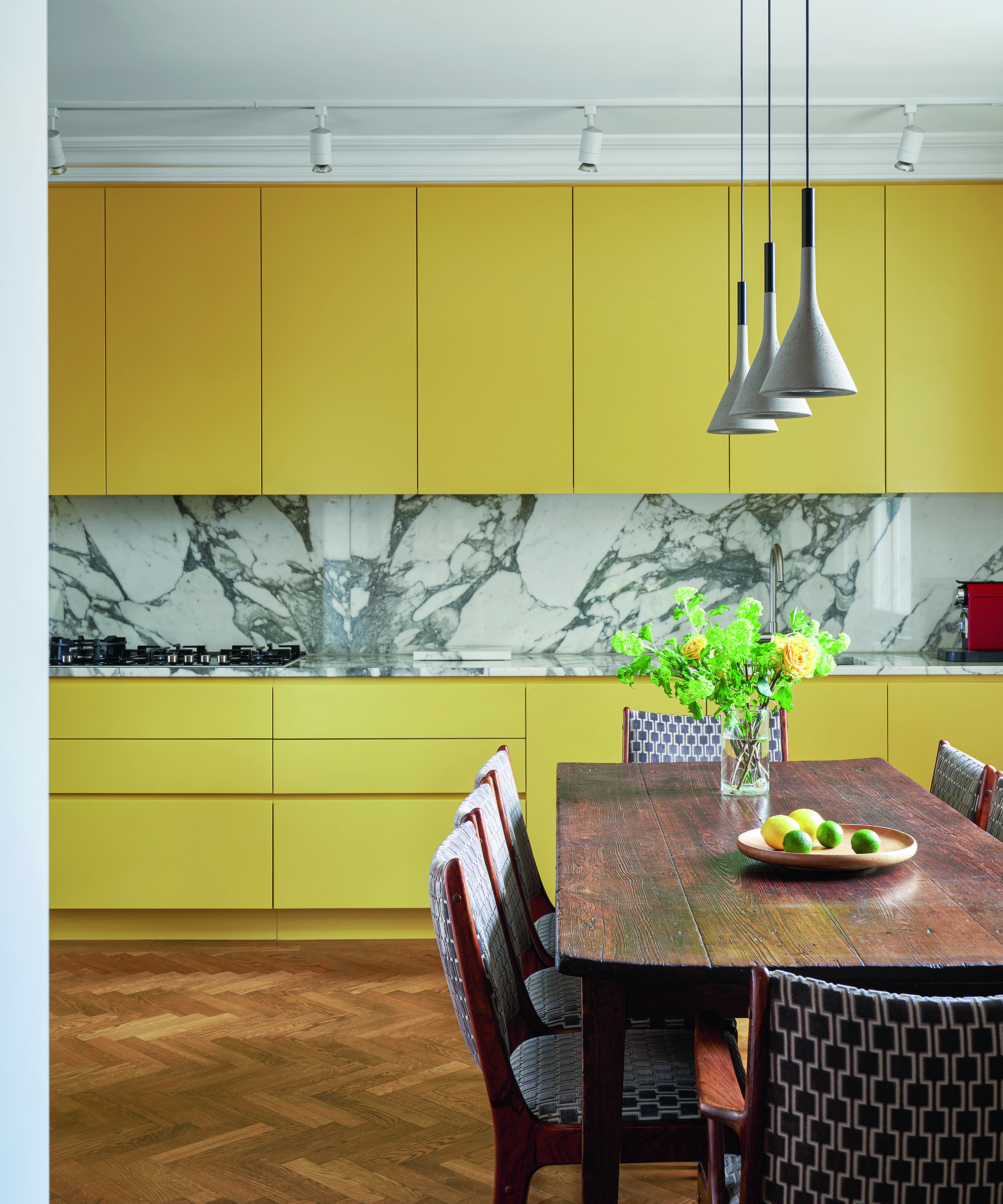
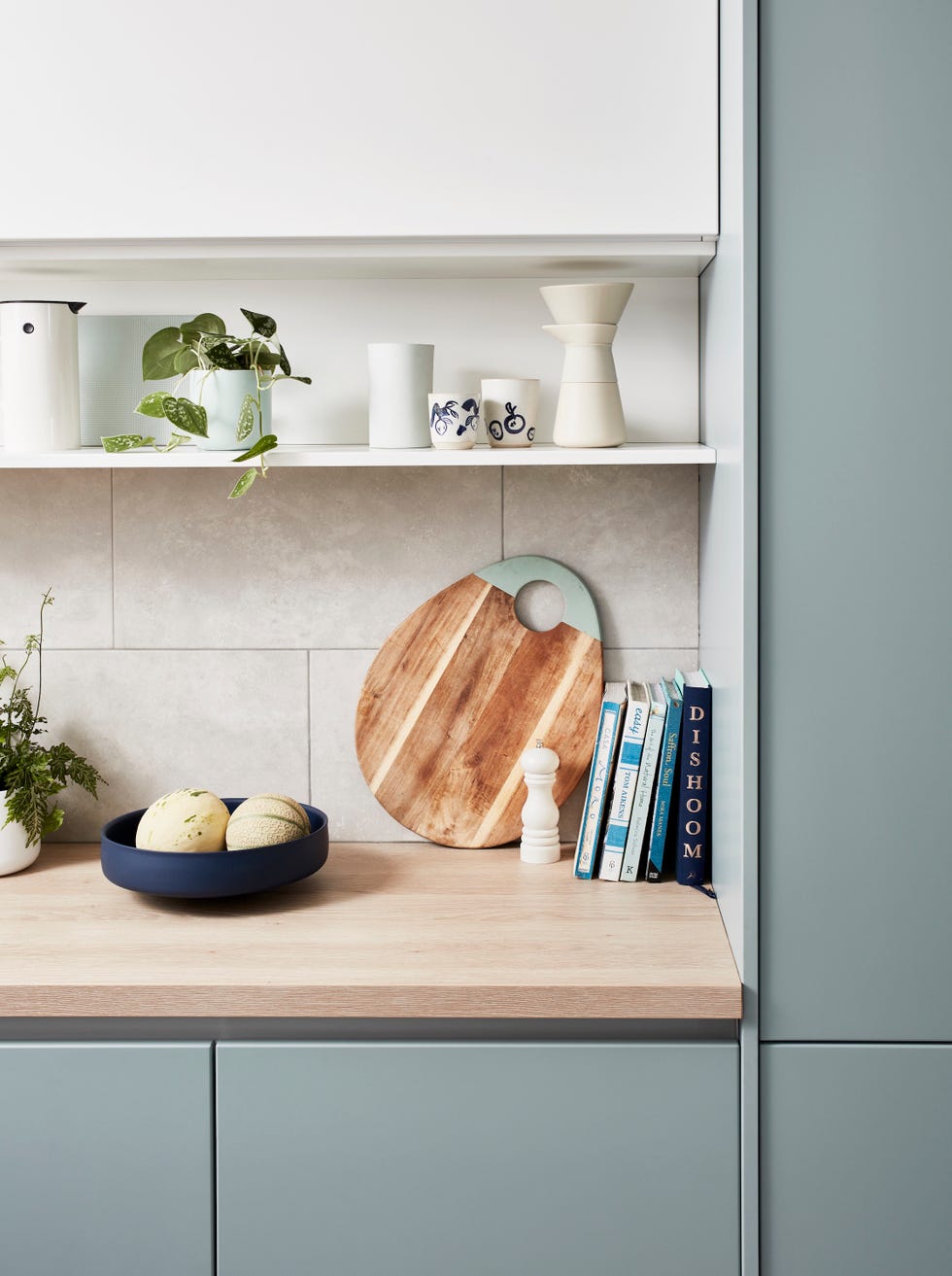
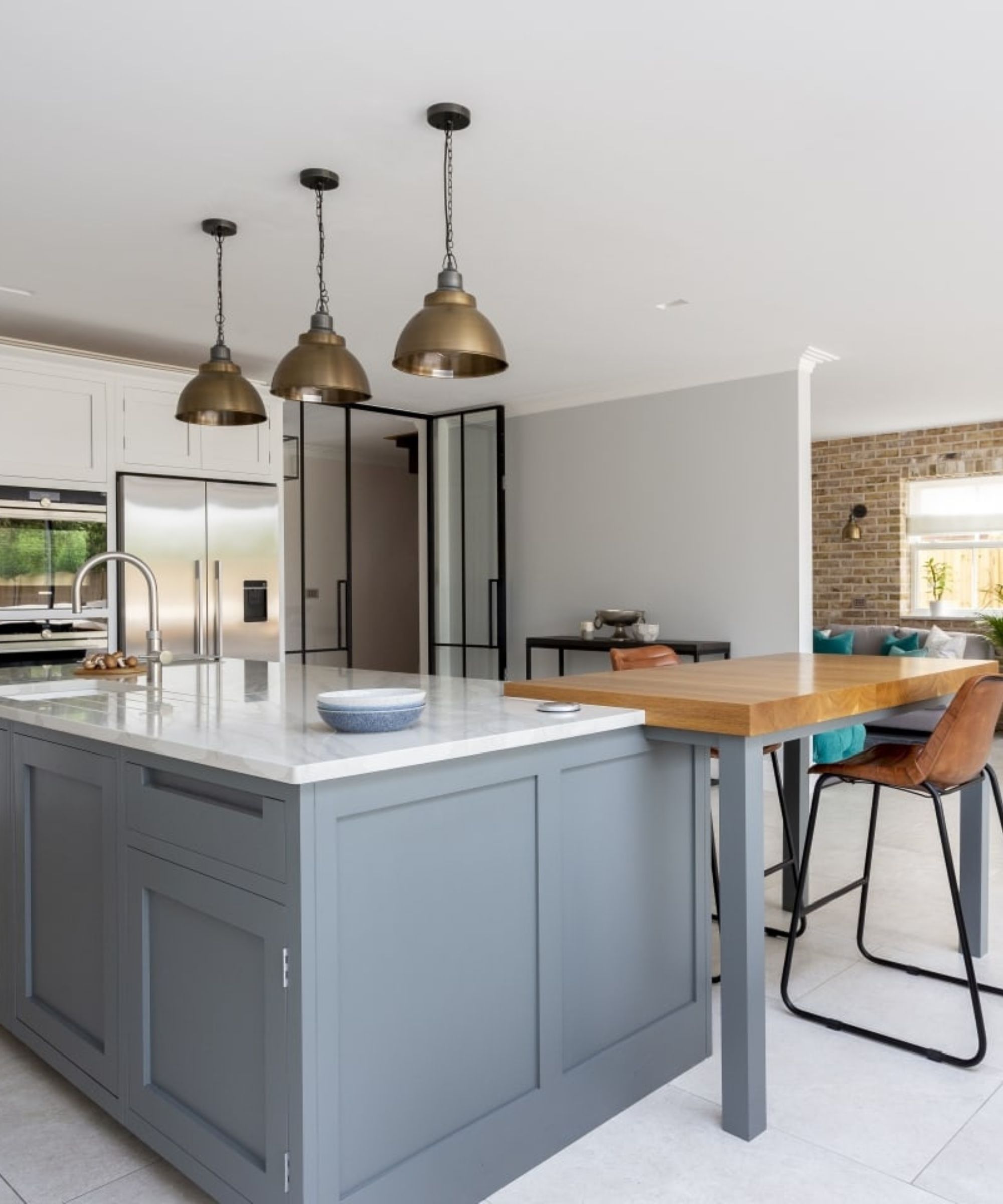
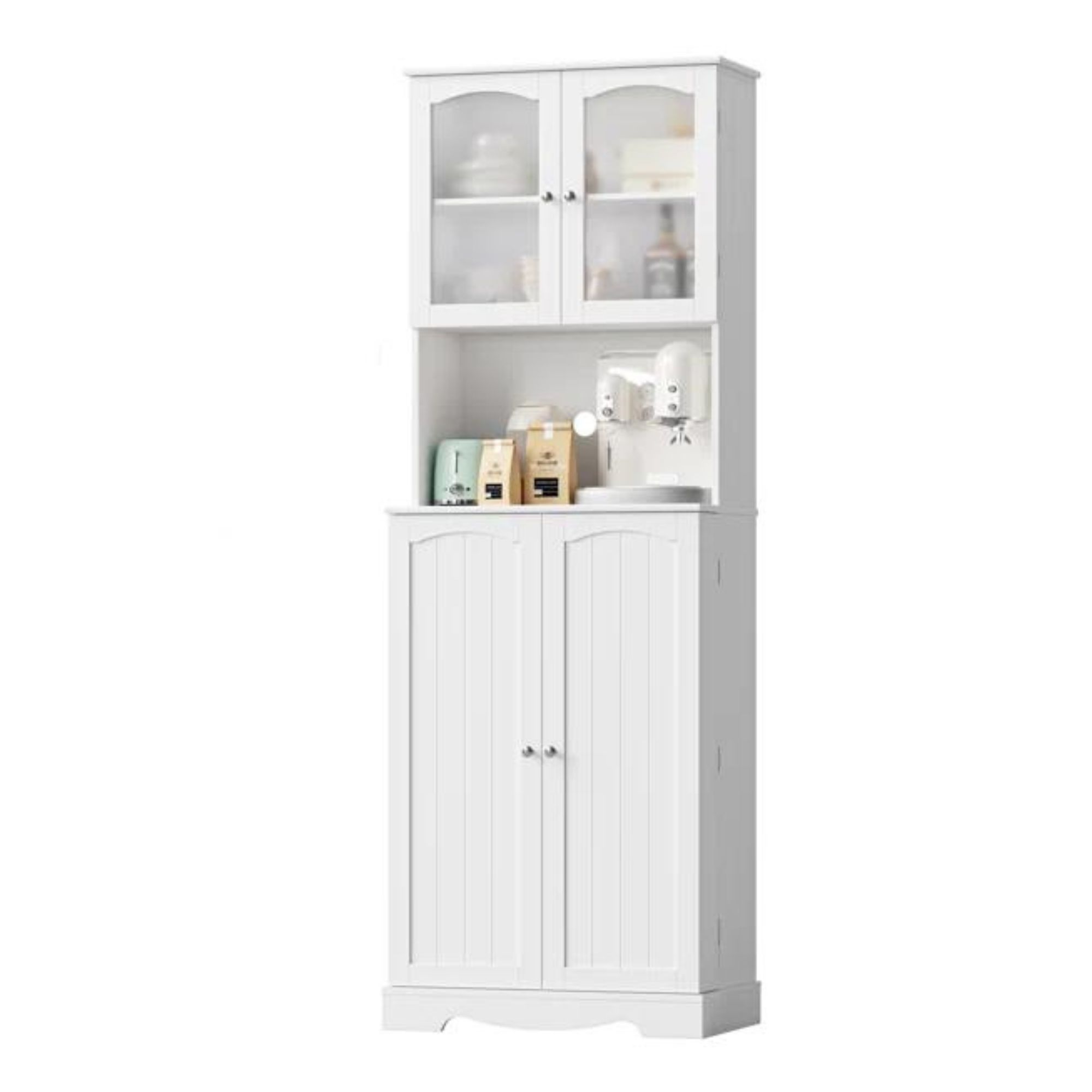
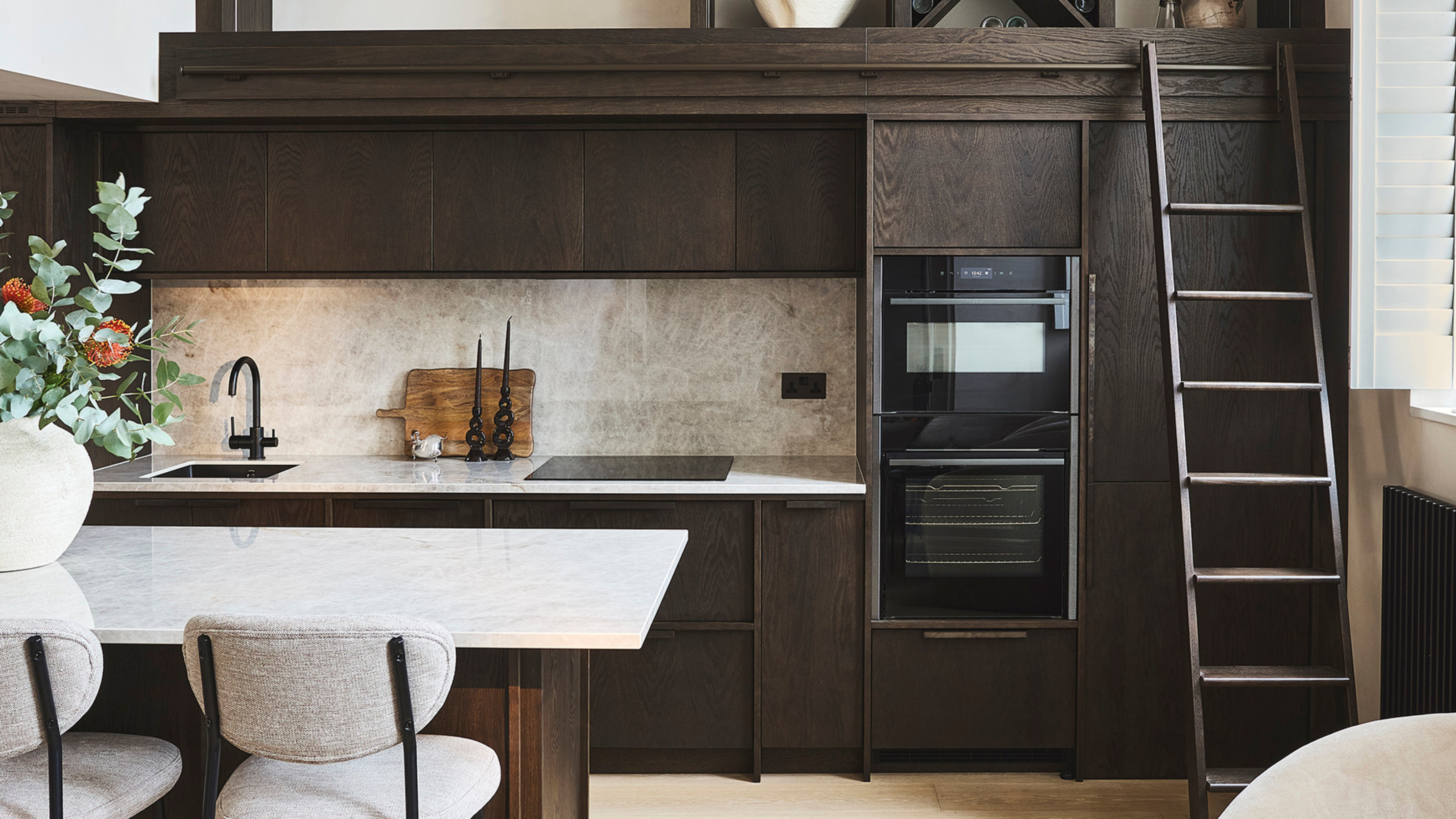
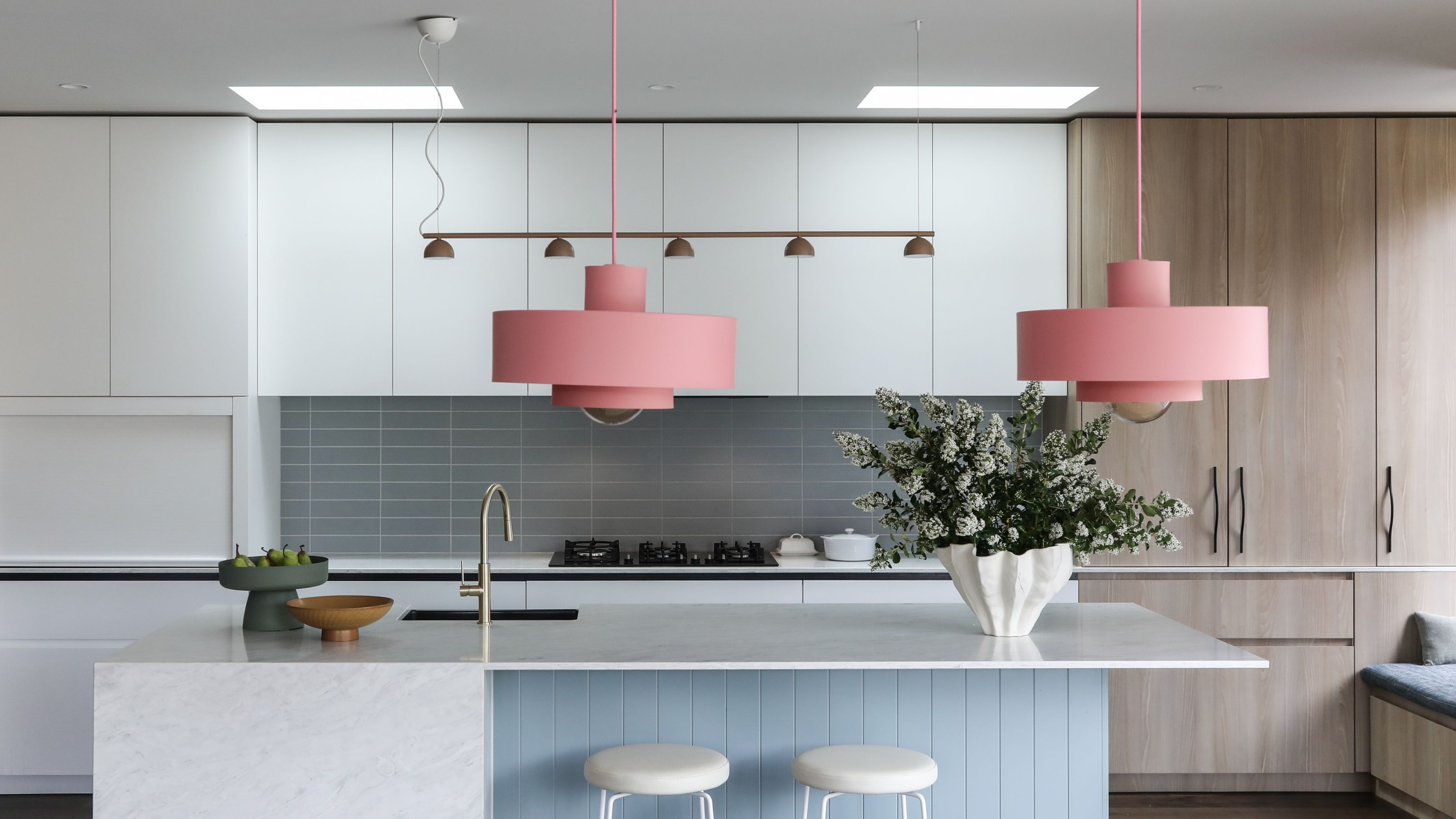
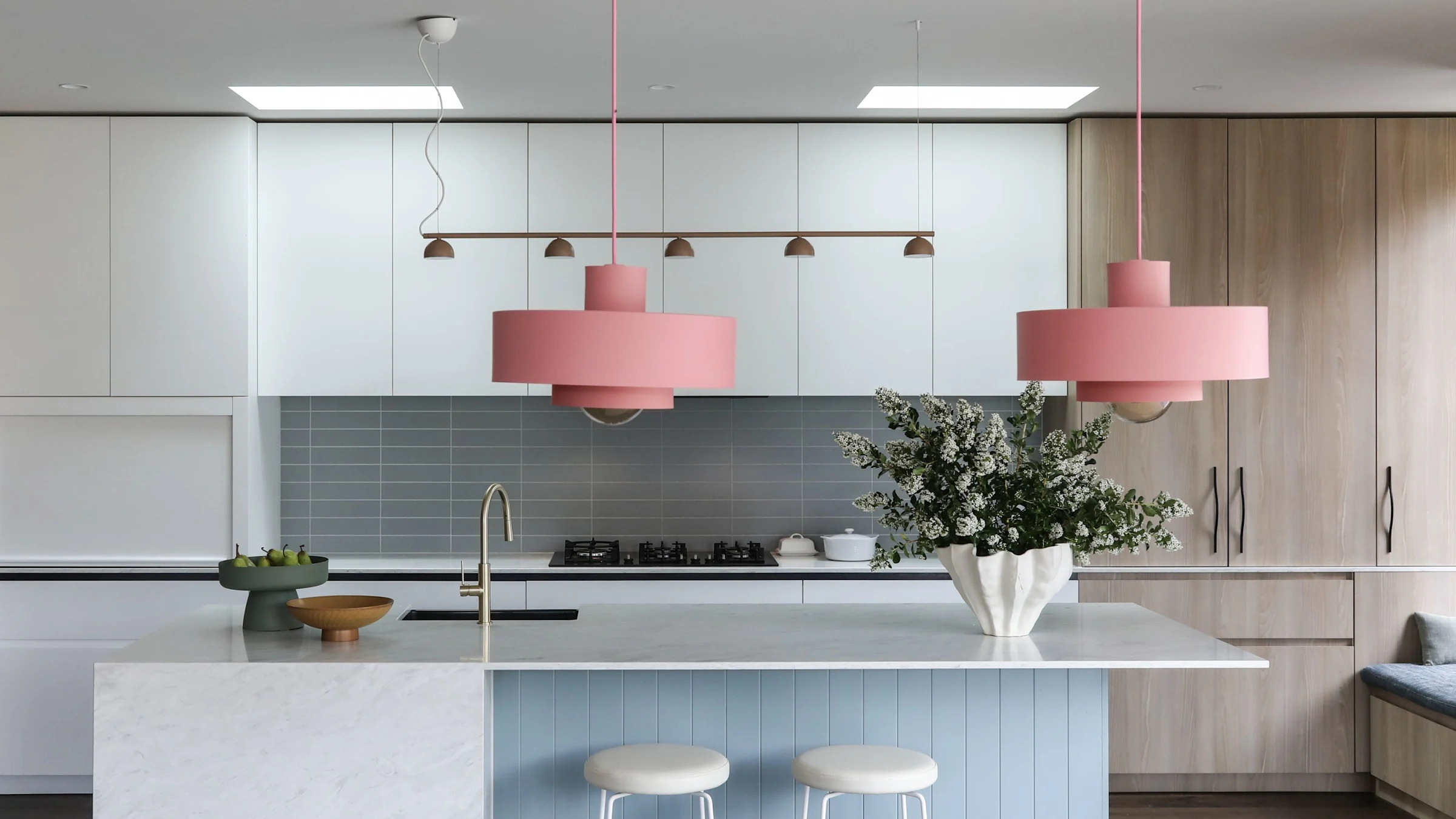
High-gloss finishes, previously valued for their sleek and ultra-modern appeal, are now viewed as impractical and cold. These surfaces are prone to fingerprints, smudges, and scratches, making them high-maintenance. Contemporary homeowners prefer kitchens that feel inviting and lived-in, leading designers to favor matte or textured finishes. These alternatives not only add warmth and character but also simplify maintenance.
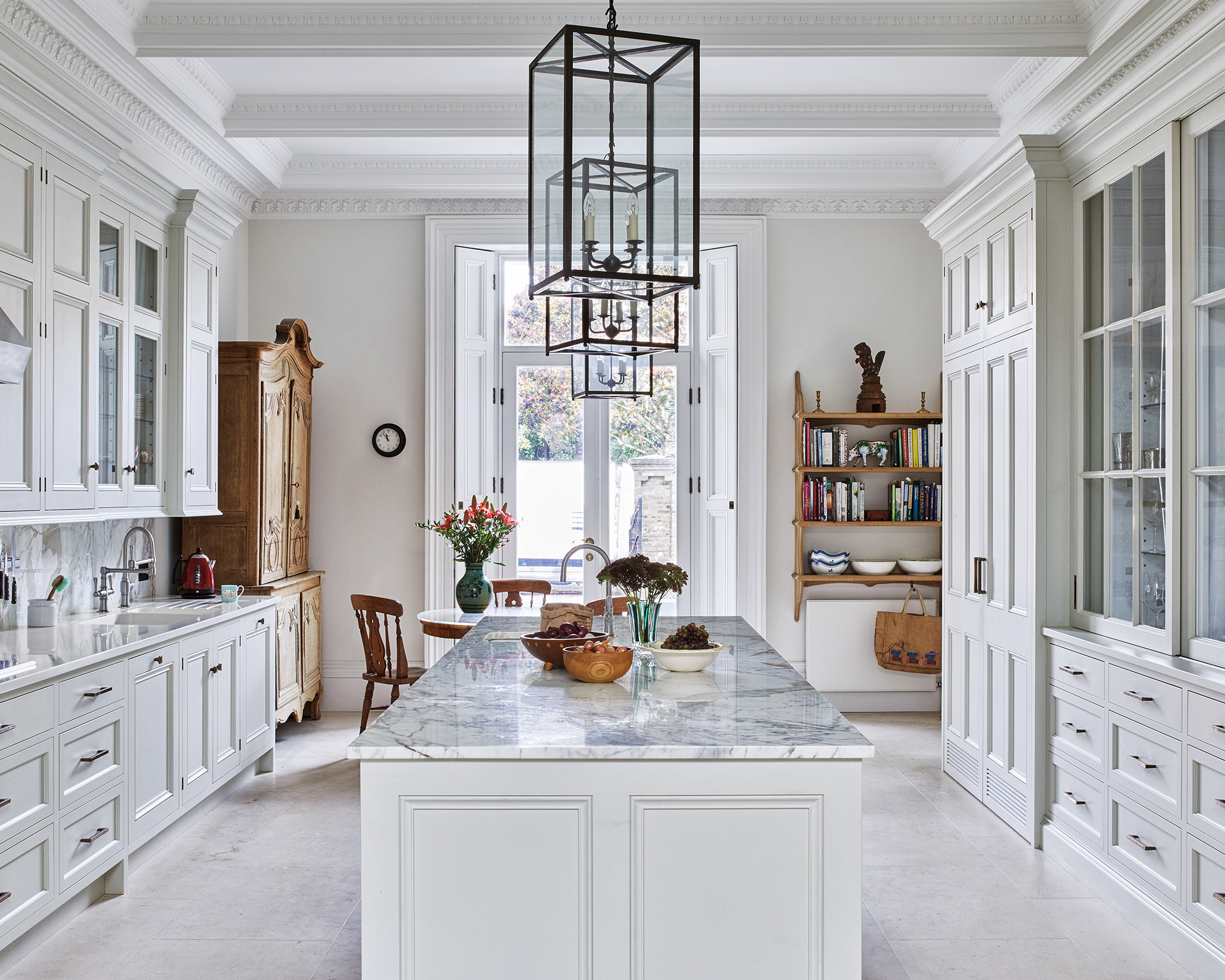
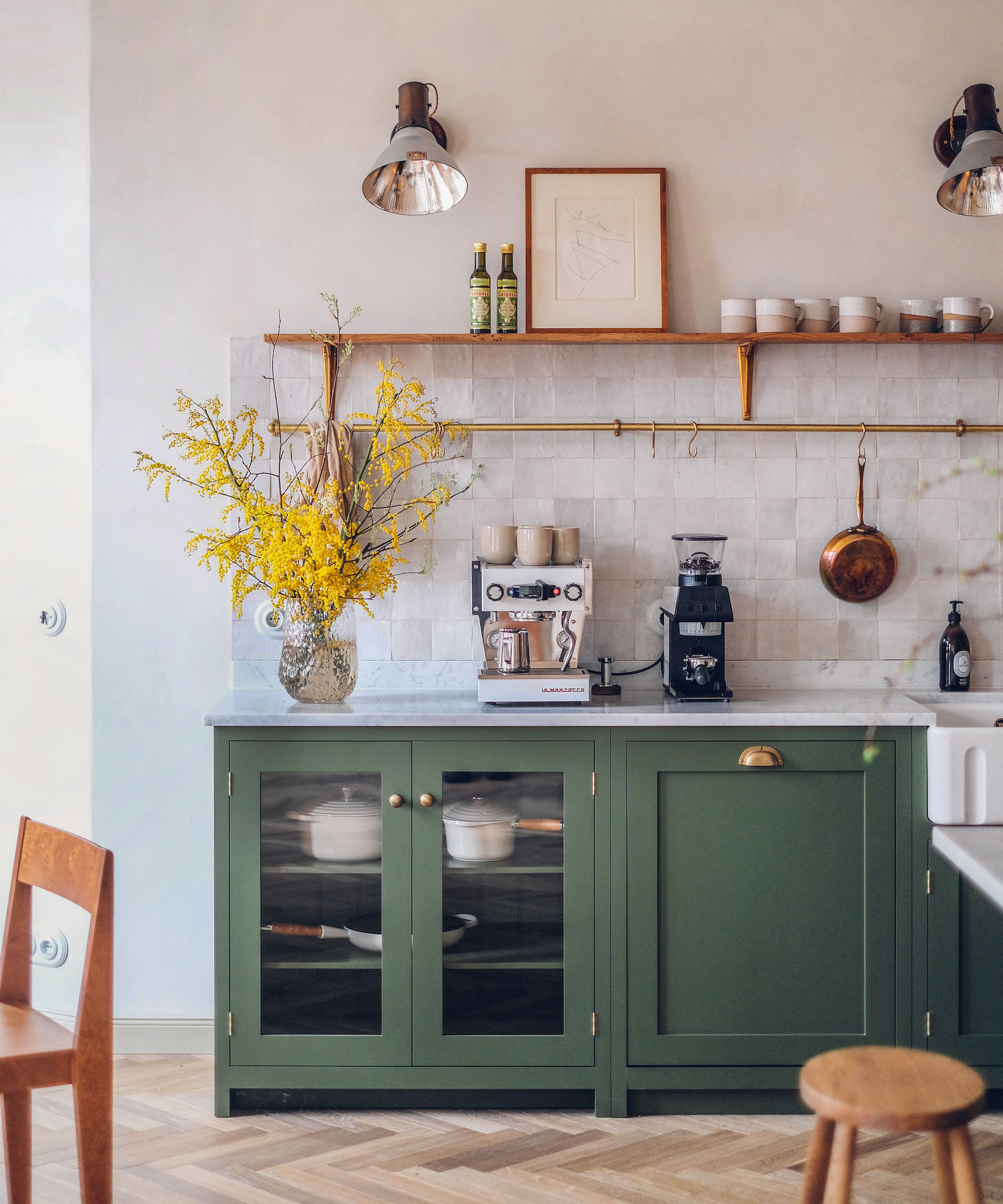
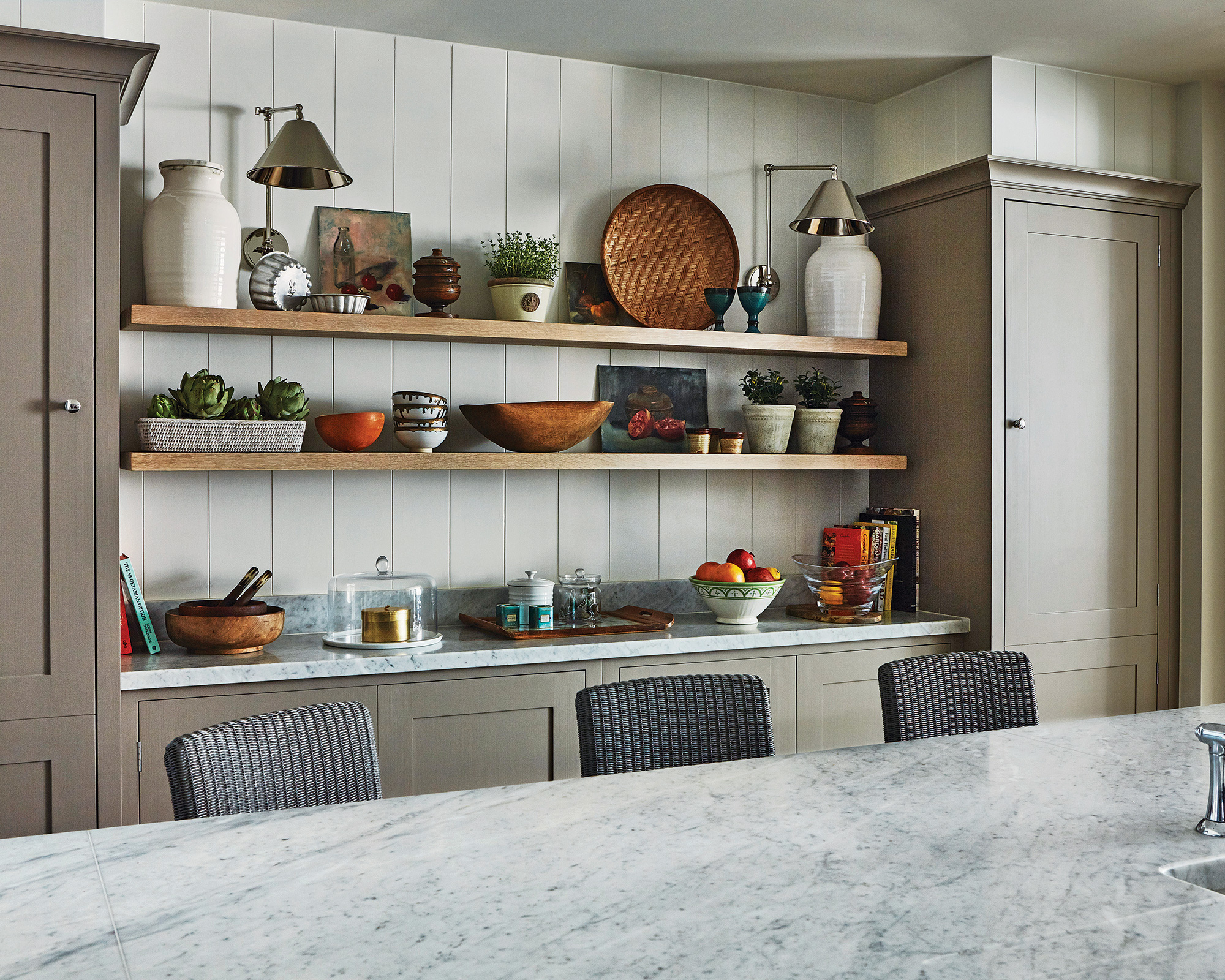
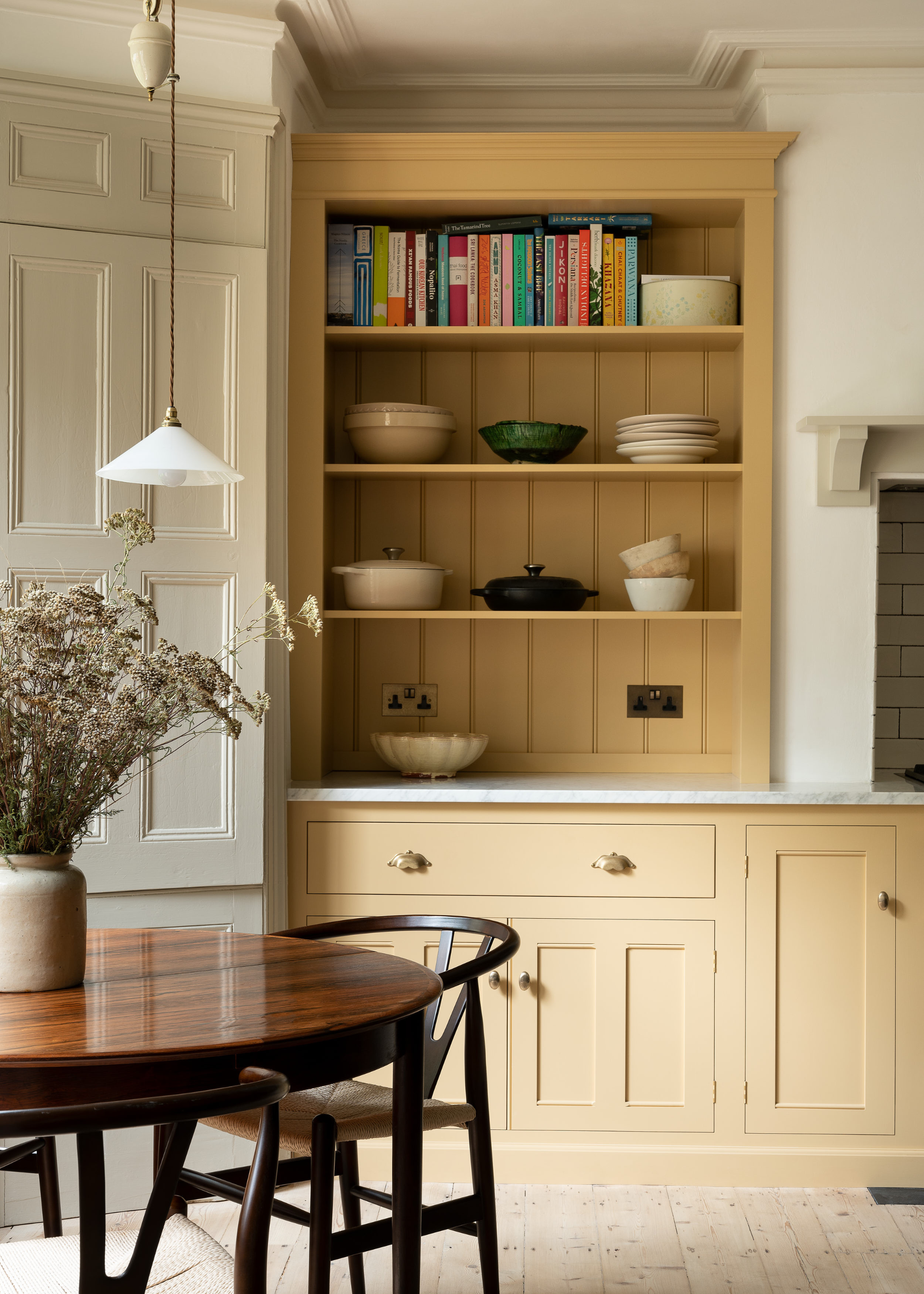
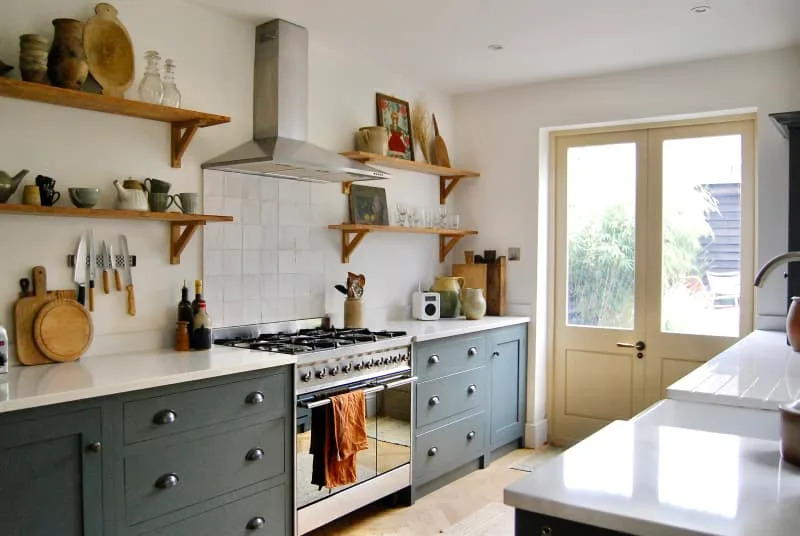
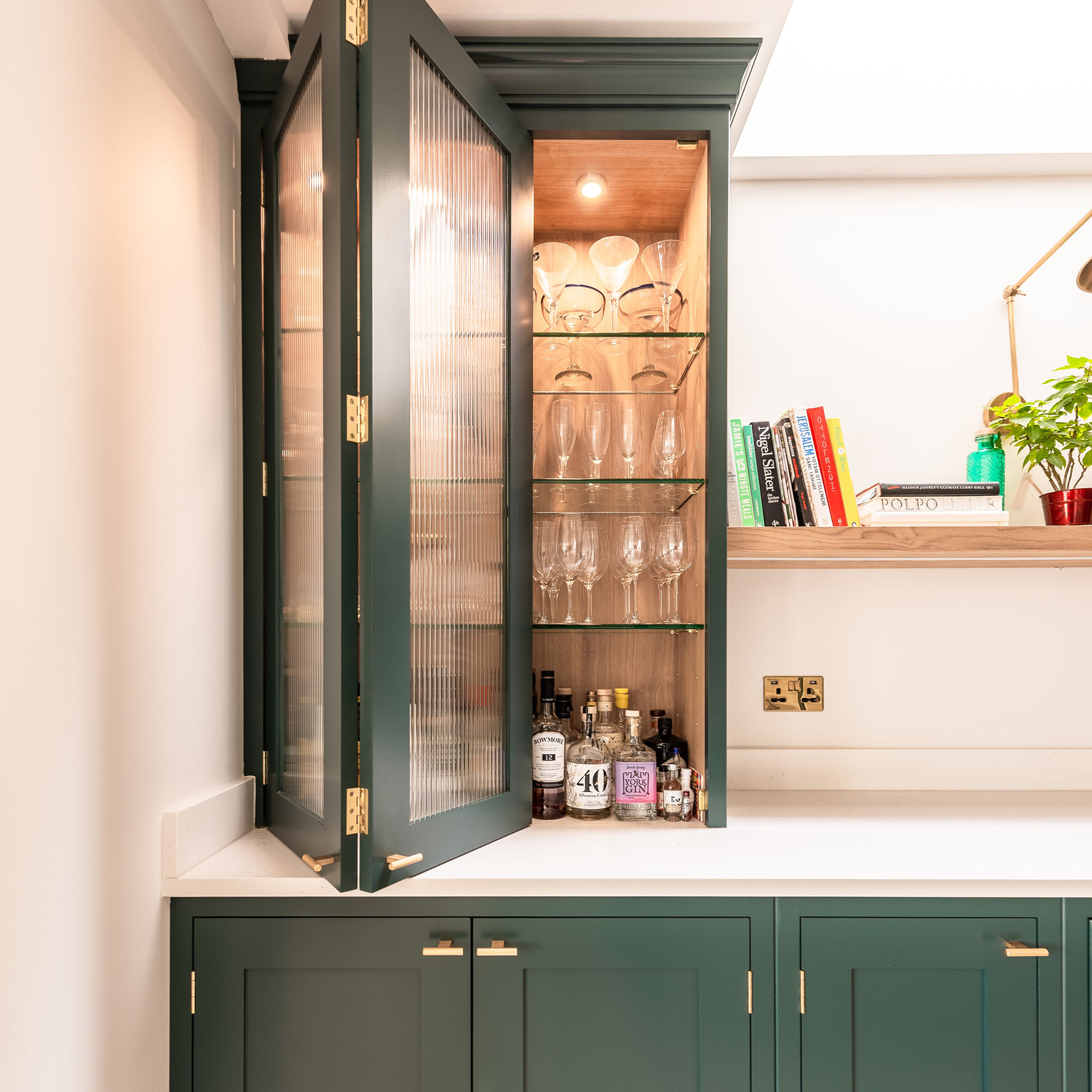
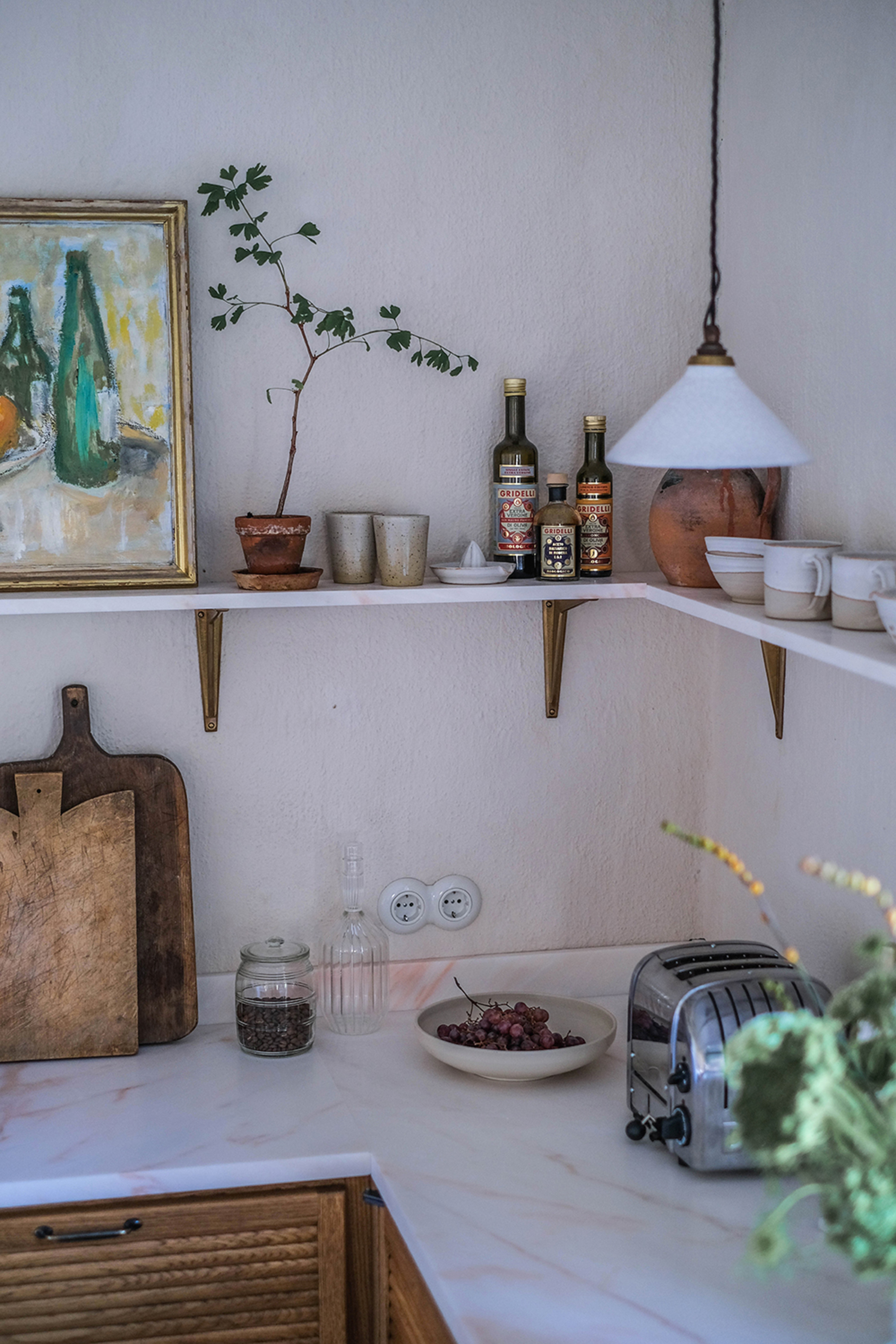
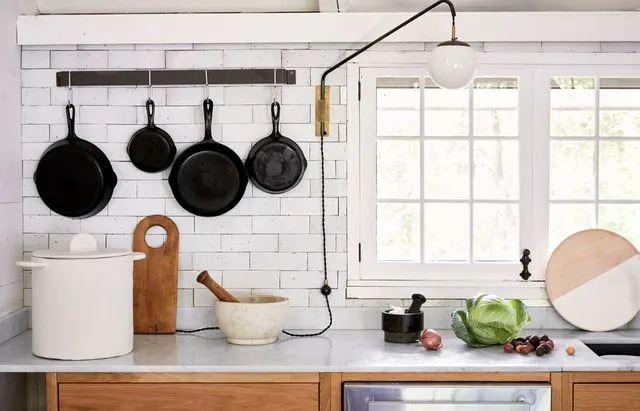
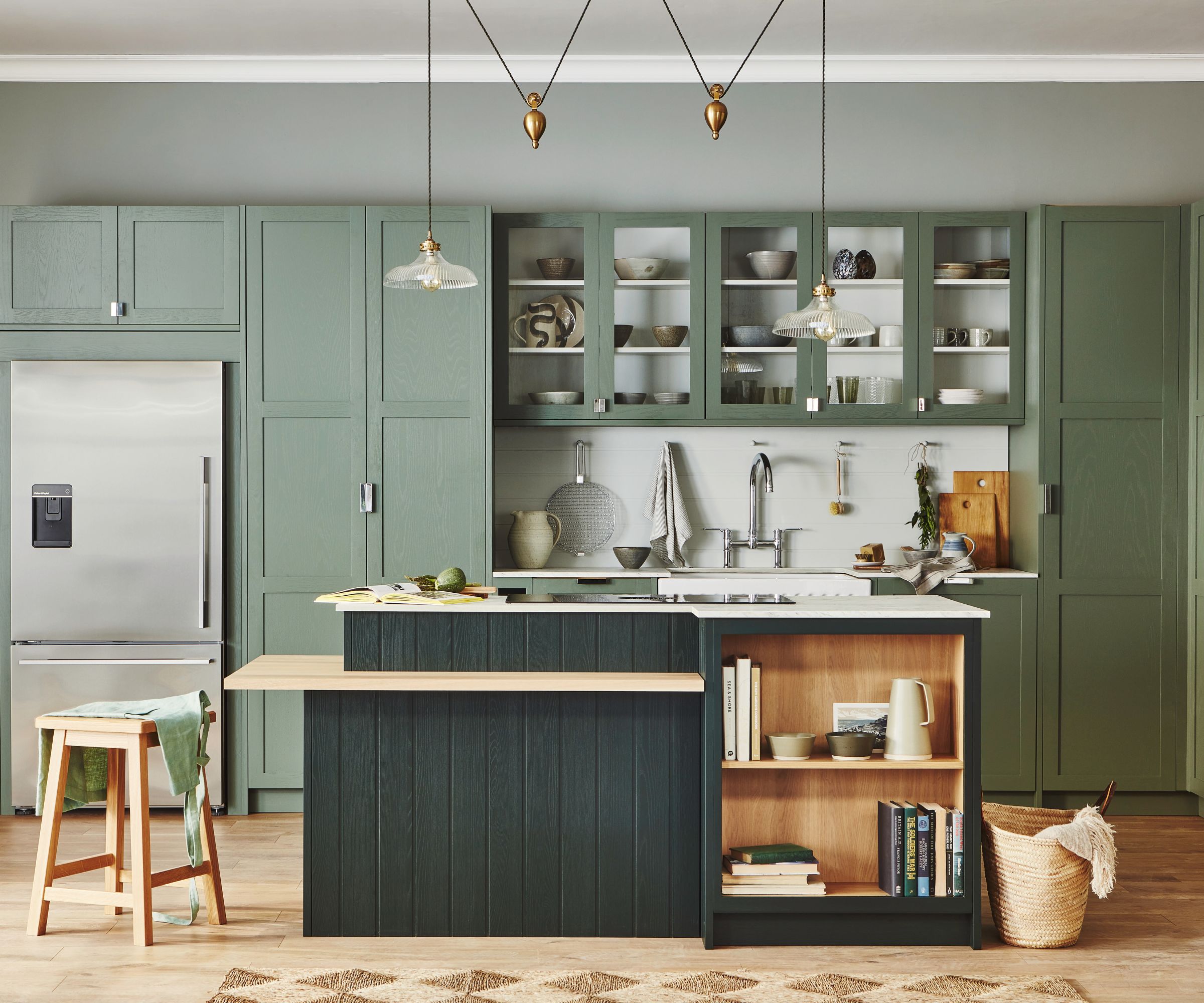
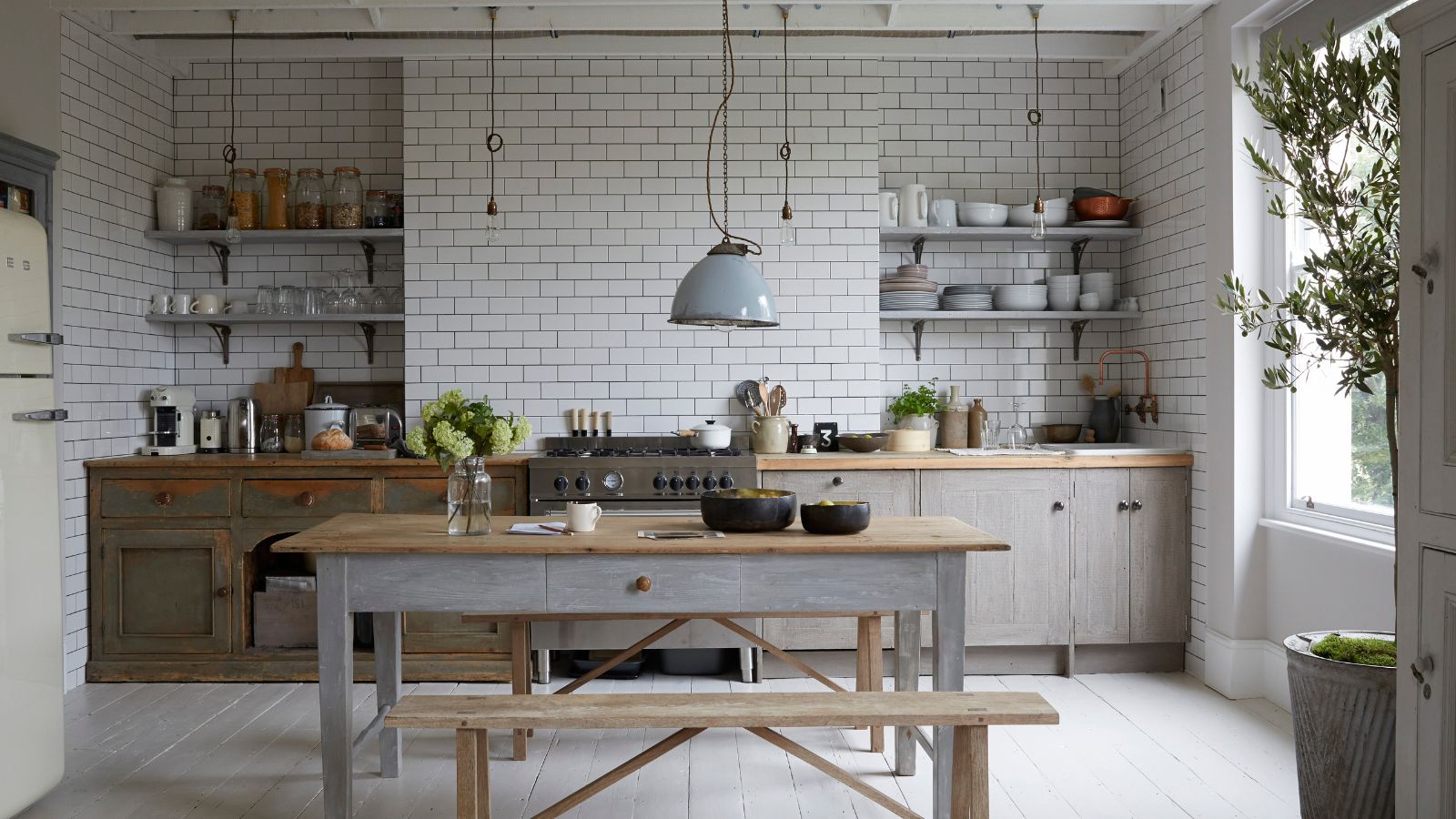
Finally, the widespread use of open shelving, which gained popularity during the farmhouse kitchen trend, is now considered overwhelming when applied excessively. While intended to offer an airy and curated display for dishes and glassware, an abundance of open shelves can create a cluttered appearance and necessitates constant restyling. The current recommendation is to use open shelving sparingly, perhaps for decorative items or in specific areas like a coffee station, while relying primarily on closed cabinetry for everyday storage to maintain a tidy and organized look.
#KitchenCabinetTrends #InteriorDesign #HomeRenovation #KitchenDesign #CabinetHardware #HomeDecor #DesignTrends #KitchenRemodel #KitchenCabinetTrends #InteriorDesign #HomeRenovation #KitchenDesign #CabinetHardware #HomeDecor #DesignTrends #KitchenRemodel
0 comment in total
 No comments yet
You may also like
5 outdated kitchen cabinet color trends to avoid if you don't want your kitchen to look unfashionable, say designers

Outdated kitchen trends – 5 overdone looks that designers like to avoid, and here's why you should too
7 outdated kitchen cabinet trends to close the door on — and what to pick instead

5 Outdated Kitchen Rules You Should Definitely Ignore, According to Designers

These are the outdated kitchen cabinet trends designers say you should ditch in 2025
5 Outdated Types of Kitchen Storage Experts Are Urging You to Avoid

5 Kitchen Styles That Are Definitely Out of Style, Designers Say
5 Outdated Kitchen Tile Trends to Retire, According to Interior Designers

5 Kitchen Cabinet Details to Avoid If You Don't Want Your Space to Look Old-Fashioned
5 Kitchen Cabinet Details to Avoid If You Don't Want Your Space to Look Old-Fashioned
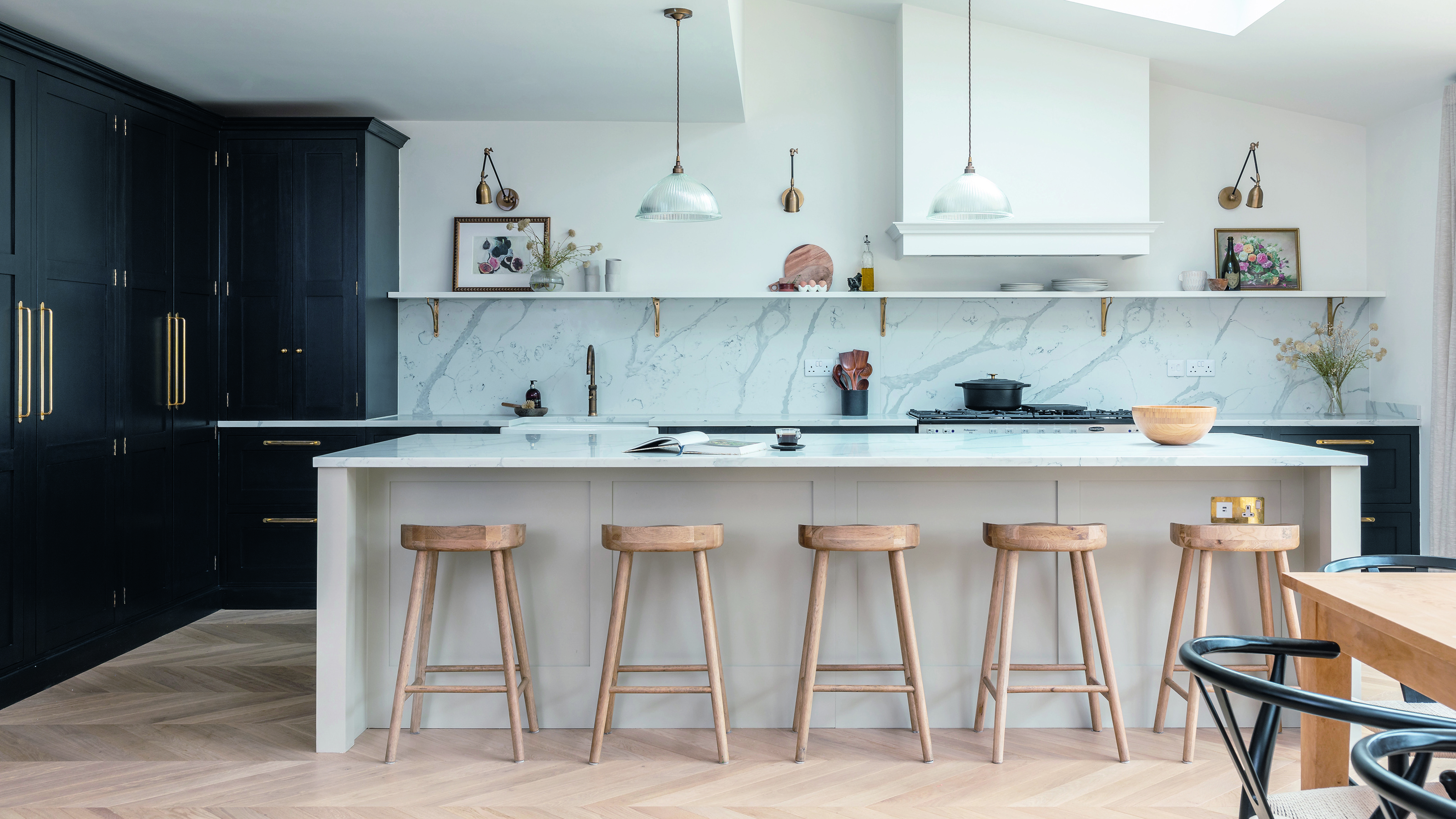
5 kitchen trends to avoid for a unique and timeless design
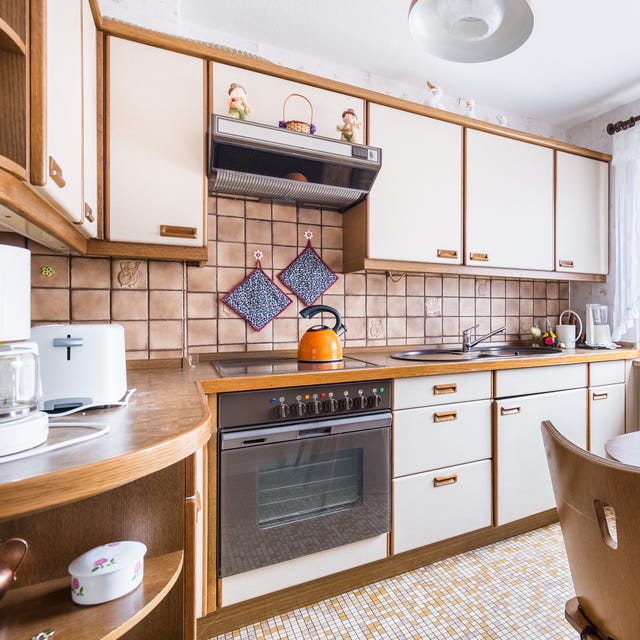
22 Outdated Things You Should Avoid in Your Kitchen, According to Designers

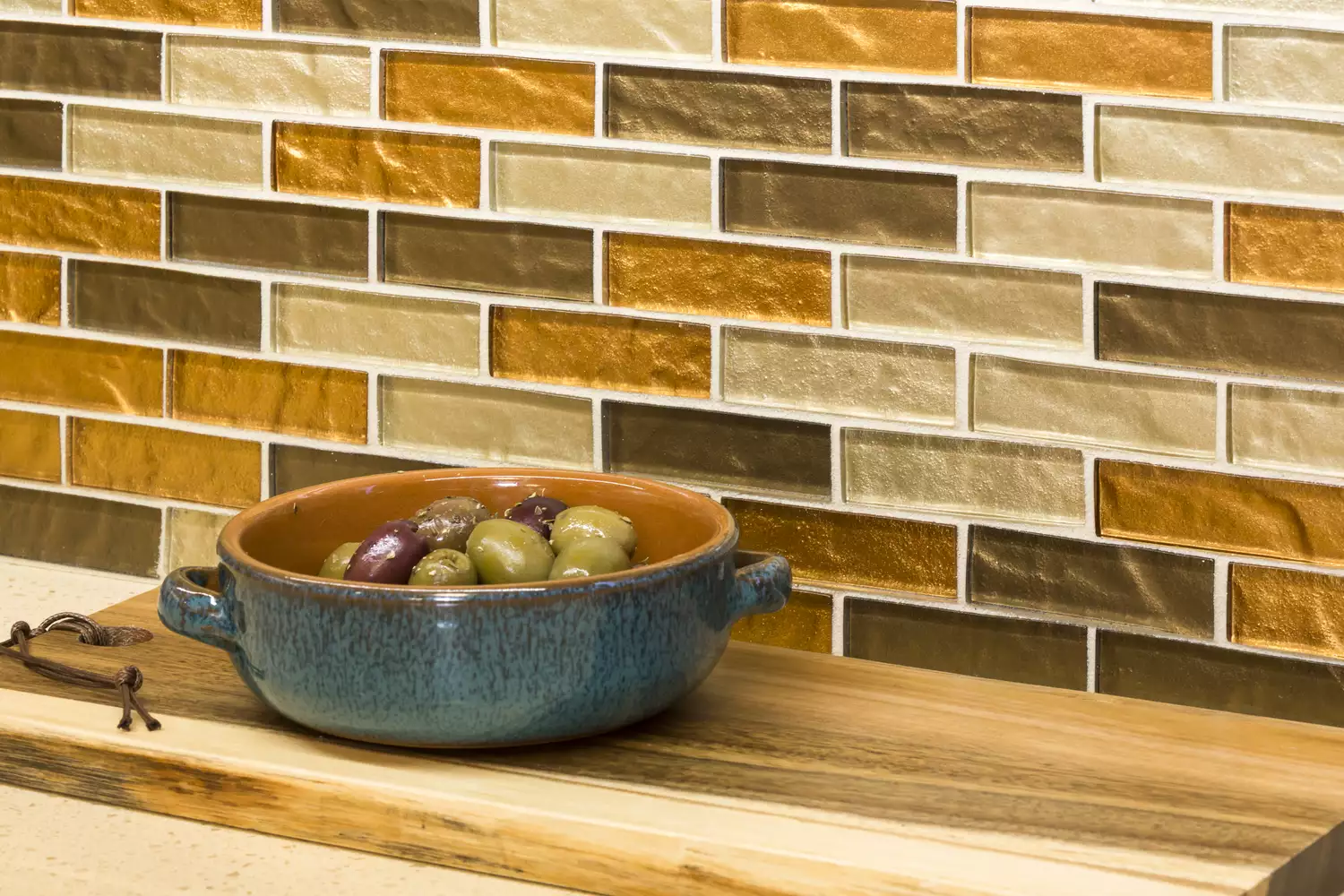
5 Outdated Kitchen Trends Interior Designers Hope Never Come Back

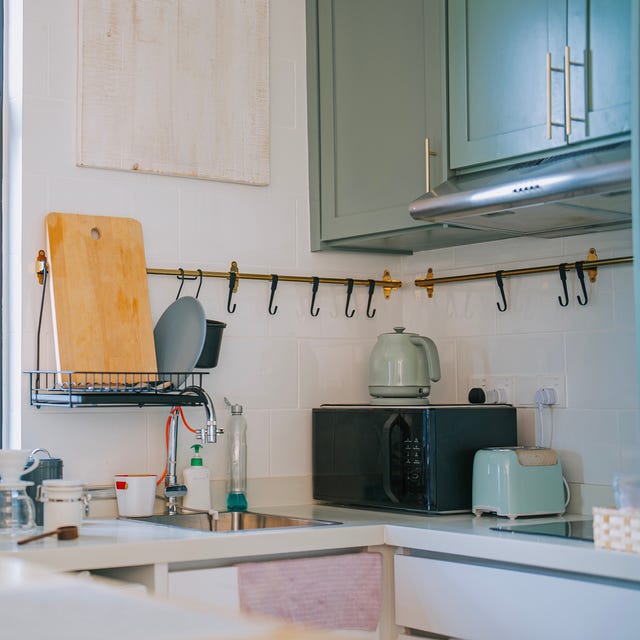
15 Outdated Things You Should Avoid In Your Kitchen, According To Designers
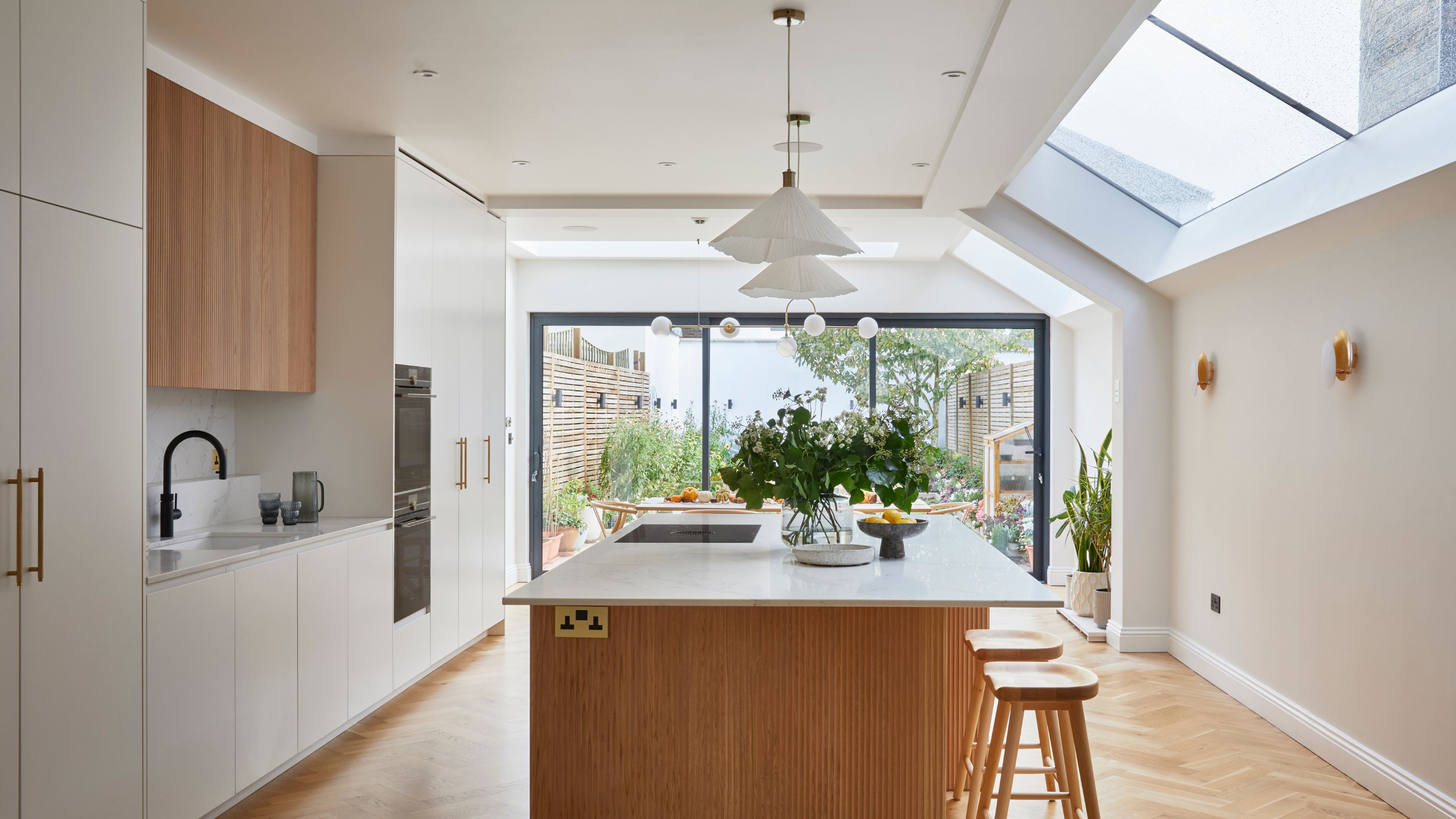
6 Outdated Kitchen Trends Designers Say You Need to Avoid in 2025 — And What to Do Instead
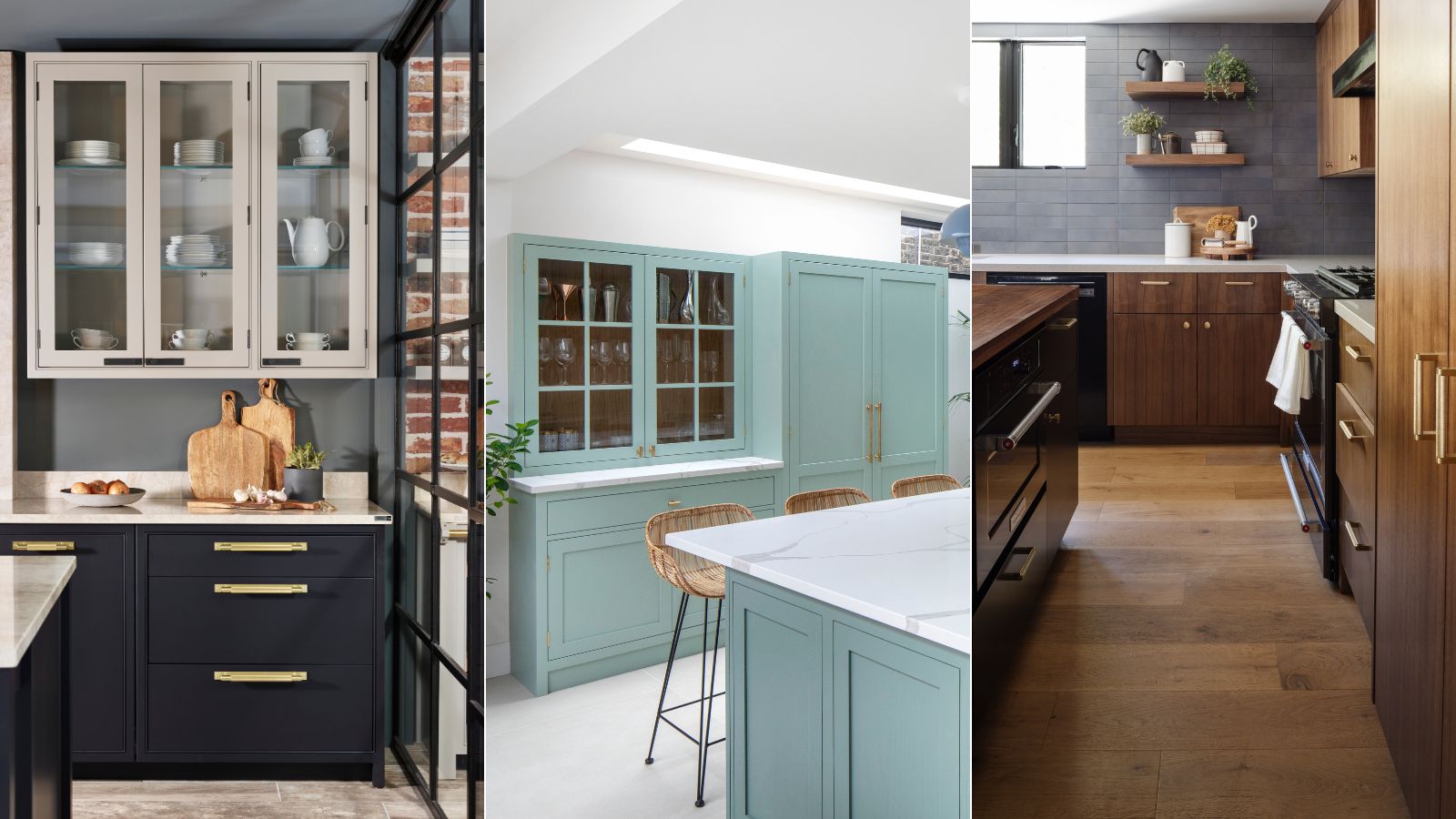
5 dated kitchen hardware trends that could be bringing down the look of your kitchen
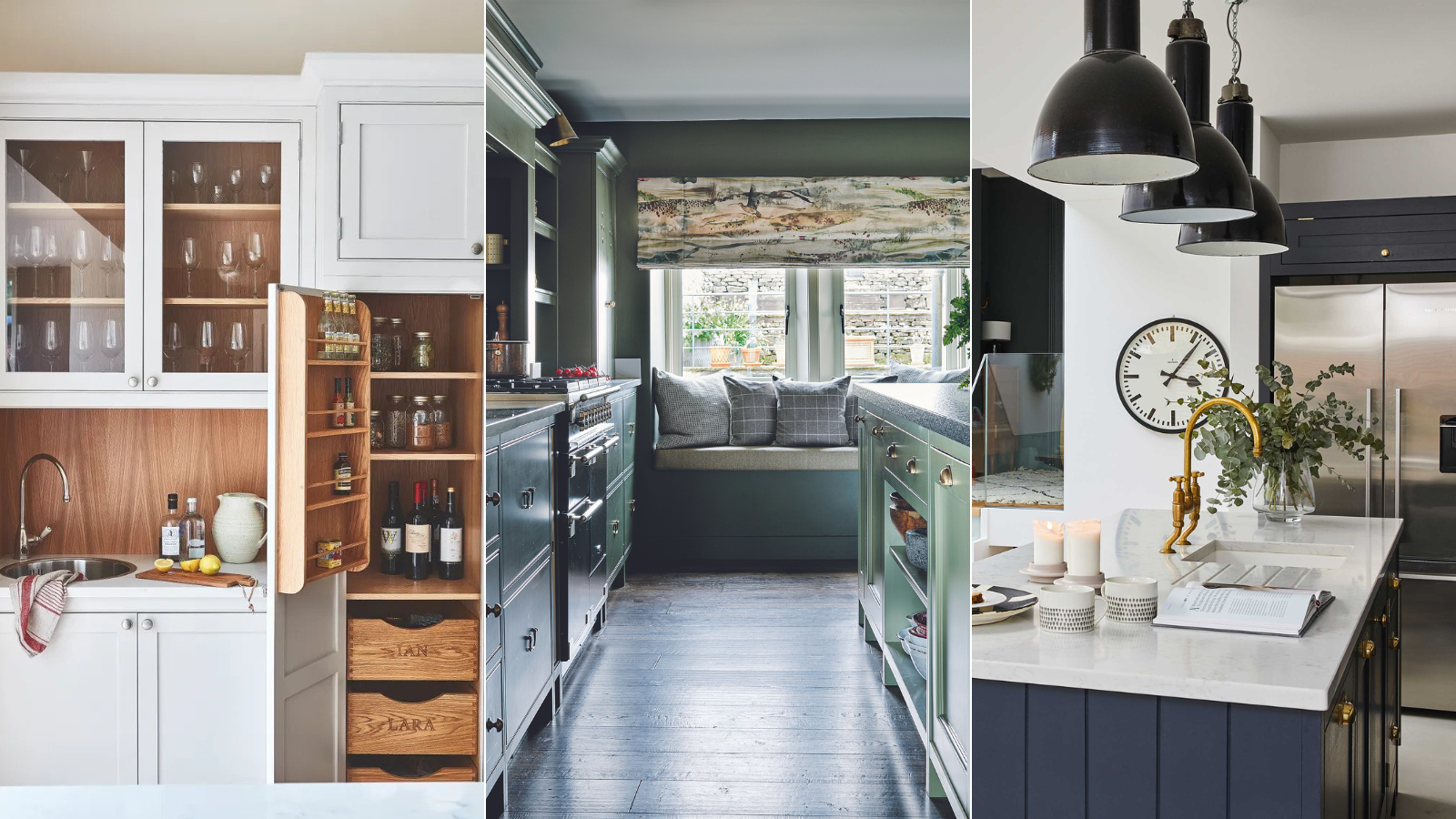
These 5 features make kitchen cabinets look dated, designers warn us
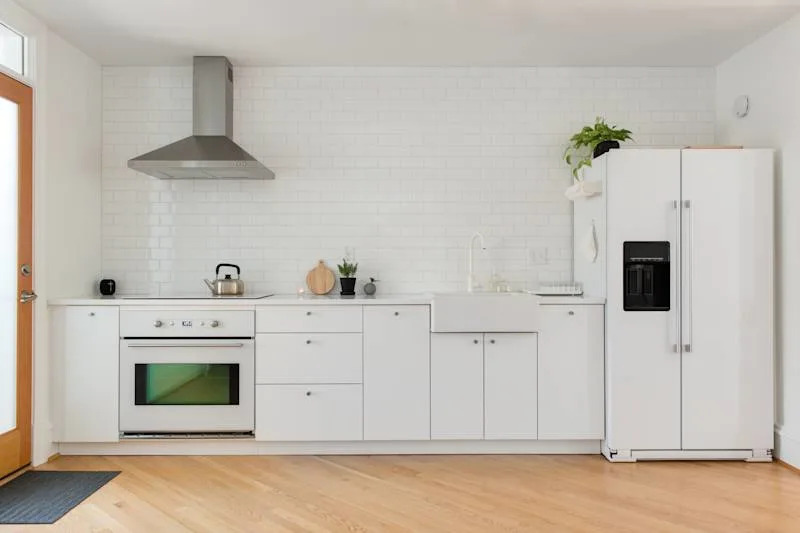
5 Kitchen Cabinet Trends on Their Way Out This Year (and 4 Replacing Them), According to Contractors
7 Kitchen Storage Trends That Designers say are Best Avoided
5 Kitchen Cabinet Trends for 2026—And the Surprising Style That Just Fell Out of Favor