1/8
When Sunlight Meets Tadao Ando’s Concrete
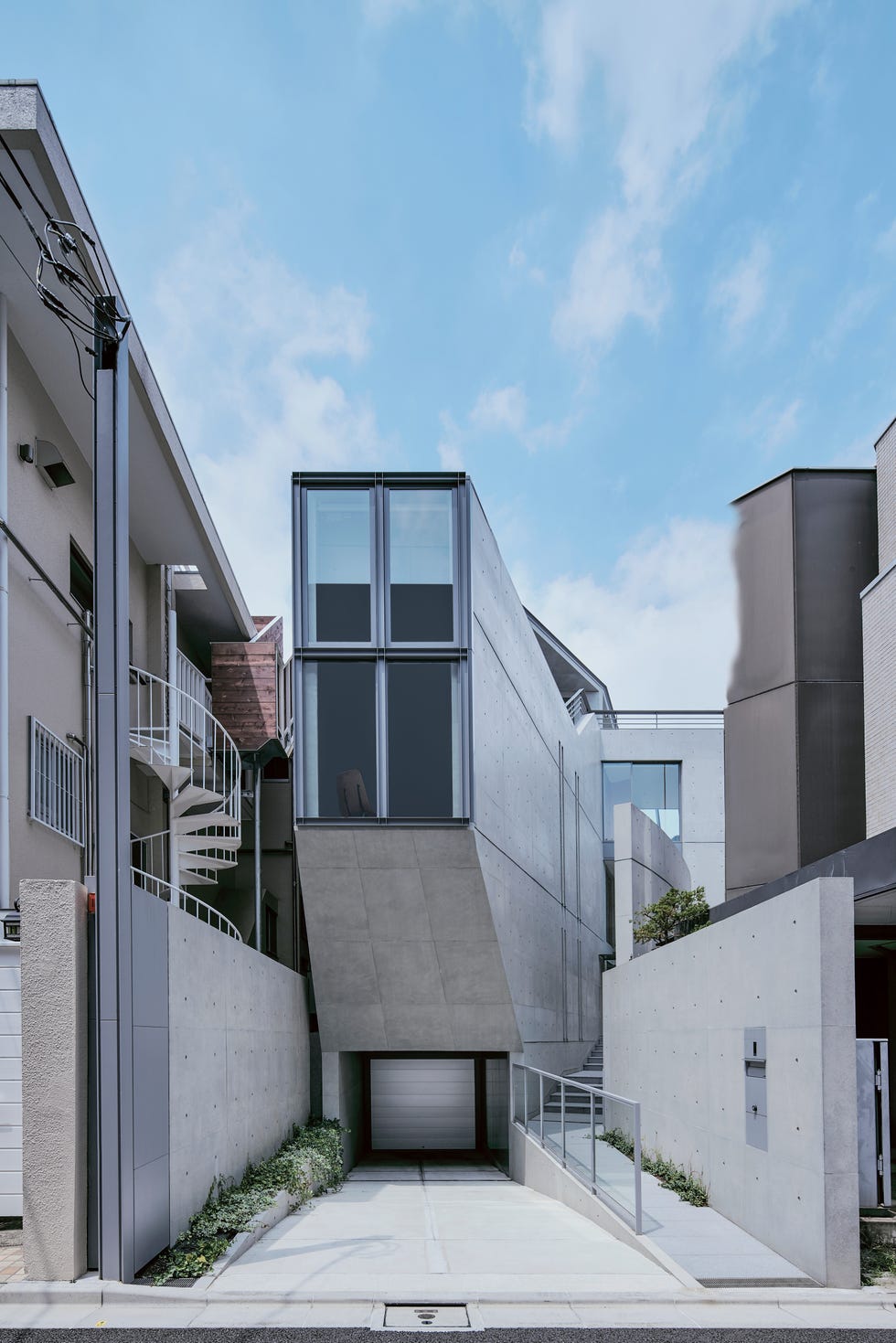
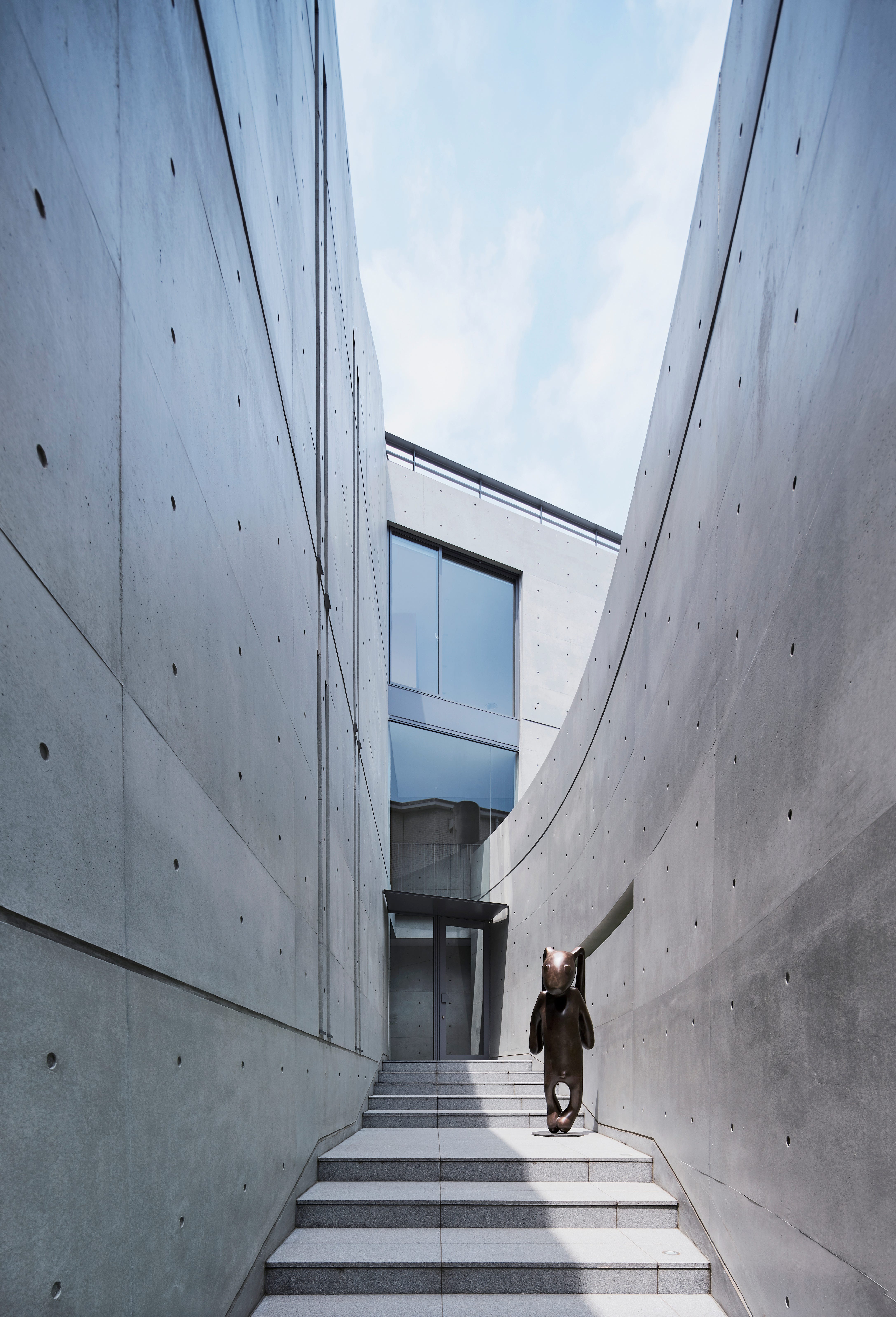
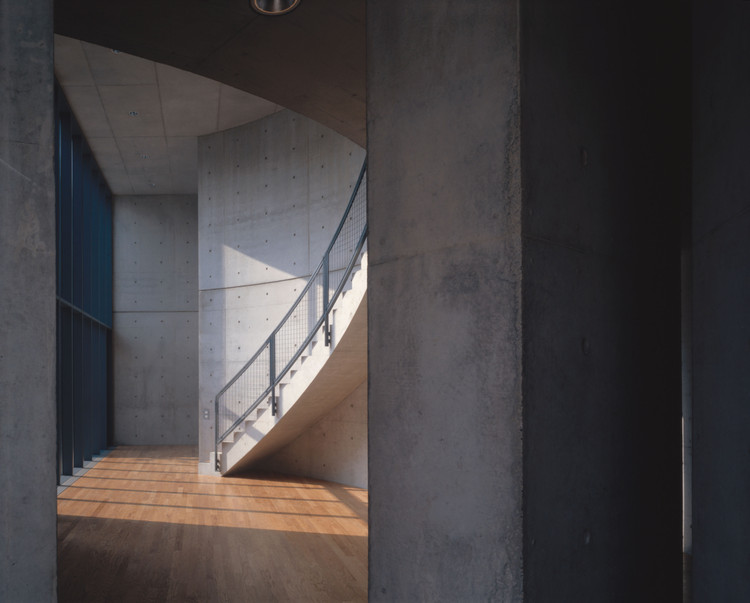
Pritzker-winning architect Tadao Ando consistently pursues the integration of light into his designs, creating complex choreographies of illumination within his architectural spaces. His work frequently showcases sensitive transitions where natural light interacts with concrete surfaces, manifesting as striking shadow patterns or subtle water reflections. Ando's architectural style blends traditional Japanese aesthetics with modernist principles, contributing to a form of critical regionalism. This approach is evident in iconic structures such as the Church of the Light, Koshino House, and the Water Temple, where he adeptly merges regional identity with contemporary interpretations of space, material, and light.
Ando's early travels, particularly his visit to Rome in 1965 and his experience of the Pantheon, significantly influenced his architectural philosophy. The dramatic, direct light entering through the Pantheon's oculus presented a stark contrast to the diffused light prevalent in traditional Japanese architecture, characterized by shoji screens and softened daylight from gardens and verandas. This encounter with the Pantheon's intense brightness and singular, central light source profoundly impacted Ando, leading him to explore more dramatic light interventions in his own projects. While direct replication of the Pantheon's geometry was not his aim, the concept of a powerful and singular light source became a recurring motif.
This influence is clearly seen in the Church of the Light in Ibaraki, Osaka (1989), where cross-shaped slots on the back wall of the sanctuary create a strong interplay of light and shadow, an unusual feature for traditional Japanese religious architecture. Ando initially envisioned these openings without glass to further intensify the connection to the Pantheon's direct light, though practical considerations for climate dictated the inclusion of glass. The theme of a singular, impactful light source is also reinterpreted in the Hill of the Buddha at the Makomanai Takino Cemetery in Sapporo (2017). Here, a tunnel leads to a rotunda where an oculus frames the Buddha's head, creating an impressive halo and demonstrating Ando's mastery in composing varying brightness levels, spatial dynamics, and vistas, all enhanced by his signature cool, grey concrete.
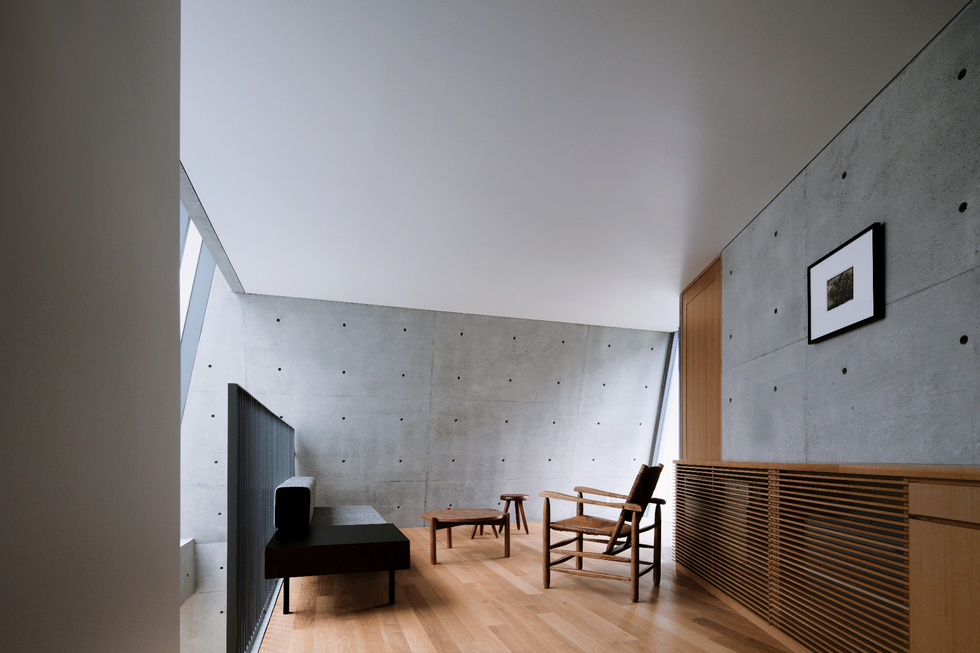
Ando's designs often feature elegant slits between walls and ceilings that create poetic rhythms of light throughout the day. These subtle openings, while primarily diffusing daylight, serve to break the monolithic concrete surfaces, separating vertical and horizontal planes, and enhancing spatial depth. The Koshino House in Ashiya (1984) exemplifies this effect, with sunlight casting diagonal shadow bands that graze the walls, intensifying the dramatic daylighting. Similarly, the Vitra Conference Pavilion uses straight and curved concrete walls to capture distinct shadows, making the passage of time tangible.
In the Church on the Water, a cross positioned in the window visually connects the congregation with an external cross on the water. This cross's shadow moves across the floor, tracking the sun's path, a technique also employed in the 4x4 House in Kobe (2003). In his American projects, such as the House in Chicago, the Penthouse in Manhattan (1996), and the 152 Elizabeth apartment block in New York (2017), Ando's windows, influenced by Mies van der Rohe, feature glass membranes with thin vertical lines, producing parallel shadow lines on the floor.
Reflecting pools are another significant design element for Ando, introducing dynamic animation to his buildings. Examples include the Komyoji Temple in Saijo (2000), the Modern Art Museum in Fort Worth (2002), and the Langen Foundation in Neuss, Germany (2004). These pools create the illusion that buildings float, particularly at night when interior lighting washes the concrete walls behind glass facades. During the day, they generate captivating water reflections on cantilevered roofs, such as those at the Modern Art Museum. The Water Temple on Awaji Island orchestrates a profound sensory experience, beginning with a void between concrete walls and an open sky, leading to a lotus pond where reflections shimmer. The journey descends into a realm of diffuse red light, achieved through vermilion wooden screens, symbolizing a transformative passage. This sequence culminates at the main altar, where light emanates from the front, guiding worshippers and signifying a spiritual awakening. This architectural journey, as described by Professor Henry Plummer, can be likened to a birth, a purifying passage through light, darkness, and vibrant color.
#TadaoAndo #ArchitecturalLighting #ConcreteArchitecture #JapaneseArchitecture #Modernism #LightAndShadow #ReligiousArchitecture #MuseumDesign #KoshinoHouse #TadaoAndo #ArchitecturalLighting #ConcreteArchitecture #JapaneseArchitecture #Modernism #LightAndShadow #ReligiousArchitecture #MuseumDesign #KoshinoHouse
 No comments yet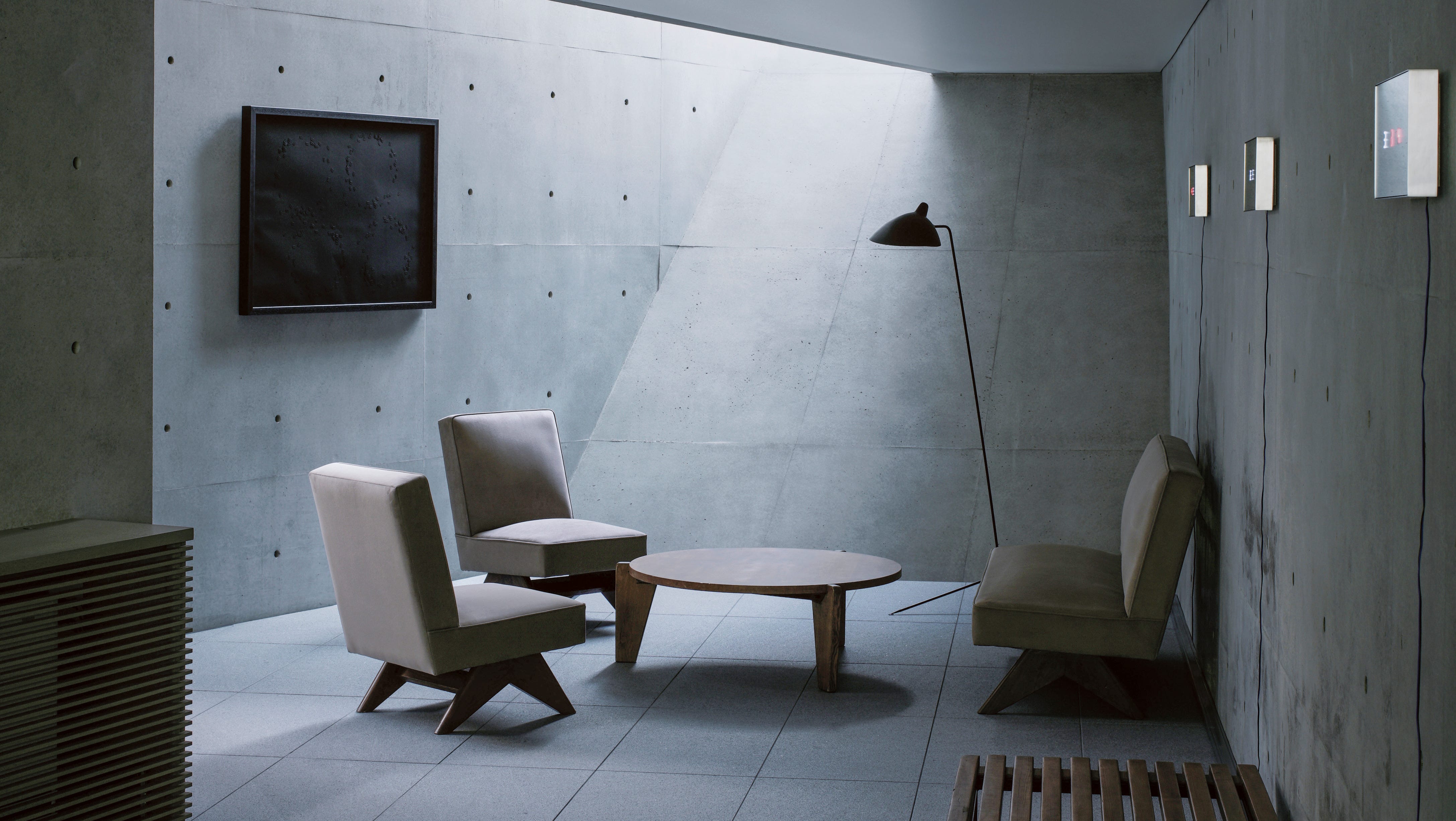
This Tadao Ando-Designed Home in Japan Is the Quintessence of Ando
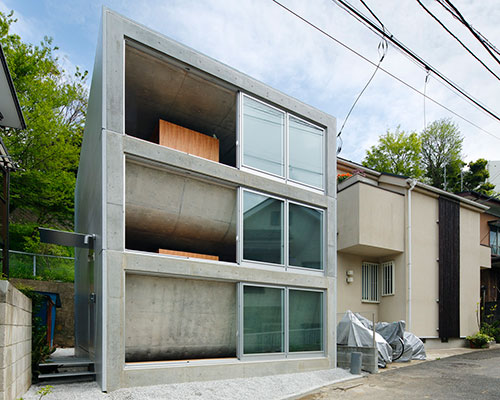
takeshi hosaka architects bend the concrete floors of byoubugaura
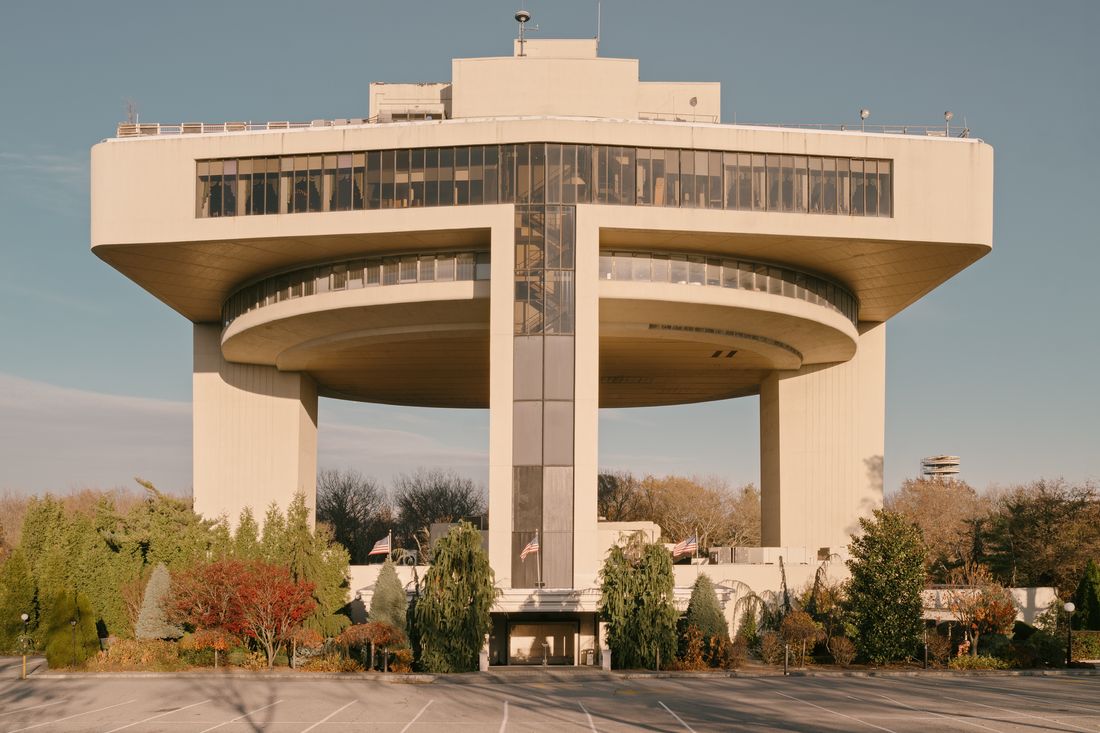
Concrete Behemoths in the Morning Light
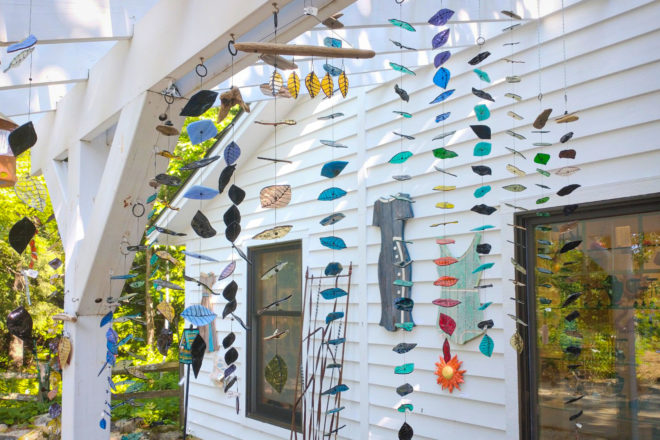
Fused-Glass Show Captures Sunlight with Color

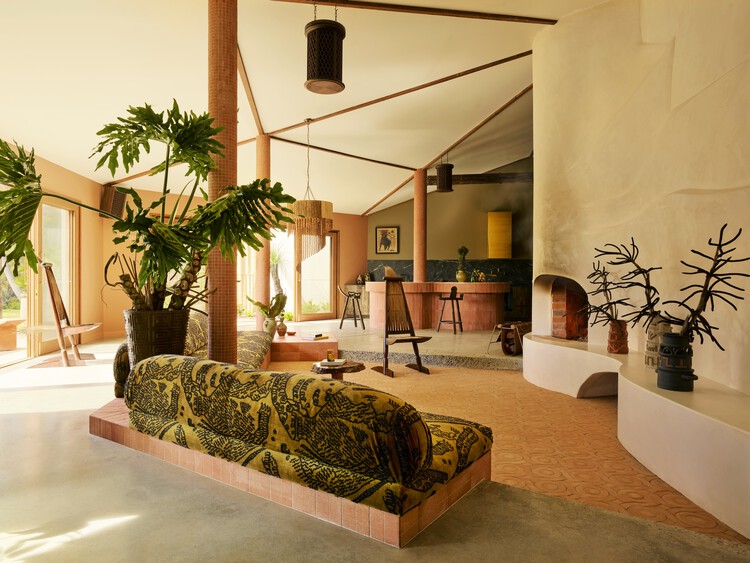
Sun Ranch / Balanced Earth Architects
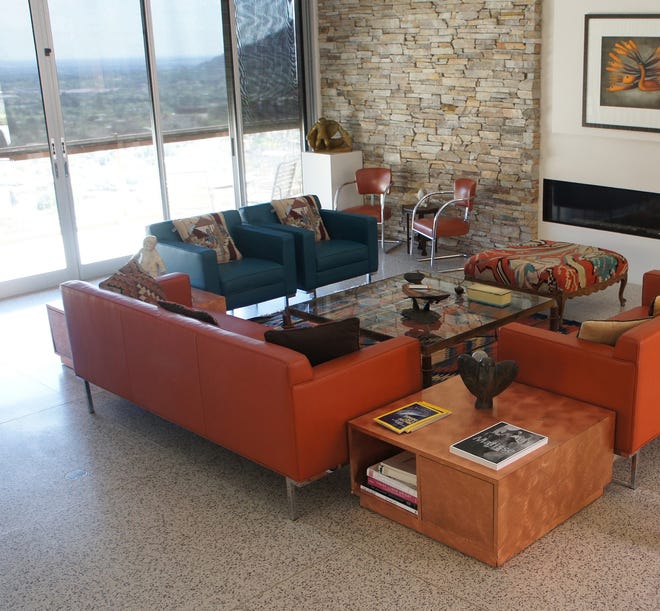
Terrazzo enjoying a resurgence
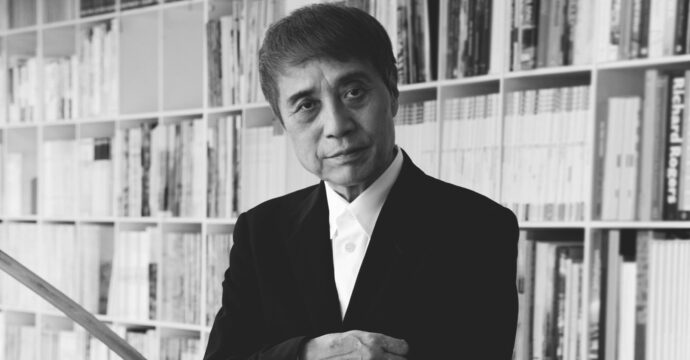
Tadao Ando: “There is no such thing as creation from nothing”

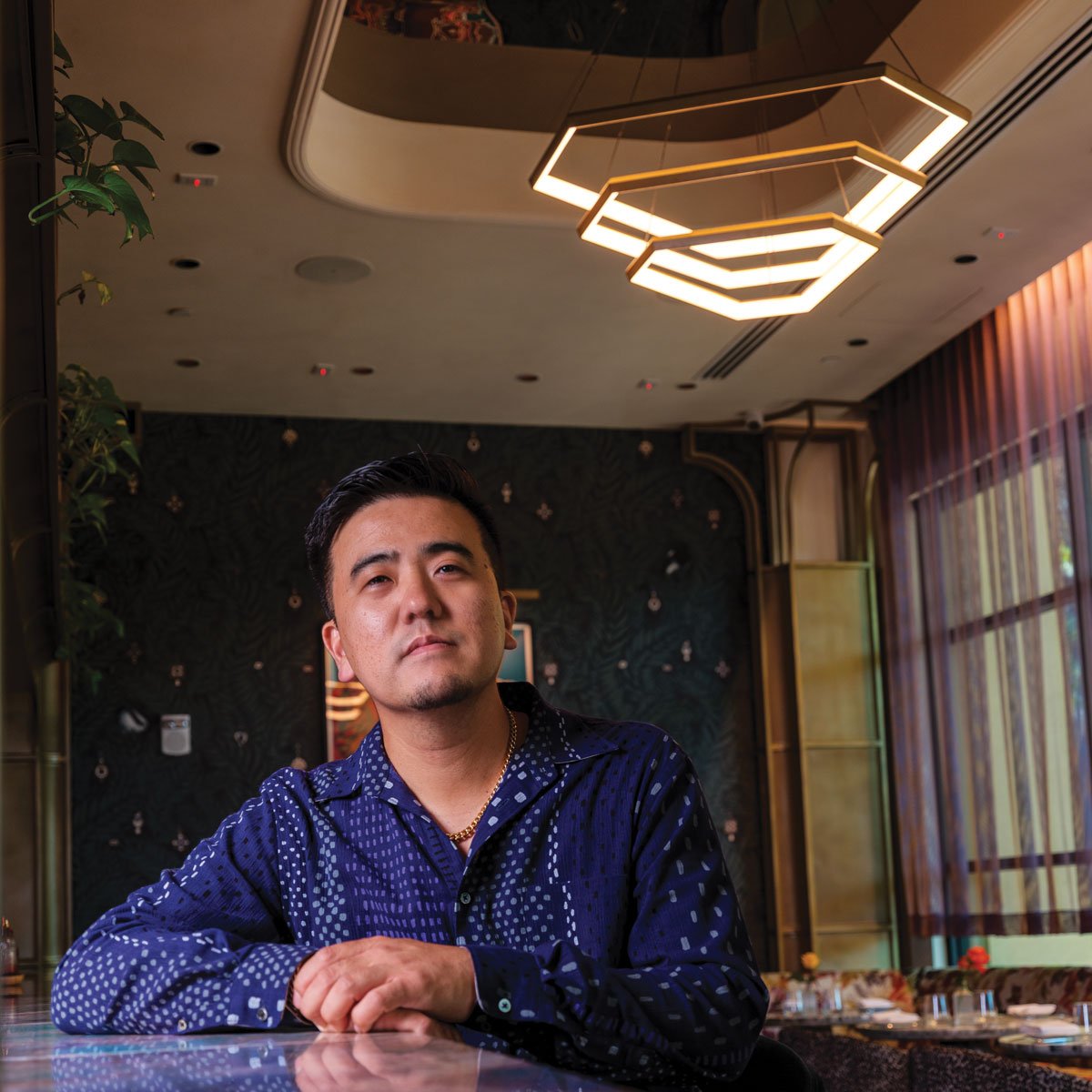
Meet Designer Miles Endo of Light Fixture Specialist Studio Endo

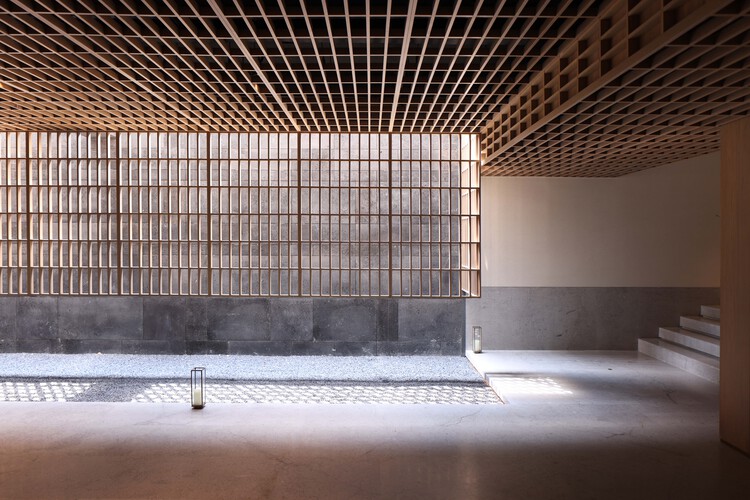
Sunlight Courtyard, Entrance Lobby of Aranya / SHISUO design office

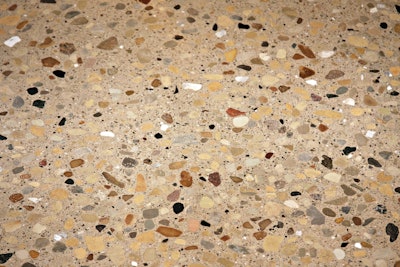
A Passion for Polished Concrete