1/2
Mouthing Off | Open kitchen trend shows a dwindling love of cooking Chinese food
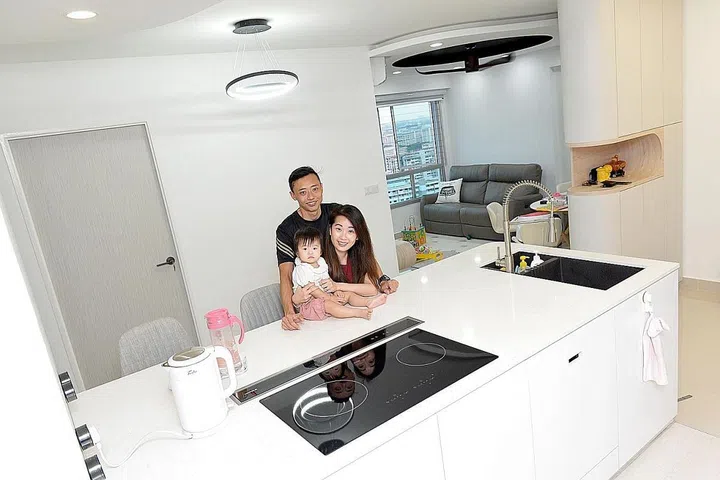
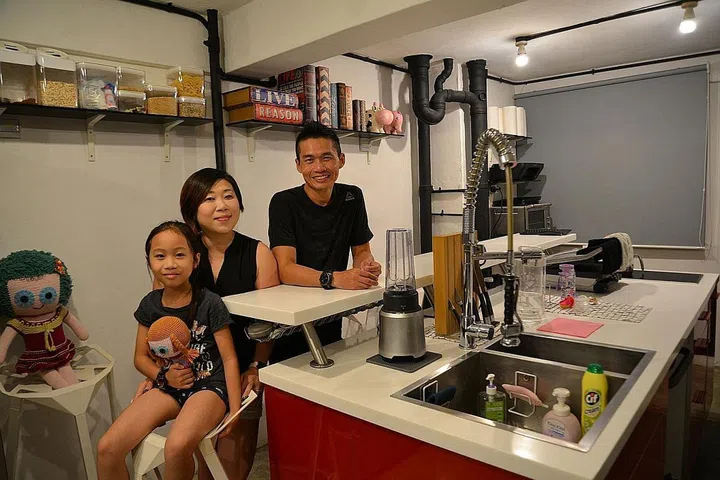
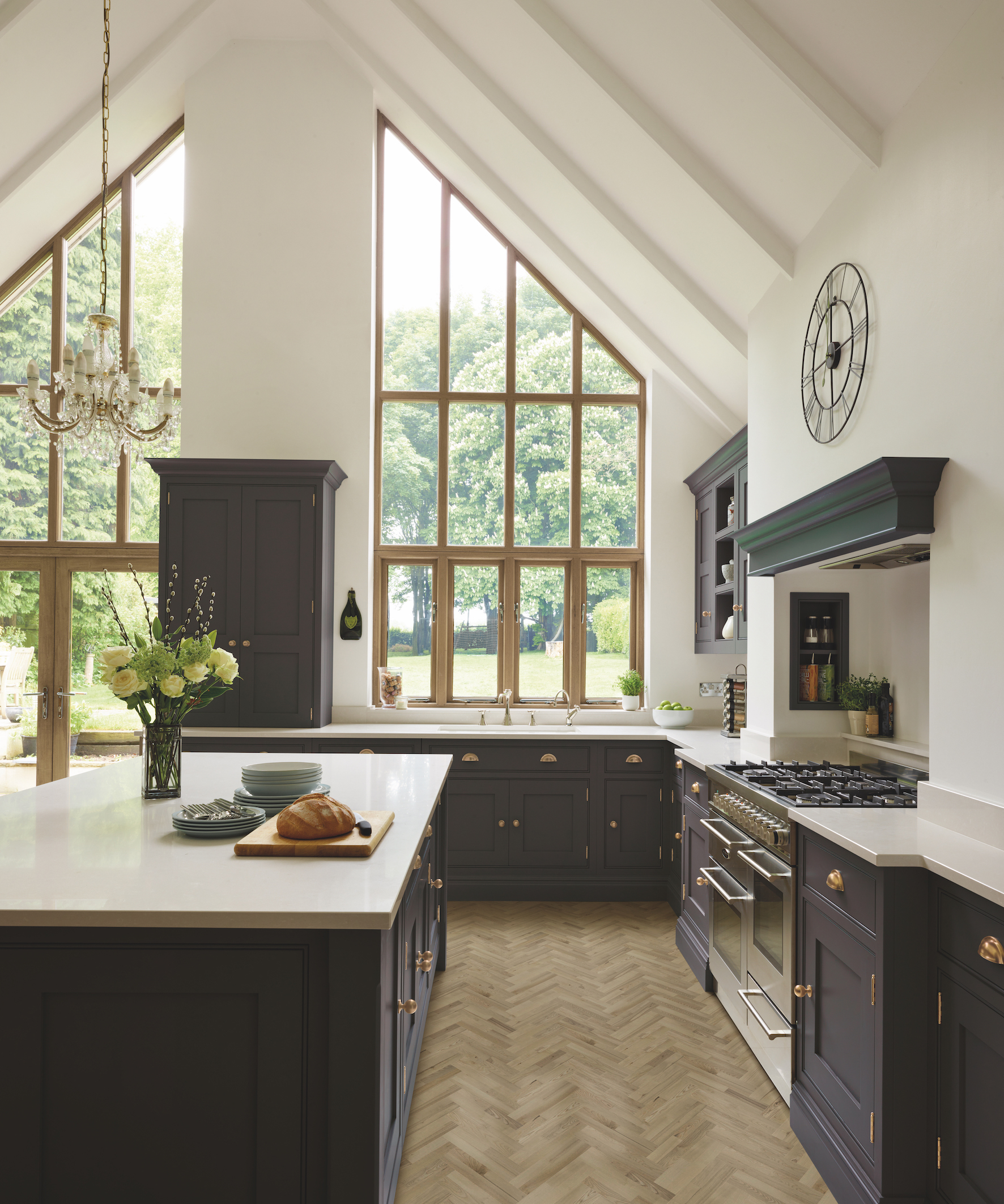
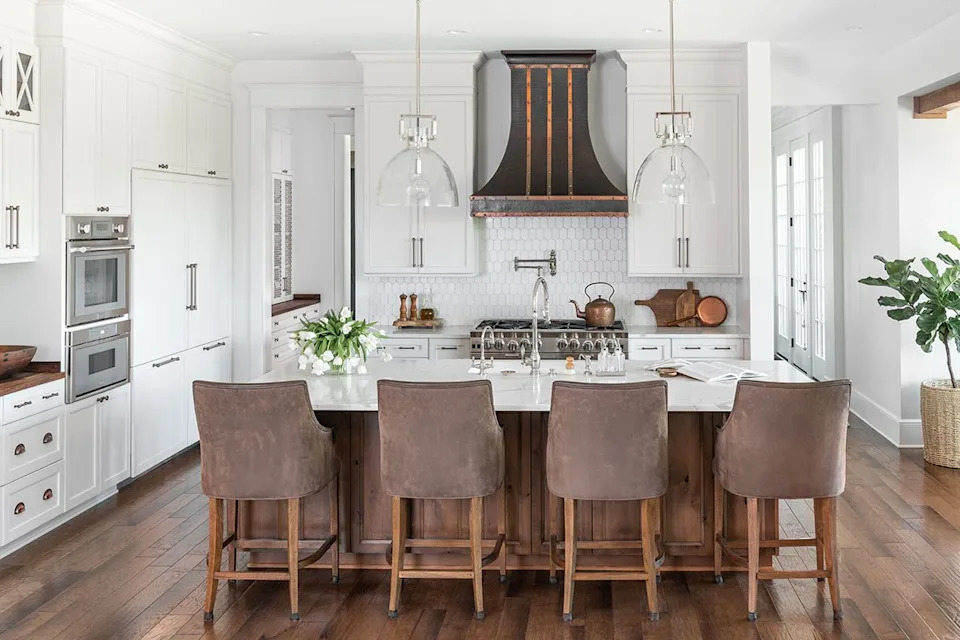
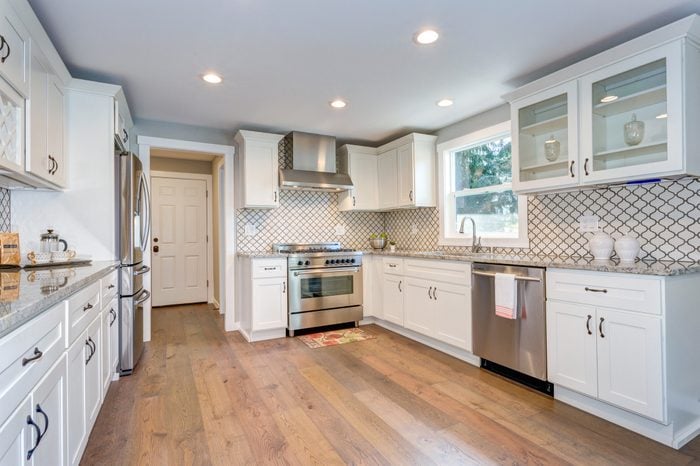
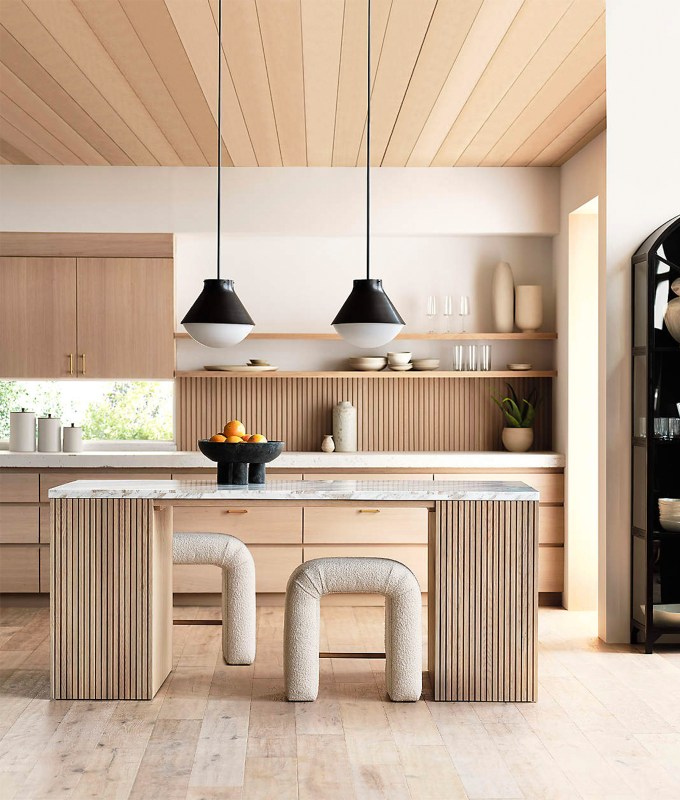
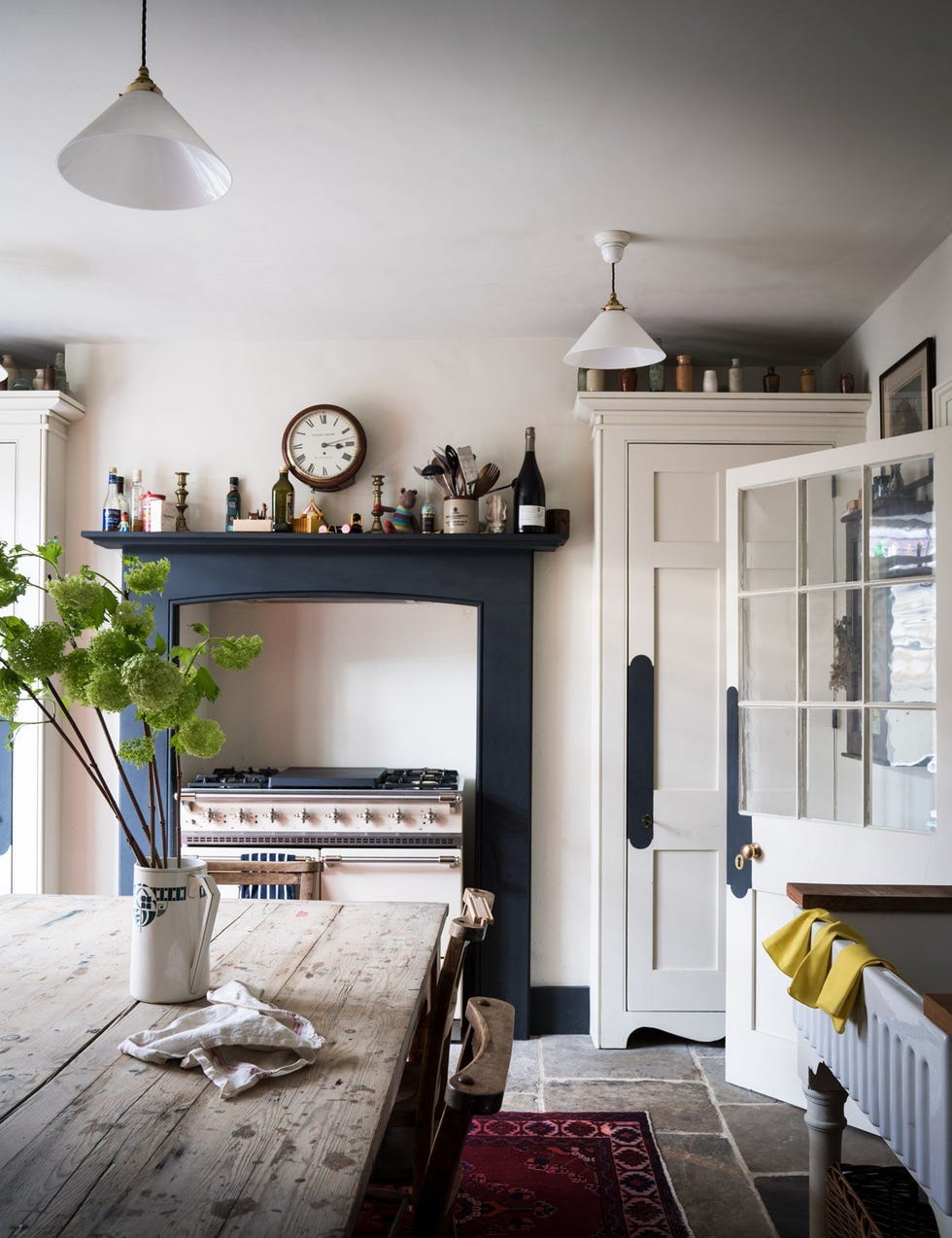
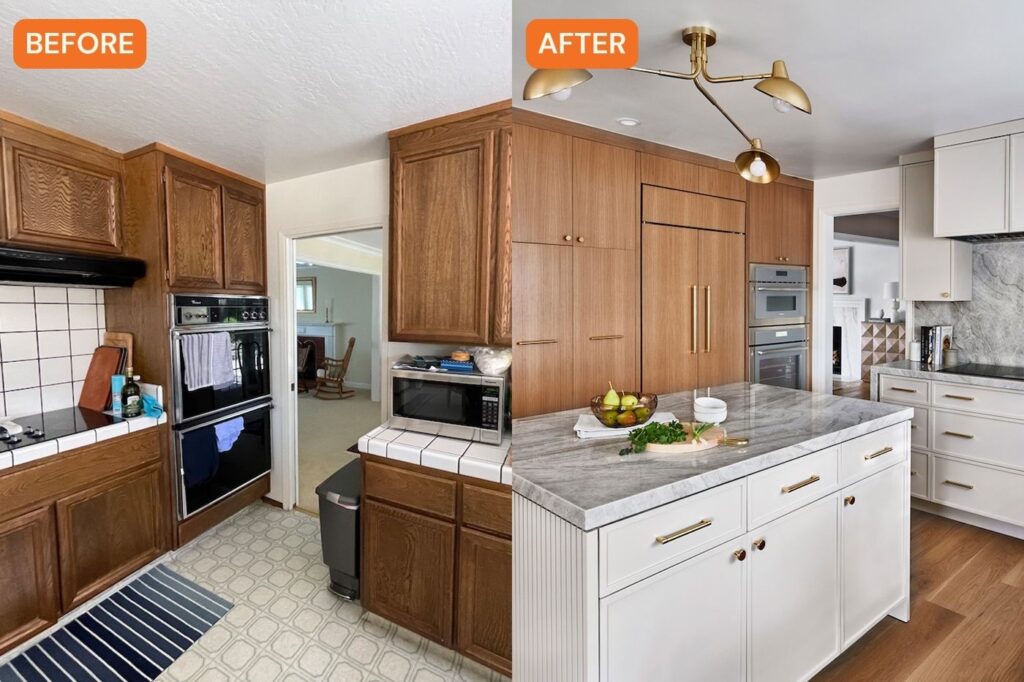
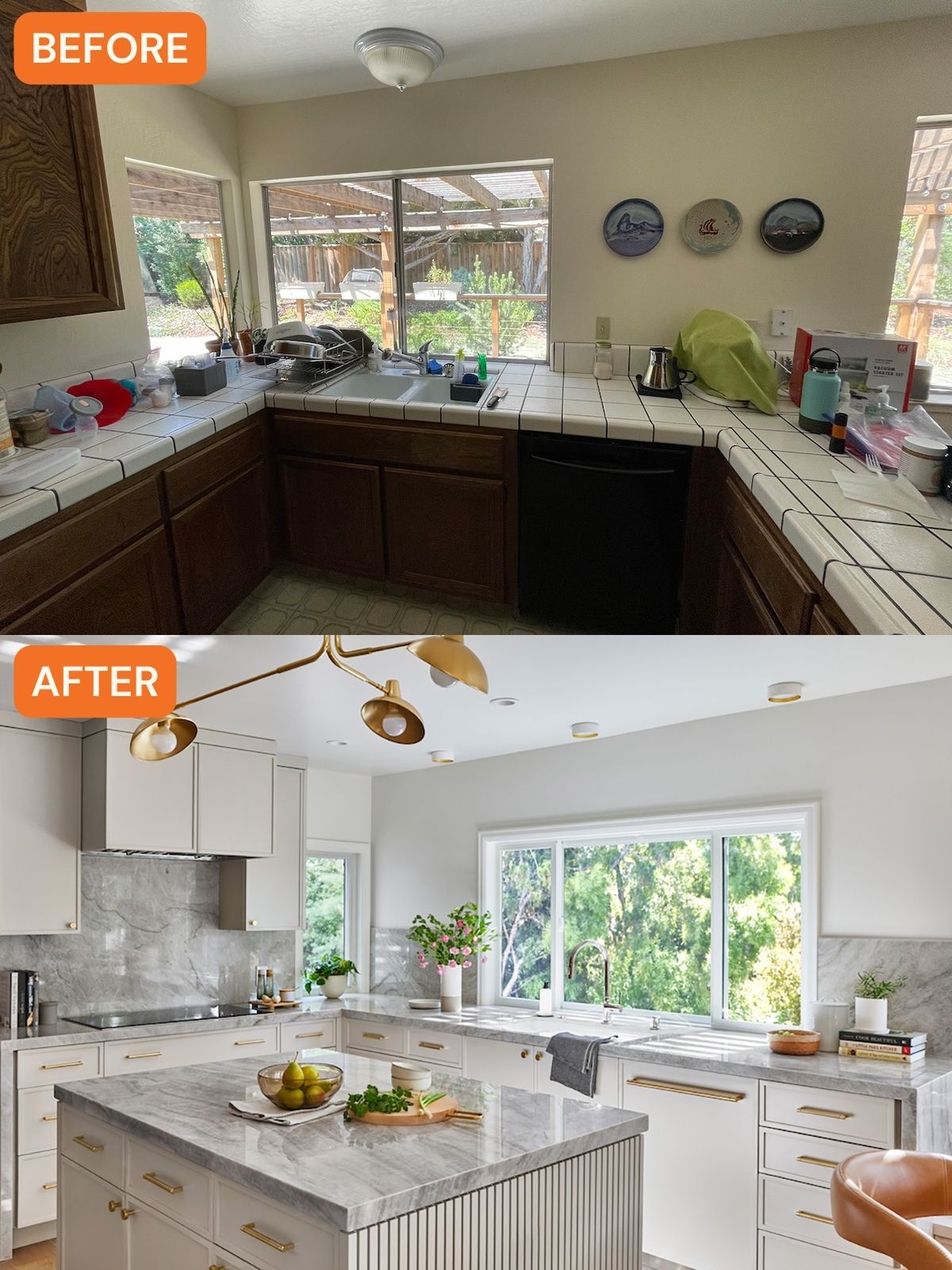
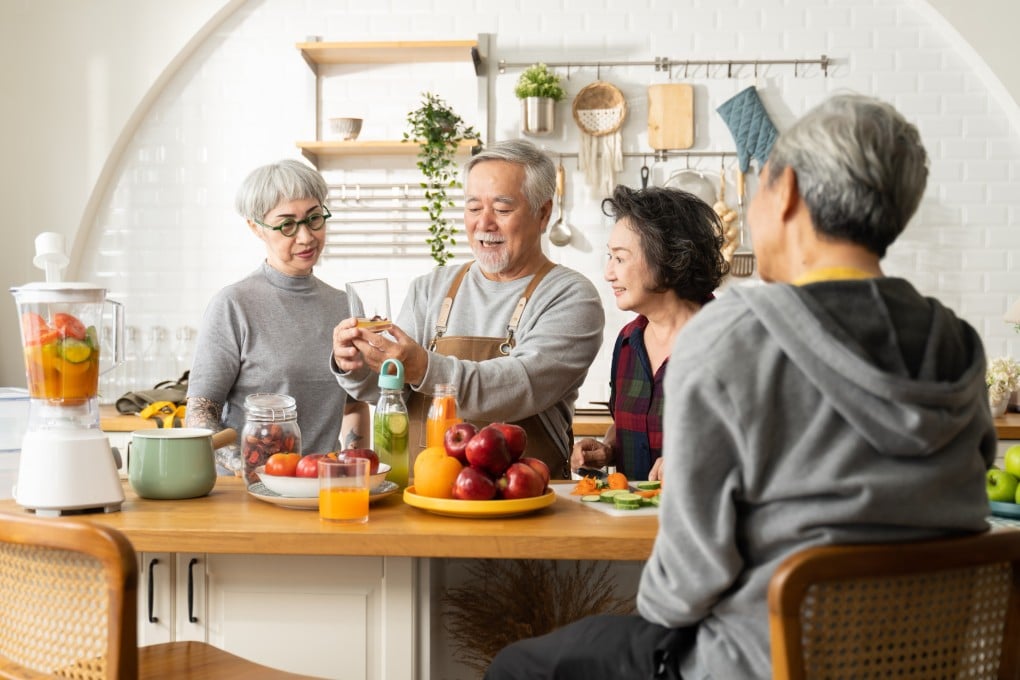
The open kitchen design has emerged as one of the most significant home design trends over the past 25 years. This trend is frequently advocated in home renovation shows, where experts often recommend removing walls between the kitchen, living, and dining areas to create a large, communal space that promotes flexibility and social interaction. The concept gained traction in the mid-20th century, initially highlighting cooking as a social activity and allowing parents, particularly mothers, to supervise their children while preparing meals. This design format has since become a standard in North American homes and is increasingly preferred in Asia, including Hong Kong.
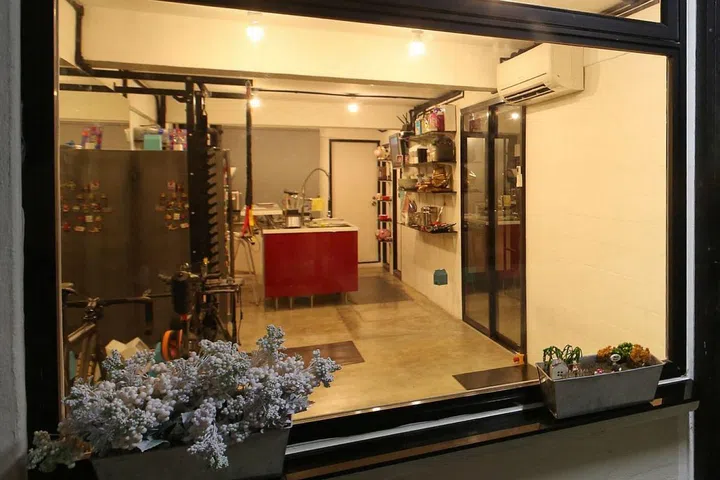
In Hong Kong, a common aspiration in home renovation is to maximize space, enlarge the kitchen, and enhance "flow" by minimizing physical barriers. While an open kitchen may not entirely alleviate the feeling of claustrophobia in Hong Kong's compact apartments, converting a 300-square-foot unit into a studio format, rather than several confined compartments, can significantly expand the perceived living area. Property agents often market open kitchens as ideal for hosting social gatherings and parties, envisioning gourmet interactions with friends and family. They also suggest that a modern open kitchen can increase a property's market value, providing an opportunity to display high-end appliances like espresso machines and KitchenAid mixers.
The adoption of open kitchens also carries a symbolic meaning, representing a shift towards a more egalitarian domestic environment. Cooking is increasingly viewed as a respected skill rather than a subservient task relegated to the back of the house. This shift empowers home cooks, allowing them to showcase their culinary talents and engage with guests during meal preparation. However, the article suggests that in Hong Kong, the growing popularity of open kitchens may also reflect a decline in the traditional practice of cooking Chinese food at home. The strong aromas and sizzling sounds associated with wok-style Chinese cooking are not ideally suited for an open-plan living space. This trend could indicate a move away from traditional cooking methods that are less compatible with an integrated living environment.
The author speculates that this design choice implicitly suggests a reduced frequency of intensive cooking, particularly the kind that generates significant smoke, steam, and strong odors. The practicality of an open kitchen in a small Hong Kong apartment, where such cooking styles are common, is questioned. This perspective highlights a cultural tension between modern architectural trends and traditional culinary practices. Ultimately, the article posits that the embrace of the open kitchen in Hong Kong, despite its potential drawbacks for traditional Chinese cooking, signals a broader change in lifestyle and culinary habits among the city's residents.
#openKitchenDesign #HongKongHomes #homeRenovation #ChineseCooking #interiorDesignTrends #urbanLiving #lifestyleChange #propertyValue #socialKitchen #openKitchenDesign #HongKongHomes #homeRenovation #ChineseCooking #interiorDesignTrends #urbanLiving #lifestyleChange #propertyValue #socialKitchen
0 comment in total
 No comments yet
You may also like
This Forgotten Kitchen Feature Is Popping Up More and More

The 6 Kitchen Trends That Get The Most Hate Online

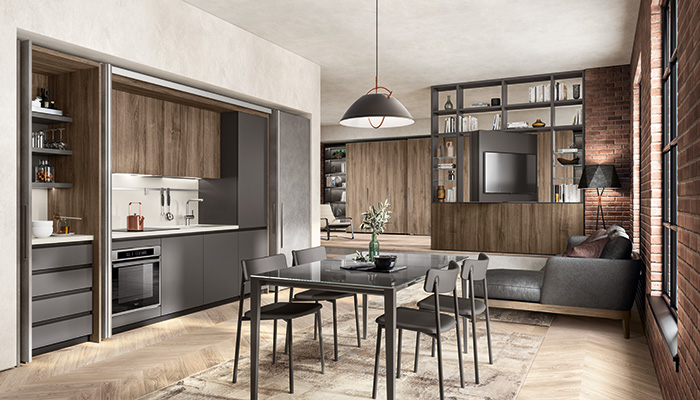
Hide and sleek: The rising popularity of a kitchen behind closed doors
Design Pros Reveal the Surprising Kitchen Trend That's About to Take Over
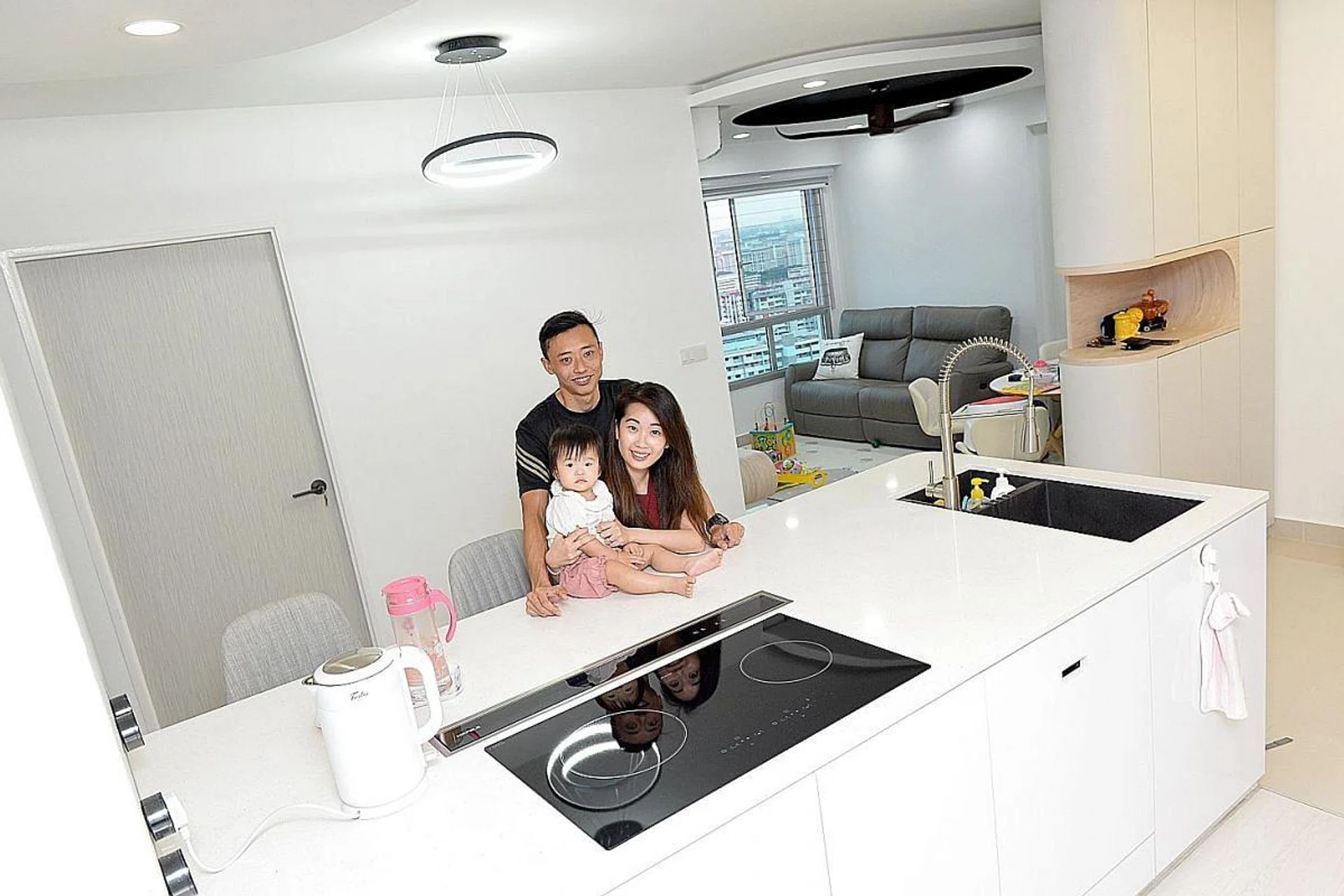
4 homeowners share their experiences with open-concept kitchens
This Once-Popular Home Feature Is Falling Out of Favor

Why Dining Rooms Are Disappearing From American Homes

Why the 'unfitted kitchen' is fast becoming one of 2025's biggest trends
The Minimalist Kitchen Trend We’re About to See Everywhere

Design Experts Agree: This Kitchen Style Is Making a Major Comeback
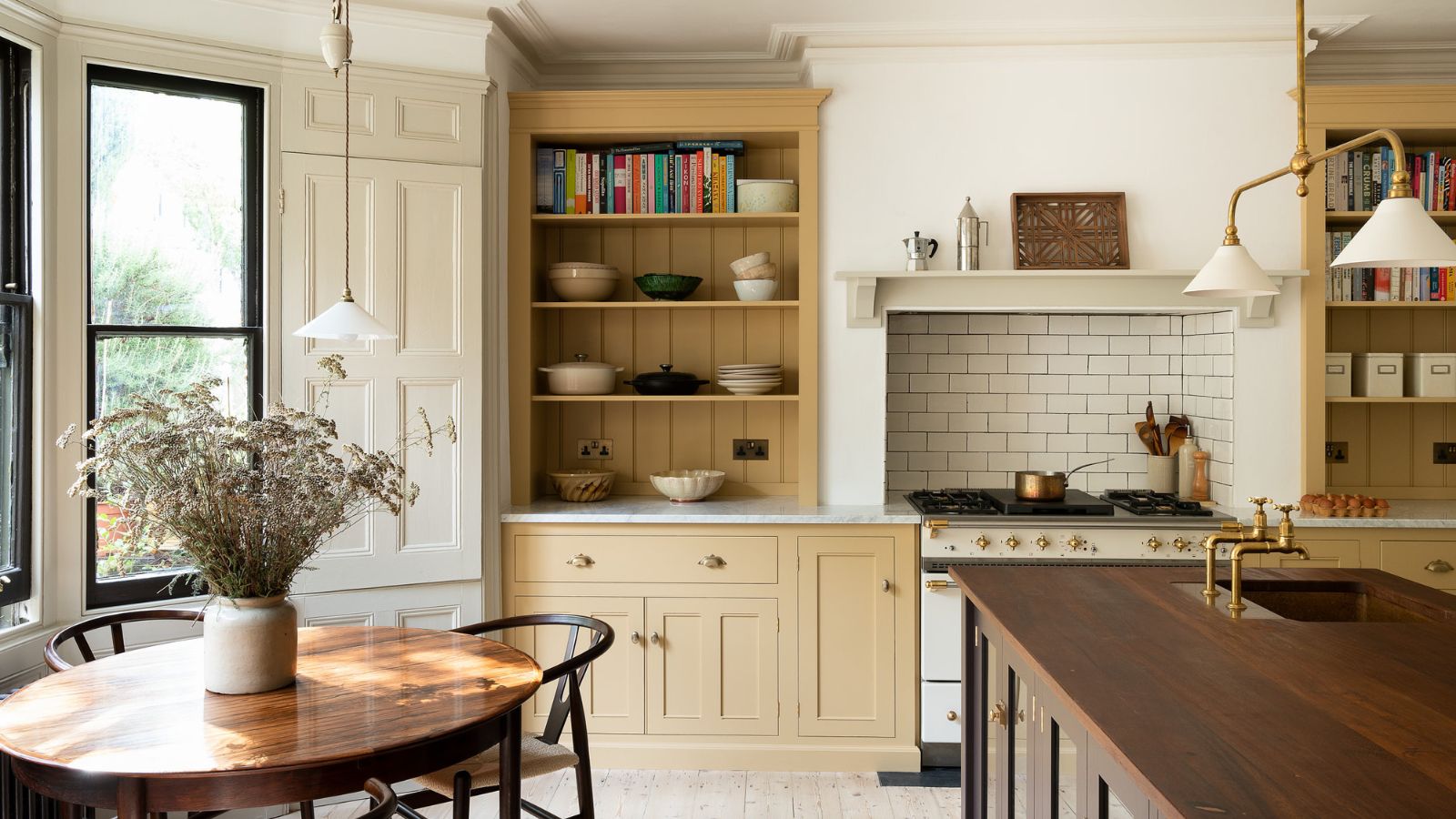
'Eat-in areas' are making a much-welcomed comeback – and designers say these compact dining spaces are perfect for even the smallest kitchens

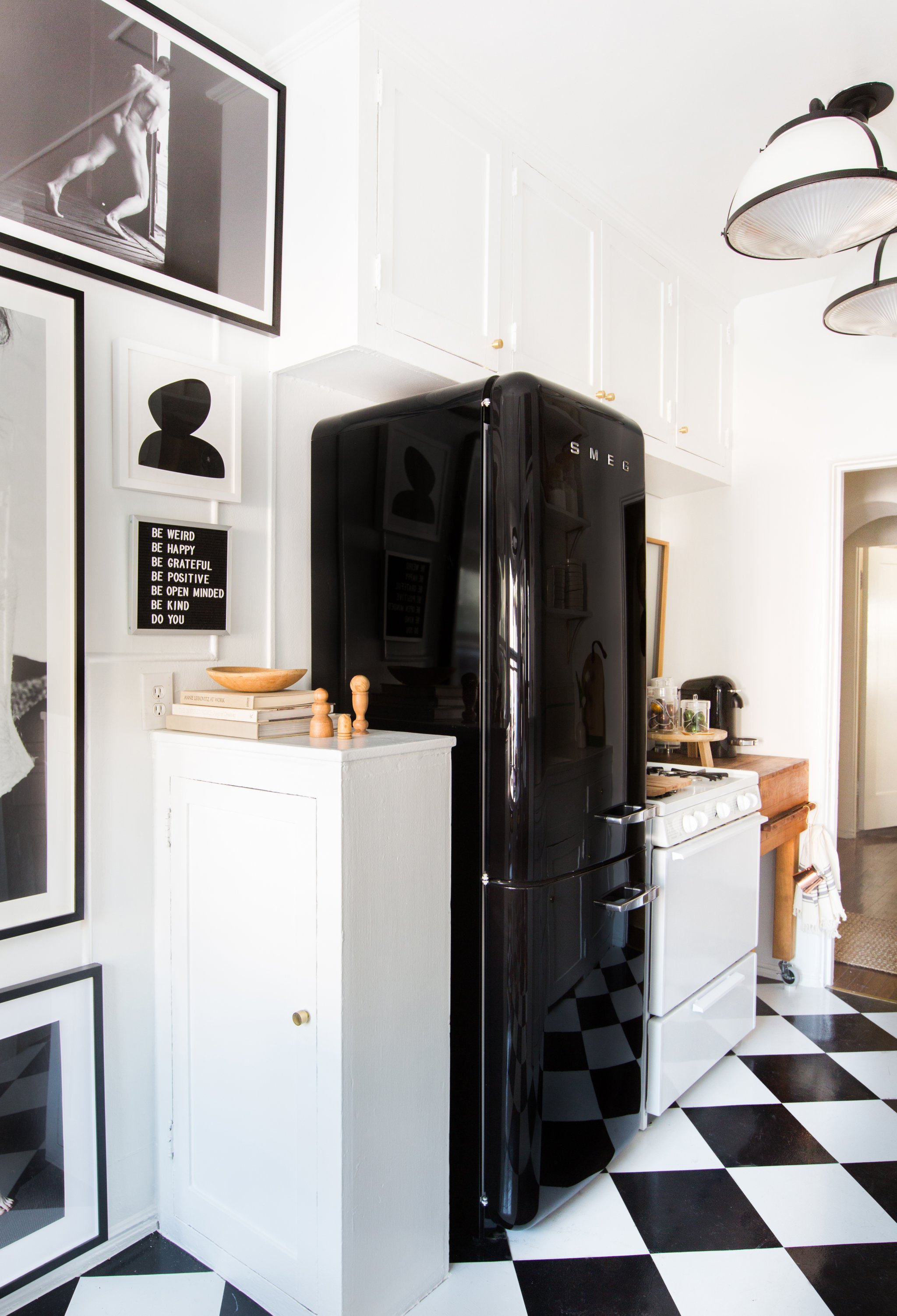
This Once-Taboo Kitchen Flooring Is Climbing the Ranks
Kitchen trends
9 Outdated Kitchen Trends to Watch Out For

The Kitchen Trend We Called in 2021 Is Finally Going Mainstream, So Prepare to See It Everywhere
This Once-Popular Kitchen Trend Is Actually a Huge Pain—Here’s One Designer’s Solution
Have broken-plan kitchens replaced open-plan? This is how to get on board with the new trend
The Controversial Kitchen Trend the Design World Is Buzzing Over
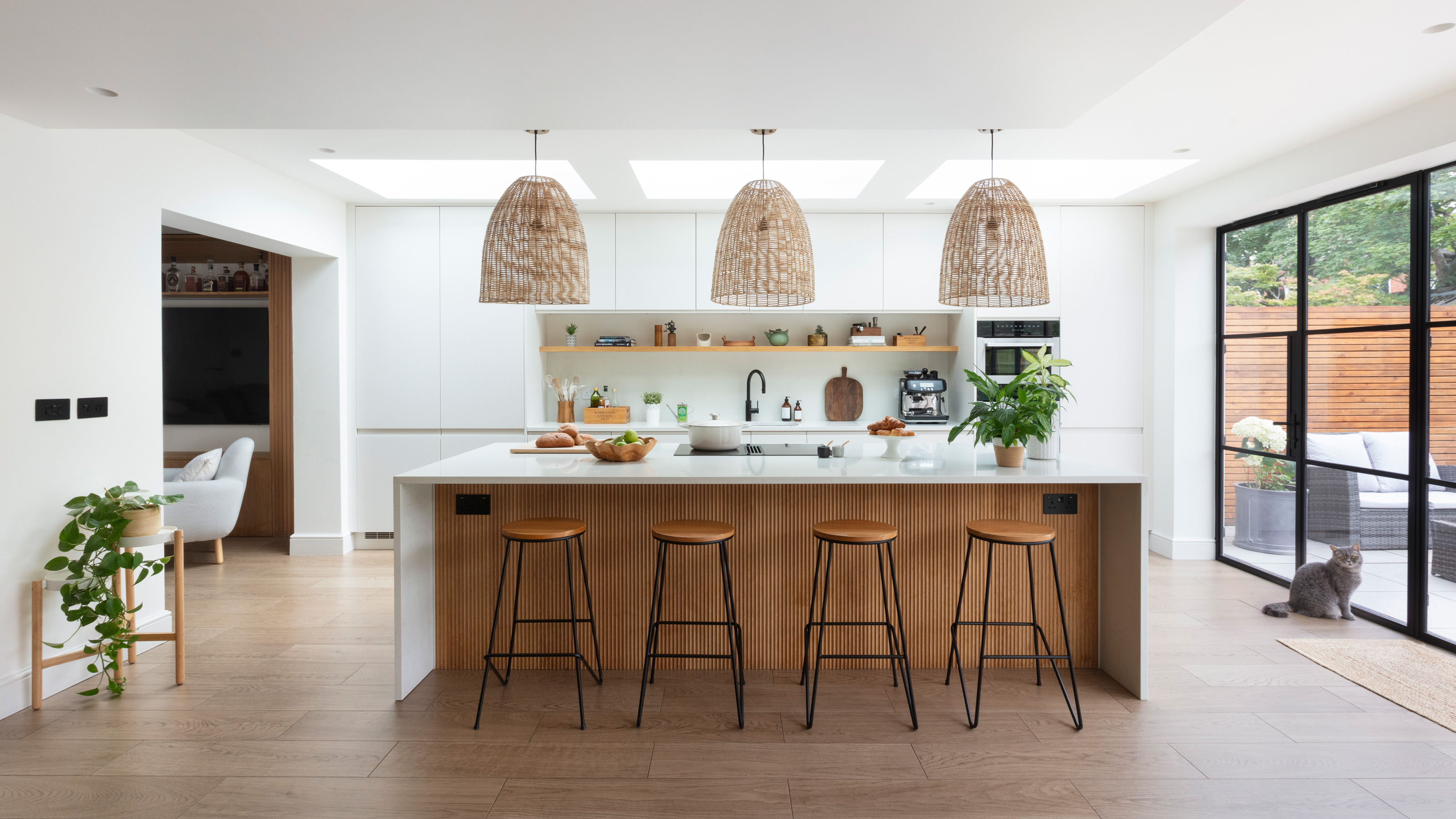
'We’re seeing a real shift' - freestanding kitchen islands are making a comeback, and I've found the best at La Redoute
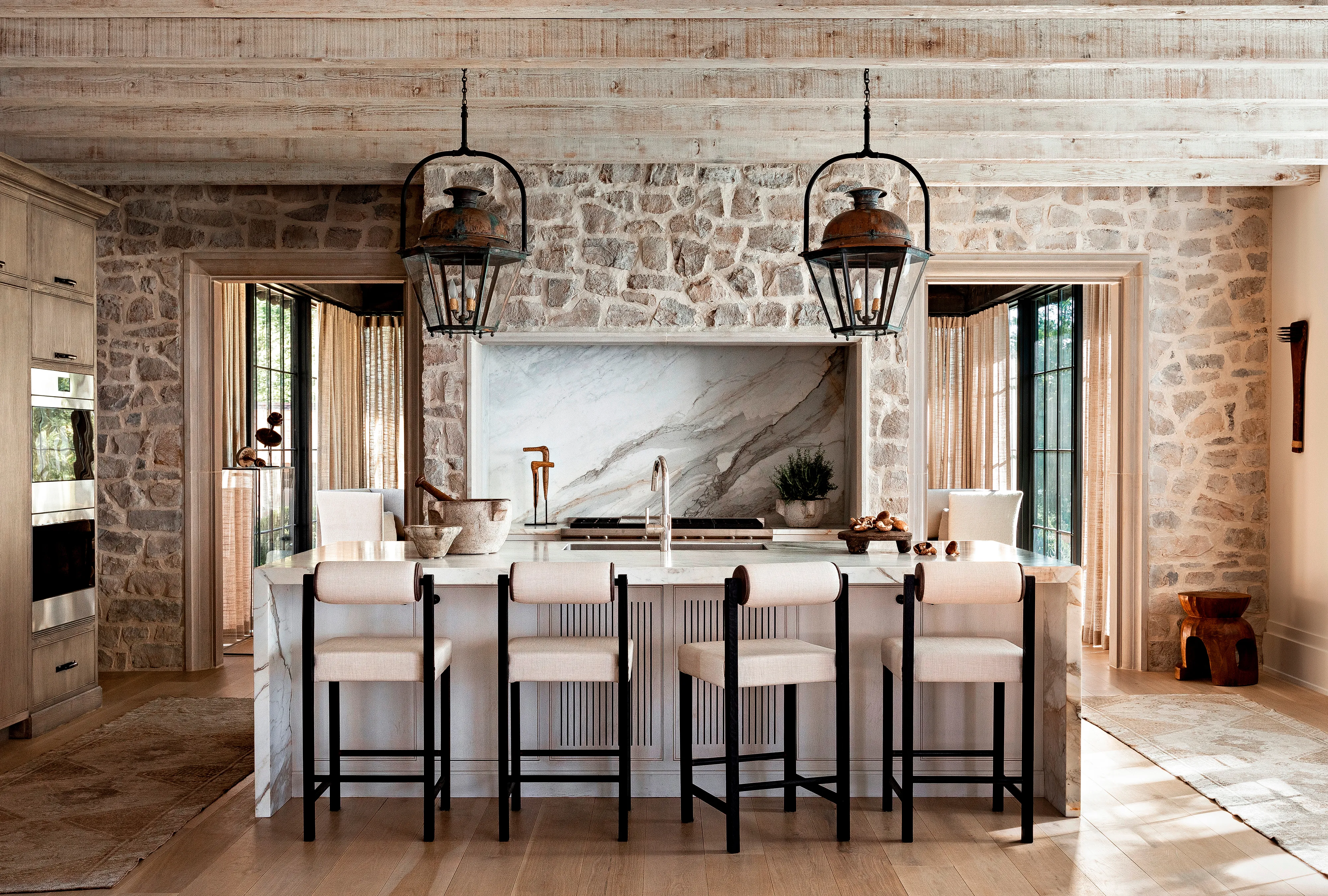
This Kitchen Design Trend Is Making a Major Comeback—but There's a Catch