Six reasons to use low VOC paints – experts reveal why they're better for you, your home and the environment
The increasing awareness of environmental impact and personal health has led to a growing demand for 'greener' home products, with low or zero Volatile Organic Compound (VOC) paints being a notable example. While these paints often come at a higher price point than traditional options, their benefits for health, home, and the environment warrant consideration. Experts confirm that advancements in paint formulations have largely eliminated previous quality disparities, making low VOC paints a viable and often superior choice for home renovators.
VOCs are chemical compounds found in various household items, including paints, stains, glues, and new furnishings. These compounds are released into the air through a process known as off-gassing, producing strong fumes that can negatively impact human health. Exposure to VOCs can cause irritation to the eyes, nose, and throat, lead to headaches and nausea, and potentially damage internal organs. Indoors, VOC concentrations can be significantly higher than outdoors. Environmentally, VOCs contribute to smog, act as greenhouse gases, and can harm plant life, affecting growth and reproduction.
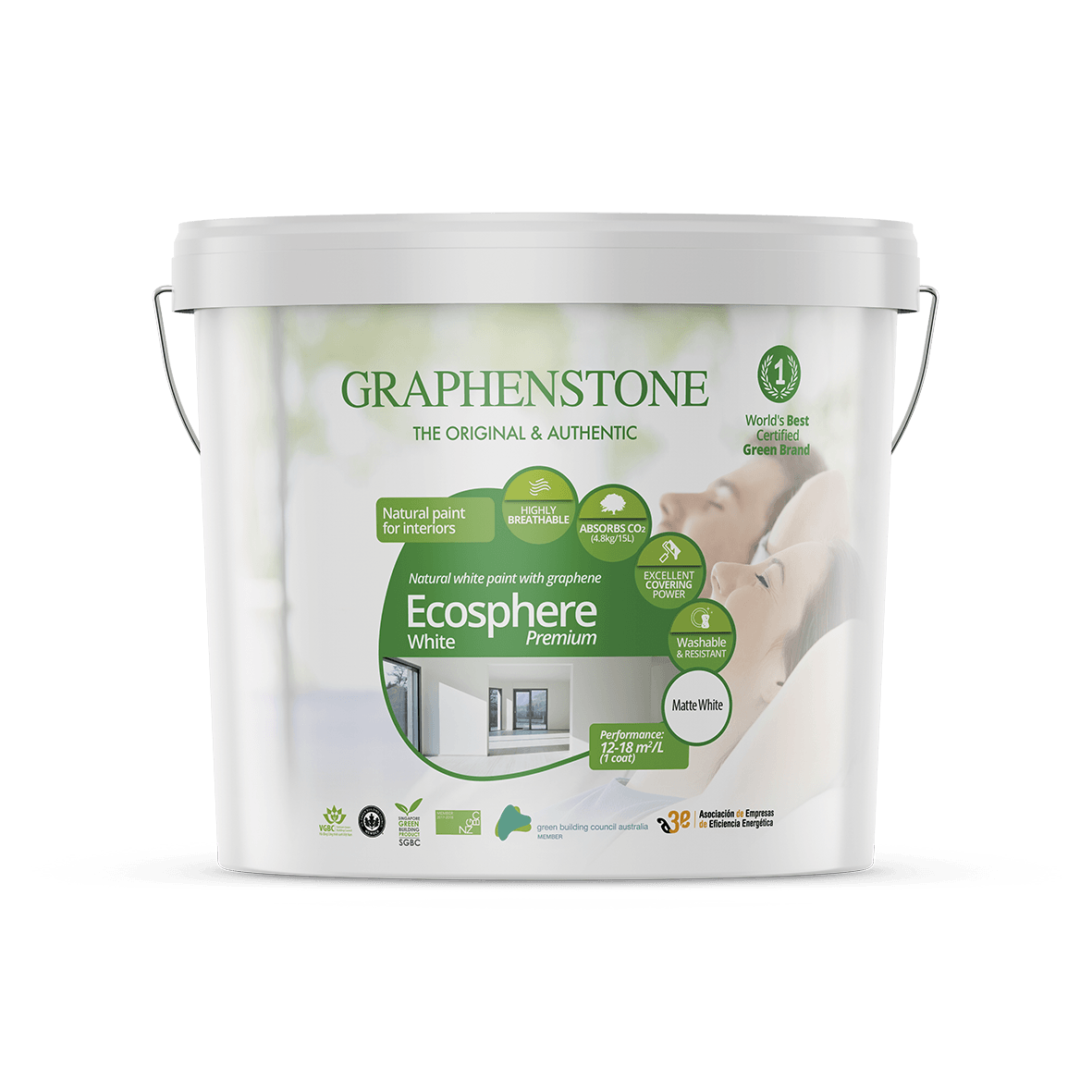
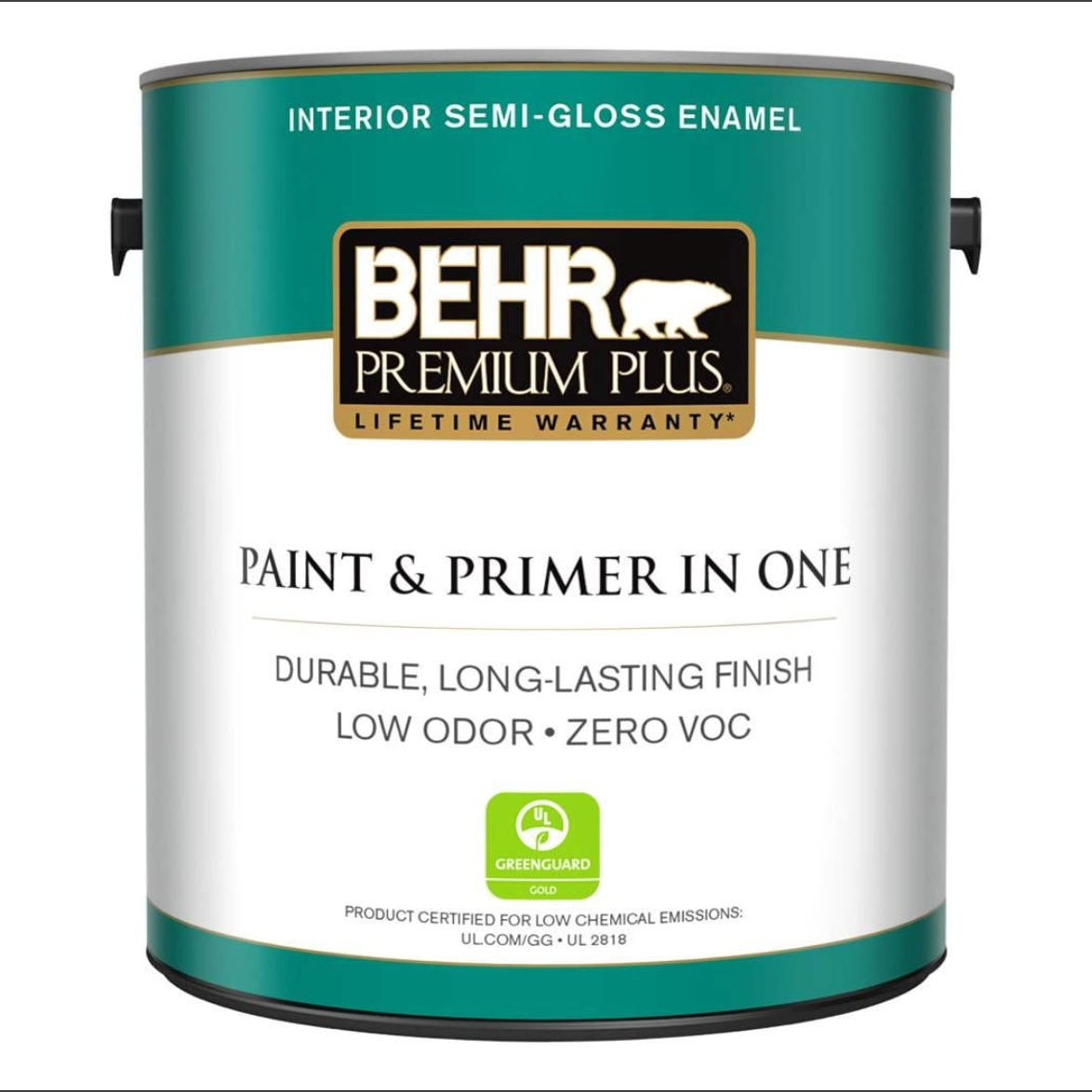
Low VOC paints, which are typically water and latex-based, first emerged in the mid-1990s. Initially, these alternatives faced challenges with application smoothness and adhesion compared to high VOC paints. However, continuous technological improvements have closed this gap. Industry professionals like Ryan Carrigan, a house-moving expert, now state there is no discernible difference in quality between low VOC and traditional paints. Many major paint manufacturers, including Sherwin-Williams, offer low VOC versions across their entire color range. Despite their comparable quality, contractors sometimes opt for cheaper traditional paints, necessitating homeowners to specifically request low VOC products. Certifications such as Green Seal, UL GREENGUARD, and UL ECOLOGO serve as reliable indicators of a paint's adherence to stringent environmental standards.
One significant advantage of low VOC paints is enhanced safety during handling. Unlike high VOC paints, which require specialized personal protective equipment like air respirators for adequate protection against harmful fumes, low VOC paints pose a minimal risk. For routine application with rollers or brushes, a simple overall and goggles are sufficient to prevent splashes.
Environmentally, low VOC paints are beneficial because they emit up to 80% fewer VOCs than their traditional counterparts. This reduction helps mitigate smog formation and improves air quality. Furthermore, many low VOC paints incorporate recycled content, thereby minimizing their overall environmental footprint, as highlighted by real estate professional Rachel Stringer.
From a health perspective, using low VOC paints significantly reduces exposure to harmful chemicals. Bart Caldwell, owner of Caldwell Painting, emphasizes the importance of using safe products for his team, often opting for zero VOC interior paints from brands like Benjamin Moore and Sherwin-Williams. His company also utilizes mineral-based paints and natural pigments, such as lime wall paint and Venetian plaster, which not only eliminate VOC emissions but also absorb CO2 as they cure. These mineral-based options are non-toxic, utilize natural colorants, and offer mold and mildew resistance, further enhancing indoor air quality.
Low VOC paints also offer practical benefits, including faster drying times. While high VOC paints necessitate thorough ventilation and can render a room unusable for extended periods due to lingering fumes, low VOC paints allow for re-entry and use of the space almost immediately after drying. This reduces disruption and eliminates the need for alternative accommodation to avoid discomfort from paint odors. Real estate developer Jonathan Faccone points out that advancements in technology have led to low VOC paints performing as well as, if not better than, regular paints, available in various finishes like matte, eggshell, and semi-gloss. A notable benefit is their resistance to yellowing over time, a common issue with traditional paints exposed to sunlight, ensuring a longer-lasting and brighter finish.
Finally, the disposal of low VOC paints is considerably easier and more environmentally friendly. Oil-based paints containing VOCs are classified as hazardous waste and require specific disposal methods, such as municipal paint collection programs. In contrast, water-based low VOC paint residues can be dried and disposed of in regular trash, and excess paint can be absorbed by materials like sawdust or sand before being discarded, preventing environmental contamination.
#LowVOCPaints #EcoFriendlyHome #HealthyLiving #SustainableDecorating #InteriorPaint #HomeRenovation #GreenBuilding #AirQuality #PaintTechnology #LowVOCPaints #EcoFriendlyHome #HealthyLiving #SustainableDecorating #InteriorPaint #HomeRenovation #GreenBuilding #AirQuality #PaintTechnology
0 comment in total
 No comments yet
You may also like

10 Zero-VOC Paints to Refresh Your Space Safely

Lick Paint is my new favourite paint brand - here's why
Lick Paint review: It’s my new favourite paint brand – here’s why


The Best Eco Friendly Paint Brands
Where Can I Buy Eco-Friendly Paint? 7 Brands Making Beautiful Colors That Don't Cost the Earth


Designers Share Their Tried-and-True Shades From the Best Interior Paint Brands

11 of the Best Eco-Friendly Interior Paints on the Market


130 New Paint Colors Just Dropped, Including an Ultra-Fast-Drying Exterior Finish


I Just Found Out That Wall Finishes Can Reduce the Air Quality in Your Home — Here's 5 Options That Don't

The Importance of Eco-Friendly Paint for Your Home

6 Best Exterior Paints for Your Home, According to Experts

The 13 Best Paint Colors for Low-Light Rooms


Is It Safe to Paint Your Space When You’re Stuck Indoors?


The Best Interior Paints, According to Expert Testing
13 of the Best Paint Brands for Luxurious-Looking Interiors, as Rated by Professional Painters and Serial Redecorators

Interior Paint: A Guide to Buying the Best Paints for Your Home

The 15 Best Paint Brands
The Best Exterior Paints for Every Outdoor Surface


These Master Tips Will Help You Avoid Choosing The Wrong Type Of Paint

The Right Paint Finish Can Actually Help Your Home Look Cleaner—Here's How