
1/2
The Importance of Eco-Friendly Paint for Your Home
Global interest in sustainable living is rapidly increasing, with a significant majority of people worldwide expressing a desire for greener lifestyles. This growing awareness is driving changes in various aspects of daily life, from reducing single-use plastics to making energy-conscious decisions at home. While cost, inconvenience, and limited access to green alternatives can be barriers, home improvement stands out as an area where individuals are actively embracing eco-friendly choices, particularly with materials like low-VOC paints.
The demand for green home upgrades is influencing the real estate market, with high-performance homes—those featuring eco-friendly enhancements for health, efficiency, and durability—commanding higher values. A notable percentage of REALTORS® report that such homes can see an increase of 1% to 10% in offer values compared to similar properties without these improvements, underscoring the financial as well as environmental benefits of sustainable choices.
Traditional paints are typically formulated with harmful chemicals, synthetic materials, and toxic compounds that contribute to environmental pollution during manufacturing and disposal. These processes consume non-renewable resources and energy-intensive methods, leading to air and water contamination. The disposal of conventional paint products can also result in soil and groundwater pollution, creating long-lasting environmental damage.
A primary concern with traditional paints is the presence of Volatile Organic Compounds (VOCs), which are chemicals that evaporate into the air at room temperature. VOCs can off-gas for years after application, leading to health issues such as headaches, respiratory problems, and eye irritation. Furthermore, traditional paints often contain heavy metals, formaldehyde, and phthalates, which are linked to a range of serious health complications, from cognitive impairment to reproductive issues.
In contrast, eco-friendly paints represent a significant shift in paint formulation and manufacturing. These paints are designed with environmental stewardship in mind, utilizing natural ingredients and renewable resources. Key characteristics include low or zero VOC content, natural pigments, and biodegradable components. Many eco-friendly paints use plant-based binders and innovative materials like recycled content or industrial waste products, ensuring high performance with minimal environmental impact.
Sustainable manufacturing processes for eco-friendly paints prioritize reducing ecological footprints. Innovations include water-based production methods that minimize chemical use, energy-efficient facilities often powered by renewable energy, and closed-loop systems that conserve resources and minimize waste. Manufacturers also implement strict waste management protocols, including recycling programs and responsible sourcing practices, to ensure a holistic approach to sustainability that extends to packaging and transportation.
Opting for eco-friendly paint offers numerous benefits beyond environmental protection, including improved indoor air quality and enhanced durability. These innovative products deliver excellent coverage, superior adhesion, and remarkable color stability, often surpassing traditional paints in key performance metrics. The health advantages are particularly significant, as the absence of VOCs and other harmful chemicals creates healthier indoor environments, especially beneficial for sensitive individuals.
Modern eco-friendly paints have overcome previous performance limitations, offering exceptional durability, superior coverage, and excellent color retention. Advanced technologies in these paints provide additional benefits like improved mold resistance, better breathability, and enhanced scratch resistance, making them an attractive option for both residential and commercial applications. When selecting eco-friendly paint, it's crucial to look for third-party certifications, understand VOC content, and consider application requirements. Proper surface preparation and adherence to manufacturer guidelines are essential for optimal results and to maximize the environmental benefits. Maintenance is typically low, and many eco-friendly paints can be responsibly disposed of or recycled, further reducing their environmental impact.
Innovation in eco-friendly paint technology continues to advance, driven by growing environmental awareness. Emerging trends include paints with air-purifying, thermal-enhancing, and self-cleaning properties. Research into new sustainable raw materials and production methods aims to further reduce environmental impact and improve performance. The industry is also exploring sustainable packaging and distribution methods to minimize waste and emissions, underscoring that the future of paint is defined by responsibility, sustainability, and innovation.
#EcoFriendlyPaint #SustainableLiving #HomeImprovement #VOCs #GreenBuilding #EnvironmentalImpact #HealthyHomes #PaintTechnology #SustainableManufacturing #EcoFriendlyPaint #SustainableLiving #HomeImprovement #VOCs #GreenBuilding #EnvironmentalImpact #HealthyHomes #PaintTechnology #SustainableManufacturing
0 comment in total
 No comments yet
You may also like
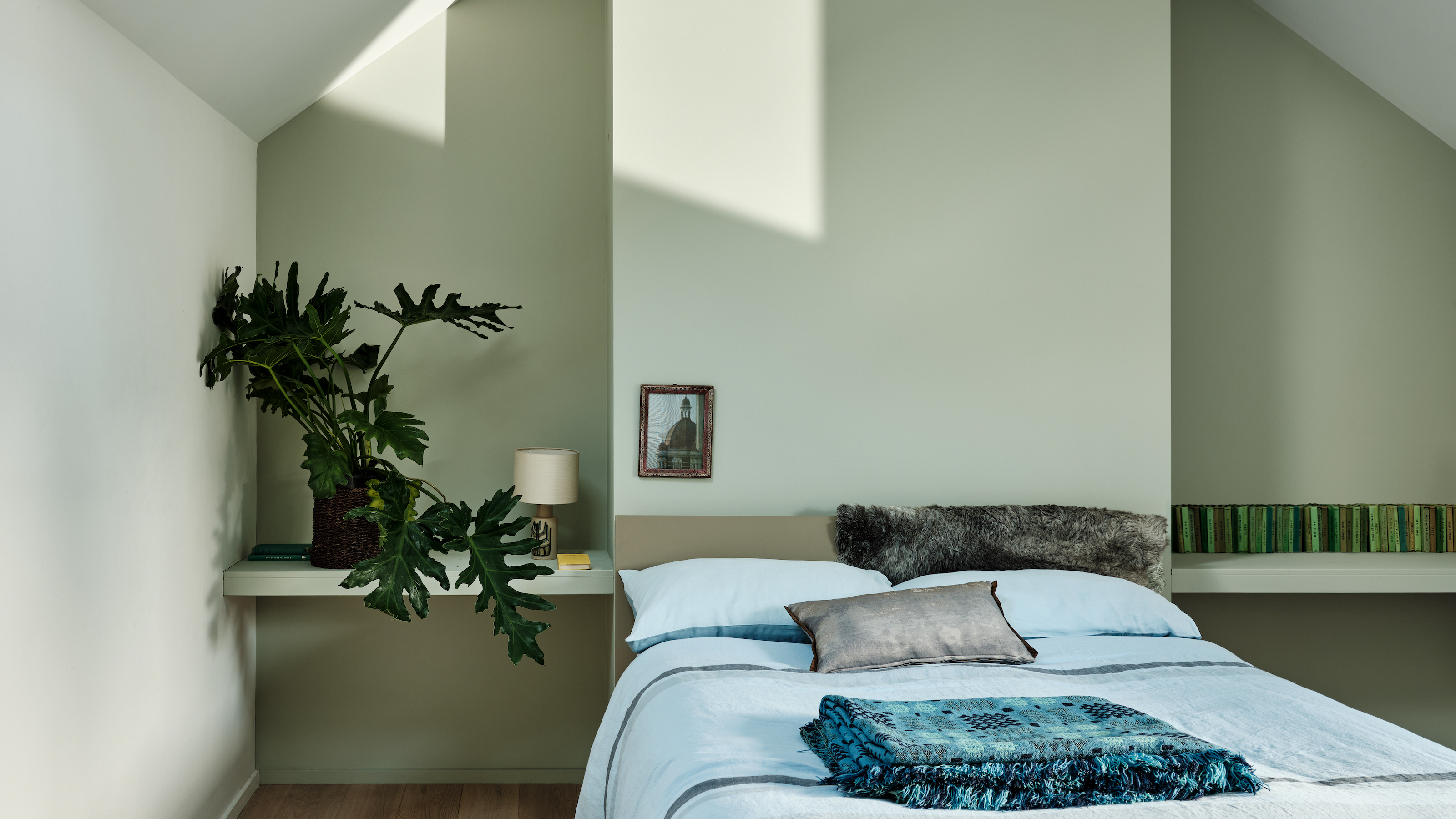
Where Can I Buy Eco-Friendly Paint? 7 Brands Making Beautiful Colors That Don't Cost the Earth


The Best Exterior House Paint Colors for Hot and Cold Climates
Here's What Colorists Want You to Know About Picking House Paint


The Best Luxury Paint Brands
The 15 Best Paint Brands


The Best Exterior House Paint Colors for Hot and Cold Climates

11 of the Best Eco-Friendly Interior Paints on the Market

How Your Home's Paint Colors Can Make You Happier, According to Experts
13 of the Best Paint Brands for Luxurious-Looking Interiors, as Rated by Professional Painters and Serial Redecorators

King Color
Luxury living goes green: Eco-friendly homes are now the latest trend in sustainable living


Urban Outfitters teams up with COAT Paints for a stylishly bold paint collection
The Best Eco Friendly Paint Brands

I Just Found Out That Wall Finishes Can Reduce the Air Quality in Your Home — Here's 5 Options That Don't

These Paint Colors Will Dominate Our Homes in 2022


5 sustainable home solutions that won’t cramp your style

130 New Paint Colors Just Dropped, Including an Ultra-Fast-Drying Exterior Finish

'It's the best way to make a home joyful' - this paint trend is the perfect idea to introduce color thoughtfully

How paint colour in your home can affect your mood

Six reasons to use low VOC paints – experts reveal why they're better for you, your home and the environment