1/23
Analysis of the impact of growing green walls based on the reduction of PM
The growing problems of climate change and air pollution necessitate the development of sustainable building practices and green infrastructure in urban environments. Urbanization and the extensive use of fossil fuels for transportation contribute significantly to air pollution in cities. Additionally, traditional construction materials and methods emit pollutants and can exacerbate issues like the urban heat island effect, leading to poor air quality and increased energy consumption for temperature regulation. This research focuses on the application of green walls as a sustainable alternative to conventional building facades, aiming to reduce PM2.5 particulate matter and improve urban air quality.
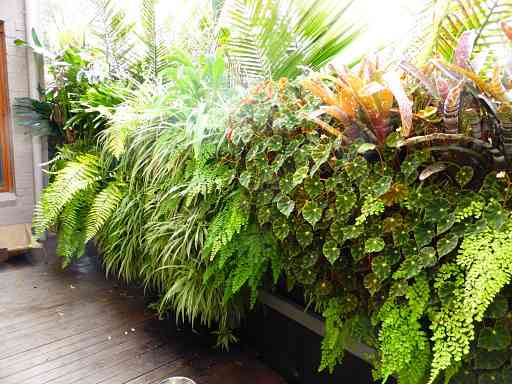
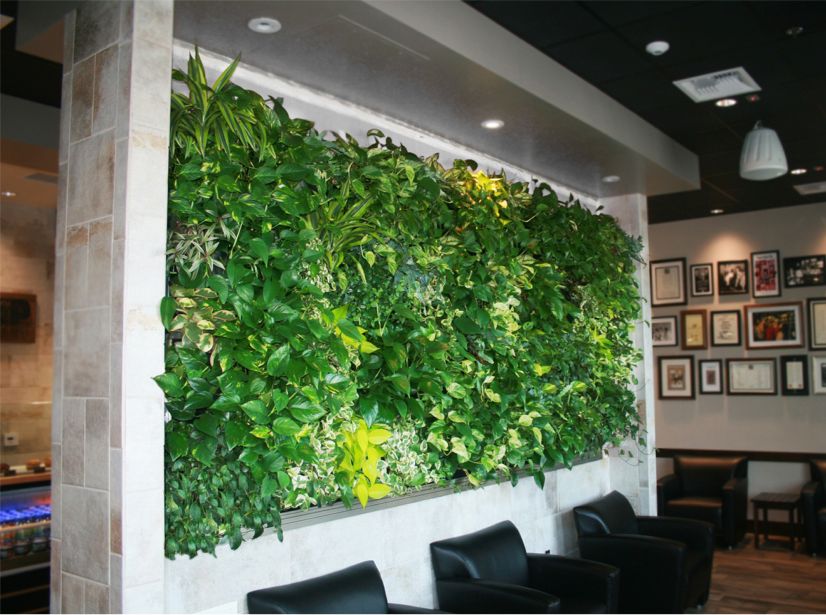
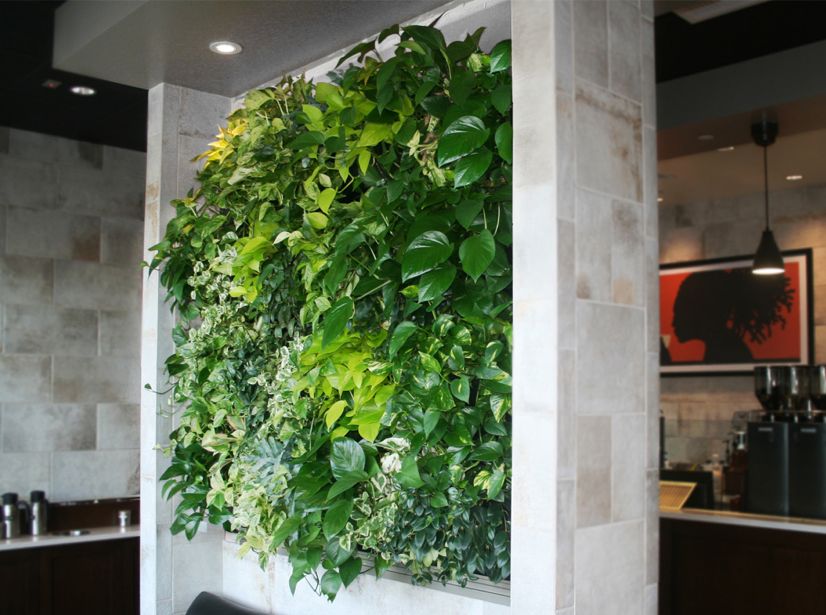
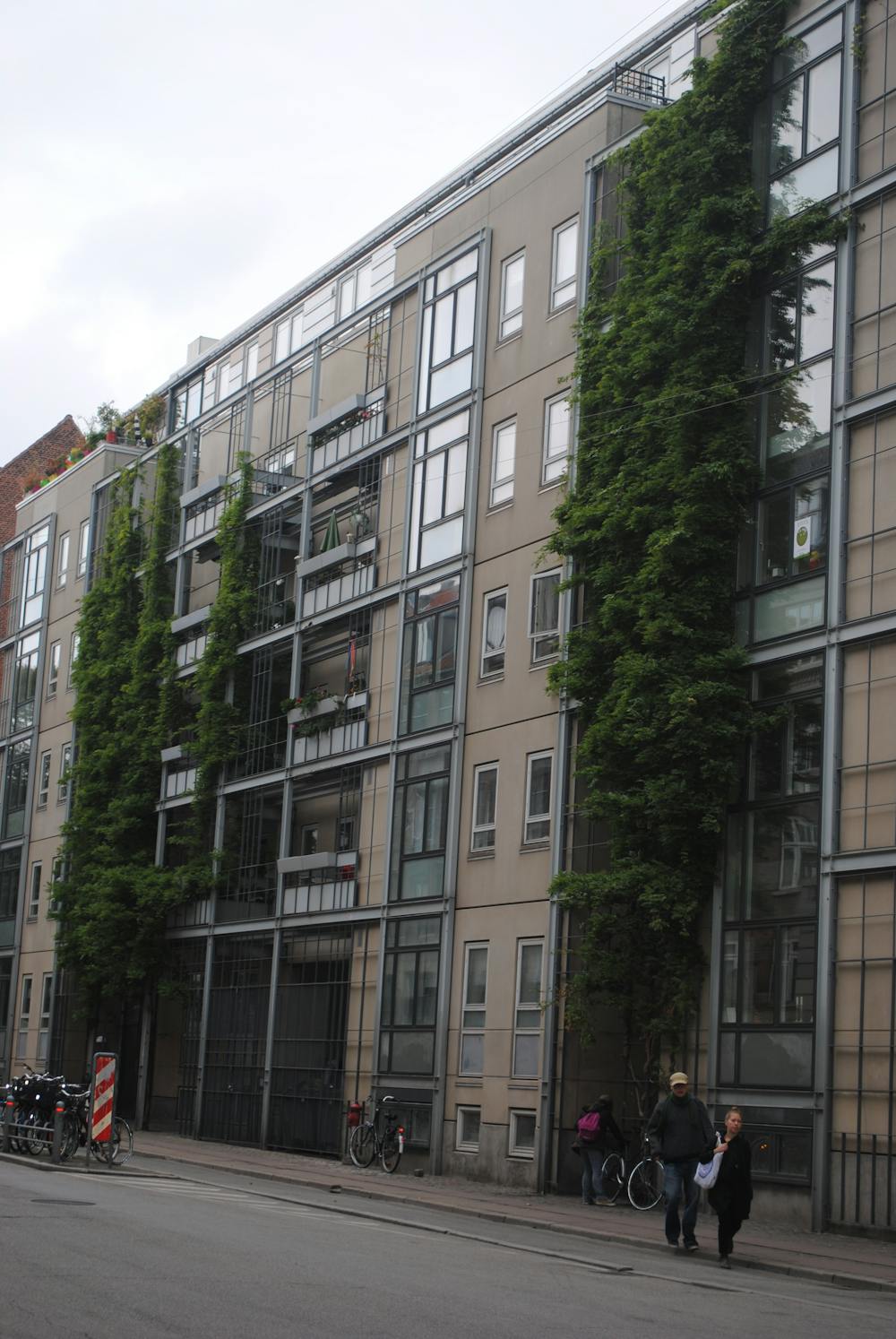
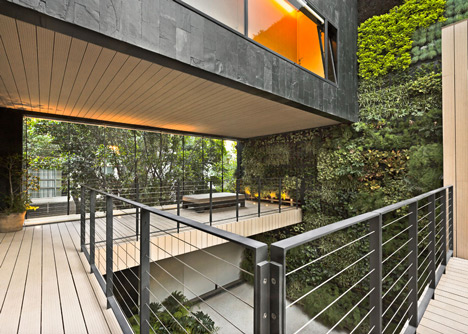
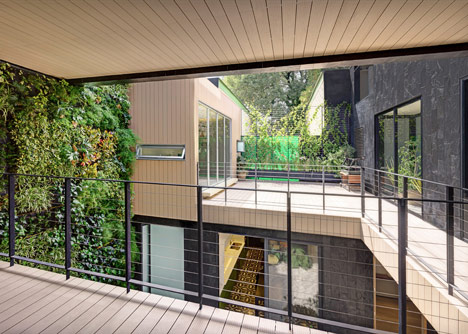
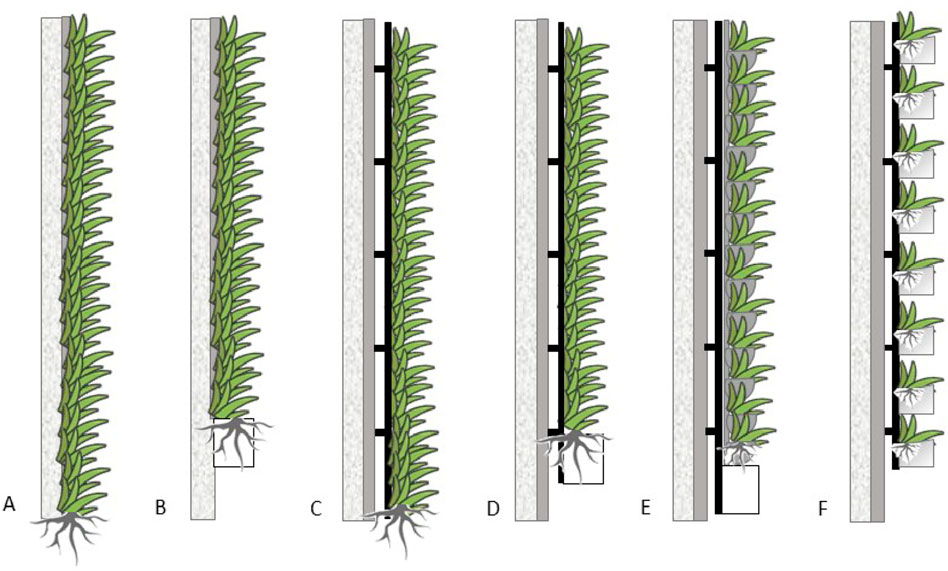
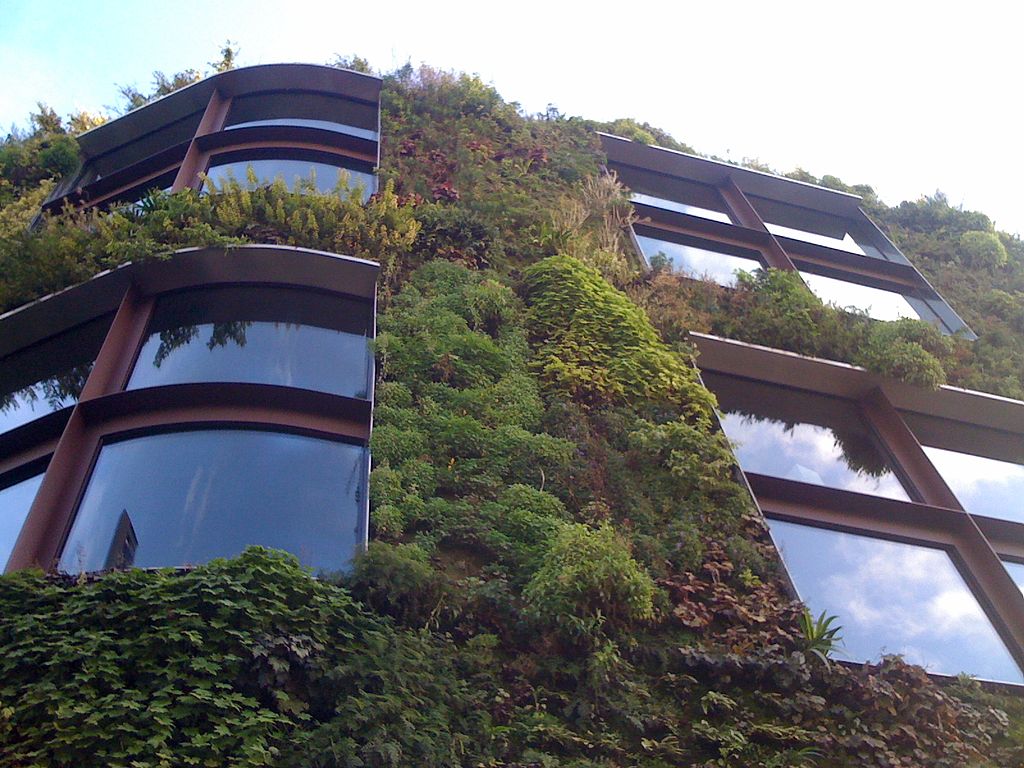
Green walls, which integrate foliage into building structures, offer multiple environmental and economic benefits. They enhance property value, protect building frameworks, and provide aesthetic improvements. Functionally, green walls act as natural insulators, reducing heating and cooling energy demands, thereby lowering carbon footprints. They also play a crucial role in storm water management by absorbing and filtering rainwater, mitigating flood risks. Beyond these practical advantages, green walls foster urban biodiversity and positively impact residents' psychological well-being by enhancing the urban landscape. The effectiveness of green walls in improving air quality stems from plants' ability to absorb pollutants directly through their surfaces and roots, while also promoting air circulation that disperses remaining particles. However, the efficiency of green walls is influenced by factors such as vegetative media characteristics, structural design, and placement.
This study specifically investigates the central urban fabric of Tehran, Iran, a city with acute air pollution challenges due to its geographic location, climate conditions, and surrounding mountains that trap pollutants. The research introduces a novel approach to applying green facades using plant species that are highly effective at absorbing pollutants, while also being simpler to apply and manage compared to existing green wall systems. The methodology involves an initial literature review to identify suitable green wall systems and plant species compatible with Tehran's semi-arid climate. Four plant types—_Pittosporum_, _Rosemarinus_, _Hedera helix_, and _Berberis_—were selected based on their adaptability, water requirements, aesthetic value, and oxygen production capacity. Nine distinct greening patterns, each comprising thirty 1m x 1m pixels, were also developed to explore varying densities and configurations of vegetation on building facades.
The ENVI-met software, a 3D micro-scale model, was employed to simulate the impact of these plants and greening patterns on air pollution, specifically focusing on PM2.5 concentration. The software models pollutant dispersion and deposition by calculating the concentration of gases and particles using the Eulerian Approach, identifying plant characteristics such as Leaf Area Density (LAD) and Leaf Area Index (LAI) as key parameters. Simulations were conducted on a model representing the central urban area of Tehran, accurately reflecting building heights, street layouts, and existing vegetation. The results, visualized through two-dimensional maps using Leonardo software, were analyzed using the Air Quality Index (AQI) to measure the effectiveness of different greening strategies.
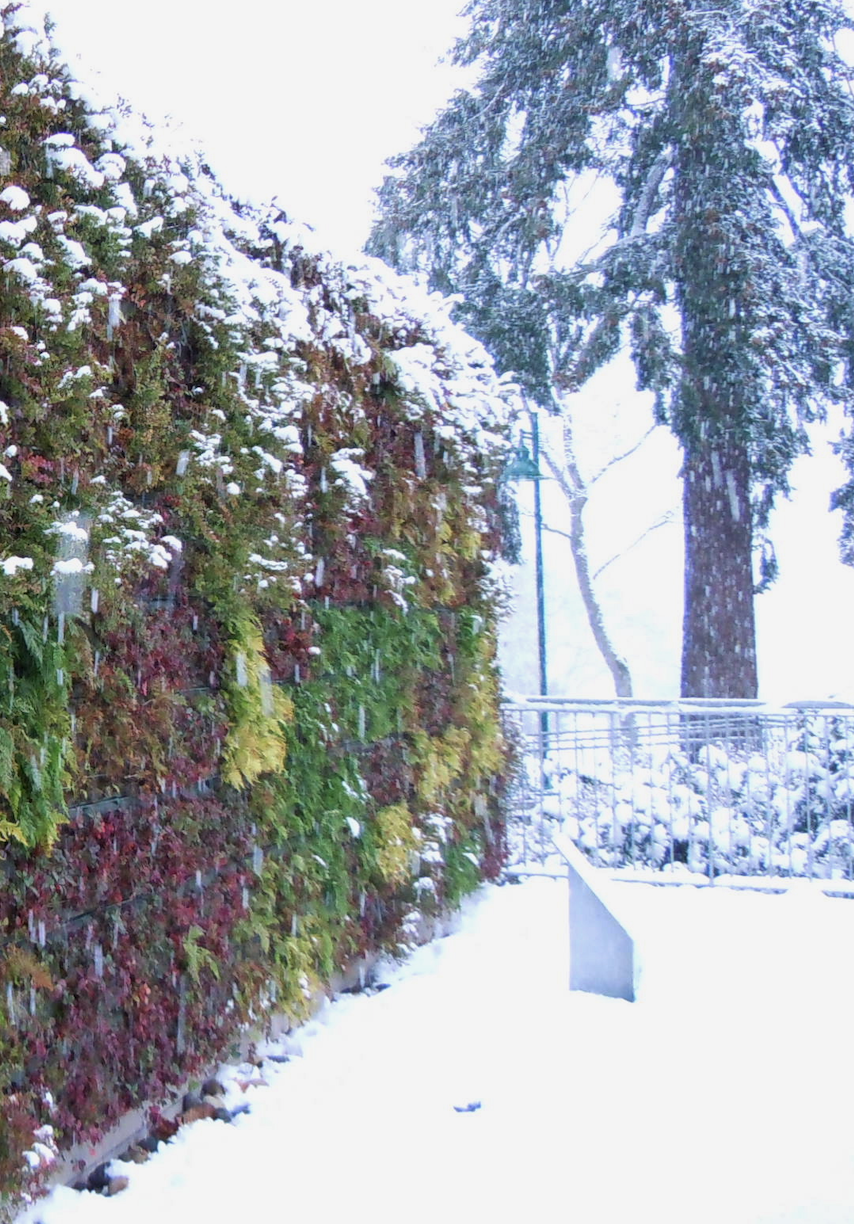
The findings indicate that replacing conventional facade materials with green walls significantly reduces PM2.5 concentrations. Among the tested plants, _Rosemarinus_ demonstrated the highest efficacy in filtering air pollutants, particularly due to its evergreen nature, which provides consistent coverage throughout the year. Plants like _Pittosporum_ also proved effective, whereas deciduous species such as _Berberis_ and _Hedera helix_ showed comparatively lower impact due to seasonal leaf loss. Furthermore, the study revealed that denser green coverage patterns, where vegetation pixels are closely spaced, contributed more effectively to pollutant reduction. Patterns with greater distances between green blocks exhibited less influence on dispersing pollutants. Therefore, increasing the density and compactness of green coverage on building facades, especially with evergreen species like _Rosemarinus_, is critical for enhancing air quality in urban environments. This research advocates for integrating specific plants and dense greening patterns into urban design to create healthier, more resilient, and aesthetically pleasing cities, offering a practical solution to combat air pollution without requiring extensive land use or prohibitive costs for full facade coverage.
#GreenWalls #AirPollutionReduction #PM25 #UrbanFabric #SustainableDesign #TehranClimate #ENVI_metSimulation #FacadeGreening #PlantSpeciesSelection #GreenWalls #AirPollutionReduction #PM25 #UrbanFabric #SustainableDesign #TehranClimate #ENVI_metSimulation #FacadeGreening #PlantSpeciesSelection
0 comment in total
 No comments yet
You may also like
GPW: Ngee Ann Polytechnic"™s Vertical Extensive Green Wall Testing Facility
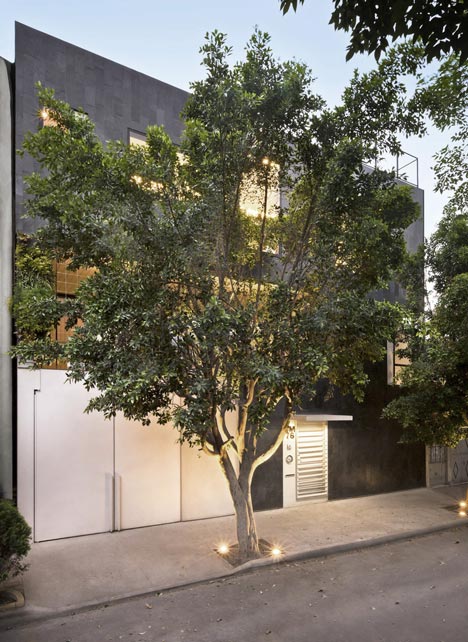
Casa CorMAnca with indoor green wall by Paul Cremoux Studio
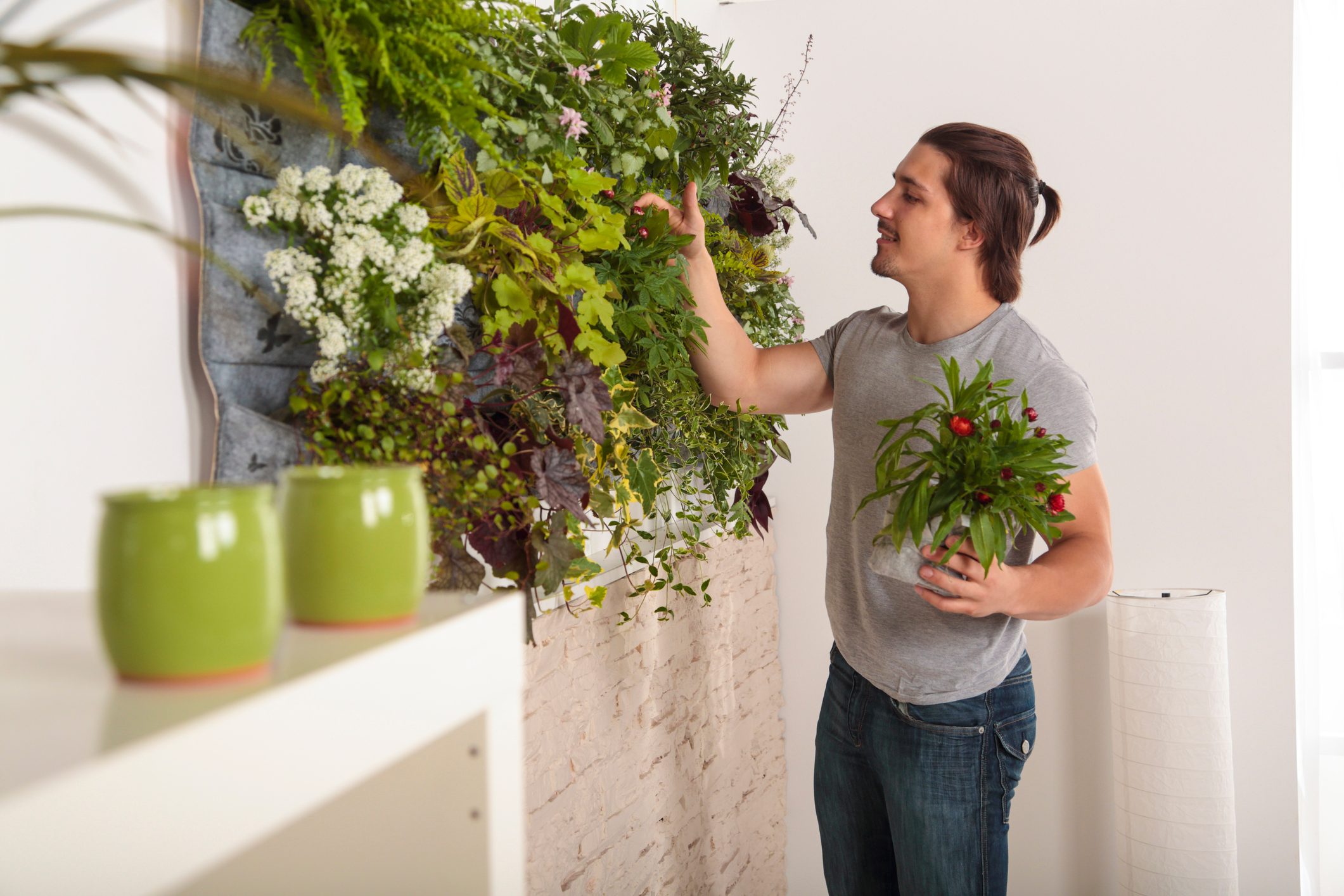
Homeowner’s Guide To Living Walls

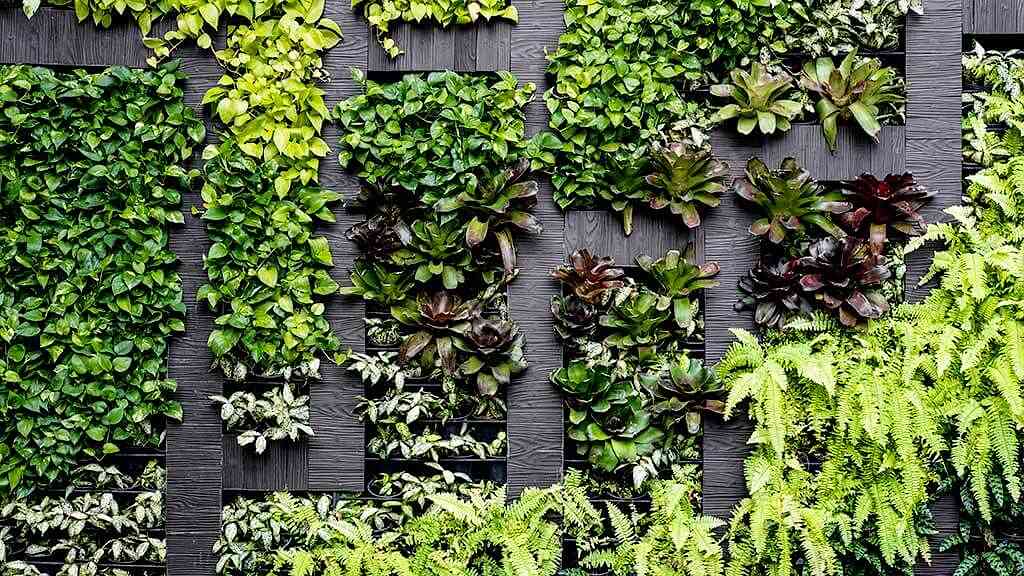
How to grow a vertical garden at home
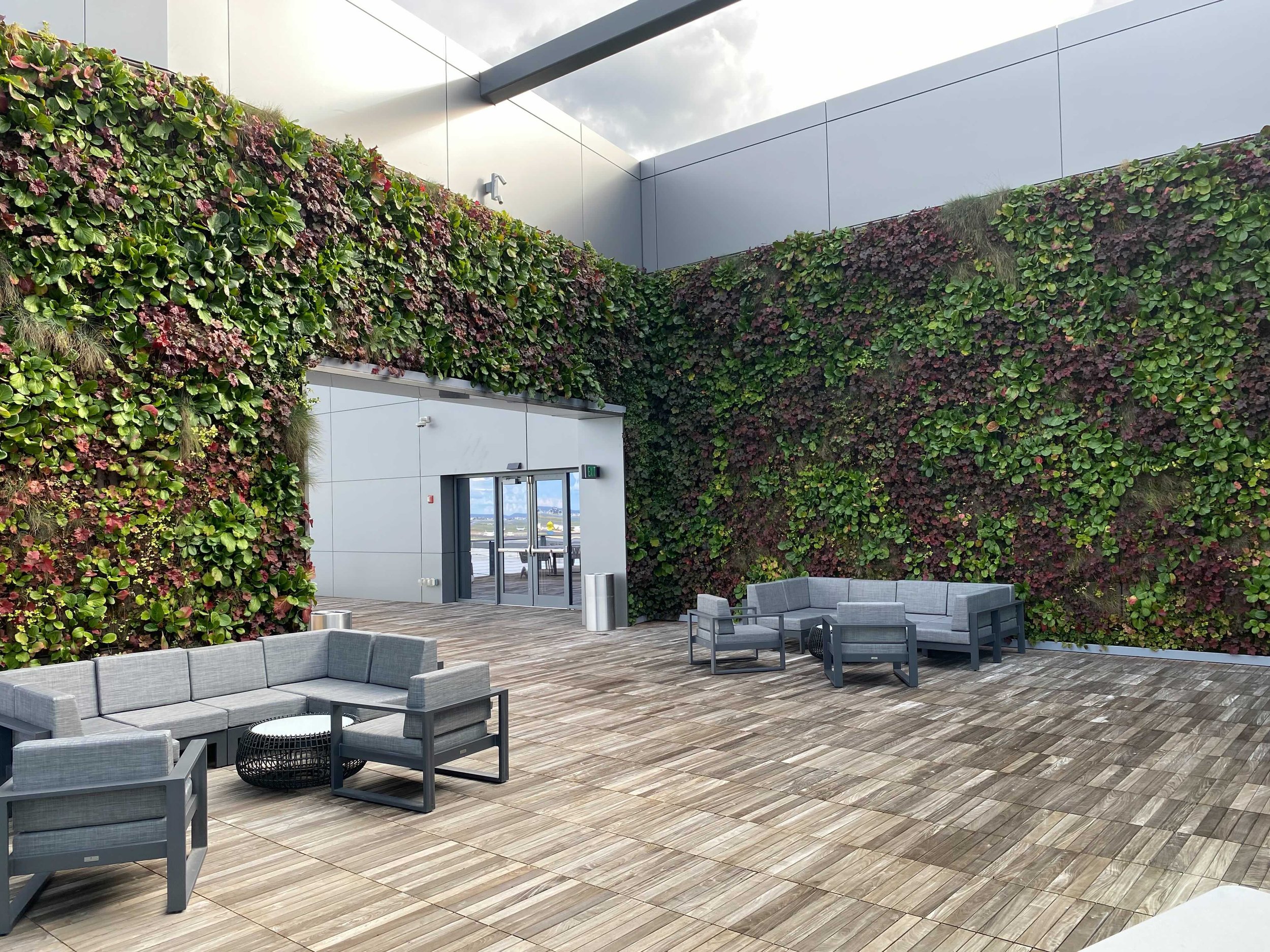
How to Keep Exterior Green Walls Alive in the Winter
Is It Time to Hang Up on Hanging Drywall?
Peet’s Coffee & Tea (Westfield Plaza Bonita)
Turf wars: 13 reasons why you would install a green wall and 3 reasons why you might not

The green wall revolution: how vertical gardens are purifying urban air


Green roofs and walls increase urban sustainability


Green roofs and walls – a growth area in urban design

Living green walls are having a moment but face a steep challenge