1/2
The Daring '80s Trend That's Taking Over Home Design Again In 2025
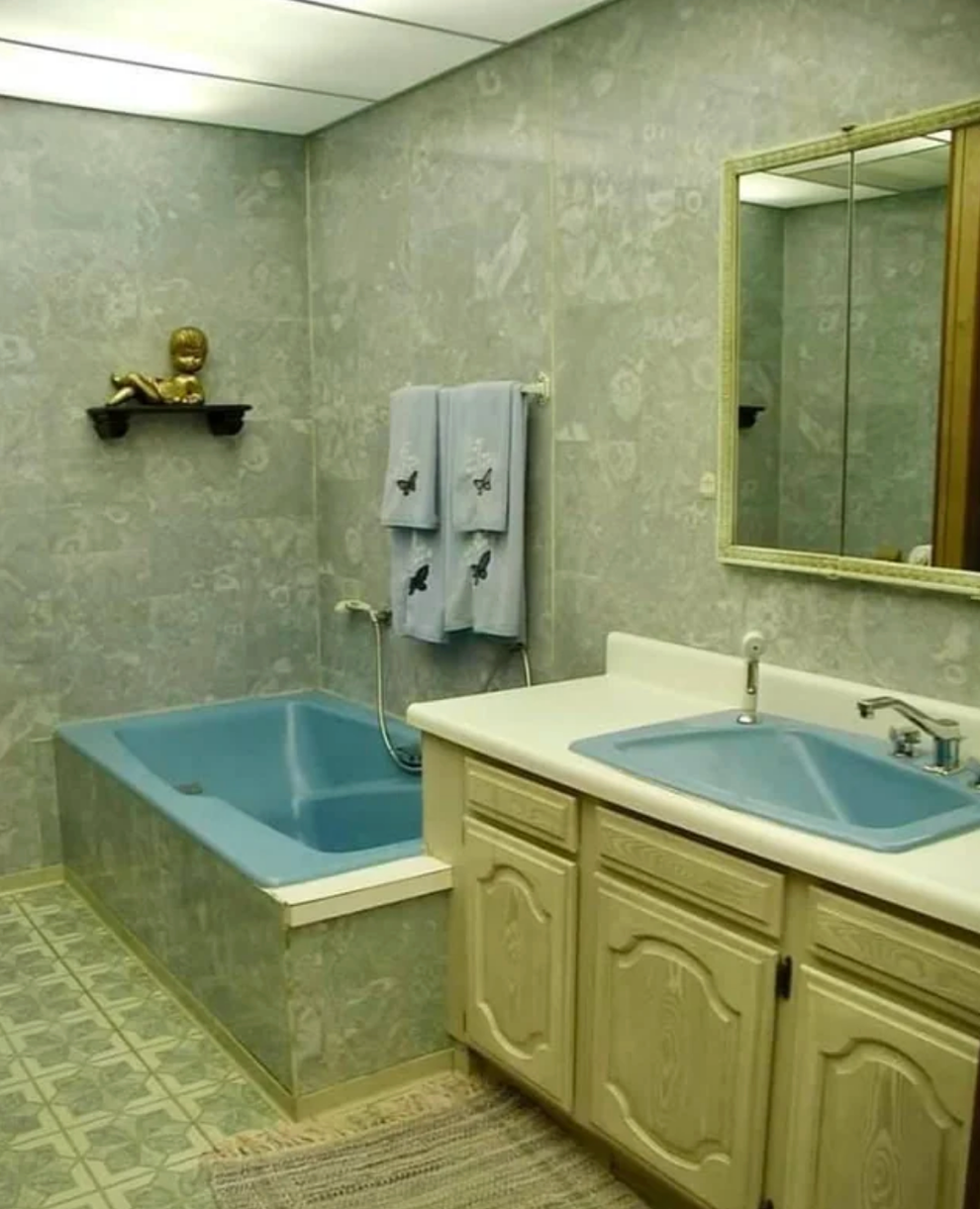
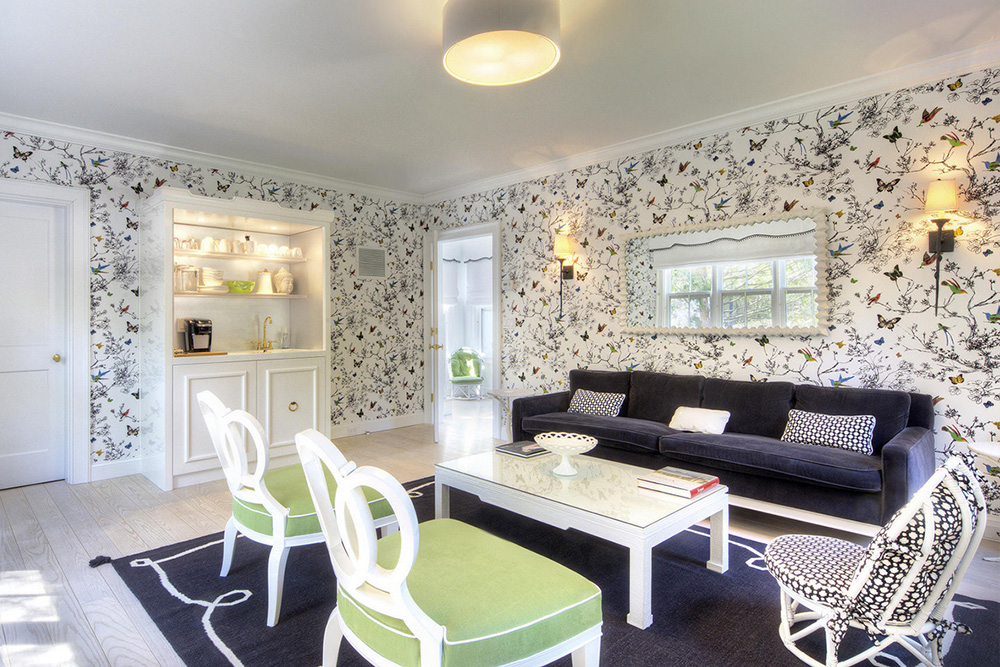
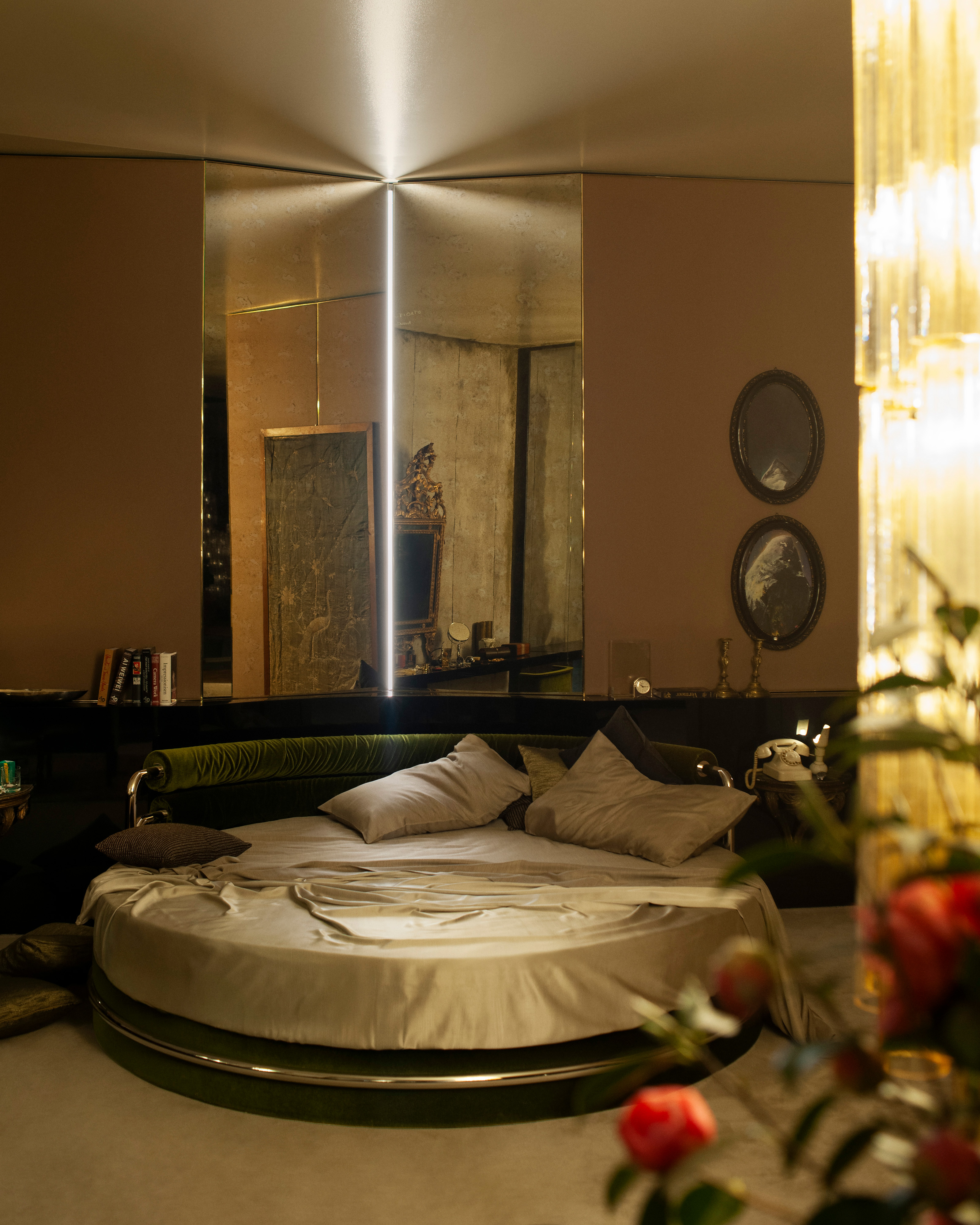
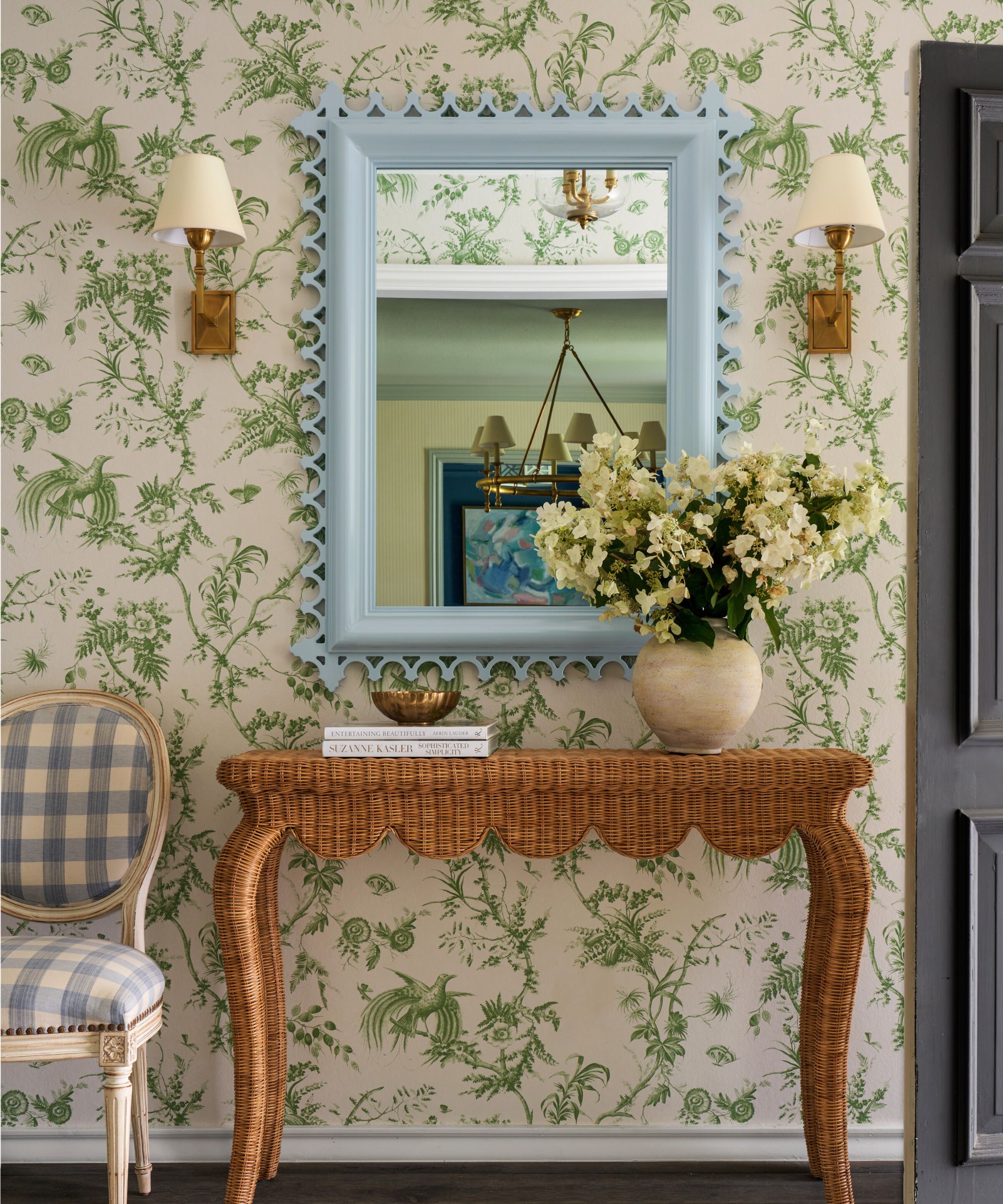
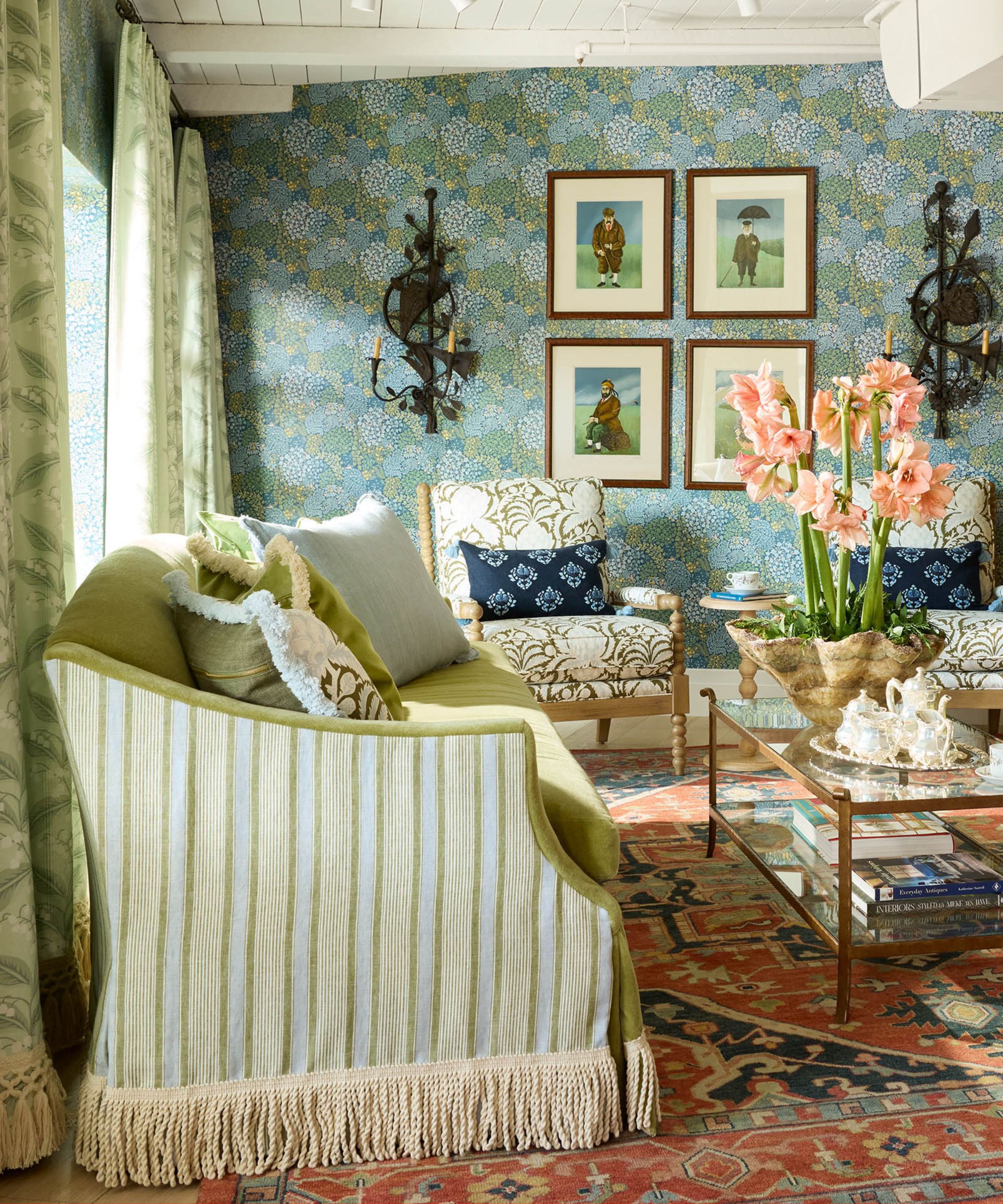
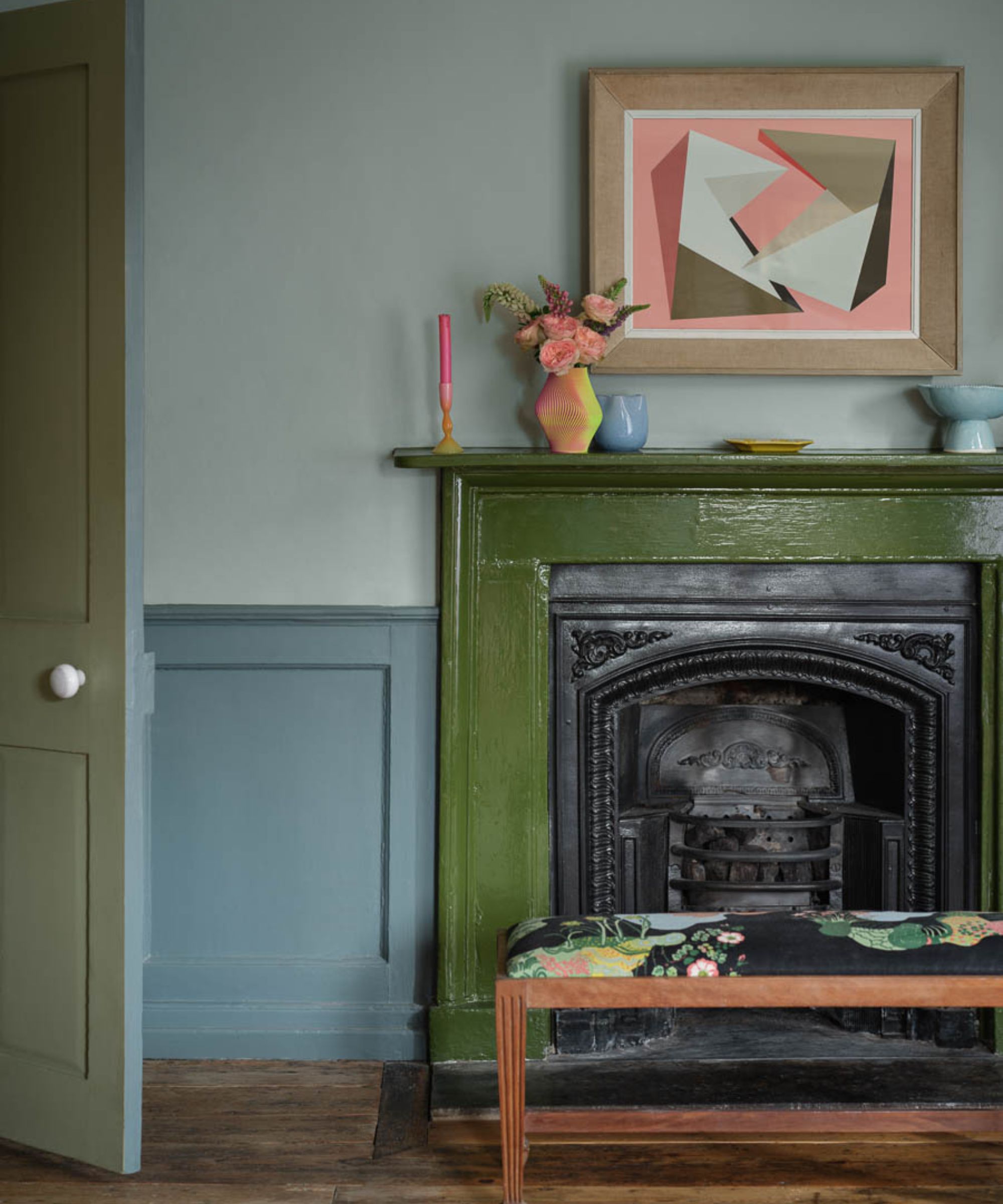
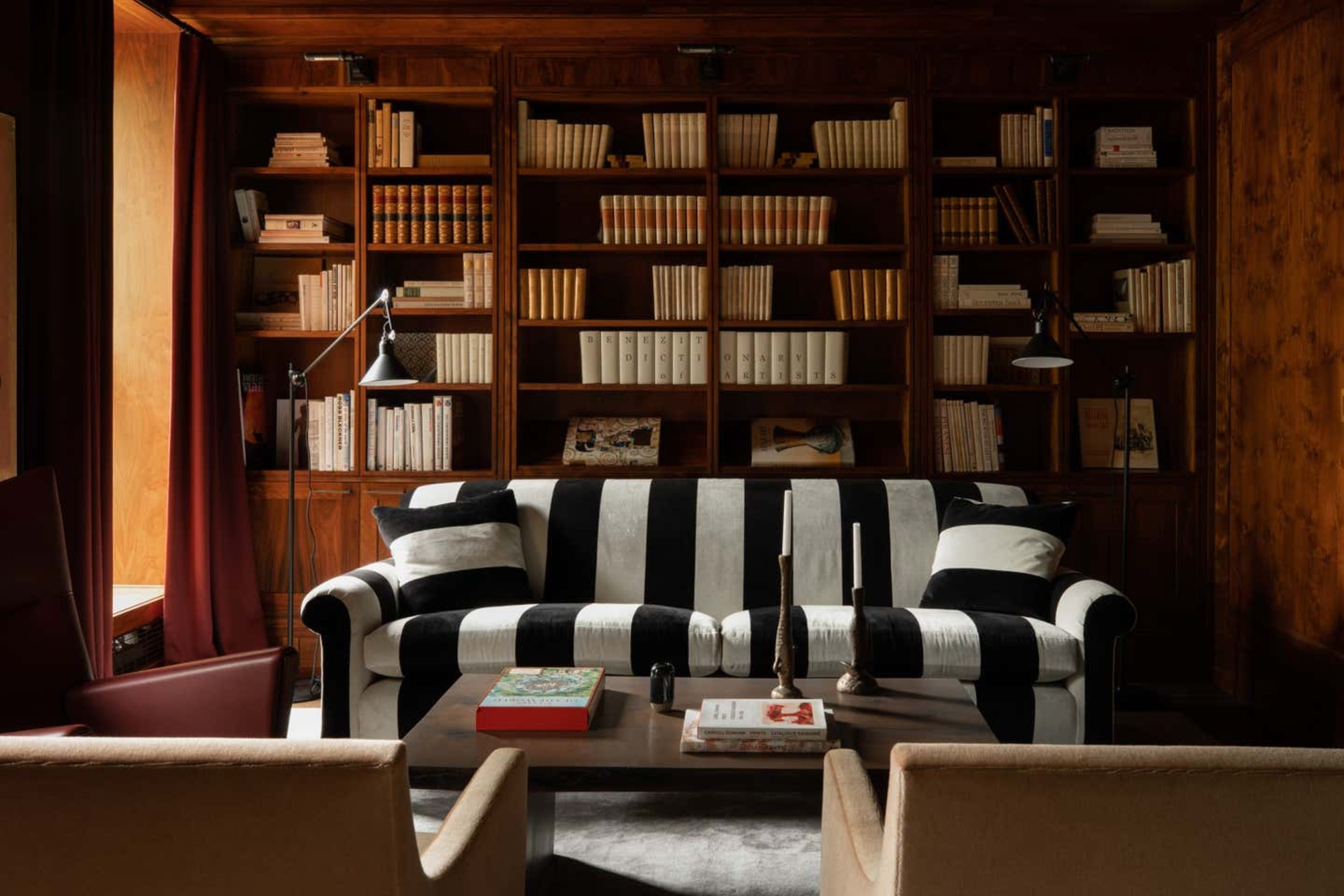
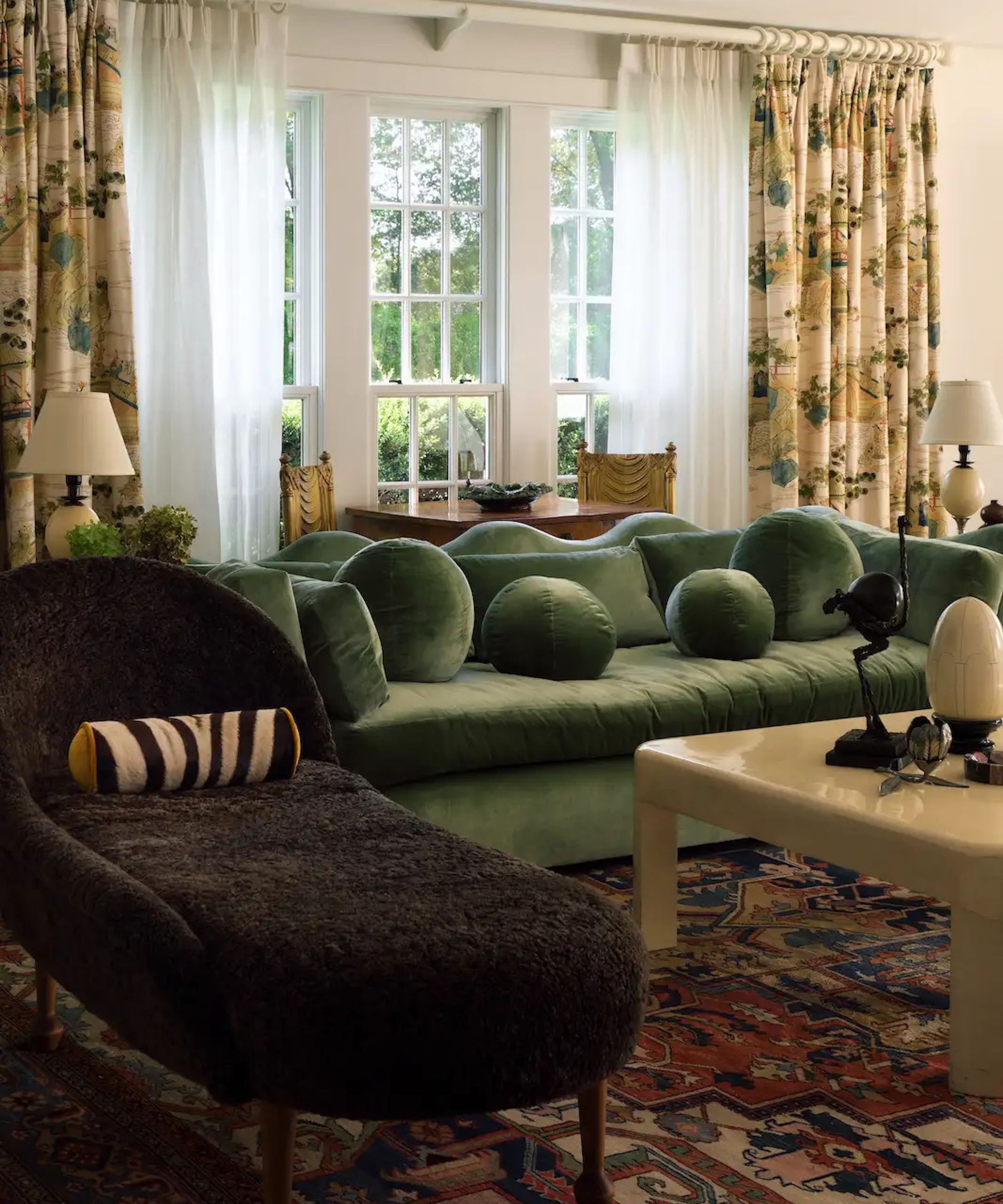
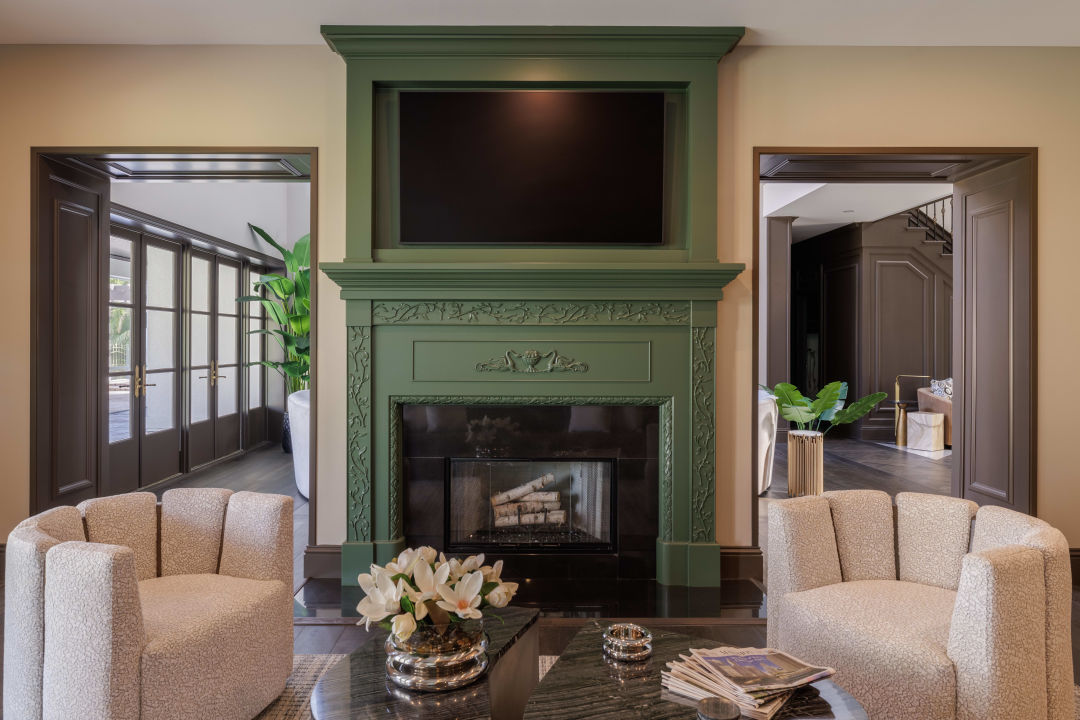
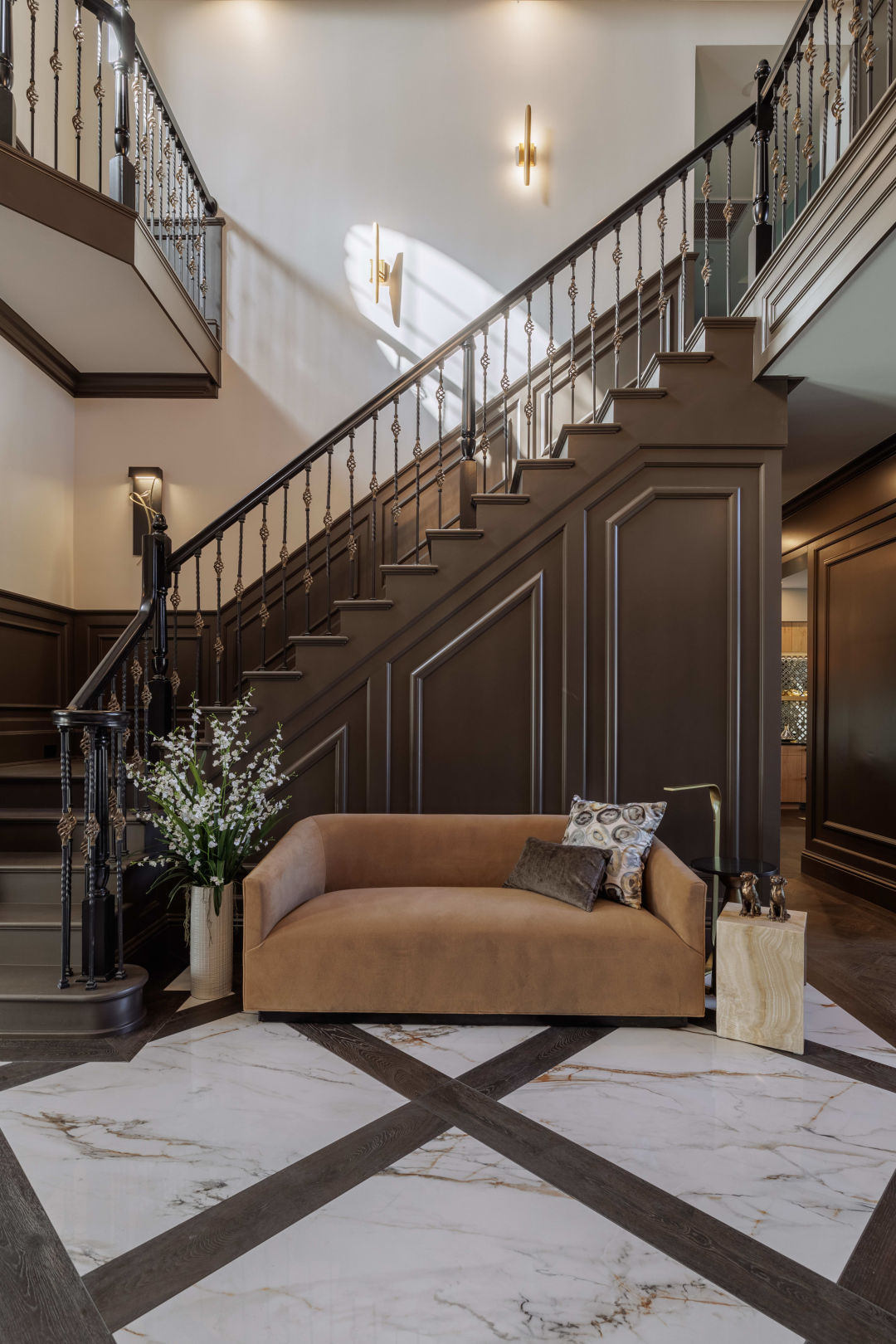
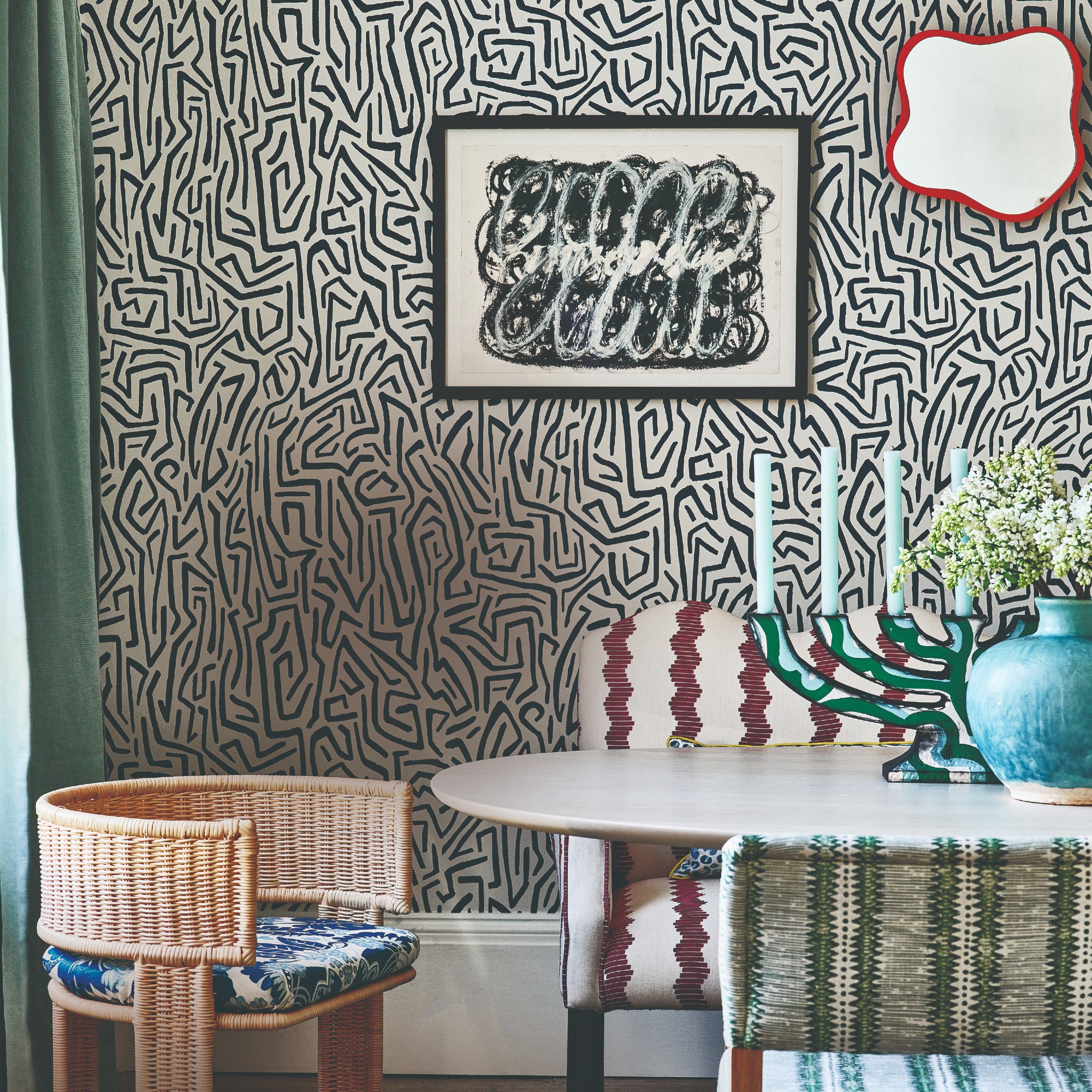
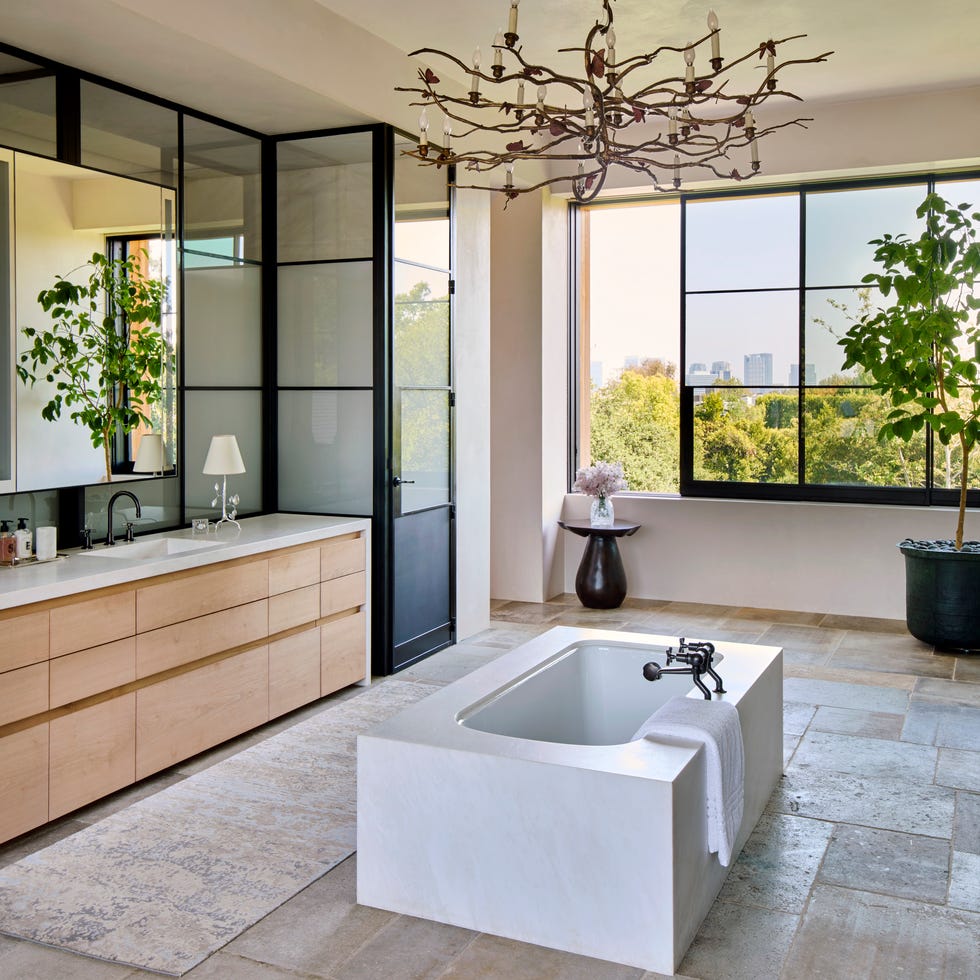
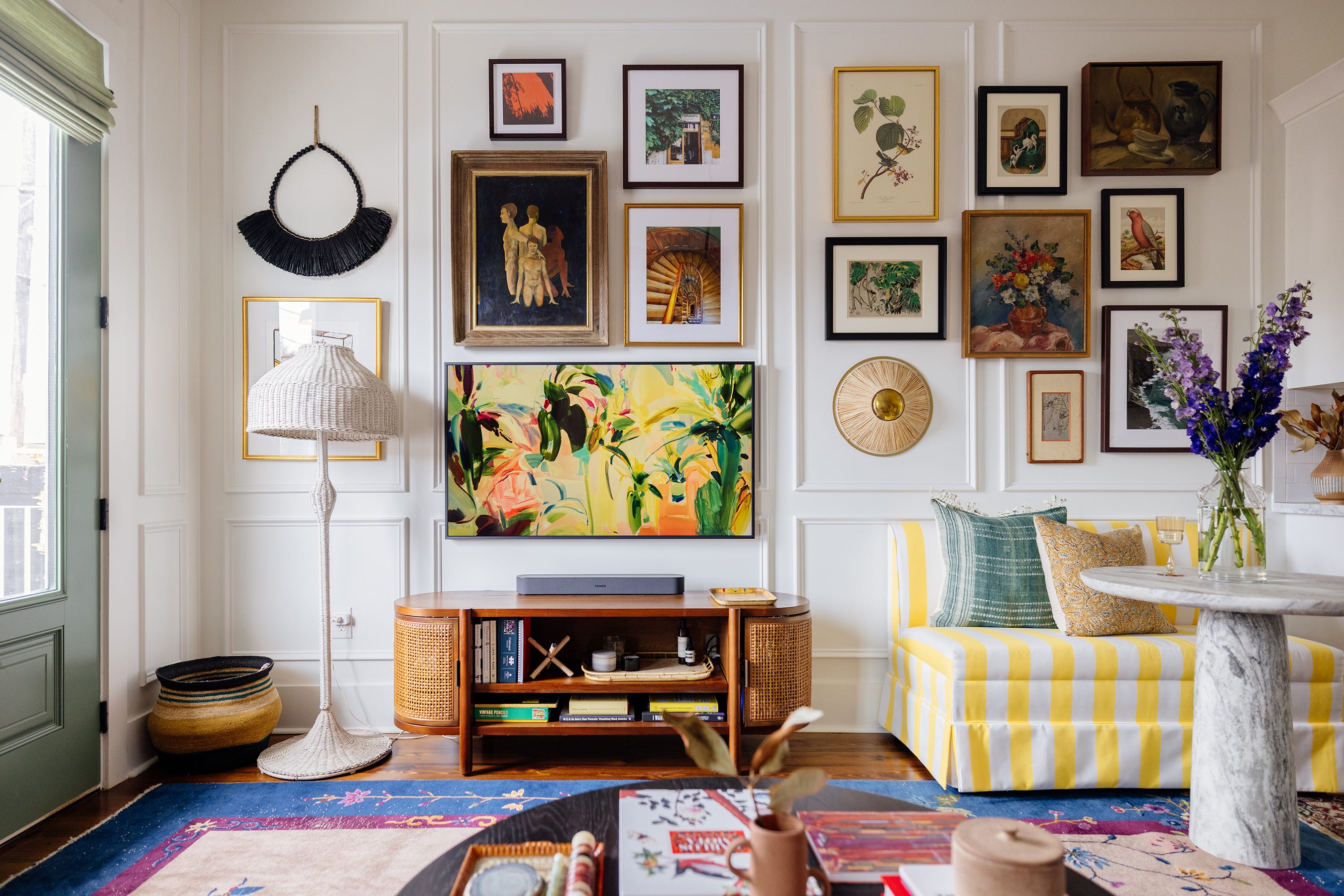
Recent home design trends indicate a noticeable shift towards a bolder, brighter, and more personalized aesthetic, marking the resurgence of maximalism. This design philosophy, initially popular in the 1980s, advocates for abundance, incorporating mixed textures, layered styles, and an eclectic display of personal treasures. After a prolonged period dominated by soft neutrals and minimalist setups, maximalism offers a refreshing alternative, allowing homeowners to infuse their unique personality and narrative into their living spaces.
The comeback of maximalism can be attributed to several factors. Similar to fashion, interior design operates on a cyclical trend system, often revisiting and reinterpreting past styles. This particular revival signifies a departure from the perceived drawbacks of minimalist decor, moving towards designs that prioritize intentionality and personal expression. For many, this trend is also a direct response to the restrictions experienced during the pandemic. During that time, homes served multiple functions—office, gym, classroom—leading to an emphasis on practical and functional furniture over expressive stylistic choices. As life normalizes, homeowners are reevaluating their relationship with their living spaces, seeking designs that are more artistic and expressive.
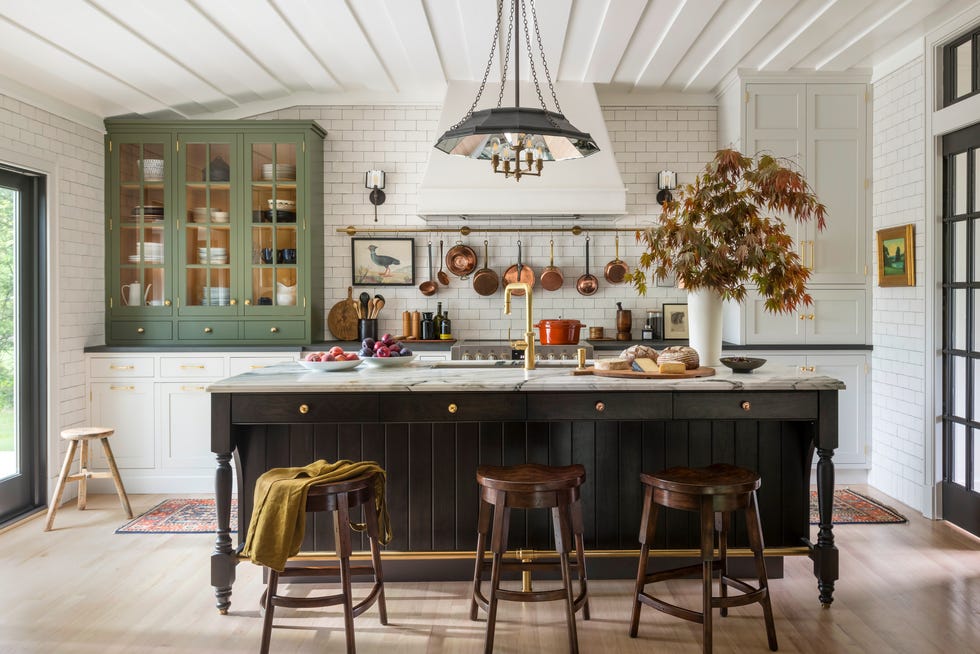
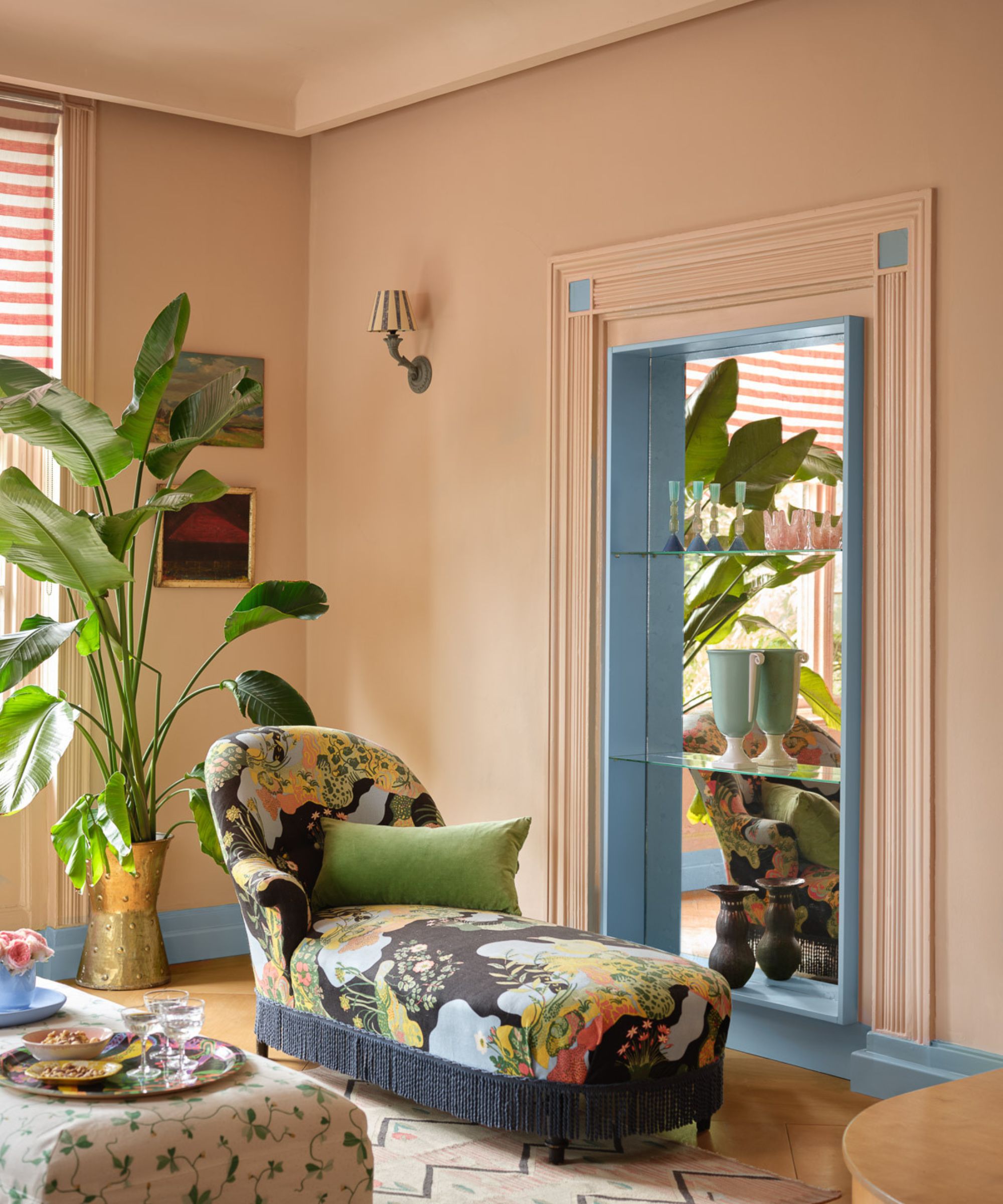
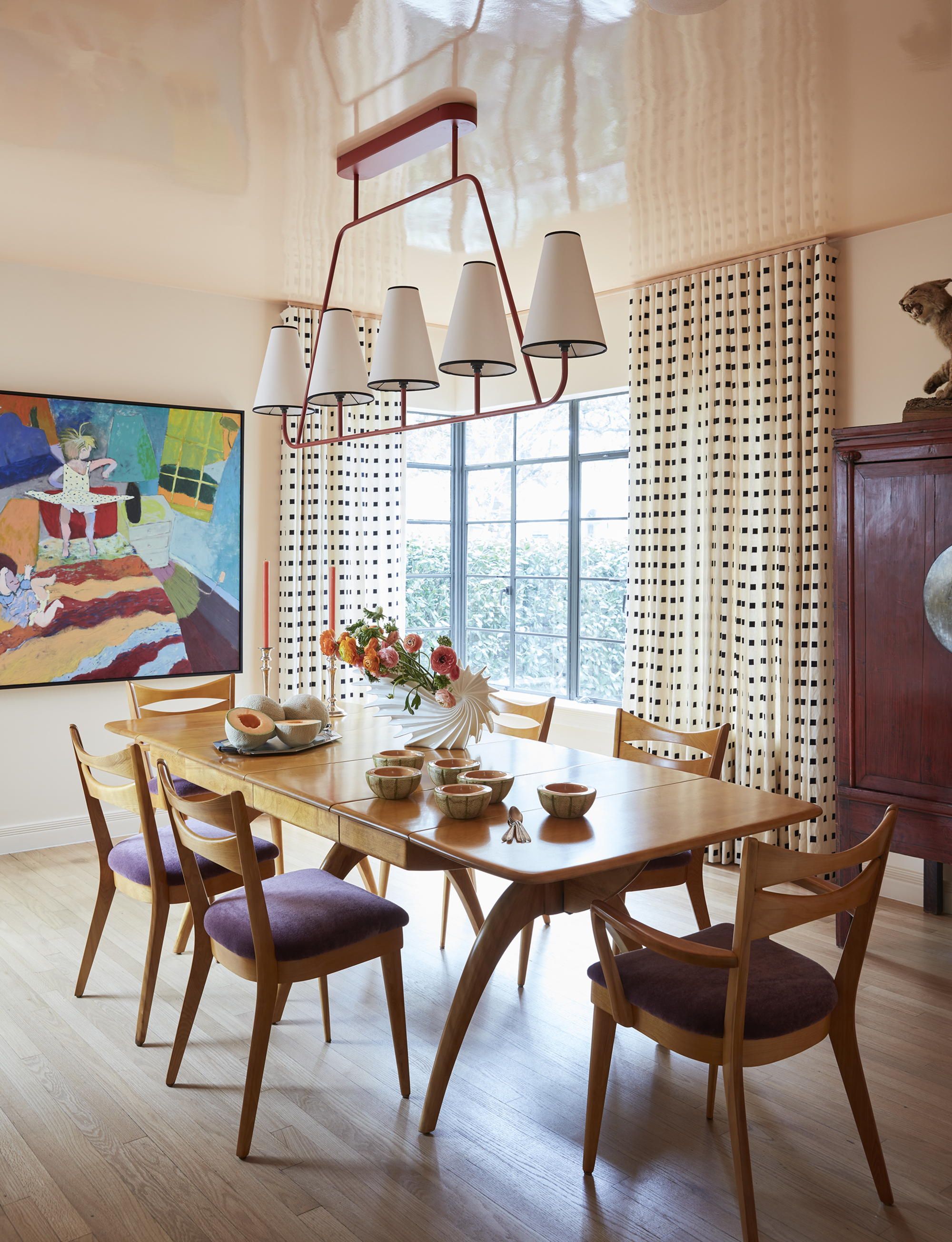
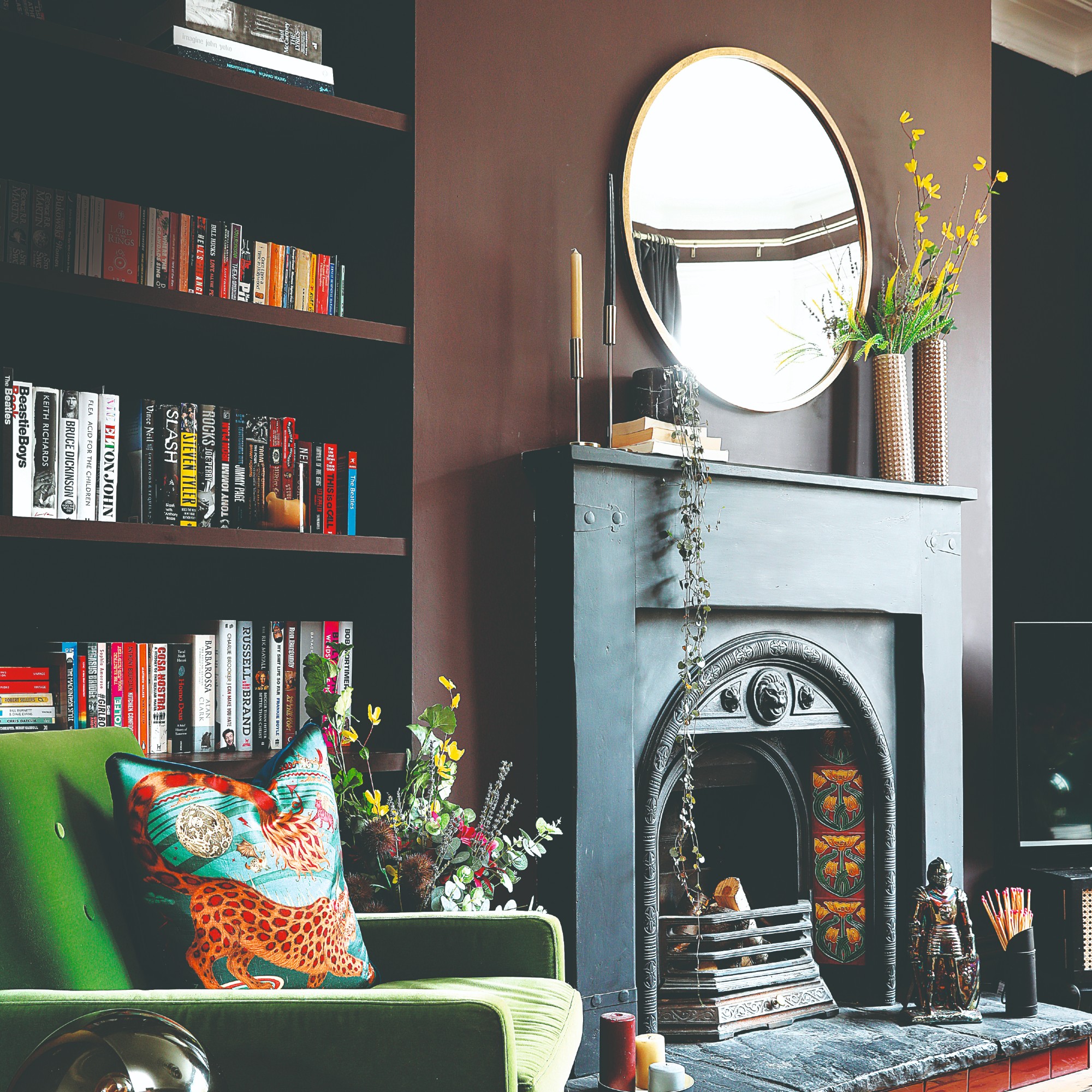
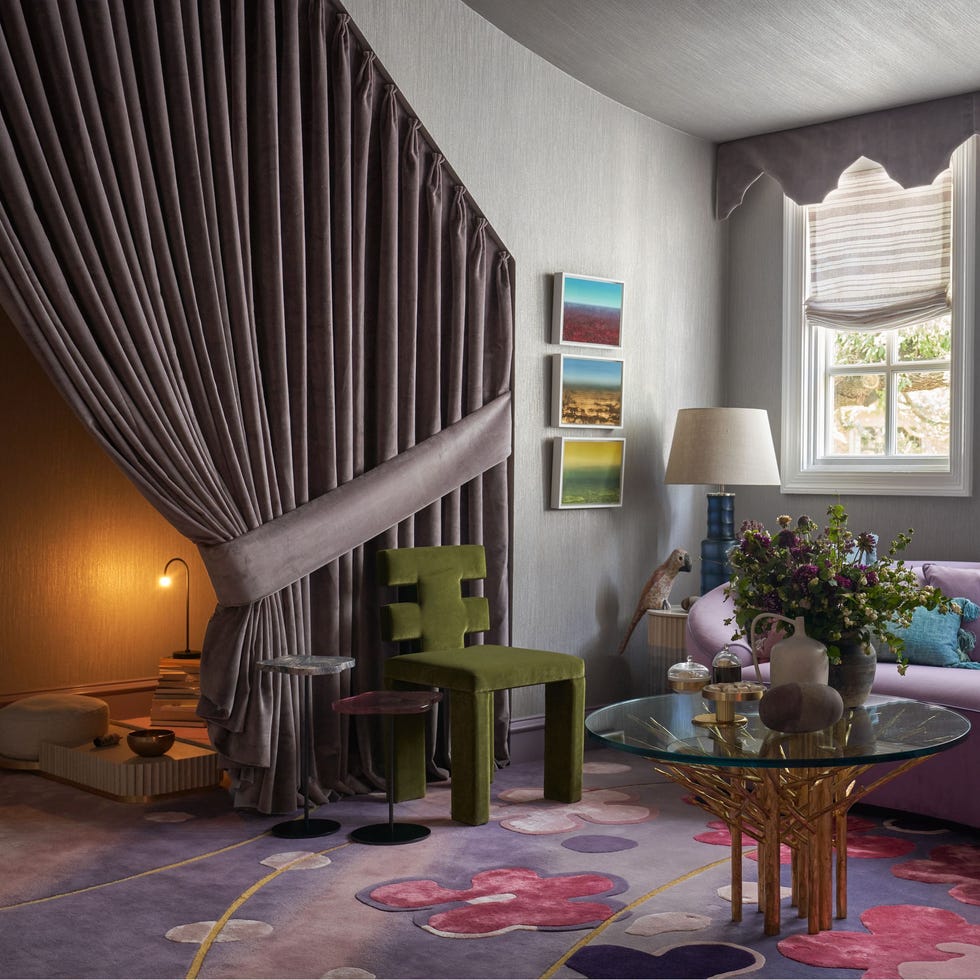
While contemporary maximalism draws inspiration from its 1980s predecessor, it presents a more refined and less chaotic interpretation. Modern maximalism emphasizes intentional curation, where each item, whether a vintage find, a vibrant paint color, or a piece of art, is chosen to reflect the homeowner's individual interests and story. This approach ensures that boldness is not merely for show but contributes to a cohesive and meaningful design narrative.
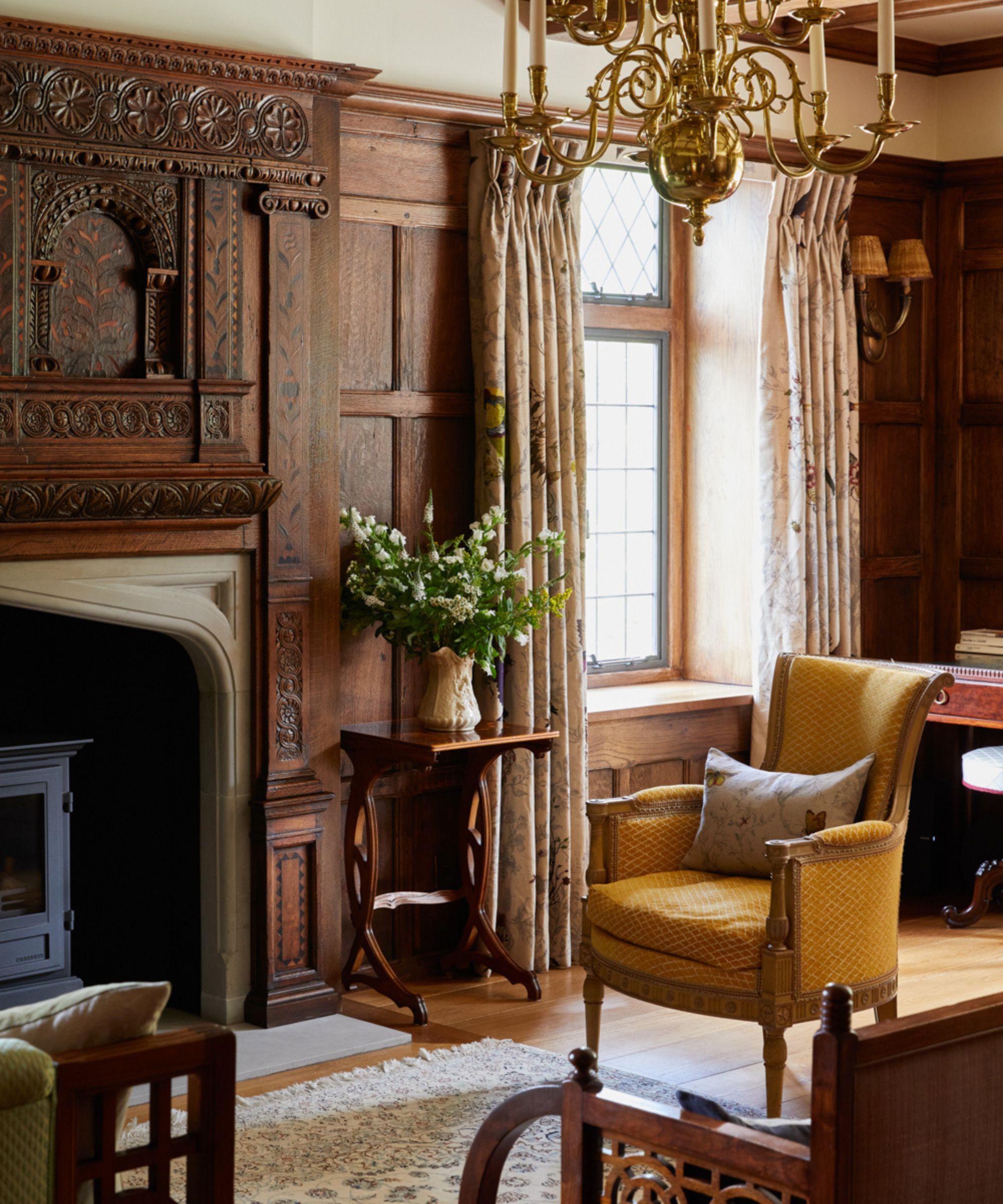
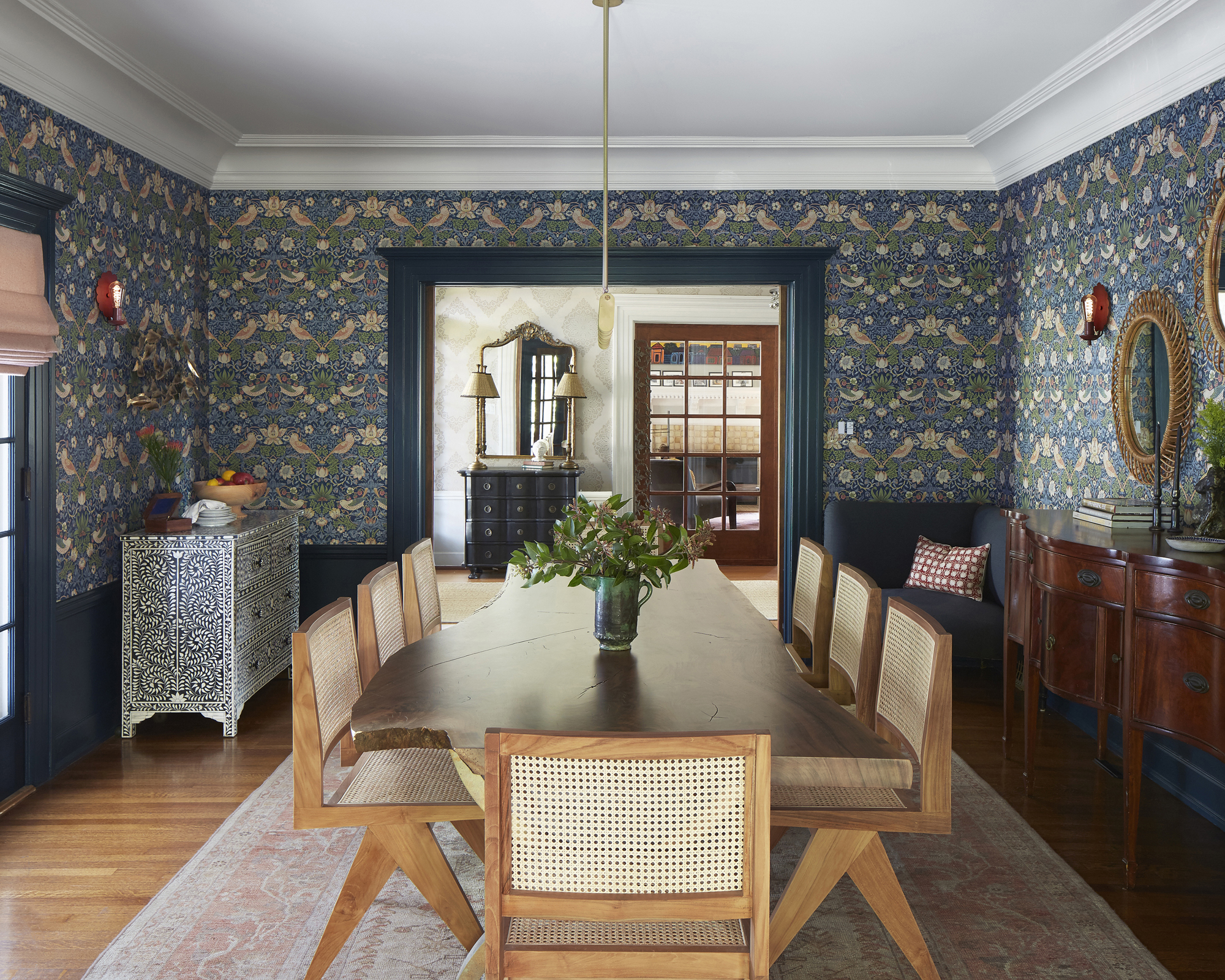
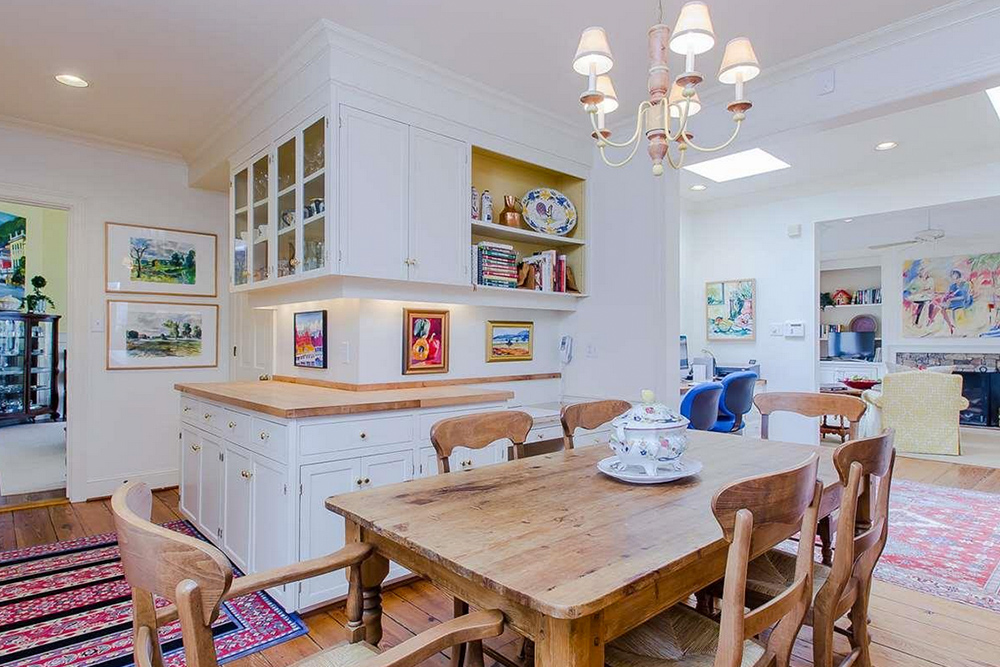
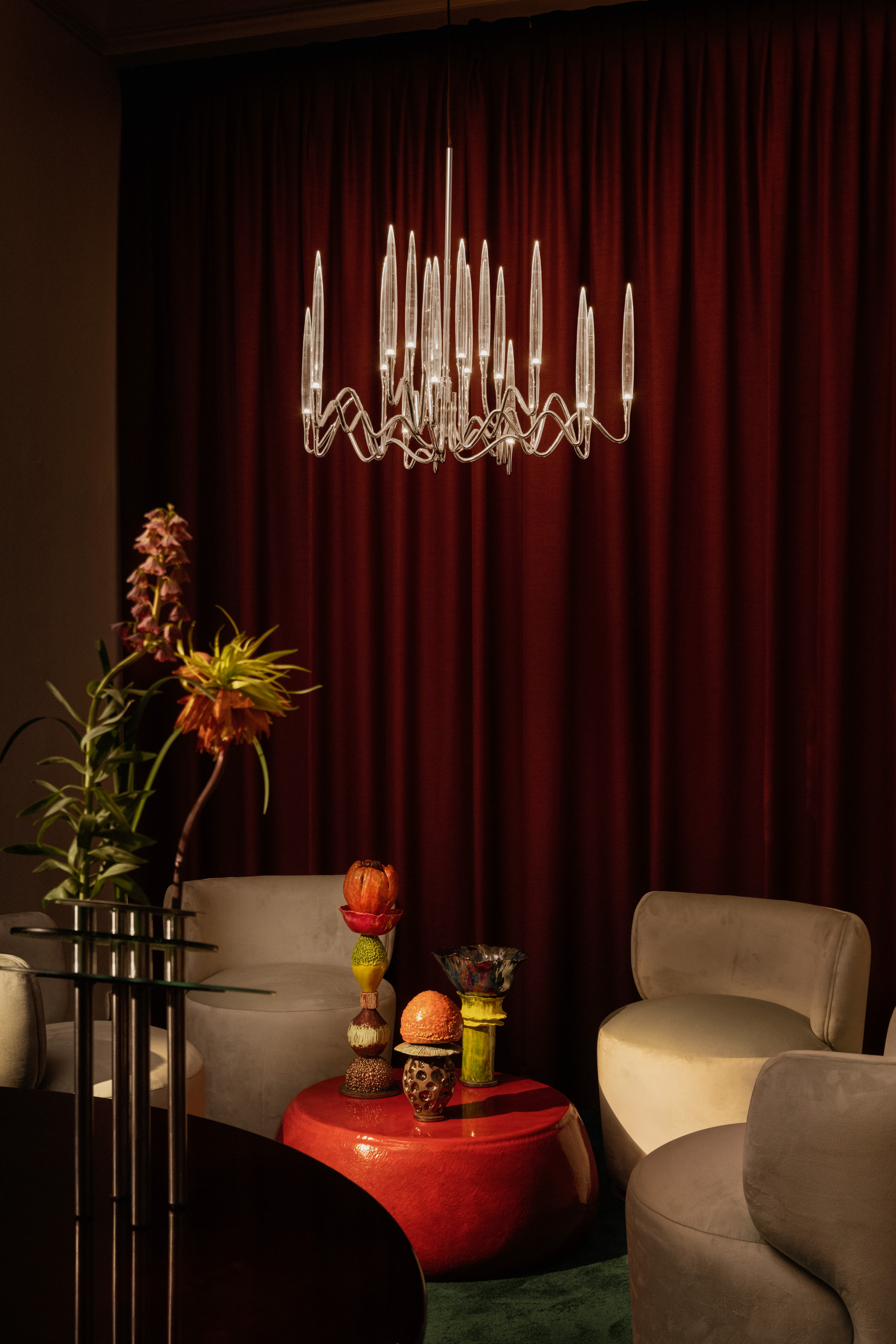
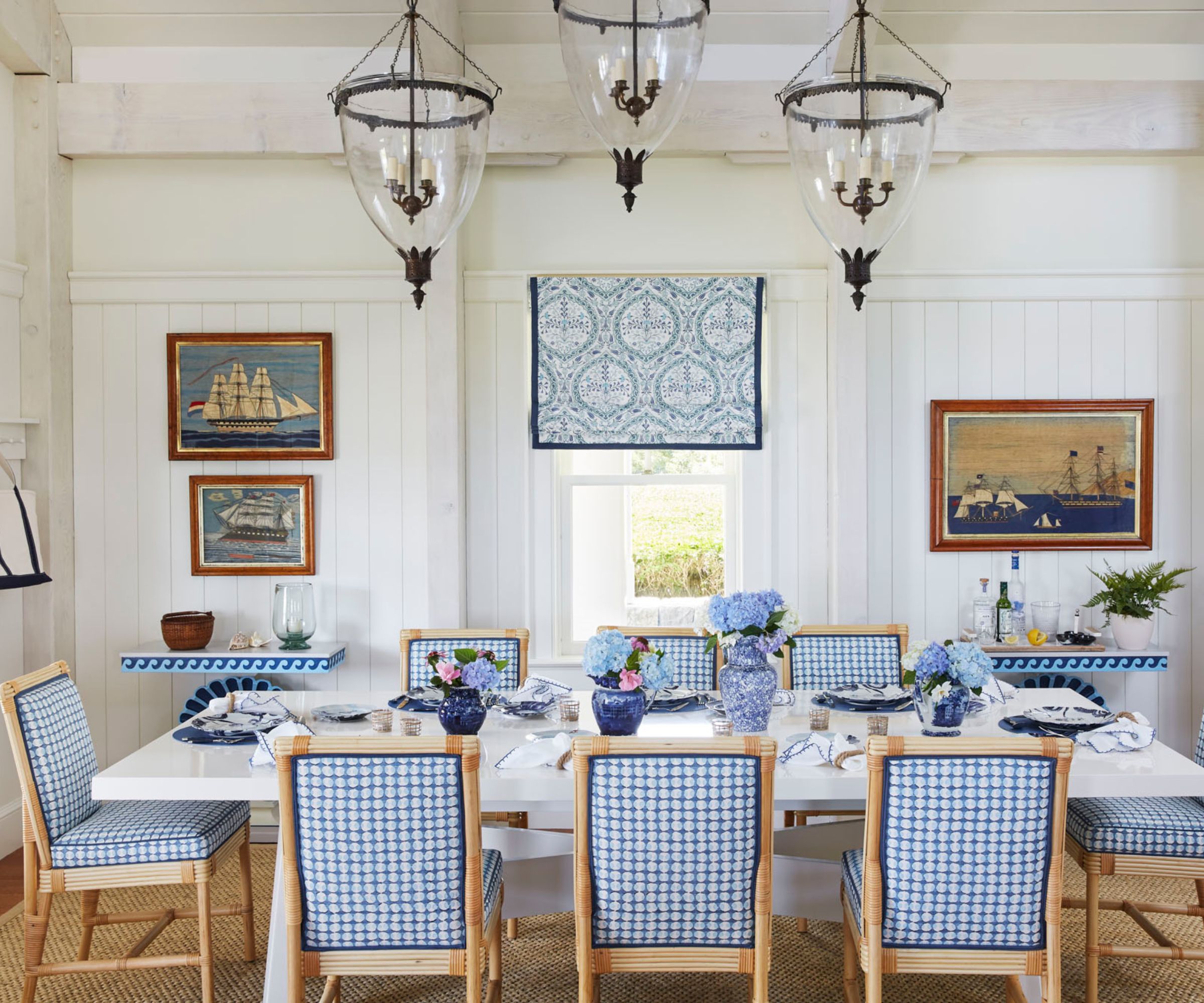
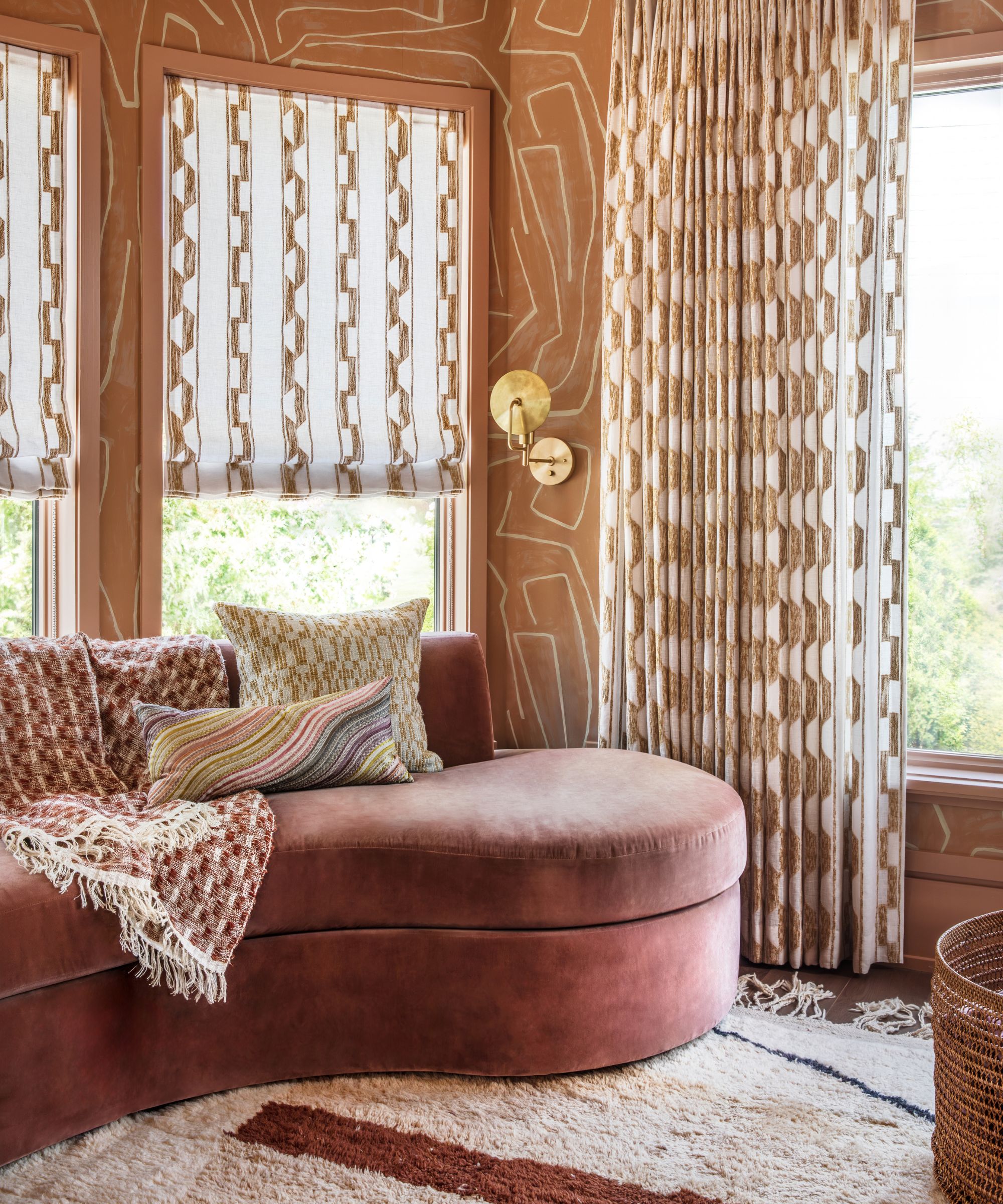
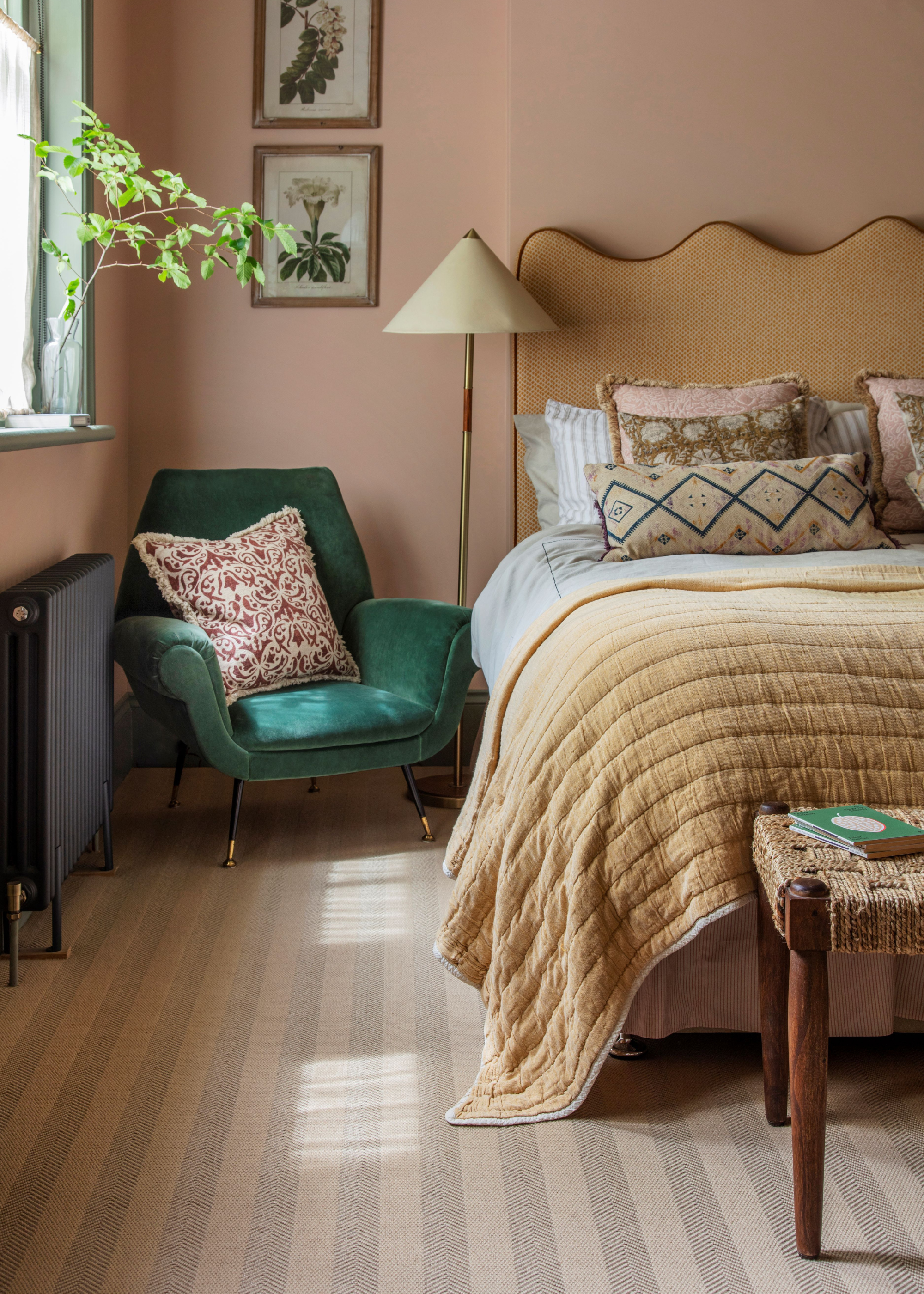
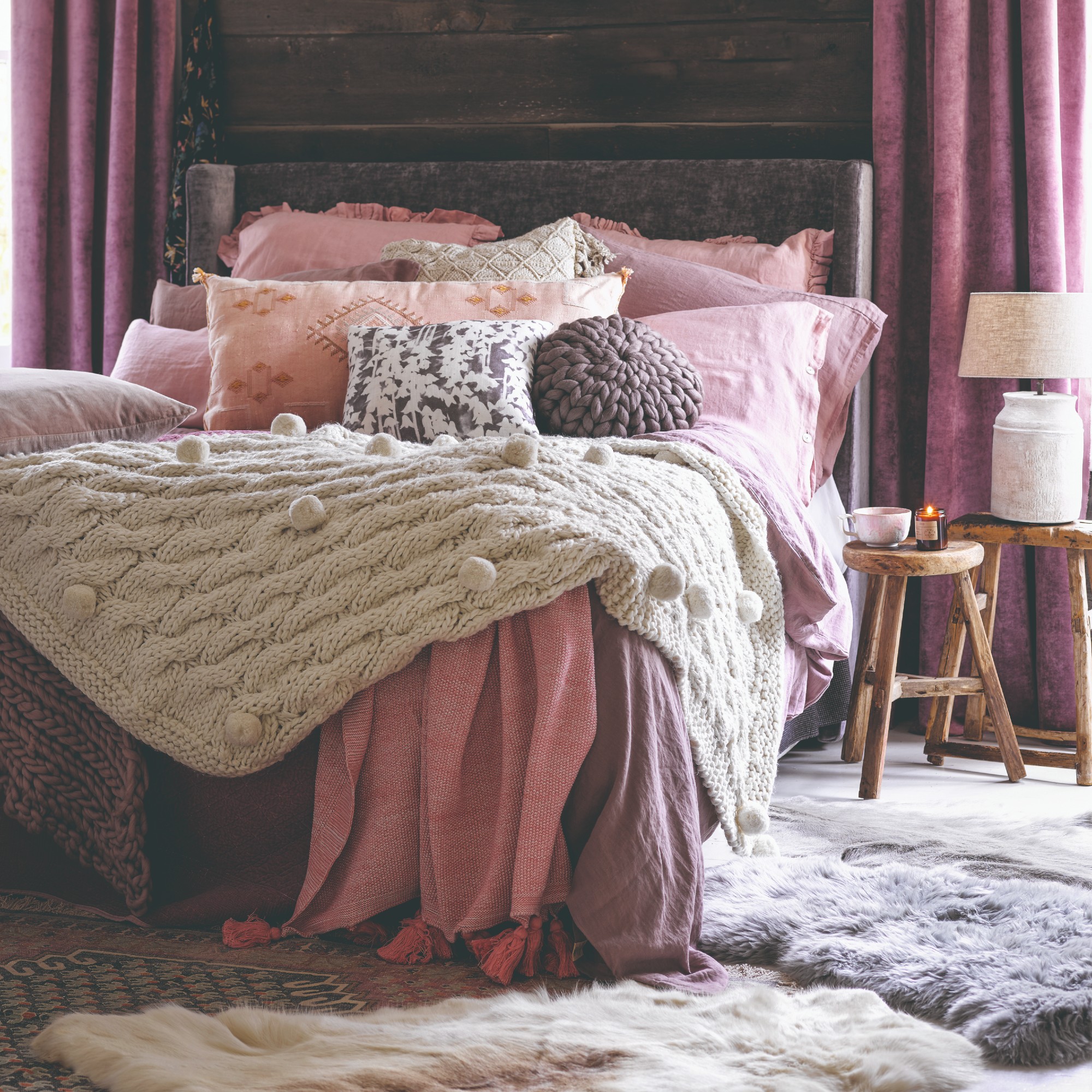
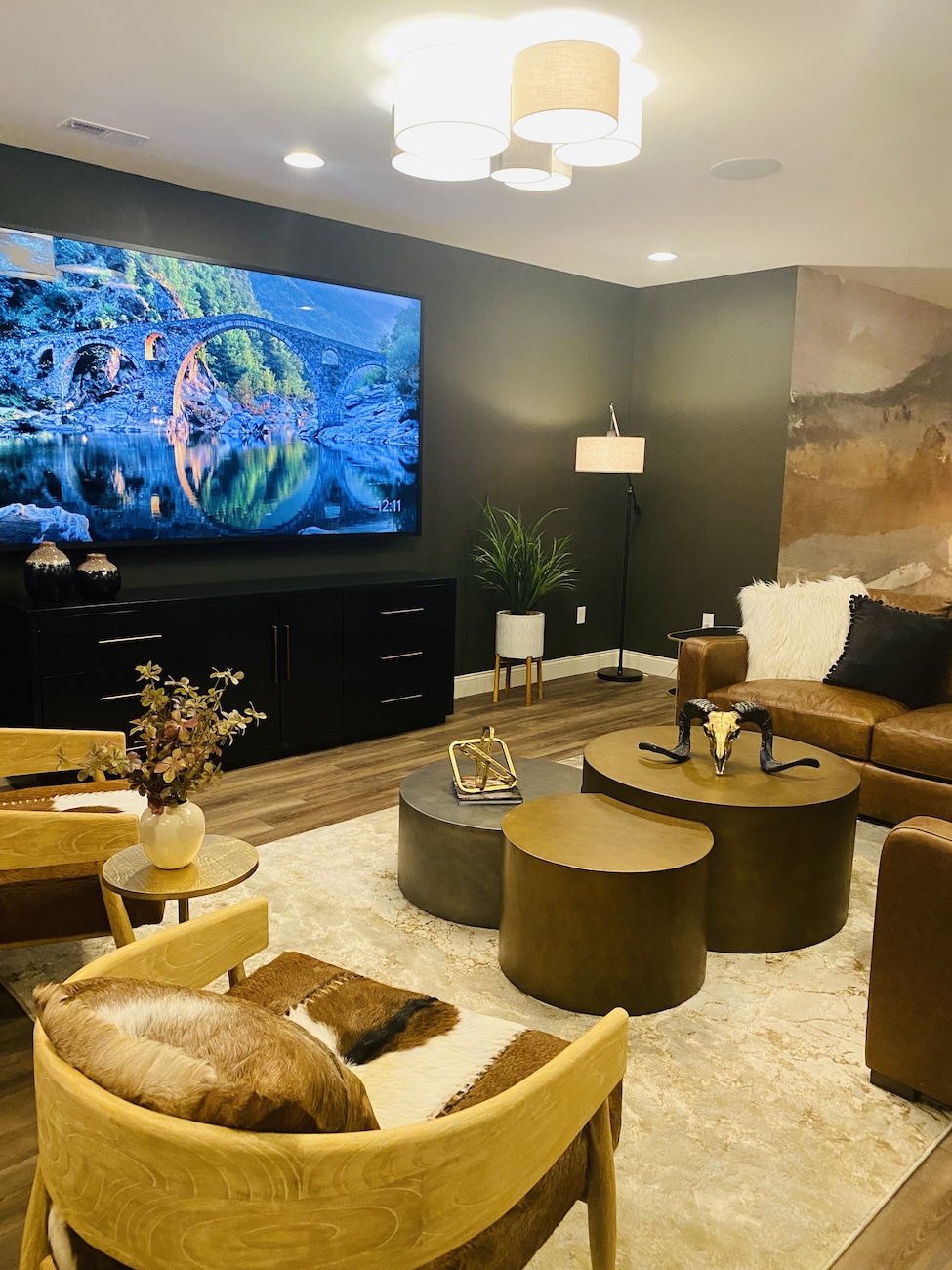
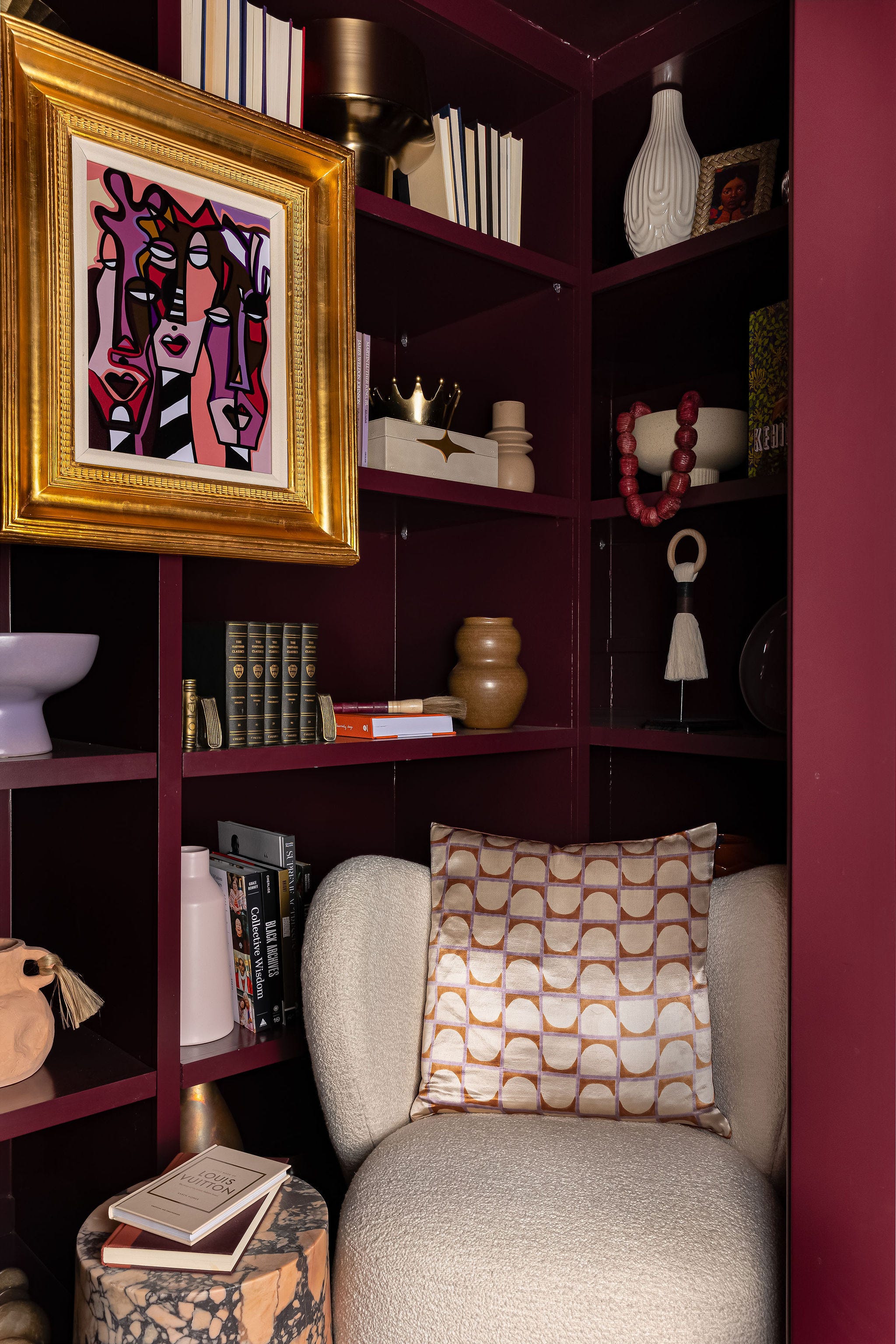
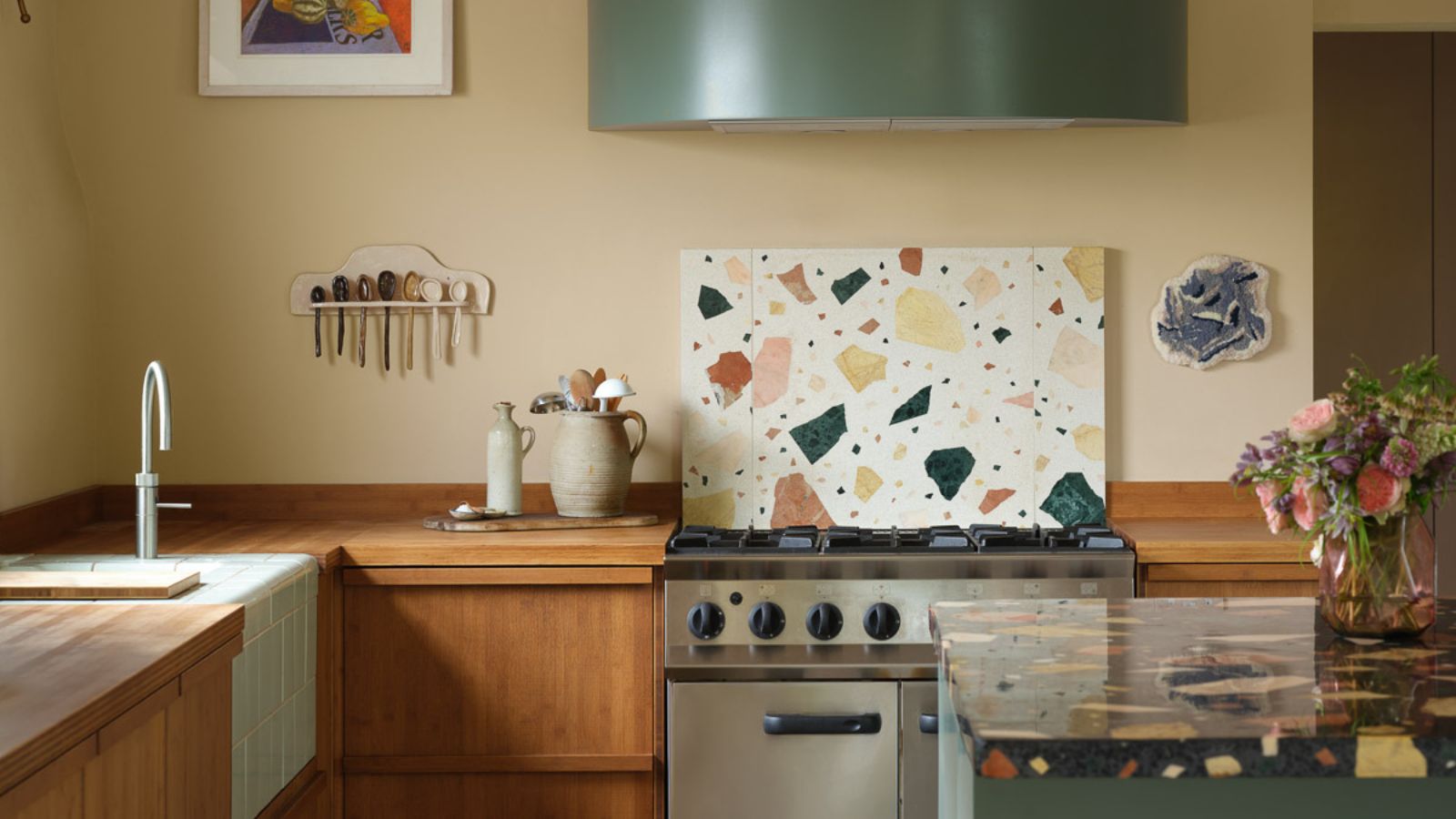
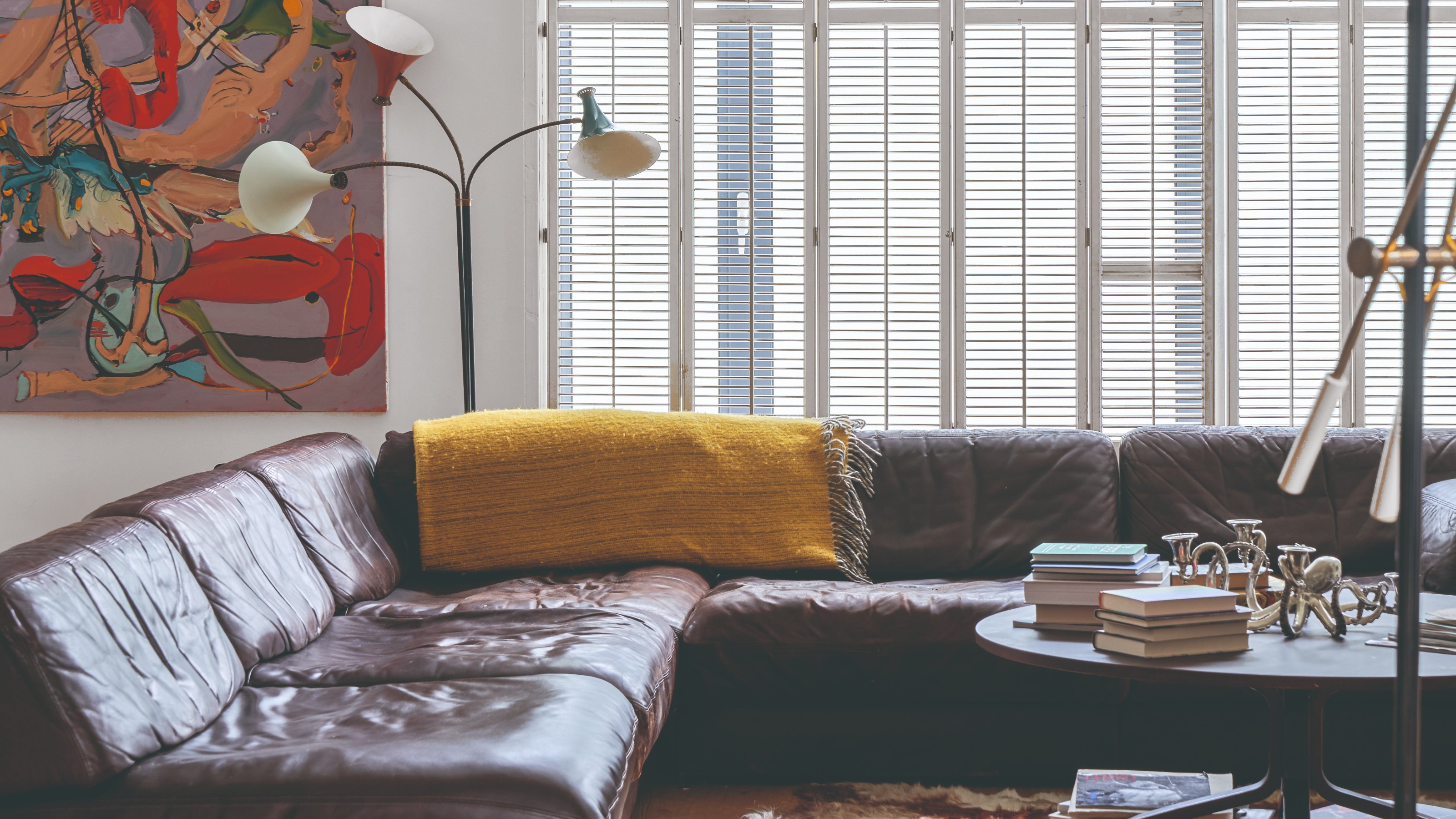
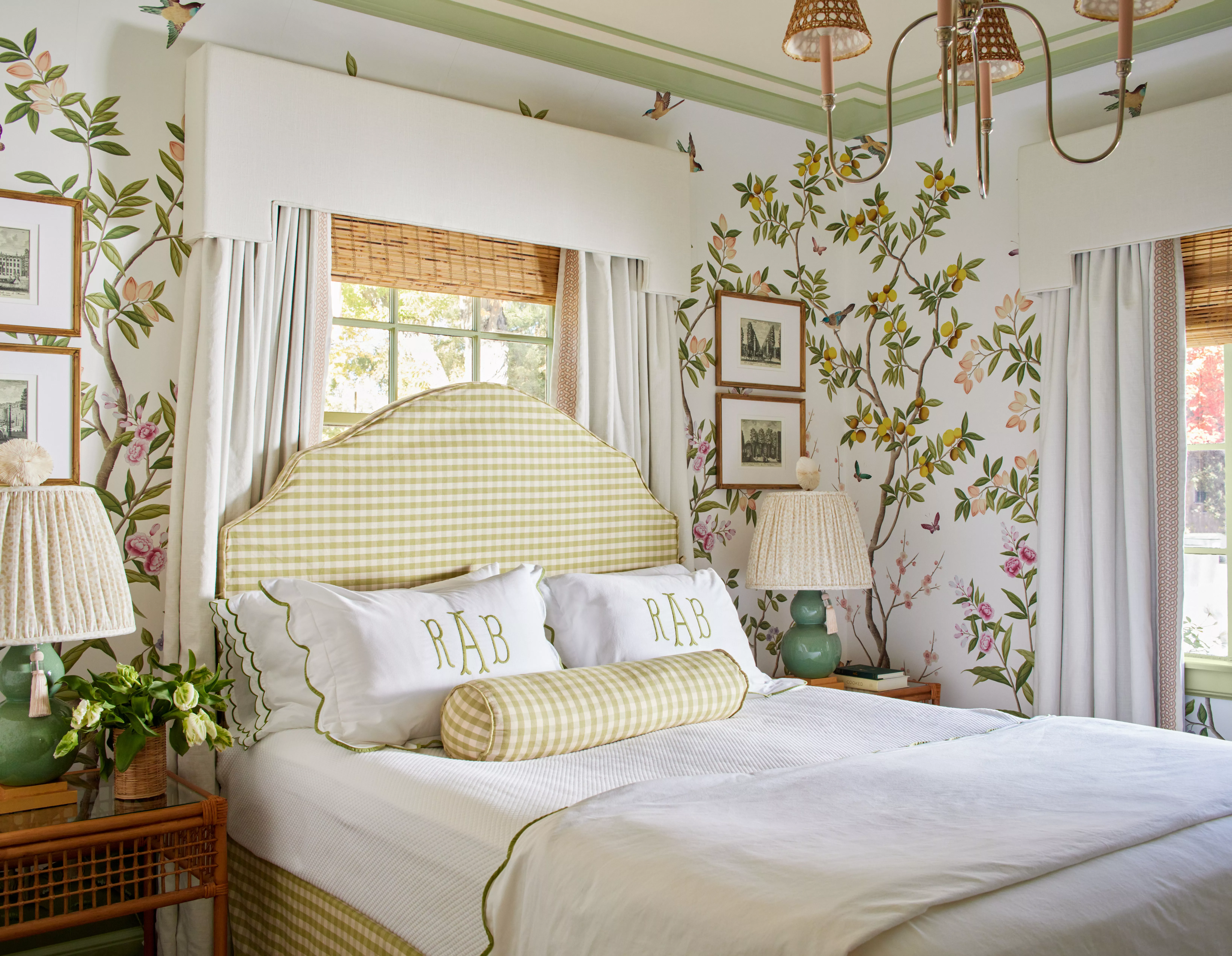
Today's maximalism distinguishes itself from the "more is more" ethos of the past by blending traditional boldness with thoughtful selection. Instead of heavy, clashing patterns, modern maximalists focus on how different pieces interact. This includes combining various color palettes like earth tones and jewel tones, and layering textures through elements such as hanging rugs as wall art or incorporating vibrant textiles. There is also a growing appreciation for craftsmanship and sustainable design, evident in the popularity of vintage or artisanal pieces.
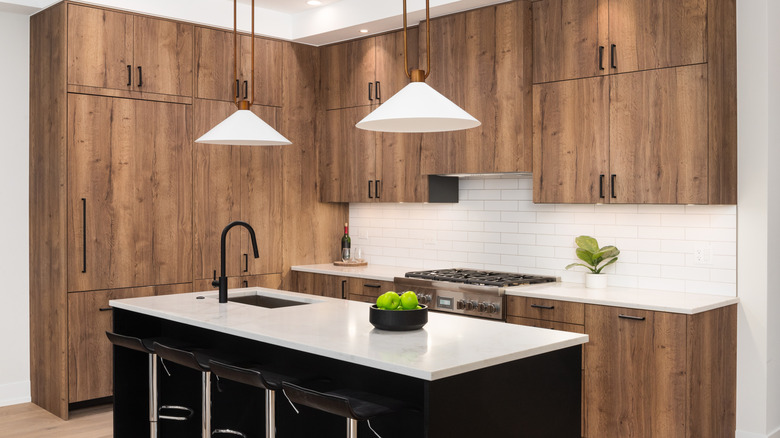
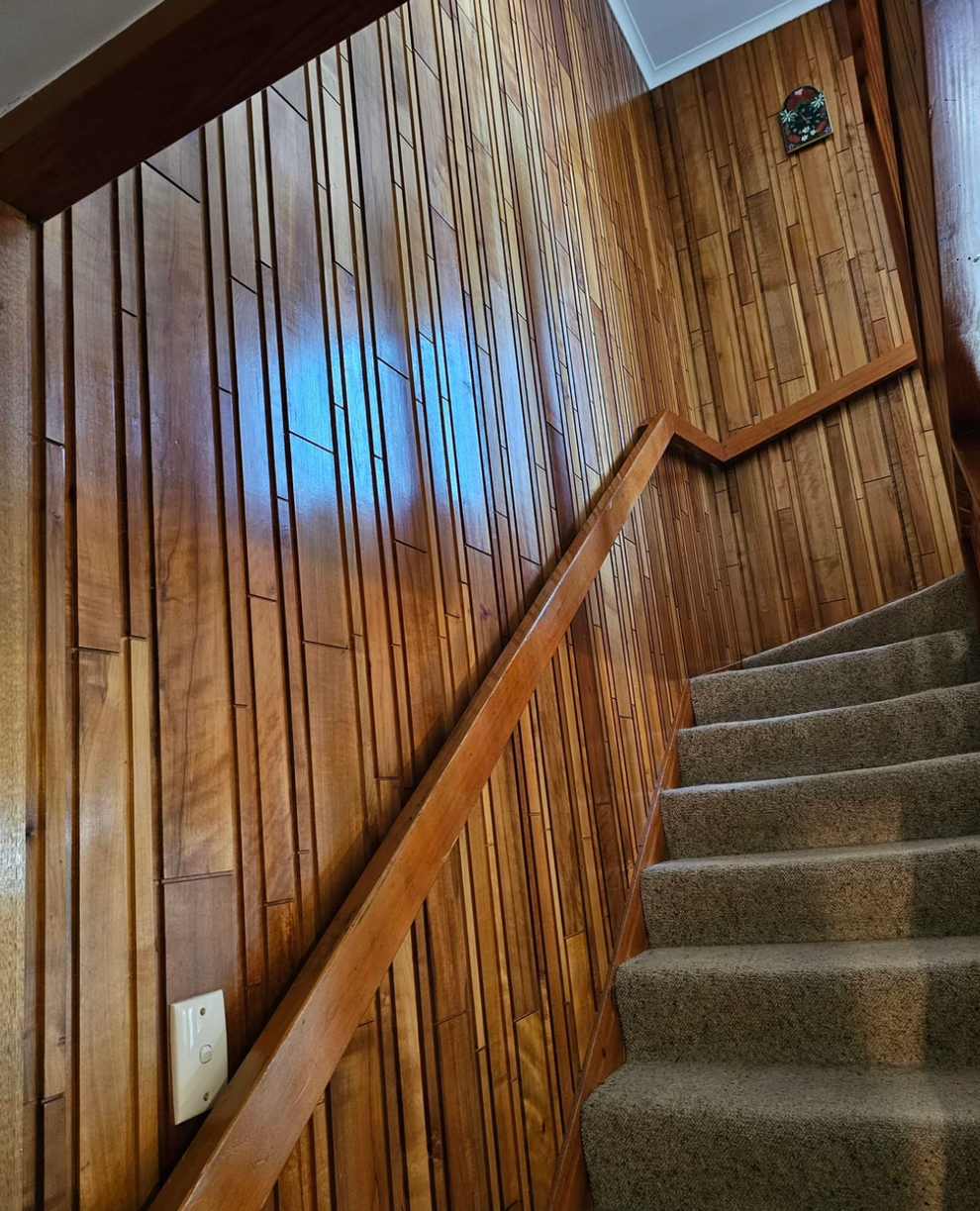
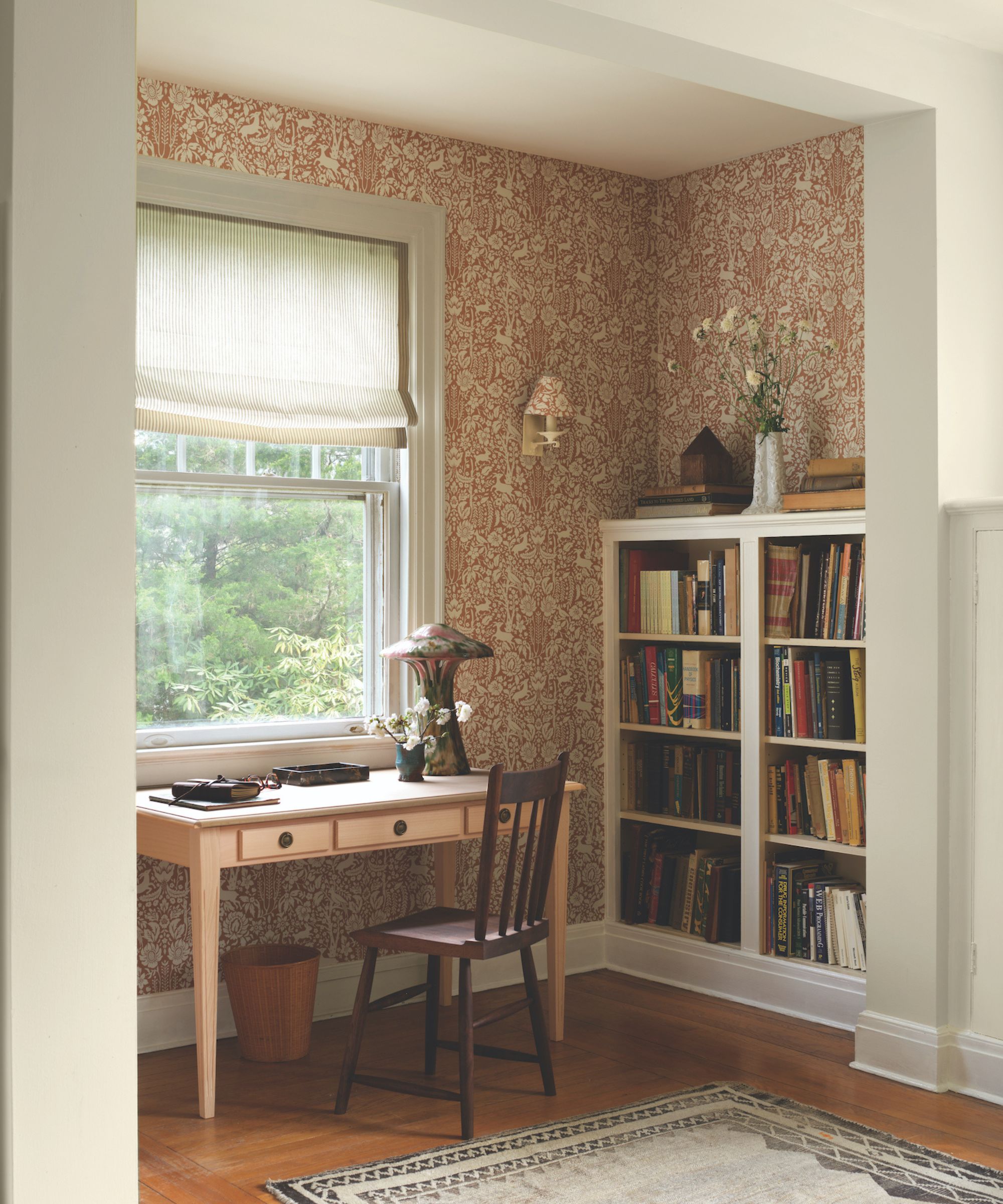
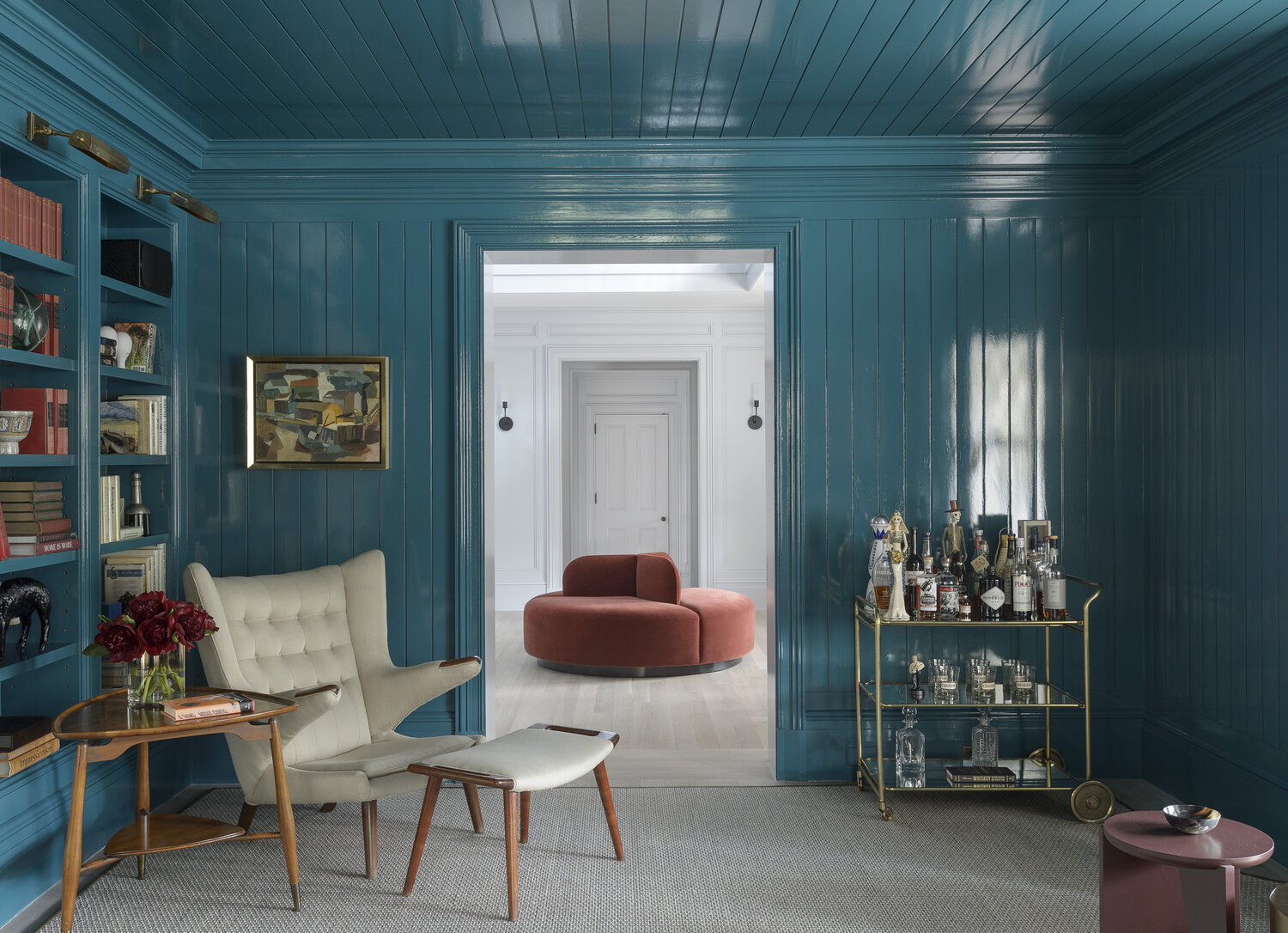
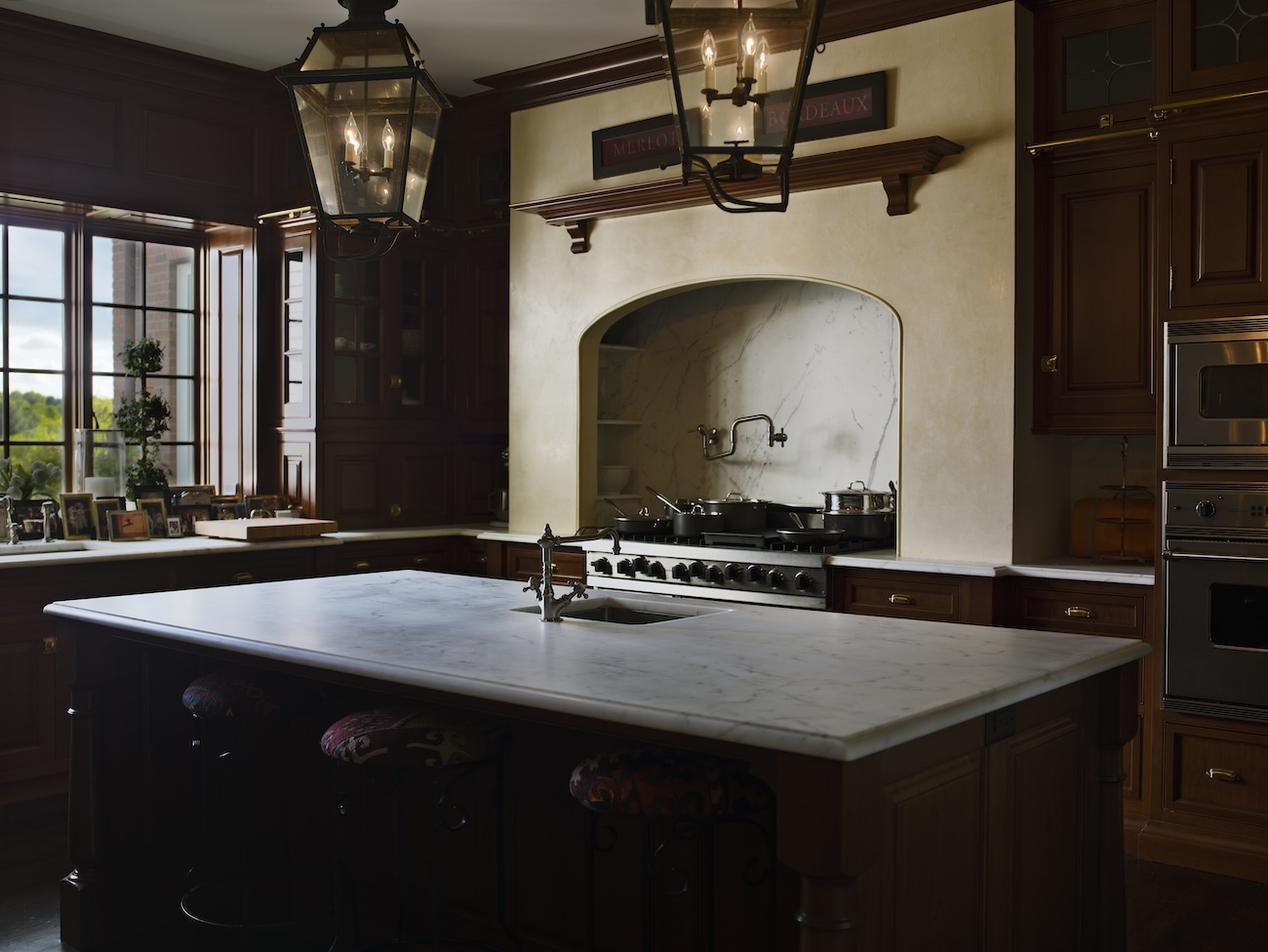
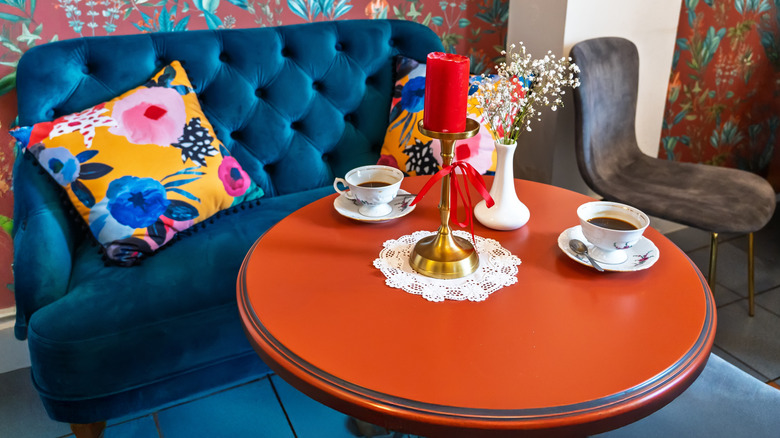
Current color trends, featuring rich reds, botanical greens, and golden yellows, seamlessly align with maximalism's multi-faceted nature. Other design elements like statement lighting, patterned upholstery, and mixed-material furniture are employed to create spaces that are both vibrant and meticulously planned. Industry experts predict that maximalism is more than a fleeting trend; its flexibility allows it to integrate with other emerging styles such as warm wood tones, biophilic design, and the incorporation of cultural significance in interiors. Social media platforms further amplify this trend, with visually rich, detailed interiors garnering significant attention. Ultimately, maximalism signifies a broader cultural shift towards more personal and expressive living environments.
#Maximalism #HomeDesignTrends #80sRevival #InteriorDesign #PersonalizedDecor #DesignPhilosophy #CulturalShift #EclecticStyle #Maximalism #HomeDesignTrends #80sRevival #InteriorDesign #PersonalizedDecor #DesignPhilosophy #CulturalShift #EclecticStyle
0 comment in total
 No comments yet
You may also like
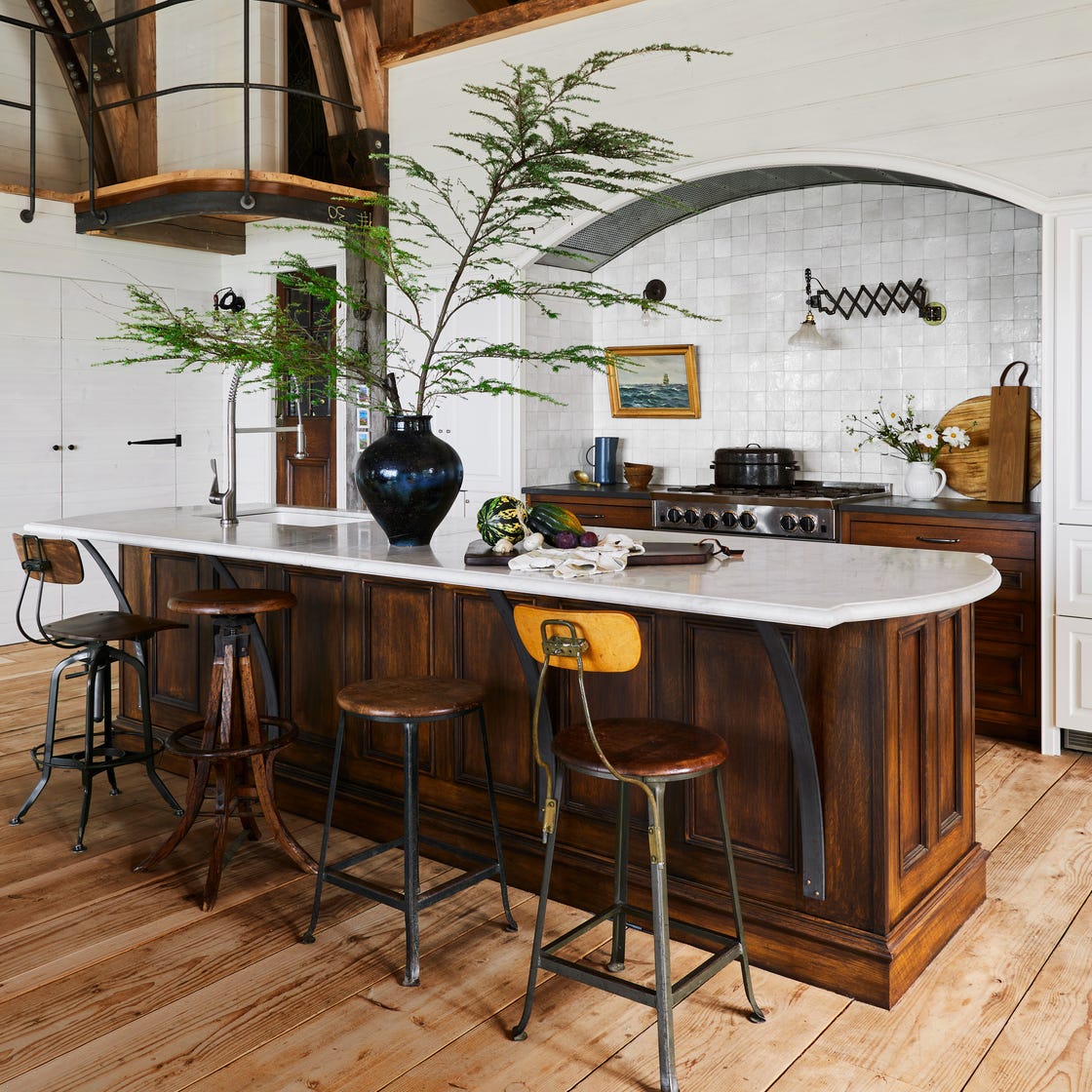
This 1920s-Inspired Design Trend Is Taking Over Homes in Fall 2025
Surprise: 1990s Design Trends Are Coming Back
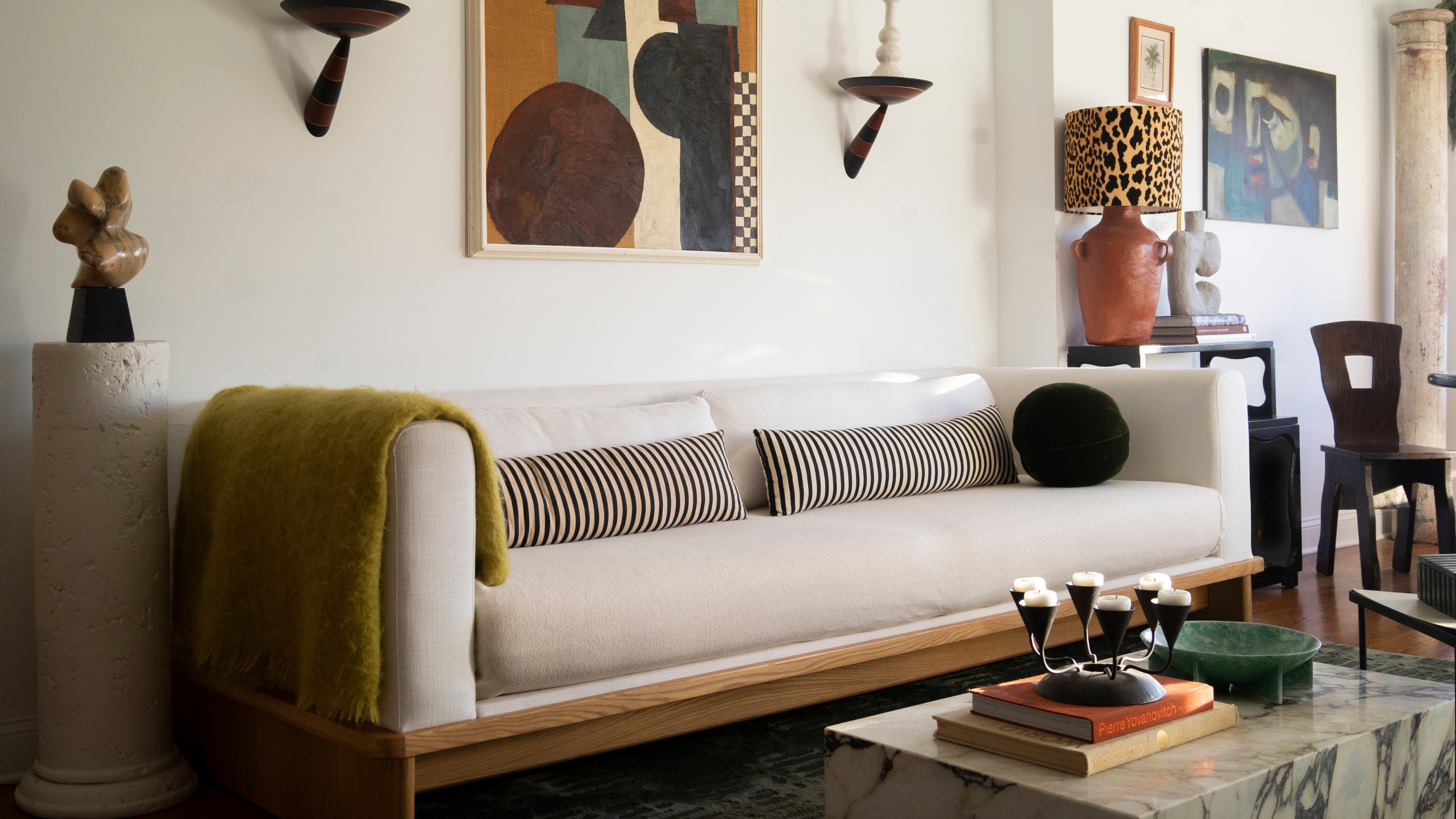
Designers' Reveal the Biggest Pattern Trends for 2025, and It's Shaping Up to Be a Bold Return to the Classics

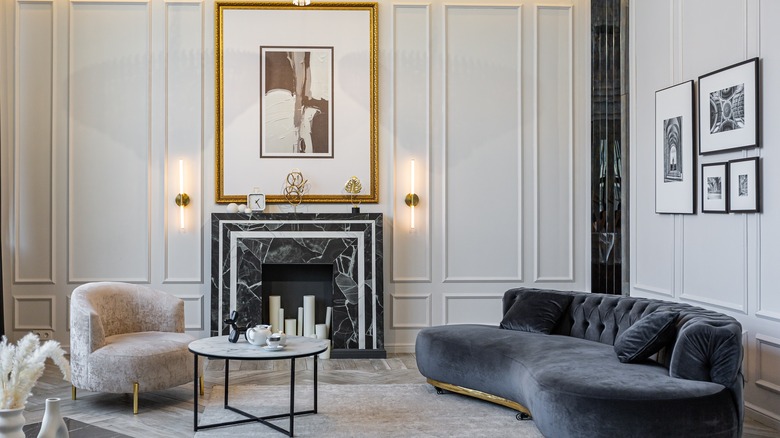
The Stunning Interior Design Trend That's Here To Stay In 2025
Retro Design Trends That Are Making A Comeback In 2025
The Biggest Interior Design Trends for 2025


11 "Outdated" Home Decor Trends Making A Surprising Comeback In 2025

The 8 Renovation Trends Designers Say Will Shape Homes in 2025 and Beyond

People Are Revealing The "Outdated" Home Design Trends From The '80s That Need To Come Back

The '80s Wall Trend Making A Big Comeback In The 2026 (It'll Make Your Home Look Larger)
The Vintage Interior Trends Designers Predict Will Define Homes in 2026

10 Hottest Home Design Trends to Watch for 2025
These ‘80s Home Trends Are Back—And More Stylish Than Ever

Is preppy interior design making a comeback in 2025?
These Are the Home Design Trends You Need to Know About in 2025
The Pros Have Spoken: These Interior Design Trends Will Define 2025

Arts and Crafts decor is making a comeback for 2025 – here's how designers are reimagining this iconic vintage style
Designers say these '80s-inspired colors are making a comeback in 2025 – 5 retro shades for a colorful home
The biggest home decor trends that interior experts say you’ll be championing in your home in 2025
8 Interior Design Trends That Will Be Everywhere in 2025