1/4
How a Montrose Company Turns Reservoir Sediment into Gorgeous Tile
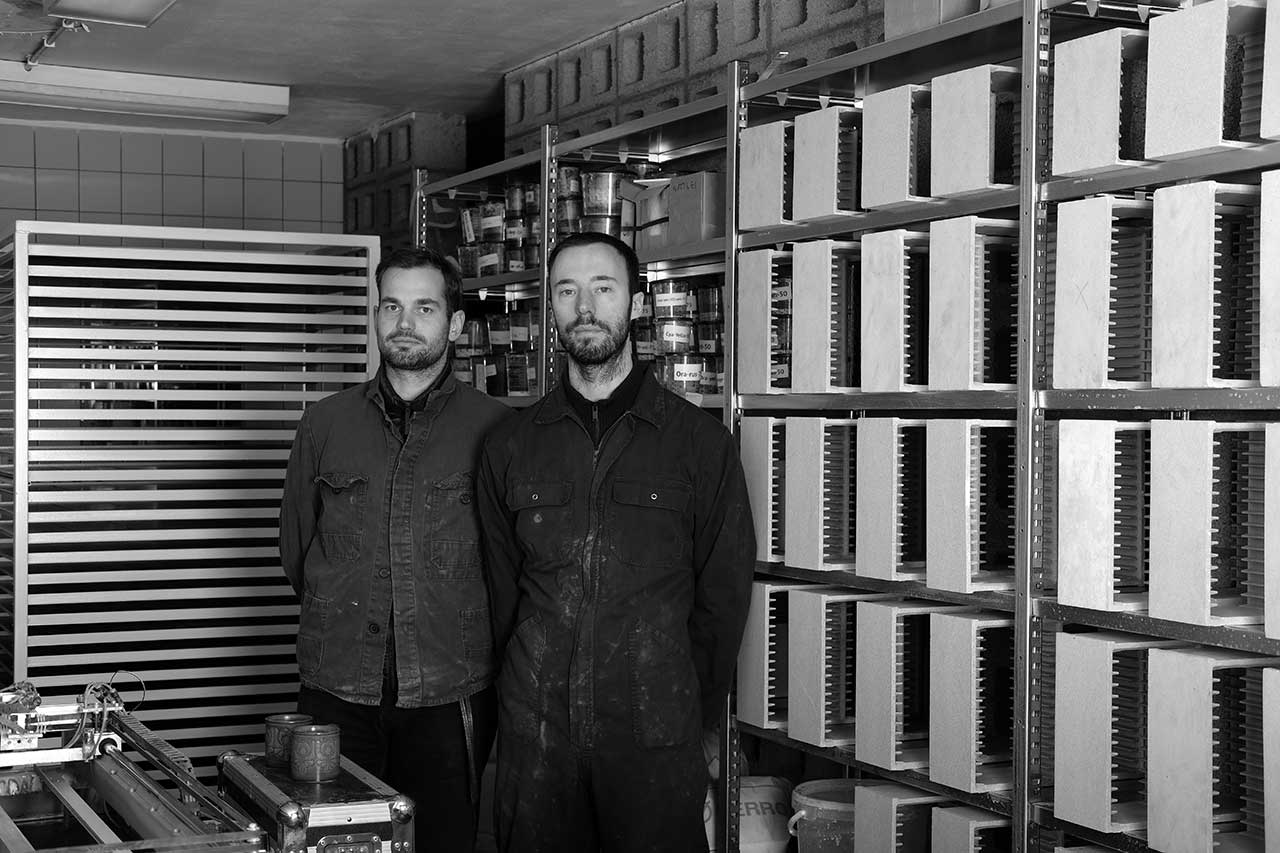
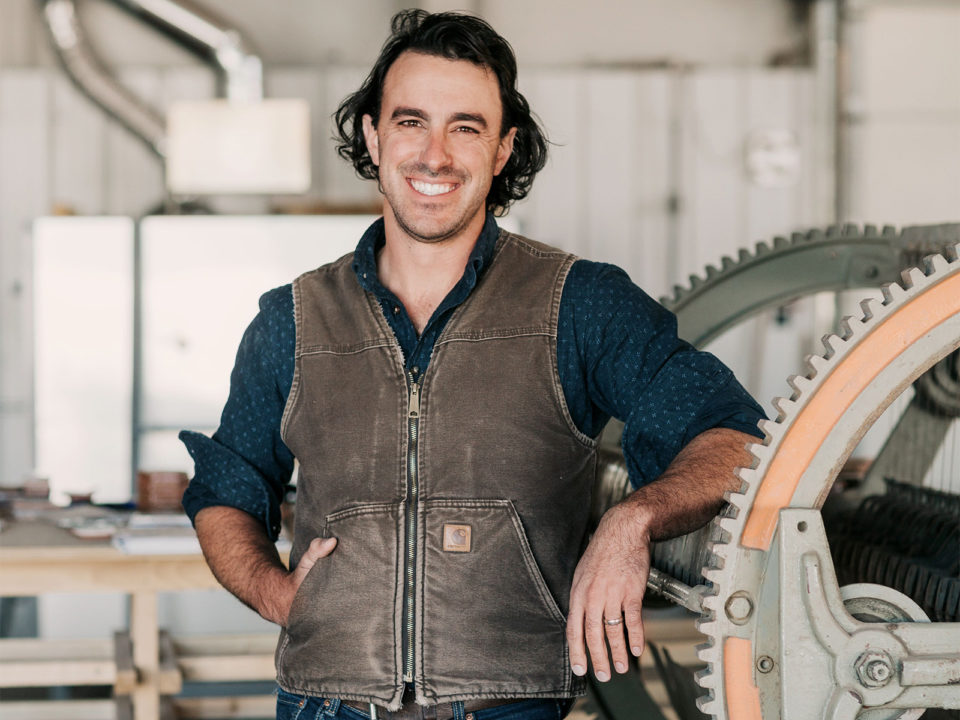
Particular Tile, a Montrose-based company, is transforming excess clay sediment from the Paonia Reservoir in western Colorado into hand-cut ceramic tiles. This innovative approach addresses two environmental problems: the shrinking capacity of the reservoir due to sediment accumulation and methane emissions from nearby abandoned coal mines. Christopher Caskey, a scientist and founder of Delta Brick & Climate Company (which includes Particular Tile), developed this sustainable business model. The Paonia Reservoir, constructed in 1962, has lost over a quarter of its storage capacity, impacting crucial water supplies for local agriculture. Simultaneously, abandoned coal mines in the vicinity release methane, a potent greenhouse gas. Caskey's vision was to utilize the high-quality clay sediment from the reservoir to create a product, while eventually powering the tile production with captured methane from the mines. This dual solution aims to mitigate environmental damage and create a valuable resource.
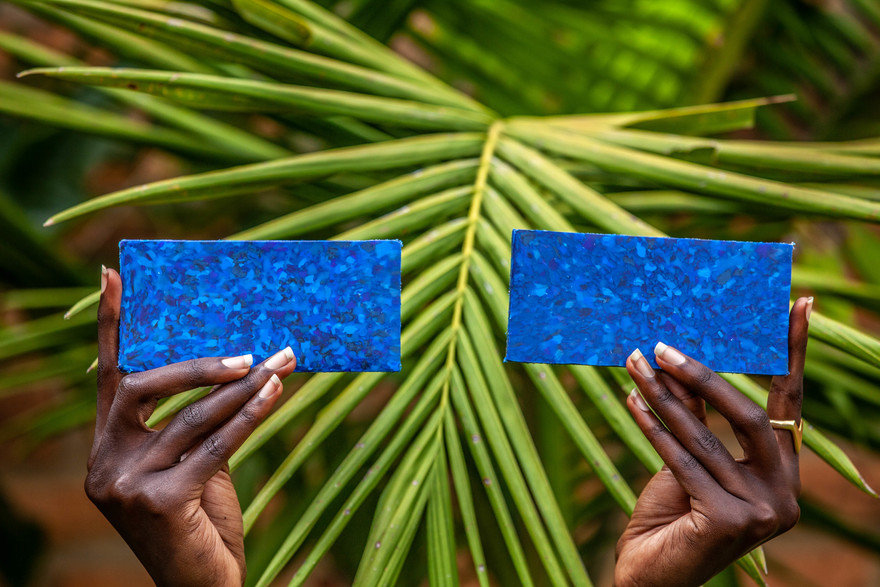
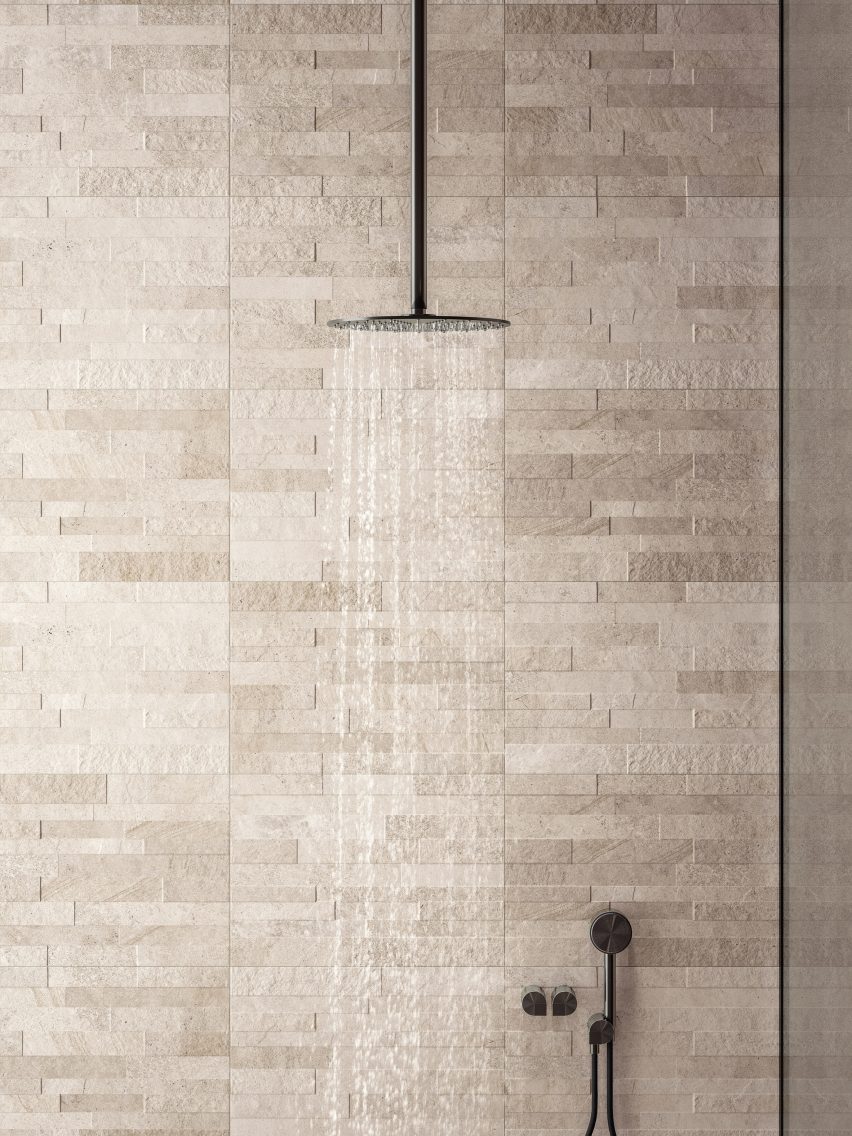
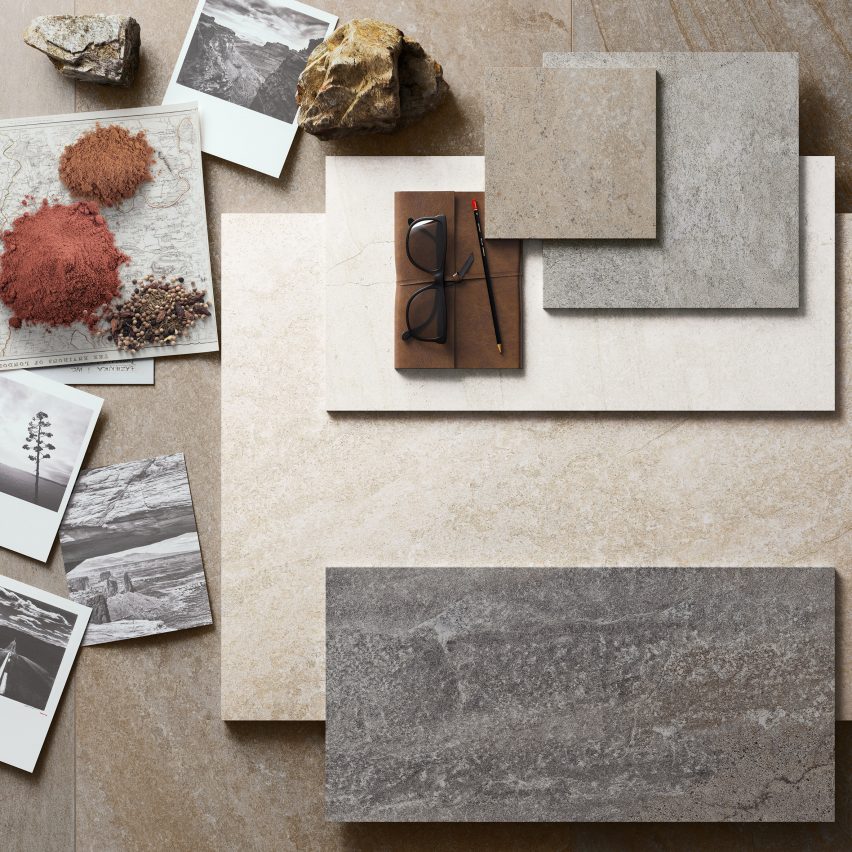
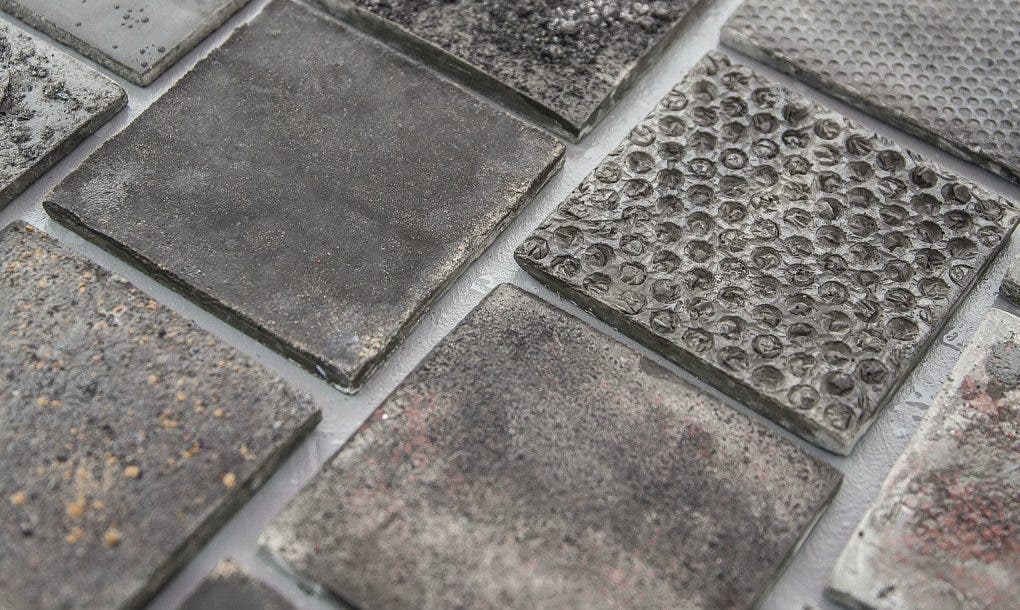
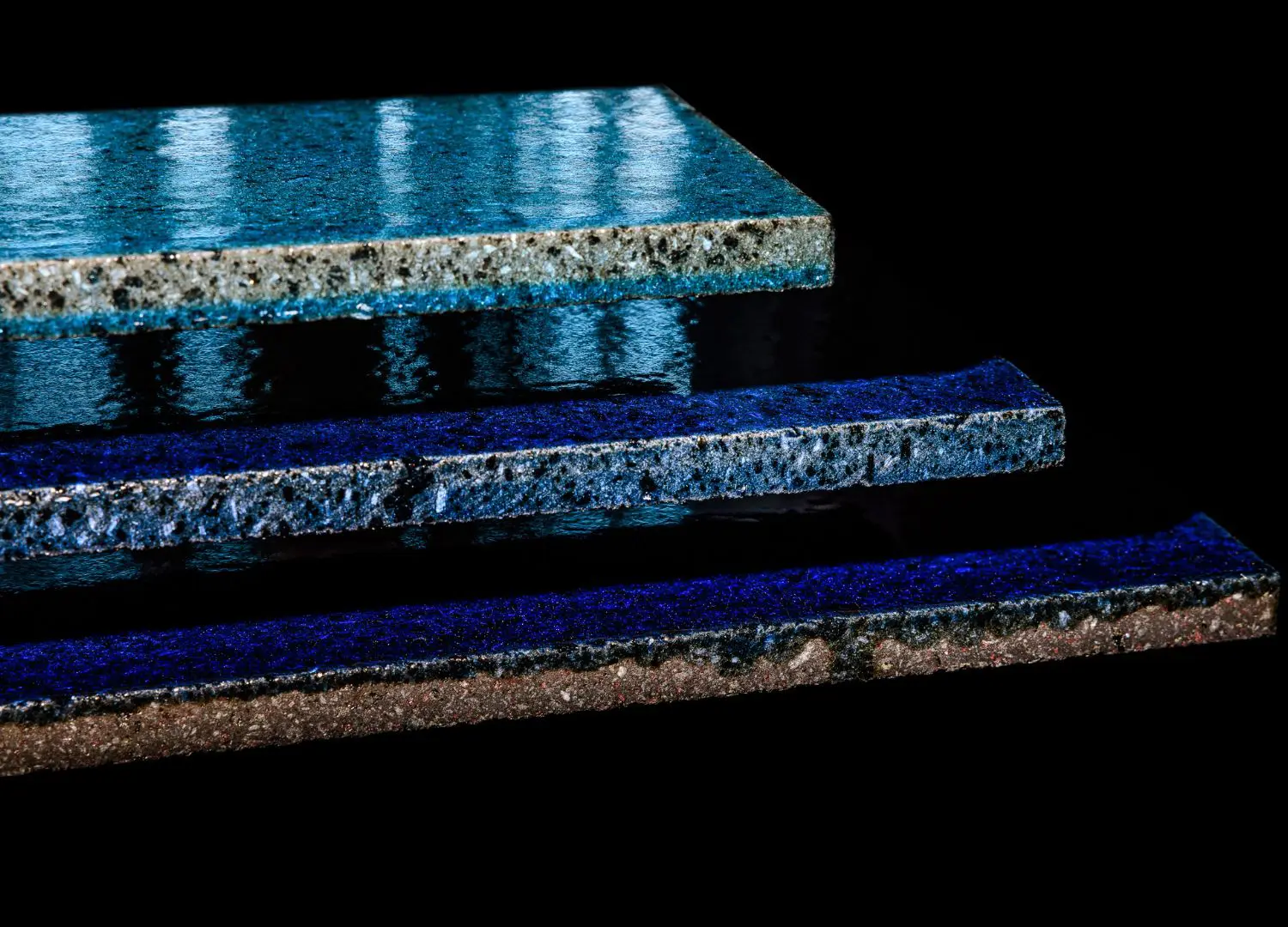
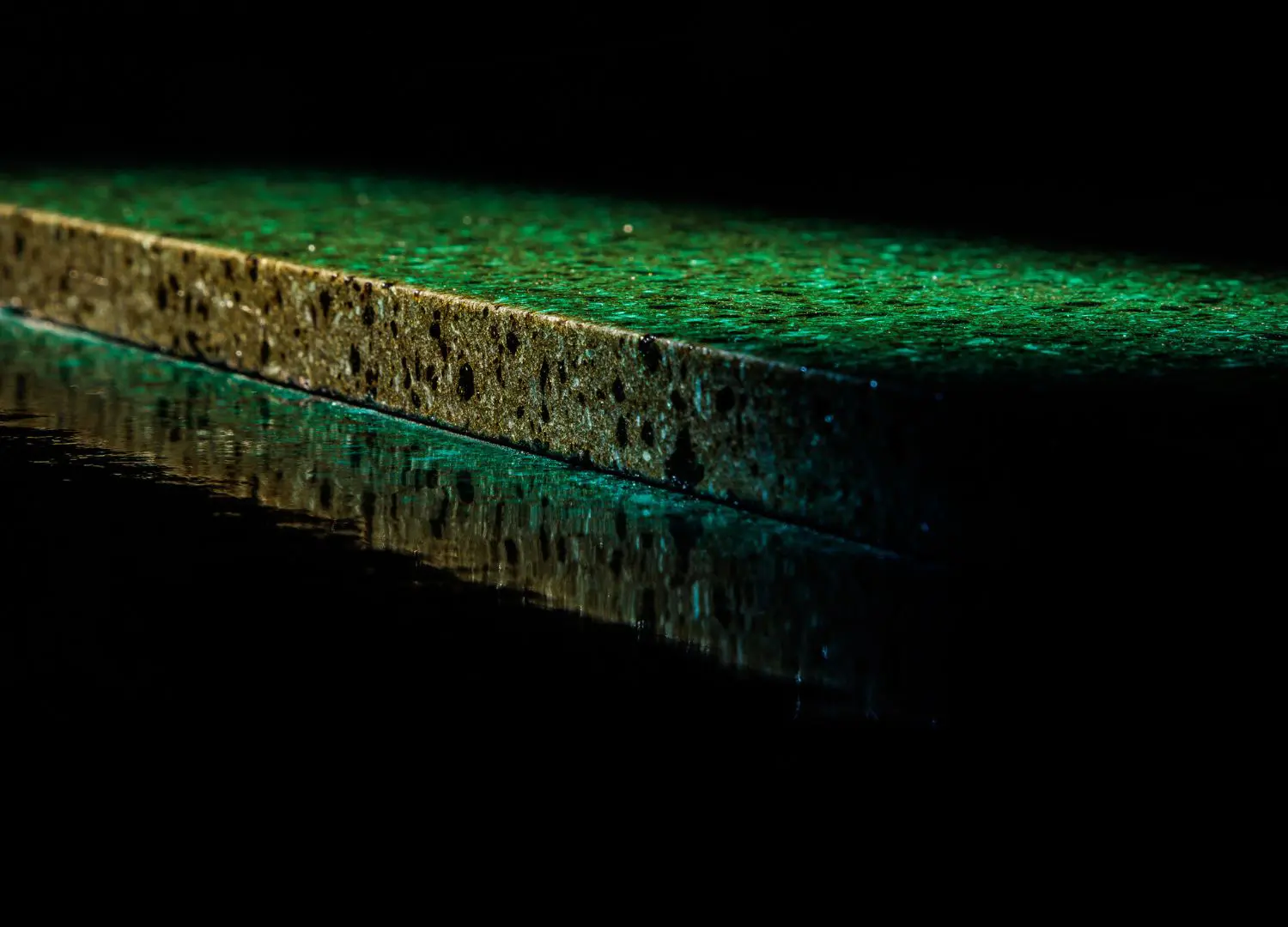
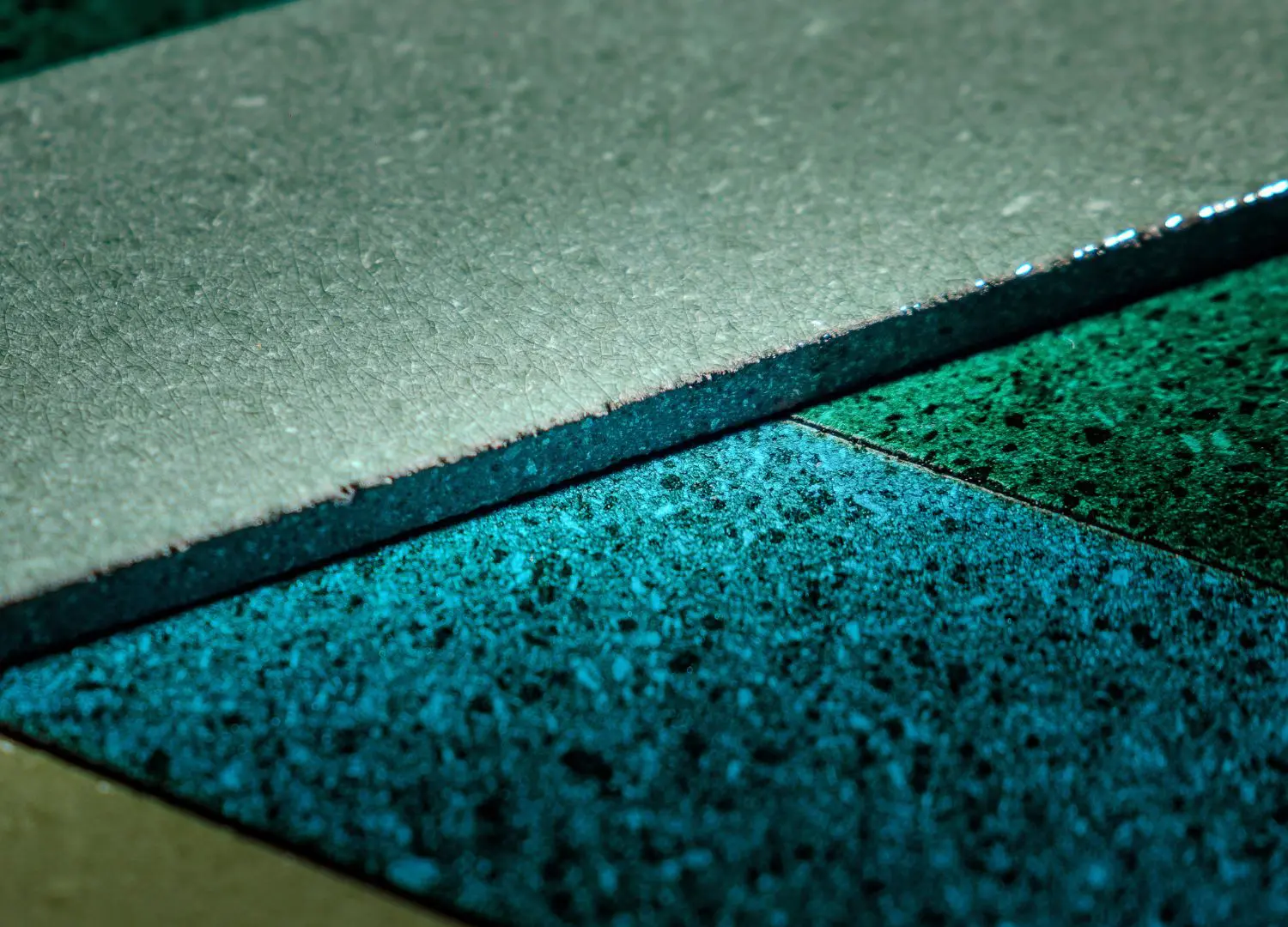
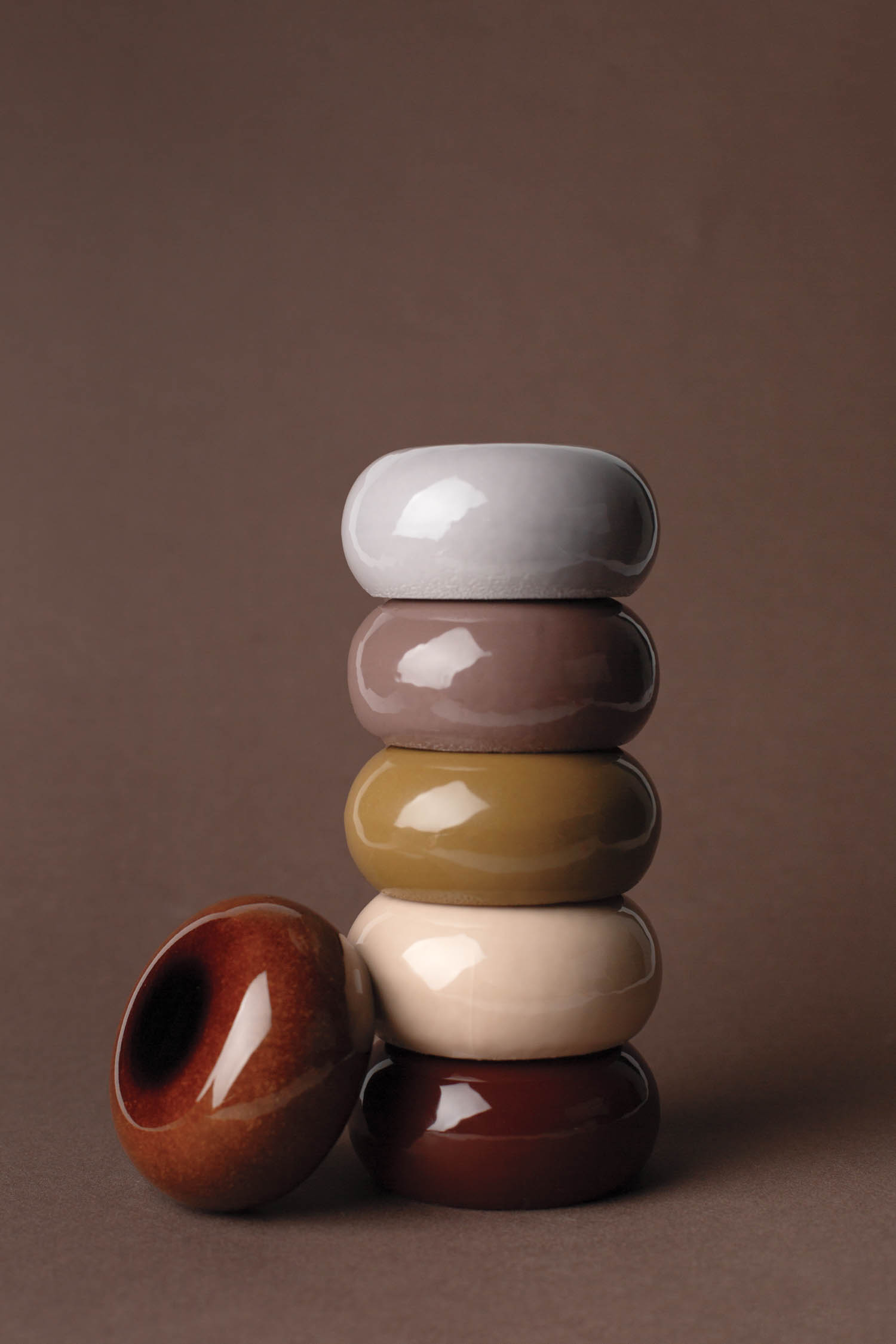
The tiles, marketed under the brand Particular Tile, are characterized by a rich terra-cotta base color, derived from the natural iron content of the clay. They are offered at a price point starting from $30 per square foot and come in a variety of shapes and over 50 glaze hues, with customization options available. These tiles are designed for applications such as showers, backsplashes, and floors, providing a high-end aesthetic. The appeal of these products is enhanced by their positive environmental impact, as their production contributes to the ecological restoration of the region, even if on a smaller scale compared to the overall environmental challenges. Caskey acknowledges that while the company's efforts are not a complete solution to the climate crisis, they represent a step towards more sustainable practices and a shift in how communities interact with industrial sites after their primary purpose has ended.
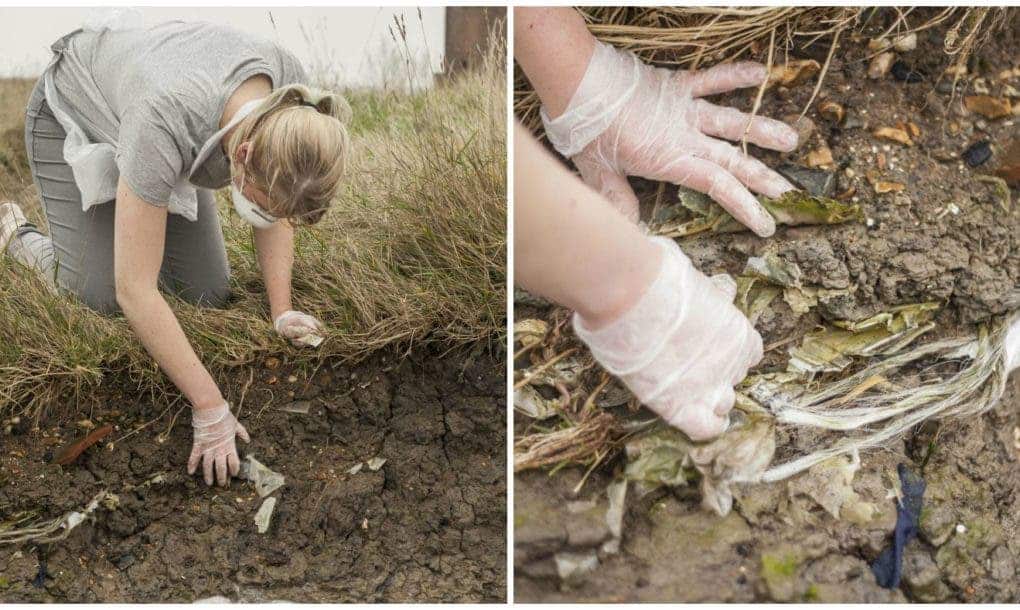
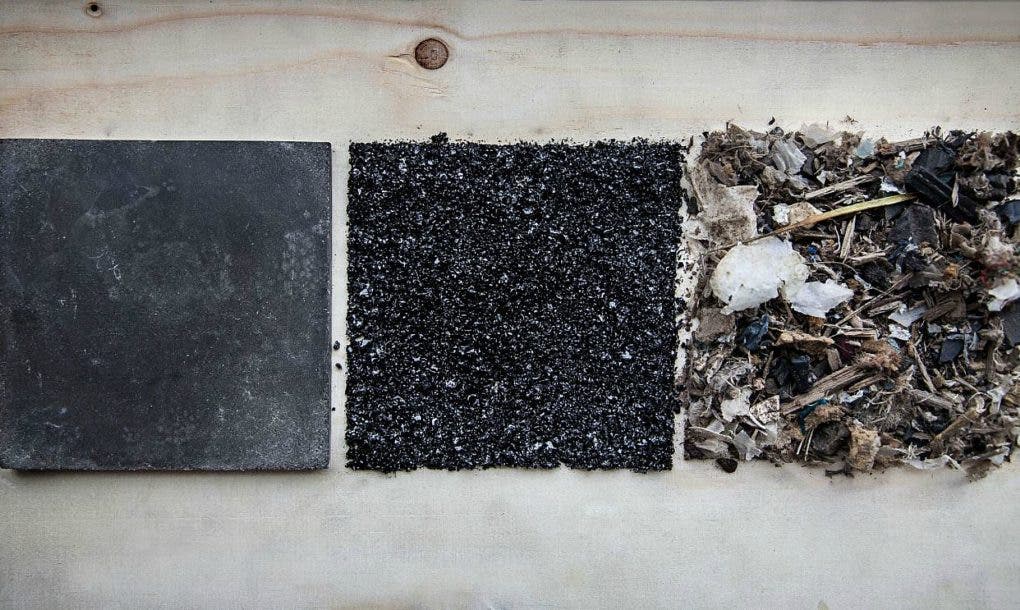
The manufacturing process of Particular Tile involves several distinct stages. The first step, "Remove," entails extracting the sediment from mud flats exposed during the annual draining of the reservoir, which is then transported to the factory. Following this, in the "Mix & Prep" stage, water and grog (a type of coarse sand) are added to the sediment and processed using specialized machinery. This enhances the material's texture and durability. The "Cut and Dry" phase involves hand-punching shapes into the clay, akin to using cookie cutters, followed by hand-trimming and a drying period of at least a week to prevent cracking or warping. Next, the tiles undergo a "Bisque Fire & Glaze" process, where they are fired in kilns at nearly 2,000 degrees Fahrenheit to fuse the clay particles into water-resistant ceramic, after which a glaze is applied. The final stage, "Glaze Fire," involves a second kiln heating, which melts the glaze into a colored glass layer on the tile's surface. Particular Tile products are available through Decorative Materials showrooms and direct orders via their website.
#SustainableManufacturing #CeramicTile #ReservoirSediment #MethaneCapture #EnvironmentalInnovation #HomeDesign #ColoradoBusiness #EcoFriendlyProducts #SustainableManufacturing #CeramicTile #ReservoirSediment #MethaneCapture #EnvironmentalInnovation #HomeDesign #ColoradoBusiness #EcoFriendlyProducts
0 comment in total
 No comments yet
You may also like
Ceramiche Refin launches Craft tiles influenced by hand-applied cement surfaces
Eco-designer turns landfill waste into ‘plasma rock’ — a sustainable, all-purpose material

With 7 generations in the biz, here’s why this Italian man says Alabama marble is unique

snøhetta makes tiles out of electronic waste glass in 'common sands – forite'

As Ocean Waste Piles Up, Coldharbour Tiles Propose a Backsplash

Colorful, Trippy Tiles Made on a Custom-Built Machine
Fireclay Tile Launches Customizable Bath Fittings

Clay Plasters Rustic Range by Clayworks
Ceramiche Refin launches Blended porcelain tiles that combine natural stones and sands
The Statement Shower: A New Approach to Cement Tile

Right the First Time: Manufactured Stone Veneer Installation

Poured Earth is a sustainable construction method modelled on concrete casting
A Passion for Polished Concrete

clé Launches Artist-Designed, Cement Tiles
Clayworks natural clay plasters offer a variety of interior finishes
Mastering the artisanal transformation of volcanic rock into contemporary design

More Practical Than Plaster and Cement: This Material Is on Our Reno Radar
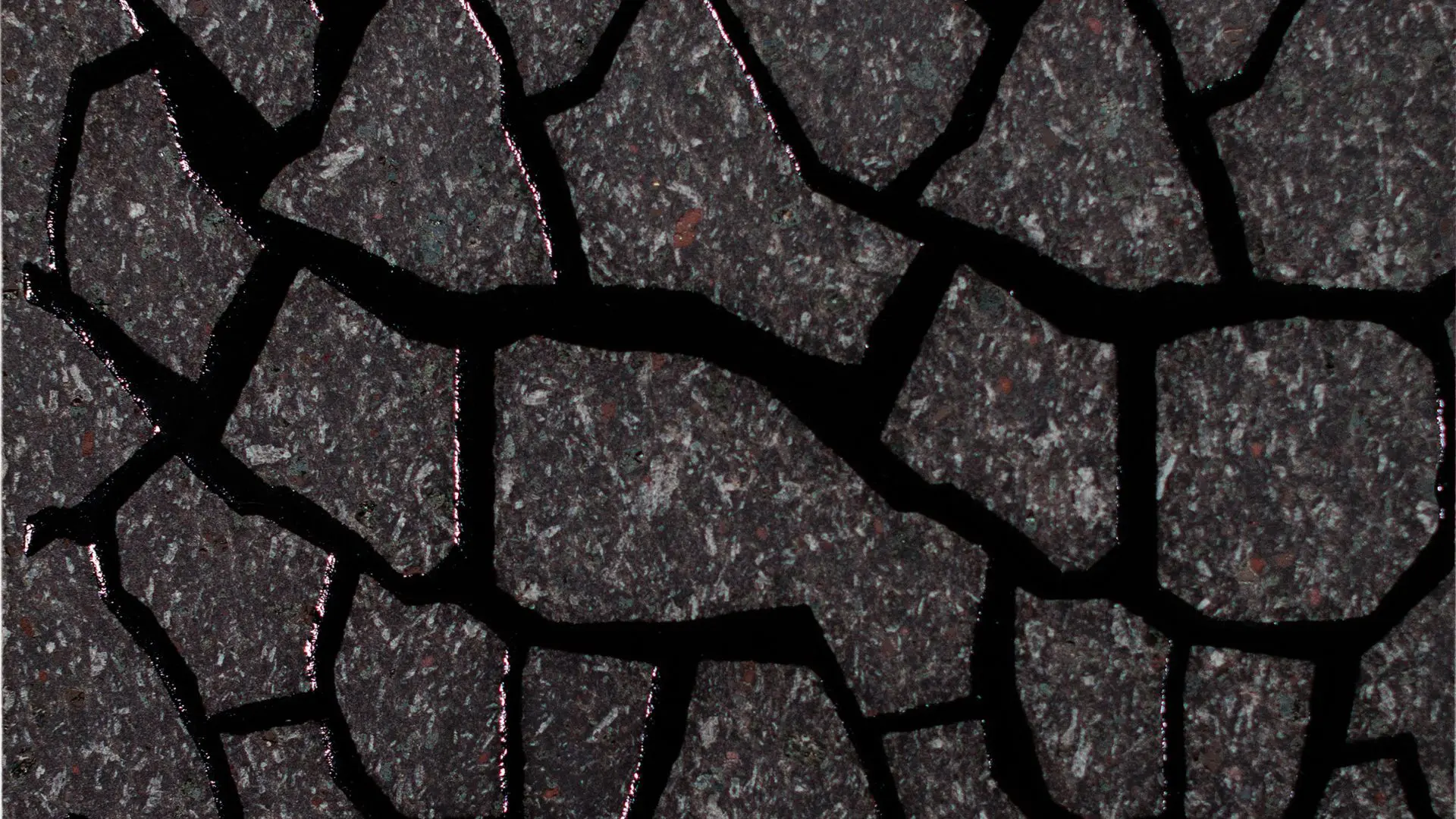
From the purest lava stone to refined collection of tiles and furnishings
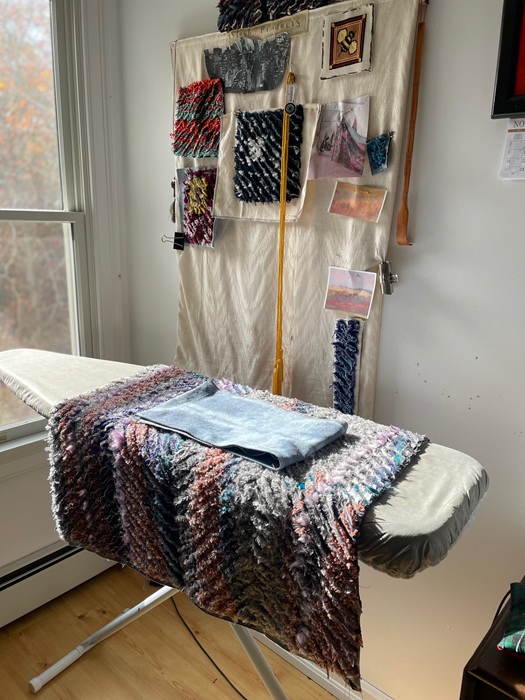
Turning Remnants Into Rugs
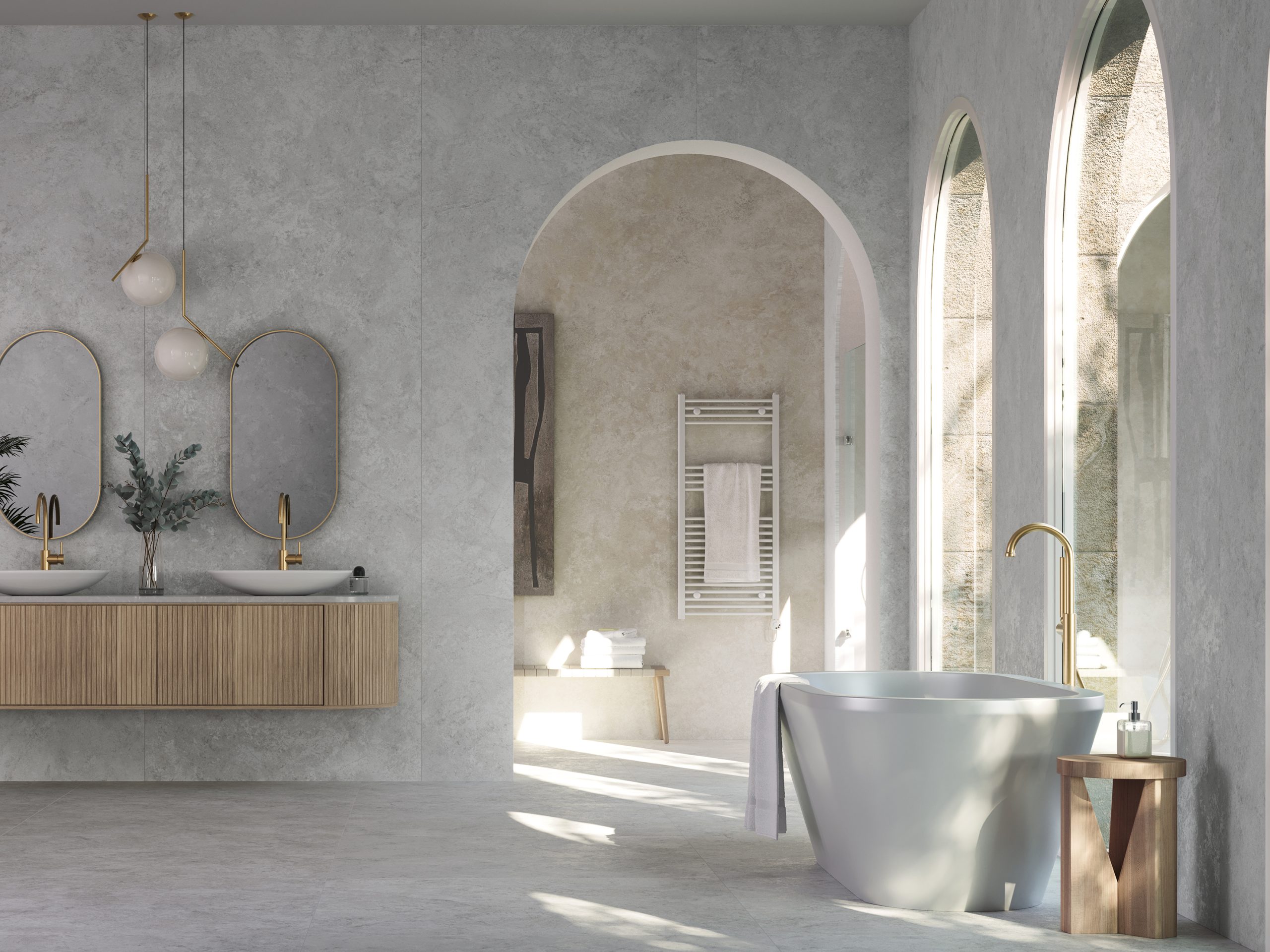
Sintered Stone Countertops