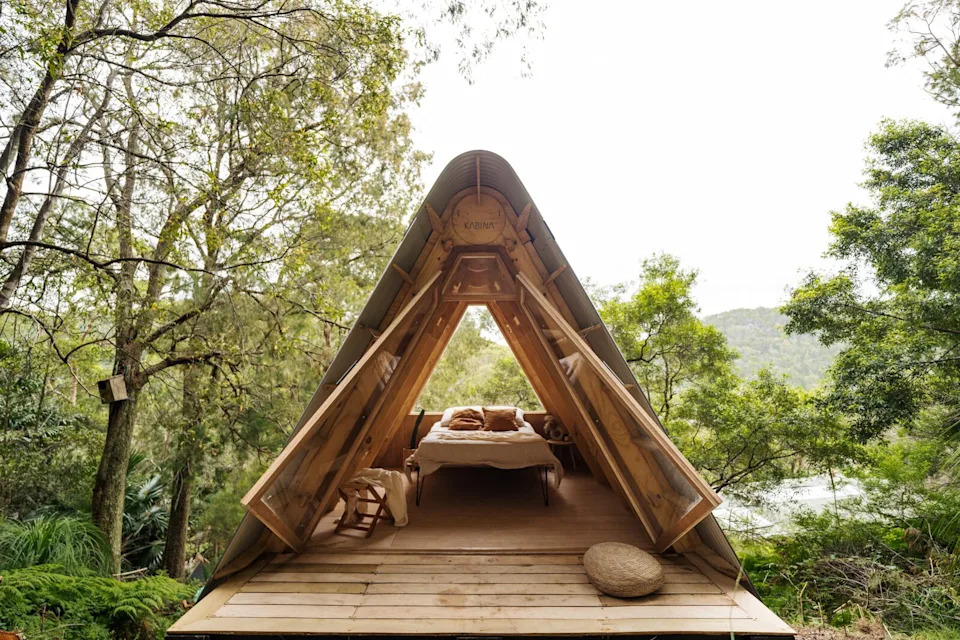
Budget Breakdown: It Took $8,400 and Four Hours to Build This Tiny Cabin in the Australian Bush
Facundo Ochoa, an Argentinian designer based in Australia, has spent over a decade conceptualizing a transportable and eco-friendly cabin. Initially, his vision was for an emergency shelter that could be rapidly assembled and disassembled. Over time, this idea evolved into a more comprehensive concept: an affordable, sustainable dwelling capable of being packed up and relocated with the ease of moving furniture. Ochoa emphasizes the sustainability aspect, noting that if the cabin is no longer needed, it can be resold or upcycled, rather than being demolished, contributing to a circular economy.
The project gained significant momentum during Sydney’s pandemic lockdowns. With a reduction in work for his architectural practice, Nodo Arquitectura + Naturaleza, Ochoa dedicated time to expanding his carpentry skills alongside cabinetmaker Nicolas Urien. Their collaboration involved experimenting with a CNC machine and Japanese interlocking joinery techniques, ultimately leading to the realization of Ochoa's cabin idea. He found renewed confidence in his abilities with the CNC machine, which enabled him to introduce a unique twist to his long-standing cabin design.
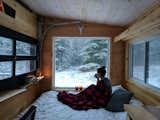
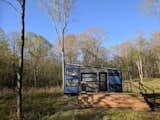
Over a six-month period, working in a Sydney warehouse, Ochoa and Urien developed a prototype for an easily assembled timber cabin. They chose readily available plywood and integrated interlocking joints into the design. After exploring various roof designs, including skillion and gable, Ochoa opted for a simple triangular A-frame structure. This choice was driven by its structural efficiency, as the load is directly transferred to the ground, eliminating the need for additional bracing. The triangular form inherently provides its own stability.
The A-frame design also appealed to Ochoa for its aesthetic and practical qualities. While it evokes the simplicity of a tent, a nod to his love for camping, he ensured the final design was visually pleasing. He incorporated a subtle curve into the triangular shape, believing it would integrate more harmoniously with natural environments. The assembly process is straightforward: once the A-frame is locked, the remaining components slot together and are secured with timber pegs and a rubber hammer. This system allows for the cabin to be assembled or disassembled in approximately four hours, requiring no power tools, provided it is installed on a flat surface.
The initial Kabina cabin, serving as a prototype, incurred a total cost of $13,023 AUD, equivalent to about $8,407 USD. The primary expenses included plywood ($5,439 AUD), composite decking ($333 AUD), hardware ($2,136 AUD), roofing ($2,220 AUD), windows ($1,665 AUD), waste disposal ($565 AUD), and machine hire ($666 AUD). This first cabin is currently situated as a retreat in the Northern Beaches area of Sydney, demonstrating the practical application and aesthetic appeal of the design. The project highlights a successful integration of traditional craftsmanship with modern fabrication techniques to create a sustainable and portable living solution.
#TinyCabin #SustainableDesign #ModularArchitecture #DIYHome #PlywoodConstruction #AustralianBush #EcoFriendlyDwelling #CNCJoinery #TransportableHome #TinyCabin #SustainableDesign #ModularArchitecture #DIYHome #PlywoodConstruction #AustralianBush #EcoFriendlyDwelling #CNCJoinery #TransportableHome
 No comments yet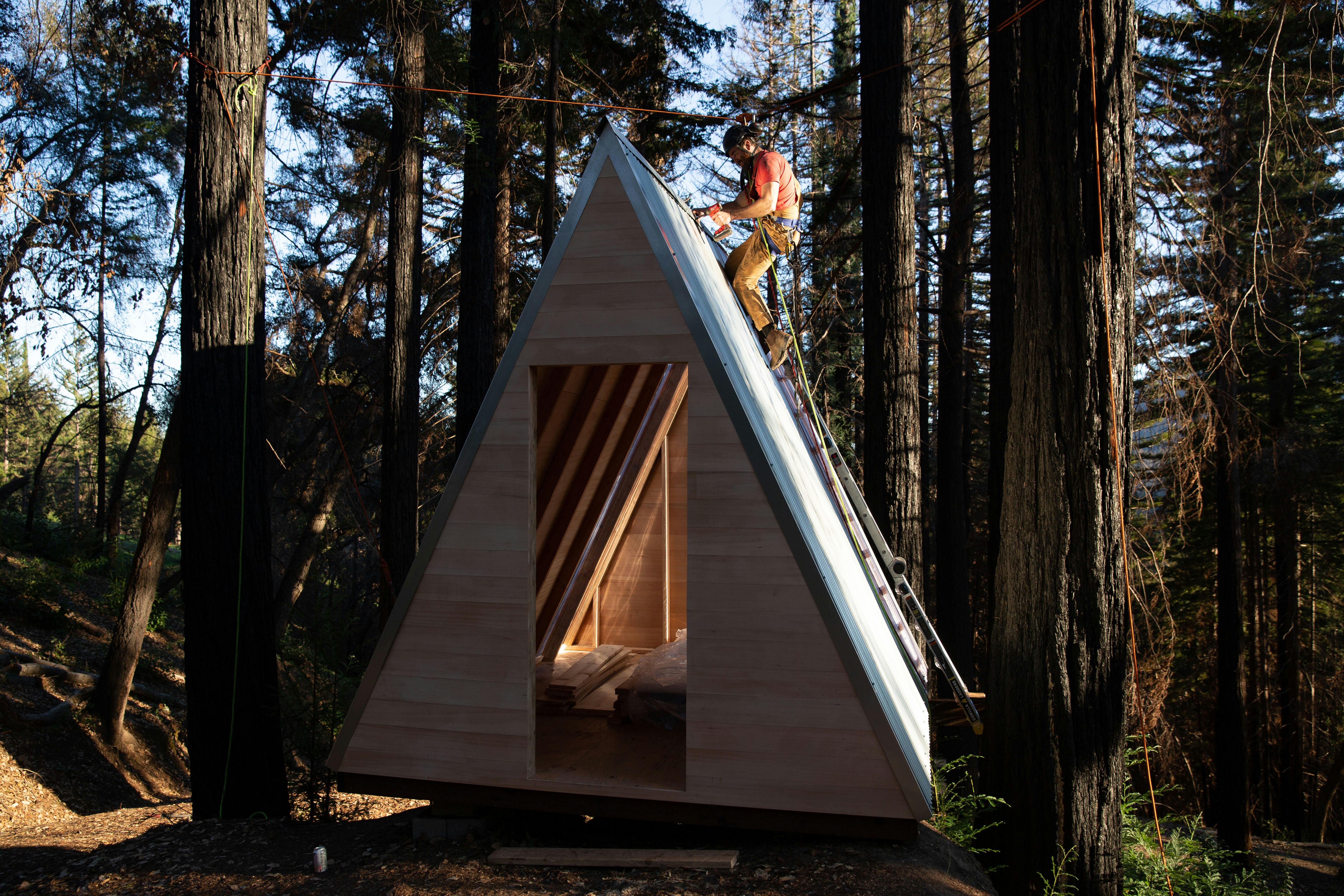
You Can Build This Tiny A-Frame Cabin With $3,000 and One Weekend


Our Colorado Cabin Renovation Took Just 30 Days and $34,000

These Snug, Off-Grid Cabins in Canada Start at $141 a Night
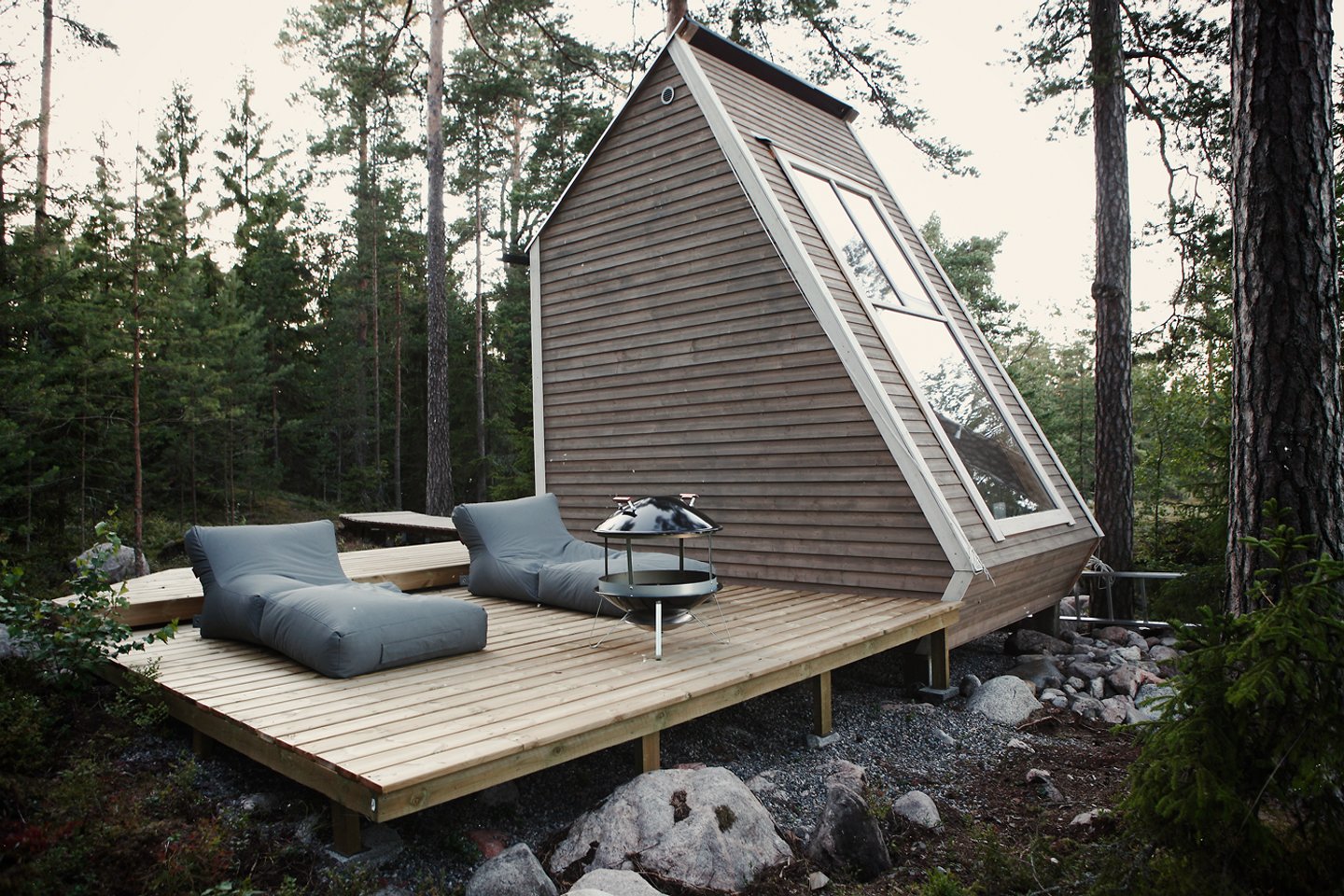
This bilevel tiny cabin comes with a 100-square-foot floor plan that cost only $10.5K to construct!

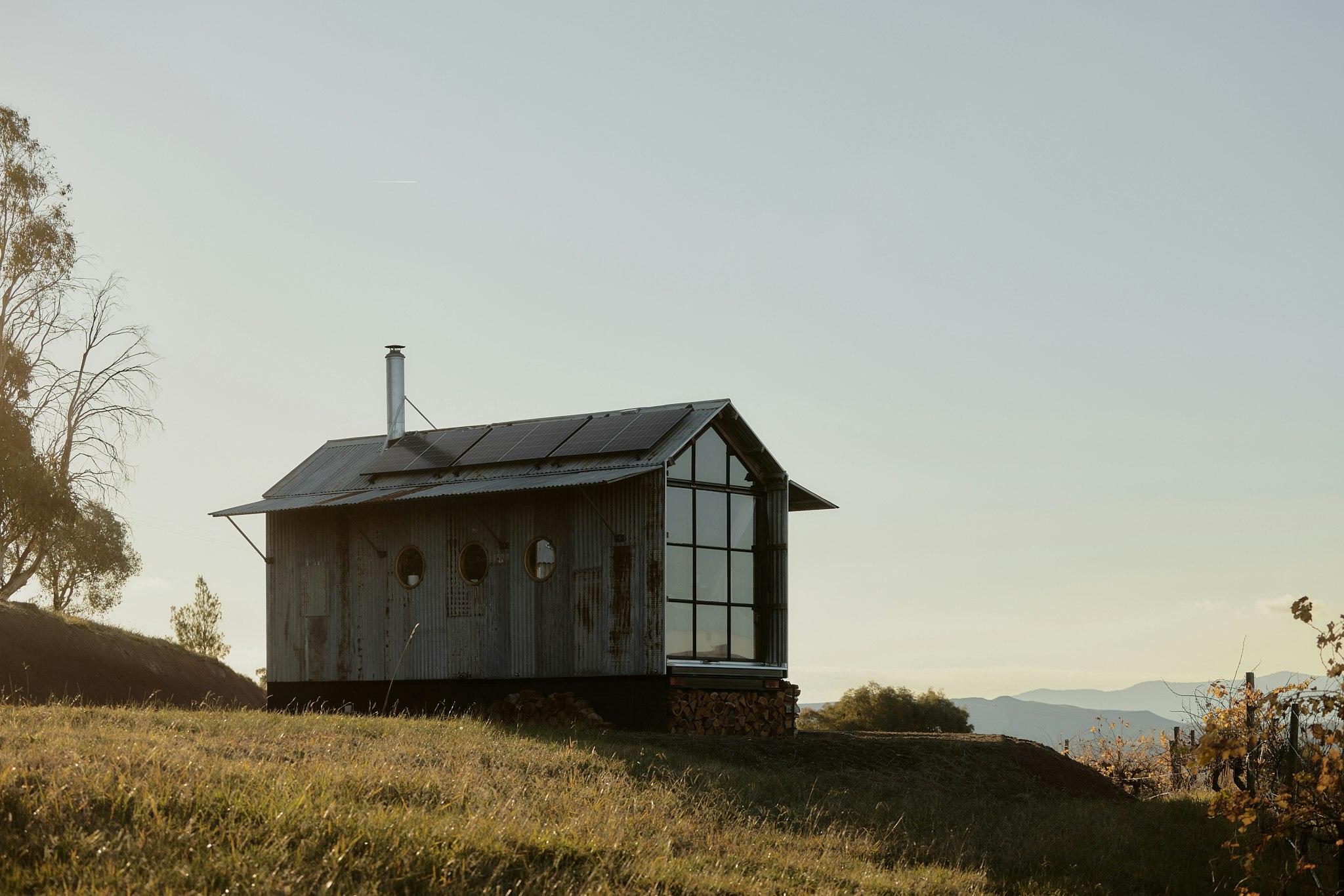
Ample Creates Prefab Shelters and Saunas Inspired by Australian Sheds