East Meets East: How Indian Craftsmanship Embraces Japanese Minimalism at Crosby Project
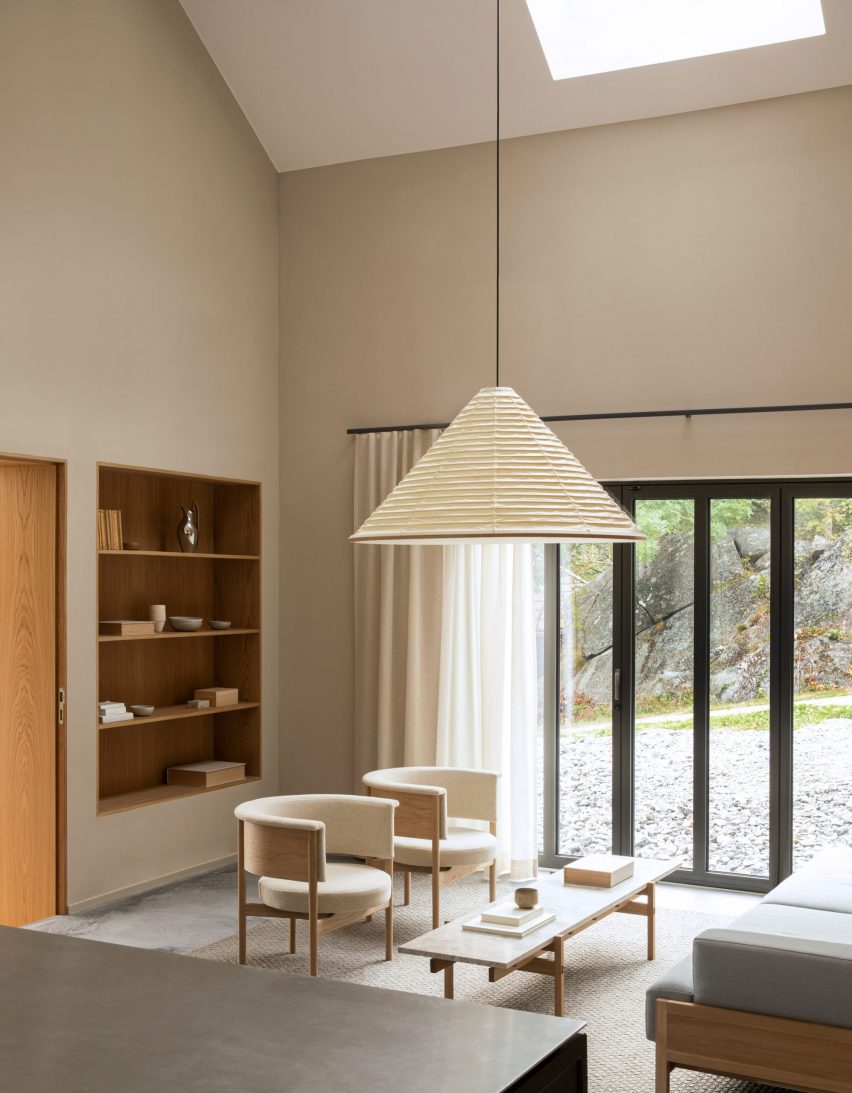
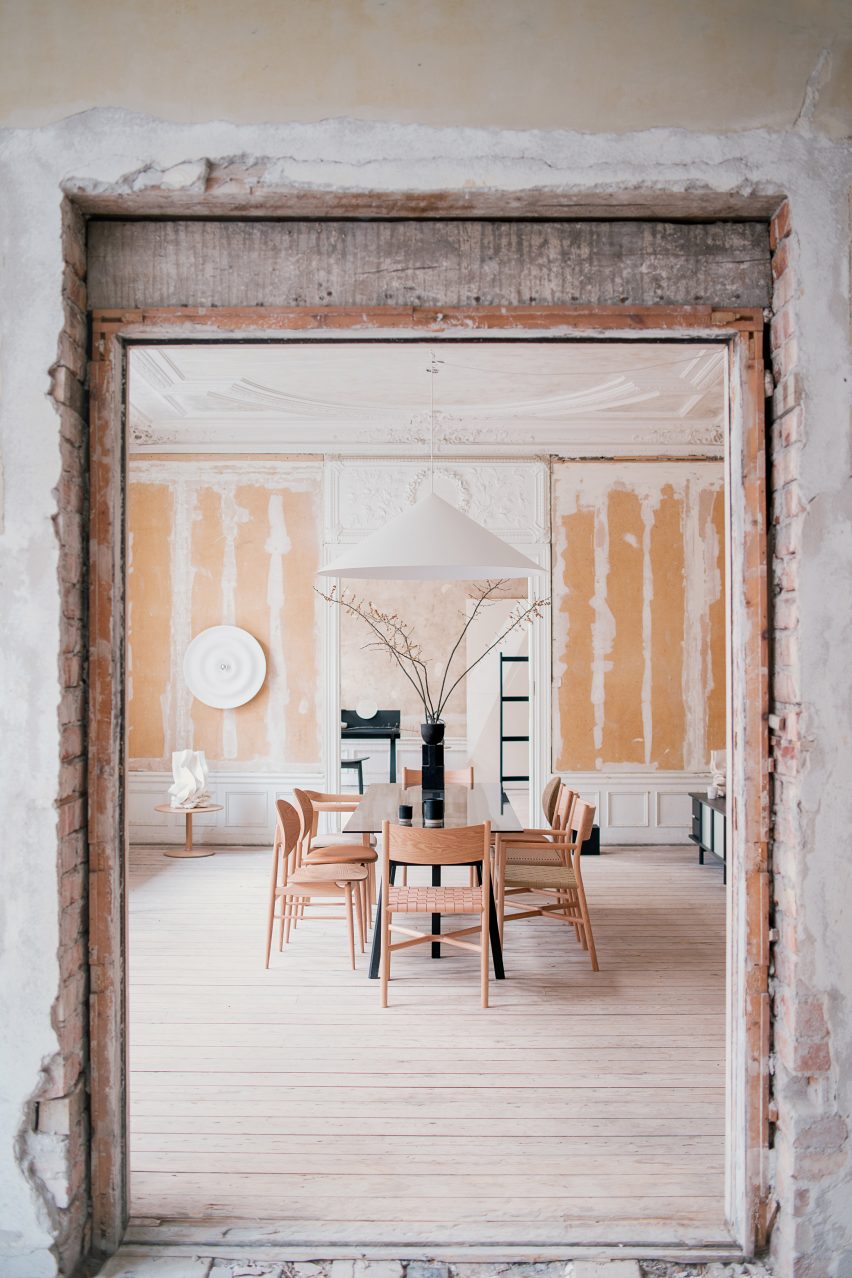
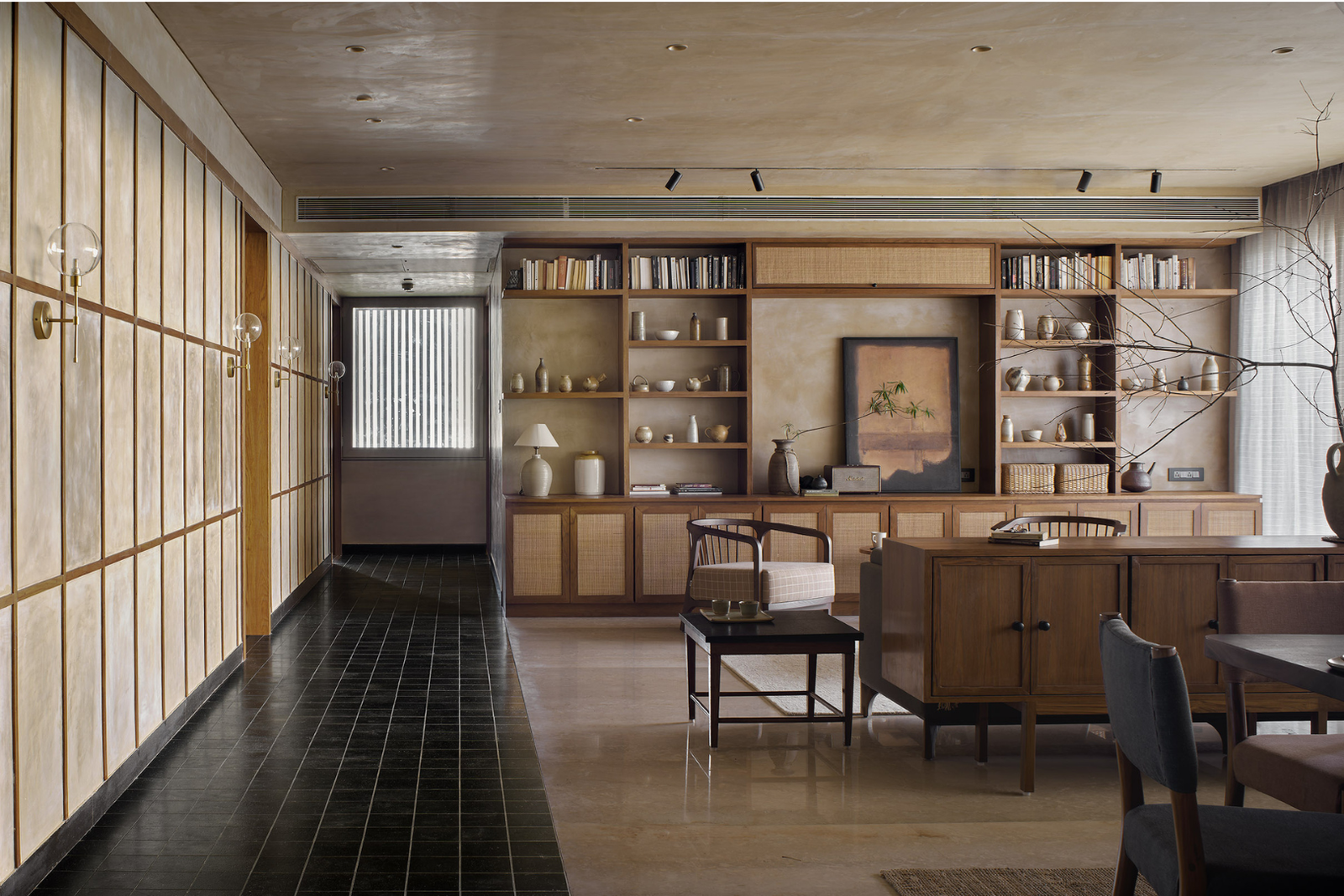
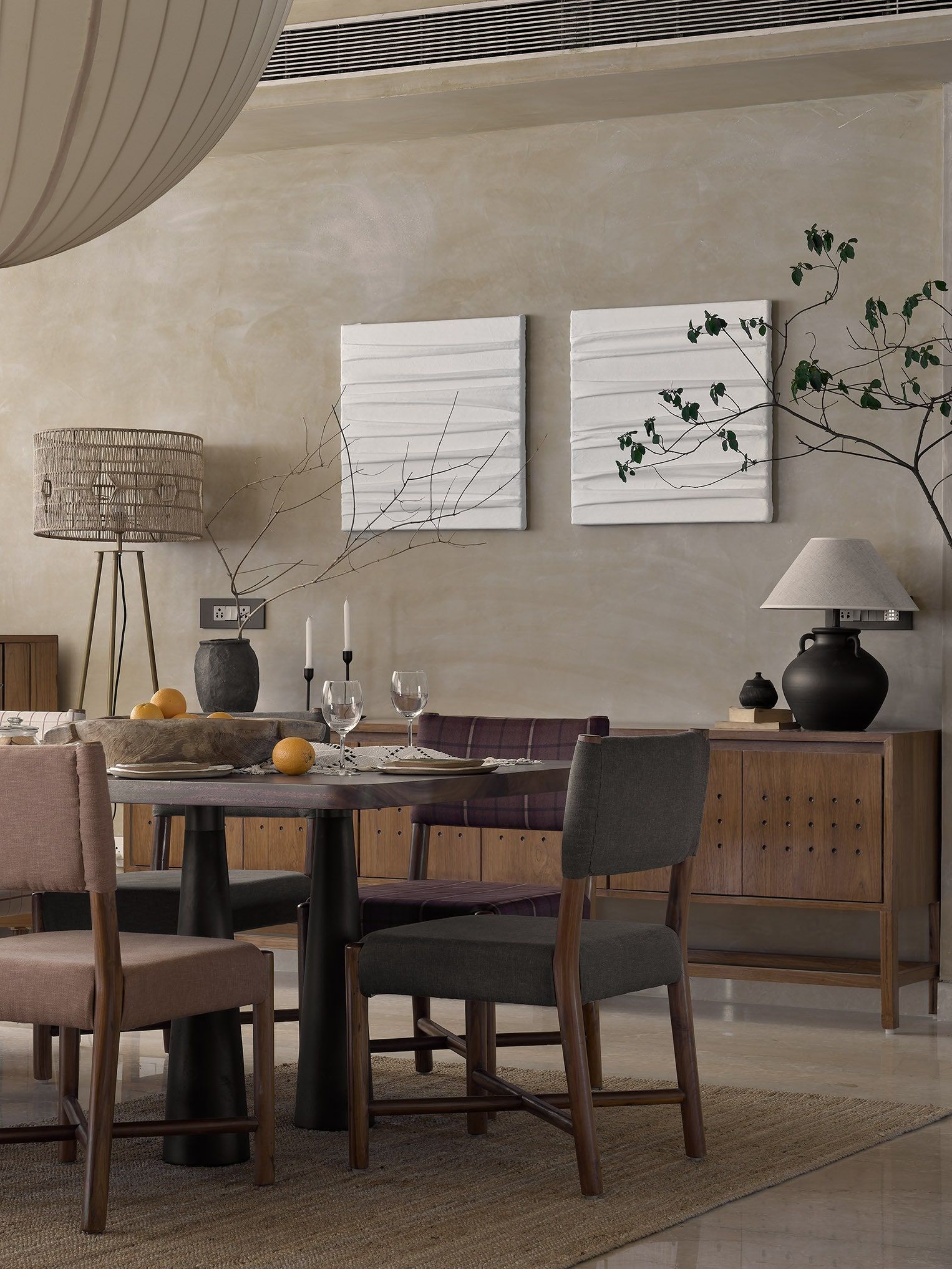
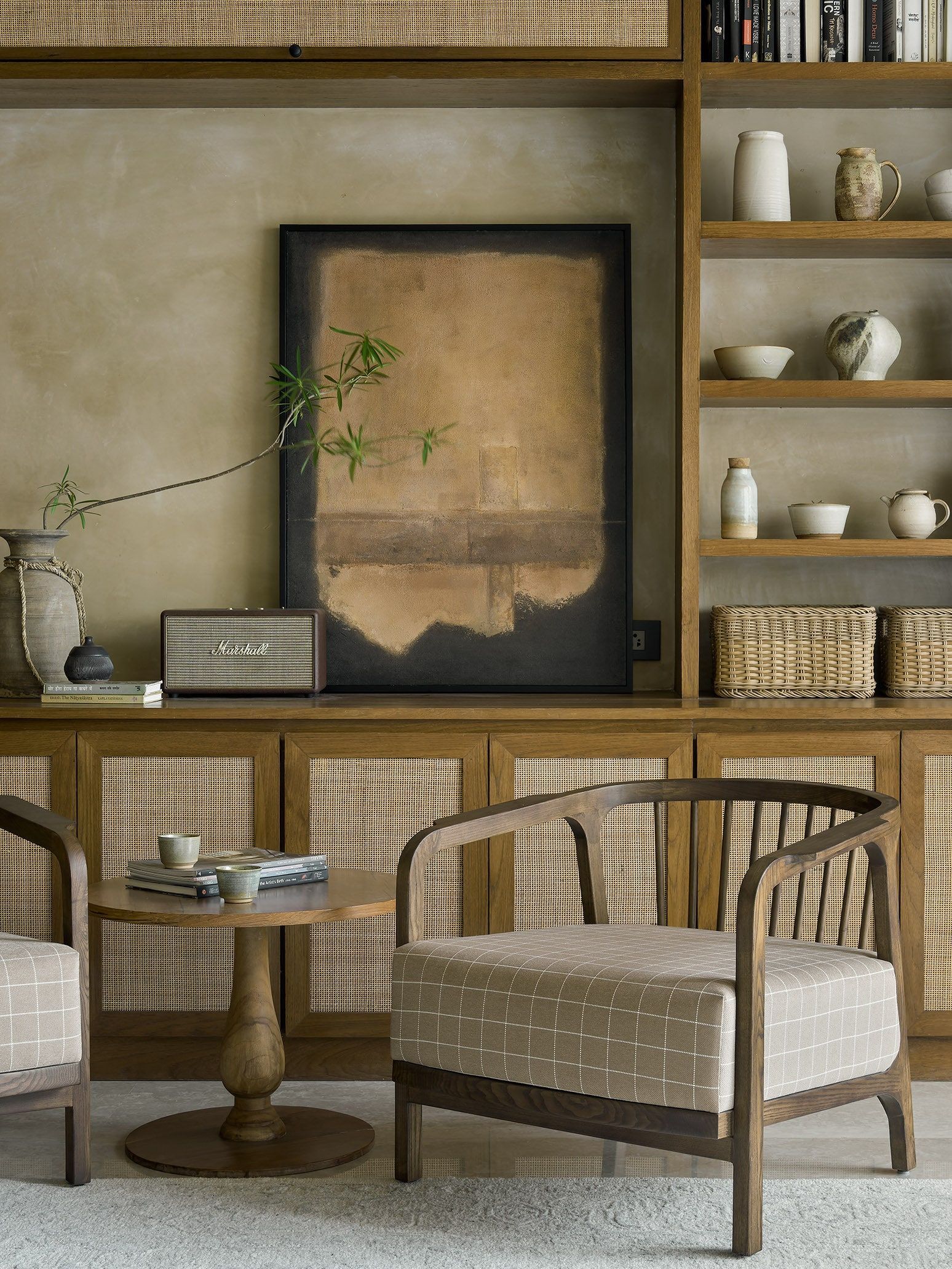
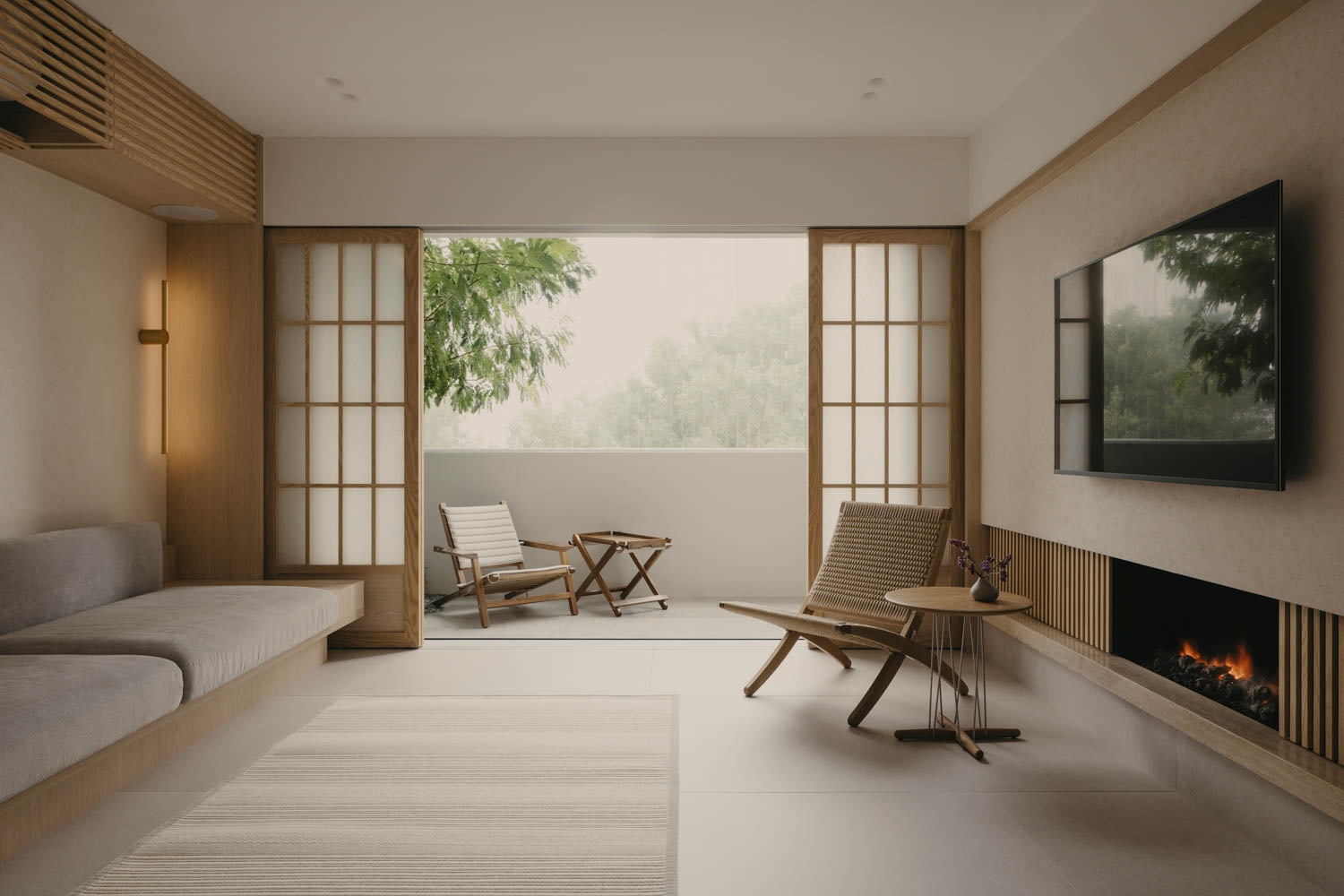
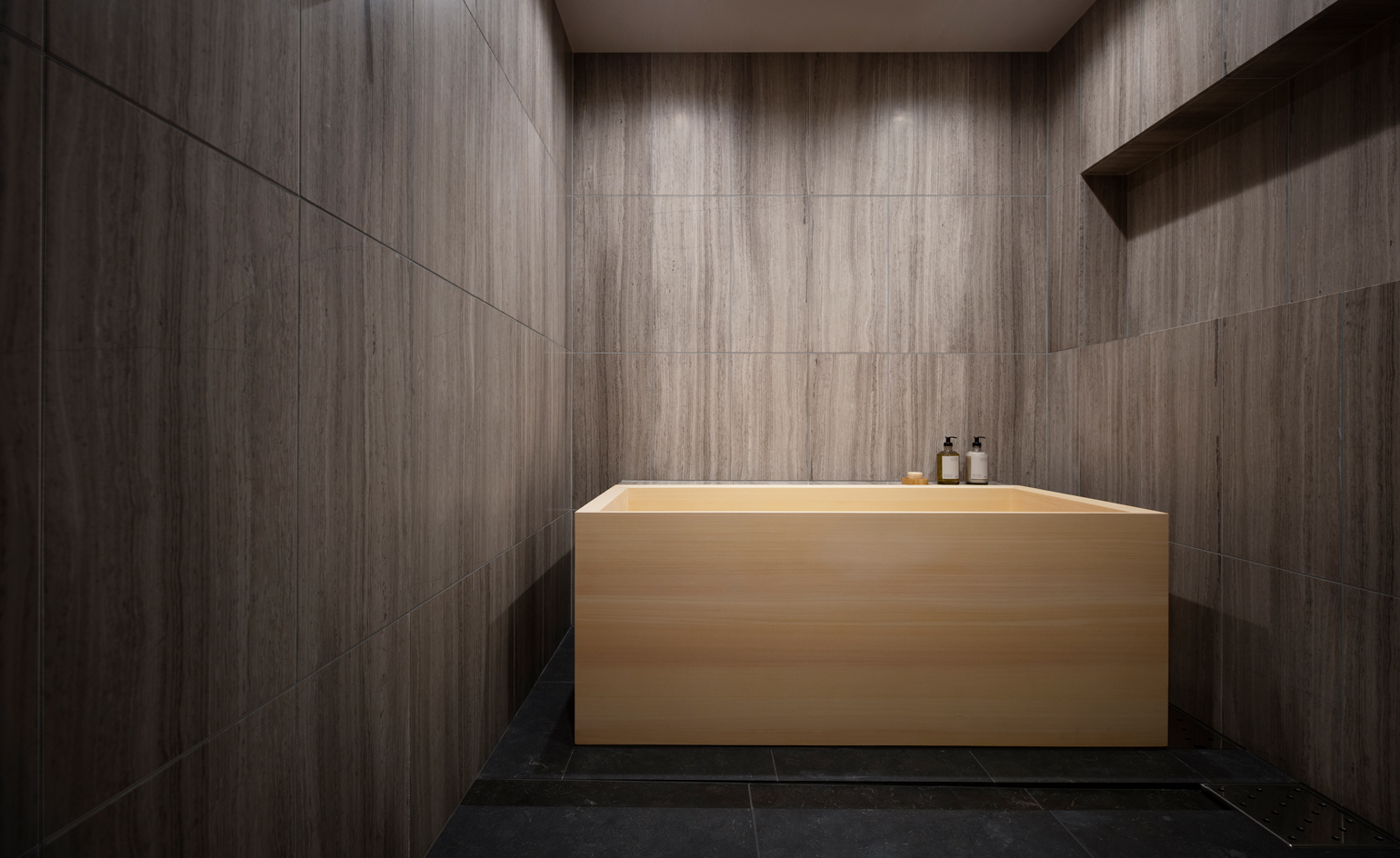
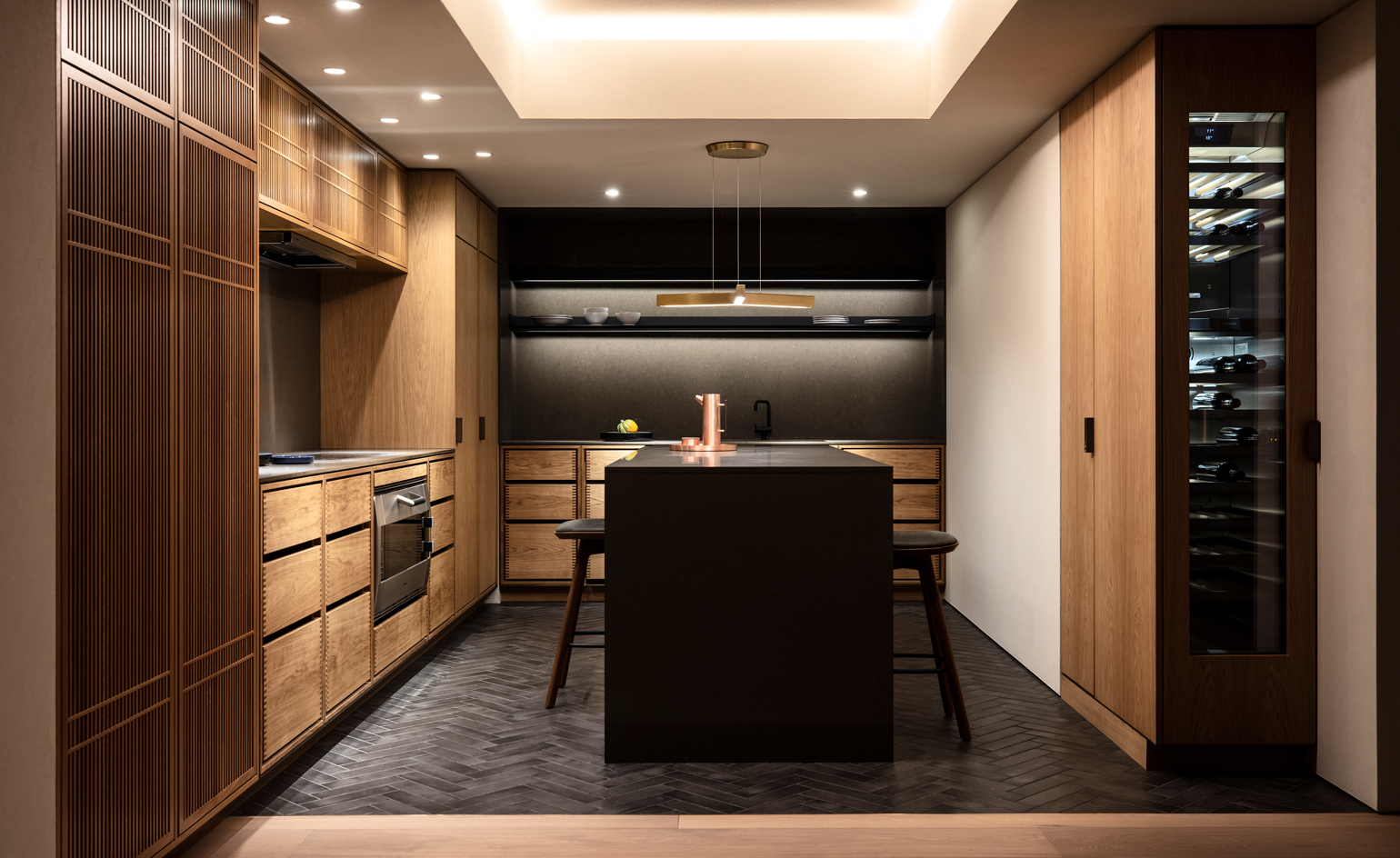
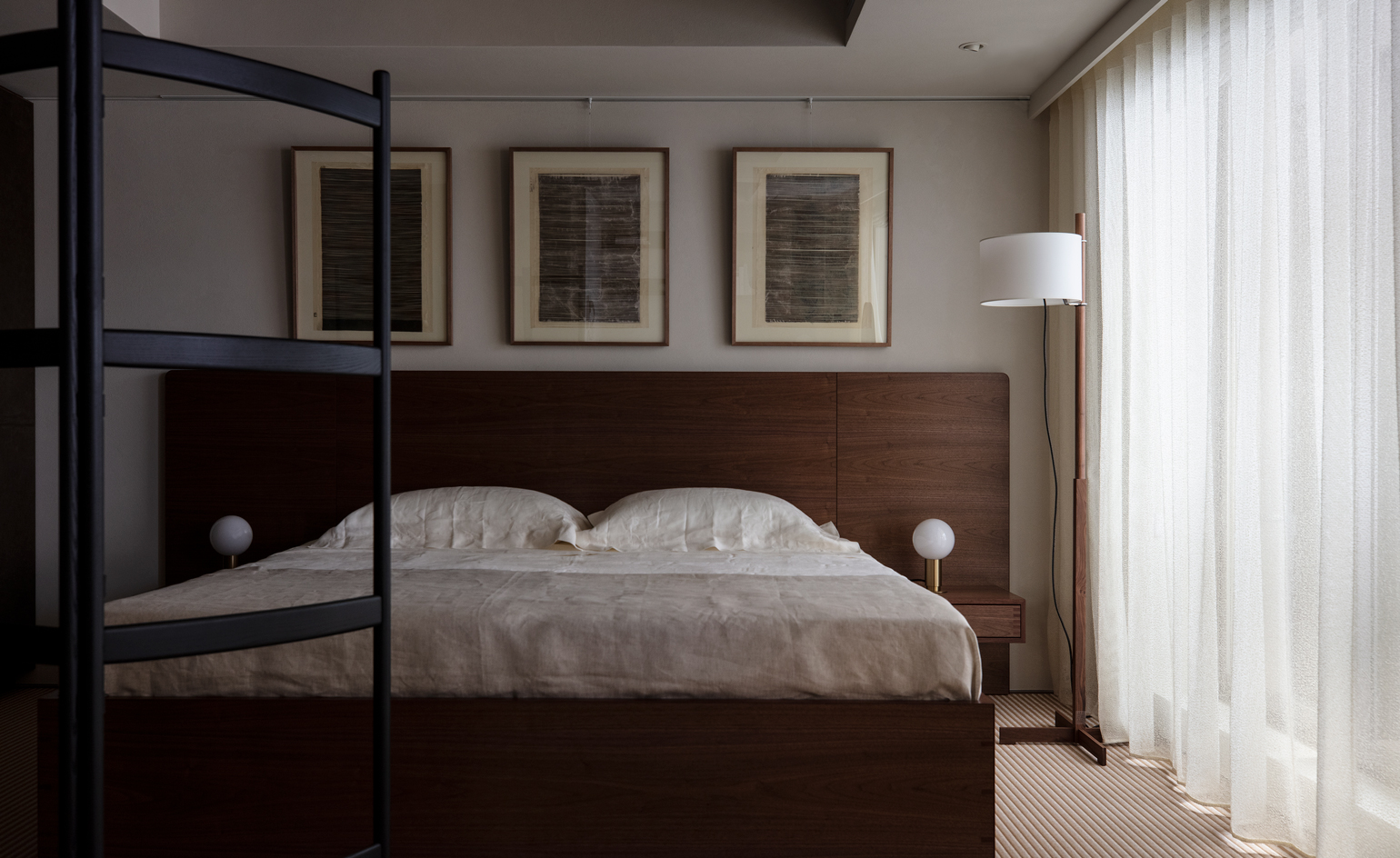
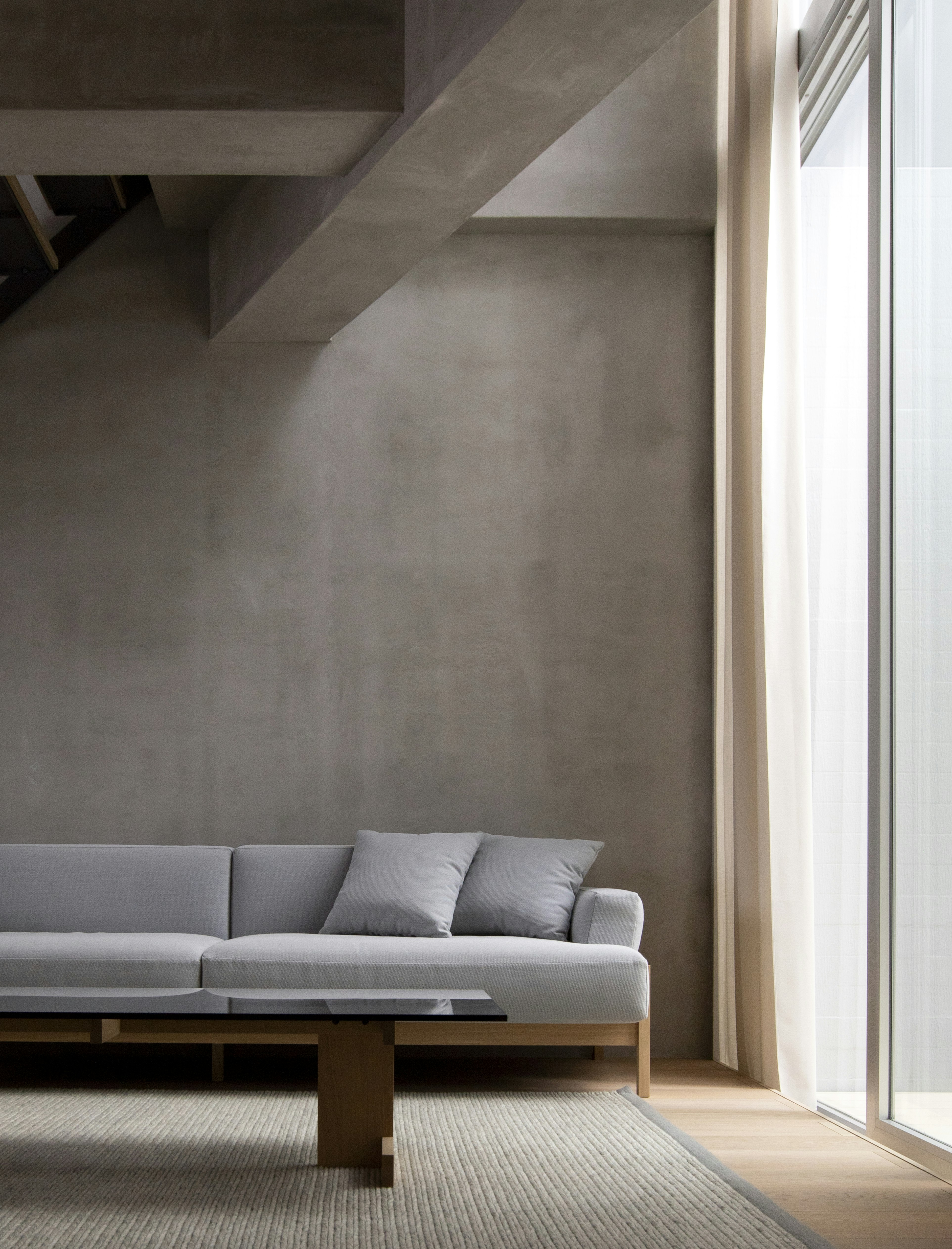
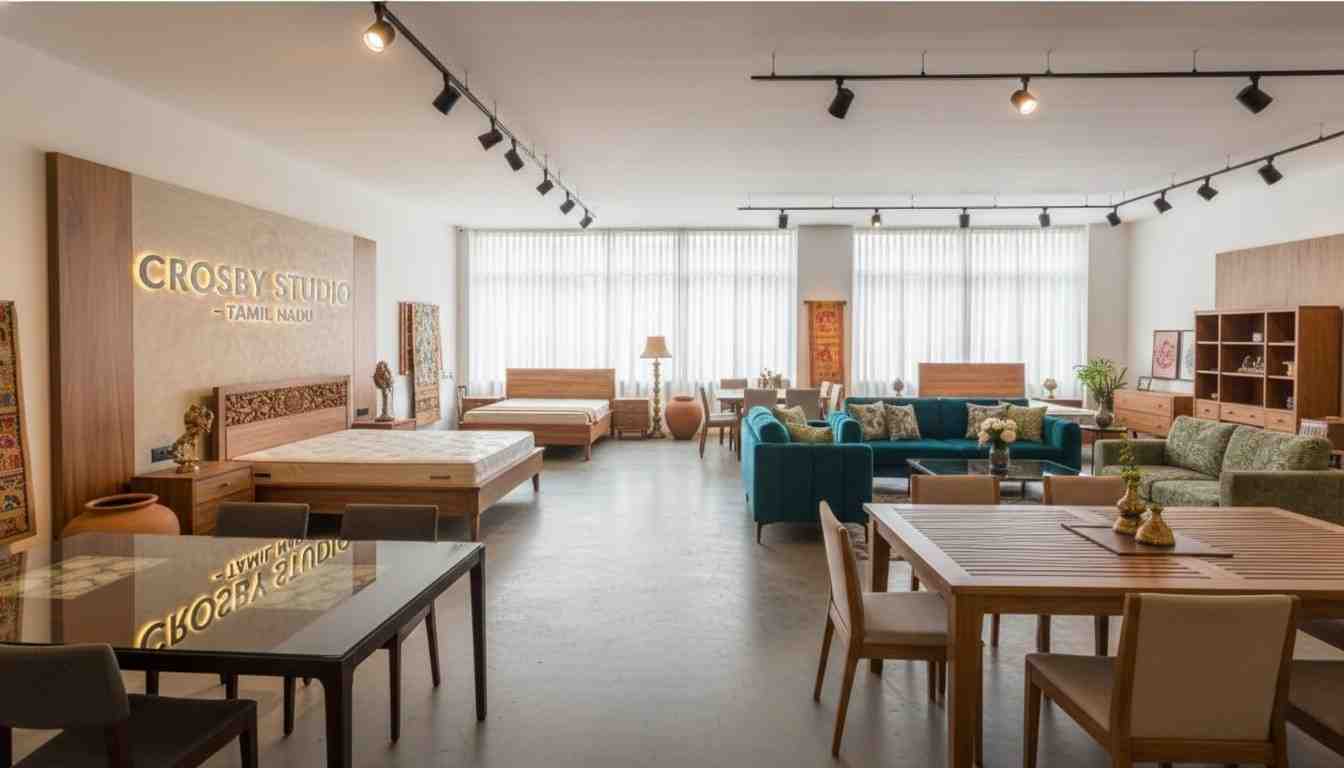
Crosby Project, a luxury design firm based in Tamil Nadu, is redefining interior design by integrating traditional Indian craftsmanship with Japanese minimalist principles. This approach aims to create globally relevant and deeply meaningful interior spaces. The core philosophy of their work is influenced by the Japanese concept of *ma*, which emphasizes meaningful empty space. This contrasts with the traditional Indian tendency to fill every surface with intricate detail. By giving elements like traditional brass inlay work sufficient space, their impact is amplified, leading to what Crosby terms “conscious luxury.” This synthesis creates interiors where each component is chosen for its beauty, function, or cultural significance, rather than for mere ornamentation.
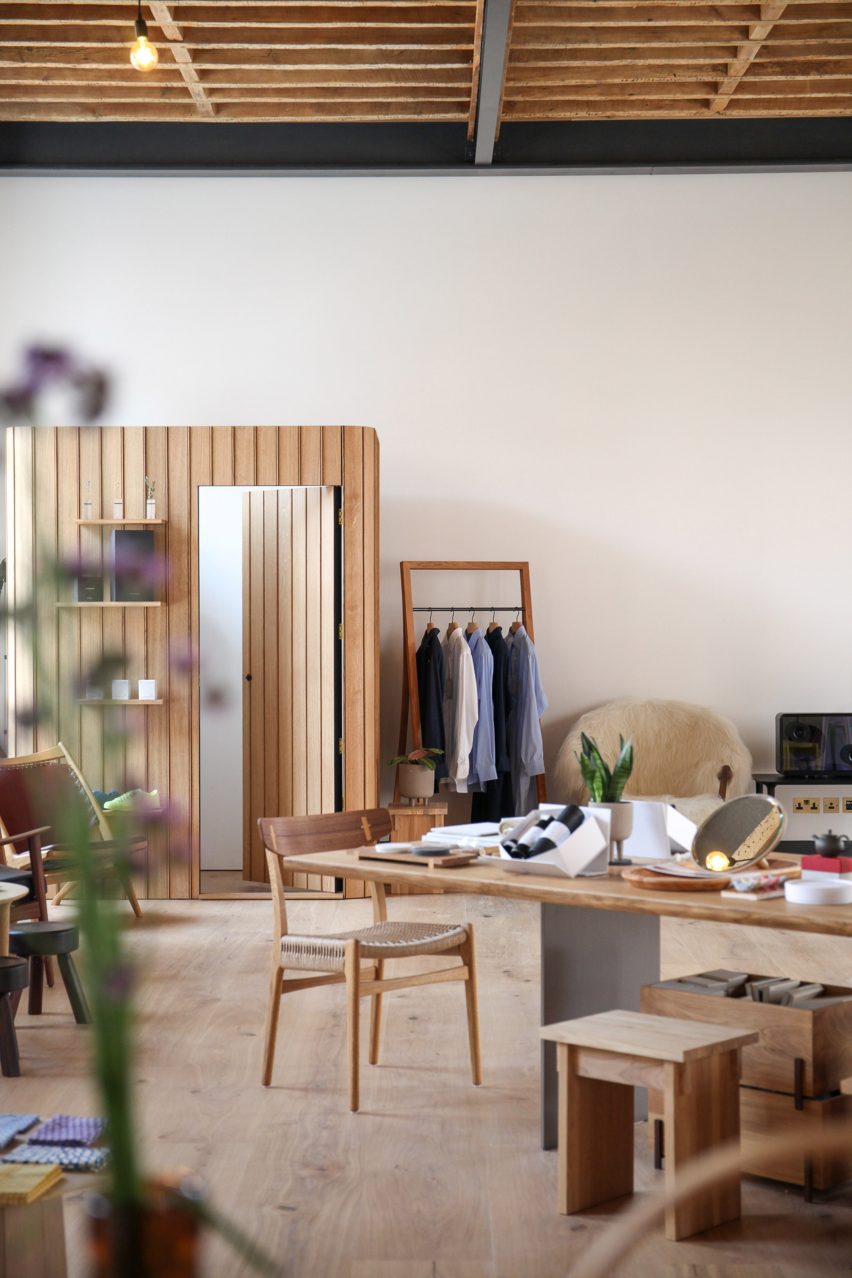
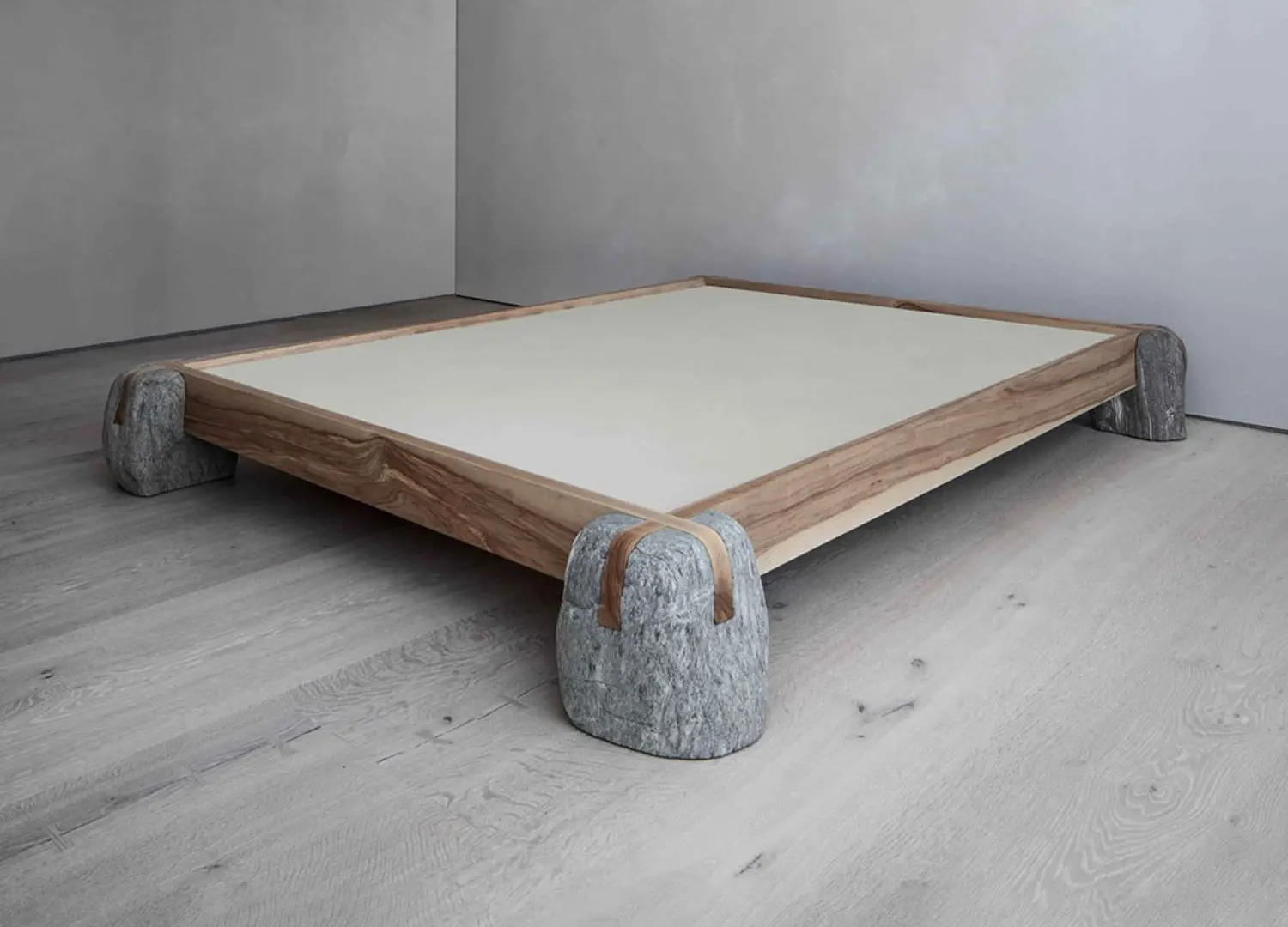
The Japanese aesthetic of *wabi-sabi*, which celebrates imperfection, also plays a crucial role in Crosby’s methodology. Artisans in their Tamil Nadu workshop embrace the natural variations that result from handcrafted furniture, such as subtle asymmetries in carvings or unique character marks in wood. These intentional “imperfections” align with the Japanese appreciation for authentic human creation and honor India’s long-standing craft traditions. The result is furniture that is not only visually appealing but also ages gracefully, developing a unique patina and character that cannot be replicated by machine production, thus offering a more authentic and enduring beauty.
Sustainability is another key aspect of Crosby Project’s design philosophy, heavily influenced by Japanese environmental consciousness, particularly the concept of *mottainai*, which expresses regret over waste. The workshop implements practices that maximize resource utilization, such as using every fragment of wood, recycling metal shavings from brass work, and designing furniture for long-term durability. This commitment to longevity is further reinforced by the Japanese tradition of *shokunin*, where master craftsmen dedicate their lives to perfecting their art. Crosby’s partnerships with artisans reflect this philosophy, promoting the transfer of knowledge and wisdom across generations.
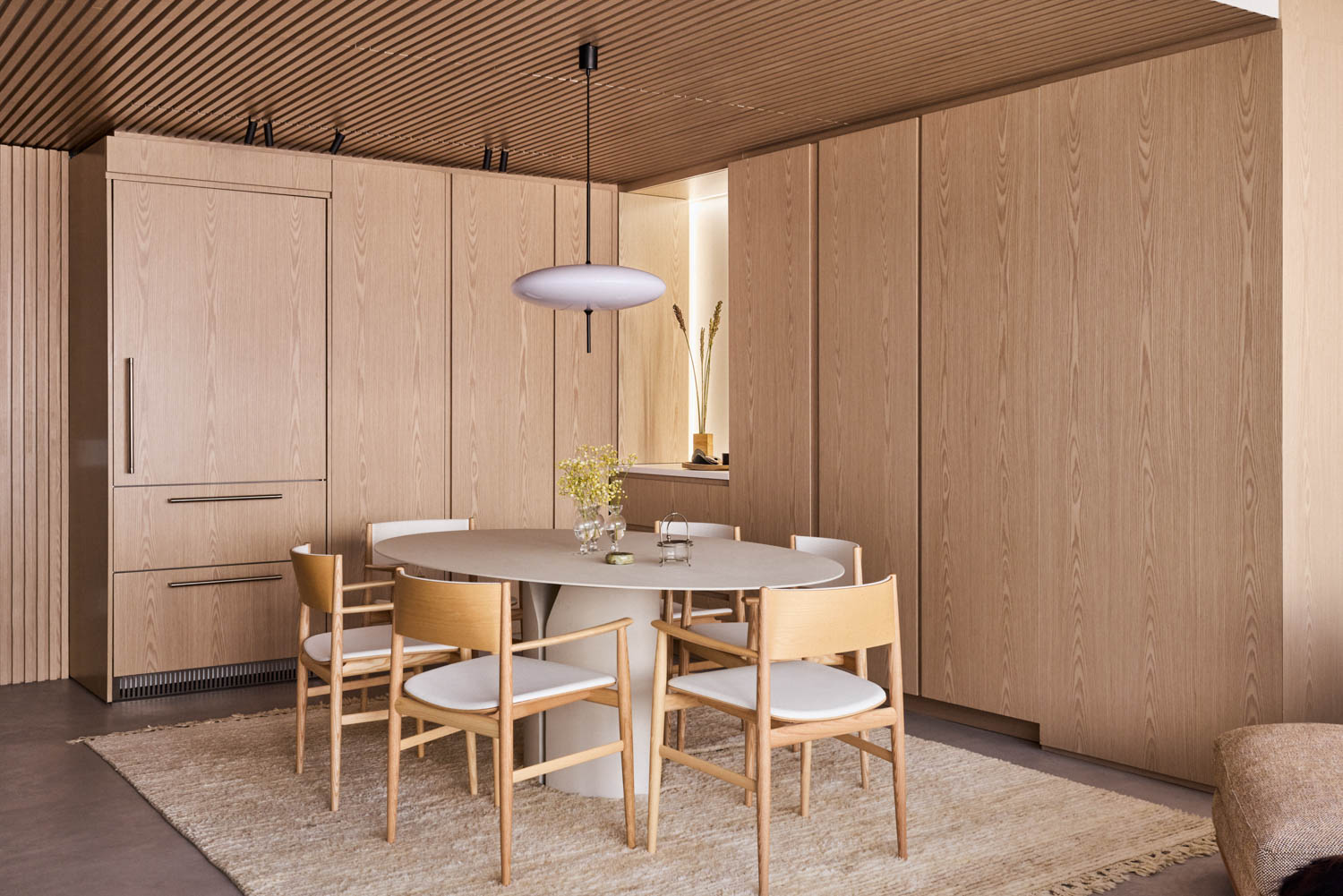

Principles from the Japanese tea ceremony, which highlight mindful interaction with objects, are also integrated into Crosby’s design process. For instance, dining tables are designed with *ichigo ichie* (one time, one meeting) proportions to foster intimate conversations. Custom seating incorporates Japanese ergonomic principles, adapted from floor-sitting culture, to ensure harmony between humans and furniture in contemporary settings. This thoughtful approach ensures that every piece contributes to a more mindful and engaging living environment.
Crosby Project’s international endeavors demonstrate the global appeal and relevance of this East-meets-East philosophy. Their work can be seen in Manhattan apartments featuring Indian metalwork with Japanese spatial treatment and London penthouses showcasing hand-carved screens with Zen-inspired placements. This approach resonates with Western clients who seek more than just aesthetics, valuing the artistic mastery and philosophical depth embedded in these designs. Crosby Project's success signals a growing trend of Asian design leadership in the global luxury market, offering an authentic and innovative alternative to European-dominated aesthetics.
This cross-cultural synthesis represents a new language of luxury design, combining Japanese restraint with Indian craftsmanship to create unique experiences that satisfy both aesthetic desires and deeper human needs for meaning and connection. In the Crosby workshop, the sounds of traditional Indian woodworking blend with the contemplative silence inspired by Japanese design, forming a harmonious fusion that honors diverse cultural heritages while looking towards a global future. This collaborative model underscores the potential of authentic cultural dialogue in a connected world, where Asian perspectives increasingly influence global luxury markets through their inherent wisdom and innovative approaches.
#CrosbyProject #IndianCraftsmanship #JapaneseMinimalism #LuxuryInteriors #AsianDesign #SustainableLuxury #WabiSabi #MaConcept #CrosbyProject #IndianCraftsmanship #JapaneseMinimalism #LuxuryInteriors #AsianDesign #SustainableLuxury #WabiSabi #MaConcept
0 comment in total
 No comments yet
You may also like
Seven "Japandi" interiors that blend Japanese and Scandinavian design
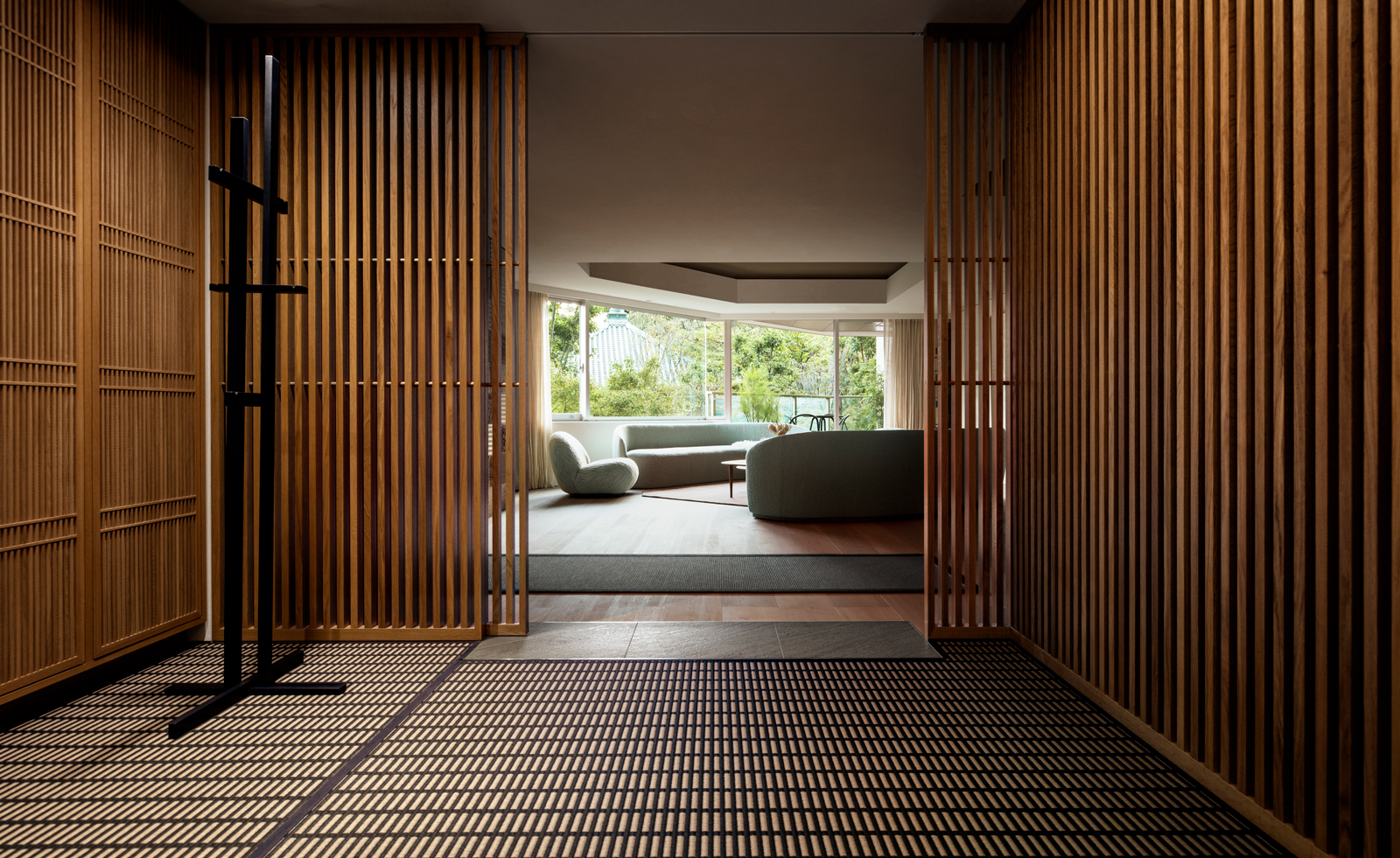
Scandinavian design meets Japanese heritage in OEO Studio’s Tokyo apartment

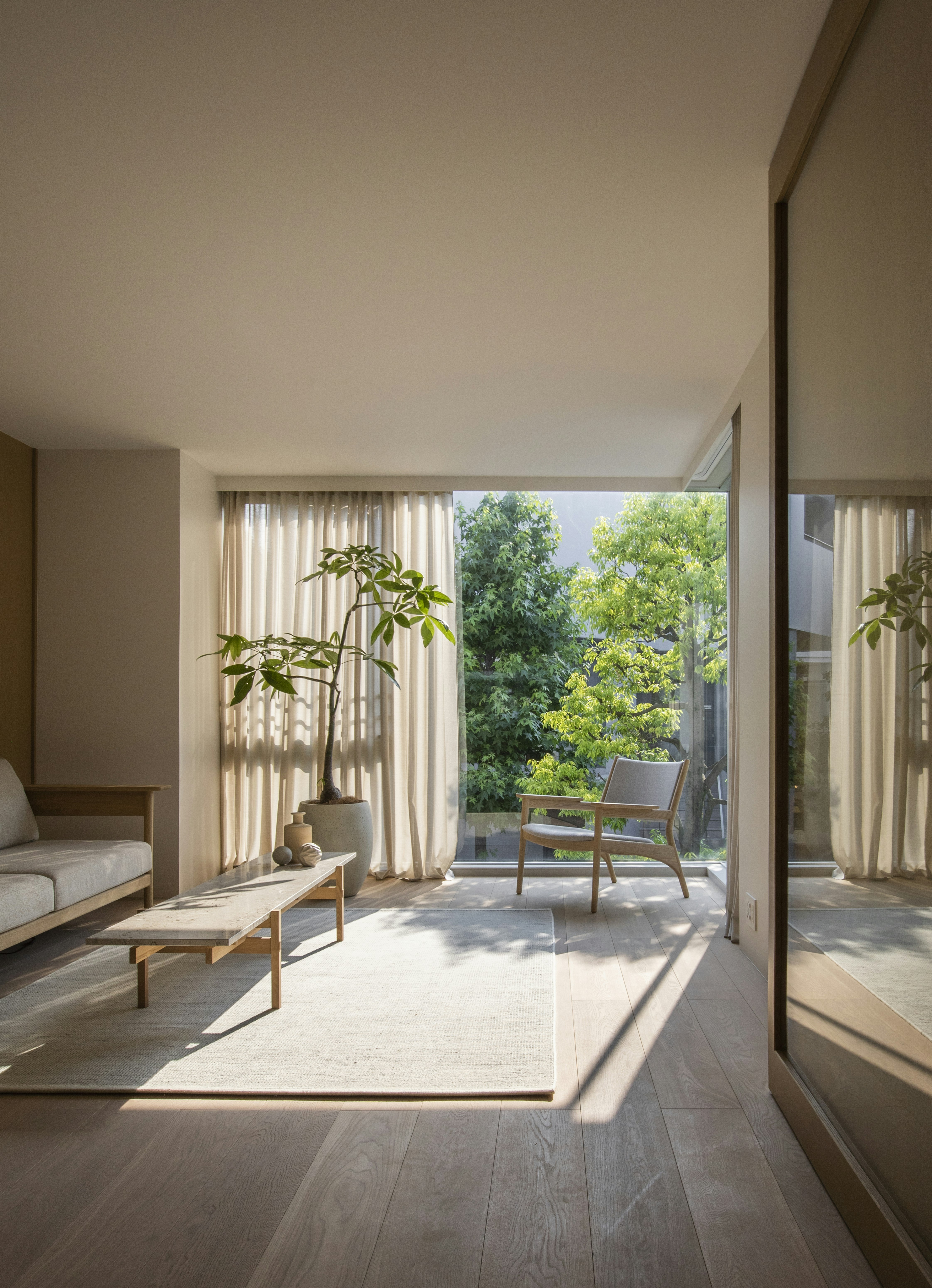
These Serene, Minimalist Apartments in Tokyo Are Filled With Light and Nature

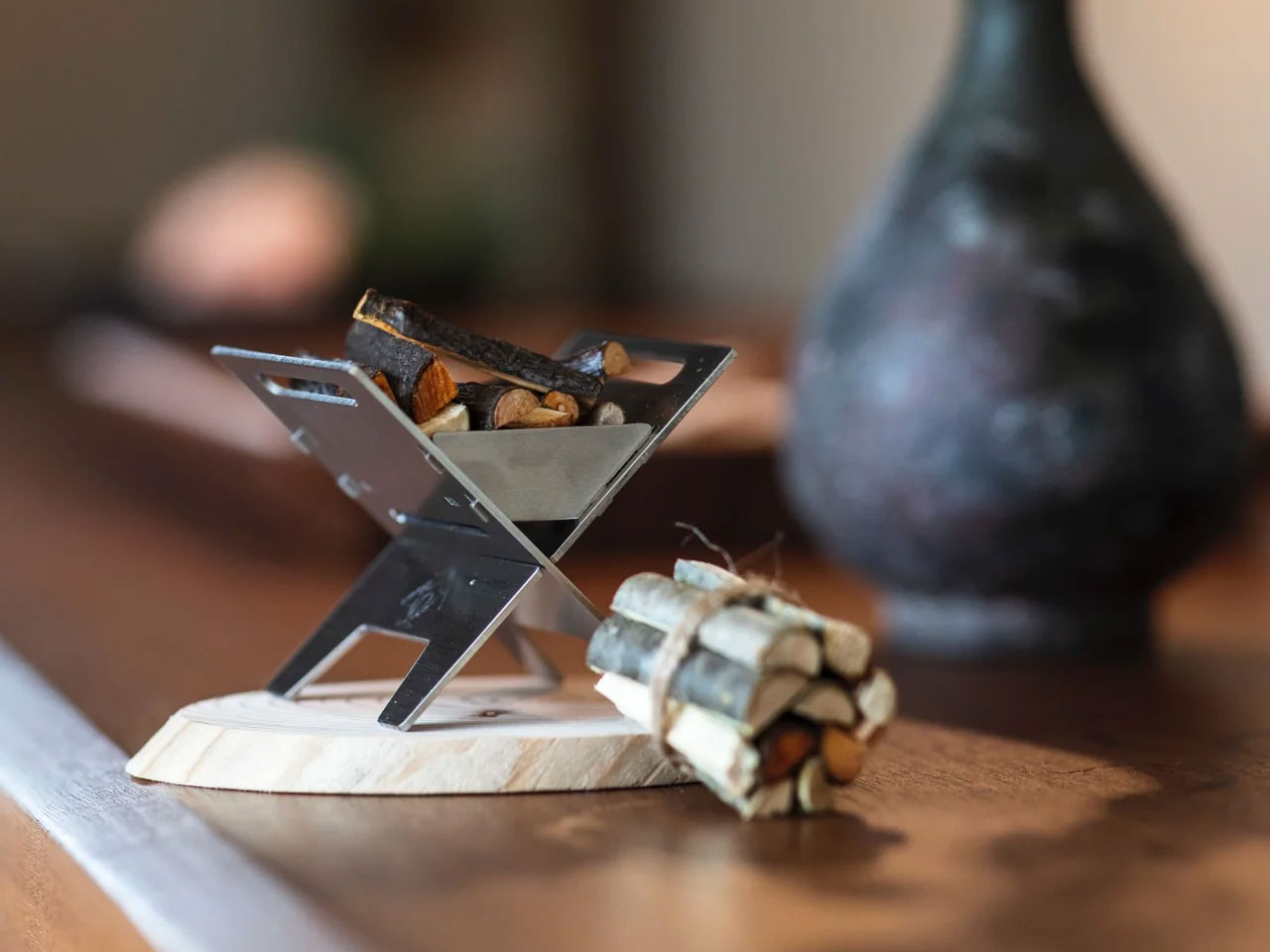
5 Best Japanese-Inspired Home Accessories Designed To Bring Nature & Tranquility Indoors

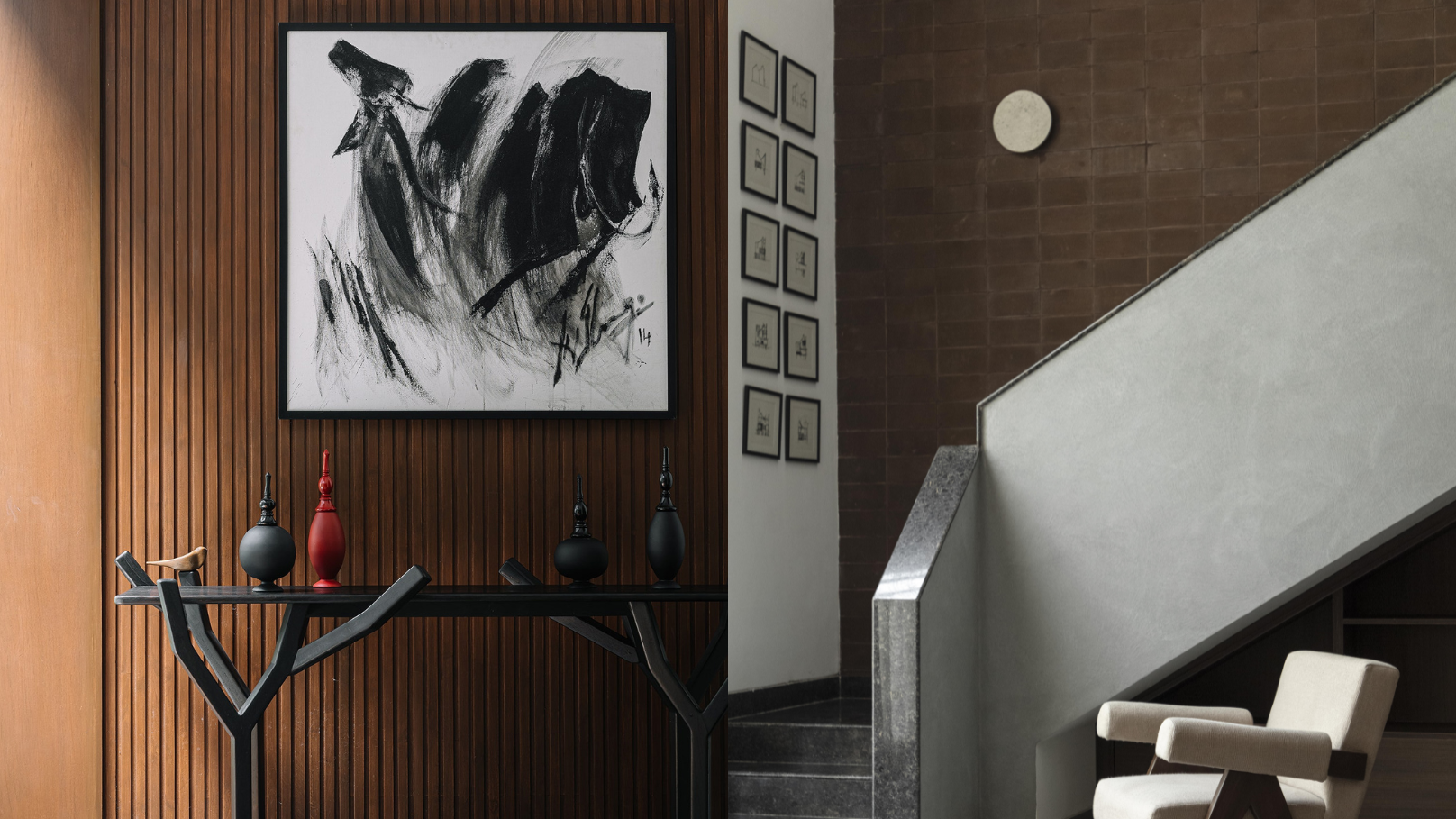
5 homes that bring serene Japanese-inspired design to life

SHED Revives a Mid-Century House in Portland With Japanese Minimalism
All About Japandi Design, a Mix of Japanese and Scandinavian Design

Muji explores the art of minimalism in Japanese rock garden installation in New York
Elevate Your Space With These Inspiring Japandi Interiors

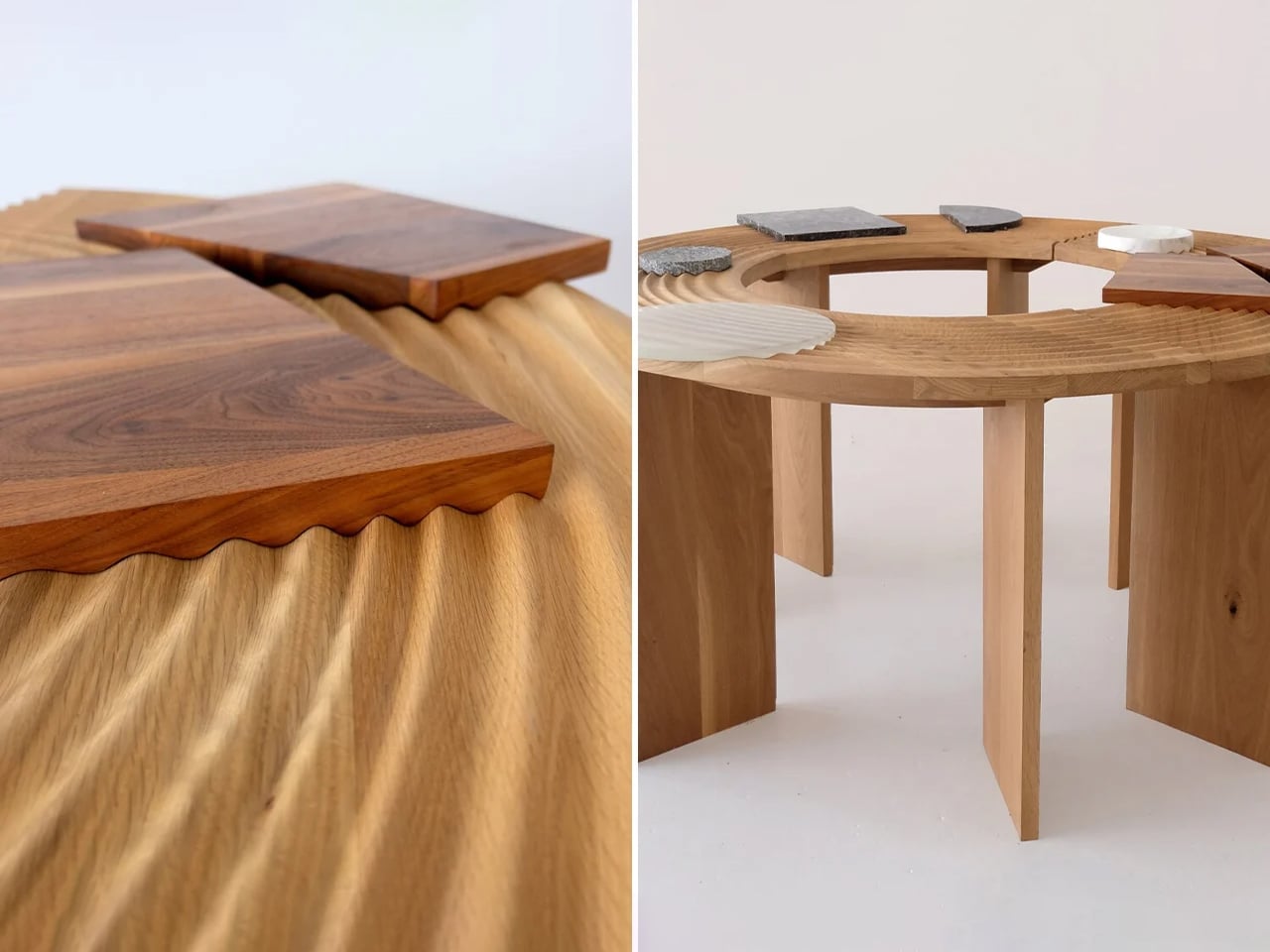
Beyond Minimalism: Discovering the Soul of Japanese And Zen Aesthetics in Product Design
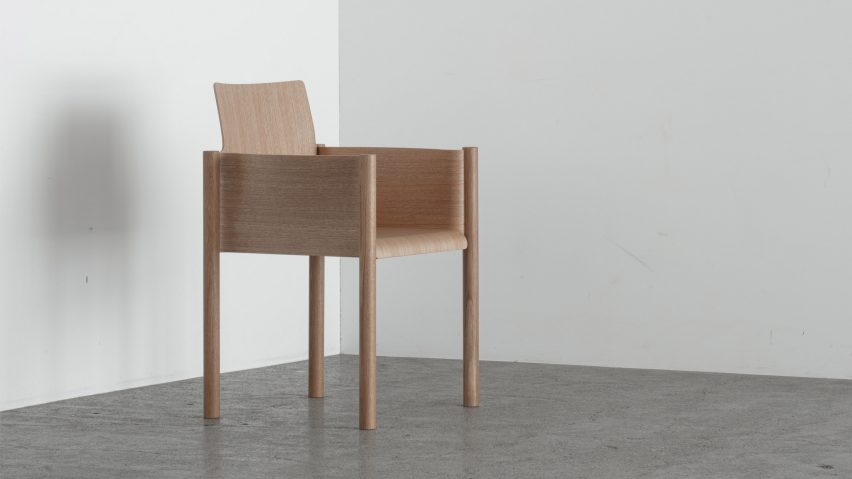
Ten furniture and lighting designs by Japanese brands and designers
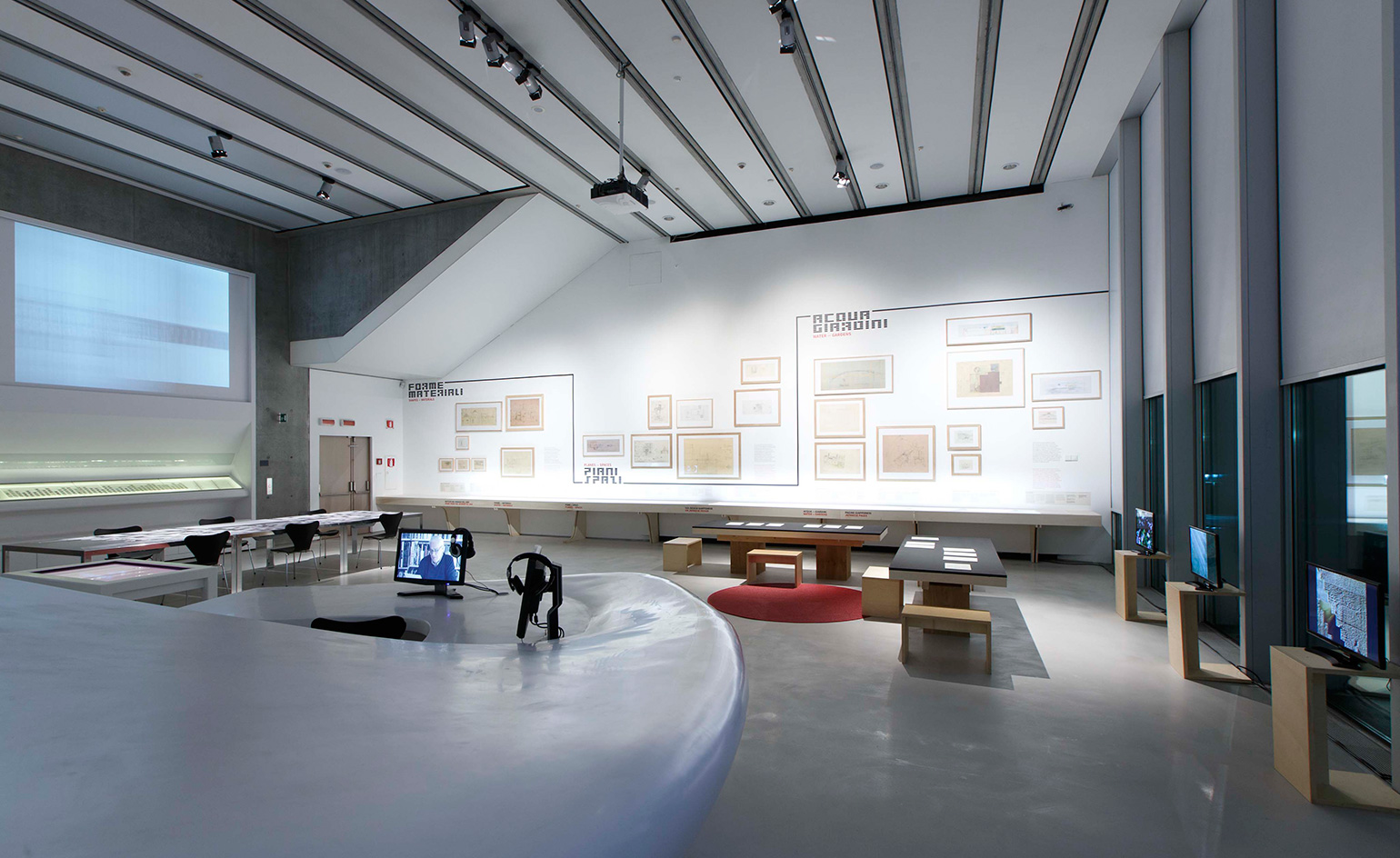
Zen master: Carlo Scarpa and Japan's guiding influence

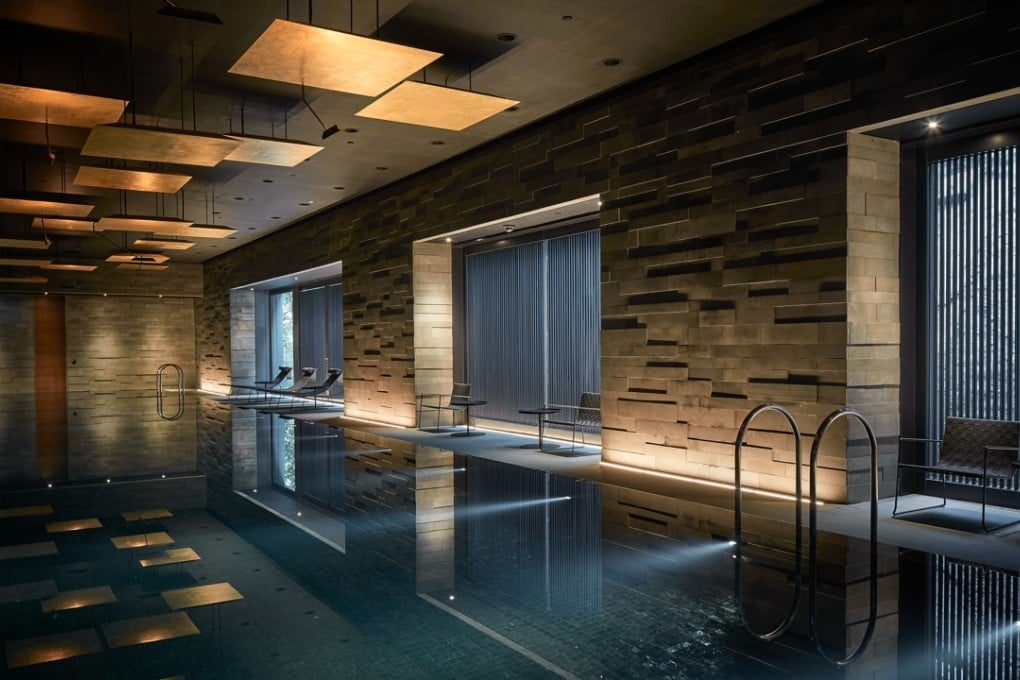
How Japan influenced Nordic design aesthetics and vice versa


Akira Minagawa’s Japanese-Nordic Style Spans Fashion to Fabrics
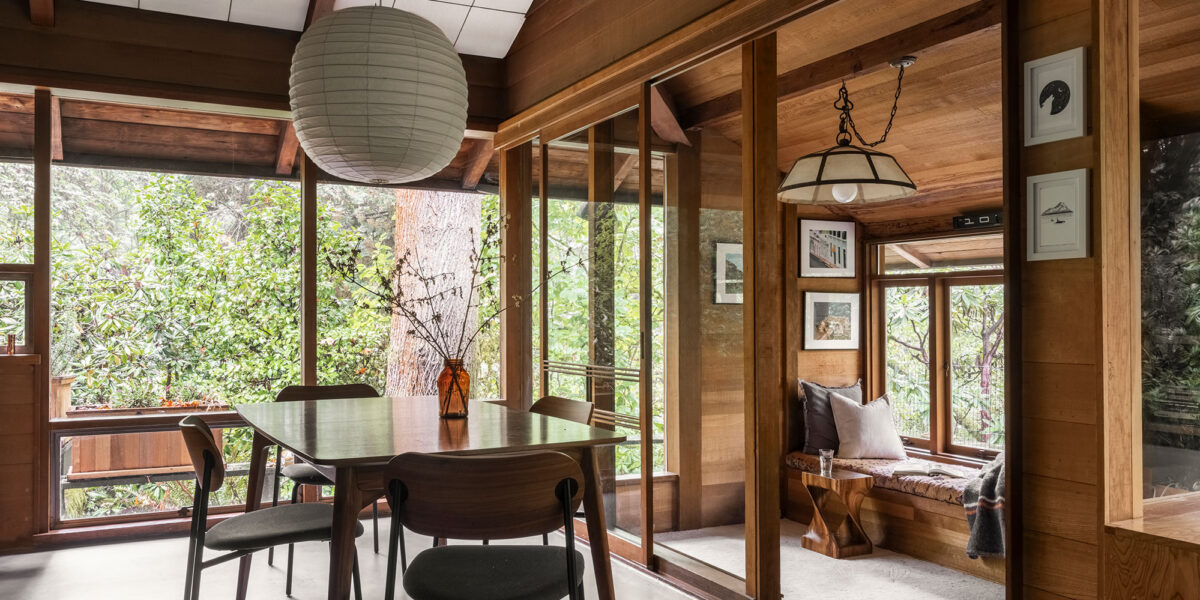
A 1950s Mid-Century Modern Home with Japanese Influences Stays True to Its Roots
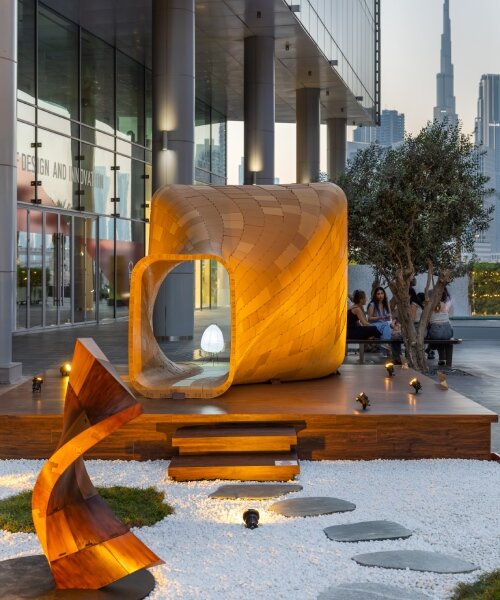
kei atsumi on bridging ancient japanese joinery & 3D printing at dubai design week pavilion
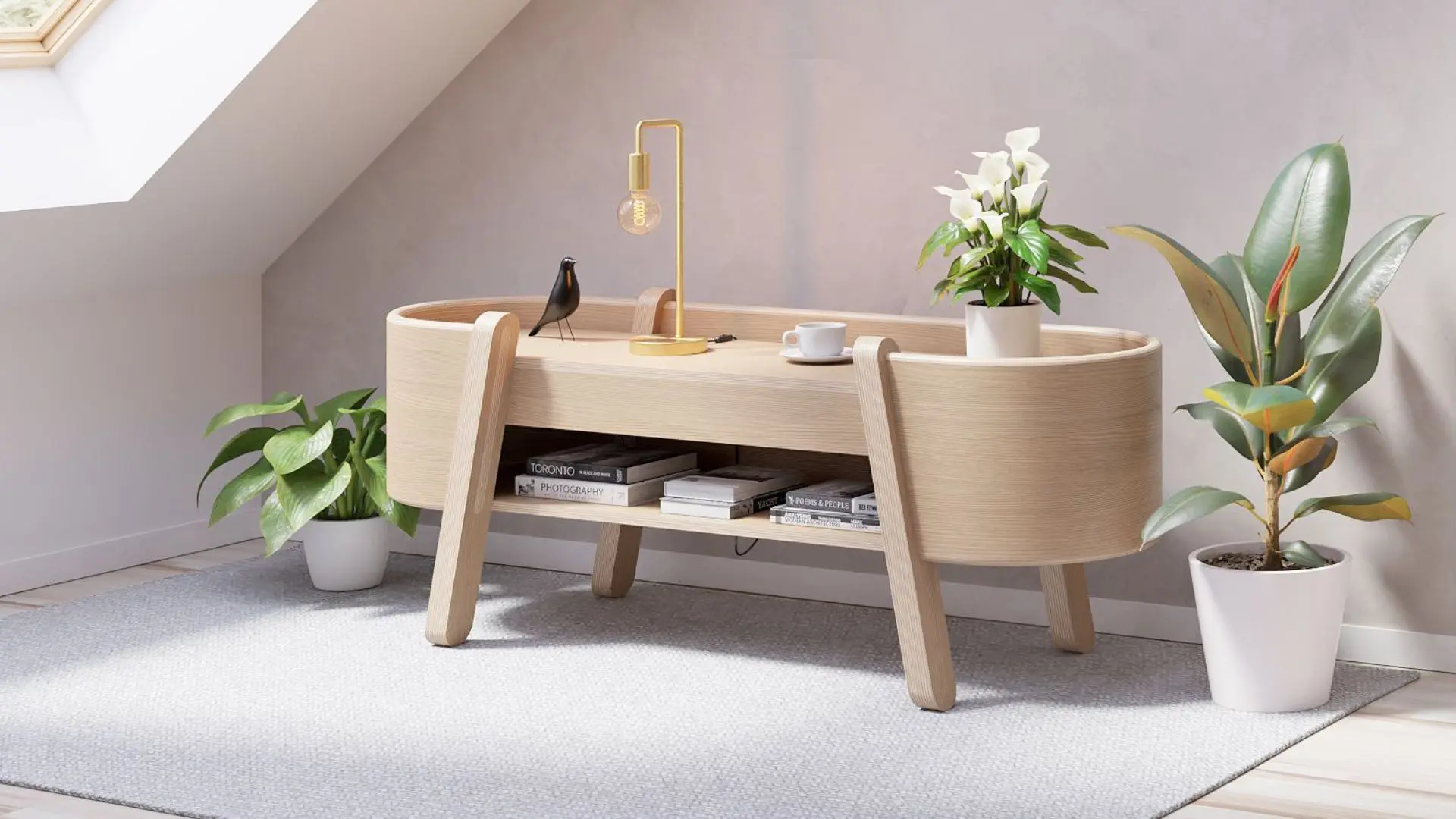
Furniture joints can make or break an entire design project

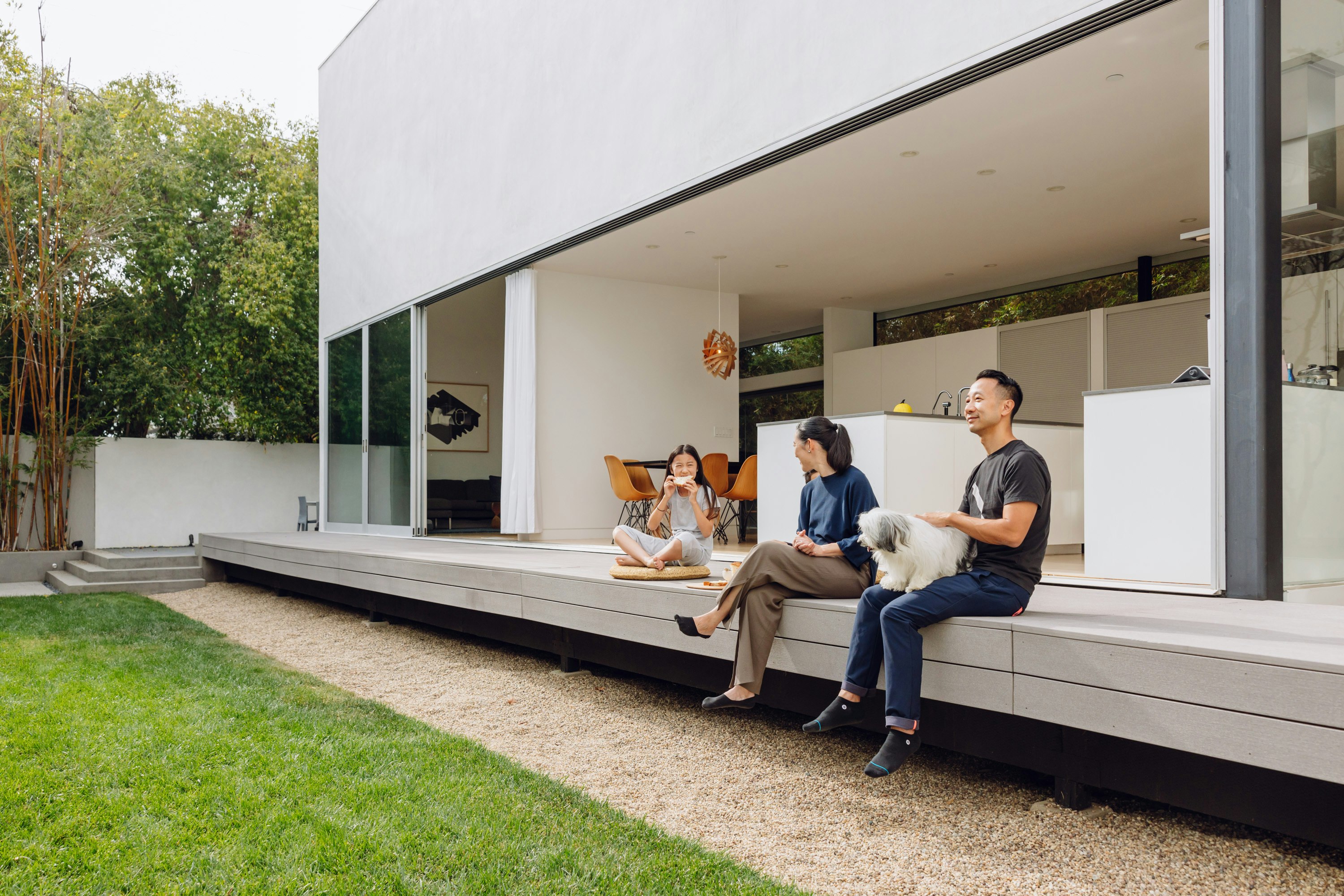
A Minimalist Home Full of Clever Design Tricks Appears to Levitate Above the Earth

A Tiny Cabin in North Carolina Is an Enchanting Mix of Japanese and Scandinavian Style
Scandinavian and Japanese interior designs come together to prove Japandi is not just a passing trend!