1/15
The 4 areas of your home pros say to always insulate to keep it toasty in colder weather – plus, where to never insulate
Effective home insulation is crucial for maintaining warmth during colder months, reducing energy bills, and ensuring indoor comfort. This guide outlines the key areas homeowners should prioritize for insulation, as well as locations where insulation is not only unnecessary but can also be detrimental. According to experts like Geoff Walker from ASAP Restoration and Andrew Prchal from Gunner, understanding where and how to insulate correctly is as important as identifying areas to avoid. Geoff Walker emphasizes that while insulation may not offer a direct return on investment when selling a home, its benefits in preventing drafts and enhancing comfort are invaluable.
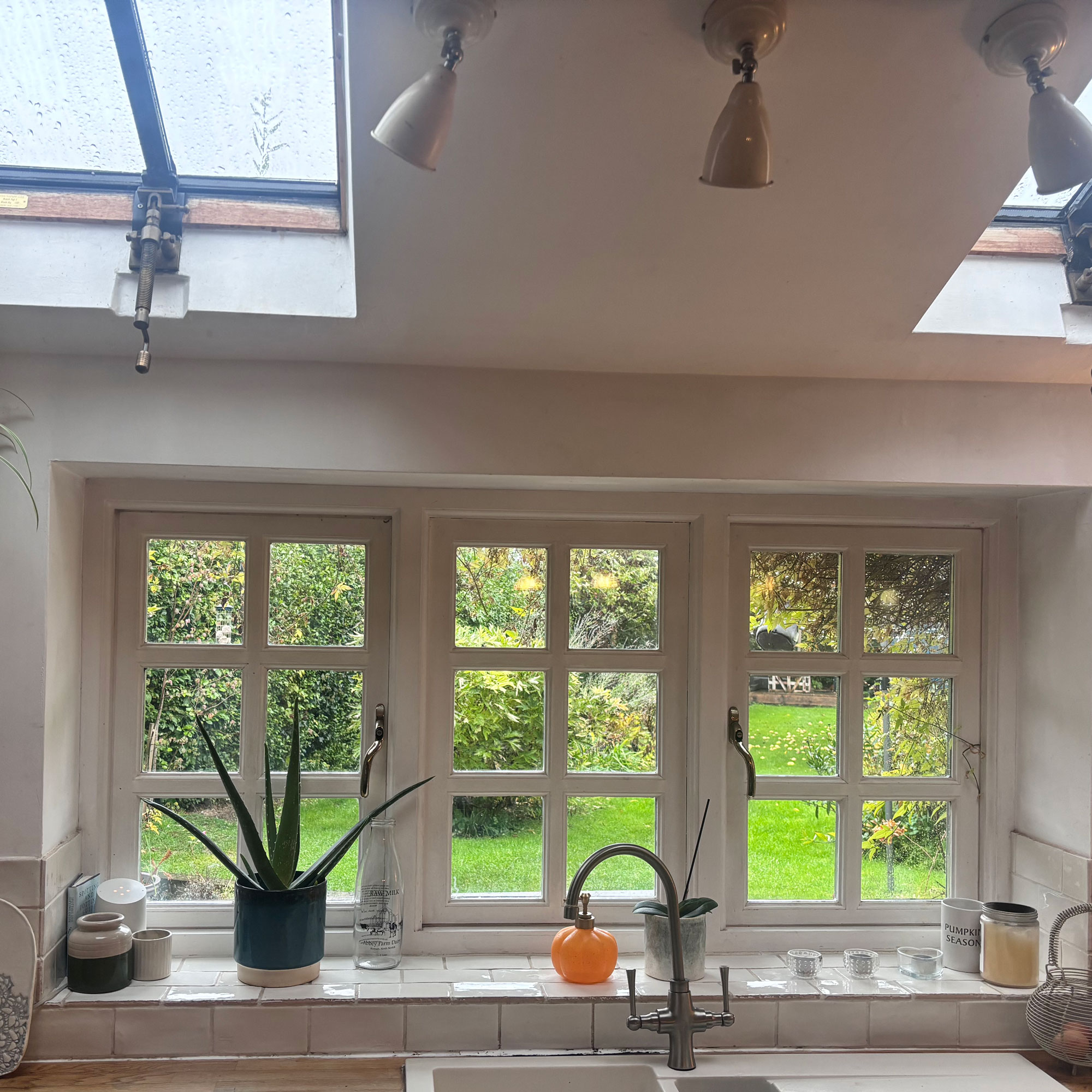
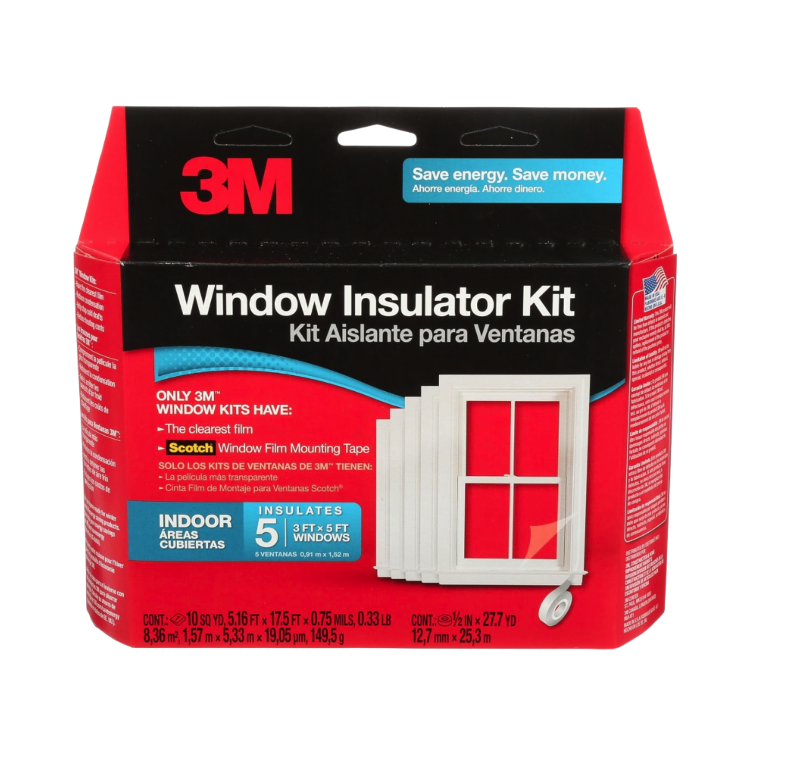
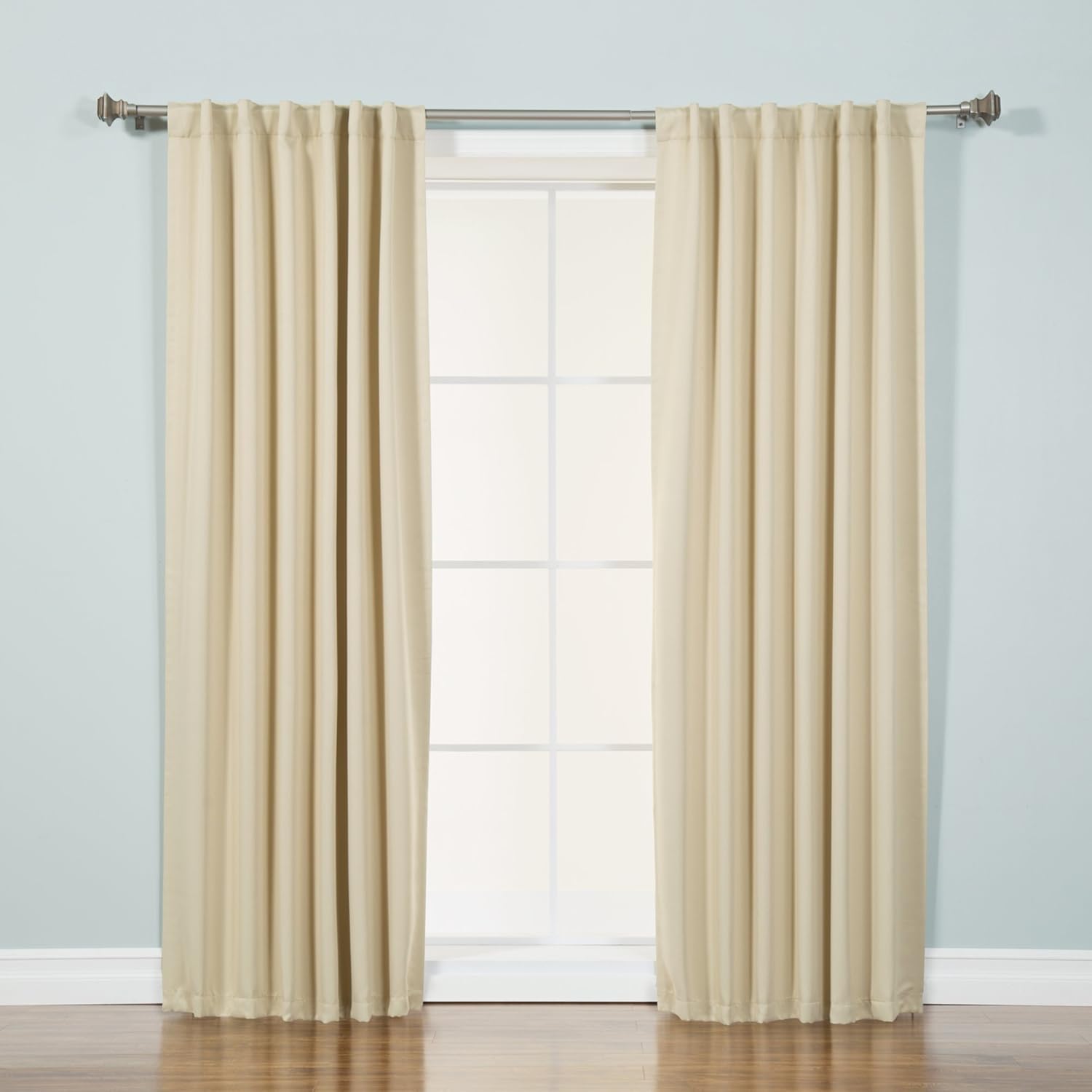
The initial focus for insulation efforts should be windows and doors, as these are primary points of heat loss. Gaps and cracks in their trim and frames allow significant air transfer, increasing heating costs. Sealing these openings with weatherproof caulk, such as Gorilla Silicone Waterproof sealant for outdoors or paint-ready acrylic latex caulk for indoors, is an effective first step. Andrew Prchal highlights the importance of maintaining tight seals, noting that failing window and glass seals contribute to substantial energy waste. Additionally, self-adhesive weatherstripping provides an easy-to-fit solution for preventing drafts around windows and doors, while fabric draft excluders offer a stylish, non-invasive option for door bottoms.
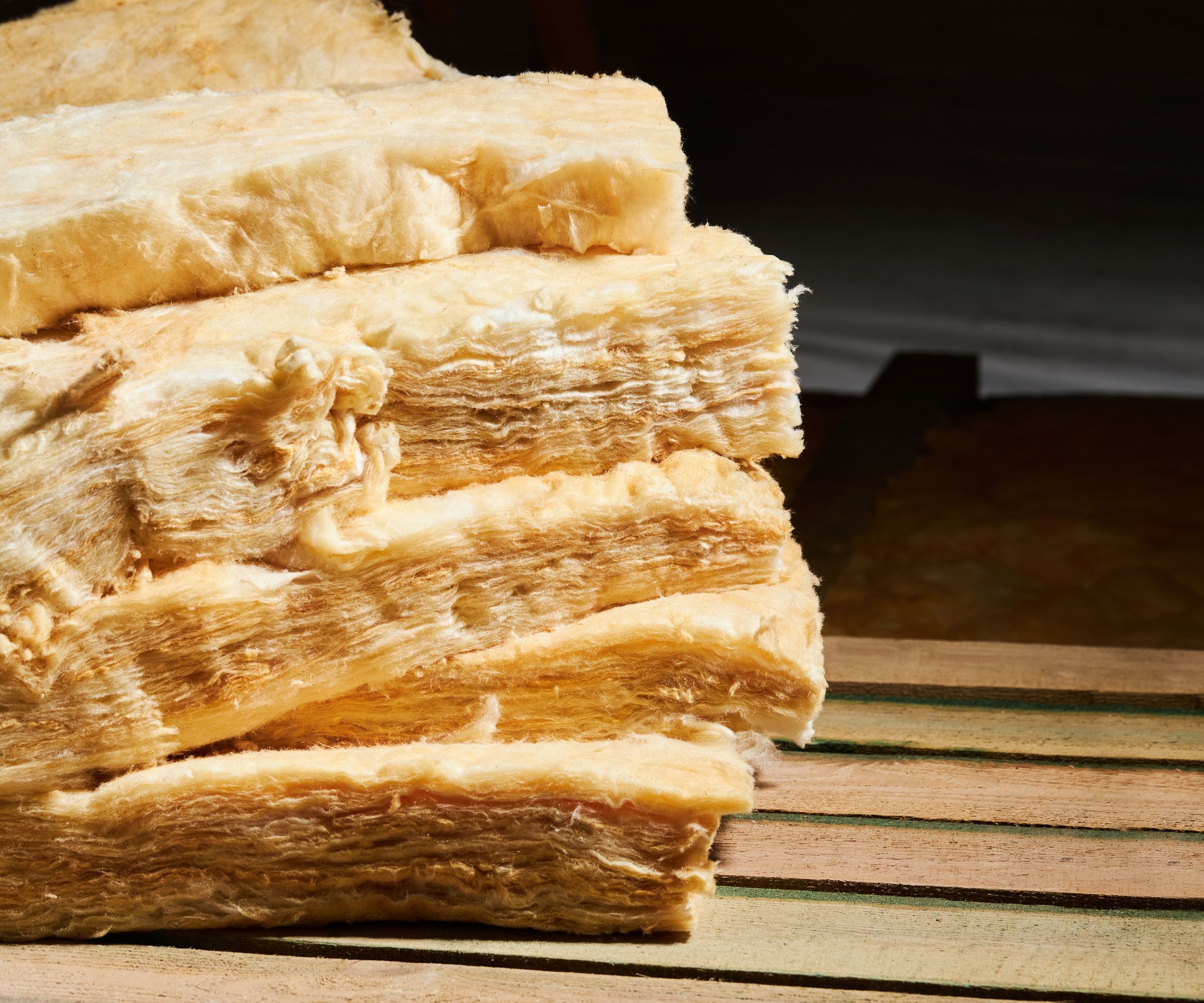
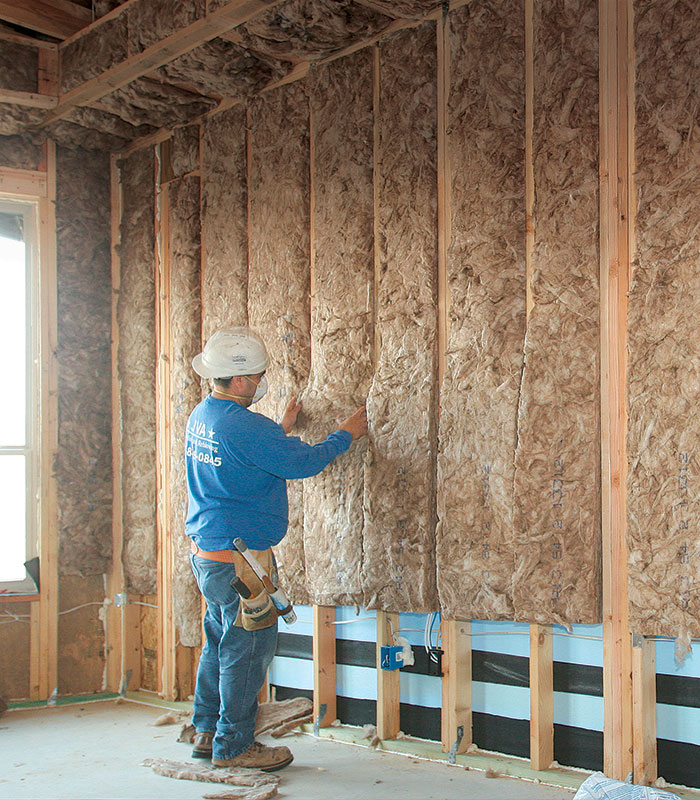
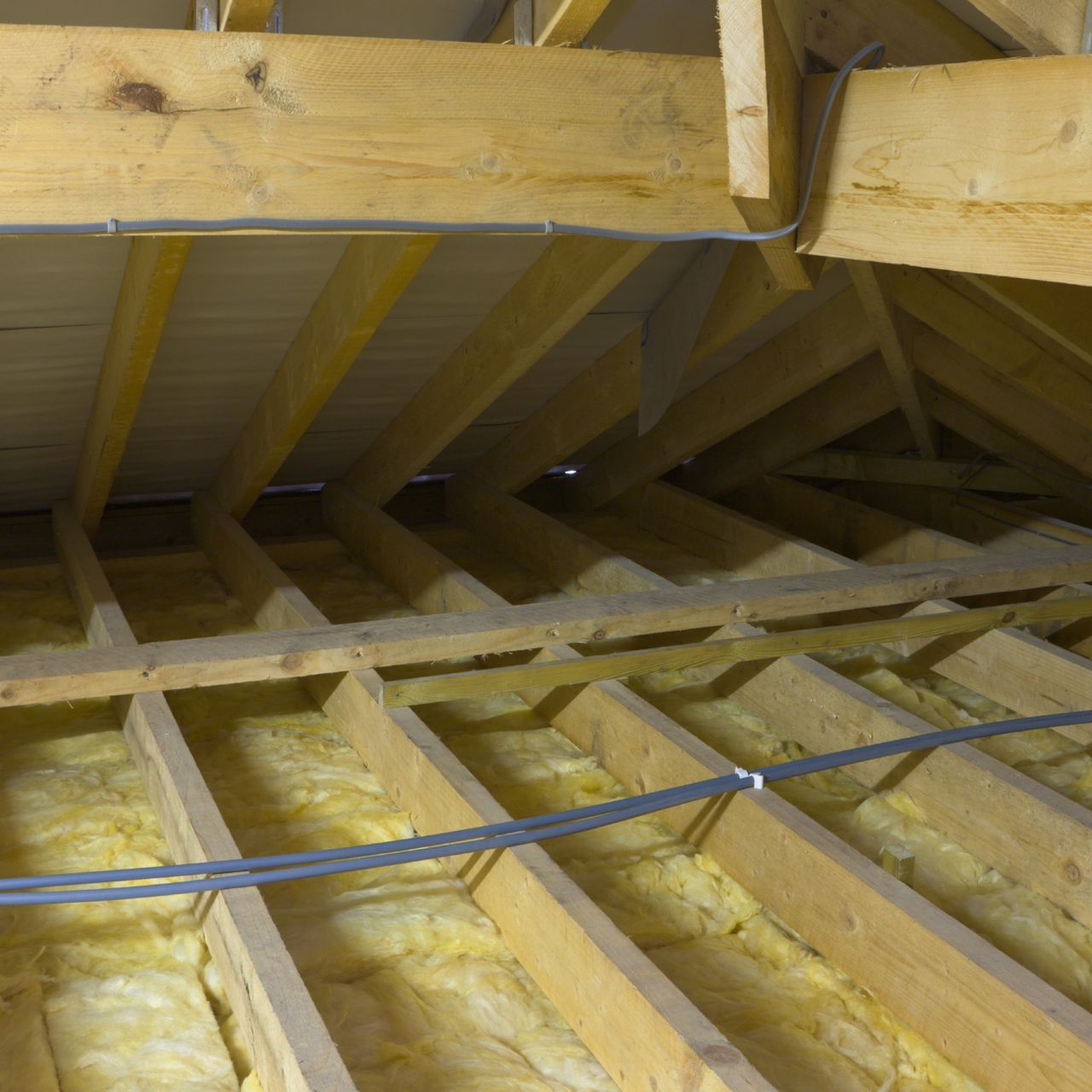
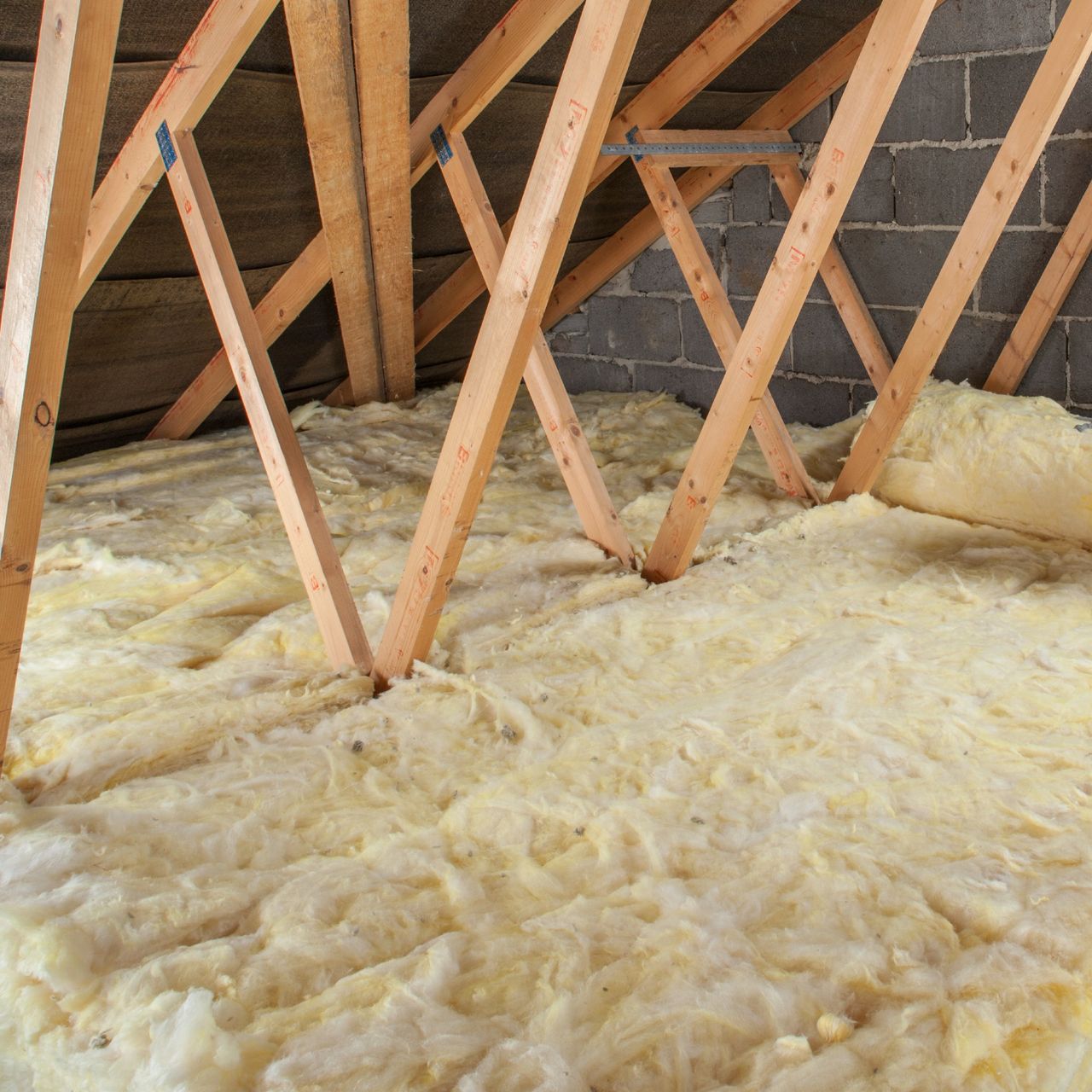
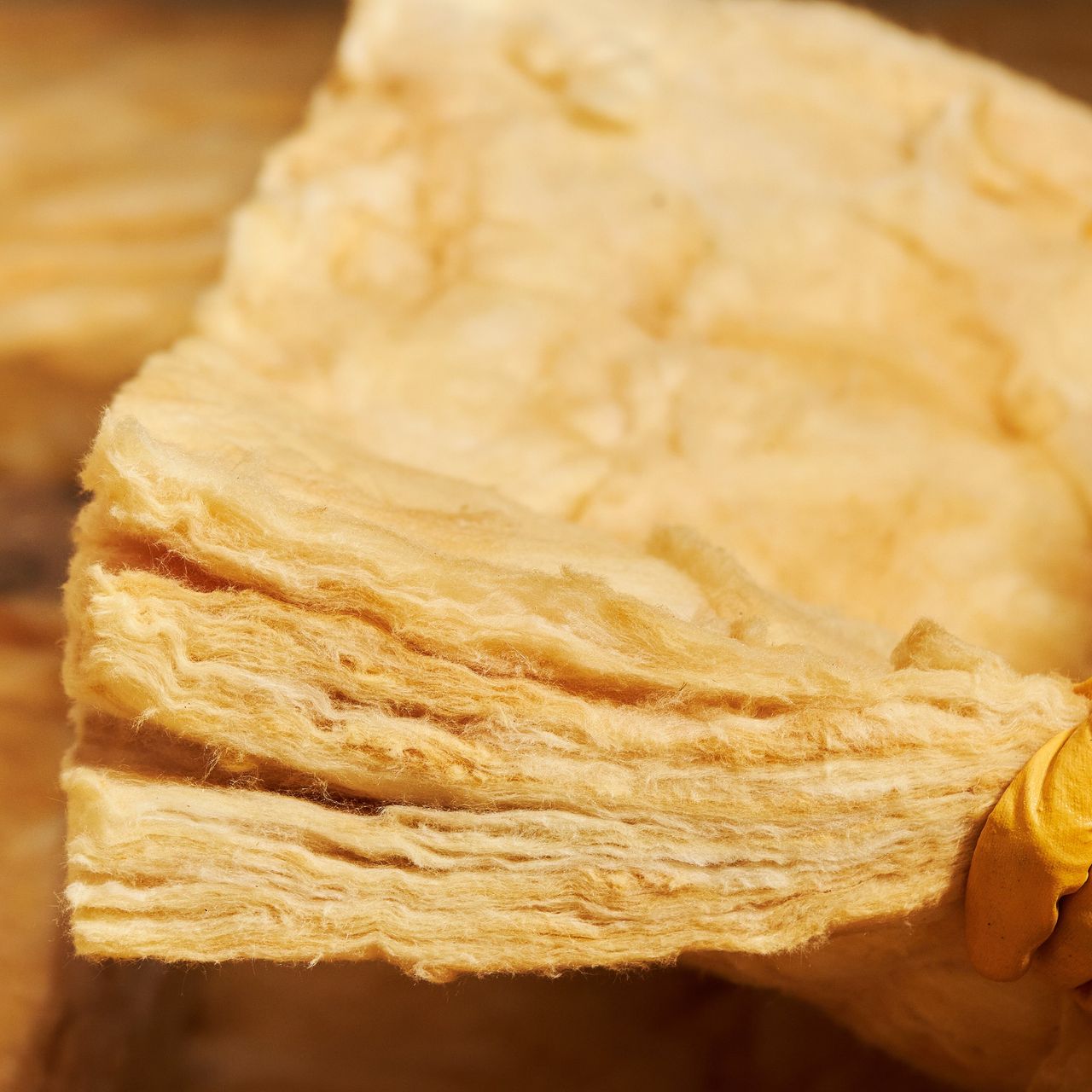
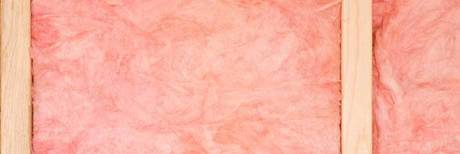
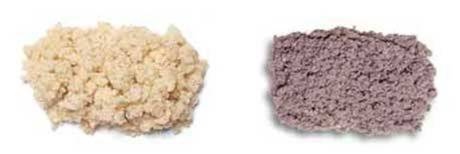
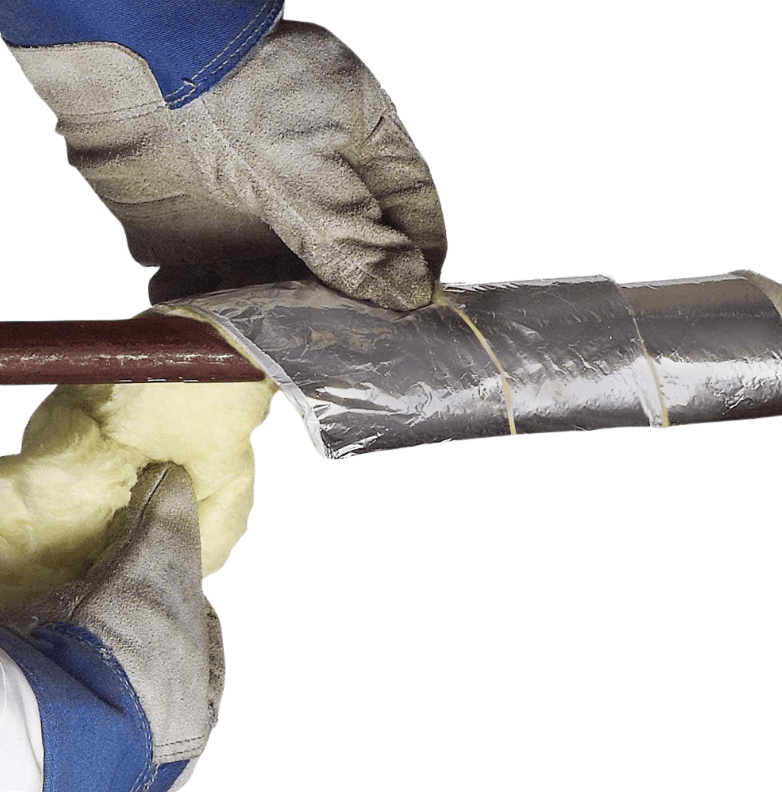
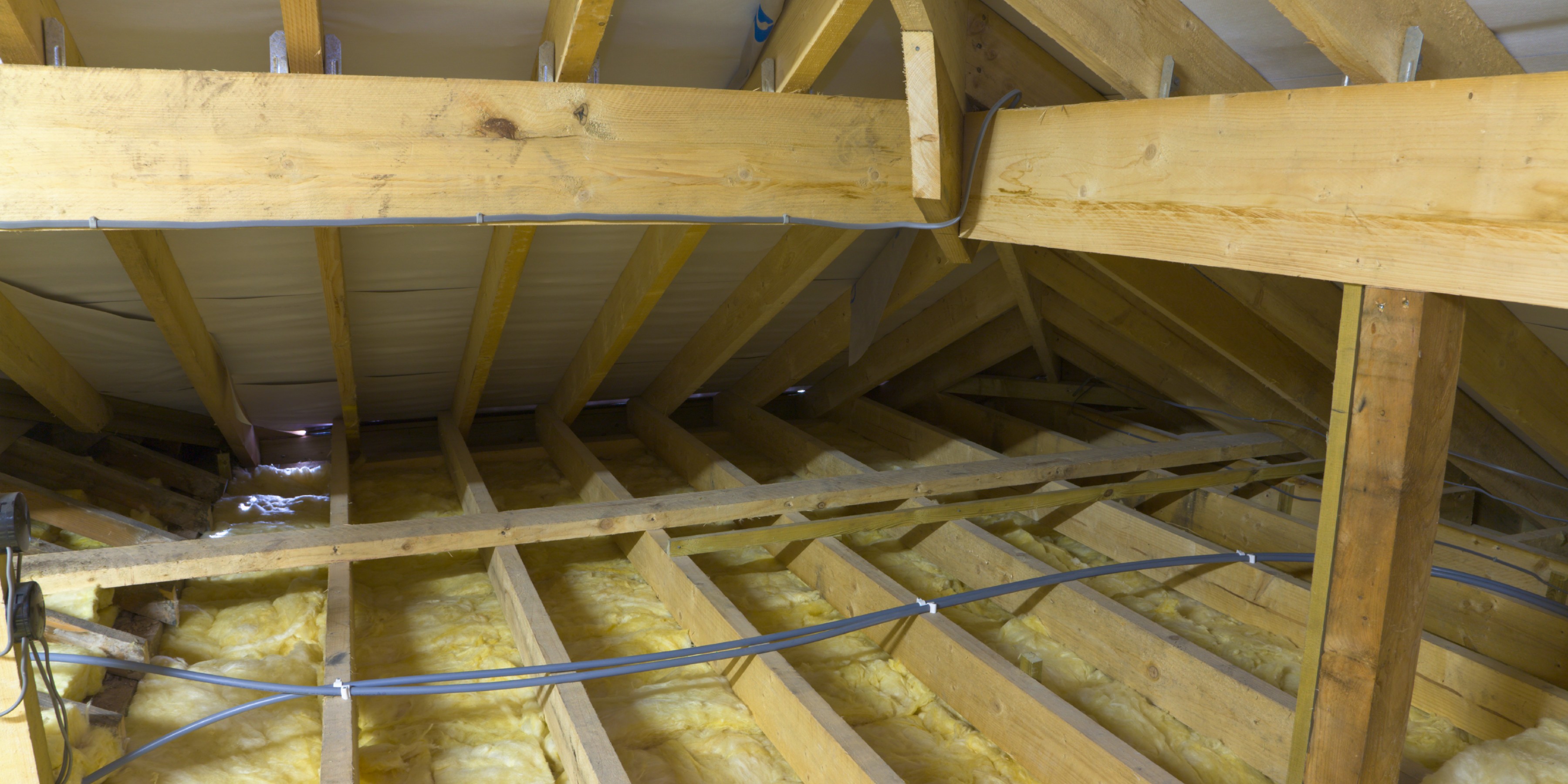
The loft or attic space is another critical area for insulation, as hot air rises and can escape through inadequate attic insulation. Experts recommend insulating between wall studs, between and over floor joists, and potentially in the rafters. Proper ventilation in the attic is essential to prevent issues like roof and siding deterioration or mold growth, especially if insulation gets wet. Blown-in insulation, such as US SANCTUARY by Greenfiber R-60 Cellulose or Owens Corning AttiCat R-19 Fiberglass, is suggested for its efficiency and ease of application, often allowing for equipment rental to facilitate DIY installation. Insulating the loft access door is also a commonly overlooked but crucial step to prevent heat loss.
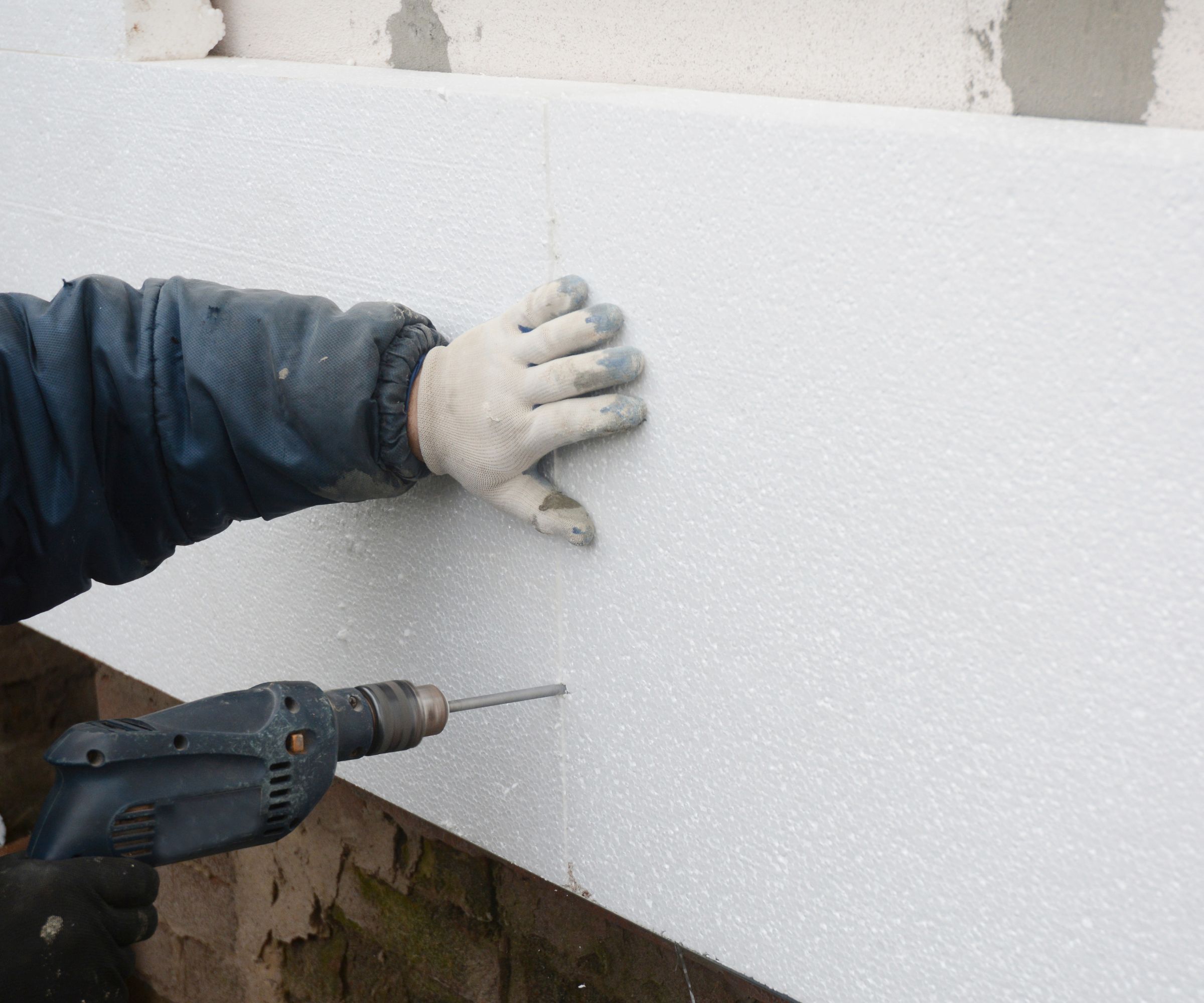
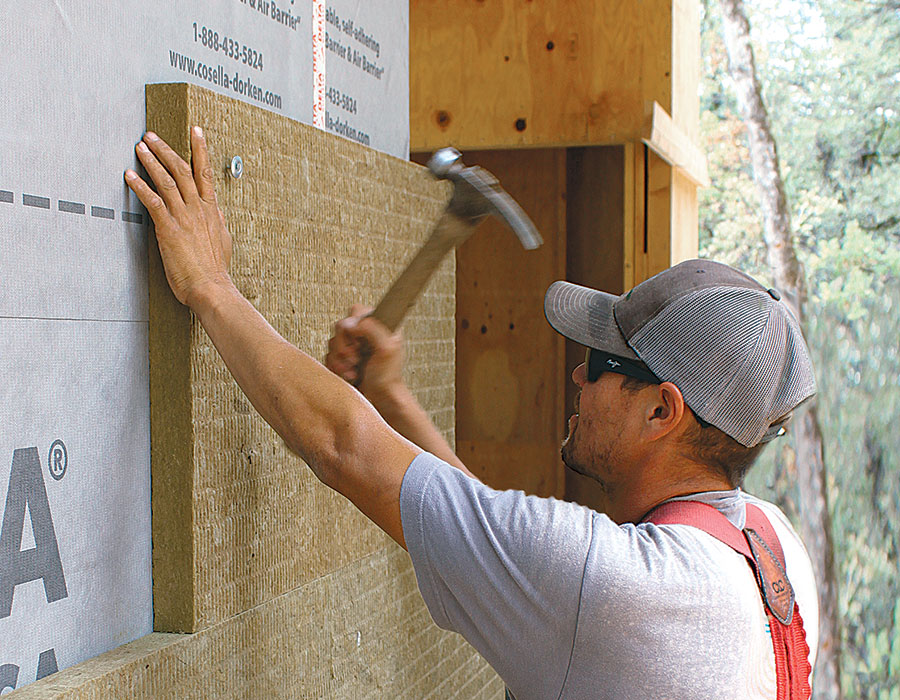
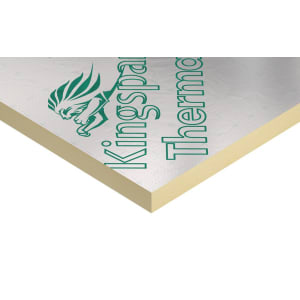
Exterior walls are a high-priority area for insulation. Insulating these walls is more effective than internal wall insulation, as they form the primary barrier against external elements. Gaps in exterior framing can allow air infiltration, negating the benefits of insulation. Andrew Prchal stresses that insulation creates a barrier to trap warm air and that well-insulated siding or an insulated barrier is key. Products like Kingspan GreenGuard R-10 Unfaced Foam Board Insulation can be continuously applied to exterior walls to enhance their R-value. Conversely, interior walls generally do not require insulation, as it offers no significant energy savings and can be a waste of resources.
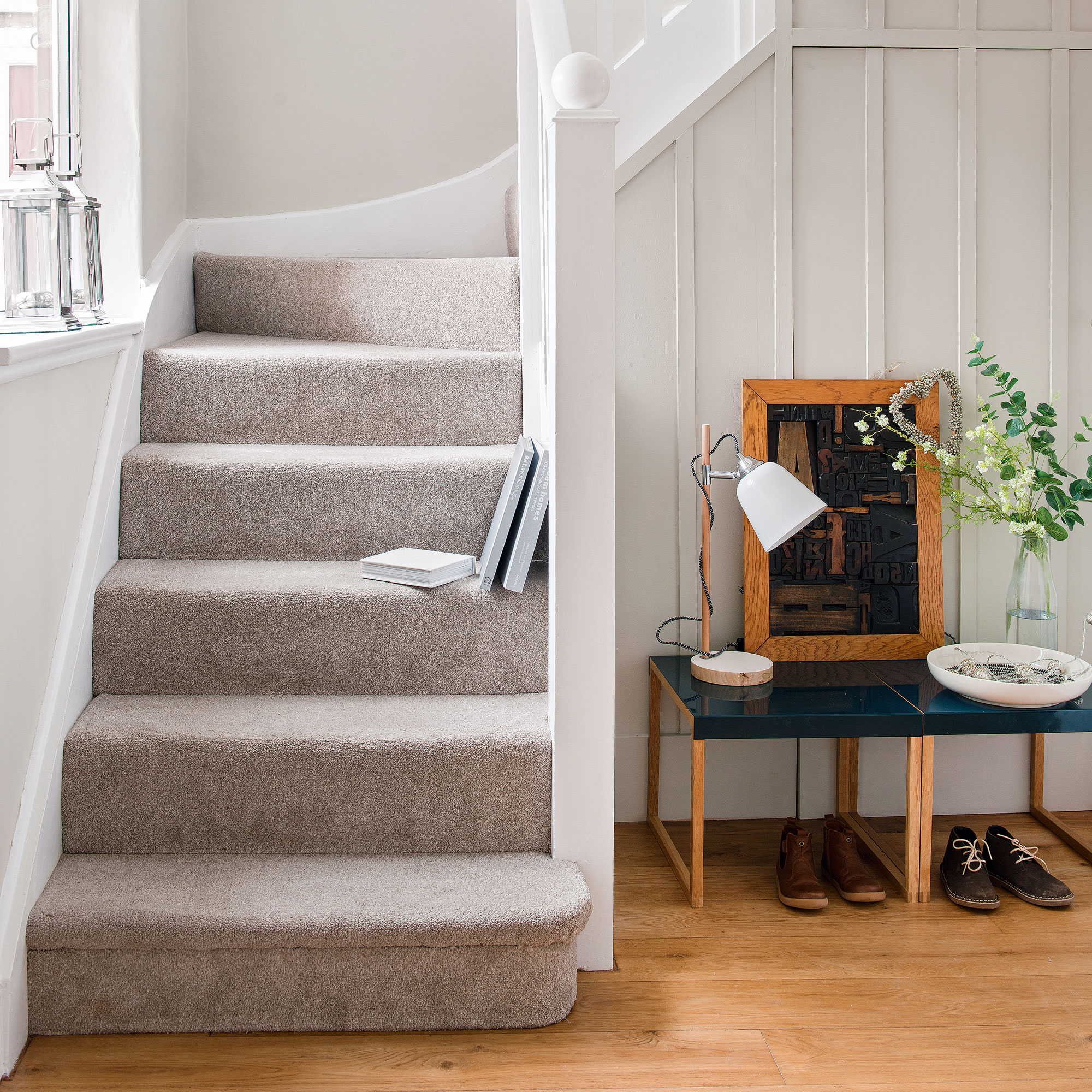
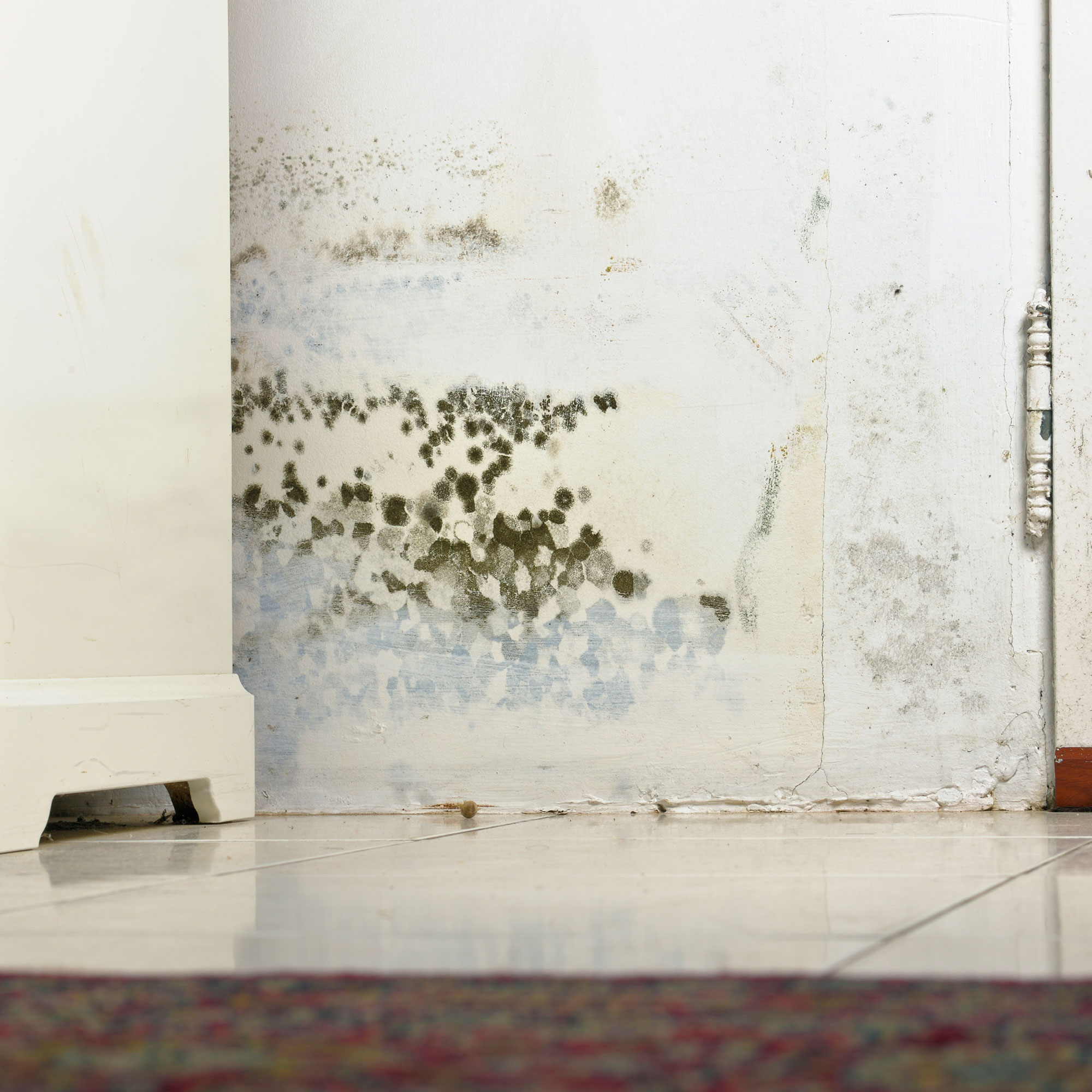
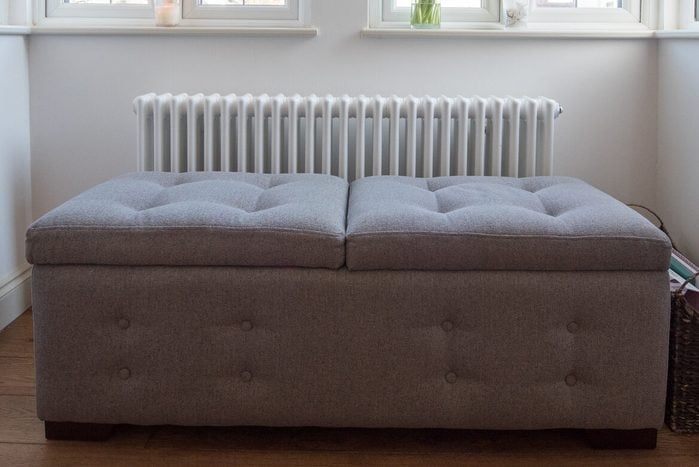
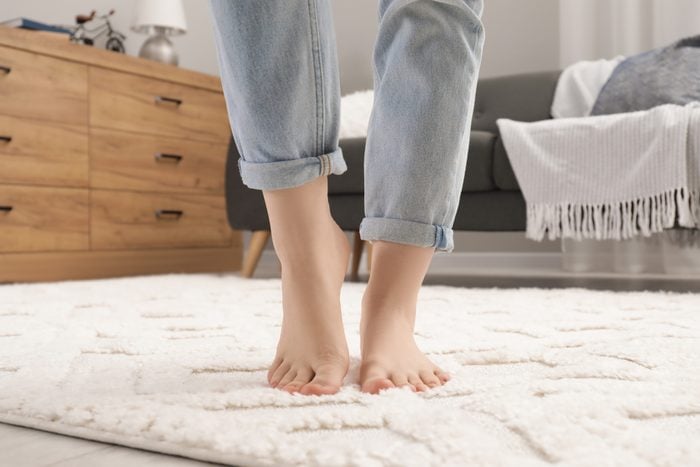
Floor insulation is advisable for rooms situated above unheated spaces like garages, crawl spaces, or overhangs. Fiberglass insulation or spray foams are popular and effective DIY options for these areas, contributing to warmer floors and overall comfort. Insulating a crawl space also indirectly warms the living areas above it. Adding rugs is a simple way to provide additional thermal comfort and insulation on floors. However, certain areas should never be insulated. Walls made of porous materials like bricks and old masonry, which are designed to absorb and redistribute moisture, should remain uninsulated to avoid issues like mold growth due to obstructed airflow. Similarly, unoccupied or unused areas like certain crawl spaces, if not intended for use, may not benefit from insulation, and insulating them could interfere with necessary ventilation or moisture prevention, leading to structural problems.
#HomeInsulation #EnergyEfficiency #WinterPreparation #HeatLossPrevention #DIYHomeImprovement #HomeHeating #AtticInsulation #DraftProofing #ExteriorWalls #FloorInsulation #HomeInsulation #EnergyEfficiency #WinterPreparation #HeatLossPrevention #DIYHomeImprovement #HomeHeating #AtticInsulation #DraftProofing #ExteriorWalls #FloorInsulation
0 comment in total
 No comments yet
You may also like
6 areas of your home you should never insulate – and why it's a hazard that can do more harm than good
This is how to get your roof and loft insulation right so that your home stays warm and energy efficient all winter long

7 easy and efficient ways to keep your house warm this winter

6 Expert-Backed Ways to Keep Cold Air—and High Energy Bills—Out of Your House This Winter


6 types of attic insulation and how to pick one for your home

How to keep your mudroom warm – 5 expert-recommended tips

Heat your home efficiently this winter

Avoid insulating these spots as it can cause damp and mould
What to Consider When Choosing Insulation

![The best insulation installers in Canberra [Updated for 2025]](https://gstatic.ideal.house/news/images/da0069e1118d47929213ceb5f5c2e8d4.jpg)
The best insulation installers in Canberra [Updated for 2025]

Should you insulate a basement ceiling? Expert advice for a comfortable home
The 8 Must-Have Products to Winterize Your Home


How to insulate your period house
The best floor insulation options for your home, explained
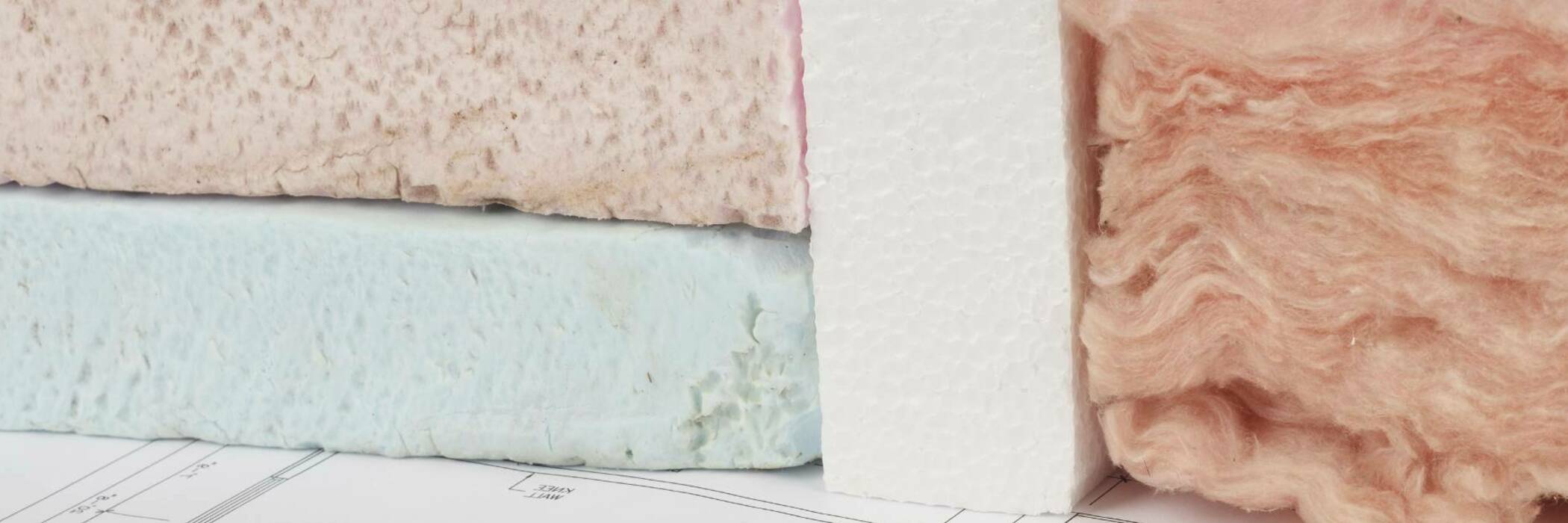
Home insulation materials

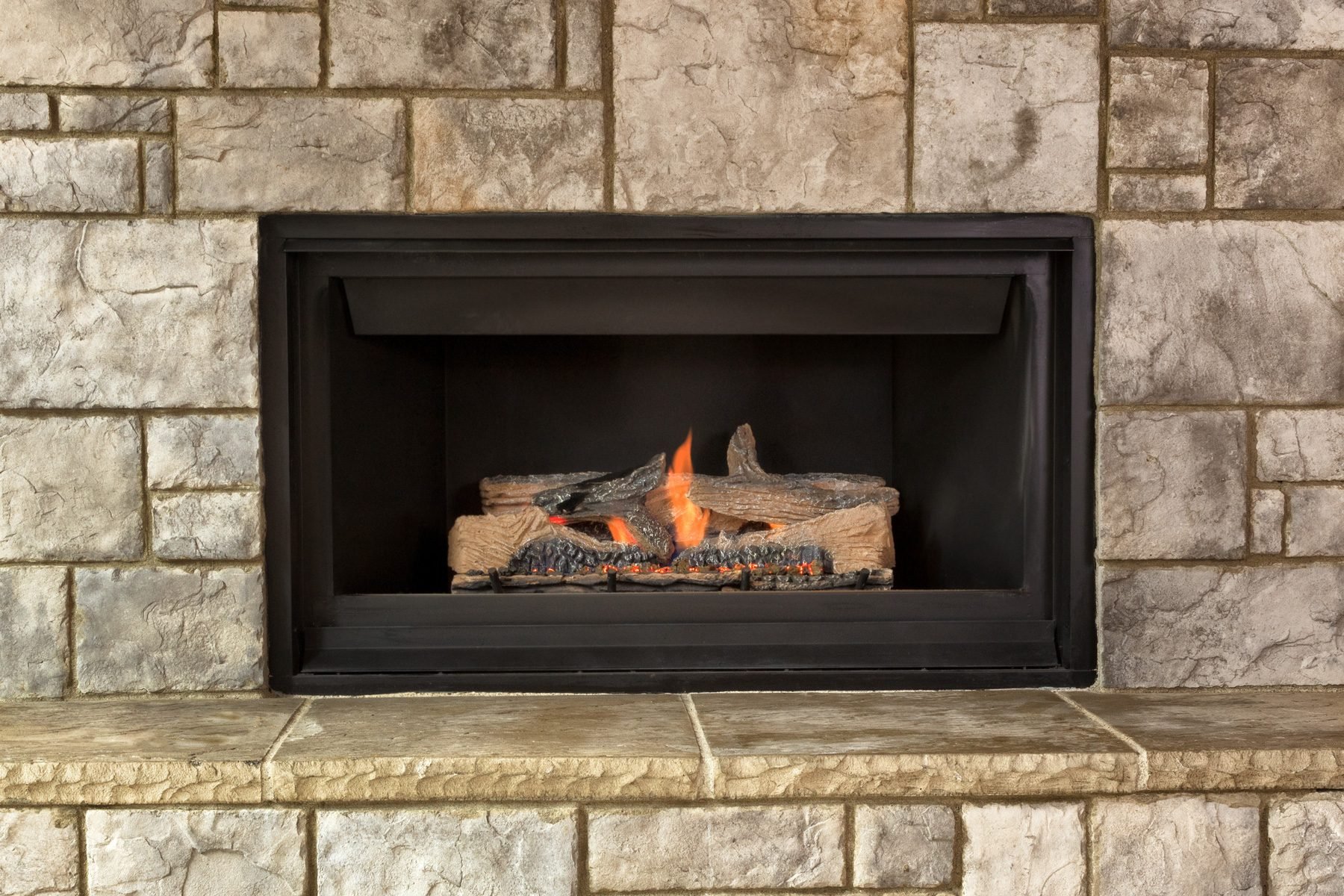
17 Tips and Hacks to Help Keep Your House Warm This Winter


How to insulate a cold wall from the inside, and why the type of wall you have matters

I used to struggle to keep my open plan layout warm in winter — but these 4 methods now keep it cosy all day long
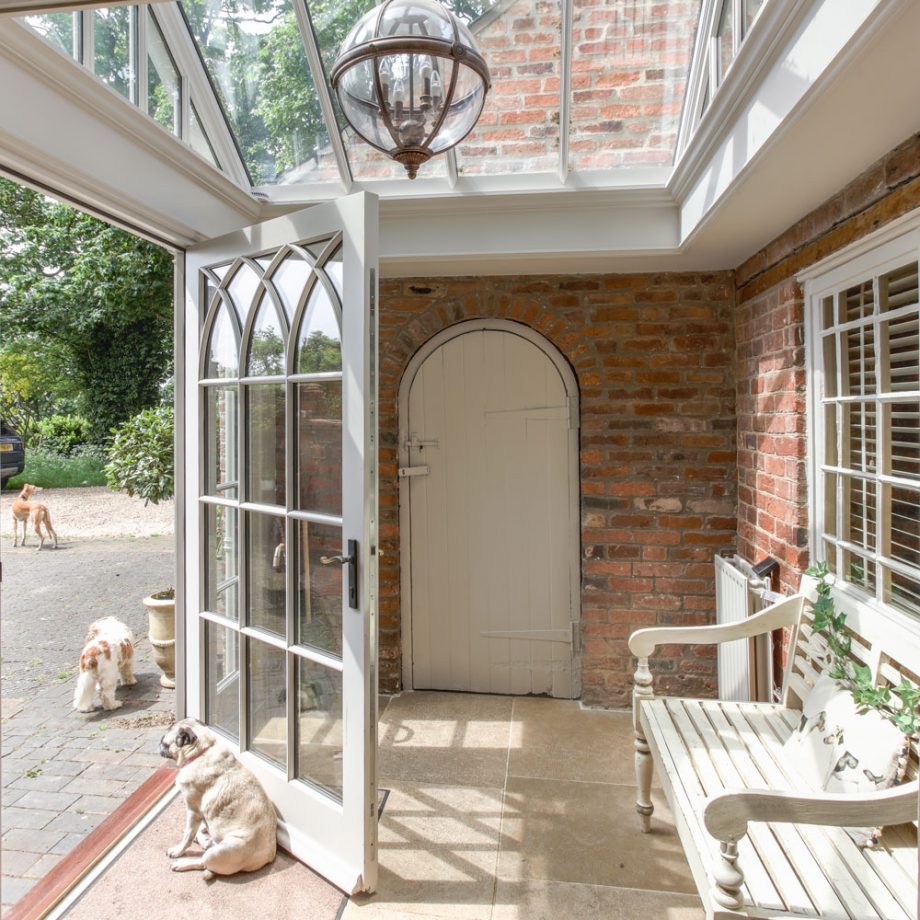
How to make a conservatory warmer - ways to heat and insulate for all-year round use
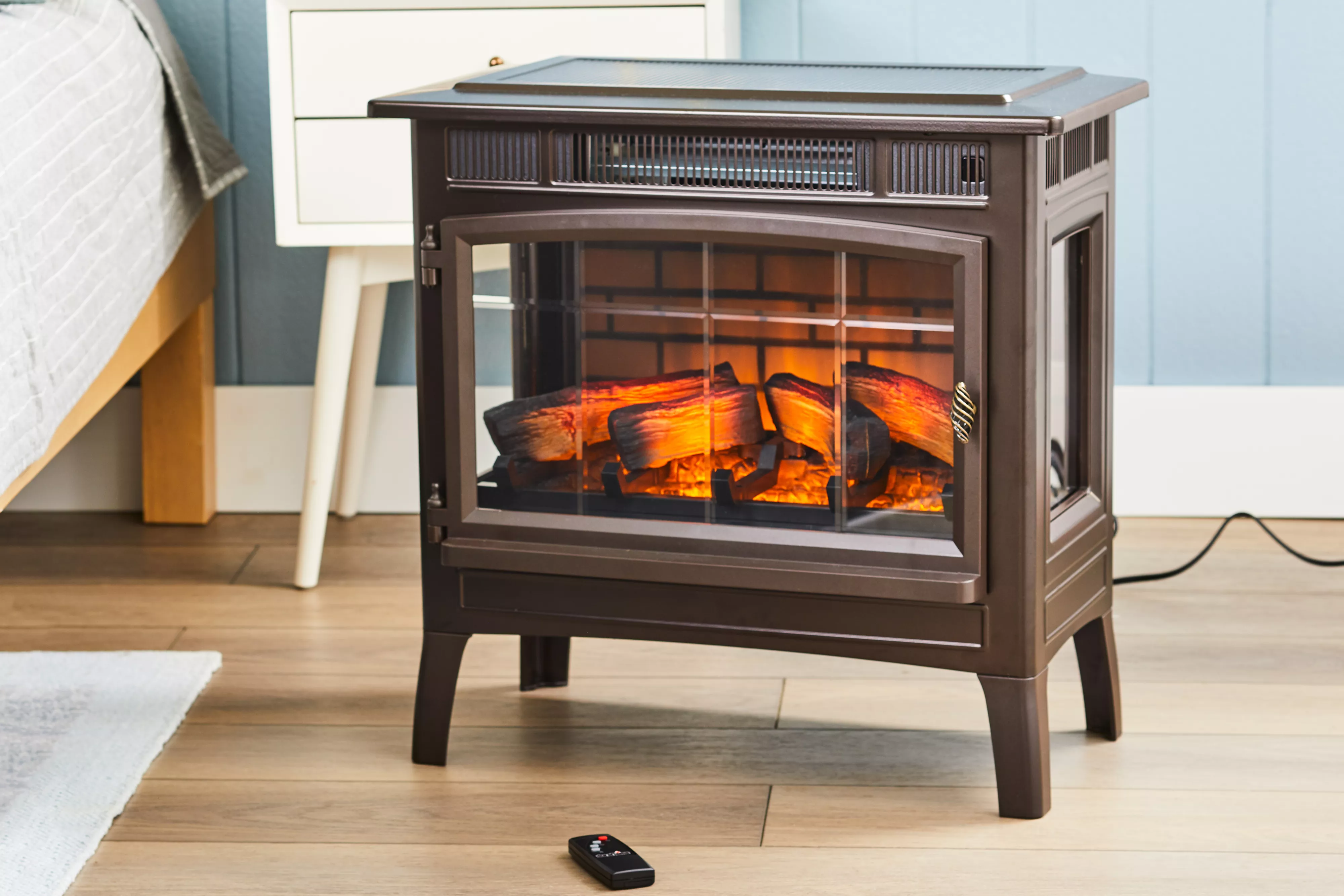
These 5 Space Heaters Will Keep You Extra Toasty This Winter