1/13
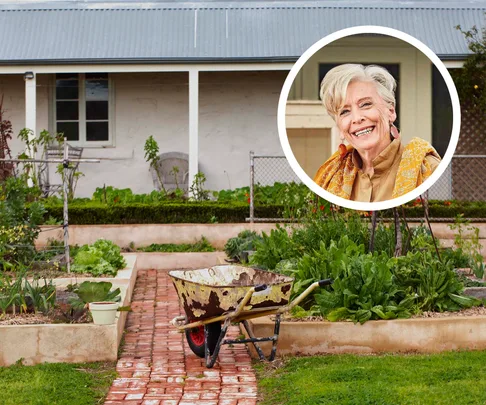
Tour the kitchen garden of master cook Maggie Beer
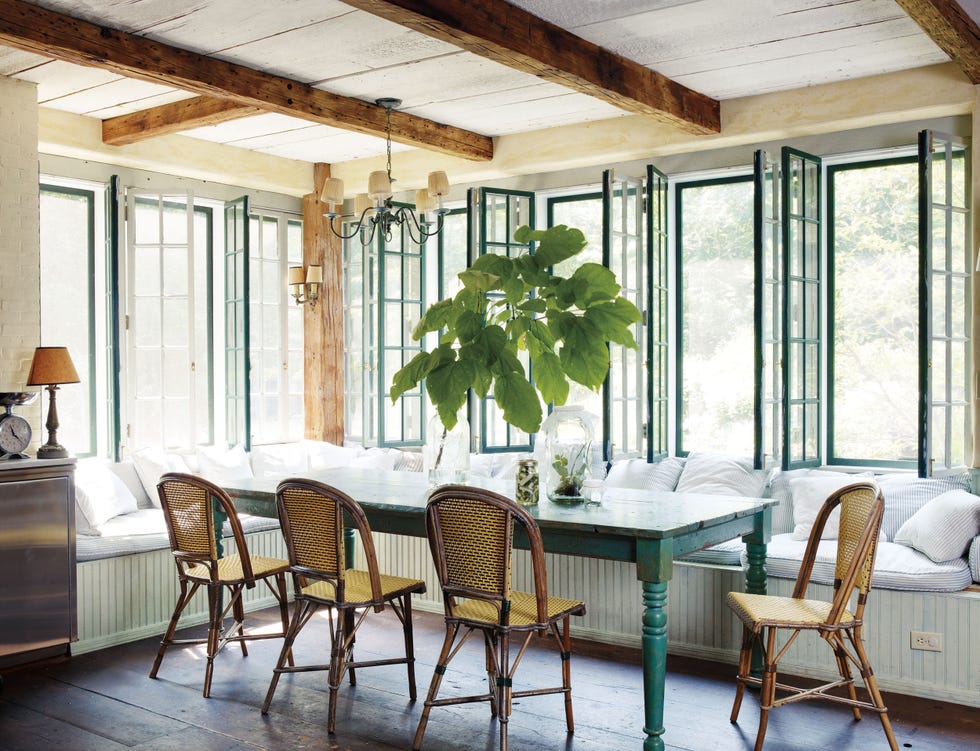
Maggie Beer's Barossa Valley garden serves as both a personal sanctuary and a vital source for her renowned culinary work. Despite a demanding schedule that includes filming, writing, and managing a successful food business, Maggie prioritizes the tranquility and productivity of her garden, viewing it as a space for quiet reflection and a consistent supply of fresh produce. Her 8-hectare property, centered around a 1861 farmhouse, has been her home for two decades, with various outbuildings repurposed and a modern extension added to accommodate her piano.
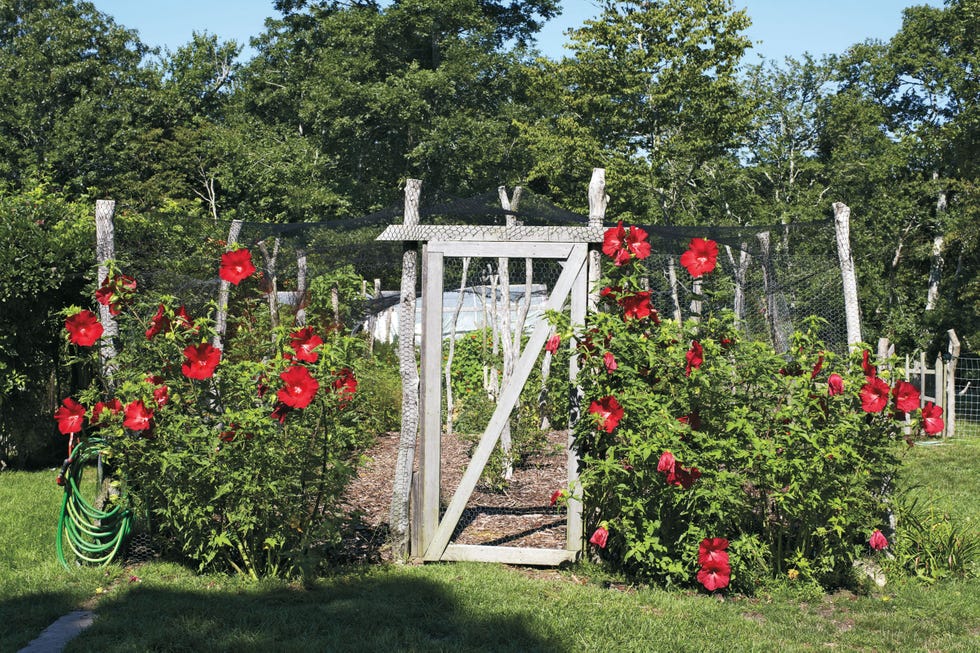
The garden itself is structured into distinct 'rooms' that seamlessly blend aesthetics with functionality. Immediately outside the shaded verandahs, raised garden beds near the kitchen cultivate a variety of herbs and vegetables. Beyond this, the property features an orchard, an olive grove, and flowerbeds that infuse the space with color and fragrance. Sections of this garden have been featured in her cooking show, 'The Cook and The Chef,' making it familiar to many.
Having grown up in an urban setting, Maggie's passion for gardening stems from her family. She finds immense joy in harvesting fresh greens for dinner, particularly benefiting from South Australia's Mediterranean climate which supports a wide array of productive plants. With the exception of native gums and an old peppercorn tree, every tree on her property is fruit-bearing, including pomegranates, macadamias, walnuts, mulberries, chestnuts, persimmons, and figs. She also cultivates varieties that are difficult to find commercially or do not transport well, such as white peaches, nectarines, damson, greengage, and medlar, emphasizing the importance of consuming them directly from the tree.
The garden has faced challenges, particularly recent drought conditions in southern Australia. Maggie's primary focus has been on sustaining the kitchen and vegetable gardens. While the property has access to town water, its use for the garden is restricted. A 50,000-liter water tank, replenished by rainwater runoff from the extensive roof space, prioritizes water supply for the shiraz grapes and olive trees. Despite these efforts, some plants like young asparagus struggled to survive, though resilient species such as artichokes and cardoons flourished. Following the dry spell, Maggie is actively replanting, focusing on species that demonstrated hardiness.
Maggie has observed the resilience of roses during the drought, leading her to significantly expand her rose collection by adding 60 new plants. Her preference for bright, bold colors is reflected in her choice of rose varieties, particularly the striped Delbard series, which offers a vibrant mix of hot pink, orange, gold, copper, and ochre hues. 'Sally Holmes,' a shrub rose with clusters of white flowers and gold stamens, is another favored variety she recommends for any garden. Other drought-tolerant plants thriving in her garden include lavender, agapanthus, bulbs, and various South African species.
Beyond the botanical elements, Maggie's garden is adorned with unique treasures, including a collection of sculptures made from driftwood sourced from Kangaroo Island. These birdhouses, crafted by Mrs. Leonhardt, the mother of one of Maggie’s original employees, hold sentimental value. Currently resting on a granite slab used for pizza dough preparation for the wood oven, they are destined for permanent display on a wall, adding a personal and artistic touch to the outdoor space. The garden features a wood-fired oven, enhancing its functionality as an extension of her culinary world.
#MaggieBeer #KitchenGarden #BarossaValley #ProductivePlants #DroughtResistantPlants #GardenDesign #HomeGarden #SustainableGardening #MaggieBeer #KitchenGarden #BarossaValley #ProductivePlants #DroughtResistantPlants #GardenDesign #HomeGarden #SustainableGardening
0 comment in total
 No comments yet
You may also like

Tour Bec Judd's kitchen, butler's pantry and dining room in her Melbourne mansion

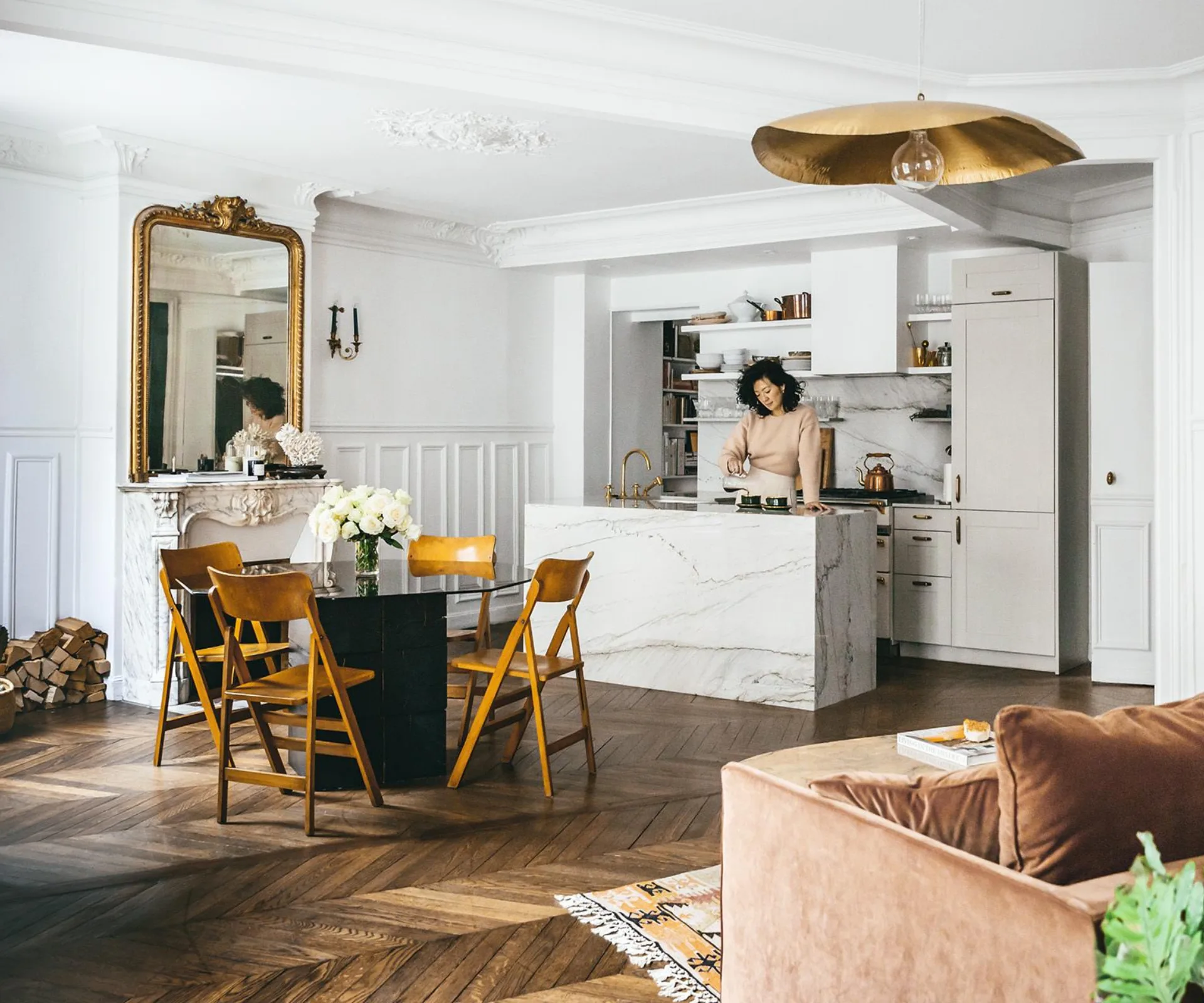
Tour 7 chefs’ kitchens that are enviably chic and impeccably unique

Restoring Breuer's House in Garden


See Inside Martha Stewart’s Farmhouse Kitchen Before Her Big Return to TV
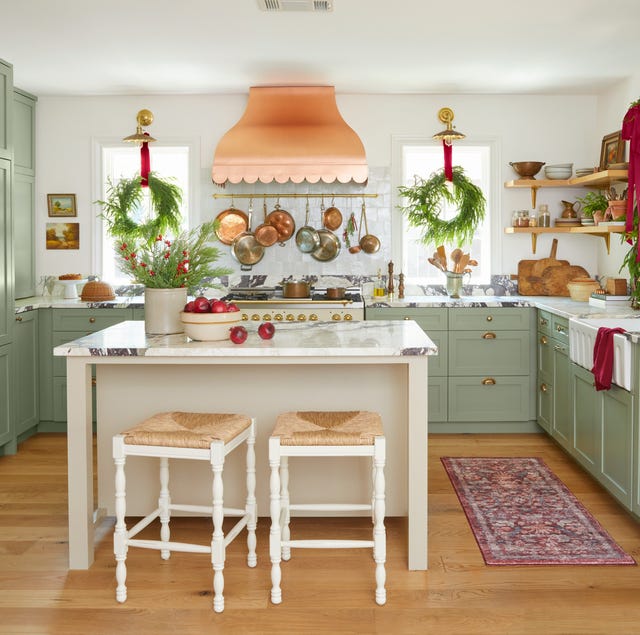
Step Inside the Cheeriest Kitchen Ever

See Inside Martha Stewart’s Farmhouse Kitchen Before Her Big Return to TV
Birch & Barley Chefs Outfit Their Dream Kitchen
Chef’s corner

A Walnut- and Cedar-Filled Kitchen on Martha’s Vineyard

A Gathering Place Kitchen Tour
5 Things Interior Designers Always Include in Eat-in Kitchens to Help Hide the Mess When Hosting


Home Kitchens Fit for Celebrity Chefs

Meg Ryan's kitchen is a masterclass in farmhouse style

From the Archive: Tour Star Restaurateur Keith McNally’s Charming Martha’s Vineyard Farm

Backyard Makeover Reveal and Tour
Come to This 1810 Farmhouse for the Ochre Kitchen, Stay for the Pro Pattern Mixing

Tour this charming Cotswolds country kitchen remodel
See Inside the Splendid Home Kitchens of Three Southern Food Pros
Be inspired by this freestanding country kitchen

I didn’t expect Teri Hatcher’s farmhouse kitchen to feature this bold forest green – but seeing it in person convinced me it’s the perfect design choice