Billiards Concepts Plied To Position Acoustic Panels
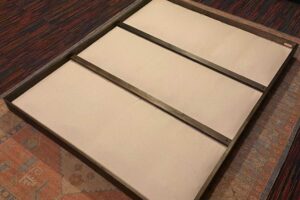
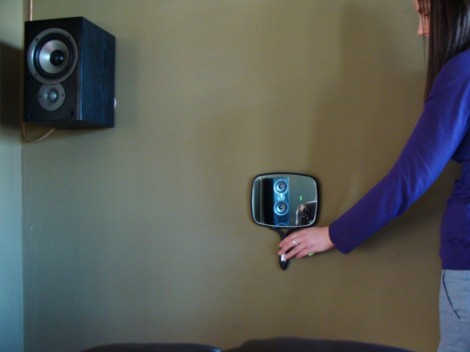
This article explores a practical method for optimally positioning acoustic panels in a home theater or listening room, drawing an analogy to the strategic shots in billiards. The core issue addressed is unwanted sound reflections that can degrade audio quality. The author references a companion guide on building DIY acoustic tiles, emphasizing their simple construction using a wood frame, dense fiberglass, and fabric. The main technique involves using a mirror to identify primary reflection points on walls, the ceiling, and the floor.
To implement this technique, individuals need to ensure their speakers and seating are in their final positions. Then, with a friend's assistance, a mirror is placed flat against each surface (walls, ceiling, floor). From the listening position, the user identifies and marks any spots on the mirror where a reflection of one of the speakers is visible. These marked locations represent the first-order reflection points, which are crucial because these reflections carry the most energy and contribute significantly to sound degradation. For a 5.1 surround sound system with five speakers and six surfaces, this process can identify up to 30 potential reflection points.
The article suggests that while addressing all 30 points would yield the best results, focusing on the front reflection points can still provide a significant improvement. The concept highlights that high-frequency sound waves behave similarly to light, reflecting off surfaces. By placing acoustic panels at these identified reflection points, the aim is to absorb these first-order reflections, thereby reducing echoes, improving sound clarity, and enhancing channel separation, particularly for the main left and right front speakers.
Several commentators engage with the article, discussing the scientific basis of sound reflection and the effectiveness of the mirror method. Some confirm that high frequencies are indeed directional and reflect much like light, making this method effective for those frequencies. Others point out that sound propagates in all directions and that while the mirror method addresses primary reflections, room modes and low-frequency issues might require additional treatments like bass traps. There's also a discussion about the materials used in acoustic panels, with clarification that the suggested fiberglass is non-flammable and that proper thickness is essential for balanced frequency absorption. The consensus among supportive commenters is that this mirror technique, while perhaps not comprehensive for all acoustic issues, is a highly practical, accurate, and efficient way to significantly improve perceived sound quality by tackling the most impactful reflections.
#AcousticPanels #HomeTheater #Soundproofing #DIYAudio #SoundReflection #HomeImprovement #AudioHacks #RoomAcoustics #AcousticPanels #HomeTheater #Soundproofing #DIYAudio #SoundReflection #HomeImprovement #AudioHacks #RoomAcoustics
0 comment in total
 No comments yet
You may also like
Sound Off, Color On: 4 Creative Ways to Integrate Colorful Acoustic Panels in Interiors


Renting a recording studio space: Part 2 – Planning the room and some DIY design
Woven Image launches acoustic panels informed by art deco and Japonisme styles
Valentino’s L’Atelier Sonore and the Art of the Listening Room
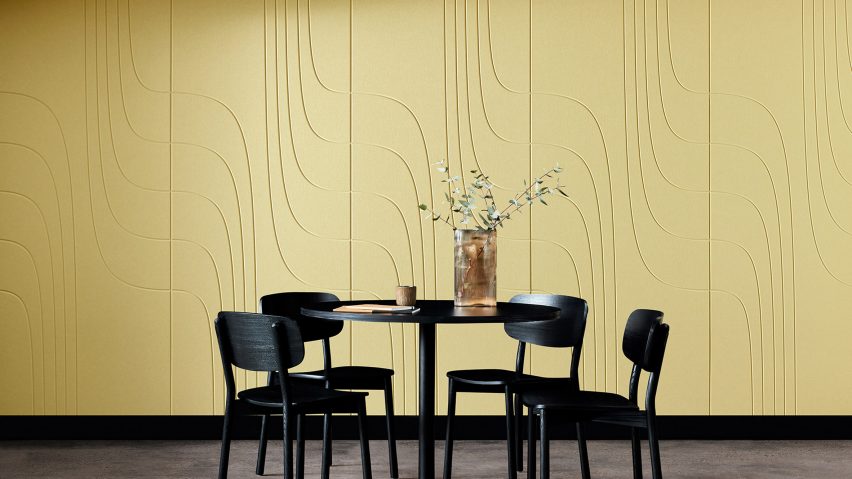
EchoPanel acoustic panels by Woven Image
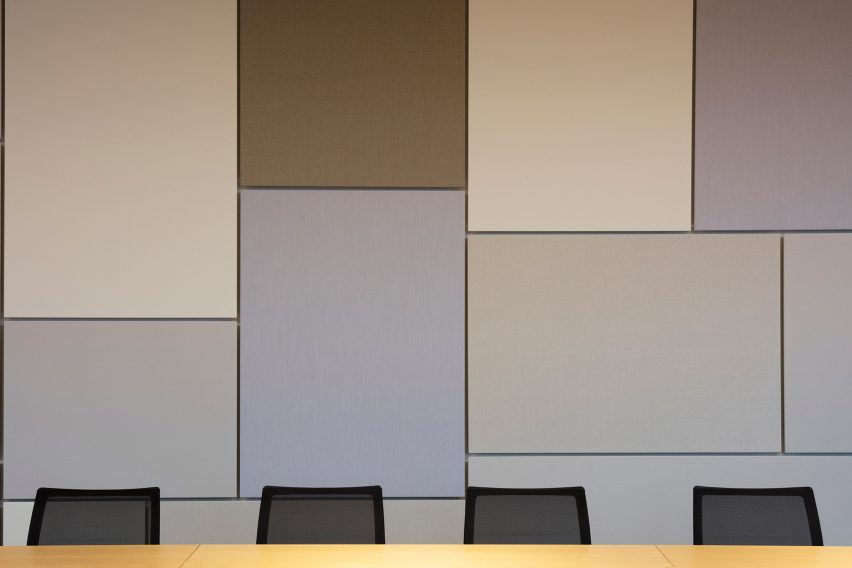
Kvadrat's handmade acoustic panels bring "softness" to minimalist spaces
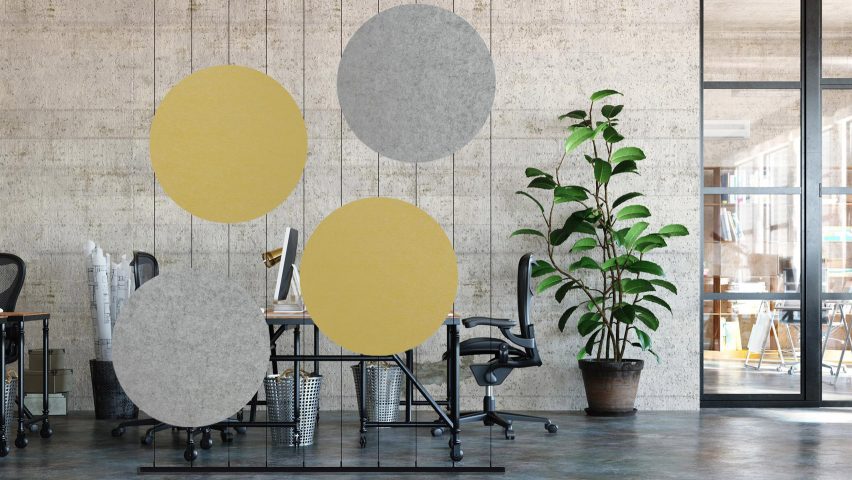
Helios acoustic room divider by Jeffrey Ibañez for Impact Acoustic

These Are the Best Pool Tables for Your Game Room—Even If It's In Your Apartment

An Algorithm Transforms Images Into Sound-Absorbing Wall Art

Multiple wall panels from Decor Systems support hands-on learning, collaboration, and student wellbeing
New design patterns Soundproof Acoustic Panels for Interior Wall Decor Paneling

Autex Acoustics releases acoustic products that blend into a variety of interiors

alain gilles redesigns sound absorbing movable room partitions for buzzispace
Crease: A Range of Modular Acoustic Ceiling Tiles by Turf Design and MNML
Six acoustic products that control noise levels in busy interiors
Cellulose Panels - CFAB™ from Acoustical Surfaces
Beetle-Inspired Acoustic Panels by MUT Design for Sancal

BAUX’s latest fully recyclable acoustic panels and tiles invigorate the indoors with soothing vibrancy

Music room ideas – 10 ways to enhance musical creativity at home

Auralex HD Cinema Series Panels Preview