1/7
What You Need to Know About Watering Houseplants — The Rules for a Healthy Indoor Garden
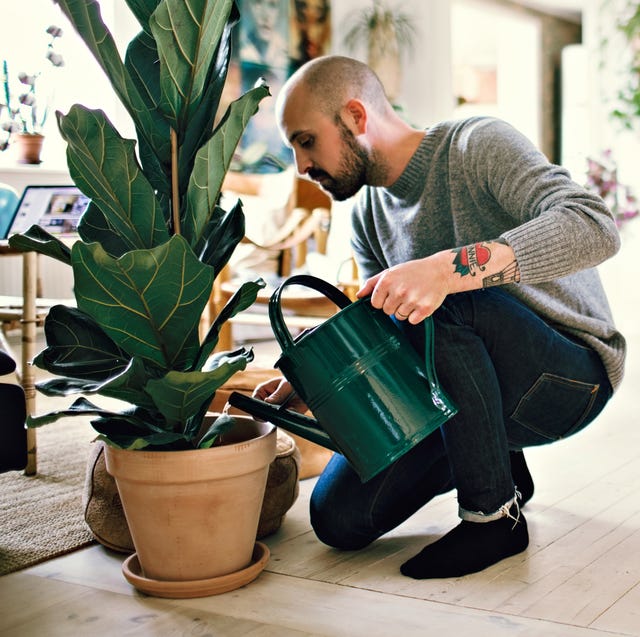
Maintaining a thriving indoor garden is a rewarding endeavor, yet proper watering of houseplants often presents a significant challenge. Both overwatering and underwatering can lead to detrimental effects, causing plants to wilt, brown, or even die. The key to successful houseplant care lies in understanding and implementing effective watering techniques, despite the varied needs of different plant species. While each houseplant has unique requirements, a foundational approach to watering can simplify the process and ensure plant health.
The most effective watering method, often termed "drench and drain," involves watering the plant until water begins to exit the bottom of the pot. This technique is crucial as it ensures that the entire root ball receives adequate moisture and that air is drawn into the roots as the water drains. It is important to water evenly around the pot and to avoid leaving the plant sitting in water for extended periods, as this can lead to root rot. Even cacti and succulents benefit from this thorough watering method, albeit with less frequency.
The frequency of watering is highly dependent on the specific plant type. Succulents, for instance, can tolerate longer periods between waterings compared to thirstier plants like peace lilies or ferns. Instead of adhering to a rigid watering schedule, it is advisable to regularly check the soil moisture. A good practice involves inserting a finger into the potting medium; if the soil feels dry up to the first or second knuckle, the plant likely needs water. Another indicator is the weight of the pot; a significantly lighter pot suggests it's time for watering. Alternatively, a soil moisture meter can provide a precise reading of the soil's wetness or dryness.
Overwatering is a common issue that can be more damaging than underwatering. Signs of an overwatered plant include constantly wet potting mix, wilting despite adequate water, and yellowing leaves. Wilting occurs because waterlogged roots struggle to breathe and absorb sufficient moisture for the leaves. As overwatering progresses, leaves and stems may become soft and mushy, and roots can turn discolored and soft. Identifying these symptoms early is critical for plant recovery.
Regarding the water source, most plants are not overly particular. While collected rainwater is often ideal, tap water is generally acceptable for houseplants. The amount of chlorine in tap water is typically not enough to harm plants. However, if a plant exhibits signs of fluoride damage, which can occur in some municipalities with high fluoride levels, diluting tap water with rainwater, filtered water, or distilled water can mitigate the issue.
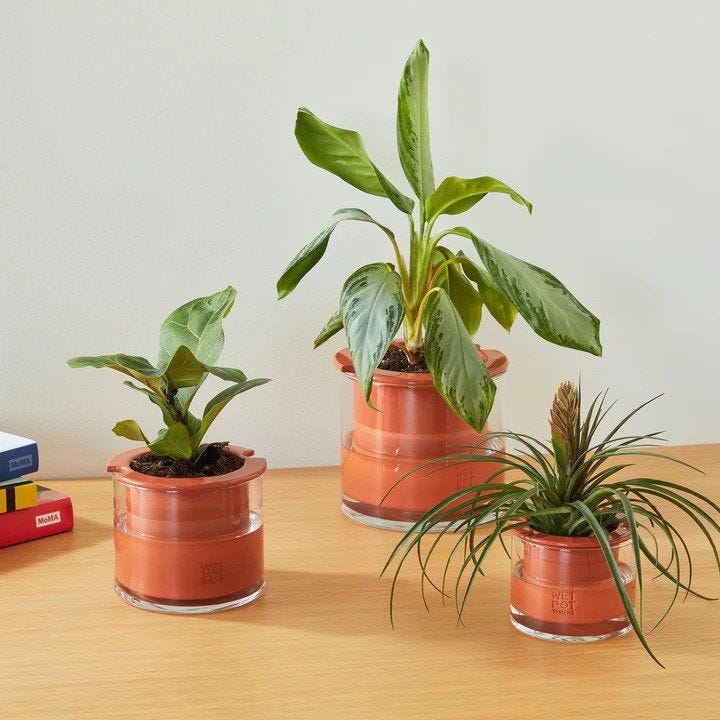
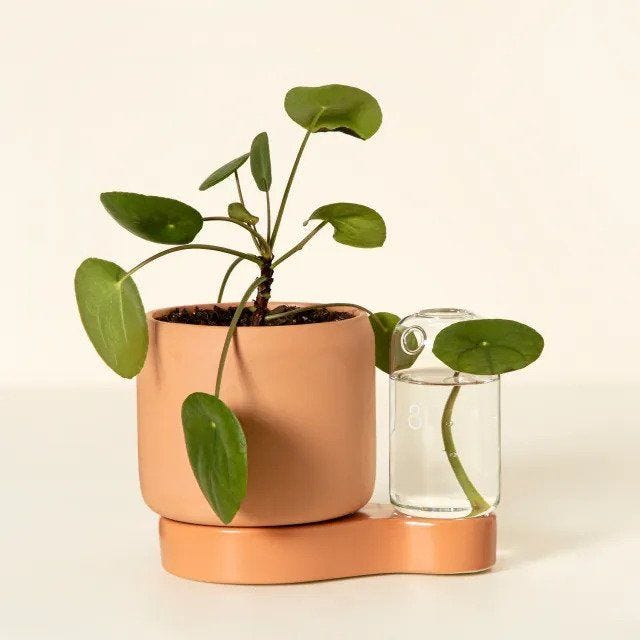
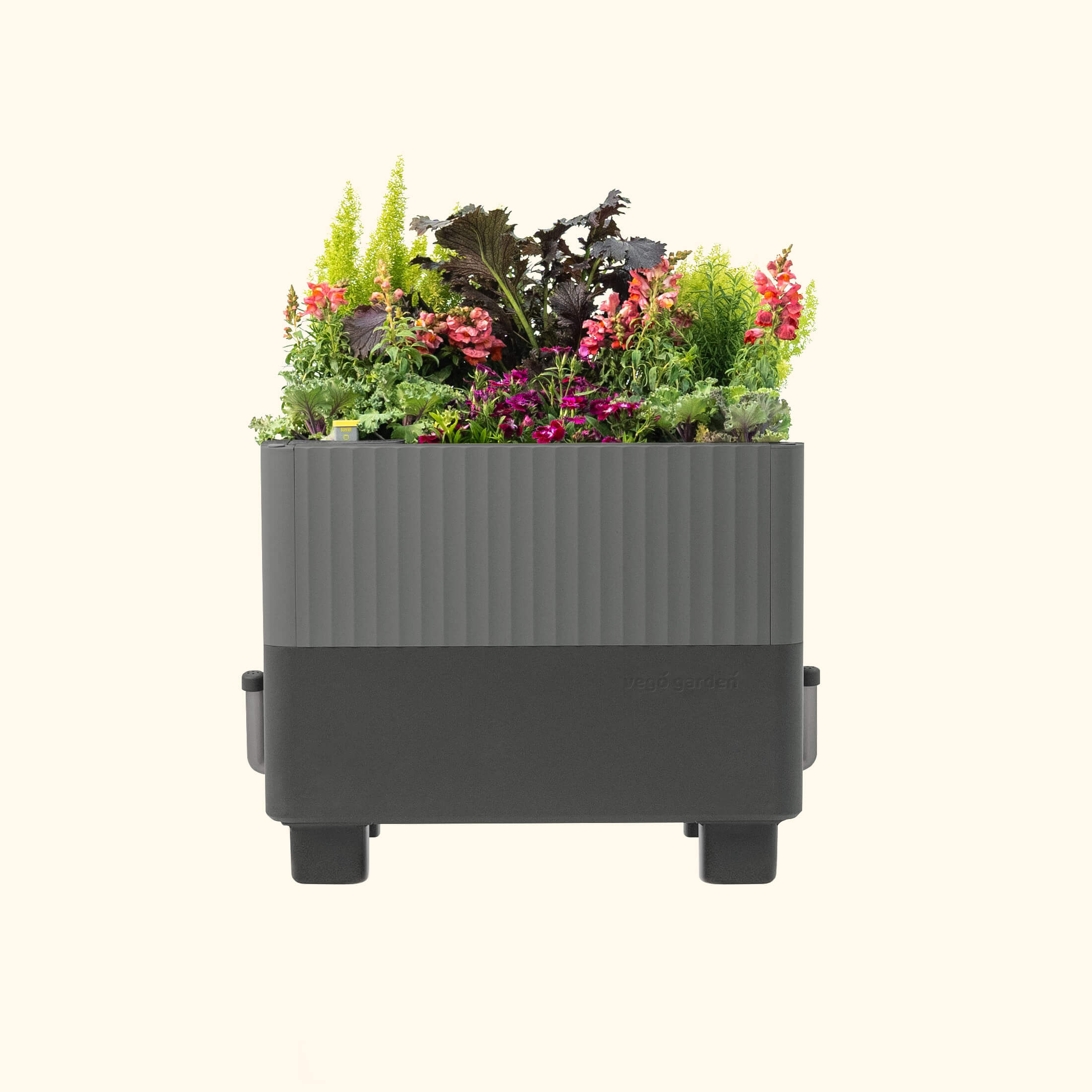
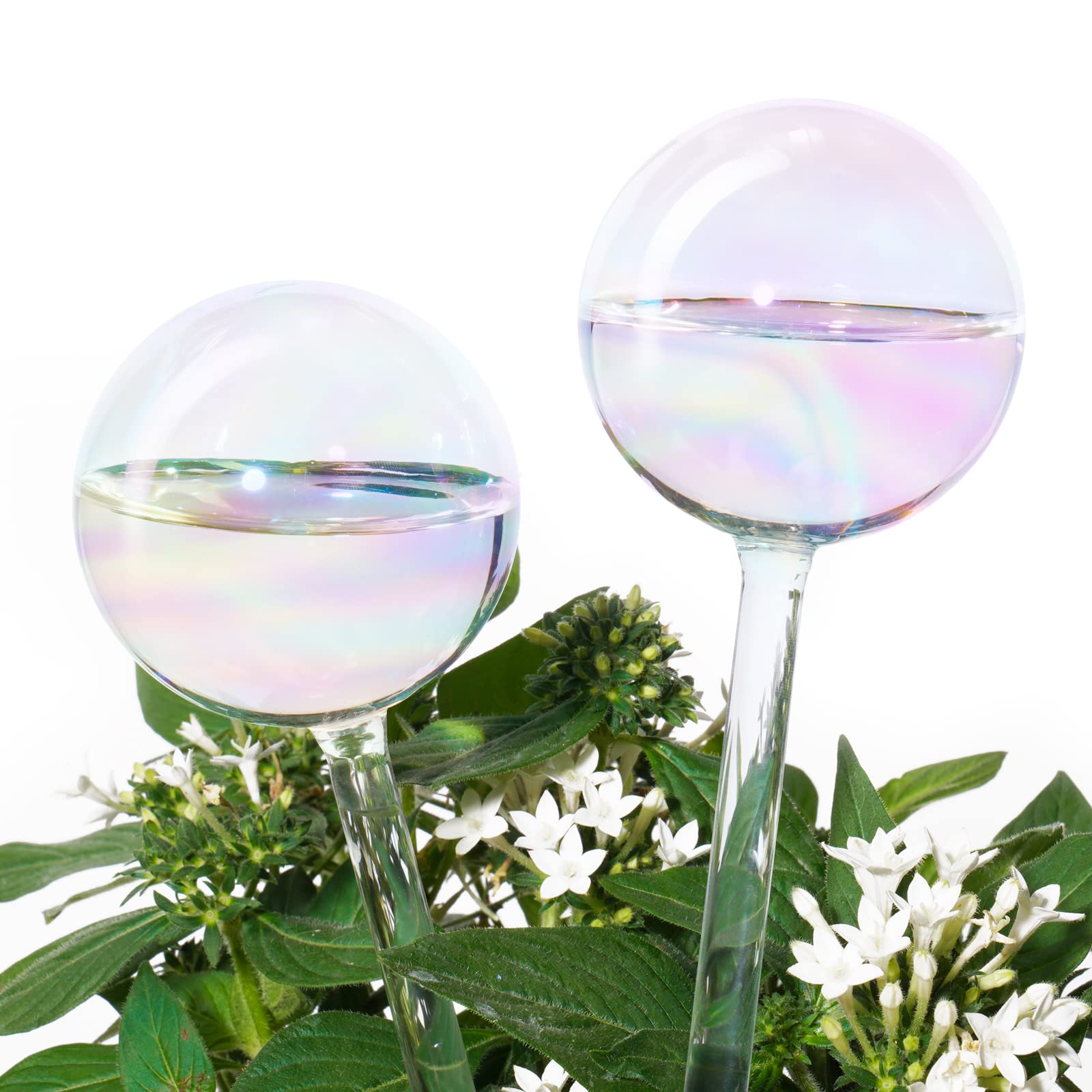
Two specialized watering methods are bottom watering and self-watering pots. Bottom watering involves placing water in a saucer beneath the pot, allowing the plant to absorb moisture from the bottom up. This method is particularly useful for plants with delicate leaves or flowers. However, it requires occasional top-watering to flush out excess fertilizer salts. Self-watering pots, which consist of a reservoir that gradually supplies water to the plant, are convenient for busy individuals or those frequently away. These pots vary in design but typically ensure a consistent moisture level for the plant, though they still require periodic refilling.
#HouseplantCare #IndoorGardening #PlantWatering #PlantHealth #OverwateringSigns #SoilMoisture #BottomWatering #SelfWateringPots #PlantCareTips #HouseplantCare #IndoorGardening #PlantWatering #PlantHealth #OverwateringSigns #SoilMoisture #BottomWatering #SelfWateringPots #PlantCareTips
0 comment in total
 No comments yet
You may also like
'Too hot or cold and you risk damaging the plant' – this is the ideal watering temperature for healthy houseplants
8 books every indoor plant lover should own

12 Best Indoor Herb Gardens, Tested and Reviewed

12 Hacks to Make Growing Your Own Herbs a Breeze
These 33 Houseplants Are Easy to Grow in Water
Attn: These Self-Watering Planters Will Turn You Into a Responsible Plant Mom
We Found the Perfect Planters for Monsteras, Snake Plants, and Every Other Plant in Your Home

How to protect houseplants from central heating – to keep them thriving indoors throughout the colder months

What can you grow in a hydroponic garden? Experts explain how to use them for lush indoor planting
Cornerstone Homebuyers Expands "Sell Water Damaged House" Service Throughout Florida
The 14 Best Self-Watering Planters for Even the Most Forgetful Plant Parents
How to make cut flowers last longer – 7 expert tips for getting the most out of your bouquet

14 Houseplants That Can Grow in Water—No Soil Needed

5 Genius Tricks for Slow Watering Your Houseplants, so You Can Go on Holiday Without Worrying About Your Indoor Garden
36 best indoor plants that will liven up any room
These 8 Watering Cans Will Transform Your Blooms
You Should Plant Night Sky Flowers in Your Yard ASAP

These Indoor Herb Gardens Will Help You Save Space and Time in the Kitchen

Smudge Your Greenery, and More Indoor Plant Advice We Shouldn’t Be Giving Away for Free

7 Indoor Garden Ideas To Elevate Your Home