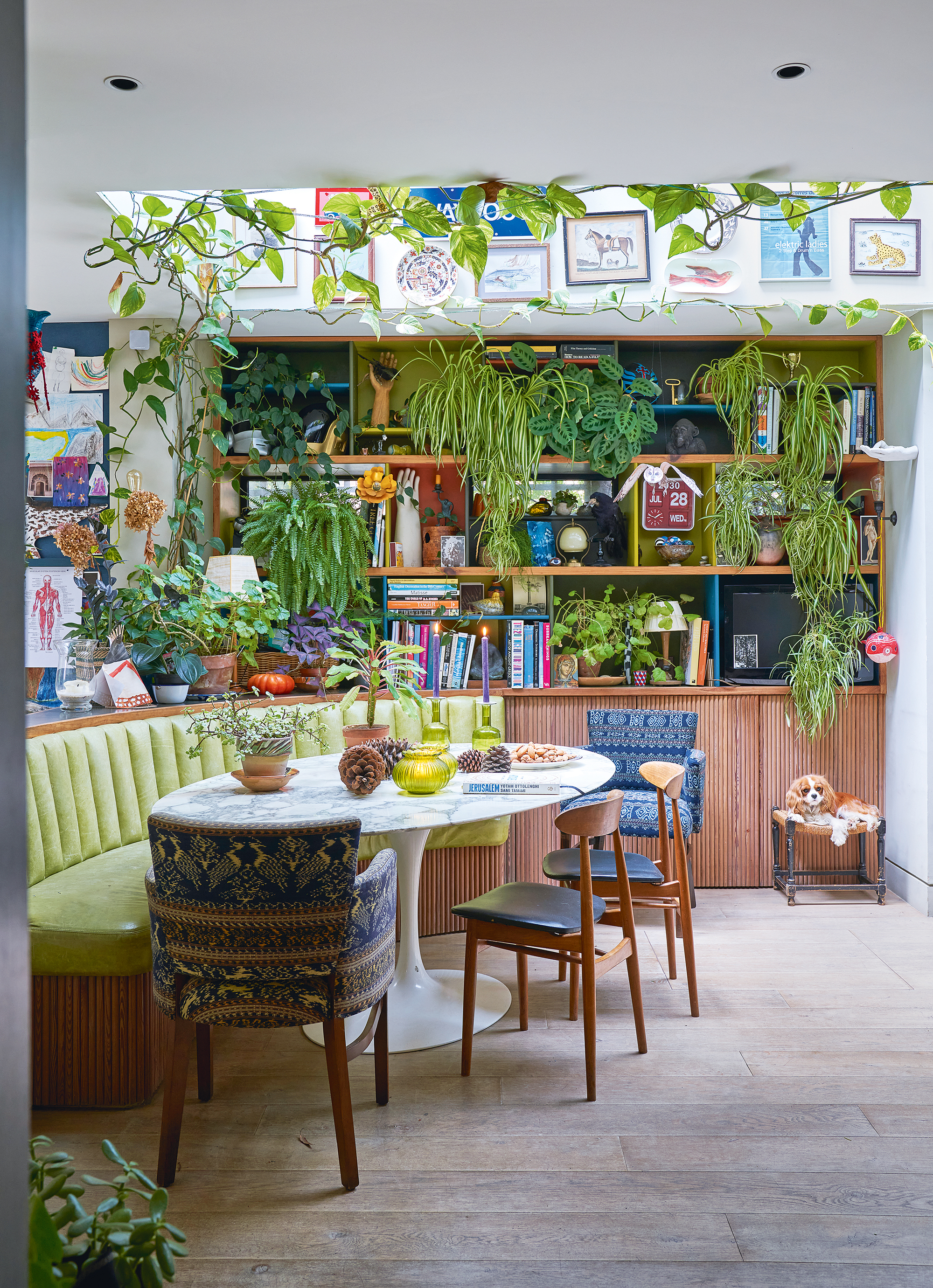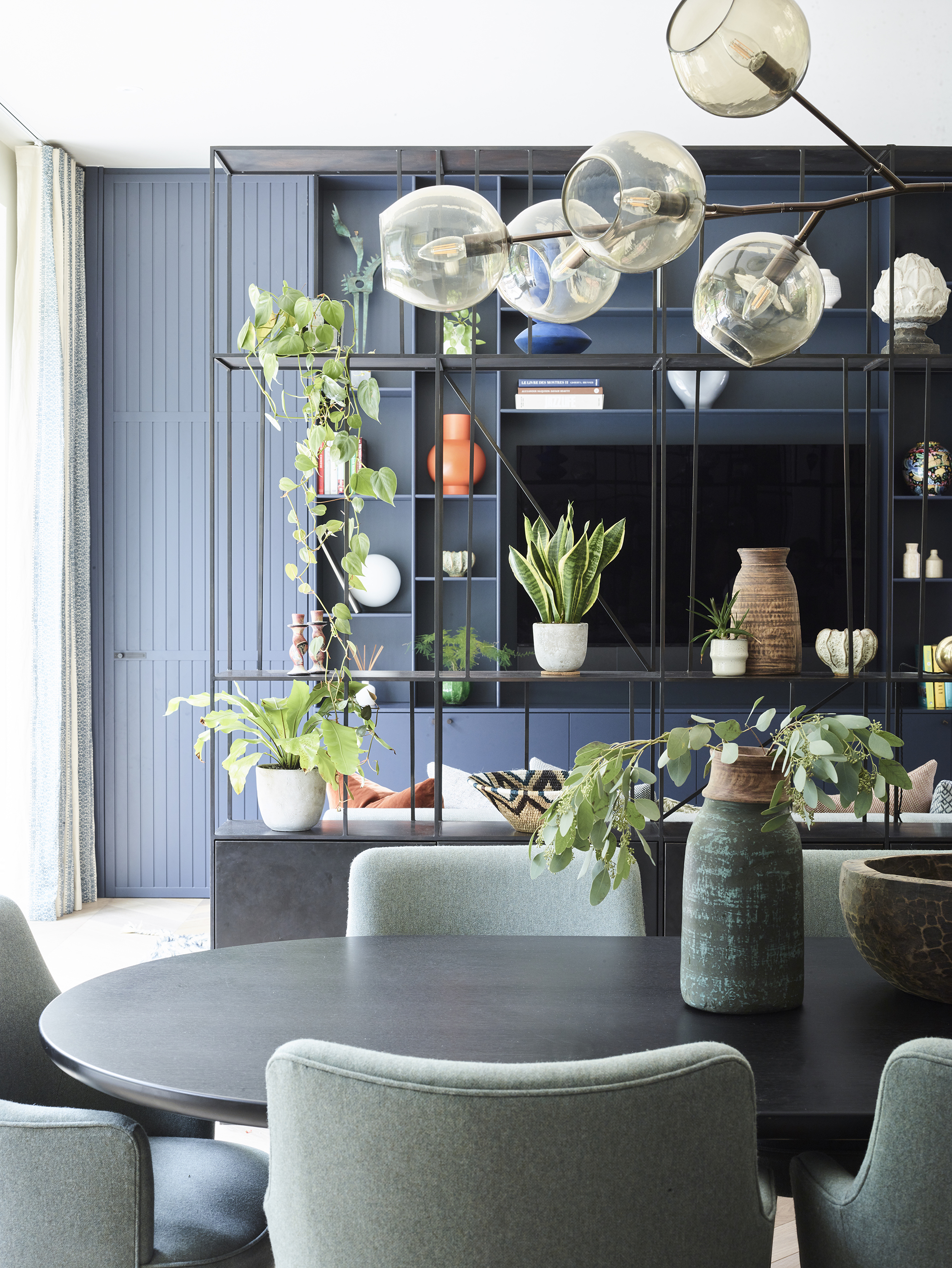
1/11
10 indoor vegetable garden ideas - design experts on how to create decor that looks good enough to eat
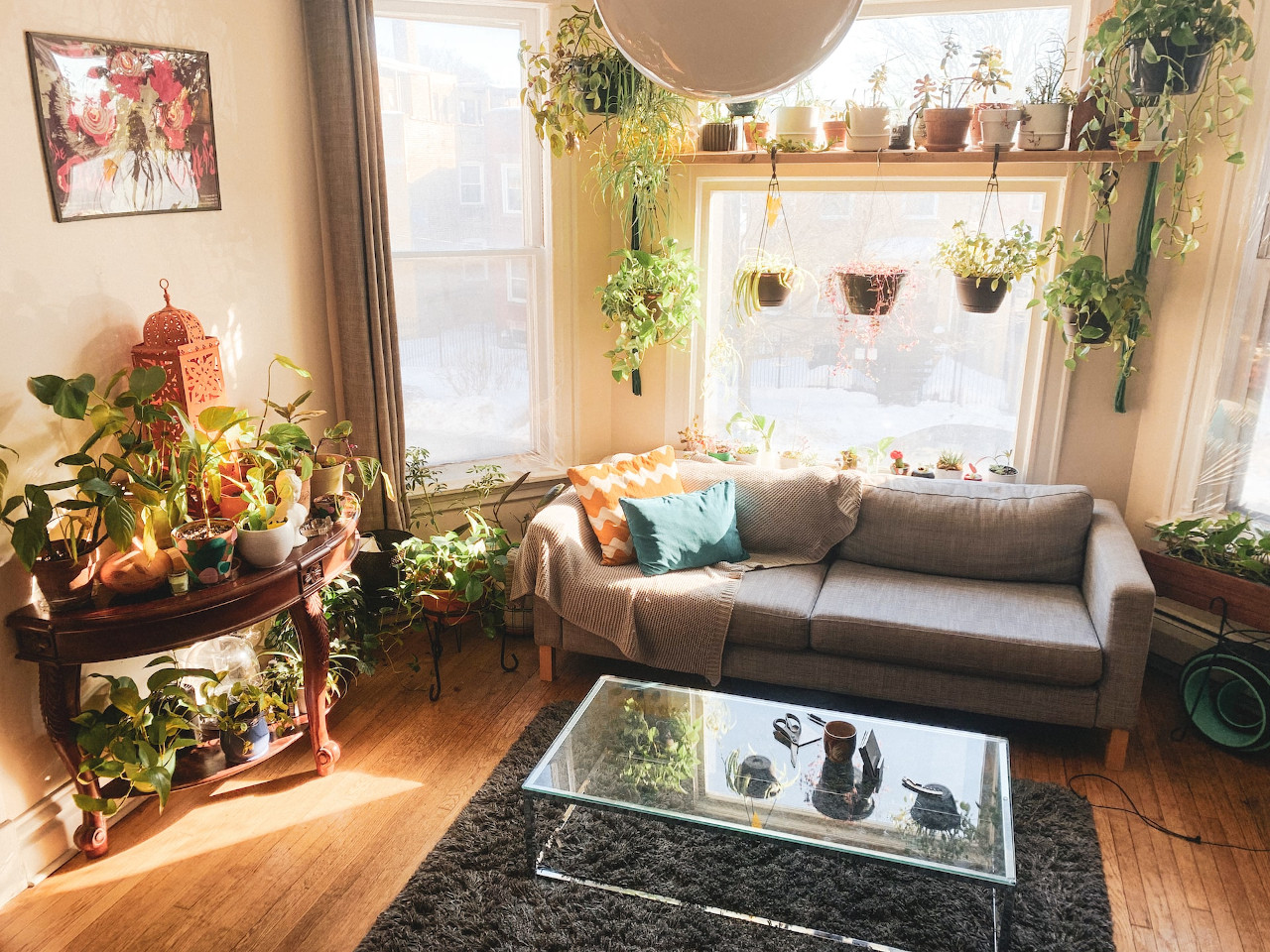
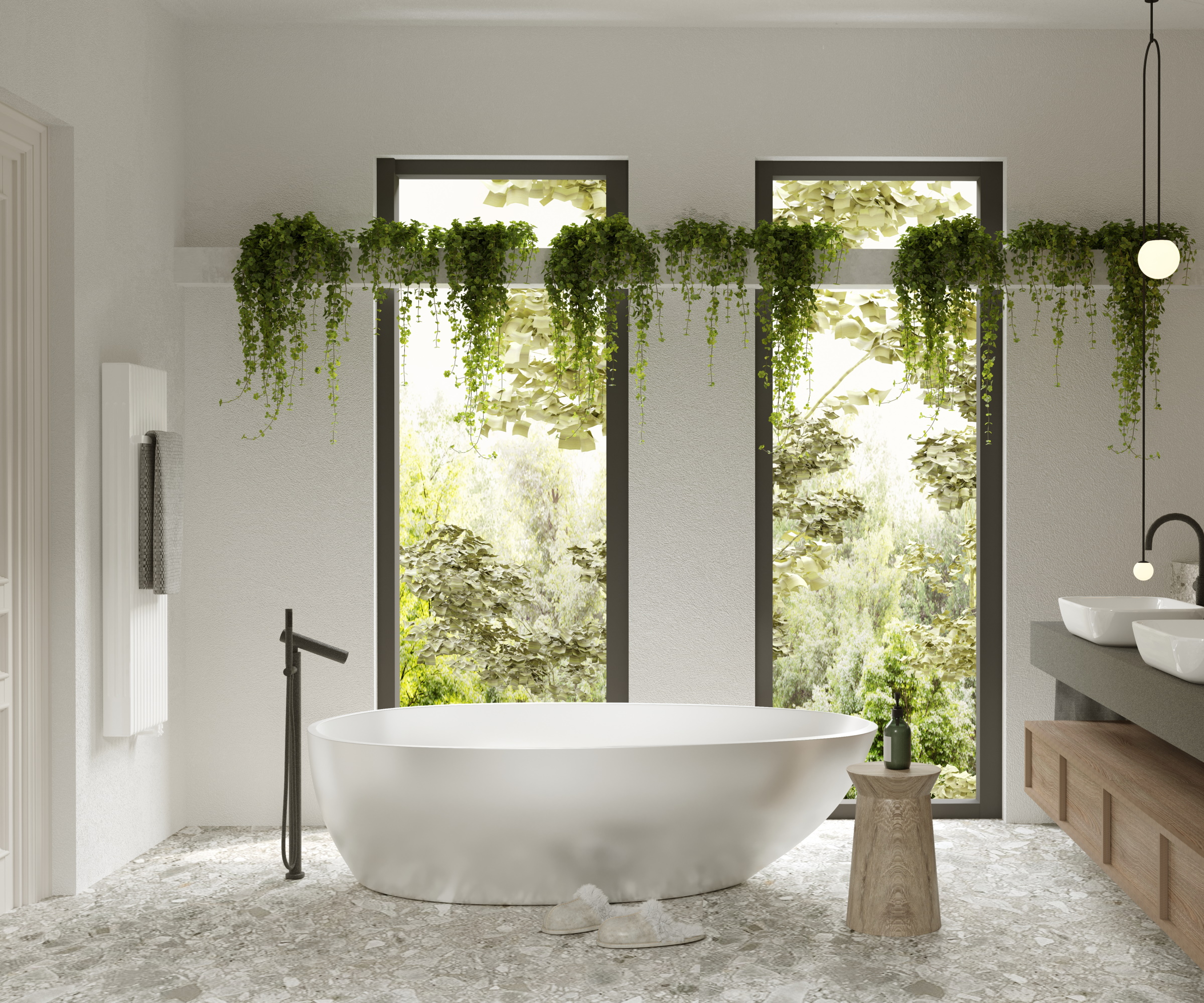
Growing vegetables indoors offers a fresh and healthy food source, even without outdoor space, and these ideas focus on integrating an indoor garden aesthetically into home interiors. Planning is crucial for successful indoor growing, considering factors such as space, lighting, and appropriate containers. Garden expert Elizabeth Millard emphasizes that containers should be safe for edible plants, visually appealing, easy to water, and allow for proper drainage without wasting soil, ensuring enough room for root growth, typically within the top 6 inches of soil. She advises choosing containers that are not only practical but also complement the home's design aesthetic.
Various methods are presented for cultivating indoor vegetable gardens. Vertical grid systems are ideal for heat-loving plants like chilies and herbs, conserving space while providing visual interest. Terracotta pots are recommended for their heat retention and aesthetic appeal, though proper drainage and placement are important to prevent root burn. For micro-greens, shallow ceramic bowls offer a stylish alternative to plastic trays, as their minimal root system allows them to thrive in such dishes, making them suitable for display on kitchen counters. Combining different types of lettuce in a mix of white ceramic planters creates an appealing display, with designers suggesting grouping planters of the same color or material to match various design styles, from rustic to minimalist.
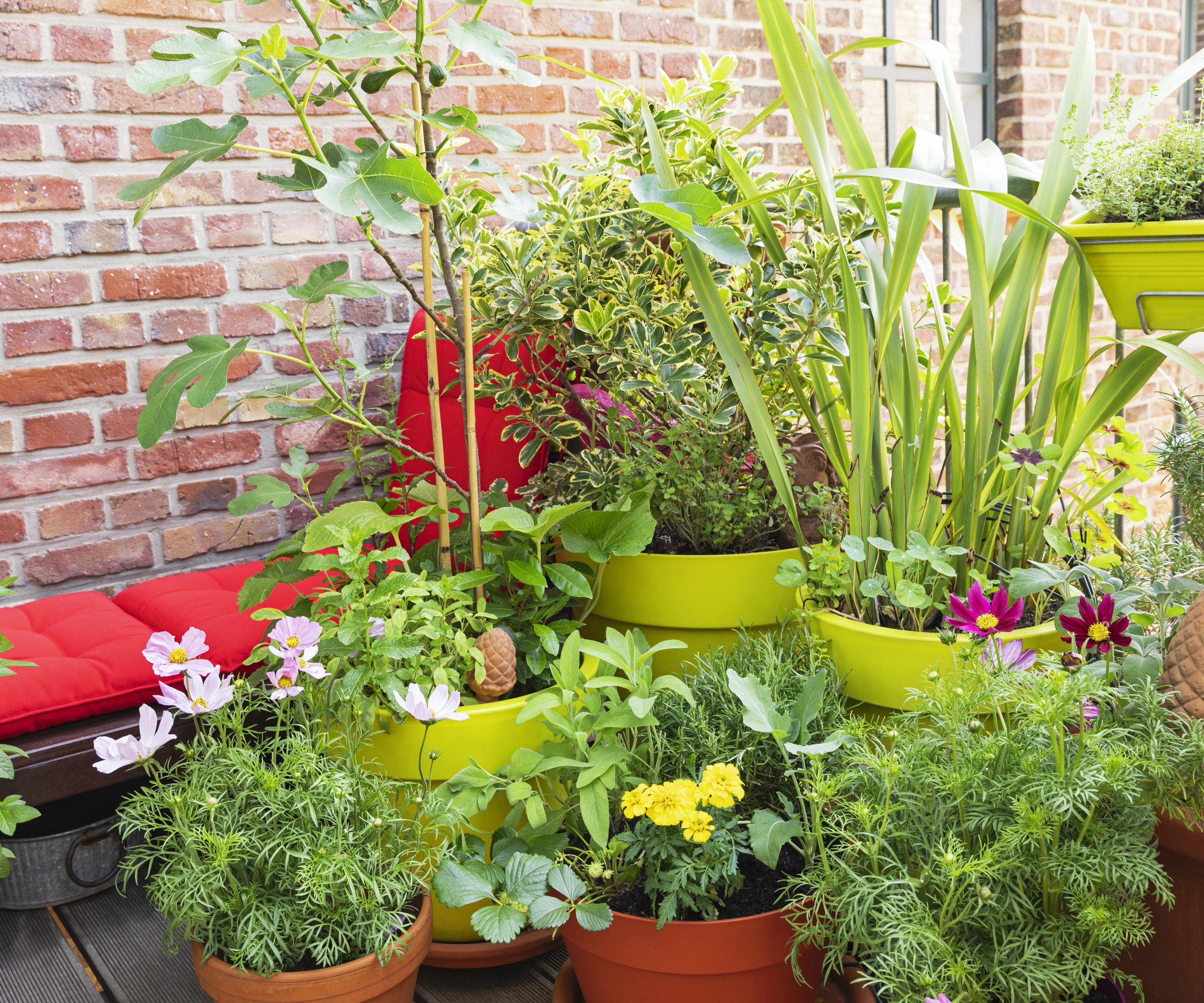
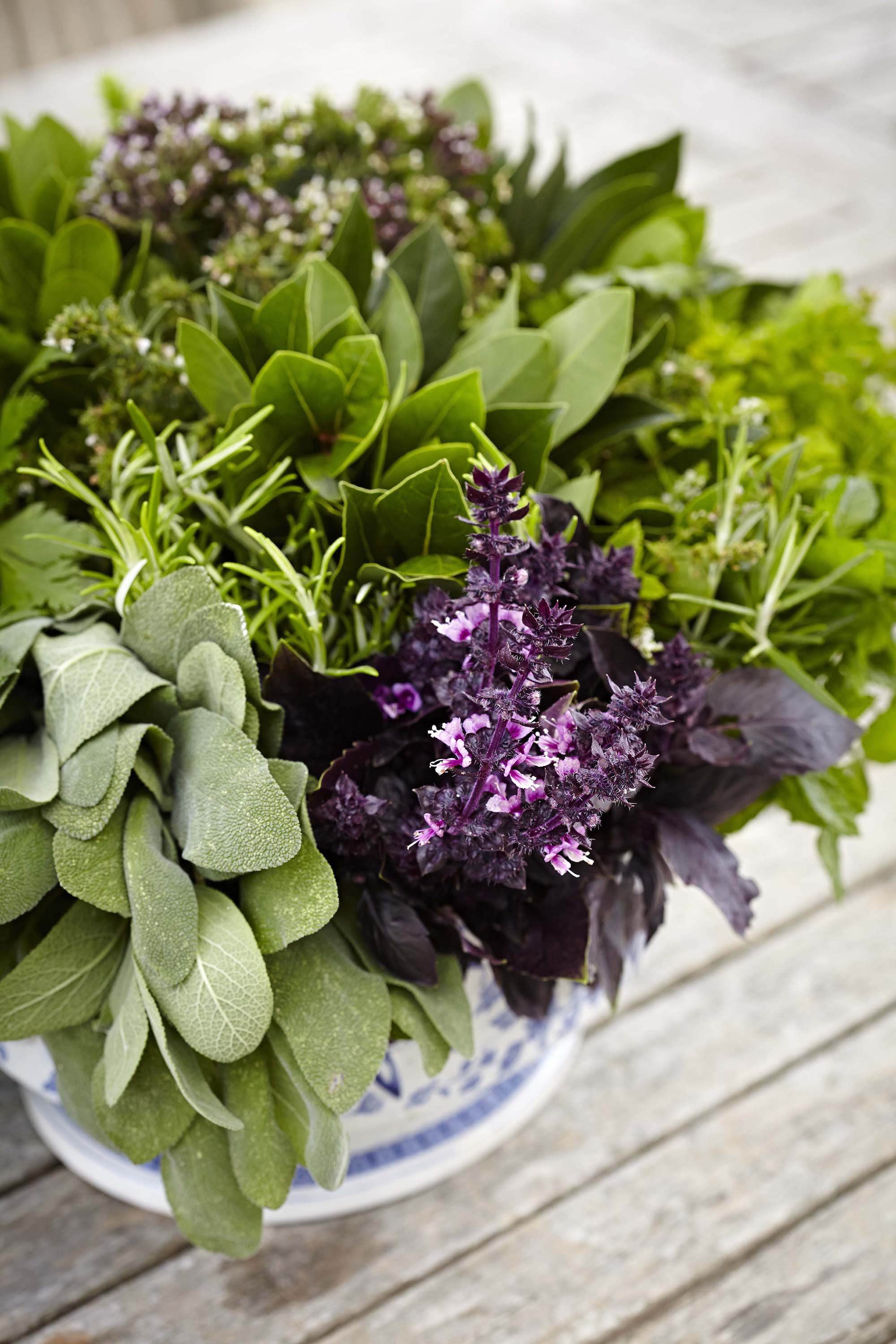
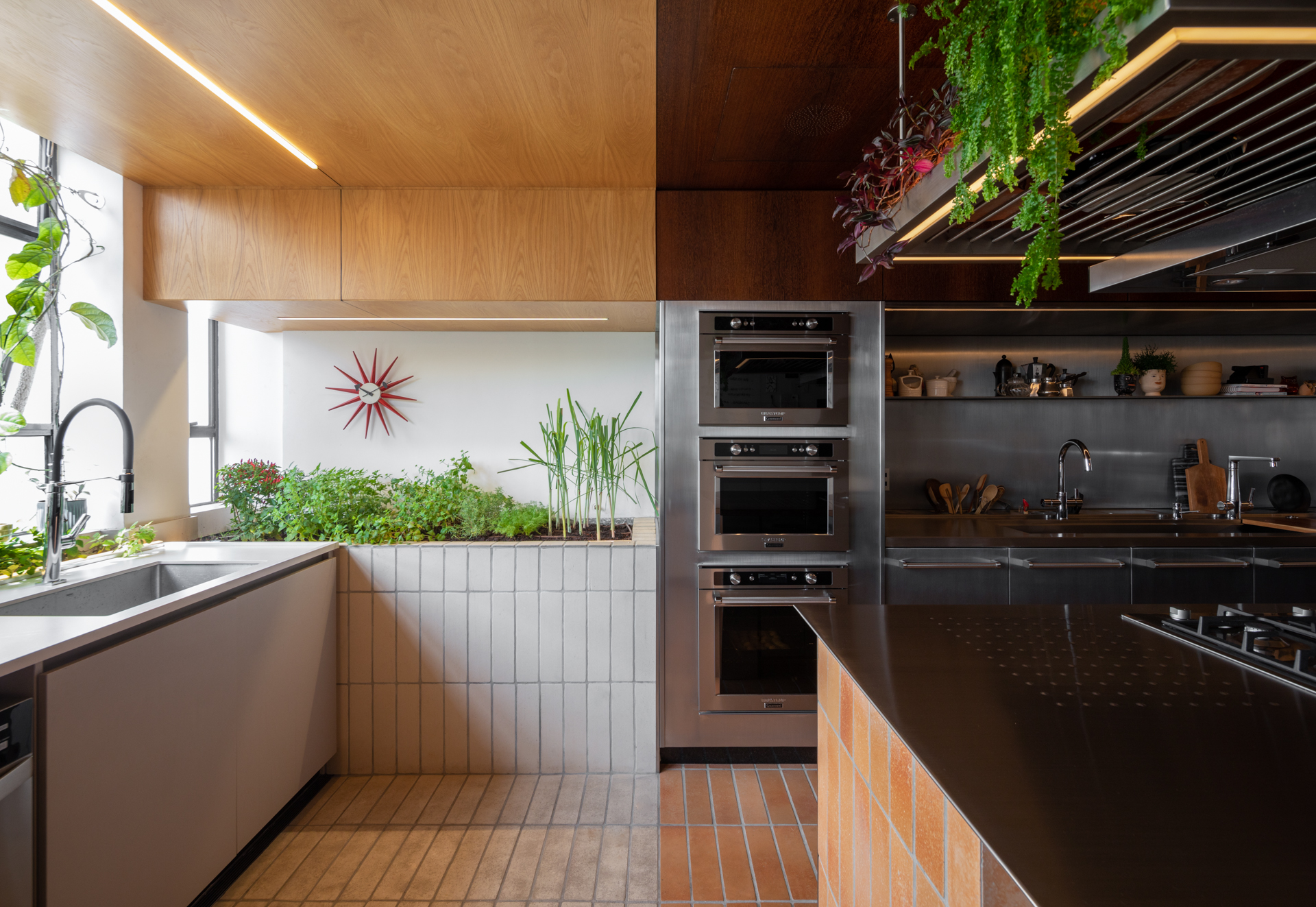
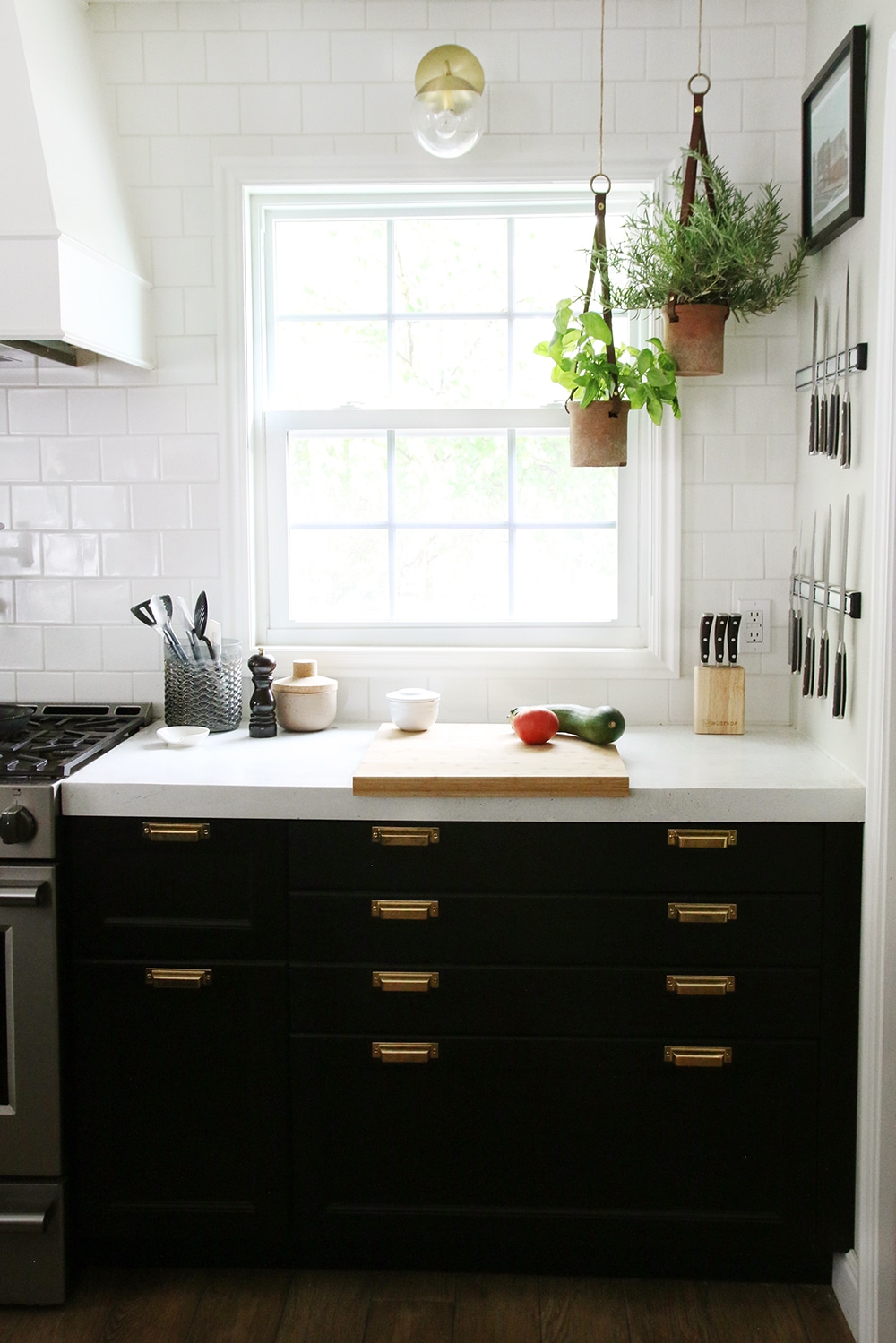
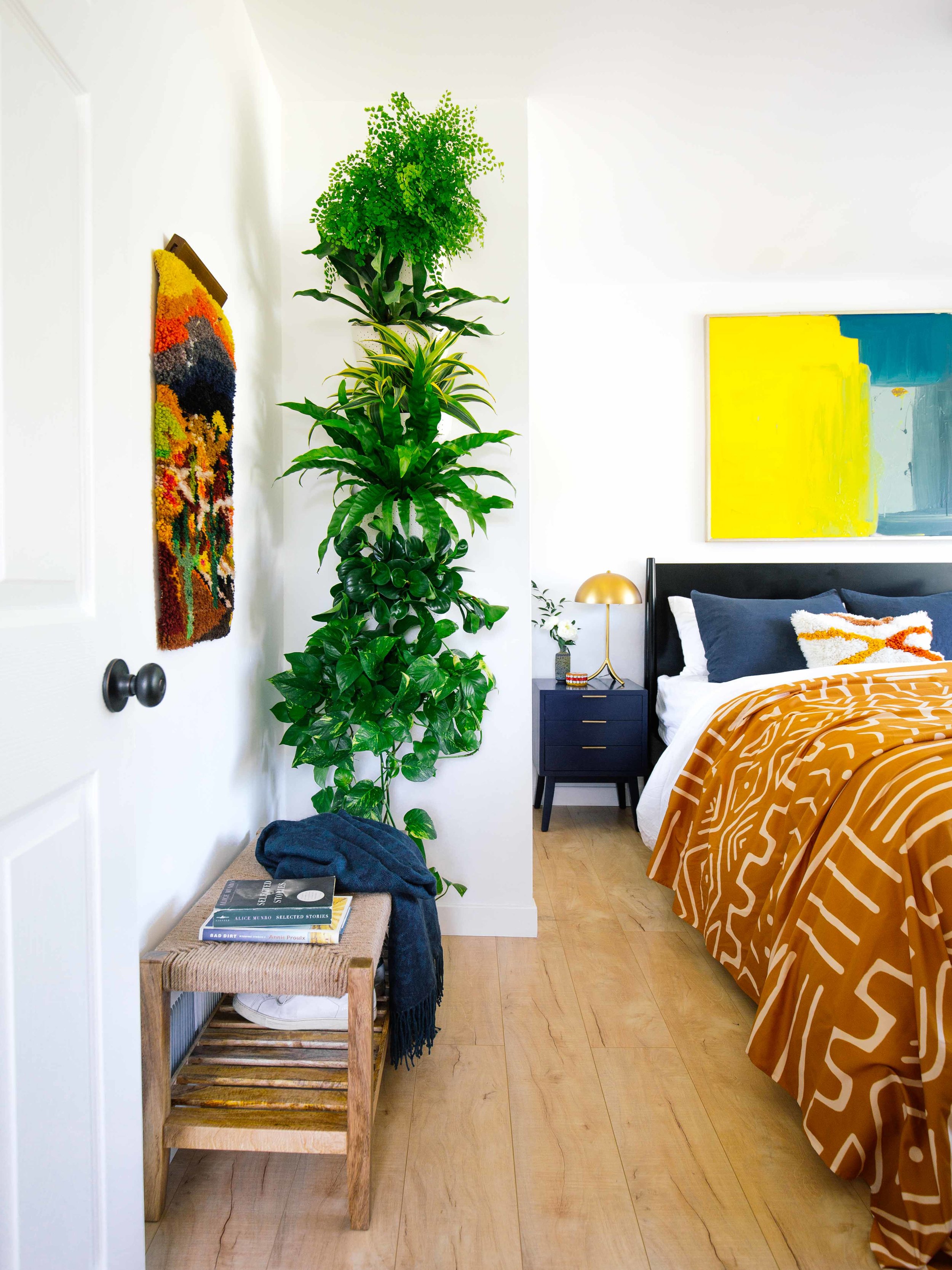
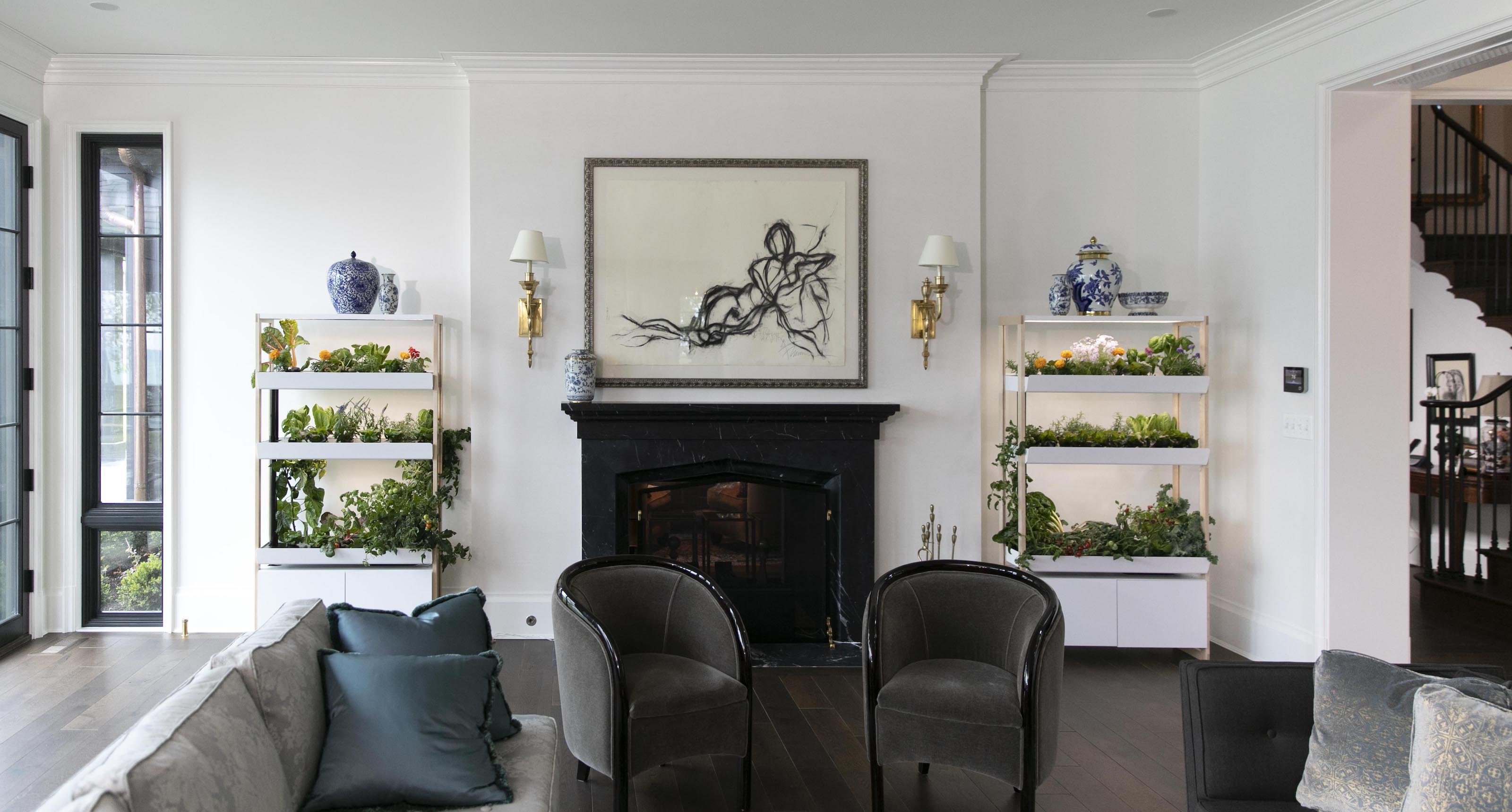
For those seeking more advanced solutions, edible living walls provide a unique and self-sufficient option, often equipped with irrigation systems. The kitchen is an optimal location due to water accessibility and proximity to a window, with compact plants like tumbling tomatoes, cajun bell peppers, and eggplant being suitable choices. Symmetrical arrangements of terracotta pots filled with herbs and salad leaves on sunny windowsills add elegance. While some herbs can grow together, separating them into individual pots can better cater to their distinct needs, with small terracotta pots being a beautiful and practical choice.
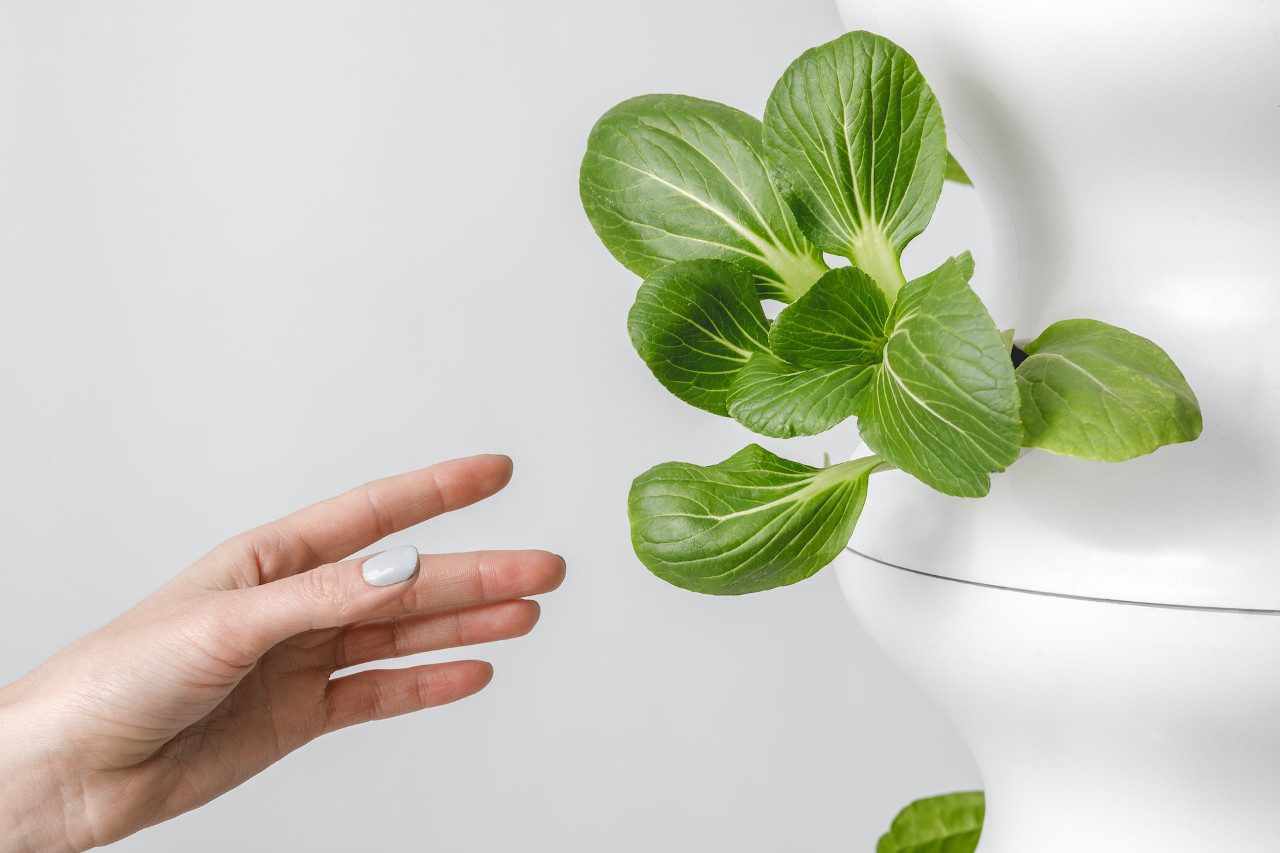
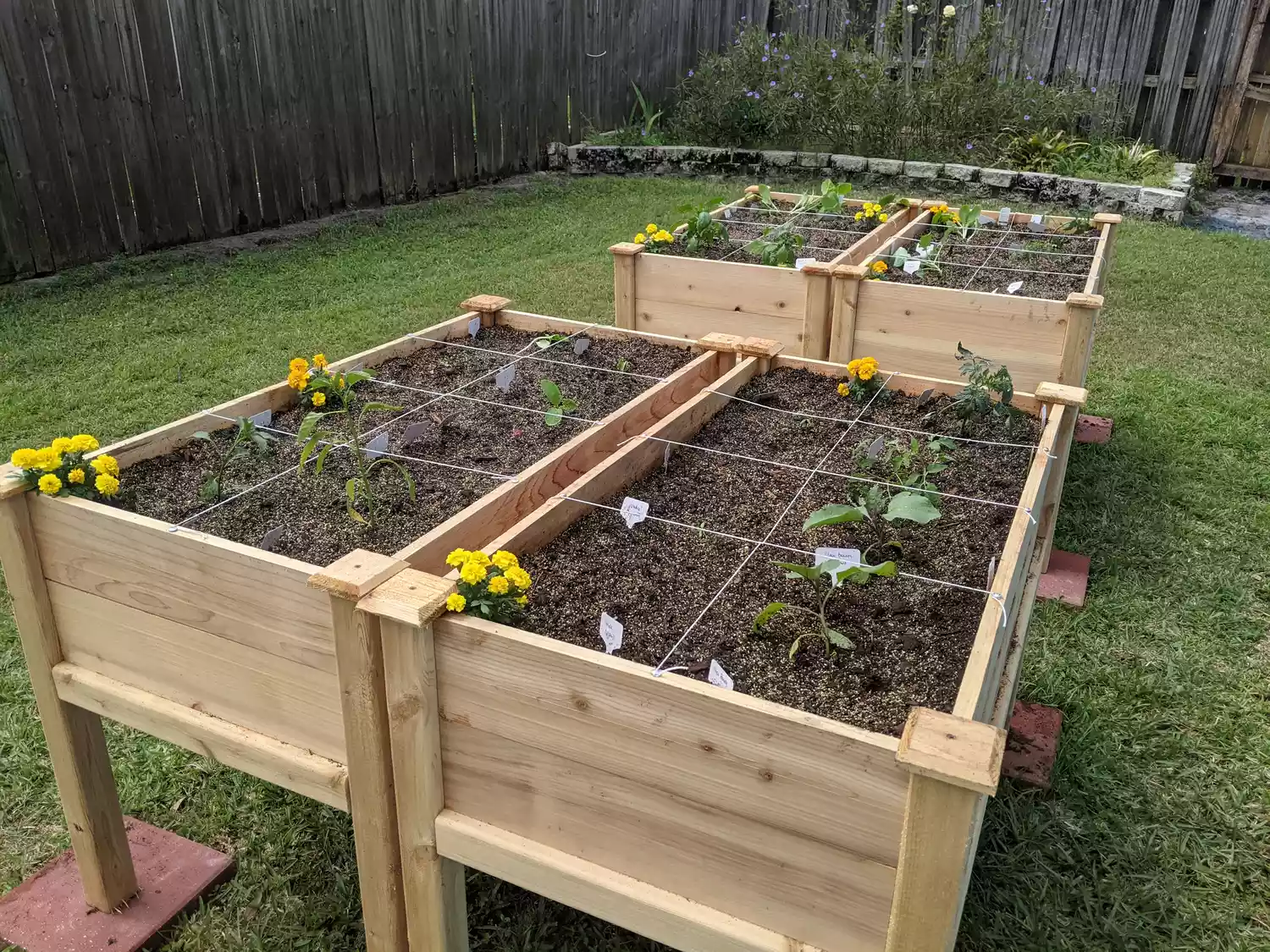
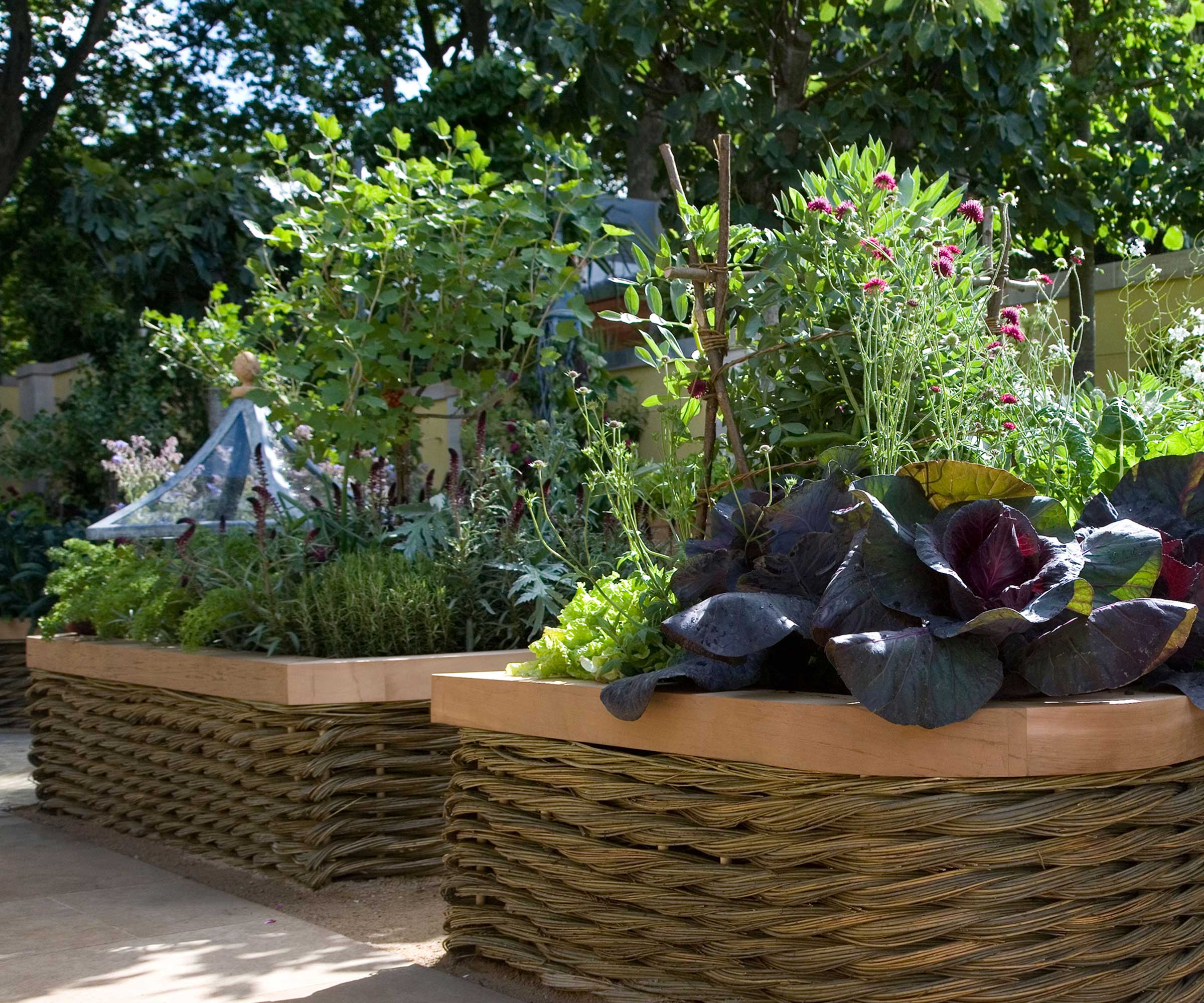
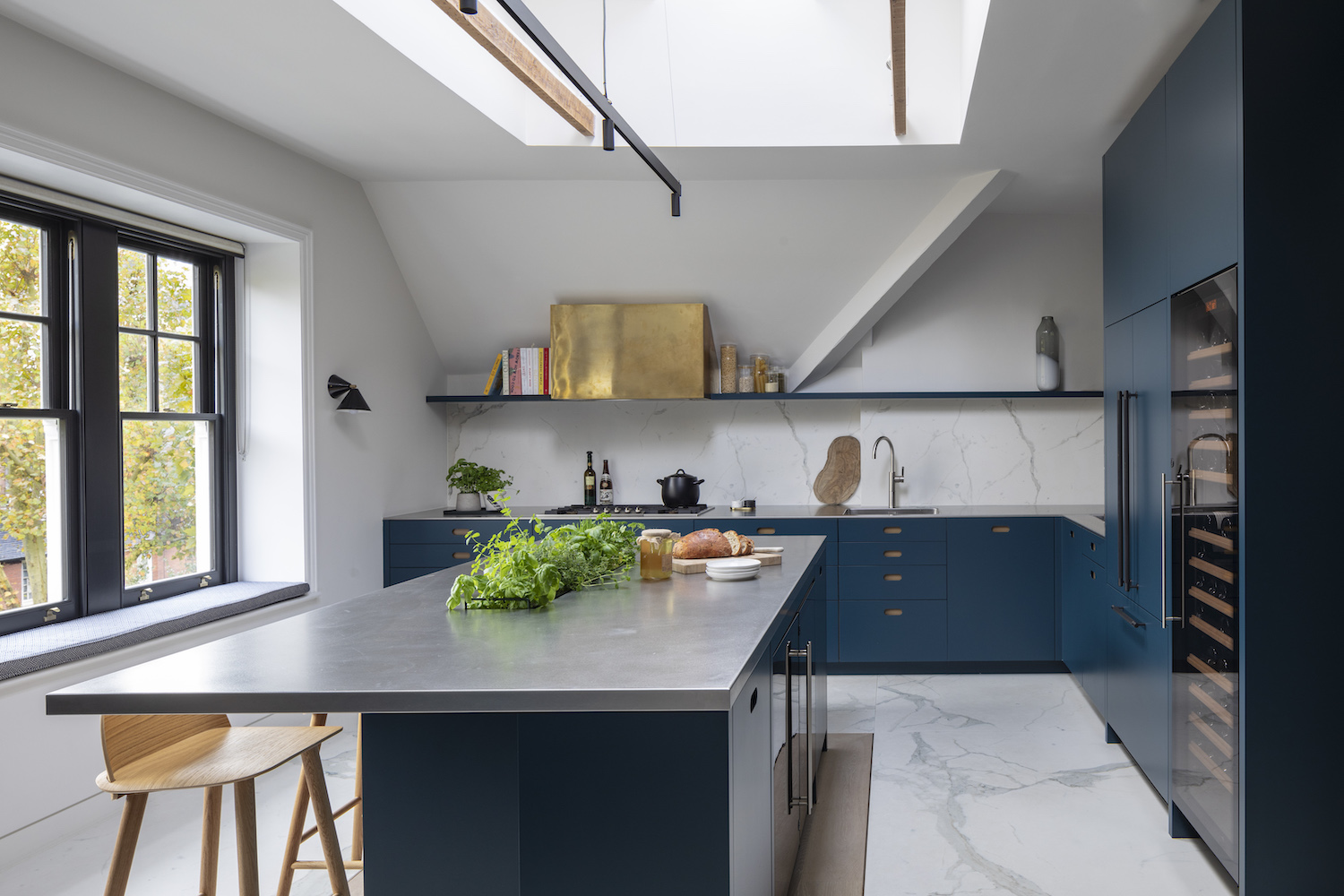
Hydroponic growing systems are highlighted as a less messy alternative to soil-based gardening, with integrated lighting offering flexibility in placement, such as in alcoves. These systems allow for a diverse range of vegetables, from eggplant and tomatoes to cabbage and kale, without the complexities of companion planting as nutrients are balanced weekly. Countertop hydroponic systems, like The Personal Garden, are perfect for beginners or those with limited space, enabling rapid growth of greens, herbs, and even small fruiting plants like strawberries and mini tomatoes. Placing small root vegetables like beets and radishes in cool zinc planters creates a visually striking contrast, while large timber troughs are suitable for leafy greens in covered indoor-outdoor spaces like balconies. When using wooden containers, it's essential to ensure they are sealed with food-grade materials or to use an inner pot to prevent chemical leaching. Finally, starting seedlings in uniform colored cartons offers a neat and coordinated approach, transforming utilitarian plastic containers into an organized display that enhances the interior aesthetic while providing an efficient way to monitor plant growth.
#IndoorGardening #VegetableGarden #HomeDecor #ContainerGardening #Hydroponics #KitchenGarden #VerticalGarden #Microgreens #SustainableLiving #IndoorGardening #VegetableGarden #HomeDecor #ContainerGardening #Hydroponics #KitchenGarden #VerticalGarden #Microgreens #SustainableLiving
0 comment in total
 No comments yet
You may also like
20 Beautiful Garden Design Ideas for Home In 2024
Patio vegetable garden ideas – 5 ways to grow your own in small outdoor living spaces

Decorating with plants – inspiring ways to use plants in interior design

20 DIY Indoor Greenhouse Ideas to Create Your Own Plant Oasis
8 Incredible Indoor Garden Ideas

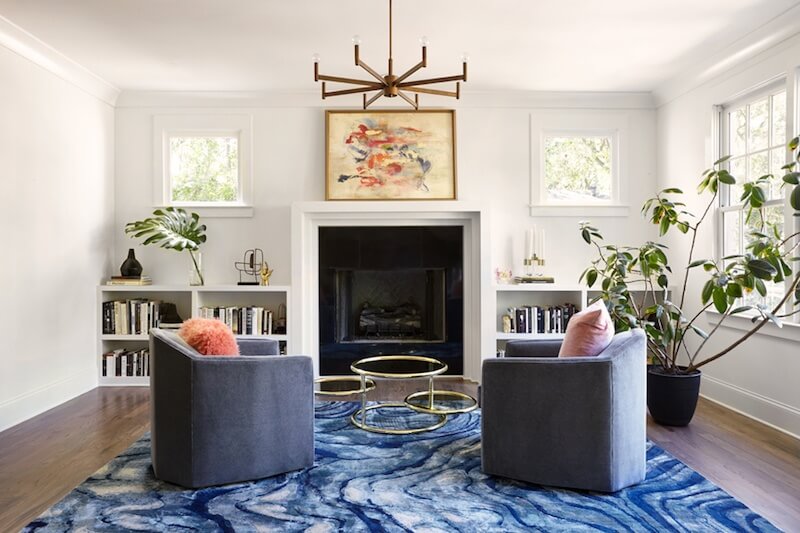
Designing With Plants: Expert Tips for Stylishly Greening Your Interiors

Garden Design Ideas, 2024
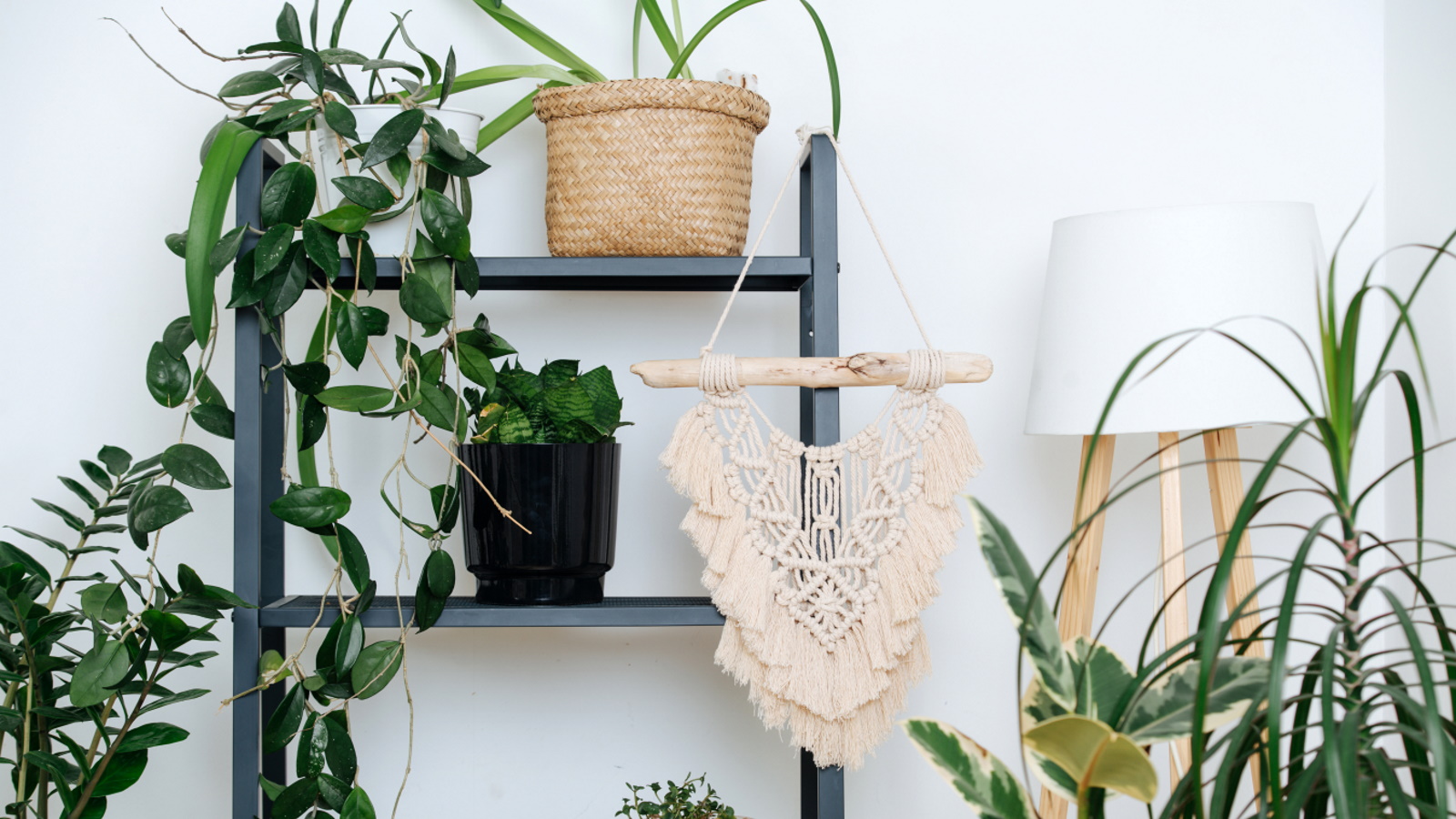
Indoor plant shelf ideas – expert tips for styling your houseplants
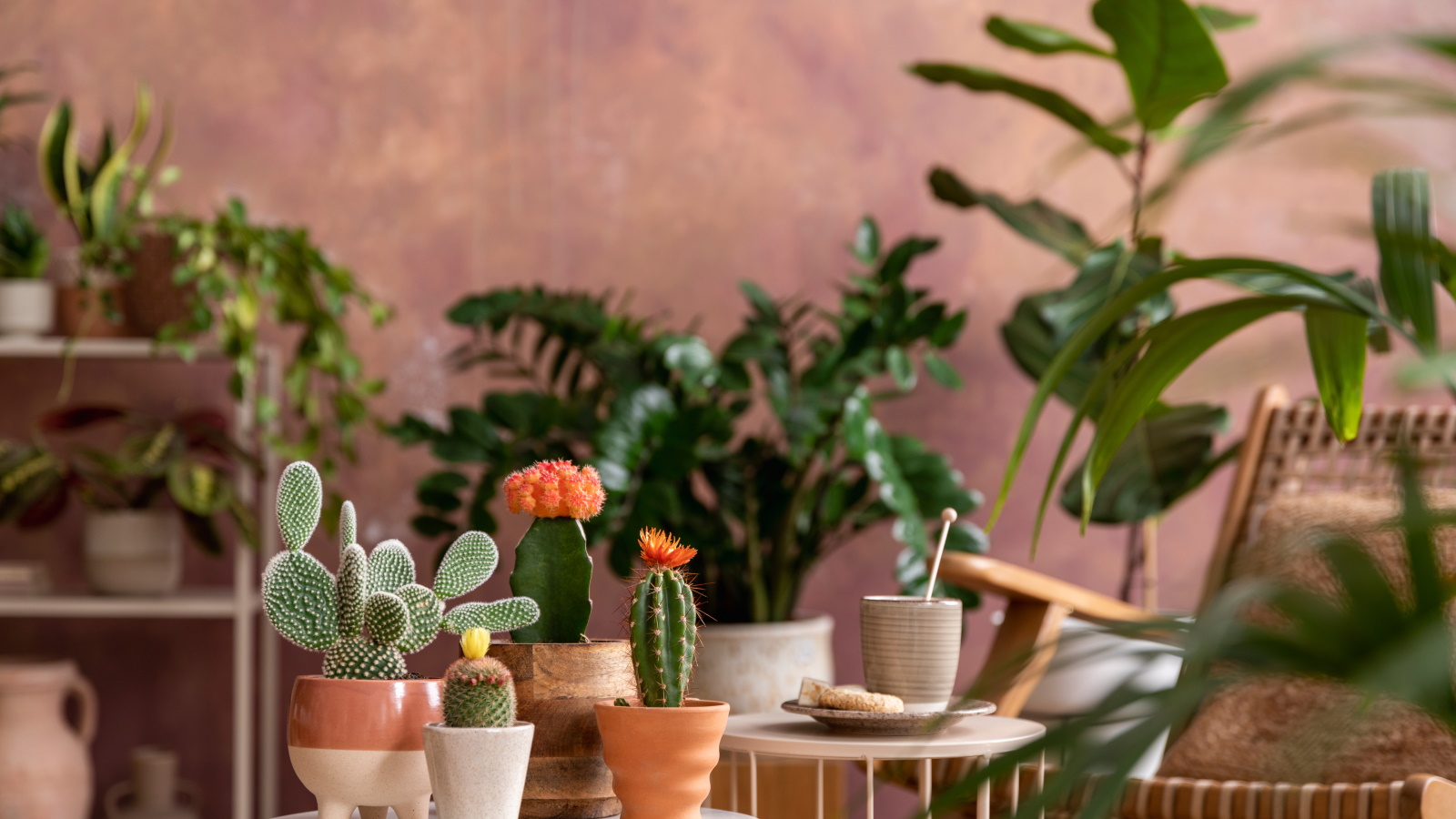
Indoor garden ideas: 9 ways to create a plant-filled haven
7 Indoor Garden Ideas To Elevate Your Home

Best indoor plants: the best house plants for stylish greenery

L-shaped garden ideas to help you create a visually pleasing space
23 Garden Layout Ideas for Vegetables and More

19 simple garden ideas for every style, size and budget
6 Indoor Garden Ideas That Will Convince You to Become a Plant Person

Decorating with plants – 11 ways to display houseplants
Start Planning Your Ideal Garden with These Garden Plans and Ideas
Indoor Garden Ideas —14 Ways To Live Amongst Greenery That Will Make Your Life Better
13 small garden design ideas that maximise space and greenery

19 Ways to Design with Houseplants