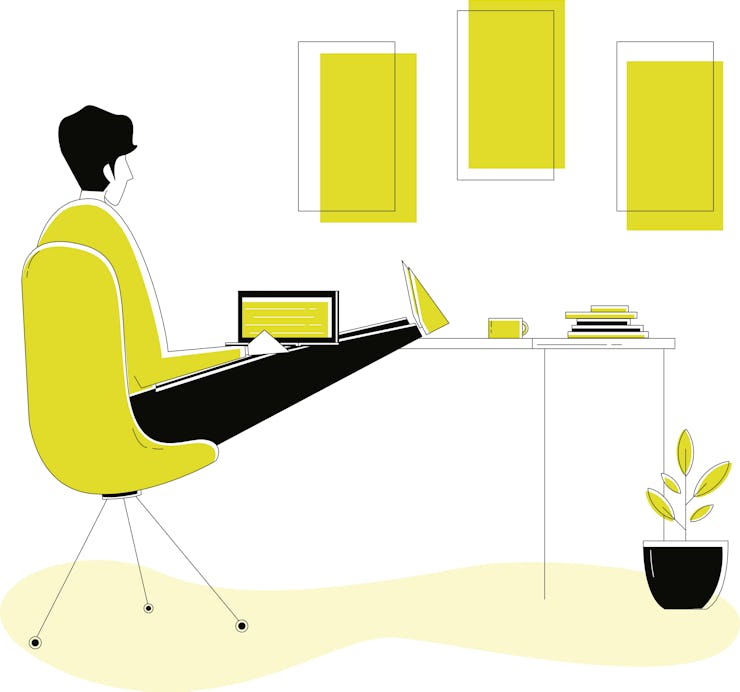
4 design rules for your home office to achieve a "state of flow"
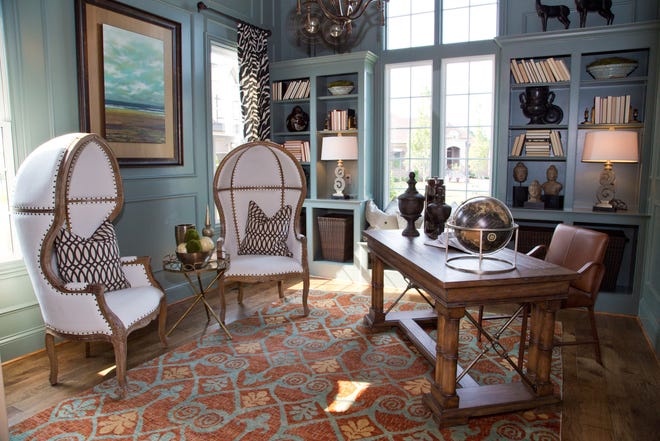
The concept of a "state of flow," where individuals are deeply immersed and productive in their work, is a critical consideration in modern office design, aiming to create environments that engage staff and enhance work quality. This approach often prioritizes comfort, minimizes distractions, and offers a sense of security to foster focus. Instead of traditional commercial aesthetics, designers are increasingly opting for warmer, more inviting spaces reminiscent of libraries or dens, characterized by natural light and an open atmosphere. These environments are intended to support calm attentiveness and intuitive thought, essential for achieving flow.
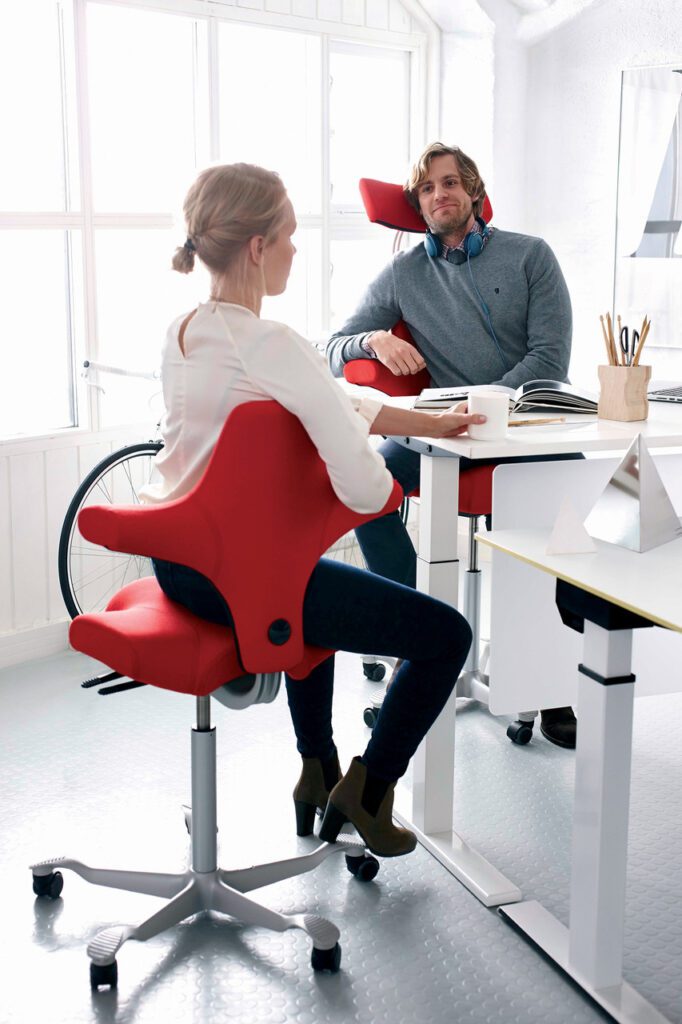
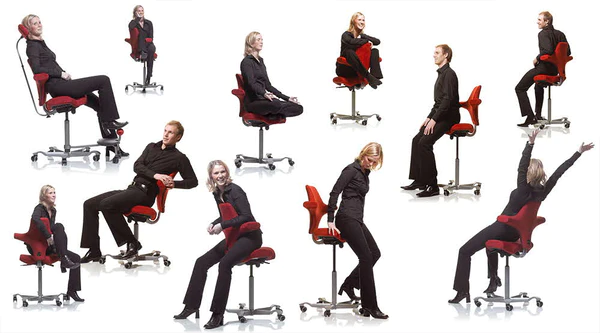
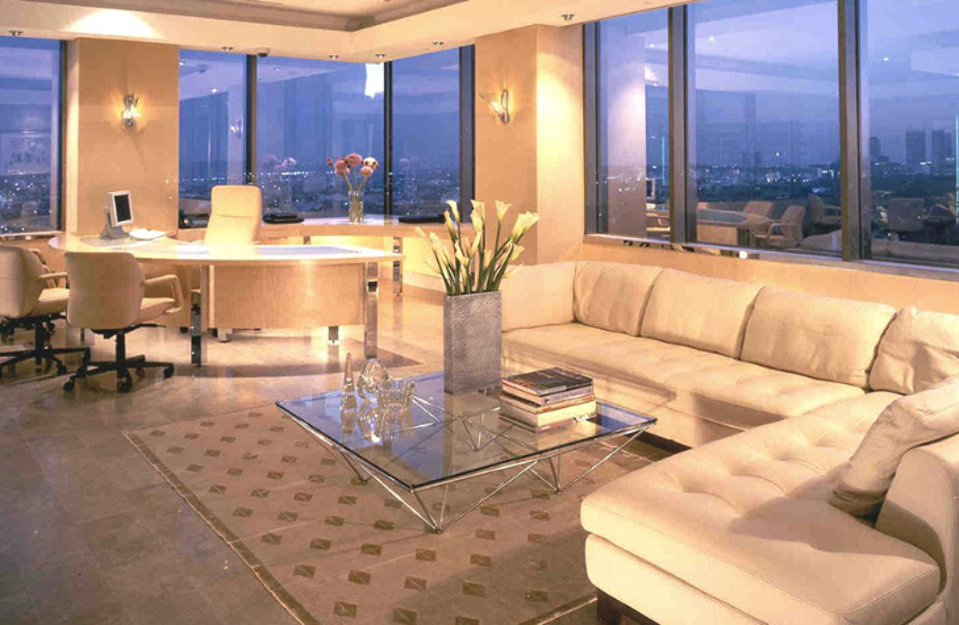
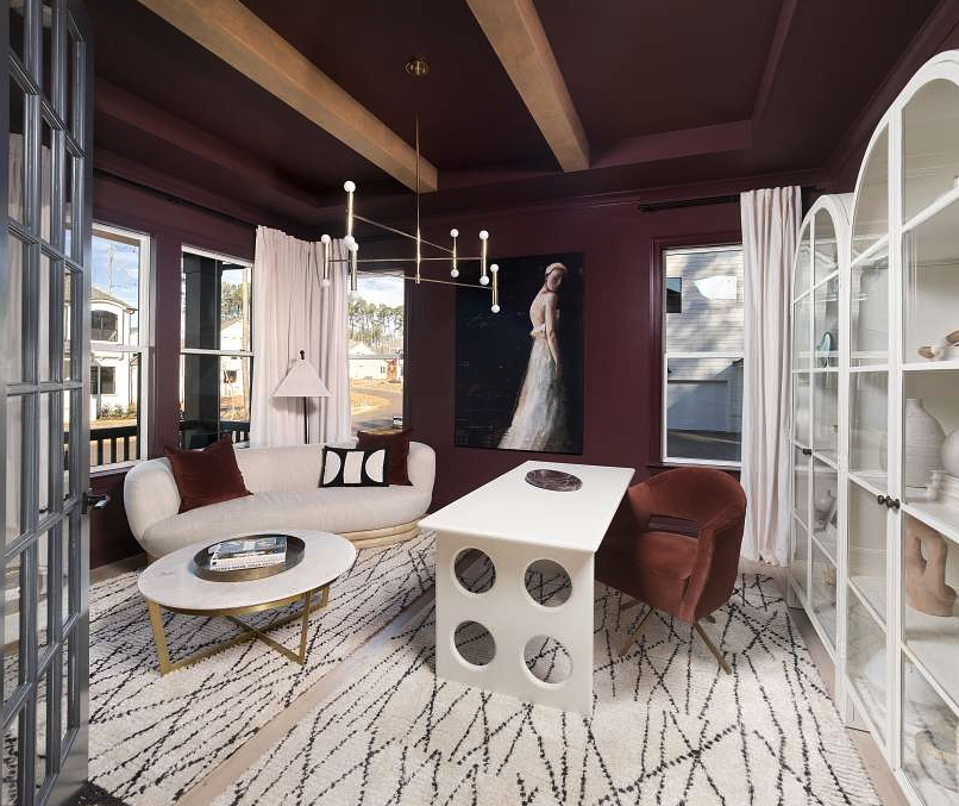
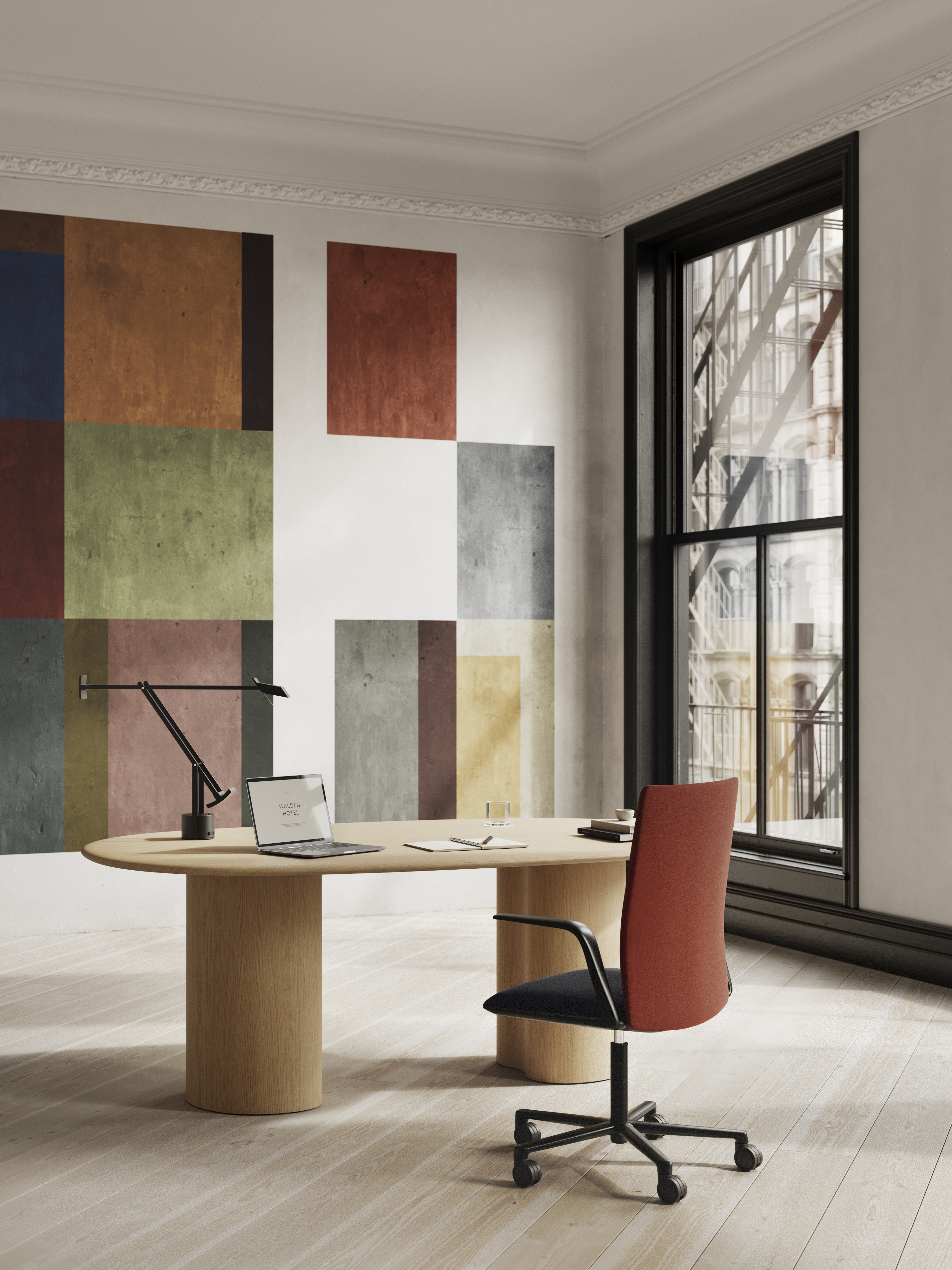
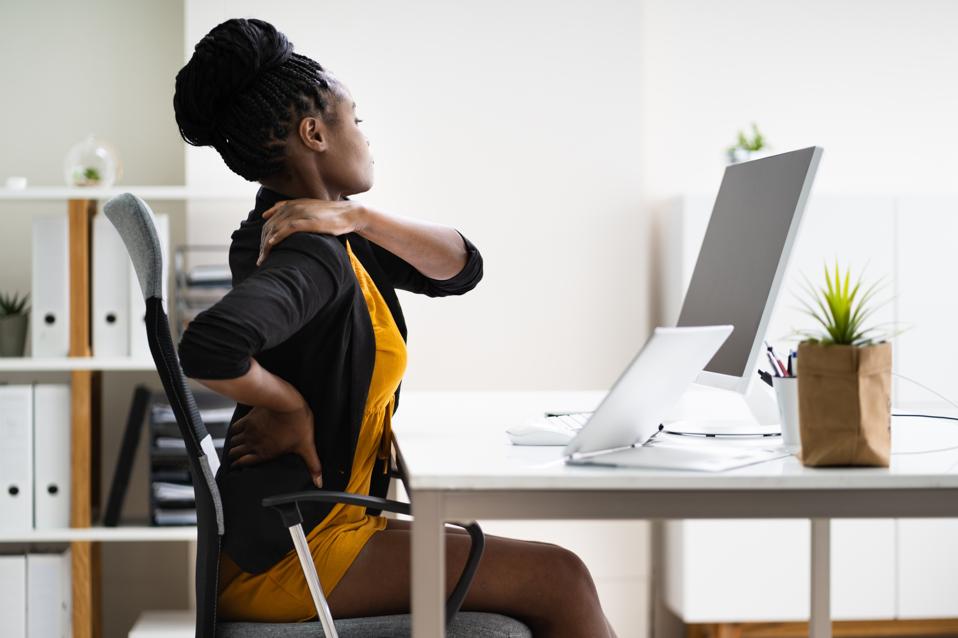
Office design has evolved significantly since the term "flow" was coined in the 1970s, with the integration of "active design" principles. These principles promote physical activity and health within the workplace, encouraging movement throughout the office to create energy, facilitate breaks, and foster spontaneous interactions among colleagues. Examples include circulation loops with various touchpoints like coffee services, kitchens, lounges, and fitness areas, which not only benefit health but also generate collaboration and idea exchange. Ergonomics and health are also paramount, contributing physically to flow states through comfortable setups and improved acoustical designs. Modern office spaces often feature polychromatic ceilings, a mix of vintage, modern, and custom furniture, and lighting that evokes the ambiance of a boutique hotel lobby or a contemporary loft rather than a conventional corporate setting.
Companies can further boost the likelihood of flow by balancing collaborative spaces with abundant private areas, allowing employees to retreat for focused work. Designs that offer varied options, from open public areas to intimate, library-style quiet zones and breakout spaces for spontaneous meetings, are crucial. The integration of nature, whether through green walls, scenic views, terraces, or open windows, is also highly valued, as nature tends to induce relaxation. Some designs even incorporate water features for their soothing sounds.
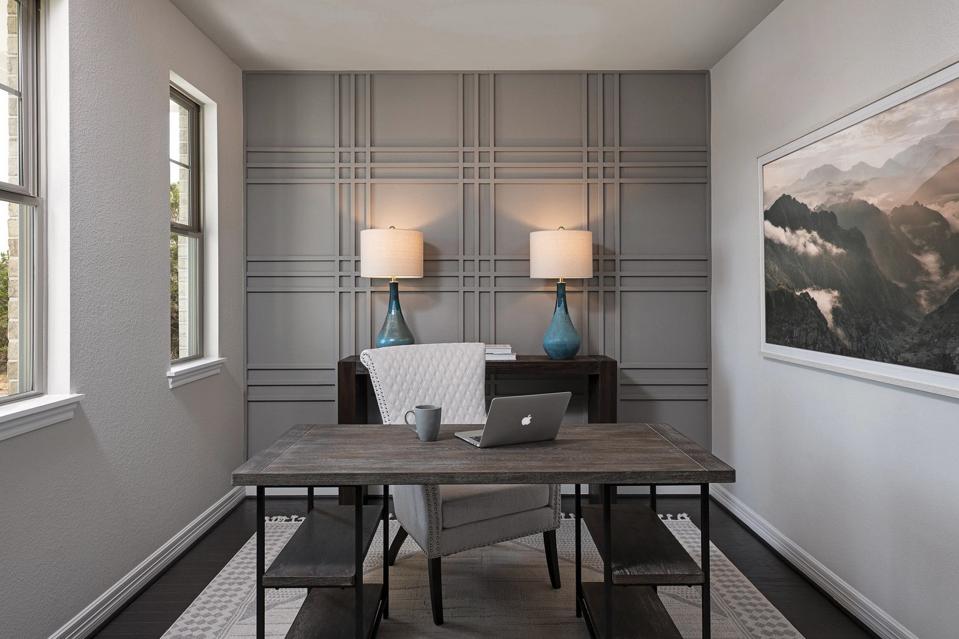
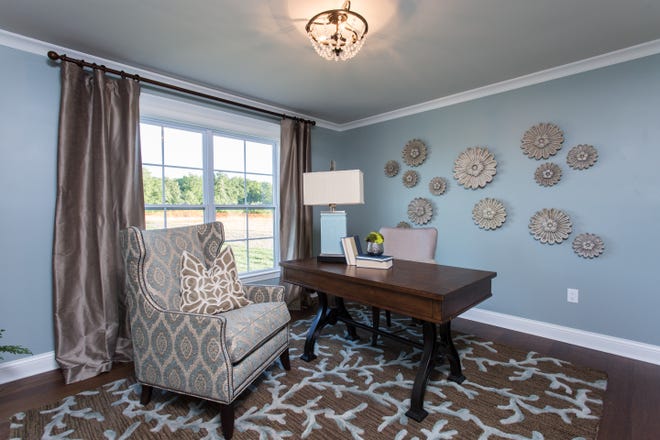
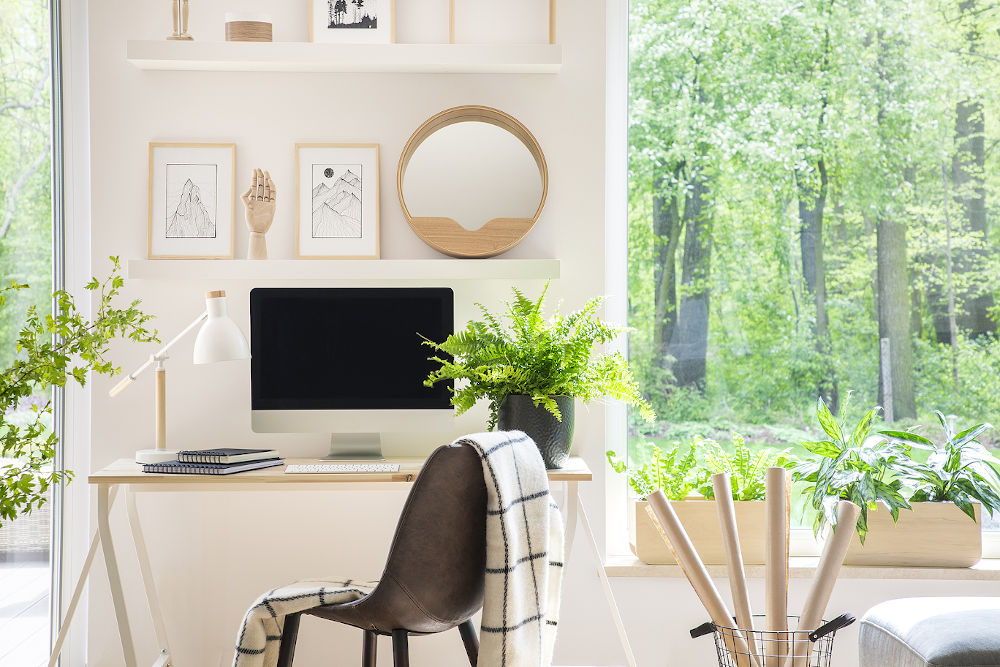
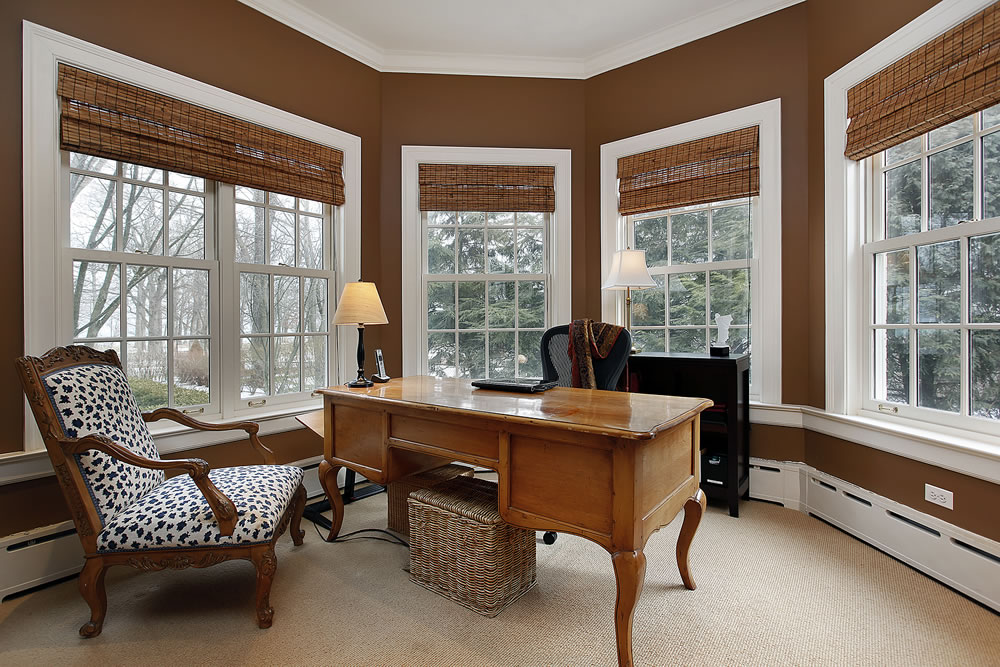
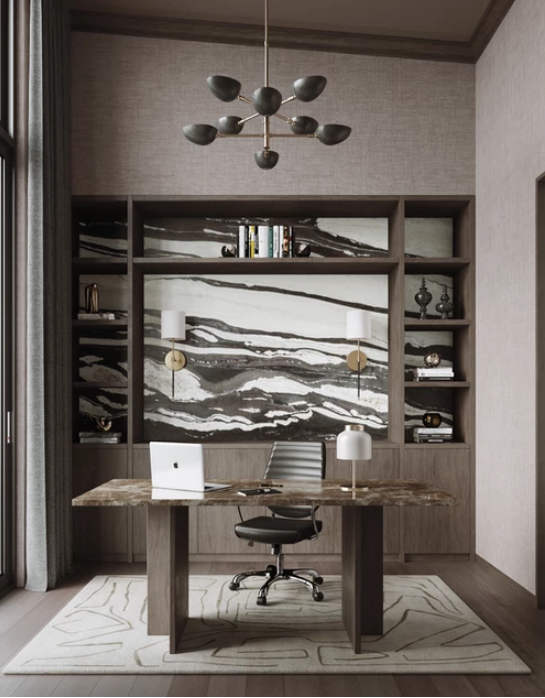
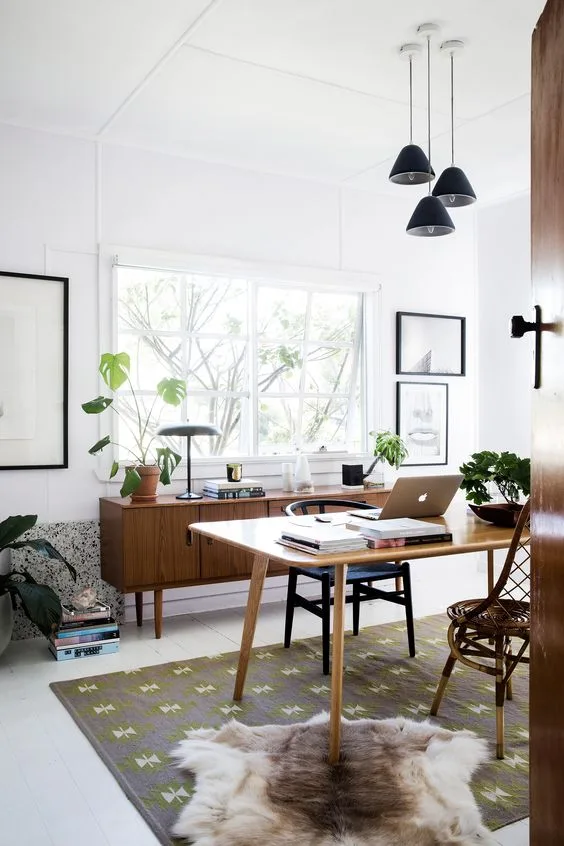
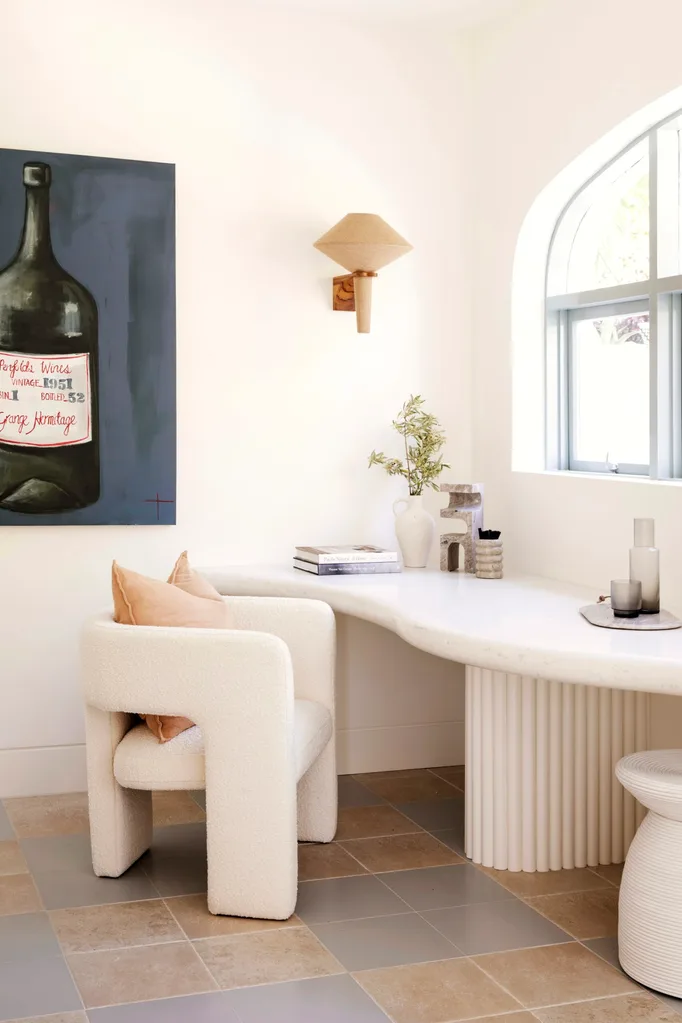
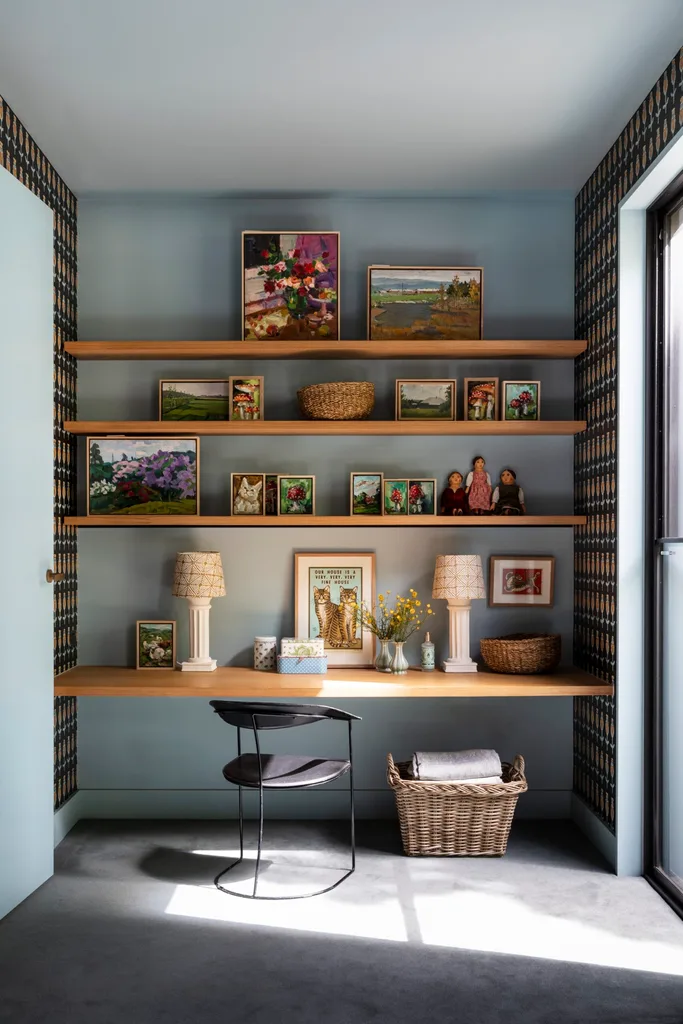
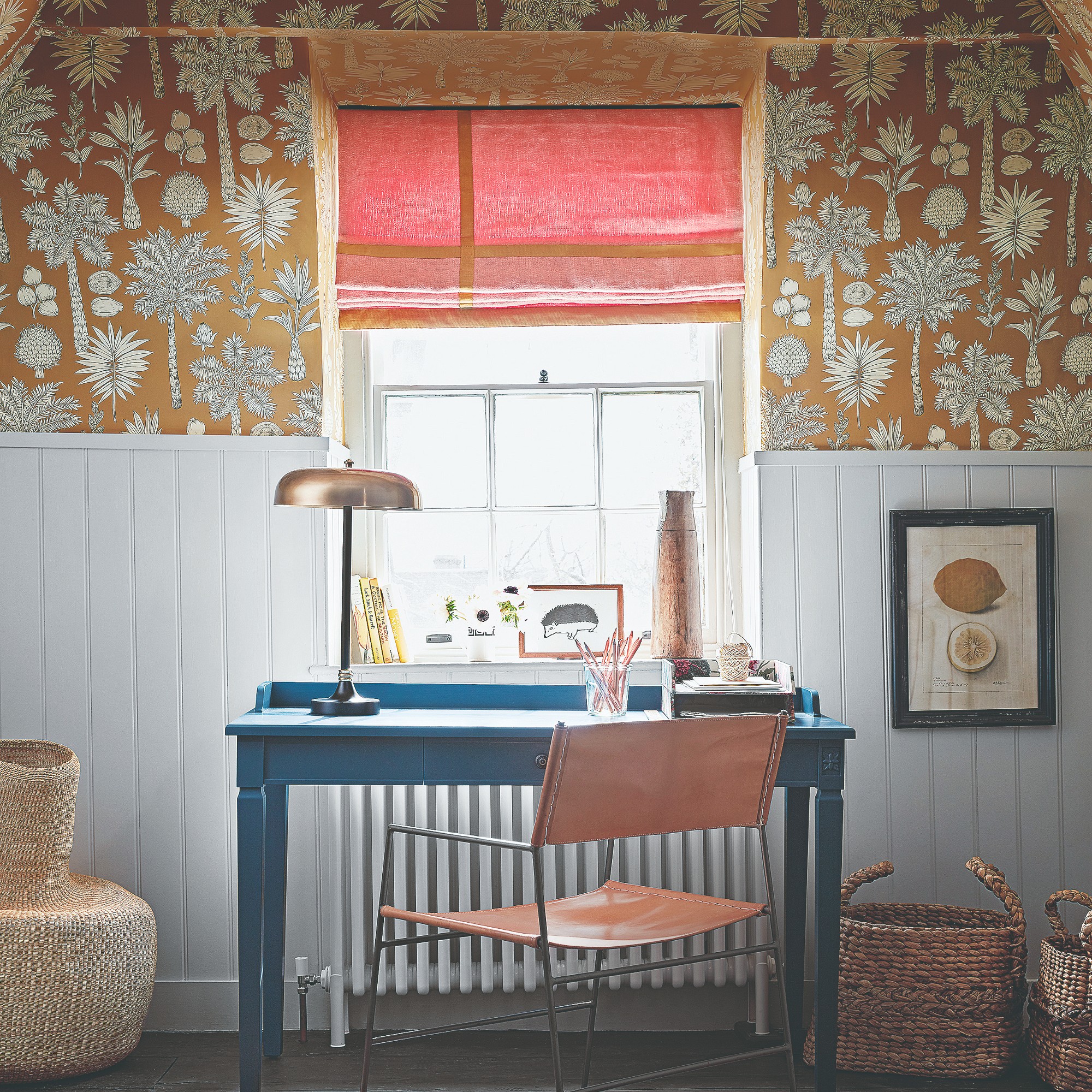
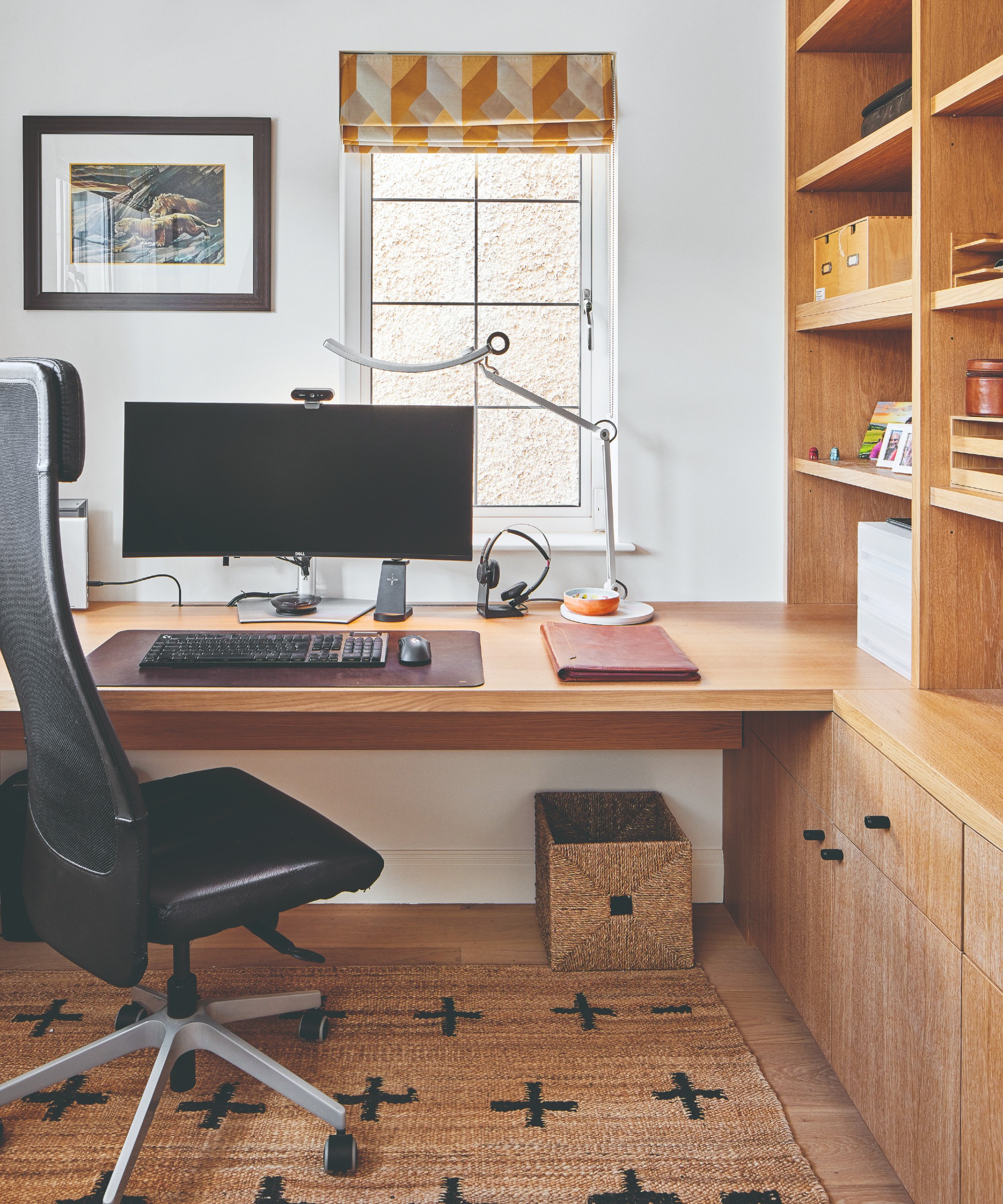
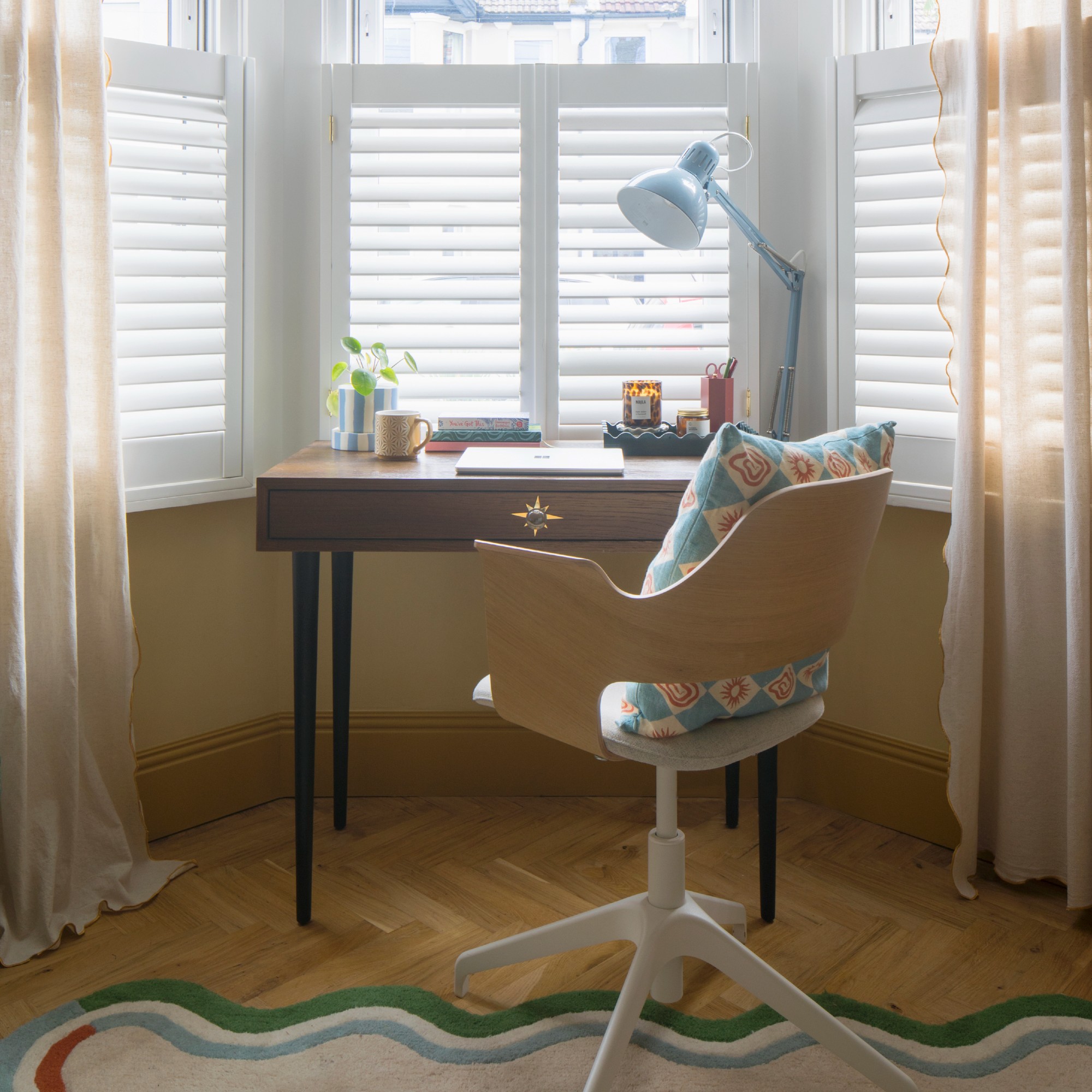
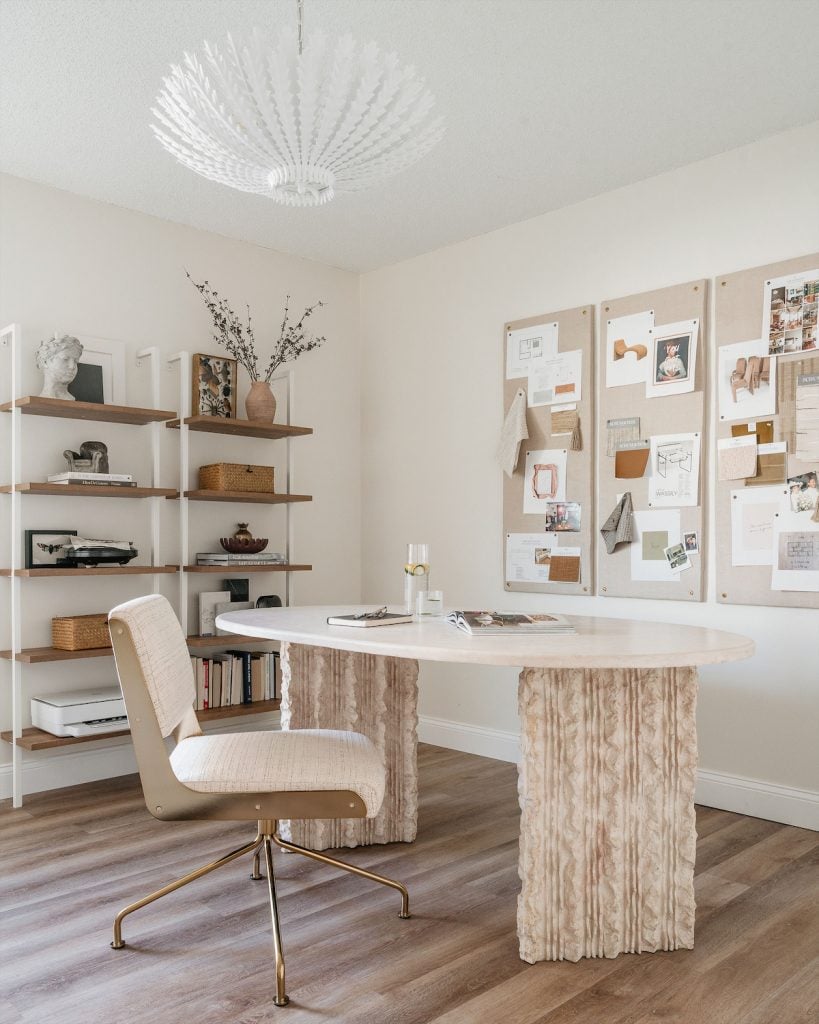
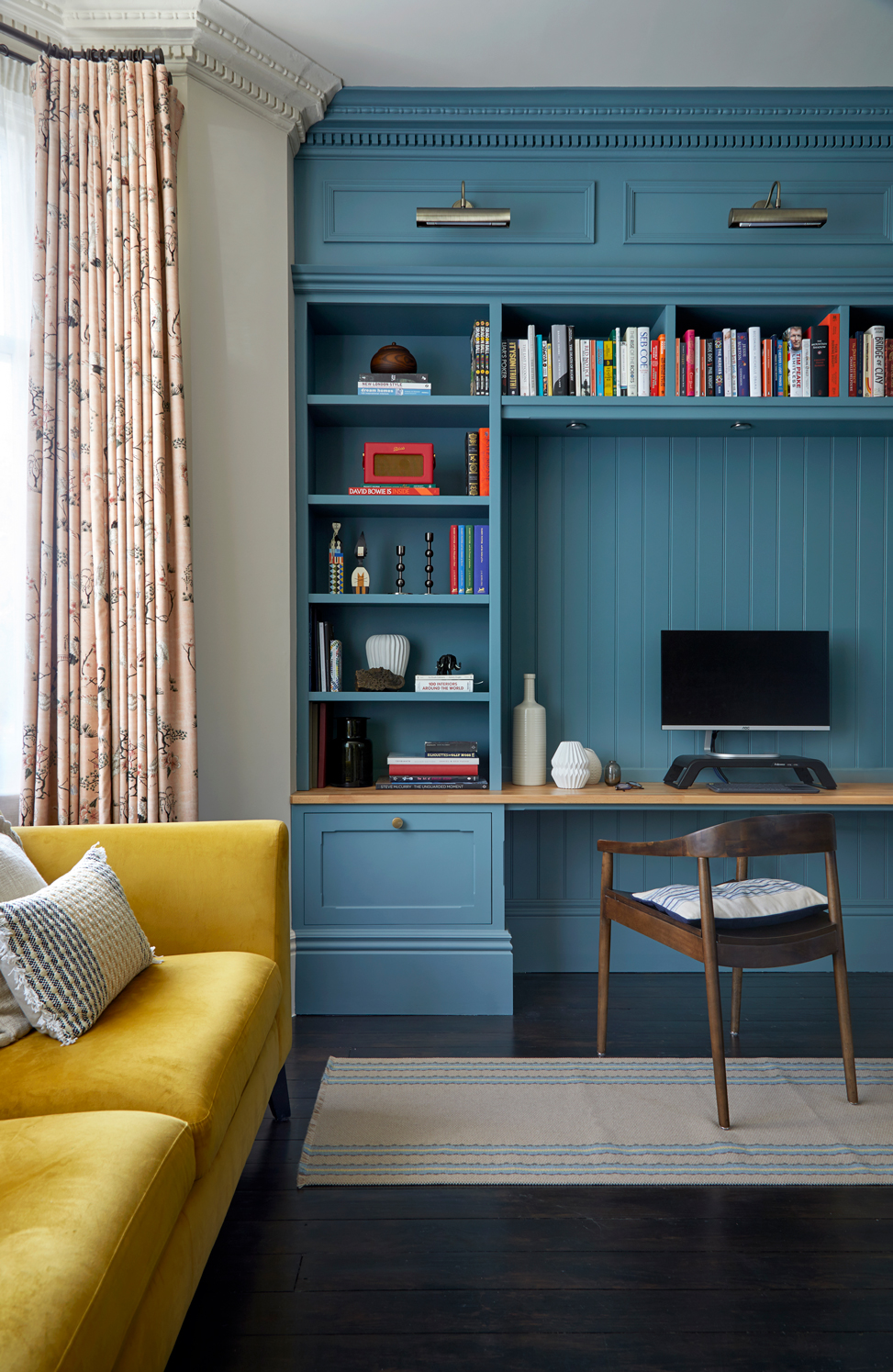
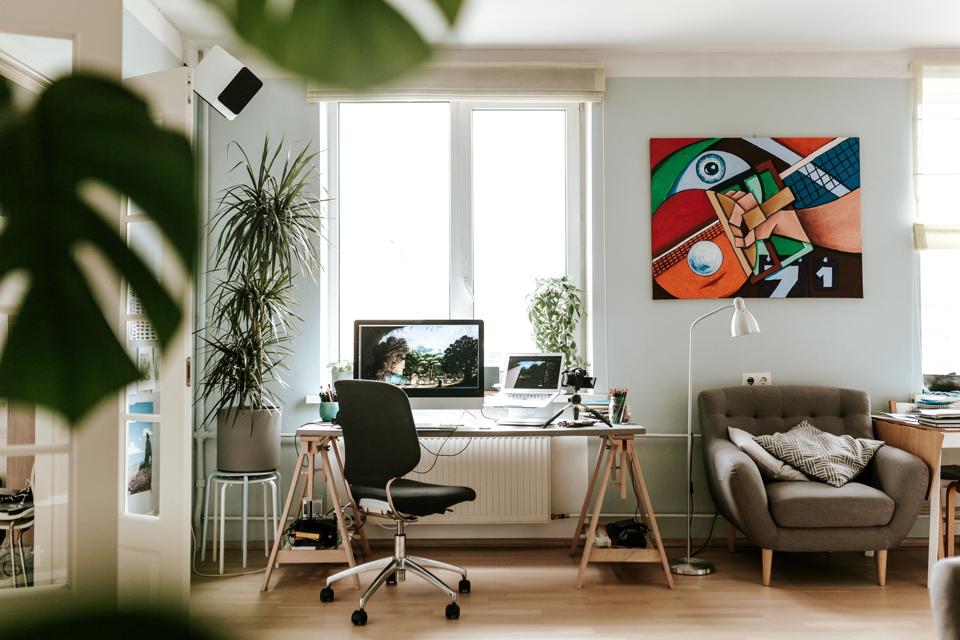
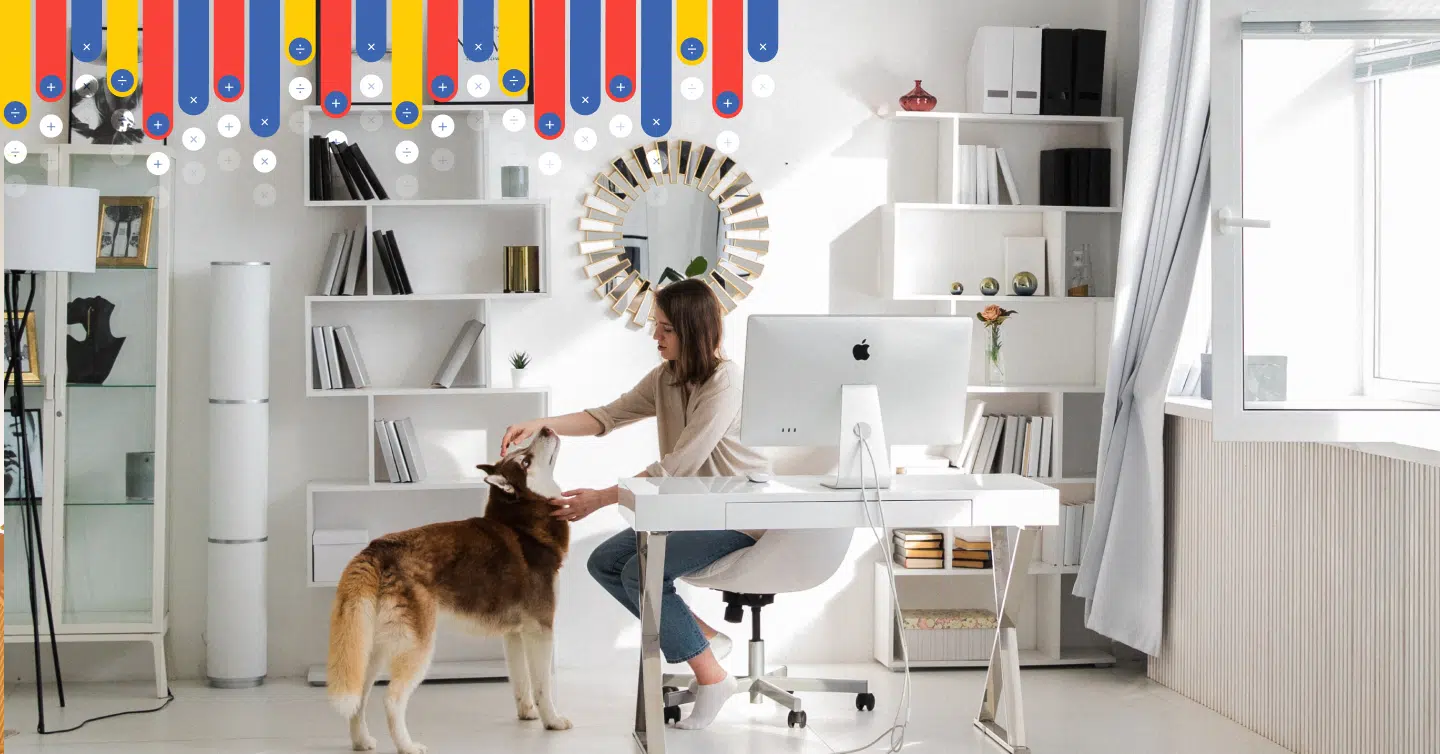
For individuals designing home workspaces with flow in mind, four key rules are proposed. Firstly, differentiating spaces with physical dividers and scheduling activities is essential to minimize distractions, particularly in smaller homes where personal and professional lives often overlap. Simple solutions like curtains or partitions can create flexible zones, and scheduling quiet times for focused tasks can mitigate friction. Secondly, maximizing natural light and ensuring ample interior illumination is vital. Natural light has scientifically proven benefits for mood and productivity, and even in spaces with limited natural light, multiple electrical illumination sources and LED task lights can create an effective work environment.
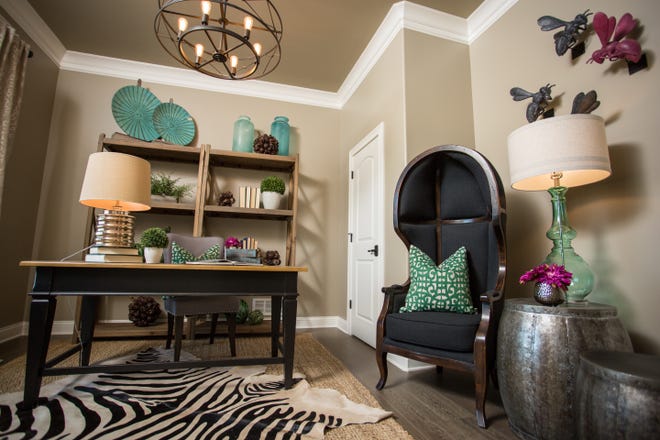
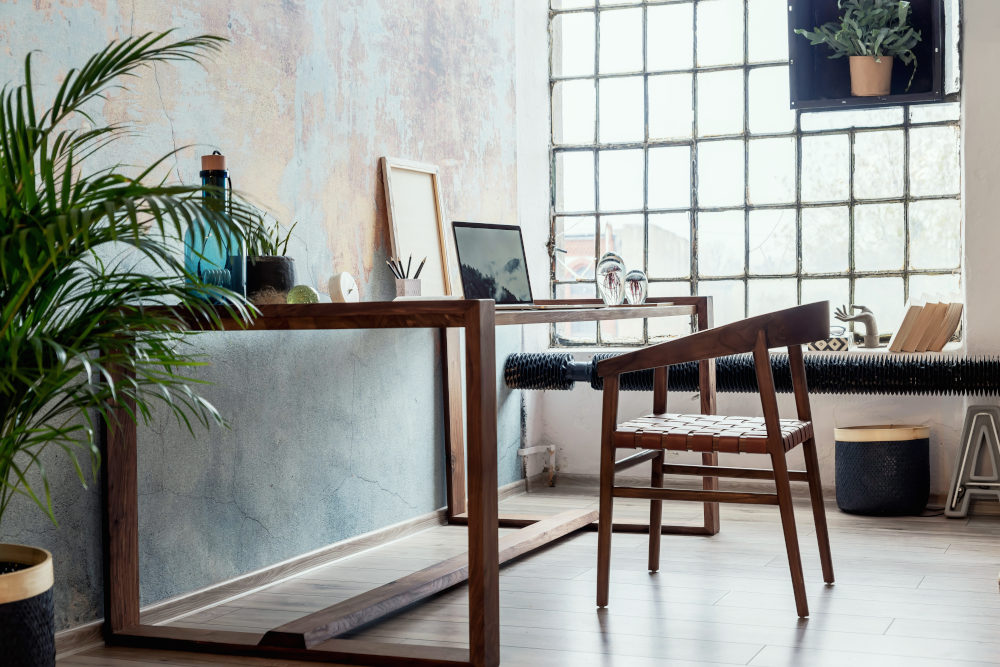
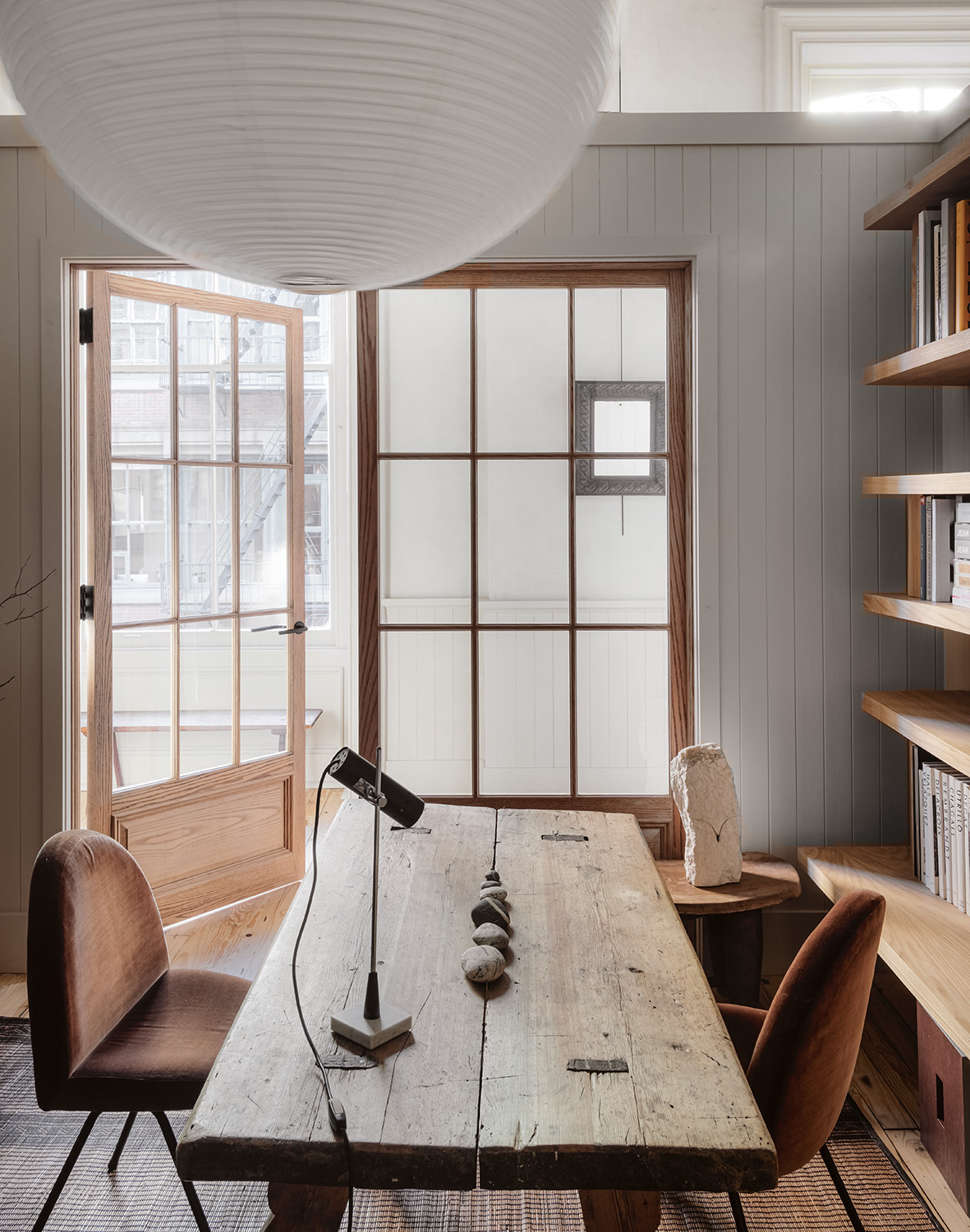
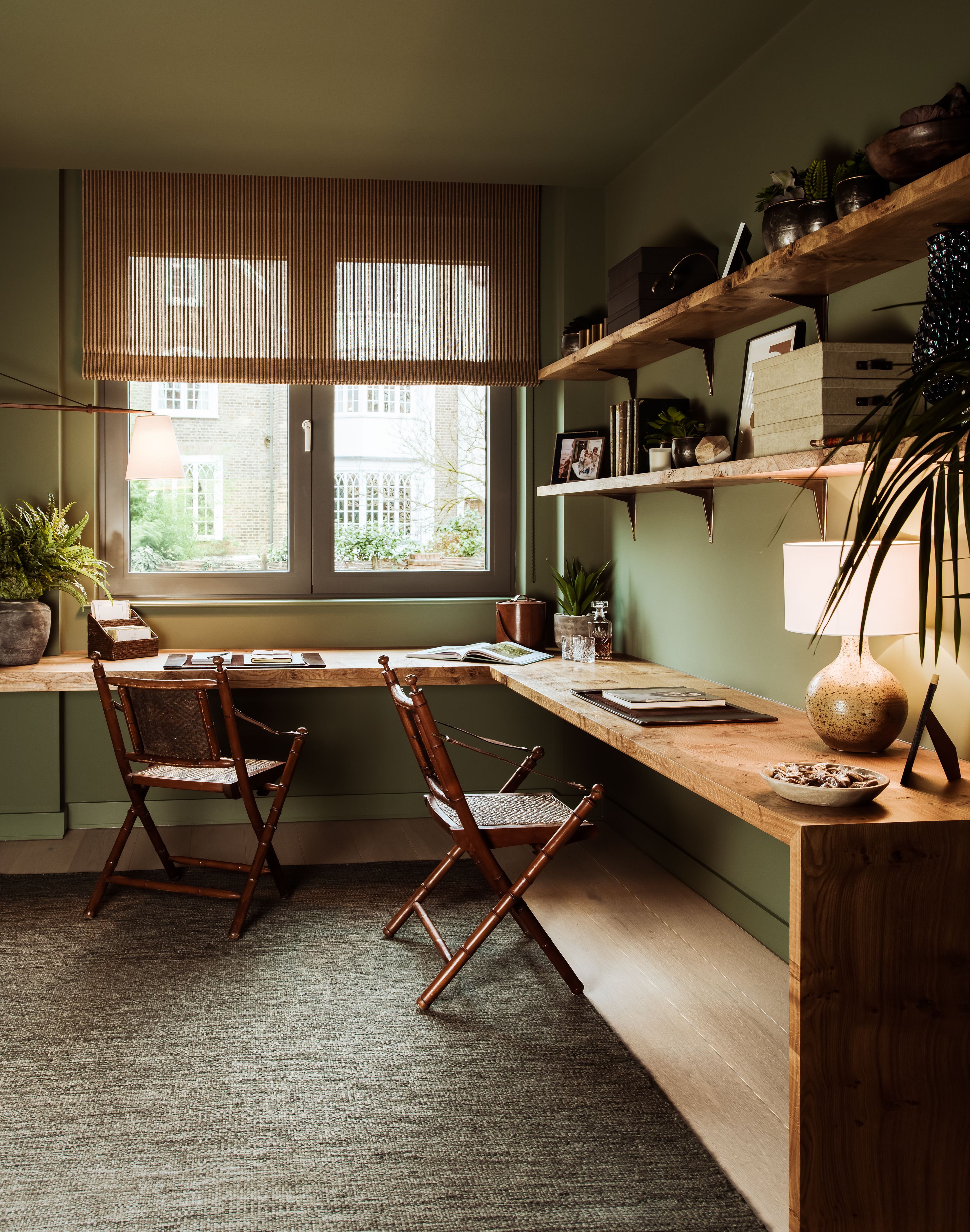
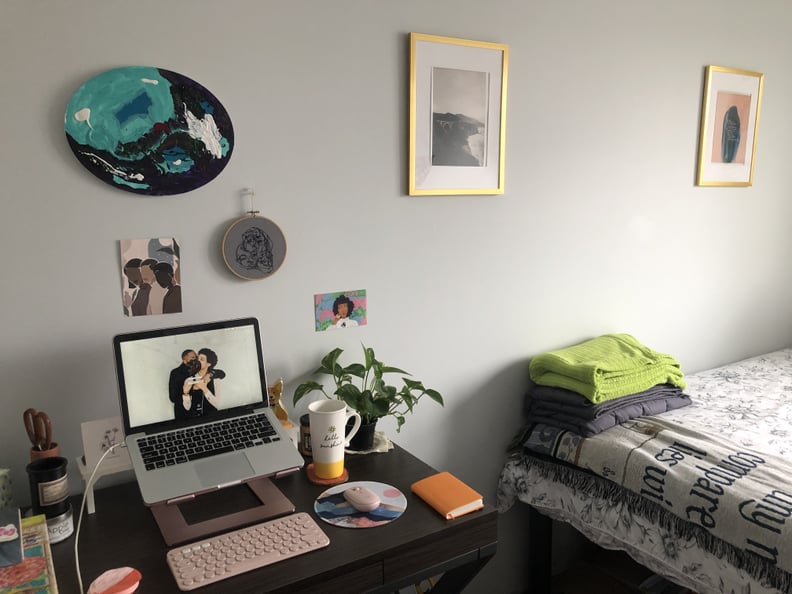
Thirdly, bringing nature indoors through plants, views, or natural materials for furnishings helps create a calming and inspiring "flow space." Items made from real wood, stone, or nature-themed artwork can contribute to this effect. Lastly, a reliable internet connection is critical in the increasingly virtual world. A high-quality data connection, possibly with a backup system, is essential for maintaining an uninterrupted workflow and ensuring productivity at home. Ultimately, these design principles aim to create home environments that are comfortable, functional, efficient, inspiring, and reflect personal values, offering a sense of safety, control, and belonging.
#HomeOfficeDesign #Productivity #StateOfFlow #Ergonomics #NaturalLight #BiophilicDesign #WorkspaceOptimization #ArchitecturalDesign #WorkFromHome #HomeOfficeDesign #Productivity #StateOfFlow #Ergonomics #NaturalLight #BiophilicDesign #WorkspaceOptimization #ArchitecturalDesign #WorkFromHome
0 comment in total
 No comments yet
You may also like
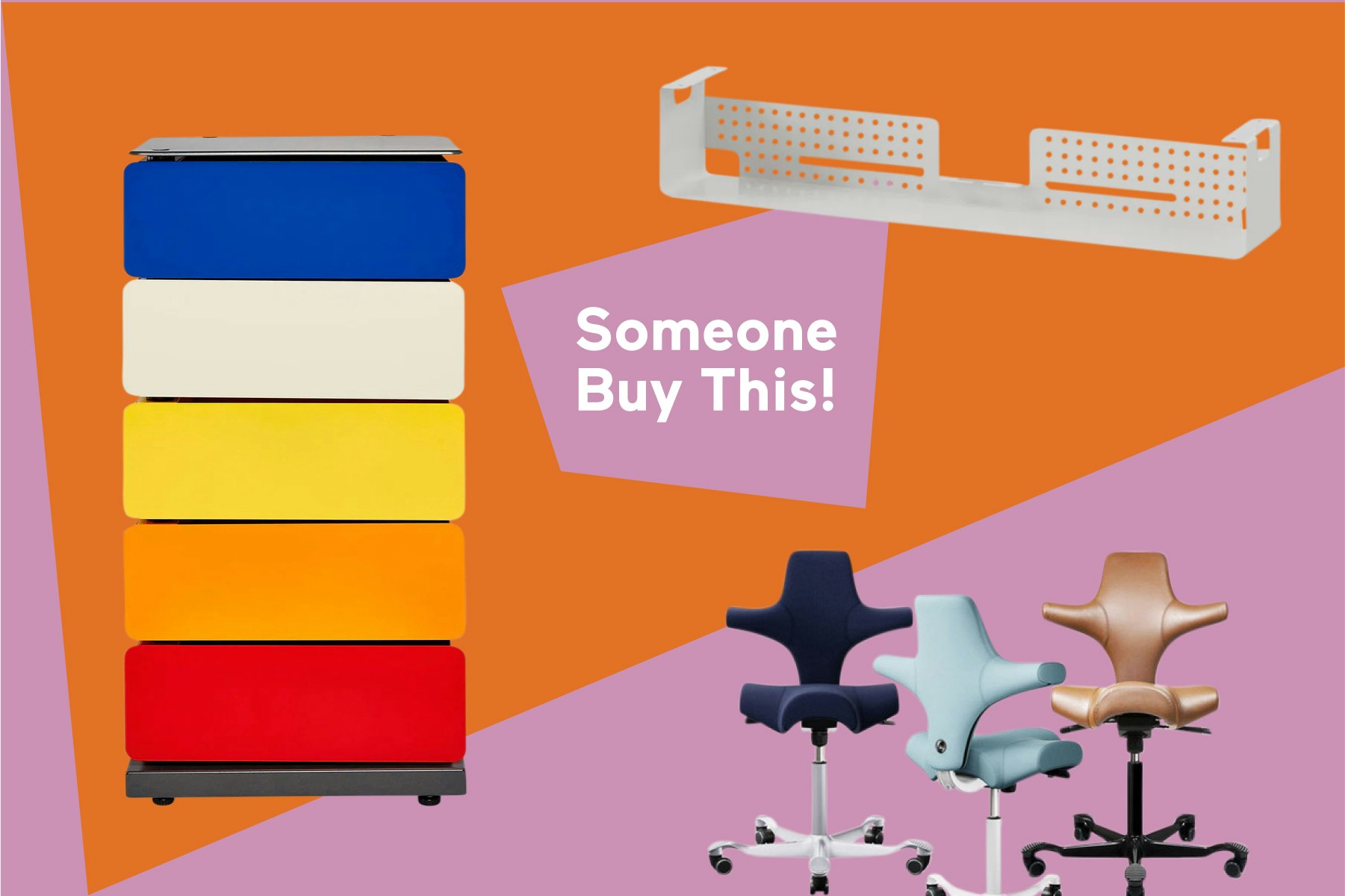
Four Years Into WFH Life, Here’s What You Need for an Aesthetically Pleasing Home Office

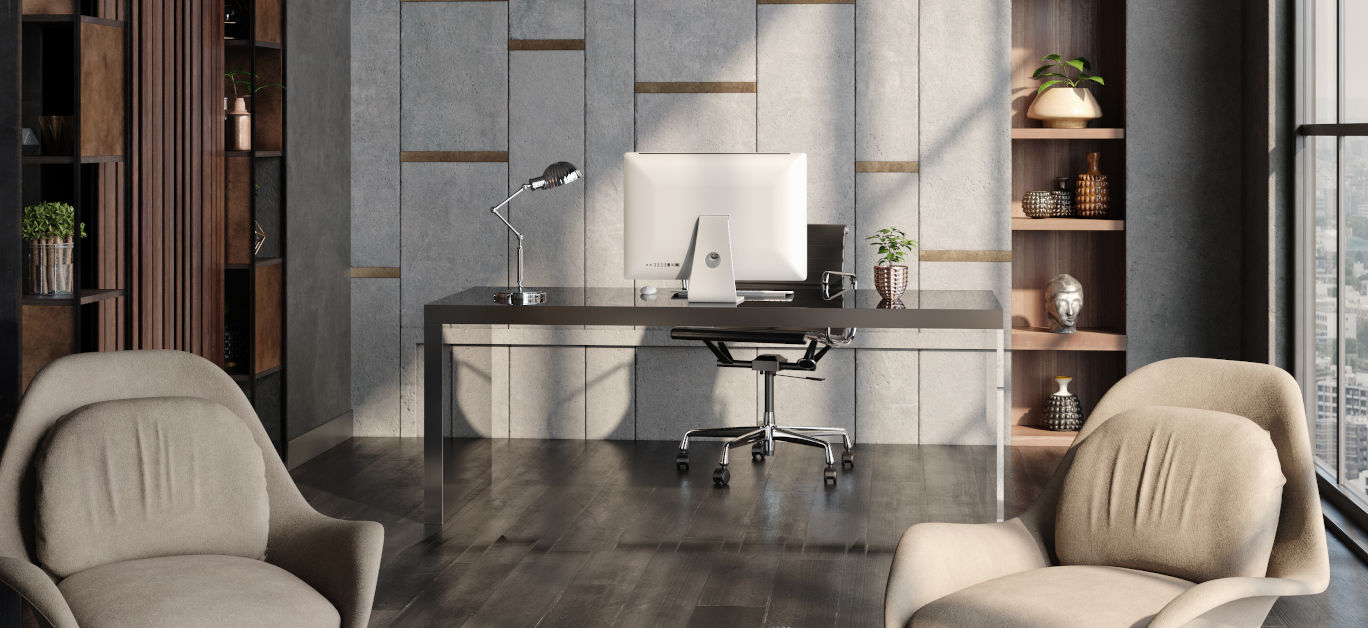
Creating a comfortable and luxury home office in 2024: From design to maintenance

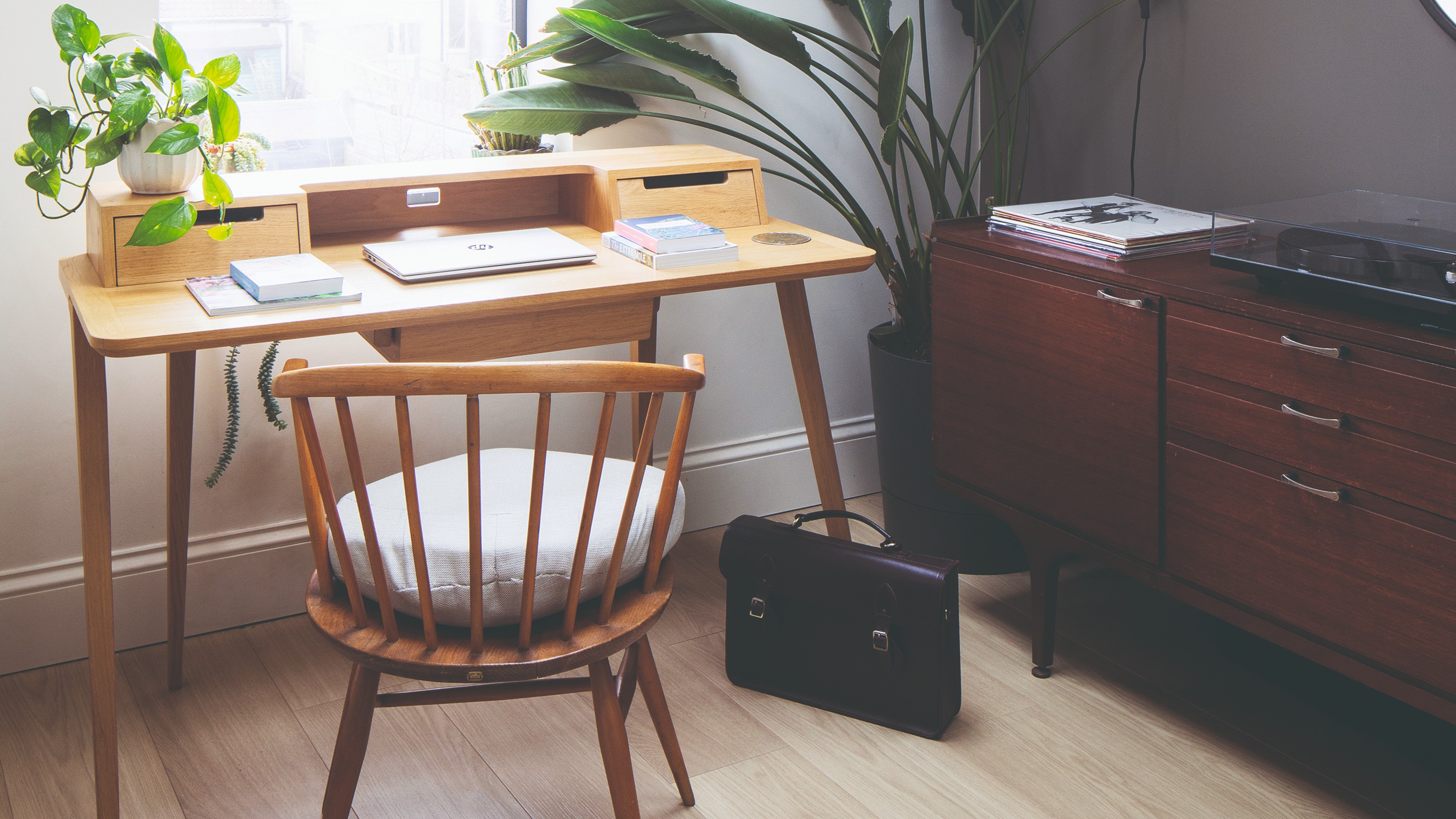
16 home office layout ideas to boost productivity and create a comfortable work space
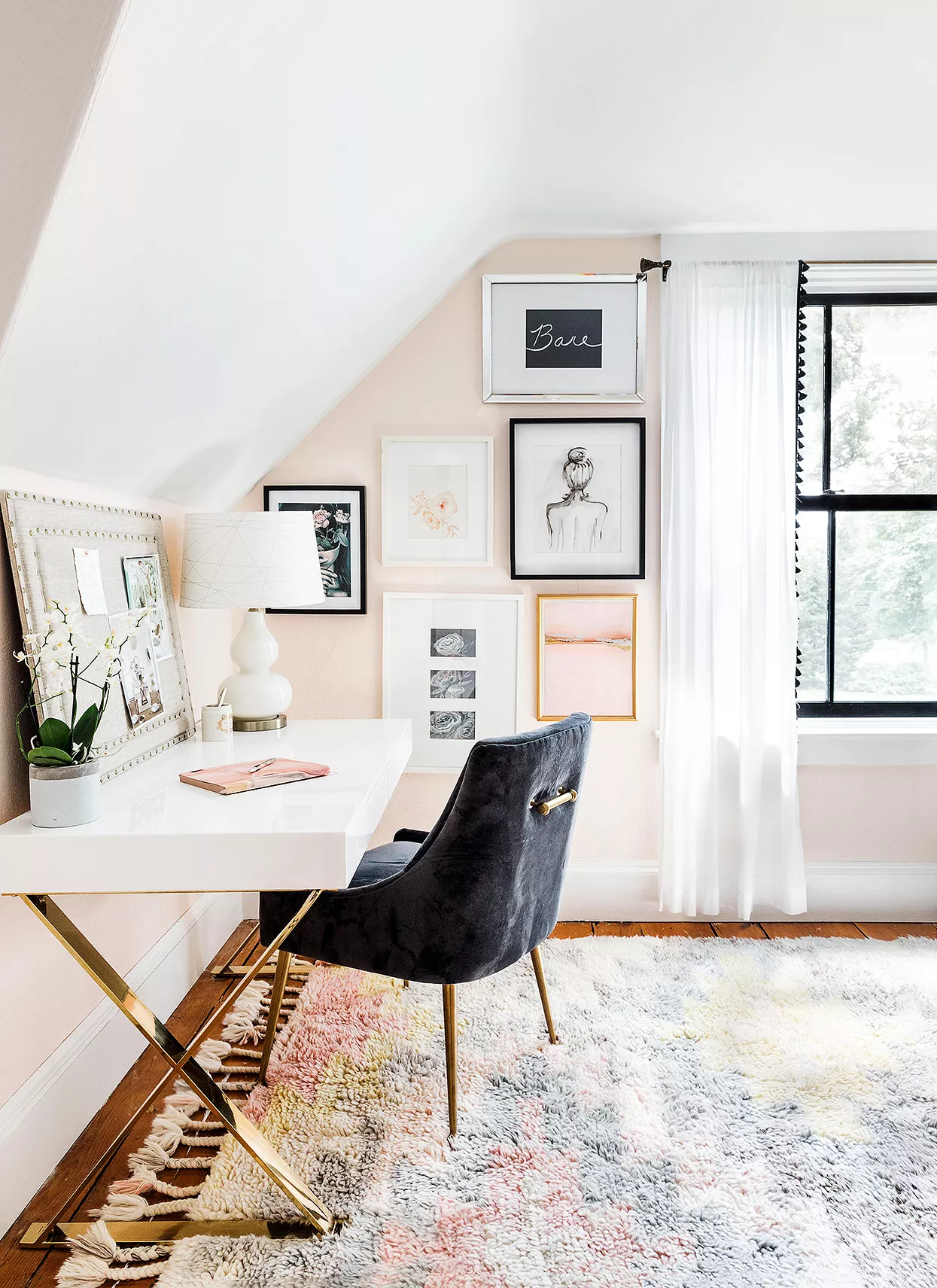
Corporate Natalie’s Top Tips for a Functional Home Office

4 golden rules for an organized entryway, from interiors editors and designers

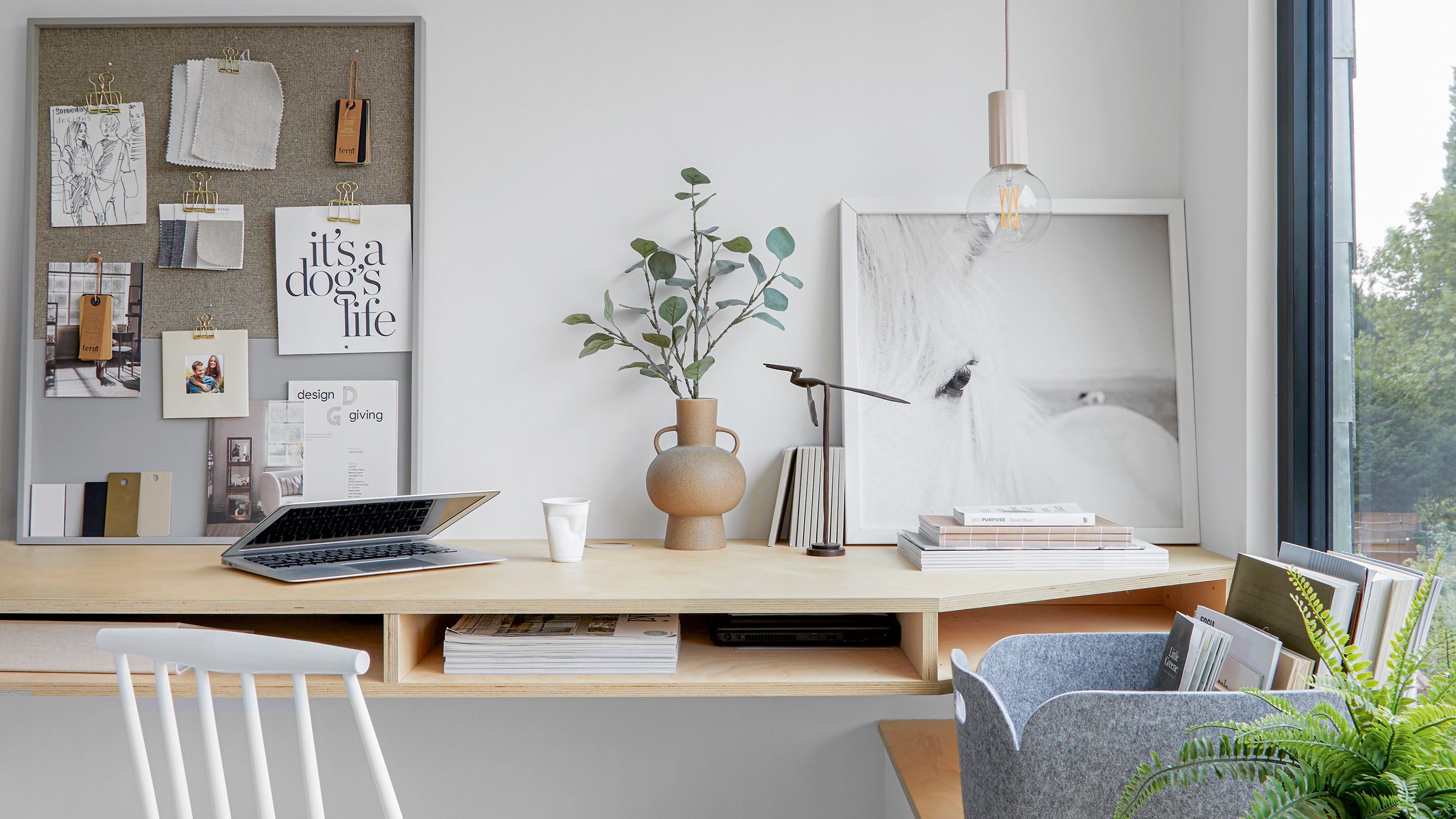
7 Good Home Office Feng Shui Ideas — Experts Say These Rules Will Fill Your 2025 With Success and Wealth

5 Feng Shui Office Ideas for a More Balanced Workspace

Desk ideas for the home office - how to make sure your space works hard in the style stakes
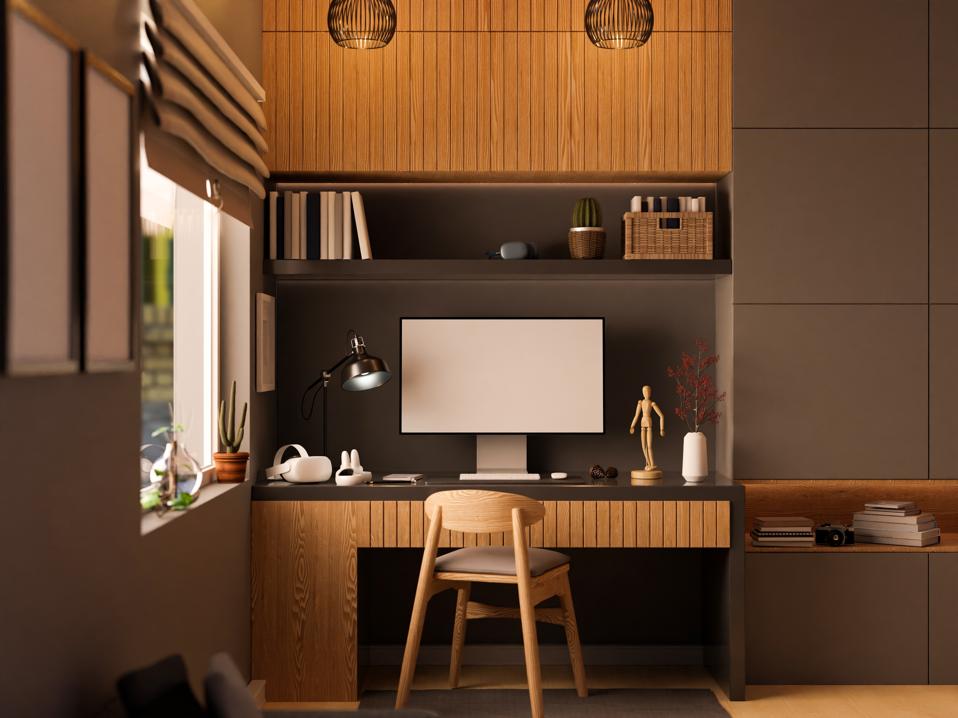
If You Work From Home, Here Are 6 Tips To Create The Perfect WFH Office

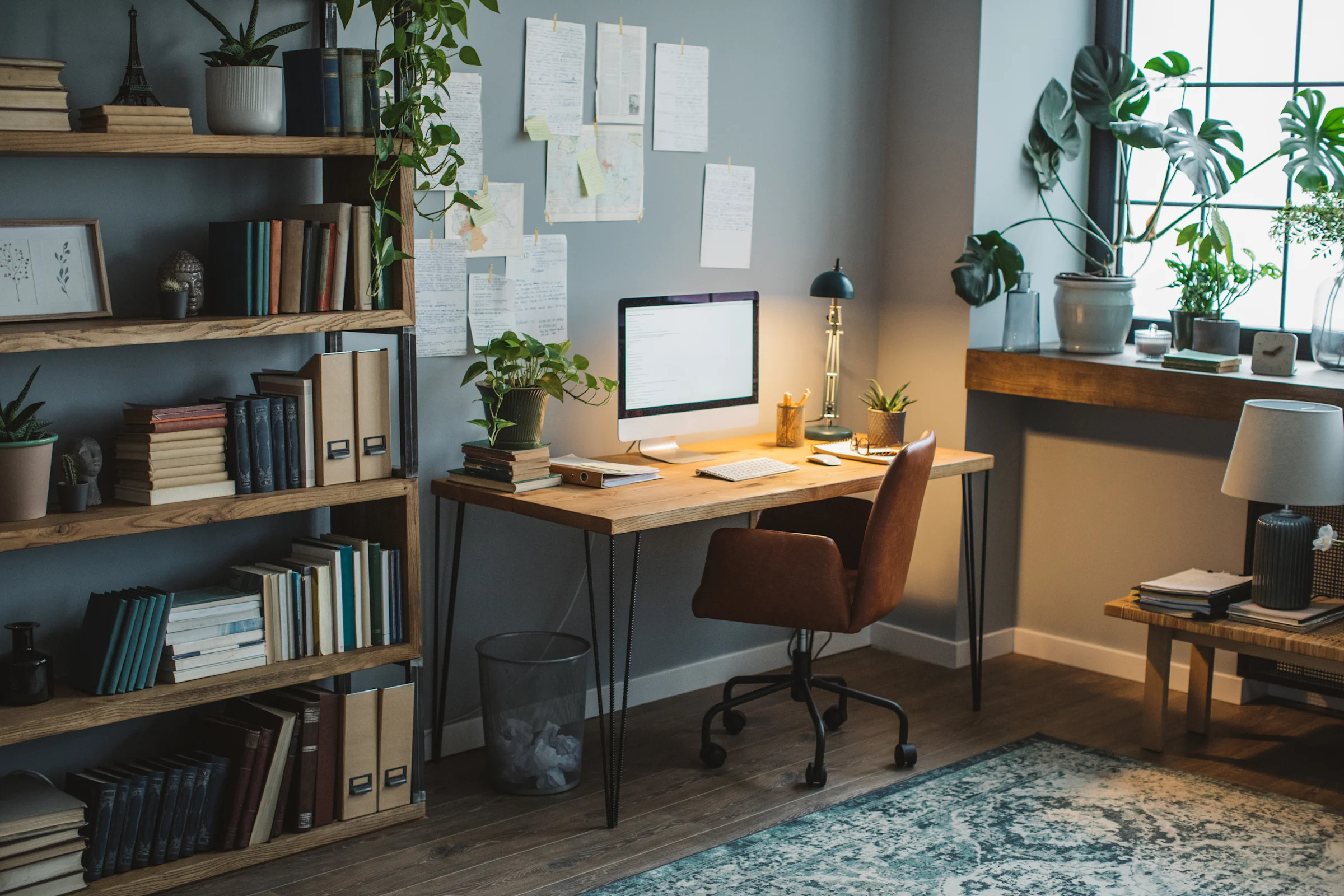
8 Home Office Layout Ideas That Are Up to Any Task

4 must have gadgets in your home office

6 Work From Home Office Essentials You Need In 2024
Rethinking your home office setup for a productive season ahead
How to make your home office a more pleasant place to work
6 Home Office Design Ideas to Fuel Productivity and Keeps Spirits Lifted

How I Set Up My Dream Desk in My Tiny Bedroom
Step up your home office game with these tips from an interior designer
How to design the ultimate home office, according to the experts

5 home office ideas to create the perfect workspace

How To Set Up A Dedicated Office Space In Your Home