
1/2
Erin Napier Ditches A Once-Popular Trend To Take A Dark Room From Dated To Elevated
Erin Napier, known for her interior design approach that often celebrates a home's original architectural features, made a significant design decision in a recent "Home Town" episode, opting to remove dark synthetic wood paneling from a 1962 three-bedroom property. While wood paneling has seen a resurgence in popularity for its ability to add coziness, warmth, and a connection to nature, the paneling in this specific home was deemed oppressive and light-absorbing, making the room feel dark and dated. Napier and her client agreed that removing the paneling was the best course of action. They replaced it with brighter, airier drywall painted a soft off-white, which effectively reflected natural light from the large windows, transforming the space into an open and refreshed area.
The decision to remove wood paneling is often a complex one, as this design element can be polarizing. Historically, early 21st-century homebuyers often rejected wood paneling due to its association with overly ornate homes. However, contemporary design trends have shifted away from minimalist, all-white interiors towards incorporating historical or character-rich architectural details, including wood paneling, to create more unique living spaces. When confronted with wood paneling in a fixer-upper, homeowners must weigh whether to keep or remove it.
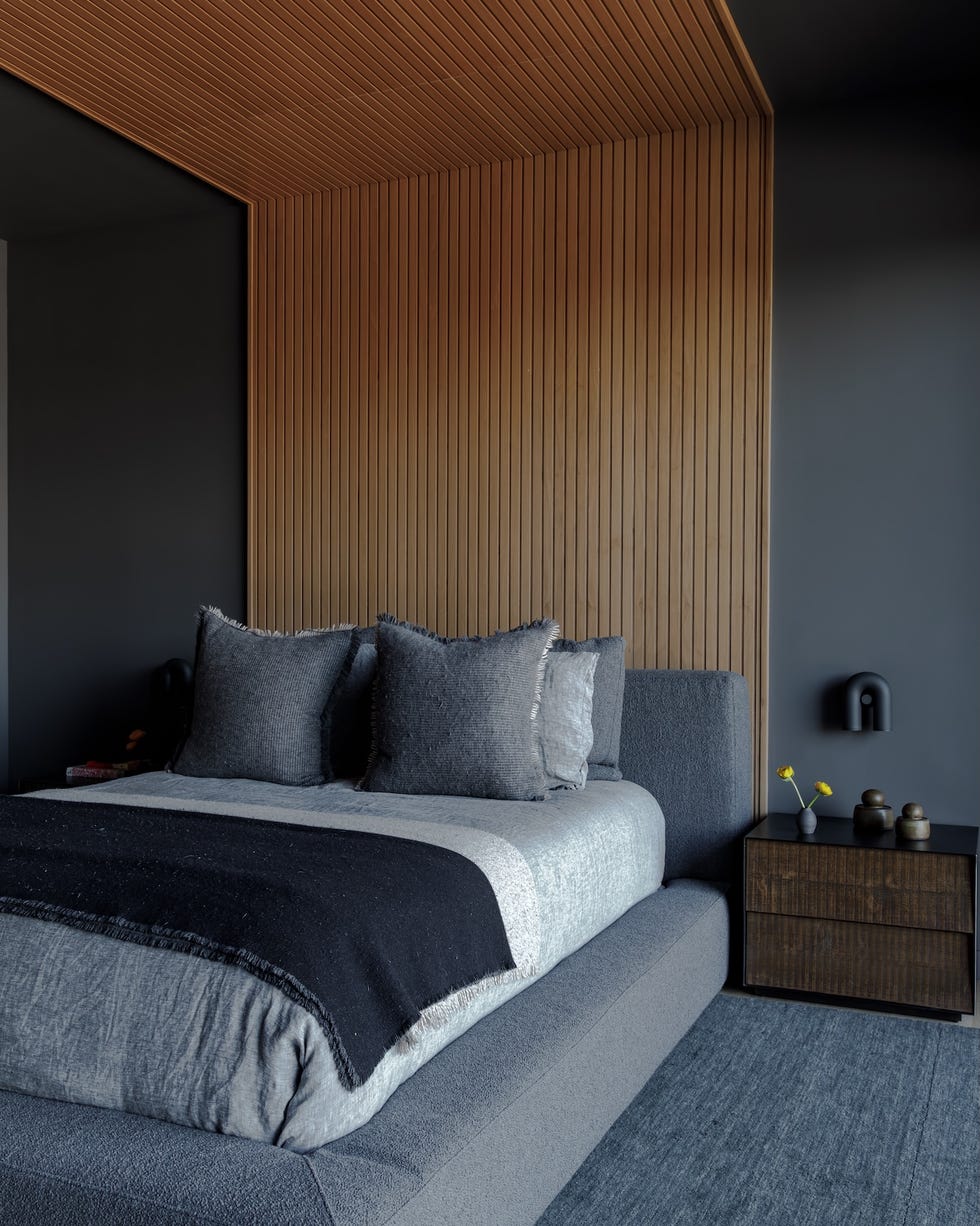
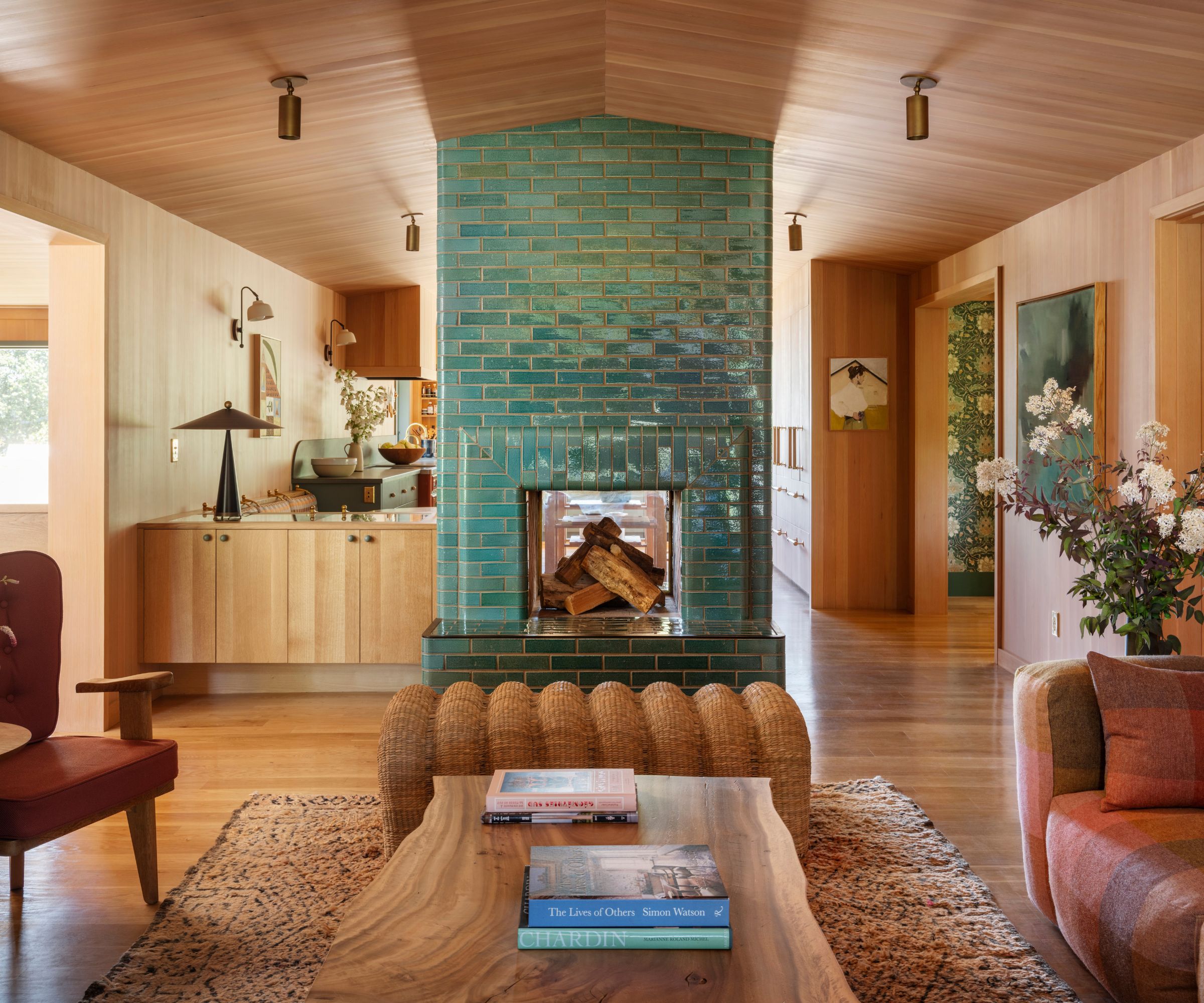
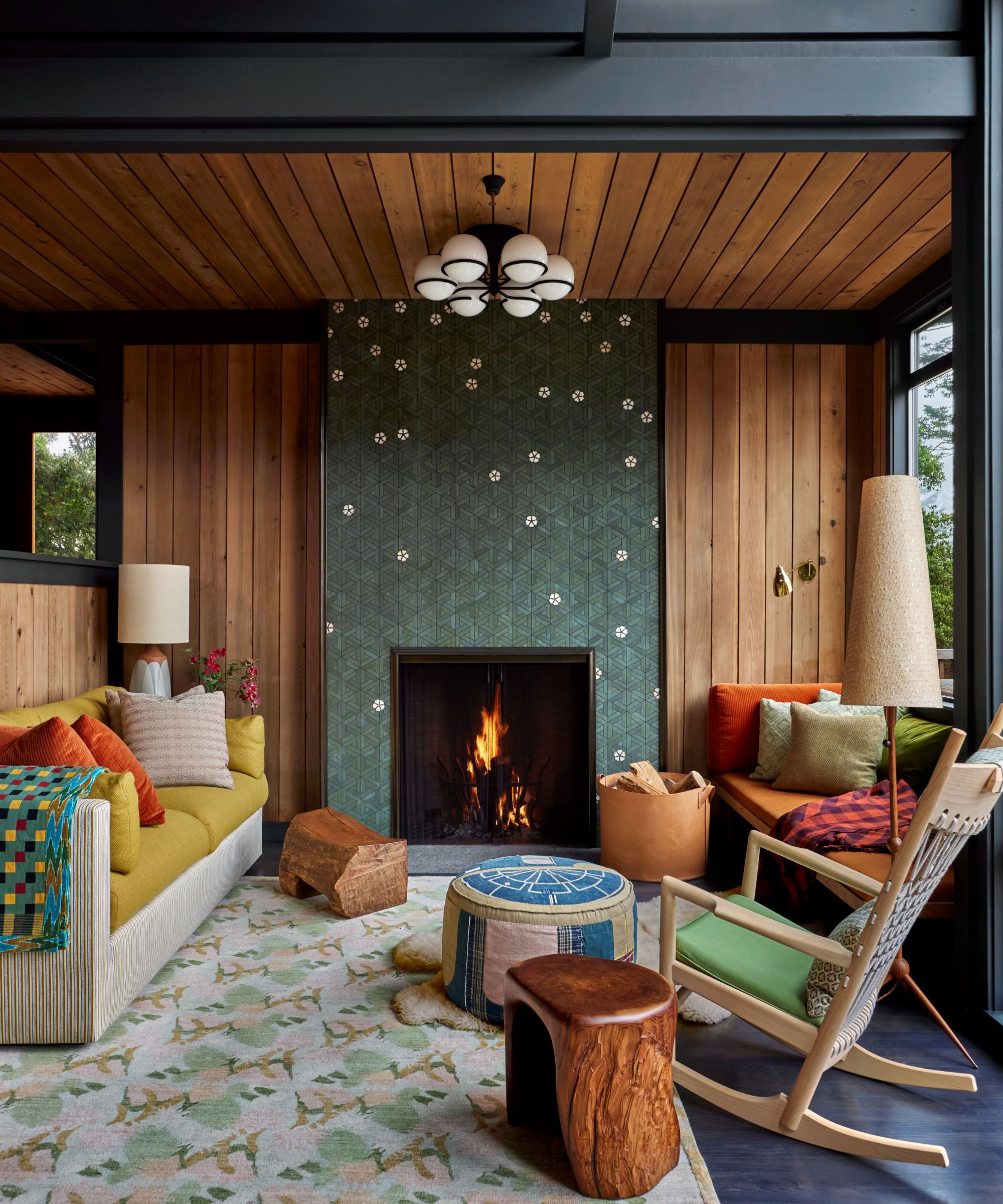
Napier's strategy provides a clear guideline: if the paneling makes a room dark and drab, especially in spaces with limited natural light, it's often best to remove it. Extensive dark wood paneling can contribute to a claustrophobic atmosphere. Alternatives to complete removal include bleaching or lime-washing the wood for a lighter stain, painting it a bright color, or removing it entirely. For those who appreciate the aesthetic but want a more contemporary feel, using dark wood paneling as an accent wall can be an effective compromise. This approach allows homeowners to honor the property's original architecture while modernizing the space to fit personal tastes, for instance, by placing it behind a fireplace.
Conversely, Napier also advises on preserving and restoring wood paneling when it possesses solid wood construction or intricate craftsmanship. Such high-quality, original woodwork is increasingly rare in modern properties and is considered a valuable historical feature that should be maintained rather than destroyed. Her overarching principle for historically accurate renovations emphasizes the importance of discerning between dated elements that detract from a home's appeal and valuable architectural details that should be celebrated and preserved. This specific renovation exemplifies how thoughtful design choices, including the strategic removal of certain elements, can significantly elevate a room's aesthetic and functionality, transforming a dated space into an elevated and inviting environment.
#ErinNapier #HomeTown #InteriorDesign #WoodPanelRemoval #HomeRenovation #DesignTrends #ArchitecturalFeatures #RoomTransformation #HistoricPreservation #ErinNapier #HomeTown #InteriorDesign #WoodPanelRemoval #HomeRenovation #DesignTrends #ArchitecturalFeatures #RoomTransformation #HistoricPreservation
0 comment in total
 No comments yet
You may also like
Erin Napier’s Clever Design Trick That Works in EVERY Room
Designers are ditching overhead lighting in the bathroom – and using this flattering source to illuminate spaces instead

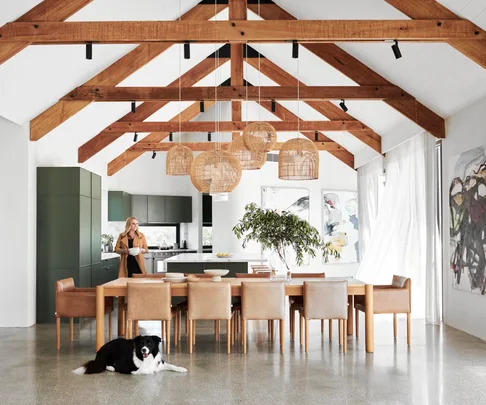
A once "unattractive" 1970s home takes a leap with colour and soaring ceilings


Erin Napier Ditches A Trendy Tile Backsplash For A Less Cookie-Cutter Alternative

Room dividers – and all their old-Hollywood charm – are back

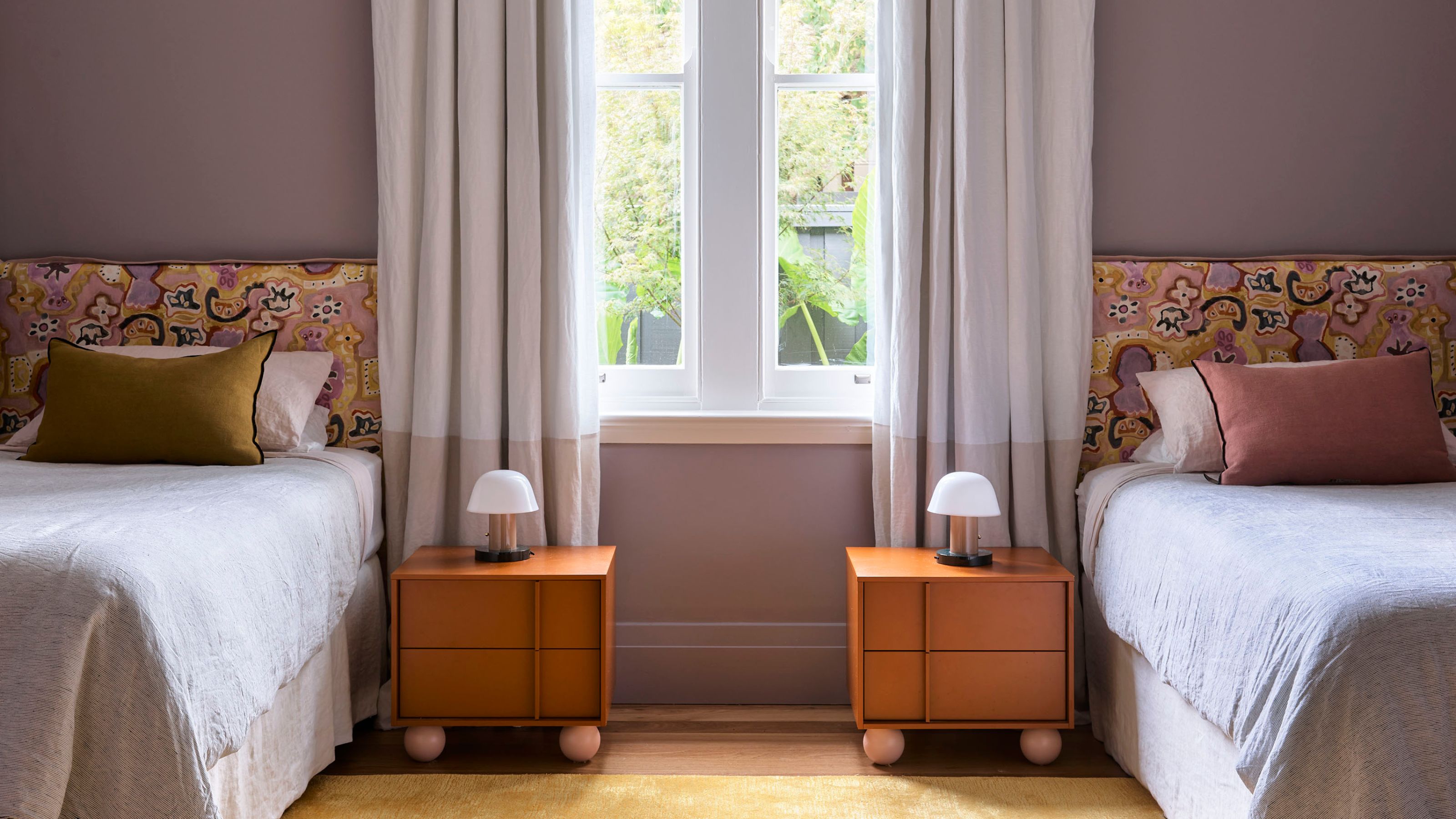
Lavender Bedrooms Are the Unexpectedly Modern Trend — Because Blue Schemes Have Been Done to Death


Forget the Open Concept: It's Time to Bring Back Rooms

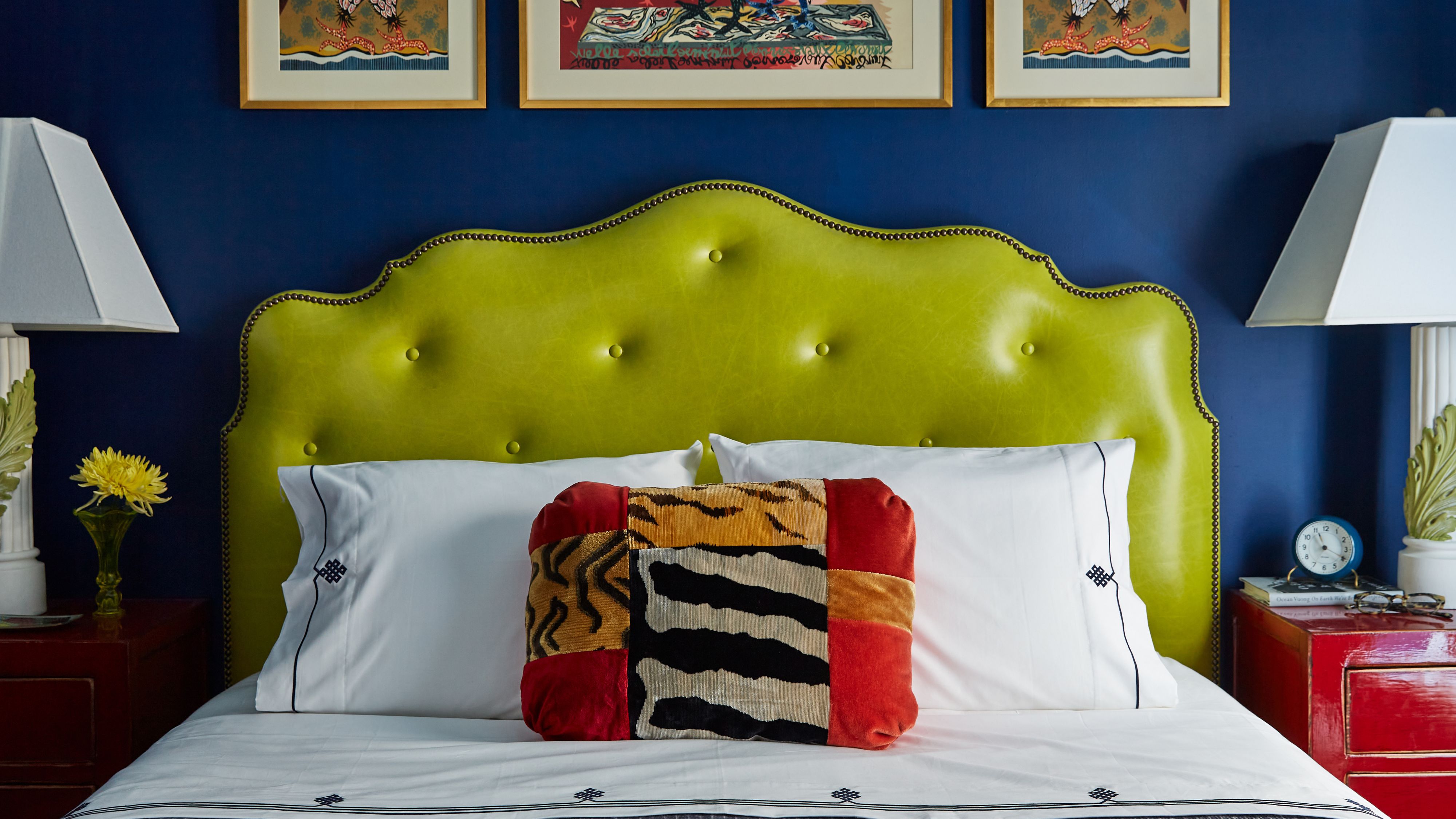
This electric 1960s shade is making an unexpected return – and designers say it’s the key to lifting darker, moodier interiors this fall

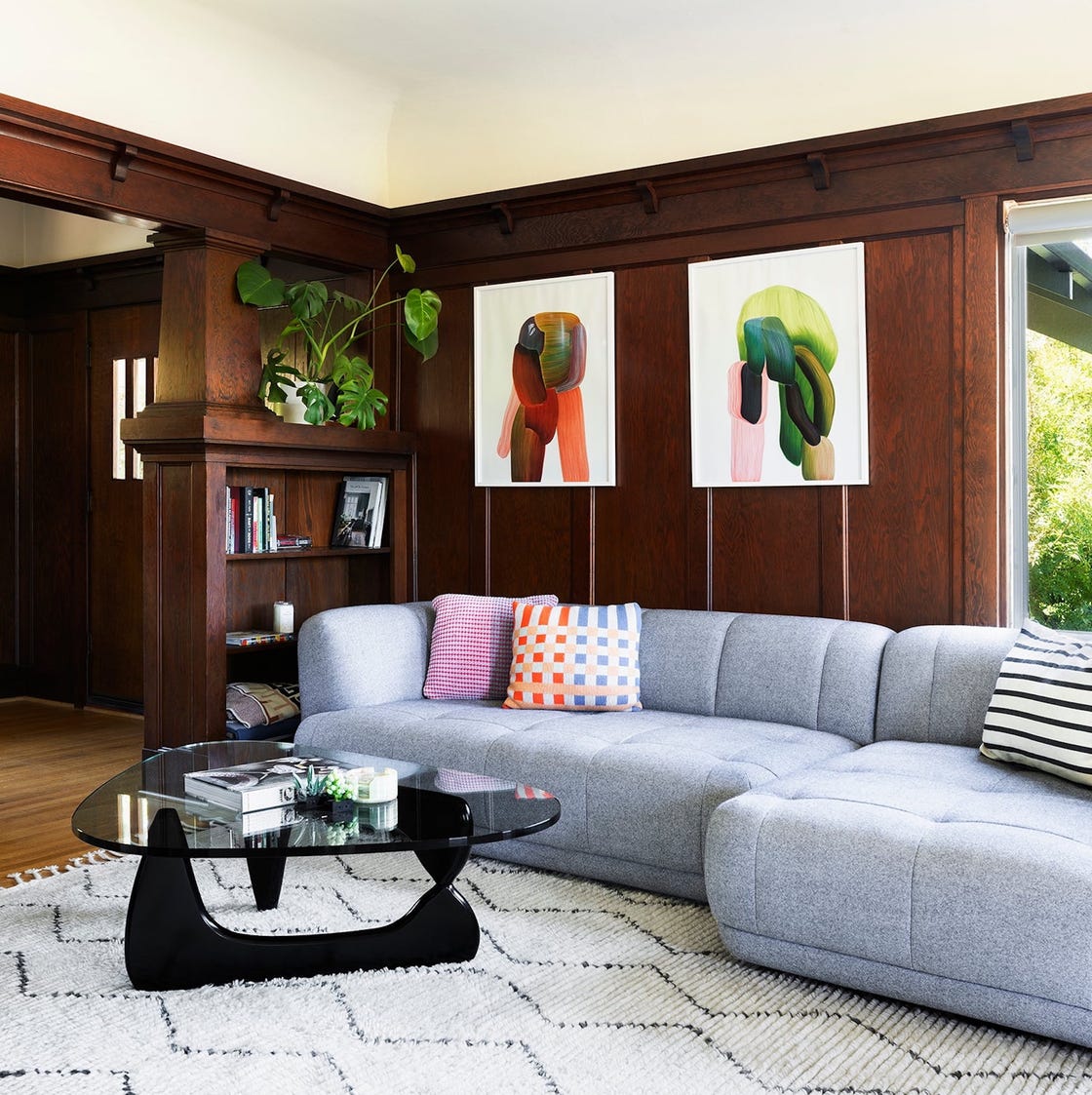
Designers Are Ditching "Flat Painted Walls" for THIS Unexpected Trend


HGTV's Erin Napier Ditches A Trendy Kitchen Island For A More Functional Alternative

Gwyneth Paltrow's dining room breaks a cardinal color rule

Erin Napier Just Revealed the Next Biggest Kitchen Trend We’re All Going To Be Obsessed With


HGTV Star Erin Napier Ditches The Hardwood Floor Trend For Something Unique

Gorgeous Gorgeous Girls Love Nursery Chic

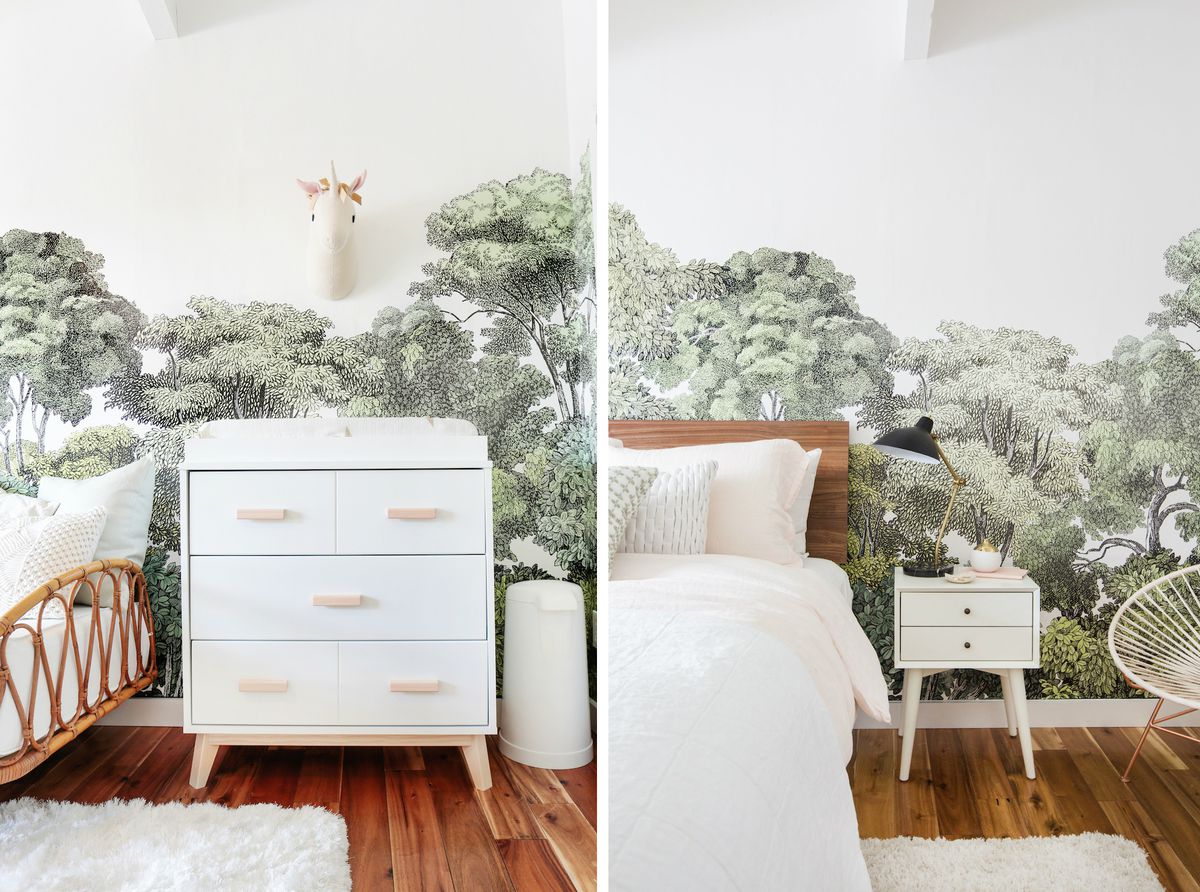
Designer Emily Henderson turns nursery into stylish guest room

Erin Napier Has a New Favorite Color and We’re Honestly SHOCKED

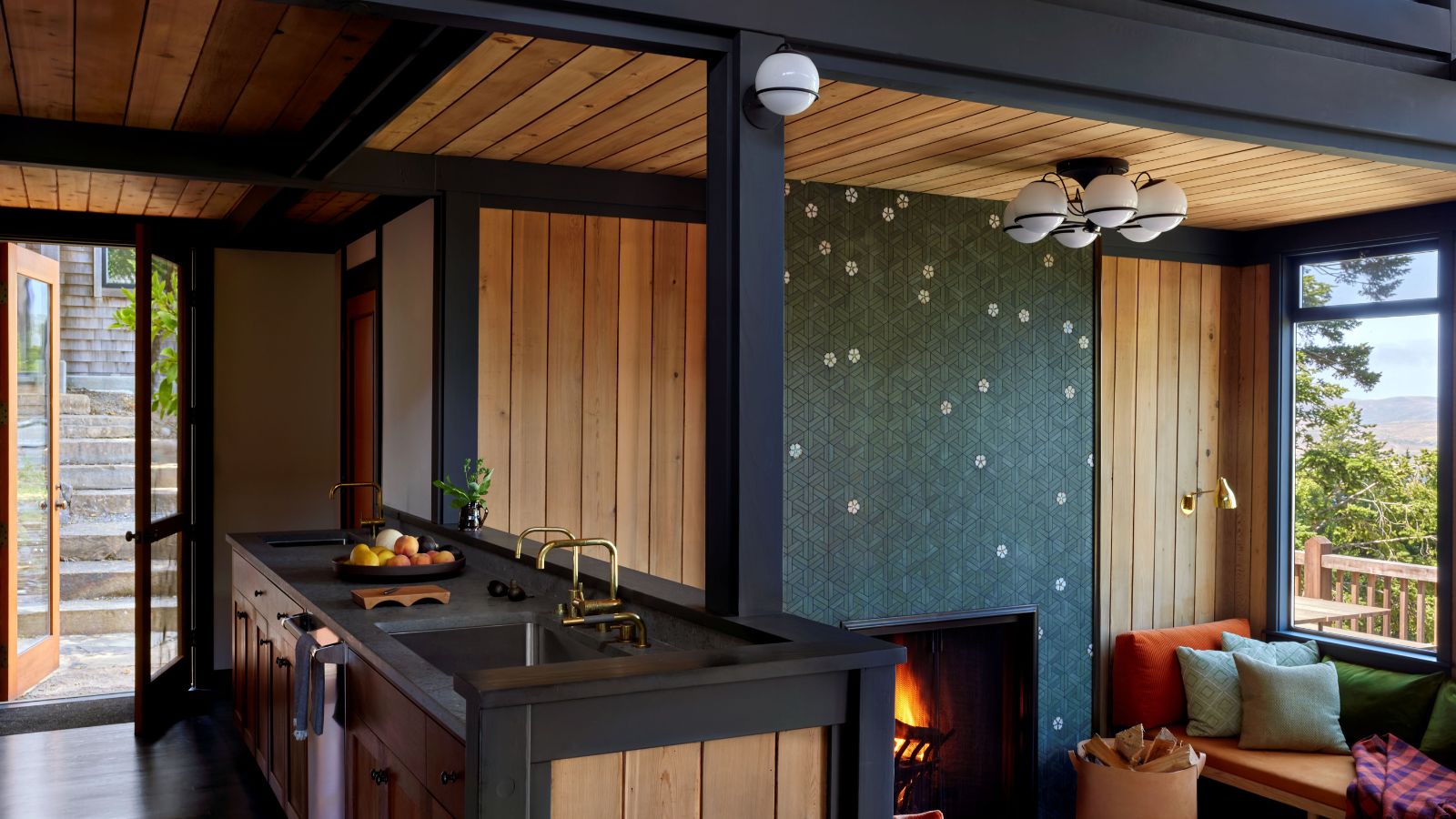
Designers definitely approve of this statement trend that elevates a cozy room
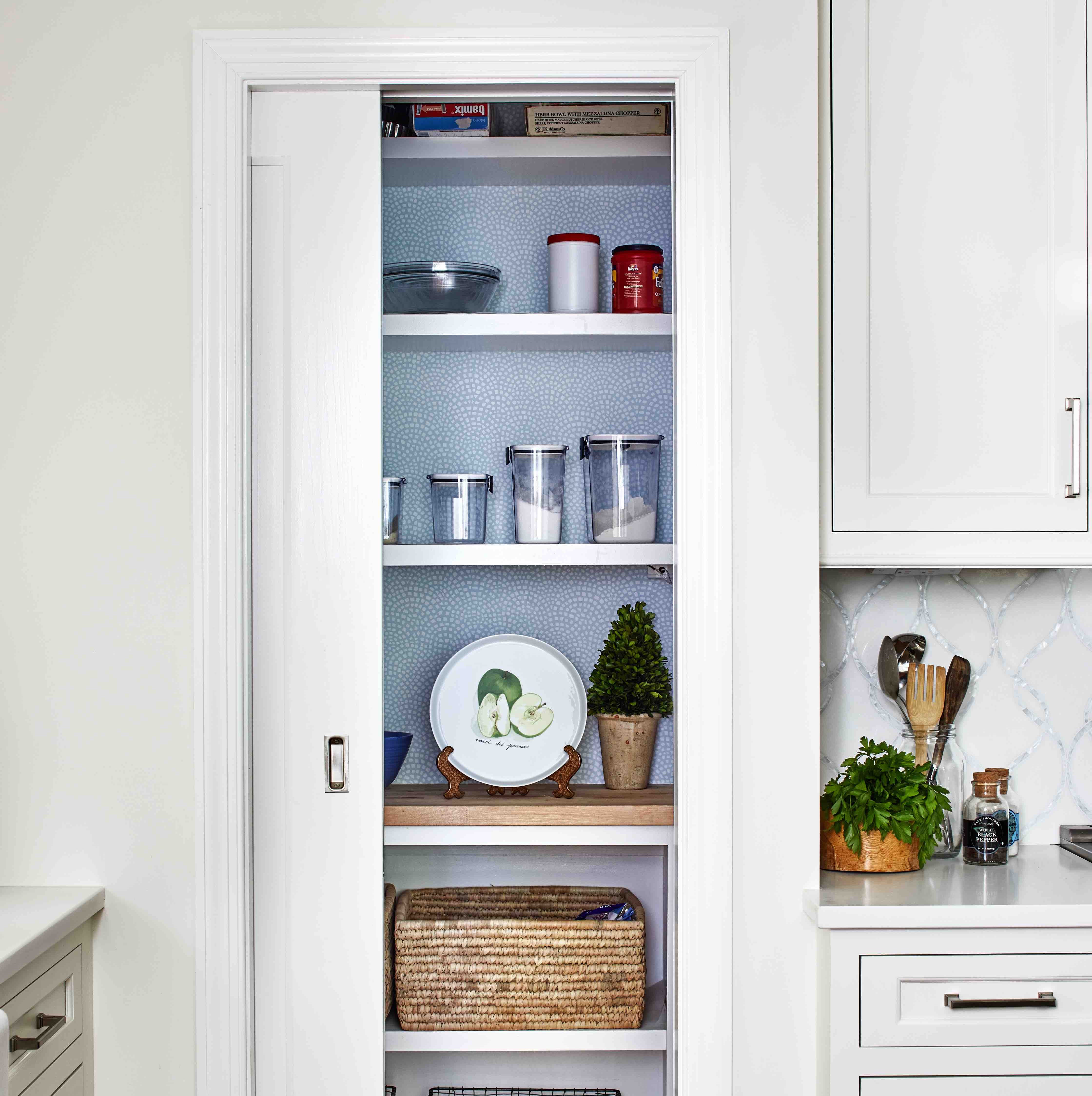
Designers Say This Vintage Home Feature Is Back

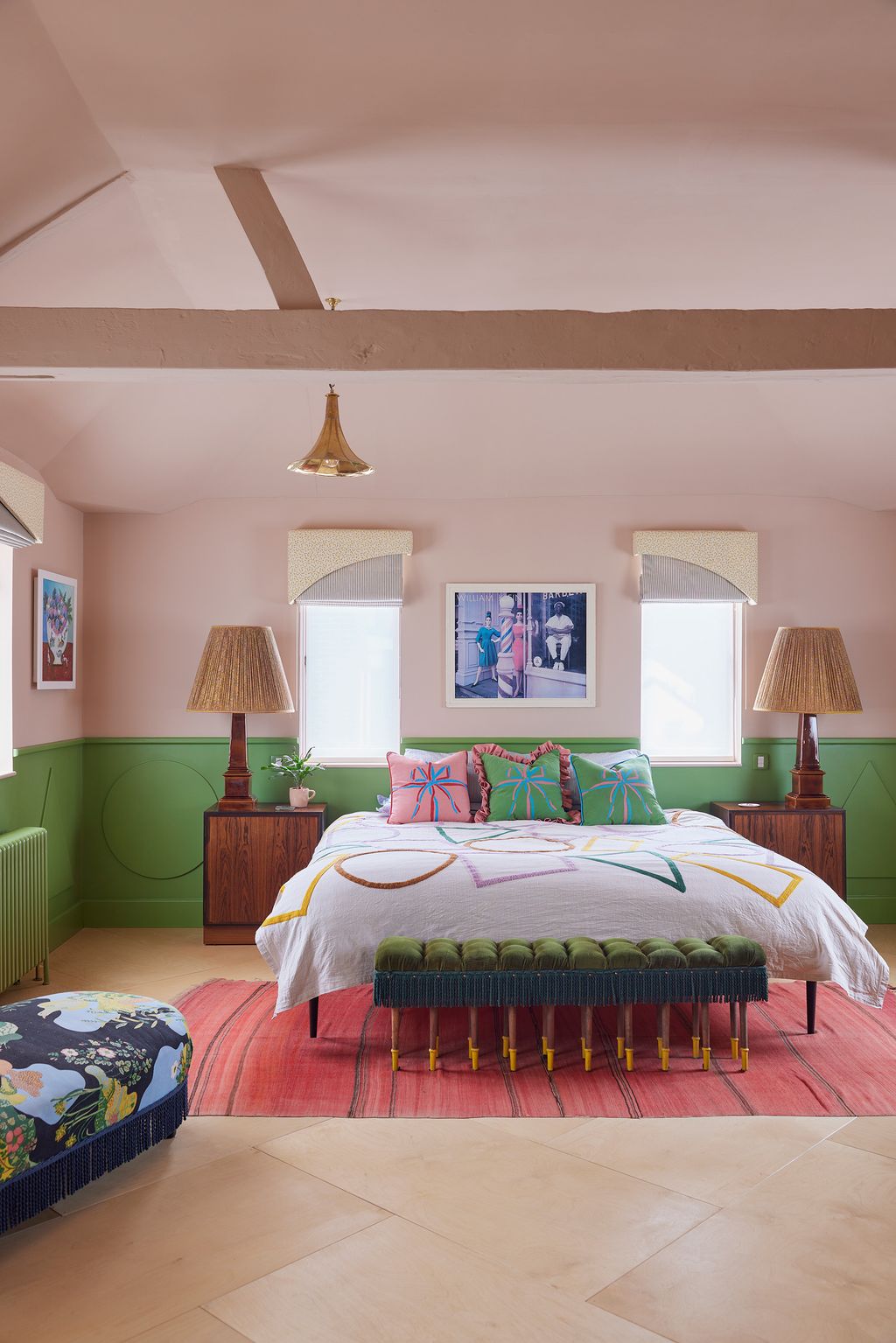
Time to rethink coloured ceilings and woodwork

Erin Napier's Bold Kitchen Backsplash Alternative Sparked Debate Among Fans