Renovating or adding a kitchen island to your NYC apartment? Here's a checklist
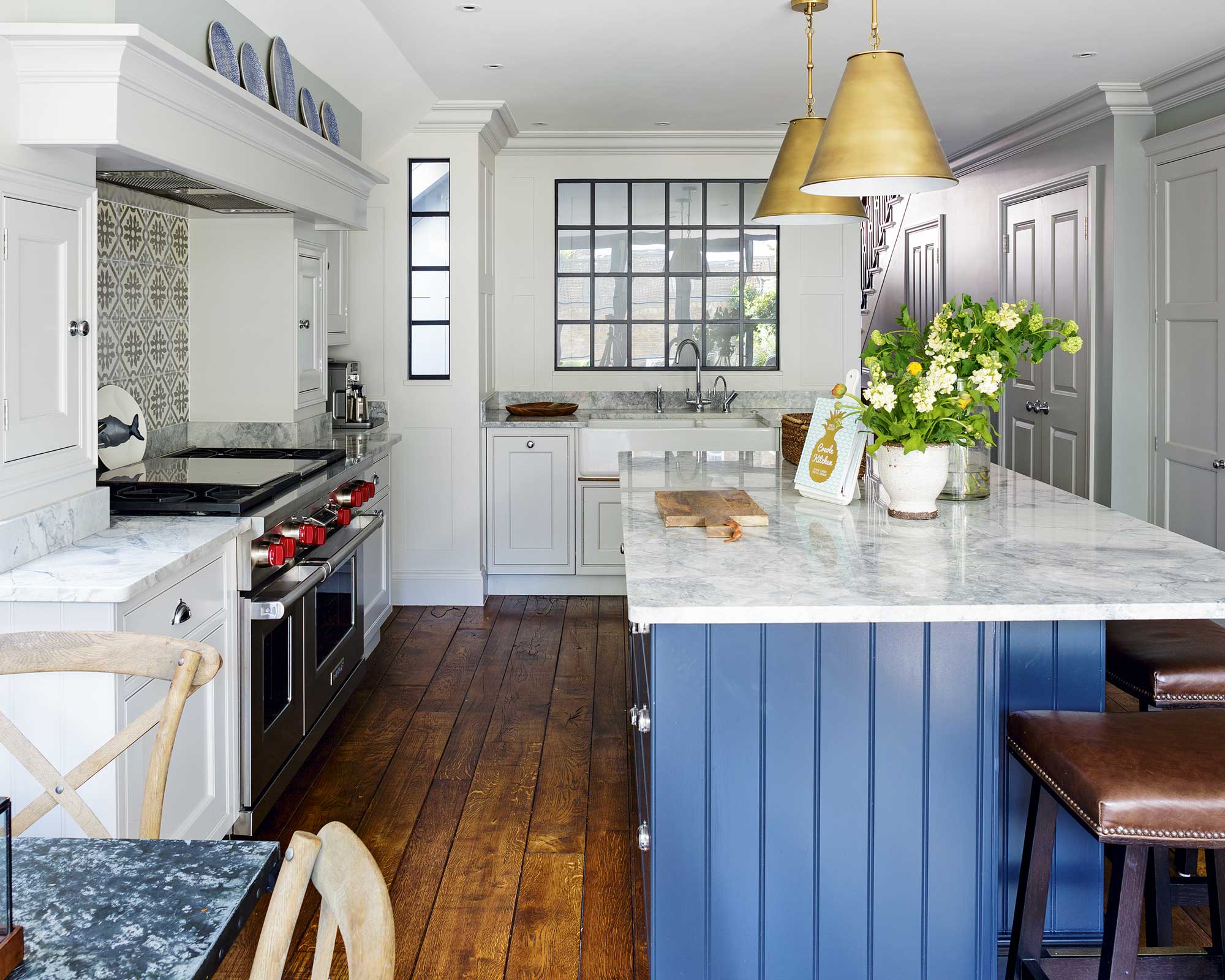
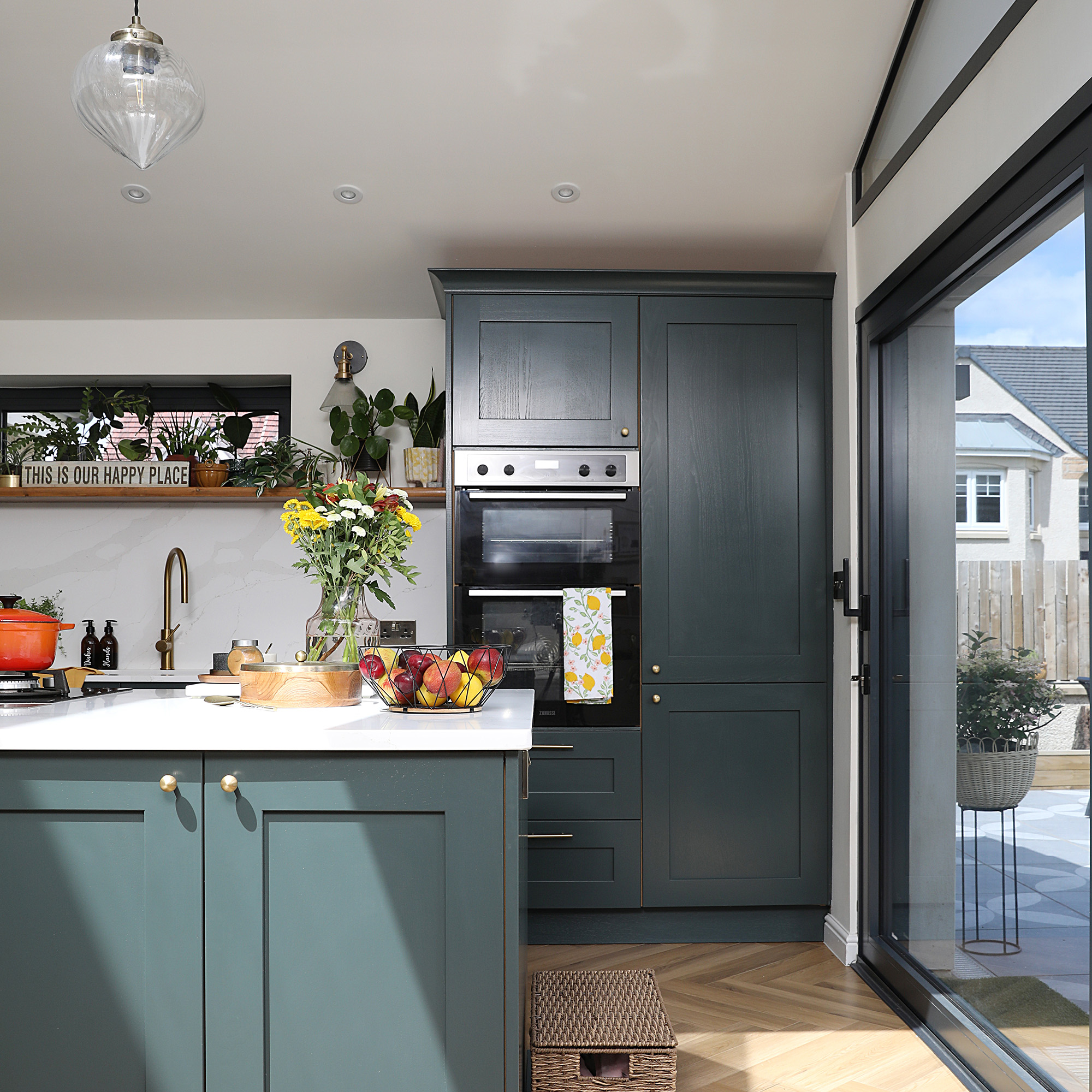
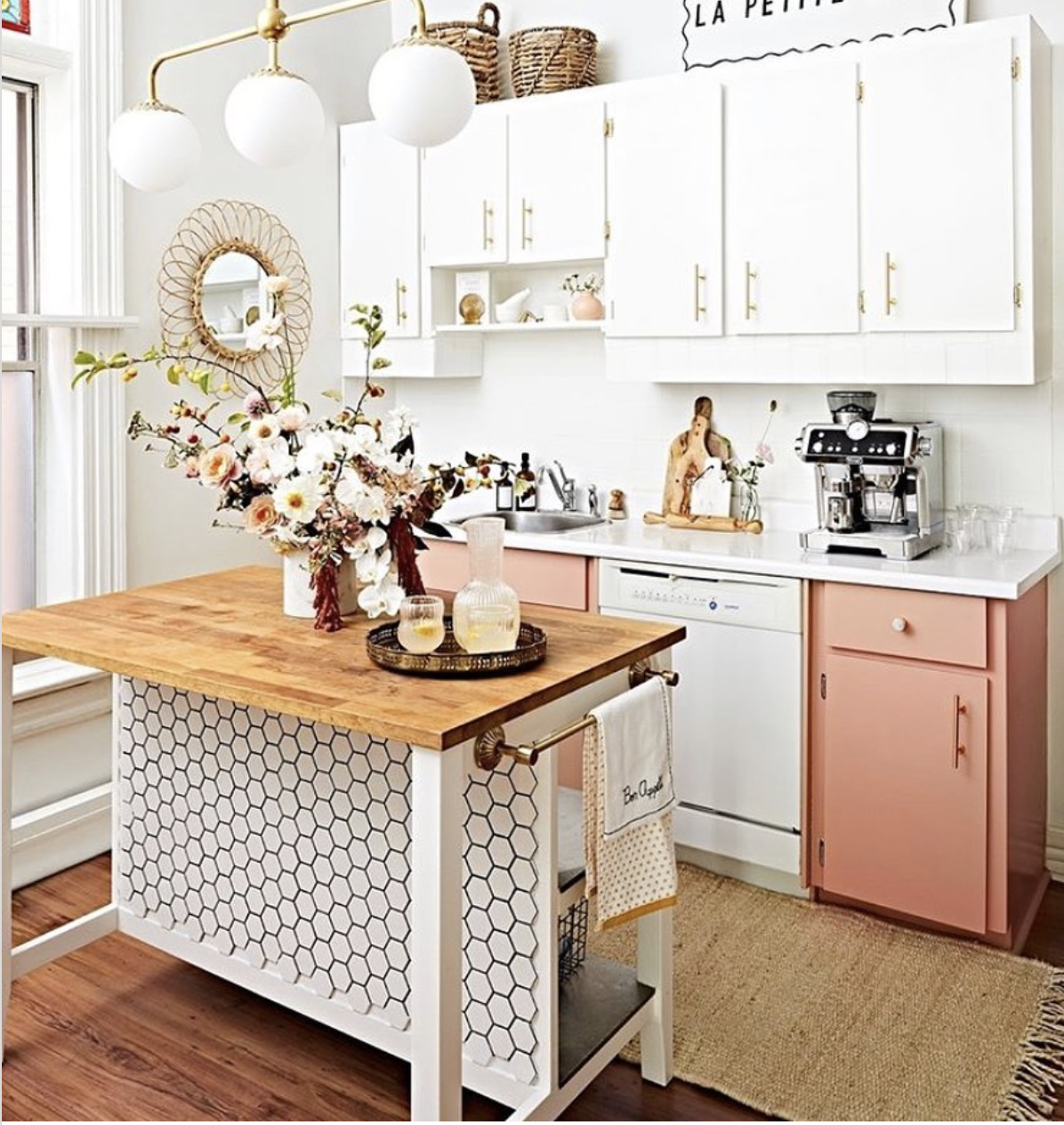
The kitchen island has become a central feature in modern homes, particularly in New York City apartments, where space optimization and multi-functionality are paramount. The shift in lifestyle over the past year has transformed the kitchen island from a mere cooking prep area and storage unit into a versatile hub for casual dining, homework, and family gatherings. While large islands are common in houses, strategically designed, scaled-down versions can significantly enhance efficiency and address space constraints in NYC apartments. Whether integrating into a full kitchen renovation or as a standalone upgrade, thoughtful planning is essential to ensure the island is multi-functional, stylish, and comfortable.
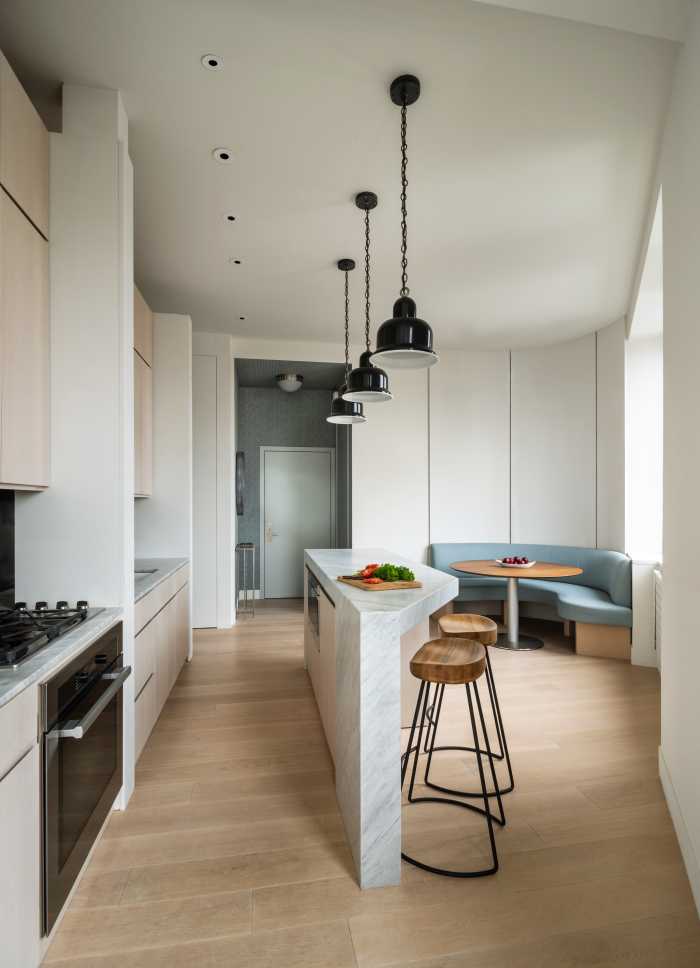
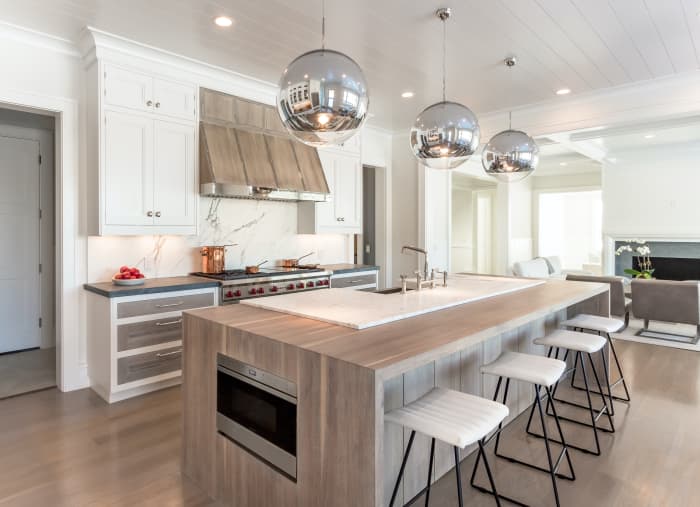
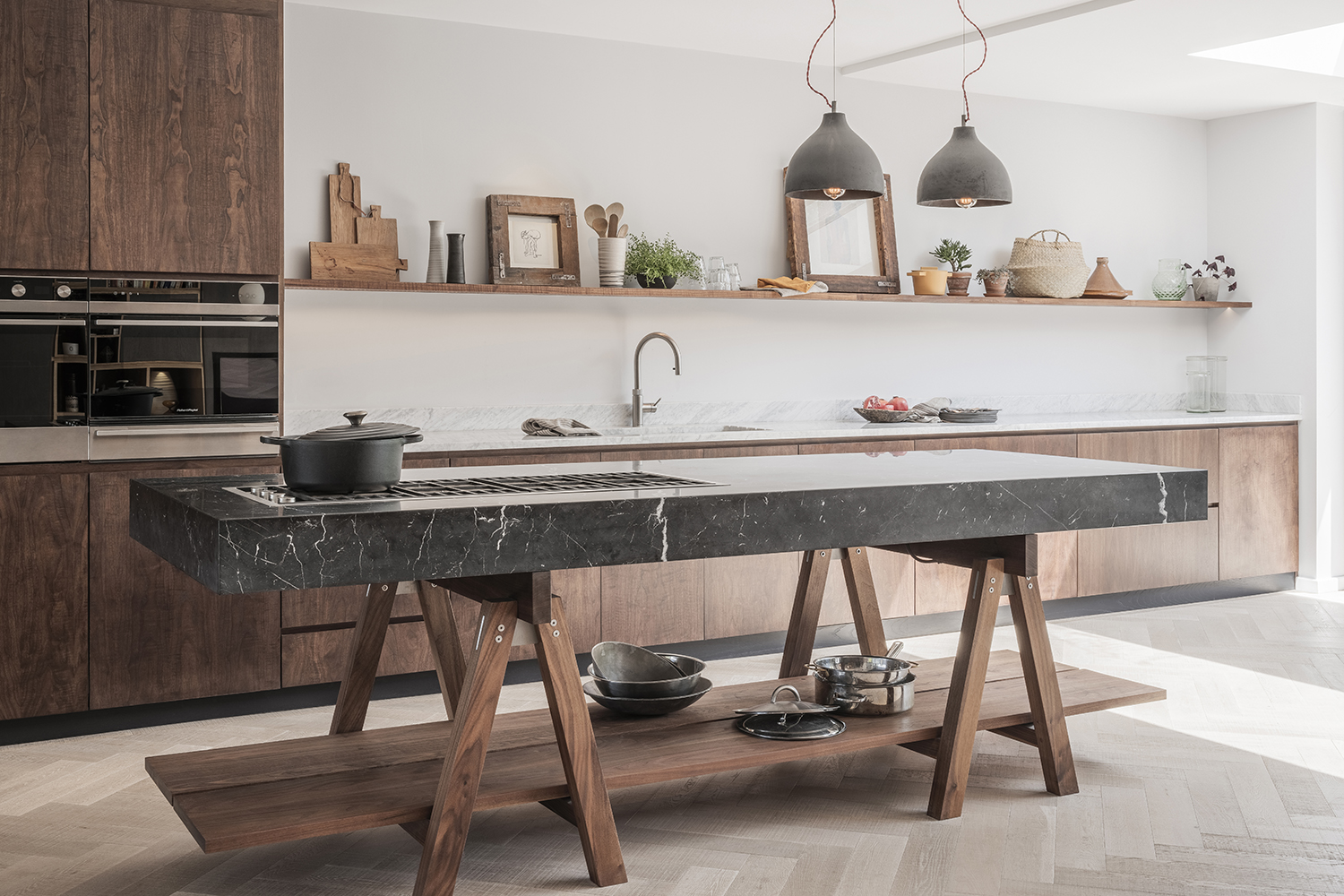
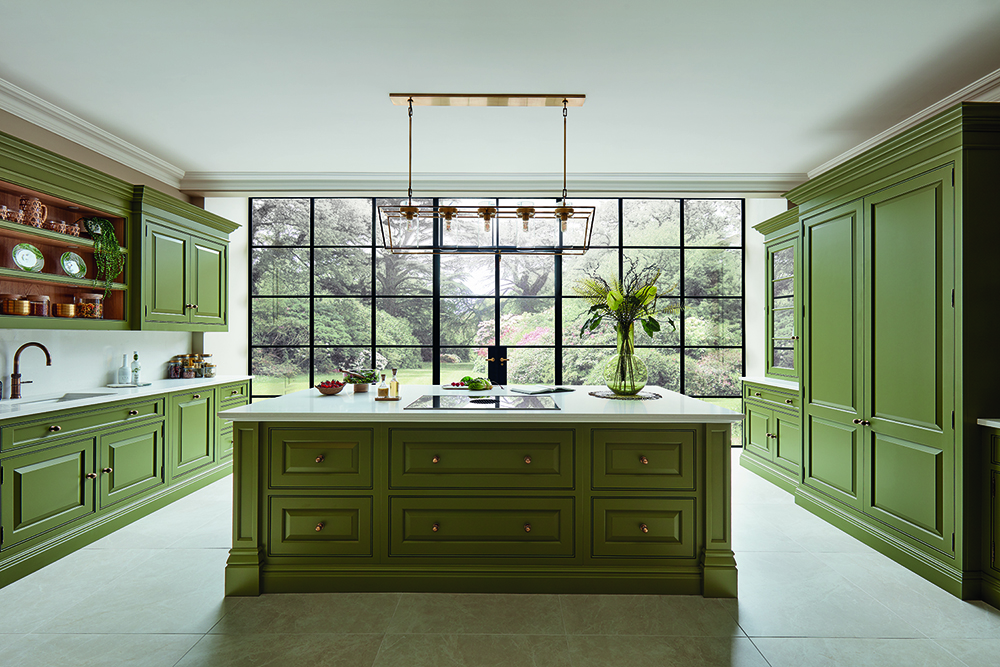
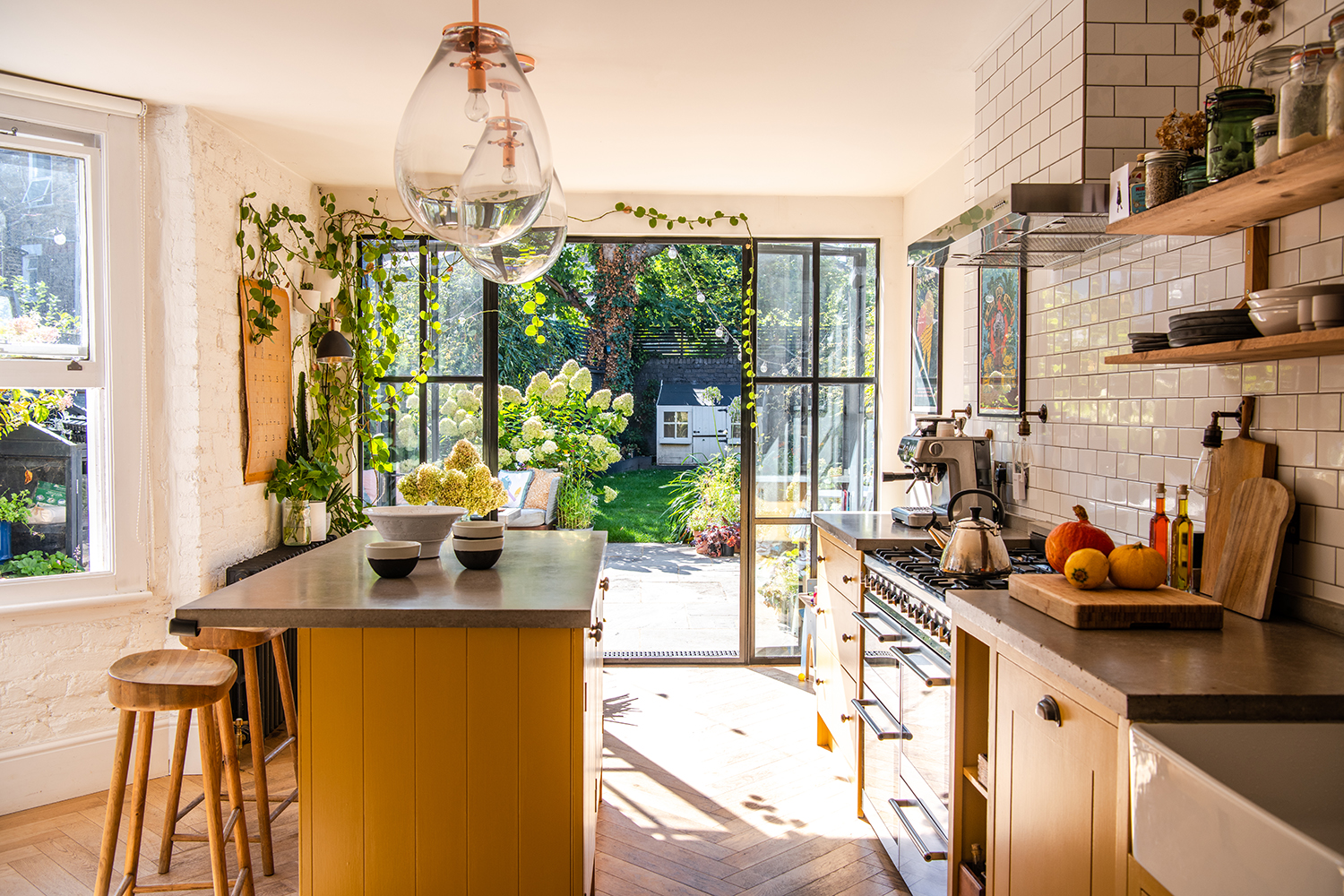
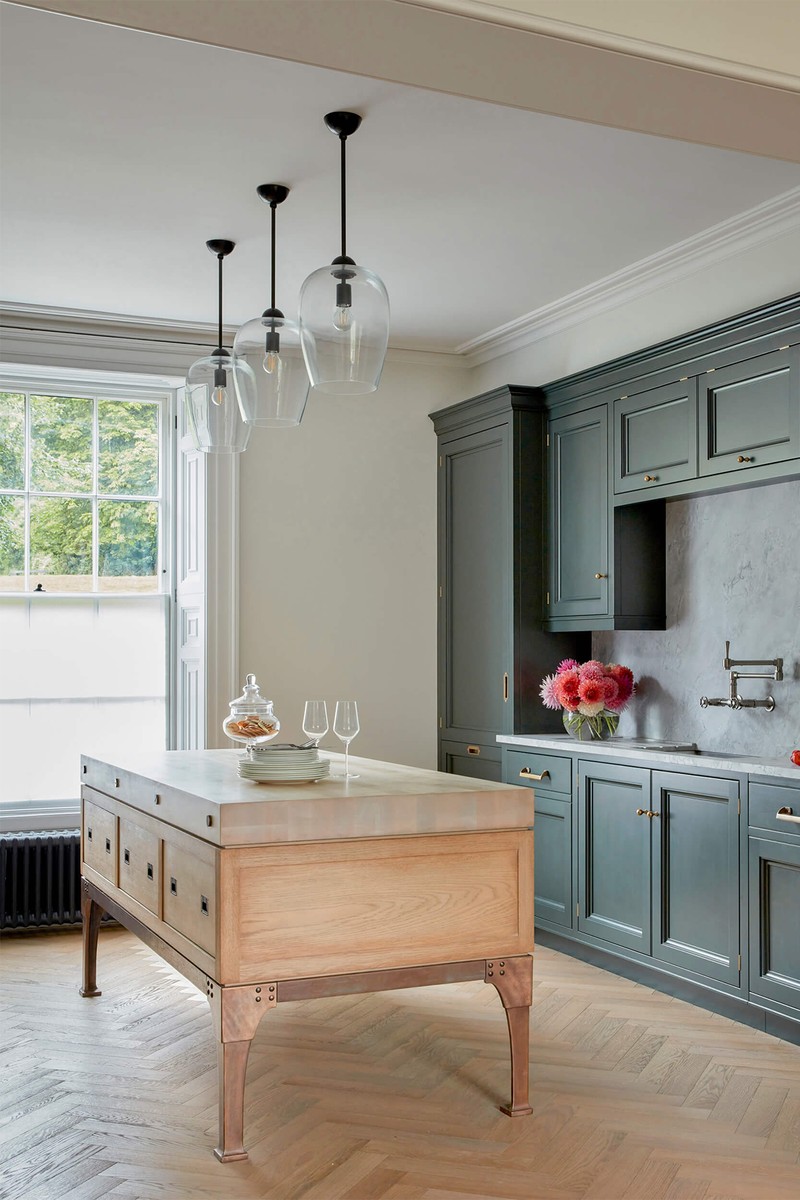
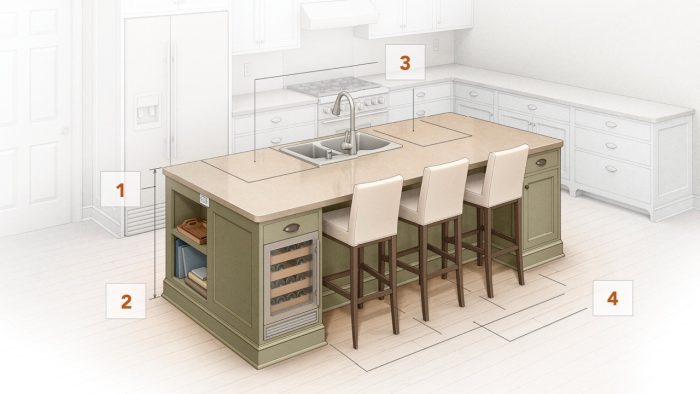
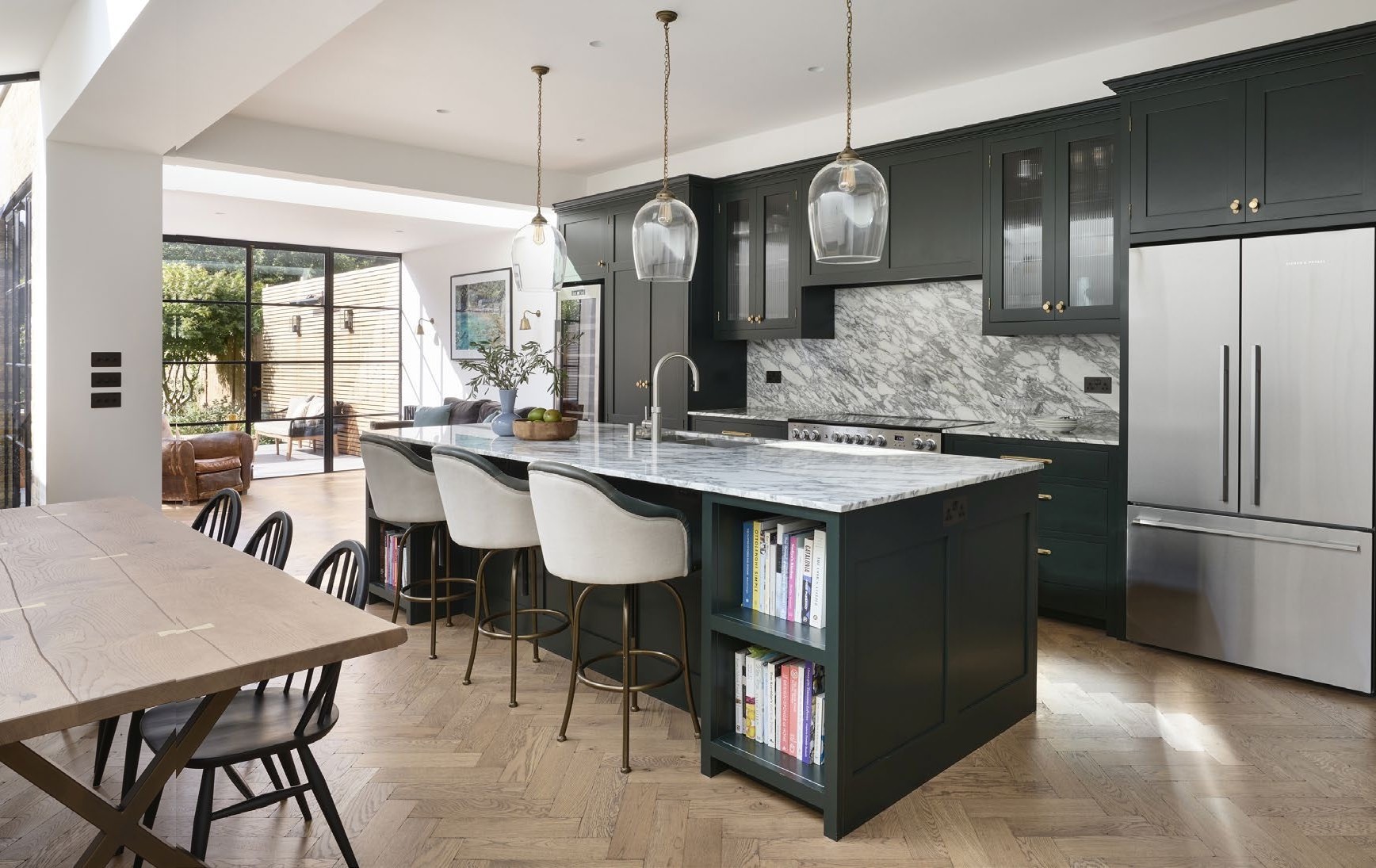
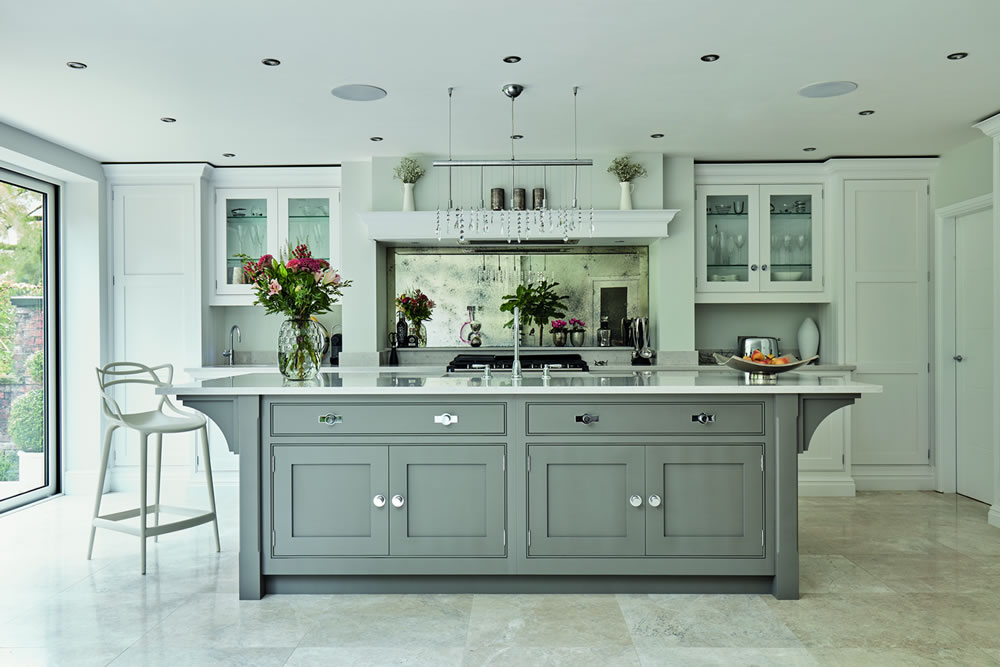
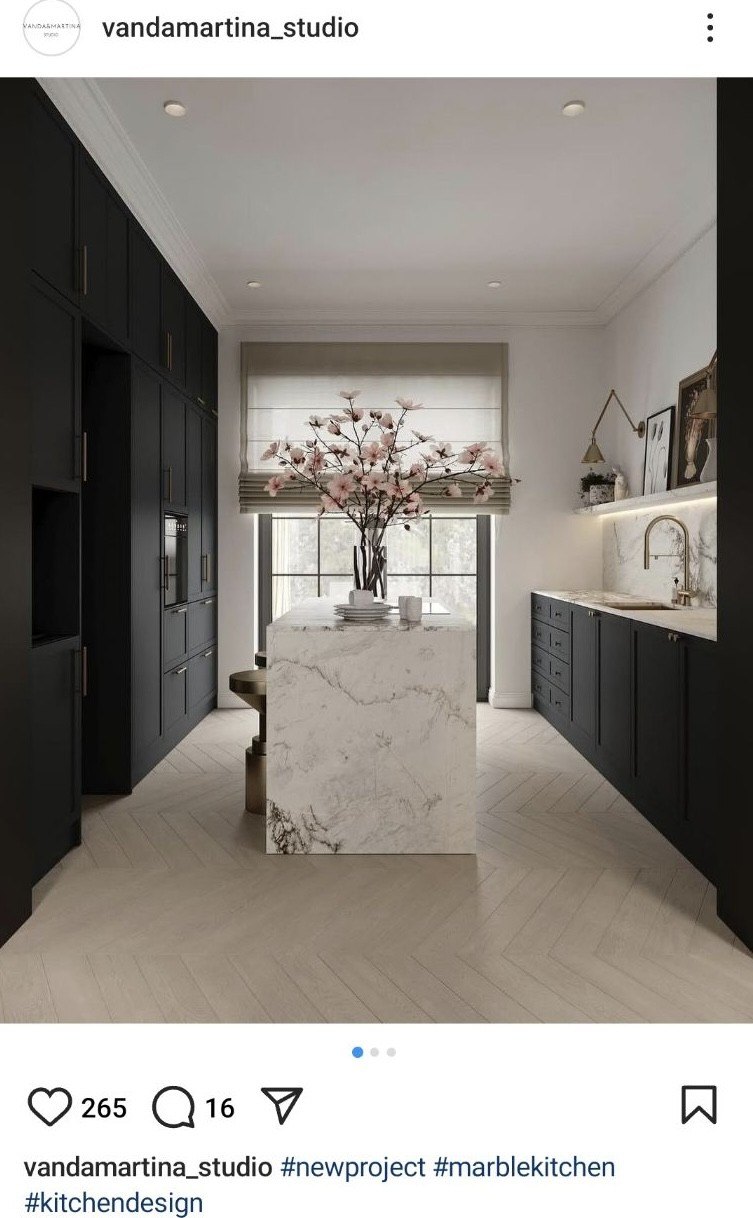
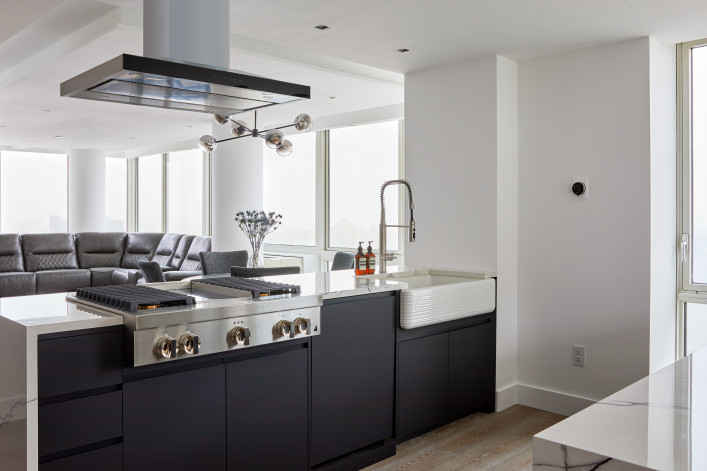
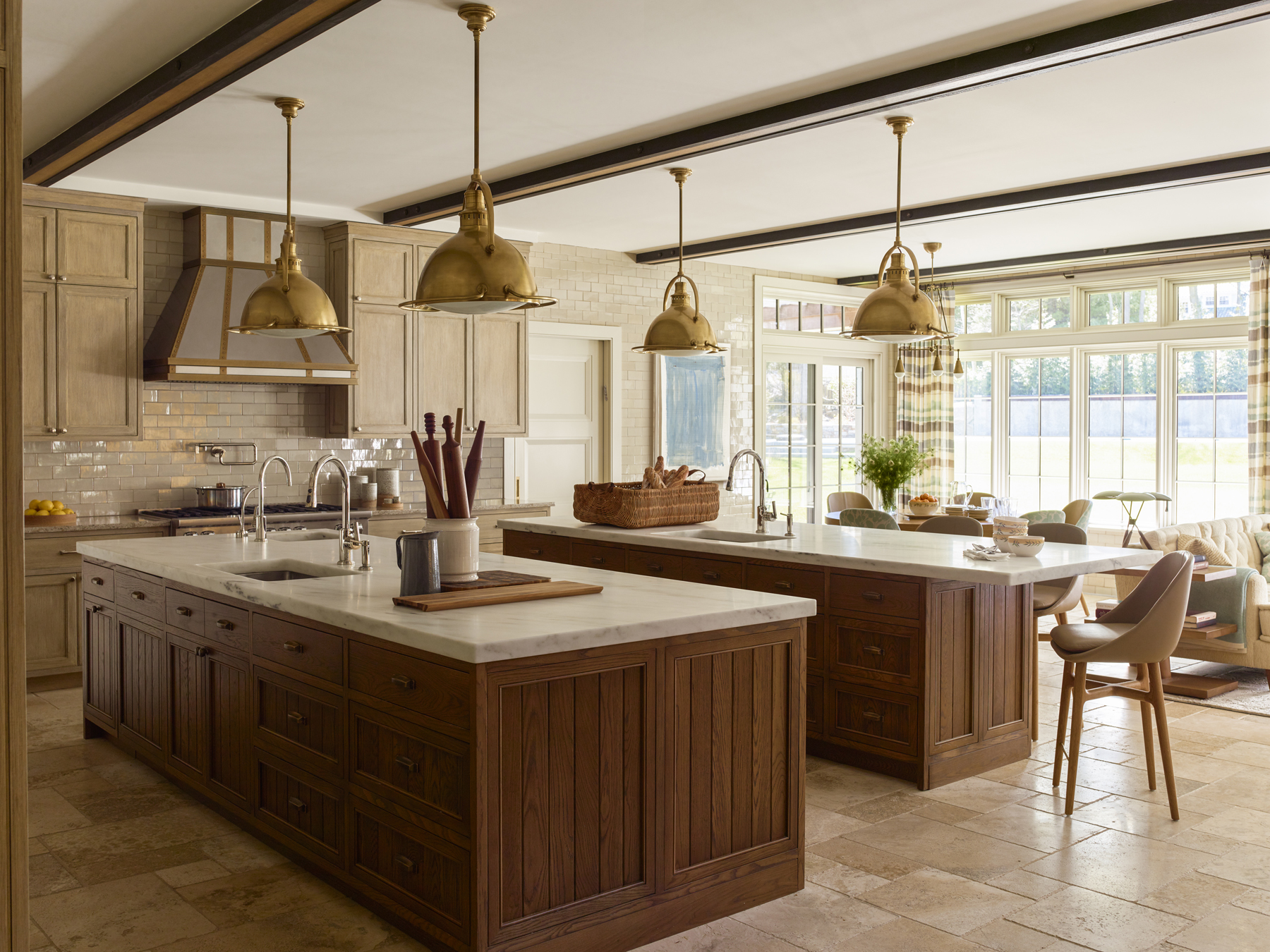
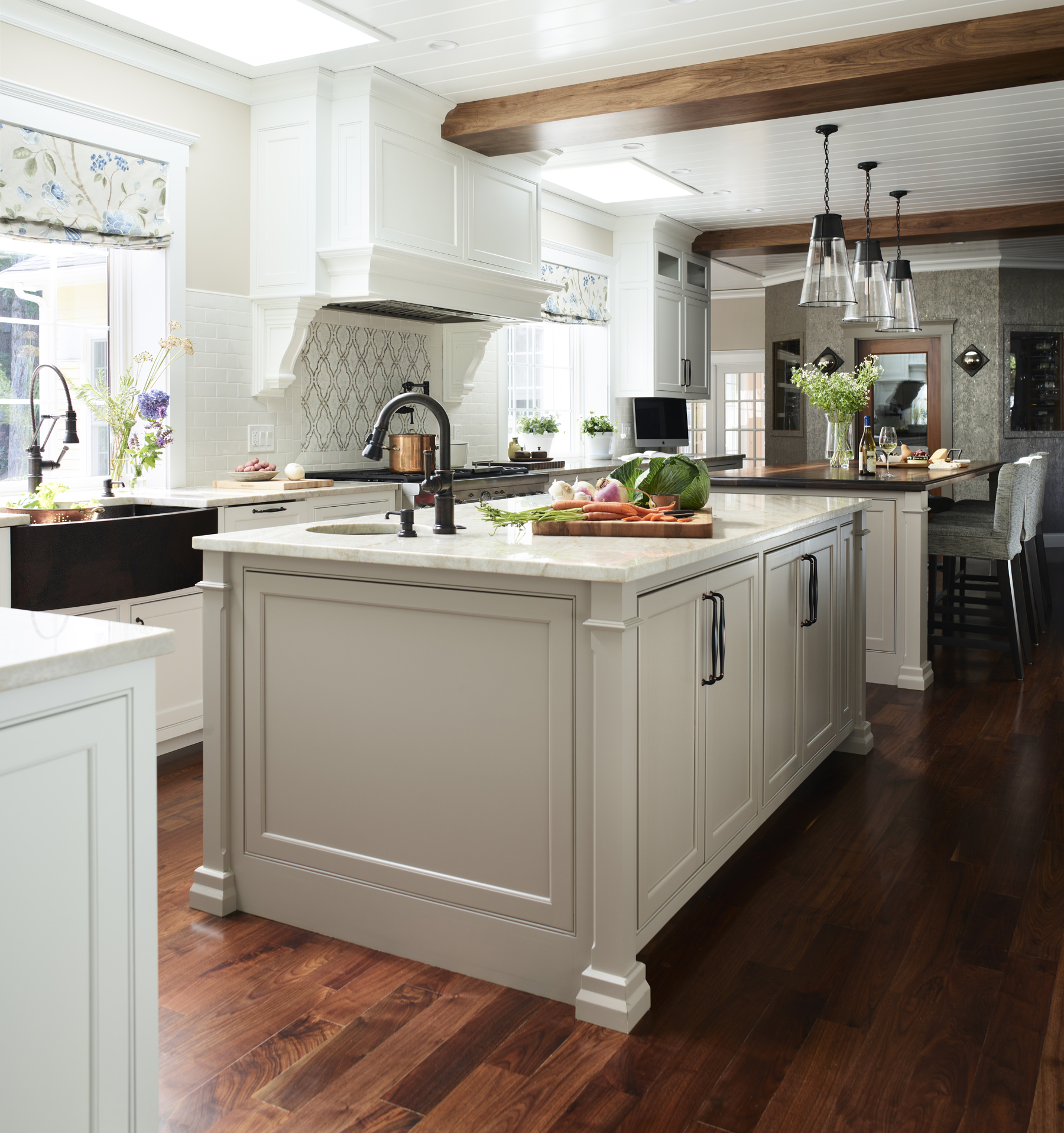
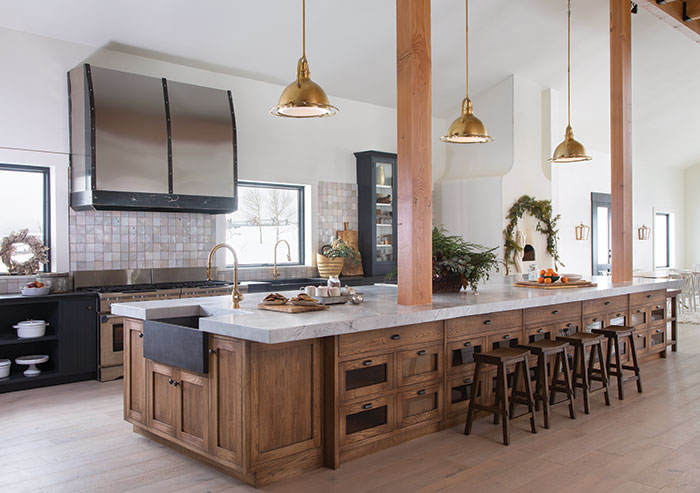
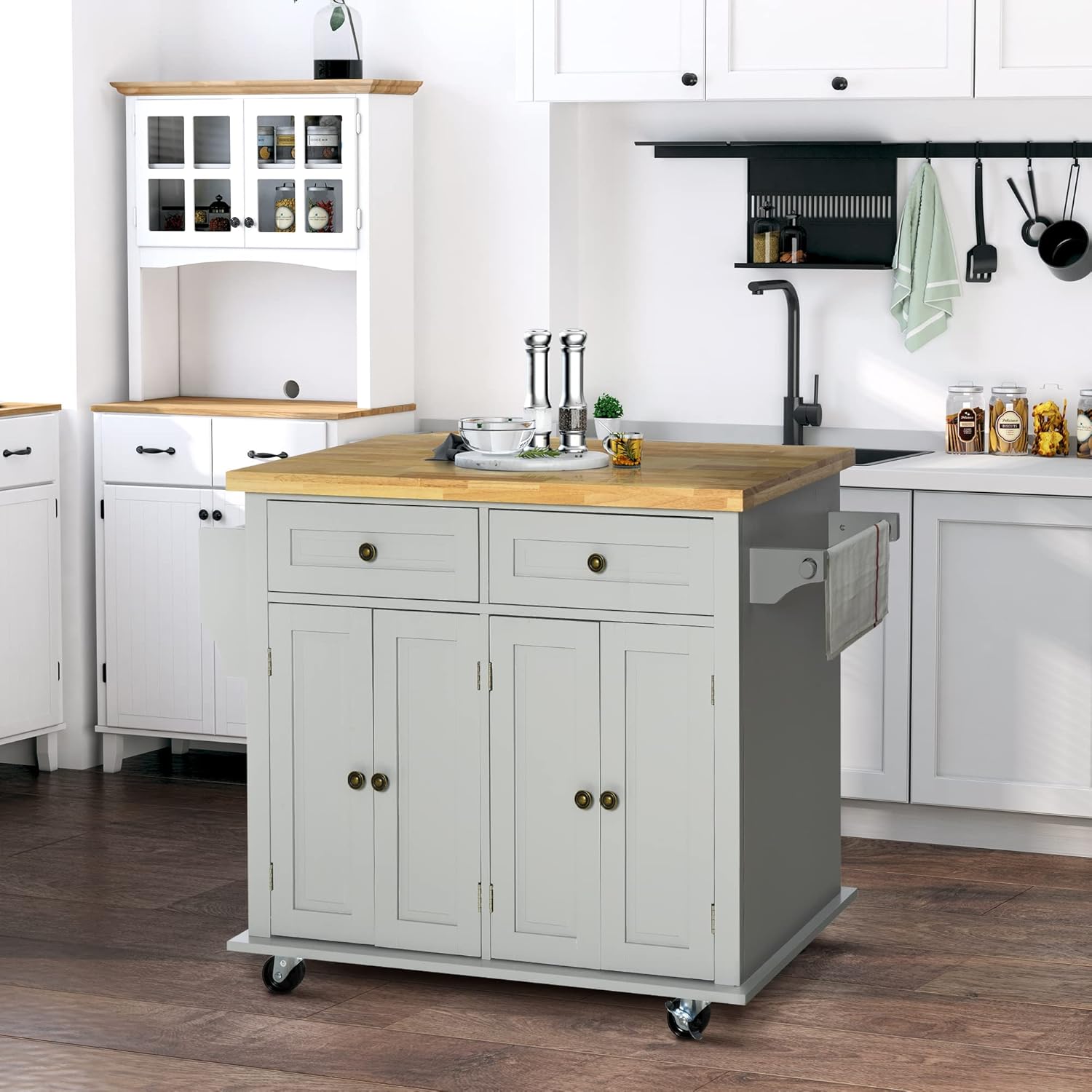
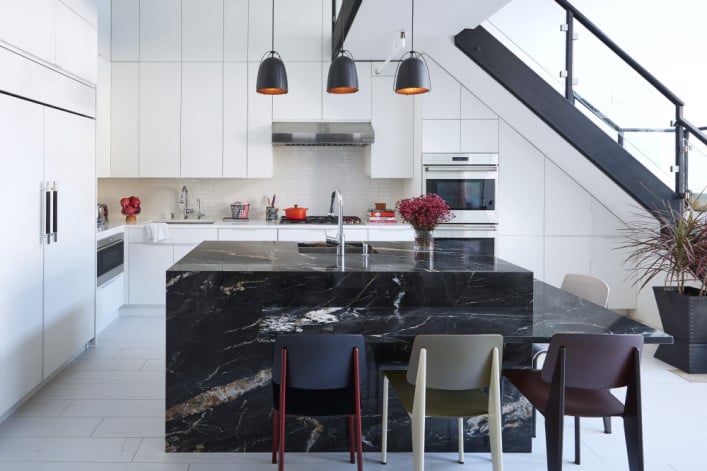
Choosing the right configuration is the first step. A freestanding island offers four usable sides, but a peninsula attached to a wall might be more practical or the only option in some layouts. L-shaped islands can provide additional dining space. The floor plan dictates placement, considering circulation and household size. Designers recommend at least 36 inches of clearance on all sides, with 42 inches between the island and perimeter countertops to allow comfortable movement. An island slightly shorter than the main countertop can make it feel less bulky. For eat-in kitchens, a 50- to 60-inch allowance is suggested to prevent seating from clashing. Waterfall islands, with surfaces cascading over the sides, are aesthetically pleasing and offer a sleek look for dining, though sometimes a combination of stone for the countertop and wood cabinetry underneath is preferred for a less "precious" feel.
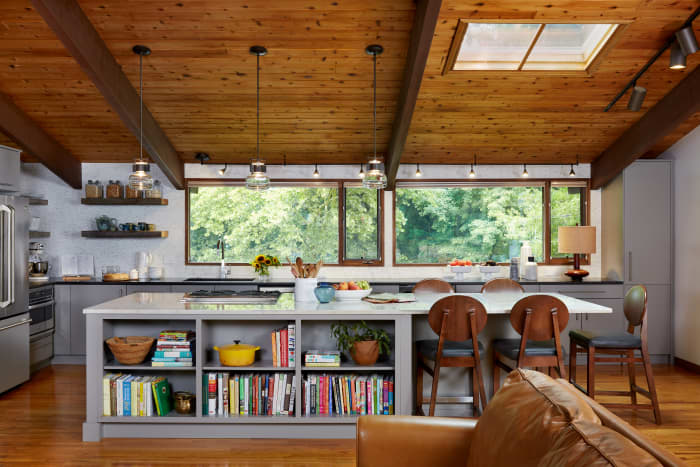
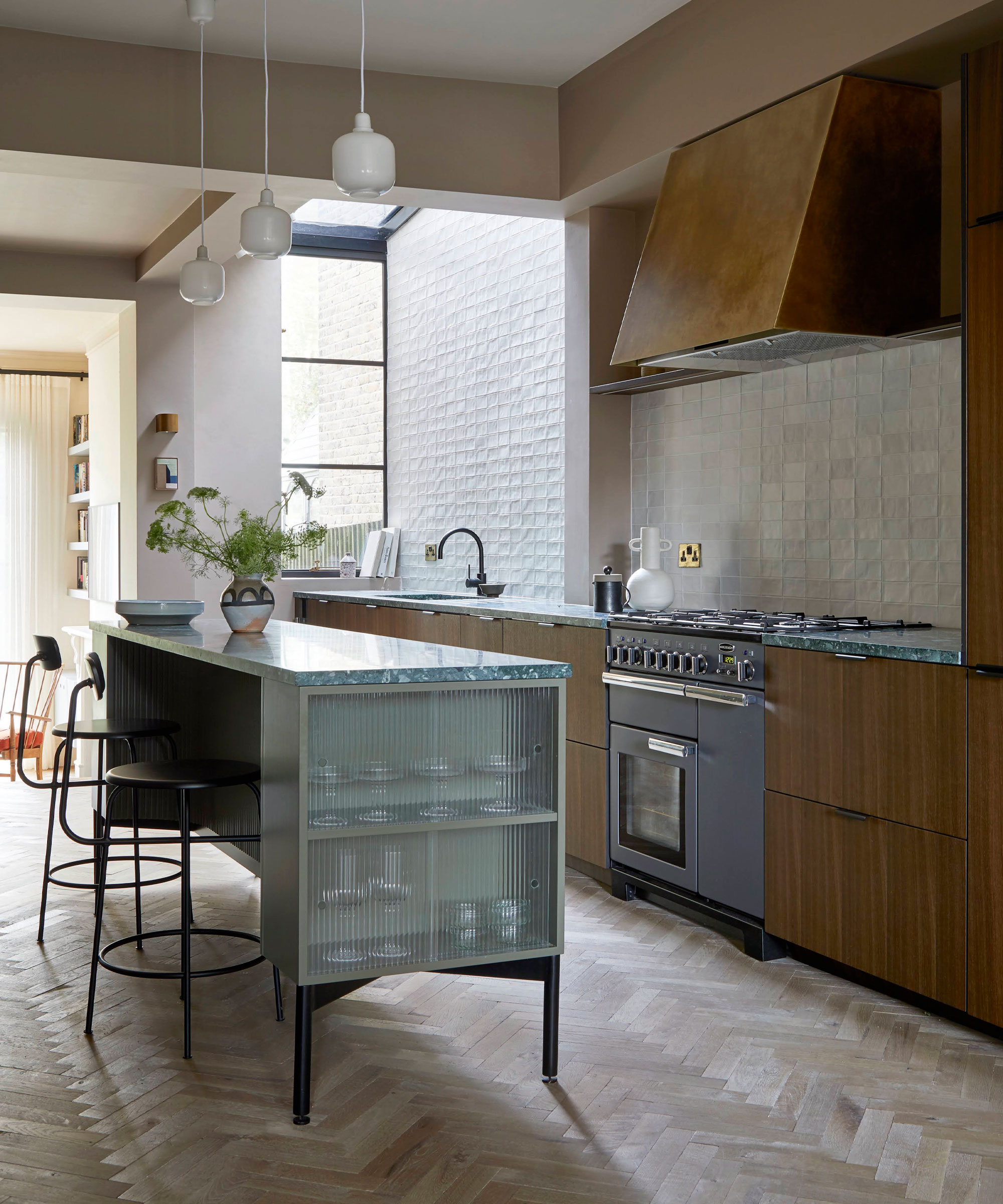
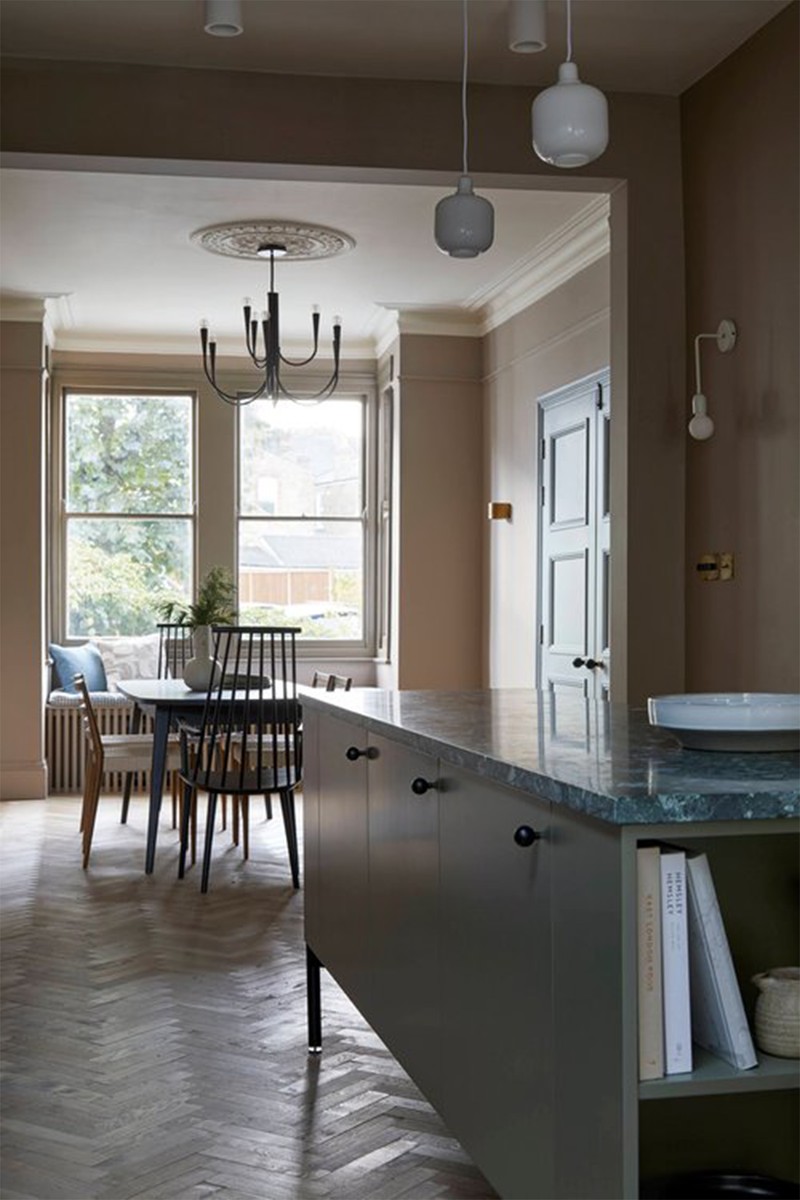
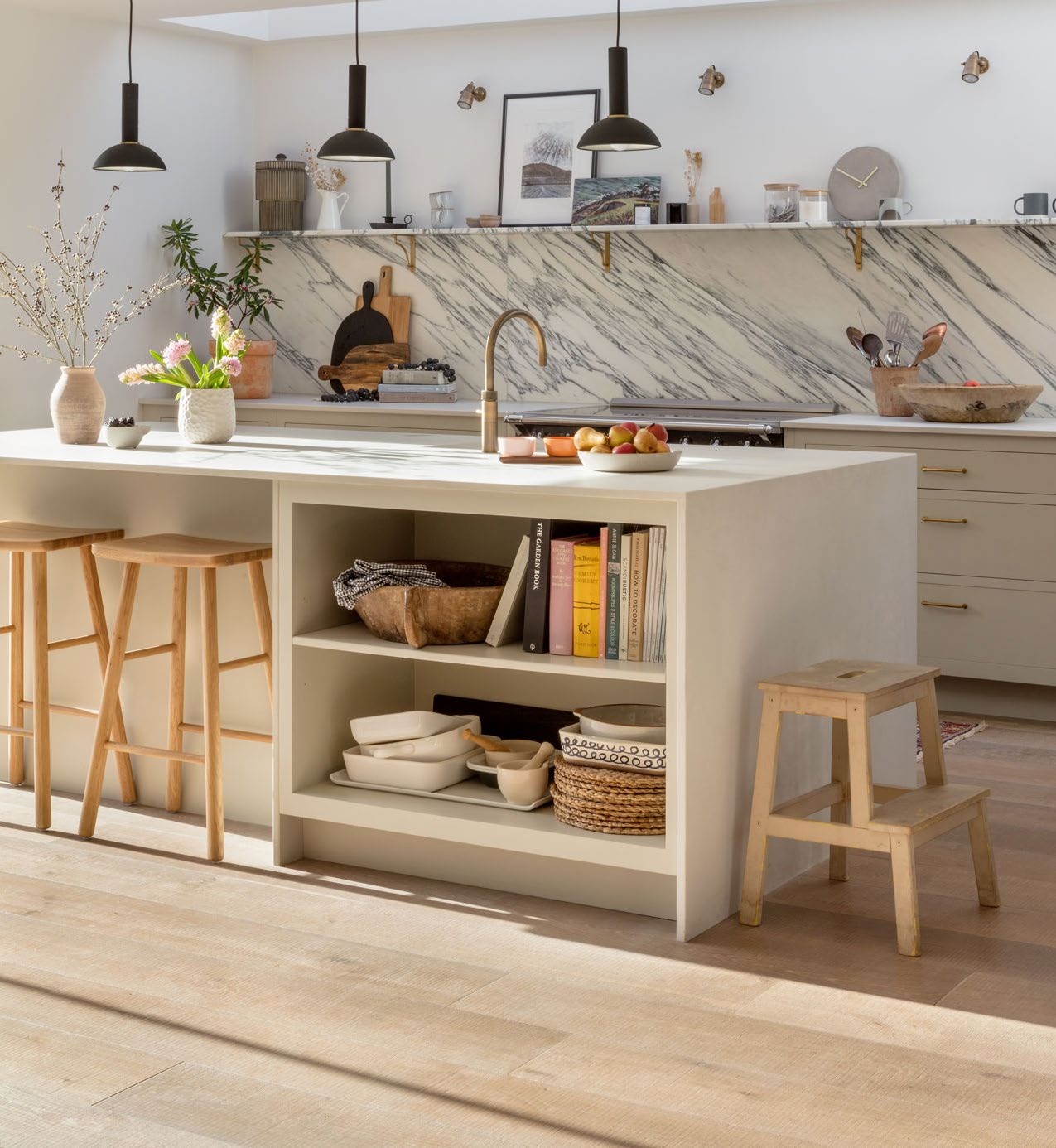
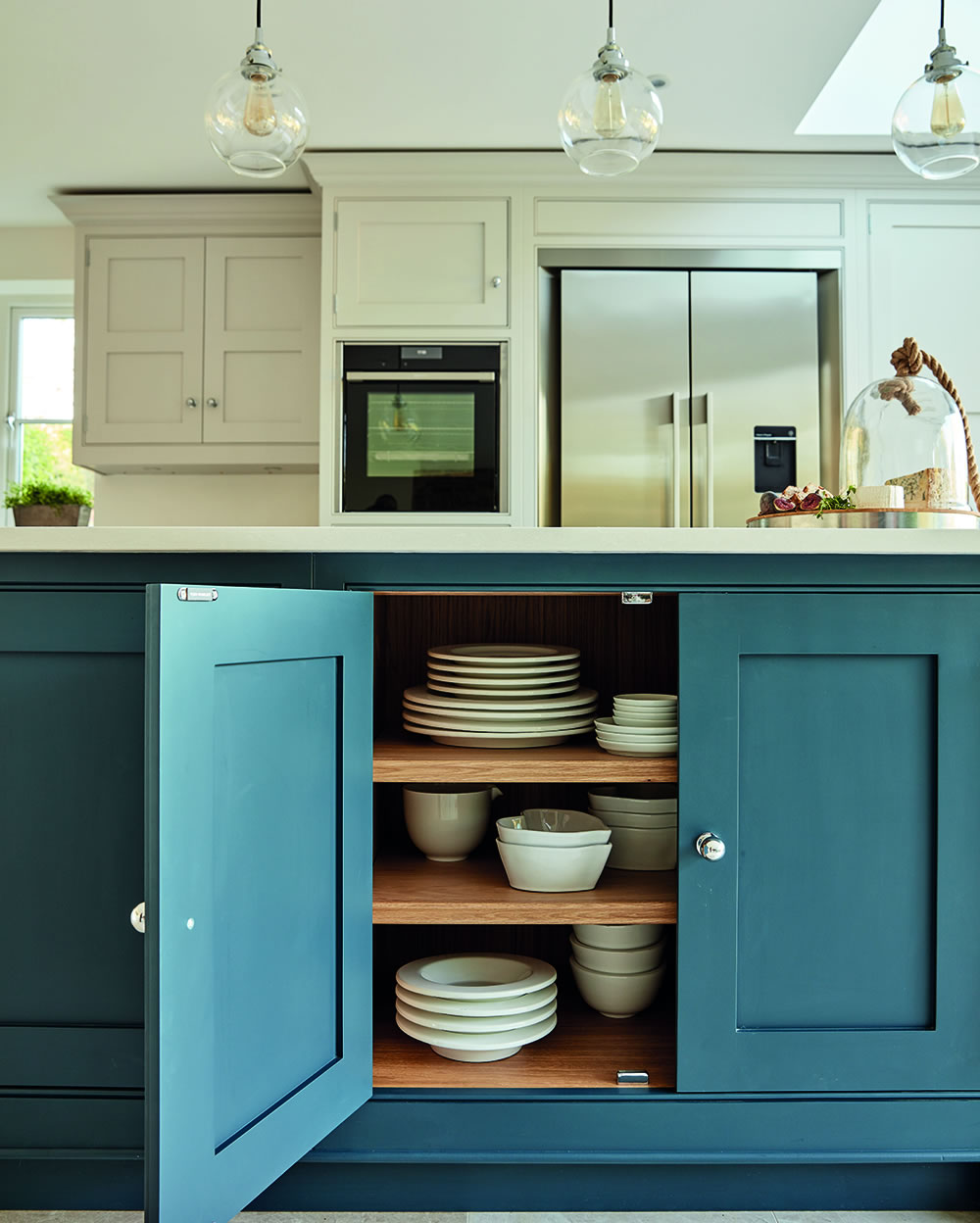
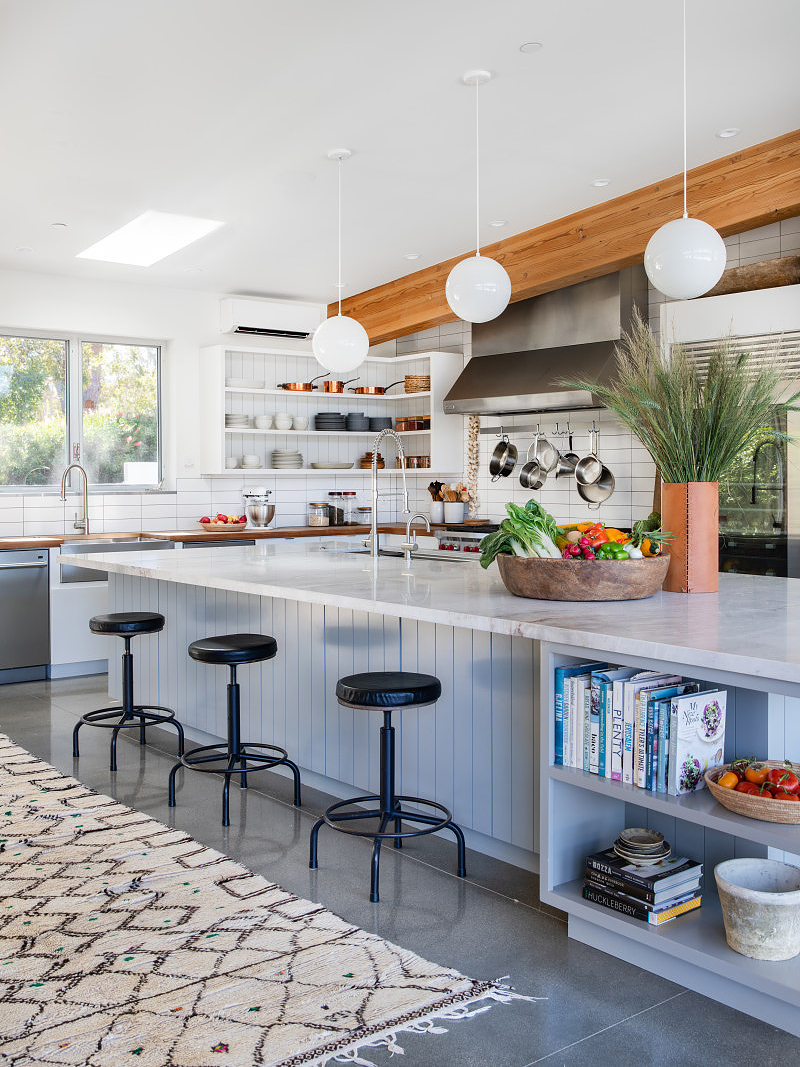
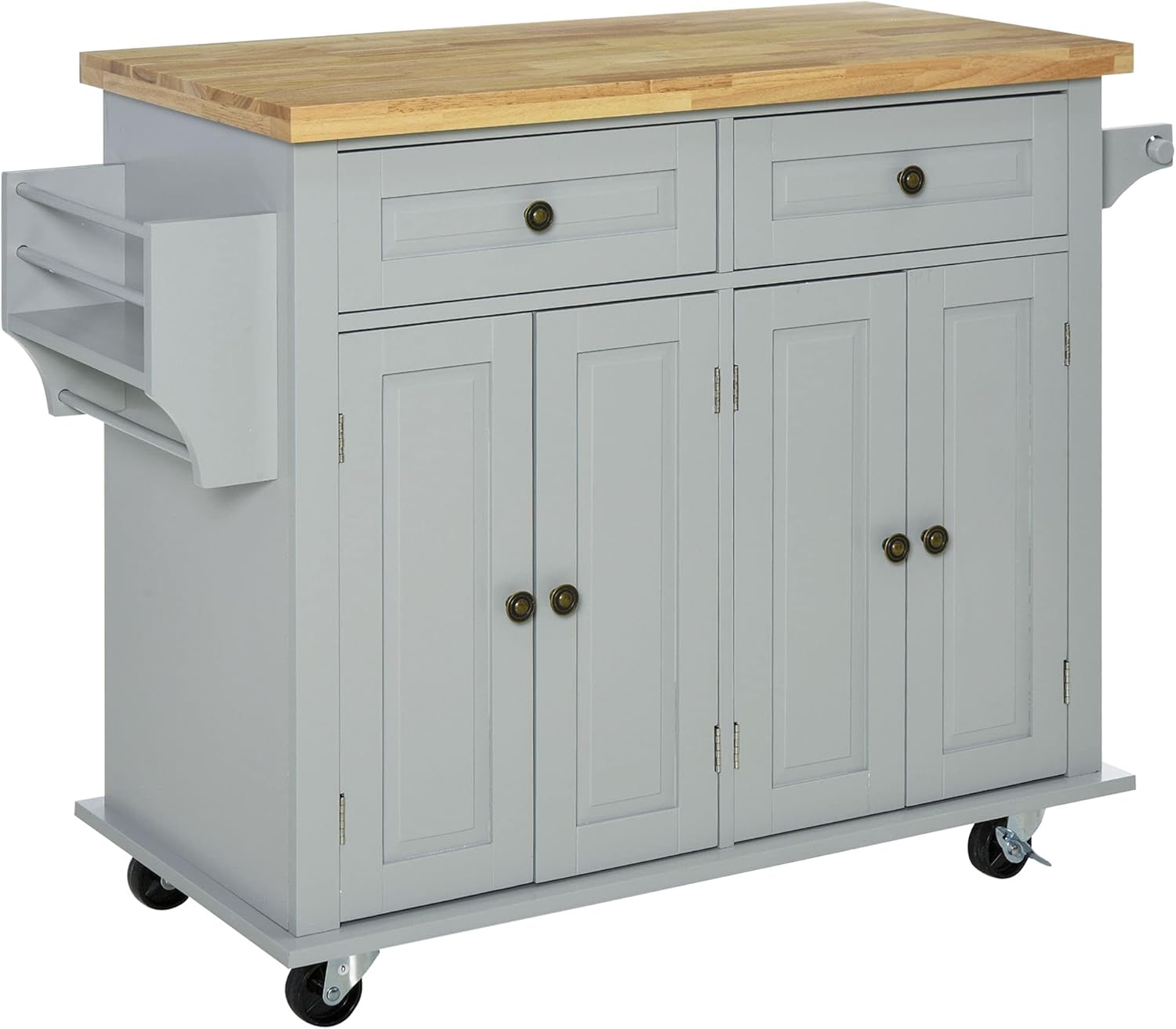
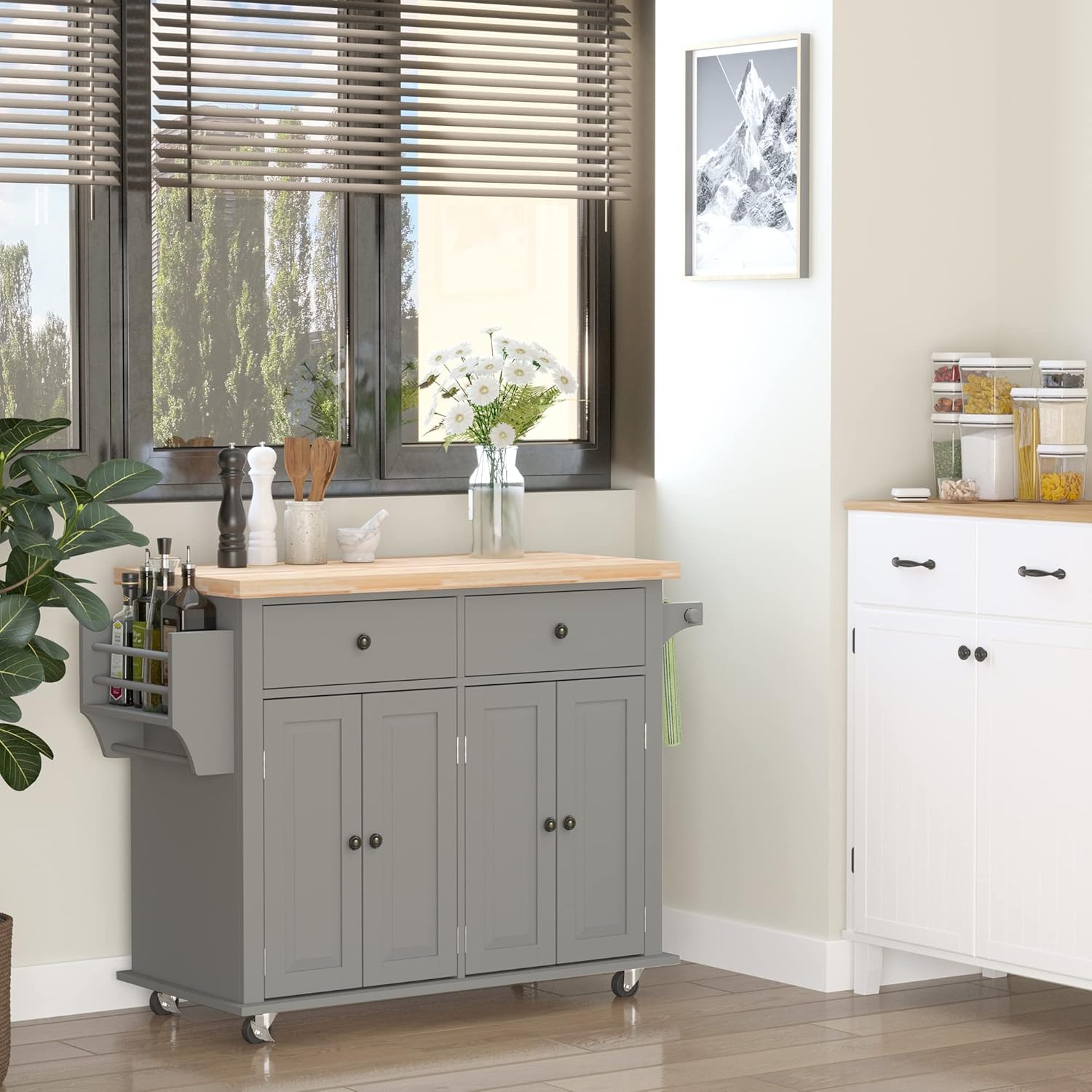
Maximizing storage is a top priority for clients. Standard cabinet depth is 24 inches, but additional depth can be utilized for more storage. Approaches include designing 36- or 40-inch deep islands with cabinets on the ends flanking a recessed seating area. Even the seating area can be repurposed for storage, such as incorporating 8-inch deep cabinets in front of counter stools for less frequently used items, ensuring that every inch of space is optimized without obstructing legroom. Space-expanding inserts further enhance storage capacity within cabinetry.
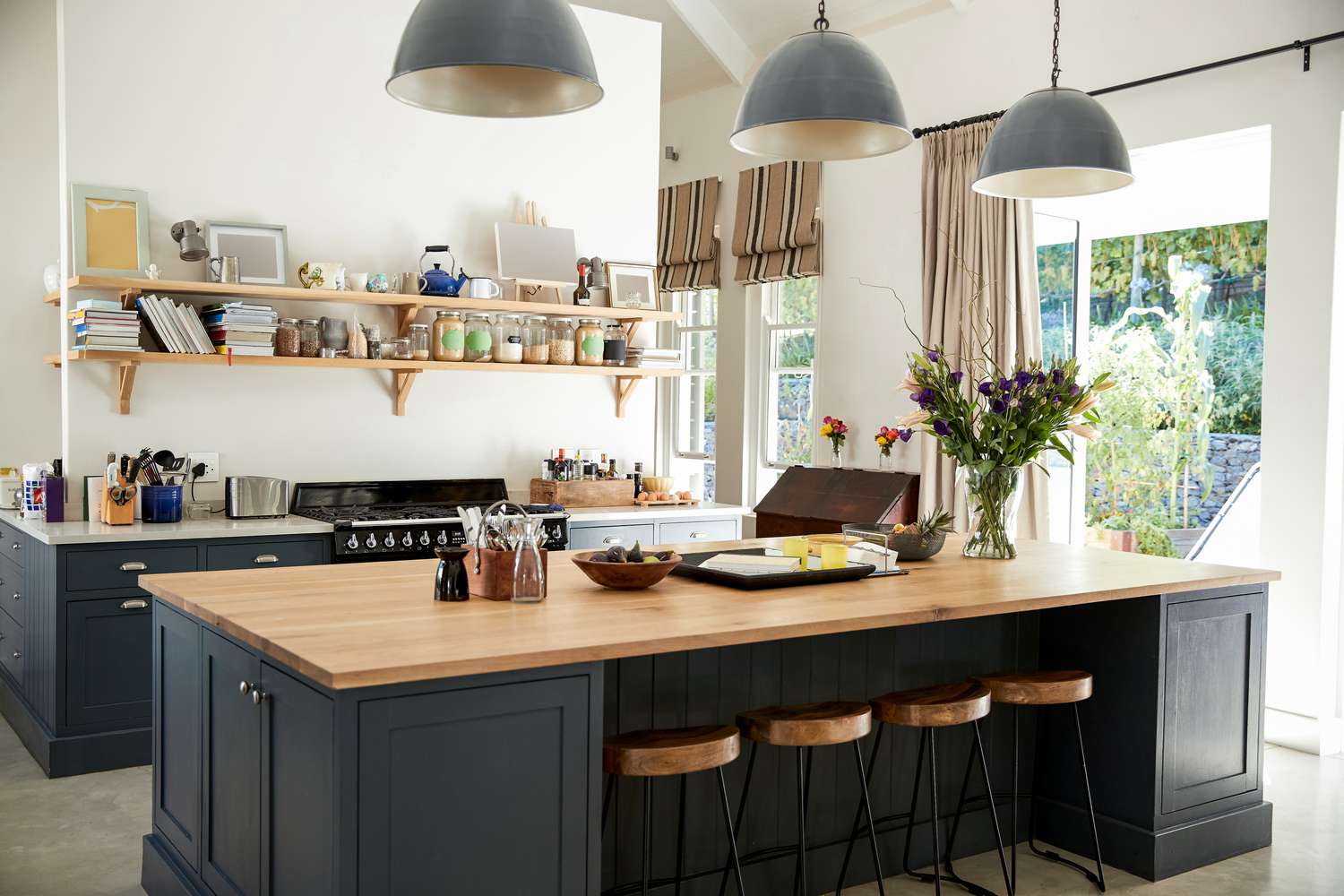
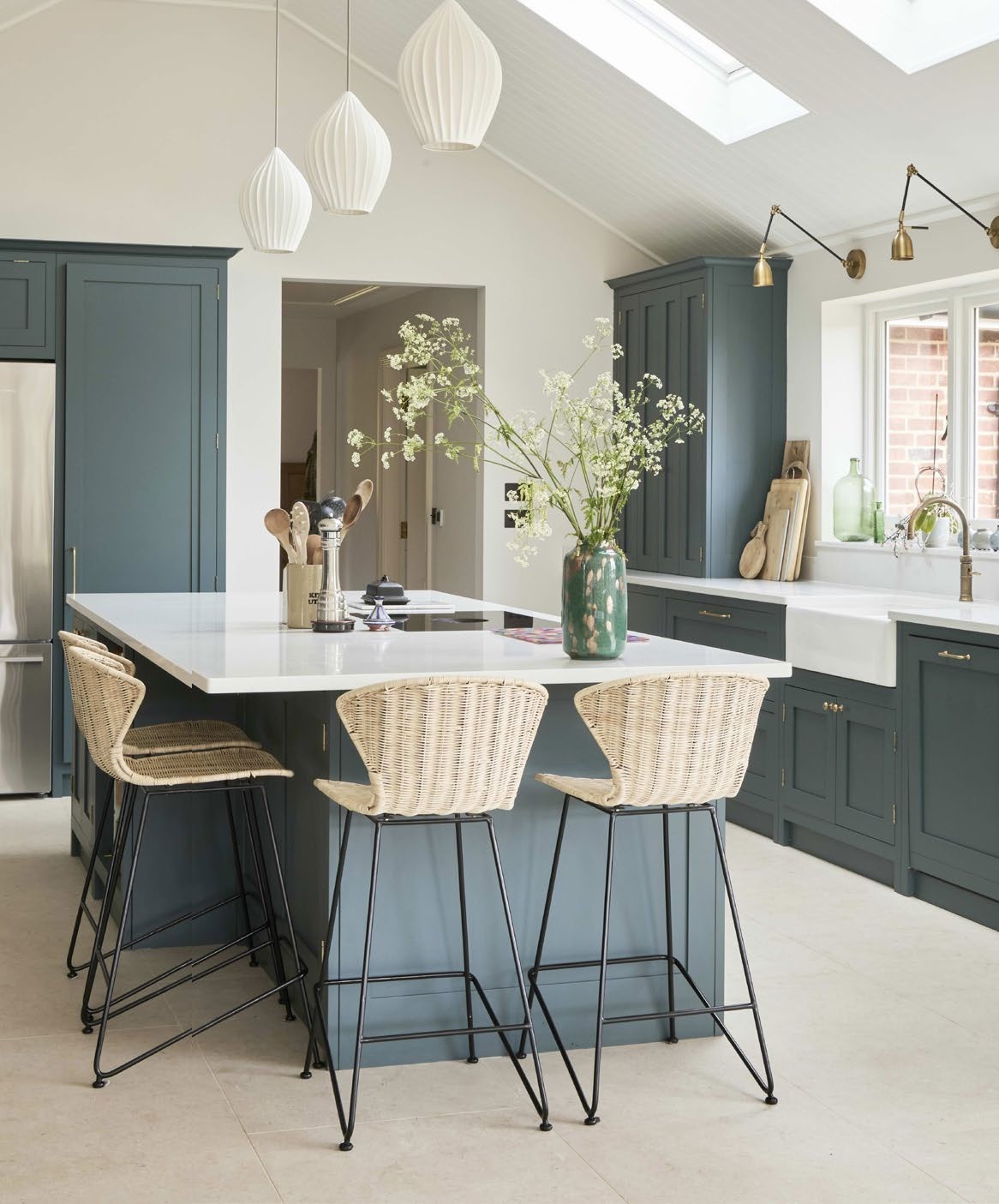
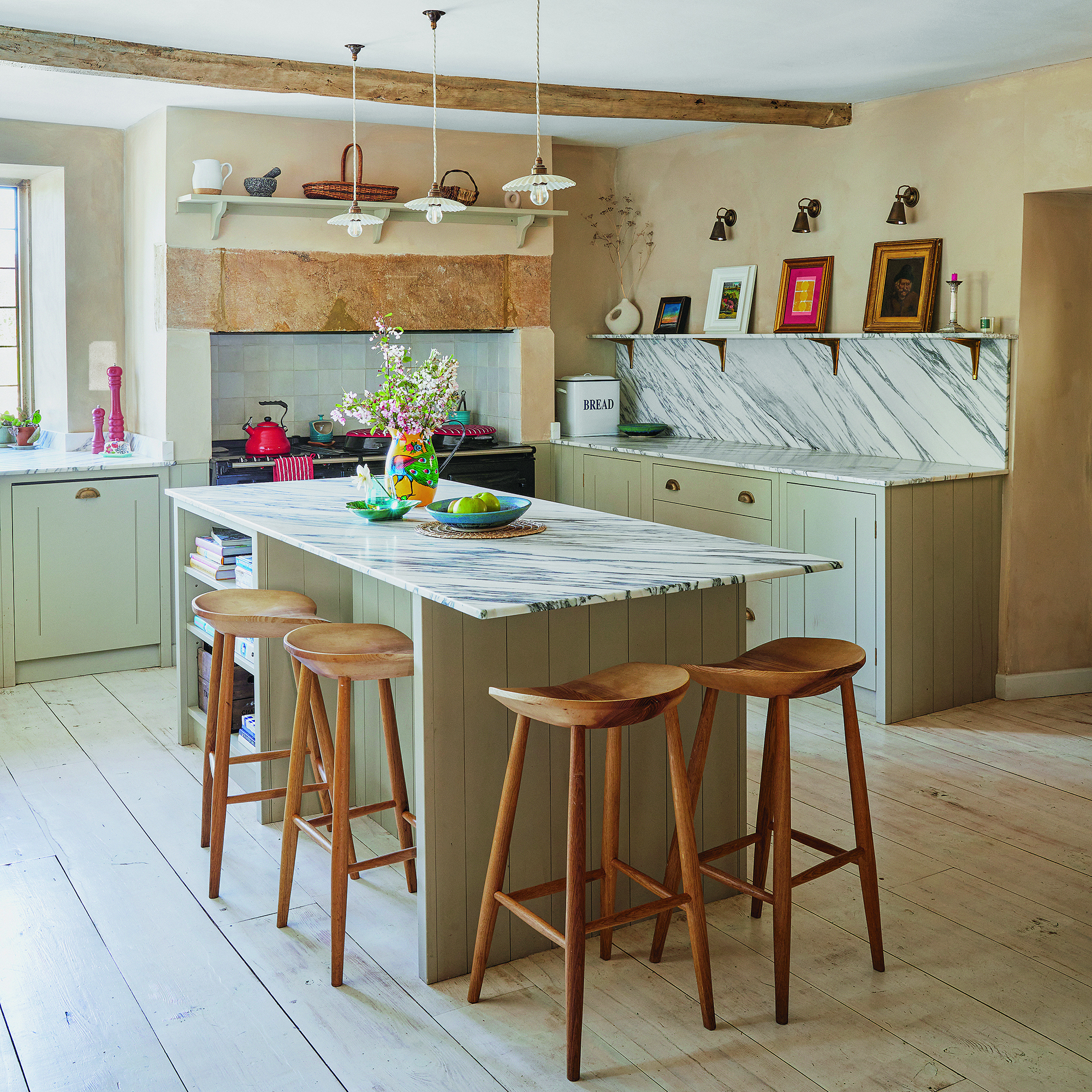
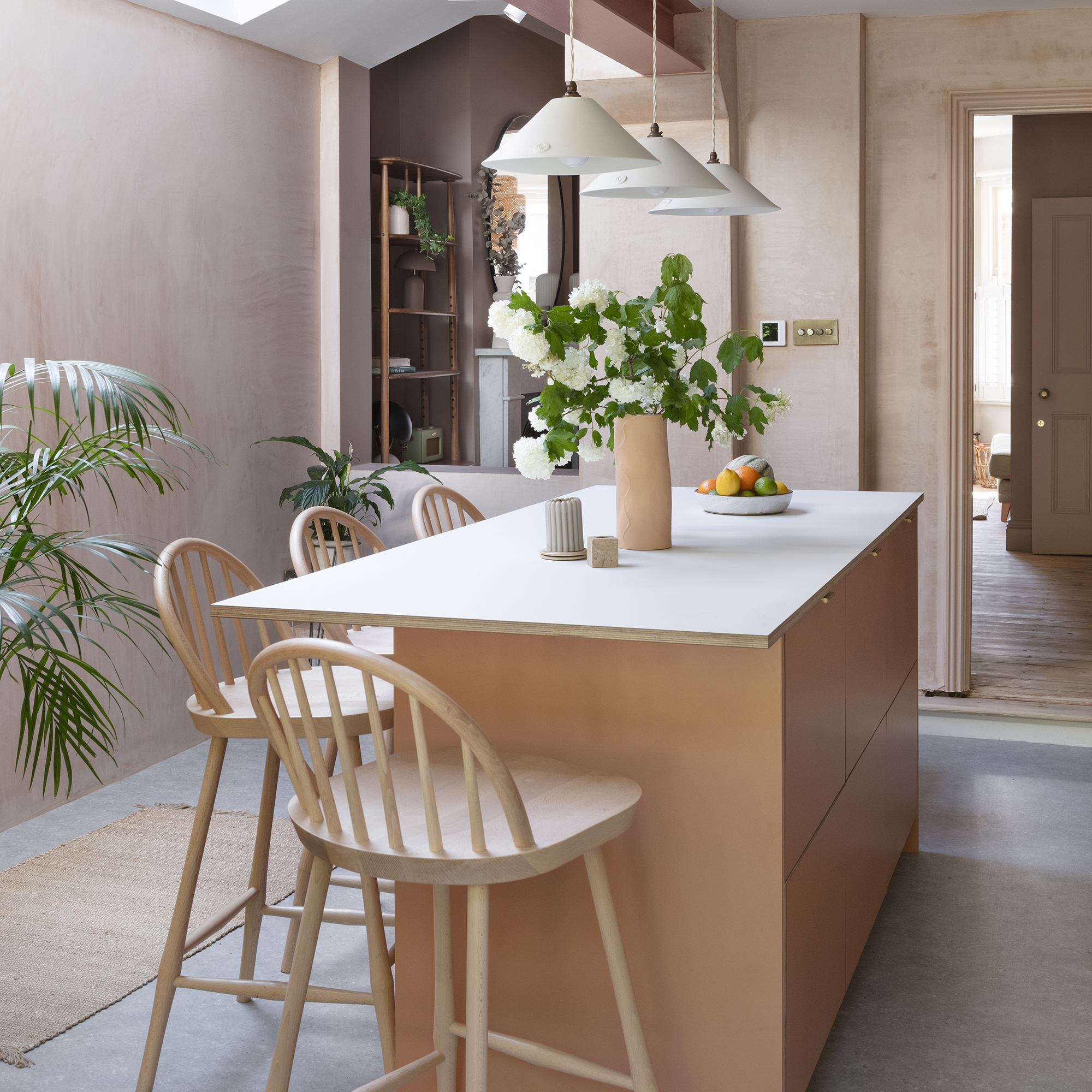
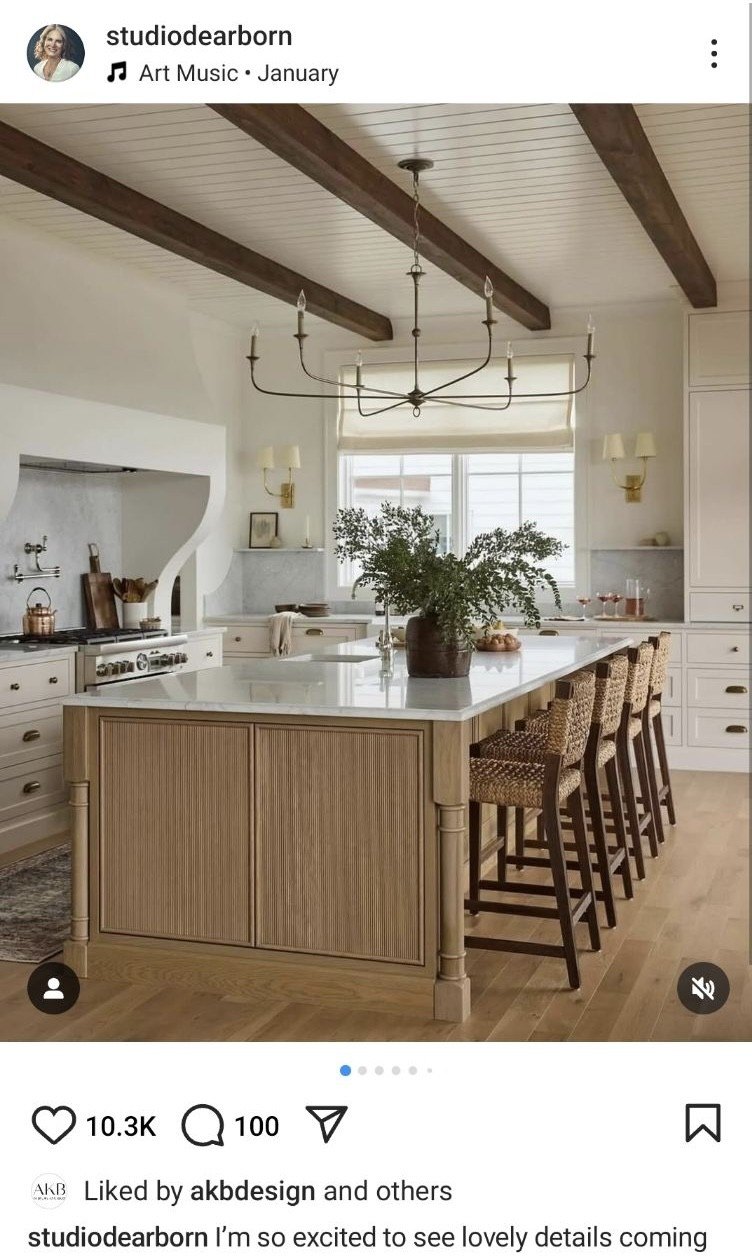
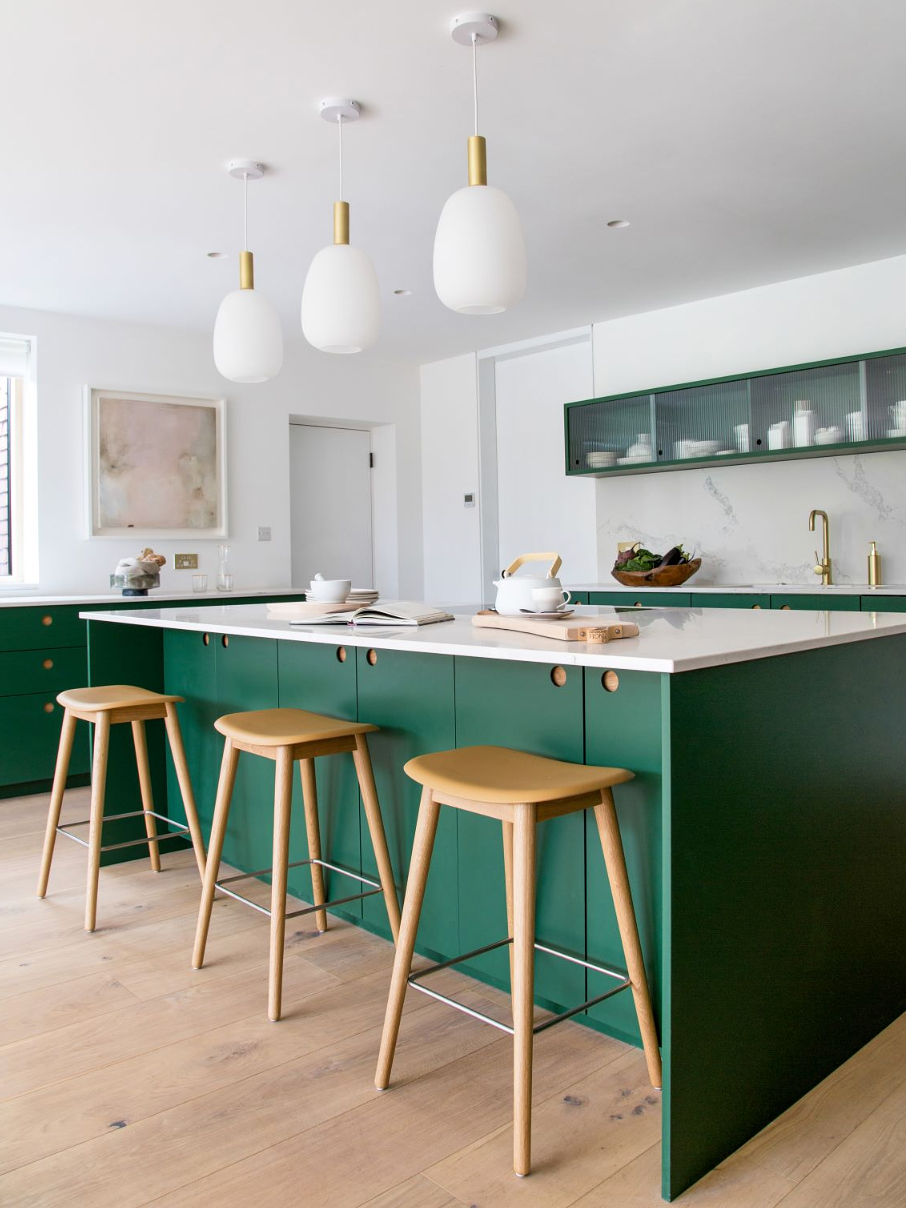
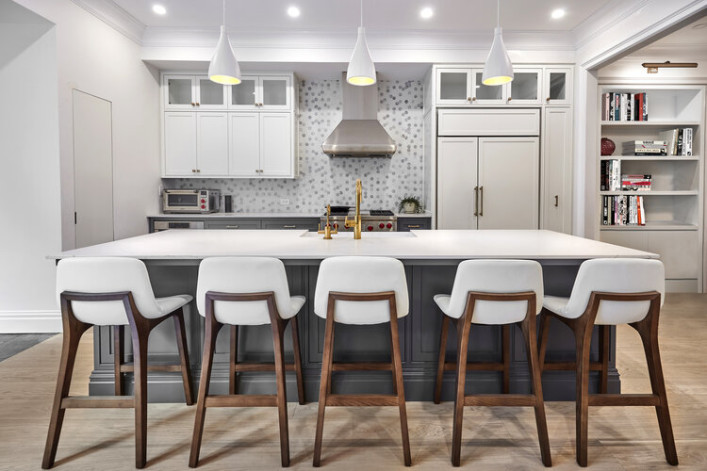
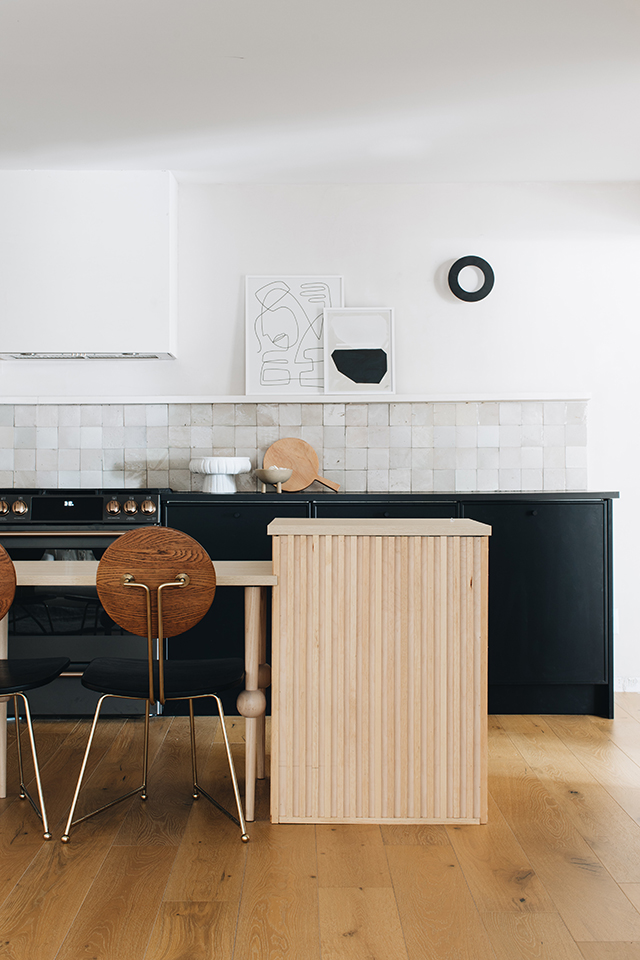
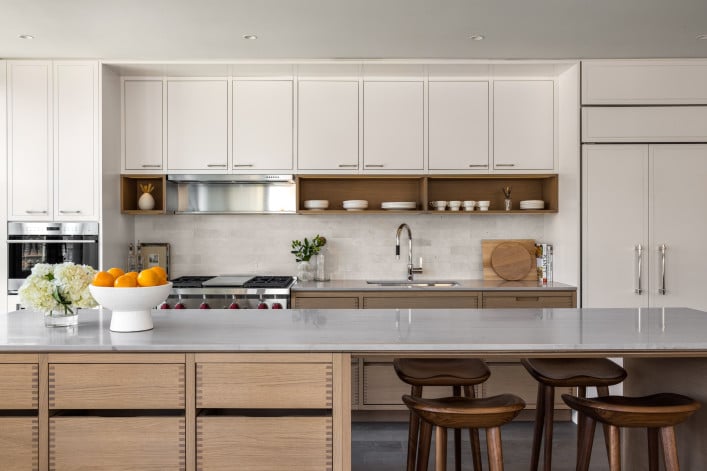
Comfort for dining is critical, as many New Yorkers use their islands for everyday meals. Countertop-height islands with custom slabs can serve as a functional eating space that visually resembles a table. Standard measurements include planning for at least 24 inches of width per person and a 9 to 13-inch clearance from the seat to the underside of the ledge. Seating should be matched to the island's height: counter stools for 36-inch countertops and barstools for 42- to 48-inch surfaces. A design innovation involves a dropped-down ledge to accommodate regular chairs, offering more comfort, especially for families with young children or those who find counter stools less comfortable. This solution is particularly useful in small city kitchens with limited space for a separate dining table.
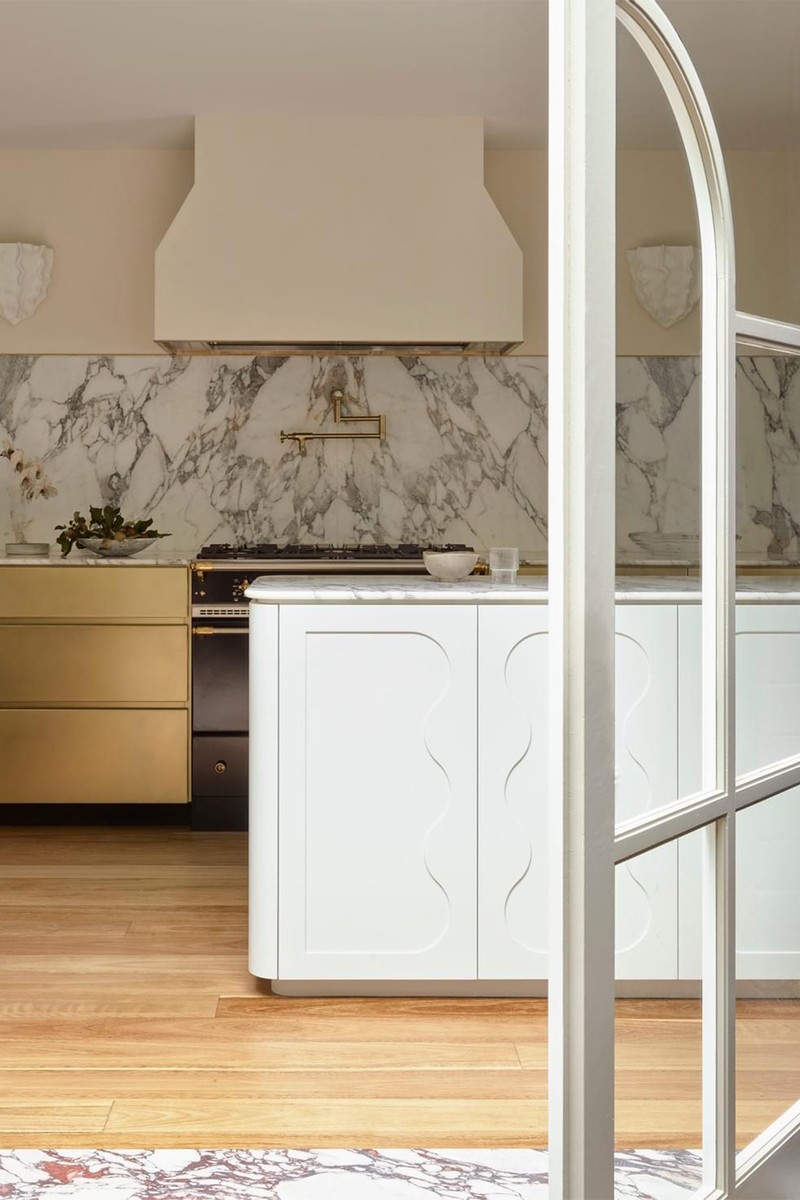
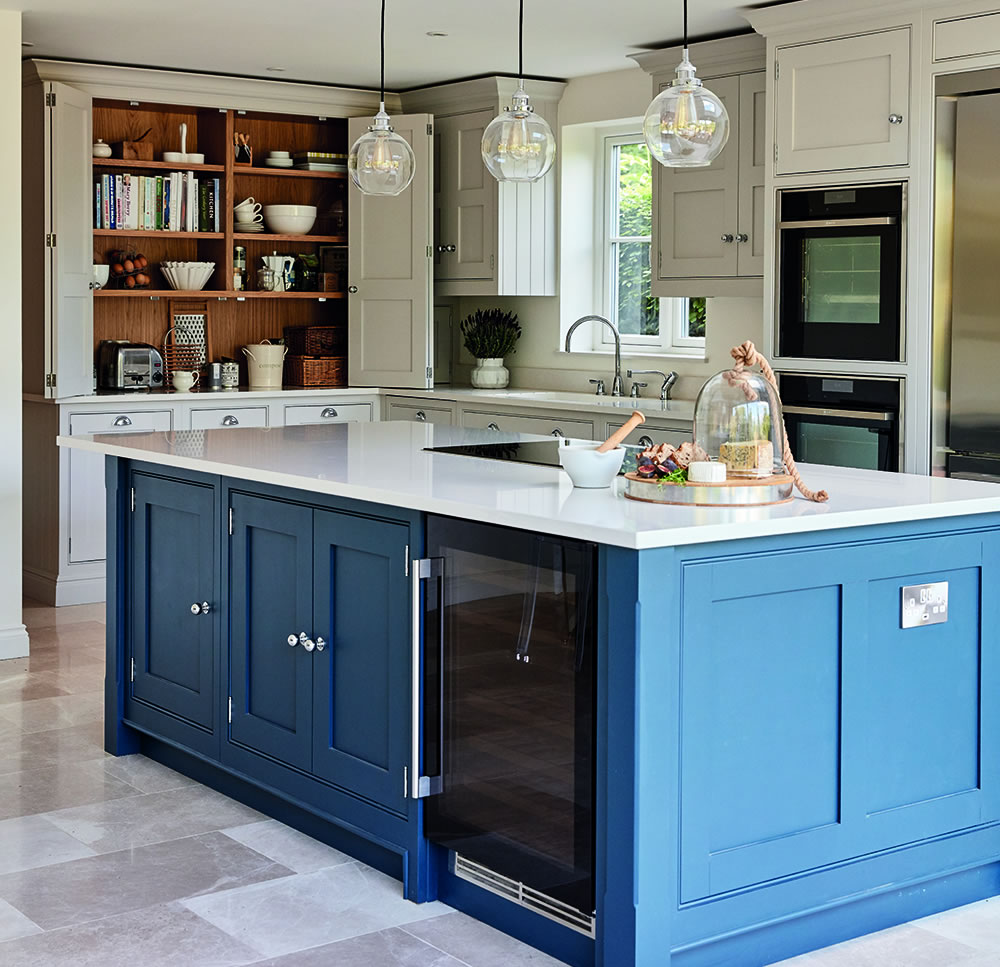
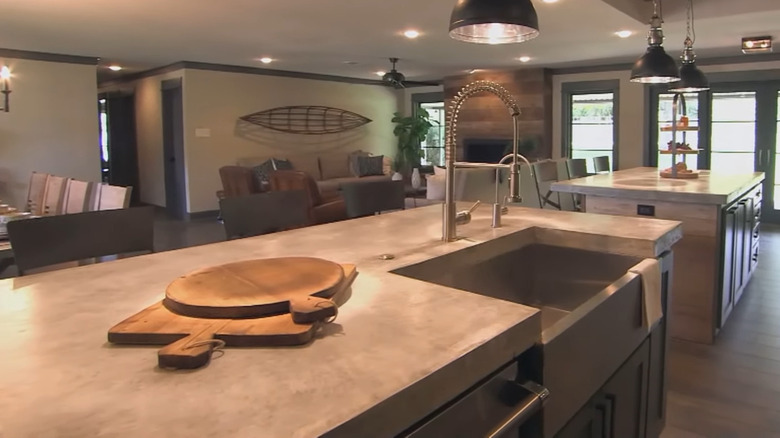
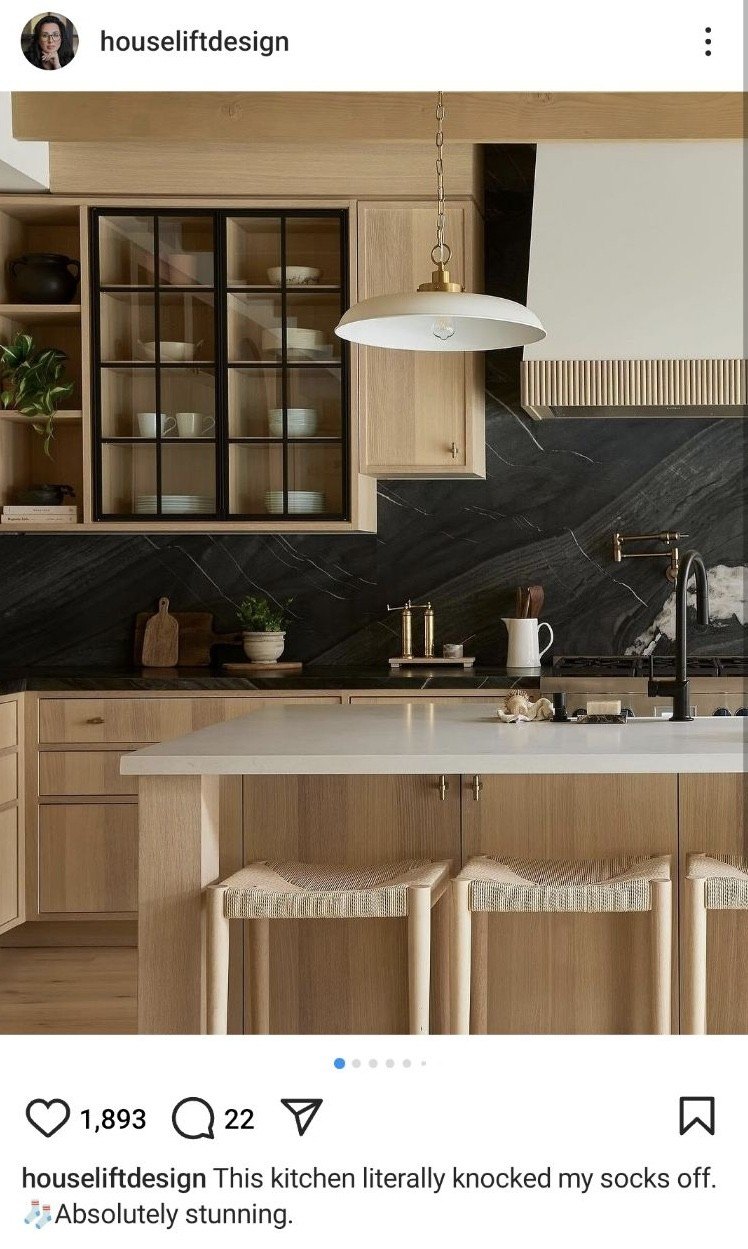
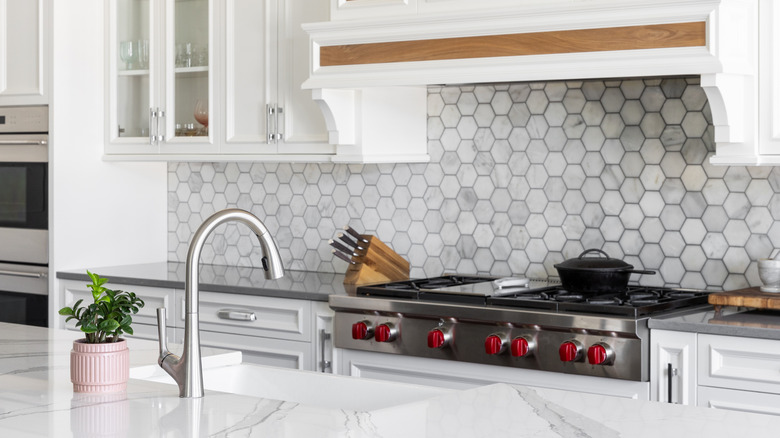
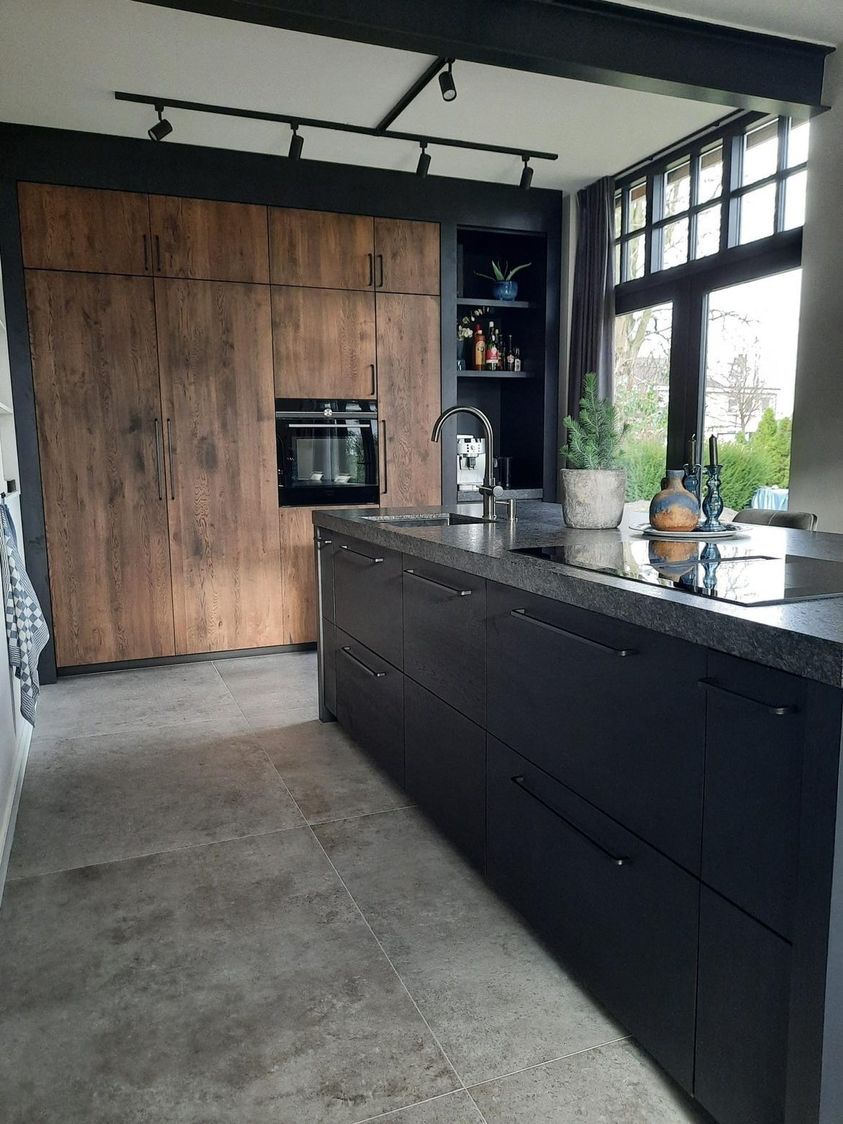
Surface material selection impacts both style and resale value. Matching the island surface to the perimeter countertop is not always necessary; a distinct island surface can be a design statement while keeping perimeter countertops neutral for broader appeal. Marble and other natural materials that mimic its look remain popular among NYC clients, despite their porous nature and susceptibility to etching and staining. The appeal lies in the unique slab selection and marble's timelessness, restorability, and graceful aging, often developing a desirable patina. However, for those concerned about durability, hardier alternatives like quartzite are recommended. Quartzite offers the veining of marble with the durability of granite, making it a practical choice for active households. Granite, while having fallen out of favor in some circles, remains a highly durable natural surface and is now available in more interesting finishes. Sintered stone brands like Lapitec provide etch-resistant, anti-microbial, and heat-resistant options with through-body veining. Visiting a stone yard to see and touch slabs in person, or utilizing virtual viewing options, is highly advised. Fabrication quality is also crucial, especially for custom elements like cantilevered or drop-down features, requiring skilled fabricators to achieve precise and aesthetically pleasing results.
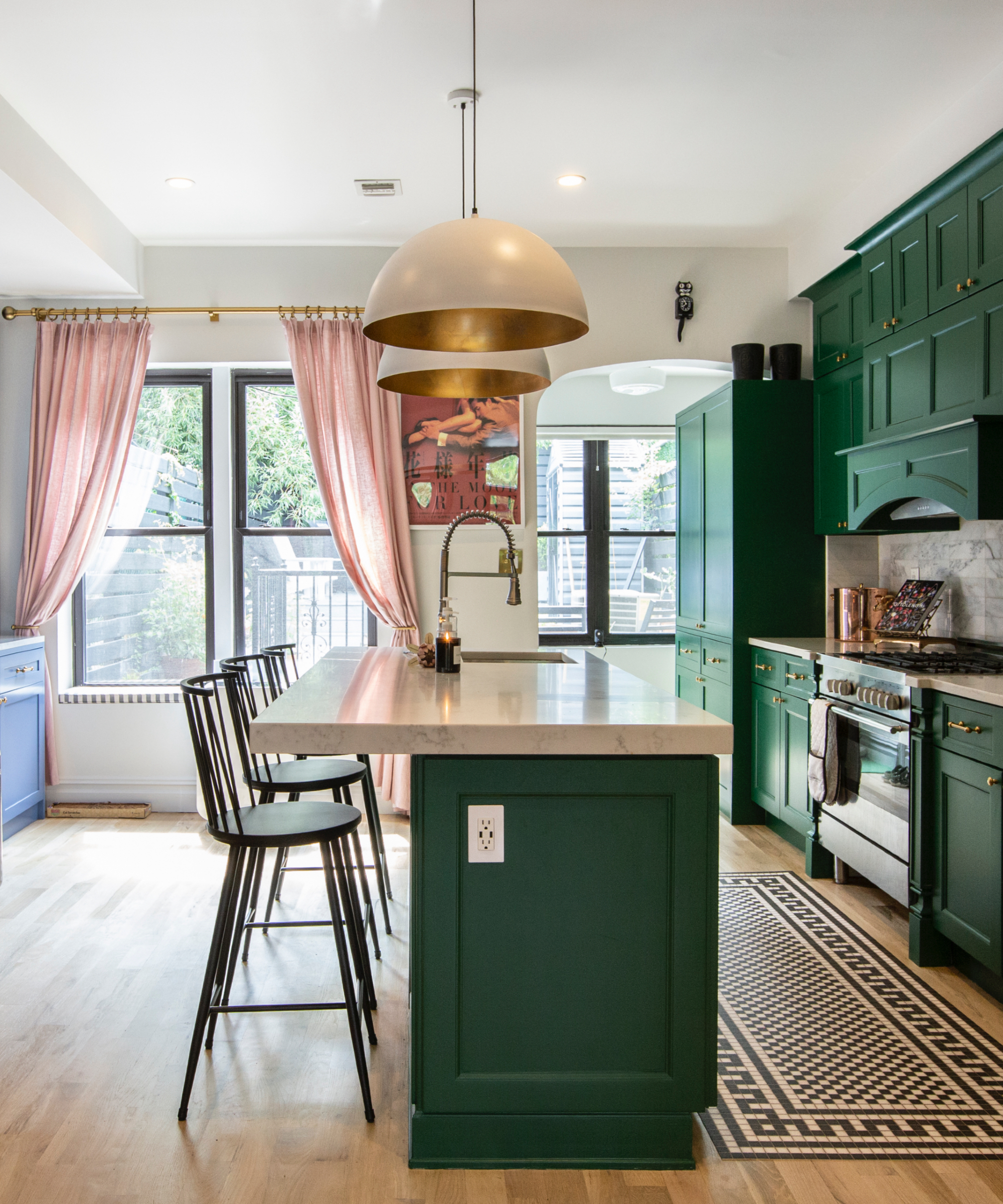
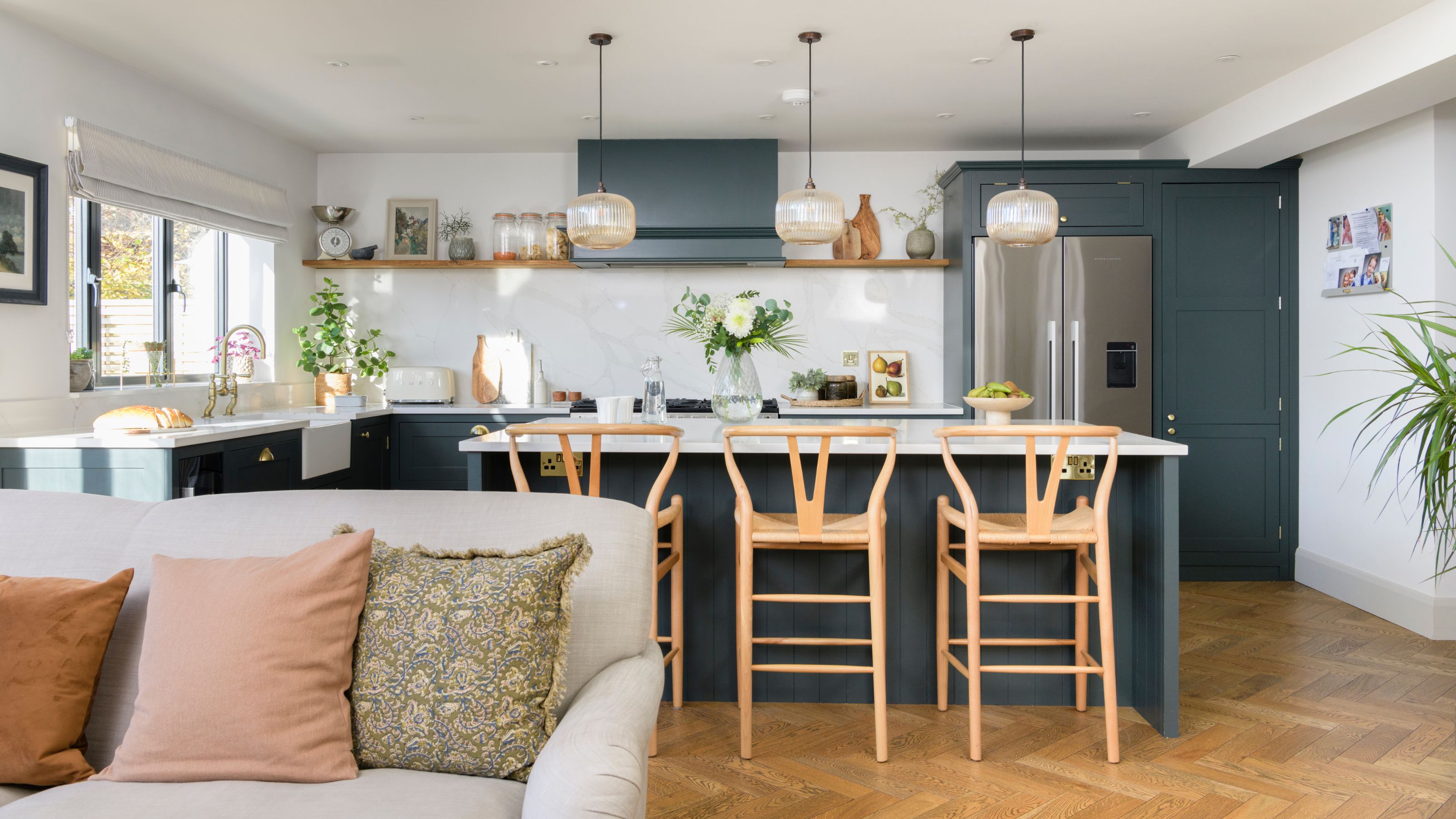
Strategic lighting is essential for both functionality and ambiance. Downlights provide primary illumination, while pendants or other fixtures over the island add decorative flair, task lighting, and mood. The choice between a single statement pendant or multiple fixtures depends on desired aesthetic and proportionality. Coordinating island pendants with other decorative fixtures in an open floor plan is important. In some cases, omitting pendants entirely is an option, provided there is ample overall kitchen lighting.
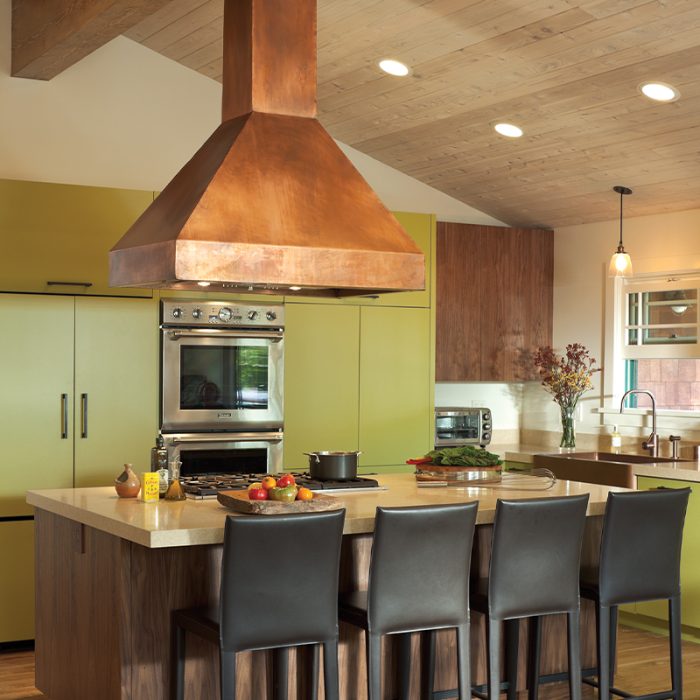
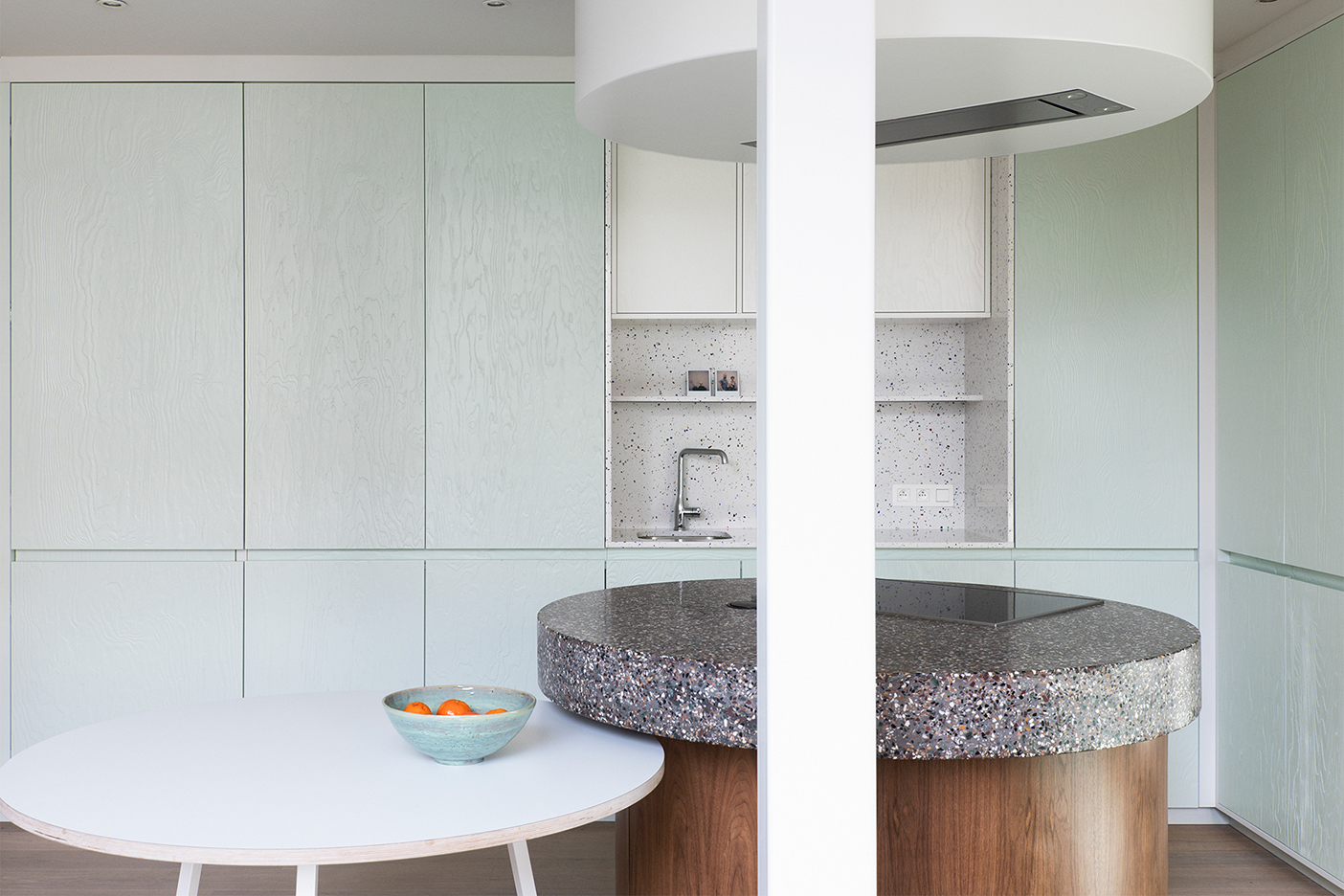
Integrating a sink or cooktop into the island requires careful consideration. While a sink in the island can free up perimeter counter space and contribute to a functional "work triangle," it's not always necessary. Some designers prefer islands to be more like furniture pieces without plumbing. Retractable downdraft range hoods have made island cooktops more viable by addressing ventilation concerns discreetly. However, concerns about mess and safety lead some designers to oppose island ranges. The decision should align with the homeowner's planned use of the island.
Finally, ensuring adequate electrical outlets is a practical necessity. Building codes require at least one outlet, with more needed if the island includes a sink or cooktop. Strategic placement for small appliances, device charging, and even hidden outlets within cabinetry enhances the island's utility and convenience. Ingenuity and collaboration with a skilled designer can transform a kitchen island into a highly customized and efficient element of the home.
#KitchenIsland #NYCDesign #HomeRenovation #InteriorDesign #SpaceOptimization #KitchenStorage #CountertopMaterials #KitchenLighting #ApartmentLiving #KitchenIsland #NYCDesign #HomeRenovation #InteriorDesign #SpaceOptimization #KitchenStorage #CountertopMaterials #KitchenLighting #ApartmentLiving
0 comment in total
 No comments yet
You may also like
Kitchen island makeover ideas – 10 nifty ways to update this key space

Kitchen Island 101: Everything You Need To Know

Kitchen island design: The design tips you should know

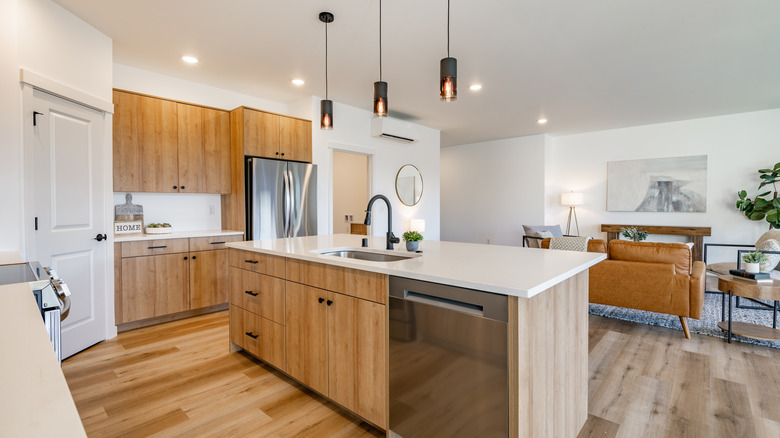
This Kitchen Island Upgrade Instantly Adds Tons Of Value To Your Home

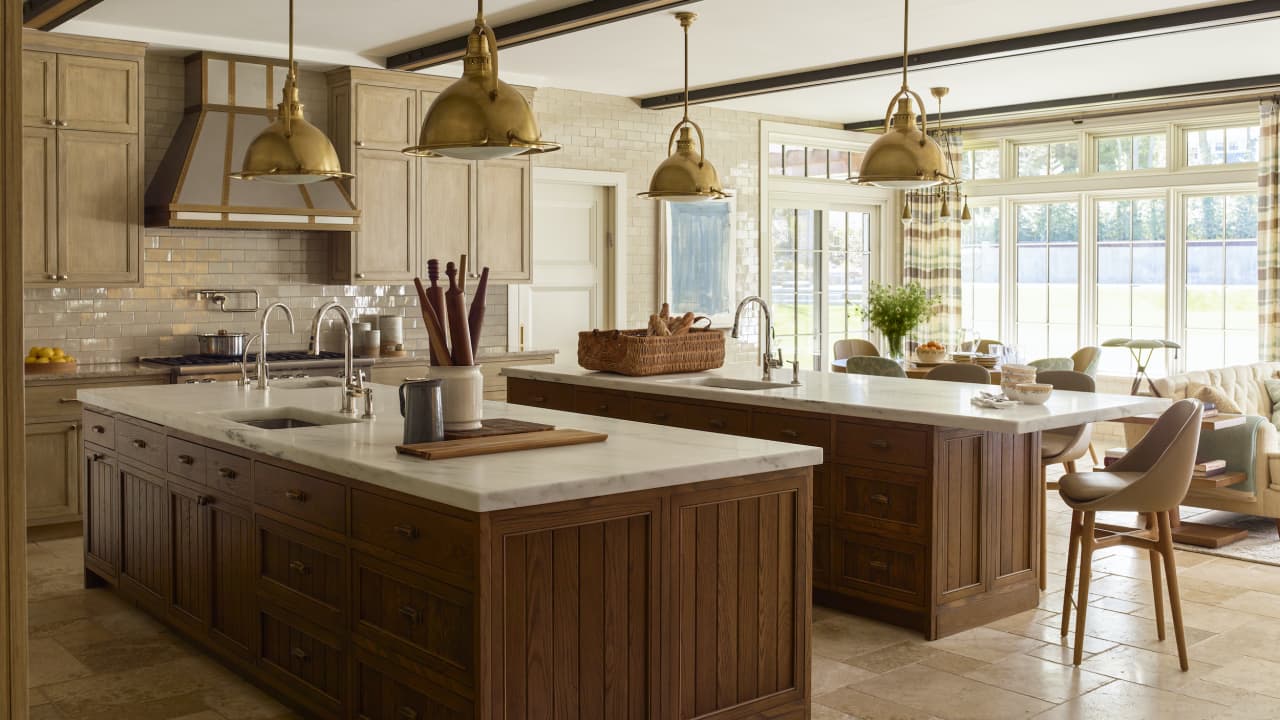
Four Ways to Reimagine the Kitchen Island
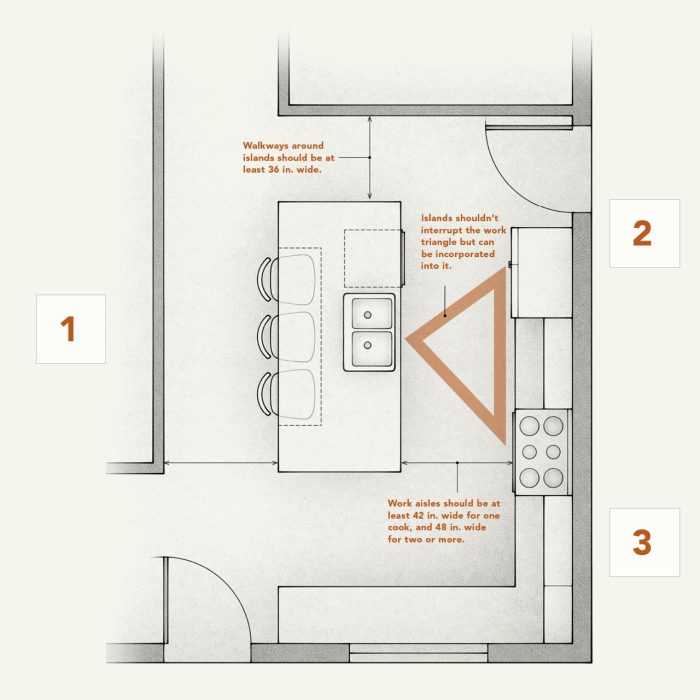
How to Design a Kitchen Island: Code Requirements, Flow, & More


A Unique Island Feature Is The Star Of This Fixer Upper Kitchen Renovation
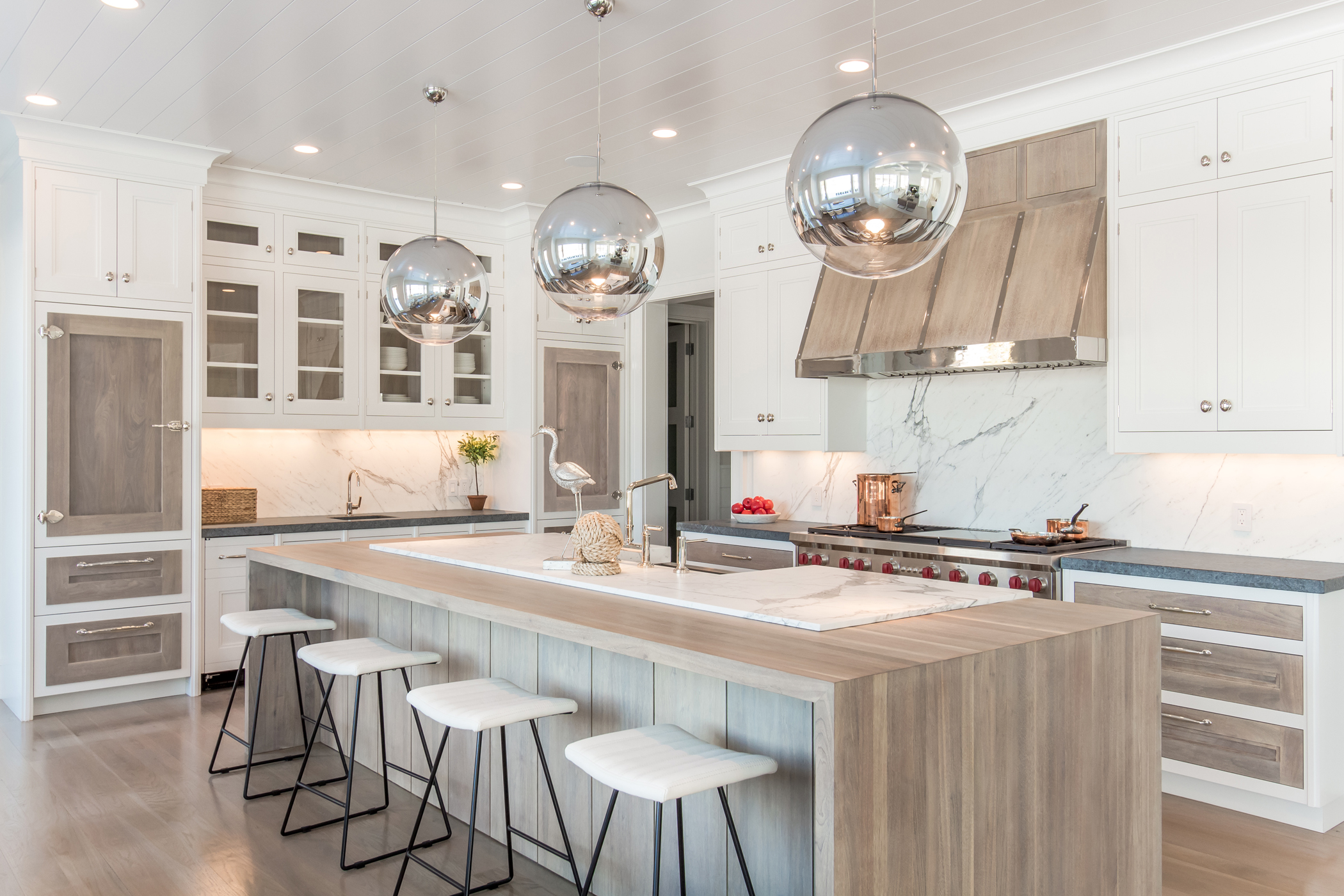
Four trending ways to reimagine kitchen islands
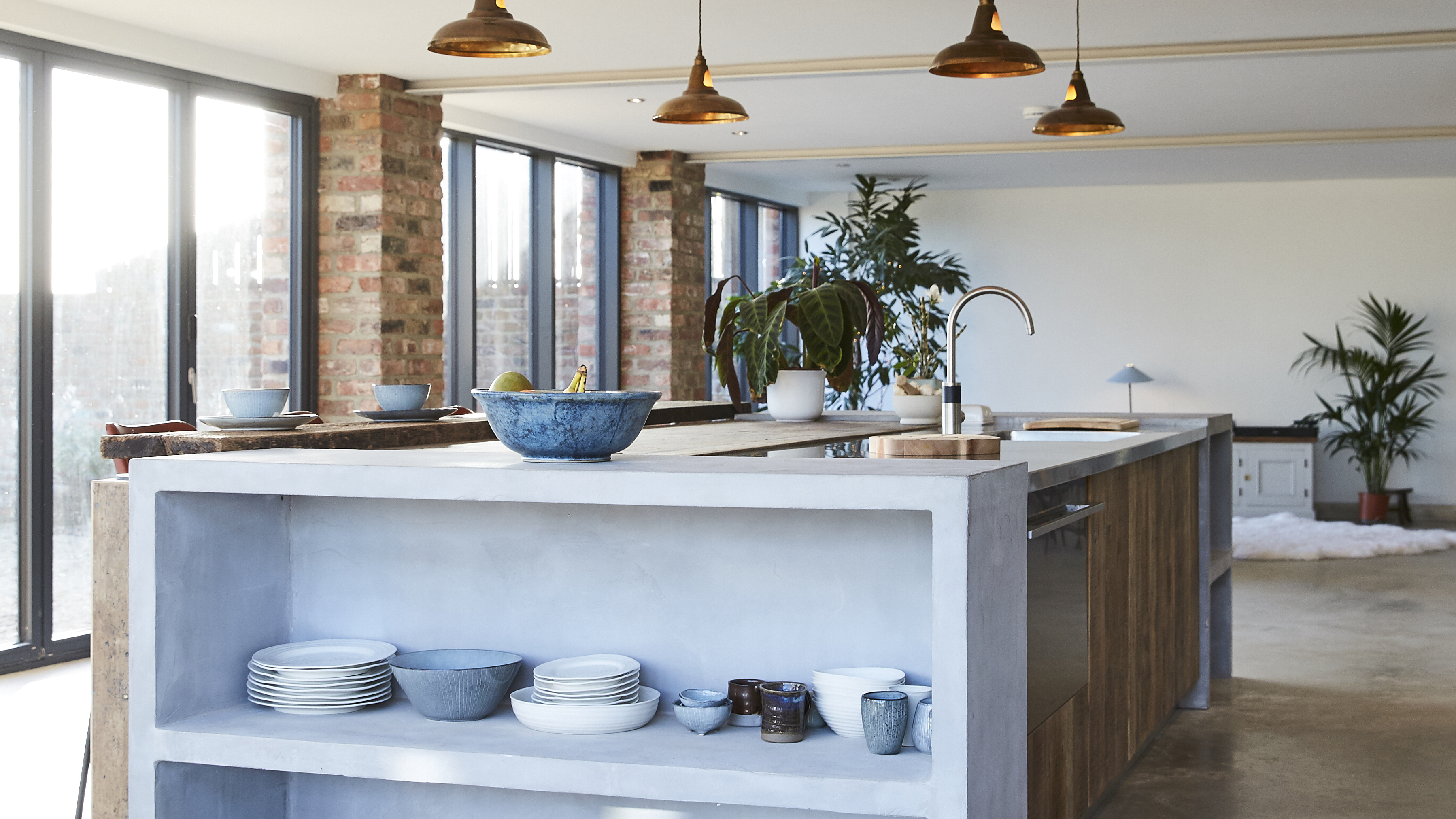
Kitchen island layout ideas – what to consider when incorporating your dream island

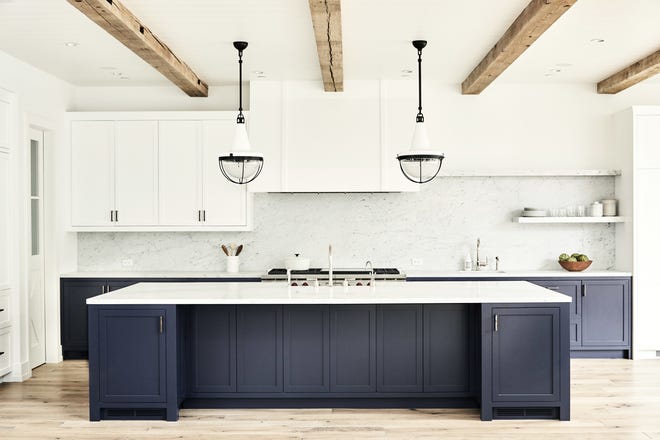
Creating the perfect kitchen island

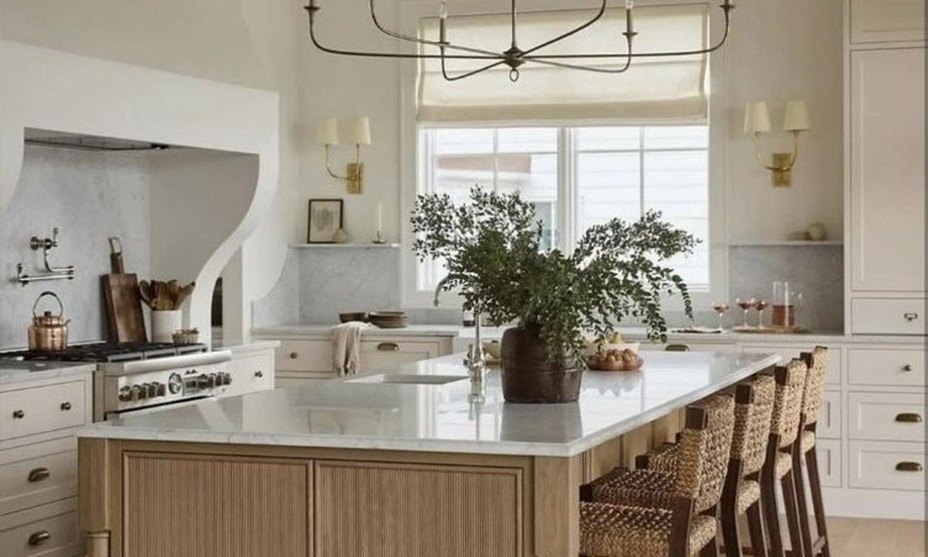
5 Showstopping Kitchen Island Looks That Will Redefine Your Cook Space
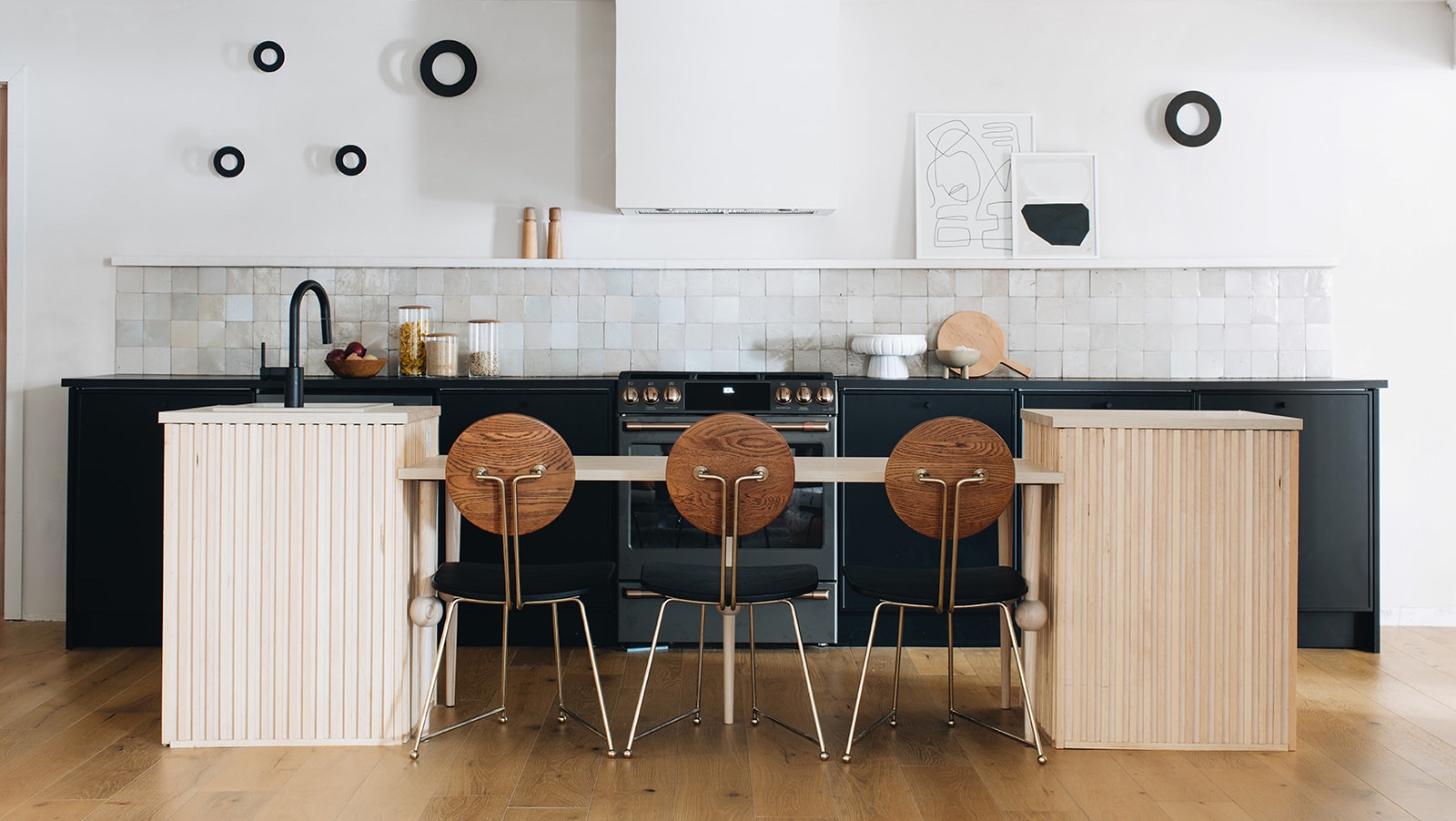
IKEA kitchen island hacks - 10 amazing overhauls to make your home look interior designed
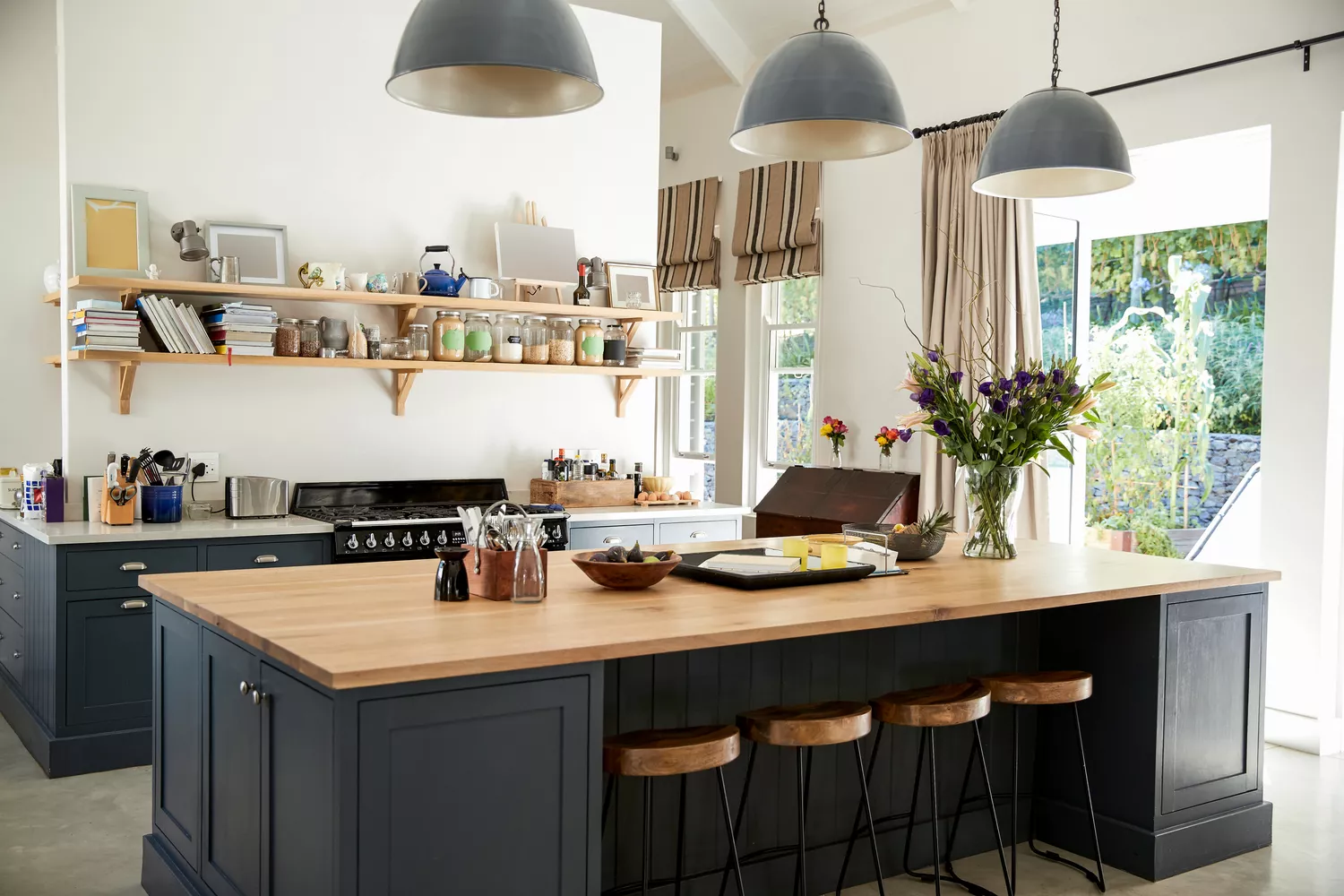
Everything You Need to Know About Adding a Kitchen Island to Your Home
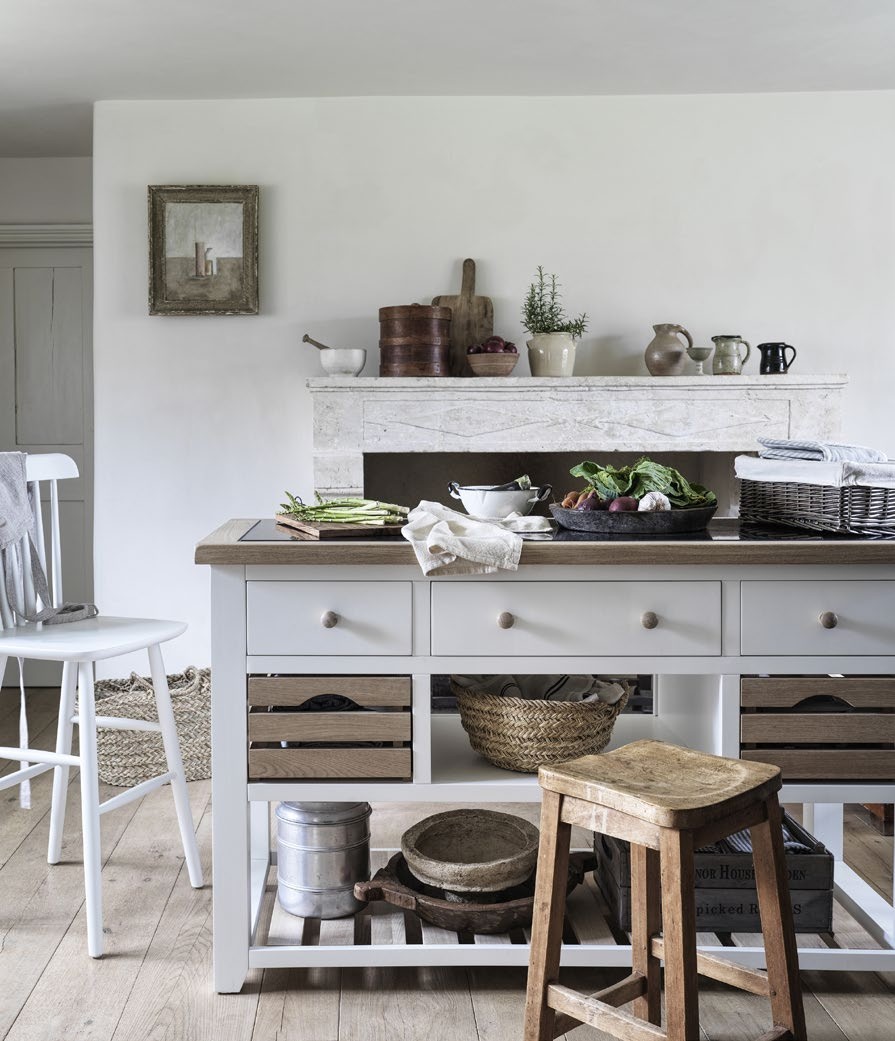
Kitchen island design - 7 Nov 2024 - Homebuilding & Renovating Magazine

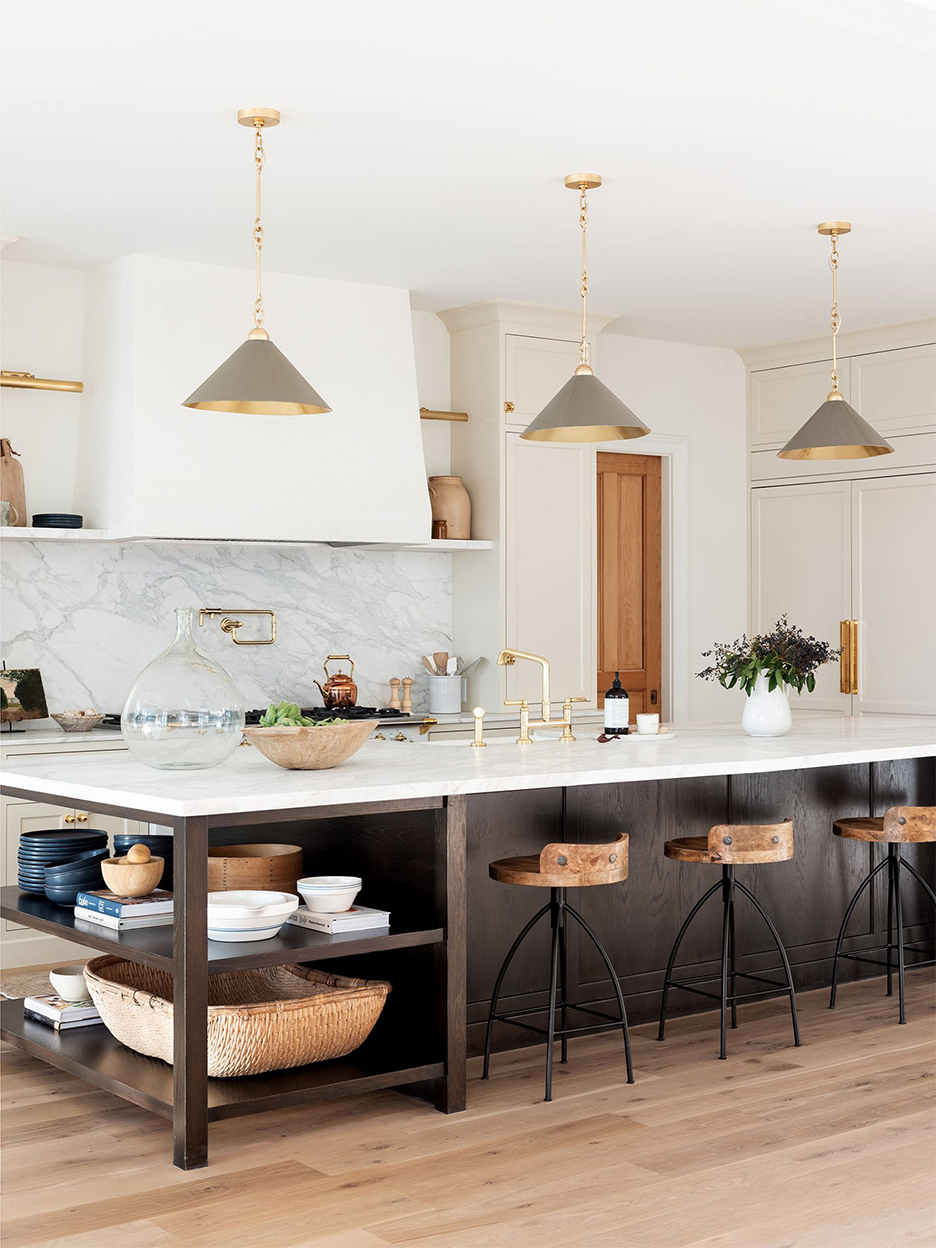
Cleverly Designed Kitchen Islands That Check Off Storage and Seating
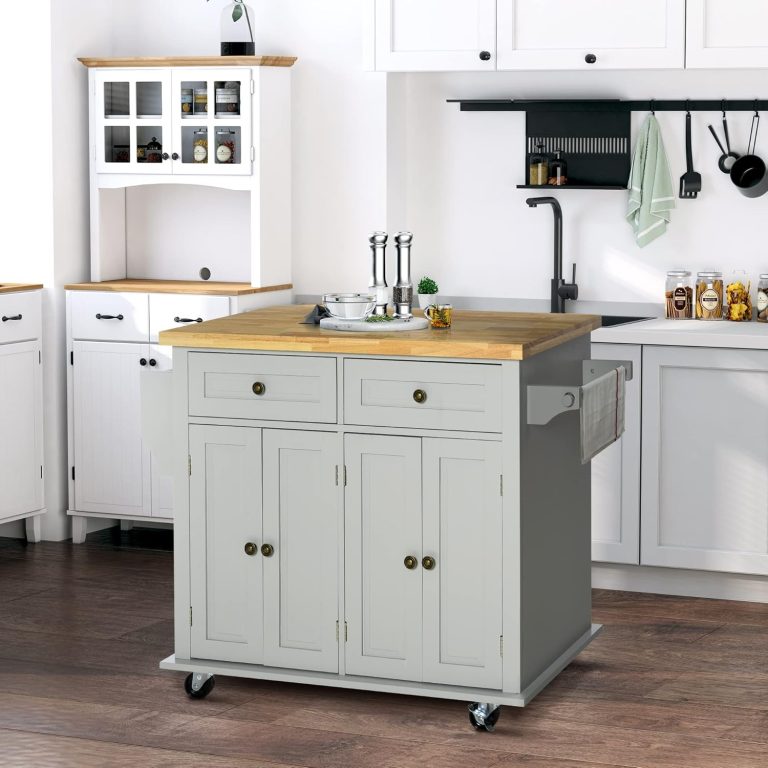
HOMCOM Kitchen Island: Stylish and Functional


5 things to consider when adding a kitchen island, according to interior designer Emily Henderson

Can you add an island to an existing kitchen? Yes, but these are the 3 considerations to be aware of
5 ways to create a stylish, functional open kitchen in your NYC apartment or brownstone
Kitchen islands large enough to accommodate everything from meal prep to homework help