1/14
AD Classics: Fallingwater House / Frank Lloyd Wright
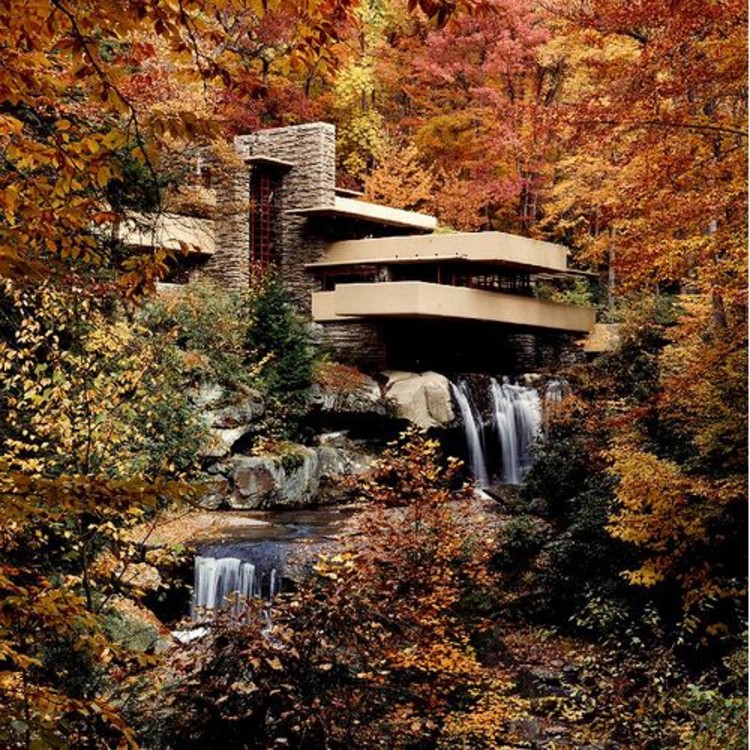
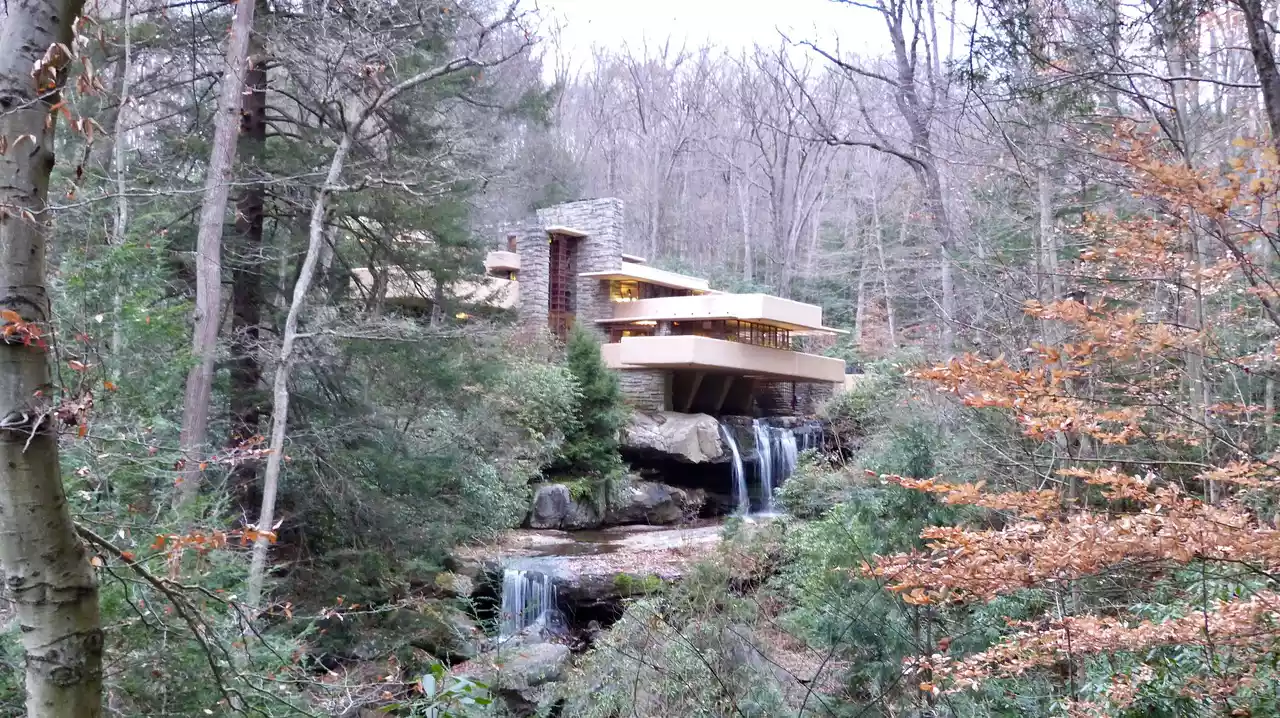
Fallingwater House, designed by Frank Lloyd Wright and completed in 1939, is an iconic example of organic architecture, seamlessly integrating with its natural surroundings in Mill Run, Pennsylvania. The residence was commissioned by Edgar J. Kaufmann Sr., a Pittsburgh department store magnate, who desired a weekend retreat that would embrace the beauty of Bear Run. Rather than building the house with a view of the waterfall, Wright controversially decided to construct it directly over the waterfall, making the natural element an integral part of the design and sensory experience.
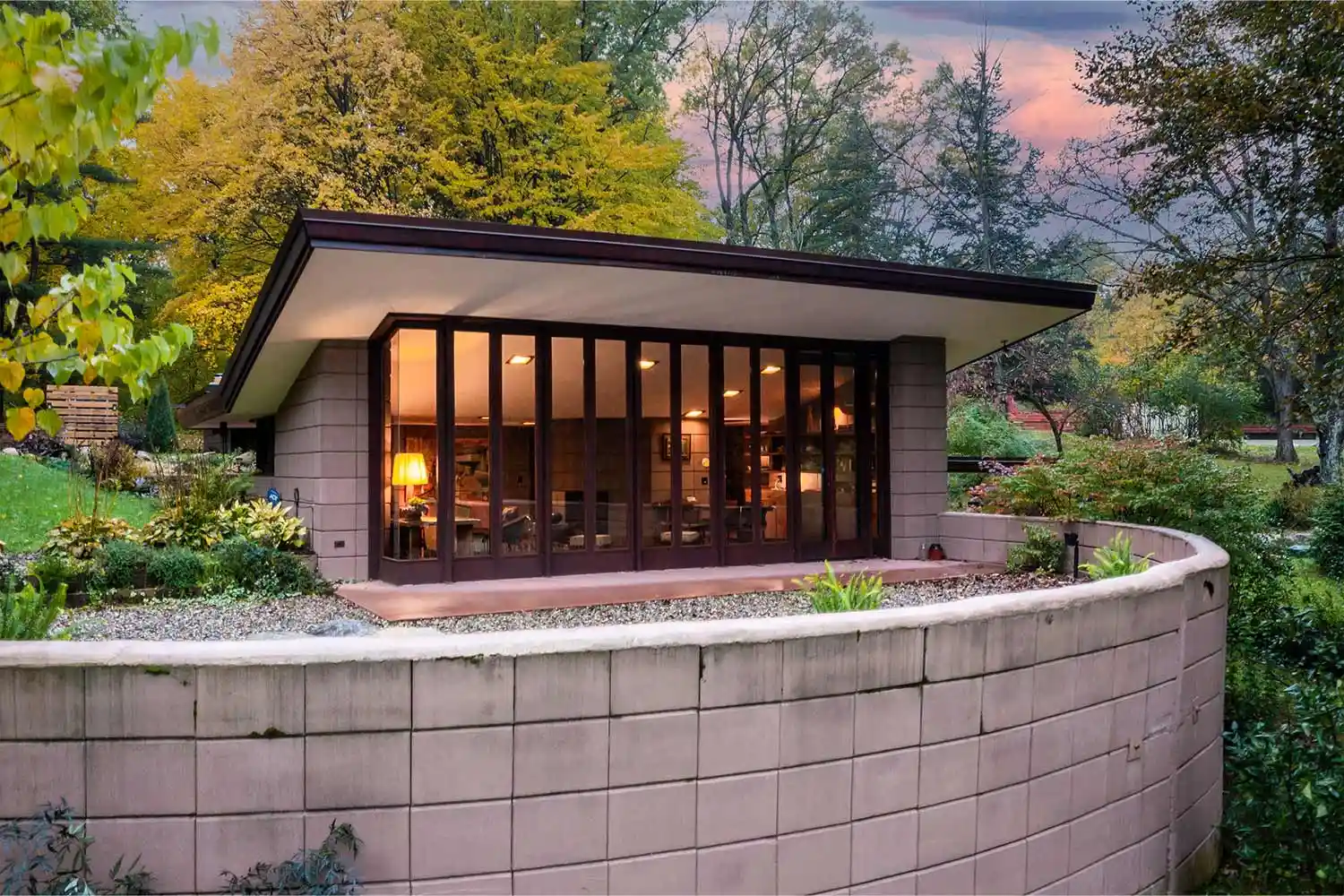
The house's cantilevered concrete terraces, which extend over the cascading water, are a defining feature. These horizontal planes are balanced by vertical elements of local sandstone, blending the man-made structure with the rocky landscape. The use of natural materials such as unpainted concrete, local stone, and wood reinforces the connection to the site. Large expanses of glass walls and windows further blur the boundaries between the interior and exterior, allowing natural light and views of the surrounding forest to permeate the living spaces. The sound of the waterfall is a constant presence, contributing to the serene and immersive atmosphere.
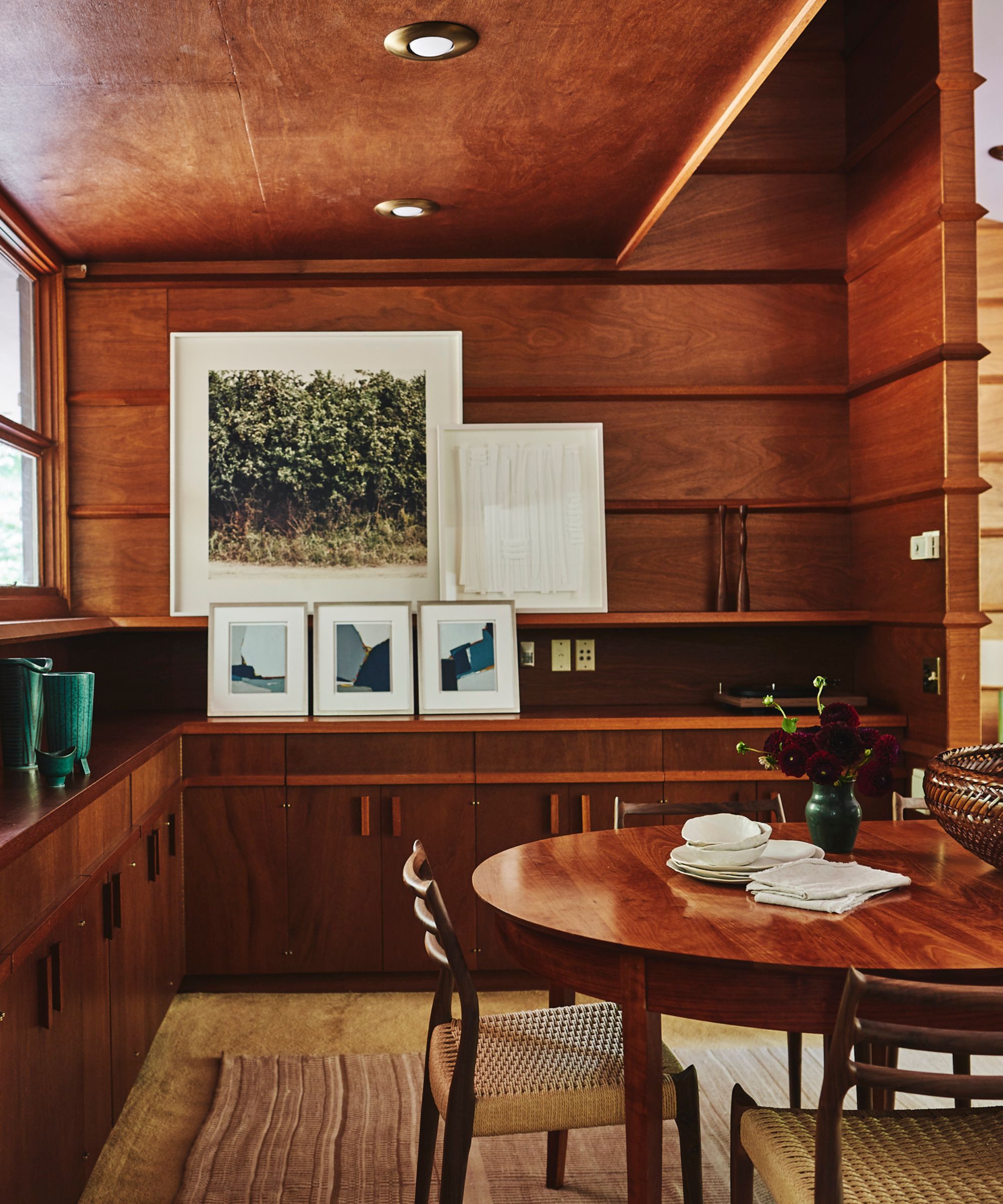
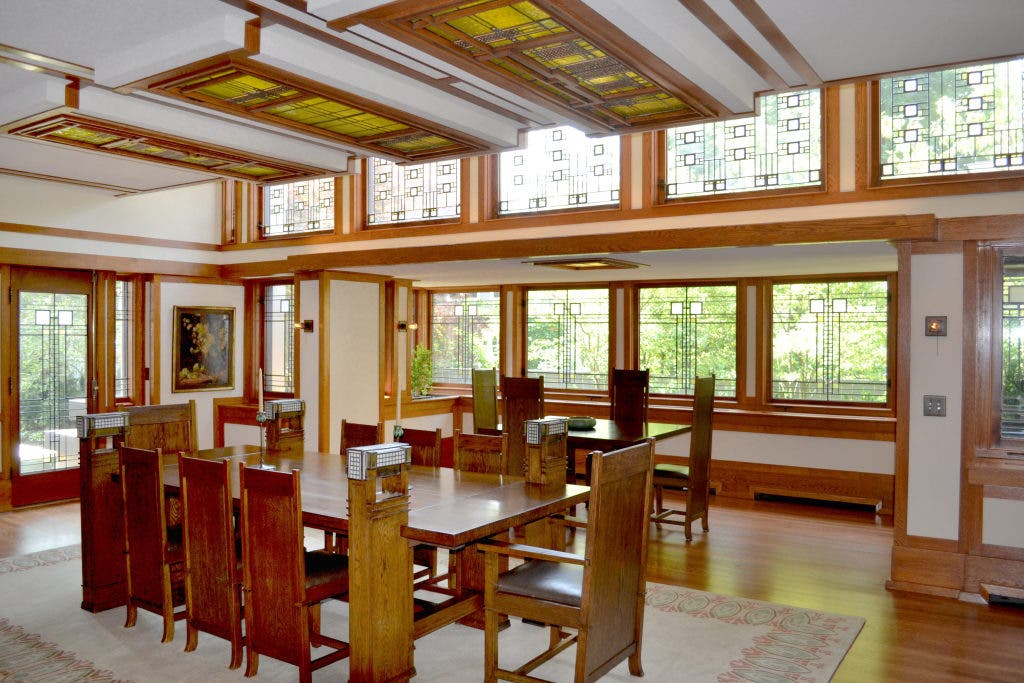
Inside, the design emphasizes an open floor plan and a flow of space that mirrors the continuous movement of the water. The central hearth, a prominent feature in the living room, symbolizes the home's anchor to the earth, contrasting with the lightness of the cantilevered structures. Built-in furniture, also designed by Wright, enhances the spatial continuity and minimizes clutter, contributing to the harmonious aesthetic. The design ensures that every room offers a unique perspective of the landscape, fostering a deep connection between the occupants and nature.
The engineering of Fallingwater was groundbreaking for its time, particularly the complex cantilevers. Wright collaborated with engineers, including Mendel Glickman and William Wesley Peters, to realize his ambitious vision. Despite initial structural challenges and subsequent restoration efforts, the house stands as a testament to innovative architectural and engineering principles. The construction involved pouring concrete on site, a process that required careful planning and execution to achieve the desired effect of lightness and extension over the water.
Fallingwater has been recognized globally for its architectural significance, earning numerous accolades and being designated a National Historic Landmark. It opened to the public as a museum in 1964 and remains a powerful symbol of modern architecture's ability to create spaces that are both functional and deeply integrated with their environment. The house continues to influence architects and designers, serving as a prime example of how architecture can respond to and enhance its natural context, creating a timeless masterpiece that celebrates both human ingenuity and the beauty of the natural world.
#FrankLloydWright #FallingwaterHouse #OrganicArchitecture #ModernArchitecture #ArchitecturalMasterpiece #CantileverDesign #ResidentialArchitecture #NationalHistoricLandmark #ArchitecturalInnovation #FrankLloydWright #FallingwaterHouse #OrganicArchitecture #ModernArchitecture #ArchitecturalMasterpiece #CantileverDesign #ResidentialArchitecture #NationalHistoricLandmark #ArchitecturalInnovation
0 comment in total
 No comments yet
You may also like
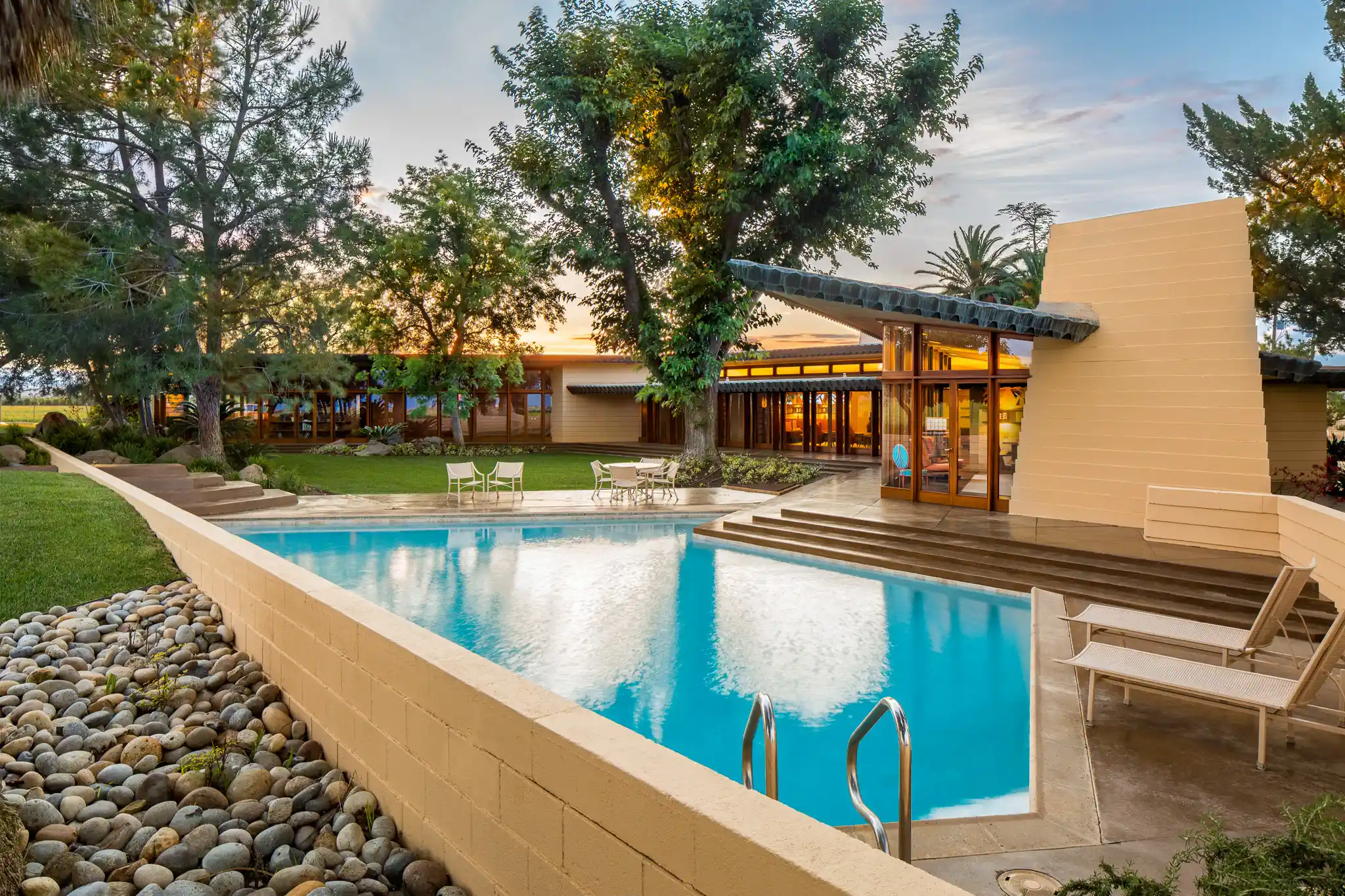
7 Frank Lloyd Wright houses currently up for sale

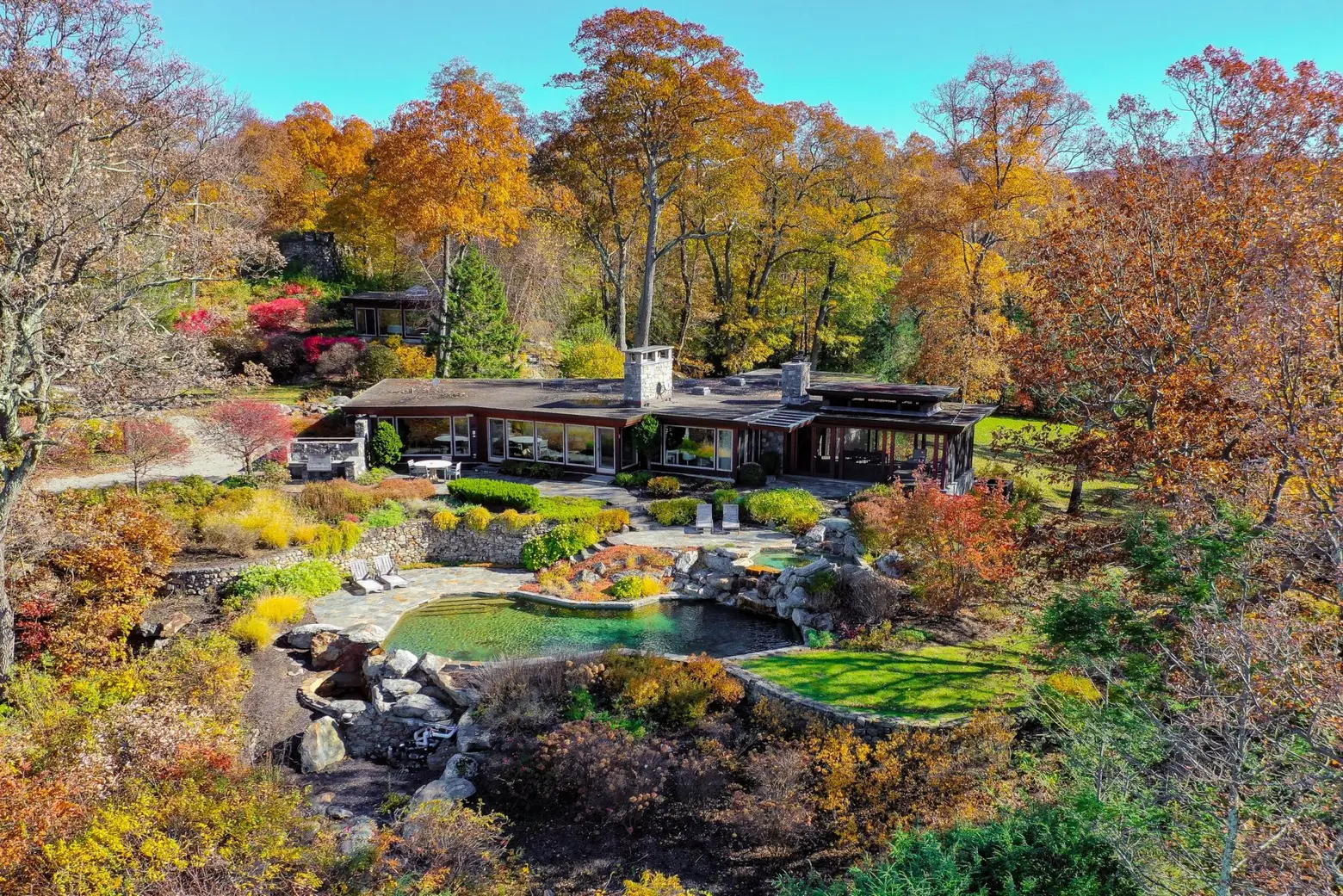
Hudson River views abound at this six-acre Garrison estate, designed by a Frank Lloyd Wright disciple

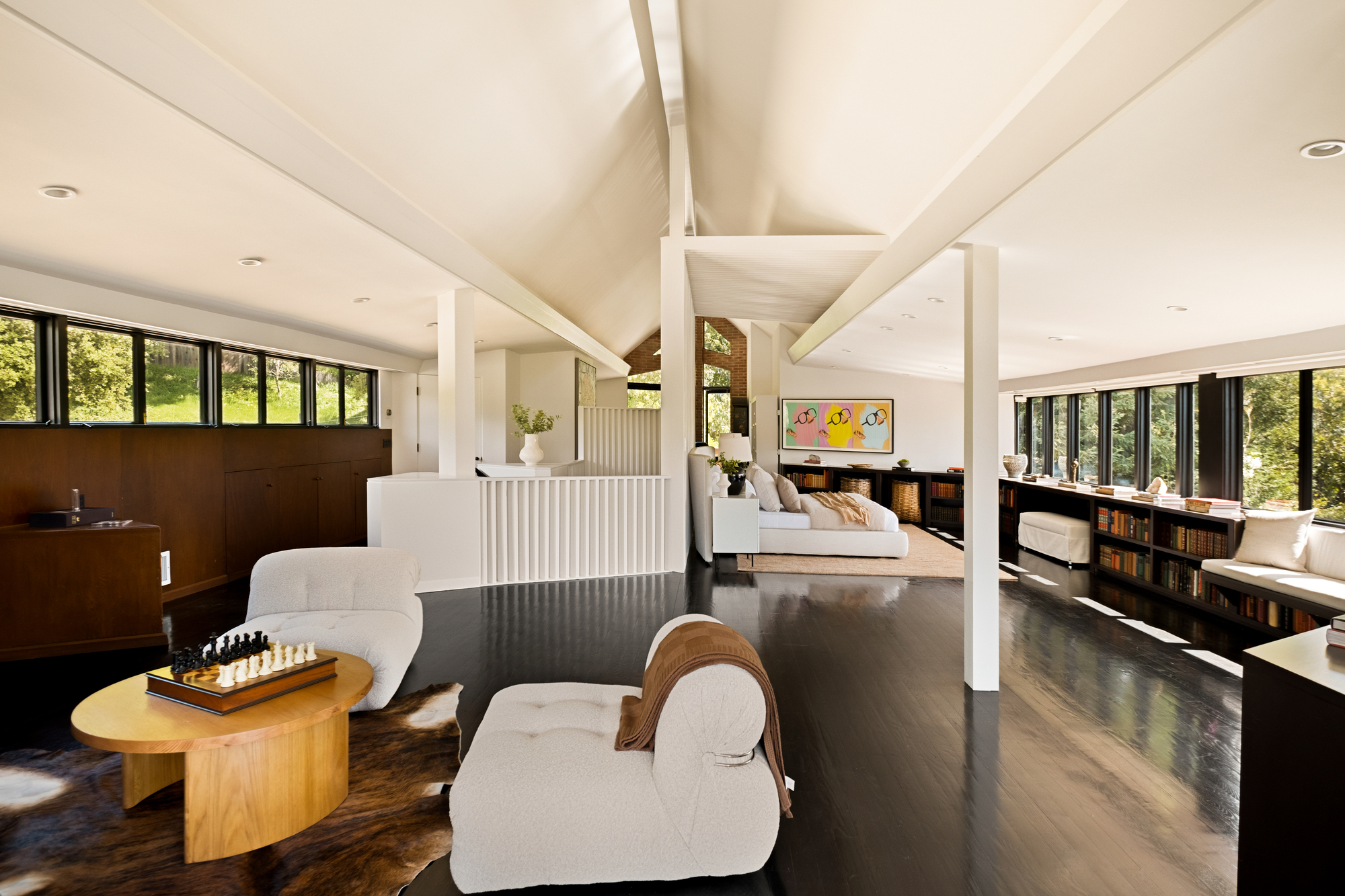
5 Design Lessons We Can Learn From Lloyd Wright's Iconic 'Newman Residence' (Which Has Just Been Listed For Sale)

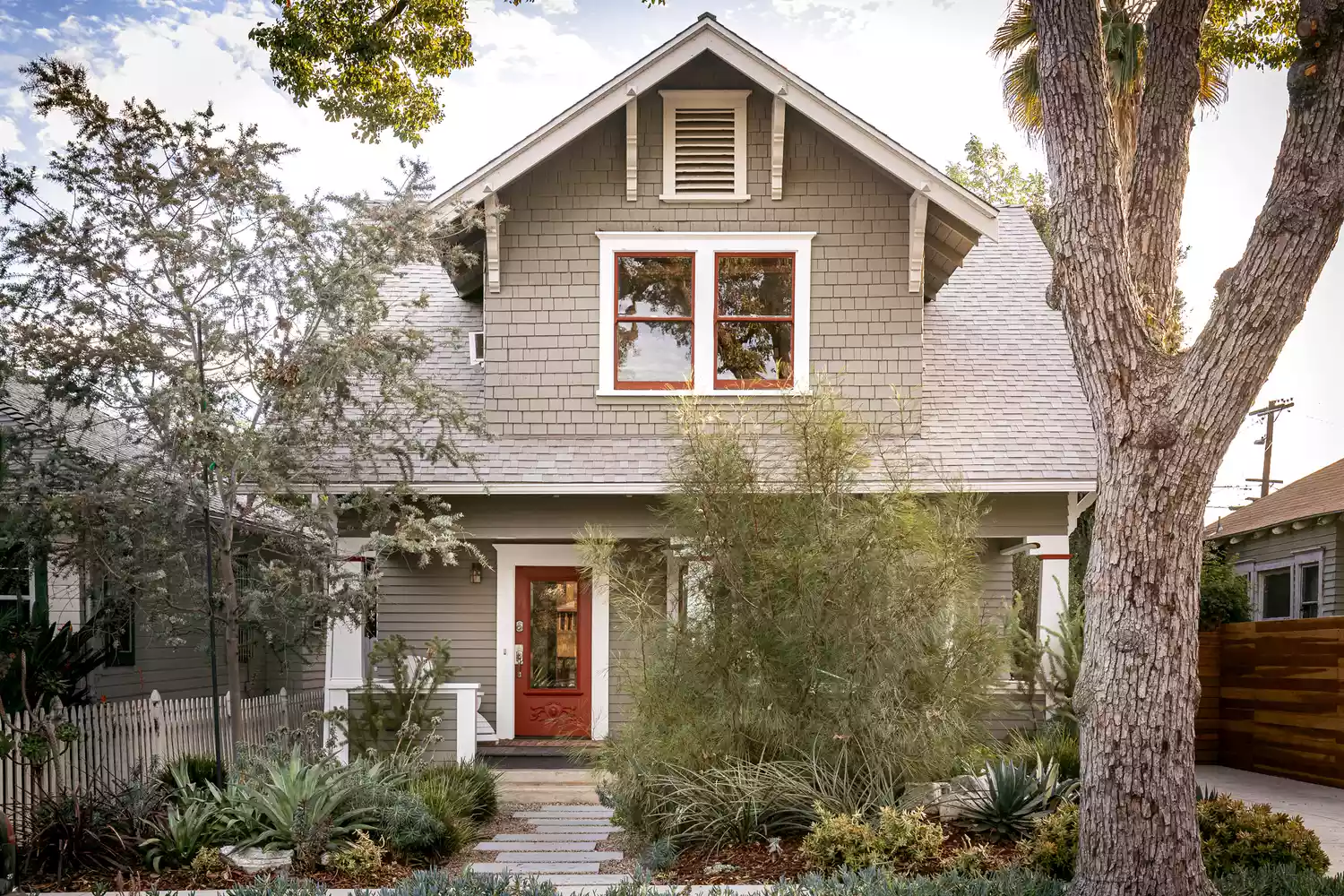
This Popular Home Style Features Wide Porches, Low-Pitched Roofs, and Lots of Charm

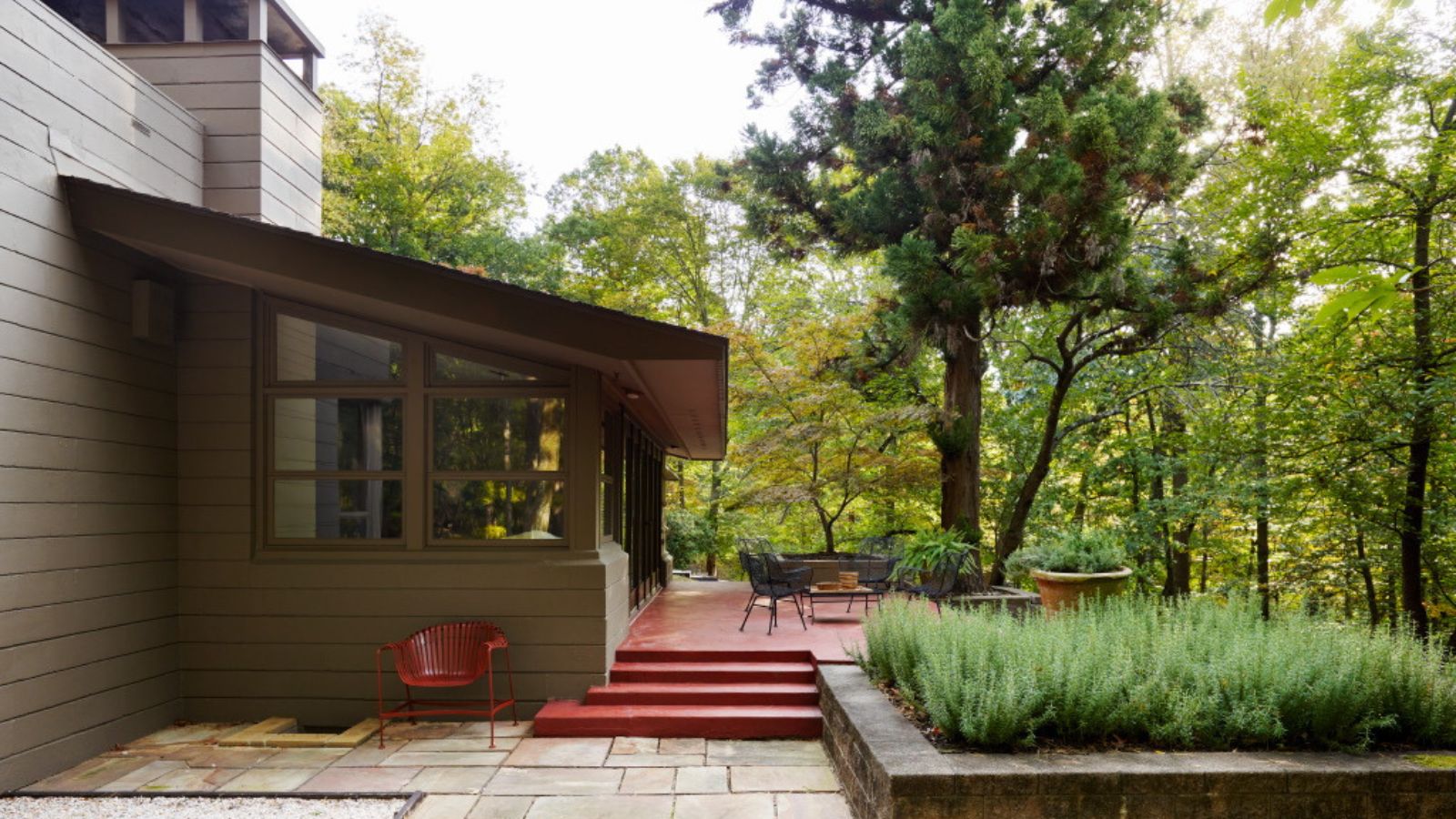
'The final chapter' of Frank Lloyd Wright's prosperous career – this New York home was the perfect passion project for its previous owner, who continued to restore this historic home

What is it like Growing Up in a Frank Lloyd Wright House?
A Rare Look Inside Frank Lloyd Wright’s Stunning Rosenbaum House
A Midcentury Gem With a Prime Pool Patio Makes a Splash in L.A.

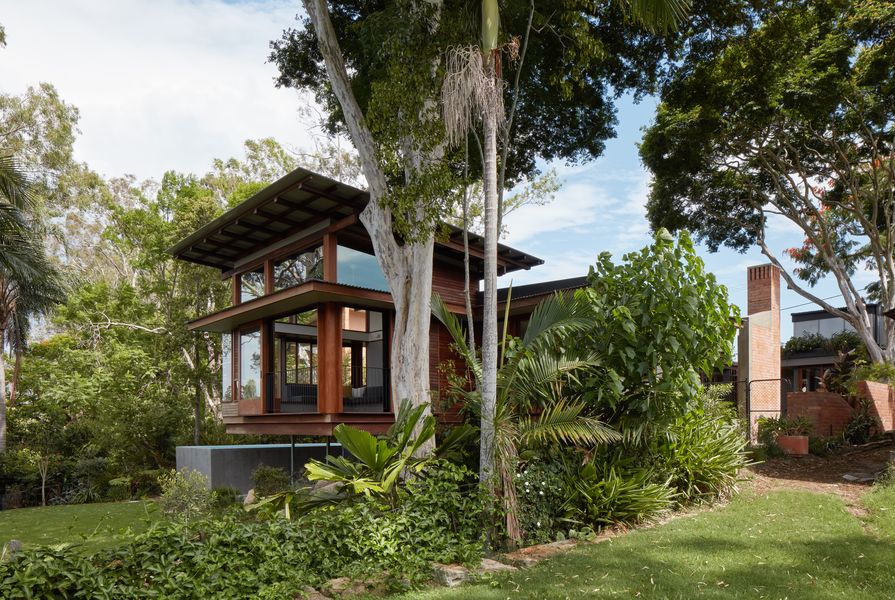
River Hearth House by Arcke
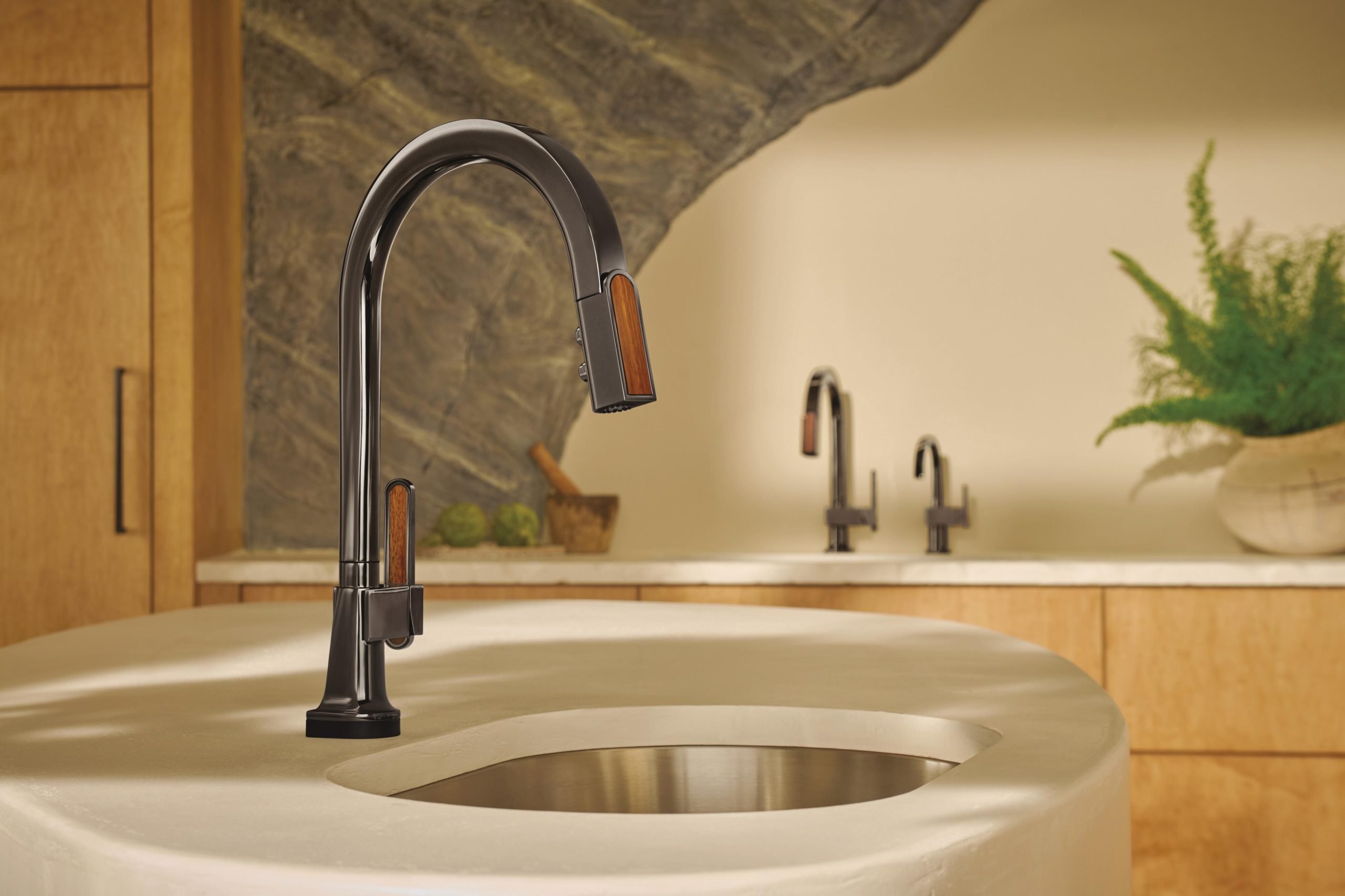
Frank Lloyd Wright Kitchen Collection

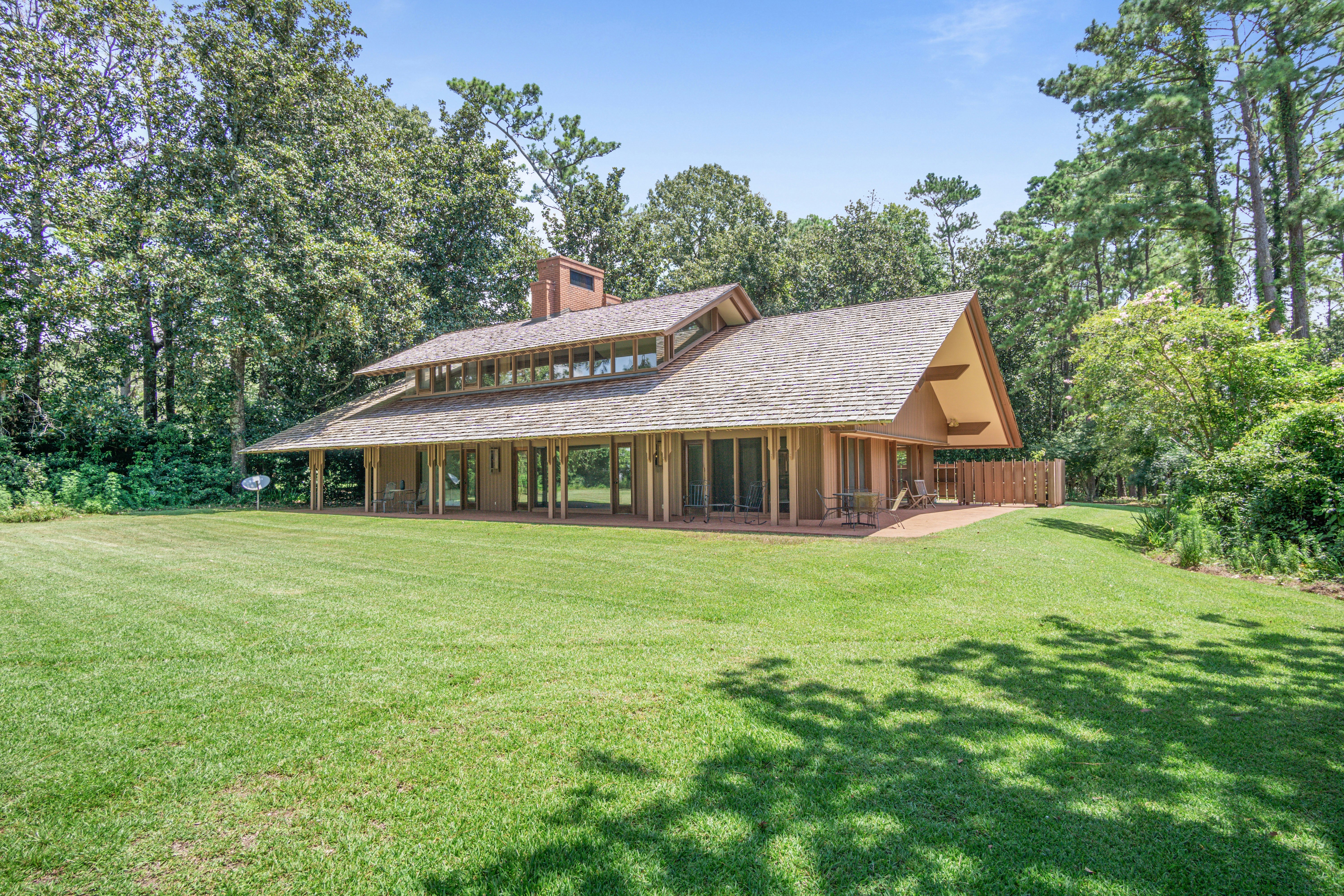
A Midcentury-Style Home by Fay Jones Lists for the First Time at $1.8 Million
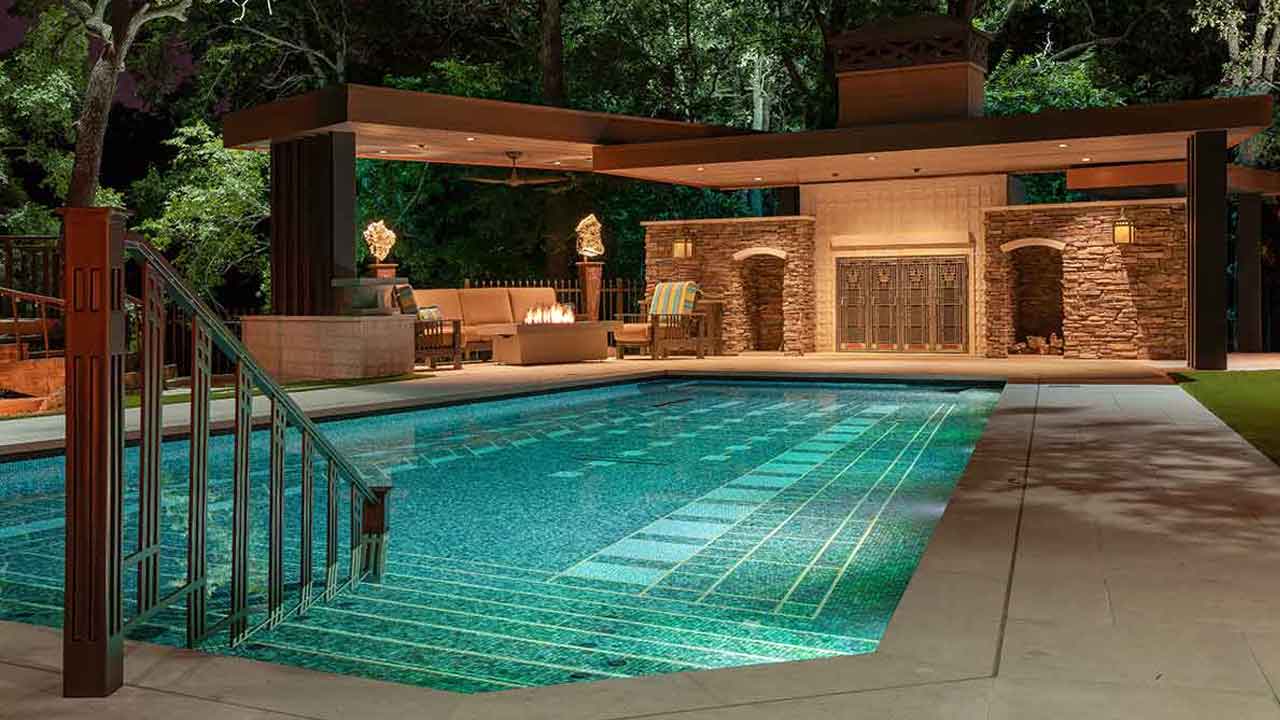
A Frank Lloyd Wright Inspired Pool Renovation, Behind The Collaboration Curtain

Fallingwater: A Contradiction in Sustainable Design
Flinders House
Prairie Style Homes — A Detailed Guide to this Iconic Architectural Style
Find Contemporary Details Throughout This Custom Home in Great Falls
The Home Page | Chicago Bungalows, Frank’s Place, and Ojai Holiday Homes


Frank Lloyd Wright’s Only Adobe Design Is Rescued From Total Disrepair
Fairfield Courtyard House / Taylor Knights
Flashback: David Foster Wallace’s Water Closet of Wonders