Fallingwater: A Contradiction in Sustainable Design
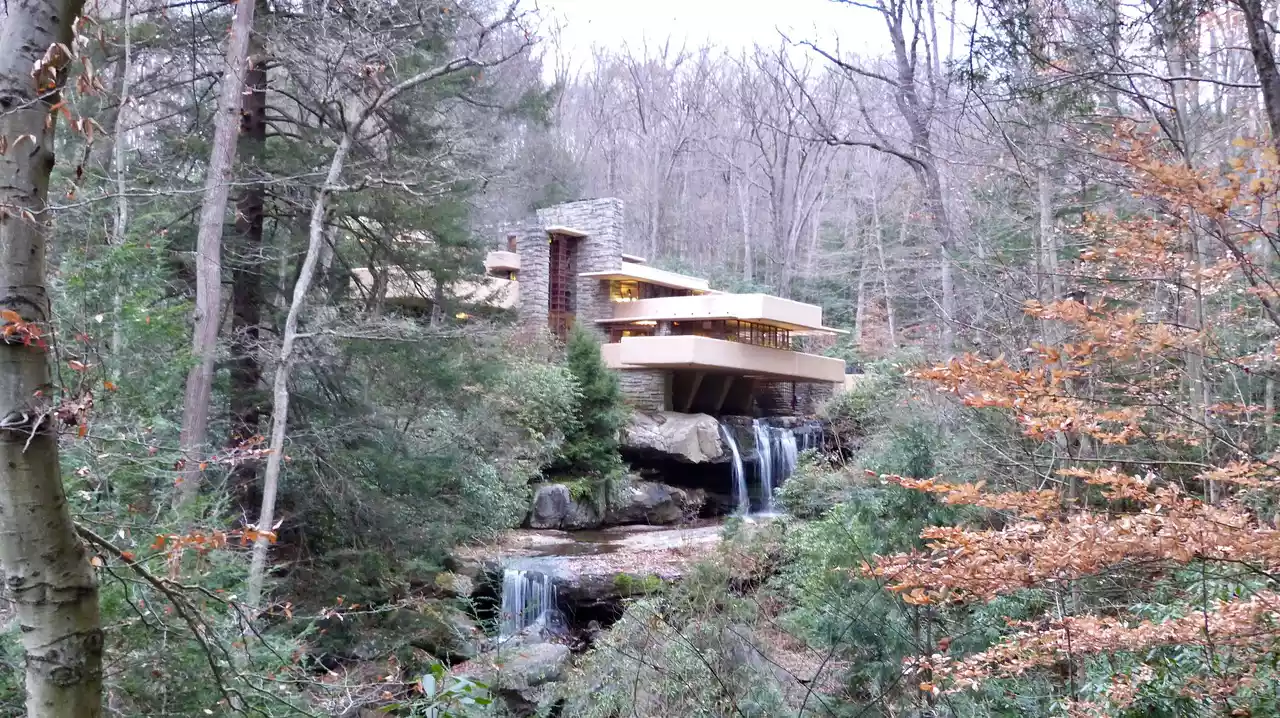
Frank Lloyd Wright's iconic Fallingwater is presented as a paradoxical example in the context of sustainable design. While often lauded for its integration with nature, the article delves into various aspects that challenge its sustainability credentials. Despite its fame for embodying harmony with nature, the building has a history of significant structural and maintenance issues. The construction utilized cantilevers that proved problematic, with initial engineering requiring a second opinion and subsequent modifications leading to cracking soon after completion. Wright attributed these issues to the added steel making the cantilevers too heavy.
The house's location directly over a waterfall, though visually stunning, is highlighted as contrary to contemporary environmentally conscious architectural practices, which would typically avoid building on such a sensitive natural feature. Furthermore, the overall lifestyle associated with Fallingwater during its occupancy by the Kaufmann family, including its function as a second home requiring multiple cars for transport, is critiqued as being unsustainable and costly.
Despite these criticisms, the article acknowledges Wright's vision of having residents "live with the waterfall," not merely observe it, making the natural elements an integral part of the living experience. This philosophy is evident in the design where natural rock formations extend into the interior, symbolizing a "treehugging" approach of building around nature rather than removing it. The interior design, however, features unusual proportions; a large living room and expansive terraces contrast sharply with a small kitchen and narrow, hidden staircase. Bedrooms and bathrooms are described as notably small by modern luxury standards, with low ceilings designed to create a sense of compression before transitioning to the expansive outdoors. Details such as glass caulked into stone slots are mentioned as contributing to the building’s ongoing maintenance challenges and considerable expense.
The article also touches upon the guest house, built a year after the main residence. It suggests that lessons learned from the main house's construction led to differences in the guest house, such as a larger bedroom and a more comfortable living space, which Mrs. Kaufmann reportedly preferred. The construction of the guest house also provided much-needed employment during the Depression era. Ultimately, Fallingwater is recognized as a remarkable work of 20th-century architecture that, despite its practical contradictions to sustainable living, continues to symbolize the human desire for unity with nature.
#Fallingwater #FrankLloydWright #SustainableDesign #Architecture #GreenBuilding #EnvironmentalImpact #ModernArchitecture #DesignPhilosophy #HistoricBuildings #Fallingwater #FrankLloydWright #SustainableDesign #Architecture #GreenBuilding #EnvironmentalImpact #ModernArchitecture #DesignPhilosophy #HistoricBuildings
0 comment in total
 No comments yet
You may also like
Living with water: four buildings that will withstand flooding

This 3D-Printed House Is Designed To Catch Rainwater and Live Sustainably

How Can Architecture Combat Flooding? 9 Practical Solutions

tale of a tree | d+a - architecture
Water in Interior Design: 18 Projects that Include Water Fixtures in their Spaces

Are Waterfall Edges Going Out of Style? A Design Debate

snøhetta makes tiles out of electronic waste glass in 'common sands – forite'
Learn How to Install Rainscreen Siding Like a Pro

5 reasons why floating development is set to take the world by storm

Innovations Driving Sustainable Building and Architecture Forward
Enhancing Climate Sustainability through Biophilic Design
Sustainable Buildings: Pioneering a Green Revolution in Urban Design

Want an Eco-Friendly Home? Everything You Should Know About Sustainable Architecture

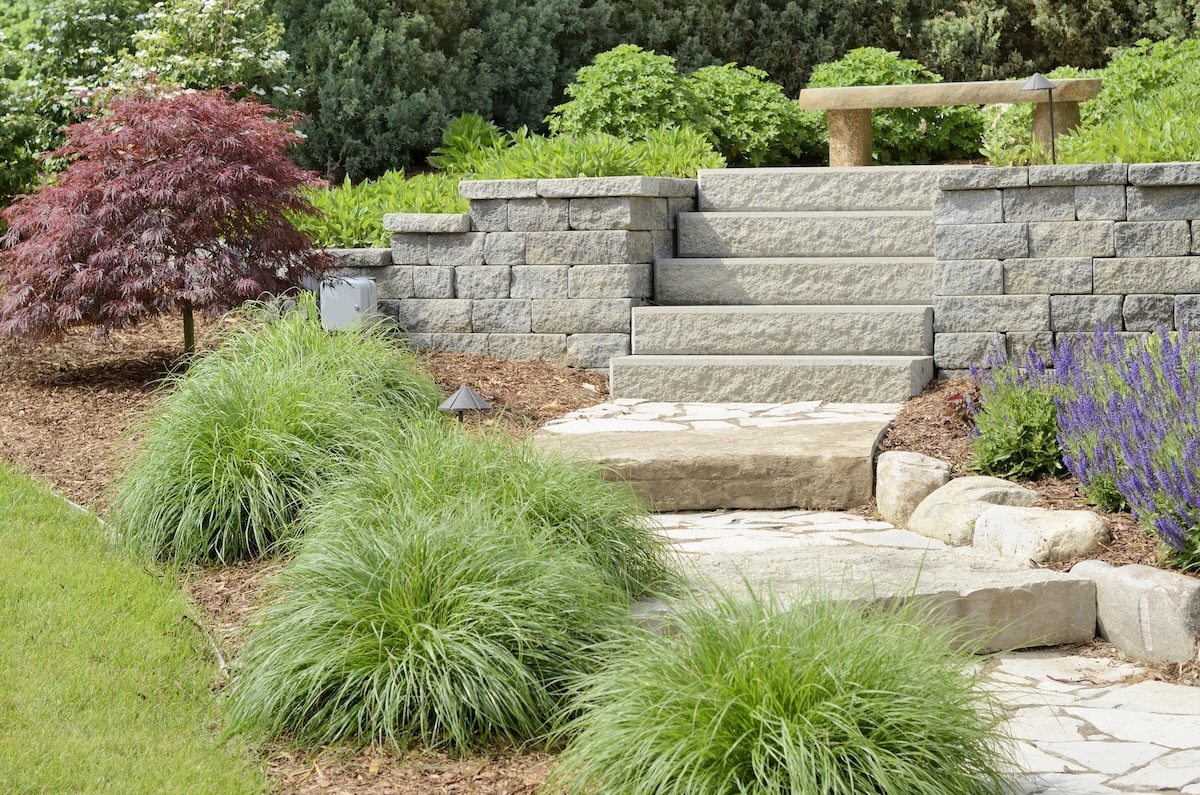
Strategic Hardscaping Can Make Your Outdoor Space More Sustainable—Here’s How

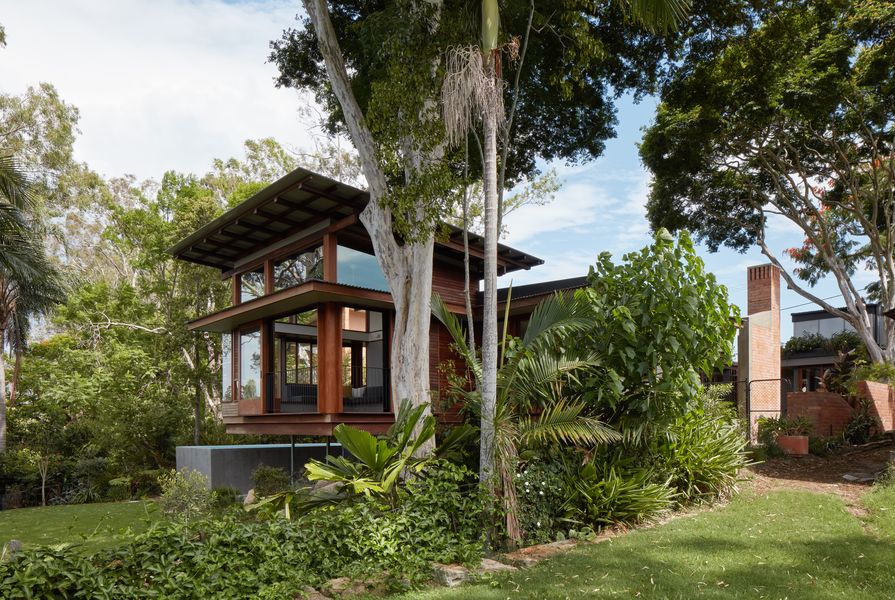
River Hearth House by Arcke

How to talk to architects, builders and general contractors about sustainability
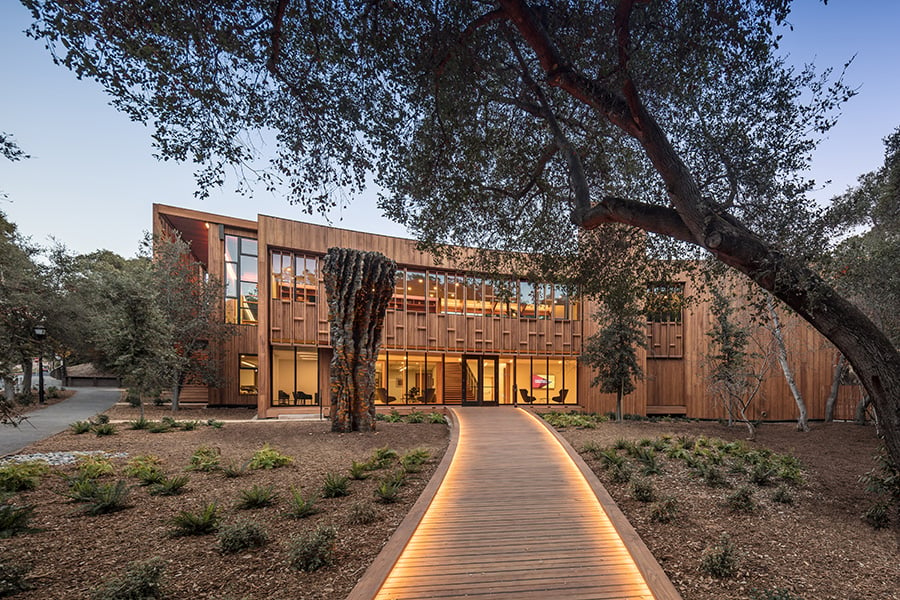
Ennead Designs Sustainable Home for Stanford’s New Knight-Hennessy Scholarship Program

ECONYL® by Aquafil: Inspiration + Hope for the Future of Sustainable Design

Sustainable architecture: 46 innovative and inspiring building designs

Material Acts - Elsa Mäki - Stitching: Future Fabrication and Traditions of Reuse