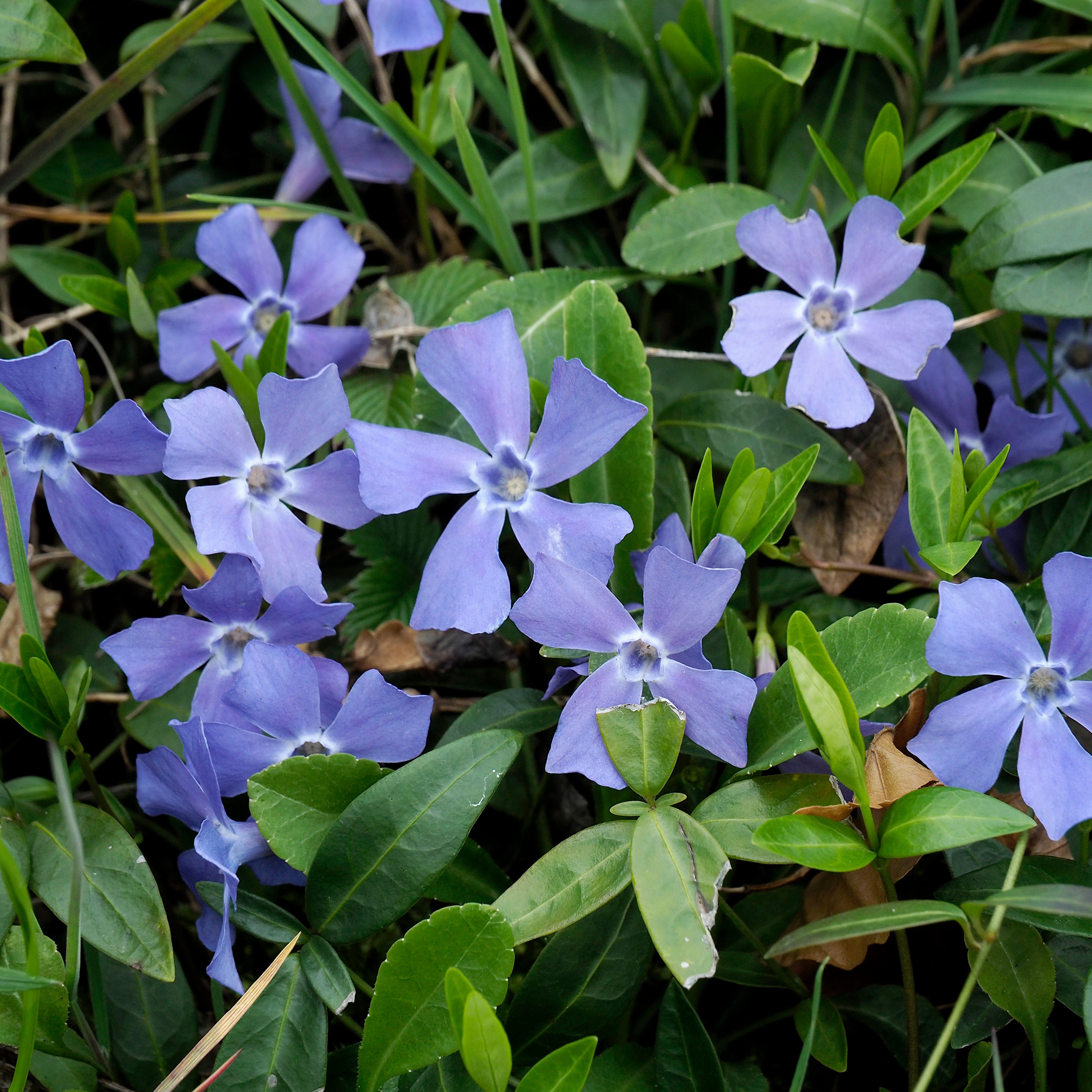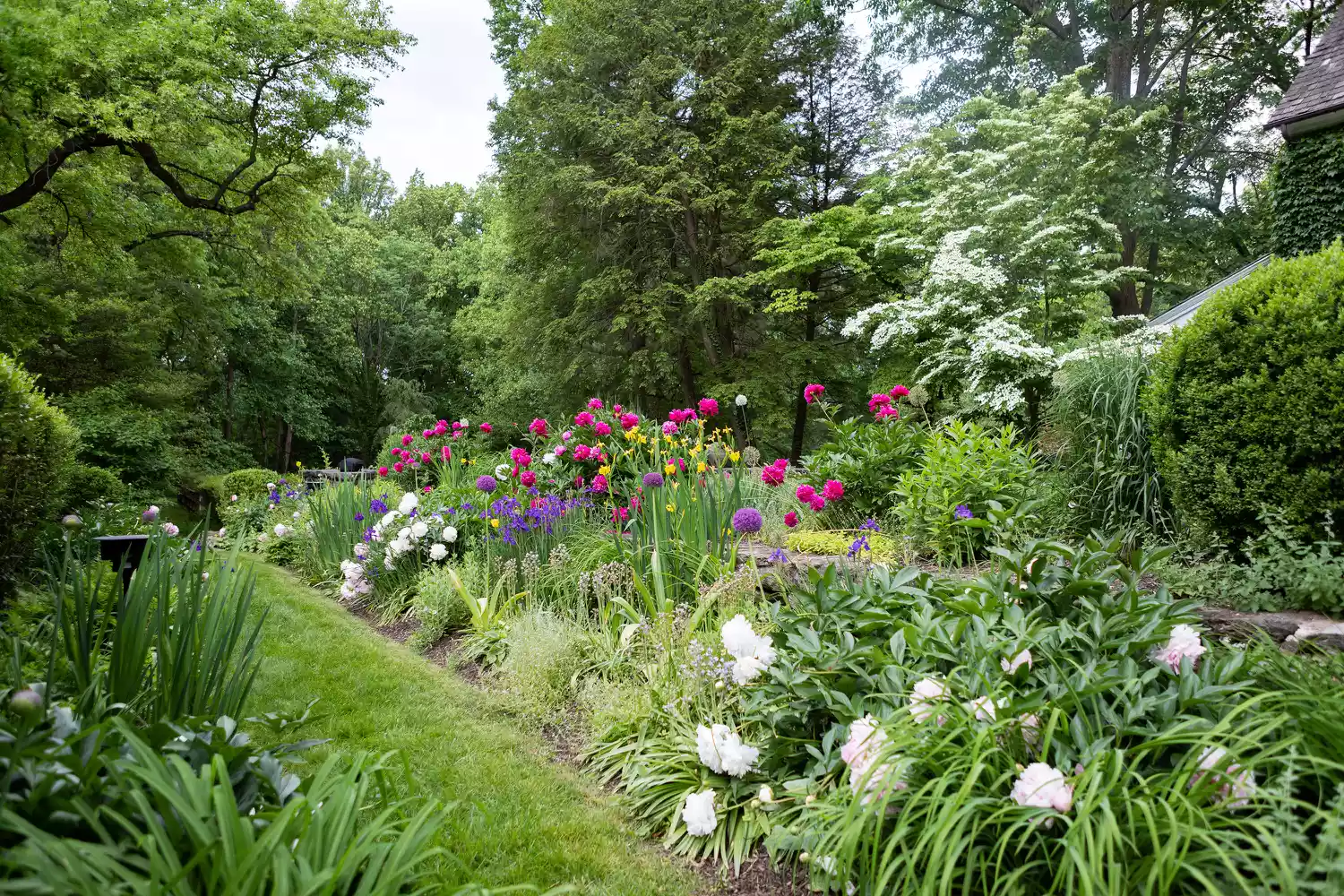
1/2
22 Layouts and Design Plans for a Perennial Flower Garden
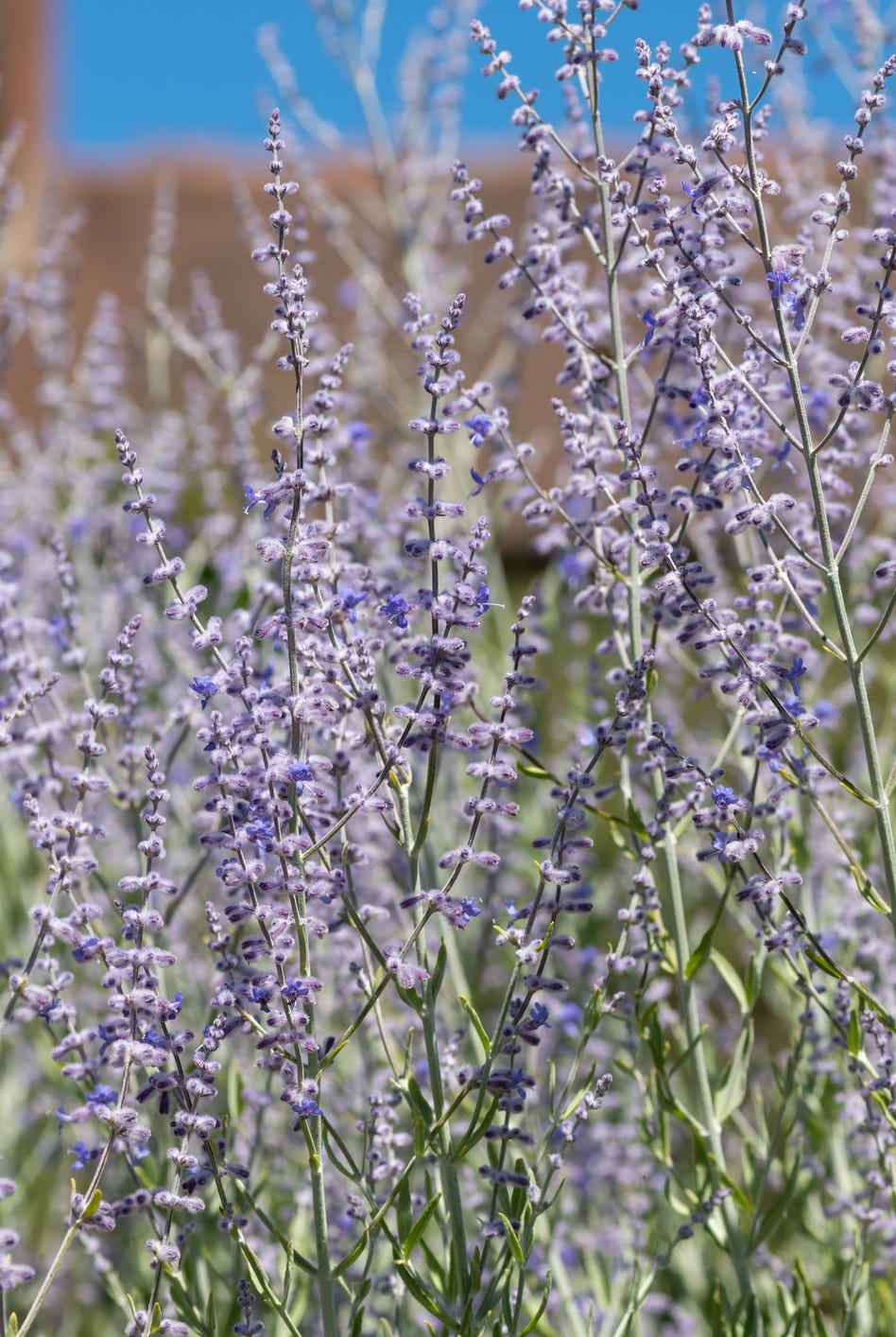
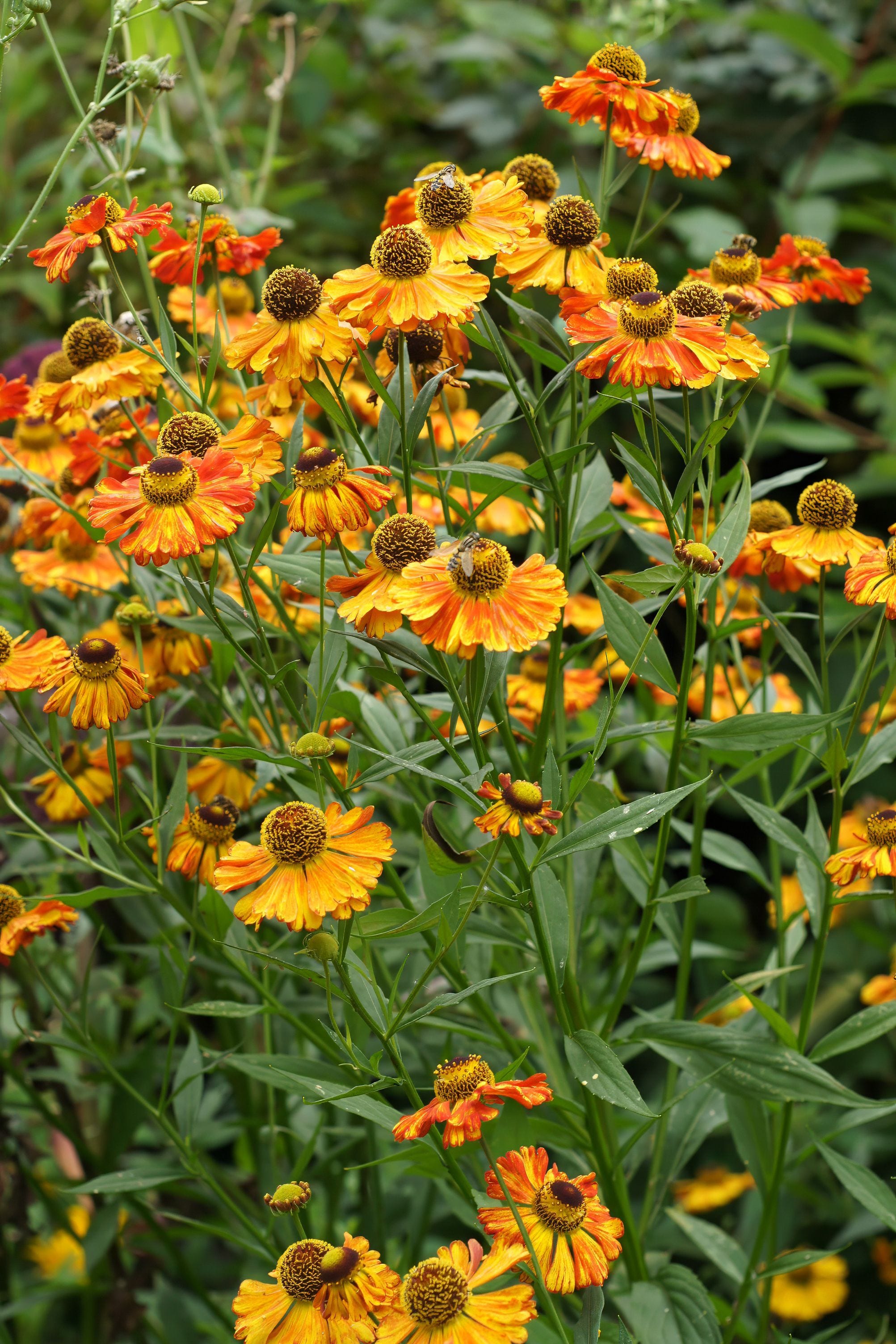
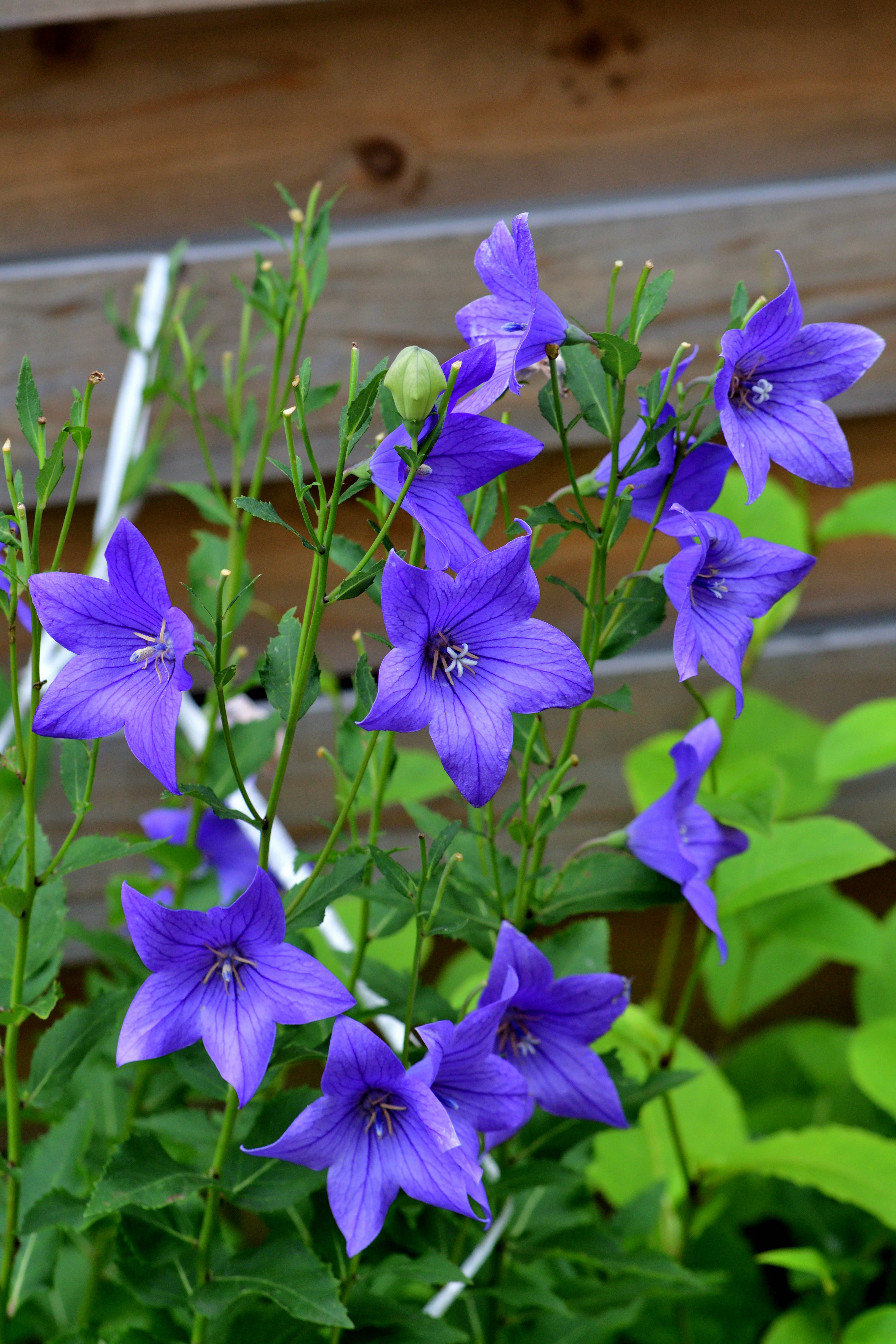
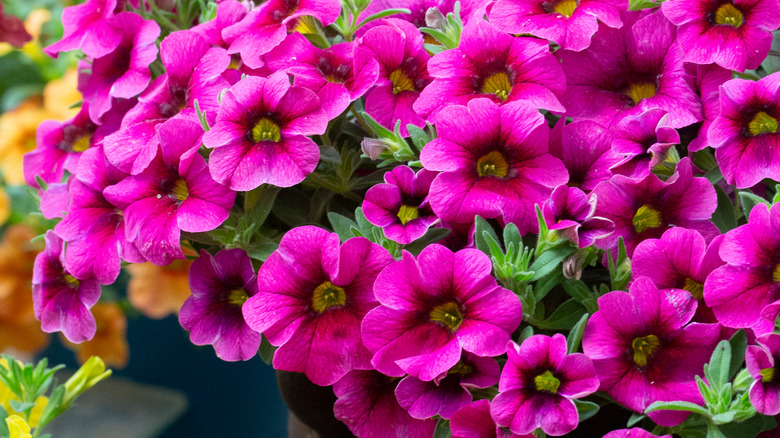
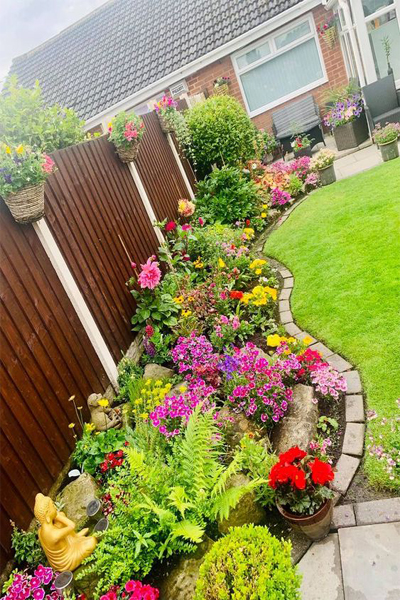
A perennial flower garden offers a vibrant display of color and beauty that returns year after year. While these gardens may appear naturally lush, they are the result of careful planning and strategic planting. By considering various factors like plant placement, selection, and maintenance, you can create a perennial garden that is both aesthetically pleasing and easy to manage as it matures. A perennial is defined as a plant that re-emerges after its initial year, typically blooming in spring, dying back in fall, and reappearing the following year.
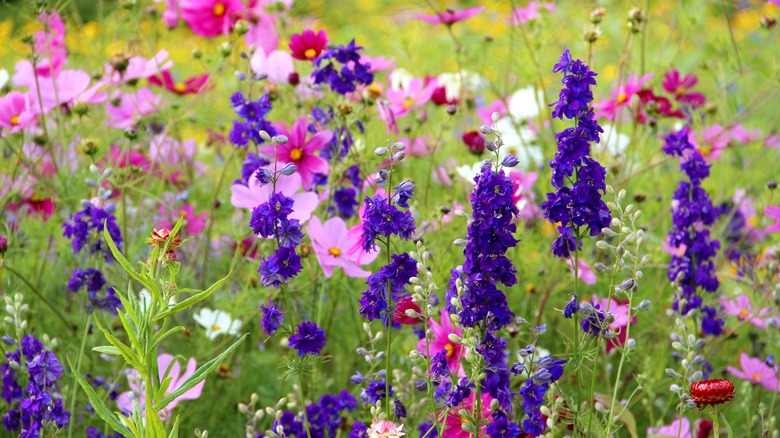
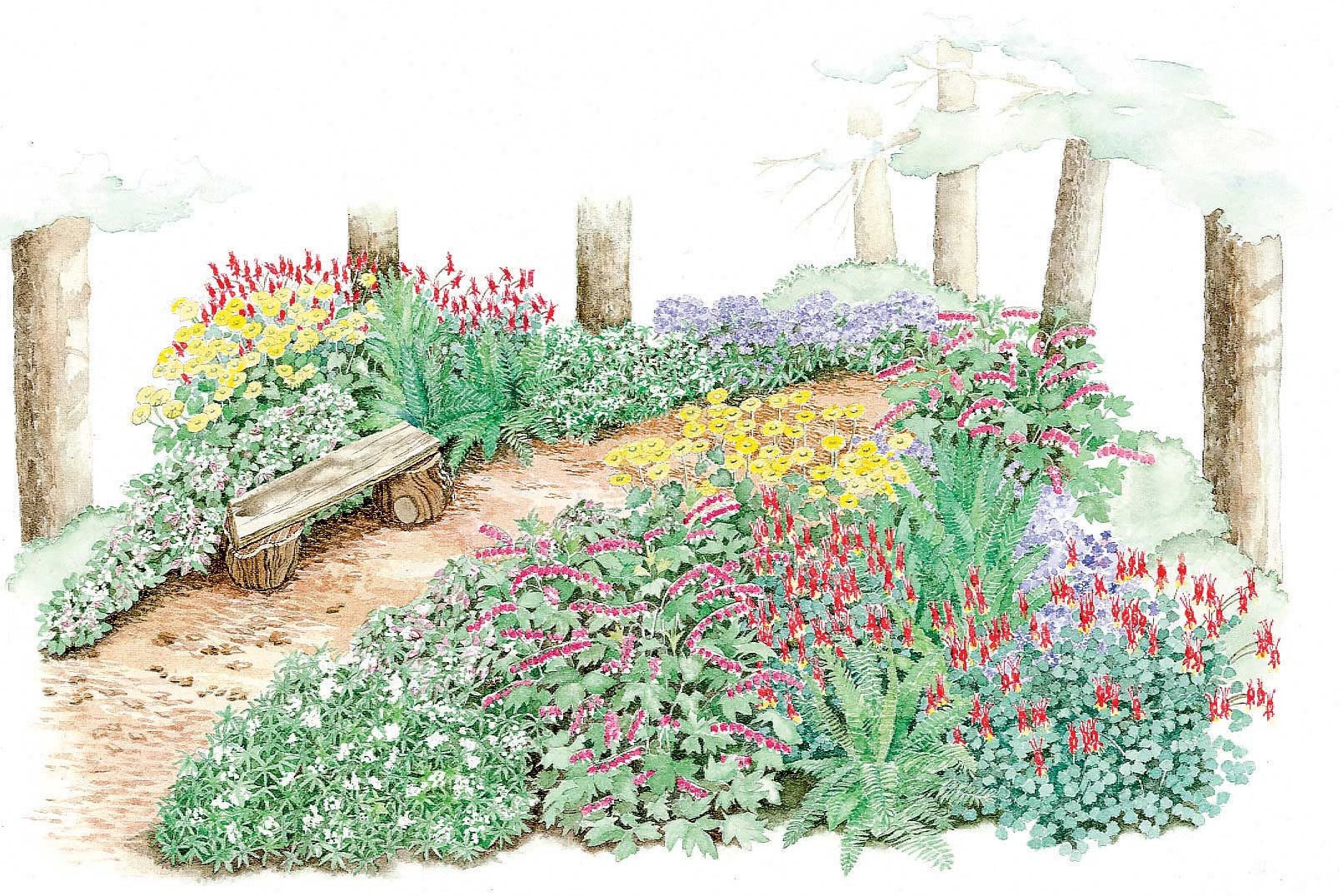
Designing a perennial flower garden involves several key steps. First, understanding your planting zone is crucial for selecting appropriate perennial plants that will thrive in your local climate. Second, knowing the mature size and spread of each plant allows for proper grouping and creates varied heights within your garden design. Third, considering bloom times ensures continuous color throughout the growing season. It's also important to choose plants with flowers that can withstand local weather conditions and to be aware of any potentially malodorous scents. Fourth, recognizing how flower and foliage colors change over time helps in creating a dynamic and evolving aesthetic. Cultivars can offer different color options to suit your design preferences. Fifth, understanding each plant's specific light, soil, and water requirements is essential for grouping plants with similar needs, thereby optimizing their growth and health. For instance, shade-loving plants like black cohosh and bleeding heart should be grouped together, and drought-tolerant plants should be separated from those requiring moist soil, such as astilbe. Awareness of potential pests and diseases that might affect particular plants or their neighbors is also beneficial.
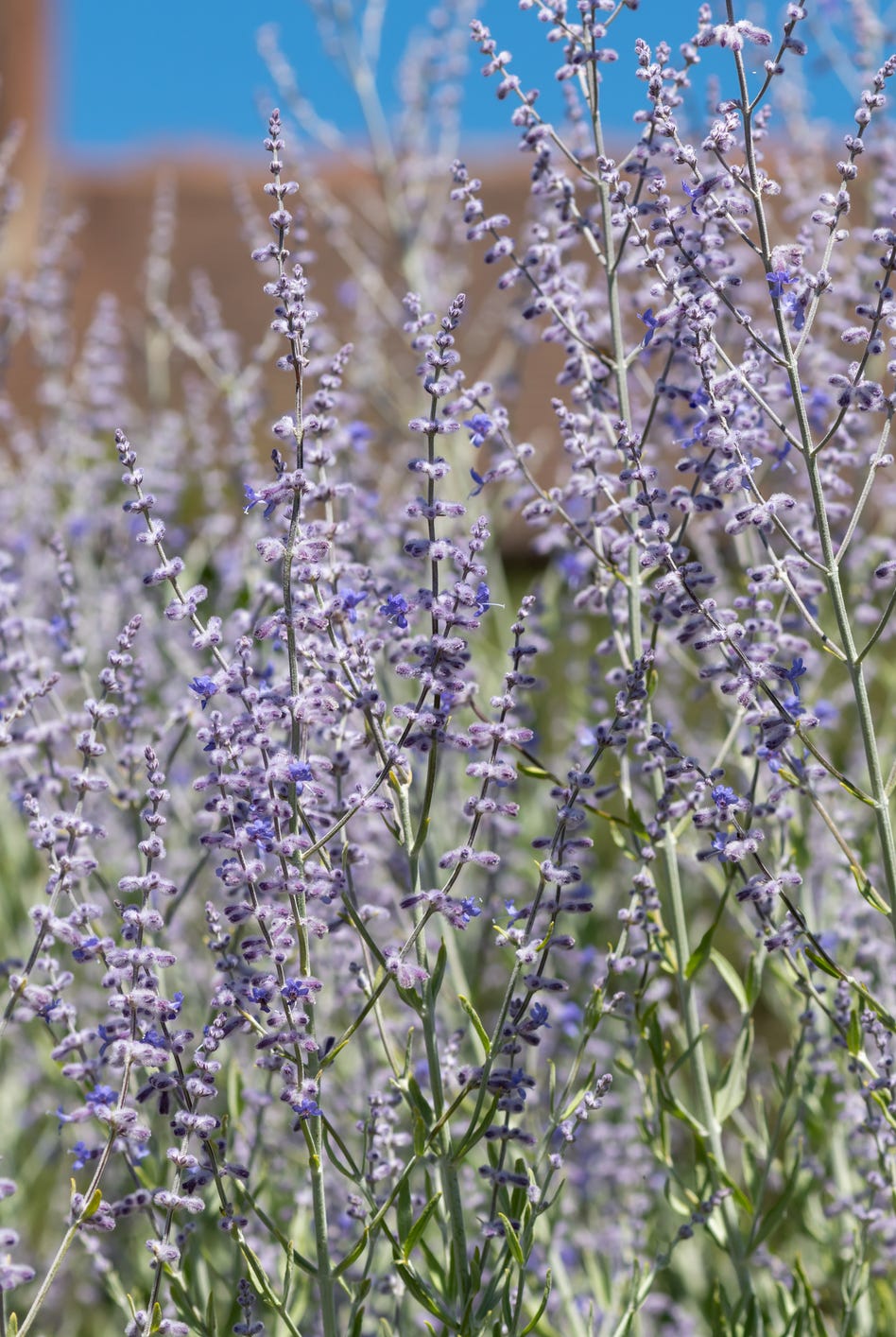
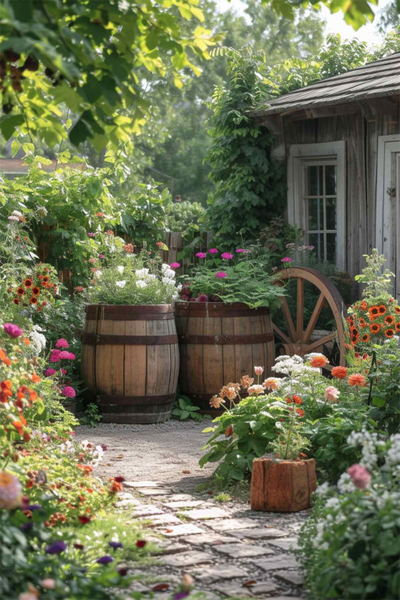
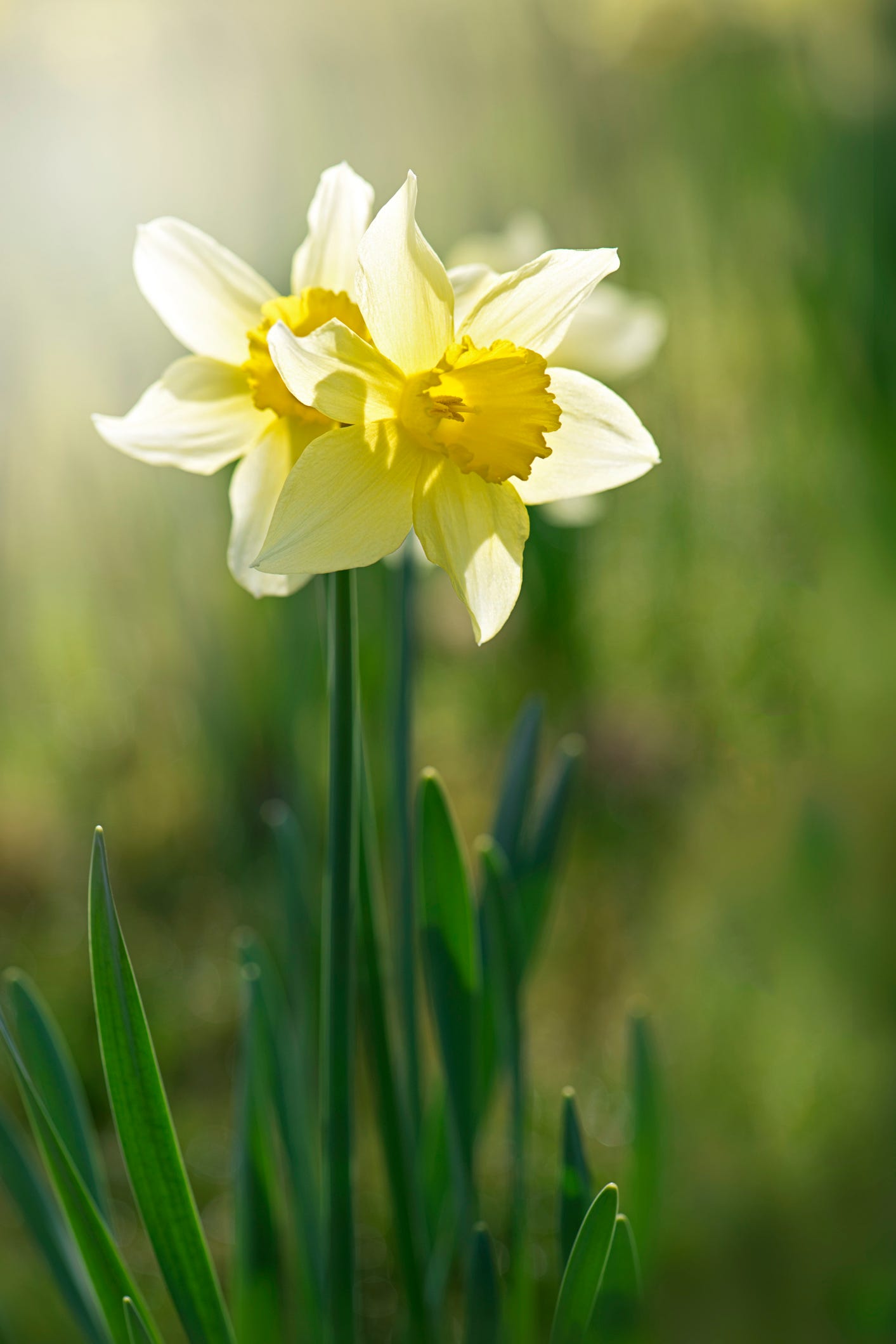
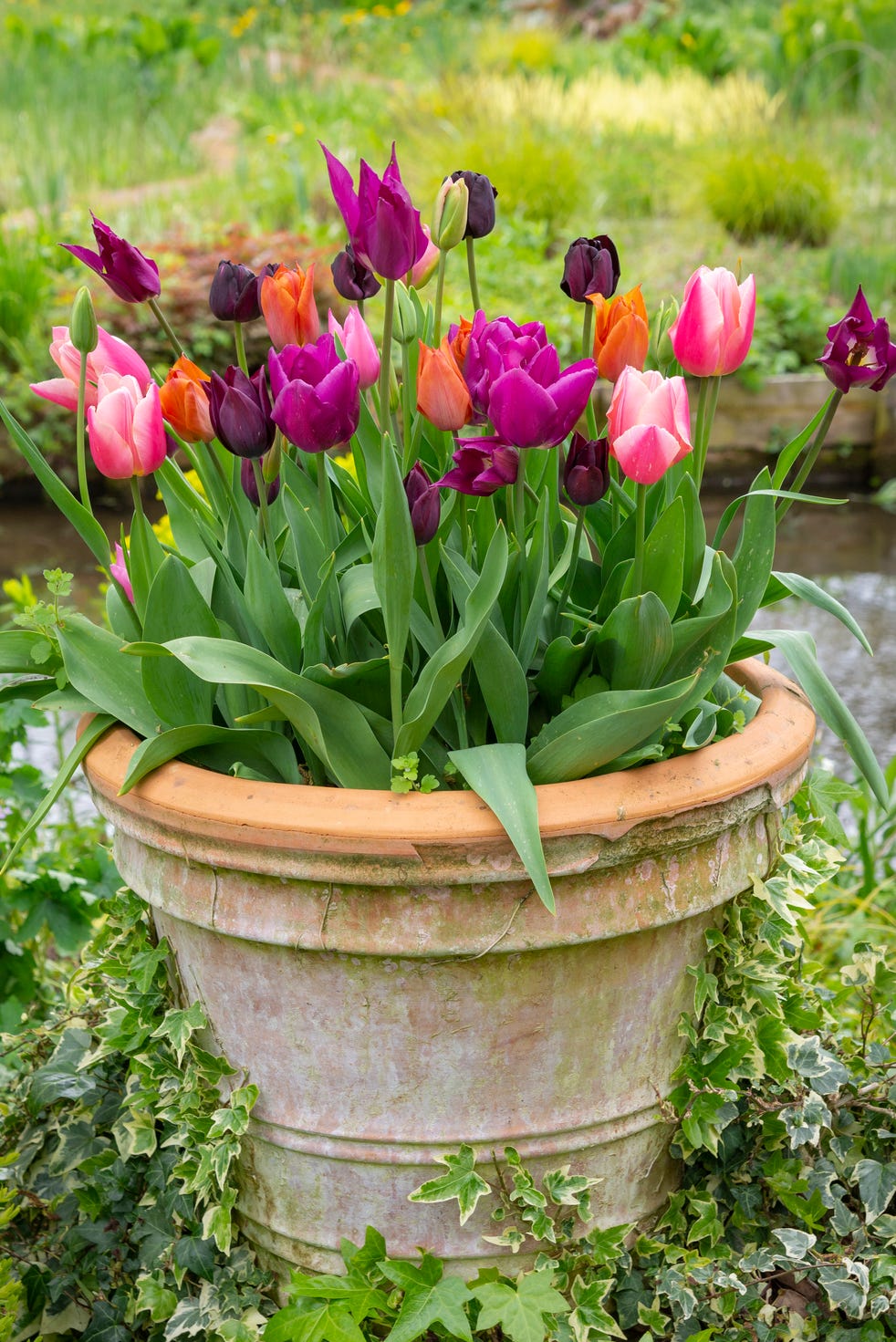
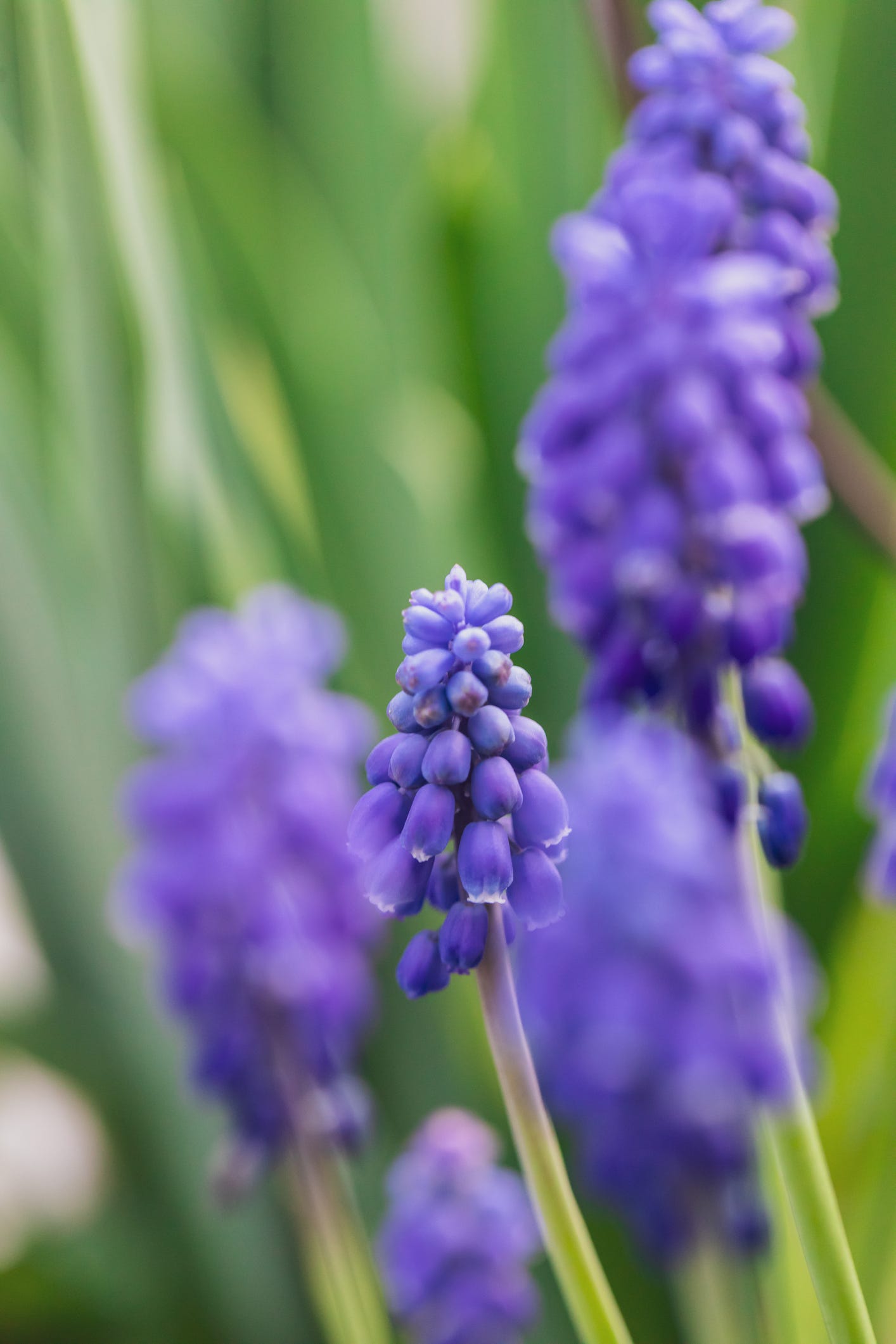
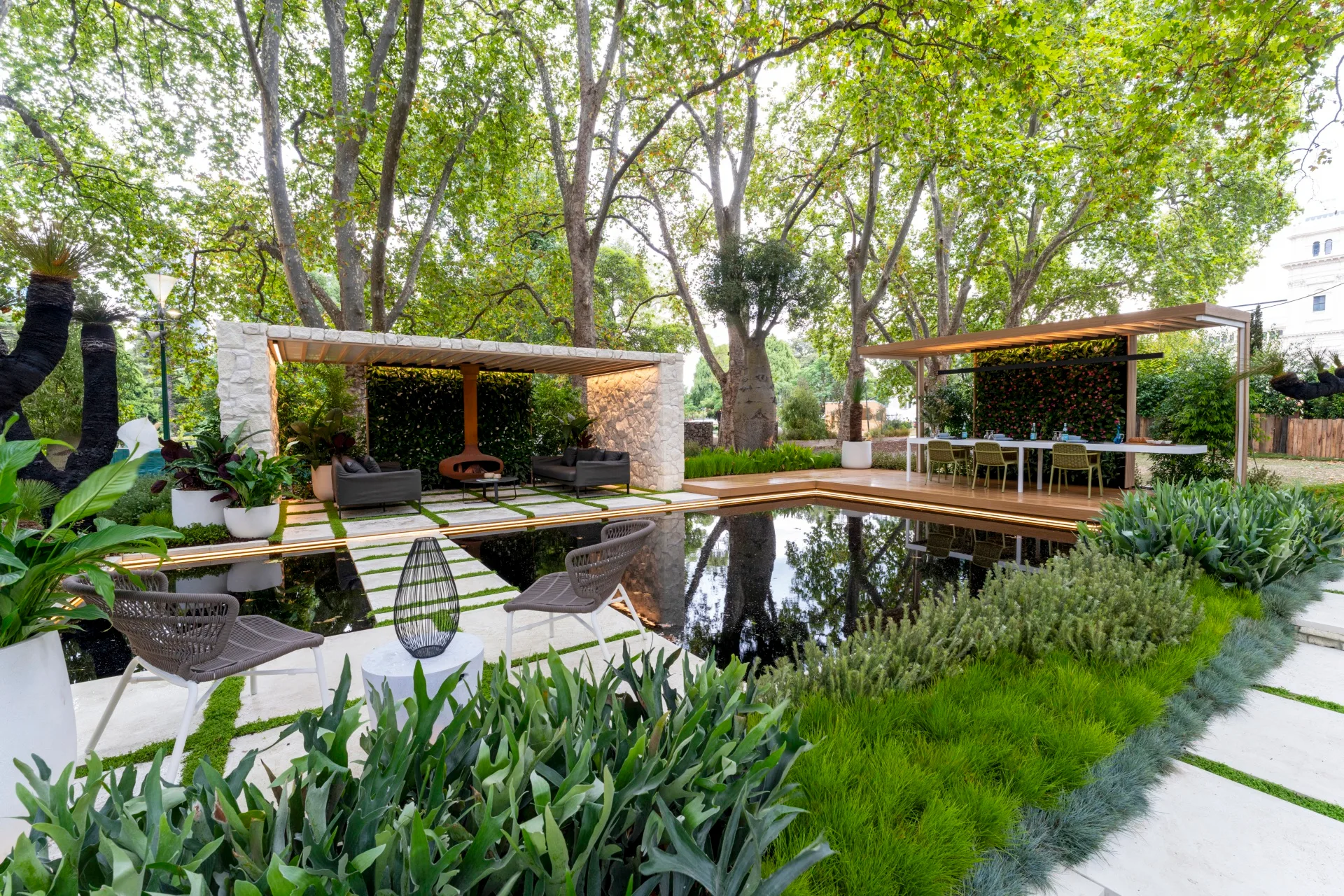
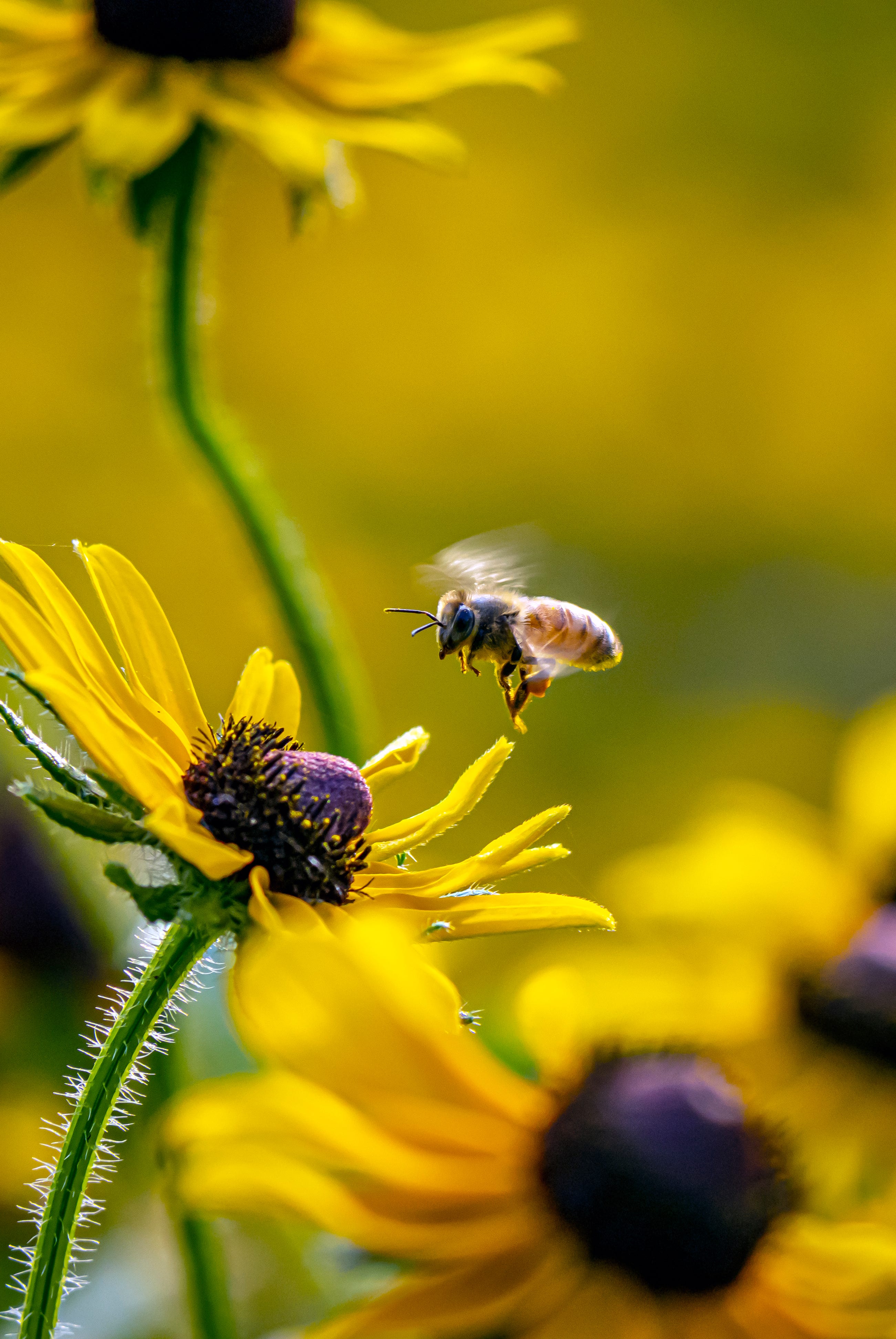
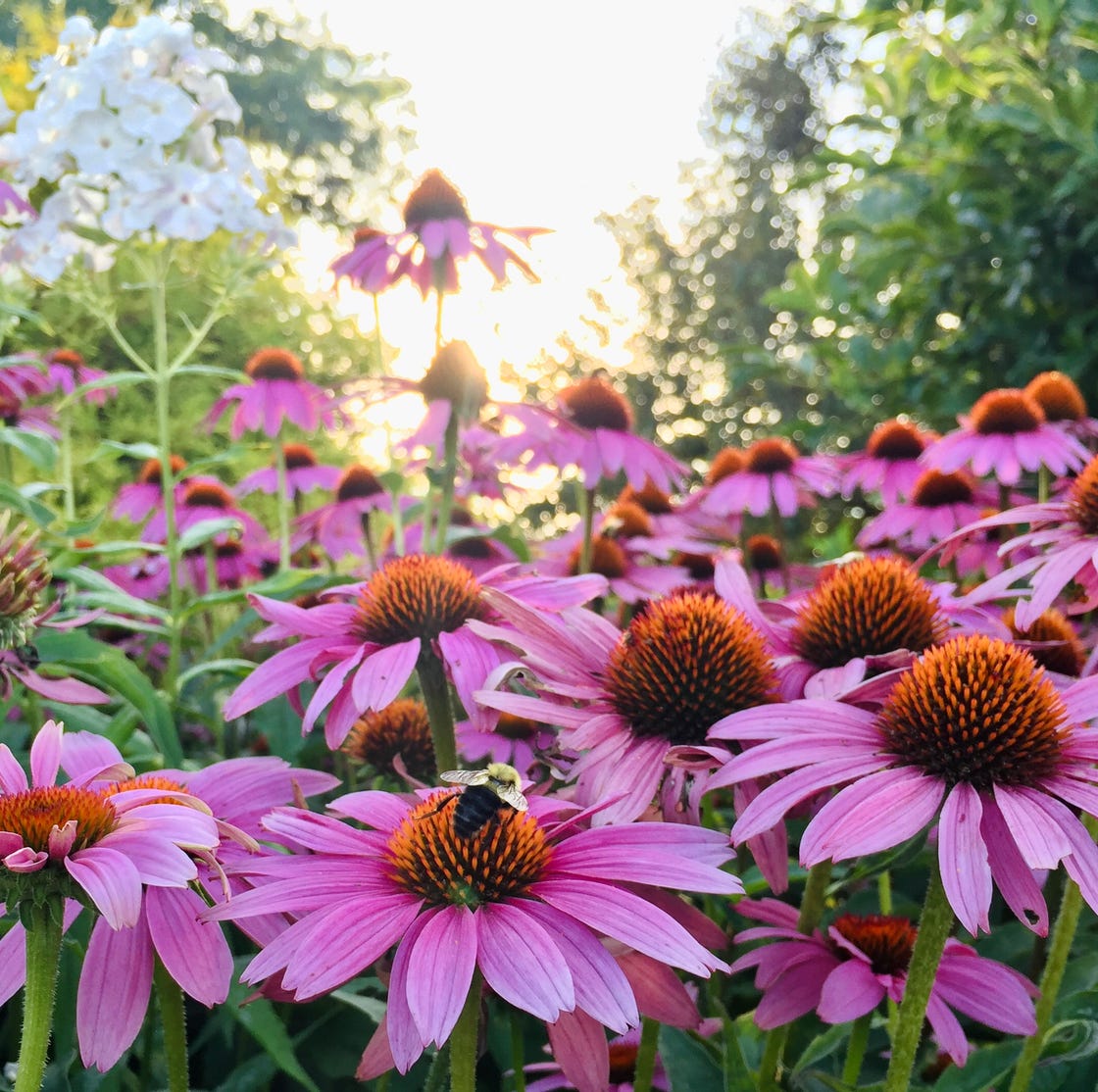
Various ideas can enhance a perennial garden's design. Stepping back to view the entire garden from a distance helps assess the balance and flow of plantings, especially when incorporating trees and large shrubs. Planting spring bulbs like crocuses, daffodils, hyacinths, and tulips alongside later-season plants such as hostas and daylilies maximizes space and ensures continuous bloom as bulb foliage dies back. Arranging plants by height, with taller ones typically at the back, creates depth, though delicate, airy tall plants like alliums can be placed in front. Creating visual patterns with color, such as using purple-toned heucheras and Japanese maples, guides the eye across the garden. Incorporating interesting shapes and textures, like contrasting the sturdy leaves of hostas with the delicate textures of heuchera flowers or astilbes, adds liveliness to the design. Color blocking, where large areas are dedicated to single vibrant colors, can create dramatic impact, especially with long-blooming perennials like echinacea. Designing with colorful or interesting foliage, such as heucheras, variegated hostas, or silvery artemisia, ensures visual appeal even when flowers are not in bloom. Utilizing perennials that thrive in partial shade, such as geraniums, foxgloves, and irises, allows for colorful shade beds.
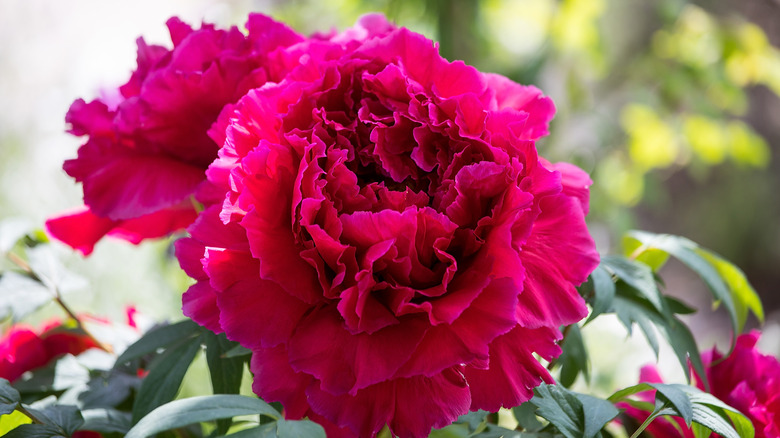
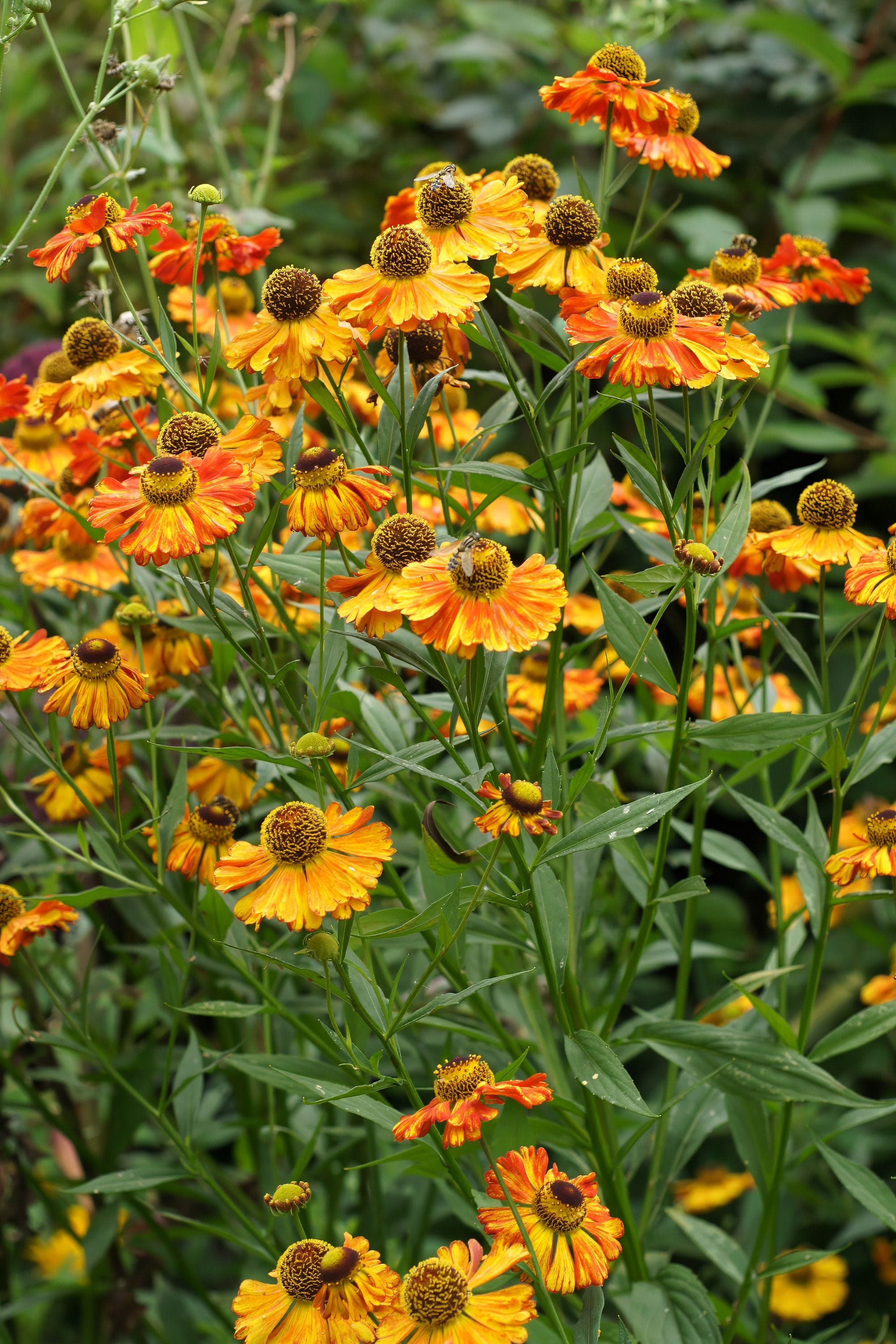
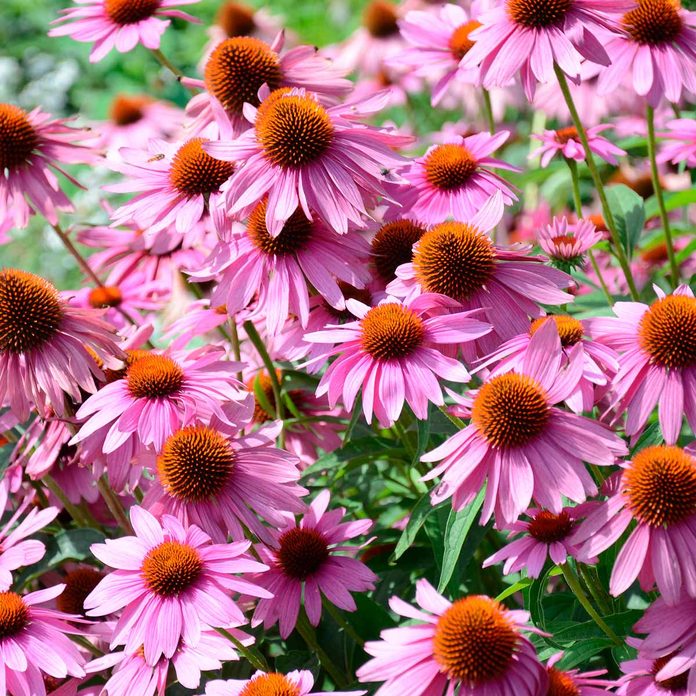
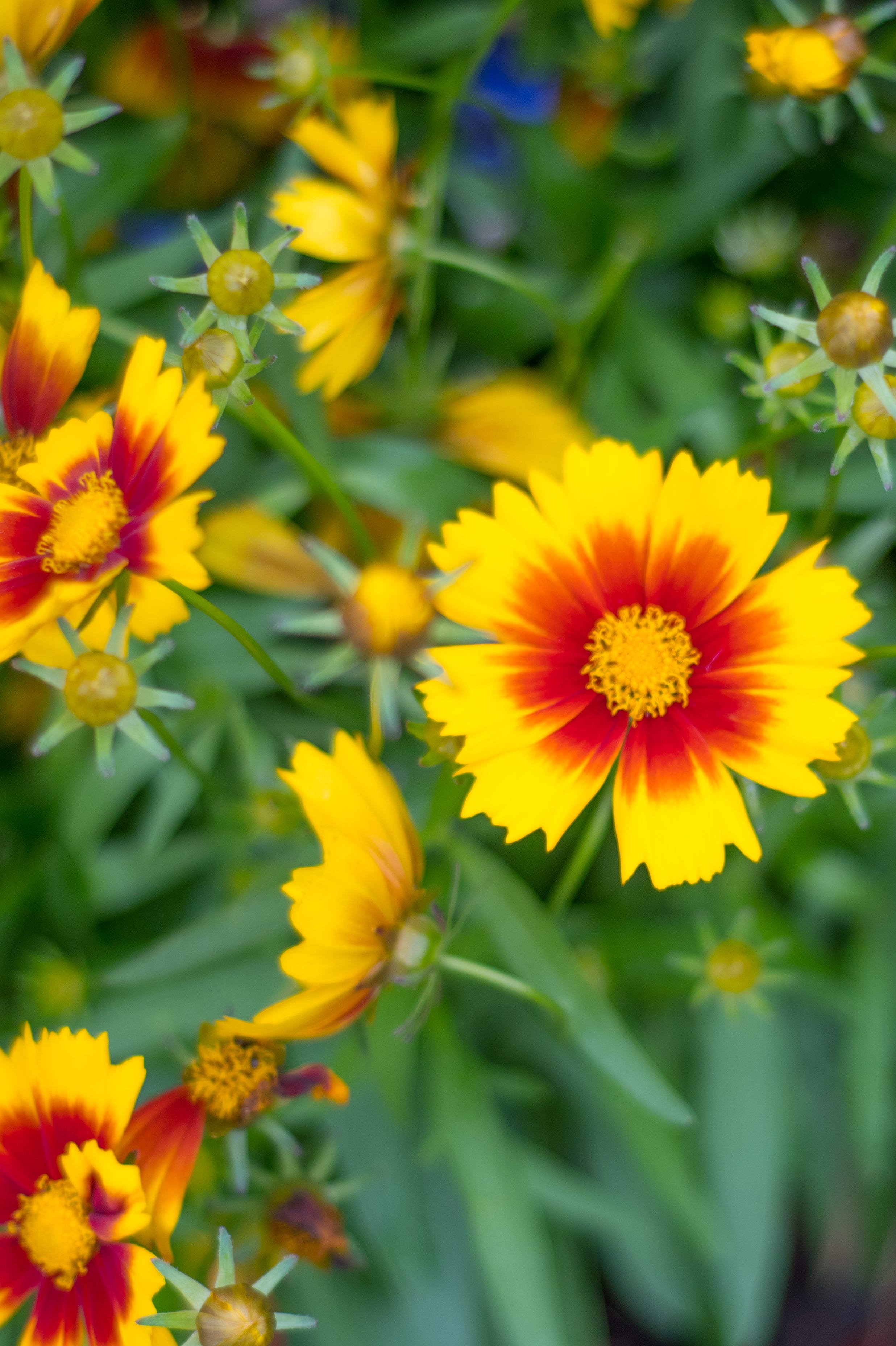
Timing blooms strategically ensures a consistent display throughout the season, allowing certain plants, like roses or peonies, to take a starring role. Incorporating flowering groundcovers, like sweet woodruff or creeping sedums, fills empty spaces and adds low-growing beauty. Experimenting with contrasting colors from opposite sides of the color wheel, such as purple and yellow, creates vibrant and dramatic effects. Balancing warm and cool colors, either within the same bed or in different sections, offers maximum visual appeal. Choosing easy-to-divide perennials like irises, daylilies, and hostas simplifies maintenance and allows for propagation. Planting late-season blooms, such as anemones or monkshood, extends the garden's vibrancy into autumn. Adding winter interest through evergreen shrubs, trees, or ornamental grasses provides sculptural shapes and color during colder months. Planting perennials in containers offers flexibility in placement and allows for seasonal additions. Incorporating frost-hardy plants like late-season chrysanthemums provides color even after the first frost. Flowering shrubs like azaleas, hydrangeas, and Rose of Sharon can serve as colorful centerpieces. Planning for autumn color by planting perennials that flower in fall and those with foliage that shifts to rich orange, gold, and yellow shades ensures continued beauty. Regular deadheading promotes more blooms, while choosing long-lasting varieties like purple coneflowers extends the floral display. Finally, planting annuals that reseed themselves, such as zinnias and cornflowers, can provide reliable "perennial" color. Regular maintenance, including seasonal fertilization, annual compost application, and occasional division, ensures the garden's health and continued beauty year after year.
#PerennialGarden #GardenDesign #FlowerGarden #PlantingZone #BloomTime #FoliageDesign #ShadeGarden #GardenMaintenance #PlantingTips #PerennialGarden #GardenDesign #FlowerGarden #PlantingZone #BloomTime #FoliageDesign #ShadeGarden #GardenMaintenance #PlantingTips
0 comment in total
 No comments yet
You may also like
These Low-Maintenance Perennial Flowers Bloom Every Season

Botanical wallpapers: 22 fabulous floral, leaf and plant-inspired designs

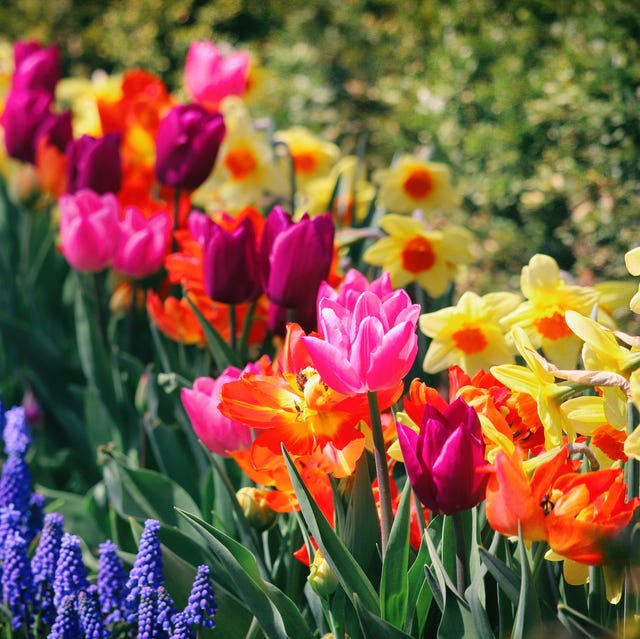
Grow These Stunning Spring Flowers to Welcome in the Season

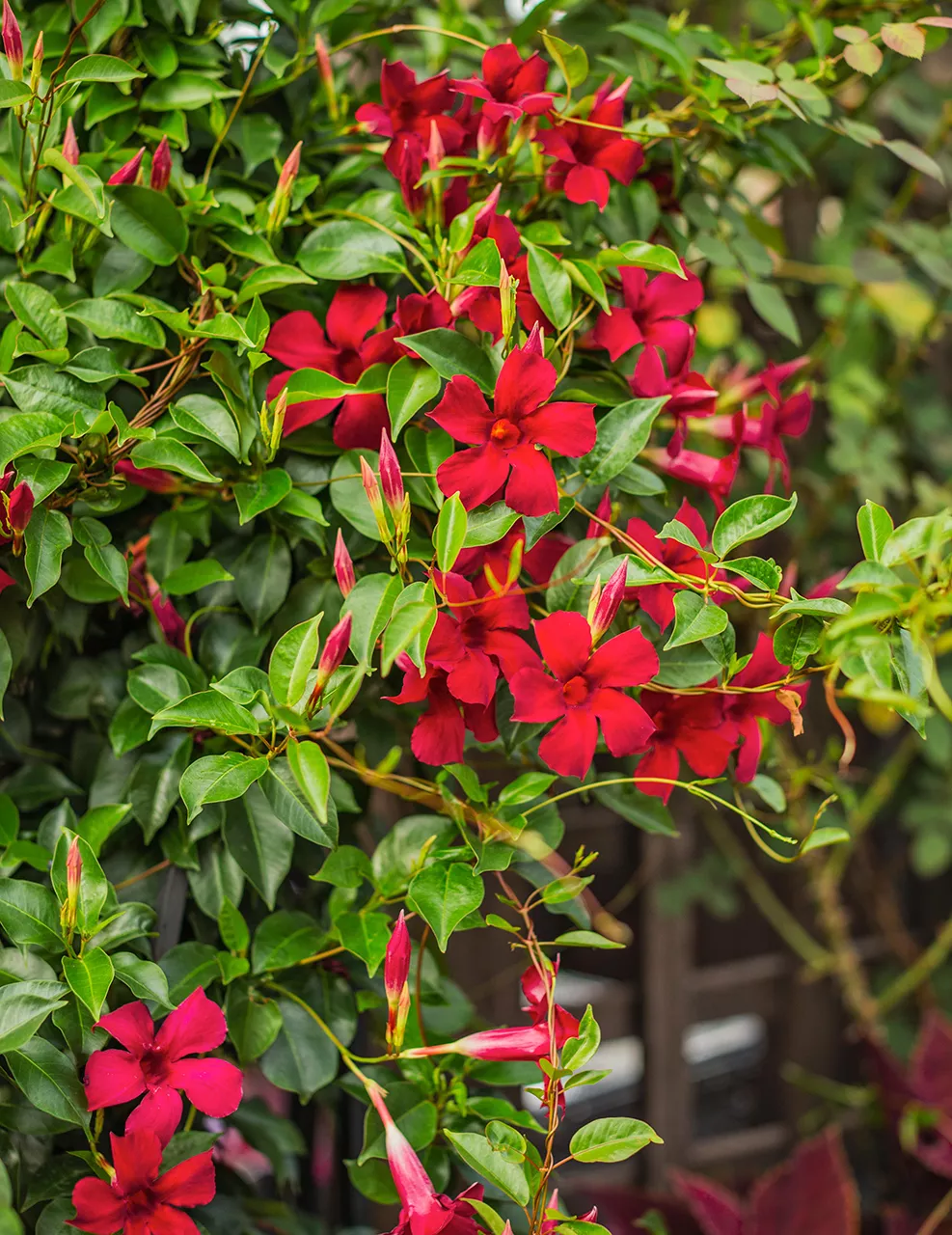
26 Flowering Vines for Dressing Up Fences, Arbors, and Trellises
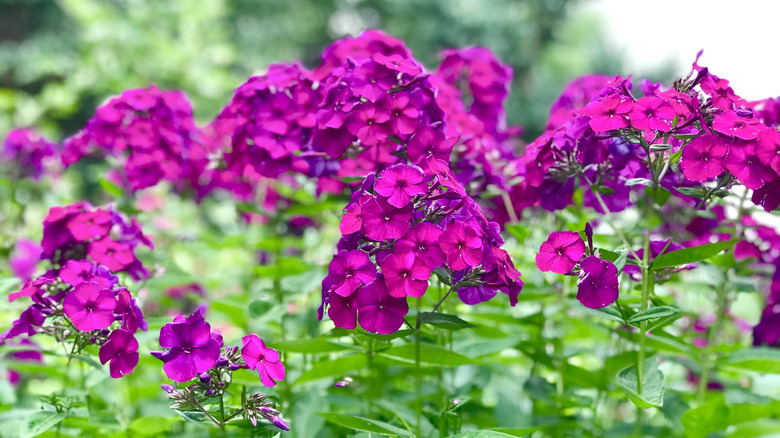
Brighten Up Your Flower Garden Palette With 2023's Color Of The Year

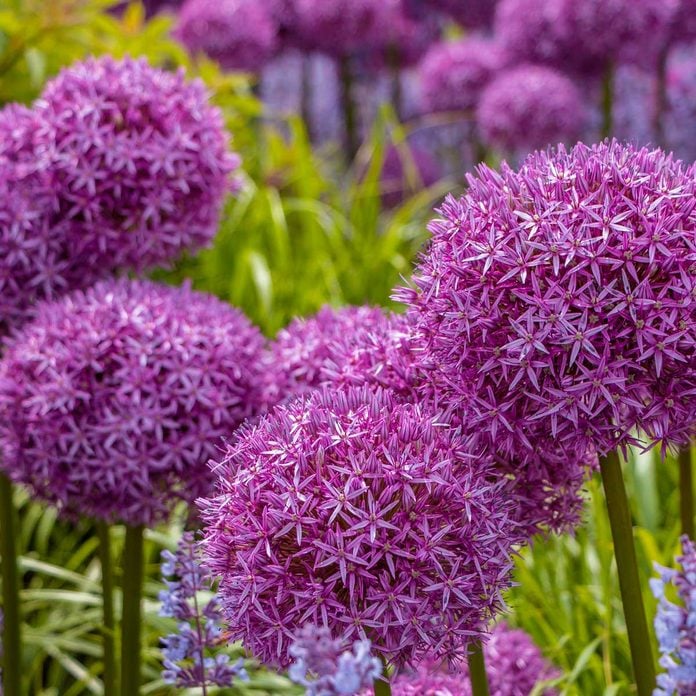
10 Pretty Purple Flowers That’ll Make Your Garden Pop

Blue to Purple Perennial Flowers
10 indoor plants that flower all year round – choose from our expert recommendations for non-stop blooms

Gardeners, These Low-Maintenance Perennial Flowers Bloom Every Season
8 Perennials That Bloom Multiple Times a Year for Beautiful Flowers in Every Season

Floral room decor ideas – 22 ways to decorate with this springtime favorite
Start Planning Your Ideal Garden with These Garden Plans and Ideas
15 Perennial Flowers That Produce Long-Lasting Blooms Year After Year
20 Beautiful Garden Design Ideas for Home In 2024
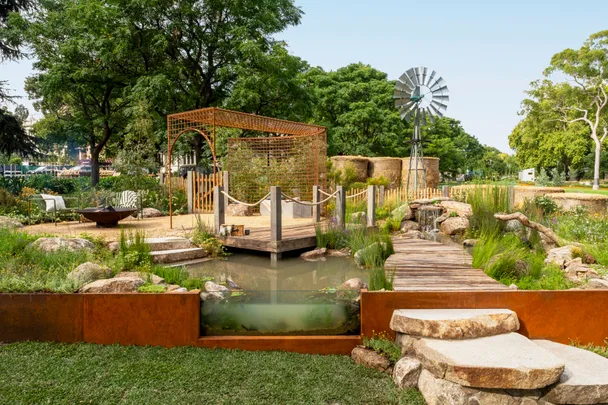
15 garden design styles that will stand the test of time

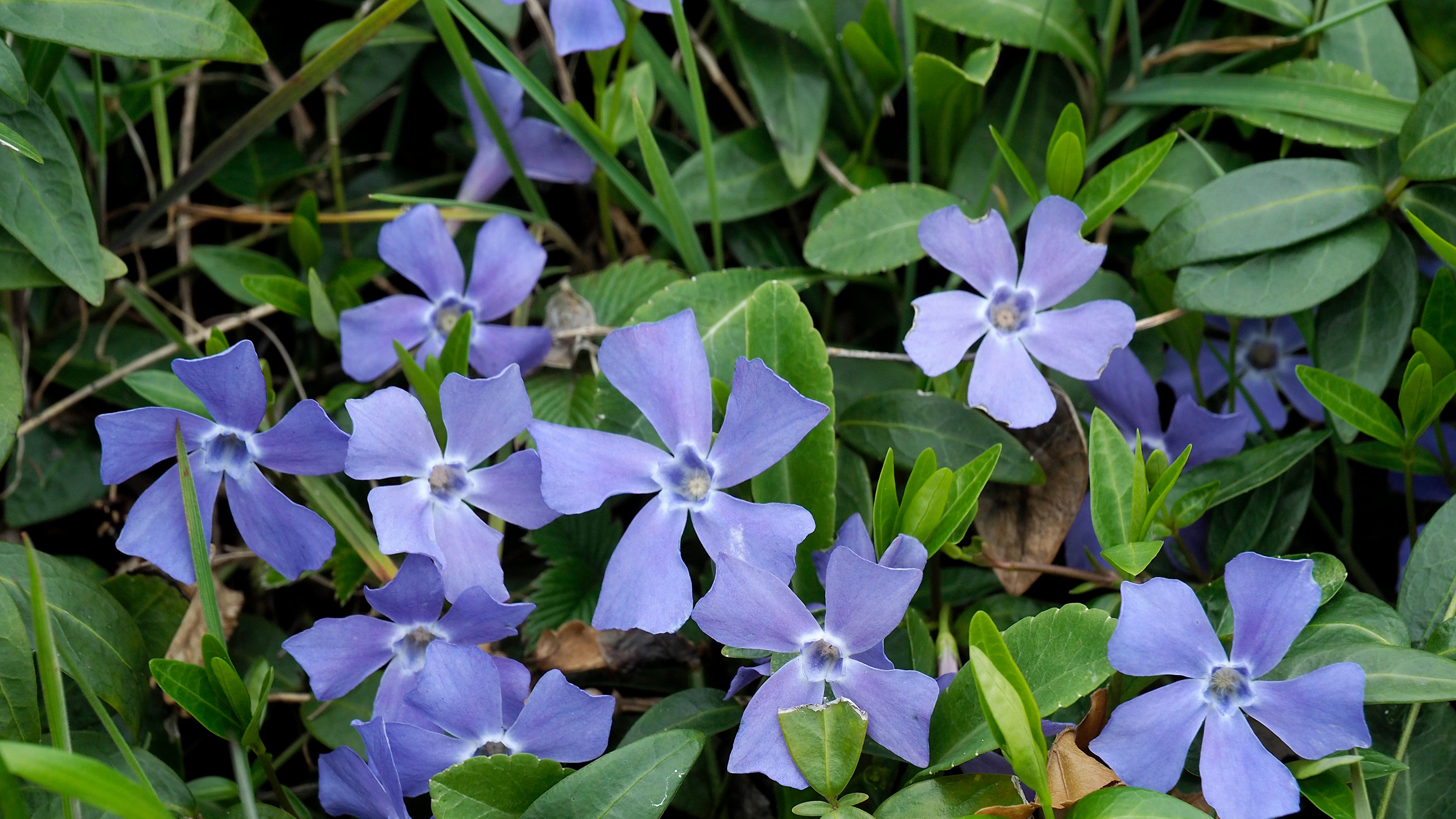
These 25 Plants Don’t Need Sun to Serve Looks

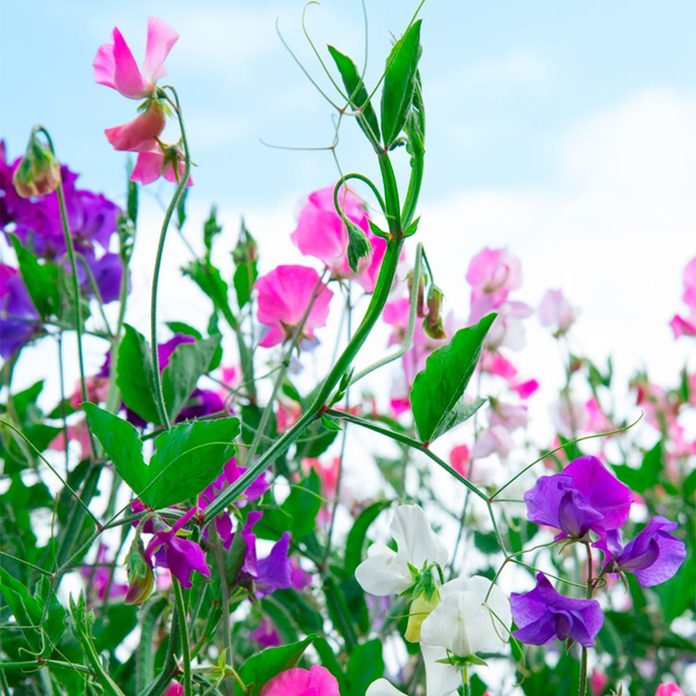
15 Colorful Plants to Brighten Up Your Landscape
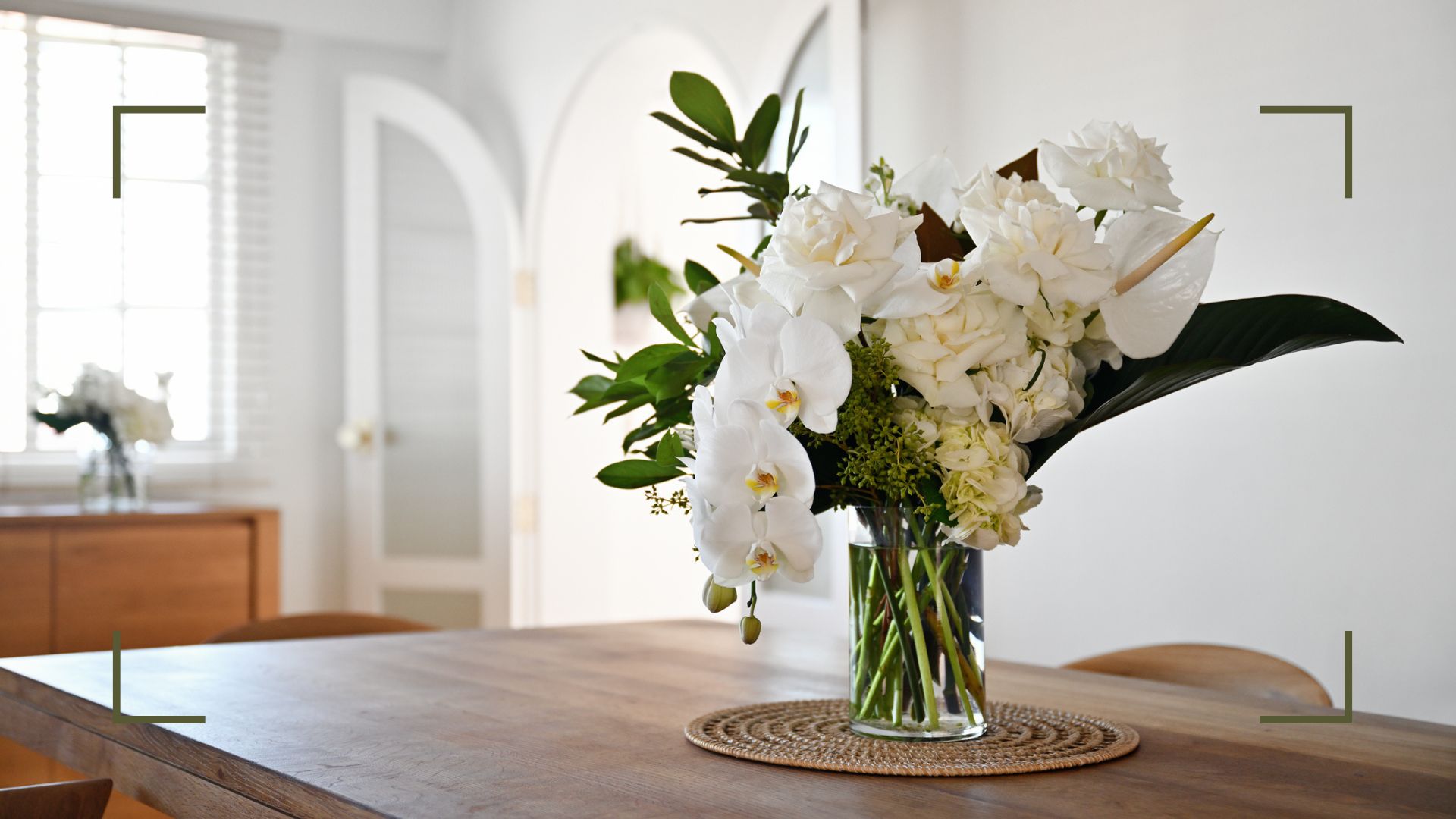
How to make cut flowers last longer – 7 expert tips for getting the most out of your bouquet

22 Beautiful, Bee-Friendly Flowers That'll Turn Your Garden Into a Pollinator Paradise

Garden Design Ideas, 2024