Why Designers Are Calling Layered Lighting the Winter Upgrade Every Home Needs
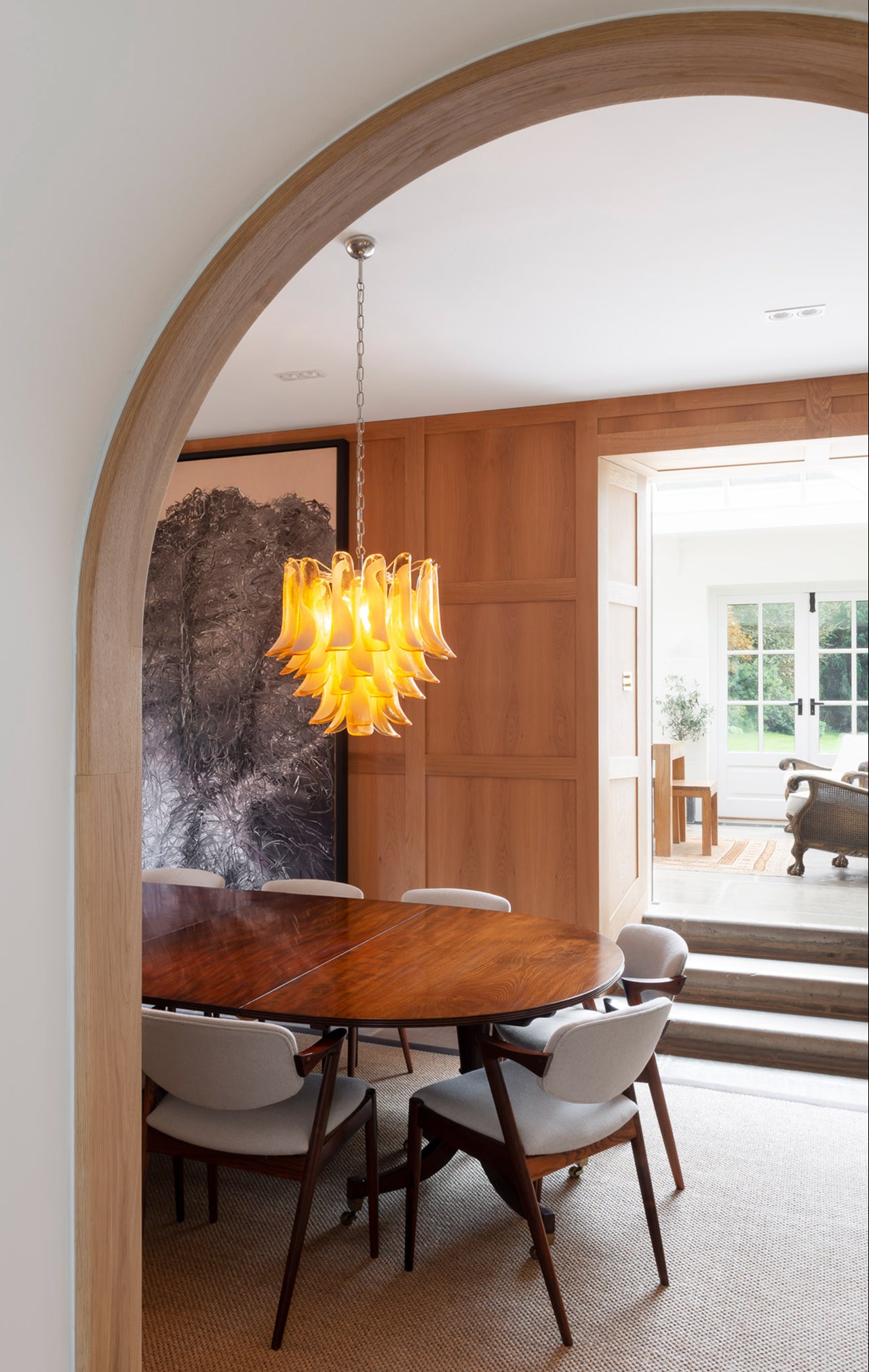
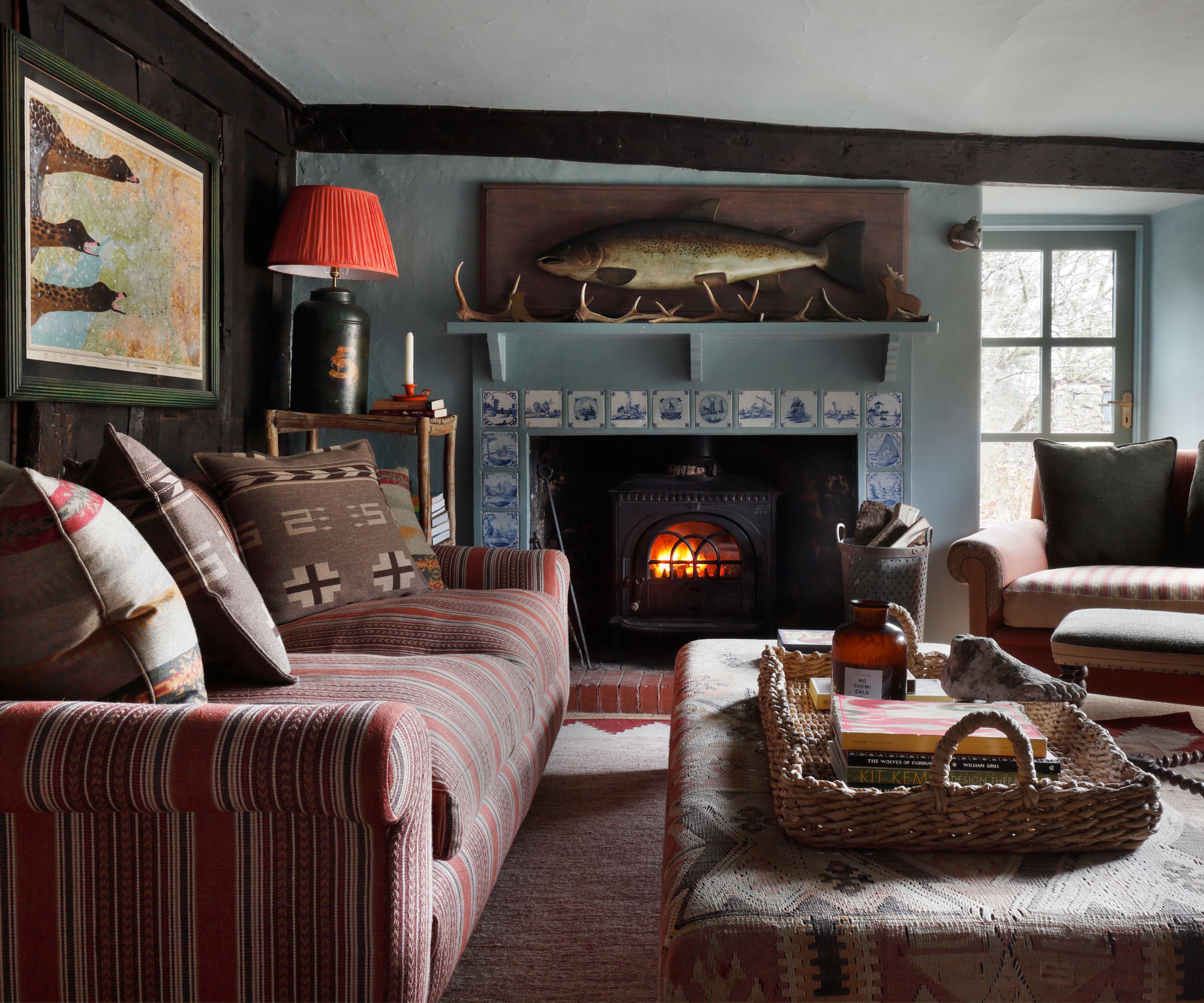
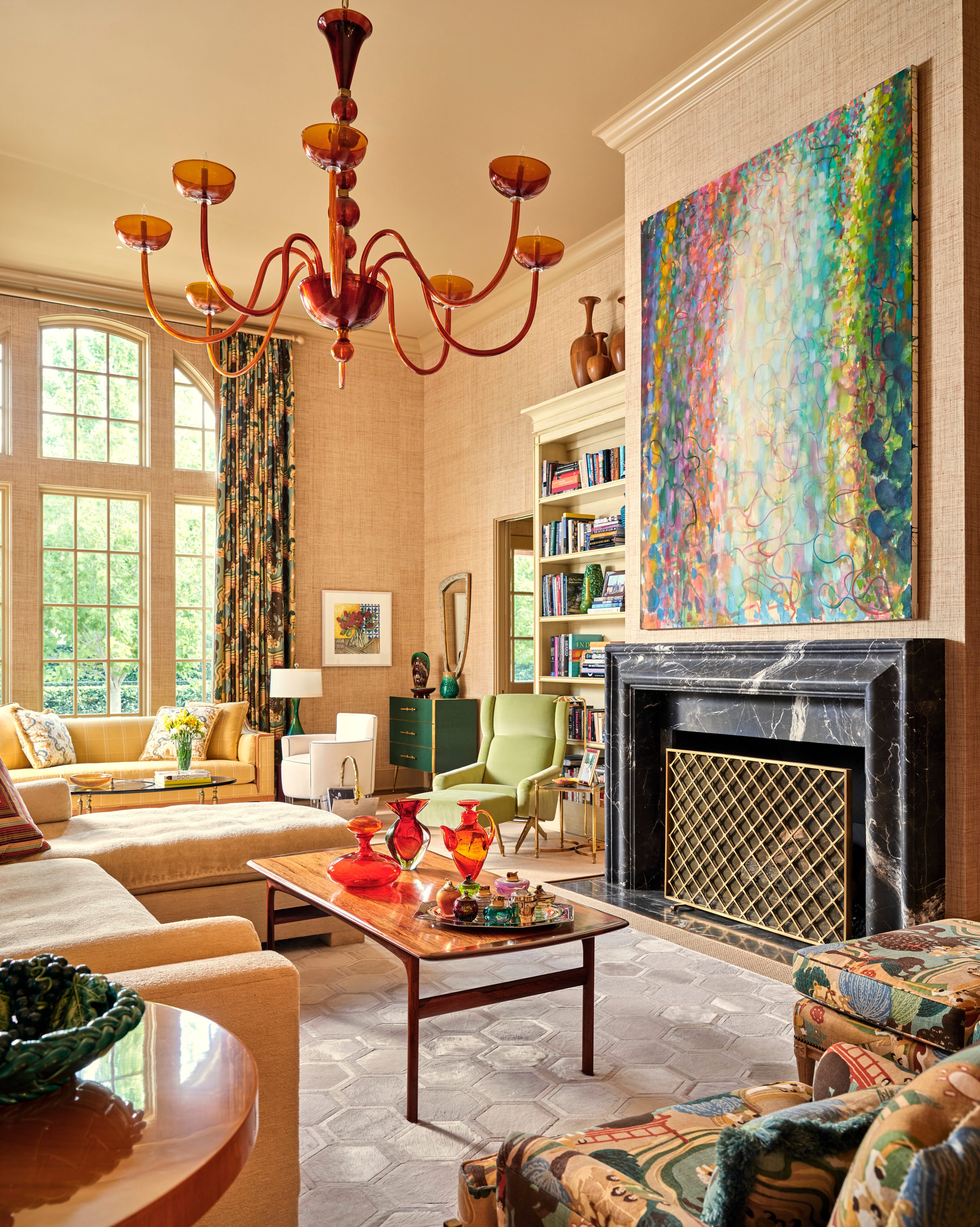
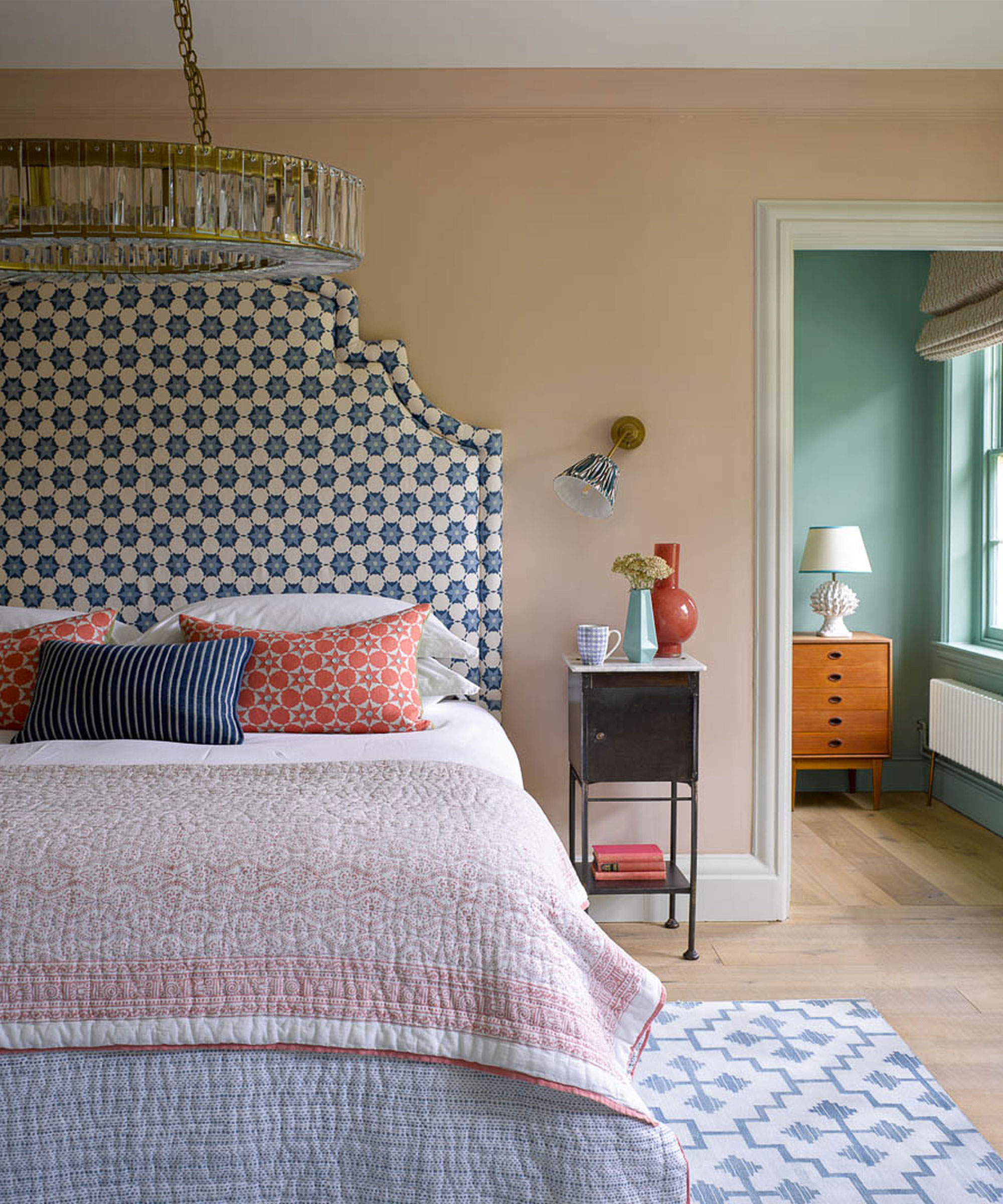
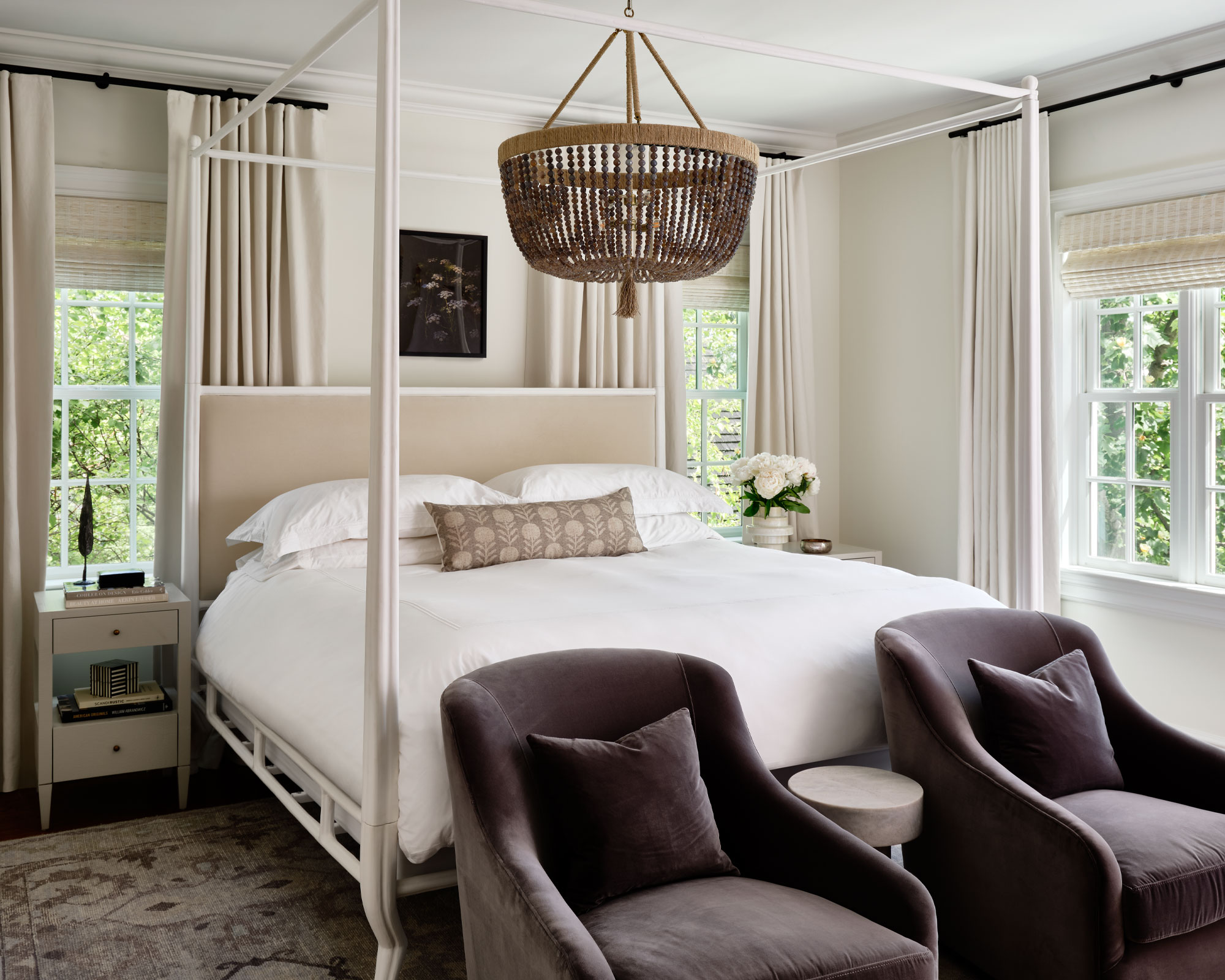
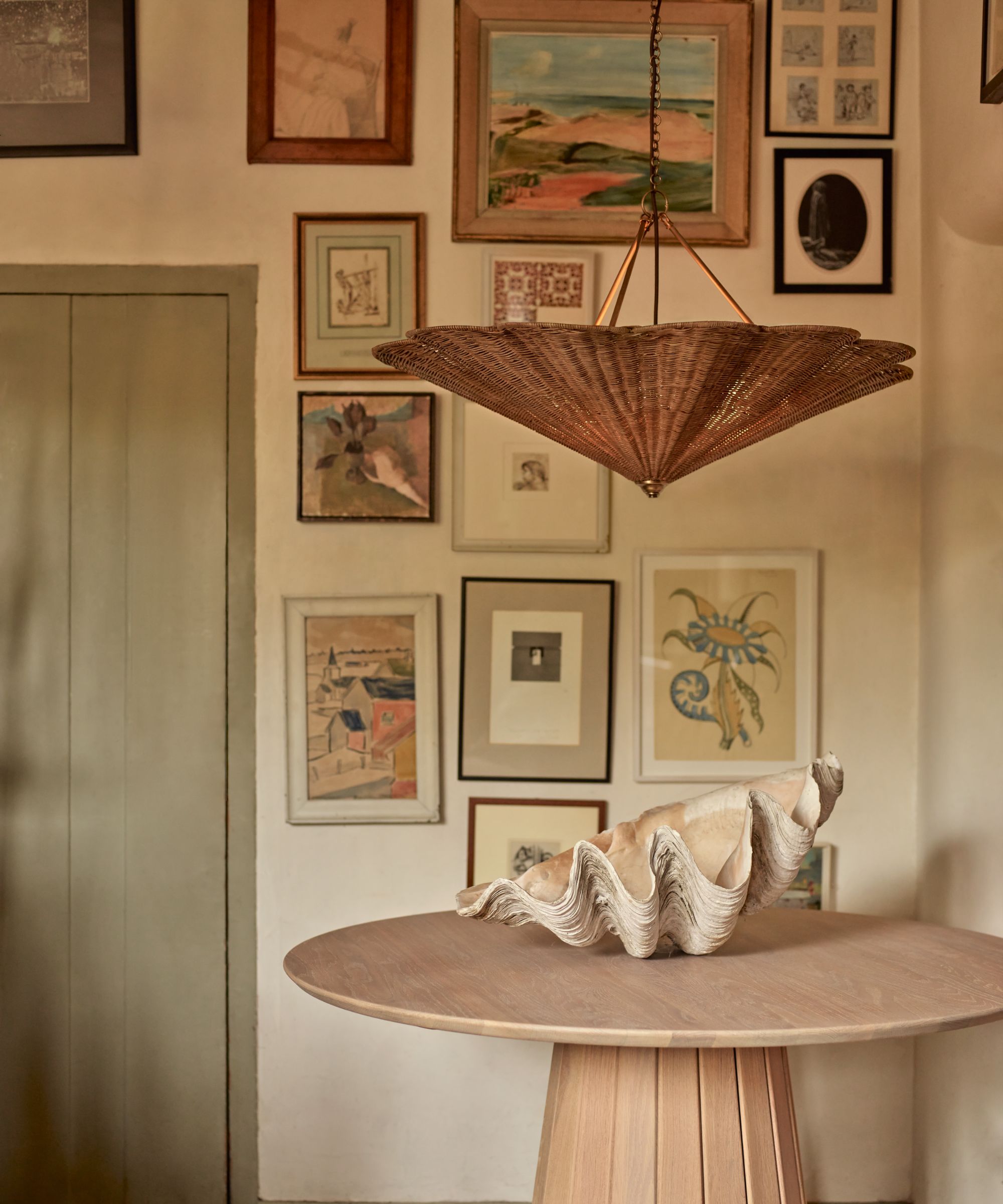
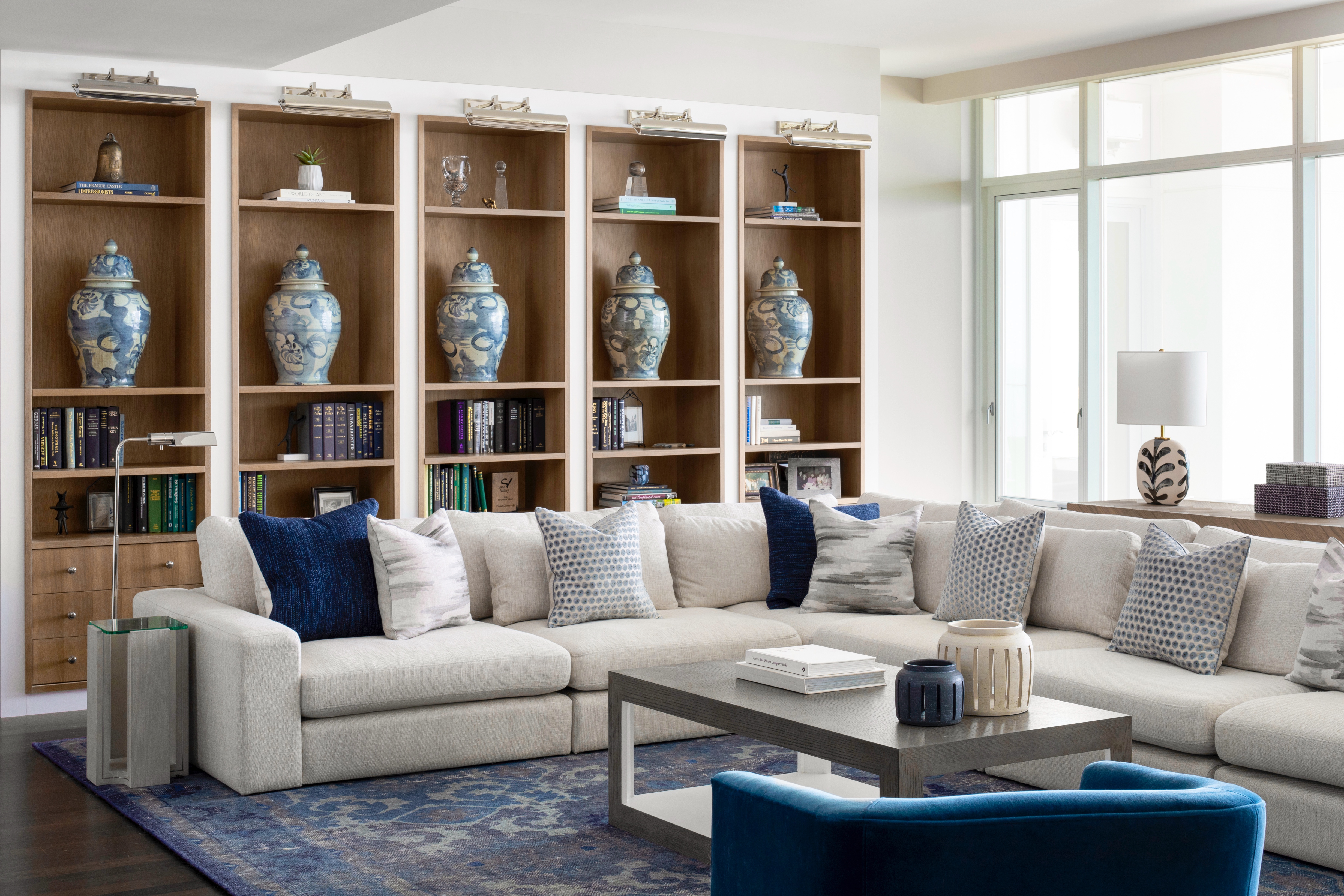
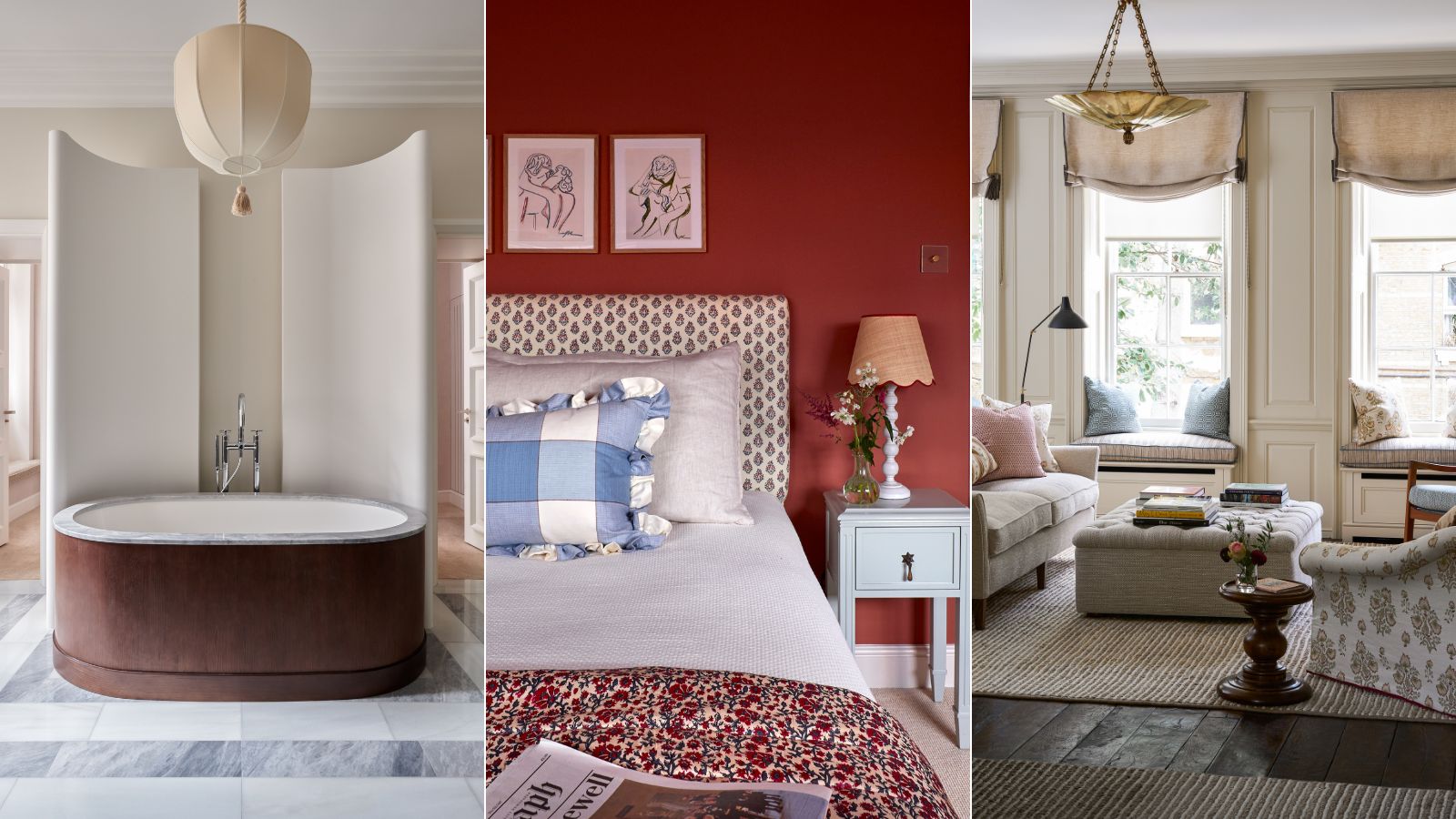
As winter approaches, bringing shorter days and longer nights, the atmosphere within homes undergoes a significant shift, emphasizing the crucial role of lighting in shaping comfort and mood. Interior designer Sarah Gibson highlights that lighting is a pivotal element that can transform the emotional feel of a space, making it cozy and intimate or bright and inviting through effective layering. The article underscores that during winter, lighting transitions from a background element to a core architectural component, softening, warming, and adding depth to rooms that might otherwise feel flat.
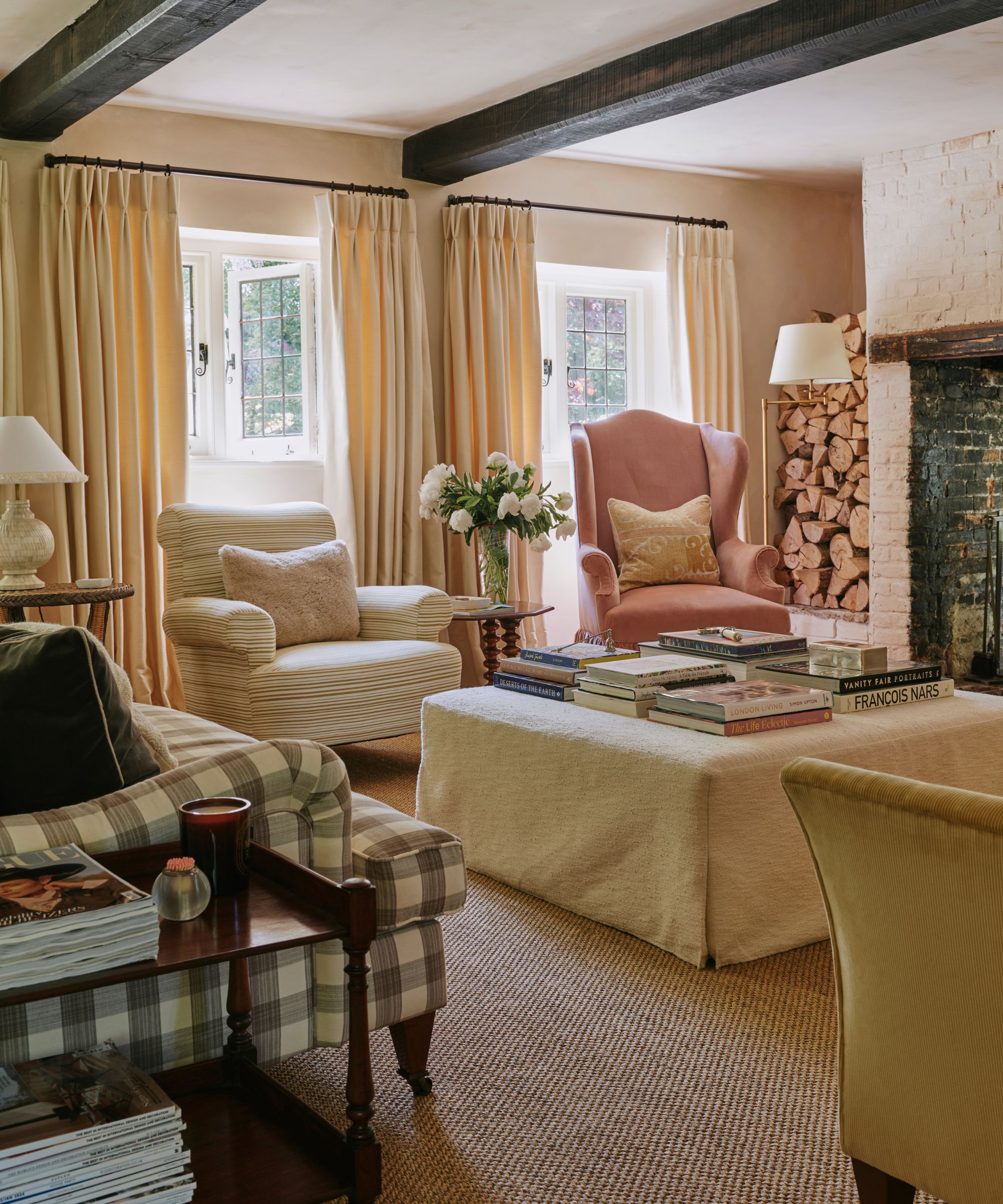
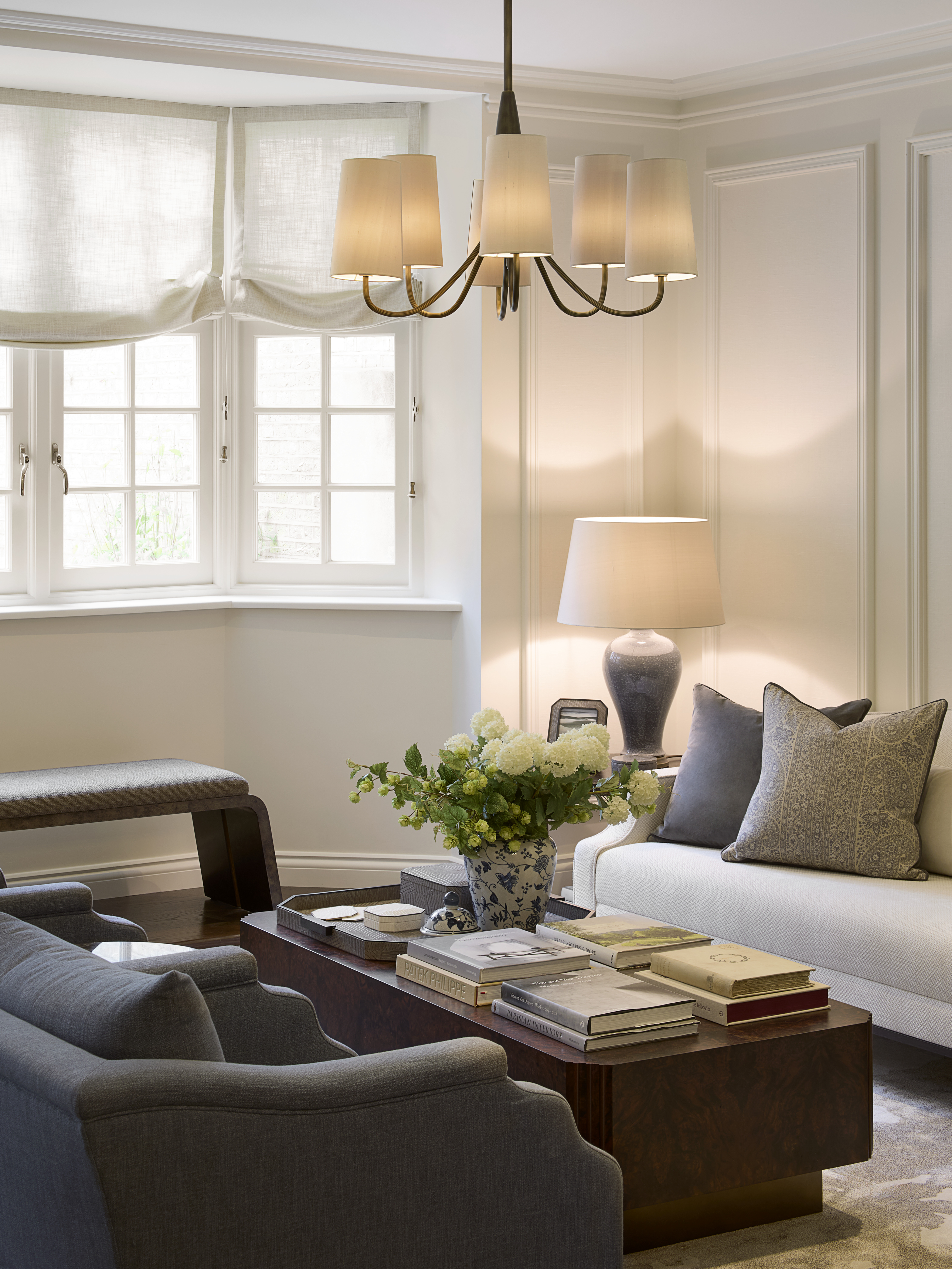
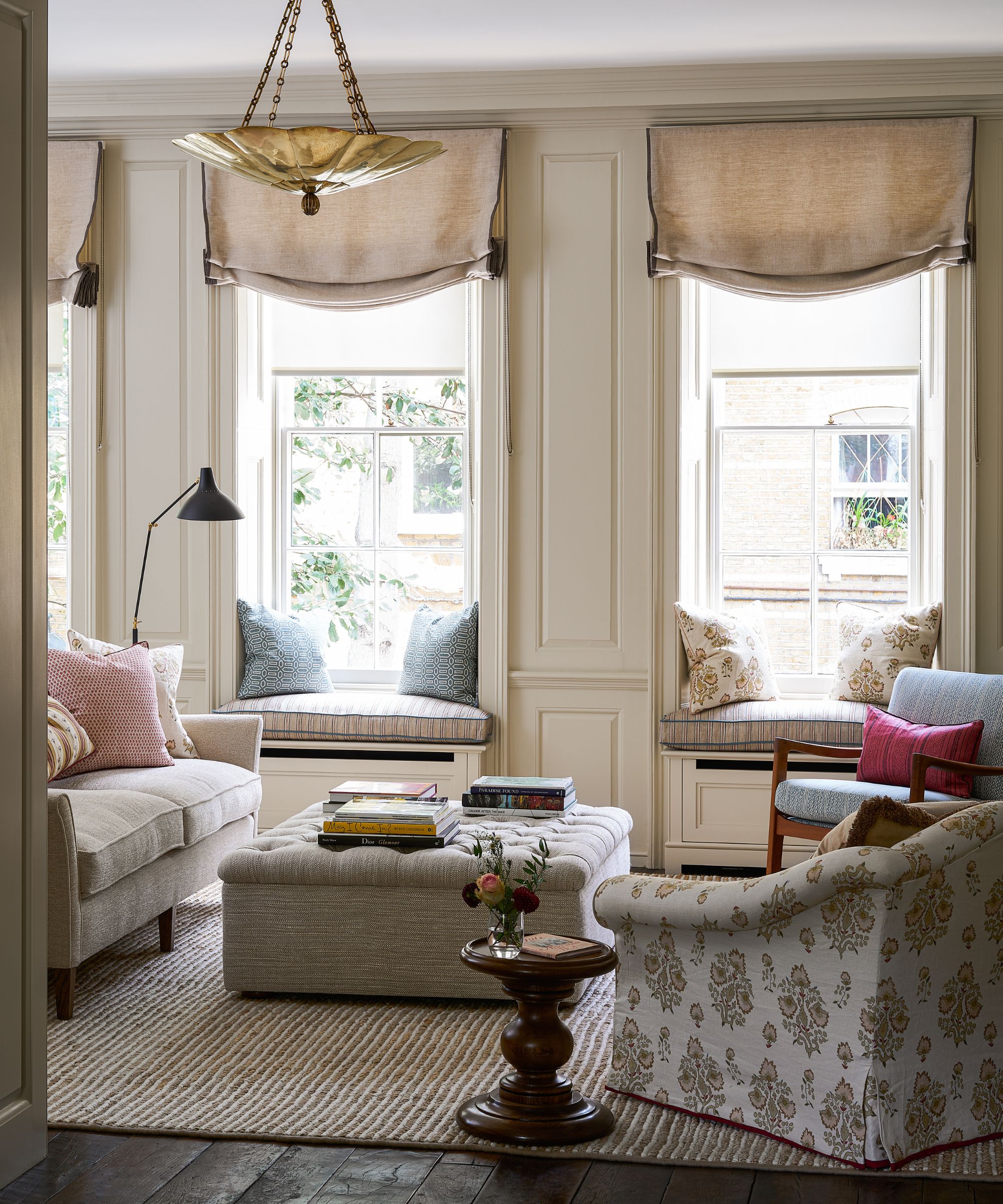

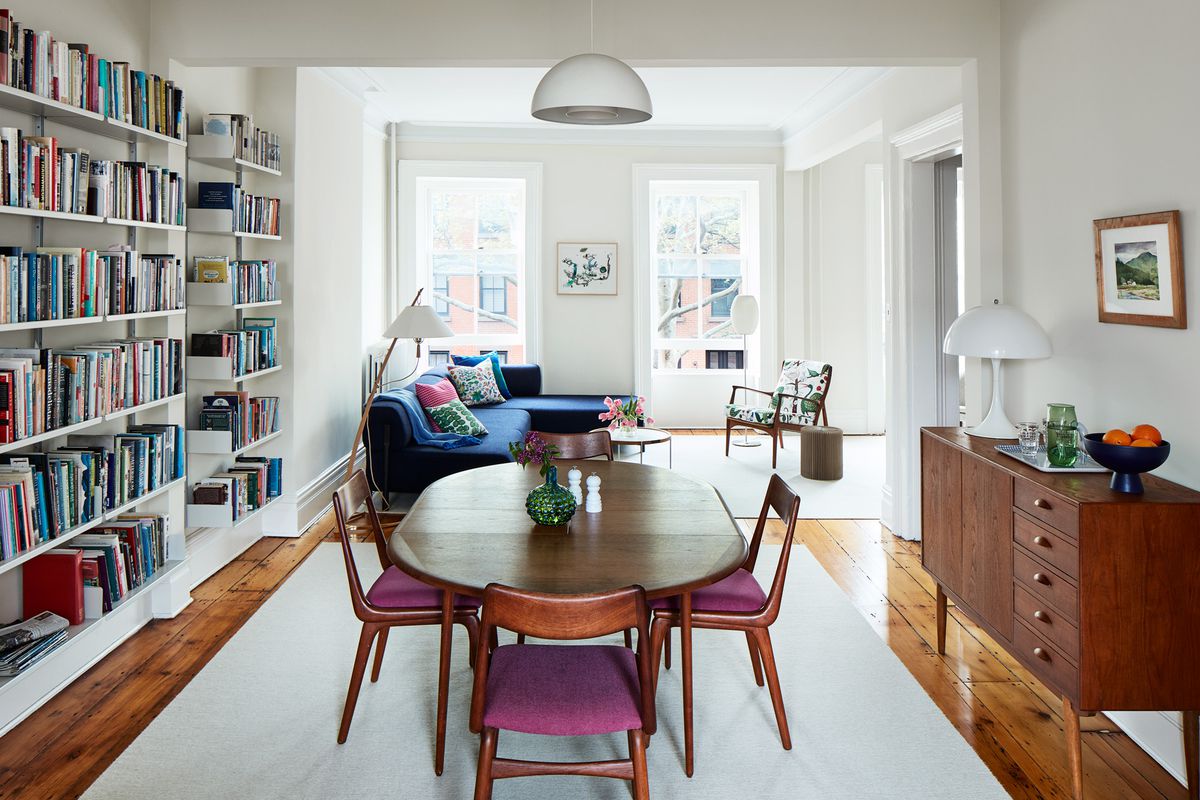
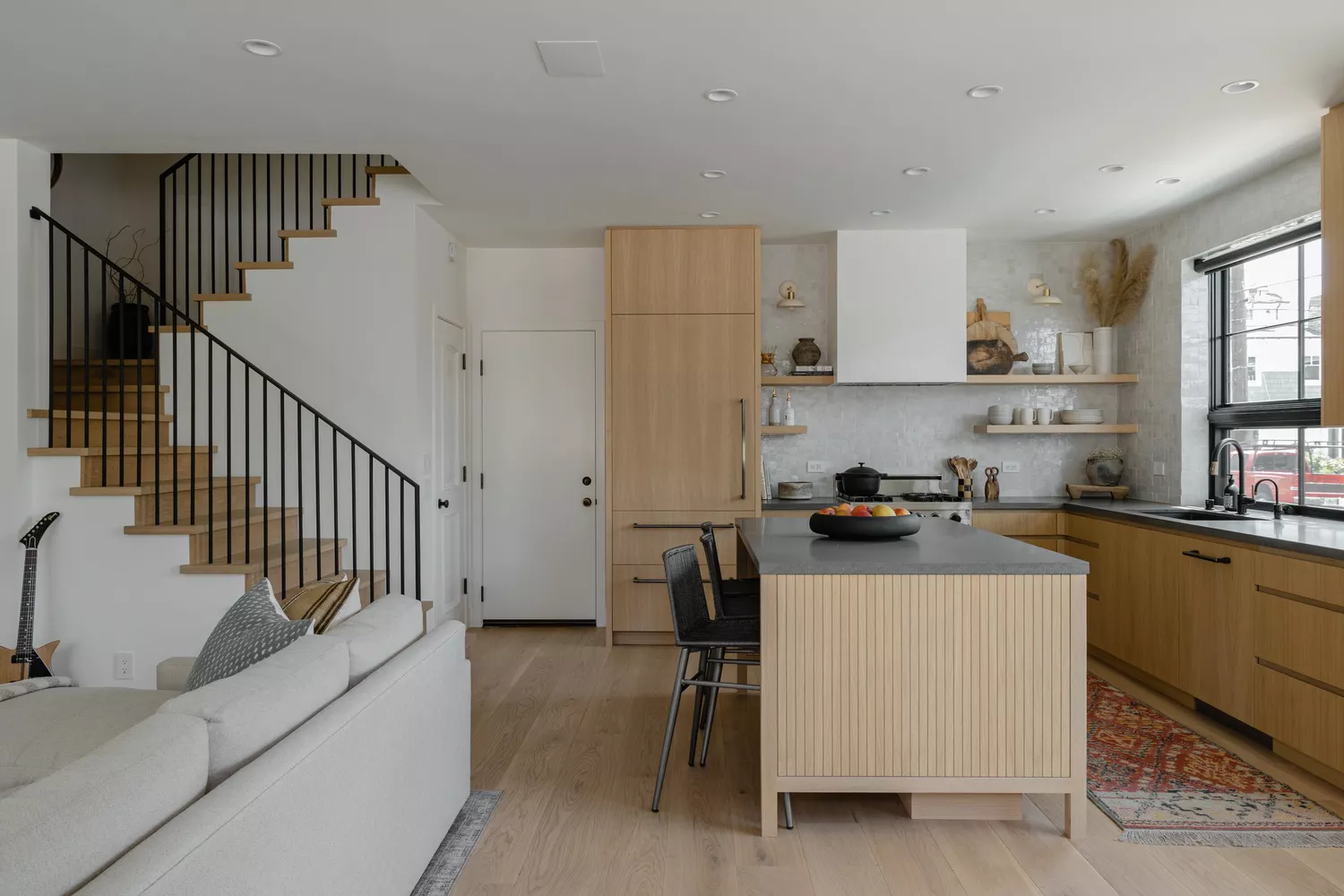
The initial focus is on maximizing natural light, which becomes particularly valuable during winter. Gibson suggests several techniques to harness and extend the reach of limited daylight. These include using sheer or linen curtains to gently diffuse light, strategically placing mirrors opposite windows to project light deeper into rooms, and employing matte surfaces to prevent harsh glares. These methods aim to maintain a soft yet abundant natural illumination even when sunlight is scarce.
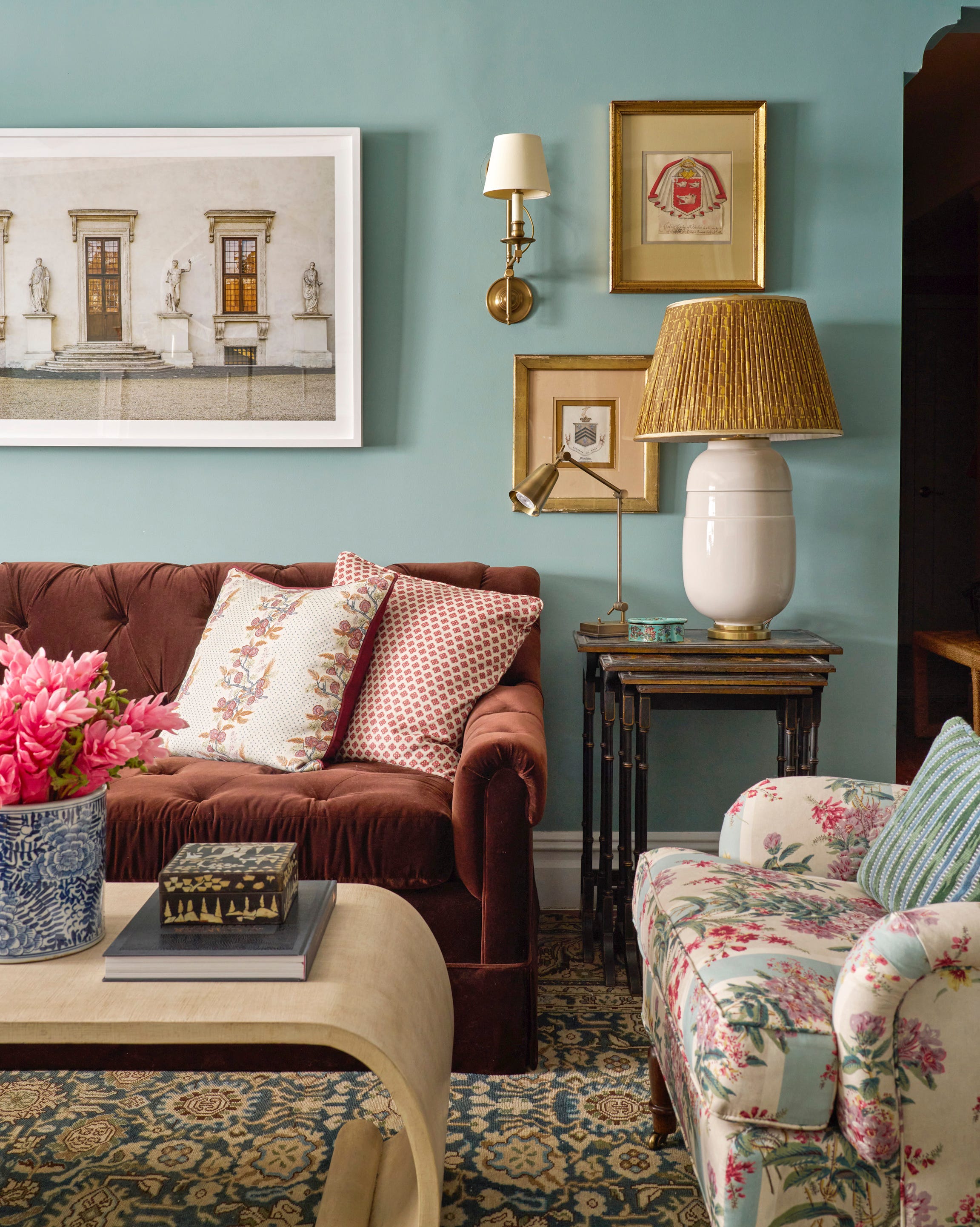
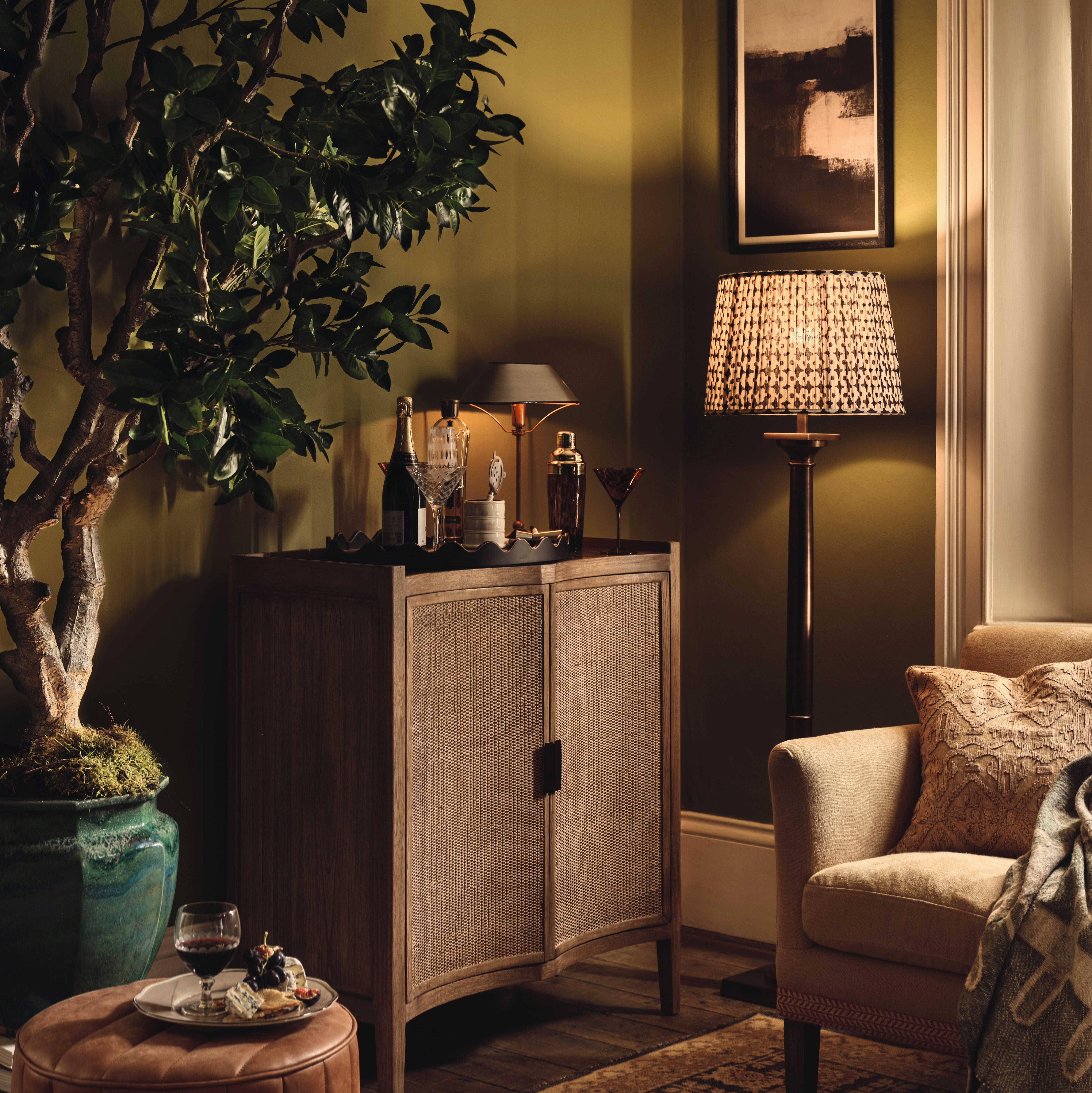
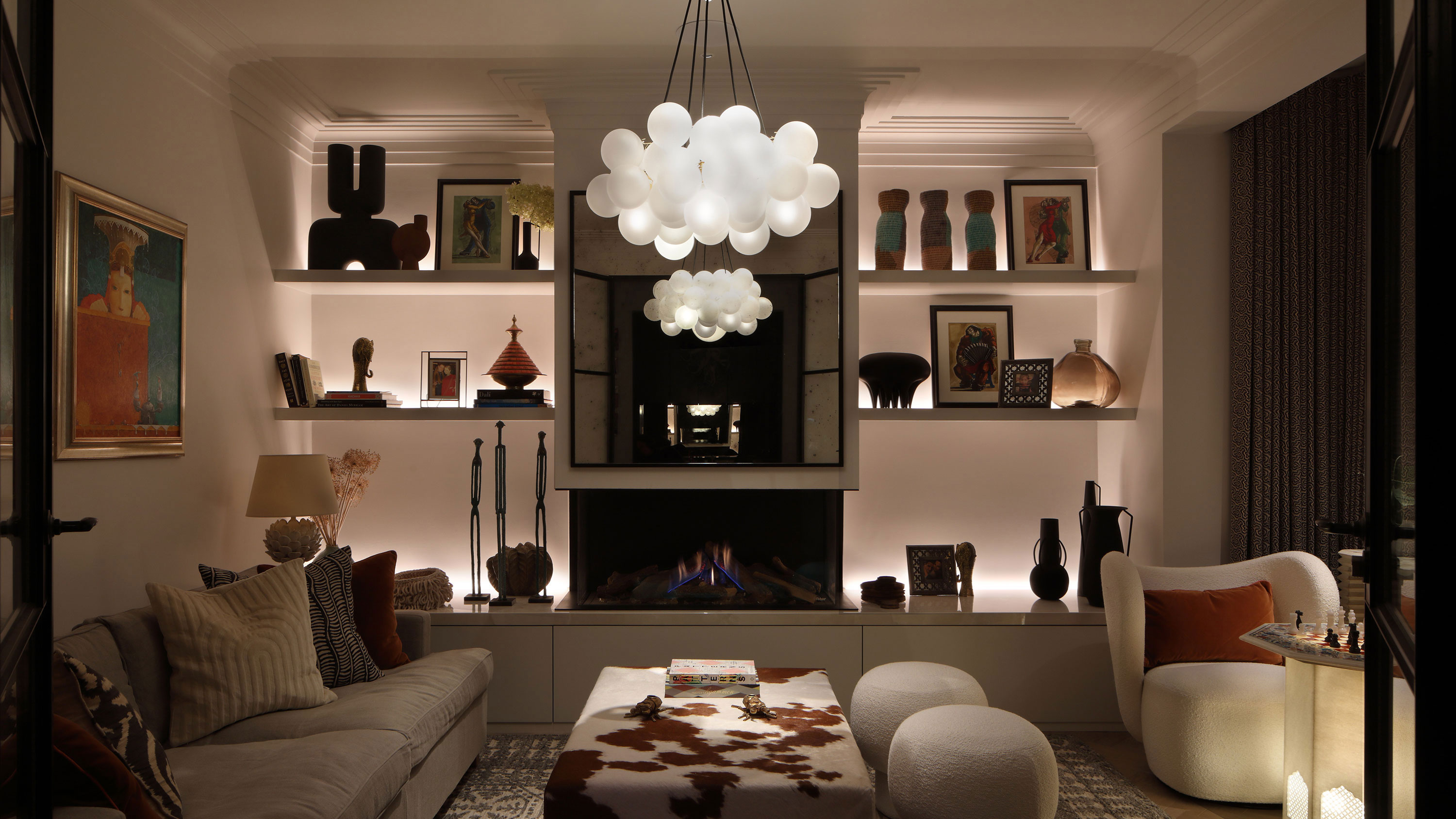
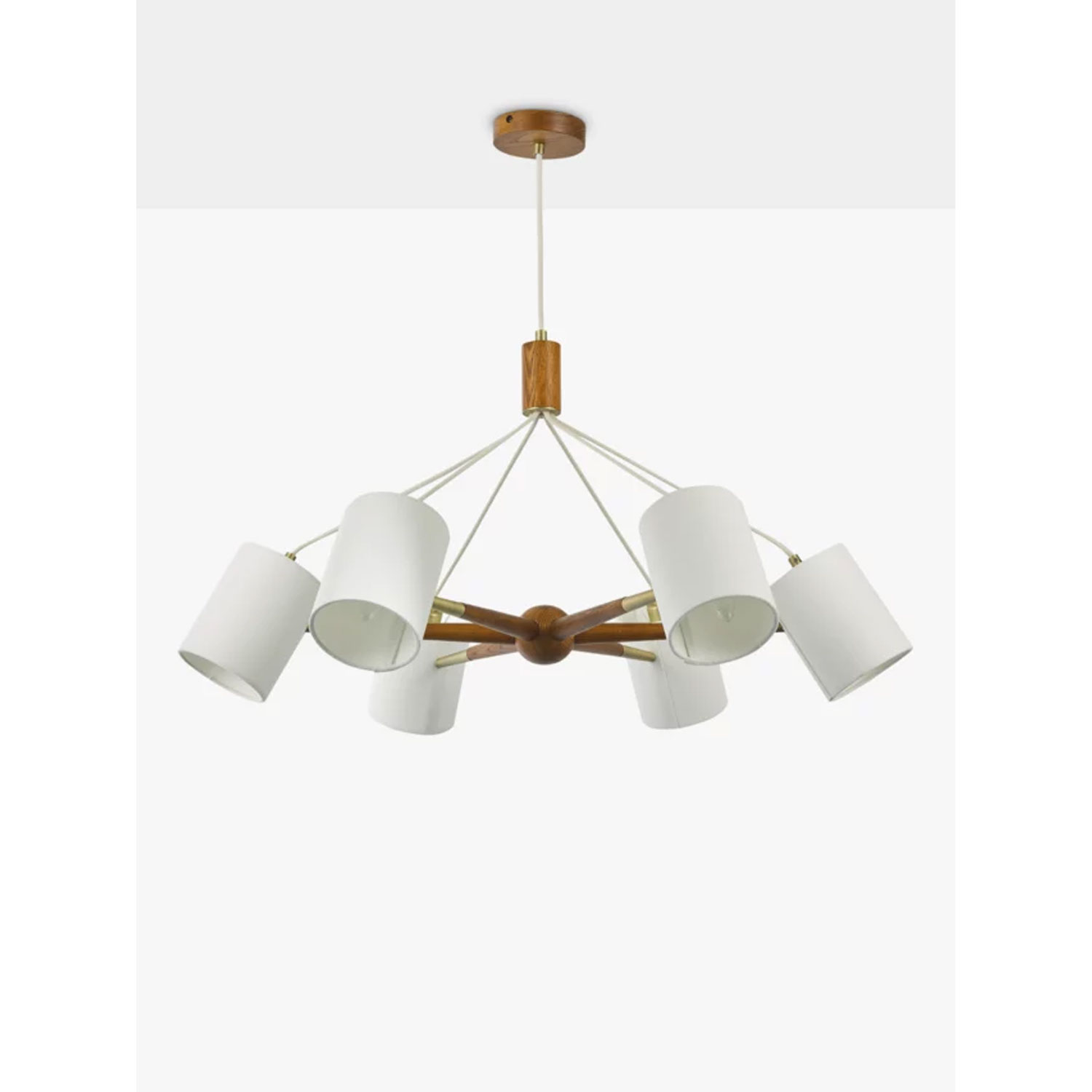
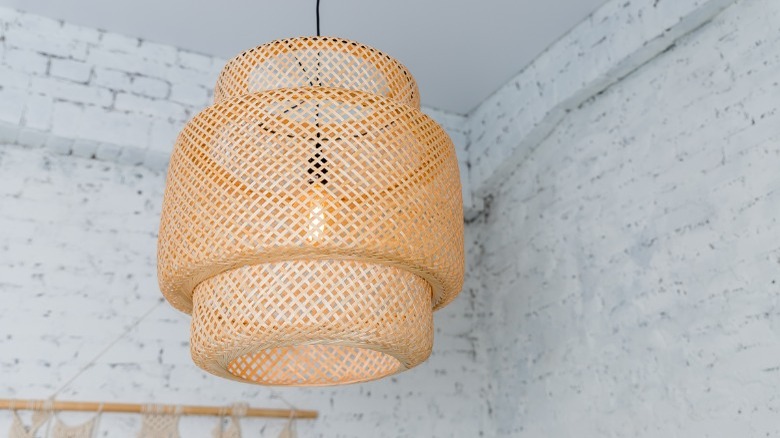
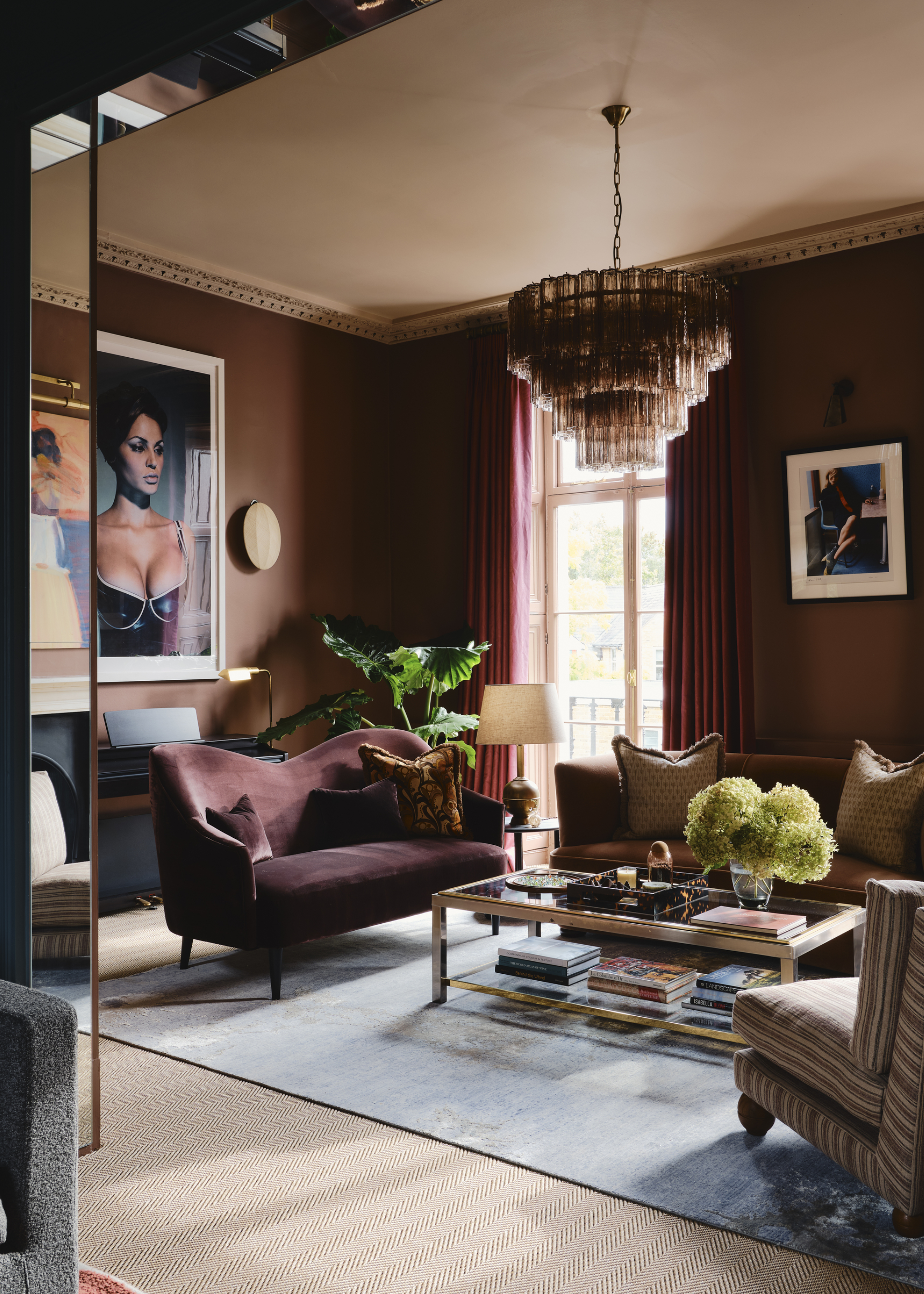
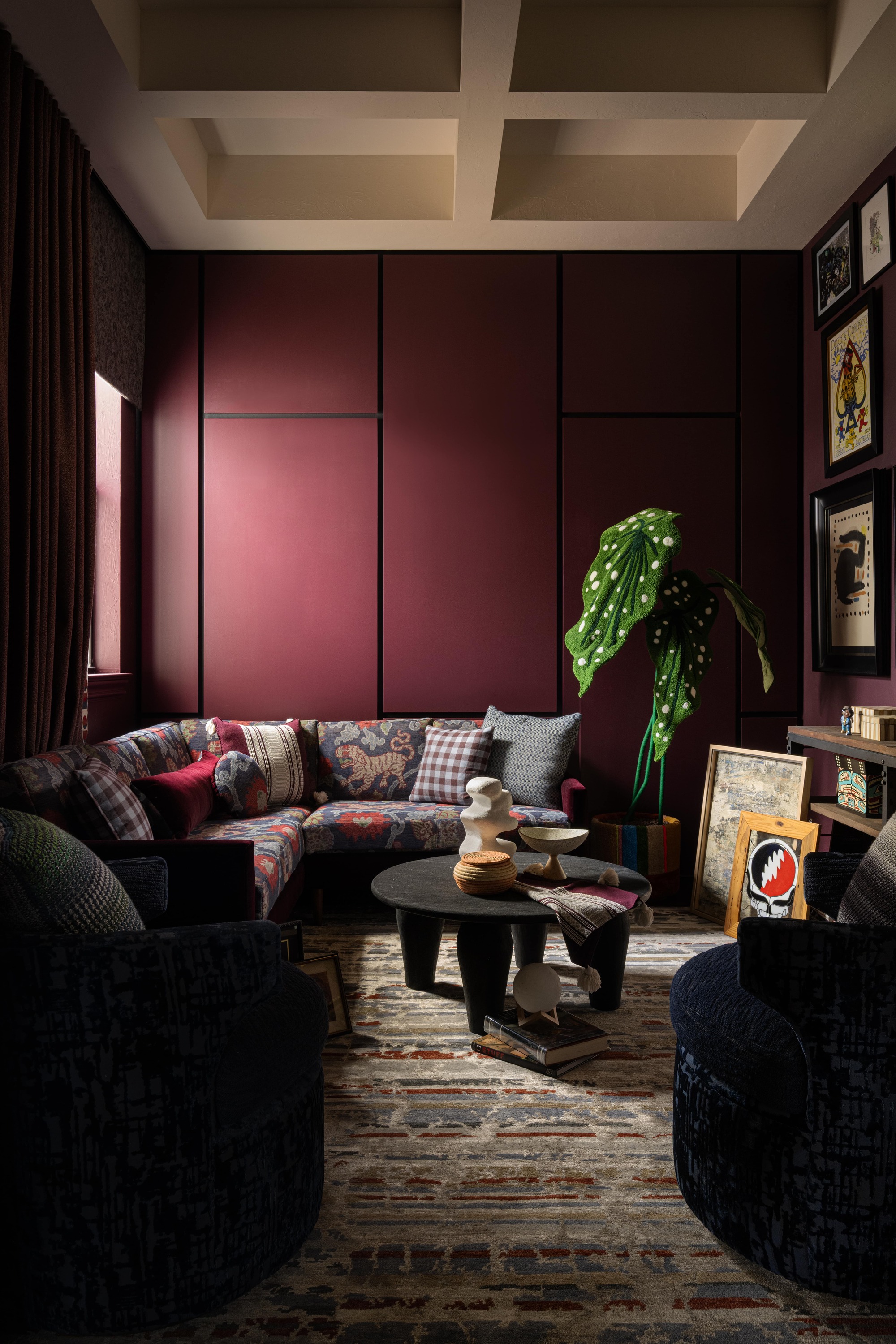
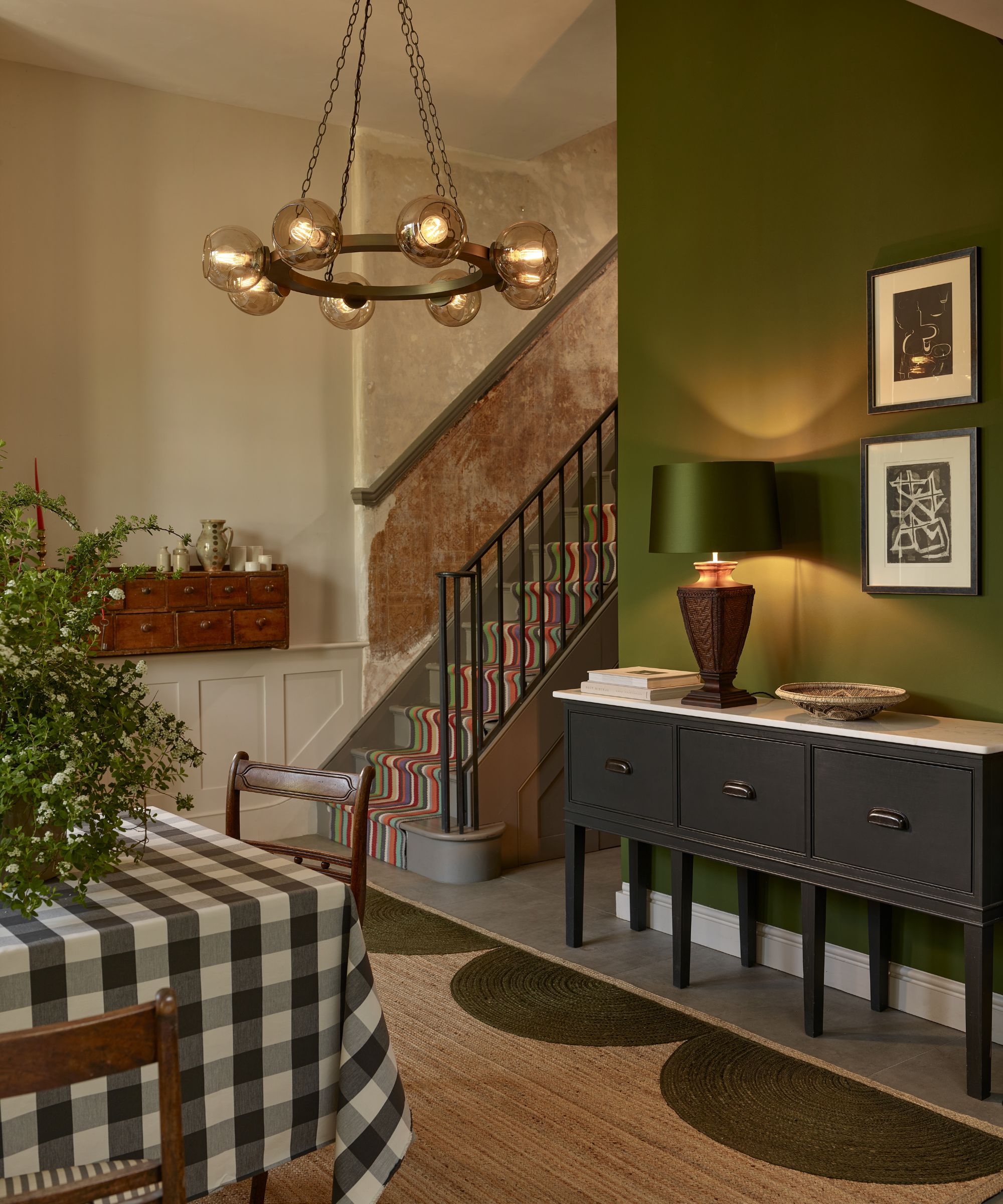
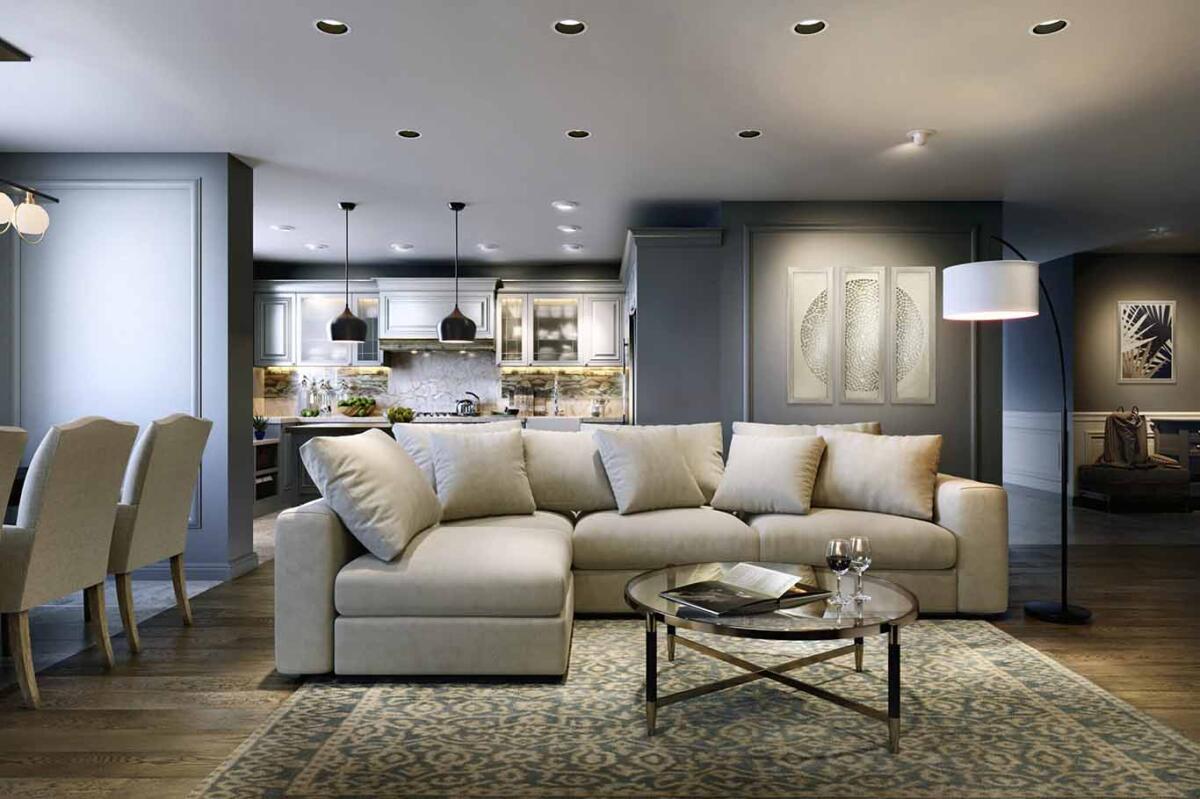
As natural light fades in the late afternoon, the transition to artificial lighting becomes essential. The article recommends a gradual shift using artificial layers, such as small lamps in darker corners, warm LED strips under shelving, or uplights behind plants. This approach creates a smooth continuum from day to night, preventing an abrupt plunge into darkness and maintaining a consistent ambiance. Gibson emphasizes that a well-designed space integrates general, task, and accent lighting year-round, a strategy that becomes even more critical in winter.
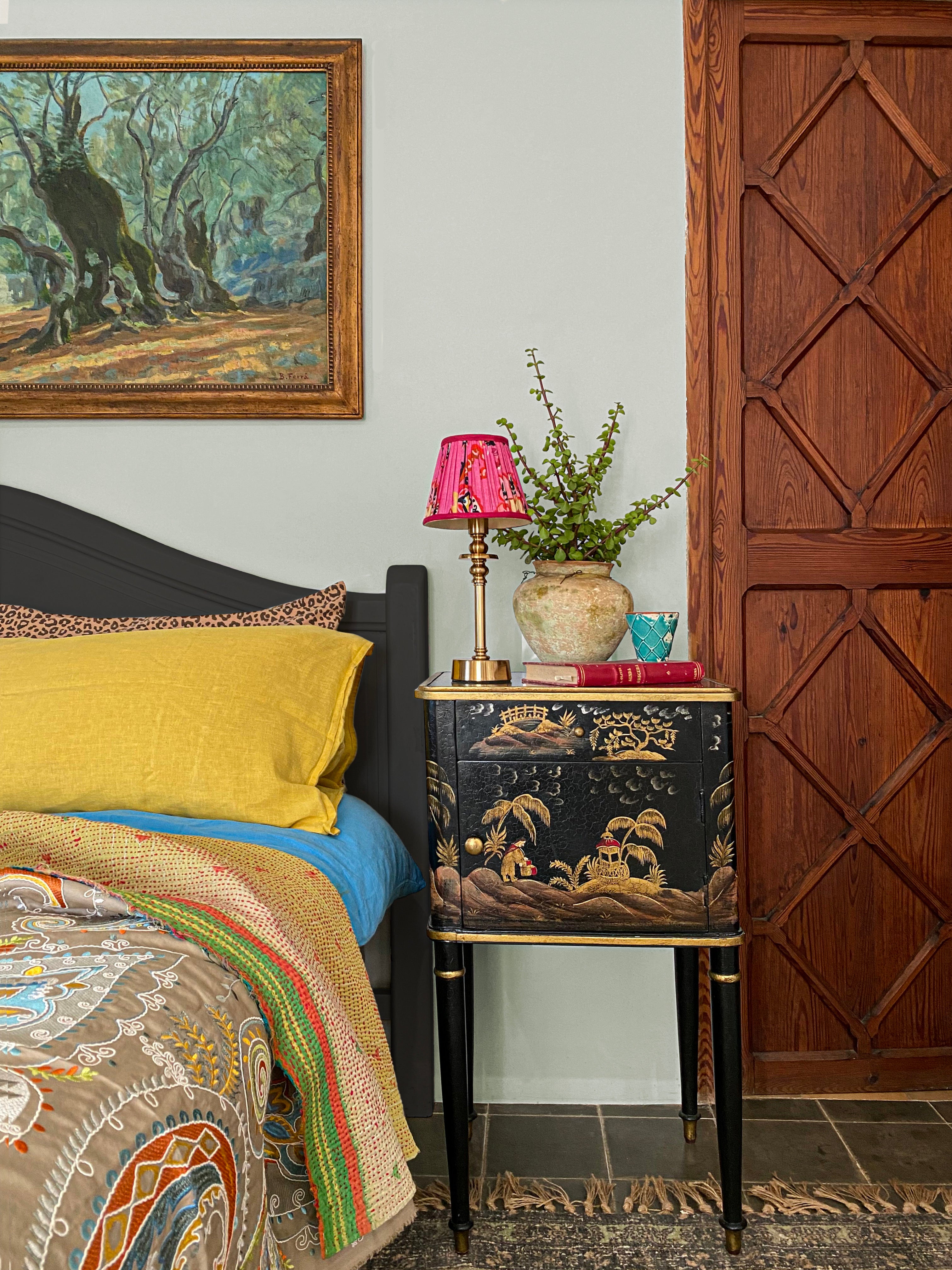
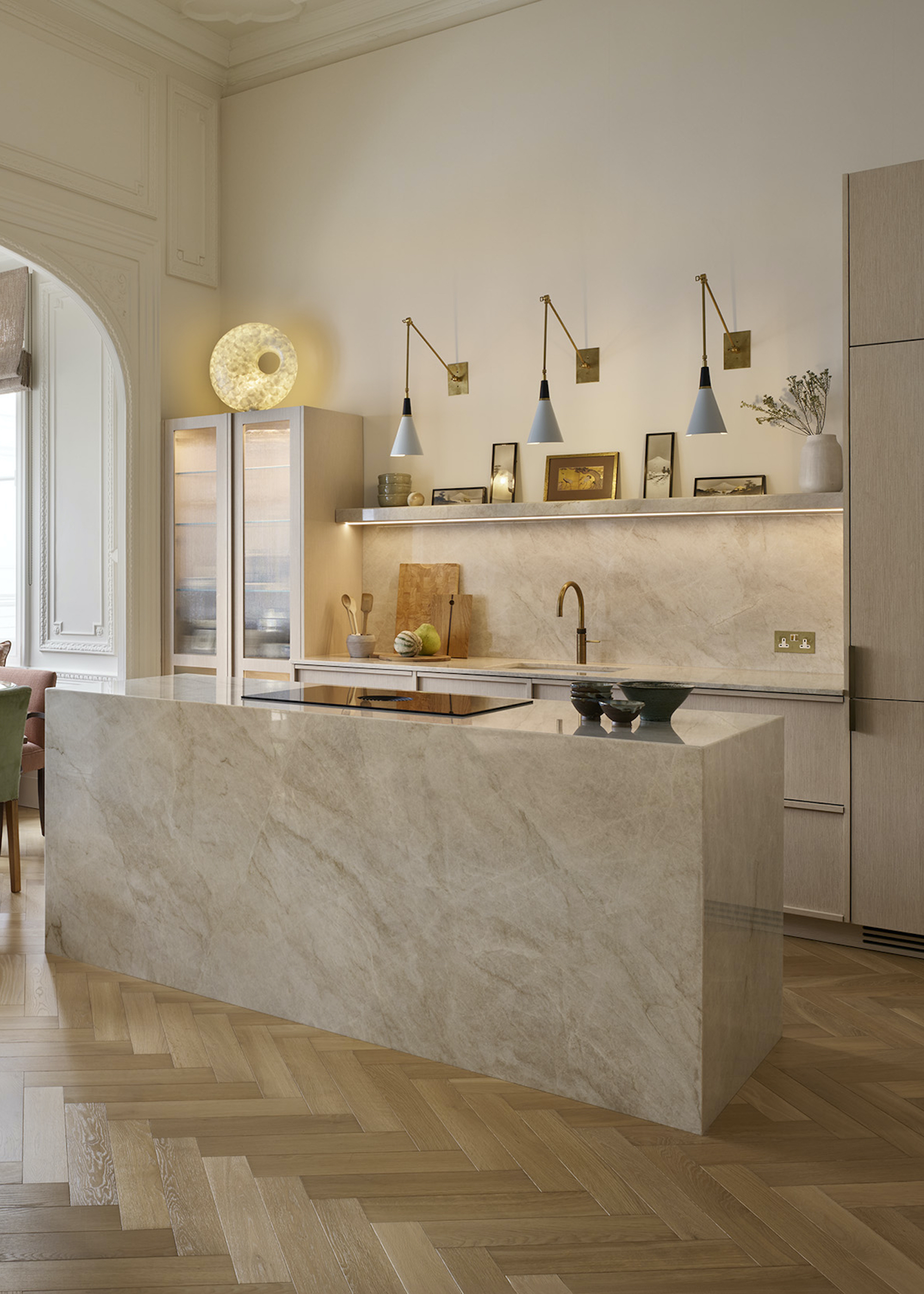
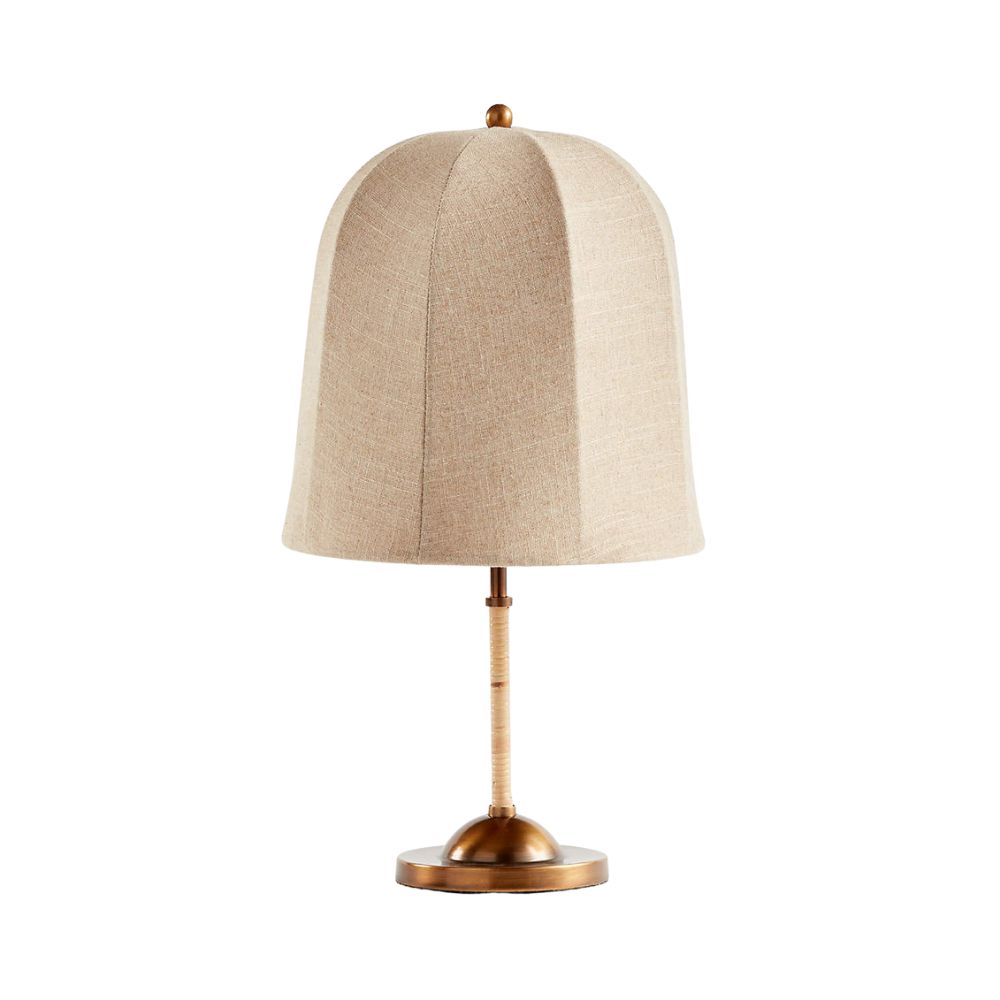
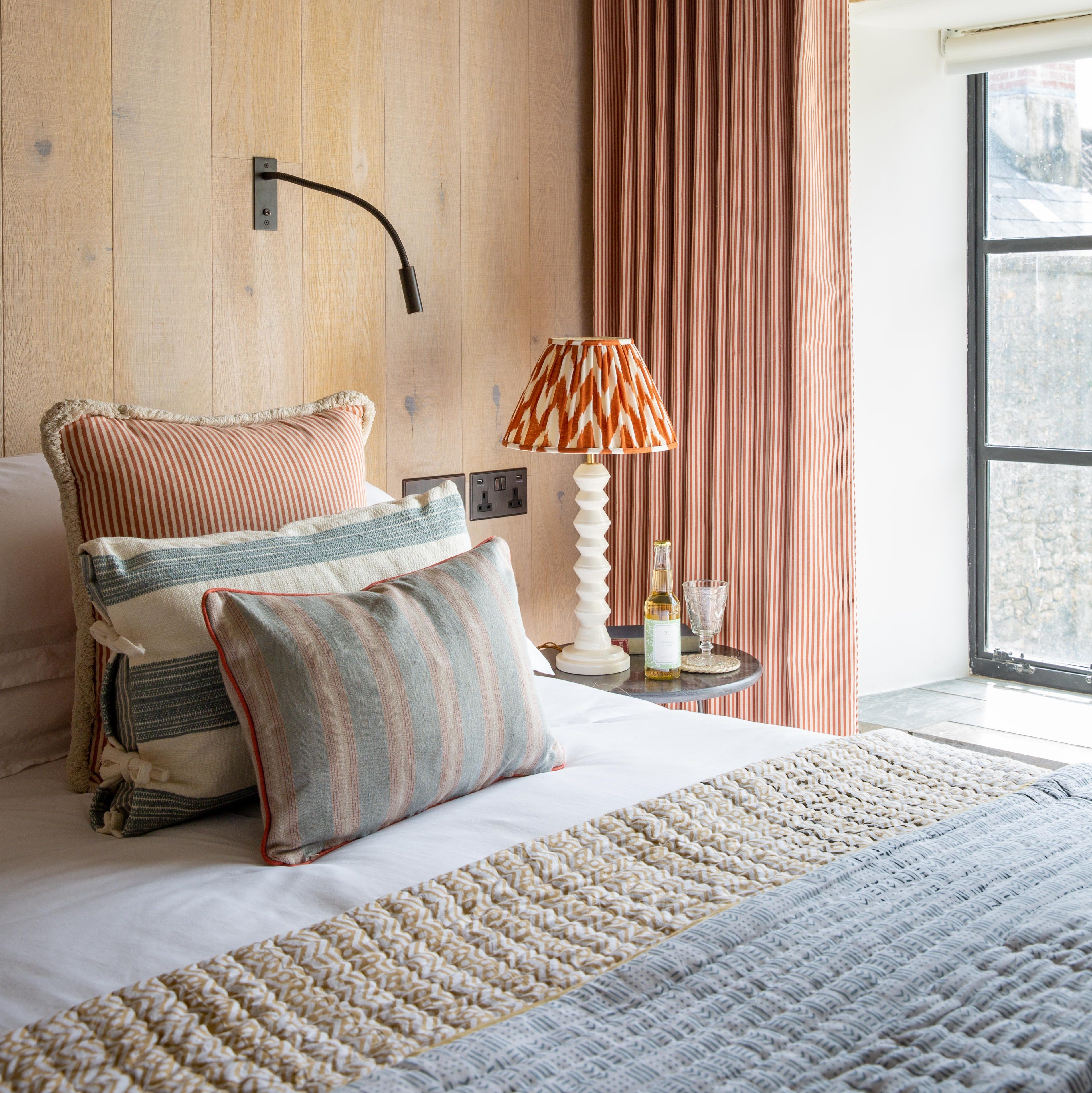
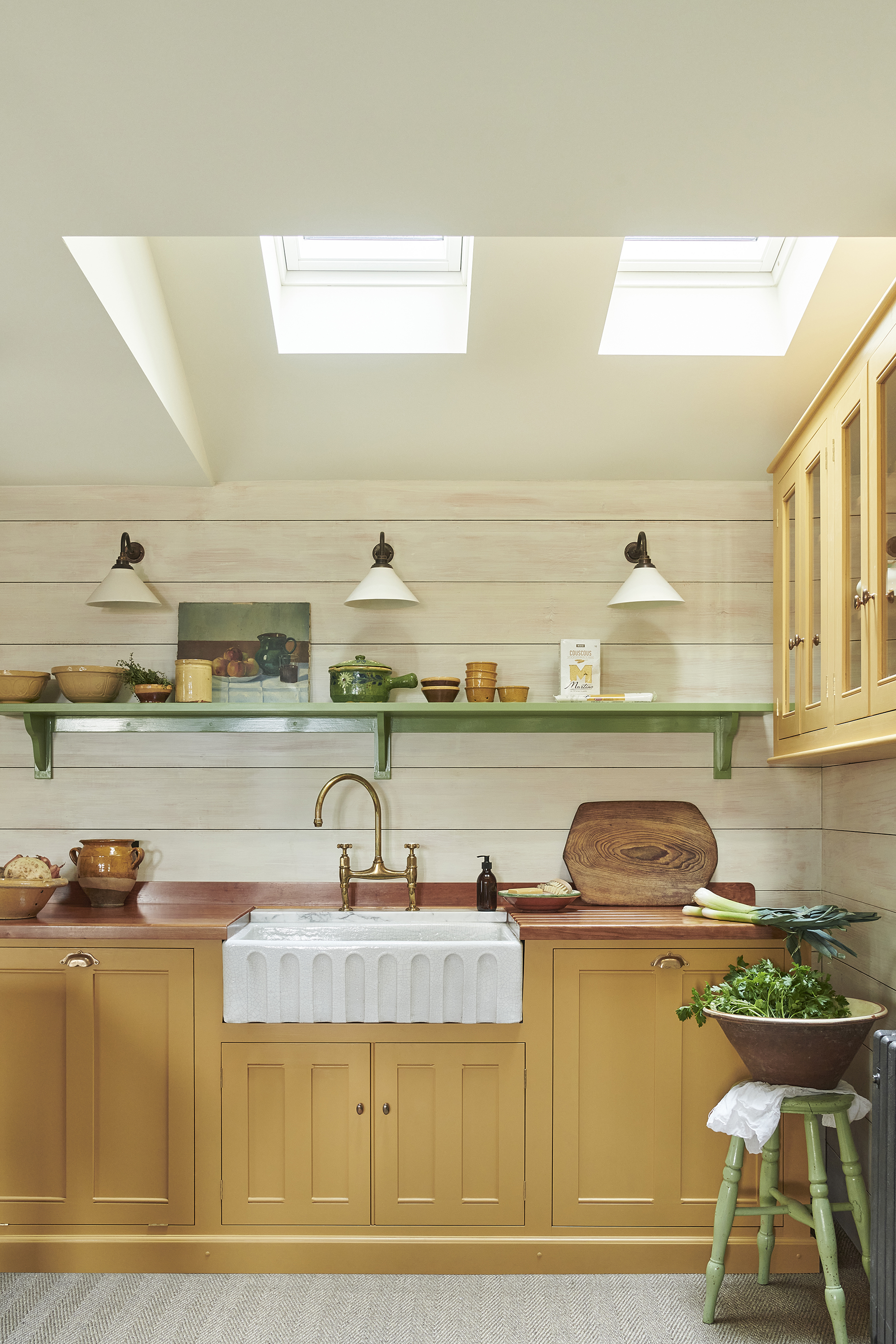
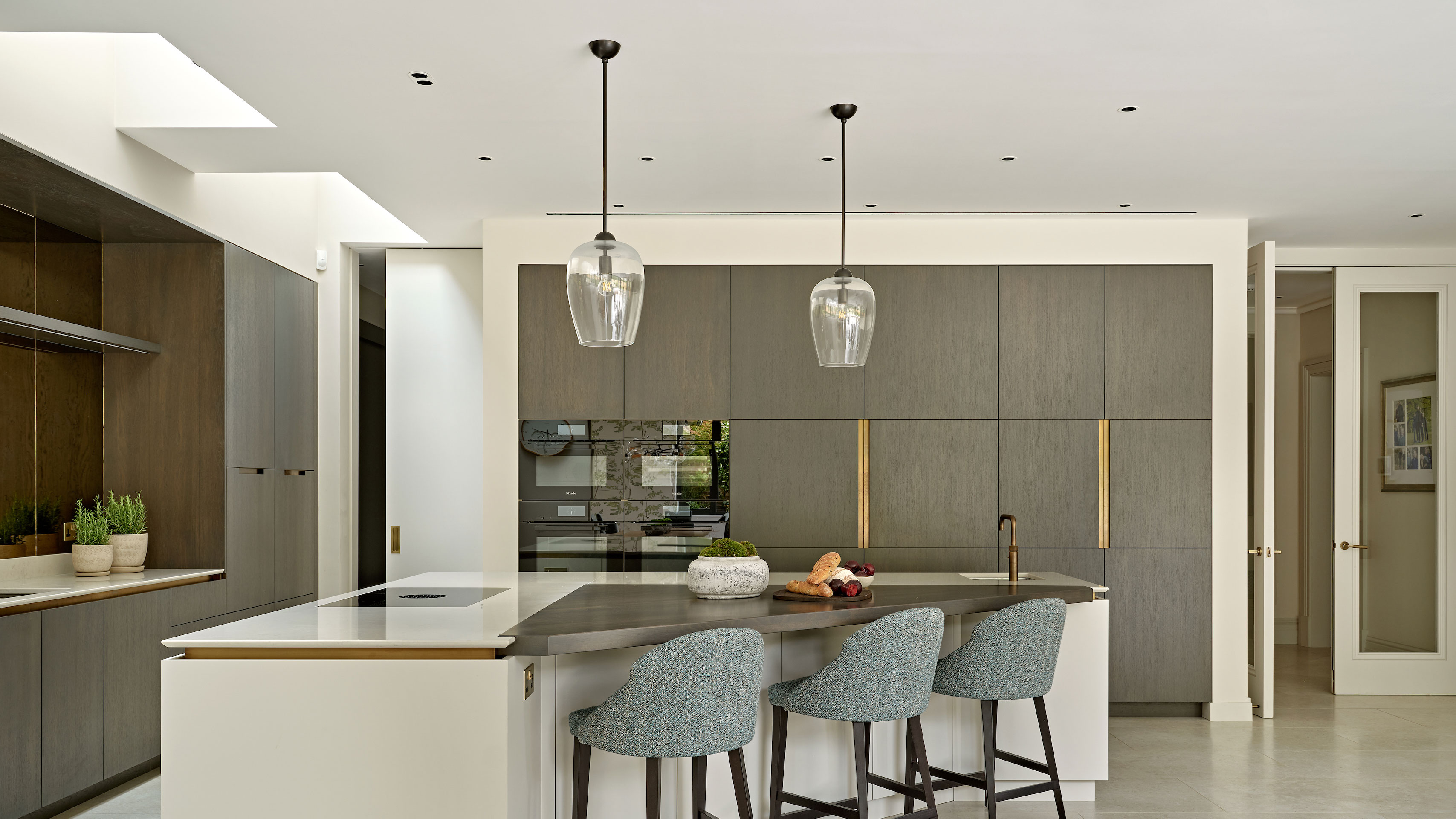
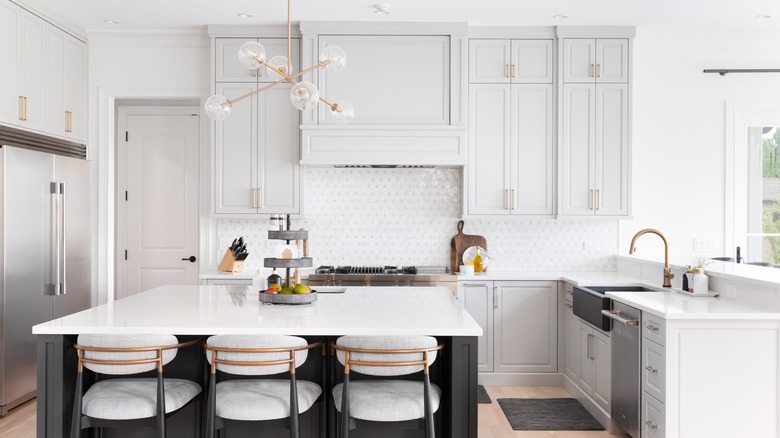
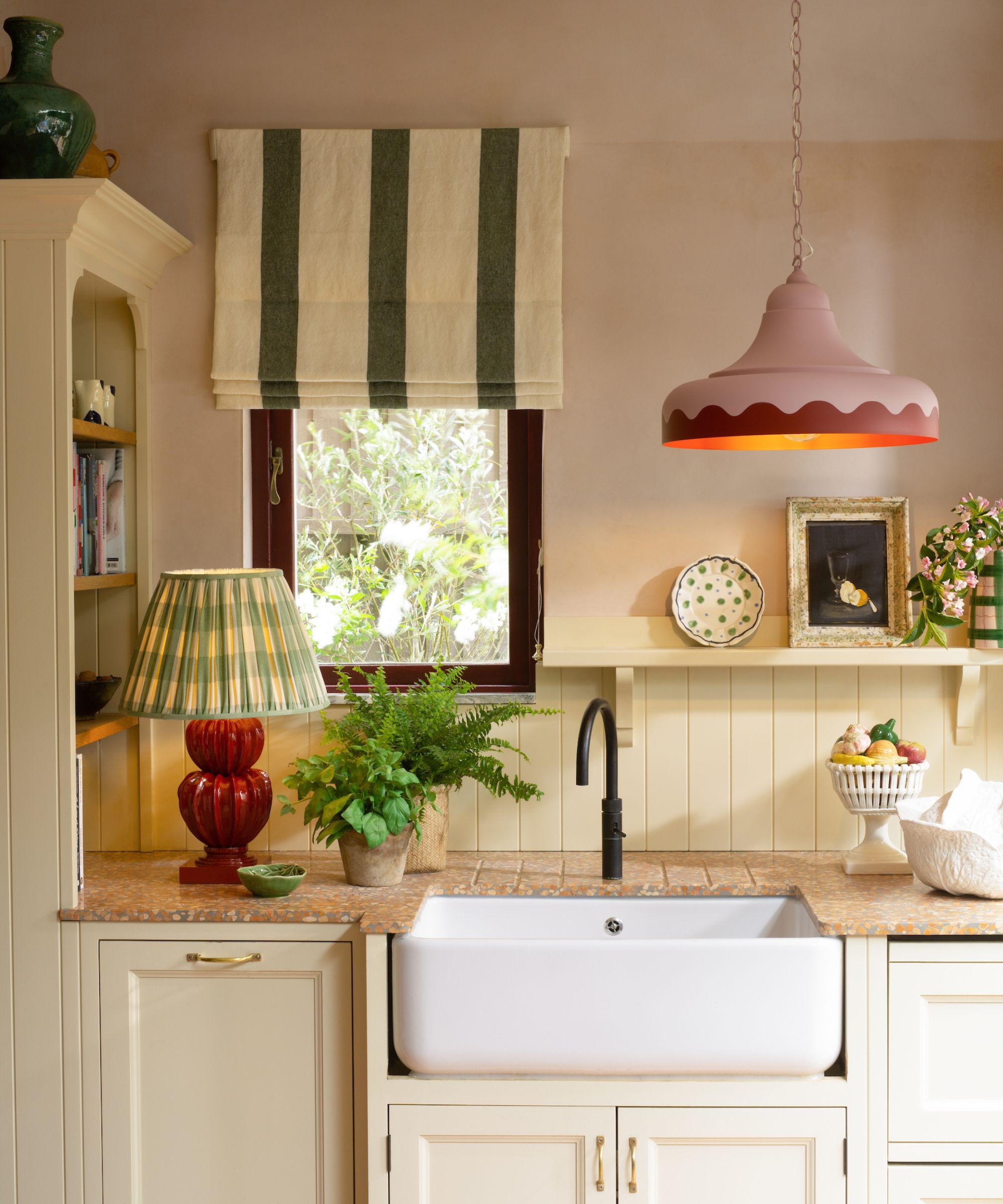
Task lighting serves both functional and emotional purposes as evenings deepen. Examples include warm under-cabinet lighting in kitchens to create an intimate dining atmosphere, adjustable-warmth lamps on desks to facilitate the transition from work to relaxation, and directional lamps by reading chairs to establish cozy retreats. Gibson explains that task lighting is vital for shaping the mood of a room as daylight recedes, demonstrating its impact on overall ambiance.
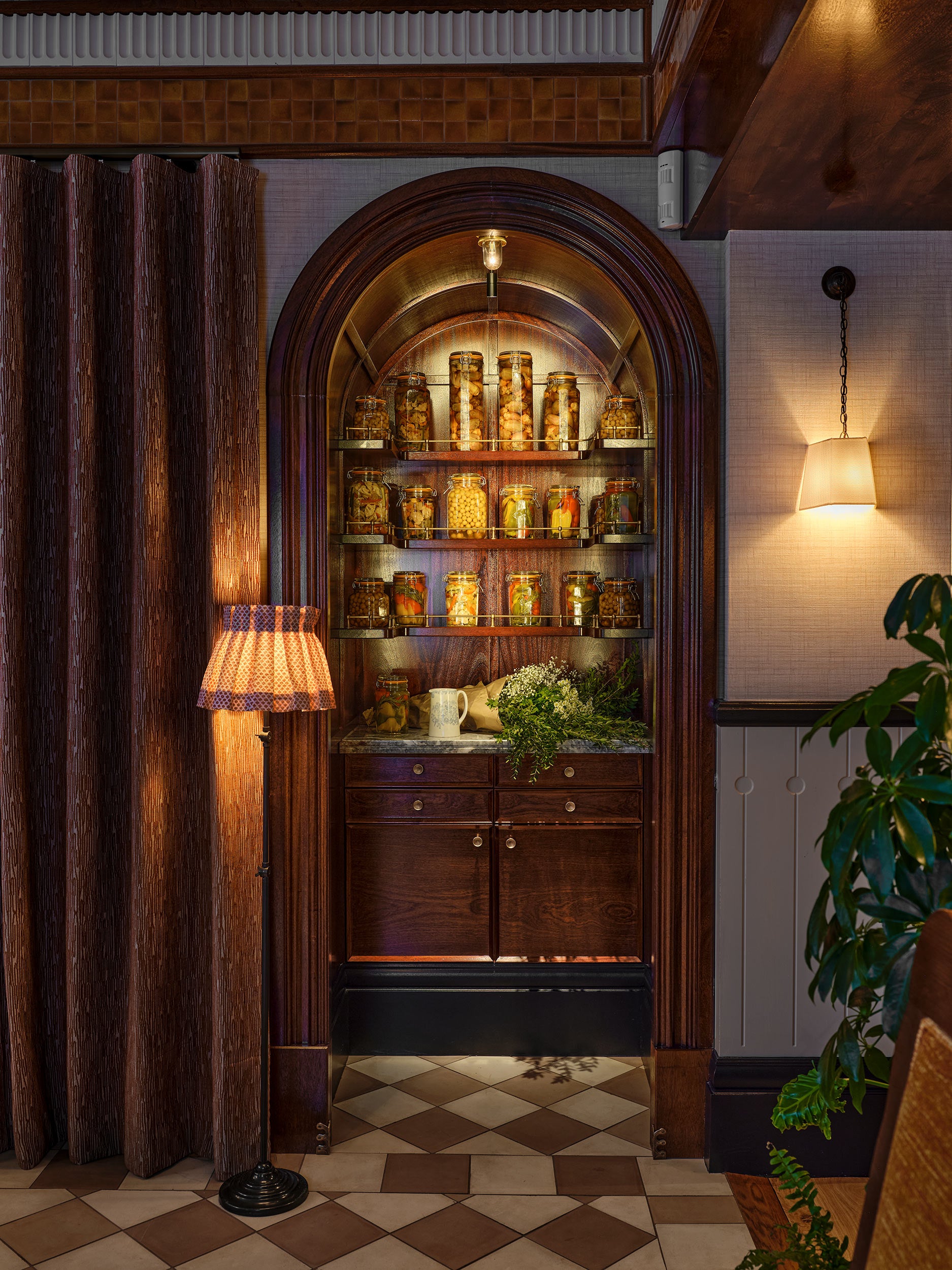
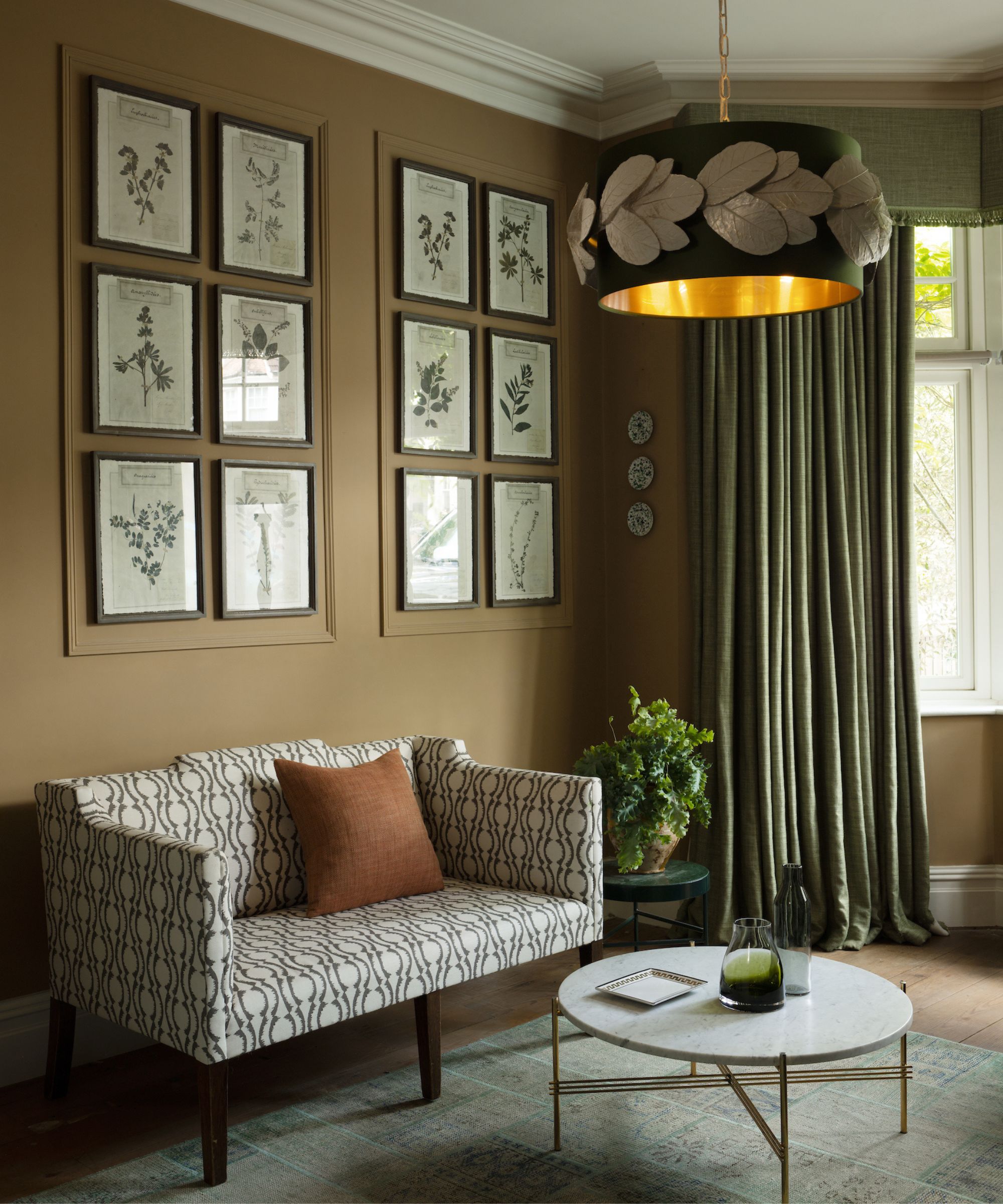
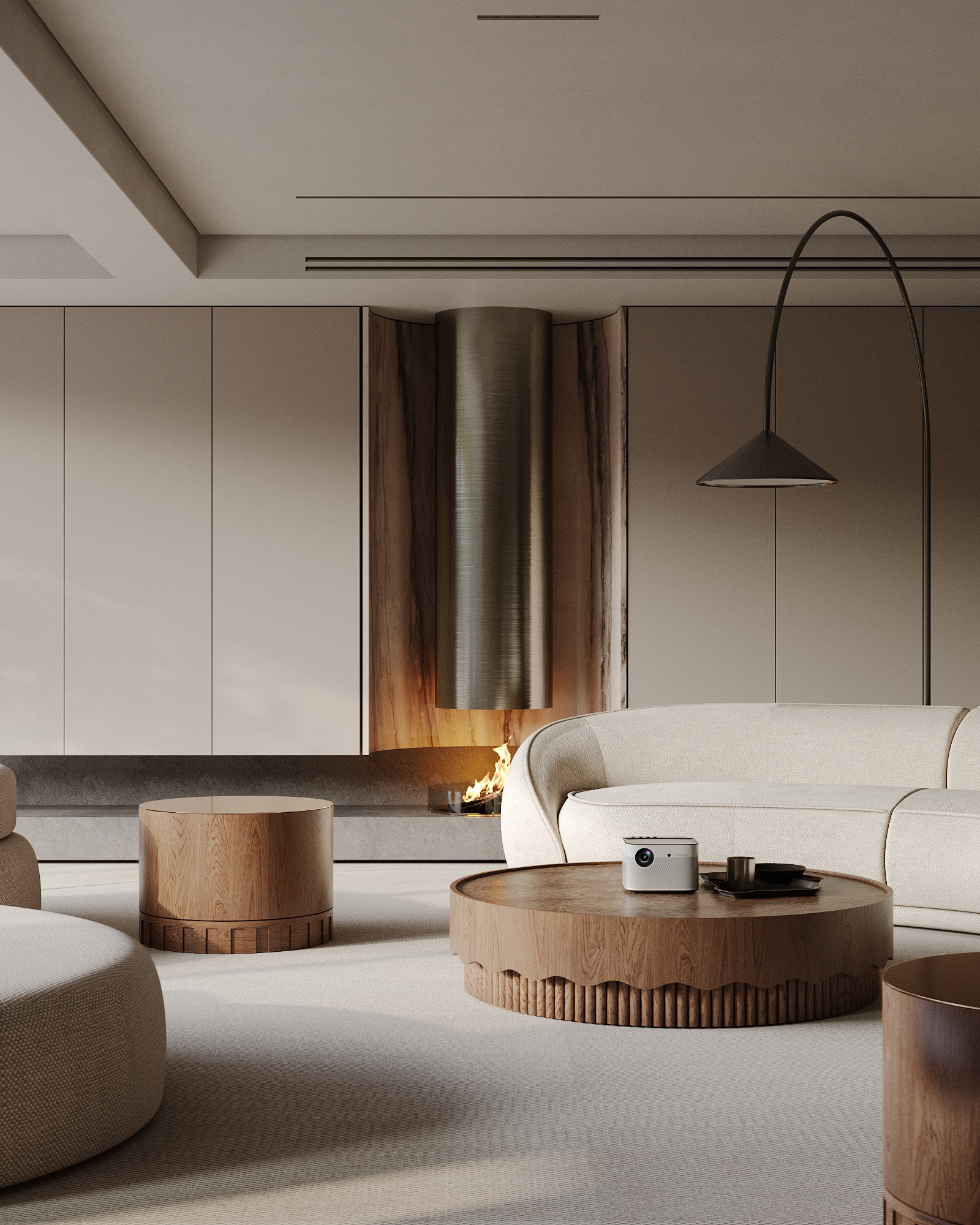
Accent lighting is described as the “heart layer,” crucial for introducing dimension and visual comfort to winter rooms. These elements, such as flickering candles or picture lights, counteract the flatness that can result from diminished sunlight. Positioned at or below eye level, accent lights draw the room inward, enhancing its warmth and inviting atmosphere. Gibson reiterates that effective lighting should be flexible, functional, and aesthetically contributing.
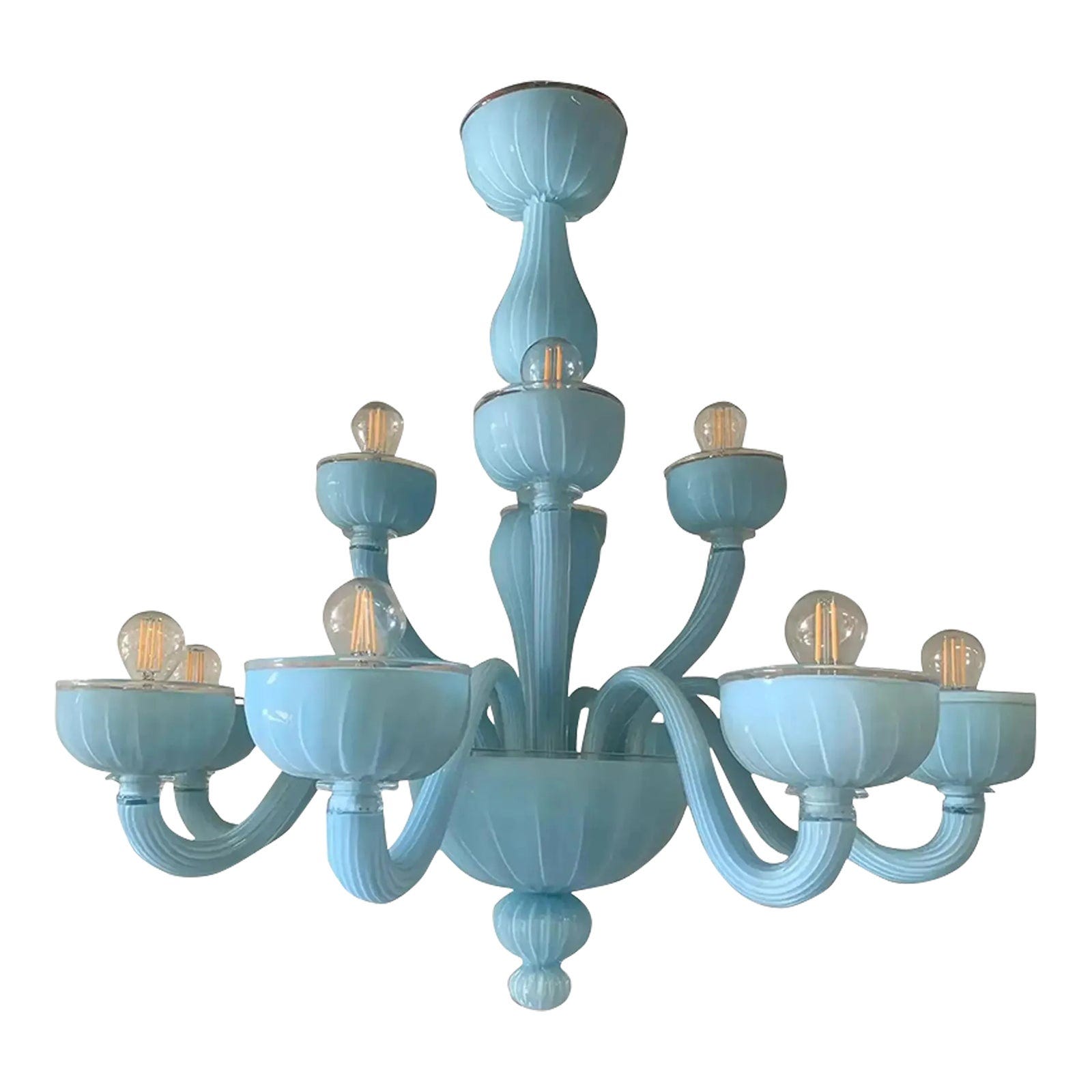
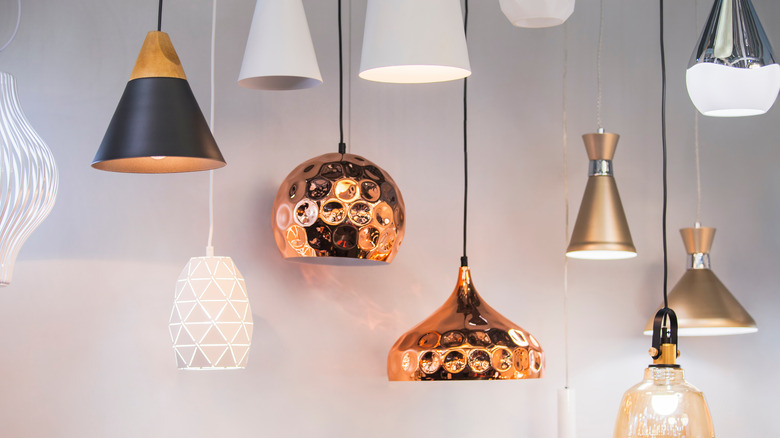
The final consideration is color temperature, an often-overlooked aspect of winter lighting. The article advises against cool white bulbs, which can diminish a room’s warmth, in favor of warm white bulbs that offer softness, depth, and calm. This choice of color temperature can enrich the appearance of wood, soften fabrics, and even alter how wall paint is perceived. The use of smart bulbs is also suggested for their ability to adapt from cooler morning tones to warmer evening hues, mimicking natural daylight and compensating for its absence. Ultimately, rethinking lighting as a layered system, understanding its purpose, and strategically applying different types of illumination can significantly enhance a home's comfort and design during the winter months, making it a powerful upgrade.
#LayeredLighting #WinterDecor #HomeLighting #InteriorDesign #Ambiance #NaturalLight #TaskLighting #AccentLighting #ColorTemperature #LayeredLighting #WinterDecor #HomeLighting #InteriorDesign #Ambiance #NaturalLight #TaskLighting #AccentLighting #ColorTemperature
0 comment in total
 No comments yet
You may also like
As clocks go back, expert lighting tips to get you through the darker months
These Lighting Trends Will Be Everywhere in 2026, According to Designers

The Best Lighting Trends We've Loved So Far In 2023
hudson valley lighting group shines coziness indoors with warm finishes
The Lighting Golden Rule for Switch Circuits

‘Lamp layering’ is the secret trick designers use to elevate their interiors
Modern Home Lighting Trends 2025: Ideas That Transform Every Room
4 ways designers are lighting rooms in 2024 that feel so much cozier and richer than what we're used to
As the Days Get Darker, These Are the 2 Lighting Shifts Designers Make in Every Home They Design
10 Cozy Winter Decorating Trends You'll See Everywhere in 2024
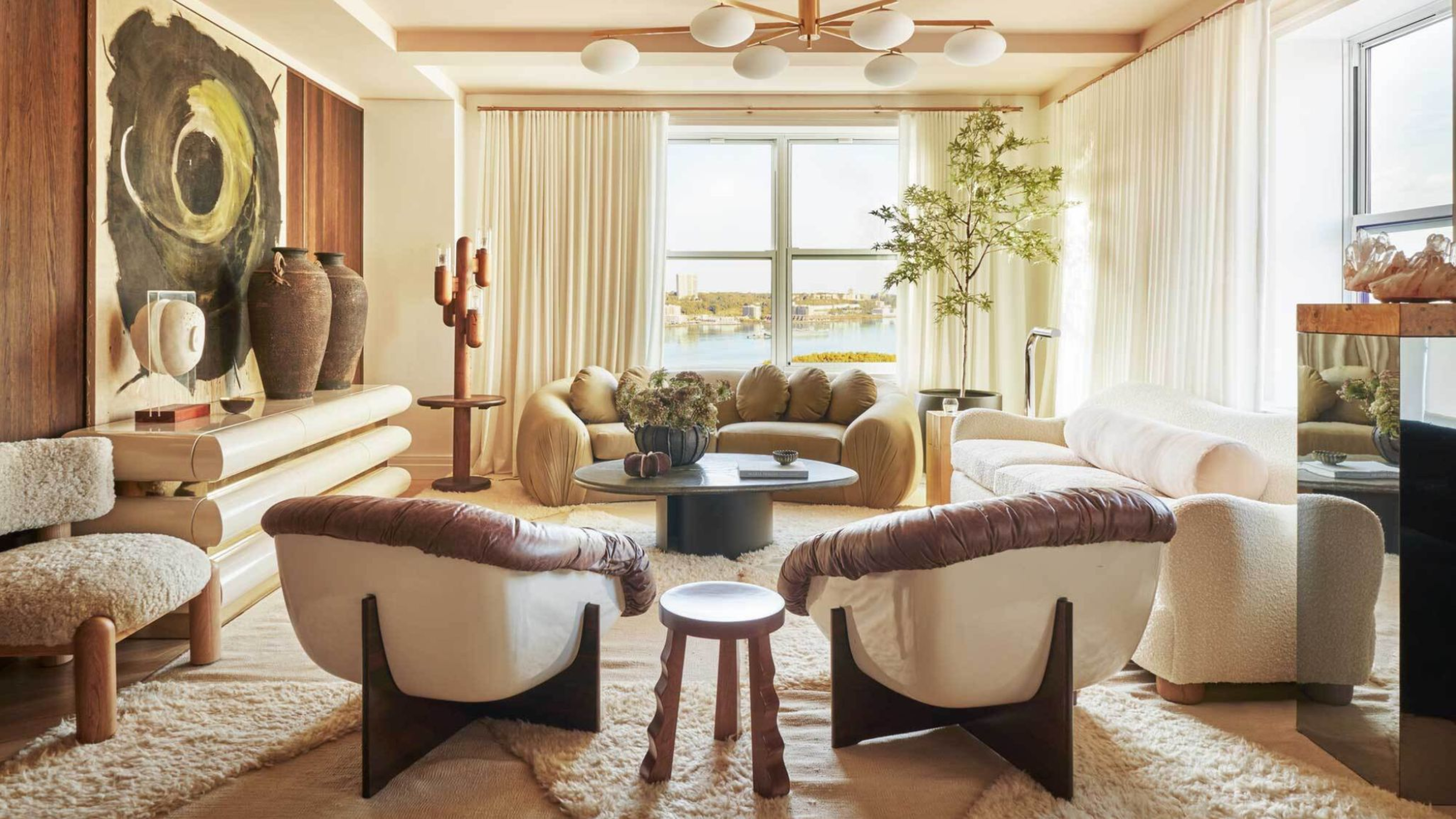
How do I Make a Cold Room Feel Warmer? 5 Ways to Cozy up Your Home Without Cranking up the Heat
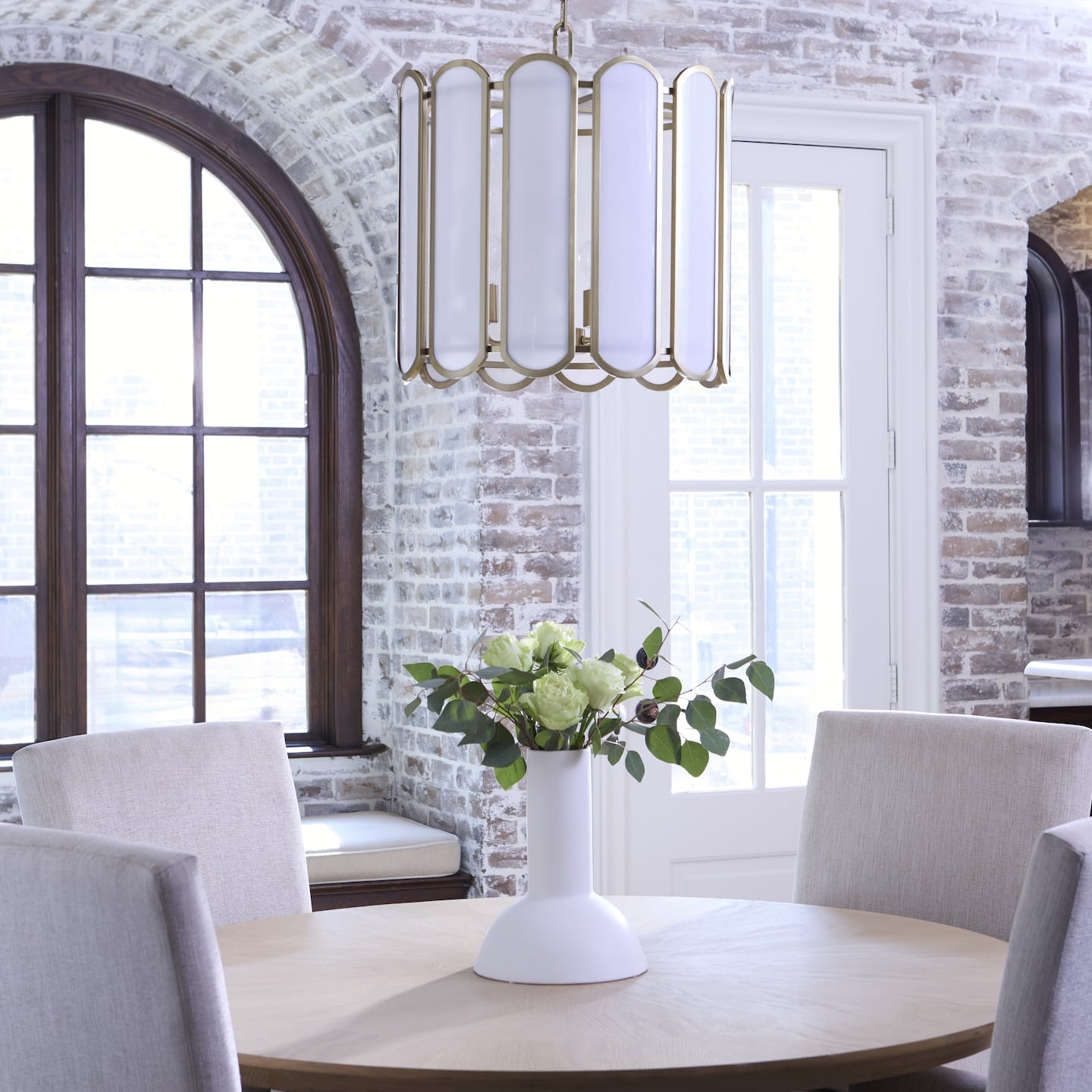
Design experts offer lighting tips for upgrades that shine

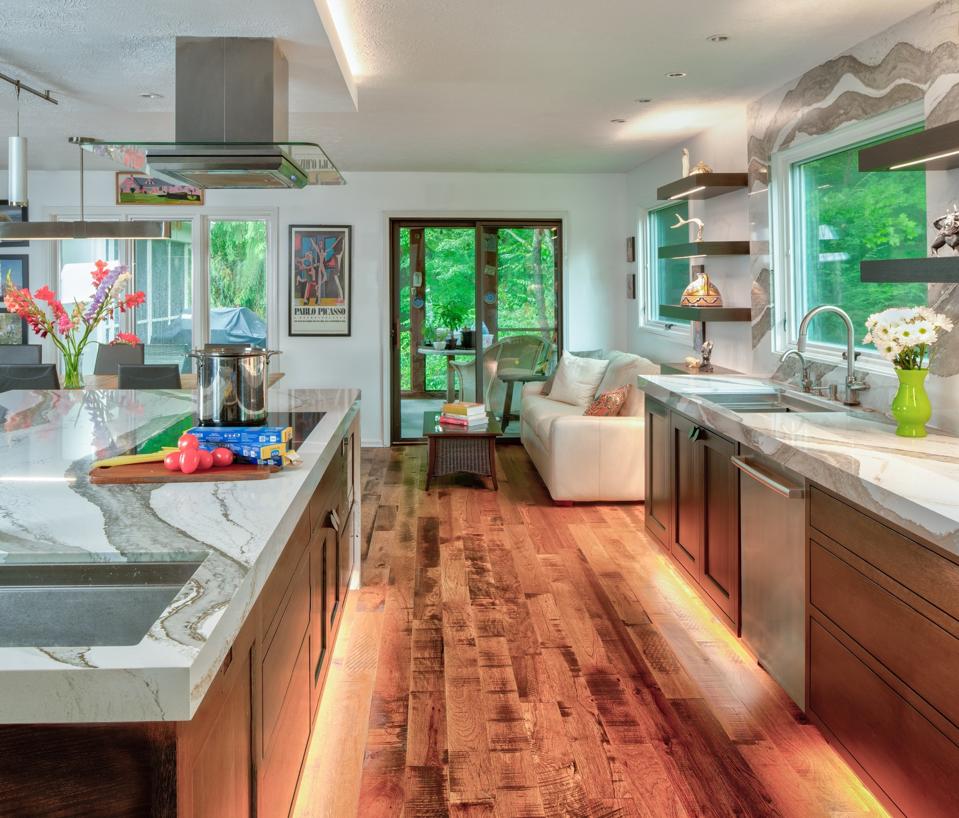
What Design Pros Need You To Know About Lighting Your Home Today

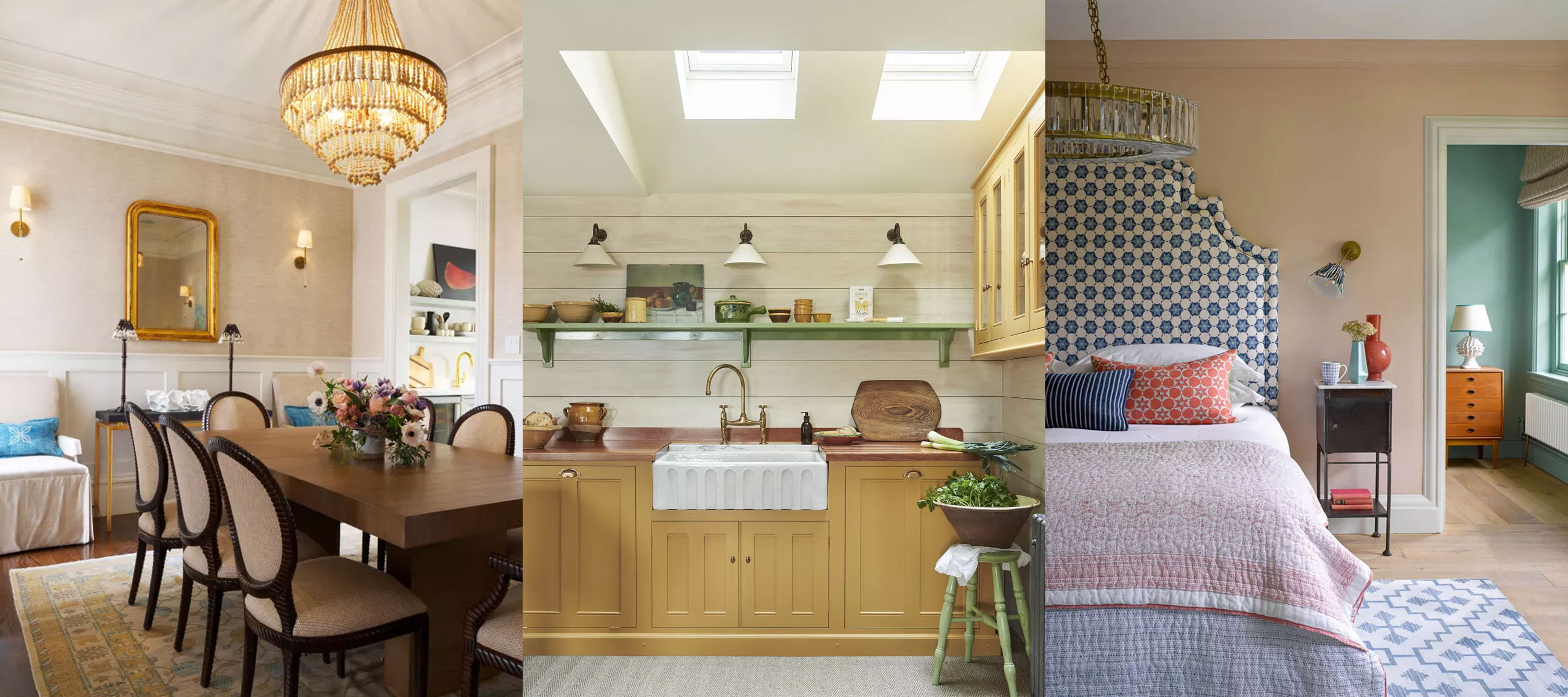
5 outdated lighting trends designers say to avoid – and the designs and techniques to use, instead

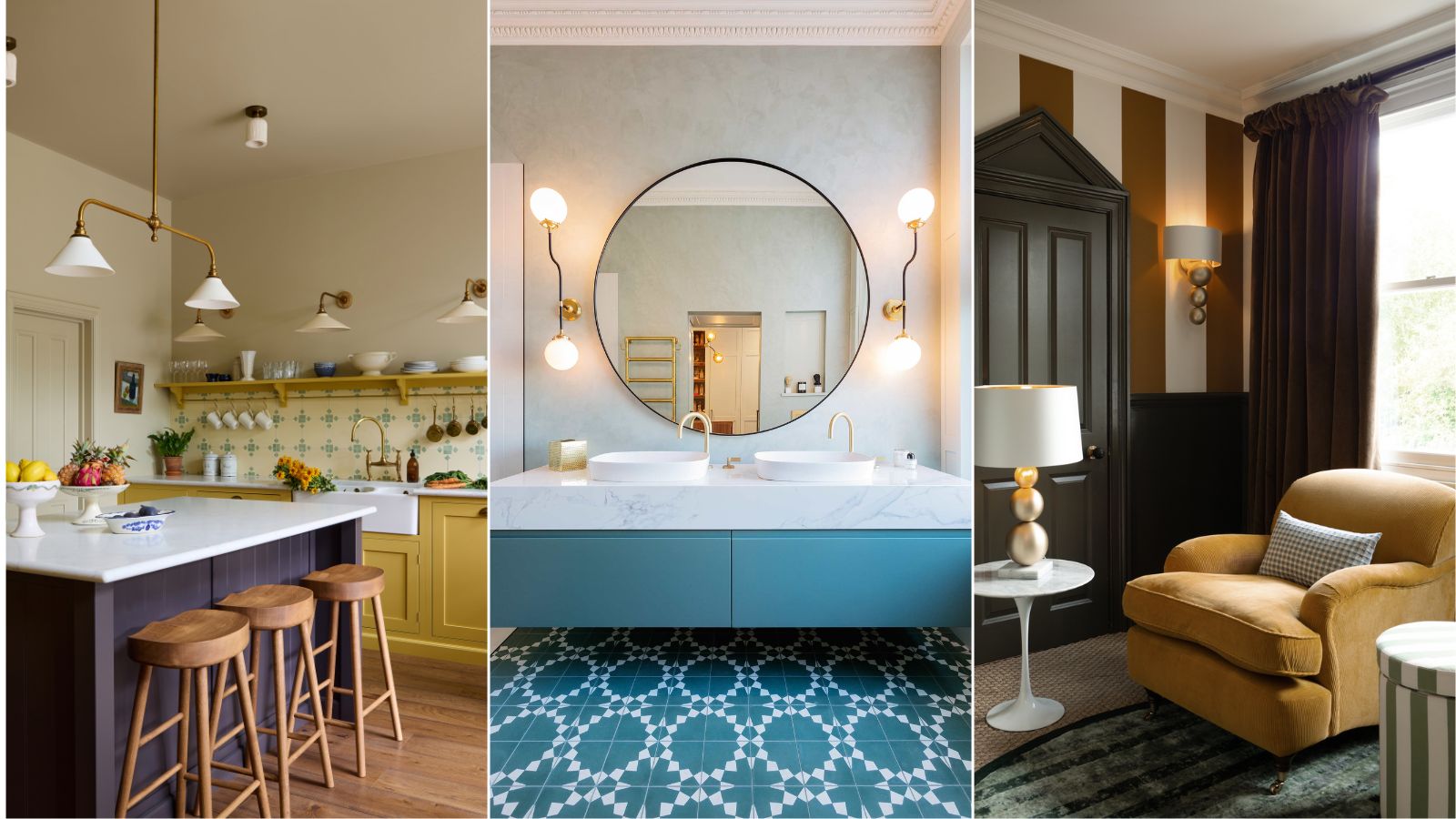
How to layer lighting – expert tips to create the perfect soft yet practical scheme for every room
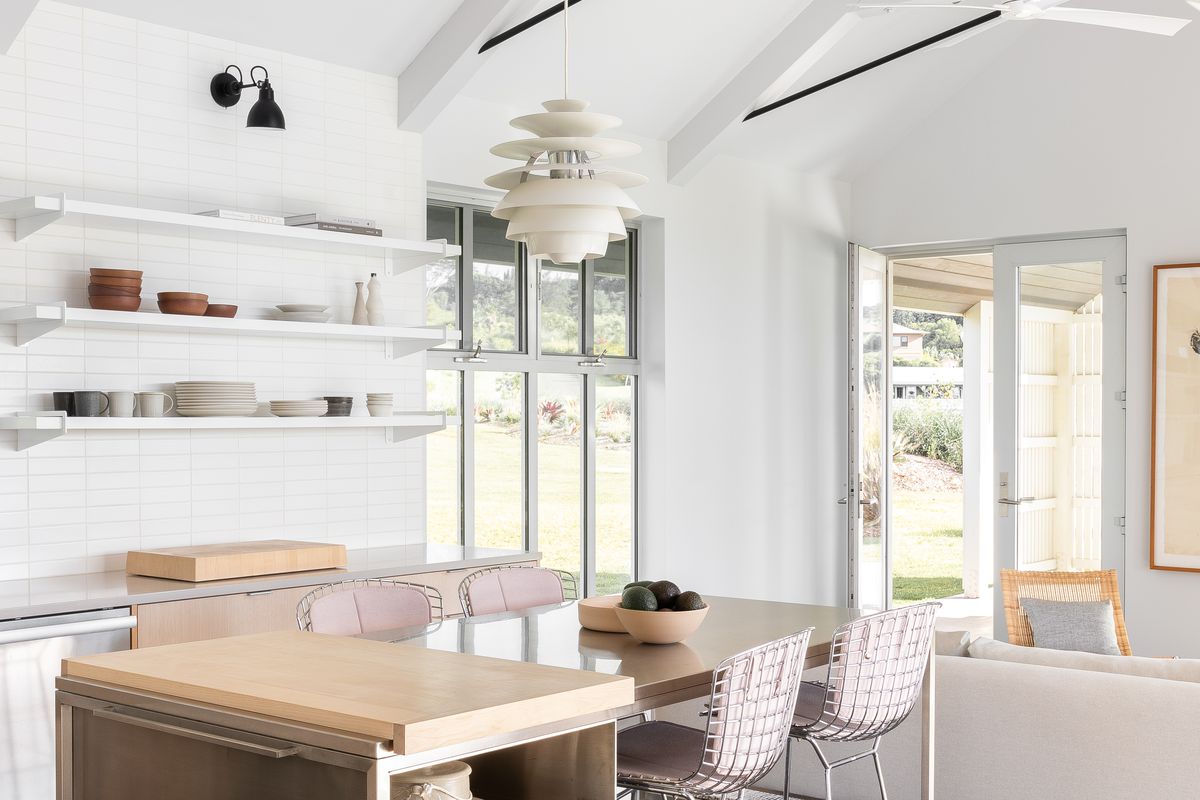
Pro tips to improve your home’s lighting—without an electrician
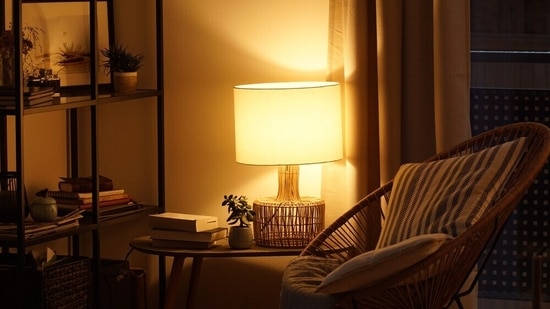
Winter Lighting 101: Essential ambient lighting tips to transform your home in the cold season | Hindustan Times

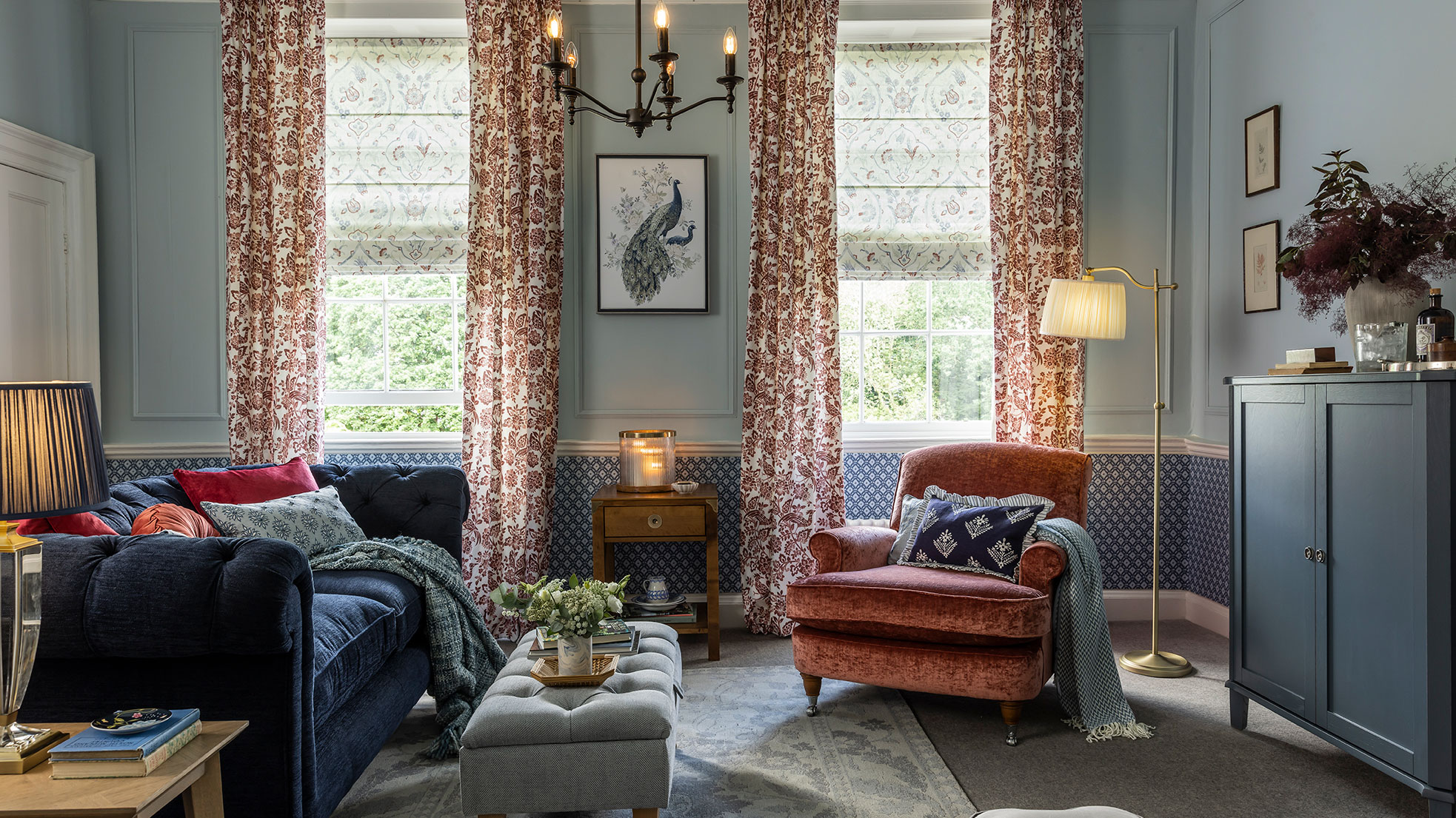
What is layered lighting and how can it transform your home from so-so to stunning?

Does this hated feature still have a place in our homes? Designers on what they really think of the 'big light' debate
We Asked Designers How to Get More Natural Light in Our Homes and We're Following This Advice All Winter