1/8
6 things I wish I had known before buying my heated towel rail
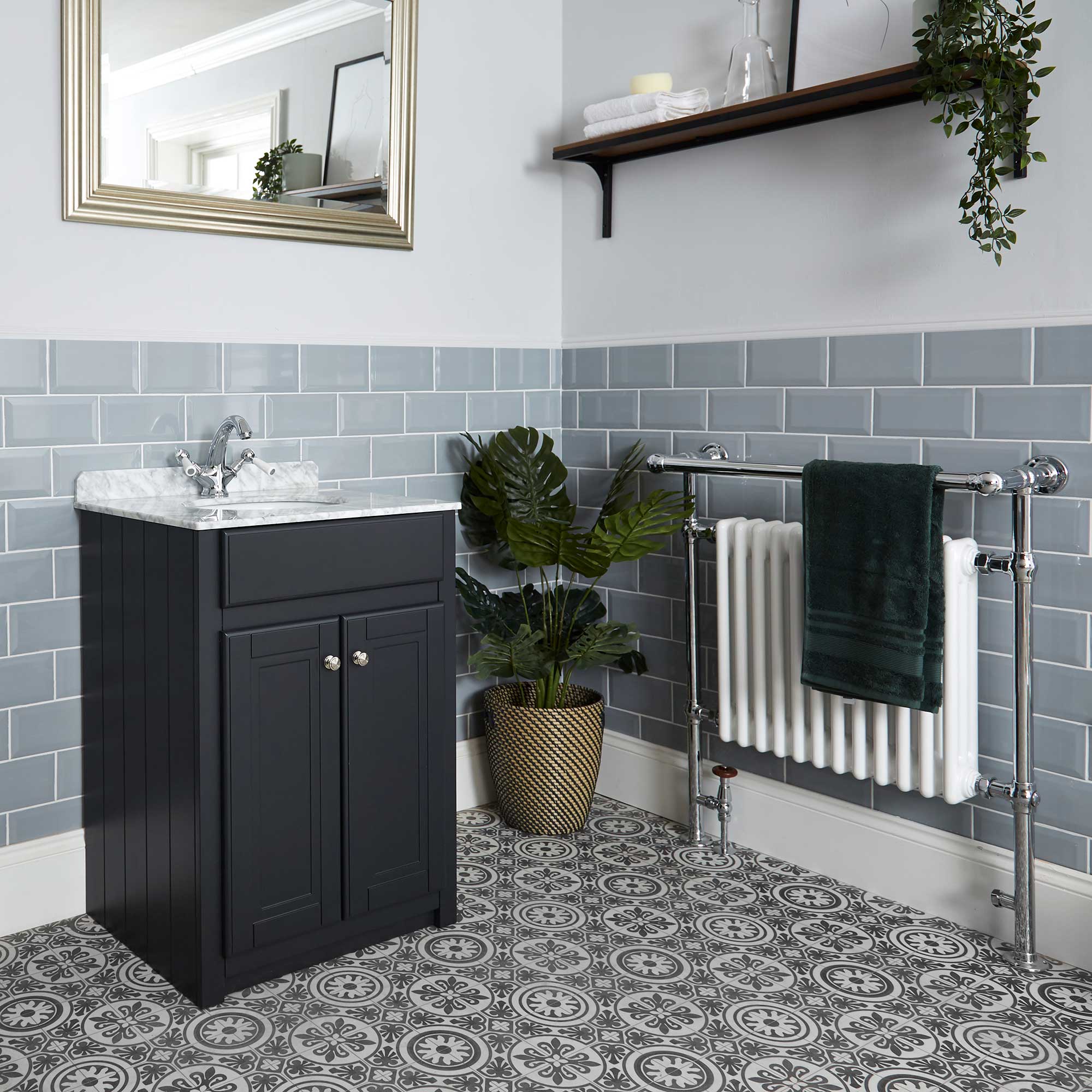
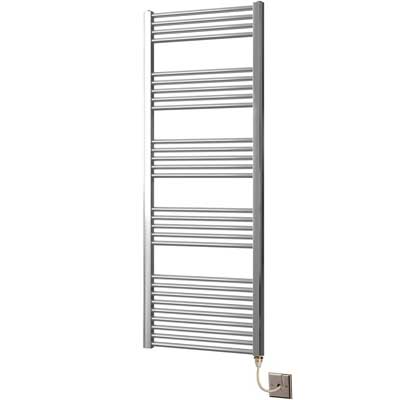
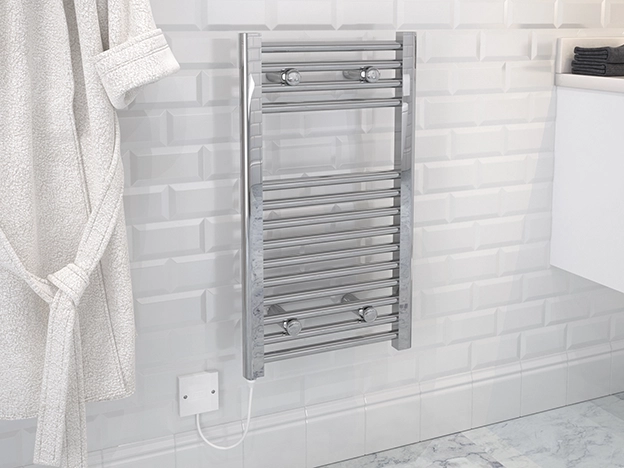
This article shares six key considerations the author wishes she had known before purchasing a heated towel rail, aiming to help others avoid similar mistakes. The first point highlights the advantage of dual-fuel models. The author's current heated towel rail is connected to the central heating system, making it functional only when the heating is on. This results in damp towels during warmer months. A dual-fuel model, which can switch between central heating and electric power, would provide warm, dry towels year-round and be useful for drying laundry indoors during summer.
The second consideration emphasizes the importance of usage and heat output. The author's current towel rail is too small for a family bathroom, leading to insufficient space for towels and reduced heat emission when covered. For optimal performance, a larger rail or an additional heat source is recommended. Heating experts suggest using a heat calculator to determine the ideal wattage based on bathroom size, ceiling height, and number of windows, ensuring the rail is perfectly matched to the space.
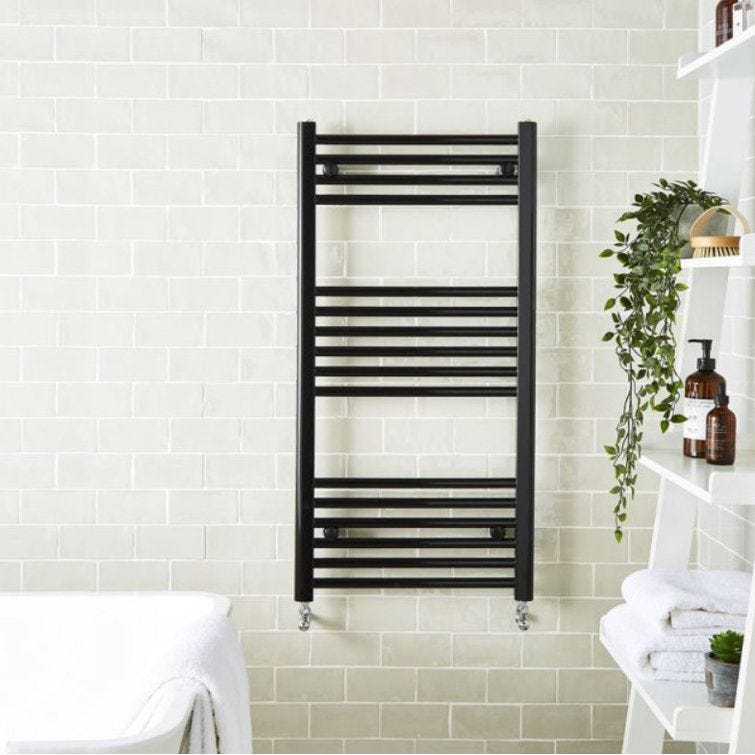
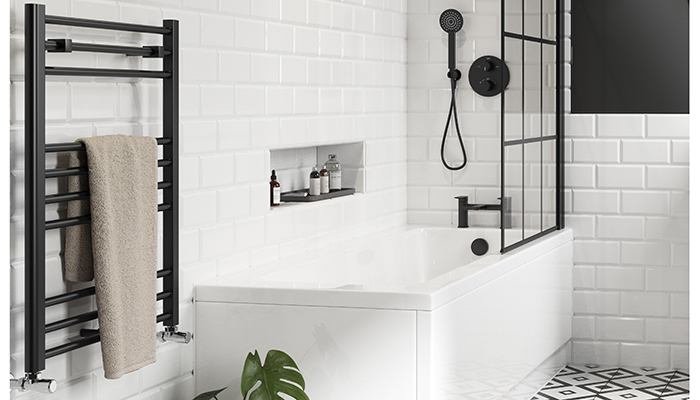
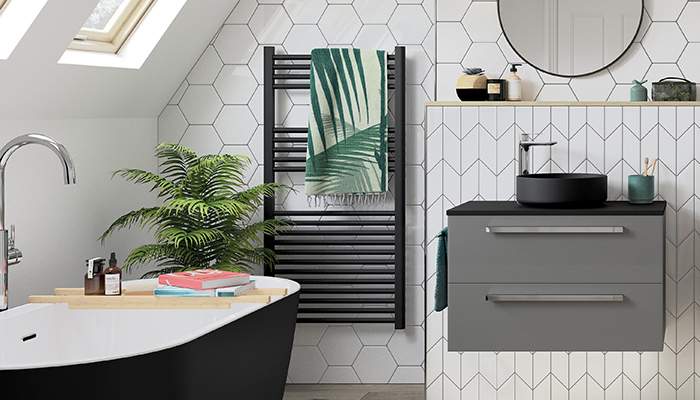
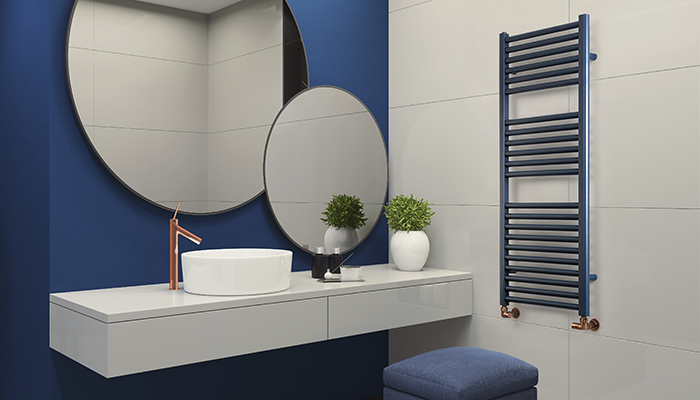
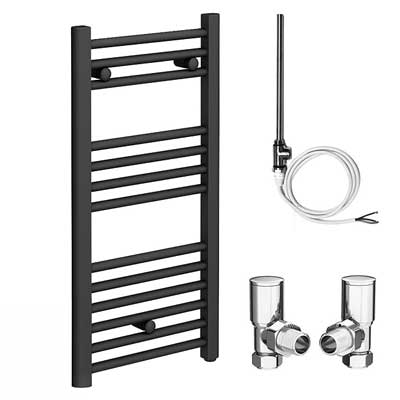
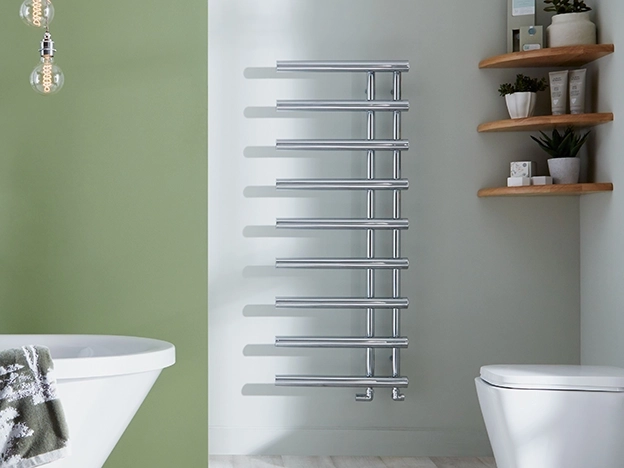
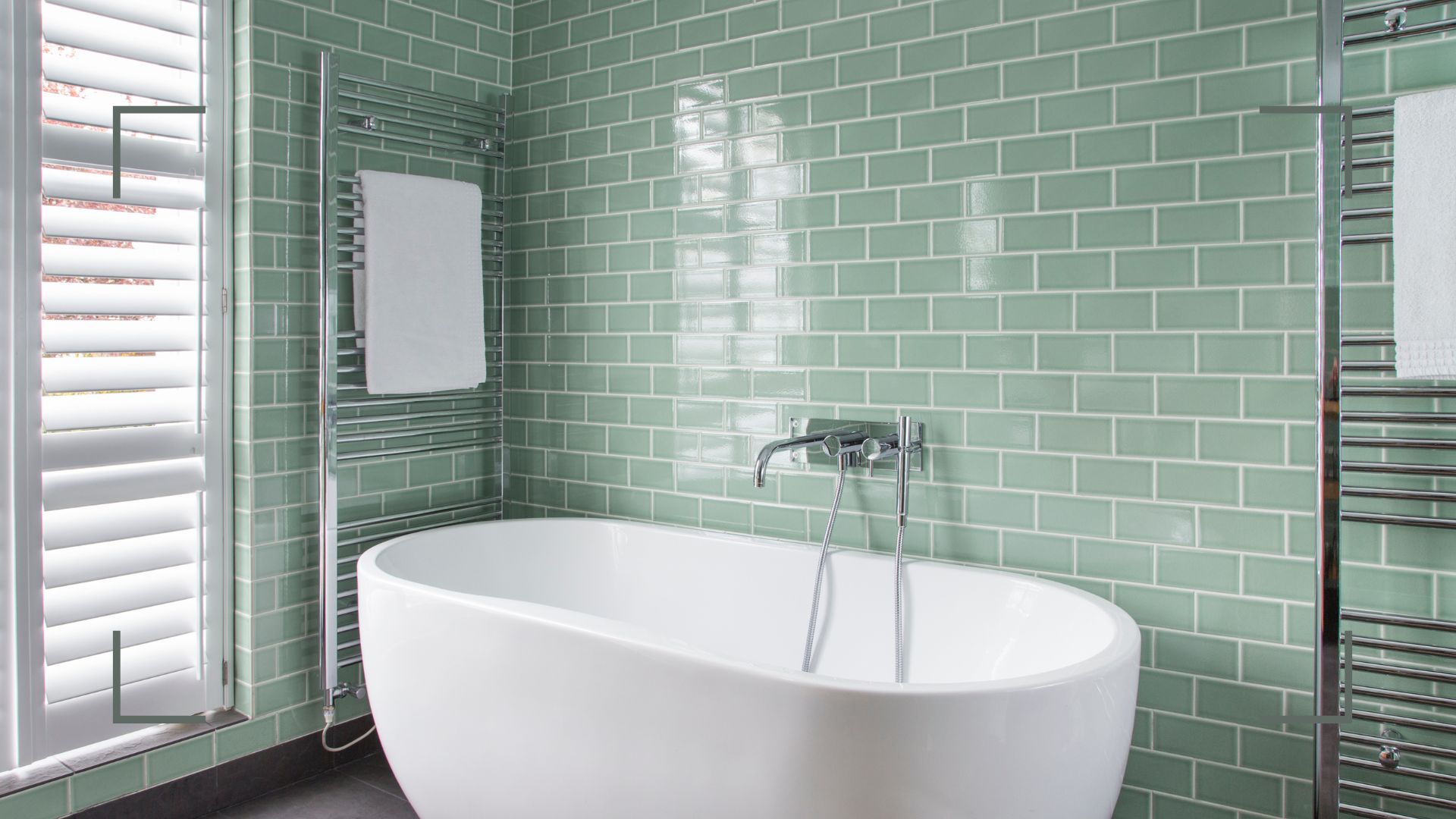
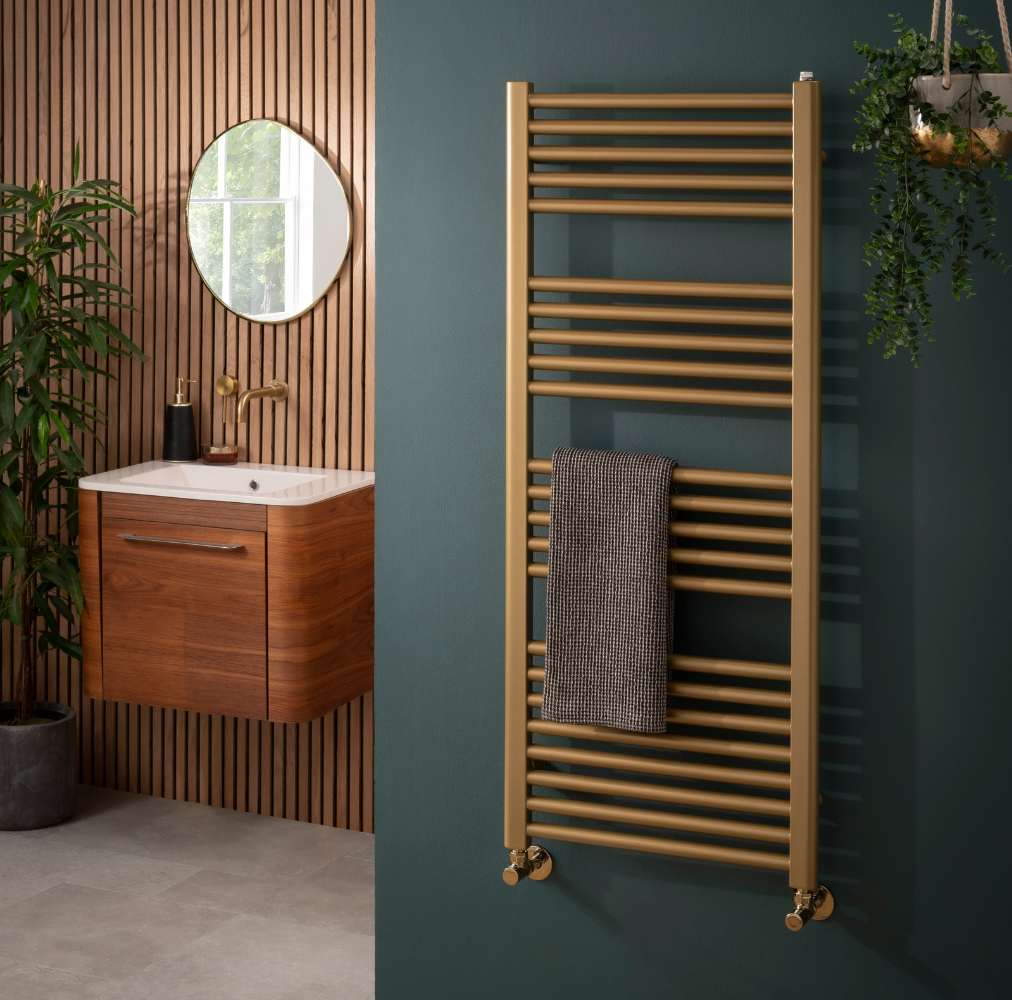
The third point discusses the choice of materials, specifically advising against chrome for its lower heat efficiency. The author initially chose chrome due to time constraints but now recommends exploring alternative finishes like matte colors or brushed brass, which offer both aesthetic and practical benefits. Chrome-plated radiators can emit up to 20% less heat than painted options. Selecting a different finish could also contribute to a more luxurious bathroom aesthetic.
The fourth aspect concerns the heated towel rail's location. The author regrets placing her towel rail in an inconvenient spot, requiring stepping out of the shower or bath to reach it, which often results in wet floors. Experts advise positioning the rail easily accessible from the shower or bath, on an internal wall, and away from draughts to maximize efficiency. Avoiding crowded areas and ensuring it doesn't block other fixtures are also important.
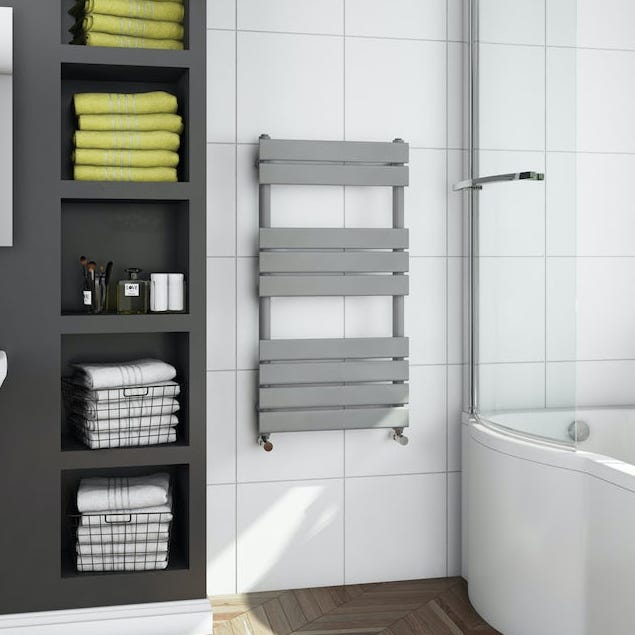
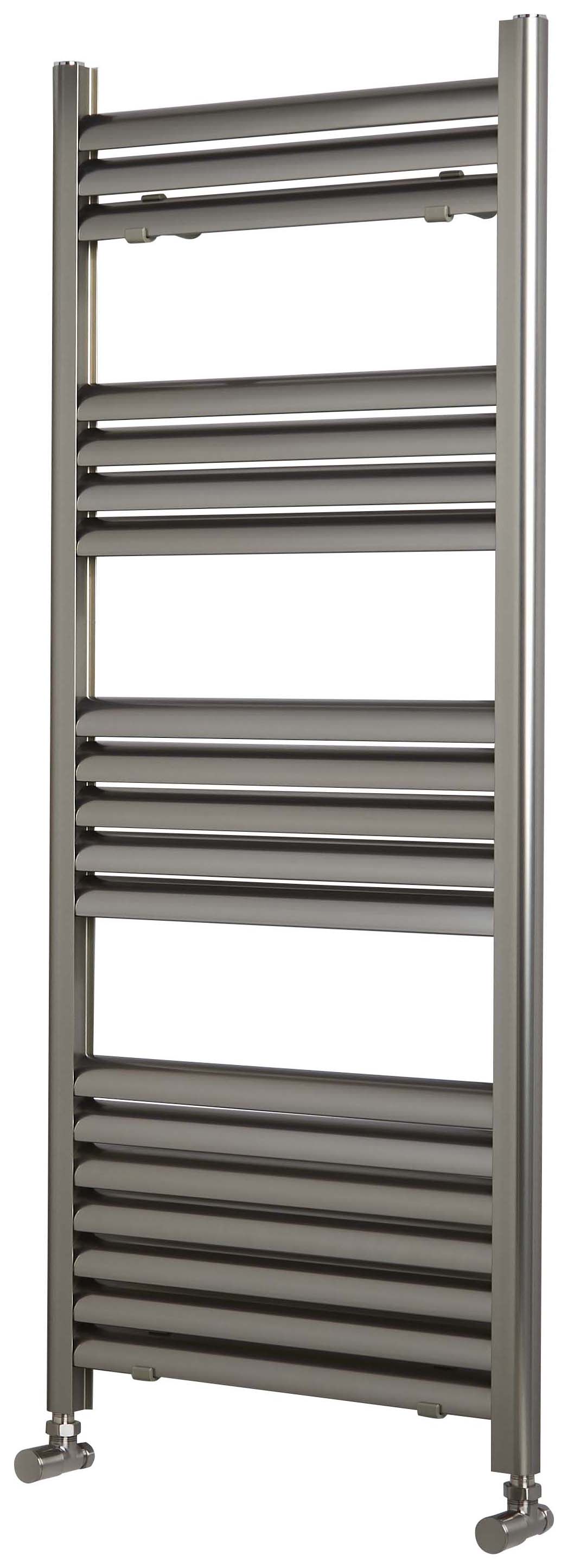
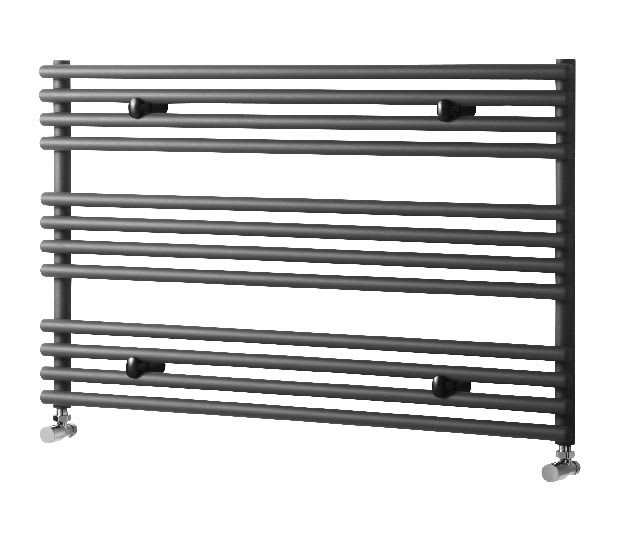
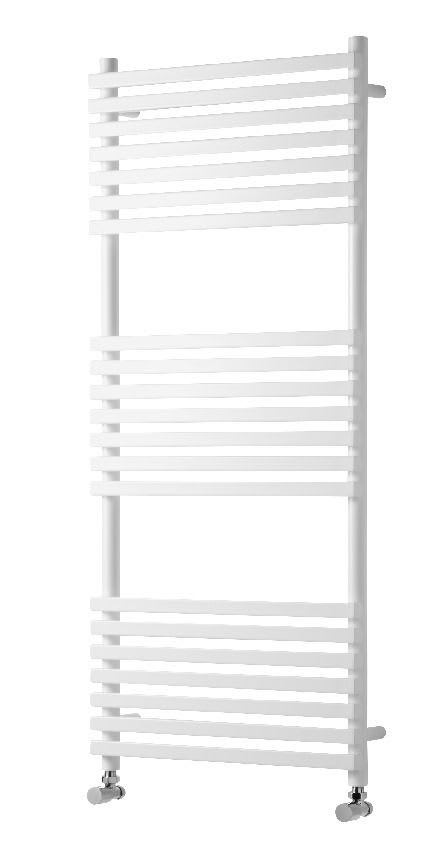
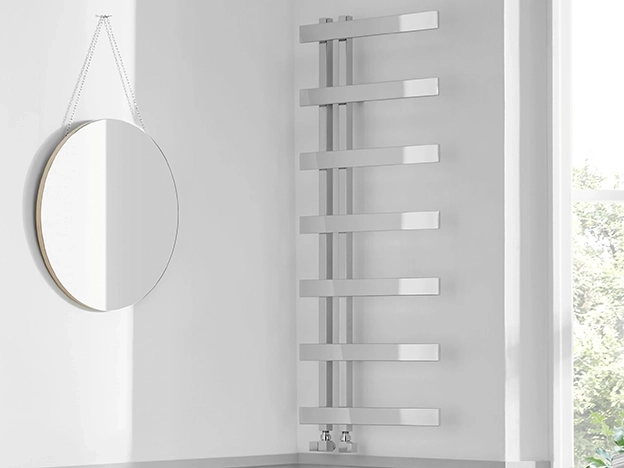
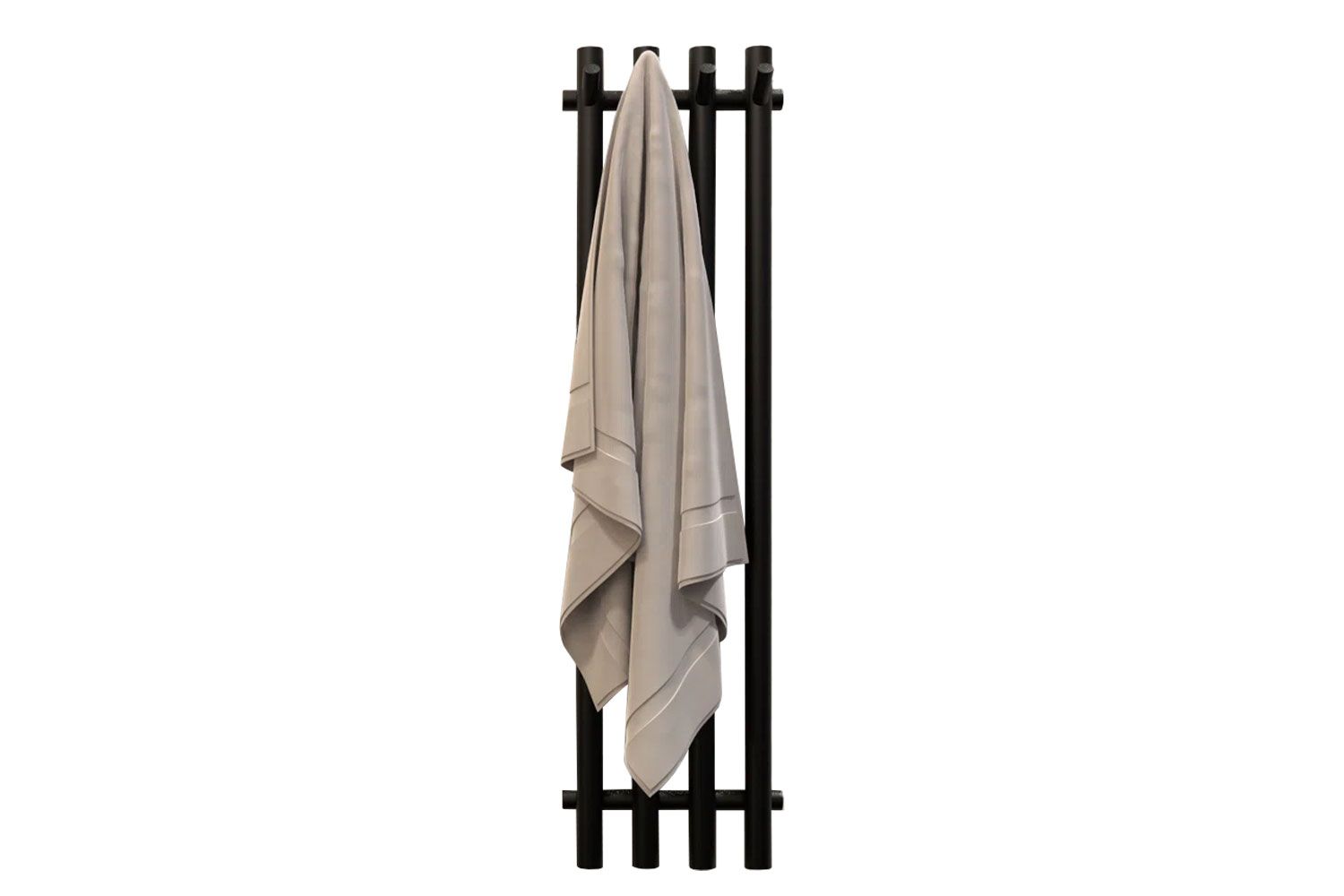
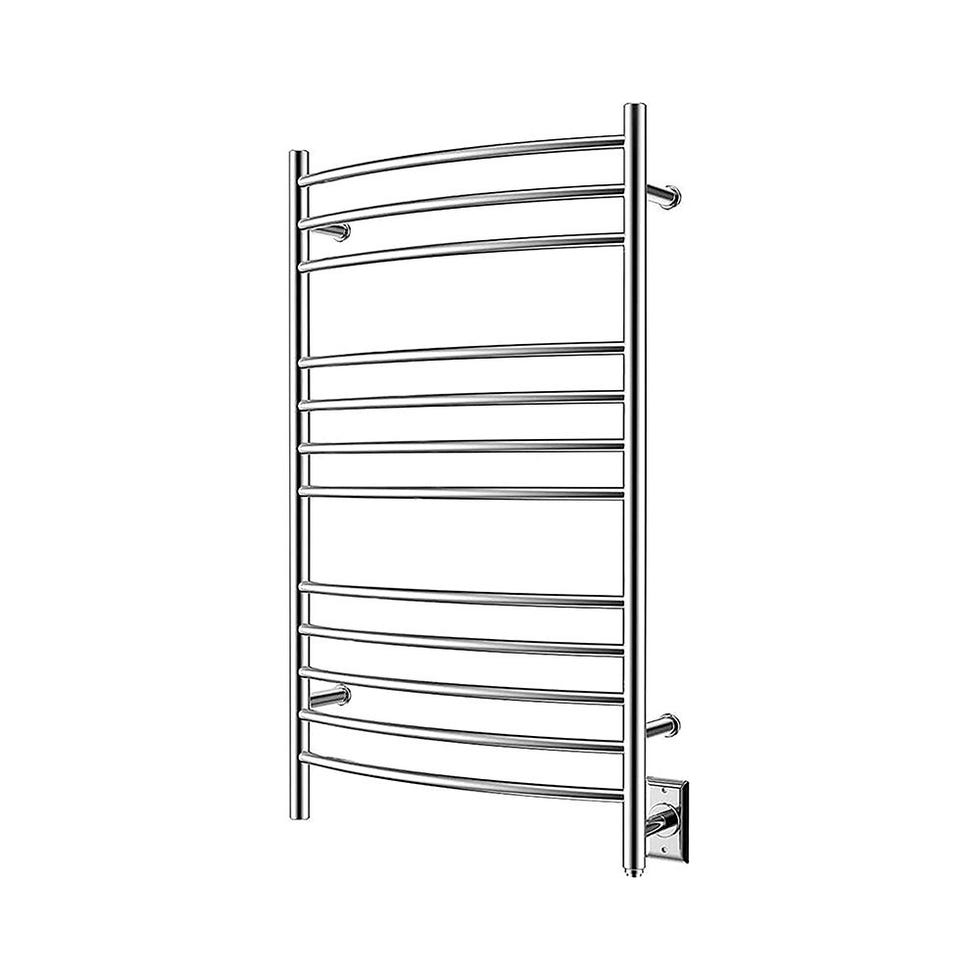
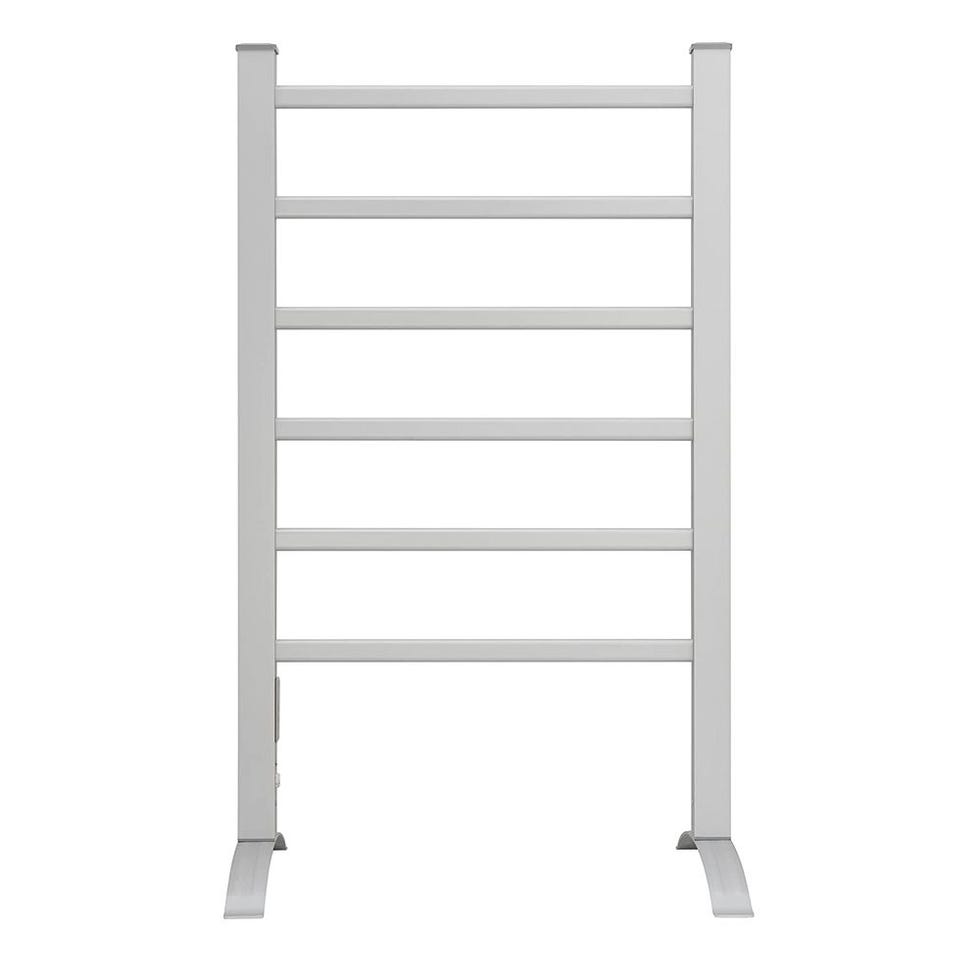
Fifth, the article encourages researching various style options. The author made a rushed decision on style, opting for a standard rectangular ladder design. However, many other stylish options and bathroom trends are available. Long, low designs are suitable for smaller bathrooms, fitting into otherwise unused spaces. Additionally, designs with larger bars or those that separate the towel from the radiator section can improve heat output and overall room warming. Some designs can prevent towels from completely covering the heating elements, ensuring better heat distribution.
Finally, cleaning considerations are addressed. The author's polished chrome rail collects dust and shows smears easily, with signs of rust. She recommends a solution of white vinegar and warm water with a soft microfibre cloth for cleaning. For dusting between bars, a multi-pronged Venetian window blind cleaner is suggested as an efficient tool. The article concludes by noting that while a heated towel rail can heat a bathroom, its effectiveness depends on the bathroom's size and insulation, and larger or colder bathrooms might benefit from supplementary heating.
#HeatedTowelRail #BathroomDesign #HomeRenovation #DualFuelHeating #HeatEfficiency #BathroomFixtures #InteriorDesign #HomeImprovement #CleaningTips #HeatedTowelRail #BathroomDesign #HomeRenovation #DualFuelHeating #HeatEfficiency #BathroomFixtures #InteriorDesign #HomeImprovement #CleaningTips
0 comment in total
 No comments yet
You may also like
13 towel rail ideas to maximise space in your bathroom


Designer Towel Radiators


5 things you must think about before buying a fitted wardrobe – tick each of these things off your list before you invest
Everything to Know Before Adding a Wet Bar to Your Home
6 Lessons I Wish I’d Known Before Renovating My Home
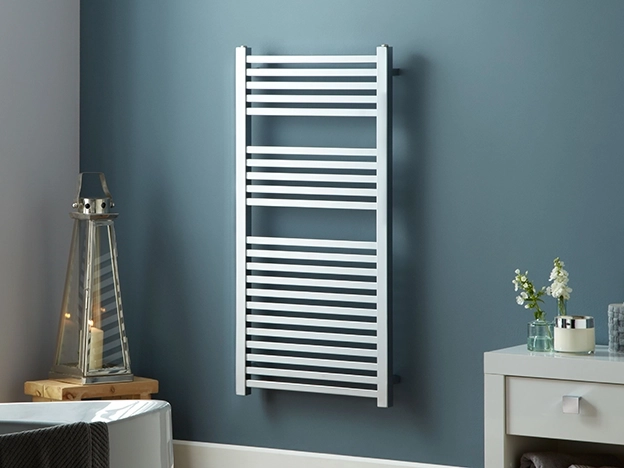
Heated Towel Radiators

6 Things You Should Always Do Before Shopping for Furniture, Designers Say

10 Best Towel Warmers for Cozy, Post-Shower Bliss

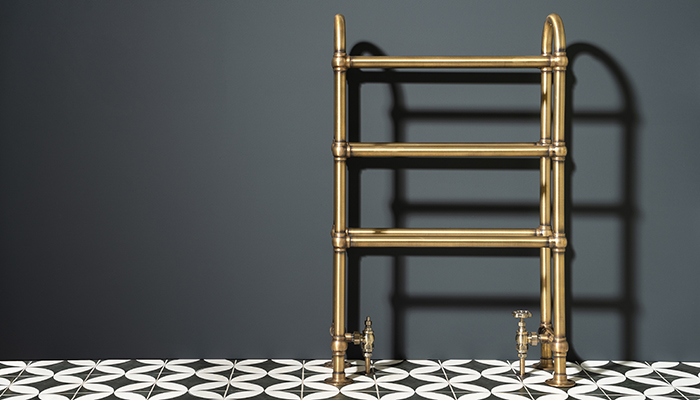
Bathroom design: A round-up of the latest heated towel rails
7 Things Designers Wish You Knew Before Starting A Bathroom Remodel
The Best Towel Warmers You Need this Winter, Tested by BHG

I thought I knew how to roll a towel until I tried these 4 popular hacks – one was a gamechanger

What to know before you spring for radiant heat floors

The 6 Best Towel Warmers That'll Elevate Your Shower Routine
9 things you need to know before upholstering furniture

12 Best Towel Warmers for the Coziest Bathroom Ever
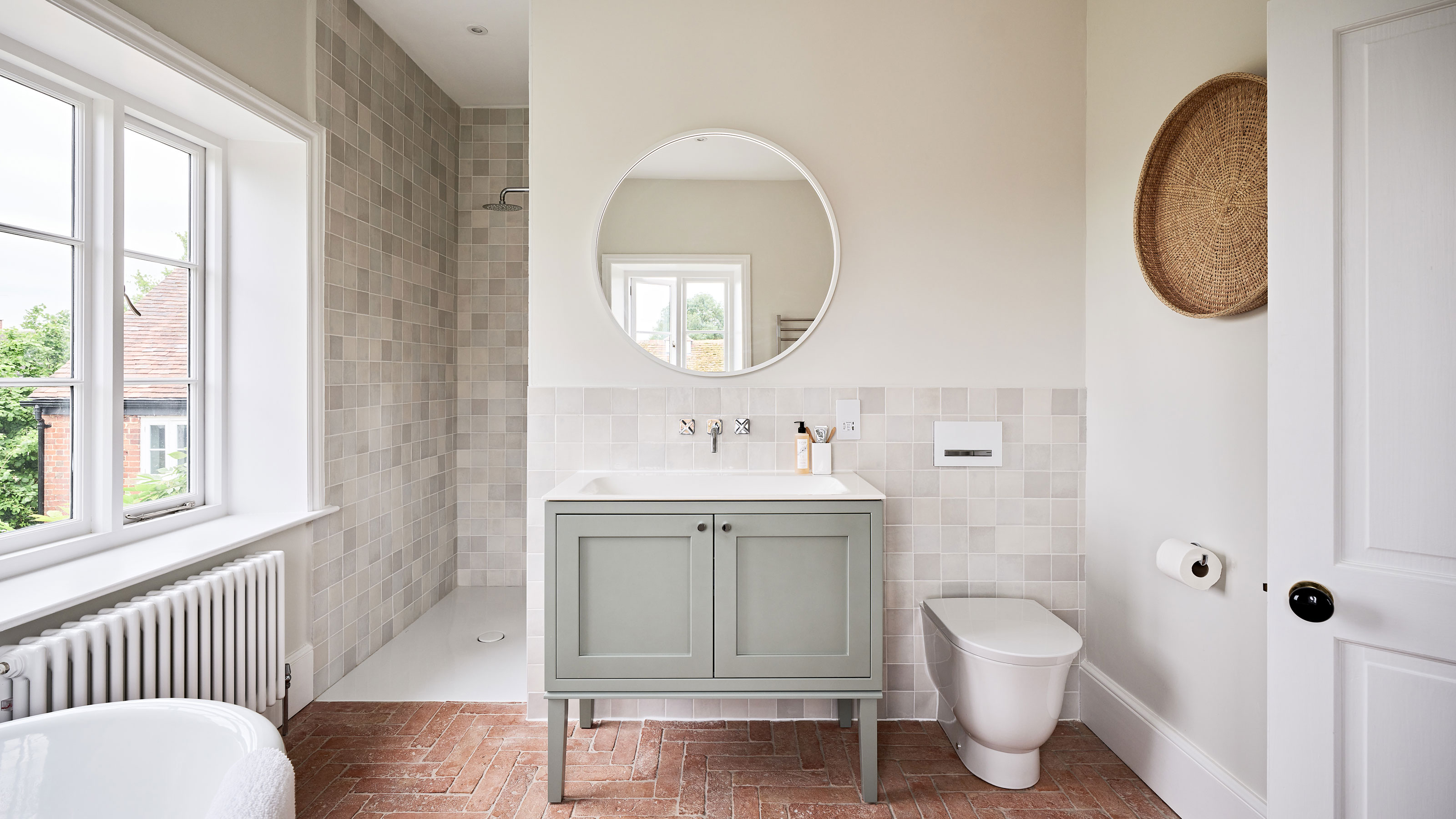
Our guide to choosing a bathroom radiator - avoid the dreaded post-shower shivers with these rules to follow
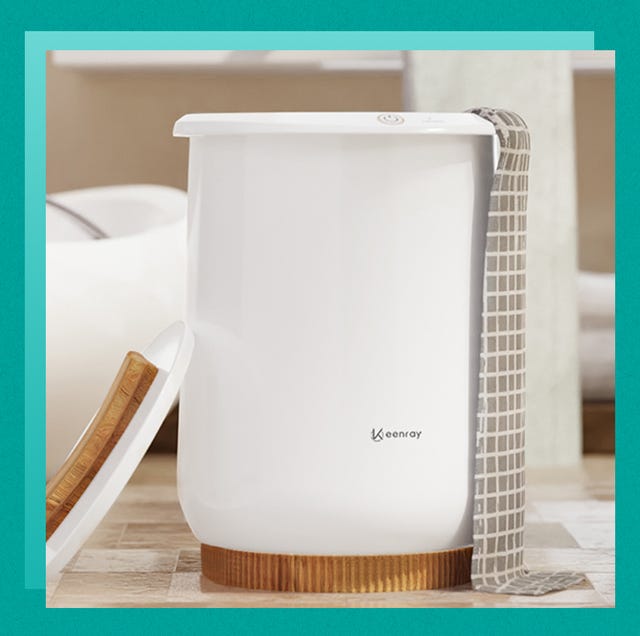
Did You Know Towel Warmers Can Prevent Bacteria Growth? See Our Favorites
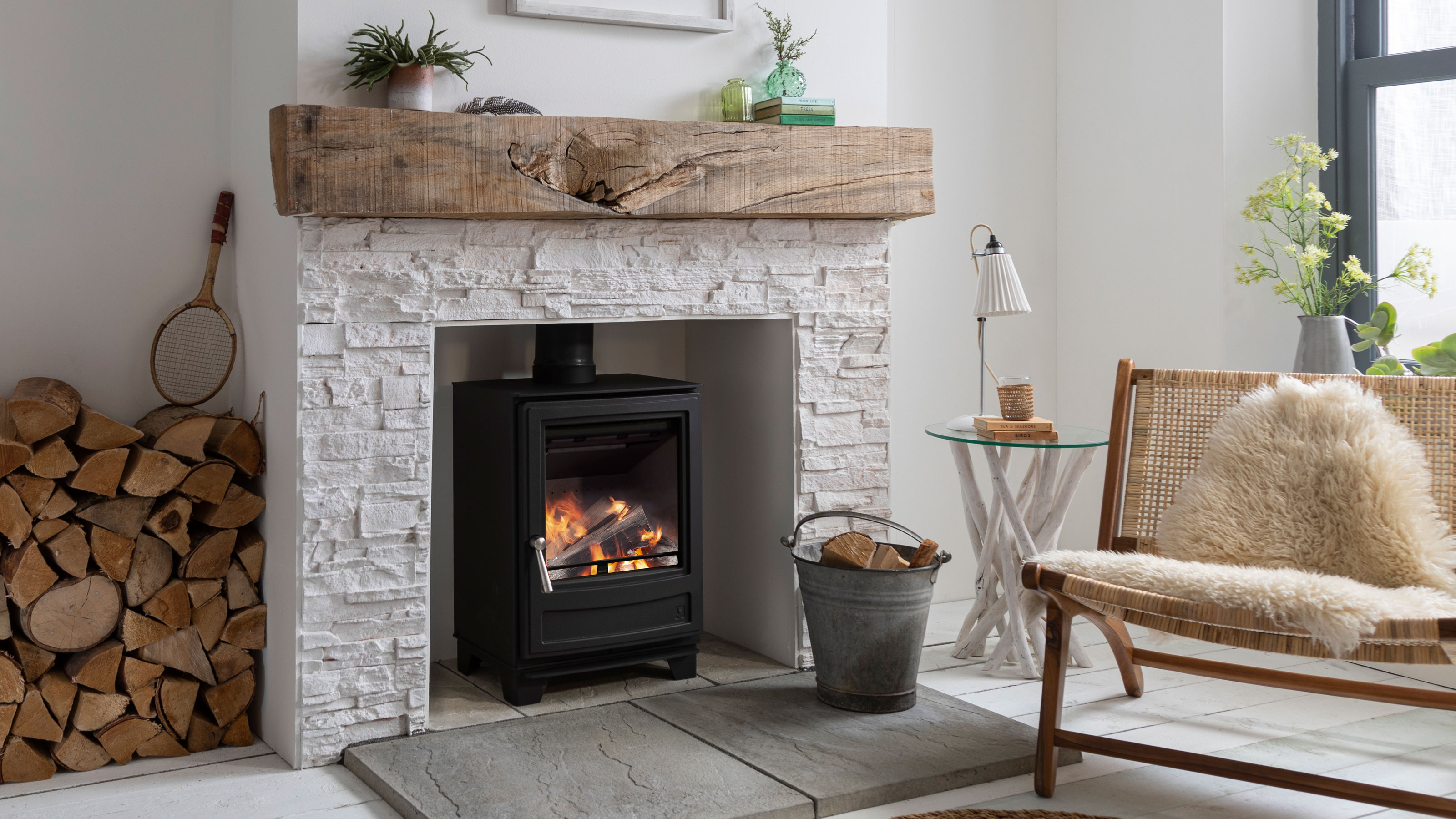
6 lessons I learned when installing my own log burner — and why you should think twice before doing the same
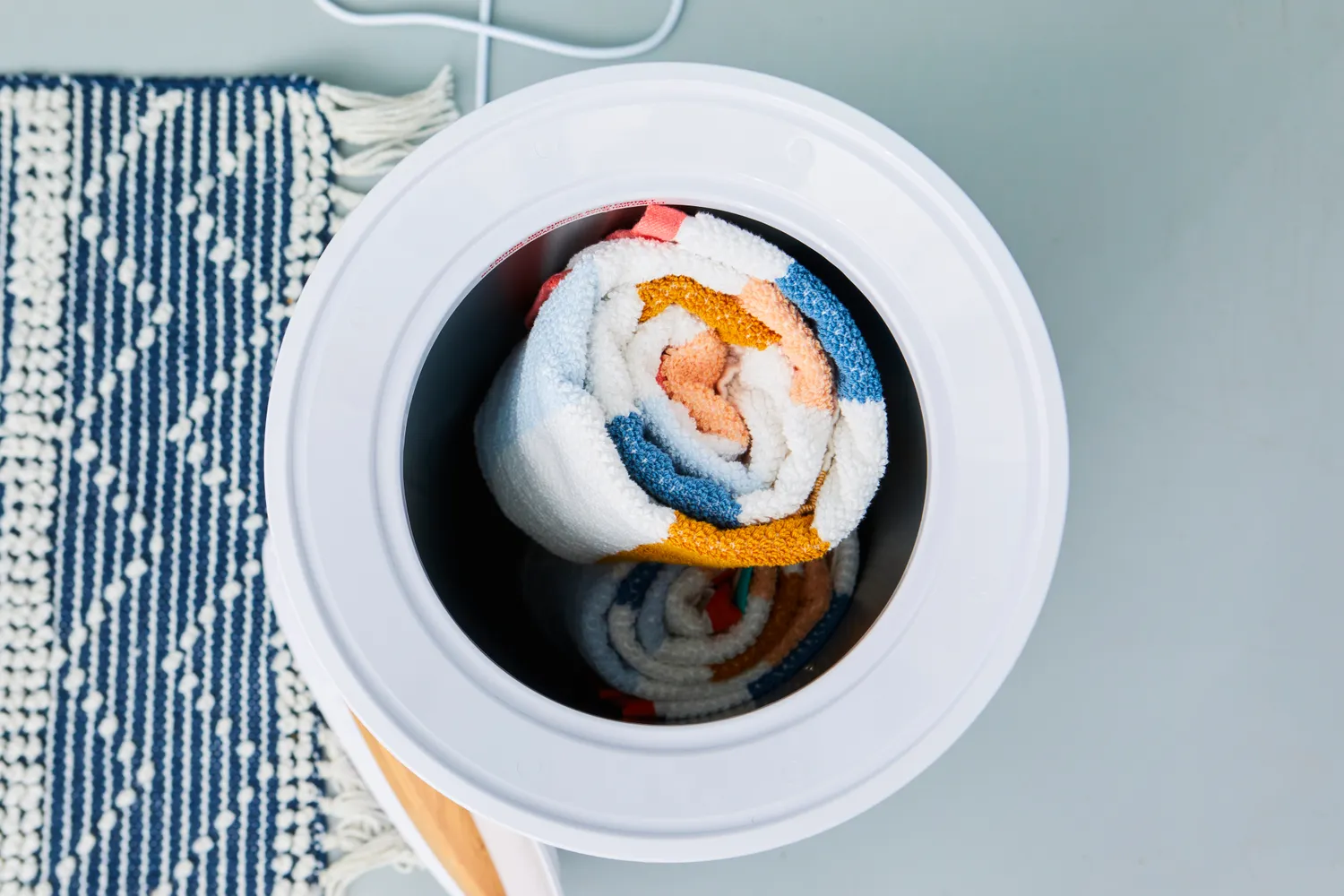
Upgrade Your Bathroom Routine: These Bucket and Wall-Mounted Towel Warmers Are Worth the Investment