Everything to Know Before Adding a Wet Bar to Your Home
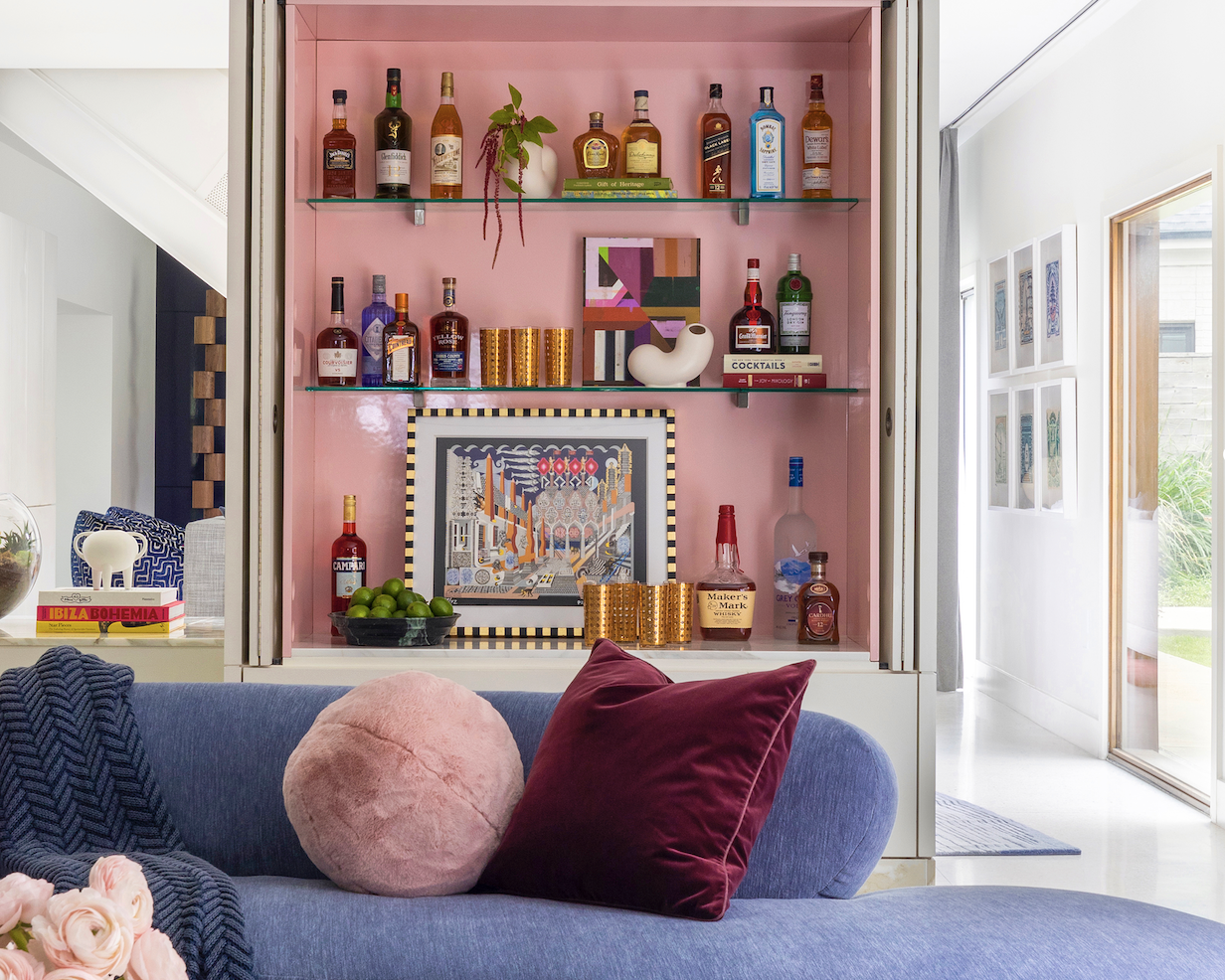
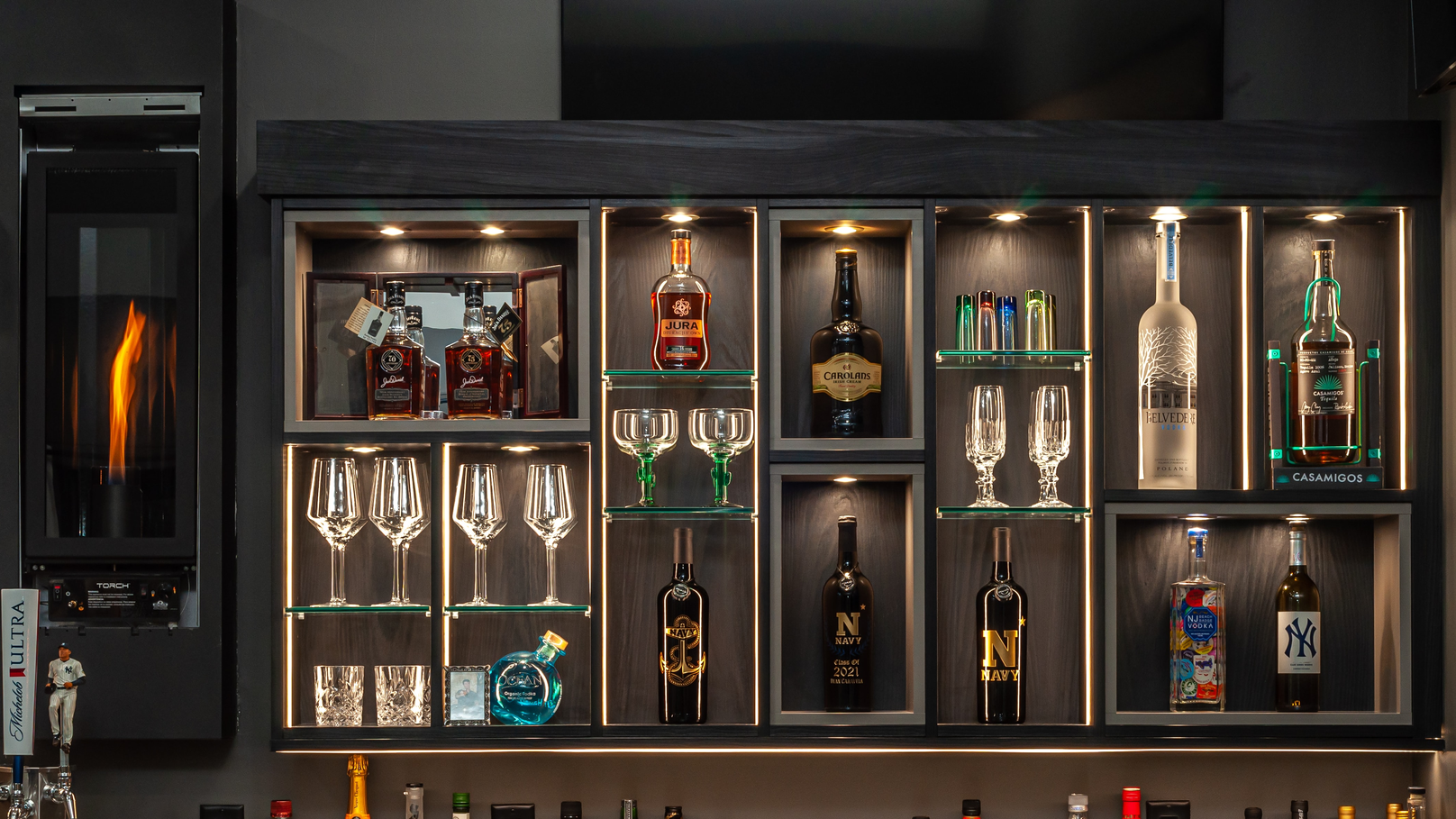
Wet bars are a luxurious addition to any home, providing a dedicated space for preparing and serving beverages, which can significantly enhance entertaining. While traditionally associated with alcoholic drinks, a wet bar can be a versatile gathering area for all ages, accommodating fancy cocktails, mocktails, or even simple snacks. This article delves into the definition of a wet bar, distinguishes it from a dry bar, highlights essential features, and outlines key considerations for homeowners contemplating installation.
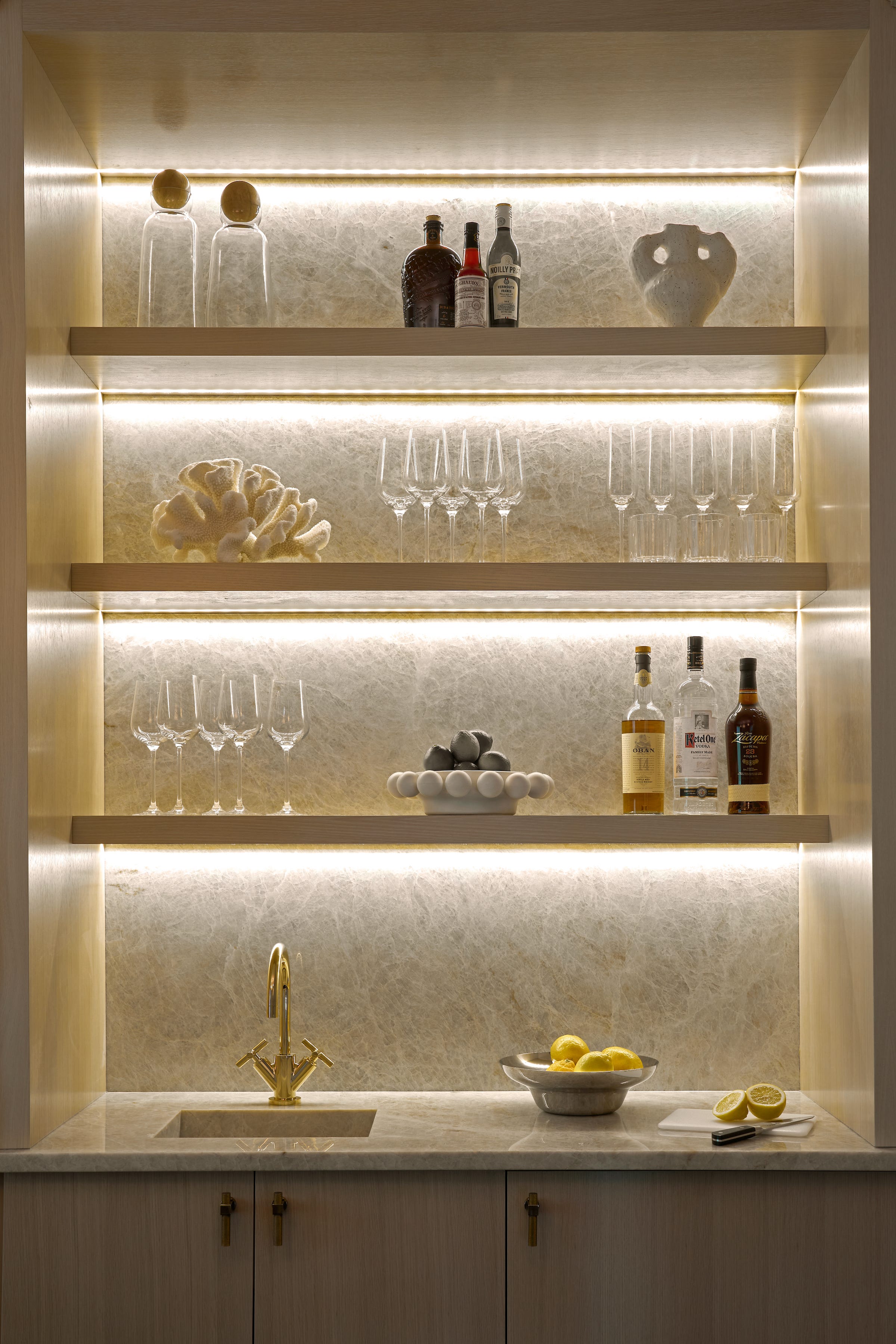
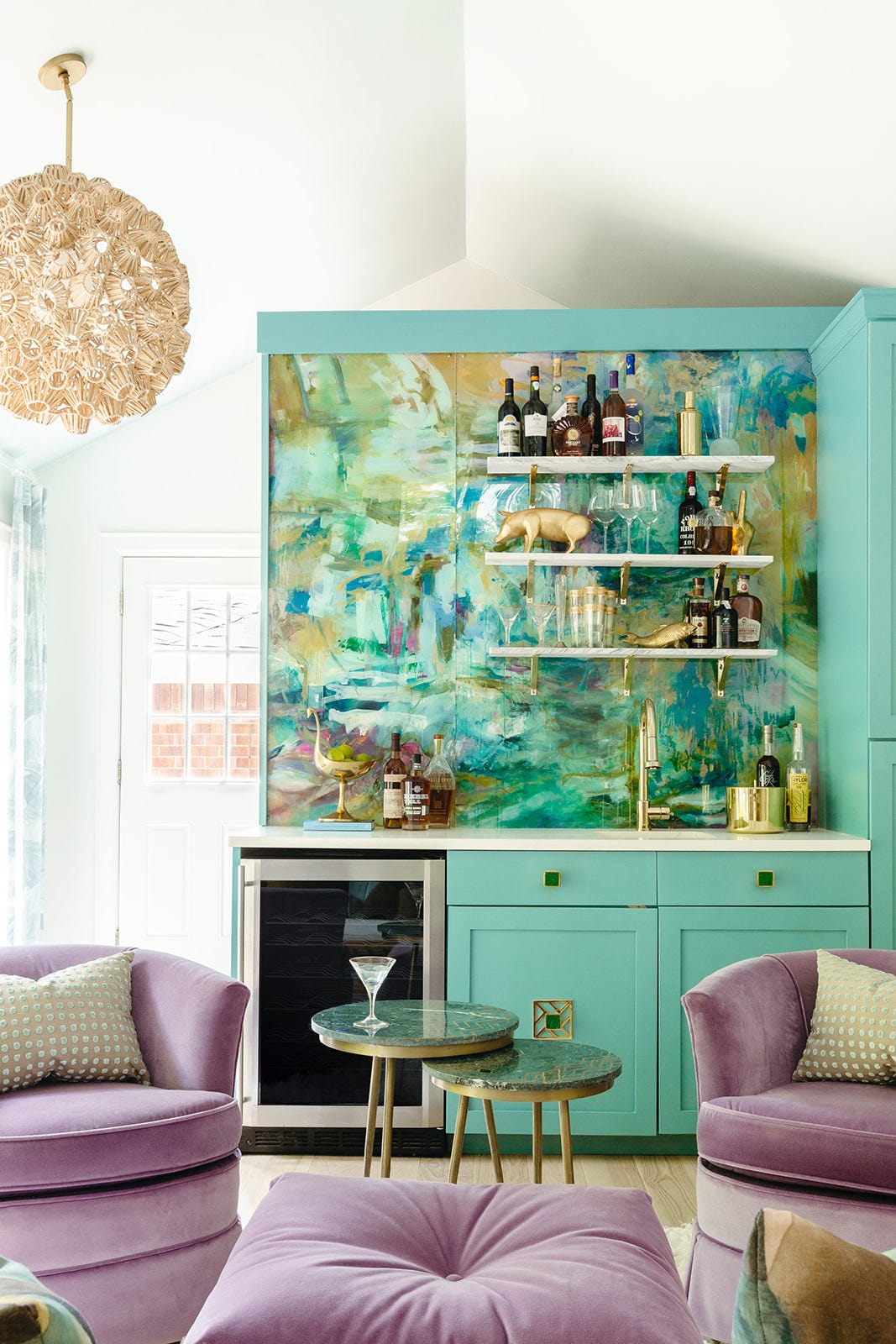
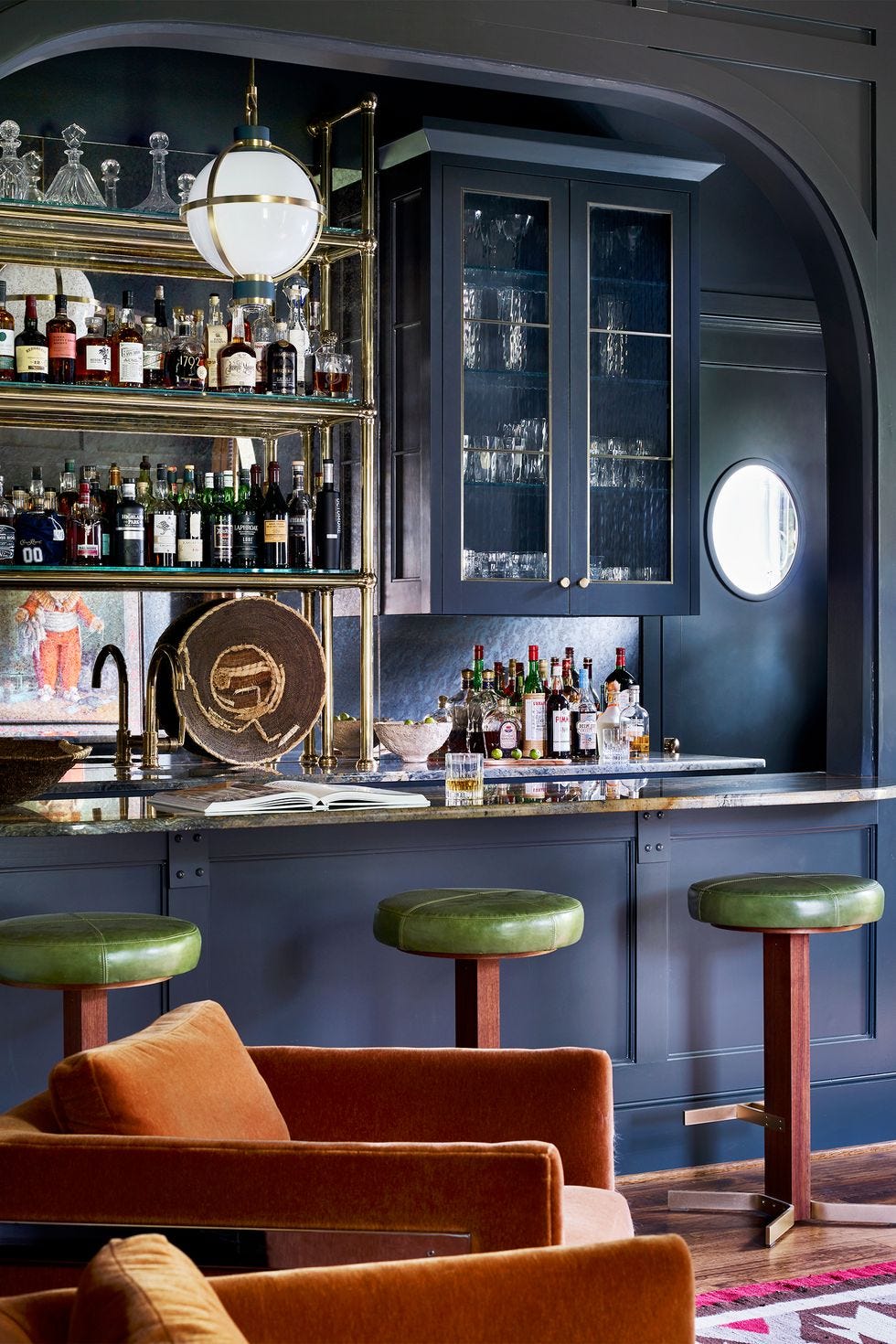
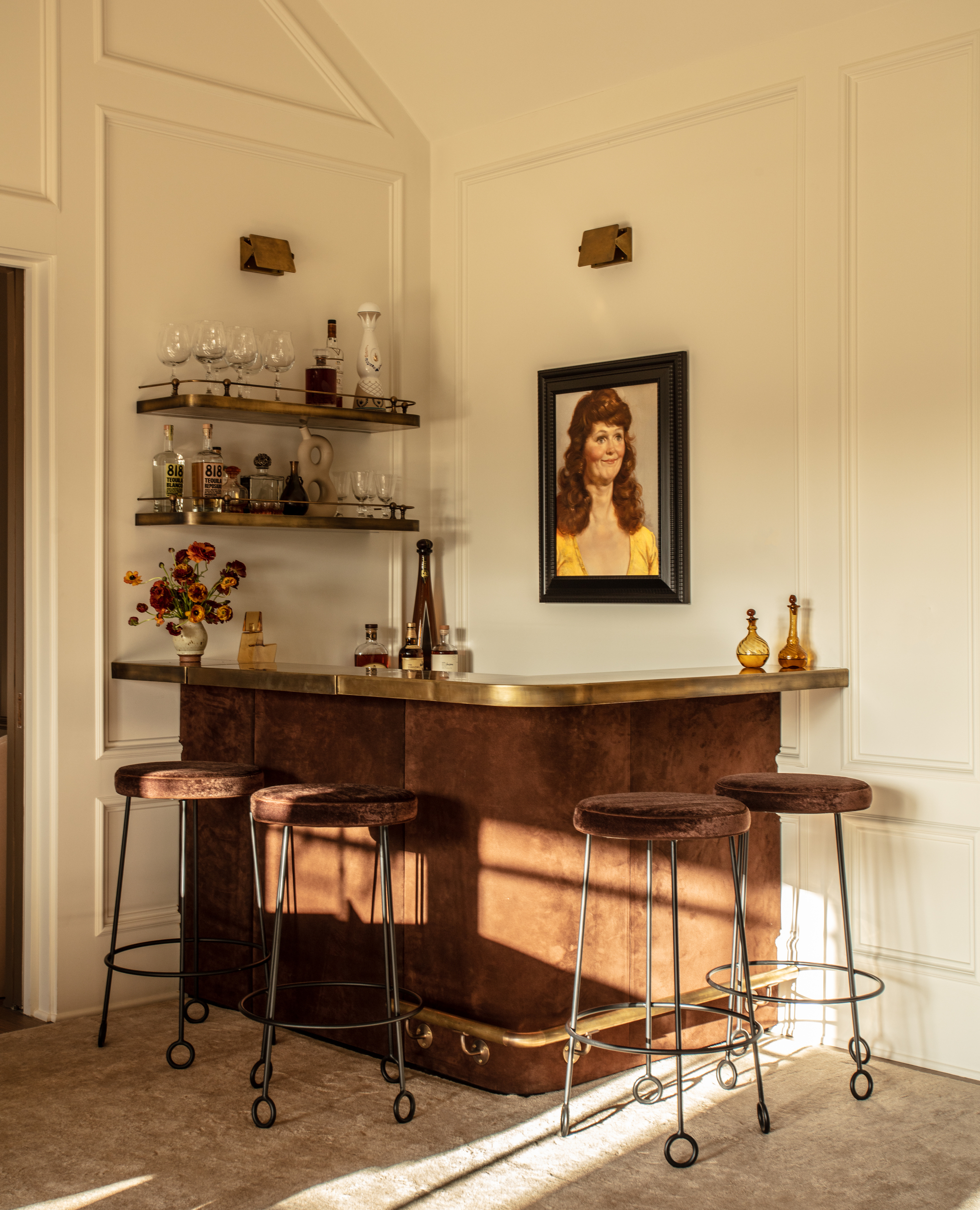
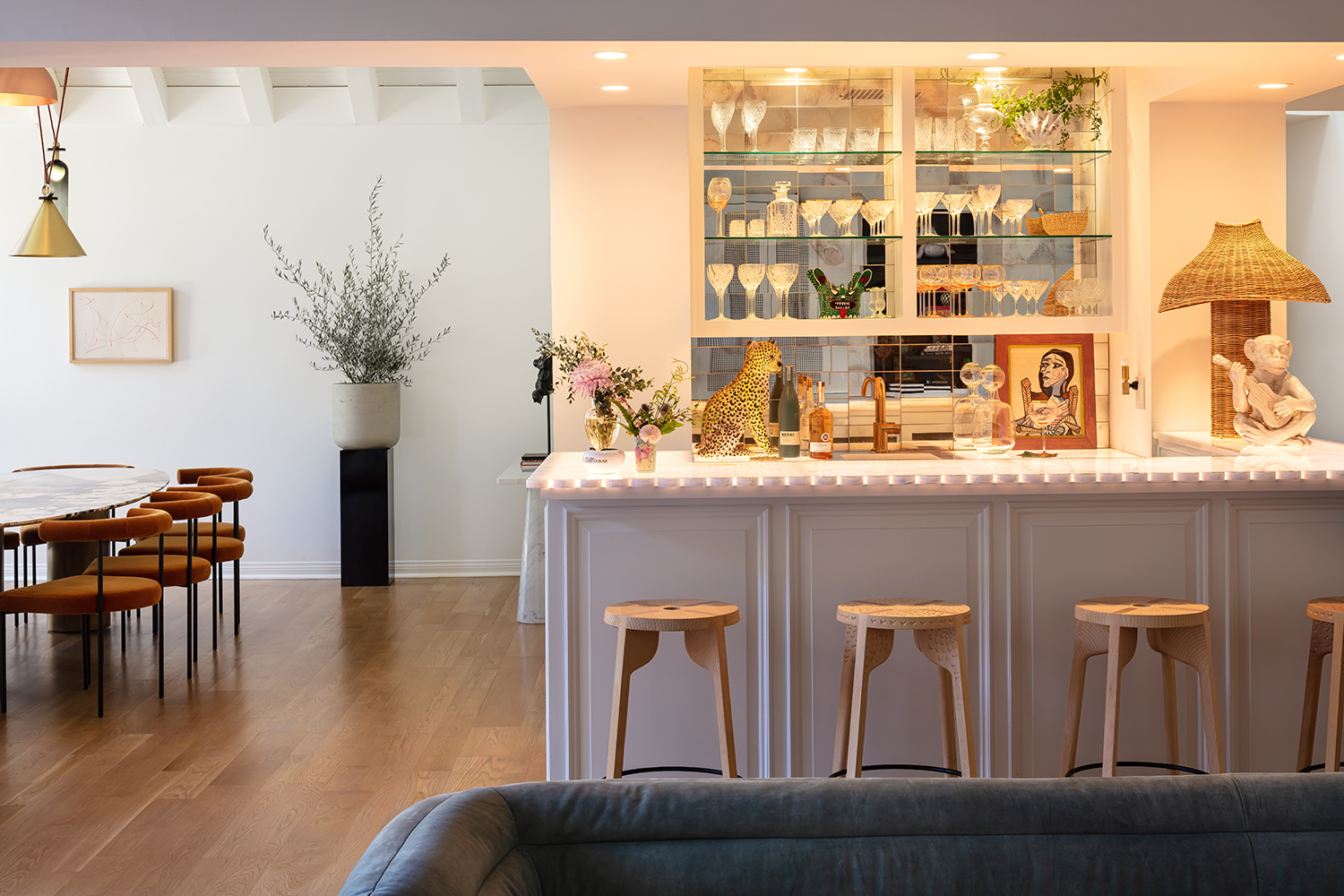
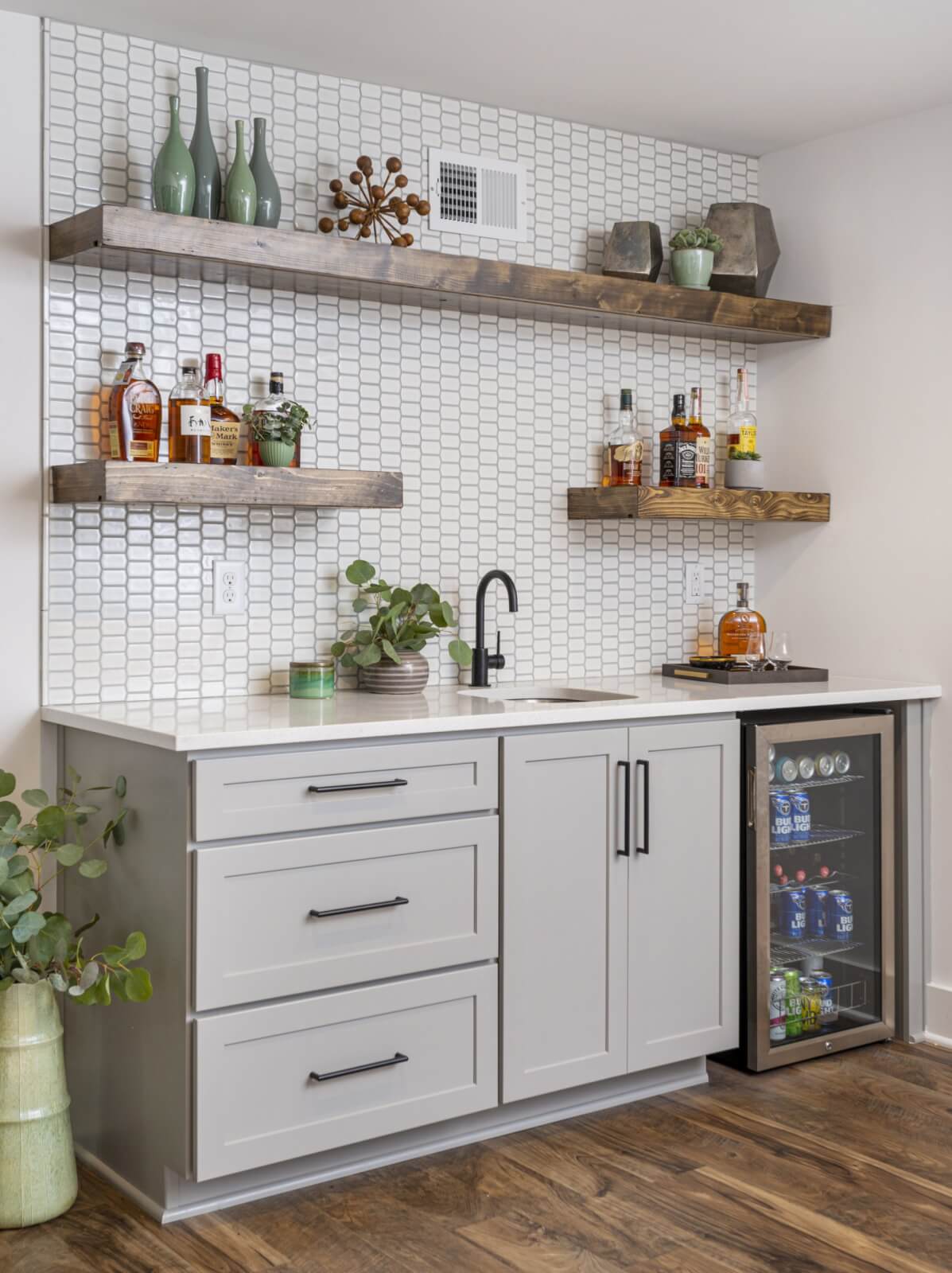
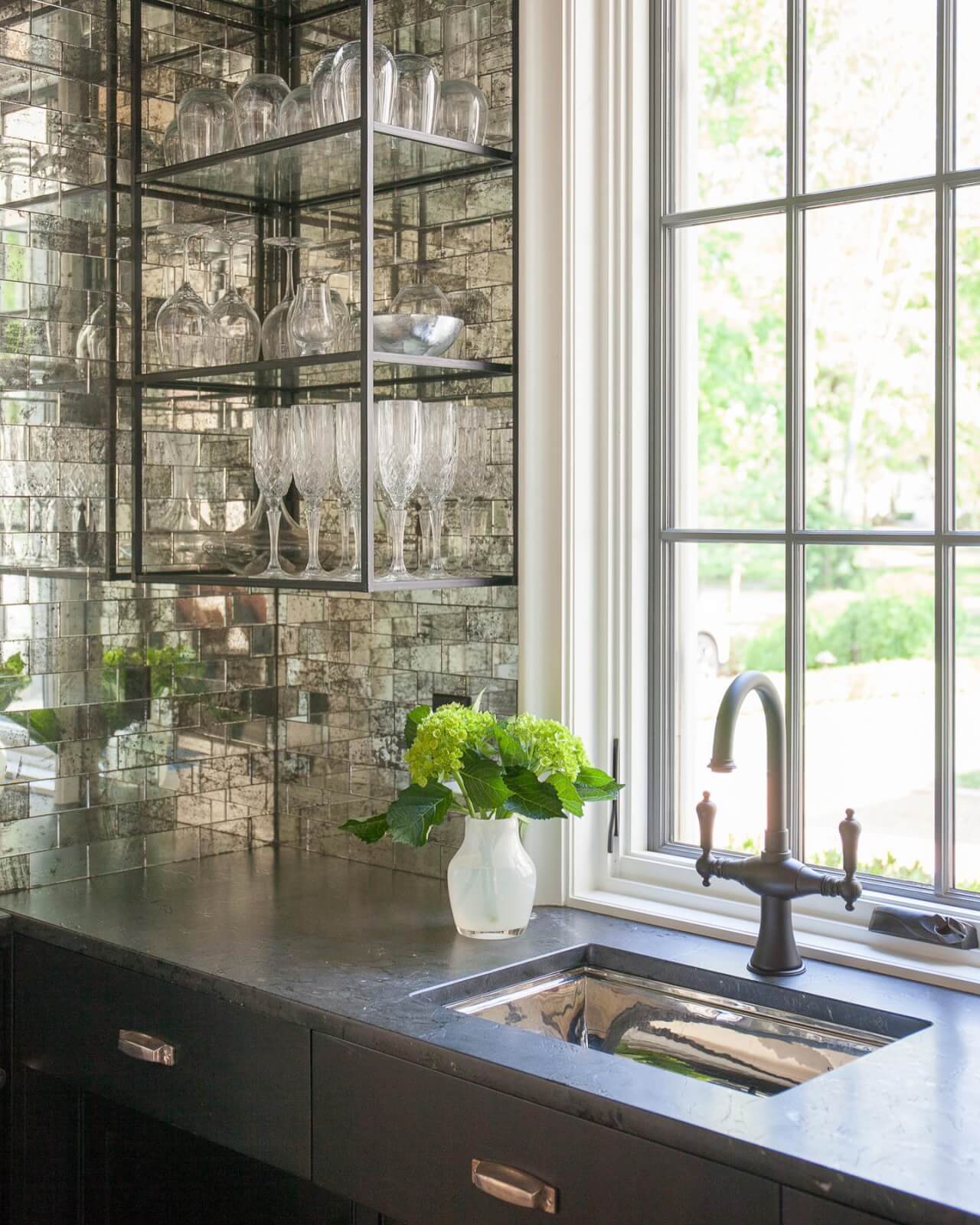
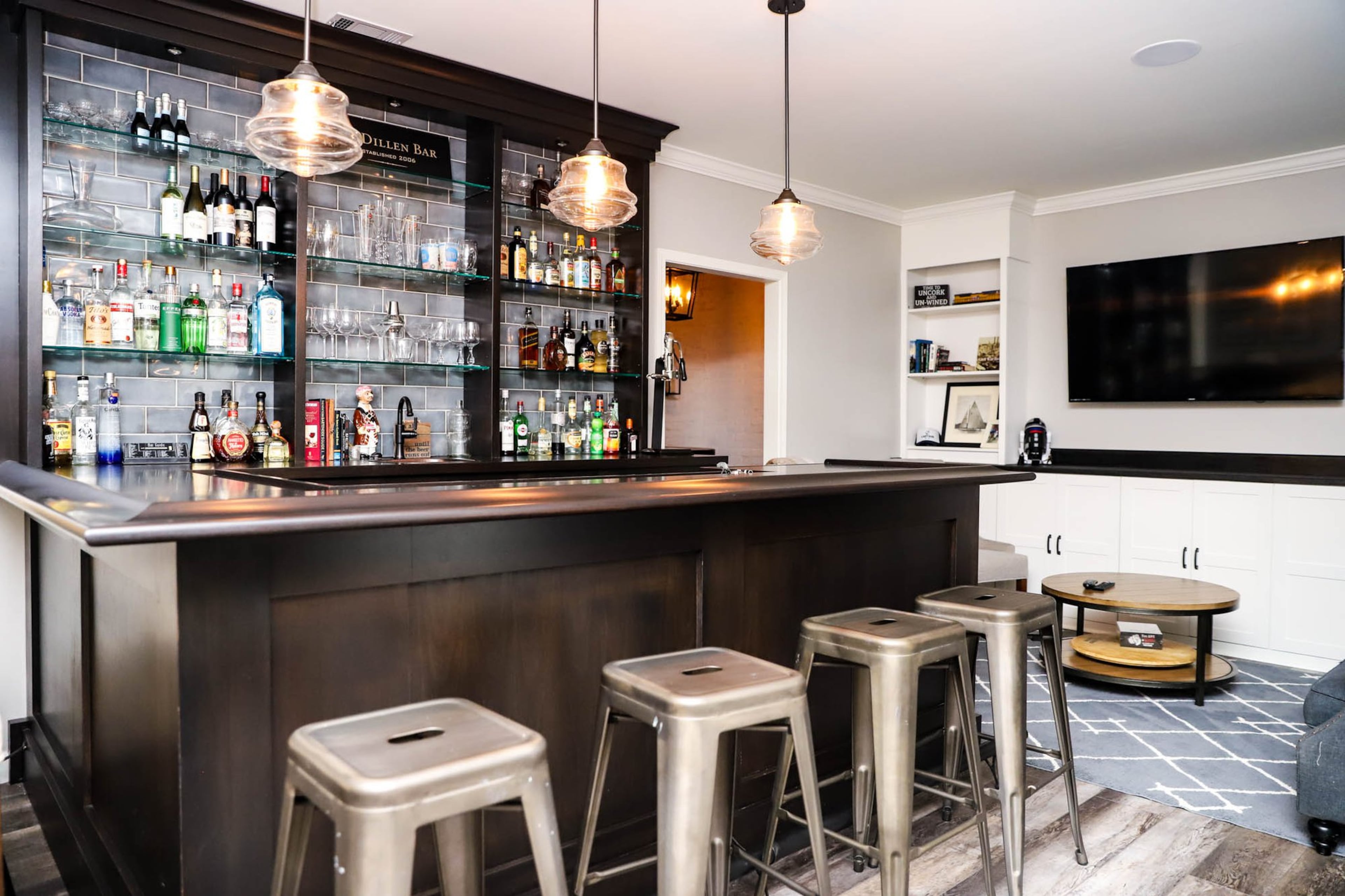
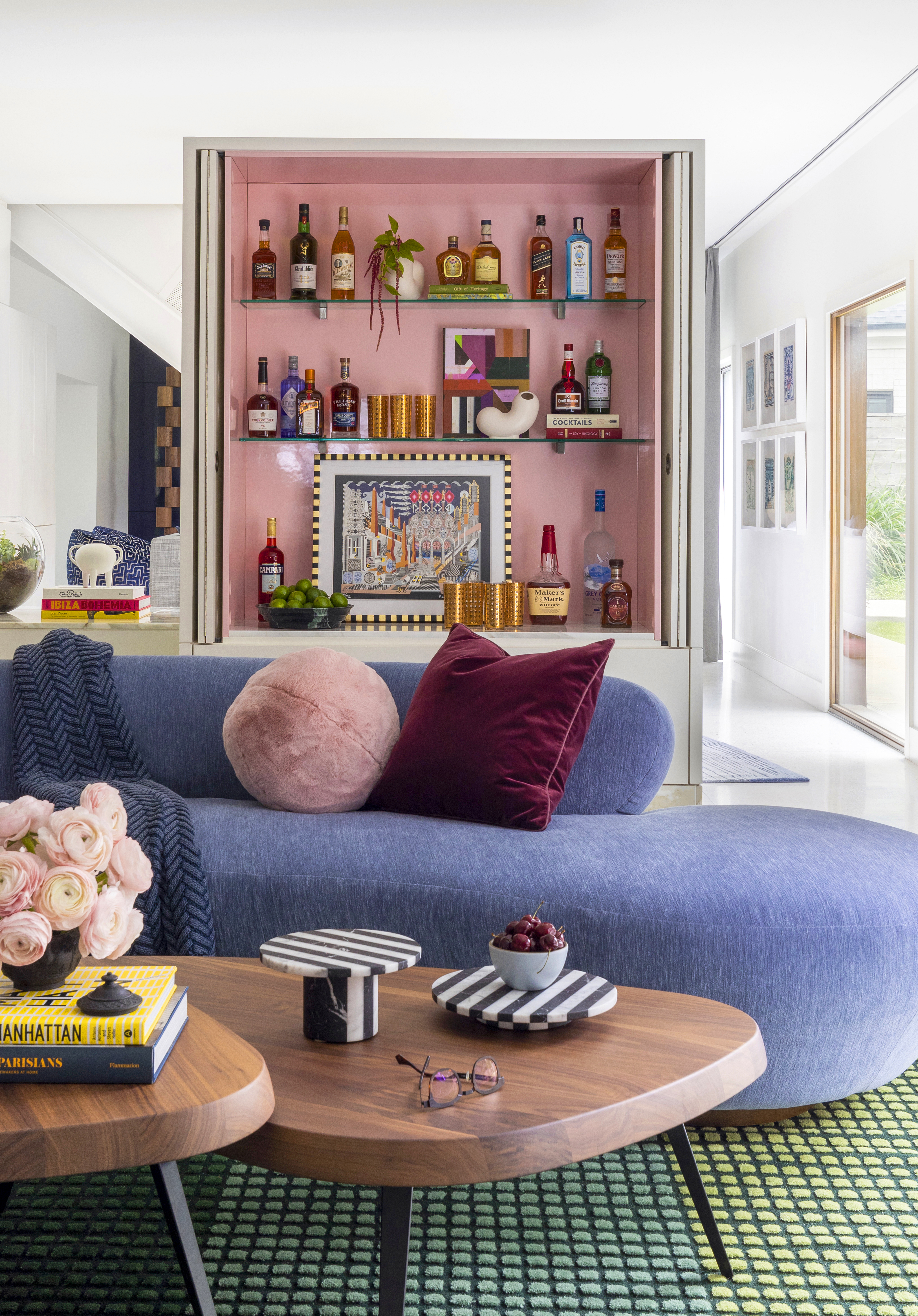
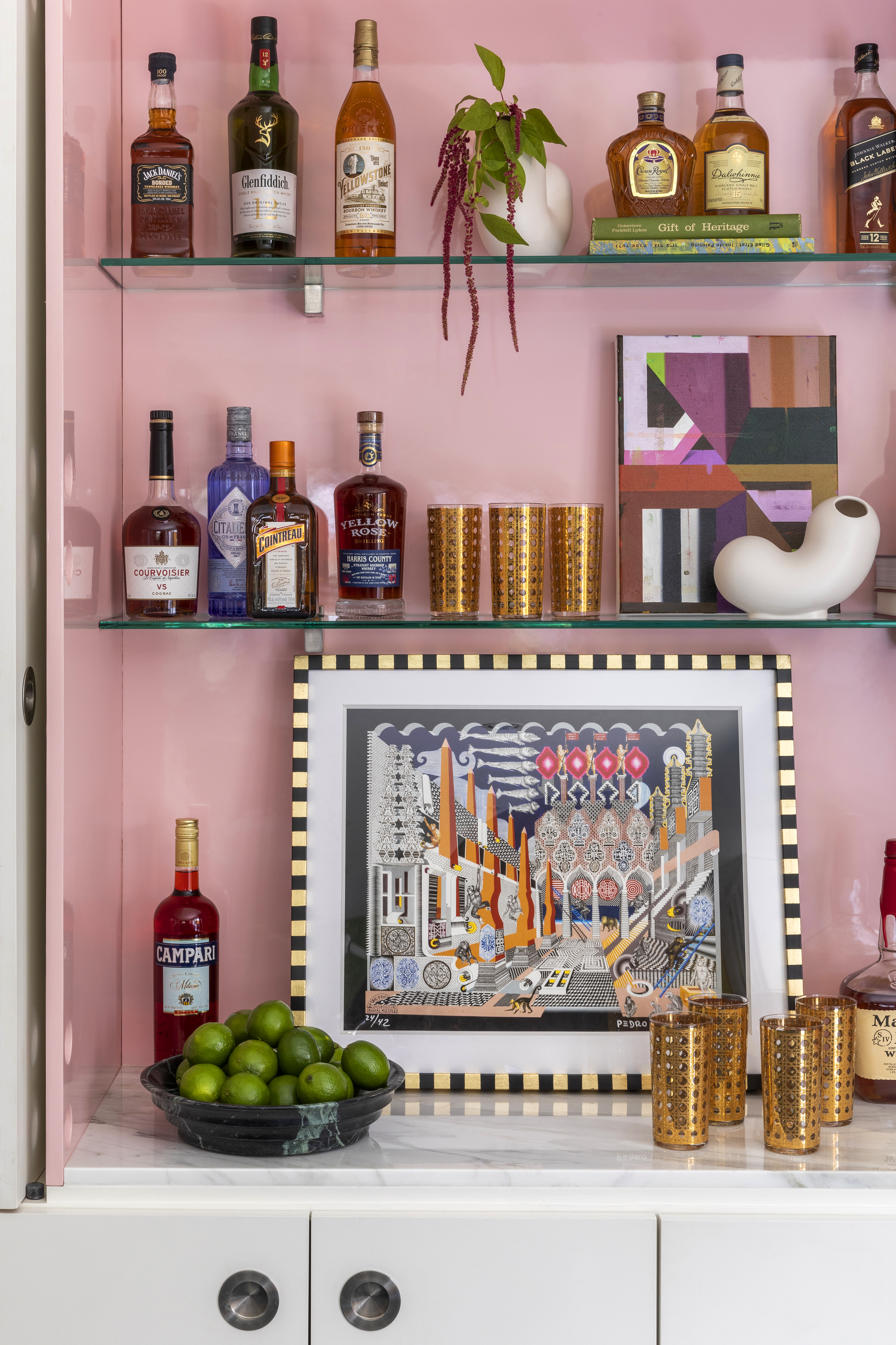
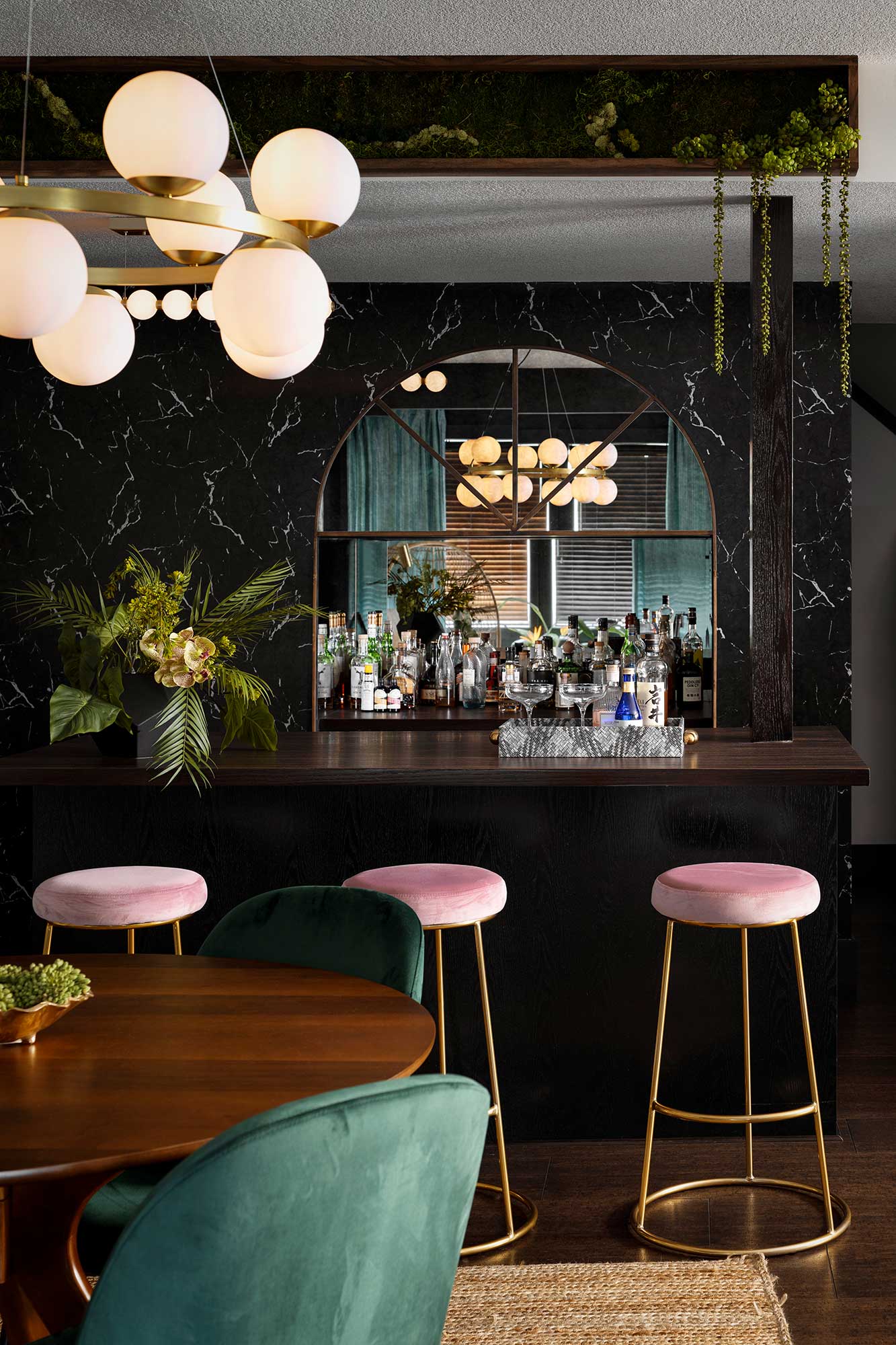
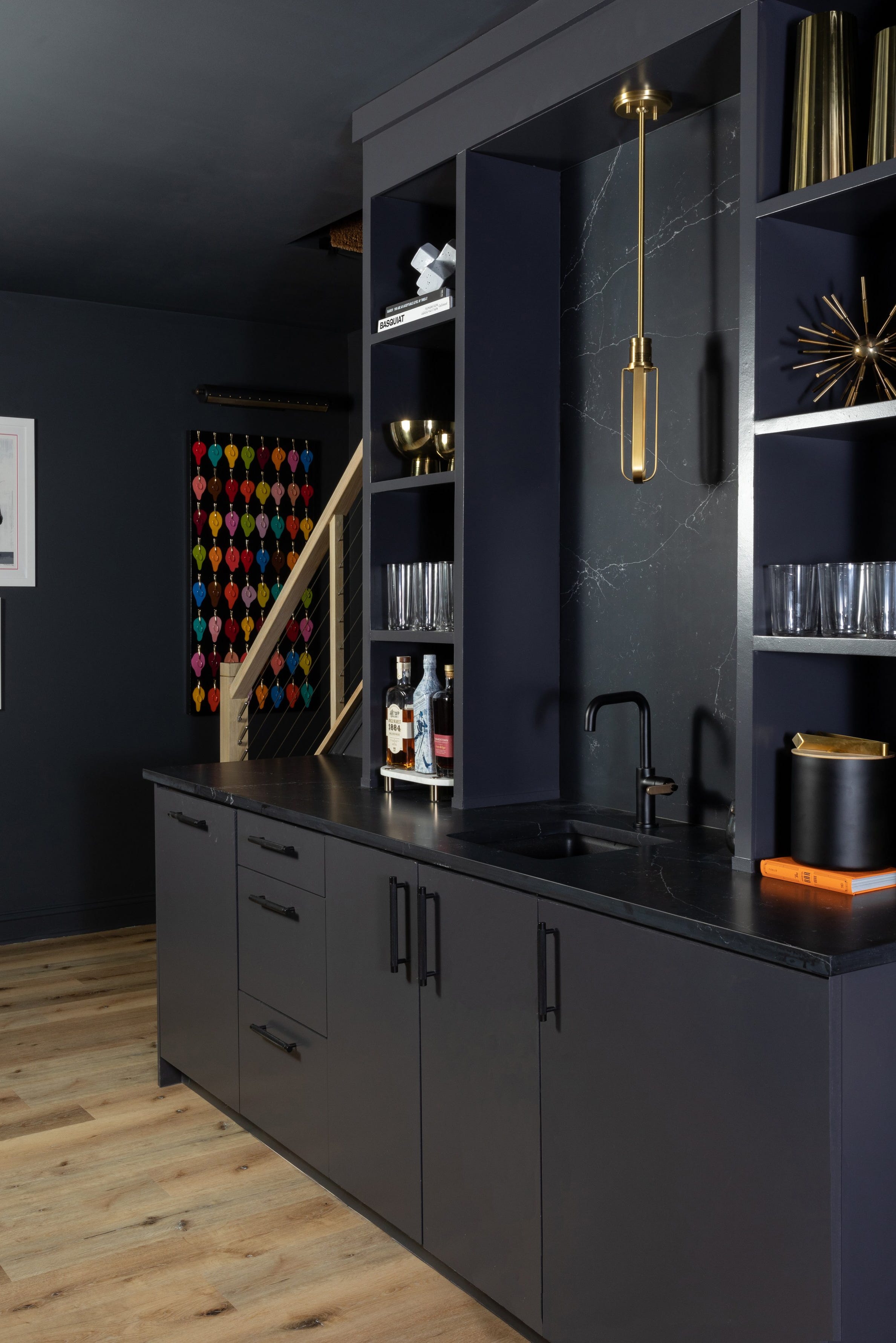
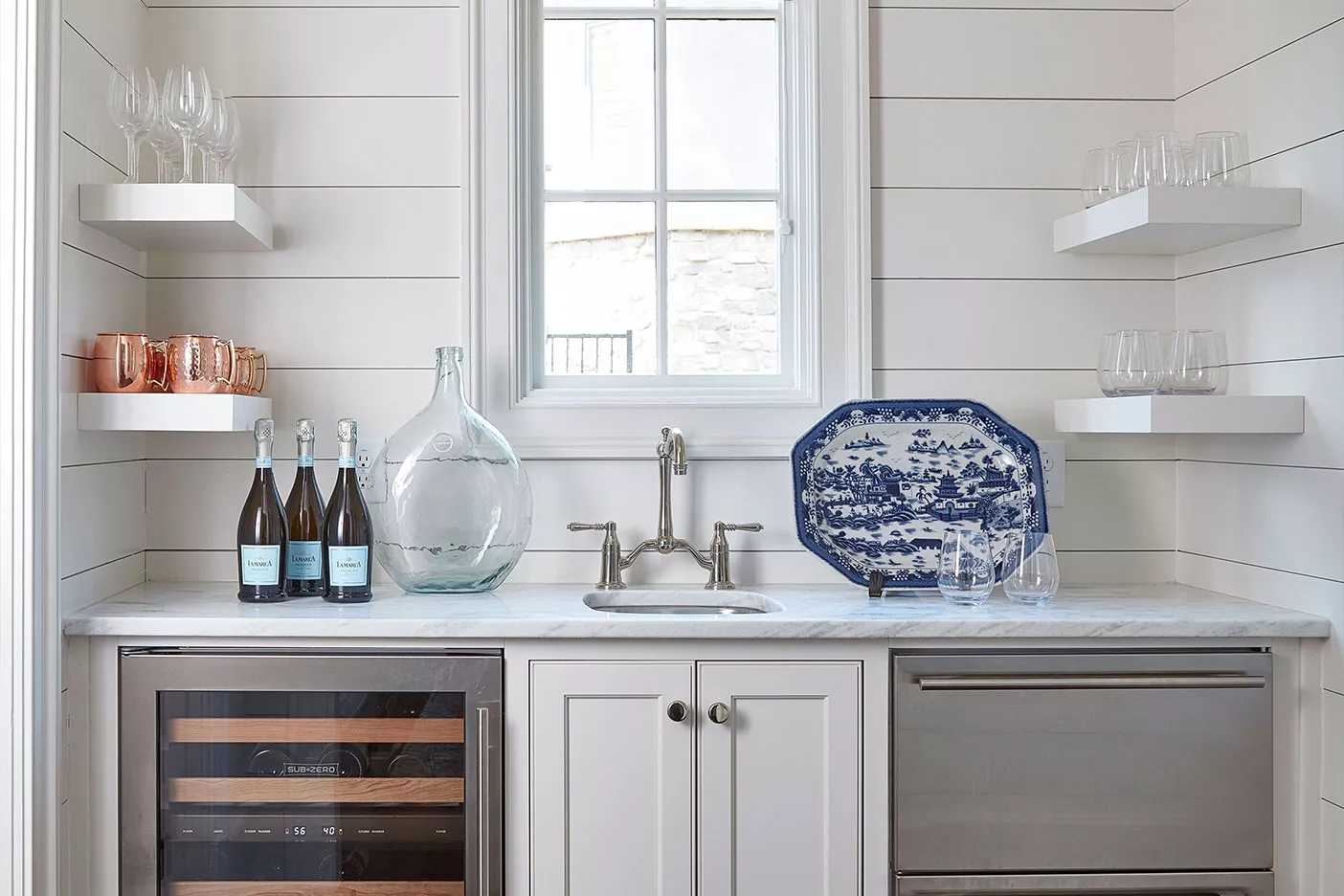
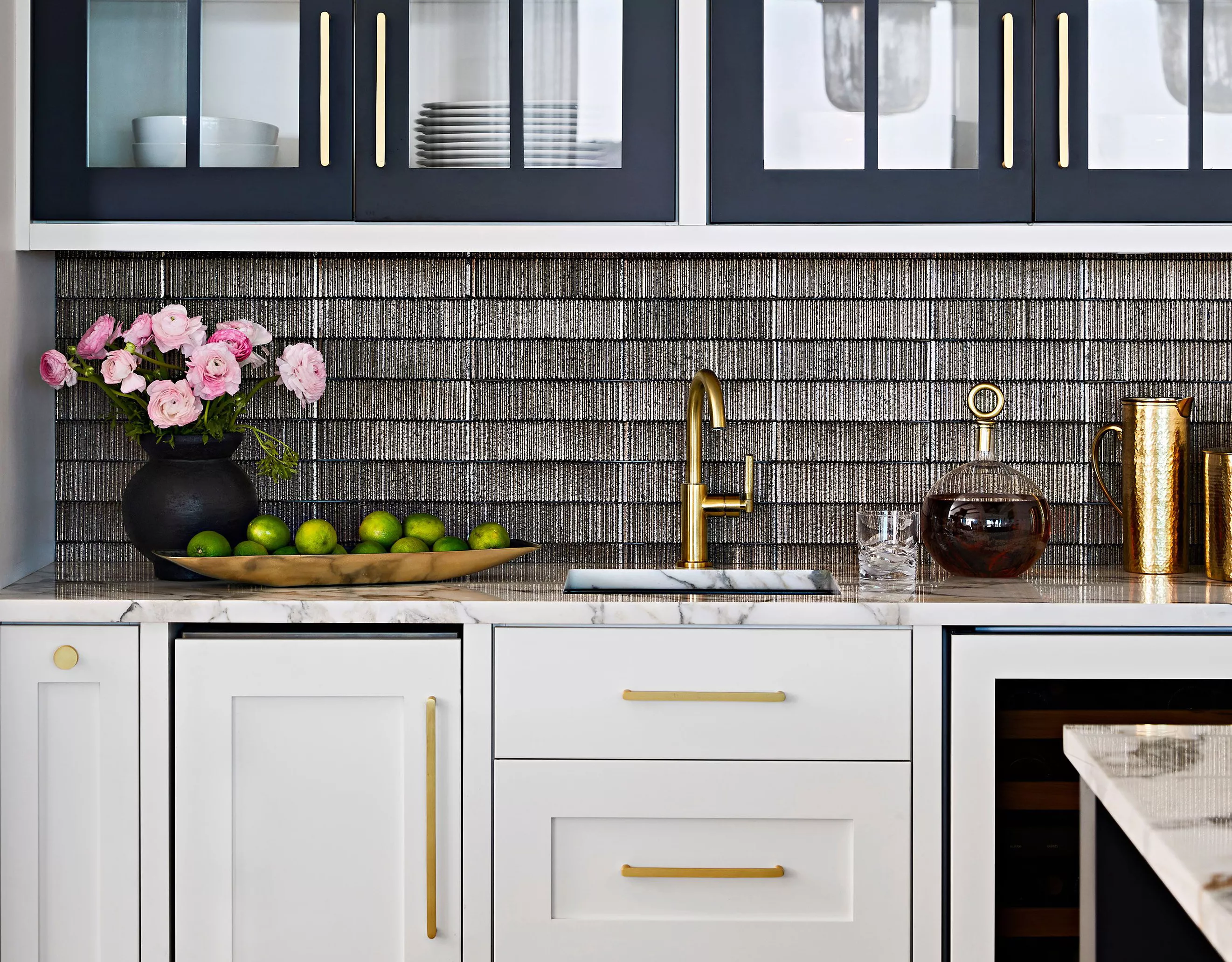
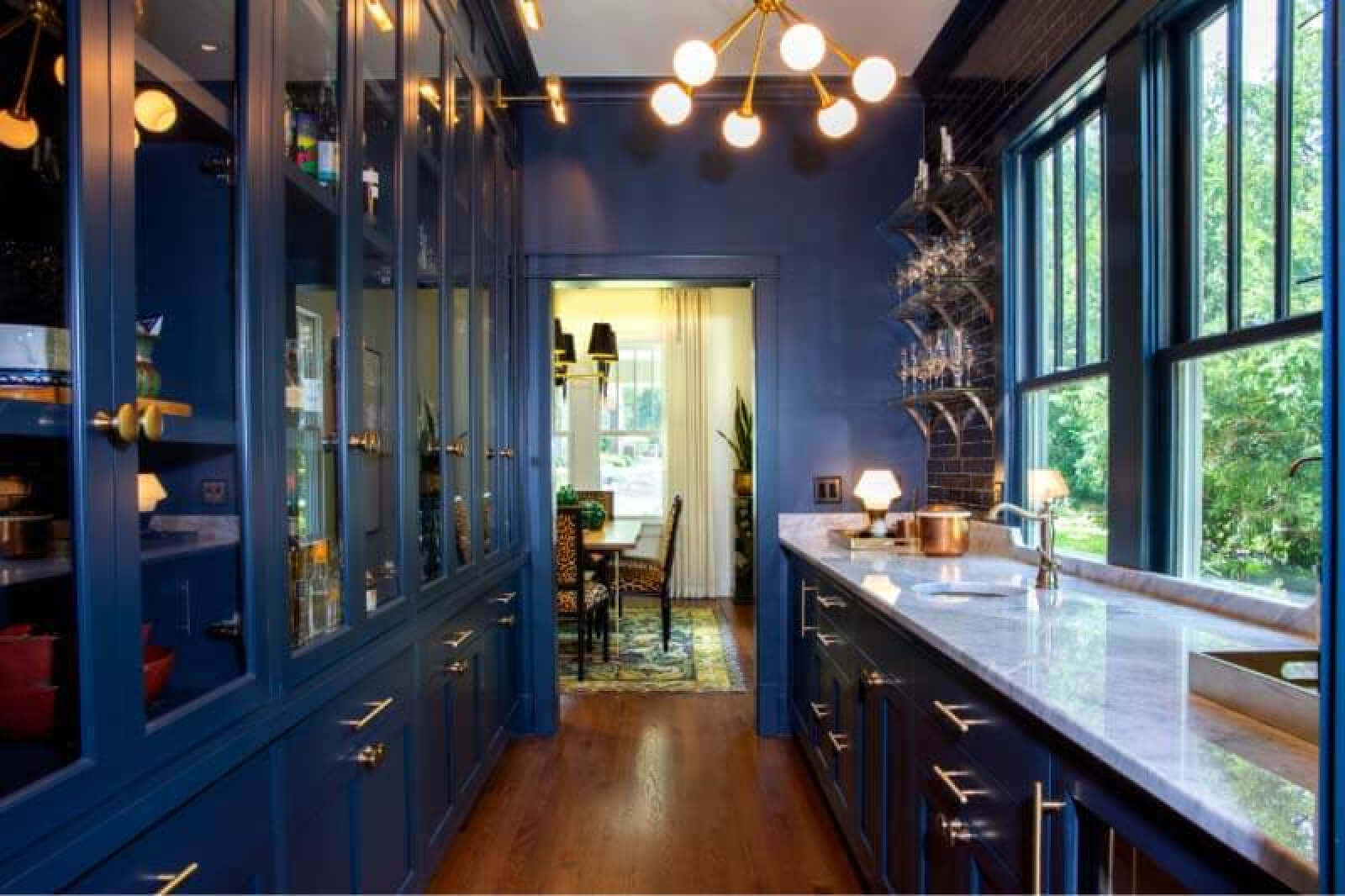
A wet bar is specifically designed for beverage preparation and service, typically situated in or near a home's main entertaining area. Its defining characteristics include counter space for mixing, refrigerated storage, and a functional sink with running water—the latter being the feature that gives it the name "wet bar." A fully stocked wet bar usually contains various wines, spirits, mixers, glassware, and bartending tools like cocktail shakers and bottle openers. Interior designer Stacey Marks emphasizes that a wet bar simplifies hosting by allowing the homeowner to remain with guests and maintain conversation rather than constantly retreating to the kitchen.
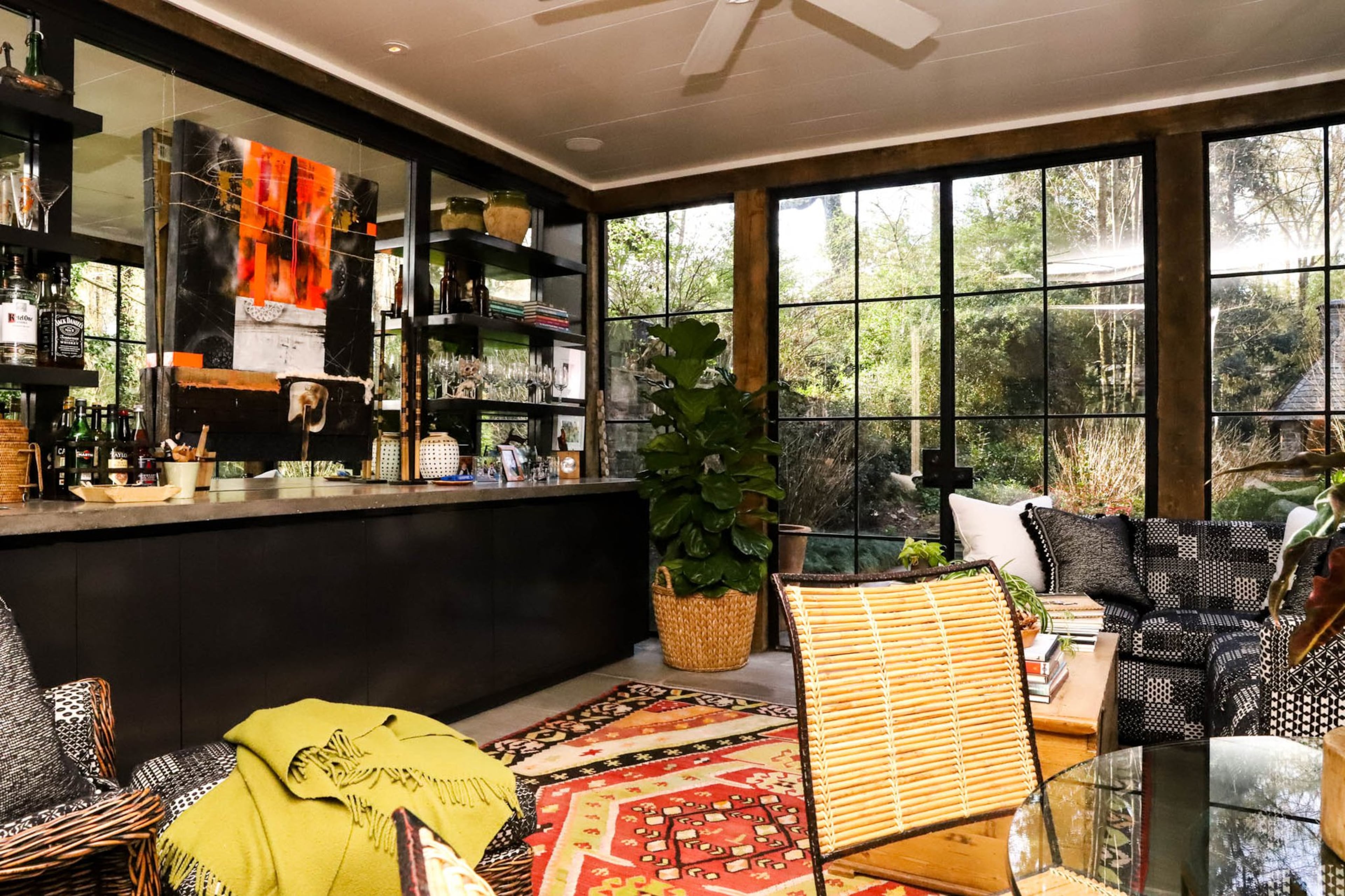
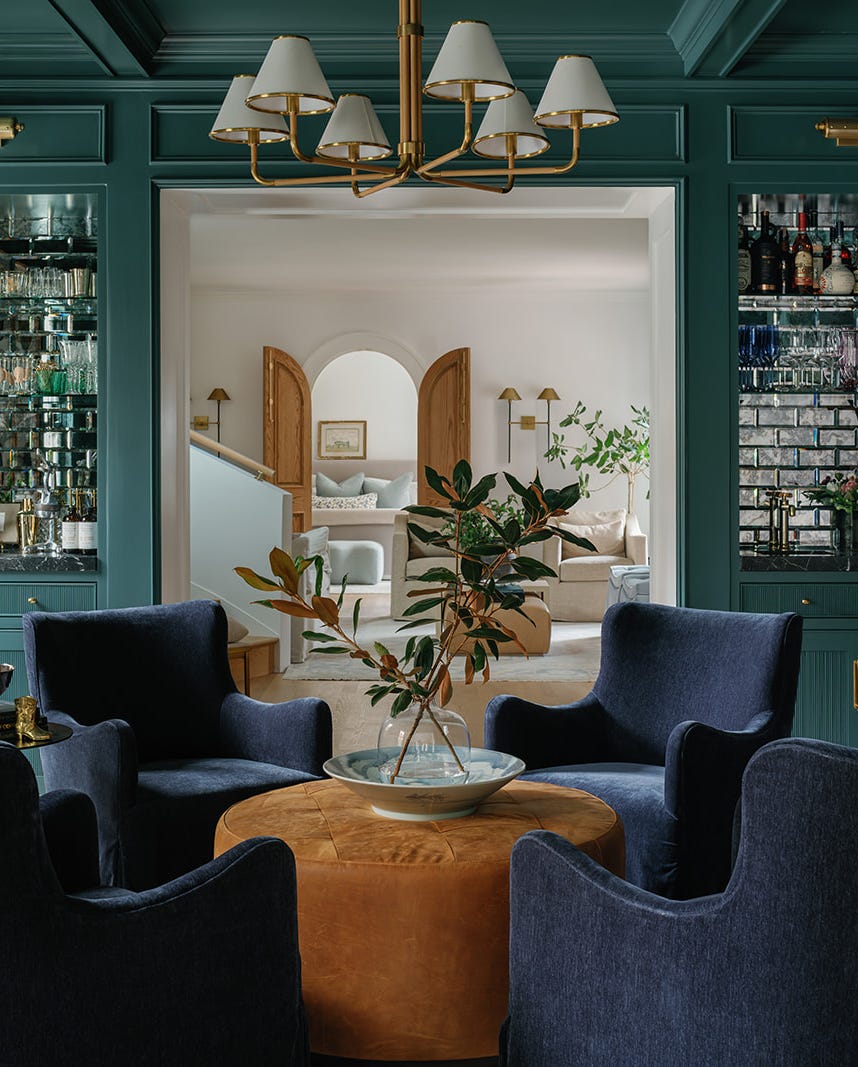
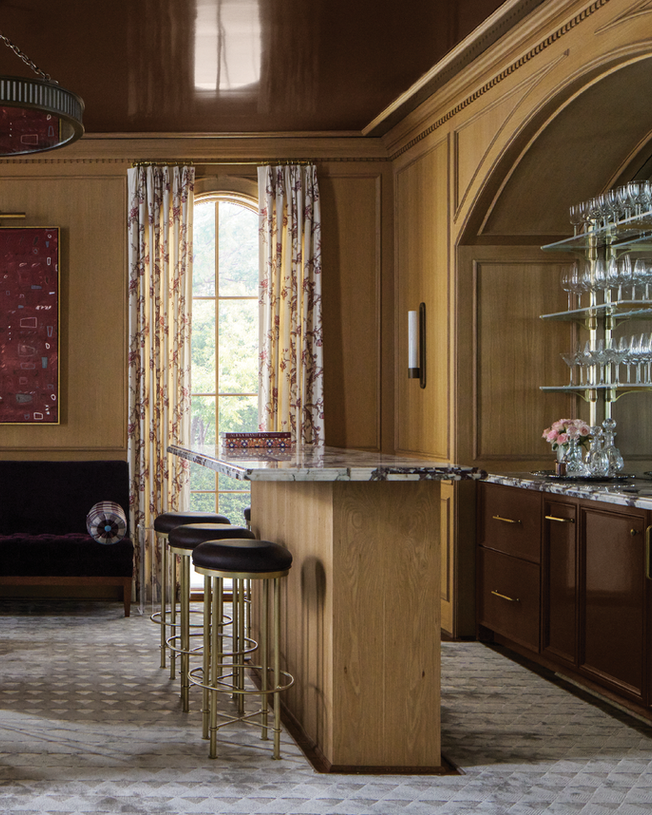
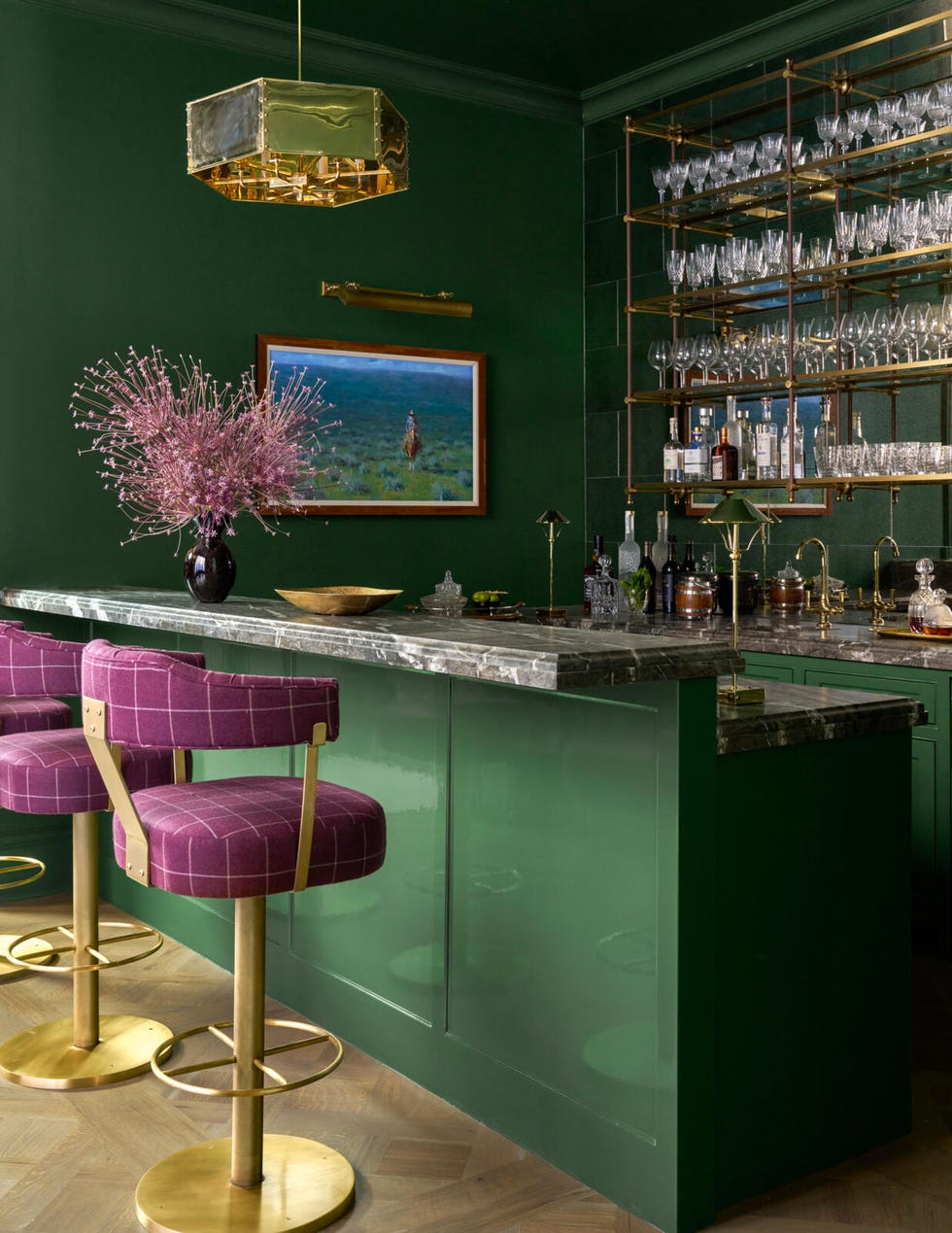
The concept of in-home wet bars gained prominence in the mid-20th century, reaching peak popularity in the 1970s. Early designs often featured dark materials and lacked stylistic integration. Today, however, built-in bars are considered an extension of a home's decor, designed to complement a wide array of aesthetics and color palettes. This evolution reflects a shift towards more personalized and integrated home features.
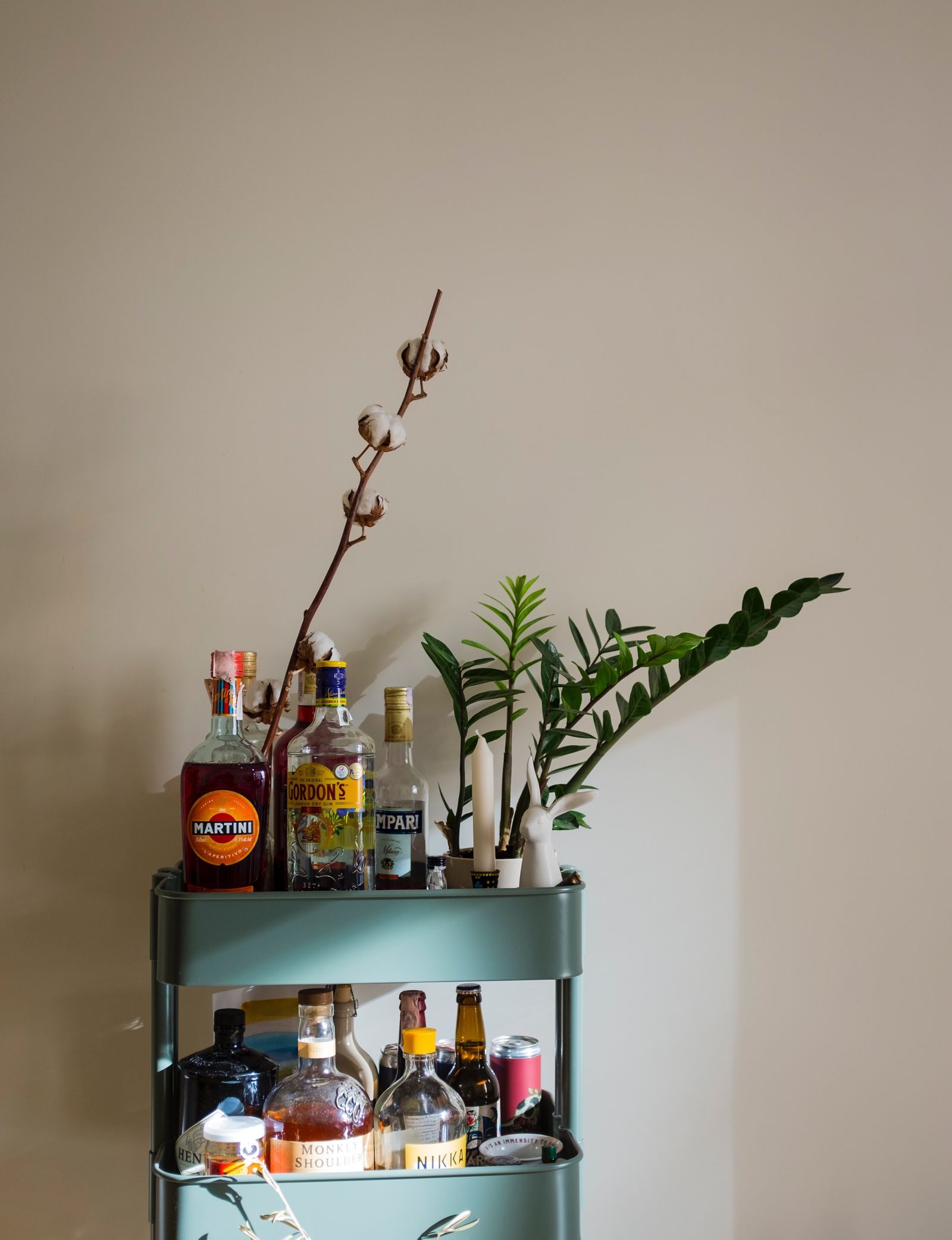
A key distinction exists between a wet bar and a dry bar. Melissa Fenigstein, owner of New Age Interiors, clarifies that a wet bar's essential difference lies in its water source and sink, offering both function and convenience. Unlike dry bars, which can be portable like bar carts or islands on wheels, wet bars are stationary installations that require plumbing connections, often linking them to existing kitchen or living spaces.
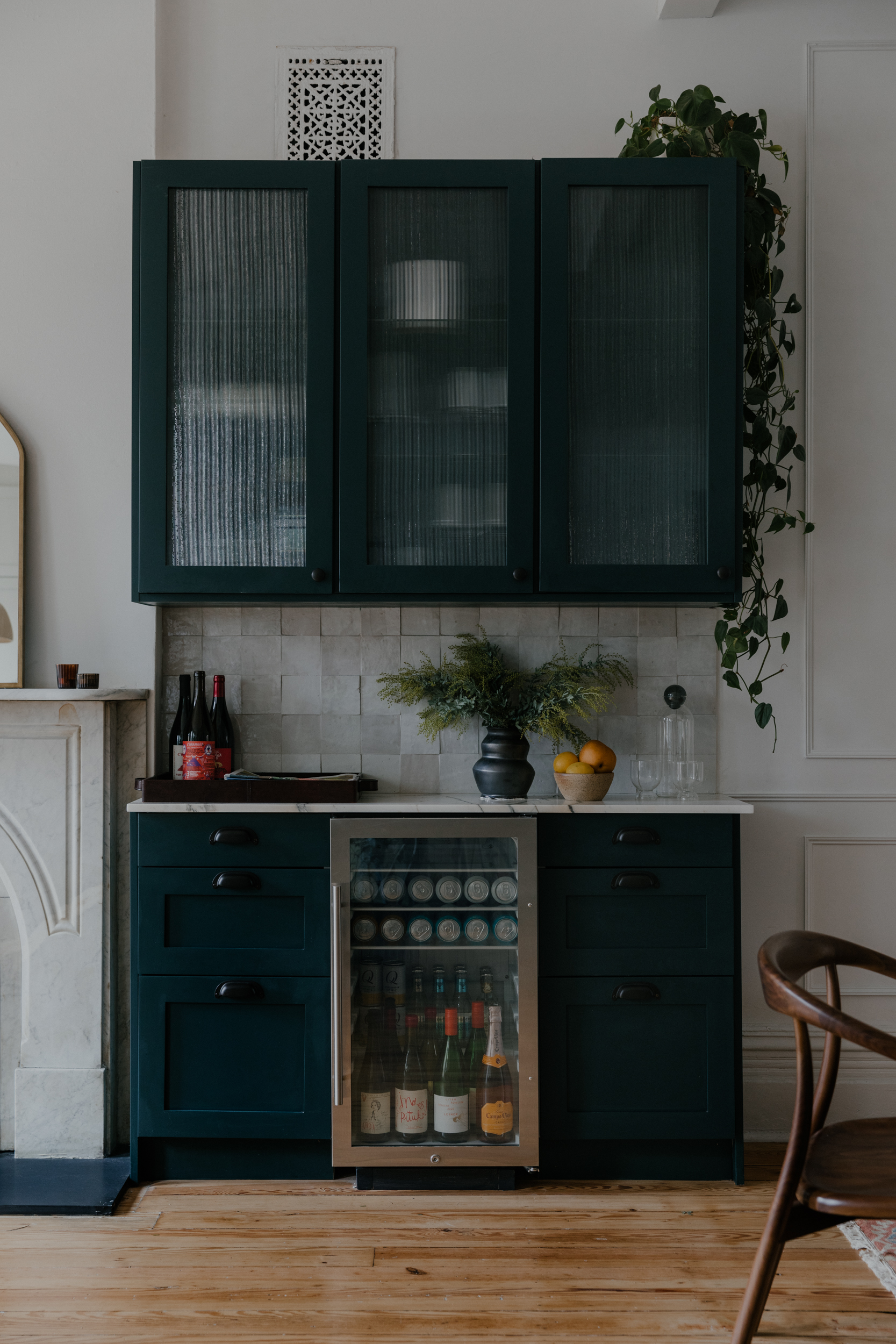
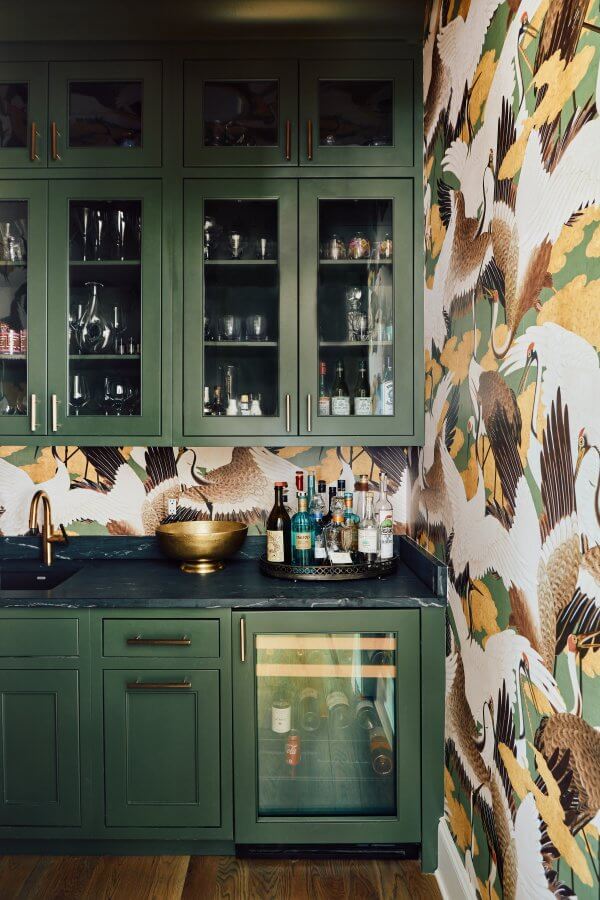
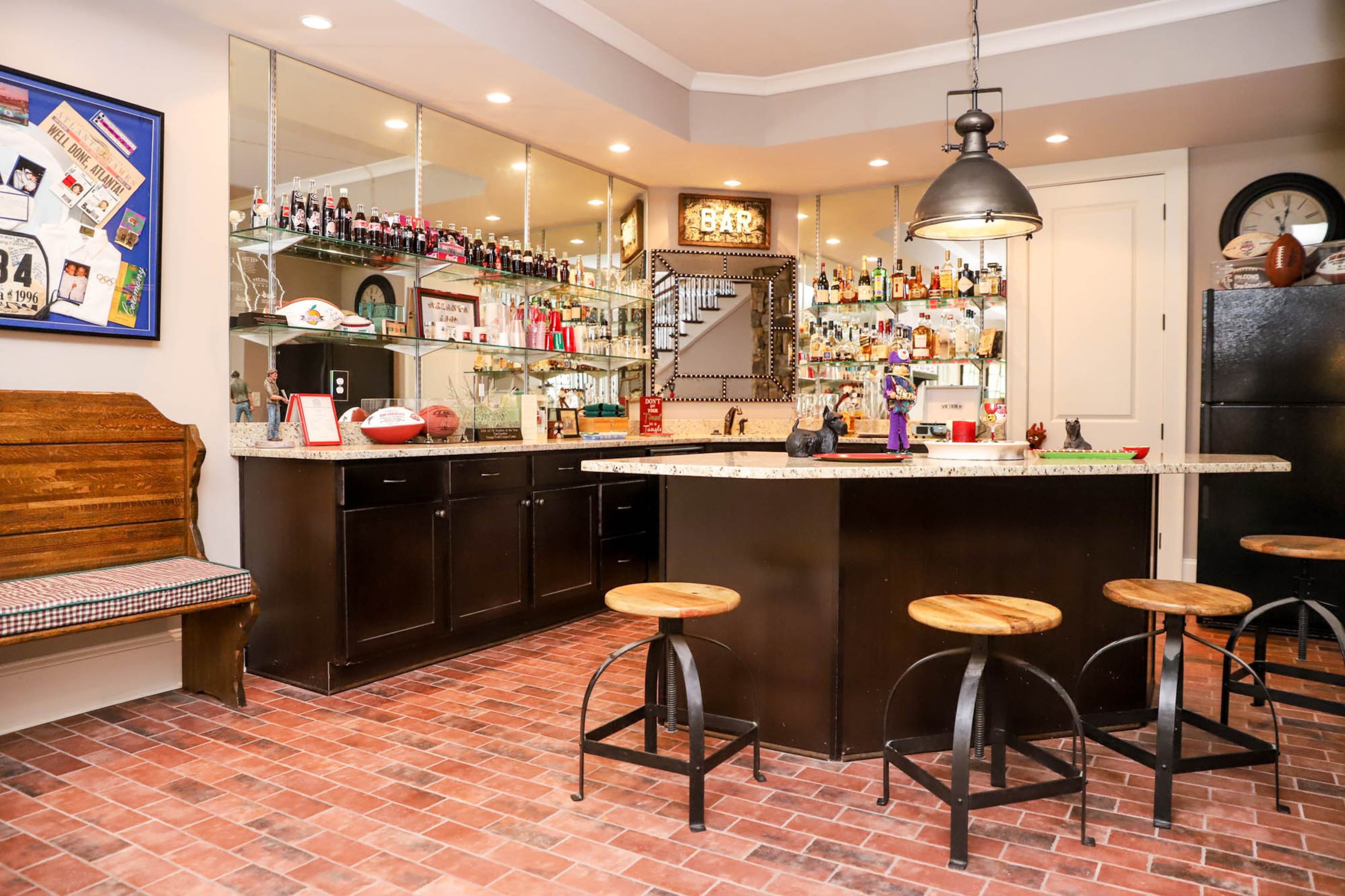
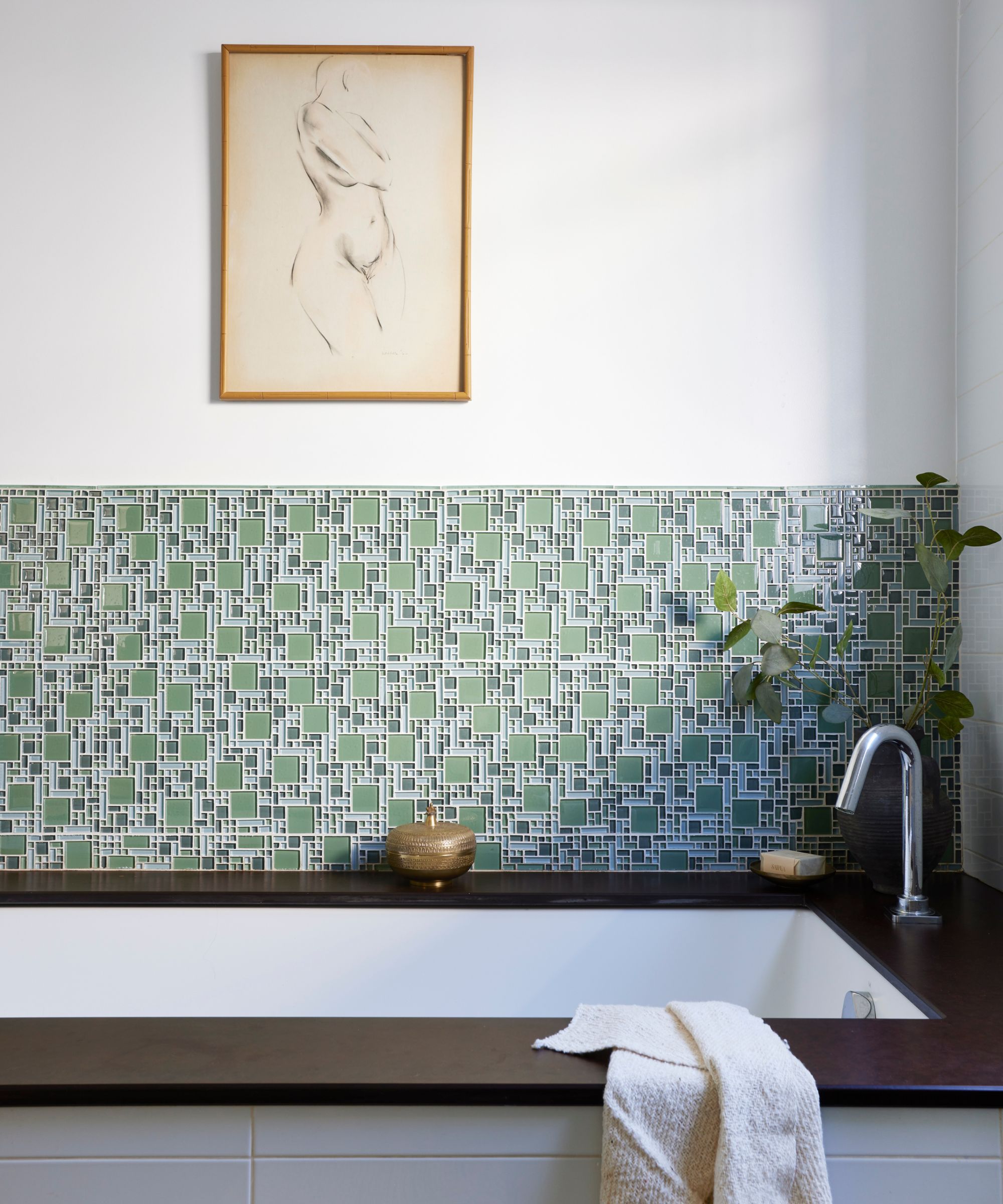
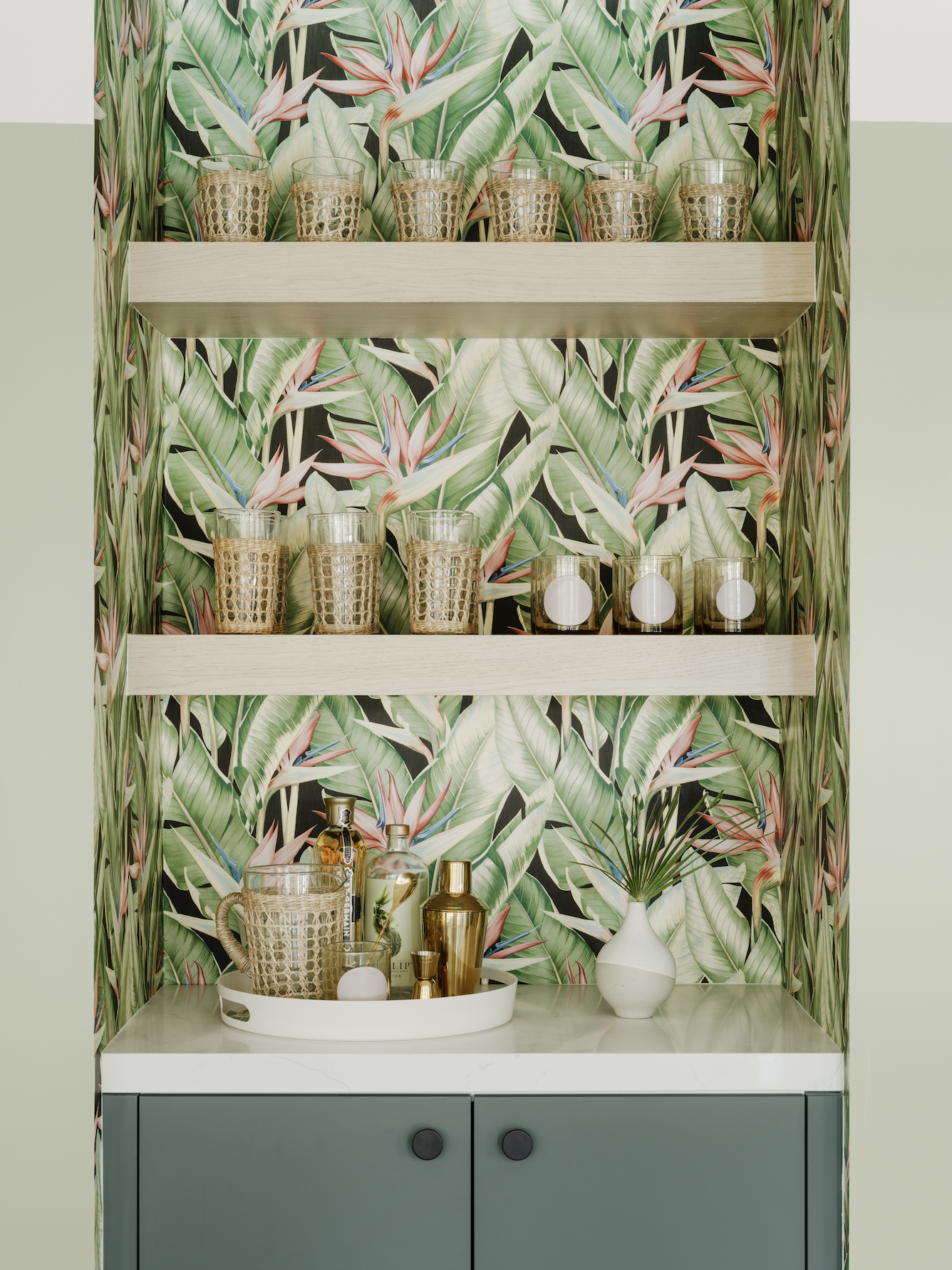
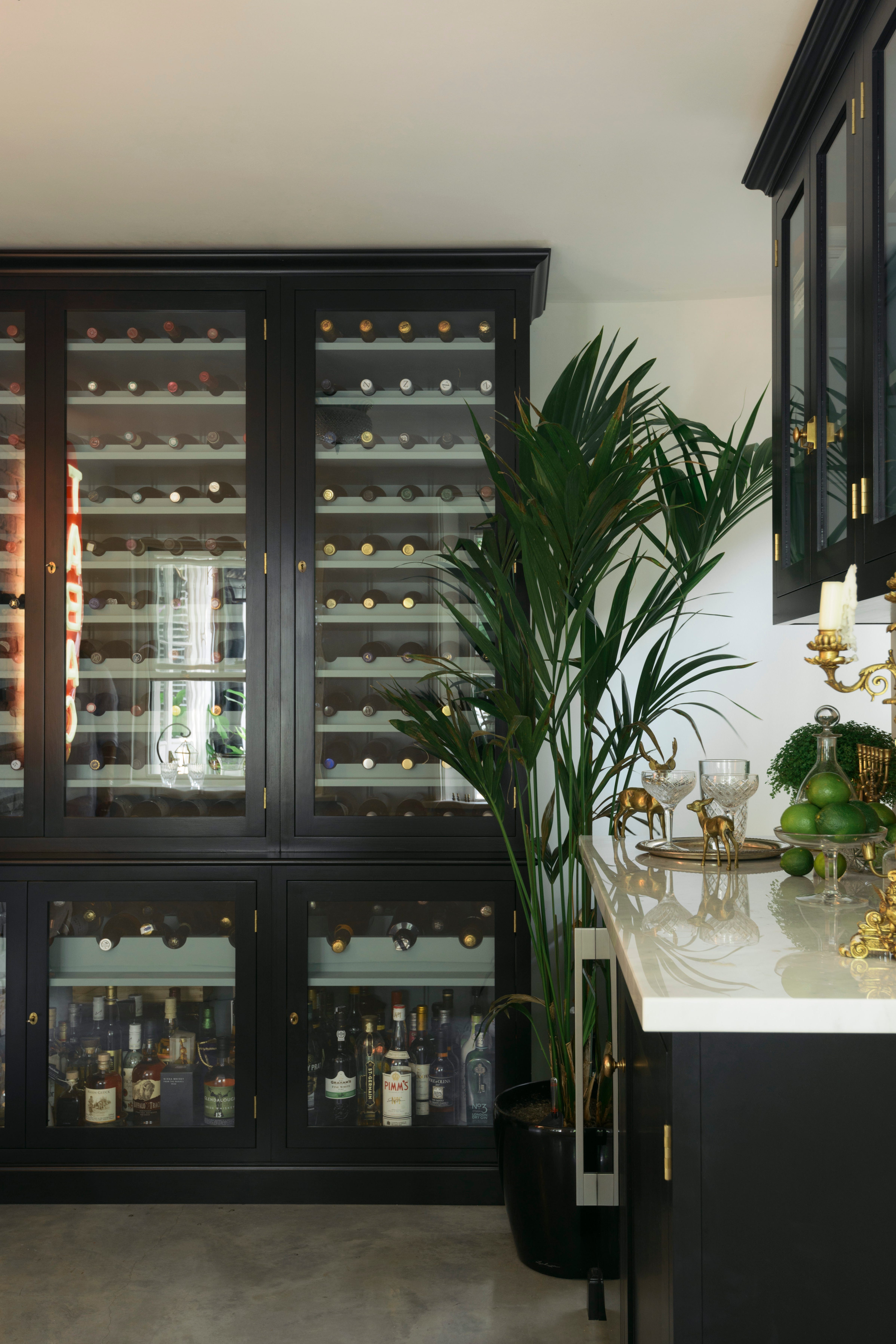
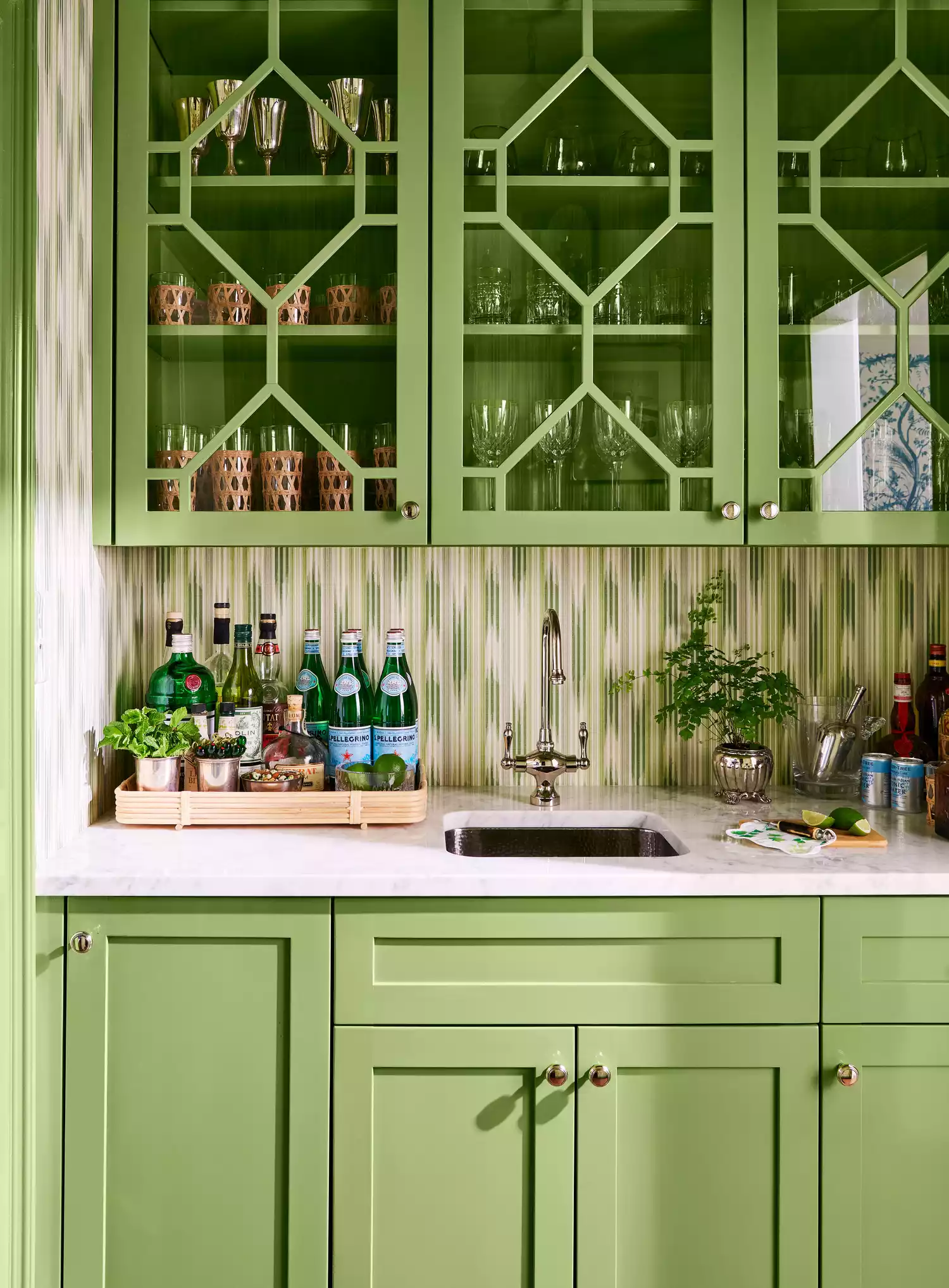
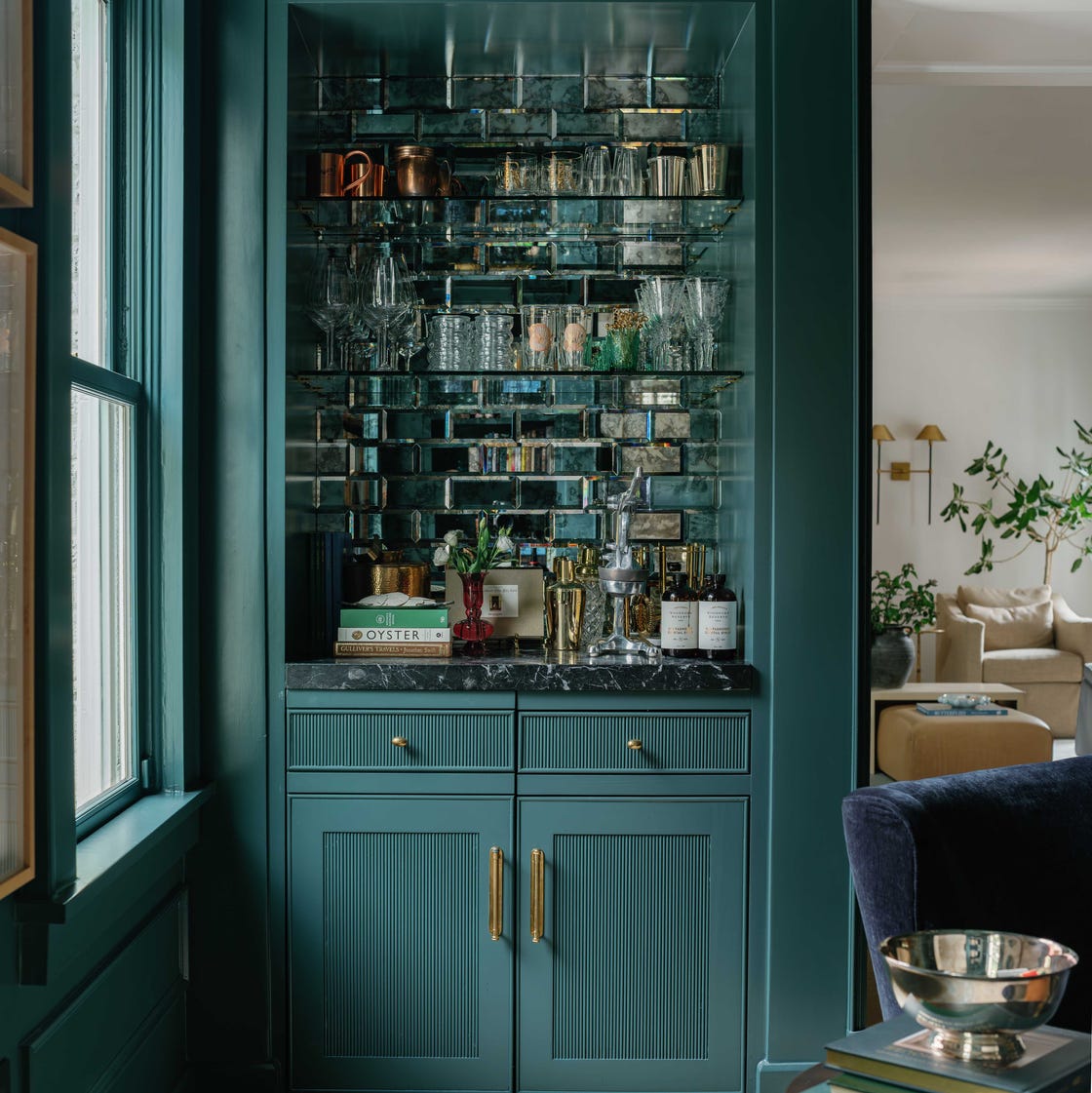
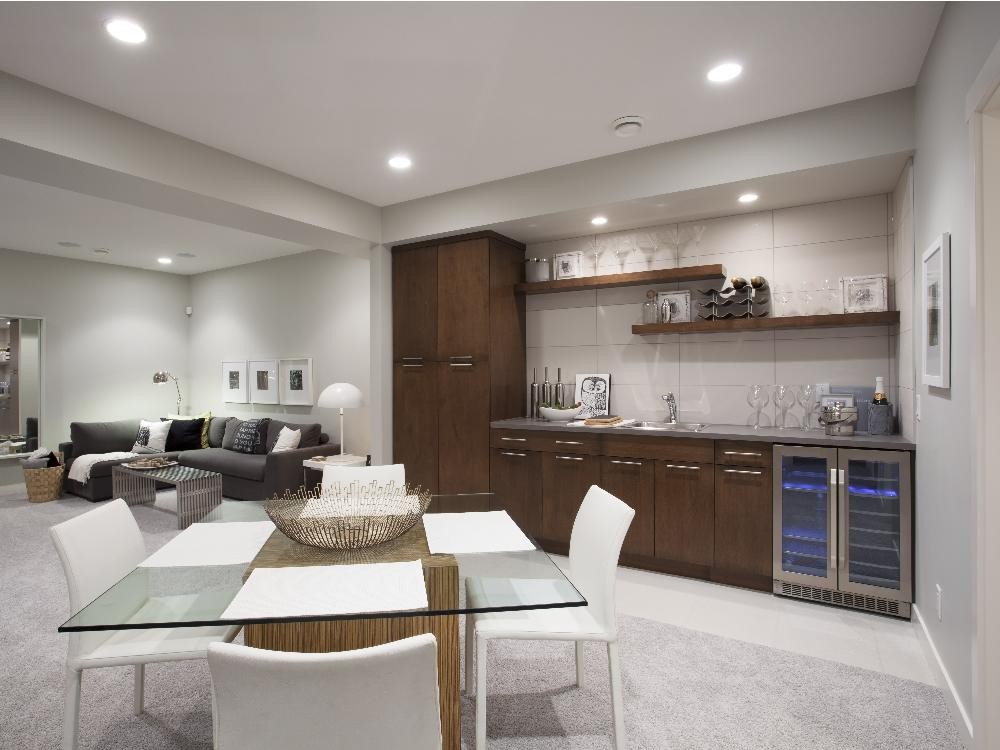
Beyond the fundamental sink, several other features are crucial for a well-appointed wet bar. Ample counter space is necessary for preparing drinks, potentially accommodating a small cutting board for garnishes, as noted by Stacey Marks. A mini-fridge or wine cooler is also essential for chilling beverages, mixers, and garnishes. A dedicated wine cooler is particularly beneficial for maintaining ideal temperature and humidity levels, preventing cork drying and oxidation. Marks explains that an under-counter refrigerator is ideal for keeping items at serving temperature without consuming excessive space. Furthermore, sufficient cabinet space is required to store bottles, glassware, party supplies, and snacks. Marks advises selecting a cabinet paint color that aligns with the home's unique style. For those seeking additional luxury, popular additions include countertop ice makers, beer taps for enthusiasts, and espresso machines for crafting caffeinated cocktails. Interior designer Kristin Dittmar suggests integrating a compact 18-inch dishwasher to minimize trips to the main kitchen. Creating the right ambiance is equally important, with mood lighting and comfortable seating contributing significantly to the overall experience. Dittmar also recommends a visually appealing backsplash to make the wet bar a focal point.
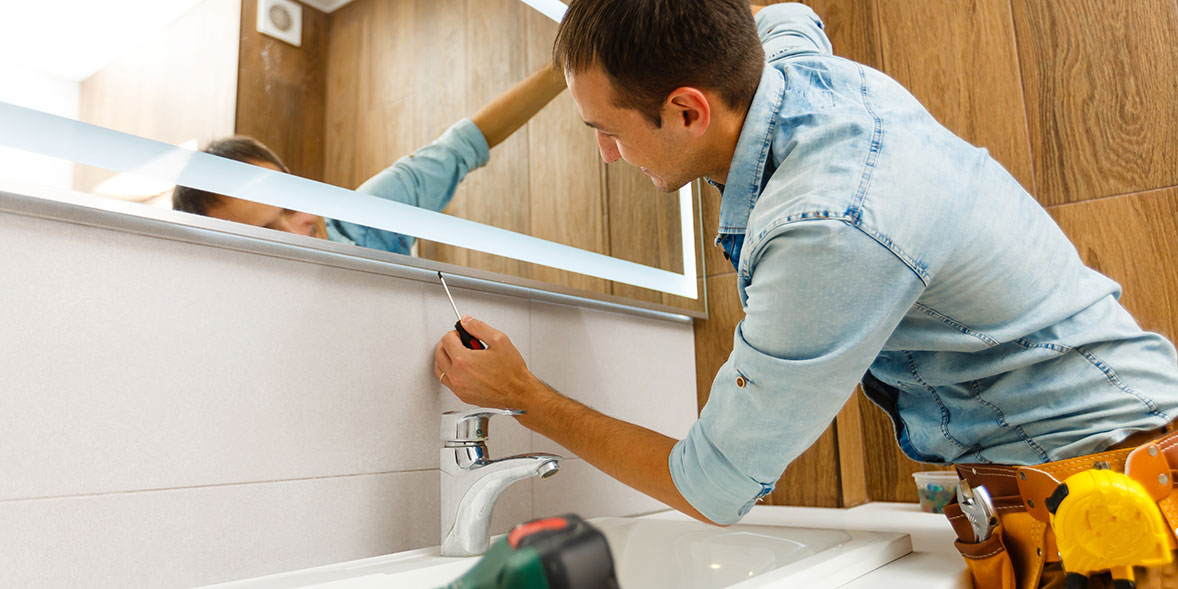
Before undertaking a wet bar installation, several practical considerations are important. Homeowners must first assess their available space for design and layout, ensuring the chosen area can accommodate the necessary plumbing and electrical systems. Given the potential for leaks and electrical issues if installation is improper, hiring a professional contractor, plumber, and possibly an electrician is advisable, even if it entails a higher upfront cost. Budgetary planning is also critical, as the expense encompasses not only construction but also the purchase of necessary appliances. It is important to note that while a wet bar enhances entertainment and personal enjoyment, it typically does not significantly increase a home's resale value, making its primary value one of lifestyle and convenience. For those with budget or space constraints, a well-equipped dry bar offers a viable alternative, providing a comprehensive selection of liquors, vermouth, liqueurs, mixers, bitters, garnishes, fresh fruit, juices, simple syrup, and mixing tools.
#WetBar #HomeBar #HomeImprovement #Entertaining #InteriorDesign #HomeDecor #KitchenDesign #HomeRenovation #WetBar #HomeBar #HomeImprovement #Entertaining #InteriorDesign #HomeDecor #KitchenDesign #HomeRenovation
0 comment in total
 No comments yet
You may also like
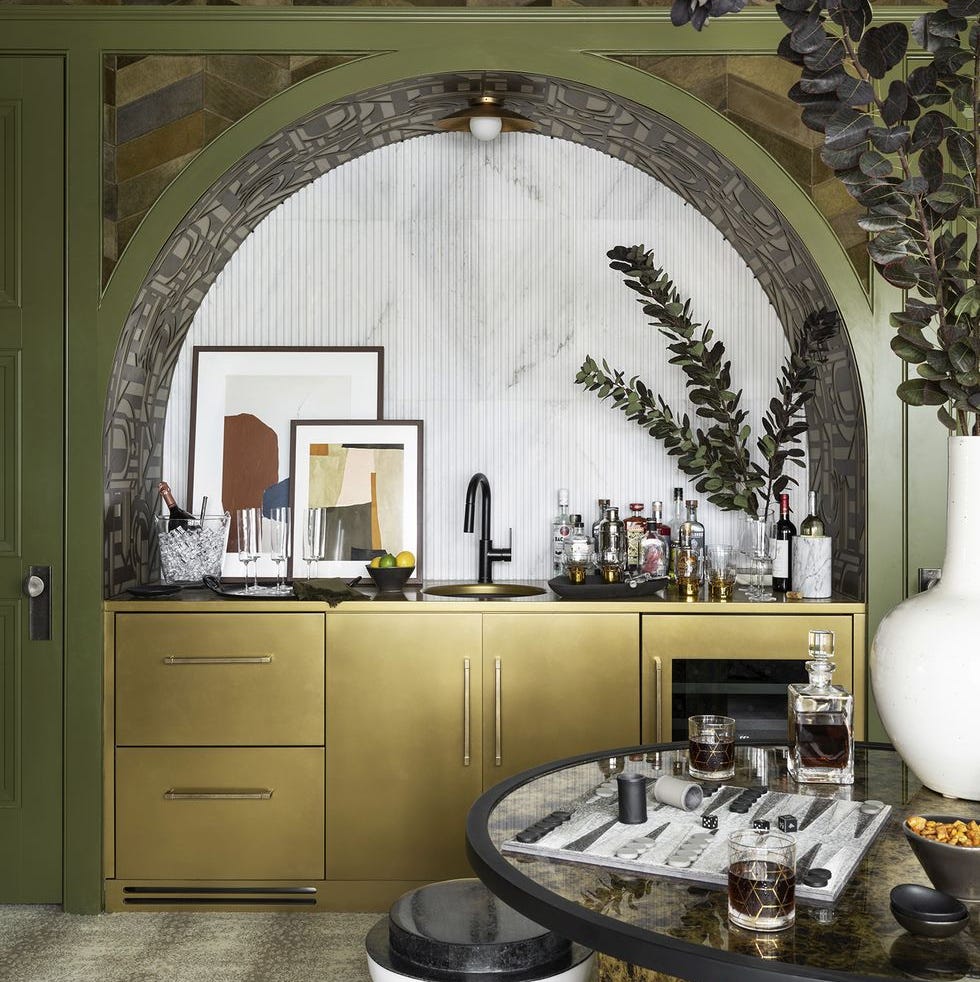
Here's Why You Should Skip the Bar Cart and Invest in a Wet Bar


The first things to consider when planning a new bathroom – according to experts

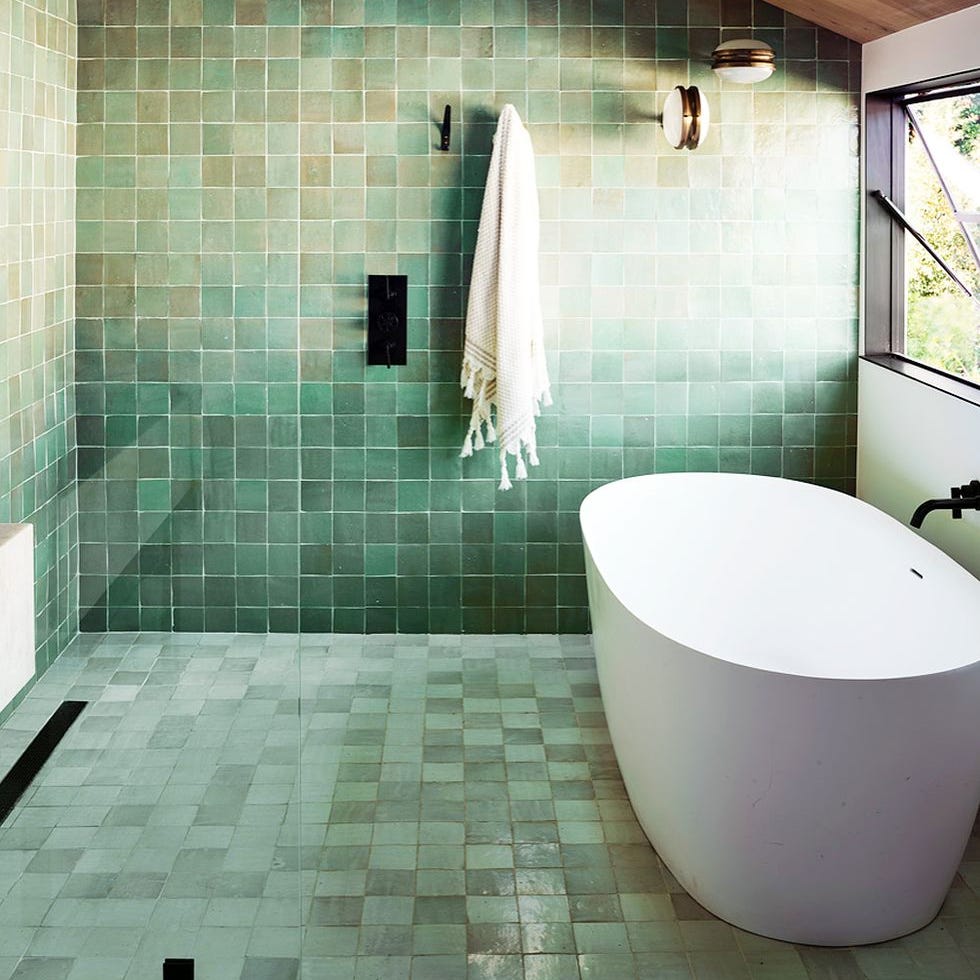
Wet Rooms Are the Next Big Bathroom Renovation Trend
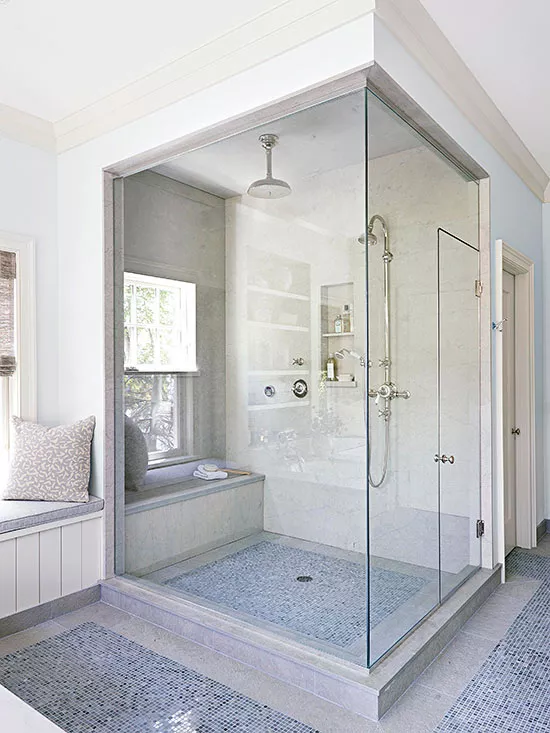
10 Things You Need to Know Before Building a DIY Walk-In Shower

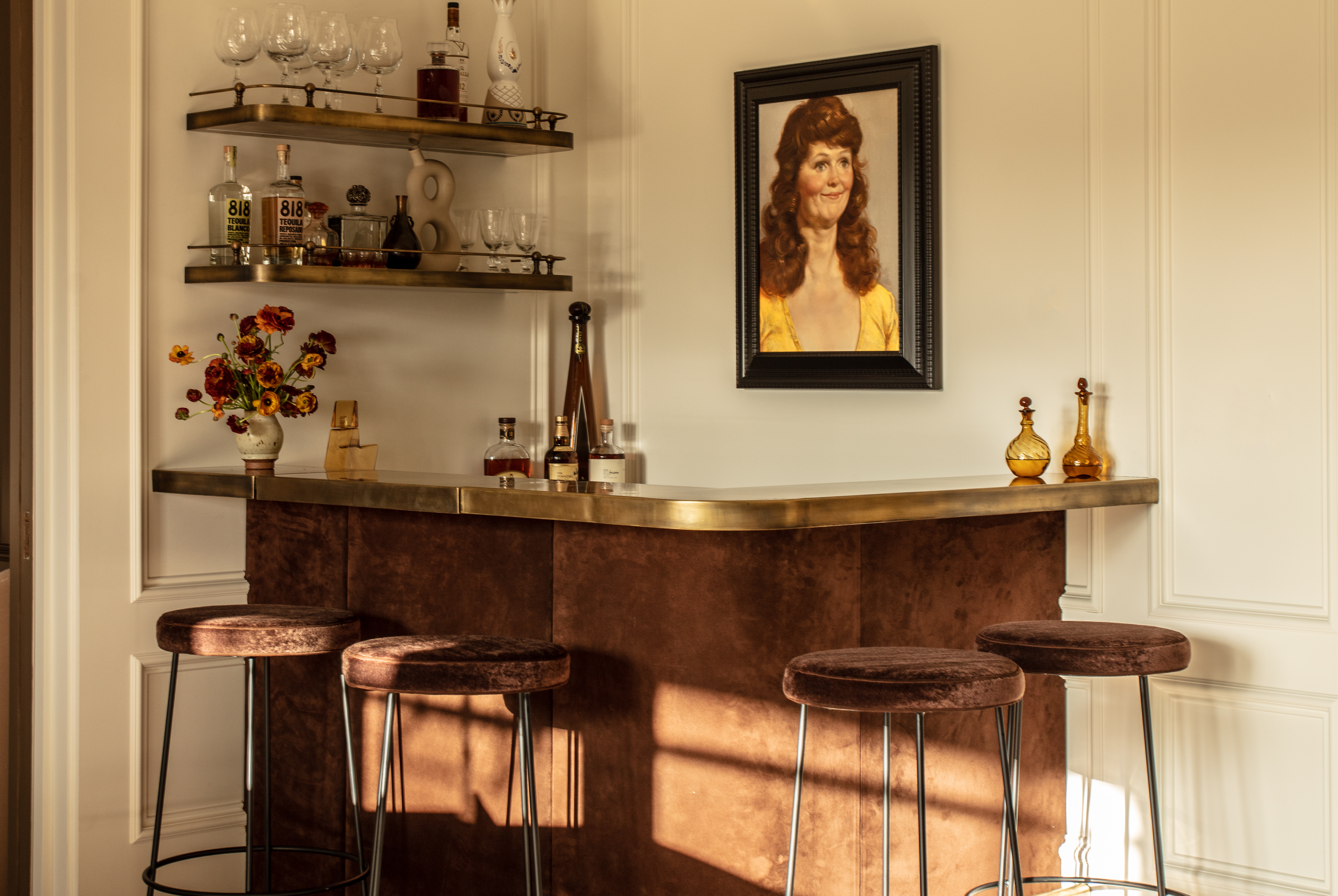
Home Bars Are Becoming a Must-Have For Hosts — Here's All You Need to Know to Set up Your Own

7 Stylish Home Bar Storage Ideas — That Give a Whole New Meaning to Serving Drinks "Neat"
39 Stylish Wet Bar Ideas That Make Serving Drinks a Delight
Vastu for home bar: 5 lucky tips for the perfect bar placement

7 Home Bar Ideas

31 Wet Bar Ideas For The Ultimate Entertaining Space, According To Designers
The Ultimate Designer-Approved Guide to Building the Best At-Home Bar

How to plan and buy a new bathroom suite
Add a wet bar to the rec room

6 things I wish I had known before buying my heated towel rail

Make sure you know all these bathroom trends in 2024

Planning a bathroom: The ultimate guide to renovation and installation
Bar inspiration: Start happy hour with these home bars
26 Basement Bar Ideas For the Best Holiday Parties Ever
The Smartest Bathroom Upgrade You Can Make Before Selling Your House
NoVA Home Pros on Everything You Need to Build a Perfect Home Bar