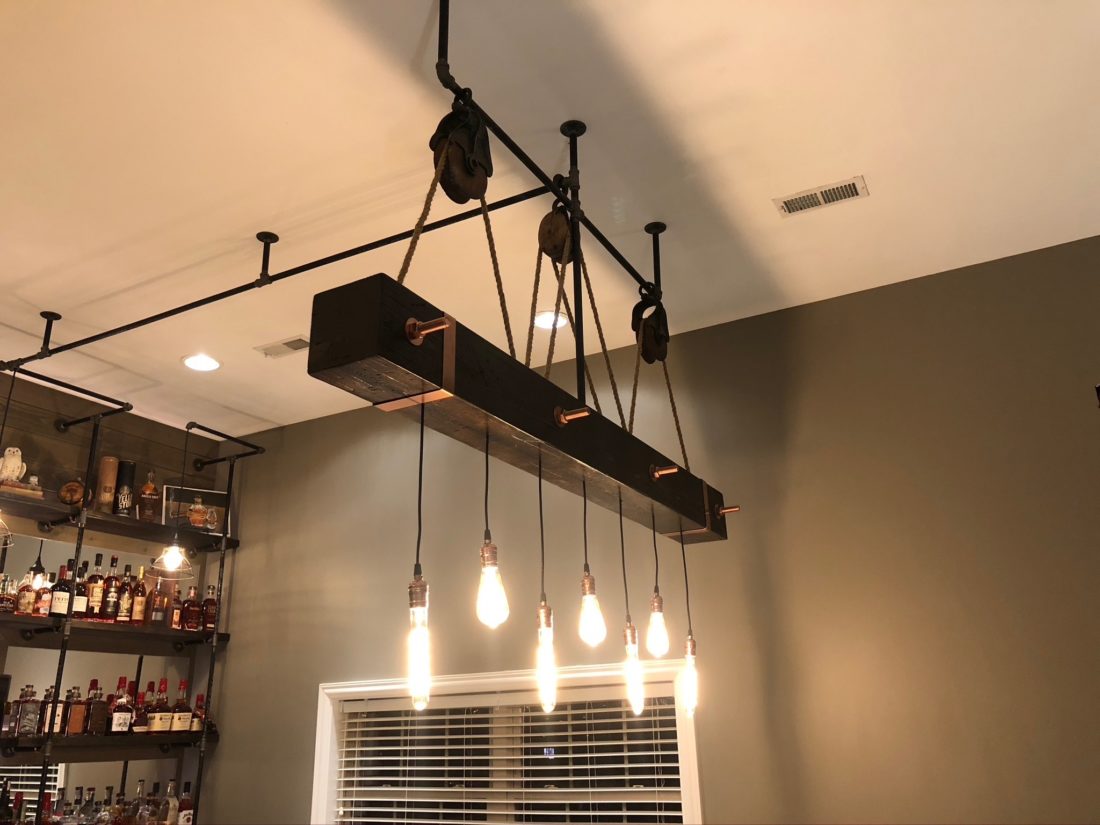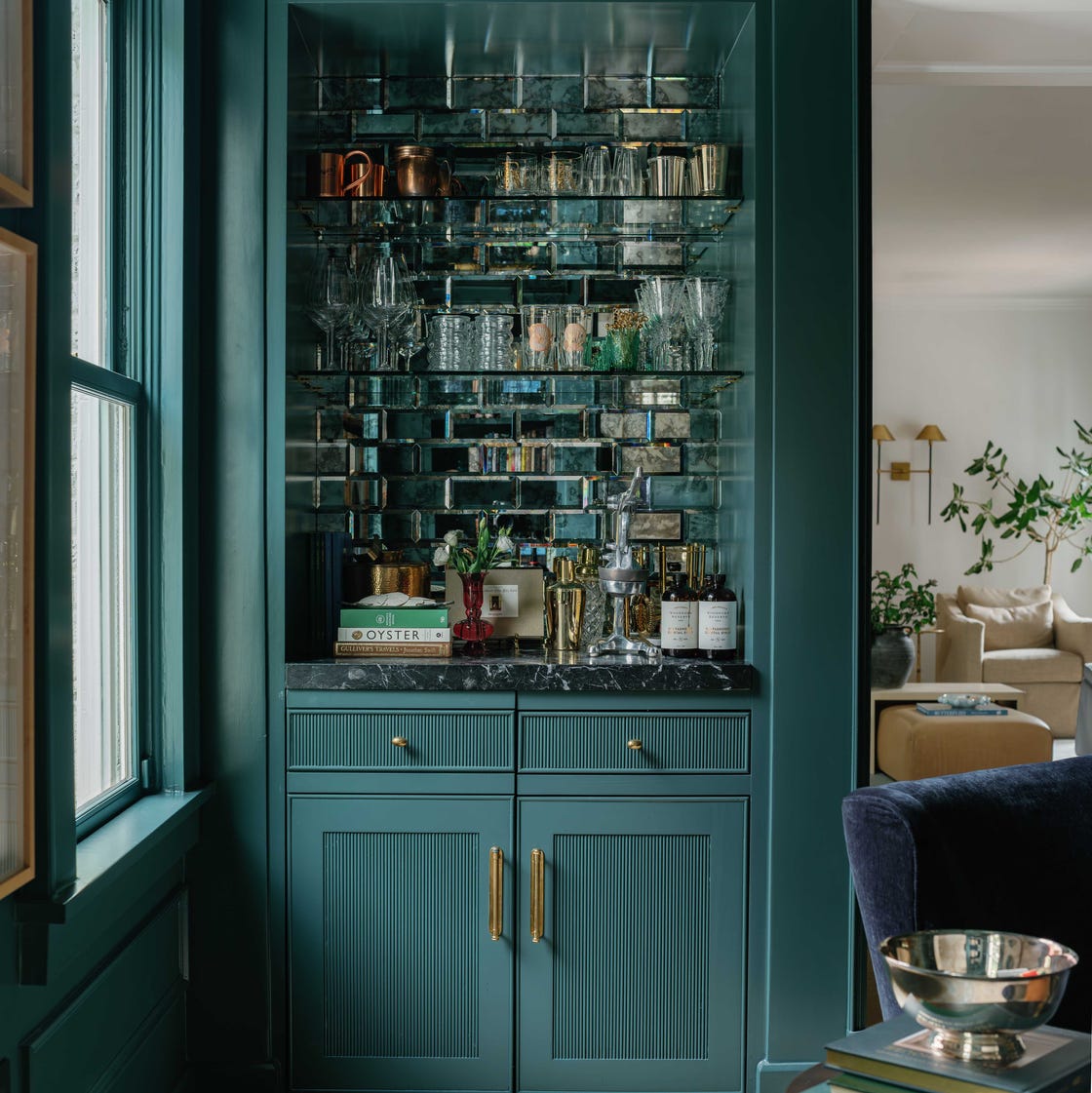
1/11
The Ultimate Designer-Approved Guide to Building the Best At-Home Bar
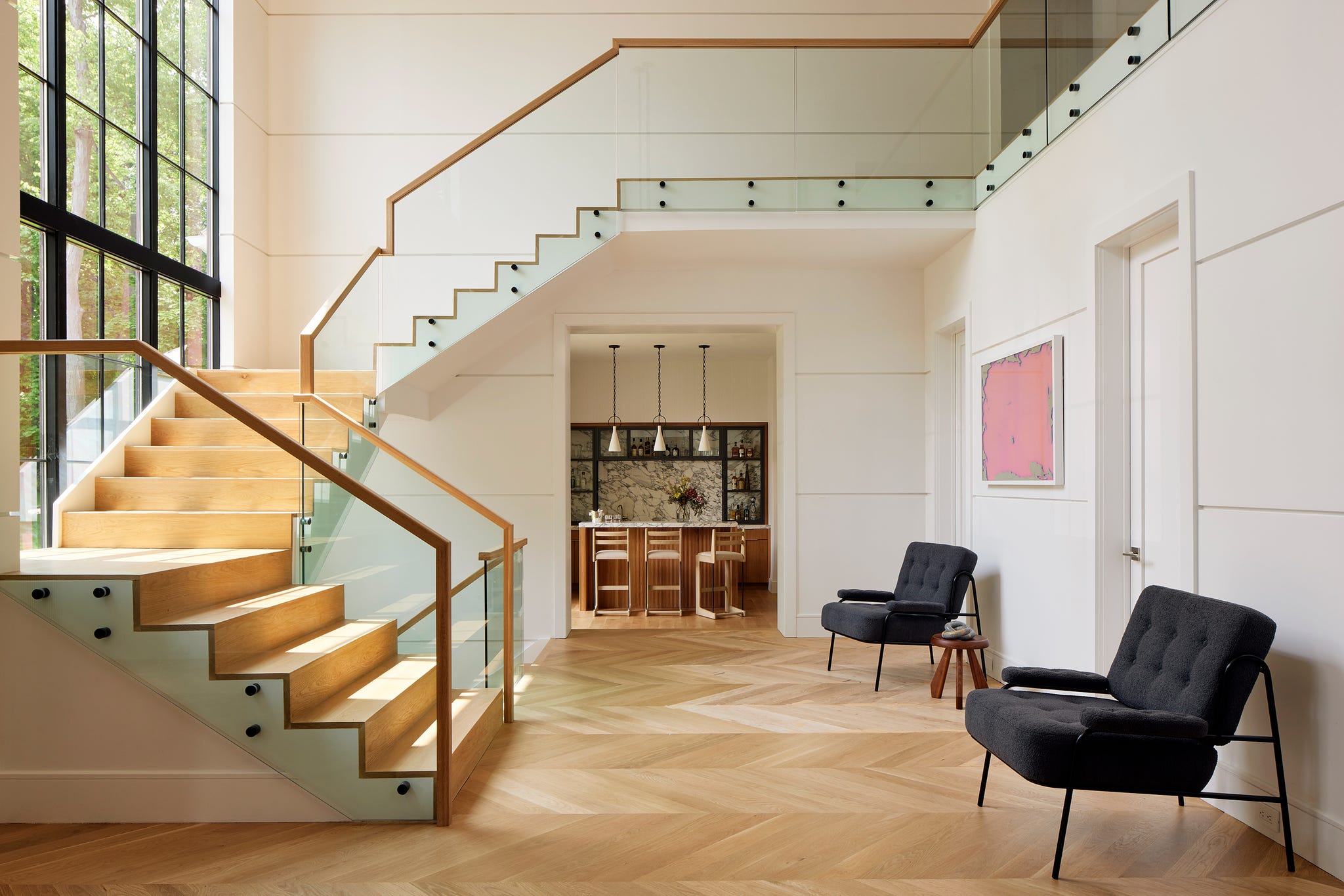
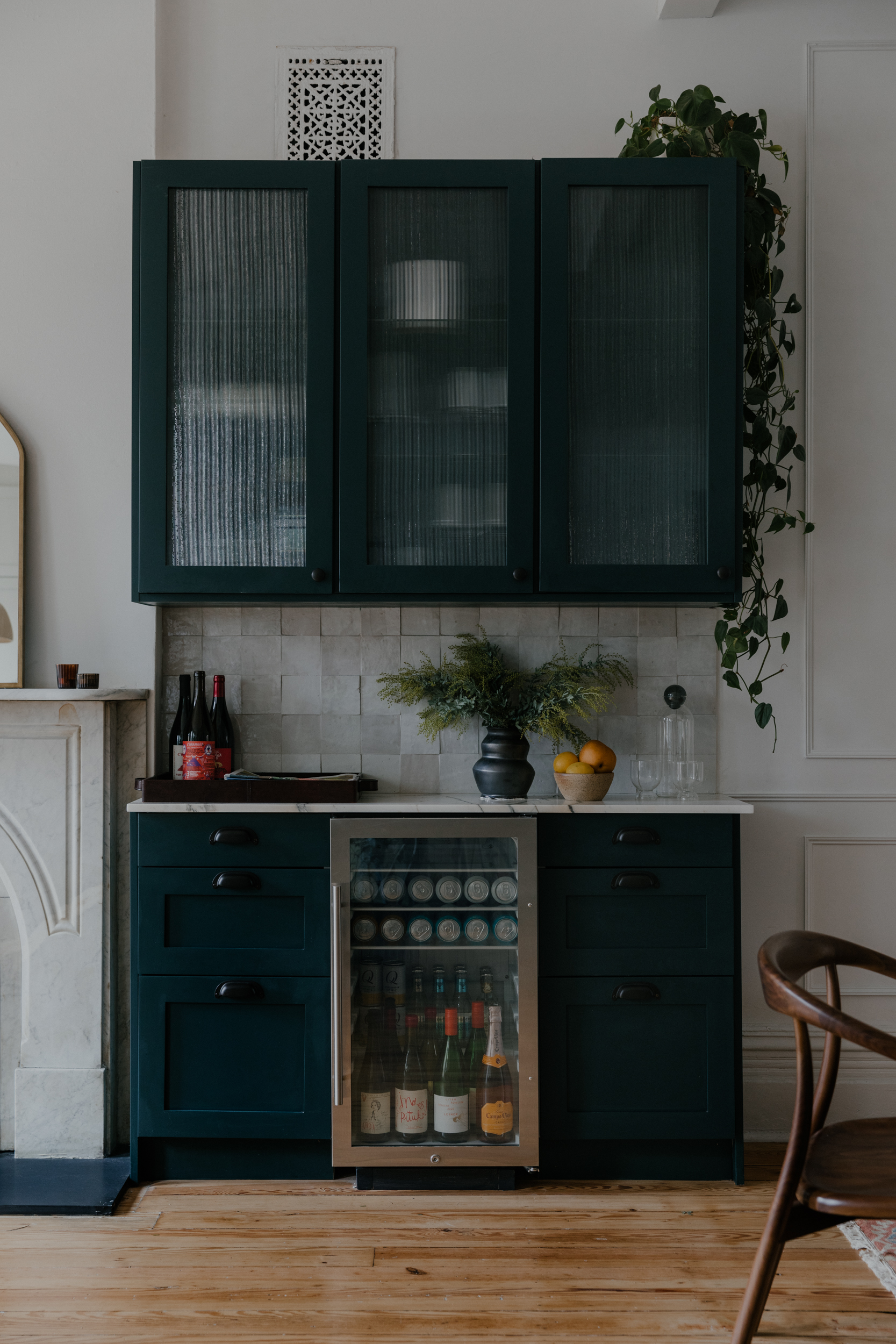
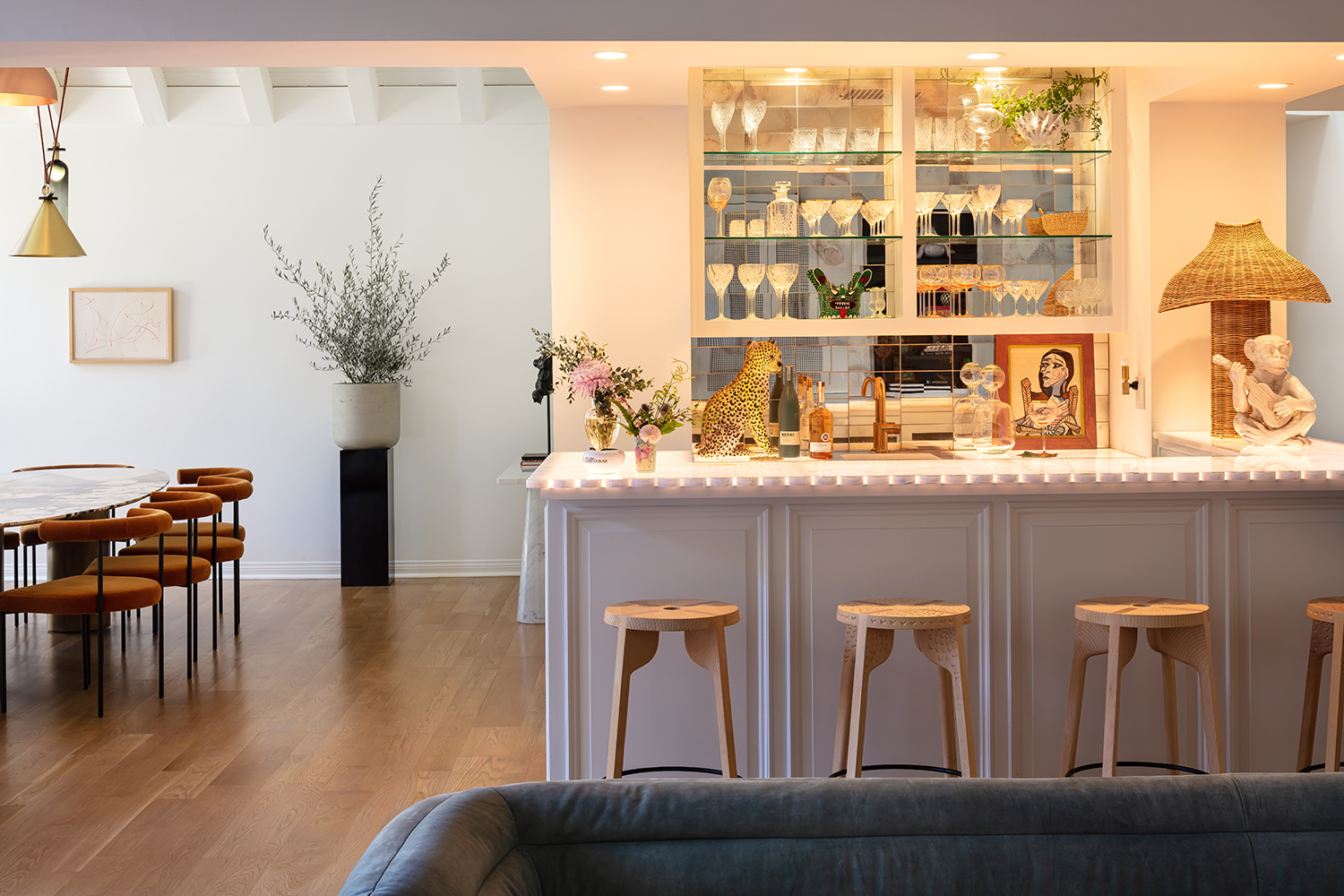
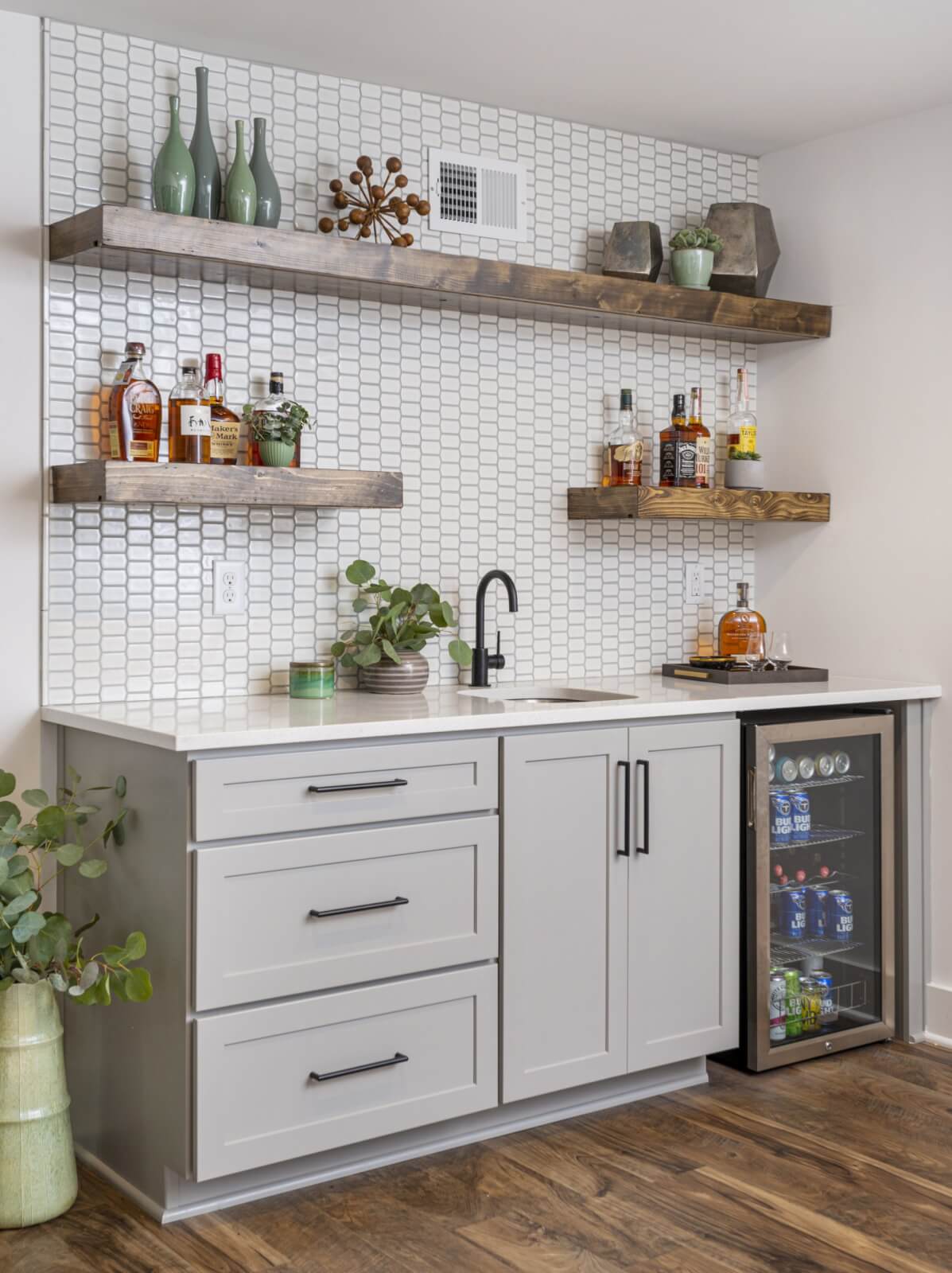
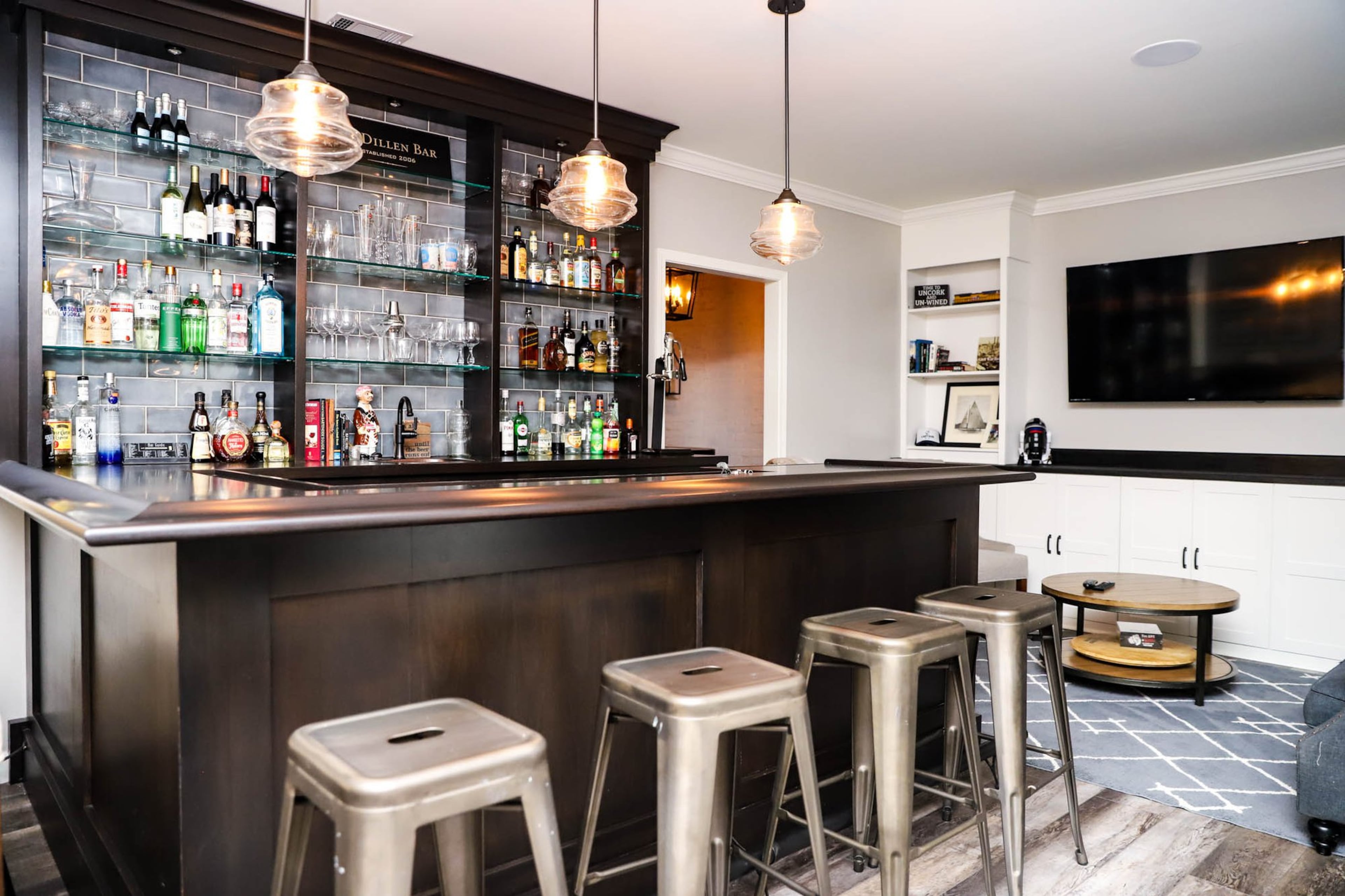
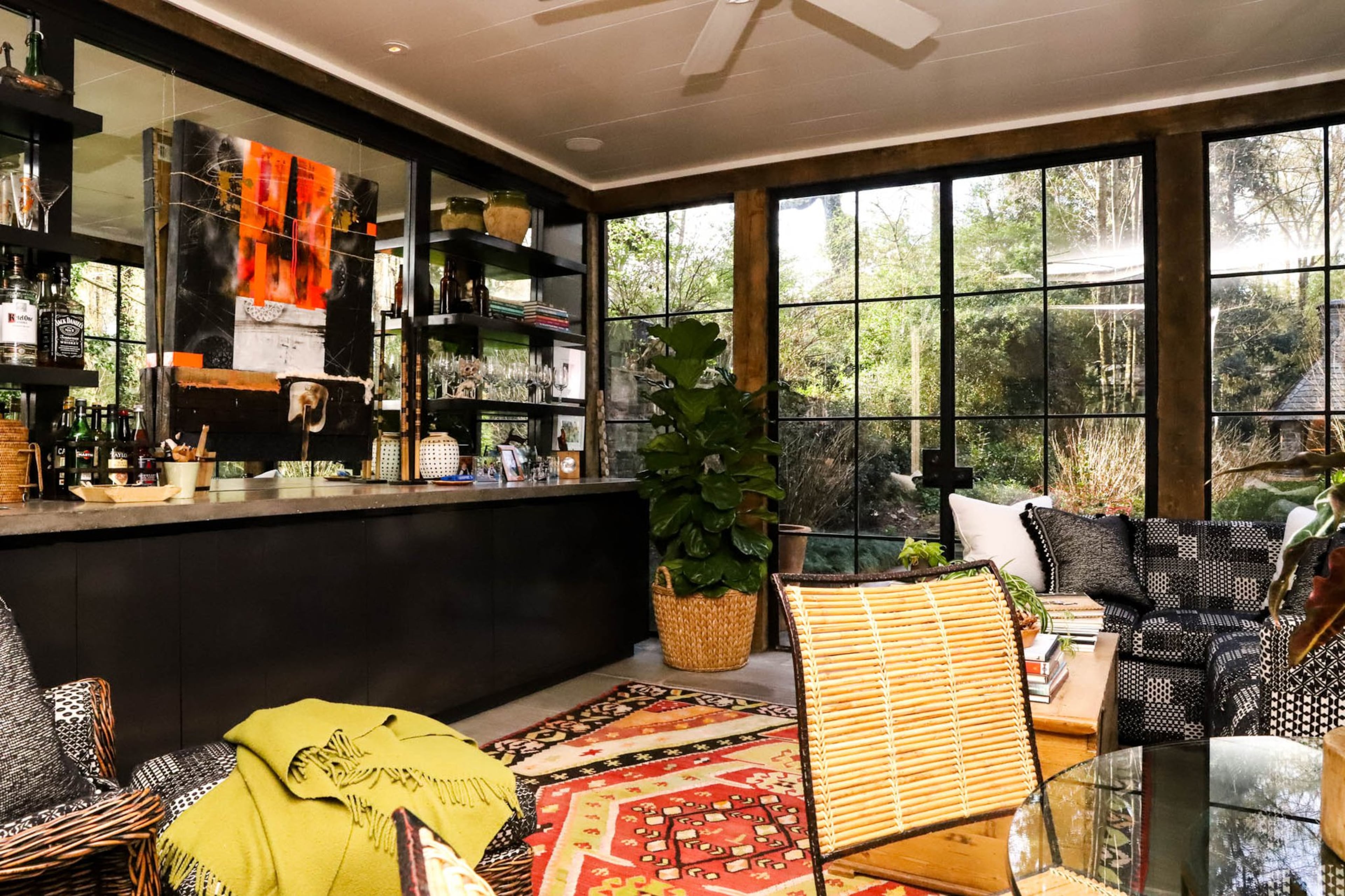
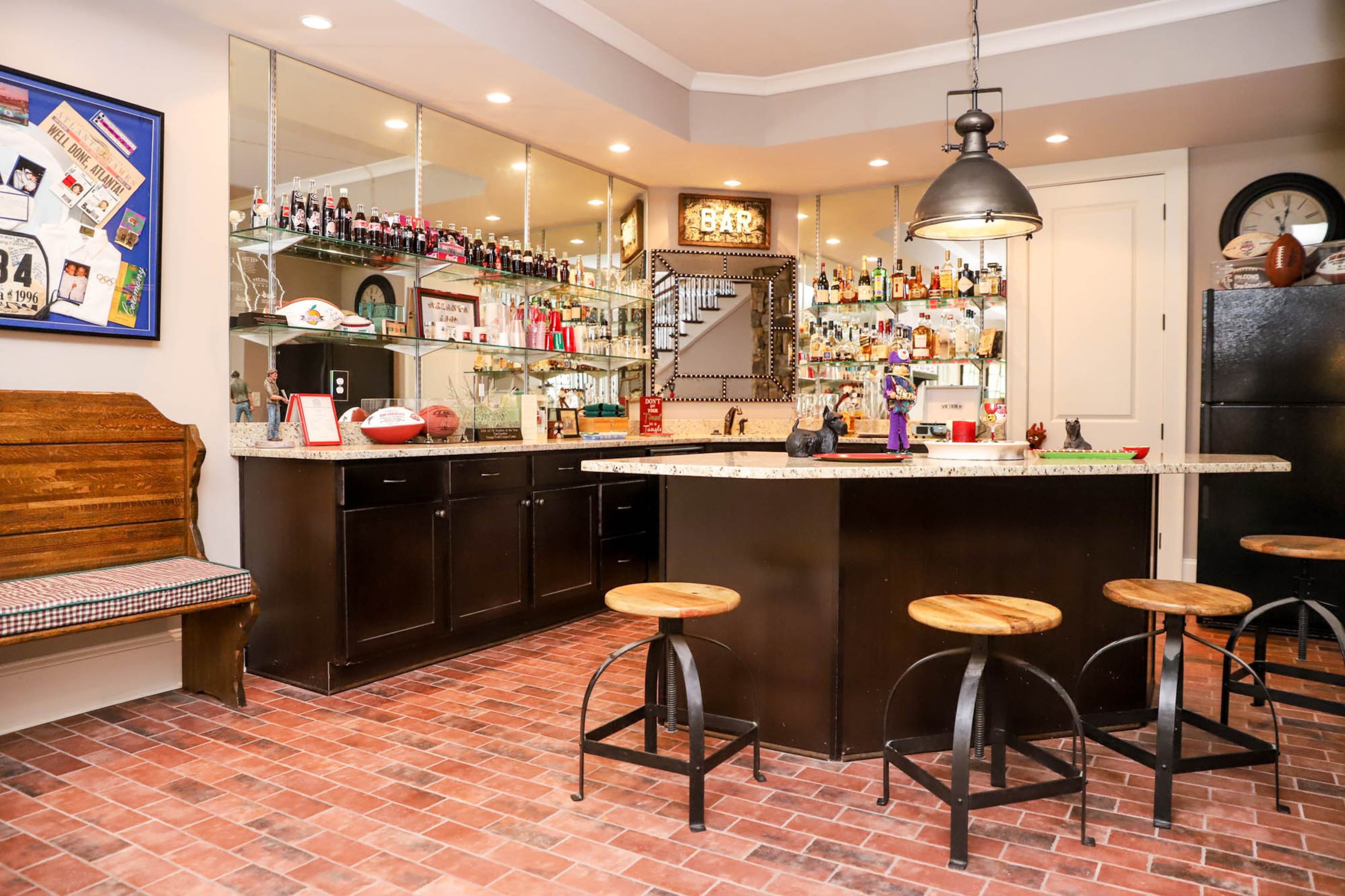
This article explores how to create a sophisticated and functional at-home bar, offering insights and inspiration from various interior designers. A dedicated drinks station can transform an ordinary space into a celebratory hub, encouraging conversation and connection through thoughtful design and imaginative touches. The article highlights ten distinct designer spaces, showcasing a range of styles from dual-purpose library-bar concepts to nautical-themed speakeasies. Each example emphasizes bespoke finishes and unique elements to enhance the home bar experience.
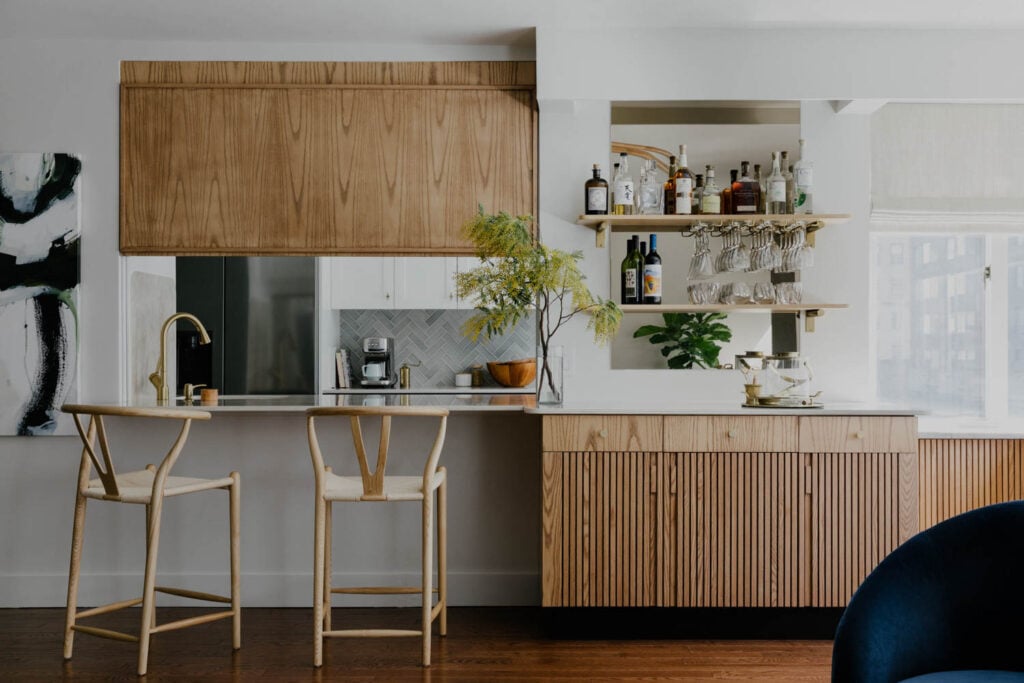
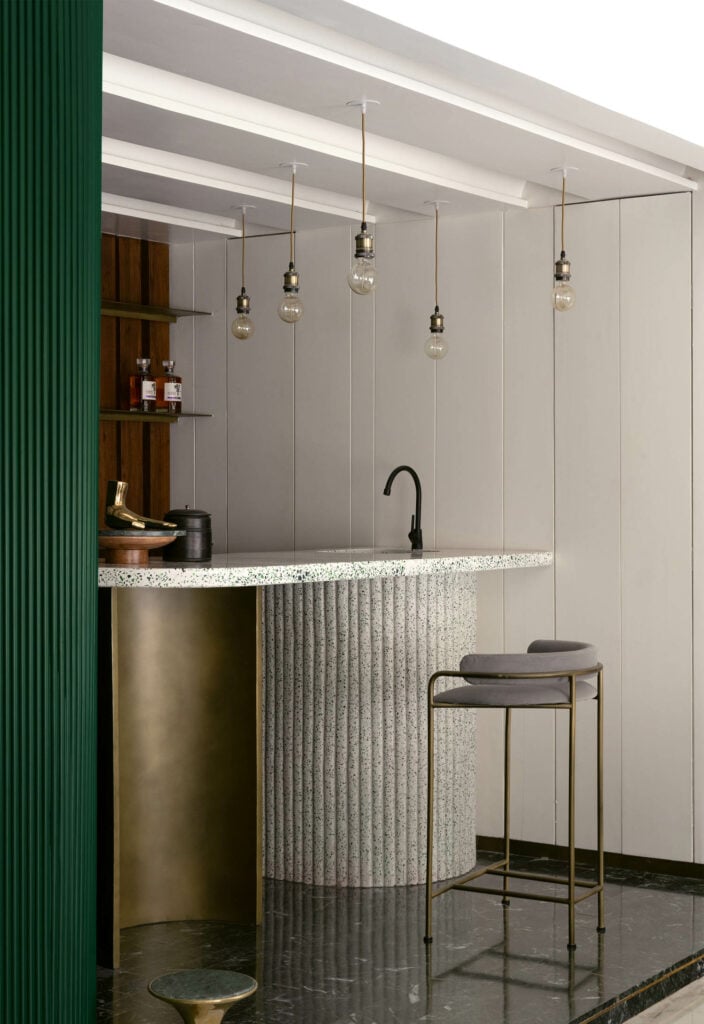
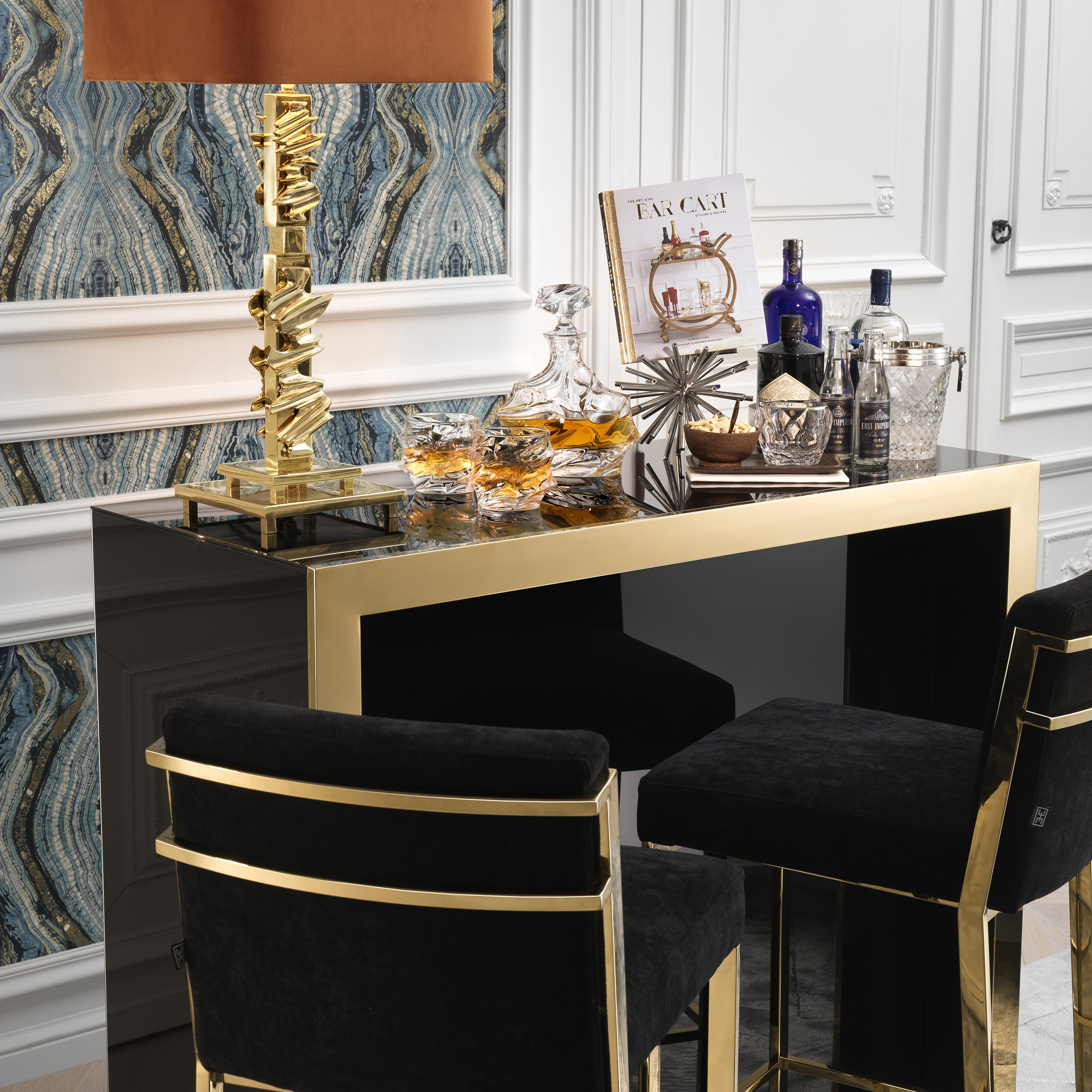
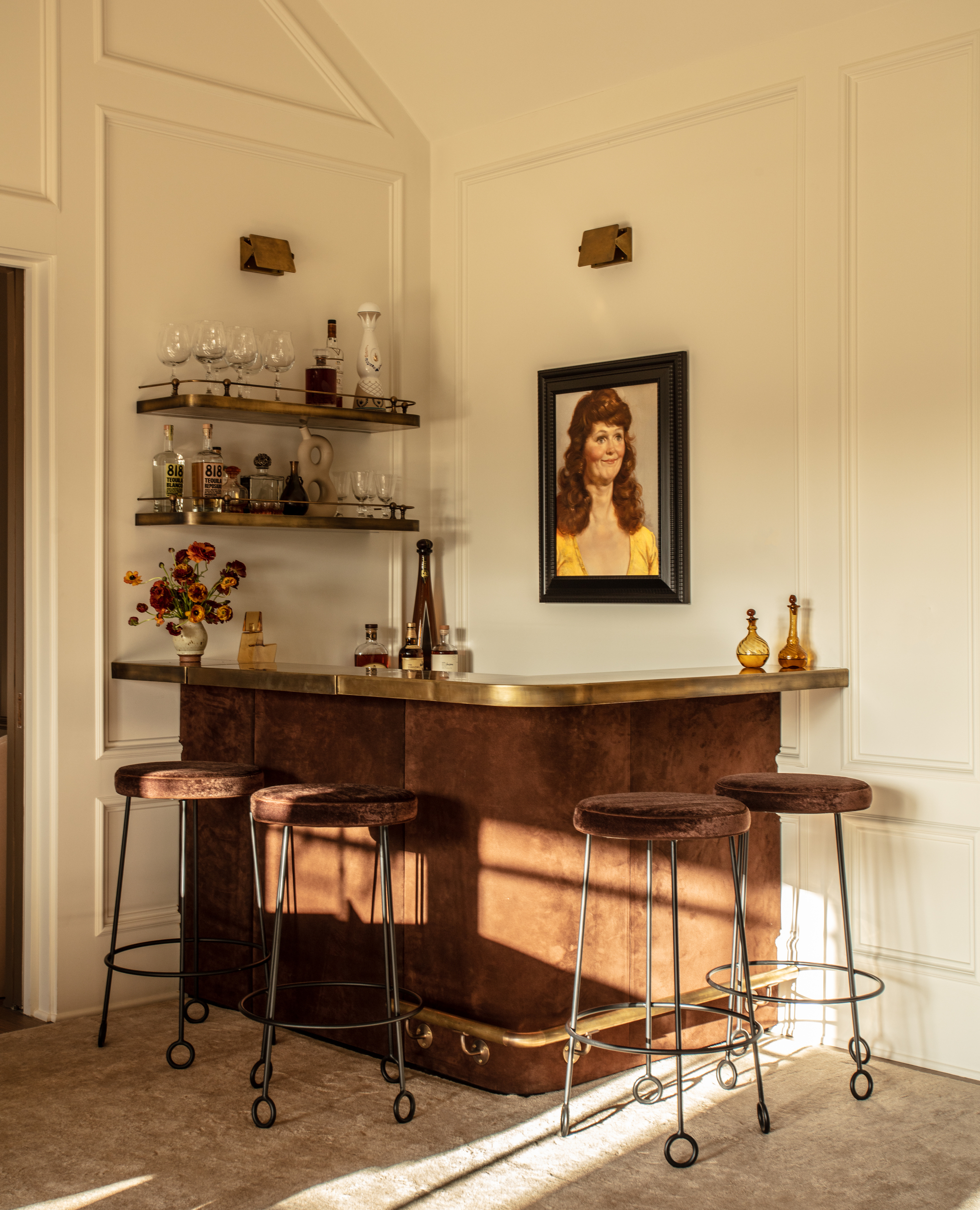
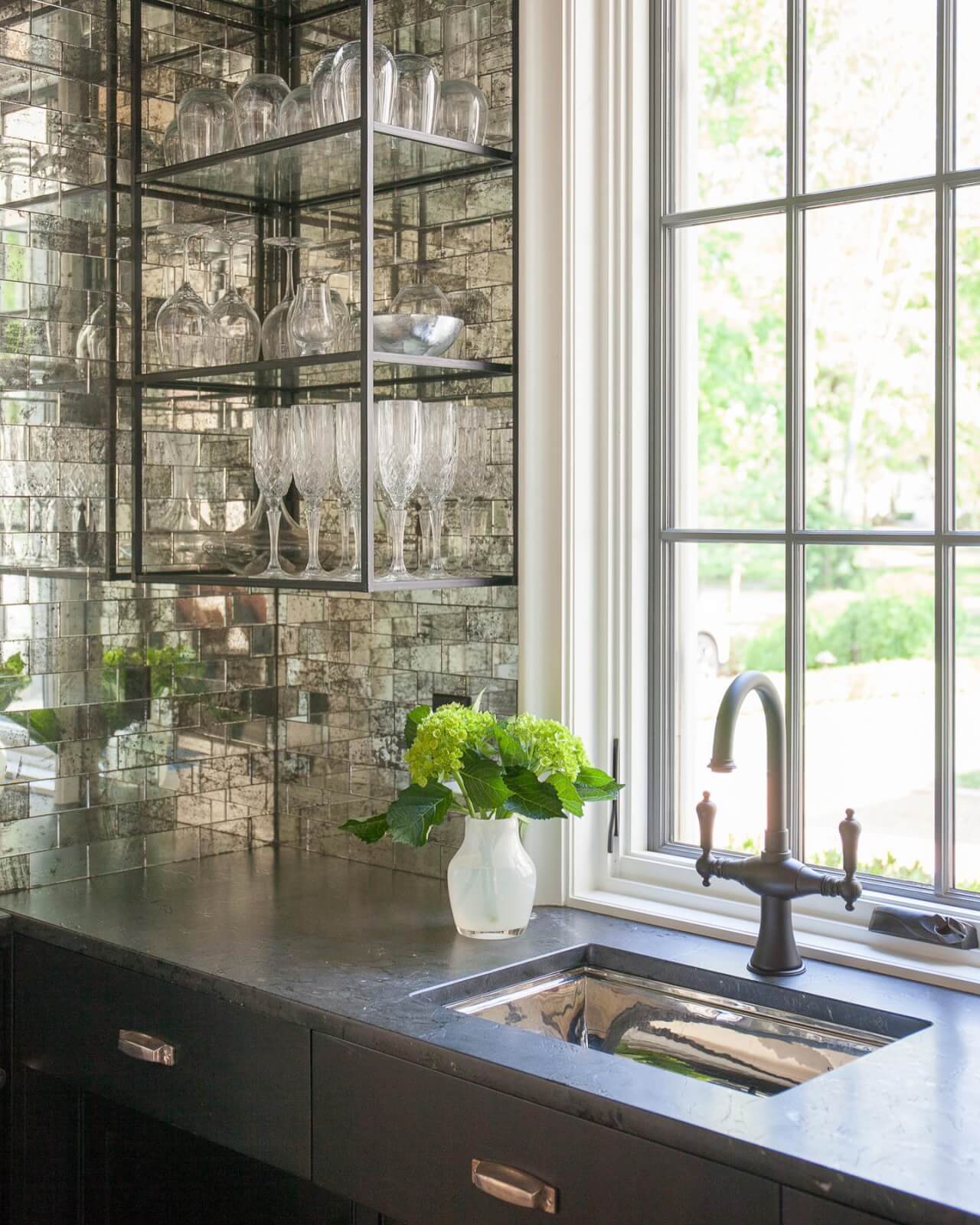
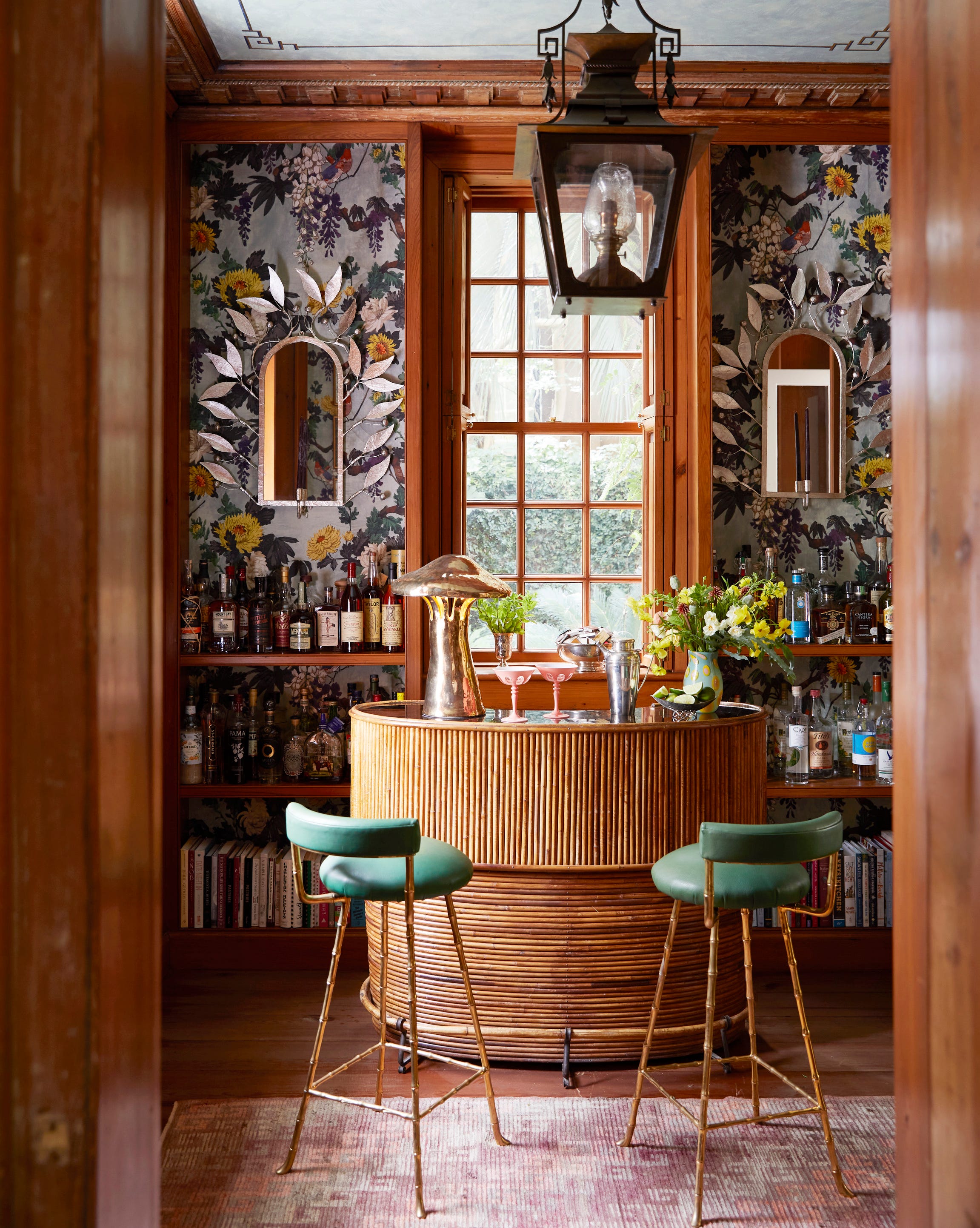
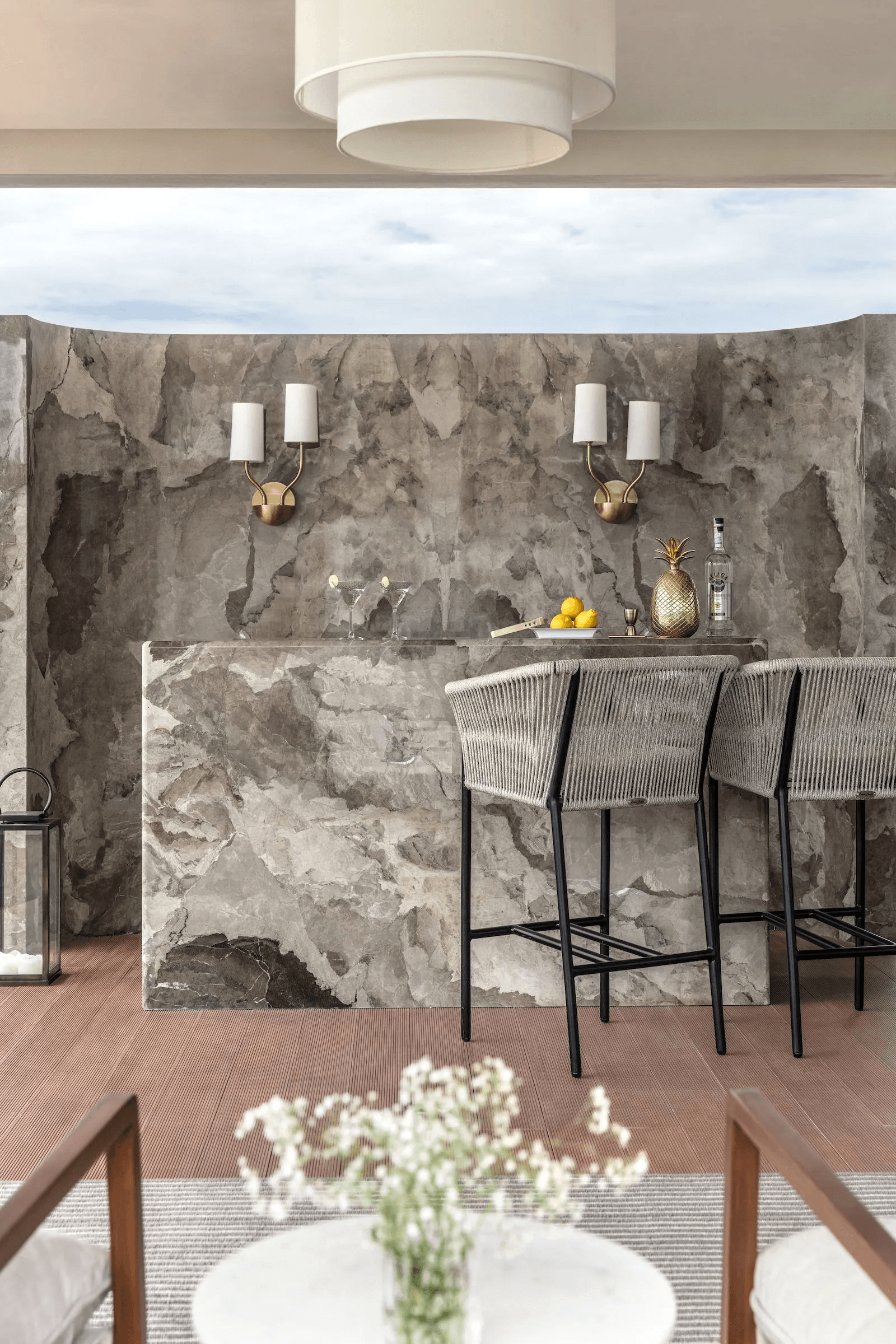
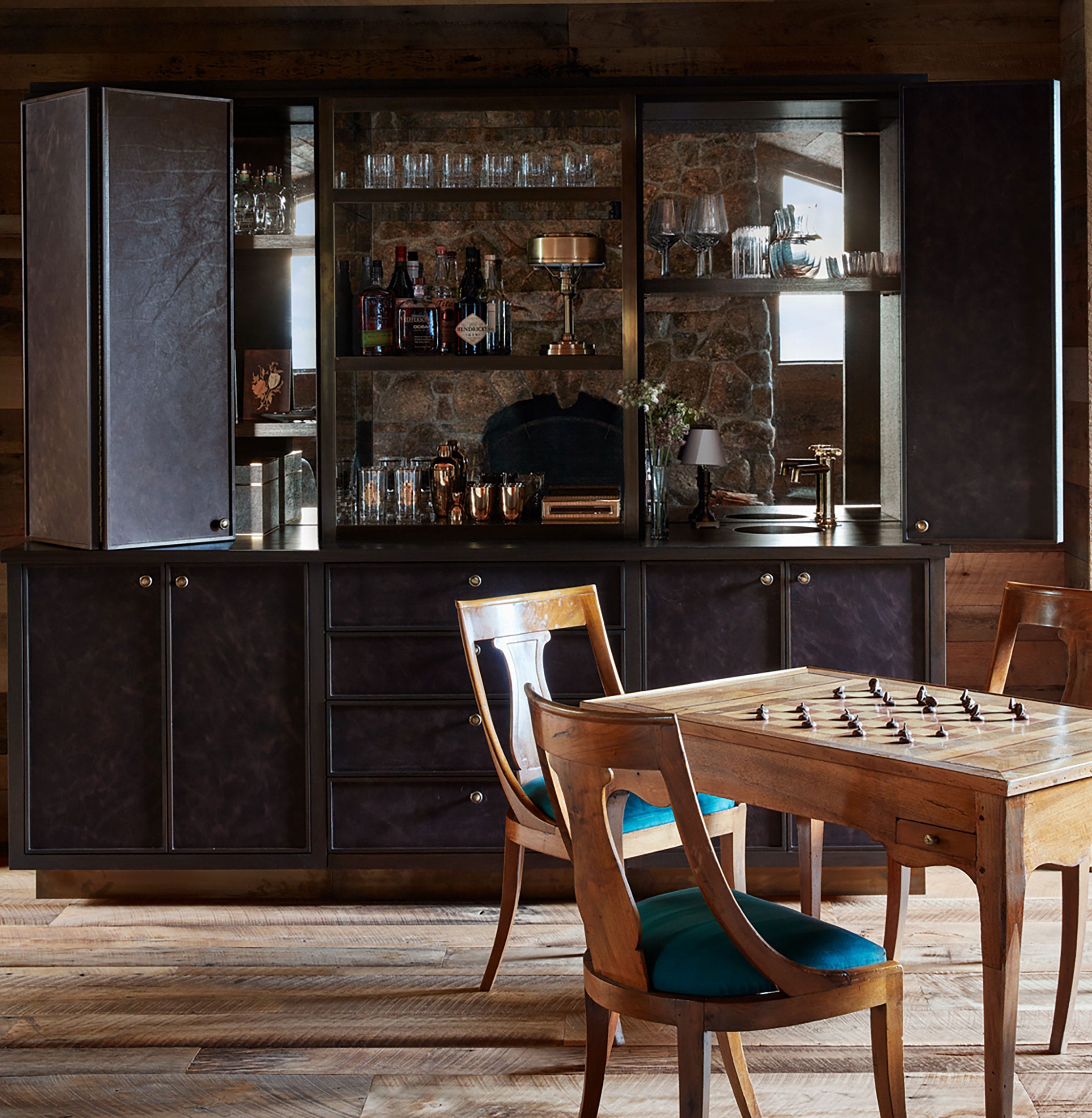
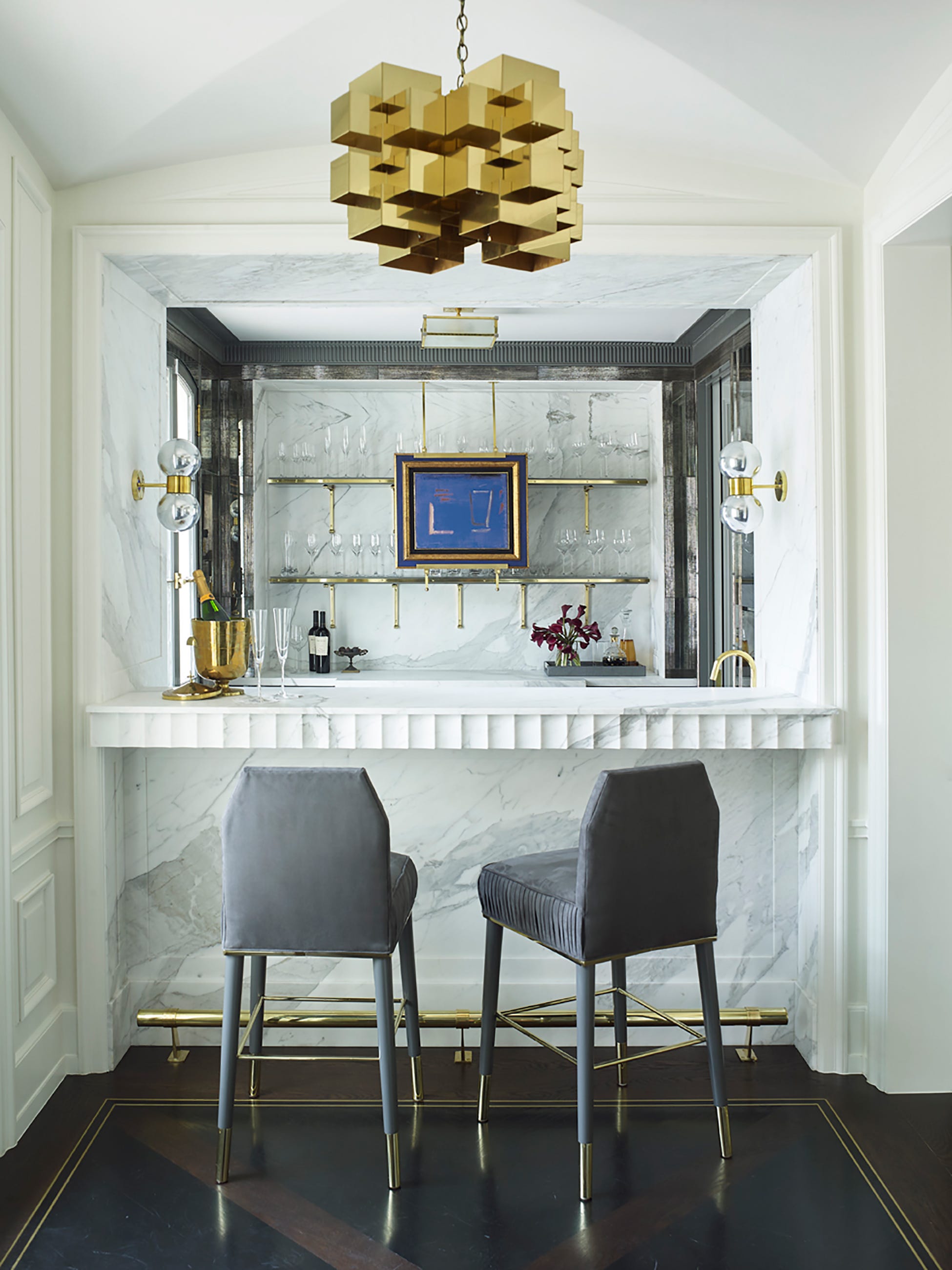
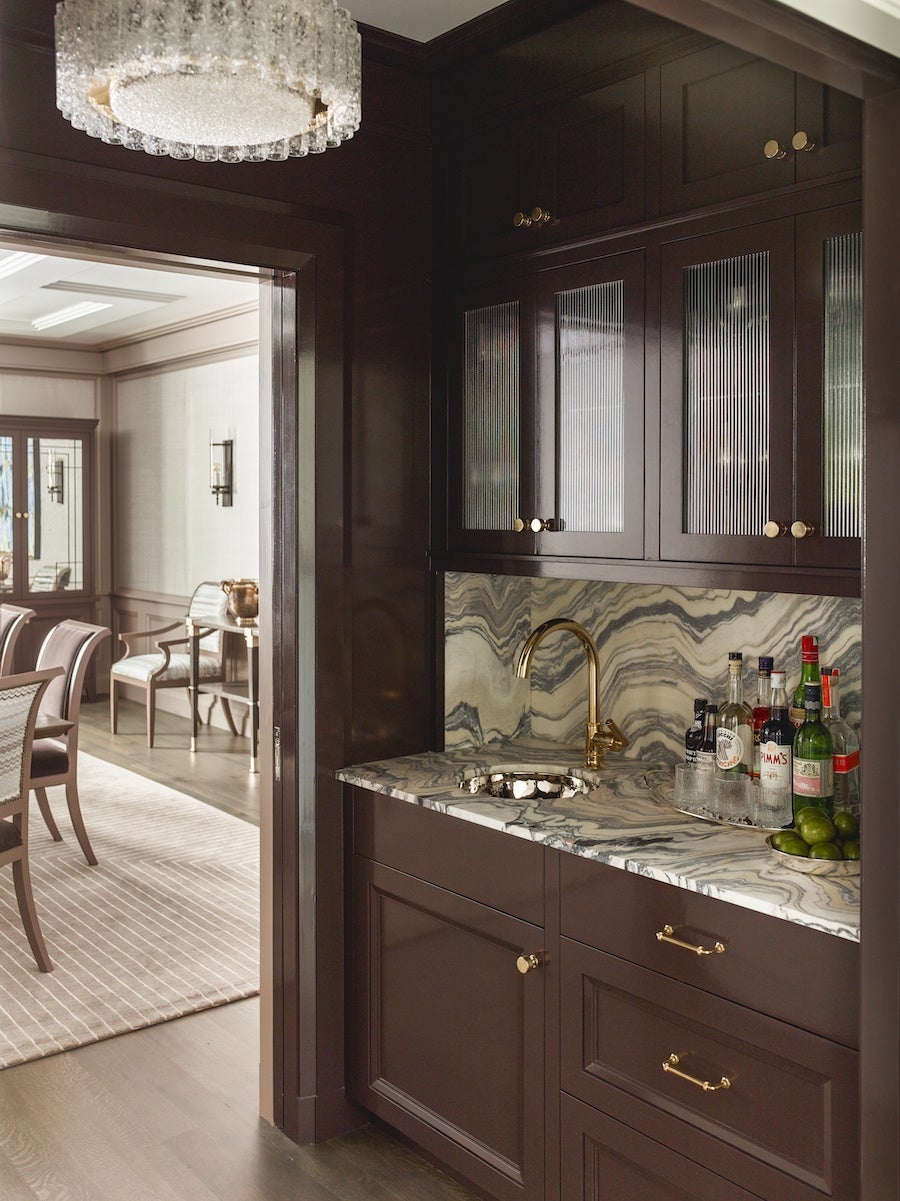
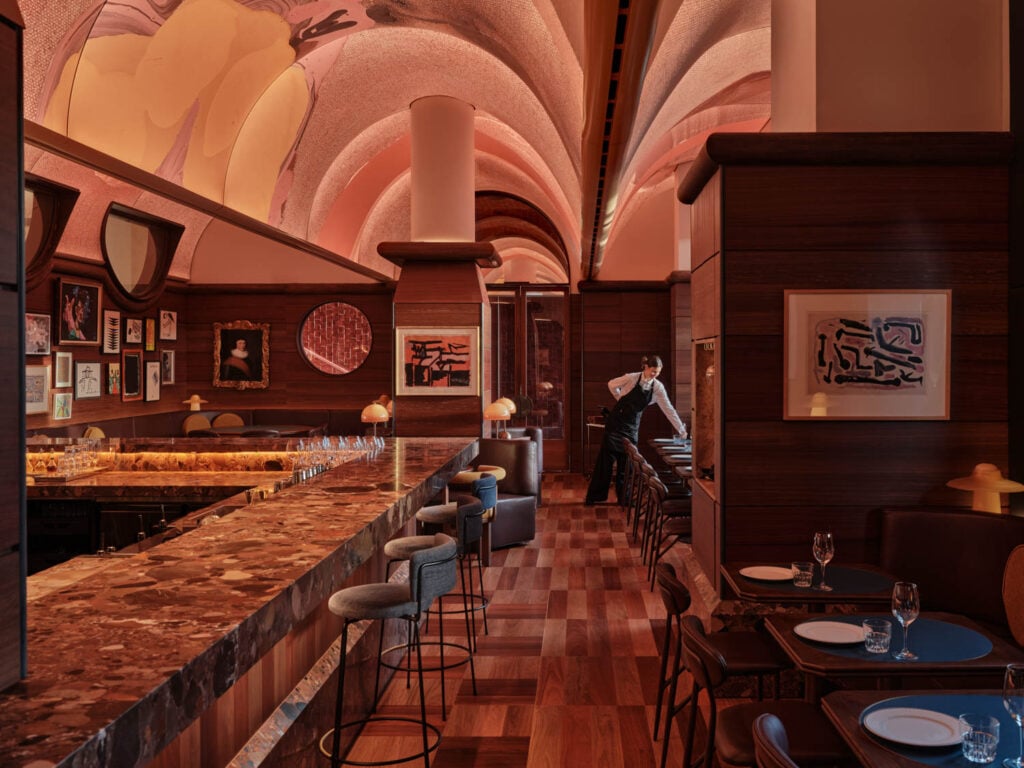
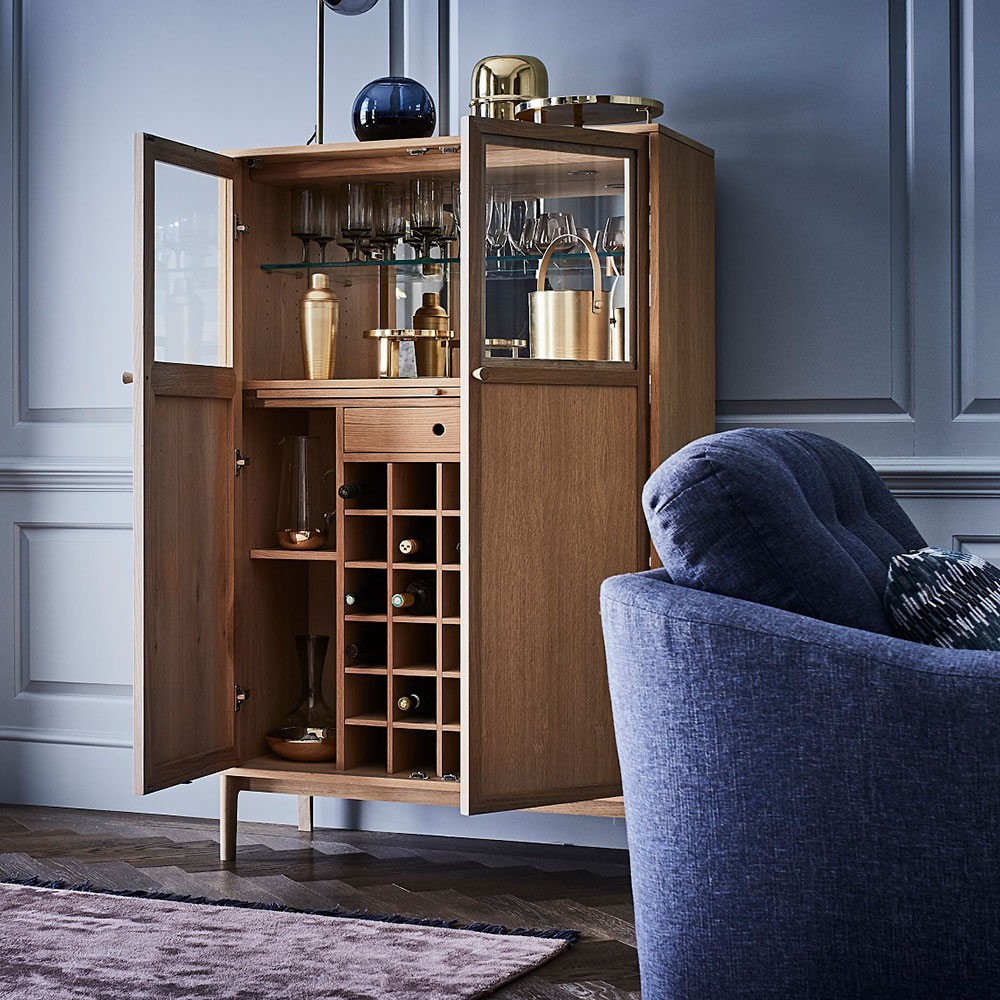
One approach involves designing dual-purpose areas, such as a library that also serves as a libations lounge. This setup incorporates ample shelving for both books and beverages, making the space versatile and engaging from day to night. Another key design element discussed is the integration of luxurious materials. Designers like Audrey Defforey suggest using elegant woods, high-gloss ceilings, and premium countertops to create a refined and opulent atmosphere within the home bar. This focus on material quality elevates the aesthetic and tactile experience of the space.
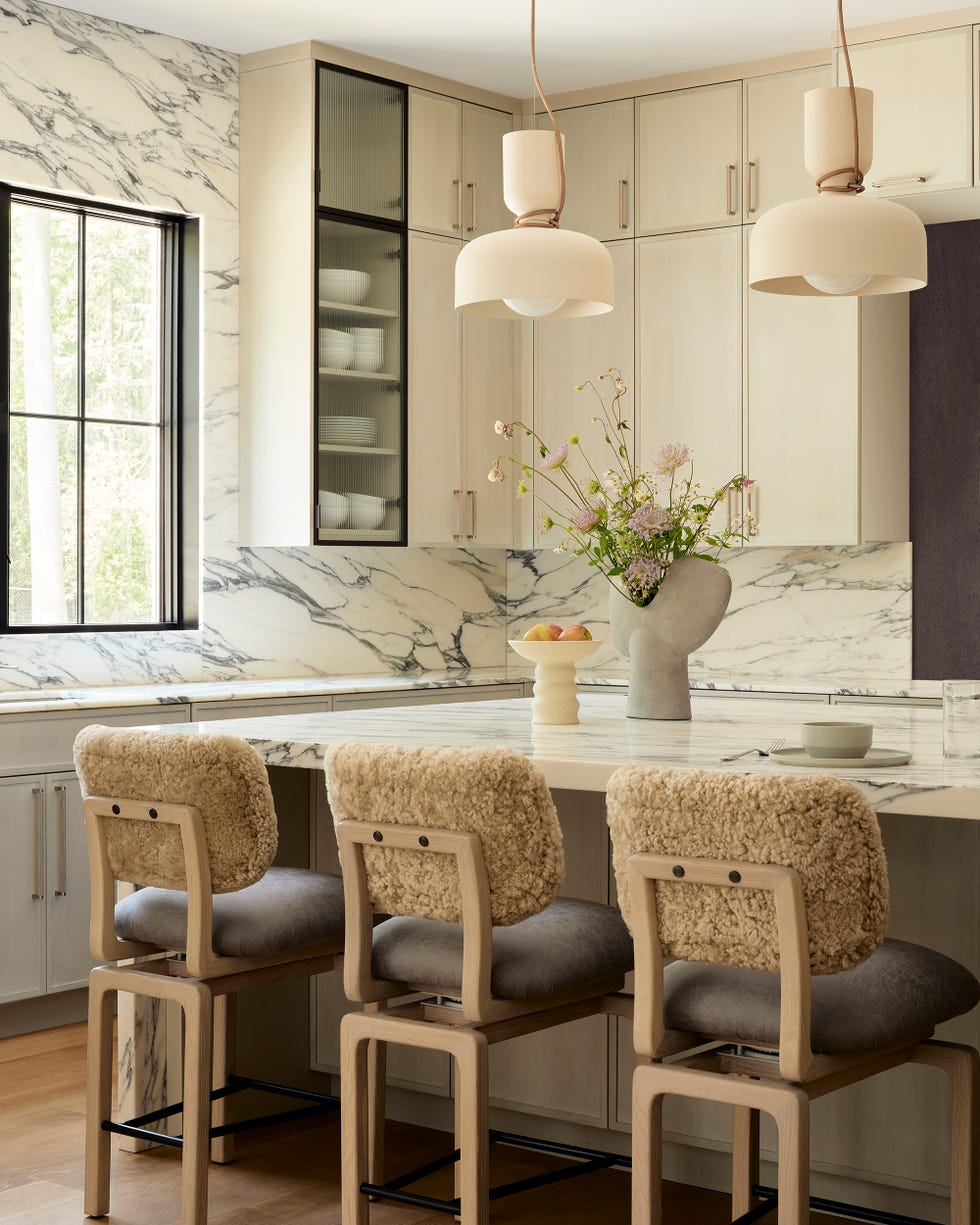
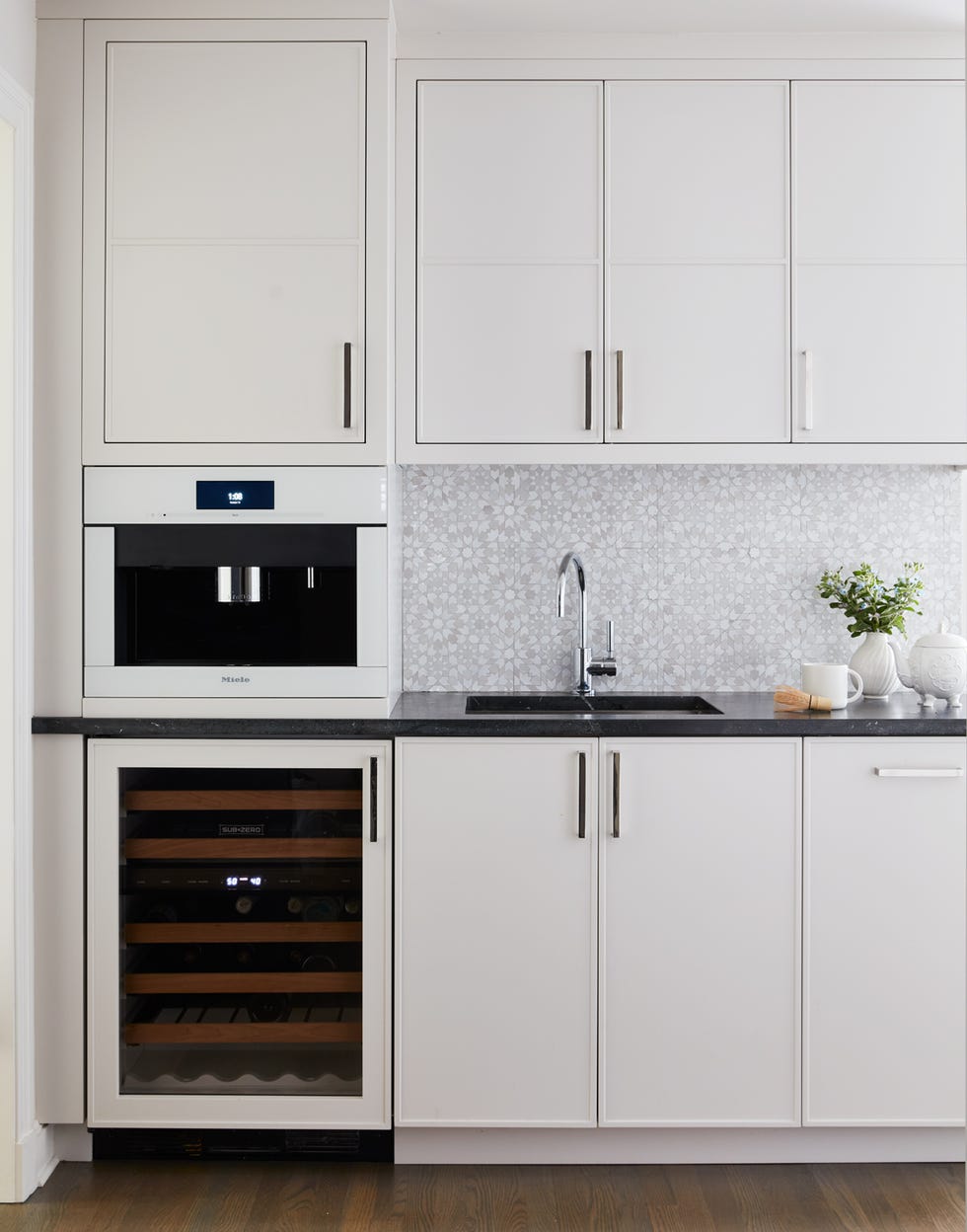
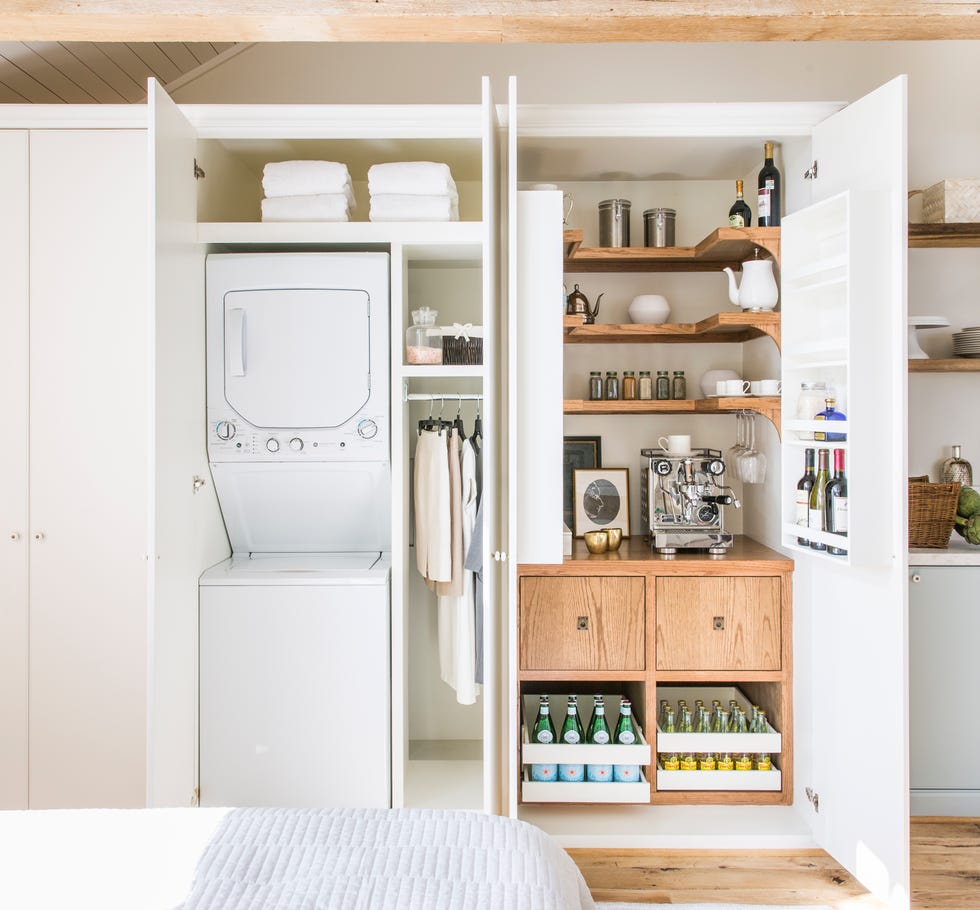
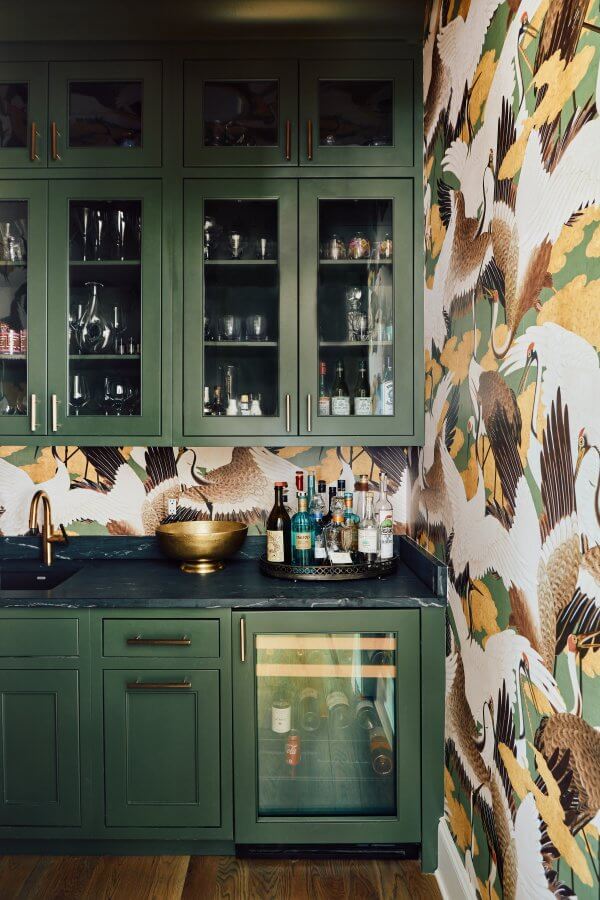
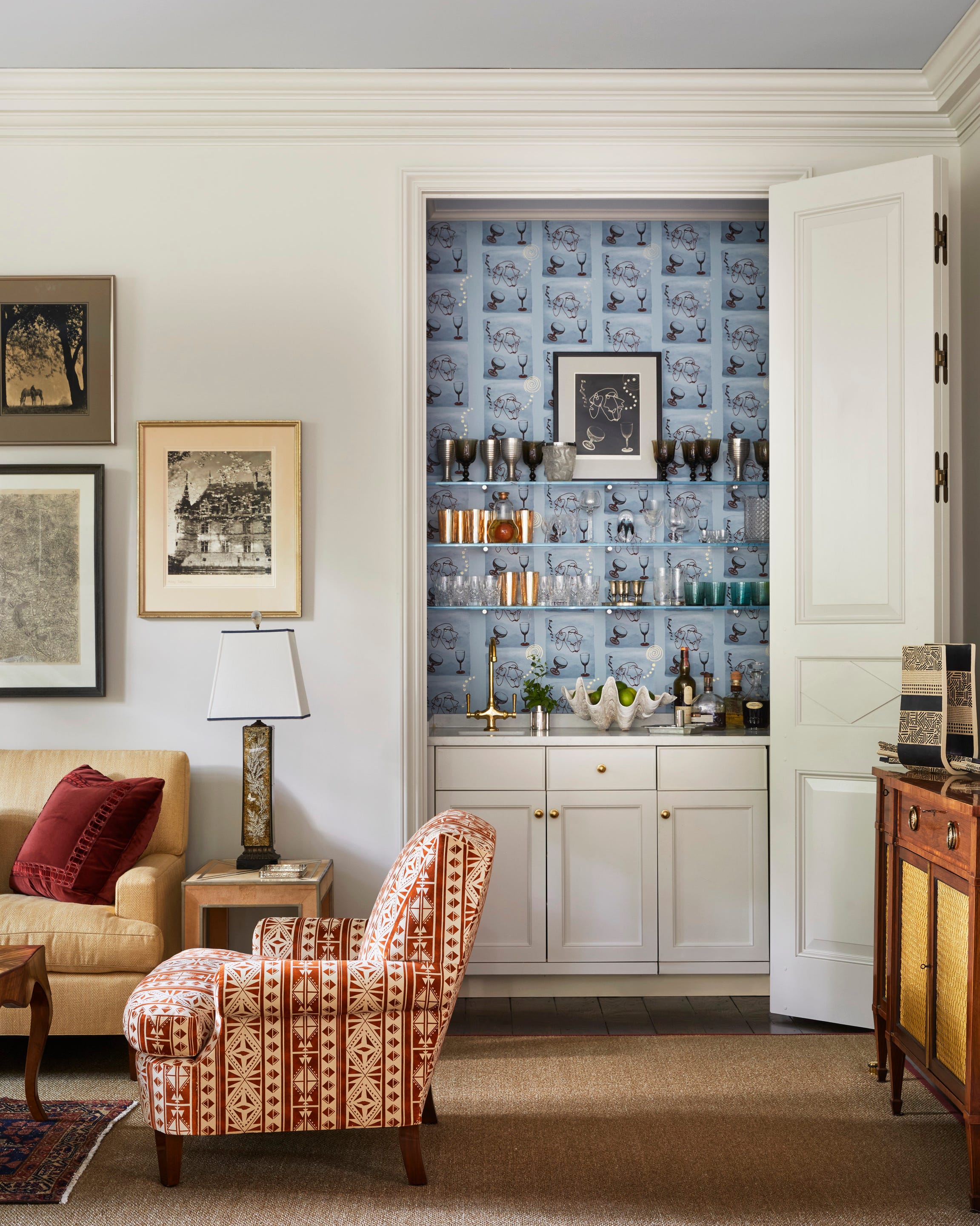
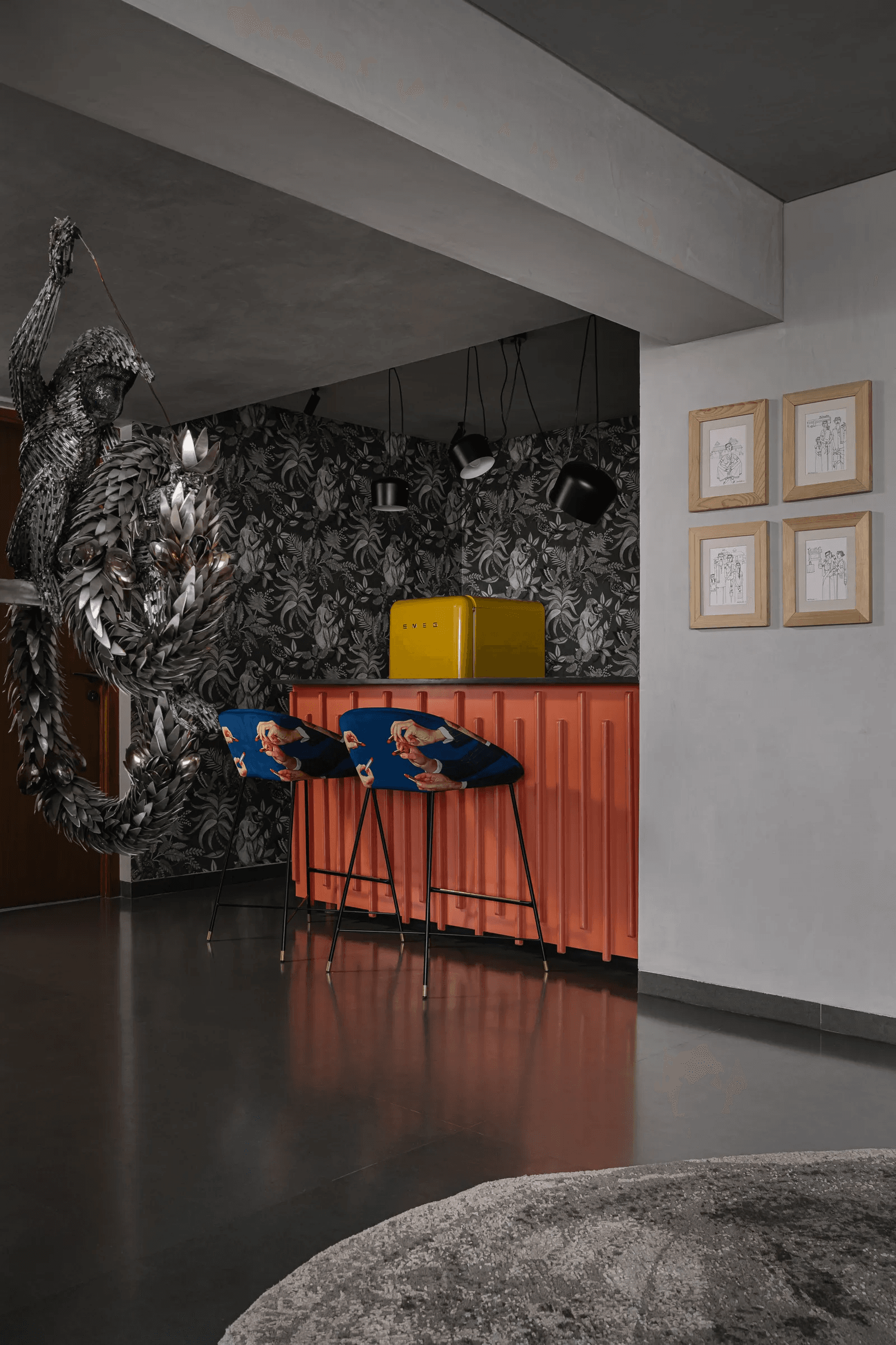
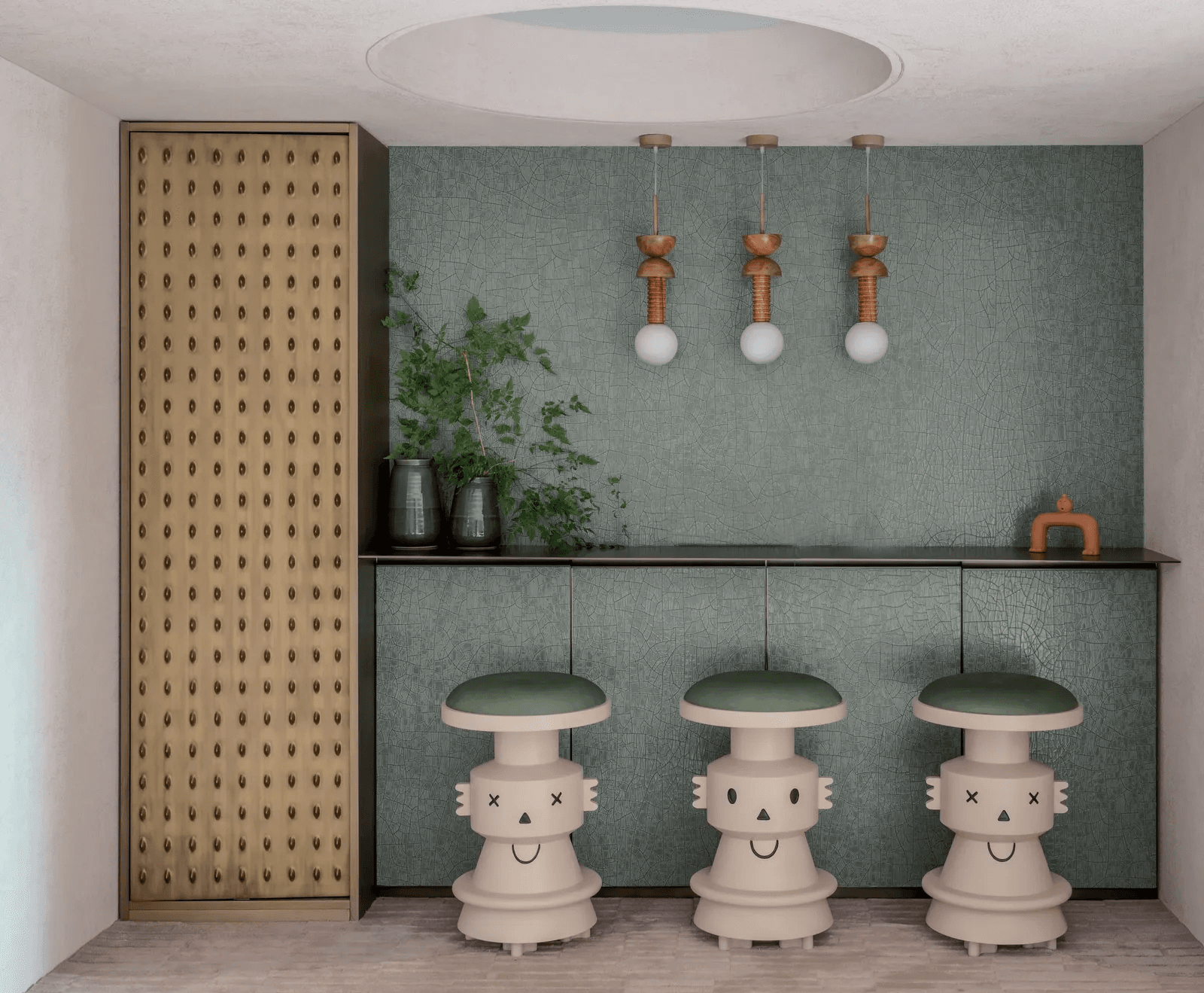
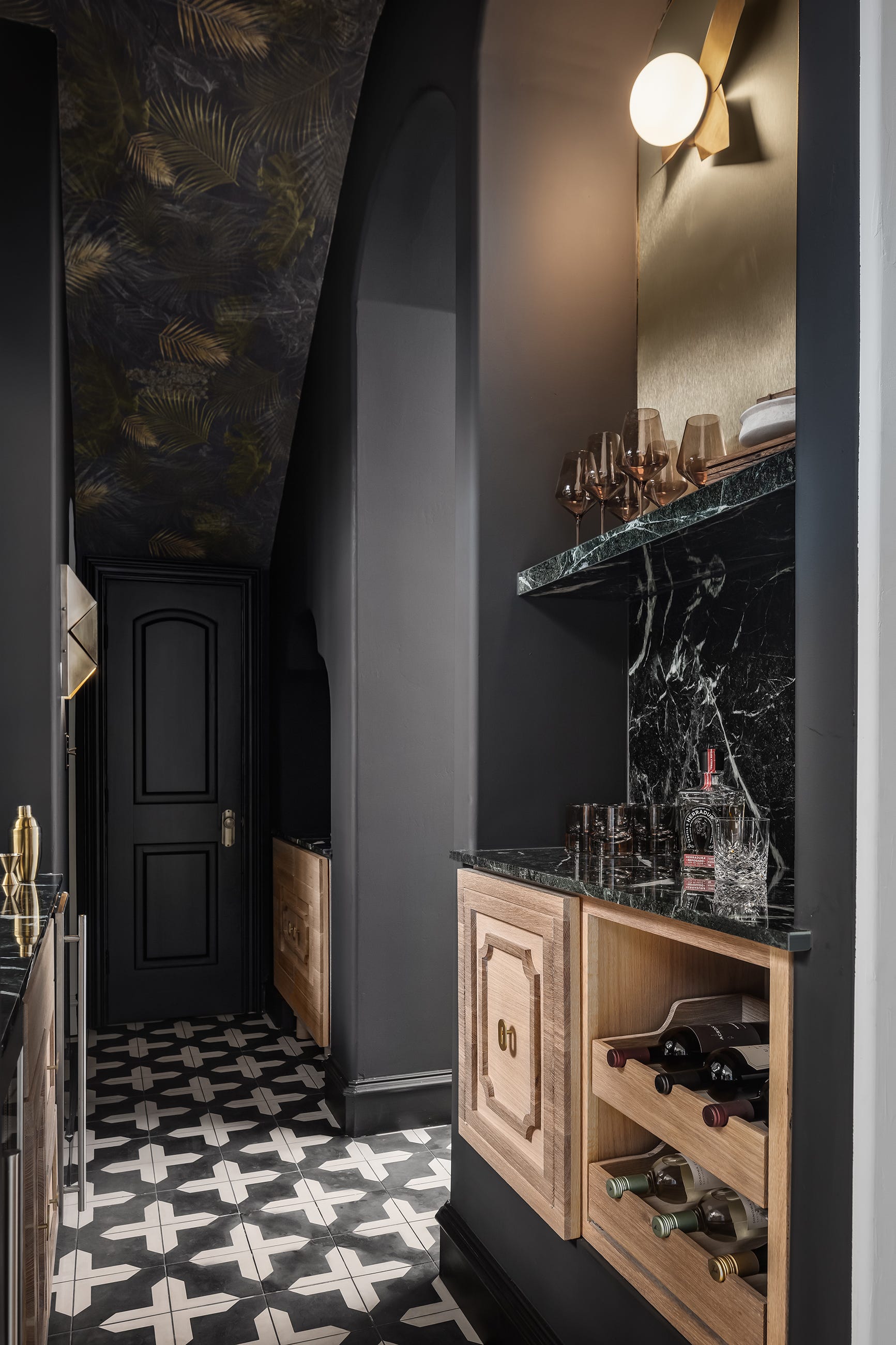
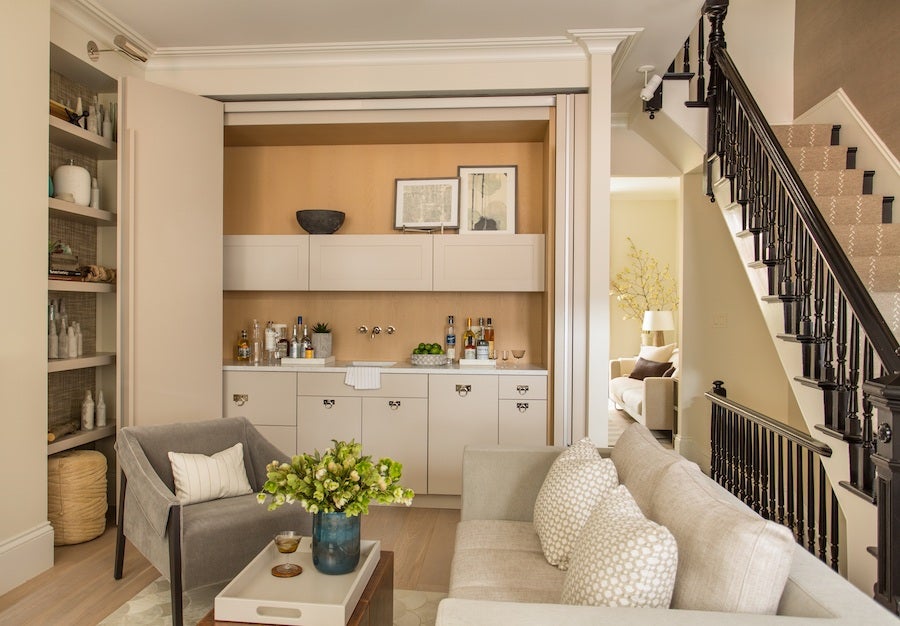
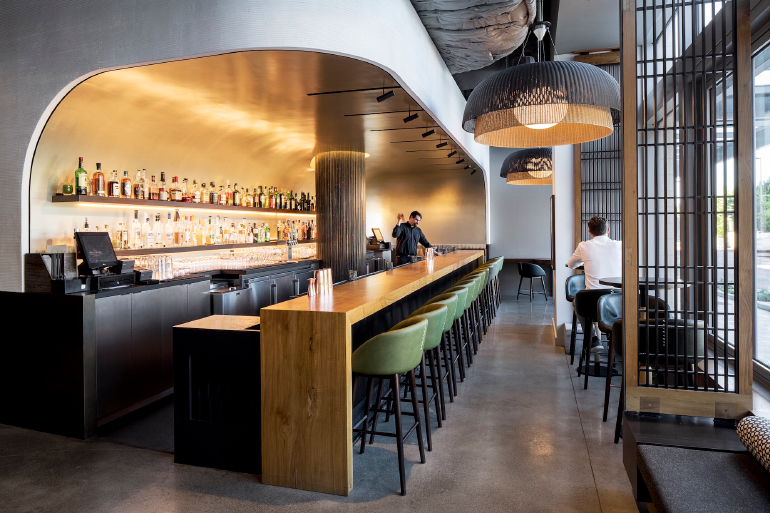
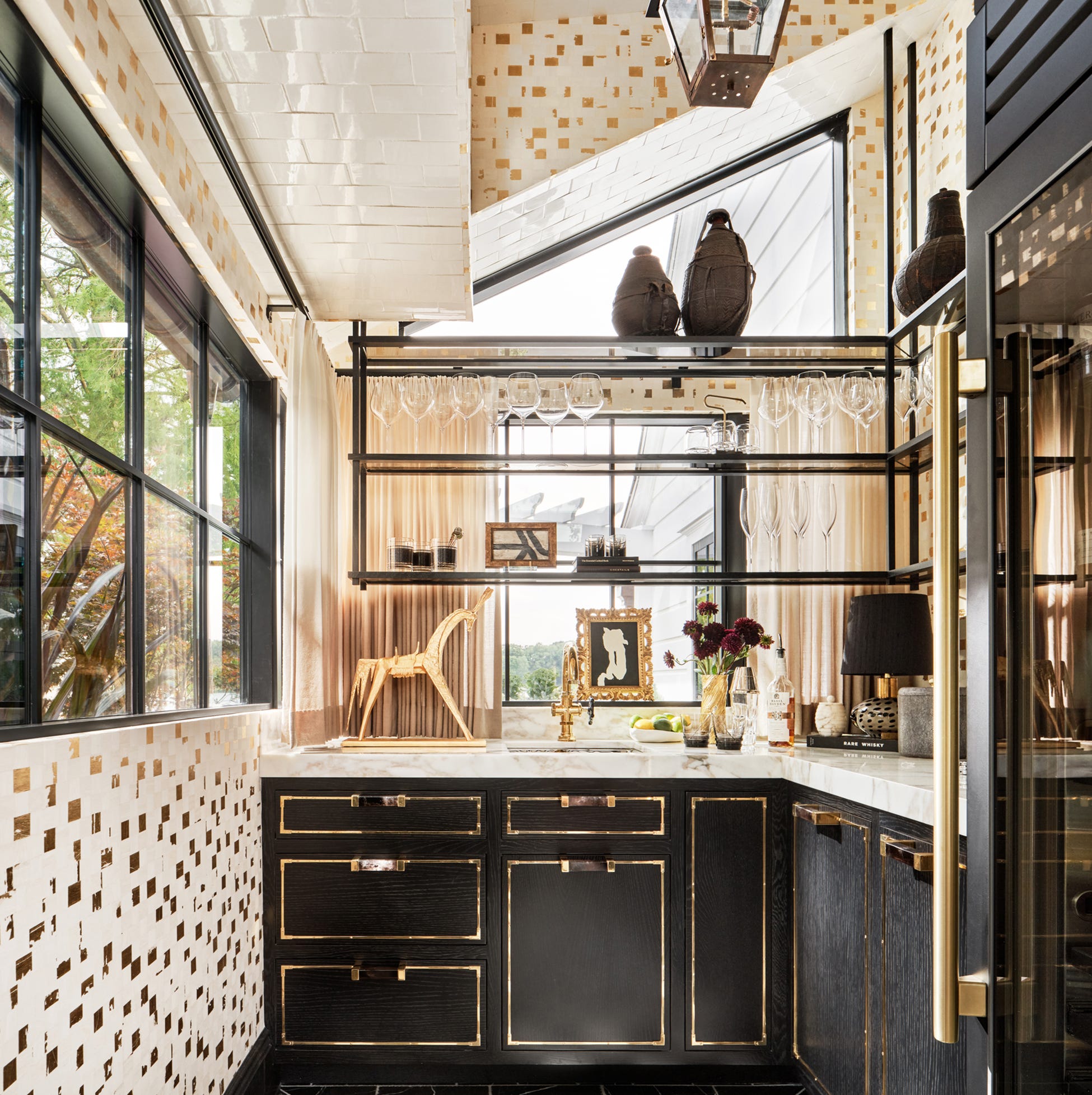
Seating is presented as a crucial component, akin to jewelry for the bar area. Custom-designed stools, often featuring unique fabrics or metallic accents, can add a significant touch of glamour and personality. The article also addresses space constraints, demonstrating that even small nooks or closets can be transformed into impressive bar areas. Zoë Feldman's 'closet' bar, for instance, utilizes patterned backsplashes and vintage glassware to create a distinct and inviting mini-bar that feels like a separate world when its doors are opened.
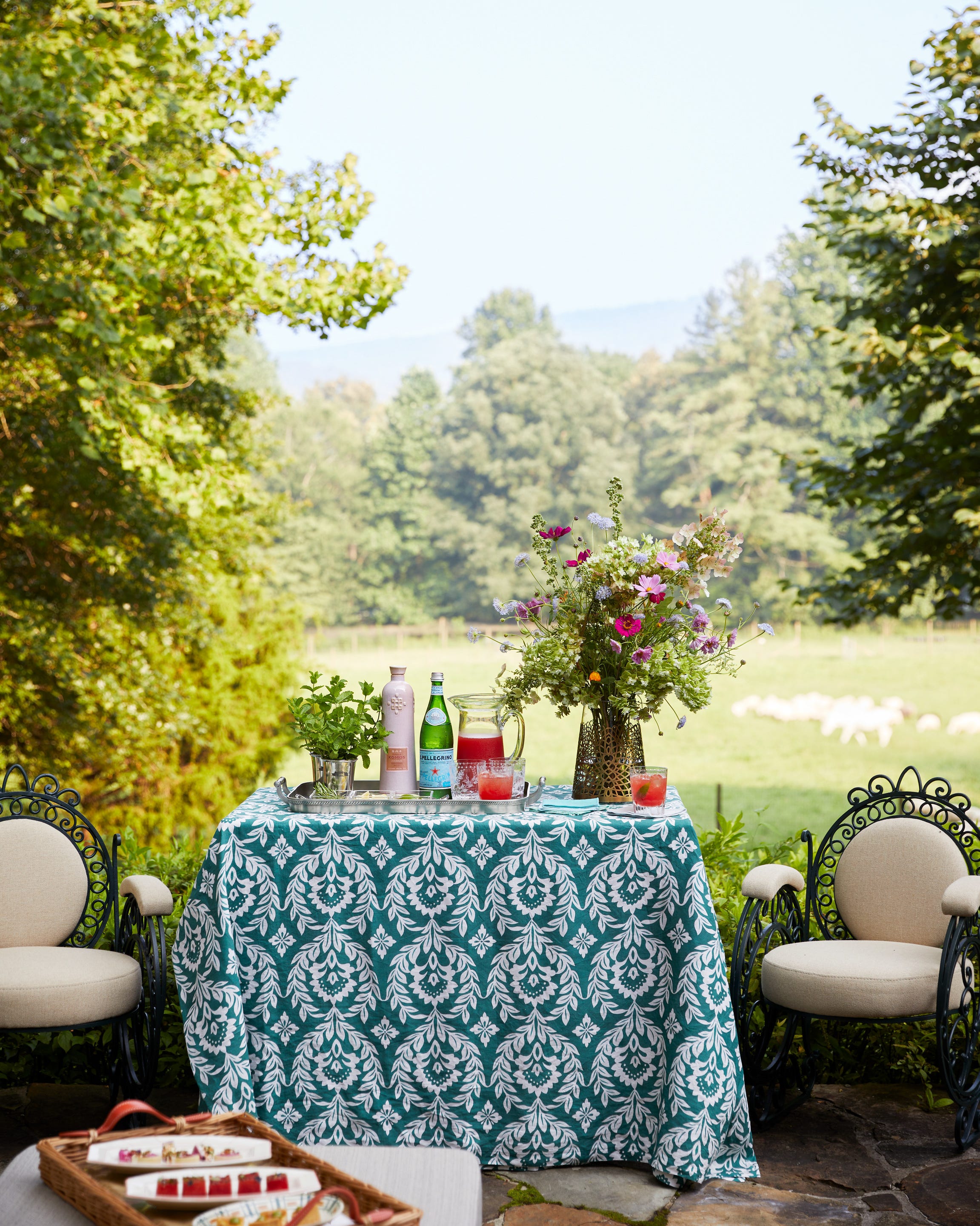
For those aiming for an immersive experience, the use of panoramic wall murals is suggested to transport inhabitants to a desired environment, such as a vacation-worthy poolhouse bar. The article also covers the importance of practical elements like custom tables designed to accommodate drinks, cards, and social interactions. Furthermore, the concept of a freestanding bar, like a tiki bar in a backyard, is explored as a way to create a private escape with themed decor, painted wood floors, vintage swivel stools, and bamboo accents.
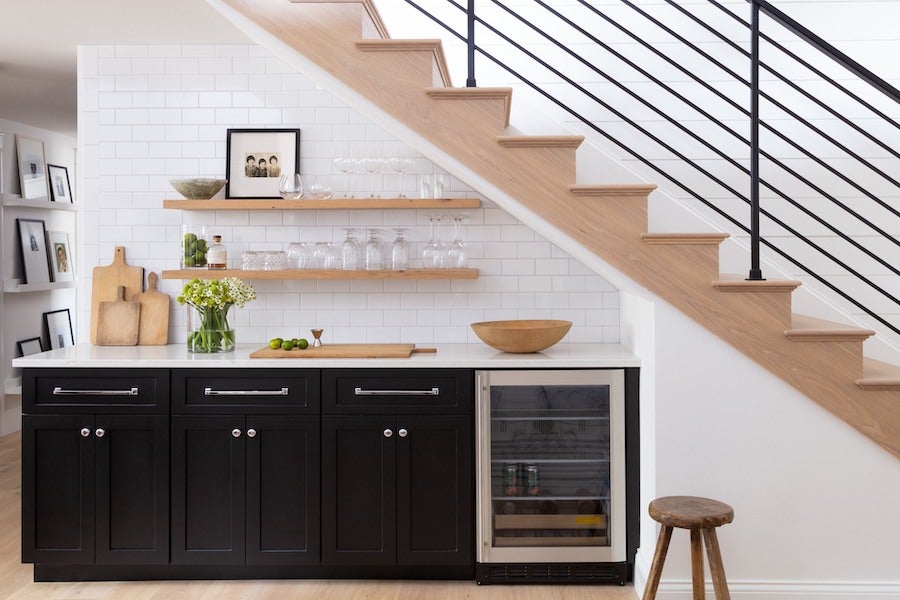
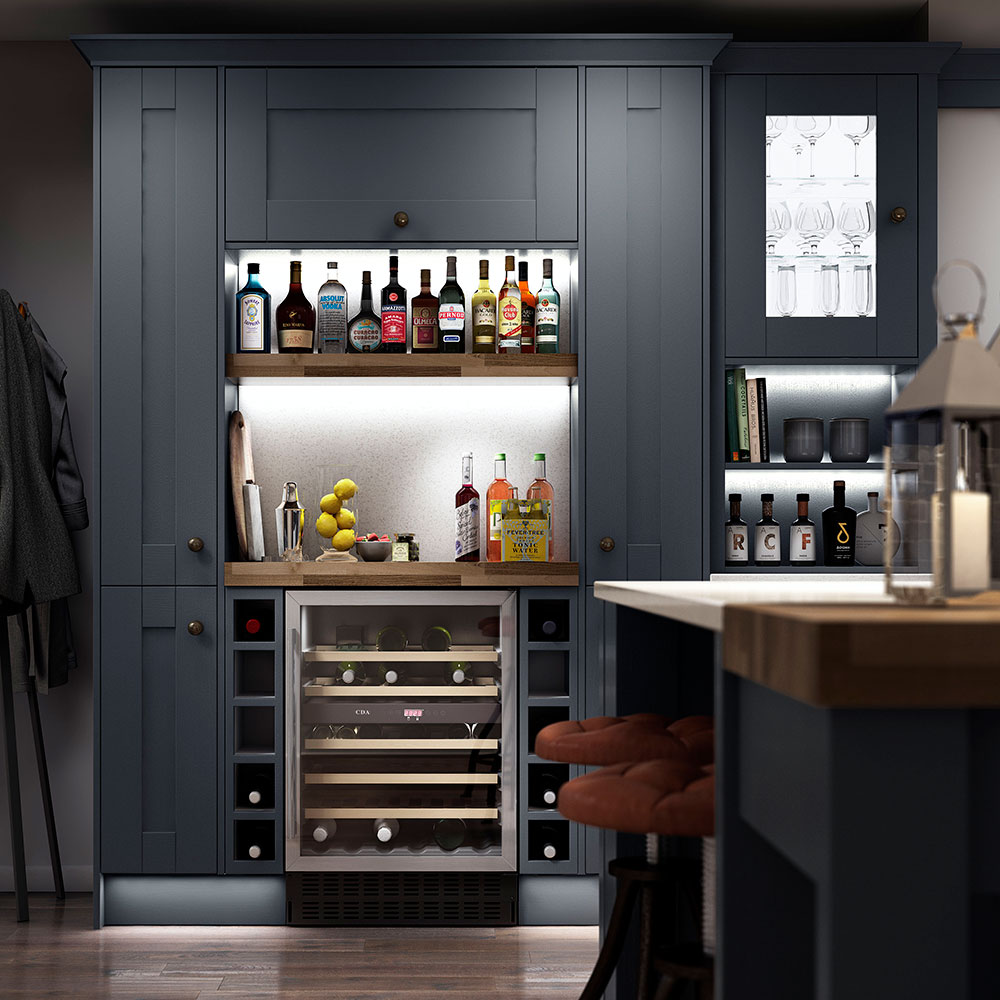
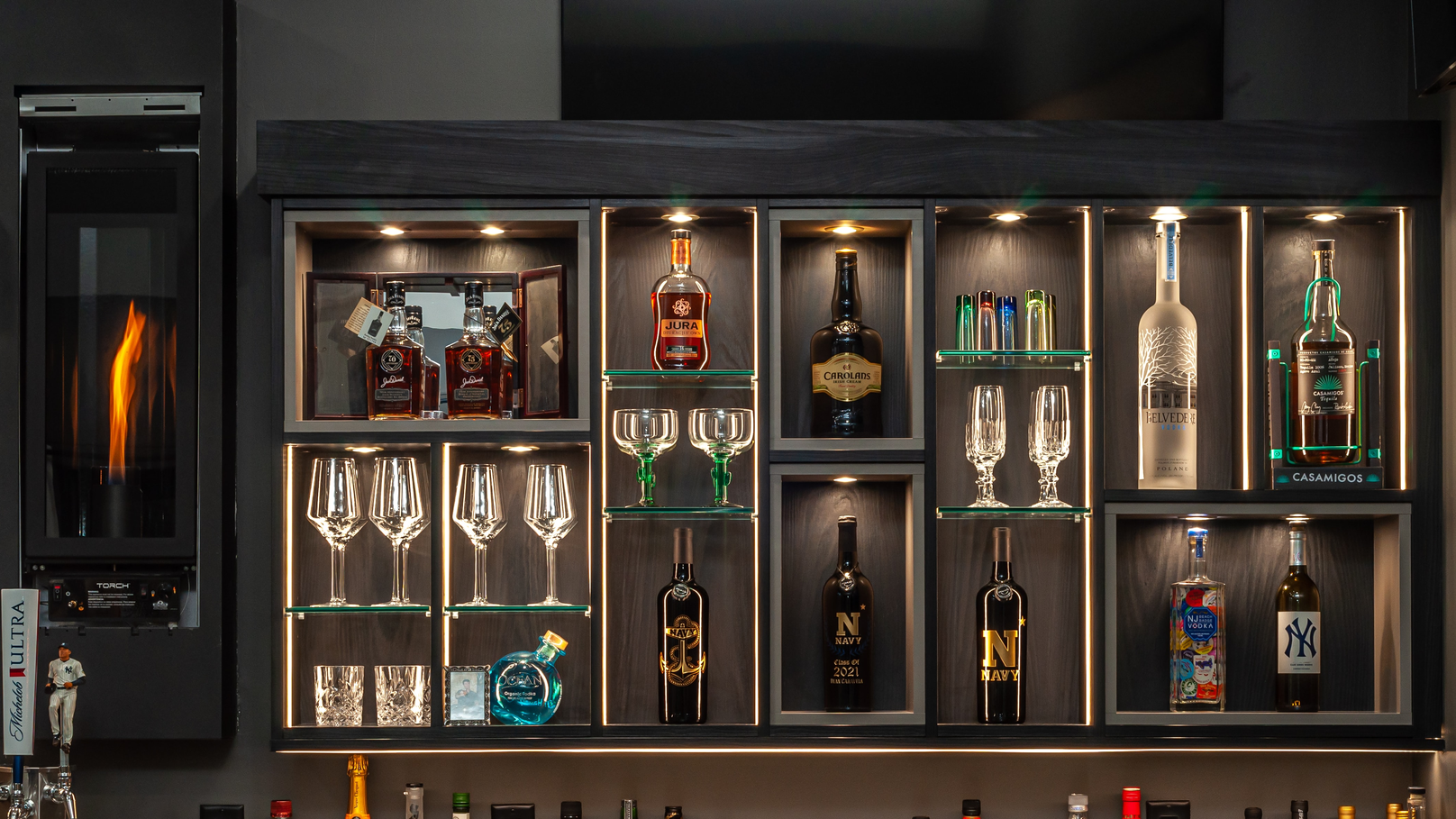
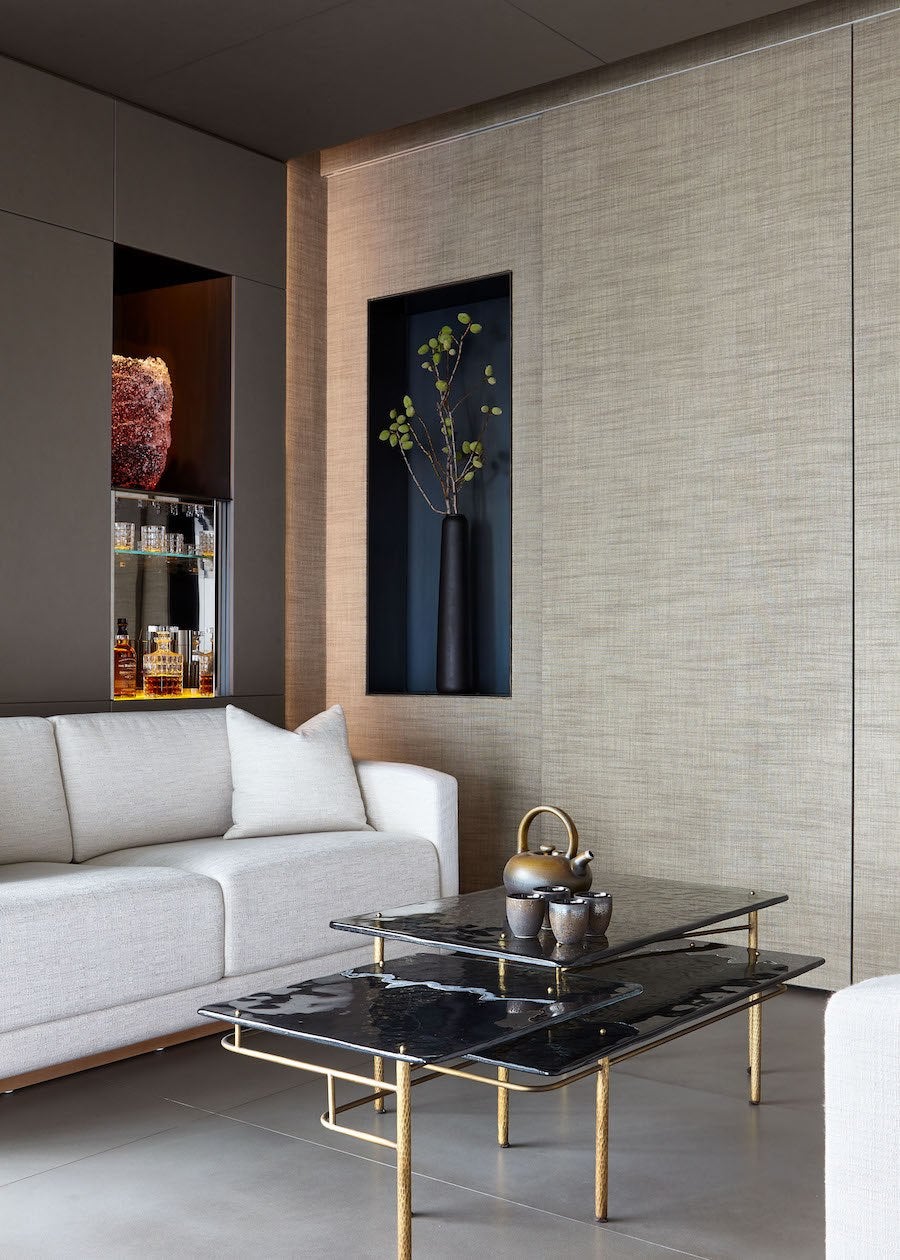
Another design idea is to lean into a specific theme, such as a ship-inspired speakeasy. This involves incorporating architectural elements like bowed ceilings, ship's masts, portholes, and raw wood finishes to create a unique and atmospheric setting. The placement of the bar within the home is also considered, with suggestions ranging from separate dedicated rooms to tucked-away corners in living areas, allowing guests to easily mix and mingle. Finally, the article highlights the visual appeal of showcasing liquor bottles, suggesting backlighting them to create a jewel-like display that adds a touch of glamour to the bar.
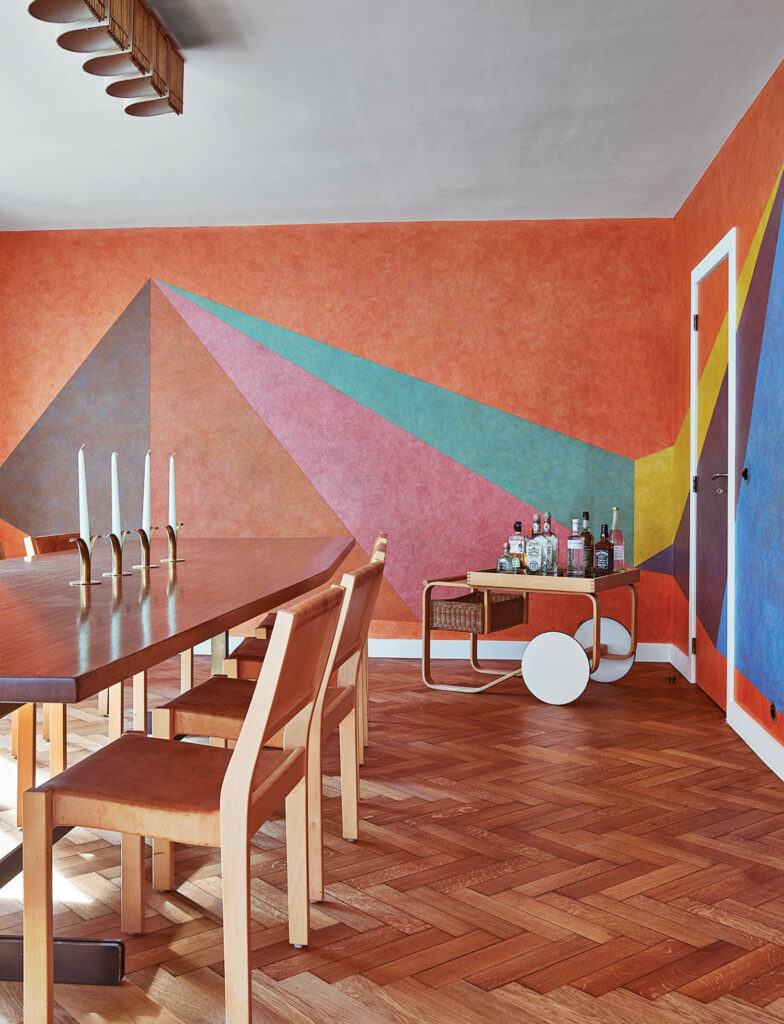
Three designers—Audrey Defforey, Lindley Arthur, and Jeanne Barber—offer expert advice on creating a successful home bar. Defforey emphasizes the importance of making the bar feel like a unique destination within the home, enhancing entertaining experiences. Arthur encourages taking design risks with bold colors, wallpapers, or dramatic countertops. Barber stresses the significance of mood lighting, suggesting strip lights, rechargeable lamps, or illuminated glass bottles to create an intimate and inviting ambiance. These tips underscore the belief that a well-designed home bar is not merely functional but an integral part of the home’s overall aesthetic and entertainment strategy.
#HomeBarDesign #InteriorDesign #EntertainingAtHome #LuxuryInteriors #CustomFurniture #SpaceUtilization #ThemedDecor #MoodLighting #HomeBarDesign #InteriorDesign #EntertainingAtHome #LuxuryInteriors #CustomFurniture #SpaceUtilization #ThemedDecor #MoodLighting
0 comment in total
 No comments yet
You may also like
How This Designer Created a Home Bar That Rivals Any Speakeasy

Home Bars Are Becoming a Must-Have For Hosts — Here's All You Need to Know to Set up Your Own

Vastu for home bar: 5 lucky tips for the perfect bar placement

Up your entertaining game with a home bar, wine cellar installation
Designer-Approved Advice for Creating a Dreamy At-Home Coffee Bar

7 Home Bar Ideas

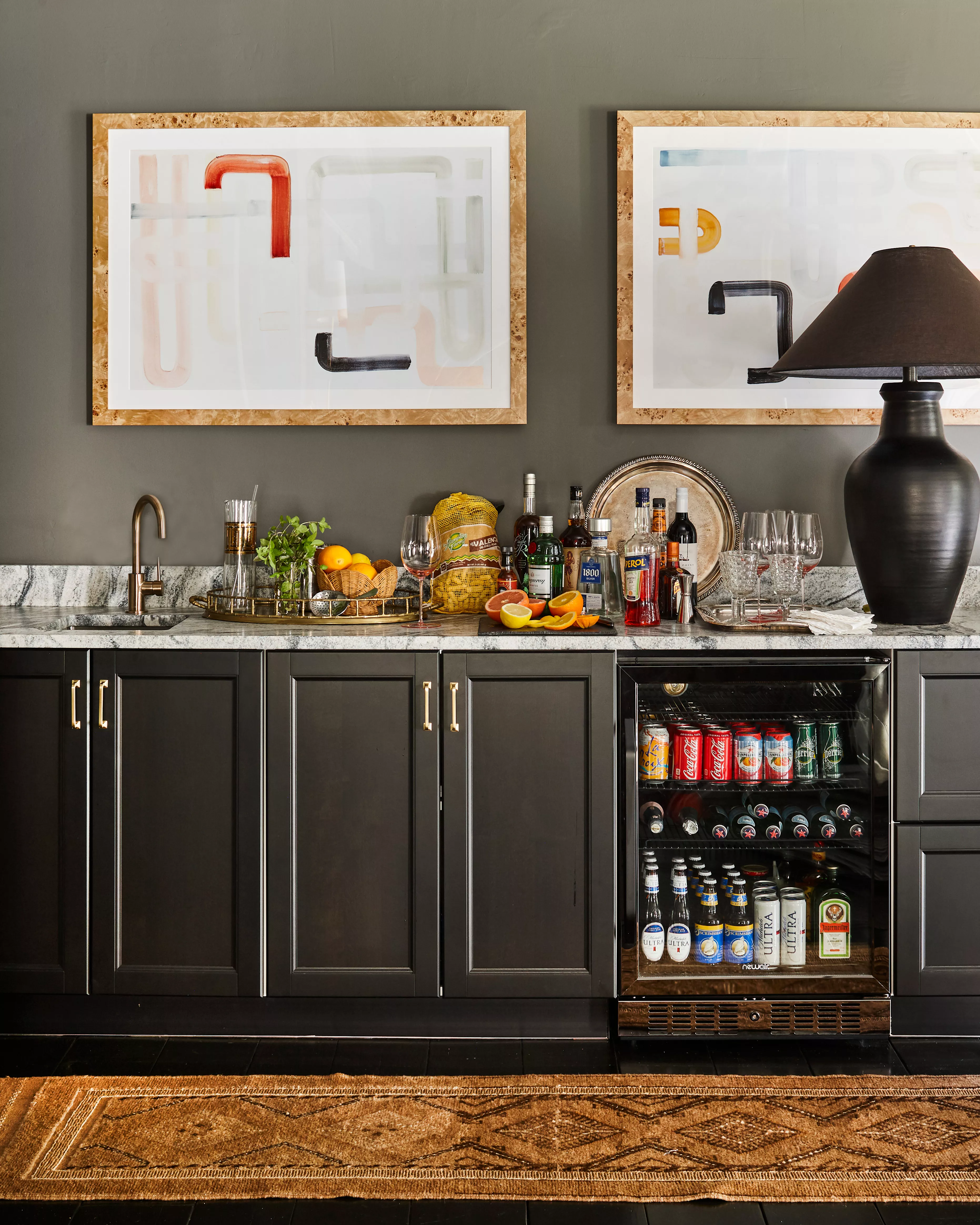
35 Home Bar Ideas Perfect for Entertaining

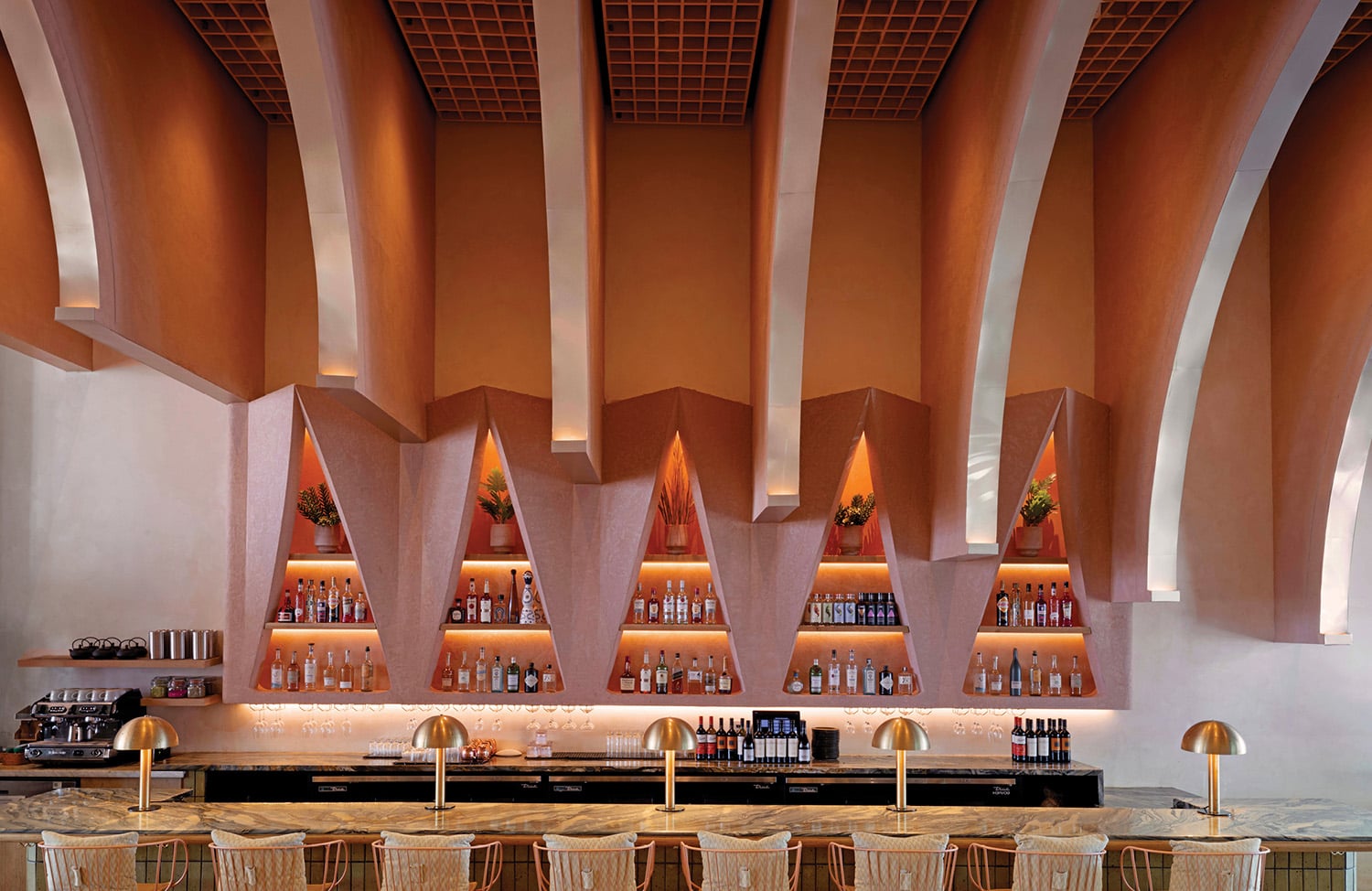
16 Simply Amazing Bar Interior Designs Across the Globe

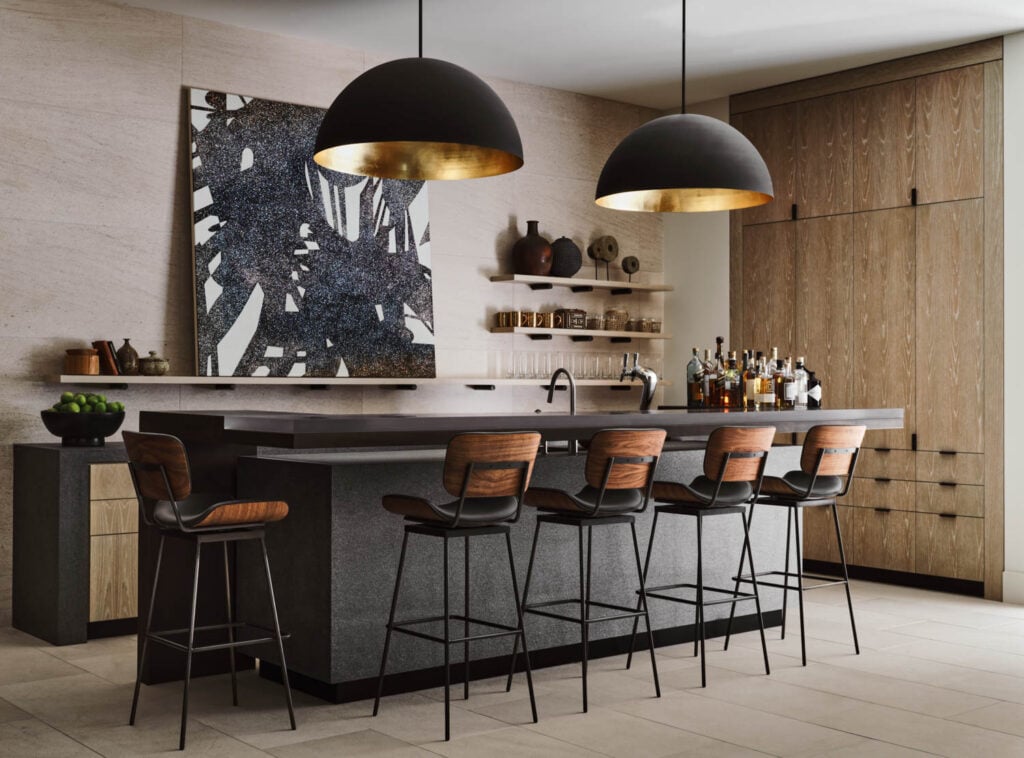
10 Tasteful Home Bar Designs Worthy of a Bottle of Bubbly
Home bars - 7 Nov 2024 - Livingetc Magazine

Coolest home bar ideas that'll make you the life of every party
Bar ideas for the home – raise a glass to these divine drinks stations
NoVA Home Pros on Everything You Need to Build a Perfect Home Bar
Bar inspiration: Start happy hour with these home bars
These 30 Home Bar Ideas Are the Epitome of Class
Raising the Basement Bourbon Bar
10 (indoor) home bar ideas so brilliant you won't even miss the pub

These Chic Home Bar Ideas Will Get You Ready for Your Next Cocktail Party

Six Chic Home Bar Areas Worth Raising a Glass To

26 Wildly Gorgeous Bar Ideas for Home That Might Get You on a Reality Show