1/22
What Are the Best Ways to Hang Plants (and What Plants Should You Hang)?
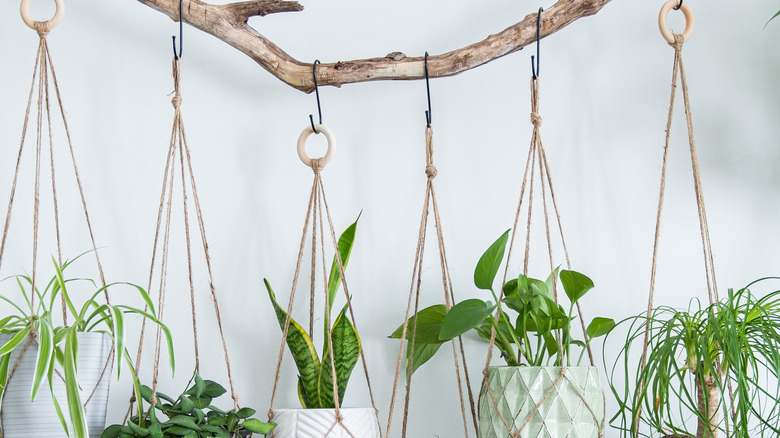
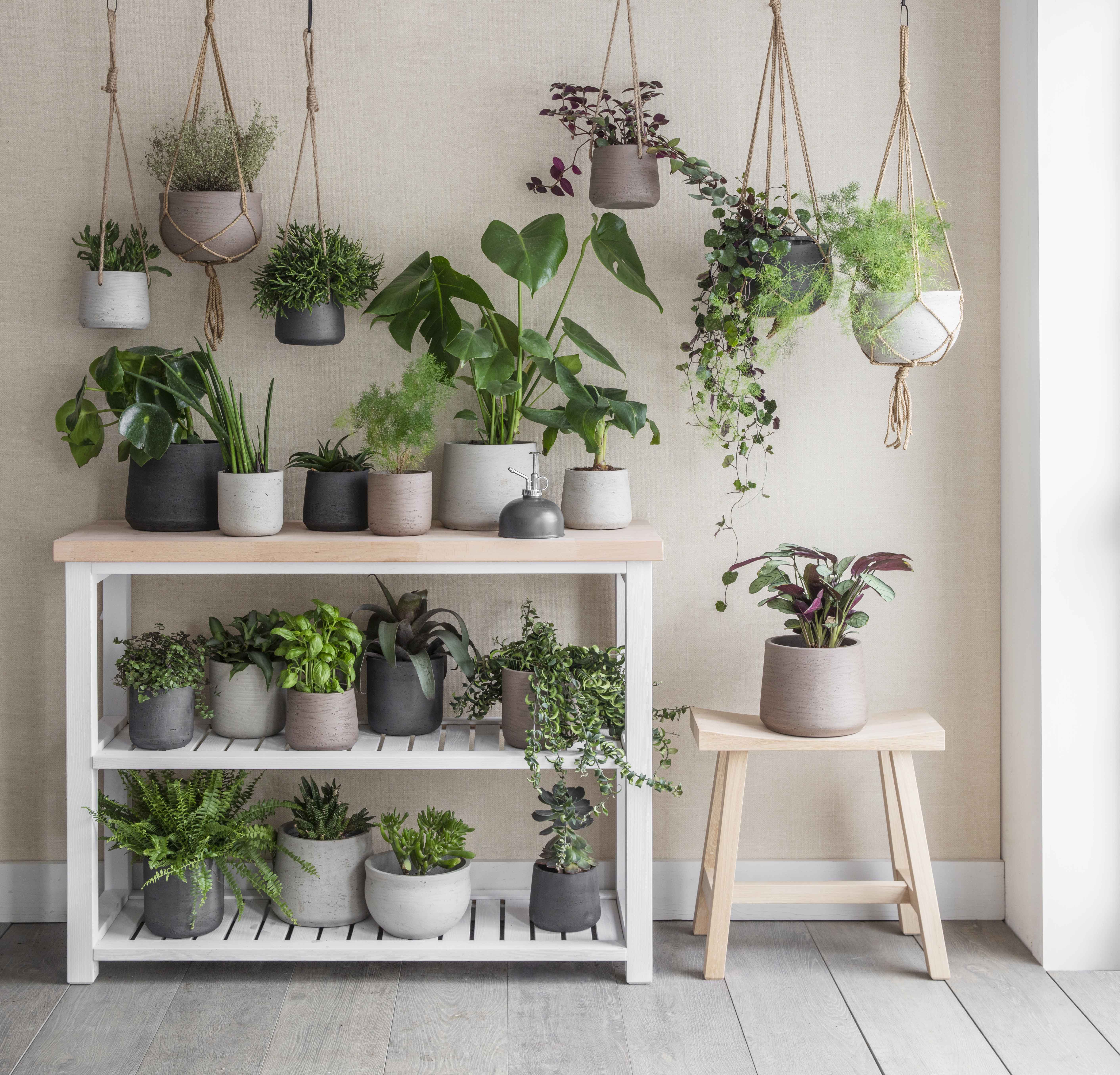

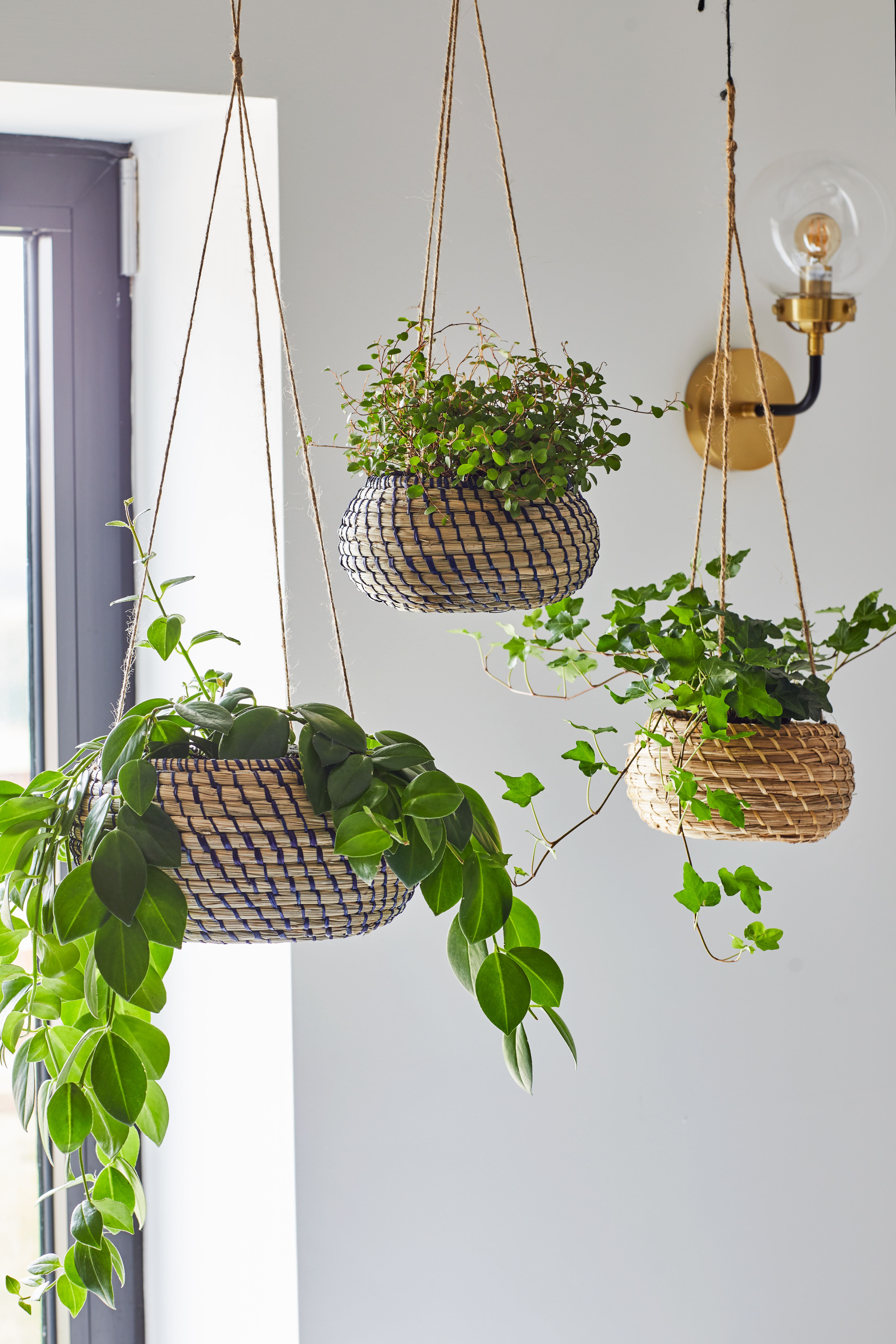
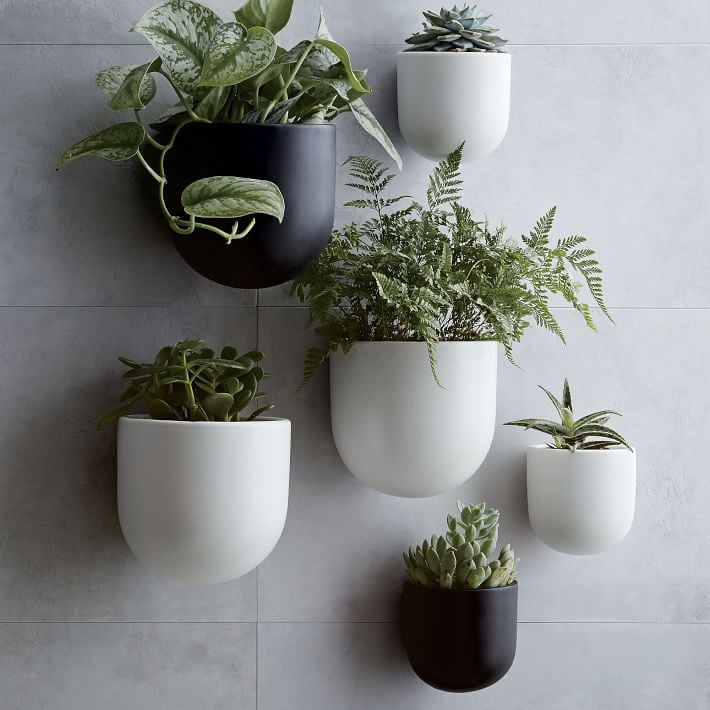
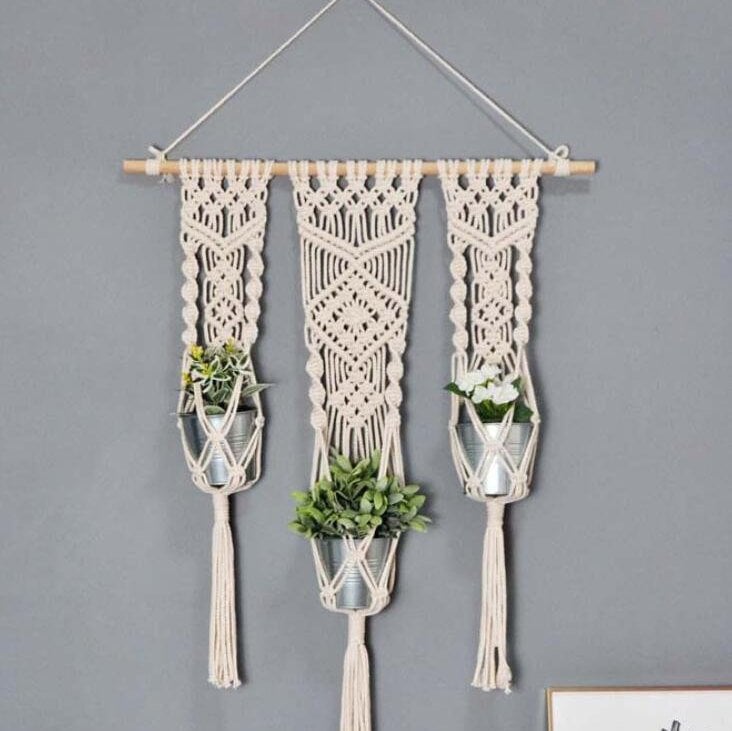
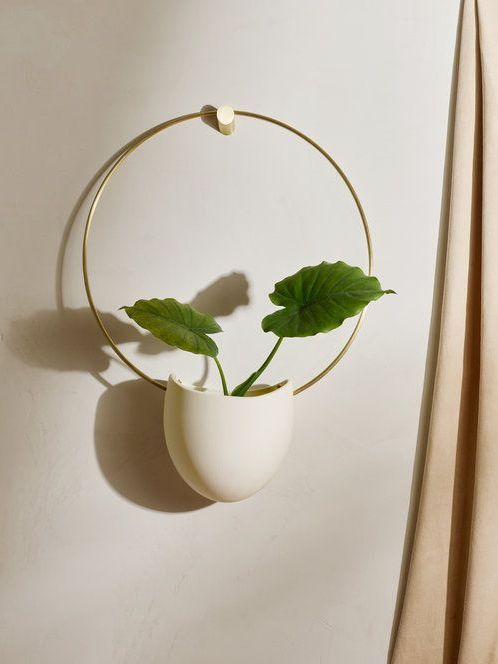
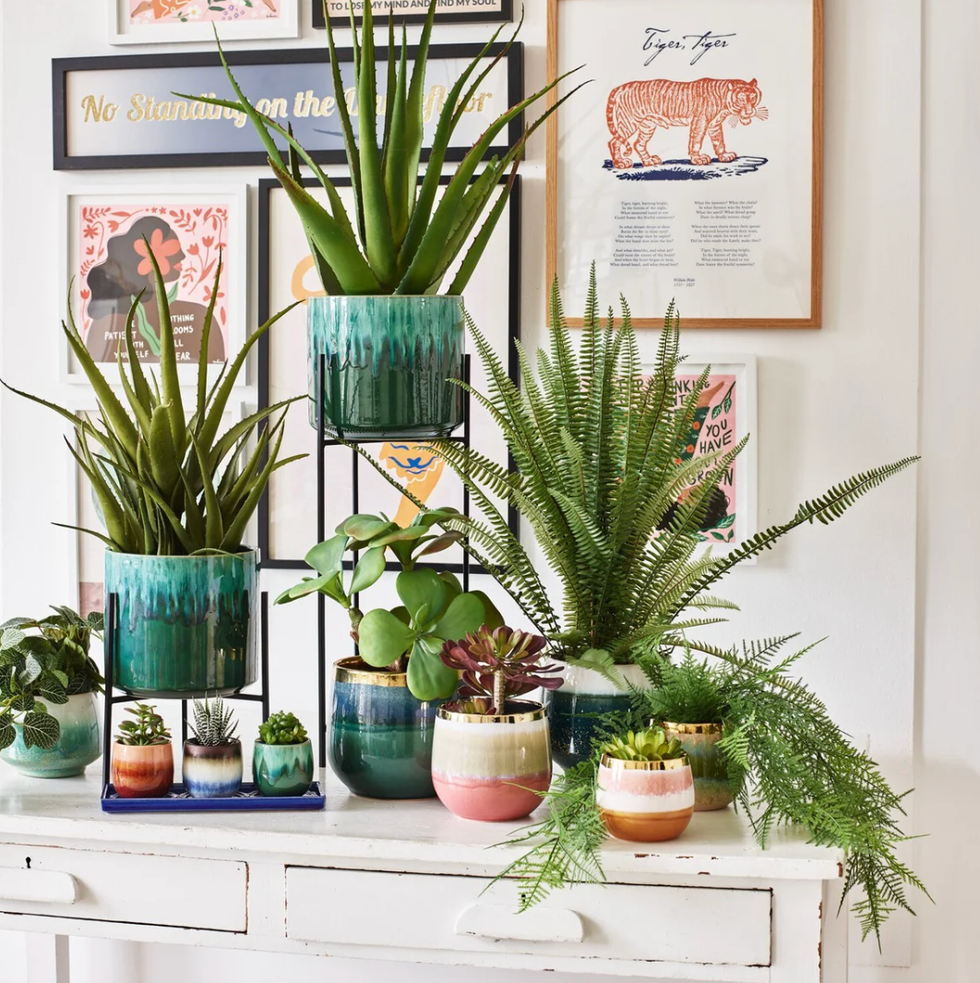
This article explores various methods for hanging plants and recommends specific plant types suitable for hanging, drawing insights from plant experts. Many commercial hanging plants come in basic plastic pots with hooks, indicating their suitability for hanging, but these are not intended for long-term display. The ideal plant hangers should be user-friendly, visually appealing, and spacious enough to accommodate plant growth. The market offers a diverse range of hanging planters, from handcrafted ceramic options to minimalist modern designs. The article categorizes hangers into several types: hanging straps, wall-mounted hangers, macramé hangers, decorative hangers without drainage holes, and shelf-style hangers.
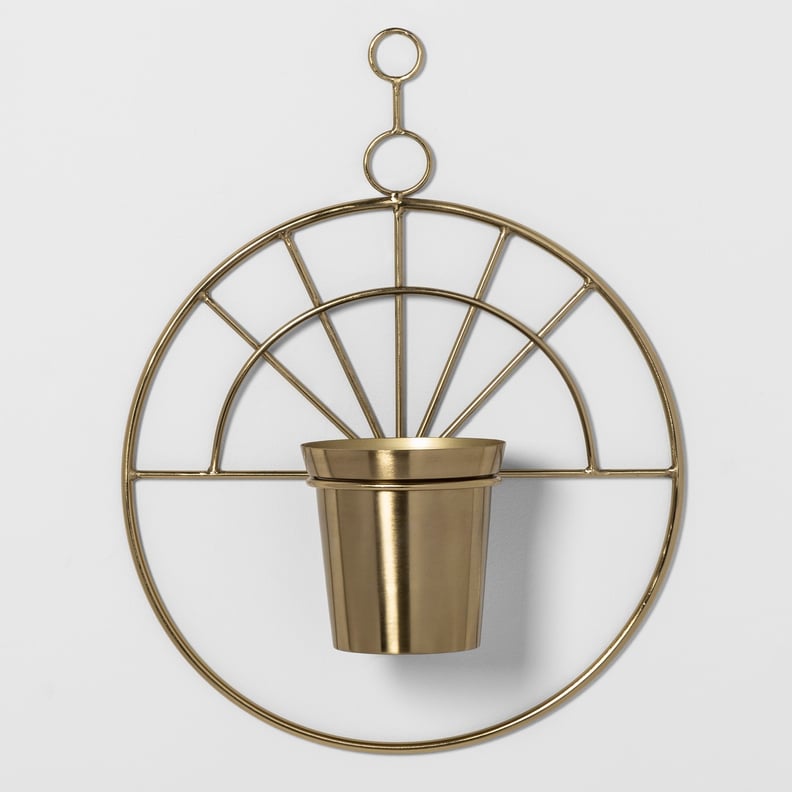
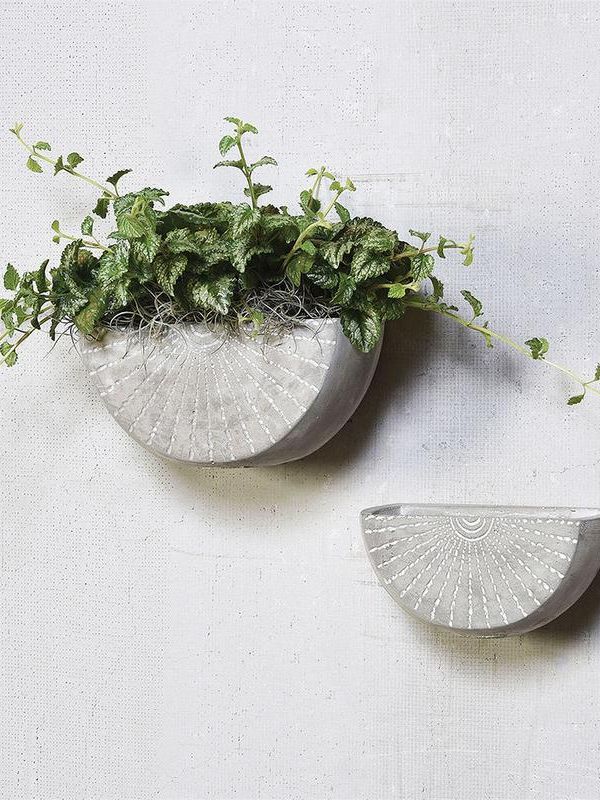
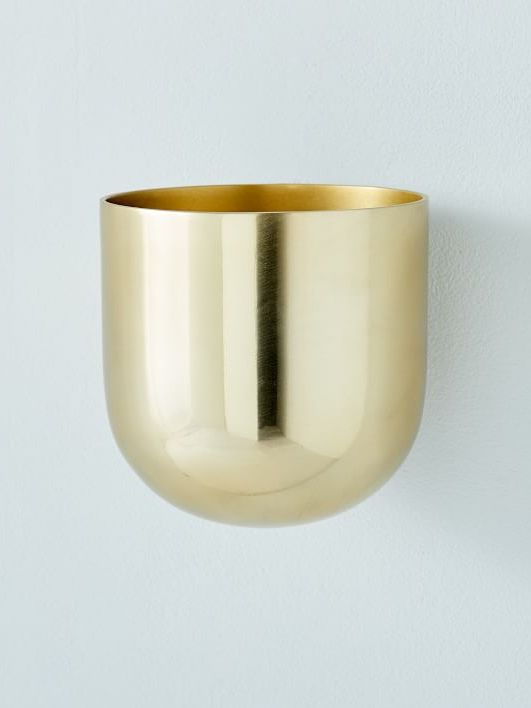
For hanging straps, experts like Baylor Chapman and Jessie Waldman emphasize the importance of low-maintenance solutions that can adapt to a plant's growth. Hangers that allow easy detachment for repotting are highly recommended. Leather straps, like the Teak & Tides Genuine-Leather Plant Hanger, are suggested for those who already have preferred pots. Macramé hangers, such as the Mkono Macrame Jute Rope Plant Hanger, are popular, with some preferring simpler designs that highlight the plant. Wall-mounted options include suction-cup planters for small plants like air plants or succulents, suitable for bathrooms or windows, such as the Suction-Cup Water Creative Hanging Flowerpot and Urbz Window Planter Pod.
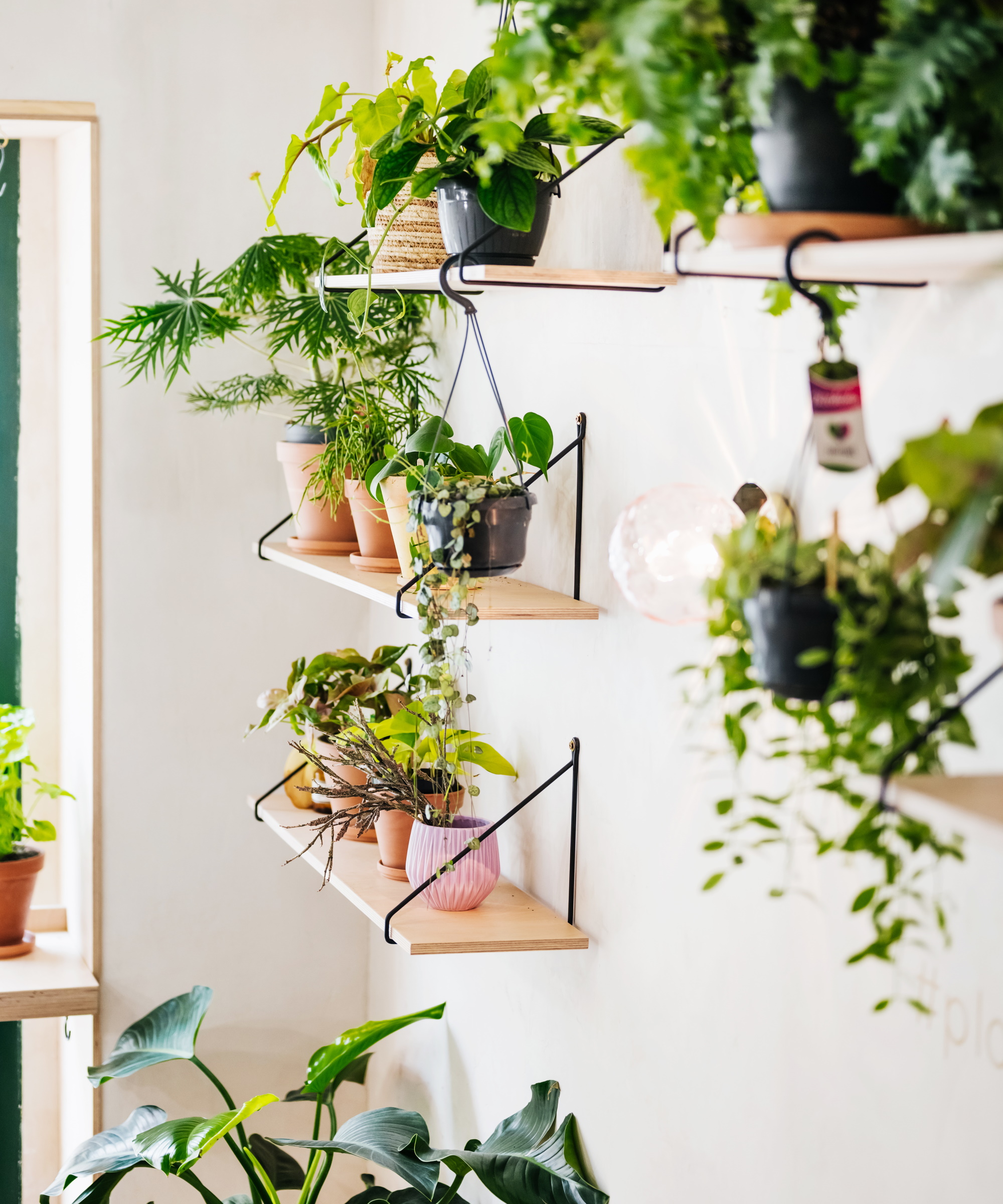
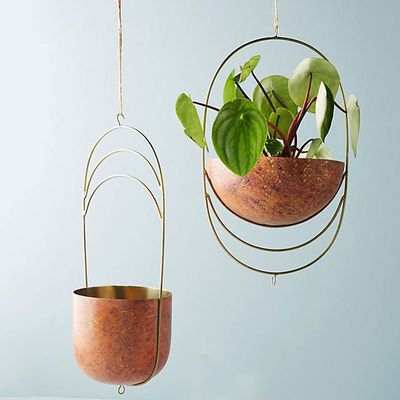
Decorative planters, particularly those without drainage holes, often require the use of a cachepot to prevent water damage. A cachepot is a decorative outer container that holds the plant in its original plastic pot, facilitating watering without mess. Examples include the Hepburn Terra-Cotta Hanging Planter and the Ursula Hanging Pot. Shelf-style hangers, like the Jakobe Stoneware Hanging Planter and Asher Rope Hanging Wall Shelf, offer a versatile way to display multiple plants or combine them with other decorative items, and they simplify watering.
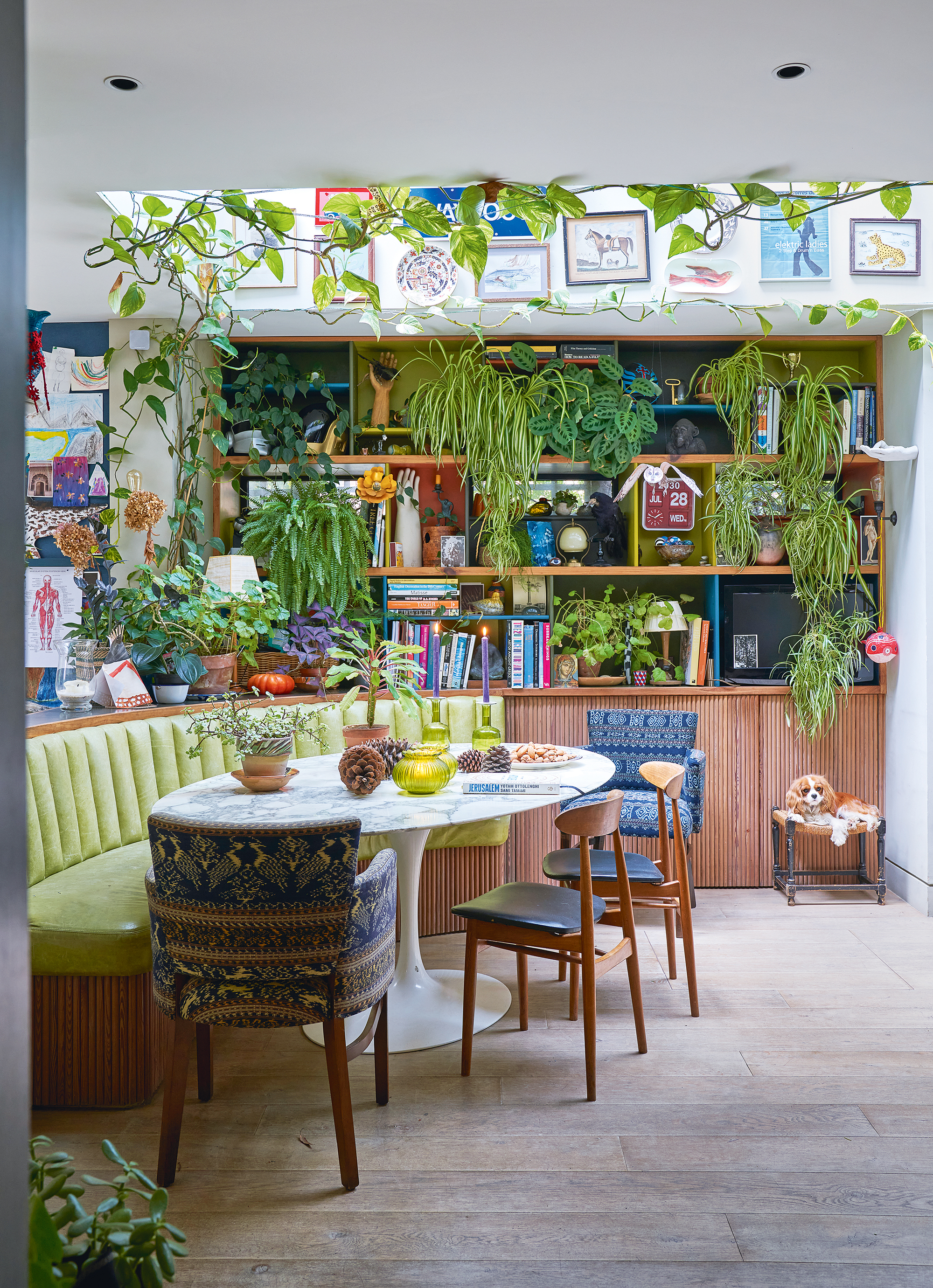
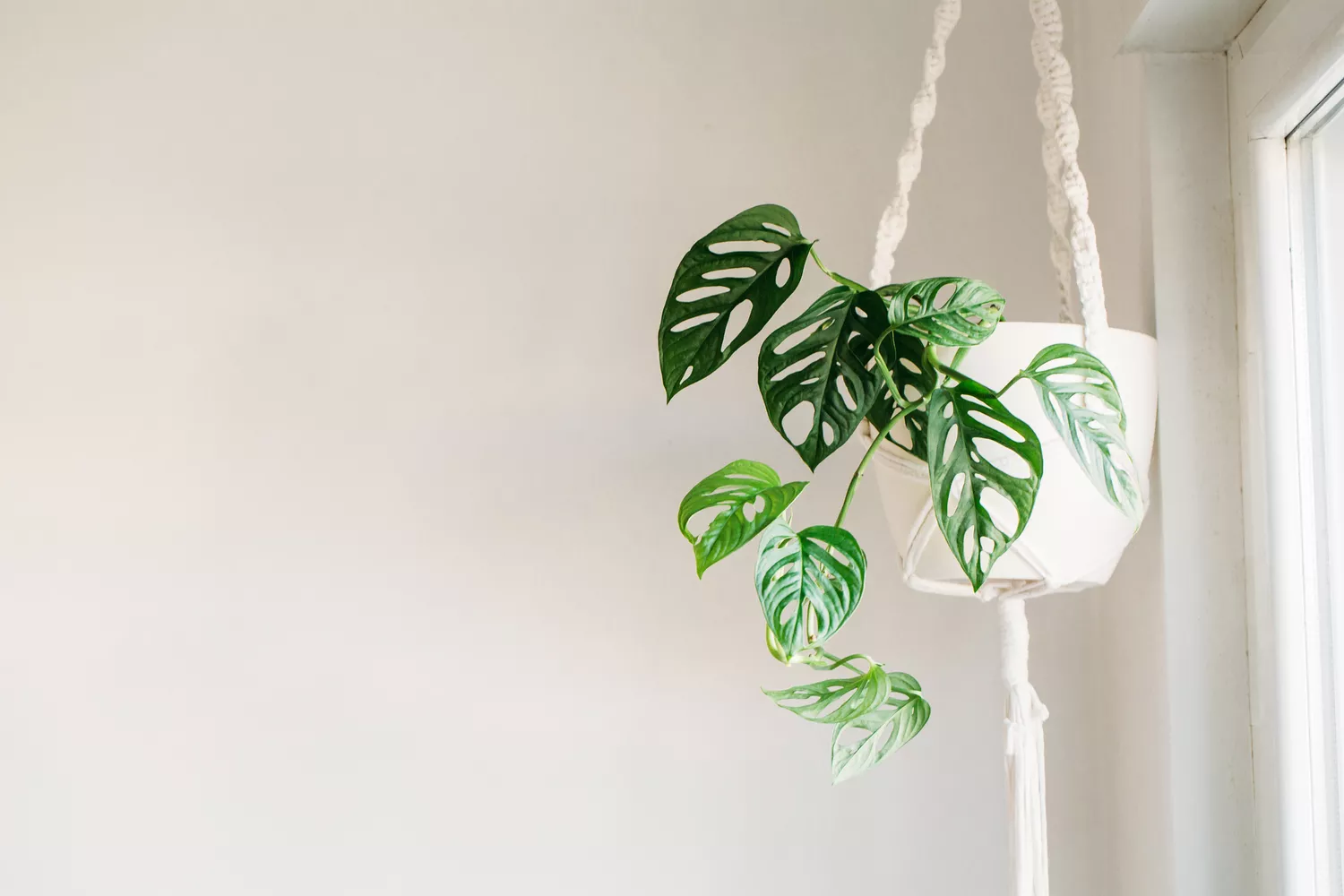
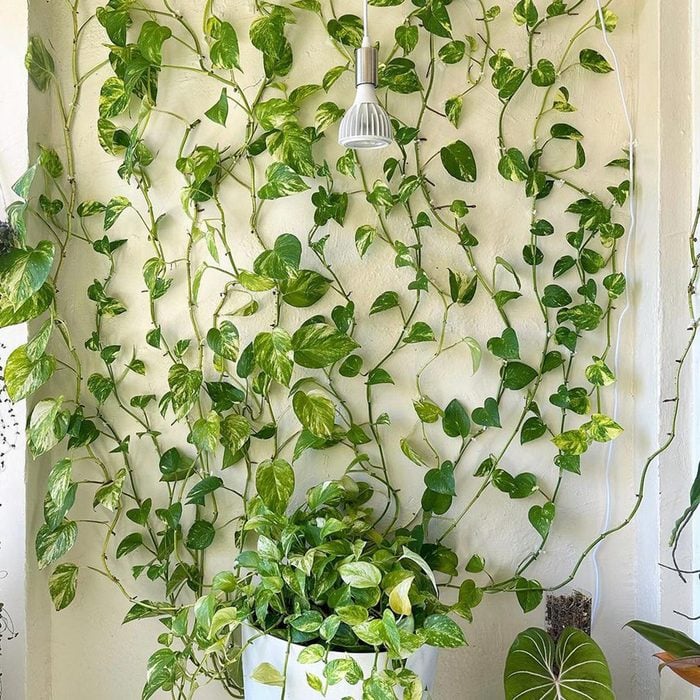
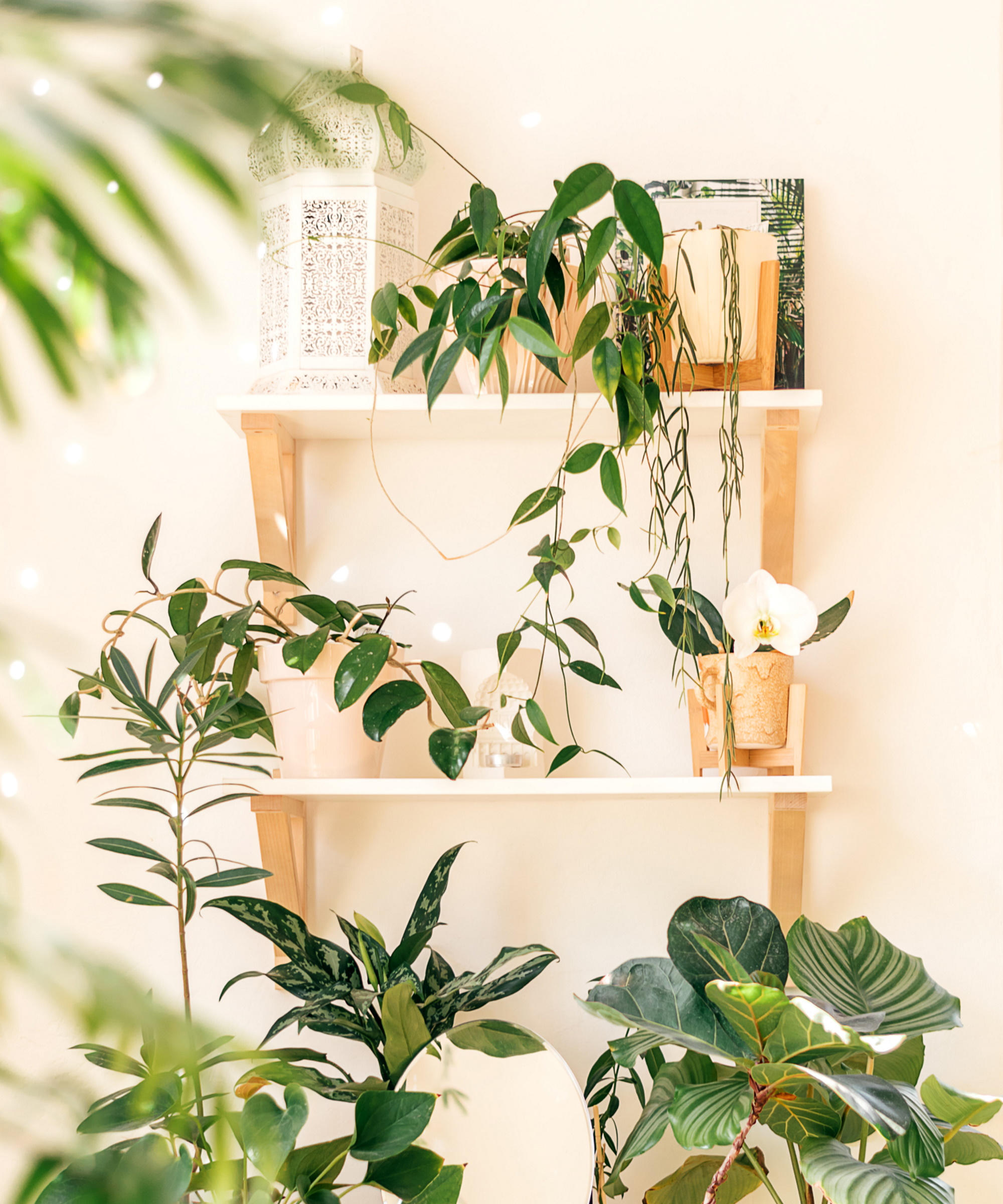
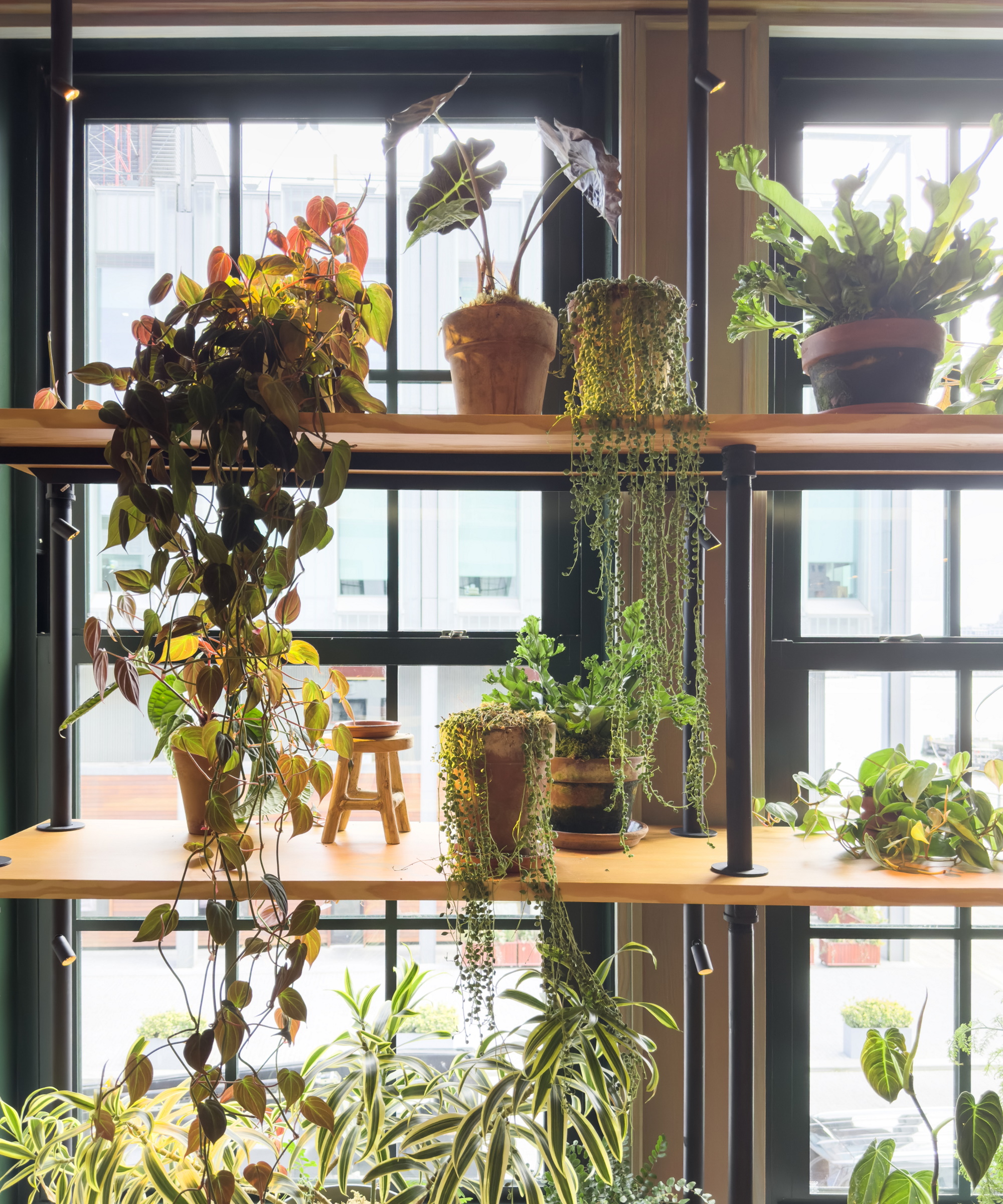
Beyond hangers, the article also recommends specific plants that thrive when hung. Hoya plants, especially those mounted on cork or staghorn ferns on cedar, are noted for their low maintenance and suitability for indirect light. The Heart Leaf Philodendron is praised for its natural beauty, ease of propagation, and long tendrils. Spider plants are ideal for beginners due to their hardiness and ability to produce “spiderettes.” Hoya Obovata is highlighted for its unique leaf structures. Philodendron Silver is recommended for low-light conditions, recognized for its matte texture and appealing pattern. Lastly, the Donkey-Tail Succulent Cluster is suggested for its long, trailing tendrils and preference for ample sunlight and less frequent watering.
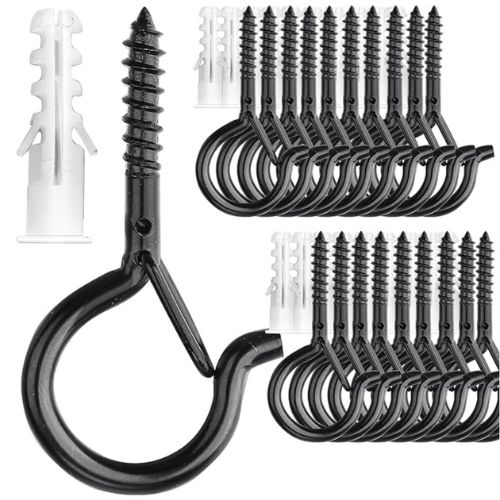
Essential hardware for hanging plants includes stainless-steel ceiling hooks and molded-iron wall hooks, ensuring secure installation. Accessories like clear plastic heavy-duty plant saucer drip trays are crucial for preventing water damage, even if plants are removed for watering. For decorative pots without drainage, adding horticultural charcoal at the bottom can help minimize root rot and fungal growth by absorbing excess moisture. These recommendations aim to guide individuals in successfully incorporating hanging plants into their home decor.
#PlantHangers #HomeDecor #IndoorPlants #PlantStyling #Macrame #WallMountedPlanters #DecorativePlanters #Houseplants #GardeningTips #PlantHangers #HomeDecor #IndoorPlants #PlantStyling #Macrame #WallMountedPlanters #DecorativePlanters #Houseplants #GardeningTips
0 comment in total
 No comments yet
You may also like
Damage-Free Ways To Hang Plants In Your Rental
Decorating with plants – 11 ways to display houseplants

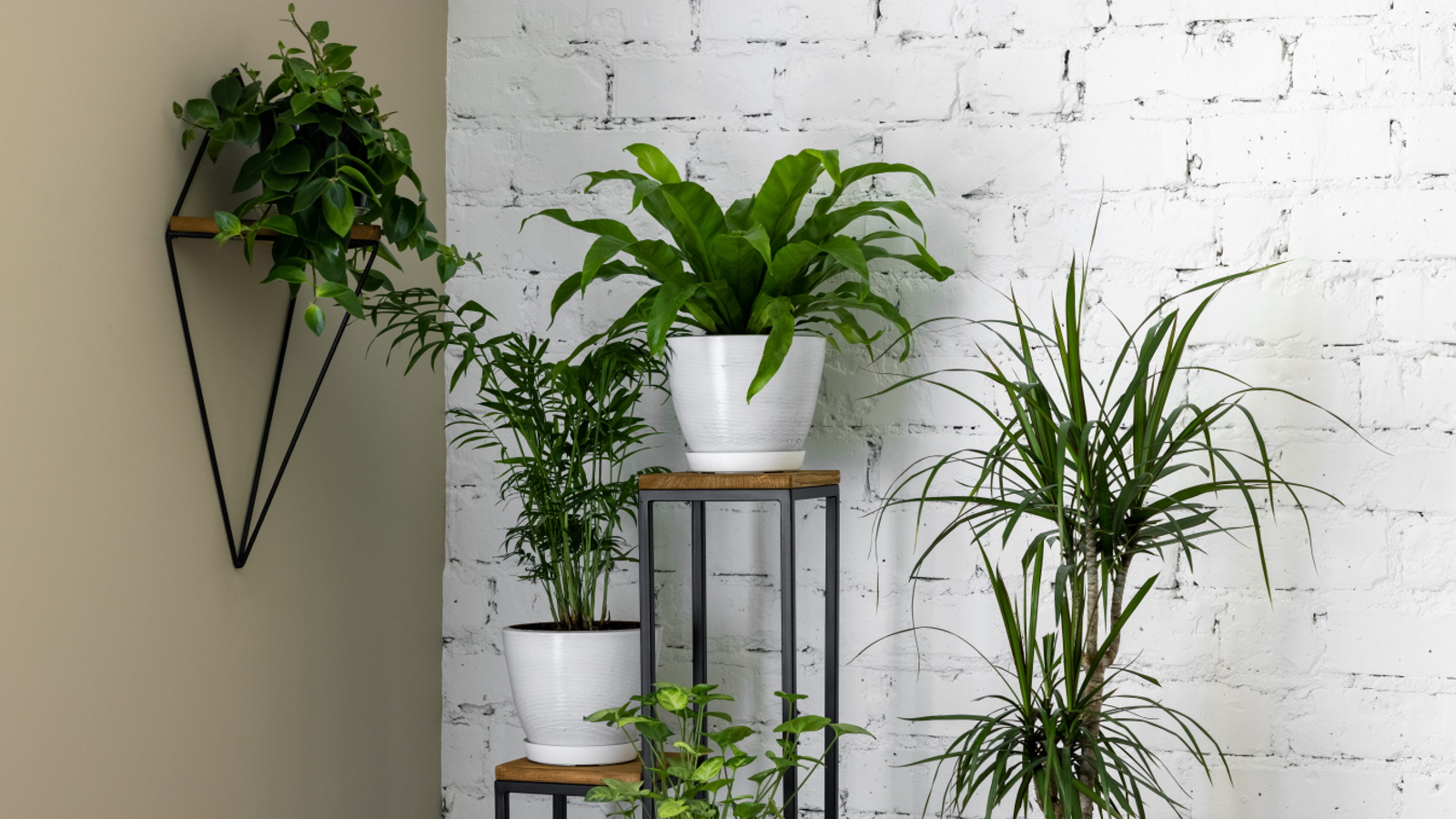
Best plant stands for indoor plants – expert styling inspiration
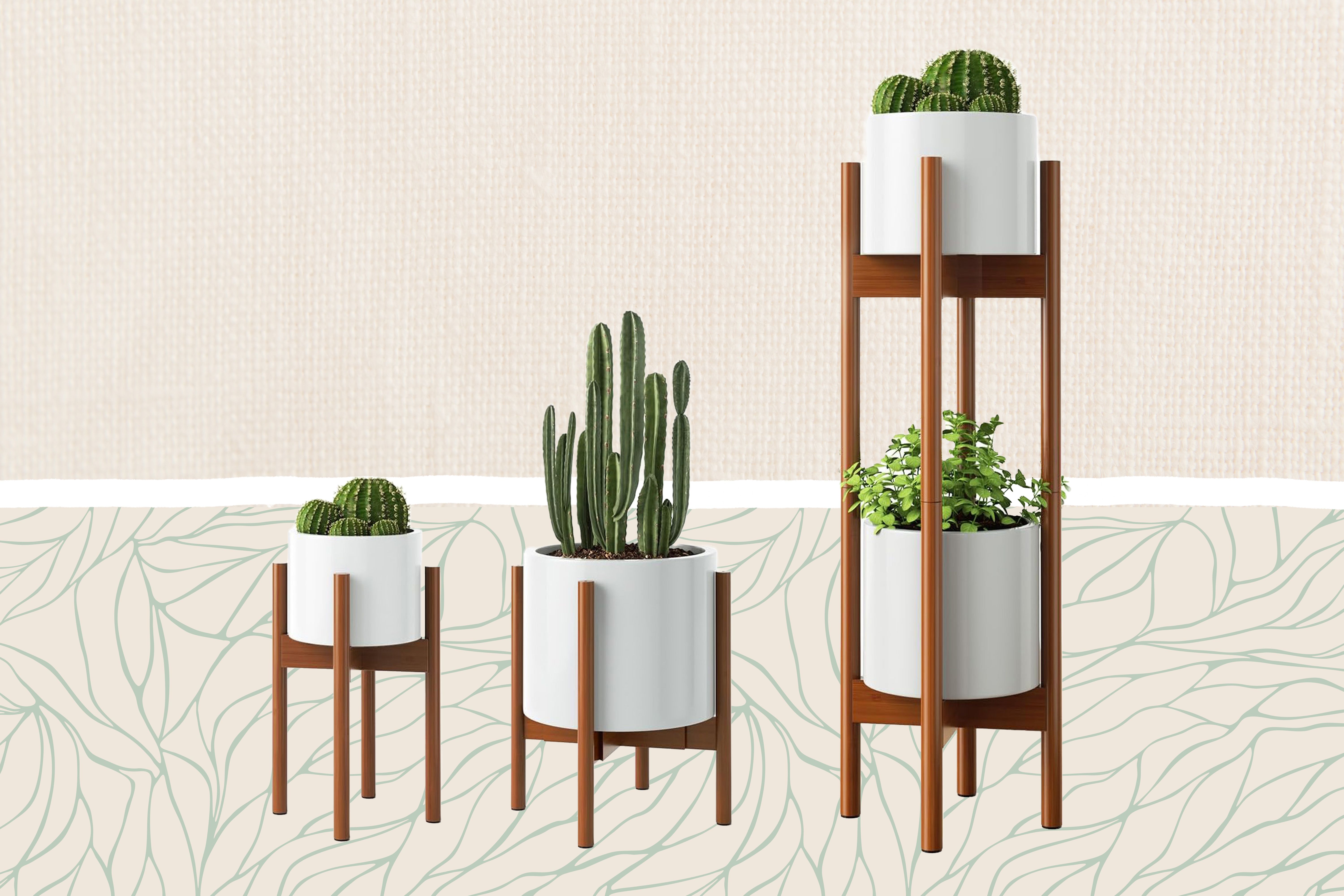
Elevate Your Indoor and Outdoor Plants with Our Favorite Plant Stands

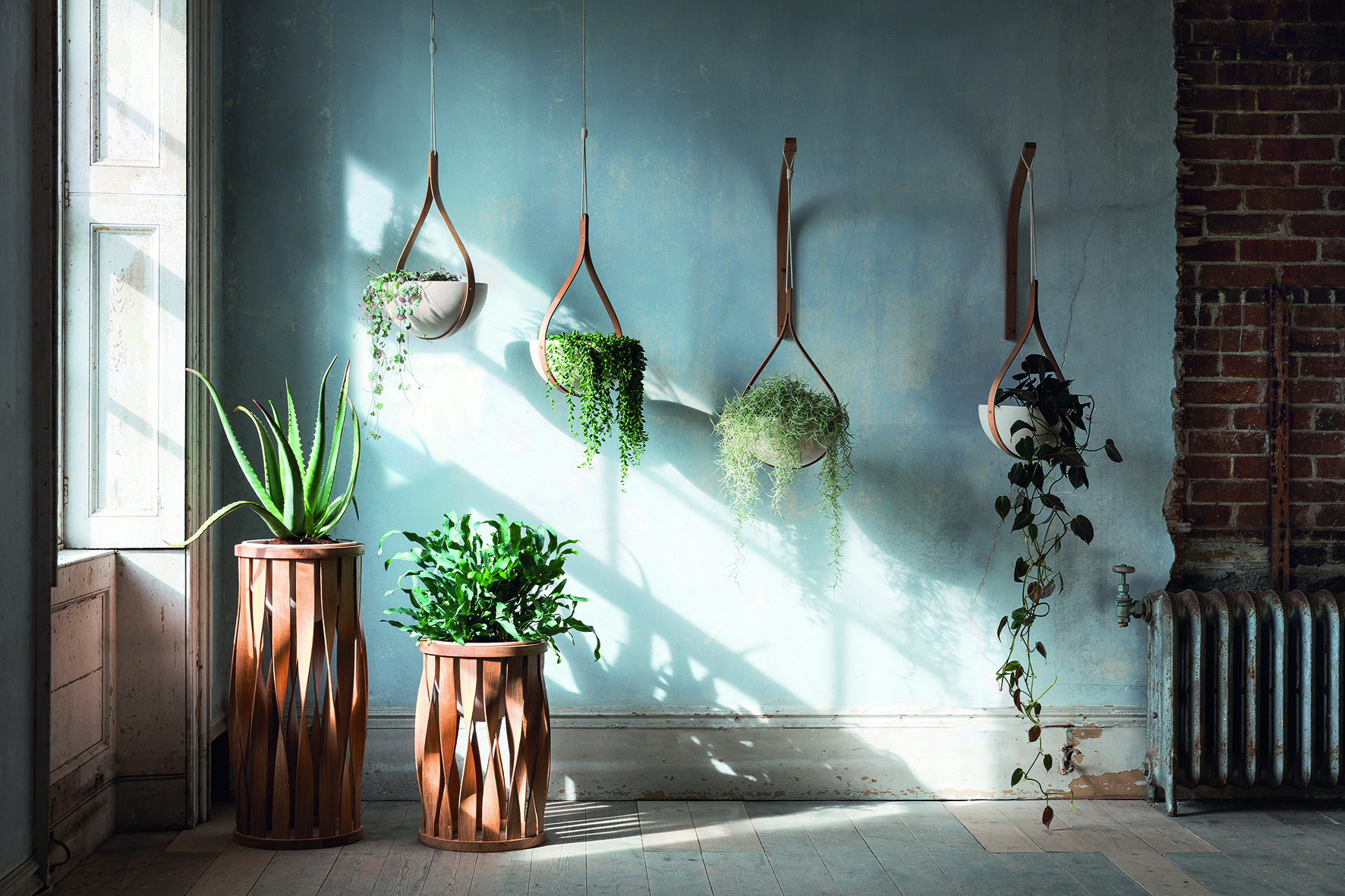
How to hang plants from the ceiling - expert tips to add greenery overhead safely

21 Best Wall-Mounted Planters to Infuse Your Space With Greenery


How to Hang Outdoor String Lights (and Make Them Look Good) | Reviews by Wirecutter
How to hang outdoor string lights in 6 simple steps

20 Hanging Planters That Will Take Your Indoor Plant Wall to the Next Level
16 Low-Light Hanging Plants to Try Growing

Best cascading plants: 5 joyful plants for pots and retaining walls
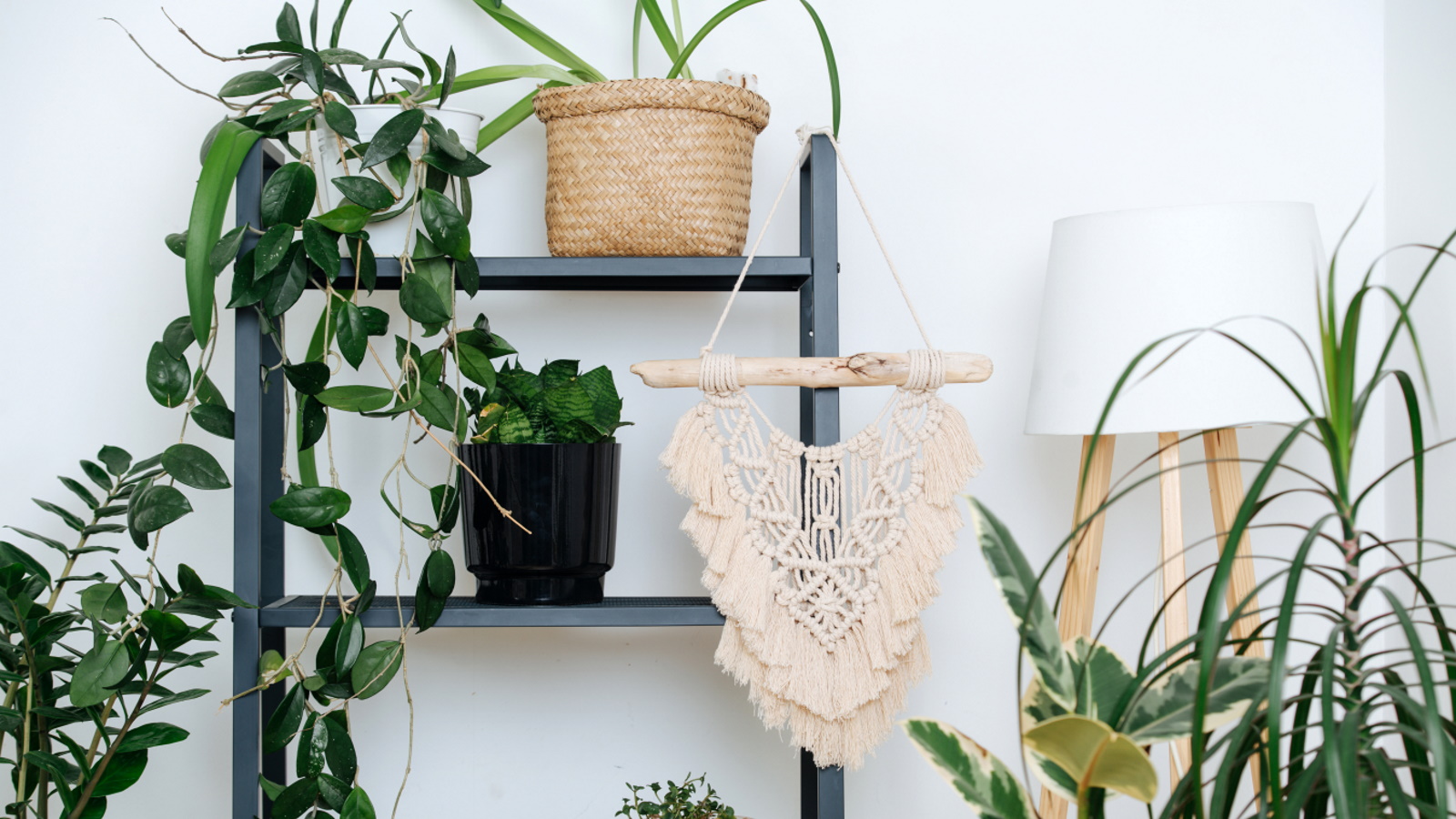
Indoor plant shelf ideas – expert tips for styling your houseplants
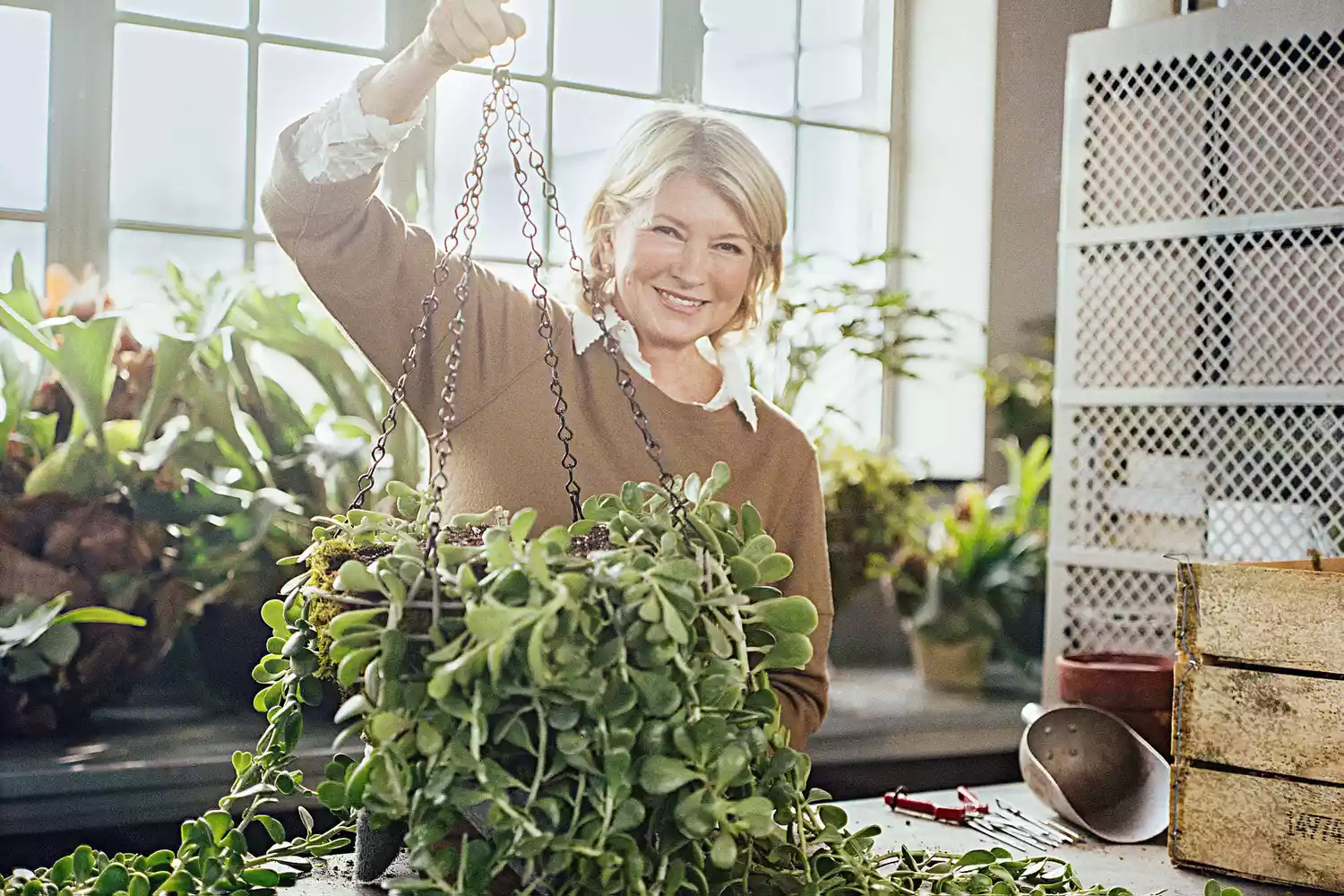
14 Indoor and Outdoor Hanging Plants for Your Home

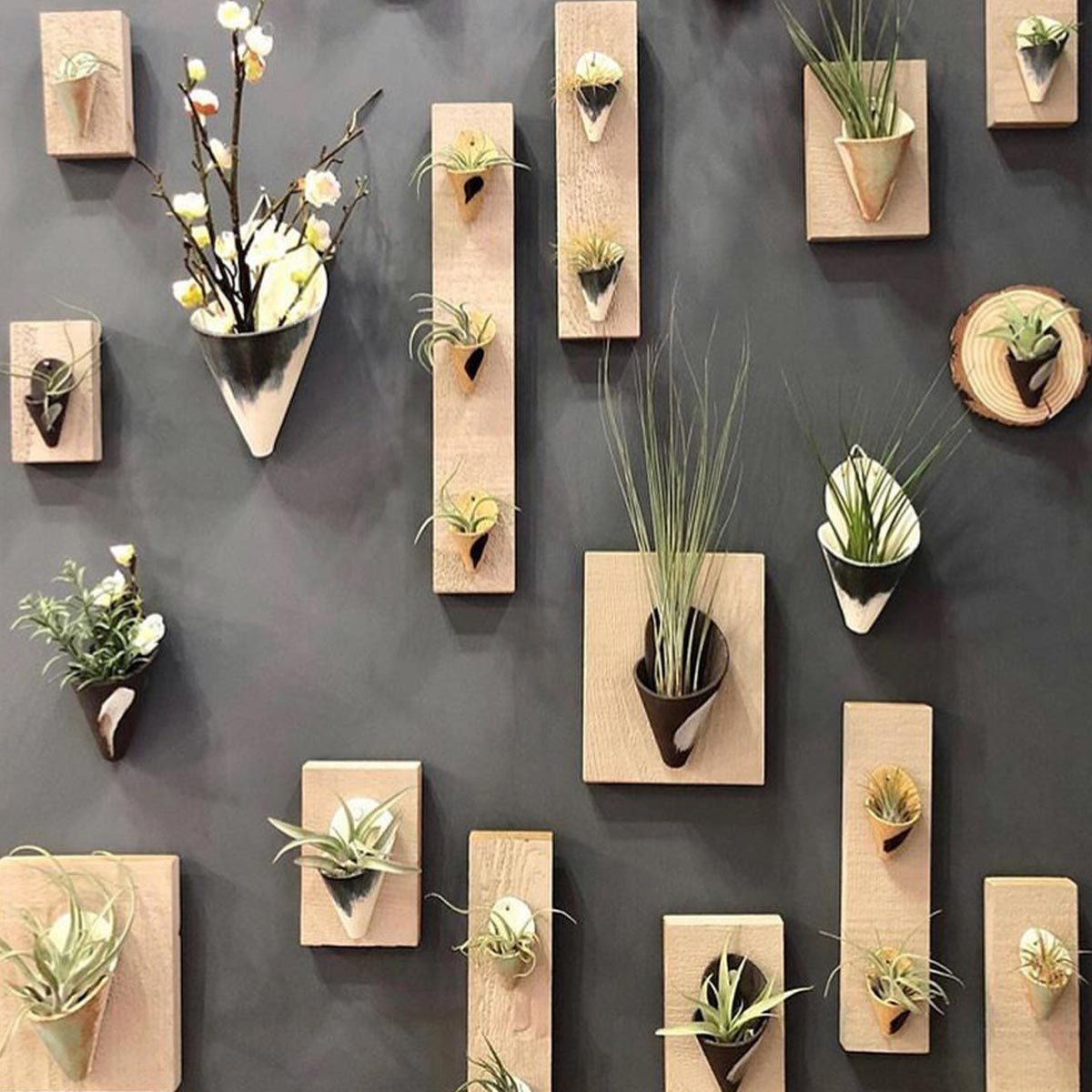
10 Ideas for Decorating Your Walls with Plants

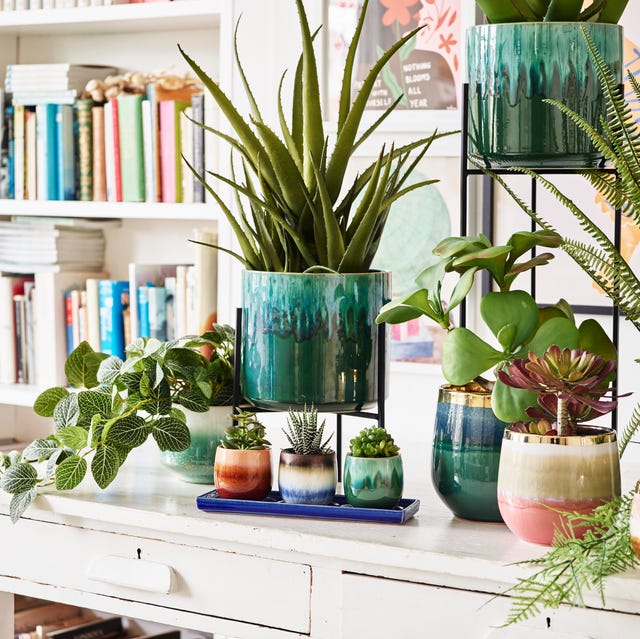
The best indoor plant stands to elevate your space
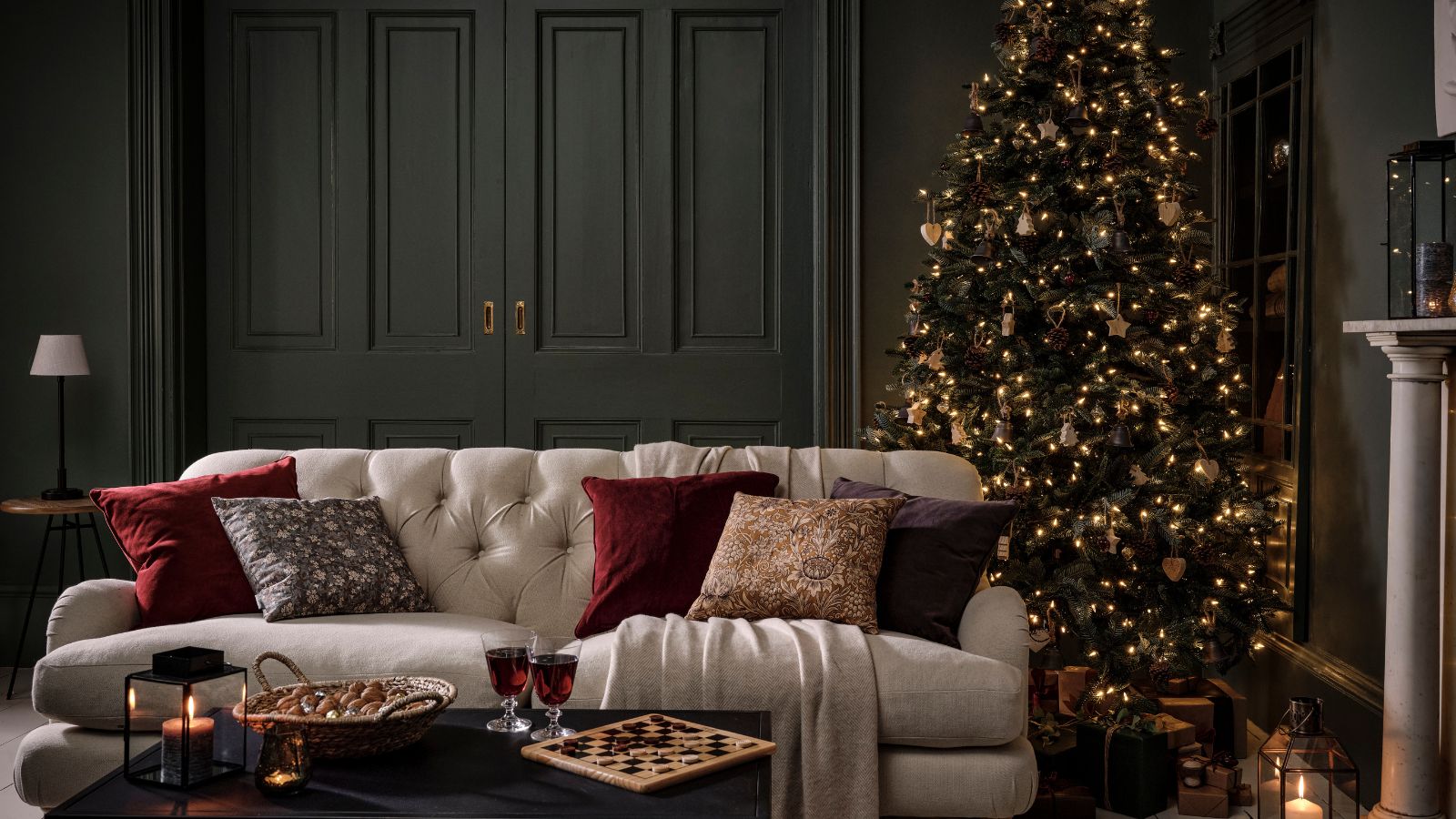
The best ways to securely hang Christmas lights – both inside your home and out
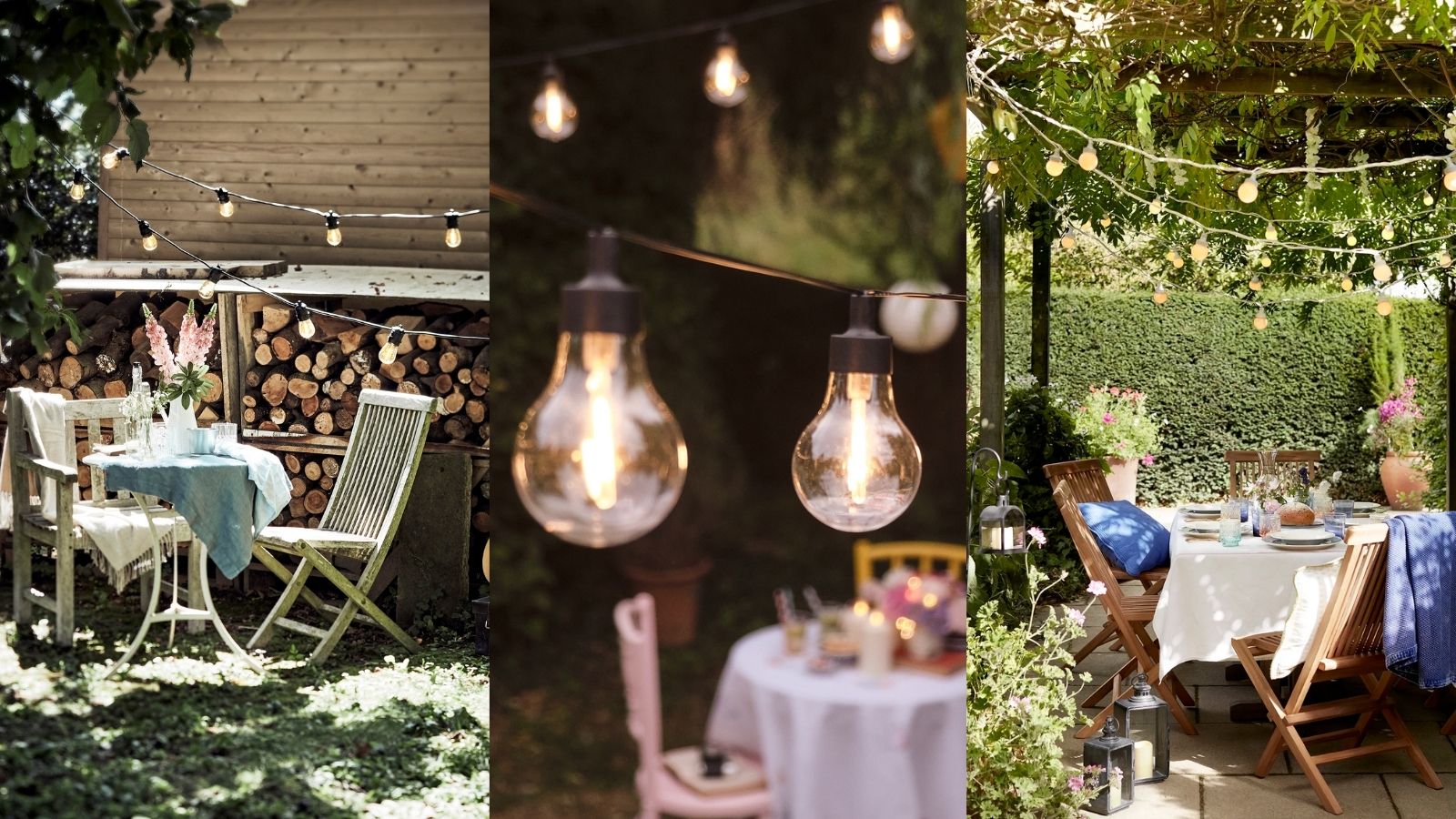
How to hang outdoor string lights – 4 safe and secure ways
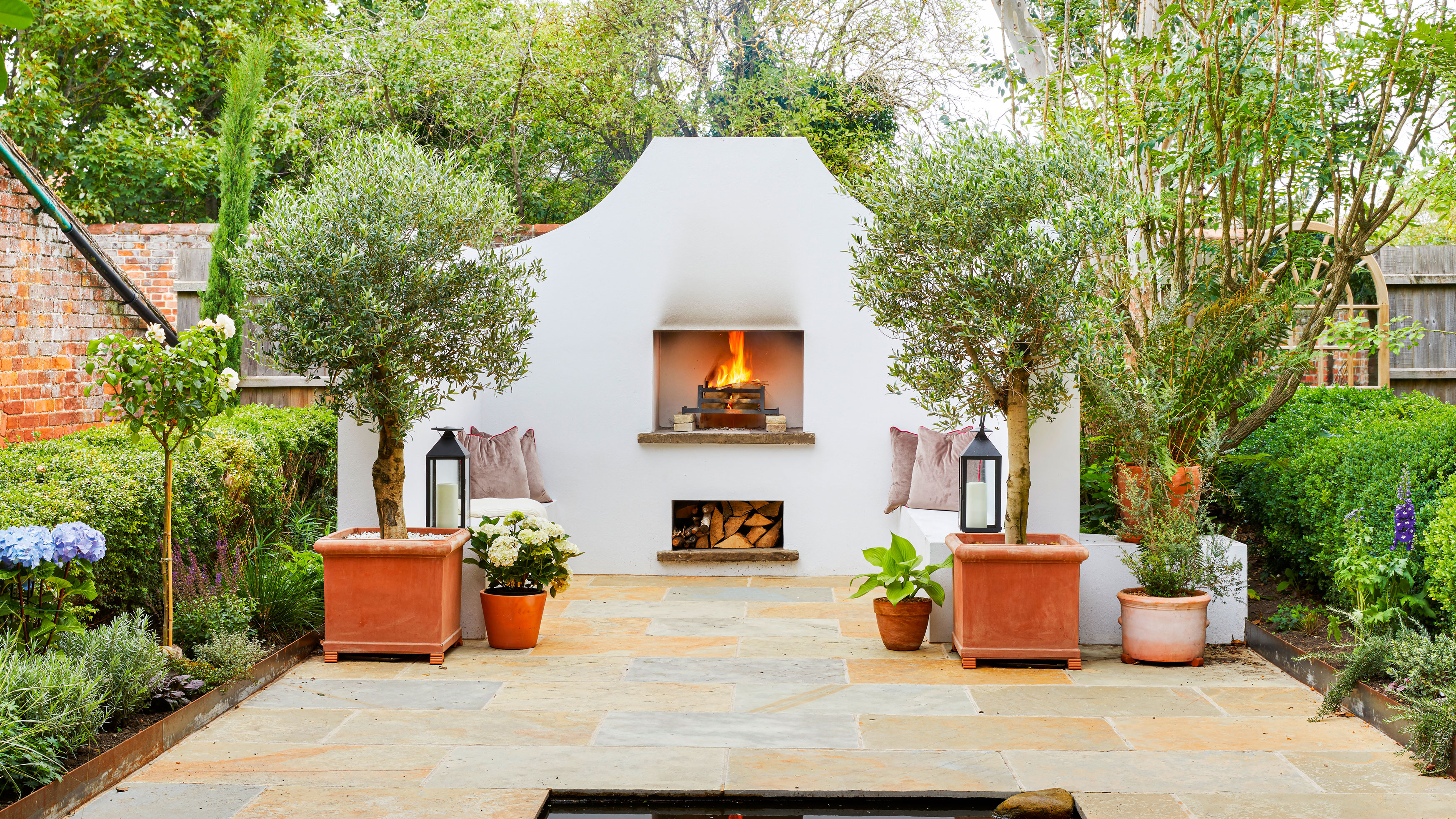
ALDI's $4.99 garden wall planter is back in stock for 2025
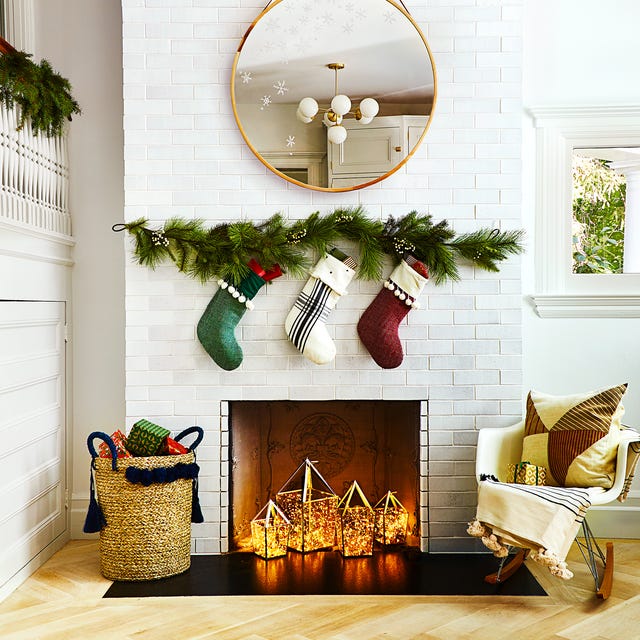
15 Genius Pro Tips to Hang Your Garland In Style

The Best (and Easiest!) Ways To Hang Pictures, According to Art Pros