1/3
Does Consistent Flooring Throughout A Home Help It Sell Faster? Our Real Estate Expert Weighs In
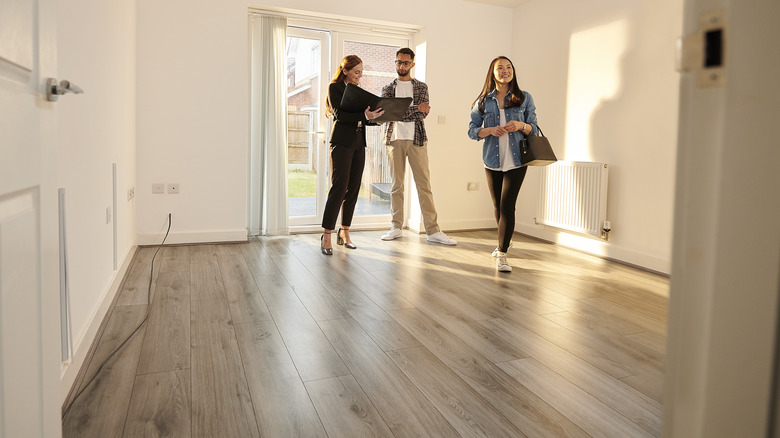
The consistency of flooring throughout a home significantly impacts its salability, according to real estate agent Lindsey Schmidt. When prospective buyers tour a home, a lack of uniformity in flooring can be a notable deterrent. For instance, a home featuring white tiles in the kitchen, red tiles in the hallway, blue carpet in bedrooms, and original hardwood in closets can create a disjointed and unappealing impression, potentially causing buyers to reconsider their interest.
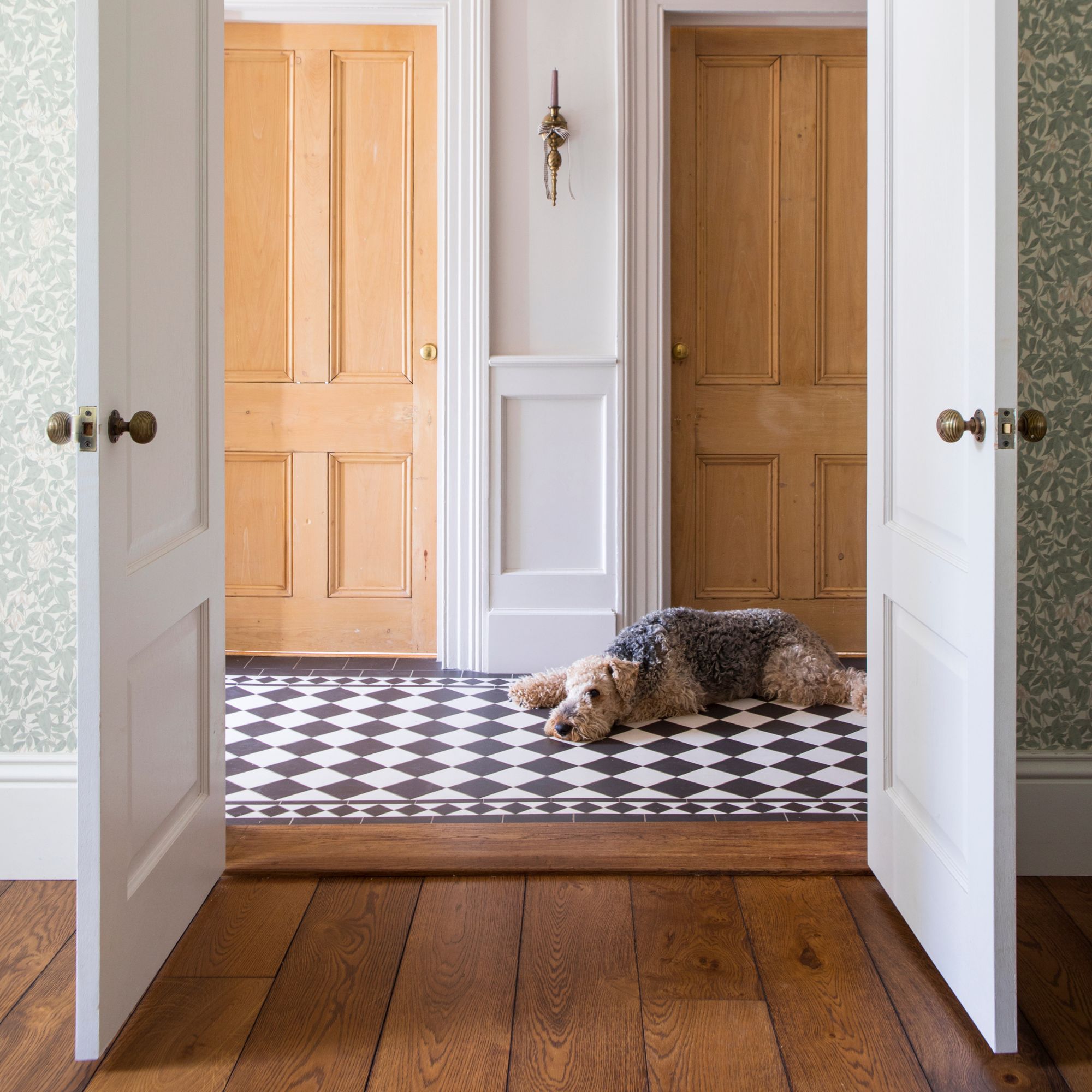
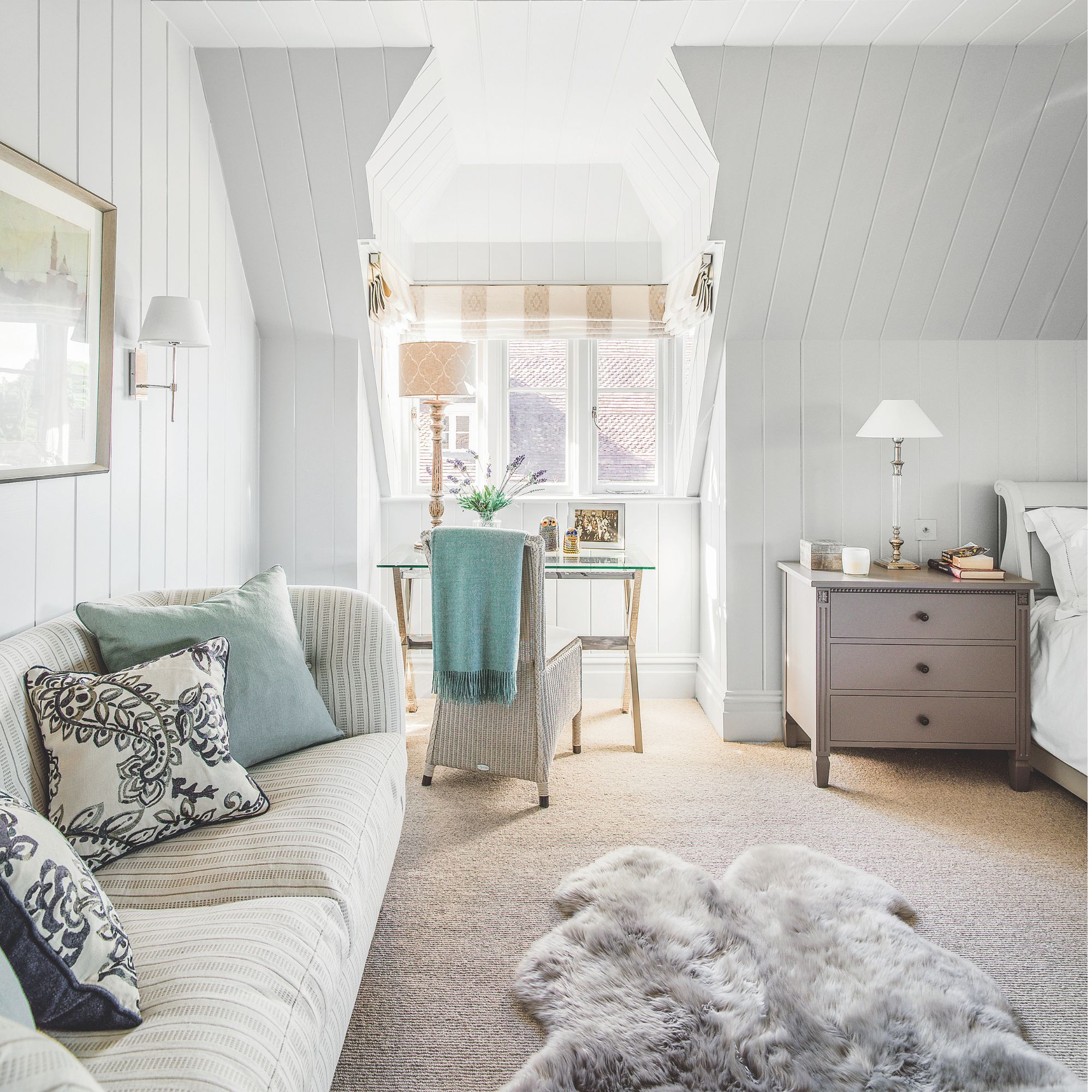
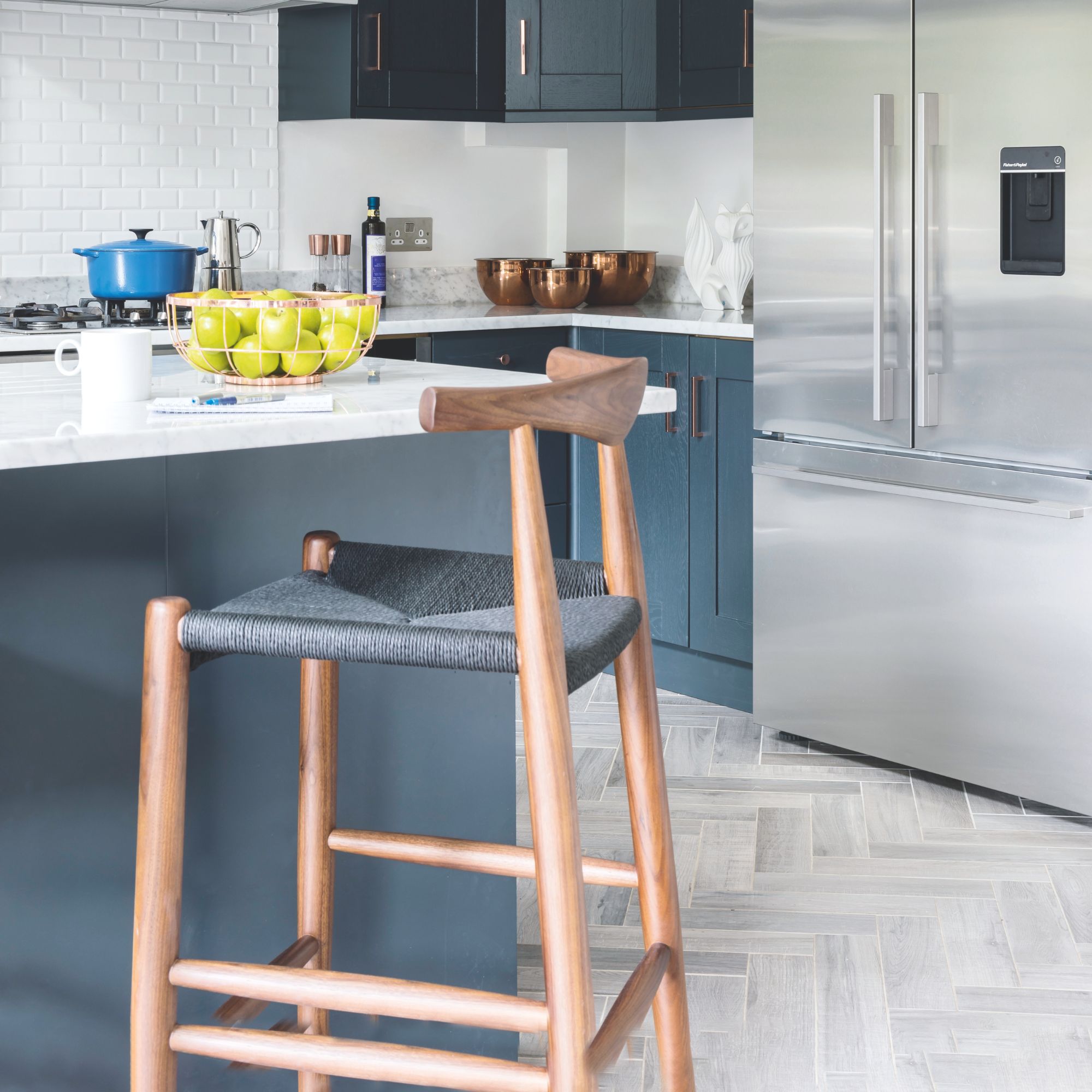
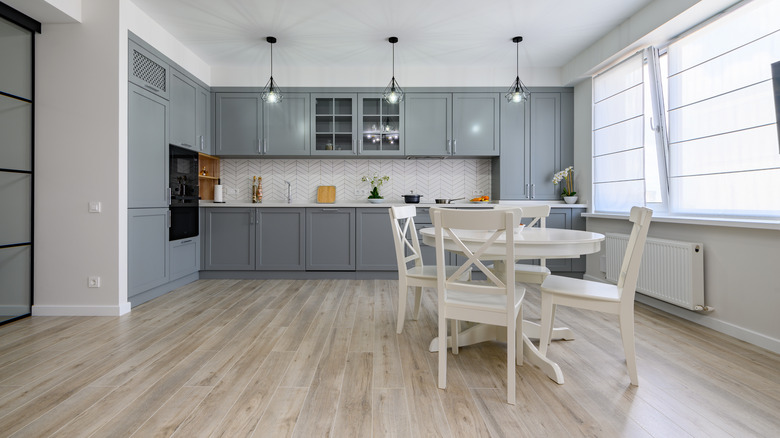
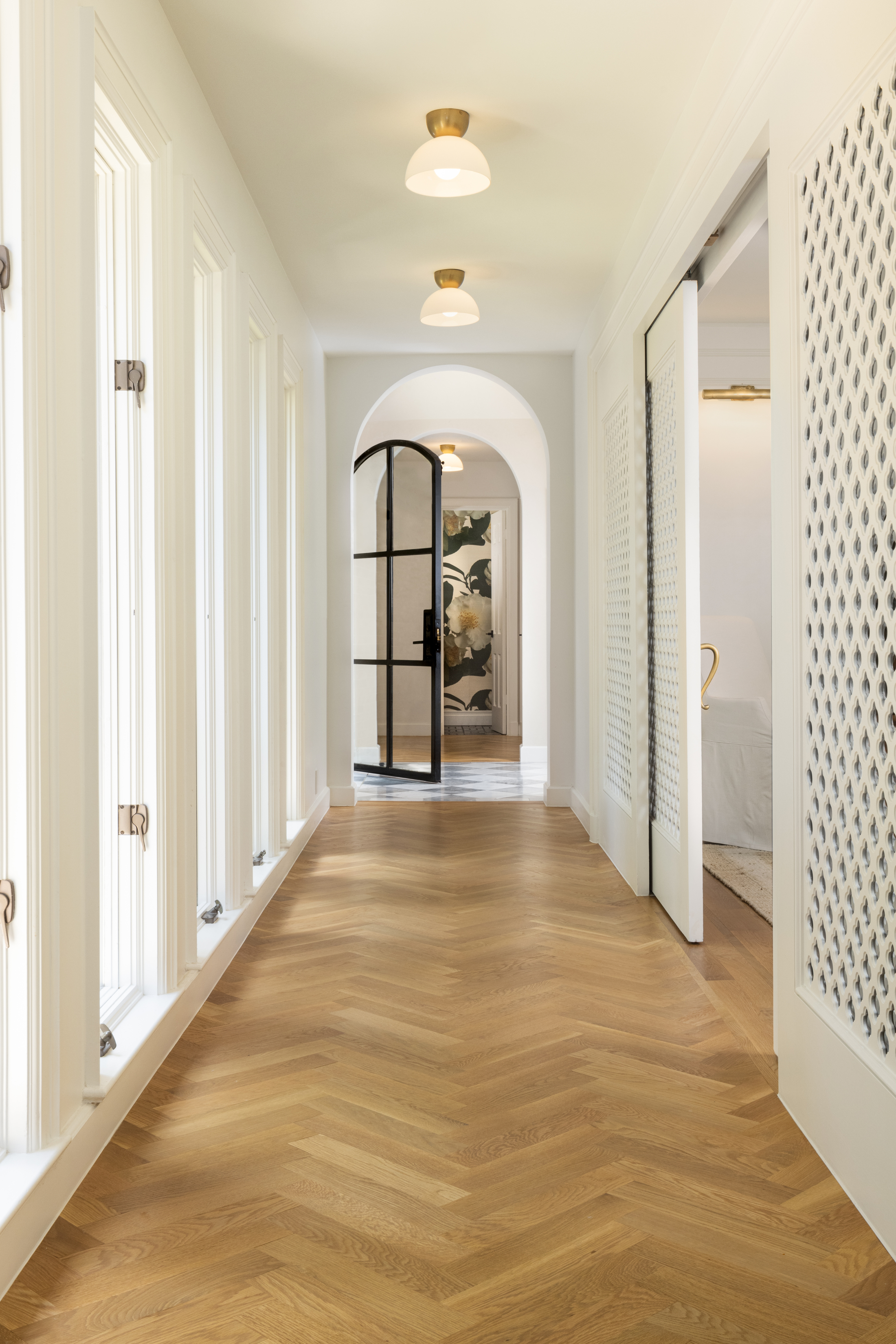
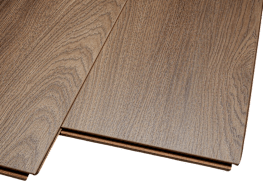
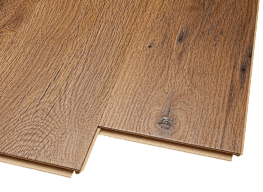
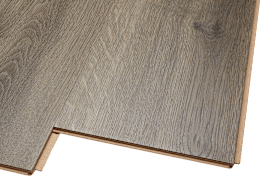
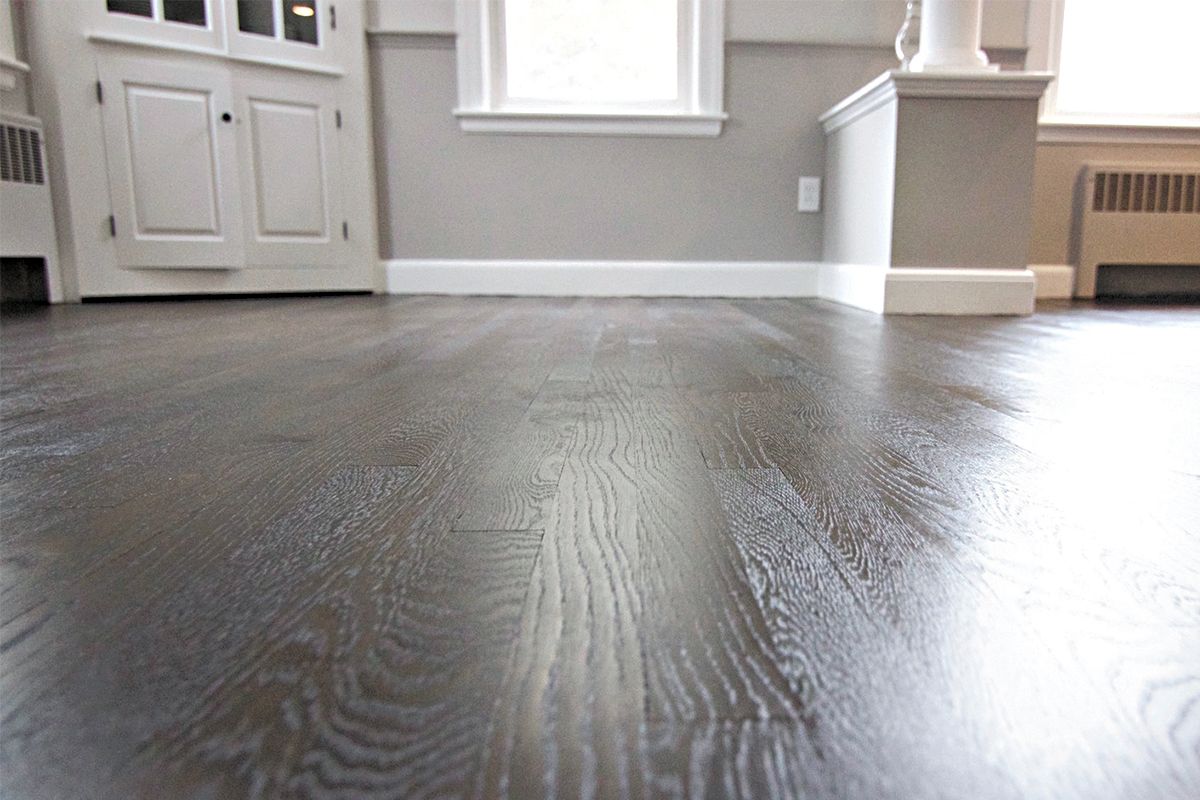
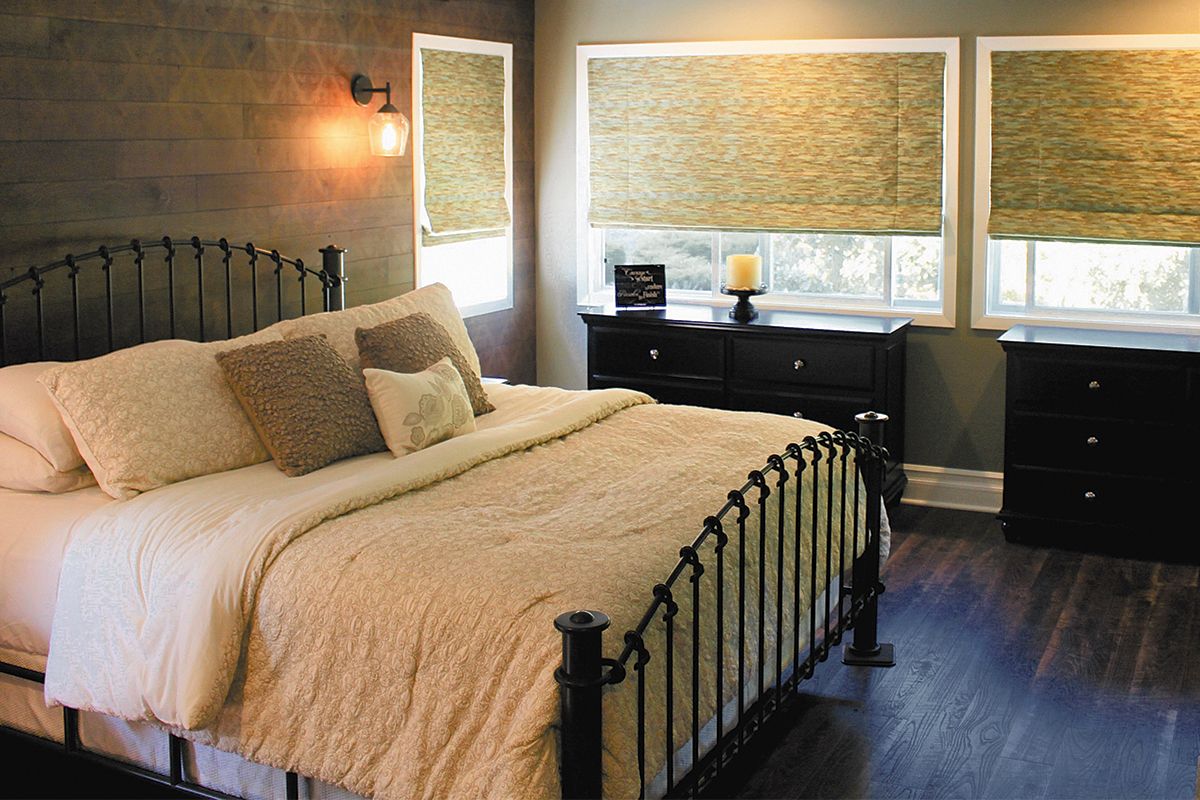
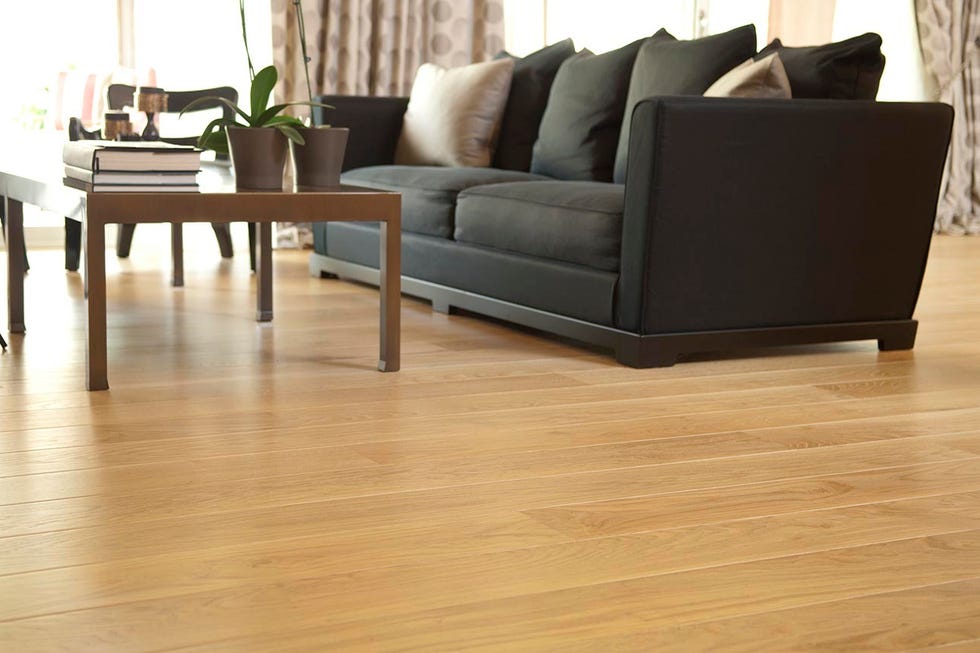
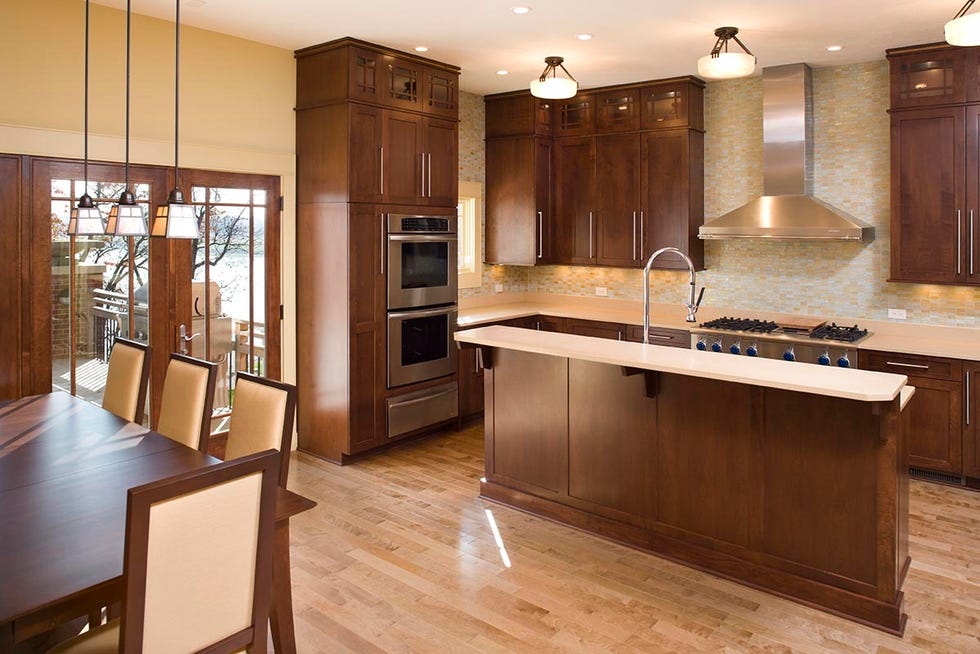
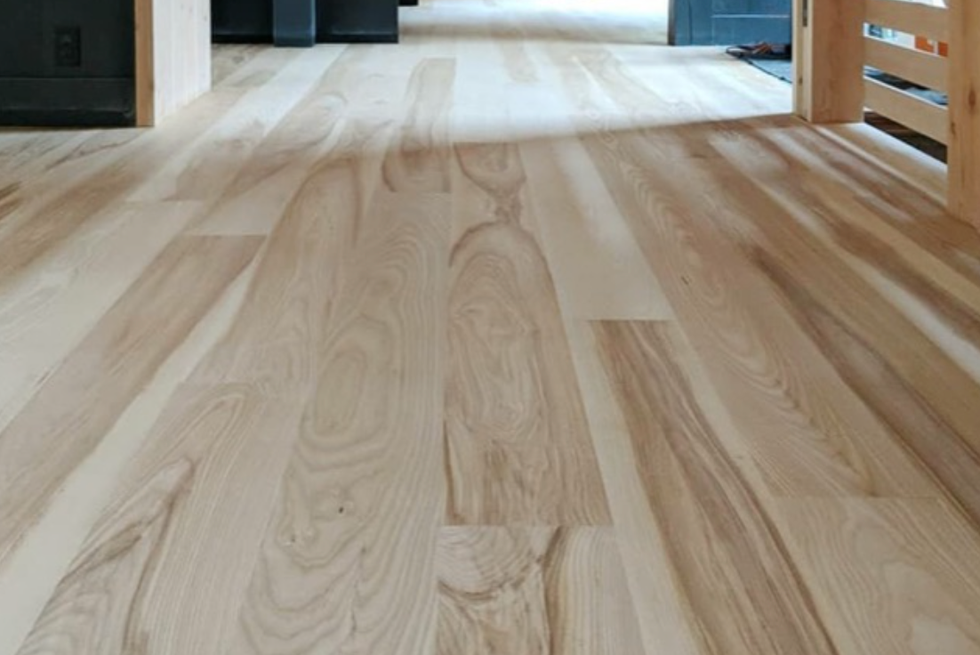
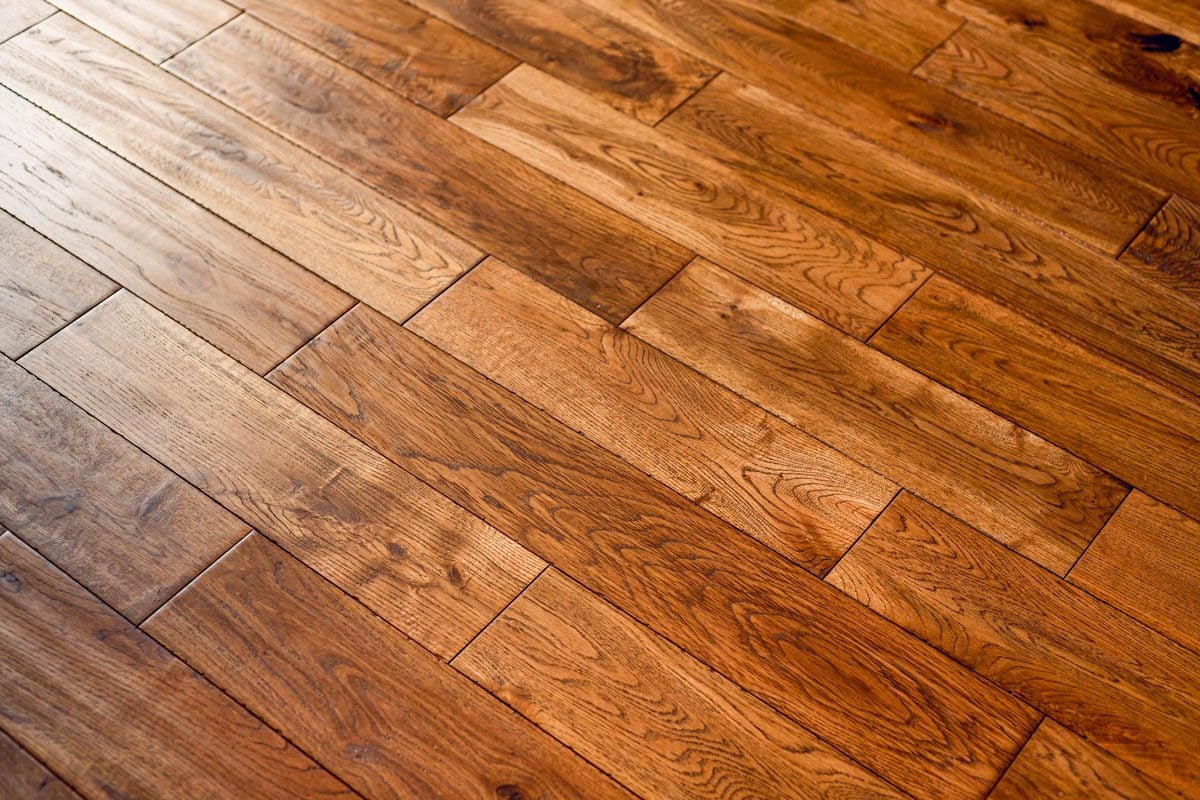
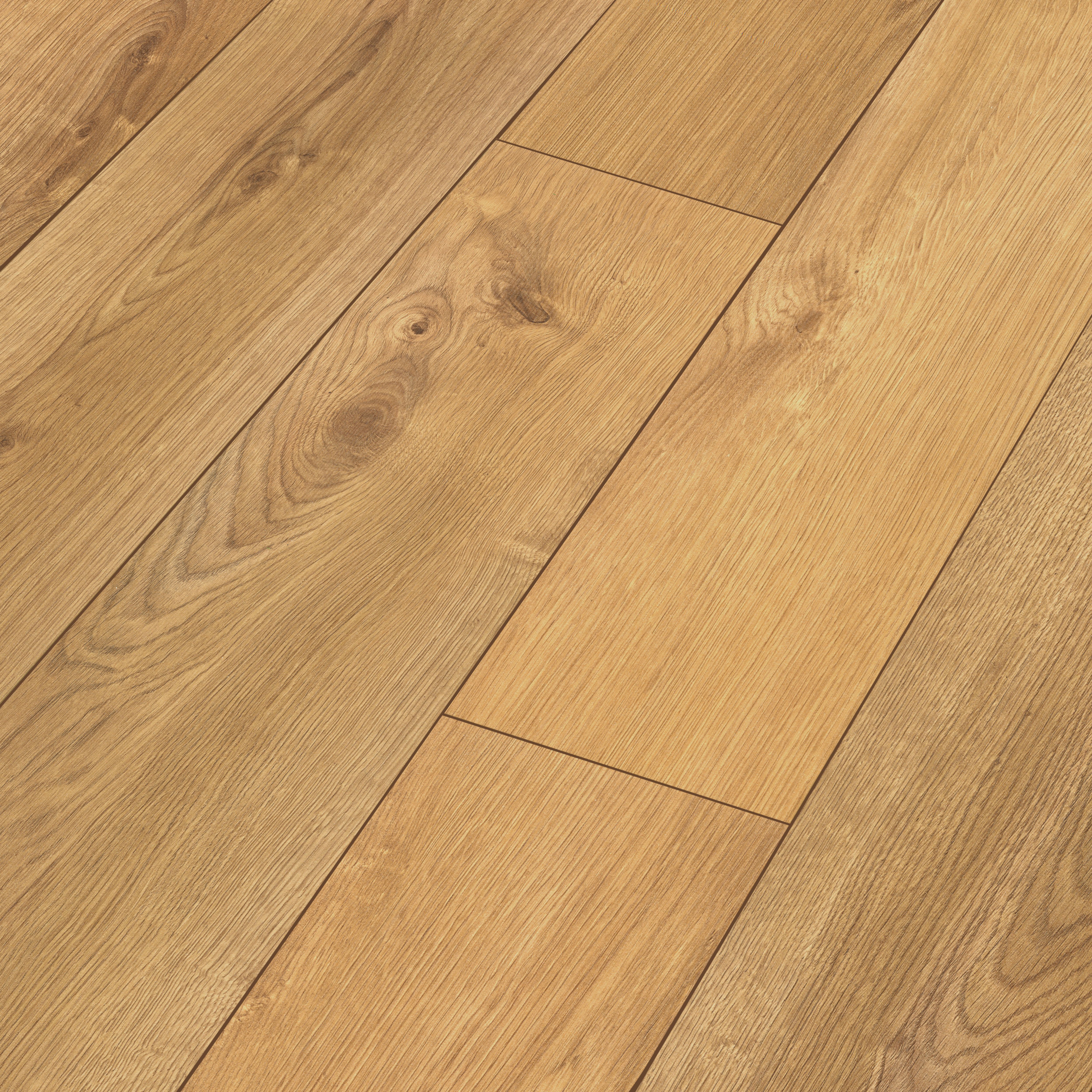
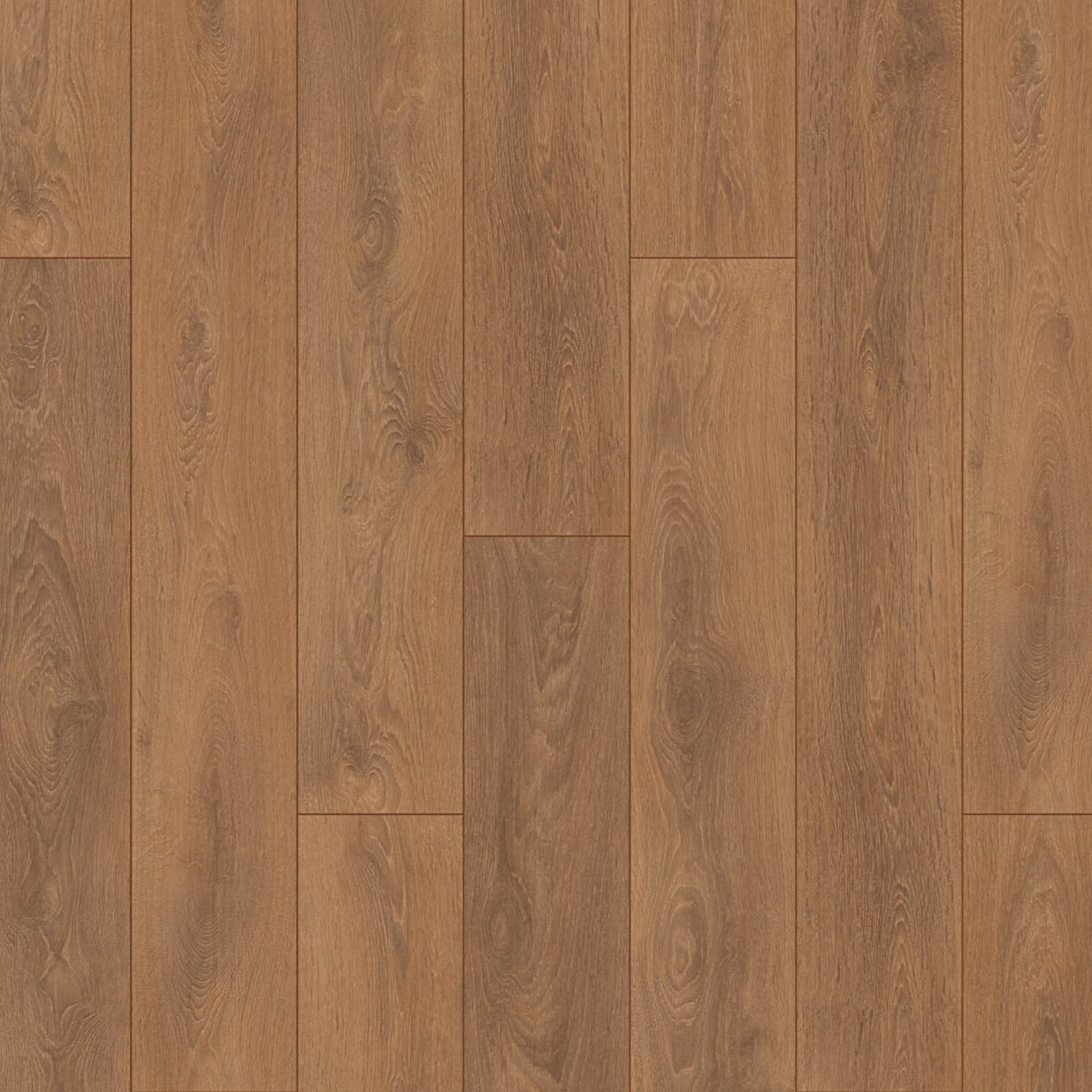
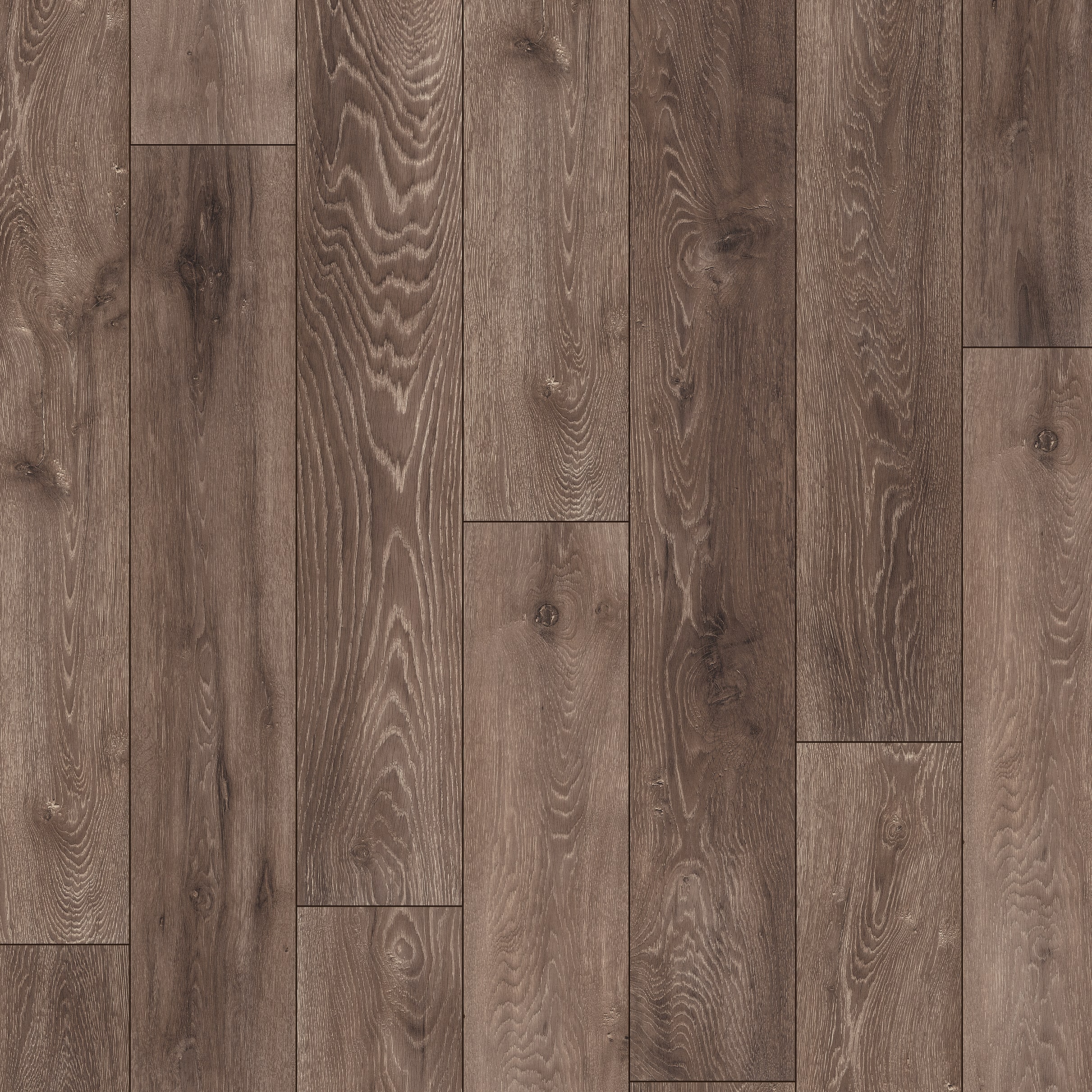
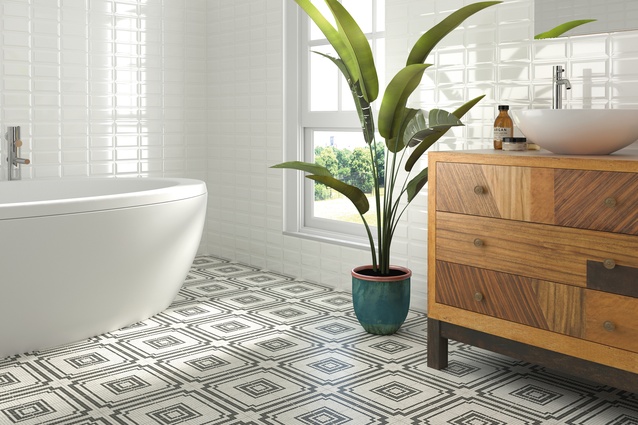
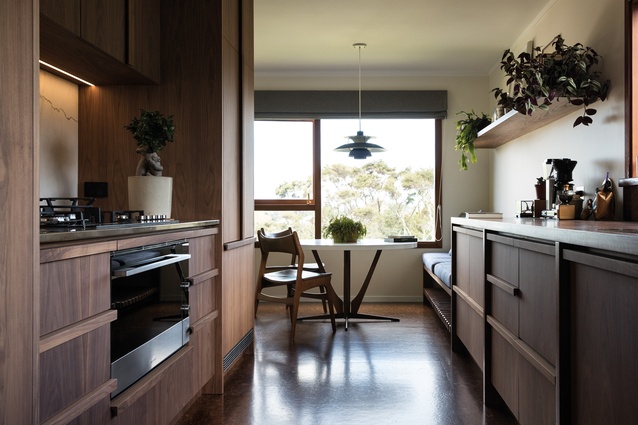
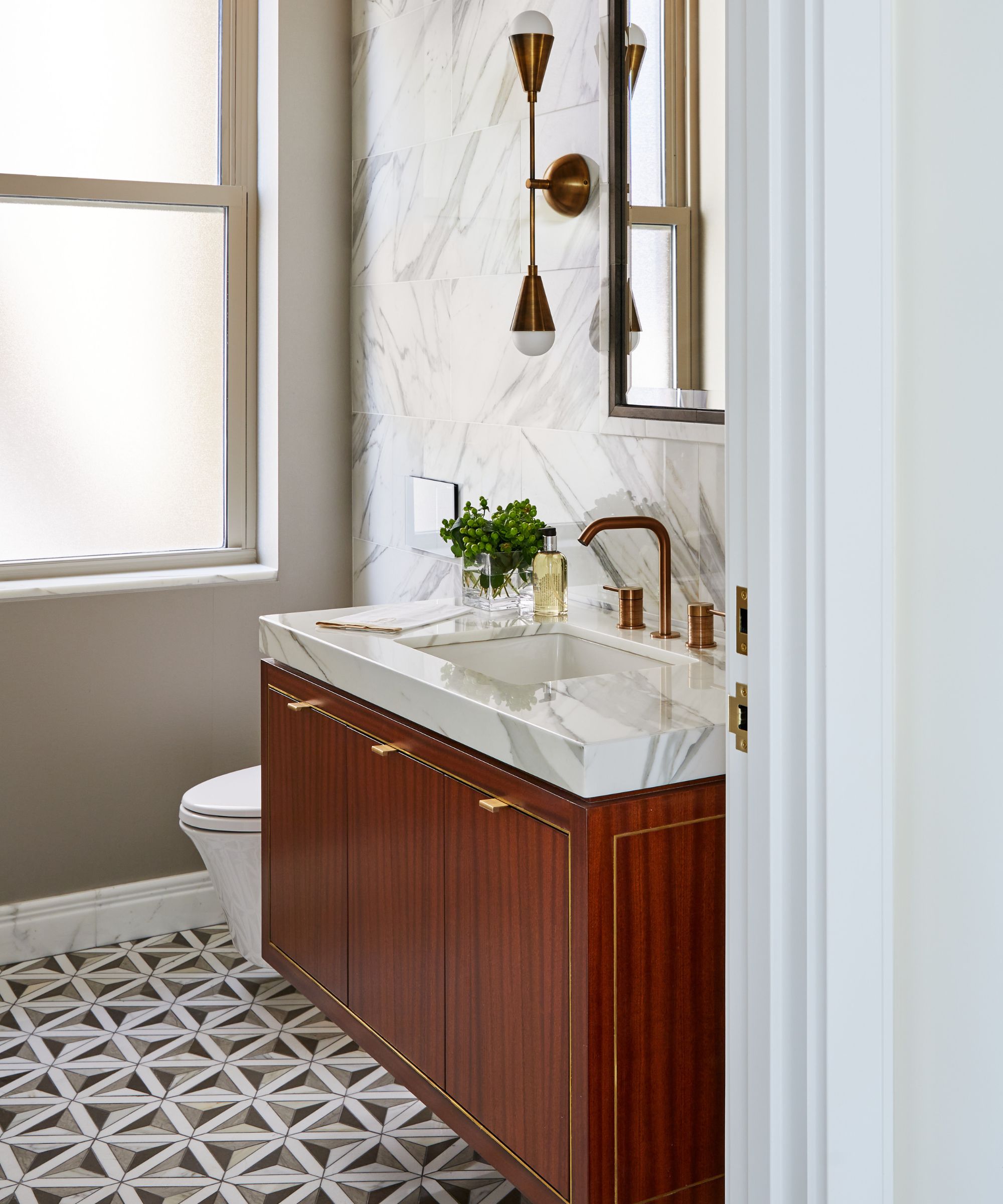
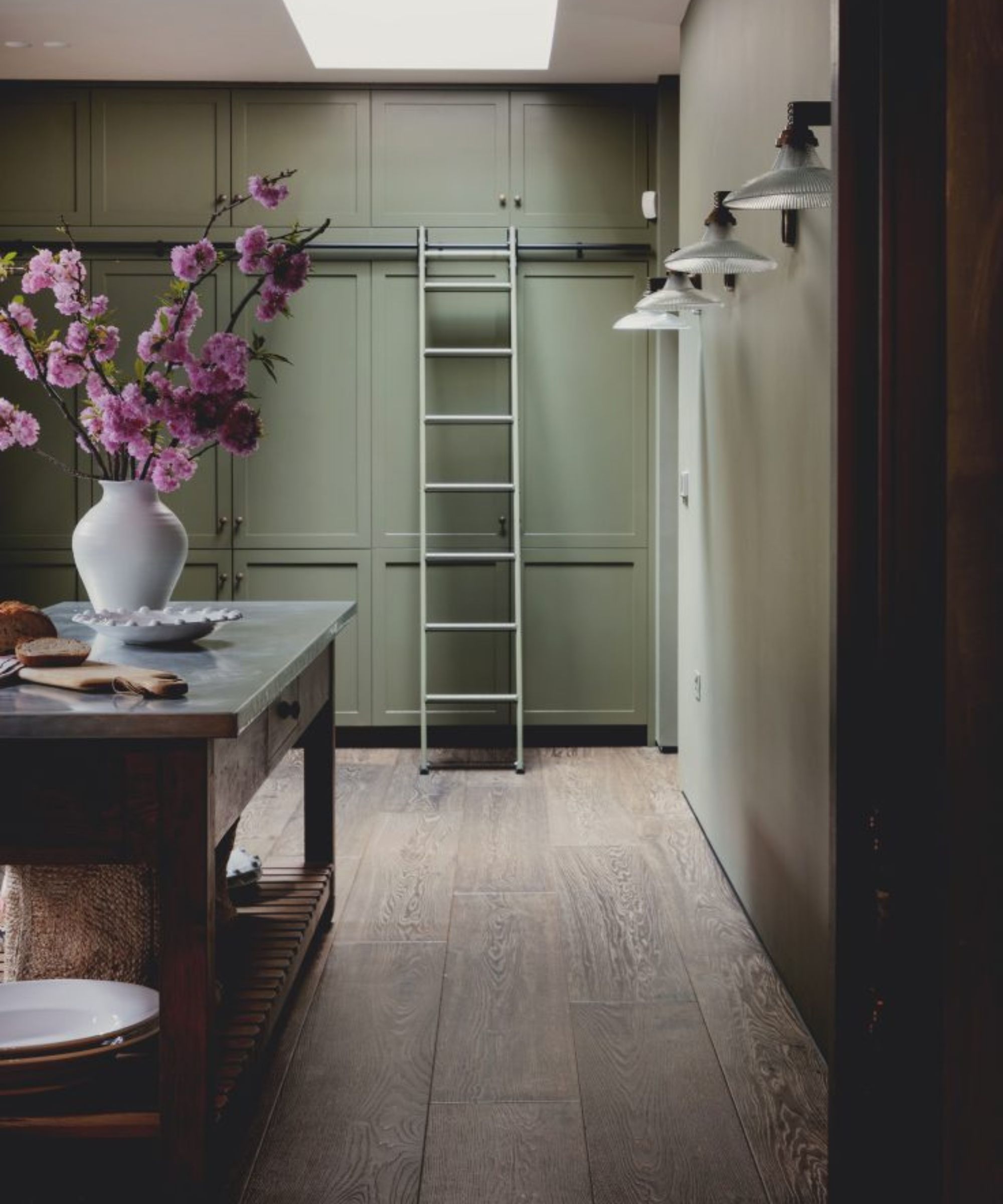
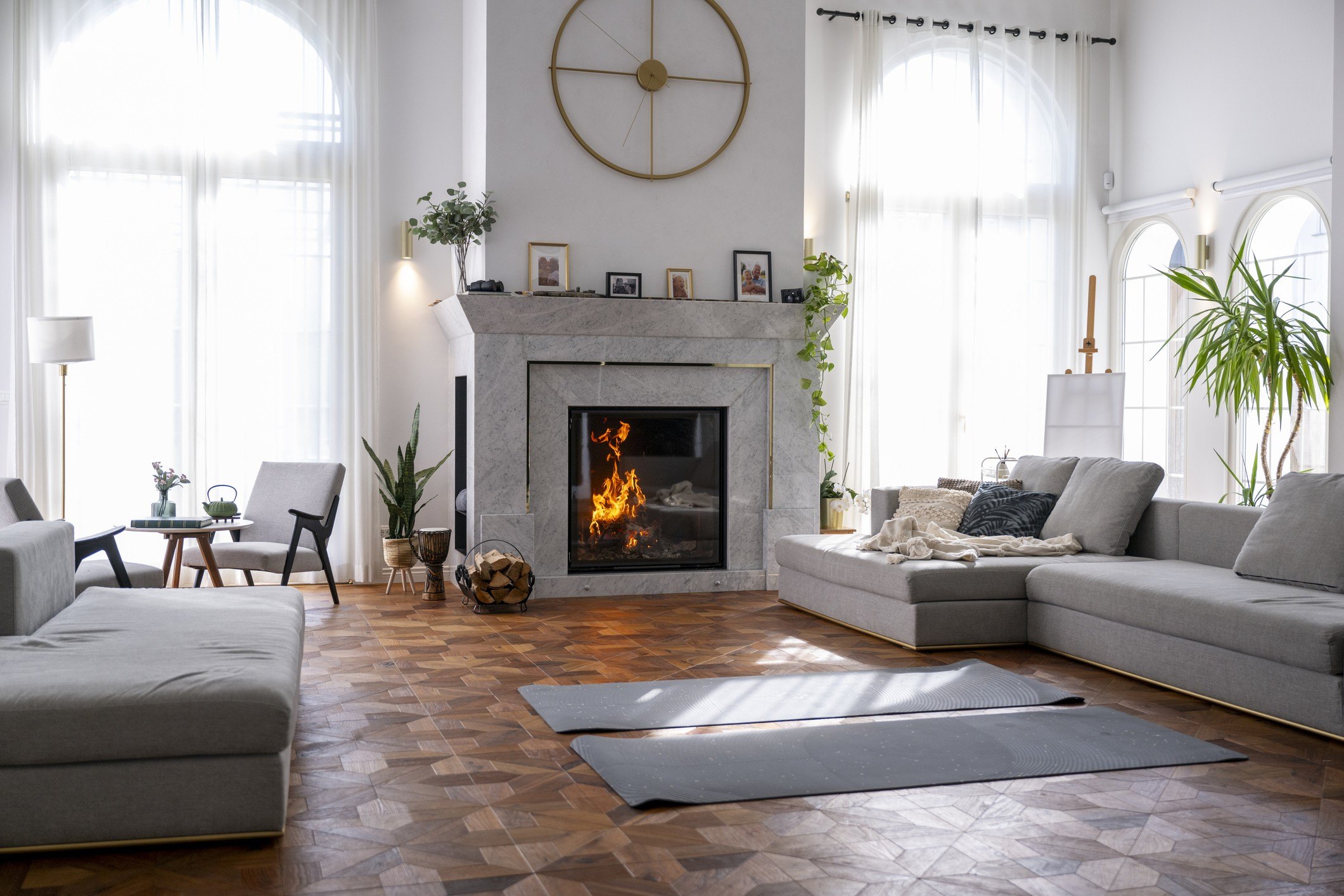
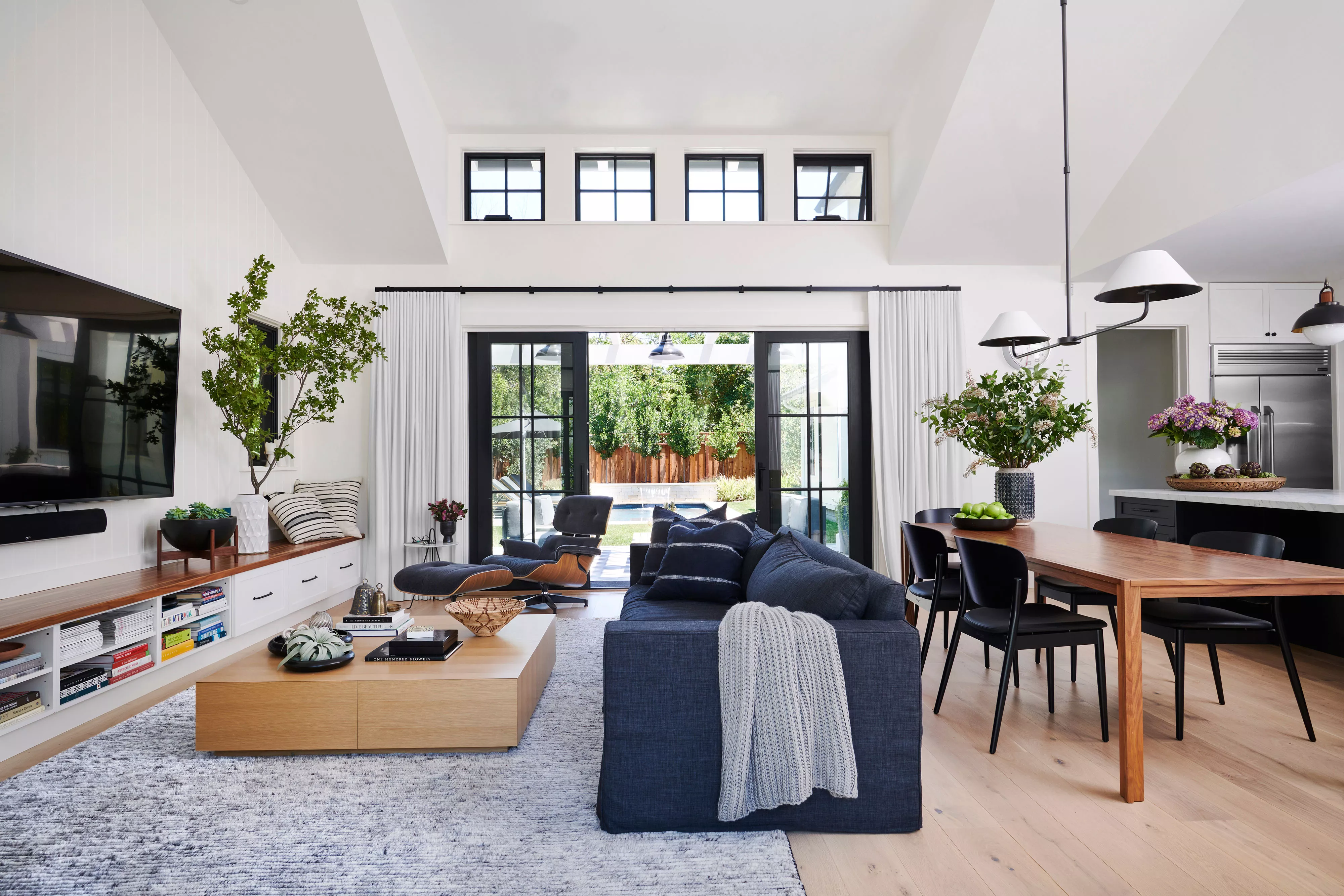
Schmidt emphasizes that while it is acceptable to have a mix of flooring types, such as hardwood in living areas and tile in bathrooms, the specific type within each category should maintain consistency. For example, using the same white tile for both the kitchen and bathrooms, or consistent gray carpet across all bedrooms, contributes to a cohesive aesthetic. If hardwood or wood laminate is used, it should ideally be of the same shade throughout the home, even if the material itself varies slightly. A common "flooring sin" is having too many different types of flooring visible in a single space or where they directly meet, creating an abrupt visual transition. To mitigate this, Schmidt advises sellers to ensure that mismatched flooring types are not easily visible from a single vantage point within a room. She notes that buyers are particularly turned off by multiple shades of hardwood flooring, especially when these variations are apparent on the same floor level.
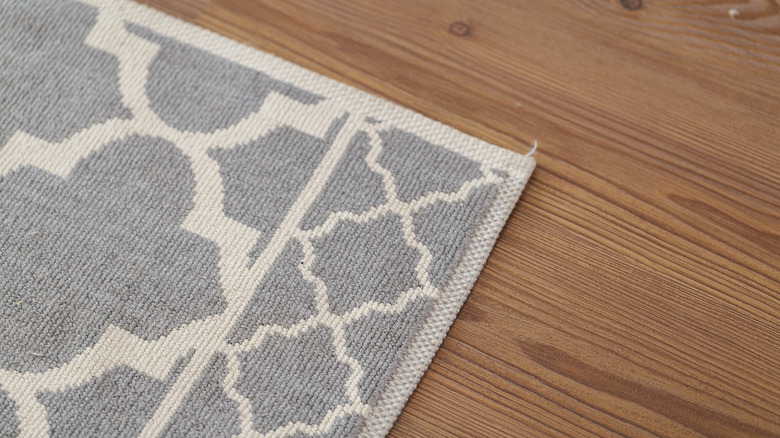
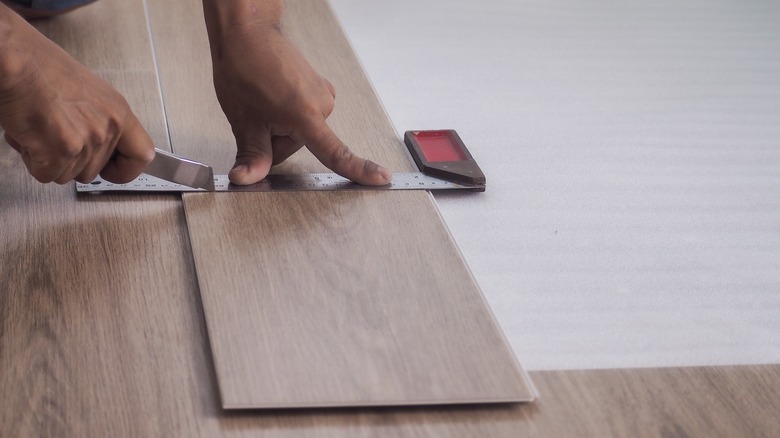
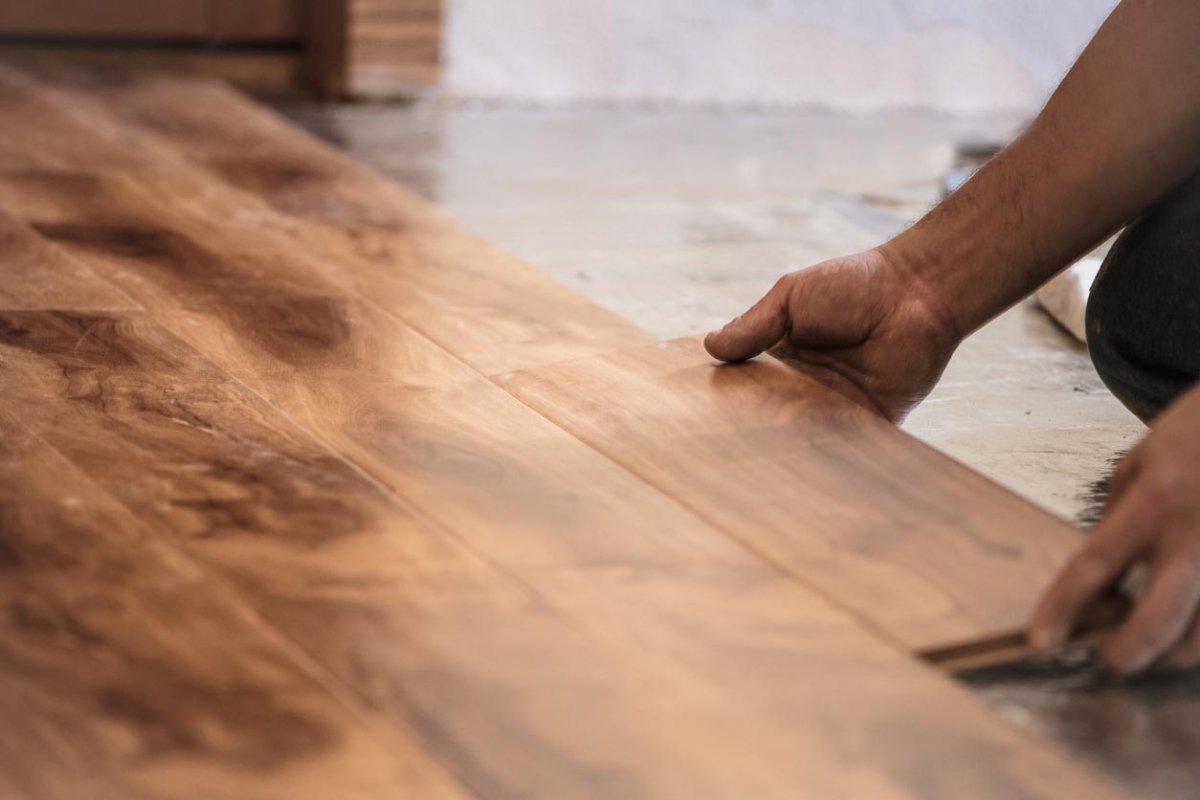
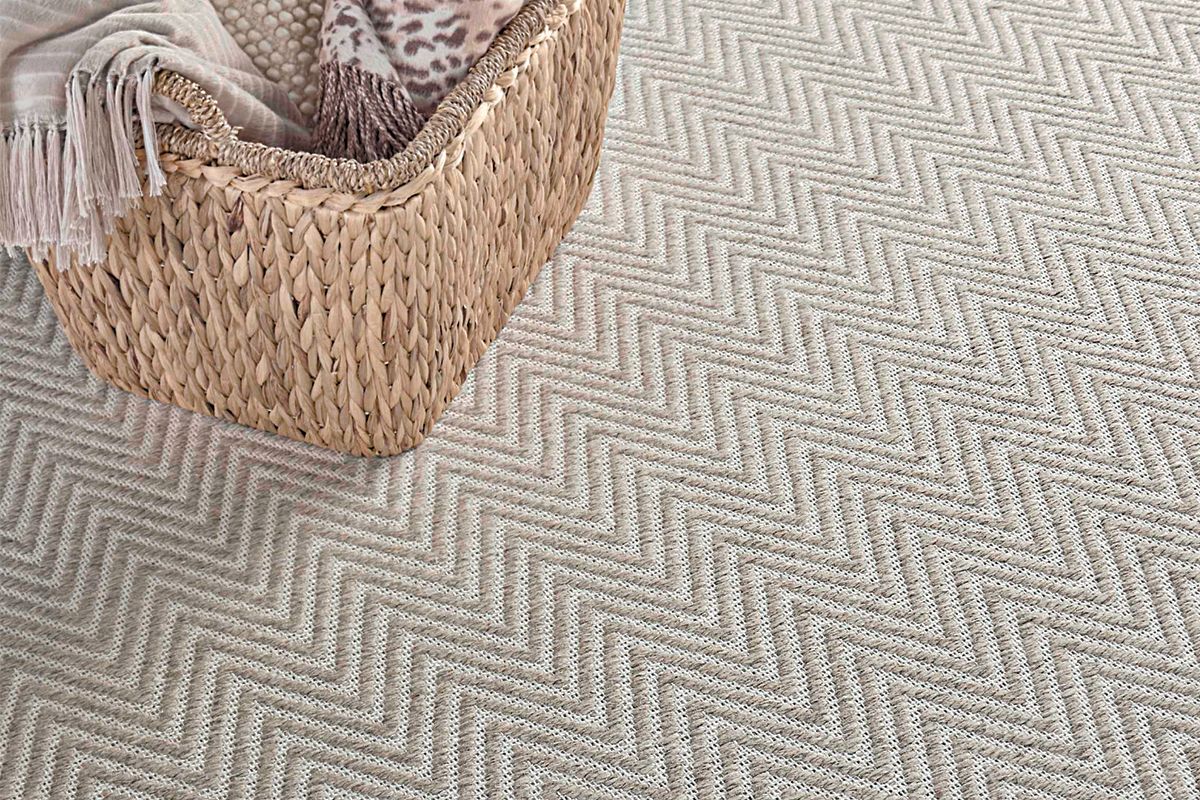
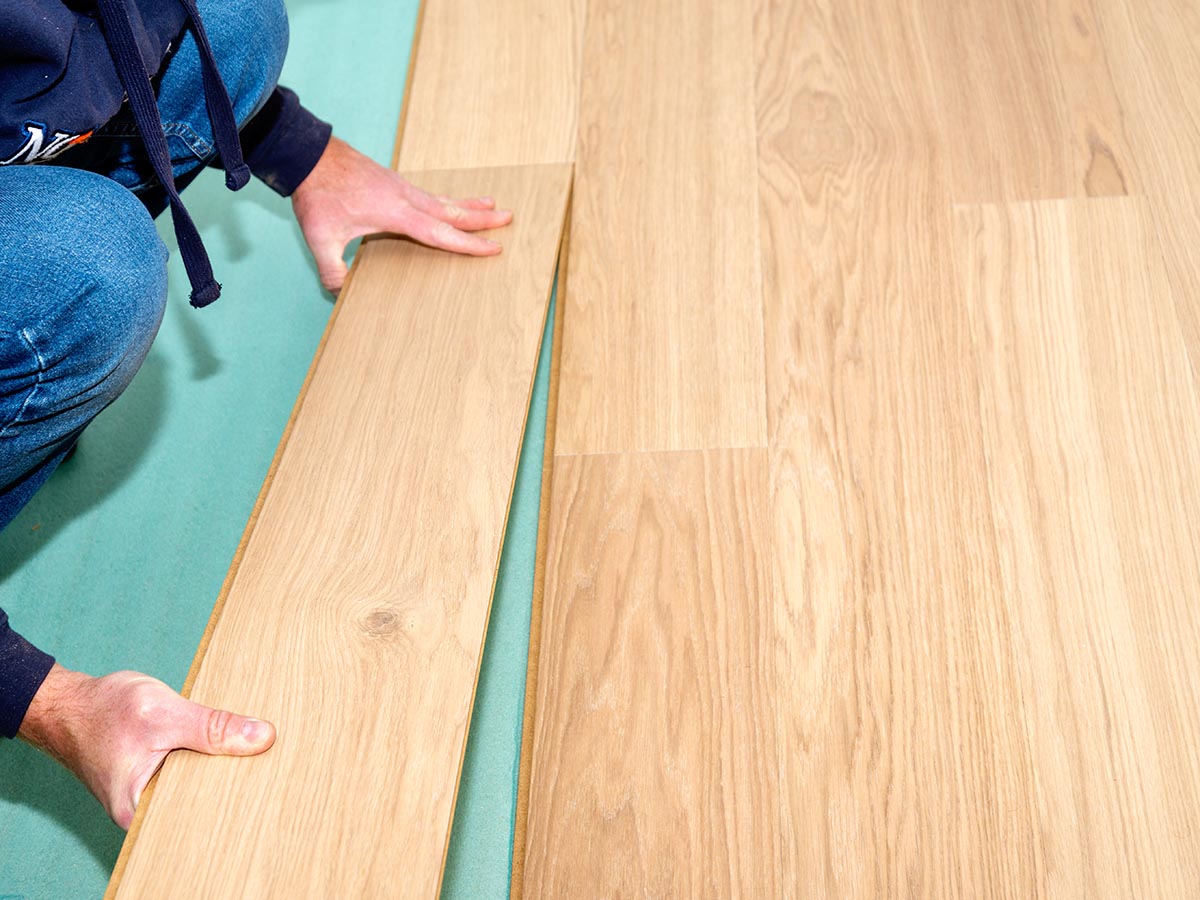
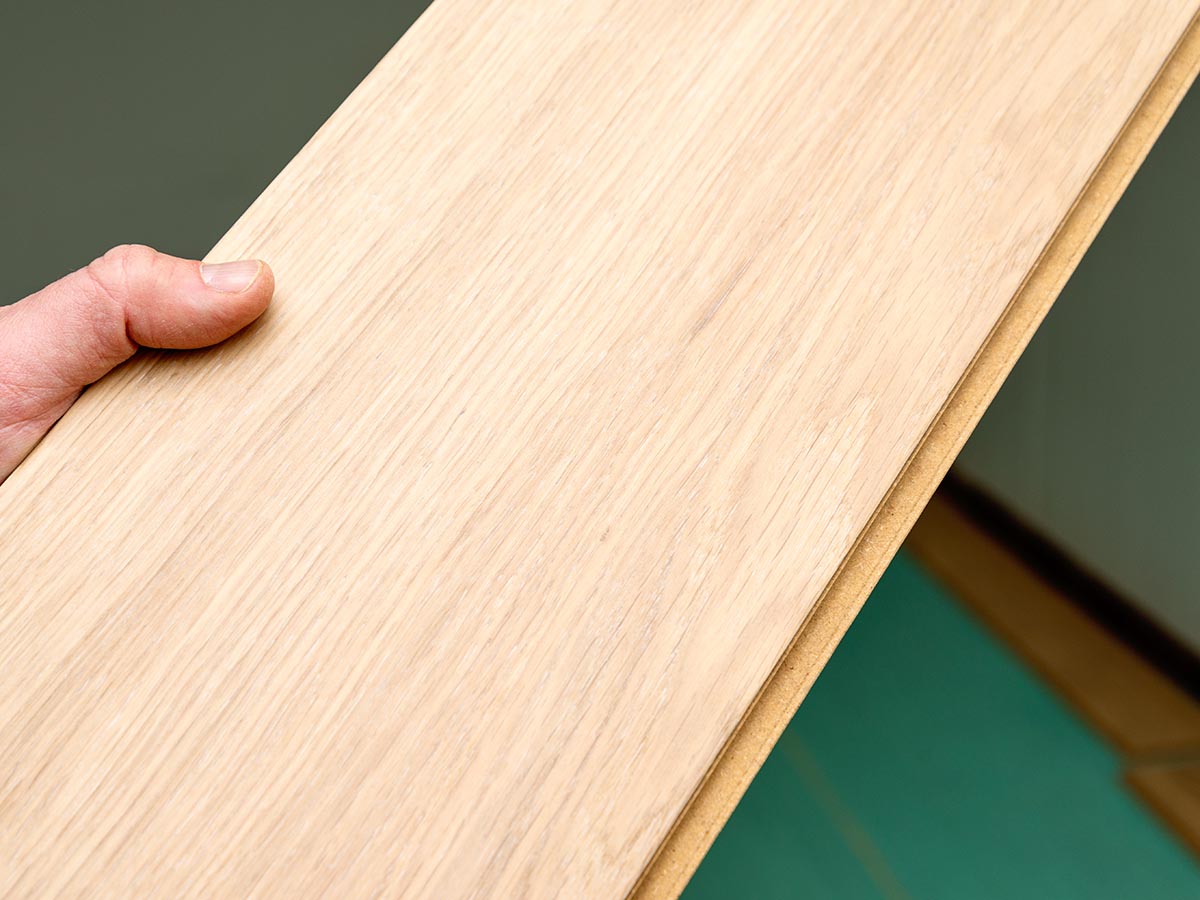
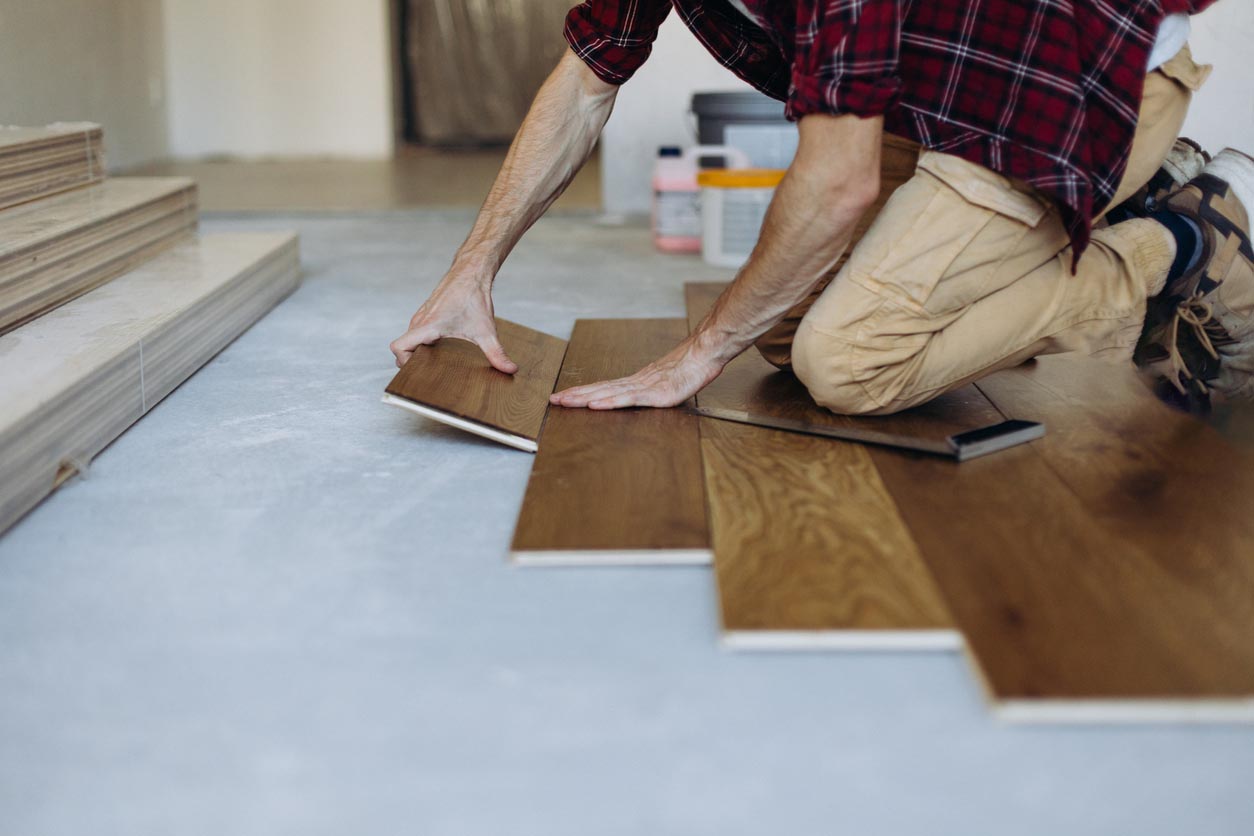
For sellers considering an overhaul of their flooring before a sale, Schmidt recommends classic hardwood flooring due to its timeless appeal. However, she also points out that many fantastic tile options are available, which can be more cost-effective and easier to maintain while still appealing to buyers. The goal is to achieve a consistent look that makes buyers feel comfortable and eager to finalize the purchase. Limiting the home to one or two primary flooring materials helps achieve this cohesive appearance. If a full flooring replacement is not feasible, staging tricks can be employed to better integrate different flooring materials. For instance, strategic placement of rugs or furniture can help bridge visual gaps between disparate floor types.
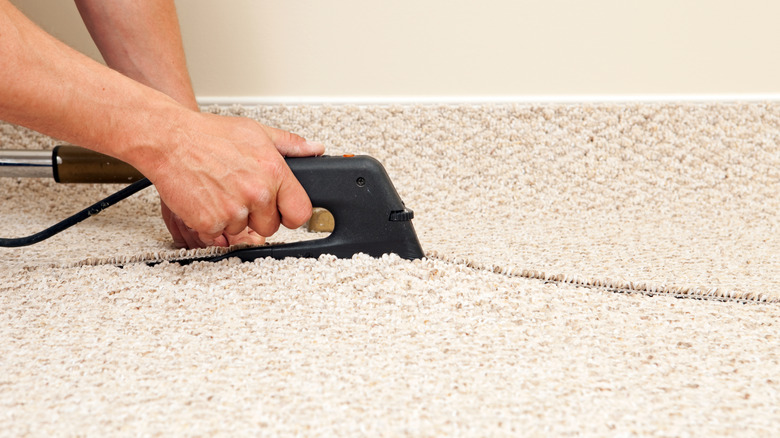
In situations where sellers need to sell quickly but lack the budget for extensive flooring replacements, Schmidt suggests offering a credit to buyers. This credit would cover the cost of replacing existing flooring, such as outdated carpet in areas where it is no longer fashionable (like dining rooms). This approach allows buyers to either replace the carpet themselves or put the allocated funds towards more desirable options like hardwood floors. This flexibility can be a powerful incentive, enabling buyers to customize the home to their preferences without the seller incurring upfront renovation costs. Ultimately, the objective is to present a home that feels harmonious and well-maintained, minimizing any elements that could cause buyers to hesitate.
#HomeSellingTips #RealEstateAdvice #FlooringConsistency #BuyerAppeal #HomeStaging #InteriorDesign #HomeImprovement #PropertyValue #HomeSellingTips #RealEstateAdvice #FlooringConsistency #BuyerAppeal #HomeStaging #InteriorDesign #HomeImprovement #PropertyValue
0 comment in total
 No comments yet
You may also like
5 flooring choices that will make it harder to sell your home
Best Flooring of 2025
Flooret Flooring Review: Direct-to-Consumer Floors That Are Worth the Hype

This Design Mistake Could Lower The Resale Value Of Your Home

Our Real Estate Expert Names The Kitchen Flooring Choice That Can Hurt Your Resale Value
LL Flooring Boasts Hundreds of Flooring Choices—But Is It a Good Option for Homeowners?
Costco Or Home Depot: Who Has Better Deals On Flooring?
Walk on by: flooring focus
5 things designers look at to compare carpet vs hardwood floors – they'll help you choose the right one for your room

Does Renovating an Open Floor Plan Boost Your Home's Value? What to Know Before Selling

A Home Improvement Expert Reveal the Best Hardwood Flooring

This Is the Best Time to Buy Flooring (and the 2 Times When You Absolutely Should Not)
This is the Absolute Best Flooring for Increasing Home Value


The 5 Best Flooring Companies in America
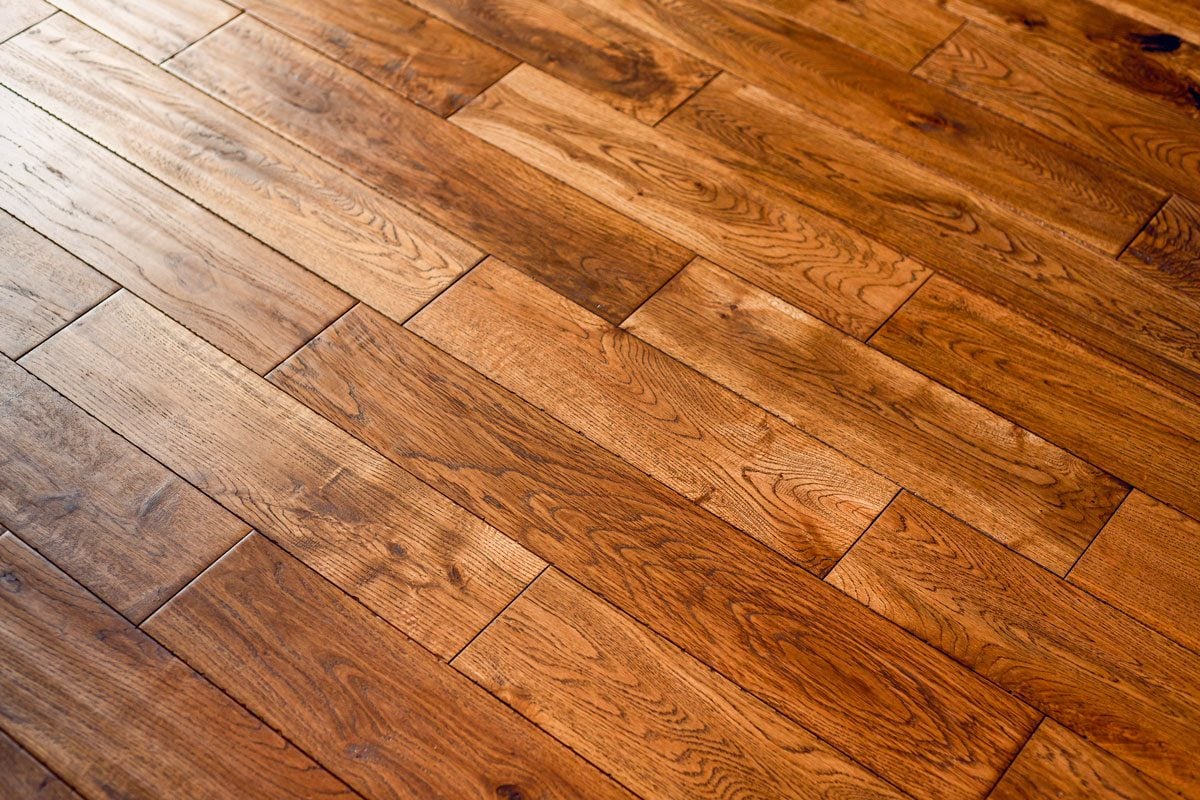
Future of Flooring: Home Pros Talk Through the Latest and Greatest Flooring Trends
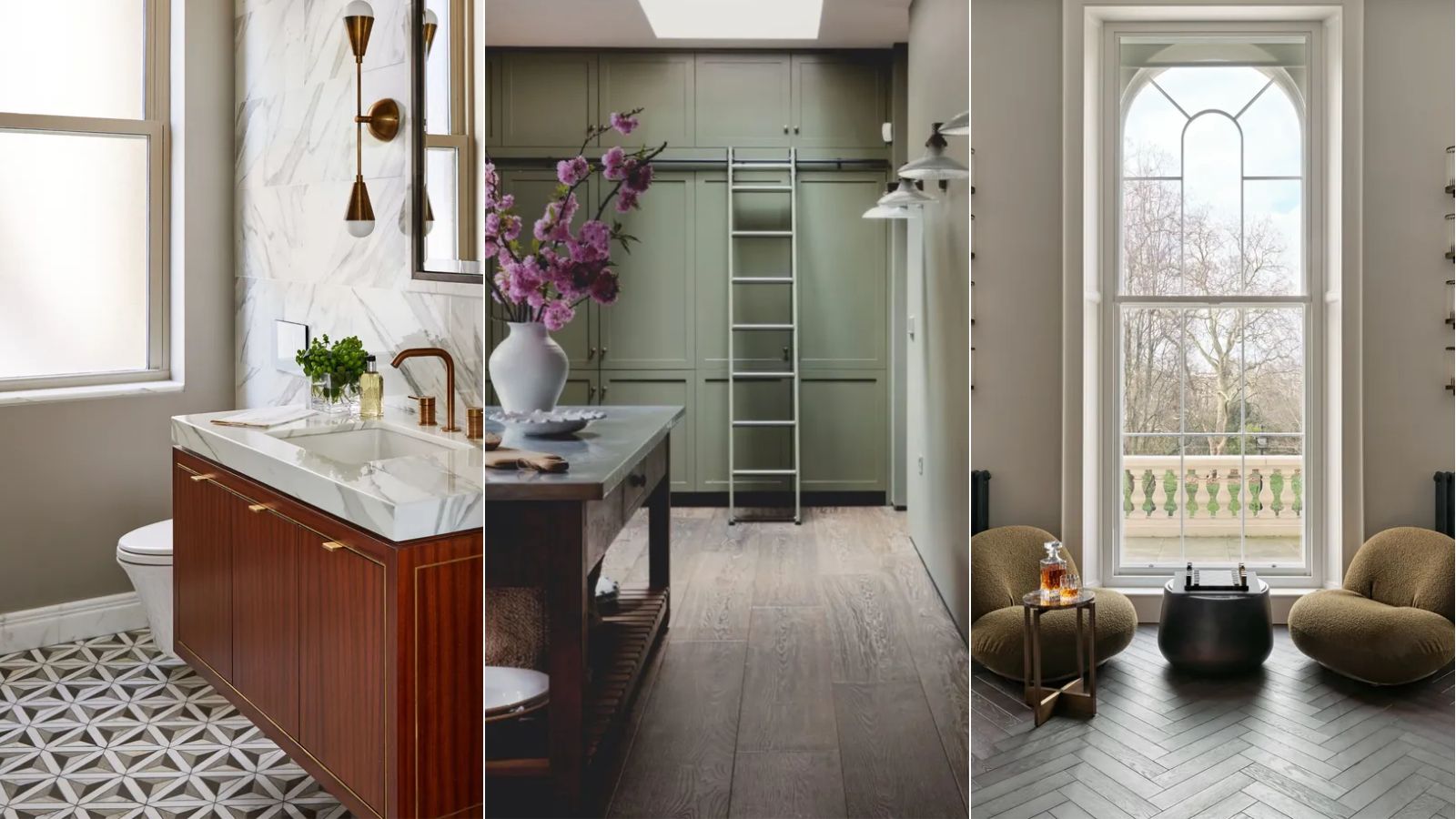
Flooring trends 2024 – designers predict these 8 styles will lead the way in interiors this year

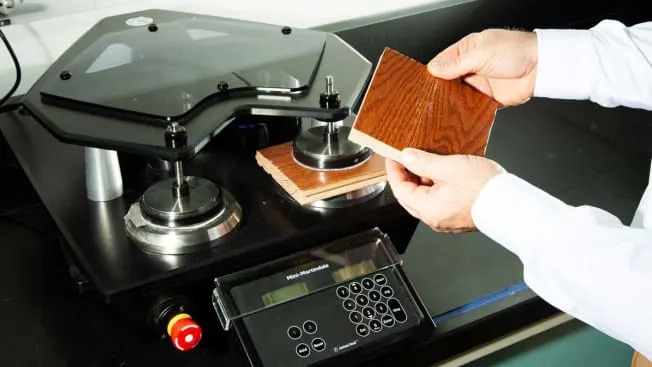
Best Flooring From Consumer Reports' Tests
Add comfort and beauty to your home with new floors


Tiles & Flooring Offers

Are Heated Floors Worth It? 2 Real Estate Pros Weigh In